BAYLOR COLLABORATIVE ON
BAYLOR COLLABORATIVE ON
Friends,
This has been a definitive year for the Baylor Collaborative on Hunger and Poverty. Our team has worked tirelessly to complete our 2030 Strategic Plan, launch our first global project with partners in Guatemala, and change the landscape of federal nutrition to make sure children in rural and remote areas of the country have equitable access to summer meals!
As we look back at these milestone moments in 2023, we remember the work it took to get there. The work of fighting hunger takes place in school cafeterias, offices, over Zoom calls, and in food distribution sites in the communities we love. Because of the dedication of the Baylor Collaborative community to feeding our neighbors, we can pause to celebrate all we have accomplished in 2023.
None of this work would be possible without the contributions of individuals who choose to give of themselves to help others. This past year, the generosity of individuals made it possible to expand our work in Texas to new school districts, begin designing an innovative solution for previously incarcerated men and women reentering society facing hunger, and provide sponsorships to Baylor students to be formed into the next generation of food security leaders through both our annual Summit and the new Master of Arts in Theology, Ecology and Food Justice.
Our work isn’t over. Our goals for next year are even more ambitious. Please join us as we strive to cultivate scalable solutions to end hunger. A year-end gift will help us reach more communities in Texas, across the country, and in our emerging global work in Latin America with the tools, data, and research needed to expand access to nutritious meals. You will find a link to give below, and more on the impact we have made this year in the accompanying Year-End Spotlight.
We remain committed to our vision of a world without hunger. Thank you for sharing that vision with us.
Jeremy Everett, D. Min.
Executive Director
Baylor Collaborative on Hunger and Poverty
Join us this giving season by visiting: hungerandpoverty.web.baylor.edu/give


Founded in 2009, the Baylor Collaborative on Hunger and Poverty began with the goal of making sure every Texan had access to three nutritious meals each day. Using a collective impact approach, the Baylor Collaborative worked alongside local communities to build coalitions of likeminded stakeholders committed to ending hunger in their communities and partnered with school districts and community organizations to make sure more children had access to meals outside of school.
Today, the Baylor Collaborative continues to partner with stakeholders across Texas, the nation, and the globe fighting to end hunger. Our partnerships allow us to pioneer research, to test and evaluate innovative models for ending hunger, and to collaborate with leaders to scale those ideas for maximum impact. We believe no one sector can end hunger alone, and cross-sector collaboration propels us toward our vision of a world without hunger.
Through HOPE, the Baylor Collaborative partners with high-need school districts, policymakers and community leaders to close the gap between individuals experiencing food insecurity and federal programs designed to reduce hunger.
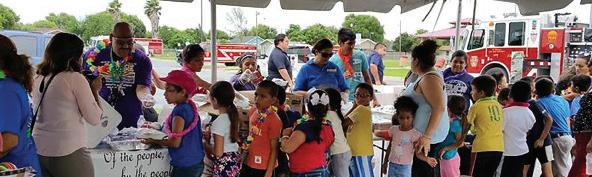
• In 2023, the Baylor Collaborative worked with school districts, local government agencies and community organizations spanning 51 Texas counties to increase children’s access to summer meals, after-school meals and school breakfast.
• In partnership with AARP, our research team, led by Dr. Craig Gundersen, designed an online SNAP Benefit Indicator to evaluate whether this tool increases the likelihood that older adults will apply for SNAP benefits.
• Working with policymakers and our advocacy partners, the Baylor Collaborative continued to promote federal and state policies that ensure every household has access to three nutritious meals each day.
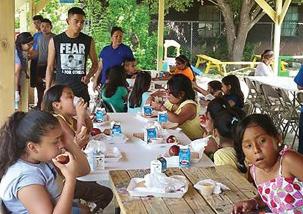
“Parents in Weslaco told us summer meals help them afford school uniforms and shoes. These cost savings from summer meals improve their household budgets and relieve stress from the increasing costs to feed their family.”
Debra Franco, Child Hunger Outreach Specialist, South Texas
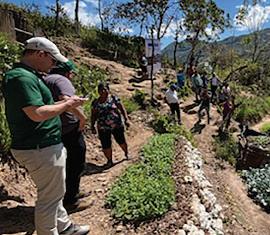
This year, the Baylor Collaborative established Guatemala Sin Hambre (Hunger Free Guatemala) to develop, test and scale interventions aimed at fortifying food security in Guatemala, where an estimated 4.3 million Guatemalans – more than 1 in 4 residents – are grappling with multifaceted poverty, acute food insecurity and malnutrition.
The Baylor Collaborative is currently evaluating the World Food Programme’s multi-year resilience project, designed to enhance the food security and nutrition of rural communities in Guatemala. Additionally, we are actively conducting an analysis of Guatemala’s food and nutrition landscape. This analysis, rooted in extensive literature reviews and interviews with subject matter experts, strives to offer a nuanced understanding of the existing gaps and opportunities in combatting hunger and malnutrition and foster conversations that can shape equitable policies for reducing food insecurity in Guatemala.
42M+ Meals Served
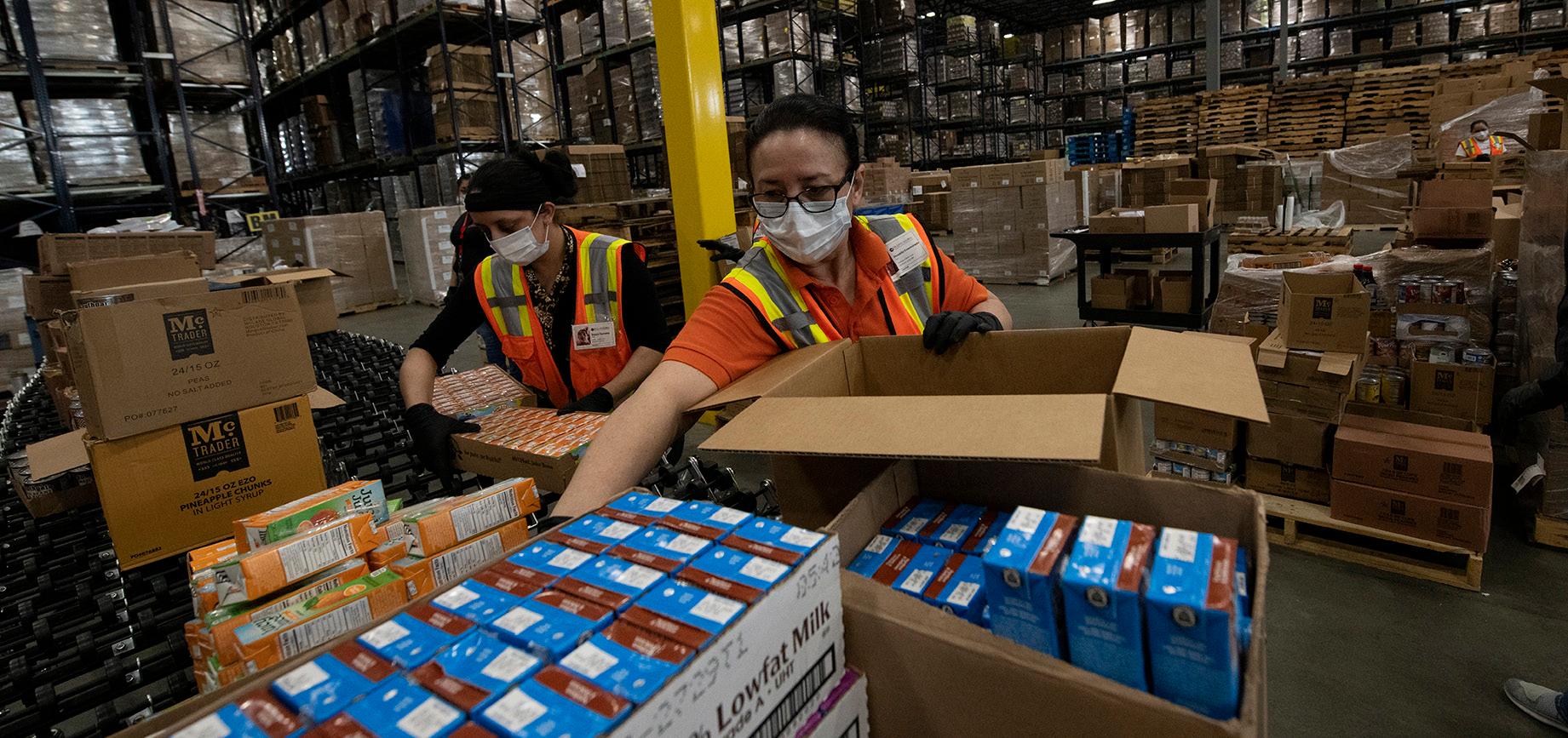
In 2023, the Baylor Collaborative completed its fifth and final year of the Meals-to-You Project. Meals-to-You is a joint demonstration project with the United States Department of Agriculture and the Baylor Collaborative in which children in rural America without access to a traditional summer meal site receive shelf-stable, nutritious food delivered to their homes during the summer break. Over the past five years, this program has served more than 2.5 million meals to nearly 31,000 children in school districts across Texas, Alaska, Utah and New Mexico. During the COVID-19 pandemic, when the program quickly scaled up to expand access, more than 270,000 children received nearly 40 million meals across 43 states and Puerto Rico between April and September 2020.
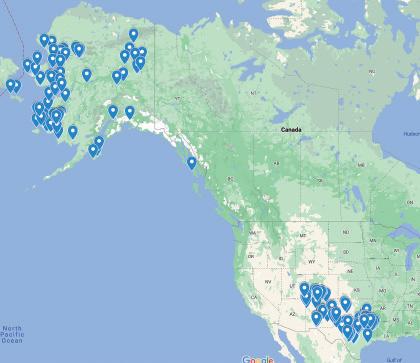
Evaluations by the Urban Institute have shown that the Meals-to-You program was as effective in reducing food insecurity over the summer months as the National School Lunch Program. The success of the Meals-to-You program contributed to new federal legislation this past year that now allows families in rural America to have access to summer meals through home delivery programs like Meals-to-You and other convenient options.
“This has been a fabulous program for our family. We have used almost EVERY single item in the boxes…Everything in here is healthy and delicious. What an amazing program. It has really helped offset our grocery bill for our family of seven this summer. Thank you!”
MTY Participant in Nome, AK
Hunger Free Community Coalitions (HFCCs) eliminate barriers between sectors, creating sustainable solutions to end hunger in local communities. These regional coalitions bring together community leaders, government officials, non-profit and faith community representatives, and businesses invested in ending hunger to scale up their individual impact through collaborative efforts.
• In 2023, we expanded our hunger free community network into three Texas regions: the Brazos Valley, South Houston and the rural border. Additionally, we continued consultations with partners in Minnesota and Kansas, developing local and statewide coalitions.
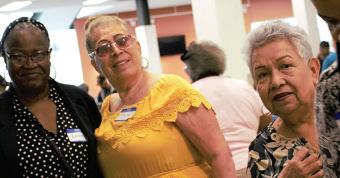
• This year, the Baylor Collaborative partnered with Save the Children to begin evaluations of five innovations designed to reduce hunger for rural children and families.
• The Baylor Collaborative worked with federal policymakers and hunger relief agencies to encourage policies in the reauthorized farm bill that will support HFCCs and other innovative efforts aimed at ending hunger.
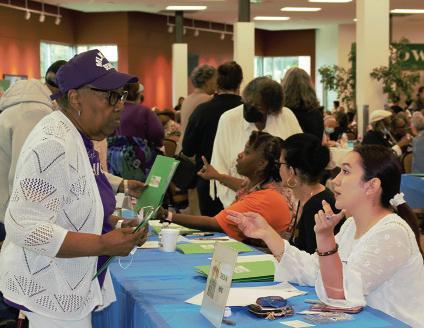
AmeriCorps VISTA (Volunteers In Service to America) is a national service program designed to assist organizations and communities in the alleviation of poverty. Since its inception, the Baylor Collaborative has paired VISTA members with HFCCs across Texas to provide support and leadership. In 2023, VISTA members worked on projects including community outreach, resource mapping, grant writing and resource development, organizational development, and data tracking.
2,155 Community Volunteers Service Hours
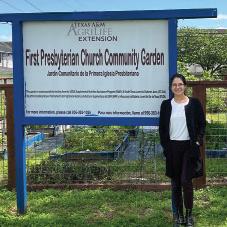
“Working with… the Medical Health Advisory Coalition (MHAC) has quickly shown me how extensive and intertwined the needs in the Rio Grande Valley (RGV) are. Being born and raised in the RGV I believed I knew my community well, but…I have come to realize I don’t know the Valley as well as I thought. As an AmeriCorps VISTA, I am excited to bring about solutions to the unique problems that exist here and am learning that it takes small steps and a lot of patience to move an idea into action.”
Avery Garcia, Rio Grande Valley, Texas
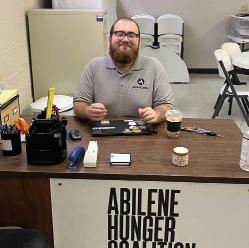
“I have had the privilege to serve as an AmeriCorps VISTA with the Abilene Big Country Hunger Coalition, organizing and implementing Winter Meals, a free meal program.
During the last week of Abilene ISD’s winter break in January, we partnered with 14 organizations…to prepare and pass out meals to residents. Together, we gave out a total of 2,857 meals to Abilene residents... As a result of this program, 73.3% of residents reported their level of food security having improved.”
Jacob Keahey-Trujillo, Abilene, Texas
