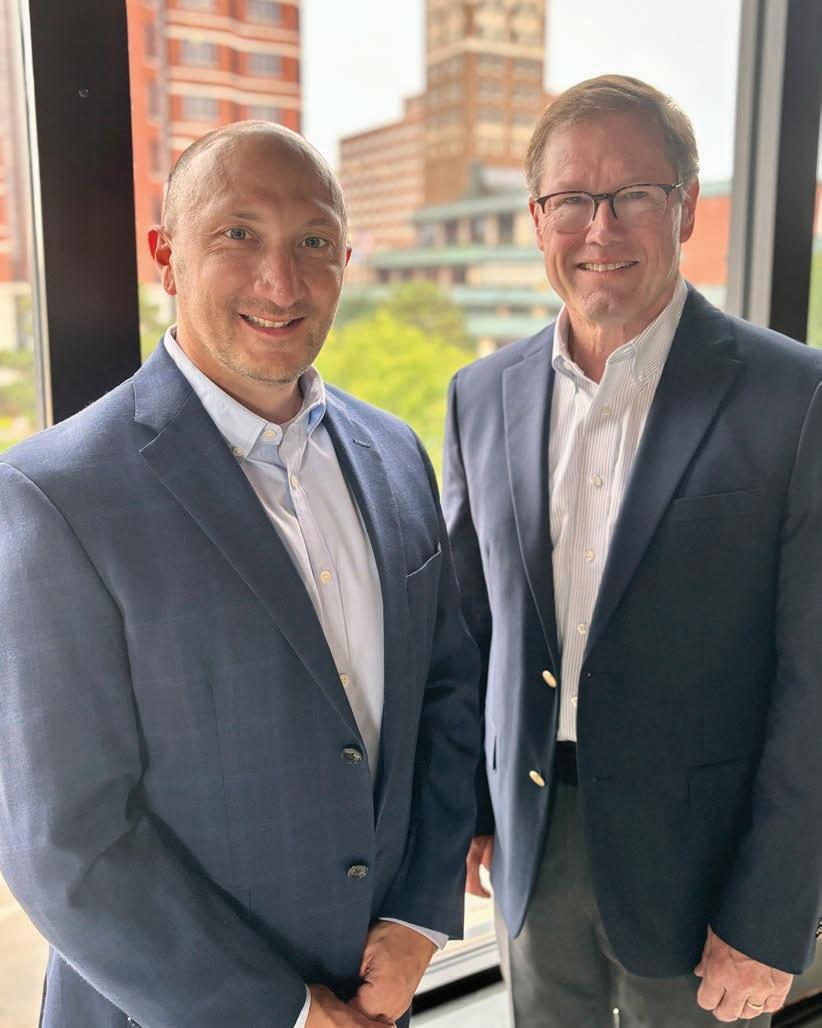
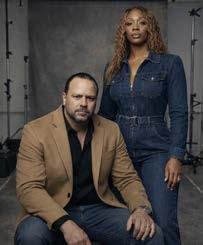
VICTOR CASEY CHARLES ALLCOTT



Kayce Lee, Client Associate, Kevin Hay, First
Laurisa Anderson,
Lynnea Sheriff,
Kathy Buechler,







Welcome to February, friends, and our annual Black History Month issue. This is our seventh issue where we focus on the great history of our brothers and sisters nationally and right here in Bartlesville. This issue is no different, and we are proud to present this issue to our readers.
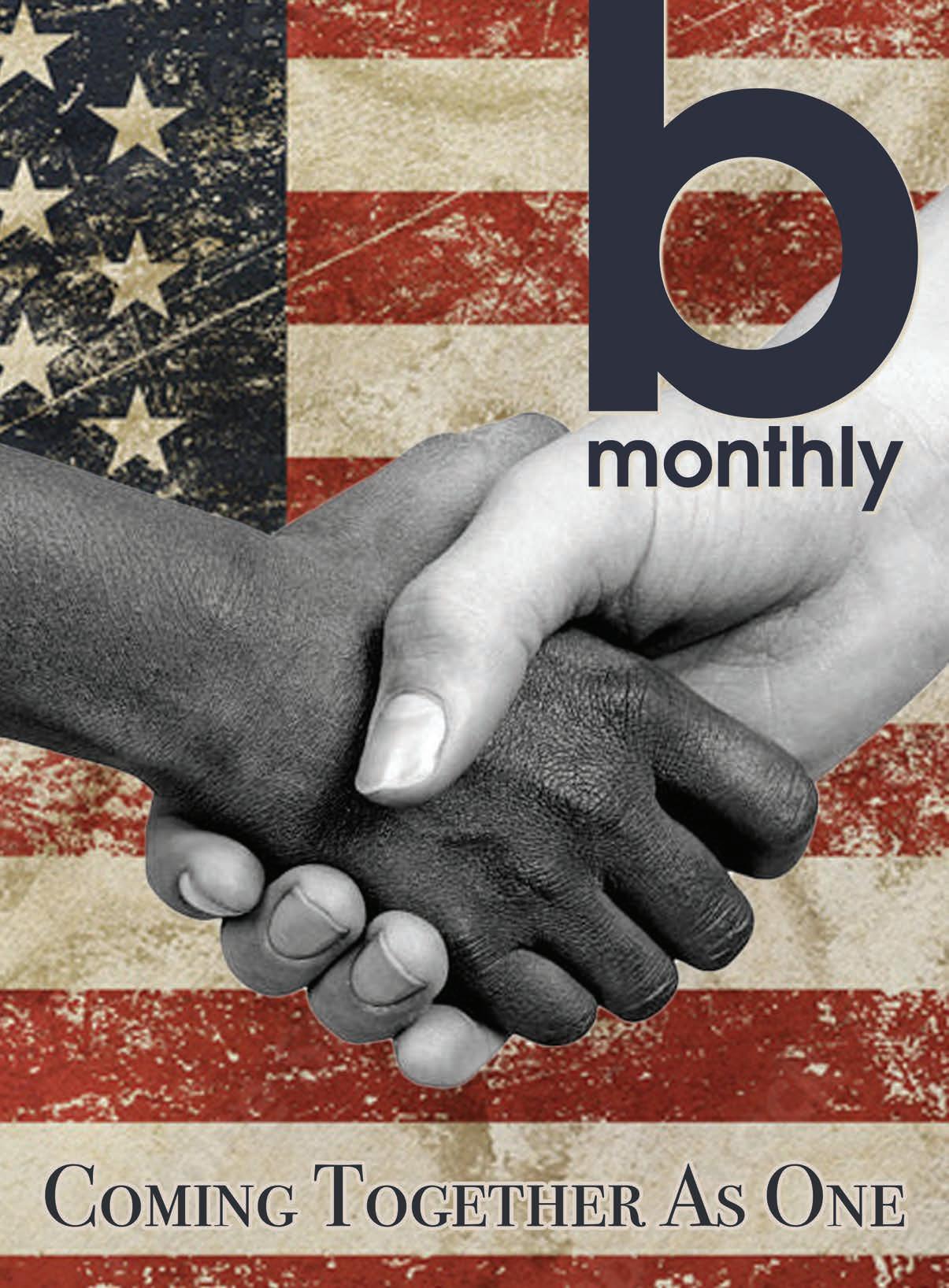
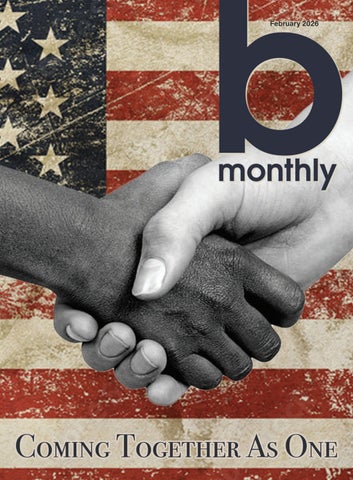
As you all know, I have designed each cover since August 2017. I was trying to find that one picture that would speak of togetherness and not division. I believe this cover does that. I have written this before, but one of my closest friends growing up was black. Back in the 70s, I didn’t see color, and still today, we have many close friends of color. We are close to many families here in Bartlesville who have been in this city for generations and have helped build it.
Our history queen, Debbie Neece, spent many weeks writing this feature story. Man, she hit it out of the park as she always does. You are going to love her research on these men and women who stood up against the hatred and the unjust. These men made a difference for millions and millions of people in this country. I have always said we all bleed red; no matter what color or nationality we are…it is still red. Are we better as a country? I believe we are, but we still have much work to do to continue on a path where EVERYONE is treated the same, no matter what.
It is January 20th, around 8:00 in the evening, and today we just closed our warming shelter at B the Light. It was open for three nights and four days. At our peak, we had 14 staying in the shelter with 3 dogs and 2 cats. We will be opening this Friday when a major winter
storm has its eyes on us with snow, dangerously cold temperatures, and windchills of minus 10 to 15 degrees. This will be our first major winter storm, and we are ready. We put a post out yesterday on Facebook because we are running low on supplies. We already have 14 full-time residents, and when you add another 14 people, things run out quickly. As you always do, Bartlesville, you stepped up. We were extremely busy today with all the donations. We are hoping that by Friday, we will be ready for whatever Mother Nature has in store for us. Over the past 6 years, this is our 20th warming center. You can say we have become pros at it. The lives we have saved make our hearts full and the sleepless nights all worth it. What we love now is that our full-time residents are also helping out with the shelter. Four of them were in our shelter just 2 years ago; now they are in the program. Keep following us on Facebook for updates and needs over the next 2 weeks.
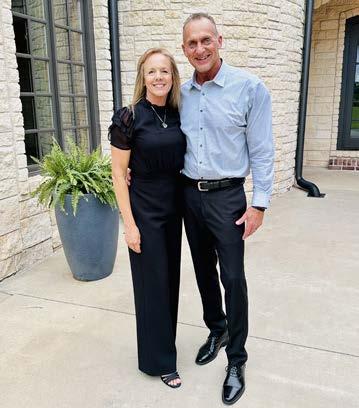
February 14th is Valentine’s Day, and this month I wrote a story called “Thank You.” It’s probably two words we all use loosely and are taught at a very young age to say. In this story, I wanted Christy to know that those two words mean the world to me because of the battles we faced. She never gave up on me or us. When looking back at the battles that were thrown at us and the courage and steadfast love, I know there were times she probably felt like giving up. She stood with me through the storm. THANK YOU, GOD, for my incredible wife and for the love of my life…Christy. God bless, Keith
Volume XVII Issue I
Bartlesville Monthly Magazine is published by ENGEL
PUBLISHING
New office located in the B the Light Mission 219 North Virginia Avenue, Bartlesville, Oklahoma 74003
www.bartlesvillemonthly.com facebook.com/bartlesvillemonthly
Publisher Brian Engel brian@bartlesvillemonthly.com
Graphics Engel Publishing matt@engelpublishing.com
Director of Sales & Marketing Keith McPhail keith@bartlesvillemonthly.com
Community Liaison
Christy McPhail christy@bartlesvillemonthly.com
Project Manager Andrea Whitchurch andrea@bartlesvillemonthly.com
Administration Shelley Greene Stewart
Delivery and Distribution Dewayne Engel Calendar/Social Media calendar@bartlesvillemonthly.com
Contributing Writers
Debbie Neece, Kay Little, Kelly Hurd
Jay Hastings, Keith McPhail, Jay Webster
Mike Tupa, Lori Just, Miriam Walker Joe Todd, Greg Wheat
Maria Gus Katrina Cossey
Contributing Photographers
Bartlesville Area History Museum
Mike Tupa, Becky Burch, Kumar Krishnan Susan Steward
Calendars
Debbie Neece, Jessica Smith

Our annual celebration of Black History Month.
Creative concept by Keith and Christy McPhail
Design by Engel Publishing



We live, work, and play in Bartlesville, and we’re proud to serve our neighbors with integrity

Experienced, Honest, Local
by Lori Just
For Westside Community Center (WCC) Executive Director Shavon Annette, the center isn’t just a workplace. It’s home.
“I grew up on the West side of town and have been going to WCC for as long as I can remember since at least six years old,” she said.
As a child, she remembered moving between buildings for dance classes in jazz, tap and ballet, summer fine arts programs next door at the Senior Center and a steady stream of community activity that shaped her earliest sense of belonging.
“Back then, there wasn’t really anything else like it,” she said. “It was a place where kids could learn, create and just be.”
By middle school and high school, her connection deepened. Under program director Morris McCorvey, she became part of the Westside Steppers, a youth step group inspired by Black fraternities and sororities.
“We went to OSU to watch step shows, then came back and formed our own group,” she recalled. “It sounds funny now, but it was a huge deal back then.”
The Westside Steppers performed at the Phillips 66 Classic halftime downtown which was a defining moment for a group of Bartlesville kids.
“We thought we were big time,” she laughed. “We were very excited. The group even appeared on a local TV program. From that point on, we really thought we’d made it.
WCC also introduced her to the working world. Through a summer workforce readiness program, she gained early professional experience, first with the City of Bartlesville and later with local attorney Bob Cook.
“I thought I wanted to be a corporate attorney,” she said. “But we never went into a courtroom, and I didn’t understand at the time that that’s actually the goal.”
Cook offered advice that would quietly shape her future. He challenged her to major in psychology.
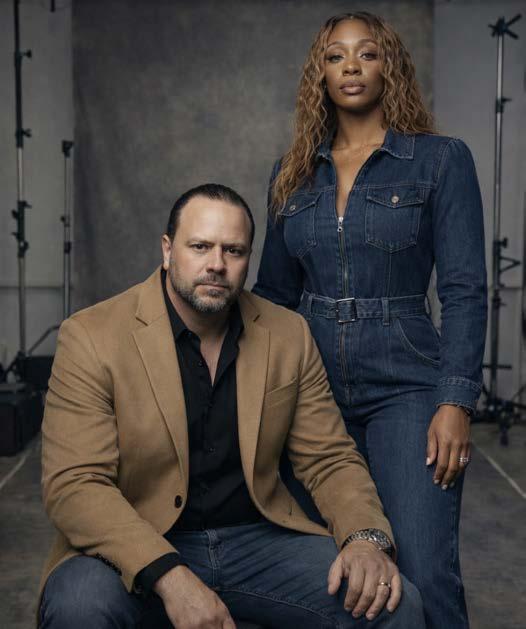

“He told me, ‘You’ll always be dealing with people.’ And he was right,” she said.
She followed that advice, earning a psychology degree from the University of Central Oklahoma before heading to law school. Though she never practiced law, she said it was simply“something I set my mind to do.”
More importantly, she began to understand how her mind worked. She acknowledged she was “a systems person that likes to study how things work from the inside out.”
What followed may look winding on paper, but in hindsight it reveals a pattern. Each chapter was about learning how humans function inside systems, how culture is formed and how to build environments where people can grow, belong and contribute
“I didn’t realize it then,” she added. “But all of it was part of a much bigger purpose God was shaping in me what I now understand as cultural architecture. This is the practice of designing spaces, platforms and systems that help communities understand who they are, where they’ve been and what they can become.”
One of the formative chapters came early, when she moved to Suches, Georgia, to work in a wilderness-based outdoor treatment program for at-risk youth.
“I didn’t think I was an outdoors person at all,” she admitted. “People told me I wouldn’t last a month.”
She stayed and thrived. Living full-time in the wilderness, she worked with boys ages 13 to 17, building campsites from scratch, chopping wood for heat, cooking meals over fires, and navigating life without electricity or running water. The program was nonpunitive, focusing on communication and accountability rather than discipline.
The wilderness was the classroom. When conflict erupted, the solution was movement. They hiked. Sometimes straight up a mountain. The higher they went, the more honest the conversation had to become.
“We’d stop, talk, then hike higher if we needed to,” she said. “Eventually, you learn to communicate what you’re actually feeling.”
The experience sharpened her ability to read people and adapted her communication style.
“The way you talk to a 13 year old having a breakdown is very different from how you talk to a 17 year old who wants to fight the world,” she said. “Those skills transferred into everything I’ve done since.”
That time in Georgia planted the seeds for how she now approaches leadership. “It taught me that your mistakes don’t
define you,” she said. “You can reset.”
A pivot back to Oklahoma began with a phone call from her brother.
“He was buying a donut shop and asked if I would come help run the front,” she said. “I dropped everything and came back to Bartlesville.”
Her season at Grayson’s Donut Hole reshaped how she thought about business and community. It became the foundation for “nearly every decision that followed.”
From there, her career accelerated. She moved into professional sports as an intern with the Tulsa 66ers, was quickly promoted to Director of Public Relations, and later became Director of New Business for an investment firm.

It was during this time she met her future husband in an ordinary, unexpected way at a restaurant she frequented after long workdays.
“I thought he was really cool,” she said. “I thought we’d be great friends. Spanish was his first language, and I assumed I’d learn Spanish that way. Twelve years later, I’ve learned almost nothing.”
The friendship grew quickly. They married two years later and have now been married for more than a decade. All the while, she immersed herself in Tulsa’s creative scene, managing diverse stages for the city’s once-beloved D-Fest music festival.
That experience sparked something bigger as she realized she had a really good match for this. She went on to open Solomon’s Lounge, a music venue near 51st and Memorial that showcased hip hop, alternative and neo-soul artists.
“There are artists who went on to win Grammys who started out there,” she said. “That’s where my love for helping people see beyond where they are really began.”
Her interest in entertainment eventually pulled her back toward law, specifically entertainment law, and took her to Florida. She launched businesses, consulted with professional athletes, promoted MMA and boxing events across Central Florida and worked with organizations like AARP on branding and events.
“I helped promote them, manage them and get them seen by major promoters,” she explained. “One fighter even opened for heavyweight champion Anthony Joshua in the UK.”
Then COVID hit. Events stopped. Travel stopped. Everything stopped.
“So, I went on a five-day vacation,” she said. “And I stayed for three and a half years.”
She landed in the Dominican Republic, first in Punta Cana, then in a quieter agricultural town in the northeast with a similar small town-culture like Bartlesville. The experience changed her perspective and gave her a deeper appreciation and belonging inher hometown.
At the second community meeting, something unexpected happened.
“A gentleman stood up and said he wanted to nominate me as executive director,” she recalled. “Then people started saying, ‘I second it. I agree.’”
Five days later, she had the job. By the end of the week, she had the keys. That was almost two years ago.
What she walked into was a center at a crossroads. Historically rooted in serving Black children when segregation left few options, WCC was founded in 1951. The organization had struggled to redefine itself as the city changed.
“Community isn’t just kids,” she said. “It’s adults. It’s seniors. It’s everyone. Community is in the name.”
Under her leadership, WCC began transforming into a multicultural, intergenerational hub. Programs expanded beyond after-school activities to include cooking classes, game nights, karaoke, film screenings, R&B yoga and cultural events. She’s even had her mother-in-law host a cooking night making Puerto Rican empanadas while guests toured the island through VR headsets.
“This transformation isn’t about expanding programs,” she said. “It’s about rebuilding civic and cultural infrastructure for belonging. How do we reach across the aisle and bring people from every background into this space?”
An intergenerational garden followed. Renovations began. And now, as the center celebrates its 75th anniversary in 2026, WCC is preparing for its next chapter.

Her return to Oklahoma wasn’t planned and certainly not permanent. She came back to help family and, she admitted, to try to convince her Puerto Rican mother-in-law to move to the Caribbean. Then she heard the news that WCC was closing.
Her reaction was immediate. “I said, ‘Well, I’ve done business. I’ve worked with nonprofits. I can put together a strategic plan to keep it open,’” she shared.
She listened. She met with community members. She talked to the Senior Center. She asked hard questions about why people came and why they didn’t. Then she presented her strategic plan to the board.
“This month, we are officially shifting from a Community Center to a Cultural Center,” she said.
The new Cultural Center will focus on telling the full story of Bartlesville, from African American history on the West Side to the immigrant families who arrived through the zinc smelter and went on to shape the city.
“There’s no place in town where you can really learn those stories,” she said. “We want people to come here and see themselves reflected. Bartlesville can be a culture shock fornewcomers including international recruits brought in by local industry and that visibility matters. How powerful would it be if you came here and immediately found your culture honored?”
This work, she said, is meant to be catalytic. She wants it about preserving Bartlesville’s history while making room for what the city is becoming.
“When people can see themselves in a place,” she said, “they stay. They build. They contribute.”
Looking back, every chapter makes sense to her now from the wilderness, the boardrooms, the stages to the streets of south Bucy Avenue.
“It looks like I’ve done a lot of different things,” she said. “But it all comes together here.”
Even Bob Cook’s advice echoes now. “He told me I’d always be dealing with people,” she said. “I’ve used psychology far more than law.”
As Westside steps into its future, her focus remains on how we can serve Bartlesville for another 75 years. She believes it’s by “honoring our culture and our people.”
And in the place where her story began, she is doing what cultural architects do best: preserving the foundation, strengthening the structure and designing space for the future to take shapes so every generation has a place to belong.
by Debbie Neece

Throughout American history, there have been men and women who have worked towards the betterment of mankind, seeking no fruit for themselves. These history heroes have existed
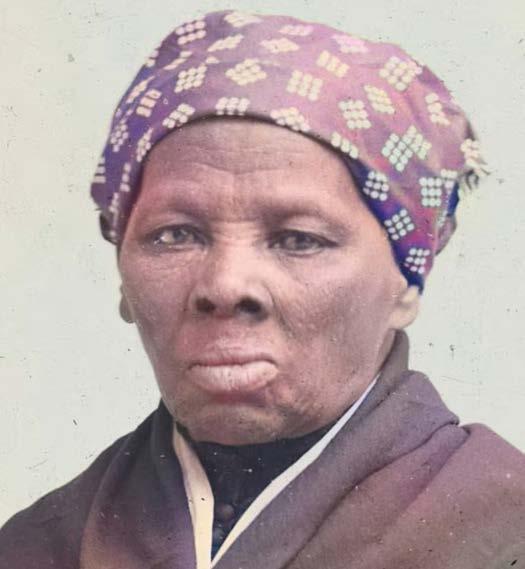
HARRIET TUBMAN

across every race, political stance and religious background for we all seek “Life, Liberty, and Happiness.” Among these pursuits, the one that has stood marque tall in the brightest flashing lights has been LIBERTY, often confused with FREEDOM. The effort to obtain Freedom from restraint and oppression is a working verb; while, Liberty is the noun and result of Freedom…Liberty obtained for all man.
In looking for words that best describe the outcome of America’s four-year Civil War, one of America’s greatest military tragedies, first and foremost, the word would be freedom. The fight to obtain this freedom was bloody, horrific, costly and yet unfinished. As the patriots stepped upon the battle field, no one foresaw the depth of war that would occur. Father against son and brother against brother, joined by Native Americans and African Americans, all in the fight of freedom. Freedom to become part of the Union, or not. Freedom to enslave, or not. Freedom to retain property, or not. Freedom to be absolutely free. In the end, some heroic figures stood tall.
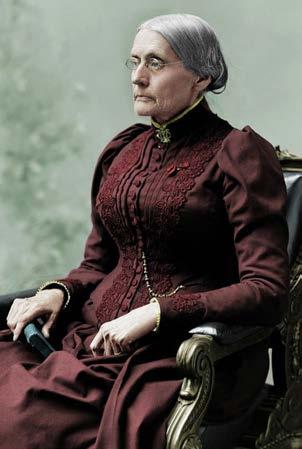
Harriet Tubman was a black history maker, best known for her determination to free the masses as a “conductor” on the Underground Railroad. However, once the Civil War began in 1861, she switched her role to become a cook, nurse and spy, gathering intelligence for the Union Army. After the Civil War, Harriet worked with highly acclaimed suffrage, Susan B. Anthony, and robustly forwarded the women’s suffrage movement. When she died in 1913, she was honored as a “national hero for her immense contributions to freedom and human rights.”
Isabella Baumfree was also an African-American abolitionist and activist for civil rights, women’s rights and alcohol temperance. She was born into slavery but escaped to freedom in 1826. She
selected for herself the name Sojourner Truth in 1843 and became a preacher of slavery abolition. In 1851, Truth delivered her speech, “Ain’t I a Woman,” speaking about the mistreatment of black women. Her life was dedicated to fighting for African American women’s equality, especially for abolition, voting rights, and property rights. Sojourner Truth died in 1883 and her eulogy was presented by Frederick Douglass. Posthumously, her life’s work has been commemorated with memorial plaques, statues, and a U.S. postage stamp. In addition, in 1981, she was inducted into the National Women’s Hall of Fame in NY; in 1983, she was inducted into the Michigan Women’s Hall of Fame; and, in 2009, Truth was inducted into the National Abolition Hall of Fame. Her name is attached to the NASA Mars Pathfinder robotic rover; an asteroid has been named in her honor; and, the U.S. Navy has a ship named the USNS Sojourner Truth. In retrospect, Truth’s life could be better described by the Helen Reddy song, “I am Woman, Hear Me Roar,” for Sojourner Truth not only “roared,” she was an America history hero!
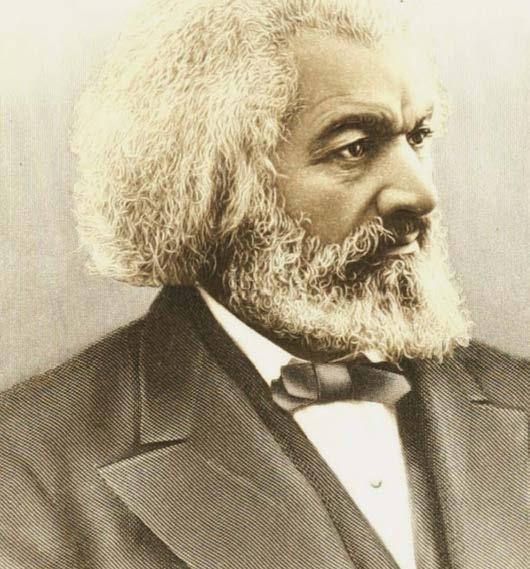
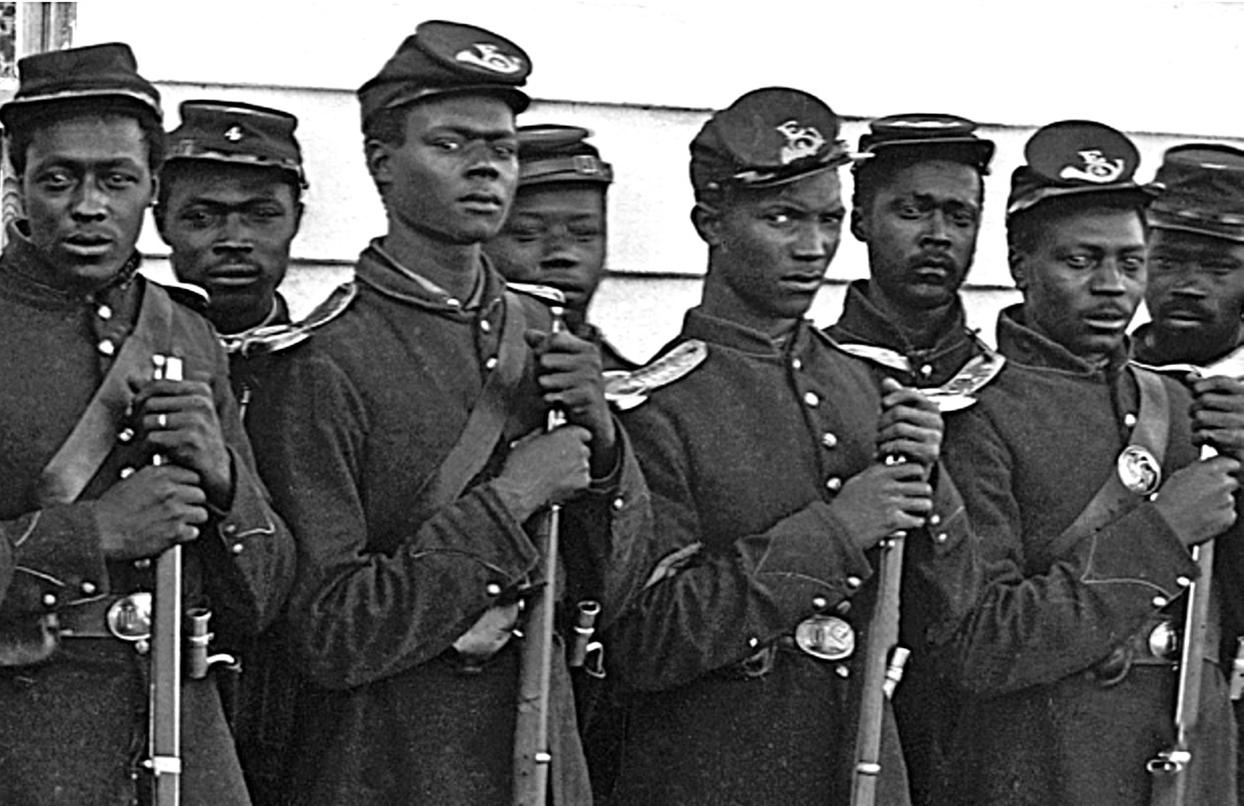
The reputation of Frederick Douglass was well established before the onset of the Civil War as a “voice for freedom, human rights and social reform.” As a national abolitionist leader who had a 20-year investment in his relationships with the country’s leaders, Douglass had the “ear” of Abraham Lincoln. His often debate-filled meetings with Lincoln centered around the Civil War enlistment of formerly enslaved people; however, Lincoln was reluctant to arm Black men. As Union forces diminished, Lincoln did an about face and there was an official call to Black arms in 1863.
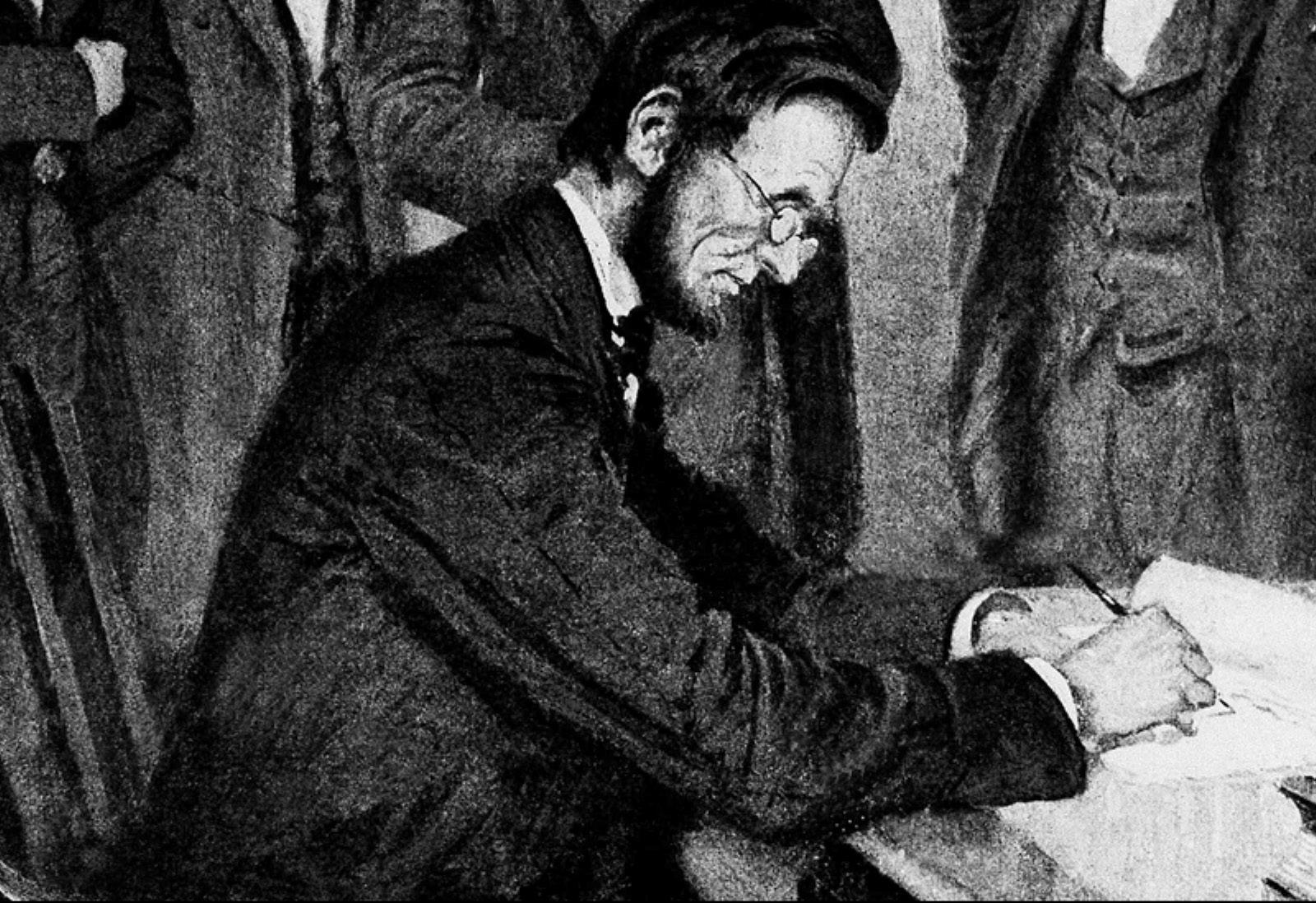
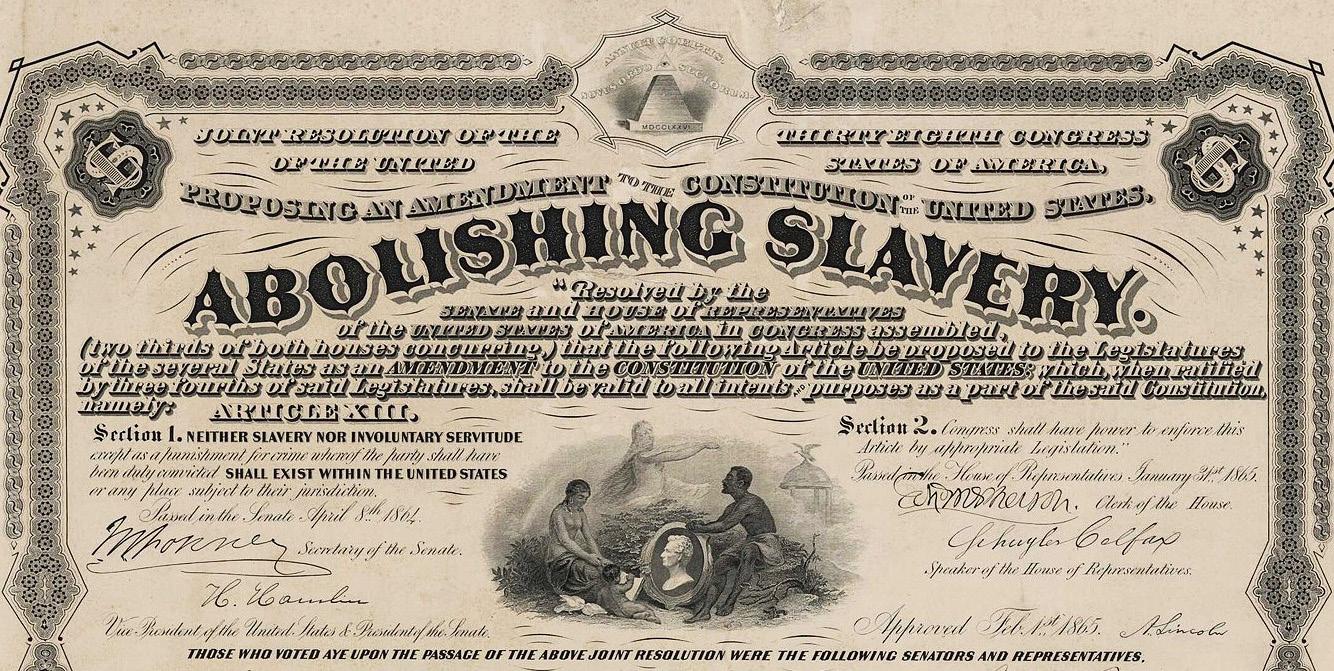
President Abraham Lincoln signed the Emancipation Proclamation in 1863, announcing that all enslaved people held in the states “then in rebellion against the United States, shall be then, thenceforward, and forever free.” This war tactic freed some 3-million enslaved people, depleted the labor force of the Confederates, and shifted the war. However, the Emancipation Proclamation was false hope. It was not until the ratification of the 13th Amendment in 1865 that slavery was finally abolished in the United States.
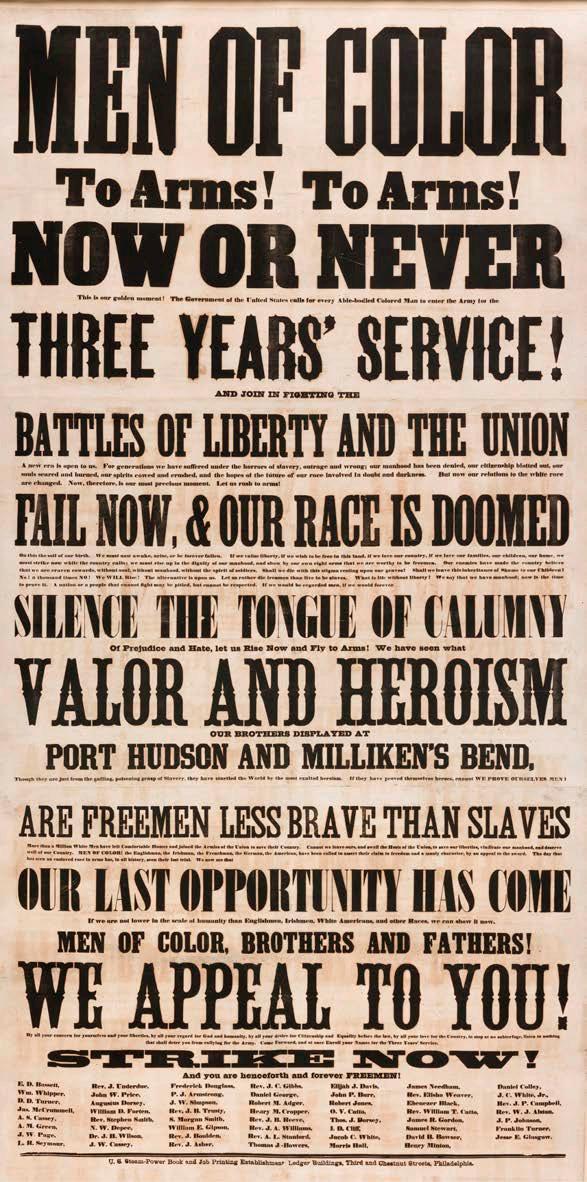
Douglass and other abolitionists stepped forward to recruit Black soldiers; and, as a recruitment tool, Douglass frequently published articles like “Men of Color to Arms!” and “Why Should a Colored Man Enlist?” The call to duty was so powerful that even Douglass’ own sons enlisted.
According to History.com, “For Douglass, wearing the uniform of a soldier carried great symbolism of a man’s worthiness for freedom and a full slate of civil rights.”
Douglass said, “An eagle on his button, a musket on his shoulder, and bullets in his pockets, there is no power on earth…which can deny that this man has earned the right of citizenship in the United States.”
The 14th Amendment (1868) became the foundation
of Civil Rights, granting citizenship to all persons born or naturalized in the United States, granting equal protection, and most importantly, the right to life, liberty and property. And the 15th Amendment (1870) assured voting rights to all men, regardless of their race, skin color or previous servitude.
Abraham Lincoln and Frederick Douglass were allies who worked together to achieve much more together than either could have accomplished separately. Although, the two men adamantly disagreed on some ideologies, they found a common ground of mutual respect and shared vision.
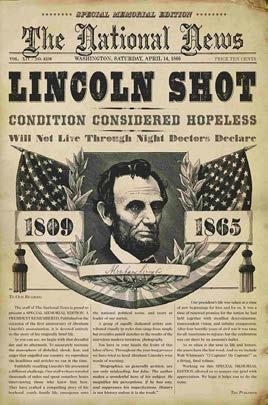
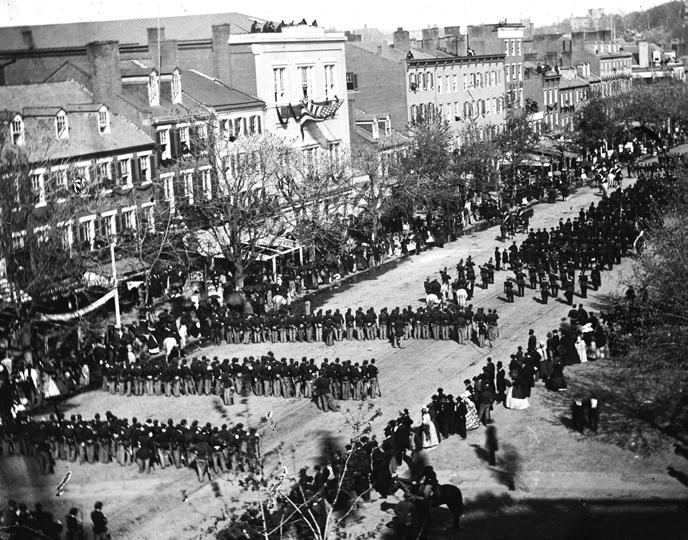
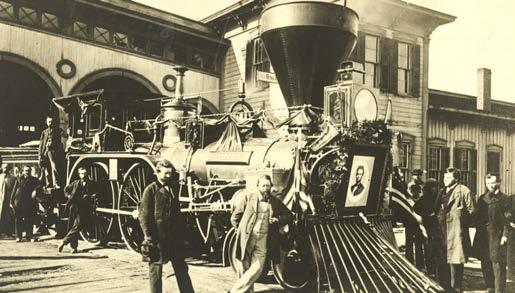
President Abraham Lincoln was shot at Ford’s Theatre the evening of April 14, 1865, while attending the play “Our American Cousin.” He died the following morning, just days after the Confederate Army surrendered, effectively ending the Civil War. The funeral for President Abraham Lincoln was a three-week event. All races mourned. Tens of thousands of newly freed African Americans marched arm-in-arm in the funeral procession following Black soldiers and Black Masonic Lodge members waving banners that read “Martyr of Liberty.”
Congress proclaimed June 1, 1865 the National Day of Mourning; and, on that day, Frederick Douglass delivered his “Lincoln Eulogy” at New York’s Cooper Union before an immense audience of predominately colored individuals, in a standing room only setting. Although Douglass’ “Lincoln Eulogy” was summarized in part in the New York Times and Tribune, the full text had never been printed until the manuscript in the Frederick Douglass Papers at the Library of Congress was transcribed. In his famous 17-page typed eulogy, Douglass recognized Lincoln as the first President to show respect for Black rights…a deliverer
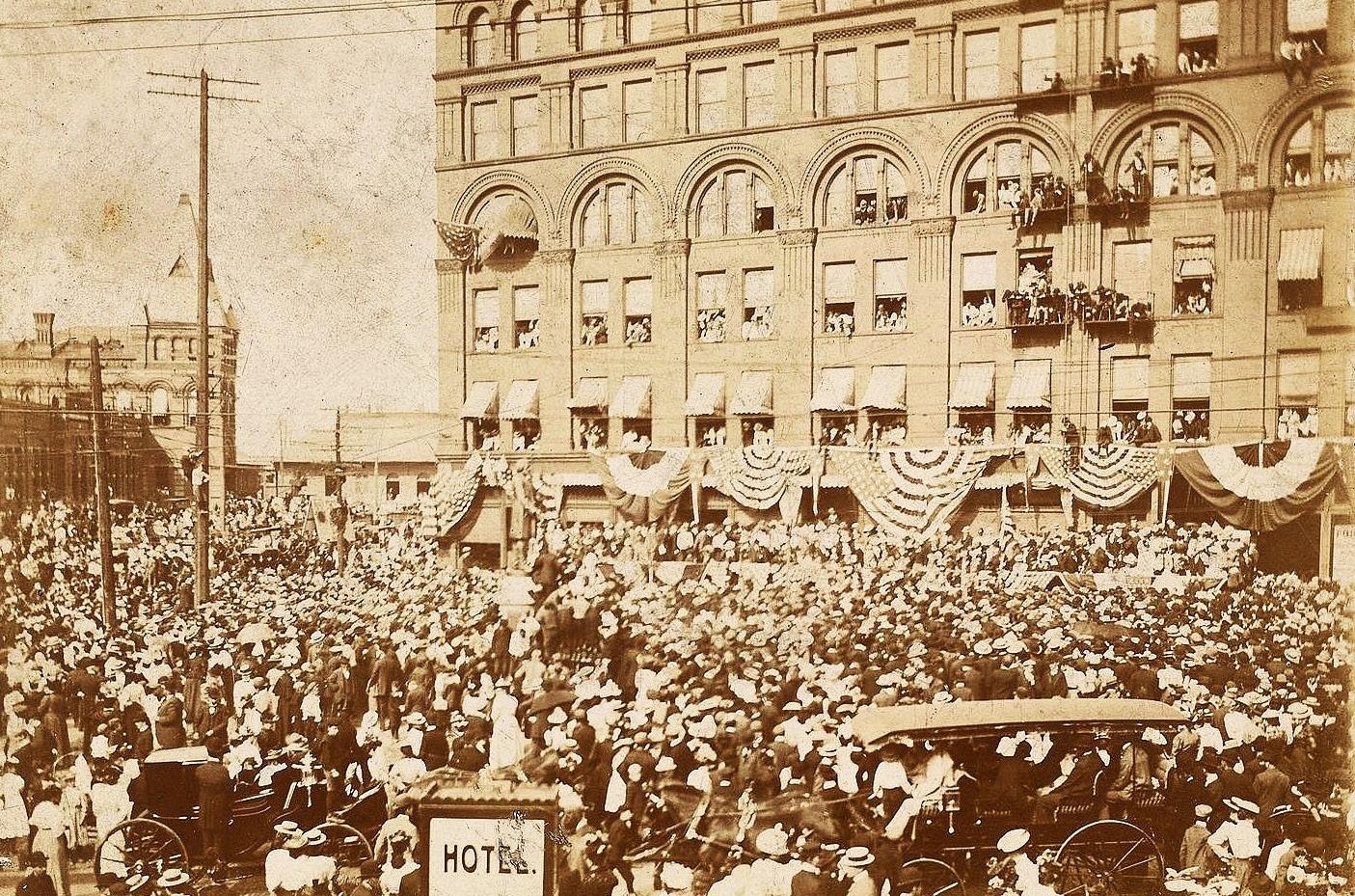
from bondage.
Among the freed men, Lincoln was hailed the “Earthly Moses” and “Great Emancipator.”
Lieutenant-Governor Martin Glynn said, “Abraham Lincoln, the man who welded together the broken halves of his country, was memorialized and set as an example for future endeavors.”
Frederic Douglass was a staunch righter of wrong…in my world, I call that a Right Fighter. In true Douglass eloquence, he stood before the crowd of many and said, “When slavery was first planted in the national soil, treason, rebellion and assassination were planted with it and their bloody fruit was bequeathed to the present generation. And, if in the coming reconstruction, we shall incorporate any of the seeds of injustice, any of the remains of slavery, we shall repeat the mistakes of our fathers, with the certainty that our children after us will reap a similar harvest of blood to that we have just experienced.” In other words, we must learn or we will repeat.
Frederick Douglass is a name that stands tall in the annals of history. Born into slavery, in 1818, Frederick Augustus Washington Bailey never learned the exact day of his birth. His mother’s pet name for him was “her little Valentine” and the family celebrated his birthday on Valentine’s Day, February 14, so he adopted that day. He often reminisced that the last time he saw his mother, Harriet Bailey, was when she baked him a “sweet cake in the shape of a heart.” In 1838, he escaped slavery and selected for himself the name Frederick Douglass as a disguise from slave hunters and to represent his courage of stepping into his role as a free man and leader in the abolitionist movement.
On February 20, 1895, Douglass attended a meeting of the National Council of Women. During the meeting, he conversed with Susan B. Anthony and other well-respected ladies. He returned home to Cedar Hill in the late afternoon and was preparing a speech for a local church when he suffered a heart attack and passed away. Douglass was 77.
His multi-part funeral service began in Washington, D.C. on February 25th at the African Methodist Episcopal Church; attended by an overflow crowd, including governmental officials and Susan B. Anthony. The following day, he was placed on a train to travel to Rochester, NY, where he laid in state at City Hall. Thousands of people paid their respects, including school children who were dismissed from school for the day. His final service was held at the Central Presbyterian Church and he was placed at rest at the Mount Hope Cemetery.
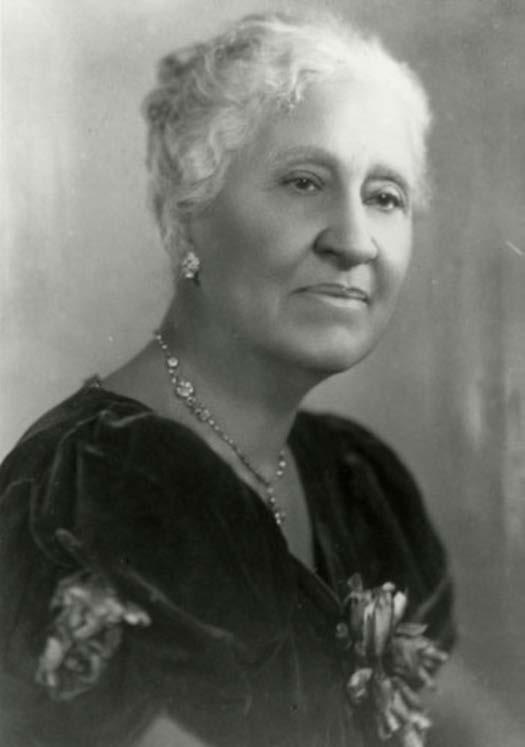
In 1896, Mary Church Terrell, a D.C. educator, school board member and African American activist, began the first Douglass Day as a school holiday, allowing students to step out of the classroom to hear Douglass’ speeches. In her evening oration at the A.M.E. Church, Terrell spoke of “Lessons to be Derived from the Life of Frederick Douglass.” In additional speeches, Douglass was praised as “The great champion of womanhood. The women of the United States, both white and black, were slaves, and their rights unrecognized until Mr. Douglass raised his voice in their behalf. It was Mr. Douglass who recognized the fact that if we are to have free sons, we must have free mothers.” The crowd stood in roaring ovation.
Frederick Douglass Day became an official celebratory day
in 1897; recognized as Douglass’ February 14 birthday. In 1926, civil rights activist Dr. Carter Woodson deepened the celebration of Douglass’ legacy, expanding observance to the entire second week of February to coincide with the birthdays of both Abraham Lincoln and Frederick Douglass. At that time, the recognition was called “Negro History Week.” In the words of Woodson, “If a race has no history, it has no worthwhile tradition, it becomes a negligible factor in the thought of the world…” The forward motion of Negro History Week moved slowly until 1929, when schools, churches and media outlets powered the “locomotive.”
In 1969, students at Kent State University, with the support of Black educators, proposed Black History Month and the following February, the first full month of Black history was celebrated. Six years later, President Gerald Ford recognized Black History Month during the United States of America’s Bicentennial stating we must “seize the opportunity to honor the too-often neglected accomplishments of Black Americans in every area of endeavor throughout our history.” In 1986, Congress passed Public Law 99-244 designating February as “National Black (Afro-American) History Month.”
Along the paths of each of these African American heroes, a paper trail remained. Douglass’ collection of artifacts and documents were placed in the care of several repositories: Yale University’s Beinecke Library (family correspondence and scrapbooks), the Library of Congress at Washington, D.C. (personal papers, manuscripts and writings) and the prestigious Smithsonian Institution. Among Douglass’ personal belongings was President Abraham Lincoln’s walking stick, emotionally presented to Douglass by Mrs. Mary Todd Lincoln, in her dead husband’s memory. In addition, the Frederick Douglass home at Cedar Hill, Washington, D.C., has been recognized as National Historic Site in the care of the National Park Service. Also, among the Library of Congress collections is the extensive Mary Church Terrell papers, speeches and writings (1866-1953). These collections spurred Douglass Day transcription-a-thons in connection with Black History Month.
In 1973, the Frederick Douglass Papers transcription project was created at Yale University with the mission of making the survived works of Douglass accessible as physical and electronic research tools. After being housed at Yale for nearly 20 years, the project moved to the Indiana UniversityPurdue University Indianapolis (IUPUI), and continues.

SUSAN B. ANTHONY
The Library of Congress has billions of handwritten documents, many in cursive penmanship. In 2010, the newly introduced
“Common Core State Standard for English” education program was adopted and one of the crucial skills dropped was cursive handwriting. The loss of this writing art extended to the inability to read cursive writing as well. Due to the excelling presence of digital technology, cursive writing was phased out of public education, replaced with typing skills, pushing the art of penmanship aside. Education specialists quickly realized the error of this direction. Beginning in 2016, states began reintroducing cursive writing into their curriculum. As of 2025, 25 states had reversed these common core mandates; although, the rules are not consistent across all elementary grades. Some states often introduce cursive writing in second–fourth grades with the art of cursive writing expected to be mastered by fifth grade. For Oklahoma, cursive writing is taught briefly in the fifth grade. In the interim, many graduating classes missed this learning opportunity.
Among the historic documents in cursive penmanship were the minutes from the initial gathering of the “American Society of Free Persons of Colour,” which occurred in Philadelphia in 1830 and continued until the 1888 meeting in Georgia. Meetings were held in African Methodist Episcopal Churches to discuss issues like education, labor and access to justice. The 1831 meeting found the organization called the “First Annual Convention of the People of Colour.” Although influential men like Frederick Douglass were delegate speakers and he often referenced the conventions in his writings, this Abolitionist Movement was hidden for years, until a graduate class at the University of Delaware began the Colored Conventions Project in 2012 to transcribe the convention minutes; supported in-part by the National Endowment for the Humanities.
Beginning in June, 2013, the Smithsonian’s National Museum of African American History and Culture created a Douglass Day community of “volunpeers” who have collaboratively reviewed and transcribed over 1.5 million pages of Black history “diaries,
documents, photo albums, manuscripts, and historic audio recordings.”
The Pennsylvania State College of the Liberal Arts is also dedicated to the digital preservation of Black history. Under their umbrella, the “awardwinning” Colored Conventions Project, global transcribe-athon on Douglass Day and Black Women’s Organizing Archive are their flagships, committed to preserving “scattered and under-known” Black history.
In collaboration with the Center for Black Digital History at PennState, beginning in 2017, “By the People” at the Library of Congress also established a volunteer transcription program that focused on transcribing letters from the Frederick Douglass Papers held at the Library of Congress. Across America, Douglass Day transcribe-a-thons are bringing to the light of day manuscripts and documents long archived in safe keeping, creating unprecedented searchable digital humanities databases.
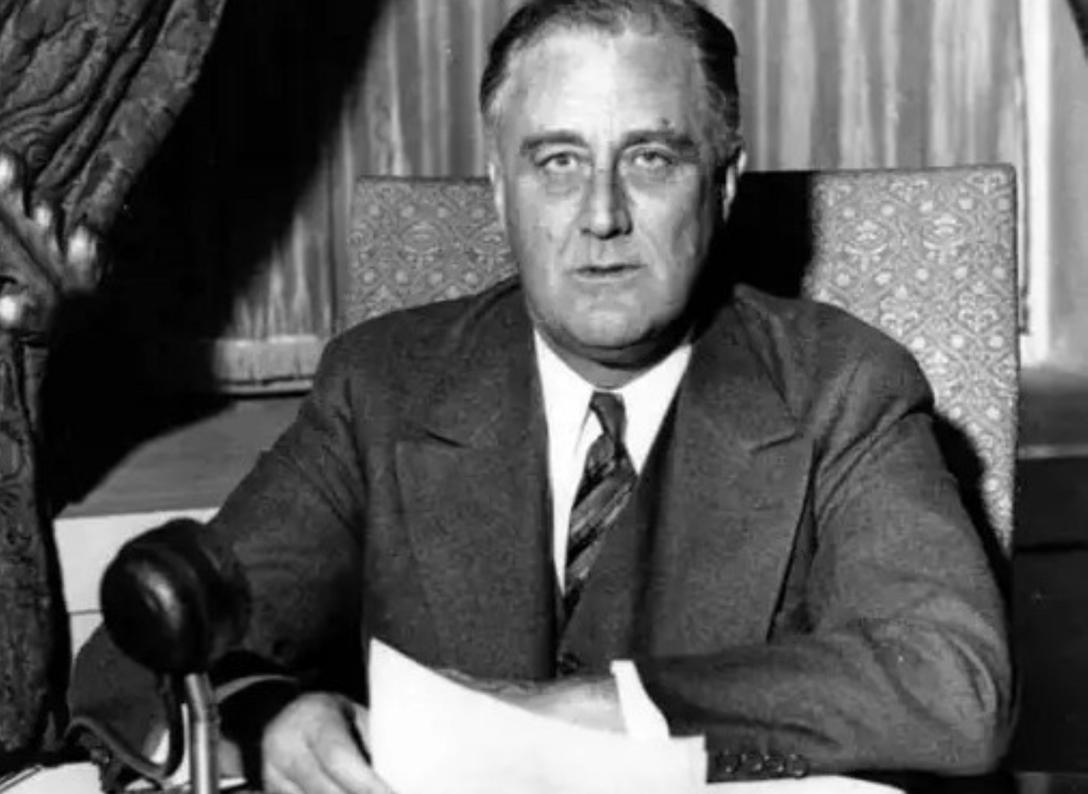
During the Great Depression, President Franklin Delano Roosevelt established the Federal Writers Project, which operated from 1935-1939 as part of his New Deal to employ thousands of jobless writers. Their pressing assignment was to obtain oral histories from former slaves and Indian Pioneers. The Slave Narratives became a collection of over 2,300 firstperson accounts slavery and a collection of hundreds of black and white photographs to support the era. This history collection is searchable at the Oklahoma Historical Society, okhistory.org. The Indian-Pioneer Papers became a database of over 45,000 Native American names from interviews which are no longer free to public access since recently being deemed to have sensitive terminology. However, the collection may be researched in-person at the University of Oklahoma, Western History Collections.
In 1908, Bartlesville’s Tuesday Club was instrumental in obtaining the funding, location and building for a prestigious Carnegie Library. The library quickly out grew it’s four walls and the library was moved to a space in the Bartlesville Civic Center between 6th and 7th Streets on Johnstone Avenue. During this time, Miss Ruth Brown was hired as librarian. Her tenure originated in 1919 and she was fired in 1950 for what was termed “desegregation activities.” Her charges also included her affiliation with racially charged organizations tasked with improving relations and conditions among people of all races and thwarting discrimination based on race, creed or color. Brown stepped over
the line and drew steep criticism when she took two AricanAmerican teachers to dine at Hull’s Drugstore. They were refused service and a sit-in erupted. She, furthermore, in her personal time, began offering “free speech” materials which were deemed inappropriate. The Library Board was dismissed and the Bartlesville City Commissioners pushed forward to dismiss Miss Brown. She struck back with a lawsuit against the City of Bartlesville, which made its way to the Oklahoma Supreme Court, where it was dismissed. Although her court case was a failure, she continued her mission. She left Oklahoma, taught at an African American school in Mississippi; was a librarian in Colorado; and returned to Collinsville where she died in 1975. For her lifelong efforts to combat segregation, she has also been recognized as a History Hero…and her skin color was white.
And yet we climbed.
Education in Washington County dug roots as early as the subscription Silver Lake School in 1874. This school taught Indian and white students, with families of the white students paying a fee for their children’s attendance, while the Cherokee Nation supplied the teacher for the class. One-room schools dotted the American landscape and Washington County had her share. As people of color moved into Washington County, the separate schools became Daniels, Dunbar, Martin-North Separate and, in 1907, Douglass School in Bartlesville. Douglass students began meeting in Perry’s Grocery Store with expansion as enrollment demanded. In 1938, a bond passage provided 55 acres and the Douglass School building grew to cover a city block at 501 S. Virginia. In 1956, federally mandated integration was implemented at the high school level. Douglass continued to serve the community until closing in 1971.
And yet we climbed.
As a nation, we have traveled so far; yet, we have so far to go in the pursuit of Life, Liberty and Happiness. During Franklin Roosevelt’s 1941 State of the Union address, he spoke
of worldwide fundamental freedoms in a speech that would be called the Four Freedoms; Freedom of Speech and Expression, Freedom of Worship, Freedom from Want, and Freedom from Fear. This speech was a combination of America’s First Constitutional Amendment and our protected U.S. Bill of Rights. In 1943, famed
artist, Norman Rockwell applied these freedoms to oil painted canvas, which were printed in the Saturday Evening Post with thought provoking essays.
The result was an enormous serge in war bond purchases to fund WWII, America standing together as an undeterred force. This “One Nation Under God” has witnessed wars on our own soil and across the vast pond that has taken courage, determination and life while America’s melting pot of diverse immigrants of all races, all skin colors, all religious beliefs stood as one nation to preserve the very fundamental rights and freedoms of which we are grounded.
And yet we climbed.
Roosevelt’s dream was also Reverend Martin Luther King’s “Dream,” the American Dream! On August 28, 1963, on the steps of the Lincoln Memorial, Dr. King spoke: “Five score years ago, a great American, in whose symbolic shadow we stand today, signed the Emancipation Proclamation. This momentous decree came as a great beacon light of hope to millions of Negro slaves who had been seared in the flames of withering injustice. It came as a joyous daybreak to end the long night of their captivity.”
Although King recognized the crippling effects of segregation and discrimination, he also recognized ALL men are guaranteed the “unalienable rights of Life, Liberty and the Pursuit of Happiness.” King declared 1963 was not an end, but a beginning for an awakening, for all to realize our destinies are joined in the American Dream of equality. His dream…let freedom ring, that all people will be “free at last.”
And yet we climbed.
Twenty-two-year-old Harvard graduate Amanda Gorman took the stage at the January 2021 inauguration of America’s 46th President, Joe Biden. As our first national youth poet laureate, Amanda’s poem, “The Hill We Climb,” spoke volumes to a nation divided; divided by race; divided by politics. Her words echoed across the valley of the western lawn of the capitol and, in 5:43 minutes, she eloquently captured the essence of American History. In part…
“When day comes, we ask ourselves, where can we find light in this never-ending shade? Somehow, we weathered and witnessed a nation that isn’t broken, but simply unfinished. To compose a country committed to all cultures, colors, characters and conditions of man. That even as we grieved, we grew. That even as we hurt, we hoped. That even as we tired, we tried. That we’ll forever be tied together, victorious. Not because we will never again know defeat, but because we will never again sow division. But, while democracy can be periodically delayed, it can never be permanently defeated. So, while once we asked, how could we possibly prevail over catastrophe, now we assert, how could catastrophe possibly prevail over us? We will not march back to what was, but move to what shall be: a country that is bruised but whole, benevolent but bold, fierce and free. We will rise…We will rebuild, reconcile, and recover. And every known nook of our nation and every corner called our country, our people diverse and beautiful, will emerge battered and beautiful.”
And, we will reach the mountain top together, One Nation Under God
One of the most significant tools to learn and experience the broken chains of “Black History as World History” is the Black365 Calendar created by Jamaal Brown. Black365 was founded in 2009 to inspire all races to explore how Black history has shaped our world. Brown has expanded his learning opportunities from calendars with daily learning, to flashcards with quotes and Black history heroes, to a competitive game-show-style Black365 Knowledge Bowl in 2010. Calendars are available at Black354.com for just $14.99 and calendar profits provide college scholarships to promote higher education. There is power in knowledge…and cursive writing.

by Debbie Neece
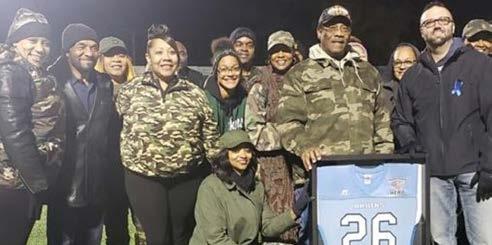
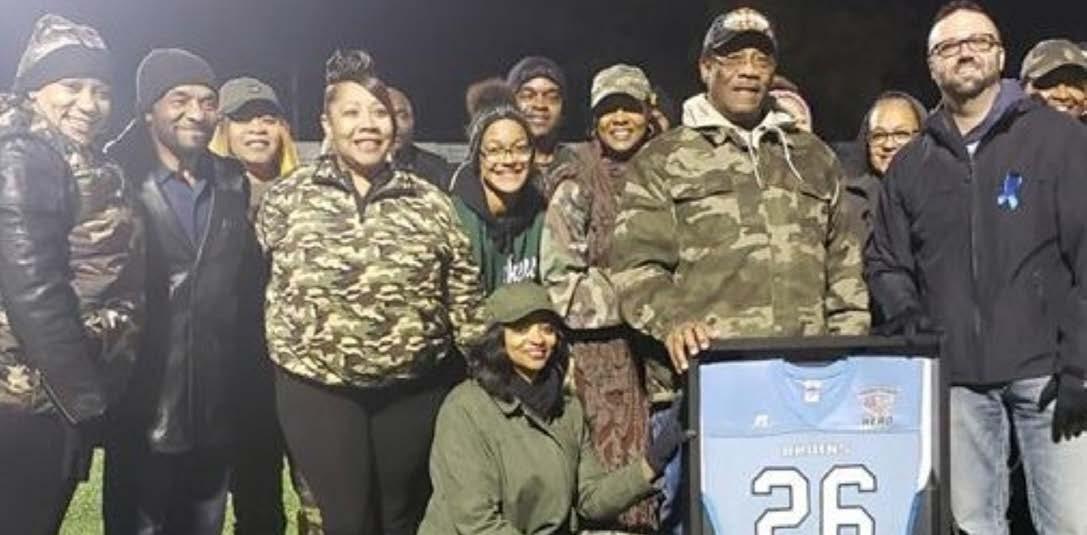
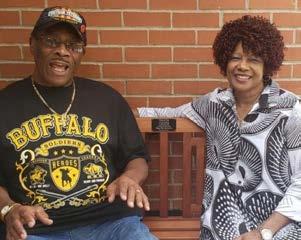
Some men stand a little taller than others, holding the community in their heart and working their hands to make the world a better place. One such man was Mervin Grayson Jr.
Mervin’s father, Mervin Grayson, Sr. was born in Porter, OK and received his education in Tullahassee, OK. He married Betty Jean Hawkins in 1947 and the couple resettled in Bartlesville. He became employed at the Dewey Portland Cement Company and later at the City of Bartlesville in the Sanitation Department. Six children joined this union; among them was Mervin Jr.
Mervin Jr. was born in Tullahassee, Oklahoma, but raised in Bartlesville. He attended Douglass School and experienced integration into Central Junior High, where he excelled at football and lettered in track.
One thing that stood out above all else was the fact that Mervin Jr. was never braggadocios of his heroic U.S. Army service during the Vietnam Conflict. While holding the rank of Private First Class, assigned to the 29th Artillery support unit, Mervin faced a fierce 140-day barrage of Vietnam firepower and never wavered. He fired off a symbolic 100,000 rounds of artillery support, averaging 715 rounds per day, reloaded and proceeded towards firing the next 100,000 rounds. He later achieved the rank of Corporal and was awarded the Army Commendation Medal of Heroism for his acts of heroism on October 9, 1969, against an unrelenting hostile enemy force of Vietnam combatants.
Later, while under heavy ground and rocket attack, Grayson exemplified this heroism when he ignored his own bunker safety to assist front-line gunners, exposing
himself to enormous peril, but repelling the enemy forces for the glory. The U.S. Army again recognized him for his bravery and devotion to duty. Additionally, in 2019, Corporal Mervin Grayson Jr. was presented the Bartlesville Hometown Hero Award.
On September 28, 1971, Mervin married the love of his life, Miss Teressa Day.
He followed his father’s footsteps, with employment at the City of Bartlesville as the Director of the Sanitation Department, where he was also praised for his service and oversight of Frontier and Sooner Pools. In retirement, he loved fishing, hunting, coaching youth football, and working on automobiles. The word BBQ ignited a spark in Mervin’s soul. He was always game for a healthy BBQ challenge, whether he was cooking or judging, because the end result was a full-blown BBQ feed. He, also, served on the Board of Directors at the Westside Community Center when the new brick center was dedicated in 1993.
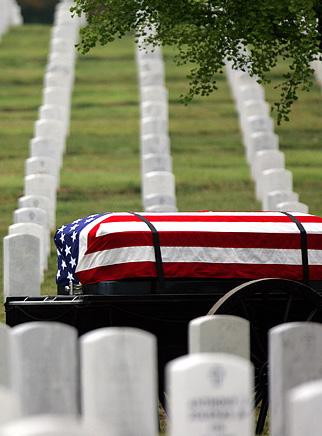
Mr. Mervin Grayson Jr. took the hand of an angel on July 1, 2025, and crossed into eternity, a life well lived, with no regrets; yet, honored by many in his wake, including his wife of 53 years, nine children (Kelvin Grayson, Dana Grayson, Darrell Grayson, Sophia Shoate, LaShon Grayson, Detra Grayson, Sekora Brown, Dorsell Rogers and Louis Hopkins Jr.) and over thirty grandchildren.
In his honor, the American flag lowered to half-mast at the Westside Community Center as his flag draped coffin paraded past on his path to final services and eternal rest at the White Rose Cemetery.
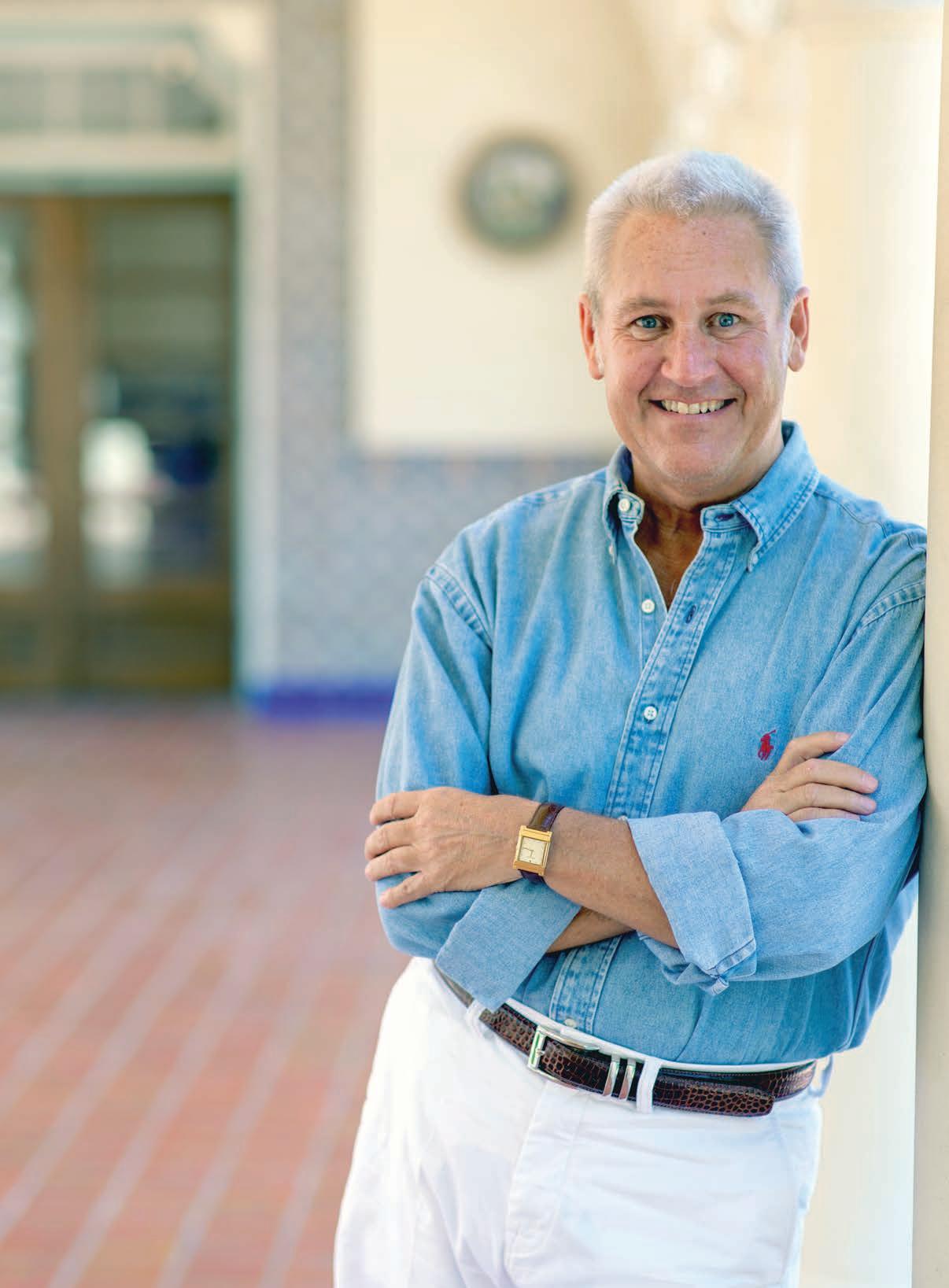
by Greg Wheat
Life doesn’t come with a map.
It sometimes comes with questions, detours, wrong turns, unexpected storms, and moments where you wonder if you’ve somehow fallen behind everyone else.
From the outside, life often looks neat and orderly—people smiling, succeeding, moving forward. But beneath the surface, we are all navigating something, often through different seasons of life that shape us in ways others can’t see. Whether you are single and searching for the right person, building a better marriage, raising a family, navigating grief, chasing a dream, recovering from failure, or simply trying to figure out what’s next—life is, and always has been, a journey.
Some stretches of the road are smooth and full of momentum. Others feel steep, exhausting, and lonely. And the truth is, most of us aren’t struggling because we lack desire—we’re struggling because we don’t always know how to move from where we are to where we want to be.
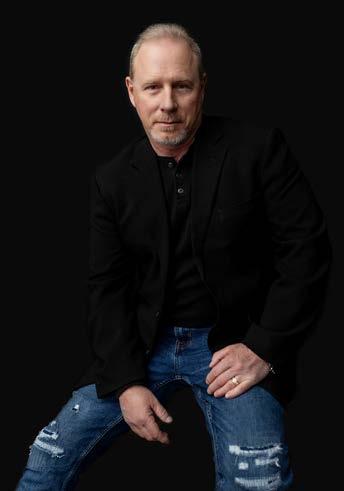
That space between “here” and “there” can feel overwhelming.
We face common challenges, even though they wear different disguises. One person wrestles with finances while another wrestles with purpose. One struggles to repair a marriage; another struggles to believe they are worthy of love at all. Some are chasing a goal that feels just out of reach, while others are simply trying to survive a season they never asked for. Different stories—but the same human experience.
What makes the difference isn’t avoiding hardship. It’s learning how to navigate through it.
Every meaningful journey requires direction, resilience, and the right support. No one climbs a mountain alone by accident. No one achieves something worthwhile without learning, adjusting, falling, and getting back up again. Progress rarely happens in giant leaps—it happens in faithful steps, one decision at a time.
That’s why the people and resources we surround ourselves with matter so deeply. The voices we listen to shape the direction we move. Encouragement fuels endurance. Wisdom shortens the learning curve. And stories—real stories—remind us that we’re not alone and that transformation is possible.
That belief is what led me to tell my own story.
I didn’t write a book because I had life figured out. I wrote it because I lived through the twists, turns, setbacks, victories, and lessons that most people face in one form or another. My

journey includes failure and perseverance, doubt and faith, loss and growth. It includes learning the hard way—and discovering that even the hardest seasons can become powerful teachers.
From Here To There isn’t just another book—it’s my life story, told honestly and intentionally—not as a blueprint to copy, but as a framework, a pattern of movement that shows how progress is possible even when the path isn’t clear. Within its pages are moments that mirror the challenges many of us face: relationships, purpose, work, finances, faith, discipline, resilience, and hope.
Let me encourage you to get the book—not because I wrote it, but because my story could inspire yours.
Because when you see how someone else navigated their journey, you begin to believe you can navigate yours.
My story isn’t meant to replace yours—it’s meant to inspire it.
If you’re standing at a crossroads, wondering what step comes next…
If you’re tired but unwilling to quit…
If you feel stuck but still believe there’s more ahead… There is.
Life doesn’t ask us to have everything solved before we begin. It asks us to keep moving, even when the road is uncertain. It asks us to learn, to lean on others, to grow through adversity, and to believe that where we are today does not define where we will end up.
No matter what challenge you’re facing, there is a way forward. No matter how far you feel from your goal, progress is possible. And no matter how broken a season feels, it can still become part of a meaningful story.
Your journey matters. Your growth matters. And your “there” is closer than you think—one step, one choice, one courageous moment at a time.
If my journey can encourage you to keep going, then it has served its purpose. Because sometimes the greatest gift we can give one another is proof that the path forward exists—and the courage to take the next step.
From here… to there… is still possible.
Because when you see how someone else navigated their journey, you begin to believe you can navigate yours.

OKWU Wrestling vs Central Baptist 6PM; OKWU Gym
Bruin Wrestling vs Skiatook 7PM; BHS Gym
Bruin Ladies Basketball vs Putnam City North 6:30PM; BHS Gym
Bruin Boys Basketball vs Putnam City North 8PM; BHS Gym
OKWU Softball vs Crowleys Ridge College
2PM; OKWU Softball fields
OKWU Softball vs Crowleys Ridge College
4PM; OKWU Softball fields
OKWU Baseball vs Bethany College
12PM; Doenges Stadium
OKWU Women’s Basketball vs York
1PM; OKWU Gym
OKWU Men’s Basketball vs York
3PM; OKWU Gym
OKWU Baseball vs York 12PM; Doenges Stadium
Bruin Baseball vs Holland Hall 5PM; Doenges Stadium
Bruin Baseball vs Sapulpa 6PM; Doenges Stadium
3 6 12 13 14 15 16 20 24 26 27 17 18
OKWU Baseball vs Bethany College
12PM; Doenges Stadium
OKWU Softball vs Crowleys
12PM; OKWU Softball fields
OKWU Softball vs Crowleys
2PM; OKWu Softball fields
Bruin Ladies Basketball vs Stillwater
6:30PM; BHS Gym
Bruin Boys Basketball vs Stillwater
8PM; BHS Gym
OKWU Baseball vs Evangel University 5PM; OKWU Baseball fields
Bruin Baseball vs Berryhill 4:30PM; Doenges Stadium
Bruin Baseball vs Lincoln Christian 4PM; Doenges Stadium
Bruin Baseball vs Claremore 6PM; Doenges Stadium
Bruin Baseball vs Dewey 6PM; Doenges Stadium


Every Monday
5:00 p.m. – 6:00 p.m.
FREE Beginning Spanish Class
Bartlesville Public Library, 600 S. Johnstone Avenue
Every Monday
6:00 p.m. – 7:00 p.m.
FREE Intermediate Spanish Class
Bartlesville Public Library 600 S. Johnstone Avenue
May 1–July 7
8 a.m. – 4 p.m.
Bartlesville Area History Museum
Presents “Our Culinary Past” BAHM, 401 S. Johnstone Avenue, Bartlesville
Every Tuesday
2:00 p.m. – 3:00 p.m.
Price Tower Exterior and The Center Tour
Every Tuesday
5:30 p.m. – 6:30 p.m.
Bartlesville Public Library ELL
Conversation Class
Bartlesville Public Library, 600 S. Johnstone Avenue, Literacy Office
Every Tuesday through Saturday
6:00 p.m. – 9:00 p.m.
Bartlesville Kiddie Park Open for summer season
Kiddie Park, 205 N. Cherokee Avenue, Bartlesville
Every Tuesday
6:45 p.m. – 7:45 p.m.
Bartlesville Public Library ELL
Conversation Class
Casa Hispana, 3850 Frank Phillips Blvd., Bartlesville
Every Wednesday 6:00 p.m. – 7:00 p.m. and
Every Thursday
10:00 a.m. – 11:00 a.m.
FREE Citizenship Classes
Bartlesville Public Library, 600 S. Johnstone Avenue
Every Thursday
7:00 p.m. – 8:30 p.m.
Crossing 2nd Trivia in the Garage Crossing Second, 215 E 2nd Street, Bartlesville
Every Thursday
11:00 a.m. – 12:00 p.m.
Bartlesville Public Library ELL
Conversation Class
Bartlesville Public Library, 600 S. Johnstone Avenue, Literacy Office
Every Friday
9:00 a.m. – 10:00 a.m.
Tai Chi with Dixie at Unity Square
Tower Center at Unity Square, 300 SE Adams Blvd, Bartlesville











Tues, Feb 3
12:00 p.m. – 1:00 p.m.
In the Kitchen with Susan Bartlesville Public Library, 600 S. Johnstone Ave, Room A
Thurs, Feb 5
6:00 p.m. – 9:00 p.m.
Bluegrass Jam at Crossing Second Crossing 2nd, 215 E. 2nd Street, Bartlesville
7:00 p.m. – 8:00 p.m.
OSU Alumni Chapter Monthly Meeting – Washington County
Scissortail Brewing Company, 623 E Don Tyler Ave., Dewey
Sat, Feb 7
4:30 p.m. – 9:00 p.m.
Caney Valley Athletics Bingo 2026
Caney Valley High School NEW GYM, 620 Wyandotte Avenue, Ramona
10:00 p.m. – 12:00 a.m.
Crossing Second - Martha’s Task
Mardi Gras After Party
Crossing 2nd, 215 E. 2nd Street, Bartlesville
Sun, Feb 8
4:00 p.m. – 10:00 p.m.
Crossing Second Super Bowl Party Crossing 2nd, 215 E. 2nd Street, Bartlesville
Thurs, Feb 12
7:00 p.m. – 9:00 p.m.
Crossing Second Trivia Night Crossing 2nd, 215 E. 2nd Street, Bartlesville
Fri, Feb 13
9:30 a.m. – Open
Jubilee Quilters Guild Market Day
Washington Park Mall, 2350 SE Washington Blvd, Bartlesville
5:30 p.m. – 7:00 p.m.
Valentine’s Dinners in The Lodge
Woolaroc, 1925 Woolaroc Ranch Road, Bartlesville
7:00 p.m. – 9:00 p.m.
Comedy Night at the Nineteen0Eight
Nineteen0Eight, 311 ½ S. Dewey Avenue, Bartlesville
Sat, Feb 14
10:00 a.m. – 5:00 p.m.
Downtown Dewey Merchants
7:00 p.m. – Open
Bartlesville Symphony Orchestra Valentine Musical
Bartlesville Community Center, 300 SE Adams Blvd.
7:00 p.m. – 9:00 p.m.
Keepsake Candles Galentines Sip and Paint Event
Keepsake Candles, 263 County Road 3022, Bartlesville
7:30 p.m. – 9:00 p.m.
Valentine’s Dinners in The Lodge Woolaroc, 1925 Woolaroc Ranch Road, Bartlesville
Sun, Feb 15
7:30 p.m. – 9:00 p.m.
CeCe Teneal’s Divas of Soul at The Center
Bartlesville Community Center, 300 SE Adams Blvd.
Tues, Feb 17
11:00 a.m. – 9:00 p.m.
Crossing Second Mardi Gras Crossing 2nd, 215 E. 2nd Street, Bartlesville
4:00 p.m. – 5:00 p.m.
Finance For Your Future
Truity Credit Union NJCR Basement, 501 S. Johnstone Ave
Thurs, Feb 19
12:00 p.m. – 1:00 p.m.
Fast, Fresh and Fabulous with Chef Hilary
Bartlesville Public Library, 600 S. Johnstone Avenue, Meeting Room A
Fri, Feb 20
7:00 p.m. – 9:00 p.m.
Crossing 2nd Smith Brothers Crossing 2nd, 215 E. 2nd Street, Bartlesville
Sat, Feb 21
10:00 a.m. – 11:00 a.m.
Lego Club for All Ages at the Bartlesville Public Library
Bartlesville Public Library, 600 S. Johnstone Avenue, Meeting Room A
6:00 p.m. – Open
Big Bluestem Quail Forever Annual Banquet for Conservation
Bartlesville Community Center, 300 SE Adams Blvd
6:30 p.m. – 8:30 p.m.
YMCA - Father Daughter Dance 2026
Richard Kane YMCA, 101 N. Osage Ave
Mon, Feb 23
11:30 a.m. - 5:30 p.m.
Red Cross Blood Drive at the Bartlesville Public Library
Bartlesville Public Library, 600 S. Johnstone Avenue, Meeting Room A
Fri, Feb 27
All Day
Bowl For Kids Sake
Red Apple Bowling Center, 1414 SE Washington Blvd
Sat, Feb 28
7:00 p.m. – 9:00 p.m.
Uncork Your Support- A Tour of France
St. John Church-Father Lynch Hall, 715 S. Johnstone Ave.


“Just a day or two before Christmas, my husband was dealing with what we believed was just a cold.
get in right away instead of waiting several days, and that quick access changed everything. Dr. Davito immediately recognized that something far more serious was happening and sent him straight to ER. believe that Dr. Davito provided prevented a life-threatening situation from becoming far worse. Paying extra for MDVIP ended up being a lifesaving decision for our family.”
“Just a day or two before Christmas, my husband was dealing with what we believed was just a cold. Thanks to our MDVIP membership, he was able to get in right away instead of waiting several days, and that quick access changed everything. Dr. Davito immediately recognized that something far more serious was happening and sent him straight to the ER. I truly believe that the timely care Dr. Davito provided prevented a life-threatening situation from becoming far worse. Paying extra for MDVIP ended up being a lifesaving decision for our family.”

– Angie Metcalf
– Angie Metcalf

When symptoms feel ordinary, listening closely matters. MDVIP physicians provide the time and attention needed to recognize when something more serious is happening. That level of care can make all the difference for heart health.

William W. Davito, DO
William W. Davito, DO
Mark D. Erhardt, DO
Mark D. Erhardt, DO
Elizabeth R. Sherrock, MD
Elizabeth R. Sherrock, MD
Michael Ryan Vaclaw, MD
Michael Ryan Vaclaw, MD
by Maria Gus
A new approach to primary care is taking shape in Bartlesville as Primary Care Associates transitions to a preventive-focused model through MDVIP, a national program designed to give physicians more time with patients and support long-term health.
The change comes alongside a move to a new office location at 510 Delaware Avenue, the former Tate Boys Tire corporate building. The relocation, expected in March, brings the practice closer to downtown, offering improved access for patients who live or work nearby.
According to Dr. Mark Erhardt, the decision reflects an evolution in how care is delivered. “For many years, primary care followed a very structured model,” Erhardt said. “Appointments were short, schedules were full, and staying on time was often not possible.”
Under the traditional system, Primary Care Associates accepted private insurance, Medicare, Medicaid, and SoonerCare, caring for patients of all ages and medical needs. Like many family practices across the country, physicians often balanced full schedules while managing increasingly complex health concerns.
unnecessary urgent care or emergency room visits and provides reassurance when health concerns come up unexpectedly.
Primary Care Associates will have four physicians participating in the MDVIP program: Dr. Ryan Vaclaw, Dr. Bill Davito, Dr. Liz Sherrock, and Erhardt.
The practice will continue to accept insurance for sick visits and routine care. Patients without insurance can still be seen through a clear fee-for-service option, and children age 26 and under are included at no additional cost with a parent’s membership.
Because MDVIP is a national network, members traveling outside Oklahoma can access affiliated physicians across much of the country, allowing for continuity of care while away from home. “At its core, this is still primary care,” Erhardt said. “What is different is the amount of time we can dedicate to each patient and the ability to focus on keeping people healthy.”

“When someone comes in for a routine visit and then brings up a new concern, that is important,” Erhardt said. “You want to address it properly, but that takes time. A scheduled 15-minute appointment can quickly become longer, and then the next patient is waiting. Patients do not see what is happening behind the door, but everyone feels the pressure of the schedule.”
The MDVIP model is designed to ease that pressure by allowing physicians to spend more time with fewer patients. Instead of focusing only on treating illness, the emphasis shifts toward prevention, education, and early intervention.
Each MDVIP member receives an annual wellness plan that includes expanded testing not typically covered by insurance. These tests examine heart health, body composition, balance, hearing, vision, and other indicators that can reveal early signs of potential problems. “We are looking for patterns and early changes,” Erhardt explained. “If something looks off, we can talk about lifestyle adjustments, nutrition, exercise, or further evaluation before it becomes a major issue.”
Patients complete the testing during an extended visit and return several weeks later for a comprehensive review with their physician. These follow-up appointments allow time for thoughtful conversations about daily habits, home routines, and realistic health goals. “We are able to talk about how people live their lives,” Erhardt said. “What they eat, how they prepare meals, how active they are, and what challenges they face. That context helps us give better guidance.”
Another benefit of the MDVIP program is access. Members receive direct contact information for their physician, making it easier to ask questions, manage prescriptions, or get advice when symptoms arise. That availability can help patients avoid
As Primary Care Associates prepares for its move and this new phase, the goal remains centered on patients. By combining preventive care, improved access, and a more personalized approach, the practice hopes to support healthier lives throughout the Bartlesville community.
For more information on MDVIP, please call 918-331-2300 for plans and options.
What is included
An annual preventive wellness program with expanded testing, longer appointments, and dedicated time to review results and health goals.
Routine and sick visits are still billed to insurance. The MDVIP membership covers preventive testing and extended consultations.
Membership fees may be paid annually or in installments. Health Savings Account funds may be used.
Family friendly
Children age 26 and under are included at no additional cost with a parent’s membership.
Care while traveling
Members can access MDVIP physicians nationwide when away from home.
Learn more
Patients may contact Primary Care Associates directly or visit the MDVIP website for additional information.
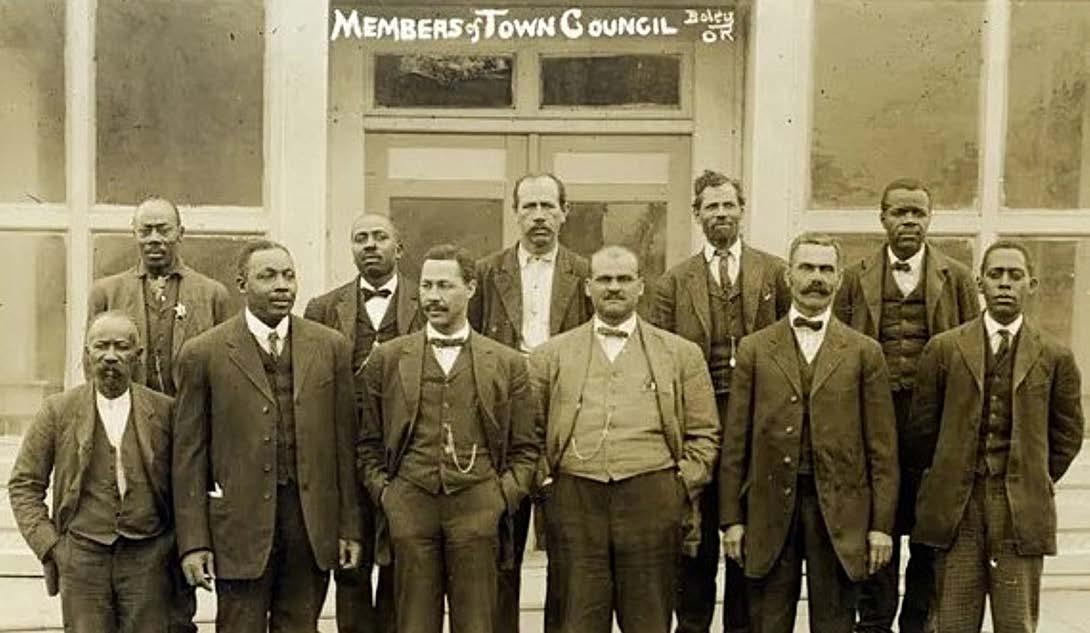
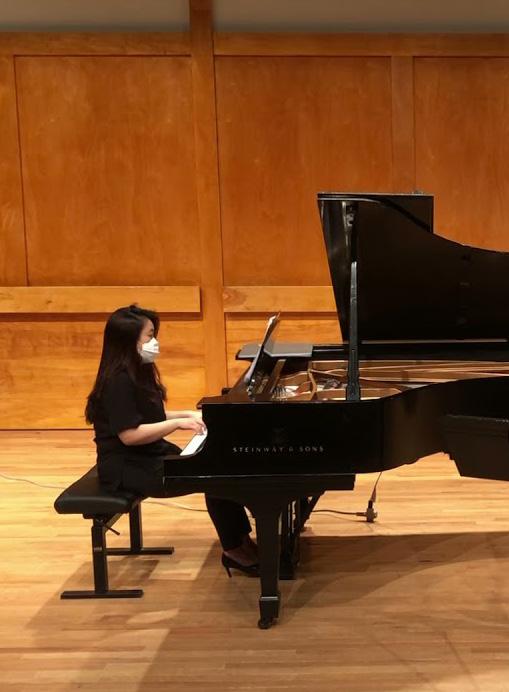
Family histories can often reveal notable legacies; such was the life of Calvin Bethel Powell. While some lives are short stories, Dr. Powell’s life was a chapter in an inspirational masterpiece, generations deep.
Tennessee born in 1871, Calvin Powell was a builder of character and faith. He was a graduate of the prestigious Meharry Medical College at Nashville, the first medical school for African American students west of the Allegheny Mountains, established when Calvin was merely 5 years old. From 18761921, Meharry College graduated two-thousandfour-hundred-sixty-seven black doctors, dentists and pharmacists. Now, 150 years later, Meharry supports five schools of medical expertise.
Calvin settled in the all-black town of Boley, Oklahoma, where he cared for the medical needs of the community as well as served on the Chamber of Commerce and as Mayor of Boley. December 1907, he married Muscogee Creek
by Debbie Neece
Indian of freedmen heritage Berdia “Birdie” Lee Thompson at Boley and four children joined their family; two girls, Zenobia Powell Perry and Thelma Powell Gibson; and, two sons, Calvin B. Powell Jr. and Douglas Powell.
About 1935, the Powell family relocated to Bartlesville and Dr. Powell cared for the residents on the west side of the railroad tracks. He was an active member of the Oklahoma State Medical Association, Citizens’ League, and the N.A.A.C.P. He was also highly engaged in the creation of a community center for Bartlesville’s African Americans. He passed away in 1942, cared for by Bartlesville’s Ragsdale Bro’s funeral service, and buried in White Rose Cemetery.
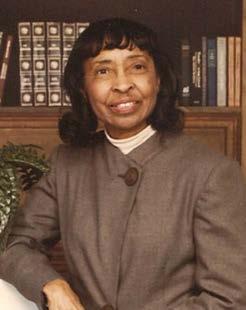
At the age of four, in Boley, Zenobia dressed in her Sunday finest, complete with her purple imitation-fur coat and matching hat, to attend the performance of well-known pianist Hazel Harrison with her mother and sister. That
performance changed Zenobia’s life, while her sister slumbered beside her. Zenobia was enthralled, “I’d never seen anything like it,” she said. “When her fingers started going up and down on the piano keys – all that beautiful noise coming out of her hands – shivers ran up and down my spine.”
Although Dr. Powell didn’t encourage Zenobia’s musical career, she was fortunate in that her father knew important men like Booker T. Washington, whom she met at 7 years of age. She studied piano with his daughter Portia, and his niece Hazel, who were both concert pianists and faculty members at Tuskegee Institute in Alabama, which was founded by Booker T Washington. At 23, Zenobia went to Rochester, NY, to study music under the renown Robert Nathaniel Dett.
Then, she and her brother Calvin attended Tuskegee, where Zenobia studied with William Dawson who encouraged her to compose music, some of which was arranged for the Tuskegee Institute Chorus. After graduating from Tuskegee Institute in 1938, she studied composition with Darius Milhaud, Allan Willman, and Charles Jones at the Wyoming University, where she earned her Master of Music Composition in 1954. From 19551982, she was a faculty member and composer-in-residence at Central State University, in Wilberforce, OH.
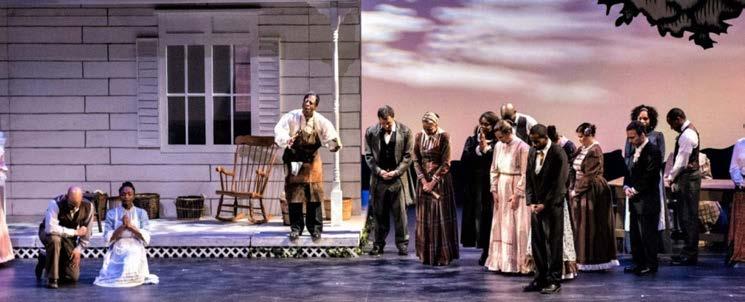
Inspired by British abolitionist William Wilberforce, who worked to better the lives of area slaves, Zenobia wrote the opera Tawawa House in 1985. In the town of Wilberforce, the watering place was called Tawawa, which means “colored water.” Additionally, the town’s 300-room resort hotel became named Tawawa House, which was a prominent stop on the underground railroad. The African Methodist Episcopal Church founded the first black-owned college in the United States, Wilberforce University at this location. In 1947, a portion of the Wilberforce University separated and created the Central State University a short distance away. Zenobia’s opera premiered at Central State University in 1987; however, it was only performed 3-4 times before being tucked away.
Zenobia was unlucky in romance; her
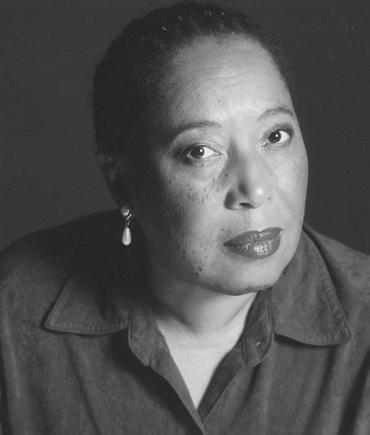
first husband left her and the second marriage ended in divorce. She had two children: son Lemuel Powell Perry died at 11-years-old and daughter Janice Rozena Perry became Zenobia’s best friend and confidant.
born, Janis-Rozena Peri (stage name) graduated high school and obtained a music degree from Miami University at Oxford, OH, with visions of New York stardom in her dreams. After her Carnegie Recital Hall recital debut, she received exceptional reviews by the New York Times and her career was off to a roaring start as an educator and soprano performer.
Janis-Rozena remarked, “One of the reasons Zenobia wrote the Tawana House was because she wanted to emphasize the fact that the end of slavery, the struggle toward equality, and justice in this country was an effort on the parts of many different kinds of people…of African Americans…of White Americans…of Native Americans. She was a firm believer in community, and a believer that all of us need to work together to make this happen.”
Zenobia also believed people should be judged by their character and behavior not skin color. Although, she was often judged as an African American and sometimes excluded from opportunities, she never wavered in her determination. She began composing in her 40s; however, she humbly never sought the artistic or musical limelight. She wrote songs, orchestral pieces and chamber music, even the Tawana House opera. And, in spite of not aggressively promoting her musical accomplishments, her work has been performed by the Cleveland Chamber Symphony, Detroit Symphony and the West Virginia Band and Orchestra. In addition, the Zenobia Powell Perry collection of compositional accomplishments was donated to the Columbia College, Chicago’s Center for Black Music Research in 2011.
In many raving reviews of Zenobia’s life works, she has been praised for her tenacity and substance. Her work was spurred by attending a musical as a child. That performance touched her soul and delivered her a lifetime of perseverance. In celebration of her 95th birthday, in 2003, she was treated to a concert of her Zenobia left Bartlesville in pursuit of her dreams and returned to Bartlesville’s White Rose Cemetery in 2004, where she was laid to rest beside her ever-supportive parents, Dr. Calvin Powell and Birdie Lee Thompson PowellJenkins. In her honor, the two-hour, two-act, Tawana House opera became a fully-staged production in 2014 at Modesto, CA, however short lived. Janis-Rozena Peri survives Now You Know *














by Keith McPhail
Thank You . The universal word that gives thanks for an action from another person. The word thank you dates back to the 12th century. There are over 45 languages that say thank you. What powerful two words! Have you ever thought how many times you say those two words in a day? I could say thank you every minute of the day for the rest of my life. I could never tell Christy thank you enough.
Who would have stood by my side when everything and everyone was against her and us when darkness overwhelmed me and us. I do know many of you have read my story, but I need to say thank you to my wife and my best friend, Christy. I mean this woman stood her ground and dug her heels in for me when most, if not all, wives would have left me and walked away. Where would I be right now, and where would we be right now? I still believe in miracles. I thank God every day for the miracle HE put in my life!
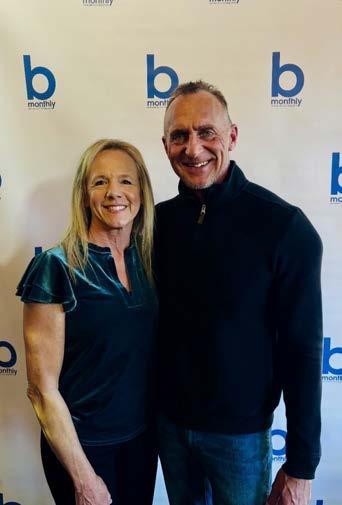
When you go back to 1985 when we first met and dated to now 41 years later, we have been married for 21 years this July with seven kids. This July we will have eight grandbabies. Thank you will never be enough for what I have dragged her through. The ones who know me, including our close friends, know that I am very stubborn and don’t move very easily from what I believe in. I know for sure I am not the easiest guy to live with, and everyday I get that beautiful smile from the one who understands me better than anyone. I have dragged this woman through HELL and back, and she is not scared to get in my face and let me know that she is not moving no matter how much I push her. Of course not physically pushing her but pushing her through my set ways. I still have that street thinking sometimes. Yes, I am very stubborn, but Thank you , Christy, for your grace and your understanding on how God has brought me through this fire. Thank you for your understanding and walking through the fire with me.
I have so many reasons to say thank you , Christy. You never gave up on me or us. For all the times I gave you a reason to walk away, you stood in the storm and stood by my side. You always have a way to break through my darkness and my shame and bring your beautiful light to my life. When my whole world fell apart and there was nothing to stand by, you still got on your knees and crawled through the darkness right beside me and never let go!
Thank you for being such an incredible wife, best friend, mother, and grandmother. I can only say that if it wasn’t for God we would not be here right now. Look at us…high school

sweethearts! Then 18 years later we came back, and the ENEMY said “oh no I’m not letting this be a story about God and how HE can move in people’s lives and change everything.” She never gave up when we were facing the battles of our lives and our family! After losing Tyler our lives were in a tornado. God knew that in the first 2 years of our marriage, her steadfast will and her determination would not let this go. He would send peace on to her. Even through the devastation of Tyler’s passing, she would not break. Through the devastating storm there she was, and God knew this would build her into the woman and mother she is today. She has helped, loved, and guided hundreds of lives.
Everyone who knows her heart knows her soul and her never give up attitude. She has been lied to, dragged into the darkness, and taken advantage of. Her heart has been broken not only by me but the ones who call her friend. If there is a purer heart than hers, then I would love to meet them. For the 56 years I have lived on this earth I have never known anyone with such a golden and giving heart than hers. When you see her next, just say thank you. I’m sure there is a time, a phone call, a conversation you have had with her that you didn’t walk away and say what a heart she has.
Thank you , Christy, for loving me and never giving up on me and the love we started all those years ago. You are truly a one of a kind person with a heart that never stops loving me, your family and others.
Somebody was praying for me way back before I met Christy…my mom. She knew the person I needed in my life. She once told me when I was dating Christy in high school that I was not going to find anyone better than her - so don’t mess it up. I did mess it up, but my mom was there when we became husband and wife. I remembered all those years later when she said that to me. You were right, mom…thank you for the prayers.
Thank you for being by my side. I feel so safe and secure when you are near. We might be across town from each other, but I miss your smile and soft caring voice, your simple kiss. I am a better man because of you. You will always have all my love. Everyday is a dream come true. I will follow you and stand by you through whatever this world has to throw at us. Together we are the strongest. I am a better man, friend, husband, and father because of you. Thank you God for putting this woman in my life and thank you , Christy. I will always believe you were sent here to save my life…and you did!! All my love forever! Simply Yours, Keith

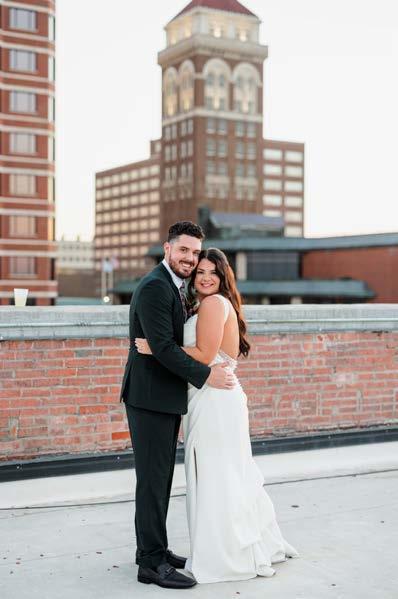
Downtown Bartlesville’s one-of-a-kind setting for your once-in-a-lifetime milestones and celebrations.
Two floors of chandelier-studded ballrooms — and an utterly charming on-site boutique hotel.
Inquire today for your special event!
The Refinery at the Johnstone-Sare Building 888-733-1633
THEREFINERYOK.COM instagram @therefineryok
* Engaged? Mention B Monthly when you book a Grande Weekend Wedding package starting at $7500 and your bridal party will receive a complimentary Brunch & Bubbles!

by Kay Little, Little History Adventures
The United States is celebrating its 250th birthday this year. Several events led to the establishment of the U.S., culminating with the War For Independence, better known as the Revolutionary War.
When we think about the events surrounding the fight for our freedom, we remember names like John and Samuel Adams, Paul Revere, George Washington, Thomas Jefferson, John Hancock and many others. But have you heard any of these names: William Lee, Oliver Cromwell of Burlington, N.J., George Lathchom, Edward Hector, Austin Dabney, Peter Salem, Prince Whipple, Agrippa Hull, Joseph Ranger, Caesar Tarrant, William Flora, Lambert Latham, James Forten, Crispus Attucks, Saul Matthews, James Armistead Lafayette, Salem Poor, and Phyllis Wheatley. These are just a few of the black patriots of early day United States.
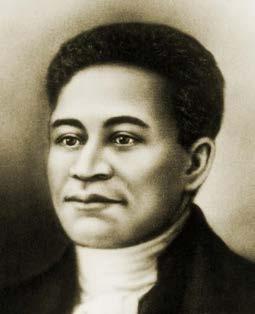
The first martyr of the American Cause was a black man, Crispus Attucks, during the Boston Massacre in 1770. He was a slave to William Brown, but in 1750, Crispus ran away and was never captured. He rallied the Sons of Liberty to fight against the British and became the first casualty of the Boston Massacre. Thomas Jefferson said, “The blood of Attucks nourished the tree of liberty.” Attucks’ bravery helped change the course of history.
At the Battle of Bunker Hill, a young black man so impressed his fellow soldiers that they later said, “Salem Poor behaved like an experienced soldier.” In 1975, his bravery was honored by placing his image on a postage stamp.
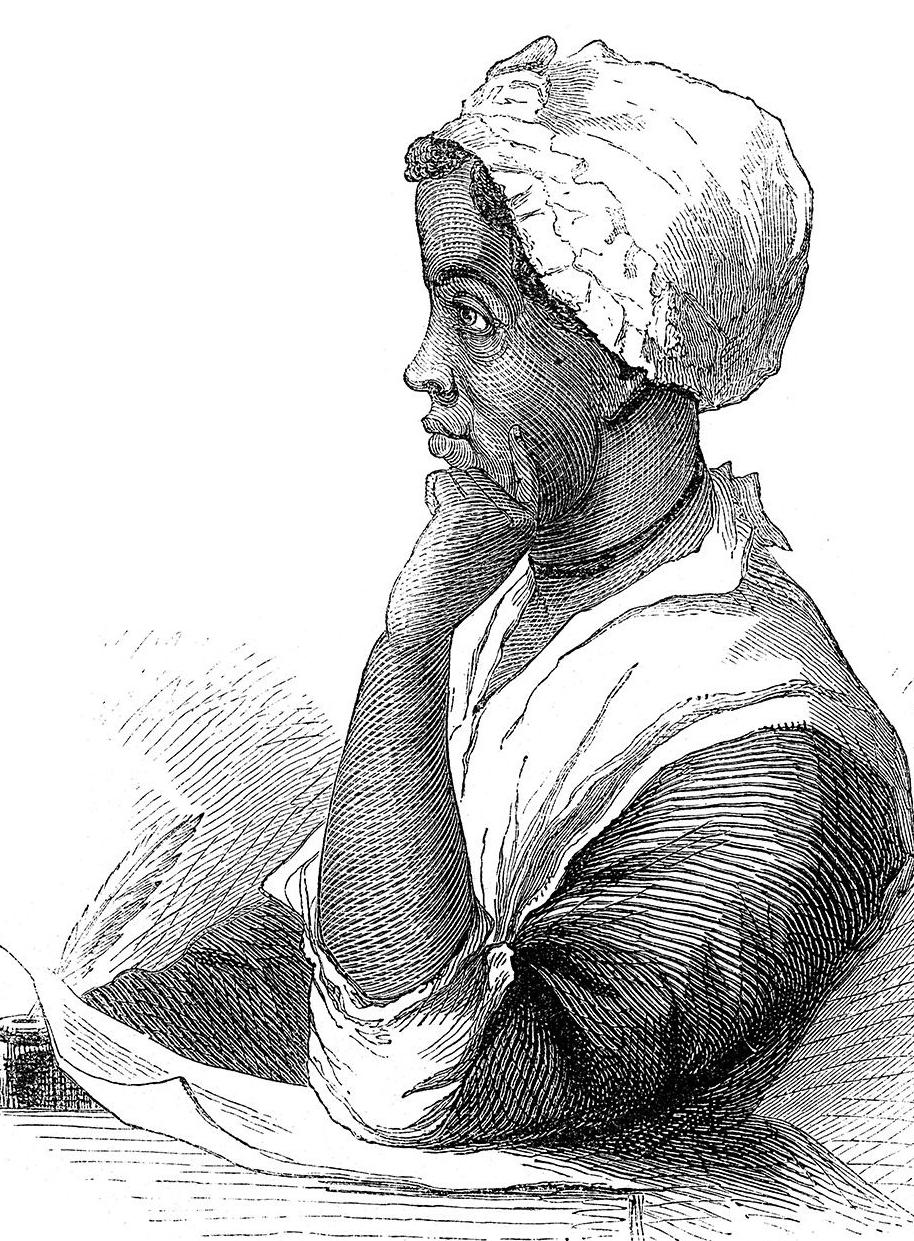
Phyllis Wheatley is another black patriot who has her image on a postal stamp, as of January 26 of this year. She fought for the cause with her words. She became the first black and
third woman to publish a book of poetry. She wrote a poem supporting George Washington, who was excited to meet her. Phyllis, at the age of sixteen, was received as a member of the church in the Old South Meeting House in Boston. She was very gentletempered, affectionate, and meek. She was loved and highly thought of by most who knew her.
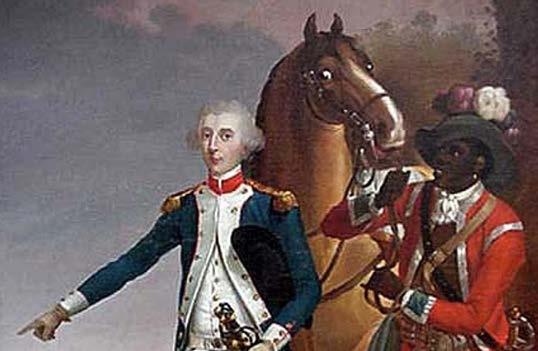
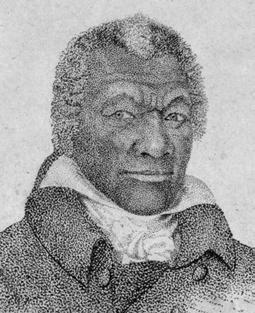
James Armistead Lafayette was a double spy. He pretended to be a runaway slave, wanting to be a part of Benedict Arnold’s British army. The British eventually assigned him to spy on the American army. He learned details of British battle plans and reported to his commander, General Marquis Lafayette. His spy work helped end the war at the Battle of Yorktown. He was freed several years later and took on the name Lafayette. After he was freed, he acquired land and became a wealthy farmer.
Prince Whipple accompanied General Washington in the Christmas Day crossing of the Delaware River. He was “beloved by all who knew him.” He is shown in the famous painting of “Washington Crossing the Delaware.” This event led to the victory at Trenton, which turned the war around and gave Washington and his soldiers hopes of winning and believing “the American Revolution was not going to collapse.”
Many of the blacks wanted to fight in exchange for their freedom from slavery. Many of them were taught to read and write by their masters, which helped tremendously during the war. This was especially true for James Armistead.
As a proud American, I am very grateful for the brave contributions of the black patriots.







For over four decades, The Center has been the heartbeat of Bartlesville’s performing arts scene. It’s more than just a building; it’s home to our most beloved local arts groups: Bartlesville Symphony Orchestra, Bartlesville Civic Ballet, Bartlesville Chorale, Bartlesville Community Concert Association, and Children’s Musical Theater. Beyond our local treasures, The Center has also brought the singing and dancing stars of the Broadway stages right to us, hosting fantastic professional productions through its Broadway in Bartlesville! series.
We are immensely proud of this incredible, 44-year legacy. As we look to the future, we are asking you to consider becoming a Sustaining Member of The Center and taking on a leading role as a patron of the arts here in Bartlesville!
Your help isn’t just a donation; it’s an investment in every note, every step, and every student. Here is how your generosity directly supports our ongoing mission and secures the future of live performance in our town:
• For beloved local arts groups… The Center covers 60% of rental costs so that organizations like the BSO, the Civic Ballet and CMT can dedicate more resources to production quality and artistic excellence. We’re committed to keeping overhead costs low for our locals!
• Access for EVERYONE to the performing arts matters at The Center. Our arts education programming provides highquality arts experiences to over 4,500 students each year. You help us open doors to creativity, confidence, and expression for the youth of our community.

• Your support allows us to continuously enhance the theatre experience for the tens of thousands of patrons who attend our shows annually, from maintaining cutting-edge technology to ensuring comfortable seating, so that ticket holders want to return to our halls again, and again.
This New Year, as you consider where to make an impact, The Center is inviting YOU to join us in securing the future of live performing arts events in Bartlesville! The stage is set, the talent is ready, but we cannot continue this mission without the support of dedicated members like you.
Help us keep the lights on, the curtains rising, and the music playing for another 40 years.
• Show up to the polls on February 10th
• Buy a Ticket to a thrilling performance
• Become a Sustaining Member through recurring giving
• Name one of our 1700 seats in honor of a loved one.
Call 918.337.2787 or visit bartlesvillecenter.com for more information.





Painted
with
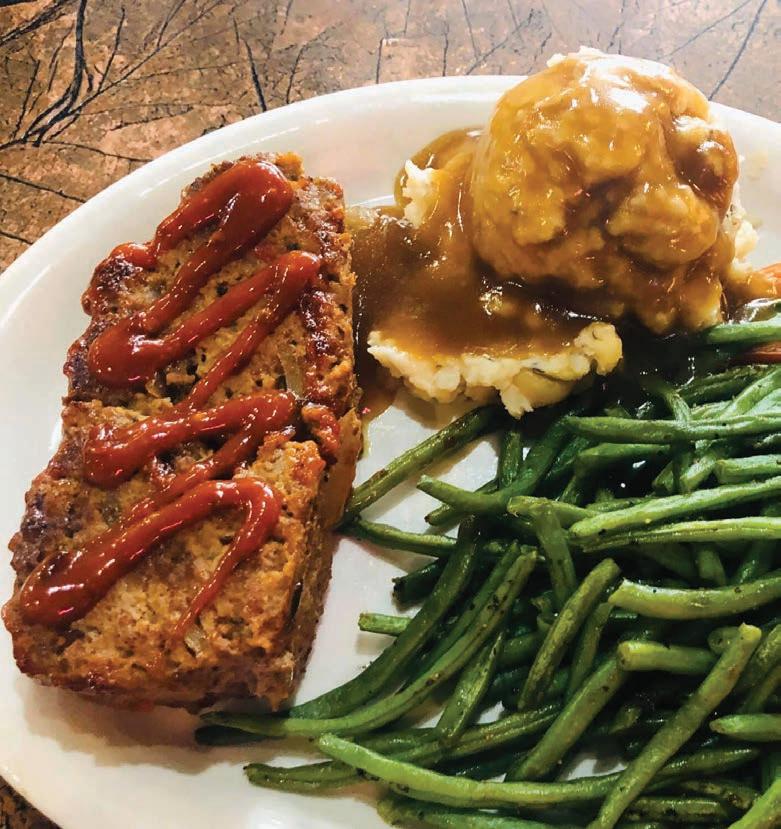
Painted Horse Bar & Grill, together with Wolf Creek Ranch owners, Mark and Kelly Spencer, are proud to offer our locally raised, guaranteed all natural Angus beef products. 110


Dine In and Carry Out Available!
Restaurant: Mon - Sat 11a - 9p
Restaurant: Mon - Sat 11a - 9p Bar: 11a - 10p Featuring post-hospital skilled nursing and rehabilitation to help you heal, regain strength, and return home!




Newly remodeled semi-private and private rooms available, subject to availability.
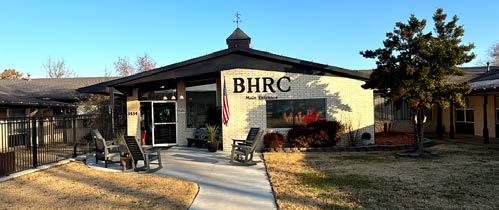
Bartlesville Health & Rehab Community provides a comprehensive continuum of senior healthcare services, all under one roof. Locally owned, BHRC offers 24-hour skilled nursing care along with inhouse physical, speech, and occupatonal therapy. We also provide specialized care for individuals with Alzheimer’s disease or related disorders within our newly remodeled, secure Memory Living Area. In addition, BHRC’s senior living apartments offer the independence of home while fostering comfort, connection, and the companionship of a supportive senior community. For more information or to schedule a tour, call (918) 333-9545. Medicare, Medicaid, private pay, and most insurance plans accepted (Determined by on level of care). 3434 Kentucky Place • 918-333-9545 • www.bartlesvillehealthandrehab.com
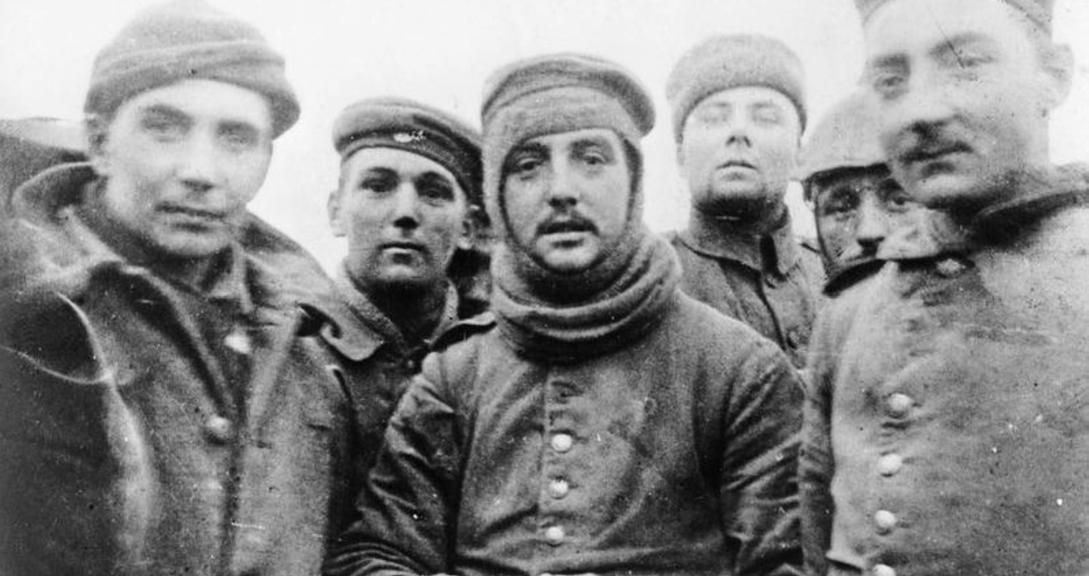
by Debbie Neece
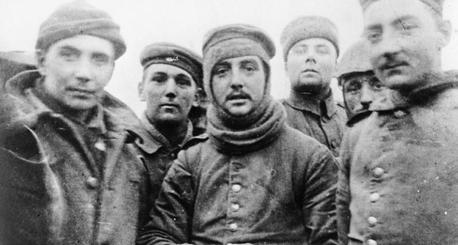
In 1914, the Christmas spirit consumed Washington County; homes were filled with tinsel-trimmed Christmas trees; store fronts displayed enticing wares for gift shoppers; and Christmas lights decorated the downtown streets. The Post Office was buzzing with holiday cards and packages being distributed throughout the city via buckboard wagon. And, newspapers advertised holiday events, “Shopping Days ‘til Christmas” and tiny tot “Letters to Santa.” On Christmas Eve, a fellowship gathering at the Washington County Courthouse brought a multi-denominational song service in connection with the dedication and lighting of the “Tree of Light,” with children singing “Santa Claus is Coming to Town” and adults singing “Silent Night.”
In Europe, WWI erupted July 1914 and raging battles cost thousands of lives while newspaper headlines funneled the devastating details to the world. In an effort to bring peace, if even for just one day, on December 7th, Pope Benedict XV issued a plea for a Christmas Day truce, asking that “guns fall silent at least upon the night the angels sing.” The call was met with resistance across the embattling nations; however, sometimes a planted seed can grow in even the darkest circumstances.
Along the Western front, in the knee-deep, mud-filled trenches, with a barbed-wire fence between the soldiers and the 200-yard strip called “no man’s land,” a lull in gun fire and a low hum of Christmas carols grew into a cease-fire truce and an unbelievable Christmas tale.
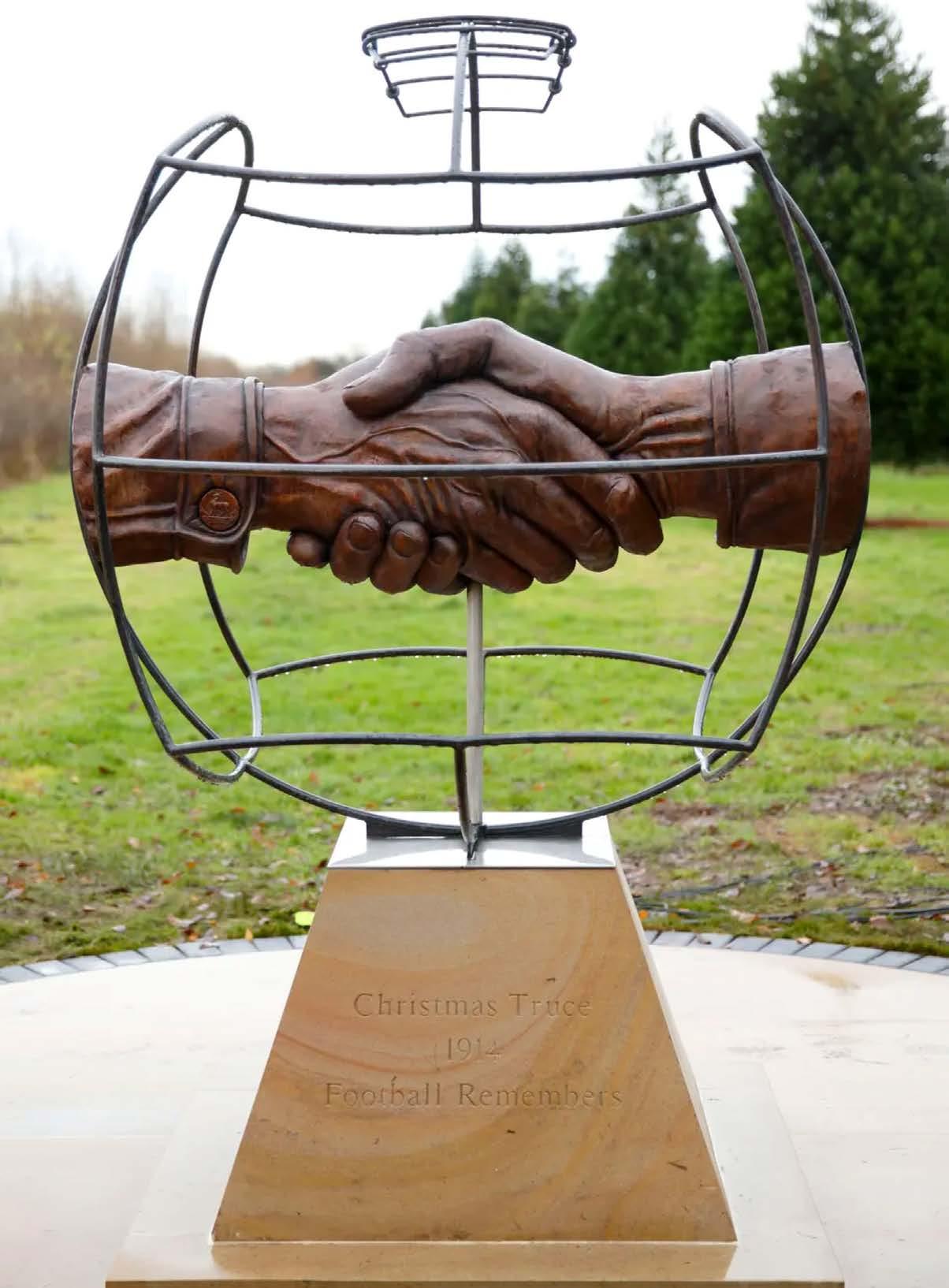
One by one brave men rose from their trench with hands held high, knowing they were placing their lives in the trust of the enemy. Soon, a Christmas, the likes of which had never been experienced before, found soldiers receiving haircuts; wine, food, cigarettes and cigars were shared; soldiers with cameras took group snapshots; and joined forces buried their fallen comrades with appropriate memorial services. As night fell, miniature candle-lit Christmas trees set the evening ambiance and the night closed with echoes of “Silent Night” sung throughout the valley; a universal Christmas hymn that has been translated into 300 languages.
You have heard the term “the shot that was heard around the world?” Well, 110 years ago, on Christmas Eve 1914, there was peace heard around the world in spite of WWI. Some media resources believed the Christmas truce to be a myth; however, for those who filled the chilly air with carols, experienced humanity amidst the backdrop of war and wrote about their Christmas miracle in diaries and letters sent home…the event was a life-changing, morale-boosting experience.
At midnight, December 25, a British officer fired his revolver into the air, signaling the end of the truce and the return to war. The peace on earth and good will toward men fell back into the memories of soldiers and duty laid its heavy hand upon their shoulders once again. Across the world, families place an empty chair at their dinner table for a loved away from home, serving for our freedoms. Please keep them in your prayers on this Day of Nativity!



TAKE THE NEXT STEP — APPLY TODAY
Our applications for high school programs are now open!
Tri County Tech programs are FREE for eligible high school juniors and seniors* who live within the Tri County Tech district, including students from area public schools, private schools, online programs, and homeschool. Students gain hands-on experience, earn industry certifications, and receive both high school and college credit.
* Sophomores can attend Tri County Tech for our Medicine & Biosciences programs. Ask your counselor for more information.
If you missed application day at your high school, reach out to your counselor or contact Savannah at 918.331.3315 or Savannah.Hayman@TriCountyTech.edu

EMT Evening Program
Get career-ready in just 8 months with classes starting February 23. Meet only two nights per week and take the next step toward a fast-paced, in-demand career.
CNA Evening Program
Become a Certified Nurse Aide in just 3 months. Evening classes start February 10, meet two nights per week , and there’s still time to apply.
Have questions?
Contact us at 918.331.3333 or EnrichingLives@TriCountyTech.edu

Tri County Tech is more than just a school—we’re a community resource! In partnership with the University of Oklahoma College of Dentistry, our state-of-the-art dental clinic provides affordable, high-quality care for patients of all ages. Your journey begins with a LOW-COST screening appointment to identify the services you need. From cleanings and fillings to preventative care, treatments are performed by dental students under expert supervision from our faculty and a licensed dentist. Use the QR code or call 918.331.3218 to learn more and schedule your screening today!

This month celebrates Career and Technical Education programs that prepare learners of all ages for highdemand careers through hands-on training, strengthening workforce development and economic growth in Oklahoma. There’s no better time to apply! Learn more by visiting TriCountyTech.edu.
Have questions? Contact us at 918.331.3333 or EnrichingLives@TriCountyTech.edu
Our STEAM Summer Camp is a fun-filled, week-long day camp for students currently in 3rd-6th grade 3rd and 4th-grade participants will attend a half-day in each of the camp themes. 5th and 6th grade participants will select and attend two themes for a half-day each, all week. STEAM Summer Camp is fun & exciting, featuring themes in a safe, small-group instruction environment. STEAM Summer Camp is from 8:30 am – 3:00 pm with lunch provided, as well as morning & afternoon snacks. Our early bird enrollment special will begin soon! Watch for it on our website!
Scholarships are available, please contact Camp Director, Heather Pollock for more information on how to apply. Heather.Pollock@TriCountyTech.edu | 918-331-3314
by Kelly Hurd
Diamonds are a girl’s best friend, but mink can be a man’s – especially during the month of February –if he plays his cards right on Valentine’s Day and does a little shopping ahead of time over in Pawhuska at the Sunset Ridge Gallery.
Owner Denise Webster is the fashionista of fur with a flair for the fabulous along with a friendly personality that makes shopping with her fun.
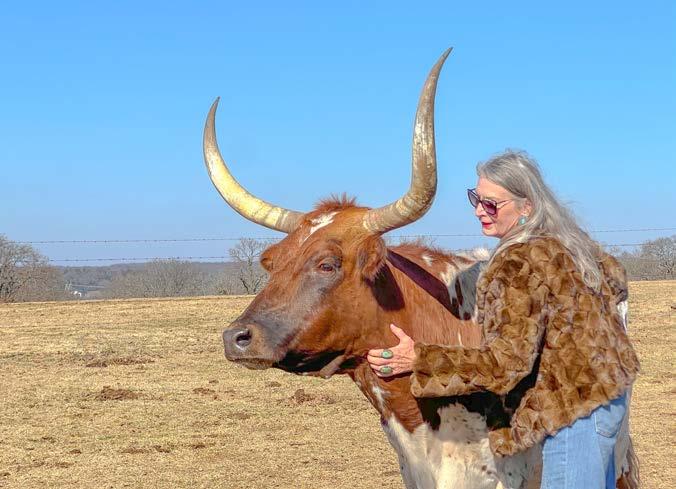
She’s decked me out and dolled me up many times in the Gallery as I twirled in front of her full-length mirror amazed at how fur has the capability to make an ordinary day extraordinary and make a frumpy gal feel like a princess.
No wonder Denise wears mink even when she climbs up in her old Dodge pickup and heads out through the pasture to feed her Longhorn cows. It’s not always about who sees you. Some days it’s just about how it makes you feel, and there’s just something good in how you feel when you wrap yourself in fur.
I rode shotgun with her recently out on her ranch south of Hominy, Oklahoma. She met me at the gate, standing there in her mink coat and blue jeans.
You’ve just got to like a gal like that. No pretenses, just authentically who she is, doing what she does, the way she wants to do it…
Hmmmm…mink in the pasture – I like it!
After we’d fed out two bulk feeders worth of cake, we jumped in her UTV and off over the Osage County hills we went. She had two bottle calves

running with her herd, and with bottles in hand, she called for them by name from the long string of cows scattered across the pasture and they came running right up to her and enjoyed a little milk for breakfast.
As she stood there bottle feeding, I noticed Denise’s hands. Of course they were decked out with turquoise, but those hands also told a story on the woman dressed in mink.
They looked strong, though a bit weathered – like they’d stood the test of time. I could tell her hands had been worked, as well as pampered - and I thought their story probably had a lot to do with the lines that carved her smile, and the unmistakable twinkle in her eyes.
We’re all that way – women, I mean – that is if you take the time to really look. Everyone’s life has a story of tears and laughter, joy and pain, love and loss – even the women wearing mink.
Well ladies and gentlemen, there’s a business owner in Pawhuska who sells mink coats in her store, but who also wraps one around herself and flies off through the pasture feeding cattle who will make you feel at home from the moment you step through the doors of Sunset Ridge Gallery on Kihekah Avenue.

She’s a rancher, fashionista, and friendly fur-ista who can help you deck out your sweetheart for Valentine’s. Wrap her story in luxury, and let her tell it her way – come on over to Pawhuska and explore Sunset Ridge Gallery for yourself –you’ll be glad you did!




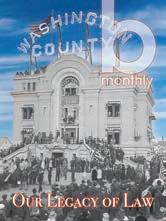




Every career has seasons—times to grow, pivot, or step into what’s next. Oklahoma Wesleyan University offers online programs designed for adults ready to grow—professionally, personally, and with purpose. Learn at a pace that fits your life, supported by faculty who care about where you’re headed.
OKWU is here to help you step into a new season with purpose in Business, Nursing, Exercise Science, or Counseling.



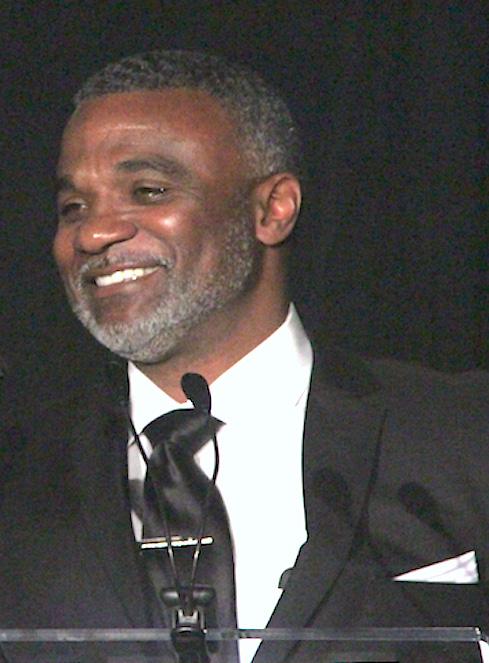
by Mike Jerry Tupa
The impact of African-American athletes and coaches in the Bartlesville sports tradition is rich and noteworthy.
The Bartlesville Athletic Hall of Fame features several incredible Black competitors and personalities. Some of them include:
— Ernie Jackson (Class of 2012). He helped Col-Hi win the 1966-67 boys basketball state championship and went on to star in football at Notre Dame University. He earned a law degree from Columbia Law School.
— Renee Roberts Jones (Class of 2013). She helped lead Bartlesville’s girls basketball team to the 1992 state championship game and later started for four years at Oklahoma State, scoring 1,243 career points.
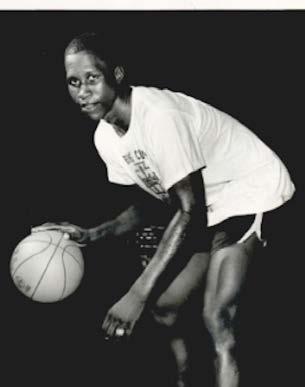
— Jennifer Fontenot Atkinson (Class of 2014). Arguably the best girls’ track athlete in Bartlesville history, she set longstanding records in the 200m and 400m dashes and won numerous state track championships. She later became an AllAmerican at the University of Oklahoma. Her daughters Jada and Jordan also have excelled on an elite level in track.
— Mitch Nash (Class of 2016). Nash is the face of the great Bruin football teams of the early-to-mid-1980s. An explosive running back, he went to Oklahoma State where he backed up Thurman Thomas and — if not for an injury — was in line to start in front of Barry Sanders.
— Yolanda “Yogi” York (Class of 2018). York is a Lady Bruin basketball legend. She was named the MVP in the All-State game and selected to The Oklahoman’s Super 5 All-State team as a senior. She starred for Oklahoma State and Southeastern Oklahoma State in basketball and played one year of pro ball in Europe.
— Gerald Richard “Ricky” Jackson (Class of 2022). Jackson posthumously joined older brother Ernie in the HOF. Ricky brought incredible athleticism to all sports and is considered one of the greatest all-around athletes in local prep history. He played basketball in college alongside future NBA great Robert Parrish.
— Gerald Thompson (Class of 2025). Thompson starred as an athlete for Col-Hi, but has made his biggest impact as an educator and a coach in the Bartlesville school district since the 1980s and continuing through 2025. He also became the first varsity head coach (girls basketball) in Bartlesville high school history.
There are many, many other Black athletes that have brought honor to local sports and to the Bartlesville area. A very small
list includes Ernest Guery (a star on Col-Hi’s 1967 boys basketball state championship team), Alonzo Adair (outstanding Col-Hi player of the late 1960s), Lyle Taylor (Col-Hi’s first state wrestling champion), A.J. Parker (a former NFL player, primarily for the Detroit Lions), Markell Carter (a NFL draft pick of the New England Patriots), and David Castillo (a player currently for the Kansas State men’s basketball team).
Bartlesville also boasted an all-Black baseball team in the 1940s — the Bartlesville Blues — that played at the municipal athletic field, now known as Bill Doenges Memorial Stadium.
In July 1945, the Blues signed Negro Leagues’ baseball immortal Satchel Paige to a one-day contract to pitch in Bartlesville against their heated rival team from Coffeyville, Kan.
Blues’ manager Tom Smith spoke about the hearted rivalry.
“We’ve also been practicing up on our chatter and those Kansans are going to be razzed an awful lot — that’s going to have something to do with the final score,” Smith promised in a newspaper quote.
Paige — who would go on to pitch in the Major Leagues and be inducted into Cooperstown — delivered the victory in Bartlesville.
Another important chapter of Black sports in Bartlesville centered on the 1955-56 Douglas Dragons’ state football title. Douglas was a segregated school for African-Americans but by the mid-50’s the dawn of integration was slowly beginning to grow brighter.
In fact, the Dragons’ quarterback Venson Cumby was reportedly the first black player to try out for the all-white Bartlesville College High School team. Cumby earned a spot with Col-Hi — but opted to return to Douglas for that school year.
Inspired and prepared by legendary coach Charles “Cool City” Smith, the upstart Dragons surged unbeaten through the Verdigris Valley Conference and then plowed through the playoffs to the Black High School state championship game, where they were to play Frederick High. But the Bartlesville Board of Education would not fund the trip to Frederick. Douglas and Frederick were crowned co-state champions.
As recognition of this significant team, in 2013 the Bartlesville Sports Commission inducted the Douglas 1955-56 team into the Bartlesville Athletic Hall of Fame.
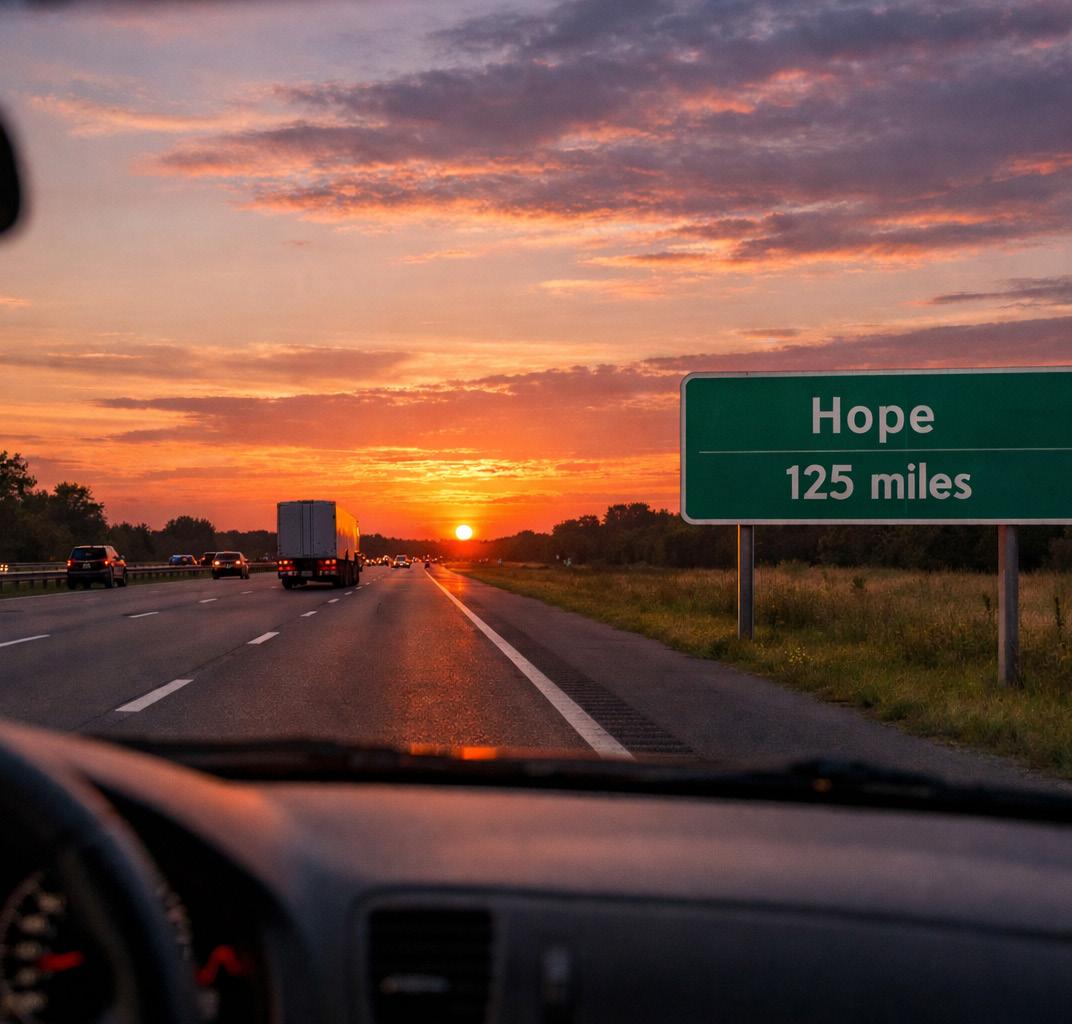
by Jay Webster
Writing a monthly column for nearly a decade is not easy.
I mean, sure, I probably make it look easy with my effortless charm and disarming persona, but the truth is that deciding what to write (and maybe just as importantly, how to write about it) requires a great deal of consideration month after month. And it doesn’t help that the bMo readership is well above average. You’re smart, good-looking, and discerning, but I don’t need to tell you that… unless you want me to.
On top of that, you and I live in the same world, watch the same news, and face many of the same challenges. When I approach my keyboard, I come ready to rant, or cry, or bang my head, just like most of you. But then I have to ask myself, would
that help? Would it move the needle forward at all? Maybe sometimes… but most months it would just be scratching at the poison ivy and spreading the itch.
So, as your trusty correspondent to Humanity, I look for hope wherever I can find it. And then I do my best to promote it here in any way I can (sometimes subversively, with humor and witty banter). Some days hope is easier to find than others. On the hard days, I go back to the last place I saw her. I go there thinking maybe hope dropped something and will come back looking for it, and I’ll catch her like a muse and ask - What should I tell people who are looking for you?
My father-in-law, Jason Elmore, likes to say that at its core,
hope is the belief that things could get better. Whether it’s the belief that things could get better, or a want, or a desperate demand in the form of a prayer screamed into a pillow, or a murmur repeated until it turns into a mantra, the human soul appears to have hope sown into its DNA. Hope is literally part of who we are. Maybe that’s the jubilation we reach when hope is fulfilled. See, I told you I wasn’t crazy. I told you they could catch it…make it…do it…heal it…win it!
Every baby born comes with a certificate of hope pinned by a divine kiss to its crown, fragile or fleeting as it may seem. As if to say, I come from a place of possibilities, a place of miracles, a place of dreams, of dignity and stars and cosmic certainty. A place bigger than this moment, bigger than this view, a place of plenty. A place that would scare you with beauty, silence you with awe, and shock you with compassion. A place of grace. There is more. When we choose hope in the midst of our rocky lives, I think we invoke that place.
Have you ever been on a long road trip when an interstate sign pops up, telling you the next rest stop is over a hundred miles away? That’s about the time your bladder says, “We’re going to have a problem.” There’s a good chance that before you saw the sign, you weren’t even aware of ocean tides, dripping faucets, or the Beatles song “Yellow Submarine,” but now it’s all you can think about. You imagine your car being found hours later on the side of the road, with all that remains of you melted into a pool of yellow liquid on your car seat.
Occasionally, I feel that way in life. When do we reach the rest stop? When do we get out of the car, stretch our legs, change the radio station, and maybe check the map to make sure we’re going the right way? Are we late… early… or just way off course? Where’s AAA when you need them to come and fix all this?
The trouble is, we don’t often get the interstate signs in life. We don’t know how long hard times will last. What do we do in those moments? How do we hold on to hope?
How should I know? I’m just a humor columnist.
But since we’re in the same car, making conversation to pass the miles to the next rest stop, I can at least tell you some of the things that help me.
The first thing I do is remind myself that even though we use the word “unprecedented” a lot as a human race, we’ve been in places like this before. Humanity tends to ebb and flow like the ocean between tragedy and triumph. The same can be said for most of our lives. There are moments when it feels like you’ve laced your shoes too tightly for a marathon, you’re only twelve miles in, and you’ve just discovered you forgot to put on pants. Then there are moments that are brilliant and beautiful, and you can’t believe the radio is playing “your” song.
The next thing I do is remind myself that humans are the new super drug and that being with them (especially the right
ones) reinvigorates and distracts me, and often subtly tricks me into seeing the good around me.
And finally, (and I really hate talking about this once again, maybe because I remain so bad at it), I choose to announce the good I see out loud. My sister-in-law, Ashlee Elmore, told me about a study that revealed the importance of the first few minutes of the day. It said that if you can train yourself in the first 5-10 minutes to list the things you are specifically grateful for, it can alter the course of your entire day. So far, I have found this to be true! In my immediate minutes of waking, I list (out loud) the things I am thankful for: a warm house on a cold night, the people in my home…and then my mind drifts to the day before, and I think about all the good things that transpired. And then, like I’m suffering from a gratitude virus, I find myself going through the whole day noticing “good” in my life. If I’m really aware, that good will outweigh the “suck,” which is pretty wonderful if you can make it happen.
Just talking about this makes me feel like we are already getting closer to the rest stop.
Bishop Desmond Tutu said, ”Hope is being able to see that there is light despite all of the darkness.”
I say that hope is the ultimate act of defiance. It says, “In the face of everything else, I choose to believe, to hope. That’s a choice no one can take from me. That’s a choice no one can make for me.”
Hope is a way we can remain true to ourselves.
So, until I see you next month - hold on to hope. It is part of who you are…the human condition. It is an act of defiance. And there is always something to hope for.
Cheers, friends. There is so much good that can be done. Let’s go out and do it.
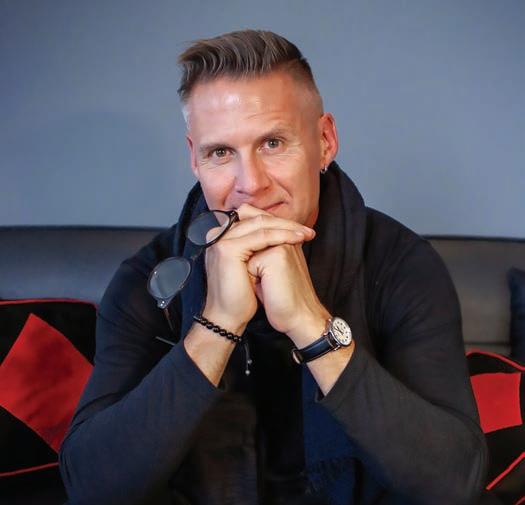




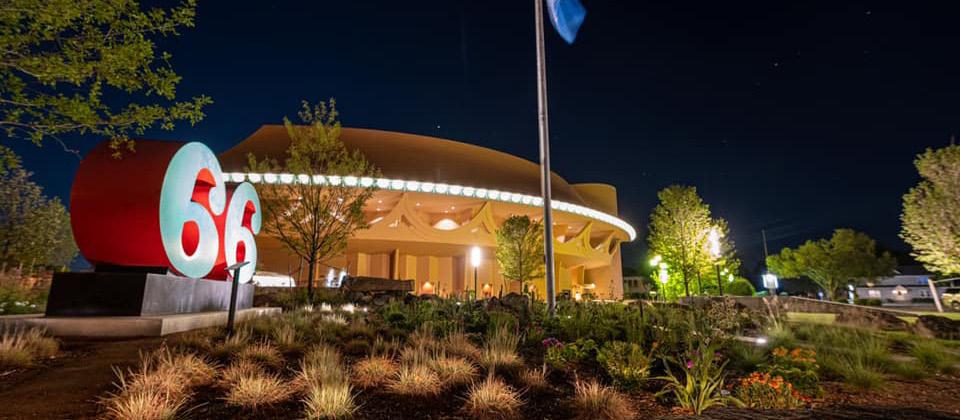
Dr. Cecil Lewis Paulsen graduated from Onaga High School, Onaga, KS, with the class of 1935 and was a student at Kansas State University, Manhattan, KS, where he attended the School of Veterinarian Medicine and graduated in 1941. The following year, he married Miss Maureen Hiller of Columbus, Kansas.
Maureen graduated from Columbus High School in 1935 and attended Pittsburg State University. She then taught business administration classes at Columbus High School for one year before marrying Cecil Paulsen. Two children joined their union: Robert Kent and Sally Lurene.
Dr. Paulsen became a well-respected veterinarian from 1944, until his retirement in 2001. For 57 years, his “shingle” hung at 312 E. 2nd Street in Bartlesville, where he practiced often-unorthodox veterinary medicine and was always “on-call.” Personally, we had an Australian Shepherd with diabetic seizers. Dr. Paulsen’s recommendation was “during a seizer, force the dog’s mouth open, and place chocolate in his mouth.” That remedy seemed a little odd since chocolate is highly toxic to dogs; however, once the sweet treat melted, the dog returned to normal. So, a chocolate candy bar was a staple in our refrigerator. Don’t try this at home.
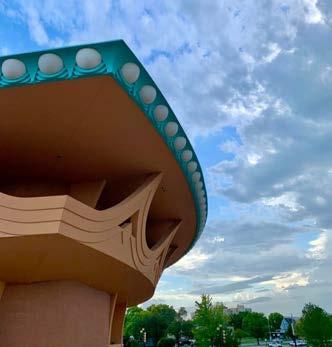
Maureen Paulsen passed away in 2002 and Dr. Cecil Paulsen followed her in 2003. They are both resting in Memorial Park Cemetery at Bartlesville. Their only surviving daughter, Sally, handled her parent’s estate with philanthropic care.
The idea of private giving is not something new to the Paulsen family. Their philanthropic background is extensive. Although, Dr. and Mrs. Paulsen lived in Bartlesville fifty-nine
by Debbie Neece
years, their roots run Kansas deep; so, it was not surprising to discover their philanthropic generosity extended to Pittsburgh State University, where Maureen Paulsen had been a student. The Maureen Hiller Paulsen and Cecil L. Paulsen Scholarship was established in 1986 with the Pittsburg State University Foundation. The Paulsen scholarship benefits students at the P.S.U. Kelce College of Business and became a pay it forward for Maureen. Three scholarships are issued each year and support continues to this date.
As early as 2010, two scholarships were established at the Unified School District of Onaga, KS, in the name of Cecil Paulsen. Those scholarships continue. Since the scholarships appear to have been established after her father’s passing, it is believed his daughter, Sally, created the scholarships.
Their daughter, Sally Lurene Paulsen McCulley, passed away August 2024 and in settling the Paulsen estate, three Bartlesville entities were selected as recipients of the Paulsen family’s forward giving spirit…the Bartlesville Community Center (The Center), the Bartlesville Public Library and the First United Methodist Church, the Paulsen’s church home in Bartlesville.
According to Valarie Hulse, Development Director at The Center, she expressed the Bartlesville Community Center Trust Authority’s appreciation in accepting the Paulsen family gift. “Such philanthropic gifting and legacy planning generously impact our community, performing and literary arts, and churches. Donations and legacy gifts help to provide programming and operational funding for The Center, and the funds sustain the endowment and the physical building.”


by Katrina Cossey
I’ve always known heart health is important, but when I started having abnormal palpitations in November 2025, I was on high alert. Heart disease runs in my family, but thankfully, all my tests came back normal. My health scare made me realize just how many of us put our hearts on the back burner until something is wrong. This muscular organ beats approximately 100,000 times per day, and each one is a quiet reminder that heart health isn’t optional.
February is American Heart Month—a time to raise awareness that, unfortunately, heart disease remains the leading cause of death in the U.S. Medical advances continue to transform how we prevent, diagnose, and treat cardiovascular disease, but the choices we make every day still play a vital role. Throughout the month, we’re encouraged to wear red to show our support, learn CPR, and take action to reduce the risk of heart disease for ourselves and our loved ones. It’s a good reminder to check in with our hearts year-round—not just in February—because a simple nudge to pay attention now can add years to your life.
Ascension St. John Jane Phillips Medical Center is raising awareness by offering the public a unique opportunity to discuss heart health with our Bartlesville cardiologists and electrophysiologist. On February 20, 2026, from 2:30–3:30 p.m., you can join a free informative session on the latest developments in cardiovascular disease and treatments from Megan Barber, DO, Anderson Mehrle, MD, and Todd Thomas, DO, MBA. Whether you’re from Bartlesville like me or new to town, you’ll be surprised to learn about the cutting-edge therapies happening right here at home, how to prevent heart disease, manage stress and sleep, and exercise regularly. The seminar will also detail rhythm matters of the heart, including atrial fibrillation (AFib), one of the leading causes of stroke in America. This event is really special; you’ll learn the latest science and receive actionable steps to improve your and your loved ones’ heart health.
“Getting information to the community is always important for early detection of symptoms,” says
Carolyn McNair, Specialty Physician Practice Operations Manager with Ascension Medical Group. “The patient knows their body and is aware of things when they do not seem correct. This education gives them preventive measures to watch for.” Even if you’re in good heart health, this seminar includes guideline-directed therapies for blood pressure, cholesterol, obesity, and diabetes. I have several family members with these health issues, and learning more about them is a great opportunity to share valuable knowledge with those I love.
Our community is fortunate to have dedicated medical professionals right down the road, spreading awareness about Heart Month and heart health. Dr. Mehrle is a board-certified cardiologist with extensive experience in interventional cardiac procedures and heart conditions, including coronary artery disease, cardiomyopathy, and aortic aneurysms. Dr. Thomas is an interventional cardiologist who is board-certified in interventional cardiology, cardiovascular disease, adult echocardiography, and internal medicine. He specializes in coronary artery disease, ischemic heart disease, congestive heart failure, valvular heart disease, and peripheral arterial disease. Dr. Barber is a board-certified cardiac electrophysiologist who specializes in diagnosing and treating AFib and other heart rhythm disorders through advanced testing and non-surgical treatment options.
I asked Ascension Medical Group what the most effective way is to maintain a healthy heart, and it’s simple: Start early and set goals. It’s never too early to start thinking seriously about your heart health. “Lifestyle choices remain one of the most powerful tools in preventing heart disease and often more impactful than any single medication,” says McNair.
Whether you or a loved one has heart disease or simply wants to learn more, this event offers powerful, valuable insights into cardiovascular health. Limited seating is available at this free event. While it’s best to RSVP early, walk-ins will still be accepted if there is space. To RSVP, call (918) 332-3663 or email Denise. Marshall@ascension.org.




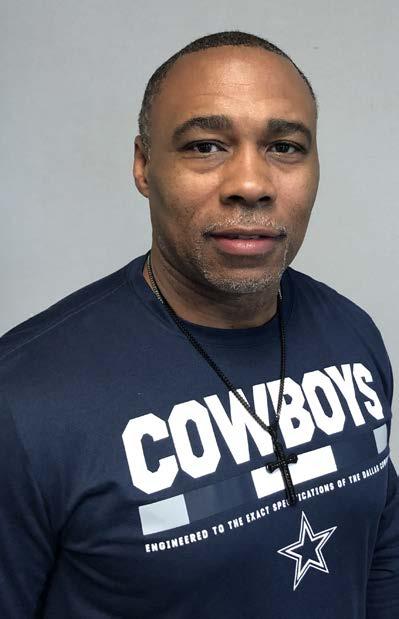
reason that something doesn’t happen right.” It was heavy burden knowing the messages you dealt with may be holding someone’s life in your hands.

properly. He said this was an eyeopening event. The communications they received informed them of what was happening even before the information was disseminated. This is why each message had to be correct and disseminated to the proper commanders. The most interesting aspect of Panama was that he knew what was going on in Panama before the information was sent to the Pentagon. “We had a really important job. We knew that we would be affecting lives for generations and any information that needed to get in and out had to be in a timely manner and had to be correct. You may hold somebody’s life in your hand and it may depend on your system being up and running to feed communications through. You do not want to be the
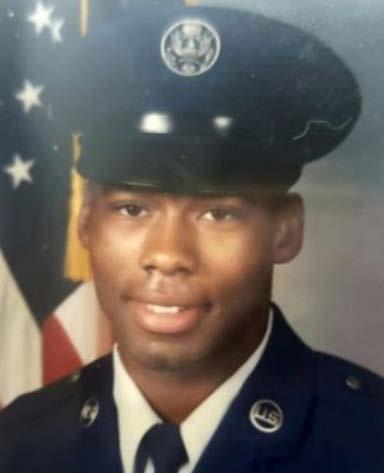
Kelvin Grayson was discharged 13 Apr 1991 and was offered a civilian job in the Pentagon because of his security clearance. He did not take the job and moved to Austin, TX and develops computer software for the state of Texas. He said he has fond memories of the Westside Community Center because it was a gathering spot and a bonus for the community.

by Miriam Walker
The bookends of a life are just that, it’s the beginning and the end. In the middle, however, where the living takes place, lies the truth of that story. Some stories unfold with a truth that nobody really knows and in some cases, not even the person living the story knows the truth. Even though they’re living it, they don’t know why or how.
Fifteen years ago I met a young lady that had been found in a snow storm. She was eight months pregnant when the outreach team found her, and it was another three days before she spoke to us about how she came to live in the woods on the brink of having her baby. That was the truth of her story.
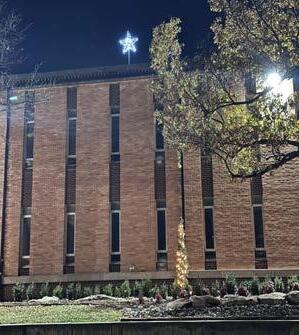
Over time I was able to gain her trust and the details began to unfold. She shared with me that she had aged out of foster care and had nowhere to go. The truth is, she had become the collateral damage of a family system that had failed her. Before she was even old enough to crawl over them, the walls had been built. Movement was all around her, but she never moved forward from her circumstances. The bookends of her life held fast with a treacherous beginning that over time, snatched her ability to hope for anything other than the truth that she was living. The truth is, and by her own admission, she spent much of her life a few drinks short of where she was trying to be.
Truth is often what happens to us.
The homeless young mother did not live in the woods of Bartlesville, but she’s not unlike many of our homeless neighbors that do live here. B the Light has heard many stories from our unhoused neighbors, and we remain thankful that God uses us to help them. When we hear their truth we know there was something that happened. That man you pass by at the gas station was not born addicted to meth. That lady was not born with the desire to stay drunk every waking moment of her life. This is their truth. Ironically, it is like the truth of many reading this right now.
Something may have happened to you, but how do you move forward? Not all movement takes us forward, and we can waste a lot of time going around and round the same issues that God intends to help us through. Sometimes the only way out IS through.
Until the ending of our story takes place, we all have the ability to change it. At B the LIght we give our residents an opportunity to change their story and move forward. It’s a wonderful thing to see. Some of our residents are meeting the person they used to be before the world caved in around them. They are getting
reacquainted with who they were created to be, and they are evidence of God’s faithfulness. He never stopped seeing them, not even once.
This month at B the Light brings news of another successful warming shelter. As I type, quite literally, there is another Uno game happening in our community room and from the sounds of it, someone just had to draw 10!
Our numbers have fluctuated since we opened our warming shelter on Friday, and rose to 15 over the weekend. Many came in just for a shower, a hot meal and to get warm. We are planning another warming shelter for the homeless of our city the weekend of the 24th. Winter isn’t done with us yet.
Our residents have been keeping busy with both job interviews and job offers! Some have secured gainful employment in our city, while others have been taking piano lessons. All of our residents as well as the unhoused neighbors in our city, both men and women alike, have been able to get fresh haircuts by our team of volunteer barbers and stylists.
B the Light continues to strengthen our community relationships with Ascension, Grand Mental Health, Westside Community Center and many others. We are so thankful for our community. Many of our churches have taken time to do devotionals with our residents. We’d like to thank Greater First Church, Truth Tabernacle Church, Pathway Christian Church, First Wesleyan Church, and First Baptist Church of Cedar Vale Kansas. We appreciate all of the partnerships that God has blessed us with.
The bookends of a life; it begins and then it ends. But in the middle, where the living takes place, the story unfolds. And yes we may read it, but are reading the truth? Are we seeing the whole story? 15 years ago a homeless young mother chose the solitude of the woods to hide from the circumstances she created. But did she create them? Solitude only fans the flames of fear, and it is a shroud of protection that offers none. After the birth of her son she stopped coming to the outreach. He was placed into the foster care system and by now, he would be a 15 year old young man.
Every homeless person you will ever see on the street has somebody who loves them. That man is somebody’s brother, that girl is somebody’s daughter. And that boy, he is somebody’s son...
Be the Light thanks you for your continued support. See you next month.





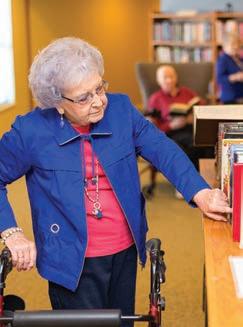
Only 66 miles from Route 66.


by Lori Just
Lace up your shoes and break out the green as Shamrock the ’Ville 5K and Fun Run is back on March 7, bringing festive energy and a wave of shamrock spirit to downtown Bartlesville.
The USATF-certified, chip-timed race begins at 9:00 a.m. at Unity Square, guiding runners and walkers through the scenic streets of historic downtown. More than just another run, this event supports Catholic Charities Mary Martha Outreach (CCMMO), an organization dedicated to providing vital assistance to individuals and families in our community. Whether you run, walk or simply show up in support, your participation truly makes a difference.
Held rain or shine, Shamrock the ’Ville has a strong tradition of community support, with hundreds of participants turning out each year even in chilly conditions. Every registration helps fund essential CC-MMO services, including a food pantry, clothing center, crisis response, as well as diapers and haircuts for those in need.
This year, the need is greater than ever.
“The need for food has been unprecedented,” said CCMMO Director Misty Wishall. “With SNAP cuts and rising costs, we’re seeing people who were previously able to make ends meet now having to swallow their pride and ask for help.”
CC-MMO is currently seeing 10 to 15 new clients each month, if not more, including a growing number of seniors on fixed incomes. Many retirees who were once able to live frugally are now struggling due to inflation and increased living expenses. At the same time, the organization continues to serve a significant population of the working poor.
“A lot of people say, ‘well, if they would just get a job,’” Wishall said. “But most of our clients do have jobs. When you factor in kids, rent or a mortgage, car payments and childcare, it’s everything they can do just to survive.”
The Shamrock the ’Ville event remains a relaxed 5K and fun run, and organizers emphasize that it is not required to be

competitive. Participants are encouraged to walk, jog or simply come out to support the cause. There will be no virtual option this year, as participation was extremely limited in recent years.
The event atmosphere will stay familiar and festive. A DJ will provide music throughout the morning, and the planning committee will once again dress to match a theme. This year’s theme is the ’80s, so expect plenty of throwback tunes. T-shirts will also be available for purchase, even for those not racing, and the event will feature a coffee truck for race-day refreshments.
Wishall also emphasized the importance of recognizing the volunteers who make the race possible.
“Our committee starts working on this event in November,” she said. “There is so much behind-the-scenes work that people never see, and we truly could not do this without them.”
Committee members include Jackie Bunce, Mark Haskell, Denay Huddleston, Ryan Reynolds, Cory Snelson, Angie Terronez, Elizabeth Thrash, Paige Townsley, Shelby Wilson, Andrew and Jenae Witham.
Registration is $25 through March 4 and increases to $30 afterward. Packet pickup will be held March 5 at 5:00 p.m. at Mary Martha Outreach. Day-of participation remains welcome, and community members are encouraged to volunteer, cheer on participants or join the fun run.
“We don’t care if you come to compete, walk or just have fun,” added Wishall. “We welcome everyone. There will be lots of laughs, great music and, of course, our amazing t-shirts. We’re kind of known for those soft shirts everyone likes to collect.”
Registration is now open, and community members are encouraged to sign up early and be part of one of Bartlesville’s most meaningful and festive traditions on their website at shamrocktheville.com.
by Jay Hastings
The Penn-Calvert boundary dispute, cited formally as Penn vs. Baltimore, was a longrunning legal conflict between William Penn and Charles Calvert, and further involved the respective heirs of both men. The overlapping nature of their land chaters in Colonial America required numerous attempts at mediation, surveying, and intervention by the king and courts of England to ultimately be resolved. Subsequent questions as to the charters have been addressed by American arbitrators and the Supreme Court of the United States. The boundary dispute encompassed land that would eventually become the state borders of Pennsylvania, Maryland, Delaware, New Jersey, and West Virginia.
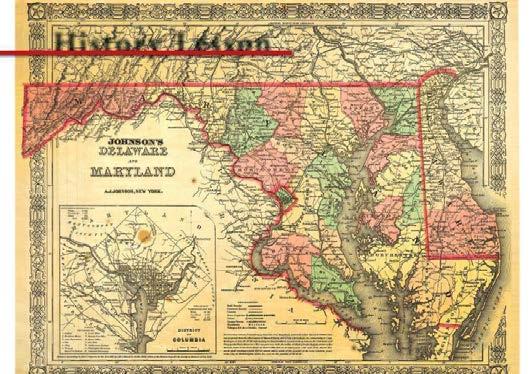
On November 15, 1763, Englishmen Charles Mason and Jeremiah Dixon were jointly commissioned to survey a newly established boundary between the Province of Pennsylvania, the Province of Maryland, and the Delaware Colony. Their first task was to determine the southernmost point of Philadelphia, where they built an observatory. From the observatory, Mason and Dixon proceeded 31 miles west, where they set up headquarters on the Harlan Farm in Embreeville, Pennsylvania, and erected a stone as a reference point, now known as the Star Gazers’ Stone.
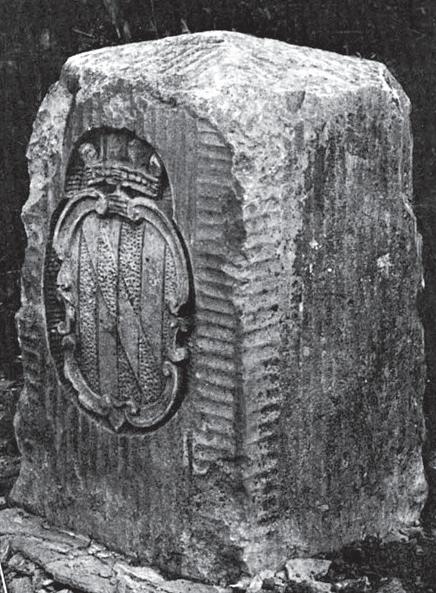
Penn sailed to the colonies and, in May 1683, he met with Calvert in New Castle. The two disagreed on how land boundaries should be determined, including where the southern boundary of Pennsylvania should be and how the size of the Twelve-Mile Circle should be judged. The meeting marked the beginning of the long legal dispute.
Penn commissioned a survey of the Twelve-Mile Circle to determine the formal boundaries between Pennsylvania and the Lower Counties. Isaac Taylor of Pennsylvania and Thomas Piersons of New Castle were selected as surveyors. They began at a dyke in New Castle in September 1701, and ended with the boundary arc the following month. There were a number of errors in their survey, which was the first, but far from last, formal attempt to determine the boundaries created by the Twelve-Mile Circle.
Charles Calvert, Third Baron of Baltimore, died in 1715, and William Penn in 1718. Benedict Calvert died just two months after his father, so the boundary dispute was carried forward by Charles Calvert, Fifth Baron of Baltimore, on the Maryland side, and by Penn’s children John, Thomas, and Richard, on the side of Pennsylvania.
In 1761, the colonial surveyors attempted to clarify the Twelve-Mile Circle by laying a chain from the courthouse’s cupola, but they were unsuccessful due types of tools used and miscalculations. They tried again in 1763, but the line was still off. Following, the two parties agreed to replace the colonial surveyors with a team from England.
After additional observation and survey work, Mason and Dixon established an east-west boundary line between Pennsylvania and Maryland. In August 1764, they ran a line from the courthouse in New Castle to determine the correct tangent point.
In November, Mason and Dixon met with commissioners in Christiana, Delaware, who approved their results. From December 17, 1765 to January 1, 1766, the team placed “monument stones” every mile and “crown stones” every five miles, under the supervision of a commissioner from each colony. The stones, shipped from England, were marked with an “M” on the Maryland side while the Delaware and Pennsylvania sides were engraved with a “P”. The surveyors presented the finalized boundaries to the commissioners in November, 1767, and returned to England several months later.
Baltimore and the Penns petitioned King George III for approval of the Mason-Dixon boundaries on August 20, 1768. The king approved the boundaries on January 11, 1769, more than eighty-five years after the beginning of the dispute. Both proprietary families subsequently lost their colonies in the American Revolution, just seven years later.
Decades later, citation of the “Mason-Dixon Line” as common language arose during congressional debates on the Missouri Compromise, which referenced “Mason and Dixon’s line” as the boundary between the north and south, and more specifically free and slave states. It is unlikely, however, Mason or Dixon ever heard the phrase “Mason-Dixon Line” as the official report on the survey did not even mention their names.




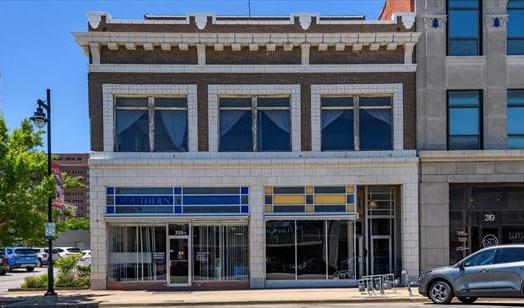





▸
▸
▸