Park
19 - 21 Feb 2026 | 7:00pm
Directed by Lizzie Schebesta By Ruth
Park
19 - 21 Feb 2026 | 7:00pm
Directed by Lizzie Schebesta By Ruth
An Anglican community inspiring every learner every experience every day
To be a leader in Christian education that is characterised by a global vision that inspires hope

Commitment
Compassion
We acknowledge the Dharug, Darkinjung, Wonnarua and Yolŋu peoples who are the traditional custodians of the land on which Barker College, Darkinjung Barker, Ngarralingayil Barker and Dhupuma Barker stand. We pay respect to the Elders past, present and emerging of the Dharug, Darkinjung, Wonnarua and Yolŋu nations and extend that respect to other Indigenous people within the Barker College community.
Indigenous Australians have a rich history of storytelling, educating their children and sharing law, history, spirituality and morals through stories, song and dance. Inspired by this rich tradition, tonight these students will be sharing their stories. We hope you enjoy.
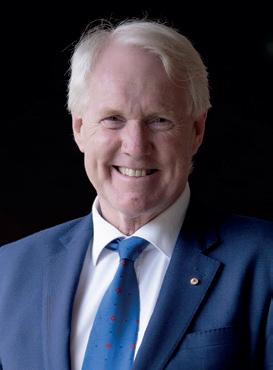
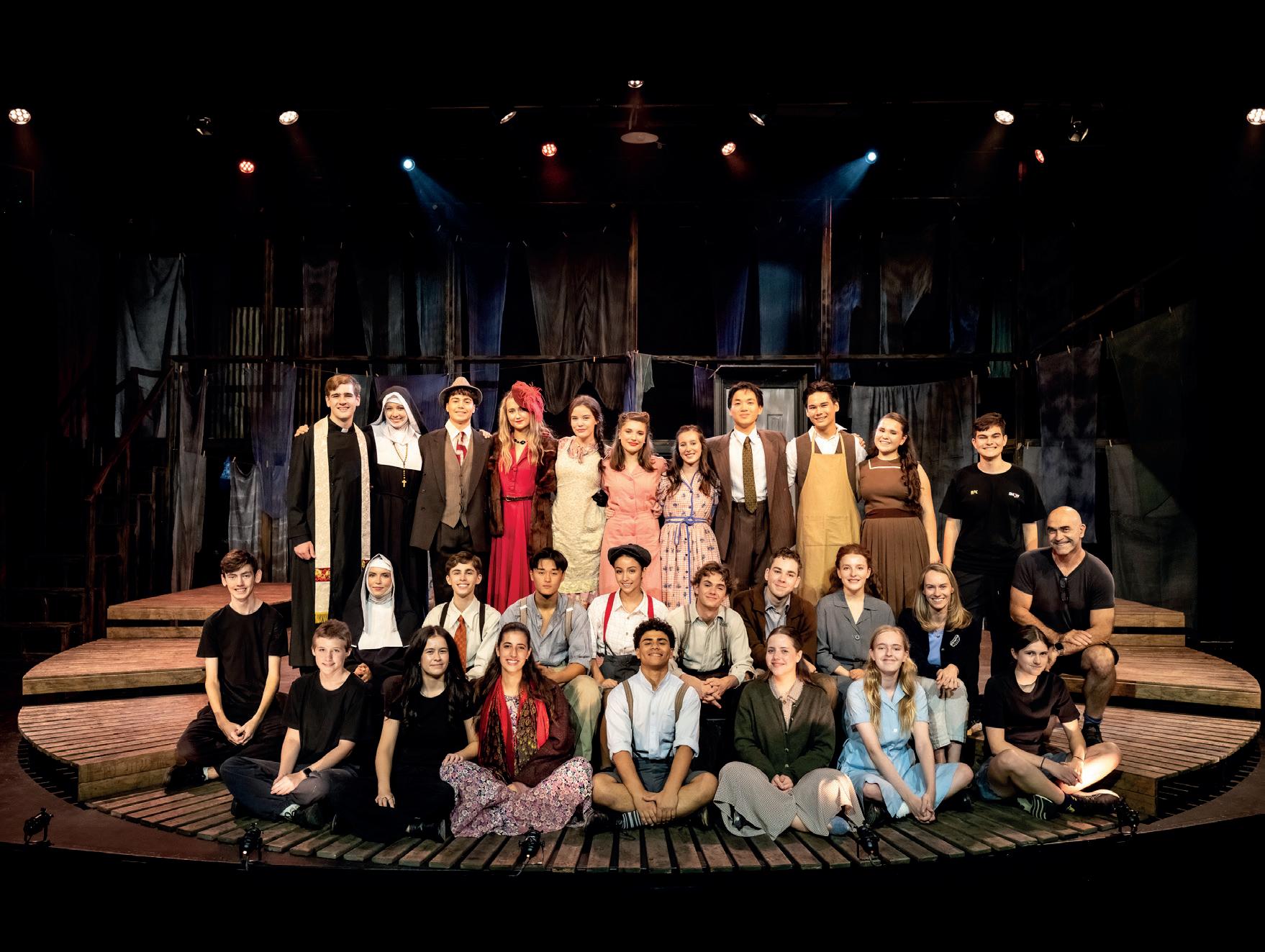
I am delighted to see our community come together tonight to celebrate the artistic talents of our Year 12 students, as they present their final production: Harp in the South.
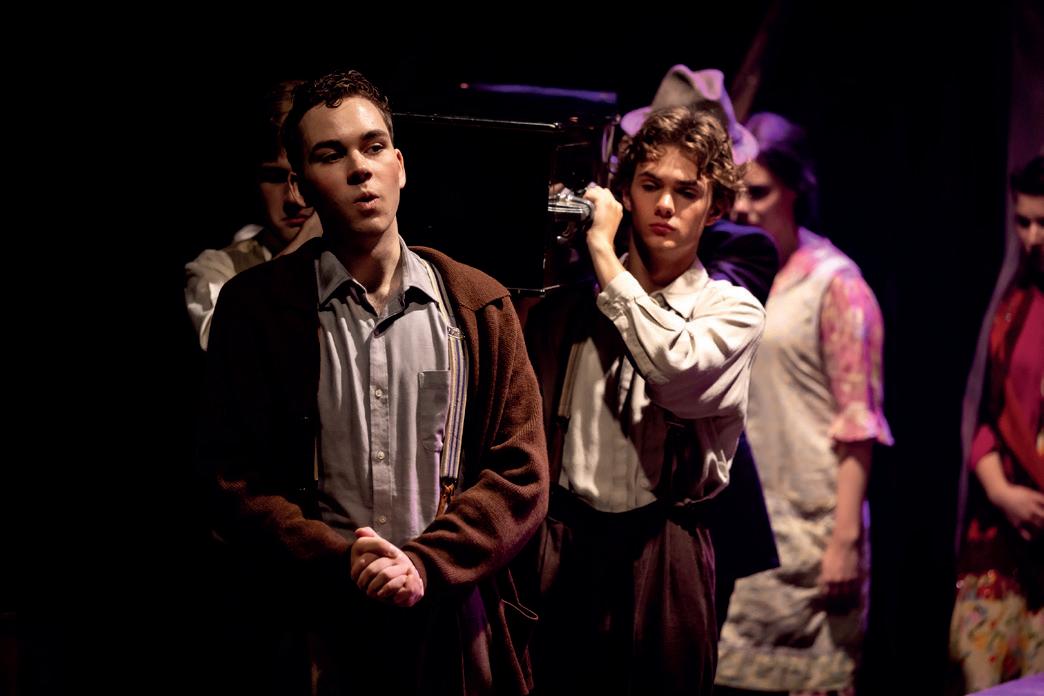
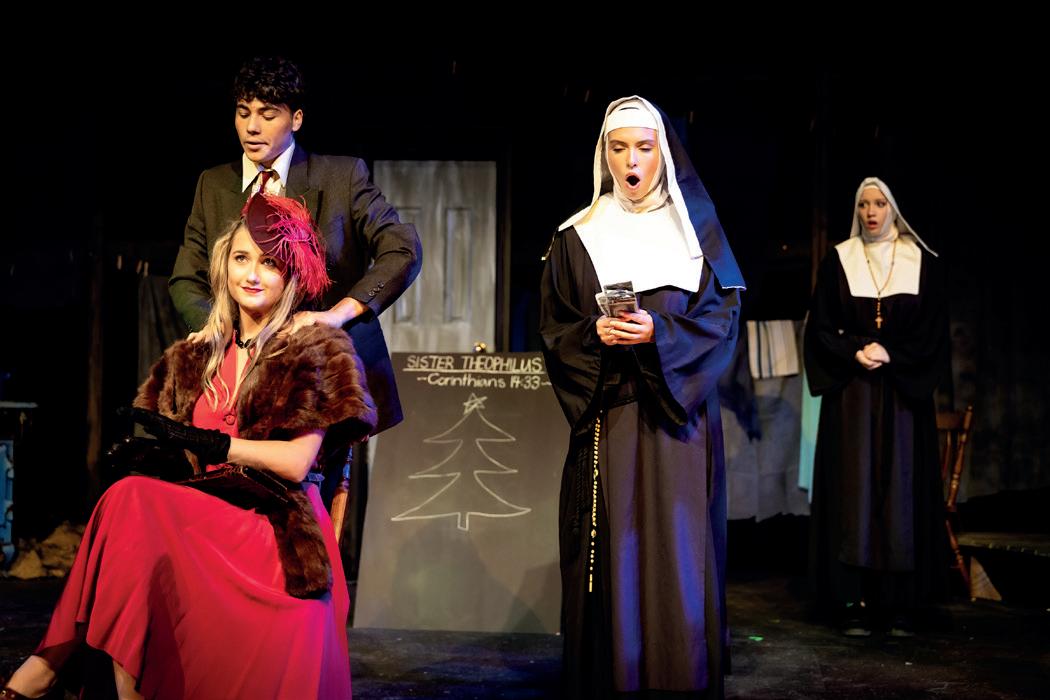
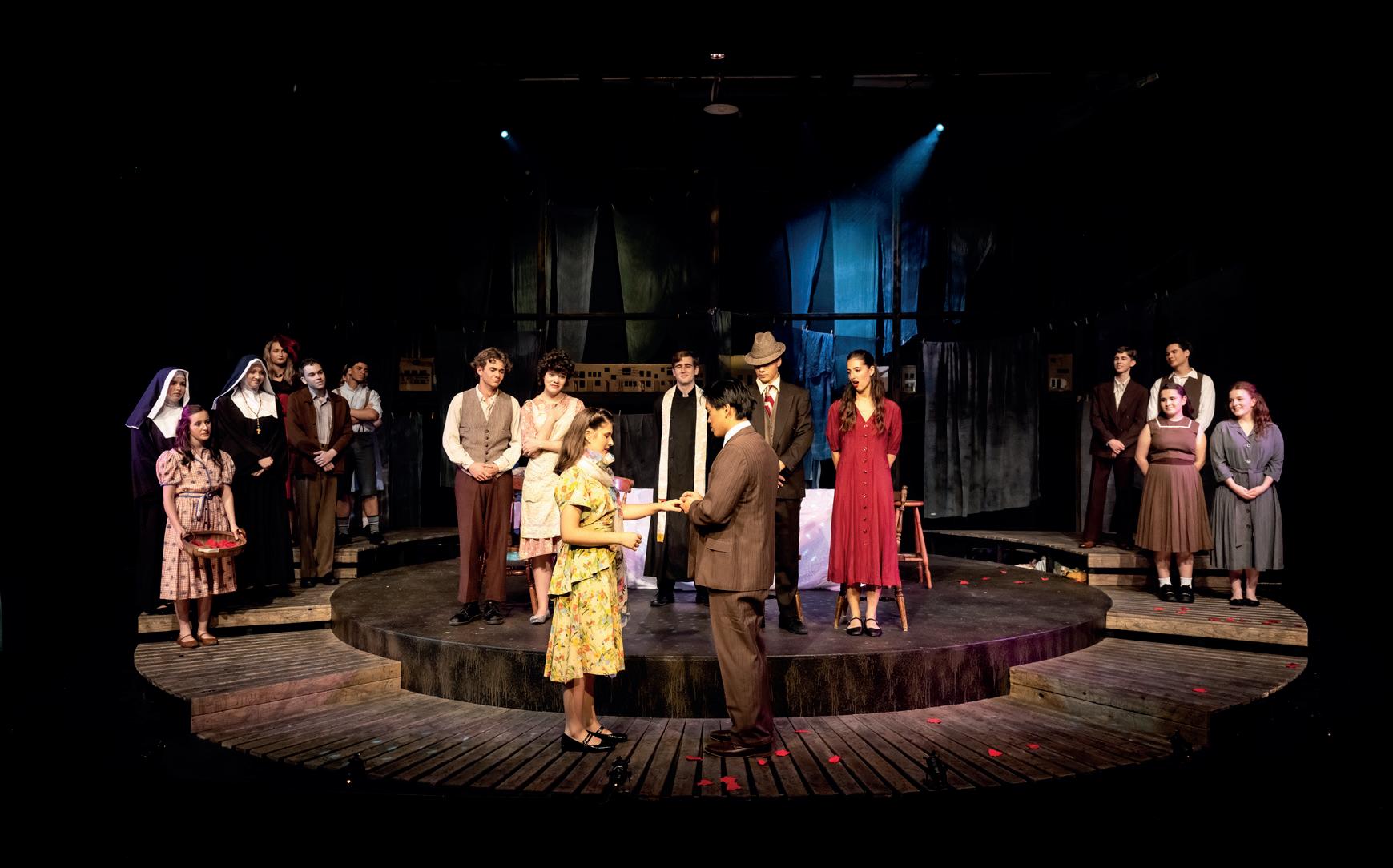
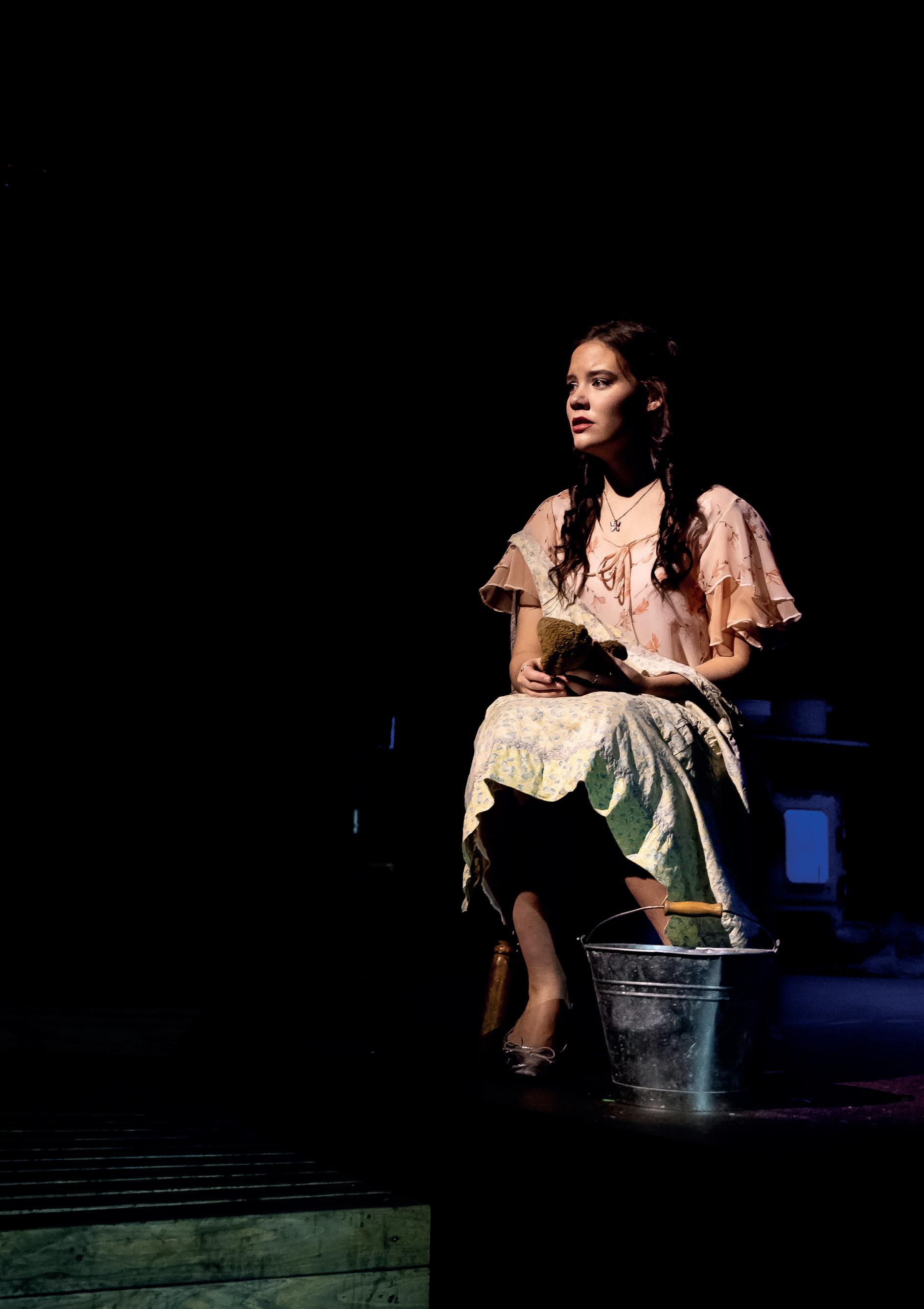
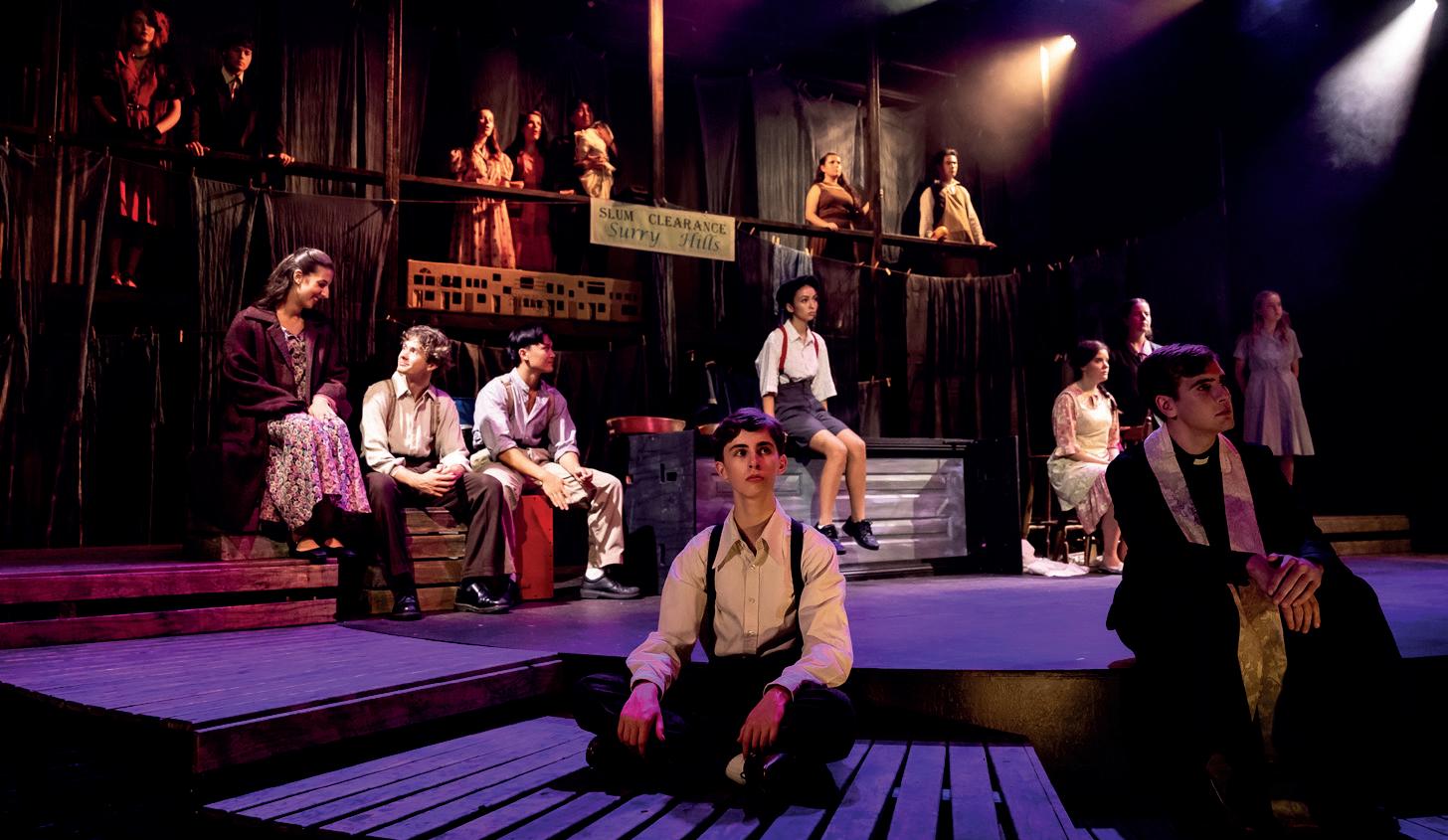
It is a particular delight to welcome back our guest Director, Ms Lizzie Schebesta (06), with whom our students have relished the opportunity to work and learn from. Harp in the South tells the story of Margaret and Hugh Darcy, a young couple who leave country New South Wales in the 1920s to build a better life in inner-city Sydney. Settling in the workingclass suburb of Surry Hills, they confront poverty, overcrowded housing and the daily grind of survival. Despite hardship, they raise their children within a tight-knit community shaped by Irish, Chinese and Italian migrant families, where resilience, humour and fierce loyalty help them endure difficult times.
Adapted from Ruth Park’s novel, it honours the humanity of Sydney’s underclass and reveals an epic Australian
story of family and community, showing how love sustains us even in the harshest circumstances.
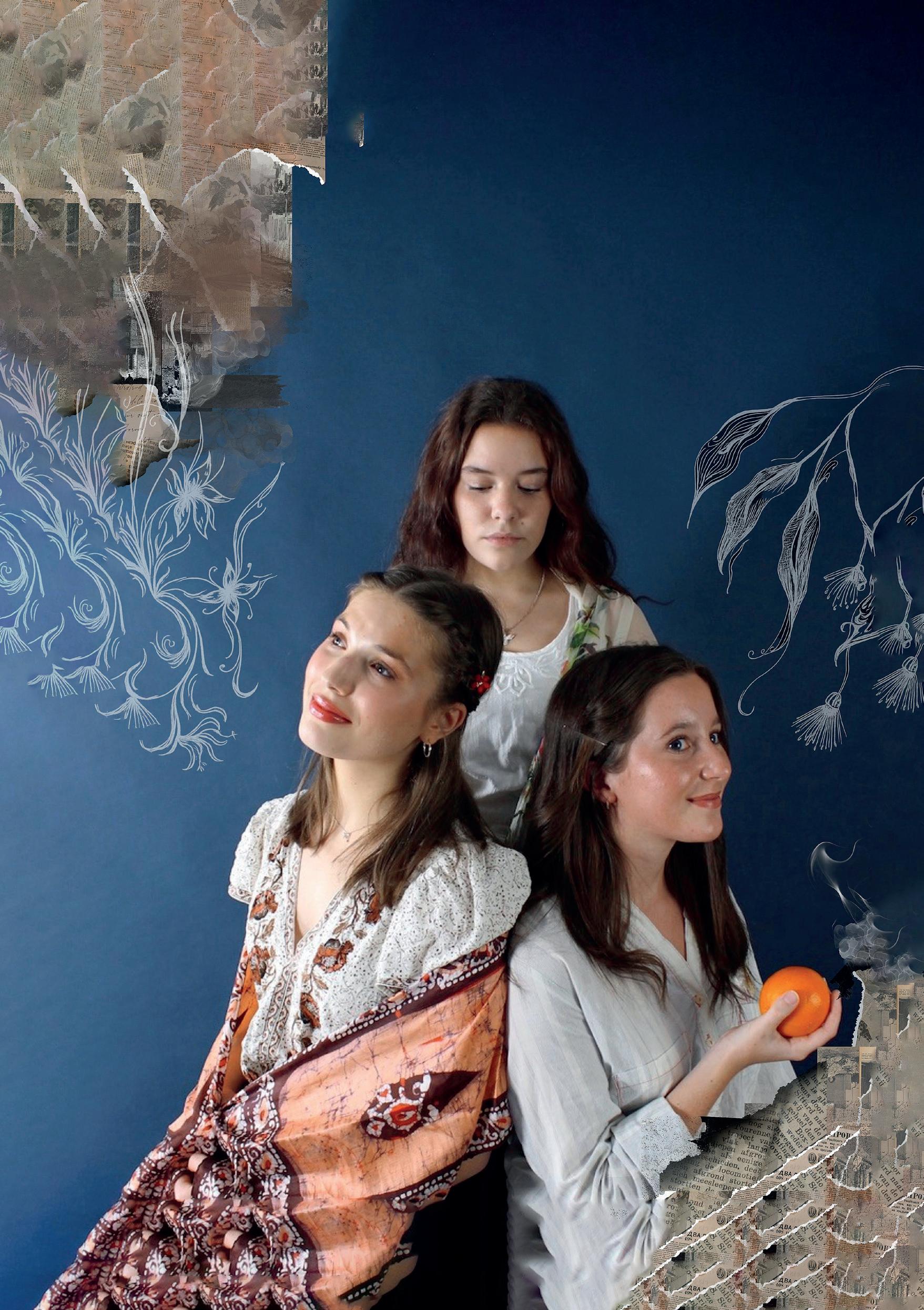
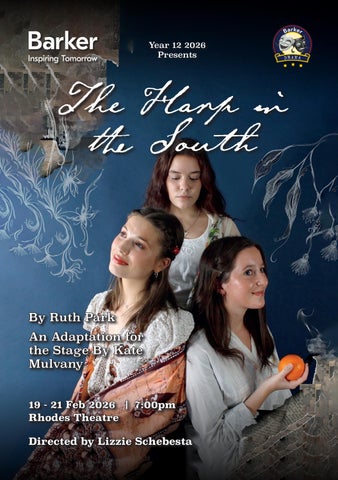
Congratulations to the brilliant crew and the Barker Drama technical staff for your creativity and commitment to this wonderful production. So much of tonight’s show has been student driven –even down to the creative design you see on the cover of tonight’s program.
I am grateful for the support, care and understanding our families provide for allowing those involved a place to create and share lifelong memories and friendships.
We give thanks to God for the giftedness of our students and their dedication to our community.
Phillip Heath AM Head of Barker College
When I was studying acting at drama school, my teacher the great Angela Punch McGregor told us Australia still needed to discover its great epic ‘Western’ stories.
She told us we would never really find our unique national voice until we had explored these great classic narratives. Like the impact of Cowboy films and Laura Ingalls Wilder on America’s national identity or Shakespeare on Britain’s, we needed to break away from domestic living room dramas and make films and plays about our sweeping, ambitious historic past. I strongly related to this. My year 12 play when I was at Barker College in 2006 was Hamlet. It was epic and tragic
and exciting (my one caveat being that the boys got most of the lines). But where were our great Australian tragedies?
Kate Mulvany’s adaptation of Ruth Park’s classic novel Harp In The South took Sydney by storm when it was staged at the STC in 2018 because it did precisely what Angela Punch-McGregor said we needed. Incidentally sharing many of the same themes as Hamlet –transgenerational trauma, grief, fatalistic romance, existentialism – it was an ambitious piece of theatre that opened a window onto an important part of our past. It is a love letter to the women and men of our grandparents’ and great grandparents’ generation.
I wanted this graduating year at Barker to know their ancestors’ lives were not stuffy and covered in doilies – it was rowdy, outrageous and at times brutally painful –and that we have an epic Australian story (written and adapted by women) that could rival any of Shakespeare’s tragedies.
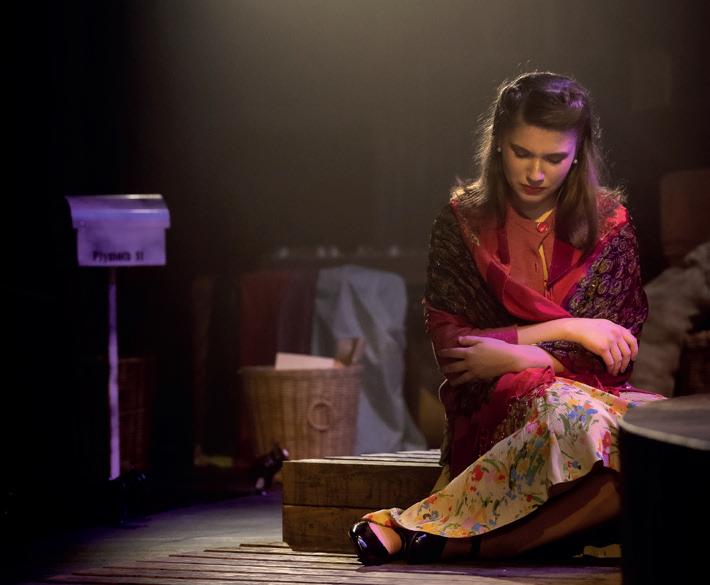
The play tells the story of a young couple – Margaret and Hugh – who move from country NSW in the 1920s to the heart of the city to seek a better life. Confronted with poverty, personal tragedy and the endless grind of survival, the couple create a family and become part of a vibrant community in the slums of Surry Hills.
Today Surry Hills is the epitome of gentrified living but in the 40s and 50s it suffered from cheaply built Victorian-era housing, poor sewage and drainage, narrow streets, sly grog and organised crime. It also sheltered poor migrant residents (Irish, Chinese and Italian) who called this place their home. Ruth Park lived there in 1943 off her modest freelance income and describes it as a ‘queer, disreputable little village, half hidden under the hem of a prosperous city.’ She wrote Harp In The South at her kitchen table after she’d put the children to bed, recalling her unhappy time in Surry Hills. The book was as popular as it was controversial. One reader called it ‘an outrage against decency… unadulterated filth’ because it dared to
Harp In The South is a great ballad to how love – neighbourly, romantic or familial –sustains and supports us acknowledge the humanity of Sydney’s underclass living in urban poverty.
I have loved working with this industrious, dedicated and brilliant group of students. They have worked incredibly hard to bring this story to life. I admire their camaraderie, am impressed by their maturity, work ethic and talent, and grateful for their faith in me. I deeply appreciate how much time, care and investment they have given to this production.
I’d like to give my heartfelt thanks to the formidable Dugal Parker, for building our set, sourcing and creating the props and bringing 1920s Trafalgar and 1940s Surry Hills to the Rhodes Theatre. Thank you to our fantastic crew; Harry Whale, Zara Smith, Ava Sutton, Finn Piccoli – your support and expertise have been invaluable contributions to this production. A special thank you to Sofia Vivoda for going above and beyond as an ensemble member, researcher and props maker. Thank you to the gorgeous Ava Welch for joining me as assistant director. Thank you to Peter Ellis in the music department for lending us his many talents. Thank you to Pia Midgley, Jennie Bradbury, Ed Lembke-Hogan and everyone in the Drama department for their support and guidance. Thank you to Bosie at The Wardrobe for her brilliant eye for detail and dressing our cast so beautifully. And lastly, I am eternally grateful to my magnificent cast. They put their hearts on their sleeve every day in rehearsal, and they’ve created a production they should be immensely proud of. They’ve made me as proud as Punch.
Lizzie Schebesta (06) Director
Rowena ‘Roie’ Darcy
Emily Anderson
Sister Beatrix
Gracie Anderson
Herb Lennon/Mr Diamond
Emanuel Biggart
Enid ‘Eny’ Kilker
Holly Bolin
Dolour
Cassy Cadman
Hugh Darcy
Cy Couzner
Josie Kilker
Hannah Davies
Sister Theophilus
Ava Fox
Noel/Father Cooley
Josh Gates
Fairground Announcer/ Bill Briggs
Giorgio Giancaspro
Thady Hanako Gilbert
Tommy Mendel/Ernest
Tim Henry
Delie Stock
Louisa Heritage
Florrie/Frances Darcy/ Clothes Seller
Caitlin Ive
Martin Darcy/Charlie
Shawn Liang
‘Jer’ Jeremiah Darcy
Ramin Nock
Margaret Kilker
Liberty Pollard
Kidger/John Kilker
Sam Santone
Mrs Sciliano
Lily Tong
Alf/Mrs X
Sofia Vivoda
Father Driscoll/ Lick Jimmy
Grey Wang
Director
Lizzie Schebesta (06)
Assistant Director
Ava Welch
Set Design & Construction
Dugal Parker
Paul Harmon
Technical Directors
Dugal Parker
Harry Whale
Olli Calloway
Production Coordinators
Pia Midgley
Jennie Bradbury
Musical Director
Peter Ellis
Lighting Operator
Finn Piccoli

Deputy
Props
Abbie Ward
Poster Design
Liberty Pollard
Photos
Grant Leslie
Program/Graphic Design
Barker Communicatons
Costuming
The Wardrobe
Phillip Heath AM - Head of Barker College, for his passionate belief and ongoing support of the Arts
Natalie Potent - Deputy Head Student Experience
Alison Binet - Deputy Head People and Culture
Barker Executive Team and Barker Council
Barker Drama Staff for their encouragement, unstoppable energy and commitment
Barker College co-curricular staff for their support and understanding
Barker Communications
Barker Print Department
Barker Catering
Barker Maintenance and Security
The parents and families of our cast, crew and creative team for their continued support, patience and enthusiasm during the rehearsal process and performances.