

Prasad Yalamanchili Foundation
The Prasad Yalmanchili Foundation designs, supports and implements philanthropic efforts aimed at generating immediate and long-lasting tangible benefits.
Foreword
Since the early 2000’s, we have supported and implemented a wide range of philanthropic efforts in India. Our projects have focused first-most on improving the well-being of women. We believe strongly that Inequality is still pervasive despite immense economic and technological progress. And we feel that it is our duty to try to move society in the right direction.
Finding, evaluating and supporting projects has not been easy: while most philanthropic efforts are well-intenioned, their ability to achieve the desired goal consistently over a period of time is a rarity. To us, providing financial support to projects with low ex-ante success rates means depriving potentially better projects of needed funds.
This has required us to become deeply involved in most of our projects - not just as financial supporters, but also as project managers. We are a small organization, but our diverse professional backgrounds and life experiences have allowed us to achieve some measurable good.
Our philanthropy to date has delivered positive change, but there is still much work for us ahead.
Opportunity
Opportunity
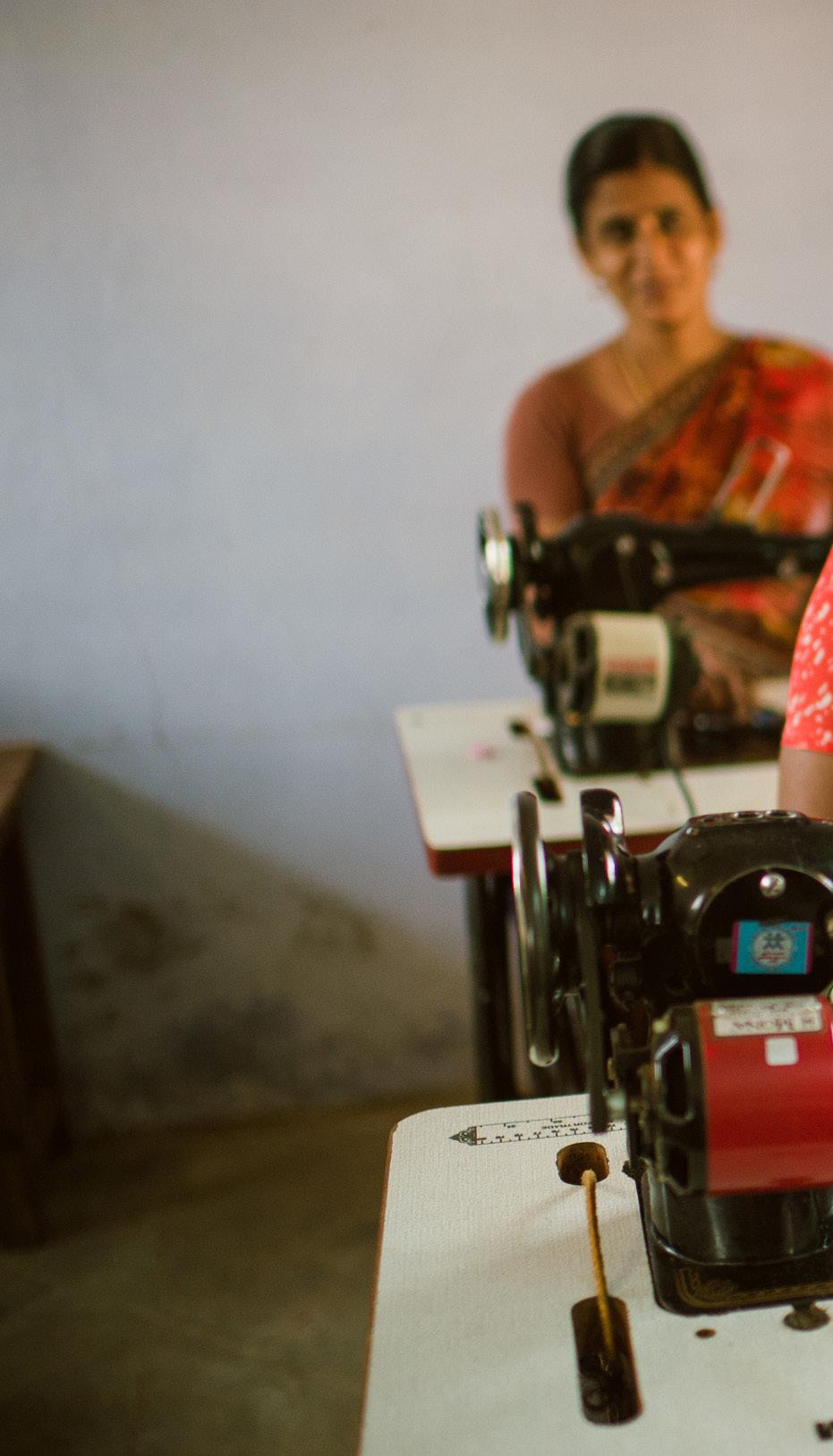
As India’s economy was taking off in the 2000s, we identified an opportunity for women without extensive education to participate in this growth. We saw a dearth in textile products to meet growing consumer demands and widening tastes. And we knew that equipped with the proper skills, determined entrepreneurs could fill this gap with their own products.
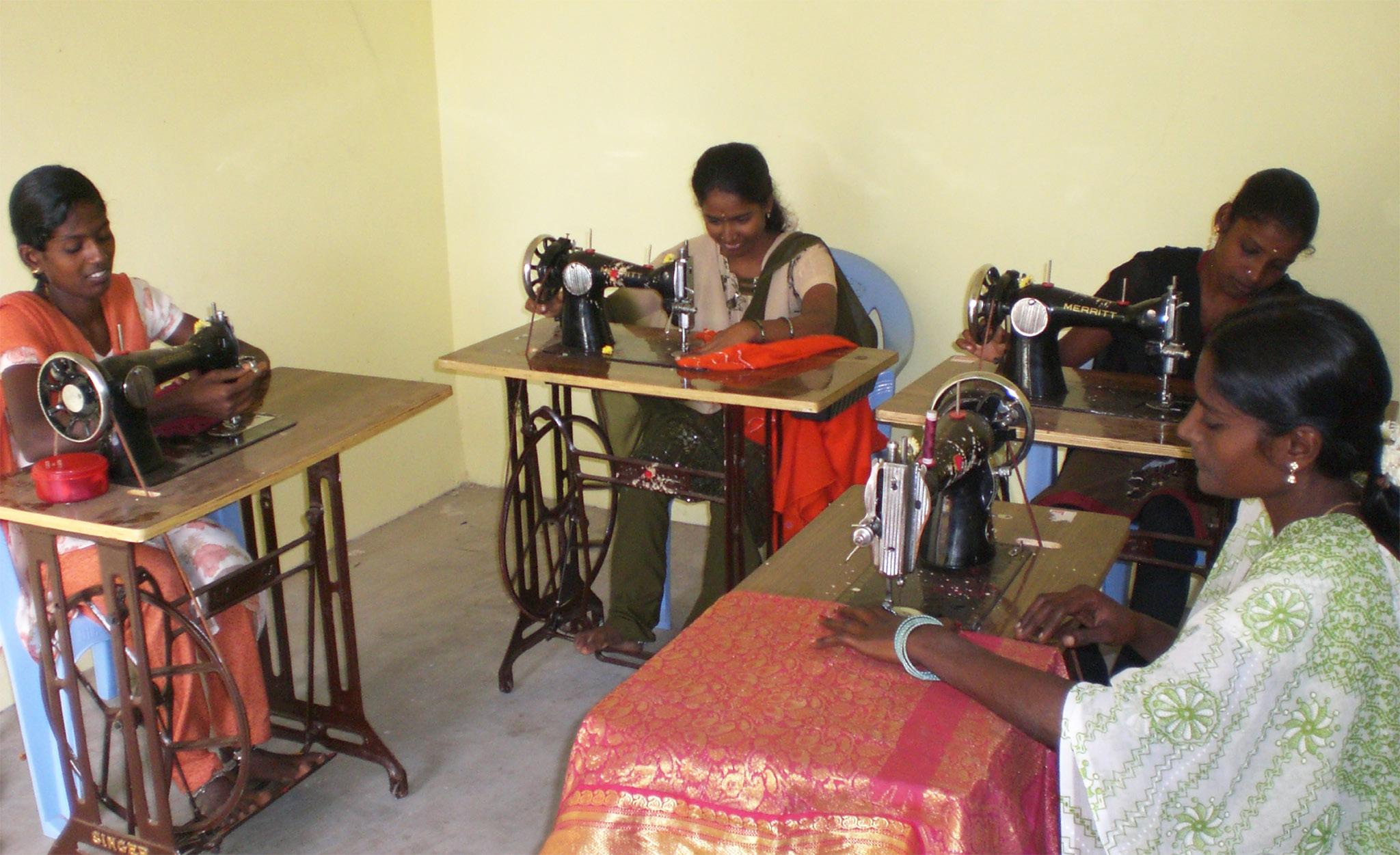
In 2008, we designed, funded and implemented our first vocational training program in the Vijayawada region. This course is open to women of all backgrounds and teaches them a broad set of tailoring and embroidering skills - both by hand and with a sewing machine.
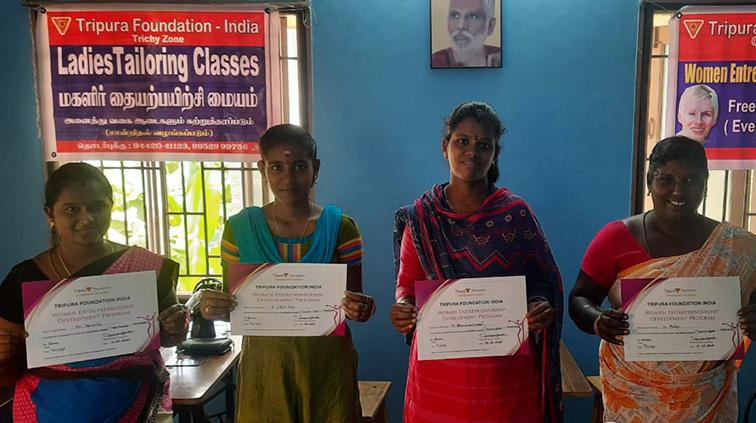
At the completion of the course, the students receive a certificate that confirms their qualifications. This certificate not only enables them to seek employment as qualified professionals, but it can also be used as collateral for a bank loan to obtain their own sewing machine. The location of our training program changes every year, in order to prevent each local labor and product market from becoming oversaturated.
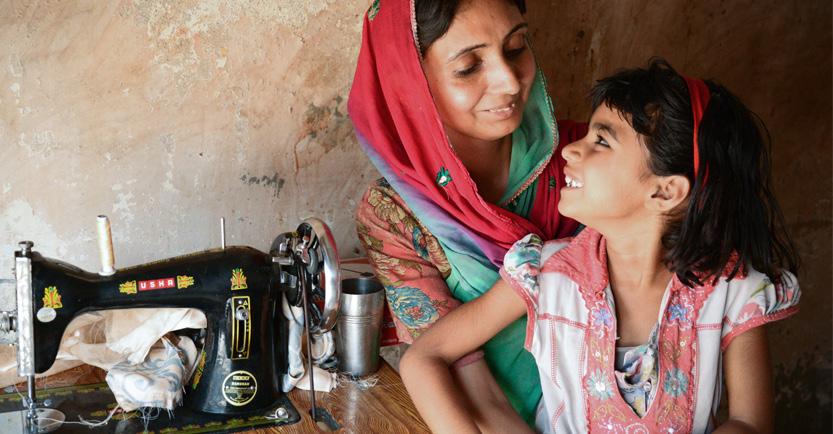
One girl from Katur was in tears while telling that, she refused any marriage proposal till she could stand on her own legs before the marriage. This program gave her confidence for livelihood and need not depend on her husband, who is not sure how much he will take care of her and children.
Sanitation
Sanitation
In 2014, we were approached by Gitam University to provide financial and technical support for a latrine sanitation project in the Medak district.
We fully funded the initial pilot to test a novel enzyme process that converts human excreta into water and organic minerals.

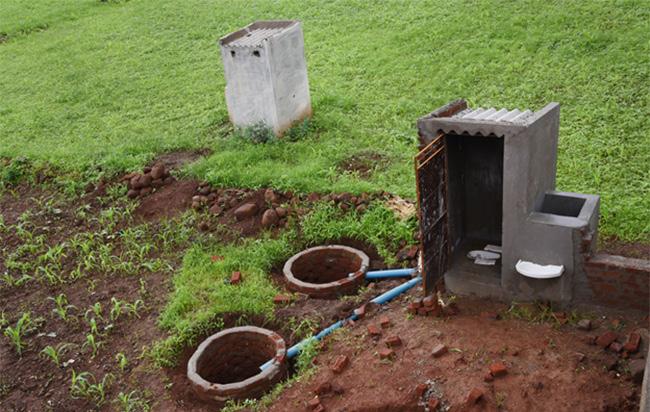
The strength of this design is that enabled safe latrine deployment in rural areas that lack capital to implement extensive sewere infrastructure.
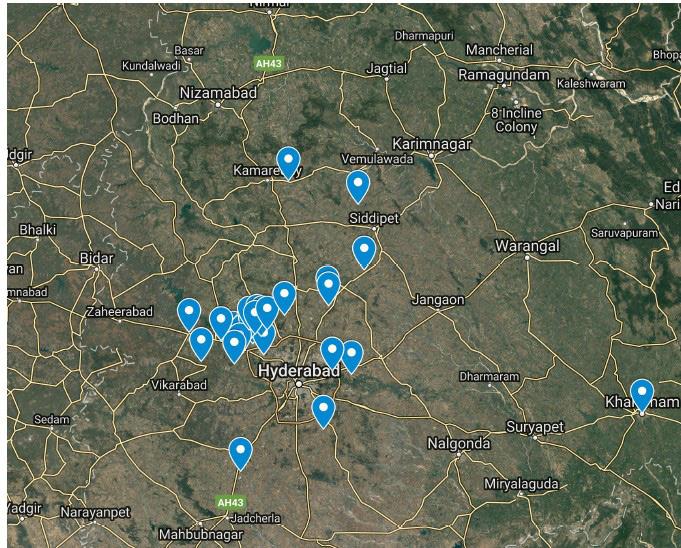
The pilot project was well received. And the pragmatic latrine design and our ability to construct safe enclosed latrines in an efficient manner garnered the attention of the provincial government of Telangana. They decided to partner with us and subsidize the next phase of the project. Over the next few years, we deployed over 3,500 latrines across almost 40 villages in the rural environs of Hyderabad.
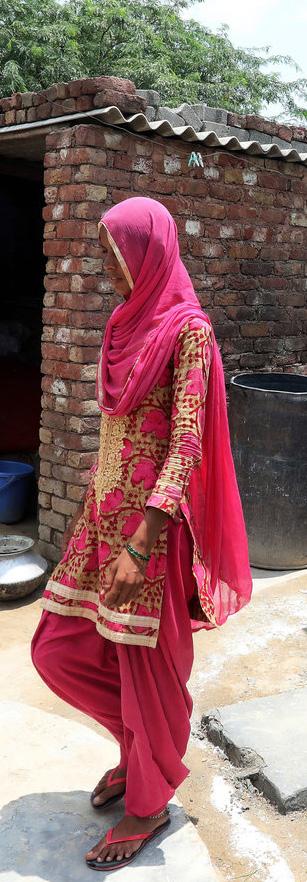
We take access to latrines as granted and rarely think about the value of this benefit. In rural India, having one’s own latrine is an immense status symbol. Firstly, access to latrines in the home signficantly increases public safety for women. To us, this might be the most important benefit of all.
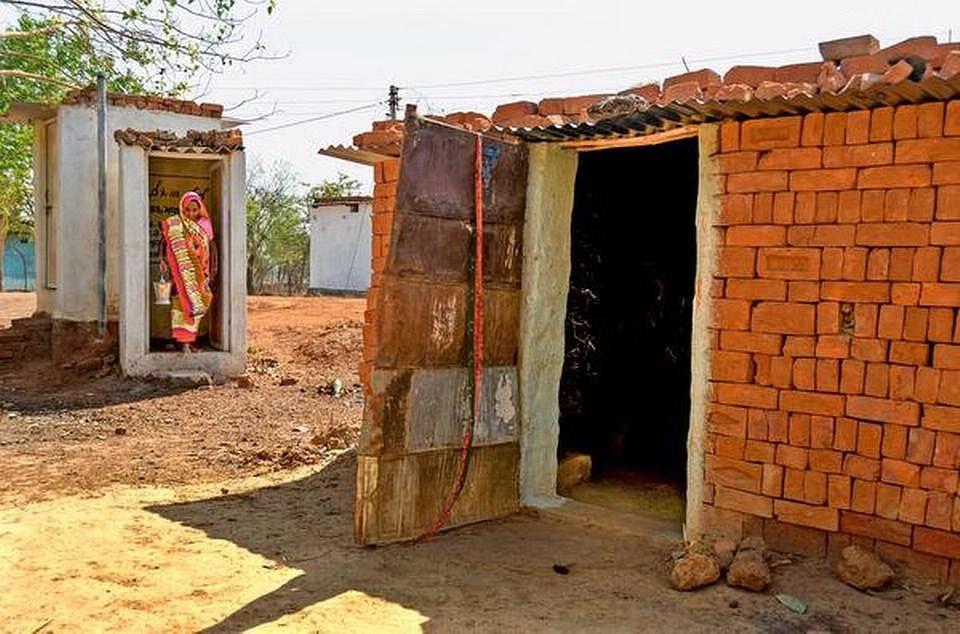
Secondly, there are signficant time savings of not having to walk to a public latrine - time that can be reallocated to more productive uses. Thirdly, less dependence on public latrines reduces the spread of disease, especially deadly infant diarrhea. Similarly, less open defecation results in less contamination of drinking water, which is a significant benefit for the entire community.
Women’s Health
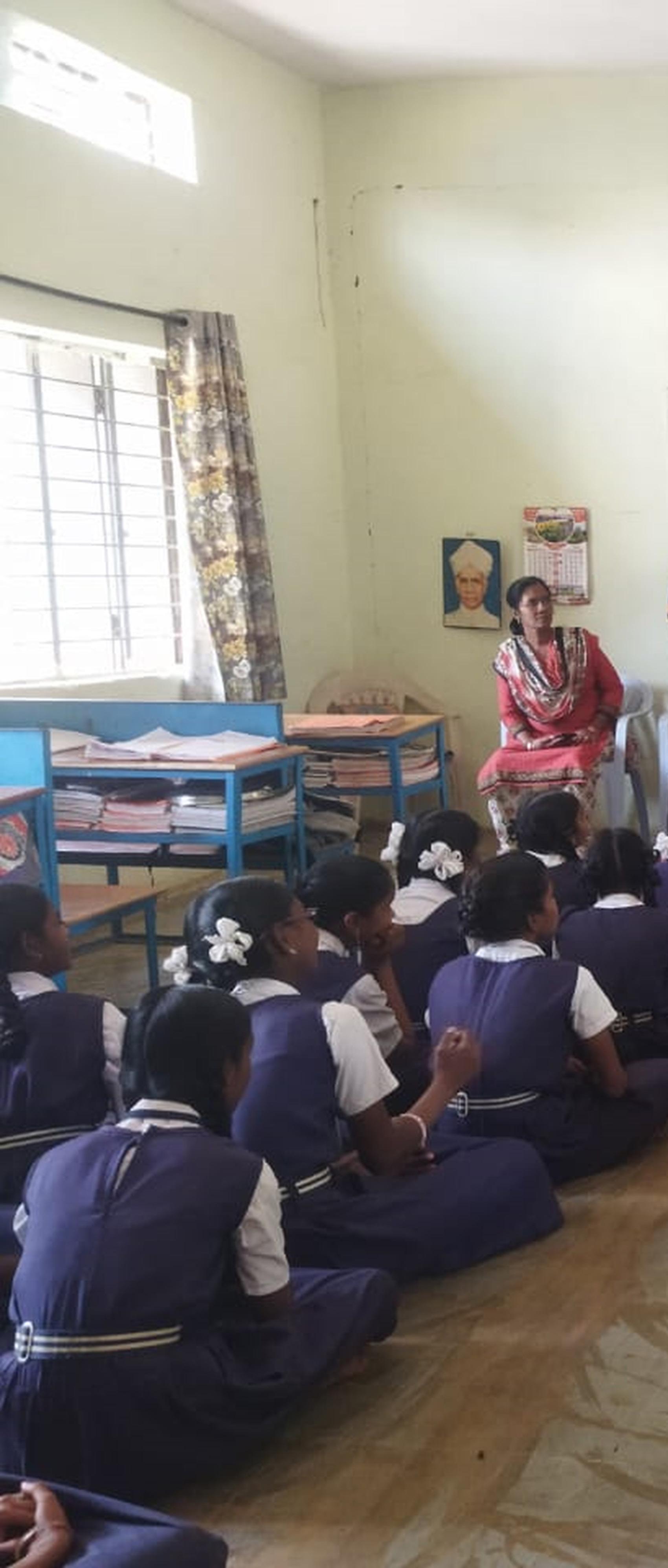
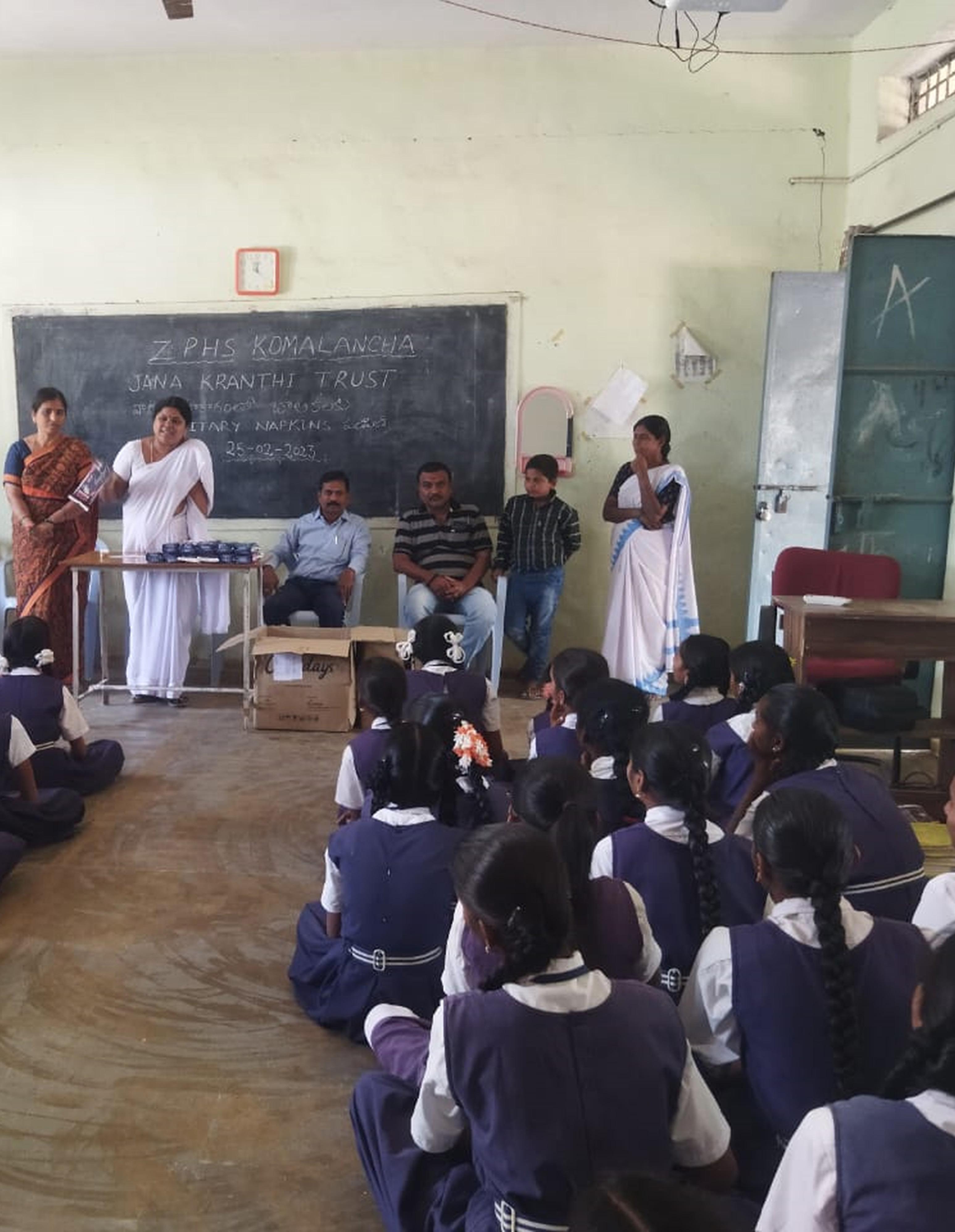
Providing good quality sanitary napkins to our beneficiaries is a key aspect of this project. At the onset of this effort, our team conducted comprehensive due diligence on manufacturing sanitary napkins to this end. We were able to negotiate favorable purchasing terms from several providers. And our team is focused on ensuring our manufacturers and schools provide a steady supply of sanitary napkins to each beneficiary.
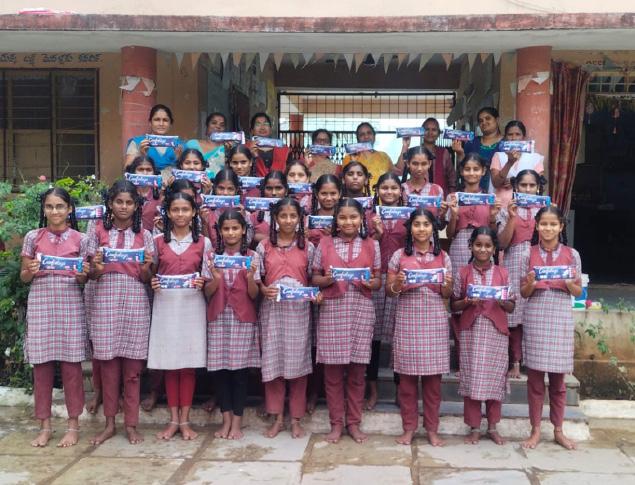
We are currently active in 8 schools and we hoping to reach 100 schools in total in the coming years. We believe that we are signficantly improving the lives of young women, one school at a time, and are incredibly happy with the results to date.
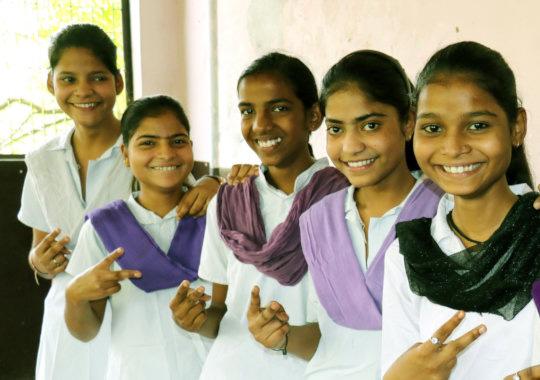
When girls and women have access to safe and affordable sanitary materials to manage their menstruation, they decrease their risk of infections. This can have cascading effects on overall sexual and reproductive health, including reducing teen pregnancy, maternal outcomes, and fertility.
Digital Literacy
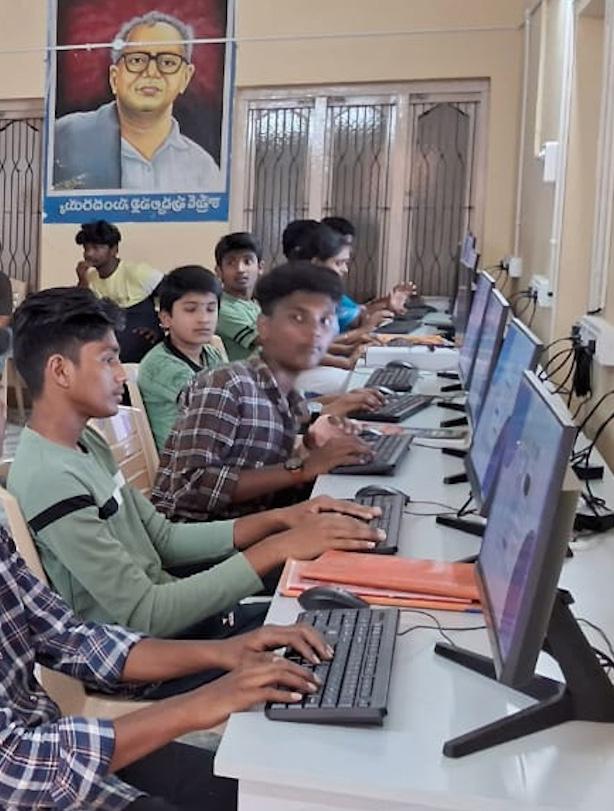
In 2024, we launched a digital literacy effort aimed at pre-college children in rural India. Covid created a global thrust towards digitization and India was no exception. However, rural areas have fallen further behind urban areas since 2019. Only 4.4 percent of rural families have computers, compared to 23.4 percent of urban households. Furthermore, parents in rural areas are either too busy to teach their children digital skills or simply don’t have the necessary knowledge or experience. We saw an opportunity to help close this gap.
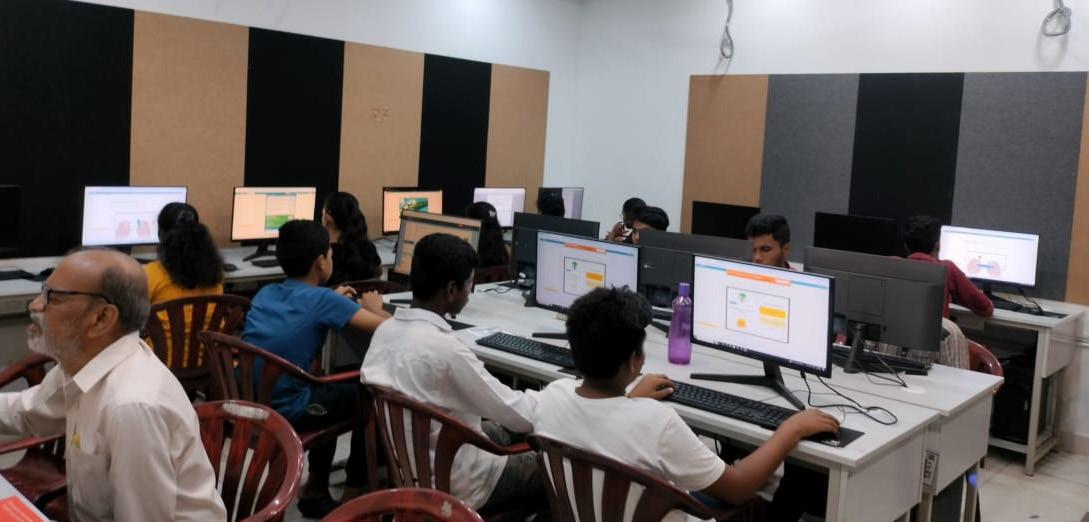
We are teaching rural children digital literacy skills in their local schools. We have designed, built and are maintaining these state-of-the art facilities. We are currently running 4 computing centers and the community has been incredibly enthusiastic about this project.
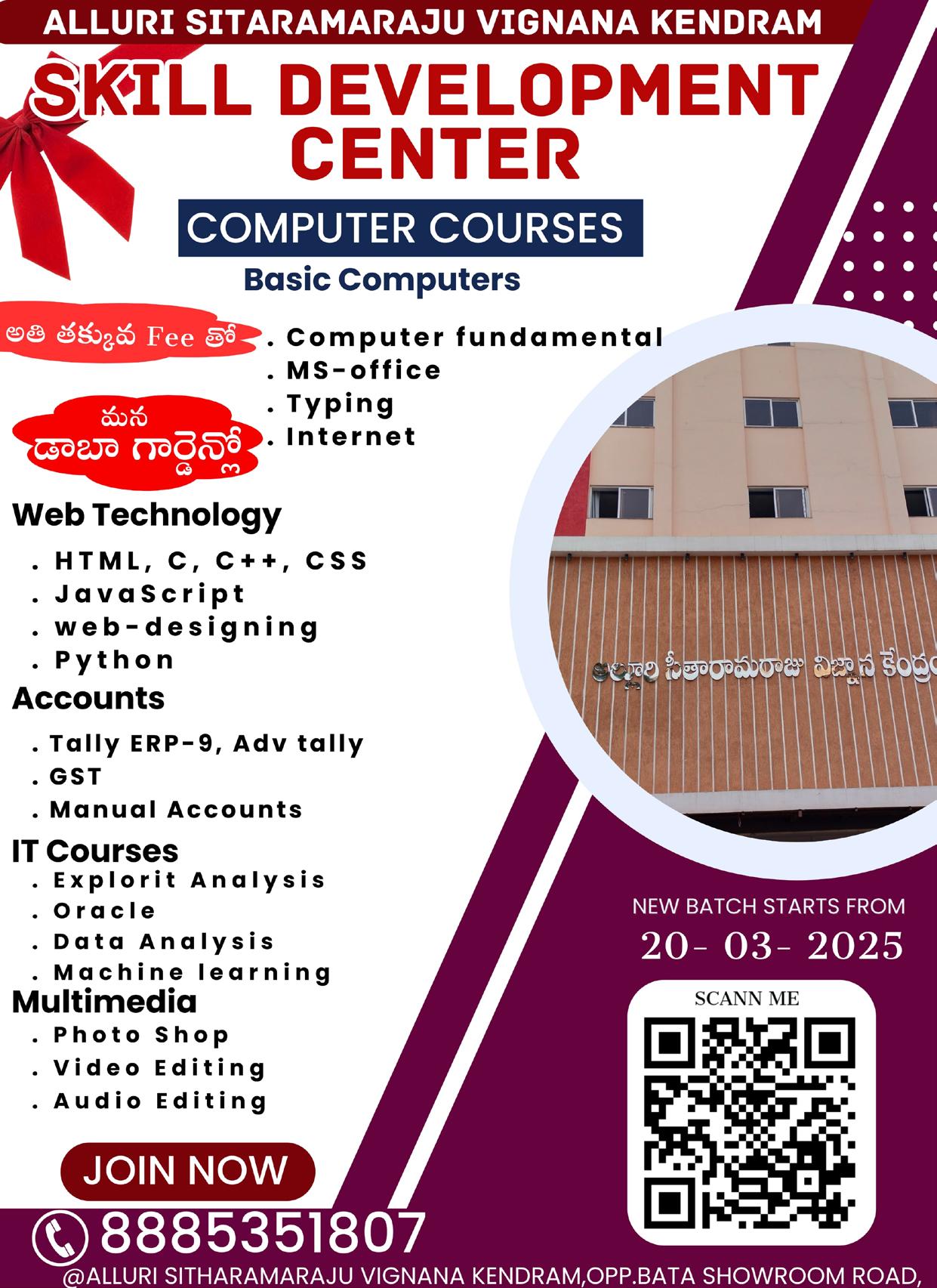
In the rapidly evolving economic landscape, digital literacy is a crucial skill for professional success. Beyond the importance directly to work, digital knowledge fosters key skills like critical thinking and problem-solving.
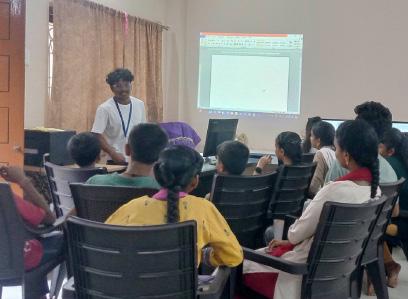
Each center can seat 25 and students are taught a variety of foundational skills. The curriculum was designed by college professors and experienced Tech professionals. We are excited to expand this program to additional facilities and we are also working on programs for teaching adults digital literacy skills as well!