Supporting Your Child’s Language and Communication - A Guide
for Parents
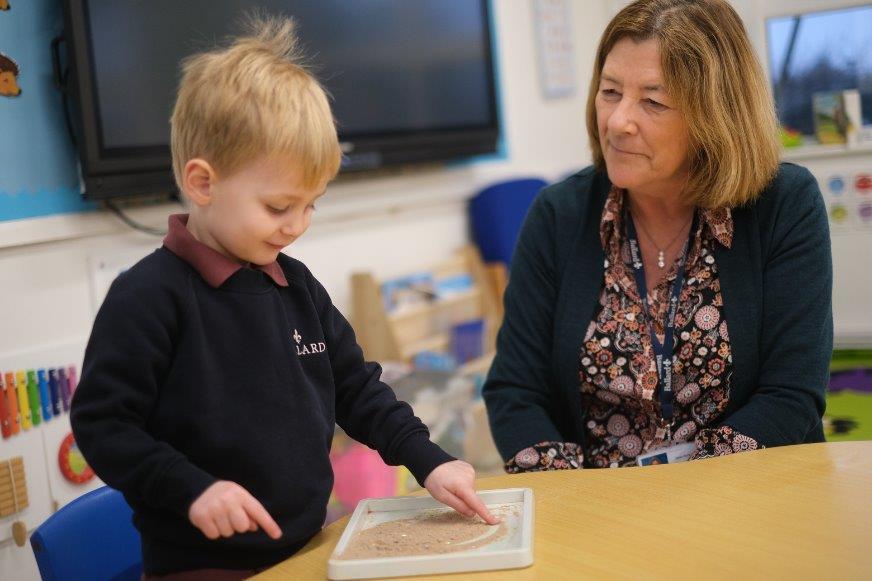

Language and communication are at the heart of everything children do. They underpin learning across all areas, including reading, writing, maths, creative play and social skills . Strong communication skills also support lifelong learning, confidence and positive relationships.
Children who develop good language skills early are better able to express their thoughts, manage their emotions and build healthy relationships with others. These skills form the foundations for both academic success and emotional wellbeing.
Research shows that children who struggle to talk and understand language are:
• Six times more likely to fail English tests at age 11
• Eleven times less likely to pass Maths
• Twice as likely to experience mental health difficulties
• Twice as likely to be unemployed as adults
Early expressive language skills (what children can say) as young as age two can predict emotional and behavioural skills at age six. Supporting language early also helps children develop emotional regulation, enabling them to cope with feelings and behaviour more successfully.
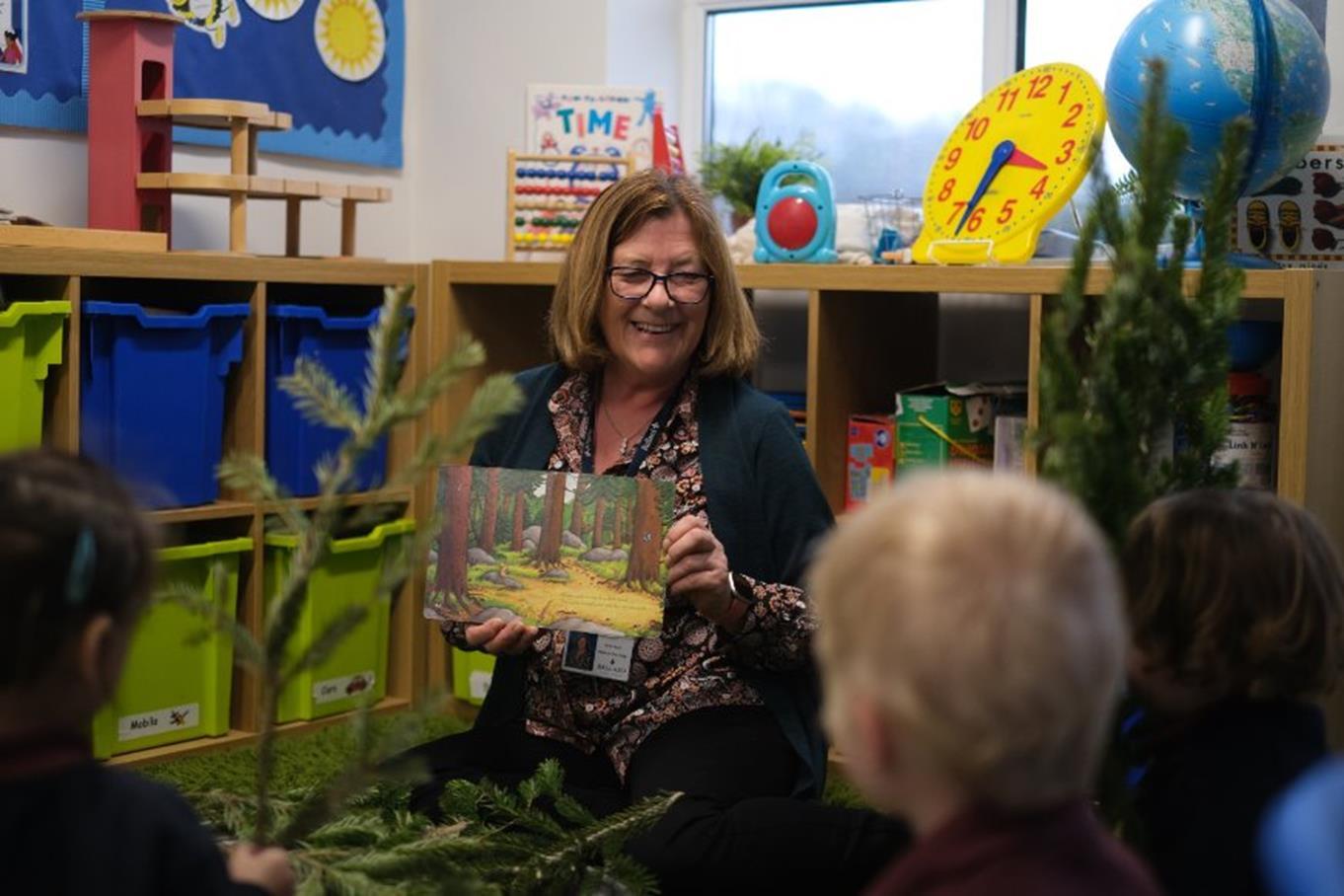
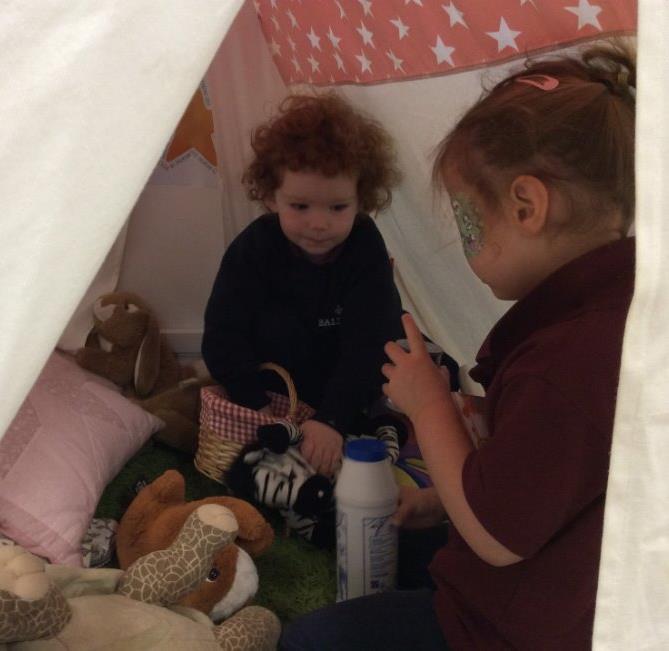
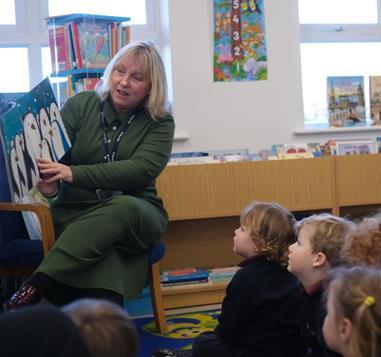
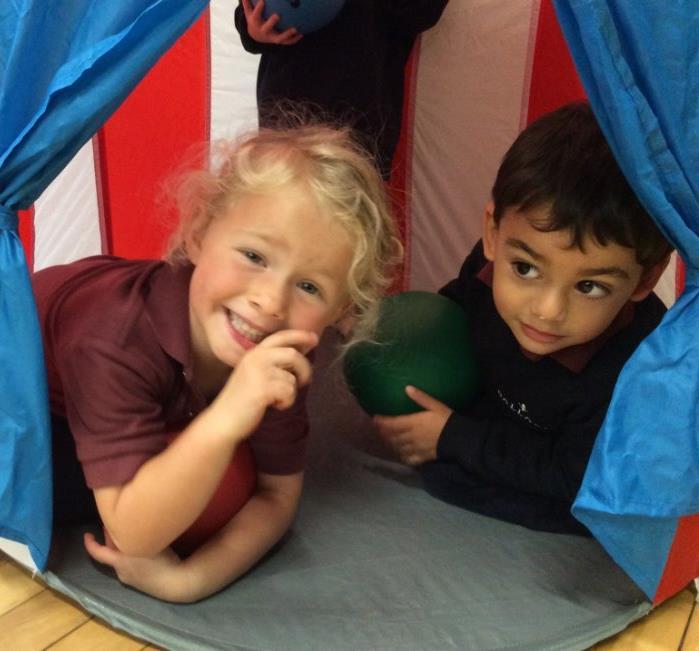
We carefully design our environments to encourage talking, listening and curiosity:
• Cosy corners, reading areas, role play spaces and creative zones
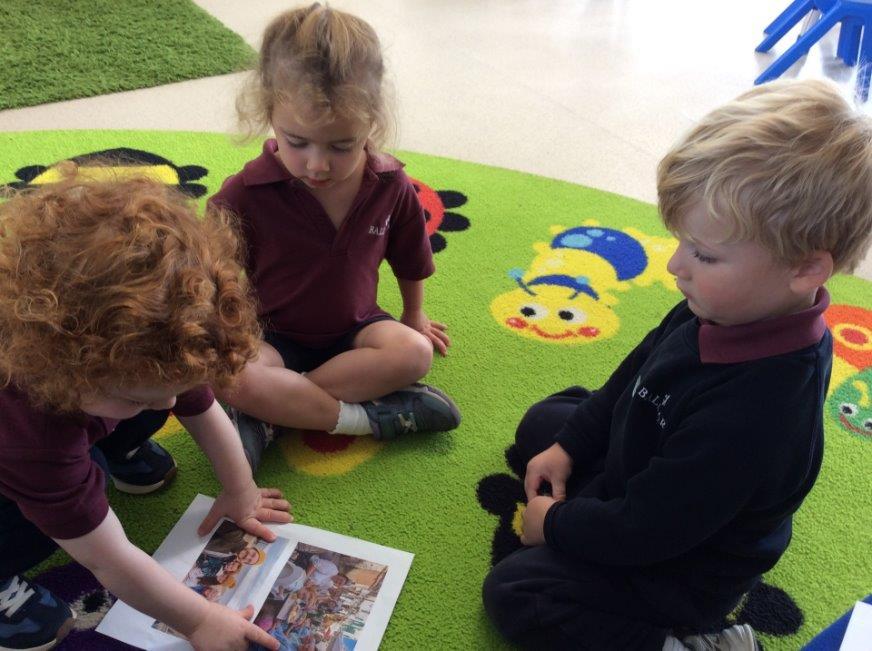
• Photos of children, families and staff to spark conversations
• Resources across all areas that invite discussion and storytelling
• Topics that introduce new vocabulary and experiences
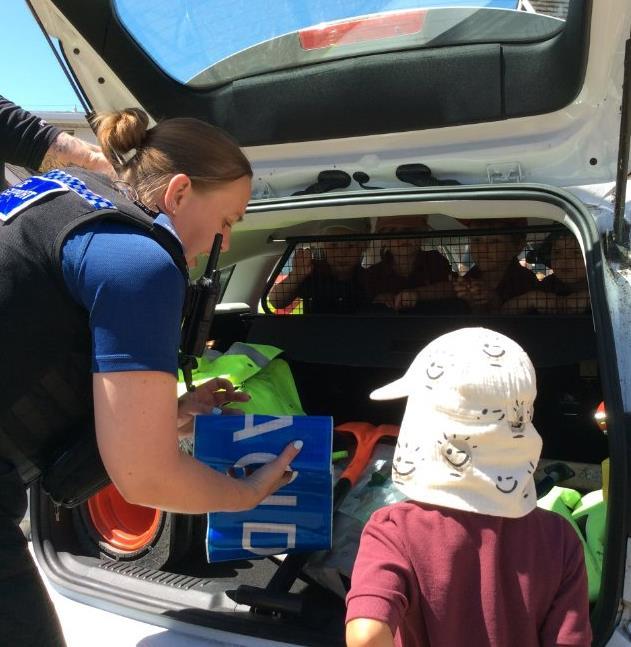
• Visitors linked to topics to broaden language and real -life understanding
Language development happens everywhere - not just during group times, but throughout the day.
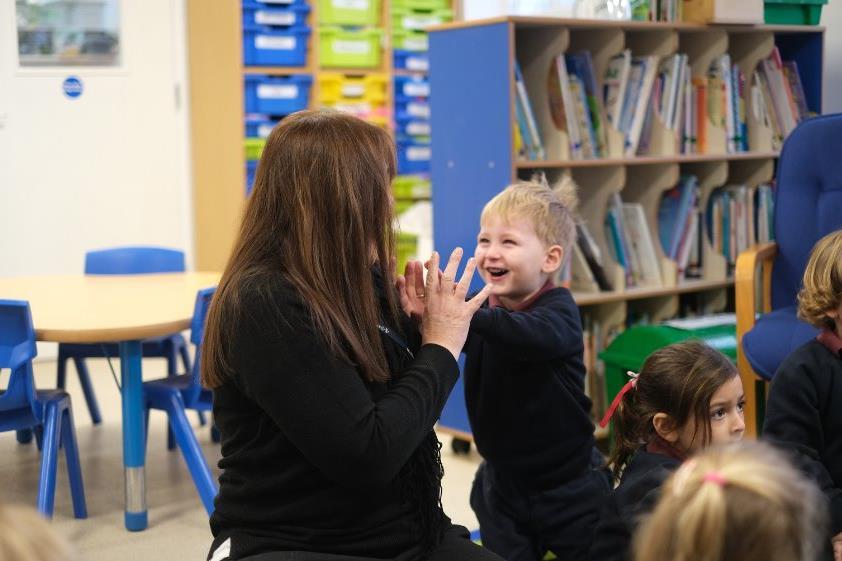
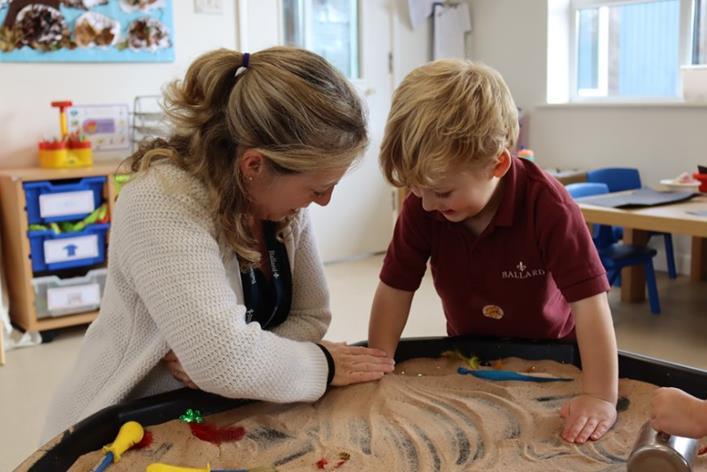
Strong relationships are key to communication development. Staff focus on:
• Active listening – giving children full attention, eye contact and meaningful responses
• High -quality interactions using the SHREC approach: Share attention, Respond, Expand, and hold Conversations
• Following children’s interests and building language around what matters to them
These interactions help children feel valued, confident and motivated to communicate.
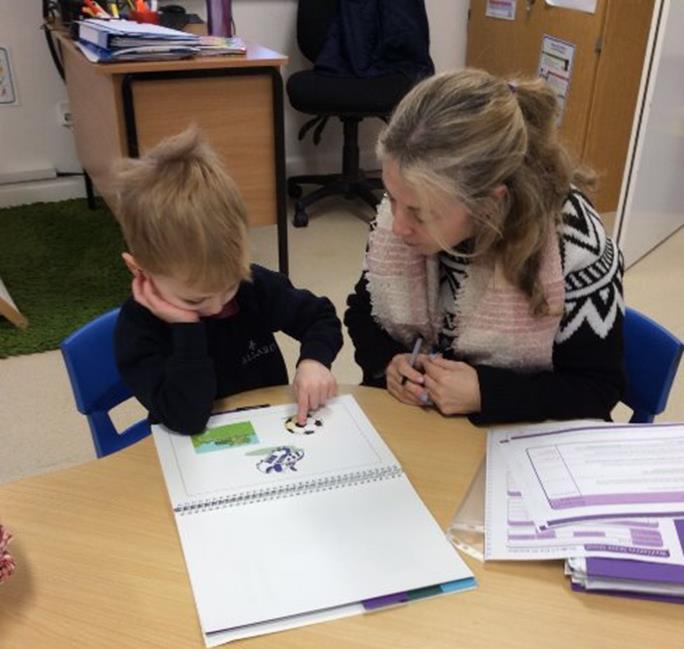
• WellComm screening to identify speech and language needs early
• Targeted support using The Big Book of Ideas
• Early Talk Boost intervention for 3 to 4-year-olds when needed
• Referrals to Speech and Language Therapy for children requiring further support
Parents play a vital role in language development. Simple, everyday interactions make a big difference.
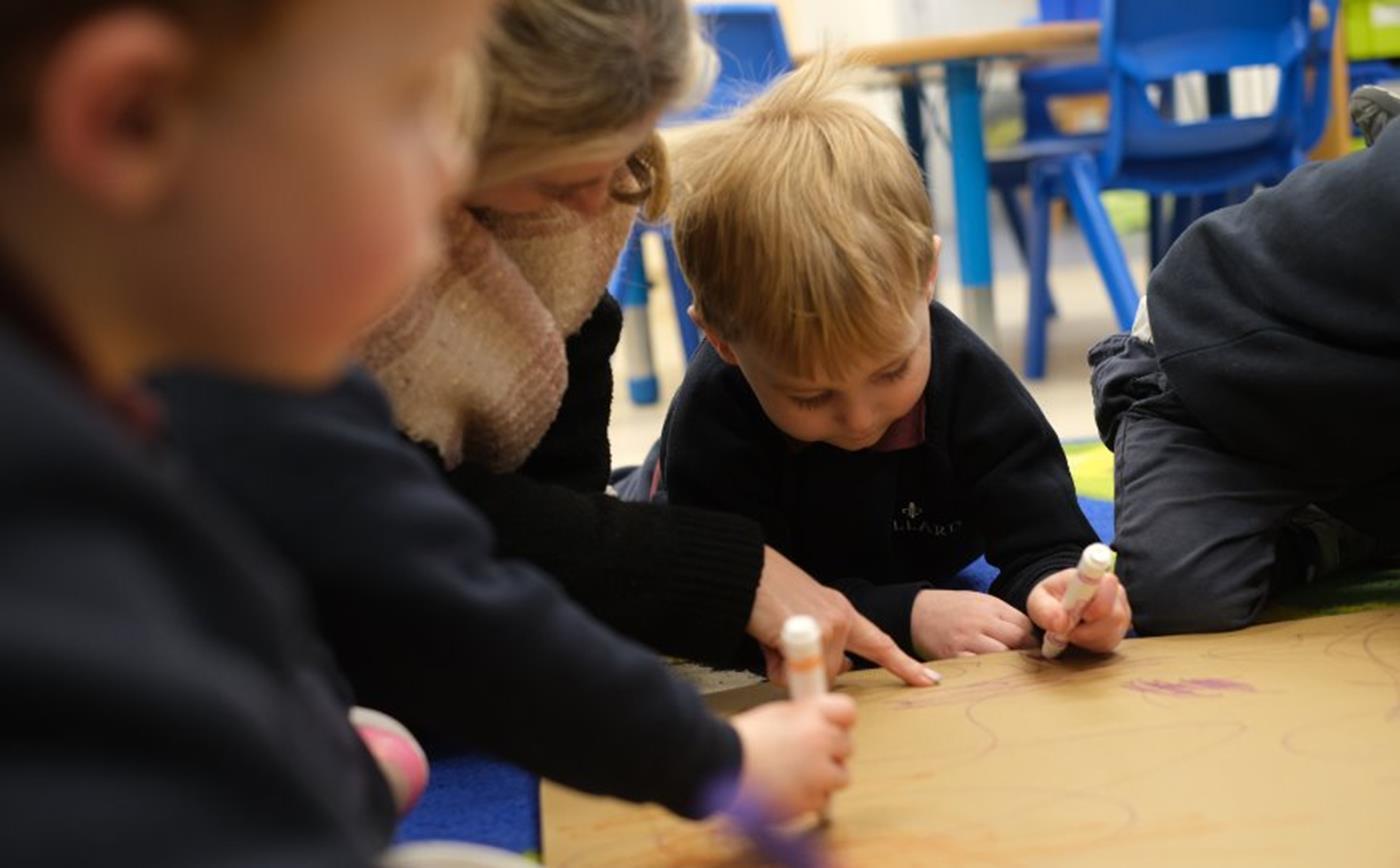
• Sing nursery rhymes and songs
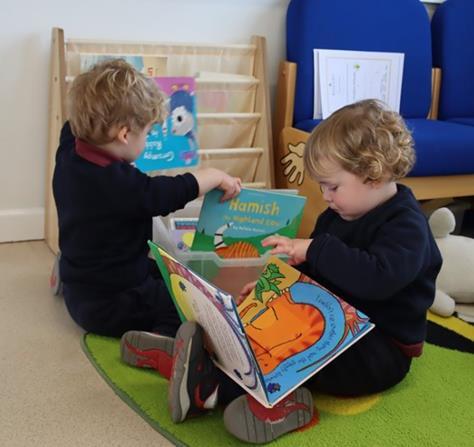
• Share books and talk about pictures and stories
• Play together and encourage two-way conversations
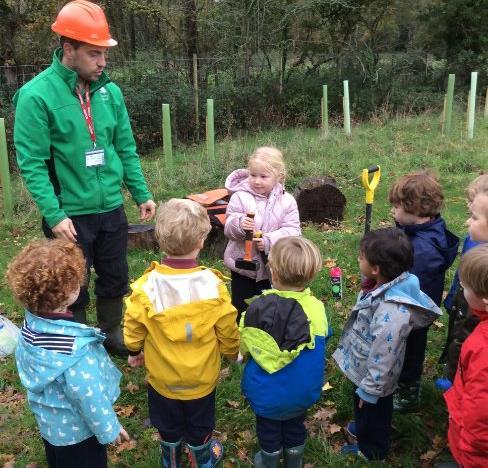
• Go on nature walks and talk about what you see
• Get down to your child’s level for face-to-face interaction
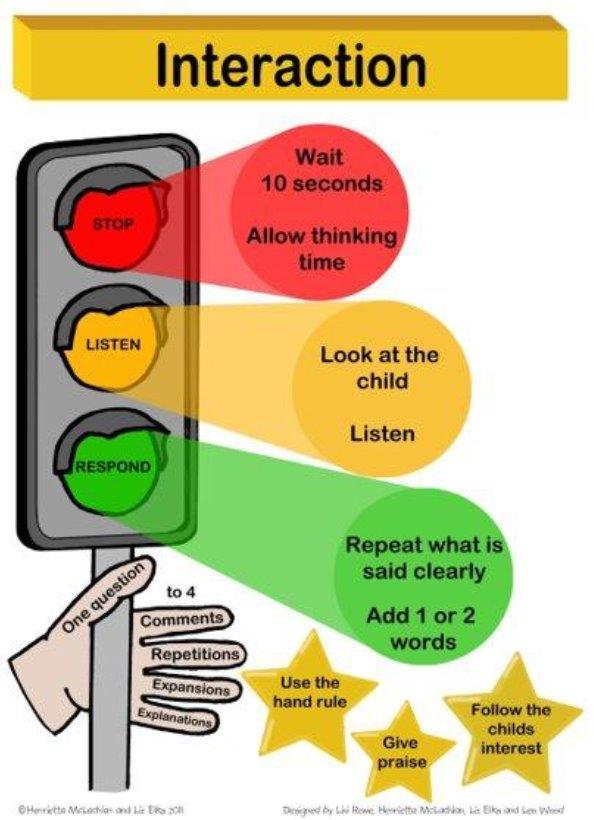
• Pause and give your child time to think and respond
• Narrate your day: “I’m cutting the apple”, “We’re putting on shoes.”
• Use mirrors to explore sounds and mouth shapes (e.g. “ffff”)
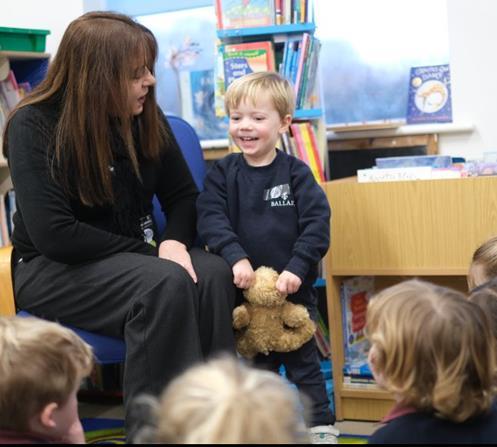
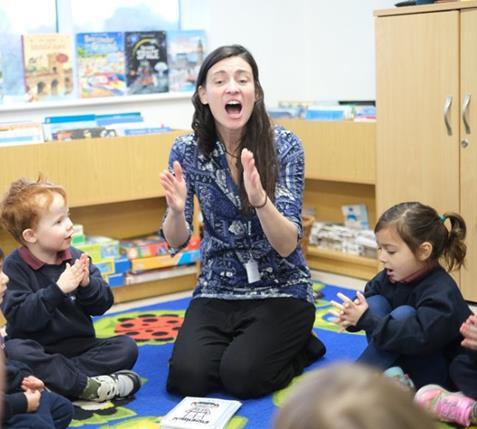
• Model language clearly and correctly
• Repeat new words often in different situations
• Offer choices to encourage talking rather than pointing:
• “Would you like an apple or a pear?”
• Use “Match plus one”:
• Child: “Car” → Adult: “Blue car”
• Child: “Blue car” → Adult: “Fast blue car”
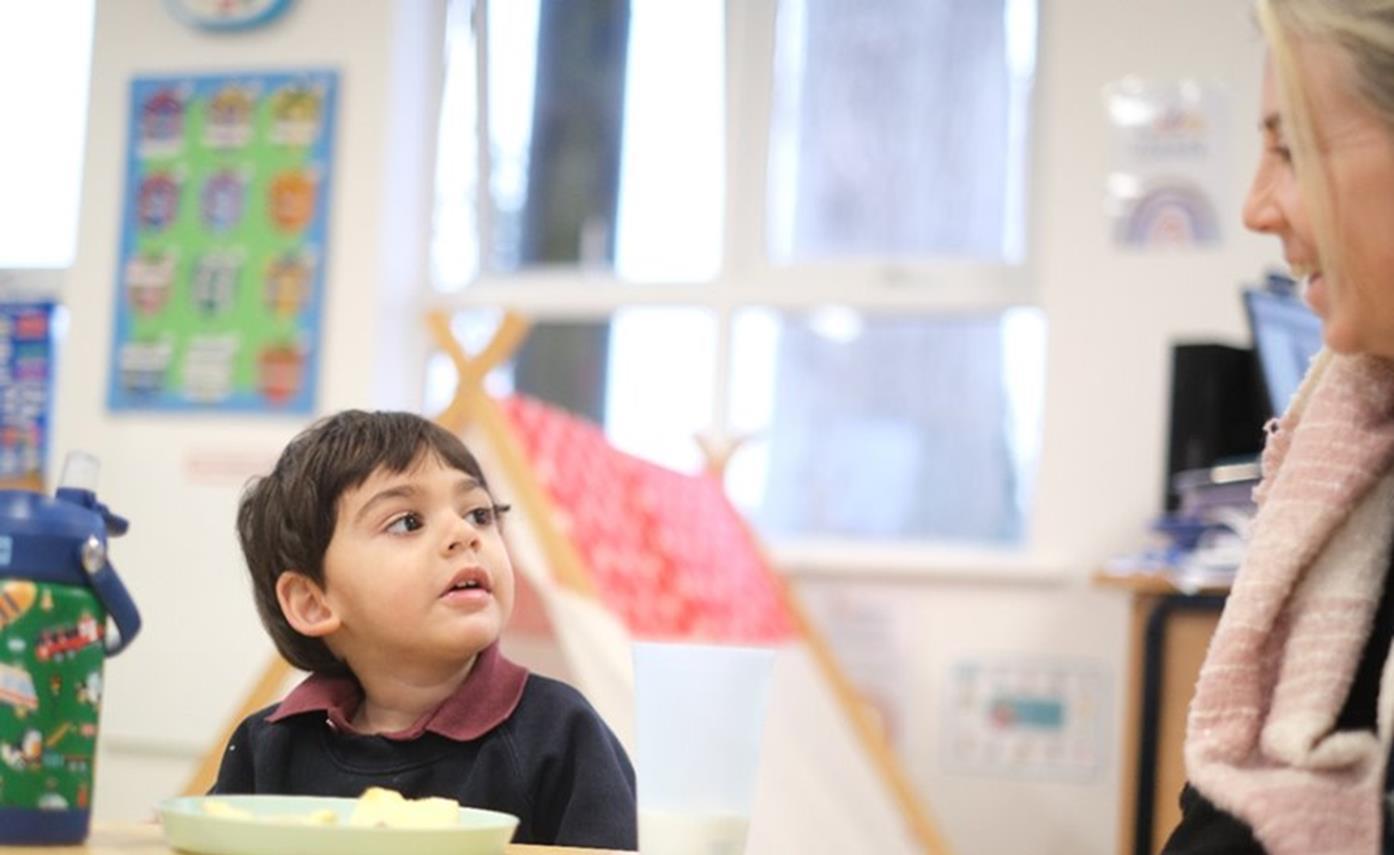
When your child communicates (with sounds, gestures or words) and you respond, you are engaging in serve and return. This back -and-forth interaction: Repeat new words often in different situations
• Strengthens neural connections in the brain
• Builds attention, understanding and confidence
• Is especially important for babies and young children before they can speak



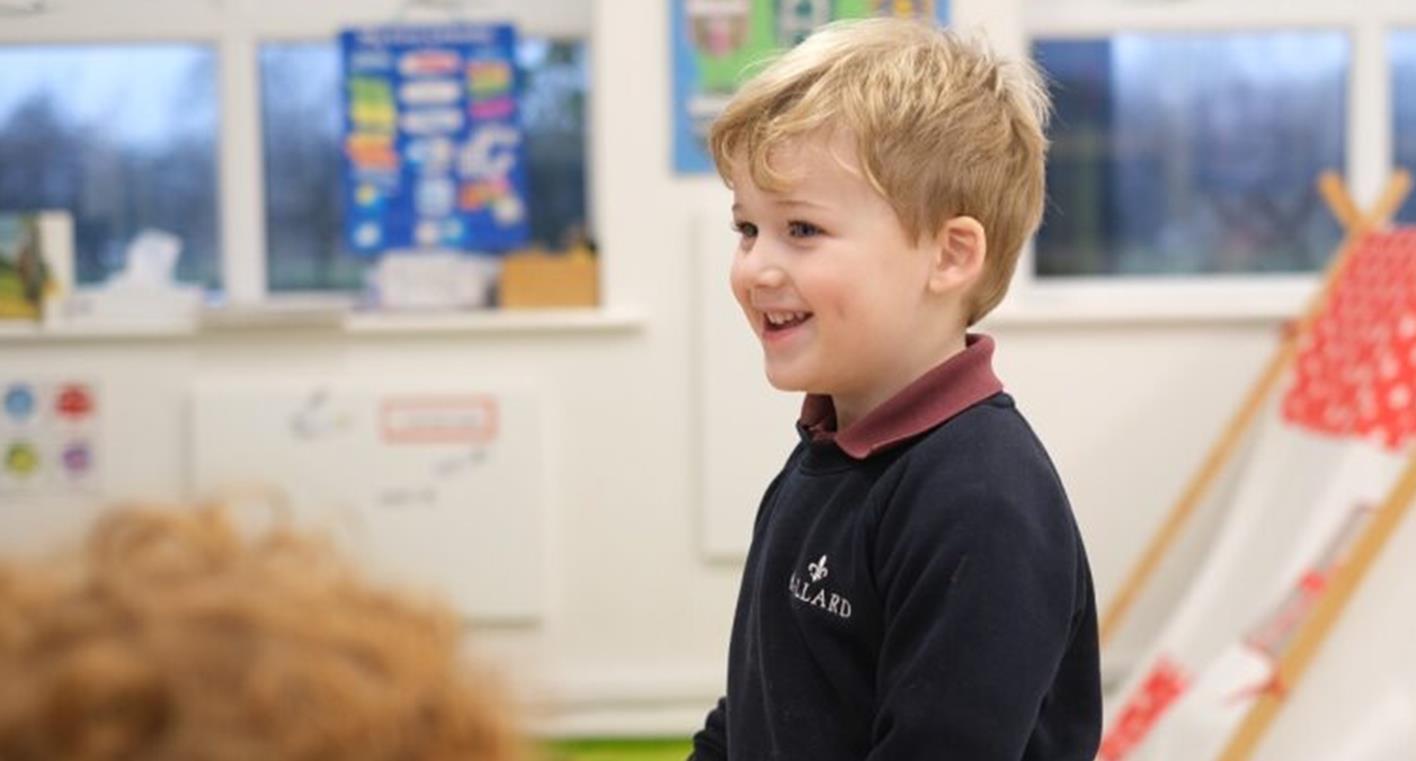
Language and communication develop through warm relationships, rich environments and everyday interactions. At school, we prioritise these elements throughout the day. At home, small, consistent moments of shared attention and conversation can have a powerful impact. By working together, we can give children the strongest possible foundations for learning, wellbeing and future success.
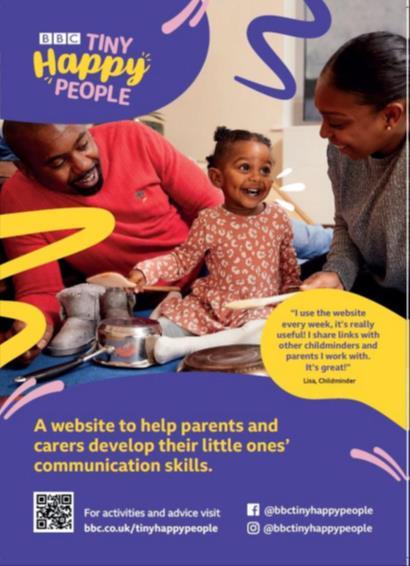
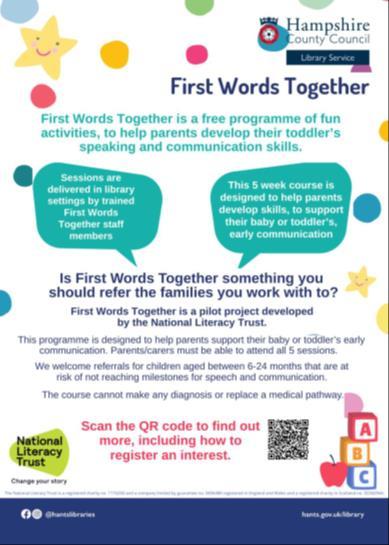

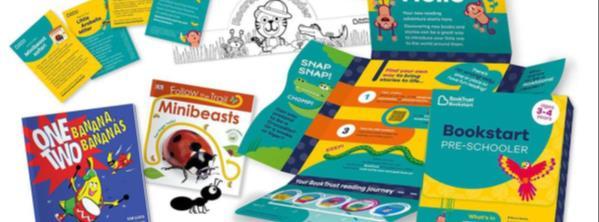
https://wordsforlife.org.uk/
https://www.booktrust.org.uk/howwe-help/parents-families/


Molly Wright: How every child can thrive by five | TED Talk
Through the eyes of a child - 2-3 years