Language and Communication Parent Workshop
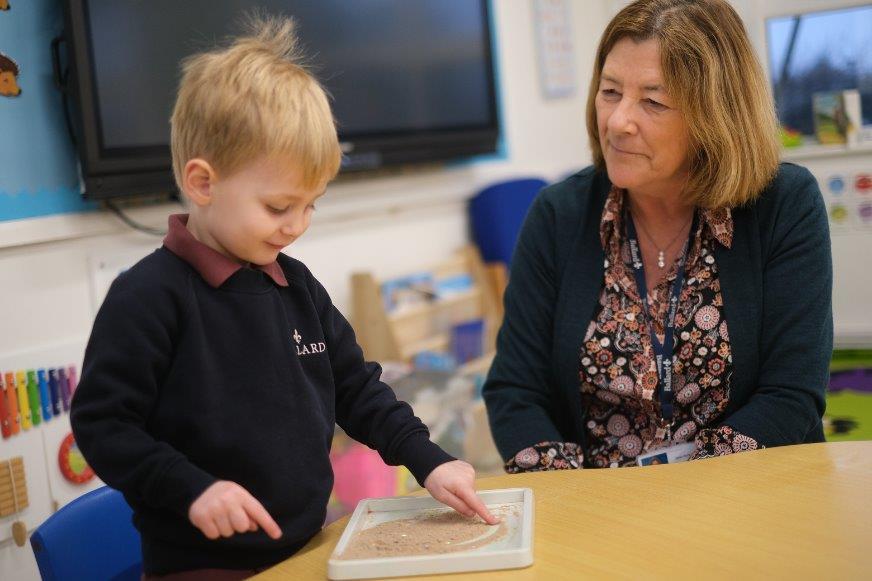

Language and Communication is an essential area of development. It underpins everything the children do - Maths, Reading, writing, creative, social skills. It will help with life -long learning and relationships. We use all opportunities to increase the children’s vocabulary, new experiences for language development and conversation.
Children who struggle to talk and understand words are:
• Six times more likely to fail English tests at age 11.
• Eleven times less likely to pass Maths.
• Twice as likely to have a mental health problem.
• Twice as likely to be unemployed as an adult.
• If children have early language skills, this will support children’s emotional regulation.
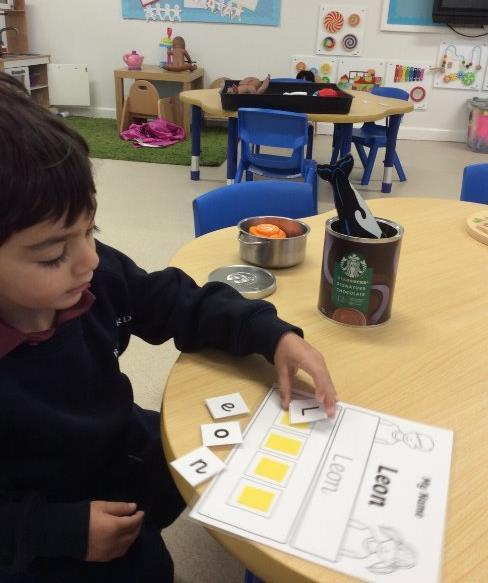
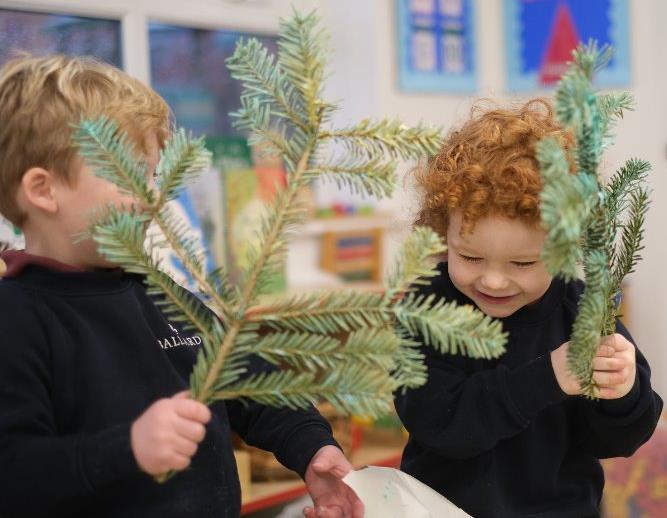
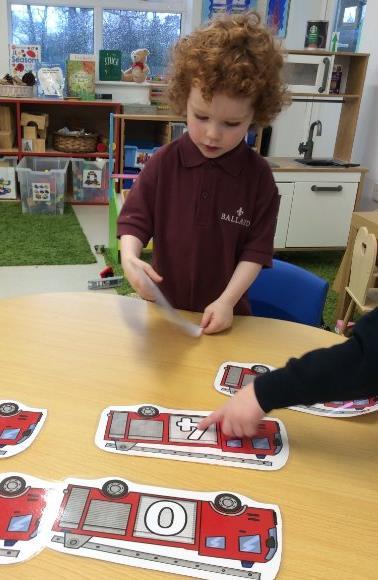
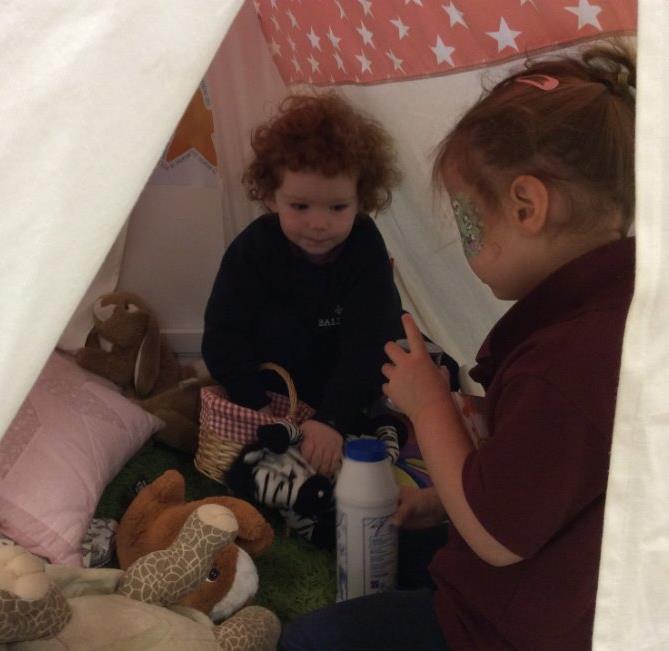
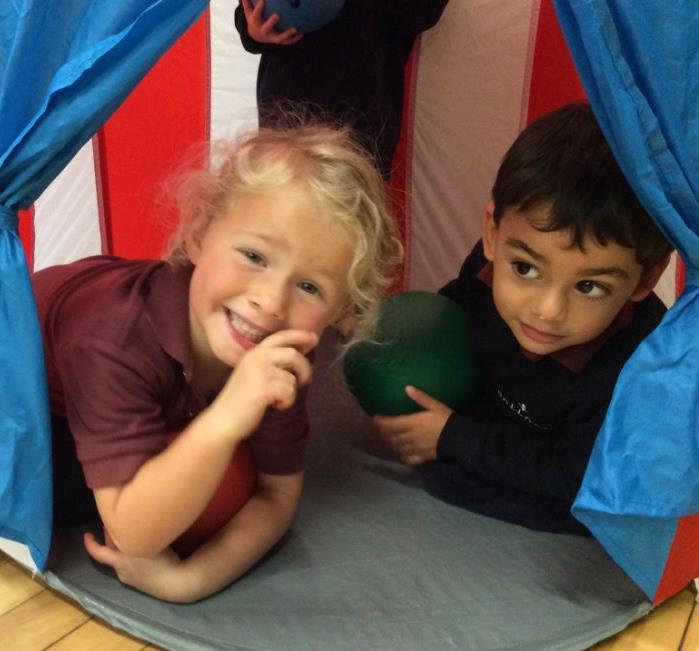
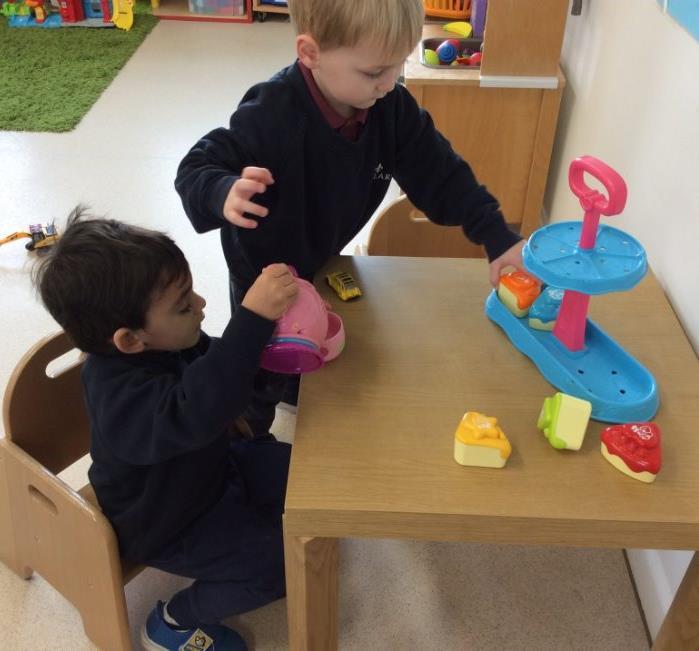
• Language rich environment – cosy corners, reading corners, role play, creative areas.
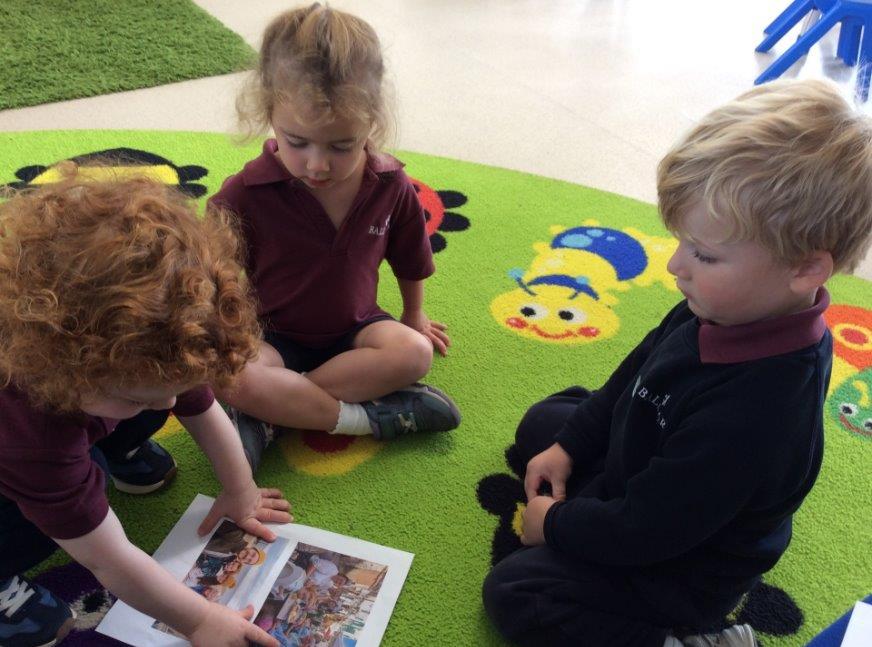
• We use all areas of the classroom to enhance language opportunities – bricks with pictures of children and staff, photos of children’s families in a box – promotes conversation.
• Using topics to extend children’s language and welcome outside visitors linked to the topic.
• Range of speaking and listening activities for the children – adult led and child led.
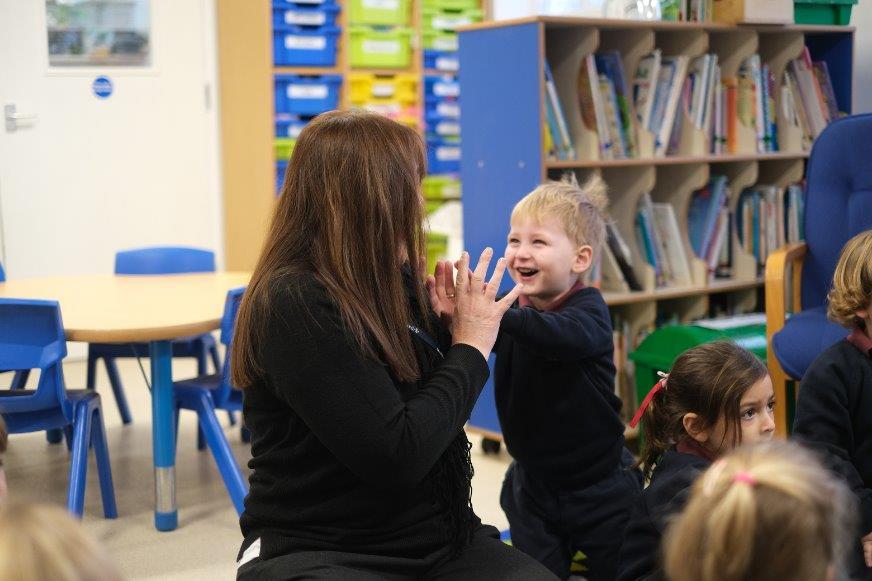
• Active listening – look at the child, eye contact - make sure you respond to what they say.
• Engage in high quality interactions with the children – SHREC approach
• (Share attention, Respond, Expand, Conversations).
• Show attention to what they are interested in.
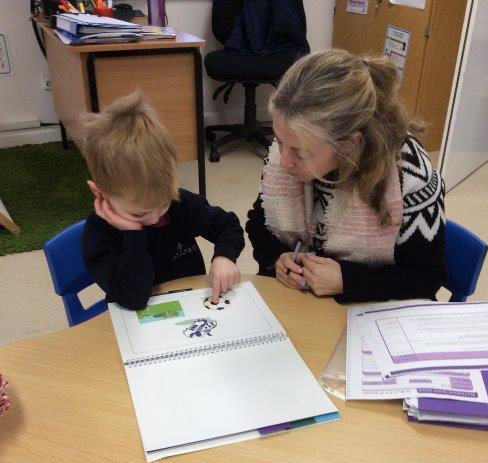
Wellcomm screening and support with The Big Book of Ideas and 3 – 4 year-olds will have Early Talk Boost intervention, if needed. Referral to speech and Language if more support needed.
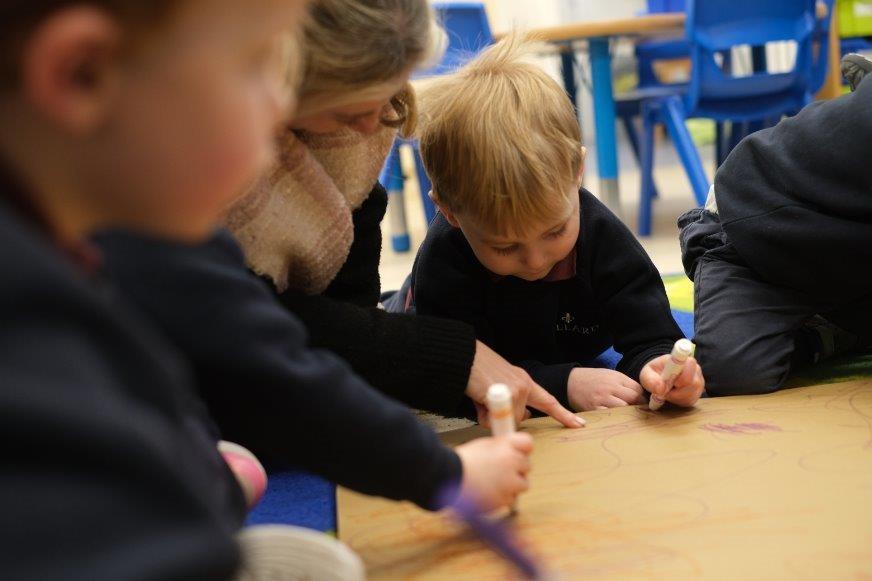
• Nursery rhymes and sing songs
• Read books
• Play and chat – encourage two-way dialogue and follow their lead
• Nature walks and talk
• Get down to their level – face to face interactions
• Pause and give thinking time
• Narrate your day and what you are doing
• Looking in the mirror to help with shape of mouth –“fff”
• Modelling language
• Match plus 1 – If child says ‘car’, adult says ‘blue car’. If child says ‘blue car’, adult says ‘fast blue car’ (Increase vocabulary)
• Serve and return (child talks and you respond to what they say and engage with what they are talking about) - helps to build and strengthen neural connections in the child's brain. This refers to babies and young children pre language skills.
• Eye contact
• Repeat new words frequently
• Offer choices to encourage them to say words rather than pointing - ‘apple or pear’