Copyright © 2025 by Ted Brownstein,tedbro@aol.com
All Rights Reserved
Published byLake Worth InterfaithNetwork, Lake Worth Beach,FL 33460
All rights reserved. No part of this book may be reproduced in any form or by any means, electronic or mechanical, including photocopying or recording, or by any information and storage retrieval system without written permission of the publisher.
ISBN: 978-1-7358519-1-4
Cover Design by Michael Sours, DesignForBooks.com All photosarein thepublic domain or by paid subscriptionto Shutterstockor iStock, except asattributed.Someimagesand their componentsweregeneratedwith ChatGPT.
Thanks to GhassanManasra,Abd Manasra,Todd Lawson, Ed Price, Chris Buck, and Michael Soursfor theirhelp and guidancein theresearchfor this study. Thanks to JanetDevries Naughton, Pablo del Real, and Chris Brownsteinfor proofreadingand editorialwork. Grammarly wasalsoused for proofreading .
Other books by the sameauthor: The InterfaithPrayerBook Libro InterreligiosodeOraciones Soaringin theHeavenofGod’sLove Kinship oftheBible andQur’an – An InterfaithPerspective
6 Bahá’í Keys:
Start With a Story
Creating empatheticportraitsof Muhammadand Jesusis crucial for the reconciliationprocess.This meansacknowledgingboth figuresasvirtuous teacherswhoselivesexemplifiedtheveryvaluestheypromoted.By setting asidenegativecaricaturescreatedby adversaries,wecan fostera more positiveunderstandingof both, leadingto a moreenlightenedand openminded approachto interfaithdialogue.
A fitting startingpoint for this explorationis a traditionalstoryabout Muhammad,onethatcountersviolentdepictionsof His characterand showcasesHis remarkableskill asa peacemaker.
thesacredpowerof His Holiness Muhammadbecamethemeansof uniting and harmonizingthecontentioustribesand differentclansof PeninsularArabia. (‘Abdu’l-Bahá, TabletsoftheDivine Plan, p. 105)
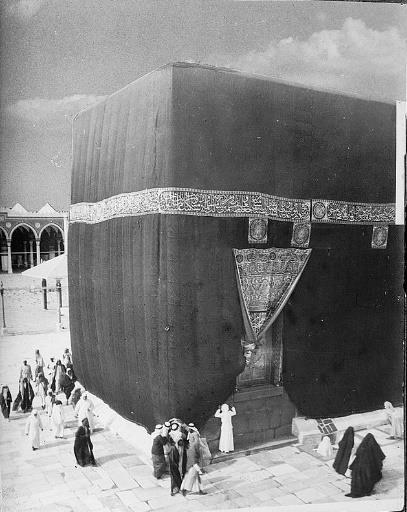
In His earlyadulthood,beforeHe wascalledasa prophet,Muhammadwas known asa fair-minded man, exceptionallyadeptat resolvingdisputes.He possesseda uniqueability to bring rival factionstogether. At thattime, thesacredKaaba, thecentralsanctuaryof Mecca,was undergoingreconstruction.Shapedasa cubeand drapedin black, it had no front, symbolizingAllah’s accessibilityfrom all cornersof theearth.
ModernrenderingoftheKaaba,Mecca,Saudi Arabia
The Kaaba is enormouslysignificant; it wasthefirst House of Worship in Islam, originally built by Abrahamand His son Ishmaelin Arabia. Throughout history,theKaaba hasbeenrebuiltnumeroustimes.Inside the Kaaba sitstheBlack Stone,which is believedto havefallenfrom Heaven. According to popularIslamic tradition,this stonewasinitially given to Adam afterhis sin, symbolizinghis continuedconnectionto thesacred. 1 It is regardedastheonly surviving stonefrom theoriginal Kaaba built by Abraham.2
By Muhammad’s time, the Kaaba had becomea shrinefor a pantheonof paganidols. It had falleninto disrepairfrom fire and flood. The Arabian tribesof Meccajoined in a majorreconstructioneffort,ensuringthatall peoplehad theopportunityto participatein this sacredwork. Muhammad himselfcarriedheavystonesalongsidecommonlaborers.
Construction progressedsmoothlyuntil thewallsweretall enoughfor the Black Stoneto beplacedback in its alcove.At thatpoint, a violent disagreementbrokeout amongtheworkersaseachclan competedfor the honor of placing thestonein its rightful place.Heatedwordswere exchanged,tensionsescalated,and alliancesformedamongtheclans, leadingto preparationsfor a violentconfrontation.
The situationbecameso seriousthattheconstructionwork wassuspended. N o tribewaswilling to sacrificefor peace . Each of thefour contesting tribestook an oathto fight to thedeathfor this honor, soakingtheirhands in blood.3
The deadlockpersistedfor severaldays.
In an attemptto resolvethedispute,all partiesagreedto convene . One sage suggested , “O men of Mecca,let thefirst man who entersthegateof this House serveasour arbiter.” They all concurred,and thefirst man to enter wasMuhammad.Upon seeingHim , theyall agreed,“Here is the
1 “Black Stoneof Mecca,” AccessedMarch 28, 2024, https://www.britannica.com/topic/Black-Stone-of-Mecca
2 “Story Of Hajr-e-AswadOr The Black StoneIn Kaaba, Makkah,” AccessedFeb 25, 2025, https://zamzam.com/blog/the-black-stone-kaaba/
3 Salma Naz, “The Role of Prophetof Islam,” Accessed March 29, 2024, https://ptsm.edu.pl/wp-content/uploads/2018/01/salma-naz.pdf
8 Bahá’í Keys: Reconciling Jesusand Muhammad trustworthy.We acceptHis judgment.”
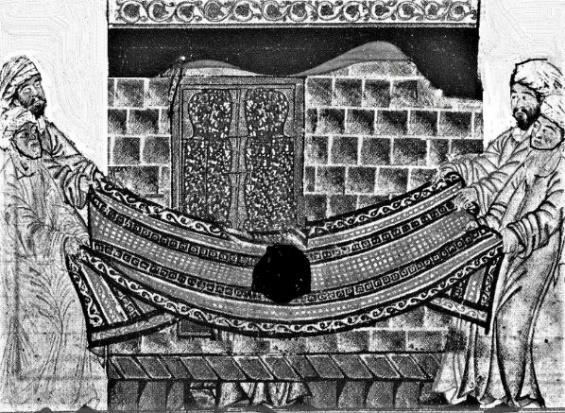
After patientlylisteningto all sides,Muhammadproposeda brilliant compromise . T he stonewasplacedin thecenterof a large,strongcloak, and representativesfrom eachtribeheld a cornerof thegarment.Thus, the stonewaslifted and carriedinto theKaaba, restoringit to its rightful spot. In this manner, thefour tribessharedequalhonor in performingthis sacredtask.Peaceand tranquility replaceddissensionand discord, solidifying Muhammad’s reputationasa practicalnegotiator
Muhammad’s divinely inspiredability to unite opposingfactionsis exemplifiedin this story. Th e eventserved asa precursorto His careerasa peacemakerin a cultureoftencharacterizedby conflict and warfare.The ProphetMuhammadcarriedHis messageof peaceto an Arabiansociety thatwasdeeplydivided by tribal and clan rivalries.
Three Primary Keys
The key to reconciliationliesin recognizingtheunderlyingcommonalities behindthediverseexpressionsof human identity, including theteachings of Jesusand Muhammad The Bahá’í Faith is a world religion that promotesunity basedon threefundamentaltenets :
1. The Oneness of God: This foundationalprinciple assertsthatall existencederivesfrom onedivine source.
2. The Oneness of Humanity: D ifferencesof race,language,culture, and religion arecelebratedfor enriching our sharedhuman experience,like varietiesof flowersin a garden .
3. The Oneness of Religion: This recognizestheessentialunity of faith, reverence,and virtuousteachingsacrossall spiritual traditions.
The first twoOnenessesmay seemeasyto grasp.Monotheismand race equityhavebecomewidelyacceptedin Westernculture.However,in view of historicalanimosities,thenotion of theOnenessof Religion may seem unrealistic Consider, however,thatthe greatfaith traditionsof humanity hold many of thesamespiritualvalues:reverencefor thesacrednessof life, appreciationof nature,gratitudeto theCreator,acknowledgmentof the needfor both personaland collectivesalvation , and faith in divine governanceoverhuman affairs , amongothers.Moreover , all traditions advocatefor thecultivationof virtuessuch aslove,kindness,honesty, humility, discipline, and service.Despitethis commonality, superficial religiousdifferencesoftenbreedestrangementand suspicion.Dress, dietary practices , language,and culturecan renderthe“other”perplexing, leading to misunderstandingsthatovershadowour commonalities.The bridgeto reconciliationis built on mutualunderstandingand respect , fostering connectionsbetweenindividuals.
Our aim hereis to promotesuch understanding.By examiningthelives and legaciesof thefoundersof Christianity and Islam, wehopeto illuminatea significantaspectof spiritualunity.
At thecoreof all religionsis thepromotionof lovefor God and lovefor one’s neighbor.Hatred and any beliefsystemthatfostersanimosityare rightfully rejected.While eachworld faith possessesits unique features,
10 Bahá’í Keys: Reconciling Jesusand Muhammad sacredtexts,and practices,theBahá’í Faith positsthatthesediversethreads can bewoveninto a cohesivefabric.
Be kind to all people,lovehumanity,considerall mankind asyour relationsand servantsof theMost High God. Strivedayand night that animosityand contentionmaypassawayfrom theheartsof men,thatall religionsshallbecomereconciled,and thenationsloveeachotherso that no racial,religious, or political prejudicemay remain, and theworldof humanitymay beholdGod asthebeginningand endof all existence .
(‘Abdu’l-Bahá, The PromulgationofUniversalPeace,p. 291)
This goal is challenging. It callsfor a dramaticshift in human relationships. It presupposesthatreconciliationof historicaladversariesis indeedpossible and thatunity is achievableYet, peaceis, in theBahai’s view,inevitable, thenaturaloutcomeof mankind’s maturity,its fruition, and its reward
Jesusand Muhammadareembracedasspiritualvisionarieswho inspired theworld’s twolargestfaith communities Appreciatingboth figuresand their significantcontributionsto humanitycan enhancefriendly internationalrelationsand world peace.
Through theloveof God, Christ enteredtheworld, exemplifyinga perfectlife of self-sacrificeand devotion,and deliveringthemessageof eternallife It wastheloveof God thatempoweredMuhammadto elevate theArabsfrom a stateof degradationto a loftierstate ofexistence.
(‘Abdu’l-Bahá, Paris Talks, 27.8)
Two peaks.
The Eminence of Jesus and Muhammad
To find out who areconsideredthemostinfluentialleadersof all time, take a computeror smartphoneand searchthewebfor an answer.You will find a varietyof liststhatoverlap The top five namesmight include figureslike Sir IsaacNewton, Napoleon, Shakespeare,Buddha, Lincoln, and Aristotle. Unsurprisingly, Jesusand Muhammadoccupyoneof theleadingpositions on nearlyeverylist.
We don’t haveto look far to understandwhy. Compilations of themost influentialfiguresaregenerallybasedon how oftentheyarereferredto in contemporarysettings,in literature,newspapers,websites , and social media.
Over 2 billion Christians and nearly2 billion Muslims viewtheirrespective holy foundersasoneof, if not thegreatest,peoplewho everlived. Their wisdomis recitedin worship,proclaimedin sermons,and scrutinizedin commentariesand apologeticworkswith thegoalsof strengtheningthe faith of believersand attractingnon-believers.Critics and skeptics,likewise, quotethesesacredtextsto makecounterarguments.No otherfiguresstir as much passionor debate.
Throughout history,both Christianity and Islam haveservedassourcesof profoundwisdomaswellascausesof bitterconflict. The destructive capabilitiesof modernwarfareand technologyhavemadeconflicts increasinglydevastating.Reconciliationwould havenumerousbenefits.
First, the sheernumberof adherentsto thesefaithshighlights their capacity to bea forcefor good.The teachingsof both religionsemphasizepeace, love,and compassion,yethistoricaland contemporaryconflictshaveoften overshadowedthesecorevalues.By focusingon commonalities,such asthe beliefin oneGod, theimportanceof charity,and thevalueof family, followerscan find commonground and mutualrespect.This shared foundationcan serveasa platformfor interfaithdialogueand for reducing misunderstandings.
Second,reconciliationbetweenthesereligionscan help easegeopolitical conflictsthatoftenhavereligiousundertones.Throughout history, religiousdifferenceshavebeenexploitedfor political gains,leadingto wars,