A Message from Dr. Chinn
Better Late than Never!
As we begin a new Fall semester, I wanted to make sure we shared our story from 2024 in this volume of the “BAE Update”. We had a memorable year celebrating the excellence, accomplishments and impact of our students, faculty, staff and alumni and we did not want to miss the opportunity to capture and highlight some of the successes of our BAE family and the new areas where we work and play.
We finally made the move to the New Frontiers Agricultural Hall building, which has been nurtured by the special touch of ag engineering as told in one of the featured stories centered around our very own Drs. Randy Raper and Raymond Huhnke. Our change in administrative offices, faculty, graduate student and instructional space came with changes in several of our faculty and staff through retirement to new adventures. And while we said farewell to those who have served the department with dedication, greatness and goodwill, we welcomed Dr. Keighobad Jafarzadegan as our new water management assistant professor and Extension specialist. He is further strengthening our data-driven research expertise and impact in water resources, assessing hydrological extremes and sustainable practices. I also hope you have noticed the positive influence our new marketing and communication specialist, Jessica Busby, is having on our effectiveness in spreading the word about our great department and the wonderful things we engage in. They are introduced as our new faces in this communication.
The outstanding contributions of our faculty and alumni to our agricultural and biological engineering profession is something that should be admired. Dr. Paul Weckler retired with a bang, honored as a 2o24 ASABE Fellow during the annual international meeting in Anaheim, CA. He joins quite a few other distinguished OSU BAE faculty who have been recognized with our profession’s highest honor. We call attention to this remarkable collection of exceptional OSU faculty and alums who have been influenced by them. These well-deserved recognitions and recent faculty and staff awards are communicated in multiple featured articles within this newsletter.
Our students continue to be bright and accomplished in their scholarship, leadership and community impact. They remind us every day what a joy it is to be part of their education, career development and OSU experience. Please enjoy reading about some of these outstanding individuals and their activities in the pages that follow.
I cannot effectively express how amazing our donors are and how fortunate our department is to have alumni and friends that are willing to give back and feed our growth and achievements, quality programs and future opportunities with their generosity in time and gift giving. We are grateful for our interactions with the students, emeriti faculty and their families, alumni and friends throughout the year and the contributions of our highly engaged BAE advisory committee. We strive to make you proud of our people and programs and thank you for your continued support.
As we share our professional and personal stories from the past and in the future that shape our stepping stones and the various paths that we walk, I hope that in the days to come you experience many moments that expose you to the joys of life. Be well and Go Pokes!
Sincerely,

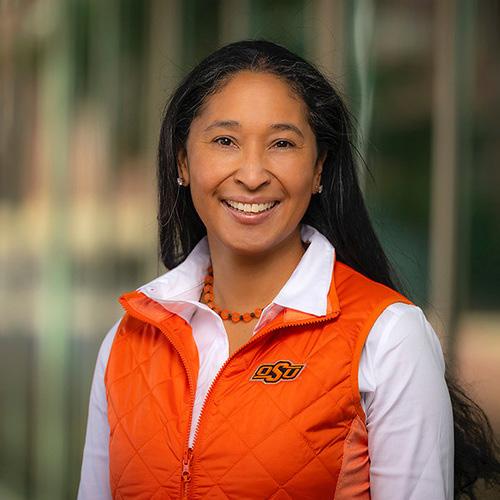
Mari S. Chinn Head, Department of Biosystems & Agricultural Engineering
Oklahoma State University
A Message from Dr. Chinn
BAE Data Impressions
New Faces
BAE Featured
Building Friendship Serving the Future Directing the Vision
Making the Water Well
Dr. Mirchi named Whatley Award Recipient
Weckler inducted in 2024 Class of ASABE Fellows
Innovation at the Intersection
Engineering Excellence
Dr. Elliott Named Ag Champion Skilled Communicators
Senior Design 2024-2025
Graduates 2023-2024
Student Organization’s Updates
Department Happenings
Faculty and Staff Recognition and Retirements
Faculty and Staff in the News
CEAT 2024 Outstanding Students
BAE 2024 Advisory Committee
Friends of Biosystems and Agricultural Engineering
Front Cover: Images courtesy of Dakota Keith and Jessica Busby
Back Cover: Image courtesy of Mitch Alcala
Images without courtesy acknowledgements throughout this newsletter were provided by BAE administration and OSU Agriculture Table of Contents Major Events
ASABE Oklahoma Section Meeting Stillwater, Okla. Friday, March 7, 2025
Cowboy Motorsports Lawn Mower Clinic
March 28 and 29, 2025
ASABE Student Awards Banquet Saturday April 5, 2025
BAE Advisory Committee Meeting Thursday, April 24, 2025
Senior Design Presentations and Expo Biosystems Engineering Friday, April 25, 2025
Graduate College College of Engineering, Architecture and Technology
Friday May 9, 2025 Ferguson College of Agriculture Friday May 10, 2025
BAE Showcase Agricultural Systems Technology and Biosystems Engineering Thursday, May 1, 2025 Summer 2025
ASABE International 1/4 Scale Student Tractor Design Competition Peoria, Illinois May 29-June 2, 2025
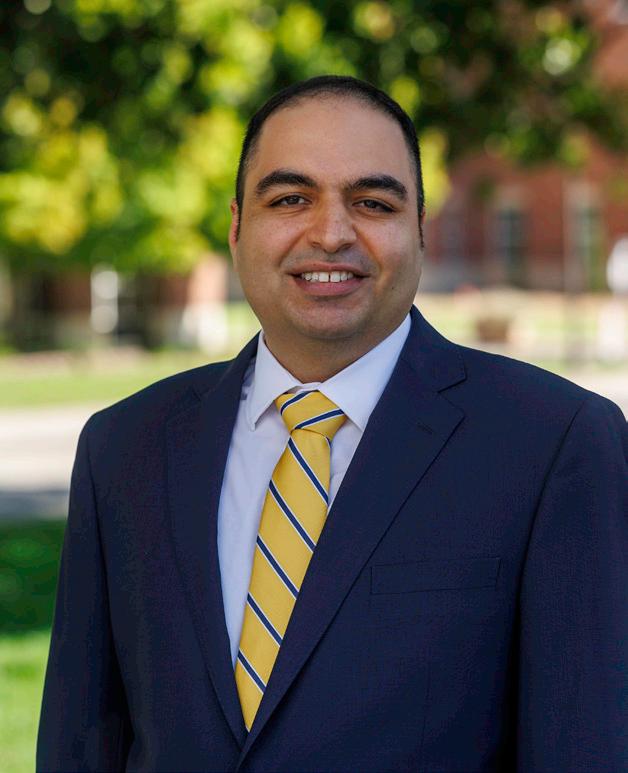
Keighobad (KJ) Jafarzadegan
Dr. Keighobad (KJ) Jafarzadegan joined the BAE department in June 2024 as an assistant professor. His research and Extension programs will have a focus on hydrological extremes, flood and drought. He received his B.S. degree is in civil engineering from the Isfahan University of Technology and his M.S. degree is in hydrology and water resources engineering from the University of Tehran. He then received his Ph.D. in Hydrology and Water Resource Science from Purdue University in 2019. He spent four years at the University of Alabama as a research scientist specializing in flood characterization, prior to joining the faculty at Oklahoma State University.
Dr. Jafarzadegan’s work explores flood and drought risk which includes developing models and tools for the accurate predication of natural hazards. His work contributes to the creation of robust early warning systems for flood and drought forecasting significant to the state and region.
Jessica Busby
Jessica Busby joined BAE this past February as the new marketing and communications specialist, where she assists in promoting and celebrating excellence in our academic, research, and extension programs and the faculty, staff, and students that are integral to their successes.
She is originally from Northern California and attended the University of Nevada- Reno, where she studied business and began her marketing career. She now resides on a cattle ranch and wheat farm. Prior to making the move inland from the west coast, Jessica worked in a variety of career fields. In addition to marketing and doing administrative work for agricultural businesses and organizations, she also has a background as an emergency services dispatcher and in education. Jess previously taught on an emergency basis following the pandemic and later worked as a curriculum developer for Fire Protection Publications, a branch of OSU’s Engineering Extension.
She is looking forward to partnering with the BAE family and utilizing her background in education and in marketing to further the department’s mission and enhance the visibility of the impressive work and history of our faculty, staff, students and Extension educators.

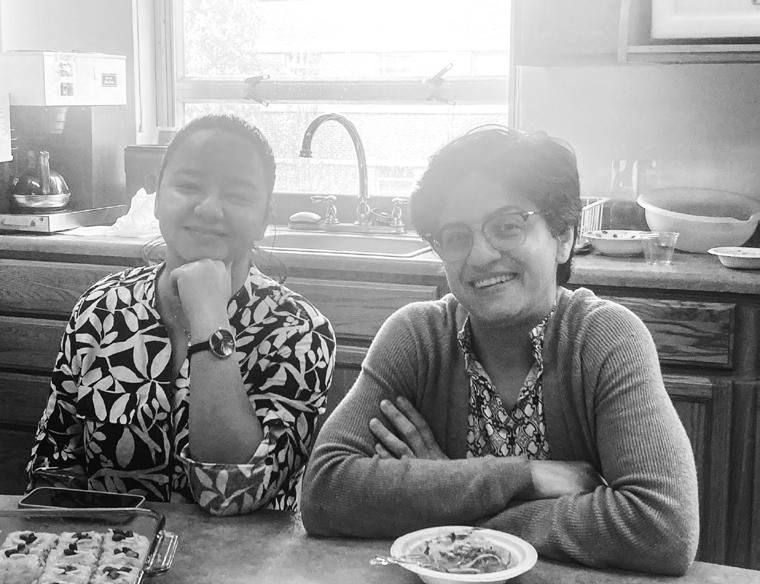
Coming Together In Celebration
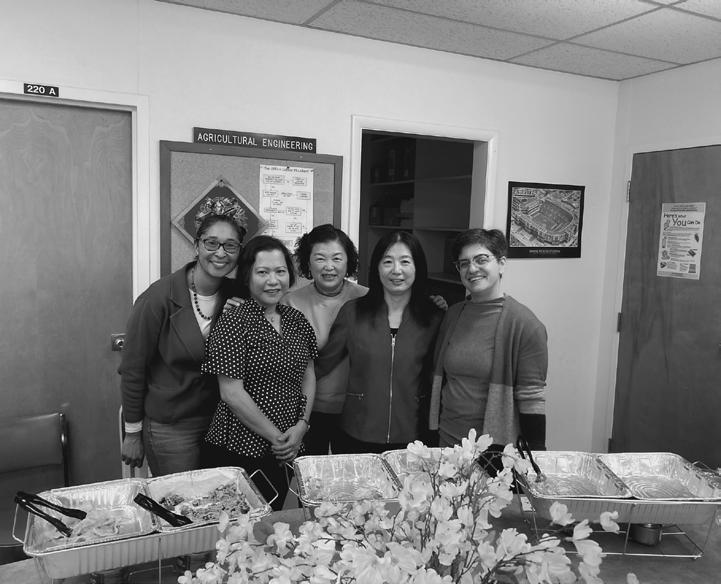
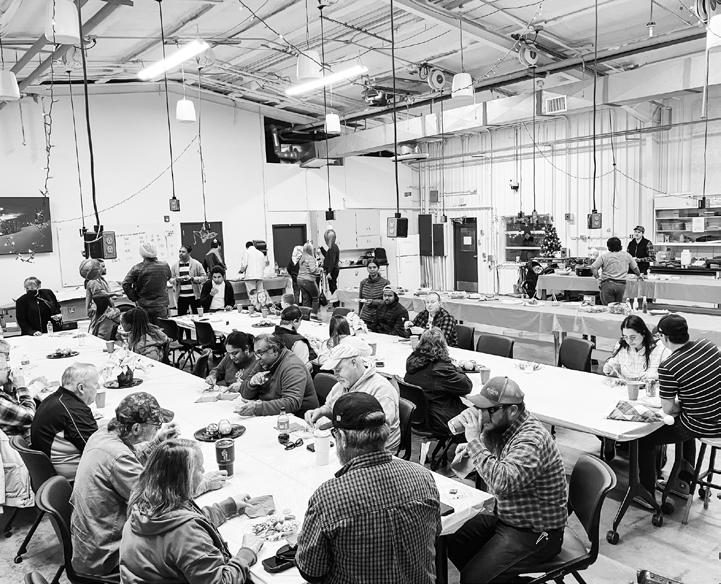
Chinese New Year January 2024
Norouz March 2024
Building Friendship: Agricultural engineers work together to serve the future of OSU Agriculture
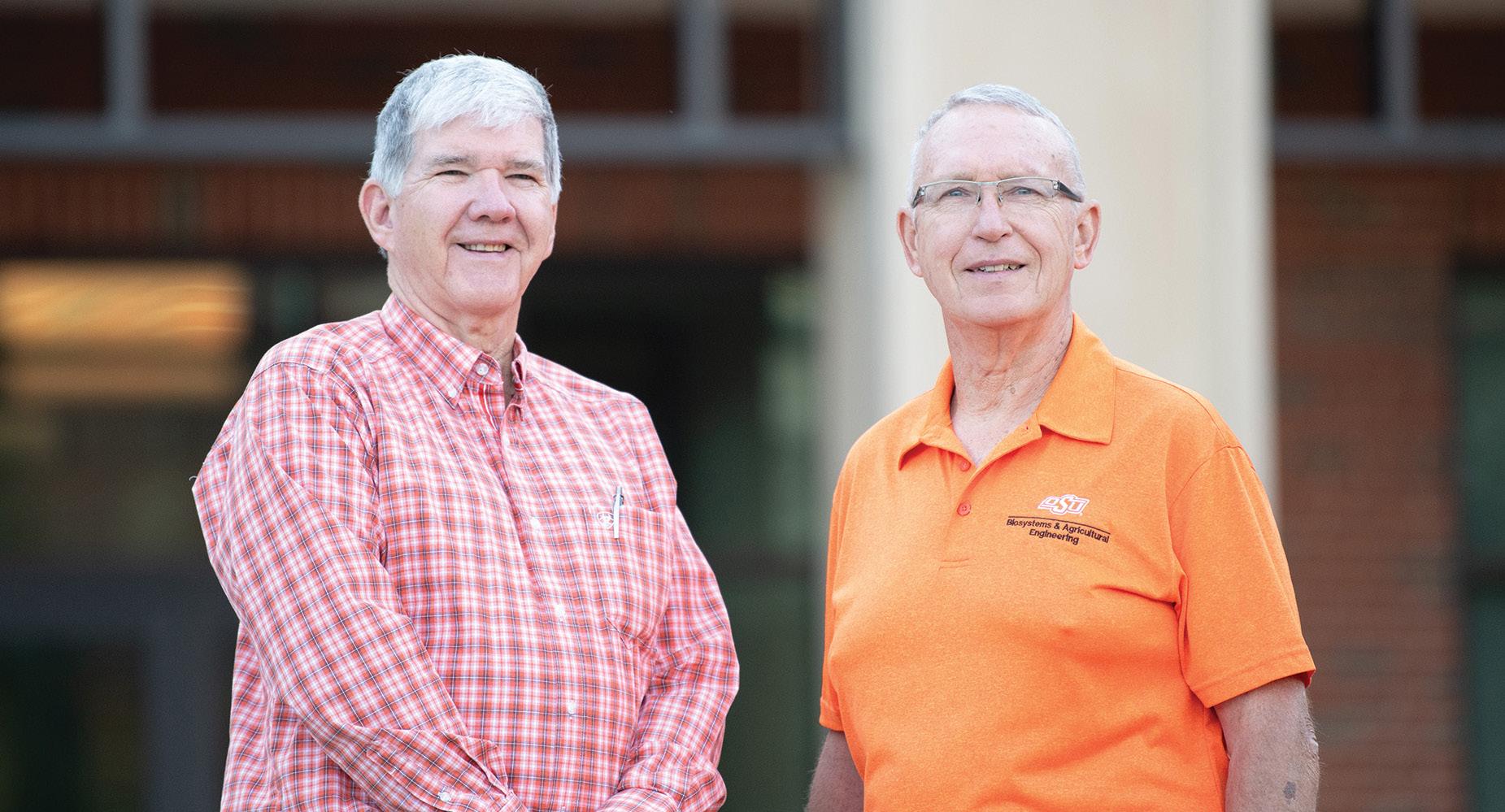
When presented with a job opportunity to move his family from Booneville, Arkansas, to Stillwater, Oklahoma, in 2012, Randy Raper called lifelong friend, Raymond Huhnke, for some advice on the new position.
Little did he know a decade later the phone calls between these friends would be more than just friendly advice.
In 2021, Raper called Huhnke for help planning and overseeing construction activities related to the building of the new Agricultural Hall.
“Ray and I have worked together on a number of things over the years,” Raper said. “When Ray was starting to talk about retirement I went to him and asked ‘Would you be willing to work with me on this process on a part-time basis?’ and he agreed.”
Even though Huhnke retired in January 2021,
he continued making contributions to the Ferguson College of Agriculture as an engineer for Agricultural Hall, assisting in any way he could to help with the fine details related to design, layout and construction of the new facility, he said
“I worked with Randy in addressing what has been and what needs to be done to make the great facility we have now,” Huhnke said.
The pair worked together to create a space for students, faculty and staff to call home while serving as the coined duo in each meeting and stage of development for the new Agricultural Hall.
“Ray has been a tremendous help in terms of being a second set of eyes and ears in the room, going back and forth making sure we heard the same things,” Raper said.
Randy Raper (left) and Raymond Huhnke (right) celebrate Agricultural Hall after four years of working together on the project.
Photo by Taylor McGill.
Serving the Future
When many reminisce on their time in 4-H, they catapult to a memory. They may not have realized it then, but they were learning irreplaceable teamwork and leadership skills.
For Raymond Huhnke, 4-H is where he developed these skills that became vital to his career, he said.
“My passion to help others goes back to my youth,” Huhnke said. “4-H provided me with my thought process. It allowed me to work with a variety of different members, even the younger 4-H members, to give them insights as to how they could put their best work into their projects. It has always been a team effort to make things better.”
With a goal to make the agricultural industry better, Huhnke started his education at Purdue University where he obtained a bachelor’s degree in agricultural engineering.
Huhnke then went on to gain a master’s degree from the University of Illinois and a doctoral degree from Iowa State University, both in agricultural engineering.
In 1980, Huhnke started his journey at Oklahoma State University as an assistant professor and agricultural extension engineer. Huhnke spent the first 35 years of his career focusing on OSU Extension services.
“I have probably known Ray longer than anyone on this campus,” said Ron Elliott, retired agricultural engineer and emeritus head of the OSU Department of Biosystems and Agricultural Engineering. “He is knowledgeable in a wide variety of areas and is a solid engineer.”
Huhnke and Elliott met at the University of Illinois through the agricultural engineering master’s program. They reconnected when Elliott joined the OSU faculty in 1981.
At the beginning of his time at OSU, Huhnke worked on the development of farm structures.
He has had many successes in this area and is widely known for his work in corral and beef working facilities, Huhnke said. Huhnke helped develop facilities to keep animals and handlers safe while still being efficient, he said. Huhnke recorded a series of videos to inform children
about animal handling and farm safety as well as led demonstrations of his work to help farmers to make informed decisions.
Huhnke was the driving force for round-bale storage research, Elliott said. Huhnke saw the financial impact these structures and processes could have on rural farmers, which led him to pursue these projects, he added.
“I branched out and was involved in roundbale storage because hay is one of the top five agricultural commodities in the state, valued at about $600 million,” Huhnke said. “If we could save 10% of the hay being stored, that’s a significant amount of money that producers could save or invest.”
In 2002, Huhnke saw the need for a program called AgrAbility, which allows agricultural workers with disabilities to keep doing the things they are passionate about, he said.
“AgrAbility is a program that reaches out to and helps disabled farmers,” Elliott said. “Maybe somebody has great difficulty going up the steps into a tractor or operating equipment and they still want to farm. They have some issues to overcome, and some special adaptive devices can help with that.”
AgrAbility was just one of the many projects Huhnke was involved in to help farmers keep doing what they love, he said. Huhnke often worked to combine field demonstrations with applied research.
“I wanted to demonstrate things out in the field that would allow me to not only capture the attention of the ranchers and the farmers as to what opportunities there were but also to gain some research data that could be shared within the state and within the region,” Huhnke said.
Huhnke made major strides in the biobased energy industry, said Danielle Bellmer, Ferguson College of Agriculture assistant dean of academic programs. Huhnke and Bellmer worked together during the initial stages of the Biobased Products and Energy Center.
This center conducts research on bioenergy and biorefinery operations used to make these
processes more sustainable, Bellmer said.
“We started a biofuels research group here at OSU,” Bellmer said. “Huhnke and I worked on it a lot together, and then he became the director of the Biobased Products and Energy Center.”
During Huhnke’s time with the center, he saw the need for federal funding of these projects. He gathered a cohort of students, professors and researchers to help him write grants.
“He helped form a productive, collegial group of researchers that worked well together as a team,” Bellmer said. “There were faculty from plant and soil sciences, agricultural economics, and biosystems engineering. We collaborated on grants and projects.
He would organize and lead the group, saying, ‘Here’s a new grant opportunity. Who wants to participate?’”
The need for grants and the developing research led to researchers from South Dakota State University to reach out to Huhnke and his team. This group wanted to compare regional research efforts in biobased energy, Bellmer said.
Together, SDSU and OSU created the Sun Grant Initiative, a collaborative effort between landgrant universities to research biobased energy. The SGI is federally funded through the U.S. Farm Bill. When the SGI first became federally funded, Huhnke served as the associate director of the Sun Grant Program at OSU.
“We would have small to large proposals submitted to us, and then, we would have a team of experts come in to evaluate those proposals to provide funding through the selected projects within this region,” Huhnke said.
These projects have added an estimated $174 million to the regional domestic product as well as the nation.
In 2017, Huhnke’s contributions to OSU Agriculture led to his promotion to Regents professor, the highest rung on OSU’s academic ladder. Even though Huhnke retired in January 2021, he still has a passion for making OSU the best it can be, he said, and credits the teamwork and leadership skills he learned from his youth for his career success.
Story by Taylor McGill, Cowboy Journal Volume 27, Number 1
Directing the Vision
In the ninth grade, Randy Raper was asked by a teacher to write an essay on what he wanted to be when he grew up. Little did he know the answer to the question would change his life.
“I wrote the story on being an agriculture engineer,” said Raper, assistant vice president of facilities for Oklahoma State University Agriculture. “I turned it in, and the teacher said it was a great story. However, she said, ‘You will never be an agriculture engineer. You will be an agricultural engineer.’”
As a native of northern Alabama, Raper said he had waited his whole life to attend Auburn University and make his ninth-grade dream a reality. However, when persuaded by a buddy to tour Mississippi State University, his plan was altered overnight, he said.
“We went there and visited with the department head,” Raper said. “Before we left that day, he had convinced both of us to go to Mississippi State and go into agricultural engineering.”
As a new student of MSU, Raper was determined to work hard and find a way to pay for school while gaining experience in his hopeful career path, he said.
“In my first semester, I got a call from my dad who said I had a letter at home and I needed

Randy Raper began his years of service to OSU Agriculture in 2012 and Raymond Huhnke has served OSU for 41 years. Photo by Taylor McGill.
to check into it,” Raper said. “The letter said John Deere was interviewing on campus the next day and they were looking for agricultural engineers.”
Raper interviewed with John Deere and received a position in a cooperative program to alternate one semester at school and one semester at John Deere. He spent more than two years in their collegiate program with hopes of continuing in a path to full-time employment with the company, he said.
“Near the end of the program when I would have been offered the job in the early 1980s is when jobs were really difficult to find,” Raper said. “John Deere eliminated the program. No one got a job, so I decided to look at graduate school.”
Raper’s journey to higher education led him to Iowa State University where he earned both master’s and doctoral degrees. His career path led him back to northern Alabama then to Booneville, Arkansas, working with the U.S. Department of Agriculture before a call came to interview at OSU.
Raper joined OSU Agriculture in 2012 as an engineer to evaluate property, buildings and research areas for enhancement or maintenance to ensure all spaces maximized the learning experience, he said.
In 2017, Raper entered the conversation about what it would take to build a new Agricultural Hall.
As a professor of biosystems and agricultur-
al engineering with experience in agricultural research, he said his goal was to find solutions and implement a space for generations of students to enjoy.
“My background is in research,” Raper said. “I knew I could do that with my eyes closed, but this was a new challenge, working in construction.”
In the early stages of development, Raper sought a variety of perspectives to ensure the new Agricultural Hall was built on the needs of its inhabitants, he said.
“He played a role in bringing faculty to the table and getting staff involved,” said Thomas Coon, retired vice president and dean of OSU Agriculture.
Raper had observed a trend of faculty members outlasting the department leadership in terms of years in their respective roles, so he created a committee of professors and staff to suggest features necessary for a new space with productivity and practicality, he said.
“I really thought if we were going to do something like this that would be beneficial,” Raper said. “I felt it ought to be faculty-driven.”
Raper played a vital role in facilitating meetings with the appropriate professors and staff with the team of architects, said George Winters, principal architect behind the development of the new Agricultural Hall.
This allowed for the necessary insight on the
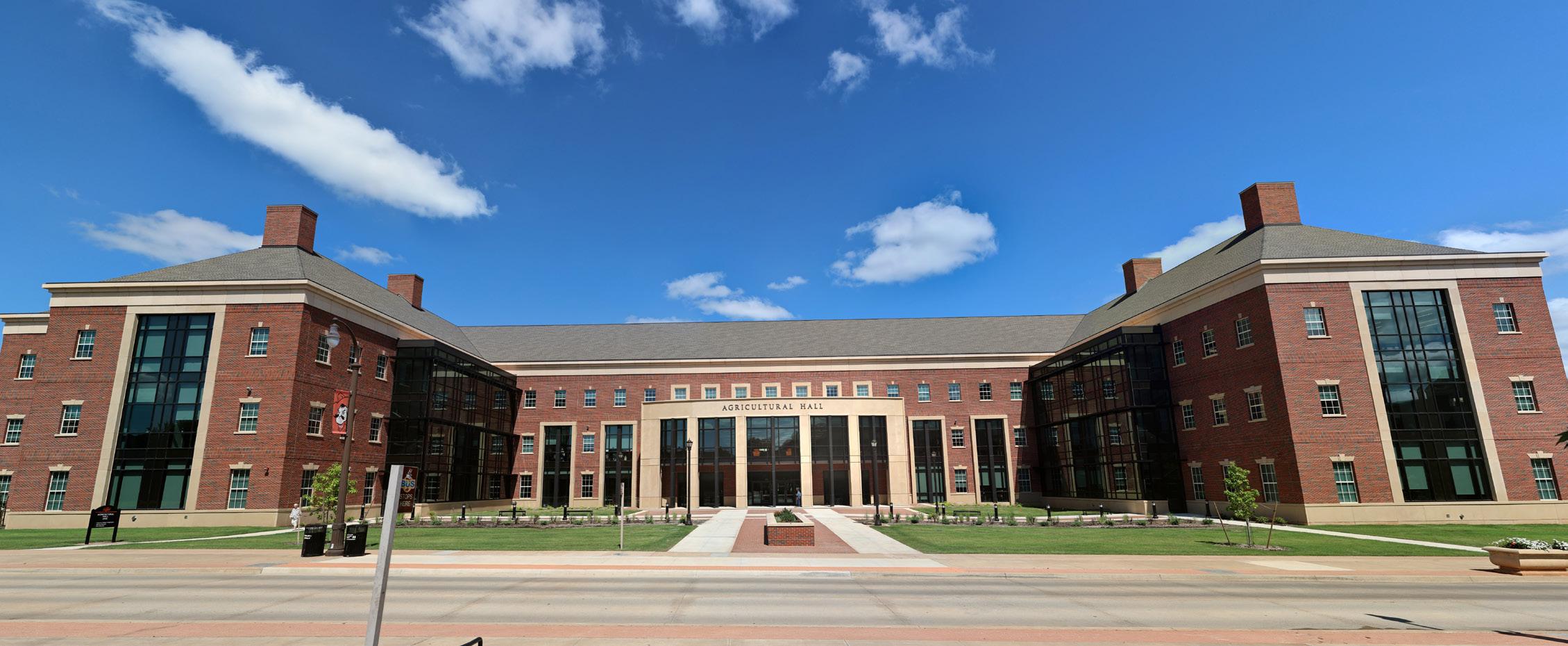
New Frontiers Agricultural Hall, known more commonly as Ag Hall, as seen fron the western entrance off of North Monroe Street.
Photo by Mitchell Alcala.
requirements to create a functional space for students, faculty, and staff, Winters added.
Dr. Raper cares a lot about people,” Coon said. “What students like about the new building is what he created for them. He wanted to make this building for students.”
With the former Agricultural Hall, now named Legacy Hall, housing few shared spaces, students would come for their scheduled class time and depart soon after.
This observation led Raper to think like a student and imagine an environment to enhance the academic experience, he said.
“He’s behind the scenes from a student perspective, but everything he did was student-focused,” Coon said.
Raper wanted spaces for student organizations and faculty gatherings as well as places to cultivate conversations and welcoming spaces to lounge, catch up or focus on the next task at hand, he said.
“All of the sudden, I’m seeing something tremendously rewarding, the way students are us-
ing the spaces,” Raper said.
The biggest difference between the new Agricultural Hall and the previous building is the designated areas for students to flourish, a credit to the design and contributing conversations from those who occupy it, Raper said.
“It all goes back to his character and his mission,” Winters said. “He is committed to the university, to its students, to its faculty and to the success of this building.”
For Raper, success is ensuring the space designed for students and faculty continue to be well used, he said.
As he lives out his ninth-grade dream of being an agricultural engineer, Raper said he will continue to apply the guiding principle of being people-focused for each upcoming project and development.
Story by Karstyn Cantrell, Cowboy Journal Volume 27, Number 1
Where is BAE Located Now?
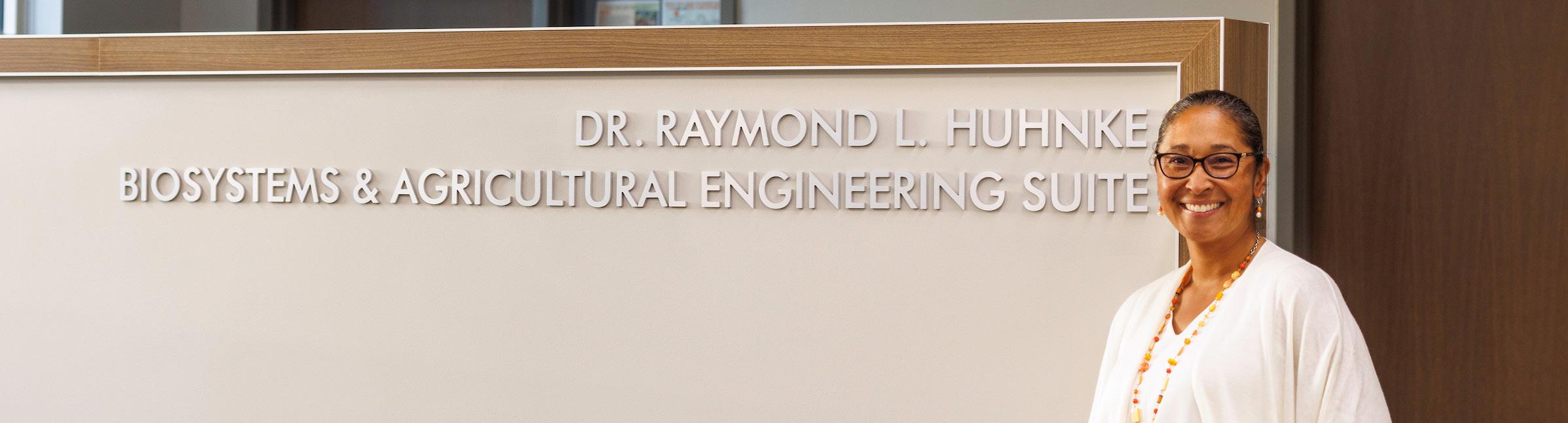
In July of 2024, the Department of Biosystems and Agricultural Engineering officially made the journey north on Monroe Street, relocating from Legacy Hall to the newly completed New Frontiers Agricultural Hall. The department’s office is now located in the northwest corner of the new building, on the second floor, in suite 215 – Dr. Raymond L. Huhnke Biosystems and Agricultural Engineering Suite.
There you will be greeted by our senior administrative support specialist, can have different needs and questions addressed by our administrative assistant, and interact with the department head. Further, you can engage with our undergraduate program coordinator, marketing and communications specialist, and research lab manager when she is not in the lab. The space is complete with newly furnished waiting areas, student employee workspace, and shared printing, mailing, and break areas. Down the hall, we also have the Ron and Zona Noyes named huddle hutch.
Departmental faculty have predominantly relocated to the new Ag Hall as well, with some remaining in the Robert M. Kerr Food and Agricultural Products Center and the Biosystems and Agricultural Engineering Lab on North Cleveland Street which continues to support our research, Extension, and teaching needs. Stop by when you can!
Making the Water Well

The average depth of a water well in Oklahoma is 175 feet deep, according to Oklahoma State University Extension. However, not all wells are equal.
OSU Extension in conjunction with the Oklahoma Water Resources Center provides free well water screenings to counties across Oklahoma. Kevin Wagner, director of OWRC, began this project in 2018.
The idea came to Wagner when he collected data from Oklahomans about water issues, he said, and their most common concern was access to safe drinking water.
“Helping people understand their water safety is the goal of this project,” Wagner said.
To create the water well screening project, Wagner worked with Karen Hickman, environmental science professor, and Tyson Ochsner, plant and soil sciences professor.
Anyone can bring well water samples for free screenings to collection events, which occur at fairgrounds, OSU Extension offices and libraries.
The only thing required of residents is to complete a contact sheet with their personal information and bring water samples in a new plastic water bottle with their names, location of where the water was drawn, and the time of collection clearly labeled on the outside of the bottle.
The samples are taken to the Biosystems and Agricultural Engineering lab on OSU’s Stillwater campus to be tested for E. coli, hardness levels, nitrate levels, total dissolved solids, arsenic and pH levels.
In the lab, James Lee, biosystems engineer-
ing junior, and Kaylin Hall, civil engineering sophomore, test the collected water and record the data.
After the data has been recorded, Jeff Sadler, water resources specialist for OSU Extension, reviews the test results and notifies well owners of their results via email.
Participants can expect results from the screening to be in their inbox within seven days of collection.
Sadler also provides participants and OSU Extension educators with educational materials after they have received their results. Sadler and his undergraduate students have conducted in-person meetings where residents can ask questions and learn firsthand how to keep their drinking water safe, Sadler said.
“We provide well owners with guidance and resources,” Wagner said.
The Rural Renewal Initiative at OSU has provided additional help by assigning student scholars to the project. Rayna Ellison, environmental science alumna, worked in southwest Oklahoma and collected water samples when the program was in the beginning stages.
“Through Rayna’s data, we found the nitrate levels were relatively normal in the samples submitted,” Ochsner said. “What surprised me to some extent was the total coliform and E. coli levels. They were concerning and unex- pected.”
These results provided even more of an increased need for the program, Ochsner added.
Since the initial pilot phase, well water screenings have taken place in many areas
Undergraduate research assistant Kaylin Hall tests the pH level of a water sample collected in Osage County. Photo by Landri Chaplin.
Land-Grant Award for Excellence
Dr. Jeff Sadler
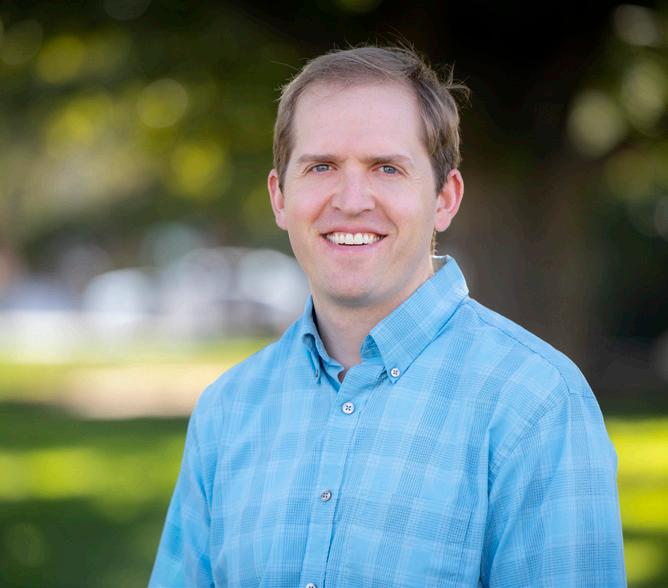
The achievements of our very own Jeff Sadler, BAE Assistant Professor and Extension Specialist in water resources engineering, were recognized when he received the Land-Grant Award for Excellence during the Oklahoma State University Awards Convocation ceremony in December. This award was established to recognize a faculty member whose exemplary contributions promote the land-grant mission of Oklahoma State University.
Dr. Sadler started his faculty career in the department in July 2022 and within a short period of time has made significant contributions to scholarly excellence and impact. He has brought critical expertise to OSU in the area of data science and artificial intelligence and as a well-balanced faculty member is consistently promoting those areas that help us achieve our land-grant commitments—student success as a result of mentorship and offering enrichment experiences with undergraduate research, innovative and hands-on instruction and scholarship of teaching; developing ideal graduates who are prepared professionally and have an appreciation for emerging technologies; and advancing our engineering knowledge and capabilities to solve sustainability and community water challenges through integrated research and Extension work.
The excellence in his outreach programming and research has also been recently recognized by others positively impacted by his innovation, service, and dedication—Dr. Sadler earned the 2024 Rural Health Educator of the Year Award from the OK Rural Health Association, and the 2024 Early Career Research Excellence Award from the International Environmental Modelling and Software Society (iEMSs). Congratulations, Dr. Sadler!
of Oklahoma. One of the more popular collections took place in Alfalfa County in the spring of 2022.
“We collected over 100 samples in Cherokee, Oklahoma,” Wagner said.
Citizens specifically asked to have the sulfate levels tested, Wagner said. At the time, the lab had no ability to measure sulfate, so they worked to locate a test. As suspected, the water collected in Alfalfa County was high in sulfate, Wagner continued.
Water screenings have taken place in about a dozen counties across Oklahoma, and 24 water well testing events are planned for 2024. Each event will include drinking water quality education programs and regional water quality health assessments.
“We find a lot of samples have bacteria,” Wagner said. “We recommend the owners get a sample retested by a certified lab and find another source of drinking water.”
For some issues, owners can implement ways to improve their water quality, he said. For example, if a water sample has high amounts of nitrates, the owner can install specific filters.
“Everyone should have access to clean, safe drinking water,” Ochsner said. “It’s a basic human need.”
Well owners should have their water tested once a year for bacteria and once every three years for other elements, Wagner said.
Ochsner said he appreciates the work Wagner is doing to ensure Oklahomans know their drinking water is safe.
“My goal is to reach every county, inform- ing them about water quality potential,” Wagner said.
Photos and Story by Landri Chaplin Cowboy Journal, Volume 26, Number 1
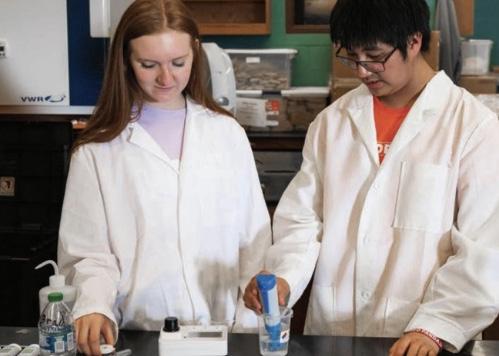
Kaylin Hall and James Lee test the pH level of water samples collected in Osage County.
Photo by Landri Chaplin.
Dr. Mirchi Named Whatley Award Recipient
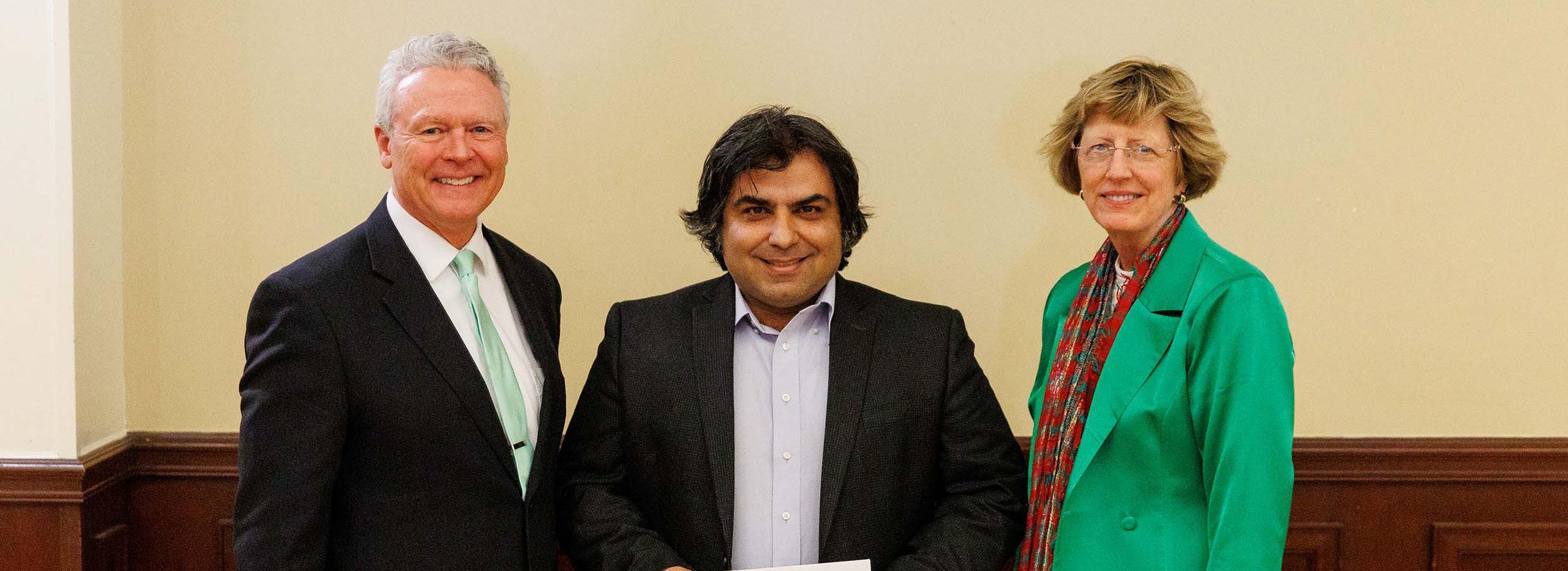
Oklahoma State University’s Ali Mirchi has been named the 2024 recipient of the James A. Whatley Award for Meritorious Research in Agricultural Sciences by the OSU Division of Agricultural Science and Natural Resources.
First recognized in 1982, the award is presented annually and recognizes outstanding research contributions to advancements in agricultural sciences.
Mirchi, associate professor in the OSU Department of Biosystems and Agricultural Engineering, received the prestigious award last month during the OSU Agriculture Appreciation and Awards Luncheon.
“I am truly honored to receive this recognition,” Mirchi said. “Addressing water resources challenges in agriculture presents exciting research opportunities, but it also means tackling real problems that impact farmers and communities on the front lines of food security and environmental protection. I take these challenges seriously and work closely with stakeholders to find solutions that drive realworld action.”
Mirchi’s research program supports sustainable human-environmental systems, considering possible, probable and preferable futures of water availability and quality.
He focuses on developing tools, guiding policies, and advising on management interventions to foster healthy ecosystems and sustainable agriculture. These efforts support food, feed and fiber production and resource management amid challenges caused by climate change, urbanization, irrigation expansion and fragile ecosystems.
Mirchi’s research has advanced climateinformed adaptation planning for U.S. and overseas sustainable water futures facing limited resources, increasing demand, competing interests, environmental problems and growing uncertainties.
“I am proud to have built an internationally visible interdisciplinary research program with a solid funding stream to make outstanding contributions to the field of water resources and mentor highly competent early career scholars,” he said.
Mirchi’s collaborations have led to 70 journal articles in prestigious scientific journals, including an article in the “Journal of American Water Resources Association” that was recognized as one of its most cited papers in 2023. He published eight peer-reviewed manuscripts in 2023 and 10 manuscripts in 2024.
Scott Senseman, associate vice president of Oklahoma State University Ag Research, and Damona Doye, associate vice president of OSU Extension, present Ali Mirchi, associate professor in the OSU Department of Biosystems and Agricultural Engineering, with the James A. Whatley Award for Meritorious Research in Agricultural Sciences. Photo by Mitchell Alcala.
In addition, Mirchi produces at least 10 presentations per year at state, national and international conferences to enhance the exposure of his program and train graduate students and post-doctoral scholars.
Mirchi is an exceptionally productive faculty
Dr. Mirchi Announced as Associate Director of OK Water Resources Center
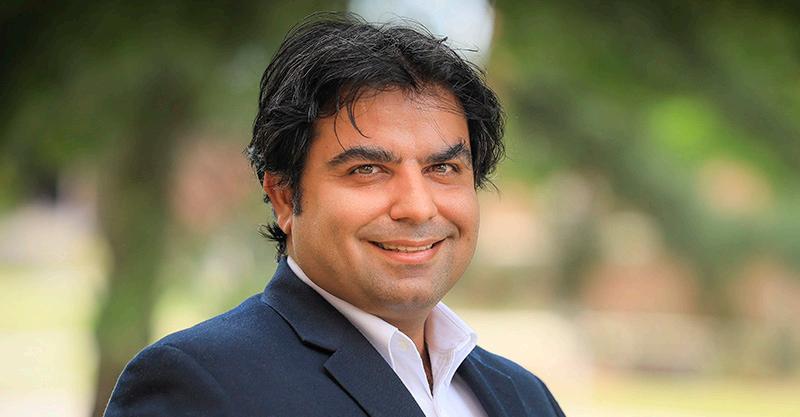
Oklahoma State University Agriculture has announced Ali Mirchi, associate professor of water resources engineering, will serve as the new associate director of the Oklahoma Water Resources Center at OSU. The OSU A&M Board of Regents approved the action on Jan. 31, 2025.
Mirchi is expected to be a strong addition to the Oklahoma Water Resources Center team. His background in water resources systems modeling includes simulation and watershed hydrologic modeling to support water sustainability.
As associate director, Mirchi will interact with various agencies, agricultural producers, tribal partners, environmental groups and researchers to develop interdisciplinary research initiatives that address stakeholders’ technical needs. He will also remain a faculty member in the OSU Department of Biosystems and Agricultural Engineering.

member who has excelled in research scholarship with significant national and international impact, said Mari Chinn, biosystems and agricultural engineering professor and department head.
“Dr. Mirchi has demonstrated the commitment and ability to serve as a leader of novel, high-impact research that addresses the most pressing water resources challenges of the 21st century that threaten our food security and ecosystem sustainability,” she said. “His accomplishments contribute to our reputation as a well-recognized land-grant, tier-one research institution with a long and rich history of water resources programs.”
Mirchi has been recognized not only at OSU but also worldwide.
Past achievements include being named an OSU nominee for the Blavatnic National Awards for Young Scientists in Physical Sciences and Engineering, U.S. Department of Agriculture National Institute of Food and Agriculture Partnership Award for Program Improvement through Global Engagement, 2021 Early Career Award for Applied Research from The Universities Council on Water Resources, Communication Award for a Fact Sheet from the Oklahoma Association of Extension Agriculture Agents, Outstanding Reviewer for the American Geophysical Union, and ArabAmerican Frontiers Fellow from the U.S. National Academies of Science, Engineering and Medicine, to name a few.
“I am proud of his accomplishments and the distinguishing impact of his programs internationally,” Chinn said. “He is an extremely valuable faculty member to the department, division and OSU.
To visit the Oklahoma Water Resources Center website - scan this QR code. For more information about this and other Extension programs with BAE ties, visit bae.okstate. edu.
Whatley, in whose name the award is presented, was an animal geneticist who became director of the Oklahoma Agricultural Experiment Station system and dean of the division, which is comprised of the OSU Ferguson College of Agriculture and two state agencies: OSU Extension and OSU Ag Research. Whatley served OSU for 41 years.
Story by Mandy Gross, Senior Manager of Strategic and VP Communications
Weckler inducted in 2024 class of ASABE Fellows
Paul Weckler, PE, and retired professor for the Department of Biosystems and Agricultural Engineering at Oklahoma State University, is being honored for his dedication to research, teaching, and student development through academic and culturally diverse learning.
He conducted interdisciplinary research and development in the areas of electro-mechanical system engineering, sensors, instrumentation and automation. He offers engineering consulting in the agriculture, energy, food and aerospace industries that includes patent litigation, product liability and safety, energy efficiency analysis, and new product development.
Weckler served as a co-director of the Rural Renewal Initiative, one of OSU’s four tier 1 research initiatives. The Rural Renewal Initiative supports the Land-Grant mission of OSU, utilizes the skills and experience of the entire OSU system, and attracts significant external funding. Weckler was PI and co-director of the OSU application engineering program titled, “Enhancing the Oklahoma Alliance for Manufacturing Excellence with Applications Engineers in Rural Areas.”
Before joining Oklahoma State University, Weckler was on the faculty of California Polytechnic State University-San Luis Obispo. His post-graduate experience includes senior engineering positions with the Electro Optical Systems Division of Litton Industries and with
Aeromet Inc. involving the design, fabrication, calibration, field deployment and data reduction of airborne optical sensor systems.
In recent years, he has done significant international engineering work in Mongolia, Honduras, Guatemala and China. Weckler served 14 years as OSU’s Engineers Without Borders (EWB) advisor. He initiated and integrated the EWB international project work into OSU’s College of Engineering, Architecture and Technology (CEAT) Study Abroad Program, resulting in his development of two new CEAT service
Other Notable OSU-BAE Fellows of ASABE
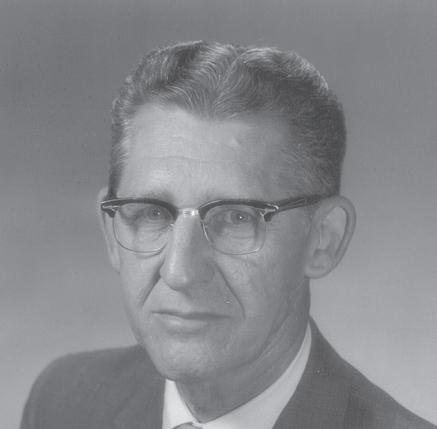
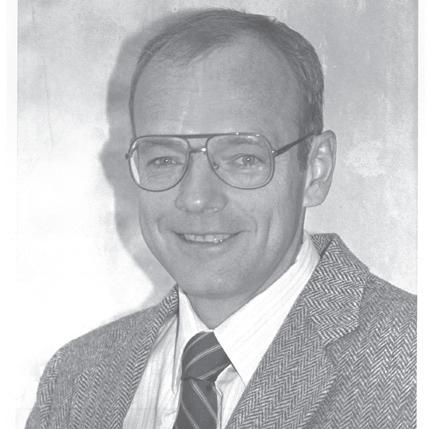
Dr. Ervin W. Schroeder OSU Faculty from 1947-1974 Department Head ASABE Fellow, 1969
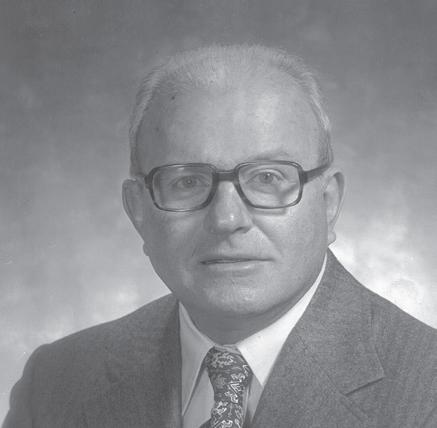
Dr. Jay G. Porterfield OSU Faculty from 1952-1982 Department Head ASABE Fellow, 1973
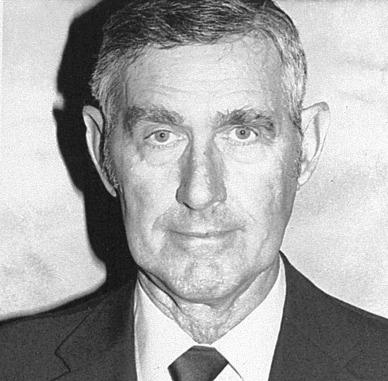
Dr. Wendell Bowers OSU Faculty from 1967-1985 ASABE Fellow, 1978
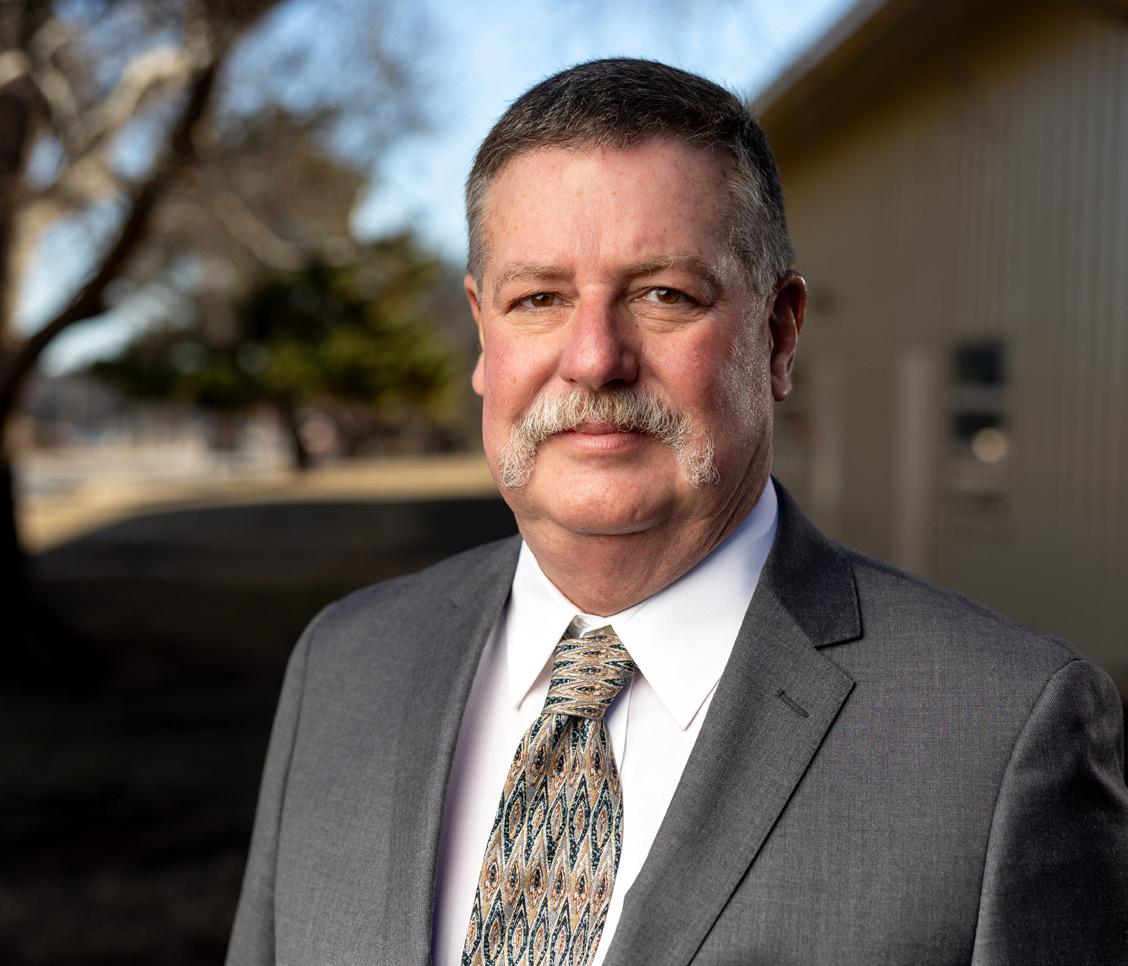
Dr. Paul Weckler pictured outside of the Biosystems and Agricultural Engineering Lab. Photo by Mitchell Alcala.
Dr. C. Thomas Haan OSU Faculty from 1978-2000 Department Head ASABE Fellow, 1988
learning courses.
Weckler is a 36-year ASABE member. He has been extensively involved as a member and leader within the ASABE Information Technology, Sensors and Control Systems, Education, Outreach and Professional Development, and Machinery Systems Technical Communities. He has received several awards throughout his career including the Massey-Ferguson Educational Gold Medal from ASABE.
Weckler has supervised 125 industry sponsored, real-world capstone senior design teams and has secured over $400,000 in project funding. Over $350,000 in cost savings have been realized by senior design clients, as well as 49 jobs created and at least 30 jobs retained. In addition, he was co-PI on a $465,595 USDA Higher Education Challenge grant for a true interdisciplinary capstone senior project experience. Weckler is author or coauthor of more than 200 peer-reviewed articles, conference proceeding papers, and other publications.
Provided by ASABE
Innovation at the Intersection
“A world where all have the food, water, energy, fiber, and safe environment needed to thrive,”
- Vision Statement of the ASABE
Agricultural engineering has provided unique and impactful expertise, programs and services within both the agriculture, natural resources and engineering domains at Oklahoma State University since the turn of the century. Listed under a variety of names ranging from farm engineering and farm mechanics to agricultural engineering, the course work and required hours
for degree conferral varied throughout the first 24 years of the program. While today’s classes feature significantly less blacksmithing or carpentry and require fewer hours operating steam engines or working with threshing crews, the intentions remain the same, to further the productivity, profitability, and innovation in agriculture and life sciences through engineering and technology. At OSU, those intentions have been propelled into the future by the hard work and dedication of our esteemed faculty.
In a timeline running parallel to the development of, what is now, the Department of Biosystems and Agricultural Engineering at our university, an industry relevant society began to develop at another land-grant institution. Beginning in 1907, the American Society of Agricultural Engineering, now the American Society of Agricultural and Biological Engineers, formally organized at the University of Wisconsin-Madison. The highest grade within this society is that of Fellow, defined by the organization as “a member of unusual professional distinction, with outstanding and extraordinary qualifications and experience in, or related to, the field of agricultural, food, or biological systems engineering.”
Nomination for fellowship requires lists of professional accomplishments, contributions of record, and references from at least six other ASABE members, in addition to 20 years of professional experience in or teaching engineering as well as 20 years of active membership in ASABE.
According to Dr. Ronald Elliott, former BAE department head, emeritus faculty and ASABE Fellow, nomination to the grade of Fellow is the “recognition of a career’s accomplishments by
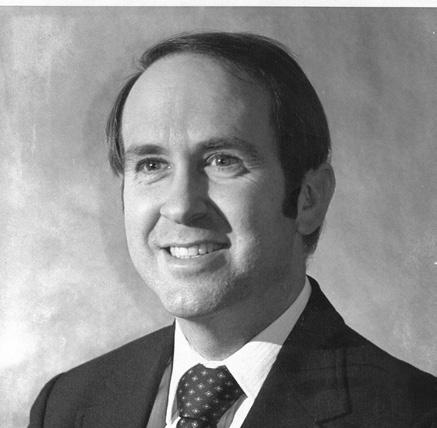
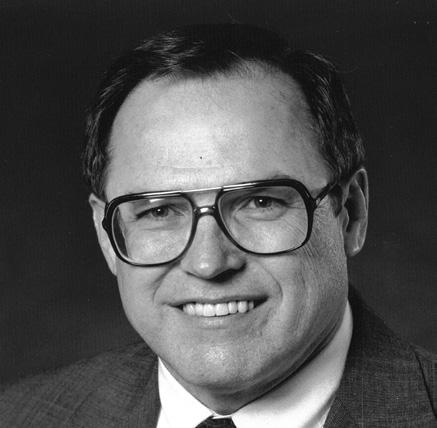
Other Notable OSU-BAE Fellows of ASABE
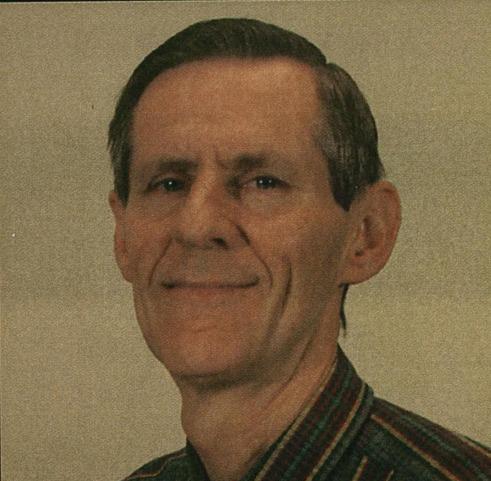
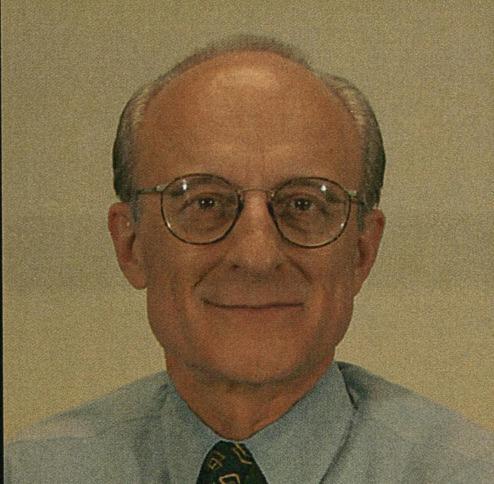
Dr. Gerald Brusewitz OSU Faculty from 1969-2003
Professor
Fellow, 1990
Dr. David R. Thompson
Faculty fro 1985-2013
Dr. Glenn A. Kranzler
OSU Faculty from 1982-2004
Fellow, 1996
Dr. Bill Barfield
Faculty from 1992-2004
your peers.”
The benefits of having a historic line of faculty ornamented with Fellows is that it encourages both the students and the faculty that follow to pursue membership in professional organizations and make significant contributions to the profession.
“We have a professional responsibility to give back to the profession through activity and organization as a means to continue the legacy,” Dr. Elliott stated, emphasizing that membership serves “to continue an extension of the participation in student organizations with professionals, to in turn start establishing community outside of the collegiate experience.”
In the last 118 years of ASABE’s organizational history, our BAE department has had 17 faculty attain the rank of Fellow while in service to OSU, with an additional 4 previous faculty named while serving other institutions. The 17 faculty who have attained the rank of ASABE Fellow have a combined over 450 years of educational service to OSU, with the following individual distinctions:
•6 have dedicated service as department head
•4 have been awarded the classification of Regents Professor
•3 have dedicated service as executive leadership in Extension operations
•4 have co-founded and directed an OSU Center or major initiative that established meaningful education, research, and Extension expertise and services to Oklahoma and regional stakeholders
•2 have dedicated service in administrative leadership in college operations
Other Notable
The footprint of the BAE faculty who have been honored as Fellow reflects excellence in the profession and meaningful impacts toward the missions and visions of the ASABE and the university. Our faculty Fellows have promoted engineering and technology through education, research and outreach, resulting in lasting contributions and productive outcomes in production agriculture and the conservation and management of natural resources.
Examples of this include faculty members Dr. Marvin Stone and Dr. John Solie whose innovative research efforts contributed to the development of revolutionary tools, such as the GreenSeeker™ crop sensor for nutrient management and precision agriculture. Dr. Billy Barfield co-founded the New Product Development Center, which continues to connect community innovators with engineering design expertise for technical and inventor assistance and research and development. Dr. David
OSU-BAE Fellows OF ASABE
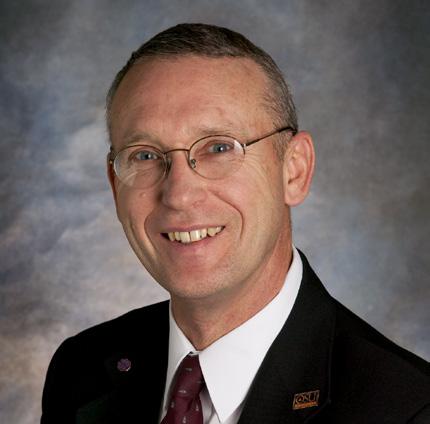
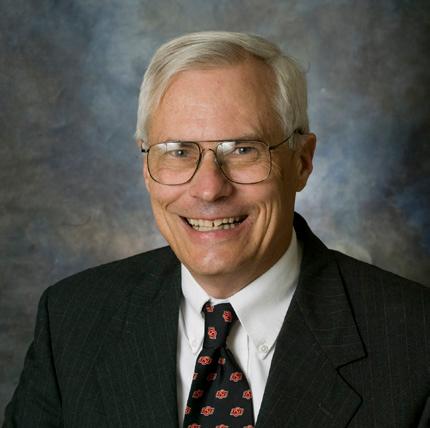
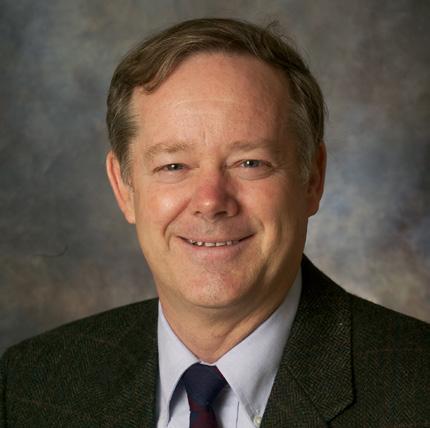
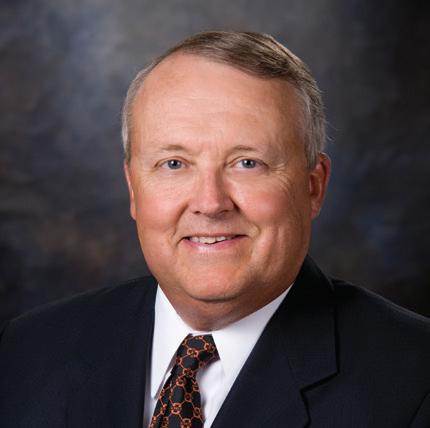
Dr. Raymond L. Huhnke
Faculty from 1980-2021
Dr. John B. Solie OSU Faculty from 1982-2010 ASABE Fellow, 2004
Dr. Marvin L. Stone OSU Faculty from 1982-2006 Regents Professor ASABE Fellow, 2004
Dr. Ronald L. Elliott OSU Faculty 1981-2010 Department Head Co-founder of the Oklahoma Mesonet ASABE Fellow, 2004
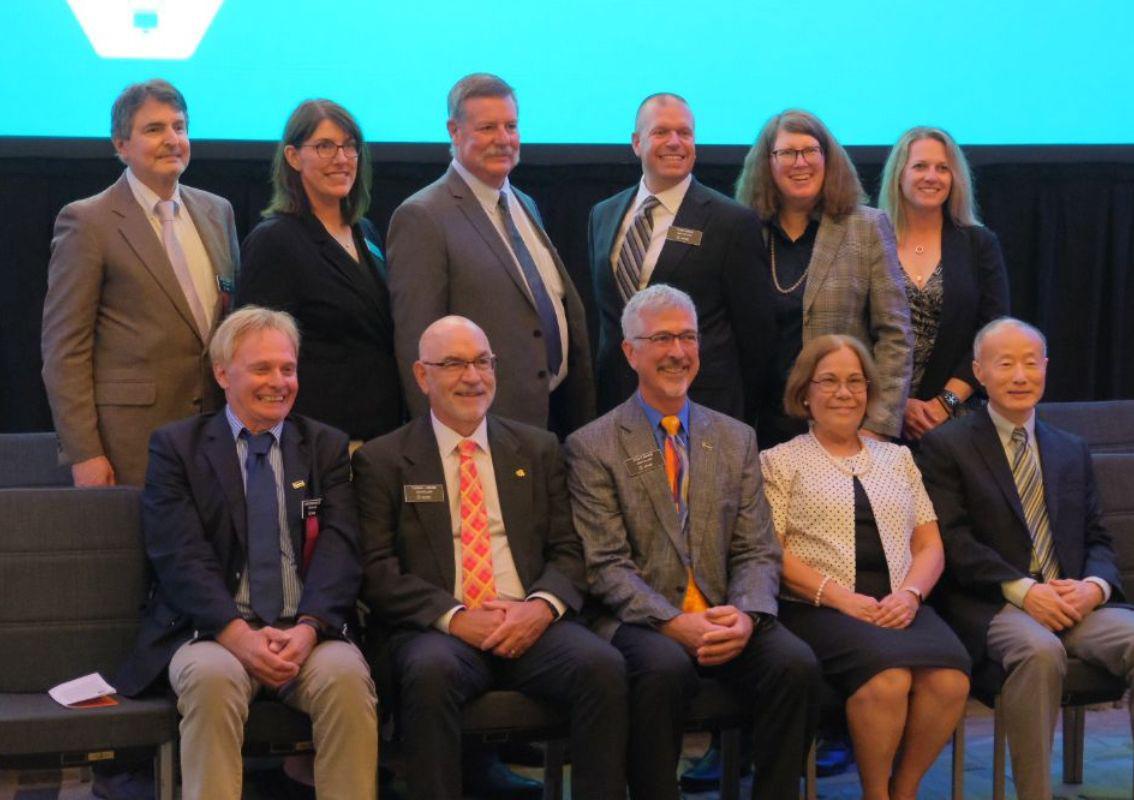
The 2024 ASABE Fellows Class, featuring Dr. Paul Weckler. Photo by Dr. Mari Chinn.
Prominent Leadership Roles in ASABE
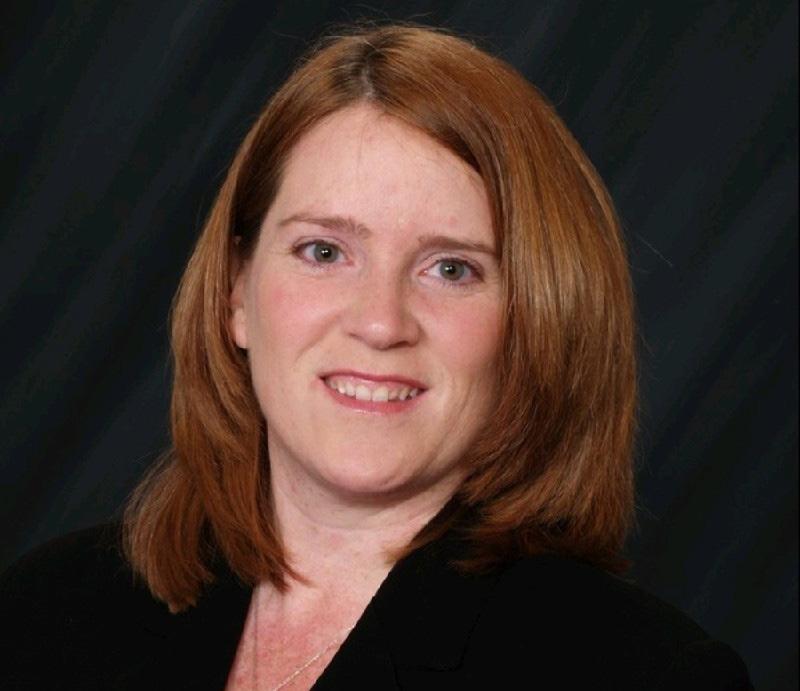
In addition to our faculty fellows, the Department of Biosystems and Agricultural Engineering is honored to have had 21 departmental alumni become ASABE Fellows. Three of these alumni would later become ASABE presidents, one of which is the organization’s current president, Sherry Hunt, pictured above.
According to Dr. Ron Elliott, 5.1% of all ASABE fellows have a connection to Oklahoma State University, either as alumni, faculty member, or both. This long-standing and rich tradition of academic success among this department’s faculty is directly reflected in the success of their former students- a testament to their continued legacy of excellence. These Fellows have positively impacted both the department’s culture and the engineering profession.
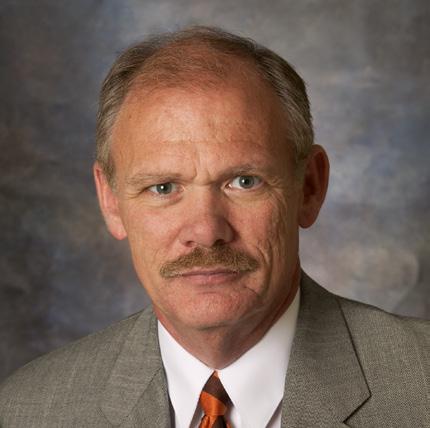

by influencing accreditation processes to focus on outputs for both the Accreditation Board of Engineering and Technology (ABET) and the International Fire Service Accreditation Congress (IFSAC), of which he supported in development. Dr. Thomas Haan’s work and guidance on hydrology connected the university with other private and public research groups, creating strong ties to the United States Department of Agriculture’s Agricultural Research Service and Natural Resources Conservation Service.
The legacy of biosystems and agricultural engineering at OSU is deeply rooted in both innovation and service, as reflected by the accomplishments of its faculty and their recognition by professional societies like ASABE. The distinction of Fellow is not only a mark of individual excellence, but also a reflection of the department’s enduring commitment to advancing engineering for the betterment of society. Through decades of leadership, research, and community engagement, these faculty members have not only shaped the direction of the department but have also inspired future generations of engineers to lead with integrity and purpose. As we look to the future, the foundation laid by these Fellows ensures that OSU will continue to be a driving force in biosystems and agricultural engineering - where tradition fuels innovation, and excellence remains the standard.
Story by Jessica Busby
Photos of the ASABE fellows courtesy of OSU Library Archives and the Department of Biosystems and Agricultural Engineering
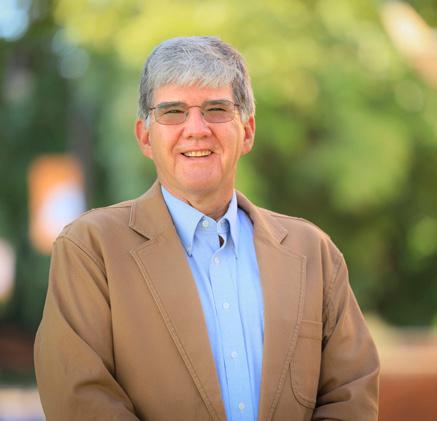
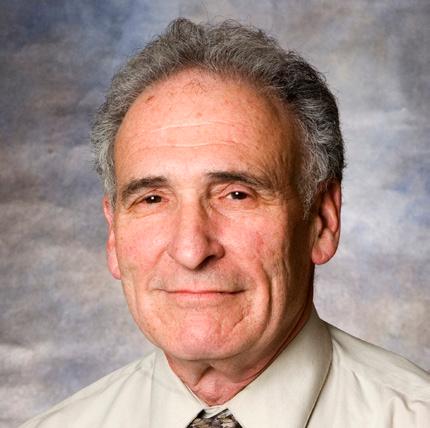
1987-2018
2012
2016
2016
Dr. Glenn O. Brown OSU Faculty from
Regents Professor ASABE Fellow,
Dr. Randal K. Taylor OSU Faculty from 2005-2024 ASABE Fellow, 2014
Dr. Randy L. Raper OSU Faculty from 2012-present DASNR Assistant Vice President ASABE Fellow,
Dr Michael D. Smolen OSU Faculty from 1990-2010 ASABE Fellow,
Engineering Excellence
Nearly 30 years ago, two engineers in the Oklahoma State University Ferguson College of Agriculture forged a plan to provide engineering assistance to manufacturers across rural Oklahoma. Today, their plans have expanded and continue to help hundreds of businesses throughout the state.
In 1997, the OSU Department of Biosystems and Agricultural Engineering united with the Oklahoma Manufacturing Alliance to create the applications engineering program.
BAE faculty Bill Barfield and Sam Harp founded the applications engineering program for the engineers at OSU to assist Oklahoma manufacturers with their production and economic needs, said Rajesh Krishnamurthy, senior applications engineer and program manager.
“Barfield and Harp wanted to increase the competitiveness of small- and medium-sized manufacturers,” Krishnamurthy said. “The applications engineering program was created to provide manufacturers with on-site, oneon-one engineering assistance and technology transfer services throughout Oklahoma.”
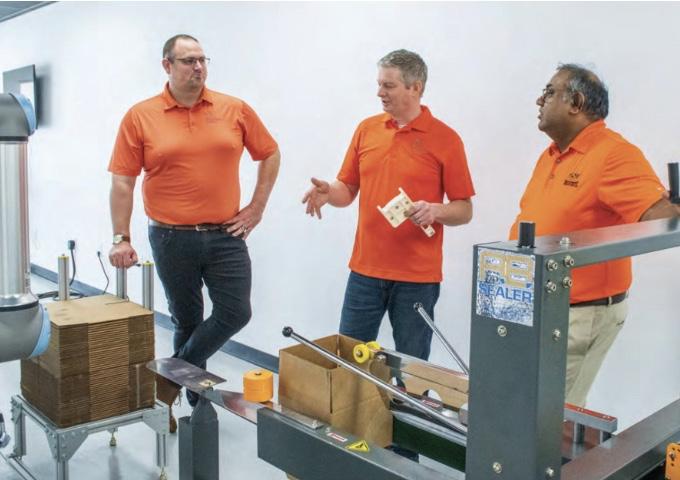
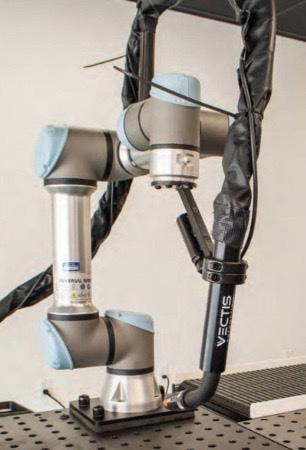
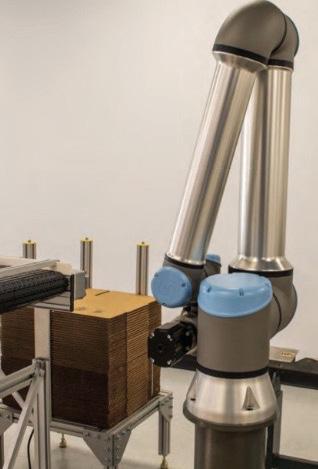
OSU’s applications engineers introduce new technology like collaborative robots to manufacturers across the state. The cobots work side-by-side with humans in assembly lines to complete tasks and increase productivity, Krishnamurthy added.
The partnership between applications engineers and the OMA makes short-term, project-related services available to manufacturers through resources of OSU’s applications engineering program, said Joe Epperley, OMA communications director.
“The Oklahoma Manufacturing Alliance exists to help small- and medium-sized manufacturers become more efficient and more successful through technology integration and supply chain management,” Epperley said. “This partnership with the applications engineering program was a big need for the manufacturers who didn’t have access to these types of engineering services.”
Applications engineering has allowed manufacturers a 67-to-1 return on taxpayer investments and has saved Oklahoma manufacturers more than $15 million since its inception. Those numbers are only continuing to grow, Krishnamurthy said.
“This program is 27 years old and still has a lot of impact to this day in how we provide engineering services to the state,” said Mari Chinn, OSU BAE department head.
The program has five key metrics: increase
Supporting our Continued Faculty Excellence
Supporting and developing faculty excellence is critical to our continued success. We would love to provide meaningful resources to advance their professional development and create new opportunities for them to engage other professionals that add scientific and community value.
Please consider contributing to our faculty and staff development fund, found by scanning this QR code or by visiting the giving page at https://bit.ly/BAEFacultyFund.

Andrew Huffman (left), Ben Alexander and Rajesh Krishnamurthy test the cobot setup at the applications engineering lab in Catoosa, Oklahoma. The state-of-the-art lab is designed to educate business owners, politicians and students about automated technological advances for manufacturing. Photo by Laney Reasner.
sales, retain sales, increase jobs, retain jobs and save on costs. Krishnamurthy said the OMA is a key player in ensuring these metrics are met within the industry partners.
The OMA employs eight manufacturing extension agents who work with OSU Extension educators across the state to help manufacturers identify technology assistance-related opportunities, Krishnamurthy said.
The applications engineers program also influences the Oklahoma manufacturing industry through BAE’s senior design projects.
The applications engineers work with senior biosystems engineering students at OSU to develop and implement new technologies that as- sist Oklahoma manufacturers, Chinn said, and these working relationships can help lead to job opportunities for our OSU graduates.
“Our department bridges between the College of Engineering, Architecture and Technology and OSU Agriculture, so we are able to connect all the necessary expertise to provide to the state,” Chinn said.
In the past, the applications engineers were limited to only showcasing mobile technologies, but with the new “brick and mortar” lab in Catoosa, Oklahoma, manufacturers can see some technology that is not as portable, said Ben Alexander Sr., applications engineer.
Alexander, alongside application engineers Andrew Huffman, work with OMA staff and BAE faculty and are able to fulfill the applications engineering mission from the state-of-the-art technology lab, he added.
In the lab, Oklahoma manufacturers can experiment with a variety of cutting-edge technologies, including cobots, 3D printers and more.
“The lab is a new demonstration facility to highlight robotics and automation,” Chinn said. “It’s an opportunity for learning, knowledge
gaining and technology transfer.”
The Catoosa lab, funded by the OMA, is modeled after a full-facility system, showing how cobots can be used to create a product, test its integrity, package it and prepare the packaged products for shipping.
In addition to this circuit, a second area in the lab allows experimentation with heavy-duty 3D printers and high-tech interactive white- boards.
“The lab is designed to show manufacturers what and how they could use cobots for in their businesses,” Alexander said.
The lab opened in March 2024 and allows manufacturers, politicians, educators, and others to experience technology designed by OSU’s applications engineers.
“We make sure that whatever we do we engage in sustainability,” Krishnamurthy said. “If no one on staff can operate the equipment we provide, it isn’t a sustainable solution.
“Manufacturers need to have some engineers and trained technical staff on their team for successful adoption of technology.”
As the program continues to grow, the applications engineers hope to become more involved with undergraduate student workers, Krishnamurthy said.
“Applications engineers have done many different projects from helping optimize processes to adjusting facility layouts,” Chinn said. “Sometimes they are heavily involved in devising new approaches and technologies that can be adopted by industry to make businesses operate better.
“It is inspiring to witness the impact this program has had on the state and recognize its beginnings as a vision and seed that blossomed from the agricultural engineering program,” Chinn added.
Story by Laney Reasner, Cowboy Journal
Volume 26, Number 2

For more information on the Application Engineer Extension program and the faculty and staff engineers who support it, scan this QR code or visit us online at extension. okstate.edu/programs/engineering-assistance/
Examples of cobots, the term for collaborative robots, designed to work alongside humans and other semi-autonomous systems. Photos courtesy of Laney Reasner.
Skilled Communicators
In early September, two students were selected as recipients of the Presentation Excellence Award at the 2024 American Society of Agricultural and Biological Engineers annual conference.
Kasra Khodkar, a Ph.D. student in the School of Biosystems and Agricultural Engineering, working with Dr. Ali Mirchi as a graduate research assistant and Nathaniel Bolujoko, a Ph.D. student studying environmental science who works with Dr. Kiranmayi Mangalgiri as a graduate research assistant in BAE, received the honor over the summer.
Khodkar is from Tabriz, East Azerbaijan, Iran, with a research focus on water resources management and hydrology.
Nathaniel Bolujoko is from Kwara State, Nigeria, and focuses on understanding the fate of contaminants of emerging concerns such as antibiotics during the process of recovering phosphorus from swine wastewater that becomes a material known as struvite.
While they weren’t both working directly together on research, Khodkar and Bolujoko both worked together within the Biosystems and Agricultural Engineering Graduate Student Association. Khodkar was vice president while Bolujoko was the secretary, and Khodkar served as president when Bolujoko was the vice-president. Bolujoko is now president of the organization starting this semester.
Bolujoko said the two of them have developed a friendship that extends beyond their time on campus.
“It’s been amazing actually because we can just discuss anything happening,” Bolujoko said. “Not just in the department but outside of the department as well. It’s not just professional. It’s a personal relationship, so it’s been good working with Kasra.”
Khodkar said he has also made a good friend in the time he has known Bolujoko.
“I have enjoyed my time working with him. He has been a very good team member,” Khodkar said.
Presenting at the ASABE conference
While at the ASABE conference in June, both
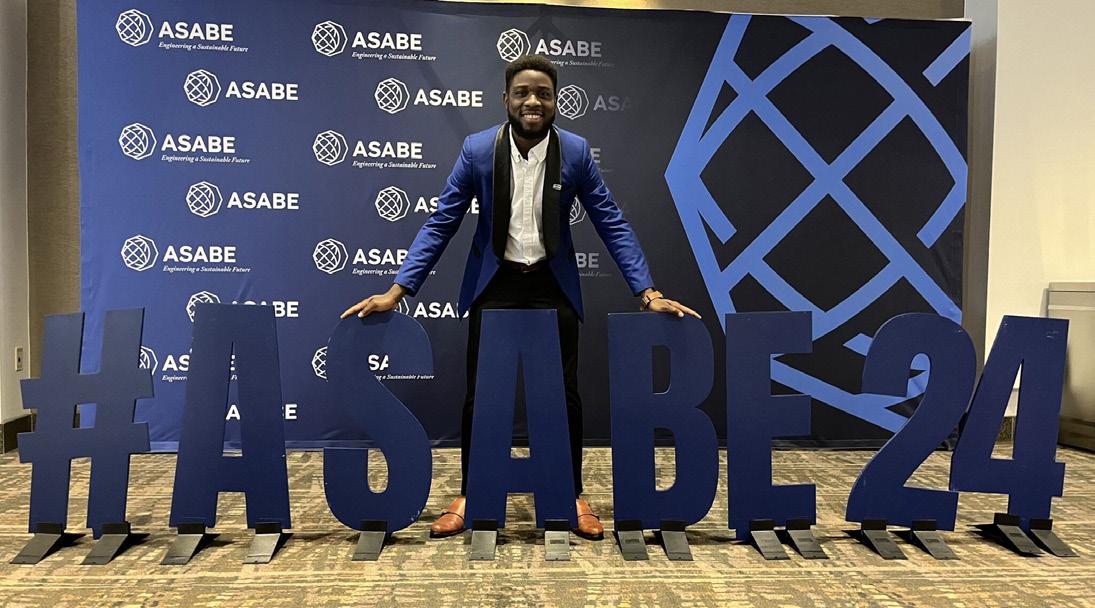
students presented posters of their research and were awarded the Presentation Excellence Award.
“In this presentation, I discussed that antibiotic residues in swine wastewater can co-recover with phosphorus product (struvite) recovered from swine wastewater,” Bolujoko said. “In addition, I discussed various factors that contribute to this. The contamination of struvite with antibiotics poses a significant threat to both humans and the environment, as this could lead to the spread of antibiotic resistance.”
Khodkar’s research focused on watershed scale modeling of water salinity in the Upper Red River Basin.
“Reoccurring droughts and increasing demand for water draws attention of water resources experts to assess the potential utility of the available saline water resources, particularly for saline water irrigation of salt tolerant crops,” Khodkar said. “However, using saline water resources can interrupt the salinity balance in watersheds and basins, and result in adverse agroecosystems impacts. Thus, modeling and simulation of any saline water usage is required before making any suggestions.”
Khodkar said the importance of studying water salinity is integral because of the global necessity of having more usable water.
“There are many regions around the world, facing water salinity problems, saltwater/seawater intrusion, and freshwater scarcity, which
Nathaniel Bolujoko is all-smiles after presenting during the 2024 ASABE annual meeting. Photo courtesy of Nathaniel Bolujoku.
the modeling framework we are developing can be used for informing the water resources managers,” Khodkar said.
Bolujoko said studying antibiotic residues in water resources can shed light on their impact on the environment.
“My research is important in understanding the various ways by which antibiotic residues are reintroduced into the environment, the potential impacts on humans and the environment, and developing ways to minimize the spread of antibiotics, ensuring the protection of humans and the environment,” Bolujoko said.
The importance of pursuing Ph.D.s
While Khodkar was an undergraduate student he took a hydrology course where he learned of water-related issues around the world. This led him to pursue water-related research while working to get his master’s degree and Ph.D.
“When I came across the opportunity of doing water research at Biosystems and Agricultural Engineering department of OSU, I did not hesitate to take it,” Khodkar said. “I was really looking forward for potential professional development and research opportunities at OSU as a land-grant institution, and I can say I found more than what I expected.”
Bolujoko was inspired by his desire to attend graduate school. He has always been interested in research, especially relating to the environment and human health. He also wants to inspire members of his family by achieving his goal of obtaining his Ph.D.
“I have a strong desire to earn a Ph.D. and become the first person in my family to achieve this academic distinction, inspiring future generations,” he said.
Finding mentorship as CEAT students
Within CEAT, both students have been able to find guidance from a wide variety of mentors. These mentors have provided a well-rounded layer of support for both students.
Bolujoko said Dr. Kiranmayi Mangalgiri has been a one of his greatest advisors and that he appreciates how she is open to new ideas.
“In the past few years that I’ve worked with her, I have experienced growth, not only in my personal life, but professionally as well,” Bolujoko said. “I think that what I’ve been able to do and the awards on campus I have been able to win are because of her contributions. Working with her has been an amazing part of my experience.”
Khodkar said he has received tremendous support, not only in research and coursework, but help with his communication skills, expanding his professional network, helping him acclimate to the academic environment in the U.S. and helping him through some tough times.
“I am glad I took this opportunity to be a member of the Orange Family,” Khodkar said. “Awards, goals, and even the degree I am seeking are great achievements. However, I think the process, the path we are going through is more educating and in my opinion is more valuable.”
Story by Tanner Holubar
Photos courtesy of the College of Engineering, Architecture, and Technology
Additional Recent Accolades
Nathaniel Bolojuko
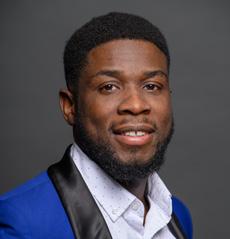
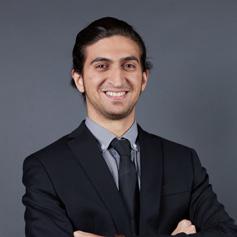
OSU Foundation Distinguished Graduate Fellowship, Robberson Summer Dissertation Fellowship, First place, Ferguson College 3Minute Thesis Competition
Kasra Khodkar
First place in Student Oral Presentations at the 2024 Joint Water Resources Conference, Winner, ASABE Oral/Poster Competition for ITSC, 2024 ASABE Fountain Wars Winning Team Member
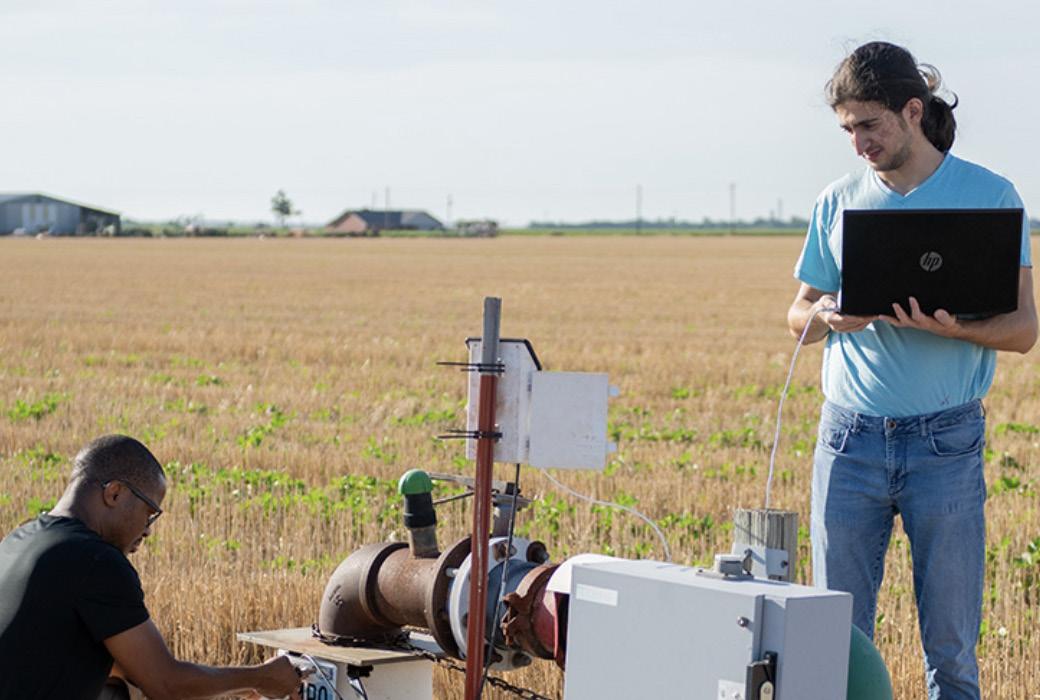
Kasra Khodkar performs research in the field, collecting data on behalf of Dr. Josephus Borsuah
CEAT Hall of Fame Inductee, Dr. Michael Buser
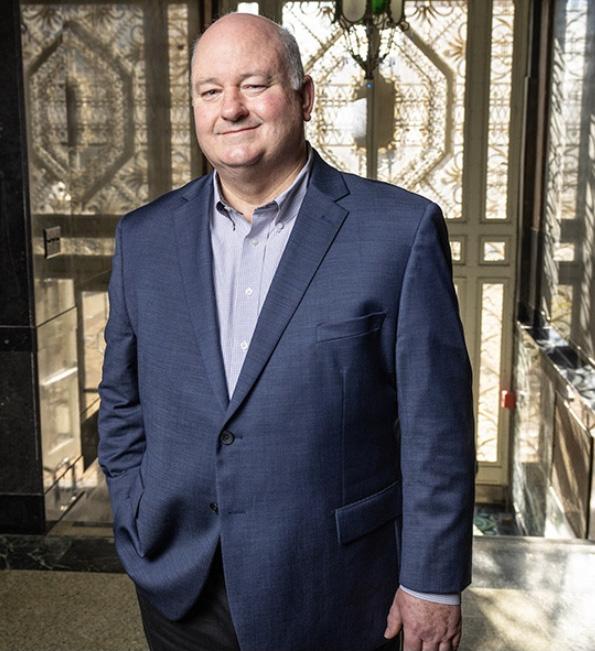
The College of Engineering, Architecture and Technology at Oklahoma State University recently inducted BAE alumni, Dr. Michael Buser, into the CEAT Hall of Fame. CEAT Hall of Fame nominees must be a distinguished engineer, architecht, or technologist who has made an outstanding contribution to their profession or OSU and has served their community, state, or nation with distinction. They represent some of the most distinguished alumni and industry leaders associated with CEAT.
Dr. Michael Buser attended Oklahoma State University earning his bachelor’s degree in 1995 and master’s degree in 1997, both in biosystems engineering. In 2004, he earned his Ph.D. in biological and agricultural engineering from Texas A&M University.
Buser currently serves as a professor and the Endowed Chair in Cotton Engineering, Ginning, and Mechanization at Texas A&M University. Buser cherishes his role as he has stepped directly into his Ph.D. advisor, Dr. Calvin Parnell’s former position. His mission is to expand the cotton engineering program which could not
be done without the support of cotton industry stakeholders and federal researchers. Buser finds incredible enjoyment working with undergraduate and graduate students. He is currently the lead faculty member for Texas A&M biological and agricultural engineering capstone courses.
Before his current role, Buser served as the inaugural USDA Agricultural Research Service National Program Leader for Engineering. Buser managed or co-managed 91 in-house appropriated research projects and 576 non-in-house projects. Buser is the founder and was the National Leader for the USDA Partnerships for Data Innovations, a national program focused on standardizing, integrating and automating agricultural research data through innovation.
Buser has been nationally recognized as a distinguished communicator for agriculture and technology. Most notably, he is very proud of his research team that conducted the National Cotton Gin Particulate Matter Emission study which provided $1.46 billion in cost-saving efforts for the cotton ginning industry. Data from this national study is used in nearly all the cotton ginning air quality permits in the United States. Buser has been involved in a wide range of agricultural research that includes air quality, water conservation, food safety, machinery design, electronic design, data science, artificial intelligence, logistics, and conservation stewardship. You will often hear Buser attribute his research successes to his incredible interdisciplinary and multi-institutional teams and outstanding stakeholders.
Story by Kristi Wheeler
Find a career you love to do, a job that will allow you to be passionate about what you do, and always be looking out for those unexpected doors to open.
— Michael Buser
CEAT Hall of Fame Inductee, Dr. Michael Buser.
Dr. Elliott Named Ag Champion
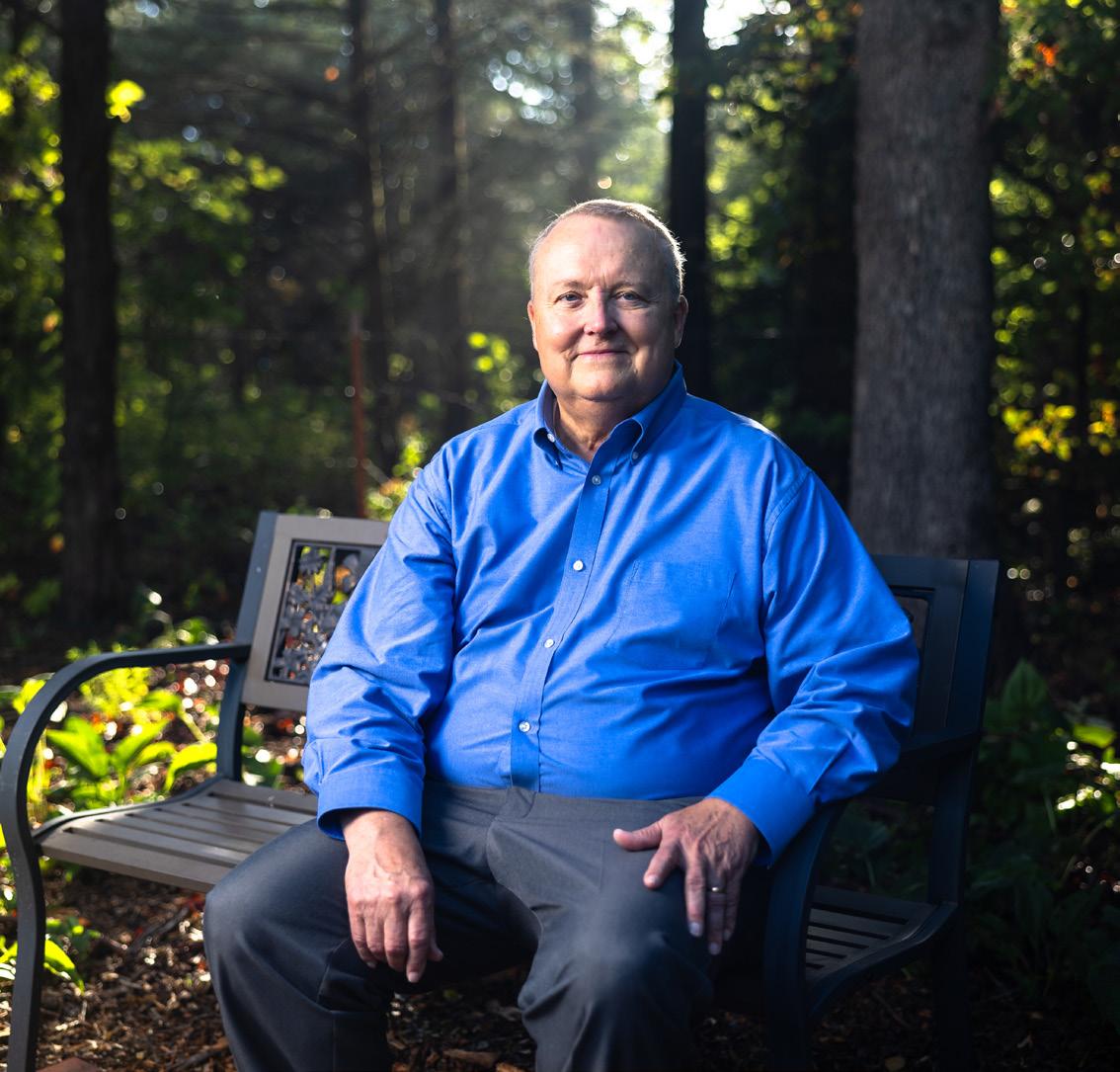
hOSU honored Dr. Ron Elliott as a 2024 Champion for OSU Agriculture. Established in 2011, the champion for OSU Agriculture award recognizes individuals who are not graduates of the Ferguson College of Agriculture but have brought distinction to the Division of Agricultural Sciences and Natural Resources.
Ronald Elliott of Stillwater, Oklahoma, received his bachelor’s and master’s degrees in agricultural engineering from the University of Illinois Urbana-Champaign in 1973 and 1974, respectively, and his doctorate in agricultural engineering from Colorado State University in 1981.
Elliott began his academic career in 1981 as a faculty member in the OSU Department of Agricultural Engineering, later renamed the OSU Department of Biosystems and Agricultural Engineering. He taught and conducted research for 29 years and was department head from 2001 to 2010. During his tenure as department head, Elliott played a major
role in fundraising for departmental scholarships and helped to increase the number of scholarship recipients from 15 to 45 per year.
Elliott also co-founded and provided ongoing leadership for the Oklahoma Mesonet, a world-class network of environmental monitoring stations, operating for more than 30 years. A partnership between OSU and the University of Oklahoma, the 120 Mesonet station sites throughout Oklahoma’s 77 counties send more than 2,500 atmospheric and subterranean observations every five minutes to the National Weather Center in Norman, Oklahoma. The data and many value-added products are used for agricultural applications, weather forecasting, education, emergency management, wildland fire management, scientific research and more.
In retirement, Elliott remains active with the biosystems and agricultural engineering department. He and his wife established the Ron and Judith Elliott Endowed Scholarship to continue supporting students. Elliott also fosters OSU relationships through involvement with the department’s donor and alumni relations activities.
Story by Ainsley Treesh
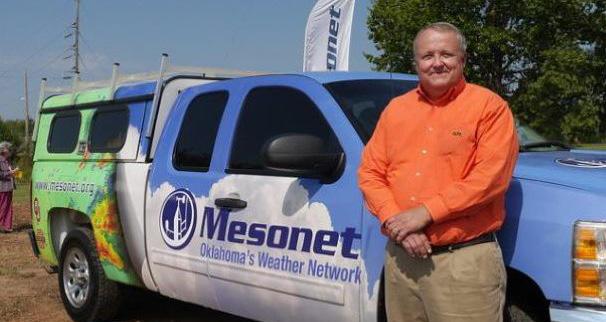
Dr. Elliott, Oklahoma Mesonet co-founder, often represented our land-grant mission values during extension and outreach events.
Dr. Ronald Elliott, previous BAE Department Head 2001-2010 and 2024 Champion for OSU Agriculture.
Senior Design 2024-2025
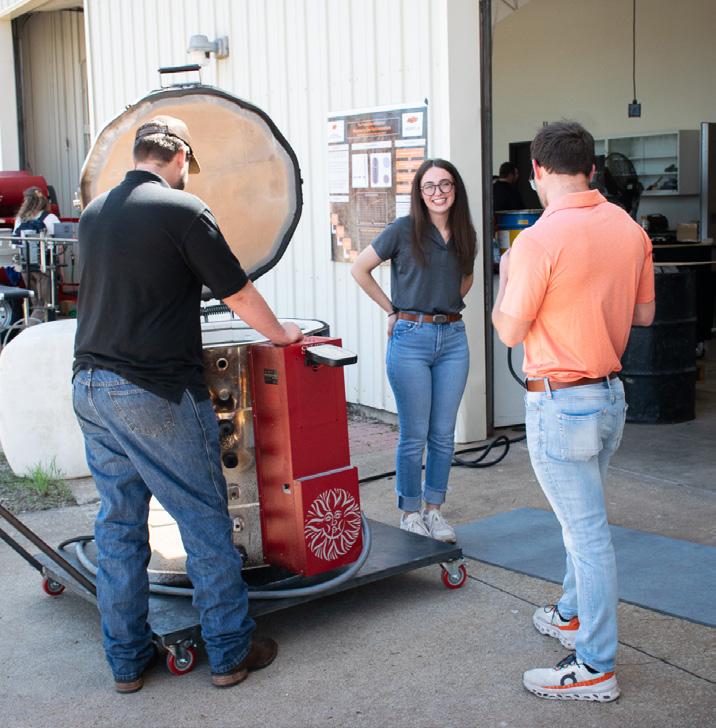
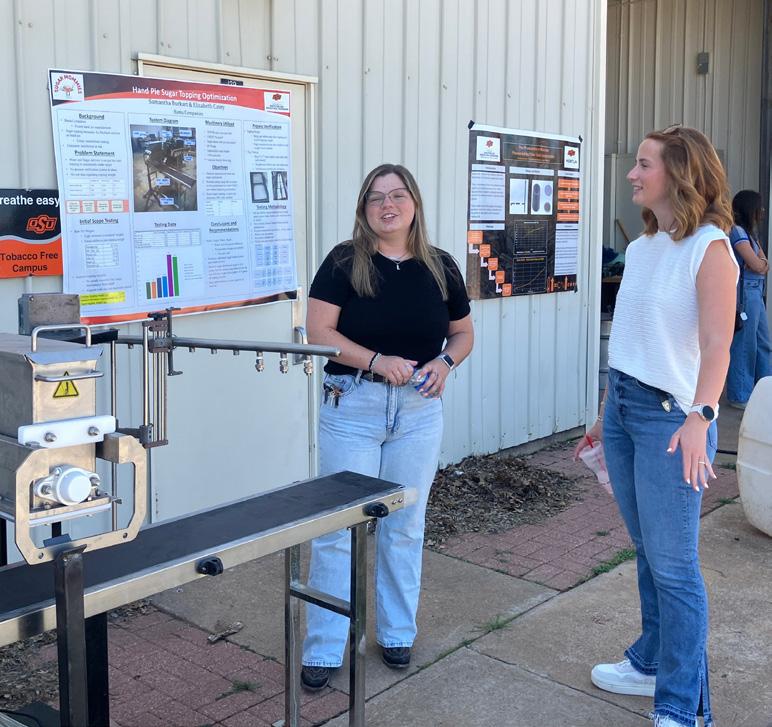
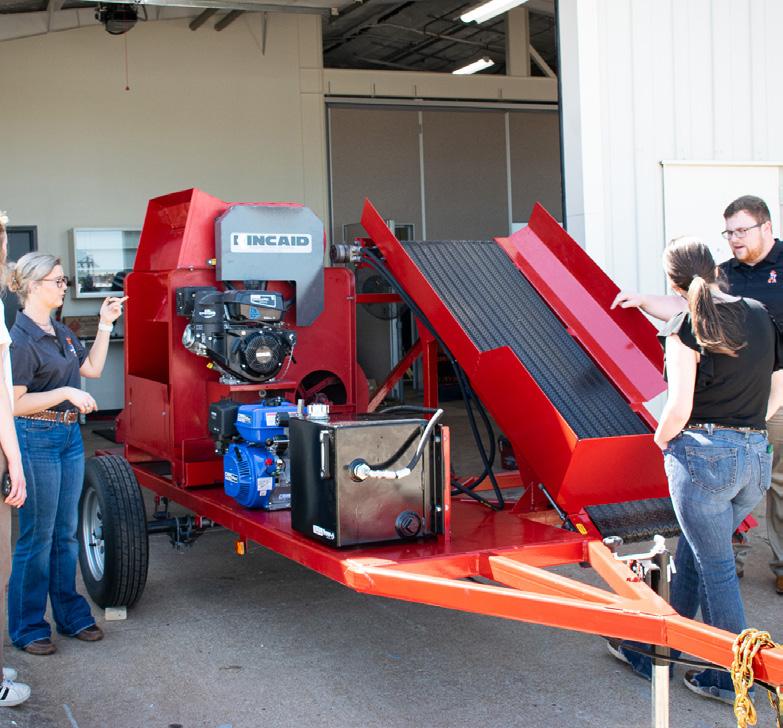
Our engineering capstone senior design course and projects are tailored to provide our seniors with opportunities to define engineering and technical solutions to challenges facing agricultural and biological systems. With Dr. Weckler’s retirement in Feb. 2024, Dr. Moore has taken over the biosystem engineering senior design courses, guiding 7 teams and 20 seniors through their research and design development.
2024-2025 Projects, Clients and Sponsors
AGSolutions Yield Monitor Simulator
Dr. John Long, Biosystems and Agricultural Engineering Lab Stillwater, OK
CharTech Innovations
Dr. Bruce Dunn, Department of Horticulture Lab Stillwater, OK
Sugar Mommies: Hand Pie Sugar Topping Optimization
Dr. Randy Roark, Bama Companies Tulsa, OK
Nutcrackers Engineering: Optimization of a Kincaid Peanut Thresher
Dr. Kelly Chamberlin, USDA-ARS; Colton Biehler, Kincaid Equipment Manufacturing Haven, KS
Scissortail Irrigation Innovators
Sam Grimmett and Matthew Janda, Scissortail Park Oklahoma City, OK
Scissortail Lake Solutions
Scissortail Park Oklahoma City, OK
Underground Pipe Surveyor
Dustin Blessum, Floyd Gunsaulis, Monika Salas, Ditch Witch Perry, OK
Project Teams
Cael Gostomsky
Gunnar Aune
Brody Bouher
Clara Buckmaster
Logan Morris
Samantha Burkart Elizabeth Casey
Camryn Grabeal
Scott Davis
Randi Laverty
James Lee Kali Ware
Emma Kistler
Sierra Josselyn Kirin Stewart
Gus Cowan
Connor Colby
2025 Senior Design EXPO program - https://ceat.okstate.edu/site-files/docs/2025-spring-program.pdf
2023-2024 Graduates
We would like to recognize and congratulate our spring, summer and fall graduates.
B.S., Agricultural Systems Technology
Katelin Bean
Bryce Coon
Collin Eaton
Gunner Hartsell
Thomas Himes
Ryan Ingram
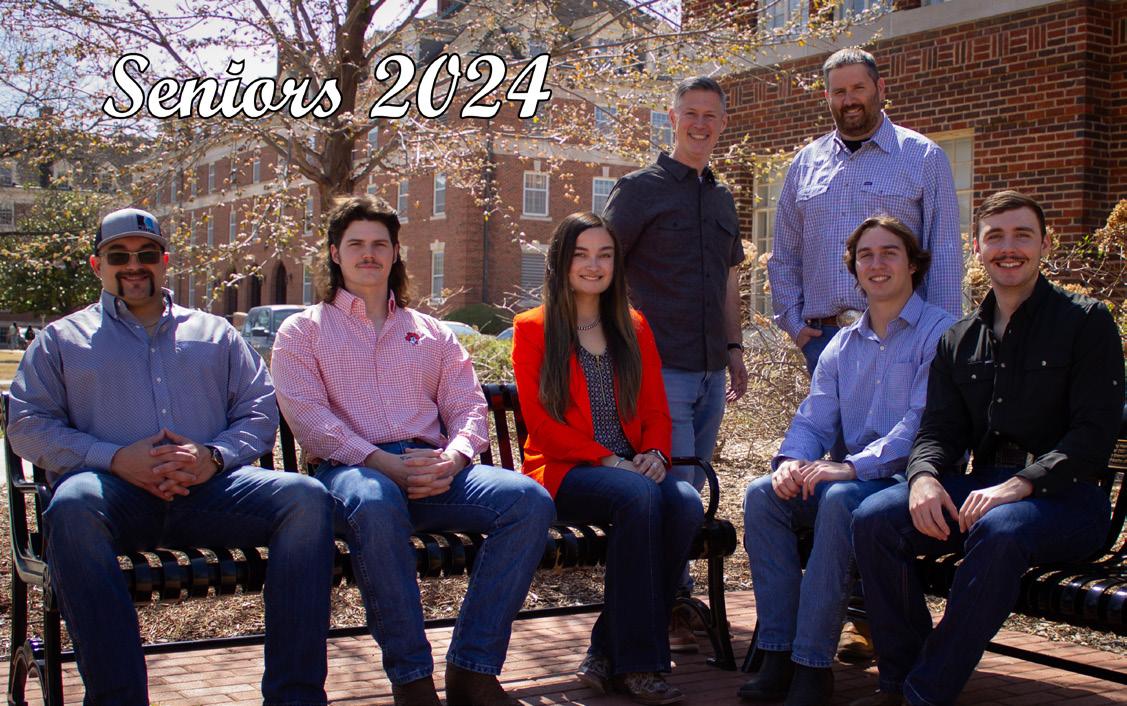
Our Agricultural Systems Technology senior capstone course takes place in the spring semester and is led by Drs. John Long and Kevin Moore. Our AST seniors develop and apply current technologies to address challenges in agriculture and natural systems while creating applicable business management plans.
2024 AST Projects, Clients and Sponsors
T&B Tech Application of FarmBot System
Dr. Bruce Dunn, Department of Horticulture and Landscape Architecture
Stillwater, OK
Bryce Coon
Thomas Himes
405 Lidar Crop Pros Application of LiDAR System
Dr. John Long, Department of Biosystems and Agricultural Engineering
Stillwater, OK
Katelin Bean
Collin Eaton
Ryan Ingram
B.S., Biosystems Engineering
Grace Beiegrohslein
Stephen Fuhrmann
Emily Hurst
Colton Ingmire
Cecilia Jimenez
Alan Liu
Sam Mason
Gavin McCullough
Shelby McMahan
Katie Miller
Kailey O’Connor
Erycka Pretorius
Garrett Seger
Mason Settle
Henry Warren
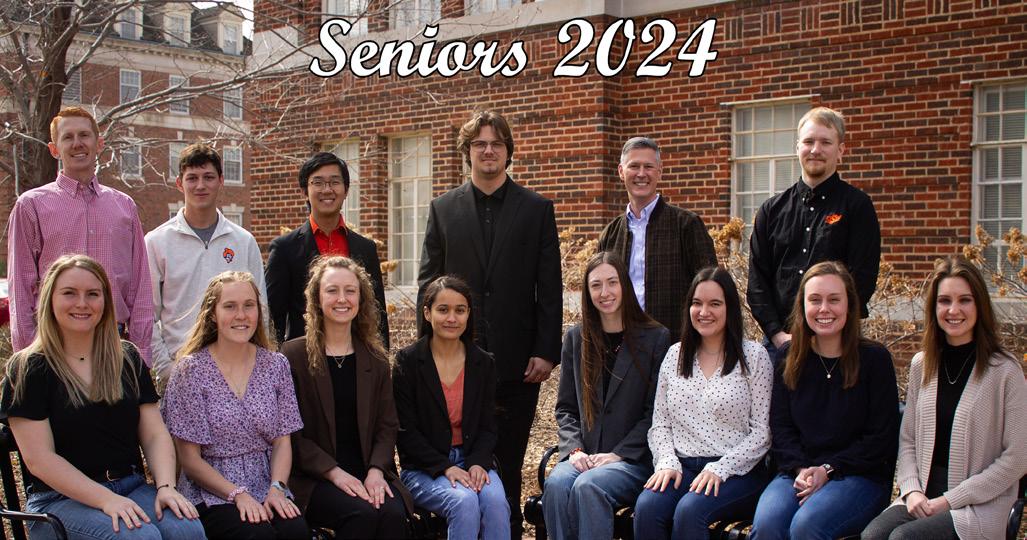
M.S., Biosystems Engineering
Jacob Daniel Kettner
Paper Title: Evaluating the performance of variably irrigated pecan trees in Oklahoma.
Advisor: Ali Mirchi
Dabira Ogunbiyi
Paper Title: Investigating the relationship between respirator types and their impact on behavioral and physiological responses while performing simulated grain handling activities.
Advisor: Kevin Moore
Ph.D, Biosystems Engineering
Arfan Arshad
Paper Title: Advancing trans boundary water resources assessment, monitoring, and modeling using GRACE, machine learning, and land-hydro models.
Advisor: Ali Mirchi
Alpha Epsilon
President: Elizabeth Casey
Advisor: Dr. Douglas Hamilton
Student Organization Updates
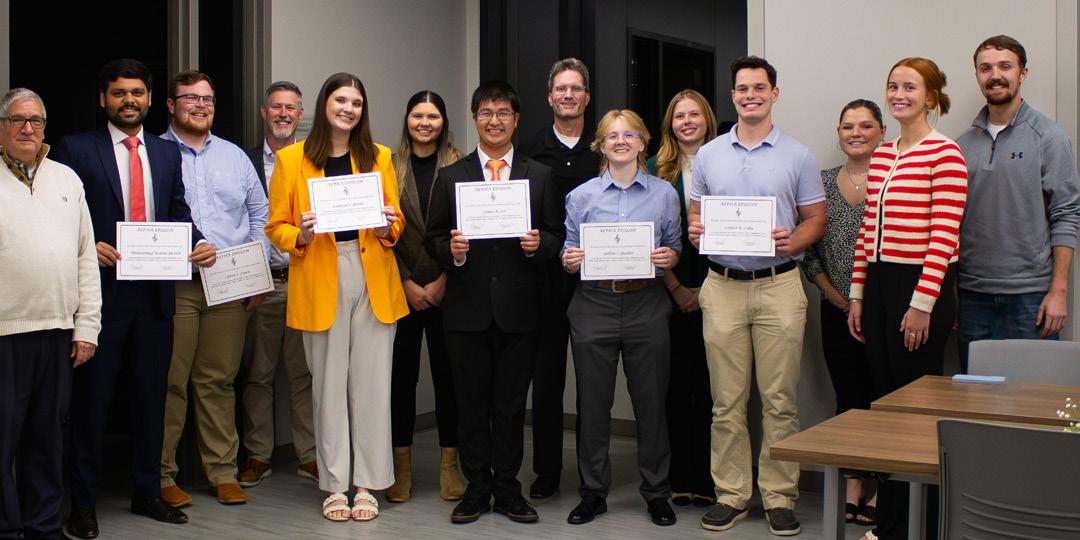
Alpha Epsilon is the honor society for agricultural, food, and biological engineering, which recognizes upper-division undergraduates, graduate students and engineering professionals displaying outstanding scholarly and professional achievement, character and leadership. Alpha Epsilon inducted new members in the Fall 2024 semester to continue our efforts to promote greater participation throughout the year with a larger number of inductees named before graduation in the Spring semester. We organized and hosted a Government Job Application Assistance meeting with alumni guest speakers from NRCS to help students navigate the application process for government positions. We also continued the tradition of holding the BAE Olympics during the senior sendoff picnic and selecting the top sophomore that was recognized at the BAE Student Awards Banquet. We are still selling OSU Biosystems and Agricultural Engineering labeled padfolios as a fund raiser. These have given students a functional resource to place their resumes and document noteworthy conversations during job fairs and professional meetings. If you would like to purchase a padfolio or have ideas to expand the professional development opportunities of BAE students please contact BAE at baeinfo@okstate.edu
ASABE Student Branch
President: Logan Morris
Vice President: Clara Buckmaster Advisor: Dr. Robert ‘Scott’ Frazier and Dr. Kevin Moore
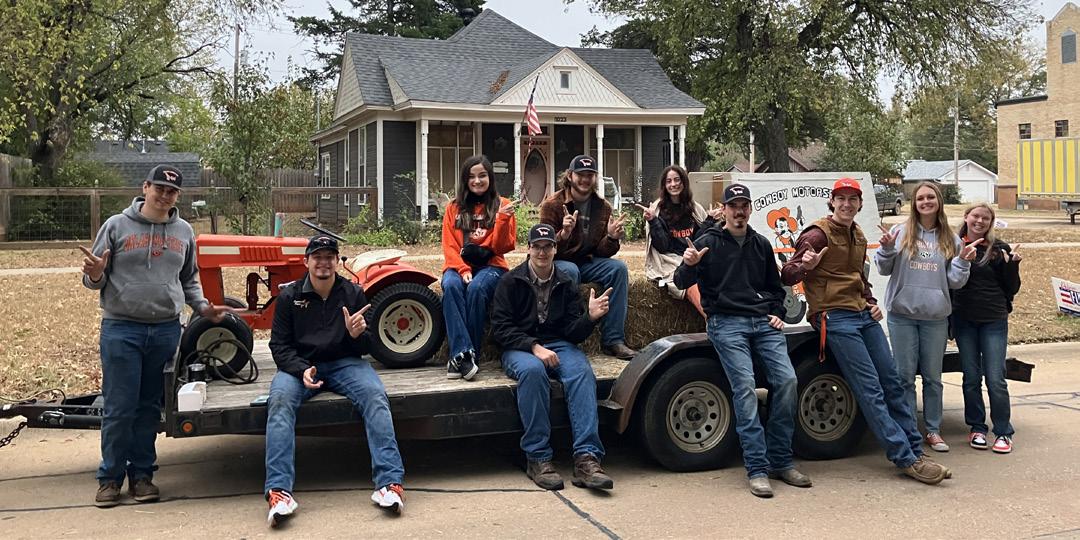
The ASABE student branch at OSU continued to provide opportunities for our engineering and technology students to develop their leadership and professional networking skills, community service impacts, and social engagement among their peers and departmental faculty and staff. Throughout the year we hosted alumni speakers from Ditch Witch, Frees and Nichols, Southwest Cheese, and Garver among several others! We also participated in Into the Streets contributing to the local efforts to do seasonal clean up and support our Stillwater community. We had a group of students take a road trip and attend the 2024 Southeastern Regional Rally at North Carolina State University in Raliegh, NC, which is always a rewarding experience for networking with our regional peers and learning more about our profession. We experienced the execution of another very well attended and enjoyable annual BAE student awards banquet and for the third year in a row pulled off a successful silent auction. We started a new thing—providing a graduation cord to all of our active graduating senior members to acknowledge their contributions and accomplishments. Homecoming week activities always keep us active, and this year we smoked an alligator along with brisket and chicken for the tailgate and football game! We also benefited from the fun and humorous nature of our advisor, Dr. Frazier, capturing his spirit throughout the year in pictures wherever we could find him! He was a great sport being a willing participant and the center of attention to our little game of hunt the advisor. Thank you, Dr. Frazier! We would like to thank the department, faculty, local industries, and alumni for their help and support in making all of our events and meetings possible. If you are interested in speaking at one of our meetings or engaging with our student branch please contact BAE at baeinfo@okstate.edu. We are looking forward to another eventful year.
BAE-GSA (Graduate Student Association)
President: Nathaniel Bolujoko
Advisor: Dr. Kiranmayi Mangalgiri
Our BAE-GSA was fully committed to their mission to enhance graduate student experiences by promoting both academic and personal well-being. We continued our monthly wellness days to foster community between faculty, staff and students and promote the value of a healthy lifestyle. Events were hosted to welcome new graduate students to campus and the department, build camaraderie and celebrate culture.
Student Organization Updates
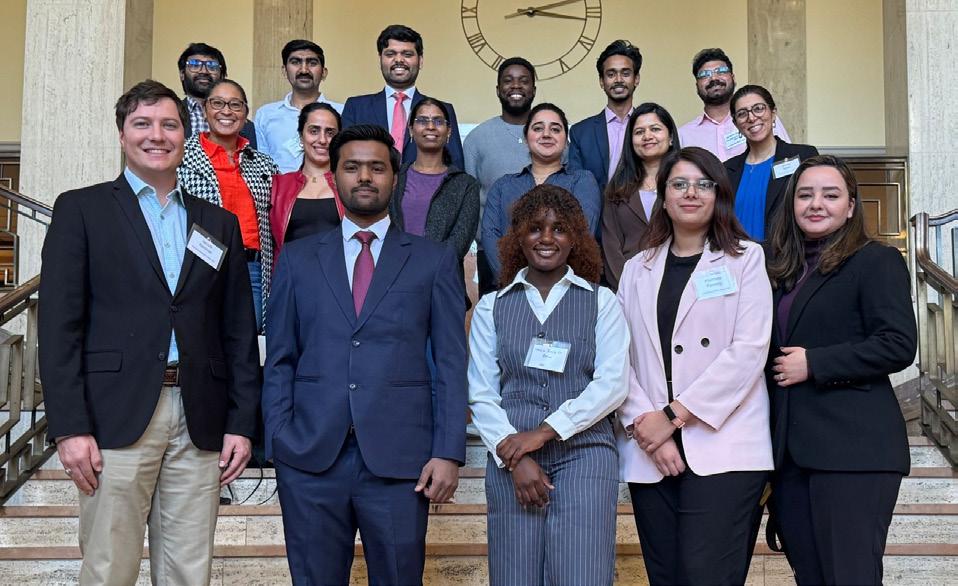
We hosted a welcome party at the beginning of the school year and a half day of Halloween event with themed activities and games and two contests—pumpkin carving and costume. Our Halloween celebration has turned into an annual event, and this year was carried out in the atrium of the new Ag Hall building which involved a greater mix of participants and provided us with additional exposure within the Ferguson College of Agriculture. We socialized and shared our cultures with families within the department during our international potluck. We have some talented cooks in BAE and we also enjoy each other’s company with food! Professional development remained top of mind where we organized and co-sponsored the three-minute thesis competition at the 2024 OK Section of ASABE Annual meeting and held another mini-conference for graduate students to present their work in preparation for the ASABE Annual International Meeting (AIM). Our BAEGSA members actively participated in major conferences throughout the year, including ASABE AIM, American Geophysics Union (AGU), and the Oklahoma Governor’s Water Conference, earning recognition through various awards and competitions and broadening our professional network. We had a productive year supporting our graduate student community and contributing to the progress of the department. We are grateful for the support of our faculty, donors, and alumni in helping us create a thriving academic community. You can find us on LinkedIn: BAE GSA Oklahoma State University.
Cowboy Motorsports
Director: Jared Stone
Advisor: Dr. John Long
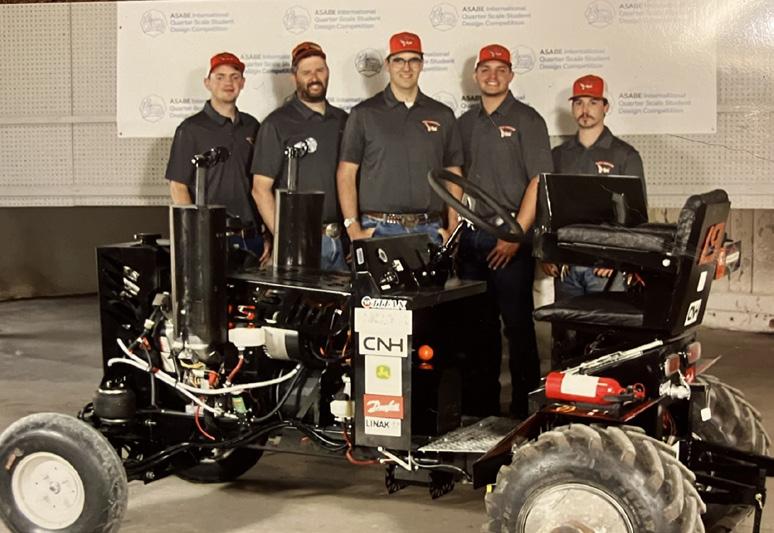
Cowboy Motorsports was very busy in 2024. Last June, CMS competed in the ASABE International Quarter Scale Tractor Competition in Peoria, IL with the 2024 Bandit tractor model. The team took 16th place overall after facing several mechanical and electrical challenges. It takes the motorsports team approximately 800-man hours to design and build the quarter scale tractor. Motorsports teaches members how to use SolidWorks CAD modeling for part design and failure simulations, as well as how to perform a cost analysis and financial projections for production of the tractor. CMS focuses on teaching members hands-on skills throughout the building process including welding, electrical wiring, small engine care, decision justification and problem solving. We are encouraged by our increase in members from BAE engineering and technology students and across the university. We continue to work hard on fundraising, professional development of our members and representing the values OSU Cowboys. As always, alumni and faculty are welcome to stop by the BAE Lab and see the team’s progress throughout the year. If you would like to learn more about this year’s CMS team, or if you would like to provide technical or financial assistance, please don’t hesitate to contact the club advisor, Dr. John Long, at john.m.long@okstate.edu. If you would like to keep up with the team on social media, follow us on Instagram @cowboy_motorsports.
Cowboy Waterworks
President: Eli Wood
Advisor: Dr. Ali Mirchi and Dr. Jeff Sadler
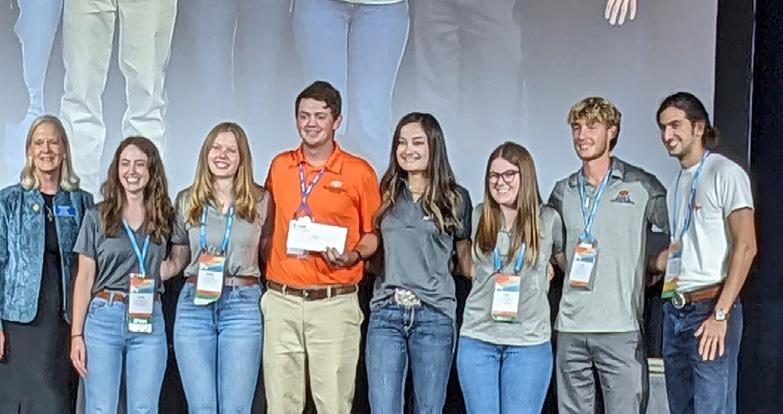
The breather we took in 2023 gave us just what we needed to take home another first place win at the 2024 Fountain Wars competition that was held during the ASABE Annual International meeting in Anaheim, California in July. With Disney being right across the street, we were tasked with designing a log ride reflecting Splash Mountain. We were well prepared for our technical presentation, skilled in our execution of the on-site build, testing and task demonstration, and thoughtful in the arrangement and production of the aesthetic display. Cowboy Waterworks blew the competition out of the water and our winning performance made us the first team to win a Fountain Wars Competition for a 4th time.
Department Happenings
Faculty and Staff Recognitions and Retirements in 2024
Mualla Kara-2024 SAC Distinguished Service Finalist
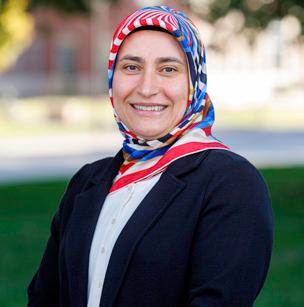
Biosystems and Agricultural Engineering’s Research Lab Manager Mualla Kara was acknowledged as a finalist for the Distinguished Service Award by Oklahoma State University’s Staff Advisory Council on December 4th, 2024. Mualla joined the Department of Biosystems and Agricultural Engineering in 2020, after having previously been a lecturer in Chemistry at Khalifa Unviersity. She is responsible for maintaining lab safety and training student researchers.
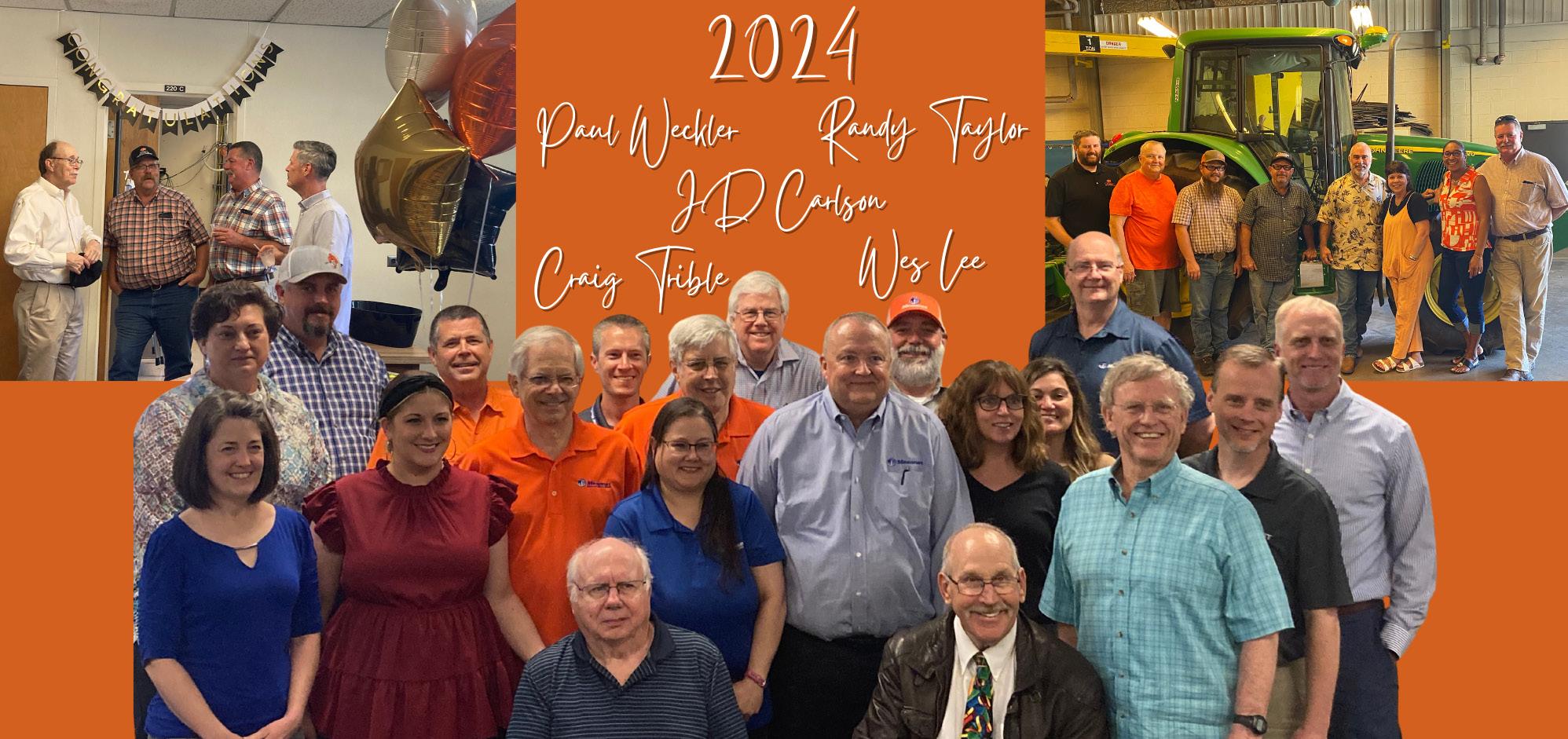
BAE celebrated the retirements of five long-time faculty and staff members in 2024. Their careers have impacted our academic, regional, and global communities and we are deeply grateful to each of them.
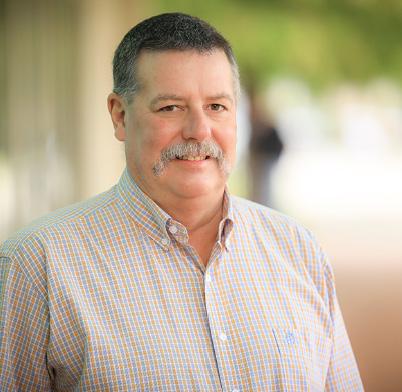
Paul Weckler, Ph.D., P.E.
Professor of BAE
24 Years of Service
J.D. Carlson, Ph.D.
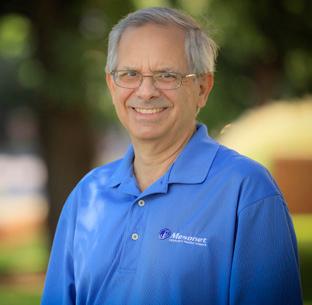
Research Associate Professor and Extension Specialist
OK FIRE | OK Mesonet
34 Years of Service
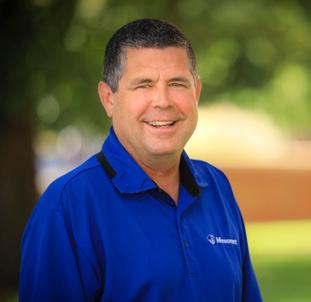
Randy Taylor, Ph.D., P.E.
Professor of BAE and Extension Specialist
Asst. Director & State Program Leader with Ag, Natural Resources, & Community Economic Development
19 Years of Service
Craig Trible
BAE IT Support Specialist
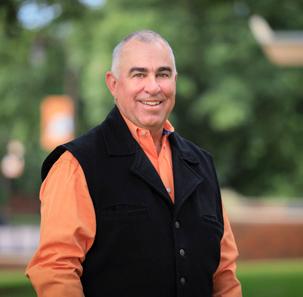

Wes Lee
Assistant Extension Specialist
28 Years of Service
Ag Outreach Coordinator | OK Mesonet
35 Years of Service
Department Happenings
Faculty and Staff in the News
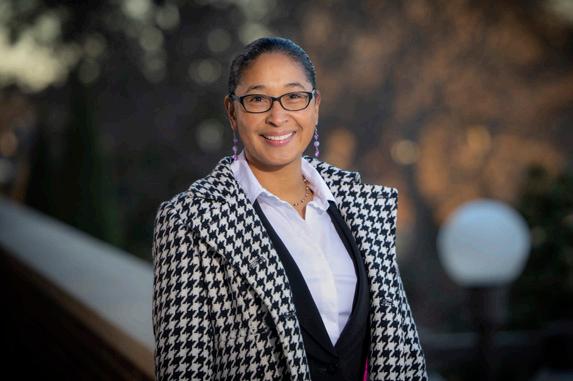
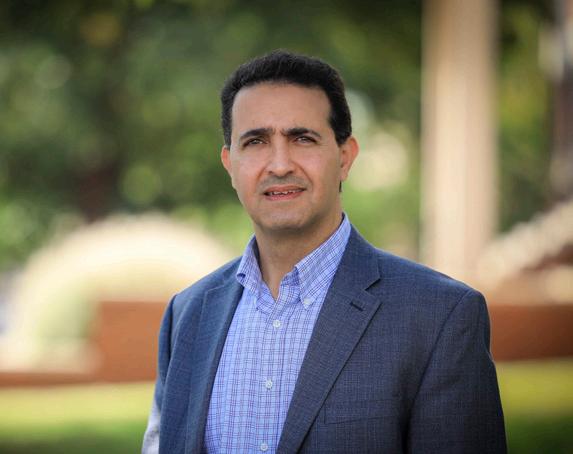
Dr. Mari Chinn was selected for the Drexel University’s Executive Leadership in Academic Technology, Engineering and Science (ELATES) program as a member of the Class of 2024-2025. The Elates program is a national leadership development program designed to promote women in academic STEM fields, and faculty allies of all genders, into institutional leadership roles.
Read more here https://tinyurl.com/2ur9sjkj
Dr. Hasan Atiyeh, professor in the OSU Department of Biosystems and Agricultural Engineering, and Dr. Babu Fathepure, professor in the Department of Microbiology and Molecular Genetics in the College of Arts and Sciences, collaborated to develop technology that involves adding natural microorganisms into the fermentation process for creating butanol from biomass. OSU is obtaining a patent on the co-fermentation process.
Read more here https://tinyurl.com/yp9zrdtj
27 faculty from CEAT have ranked in the top 2% by a Elsevier publication, including Drs. Dunford, Hamilton, Long, and Moore, as well as Dr. Kumar in the single-year category. The selection is based on the top 100,000 scientists by c-score (with and without self-citations) or a percentile rank of 2% or above in the sub-field. This ranking is based on a publicly available database of top-cited scientists that provides standardized information on citations, h-index, co-authorship adjusted h-index, citations to papers in different authorship positions and a composite indicator (c-score).
Read more here https://tinyurl.com/2t2ejsrv
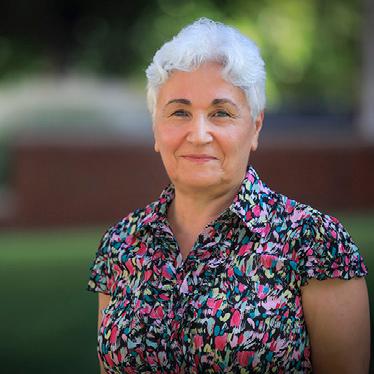
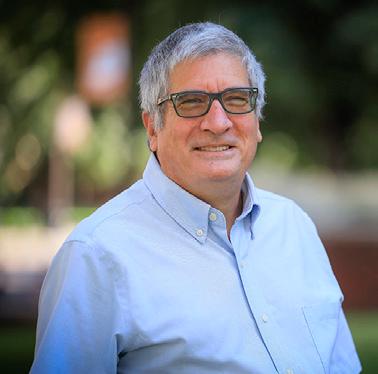
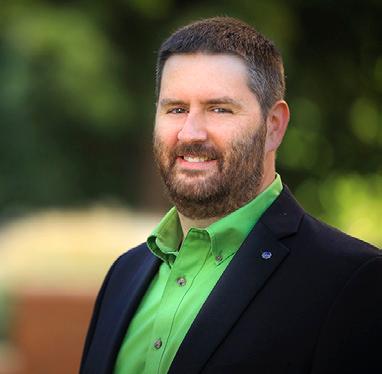
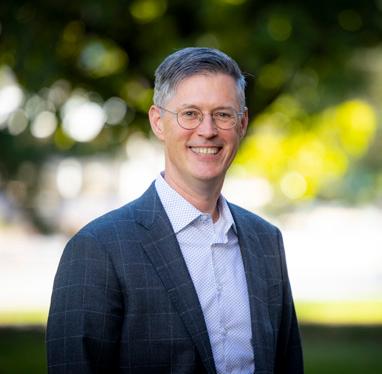
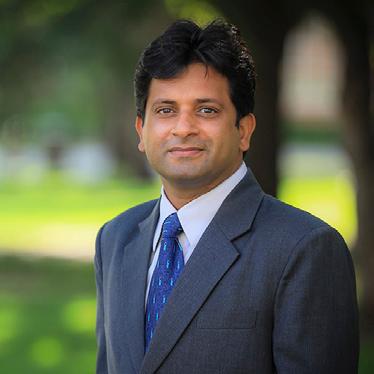
BAE
Recruitment Efforts in Full Stride
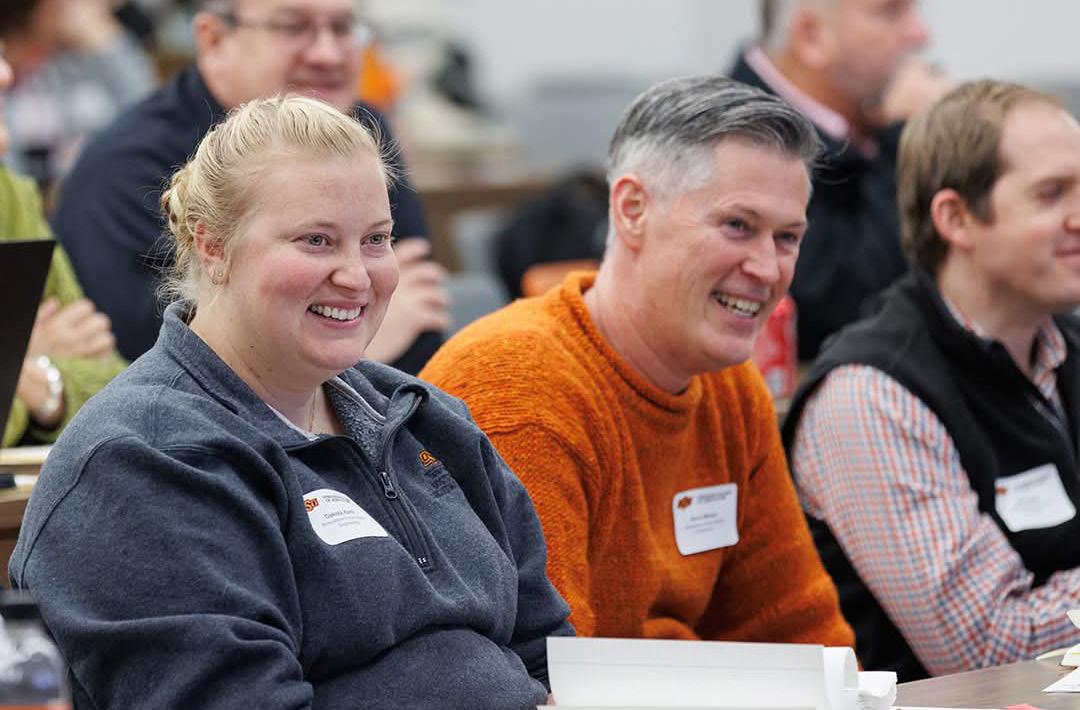
Undergraduate academic program coordinator Dakota Keith has had a busy year attending state science fairs, managing prospective student site visits, and student organization events on behalf of the department in order to recruit the next BE and AST graduates. In addition to meeting future students, often supported by various faculty members, Dakota is also leaning in on the other critical component of recruitment - continued retention. Between learning about mentorship, developing relationships with our student body, and fostering continued connections with alumni, Dakota has been dedicated to supporting our students at all stages of their collegiate journey.
Dakota Keith, Dr. Kevin Moore, and Dr. Jeff Sadler attend a mentorship training delivered by Dr. Mari Chinn.
Photo courtesy of OSU Agriculture
N. Dunford D. Hamilton J. Long K. Moore A. Kumar
2024 CEAT Outstanding Student Award Recipients for
BAE
The College of Engineering, Architecture and Technology recognizes graduating seniors and graduate students from each engineering discipline who have consistently been an example of academic excellence, outstanding leadership and strong character qualities.

Sam Mason
2024-BAE Outstanding Senior Student
An AST First
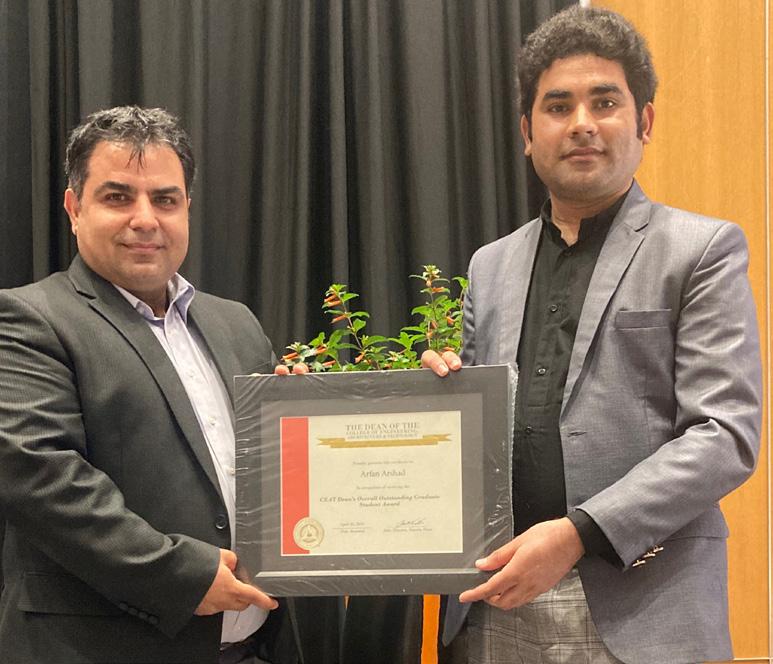
Arfan Arshad
2024-BAE Outstanding Graduate Student and the CEAT Dean’s Overall Outstanding Graduate Student
The Agricultural Systems Technology program graduated their first female student, Katelin Nicole Bean, in December of 2024. After graduating, Katelin promptly began graduate school. She is pursuing a Master of Science degree in Engineering Technology - Fire Safety and Explosion Protection within the College of Engineering, Architecture, and Technology. Katelin is a graduate research assistant working under Dr. Kevin Moore in the BAE Department. Their research project is serving as her thesis and investigates the correlation between a company’s safety climate and the use of personal protective equipment. She plans on graduating with her masters in May of 2026 and pursuing a career in construction safety.
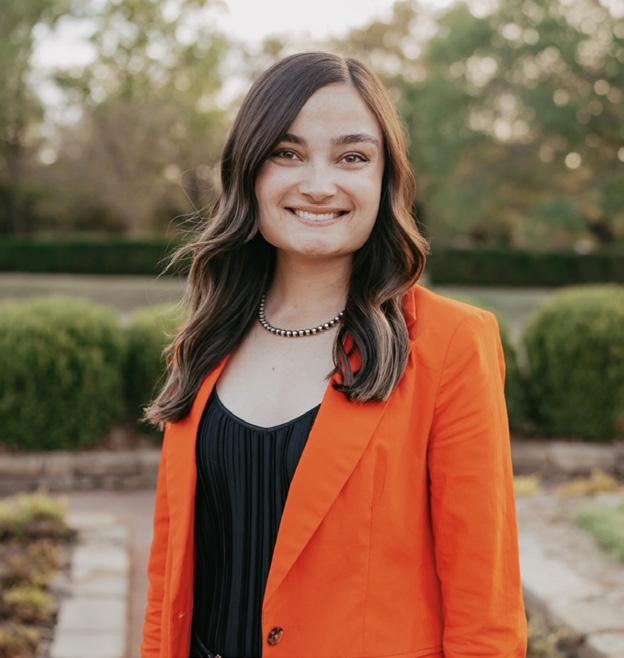
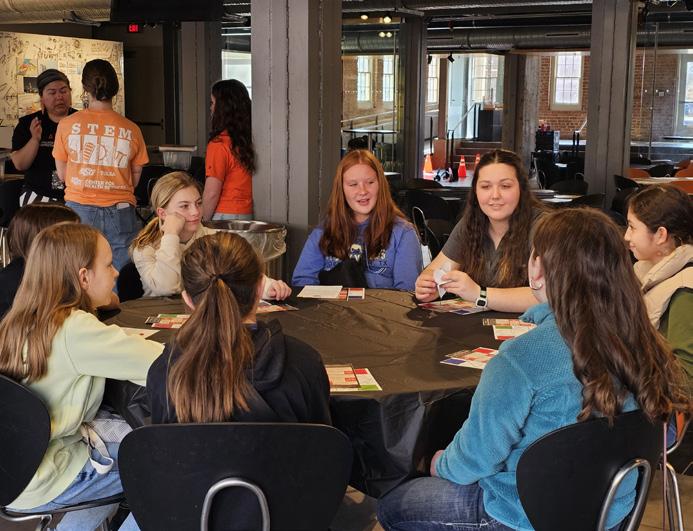
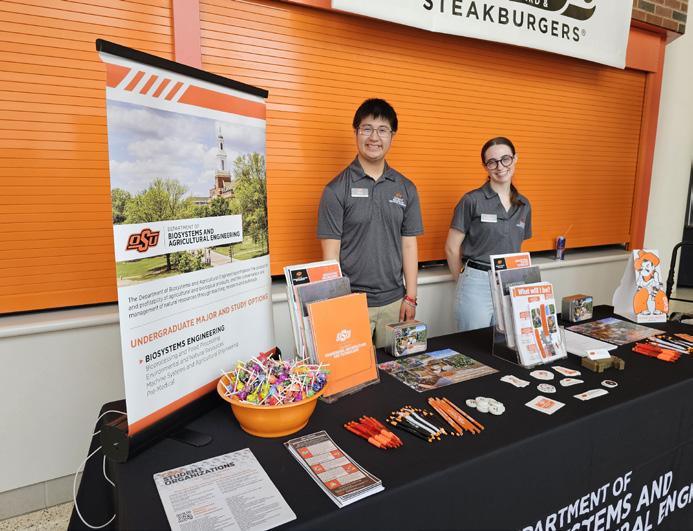
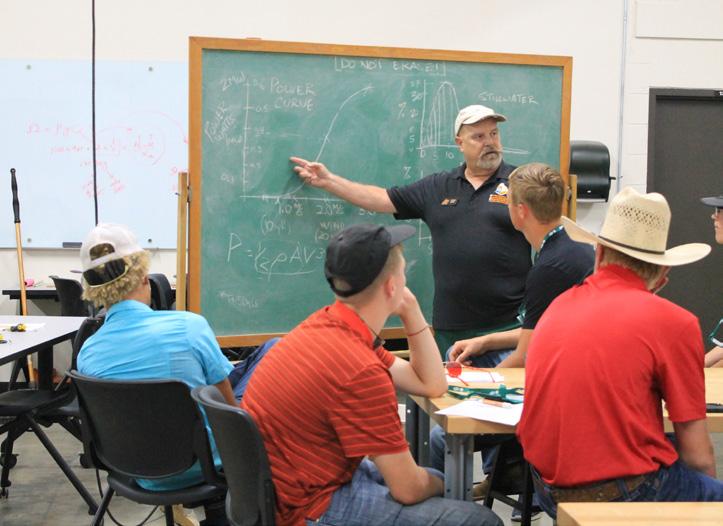
BAE 2024 Advisory Committee
The advisory committee offers feedback and advice to the department head and faculty to help enhance programs and operations in teaching, research and Extension. The committee has members from different areas of expertise, institutions and affiliations representing our BAE profession.
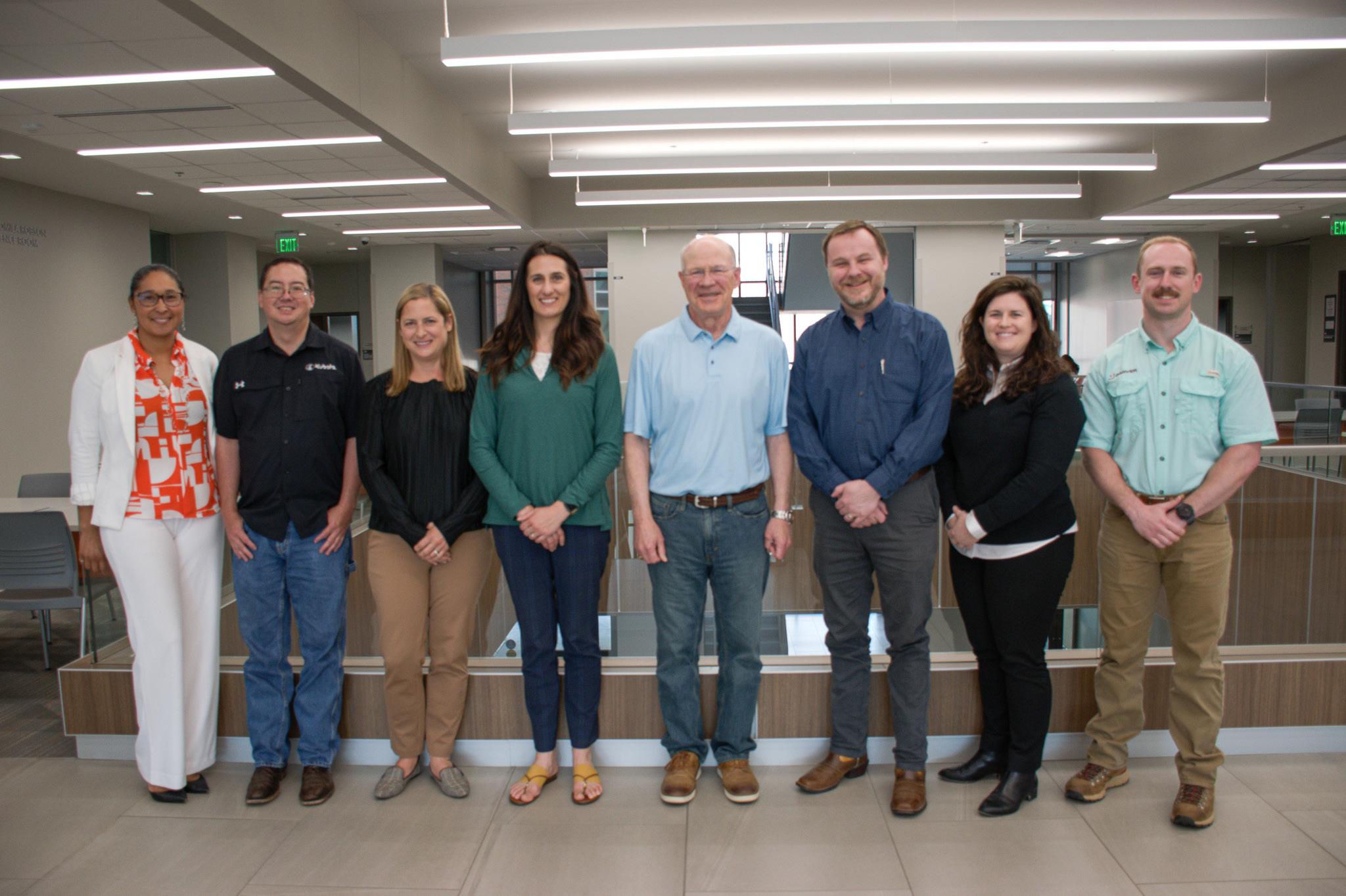
2024 BAE Advisory Committee Members
David Campbell Senior Manager, Engineering Ditch Witch
Mary Campbell Vice President of Global Development and Innovation Coca-Cola
Elizabeth Casey DeFreese Senior Manager, Microbe Research
Fermentation Technology Novozymes North America, Inc.
Steven Fowler Professor/Engineering Coordinator Rose State College
Travis Tsunemori Research and Development Manager
Kubota Tractor Corporation
Cara Cowan Watts Chief Executive Officer and Majority Owner, Tulsa Pier Drilling, LLC Owner of Cherokee Star DBA
Greg Hambrick Safety and Loss Control Instructor Oklahoma Association of Electric Cooperatives
Jake Holloway Director of Market Product Development Enovation Controls
Cole Niblett Oklahoma Water Team Leader Garver
Sydney Levine Global Retrofit and Aftermarket Manager Zeeco, Inc.
Laura Merriman Department Manager, Houston Water Region Burns & McDonnell
Randy Roark Vice-President of Engineering and Development Bama Companies, Inc.
If you are interested in participating in the BAE Advisory Committee, please contact Dr. Mari Chinn mari.chinn@okstate.edu • 405-744-5431
From left: Dr. Mari Chinn, Travis Tsunemori, Mary Campbell, Sydney Levine, David Campbell, Steven Fowler, Laura Merriman, Cole Niblett
Friends of Biosystems and Agricultural Engineering




The Department of Biosystems and Agricultural Engineering (BAE) depends upon the generous gifts of alumni, emeriti faculty, family, friends, faculty and staff to help fulfill our goals in educating the next generation of Biosystems Engineers and Agricultural Systems Technologists.
Support we receive from our valued donors enables us to continue providing quality programs and experiences to our students. With the ever-increasing costs of higher education, student scholarships and funding become increasingly more important. Donations big and small can allow acquisition of stateof-the-art equipment and resources for instruction and research, fund student activities, enhance our facilities and elevate professional development within BAE. We are fortunate to have endowed scholarships in the names of our emeriti faculty, alumni, family and friends that are consistently funded through our donors.
Joining our family of annual donors offers opportunities for students to pursue degrees in Biosystems Engineering and Agricultural Systems Technology. It also allows BAE to be successful in offering curricula and supporting initiatives we can continue to be proud of and that will have lasting positive impacts. Our annual donors help ensure a lasting legacy. Please consider becoming a part of our recognized Friends of Biosystems and Agricultural Engineering, where we celebrate contributions and the wonderful achievements you help stimulate. To donate, visit osugiving.com/bae and select “Discover More Orange Passions-Biosystems”
2025 Orange Passions
Tom and Jan Haan Biosystems and Agricultural Engineering Scholarship (21-42900)
Annette and Bill Barfield Endowed Scholarship (21-68710)
Biosystems and Ag Engineering Faculty and Staff Development Fund (21-01500)
Biosystems and Ag Engineering Program Support Fund (21-00250)
Support of BAE comes in both dedication of time and donations. We thank you for your continued generosity!
Friends of Biosystems and Agricultural Engineering
2022-2023


Lieu R. Smith

Ron and Judith Elliott
Larry and Terri Billen
Don and Kim Yarbrough

Lawrence and Karen Betche
Tom Rains
Greg and Kristen Hart
The Barfield Family
David and Debbie Campbell
2023-2024

Clarence E. Johnson Trust
Lewis Family Trust
Lieu R. Smith
Greg and Kristen Hart
Halliburton Power of Six
Larry and Terri Billen
Don and Kim Yarbrough
Ron and Judith Elliott
Lawrence and Karen Betche
David and Debbie Campbell
Jim and Judy Loftis
Tom Rains

Tom and Jan Haan
Jim and Judy Loftis
Luke Reed
OK Association of Electric Cooperatives
Mary Elizabeth Mach
Jodie and Roseanna Whitney
Mari Chinn and Matt Veal
Christine Altendorf
Terry and Marie Barefoot
Fred and Leatrice Bouse
David and Sandra Epperly
Ray and Sandy Huhnke
Tom and Jan Haan
Ray and Sandy Huhnke
Fred and Leatrice Bouse
Ron and Sharon Morgan
OK Association of Electric Cooperatives
Jodie and Roseanna Whitney
Dean and Sharon Yoder
Richard and Jean Bengston
Michael and Linda Smolen
Terry and Marie Barefoot
Justin Kistler
David and Sandra Epperly
Ron and Zona Noyes

Friends of Biosystems and Agricultural Engineering
Friends of Biosystems and Agricultural Engineering
From July 2024 to June 30, 2025
2024-2025
Lieu R. Smith
Tom and Jan Haan
Fred and Leatrice Bouse
Larry and Terri Billen
Don and Kim Yarbrough
Tom Rains
Gerald H. Brusewitz
The Barfield Family
Ron and Judith Elliott
Ron and Sharon Morgan
Ray and Sandy Huhnke
Jim and Judy Loftis
Travis Tsunemori
Christine Altendorf
David and Debbie Campbell
Richard and Jean Bengston
Jodie and Roseanna Whitney
Dean and Sharon Yoder
Terry and Marie Barefoot
Tesfaye Demissie
David and Sandra Epperly
Bob Haan
Karen Haan Waselko
Michael and Susan Buser
Michael and Linda Smolen
Ron and Zona Noyes
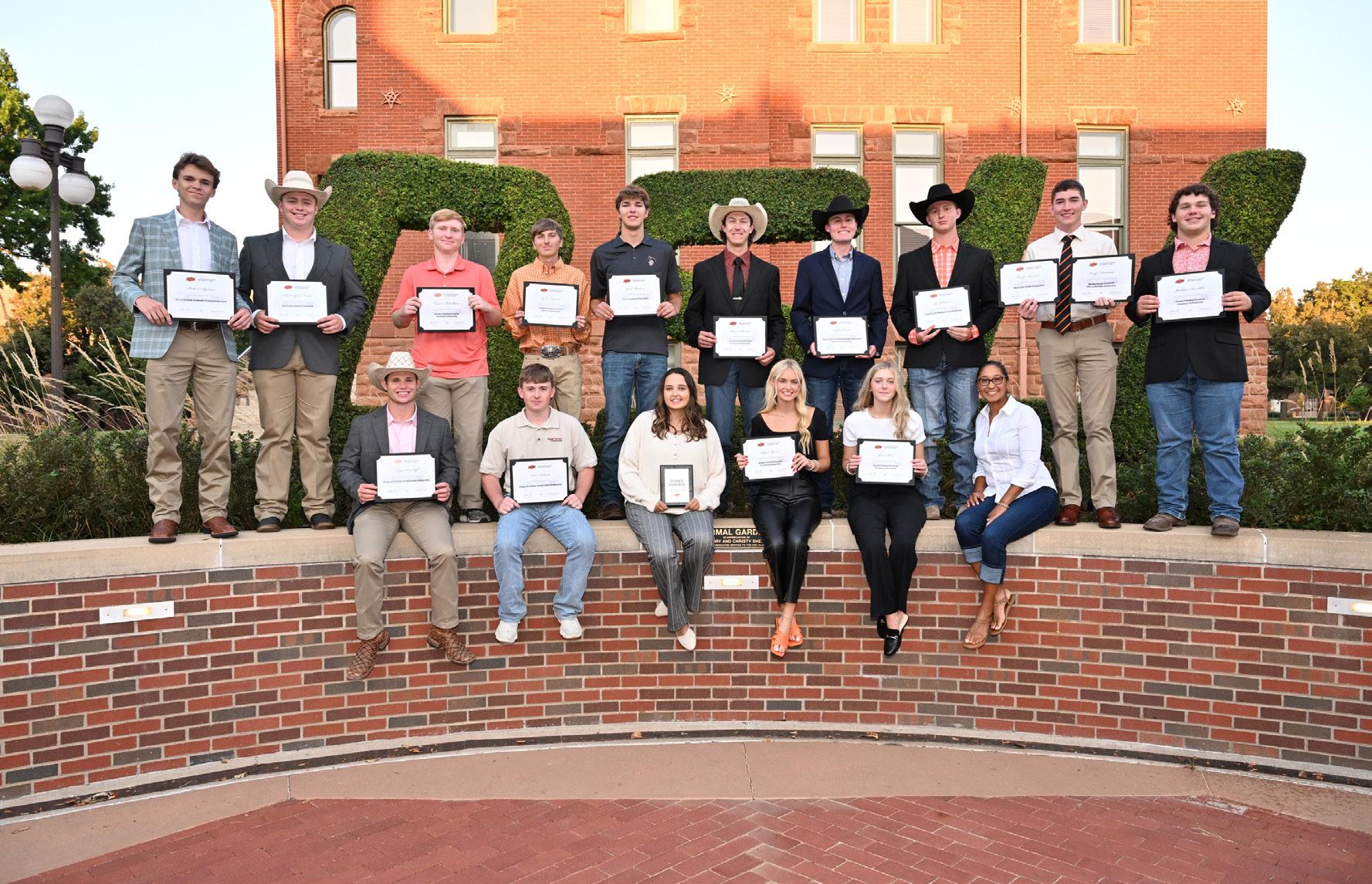
Dr. Mari Chinn sits with freshmen scholarship recipients in Fall 2024.