PORTFOLIO

ARCHITECT
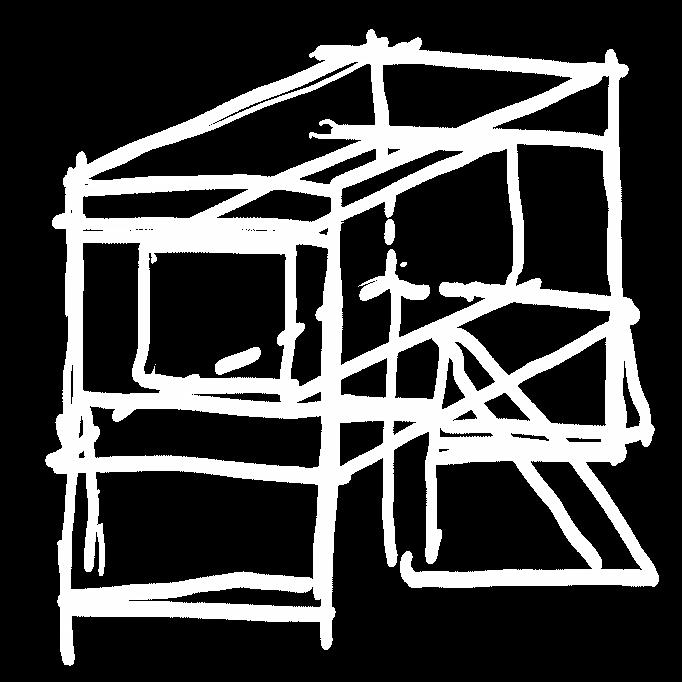
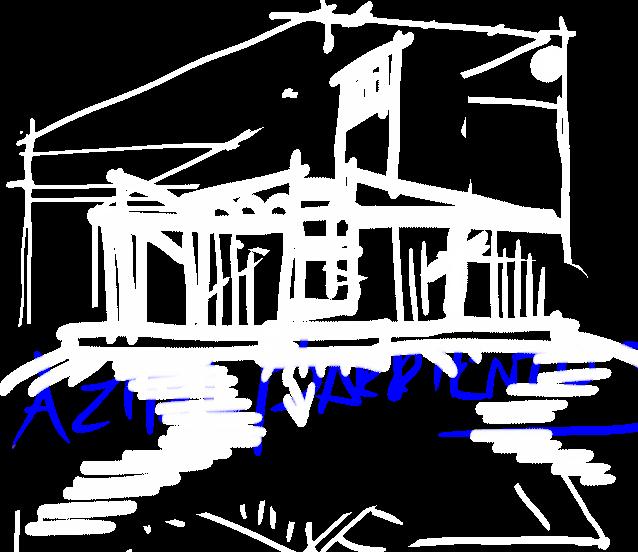
 rueda chapel
casa caja
rueda chapel
casa caja
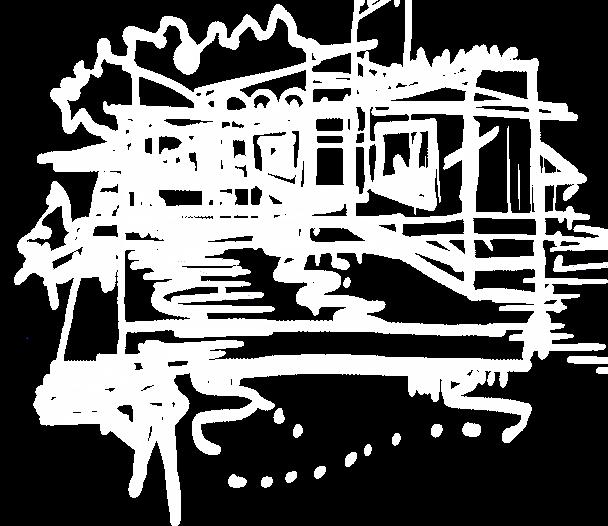
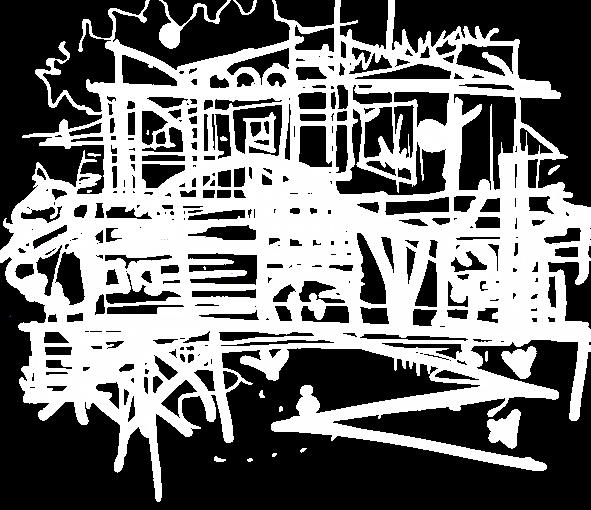

built area: 3 000 m²
typology: educatonal - cultural location: Tegucigalpa, MDC
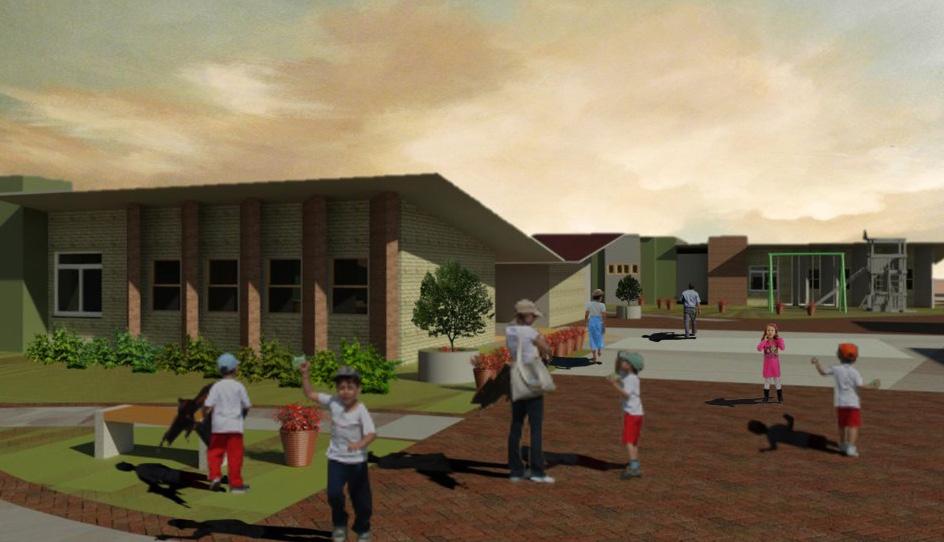
The project consists of the creation of a building for an interactive audiovisual arts center, with the provision of a property with 861.8169 m in its perimeter, and an area of 38,672.768 m2, located in La Cañada, at a local neighborhood from southern Tegucigalpa.
This interactive center must have the capacity for 34 parking spaces in total, horizontal circulation, distribution of the different pavilions, considering the capacity of each room where fifteen children and one educator develops the functions of the space, recreation areas and maintenance areas, under the urban regulations city plans.
built area: 100 m²
typology: habitational location: Zambrano, MDC
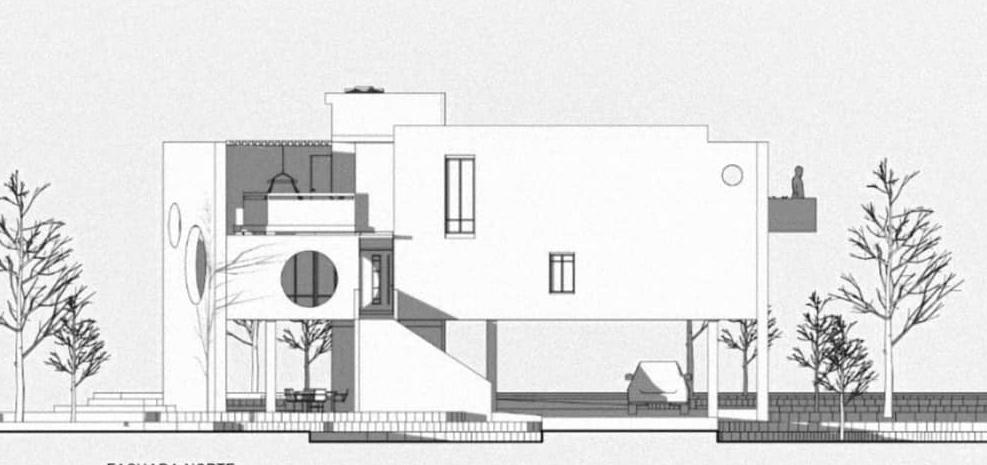
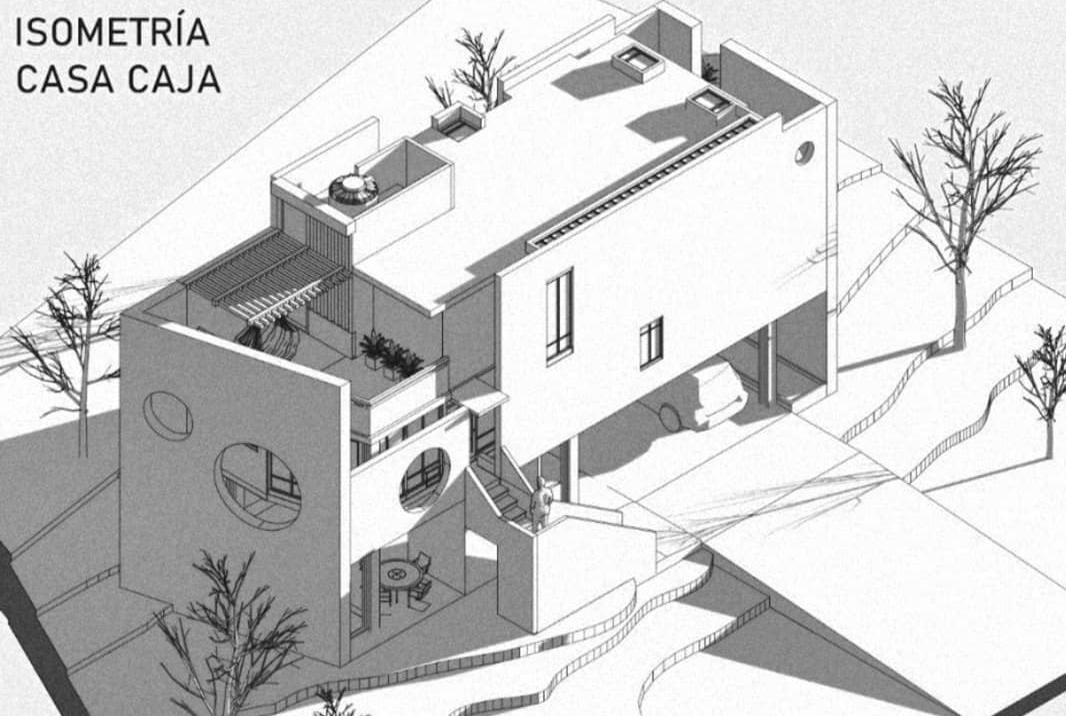
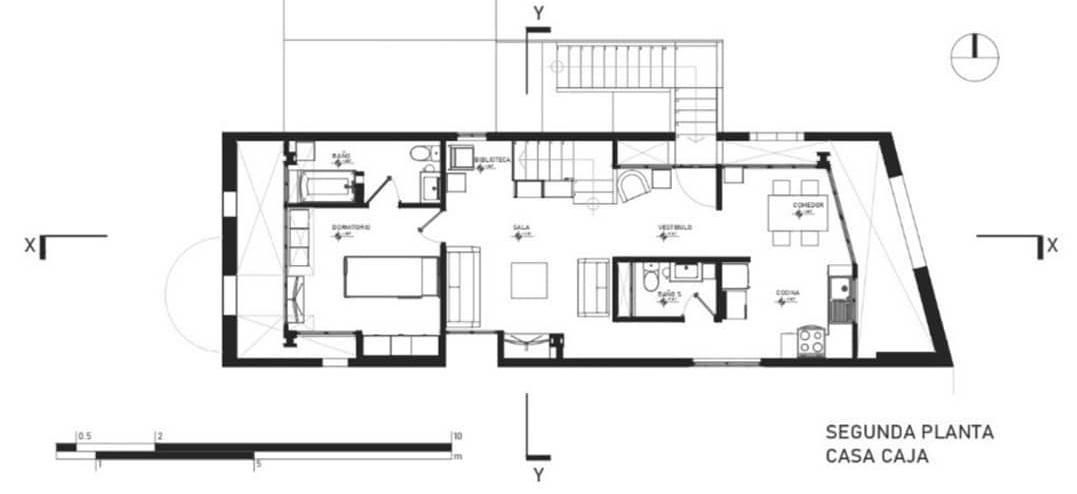
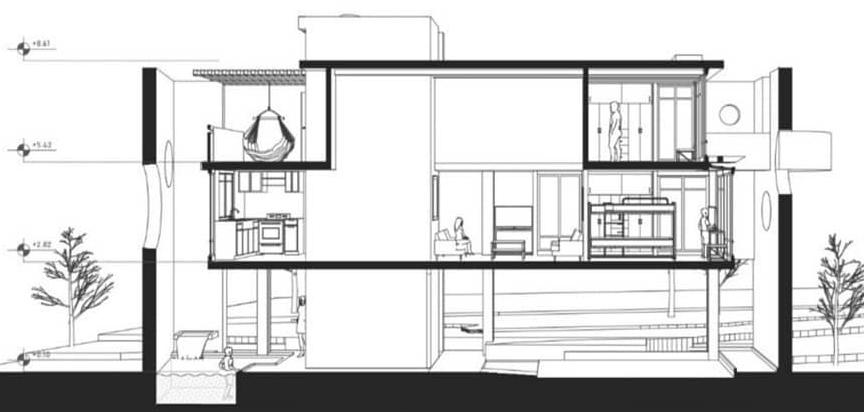
The project is a single-family home. It works as a rest house located in the forest of Zambrano; intentionally with minimal but pleasant areas, playing with shadows and lights through different openings and heights.
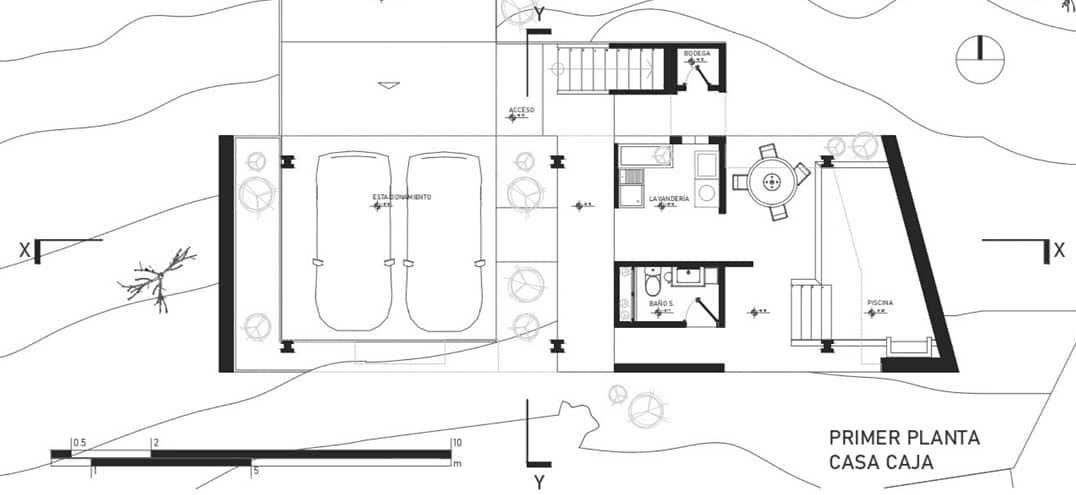
The architectural plan, seeks to respond to an initial premise for a rest house, but experimental from its shape to its basic areas; It consists of a covered garage, a social area with a swimming pool, a laundry room, a cellar, a hall, a living room, a kitchen, a dining room, two main bedrooms, two terraces, and three sets of full bathrooms and one half bathroom, spread over three levels.
first floor plan
second floor plan
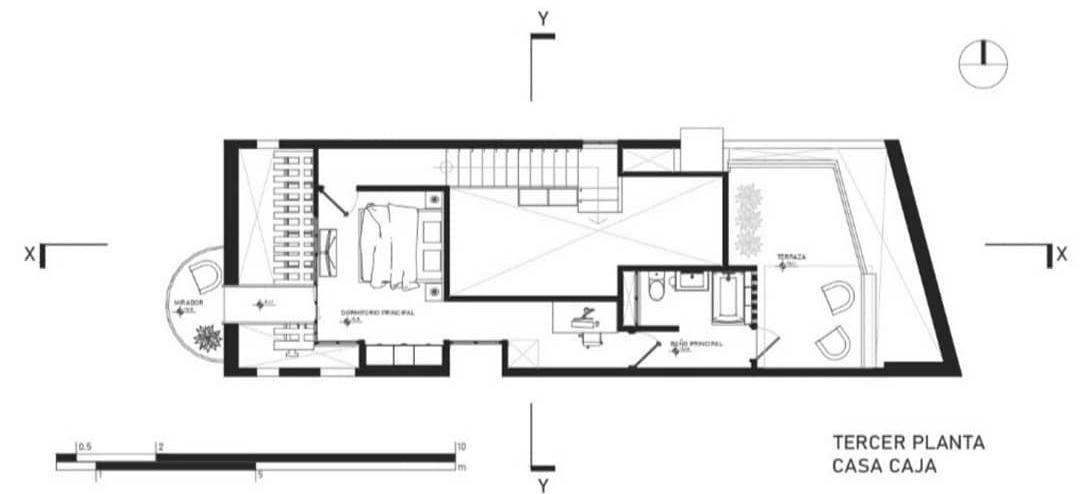
third floor plan
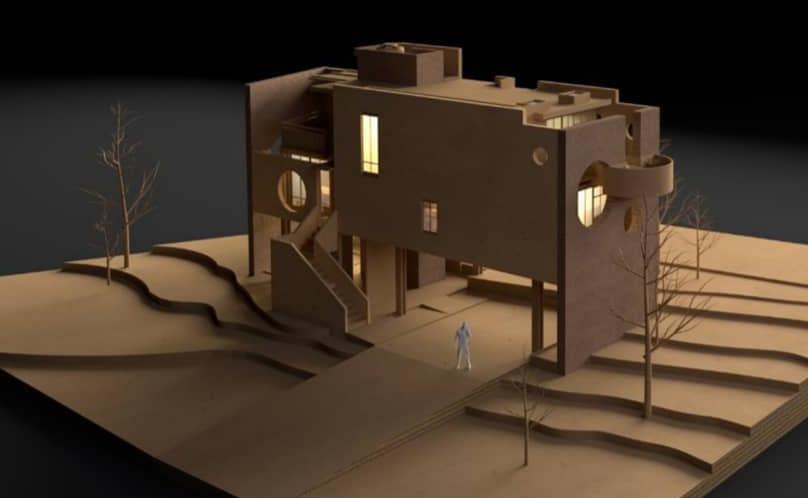
“It’s literally a floating glass box, inside a concrete box with holes in it” - Aziel Barrientos
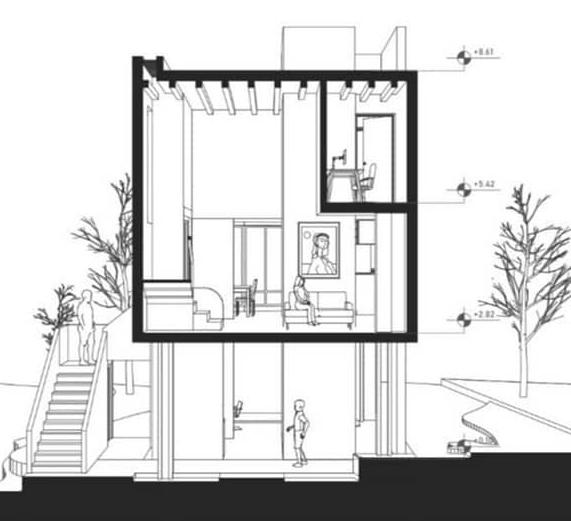 y-y section
x-x section
y-y section
x-x section
built area: 172 m²
typology: religious location: La Ceiba, Atlántida
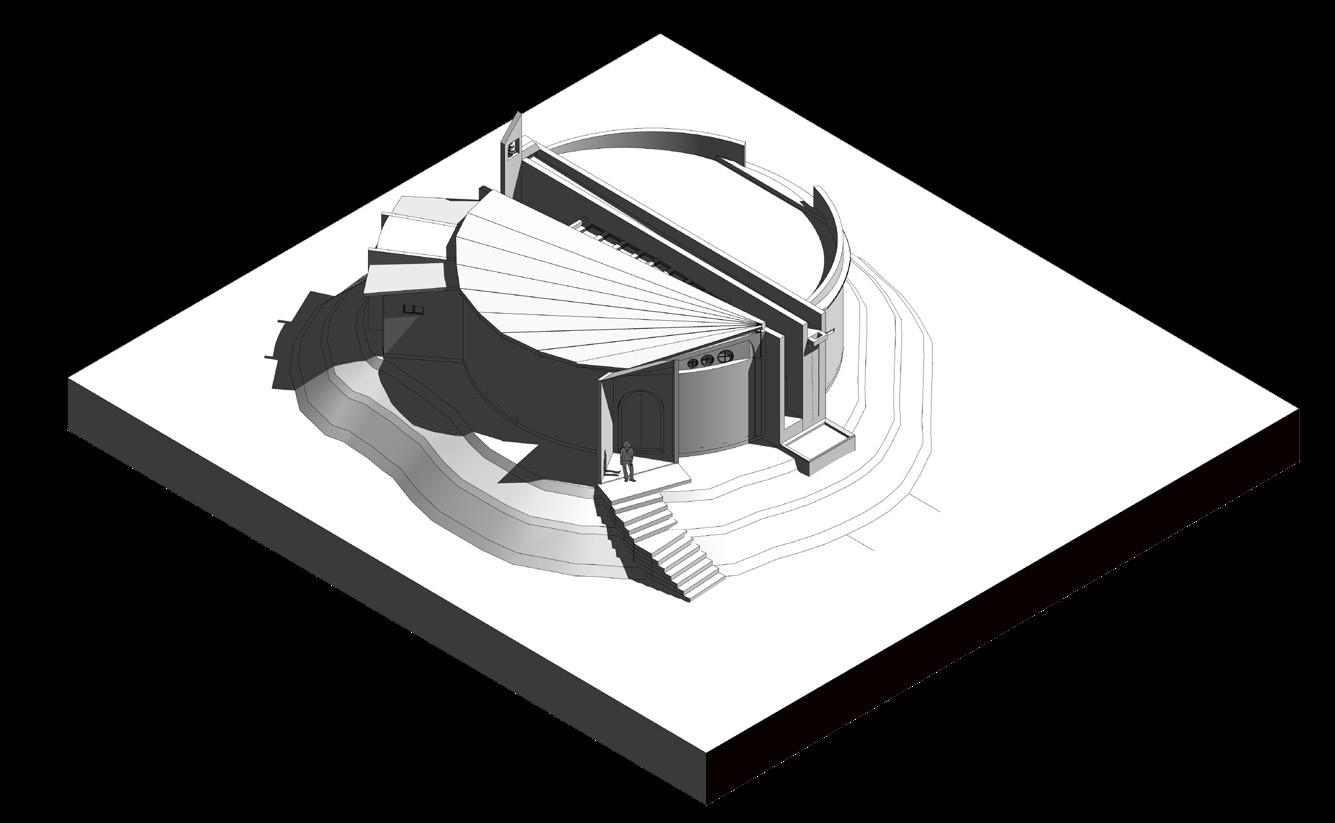
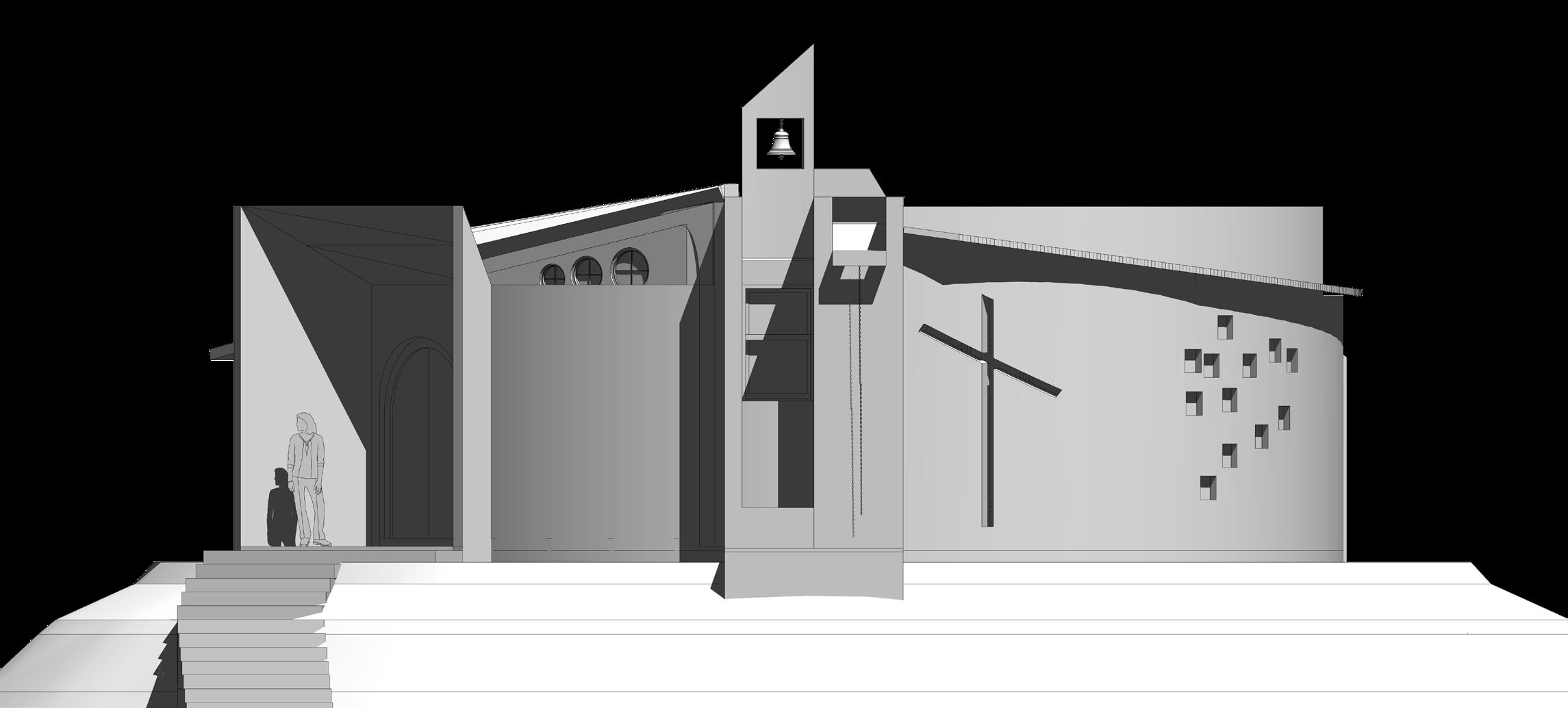
Design for a Catholic Chapel as a Focal Point on the Hilltop. This would be located at the end of a long driveway in the Catholic Retreat Center developed as a design project by the group (Aziel Barrientos, Andrea Varela, María José Zaldívar, Yonathan Peréz).
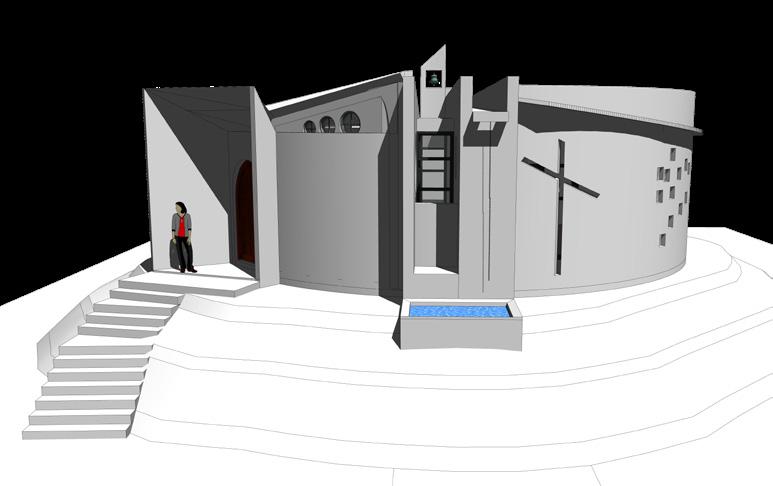
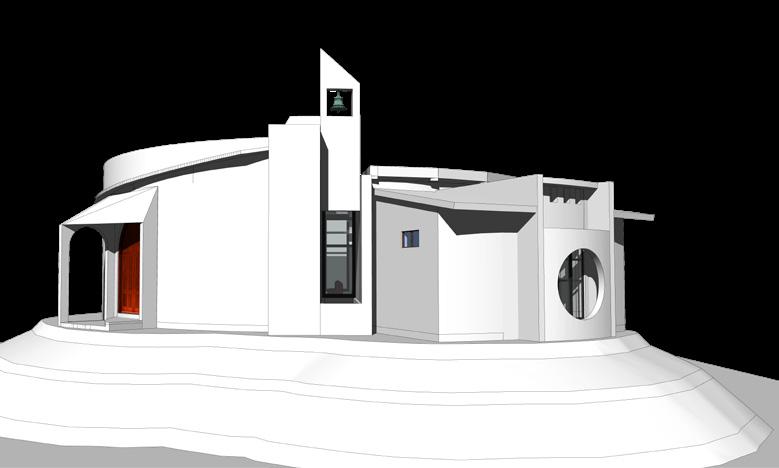
The chapel tries to stand out from its context, and to be imposed on a hill. For this reason its name and its round shape. It has capacity for 63 parishioners, an altar, and a bathroom cubicle, in addition to a fountain and a defined access and exit.
built area: 97 732.52 m²
typology: habitacional location: Tegucigalpa, MDC.
design: Aziel Barrientos, Carlos Mejía, Clarissa Ardón, Gabriel Vásquez
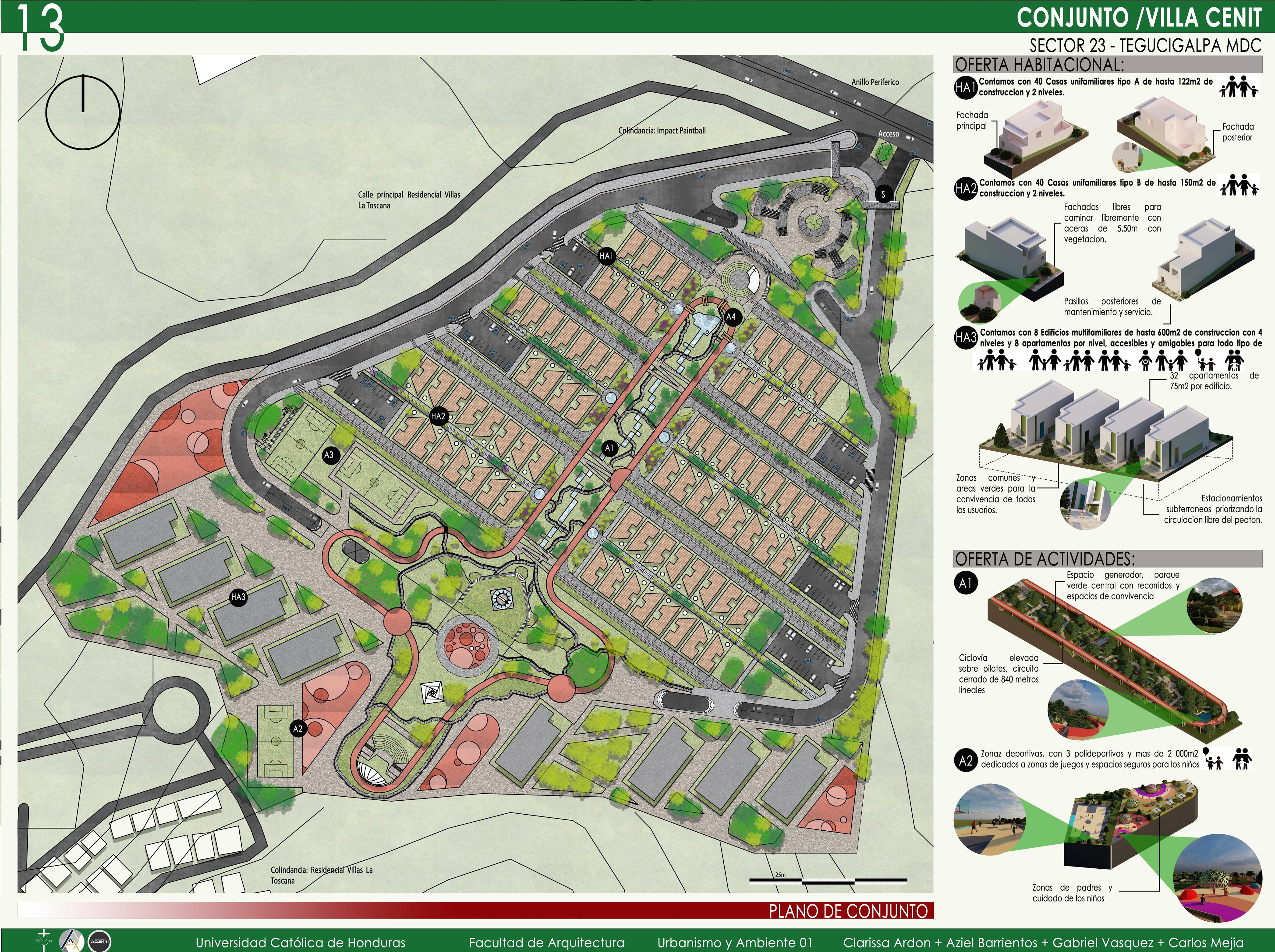
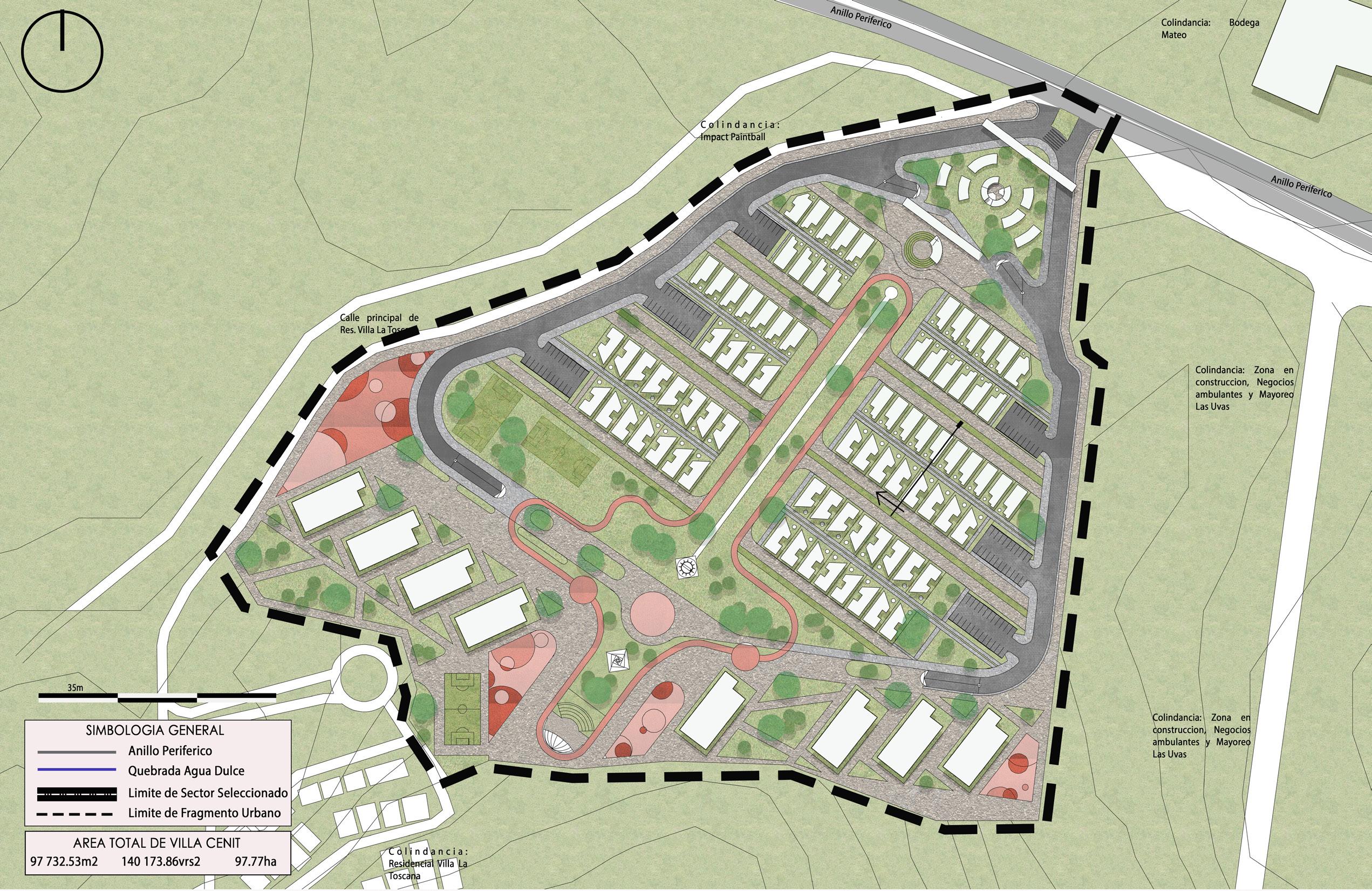
For the development of an urban proposal, several analyzes of the site to be intervened were carried out in class, such as its urban morphology, and identification of urban pathologies, that is, problems in the area. Thus, recognize needs and propose a project. In this case, an urbanization called Villa Cenit was carried out, where a conceptualization, functional and schematic analysis is proposed to conclude with an overall plan, a zoning plan, distribution and corresponding lotification.
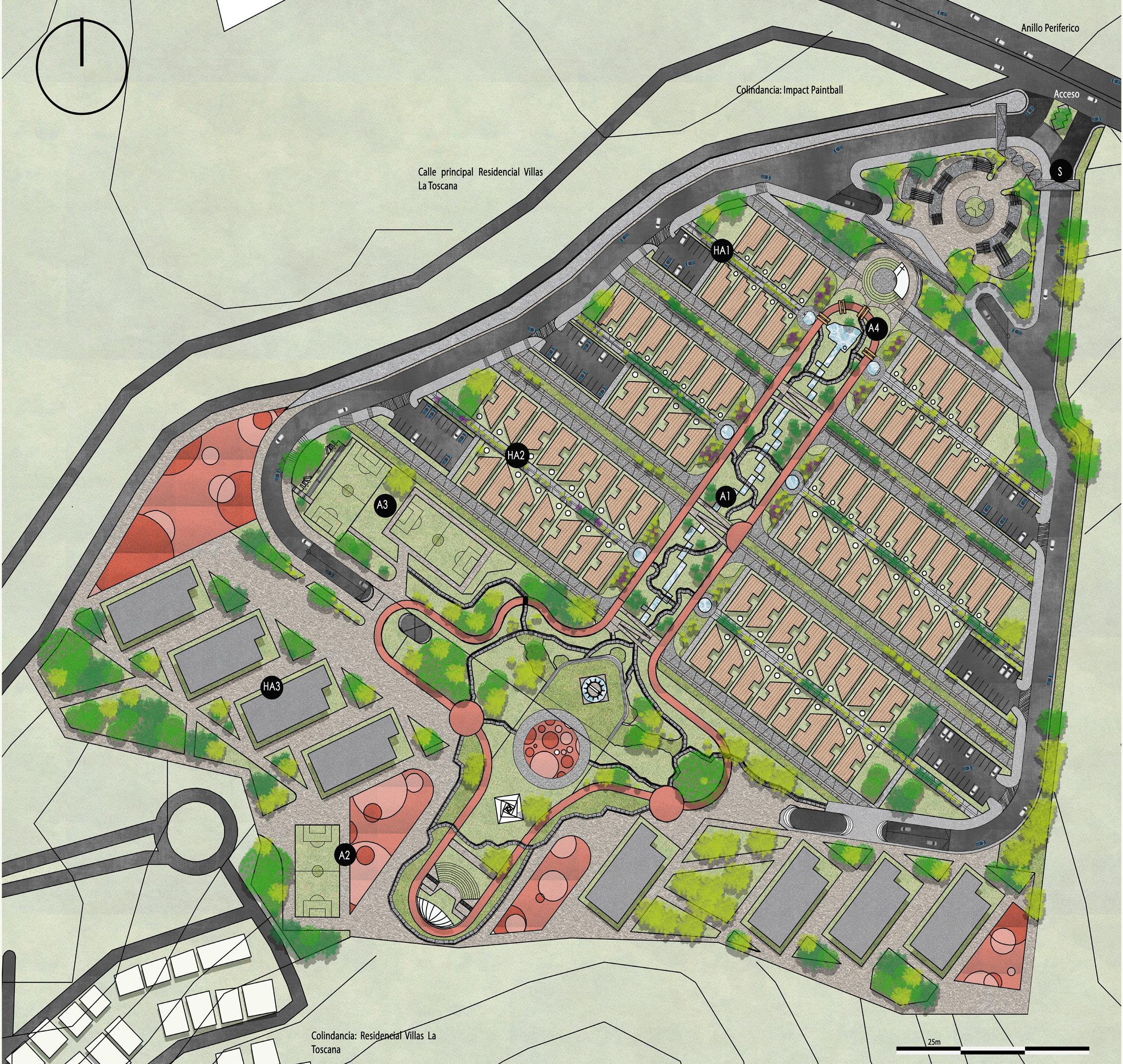
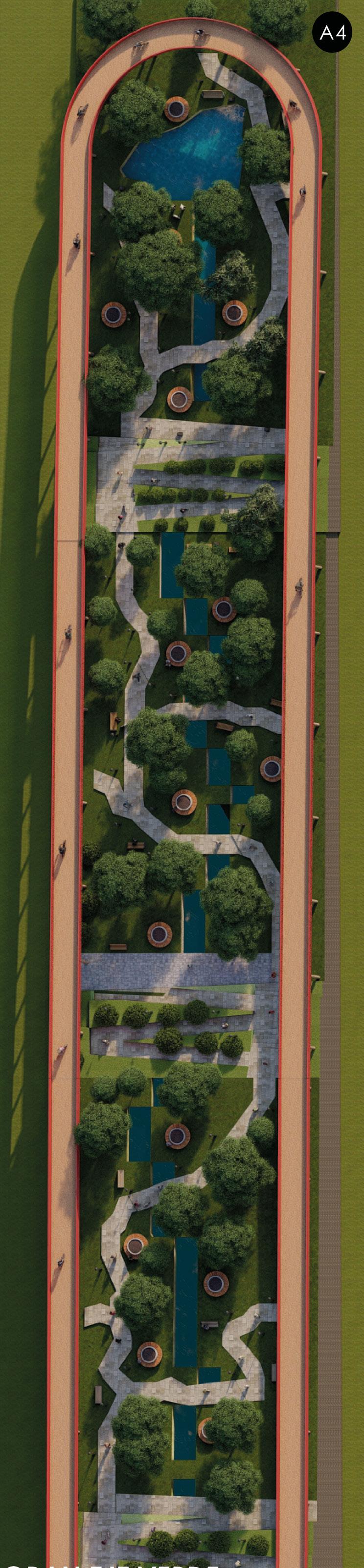
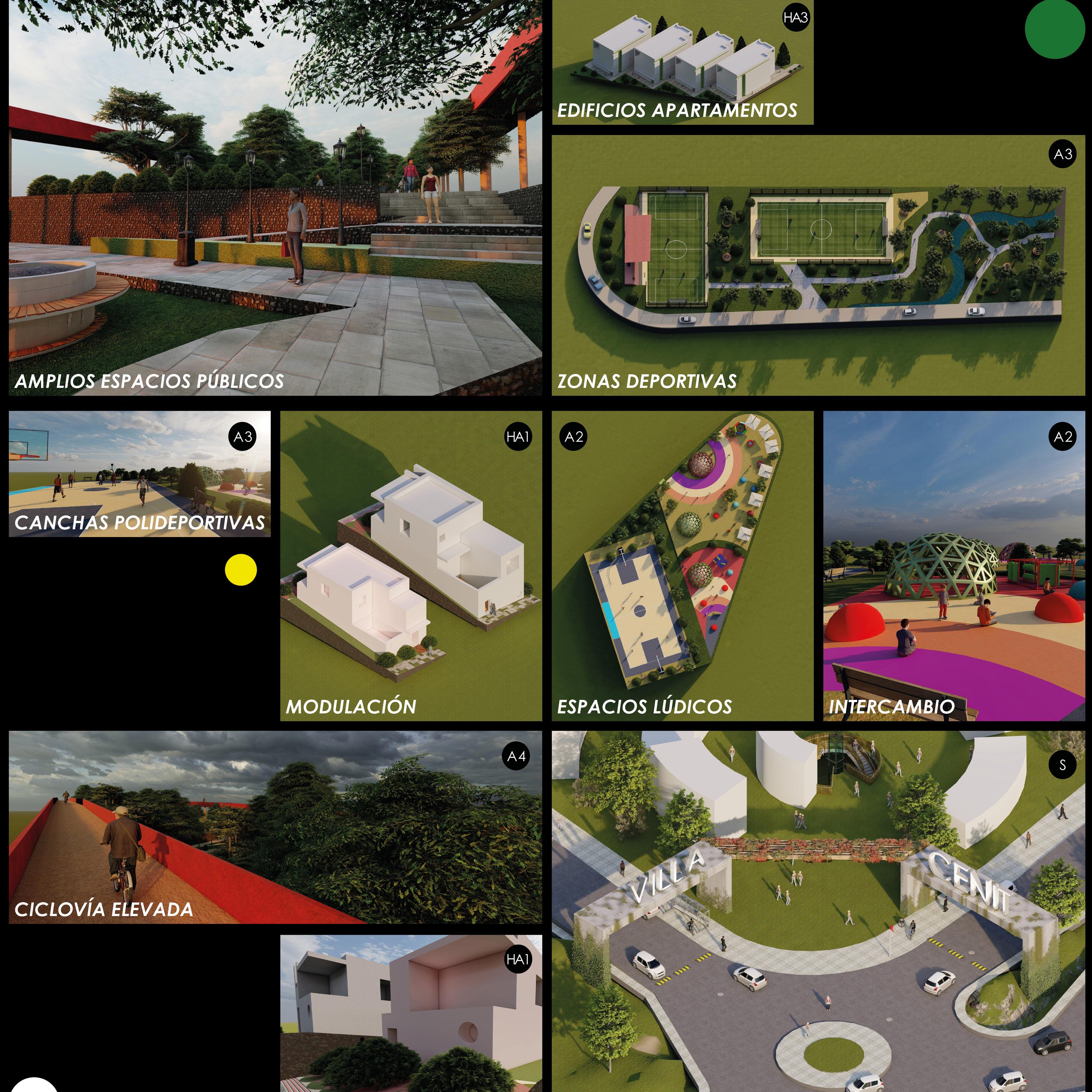
Urban project of a residence called “Villa Cenit” made up of living spaces starting with a commercial entrance square and continuing with a green area axis with several public spaces connected to it. Two types of singlefamily houses and multi-family buildings distributed from this axis.
apartment buildings
spacious public spaces
sports modules
sport courts
elevated bikeway
modulation
recreational spaces cultural exchange
built area: 3 000 m²
typology: commercial location: Juticalpa, Olancho
design: Aziel Barrientos, Carlos Mejía, Clarissa Ardón, Gabriel Vásquez
In order to create an urban balance in the economic, commercial, and architectural sphere; The need has been seen to be able to make way for the location and design of an architectural element that manages to welcome or exit the city of Juticalpa, balancing the urban profile.
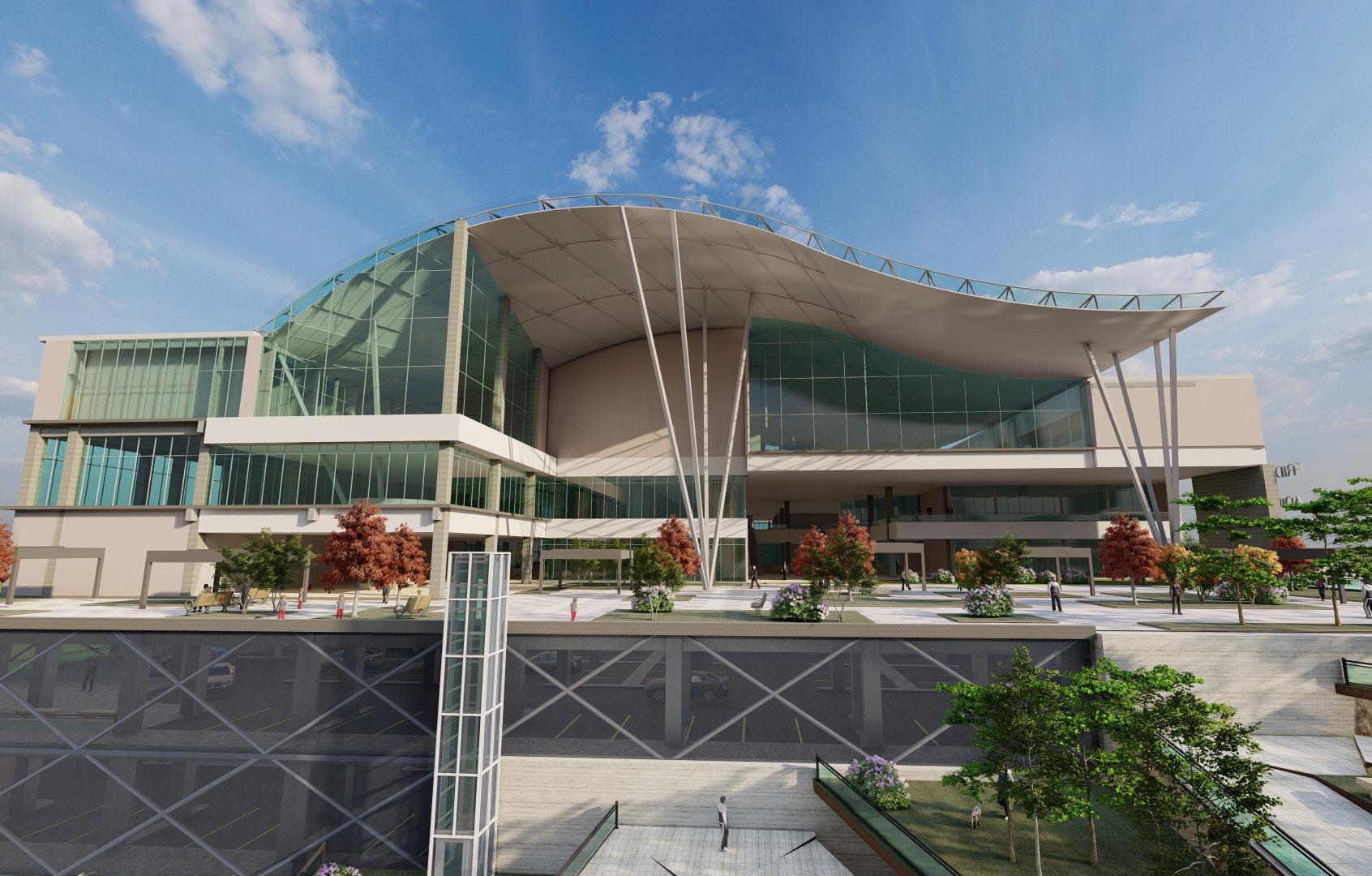
Giving way to the premise, it was established that it is necessary to occupy within the access to the city of Juticalpa, coming from Tegucigalpa, a geographic space that serves as a reception, interconnection and interest point for the local citizen and the tourist. Identifying itself, as a solution, to propose the design and construction of a shopping center that integrates these concepts for the local user and the visitor to the city.
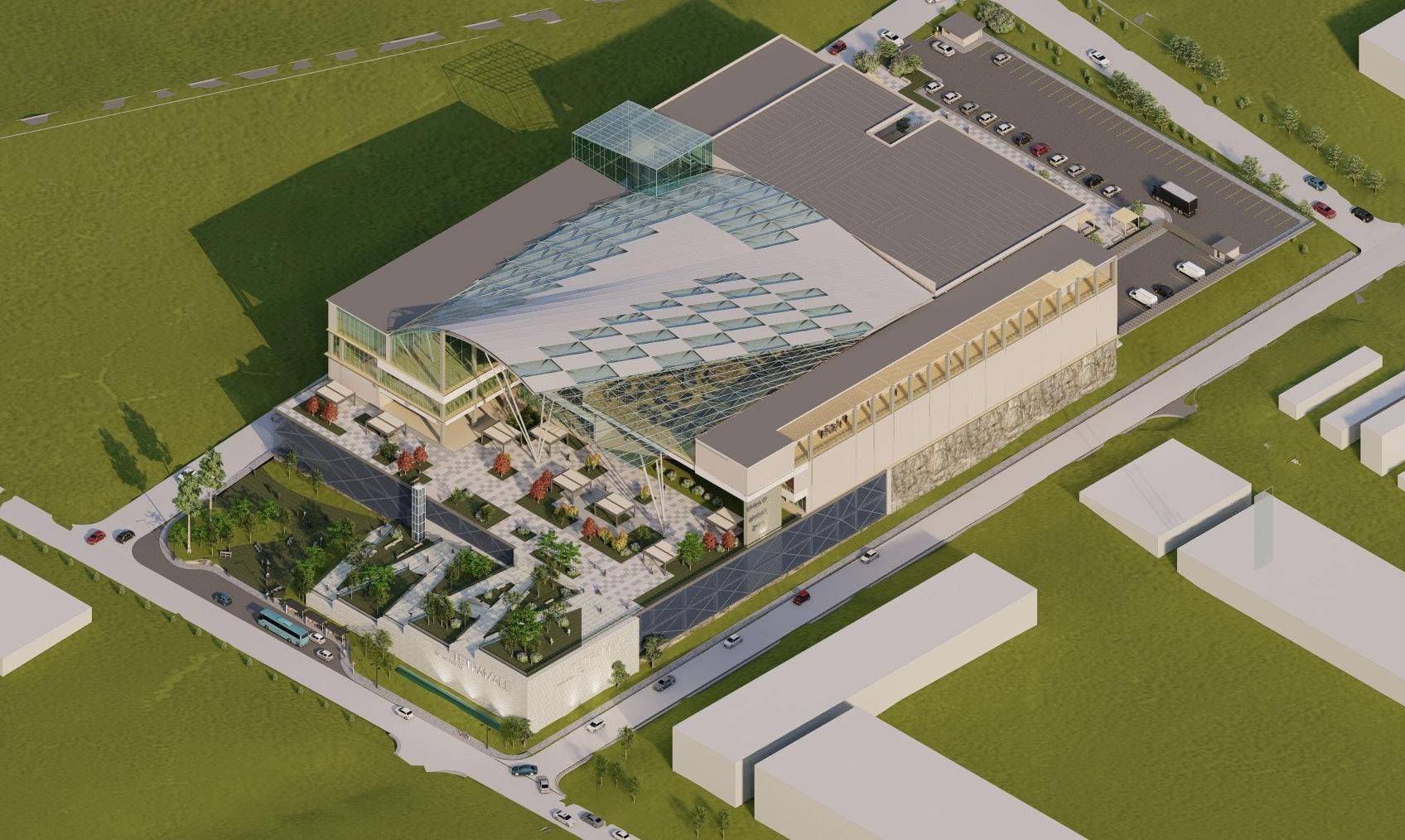
In search of a unifying element and that as pieces connect a whole. This element is chosen because through the design we want to achieve dynamism, gradation, interconnected, linked spaces, and complementary to each other. Play an important role in the two and three dimensions of the project idea.
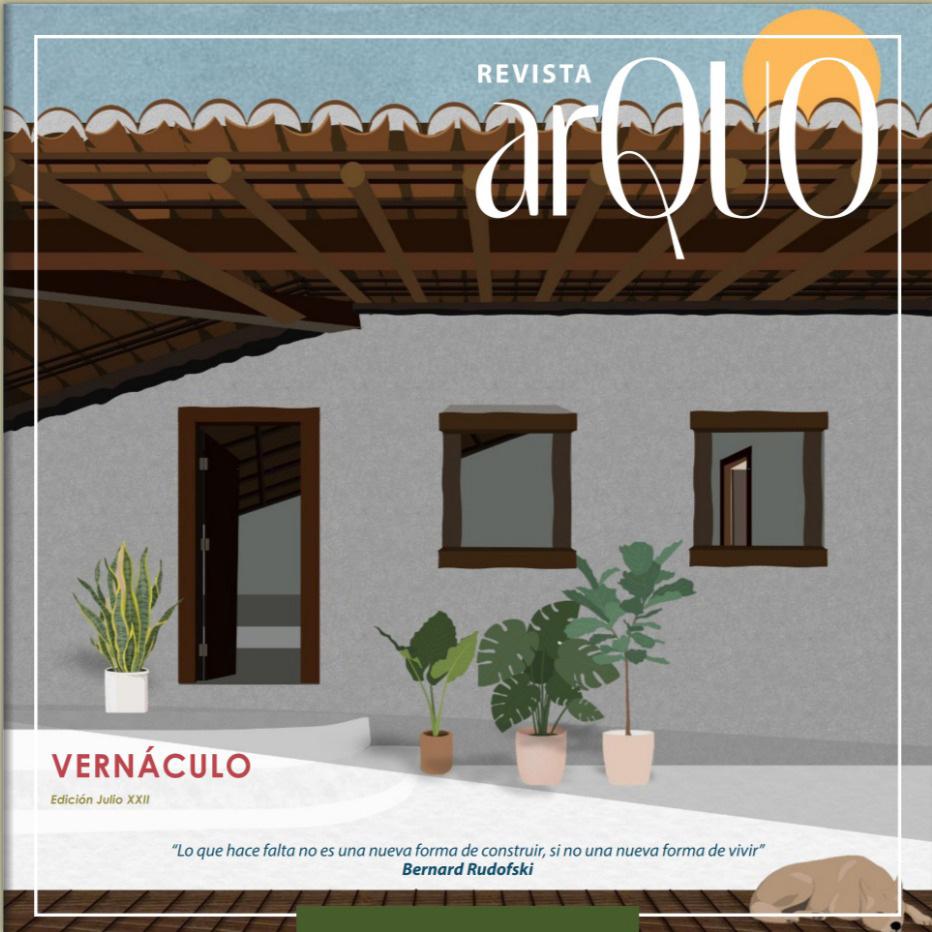
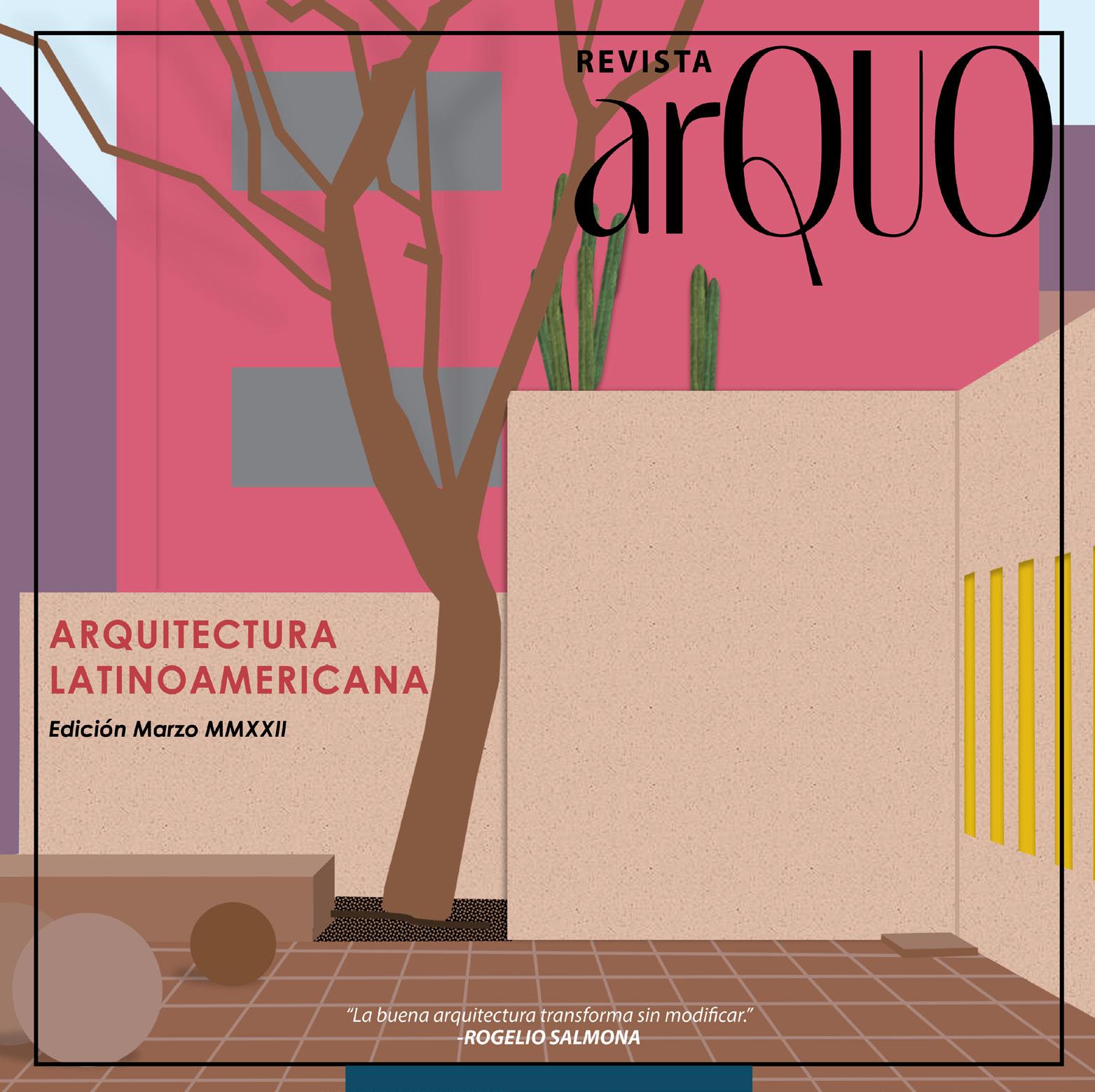
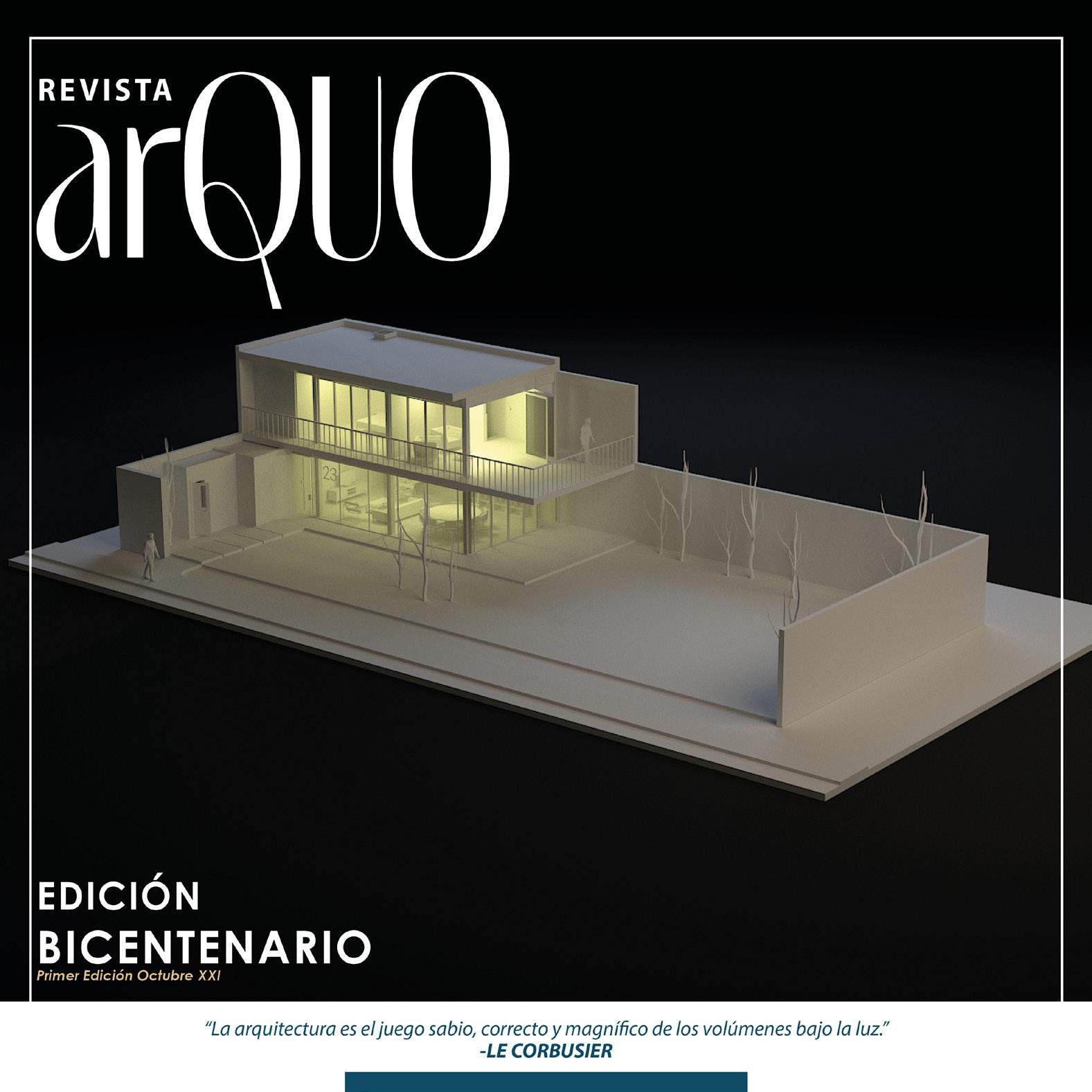
editions: 3
publication: trimestral/digital
founders: Clarissa Ardón, Aziel Barrientos, María José Andrade, Irina Cáceres, Yolanda Suárez, Daniela Irías, Andrea Medina, Daniela Ruiz
Through this project we see an example of those words that a group of students with concern and initiative make a reality and do not develop a product that only publicizes the work of the faculty, but achieves the integration of a multidisciplinary team that breaks schemes. in the presentation of a magazine that has diverse perspectives, reasons and opinions on design, art and architecture.