I am a Design Architect with over 8 years of experience in international Architecture & Design firms. Strong academic and research background along with professional experience in various typologies ranging from residential, commercial and hospitality. Experienced in planning, conceptual design, design development, project coordination, construction adminstration. A performance-driven individual that delivers optimum quality work with the aim of continuous growth in the industry.
PERSONAL DETAILS
Nationality
Mail
Canadian
10 / 10 / 1993
Birthdate wehbe-a@hotmail.com Chicago, IL 60605
Address
EDUCATION
Master of Architecture
Bachelor of Architecture
EXPERIENCE
Senior Designer
Researcher
Design Architect
Junior Architect
Intern
SKILLS
American University
KU Leuven KU Leuven AS+GG AE7 Architects Schuster Pechtold K&A
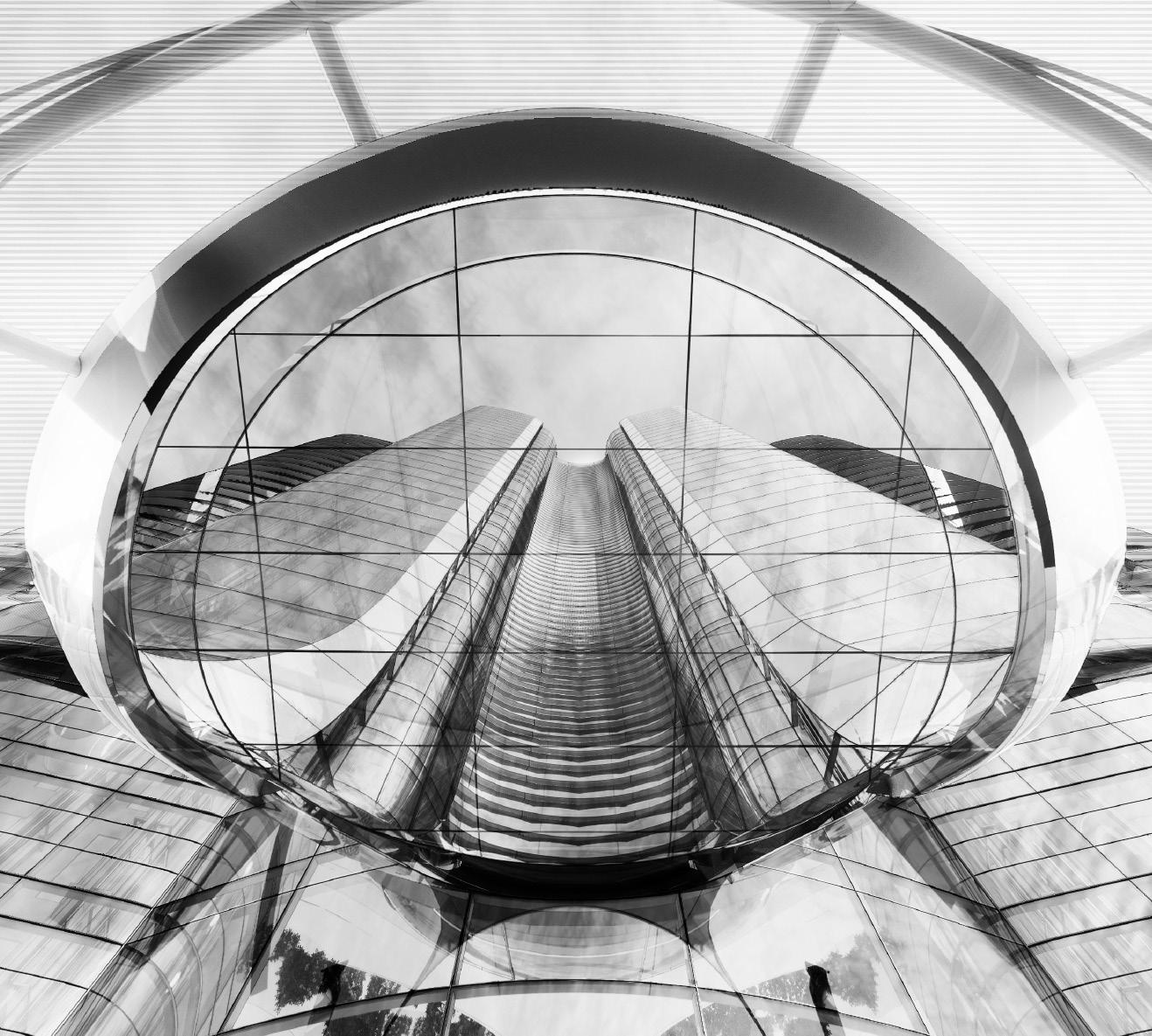
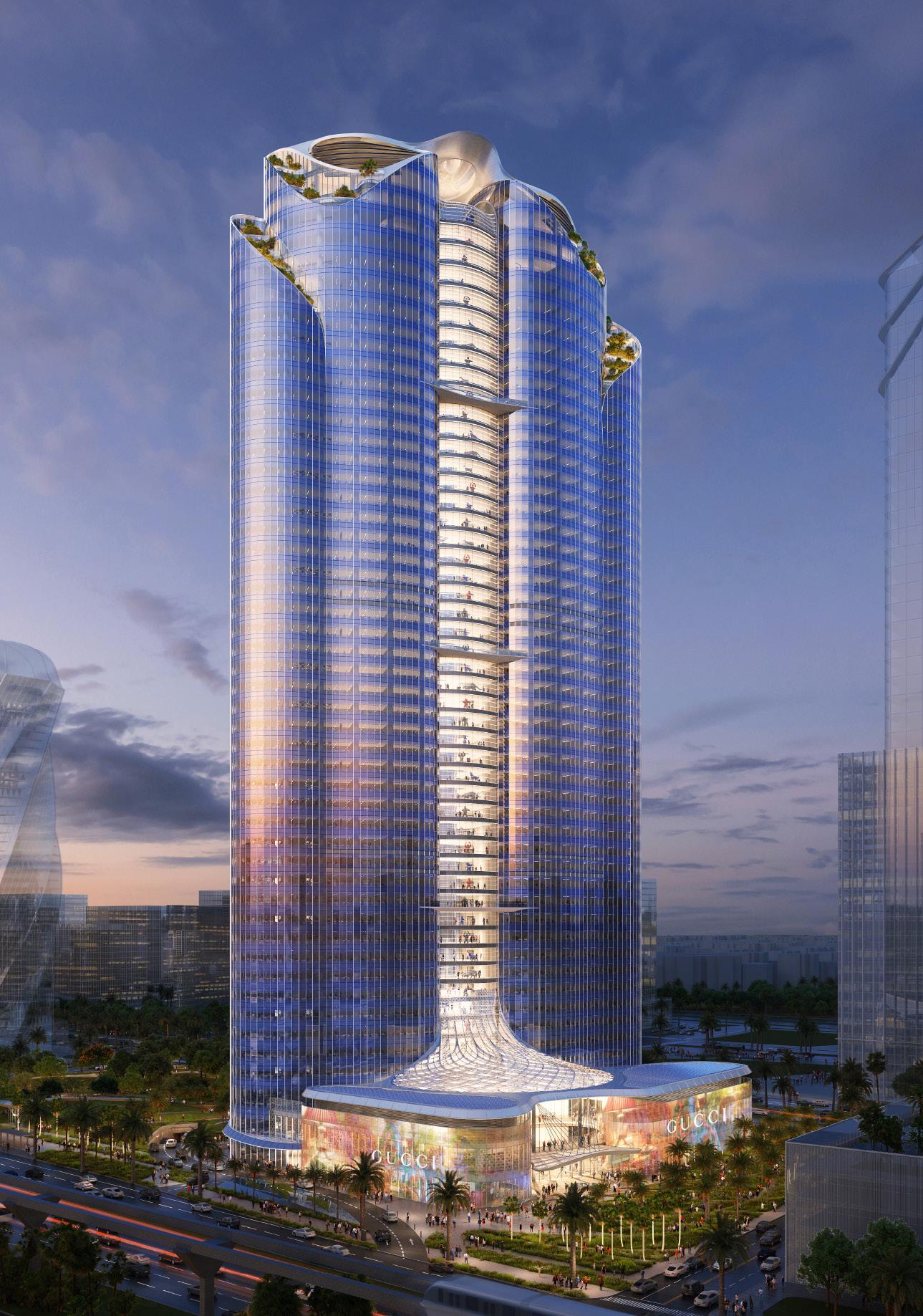
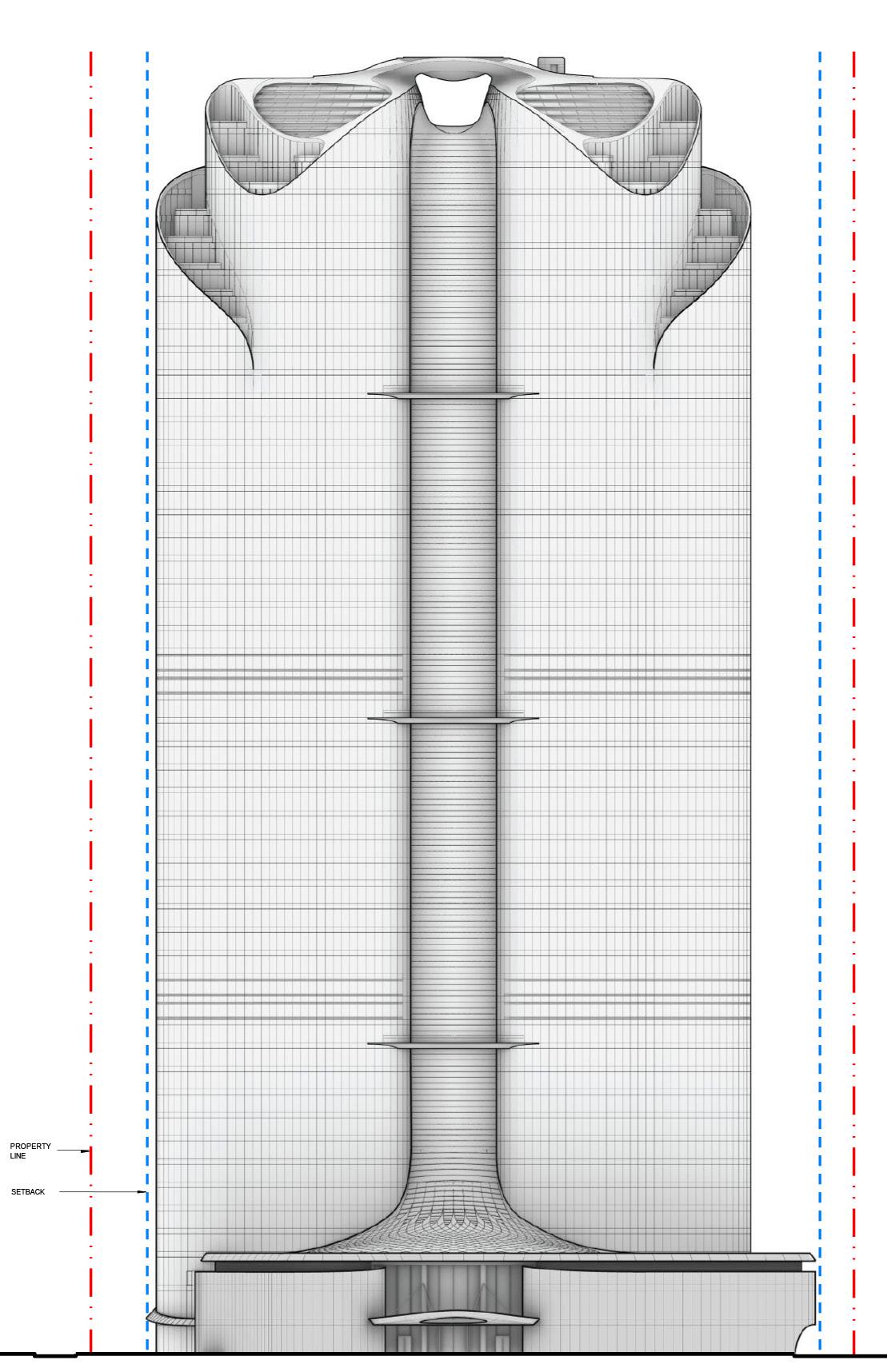
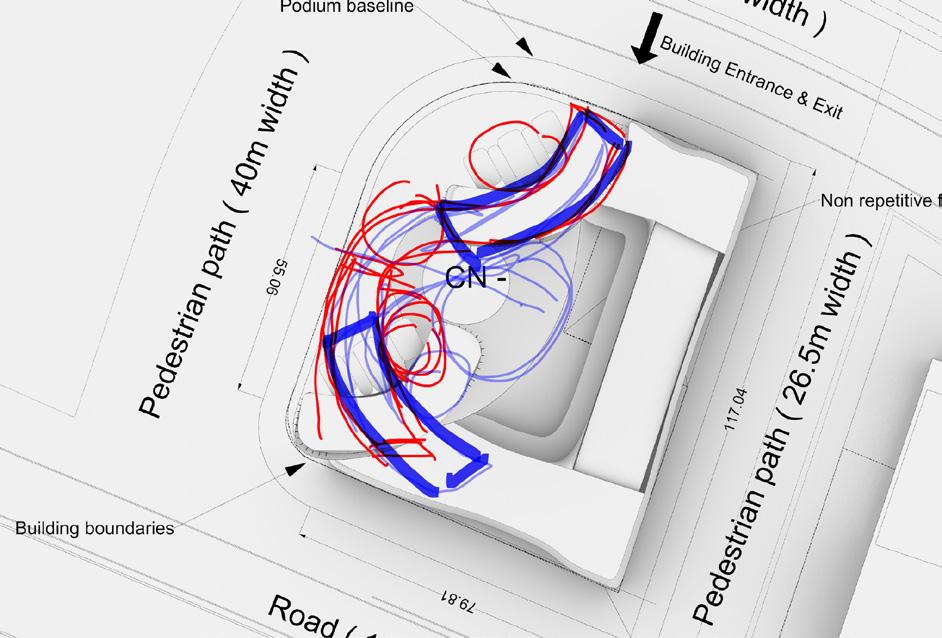
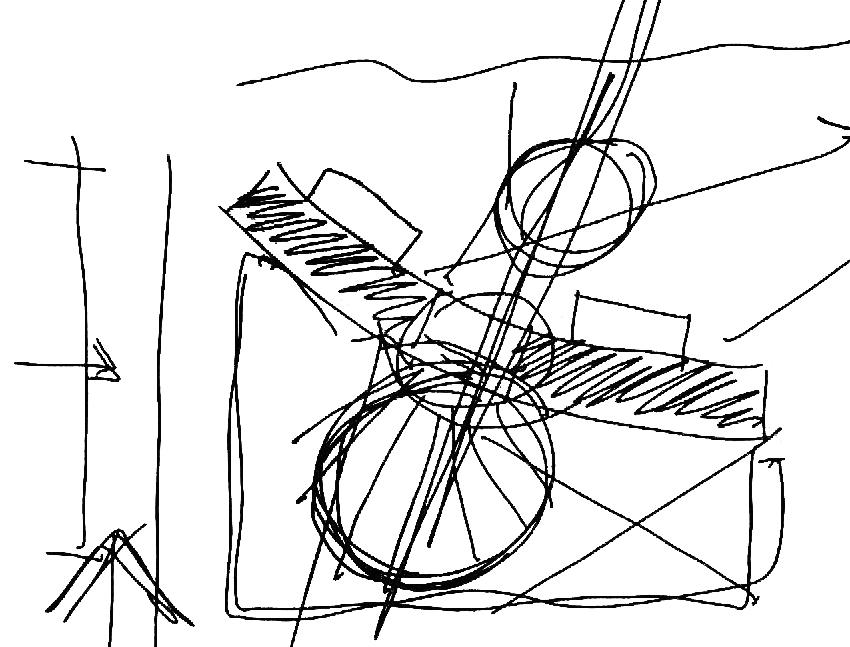
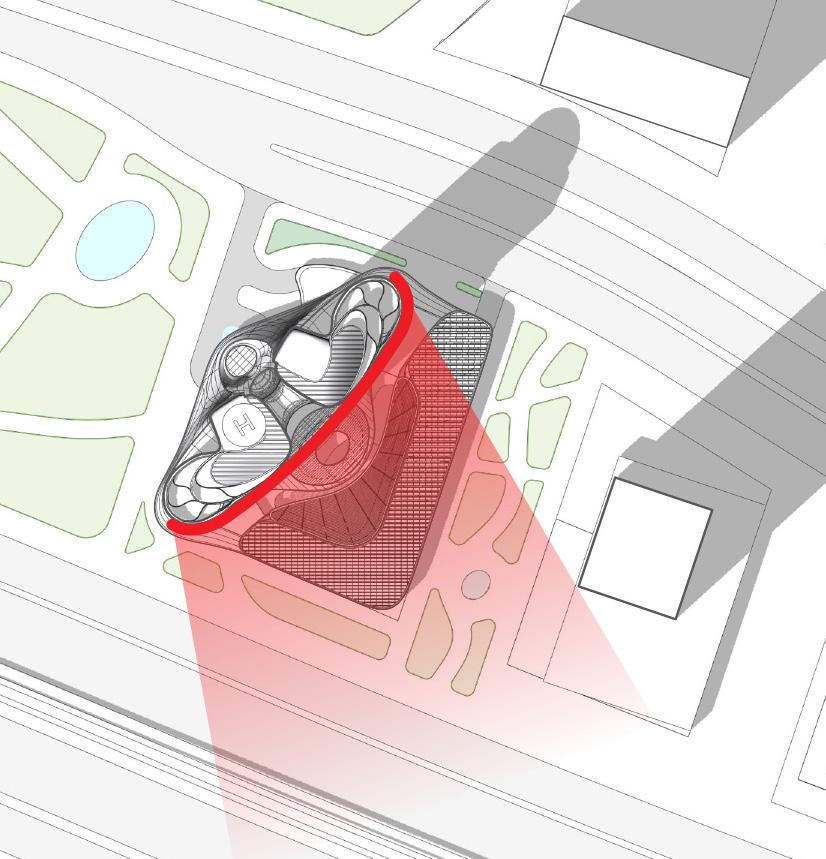
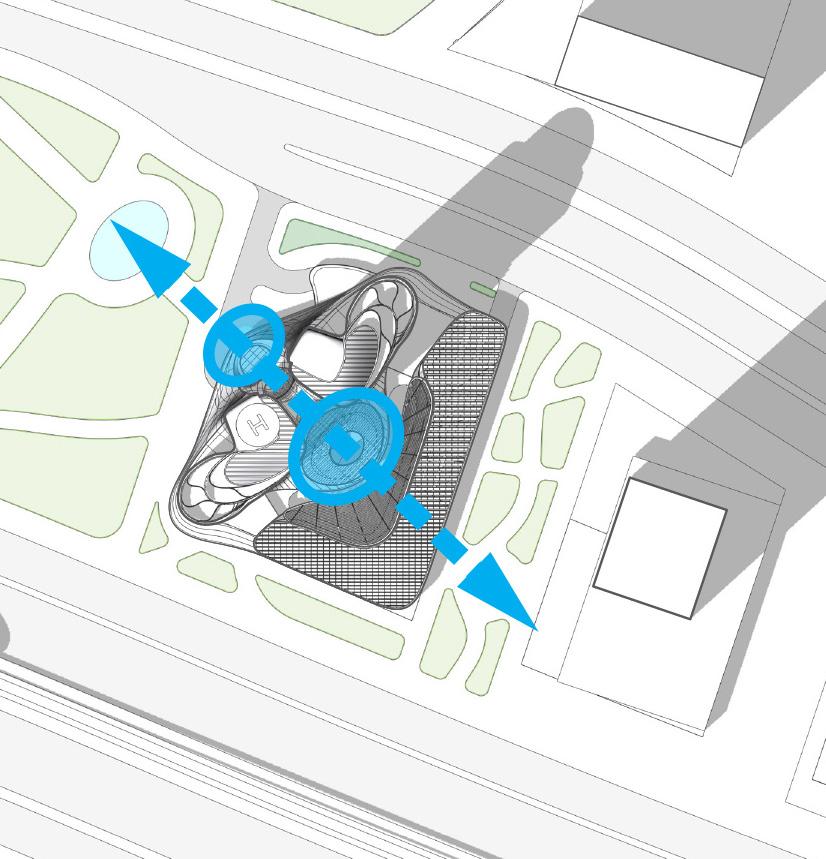
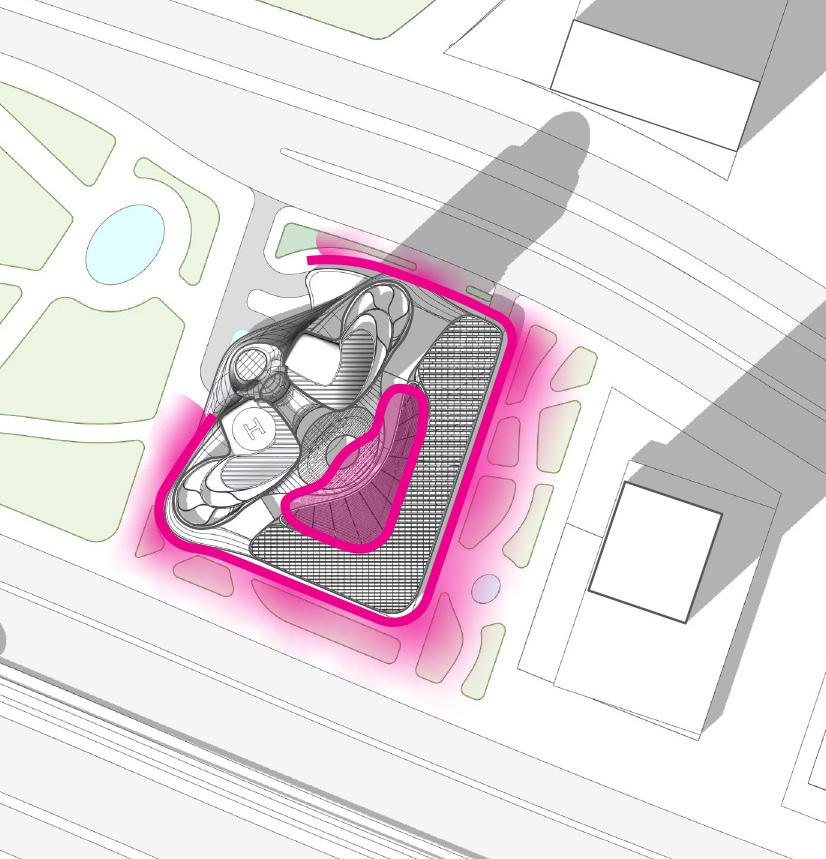
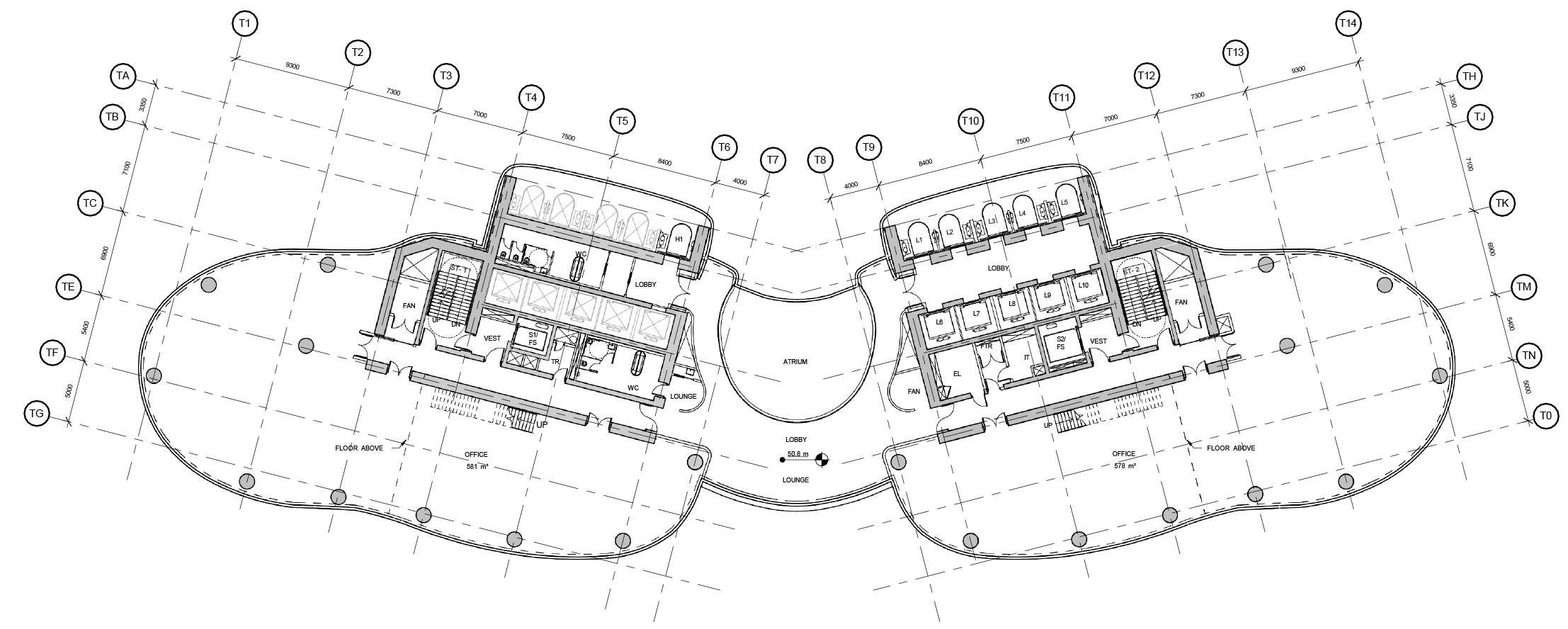
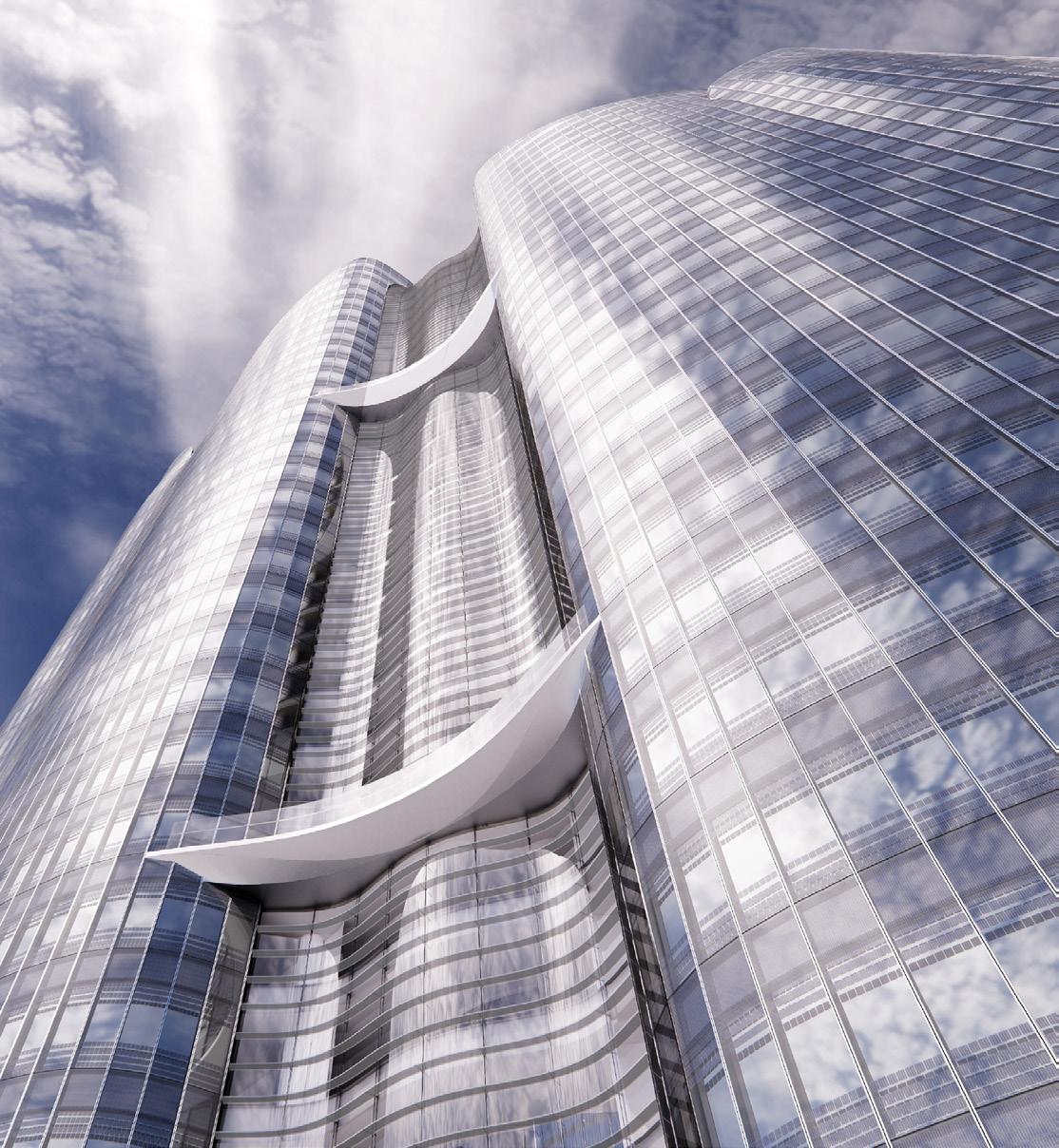
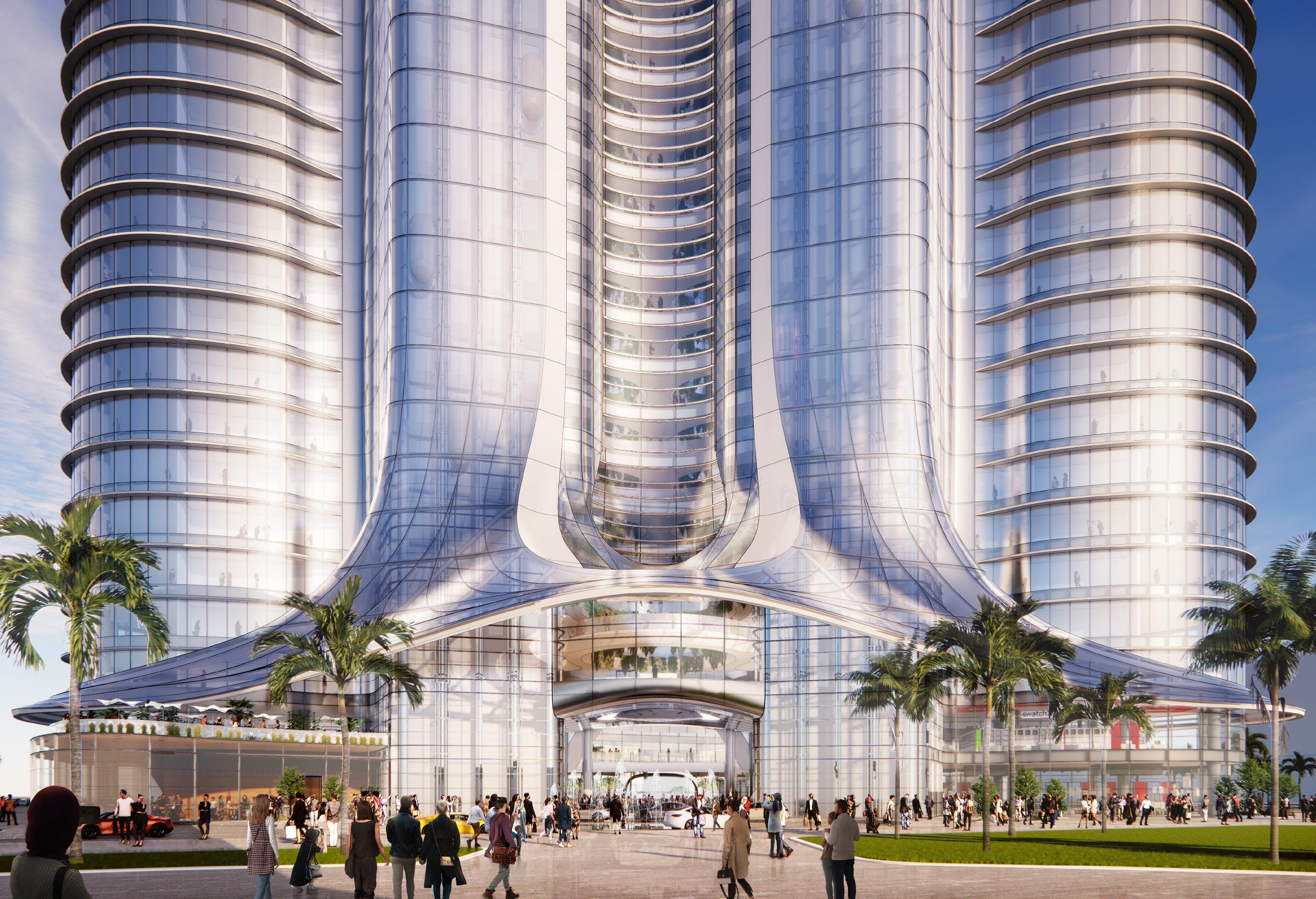
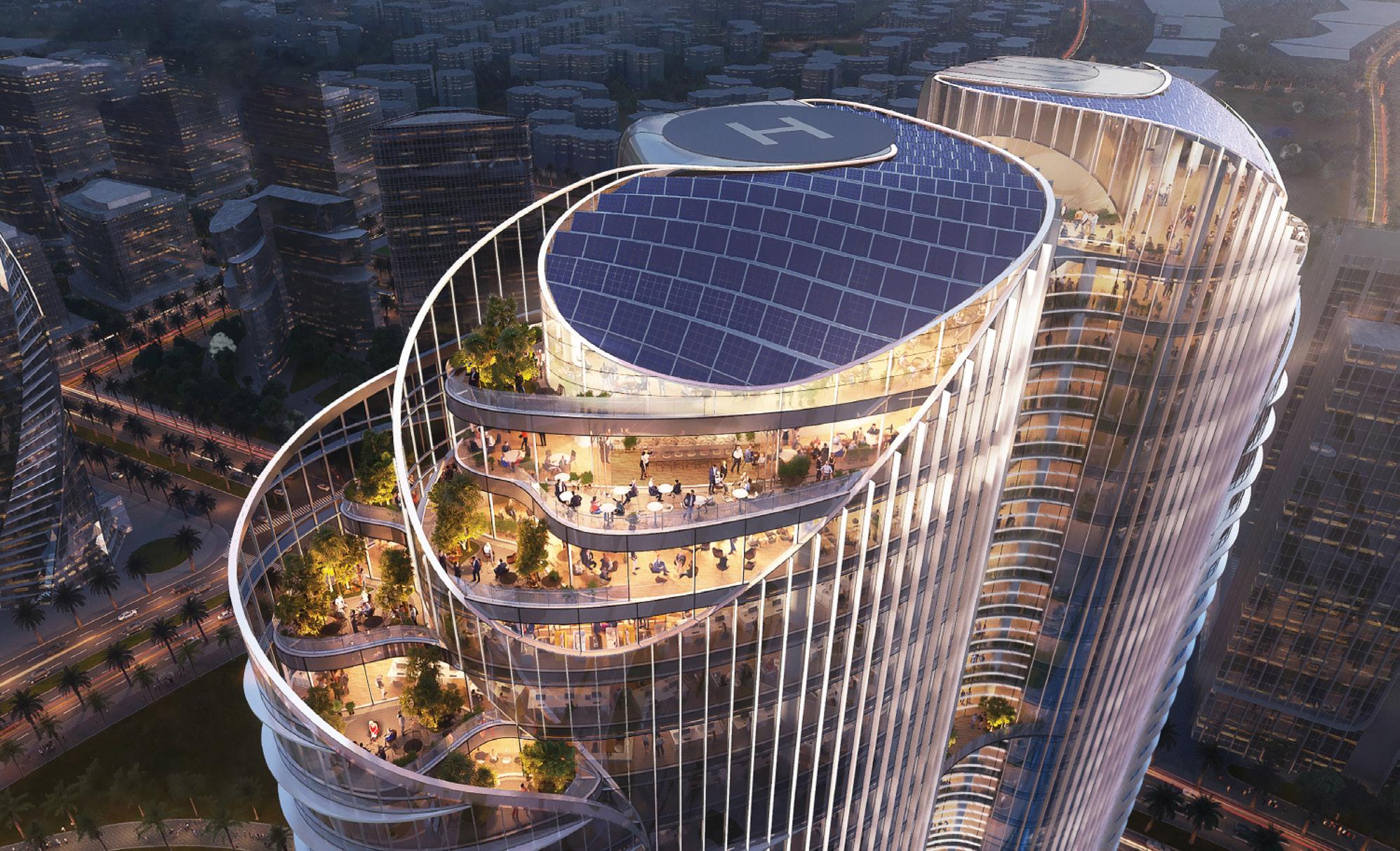
Forbes International Tower Complex sets a new benchmark for Cairo through its iconic architecture, exceptional office experience, and high-performance design. The project will serve as a key destination for the New Capital City and Cairo, introducing a revolutionary commercial paradigm for Egypt. Its architectural design is driven by the integration of nature, culture, technology, and experiential spaces.
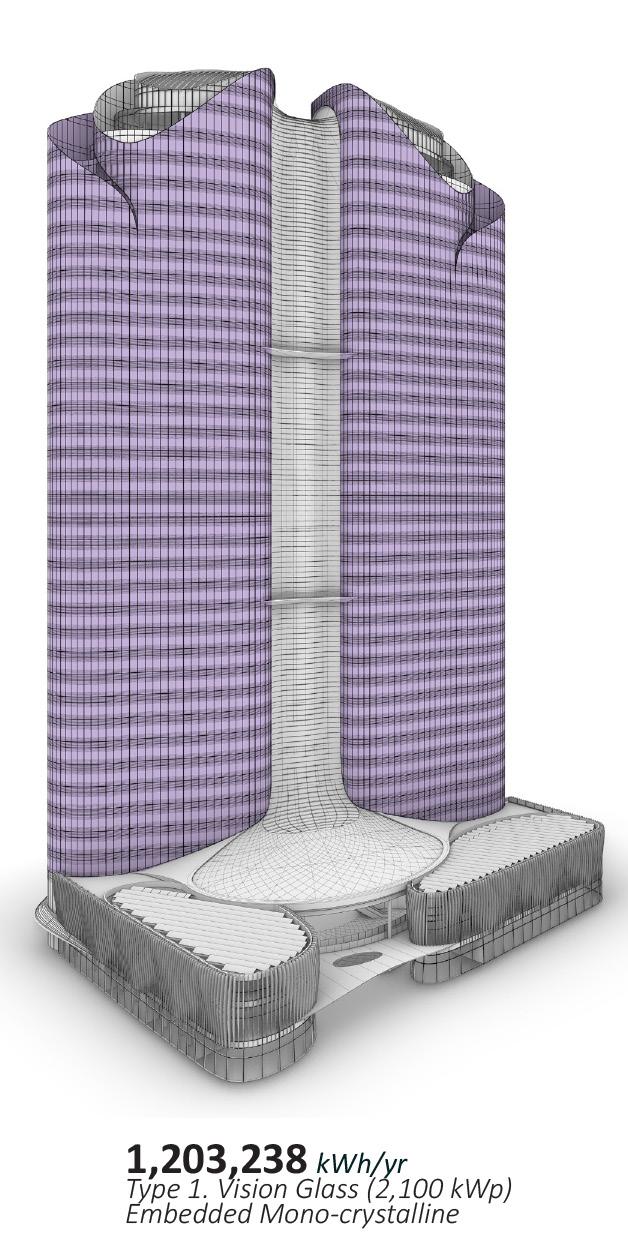
These principles combine to create a development that is deeply connected to Egypt’s cultural heritage, respects and incorporates natural elements, and contributes to the country’s journey toward a carbonneutral future. The towers will establish a new standard for environmentally responsive architecture, with their form and external expression crafted to optimize local environmental conditions, protect from adverse impacts, and harness natural forces. The design aspires to achieve balance and harmony with the surrounding environment, while seamlessly integrating modern, intelligent building technologies.
Responsibilities
• Contributed to the overall massing design of the tower and podium, focusing on simplicity and efficiency.
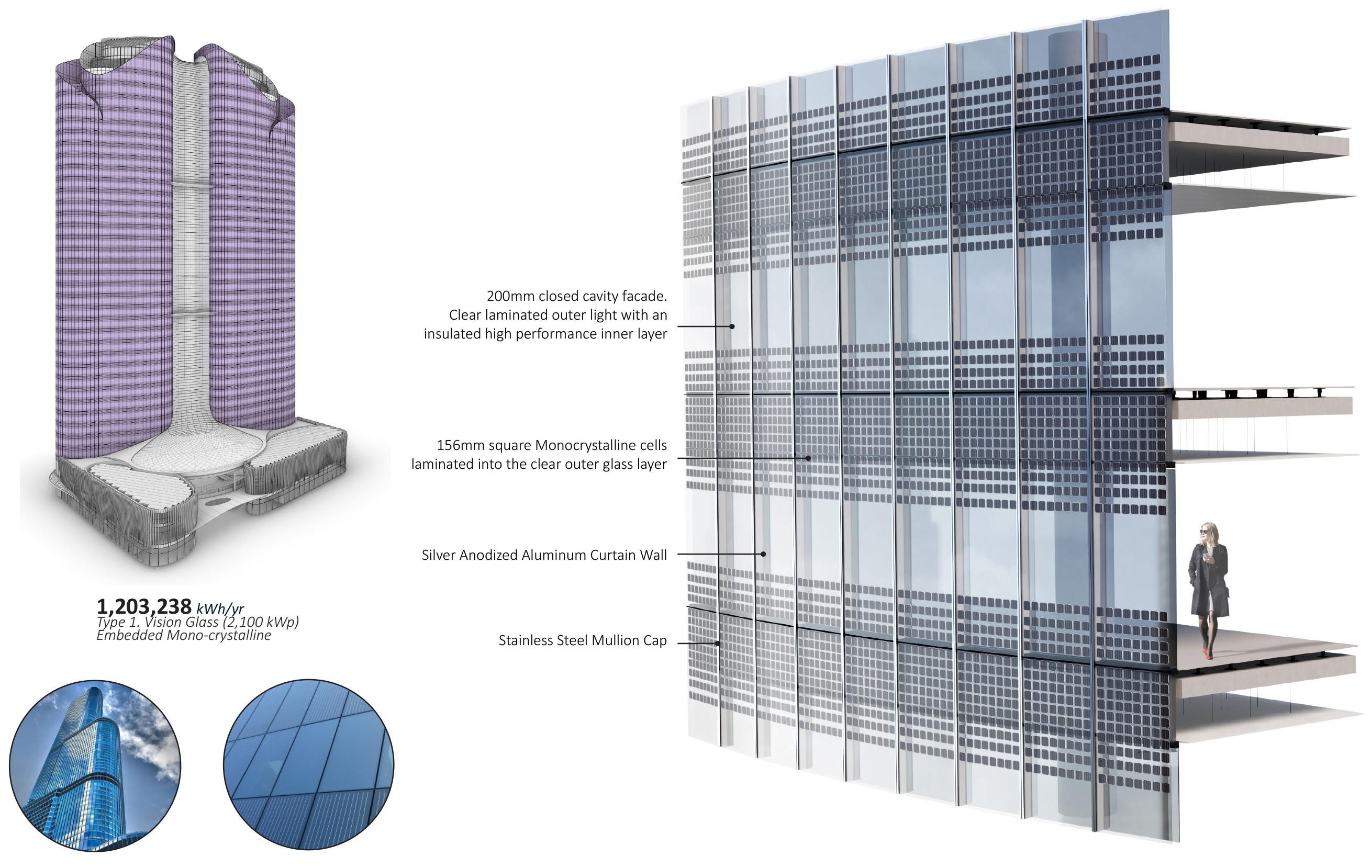
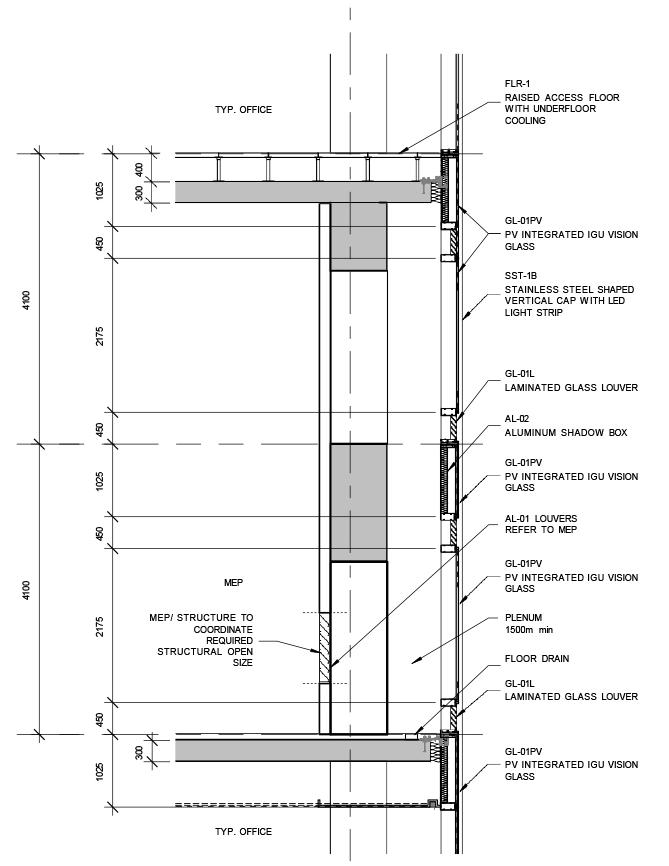
• Led the design of the façade through an iterative process involving detailed 3D vignettes, physical models, and energy simulations, while coordinating with the sustainability team to optimize environmental performance.
• Prepared the schematic design package, including drafting detailed plans, sections, and elevations.
• Coordinated closely with structural, MEP, and BMU consultants to ensure seamless integration of all building systems.
• Assisted in creating presentations and producing diagrams, and coordinated with external rendering studios for high-quality visual outputs.
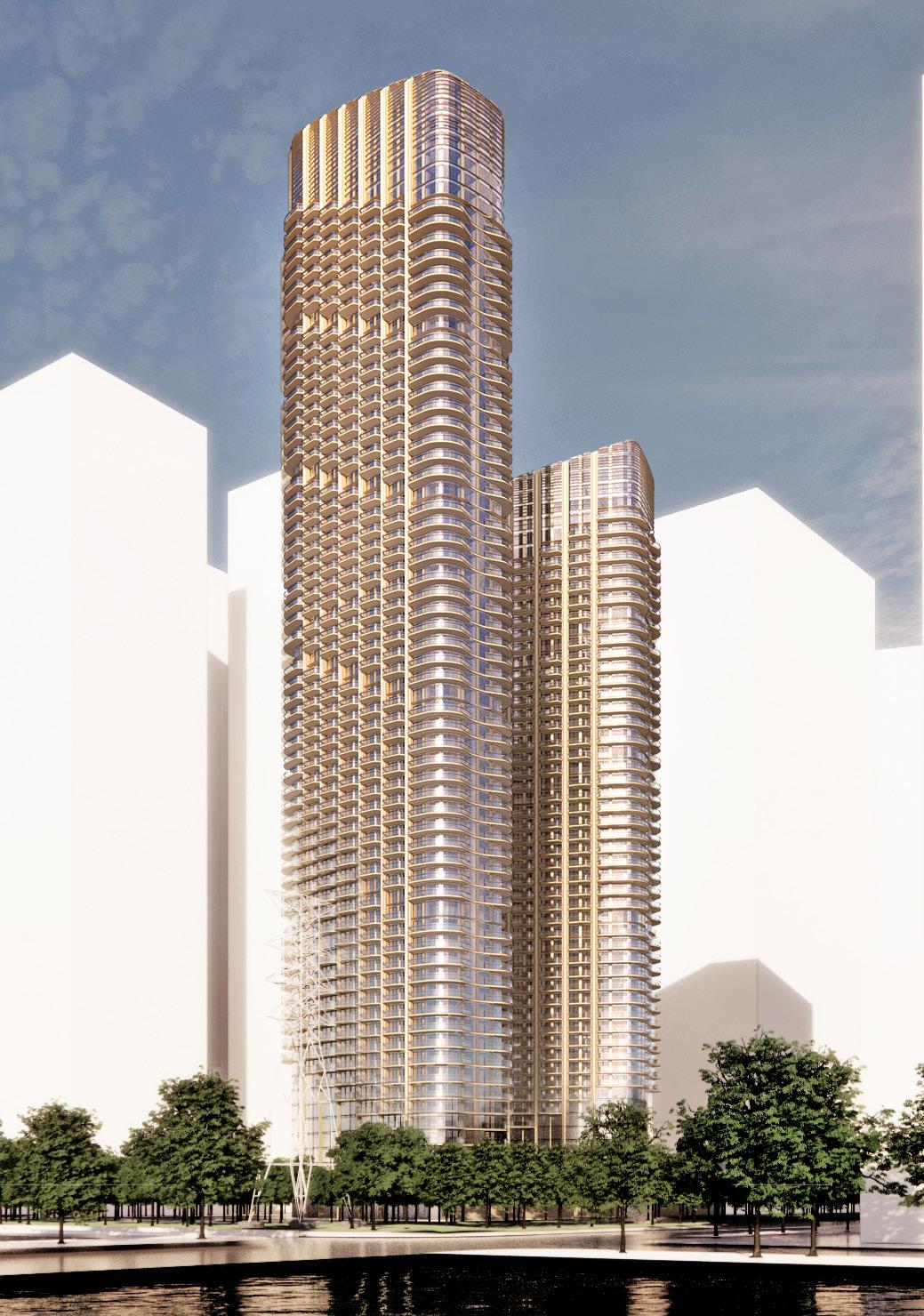
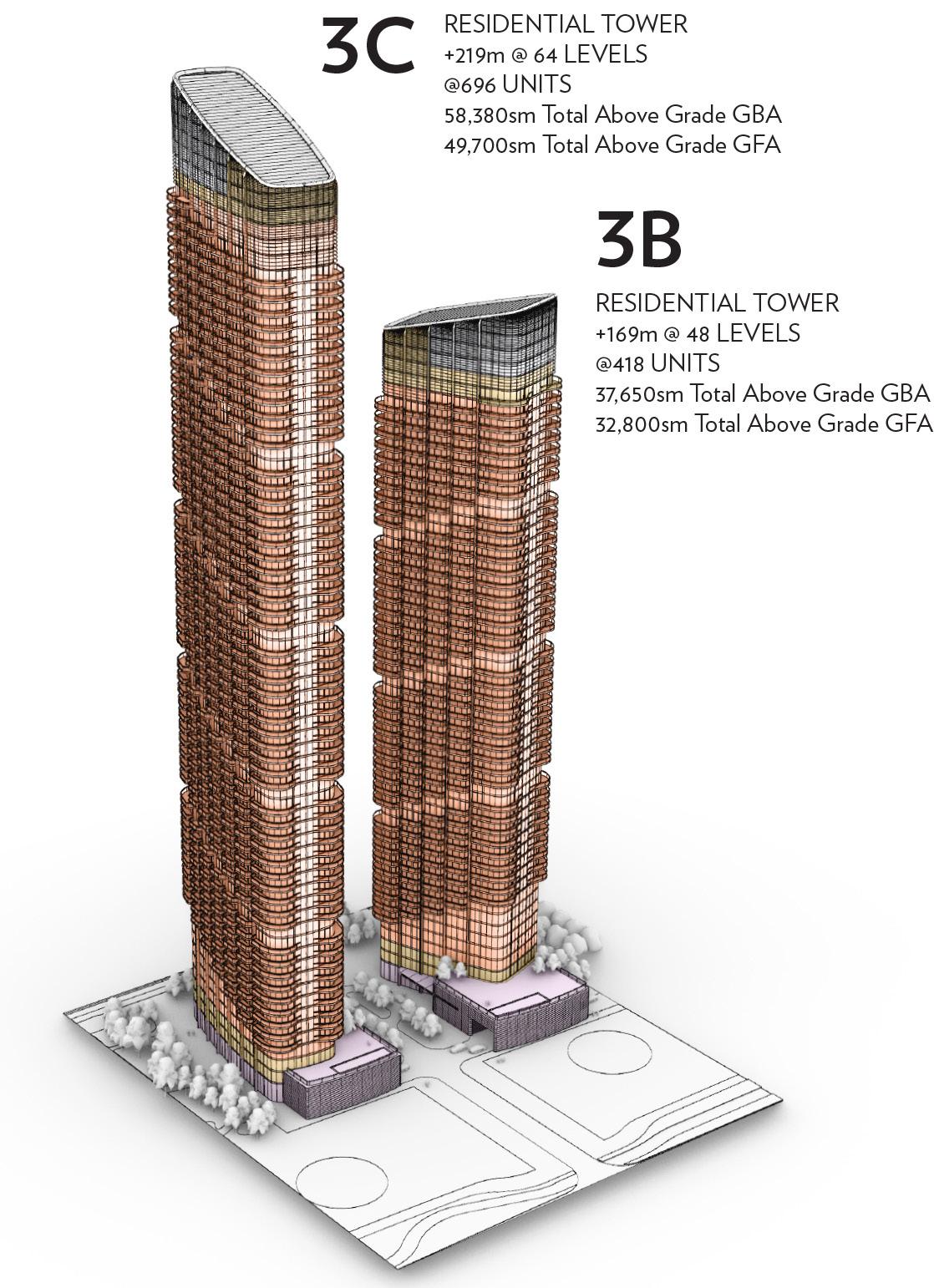
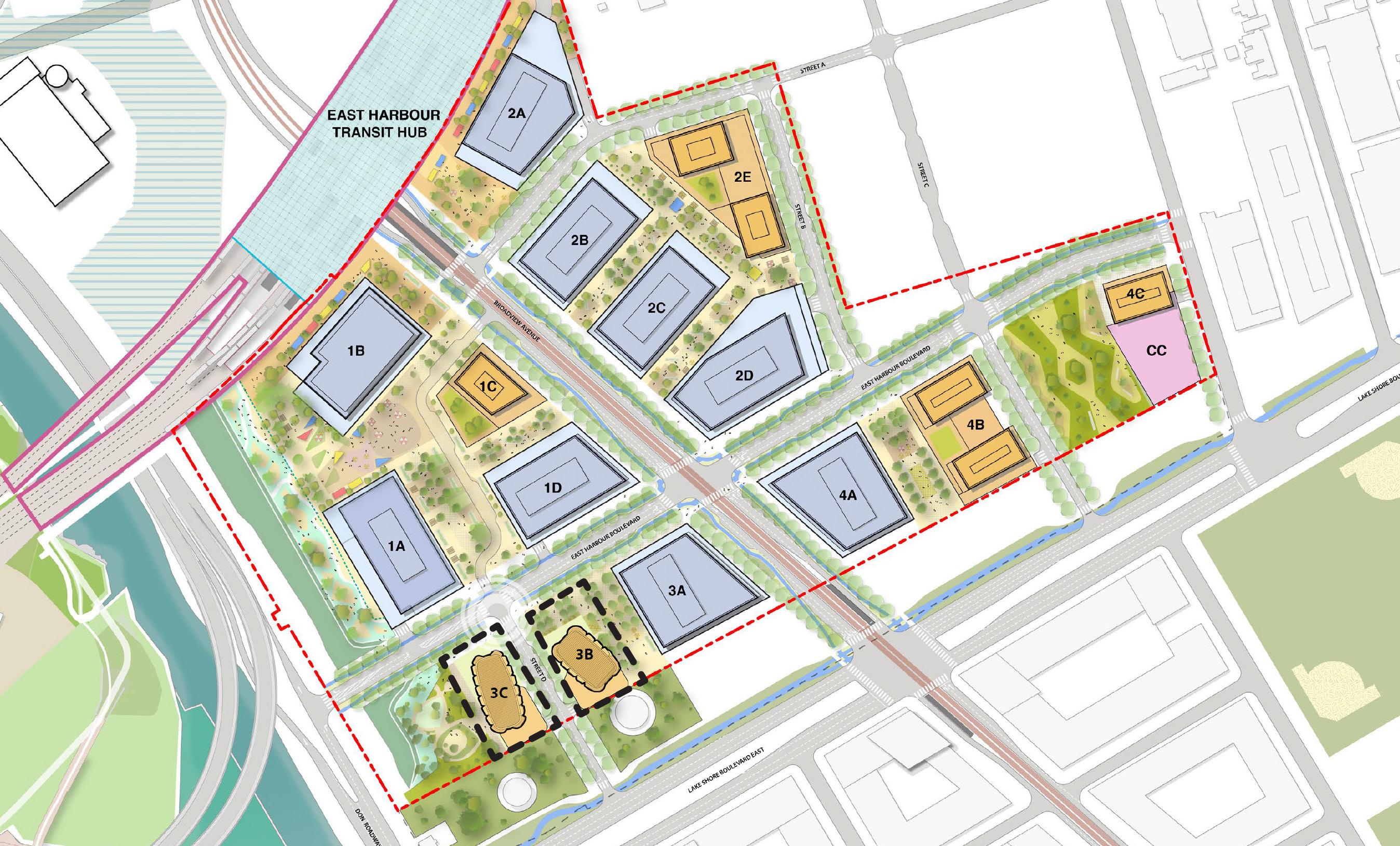
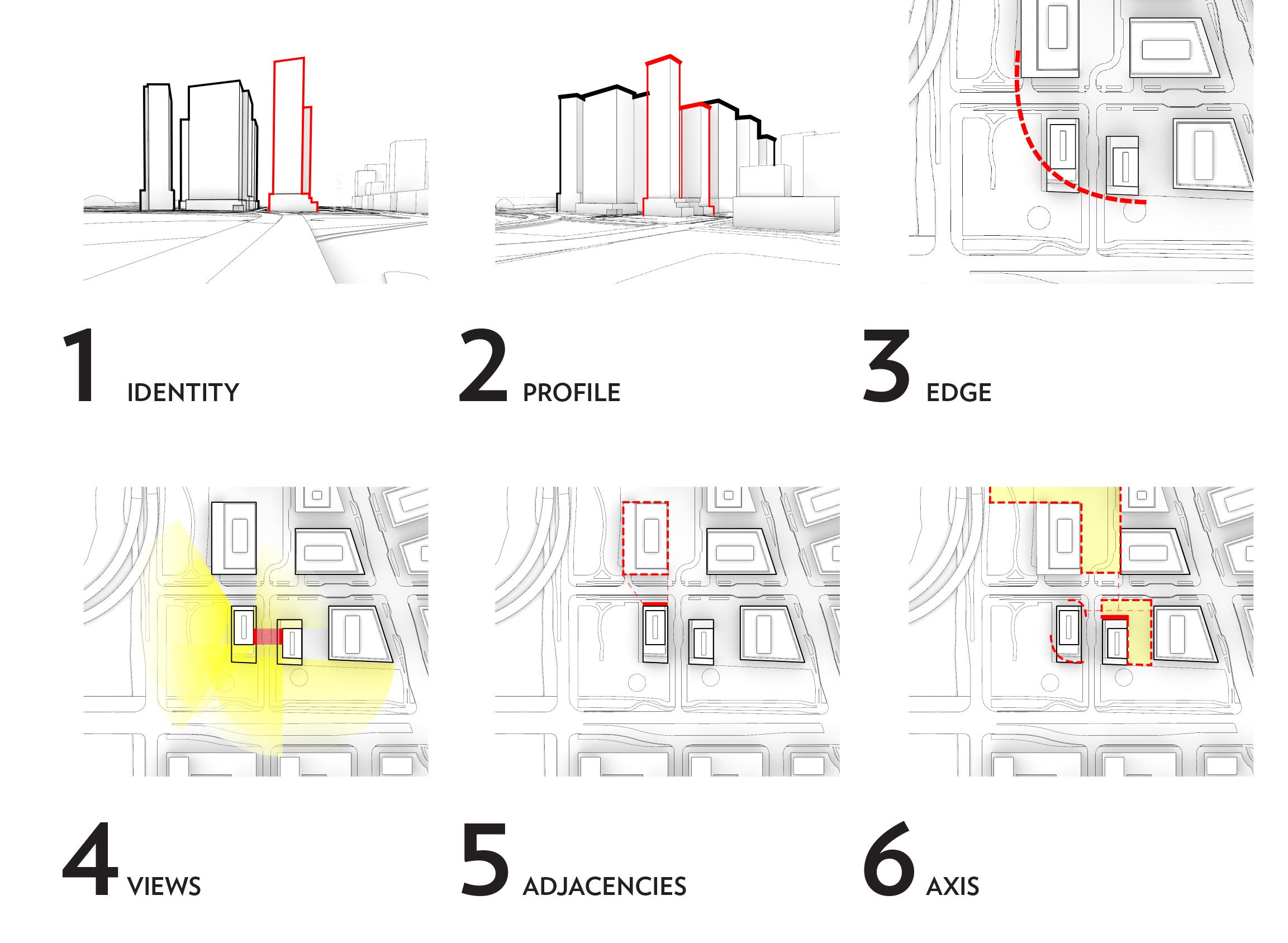
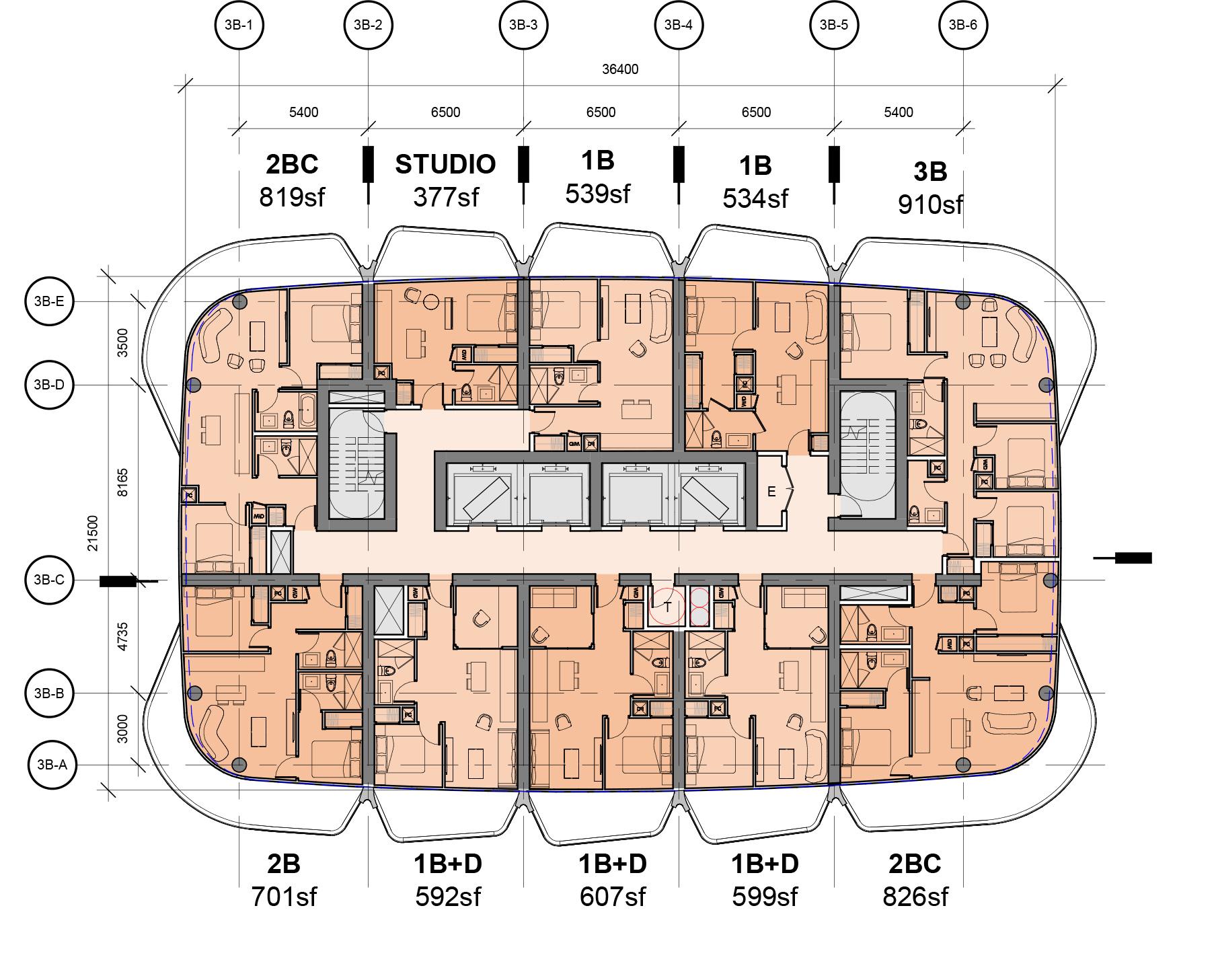
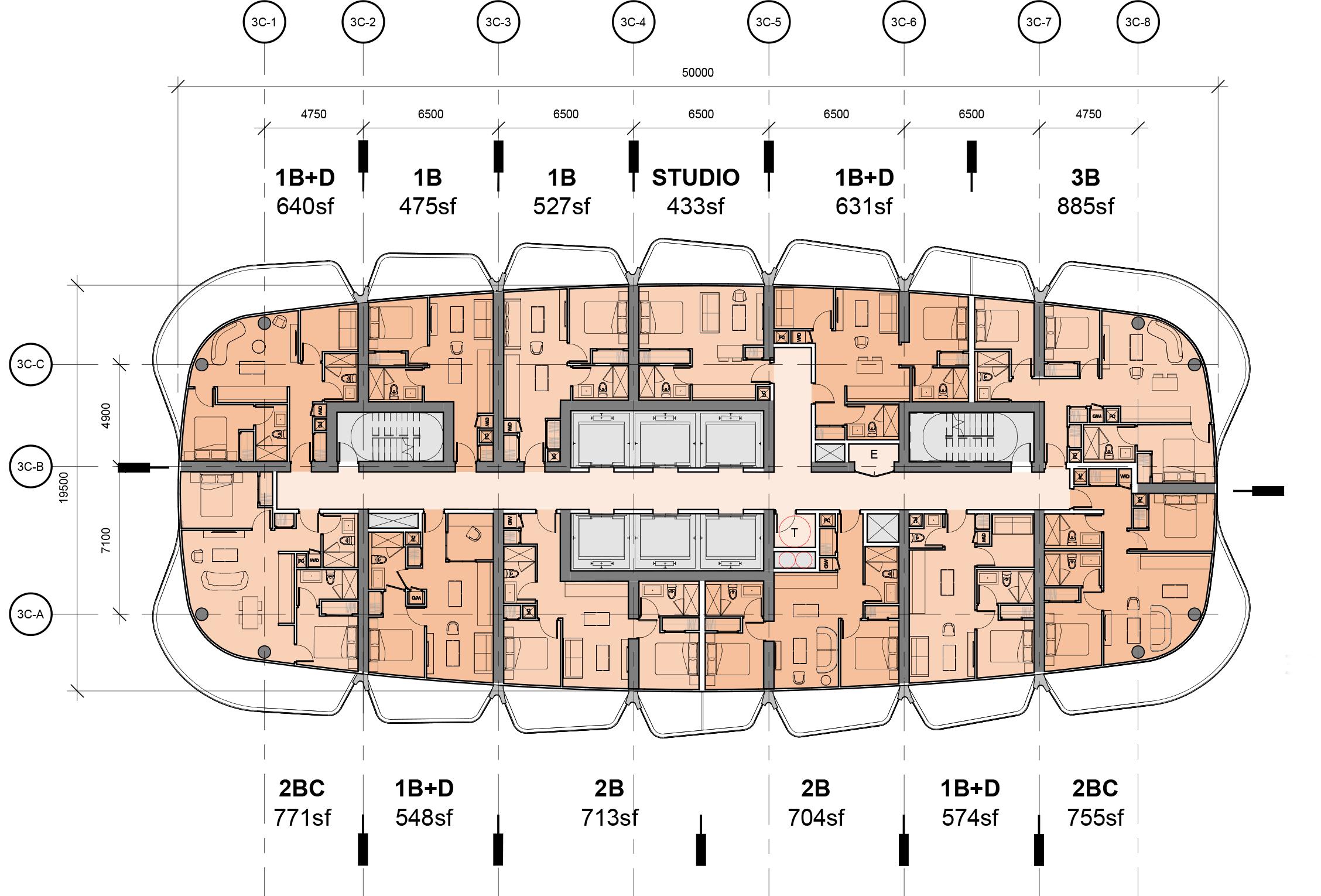
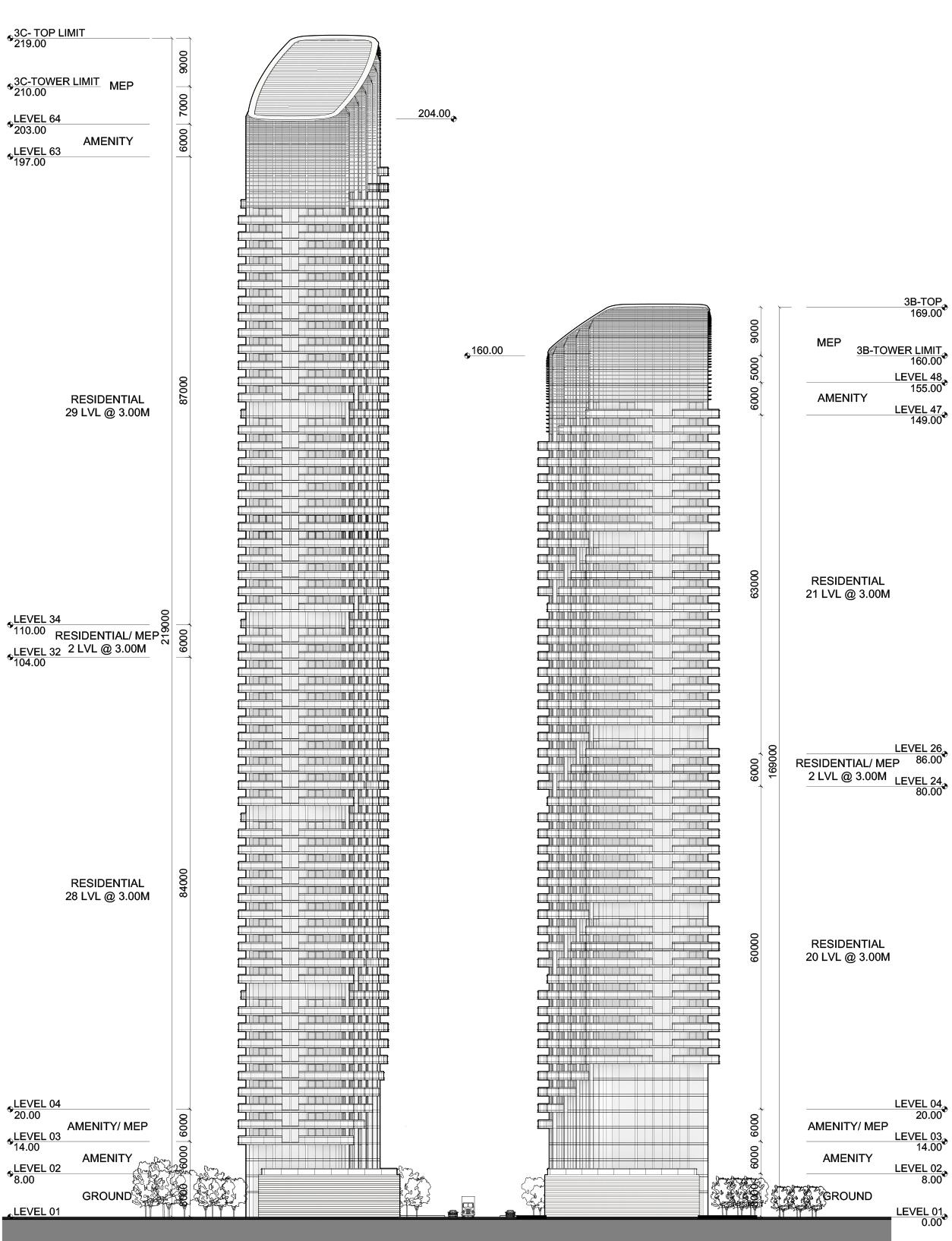
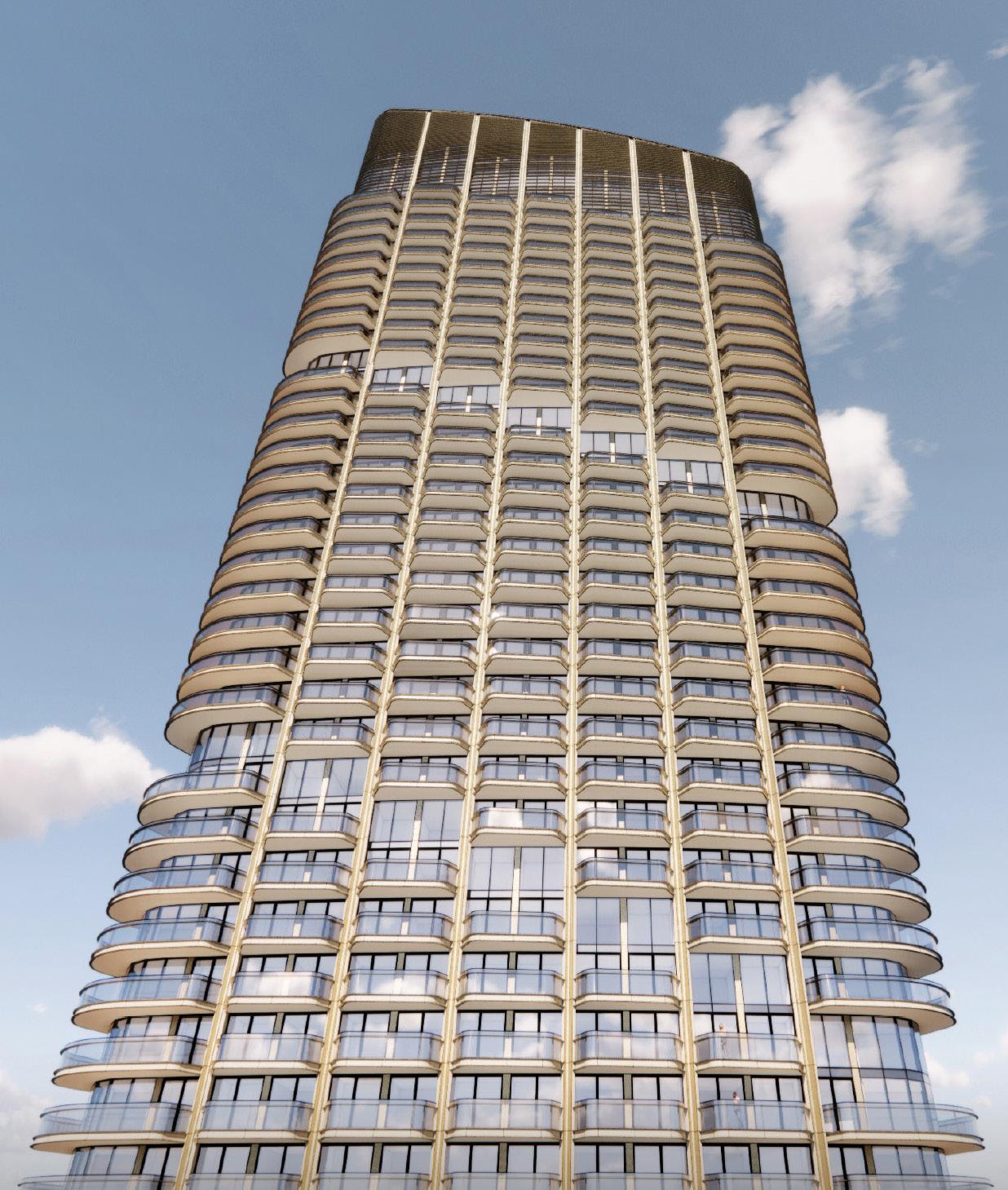
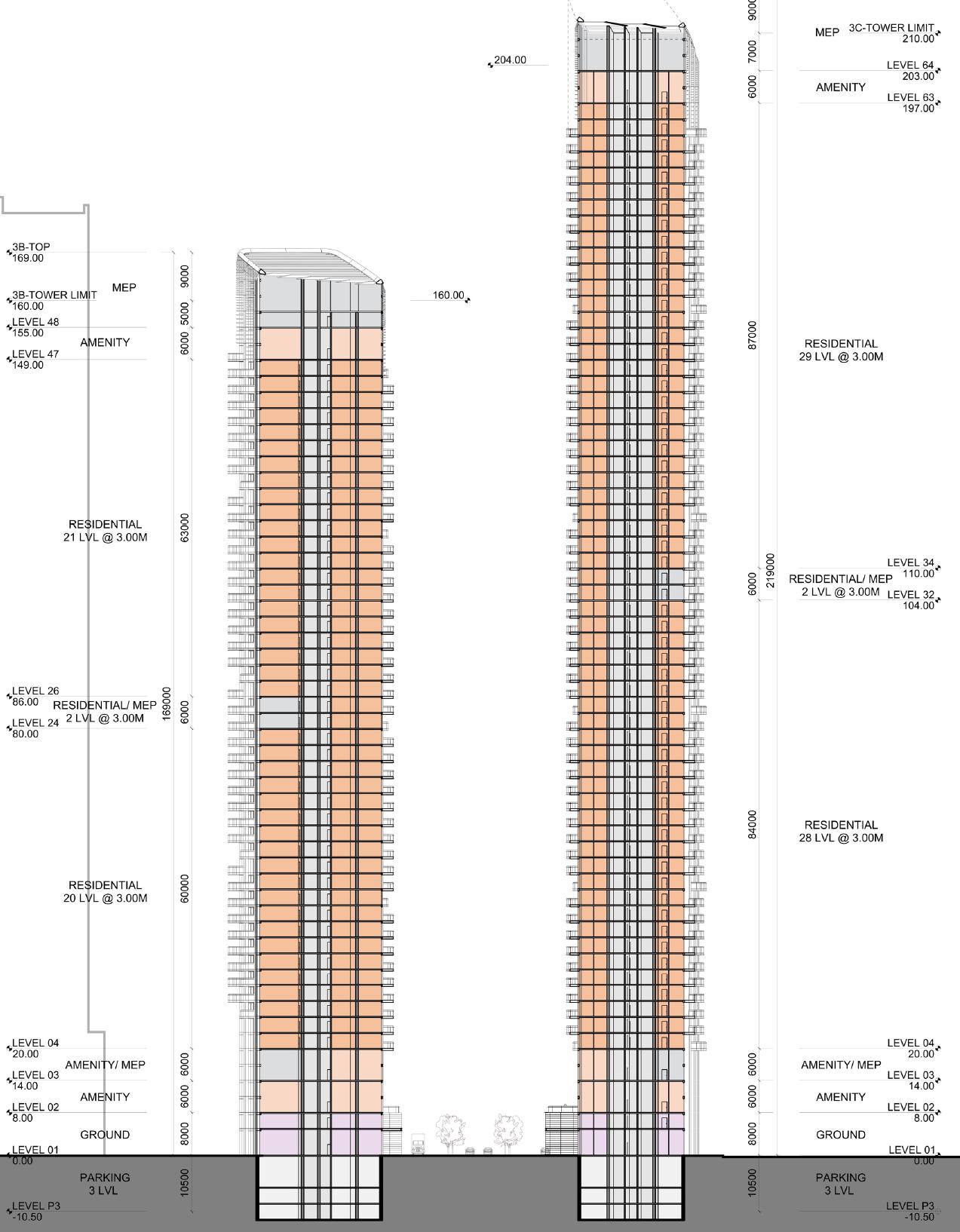
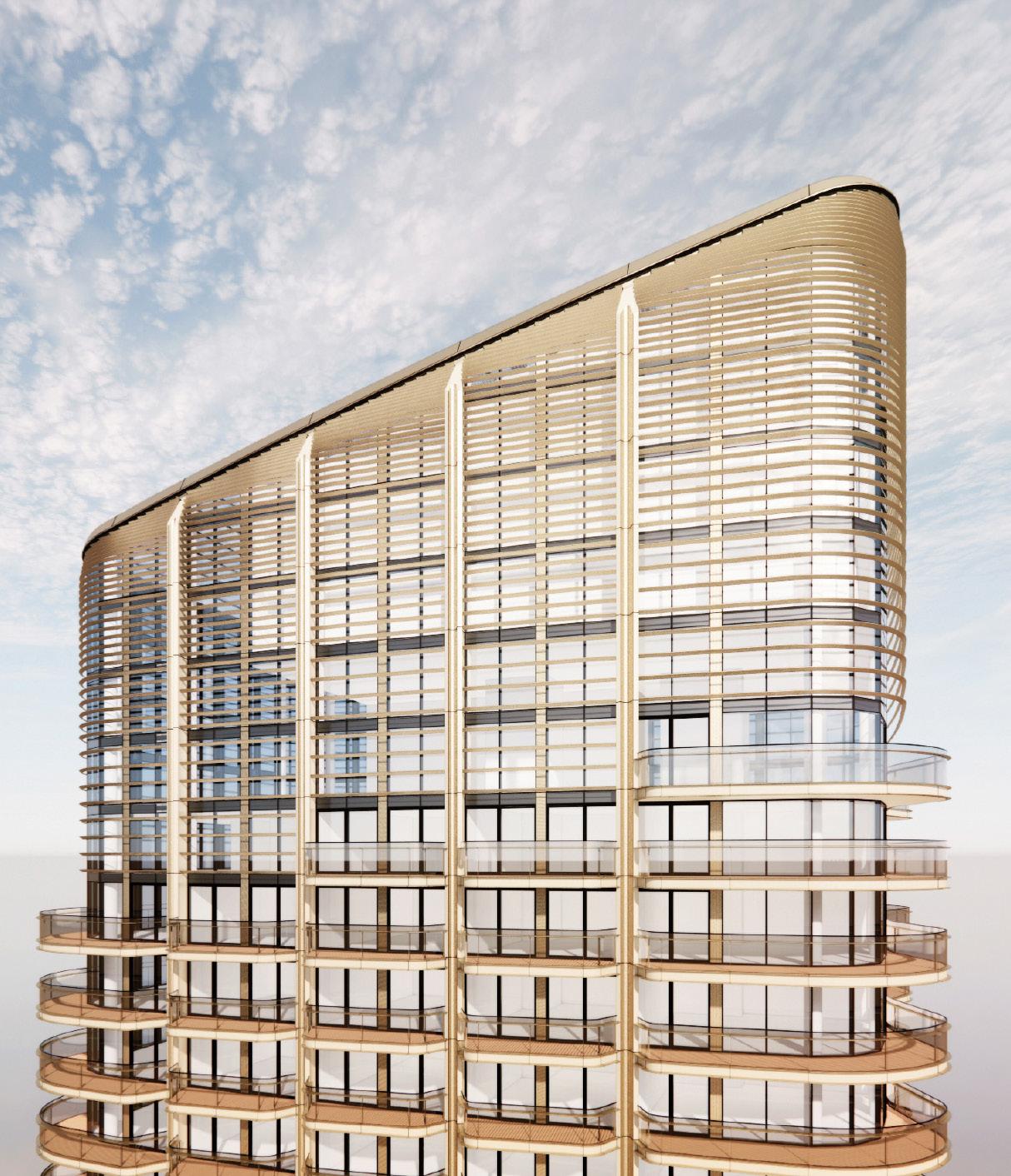
Parcels 3B and 3C are a pair of residential towers that form part of the larger East Harbour Development in Toronto, Ontario, Canada. The design features two highrise condominium towers with retail and F&B spaces at the ground level. Positioned at the southwestern corner of the development, the towers serve as a prominent gateway, framing views from the downtown core and surrounding neighborhoods. Their orientation is designed to maximize vistas of Lake Ontario while capturing the urban skyline of Toronto.
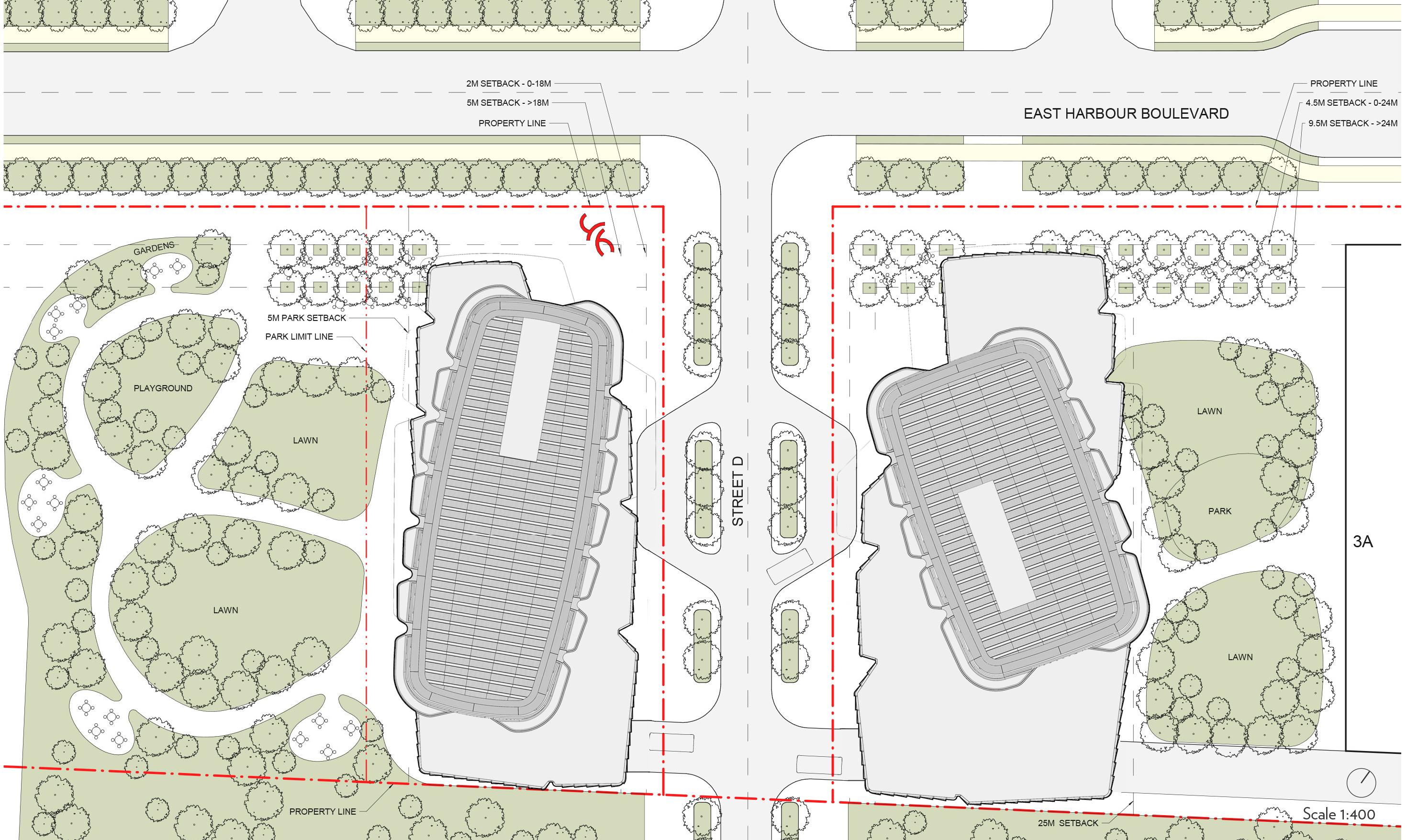
Located along the future East Harbour Boulevard, Parcels 3B and 3C are accessed directly from Street D, which provides dedicated drop-off areas for each tower’s main entrance. Additionally, Street D offers combined service and vehicle access. Pedestrians can approach the towers via multiple crosswalks along East Harbour Boulevard, ensuring connectivity within the overall development.
Responsibilities
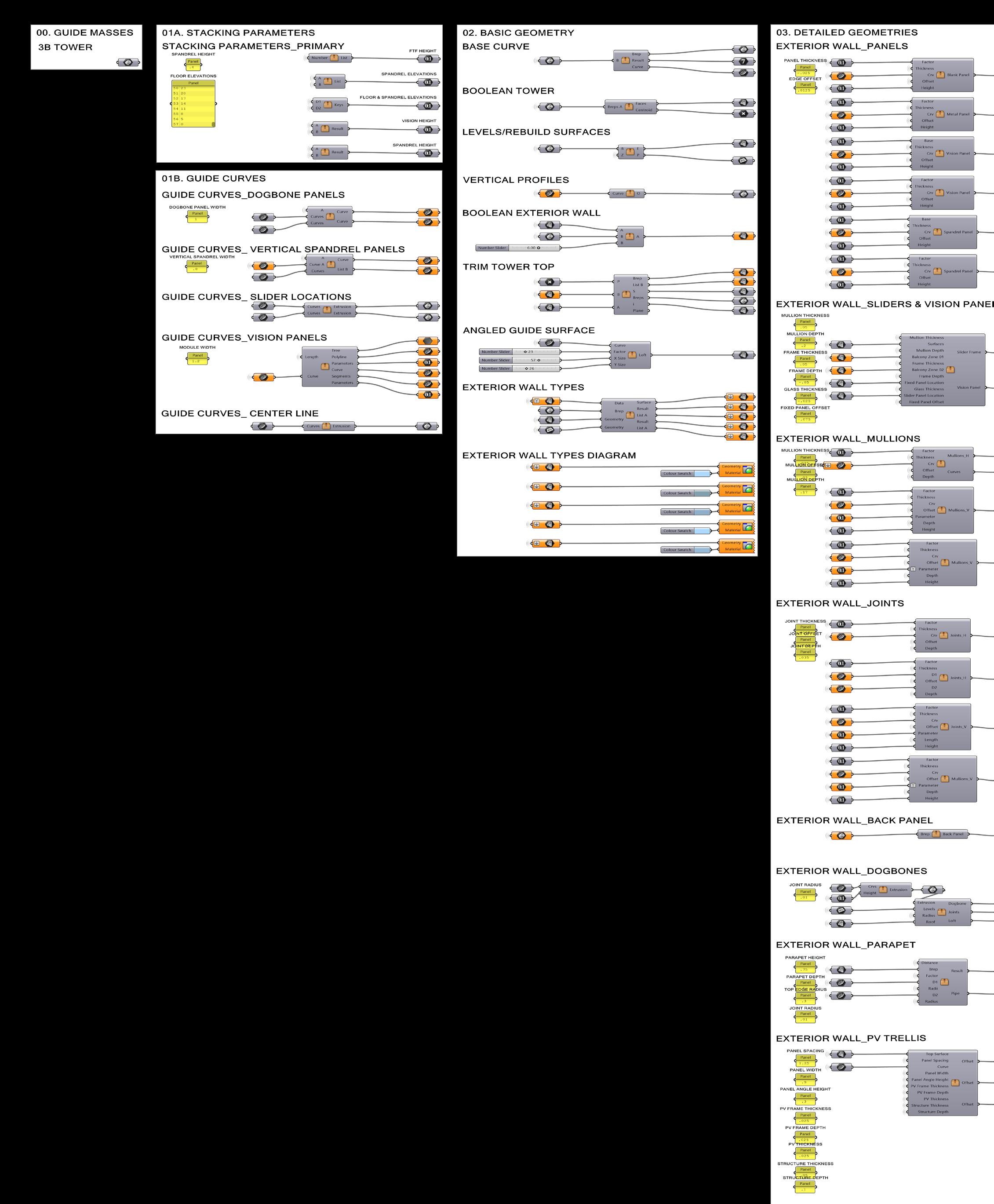
• Led the 3D modeling and various design studies, ensuring comprehensive exploration of form and spatial relationships.
• Directed the development of the concept and schematic design packages, managing a small team of junior architects to deliver high-quality outputs.
• Coordinated closely with BMU, structural, MEP, and Architect of Record (AOR) teams to ensure alignment across all disciplines.
• Conducted interior test fits to meet client requirements while preserving the overall design integrity and building form.
• Prepared detailed presentations, diagrams, renderings, and schedules, contributing to effective project communication and client engagement.
Design Development - Mixed Use - Hospitality - Construction - Sustainability Director: Juan Betancur
Project Details
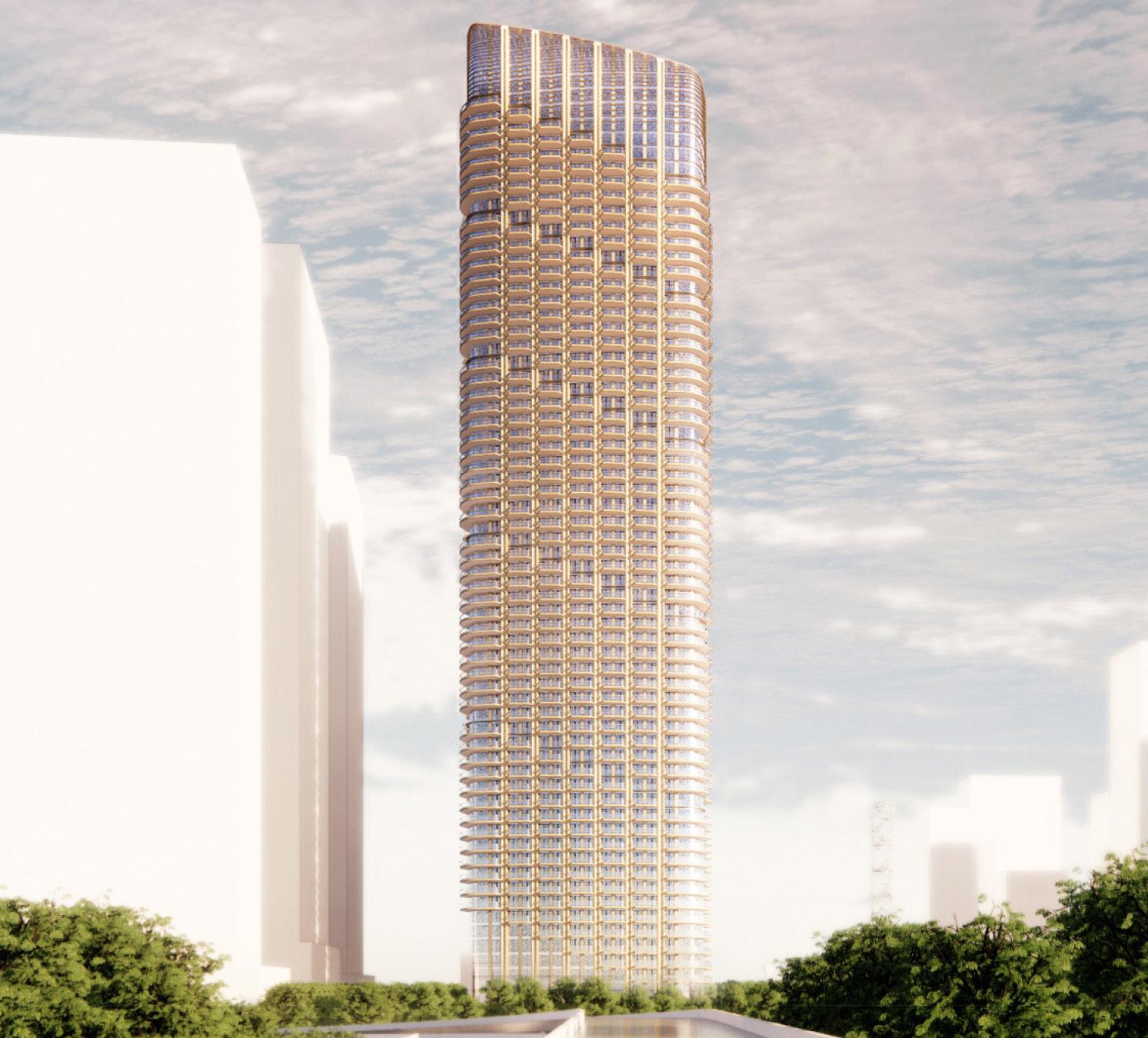
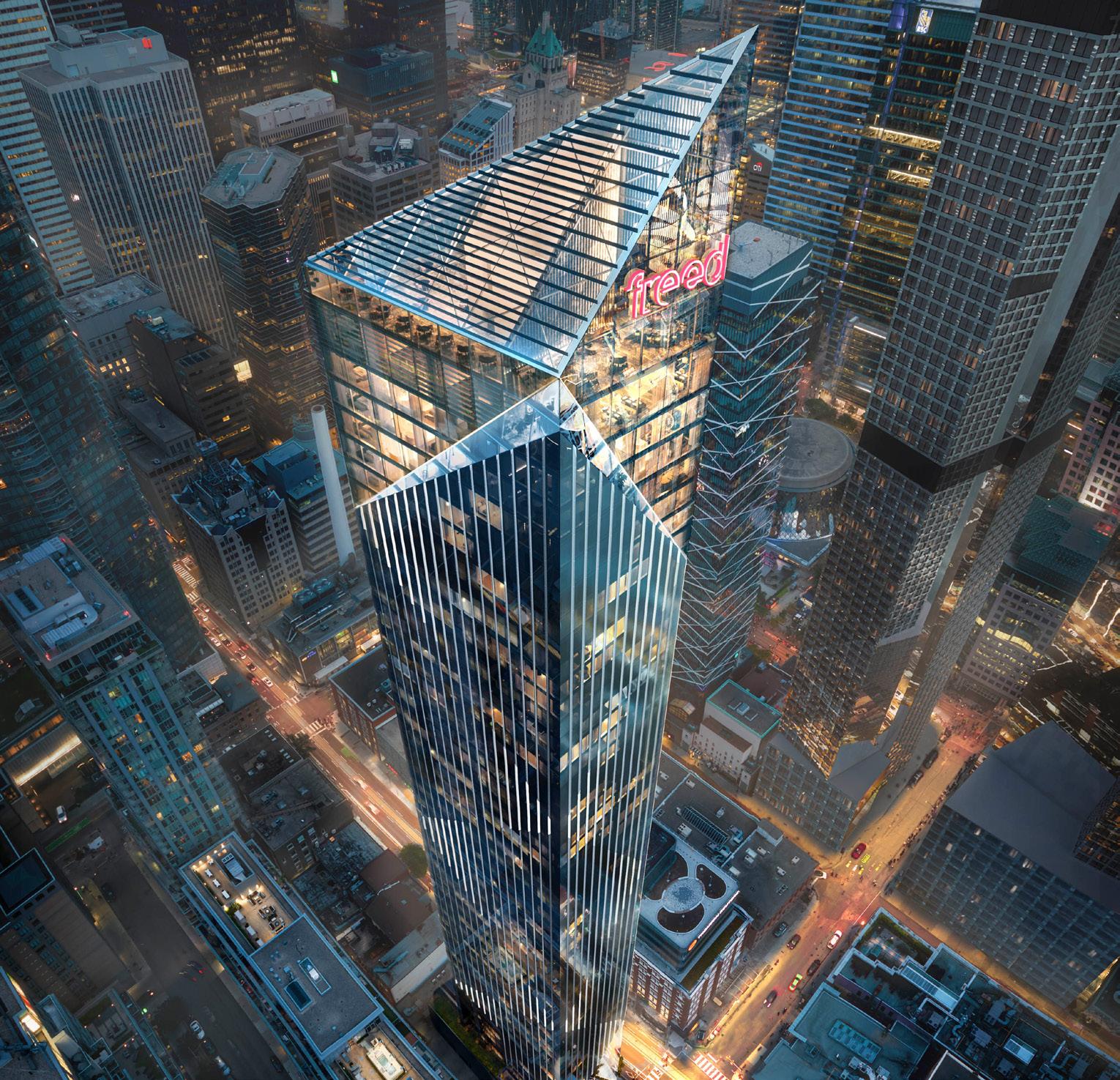
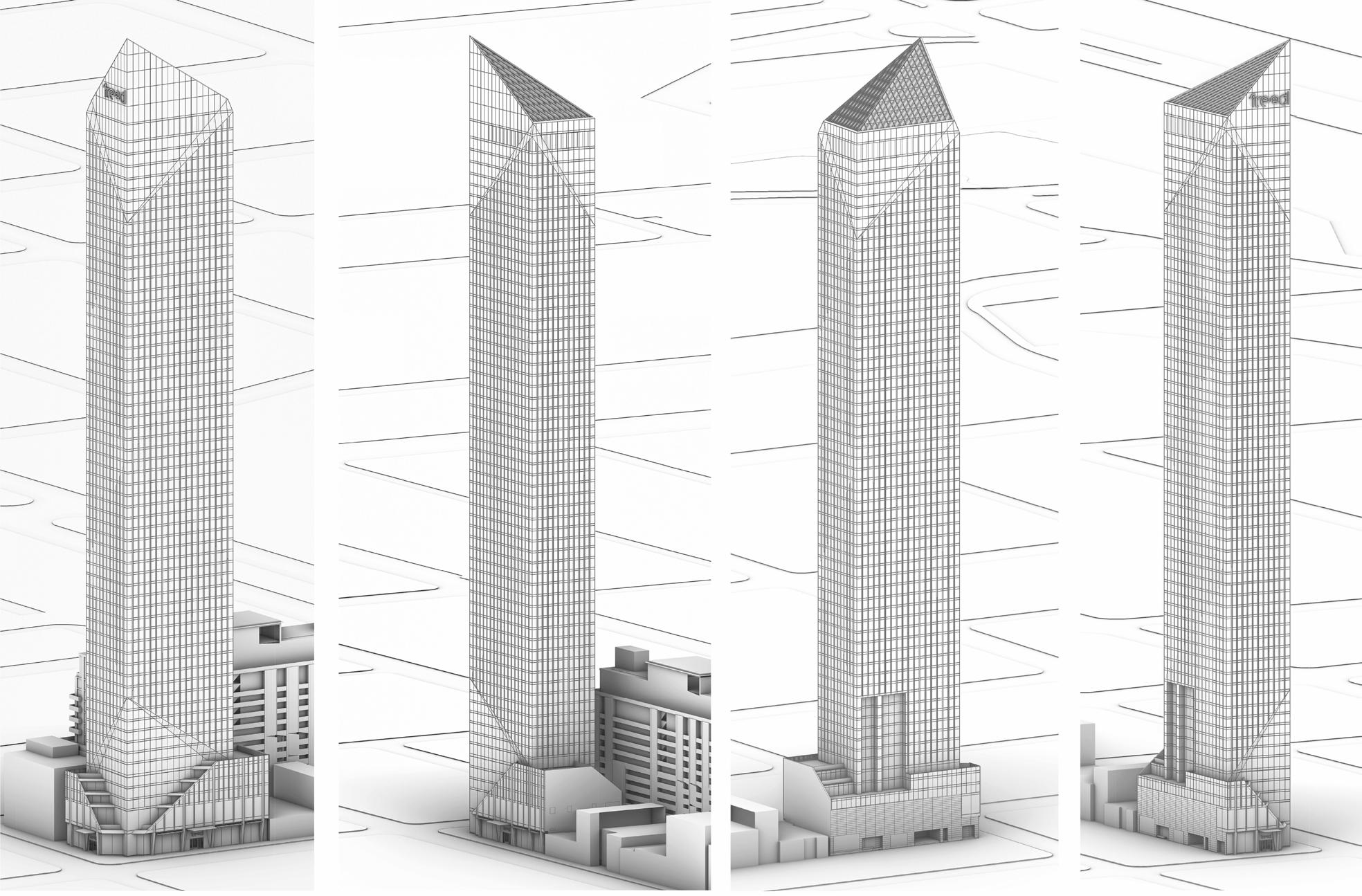
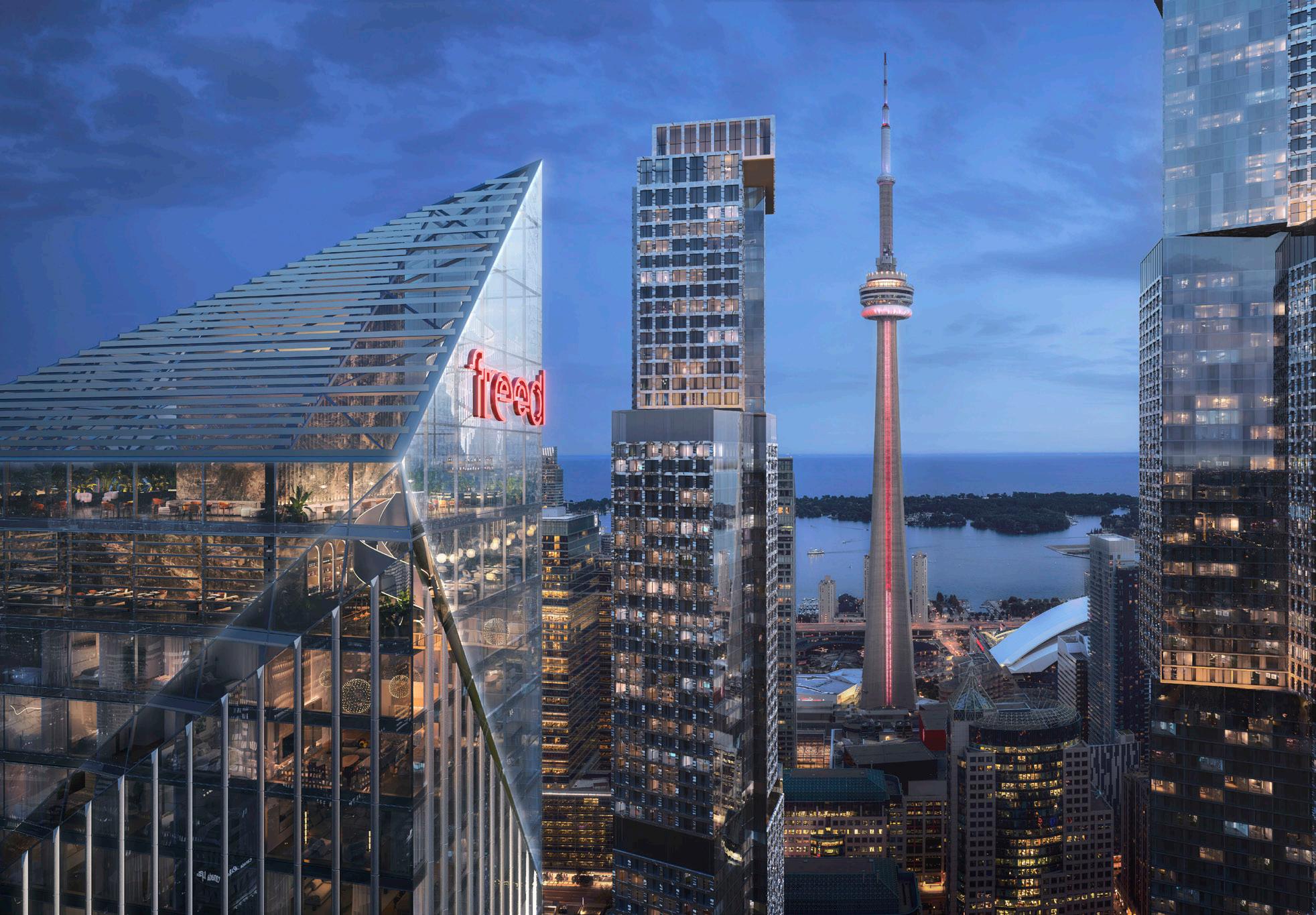
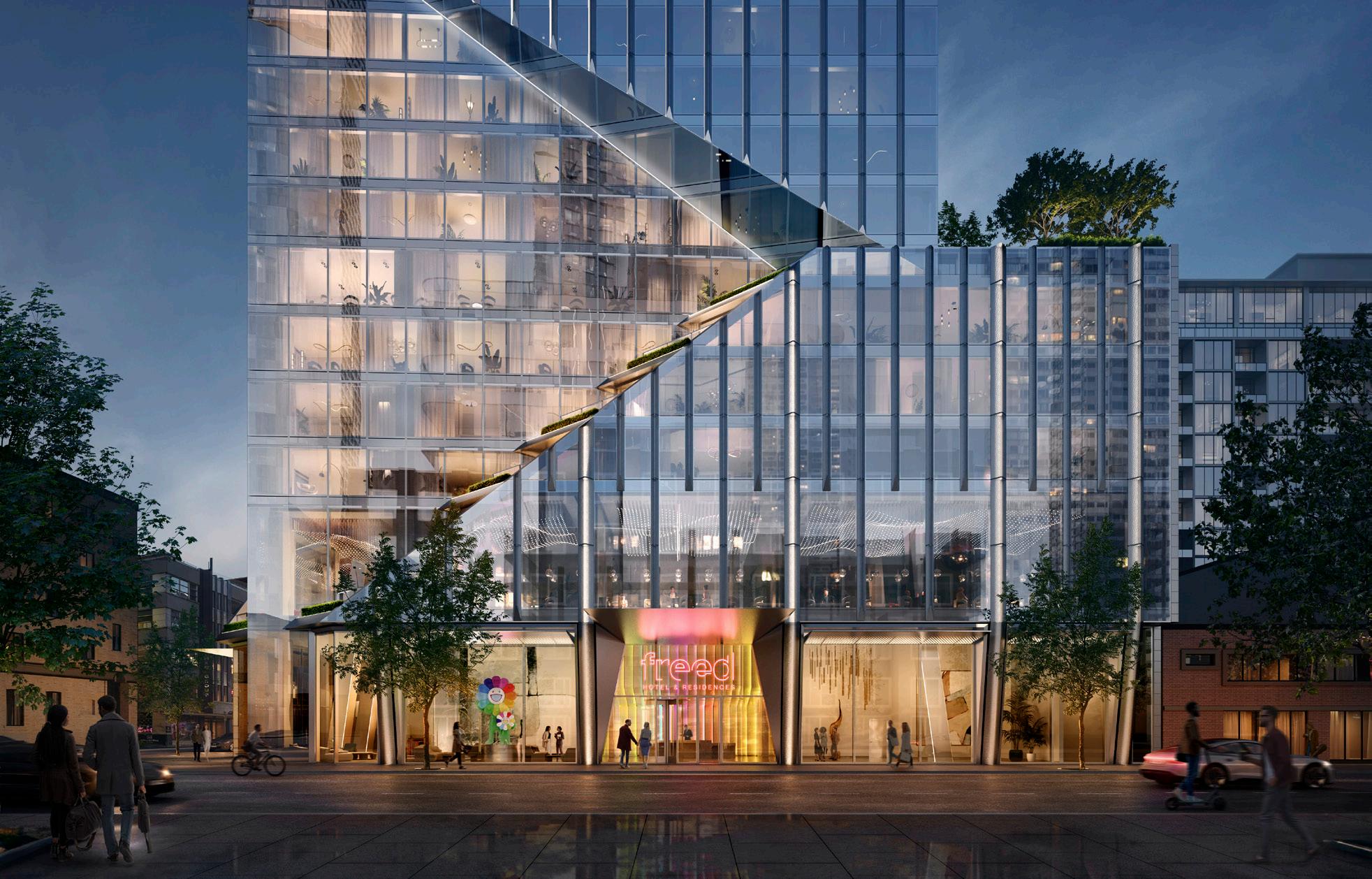
Freed Residences is a 63-story mixed-use development by Freed Developments, located at 240 Adelaide Street West in Toronto, Ontario. This pre-construction project blends luxury living with the convenience of downtown life, offering easy access to a variety of renowned restaurants, retail destinations, educational institutions, and key transit connections, including Osgoode and St. Andrew subway stations.
The tower features a harmonious mix of residential, retail, and office spaces, designed to cater to the diverse needs of professionals, students, and families. With its prime location and modern design, Freed Residences provides an opportunity to experience the vibrancy of Toronto’s urban core, making it a highly sought-after address in one of the city’s most desirable neighborhoods.
Responsibilities
• Played a key role in the Design Development stage, contributing significantly to the overall design package.
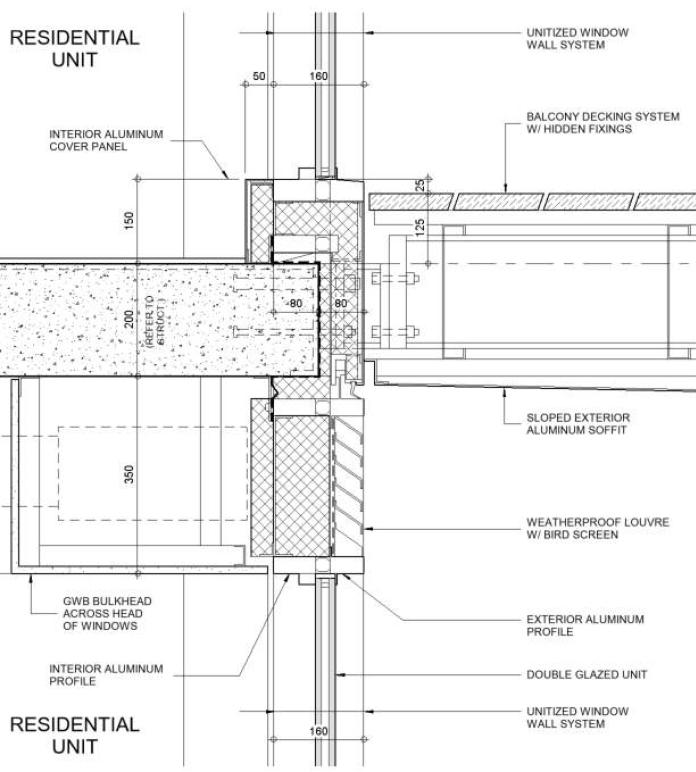
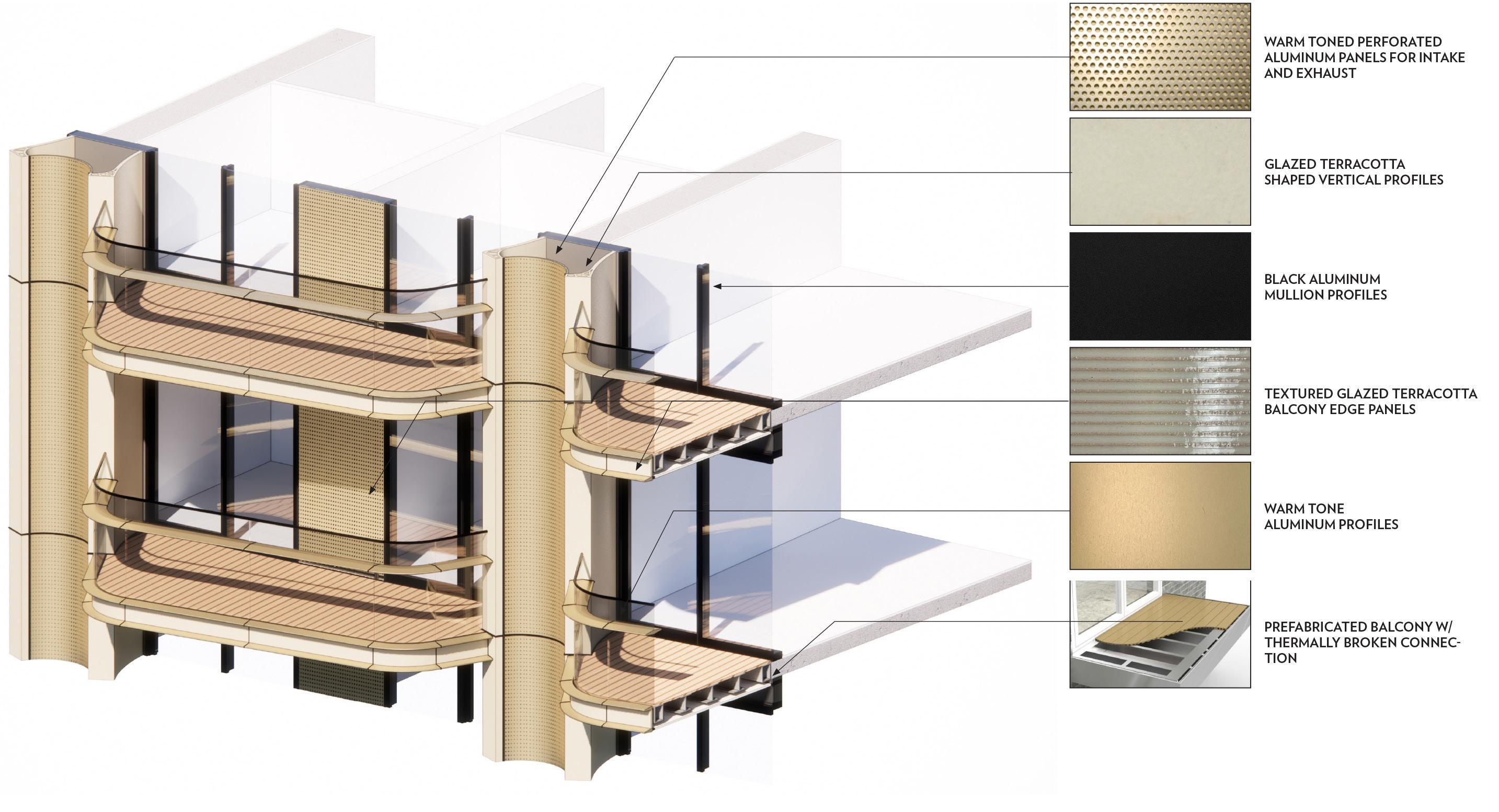
• Led the 3D modeling of the façade in Revit, training junior staff on workflow processes and best practices.
• Conducted detailed window-to-wall ratio analyses and façade area studies to optimize design efficiency.
• Responsible for producing all sections and elevations, ensuring accuracy and consistency across the project documentation.
• Coordinated with the City of Toronto, Architect of Record (AOR), and various consultants to meet the Toronto Green Standard requirements.
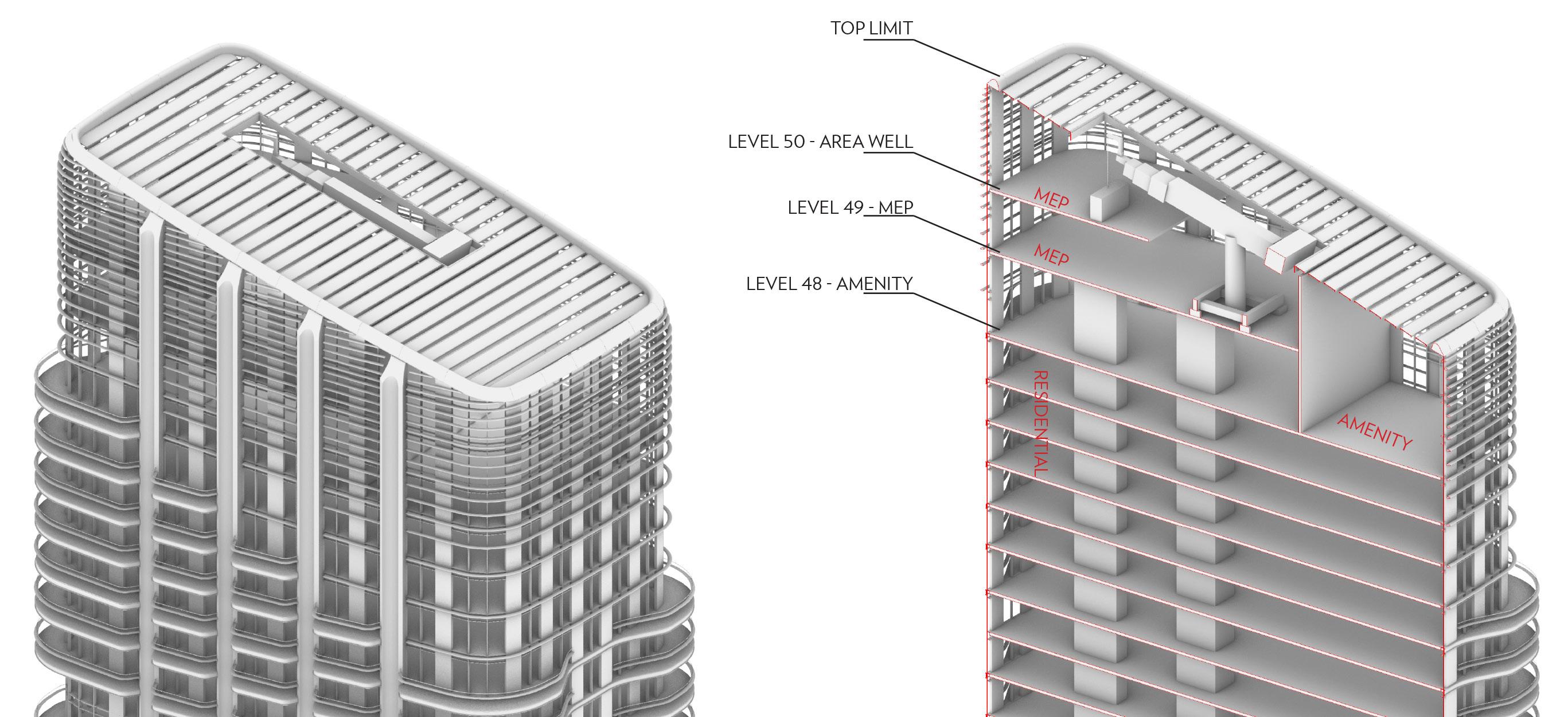
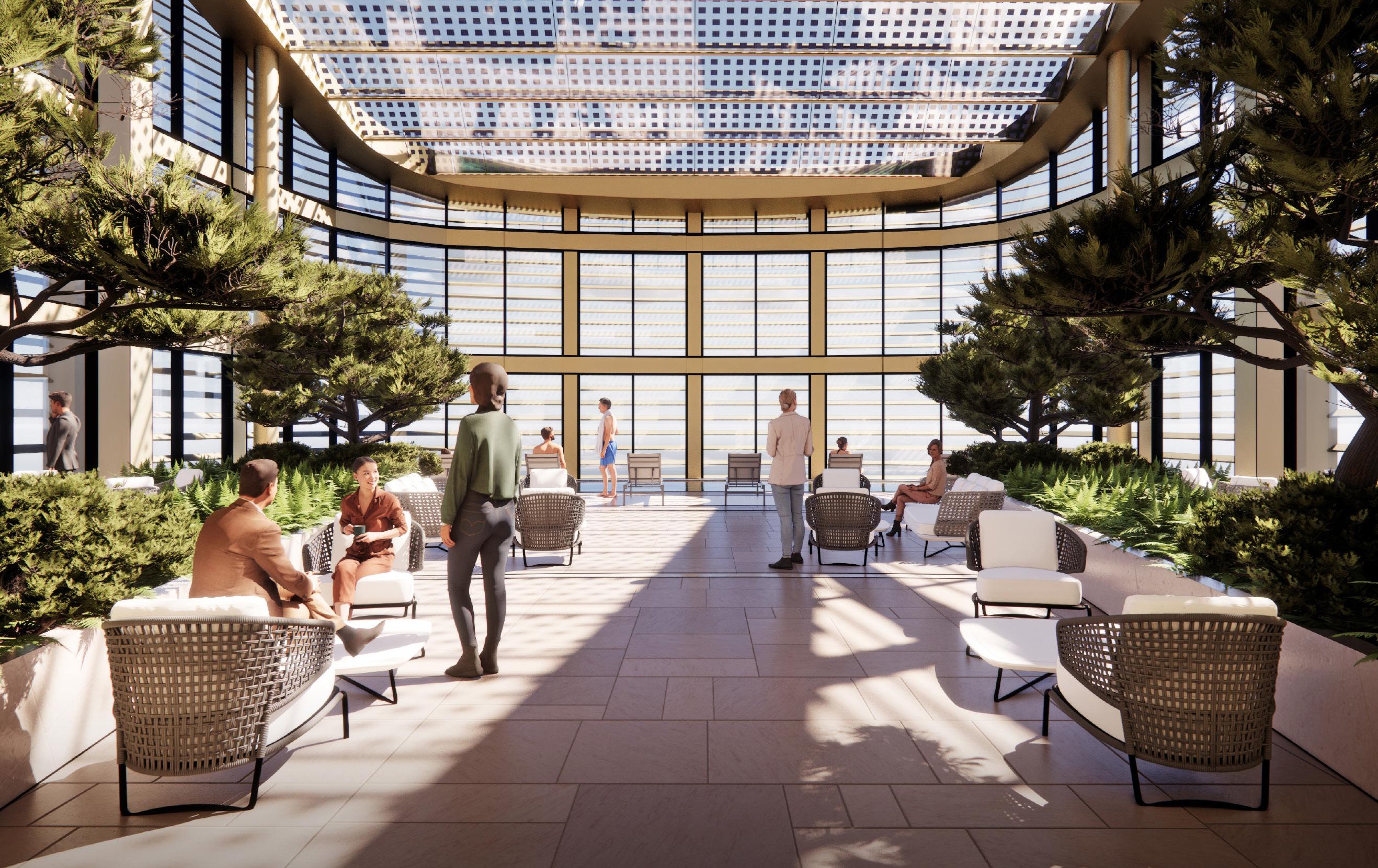
• Managed BMU coordination and oversaw the development of the tower’s crown design.
PROJECT DATA
GROUND PLAN
OVERALL SECTIONS
04 - LA SCALA
MIXED USE- MID-RISE - AS+GG - MONACO CITY, MONACO
Conceptual Design - Urbanism - Luxury Living - Infrastructure - Sustainability Director: Anthony Viola
Project Details
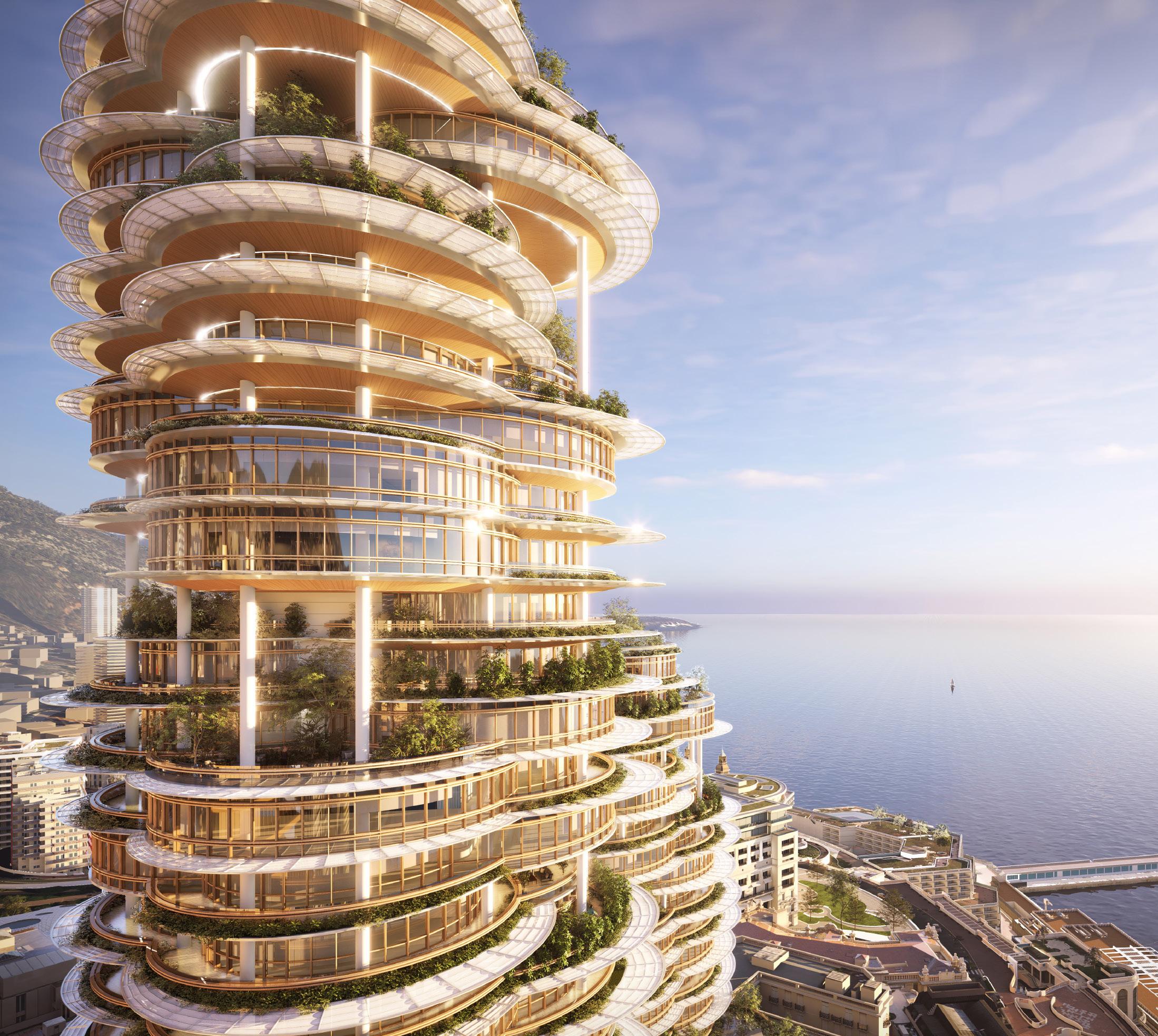
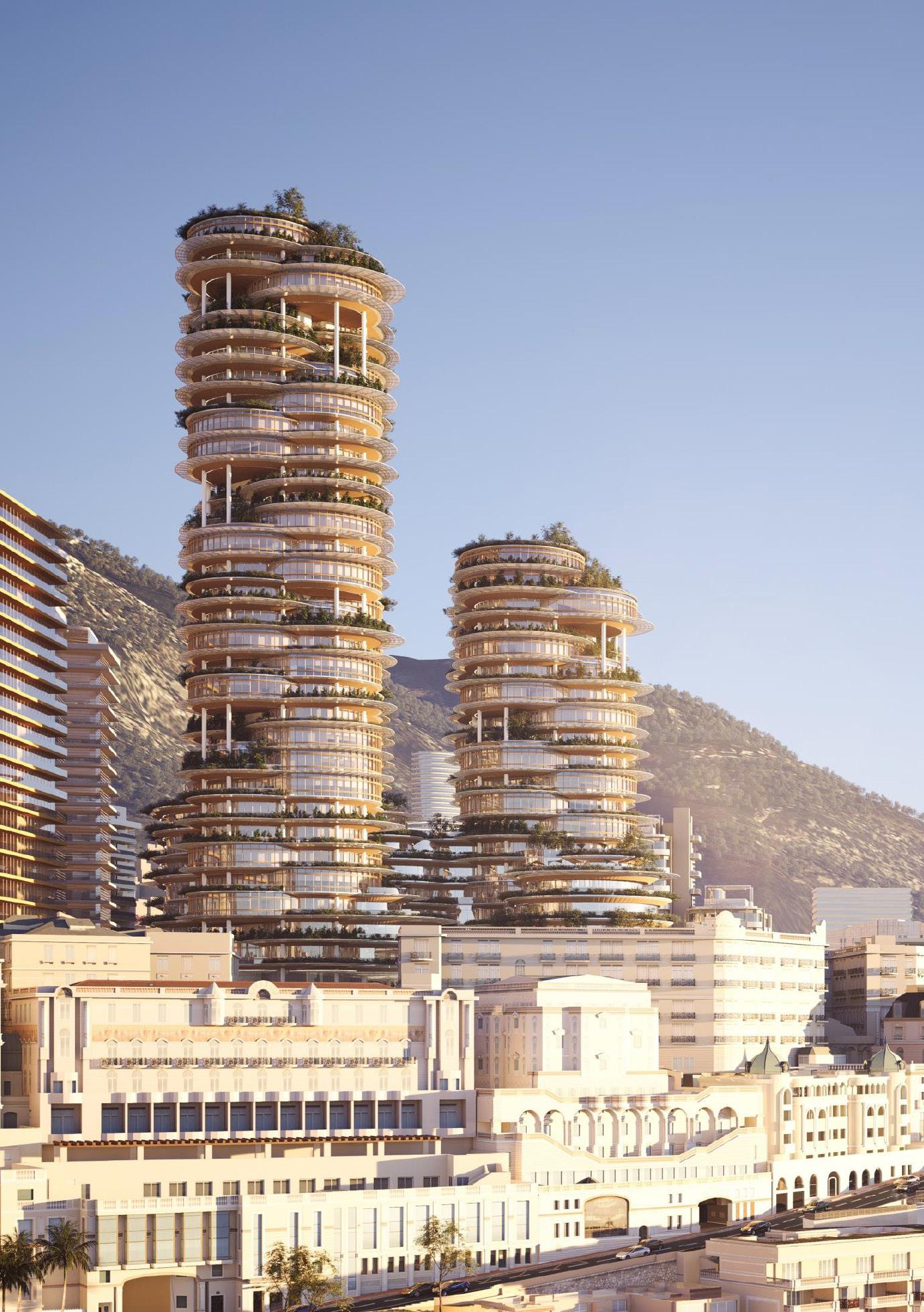
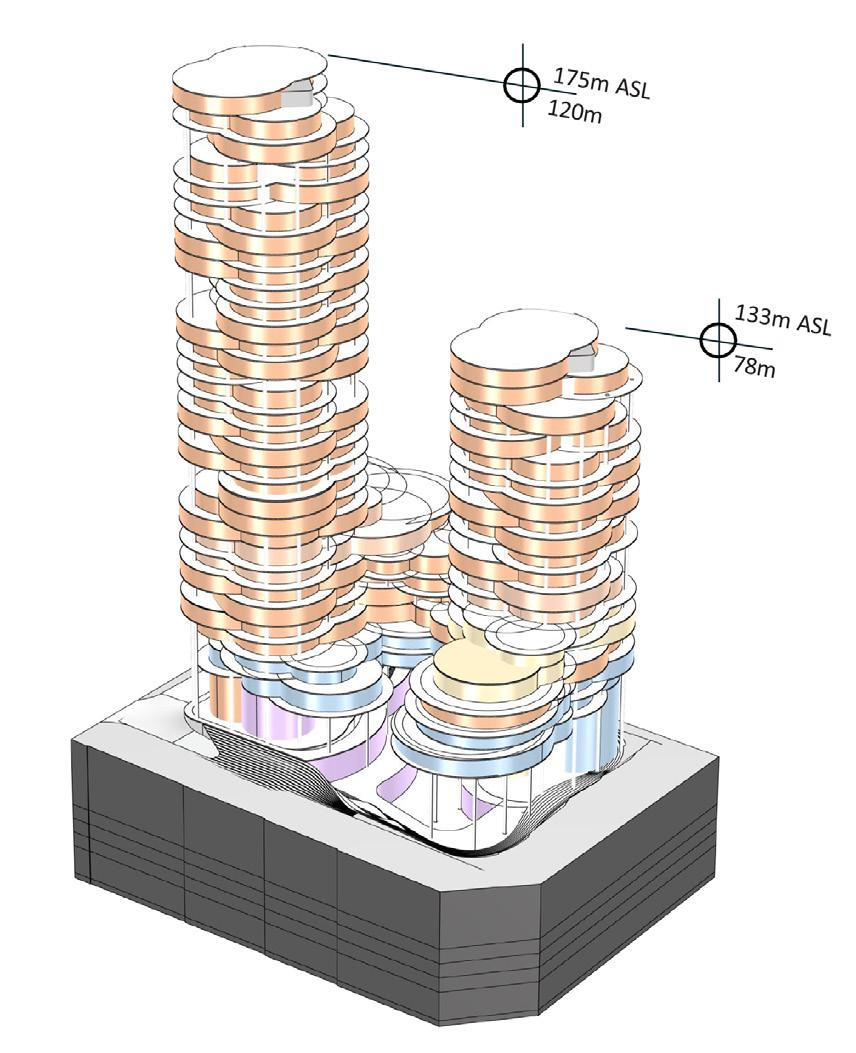
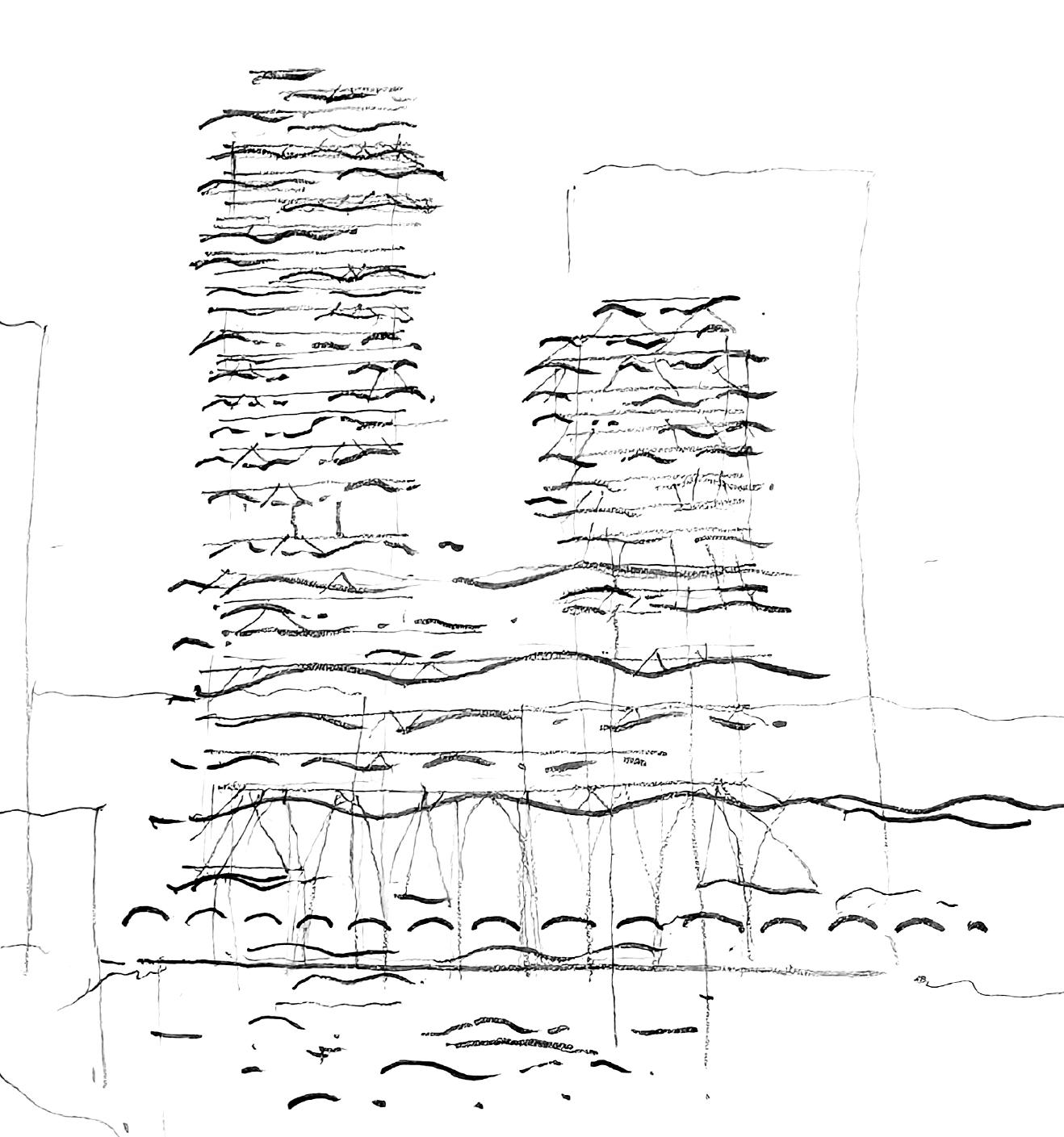
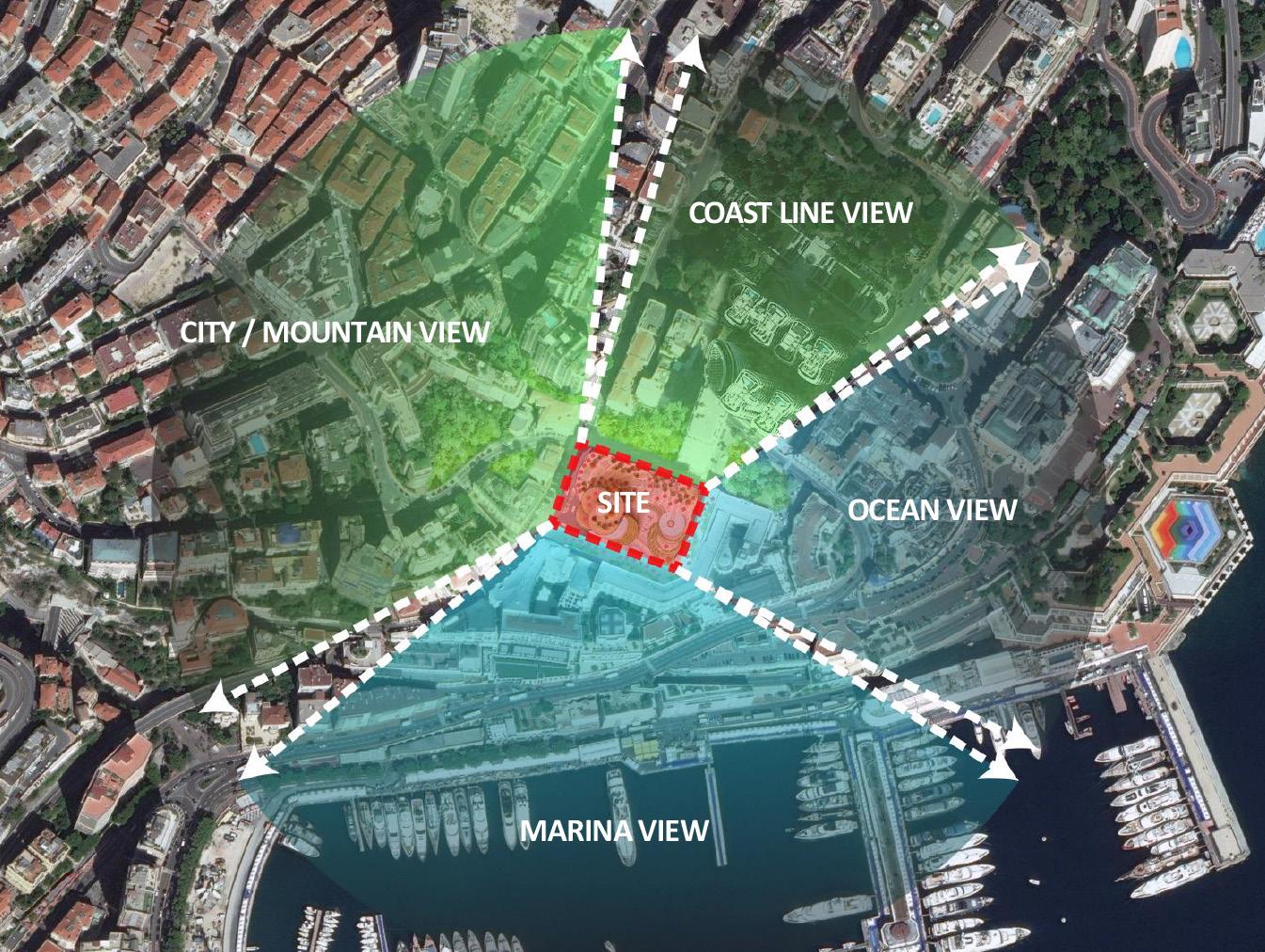
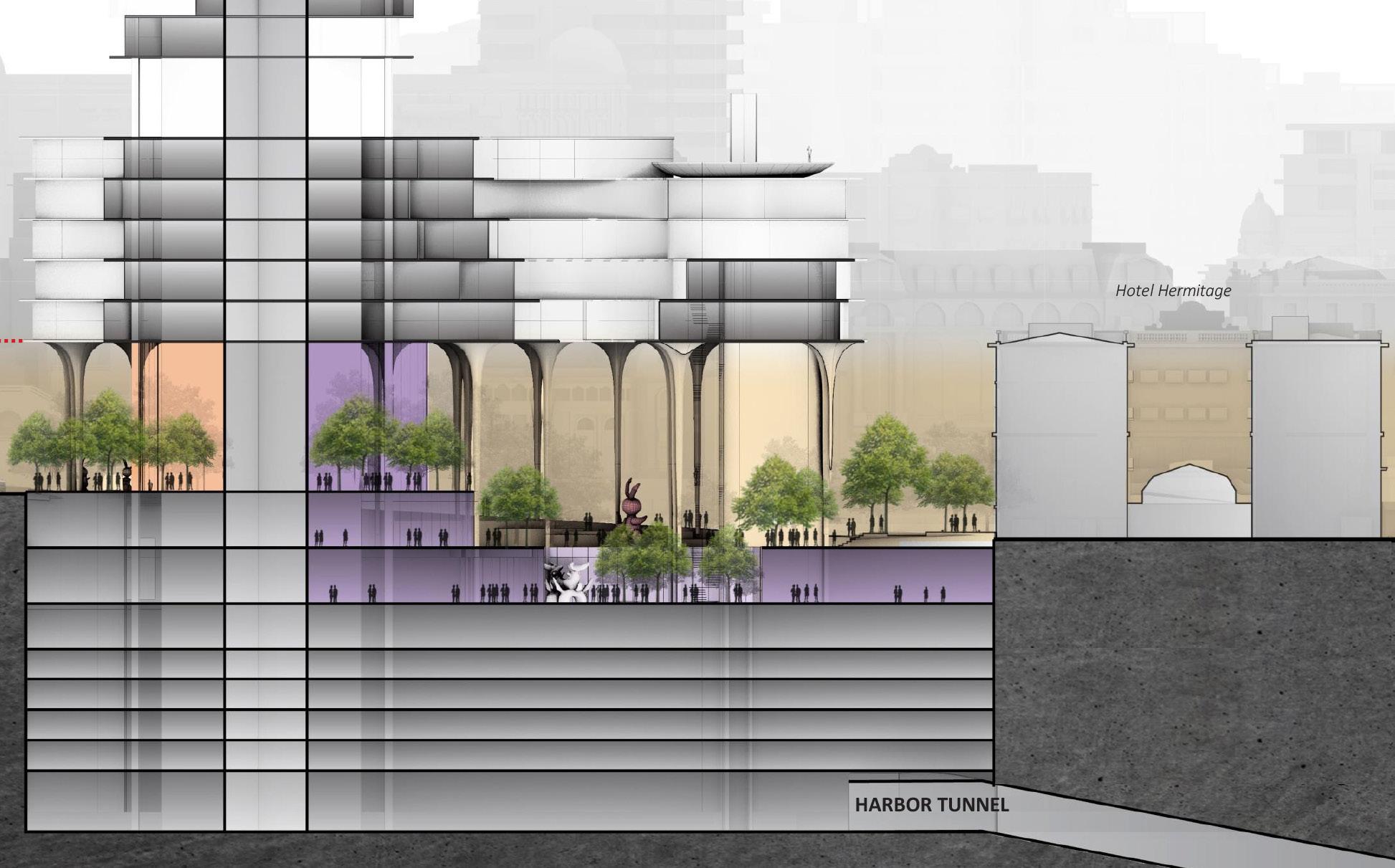
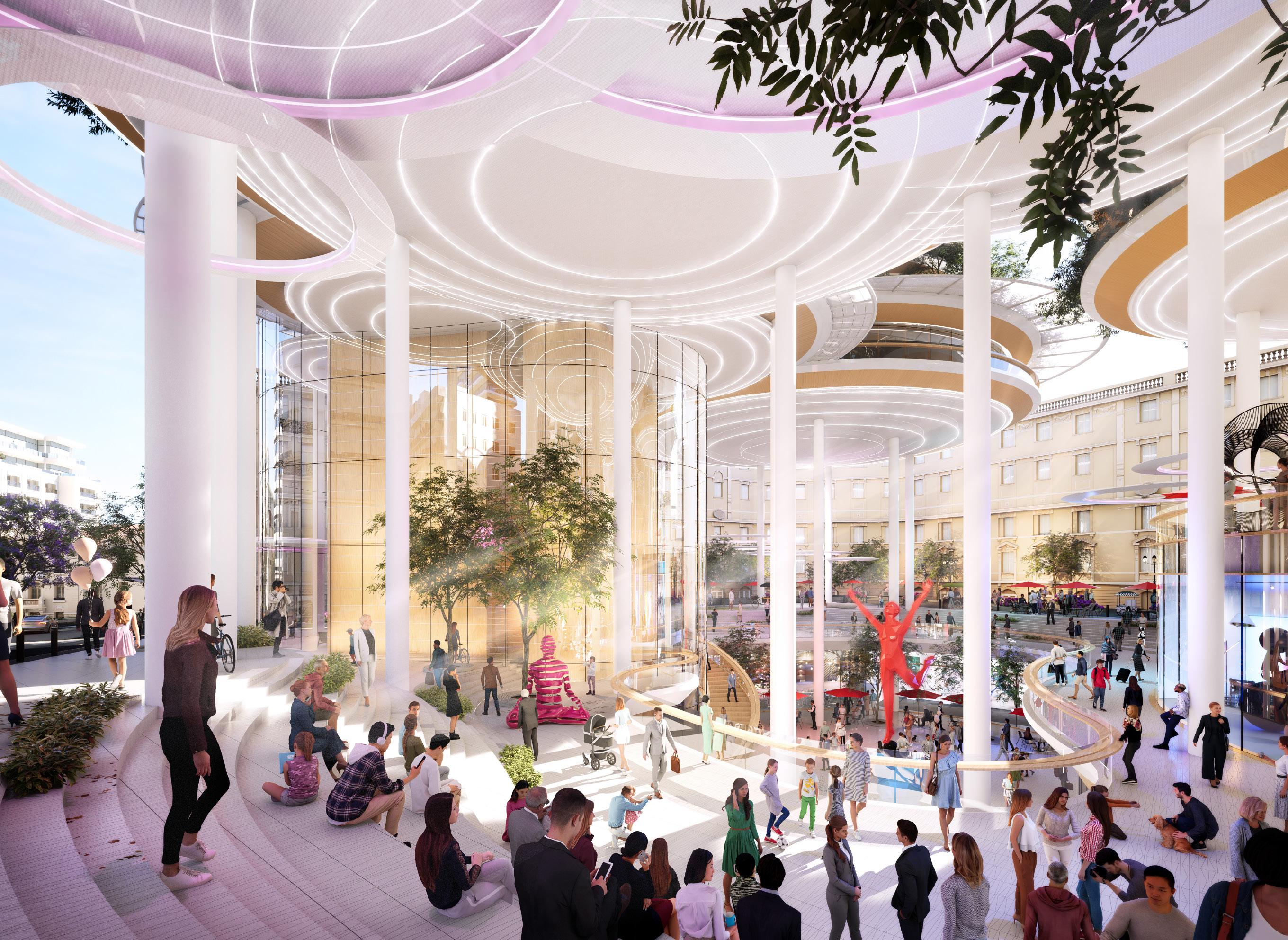
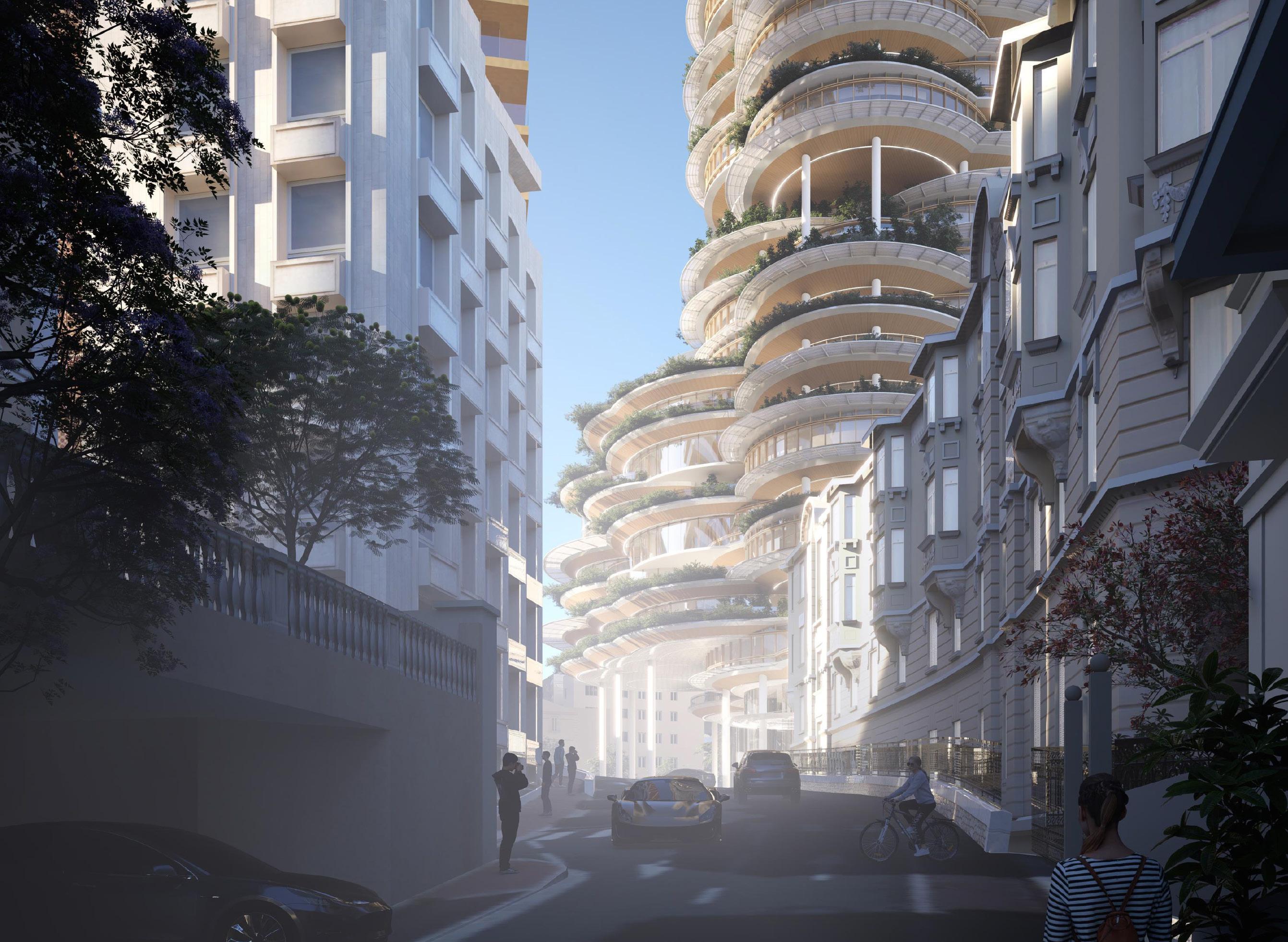
La Scala is a luxury residential development in Monaco, designed to set a new international standard for sustainable, low-carbon living. Positioned as an urban connector for Monte Carlo and greater Monaco, the project emphasizes public connectivity, sustainability, and traffic reduction. The development features an open garden public realm that celebrates art, culture, and integrated flora, offering residents and visitors worldclass views of the marina, sea, and surrounding urban landscape.
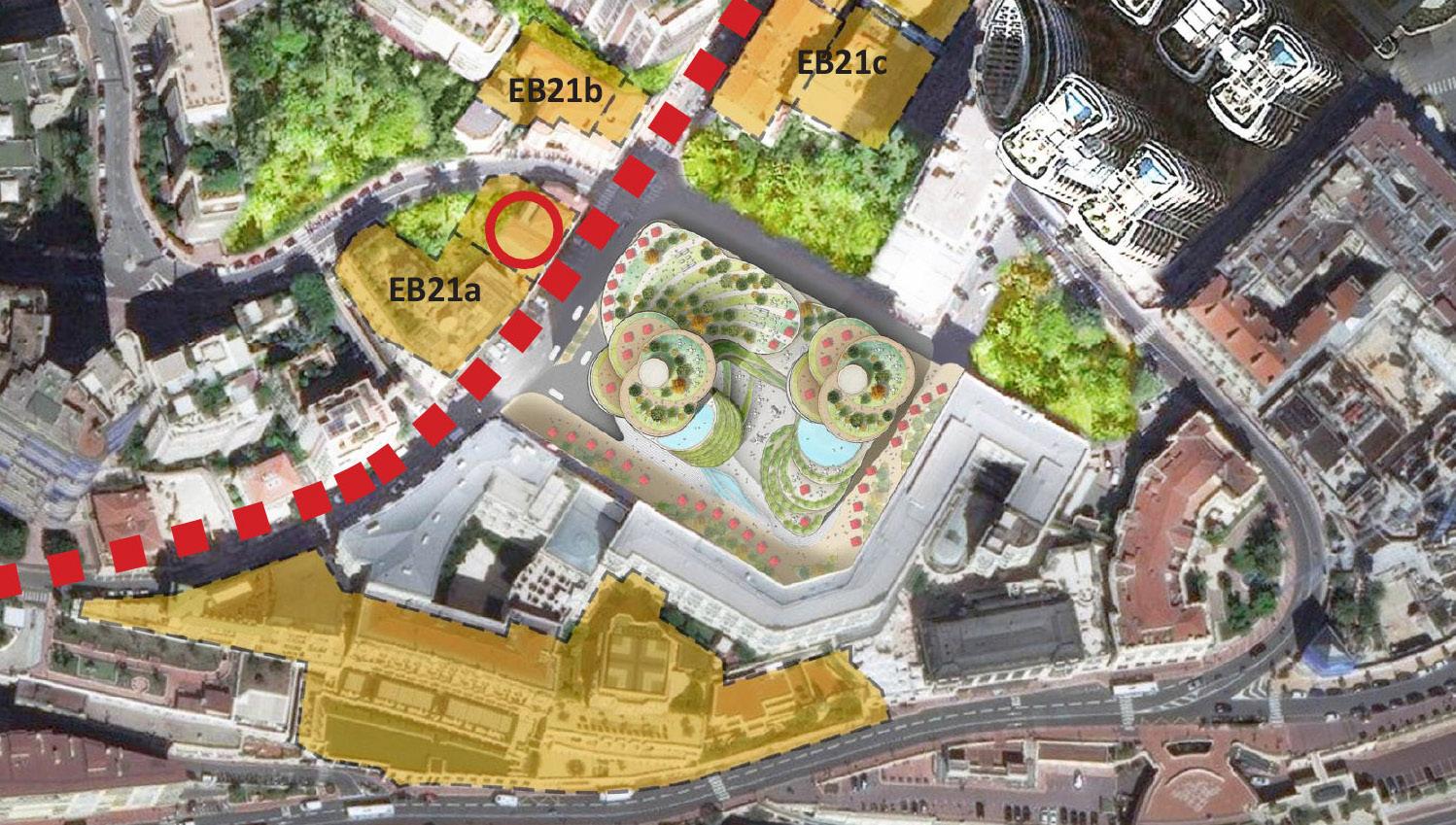
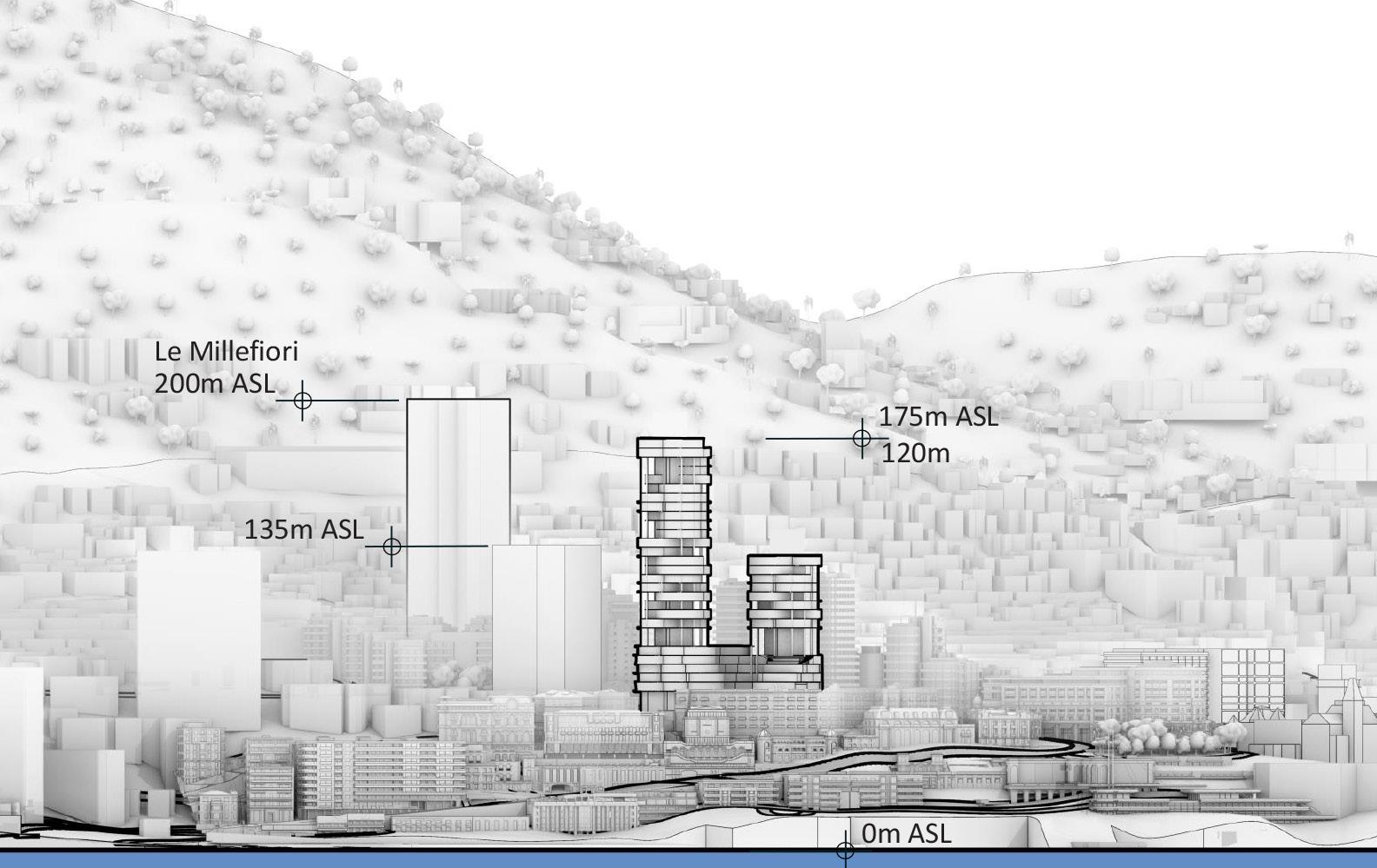
The design operates on two scales: the neighborhood, influencing the ground-level plaza, sunken garden, and podium, and the city, with key view corridors from the rooftop Belvedere and residential units, blending seamlessly into its urban context. Through careful consideration of both scales, La Scala gracefully integrates into its surroundings while establishing a new standard for future developments in Monaco.
Responsibilities
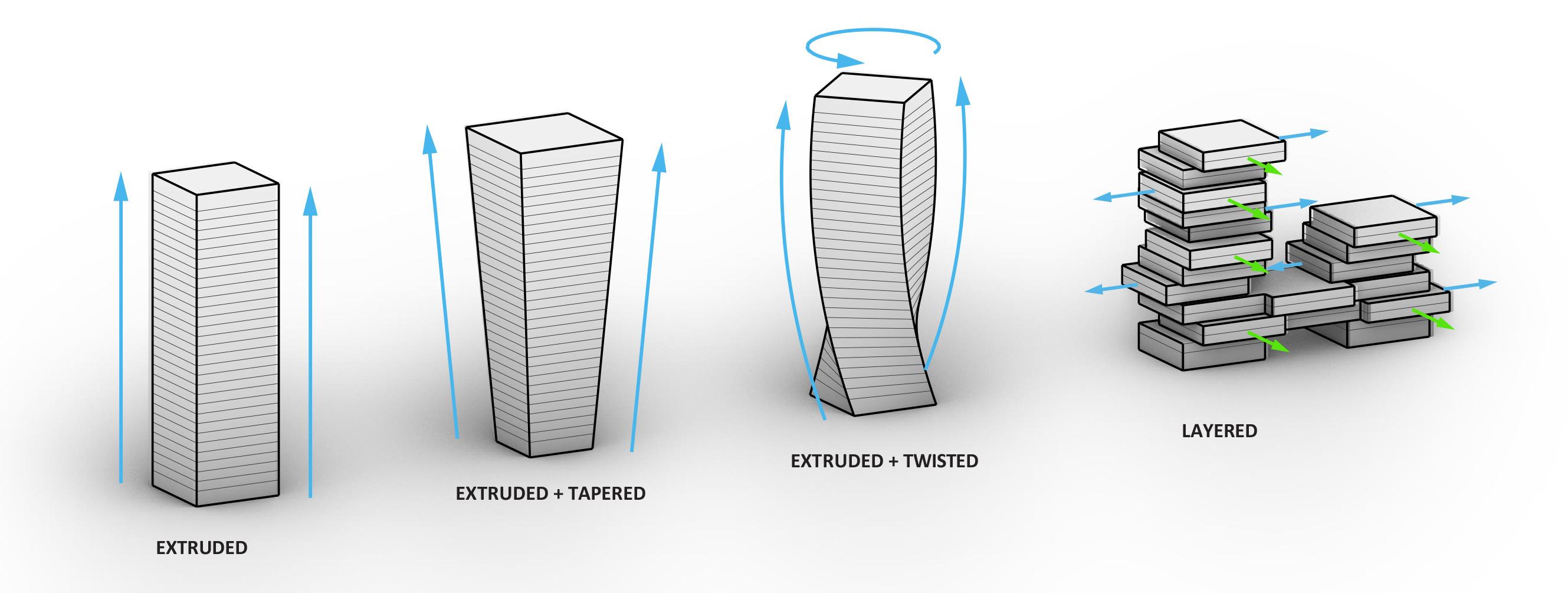
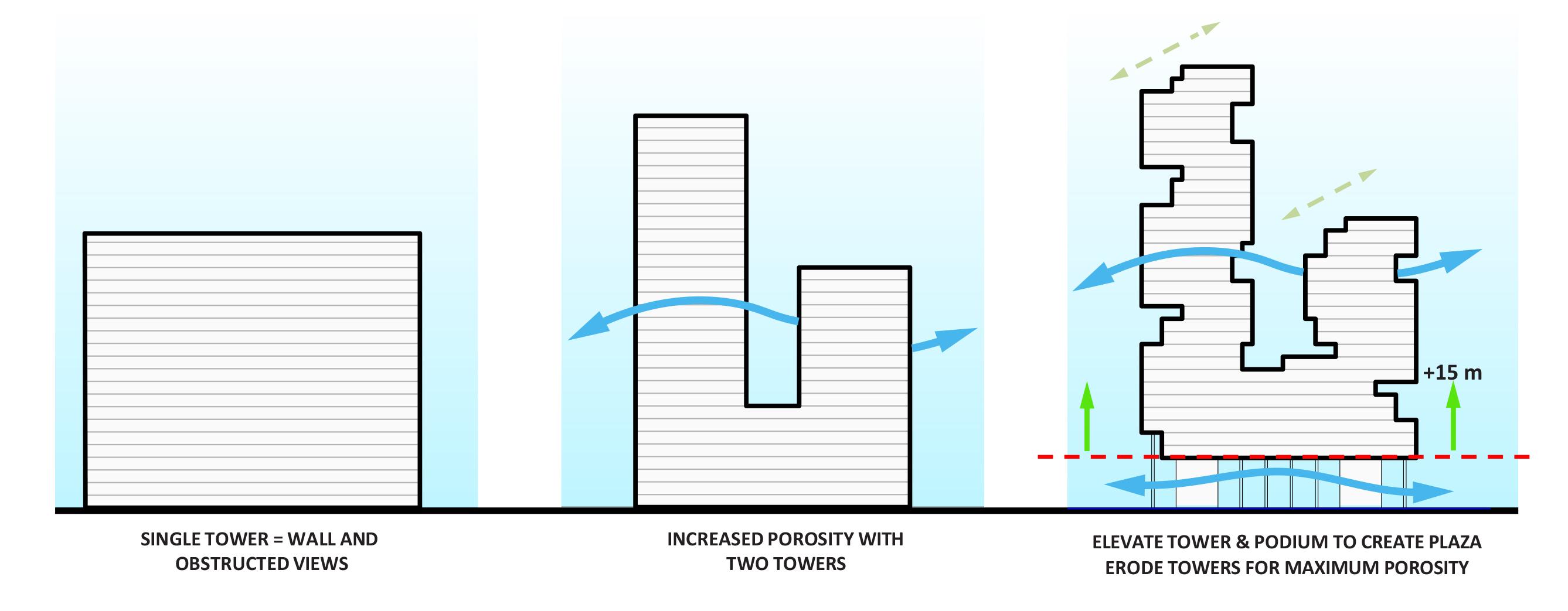
• Led the conceptual design of the podium and public plaza, ensuring a cohesive integration with the overall project vision.
• Coordinated the aesthetic transition between the podium and tower to achieve architectural harmony.
• Conducted urban research and developed strategies to create an efficient street-level design while preserving sensitive historic structures.
• Produced high-quality renderings using D5 to visualize design concepts.
• Developed presentations and crafted compelling storytelling to effectively communicate the project’s vision and design approach.
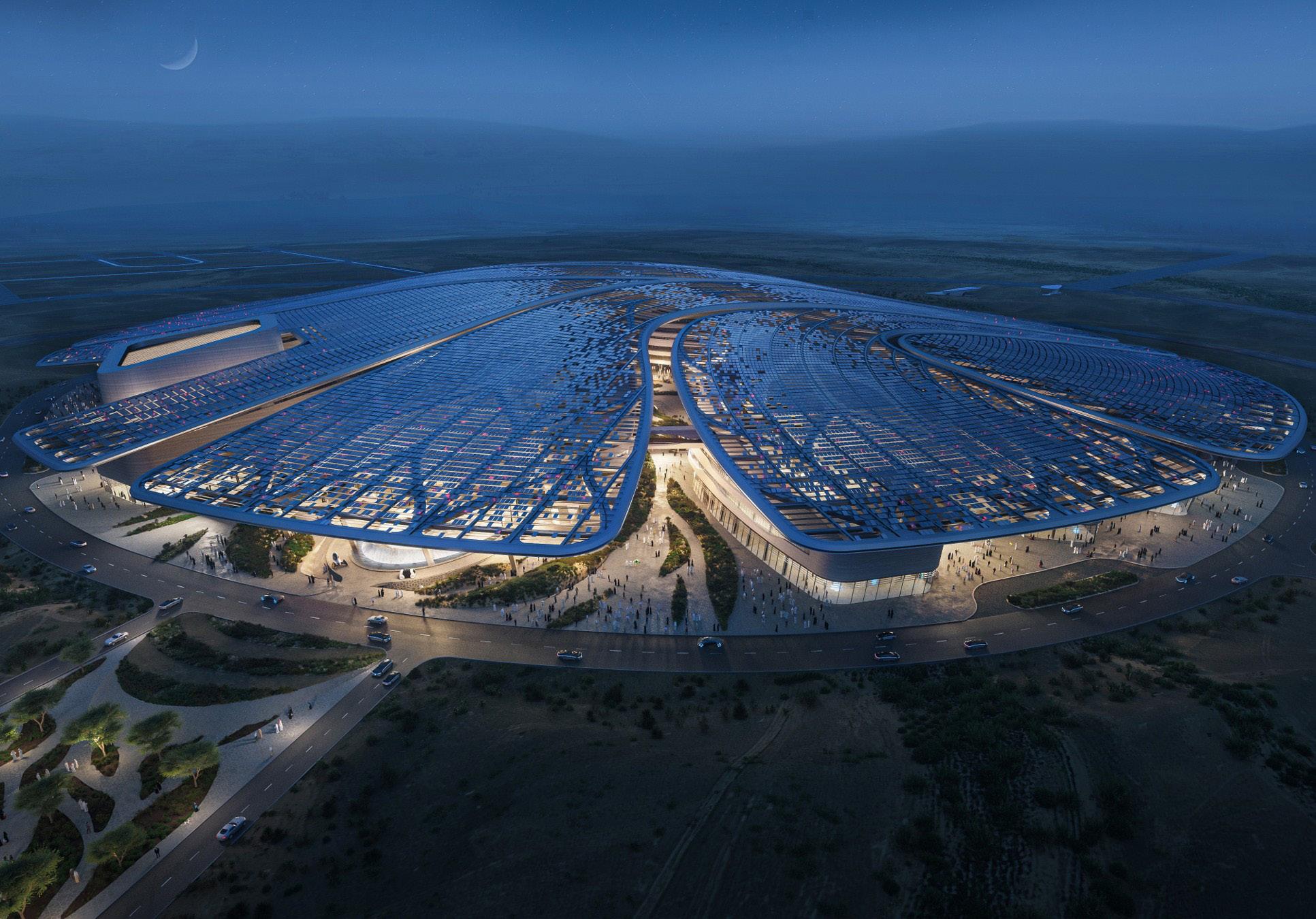
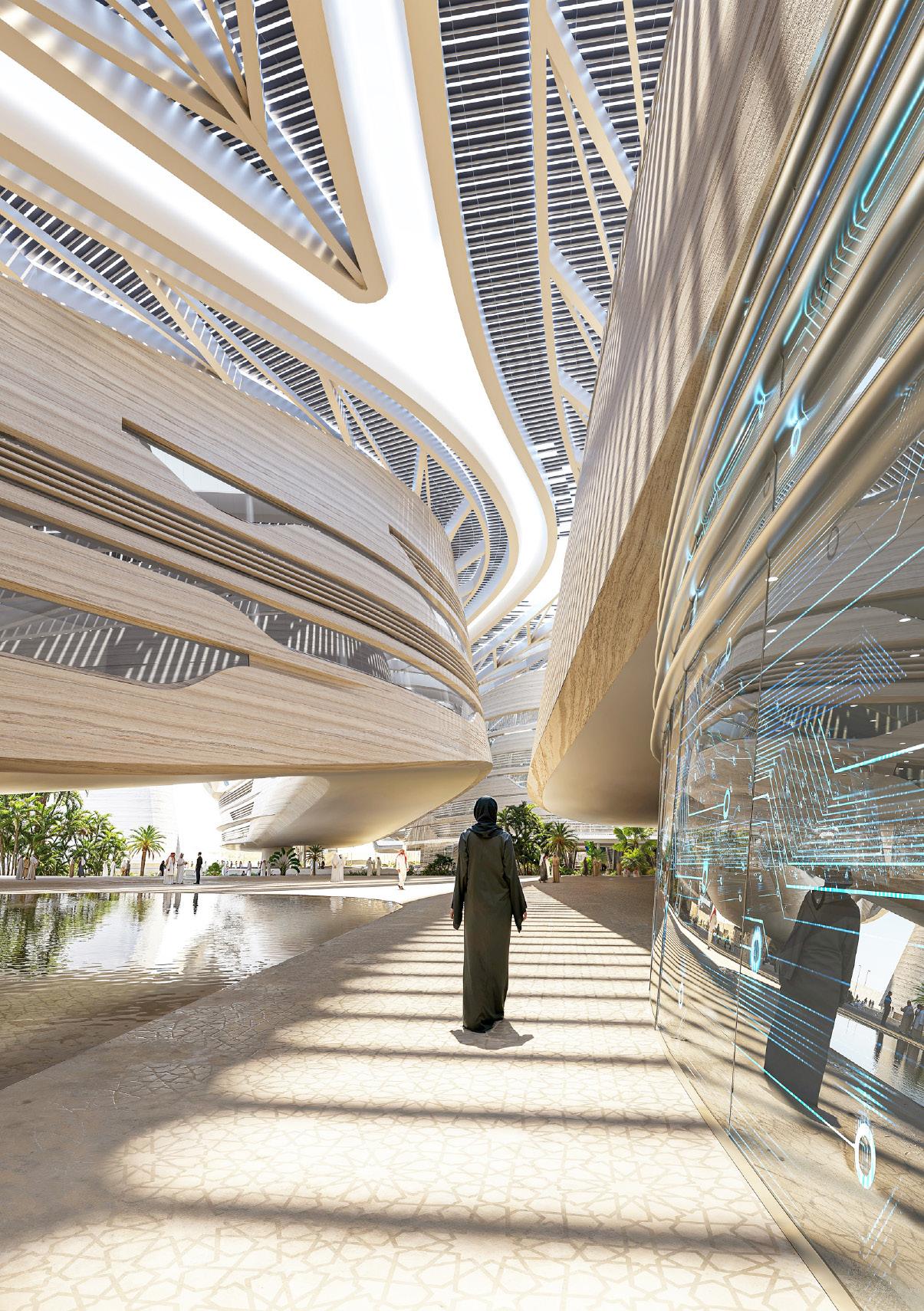
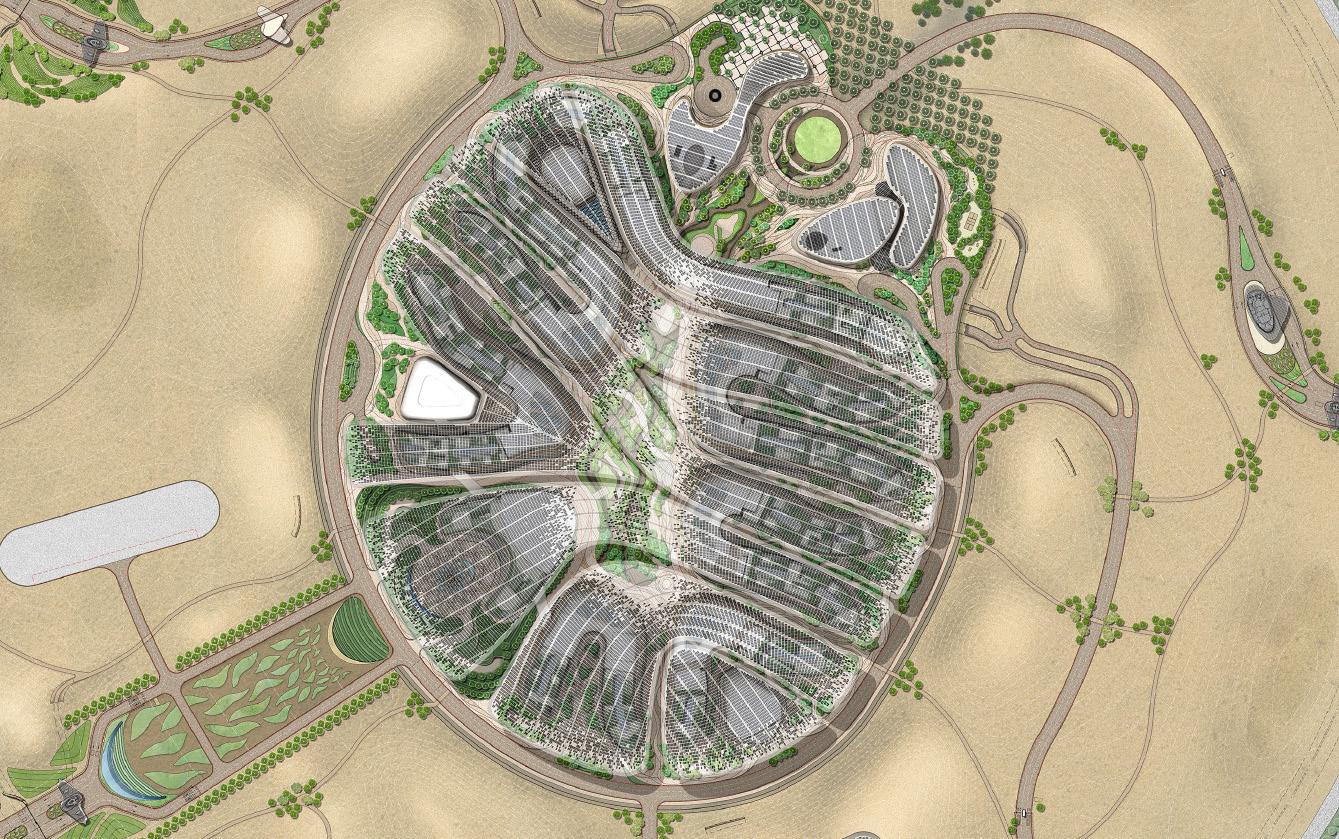
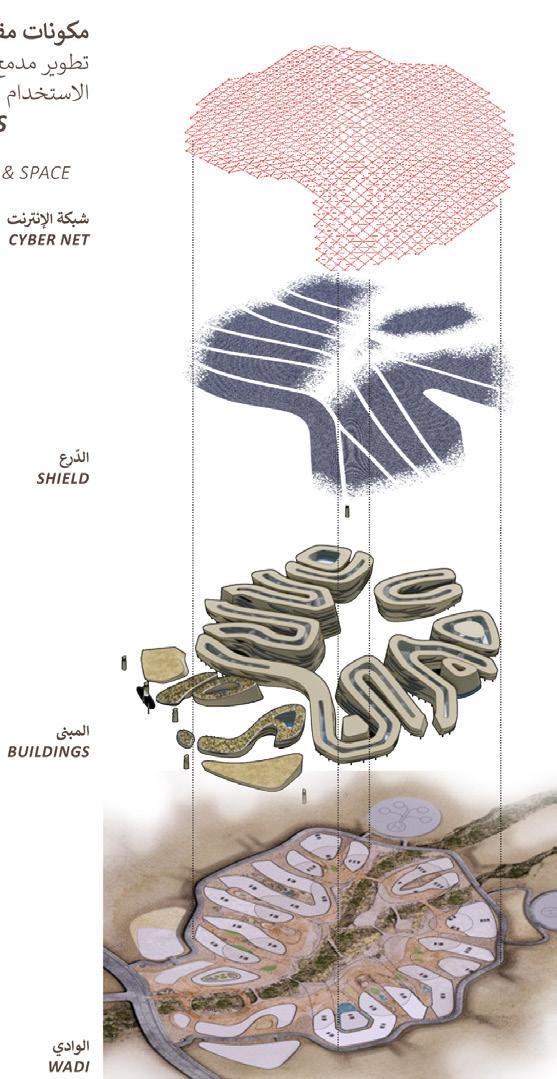
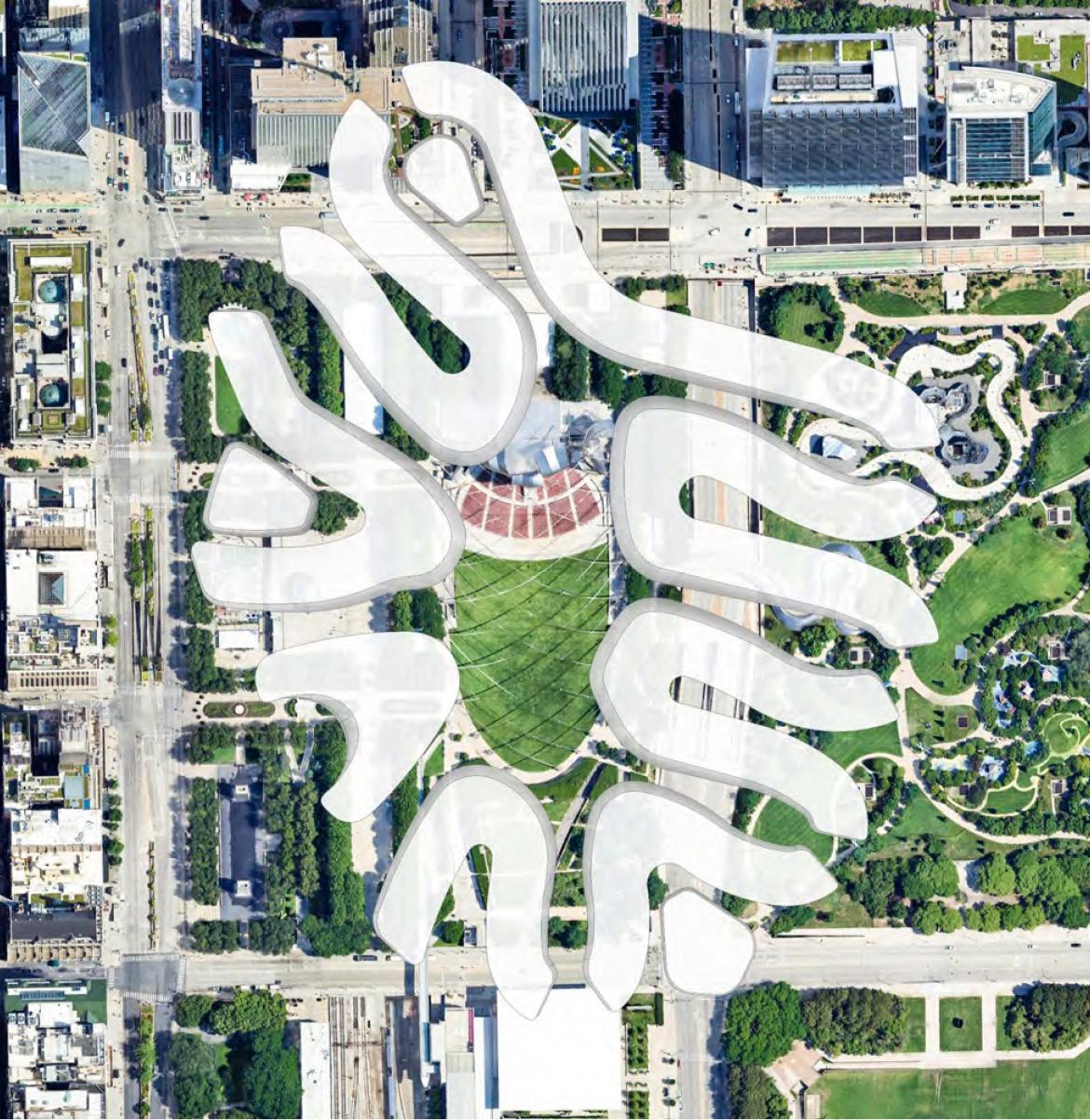
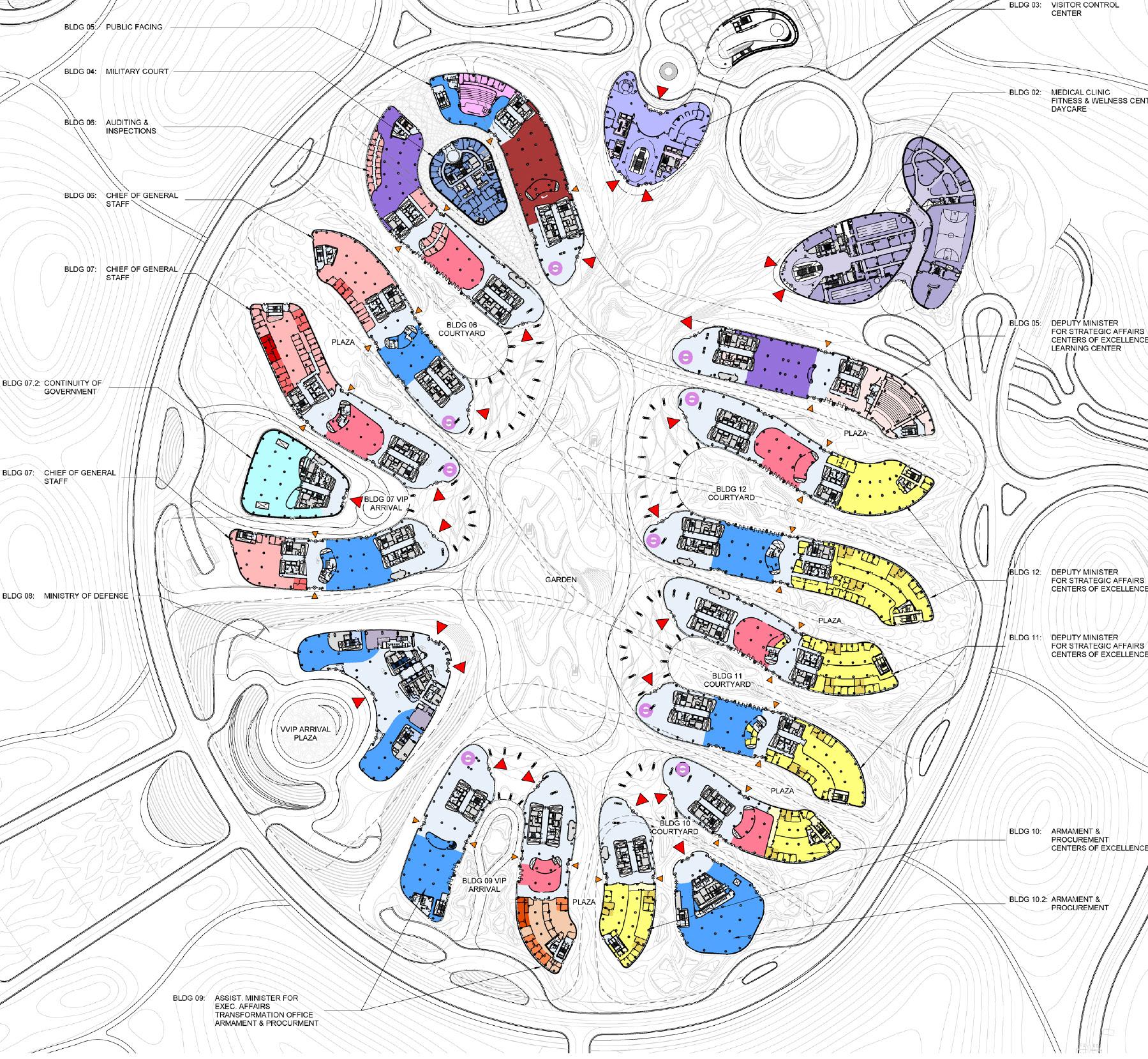
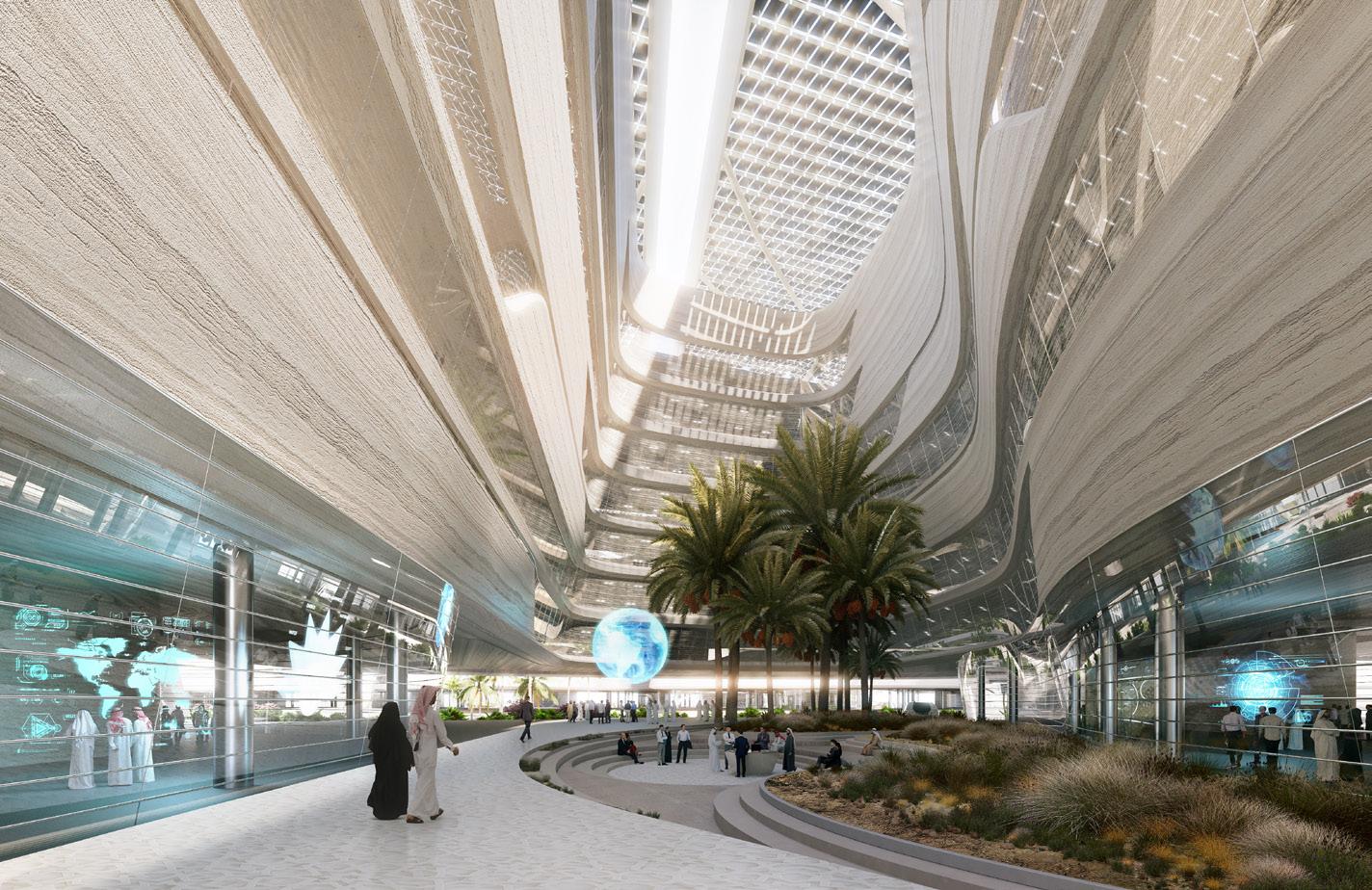
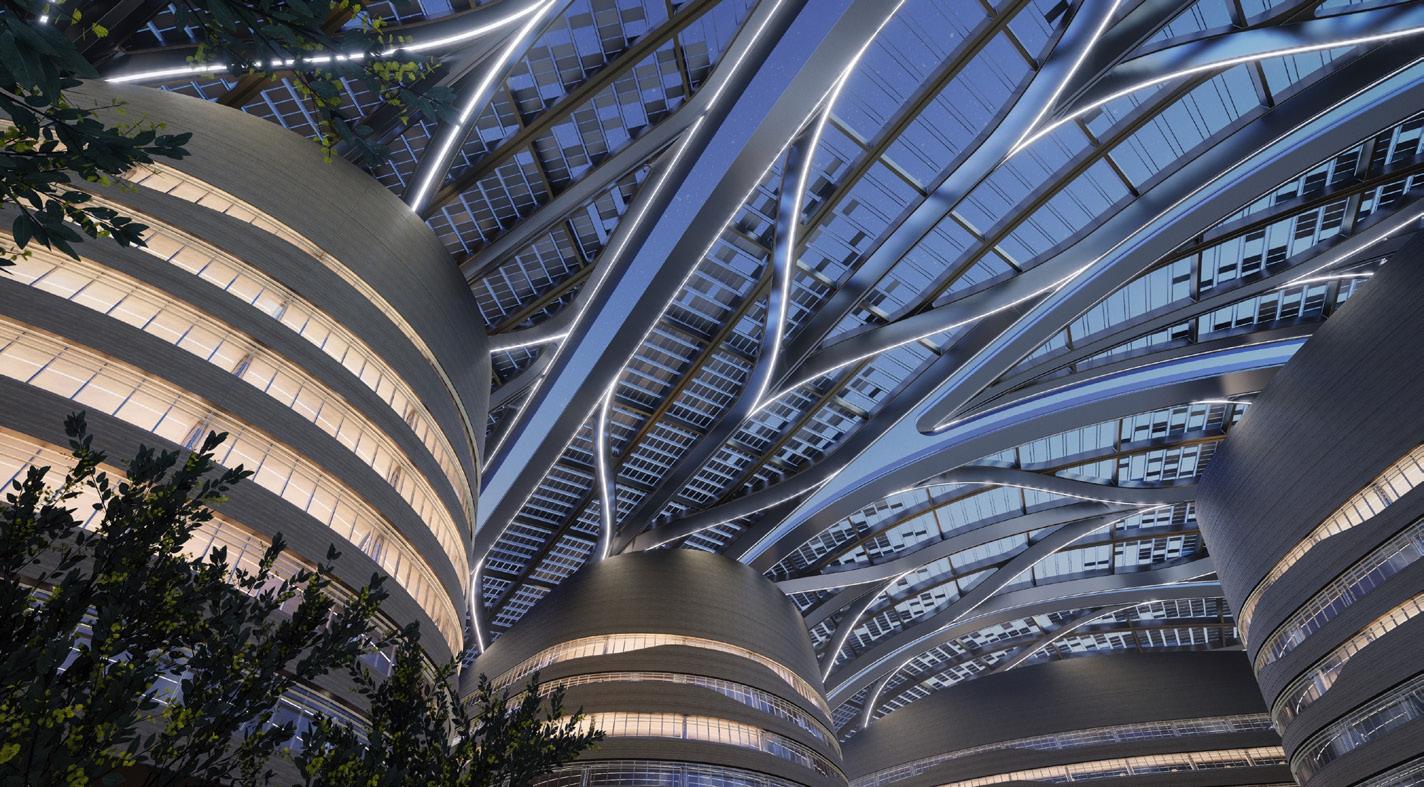
This confidential governmental campus project was developed in alignment with the broader transformation vision of the Middle East. Conceived as a next-generation institutional headquarters, the proposal explores the integration of human and artificial intelligence to streamline and elevate operational performance across a unified campus.
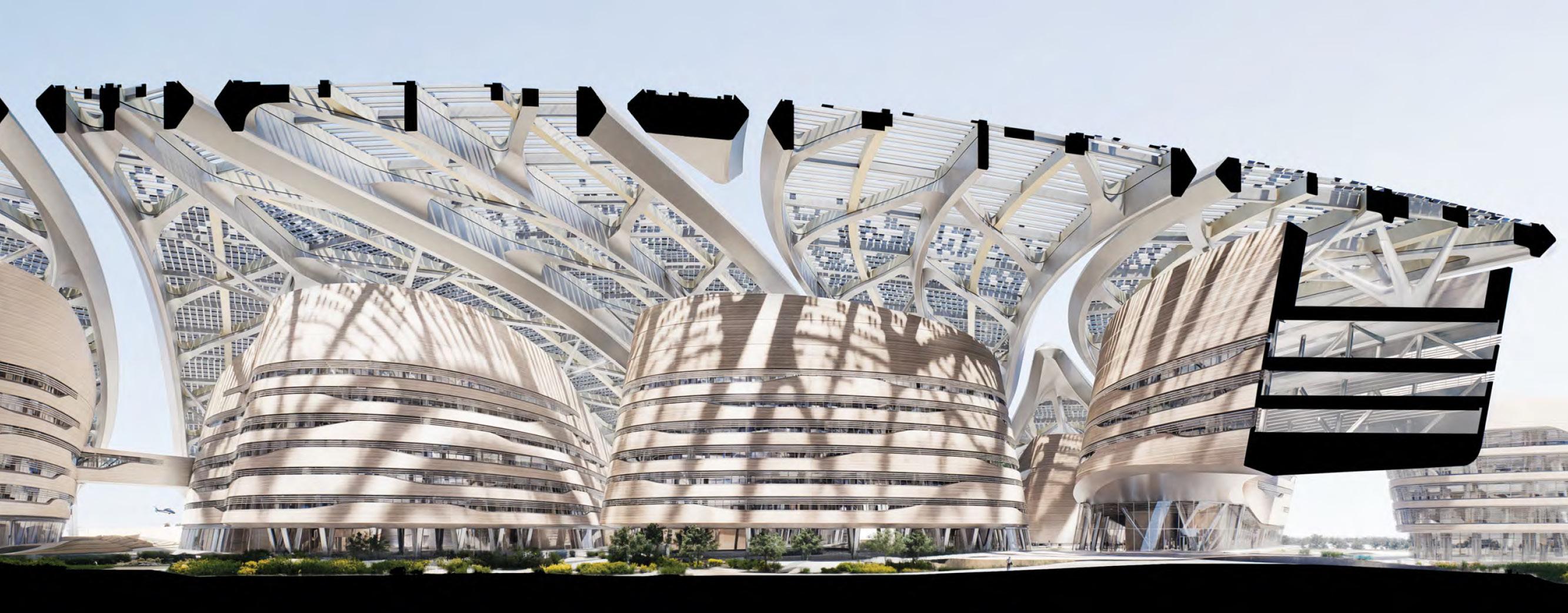
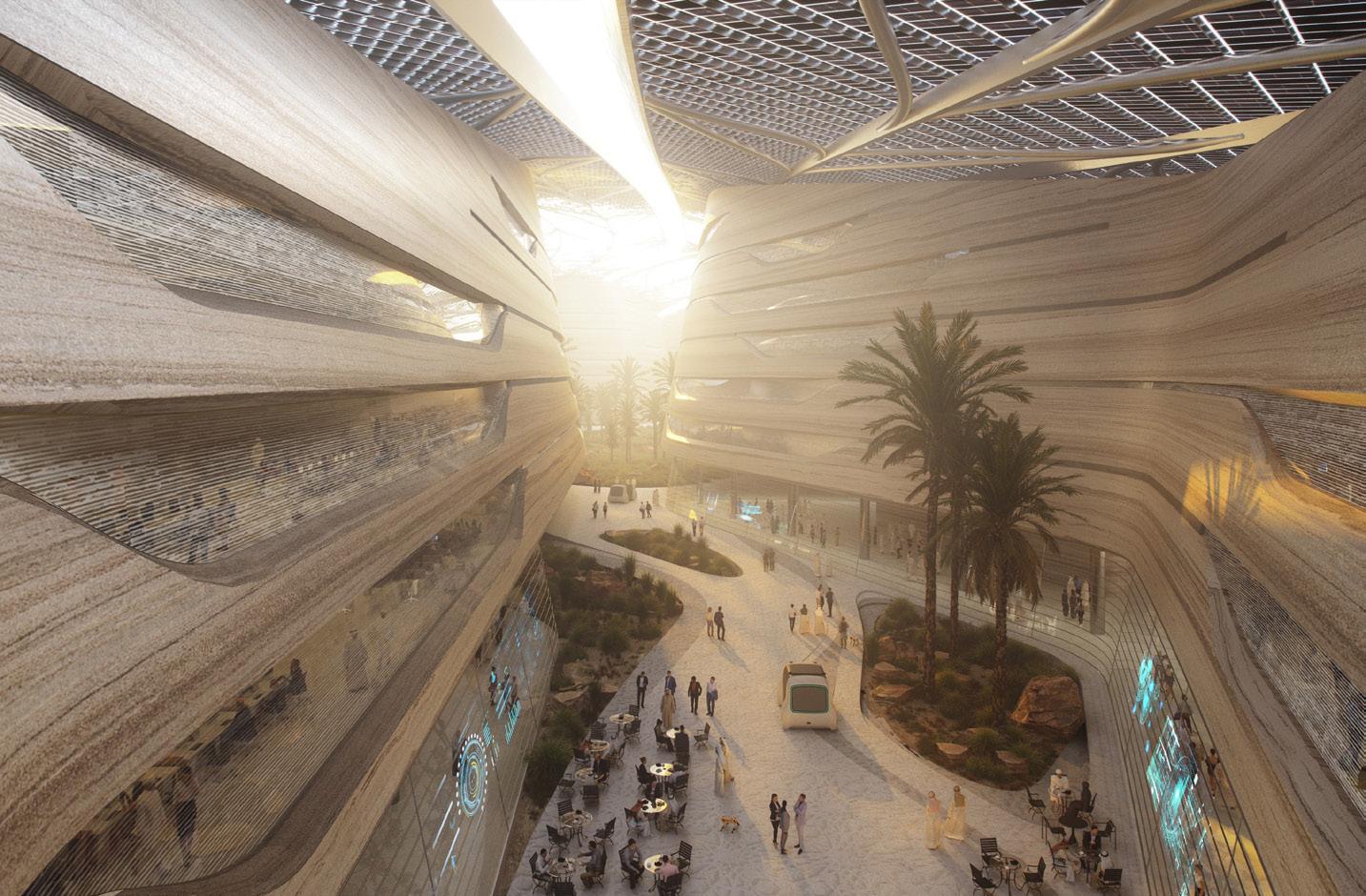
The design adopts a holistic and adaptive planning approach, rooted in cultural heritage, national identity, and environmental stewardship. The architectural expression draws inspiration from the region’s unique topography and its rich Arab and Islamic legacy.
Guided by transparency, excellence, and innovation, the campus is envisioned as a unified, intelligent environment. It aims to set a global benchmark for institutional architecture by merging sustainability, technology, and cultural identity.
Responsibilities
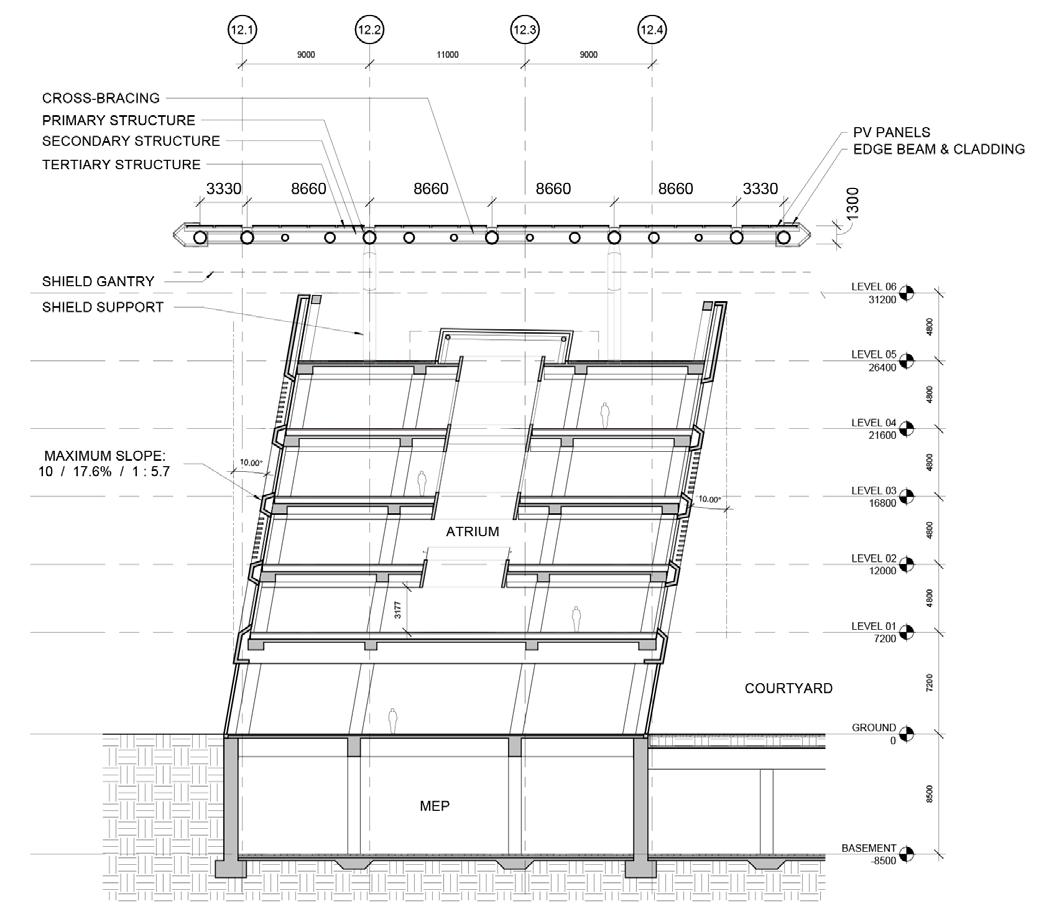
• Contributed to master planning, landscape integration, and overall city-scale design strategy.
• Developed massing studies, spatial layouts, and area programs for multiple campus buildings.
• Coordinated with multidisciplinary teams including MEP, structural, and specialist consultants.
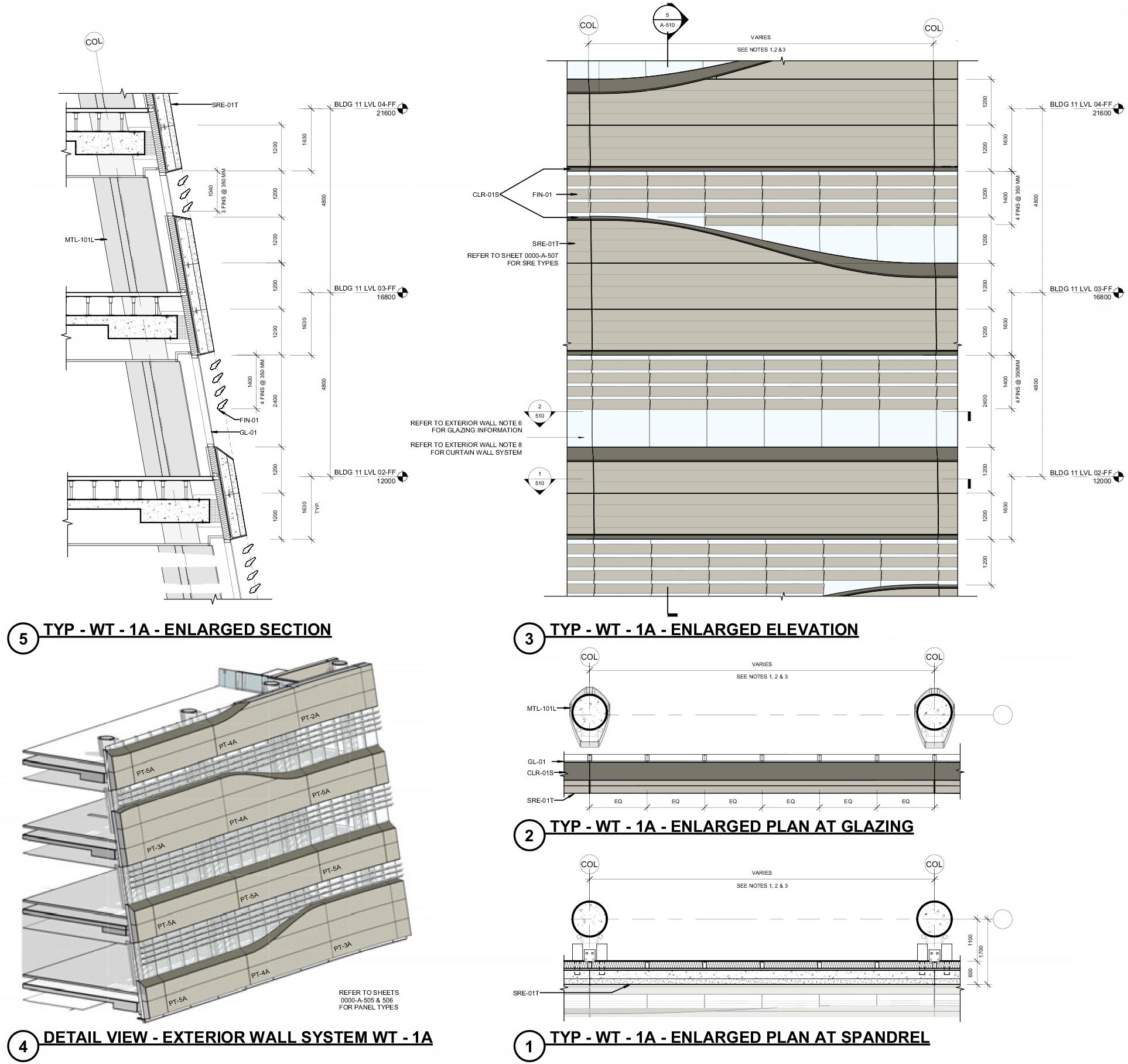
• Conducted materials research and supported façade system development and articulation.
• Led and managed small design teams efficiently across fast-paced design phases.
MIXED USE - RETAIL DEVELOPMENT - AE7 ARCHITECTS - DUBAI, UAE
Design Development - Retail - Dancing Water Fountain - Coordination - Site Coordination - BIM Director: Erik Hokanson
Project Details
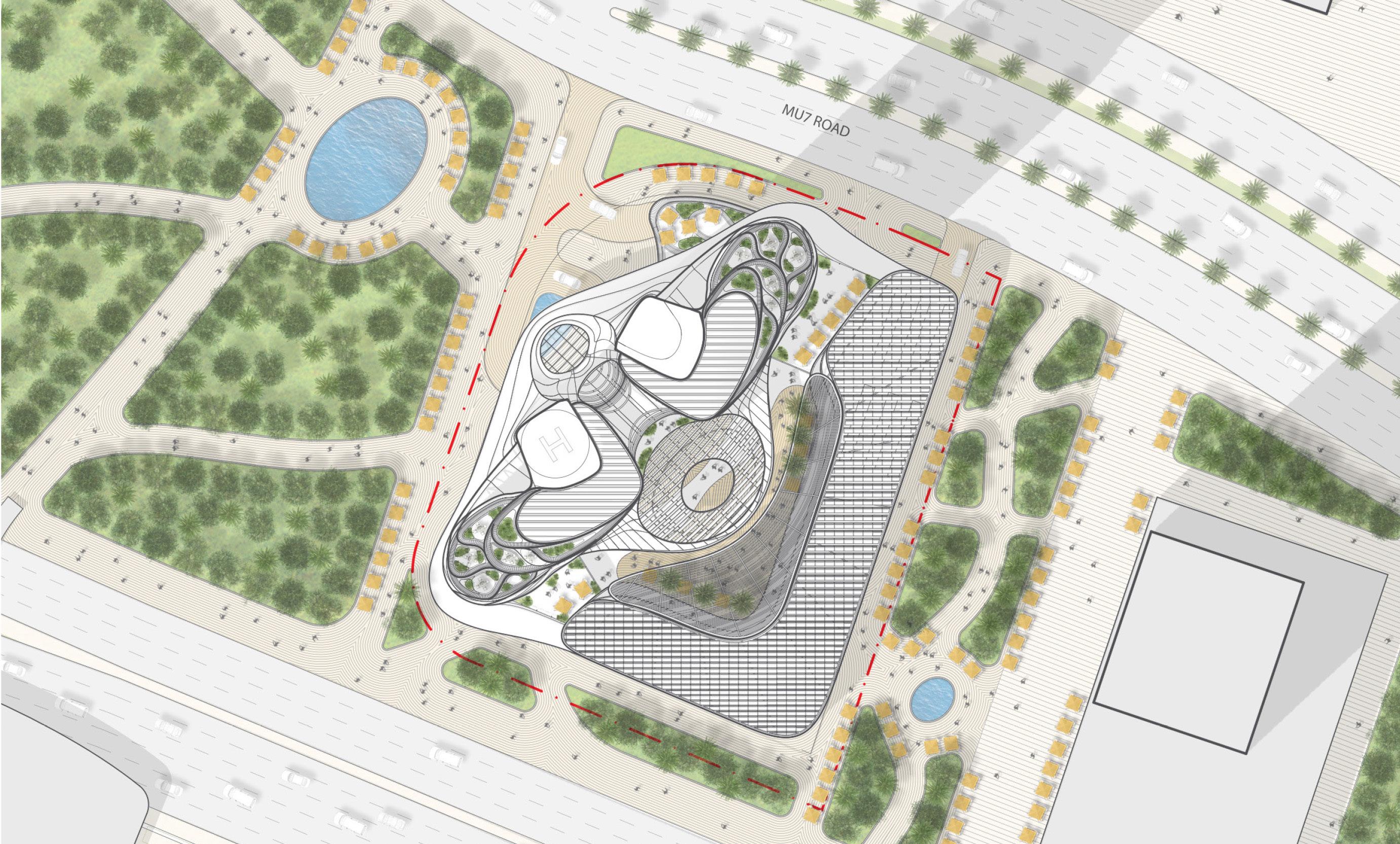
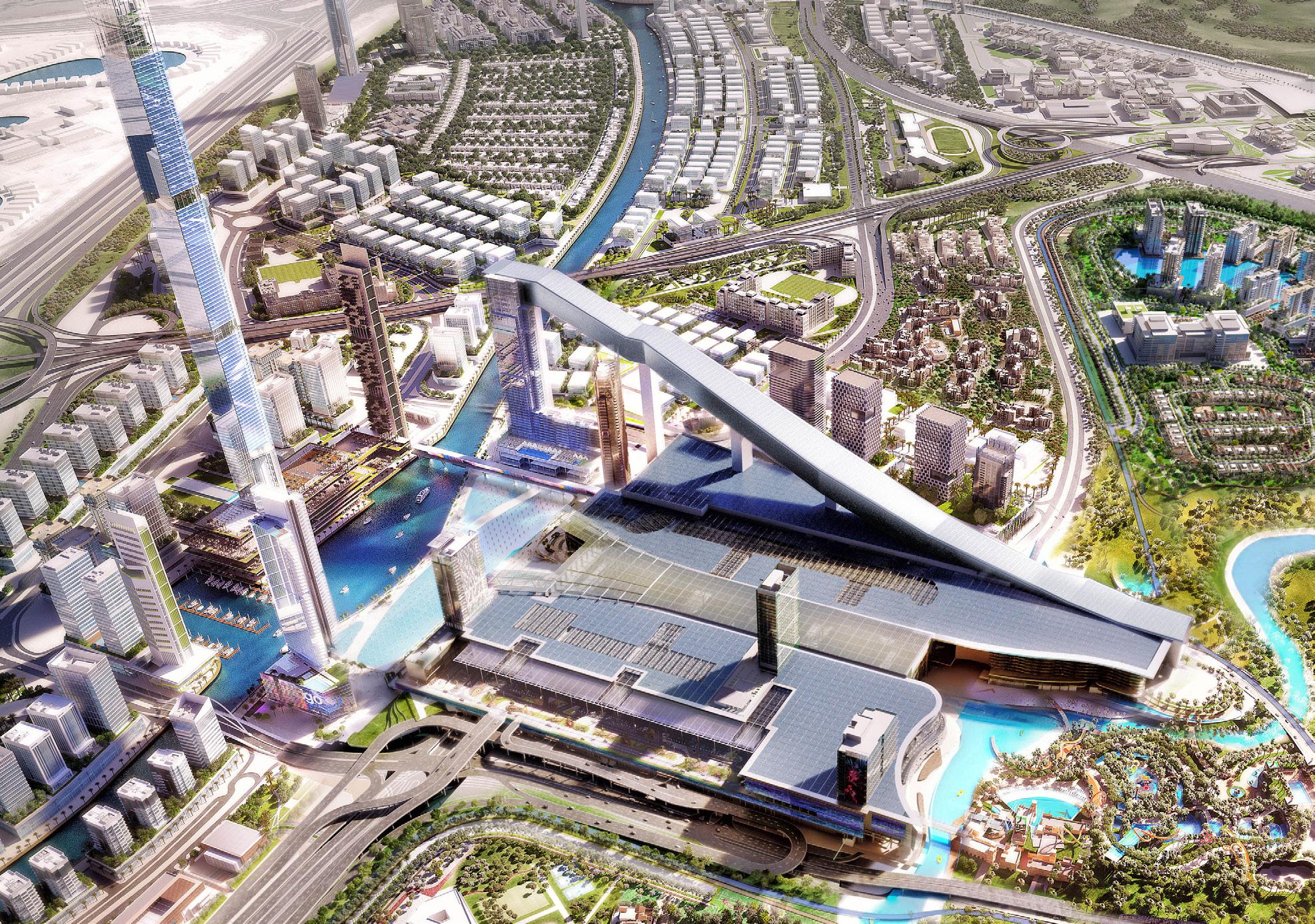
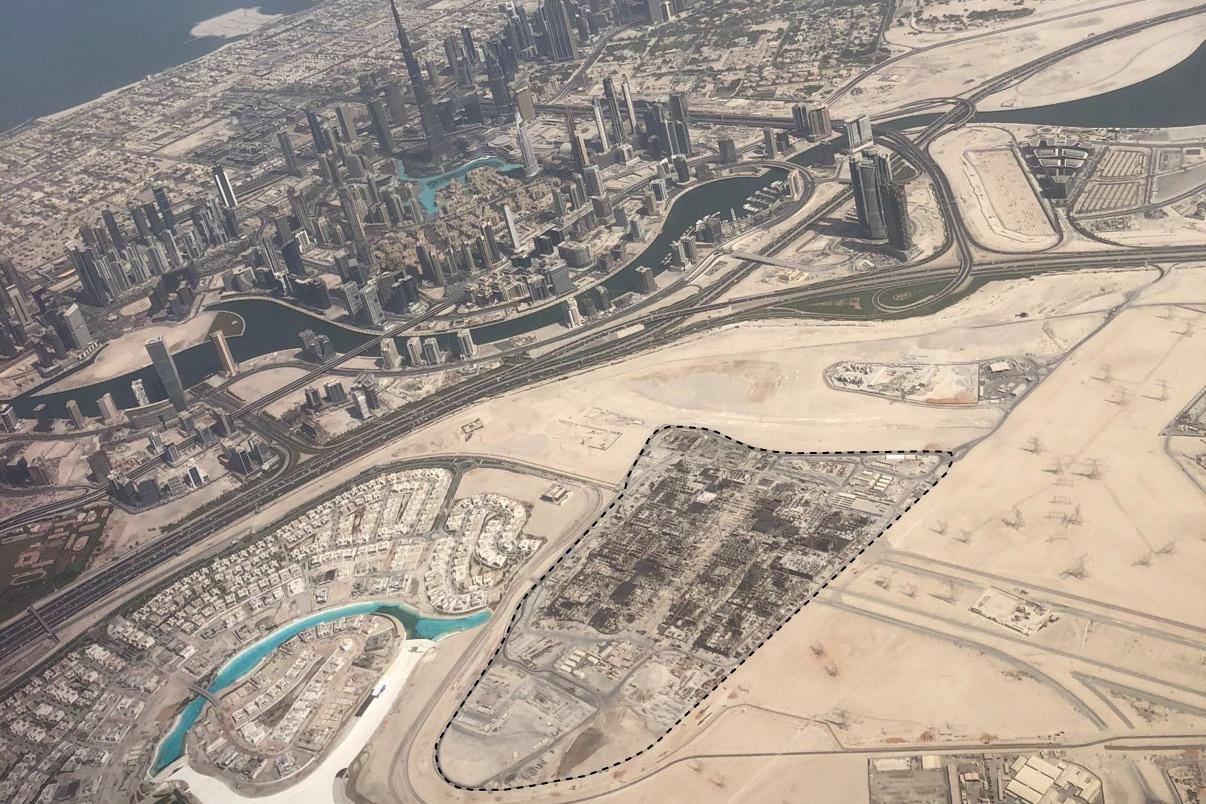
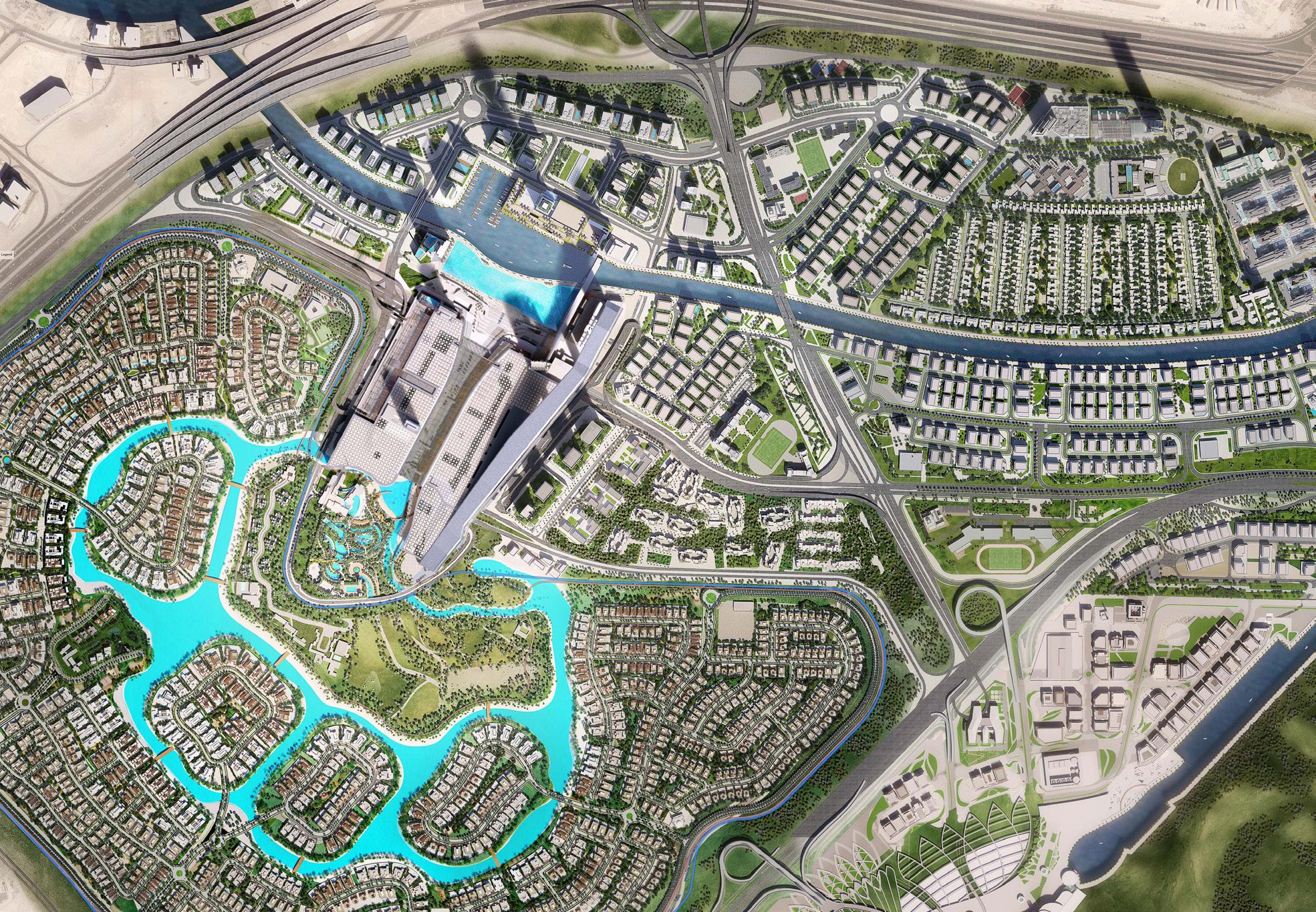
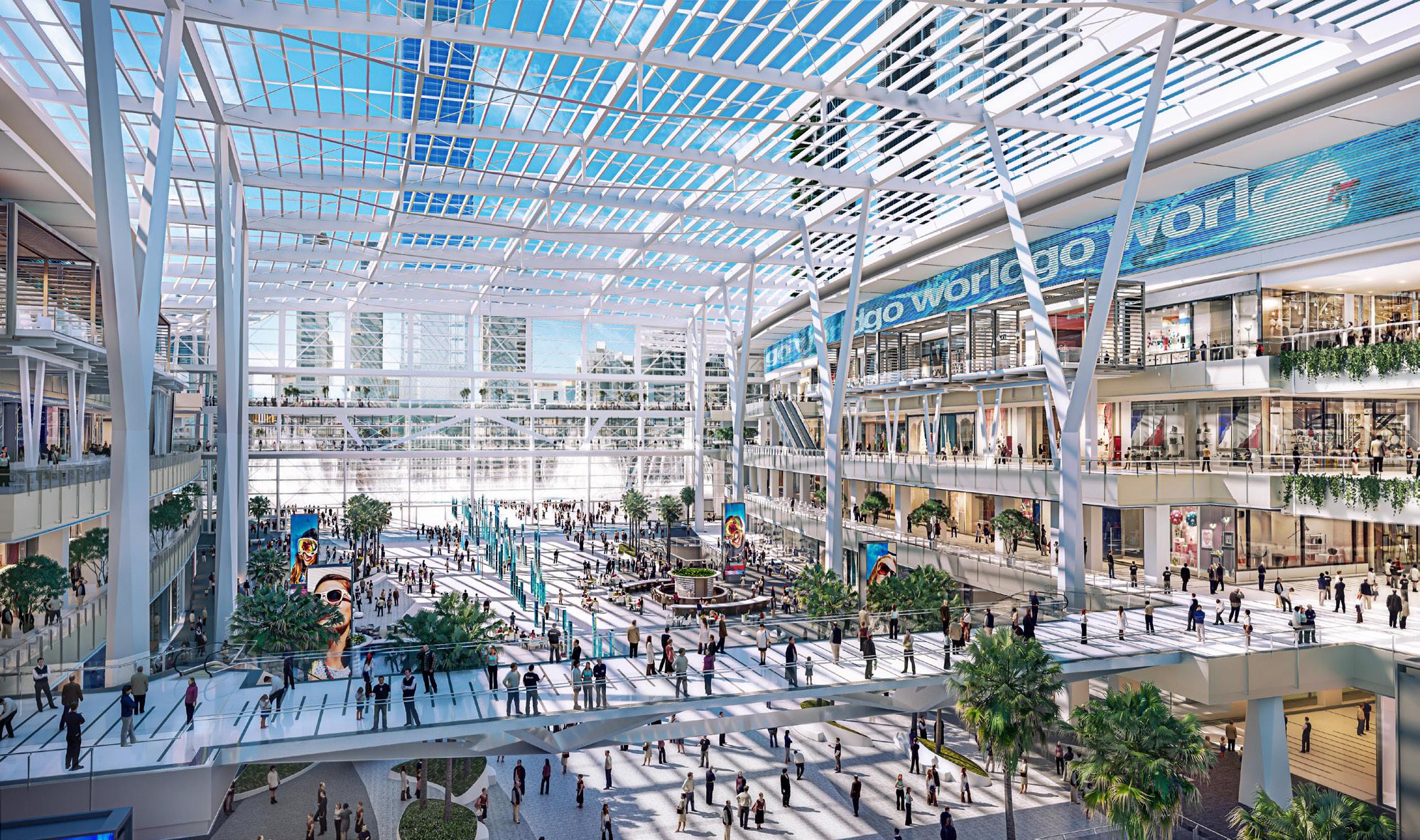
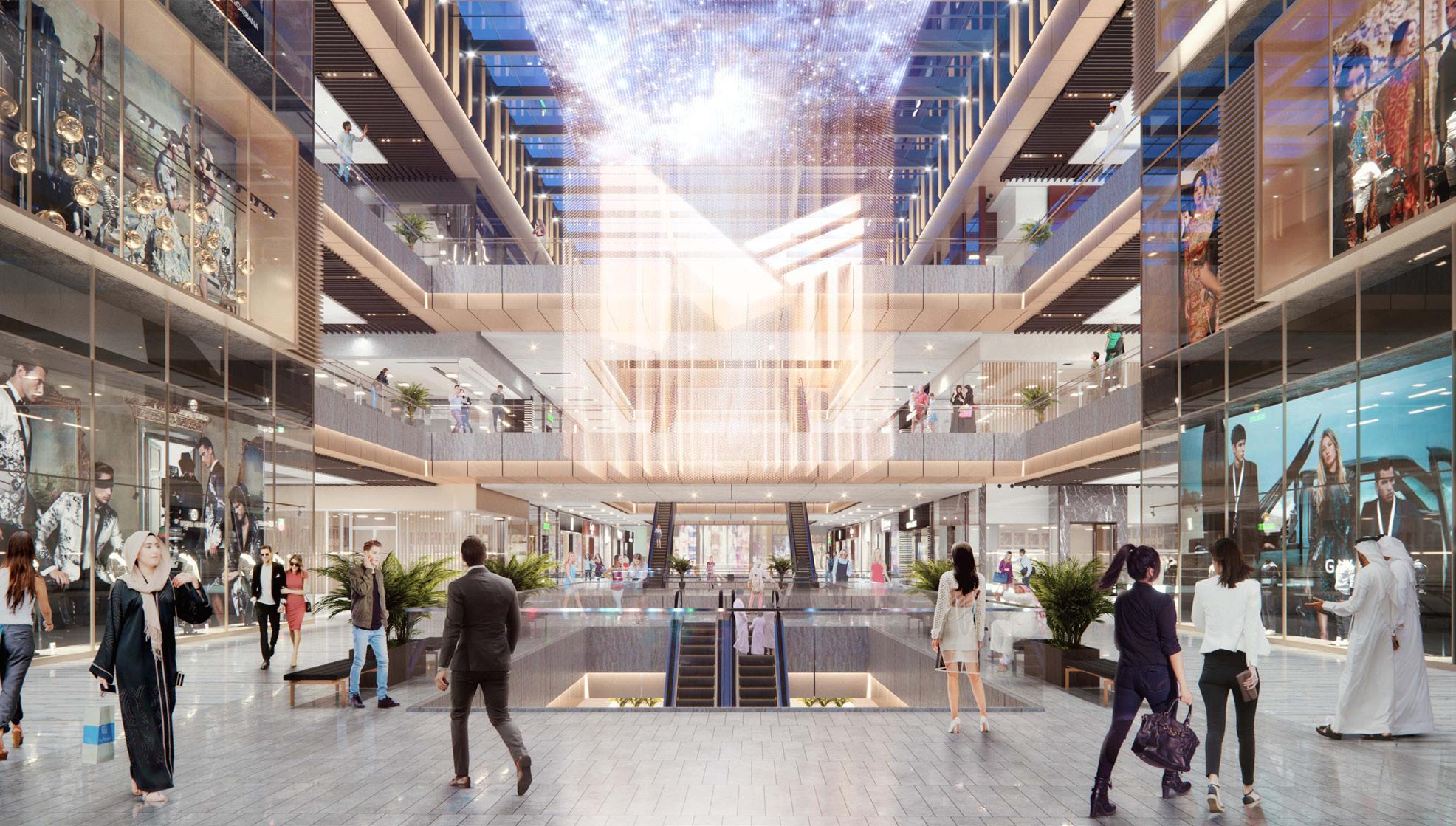
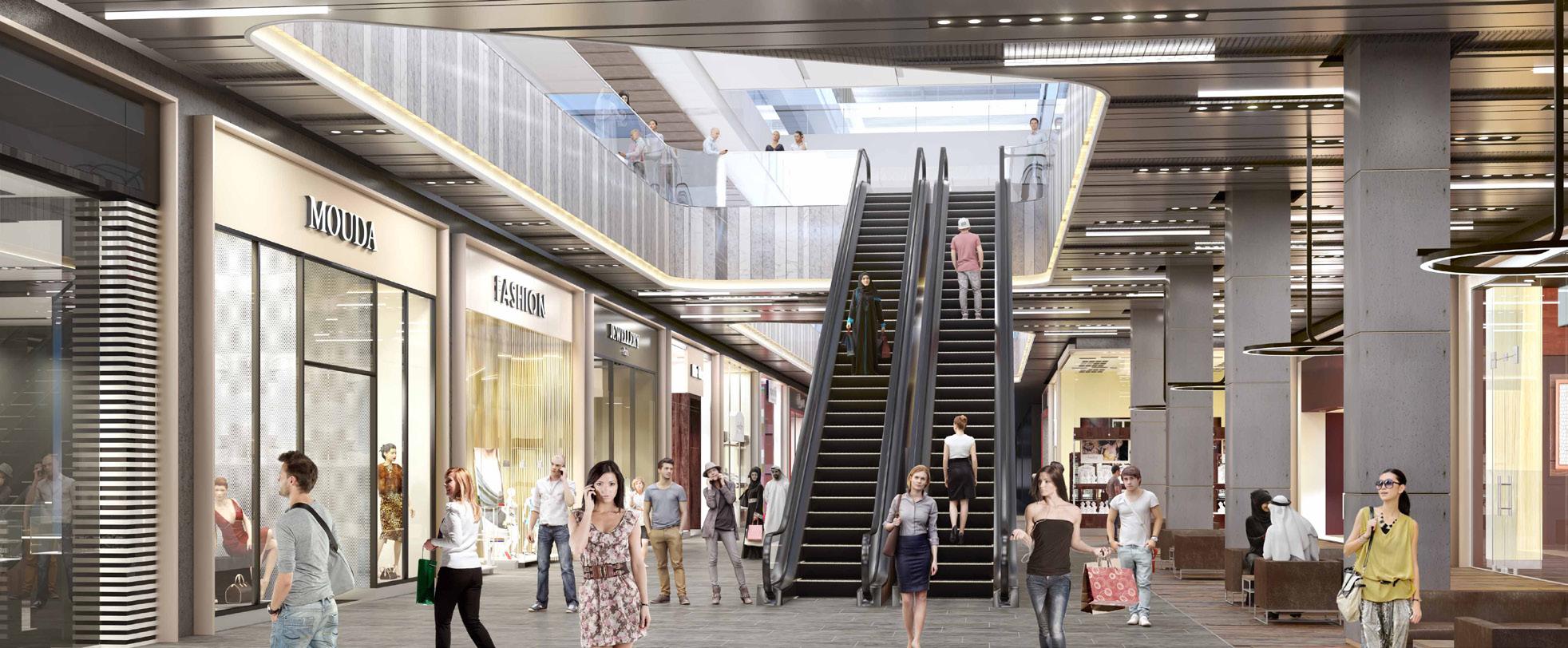
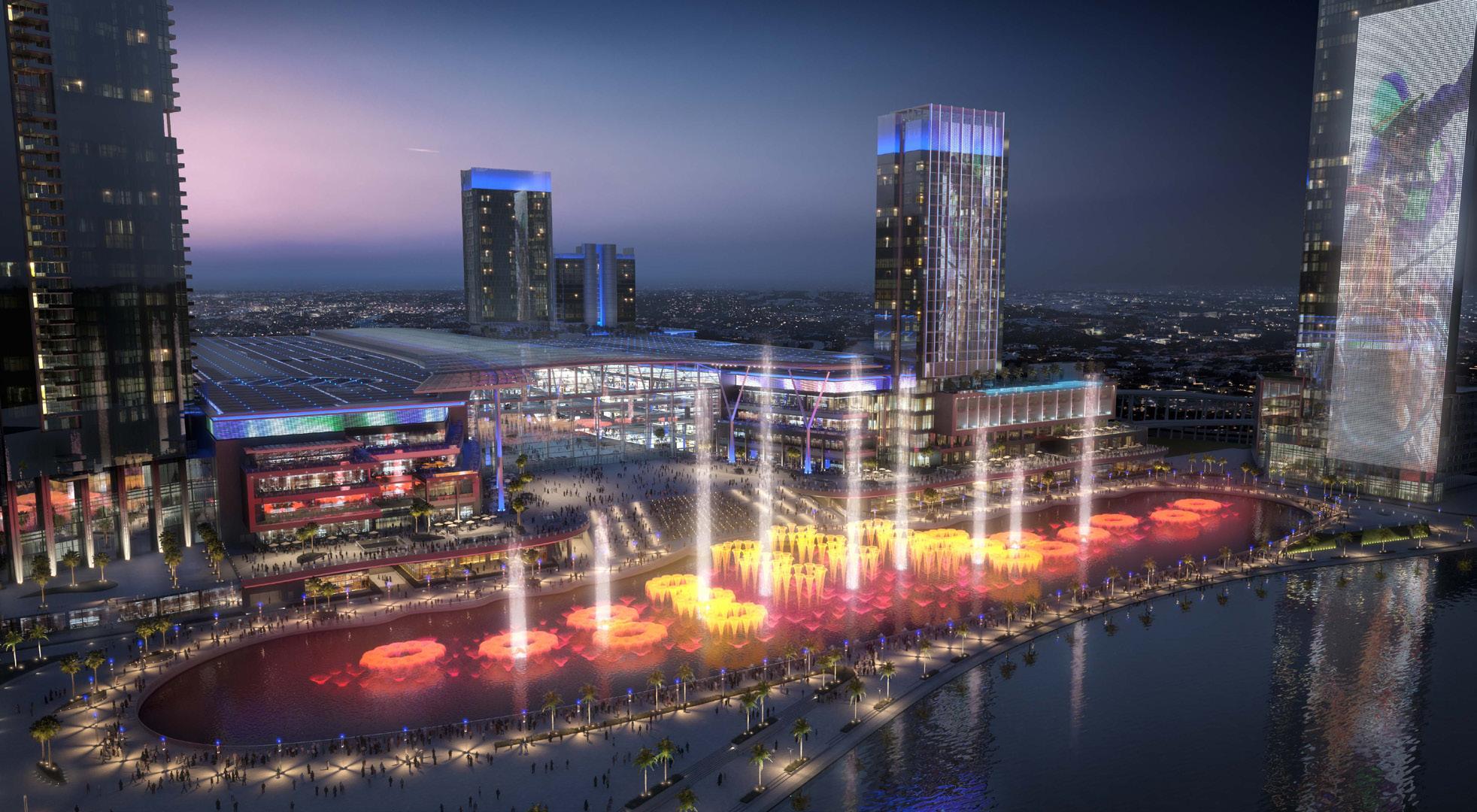
Meydan One has been envisioned as “A Place for Everyone”. The development is strategically positioned within the heart of Dubai. Meydan One is a sprawling destination that offers lifestyle experiences, entrepreneurship and technologies, reaffirming Dubai’s vision to become the preferred global hub for tourism and shopping.
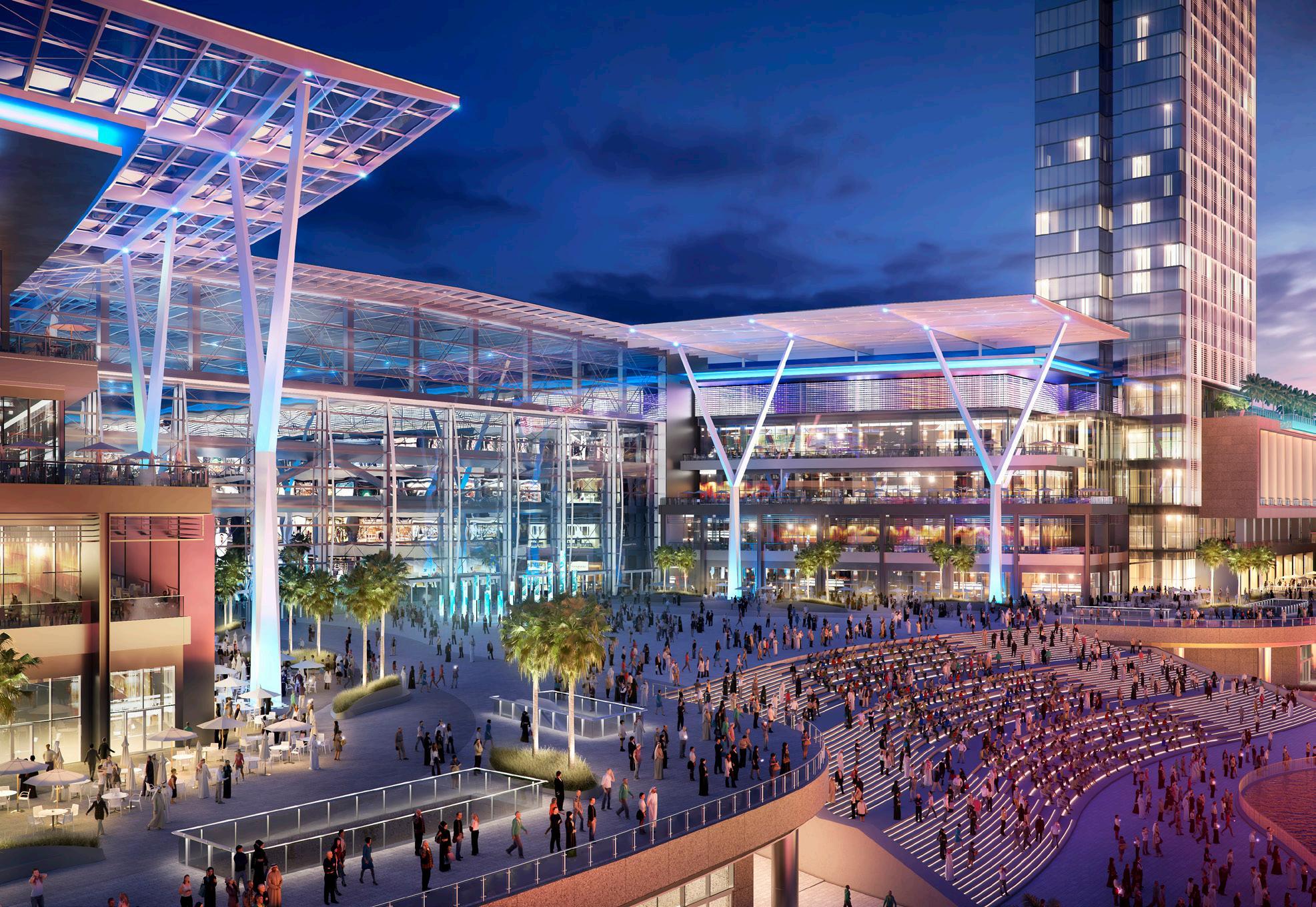
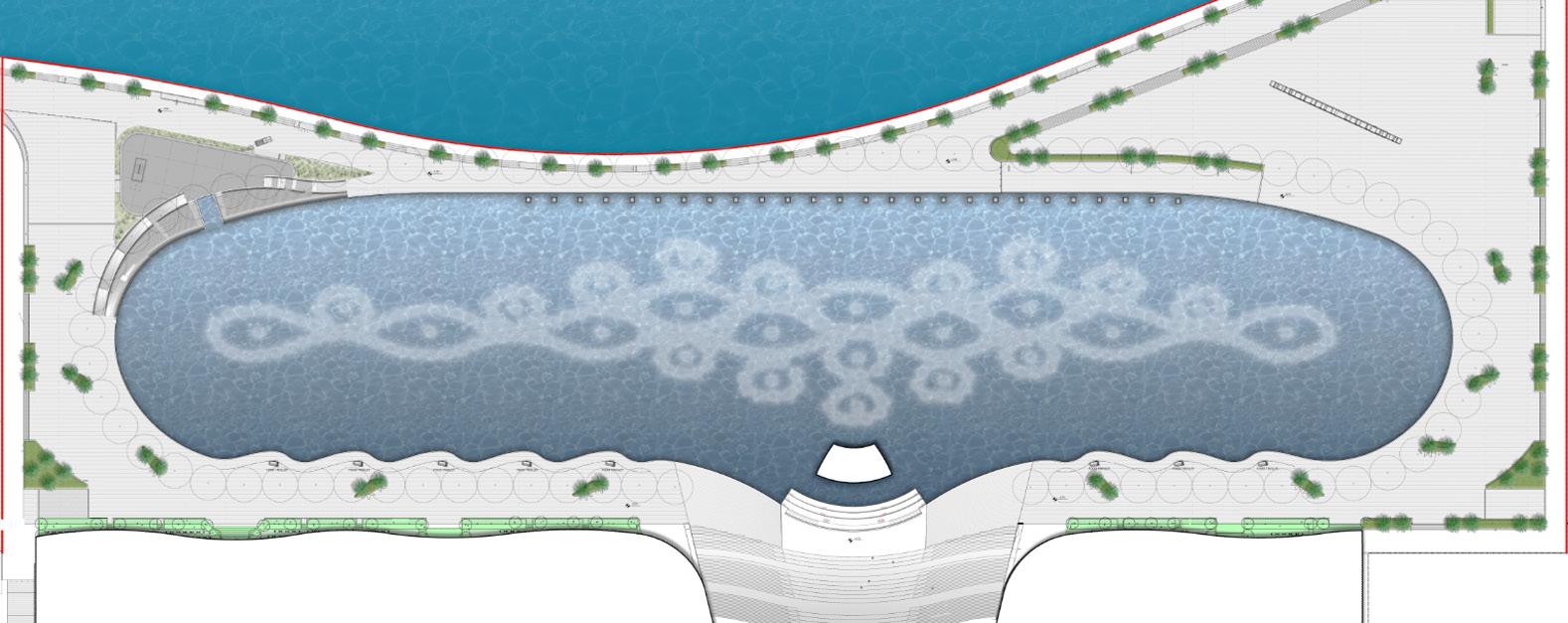
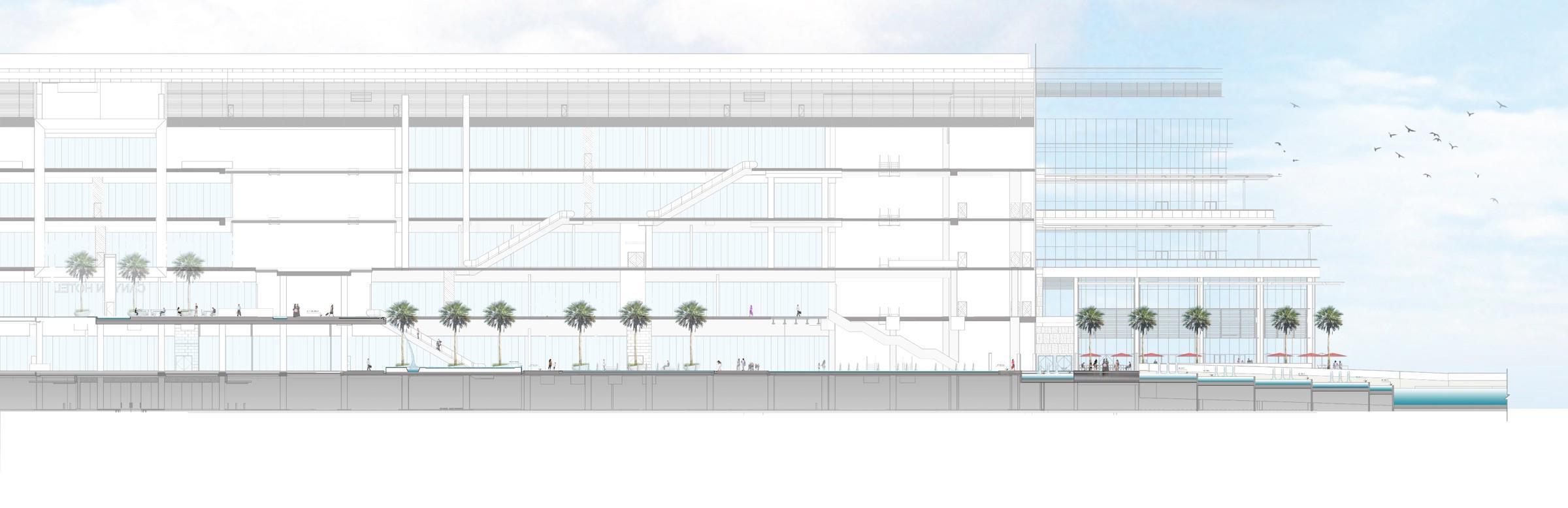
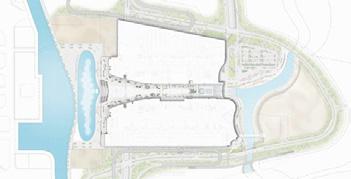
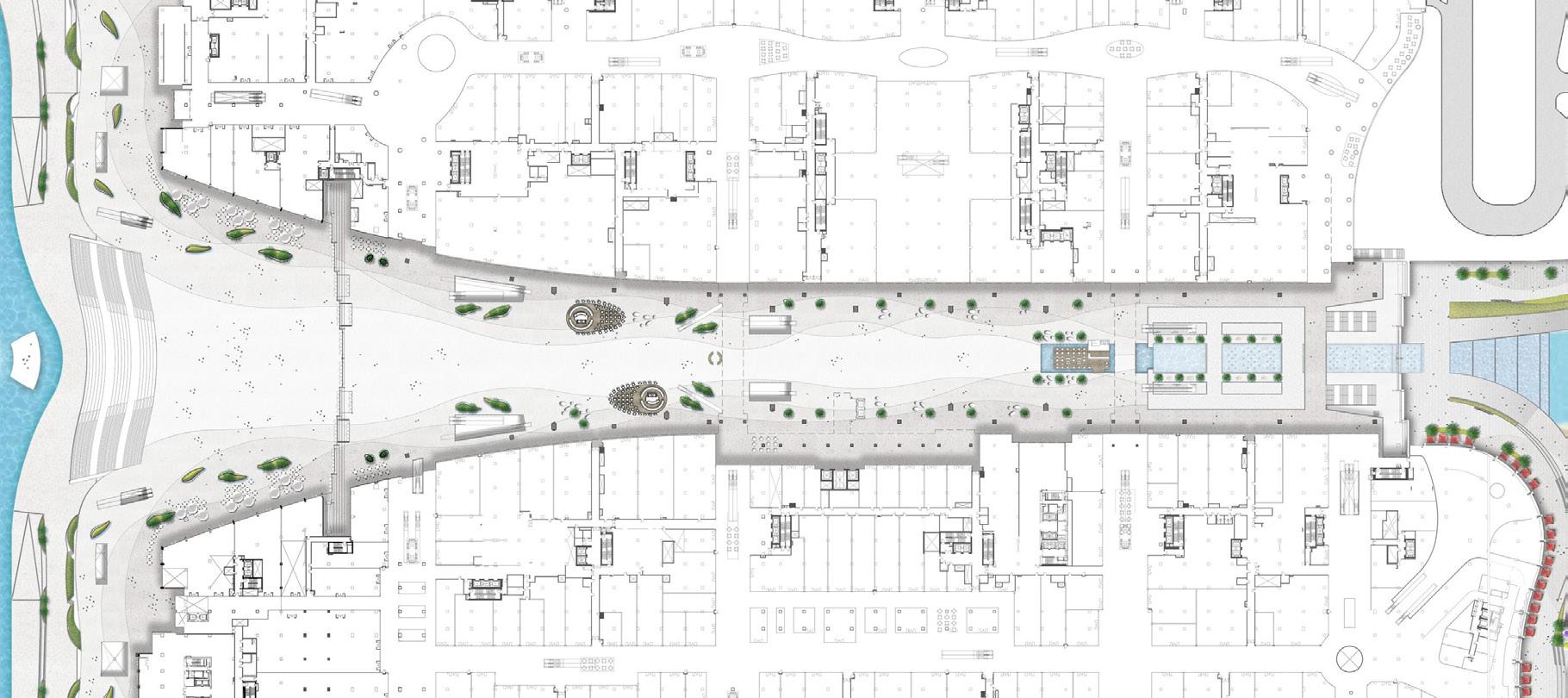
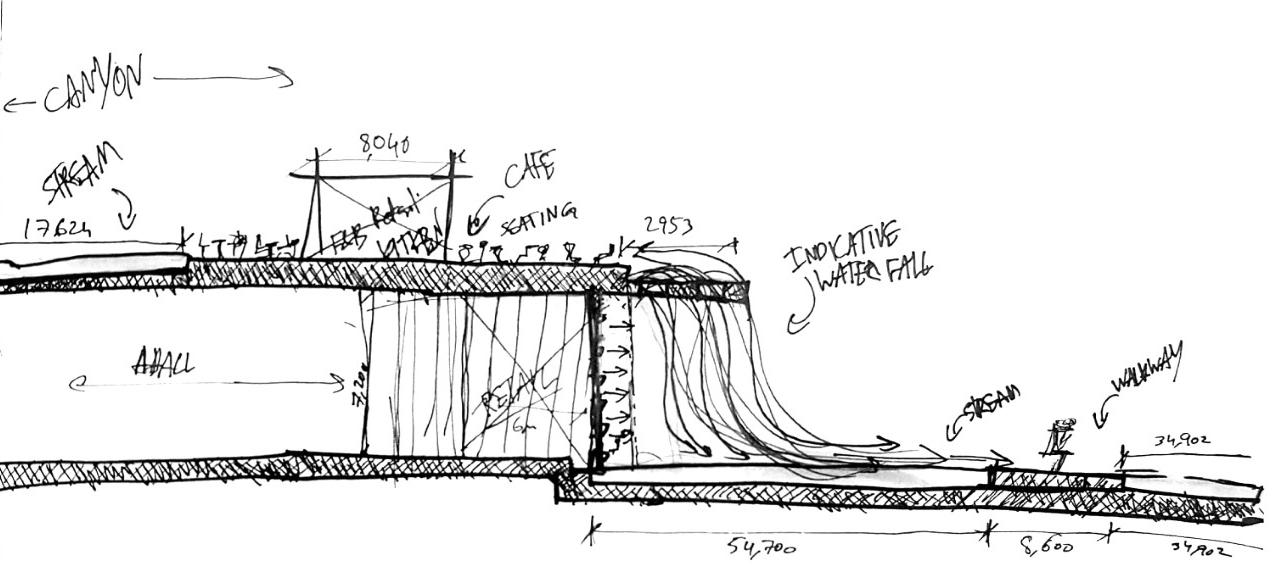
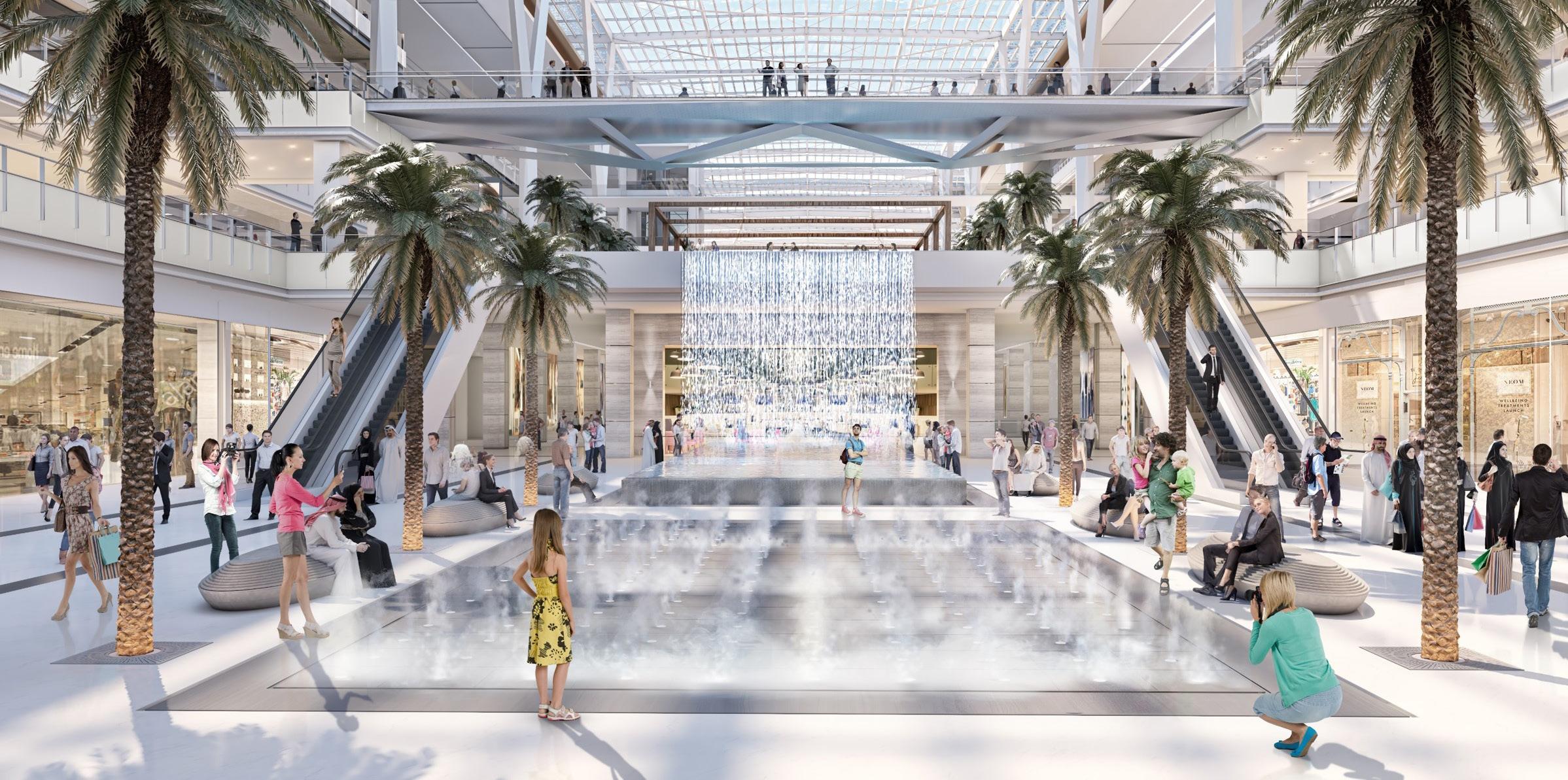
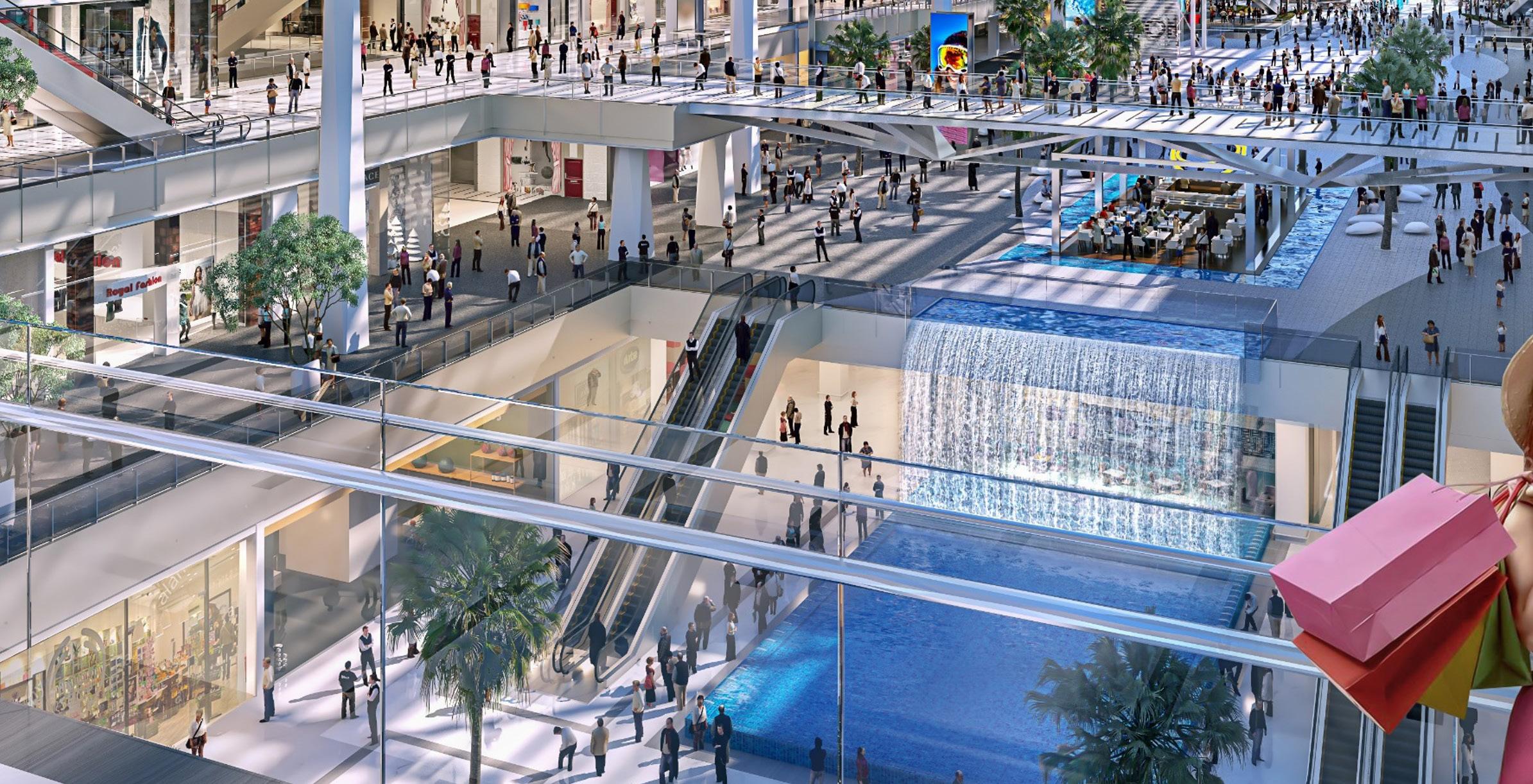
Meydan One will integrate indoor and outdoor spaces featuring key attractions such a 1-kilometer ski slope (phase 2), a heritage village, white sandy beach and Water Park, hotels and hotel apartments, as well as the largest dancing water fountain in the world. Meydan One will host 580 retail stores, including 30 anchor stores and 80 flagship luxury stores,190 dining outlets and a 13,200 square meter hypermarket. There will be a retractable sky lit atrium space named the ‘Canyon’ measuring 160 meters by 100 meters, featuring flexible areas for events and entertainment experiences.
Responsibilities
• Updated various drawings such as master plan, site plan, schematic and construction documents in coordination with senior Architects.
• Conducted various design studies such as mall access, retail, parking and FLS.
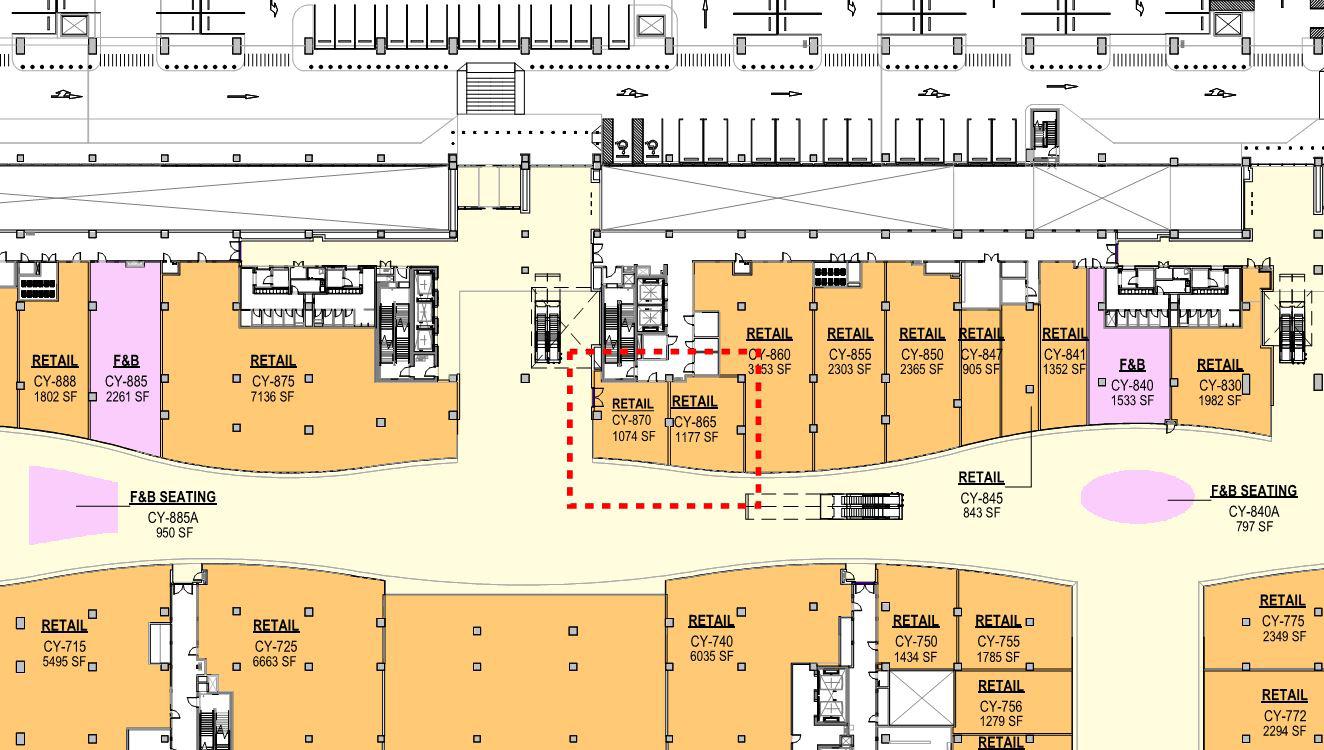
• Prepared various LOD (lease outline drawings) in coordination with interior, structure and engineering teams.
• Prepared and managed Leasing & Merchandise Plans for the entire Mall.
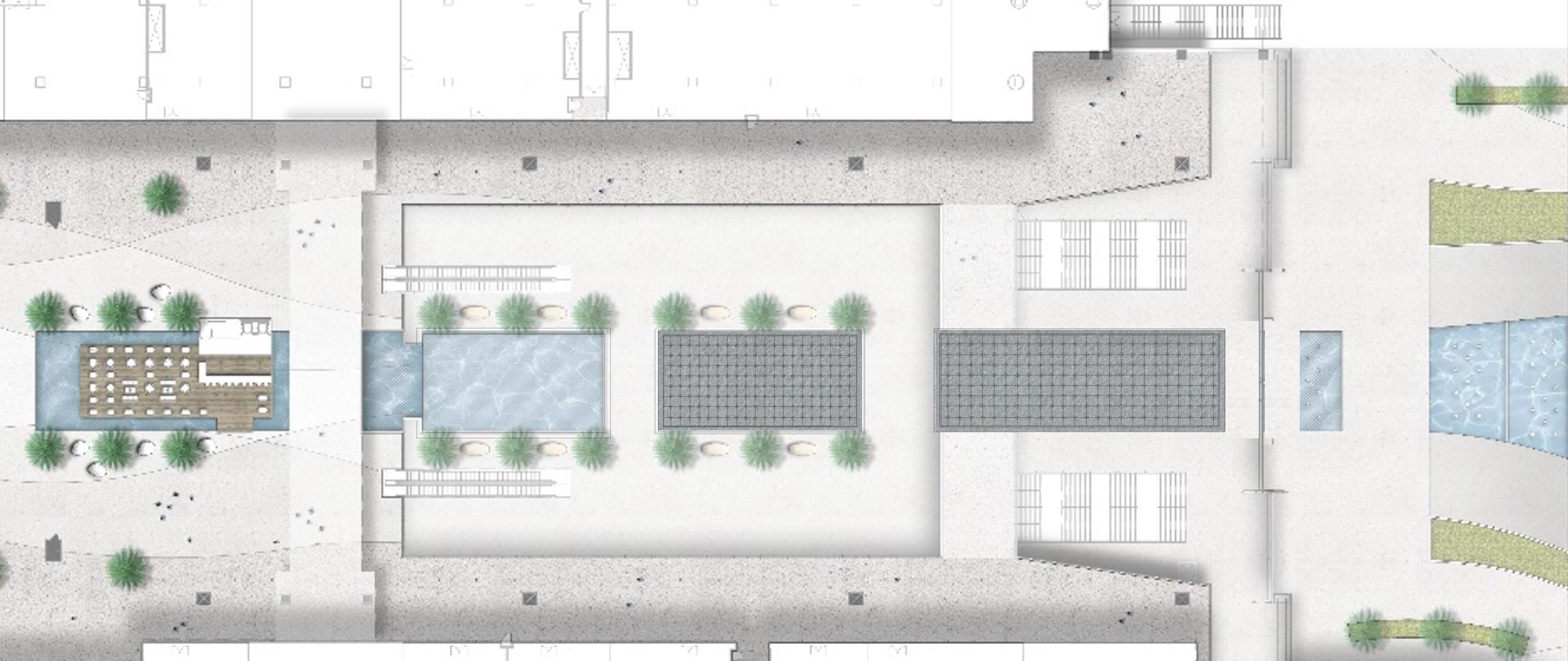
• Involved in the design of a Dancing Water Fountain from concept to construction drawings in coordination with the landscape, BIM team and external sub-consultants.
• Conducted various Façade & Value Engineering design exercises and coordinated with visual artists to produce multiple renders.
PROJECT DATA
Meydan One Mall is a record-breaking destination, it will be one of the largest malls in the Dubai and the world.
Our cities are constantly evolving dense human settlements. In order to run and maintain cities smoothly, the concentrated densities in cities require intelligent methods of infrastructure planning.
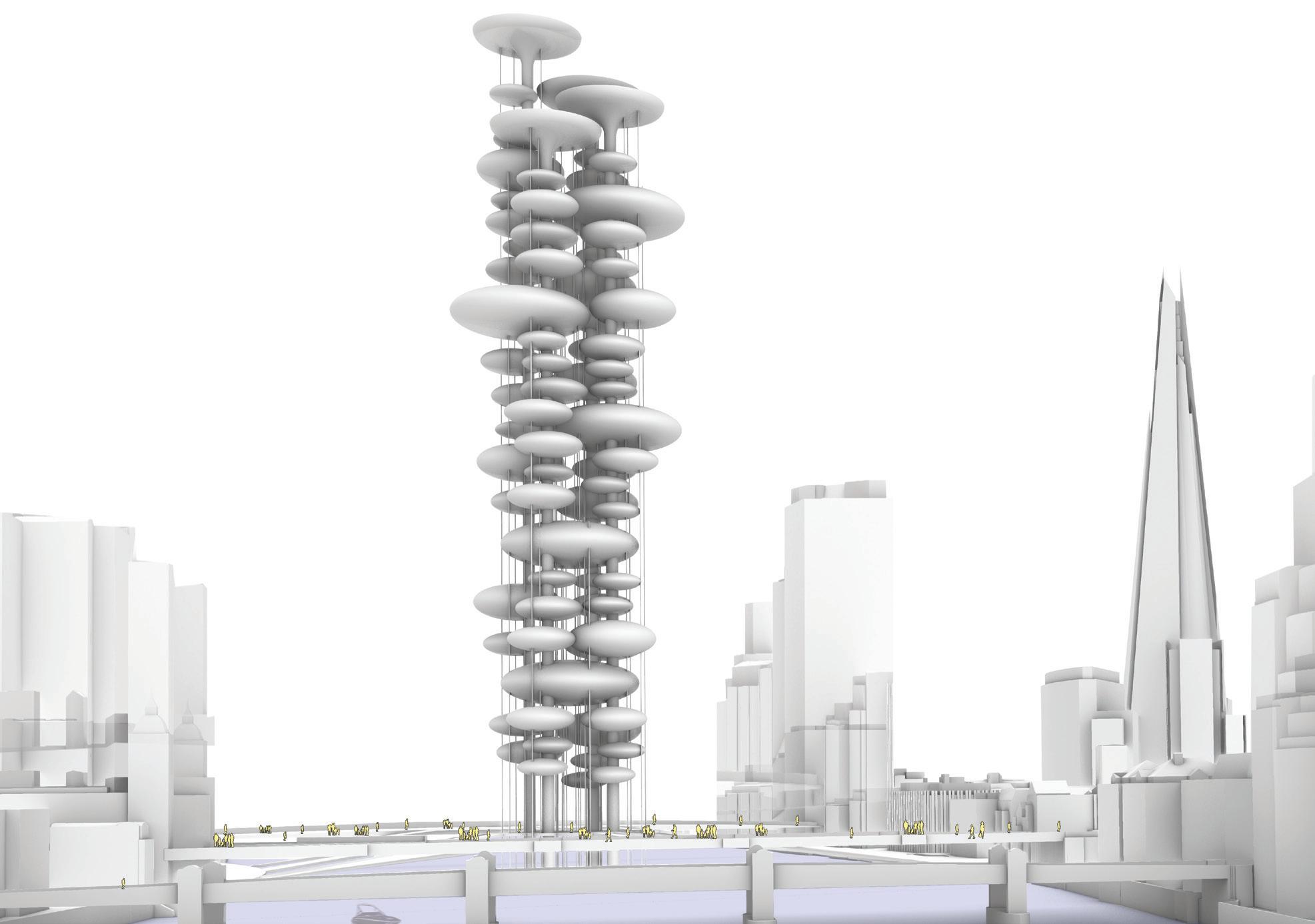
This speculative-themed thesis is a research-by- design project that interrogates urban metabolic systems as an approach to challenging conventional methods of infrastructural planning. The project presents alternative methods for future infrastructural planning. Through theoretical research, a future scenario explores peak urban growth and resource scarcity, resulting in an urgent need for man-made ecosystems as a tool for future civilization survivability. The future scenario was selected as the base point for developing a speculative design project exploring ecosystemic urbanism as a possible future condition in cities. The research is translated into a proposed holistic ecosystem, presented as a flexible prototype megastructure that coexists with nature.
Components
• The project consisted of intensive theoretical research on urban metabolism.
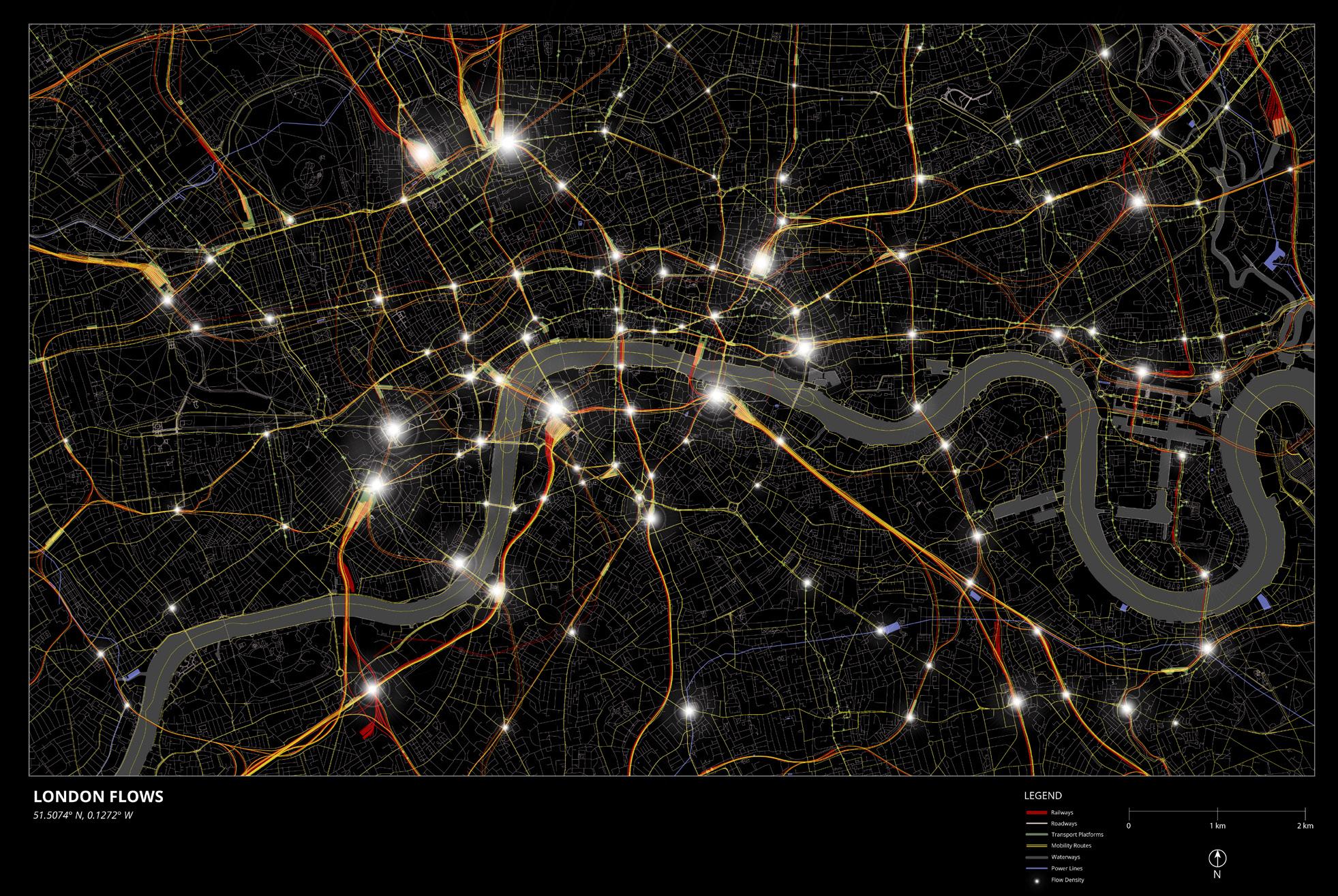
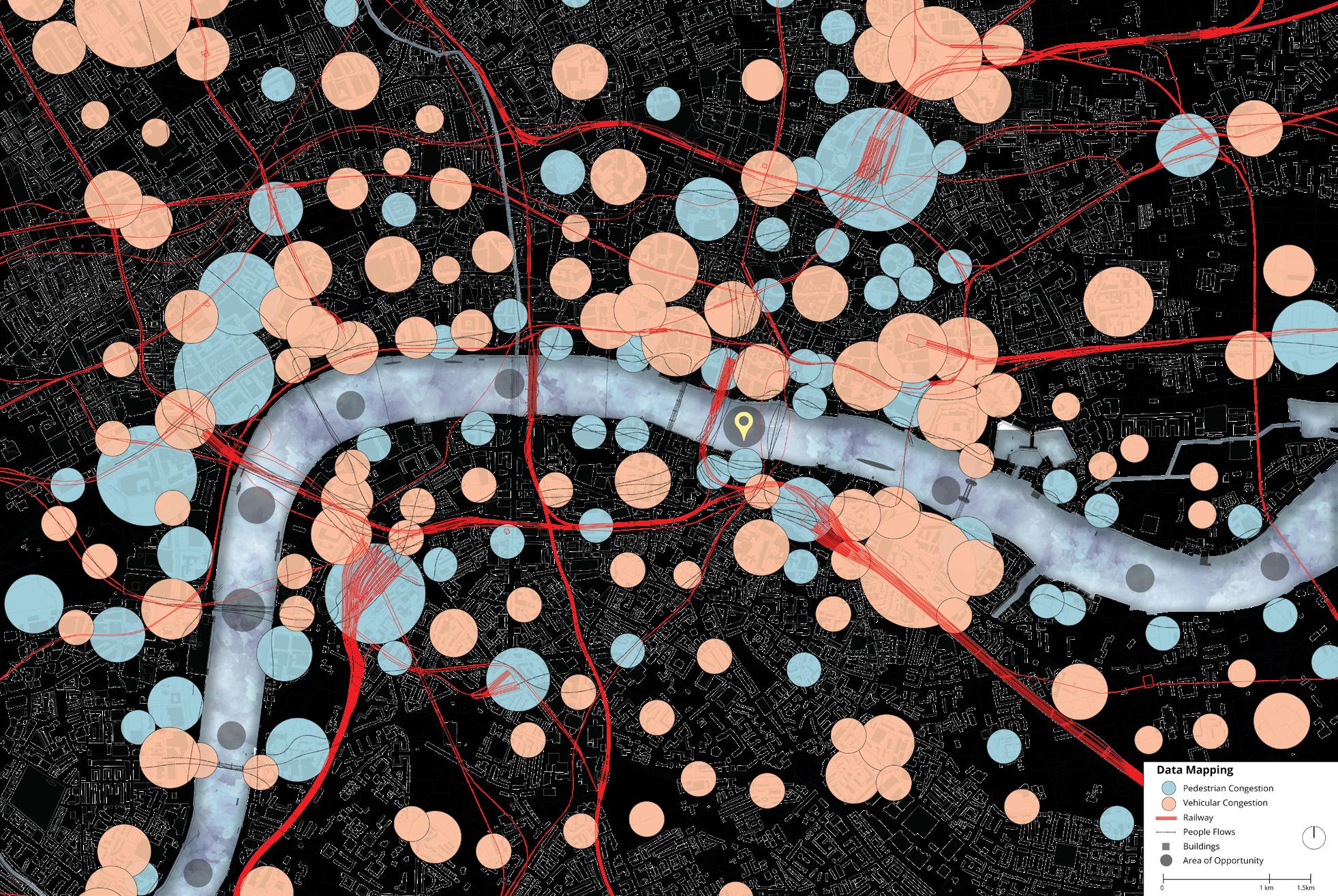
• A series of different urban maps expressed various aspects such as city flows, speculative flows and site opportunities.
• Strategic urban and architectural approach resulted in a multi-scalar design from the urban to the architectural scale.
• Different schemes expressed the quality of space and metabolic function of the design proposal.
• The project acts as a platform of discussion and debate for future cities around the world through experimentation.
RESEARCH
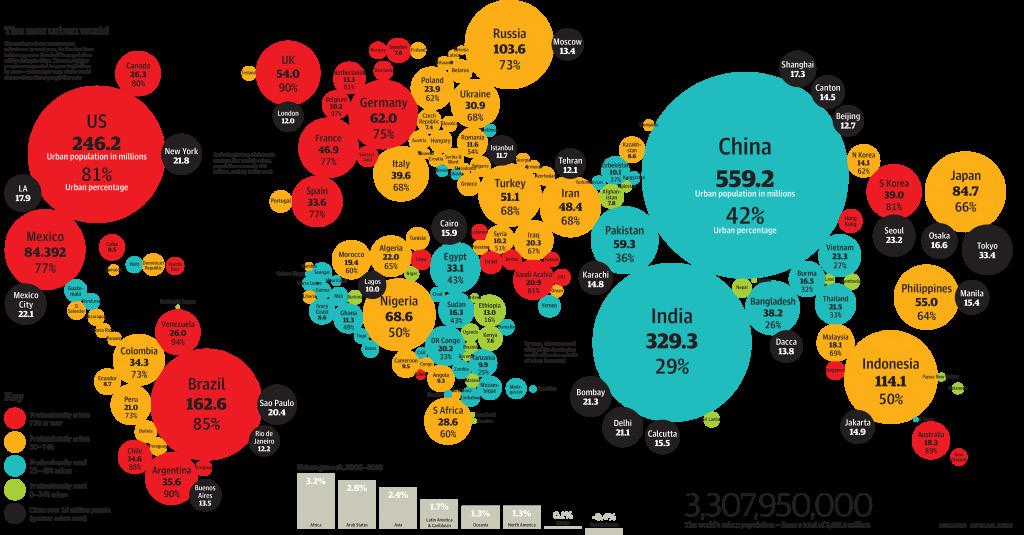
Global Urbanization Statistics
Design Theme Speculative Design
Design Theme Speculative Design
Driver of Change Resource Scarcity
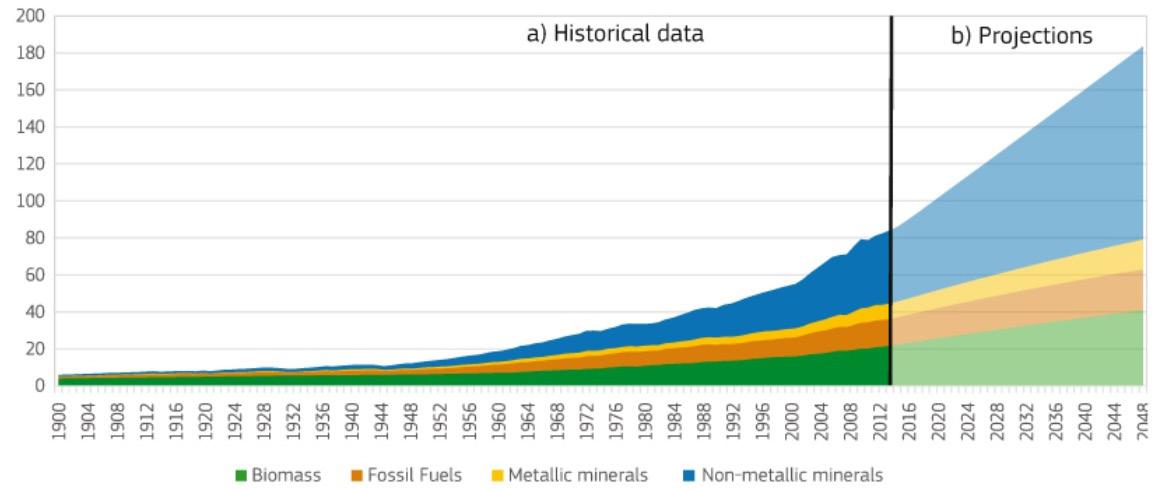
Global Resource Extraction
Alternative Design Designing with Flows
Alternative Design Designing with Flows
As our cities transform and develop, our basic infrastructure remains inadequate to tackle future conditions...
PROJECT
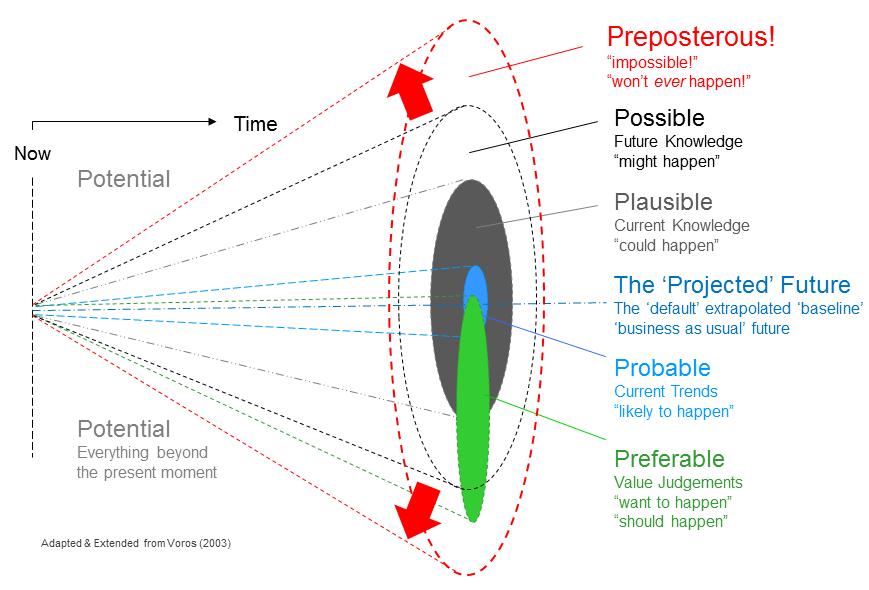
Potential
Potential Everything beyond the present moment
PROJECT
Preposterous!
“impossible!” “won’t ever happen!”
Future Knowledge “might happen”
Current Knowledge “could happen”
The ‘default baseline’ ‘business as usual’ future
Probable
Current Trends “likely to happen”
Preferable
Value Judgements “want to happen” “should happen”
Possible Plausible ‘Projected’ Future
FLOW QUALITY
Strategic design of the flow
Strategic design of the flow
PROJECT
FORMATIVE INFRASTRUCTURE
FORMATIVE INFRASTRUCTURE
Strategic design of infrastructure
Strategic design of infrastructure
The research
The speculative design spectrum allows for radicality and freedom within the design process
Speculative Design Spectrum
The speculative design spectrum allows for radicality and freedom within the design process
The project deals with the possible future which is one degree before fiction
Design the object of flow FLOW QUALITY
PROJECT
Design the object of flow
FLOW INFRASTRUCTURE
FLOW INFRASTRUCTURE
Design the object of infrastructure
Design the object of infrastructure
INFRASTRUCTURE
INFRASTRUCTURE
Designing with flows drifts away from conventional design
Alternative Design Approach
interrogates urban metabolic systems as an approach to propose alternative design strategies for future infrastructure planning in the evolving urban fabric...
Designing with flows drifts away from conventional design
Strategic design of infrastructure is adopted for the project
The research interrogates urban metabolic systems as an approach to propose alternative design strategies for future infrastructure planning in the evolving urban fabric...
The project deals with the possible future which is one degree before fiction
Investigate Urban Flows
Strategic design of infrastructure is adopted for the project
Explore Future Scenarios Identify Context
Research Translation Componenets
Speculate Alternative Strategies
London Flows Map
Speculative Mapping - Thames River
SITE SELECTION
Areas of Opportunity Map - Thames River
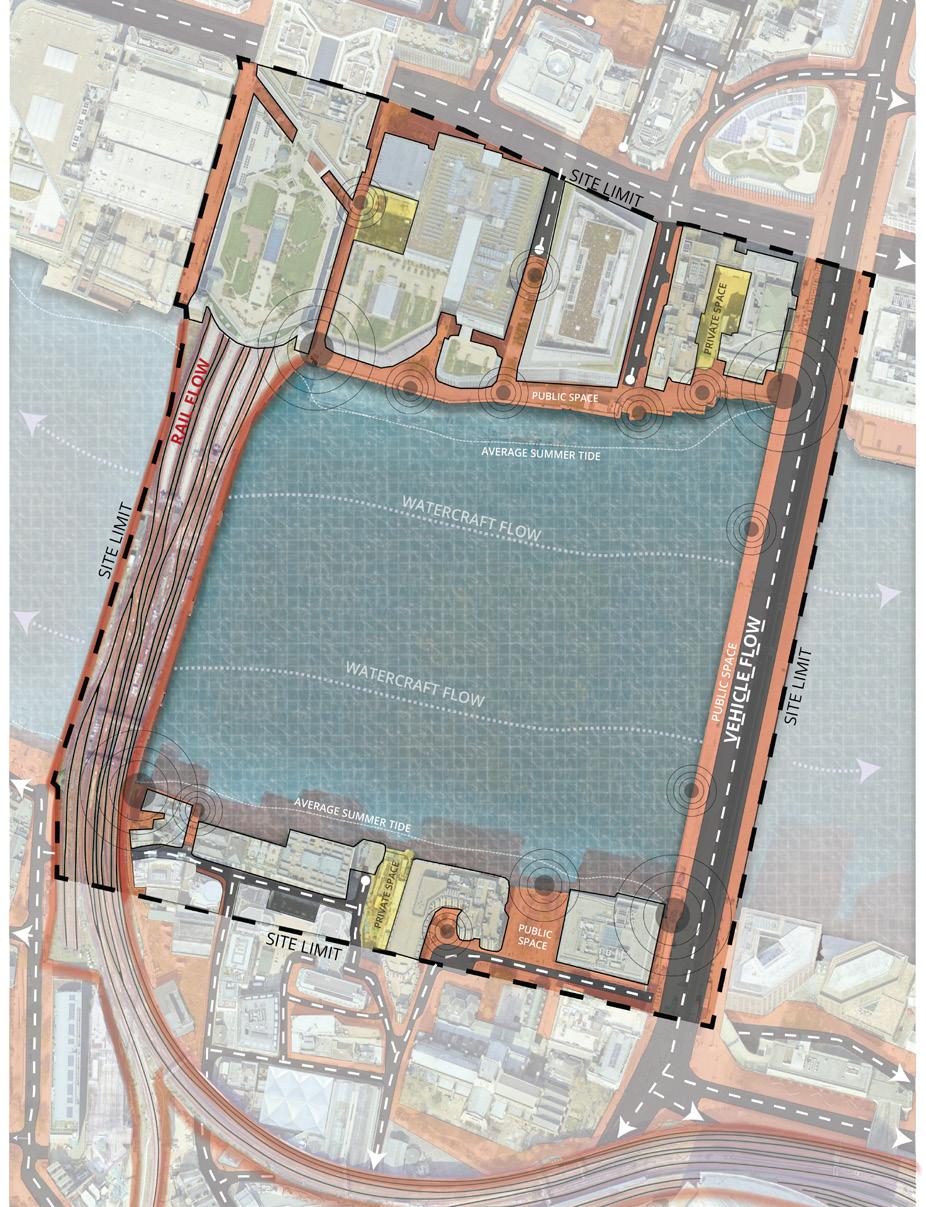
Flow Analysis
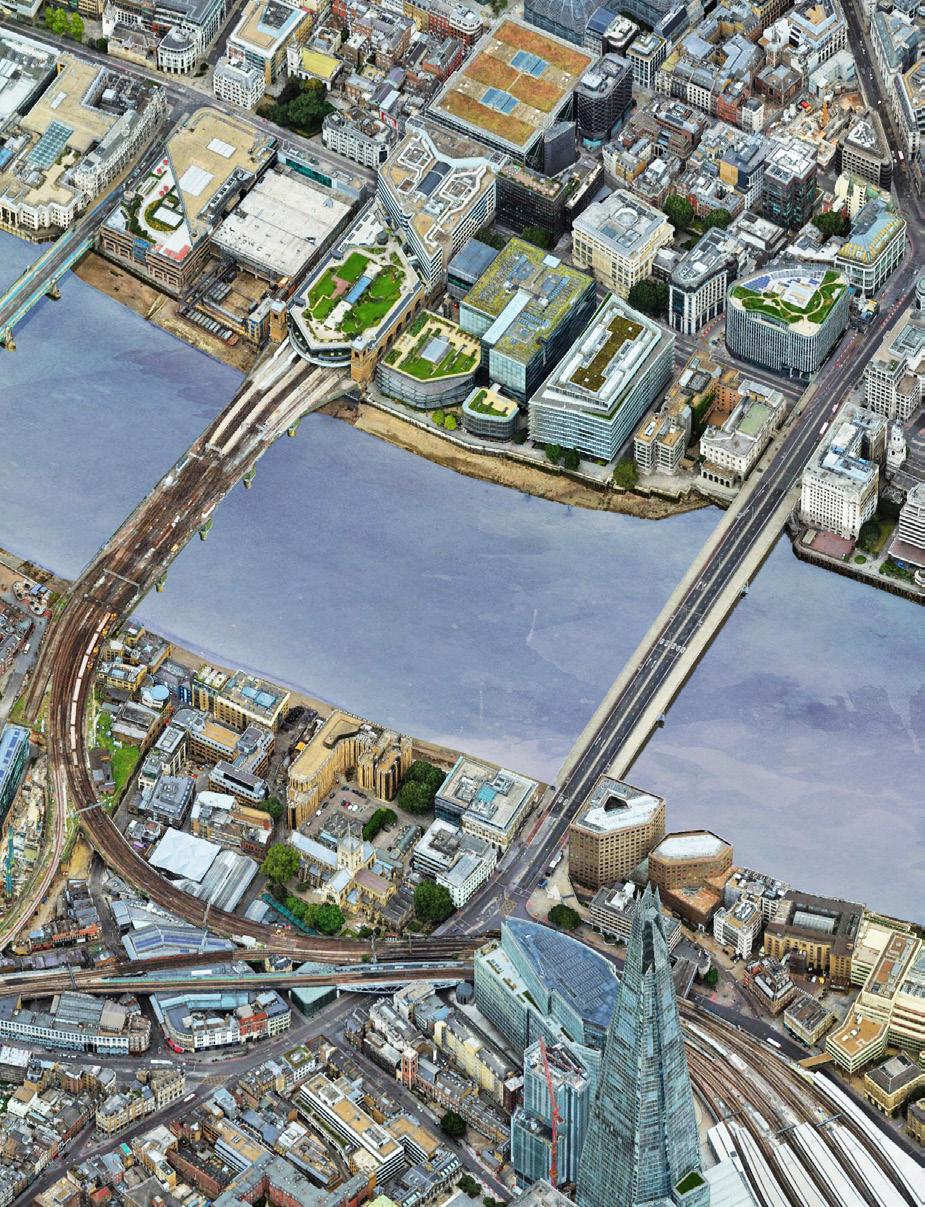
Various flows are analyzed on site, circulation of aquatic mobility, road mobility and pedestrians in the area. The area is heavily congested leading to urban stress.
URBAN STRATEGY
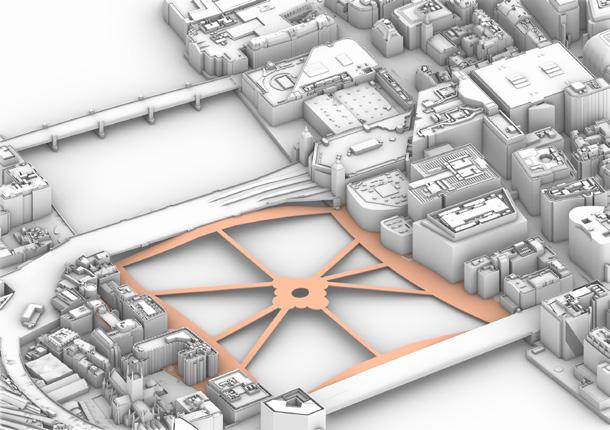
Urban Lobby
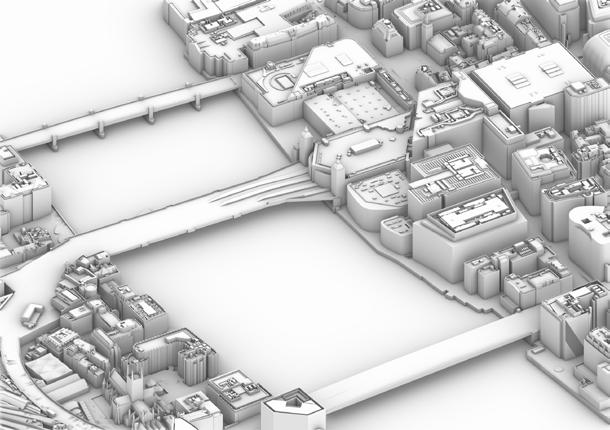
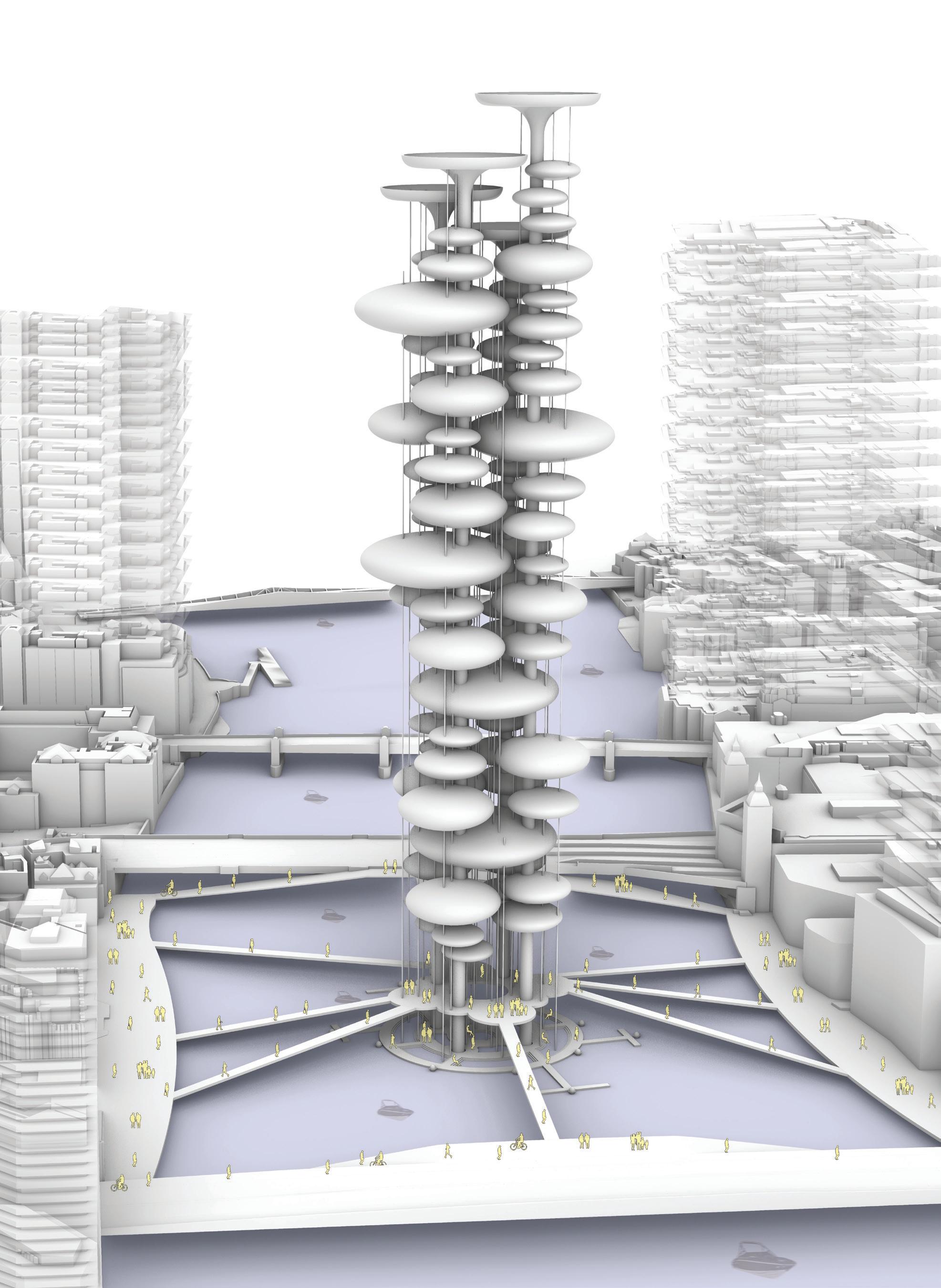
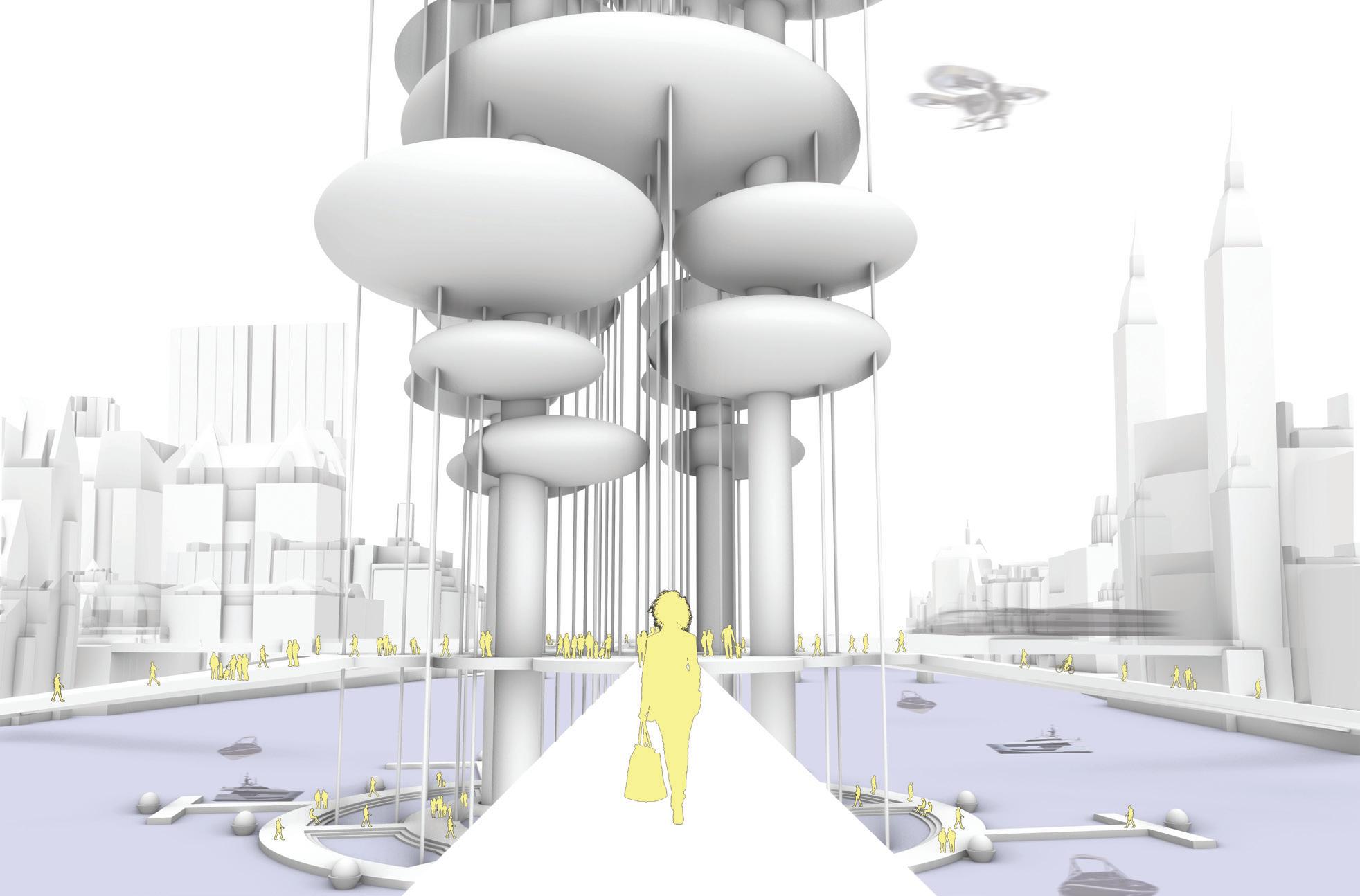
The urban space is reconfigured by extending the waterfront areas and giving the space back to pedestrians. The bridges extend to accommodate a higher flow of pedestrian movement, with various ramps and paths leading to an urban lobby.
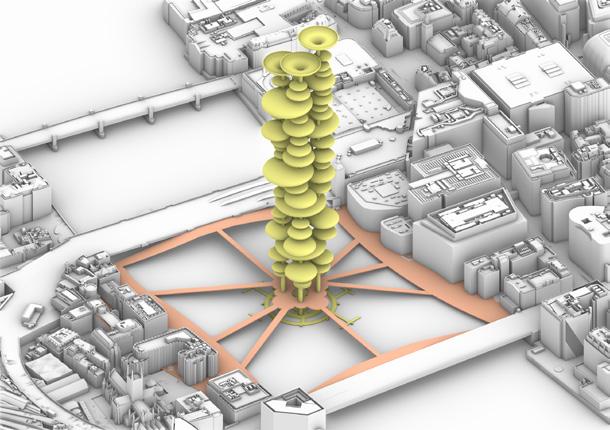
Integrated Ecosystem
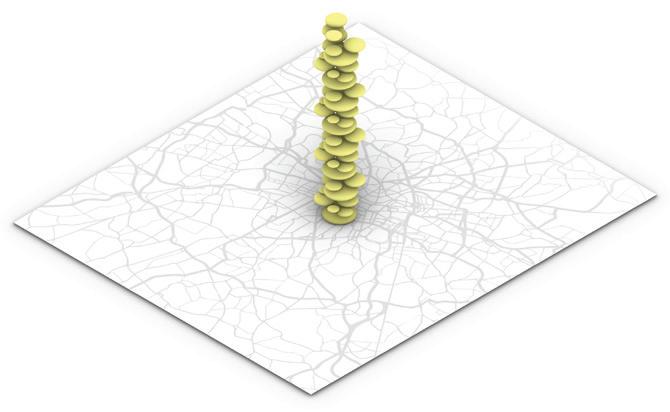
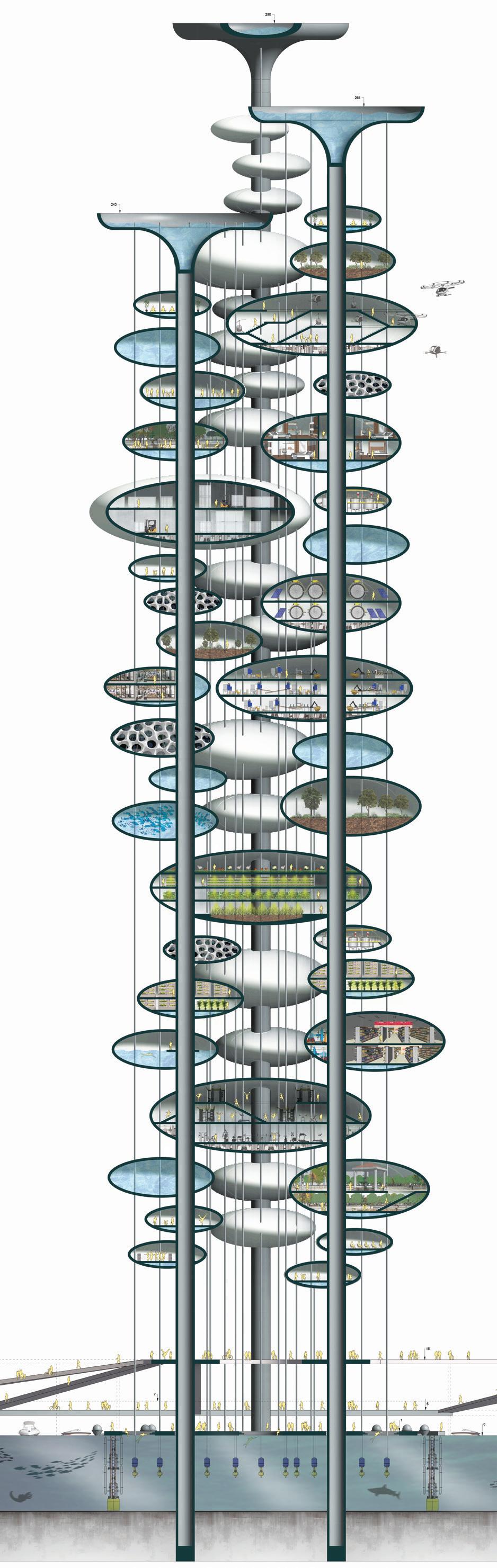
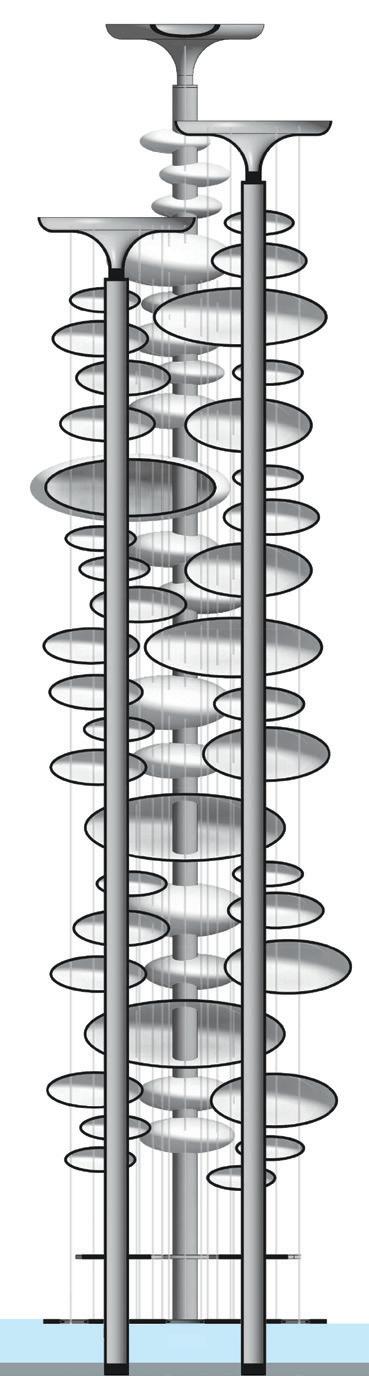
The urban lobby acts as an integration base for a vertical ecosystem, housing various infrastructures. Below the urban lobby, a multimodal water square is created connecting the river with the holistic ecosystem, the water square also allows access through aquatic mobility.
FORM CONCEPT
Infrastructure Representation
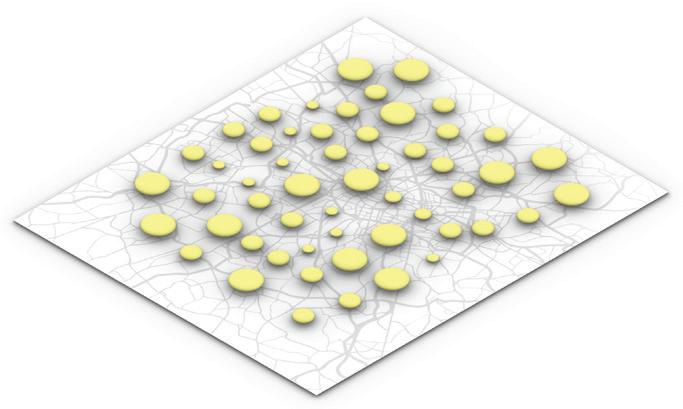
In our current cities, infrastructure is a series of connections above underground, with various visible spaces within the city. Such spacesare scattered around the city and come in different sizes and forms.
Modular Pods
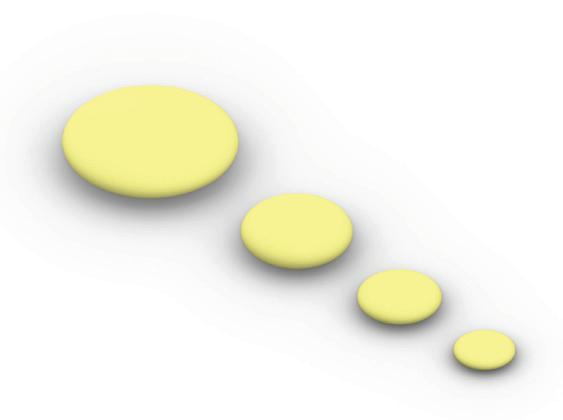
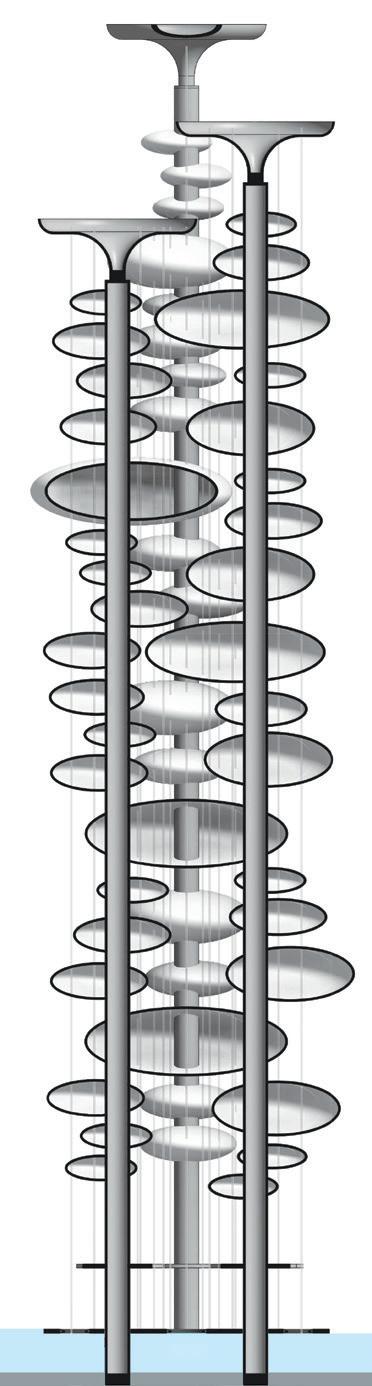
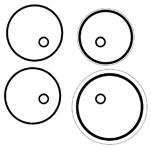
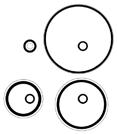
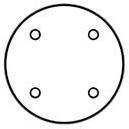
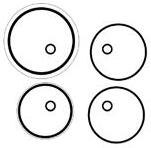
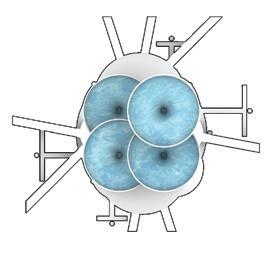
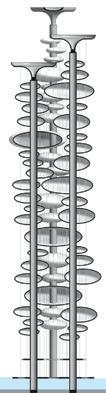
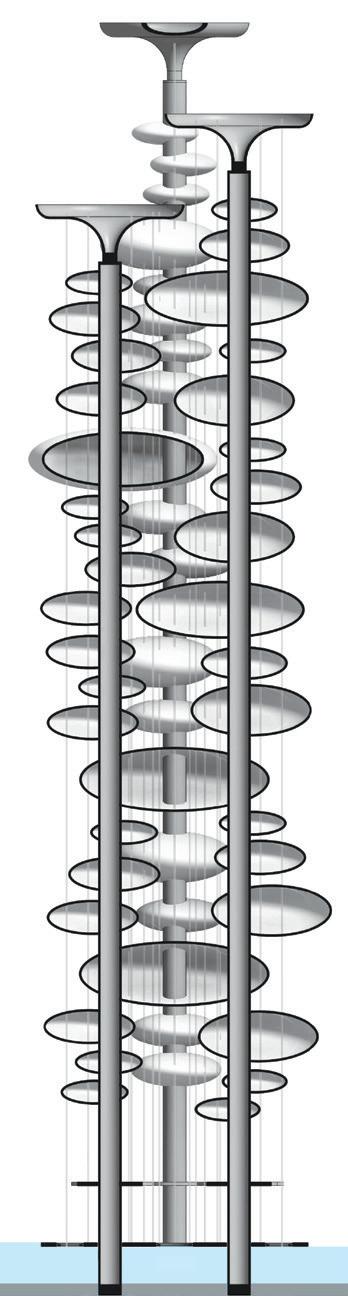
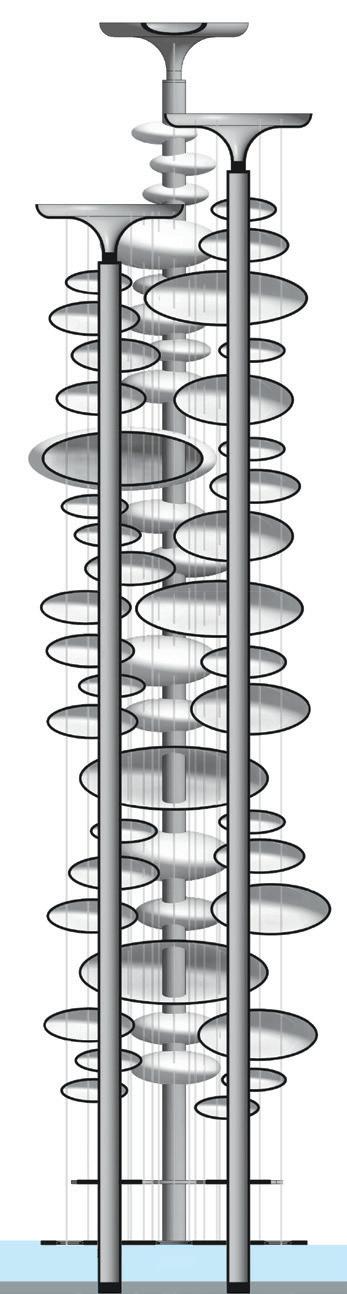
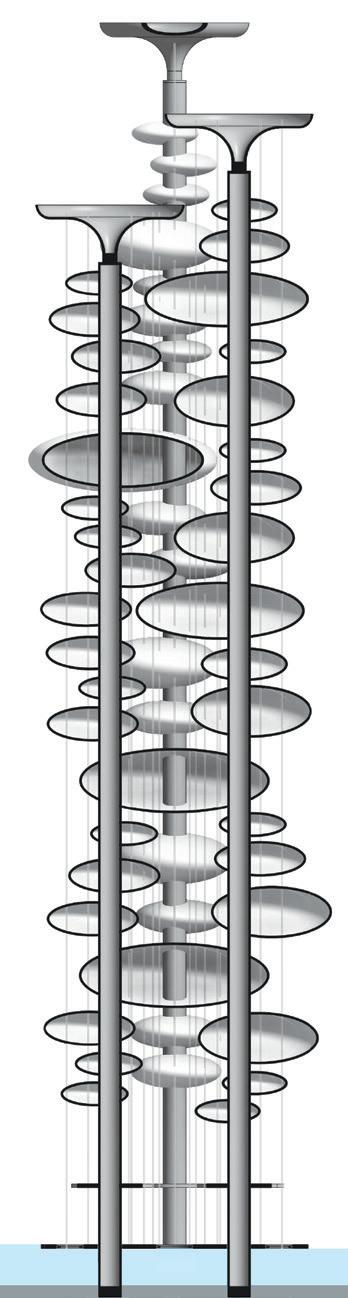
Infrastructural spaces are represented through modular pod-like structures, the pods are segregated into four main sizes, S, M, L, and XL. Each pod has a certain capacity for users/infrastructure based on the size.
Vertical Infrastructure
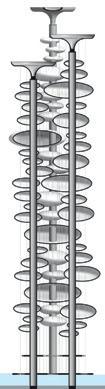
In a future urban context, a vertical approach is taken where multiple infrastructural spaces are stacked on top of each in certain points within the city, creating a vertical ecosystem/habitat.
Rain Water Catcher/ Tank
Meditation Space
Water Storage
Observatory
Public Space
Logistics Zone
Flexible Space
Air Filtration
Sky Garden
Retail Zone
Air Filtration
Water Storage
Fish Farming
Air Filtration
Green House
Swimming Pool
Water Storage
Flexible Space
Urban Lobby
Dock
Water Filter Pumps
Rain Water Catcher / Tank
Meditation Space
Sky Garden
Air Mobility Station
Air Filtration
Temporary Accommodation
Energy Storage
Water Storage
Energy Harvest
Production Zone
Water Storage
Sky Garden
Agriculture & Livestock
Energy Storage
Green House
Fresh Market
Activity / Leisure Zone
Public Space
Flexible Space
Waterfront
Water Square
Spatial Relationship
Structure & Adaptability
METABOLIC DESIGN
ENVIRONMENTAL RESOURCES
ENVIRONMENTAL RESOURCES
08 - OBSERVATORY DESIGN EXPERIMENT
OBSERVATORY - FORM FINDING - KU LEUVEN - VAALSERBERG, NL
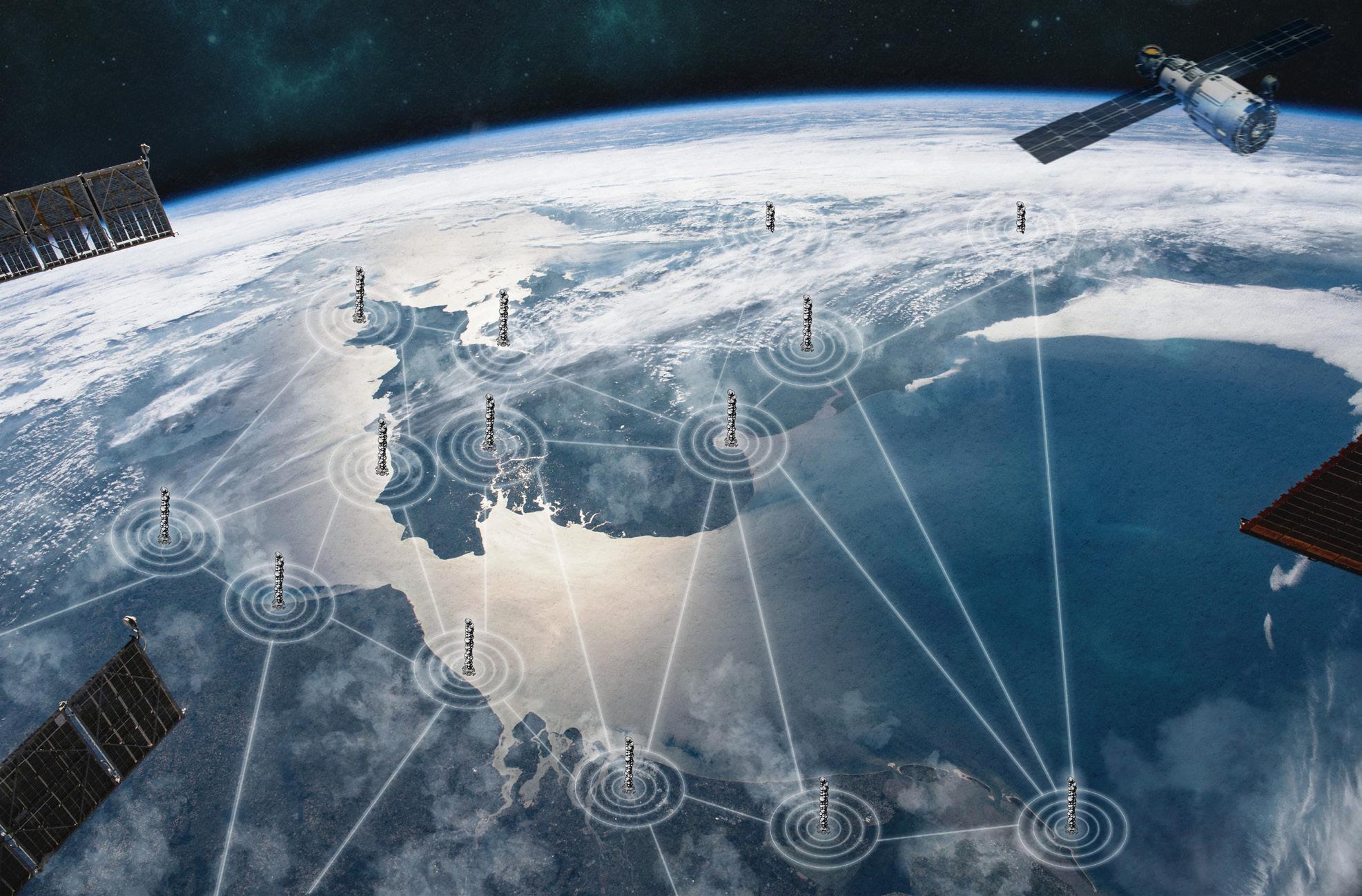
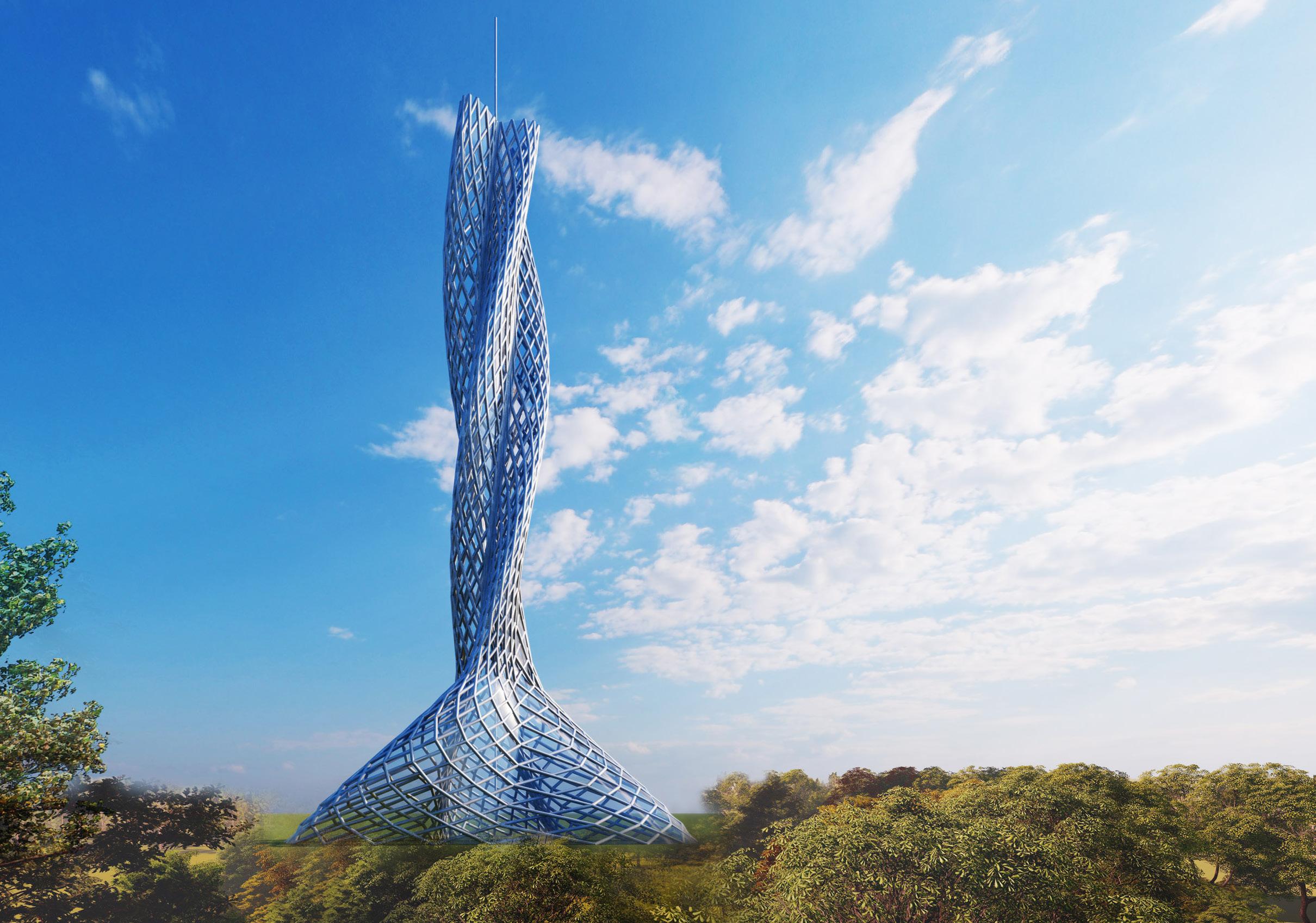
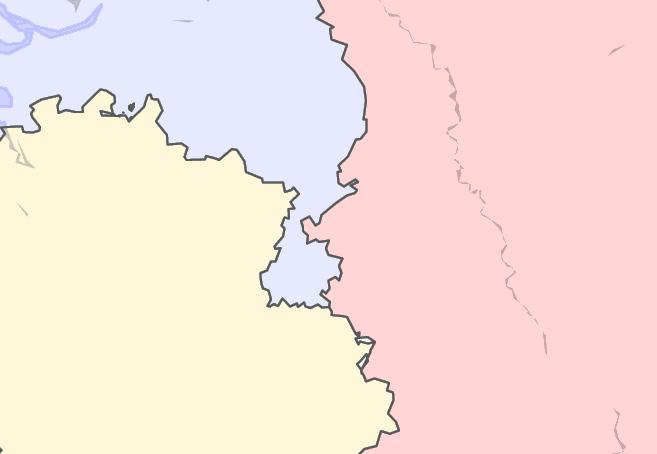
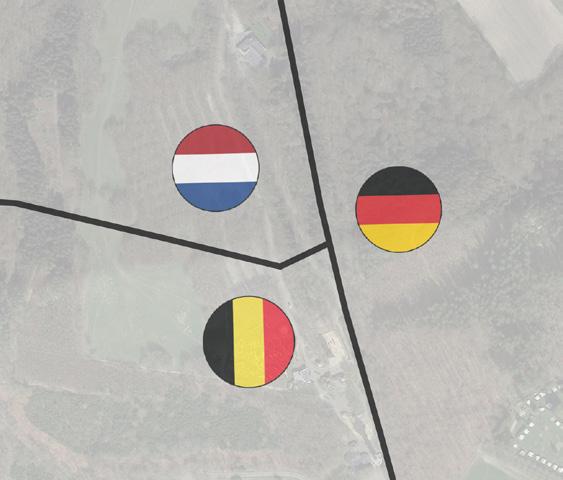
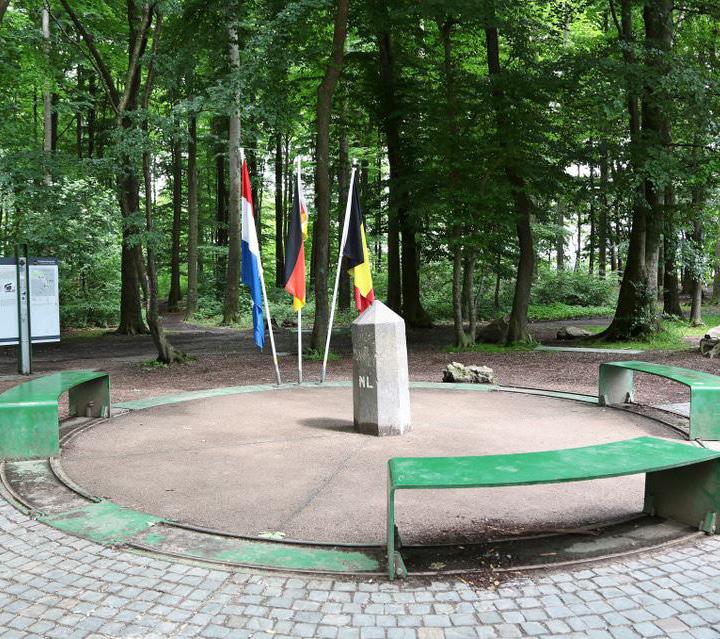
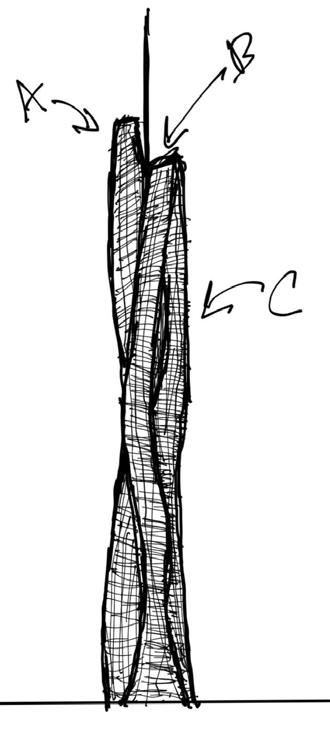
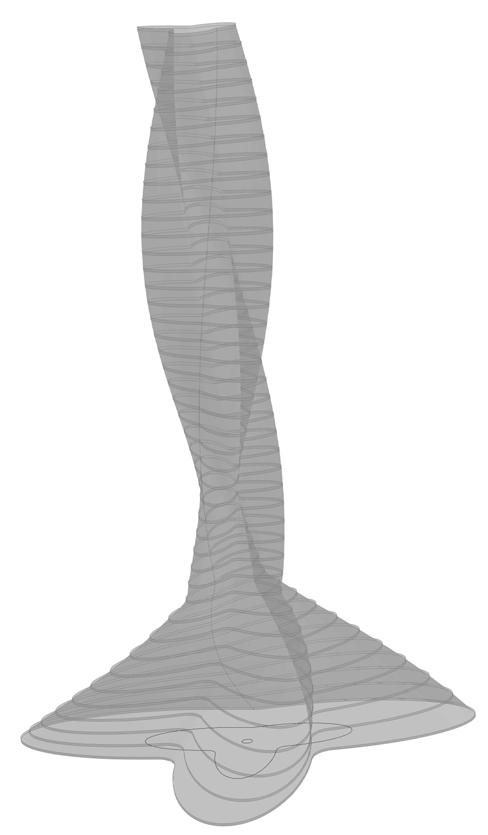
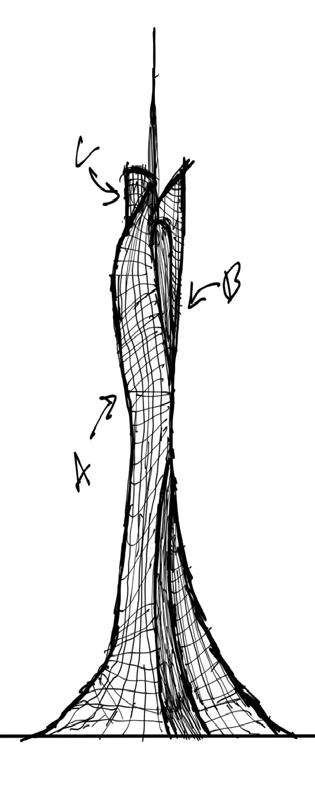
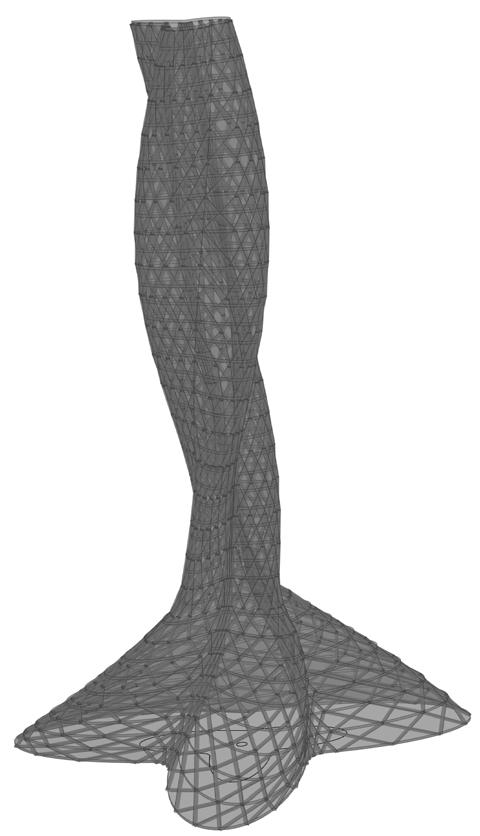
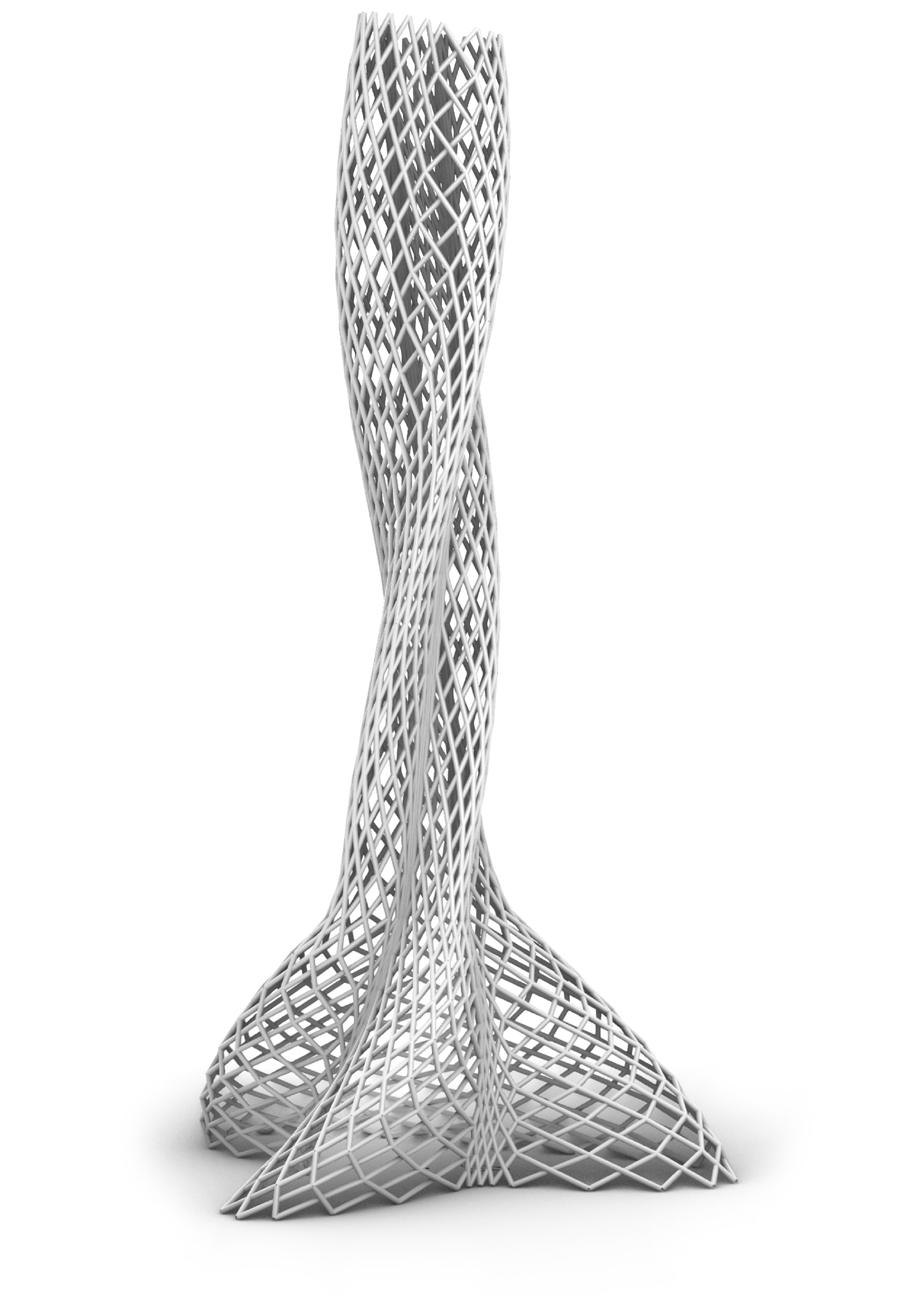
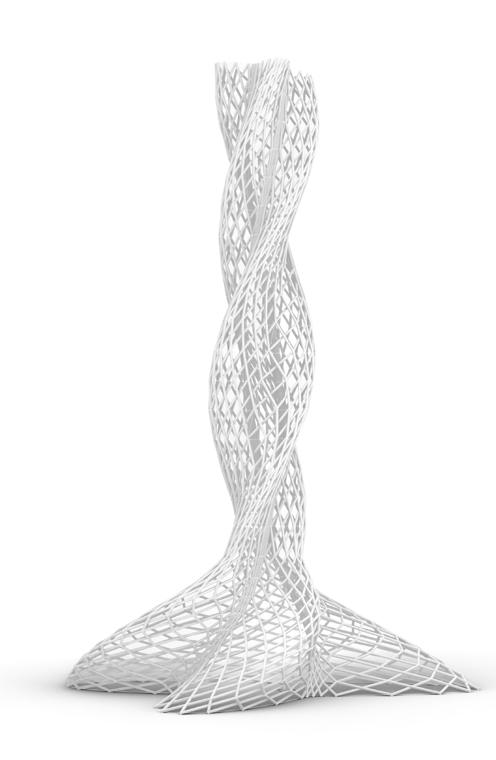
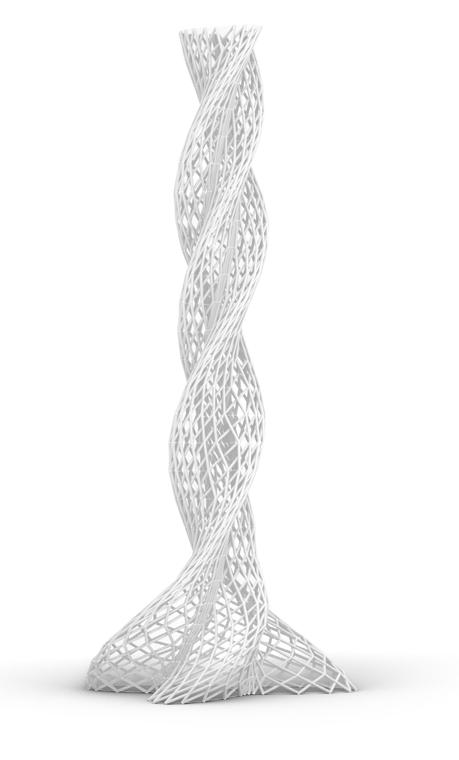
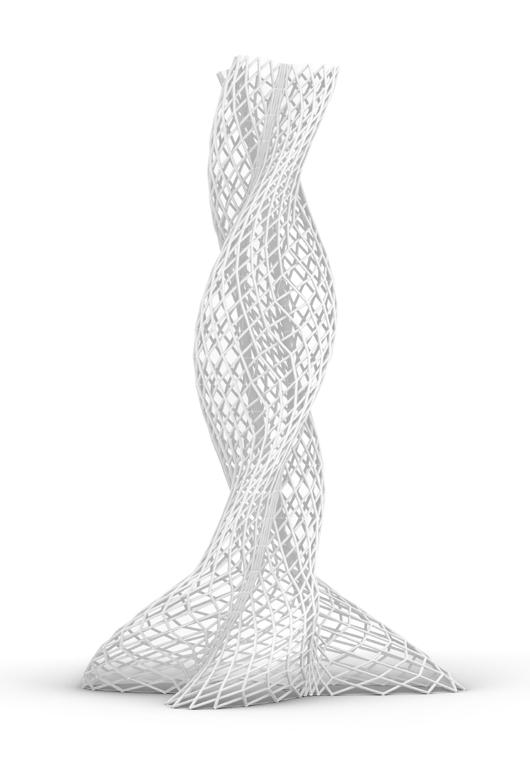
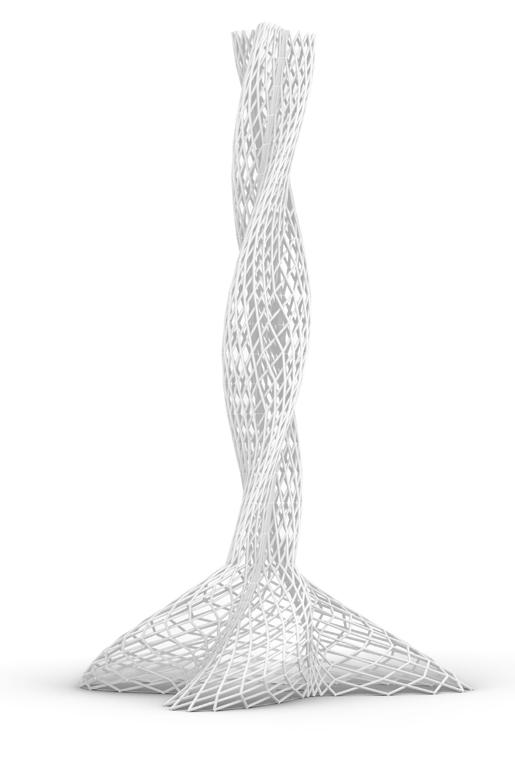
The following project was a conceptual form finding experiment of an observatory tower located in Vaalserberg, at the point that connects Germany, Netherlands and Belgium.
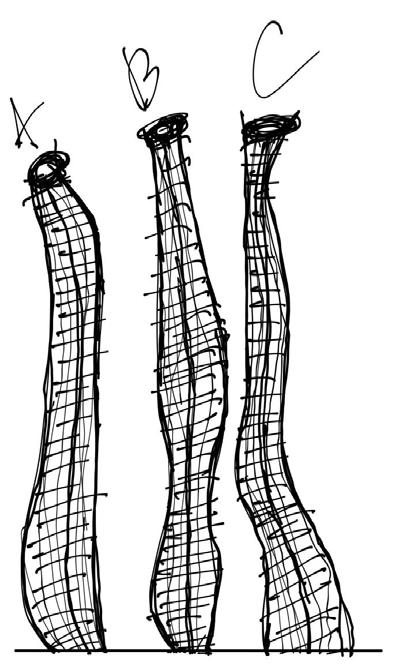
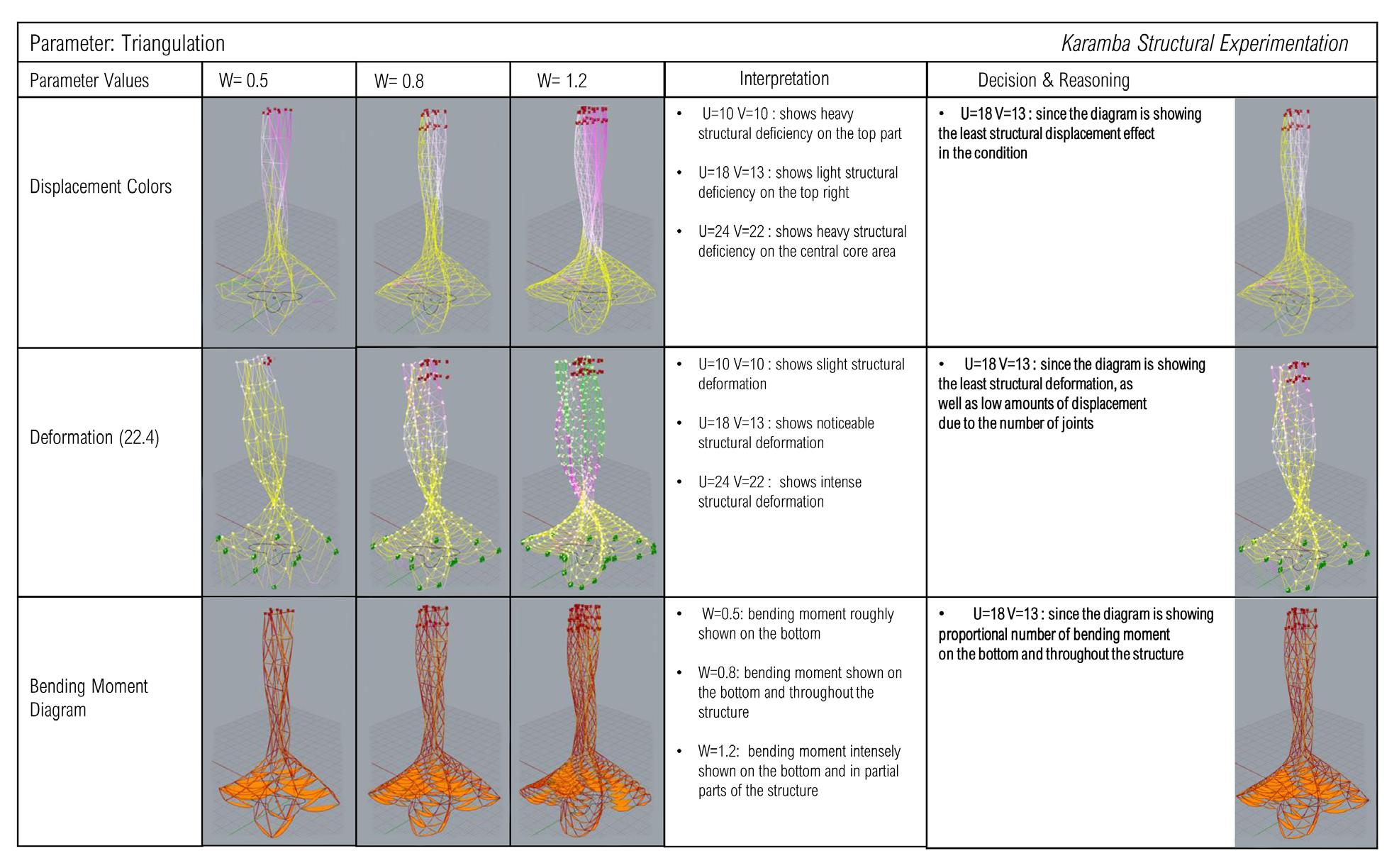
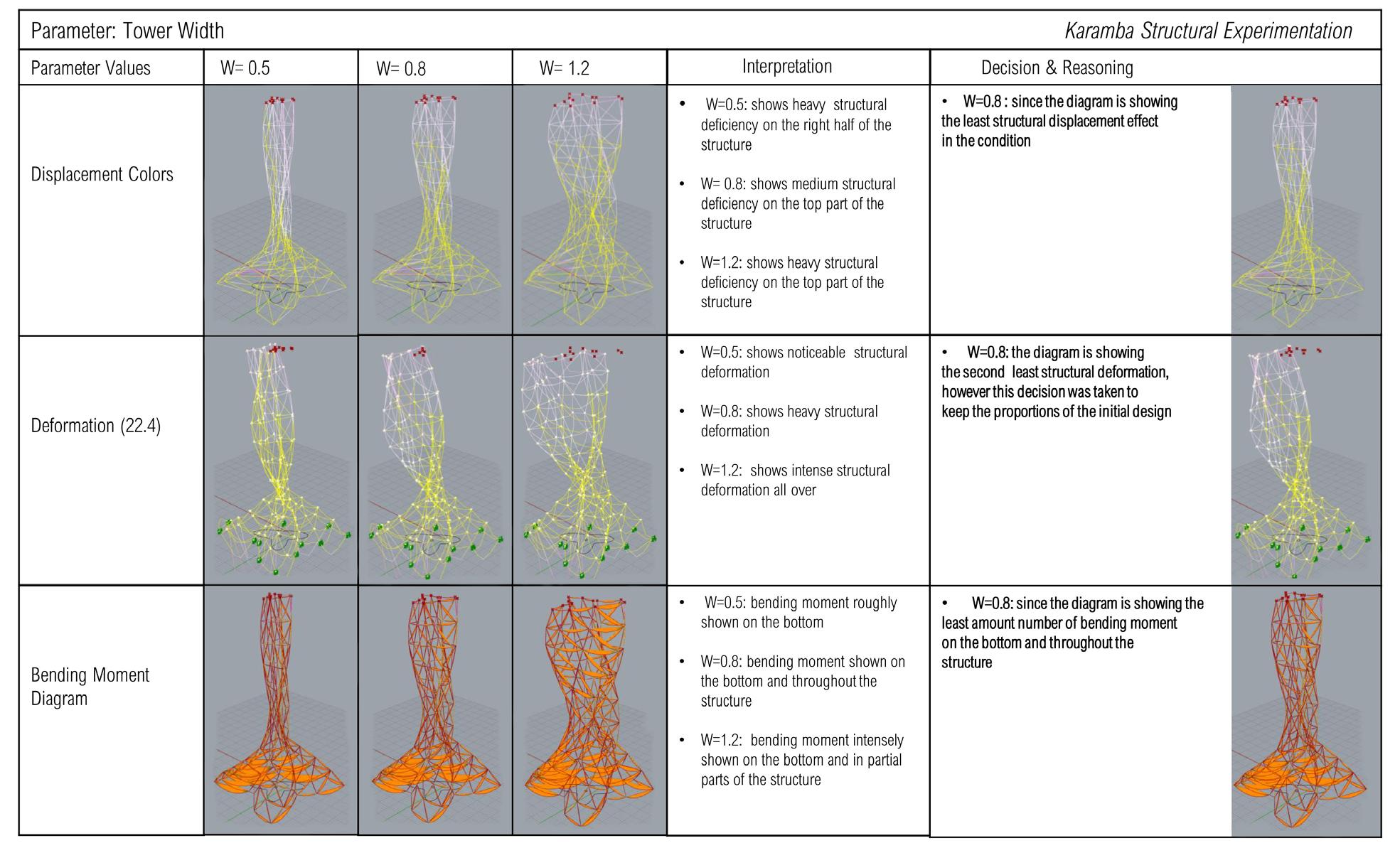
The project was part of a seminar exploring the evolutionary processes of form differentiation and structural performance by comparing the design variations for material-efficient design products. By comparing the members of a design species, the process results in selecting the fittest design products according to the criteria of stability, stiffness and strength. Our goal will be to explore the most expressive, creative, structurally efficient and material-effective alternative from our customized design scripts. For the exploration, parametric design was used to play with the dimensions, proportions, and the locations of structural elements and supports. Using instant structural analysis visualization tools such as Karamba allows for structurally competent proposals early in the conceptual design phase.
Components
• Simplified conceptual design proposal of an observatory tower as basis for the form-finding experimentation process.
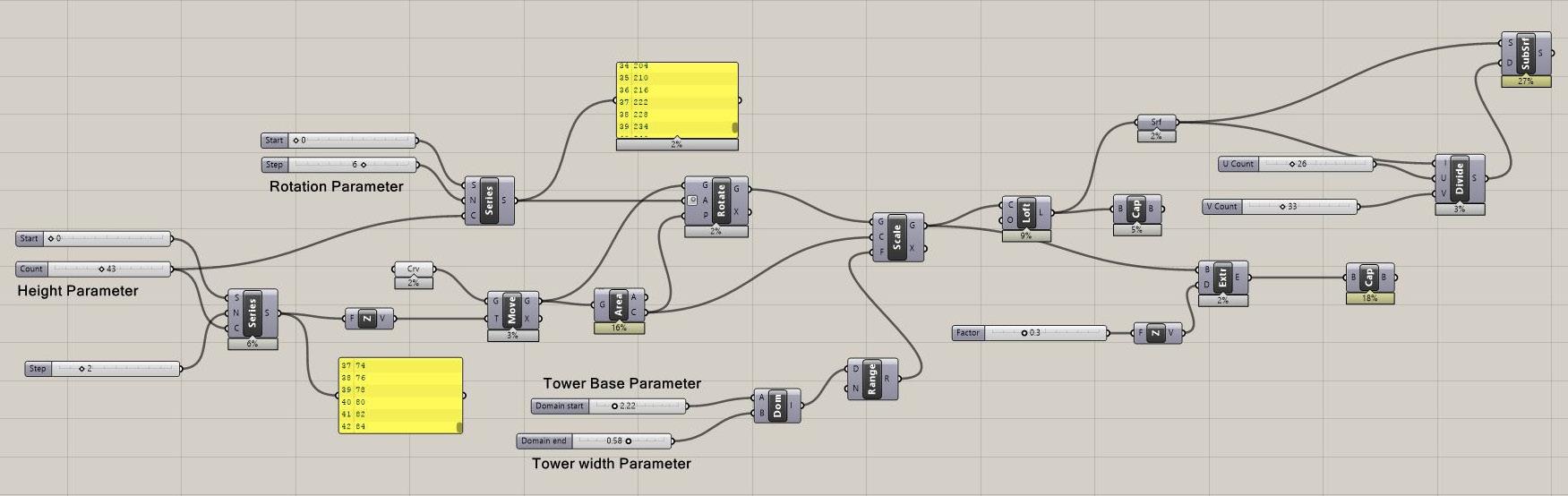
• Simplified grasshopper script with components such as series, extrude, rotate, construct, scale, loft and capholes.
• Series of changeable parameters within the proposal, such as triangulation, base, width, rotation and height.
• Series of Karamba experimentation with structural parameters, such as displacement, deformation and bending moment that dictate the selected form.