AWARENOW
THE WORLD'S OFFICIAL MAGAZINE FOR CAUSES

‘BEYOND THE BOX’
CASSANDRA SCERBO

THE FEARLESS EDITION


PROTECTING THE VULNERABLE & EMPOWERING THE BRAVE

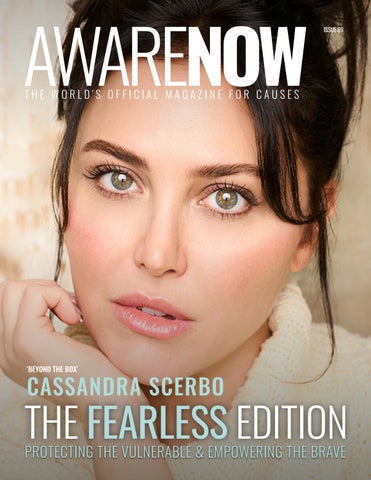
‘BEYOND THE BOX’
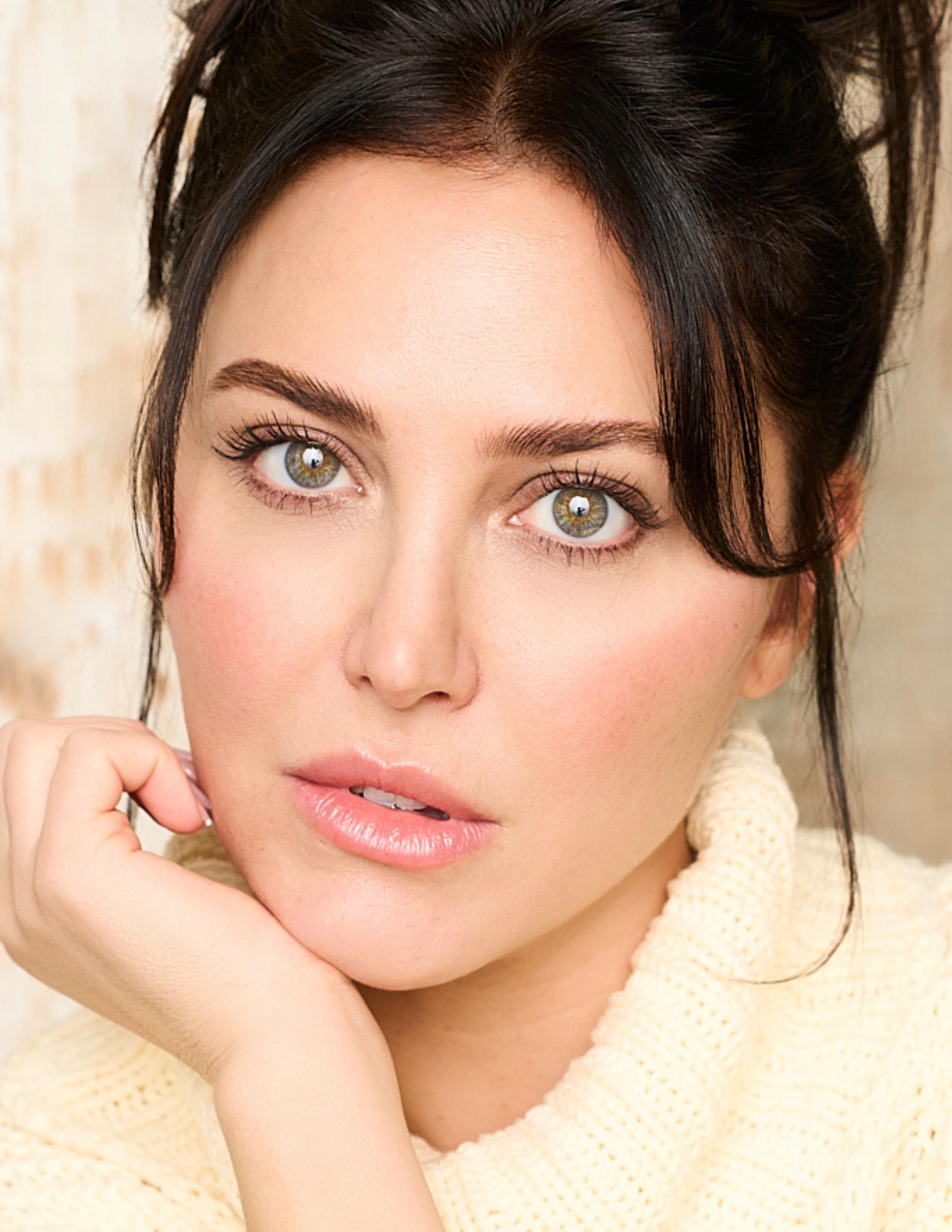
ON THE COVER: NAME PHOTO BY: STEPH GIRARD
AwareNow Magazine is a monthly publication produced by AwareNow Media™, a storytelling platform dedicated to creating and sustaining positive social change with content that inspires and informs, while raising awareness for causes one story at a time.

James Russell Lowell

There are moments when fear feels orchestrated, when it is not just within us but around us, shaping what we see, what we believe, and how small we are told to become. It whispers that silence is safer, that standing alone is too heavy a cost. But something stronger lives beneath that noise. Not the absence of fear, but the decision to move through it.
This edition is a reflection of that choice. Of people who speak when it would be easier not to, who show up when it would be simpler to step back, who choose courage not once, but again and again. Because fearless is not about having no fear. It is about refusing to let fear decide who we are.
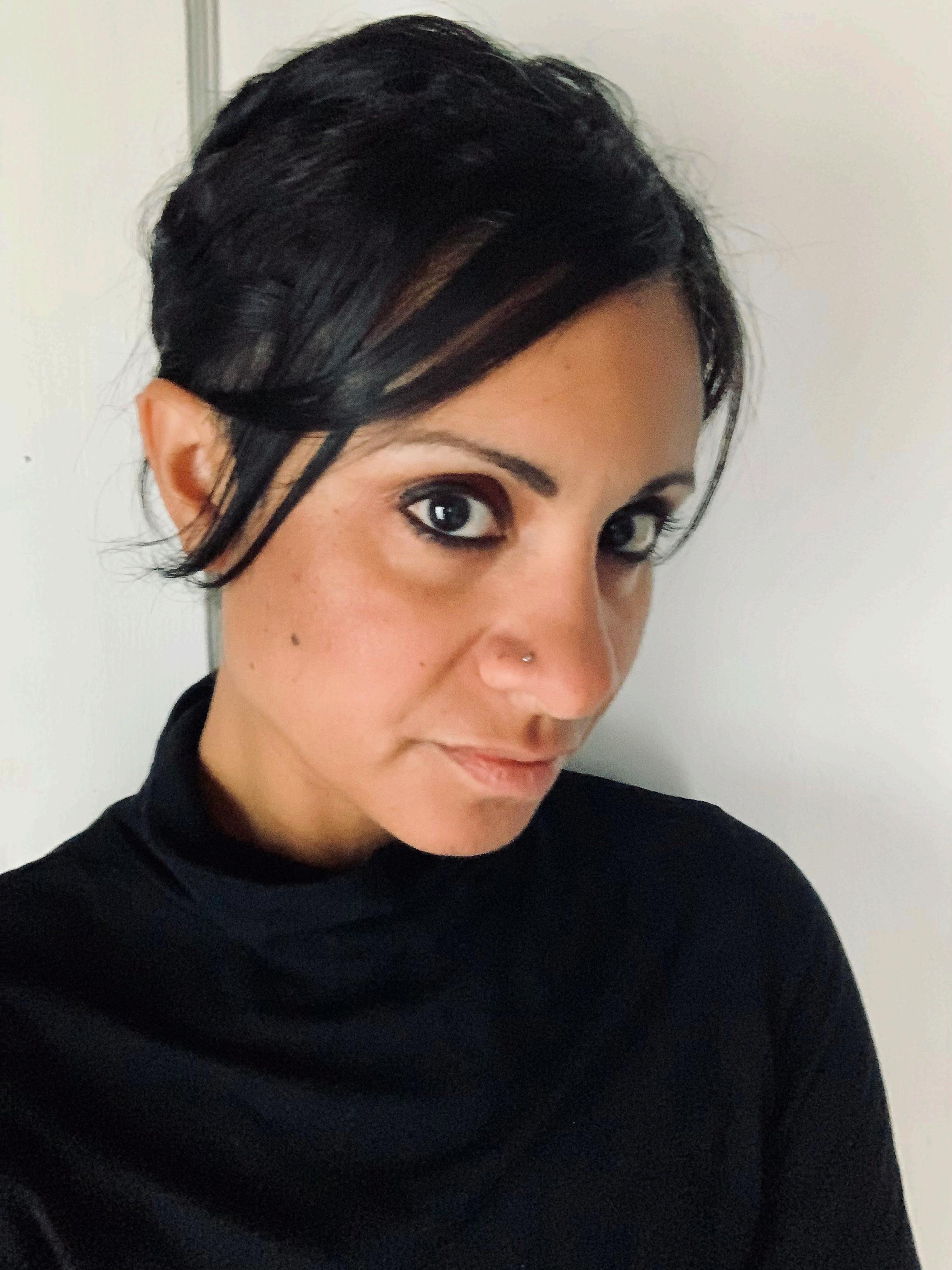
ALLIÉ McGUIRE
CEO & Co-Founder of AwareNow Media
Allié McGuire began her career as a performance poet, transitioned into digital storytelling as a wine personality, and later produced the Hollywood Film Festival. Now, as co-founder of AwareNow Media, she uses her platform to elevate voices and champion causes, connecting audiences to stories that inspire change.
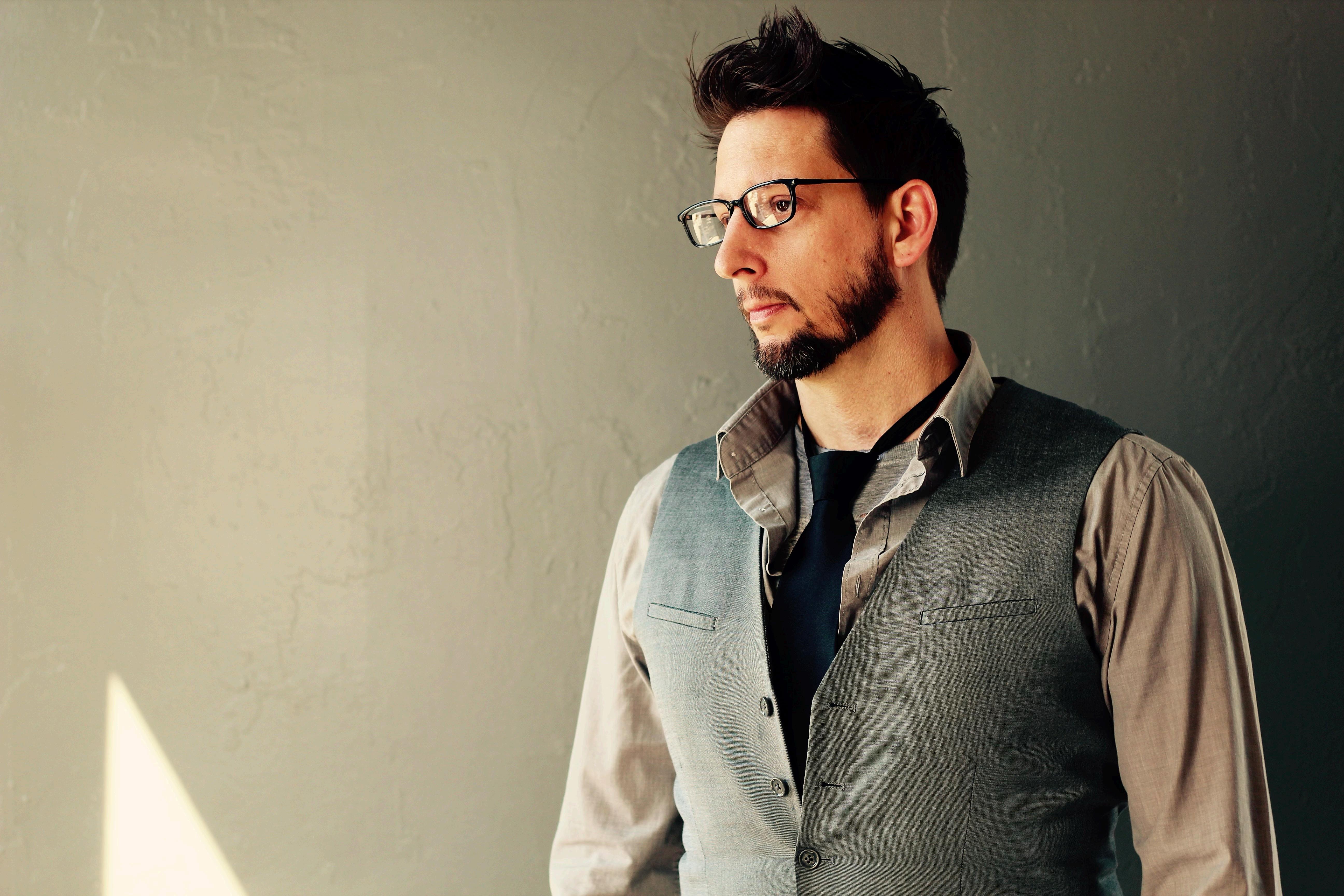
JACK McGUIRE
President & Co-Founder of AwareNow Media
Jack McGuire’s career spans the Navy, hospitality, and producing the Hollywood Film Festival. Now, he co-leads AwareNow Media with Allié, focusing on powerful storytelling for worthy causes. His commitment to service fuels AwareNow’s mission to connect and inspire audiences.
The views and opinions expressed in AwareNow are those of the authors and do not necessarily reflect the official
Any content provided by our columnists or interviewees is of their opinion and not intended to malign any religion, ethnic group, political group, organization, company, or individual. Stories shared are not intended to vilify anyone or anything. Their intent is to make you think.
* Please note that you may find a spelling or punctuation error here or there, as our Editor-In-Chief has MS and lost vision in her right eye. That said, she still has perfect vision in her left and rocks it as best as she can.



JACK MCGUIRE CO-FOUNDER & PRESIDENT OF AWARENOW

‘REDEFINED
fear·less /ˈfir·ləs/ (adj.) choosing courage over comfort, unity over division, and action over silence especially when others will not
There are moments in time when the world feels louder than truth. When fear is not just something we feel ,but something we’re fed. It divides. It isolates. It convinces us that we are alone in what we see, what we know, and what we must do.
But we are not alone. Not now. Not ever.
Fear may be loud, but courage is louder.
This edition is rooted in that belief. It is not about the absence of fear. It’s about what happens when we refuse to let fear make our decisions. When we choose to stand anyway. Speak anyway. Protect anyway.
Because right now, that choice matters more than ever.
Across these pages, you’ll find real stories of real people who stand in the fire on screen, in classrooms, in communities, and within themselves. Those who protect others while reclaiming their own voices, And many who remind us that bravery is not always loud—but it is always felt.
This is about bullying, but it’s also about something deeper. It’s about the quiet erosion of humanity that happens when we turn away from each other. And the undeniable power that returns when we lean back in.
We believe something simple, All causes are one cause The Human Cause.
Written and Narrated by Jack McGuire https://go.awarenowmedia.com/podcast/fearless


“We will no longer ask for permission to change the world.”
In a world that often pushes us apart, unity is not just an idea. It is an act of defiance. A decision. A responsibility.
We will no longer ask for permission to change the world. We will no longer wait for the right moment to stand up for what is right. We will no longer confuse silence with peace.
Because protecting the vulnerable is not optional. Because empowering the brave creates more bravery. Because the future depends on what we are willing to do now.
This is AwareNow.
Be aware. Be present. Be fearless. ∎
REZA SIXO SAFAI DIRECTOR, ACTOR, PRODUCER & CO-FOUNDER OF MASSIVE STUDIOS
PERSONAL STORY BY REZA SIXO SAFAI
There comes a time in the life of humanity when the cannons grow tired of their own thunder, when the earth itself seems to groan beneath the weight of our quarrels, and when the mothers of every nation weep the same salt tears into different soil.
Let us say, with moral clarity and trembling hope, that we long for peace. Not the fragile hush that follows destruction, not the uneasy silence imposed by fear, but a peace born of justice, mercy, and the recognition that every child, in every land, is sacred.
May the innocent be spared. May no bomb be so blind that it forgets the cradle. May no flag be lifted so high that it obscures the humanity of those beneath another banner. For grief does not carry a passport. Sorrow does not speak one language. The cry of a father over his fallen son sounds the same in every country.
We must refuse the arithmetic of hatred that counts one life as worth more than another. We must reject the poisonous lie that the suffering of “them” is less tragic than the suffering of “us.” If we are to be a moral people, we must mourn without hierarchy and love without borders.
And yes, let tyranny come to an end. Let every system that crushes the human spirit be brought low. Let every throne built on fear tremble before the quiet, unstoppable power of conscience. For history bends not toward oppression, but toward justice, when brave hearts refuse to bow.
May we find the courage to see one another not as enemies to be conquered, but as brothers and sisters to be understood. May we choose the difficult work of reconciliation over the easy reflex of revenge. And may the day come soon when the only thing falling from the sky is rain, and the only sound echoing across our cities is the laughter of children restored to safety.
Let us labor for that day. Let us pray for that day. And let us become, in our own lives, instruments of the peace we so desperately seek. ∎


CASSANDRA SCERBO
ACTOR, PRODUCER & CO-FOUNDER OF BOO2BULLYING
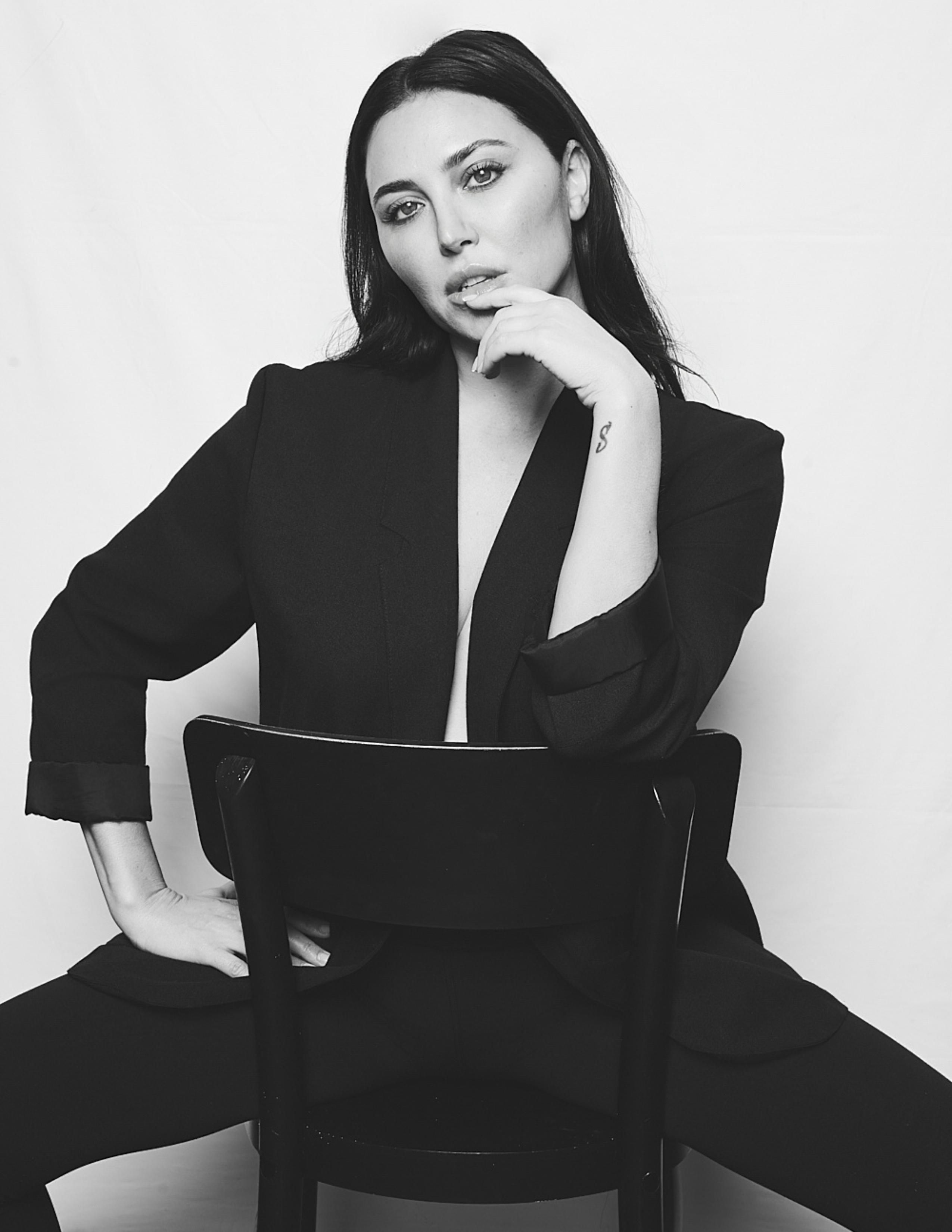
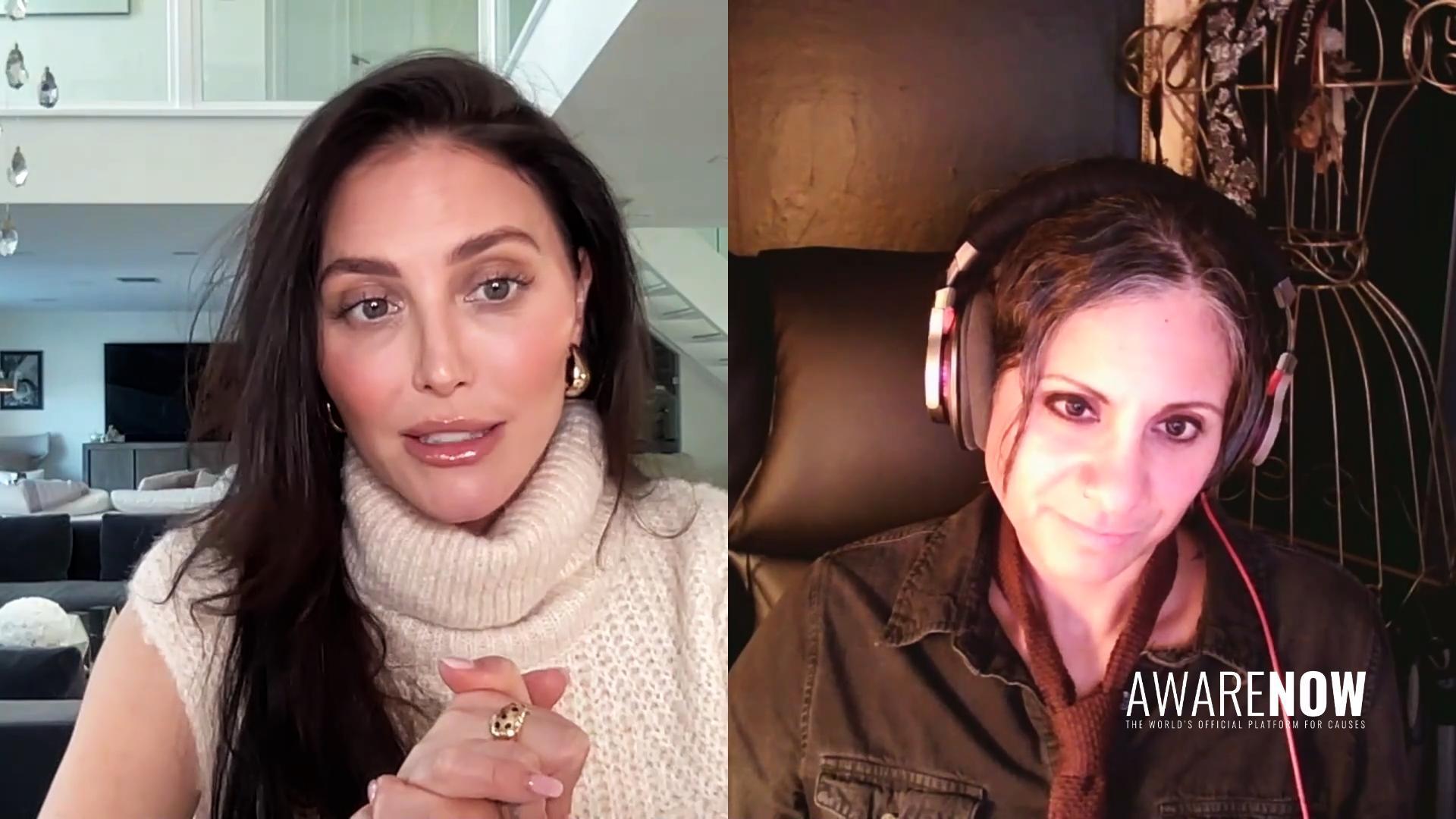
For years, audiences knew her through roles that defined a generation of fans, but the path forward has become something far more intentional. In this conversation with Cassandra Scerbo, we explore the shift from playing the parts people expect to choosing the work that truly matters. It’s a story about stepping beyond labels, embracing purpose, and finding the courage to redefine what comes next.
ALLIÉ: From Make It or Break It and Bring It On: In It to Win It to Sharknado and ABC’s Grand Hotel, you've been part of projects that shaped a generation of fans. My first question for you today is this: what shifted inside of you that made you say, it's time for something deeper? It's time for intention. What was the shift that made you want to do more than what you were doing?
CASSANDRA: First of all, since we're talking about gratitude, I'm so grateful for all of those projects because, like you said, they had such incredible fan bases and many of them were very genre-driven. I'm so grateful for that. Every
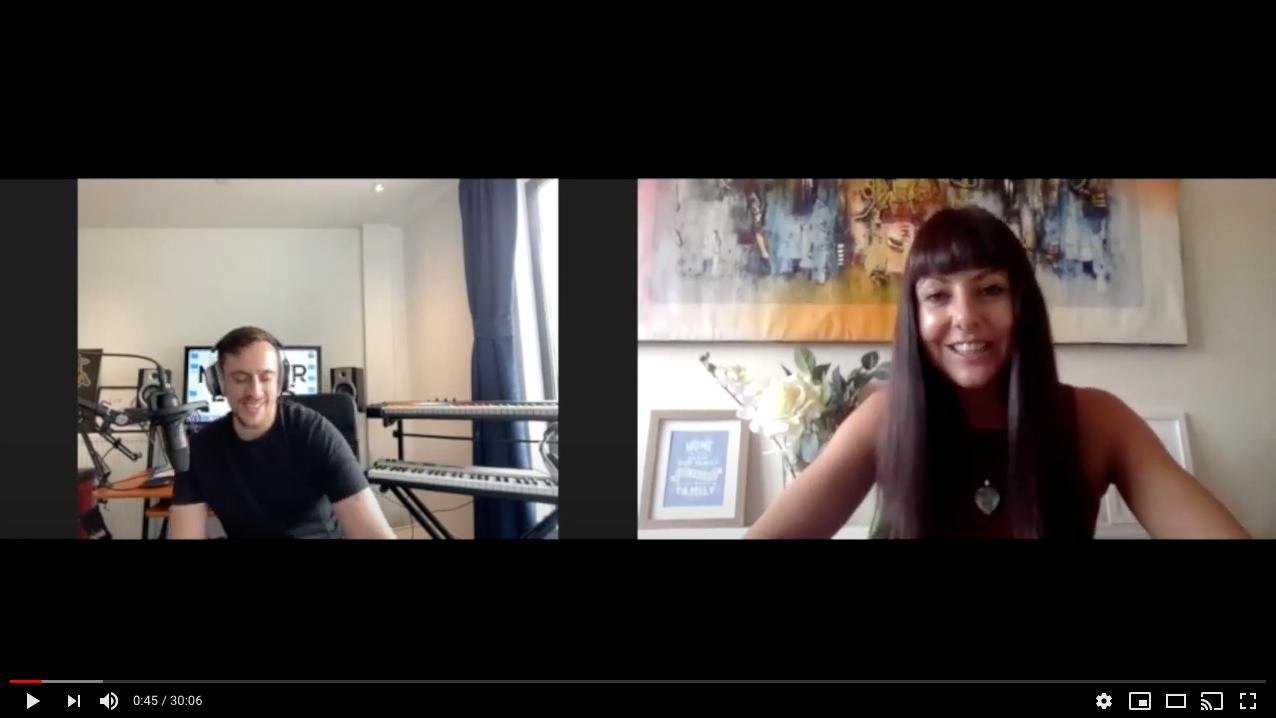

CASSANDRA SCERBO ACTOR, PRODUCER & CO-FOUNDER OF BOO2BULLYING
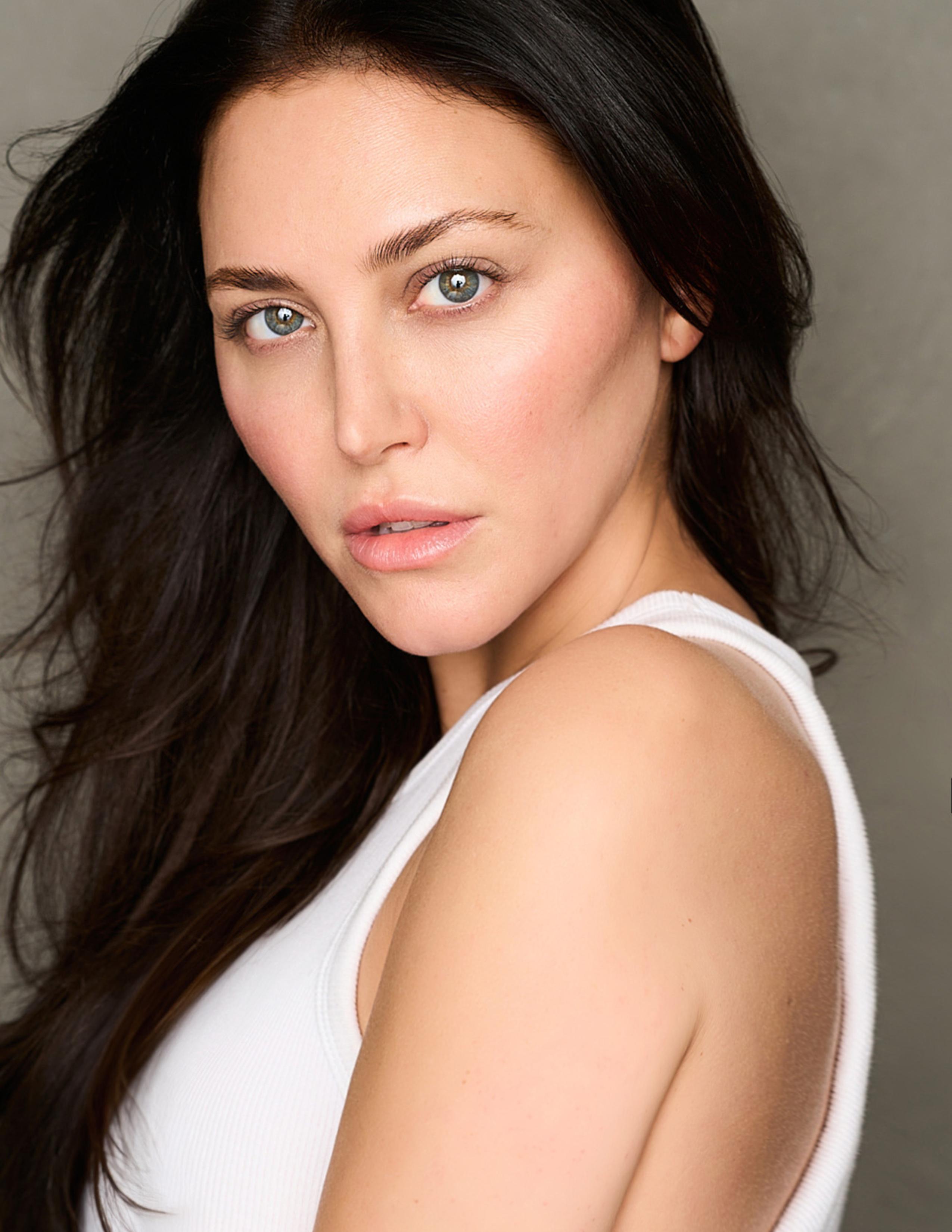
“The first step is telling yourself that you can.”
CASSANDRA: (continued) I’ve always wanted to be taken seriously when it comes to my craft. Since I naturally have a more bubbly personality and I played all of these really fun roles that I truly enjoyed during that time period, but I felt like it was kind of hard to break out of certain boxes. I did feel stereotyped at times, and I think that’s a natural part of the journey for so many artists. But I reached a point where I really wanted to tell stories that spoke to me on a deeper level. Around that same time, I met my husband, and that shift in my life happened to lead us into forming a production company.
It’s been such a fulfilling evolution, getting to work behind the scenes while also creating and stepping into projects that feel more aligned with who I am now. The roles I’m drawn to today carry more depth and reflect me as a woman in this chapter of my life.
I always say I don't want to go to work every day and play myself. I love stepping outside of the box and crave roles furthest from who I am. That’s the beauty of storytelling; researching people from all walks of life and bringing those characters to life. The question became: how can I rebrand myself at this age when I've been known for these projects that have such dedicated fan bases?
Fans still sometimes think that I am the characters. Even on Instagram, someone commented recently on a Valentine's Day post saying something like, “We love Lauren and her husband.” They really see you as the character. And I love that connection, but it also makes you wonder, how do I break out of that?
The first step is telling yourself that you can. For so long, I was such a people pleaser. I wasn’t giving myself the authority to say no. I wasn’t being unapologetic enough. I was just the “yes” person.
It took believing that everything I needed was already inside of me. It took a strong support system and love. I still have my home in Los Angeles, but I moved out during COVID. Now I'm bi-coastal, but I have a home in Florida where I am right now. Stepping out of that bubble helped me recognize all of this.
During COVID, we were forced to turn inward. I think that’s when the shift really began.
Time is really all we have in life. I'm totally stealing this quote from my friend Alexa (I love her quotes and nuggets of wisdom), but I remember her saying something on the order of “We have two things in life, time and choices.” That really stuck with me. I started asking myself, how do I want to spend my time? And what intentional choices do I want to make with it?
That’s when the shift began: COVID, stepping out of LA, finding my partner, coming back to Florida, being with my family and my roots. Everything just aligned. But we have to go through things to get there. I had to feel stereotyped. I had to feel put in a box in order to shatter those walls. There’s something very freeing about saying, I'm breaking it all down and this is the real me now.
ALLIÉ: You mentioned time and choices. That’s empowering, especially in moments where we feel disempowered by everything going on around us. We can’t change the past, but we can choose our way forward. I want to talk about something new. In The Wolf and the Lamb, you play a schoolteacher and mother confronting something ancient and terrifying inside her own child.

ACTOR, PRODUCER & CO-FOUNDER OF BOO2BULLYING
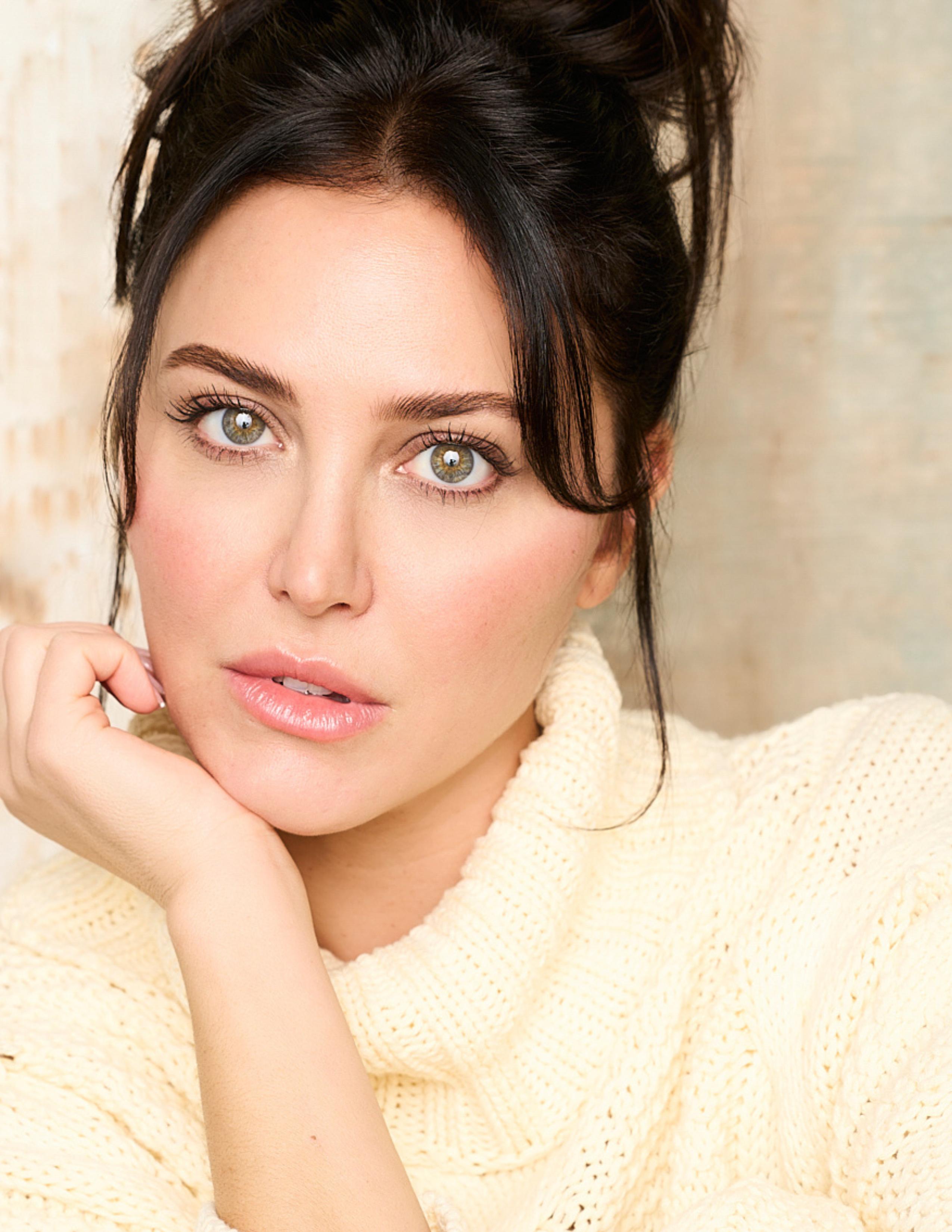
“I’ve struggled with OCD and intrusive thoughts. I’m a very anxious person. Whatever someone is going through, someone else has gone through it too… You are not alone.”
ALLIÉ: (continued) What did Jo teach you about fear, faith, and the strength we sometimes don’t realize we carry?
CASSANDRA: Everything. She taught me everything.
I genuinely mourn my characters when I'm done playing them because I try to give all of myself to whoever I’m portraying. With Jo, it was the biggest challenge of my career so far because we're talking about motherhood. That is sacred. My mom is my best friend. I love her so much. But I’m not a mom myself.
So I had to pull from the love I've witnessed my entire life. The love from my mother, the mothers in my family, my sister, my sister-in-law, my aunts, cousins, and dear friends.
There is nothing like a mother’s love.
I wanted to play something completely different from myself. I’ve never played a mom before, so I needed to do that justice. I want to be a mom someday, but I’m not one yet. Everyone says you don’t understand that love until you experience it.
Working with Jaydon Clark, who plays my son Henry, was incredible. The bond we developed on set was unbelievable. He will always be my first “film baby.” I love him deeply. To prepare, I create a diary for each character. I journal as them. When I start writing from their perspective, so much unfolds.
I didn’t share this publicly before, but I recently lost my dog, Gucci. He was my baby for 17 years. I got him during the first season of Make It or Break It. Losing him was devastating. While playing this role, I tapped into that love. Anyone with a fur baby knows that feeling. You would do anything for them.
At the end of the day, although the film is a western horror, for me, the story was also about a mother’s love. The lengths you would go to protect your child.
ALLIÉ: The film explores how fear fractures a community. Your work with Boo2Bullying deals with similar issues in real life. When bullying enters a school or a young person's life, what does it actually do to the fabric of that community?
CASSANDRA: When we go into schools with Boo2Bullying, the work that excites me most is the in-person conversations. Seeing a child come up to you and say, “You changed my life” or “You saved my life.”

CASSANDRA SCERBO
PRODUCER & CO-FOUNDER OF BOO2BULLYING
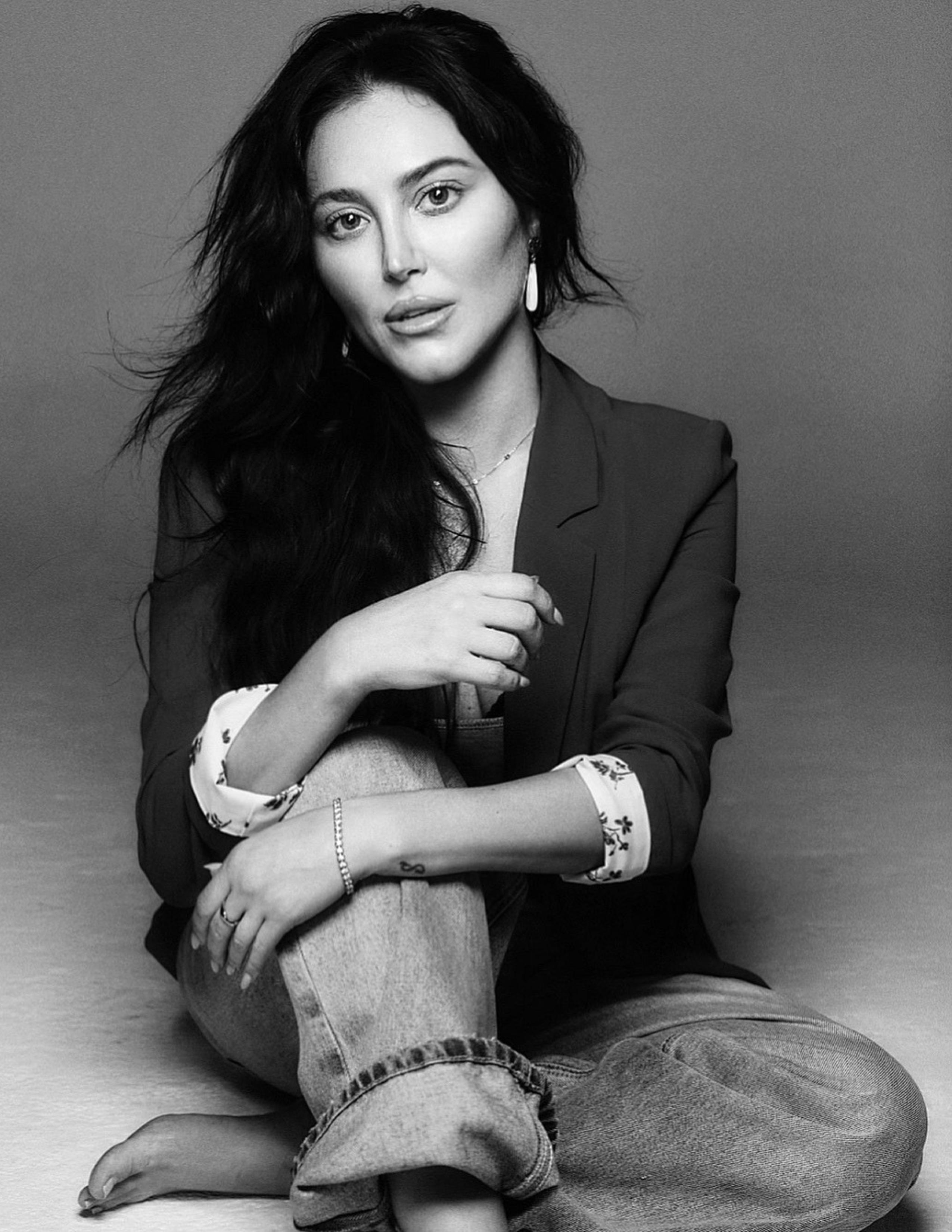
“Every challenge in life has meaning. Some things are incredibly difficult to understand, but there’s always something to learn.”
CASSANDRA: (continued) These are kids who should feel safe at school, and instead they feel alone.
Community reminds people they’re not alone. That’s everything.
In the past, I’ve struggled with OCD and anxiety, and I’ve learned how important it is to have a support system and to feel safe talking through whatever it is you’re facing at any point in life. Getting it out of your body is imperative. It’s important to teach this to the students we serve. That whatever someone is going through, someone else has most likely walked through it before them.
There are billions of people on this planet, you’re not alone, and it is so important to speak up when facing these challenges. Whether that be bullying, mental health, or really anything you may be going through, you are not alone.
That’s actually our slogan at Boo2Bullying: You are not alone.
Happy people don’t go around trying to ruin someone else's life. Hurt people hurt people. That realization was really eye opening. Playing Lauren Tanner on Make It or Break It showed me how bullying often comes from pain. Lauren was a broken girl. Her mother abandoned her. Her father was extremely hard on her.
That experience is what inspired me to become involved with Boo2Bullying.
ALLIÉ: Why is it so hard for us to just be? We always feel like we have to do, do, do.
CASSANDRA: I think we forget how important it is to be present.
Enjoy the coffee you’re drinking. Enjoy cooking your meal. Smell the food. Watch it come to life.
It sounds simple, but being present changes everything.
I used to run on a hamster wheel trying to do everything and make everyone happy. I thought success meant doing more. But success is also internal growth.
Sometimes it’s about checking in with your inner child and asking, who am I really?
ALLIÉ: After being diagnosed with multiple sclerosis six years ago, I realized I can’t be the version of myself I once was. I don’t even know who the next version will be because MS is unpredictable.
But slowing down has been a gift.
AwareNow Podcast
Exclusive Interview with Cassandra Scerbo https://go.awarenowmedia.com/podcast/beyond-the-box

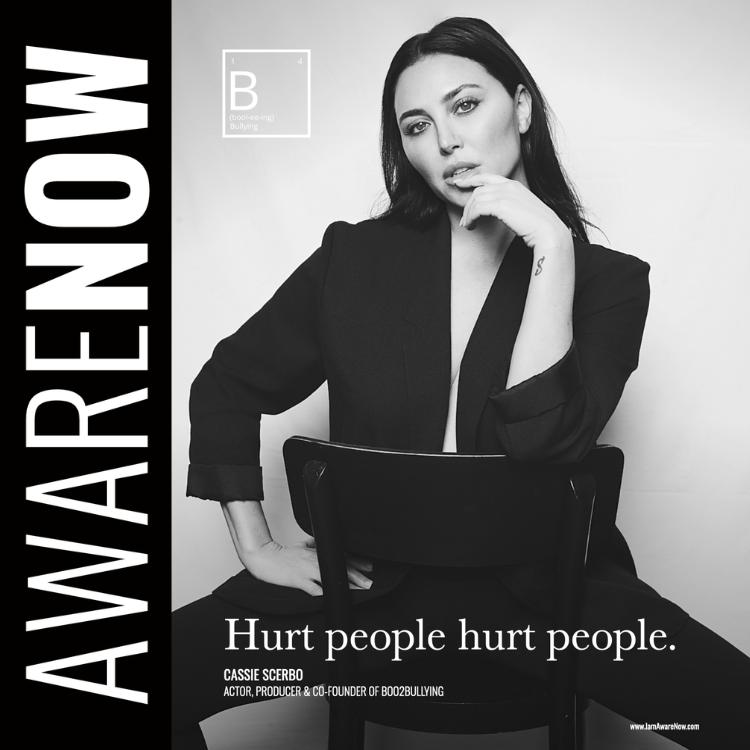
“We’re all walking each other home.”
CASSANDRA: Thank you for sharing that with me.
Every challenge in life has meaning. Some things are incredibly difficult to understand, but there’s always something to learn.
What you’re doing with your story is helping other people. That’s powerful.
Every challenge builds character. It teaches us who we are meant to be and how we are meant to inspire others in the short time we have here.
ALLIÉ: If we can slow down and appreciate the moment we’re in, how much more fulfilling could life be?
CASSANDRA: Exactly.
We need each other. We’re all walking each other home.
Be kind. Be generous. Pour into others, but also pour into yourself. ∎
PAUL S. ROGERS TRANSFORMATION EXPERT, AWARENESS HELLRAISER & PUBLIC SPEAKER
Release the Genie Fact: The genie is never worried, as he knows the Dow is 50,000.
In times of upheaval, humanity often searches for a new hero. Someone strong enough, bold enough, loud enough to rescue us from ourselves. Yet, what if the energy that will save the day is not louder, but deeper? Not more forceful, but more attuned? What if the shift we need is toward what many traditions call feminine energy, a way of being rooted in intuition, collaboration, nurturing, and emotional intelligence?
Feminine energy is not about gender. It is not confined to women, nor is it absent in men. It is a prevailing energy that flows through all of us. Taoist philosophy symbolized this through Yin and Yang, energies that are complementary while opposing, interconnected, and perpetuating. Yin represents feminine energy. It is receptive, passive, and nurturing. Yang represents masculine energy, active and raw.
Both are necessary. But our modern world has overdeveloped one while undervaluing the other. The imbalance is visible everywhere, in burnout culture, fractured communities, ecological collapse, and emotional isolation.
Where masculine energy seeks to win, feminine energy seeks to understand. Where one builds empires, the other builds relationships. When societies prioritize competition over cooperation, the collective nervous system becomes strained. Feminine energy slows the tempo. It asks, what is the cost of progress?
Consider the world of leadership. Traditional leadership models often reward decisiveness bordering on rigidity. Feminine energy does not bulldoze resistance. It transforms it through connection. Research increasingly shows that empathy and collaboration produce more sustainable results. Leaders who listen foster trust. Leaders who admit uncertainty encourage innovation. These qualities, often dismissed as “soft,” are in fact strategic strengths.
Feminine energy is intuitive. It listens beneath words. It senses the unspoken. It recognizes that wisdom is not only intellectual but embodied. The body senses when something is off long before the mind catches up. When we reconnect to this inner guidance, we make decisions aligned not only with profit or efficiency, but with integrity and long-term well-being.
In legal circles, the phrase that encompasses feminine energy is “skill and care.” To show how masculine energy can change this relationship, we only need to move one letter. The resulting change is dramatic, as we then have the mantra “kill and scare.”
For generations, emotional suppression has been normalized. “Push through.” “Stay strong.” “Don’t cry.” Yet unprocessed grief and trauma do not disappear. They surface as conflict, addiction, violence, and disconnection. Feminine energy invites us to feel. It teaches that tears cleanse, that vulnerability bonds, that storytelling mends invisible wounds.
Communities built on feminine energy are resilient because they are relational. When crisis strikes, personal and global networks of care become lifelines. This can be as simple as neighbors checking in on each other, mutual aid groups forming, choosing compassion over panic. This energy thrives in shared responsibility. It understands that survival is collective.
AwareNow Podcast
Written and Narrated by Paul S. Rogers https://go.awarenowmedia.com/podcast/how-feminine-energy-will-save-the-day

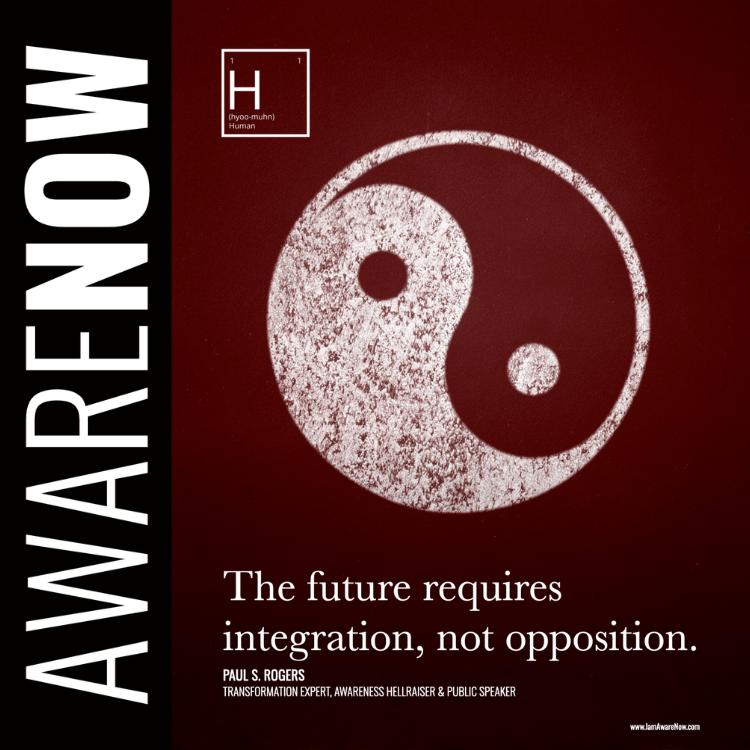
The environmental crisis also reveals why this shift is essential. A worldview driven by extraction sees the Earth as a resource to dominate. The Earth is not just somewhere we live. Mother Nature is alive. Just as human thoughts manifest on the physical plane, our collective energies impact the physical world. What we do to the land, we do to ourselves. Regeneration, not exploitation, becomes the guiding principle. We have nowhere else to live as a species, so why do we find it so hard to coexist?
Yin and Yang show us that embracing feminine energy does not mean rejecting masculine energy. It means coexisting. Action without reflection becomes reckless. Reflection without action becomes stagnant. When balanced, vision pairs with compassion, courage pairs with care, and ambition pairs with responsibility. The future requires integration, not opposition.
Saving our society will not come from a single policy, invention, or charismatic leader. It will come from an energetic shift. Embracing feminine energy will not weaken society. In truth, it strengthens it. Empathy reduces conflict. Collaboration increases innovation. Relying on grounded intuition enhances decision-making. Sustainable practices protect future generations. These are not sentimental ideals. They are pragmatic necessities.
Salvation will not be loud. It will rise quietly in homes, workplaces, and communities where empathy replaces ego and care becomes natural. By restoring feminine energy to its rightful place beside masculine force, strength is not diminished but sharpened and redefined. In that redefinition lies our collective hope. ∎
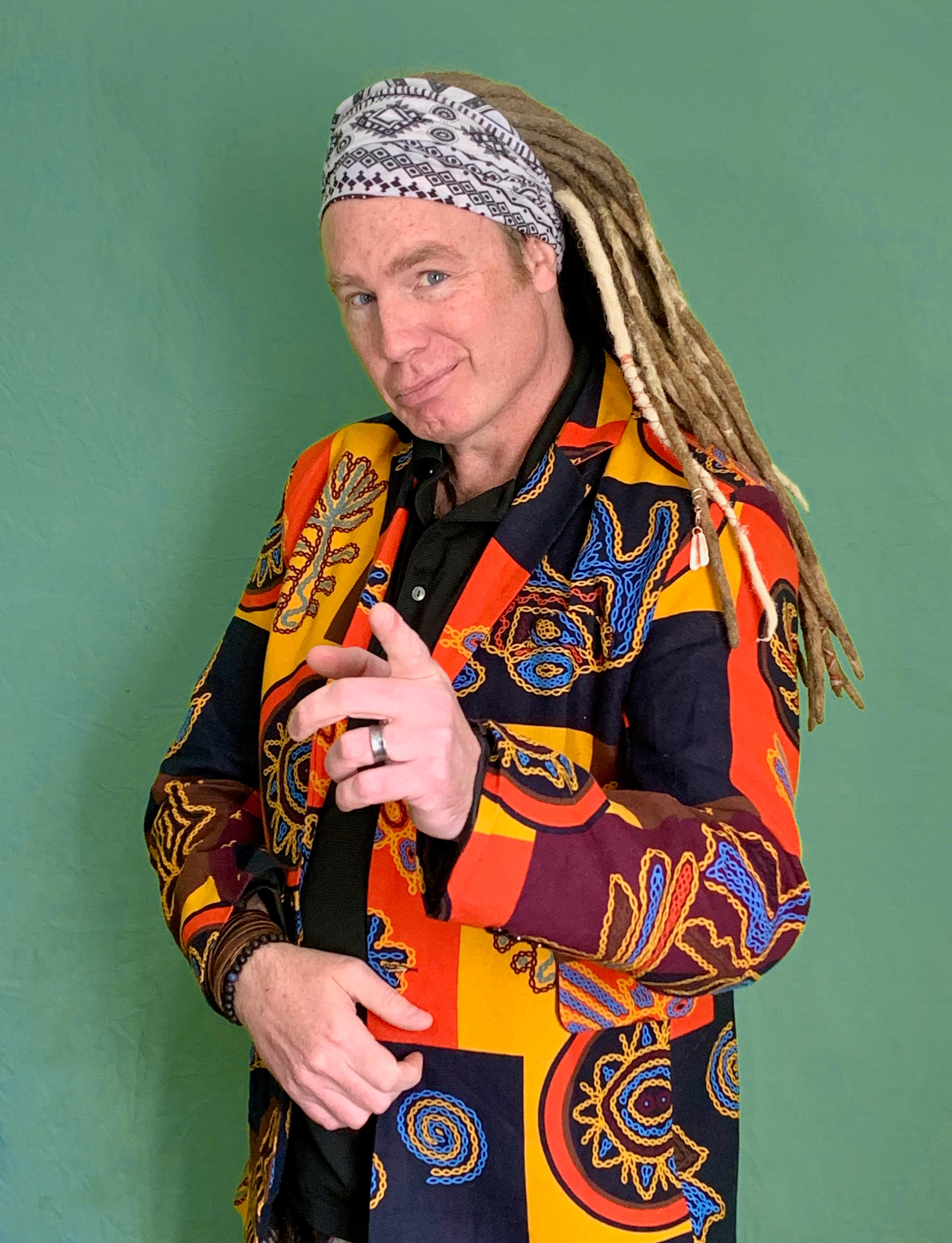
PAUL S. ROGERS
Transformation Expert, Awareness Hellraiser & Public Speaker www.awarenowmedia.com/paul-rogers
PAUL S. ROGERS is a keynote public speaking coach, transformation expert, awareness hellraiser, life coach, Trauma TBI, CPTSD mentor, train crash and cancer survivor, public speaking coach, Podcast host “Release the Genie” & best-selling author. His journey has taken him from corporate leader to kitesurfer to teacher on a first nations reserve to today. Paul’s goal is to inspire others to find their true purpose and passion.



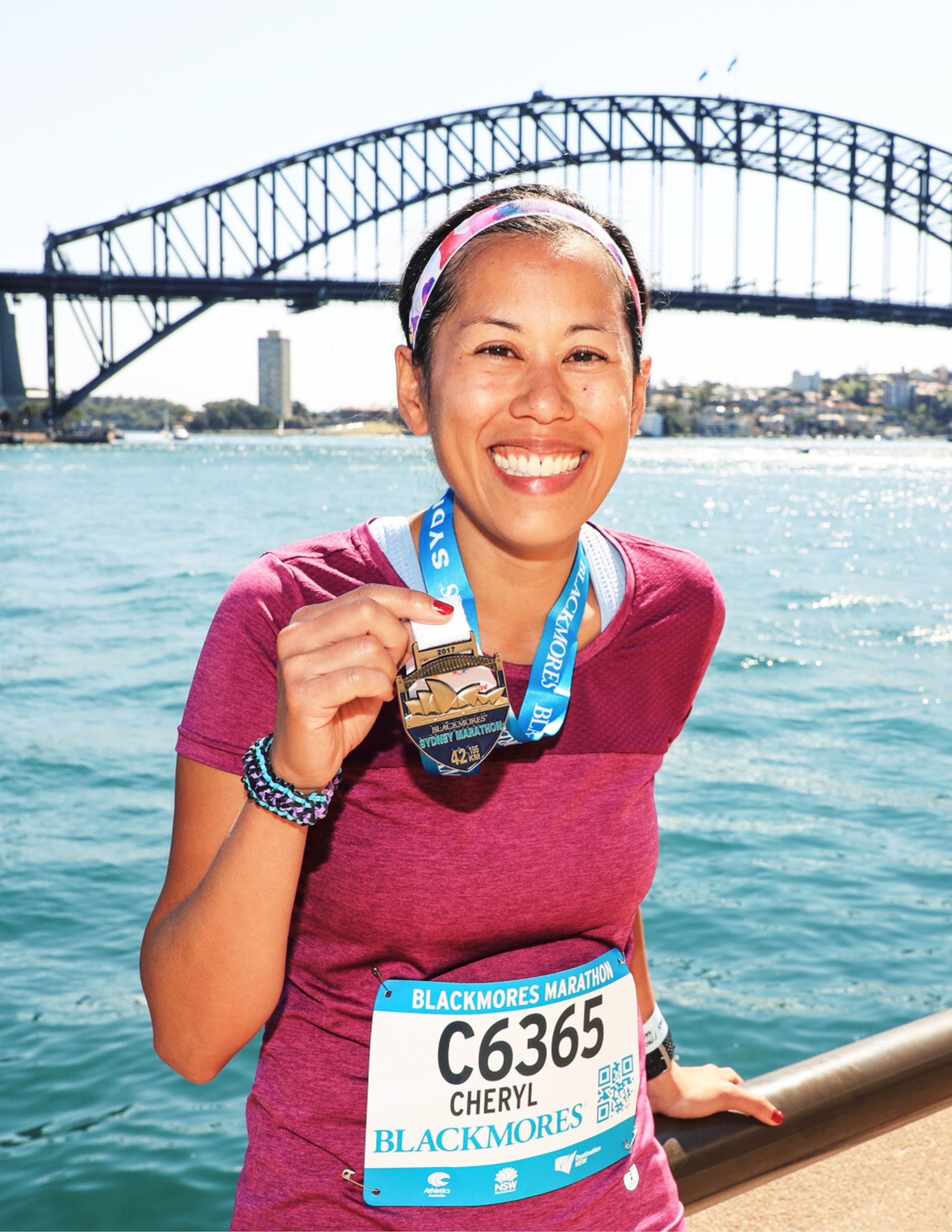
MS has a way of taking things without asking, including the futures we once counted on. For Cheryl Hile, that meant surrendering a career, relearning her body, and choosing movement in a world that kept telling her to slow down. This conversation traces her journey from diagnosis to defiance, and how she turned personal loss into collective purpose through every step she continues to take.
ALLIÉ: Let’s get in the way-back machine. Cheryl, can you take me back to the moment? We all have a moment. All of us with MS have that moment when MS entered your life in a way that you couldn’t ignore anymore. What did you lose first? Certainty, trust in your body, or the version of yourself you thought you were going to be? Take me back to that moment.
CHERYL: I was diagnosed in 2006, but prior to that I had been running marathons since the year 2000. In January of 2006, I ran my 13th marathon. It was my fastest time. I was just so elated, so happy. But the very next day I started experiencing electric shocks in my right arm. I went to my doctor and he said, “You probably just pinched
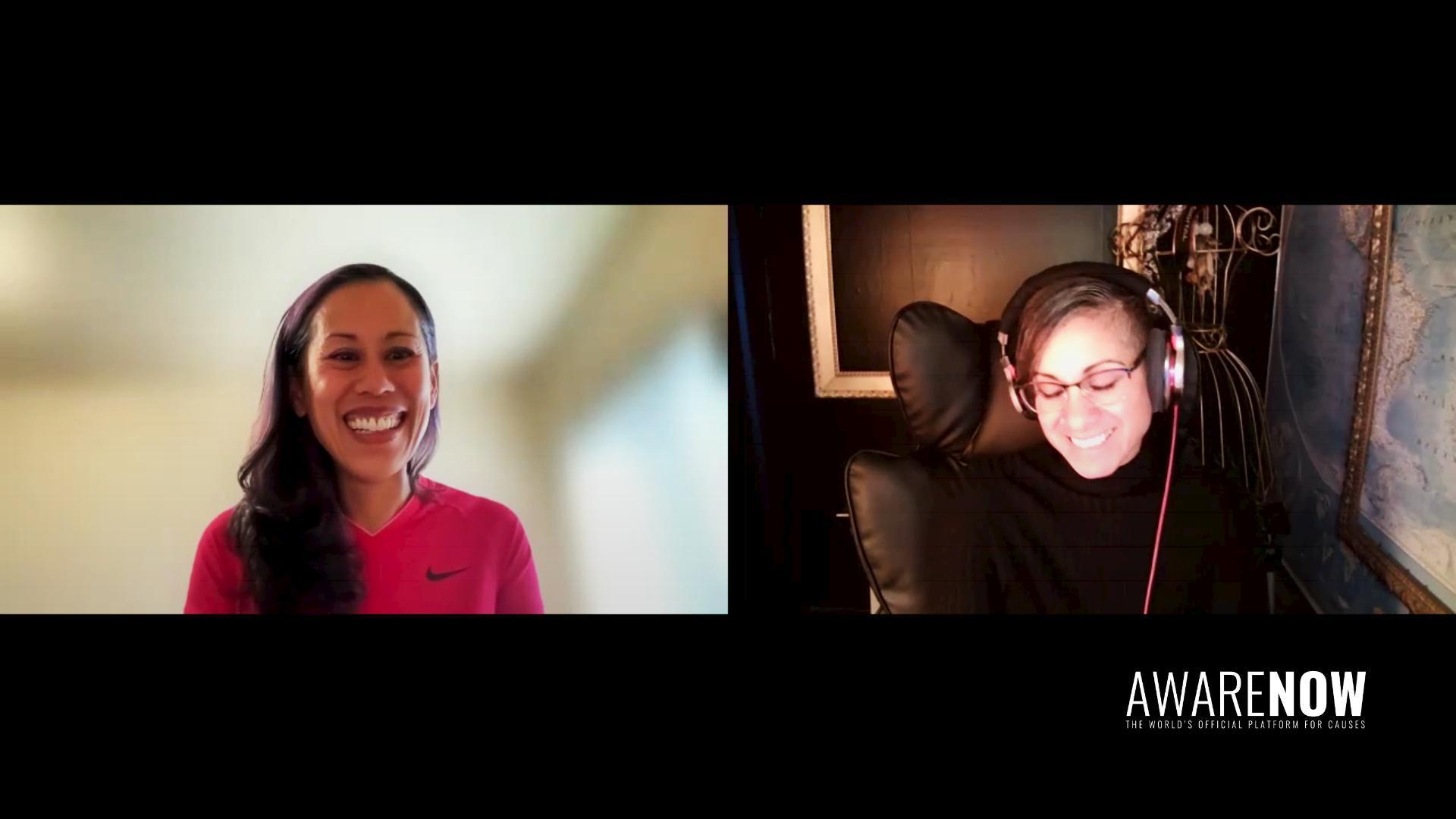

CHERYL HILE
MARATHON RUNNER, MS WARRIOR & FOUNDER OF RAMMS
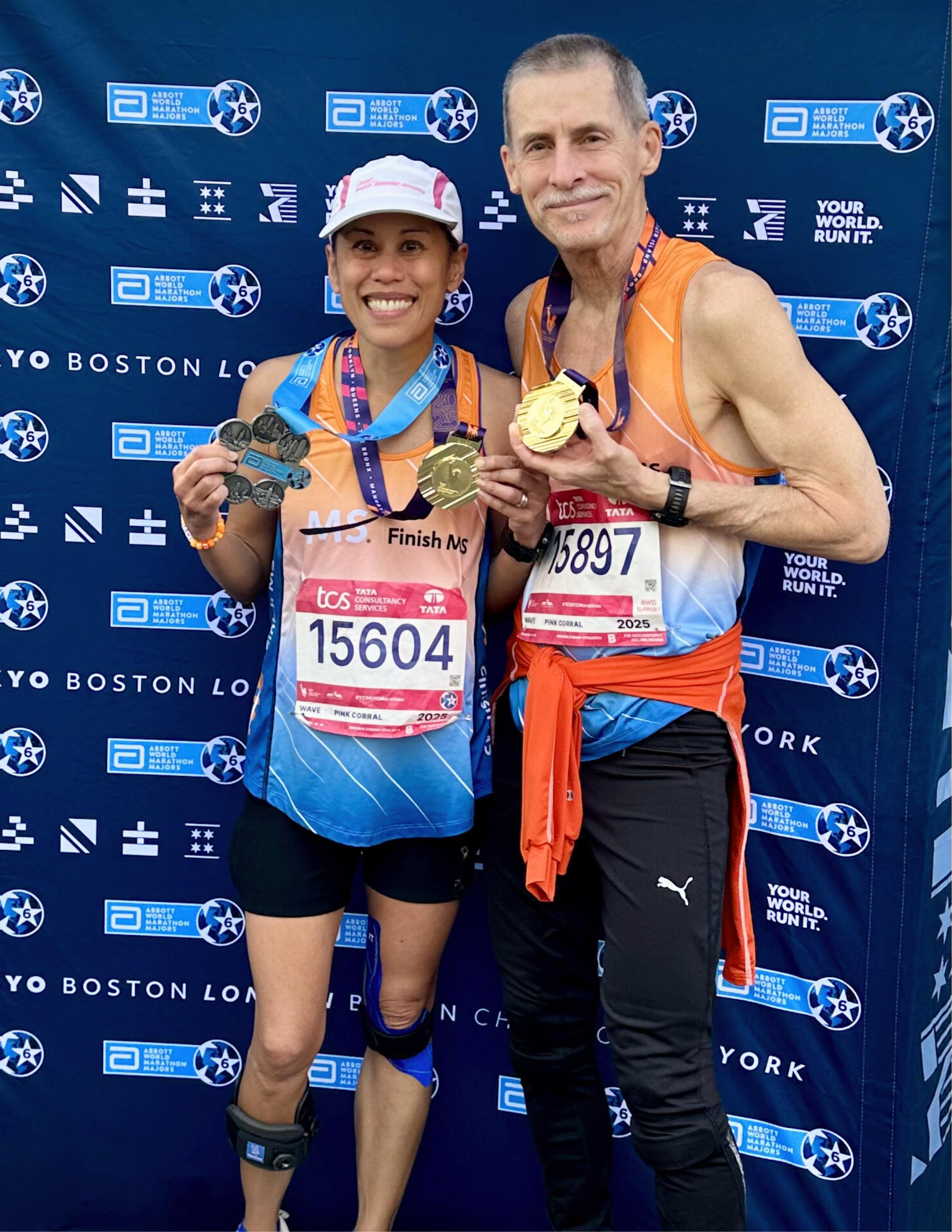

“I was 32 years old. Back in 2006, MS seemed like a disease that affected older people and certainly not marathon runners.”
CHERYL: (continued) We masked it with nerve-numbing medication and it seemed to get better. But as time went on, the electric shocks returned with a vengeance. I was not only in pain in my entire right arm but also the right side of my back.
I was finally referred for an MRI. The MRI showed innumerable lesions in my brain and two in my cervical spine. That’s when I was diagnosed with MS.
Being a marathon runner, even my doctor and I were both really shocked. I was 32 years old. Back in 2006, MS seemed like a disease that affected older people and certainly not marathon runners.
At work, the only other person I knew with MS was my coworker. She was older. She was in a wheelchair. The hardest part about it, and what I felt like I was going to lose, was my physical ability.
She was also always tired at work. She would make a lot of mistakes and she worked part time. When she went home, my coworkers and I would correct her mistakes. I was also worried about losing my cognitive ability.
I thought I was going to lose everything.
But my husband is the one who got me into running, and he encouraged me to keep exercising. I realized that the endorphin rush from exercising lifted my spirits and made me feel better.
I’m a little bit crazy. I just completed my 79th marathon.
ALLIÉ: Wait, wait. I mean, okay, sorry. Seventy-ninth? What?!
CHERYL: I was afraid to lose my ability, so I started registering for a lot of races. My husband is so supportive of my racing, and I just kept the ball rolling. I kept registering for races. I kept running.
I did start tripping and falling because of foot drop, and that was another low point in my MS journey. I didn’t think I would be able to keep running.
Thankfully, I was able to find the right medical care and an orthotist who outfitted me with an ankle-foot orthosis. Through that device, an AFO, I was able to keep running.
Here I am today finishing my 79th marathon.
But MS is hard. I’m older now. I’ve been diagnosed for almost 20 years. My whole right side is dragging more. It feels heavier. It’s harder to lift. Just last summer I started having problems with my good left foot.
In the last marathon that I ran, I did have that fear that I would trip and fall on my good foot. In a sense, I have almost become like my coworker because I am tired all the time. I eventually went to part time, like she did, to try to remain in the workspace.
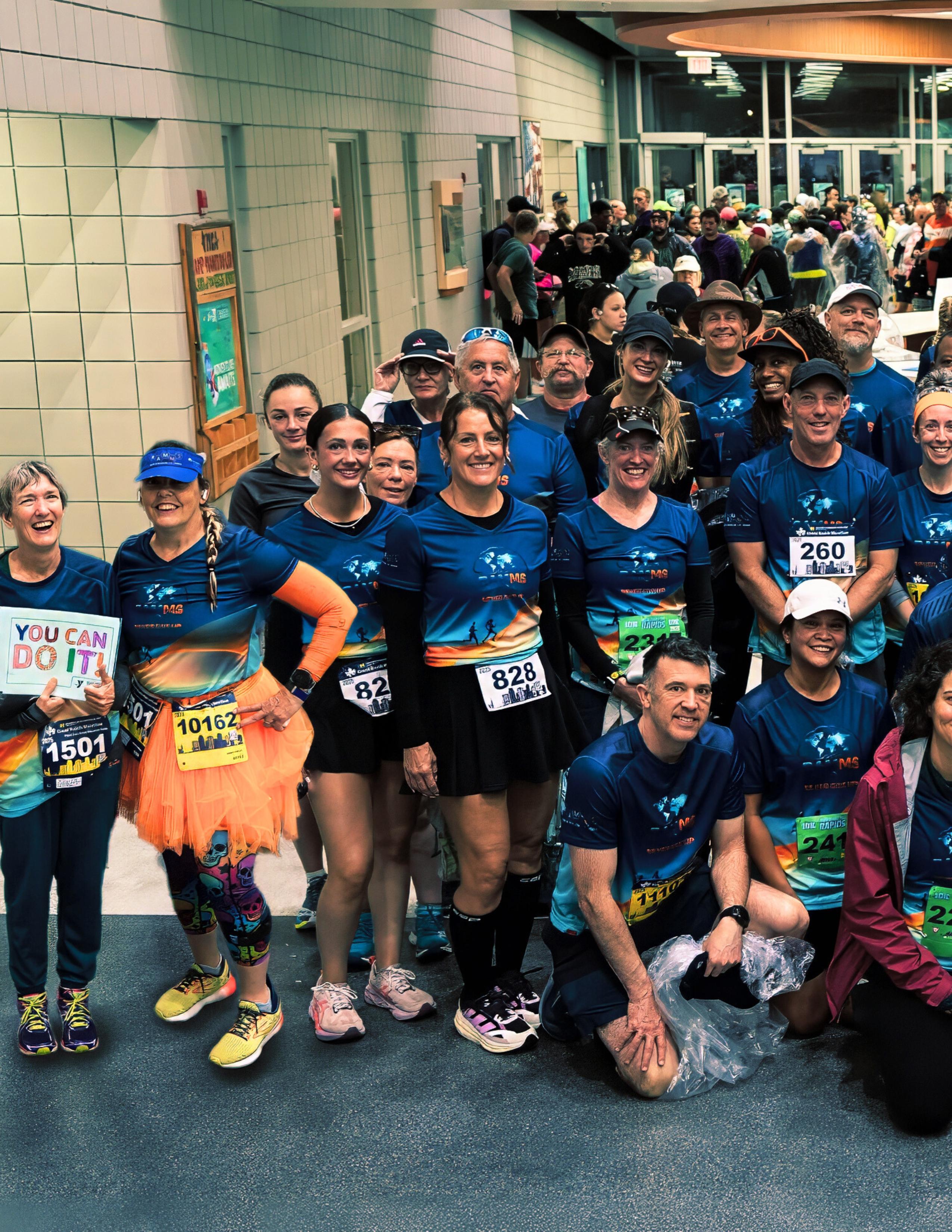
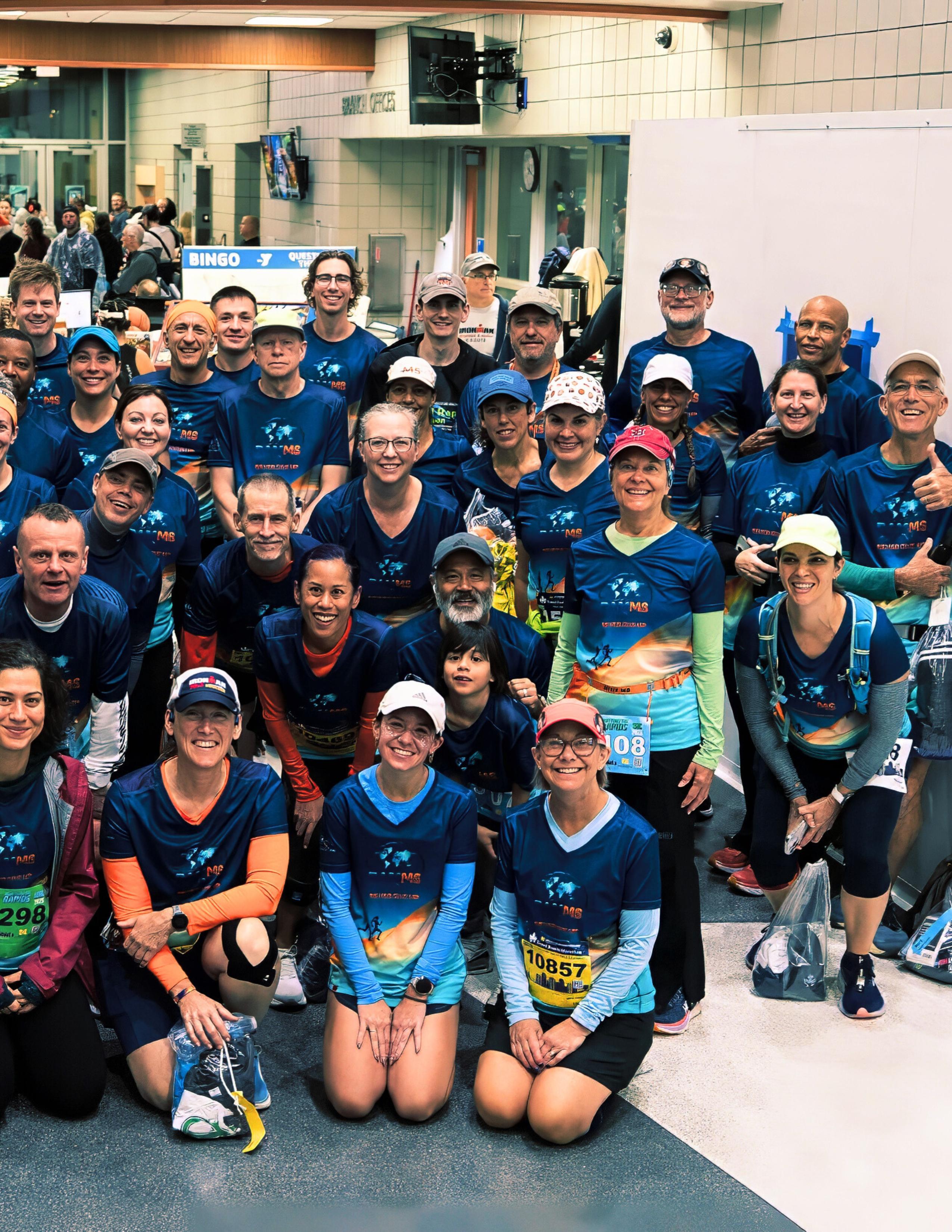


I decided that I wanted to be the first person with MS to run seven marathons on seven continents, all in one year.
CHERYL HILE
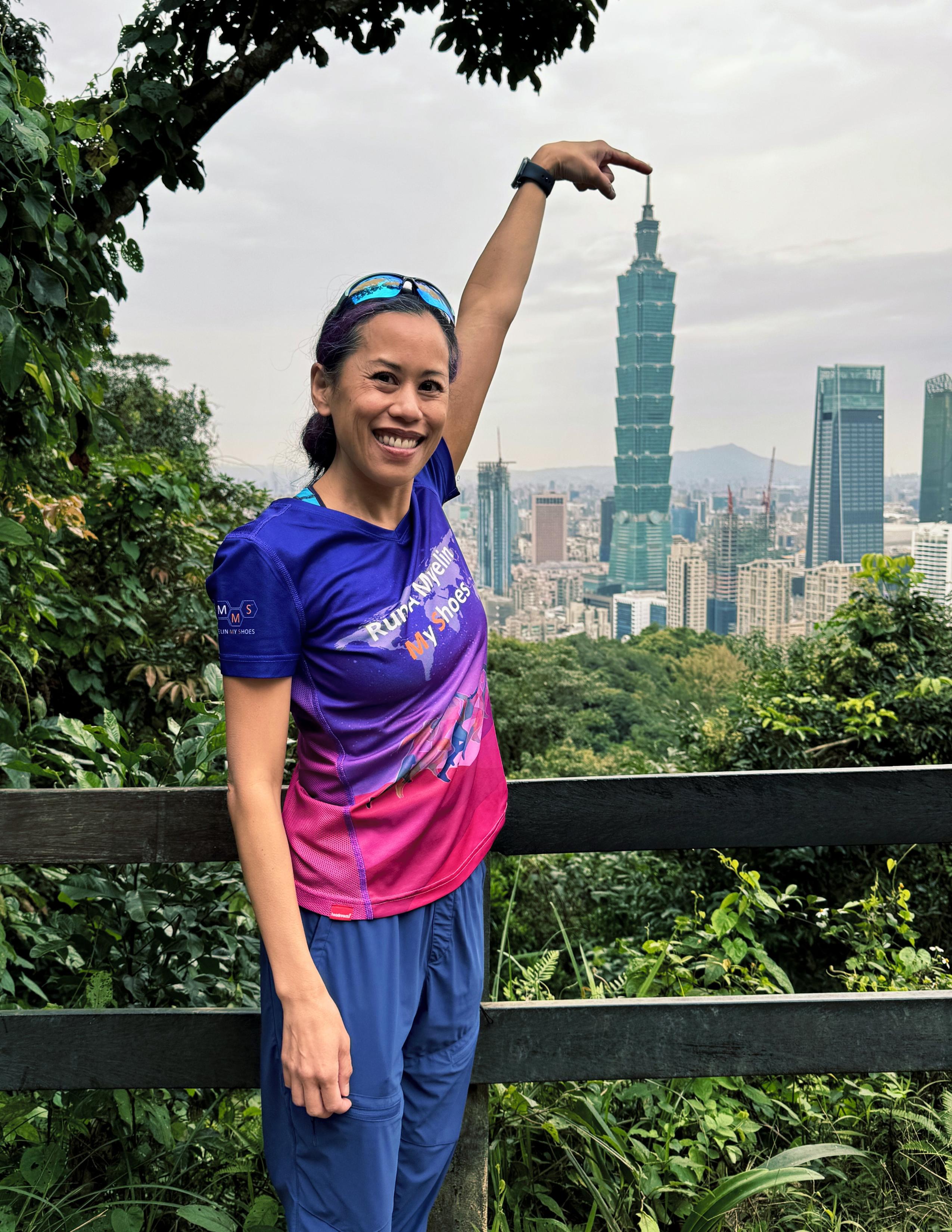

“My work was part of my identity.”
CHERYL: (continued) I was devastated to know that my friends and coworkers were correcting my mistakes when I went home. This is coming from a person who loves to do her homework.
I love spreadsheets. I was doing accounting. To know that I was making mistakes when I had been employee of the year for efficiency and managing huge contracts was devastating.
ALLIÉ: I’m so glad you went here with this part of your story because that is what I wanted to shift to next.
When we spoke the other day, you shared with me that MS forced you to surrender your career, not because you weren’t capable or qualified, but because what was happening with MS made it so you could no longer do what you once did.
What did it feel like to grieve something so deeply tied to your identity? Who you were, what you were, and how you showed up in this world, knowing the competitor wasn’t outside of you, it was within you.
CHERYL: I cried like a baby for a year. Is that okay?
ALLIÉ: You can definitely say that, and I will cry with you.
CHERYL: My work was part of my identity. I was the super-efficient, motivated accountant at work, nice to everybody, mentoring others so they could rise in their careers.
Then suddenly I was the person who went home and people said, “Cheryl made this dumb error. We have to fix it before accounts go even more in debt.”
That was devastating to hear. I grieved that for quite a long time. It’s been about eight years now and you can still hear it in my voice. You can hear my sniffling. It still shakes me up.
ALLIÉ: For sure, and understandably so. Being part of your identity and part of what you worked for that you didn’t give permission for someone to take away from you.
MS doesn’t play by the rules. It cheats us out of a lot of things and it doesn’t offer rematches.
How did you mentally and emotionally adapt when you realized that this was a race where effort alone wouldn’t always determine the outcome?
CHERYL: Besides running and doing races and working on the physical things I could manage, the real turning point was becoming more involved in the MS community and helping others.
Sometimes being a bit over the top, I decided that I wanted to be the first person with MS to run seven marathons on seven continents, all in one year.
When I told my husband Brian about it, I made sure we were in a beer garden and in a good mood before I sprung it on him. He said, “Okay, let’s do it.”
Through that year-long adventure I met a lot of people around the world with MS who were runners or who wanted to become runners.
I didn’t want that adventure to end, so I created a team called Run a Mile in My Shoes. It included all the people I had met throughout that seven-marathon adventure.
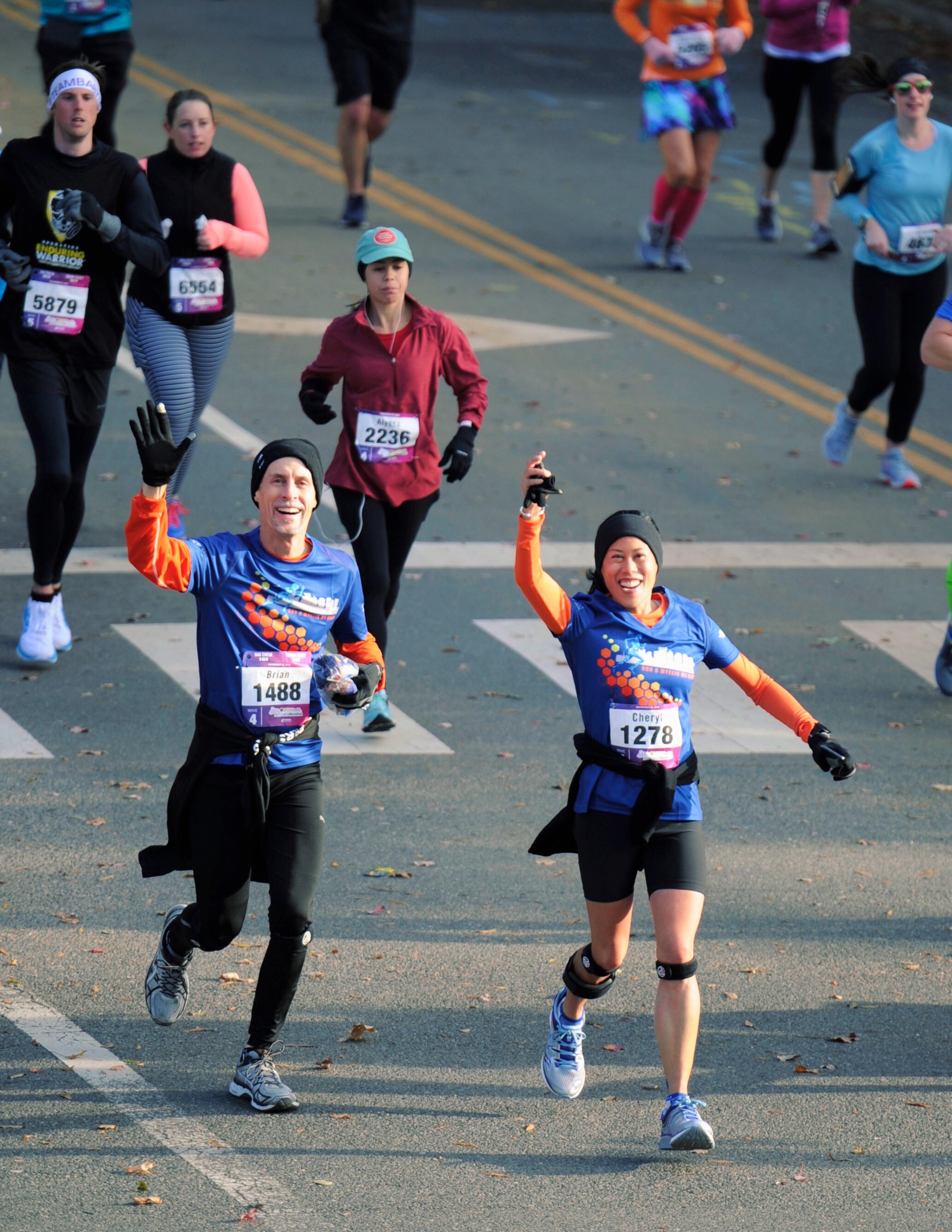
“It’s important to evaluate what brings you joy and create new goals within that new space.”
CHERYL: (continued) Now we’re this dynamic support team where we help each other, embrace each other’s activities, and encourage one another to move and exercise in whatever way we can.
Creating that community has healed me in a sense because now I can put that energy toward helping others. That is what is most meaningful to me about this disease. Because of this disease I can meet amazing people like you.
ALLIÉ: We wouldn’t be having this conversation today had it not been for this dreadful disease. It makes me think of Damien Washington who once told me, “MS is a terrible way to meet wonderful people.”
You’ve used this terrible thing not only to meet wonderful people but to support and serve them. And for heaven’s sake, Run a Mile in My Shoes. Being the word nerd I am, I geeked out for a quick minute when I heard that.
CHERYL: Thank you. I love my team. They’re so supportive.
We’re not all runners. Some hike, some cycle, some paddle. It’s any sport, any type of exercise. It shows the importance of movement, helping those neuronal connections and giving you that endorphin rush to keep yourself strong and positive throughout the day.
We all have daily struggles with MS, but knowing we can move our bodies in any way possible helps us get through the day, the week, and the month.
Having goals also helps. My team is meeting in Portland, Oregon in October for a marathon, half marathon, and 10K. We also have a virtual component where people around the world will do something in solidarity with us.
Having that goal to strive for gives us motivation to keep pushing onward and doing whatever we can.
ALLIÉ: With MS or any chronic condition, when you have an incurable disease that can be debilitating, it can be frustrating because no matter how hard you push you will never be the person you were.
You have to accept that you can only be the person you are and the person you are becoming.
For those who feel like they don’t know how to move forward and are missing previous versions of themselves, what advice would you give?
CHERYL: A lot of it is about finding joy in the things you’re doing. There has to be recognition that you need to evolve and reinvent yourself. For me, marathoning is harder now. Even running with my ankle-foot orthosis, I worry about tripping over my good left foot.
I’m in the process of reinventing myself by shifting my focus to running 5Ks and half marathons because I still find joy in running. The training for those races doesn’t exhaust me for the entire day.
It’s important to evaluate what brings you joy and create new goals within that new space. Thinking about a half marathon in another country gives me something positive to look forward to and something to strive for.
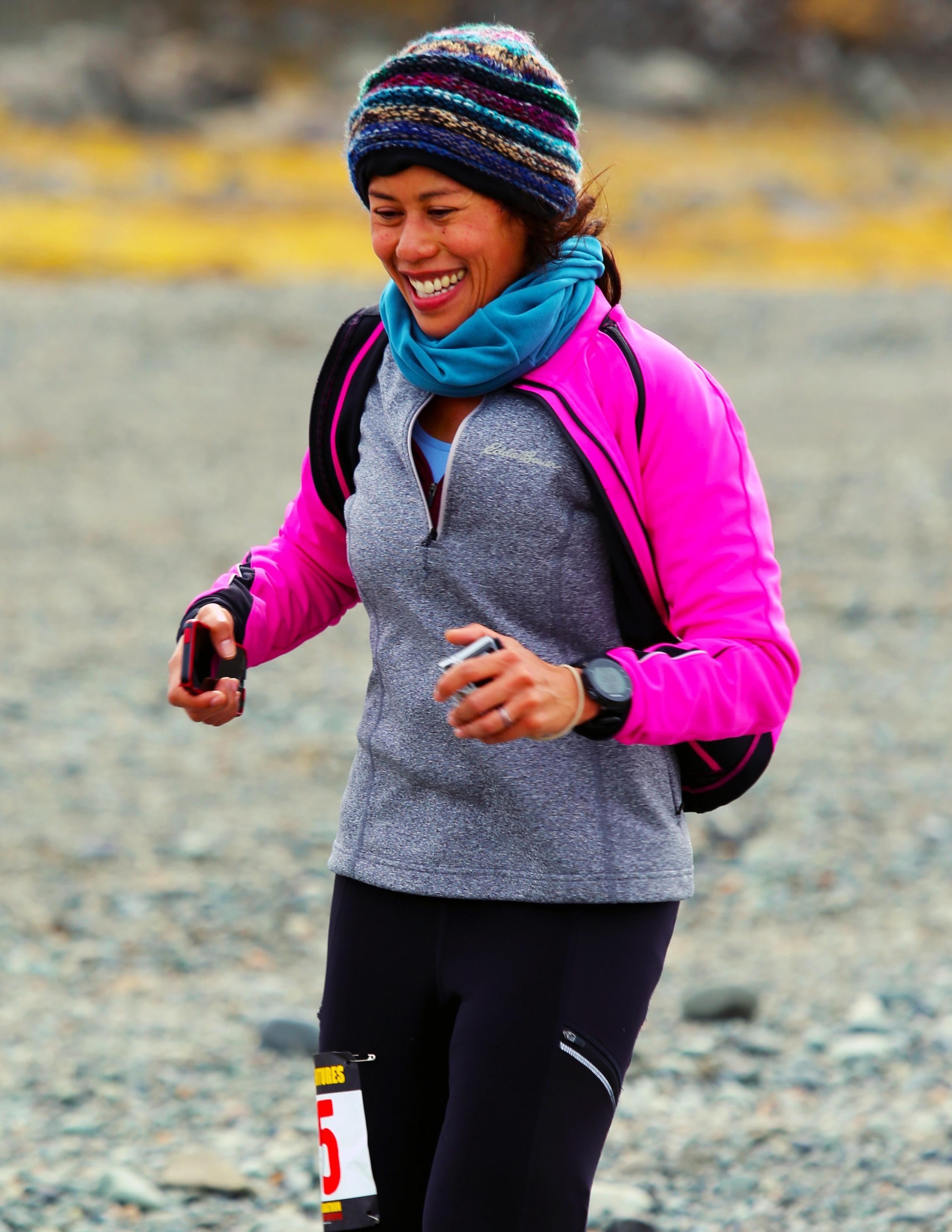
Exclusive Interview with Cheryl Hile https://go.awarenowmedia.com/podcast/still-moving

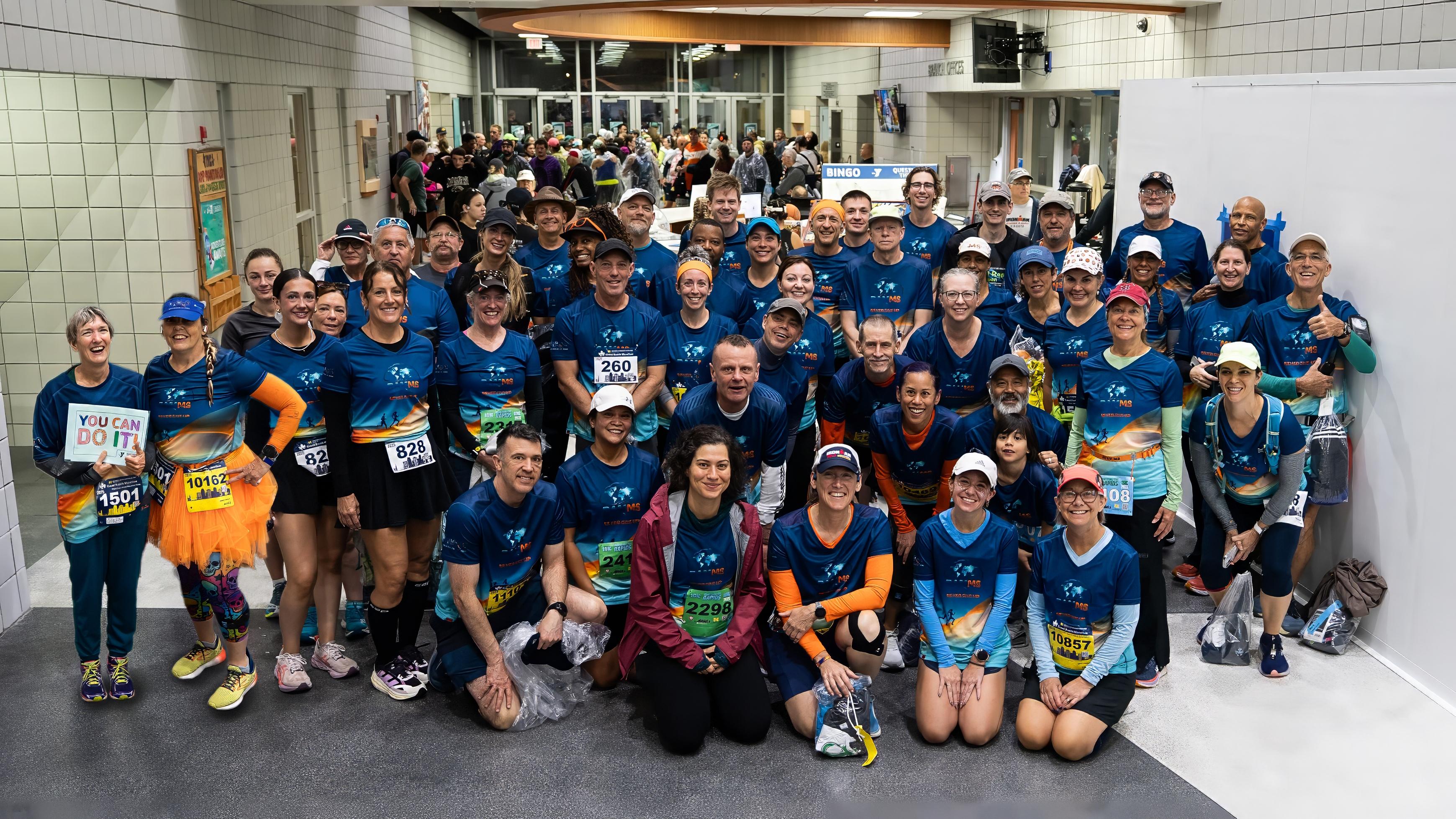
CHERYL: (continued) It doesn’t have to be a full marathon to give me joy.
I’m not giving something up. I’m moving forward. I’m transcending that space.
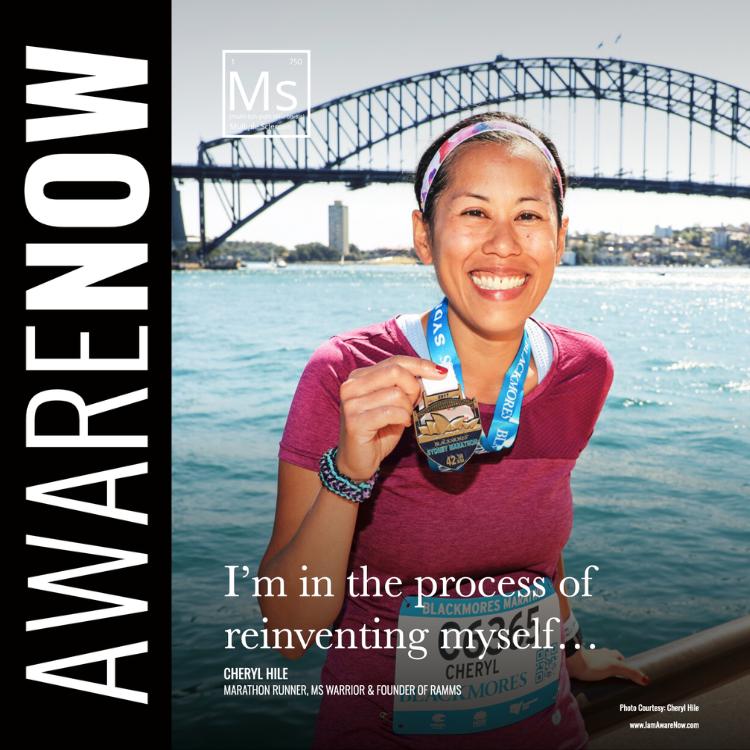
ALLIÉ: That makes complete sense because what I’m hearing is that you’re not giving something up, you’re taking control. You’re taking care of yourself and choosing what works for you now.
What I love about you and your journey is that your running career started with struggling to run around the block.
CHERYL: My husband loves telling that story. Brian’s first race ever was a marathon, so my first race had to be a marathon too.
He took me out on a training run around a cul-de-sac. I couldn’t even make it around the cul-de-sac. It wasn’t even a block. I was panting with my hands on my knees.
I had already spent money on race registration and thought, as an accountant, I just wasted money. Then I thought, no, I’m not going to waste this money. I’m going to suffer and do it.
ALLIÉ: What that says is that at every point in our lives there are different measures of success. Success once looked like running a marathon. Today success might look like going around the block and not being winded.
We all have different measures of success, and we have the choice to define what success looks like where we are right now.
The work that you do helps people meet themselves where they are. For that I want to say thank you. Thank you for all the work you’ve done and continue to do, and for helping all of us become a bit more aware now.
CHERYL: Thank you, Allié. ∎
Every one is a part of everyone.
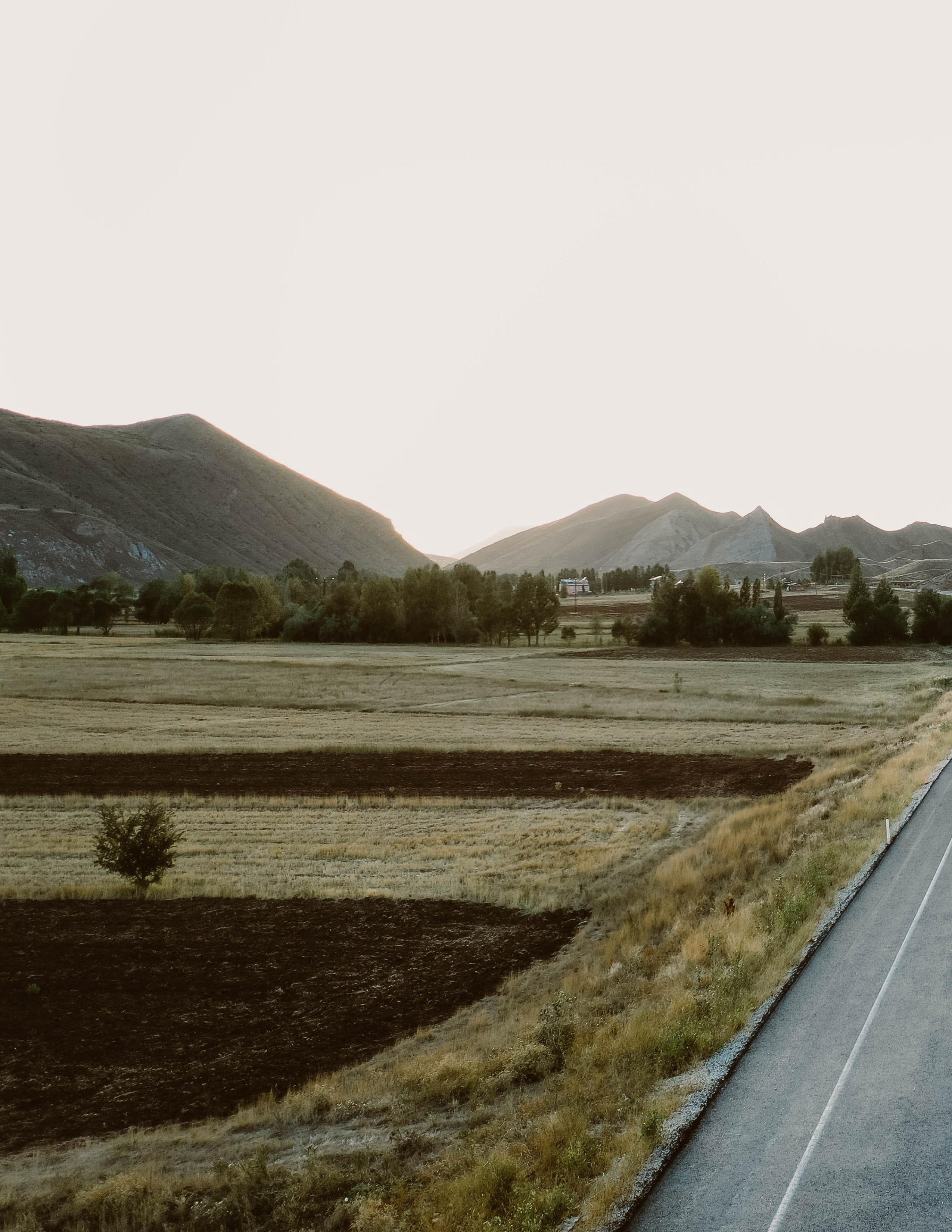
Miles to go before we sleep…
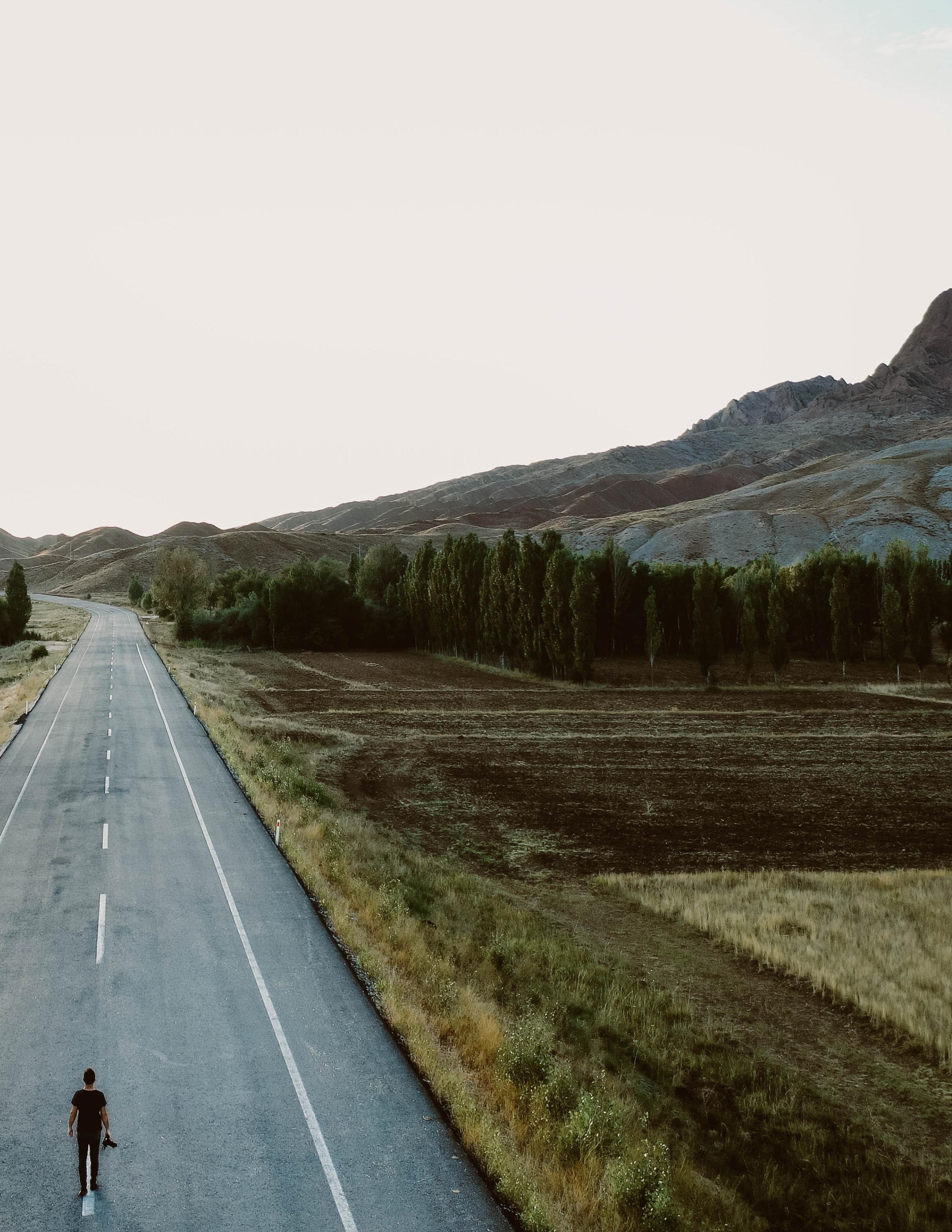
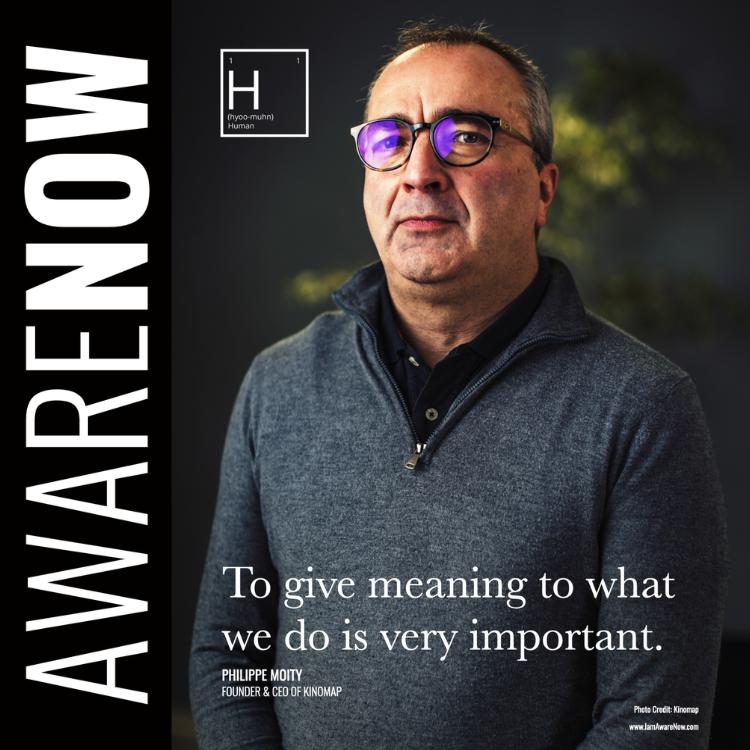
To give meaning to what we do is very important.
PHILIPPE MOITY FOUNDER & CEO OF KINOMAP
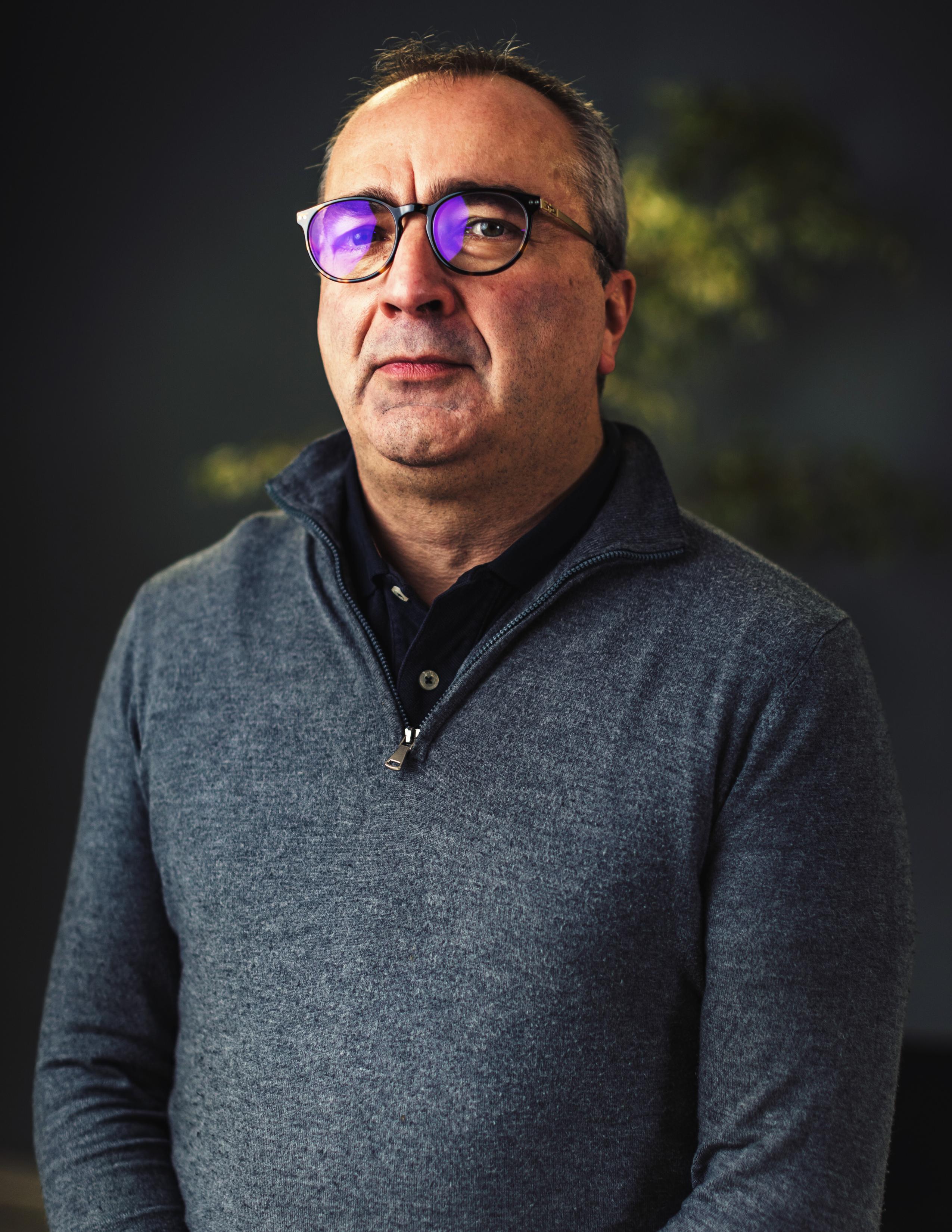
Behind every innovation is a question someone dared to ask. For Philippe Moity, that question was simple: what if indoor training could feel like a real journey instead of a routine? In this conversation, Philippe shares the story behind Kinomap, the personal motivation that keeps him moving, and why he immediately stepped forward to support the Because I Can Virtual 5K, a global movement inspired by resilience and the power of taking the next step.
ALLIÉ: Let’s get right into this. Kinomap has changed the way people experience indoor training by turning a stationary workout into a journey across real landscapes around the world. But before it became a global platform, it began as an idea in someone’s mind, in your mind. So first question for you today, Philippe, is when you look back at the very beginning, what was the moment that made you think this could actually change the way people move? What problem were you trying to solve for yourself and for others?
PHILIPPE: In fact, Kinomap was launched in two steps, two parts. It looks like a long time ago, but it was in 2009, I think, something like that. Google launched Street View, and the co-founder lived in a small village, a small city in

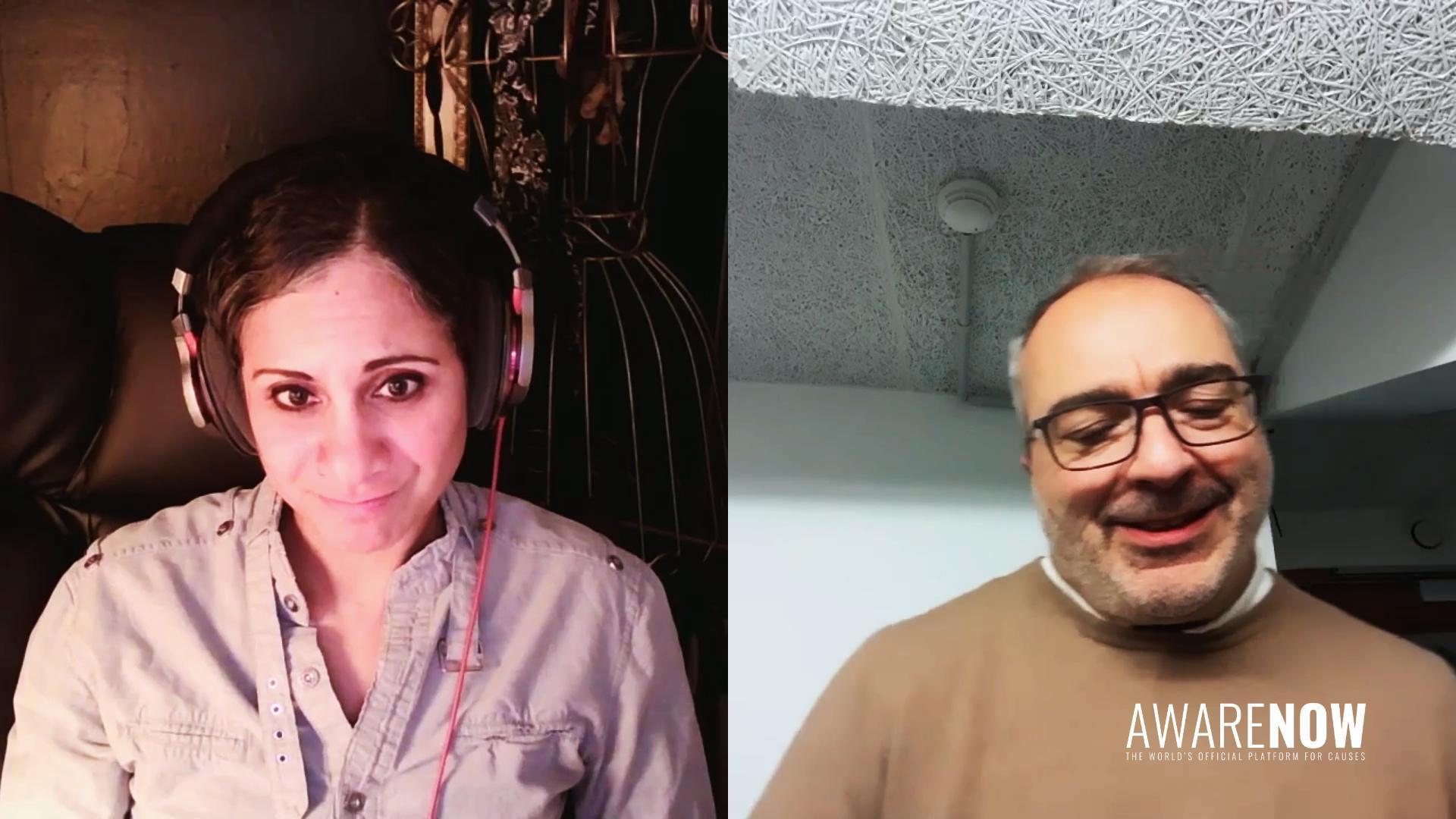
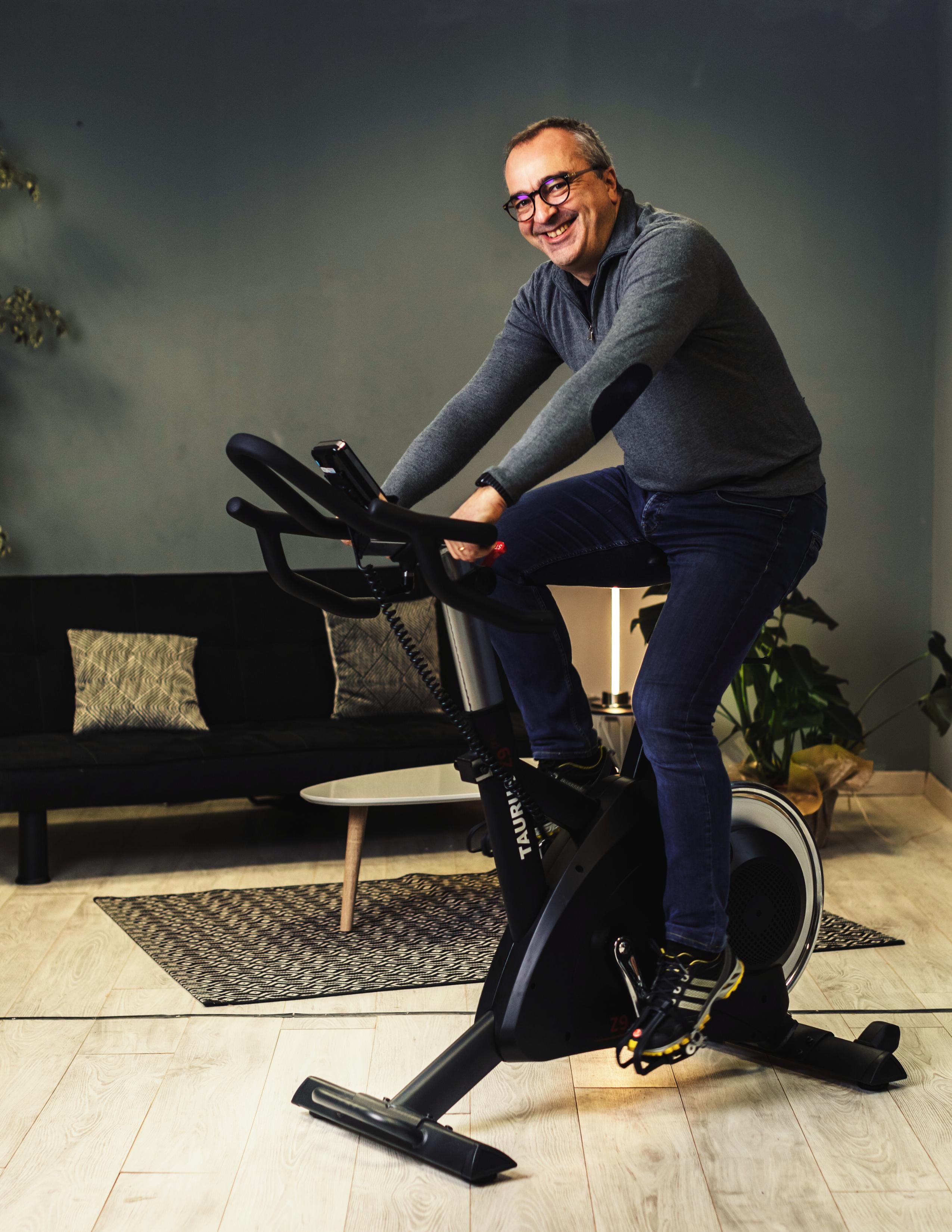

“The idea was, how can we fight against monotony? And the answer was to bring immersive content and interactive content.”
PHILIPPE: (continued) The first idea was to create a kind of Google Street View based on video and also usergenerated content to allow anybody to share content. The main difference between Street View and Kinomap is that Kinomap is based on video, while Street View is still images.
So we launched Kinomap as a platform in 2010, and we got the first videos from different countries. The most interesting videos were related to sports, like cycling and running. At the same time, probably in 2011 or 2012, on the market, a U.S. provider, WOW Fitness, introduced the first smart trainer for cyclists.
We had that content, fully geolocated video, crowdsourced. The localization of the video is important for us because it gives us a track, the speed of the recording, and also the elevation profile. When we were able to link the smart trainer, exercise bike, spinning bike, treadmill, and rowing machine to Kinomap, the idea was to give access to the content and also be able to speed up or slow down the video according to your own pace, and change resistance on the bike or incline on the treadmill.
The first app we launched was back in 2013, so a long time ago, 13 years ago. It has been a long way, a very long way. The idea is, I still have an exercise bike at home, but it’s so boring because you are in front of yourself. You can watch a movie, something like that, but it’s still boring.
The idea was, how can we fight against monotony? And the answer was to bring immersive content and interactive content. The fact that we can speed up or slow down the video, change resistance or incline. So far, we have something like 50,000 videos from 180 different countries. We collect 20 to 40 videos per day. So you can train every day, you can travel the world, and you will never do the same video twice, which is quite interesting.
ALLIÉ: It’s phenomenal. Actually, just the other day, I went on a run somewhere in Germany. It gives you, to your point, the opportunity to travel the world. But also, to your point, it is this immersive experience. It’s not just watching a video of someone running somewhere. It’s as if you are there. You are running there. You are biking there. You are rowing there.
There are three different modalities, and I experienced this firsthand, the incline. I said, “Oh wow, I don’t know if I was ready for this one.” But it is so immersive, and it’s phenomenal.
So let’s go here. You once said, “Training is as much about motivation as it is about movement.” It’s such a simple sentence, but it carries a lot of truth. So let’s get personal. For you personally, what is the motivation behind your own movement? What keeps you coming back to the bike, to the run, to the challenge when life gets busy or difficult?
PHILIPPE: It’s quite clear that to exercise, even if it’s not for performance, is very important. And I realized personally that I can easily find many excuses. I’m tired, I worked too hard, I have to get back home. Especially in wintertime in Europe, it’s dark in the evening or late afternoon. It’s too cold, too rainy.
PHILIPPE MOITY FOUNDER & CEO OF KINOMAP
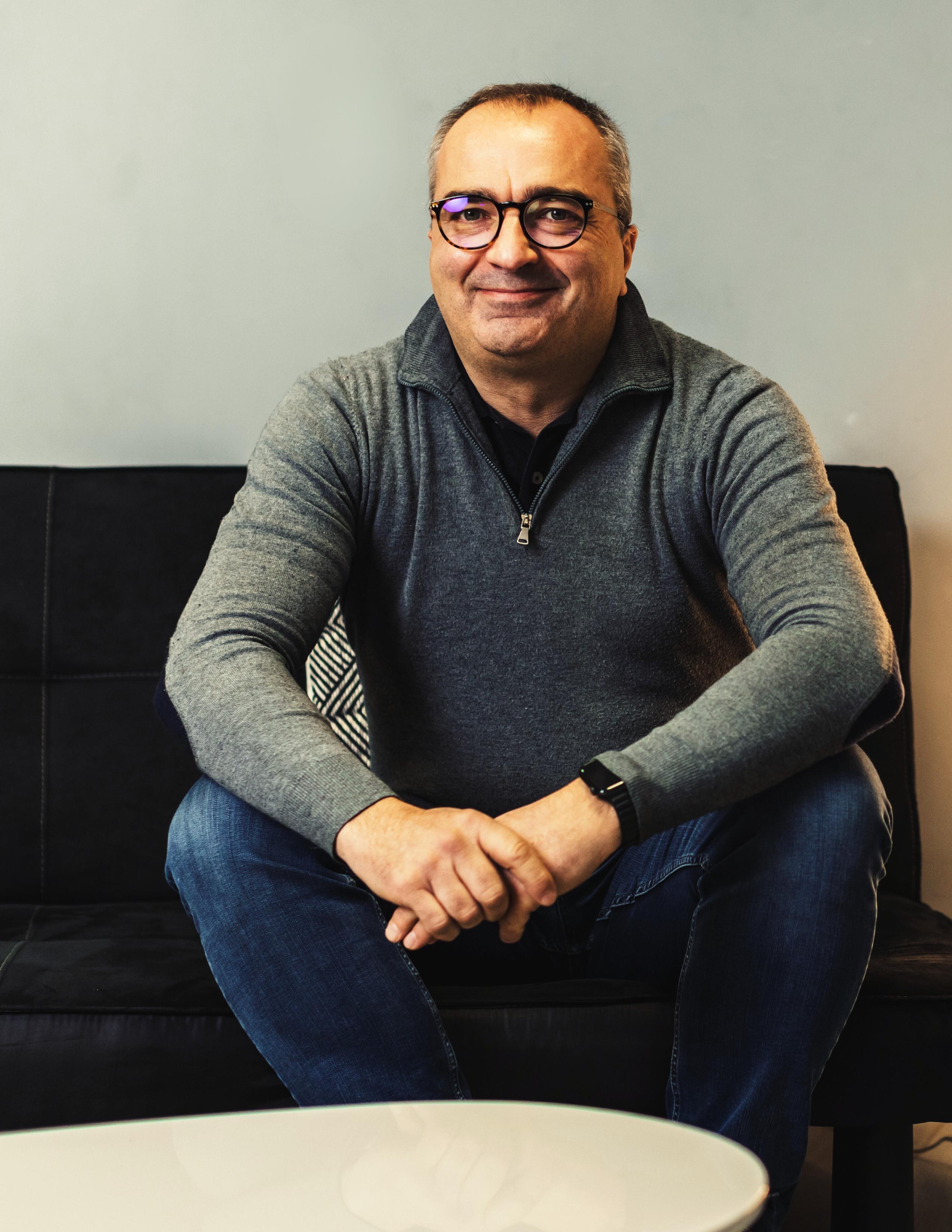

“Some people with Parkinson’s disease cannot go outside anymore, but they really like when we show a video where they were born, where they grew up, where they got married. It resonates in their mind, which is exactly what they need.”
PHILIPPE: (continued) So I was very good at finding excuses. Now I cannot find any more excuses because even if it’s just for 10 minutes or 15 minutes, I can do it.
The funny thing with Kinomap is, for example, if I pick a 30-minute video and there are 10 minutes left, and I’m a bit tired, if I slow down, the 10 minutes may take me 20 minutes. So if I’m tired, the first thing I do is speed up, because then the 10 minutes take maybe five minutes. It’s funny because the fact that we play with the speed of the video according to your own pace is a great incentive to speed up, not so much to search for performance, but just not to give up. Otherwise, I can stop and nobody cares.
The other thing is we realized a benefit with Kinomap that makes me really proud. We went to gyms, and the reason we are not very present in gyms is because people train too long on Kinomap. Which is good, because if you train more often and longer, for me, it’s the best success we can have.
But in a gym, it’s different because they don’t have many treadmills or exercise bikes. So if people train three times more often and longer, they would need more machines, and it’s expensive. They prefer activities like Zumba or CrossFit where they can put many people in the same room.
So the fact that people on Kinomap train more often and longer is actually a concern for gyms. But for us, it’s the best success we can have.
ALLIÉ: You know, when we recently partnered to re-release the Because I Can virtual 5K for MS Awareness Month, something quite meaningful happened. Before most people even knew about our partnership, you signed up. You yourself. That meant a lot to me, so I wanted to personally say thank you for that. Merci beaucoup, I should say.
So my question is, what made you decide to join right away? And what about the story of Because I Can resonated with you? Why did you want to do this with me?
PHILIPPE: We have a few experiences here in Europe with hospitals or retirement homes. Retirement homes are very interesting. For example, some people with Parkinson’s disease cannot go outside anymore, but they really like when we show a video where they were born, where they grew up, where they got married. It resonates in their mind, which is exactly what they need.
We also have experiences in hospitals where we put a bike in a room. It’s not performance-driven. It’s just to give people the opportunity to travel the world for a moment.
PHILIPPE: (continued) Some people cannot travel because it’s too expensive or they don’t have the opportunity. When I heard about your initiative, my first reaction was, “How can we bring our community to your cause?”
Running is important, but if I can run for a good reason, it’s even better. People like that because it makes sense. We need meaning in our lives, especially now when there is so much trouble in the world.
So to give meaning to what we do is very important. My first reaction was that we should tell our community about your initiative because it’s a great one.
ALLIÉ: Well, thank you. And I also have to thank you for creating this incredible platform, because now it has allowed me to share my journey more fully with other people.
The Because I Can 5K on Kinomap is the very first course, the very first route I ran after my MS diagnosis. I thought I was done with running. When I got diagnosed, I stopped. It wasn’t until several years later that I was inspired by a good friend to ask myself, “What can I do?”
That route on Kinomap is my very first run after my diagnosis, and it led to this whole journey. So thank you for that. It means a lot.
PHILIPPE: I also had a personal experience. I went to a cardiologist, and he found something not great, not critical, but not great. My first reaction was that even if I cannot change it, I wanted to react.
So I started to run myself just three or four years ago. I did a marathon in 2024 for the first time ever. It was my first race, and probably my last one. The performance was not there, for sure, but I really liked the challenge.
A 5K is such a good start. It builds confidence.
We have testimonials from users. Some people are afraid to do difficult climbs, like those from the Tour de France. They try it on Kinomap, and it’s hard, but they enjoy the landscape. Then the next summer, they go there in real life, and it’s even harder, but they do it.
We believe in real-life video. Some competitors use 3D, which is more like gaming, and that’s good too. But we want people to eventually go outside, to travel the world if they can. Kinomap helps them realize they can do it.
It’s not indoor versus outdoor. It’s about exercising whenever you can. If it’s not boring, people train more often and longer, and that’s what we want.
ALLIÉ: You have taken all the excuses away. And because of Kinomap, I’ve been able to virtually go to places that I now want to travel to in real life. I want my husband Jack and I to go there and say, “Look at this course, let’s go.” You’ve created something very special.
PHILIPPE: When you train on Kinomap, you can train alone, against the video maker, against yourself, or with others. We have multiplayer mode, private races, public races, and live chat.
The social aspect is very important. Physical and mental health are key, and being able to train with friends, even remotely, is powerful.
ALLIÉ: It really is a full package. At the end of the day, it’s about people. When you think about someone living with a challenge like MS or Parkinson’s, who may not be able to train the way they once did, what does it mean to you that technology can help them still feel connected to movement?
PHILIPPE: I like technology, but I like it even more when it is invisible. There is a lot of technology behind Kinomap, but it should feel like entertainment.
I believe TV should become interactive. Instead of just sitting and watching, you can interact, exercise, and engage.
Confidence is also very important. Some people are afraid to go outside because of how they feel about their body. But when they train on Kinomap and complete a 5K, they gain confidence. They realize they can do it, and then they register for real races. Self-confidence is crucial.
Exclusive Interview with Philippe Moity https://go.awarenowmedia.com/podcast/the-motivation-to-move

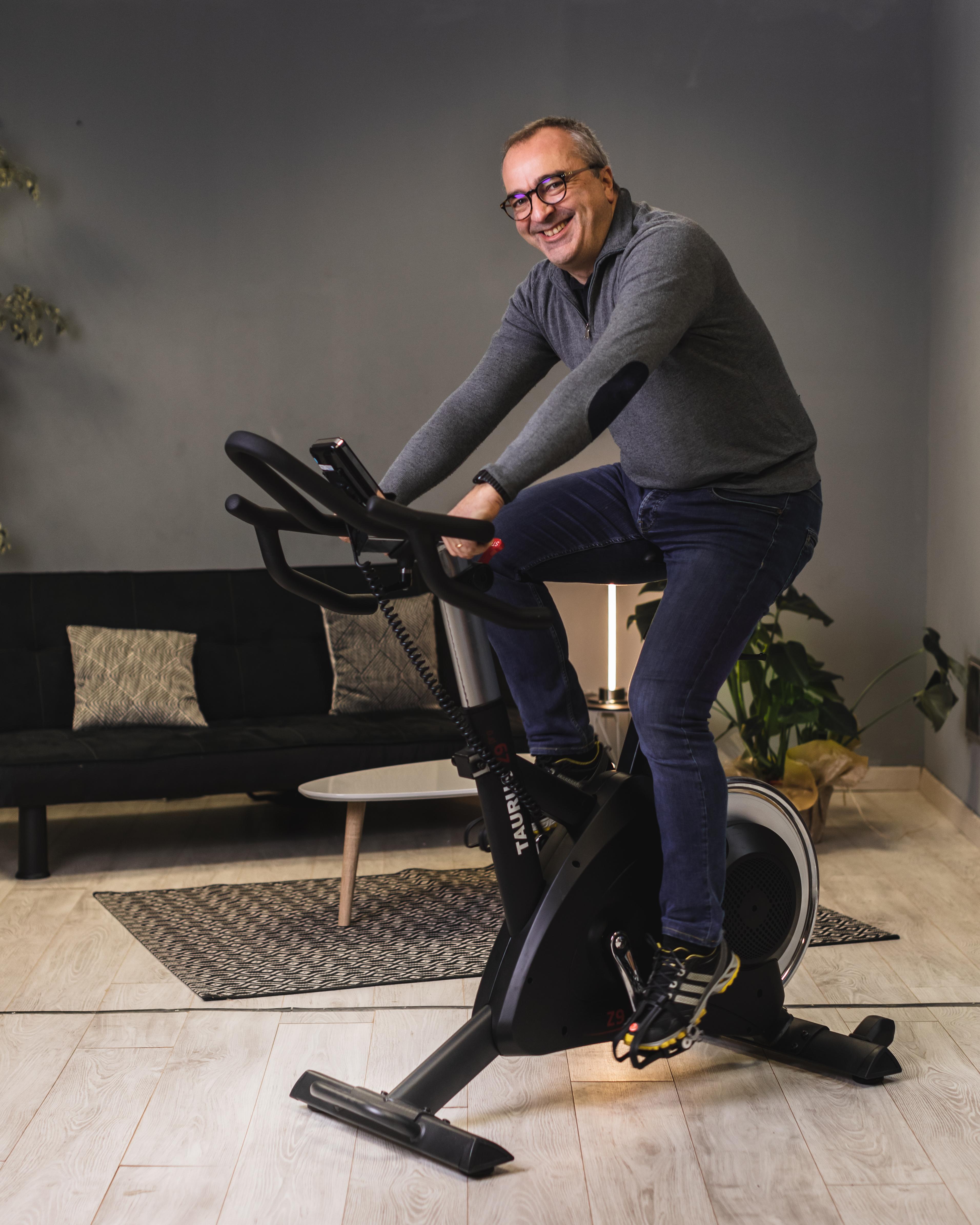
ALLIÉ: Looking ahead, where do you think this space is going next? And how do you hope Kinomap will continue helping people feel more motivated, more connected, and more alive?
PHILIPPE: It’s hard to say because things are moving quickly, especially with AI. But we need to continue fighting monotony.
People should have variety. One day a scenic ride, another day a structured workout, another day just watching a movie while exercising.
Technology should not be only for top performers. On Kinomap, 50% of users are sport-driven, but 50% just want to exercise. It’s not about performance. It’s about building habits, moving more, and enjoying the process.
We want people to have a good time and a good life, if we can contribute even a little.
ALLIÉ: The way it’s designed really honors each person’s journey. Whether you want to perform, explore, or just have fun, it meets you where you are. It’s a gateway to experience and connection.
Thank you so much for everything.
PHILIPPE: I have one story. I put an exercise bike in front of the TV for my kids. I set a rule that if they pedaled below 50 RPM, there was no sound on the TV. They had to keep pedaling to hear the movie.
It was not a success, they were very upset. But I liked the idea. It made it a game.
ALLIÉ: I love that. You have to earn it.
PHILIPPE: Exactly. And have fun. It shouldn’t feel like a constraint. As long as you have fun, everything gets easier. ∎







FEATURE STORY BY GABRIELLA MONTIEL
A deer, glistening and pink in the mourning dew
Mirroring the sunset and burrowing down into the tall grasses
Is just as innocent as the bear
Head bloodied and mauled by the hunter’s spear
Mounted on a wall, forever attracting praise and never whispering another growl
The swan who weeps over his passing love
Carries the same purity as the fox cannibalizing her own leg for freedom
The woman who clutches her stomach in the familiar fear
Licked and touched as a barren fountain
Is just as clean as the baby she holds in her arm
Silvery and pale in the moonlight’s soft glow
Kissing them both through the fragile stained glass
Walking into the merciless crest of the unforgiving sea
Is just as brave as swimming until the horizon, just to kick off of the sky
And return home, hands soft and bleeding
From clutching humanity’s regurgitation
You are not a hero because you save people
You are not weak because you are innocent
You are just as pure as the bear, just as powerful as the silvery baby
As disgusting as the waste sinking beneath your feet as you swim home
It is freeing living in a world where bravery is not measured
Based on the gold plastering your lungs
The cobalt dripping from your tongue
I asked her to never leave me
To stay home
To lock the doors
To scream at the sky from the safety of the blankets I threw over her head
I promised it was braver for her to be alive
Than to give in and die out there
Her words halfway out of her throat before her head was thrown up on that wall
Staring emptily at the bear next to her
Tears running down their faces and drying into their skin
She asked me to look at the stars at night
To hold our child close to my chest and listen to his breathing
To smell the mourning dew on the deer passing by,
To see the way the sunrise reflected in her eyes
As she shook her head
And left me in my cellar of my safety
The American flag knotting around my calloused hands
Snaking towards my feet as I tried running up the stairs
It is safe in the cellar
The cellar is just as cold as the bodies which lay above it
Just as warm as the Earth that birthed them both
I’d be just as brave holding on to our walls
Pinning my back up against the stone and pushing into the scaffold
Just to stay afloat
Yet the idleness of the dark is faster than the slithering patriotism of my home
The dog who has a reason to kill
Is better than the prideful man
Uncertain why he truly let his arrow fly
To fight is not to die
To die is not to leave
To fear nothing is to climb the cellar stairs
To watch her leave into the crowd
To hold her when she returns home
To listen to her gnashing teeth rip through the false peace
And lay down the foundation to a true one
She does not speak to be hunted
She does not speak because the bear saddens her
She speaks because she is wailing
And it is better to be heard
Than to lock the doors
And pretend all of that crying
All of that prayer to the silvery moon
Kisses our baby goodnight ∎
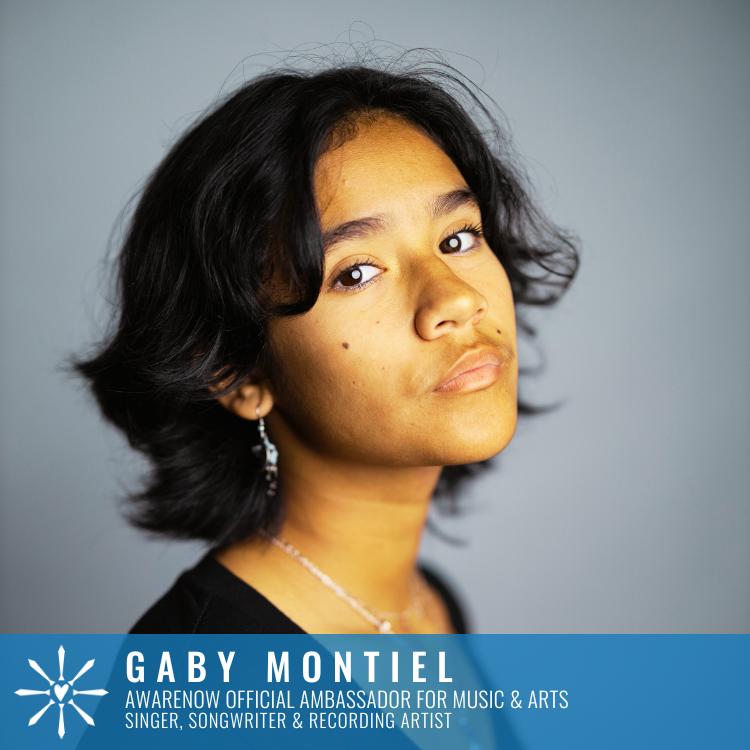
GABRIELLA MONTIEL
Singer, Songwriter & Official AwareNow Ambassador for Music & Arts www.awarenowmedia.com/gaby-montiel
Gaby Montiel has been nationally recognized as a soulful singer songwriter. As a recording artist, Gaby performs throughout southern California and has been requested to write and record songs for social advocacy organizations like AwarenessTies and Fear of Return. In April 2023, she performed as the youngest female music artist for the national Chick Singer Night Showcase at the Ventura County chapter. She recently performed for 300 art and music high school students in the Oxnard School District for the Oxnard Performing Arts Center, leading a songwriting workshop for 89 music students. She was also selected as the youngest singer songwriter for the West Coast Songwriter Association's Winter Showcase in 2024 as well as the only youth to be selected amongst 20 globally for Successfully Magazine.
www.IamAwareNow.com
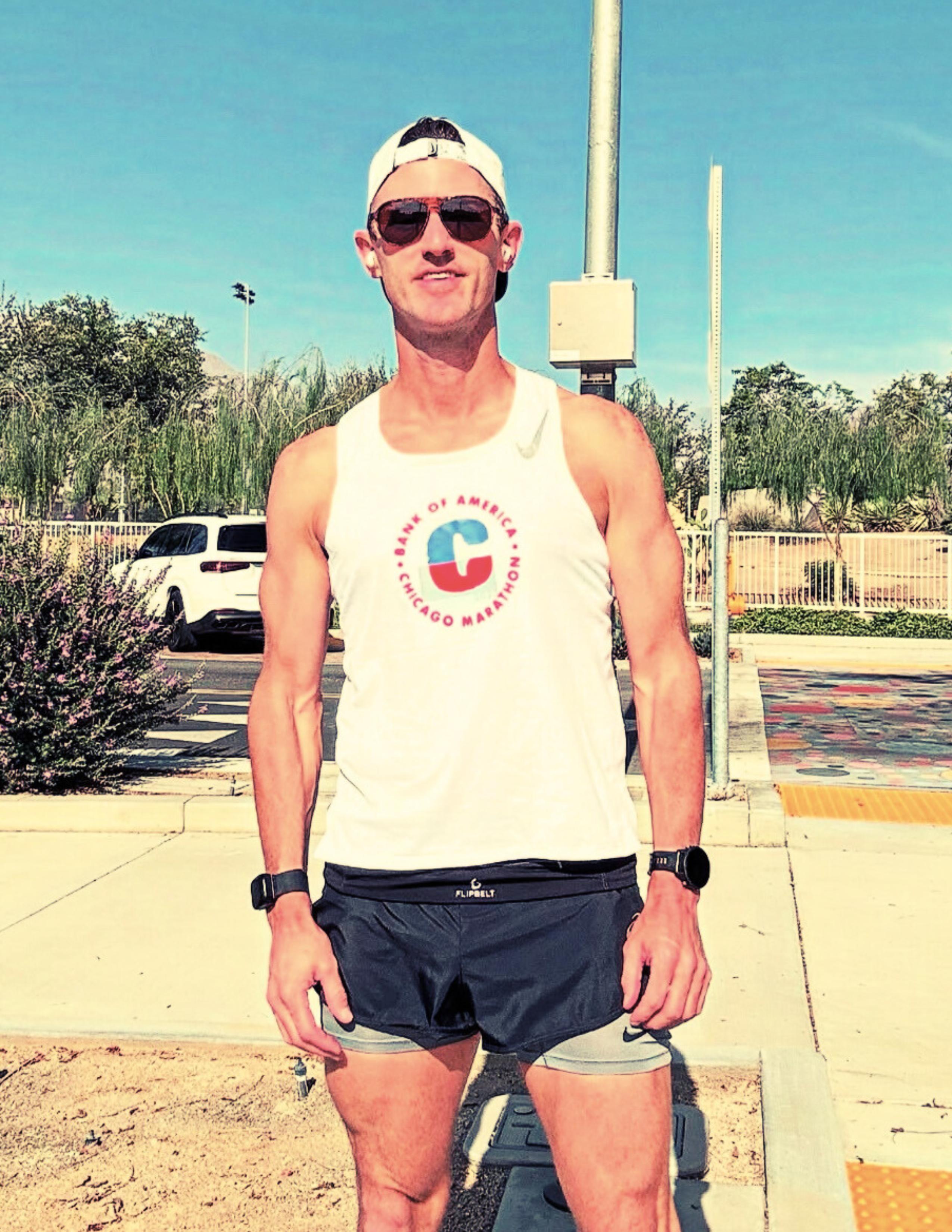

Visibility can be a risk, especially when your body and your identity are both subject to scrutiny. For Matt Kenny, choosing to be seen as a runner with MS and as a gay man in sport has never been about making a statement, but about telling the truth. This conversation explores how courage is built mile by mile, choice by choice, long after the finish line fades.
ALLIÉ: Matt, You and I both had a moment where life split between before and after MS, and suddenly the future has to be rewritten in real time. What part of who you thought you were did you have to grieve and let go of after your diagnosis?
MATT: I was invincible. I couldn't be touched. This was for other people. I had been through an immense amount of struggles, but I didn't recognize them and I didn't allow them to truly come in and hit me. I would take them, file them away, and keep going. Just keep going. At that point, as a gay person in the world, without a disability, I had trained

It was this feeling that everything you thought you knew about yourself and everything you believed about your life was gone.
MATT KENNY
RECOVERING HOCKEY PLAYER TURNED MARATHON RUNNER WITH MS
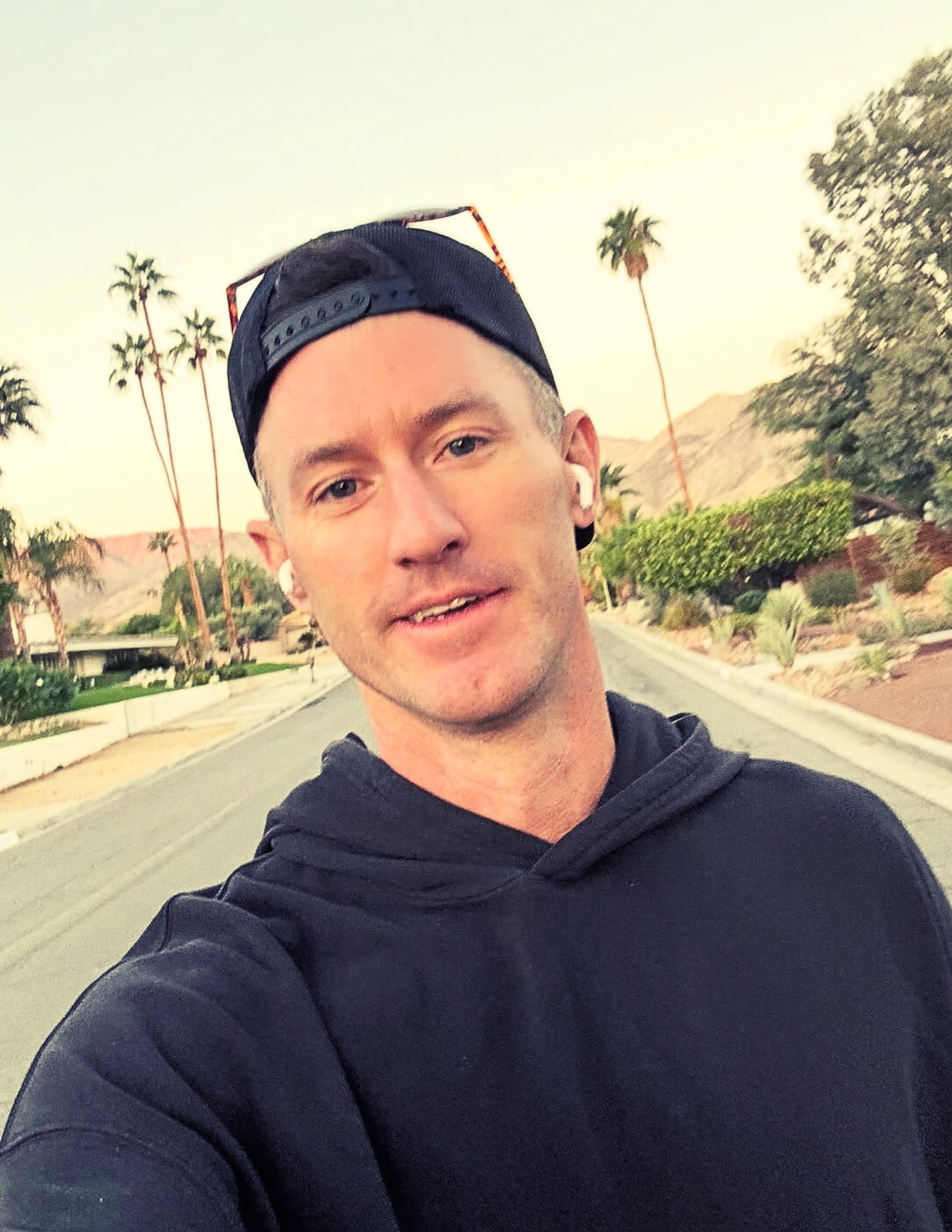

“Within the first few days I was told MS will always end in disability. Full stop.”
MATT: The MS diagnosis came for me during COVID, during lockdown, during unemployment at that time. I'm Canadian by birth, the borders were closed, and I hadn't seen my family in a year or two. The bricks that were stacked on top of that, the grieving that came from it, was the unknown.
It was what I was being told the future would look like.
It was this feeling that everything you thought you knew about yourself and everything you believed about your life was gone. You're almost grieving your future, the future you thought was going to be yours.
And in a split second, in this moment, I was diagnosed via Zoom. Talk about the most bizarre way that could happen. I was in a Marriott hotel room, and I remember looking at the wall and seeing this mass-produced photo that was in so many other rooms and thinking, this isn't how this goes. This is not how this goes for me.
I don't know if that answers your question.
ALLIÉ: No, it does. It does. Because we talk about grieving who you were, but it's interesting that you say grieving the future, the future you. I've not looked at it that way before, but I imagine that instant, with all these things piling up, alone in a hotel room.
MATT: Do you want to know the best part?
It was in a hotel room at my 40th birthday party.
I was poolside when the call came in. They asked, "Can you jump on a call now?" I had my first margarita ready to put to my mouth, and I put it down. I turned to my partner and said, "It's Friday afternoon at 4:30. Doctors don't make this call to say congratulations.”
People had just landed at the airport and texted, "Hey, we're on our way." And I said, "I'll be there in a minute. I'm going to run upstairs for a quick second and get a diagnosis that's going to change the entire trajectory of my life."
ALLIÉ: They say at 40 everything goes downhill, but this probably wasn't what you were expecting in that round.
MATT: Hollywood couldn't have written it better. The script, the way it happened, I was like, what is happening?
ALLIÉ: That's something you absolutely could not even make up.
What surprised you, Matt, about who you became instead after the diagnosis?
MATT: He took a while to come out. The immediate person that followed was really dark. Really dark days.
I was told really bad things by medical professionals. Within the first few days I was told MS will always end in disability. Full stop.
I was told that I should start chemotherapy immediately, but no doctor could explain why. I kept saying, just make this make sense to me. Chemotherapy is cancer. Doing research later, I understand why that might be recommended for certain people, but no doctor could explain it to me at the time.
And it was COVID. Doctors were exhausted too. They didn't have anything left. I understood the parameters I was in, but I didn't see a future that resembled anything like me.
It scared me so much that I begged my partner to leave me. I said, please go. You didn't sign up for this. Please go before this gets to a place where the rest of life is ruined by this as well.
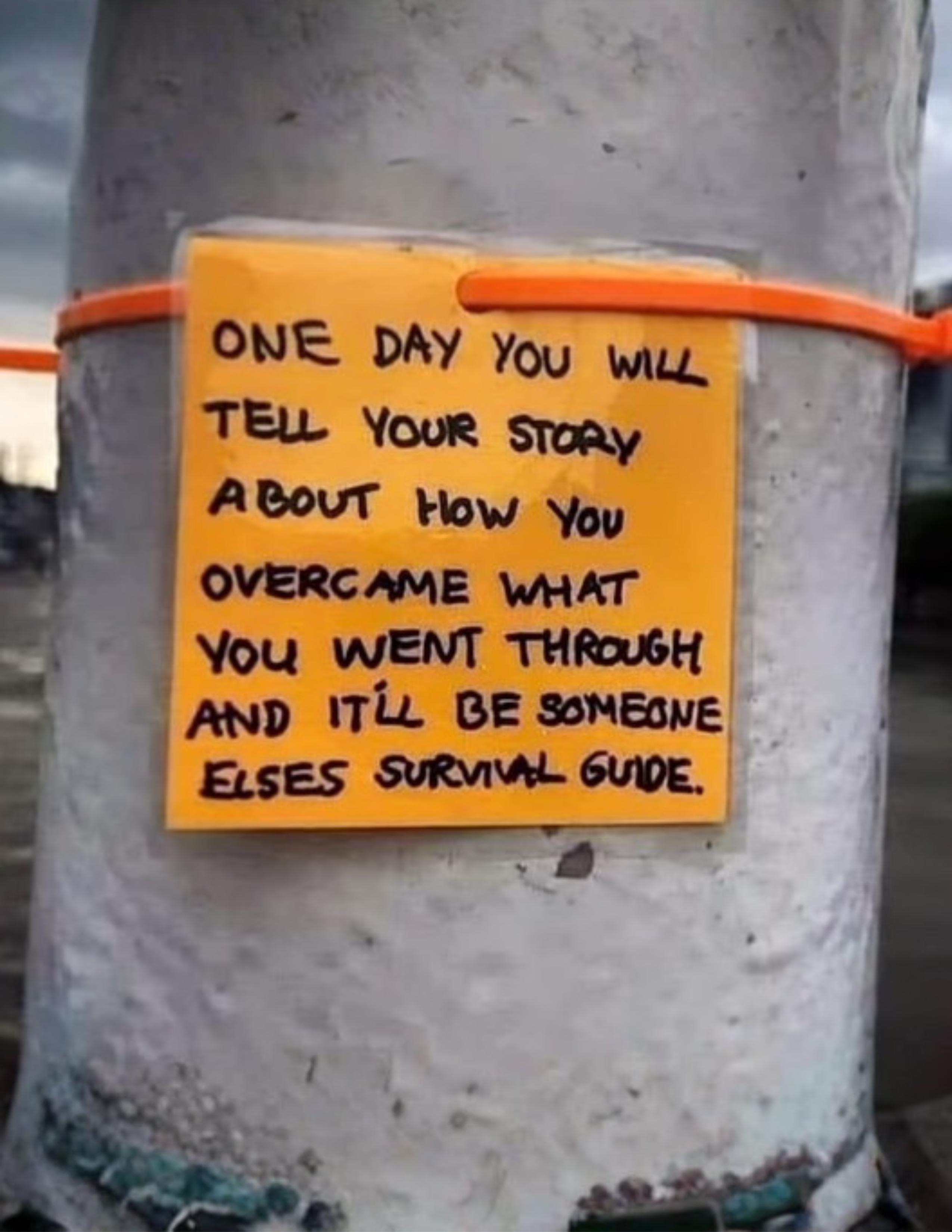
“I had planned to take my life. I didn’t see another option.”
MATT: (continued) I watched a documentary called Heal. It's a documentary on radical healing. Some of it gets a little out there, but it was what I needed in that moment.
I went to the roof of my apartment building and stared up at the sky and said, this is going to be me. I don't know how. I don't know why. I don't know how this is going to happen. But I cannot go down without swinging.
That moment flipped something in my head. They don't know me. They know their textbooks, they know what they know, but they haven't met me.
A strange power came over me.
I had planned to take my life. I didn't see another option.
The next day after that moment on the roof, I saw a sign on a lamppost that said, what you are going through is going to be someone else's survival guide.
When I tell you a power came over me, I just knew in that moment I was going to be okay.
I stopped going to the doctors. I said I would give myself three months to try things myself. If I didn't get better in three months, I would surrender to whatever treatments they wanted me to do.
For three months I read, studied, and did every single thing I could.
It was wild.
I don't believe in a specific entity necessarily. I don't believe my spirituality belongs in a book or within four walls. But to say that there wasn't a higher power that day would be foolish.
Something looked out for me and said, "We've got you."
ALLIÉ: That's incredible.
So I know what it feels like to come back to running after MS. I've been there myself with fear and hope that's just trying to keep up. There are good days and bad days.
When you run now, Matt, what are you reclaiming that MS tried to take from you? What does running give you that nothing else can?
MATT: Running feels like flying to me.
Especially after diagnosis.
MS really affected my feet. It felt like I had marbles and golf balls under them. It wasn't exactly pain, but every step felt like something pressing into my feet.
When I walked my brain would say, stop walking. You're walking on marbles.
For three or four months I had to override my brain and tell myself, you're fine. Step. Keep stepping. I also had intense vibrations in my lower body. It felt like both of my legs were tuning forks twenty-four hours a day. You couldn't see it, but internally my nerves were just vibrating. My hands were affected too and would get really tight.
MATT KENNY
RECOVERING HOCKEY PLAYER TURNED MARATHON RUNNER WITH MS
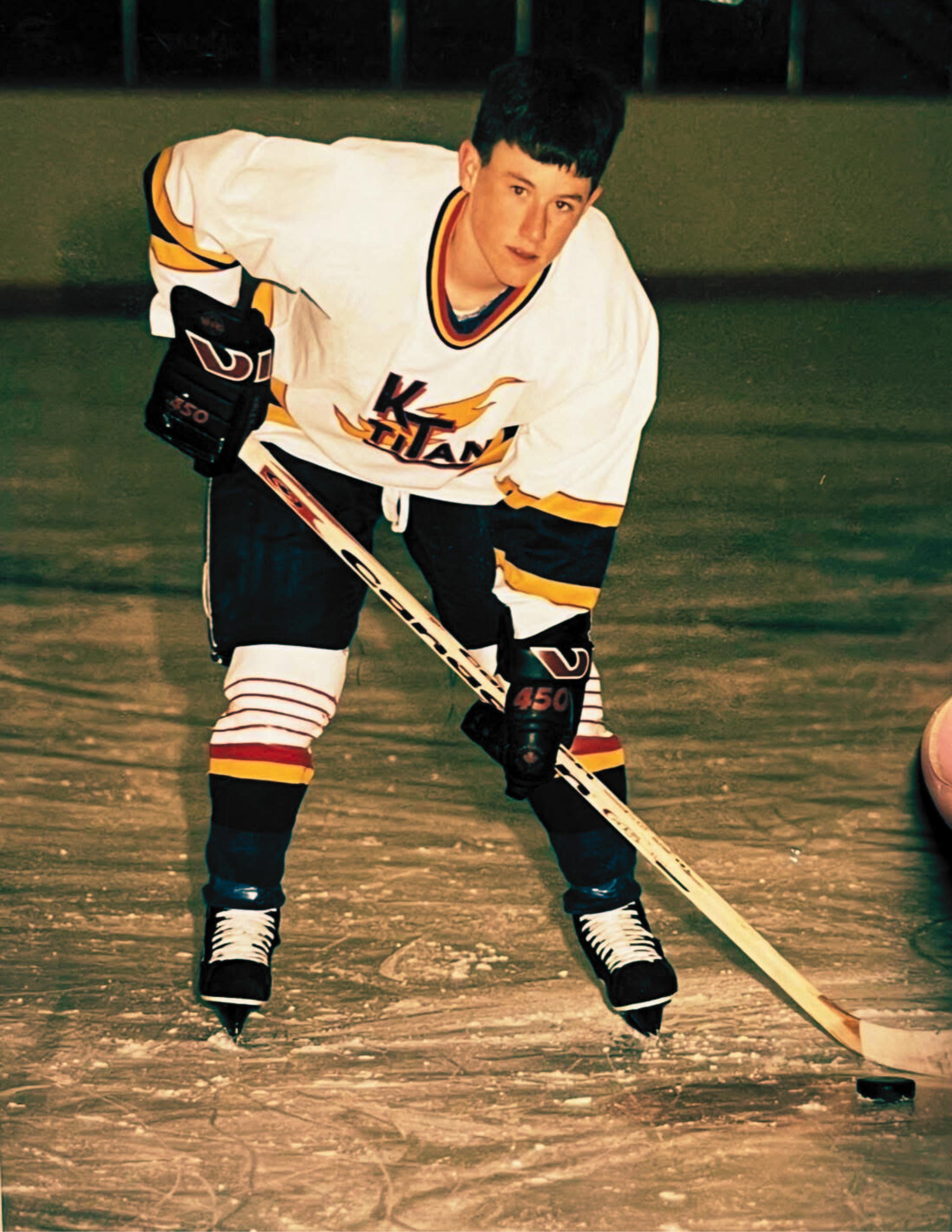

“I was a closeted hockey player in a hyper-masculine environment.”
MATT: (continued) When I started running again, I would tap each finger ten times so my brain had to reconnect signals. I'm not a doctor, and I don't recommend people try this without talking to their medical professionals. This was just my lived experience.
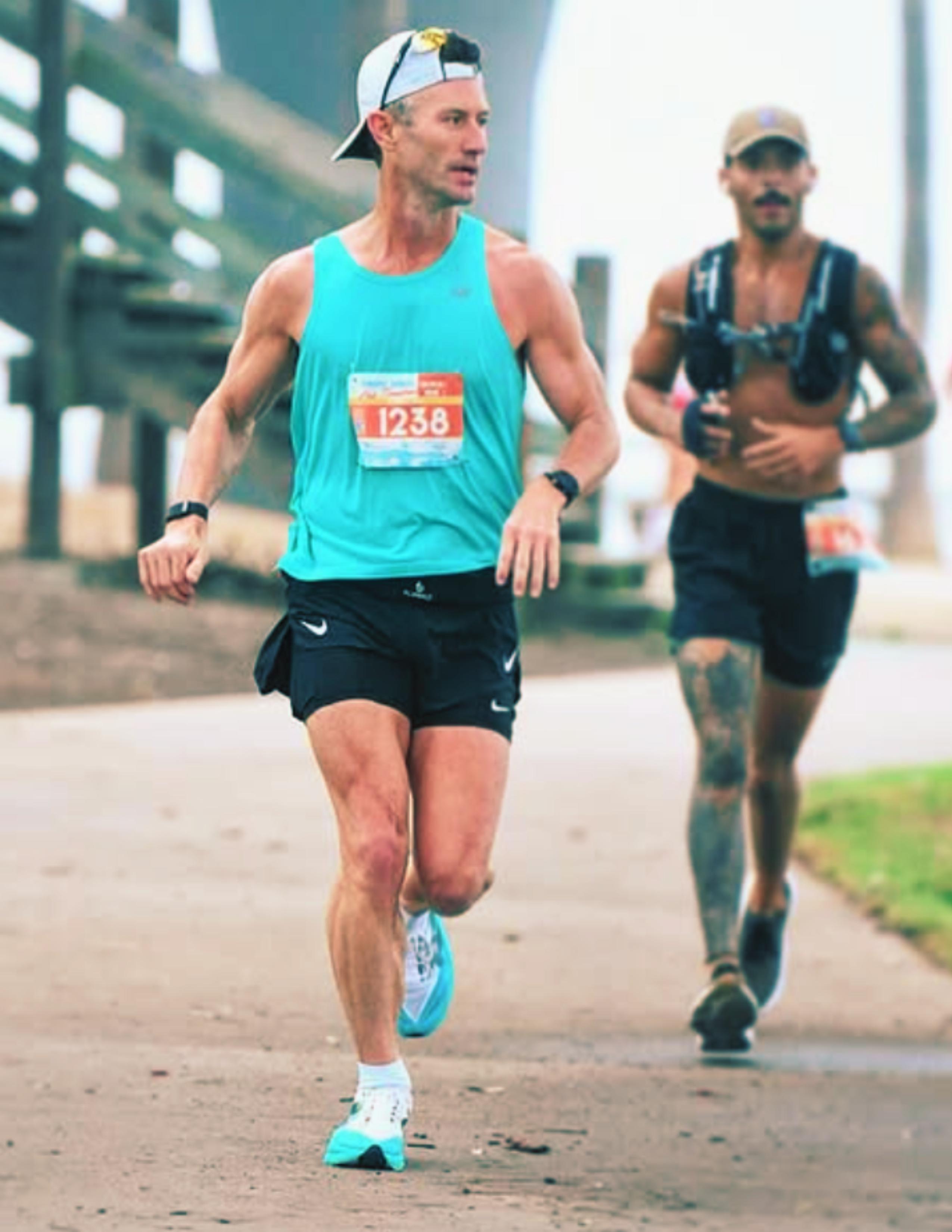
I believed if I confused my body enough it would forget about MS. That's where marathon running came in.
I thought if I could push my body that far voluntarily, maybe MS would back off. And honestly, that's kind of what happened. After a long run every single side effect disappears.
ALLIÉ: We have a couple of things in common, but this is where our paths diverge… I know the vulnerability of being seen with MS, but I cannot fully know the added weight of being visible as a gay man in competitive sports, specifically hockey.
What has choosing visibility cost you? And what has it given you that made the risk worth taking?
MATT: Being gay was the thing I was most ashamed of in my life.
I was a closeted hockey player in a hyper-masculine environment. In Canada, hockey is next to godliness. I was from a small city and I didn't see a gay person until my twenties.
I carried that shame knowing hockey would have to end for me. I played competitively and was invited to try out for a top-tier team that could feed into the OHL and AHL. I don't know if I was good enough to make it, but I had the opportunity.
During the first practice someone casually used the slur against gay people. It wasn't directed at me, but I heard it. By the end of that ninety-minute tryout I had decided I was out.
All of that came crashing back years later.
The funny thing is that the one thing I was most ashamed of became the thing that set me free. The world has connected with my story in ways I never expected. And because of that, people like me get a chance to be seen and celebrated in a way I thought I would go to the grave hiding.
ALLIÉ: What weight must have been lifted.
MATT: When I posted my first social media post I woke up three times that night to delete it. I felt sick to my stomach. Two million views later, my brain still can't process it.
Decades of trauma and compartmentalization came crashing down. The young kid inside me was looking around thinking this isn't how this is supposed to go. You're not supposed to be safe. You're not supposed to be celebrated. You're waiting for the other shoe to drop.
ALLIÉ: People often celebrate courage at the finish line. But I suspect your bravest moments rarely came with applause. Can you share a moment when staying true to who you are felt harder than any race you've ever run?
MATT: It actually was a race.
Just over a year after diagnosis I decided to run the Toronto Marathon. I hadn't shared my diagnosis with anyone. Only my partner and my parents knew. I kept it secret for a year. Mostly because of shame, but also because I knew people would come at me with stories I wasn't ready to hear.
Exclusive Interview with Matt Kenny https://go.awarenowmedia.com/podcast/choosing-visibility

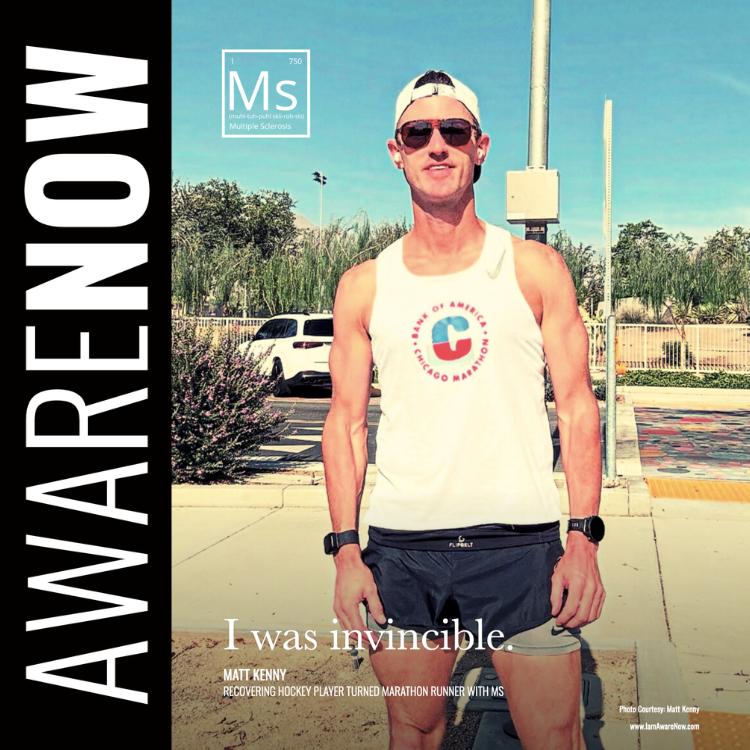
“The shame is of no use to you. Put it down.”
MATT: (continued) Someone once told me they knew someone with MS who had to be lifted into bed by a neighbor every night but still lived a pretty good life. I didn't know what to do with that.
So I connected the Toronto Marathon with beating MS in my head. If I crossed that finish line, I could beat it. That doesn't correlate scientifically, but in my head it did. I ran it with terrible preparation. I ate a salad the night before because I thought that's what healthy people did. I finished in 3:58.
There's a photo of me at the finish line with pure pain and grit on my face. In my head it was me beating MS. Nobody cheering knew what I was carrying through that race.
An hour later I posted my story online. There was an outpouring of love. And I think it reframed how people look at disability.
ALLIÉ: So if someone living quietly with MS or quietly with their identity is watching your story from the sidelines right now, what do you hope they understand about courage?
MATT: You are not alone. You are not alone. You are not alone.
The shame is of no use to you. Put it down.
You're about to embark on a new story you don't even know about yet, and that shame can't come with you. I read a quote recently that said the reason something feels so heavy is because you weren't supposed to carry it this long.
You will lose people along the way sometimes. They may not be ready for you to be your full self. But you will also find ten times more beautiful people.
No matter how alone you feel, please believe me that you are not. ∎
ROBIN CANNON SURVIVOR OF SUICIDE LOSS
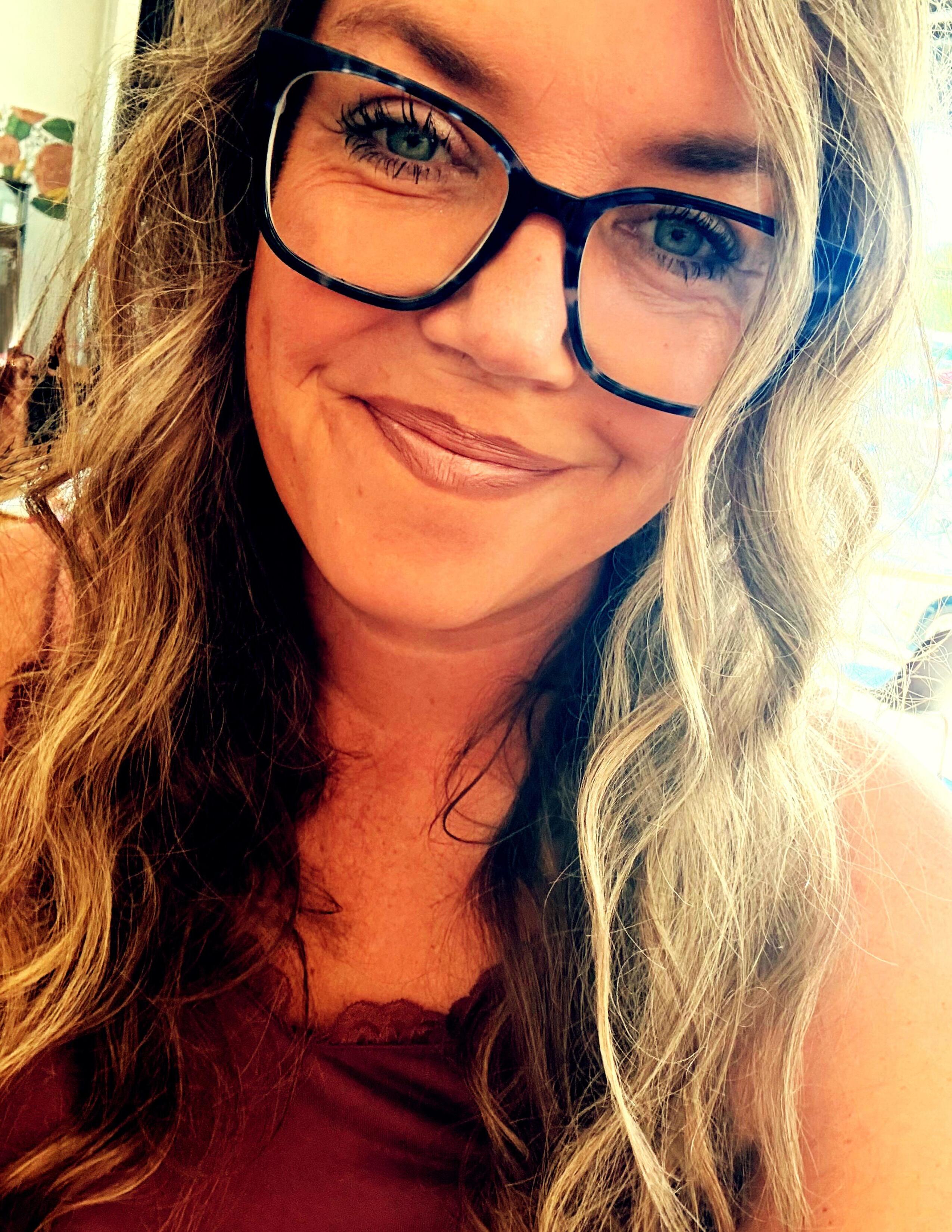

PERSONAL STORY BY ROBIN CANNON
There are stories that arrive at AwareNow as submissions that reflect personal truths. This is one of those truths.
Suicide does not end pain. It transfers it. Quietly. Permanently. Into the lives of those left behind. Into childhoods that grow up too quickly. Into milestones that arrive without the person who should have been there to witness them. Into ordinary days that still carry extraordinary absence.
What you are about to read is not just a memory. It is a lifetime shaped by a moment. It is a daughter’s love letter to the mother she lost and the life she was forced to live without her. These are the ripples that remain…
In the summer of ’88, my mom had me wait in the car while she ran into the pool supply store. It took longer than she expected, and when she came back out, she had me crack the window. The air was on, and she said she didn’t want it to poison me.
That same summer, on July 31st, she parked her running car in the garage, and we were forced to say goodbye.
I was ten years old.
What follows is the ripple effect it had on my life.
There are some things laying heavy on my heart this morning, and I feel the need to share part of my journey as a suicide survivor, the term given to those left behind when someone takes their own life.
I remember the day it happened very vividly. I can still see it play in my mind like a video. My parents were going through a very hard, very heartbreaking divorce. My sister and I were at my father’s house for the weekend, and my mother was late to pick us up. Even at only ten years old, I remember having a sinking feeling in my gut that something really bad had happened.
The phone rang. It was my mom’s neighbor, asking to speak to my dad. My father left in a rush, and it felt like an eternity before he returned. When he came back, he had the neighbor with him.
My sister and I were not standing next to each other when we were told that our mother had died. She was sixteen at the time, and I can still hear her scream and see her drop to the ground in the front yard. That image still makes my stomach turn. I wish I could reach out to that sixteen-year-old version of my sister and hold her.
I remember feeling confused. Everything was a blur.
Three of my best friends came over shortly after. They stayed with me. We talked, and walked, and talked some more. My ten-year-old self was trying to process what had just happened.
“As I approached my mom’s casket, I remember thinking that it didn’t look like her at all.”
It wasn’t until the funeral that I learned she had committed suicide.
I was sitting in the conference room on my dad’s lap, surrounded by family. The pastor mentioned suicide, and I remember turning to my dad and saying, “I didn’t know she committed suicide.”
He told me they weren’t sure. He was trying to protect me.
As I approached my mom’s casket, I remember thinking that it didn’t look like her at all. She was too orange, and her hair wasn’t right.
This was not my mom.
My sister tried to fix it, but there wasn’t much that could be done.
After the funeral, the nightmares started.
I would dream that I was outside the house, watching her die, but I couldn’t get to her. Other times, I dreamed she was at the bottom of a case of curly stairs, and I was at the top. She was crying my name, begging for me to come to her. I would run as fast as I could down the stairs, but I would never reach her.
The guilt that follows suicide had already begun taking root in my young mind.
As my new life without my mom began, I instantly felt different from my peers. For every Mother’s Day project, the school would special order a Father’s Day gift for me to make instead. The teachers were wonderful. Truly a blessing.
But the world outside was not always so gentle.
I remember being at a birthday party when one little girl told everyone that my father had killed my mother.
The loss of my mother didn’t hit me the hardest until my high school years.
I became obsessed with one question:
Had I told her that I loved her before I left?
What if I didn’t?
What if I had, and that would have made the difference?
So many what ifs.
I struggled with eating disorders, low self-esteem, and depression. I grew up with the overwhelming feeling that I didn’t fit into this world.
She missed everything…
My proms.
My graduation.
My leaving for Northern.
My return.
My heartbreak.
My marriage.
The birth of my children.
My return to school.
My college graduation.
Every holiday. Every birthday. Every moment in between.
There isn’t a day that goes by that I don’t miss my mother or need her. The pain still hits me like a ton of bricks sometimes and takes my breath away. I still feel guilty, but I work through it.
The pain has become a part of me. A part I never wanted.
As I have gotten older, I have learned that my mother suffered from depression. I believe she thought she was doing everyone a favor. I believe she was lost and broken and felt she had nothing left to offer us.
She was wrong.
She had love to offer. And that is what I have missed the most.
I would have rather had a mom who was struggling, who was broken and broke, who was fighting every day just to survive, than to have no mother at all.
It’s the little things I still yearn for.
A phone call.
Shopping together.
Visiting her at home with the grandbabies. Simply knowing her presence is still here.
I share this today in hopes that anyone who is contemplating leaving this world will understand that choosing suicide creates a ripple effect that cannot be reversed.
And this is only my story.
There is also my sister. My father.
My grandparents.
My aunts and uncles.
My cousins.
My friends.
My coworkers.
So many lives shaped by one loss.
Carol Maxine (Cudney) Walker was 37 years old on July 31st when she made the decision to take her life.
The same age I am now. ∎
If you or someone you love is struggling, you are not alone. Help is available. In the U.S., you can call or text 988 to reach the Suicide & Crisis Lifeline.
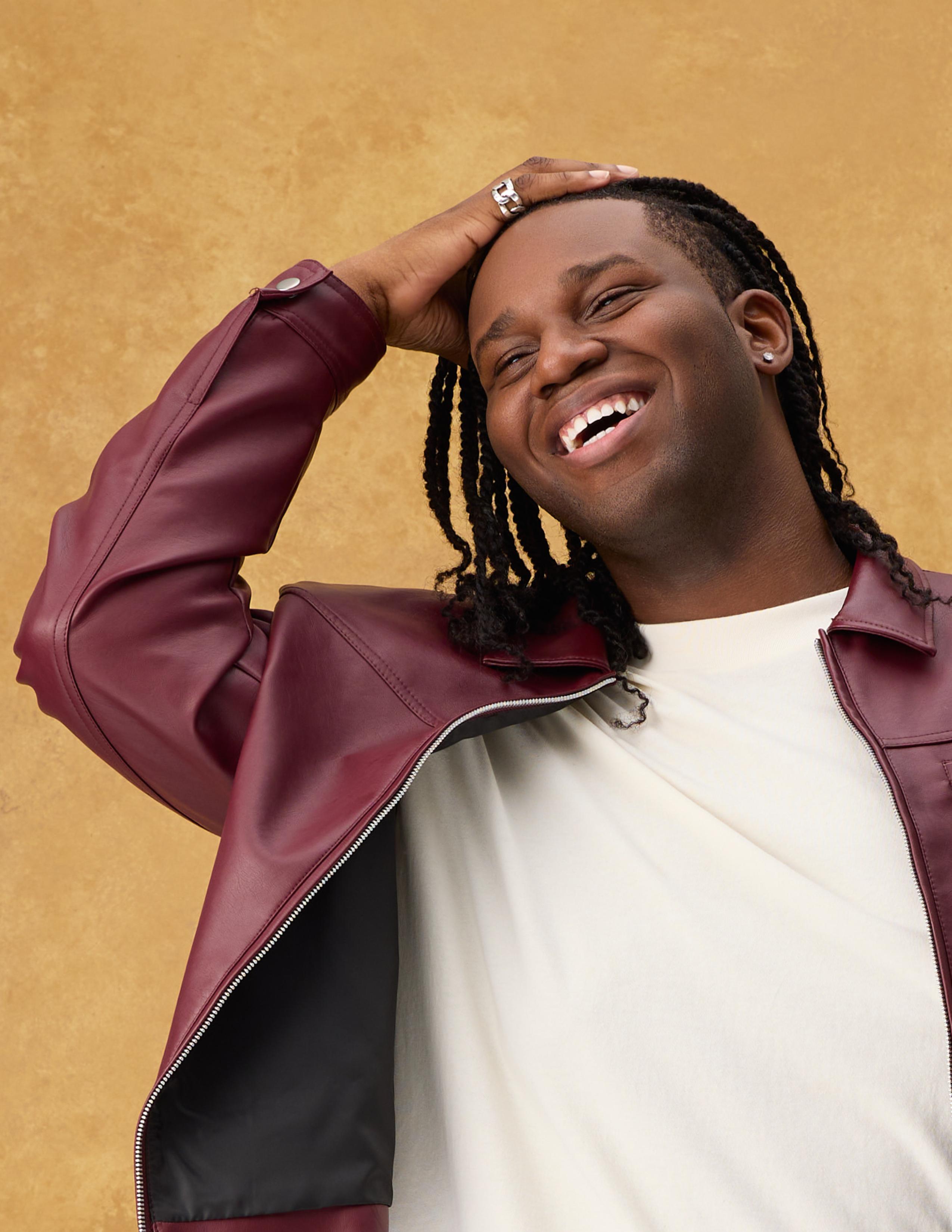
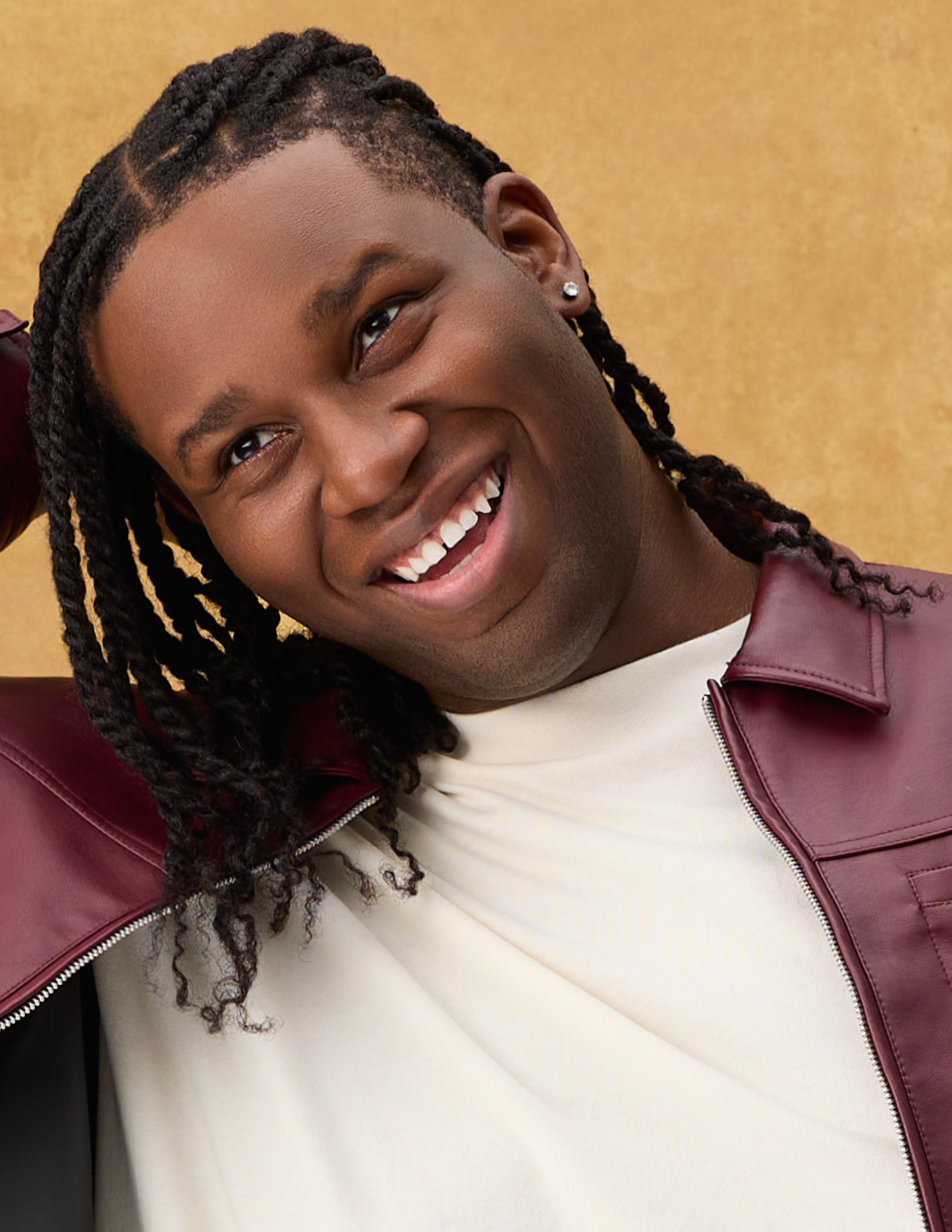
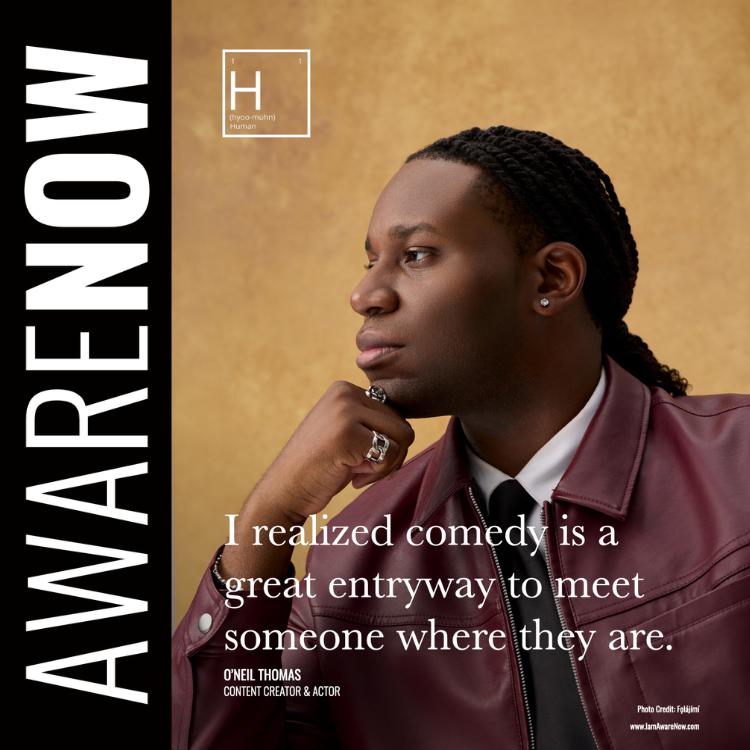
O’NEIL THOMAS CONTENT CREATOR & ACTOR
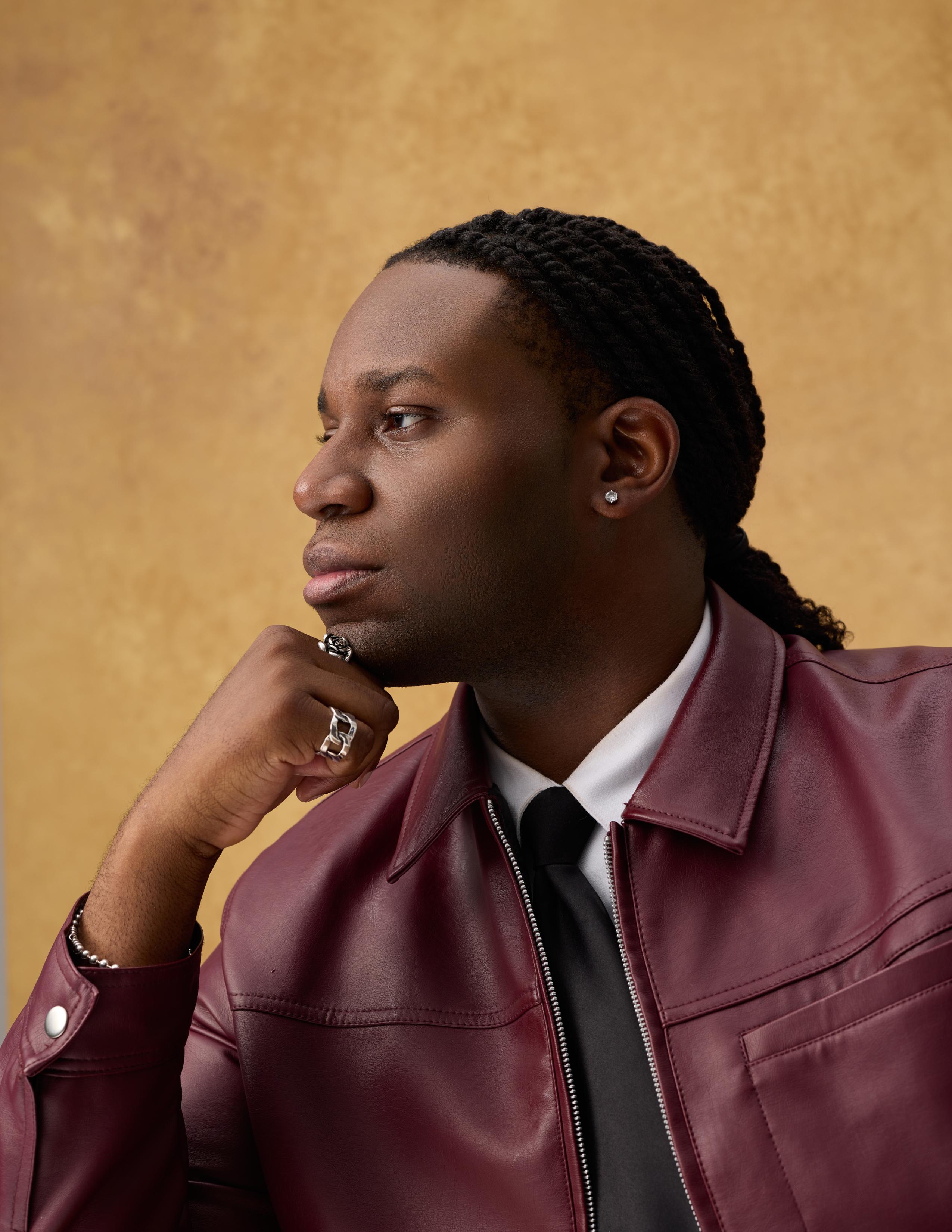
Some creators strive to go viral. O’Neil Thomas seeks to go beyond numbers with nuance. With satire sharp enough to spark headlines and style bold enough to challenge expectation, he is redefining what it means to be seen in digital culture. In a world addicted to applause, O’Neil is playing a longer game.
ALLIÉ: O’Neil, You make us laugh first and then you make us think.
First question for you. When did you realize that comedy could be more than entertainment for you? That it could be a doorway into culture, identity, and truth? Will you tell us about that?
O'NEIL: For me, comedy has always been very fun and accessible. I see that a lot when joking around with my family and friends. While I love making everyone feel good and laugh, at the same time, at a very young age I've always

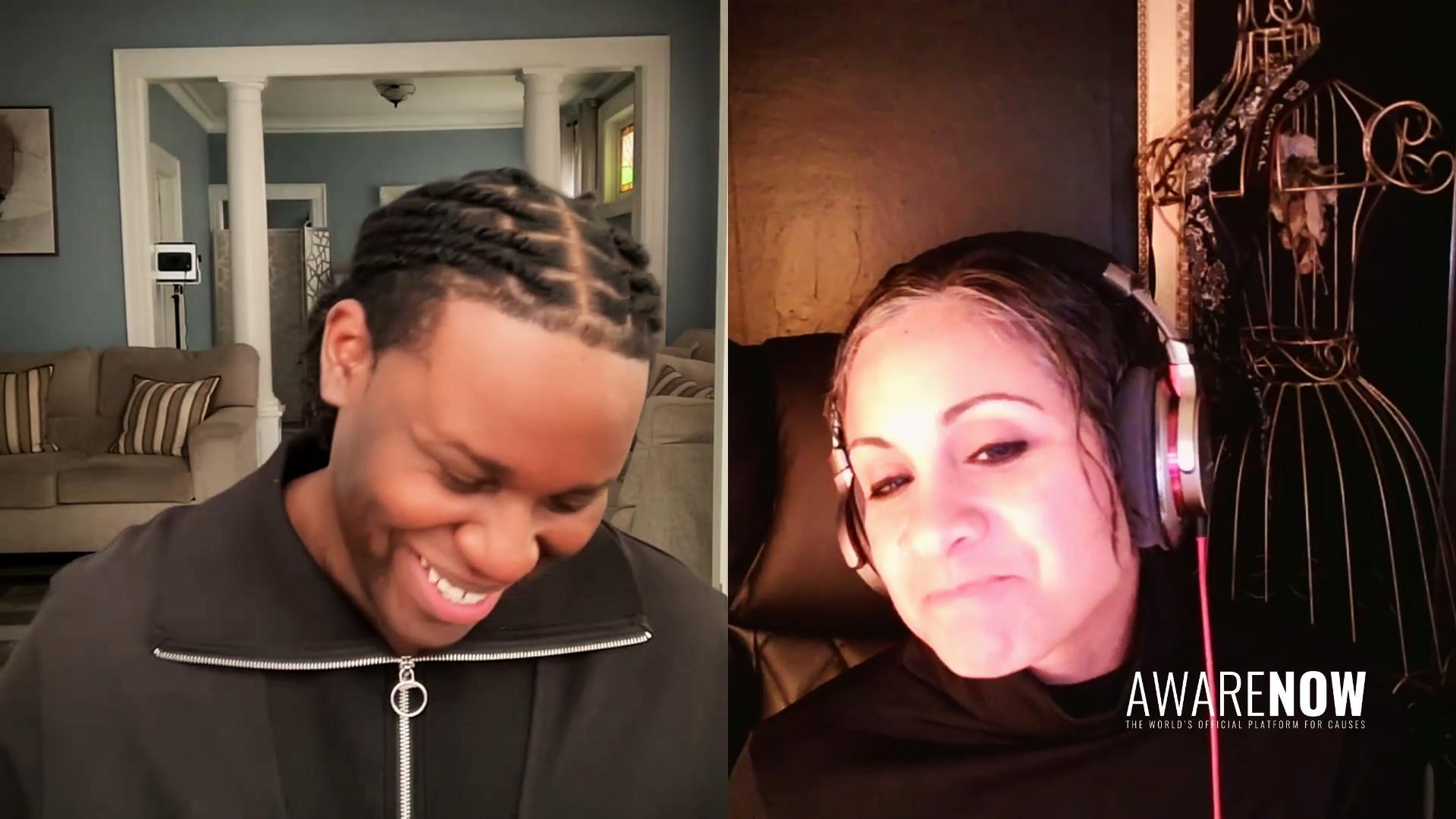
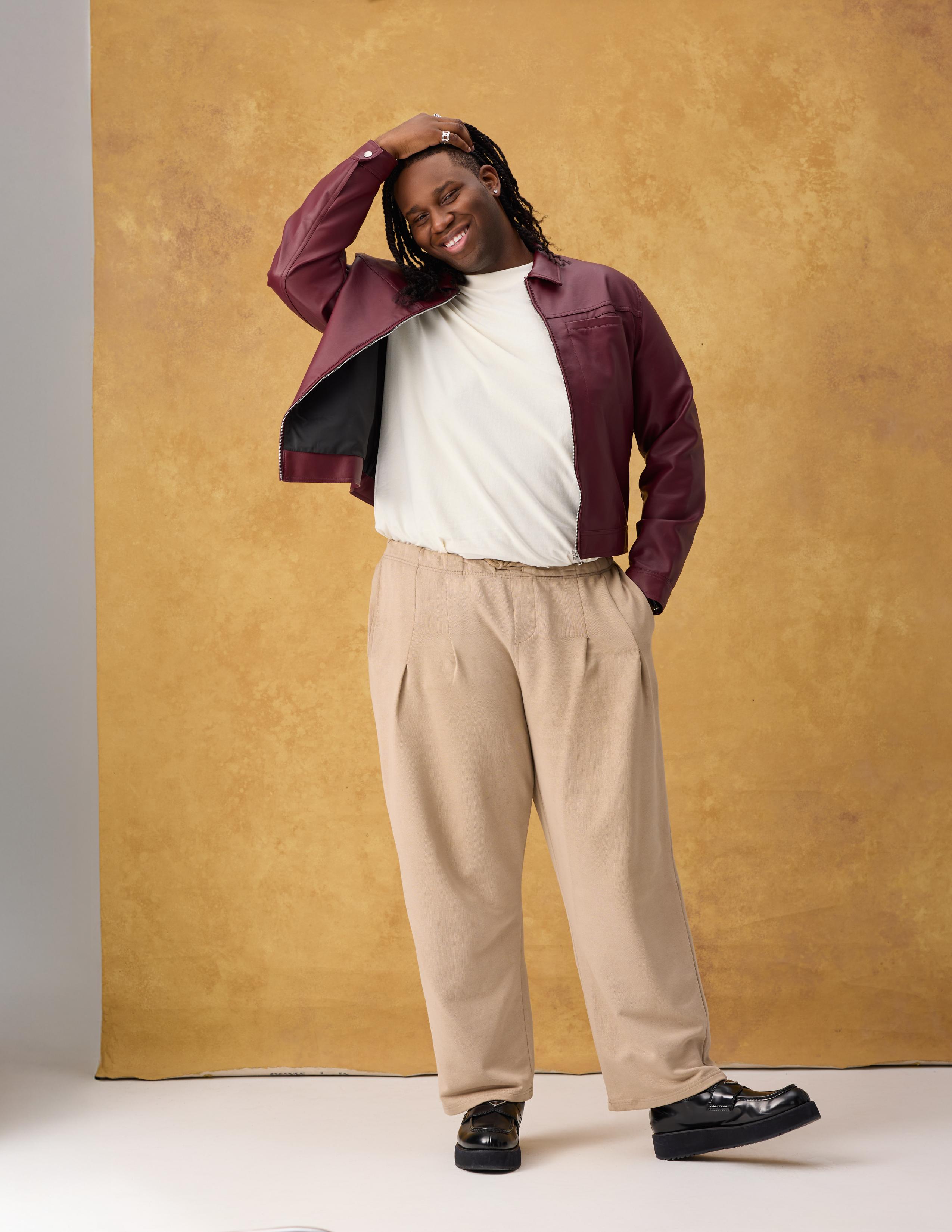
“I took the approach that sometimes the expectation just isn’t enough…”
O’NEIL: (continued) Once we're mutually there, I'm allowed to ask questions, knowing they already have their guard down. They're a bit more comfortable and more willing to share things that maybe they were repressing in the past.
ALLIÉ: Absolutely. It's kind of like a little bait and switch, but with really good intention.
Let's talk about fashion. Fashion is such a bold language, especially for a man navigating digital spaces that love to box people in. What did it take for you to stop dressing for approval and start dressing for expression?
O'NEIL: I started listening to myself, my body, my expression, my creativity.
There is so much inner thought that we all have as human beings. It's easy for us to be invited to spaces we've dreamt of and think about how we want to be perceived and how we want the world to see us. A lot of people resort to what the expectation is.
I took the approach that sometimes the expectation just isn't enough when you know you want to play around with more things and not take life so seriously. I noticed that in the men's fashion industry I kept seeing a lot of the same thing. There was a lot of comfortability. I feel like a lot of people are just being comfortable as a safety net, especially as a man.
So I wanted to play around with that and show men it's okay to be expressive. Express yourself. How are you feeling today? We're all multifaceted human beings. If you're feeling one way, dress that way. If you're feeling another way, you can dress that way too. You don't have to go to a black suit and tie for everything.
ALLIÉ: Exactly. Give yourself permission. Why do we feel like we need to give ourselves permission? I don't know.
You often use humor to explore mental health and the nuances of modern life. Behind the satire, what's something you've had to face quietly that shaped the way you show up so confidently on screen?
O'NEIL: That's a bigger question. To this day, mental health is something that we consistently have to work through. I think it's a matter of being more in tune with my mental psyche and my emotions and allowing myself to really feel.
Especially as actors and entertainers, it's easy for us to put up a shield and make someone else laugh. I always make a joke saying, always check in on your funny friends, because a lot of the time they're really going through stuff that they're too scared to talk about.
I allow myself to feel. I allow myself not to give in to too much pressure. What I do is fun, but there are also millions of people watching me daily. I can feel indebted to giving them what they want, but when I do that, I'm leaving myself behind.
There are going to be days, especially with seasonal depression when we have less sunlight. It definitely takes a toll on my mental health, and I have to allow myself to step back and feel. Allowing myself to do that and not ignoring it is super important to move forward.
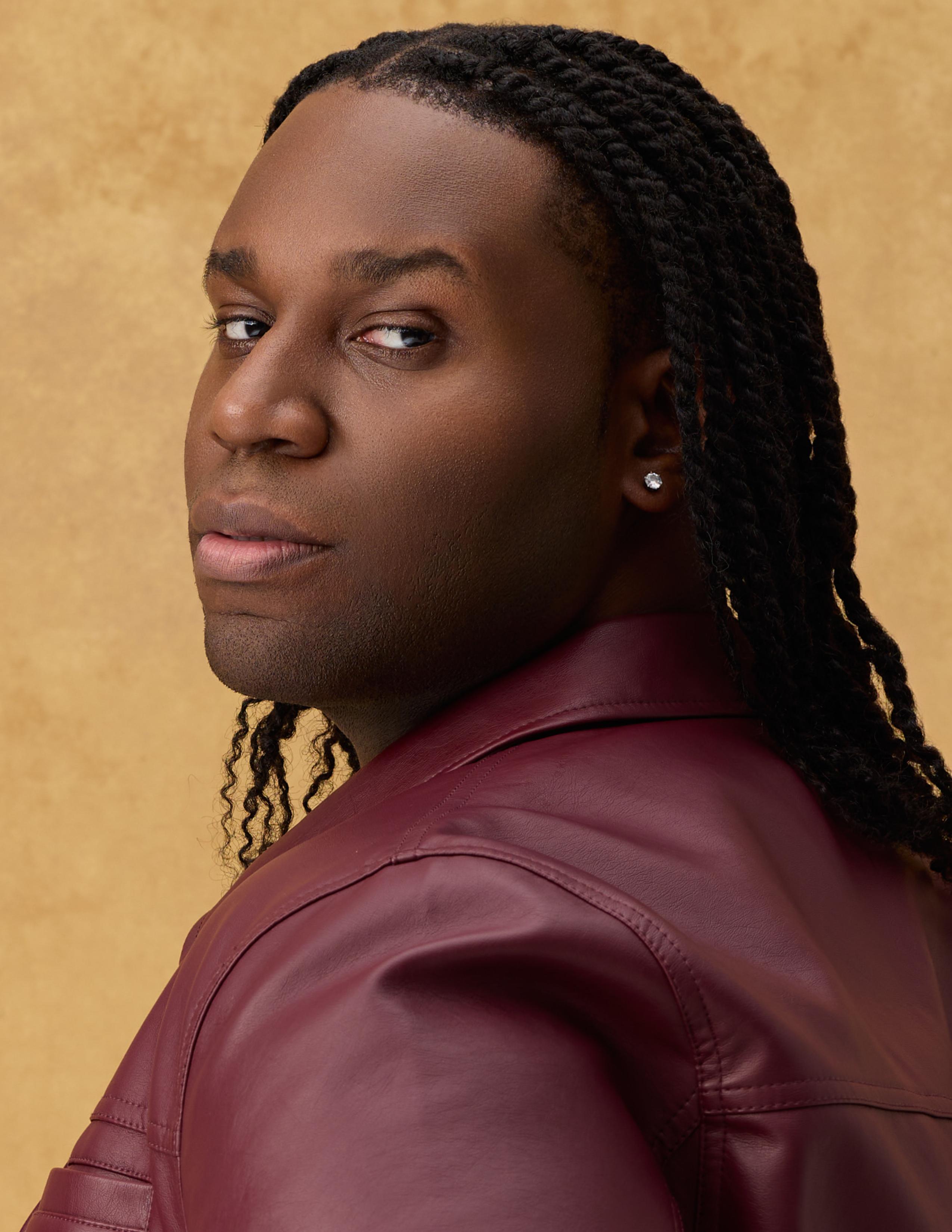
“In those moments of freedom, safety, and enjoyment, that’s where I felt like I could thrive the most.”
ALLIÉ: No doubt, there’s a difference between going viral and going visionary. When people look back at this era of your work, O'Neil, what do you hope they understand that maybe they don't see yet?
O'NEIL: I hope that they understand that they're not alone and that they're seen.
Everyone wants to feel seen and understood. It's easy to scroll endlessly and only see highlights. I love making the content that makes my audience feel really good, but I also want them to feel seen and understood.
I've received countless messages from fans saying they were going through something extremely similar. Seeing me talk about it or having that same experience makes them feel so much less crazy and so much more connected.
This industry has a lot of highs, but not enough people talk about the lows. The lows are what really bring it together.
ALLIÉ: I want to go back to the beginning of your journey as a comedian and creator. What drew you to this industry?
O'NEIL: Oh my gosh, it all started in the third grade.
We had to do a Christmas show and I had no lines. I was absolutely terrified of stage fright. I had the worst stage fright ever. Something about going up on the stage scared me so much. I did my little part. I was one of the three kings. I had to deliver gold. So I delivered the gold and ran off the stage.
After that, I felt a sense of relief. It felt fun, but mainly relief in that moment. Then during the curtain call at the end of the show, we all went back on stage and the faculty, staff, and families were standing, clapping, cheering us on. There was a moment I genuinely cannot forget. It was a defining moment in my life. When I was on that stage, I felt something in my heart that told me this is the right thing I should be doing. It was something I couldn't explain, but it's a feeling I never forgot.
From that moment on I thought this is what I should be doing forever. I started studying. I'm a Disney and Nickelodeon kid. I love watching sitcoms and studying the comedy and physical comedy from them. In those moments of freedom, safety, and enjoyment, that's where I felt like I could thrive the most.
I just fell in love with it.
ALLIÉ: That's when it started. That's where you felt that calling.
Let's talk about a different time, because to your point there are lots of highs, but there are lots of lows. Can you share a story about one of your lows when you thought maybe you couldn't do this?

O’NEIL THOMAS CONTENT CREATOR & ACTOR
“I took that moment of fear and hopelessness and decided I needed to make someone feel good. Making someone feel good makes me feel really good.”
O'NEIL: One of the first low moments prior to starting the career I'm in now was definitely March of 2020.
As a serial empath, it was very scary to see what we were all collectively going through during the pandemic. When you're seeing a lot of fear and doubt and doom, mental health was at an all-time low.
In that moment I thought I need to laugh right now or I'm going to go insane.
I took that moment of fear and hopelessness and decided I needed to make someone feel good.
Making someone feel good makes me feel really good.
So I started making videos online. My goal was never to be where I am now. I told myself if I could make one person laugh, my job was done.
Since then I've been doing it full time. My whole life has changed because of that moment.
ALLIÉ: Let's talk about guilty pleasures. I think that would be fun. I'll share mine.
What's a show that's a guilty pleasure for you?
O'NEIL: Maybe Family Guy… It's so raunchy and out of this world. The comedy is a little bit too much, but it's also a really intelligent comedy, which I love.
Some jokes you definitely can't say out and about.
ALLIÉ: Fair enough. I’ll reciprocate. I have a bit of an addiction late at night. I'll convince Jack, my husband, to sit with me and watch old game shows like Supermarket Sweep and Match Game. I love that.
O'NEIL: Can I add a couple more?
Another guilty pleasure right now is MTV's The Challenge. I love competition reality shows.
But my top guilty pleasure is true crime documentaries. I tell my family all the time that if I wasn't in this field, I would absolutely be in forensics or detective work.
I literally have The First 48 paused on my TV right now. It's morbid and fascinating.
Exclusive Interview with O’Neil Thomas https://go.awarenowmedia.com/podcast/going-visionary

“What hurts more is living life with regret and never giving yourself a chance.”
ALLIÉ: For people who are scared to take a chance right now, what advice would you give them?
O'NEIL: Chance is never comfortable. Chance is scary.
It's something we have zero control over, and you have to become comfortable with that.
Betting on yourself is the biggest leap of faith you can take.
It doesn't hurt to try. What hurts more is living life with regret and never giving yourself a chance. If you're constantly stuck on the perception of someone seeing you try, you'll never get where you're supposed to go. ∎

As long as I can use my body and move my body, I will.
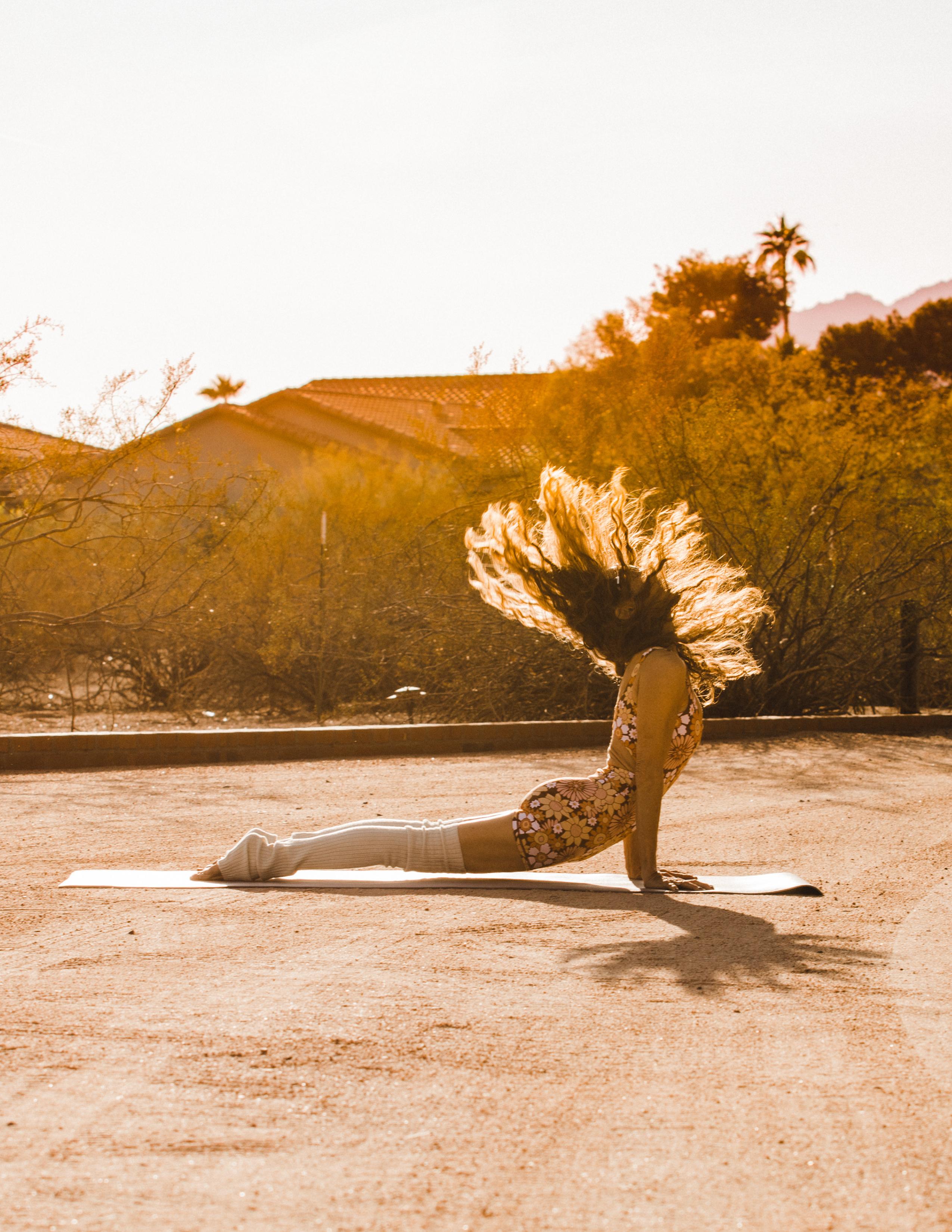
Multiple sclerosis does not arrive politely or predictably. For Julie Blew, it arrived through confusion, fear, and a growing realization that something inside her body was changing in ways no one could yet explain. What followed was a journey that challenged her trust in her body but ultimately deepened her understanding of resilience, intuition, and what it means to keep moving forward.
ALLIÉ: Let’s go back. Before the diagnosis, before the ER visits, and the doctors who didn’t quite listen, there was just life, yoga, running, raising your kids, moving through the world in a body you trusted. The question to start is: when you think back to that version of yourself, who was she? And what did you perhaps take for granted about your body before MS began to rewrite the rules?
JULIE: Who was I before my diagnosis? To be honest with you, I was incredibly lost. I realize that now emotionally. Basically, I thought I was on top of everything since I discovered yoga 23 years ago. I am not the same person I was. I’m a better person now than I was. But I was kind of flailing through life. I was raising my two children alone. I had several other relationships aside from my ex. And at some point, I realized I was just doing it wrong. So the diagnosis

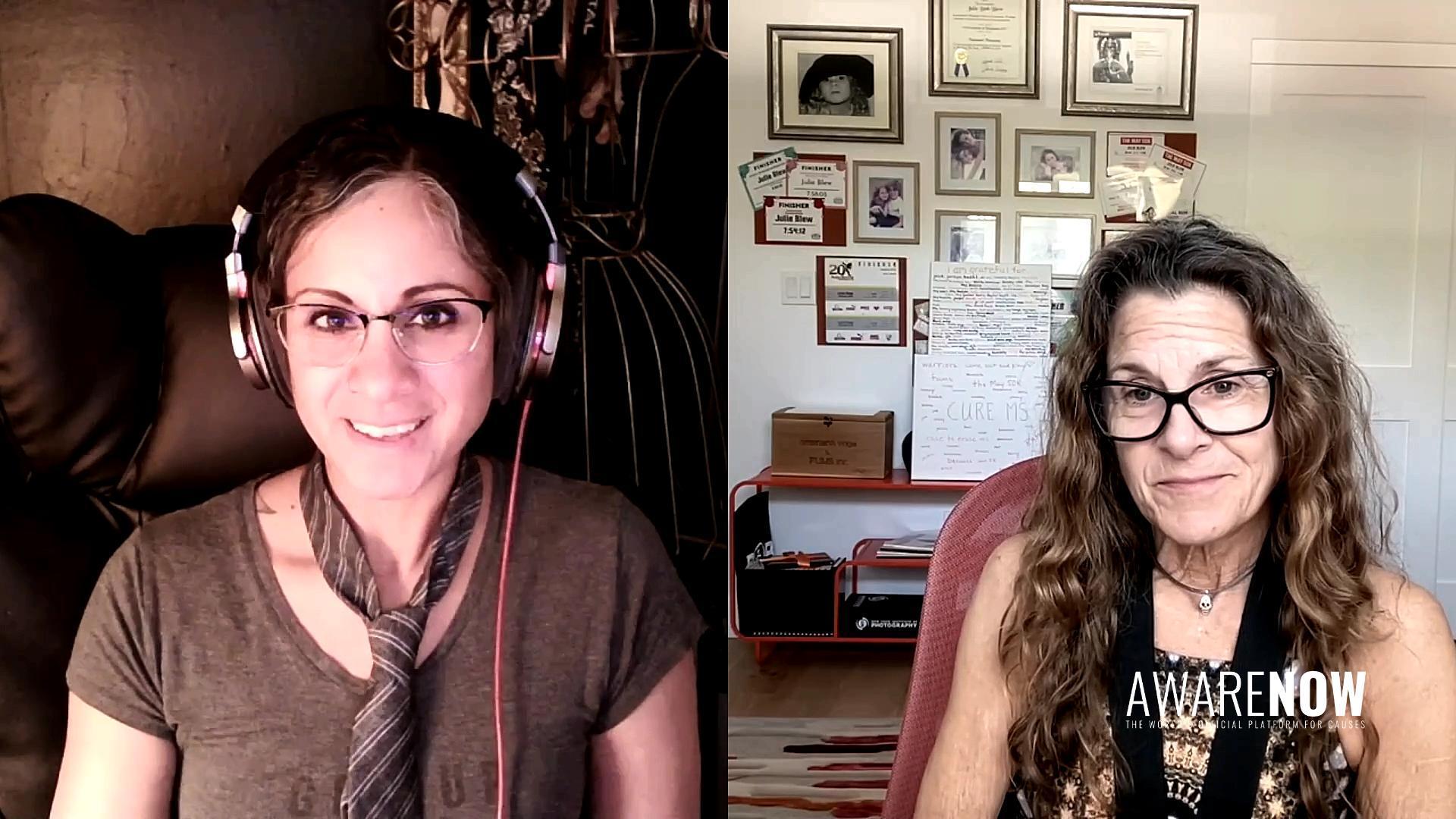

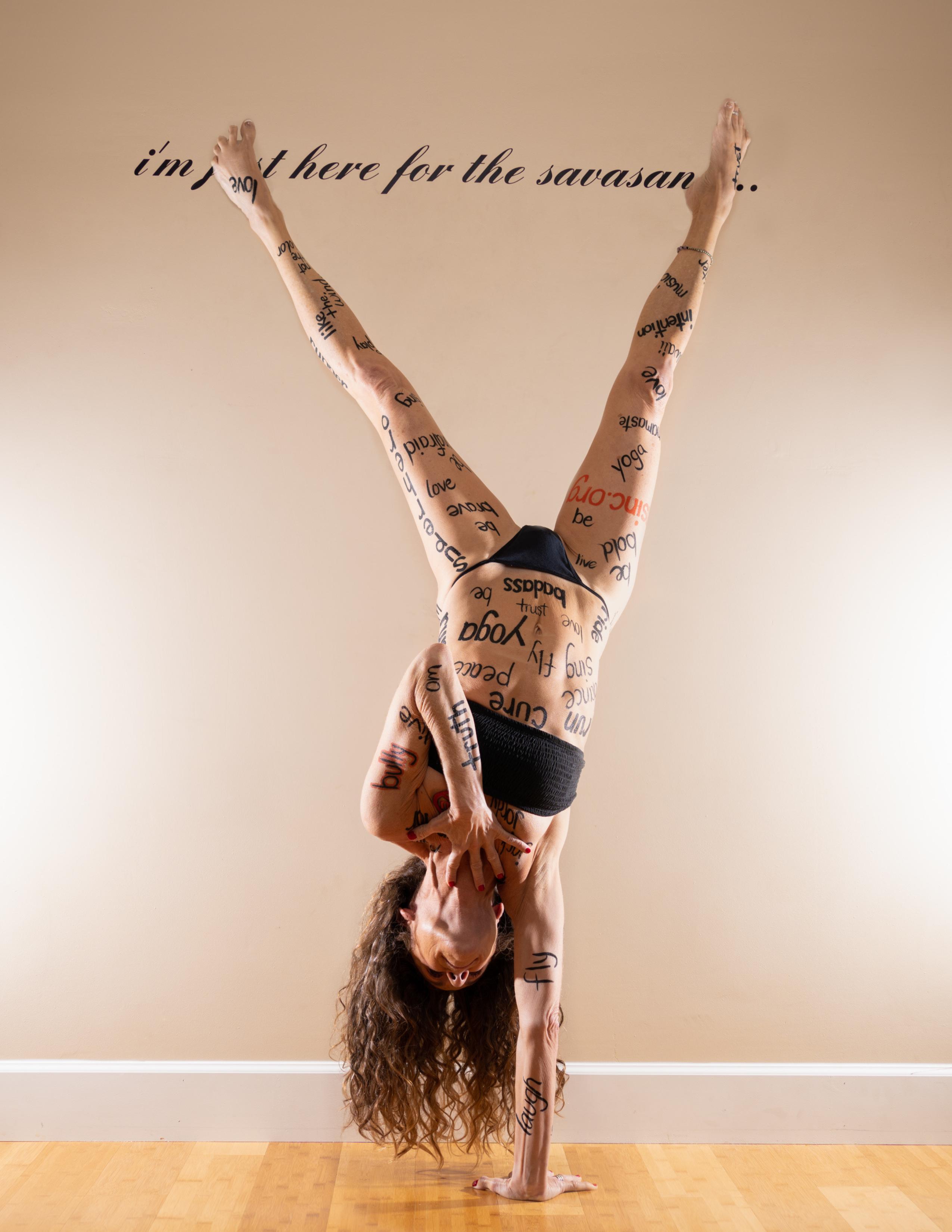
“To be honest with you, I was scared even after I heard that I might have MS because I didn’t know what it was. I had no idea.”
ALLIÉ: So, I want to switch gears quickly to your book. Let’s talk about these pages of you in ‘like the wind… not the color. The beginning of your MS journey unfolds through what you describe as a series of unfortunate events from the illness, to the colonoscopy, to the strange neurological symptoms that followed, and that deep gut instinct that something was wrong, even when people around you weren’t seeing it yet. So what was that period like emotionally, living in this space between knowing something was wrong and being believed? What was that like?
JULIE: It was terrifying, to be honest with you. I’m very strong physically, and when my body started to break down step by step, literally, I was really scared. I was really scared. The doctors kept telling me I was okay, and they were doing tests. Being a yoga instructor at the time, I think it was 13 years, I teach people to listen to their bodies, right? If I offer a pose to you and you have a bad shoulder, don’t do that, because then you’re going to blame me, and it’s not my fault. I was scared. I was very scared. I thought I was going to die. I had no idea what was going on. I was seeing someone at the time who I thought was going to be my end game, and it turned out not to be the case, but he kept telling me that I had a herniated disc or a pinched nerve because that’s what he was living with. And I was like, no, I don’t think that’s it. It was very scary. It was really scary.
ALLIÉ: So let’s fast forward a bit. There’s a moment in your story where the fear becomes undeniable. It’s when your body starts doing things you can’t control, when numbness and weakness creep in, and you find yourself walking into the ER alone, terrified of what might be happening inside your own brain. What did that moment teach you about vulnerability and, on the flip side, about the strength you perhaps didn’t know you had?
JULIE: Yeah, I had no idea I had this kind of strength. I mean, yeah, I can do handstands and backbends and stuff like that, but that was terrifying too, walking into the ER and then not getting answers. But I was relieved that it wasn’t a stroke or a brain tumor because when my whole left side went numb, I was literally two blocks from the hospital. It was very scary. To be honest with you, I was scared even after I heard that I might have MS because I didn’t know what it was. I had no idea.
ALLIÉ: Let’s talk more about MS. It has a way, you and I both know, of forcing people into an entirely new relationship with their bodies. For you, someone who lived through movement from yoga, to running, to teaching, how did you begin to rebuild trust with a body that suddenly felt unpredictable?
JULIE: I remember when I got home from the hospital. I went to Mayo in Rochester, Minnesota to get diagnosed. My boyfriend at the time took me to the airport. I got on a plane, got off the plane, got home, and the next morning, for whatever reason, I thought I was going to go running.

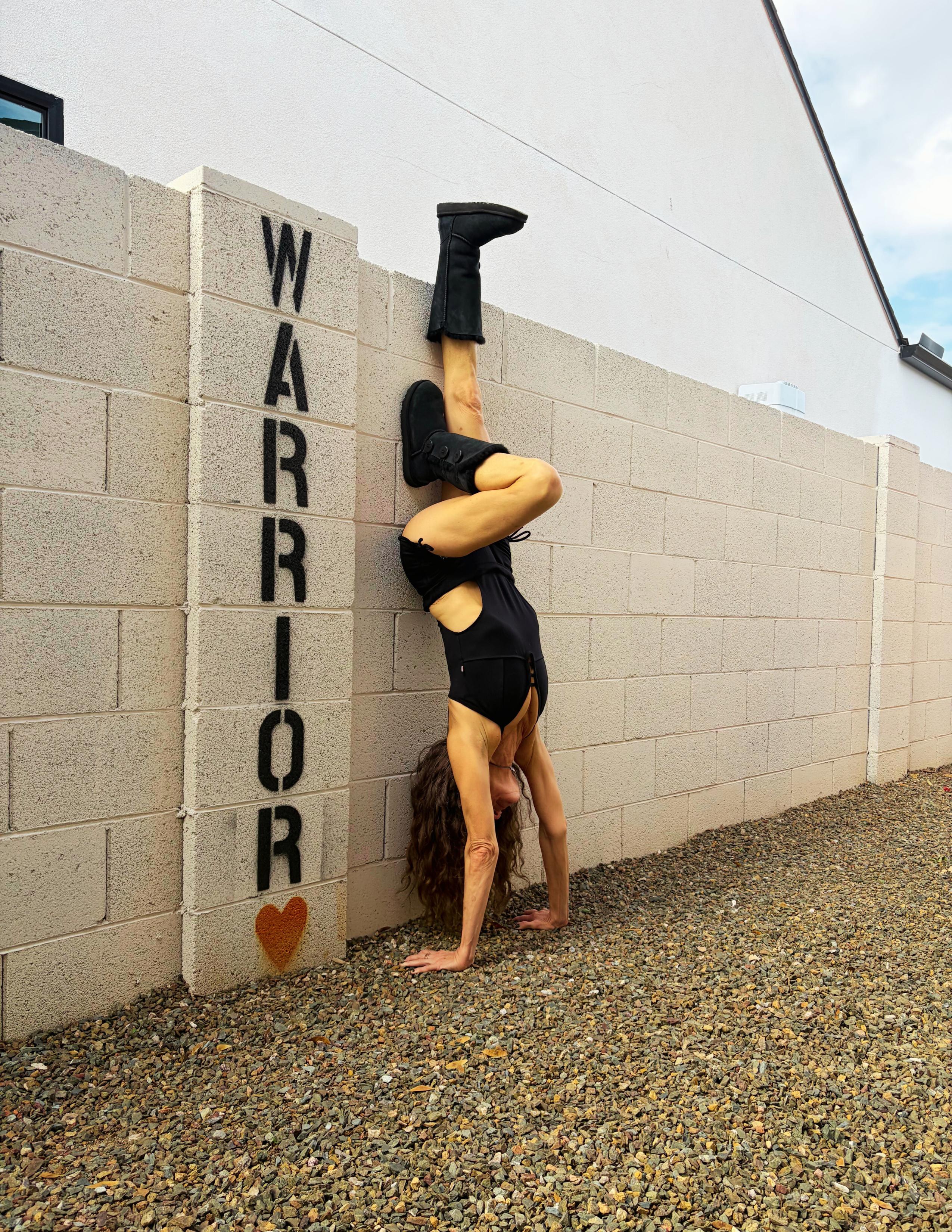
“Running became more important to me than it had ever been before because I was just a casual runner. But after this, I was like, I don’t want to lose the use of my legs.”
JULIE: (continued) So I put on my running shoes because I decided I’m not going to let this take me down. I asked the neurologist at Mayo a couple of questions. I said, will hanging upside down and the blood rushing to my head affect the lesions? He said no. I said, will the heat melt my myelin? He said no. And I said, can I continue? He said, you can do whatever you were doing before, as long as your body allows you to do that.
So when I got home, I don’t know what it was… maybe watching my father fight for his life for 15 years, doing everything he possibly could to prolong the damage he inflicted on himself. That made me a warrior. He was a warrior. So yeah, I put on my running shoes the next day. I didn’t run. I walked downstairs and thought, okay.
I actually went back to yoga the next day, to hot yoga. I remember getting on my mat. When the doctor said I could do whatever I was doing before, I kind of took myself on as a research project. I started journaling. I didn’t want to submit or succumb. I wanted to be strong and fight. I didn’t want to lose my yoga practice.
I remember laughing at myself like, Miss Badass Yoga Instructor, you’ve got a battle on your hands. And every day after that, I would move until my body said stop, and then I would stop. That’s how it went for probably the first 17 months. It wasn’t just one attack that went away. It was every day doing everything I could to make sure I could walk.
I didn’t want to lose my yoga practice. Running became more important to me than it had ever been before because I was just a casual runner. But after this, I was like, I don’t want to lose the use of my legs. It just happened. I don’t know why. I didn’t have a lot of support. I still don’t have a lot of support.
But I have two children, and they were just starting their young adult lives at the time. I didn’t want them to have to take care of me. I still don’t. They’re my reason. I do everything for them, even though they’re grown now.
ALLIÉ: That’s really beautiful. There is one more question that I wanted to ask you today, Julie. Today, you’re not only living with MS, you’re writing about it. Your book, you’re sharing it, you’re helping others feel less alone in their own uncertainty. When someone newly diagnosed, as we all once were, picks up your book and hears your story, what do you hope they feel in that moment that maybe you didn’t feel at the beginning of your journey?
JULIE: That this is something you can live with. It’s a life presence, not a death sentence, number one. Although it’s very challenging and it changes not just from day to day, but from moment to moment, you can get through it and you can have a full life. It looks a little different.


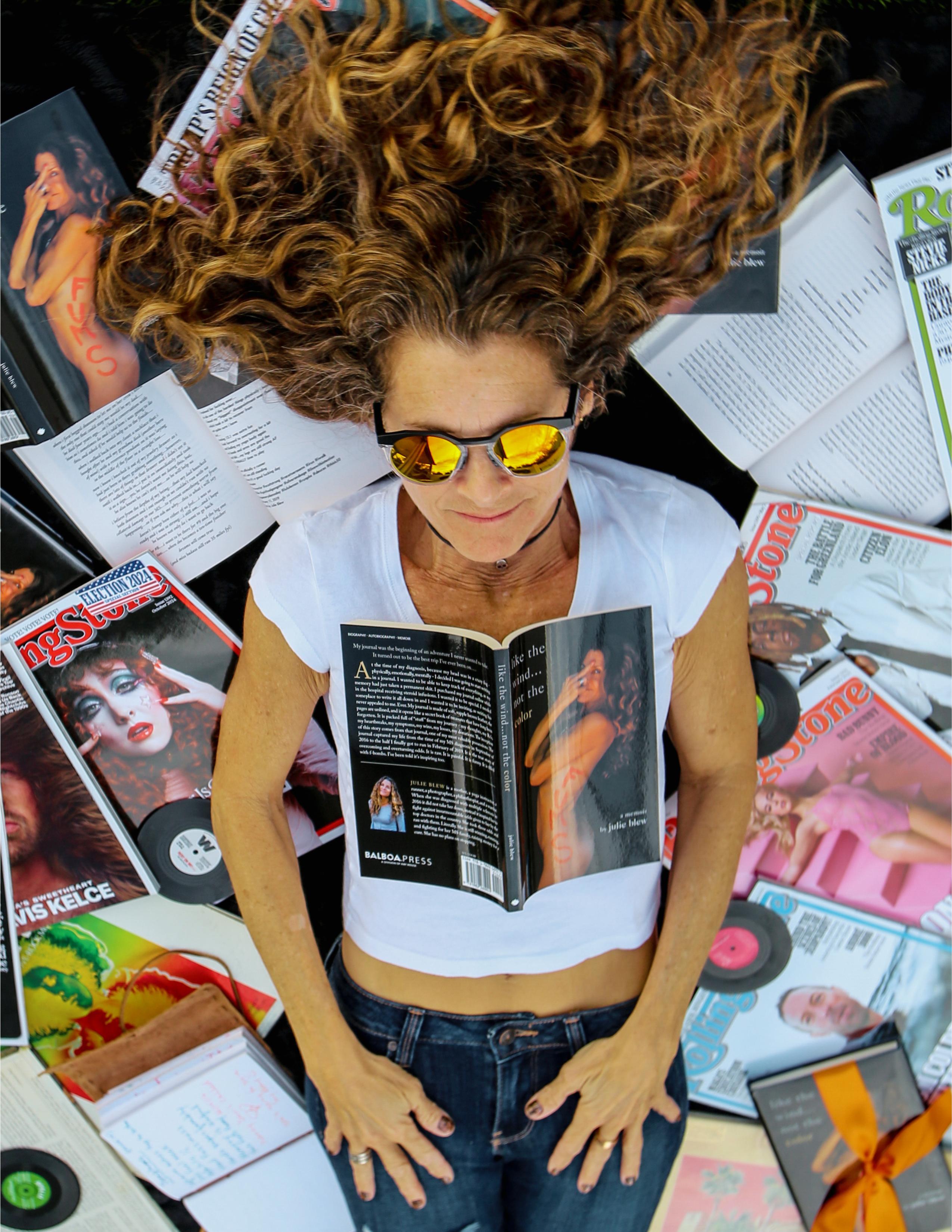
Exclusive Interview with Julie Blew https://go.awarenowmedia.com/podcast/like-the-wind

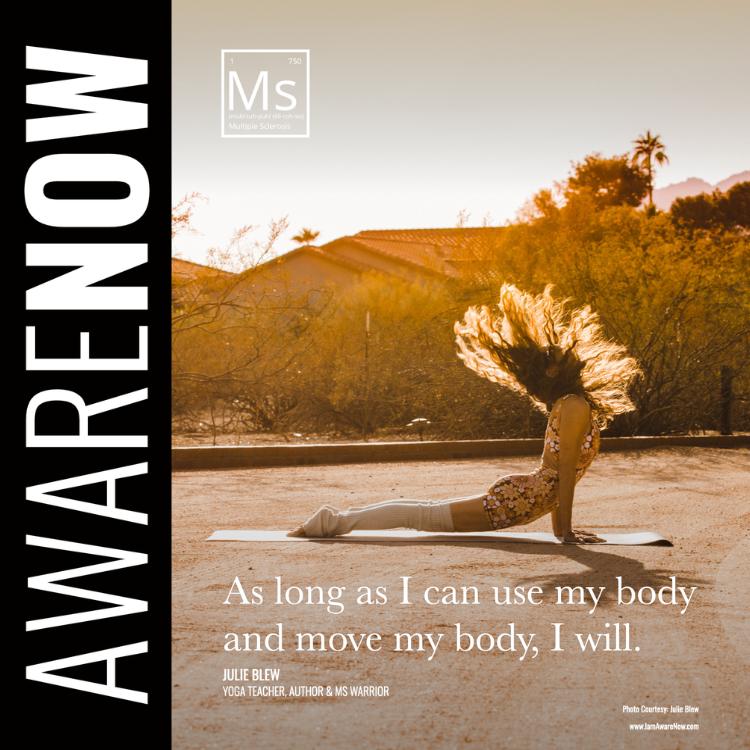
JULIE: (continued) I hope people find themselves in my pages. They laugh, they cry. There are a lot of f-bombs in there. But it wasn’t just a story about my diagnosis. It was a story about running too.
Hope isn’t lost. It isn’t lost. You can fight this. You can battle it. It’s not easy. My biggest thing as a yoga instructor is when your body talks, you listen to it. When it says stop, you stop. When it says go, you go. It’s when people ignore those symptoms and signs that trouble ensues. It’s not just physical. It’s emotional and mental too. With a positive attitude and intentional actions, you can move forward.
I didn’t know what was ahead of me. To be honest with you, I still don’t know what’s ahead of me. But I definitely feel a lot stronger physically. I’m probably less strong emotionally at this point in my life, but there are other reasons for that. I hope people find hope and know that they can have a full life. You’re going to get dinged and knocked down. But when your body says lay down, you lay down. When your body says go, you go. That’s how I do it every single day.
ALLIÉ: I love that. And I love how you just show up. Thank you for showing up the way that you do, for keeping it sassy, for keeping it sexy, for keeping it you. I think it inspires the rest of us not to ask permission, but just to go and to do. You’re a living, breathing example of that that I very much respect. I just want to thank you for, again, showing up like you do.
JULIE: Thank you so much. Those words mean a lot to me. I appreciate that.
ALLIÉ: And another reason I need to thank you… for that Because I Can medal hanging around your neck, my goodness. Thank you for running with me.
JULIE: Because I can. I do all these things because I can. I put something on the internet today, and I do get a lot of backlash from some of the MS community when I post these pictures. What I want to say to you guys is, if you could handstand, you would too. I’m not going to stop doing it. As long as I can use my body and move my body, I will. ∎
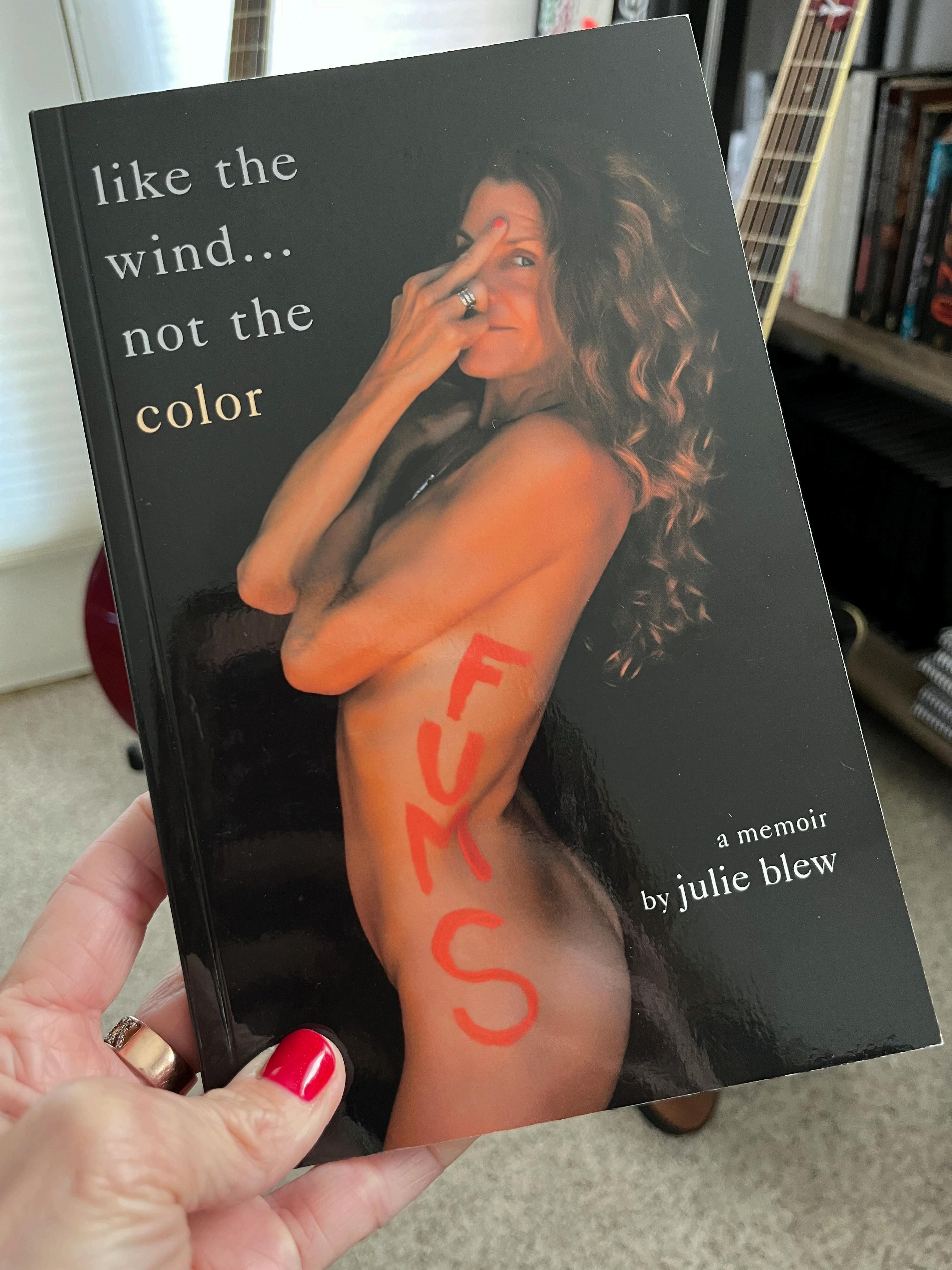

DR. ELIA GOURGOURIS
COACH, AUTHOR & SPEAKER ON HAPPINESS, POSITIVE LEADERSHIP AND WELLBEING
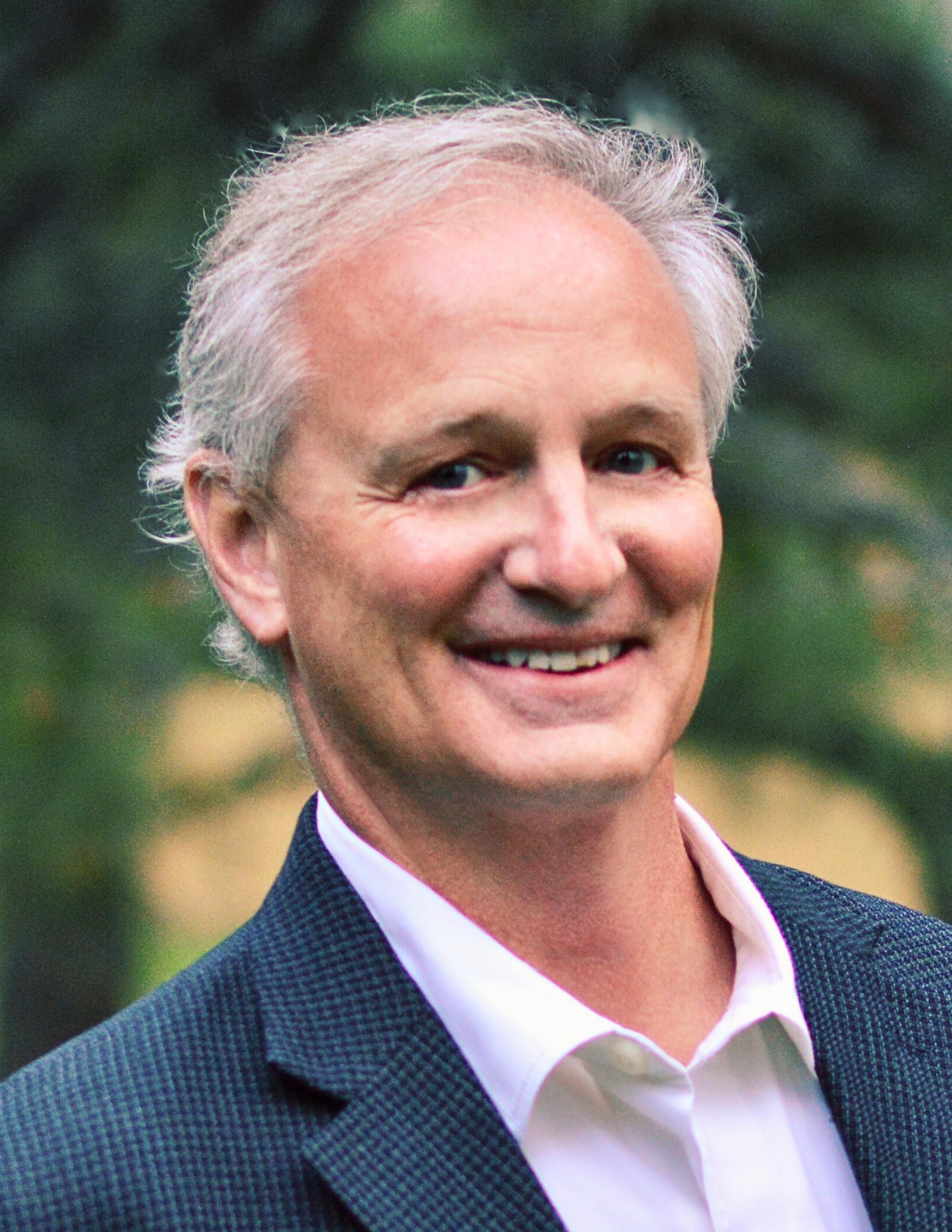

Long before he became known as ‘The Happiness Doctor’, Dr. Elia Gourgouris was simply a boy navigating change, identity, and the quiet pressures that shape us long before we understand them. His journey, marked by discipline, loss, reinvention, and discovery, led him to a simple but profound truth: happiness is not the absence of pain, but the presence of alignment. Today, his mission is helping others find their way back to themselves.
ALLIÉ: Before happiness became your life’s work, Elia, was there a moment in your own life when you realized how fragile or intentional happiness really is? Take us back to the beginning of how you got started on this journey.
ELIA: I think I was born this way, honestly.
This is a true story. I was born a very long time ago in Athens, Greece. Back in the day, when they didn’t allow cameras, there was no Instagram Live, there was no anything. It was just the OB-GYN and my mom.

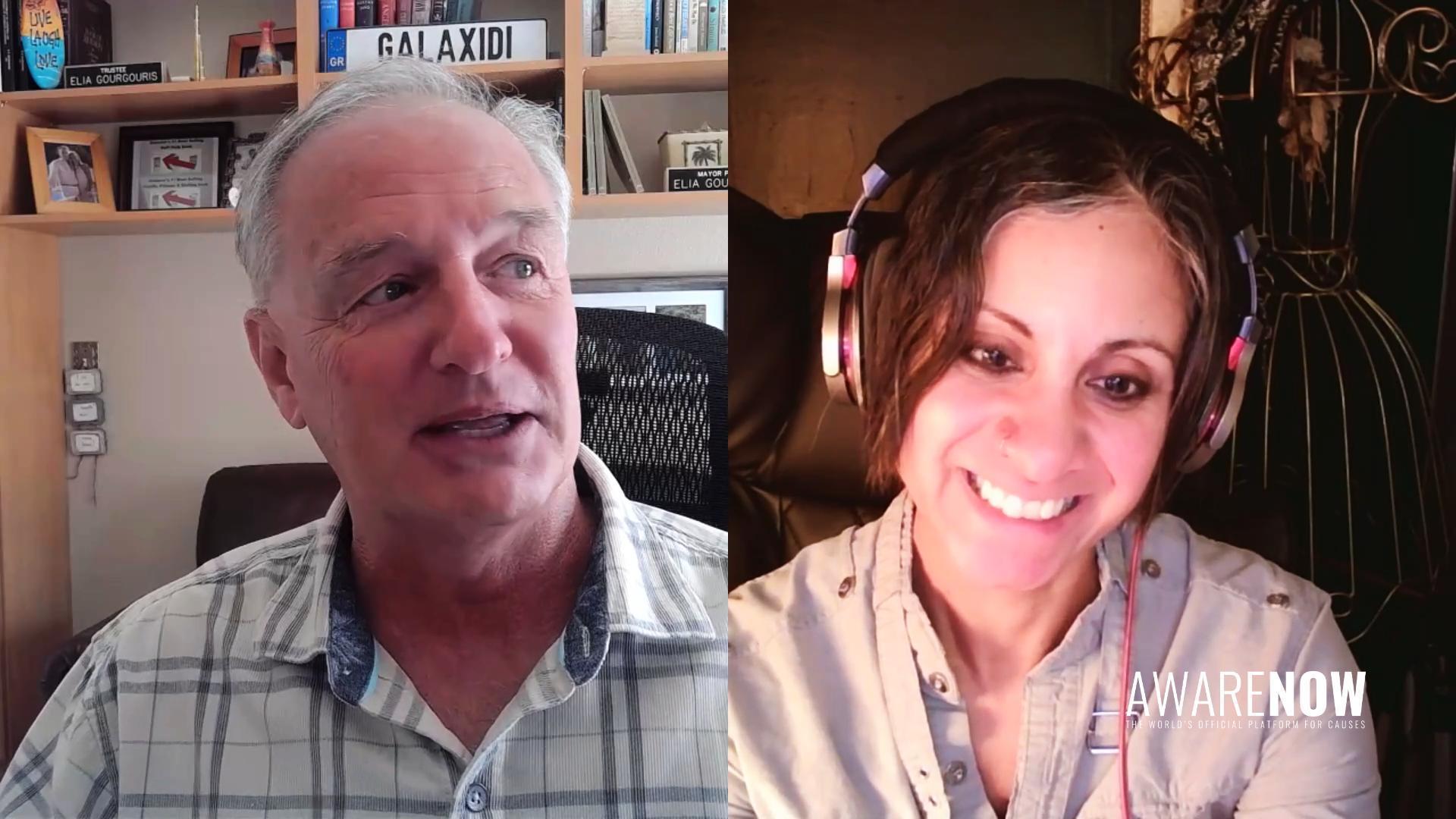

DR. ELIA GOURGOURIS COACH, AUTHOR & SPEAKER ON HAPPINESS, POSITIVE LEADERSHIP AND WELLBEING

“We’ve all been branded as kids.”
ELIA: (continued) My dad said, “Which one is my son?” The nurse tells him, “Your son — he’s the happy one.”
I grew up hearing, “You came out of the womb happy. You’ve always been happy.” That sentiment gets reinforced.
Now fast forward 25 years. I’m getting my PhD in psychology, and the professor at the time is talking to us about what makes us who we are. Is it our genetic predisposition or our environment? Of course, it’s both.
But I had this weird thought. I’m like, wait a minute… what if my dad gets caught in traffic, shows up 15 minutes later than he did, comes up to the same nurse, same window, asks the same question, and at that time I’m screaming my head off. And the nurse turns to my dad and says, “Your son is the cranky one.”
So then the message becomes, “You came out of the womb cranky.”
What I’ve thought over the years, and I’ve worked with literally hundreds of thousands of people, is this: We’ve all been branded as kids. It typically happens in our home. The school environment may have an impact.
There are some brands that are beautiful and positive, like “the happy one.” You can’t get any better than that. But there are others: the princess, the smart one, the intelligent one, the athletic one, the kind one, the artistic one.
And then there’s the dark side of branding.
Unfortunately, some brands are terrible. And by the way, they’re usually somebody else’s projection. They’re not even real. But that’s what we hear as little kids, and we internalize it.
The most common ones are the following… And you might say, “Who would ever say that?” Believe me. The stupid one. The fat one. The ugly one. These are horrific brands. Because if you grow up with that and you view yourself through those lenses…
So anyway, I write the book Seven Paths to Lasting Happiness, and I start talking to audiences. I’m in North Carolina at a women’s conference with 500 women in the room, and I’m sharing this story about the importance of your personal brand. And I say, if you have a positive personal brand, count your blessings. Lean into it. Grow it even more. However, if you don’t have a positive brand, perhaps this is the time, as an adult, to choose for yourself what your brand will be.
I’m giving this talk, and there’s an older lady with gray hair who starts waving her arms. It throws me off because I’m in the middle of my flow. But it’s so obvious, I can’t ignore her.
So I stop and say, “Yes, ma’am?”
She said, “You know, I’m 70-plus.” And she says, “After listening to you, I want to change my brand.” Now, she shared this in front of 500 people. I don’t know if I would have had the courage to do that. She said, “I have been called fat, ugly, stupid… After seven decades, I want to change my brand.”
You could hear a pin drop. The room got very heavy. Her name was Leia. I’m standing there, the audience is looking at me, and I’m thinking, what do I do? So I say, “Well, ma’am… what’s your new brand?”
And she says, very seriously: “From now on, I want to be known as Princess Leia.” And instinctively, I said, “Yes, Your Majesty,” and I bowed. The entire room erupted in laughter. A very heavy moment became light.
Why do I share this story?
Because if somebody in their seventies after seven decades of being called something, not just by others but in their own mind, can make a choice to change their brand… then I can do it. And your audience can do it.




“Don’t worry about me. I’m going to be just fine. I just want you to be happy.”
ELIA: (continued) So the call to action is this: If you love your brand, good for you. That’s a blessing. But if you don’t, today is the day. Don’t spend one more day living down to somebody else’s version of you. Because it was never you.
ALLIÉ: That’s such an important lesson.
ELIA: But I had a head start from day one.
ALLIÉ: Since the womb.
ELIA: Let me answer your question more seriously.
My mom, who was my angel, I was a mama’s boy. She was the best woman, the best human I knew. She wasn’t just loved… she was beloved. Because she was pure, unconditional love for everyone. That’s how I grew up.
Unfortunately, she got cancer. I was 10 years old. Once she got cancer, it was devastating. That’s one of the main reasons we moved to the United States from Greece — to try to keep her alive a few years longer. And it did. It helped.
She had breast cancer and uterine cancer. She beat both of them for 12 years. But eventually, she got bone cancer. And that took her.
On her deathbed, the last words my mom ever said to me were in Greek, I’ll translate it: “Don’t worry about me. I’m going to be just fine. I just want you to be happy.”
And then she went into a coma. Two days later, she passed away.
I was so close to my mom… she was my best friend, she was my world. She was my dad’s world too. My dad started drinking even more after my mom died, in his grief. My older brother kind of left the scene because he was dealing with his own grieving in his own way.
So I went from having this incredible family… to somebody opening up the door and throwing a grenade in it. And everything got smashed to smithereens. I was totally lost.
I remember the first year after she died, I literally didn’t want to get out of bed. I didn’t want to live. I was like, “God, if I get hit by a bus today, I’m okay.” Because I couldn’t imagine living the next 50 or 60 years without my mom on this earth. I didn’t want to be here.
That didn’t happen, of course. Somehow, I made it through the first year which is really hard. Anniversaries, birthdays, holidays… all of it. The first year after losing somebody you love is the hardest.
But somehow, on the one-year anniversary, I remember waking up… and I realized… Wow. It’s been a whole year, and my mom hasn’t been here. And then her words came back to me: “Don’t worry about me. I’m going to be just fine. I just want you to be happy.”
And I made a conscious decision. I said, the best way to honor my mom is for me to find my own happiness. And I have. For 40 years. It’s been 40 years since my mom passed away, and that has been front and center in everything that I do. Because I truly believe that happiness is the most important thing in our life.
ALLIÉ: That is such an incredible story. Thank you so much for sharing that so deeply. Let’s talk more about you. You mentioned that you immigrated to the United States as a child and grew up between cultures. How did those early experiences shape your resilience and your understanding of what it means to belong?


“If you want to be the richest man in the world, do something good for somebody else every day…”
ELIA: I didn’t realize at the time. It was only about three or four years ago that my older brother said to me, “When we came to America, that was really traumatic.” I had buried that. I didn’t even remember it that way.
He said to me, “When we came here, you became shy.” I had a weird name. New culture. New language. We moved to Santa Monica, California. It’s a beautiful place. But we had a great life in Greece. It’s not like we were running away from something. We came here so my mom could live longer.
I became an introvert. So I thought growing up that I had always been an introvert. My brother said, “What are you talking about? When you were a kid in Greece, you were the life of the party. You were the center of attention.” So something happened. The trauma made me go inward.
It wasn’t an easy transition. I was very fortunate because I was a really good athlete. Middle school is tough. I don’t care what country you’re in. Kids can be mean. There’s bullying. But I was a swimmer. A really good swimmer. I was a national champion in Greece. So when I got to my school in Santa Monica, I broke the school record as a seventh grader, even beating ninth graders.
That gave me some protection. When you’re really good at sports, you’re looked at differently. So I was able to avoid a lot of the bullying because I represented the school.
But even with that… it was still hard. We missed Greece. We would cry. We couldn’t wait for summer. Back then, my team in Greece would actually pay for my ticket and my brother’s ticket so we could come back and compete. That’s how much they valued us. So we went back and forth.
But it wasn’t easy. Even though we were living in this beautiful place with palm trees and the ocean. It felt magical… it was still hard. And as a result, you become resilient.
ALLIÉ: It starts young, right? All of it with the branding and the experiences.
ELIA: And I honestly believe that we are all graduates from the University of Adversity. All of us.
ALLIÉ: Yes. I agree. Let’s switch gears for a moment, not to you, but to all those others that you’ve helped. You’ve helped so many people transform their lives, from “Princess Leia” to countless others. Can you share a moment when someone else’s breakthrough deeply changed you?
ELIA: As you go through life, yes, you can help other people… but there are people along the way that also help you. My mom’s statement, “I just want you to be happy,” was foundational.
But my very first lesson in life came much earlier. I was about five years old in Greece. I’m sitting on my grandfather’s lap. His name was Elia. I carry his name. He was a sweetheart of a man. He had the worst job in the world. He was a tax collector. And yet, he was beloved. Because he was so fair, so kind. Everyone loved him. Usually, when people see the tax collector, they run the other way. But not him.
I remember sitting on his lap… and he says to me, “My boy… do you want to know a secret?” And I’m like, “Yes, Grandpa.” He says, “Do you want to be the richest man in the world?” And my ears perk up like Bugs Bunny. I’m like, “Yes, Grandpa!”
And he says, “If you want to be the richest man in the world, do something good for somebody else every day… and you, my boy, will be the richest man in the world.”

“I don’t believe in ‘random’ acts of kindness.”
ELIA: (continued) And for some reason… that stuck.
At that age, being the richest man in the world meant gold, silver, treasure, like Pirates of the Caribbean. But as I’ve gotten older… kindness has become a part of my life.
Doing something kind for someone every day… it doesn’t cost anything. It doesn’t require much. It could be a smile, a compliment, a hug, a listening ear. What I call your ‘third ear’, not your two ears, but your heart. Holding space for someone.
And with kindness… everybody wins.
People say, “Well, what do you mean everybody wins?” We know the giver wins. Science now shows that when you perform an act of kindness, certain areas of the brain light up. The receiver wins, obviously.
But there’s something magical that happens beyond that.
The third win is the interaction. It’s the exchange between two human beings. It could be you and a homeless person at a stoplight. That brief moment when you roll down your window, you give something, and they have nothing else to give you except, “God bless you,” or “Thank you.” That moment… that’s a win.
And the fourth win is the people who observe that act of kindness. They get inspired. And then they go out and perform their own acts.
And by the way, I don’t believe in ‘random’ acts of kindness. There’s nothing random about it. Every act of kindness is conscious, deliberate, and mindful. Because every time, someone makes a choice. So it’s not random. It’s intentional. So my call to action is the same as my grandfather’s from over half a century ago. Do something good for somebody else every day. Not only does it ring true… it has been validated hundreds of thousands, if not millions, of times in my life. And I’ve seen it in others.
If you’re feeling stuck, if you’re feeling down… go do something good for someone else. Then watch how you feel afterward. I guarantee you will feel better.
ALLIÉ: Absolutely. That is incredible advice. And I love that. I can’t think of a better ROI. Everyone is obsessed with return on investment… I can’t imagine something greater than kindness. But here’s the thing… So many people spend their entire lives chasing happiness and still feel empty. What do you believe is the biggest misconception people have about happiness? Where do people get it wrong?
ELIA: I think possessions. Material things. Are they nice? Of course. Is it nice to have a beautiful home? Yes. A great car? Yes. Vacations? Of course. Who wouldn’t want those things? But they are not the key to happiness. Aristotle 2,500 years ago said it best: “Happiness is the whole purpose and meaning of life, the whole aim and end of human existence.” Nobody can improve on that.
To me, happiness lies in relationships. And I view relationships in three parts: your relationship with something greater than yourself… God, the universe, spirit, whatever you call it; your relationship with yourself; and your relationship with others. At least in my estimation, the one that is most often missing… is the relationship with self. Love of self.
ALLIÉ: That’s the hard thing, right? It’s so much easier to give someone else grace than it is to give yourself grace.
ELIA: Yes. And self-forgiveness, to me, is the greatest act of self-compassion. If you’re talking about love of self, selfforgiveness is essential. And it’s missing. I was asked recently, out of the seven paths, which one is the least practiced? And I said, without hesitation, self-forgiveness. By far.
And yet, the benefits… self-forgiveness equals freedom. It’s not as hard as people think. Most people just don’t know how to do it. Or they’re afraid to.

“There is no losing. There are no mistakes as long as we are learning.”
ELIA: (continued) So I take people through a process. And it’s one session. That’s it. We empty the backpack. Because most people are walking through life carrying a backpack. Before they even brush their teeth in the morning… they put it on. And it’s filled with rocks, stones, boulders, representing mistakes, weaknesses, addictions, regrets. And they carry it for decades. I’ve worked with people who are carrying things from 50 years ago every single day because they haven’t forgiven themselves. Some of it happened when they were kids.
ALLIÉ: So what do you do when something feels so heavy… that it feels unforgivable?
ELIA: There is nothing unforgivable. Nothing. The process is simple. I ask people to write everything down by hand, not typed, all the things they haven’t forgiven themselves for. It could be five things, fifteen things, fifty things. It doesn’t matter.
Then I ask them to rate each one from 1 to 10. A 1 is something small, like spilling red wine on your white shirt. A 10 is something extreme, like taking someone’s life. Most people think their situation is a 10… but when we walk through it, it’s usually a 7 or an 8.
Then we begin. We start with the 1s, 2s, and 3s. Lighten the load a little at a time. Build momentum. Then we move to the middle. And eventually, we get to the heaviest ones. And at the end… we burn the paper, symbolically releasing it.
I will tell you this: every single person I’ve done this with, when we hug goodbye, they whisper, “I wish I had done this years ago.” Every single one. And many say, “I feel like 100 pounds has been lifted off me.” Or 1,000 pounds.
So you’re looking at someone who carries no backpack. Nothing. My wife of 35 years says, “How do you live like that?” Because I’ve done my work. And I don’t take myself so seriously. That’s another key. We take ourselves way too seriously. And the beauty of getting older now… I’ve earned the right to say, “It’s my age.” So I have a clean slate. There’s nothing going into my backpack. Nothing. I am lighter. I don’t have the dead weight. I don’t carry the past.
I go back to one of my role models, Nelson Mandela. I love Nelson Mandela. Here’s a man who was imprisoned for almost 30 years. He comes out of prison… and he forgives everybody. Because usually, when people come out of prison and gain power, they go after everyone who harmed them. He didn’t. He forgave. And he said something so simple and profound: “In life, either you win or you learn.” That’s it. There is no losing. There are no mistakes as long as we are learning.
Now, you and I have had successes in our lives… but isn’t it true that the biggest lessons we’ve ever learned did not come from our successes? They came from what, at the time, felt like setbacks, failures, mistakes. But if those things hadn’t happened… we wouldn’t be who we are today.
In some ways, I’m actually grateful for what happened back then. Not that it was easy. But the quicker we can shift from “Why is this happening to me?” to “Why is this happening for me?” everything changes. “To me” means I’m a victim. “For me” opens the possibility that there is meaning, that there is a lesson. And if I can learn that lesson… I can move forward free.
ALLIÉ: And free is a good way to be. One more question for you today, my friend. When everything is said and done… what do you hope people remember most about how you made them feel? Not what you did. Not what you said. But how you made them feel.
ELIA: That’s an easy one. That they felt truly loved. Completely loved. Unconditionally loved. And accepted.
When people come to me as a clinical psychologist, they come when they’ve hit rock bottom. And I’ve been given a gift. I truly believe it’s a gift from God. I can see people’s potential long before they can see it in themselves. And I love them for it. And I show it to them… what that feels like.
AwareNow Podcast
Exclusive Interview with Dr. Elia Gourgouris https://go.awarenowmedia.com/podcast/the-happiness-doctor

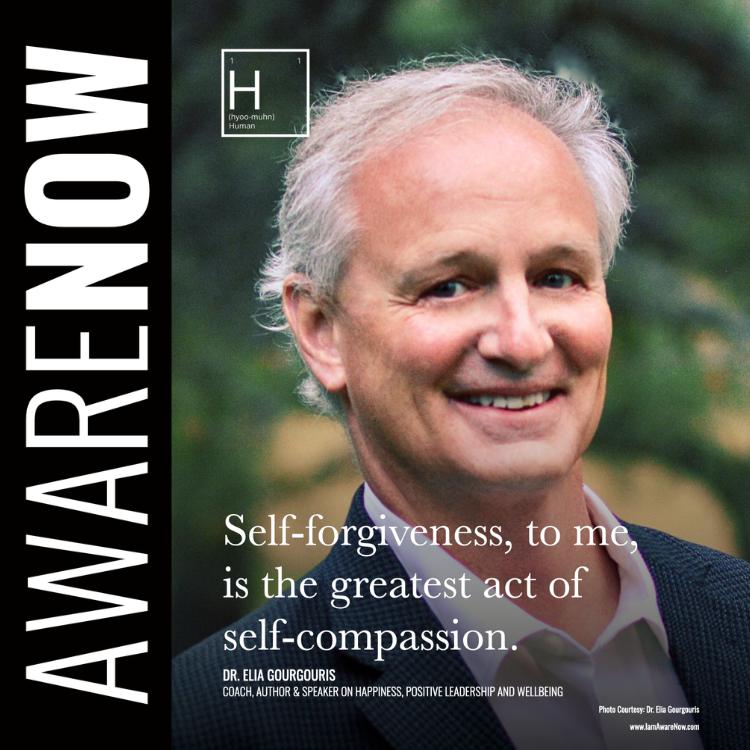
ELIA: (continued) And then eventually, as they heal… as they overcome whatever they’re dealing with, addiction, trauma, or whatever it is, they begin to see it too.
I’ve had so many people come in and say, “My name is Jane, and I’m an alcoholic.” And I’ll say, “No, you’re not.” And they look at me like I don’t understand. And I say, “You’re a wife. You’re a mother. You’re a sister. You’re a daughter. You’re a friend. You have a career. Yes, alcohol is creating problems in your life… but that is not who you are.”
And they say, “Doctor, I don’t think you understand addiction.”
And I say, “Jane, I don’t think you understand your potential.” Because addiction is not the identity. It’s a coping mechanism. It’s how you’ve learned to deal with pain.
So instead of focusing only on the behavior, we go deeper. We look at the root. The heart. The soul. And when that gets healed something incredible happens. Not only do they get sober, they stay sober. Without forcing it. Because they’ve learned a new way to live.
ALLIÉ: Well, mission accomplished. In terms of how people speak of you and how you make them feel. I feel loved. I feel seen. I feel heard. Just from you sharing your story and your truth. Thank you.
ELIA: You know something… when people live in alignment with their purpose, they have a pretty happy life. It never feels like work.
And for me, the purpose of this life, besides happiness, is this: to leave the world better than we found it.
Because we all have a sphere of influence. It might be 10 people. It might be 100. It might be a million. But whatever that sphere is… what are we doing with it?
Are we bringing toxicity into it? Or are we bringing kindness, love, acceptance, forgiveness? The choice is ours. ∎


We often celebrate pushing forward, but rarely honor the bravery of turning back. Jen Willis knows both paths intimately. In this conversation, she reflects on MS, Everest, and the kind of strength that emerges when self-trust becomes the ultimate measure of success.
ALLIÉ: Jen, you and I have a lot in common. We are both moms. We both have multiple sclerosis. But here is what is different. While I run with MS, you climb with it. Everest, at that. So bring me back to the beginning. How long have you been a mountaineer? When did this career in climbing start for you?
JEN: So my first actual mountaineering was in 2022, actual mountaineering. I was already 51, and I headed over. I already had MS. I was 51, and I headed over to Nepal to climb a couple of peaks that were around six and a half thousand meters.
ALLIÉ: My goodness. And you said, why not just go a little higher?
JEN: Yeah. So I went back the next year, in 2023, to Everest. Look, honestly, the reason I went to Everest was not that I had a long-held dream to be a mountaineer one day. That was sort of a little seed that had been planted when I

WILLIS
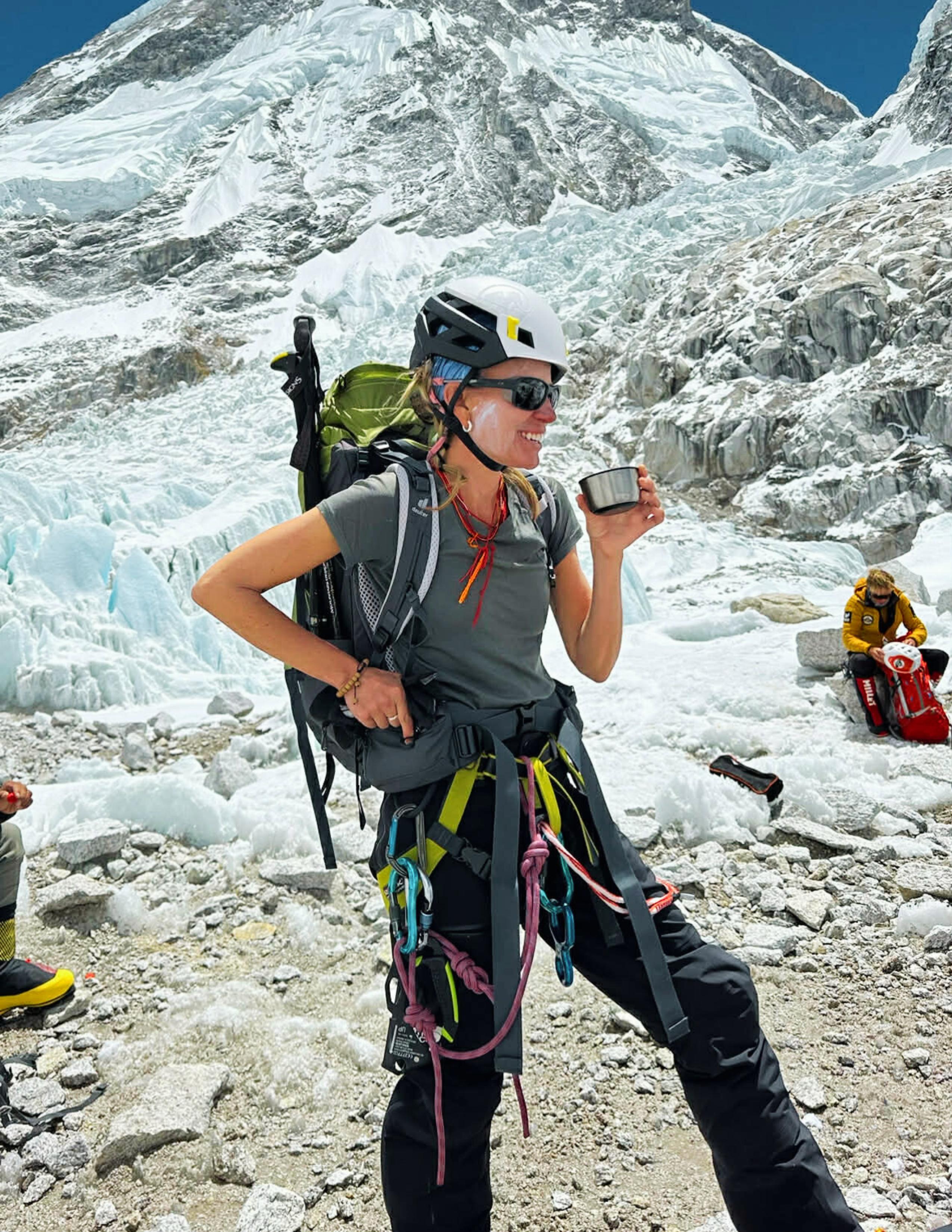

“The first thing MS took from me was the sense that I had always been a hypochondriac. When they finally said, ‘It looks like you have MS,’ it took that away.”
JEN: (continued) In 2008, I was told I may have MS, and I thought, if I ever get diagnosed, I am going to fundraise for MS research. I am going to head out and I am going to climb. I am going to learn to be a mountaineer.
So I went to find these peaks in 2022, and one of them is a really technical, hard mountain. But people said, “Oh, have a good walk,” and “How was your walk?” And I just did not feel like people understood what I was doing, how I was pushing my own sense of limitation.
I thought, how will people understand, and what will encourage them to donate to MS research in support of my climbing? I thought, I will just have to go to Everest. Then they will understand I am climbing Everest.
But a lot of people then said, “Oh, how was your walk?” So…
ALLIÉ: That is wild to me.
So let’s go back to when MS entered your life, because it is different for all of us, right? We all have different experiences with it. It presents itself so differently in each of us. What was the first thing that it took from you?
JEN: So I was told in 2008 that I may have MS. I had just had my third child. But I had had different challenges with my health that had been showing up since I was about 25.
The first thing MS took from me was the sense that I had always been a hypochondriac. When they finally said, “It looks like you have MS,” it took that away.
I thought I knew that there was something not right with my health, because I would feel it so strongly at times. I did not want to have this self-fulfilling prophecy of one day being diagnosed with something, but I had known for a long time that something in me, at times, struggled in that way.
ALLIÉ: It is interesting what you say about what it took away. A lot of times we think about MS as robbing us of something. But the fact that you say it took away that uncertainty.
So when climbing Everest, I would imagine that choosing to turn back can be the hardest decision of all. For you, Jen, how did that moment reshape your understanding of strength, of success, and of trusting yourself? What was that moment like?
JEN WILLIS ADVENTURER, MUM & MOUNTAINEER
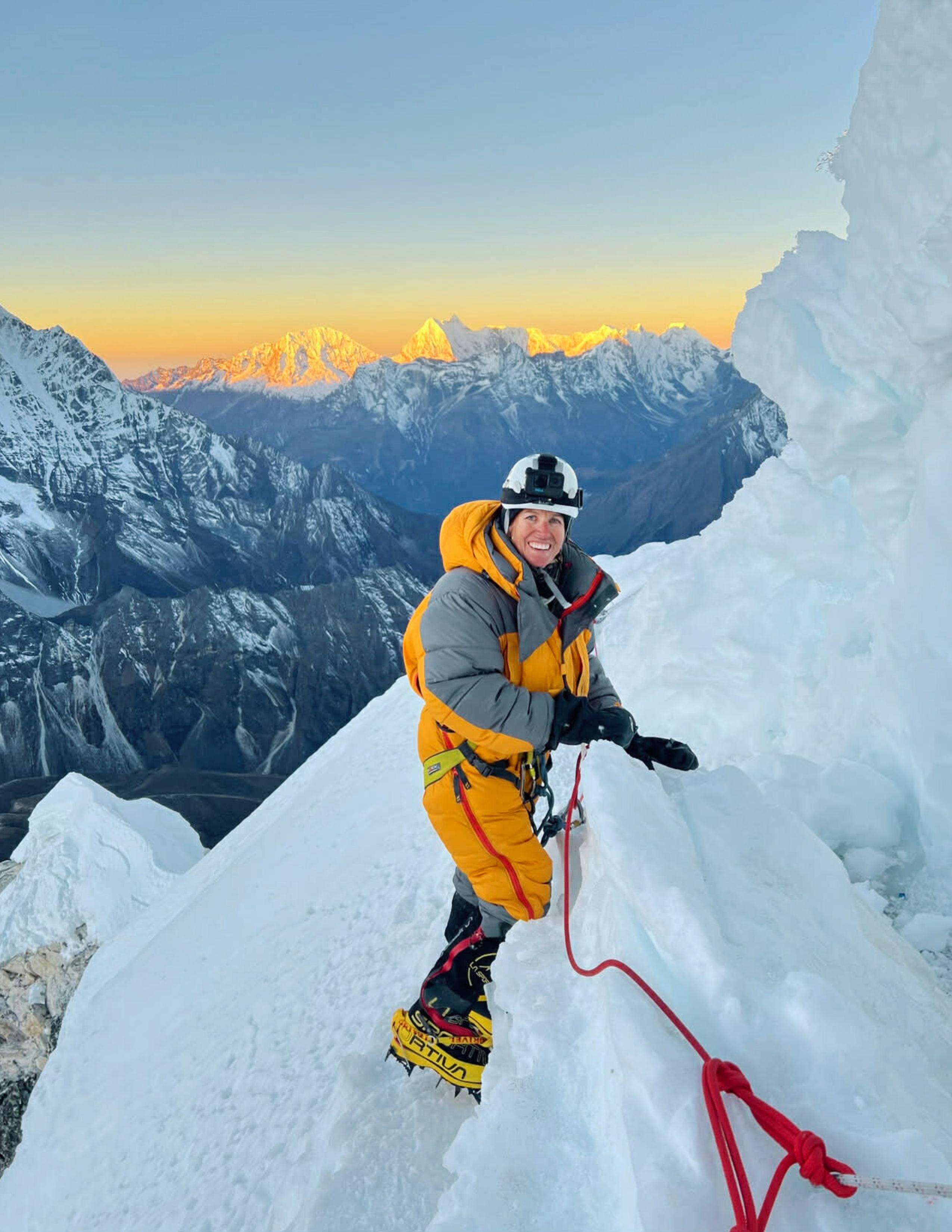

“I felt like I fell from grace…”
JEN: I reached 8,000 meters in 2023. I was at the South Col, about 848 meters from the summit, resting. Typically, from the South Col, you then go and climb to the summit in that same stretch.
I did not make the decision to turn back. I was told that we were missing some of the bottled oxygen we needed to continue to the summit. So that decision was made for me.
Honestly, I was devastated. I look back and feel like the expectations I had of myself, how I should show up as a climber, and how much it devastated me to have my climb cut short when I was mentally and physically ready to continue on to the summit then and there.
I felt like I fell from grace because I was so upset. I came home and found it really hard to process the depth of disappointment that I had.
So yeah, it was a tough time.
ALLIÉ: So when you climb, Jen, you carry more than your gear. You carry the hopes of others who are living with MS, along with your own hopes.
What does that responsibility place on your heart? And what does it give back at the same time?
JEN: I think it will be different this time.
Last time, when I was climbing, I probably had a goal of a personal dream to climb and a responsibility to want to raise money for MS research. The support I got for my own journey and the inspiration that offered to others was alongside that.
I really wanted to raise that money and be part of that research toward a cure. I felt disappointed that I did not raise as much money as I hoped. I felt disappointed that I did not get to the summit and tell a story from the summit. It is different now.
This time, a big part of it for me is continuing to show people that we can have these limiting beliefs. I do not know whether I would have made the summit that day or not. I was not the fastest climber.
So this time, I feel like the responsibility is, whatever happens, to show people that you can get up after you fall. You can keep going.
If things do not go to plan, and I am faced with a decision out of my control again, I want to show how you can handle that depth of disappointment with grace this time.
ALLIÉ: Yeah. And give it another go, exactly like you are doing… I am in awe of you. For me, there are days where I do not have the energy to do anything. Even taking a shower is exhausting.
So how do you do this? I am having a hard time processing how you carry yourself and MS with you up this mountain. How do you do this?
JEN: Honestly, in some ways, life gets easier for me when I am there.
WILLIS
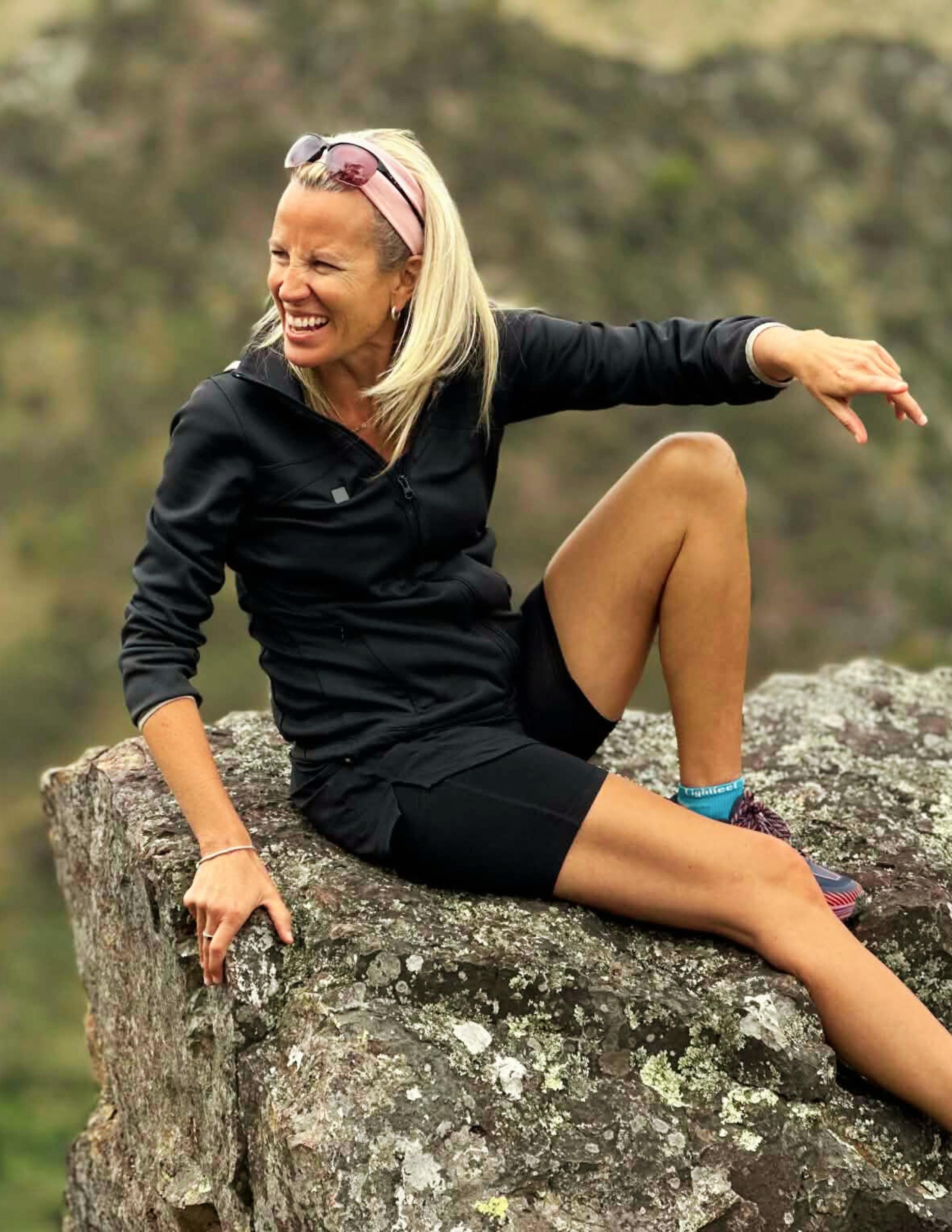

“At home, everything feels like a lot. There, I feel present and alive in a way that is hard in everyday life.”
JEN: (continued) My MS impacts my bladder. I have irritable bowel syndrome quite badly, so I am always managing my bodily functions. But physically, the only other impact I get is a burning tongue and post-exertion fatigue. Most of my impacts are cognitive.
Once I am there, so much responsibility and thinking drops away. It becomes waking up, walking where my guide and I have decided, deciding what to eat, adjusting my clothing. Sometimes there is not even a decision. It is just, “Here is what we are doing.”
I shift into a different version of myself that has so little responsibility other than moving through each moment. In that way, it is easy.
Physically, it is hard at altitude, but mentally it is much easier for me there than it is at home trying to navigate the million ideas in my head. Work has been a struggle because of the cognitive impact.
At home, everything feels like a lot. There, I feel present and alive in a way that is hard in everyday life.
ALLIÉ: You just said the word. Present. You can just be there and do that without worrying about everything else. For people who are just hearing about your journey, where are you at now? When is this happening? Fill us in.
JEN: So today is the 3rd of February. I will fly out around the 31st of March.
I will be in Nepal through April and May. When climbing Everest, you do a lot of acclimatization rotations, going up and down smaller peaks and Everest itself while your body adjusts.
Then you wait for a weather window when the jet stream winds drop, typically mid to late May.
You are living day-to-day at base camp, climbing up and down. When your body is acclimatized and the summit window opens, you go for it.
That final summit push, you are on the mountain for maybe six days. Then you come back down and hope you have summited it this time.
ALLIÉ: I have one more question for you. Some journeys pause, but they do not end, and yours is a beautiful example of that. For those who have left a challenge unfinished and feel afraid to try again, what advice do you have?
JEN: I came back from my last trip and wrote a memoir. By that point, I had processed a lot of the disappointment, which led me to process a lot more inner things I had been carrying since I was a little girl.


WILLIS
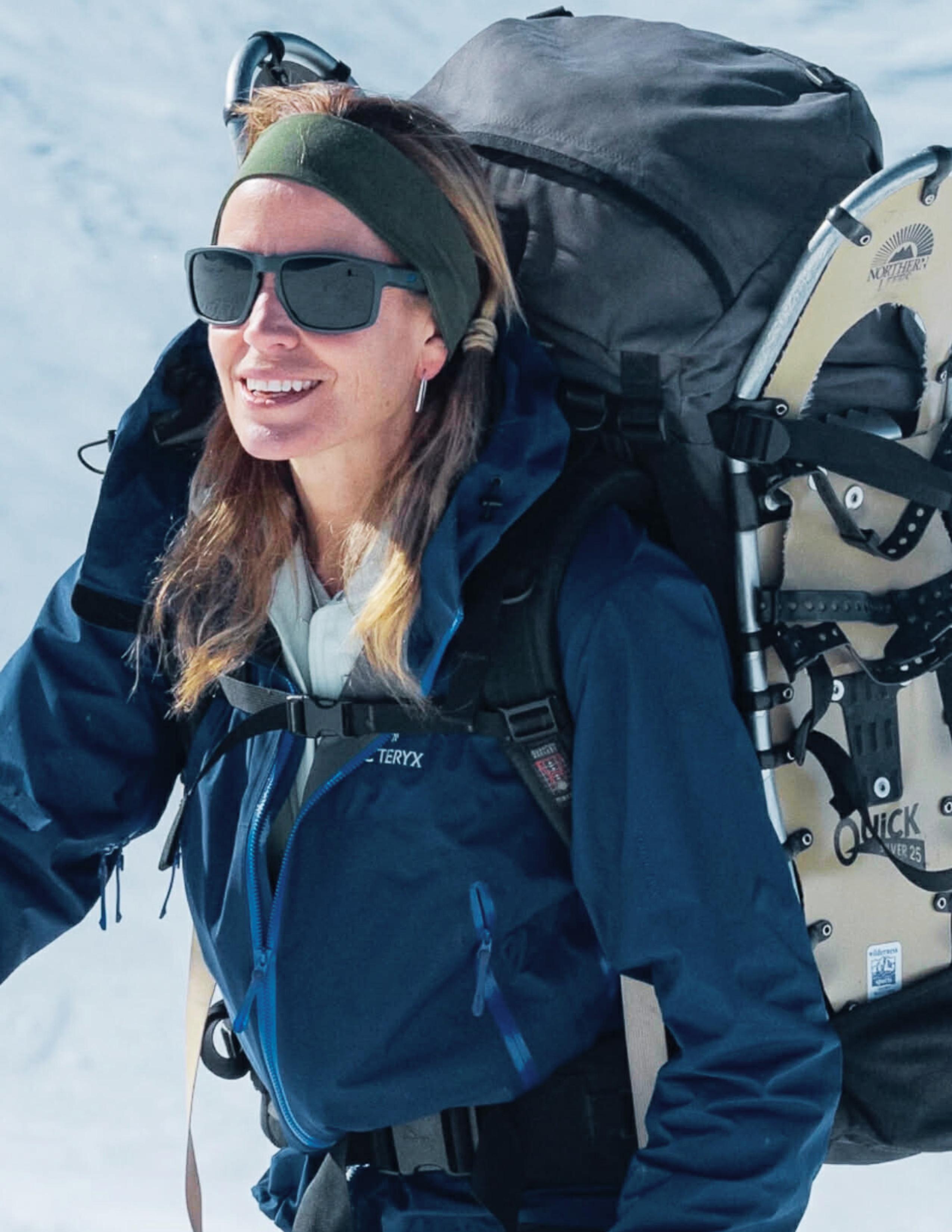

AwareNow Podcast
ONWARD & UPWARD
Exclusive Interview with Jen Willis https://go.awarenowmedia.com/podcast/onward-and-upward

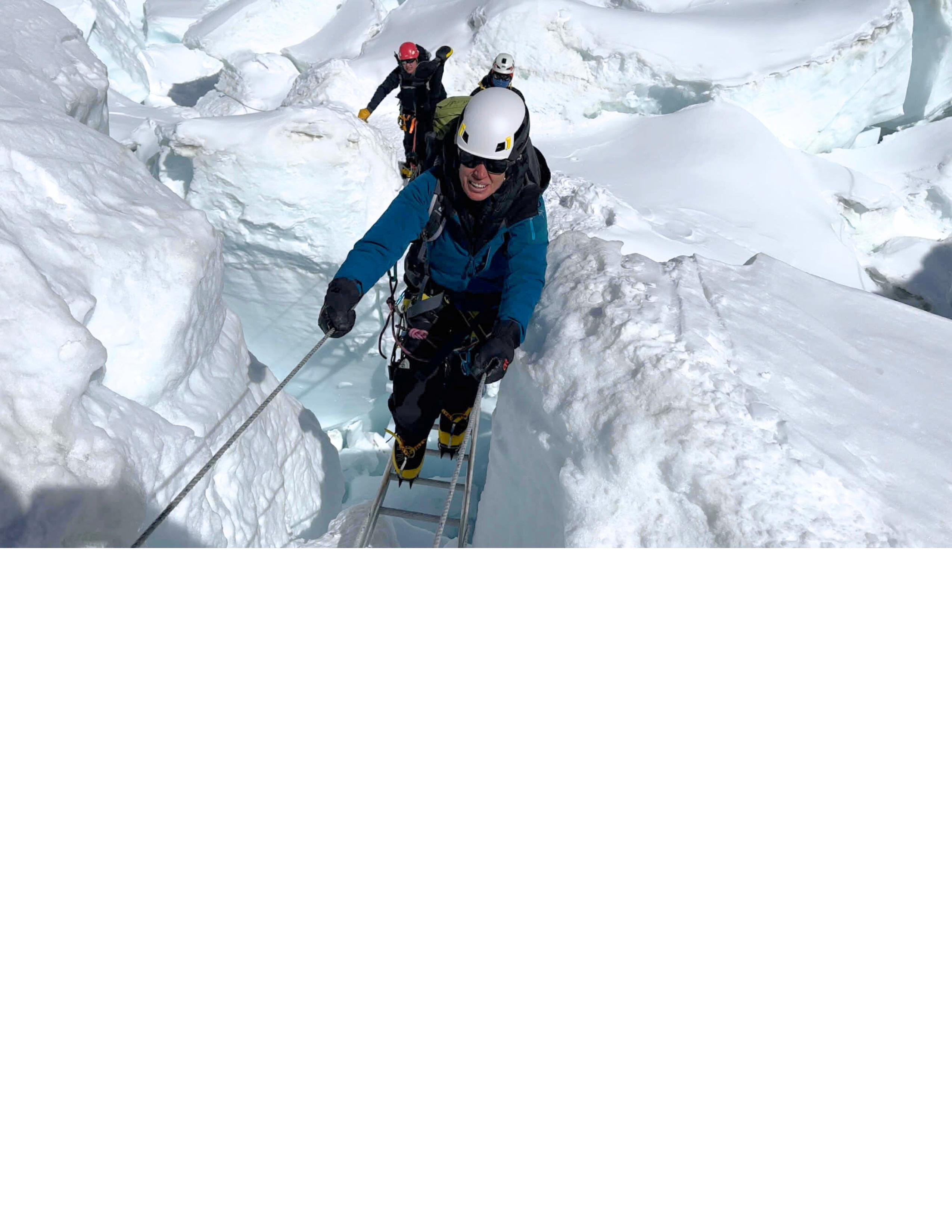
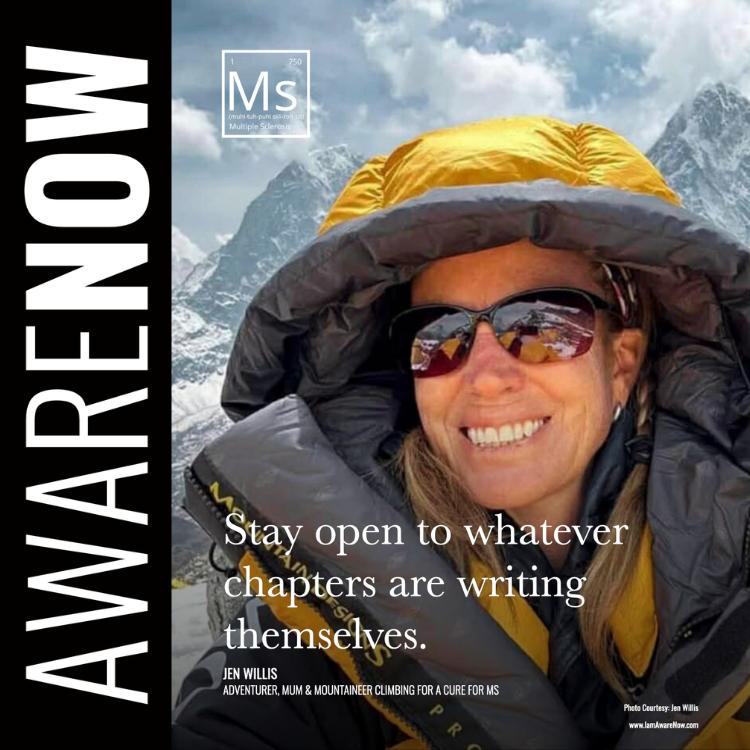
JEN: (continued) I thought I had closed that chapter. But Everest crept back in like a little flame that had not been extinguished.
I went back to Nepal in 2024 and took a group of people living with MS to base camp. I thought that might fulfill that desire, but it did not.
My advice would be, do not attach to anything because you do not know how you will feel. You do not know if that dream is still alive somewhere or not.
If you feel it starting to come back, be open to it.
I thought I had a sponsor last year, and they went silent. I have been lucky to get some support this year, but I am still making huge financial sacrifices to go again.
When you feel that stirring, start to notice what might make it possible and open up to wherever that leads.
For me, I thought my memoir was finished, but now there is a new chapter writing itself. I am still the protagonist in my own story. I do not know how it will unfold, but stay open to whatever chapters are writing themselves. ∎
Learn more about Jen’s journey & support it here: www.jenwilliseverest.com.au Find & follow her on Instagram: @everestbeyondlimits
JUSTIN GURLAND FOUNDER & CEO OF THE MAZE NYC

‘ALIGN’ EXCLUSIVE COLUMN BY DAMKIANNA SUPPORTED BY TRUTH & JUSTICE LEAGUE

In a city that never sleeps, where networking often happens over cocktails and connection is filtered through loud bars, something radically different is rising. The Maze is not just an alcohol-free private members club in New York City. It is a cultural shift.
So what happens when sobriety evolves beyond abstinence and becomes a movement rooted in connection, creativity, and conscious community?
At the center of it is Justin Gurland.
Justin’s sobriety journey began at 25, at a time when he believed life without substances would feel small, empty, or maybe even unbearable. What he discovered instead was expansion. After years in recovery, he had a breakthrough that changed everything. The opposite of addiction is not just sobriety, it is connection.
That realization shaped his life’s work.
With over 15 years as a licensed master social worker specializing in substance abuse, and 16 years of lived sobriety, Justin has helped countless individuals rebuild their lives through meaningful relationships and community. The Maze is the embodiment of that philosophy. A high-design, high-vibration private members club redefining social life without alcohol. A new American restaurant, elevated coffee, weekly events, curated gatherings, and monthly cornerstone groups where entrepreneurs, parents, creatives, and leaders meet in intentional community.
It is for the sober, the sober curious, the wellness focused, the high performers who want clarity, the founders who want depth, and the humans who are done pretending that connection requires a drink in their hand.
The Maze is proof that sobriety is not an ending. It is a powerful beginning. And in the heart of New York City, it is building something unforgettable.


JUSTIN GURLAND FOUNDER & CEO OF THE MAZE NYC

“Getting sober was not just about removing drugs and alcohol.”
DAMKIANNA: Justin, thank you so much for joining us here at AwareNow on the ALIGN Channel. I would love to ask you, could you share about a pivotal moment or an inner shift that really sparked the idea for The Maze, and a little about how your personal journey shaped the mission behind creating this alcohol-free social club in New York?
JUSTIN: Absolutely. First, thank you. It is an honor and a pleasure to be able to share something I am so proud of. I have thought a lot about this question, and I do not think it was one pivotal moment as much as it was a collection of moments. It is almost like this idea was born without even knowing it was born.
I got sober here in New York when I was 25. That was 18 years ago. What I did not know then, but learned pretty quickly, is that getting sober was not just about removing drugs and alcohol. It was about a lot of different changes, starting with that, of course, removing something that for me was dangerous and not working.
A big part of that shift is replacing it with something else. It took me some time to figure out what that would be. There are obvious things like exercise or eating healthy or focusing on work, but for me, where I really felt a shift was building a new community and making new friends. Being around people on a similar path.
That is when I started to feel better as a person. It was realizing I was not the only one going through this. I had people walking a similar journey.
In the later years of my addiction, I was very isolated. I spent a lot of time by myself because that was where I felt comfortable. So it was uncomfortable at first, going out and making friends again. And I certainly was not used to doing that sober. So much of socializing growing up revolves around drinking and partying.
I learned very quickly that you need your people around you. We would constantly ask, what are we going to do tonight? Where can we go? This is New York City, so it is not like there are limited options. But there are limited options if you want a place that is not loud, not chaotic, and not centered around alcohol. Somewhere you can actually have a conversation.
That place did not exist.
Later, I began working in the addiction and behavioral health field. I earned my master’s in social work, and over the years, I saw that clients who rebuilt their community did better than those who did not.
A couple of years ago, after selling part of my business and figuring out what was next, I kept coming back to this idea. That place still did not exist, even 18 years later. So I started thinking, what if we just built it? What if we created the space that never existed?
It turned into a beautiful journey where things just started falling into place. The right people, the right ideas, the right space. I just trusted the process.
DAMKIANNA: Amazing. So it was really a continued experience of recognizing something was missing, a need that was not being met, and building toward it without having a space to hold it. It sounds like a series of pivots.
JUSTIN: Yes, definitely. But what was really cool is something I did not expect. For 18 years, anyone I knew who was alcohol-free was in recovery. Then, as I started building this space, I realized there is a whole new generation of people choosing not to drink for various reasons. That is relatively new. I do not know if The Maze would have succeeded even two years ago.

JUSTIN GURLAND FOUNDER & CEO OF THE MAZE NYC
DAMKIANNA: Yeah. And so it was really a timing moment, and you listened to that. I personally identify as someone who just chooses not to drink. I feel better, I feel clearer. It has been amazing to see how culture is evolving.
And that actually leads beautifully into the next question I wanted to talk about. With multiple generations changing the ways that they are connecting and socializing, along with the wellness industry and leaders coming from a performance and business lens, I am curious how you see that cultural shift playing out in real life.
You mentioned that a couple of years ago the world might not have been ready for The Maze. How does The Maze speak to this evolving landscape beyond just people in recovery or those who identify as sober?
JUSTIN: I am constantly amazed that there is no one-size-fits-all. Let me tell a quick story that helped change my perspective.
We have an application process followed by an interview. One of the questions is, are you alcohol-free? There was a period of time where if someone selected no, maybe we would not prioritize them.
But we ended up having a call with someone who said no. Naturally, the first question is, why do you want to join an alcohol-free club if you are not alcohol-free?
She said, “I have been trying to be alcohol-free for years, but I do not know where to go or who to hang out with. I end up drinking, and I do not want to.”
That really changed the trajectory for me.
She represents a whole group of people I had not given enough thought to. She is social, she wants to be out in the world, but she ends up drinking because that is what the environment supports.
For those of us in recovery, we are trained to find sober people. It becomes a subculture. But for people outside of that, it is not so easy.
You have wellness communities, people who stop drinking for health reasons, parents, professionals, people doing Dry January who feel amazing and want to keep going. But where are they meeting people?
Providing that space is a gift in itself.
On the consumer side, we are also seeing a shift. Brands are investing in alcohol-free options. It is no longer just soda or seltzer. Now you are holding a beautiful drink, something intentional, and you feel included. That has been a big shift for people who previously felt left out.
DAMKIANNA: Yes, absolutely. You cannot tell the difference. You have something that feels special and intentional. I am a big fan of intentional elixirs.
As a fellow founder and visionary leader, I am curious. You saw this unmet need, but how did you access the conviction to go from “I wish this existed” to actually building it in New York City?
JUSTIN: That is a very good question. I do not know. I think I had the gift of time between the seed being planted and taking action. I used that time to test the concept, talk to people, and make sure it was realistic.
It did take betting on myself.
I try to look at myself as a social entrepreneur. If a business is successful financially but is not providing something positive for humanity, is it worth it? For me, it is not.
That keeps me grounded.
“More than anything, it is the people. The energy, the laughter. That is what keeps people coming back.”
JUSTIN: (continued) I also give a lot of credit to my dad. He has always been my mentor and a big believer in me. That support helped push me forward.
I also believe that if I am the smartest person in the room, I am in the wrong room. I need people around me who challenge me and push me to think differently.
DAMKIANNA: Absolutely. To really grow, we have to be challenged and stretched. I love that you call yourself a social entrepreneur. If someone walked into The Maze, what would they experience?
JUSTIN: I was involved in every decision that was made. My only request from our designer was to give me three options at a time. That is all I can handle.
We nailed the design. It is cool but comfortable. Elevated and classy but not stuffy. It has a homey, living room feel where you can spend time.
But more than anything, it is the people. The energy, the laughter. That is what keeps people coming back.
We serve lunch and dinner, brunch on weekends, and I believe we have the best coffee in the city. Our kitchen is run by Tom Colicchio and Crafted Hospitality, so the food is incredible.
It is a members-only space, but non-members can visit for events, reservations, or tours.
DAMKIANNA: Amazing. And what is one takeaway you hope every visitor leaves with?
JUSTIN: That they want to come back.
DAMKIANNA: I love that.
JUSTIN: There is something here for everyone. You can stop by casually or make plans. Some members come for dinner. Others come to every event.
Our members range from 24 to 64. That diversity creates something really special.
We host DJ nights, breathwork, meditation, comedy nights, live music, and more.
The best place to check everything out is our Instagram, @themazenyc.
DAMKIANNA: Incredible. Thank you for everything you are creating and for taking the time to share this with us.
JUSTIN: Thank you. That means a lot to me. It is great to see you, and I would love to see you there in person.
DAMKIANNA: Absolutely. I cannot wait to cheers a nice little elixir at the bar.
Podcast
Exclusive Interview with Justin Gurland https://go.awarenowmedia.com/podcast/uncompromising-connection

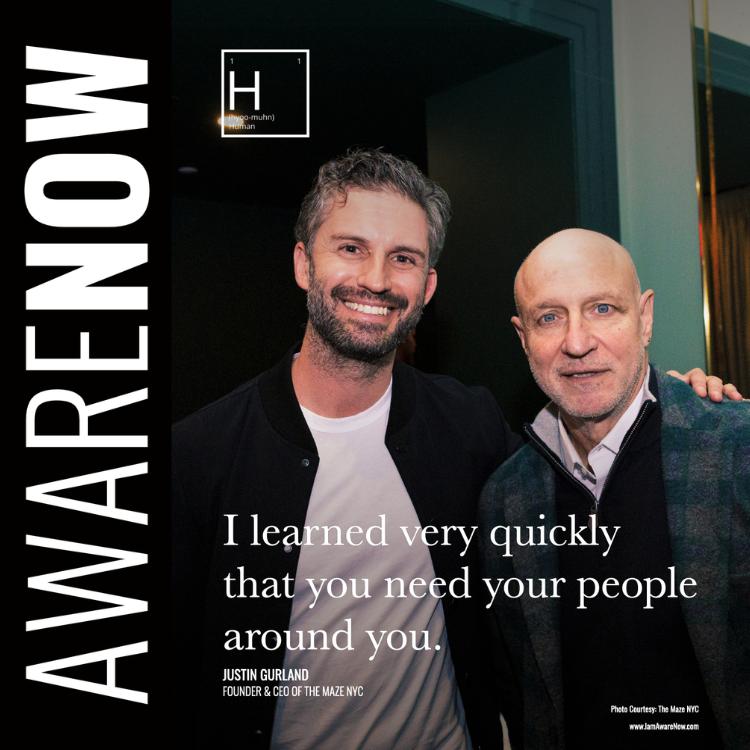
If you are building something meaningful, if you care about wellness, clarity, leadership, and real connection, The Maze is for you.
They are open for private events, collaborations, curated gatherings, and memberships for those ready to experience social life differently. Without substances, without pretense, without compromise.
The next time you find yourself in New York City, walk through those doors. Bring your friends and meet the kind of people who value depth as much as ambition. Because it is not just a club. It is part of a cultural shift. Leaders choosing presence over performance, clarity over chaos, and connection over consumption.∎
Learn more about The Maze NYC: www.themazenyc.com Find & follow on Instagram: @themazenyc
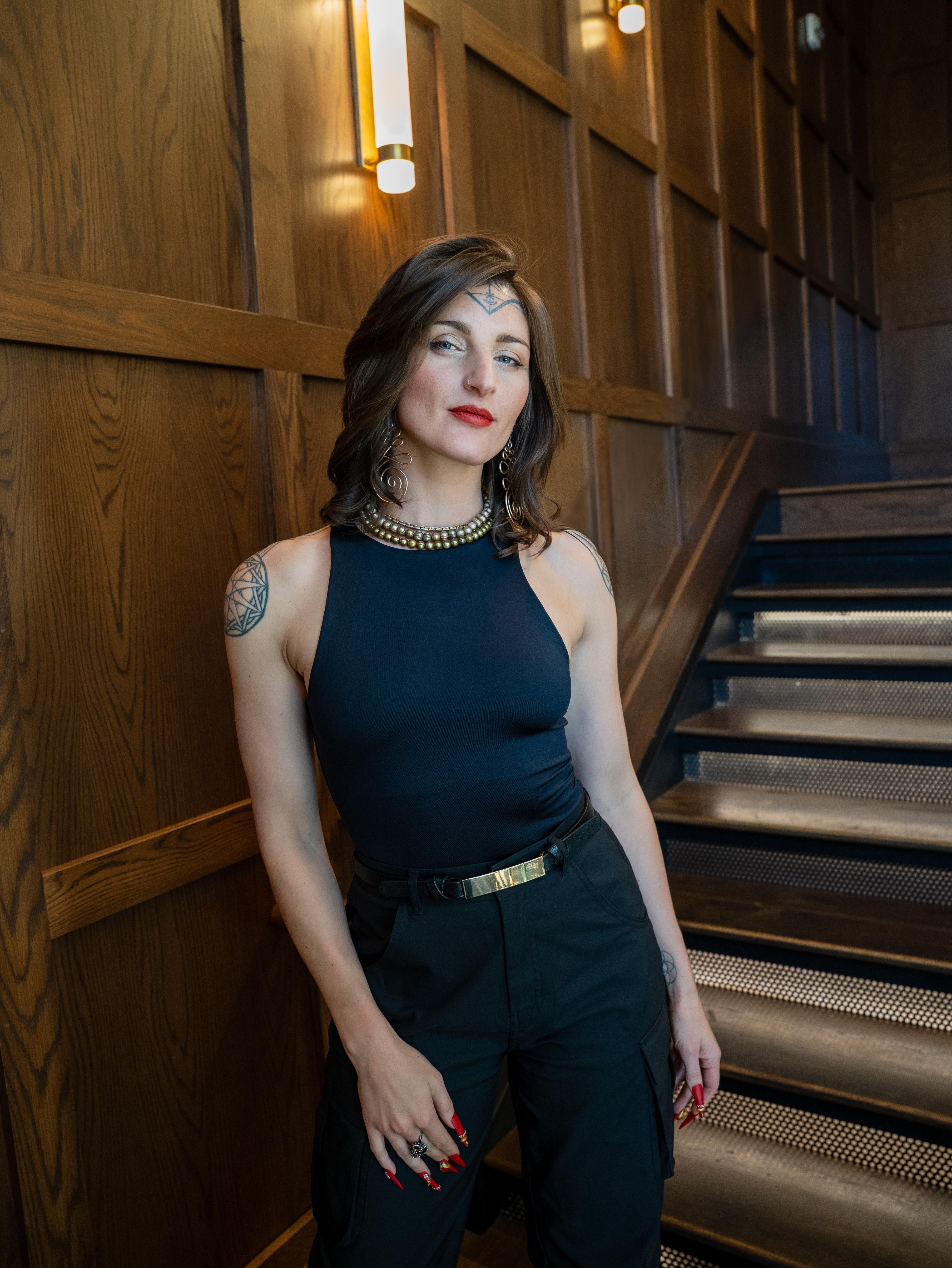
ALIGN is more than a conversation. It is a living network. A collective refining how we live, lead, and contribute. As you return to your life, stay close to what feels aligned. Trust that your presence, clarity, and integrity matter. We are shaping a more harmonious world together.
DAMKIANNA Advisor, Speaker, Creative Director, & Founder of RITE Productions www.awarenowmedia.com/damkianna
Damkianna is a private advisor to visionary leaders and founders devoted to precision, presence, and higher intelligence. She is the creator of The ALIGN Method, a body-based approach that restores clarity, decisionmaking, and leadership from within. Through private council, speaking, music, and immersive experiences, her work supports leaders in moving with coherence rather than force.
Let us bring ourselves together, full circle, and create waves of movement throughout the
PHOEBE WALKER FOUNDER OF DANCE A MYELIN MY SHOES (DAMMS)
PERSONAL STORY BY PHOEBE WALKER
The day after Father’s Day in 2025, I remember feeling unusually low, searching for something to steady myself. Eventually, I found myself scrolling through Facebook when I came across a post from Adam Powell. I remember thinking, look at him. He lives with this beast, but he is doing it. He is unapologetically living life on his terms, and it is a beautiful life.
Then my thoughts turned to so many of us with multiple sclerosis living similar lives. Suddenly, I felt empowered. All of us live with MS. We are on the same team, working every day against a monster that does not want us to succeed, yet we are still succeeding. Where were people like this at the beginning of my MS journey?
Sure, there were TV, radio, and written interviews of people who were successfully putting MS in its place, but that did not foster an atmosphere of open dialogue. That is something the MS community could really benefit from. Then I thought, what if I made it happen and started a major MS movement?
Within three days, I had assembled an entire panel of seven truly amazing MS warriors for MS Rising. We were all deeply motivated not only to move forward in our own lives, but also to reach out a hand to others in the MS community. Maybe we could illuminate details they had not realized, helping them truly live life even with this monster. Maybe someone is newly diagnosed and does not know where to start, feeling as if the weight of the world has just dropped on their shoulders. They do not need a doctor who has not lived with MS to tell them the best practices. Those of us living with the disease have the most valuable, lived experience to share. And maybe there is someone who has had MS for years and handled it well, but is now having a tough season. Within the MS community, we are the best resources for one another, helping each other find joy and purpose as we live with MS.
That is why I developed a platform where we can connect, network, and support each other, and the entire MS community, for the long haul ahead. Our panel is a powerhouse team made up of a diverse group of individuals from across the country: Merritt Island, Florida; Covington, Washington; Brunswick, Columbus, and Lancaster, Ohio; Assonet, Massachusetts; and Fenton and Owosso, Michigan. This inaugural MS Rising event is just the beginning. I hope it will be the first of many more to come.
Ultimately, the goal is to make this movement international. There are people around the world living with MS, and you might connect more deeply with someone across the globe than with someone in your own town. If your MS cheer partner is on the other side of the world, I do not want you to miss out. Let us bring ourselves together, full circle, and create waves of movement throughout the global MS community.
On World MS Day, Saturday, May 30, 2026, I cannot wait to feel the energy of our movement together. ∎
Learn more about MS Rising. Meet the panel and register to attend (online or in-person): https://damms411.org/ms-inaugural-panel

BLAKE-THOMAS STORYTELLER, PHILANTHROPIST & OFFICIAL AMBASSADOR FOR HUMAN TRAFFICKING AWARENESS
My heart is broken, and that’s okay because it’s my superpower.
As I sat explaining to someone how my heart was broken, they gave me a look that was close to feeling sorry for me. They were obviously surprised when I smiled and explained that this was a good thing, that I was lucky to have a broken heart and that, actually, it meant I had a superpower.
That superpower is the ability to connect with people on a level that is so deep and profound that there is a group of us in the “grief club” who can assist the rest of the world with real, true feelings.
The fact that I was fortunate enough to have someone in my life whom I loved so deeply, and that allows me to feel such sadness, just shows how deep my emotions are.
So what does this superpower mean? Well, all superpowers should be used for good. The definition of a superpower is a special or extraordinary ability far greater than what is considered normal. Examples of superpowers might be flight, super strength, telekinesis, or teleportation.
Obviously, no one is going to see my superpower reveal itself in day-to-day actions. I won’t suddenly need to use it to save the world, or will I?
That’s exactly what it represents. It’s so powerful that it can have an effect on the world. It could show itself as empathy, love, kindness, peace, or understanding.
Instead of thinking that we need to “fix” our broken hearts, what if we embraced this feeling? Allowed it to actually be as powerful as it has the potential to be?
I wonder what would happen if I wore the t-shirt that said my heart is broken. How would people respond? Would they stay away from me? Or would others come towards me and hug me?
Would my openness and vulnerability be an opening for connection? Imagine a world in which we all said how we were actually feeling. When the person serving us coffee asks how we are, what would happen if we said, “Actually, I’m sad, or exhausted, or frustrated”?
I’m going to be honest with you right now. Every day I am sad; every day I wake up and miss Chai’s physical presence. Every day I am reminded of what I’ve lost and wonder if I could have done things differently. I replay what happened and wonder if I was a reason that it happened.
I also smile at my daughter every day and feel a swelling of love in my heart for her, for her support and growth. So as well as sadness, I feel love. I am tired. I am still grieving. I vacillate between planning a lot and planning nothing. I realize I am human.
Could you be brave and share your vulnerability with someone?
ELIZABETH BLAKE-THOMAS STORYTELLER, PHILANTHROPIST & OFFICIAL AMBASSADOR FOR HUMAN TRAFFICKING AWARENESS
“It makes me smile to think that I loved so deeply and that her presence is still here every day.”
I want to give you a permission slip to also feel human. Be honest about how you’re feeling right now. Whatever it is, it’s okay. Maybe you have a hidden superpower? Could you be brave and share your vulnerability with someone?
Could we be brave enough to say it out loud?
I AM SAD!!!!!!!!!!
I HAVE A BROKEN HEART!!!!!!!!!!!
It feels really good. It makes me smile to think that I loved so deeply and that her presence is still here every day. It is so strong it inspired my next book. It was originally called Life, Love, Loss: Lessons from My Dog, and it discussed anticipatory grief.
After Chai passed, I exploded with true, raw, grief-filled emotions and wrote them all down. This inspired the new title, My Dog Is Dead and So Am I, an intense, raw flow of grief revealed in real time. It is so powerful I can’t read my words; it is so vulnerable.
This book is my superpower to share with the world.
So please feel, be human, and show your superpower. ∎
ELIZABETH BLAKE-THOMAS
Storyteller, Philanthropist & Official Ambassador for Human Trafficking Awareness www.awarenowmedia.com/elizabethblakethomas
Elizabeth Blake-Thomas is a British award-winning storyteller and philanthropist based in Los Angeles. She is the founder and resident director of entertainment company Mother & Daughter Entertainment, whose motto is “Making Content That Matters”, putting focus on each project starting a conversation amongst viewers. She is also the creator of the healing methodology Medicine with Words which is designed to help “spring clean” your mind and help free yourself from unnecessary noise so that you can live a more purposeful, peaceful life. She is the author of Filmmaking Without Fear which is a multi-medium resource curated for indie filmmakers. Her FWF podcast is available on all streaming platforms, and the book of the same name is available on Amazon. She is a regular on panels at Sundance, Cannes and Toronto International Film Festival, Elizabeth mentors wherever possible, ensuring she sends the elevator back down to all other female storytellers.

TED MEYER ARTIST, CURATOR, FILMMAKER, AUTHOR & KEYNOTE SPEAKER
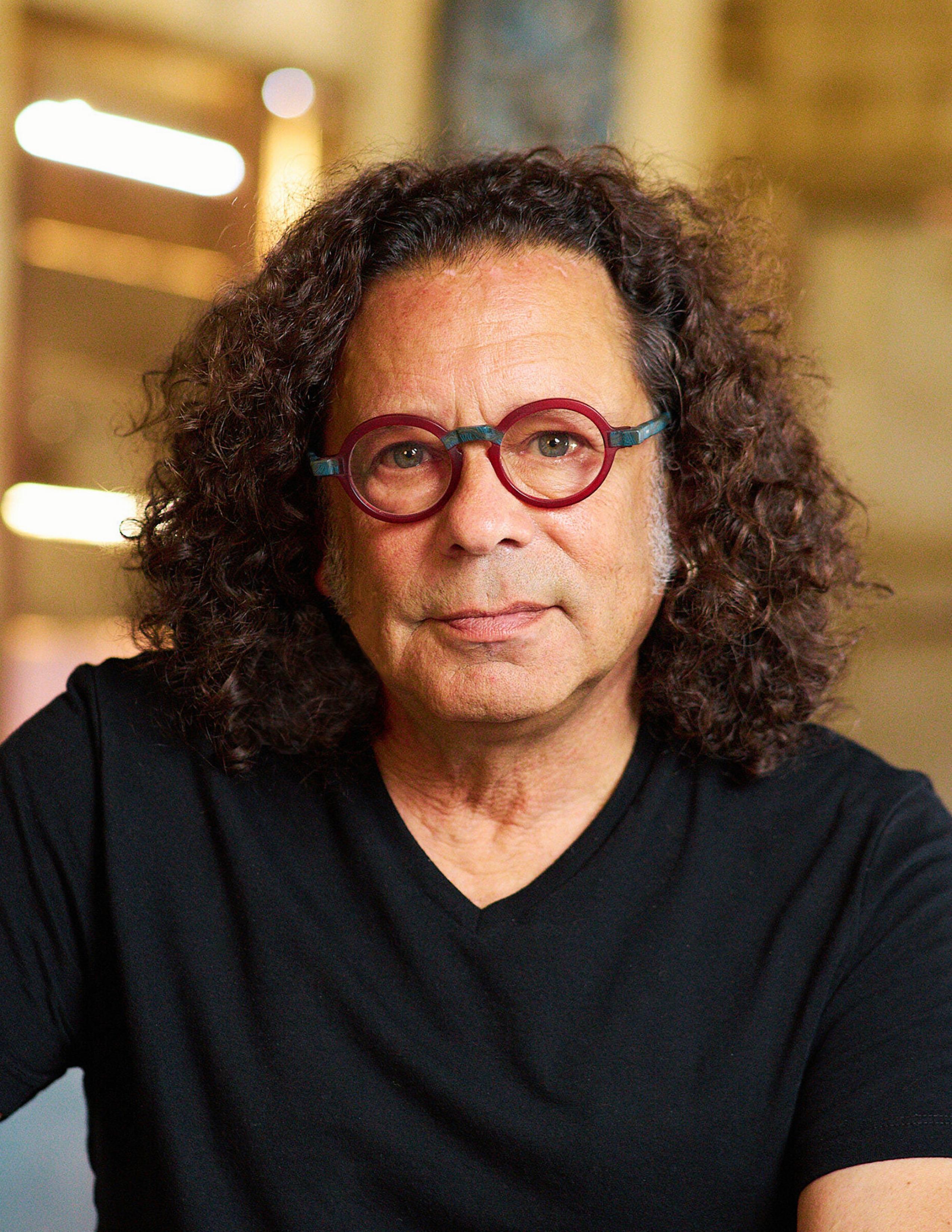
Ted Meyer is an internationally recognized artist and patient advocate whose work transforms lived experiences of illness into powerful visual storytelling that builds empathy and human connection. Living with Gaucher disease, he bridges art and medicine through projects like Scarred for Life, helping audiences and medical professionals see illness through the lens of lived humanity.
ALLIÉ: Before the galleries, the lectures, and the advocacy, who were you, Ted? A young artist learning to live in a body shaped by illness, and what did creating art give you that medicine couldn’t?
TED: Well, I think we should start way back. I was in and out of the hospital as a kid from the time I was about five. I would do drawings in the hospital. I have pictures of me in my hospital bed with my art supplies on the little crank-up table next to me. I would always draw in there. One of the volunteers at the hospital came in one day. I was in a really
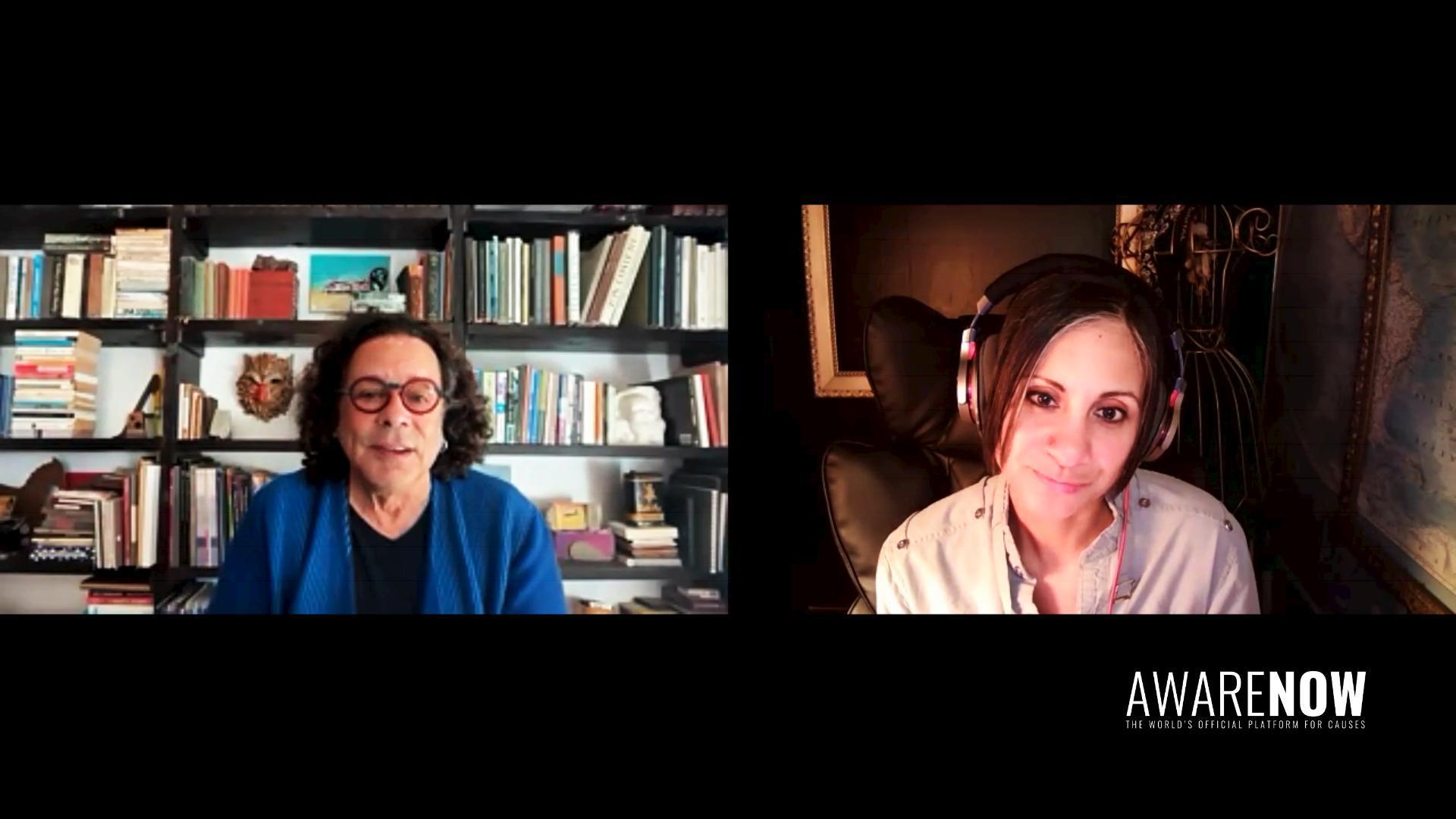

TED MEYER ARTIST, CURATOR,
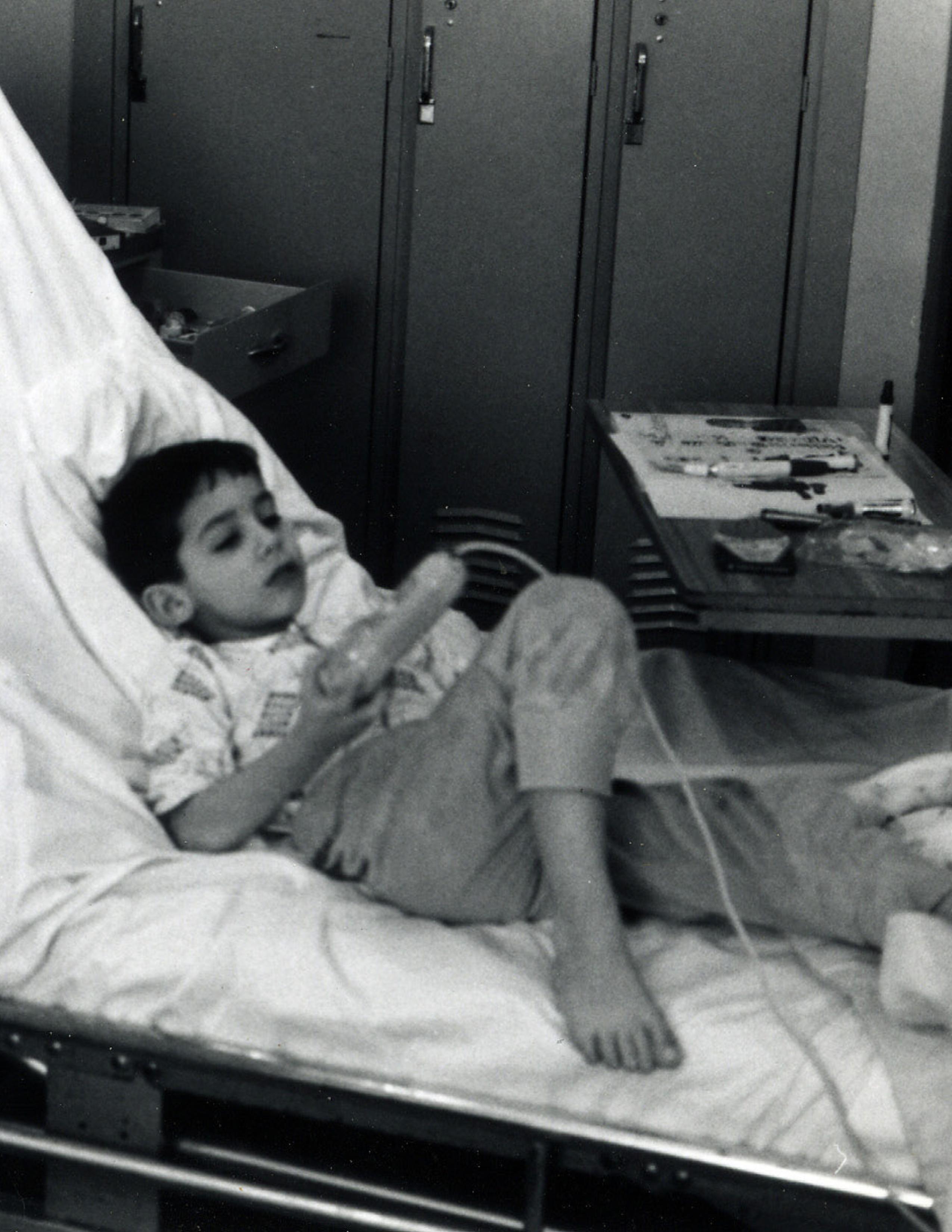
“I had gone to NIH when I was six years old to give bone marrow for something I didn’t get treatment for until I was 42.”
TED: (continued) She said, “If you don’t like it here, you can draw that you don’t like it here. You can put a Band-Aid in your drawing and put an IV tube in it.” So that’s sort of who I was. I was this kid who was a return patient at the hospital. That was my three to four times a year. I had my family at home, and I had my family of nurses at the hospital. I did art in both places.
The times when I wasn’t sick, I have something called Gaucher disease, which is an enzyme deficiency. Sometimes I was fine, and sometimes I would have terrible bone pain where I would have to go to the hospital and they would just sedate me. So I had this bifurcated life of long stretches in the hospital and then seeming like a normal kid. So that’s who I was.
ALLIÉ: That’s who you were. So living with this disease of yours, like you just said, pain, procedures, I can’t imagine how many, and a deep awareness of your body early in your life. At what point did that lived experience stop feeling like something to endure and start becoming something you could transform through your work? How was art a therapy for you?
TED: Well, just being able to draw about it. But it wasn’t until later in life when I started doing paintings about what was going on in my body. I started doing these contorted skeletons. I started doing angry little figures because it was a period after college where my health really crashed. It was very bad. So I did a lot of work at that point about what was going on with me.
When I give lectures, I always talk about patient art as patient-centered. It’s self-centered, but not in a narcissistic way. As you know, doing these interviews and for everyone who reads or watches this, when you are a patient, it takes so much energy to be sick. I always say it makes sense that you would do artwork about yourself because that’s what’s on your mind all the time. How to navigate your body, how to live in your body, how to deal with the world with a nonfunctioning body. So all that artwork at that point was about that.
Then when I was 42, NIH, your tax dollars at work, by the way, thanks everybody, came up with the treatment for what I have. They developed an enzyme replacement. I had gone to NIH when I was six years old to give bone marrow for something I didn’t get treatment for until I was 42. Once that happened, my artwork completely changed. It was colorful and bright, there were other people, it was funny, it was sensual. It was everything my early artwork wasn’t. It wasn’t about me anymore, it was about the outside world.
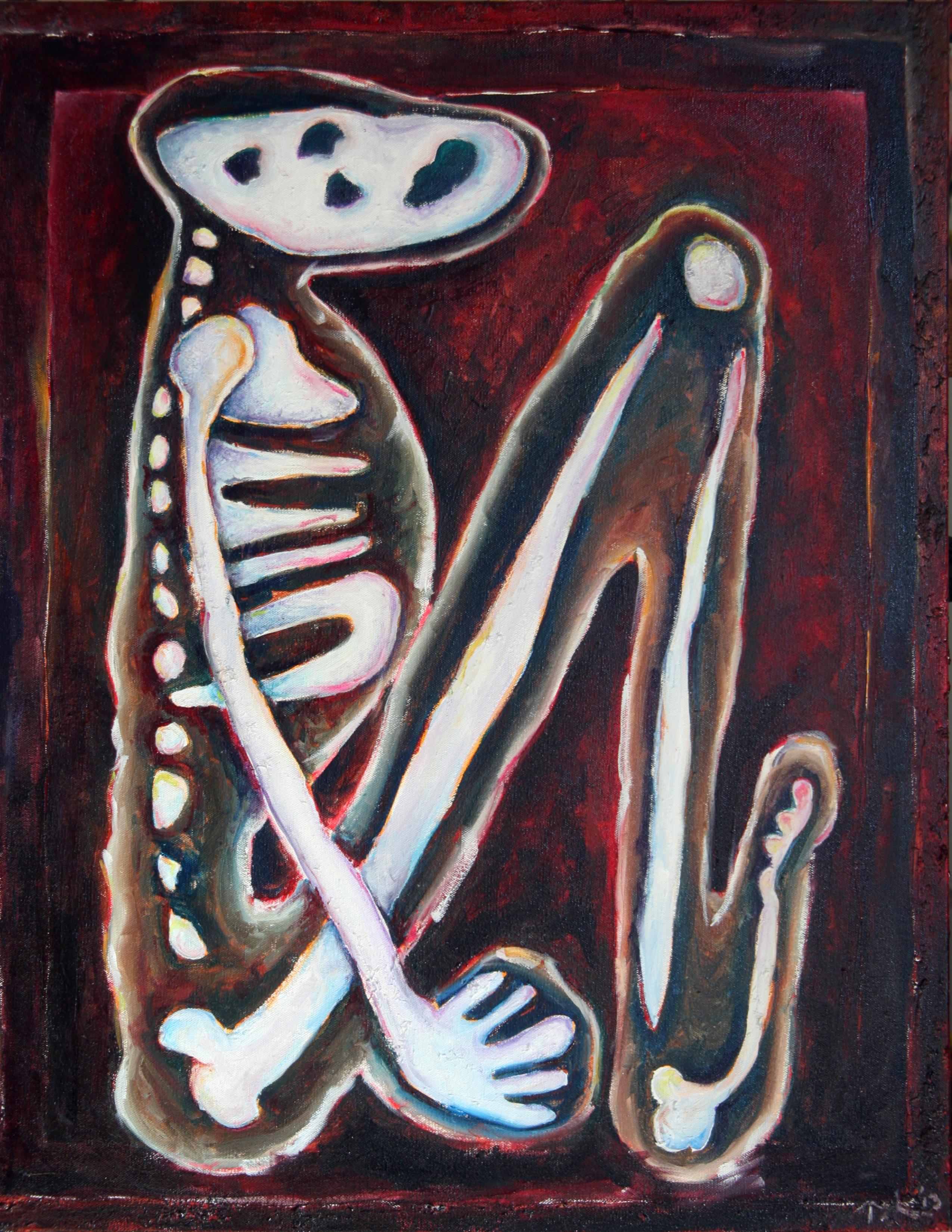
“There are so many things about the lived experience that show up better in artwork than in a written essay.”
TED: (continued) That was the transition that led me to advocate for other patients because I still wanted to do work about illness, but I couldn’t do it about myself anymore. So I started finding artists who were doing work like I had done and started getting them shows and speaking engagements so they could get their stories out.
ALLIÉ: As someone who lives with MS, I can say sometimes it’s like you just don’t have words for things. Did you find that helpful, that you didn’t have to express what was going on with words, but you could use something else?
TED: Yeah. It would be funny because I would do these little drawings and then every once in a while there would be a review in the LA Times or something, and they would talk about these angry little figures. I would think, I’m not angry, I just hurt. But that’s how the outside world would see it.
There are so many things about the lived experience that show up better in artwork than in a written essay. It’s funny because I’ve written a whole book about things going on with me throughout my life medically, but it’s a completely different kind of story. It’s more about observations of other people and how they dealt with medicine and me as a sick kid, whereas the paintings were just about me. I think writing has its place, and I think art has its place.
ALLIÉ: Let’s talk about Scars for Life. You ask people to reveal parts of themselves they’re often taught to hide. What happens in that moment when someone realizes that their scar is not a flaw, but a story worth honoring?
TED: Let’s talk about how Scars for Life started. I was showing some of my happier artwork at a gallery in Beverly Hills. A woman rolled in in a wheelchair with a low-back dress. This was before the Iraq war, so we weren’t used to seeing scars. We started talking about art. She had been a dancer and was trying to do choreography that included wheelchairs.
She looked at me and said, “You need to keep doing artwork about mobility issues because it’s still part of you, even if you can walk now.” It was such a simple thing, but it resonated with me. I had been feeling that while the happy artwork sold better, it didn’t feed my soul.
I called her the next day and asked if I could make a print of her back. I based it on Japanese fish prints. I thought if the scales of a fish can print, maybe a scar could print. I went to her house, printed her back, and showed it at a gallery. The reaction was unlike anything I had experienced before. People wanted to know about her. They would come up to me and show me their scars. They would unbutton shirts, lift skirts, pull down waistbands. Everyone wanted to tell me what they had been through and how they had survived.
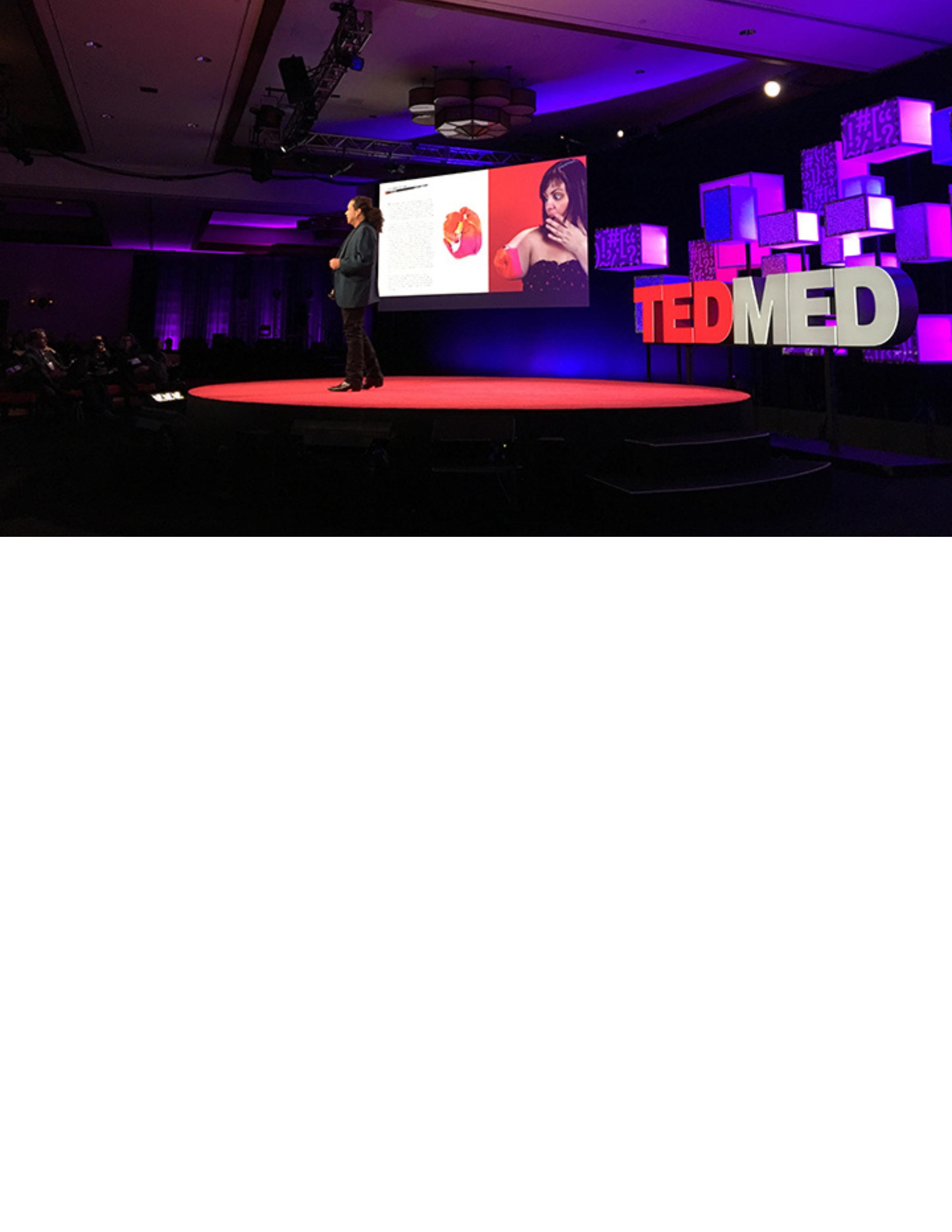
TED: (continued) It became clear this work was touching people in a way my other work wasn’t. Over the years, I’ve done about a hundred of these. People write to me from all over the world. There’s something about making a print. It’s like a fingerprint. You ink the scar, pull the print, and there it is. Then I paint into it with details of what happened. There’s something powerful about people taking that print, putting it on their wall, and saying, “That’s what I went through.” It becomes part of the healing process. It separates it from their body.
I also started realizing there’s a difference between when a doctor says you’re healed and when you feel healed. A doctor might say your bones are back together, but mentally and physically, you’re not fully there. Healing doesn’t have a clear end date. But by making a print and putting it on the wall, it gives people a moment they can define as their own. That’s how it started.
That led to working with universities like UCLA and USC. I created programs where I brought in patient artists and aligned their work with the medical curriculum so students could understand the lived experience of illness. We host lectures where artists and doctors are on stage together, discussing both the art and the medical perspective. It’s been an amazing experience.
ALLIÉ: It sounds amazing. I love how you speak about healing not being a single moment. It’s not just when someone says, “You’re all better.”
TED: My illness, I’m very healthy right now, but there isn’t a day I don’t think about it. My back, fatigue, hip replacements that need to be redone, anemia, no spleen. I’m as healthy as anyone my age, but I carry all these remnants from before treatment.
ALLIÉ: So when you bring your art into medical schools and hospitals, what do you see shift in students when art disrupts that clinical distance they’ve been trained to keep?
Podcast
EXCLUSIVE INTERVIEW WITH TED MEYER https://go.awarenowmedia.com/podcast/the-art-of-the-scar

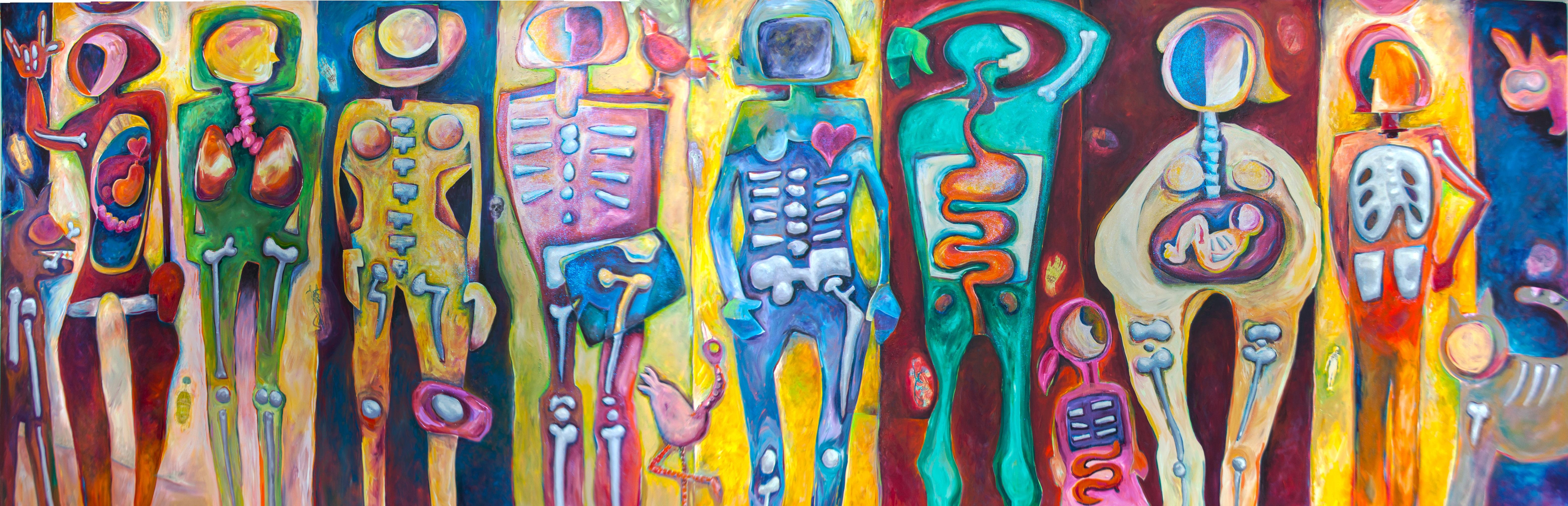
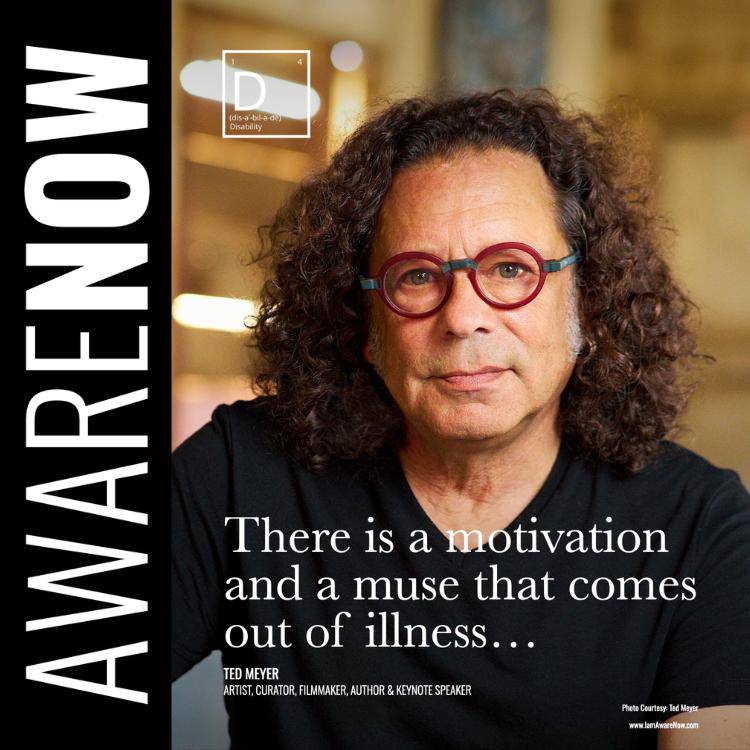
TED: It’s interesting because I got into this right when medical schools started incorporating humanities. Some schools do simple things like taking students to museums to improve observation skills.
The challenge has been finding a way to measure the impact. At USC, students write reflections before they leave, and art is often mentioned. Sometimes specific patient stories stay with them. But we haven’t been able to track longterm outcomes yet. The students I first worked with are just now becoming practicing doctors. We hope to eventually ask them if this made them better physicians.
ALLIÉ: One last question. Looking at your body of work and the lives you’ve touched, what do you hope people carry with them about illness, resilience, and humanity long after they walk away?
TED: What I want people to realize is that artwork created by people like me, or anyone living with illness, speaks deeply to the human condition. It talks about strength, survival, trauma, and pain. None of it would exist if everyone were healthy. People would just be painting landscapes, their grandchildren, their dogs.
People like us have a completely different set of experiences to share. We have stories that are different from the general population. I honestly believe our artwork is better. Maybe not technically, but emotionally and in storytelling, it’s more human.
I was just at a big art fair in Palm Springs, and so much of the art was decorative. It wasn’t telling a story. Then you see artwork by patients, sometimes just simple figures, and you can feel the pain in it. You understand what that person is going through.
If that person had been healthy, they might not have been an artist at all. Illness has its downside, of course. We all wish we didn’t have it. But there is a motivation and a muse that comes out of illness that has produced some amazing things over the years. ∎
NED STRANGER SINGER & SONGWRITER
‘MUSIC
Some clichés you hear so much that they start to lose meaning. “Be fearless” is one of them. It’s assumed that we know what this means…
I used to be one for “goal” style new year’s resolutions; the kind that read like a checklist of achievements. Release X many songs. Play Y many concerts. Finish writing Z book draft. But eighteen months ago I became a father and, among other things, I started thinking differently about goals and how I spend my time.
Not only because time was scarcer, but also because of the importance of savouring deeper experiences. It’s another one of those clichés that parenthood rushes by and your daughter grows faster than you can fathom. One minute she’s pulling off her socks whenever your back is turned; the next she’s started playing guitar and eclipsed your Spotify follower count…
So I wanted to focus less on what I was doing and be more mindful about how I was doing it. This filtered into my New Year’s Resolutions for 2026. I set upon two broader, more abstract intentions. First, to be more thorough in the projects I chose to take on. The second was a necessary consequence of the first: to get better at making decisions.
If time is precious and if I commit to deeper ways to use it, I have to feel sure I’m making the right choices. Do I write that book, or use that time to write more songs? If I want to explore a new hobby, do I take up salsa dancing or boxing or deep sea diving?
I then realised that I have no idea what “better at making decisions” actually means. Napoleon Hill formulates it quite simply: you should “make decisions quickly and change them slowly, if at all”.
But “quick” decision-making can lead to impulsive and, ultimately, “wrong” decisions. Something that feels right during one week might feel totally wrong the next. Especially at a time of constant change - our daughter picking up a new skill every few days (and growing out of her clothes as frequently) - I wanted a decision-making formula that was more enduring.
I then found a more detailed account of “good decision-making” in Ray Dalio’s book of principles. He splits it into 5 steps: having clear goals; identifying problems; diagnosing them to get to root cause; designing plans to solve them; doing whatever it takes to get the result. From his analysis I realised that there were two broad phases to a decision: first, gathering as much information as possible, so that the decision is informed; secondly, making a choice.
What I realised is that, the quickness should apply to the information gathering. If you have an itch to explore something - e.g. salsa dancing - don’t sit with it, just find out as much info about it as possible. Go to a sample class, ask friends what the salsa crowd in Vienna is like, etc. Do all of this as soon as possible. None of this is committing to “doing” salsa; it’s about information gathering.
Then, once you understand it in more detail, decide whether or not it’s right for you. If it is, then commit to it for a long time; at least until something drastic changes.
“What’s important is not what decisions you make, but how you make them.”
But still there was something missing. I realised that, at the heart of all my decisions, was a tension between fear and desire. Both of these influenced what I was choosing, but I wanted my decisions to be based solely on desire. Instead, fear was creeping in, causing me either not to do the things I wanted, or to keep changing my mind.
For example: “what if I don’t have enough energy to go out dancing in the week?” is a fear. So is the fear of judgment, something I experience all the time with my songwriting, even after twenty years of playing concerts and publishing songs. “What if my next song release goes down badly?” “What if this song is too edgy?” “What if I can’t fill the next music venue that I book?”
Coming back to my more philosophical outlook; what’s important is not what decisions you make, but how you make them. I can’t stop myself thinking these fearful thoughts, but I can stay aware of them so that I don’t let them affect the outcome. Instead I focus on what I desire. If I desire a bigger audience at my next show, or feel a creative desire to release a seven-minute song with less accessible production (i.e. four minute guitar solos… like all my teenage idols), then I should follow that desire rather than worrying what people think.
In the same way, I shouldn’t force myself to do things that I don’t feel that desire for, just because I’m worried other people will judge me if I don’t. In 2025, I launched a podcast called Poly Risk Reward about my alternative relationship lifestyle and unusual family set-up. After 15 episodes I felt a total lack of desire to go deeper and grow it to a wider audience. Rather than forcing myself to continue, lest I seem like a “quitter”, I decided to pause and respond to my creative itch to spend more of my spare time writing songs.
There are so many things to fear. And fear is unavoidable, necessary even as a compass for understanding our environment. But decision-making should be about fearlessness, a triumph of desire over fear. ∎
NED STRANGER
Singer & Songwriter www.awarenowmedia.com/ned-stranger
NED STRANGER is a singer, songwriter and recovering law student.He turned his back on a promising career in the city to focus on his true passions - music and writing - forming indie-folk act August and After with a close friend from university. Several years later, they'd built a loyal London fanbase and toured various European countries, securing millions of online streams across the world and features in The Independent, BBC Radio and numerous official Spotify playlists. Ned launched his solo project this year with a series of new singles, exploring the boundaries between indie-folk and electro-pop.
www.IamAwareNow.com