AWARENOW
THE WORLD'S OFFICIAL MAGAZINE FOR CAUSES

‘WE

‘WE


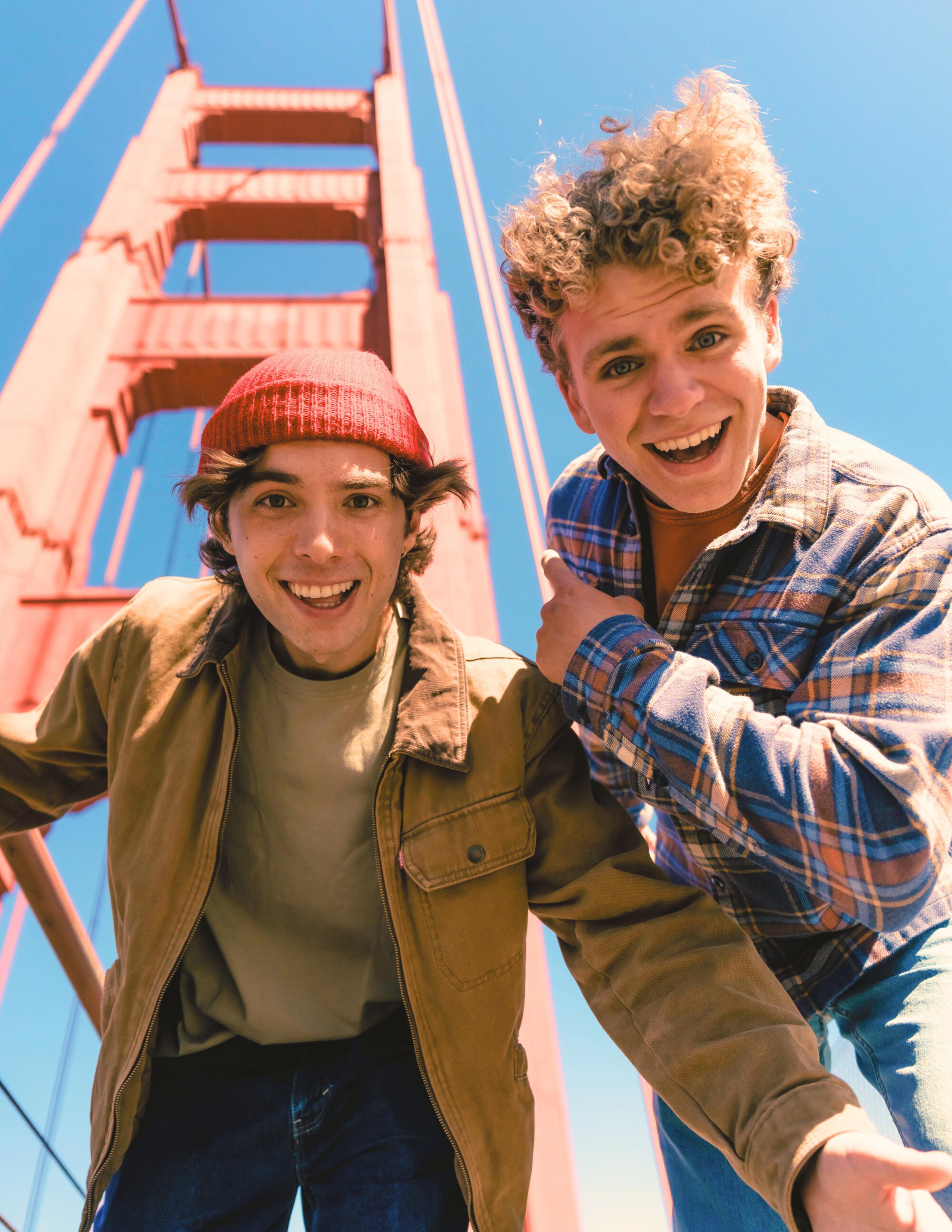

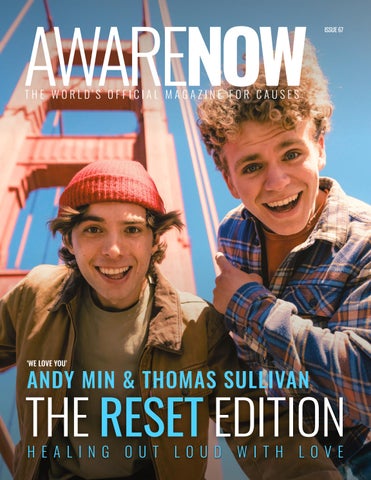
THE COVER: ANDY MIN & THOMAS SULLIVAN
AwareNow Magazine is a monthly publication produced by AwareNow Media™, a storytelling platform dedicated to creating and sustaining positive social change with content that inspires and informs, while raising awareness for causes one story at a time.
JACK MCGUIRE
THE
DR. ROB PACE WE
HANNAH
LACING
ALLIÉ MCGUIRE
KERRY FRANCES
YULY GROSMAN
HINES, ERIN MACAULEY
SONJA
Although no one can go back and make a brand new start, anyone can start from now and make a brand new ending.

Carl Bard
When we reset, we choose clarity over momentum and intention over habit. It’s not a failure to continue, but the courage to begin again with awareness.
New years don’t fix us — but they invite us to pause, breathe, and decide what we want to carry forward. The RESET Edition is a space to release what weighs us down and reclaim what brings us closer to ourselves and to one another. Here, we explore healing not as a quiet, private battle but as a collective act of love, honesty, and hope.
Be aware now more than ever. www.IamAwareNow.com
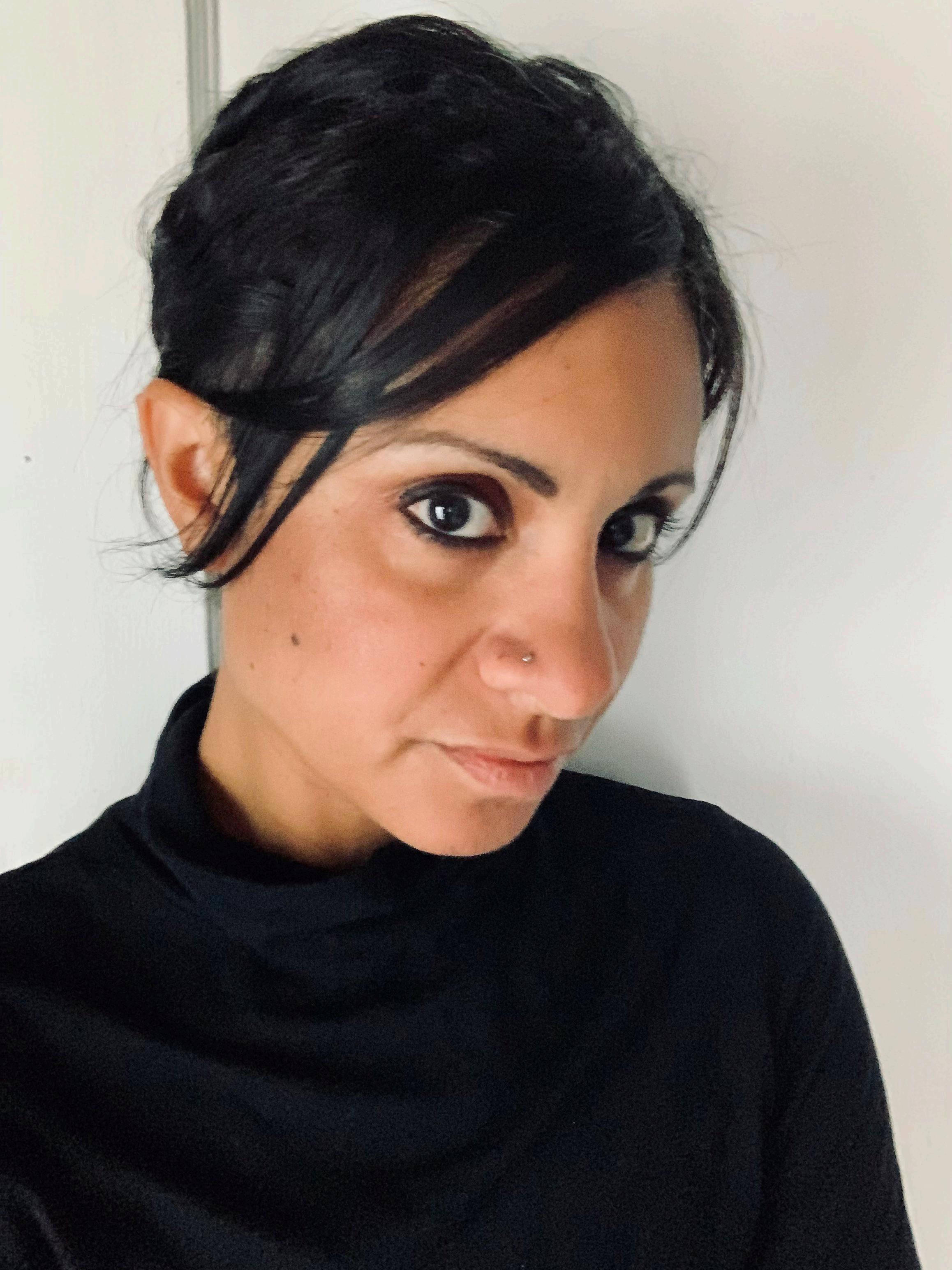
ALLIÉ McGUIRE
CEO & Co-Founder of AwareNow Media
Allié McGuire began her career as a performance poet, transitioned into digital storytelling as a wine personality, and later produced the Hollywood Film Festival. Now, as co-founder of AwareNow Media, she uses her platform to elevate voices and champion causes, connecting audiences to stories that inspire change.
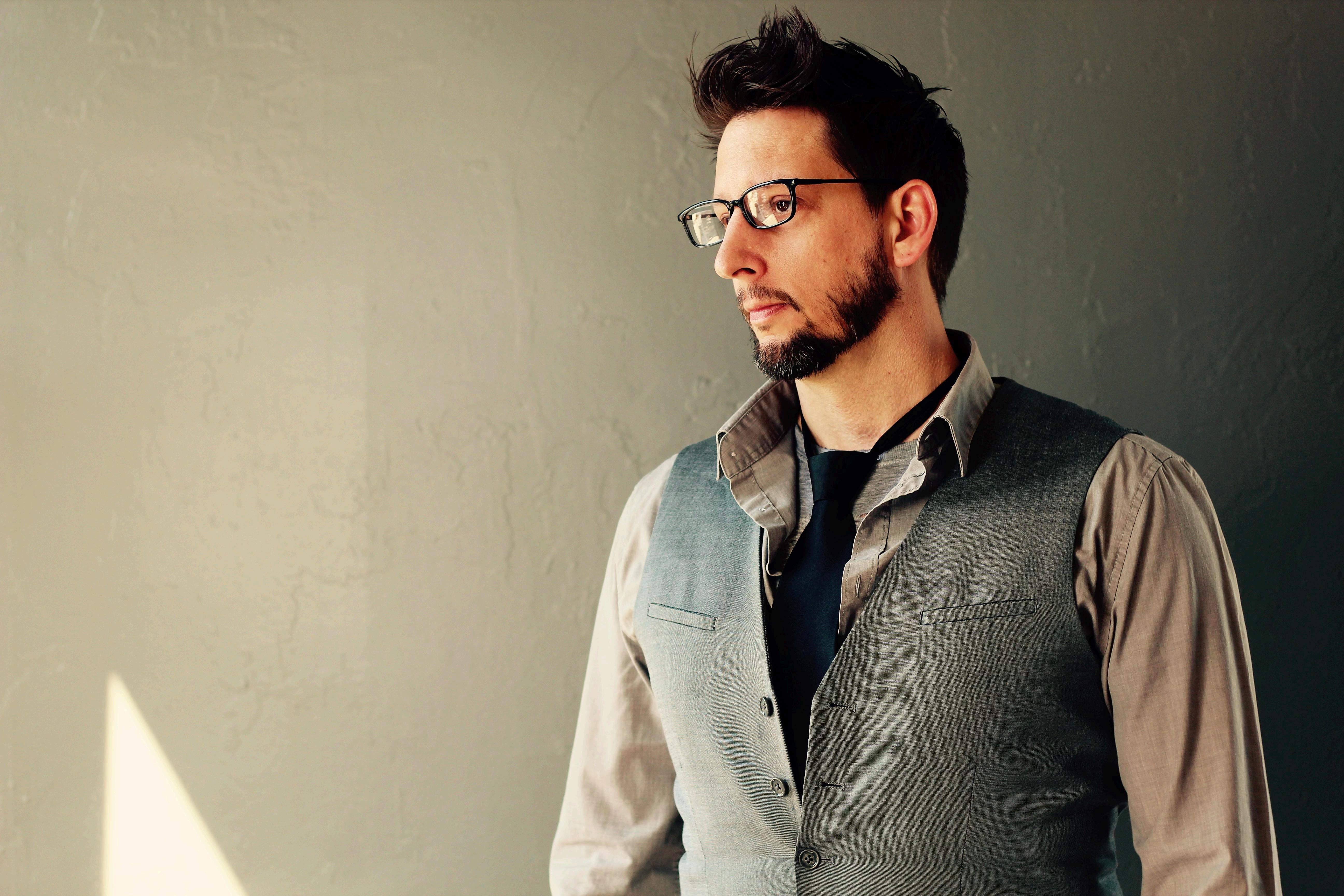
JACK McGUIRE
President & Co-Founder of AwareNow Media
Jack McGuire’s career spans the Navy, hospitality, and producing the Hollywood Film Festival. Now, he co-leads AwareNow Media with Allié, focusing on powerful storytelling for worthy causes. His commitment to service fuels AwareNow’s mission to connect and inspire audiences.
The views and opinions expressed in AwareNow are those of the authors and do not necessarily reflect the official Any content provided by our columnists or interviewees is of their opinion and not intended to malign any religion, ethnic group, political group, organization, company, or individual. Stories shared are not intended to vilify anyone or anything. Their intent is to make you think.
* Please note that you may find a spelling or punctuation error here or there, as our Editor-In-Chief has MS and lost vision in her right eye. That said, she still has perfect vision in her left and rocks it as best as she can.


Life is
One half what you make it
A third what is given
A quarter how you see it
A dose of luck
A smattering of tears
And happy years
Two thirds the people around you
Ninety percent love
Thirty percent heartache
A pinch of self indulgence
And a whole lot of work
And who cares if the numbers don’t add up, It’s yours to do with it what you want. ∎ ORIGINAL POEM BY JACK MCGUIRE
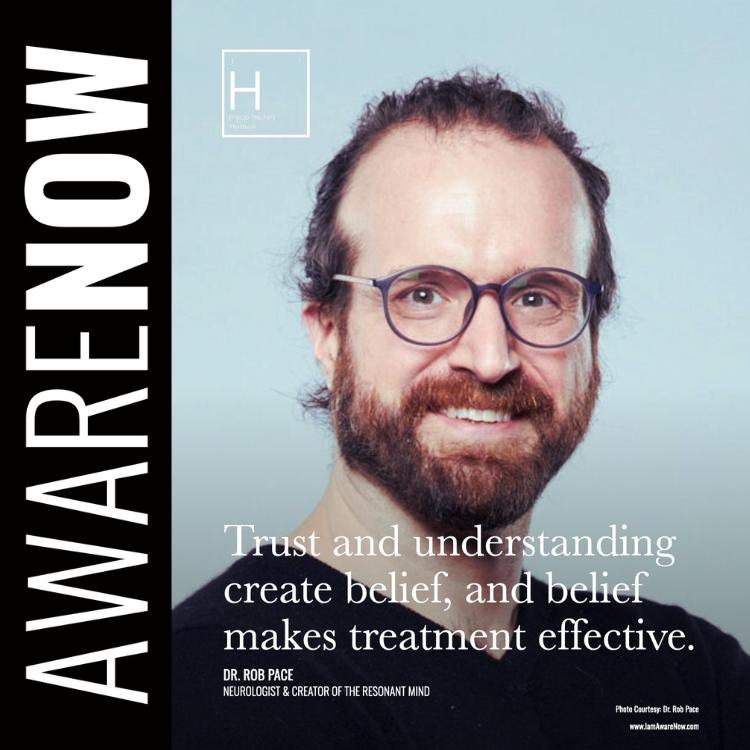
DR. ROB PACE NEUROLOGIST & CREATOR OF
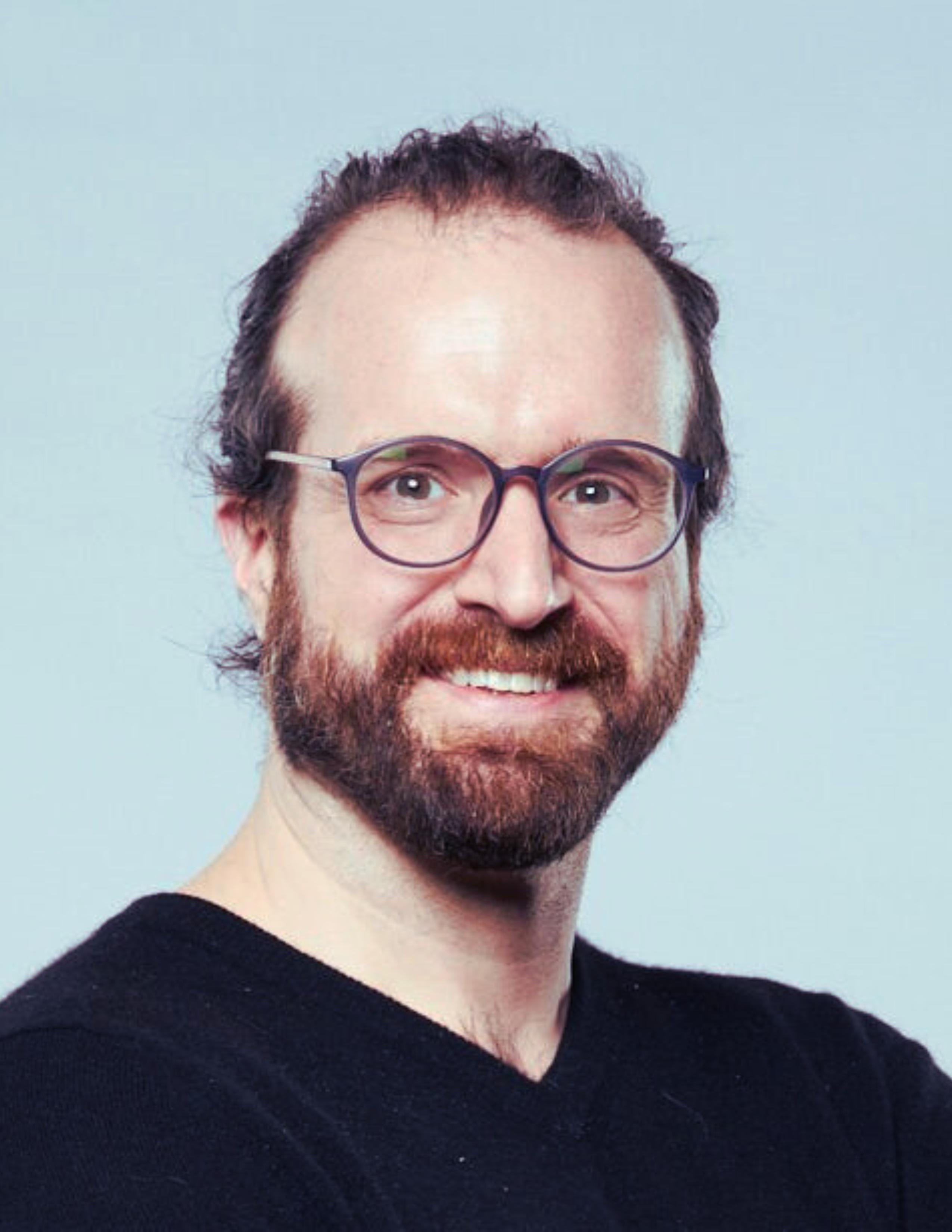

Trust is not abstract. It lives in the brain, shapes our nervous system, and quietly determines how safe we feel placing our lives in another person’s hands. In this conversation, neurologist Dr. Rob Pace explores the science behind trust, the personal path that drew him to the mysteries of the mind, and the profound responsibility carried in the patient-physician relationship. As both interviewer and patient, I share a simple truth that anchors this dialogue: I trust my treatment because I trust him.
ALLIÉ: Before we talk science, I want to talk human. When someone says, “I trust you,” and they mean it, what is actually happening in the brain and in the body at that moment?
ROB: Well, there’s a lot of things that are happening, but you can break it all down to one word, which is resonance. Our mind, our brain, our entire body works on essentially frequencies. Energies that are accessible, readable, and measurable. And when we align with people, it’s not that we see something in them that we then agree to be trusting toward, like they make the cut of someone who is now able to earn our trust. It’s that what we see is something that resonates with us in them. So it’s more of something that we feel. We feel that they resonate with us in a way that
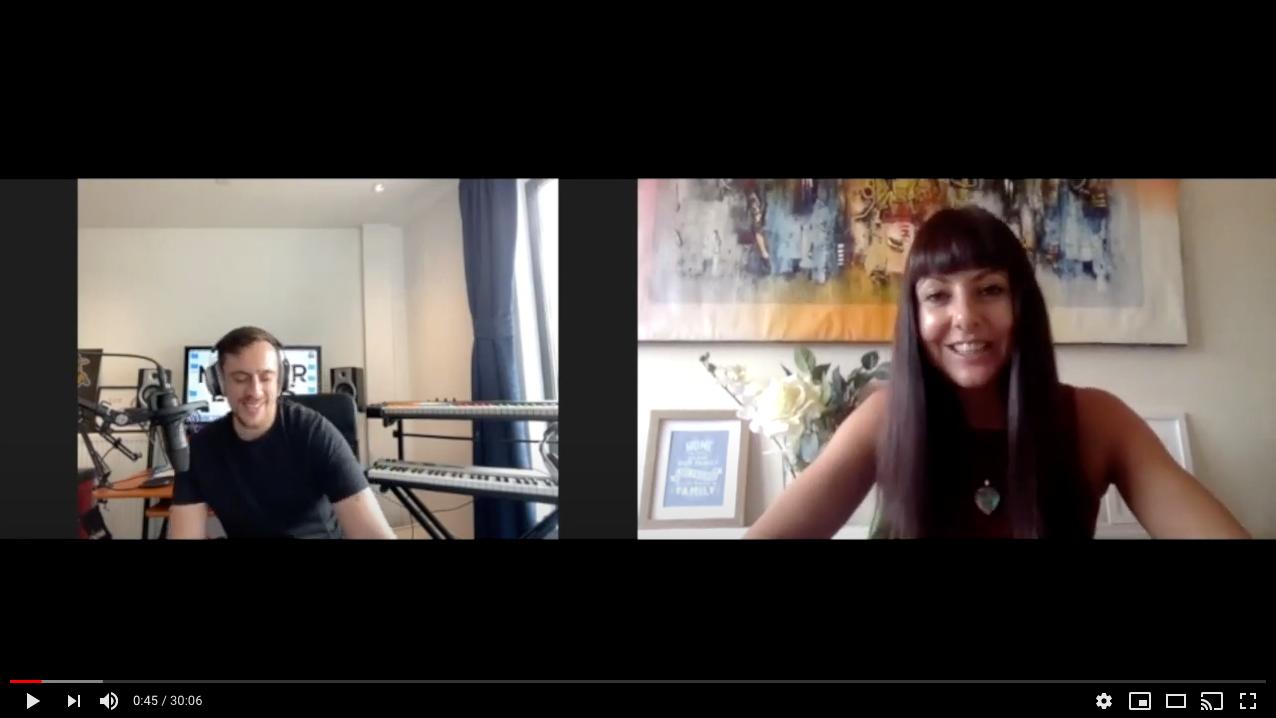
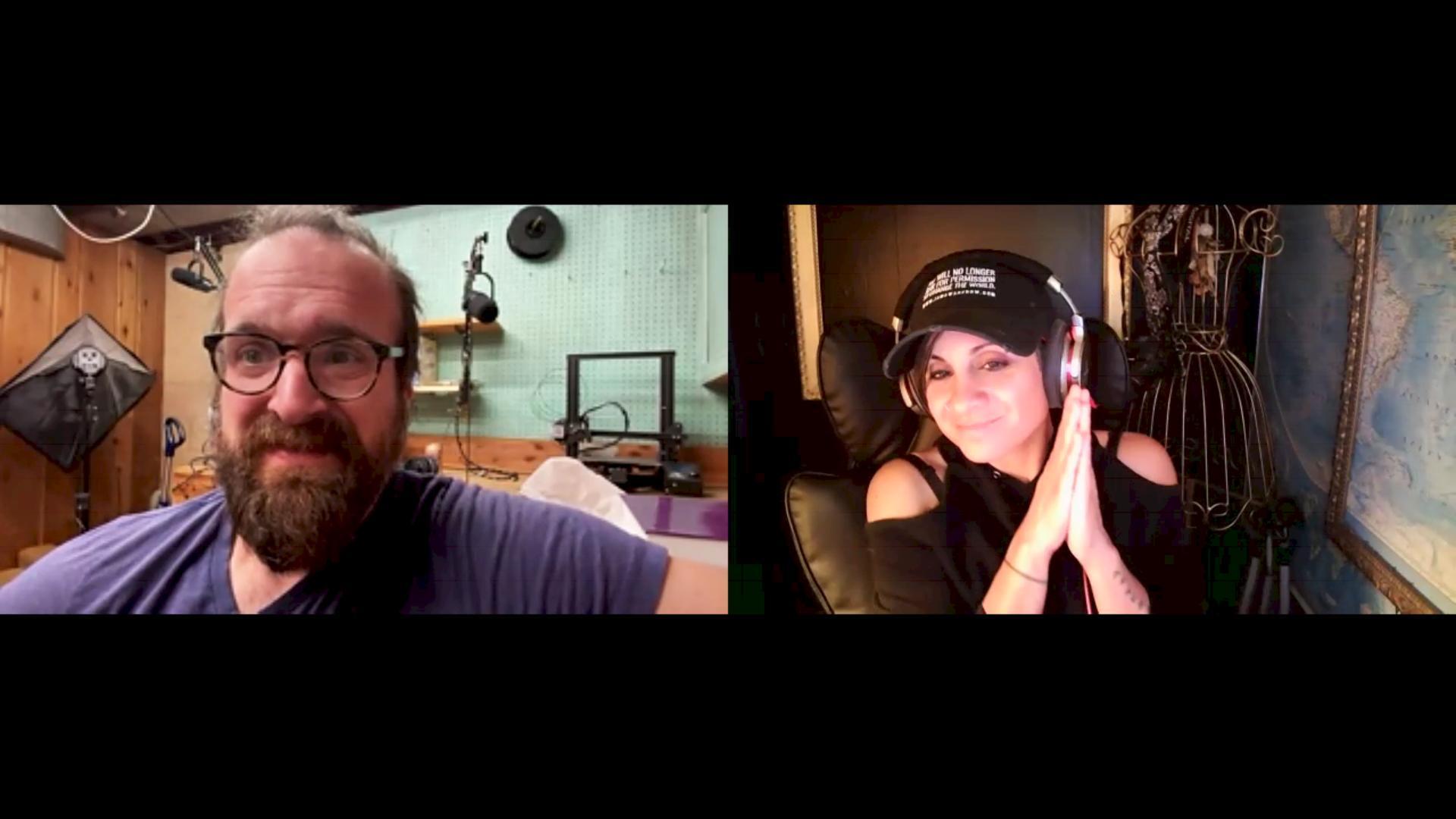



DR. ROB PACE NEUROLOGIST & CREATOR OF THE RESONANT MIND


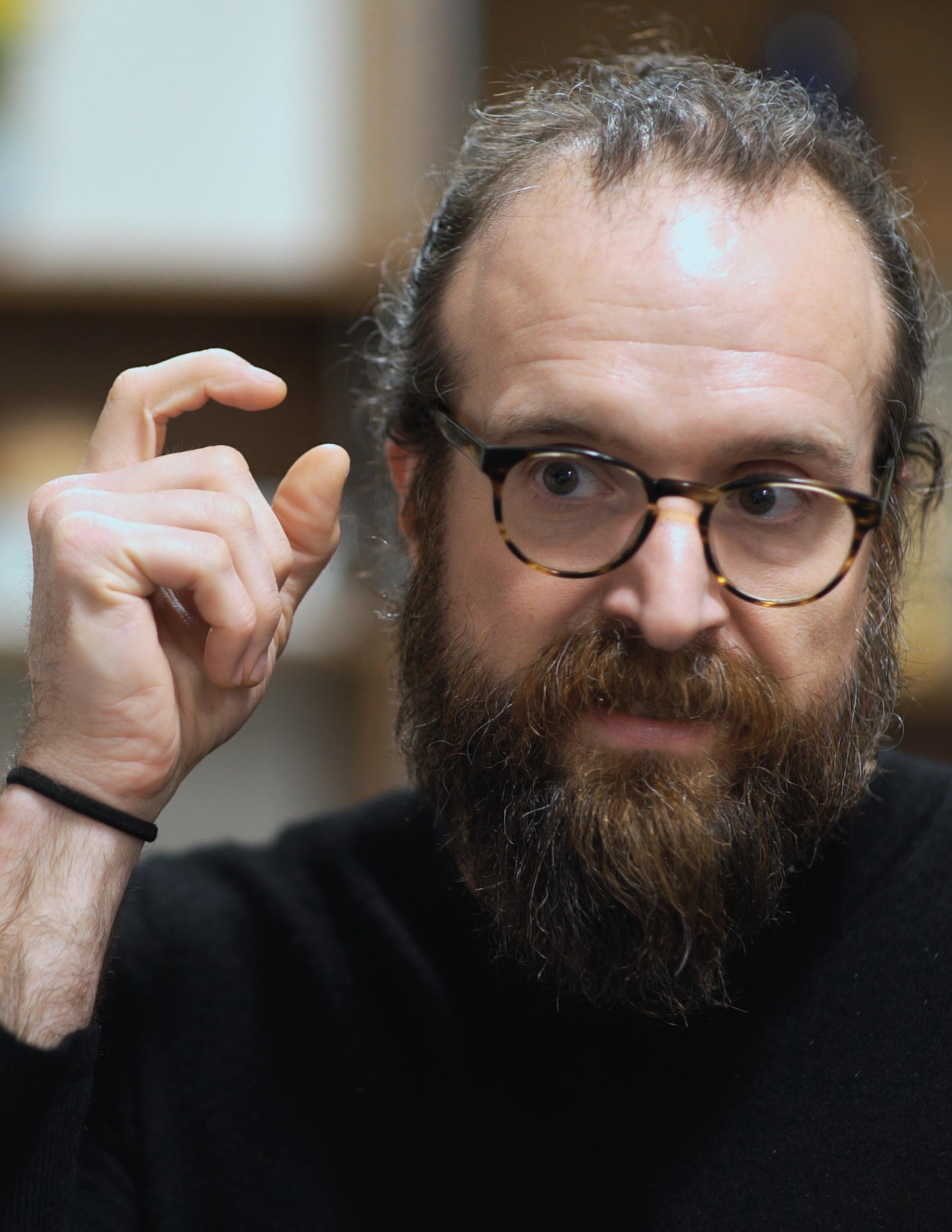
ALLIÉ: Okay, so it’s all about alignment then. That you find alignment with someone on these frequencies.
ROB: That’s correct. Your brain works on synchrony. The best way I’ve always thought about it is like a symphony. You’ve got parts of your brain that are active at different times. It’s not that you only use 10 percent of your brain, that’s not accurate, but you’re not using your entire brain at the same time, in the same way that every single instrument in a symphony is not playing every single moment of the piece.
You’ve got different parts taking on different roles, sending information to other parts, synchronizing in a way that allows whatever needs to be done to be done. Whether you’re planning something, feeling something, or processing something. That happens within your brain, but it also happens between people.
So the same thing happens when you’re having a conversation. The networks your brain is creating, and the instrument it uses to send out the signal, namely your body, are lining up with another person. In the same way that a double bass and a cello line up to create harmony, tension, or something that works together within a piece of music.
ALLIÉ: That’s fascinating. I mean, this is what I expect of you. There are always these mind blowing moments, and that was certainly one of them.
Let’s go back to the beginning. Where did your fascination with the mind first start? And what was it about the brain that wouldn’t let you look away?
ROB: When I was a little kid, I remember being in a car. I have no idea how old I was, but I remember thinking, “Wait a minute. I have all these things going on inside my mind. All these storylines, these hopes, these thoughts. It’s this vast universe, and I’m just one person. And other people must also have vast universes inside them.”
That was probably the first time I remember thinking about thinking.
I was always like that. And like anyone who thinks too much, I struggled with things like depression, anxiety, and feeling uncomfortable in my own skin. That led me to try to figure out how to navigate my own head just to stay sane.
The way I deal with anything is to learn as much as I possibly can about it. So when something becomes a problem, I want to understand it down to its smallest parts. It was natural for me to move toward neuroscience in college.
I liked talking to people. I liked therapy type conversations, getting beneath the surface. For a while, I thought I would go into psychology. Then I took neuroscience classes, and the first time I did, I was hooked. The idea that an electrical signal could travel from somewhere in my brain through some mechanism and make this body do something functional was it for me.
I thought, okay, this is what’s going to consume my mind for the rest of my life.
The short answer is, that’s just how I’m wired. It’s who I am. I gravitate toward it. In the same way people gravitate toward each other when they resonate and trust one another. It’s that feeling of fit with signal.
ALLIÉ: A feeling of fit with signal. Yeah.
In neurology, uncertainty is part of the terrain. From your perspective, what builds trust fastest in the exam room, especially when a patient is scared or overwhelmed and trying to make sense of a new reality?
ROB: I can probably answer that better by saying what does not build trust. One of the biggest things is hierarchy. This idea that one person is here to tell you how things are and the other is here to receive it. A parent child dynamic.
In medicine, that’s an epidemic. It’s reinforced by the system and by society. The doctor knows, the patient listens. That’s not how humans are wired. When I slip into telling someone what to do or how things are, it immediately creates distance. It puts people in a place of either not wanting to be there or not trusting you.
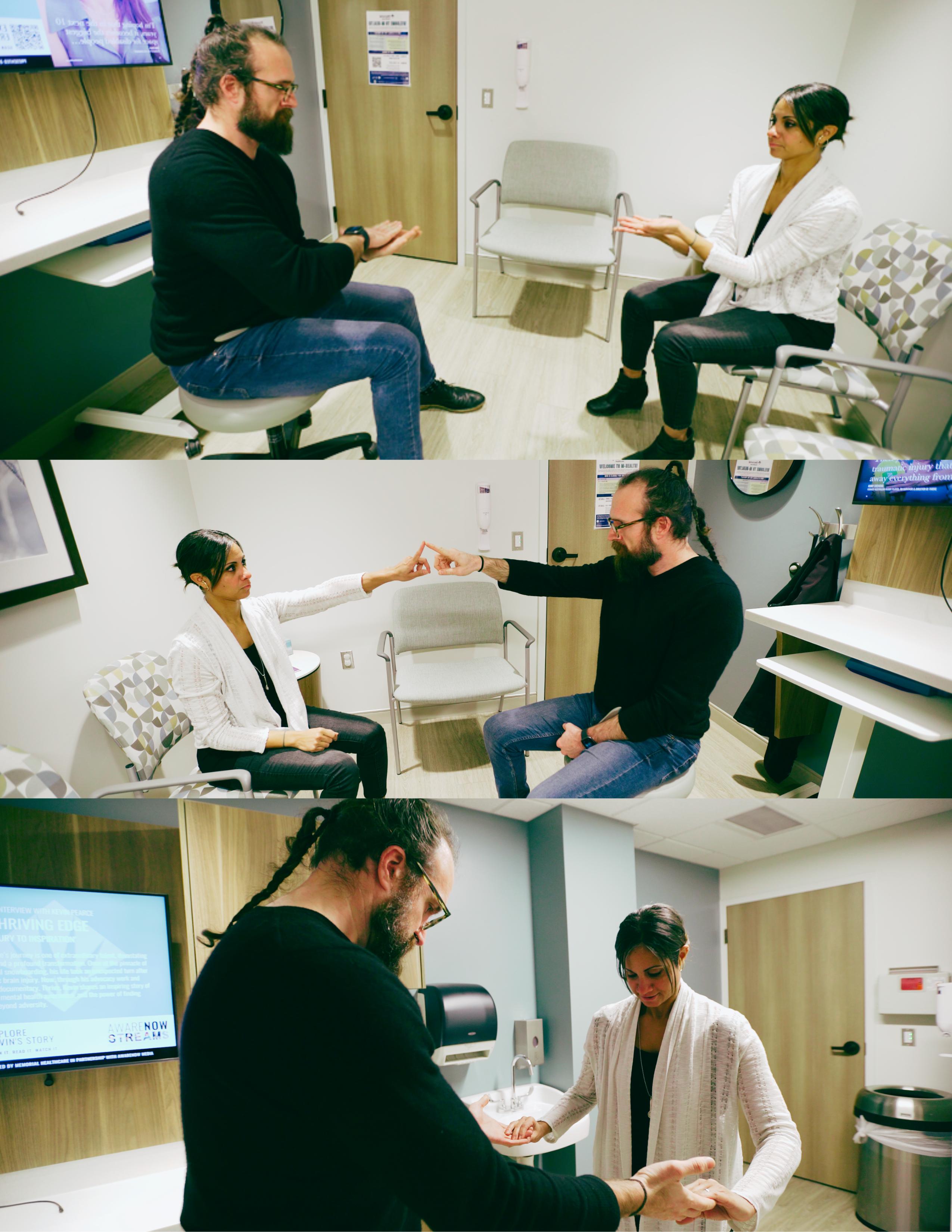
“If someone is going to trust me, I need to earn it. I need to bring something real to the table.”
ROB: (continued) What builds trust is acknowledging that what someone is experiencing is part of being human, and being human is hard. Letting them know they’re not alone. That loneliness is what drives people toward despair more than anything else.
I want people to know I’m on their team. Not in the sense that I tell them what to do, but in the sense that I’ll help them figure out the best path forward. When people feel that, it doesn’t trigger alarm bells. It feels aligned.
ALLIÉ: So we’re back to alignment again. That feeling of fit.
You and I have been fit for over five years now, since my first diagnosis and your walk with me on my MS journey. I want to say something out loud that I think many patients feel but don’t always say. I trust my treatment because I trust you.
What do you think patients are really trusting when they say that? And what responsibility does that place on you?
ROB: I take that very seriously. If someone is going to trust me, I need to earn it. I need to bring something real to the table.
Understanding the brain is what I do, and that’s what I offer. Even if I’m wrong, the recommendations I make are grounded in depth and authenticity. They’re not based on a quick answer, a checklist, or a framework pulled from a book. They’re based on how I truly think and feel about a situation.
Being authentic in that role is everything.
ALLIÉ: You do a good job at it. You have a growing fan club.
If trust is the bridge patients have to cross before treatment, what are the small, concrete things physicians can do to keep that bridge strong over time, especially with long term diagnoses like MS?
ROB: It comes back to listening. I can tell you where I’ve failed. Sometimes you connect well at the beginning, and then you coast. You start checking boxes, ordering tests, moving through visits without really listening.
At some point, people realize you’re no longer paying attention.
Even if you’ve had a good relationship, it can change. You have to keep listening. Honestly, it makes my job easier. When I get caught up in guidelines and checklists, I lose the moment. But when I ask, “What’s going on in your life right now?” everything becomes clearer.
Exclusive Interview with Dr. Rob Pace https://go.awarenowmedia.com/podcast/the-science-of-trust

ALLIÉ: I love that approach. You’re not treating a symptom. You’re treating a person.
One last question. When the science is said and done, is trust a form of medicine in itself?
ROB: It’s the form of medicine. Belief is the most powerful predictor of health outcomes. If someone believes what they’re doing will help them, they’re far more likely to get there.
That’s why placebo exists. The mind plays a massive role. If someone doesn’t believe something will work, it won’t. Trust and understanding create belief, and belief makes treatment effective.
Western medicine often gets this backward. We focus on instructions instead of understanding. If medicine were just about facts, technology could replace us. But it’s not. It’s about helping people understand so they can believe.
ALLIÉ: So trust is the conduit for hope.
ROB: Correct.
ALLIÉ: Because without hope…
ROB: It’s a necessary ingredient. A necessary state to be in. A state of trust. ∎

THOMAS SULLIVAN CO-FOUNDER OF WE LOVE YOU
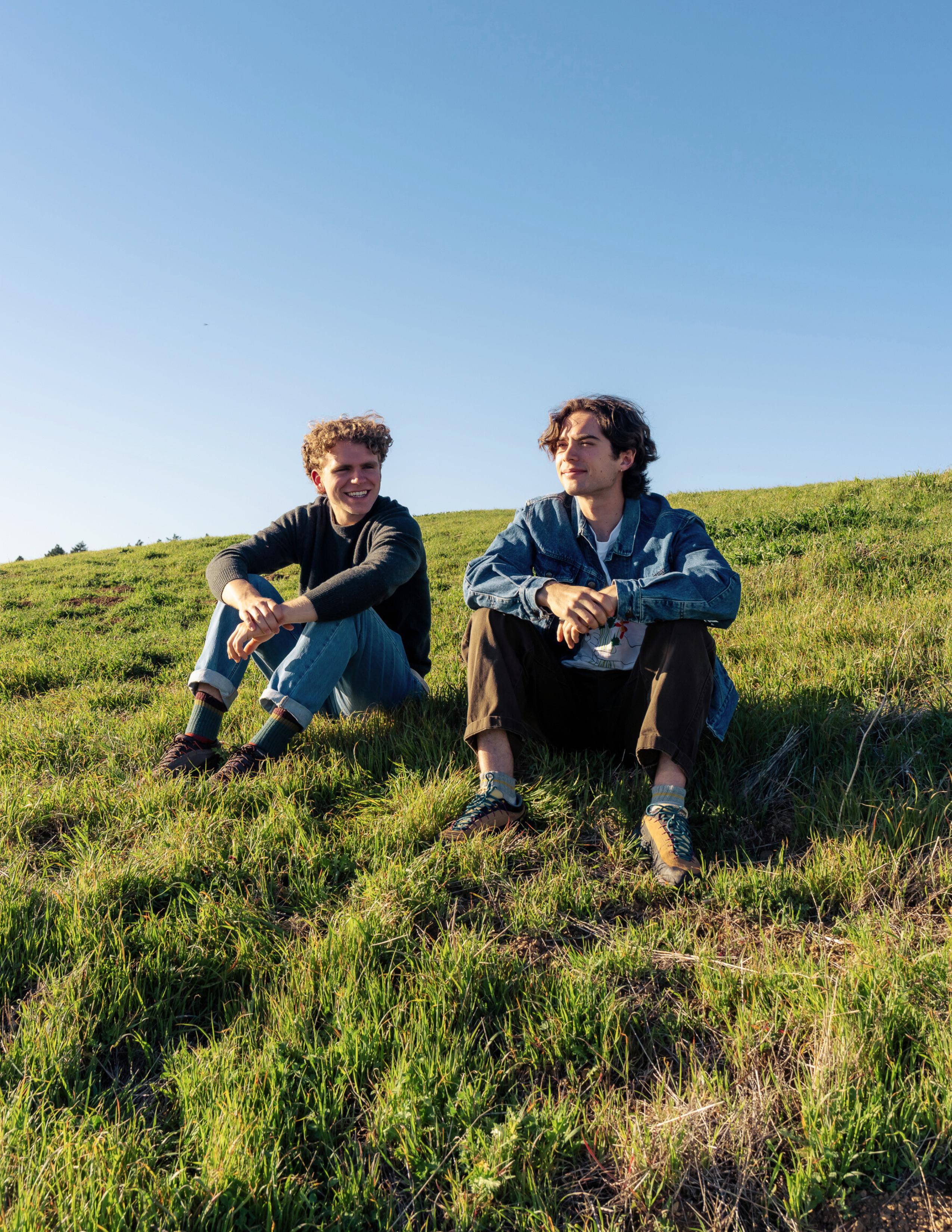

In a digital world often shaped by cynicism, comparison, and the quiet pressure to perform, Andy Min and Thomas Sullivan chose something radical: love, spoken out loud. Through nature, narrative, and a gentler language of connection, their work reminds us that softness is not weakness, and vulnerability is not a liability. In this conversation, we explore their creative journey, their hopeful blueprint for a more

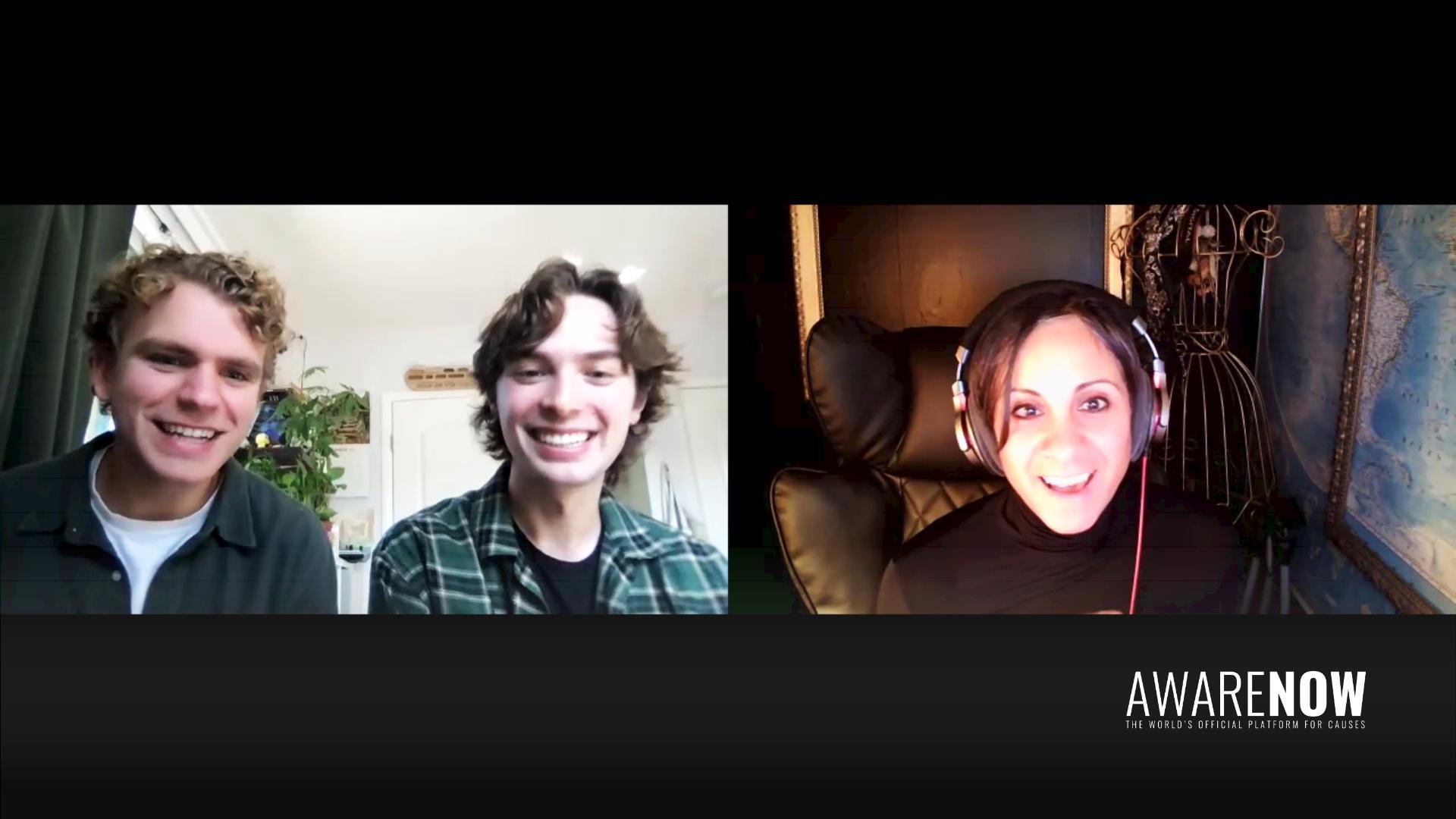

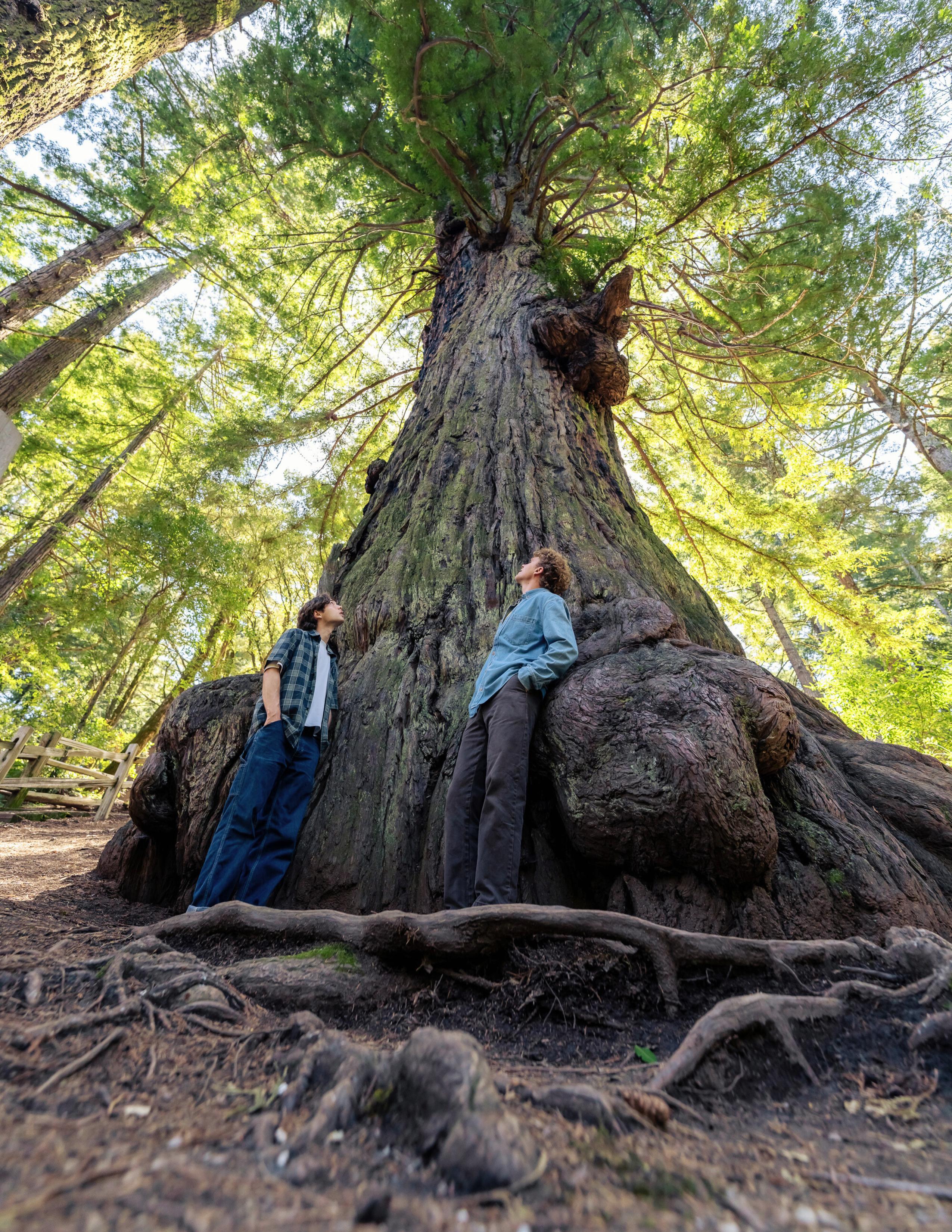
ANDY: We've known each other since 6th grade and have been friends ever since.
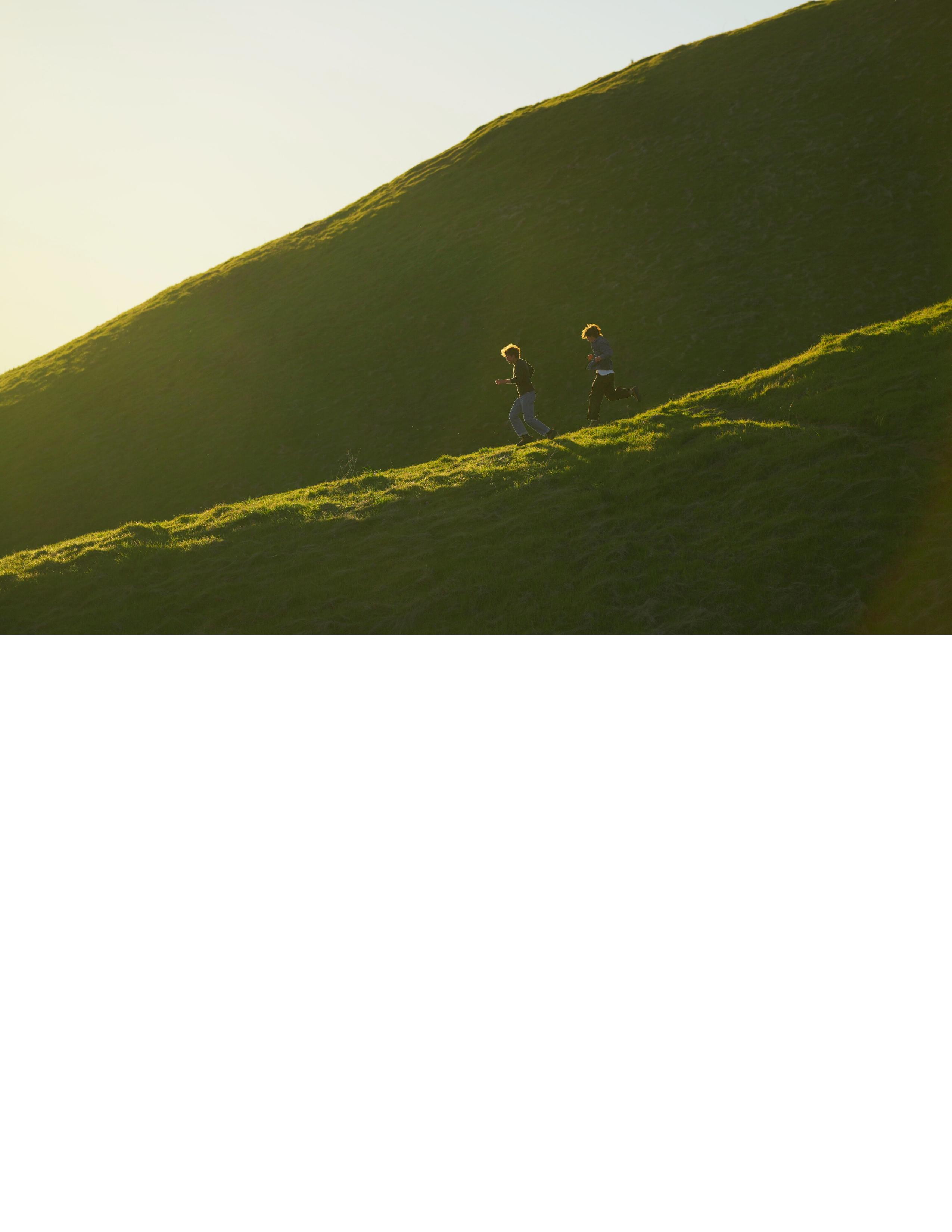
THOMAS: And our lives were put on hold, and we were back home in the Bay Area. And there wasn't much to do in the world and we could barely even see each other. So we just were out in nature all the time. Hiking and climbing and mountain biking and just sitting in fields thinking thoughts and dealing with our lives being put on hold completely.
ANDY: And the thing is we grew up on the internet so we knew and were shaped by the early internet and how content is designed to grab your attention and make you feel very anxious and stressed. It made us feel very anxious and stressed.
THOMAS: Our whole lives leading up to starting 'We Love You' and continuing with it, we've always had our own struggles with anxiety, depression and mental health. Around that time we, like everyone I think during COVID, really felt it and really needed to find a way to deal with it, especially because there were no distractions. You were just alone in your home or, for us, off and out in a field somewhere. And through nature and through all our big conversations, we just found a way to deal with it and a way to think about things. We think about things slightly differently. I think it's always changing. We grew up in this place on the internet where so much of it is making us more anxious and feeding into that anxiety and depression and this feeling of us not being good enough. We're not doing the right things or not having the perfect life that we so often see online. At the same time, especially during COVID, you could see the world being shaped in that same way. You could see the general discourse getting angrier and more afraid and more depressed. There's this feeling in the world where it seems like you're going the wrong way, and we think a lot of that comes from the informational space we live in. We're like, okay let's try to do our best. We're both artists and want to make something that could push back against that or be an alternative to that.
ALLIÉ: Well, you've done a beautiful job at creating what you have. And I mean, we are what we eat. So if we're going to consume all of this dark anxiety-ridden stuff, of course, we're going to become that. The question now is at what point did you realize that you didn't want to play into the loud performative energy online and instead you wanted to build something rooted in kindness and emotional honesty? Because it's one thing for you two to go into the woods, to go into the fields to find a safe space and something that feels good and comfortable for you. But what is it that made you want to provide that for others?
ANDY: You know, it's interesting. We didn't exactly start out going directly the 'hope' route, or the soft route. We tried to go the direction of trying to deconstruct the 'manosphere'.
THOMAS: Like the classic bro podcast, we kind of did a satirical take at first on that.
ANDY: Exactly. And that did somewhat well, but we realized it wasn't exactly what we wanted to be doing and the people were, you know, we got some traction, but...
THOMAS: It was a little traction... We were really enjoying making these videos. They were very silly and they would be like we're talking about UFC or something and then like a little puppet would emerge...
ANDY: And quote Gandhi or something.
THOMAS: And we try to give a mindful twist to those sorts of things. We took time off for a little while after that just because, Andy, you were in the UK. Then we came back together. And we just with no hope of making anything, we went on this long hike in the Bay Area in the Santa Cruz Mountains where we grew up. We were hiking for like 12 miles, and you were wearing those ridiculous...
ANDY: Barefoot shoes, yeah.
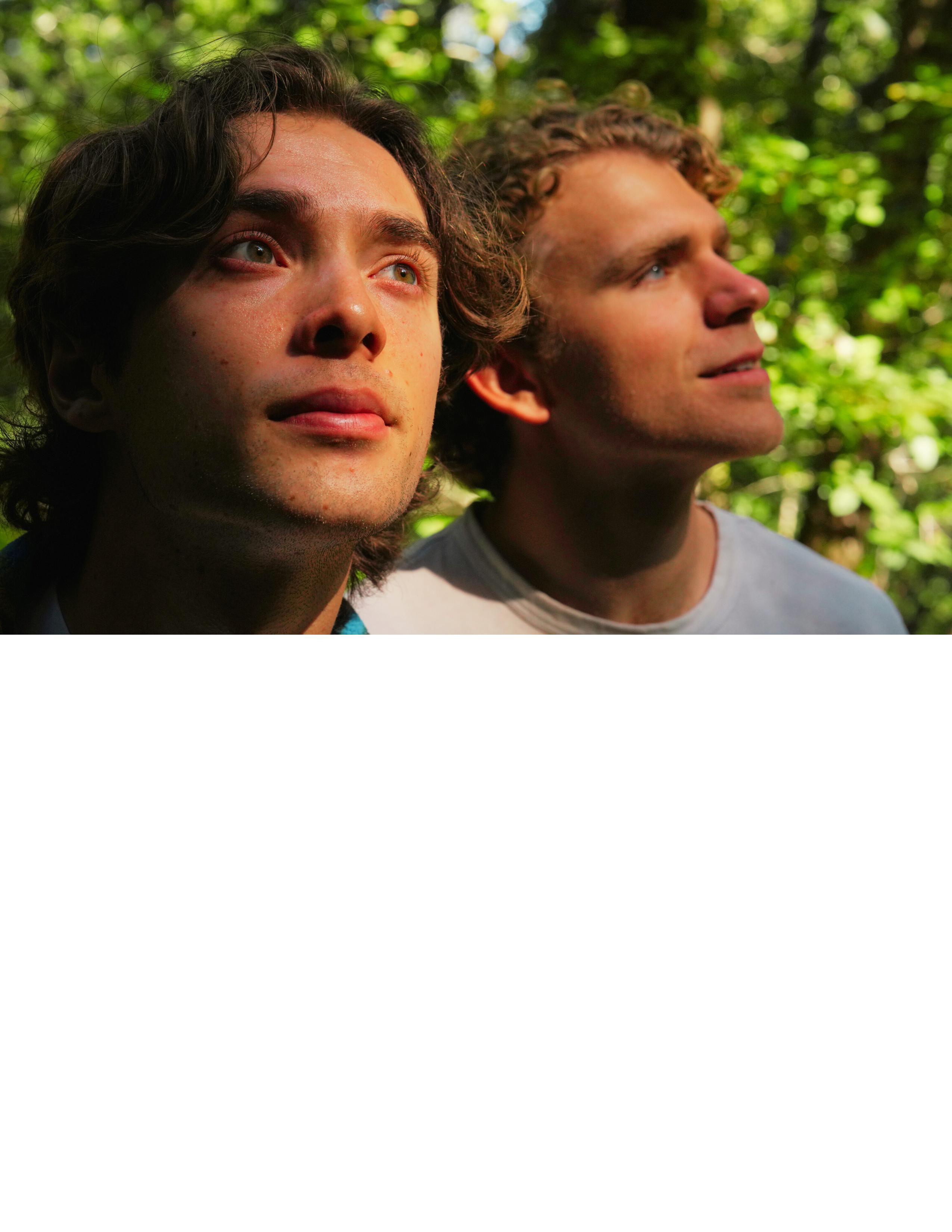
THOMAS: Yeah, the ones with toes. We were down in this little river valley, and there was this perfect light coming through and we just saw two little banana slugs on a rock. We had this organic conversation where I think I pointed out, "Huh. Look at those banana slugs. Maybe they're friends."
ANDY: Yeah, maybe. Like us.
THOMAS: "Maybe that's us in our next life." And we had this conversation and at that moment we just went, "Oh, that could totally be a video." And we shot it in like five minutes and edited it in 30 minutes a few weeks later.
ANDY: Yeah. And it was serendipitous. It just happened to be the perfect lighting, the perfect moment.
THOMAS: And we just made that video and that was the video people connected with. It was our first video with over 100,000 views, our first video over a million views. It was our first real video.
ANDY: And so a lot of times we've based our videos off of conversations we normally have...
THOMAS: Or things that we want to hear or wish we could have heard when we were going through something. And after that video went really well, that first banana slug video, we were on a Zoom call and realized we could make an infinite number of these because it came so naturally. Rather than having to come beat around the bush at these ideas or try to trick people into watching it, just being that alternative and being whatever that is because we're supposed to be.
ALLIÉ: Well, and I think, again, you guys do it so well just to show up, just to be raw, just to be real, and not to try to be something else, but simply just showing up as yourselves. I think that really empowers people and gives them permission to maybe try to do the same thing. Be yourself.
So, nature plays such a big role in what you create. What does being outside and slowing down give you that the digital world couldn't? I know the absence of anxiety, but what else? What else has it given to you that you hope to give to other people?
THOMAS: It's real, you know?
ANDY: Nature is very grounding for the both of us and has no expectations of what you should or shouldn't be.
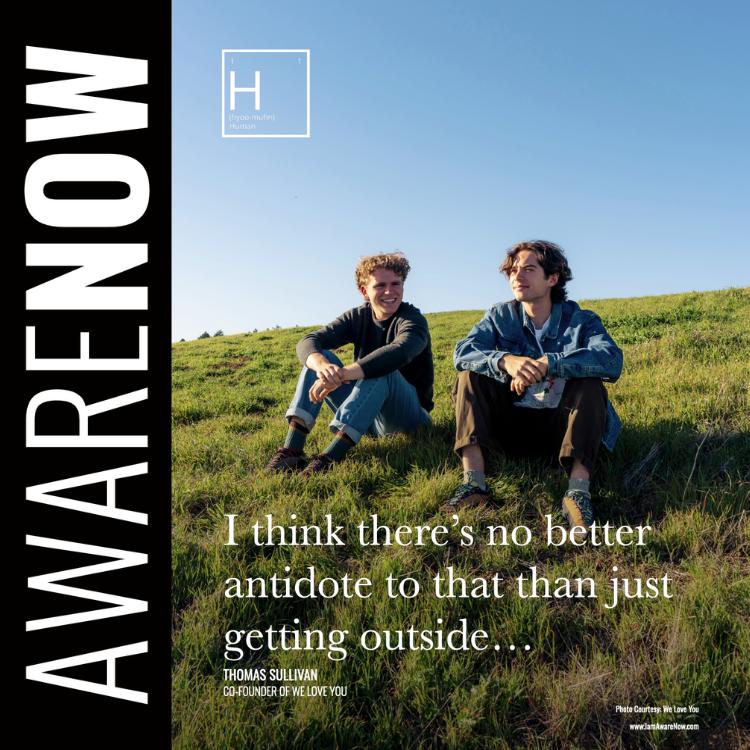
THOMAS: So often when you're stuck in a doom scroll hole or just even a day-to-day life like living and breathing with the daily human stresses plus the constant omnipresence of online discourse, there's this feeling of being talked at and talked to. It's constantly shaping who you're supposed to be and what you need to be doing. It kind of feels like a virtual existence, even if you're not looking on your phone. It's like you're still kind of in that box.
I think there's no better antidote to that than just getting outside and really taking some time for just disconnecting completely and just feeling, "Oh there's just a tree here, and this tree has nothing to tell me... exactly what I should be doing with my life, or why I'm not making enough money by 25-years-old, or whatever it is. It's just there, and it just 'is' in this very grounding way. It's hard to find in other places.
ALLIÉ: I never thought about it that way, that it doesn't have any expectation of you. There's expectation everywhere else from our family, from our friends, from social media, how many likes and how many this or that. But yeah, trees don't care, slugs don't care.
ANDY: Exactly.
THOMAS: We love slugs.
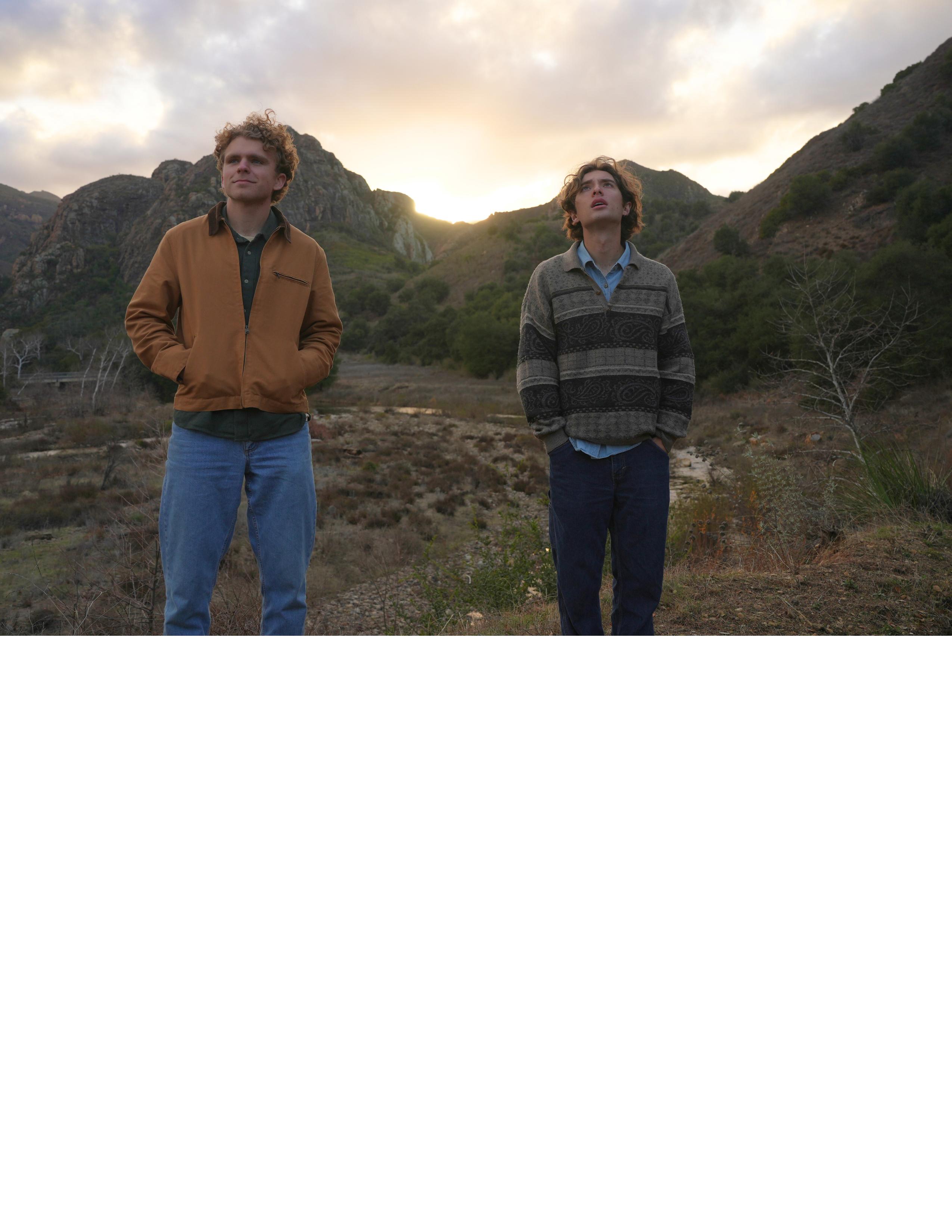
ALLIÉ: I actually was hiking with my friend around that area. What's the place that has the eucalyptus trees and it's not far from the bridge there? Is it Muir Woods?
ANDY: Oh, Muir Woods. Sure, yeah.
ALLIÉ: I went on a hike there. I saw a banana slug. My friend dared me to kiss it. I did. It was gross. But you know.
ANDY: In sixth grade we all go on this trip called Outdoor Ed where we have to kiss banana slugs. So I think everybody in Northern California has kissed a banana slug.
THOMAS: And it's the best part. It was formative for sure.
ALLIÉ: Well, good, I can join the slug-kissing club.
So when people tell you that your work helped them feel less alone or more comfortable being themselves, what does that kind of connection mean to you personally? I mean, do you feel like this is something you're just doing for now, or do you feel like this is maybe something that you were called to do, this kind of work?
THOMAS: Yeah, that's a good question. I mean, whenever anyone comes up to us and recognizes us in the real world, it's such a surreal and amazing feeling. Even though we have many followers, it's hard to make that feel real and that we're actually reaching people sometimes. And so when we're out at the climbing gym or coffee shop and someone comes up and says, "Hi, we love you. We love your videos." It's such an amazing thing because it makes it real and it makes you feel like there's actually some impact we're having. And it's the impact we were hoping to have. We're just giving people an alternative, a positive force in their life.
ANDY: One of the most interesting things is there's not like one kind of person who is a follower of us. It's so surprising to see everybody from all sorts of backgrounds, all different ages, come up to us and that it's really surprising and really validates our message, I think.
THOMAS: When we set out to make these videos, they were more geared towards people who are young men on the internet who need something better to watch and to shape how they think.
ANDY: And it's great to see that because it reminds us of ourselves when we were younger.
THOMAS: And we get that, but then we realize these videos are pretty universal, or at least we hope they are. And they seem to be speaking to people who are of all ages and all types.
ALLIÉ: Well, I think that tells you that you're doing it right. Love is supposed to be this universal thing. And the fact that it's connecting with people on this universal level, I think that's the universe saying, "Keep going, guys. You're doing the right things here."
THOMAS: We often say our videos are kind of like... We're making them for our younger selves, basically, like we're talking to what we wish we could have heard. And when we see people that remind us of ourselves when we were younger, it's like, okay, we hit something right, like we're doing the right thing. Because we want to make it cool to be hopeful.
ANDY: Yeah, that's very important.
THOMAS: It's cool to be optimistic, cool to be kind, cool to see the world with those eyes.
ALLIÉ: Well, again, you're just doing it so well. What I have learned from your videos is to never wear any eyeliner or mascara when I'm watching them, because I'm either laughing or I'm crying hysterically. So when I watch you guys, I gotta make sure there's no makeup on. Lots of things to learn though.
Keep on doing what you're doing. And speaking of what you're doing, let's close this way. As you move into this next chapter, which has literal chapters, your book, what's ahead? And what do you hope people feel when they hear the words, "We love you"?
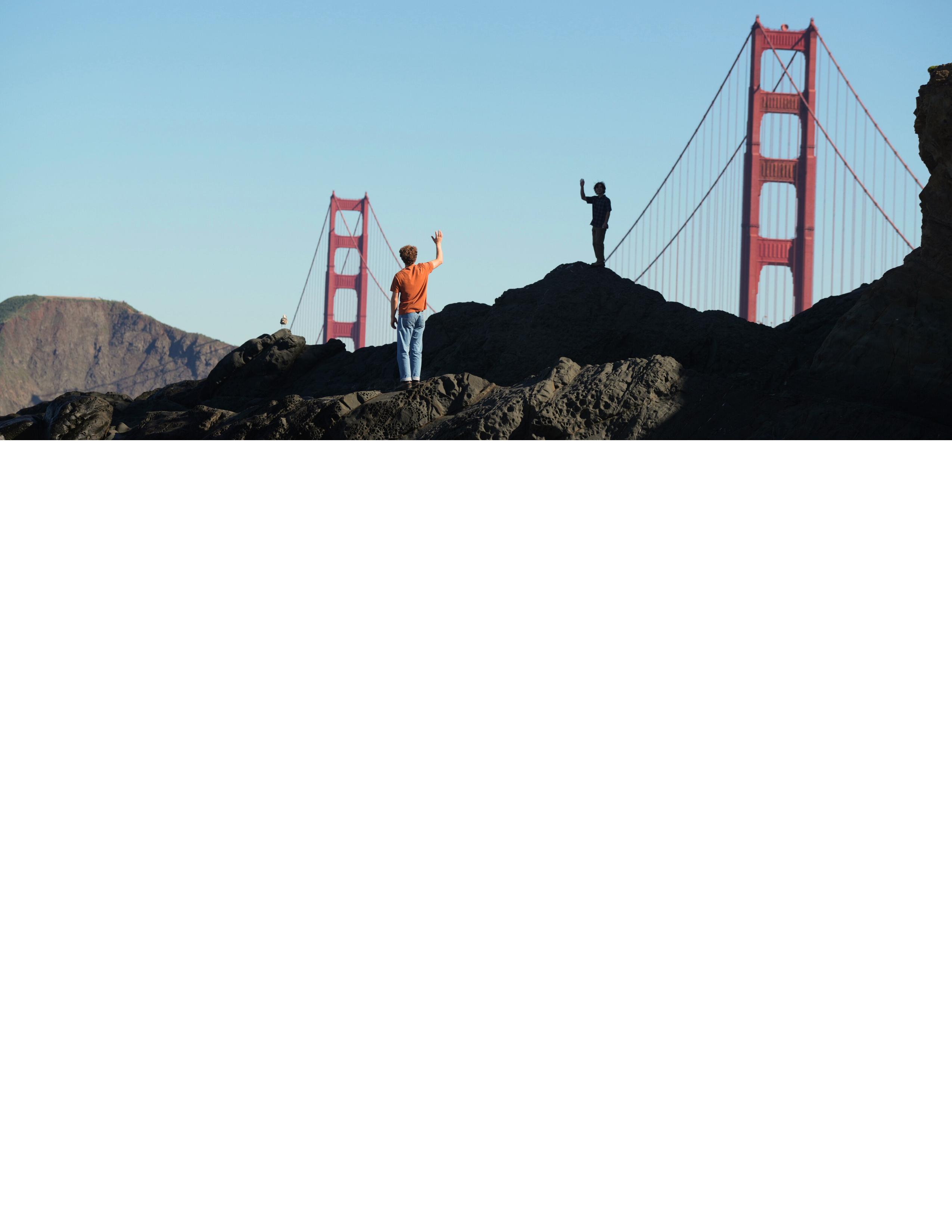

CO-FOUNDER OF WE LOVE YOU
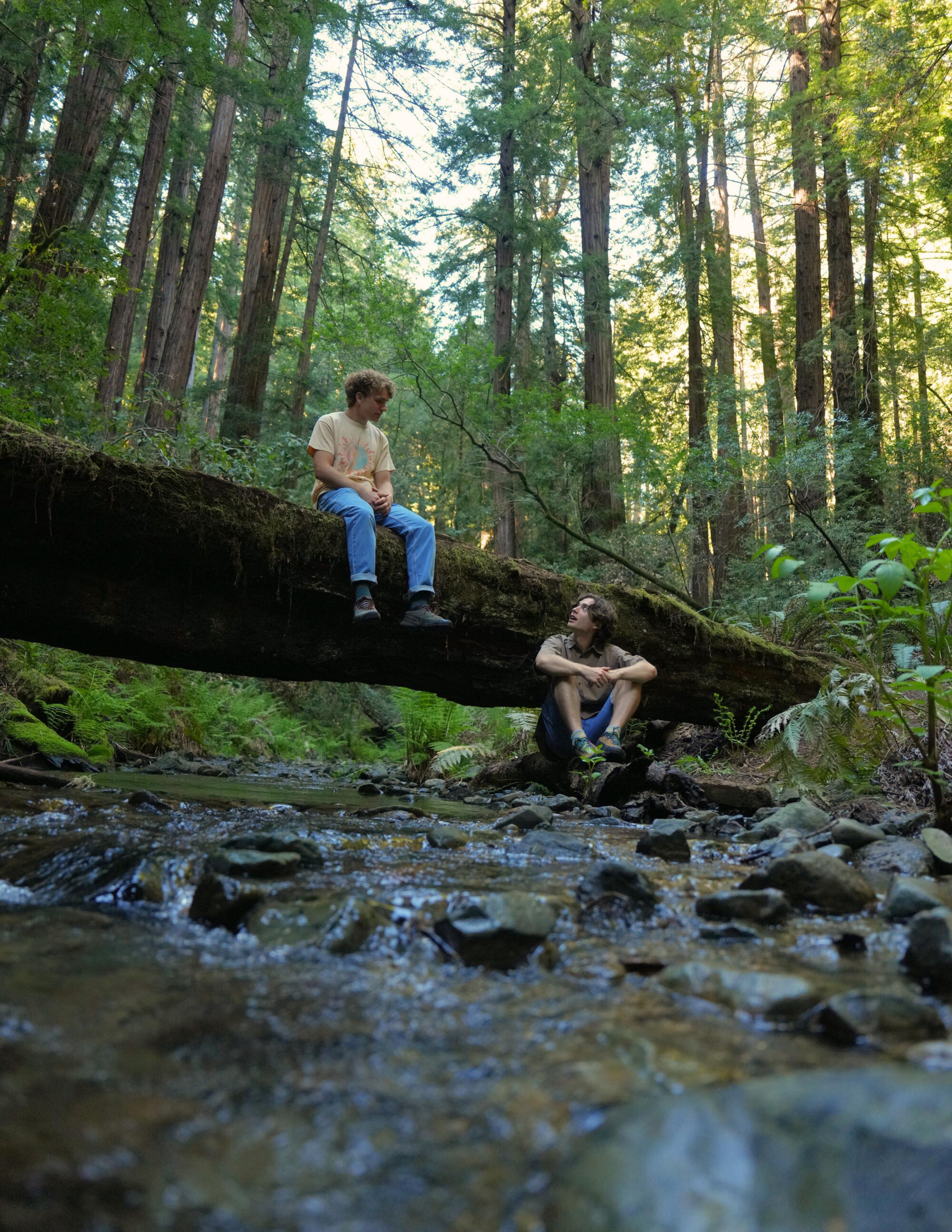
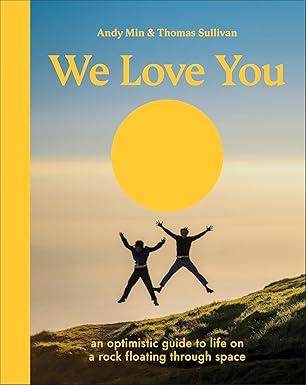
THOMAS: I think with the book, we're just really proud of it. We've been basically working on it for as long as we've been making our videos. It's been as much part of our lives as our videos have because we've been working on it forever. And we started out trying to like okay. Let's make the case for hope. Let's make the case for kindness and not just in a short video, but in something that we can really dig into what we're actually thinking here.
What's the foundation of the hopeful worldview we try to cultivate? And I think we did a pretty good job of that in the book of just telling that story. Because we start with the very smallest things with atoms, 3D space and time.
ANDY: The title is 'We Love You: an optimistic guide to life on a rock floating through space'. So, we try to make it a guide from the smallest thing to the very biggest... the universe. It's all the stuff that gives us hope and the foundations of our beliefs.
THOMAS: It's silly, and there's fun stuff anyone can take from it. We're so proud of that book, but it's also been a huge time constraint on the other projects we've always wanted to be doing. We wanted to make longer videos and podcasts. The shorts we make, they're Tiktoks, Reels, and YouTube Shorts, but they really are little short films. At least, we think of them that way.
ANDY: And from the day we met in sixth grade, I walked up to Thomas on the tan bark at the literal play structure. I said to him, "I want to make short films when I'm older." No, I said specifically, "I want to be in a film festival."
THOMAS: And since then we have been in a film festival, but I think the goal is like we always talk about 'We Love You' the motion picture, or our version of the Mr. Rogers Show, or whatever we can make that just can be a reach to the widest audience we can with a hopeful message that we have and be viewed however we can for people.
I studied film and Andy studied music, and we we love making things together. We would love to make the 'We Love You' motion picture one day.
ANDY: Yeah, that's the idea.
THOMAS: But that's what we want people to hear with 'We Love You'. The name was a huge moment for us when we first came up with it. We came up with the idea for the whole project, and we knew the name needed to be right.
ANDY: Yeah, we were on a Zoom call, actually. We weren't even together.
THOMAS: It was like a five-hour Zoom call.
ANDY: We settled on the name. We both teared up a little bit. We're like, that's perfect.
THOMAS: We're like, "Dude, it's ‘We Love You’..." Truly, we were both teary-eyed on a Zoom call, which is so bizarre because it was nothing then. But it said what we wanted to say. Hopefully, we want people to feel that you're loved, but it's not just loved by us, and not just by one person. It's that the world loves you, that we all love you, and that we can all love each other in a way that just really points it out.
ANDY: And I think that's what we want people to think of when they hear our name.
THOMAS: Yeah, we love you.
ALLIÉ: Well, I love you guys. I think you're amazing. I hope that you do not ever change. You just continue to be authentically, amazingly who you are.

AwareNow Podcast WE LOVE YOU
Exclusive Interview with Andy Min & Thomas Sullivan https://go.awarenowmedia.com/podcast/we-love-you

ALLIÉ: You mentioned Mr. Rogers a moment ago. One of my favorite Mr. Rogers things is when he just says, "Look for the helpers." And just as you said, you just hope that you can help people. You're helping a lot of people right now.
So, Jack and I, we have six kids...
ANDY: Wow!
ALLIÉ: Get ready, buckle up, ages seven to 26. So it's a lot, a lot of kiddos.
THOMAS: That's kind of amazing.
ALLIÉ: They are kind of amazing! And what is also amazing is the fact that you guys are making the content that you are, this is what they need. This is what so many need. This is what I need. So thank you on behalf of me and AwareNow, and the millions and millions of people who love you both. Thank you for sharing what you do. And thank you for helping all of us become a bit more aware now. ∎
Check out Andy & Thomas on TikTok: www.tiktok.com/@_weloveyou__ Find & follow on Instagram: www.instagram.com/__we_love_you_ See them on YouTube: www.youtube.com/channel/UCzwirg9v5kBmzvtxYWFrx2g Get their book here: sites.prh.com/we-love-you




I lace up hope when strength feels thin, I listen inward, then begin.
ALLIÉ MCGUIRE CO-FOUNDER OF AWARENOW & MS WARRIOR

Some mornings start heavy, the world feels tight, My legs whisper doubts before daylight. Pain hums low like a familiar song, Asking me softly how I’ll move along.
I lace up hope when strength feels thin, I listen inward, then begin. Not because it’s easy, not because it’s planned, But because I still can.
MS may knock, may slow my pace, But it will not claim my name or face. I rise, I choose, I take my stand, Not because I must. Because I can. ∎
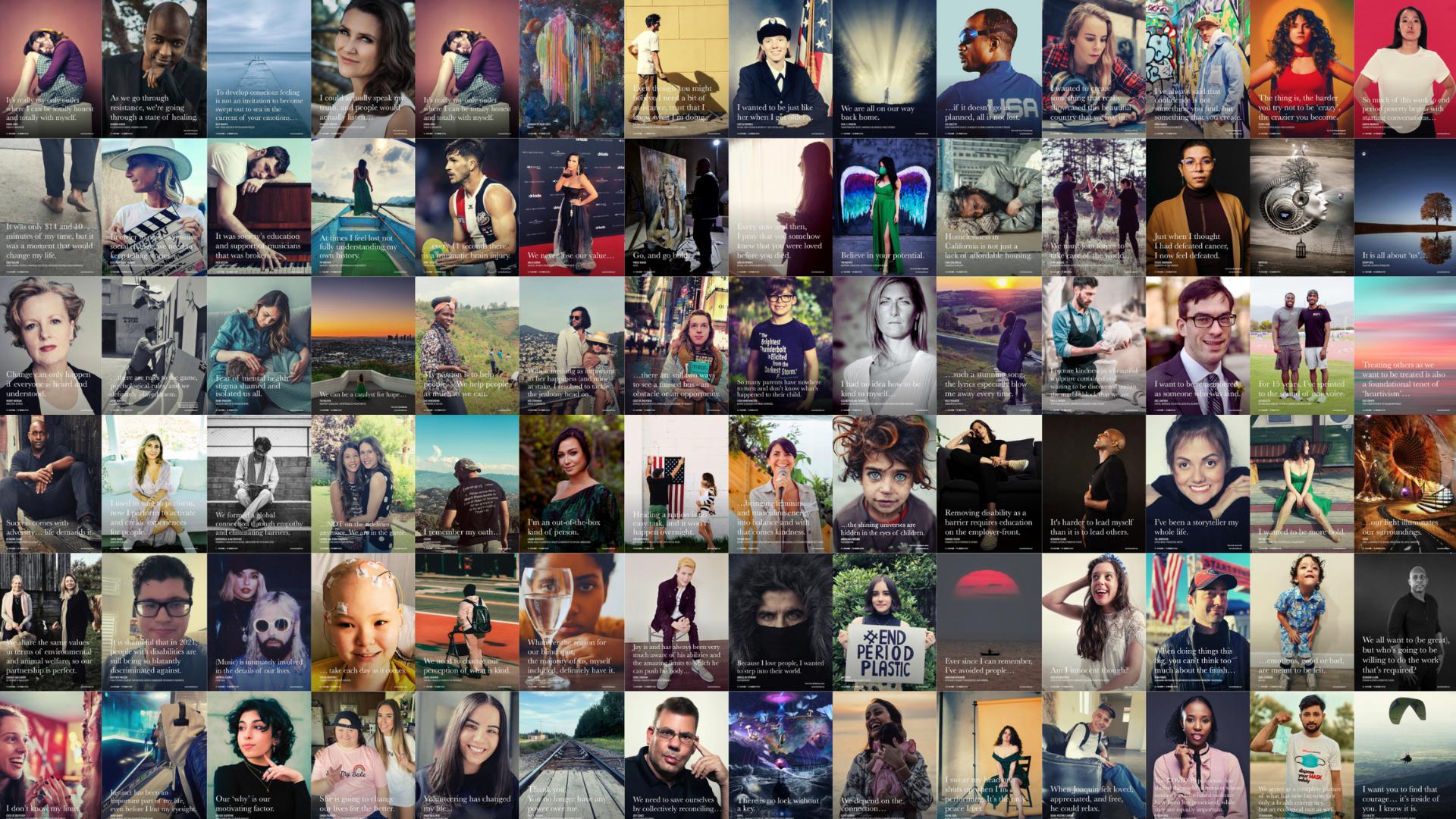
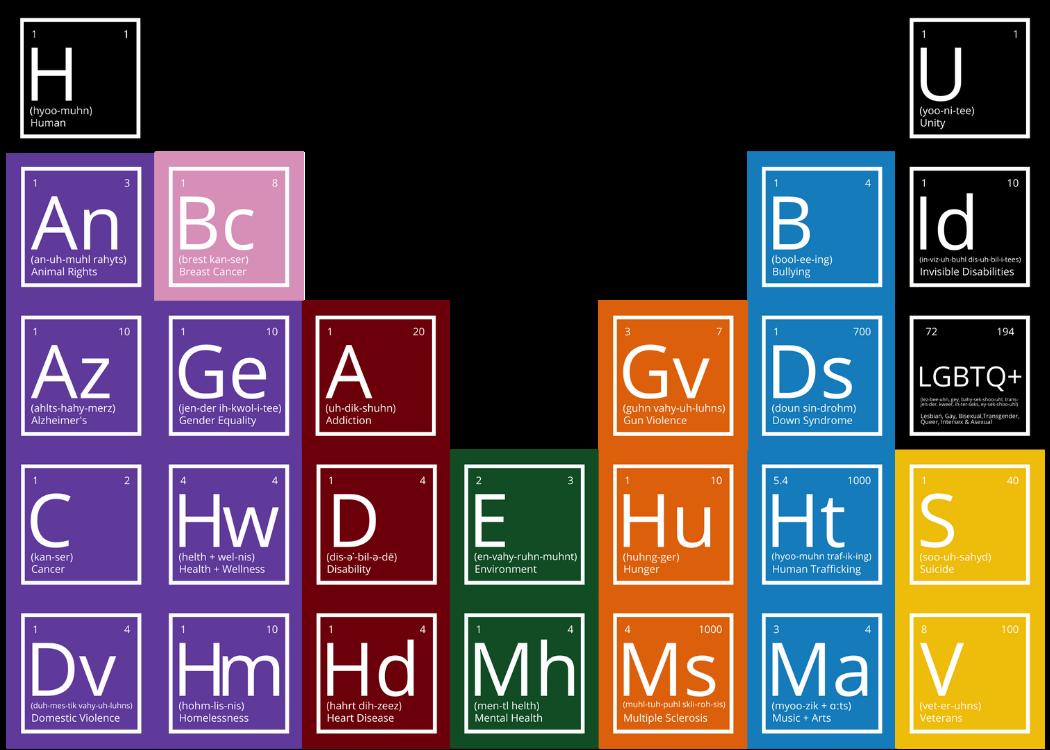
Every one is a part of everyone.
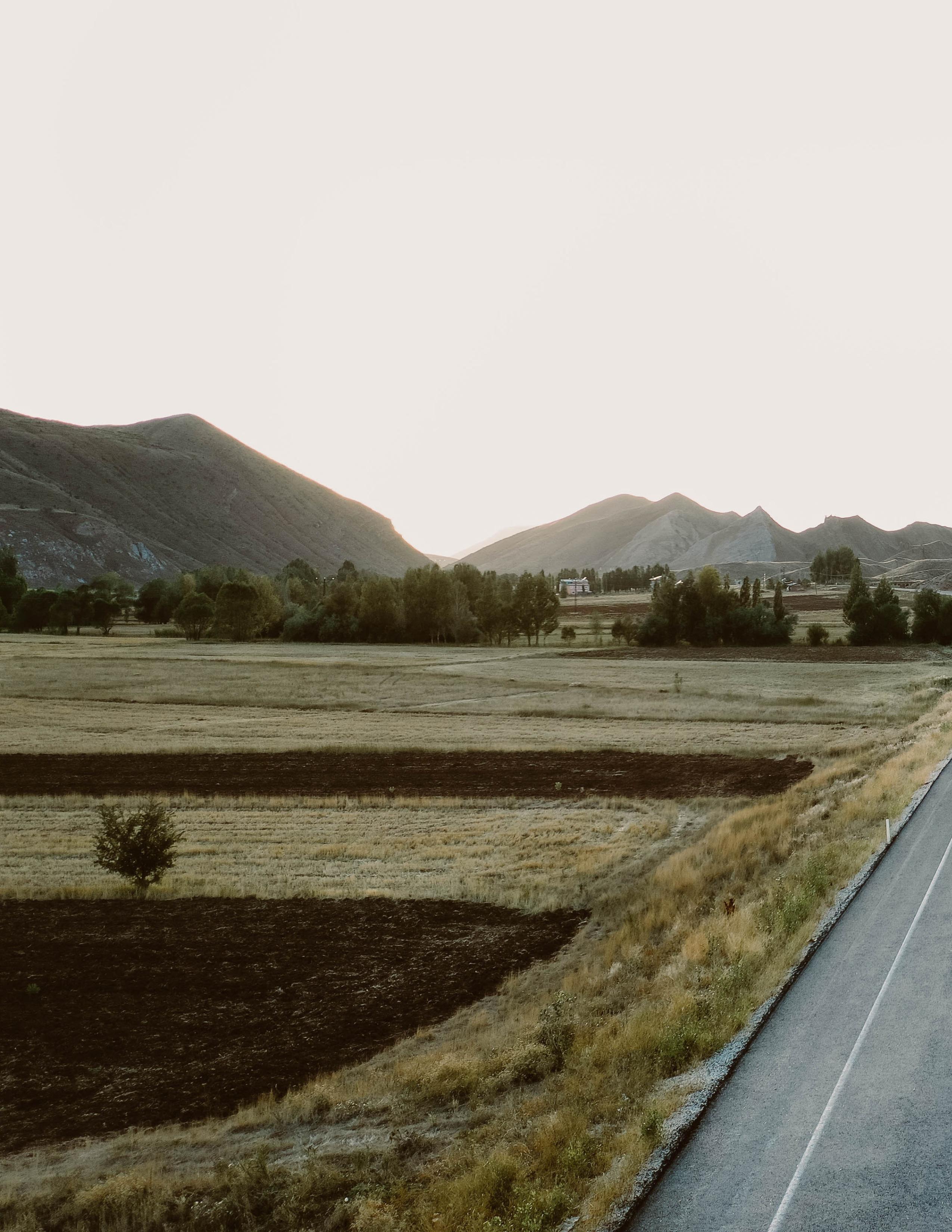
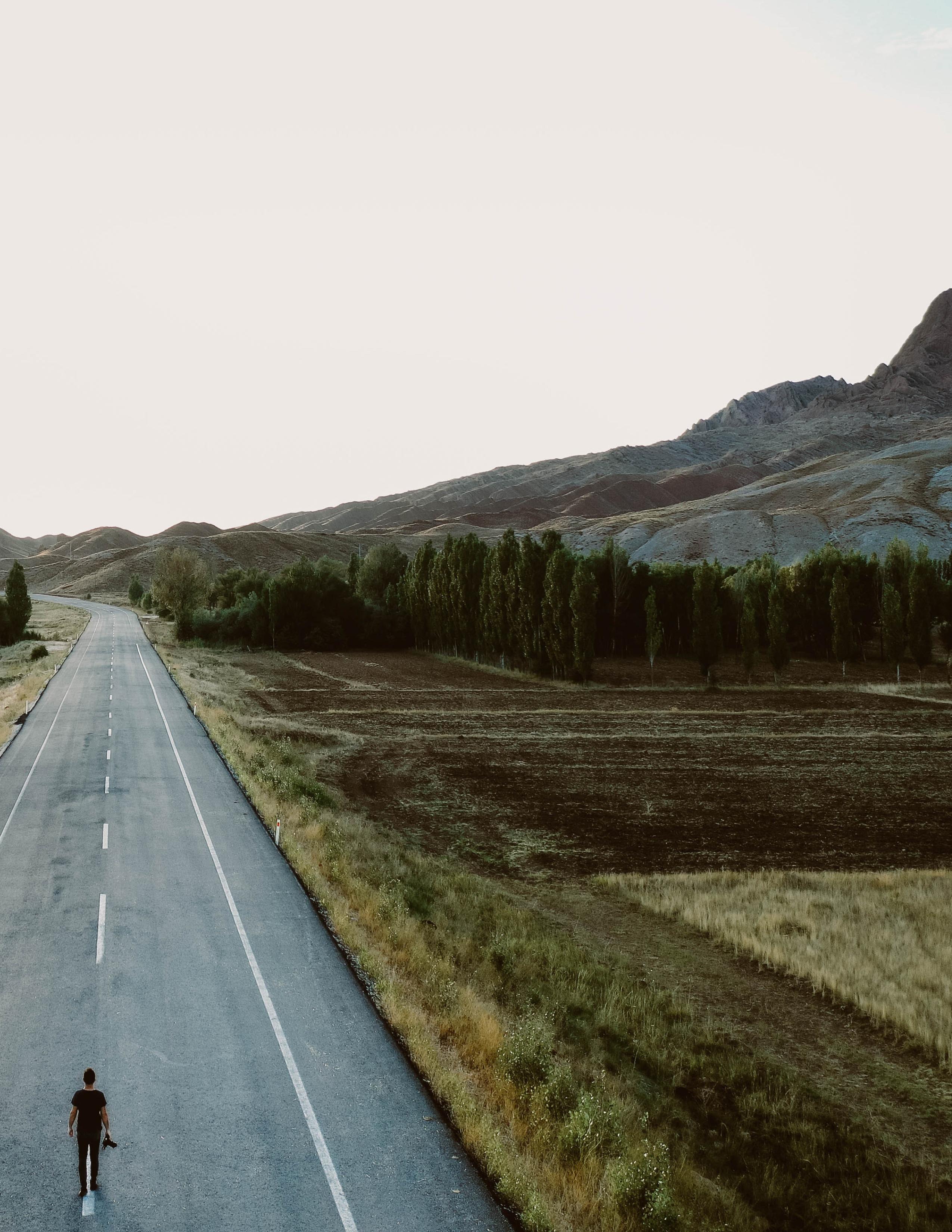
Miles to go before we sleep…
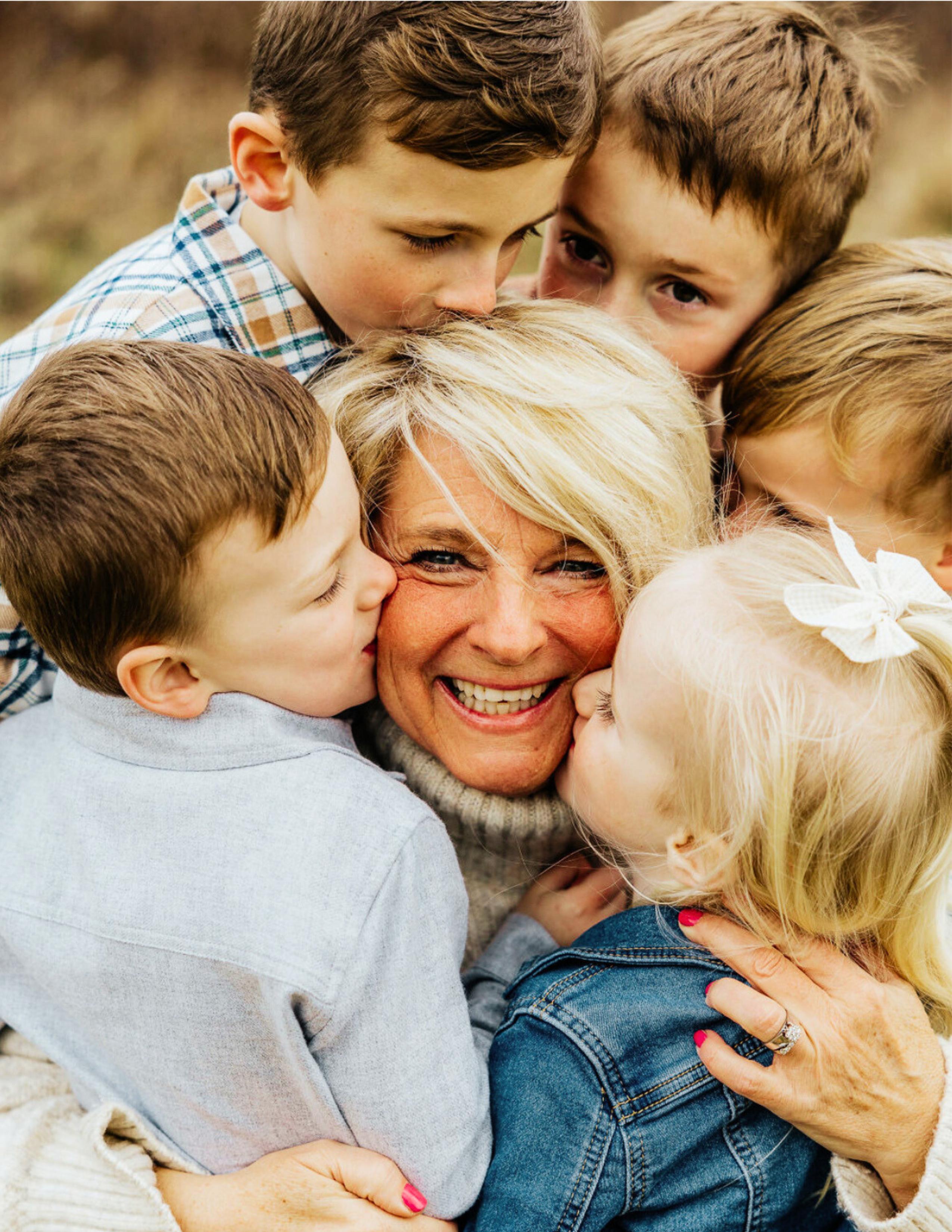
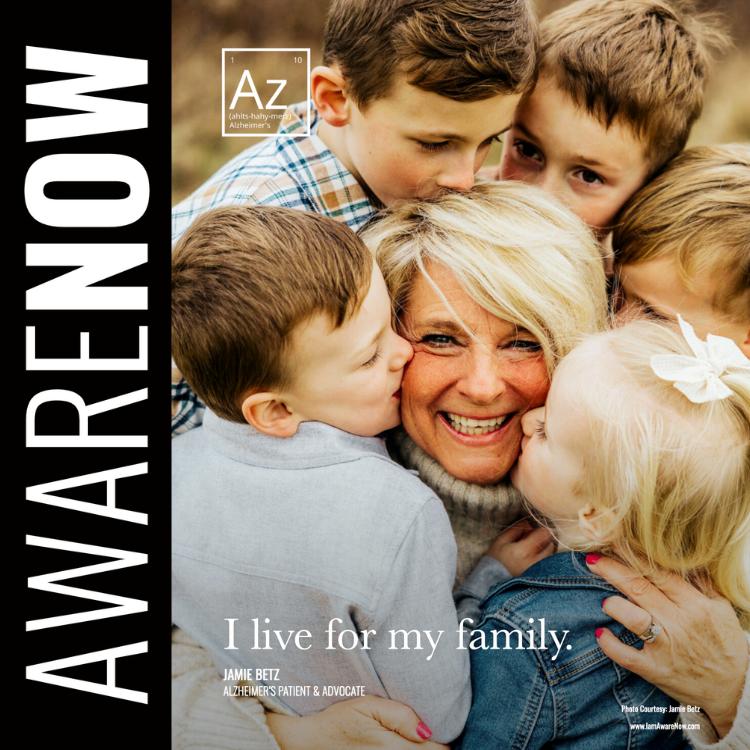
Jamie Betz began asking questions before forgetting became the default. When subtle changes in her memory didn’t feel right, she chose to listen, to look closer, and to keep going even when reassurance would have been easier. This is the story of a woman who trusted herself, dared to find out, and, in doing so, changed the course of her Alzheimer’s journey.
ALLIÉ: Let's start like this. Before Alzheimer's ever entered the picture, what did your everyday life look like, and how would you have described yourself then?
JAMIE: I have always been, and still am, quite ambitious and positive. They used to call me the Perky Princess. The bowl is always full.
I've always worked in the health field for 45 years. And I worked primary care for almost 20. And I felt like they were my second family, and I was always there for them, the patients, and they were my second family. And my primary family is the best thing of my life. I live for my family. Yeah, I really do.
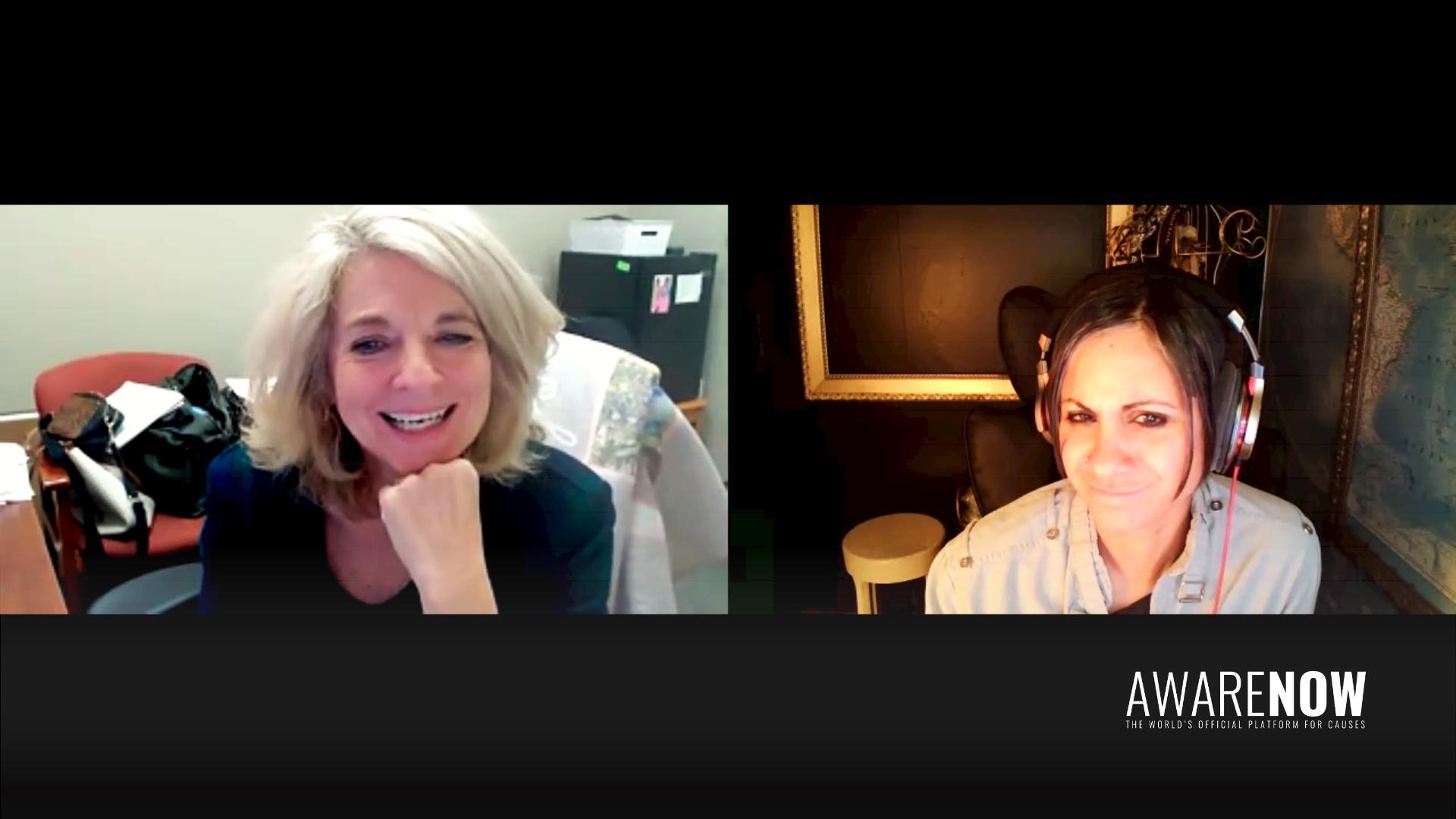

JAMIE BETZ ALZHEIMER’S PATIENT & ADVOCATE
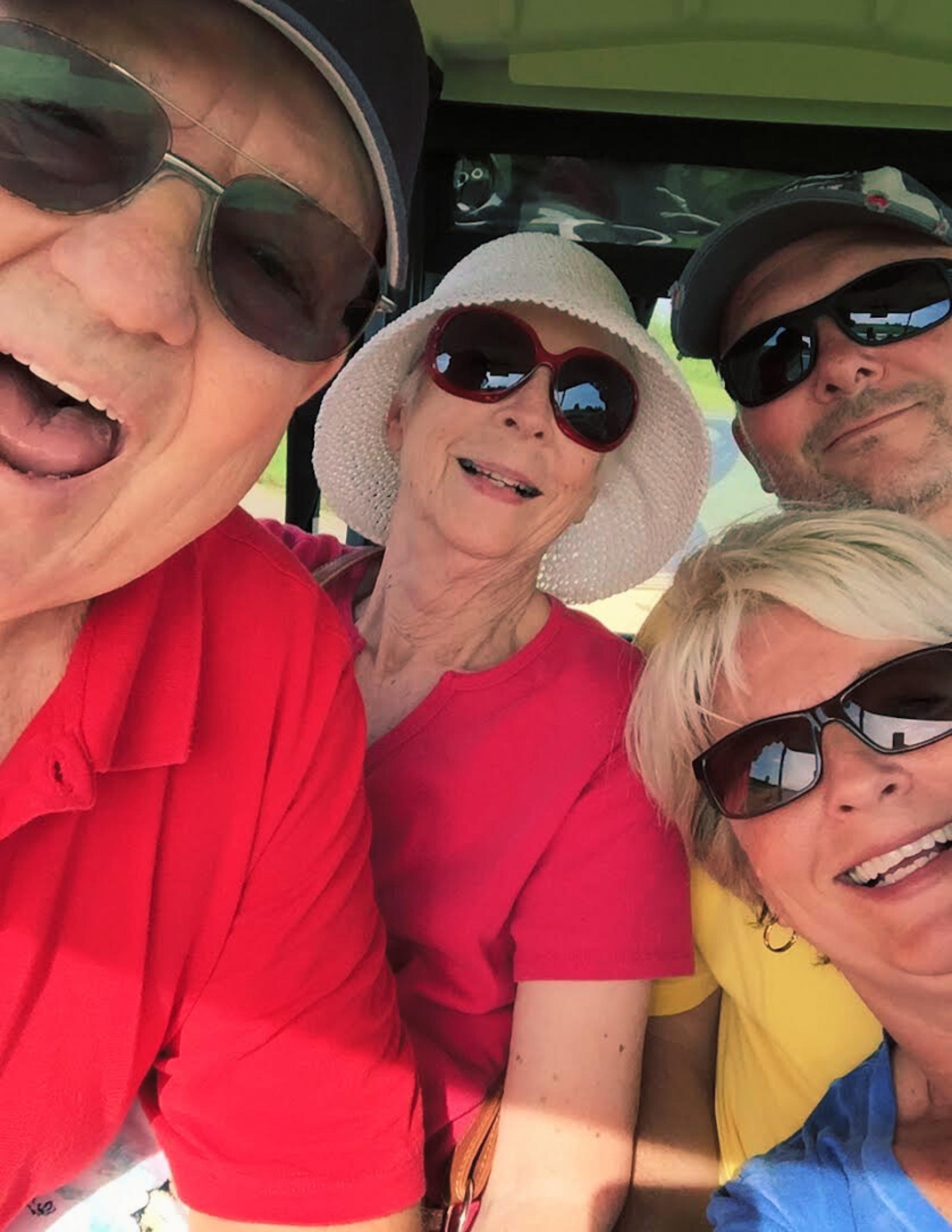
JAMIE: And I don't know, just always looking for new adventures. I can't sit still for very long. Life's too short. You never know when it's going to be your last day, so I definitely don't want to spend it on the couch.
So I have always worked full time. A mother of two. I have a beautiful husband. We were a great team of parents, and we had both of our sets of parents alive and family gatherings, vacations, lots of memories. I am always trying to make good memories. Like last night, we built a snow fort with my grandsons, and when my son came to pick up his boys, we attacked him with snowballs. I mean, there's just always something. Why not? You know, why not?
ALLIÉ: Yeah, I love that. So you're a collector of memories then. It sounds like you're a collector of memories.
JAMIE: I am. That is a good title. I am a collector of memories, and I can recover them.
ALLIÉ: Right. So now that leads on to more questions that I have for you today, because Alzheimer's first became part of your world through your family.
What was it like, a few different questions here, what was it like to walk beside your mother through her illness, then to witness your father's devotion as her caregiver, and then after that to later see your sister begin to experience memory loss herself? Could you just walk me through what those lanes look like for you?
JAMIE: My parents moved away. They sold their home in Ovid. I grew up there in the country, and they sold their home and moved up north. And so we would get up there, you know, our kids were in sports and stuff, so we weren't able to go up there all the time. But we tried to go up there every one to two months and visit my parents.
I never associated my mother with memory loss for quite awhile. She was just getting older. And then she became very ill with a UTI sepsis, and she almost passed away in a hospital in Traverse City. And ever since then, the frailty was even worse. So I never really thought about Alzheimer's. And then I noticed that her aging was just progressing.
And they moved to a new home in Cadillac. They bought a home on Lake Mitchell. And my mother never was able to find the things in the kitchen. She always had the same clothes on because she didn't know where her clothes were. Well, she had closets, but she just never… And then I started realizing, and so did my father and my sister and my brother, she had some dementia. That was eight years ago, and there wasn't much hope. There wasn't much medicine out there to make it better. So they continued to live as full as they could.
They had a place on the lake. They would take trips. My dad is my hero. He's always fun. He's always positive. He's always jolly. He's always cooking and baking and making life perfect for the people around him. Yeah, he truly is a caregiver. And it was never really much of a burden because they continued their day. They were both retired, so they were together. He was always there taking care of her. So it wasn't a burden on anybody because she just had a little bit of memory loss. And then I do recall she was getting worse, and my dad told her she couldn't drive anymore. And that really made her mad. And just after that, the progression was getting more noticeable.
Our kids grew up. We were able to go up there more, and I was able to see the progression more. And our neurology center was one of the leading neurology centers in the nation with Alzheimer's research. And I would say to my father, you need to bring her down to our office. And my mother would not. She wouldn't travel because she was disoriented and would become belligerent. She just was. And so my father just said, okay, we're not going to come down. Looking back now, she was probably too progressed for much of the new medicine to help her anyway.
They had a good doctor through the health system they were with, but it just wasn't Memorial's neurology. Dr. Leahy is amazing. Oh dear Lord, I can't imagine my life without her. And so that just continued to progress.
And then my sister, five years ago, she was a pediatric nurse at MSU. I noticed that she was overwhelmed a lot. So I couldn't tell what it was, but when she was forced to retire from MSU for her memory loss, I was like… and she was 58. I said, we need to get you into neurology.
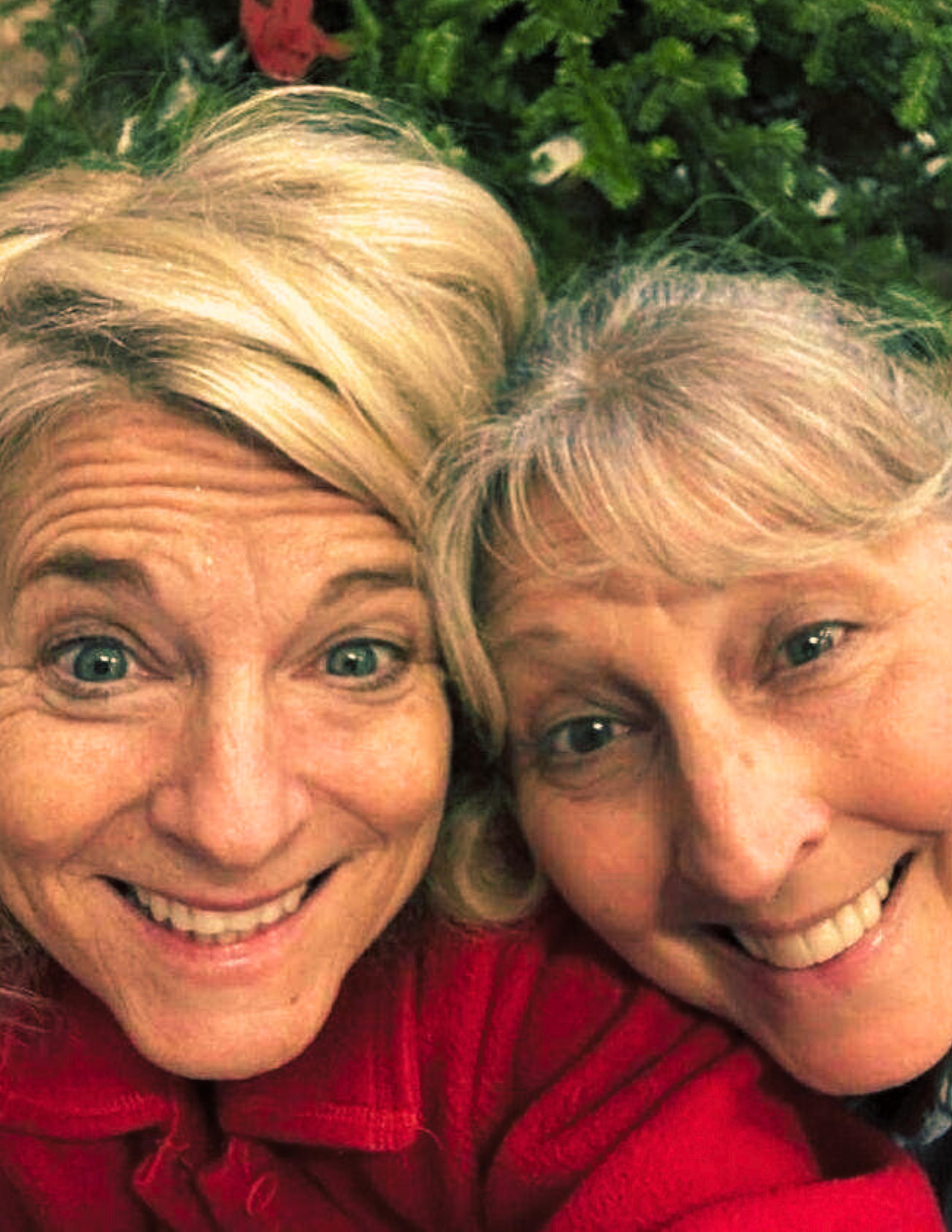
JAMIE: (continued) She came to neurology, but she didn't see Dr. Leahy. She saw one of the other neurologists. And Dr. Leahy, to be honest, is the one neurologist that really specializes in Alzheimer's. She saw another neurologist, but they did the testing, and she passed with the current testing available at that time. And she didn't need to come back because she didn't test positive for anything.
They didn't have the DNA test at that time. They didn't have the tau blood test. They didn't have the comprehensive cognitive test at that time. They just had the general tools, and she passed all of those. So then, as time progressed and modern medicine continued to grow at Memorial Neurology, we got her back in 2024. And Dr. Leahy did diagnose her with Alzheimer's, and she started on Leqembi. She's getting an infusion every two weeks, and she's getting better. Is her disease going to be reversed? No. But its going to stop that progression.
I took her to a new primary care at Memorial. She was going, because she worked at MSU, in the Lansing area. And I said, “No, I'm here. We're going to have this collaboration of care between you and Memorial primary care.” And I brought her to Dr. Somo.
ALLIÉ: I love Dr. Somo.
JAMIE: And we got her on a GLP-1 because that helps the brain also, the neurons. The brain of an Alzheimer's patient looks very similar to a brain of a diabetic, with the neurons being insulin resistant. I've done a lot of research. And we got her on a GLP-1, and she's feeling fantastic. And we're doing regular visits. She's coming over, and we're doing arts and crafts together, and I'm building her self-esteem, and we're on the road to a much better life.
That is amazing. She really helped my father a lot because she was retired. Toward the end of my mother's life, she would go up and stay with my father and help him. But let me tell you, my father is a saint. My mother lived a beautiful life. She suffered, yeah, yeah. And she went peacefully.
ALLIÉ: And that's all any of us can ask for, I suppose, is the way that we go and for her to go that way.
JAMIE: Now there's a new world for those new patients with new cognitive impairment, new opportunity. And I told my mom, when she goes away, and my father, because of the caregiver role, that there's a new life, there's a new opportunity for these patients. And I so want the world to know about this.
ALLIÉ: Well, and before we had started recording this conversation today, you mentioned that all-important word, hope, and to know that it exists there. And what you just mentioned, like, will this cure it and make it go away? No. But to stop the progression.
I hear you because living with MS myself, no, I can't cure it yet, but there's still hope. You can control the symptoms. You can manage the symptoms. You can do the best that you can. You just have to make the choice to do so.
JAMIE: And I love your slogan, “Because I Can.”
ALLIÉ: Right? That's what we do. We do what we can because we can. And I want to talk about what you have done because you can. So when you started noticing changes in your own memory, having already seen what your mother had gone through, having seen your sister's symptoms, you were initially told everything was fine.
JAMIE: My primary care did not do anything wrong. My message out there is that I was still passing the primary care test. I just would not be able to come up with a common word, and I would be stumbling, and my friends would finish my sentences for me. And I'm thinking, I'm not nervous. I've been doing this for 44 years. I'm not nervous. What's going on?
I let it go for a couple of months, and I thought, no, I'm going to go because I have it being so strong in our family. And my uncle, my father's uncle, died in his 60s of Alzheimer's. So we have it on both sides.
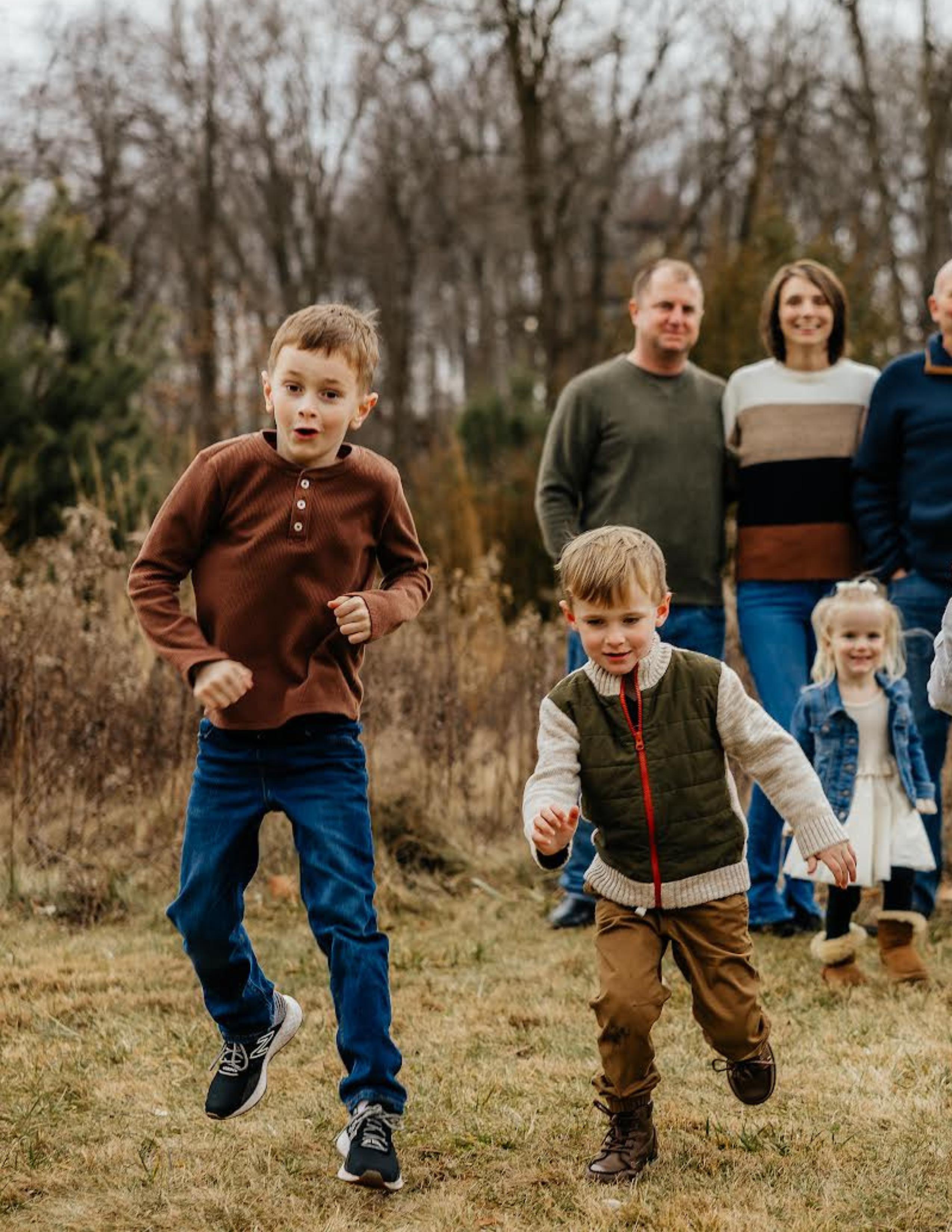
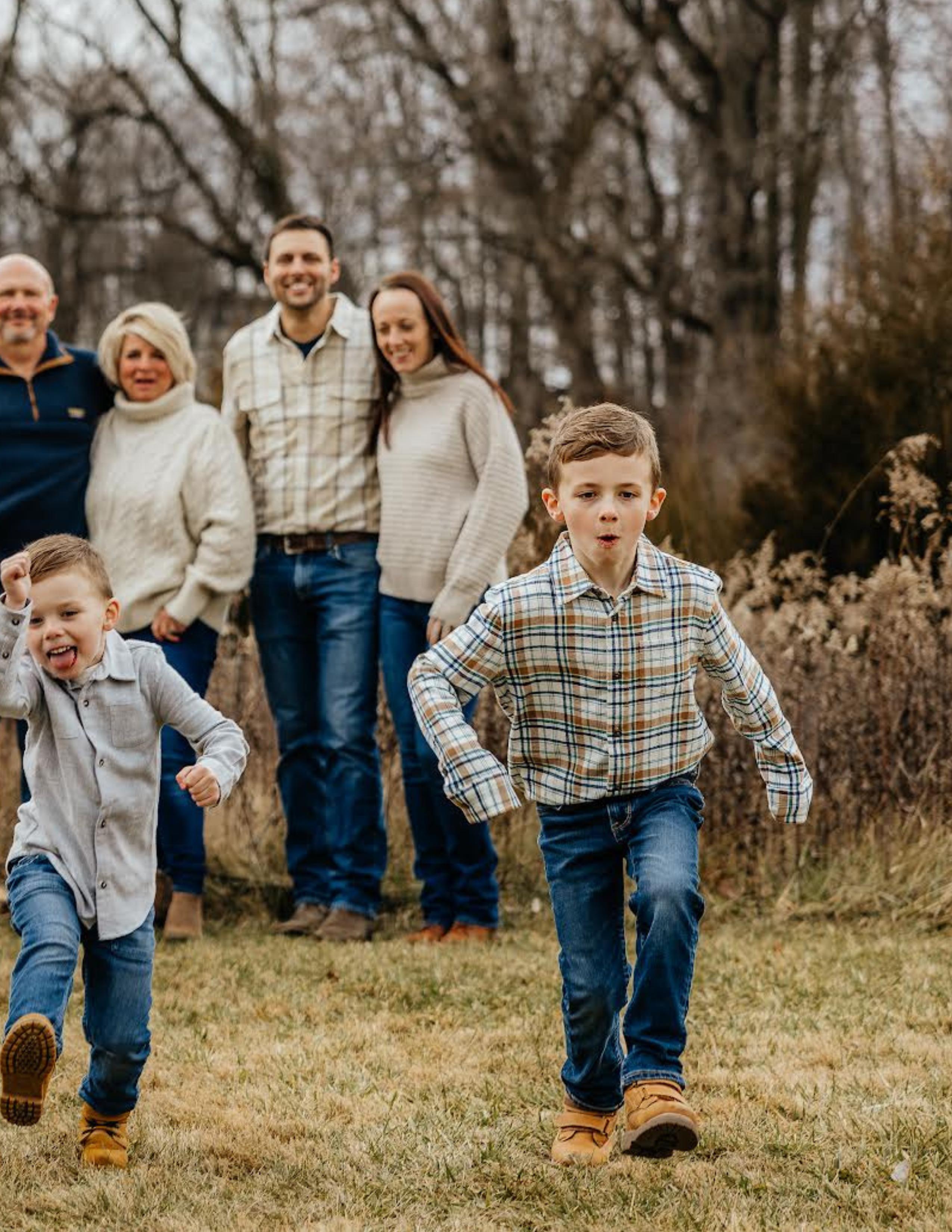

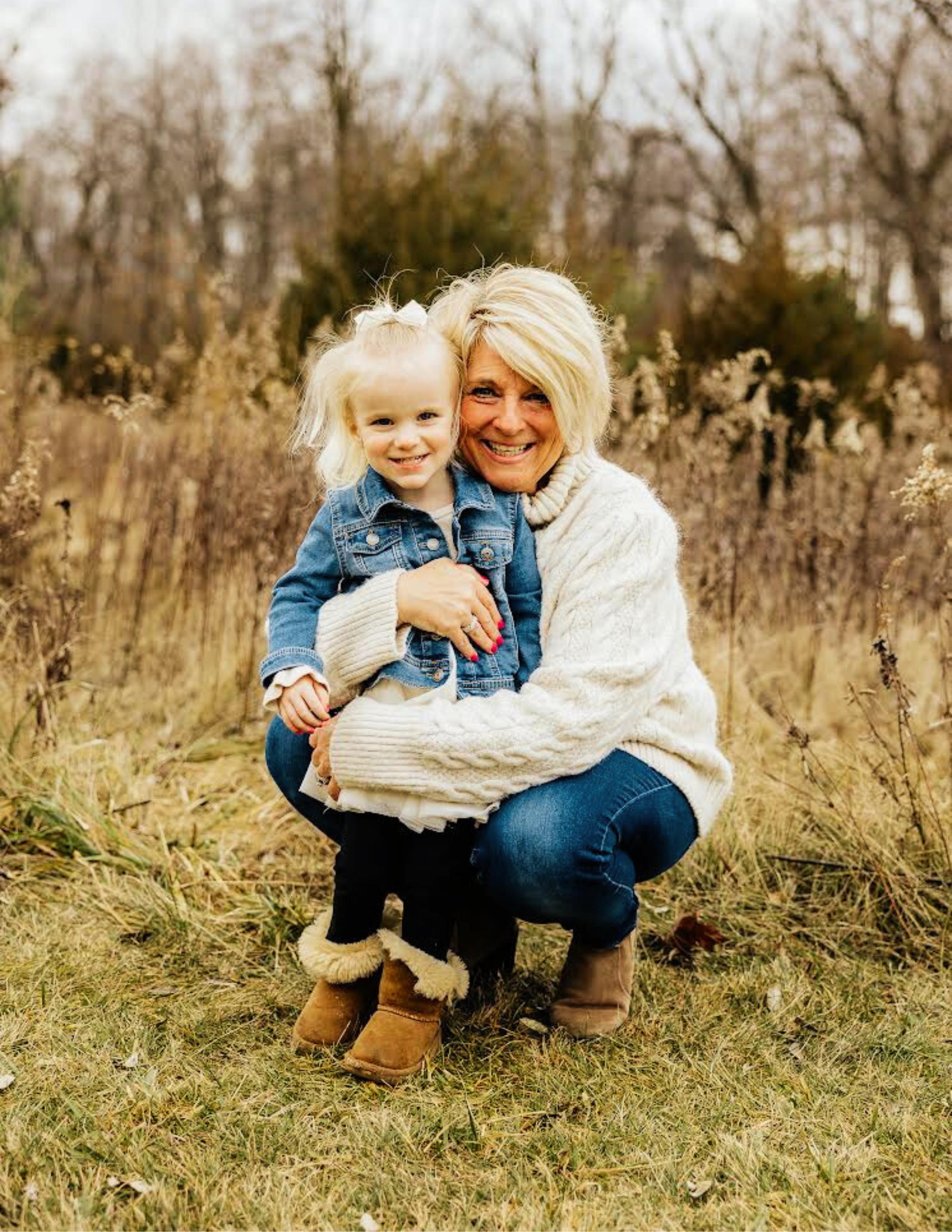
JAMIE: (continued) So I went to primary care and was told it was negative, and I didn't settle for that. When somebody's told in primary care that their cognitive test is normal, they're going to think, oh, I'm just getting old, or I'm just nervous, or I'm not getting enough sleep, or whatever it is. They're going to brush it off, and I have to stop that. So I did get in to see Dr. Leahy late last year, in the fall of 2024, and she did the comprehensive cognitive test. The new one the NIA is doing but still not being done in primary care yet because it takes too long. It takes 15 minutes.
ALLIÉ: It doesn't seem like much.
JAMIE: So I failed it. And she ordered the lab work, and my elevated protein tau came out positive. My protein tau came out positive, and my DNA came out positive. I had to go to U of M in January a year ago. I had my PET scan. Matter of fact, it was a year ago today.
ALLIÉ: No way. Okay, goosebumps.
JAMIE: Anything over 30 centiloids, we all have plaque in our brain, but anything over 30 particles, and they're called centiloids, is abnormal. I had 80. Dr. Leahy called me at home and told me. And I said, okay. She said, come back in, and we're going to talk about your options. So I went back in.
Let me tell you, this experience has been nothing but fine. I'm fine. And she is amazing. Her team is amazing. It's been nothing but a chapter of my life, maybe a couple chapters. Seriously, it hasn't been devastating because, thank God, I wasn't diagnosed until now. Having the diagnosis now, there's hope.
And I made a decision to start on Kisunla. There are two drugs. My sister's on Leqembi, and I'm on Kisunla. And I started it in February of last year, and I'm to have my 11th infusion next week. My head is clear. I don't forget my words anymore.
Dr. Leahy is going to do a PET scan on me January 30 and expects my centiloids will be at a normal level. So, disease reversed. Yeah. And I'm going to go on Leqembi, the other drug, for maintenance with auto-injections at home to prevent any new growth.
ALLIÉ: That is amazing. Early intervention, early intervention, right? There's a reason they say timing is everything. So let's talk about today. Let's talk about where you are today. The fact that you speak with hope about travel, love, time with your gorgeous grandchildren. As someone that is living proof of what early diagnosis and treatment can make possible, what do you want others to hear if they feel afraid to ask the next question about their own health?
JAMIE: I went to a lunch-and-learn with Dr. Leahy where we had a huge community show up. It was last August or September, and it was on memory, Alzheimer's disease. I sat next to two friends from work whose mothers have Alzheimer's disease too. And they both said to me, I'm too afraid to know.
And I said, you just attended an hour-long educational session of hope, of treatment, and the earlier the better. And they both said, I'm going to go home and talk to my family about it. And I'm like, it's my brain. It's my life. I don't care what their input is.
I love my family to death, but it doesn't matter what their input is. I have to take care of myself. We are of no value to anybody until… Who's your best friend? My best friend is me. How about you?
ALLIÉ: Maybe I should rethink that.
JAMIE: We have to take care of ourselves before we're good to anybody else. Yeah, I thought that was a crazy reply, but to each his own. I respected that, but that's why I went and got tested.
ALLIÉ: Well, there's a fear of the unknown, but there's also the fear of knowing.
Exclusive Interview with Jamie Betz https://go.awarenowmedia.com/podcast/before-i-forgot
JAMIE: Oh yeah. The earlier you know, the better. We're always apprehensive to go get a mammogram or cancer screenings because what if. The earlier you know, the better.
ALLIÉ: And to know that this isn't a death sentence. This is a sentence, and there's another one to follow and another after that. The earlier you start finishing those sentences, the sooner you can start writing the next ones.
JAMIE: Yes. My message to people who are afraid is there is such great science and medication and a bright future with earlier diagnosis. Even if you wait a couple of months or six months, still go. They may not be able to reverse it, but they can stop the progression. My sister was three years in. I know everybody's disease progresses at a different rate, but go. And I always say, schedule your appointment now because it takes months to get in to see Dr. Leahy. Get it on the books. Make it happen.
Don't be afraid. Life… Don't be afraid of life. Don't be afraid of living.
ALLIÉ: I always say there's nothing I'm afraid of except not trying. I'm afraid of not trying. We're cut from the same cloth, Jamie. Sisters from another mister, I don't know. But thank you so much. This is very close to me as well, with members of my family that I've lost.
Going back to where we first began this conversation, it's those memories you love making, building snow forts and throwing snowballs. When I had those same memories that those close to me couldn't remember, to save those moments, to save those memories, isn't it worth finding out so you have the opportunity to protect what you don't want to lose?
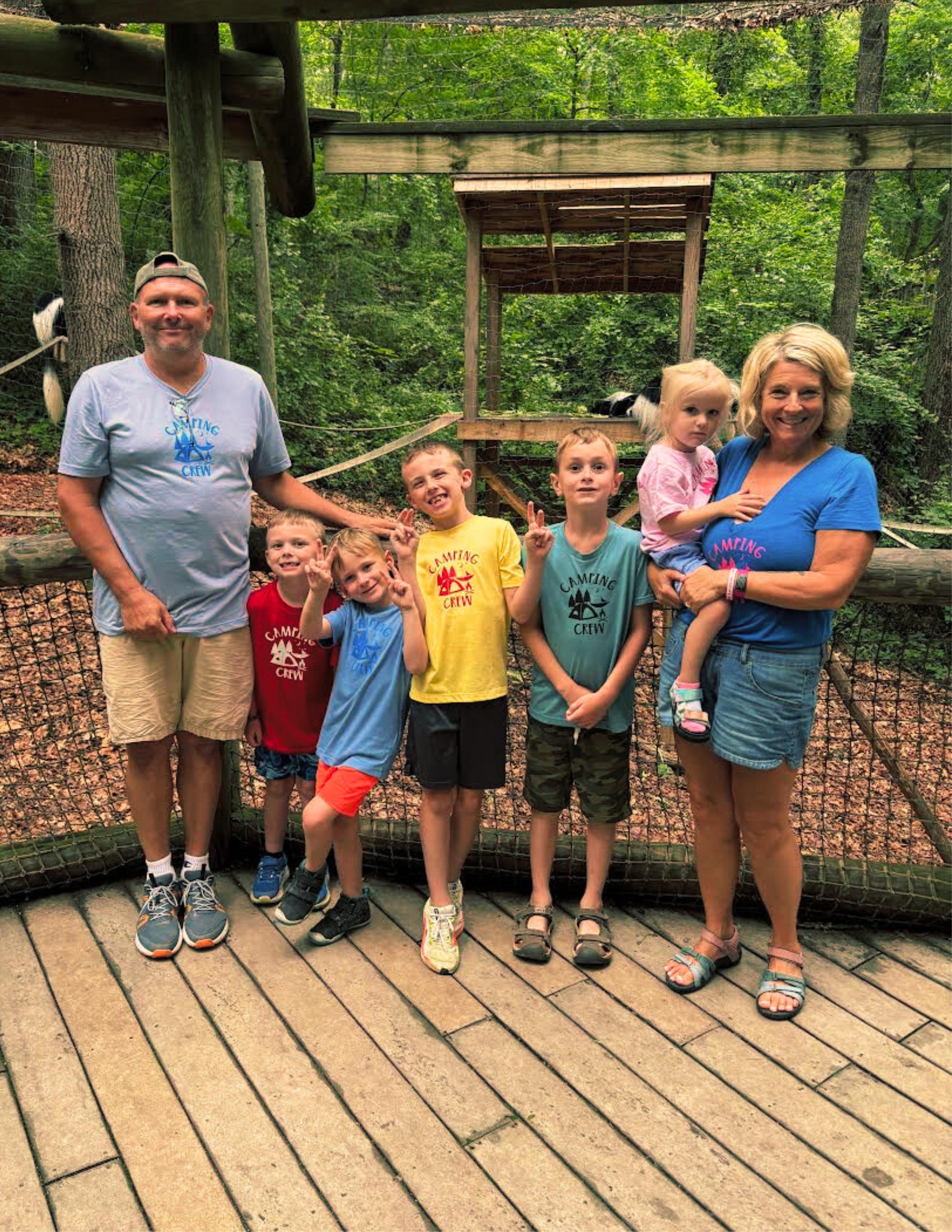
JAMIE: Yes. And we have Mimi Papa Camp every summer. Last year was year two, so this July will be year three. And every Christmas, their 12th Day of Christmas present is a photo album of Mimi Papa Camp, just for them, with their pictures.
There are group pictures too, but my husband was assigned the photographer job this year, and he did such a fabulous job because I'm too busy having fun. I'm terrible at pictures because I'm in those pictures.
I told my grandchildren this year that my dream is to have Mimi Papa Camp until the day I die. “You're going to be 40 years old, flying in from New York, and we're going to meet in Traverse City. And by gosh, we're having Mimi Papa Camp.” And they went, “We're there.” ∎

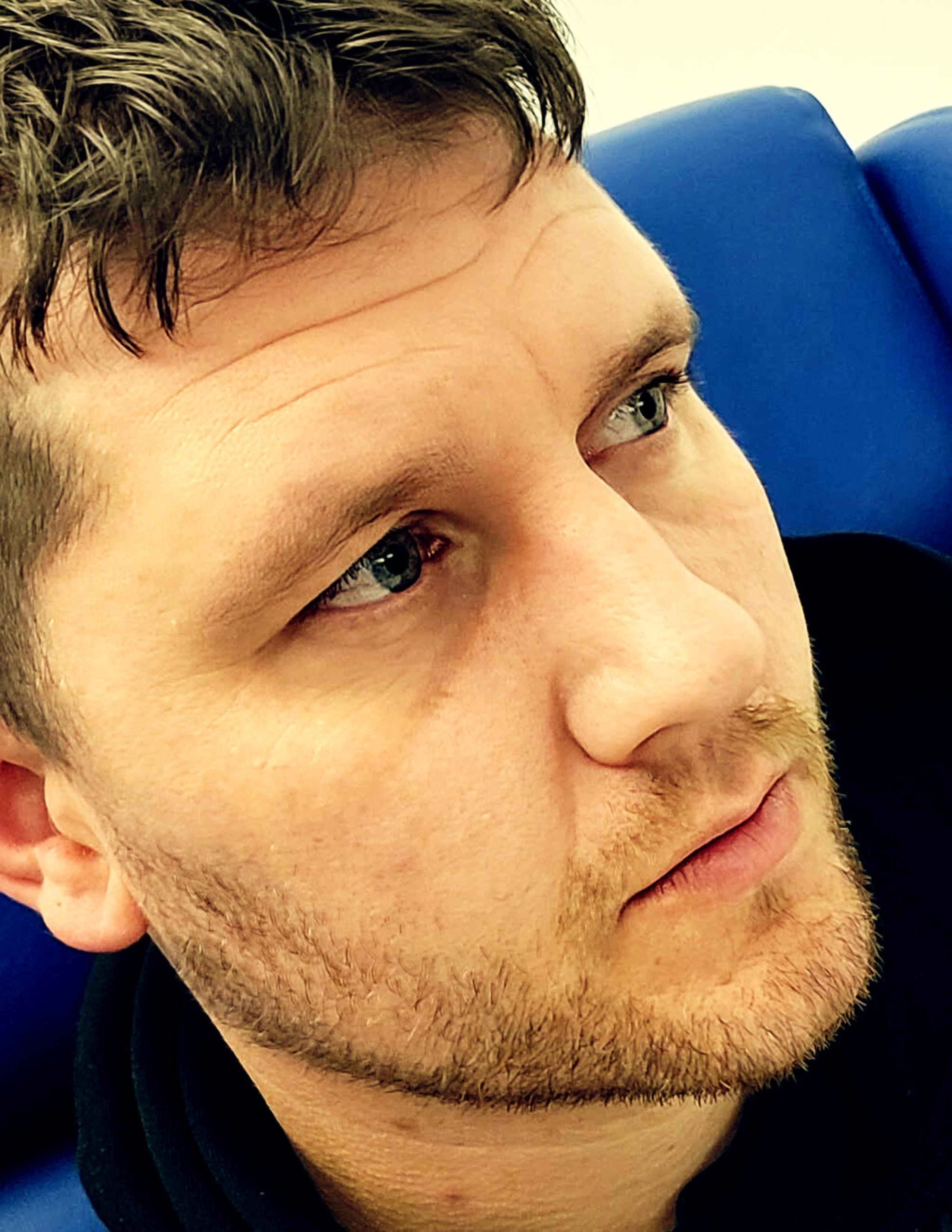
PERSONAL STORY BY ROBERT GILLETT
Since my diagnosis moving forward looks completely different.
It’s not the fast paced life I used to chase. it’s not about smashing goals or ticking off every box like I’m running out of time.
Now, progress comes in all sizes…..
Some days it’s getting out of bed when my body feels stuck down. Some days progress is literally just holding on, surviving the hours and hoping tomorrow is a bit easier.
No matter how slow it gets, I keep pushing. I keep showing up in whatever way I can because staying still isn’t an option not with MS breathing down my neck.
Every step I take, every battle I get through, every day I refuse to quit… that’s me moving forward. MS can try to knock me down but it’ll never make me stop. ∎

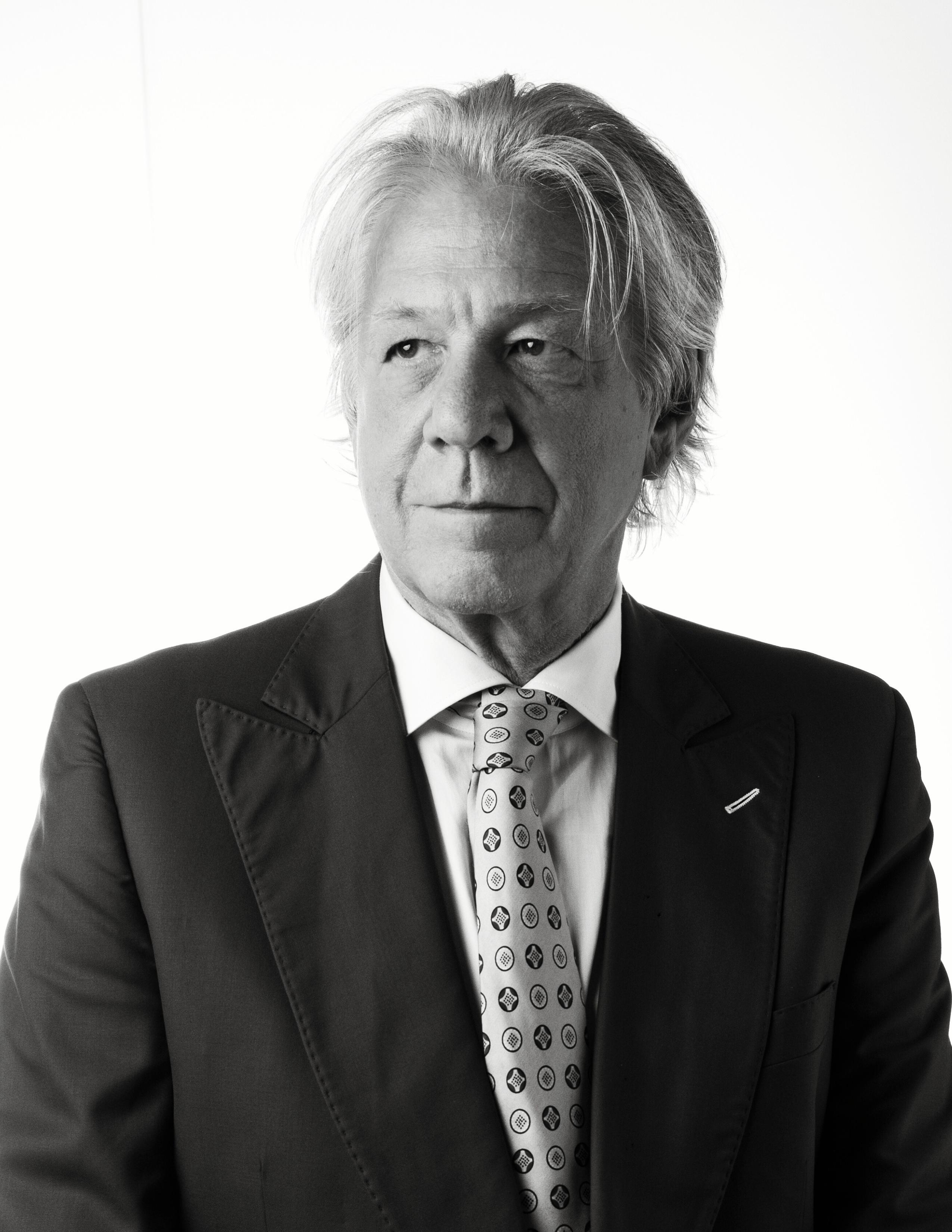

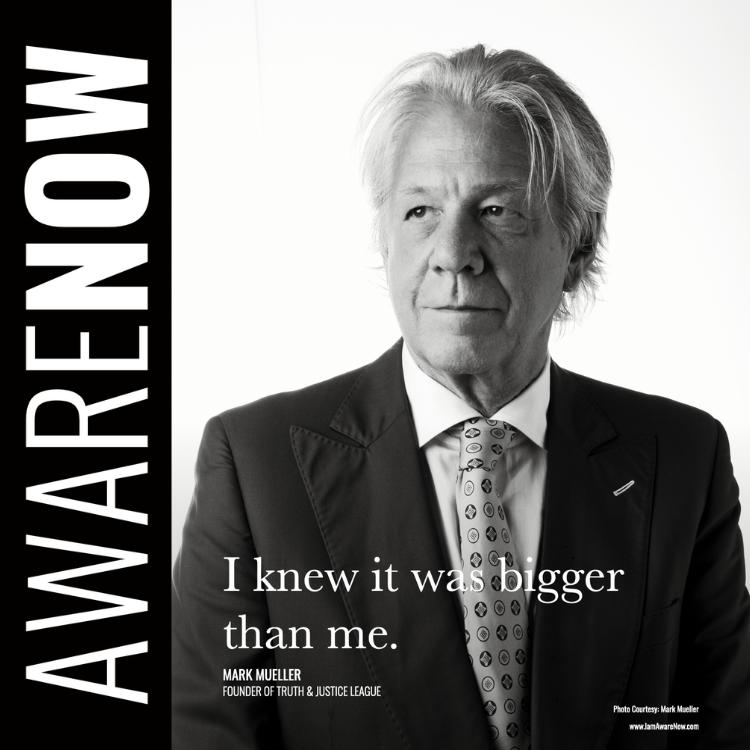
Mark Mueller is a lawyer by trade and a steward of justice by calling. For decades, Mark’s work has lived where truth meets consequence, holding corporations accountable, protecting the vulnerable, and standing for land, life, and future generations. Now, his focus has expanded from the courtroom to the collective. As the founder of the Truth & Justice League, Mark is helping build a living network that informs, inspires, and empowers people to act together. The Truth & Justice League weaves legal strategy, community engagement, and creative impact, inviting individuals to rise, contribute their unique gifts, and participate in healing the planet and all its inhabitants. This is justice, not as an abstraction, but as a lived collective practice.
DAMKIANNA: Thank you so much for joining us on AwareNow. This is the debut of the ALIGN channel, and I could not think of a more aligned person to invite into this first conversation. So, Mark, thank you so much for joining me.
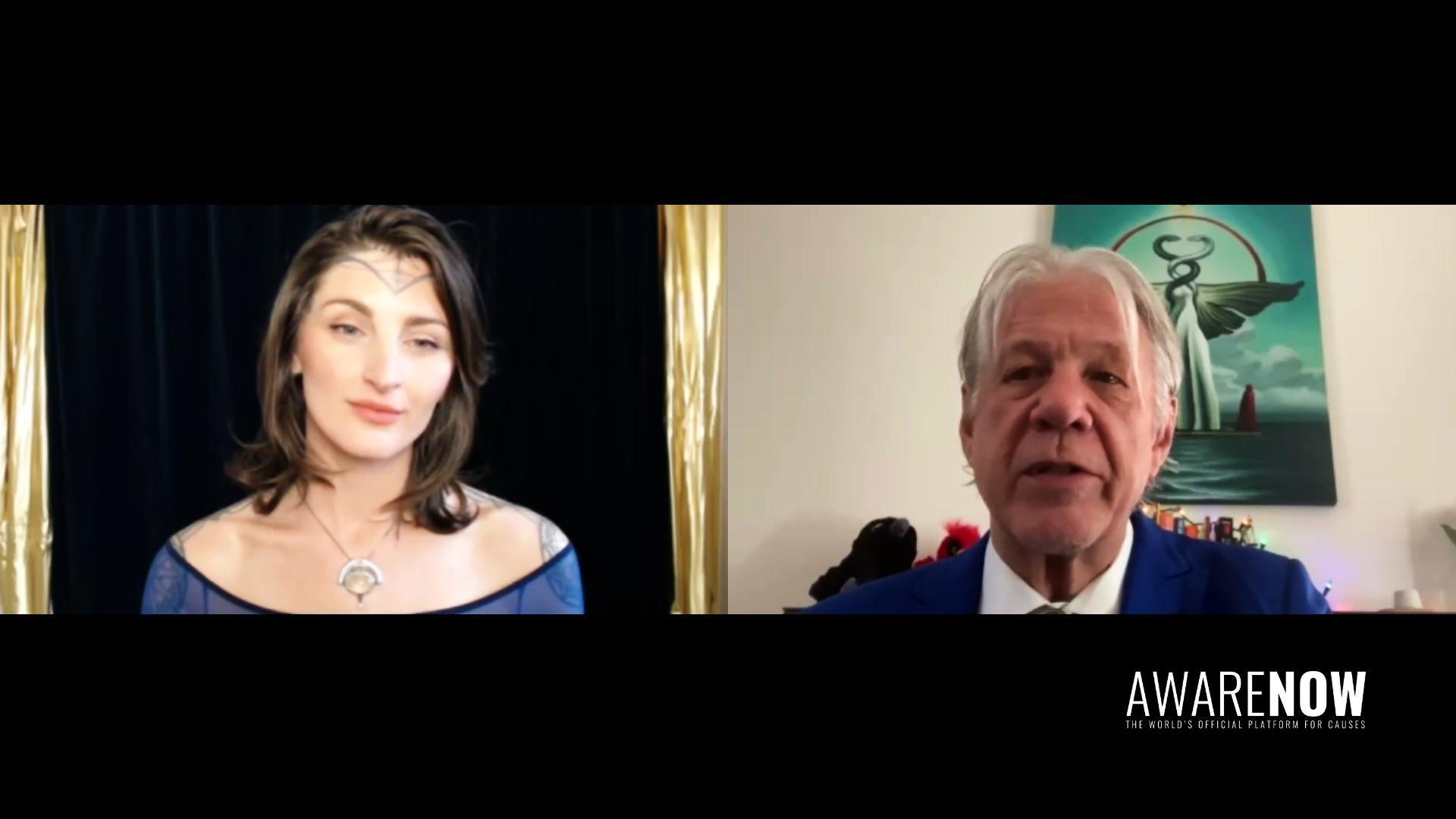


MARK MUELLER FOUNDER OF TRUTH & JUSTICE LEAGUE
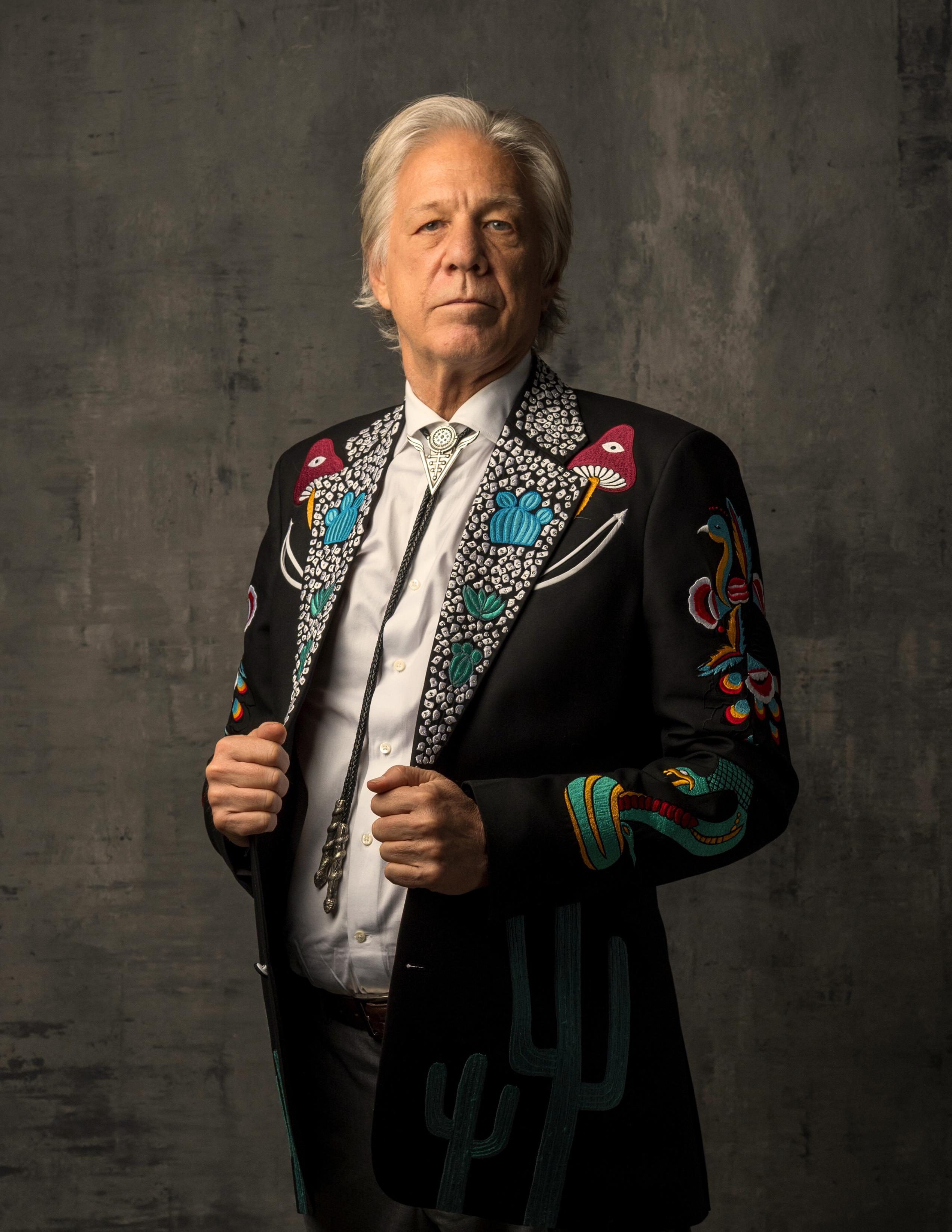

DAMKIANNA: Yes, I can't wait to get into that backstory a little later here. First I really want to start with you, as a trial lawyer. Your career has really been defined by fighting for truth and justice in a very real and tangible way. And so looking back over your decades in the courtroom, which one, maybe name just a top few of your cases that have really portrayed your deepest passion and purpose in your work.
MARK: Well, one of those is my representation of the traditional warrior society of the Blackfoot Indians. Not a very typical case.
I got involved in trying to help them keep oil and gas drilling off of territory that was in the wilderness area, U.S. government land now, but had been Blackfoot land before. And so it was a very improbable case because they actually didn't have ownership interest in the land anymore. And when I got involved in it, I ended up representing them for nine years on a pro bono basis. And there was really no, it's weird, it's a legal case, but it wasn't a legal case. It was like after all the legal deadlines had been gone. So we really worked in the realm of media publicity and spirit.
I ended up doing amazing work with these amazing Blackfoot warrior society guys that were the medicine keepers. And we did a lot of prayers and sweat lodges and I even ate raw elk liver with these guys and dove off of a cliff into this ice cold water. So it was a really wild opening experience, especially for a white guy. But it was interesting.
This was a true test of spiritual fate because we had no legal standing to go forward, but we created one with the idea that there was a reservation of sacred rights to the territory by the tribe. So after nine years of posturing and media and protests and working with prayers and all this stuff, Chevron and Fina, which had leased oil rights from the US government, voluntarily gave up all the rights to drill for oil and gas and didn't ever touch the ground once.
DAMKIANNA: Wow, that is profound.
MARK: I can't claim credit for it. This was spirit in conjunction with the people I was working with.
DAMKIANNA: That's incredible. What would you say was the impact on those individuals? Like, what did that mean for them to have that land protected now?
MARK: It was huge because it's sacred territory where they used to conduct some dances and you know those kinds of things and so it was very sacred territory. It was huge because they're used to being abused and taken advantage of by the government. But in this case they won.
DAMKIANNA: That's so powerful, and I know that you've really represented a lot of different populations and individuals to protect them from injustices. Would you name a couple others that have been really just big wins for the people?
MARK: One of those is nicknamed by the press as the ‘Condom-Rape Case’, and that was a horrific case where a woman woke up in bed to a guy with a knife to her throat. He had broken into her apartment, and there he was with a knife when she woke up.
And she had the wherewithal to save her life, and also to say, “Hey, you're doing this and I can't stop you. I need you to use a condom.” And that ended up being a really crazy point with this because a grand jury in Travis County, which is Austin, a very open-minded and progressive place, the grand jury, which is the group that decides whether to press charges or not, actually charged him with burglary, but they didn't charge him with rape. That is, they said the condom meant consent.
So that's when she came to me, my friend Xan Wilson, and said, “Is there something we can do about this?” We really raised a stink with the district attorney's office. I said, “Hey, you guys need to do another grand jury. This is outrageous. We can't let this go.” And they said they would only do this one time. And I said, “Well, you really need to make an exception here because this is going to be a disaster because we can't let it go. My client won't let it go. And the women's groups in Austin won't let this go.”

MARK: (continued) And they said, “Well, sorry, but this is our policy.” Then I say, “You just need to change your policy.” But they didn’t. So I got on the phone and started calling people like the rape crisis center and the various women's groups that I was aligned with, right? So, uh, and within an hour, there was a huge demonstration in front of the store house. And it was on CNN the next day. It was on the front page of the New York Times. And late the same day, I got a phone call. It was from the district attorney. Now, not the assistant district attorney. It was the district attorney. And he said, “Um, can we talk?”
After making him wait for a minute before I answered the phone, I said sure. We ended up having a rape trauma psychologist go with us, with me and the client, and we talked about rape misconceptions, rape myths, rape trauma, and what ended up happening was they did another grand jury. The guy was charged with sexual assault, and it changed the policy in most major cities in Texas for how they handle these things. So now for a case with a sexual assault issue, they put on the proper expert to help the jury understand why people don't report right away, or why they might feel bad about it, or why they might take a shower, or all these different things that happen.
So that changed the way that they did procedures. And then the guy when they went to trial was convicted. He got 45 years, because he denied it. He said, “I broke in, but then she saw me and decided to make love to me.” Not a good defense.
DAMKIANNA: So powerful to really make that policy change and to massively impact people's lives in such a profound way. Thank you for sharing that. That's potent, potent faith and outcome.
MARK: Yes, then another one I had was a malpractice childbirth delivery case in Texas that we were told was an impossible case and that we couldn't win it. That if we won it, we would not win on appeal. And what we managed to do was to hold a company, a management company responsible for the running of the hospital. The hospital was a county hospital, and the county had limits. They could only be sued for $100,000. That was not reasonable.
So we had to get a bigger defendant, and we did. It was a novel legal theory that had never been used before in a malpractice in Texas. And after a couple weeks of trial, and the jury was out for two or three days, they came back with a verdict of $59 million, which at that time was a very large verdict at that time. It was the largest verdict in a malpractice case in Texas history.
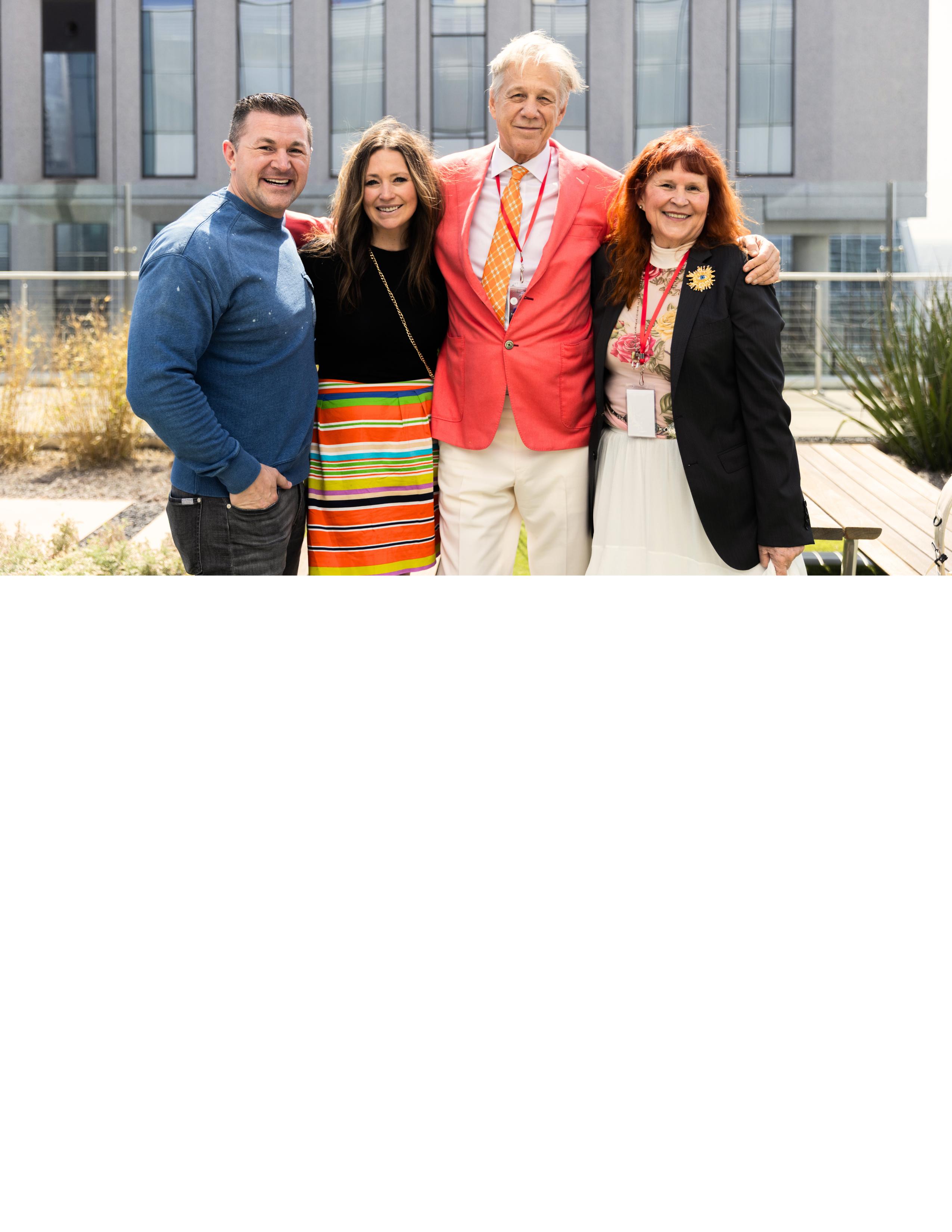
“Sometimes when you are in alignment and spirit lines up with you, and you let it happen, and go into the flow, amazing things happen.”
MARK: (continued) It was also really beautiful because the mother was pregnant during the trial, and she glowed like Madonna on the witness stand. And then after the trial was over, she and her very sweet Hispanic family went and barbecued a goat brought from Mexico. And when her son was born, she named him Mark.
DAMKIANNA: Oh my goodness! What a profound journey. I understand that these processes can take years. So you've really dedicated yourself to the long-term and the outcome. You really stay dedicated. It’s been incredible to get to know you, to learn about these stories, and I thank you so much for sharing just some of these moments.
MARK: Well, you know, one of the things is these cases on the outside looked impossible and seemed very daunting. And they were to me as well. I didn't always know what I was going to do or how I was going to get there. But it's a lesson. Sometimes when you are in alignment and spirit lines up with you, and you let it happen, and go into the flow, amazing things happen.
DAMKIANNA: There we go. That's the power right there, and you've dedicated yourself to that. Thank you so much. So now for the next piece I'd love to look at. I know this has been your career. This has been your livelihood. This has been your mission and your passion. And when you and I met, about a decade ago I think now…
MARK: At the Conscious Media Festival.
DAMKIANNA: Yes, that Conscious Media Festival in Austin. And at that time, I recall there was this idea that you had for the Truth & Justice League. And it was starting to form. And because of all these different connections that you've made throughout time, you saw that there was this next era of your legacy and of your career that would evolve into something that was focused more on bringing all these people together to co-create in another way. So, you're in that transition.
And I want to know what shifted for you… when you realized that your next chapter was not so much focused on trials and cases, but was focused on really gathering people. What do you see in this next chapter?
MARK: To go from where we discussed this, it was a seed at that point in time. And then a few years later, I actually and literally was at the top of the mountain on a spiritual retreat and working to get messages from the universe as to where I should go and what I should do. And I remember saying powerful prayers at the top of the mountain with my teachers and guides and the folks I was with. And this message came in very clear… that we needed to do better, that the world was not defined by what it had been, and that it was fostered by the question, “What if?” What if instead of just complaining about everything, how terrible it all is, how powerless we are, how crappy everybody else is, and all the bad people… What if we actually started imagining a better world and doing what was within our own unique skill set to get there?
MARK MUELLER FOUNDER OF TRUTH & JUSTICE LEAGUE
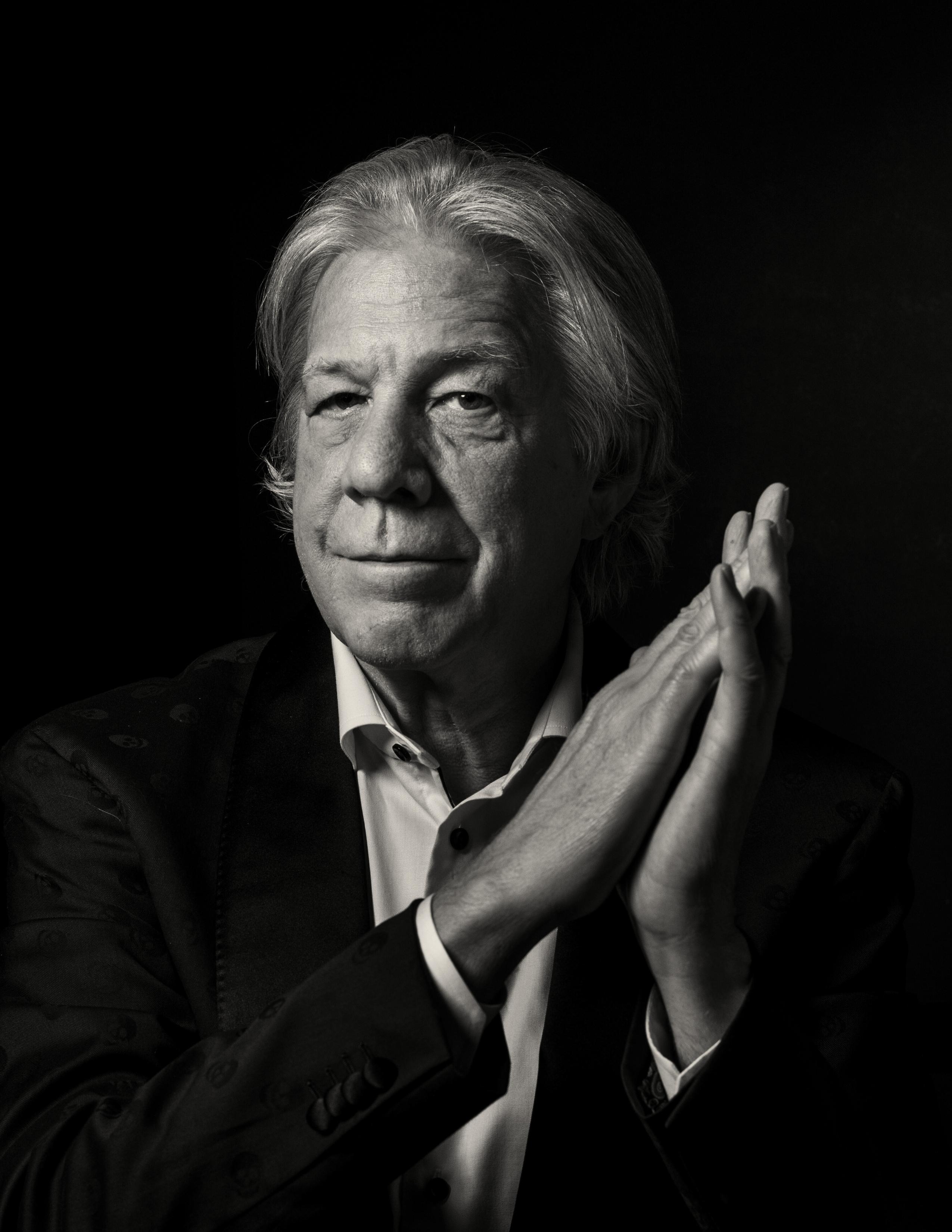
MARK: So that's what started. And part of it was setting aside the competitiveness and the other aspect of what happens in the court cases. Because with court cases, you were going against somebody. So somebody's trying to beat you, but there are ways to elevate that as well. But they're really kind of gnarly, and I was really getting tired of the arguing, the hassle, the motions, and all this stuff that had to be done in the background. It became a lot of not seeing that justice is done, but trying to just get in the way… to delay it and confuse it. And it seems like there is a higher purpose for us… What's your real mission? The real mission is to be of magnificent service and to work into actually connecting people. It’s also creating a way that all of us work on continuing to evolve and become more aware, more powerful, and do more good stuff. Because positive contagion is also a factor, right? So we talk about pandemics and things like that. Well, that's negative contagion, but positive contagion is even more powerful.
DAMKIANNA: Absolutely.
MARK: That's what started it. And then I knew this was bigger than me. It started with the question, “What if?” And that was followed by a party that we had on the summer solstice in 2019, which was titled, ‘The What If Party’.
There was music and there were all kinds of spectacular visuals and things like that. But we also had scientists like the head of the Ramazzini Institute in Italy, who was working to study glyphosate round up. And another doctor or scientist who coined the term ‘endocrine disruptors’, the hormone impacts of plastics and these chemicals. So we had a very high level of world class scientists. And we were combining world class scientists with people who were healers, artists, musicians, and all kinds of other folks. So, it just felt like, in that moment, on that night, the possibilities were right there. And they were endless. It was going to be so amazing.
DAMKIANNA: So you're seeing it as a seed that's planted, a prayer, and then it's forming around you in this event and you're seeing it take more shape. Let's talk about when that really grounded into a more physical expression, which is something that you and I worked together on to really create a symbol, a sigil, that's more than a logo. It's a symbol for a movement. And so tell me a little bit about what crossing that threshold has meant for you and also what has evolved since then.
MARK: You were there; you know this one. We'd worked on some stuff before, but working on the logo for Truth & Justice League was just a brutal process. There's a lot on and off. It just wasn't right. What we did, it just wasn't right.
I knew it had to be really perfect and powerful. It had to be loaded, but powerful, beautiful and elegant also, because I wanted it to be worn. I wanted to be shown. I wanted people to be able to identify with other people when they saw it. I wanted it to lift people up. How that came into play was actually when I was getting some sound healing from my friend. And at the end of the session, all of a sudden, I got this winged ‘V’ image of this golden winged ‘V’ just rising up in the air.
I have a pendant, a peace pendant, which has the word peace written in Arabic, Hebrew, and English on the back. So that was meant to empower peace, right, because it's not happening in the diplomatic circles of things.
But the logo, when it came in to me, was basically winged symbolizing a victory of justice. And then we talked about it and how we could load more symbols into this. Sigils that would have maximum power, but be elegant, beautiful, and not overloaded. And so it took us a while on that, but not that long, because once we got there, it was pretty amazing. When that came in, as soon as we finished that logo, which was beautiful, the people could see the logo itself. On paper or digitally, it's pretty amazing… When that logo came on board, things just opened up. It just felt like it was all possible, and that something had really shined a light.
It was interesting though, because we also attracted some dark energy with this. There was, and I'm not sure how to explain all this, but we definitely had some people show up that were not helpful to our cause. And then there was a sort of a disturbance in the field going on, because this is really a big deal. This is about humanity, health, cleaning up the environment, and establishing human freedoms. It’s taking on big environmental and health issues that are so obvious. Come on, right? We're poisoning the soil, we're killing the animals, and we're poisoning ourselves. And those companies that are mainly responsible… Well, we're all responsible for it, but the ones that are making the money off of it… they're the biggest corporations in the world, and it also includes the government.
Exclusive Interview with Mark Mueller https://go.awarenowmedia.com/podcast/truth-and-justice
MARK: (continued) But the main way people can support us is to watch our podcast. We've got about 15 episodes out now. But we have many already shot and they're really strong people. We have a guy named Dr. Joe Varon who's remaking medicine as an independent profession again, which is great. We have an UNESCO ambassador, George Cummings. We're working with people that are on the cutting edge of healing, supplements, and all kinds of things.
DAMKIANNA: It is activating a really powerful group of creators, which I'm so excited to see continue to come together. And I just want to thank you so much for joining me and for sharing about Truth & Justice League with all of these people here in the AwareNow community who are all about getting behind causes and connecting humanity.
MARK: I want to say one more thing. We have a huge effort with artists, murals and things like that in creating a visually better world.
DAMKIANNA: Beautiful. ∎
Thank you for being a part of ALIGN. This is more than a conversation. It’s a living network, a collective refining of how we live, lead, and contribute through truth and coherence. As you return to your life, stay close to what feels aligned. Trust that your presence, clarity, and integrity matter. We are shaping a more harmonious world together.
Learn more about the Truth & Justice League: www.truthandjusticeleague.org www.truthandjusticeleague.org/podcasts DAMKIANNA Advisor, Speaker, Creative Director, & Founder of RITE Productions www.awarenowmedia.com/damkianna
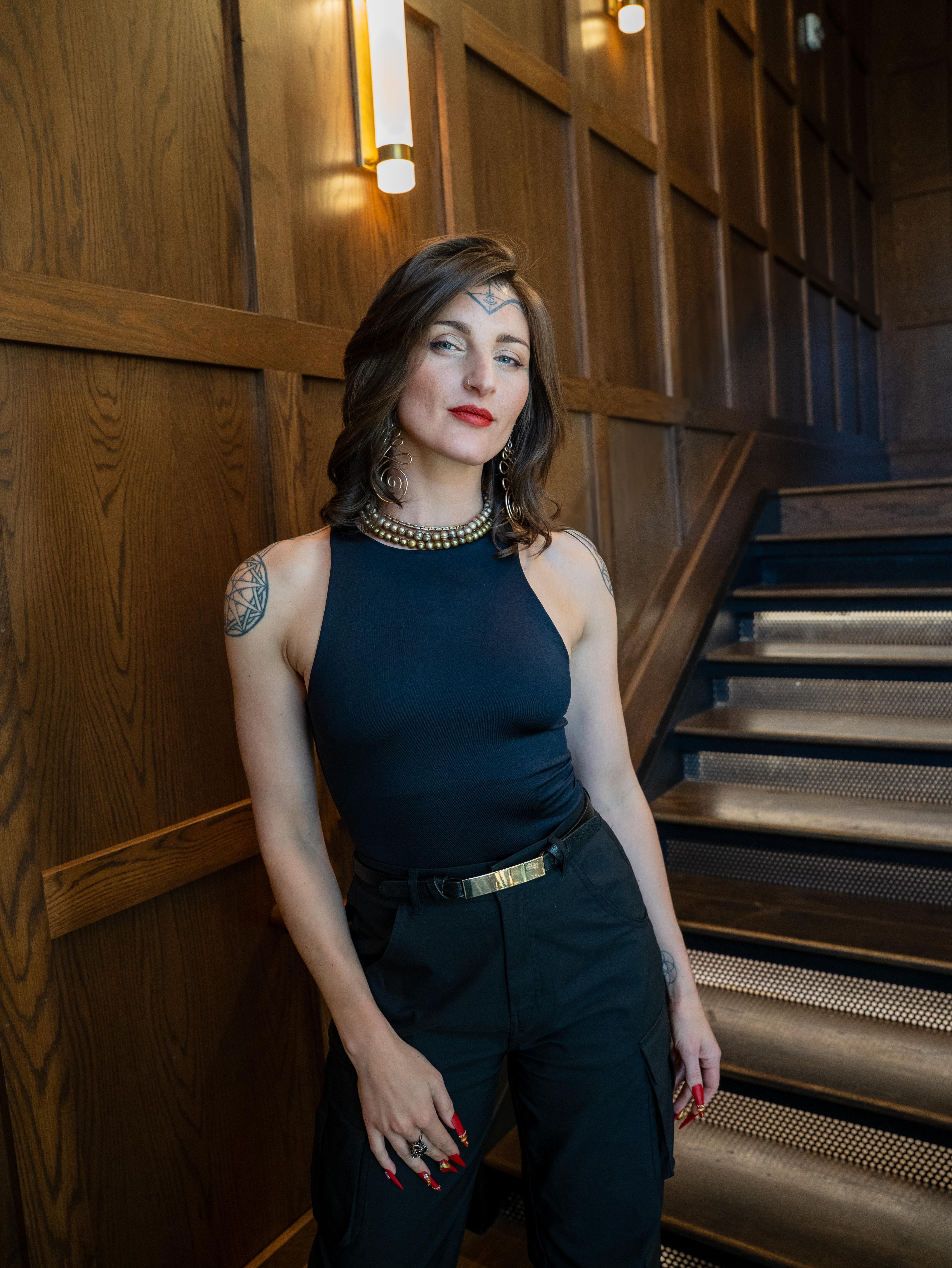
Damkianna is a private advisor to visionary leaders and founders devoted to precision, presence, and higher intelligence. She is the creator of The ALIGN Method, a body-based approach that restores clarity, decisionmaking, and leadership from within. Through private council, speaking, music, and immersive experiences, her work supports leaders in moving with coherence rather than force.
In the story of my life, cardiac arrest is the villain and my ICD is the hero.
HANNAH KEIME CO-FOUNDER OF HEARTCHARGED
PERSONAL STORY BY HANNAH KEIME
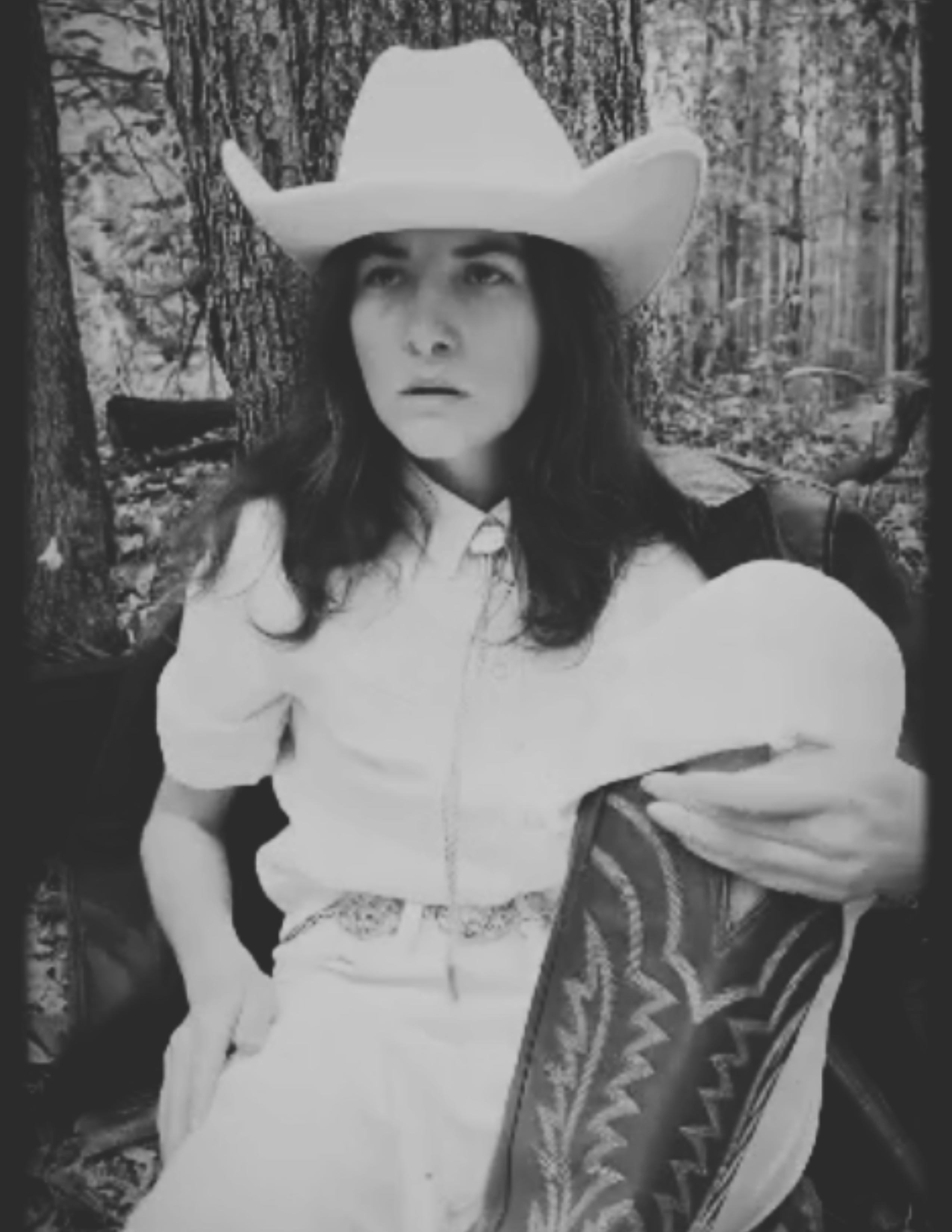
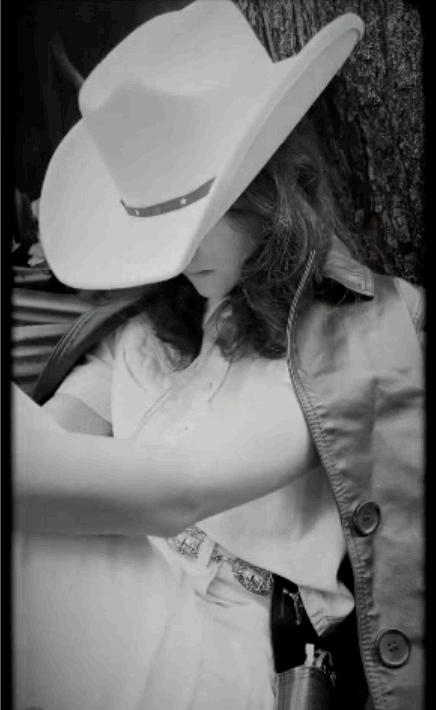
I am Hannah Keime, co-Founder of HeartCharged, and this is my celebration of an additional decade of life. I call it my ‘Didn’t Die Day’. It is the anniversary of my sudden cardiac arrest in my sleep as a teenager.
As a filmmaker who loves all things cowboy and western, I choose this way to celebrate my milestone and hope it can help create more ‘Didn’t Die Days’ for many others.
In the story of my life, cardiac arrest is the villain and my ICD is the hero. At 10 years, my hero is about ready to retire and soon I’ll be getting a new one.
I’ve been quite emotional this month, thinking how long it’s been. It makes me feel old a little. I won’t lie but hitting 10 extra years is quite something, especially thinking about how much life I’ve gotten to live during this bonus decade. And I don’t take that lightly at all. I definitely don’t have the proper words to express how I feel about it all.
Somehow I didn’t die today 10 years ago. Somehow my aunt got the correct diagnosis and she decided to share. Somehow my mom bypassed my pediatrician and I got an appointment in enough time to receive the correct treatment especially in enough time. I’ve recently learned that I have a very rare form of HCM and that form carries a high chance for sudden cardiac death.
Living through sudden cardiac arrest matured my teenage self very quickly. It gratified my heart more than it already was and has led me to my very consuming work through HeartCharged trying to ensure many more survivors and provide patient-to-patient support.
I believe in one minute this video clearly communicates the why of receiving an implanted device. My ICD saved my life six months after receiving it. ∎

WATCH NOW
Click or Scan the code to watch on Instagram. Find and follow HeartCharged: @heartcharged
HeartCharged (www.getheartcharged.org) invites you to Stop preventable deaths. Prepare yourself and your community for a sudden cardiac emergency. Ensure heart conditions are found and treated. Share patient-to-patient information. Understand and embrace the HeartCharged Warrior life.
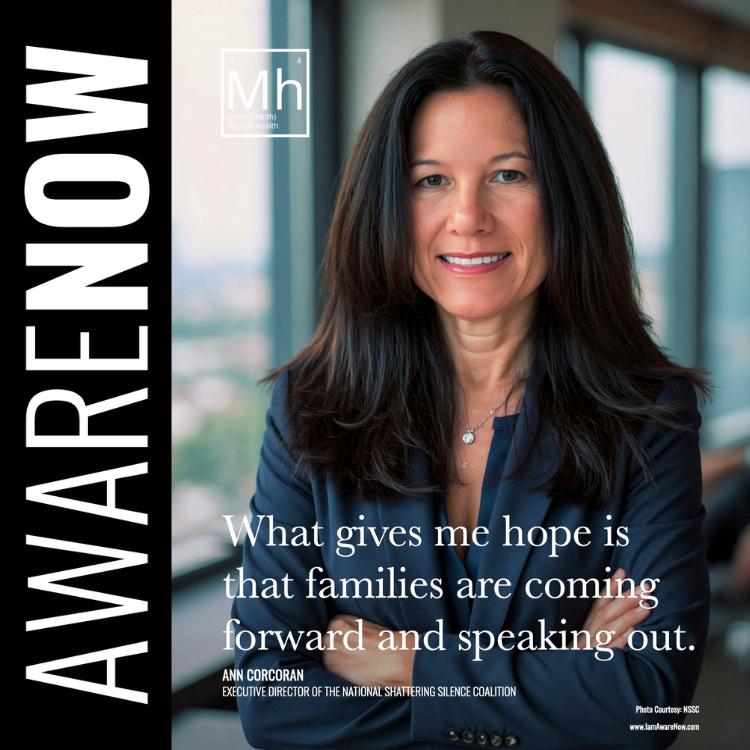
ANN CORCORAN EXECUTIVE DIRECTOR OF THE NATIONAL SHATTERING SILENCE COALITION
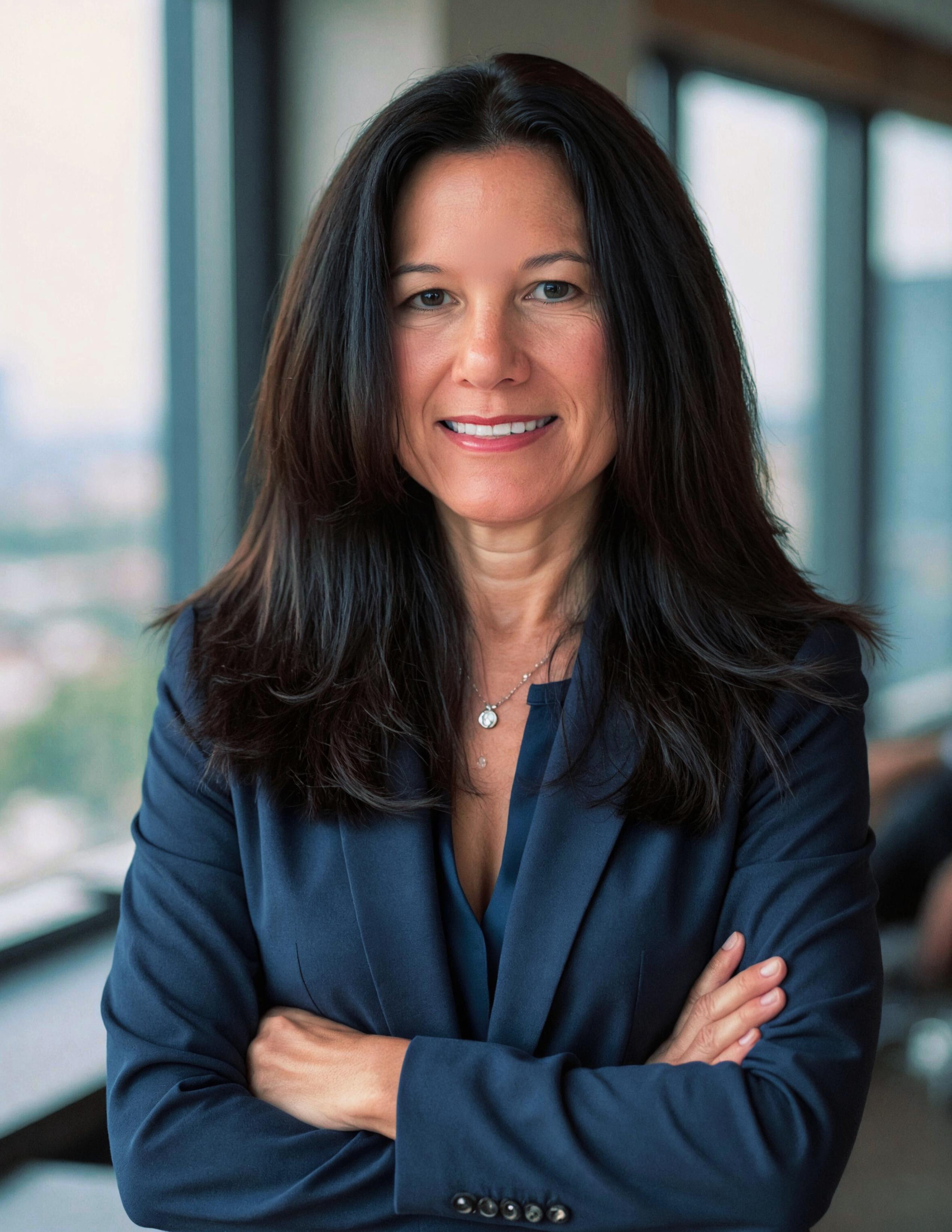
Ann Corcoran has spent more than three decades standing at the intersection of care and crisis, witnessing firsthand what happens when illness is met with compassion and when it is met with silence. A nurse by training and an advocate by calling, her work with the National Shattering Silence Coalition is driven by a simple but radical belief: serious mental illness should be treated as a health issue, not a crime. In this conversation, Ann invites us to look beyond policy and into the human lives at the heart of decriminalizing mental illness.
ALLIÉ: Before we talk about advocacy or policy, I want to start with you.
After more than 30 years in nursing, what experiences there shaped the woman you are today, and how did they perhaps quietly prepare you for the work that you're doing right now?
ANN: So I think I’ve always been, I mean, to go into a profession like nursing, you have to have that compassion, right? We’re not going into it because we’re going to get rich. We have compassion for other people and we want to
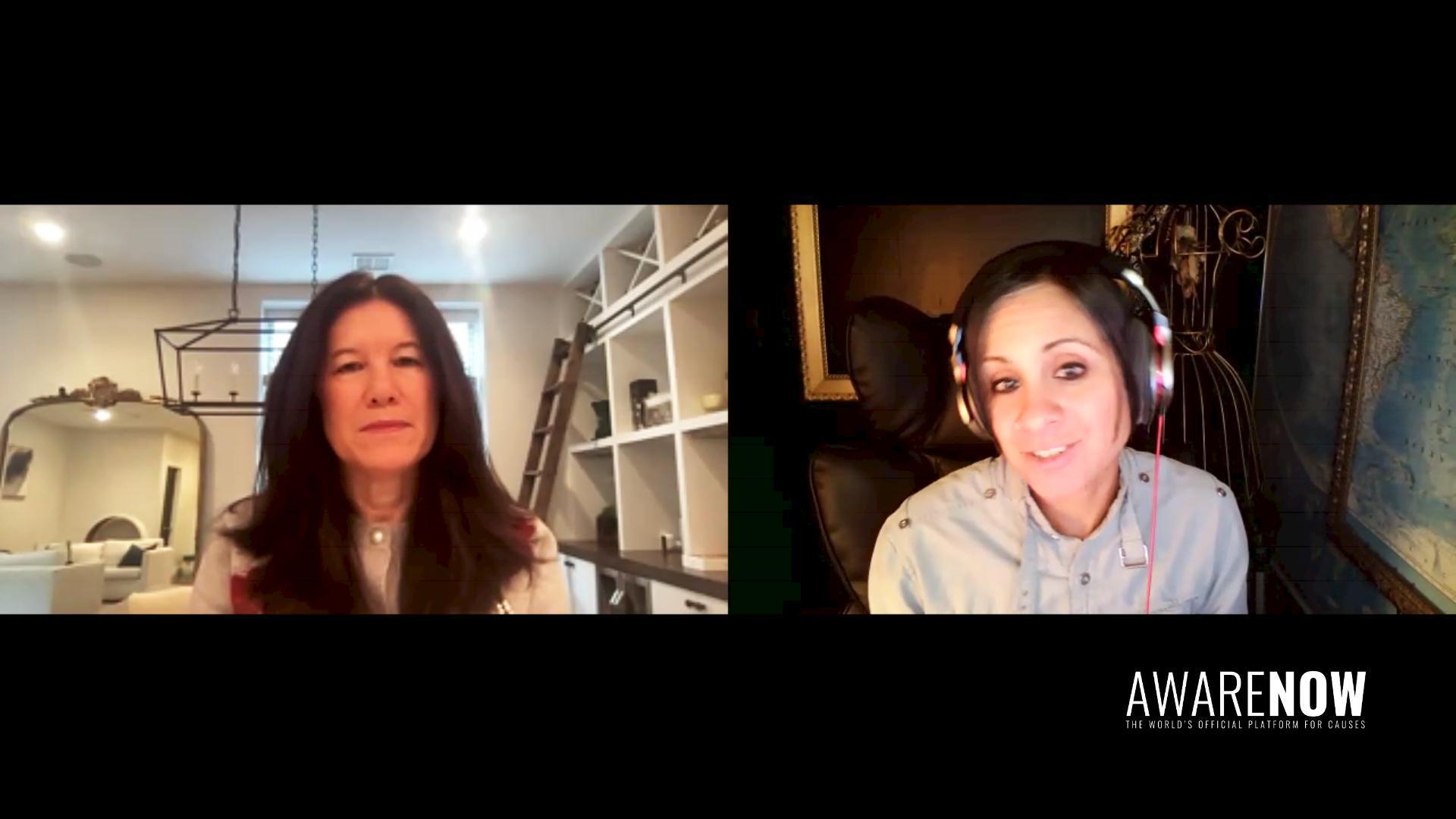
ANN: (continued) So in my former life, I was an oncology nurse, and you know, it can be a very difficult thing to help patients get through. But for me, it was very rewarding to help them get to the other side. Even when patients were losing their lives, just helping them to die with dignity and helping the families get through that was always very rewarding to me.
I think that compassion and wanting to help people has really shaped me for this role. Now, I left nursing when my son was five years old. And once both my kids were out of the house and in college, I thought, what am I going to do with my life? Where’s my purpose? And then, you know, no one asked to become part of this club, but unfortunately, we find ourselves here. And I think my nursing background really prepared me for where I am today, leading the National Shattering Silence Coalition.
ALLIÉ: Well, to go a bit deeper, no one asked me to be invited to this club. For those who don’t know ‘the club’…
ANN: To have a loved one or family member with serious mental illness. And unfortunately, throughout the country, when we look at people with serious mental illness, they’re probably the group that’s most discriminated against. And we accept neglect for that group, which is the most vulnerable population.
ALLIÉ: You’ve spoken out about your deep frustration with how people living with serious mental illness are failed by our systems. Can you take us back to the moment when that frustration turned into resolve, when you knew you could no longer just witness the injustice but confront it?
ANN: For me, it was just watching the news over and over again, my local news stations, and seeing these tragedies happen. Young kids in their 20s being shot by police during a mental health crisis, or ending up incarcerated because they committed a crime while in psychosis. And for me, there was a turning point where I said, this is just not right.
Having family members with serious mental illness, I said that could very easily be one of my family members. That’s kind of how I found the National Shattering Silence Coalition, when Jean Gore was running it. Jean, who unfortunately lost her life back in 2022. I just felt like I needed to do something. At that point, I also reached out to the Treatment Advocacy Center because I was googling, there has to be something. What can we do to change this? And I found out about AOT, Assisted Outpatient Treatment. I thought, oh my God, how can it be that at the time, Massachusetts was one of only three states that didn’t have that?
So I reached out to the Treatment Advocacy Center and met with Michael Gray, who at the time was a legislative policy person. He said, changing the system is all about policy. And I didn’t really understand that. It’s politics, right? And I learned very quickly that to get any change, it’s all about the politics.
ALLIÉ: Let’s talk more about the National Shattering Silence Coalition and its mission of decriminalizing serious mental illness. For those who may not realize how intertwined mental illness and the criminal justice system have become, how do you explain what decriminalization truly means and why it is, at its heart, a human rights issue?
ANN: Right now, what we see happening across the country is that so many laws are barriers to getting treatment. People need to meet dangerousness criteria to actually get help. Even though family members, law enforcement, and medical professionals can all see someone deteriorating, and they know a crisis is coming, there’s often nothing you can do until that crisis actually happens.
So what we see is horrific crimes happening. Sometimes they’re not horrific crimes. Sometimes they’re low level offenses like breaking and entering or theft. But a lot of the families we work with have loved ones who committed crimes and are now facing life in prison because they took someone’s life. What I’ve come to realize after talking to all these families is that their loved ones were never dangerous people.
Even Matt Stick, who shared his story for Beyond Stigma, talked about taking his mother’s life. He loved her. He said, I never wanted to hurt her. He was never a violent person. They were watching TV together that night. His psychosis led him to believe that his mother was possessed by demons and that he had to kill her to save her. That’s psychosis. Those false fixed beliefs. He had lost touch with reality. I think most of the general public doesn’t understand that. When tragedies like this happen, people immediately ask, why didn’t the family get help sooner? Or they label the person as bad.
That brings me to the Rob and Michelle Reiner tragedy. Where was the education? In California, like much of the country, it’s very difficult to get someone help until they become a danger. Where was the safety plan for that family? They likely didn’t understand psychosis or how dangerous it could become. Reports suggest their son had prior violent outbursts. Families need to understand what psychosis is and how it can escalate when there are barriers to care. It’s so sad that it takes something so public, involving a celebrity, to get people talking again.
“When we educate district attorneys, prosecutors, judges, and even clinicians, we see a deeper understanding of what people with serious mental illness actually need.”
ALLIÉ: And we have to keep talking about it until we see the change that’s needed.
ANN: Exactly. Even before that tragedy, the National Shattering Silence Coalition launched two small campaigns with simple green and white graphics. One said, mental illness is not a crime, understanding solutions for psychosis. The other was from crisis to care, understanding psychosis.
Those graphics brought in over 50 new members and helped drive a very successful year end appeal.
Our growth since 2022 has been incredible. Our donations increased by 400 percent. Our membership doubled from about 400 to over 800 members.
At our policy action committee meeting on Monday, we had 46 people on the call. Two years ago, there were maybe four of us.
One member told us she found us through those social media posts. She brought them to her legislators, and now they’re listening.
We’re doing work that seems like common sense, but no one else seems to be doing it. Where is the education on psychosis and anosognosia, which are major barriers to treatment?
ALLIÉ: What you just shared speaks to the power of a single post. When awareness and education increase, the movement grows stronger and louder. Thank you for the work you’ve done and continue to do.
Through NSSC, you bring families, caregivers, peers, and professionals together to advocate for compassionate, evidence based care. When those voices are amplified, what shifts do you see in how responsibility, dignity, and care are understood?
ANN: Having caregivers, peers, and professionals all at the table adds incredible value. It’s not coming from one perspective. When we educate district attorneys, prosecutors, judges, and even clinicians, we see a deeper understanding of what people with serious mental illness actually need.
We had a case in Ohio where a mother reached out to us after her son was arrested for a low level offense. Darryl Herrmann, our policy director in Ohio, who has lived with schizophrenia for over 40 years, gave her his guide to psychosis from a peer perspective.
She brought it to the prosecutor. He read it, dropped all charges, and got her son into treatment. That speaks volumes about the impact of this work.
ALLIÉ: Goosebumps hearing that.
It reinforces that awareness and understanding are everything. You can’t fix what you don’t understand.
Exclusive Interview with Ann Corcoran https://go.awarenowmedia.com/podcast/shattering-silence

ANN: Exactly. After the tragedy happened, we asked ourselves, where are the guides for families in crisis? So now we’re developing a guide for psychiatric emergencies.
Katie Dale, a peer leader, is leading that work, and it’s coming together beautifully.
We’re a small, volunteer led organization, but we’re ready to roll up our sleeves and deliver what families truly need. That’s reflected in our growth and in the response we hear from new members who say, where have you been? I finally feel understood.
ALLIÉ: Community is everything. We can’t do this alone.
If the vision NSSC is fighting for becomes reality, if serious mental illness is treated as a health issue rather than a criminal one, what would change in daily life for those living with SMI? And what gives you hope that this future is possible?
ANN: We would see more people living lives of recovery. We know the longer psychosis goes untreated, the more brain damage occurs and the less likely recovery becomes.
Without treatment, many can’t hold jobs and end up relying on systems. People want purpose and belonging, and we need to give them that opportunity.
What gives me hope is that families are coming forward and speaking out. The silence and shame are lifting. That’s what shattering the silence means.
Our peer community is growing too. Peers with lived experience understand the consequences of being untreated and advocate for the same changes we do. That gives me hope. ∎

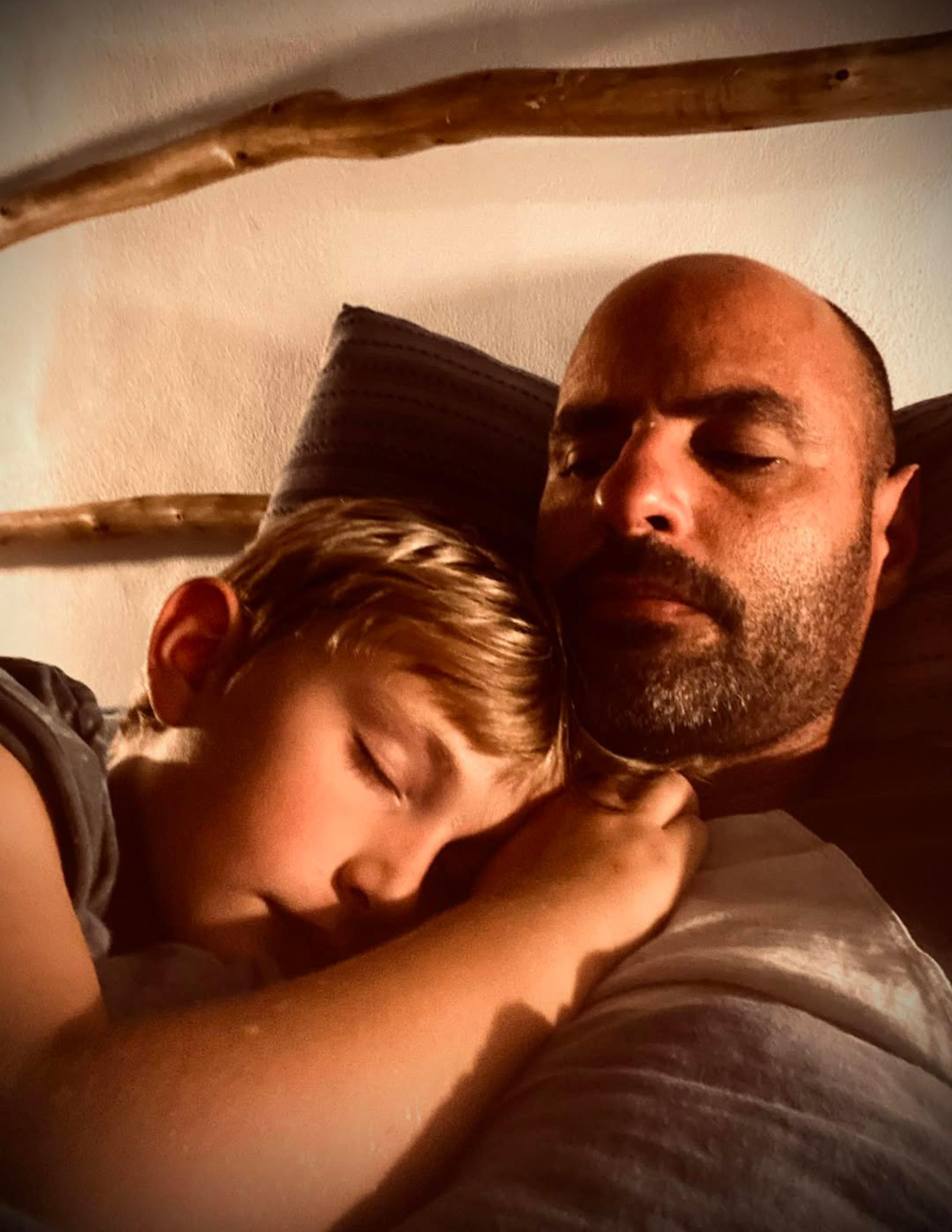
For people living with MS, sleep changes meaning. Not emotionally. Biologically.
Sleep is not rest. It is a repair window for the nervous system.
Every waking hour, neurons fire.
That activity creates microscopic damage in DNA and cellular machinery. In healthy systems, that damage is repaired efficiently.
In MS, the equation is different. Repair processes are slower, fragmented or energy expensive.
Inflammation and immune activation raise baseline neural load.
Pain signaling keep the system partially activated even at rest.
So damage accumulates faster.
Sleep exists because nerve cells need periods of reduced activity to repair themselves. This is not a human invention.
Creatures without brains already do it.
When repair can’t keep up, the nervous system enforces a slowdown. That slowdown feels like fatigue.
Not tiredness.
Not lack of motivation.
A biological limit being reached.
This reframes fatigue in MS.
It is a signal that neural repair capacity has been exceeded.
That also reframes sleep pressure.
The urge to shut down is not giving up.
It is the nervous system protecting itself from further damage.
This is why fragmented sleep matters so much. Why irregular sleep is costly. Why “pushing through” carries long term consequences motivation cannot fix.
Sleep is not passive.
It is active maintenance of a stressed nervous system.
And for MS, the repair threshold is reached earlier, more often and with fewer visible warnings. Ignoring that does not build resilience.
Understanding it does not solve MS.
But it changes how you interpret your signals.
And that changes how much damage you accumulate over time. ∎
Find & follow Gil on Instagram: @gil.alter

KERRY FRANCES
ACTRESS, SINGER, WRITER, DIRECTOR, AND PRODUCER
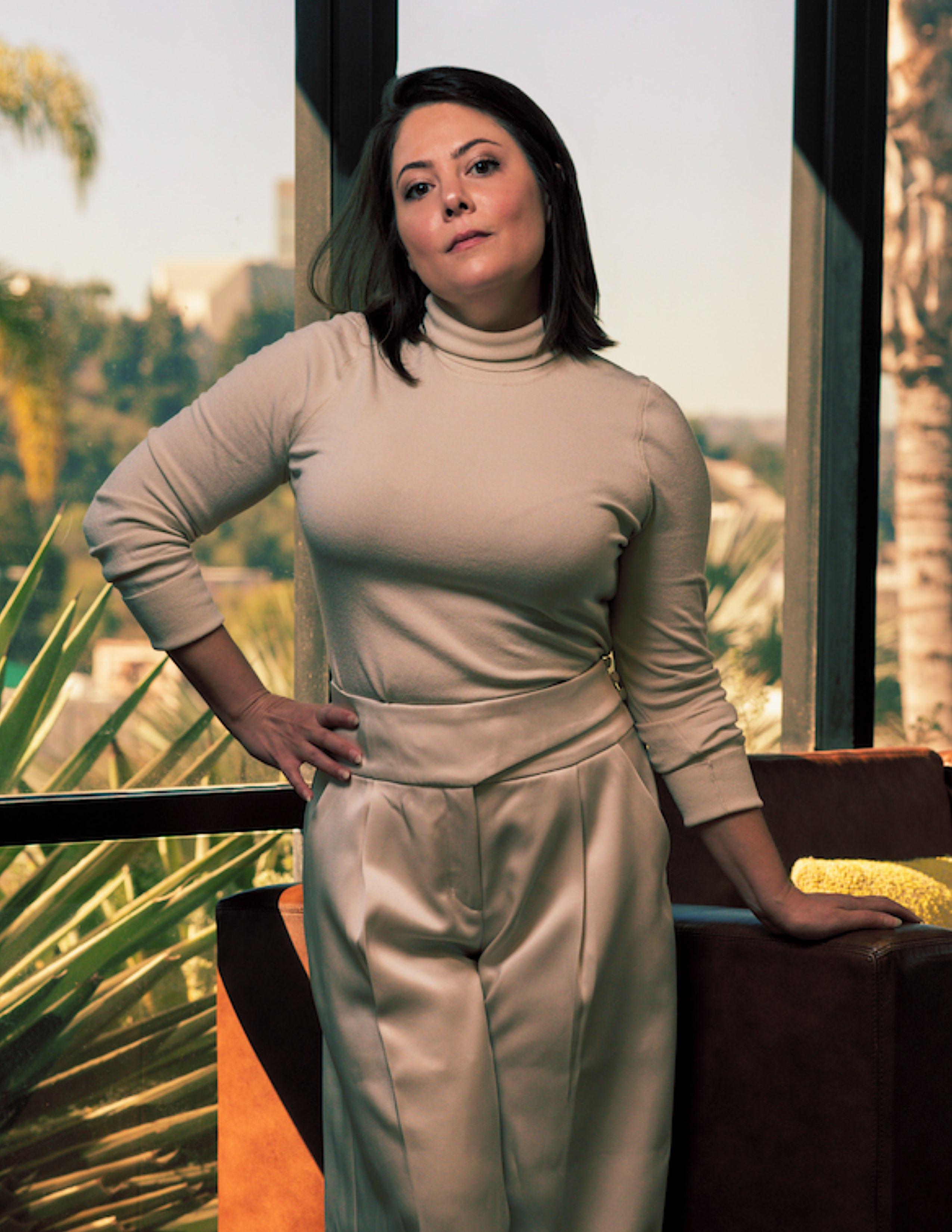
Kerry Frances has built a career around inhabiting other people’s stories, but what’s just as striking is how intentionally she shows up as herself. Whether through her art, her advocacy, or the quiet choices she makes offstage, Kerry shows how impact is not about scale. It’s about paying attention, offering what you have, and choosing to use your time and talent in service of something larger than yourself.
ALLIÉ: As an actor, Kerry, you’ve spent your career stepping into other people’s stories.
What has that constant act of listening and empathy that’s involved taught you about responsibility beyond the stage and beyond the screen?
KERRY: I think we all have a huge responsibility to listen to each other, to listen to ourselves, and to find those connections between other human beings and animals, of course, while we’re alive, while we’re here. We love TV shows, we love plays, we love movies, we love all these things because we watch humans interact in a way that we

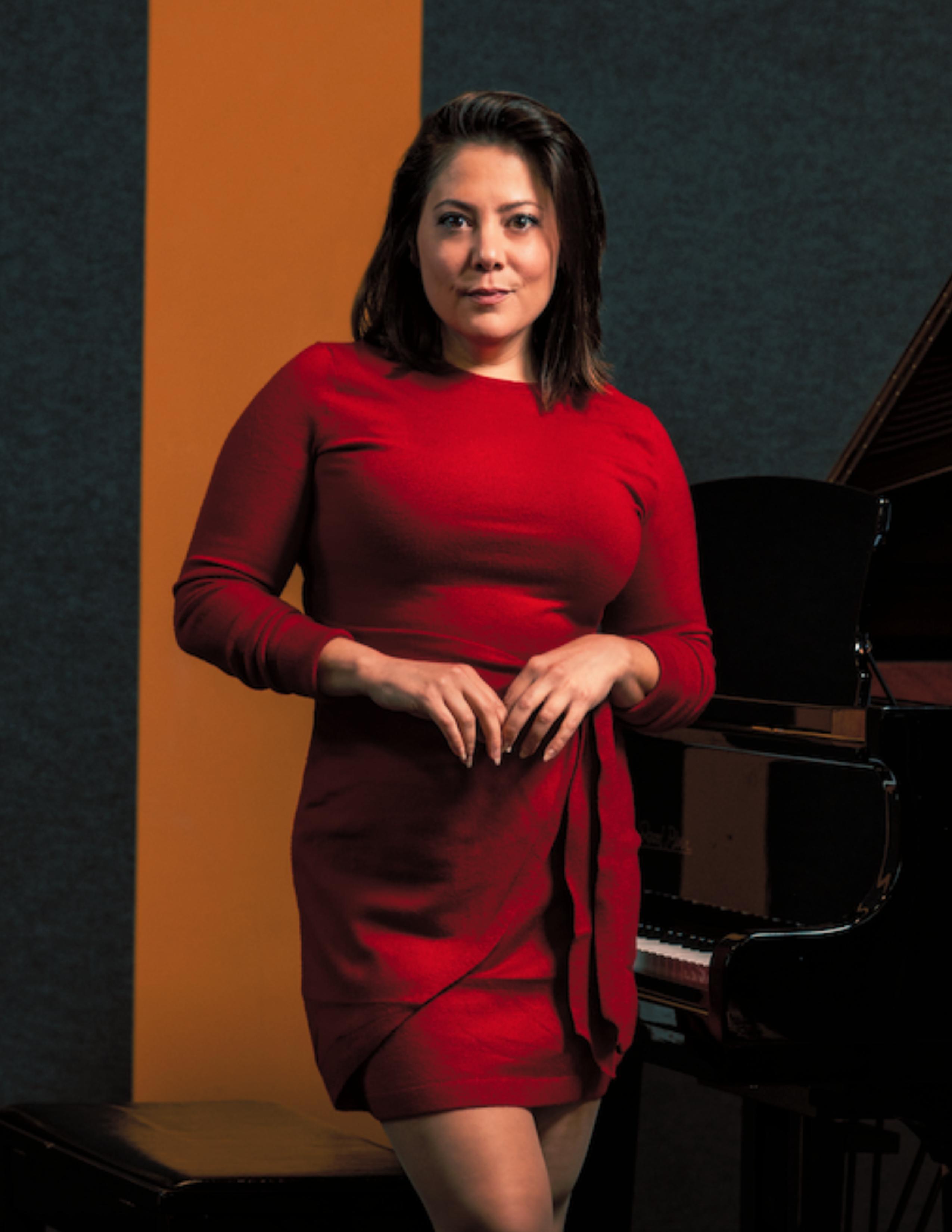

Pay attention, put your phone down, look around, connect, listen, and then respond.
KERRY FRANCES ACTRESS, SINGER, WRITER, DIRECTOR, AND PRODUCER
KERRY: (continued) So I think if you’re an actor or really any creative in any space, or any type of empath, you make sure that you are listening, you are trying to give other people what they need, you are trying to show up for them, and hopefully also for yourself. So that’s been a primary lesson for me being an actor all of these years, is pay attention, put your phone down, look around, connect, listen, and then respond. Otherwise, the shows and the things that we love to watch just wouldn’t make any sense. We’d all be cutting each other off all the time.
ALLIÉ: Absolutely. Well, like they say, pay attention to the ratio. Two ears, one mouth. There’s a reason, right?
So there’s a moment when giving back stops being something that you do and becomes something that you are. Very much in your case, for all the giving back that you have done. When did service first shift from an idea to explore into a lived truth for you, Kerry?
KERRY: That’s a great question. You know, it’s just always been part of my life. I think that has a lot to do with coming up through, you know, going to CCD and the Catholic Church. You have to do service hours.
Do you want to get your confirmation? You have to do service hours. Then I went to a private high school where service was implemented as well, so you had to do a certain amount of service. And I think at a young age, tying that to something I love to do. So in high school, a lot of my service was going and singing at retirement homes, and I already loved to sing. So I think I just naturally extended that what I love to do can bless other people. The things we naturally are gifted at can easily give back to others.
So I think when people think about giving back, they’re like, oh, I have to sign up for something I’m going to hate. It’s going to take my whole Saturday, and I don’t want to go to this place, and I don’t want to do this. What if giving back is just a reflection of the things that you were blessed with? Your talents, your gifts. Maybe that’s being able to spend time with people if you’ve got a lot of extra time. Or for some people, they’re blessed with a lot of finances. They’re blessed with a lot of wealth, and so they can give back financially.
It doesn’t have to be strenuous. So I think it’s just been something that’s always been in my life. Then it became a sorority, and then it became just being on tour and setting up different things. So I think if it starts young, it’s something you take through life. I think as an adult, if you look around and you’re like, where do I start? What do I do? I would encourage people to look at the things they naturally love to do and ask how they could give back to others through that.
ALLIÉ: And I love that perspective, that it doesn’t have to be a chore or something that you’re going to hate. It could be something that you love and that you enjoy and that fills you, doesn’t take away from you.
So you’ve found ways to turn milestones like birthdays, tours, and creative projects into these acts of generosity. What taught you that your time and talent could be just as powerful as money?
KERRY: I don’t really know. That’s such a good question. I think, again, just watching it modeled in my house. My mom’s someone who always gives back, and my family gives back. And I think I just learned very early on.
And I think also when you are given certain talents, when you are given certain skills, to me, it makes perfect sense to turn around and say, here you go, let me share this with you, right? So I think I’m so blessed. I’m such a lucky human being to begin with. And I am one of those people where everything just works out for me. I stumble into the right place at the right time. And I feel so grateful for that. Why would I not?
I’m living my actual, literal dream that I’ve wanted since I was a very, very young child. Why would I not be trying to help others, or even just encourage others? What I’m doing is not brain surgery. It is not running a country. It is not, I don’t know, being in charge of all the money in the world. It’s a million other things that would be so stressful and so intense, and I hope all of those people are giving back too.
But it’s acting, it’s singing, it’s having fun. It’s something that I enjoy so much. So I feel so lucky every single day that if I didn’t give back, I would really be questioning who I am as a human being.
KERRY FRANCES ACTRESS, SINGER, WRITER, DIRECTOR, AND PRODUCER
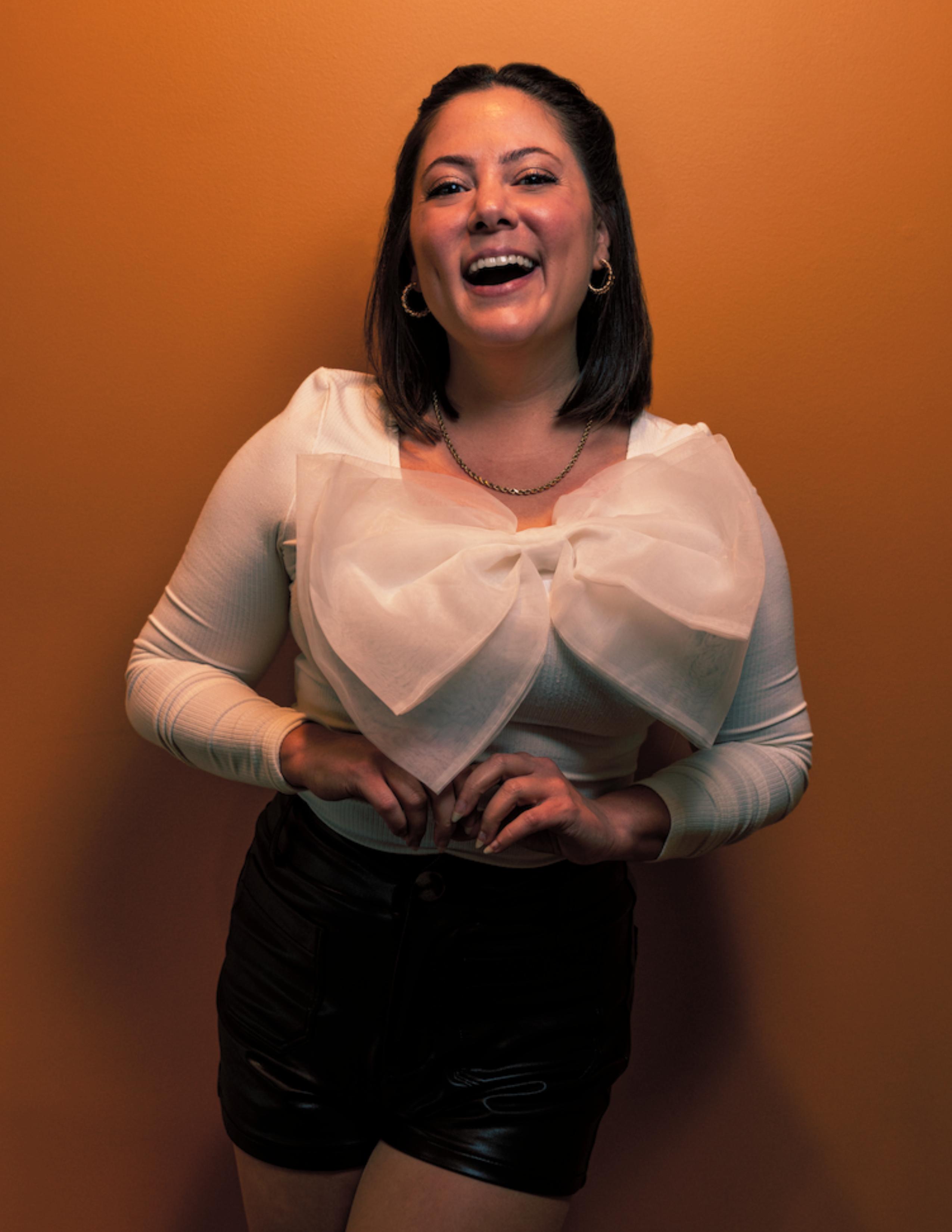
ALLIÉ: That is beautiful. So let’s talk about some of these things specifically. From fostering dogs to Fire Leave to Broadway Cares, your service shows up across very different spaces in very different ways.
What’s that through line? What stays constant no matter the cause in all of that?
KERRY: I think I am, right? I’m the constant. So if I can show up and make someone’s day better, whether that is a sweet animal who needs a place to crash for a little bit, or the people running the rescue, or maybe, like I said, a senior citizen, or a children’s hospital, it’s just the initiative and me, and then bringing my own magnetic, happy, light, bright energy to the situation.
Also, maybe it is, in a way, a bit of a selfish thing. I think also, I’m sure there’s a way to look at it and say, oh, well, you know, I love attention, right? I’m an actor. So doing something really good, like doing a St. Jude’s card-writing party for your birthday, which is so easy. Anyone can do it. You can just write cards together with your girlfriends, put on your favorite TV show, put on a podcast, and then send them out to a children’s hospital or St. Jude’s.
I’m sure at some point there were some non-altruistic motivations in there at 22, 23, 24. Yeah. I think the common goal is I just love making people happy, whether that’s being in a movie that they love so much, or a movie that helps them just escape how they’re feeling right now, or it’s going and singing at something or cuddling a sweet puppy. I just love it. I love making people feel better.
And in turn, of course, the big secret, and I know this and you know this, is then you feel better too. So there is a bit of a push-pull in terms of it benefiting me as well.
But, you know, it gets me out of the house. It gets me doing something good for others. I think that’s okay too. You don’t just suffer to give back, right? You don’t have to. For me, if I was going to give back in a suffering way, I would be donating blood, right? I am not a medical girl. I am not a needle girl. So that would be horrific and traumatizing.
Even right now, being in a hospital, I would be so panicked about germs. So it’s not about suffering. It’s just you find the thing that makes sense for you. And there are plenty of people I know who would go and donate blood in a second. They don’t care about that. But they can’t foster a dog, right? So you just have to find that right fit.
ALLIÉ: Yeah. I think that’s such a good point too, that there are a lot of different ways to give, and all of that is about making it work for you.
So it seems that you move fluidly between being in front of the camera and behind the scenes, on stage and in the community. How has service reshaped the way you understand, keyword here, success in your life?
KERRY: I think success is that you really like yourself and you mostly like your life as much as possible. You know, everyone’s going to have a day or two. And you are loving and kind toward yourself, and the people that matter to you. You go home every night and you can look in the mirror and feel good about your choices. That, to me, is success.
And then if you want to layer the next part of the cake, that would be also doing what you love and getting paid for it, that it supports your life, your lifestyle, and your bills. That’s absolutely success.
I think for a long time, especially as an actor, you almost learn, well, the goal is to become famous. If you’re not famous, if you’re not a huge movie star, then you’re failing. Or if you’re never union, or if you only work in theater, or more and more and more.
At this point in my life, I think anyone doing anything that they set out to do is a miracle and a huge achievement and successful. If someone’s desperate to be the next Tom Cruise, but they’re currently only doing verticals, right? Great. You’re literally doing the thing you want to do. It’s just on a different scale. You made it. You’re doing it. You’re booking acting work. Someone’s paying you.
Exclusive Interview with Kerry Frances https://go.awarenowmedia.com/podcast/on-purpose
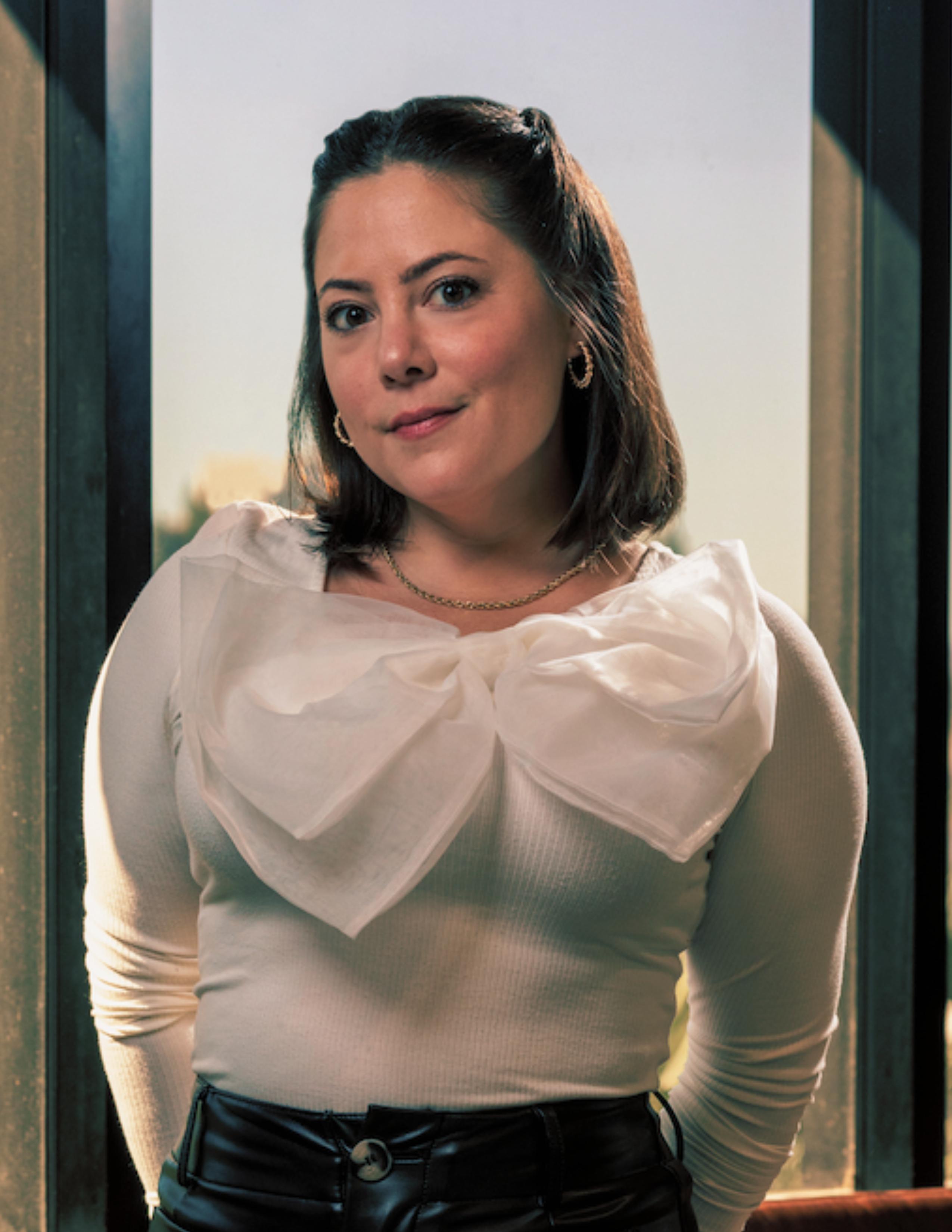
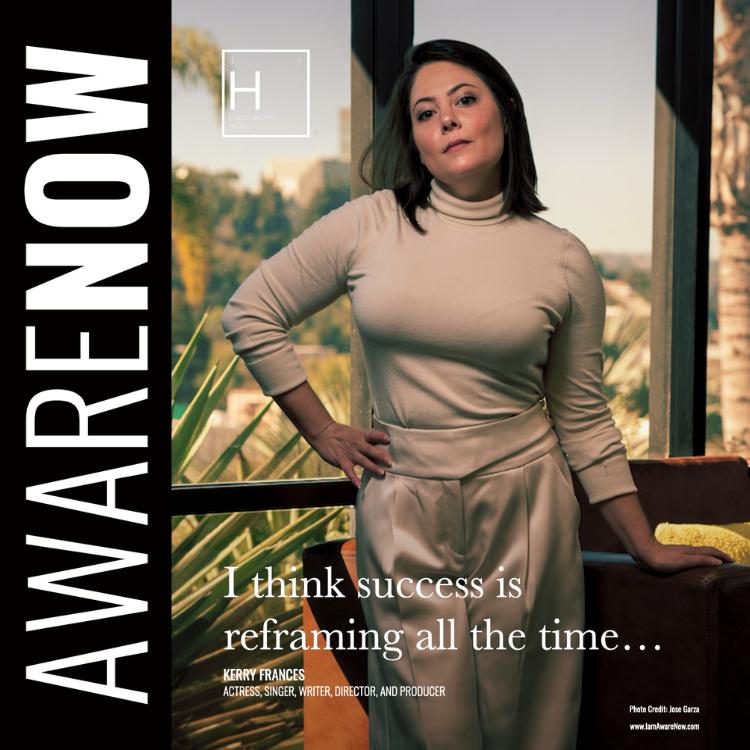
KERRY: (continued) I think success is reframing all the time, being willing to pivot. But really, it comes down to you and you. There’s no other competition. You go home every night together, you and you. I don’t care if you’re married to the love of your life. I don’t care if you have nine children. It’s you and you. How are you facing yourself? Do you feel good about who you are morally in life and how you treat others?
There are plenty of successful people in the world who are awful to their loved ones. There are plenty of successful people who are not good role models. You can have all the success and fame and money in the world, but there’s no arrival point. There’s no place where you don’t have problems or stress or upset or any of the things that I think people believe fame and money and success will give you.
It’s just new levels and new devils. You’re just going to have bigger, different problems that you did not anticipate, and that’s just how life goes.
So yeah, I think success is about, no matter where you’re at, no matter the level, no matter the things coming at you, do you like yourself? Do your loved ones like you? Are you being kind and loving? Are you making morally sound choices? Do you go to bed at night and feel like you did the very best possible job you could do? Great. ∎

IVOLAINE DE NOBREGA DIRECTOR OF STREETPRO

Ivolaine de Nobrega knows that the greatest untapped resource in our society is not funding or technology, but the potential of young people who were never given a fair starting line. At StreetPro, she stands beside them as they rise, speak, and shape systems that once shut them out. This conversation explores the heart, the hurdles, and the hope behind a mission determined to change the future by empowering those who will inherit it.
ALLIÉ: When you look back at the moment StreetPro shifted from being an idea to becoming a true calling, what was happening in your life that made you feel compelled to build something that didn’t yet exist, but clearly needed to?
IVOLAINE: It was my eldest son. As a mother, you see the talents and capabilities of your own child. But the school had a completely different view of him than I did. They simply said, “These are his test results. That’s it.” So I told them, “Then I’m going to test him again.” And when those results came back, they were completely different from what
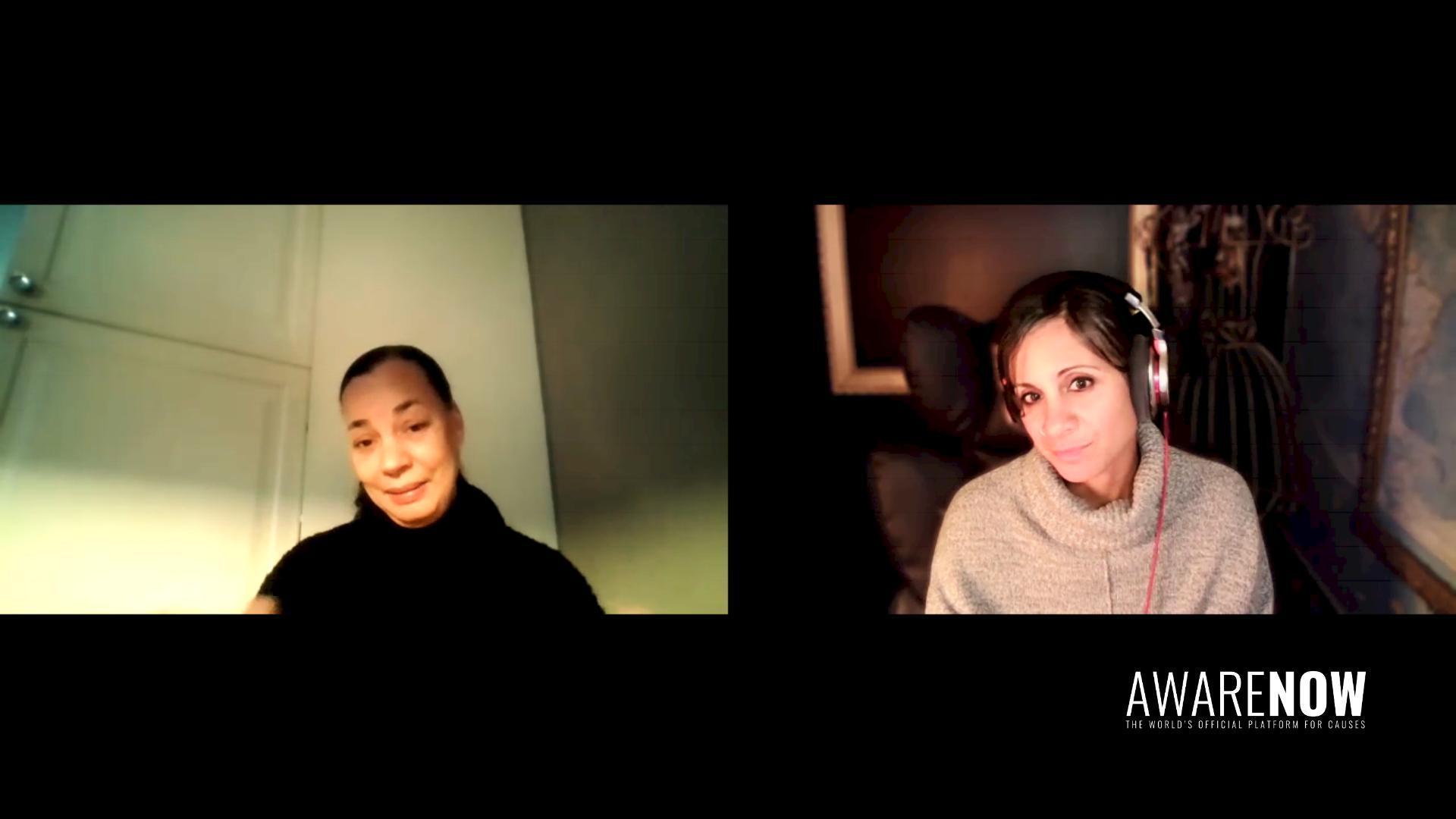



IVOLAINE DE NOBREGA DIRECTOR OF STREETPRO

IVOLAINE: (continued) But it wasn’t just my son. His friends were always at our house. I’ve always believed that if you know who your children spend time with, you understand the environment they’re in. And I started to see that these kids had so much talent, yet they were placed in educational levels that didn’t fit them.
That year, we saw a significant number of students dropping out of school. I kept asking myself, How is this possible? So we started researching. What we found was that many kids drop out because they choose an education or a school that doesn’t fit their needs. Others are dealing with challenges that make it difficult to attend school at all, or they simply don’t have the right mindset yet.
So I asked myself, What can I do? And that’s when StreetPro was born. StreetPro stands for “street professionals.” It’s built on the belief that everyone, you, me, every child, has a unique talent. The goal is to discover that talent. What are you passionate about? What lights you up? What makes you want to keep going?
Once that becomes clear, the next step is finding an education, a school, or a training path that aligns with that passion. Because when you’re doing something that excites you, the chance of dropping out becomes much smaller. That’s the foundation of StreetPro.
ALLIÉ: I love that it’s rooted in individual passion. Because when you’re on a path that isn’t aligned with who you are, it’s so easy to fall off. There’s no excitement pulling you forward.
IVOLAINE: Exactly. Sometimes we do what our parents want us to do because we’re trying to fulfill their dreams. Or we follow our friends because they’re going in a certain direction. But many kids don’t really know themselves yet. They don’t yet have the ability to see what’s next. That’s why they need guidance. We need to walk with them through that process.
ALLIÉ: Absolutely. I love so many of the words you’ve shared with me and with others. One thing you’ve said that really stayed with me is that inequality of opportunity threatens the fabric of our diverse society. I love that, and I believe it deeply.
Can you share a moment, maybe with one young person, when that truth felt painfully real and impossible to ignore?
IVOLAINE: Oh, there are so many stories, Allié. So many. For a lot of kids, for a lot of people, their chances are tied to where their crib is. That’s the reality. We need to provide equal opportunities to our children from a very young age.
The kids who come to StreetPro, the majority of them are dealing with issues. Social issues, legal and justice issues, many different challenges. What we do is give them the tools to fix it. Because once they have those tools and they do the work themselves, it becomes theirs. It’s not someone else doing it for them. We educate. That’s what we do.
ALLIÉ: And I love how you say that. We give them the tools to fix it. Because I think there are so many young people, and people in general, who feel so broken that they stop. They give up. They say, “Forget it.” But when people realize there are tools, that there is a way to fix things, they understand they don’t have to stay broken.
IVOLAINE: You see, over the years our society has become a consumption society. Status has become very important. How you look, what you wear, that defines your status. A lot of young people today believe they need to make fast money, but they don’t want to do much for it. They’ve been influenced by social media and what it shows them. Status is what they believe makes them count.
But that’s not true. We were brought up differently. Now it’s about what you have, what you spend, what car you drive, what clothes you wear. That’s what defines you. And that’s a problem.
IVOLAINE: (continued) Our society also demands so much from parents. Many of the kids who come to us have parents working two or three jobs just to get by. Because of that, the attention given at home is less. Everything is getting more expensive. There’s constant pressure. And all of that takes away time and attention from family and children.
So what happens is that the streets, or social media, become the secondary educator. And that’s something we all need to take seriously.
ALLIÉ: We were talking a moment ago about systems. And the systems that serve us today don’t serve us the way they used to. Because, to your point, we have changed. So much has changed. As you were just saying, over the past decade we have changed, our kids have changed, but the system has not.
So Street Pro, it seems, really challenges these systems that are no longer designed with this generation in mind. That leads me to my next question. What have you learned from young people today that the systems of yesterday still struggle to understand? Is there one lesson where you think, “Ah… systems, you really got this one wrong”?
IVOLAINE: The educational system is one of them. A lot of the time, it no longer fits. We still have these traditional ideas of “you need to learn this, you need to learn that,” but when you look at the AI world that is coming, our studies and our world are changing so fast. The news, everything, all the trends, they come at us faster and faster.
As parents, this is very difficult, because our kids are challenging us. They have so much more knowledge coming to them more quickly than it comes to us as parents. We are simply not as educated in social media or the internet as they are. What happens is that this creates a gap between parent and child.
Can you imagine a child telling their parent, “Yes, but you’re wrong”? The parent thinks, “Who is educating you? How do you know this? You need to listen to me.” And yet, the child is challenging us because they are learning in other ways, through other possibilities.
IVOLAINE: (continued) So we, as parents, also need to allow them to educate us. That is a very important point. It keeps communication open. And if we keep those lines of communication open, we can keep them with us. We don’t lose them to other influences.
ALLIÉ: I think that's a great point because there are so many influences. There used to be a few different references of influences in a young person's life. But now there's a whole flood of all these different sources of influence.
Right. And so as you just suggested, how important it is for us to keep the communication open for us instead of, well, no, I'm right, that's wrong. Well, tell me about that. I'd like to know about that. You know, in that way, we can understand where they're coming from. So we can meet them where they're at. And to your point, we need that bond. We need to stay connected somehow.
IVOLAINE: Connected we stay close to our kids. If we don't, we lose those connections, and we don't know where they end up. Listen, the streets out there are a threat here in the Netherlands but I believe everywhere in the world you know if you look at the crime rates that the ages are getting younger and younger. We as elders need to make sure that our kids get a perspective… a future perspective.
ALLIÉ: The work that you do, Ivolaine, means carrying many stories that are not your own, but have shaped you nonetheless. So the question now is, what story from the youth that you serve has stayed with you in a way that has changed you?
IVOLAINE: This work changed me in the sense that I no longer judge. So often, we don’t really know people. We see something happen and immediately make assumptions, that it’s a bad mother, or this or that, without knowing the full story.
I work with many young kids, and I sometimes call them “Robin Hoods.” One story that really stayed with me was a boy who was just 15 years old. His mother had four other children, all girls. He was the only boy, and his father was not in the picture. He was caught stealing shoes, and because of that, he entered the system. And once you’re in the system, that’s a dangerous place to be.
At the time, I didn’t understand it. This was early on, when I had just started doing this work. I remember thinking, Why would he do this?
But then I learned his story. As the only boy, he watched his mother work two jobs. She left in the morning, came home around five, stayed for two hours, and then left again for the night shift. His shoes were broken, but he didn’t want to burden her. So he went out and stole new shoes. That was his only reason. He was trying to protect his mother.
I went to their house. There were two chairs, mattresses on the floor, and five people sleeping there. The social worker was with me. His mother was asleep when we arrived, exhausted. And the social worker said, almost judgmentally, “She’s asleep. She should be taking care of her kids.”
I looked at her and said, “I think she’s depressed.” She’s depressed because she’s working herself to the bone just to put food on the table. Her house has nothing in it. She’s worried about her children. I would be depressed too.
From that moment on, I started looking at people differently. Because everybody has a story. Everybody. And not judging is one of the most important things we can do. We need to hear the stories. Over the years, we’ve worked with more than a thousand, nearly two thousand young people. And what we see again and again is that the system has failed them. Children come into this world needing guidance into adulthood. And when that guidance isn’t there, when we fail them, how can we expect them to guide themselves? Those are the things that have stayed with me.

IVOLAINE DE NOBREGA DIRECTOR OF STREETPRO

Exclusive Interview with Ivolaine de Nobrega https://go.awarenowmedia.com/podcast/we-see-you

ALLIÉ: What is the most important work StreetPro is doing right now that urgently needs support? And what could that support make possible for the young people you serve?
IVOLAINE: What we’re doing right now is very critical. At this moment, I have around 75 young people at StreetPro who would otherwise drop out of school. And if they don’t come to us, they end up on the streets.
They come to us through a program called the School Academy. They stay with us for eight weeks or longer. During that time, we give them what I like to call an “ego trip.” It’s about helping them discover who they are, what they love, what their passion is. From there, we walk with them and guide them back into an education or school path that truly fits them. This work matters not just for these young people, but for society as a whole. Of course, there are challenges. We’ve seen budget cuts everywhere, all over the world. Because of that, we are very dependent on support from people who truly understand what we’re doing and why it matters. The children we support today are the future of tomorrow. If we can have a positive influence on them now, we are actively creating a positive future.
ALLIÉ: I love how you described that. You help them first take this “ego trip,” to find themselves before they’re asked to find their way. How can we expect young people to know where they’re going if they don’t yet know who they are?
What you’re doing is different from the systems that exist today. And so I want to ask you one final question. If you could speak directly to the next generation, to young people who feel unseen, underestimated, or mislabeled by the world, what would you want them to know about their power and their place in shaping what comes next?
IVOLAINE: There are a few things I want them to know. First, if you’re facing challenges or problems, start by changing yourself. When you change, the problem begins to change too. Second, don’t stress if you don’t yet have a clear goal or if your future feels uncertain. Clarity comes with time. Trust the process. With every year, with more life experience, your direction becomes clearer.
Don’t expect that what you learn today will last a lifetime. Learning is lifelong. We see you. You will meet people in your life who see you too, people who will help guide you to the next step. But it’s important that you’re also able to take those steps yourself.
ALLIÉ: I think that’s a powerful message, not just for our youth, but for all of us.
IVOLAINE: It is. ∎


SONJA MONTIEL CO-FOUNDER OF THE DECIDED HEART EFFECT


‘PEQ
Just take a pause. Before. In between. After.
That pause can change the trajectory of your outcome. That pause means everything.
We hear it all the time: Take a pause. It sounds simple, even obvious. But what does it really mean, for you?
For me, I’ve heard this phrase throughout my adult life while parenting, leading a high school counseling department, coordinating intensive events, facilitating team conflict in organizations. I’ve heard this in my kitchen, a classroom, meetings, trainings, conferences, audiences from 4 to 500. This phrase, take a pause, is everywhere.
In this edition, I wanted to share my origin stories of the way that I learned how to take a pause.
Growing up in Fontana, California, before the Auto Club Speedway and Victoria Gardens were built, lived my father, twin sister, and I on Reed Street. The house in this small town first supported agricultural development post-World War II to later evolve into the growing industry that relied on the Pacific Electric Railway. By the time my family moved in during the late 1980’s, it showed its aging creaking floors, old green shag carpet with balding patches, and a yard that needed love and attention. I remember feeling so proud to call this place ours.
My father worked in Compton, California which was a 60-mile commute in the most dreadful SoCal traffic. As a mechanic for a bakery, he left for work at 4 a.m. and returned home at 4:10 p.m., carrying fatigue shown in the wrinkles on his forehead and tensed up shoulders. He was silent as his energy yelled for a pause.
We had a family rule.
Don’t ask for anything until Papa completed a series of transition steps. We didn’t know it then, but these steps were a ritual that we followed like a well-oiled machine:
• Roll open the chain fence gate for the car to enter
• Greet Papa with a hello and hug (yes, it was that precise)
• Take his lunch pail and clean it out
• Make him a rum and Coke
• Be silent during his one-hour nap
• Do not ask for anything until afterwards (I tried once with a big fail)
This daily ritual was a system of care that taught us how pausing wasn’t a luxury. It was essential. It was preparation for re-entry into family life, for each of us.
Same town. Same home. Saturdays.
Our yard was our gem. I cannot remember the names of shrubbery, flowers, trees, or cacti. I do remember the colors, the fullness, and how it made me feel. Safe, peaceful.
Papa’s religion was tending to it every Saturday morning, assigning us weeding, raking, watering, and trimming. One Saturday, I was asked to trim the edges of the grass. We didn’t have means for fancy gardening tools. My tool? A pair of old, rusted metal scissors. My 13-year-old self sighed, wishing for a real trimmer.
Written and Narrated by Sonja Montiel https://go.awarenowmedia.com/podcast/the-hidden-lessons-of-stillness
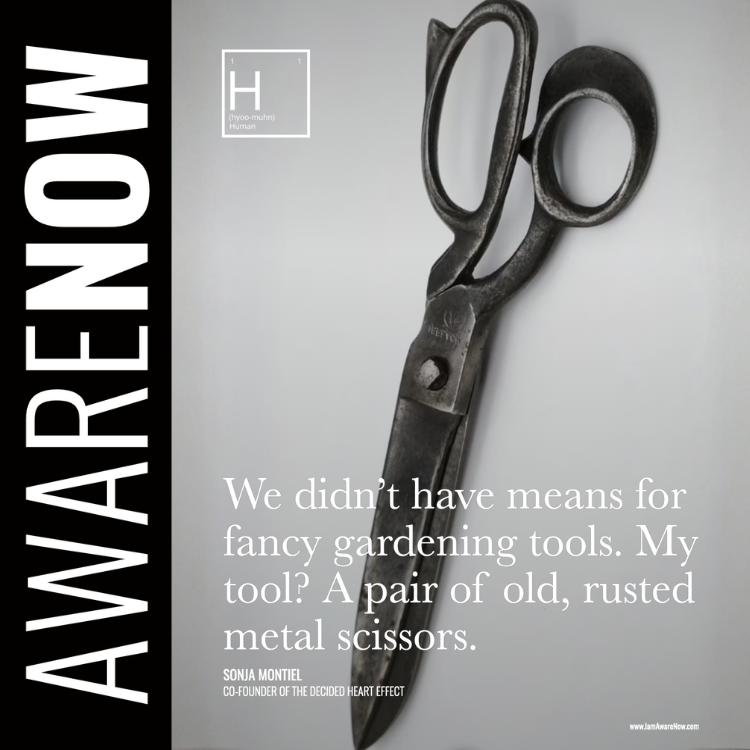
But there I was, hands and knees on the ground, cutting the edge of the grass so neat, so straight. The sun was warmer than I wanted. Blisters formed on my thumbs where the scissors rubbed with friction.
Hours later, I was done. Physically tired, but mentally rested. Looking at the beautiful edging, I understood intuitively that the stillness required to make that happen was the pause of slowing down, focusing on sensory detail, and getting lost in the mindfulness practice of being one with the grass, the scissors, and myself.
These moments taught me something profound as a young person: pause is not passive. It’s where integration happens. In education, we often emphasize the action of studying harder, working faster, achieving more. It’s the same in our professional lives too as we constantly measure our level of performance. But what if the most transformative learning and performing happen within the pause?
When we pause, we process. We reflect. We make meaning. That’s lifelong learning, where humanity means to take time alone and together, becoming more aware, more intentional, more whole.
What does taking a pause look like for you? How did you learn it?
When was the last time you took that pause? And how do you know that your pause was of service to you?
Pause is not a luxury; it’s a practice. It’s where growth begins. ∎
SONJA MONTIEL
Co-Founder of PEQ Performance Consulting www.awarenowmedia.com/sonja-montiel
SONJA MONTIEL (MA Education) is a cofounder of PEQ Performance Consulting LLC and cohost of “The DH Effect” podcast. She and her partner, Hilary Bilbrey, guide individuals, families, and teams to consistently reach successful outcomes through positive and emotional intelligence strategies. During Sonja’s 23 years working with thousands of teens and young adults worldwide, she began to witness many societies creating an unhealthy hyper-achieving culture that misguides our young people in their pursuit of living a life of fulfillment. Sonja is changing that narrative highlighting educators around the world who dare to think differently about education. (www.peq-performance.com) www.IamAwareNow.com

SAMANTHA FUNG
FOUNDER OF MUSIC FOR EVERY CHILD
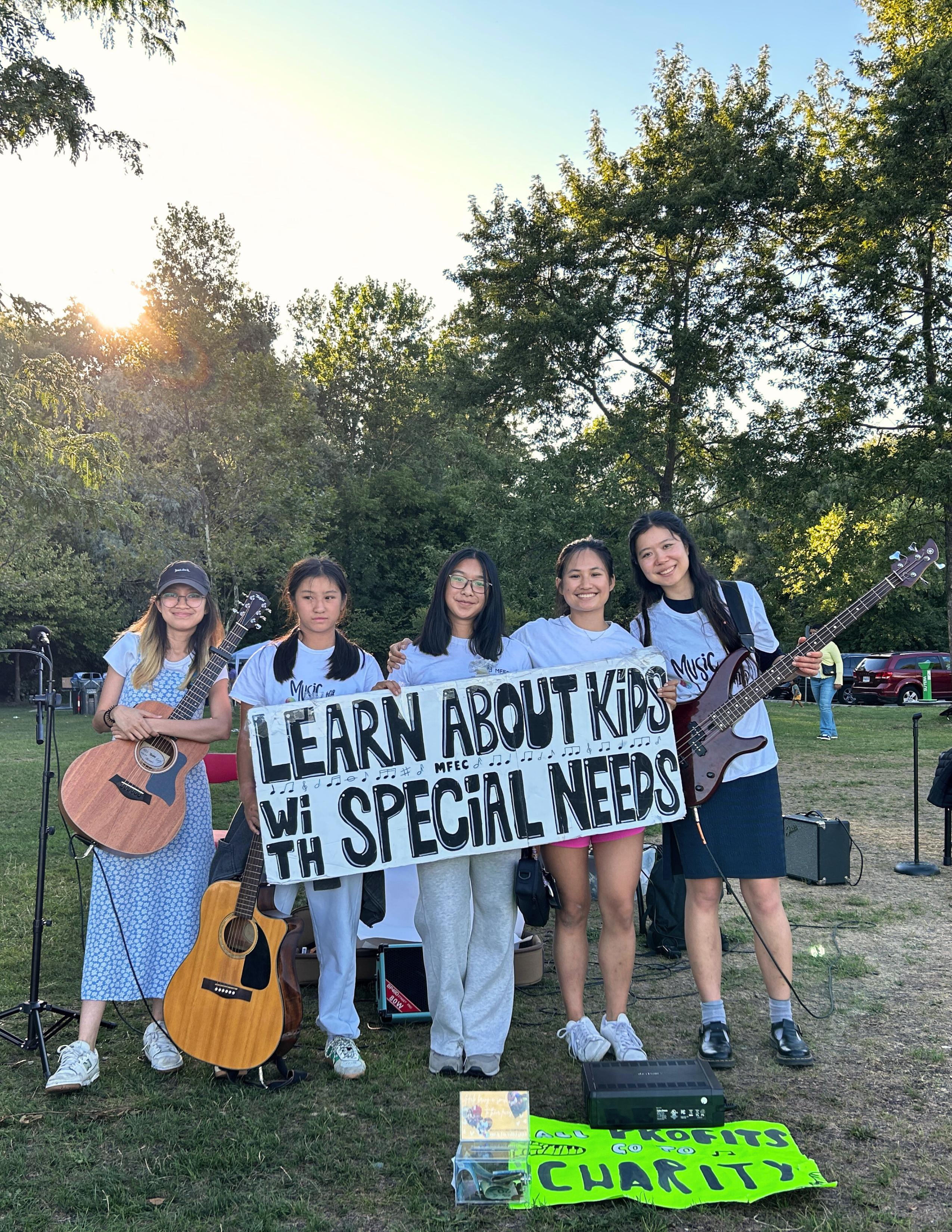

Founder of Music For Every Child, a charity dedicated towards youth mobilization and changing lives of children with special needs through the power of music, Samantha Fung is currently running continuous weekly music therapy programs in 40 schools across 9 cities.
TANITH: Music For Every Child was built around inclusion and access. What first showed you the power of collective action in creating opportunities for children with special needs?
SAMANTHA: When I volunteered in the Special-Ed program at my school, I would bring friends to volunteer with me and together, we were able to connect with more students and raise more awareness within our school community. This inspired me to continue sharing the joy of giving with my peers when I started MFEC. Seeing MFEC grow beyond what I’d imagined by being able to rely on one another, forge partnerships with other organizations, and collaborate with educators, therapists, and school boards, continues to show me the power of collective action in creating change and having a consistent, long-lasting impact in the lives of children with special needs.
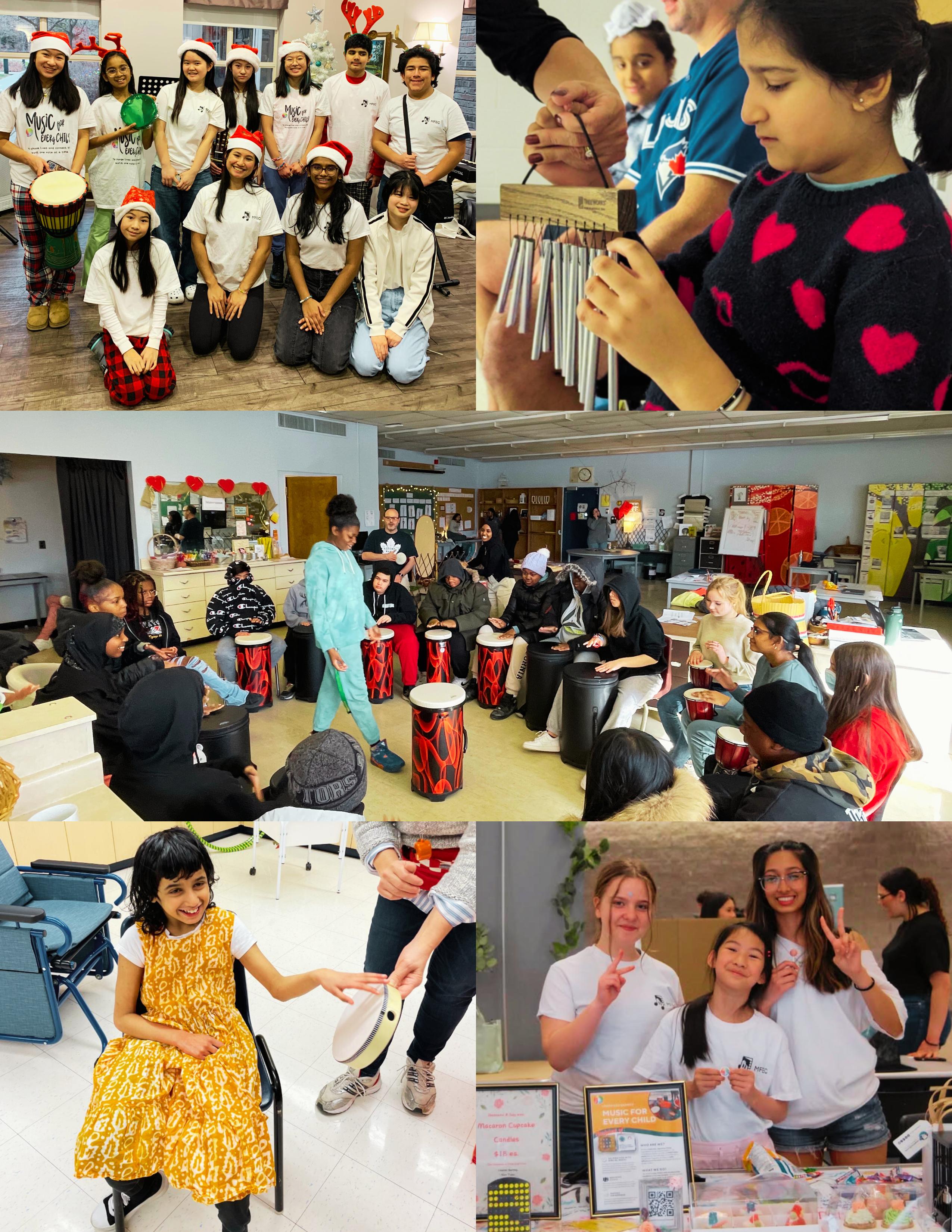
TANITH: Your work brings together schools, therapists, families, and communities. How have you seen solidarity show up in unexpected ways through this collaboration?
SAMANTHA: We initially started our program to promote educational equality and inclusivity by introducing music as a learning avenue. Witnessing the program become a part of peoples’ weekly routines, we saw how communities were drawn together. Our programs fostered solidarity through the power of music to facilitate meaningful interactions and interpersonal connections. One of the schools we serve in Ottawa brought their community together through our program and even raised over $1000 to donate to MFEC; a beautiful testament to the power of solidarity.
Wanting to maximize the interconnecting power of music, we’ve also begun running partnership programs within schools where mainstream students are given permission to join the Special-Ed program during music therapy sessions and build meaningful relationships with them. Our partnership programs have also been adapted to interschool models where students from private schools visit nearby MFEC programs in public schools. Through these collaborations, the power of music to connect students of all backgrounds and abilities strengthens local communities and fosters solidarity.
TANITH: Running weekly music therapy programmes across 40 schools is no small feat. What role has shared belief and community support played in sustaining and scaling this work?
SAMANTHA: MFEC is run entirely by volunteers and is founded on the shared belief that young people can change the world. Our scalable and cost-effective model allowed us to expand quickly across Ontario, having an average cost of 0.5£ per child to provide year ’round weekly music therapy.
Our success in scaling within Canada encouraged us to start international endeavours, pursuing partnerships in four African countries, including Chad, where we started a charity subsidiary and are collaborating with local grassroots organizations to bring the connecting power of music to underprivileged children in Africa.
Music speaks to the soul, which I believe is what gives it its power to build understanding and unity.
TANITH: Music has a unique ability to connect people beyond language or ability. In your experience, how does music help build understanding and unity where other approaches may fall short?
SAMANTHA: Music speaks to the soul, which I believe is what gives it its power to build understanding and unity. The presence music has in many cultures and its significance across history is a testament to the inherent connection we have to music. It has served as an accessible, inclusive avenue for so many foundational skills such as learning, creativity, expression, and connection.
TANITH: Many young people want to create change but don’t know where to start. What advice would you give to those who want to build impact through collaboration rather than going it alone?
SAMANTHA: Collaboration plays a key factor in building impact and fostering solidarity. Despite this, it is also important to focus on self-improvement; as your skillset grows the impact you’re able to have also grows – enabling you to drive issues with self-awareness and conviction. For any young person wanting to start their journey as a changemaker, I urge you to start. It can definitely seem like a daunting task but every little step leads to something positive, and your youthfulness will act as one of your biggest advantages!
TANITH: Looking ahead, what gives you hope for the future of inclusive education and youth-led change?
SAMANTHA: MFEC is looking at partnerships to bring the power of music to countries in Africa in hopes of fighting for inclusive education across cultures, backgrounds, and abilities. In our international endeavors, there are many obstacles we’ve had to consider such as the physical distance between our volunteers and those we’re trying to help and the lack of training in music therapy for local teachers. These challenges simply fuel us to improve and fight for our cause. MFEC is looking forward to continuing our fight for inclusive education and our insistence that young people can change the world. ∎
Find & follow Music For Every Child on Instagram: @musicforeverychild Learn more online: www.musicforeverychild.com
TANITH HARDING
Director of International Development, The Legacy Project, RoundTable Global www.awarenowmedia.com/tanith-harding
Tanith is leading change management through commitment to the RoundTable Global Four Global Goals of: Educational Reform, Environmental Rejuvenation, Empowerment for All & Creativity. She delivers innovative and transformational leadership and development programmes in over 30 different countries and is also lead on the international development of philanthropic programmes and projects. This includes working with a growing team of extraordinary Global Change Ambassadors and putting together the Global Youth Awards which celebrate the amazing things our young people are doing to change the world.
DR. TODD BROWN FOUNDER OF THE
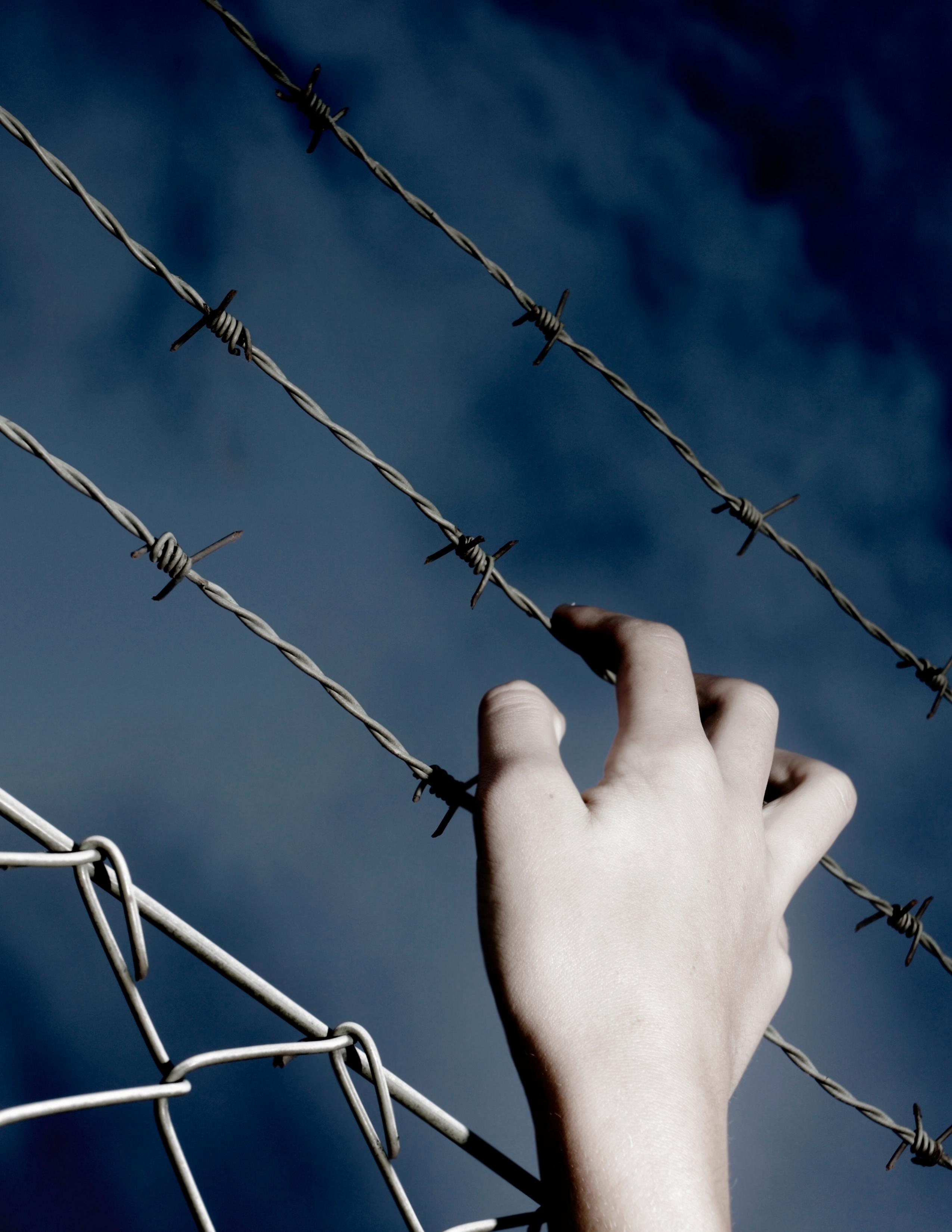

When COVID hit, the country didn’t just wobble, it totally face-planted. Businesses shuttered, jobs vanished, and unemployment filings exploded to numbers we hadn’t seen since bread lines were part of the cultural wallpaper. In one week in March 2020, almost three and a half million people filed for unemployment insurance.
And then something happened that should, I repeat, should have changed us. The federal government responded with boldness that many pretend doesn’t exist anymore. Unemployment benefits were expanded, and for a stretch, unemployed workers received an extra $600 a week on top of regular benefits, which nearly tripled the average payout.
This relief came in the form of stimulus checks, rental assistance, and an expanded Child Tax Credit. The result was not the moral apocalypse people love to predict. Poverty didn’t rise during the worst economic downturn in nearly a century. It fell.
By a lot: roughly 16 million fewer Americans were in poverty in 2021 than in 2018, and child poverty was cut by more than half. You’d think we’d throw a parade. Instead, we got a national eye-roll.
A loud faction of America looked at a historic reduction in suffering and decided the real emergency was that someone, somewhere, might be getting help they didn’t “deserve.” Politicians jumped on the same disproven narrative that aid makes people lazy. We even had a congressman posting photo of a closed fast-food restaurant like it was proof of moral decay. Another leader claimed unemployment insurance had “demonized work.”
The problem was the story was wrong. When twenty-five states cut back emergency benefits in summer 2021, it was a natural experiment. If the benefits were the reason people weren’t working, those states should have seen a noticeable employment surge. But they didn’t. The data came back like a flatline. No jump, basically a tie across states. Not only that, but states that cut benefits mainly achieved one thing, lower consumer spending, which slowed local economies.
So why did we want the lazy story? Because we’ve been trained to suspect the poor as villains. We judge reflexively, emotionally, and without evidence. And because calling someone else’s help “welfare” makes it easier to pretend our help is something nobler that is earned and pure.
But the evidence-based facts show that poor Americans aren’t “addicted” to welfare. If anything, they’re blocked from it. Or shamed out of it. Or exhausted by it.
Interestingly, statistics show how much money is left unclaimed every year by people who qualify for assistance and it’s staggering. About 7 million eligible workers don’t claim the Earned Income Tax Credit, food assistance, government health insurance, unemployment insurance, and SSI to the tune of nearly $142 billion in unused aid. This money designed to reduce suffering, just sits there like an unlocked lifeboat nobody can reach.
And because this keeps happening, an entire subfield of behavioral science has formed just to boost “take-up rates” to figure out how to get people to claim what they’re entitled to. That’s not “dependency.” That’s a system with barbed wire around mercy.
While all that is happening, those with insulation, paperwork skills, and a little breathing room are swimming in welfare so deep we don’t even feel wet. How you ask? In 2020, the federal government spent more than $193 billion on homeowner subsidies (far more than the $53 billion it spent on direct housing assistance for low-income families.
Think about that for a moment. The “welfare” we scream about is a sliver. The welfare we quietly enjoy is a banquet. We call a public housing tower “government subsidized” because you can see it. We do not call a mortgaged suburban home “government subsidized” even though it’s subsidized too, through things like the mortgage interest deduction, claimed for decades. One looks like welfare. The other looks like normal life.
This is what it means when America’s welfare state is described as lopsided. If you count everything, retirement benefits, student loans, tax-advantaged savings, child tax credits, homeowner subsidies, our welfare state looks enormous. But if you strip out the tax breaks that disproportionately benefit people above the poverty line, our investment in poverty reduction shrinks fast.
And here’s the kicker: almost everyone relies on government programs at some point. One scholar estimates 96% of American adults have relied on a major government program. The support is everywhere. Student loans guaranteed by the government, 529 plans with tax benefits, employer-sponsored health insurance that’s exempted from taxable income (a benefit estimated at $316 billion in 2022, projected to exceed $600 billion by 2032).
And in 2021, the U.S. spent $1.8 trillion on tax breaks. That’s welfare. We just don’t say it, because it makes us uncomfortable to admit we’re not rugged individualists. We’re participants in a society that constantly transfers value. The only question is: who gets transferred what, and who gets shamed for it?
We have to recognize this psychological trap. People who rely on the most visible programs (food assistance, public housing) are more likely to recognize government as a force for good, while those benefiting from the most invisible programs (tax breaks) are least likely to see government’s role in their success. The groups benefiting most (often affluent households with professional help), can hold the strongest antigovernment attitudes, mobilizing to cut “spending” while protecting their own benefits.
So if you’re looking for a horror story, one grounded in reality, it’s that a nation discovers it can cut poverty dramatically, almost overnight, through direct help. Then, instead of expanding that victory, it panics, because help threatens the myth that suffering is always earned.
The monster isn’t welfare.
The monster is the selective visibility of welfare. It’s the way we mark the poor as “takers” while quietly cashing our own checks in the form of deductions, exclusions, and subsidies. We’re not divided into makers and takers. We’re divided into people whose assistance is labeled “welfare,” and people whose assistance is labeled “normal.”
That’s not policy. That’s a haunting. ∎
DR. TODD BROWN
Founder of the Inspire Project & Co-Founder of Operation Outbreak www.awarenowmedia.com/todd-brown
Brown is a winner of multiple education awards, including the U.S. Congressional Teacher of the Year Award, U.S. Henry Ford Innovator Award, Education Foundation Innovator of the Year, and Air Force Association STEM Teacher of the Year. Dr. Brown is the creator and founder of the Inspire Project and cocreator of Operation Outbreak, which was named the Reimagine Education Award for Best Hybrid Program in the world. He is also an Education Ambassador for the United Nations and an Educational Ambassador of the Center for Disease Control (CDC). www.IamAwareNow.com

Life is not one single hand of cards but many rounds.
PAUL S. ROGERS TRANSFORMATION EXPERT, AWARENESS HELLRAISER & PUBLIC SPEAKER
Release The Genie Fact: The Genie told Aerosmith to, ‘Walk This Way’.
Congratulations, you’ve made it. 2025 has now cashed in its chips and left the building. Well, buckle up, buttercup, as 2026 takes its seat at the table and, if social media is anything to go by, 2026 is going to be even bigger, louder, and trashier.
Life deals 2026 and us our cards. Sometimes, life feels like a game where the rules keep changing. Yet one question always resurfaces: do I stick, twist, or reset?
These choices show up in careers, relationships, habits, and even in how we see ourselves. Understanding these three options, and when to embrace each, can be the difference between going through life on autopilot or living with intention.
To stick is arguably the least glamorous option. It is not popular with the baying crowd who crave excitement. You can hear cries saying you are not living a life if you just cut and paste from last year. You need to live a little. If fear or familiarity are the reasons to stick, just to maintain the status quo, then it is hard to silence the crowd’s noise. Playing safe, or not wanting to play, is still a conscious play in the game of life.
However, if your reason for sticking is that you understand growth takes time and the seeds planted in 2025 and before still need to grow, then the roots of your decision are strong.
It is the quiet strength of staying present, nurturing growth where you are, and trusting that consistency has power. It is where resilience is born, skills deepen, relationships strengthen, and confidence grows, safe in the knowledge that when things got tough, you stayed the course. Sticking means you appreciate that not all progress is loud. Some of the most amazing transformations happen slowly, beneath the surface. It is the choice of commitment, endurance, and loyalty to a path, a relationship, a belief, or a version of ourselves.
To twist is to take a risk. We already know that 2026 is going to twist. We are not even sure if it has taken the time to look at the cards life has already dealt it. This “all gas, no brakes” approach is what excites the masses.
It is the bold decision to ask life for another card, knowing it could improve your hand or ruin it. To twist does demand accountability. Not every impulse to change is rooted in growth. Sometimes it is escapism masquerading as bravery. To twist without proper reflection can lead to a cycle of chaos, where meaning is replaced by movement.
Twisting is the energy of curiosity and courage. Many of life’s breakthroughs have come from twisting, such as starting over in a new career, leaving a relationship that no longer aligns, or daring to speak a long-held truth.
To twist is to lean into possibility. It means believing there may be something better waiting for you and that you are capable of reaching it. This choice carries excitement and momentum. It often brings new perspectives, unexpected connections, and a renewed sense of aliveness. Even if it does not turn out as planned, twisting challenges us and proves that you are brave enough to try.
Then there is the reset option. This is perhaps the most misunderstood choice of all. When you get a hand of 13 in pontoon, you can burn the cards and life deals you a new hand.
Written and Narrated by Paul Rogers https://go.awarenowmedia.com/podcast/do-it-your-way


A reset says, “Something here is no longer working, and I am brave enough to admit it.” Resets happen when neither sticking nor twisting holds any attraction. You have been down both paths before, and neither got you to where you wanted to go. The crowd is confused and silent. It does not know whether to cheer or boo.
A reset is not a failure. It is not a weakness. It is a recalibration. A reset is not about erasing your past and returning to factory settings. A reset says, “I am allowed to begin again, wiser than before.” It is a state of mind to play with, whatever hand life deals you, good or bad.
At all times, life, as the banker, watches and smiles. It never announces which option is the correct one.
This is why self-awareness is the true skill in the game of life. The breakthrough comes when we stop treating these choices as permanent. Life is not one single hand of cards but many rounds. Perhaps the greatest gift we get in this game is the option of choice itself. You are not powerless. When understood, any option taken shows you something vital.
So reset when you need renewal. Stick when you feel grounded. Twist when your heart calls for more. And remember, 2026, and any other year, are just visitors. Whatever your choices, do it your way. ∎
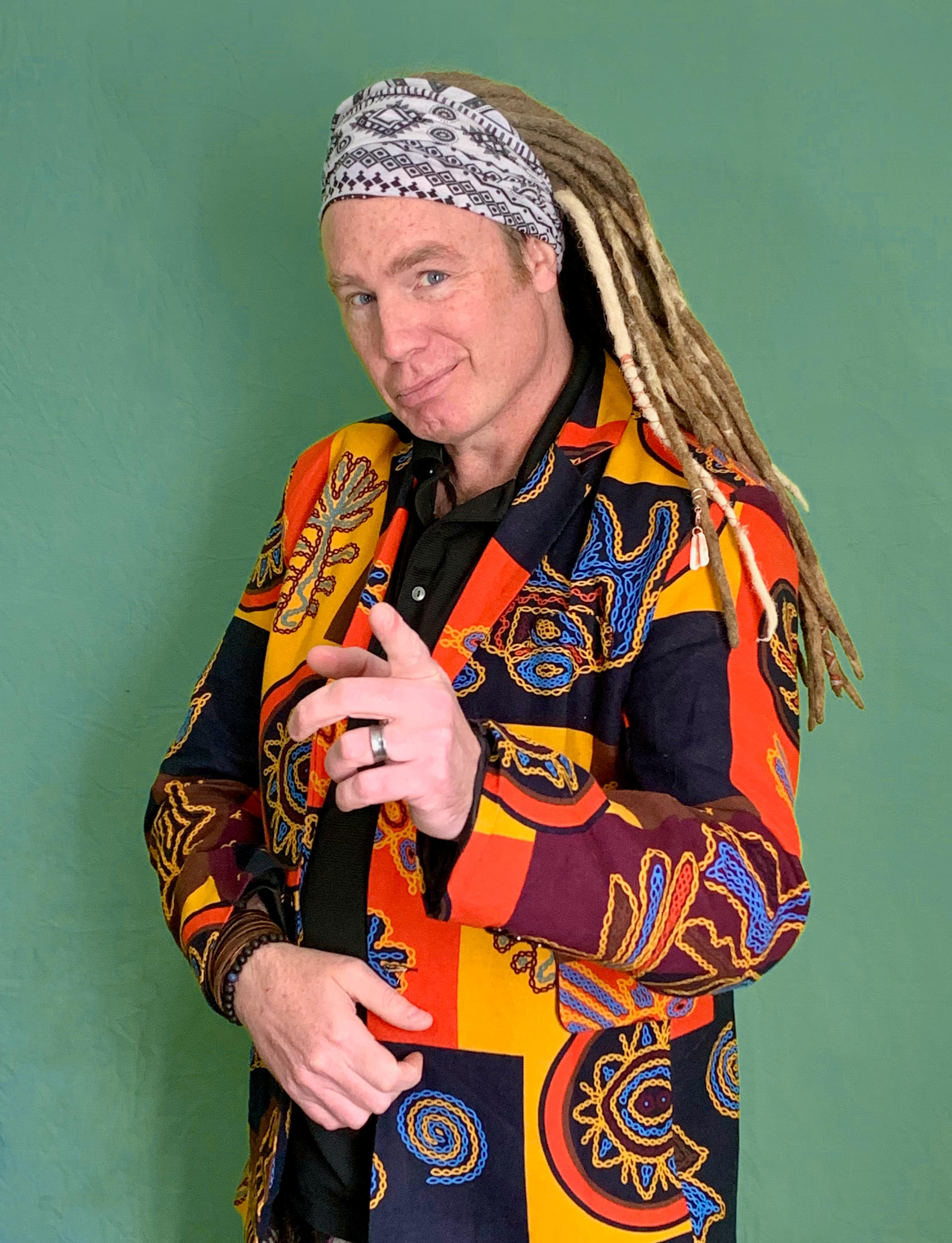
PAUL S. ROGERS
Transformation Expert, Awareness Hellraiser & Public Speaker www.awarenowmedia.com/paul-rogers
PAUL S. ROGERS is a keynote public speaking coach, transformation expert, awareness hellraiser, life coach, Trauma TBI, CPTSD mentor, train crash and cancer survivor, public speaking coach, Podcast host “Release the Genie” & best-selling author. His journey has taken him from corporate leader to kitesurfer to teacher on a first nations reserve to today. Paul’s goal is to inspire others to find their true purpose and passion. www.IamAwareNow.com
ELIZABETH BLAKE-THOMAS STORYTELLER, PHILANTHROPIST & OFFICIAL AMBASSADOR

Dear Chai,
It’s 2026, woo hoo! Well, that’s a total lie. I do not feel any “woo hoo” at all. In fact, I feel the total opposite. The Christmas tree went down at 11 pm on Christmas Day; it just wasn’t the same without you. Your stocking hung empty. Your bed lay without you. There wasn’t the sound of your feet on the floor, excited to eat any tasty food I put out. Every time someone passed the window or knocked on the door, you didn’t bark. Now, to add to the already existing pain, I have to face my first January in LA without you, ever. That then leads to February, and the time since I saw you last will grow and continue to grow. The reality of not seeing you or touching you again becomes even more obvious. The hole in my heart feels like it’s becoming black; the beating has slowed, and the hole is hardening. Some days are easier than others. I find a small purpose or get distracted enough to get through the day. Other times, I’m barely able to make my walk to get fresh air.
One thing that’s consistent, though, is the fake smile I plaster on my face. Not just for others, but also for myself. Fake it till you make it. Trouble is, I realize that’s what I’ve done my whole life. You have opened up this portal to being able to recognize that I just don’t know who I am or what I am. This might sound like I’m blaming you. I’m not. I’m actually thanking you. When you were here in physical form, you saved me by giving me, and showing me, unconditional love. And now, since you left, you have forced me to address so many things about me and my life. These have been lifechanging decisions and eye-opening moments that have unsettled me and forced me to re-look at my life. You are still having an impact on me, and for that I’m grateful.
So what now? I’m recently diagnosed, as an adult, with autism, having spent my whole life masking. Sharing and feeling my grief was the beginning of this eye-opening change. In 2025, I lost myself, and so I’m having to find myself piece by piece and rebuild. Who is Elizabeth? What does she like or not like? How does she feel about things? The plan I had for us in the next five years looks different now that you’re no longer here. I’m not doing it for you or with you, so I have to work out my why. The most powerful three-letter word that exists is “why.” If I have to live with this hole in my heart, how can I make it look pretty, feel comforting, have a purpose? I feel strangely paralyzed, yet feel like I can do anything. I feel trapped, yet free. I feel sad, yet calm. I feel confused, yet clear.
I was going to write this letter as if it were my goodbye, but I’ve realized it’s just the beginning of our communication, of you being here for me, my guardian angel, to help guide me and show me and lead me to my why in a very different way. One of my many superpowers as someone with autism is my ability to have high-speed processing, which means I can work things out and see the whole situation through to the end very quickly. So I’m needing to know what my “why” is now, today. But as usual, living in the way you did, it’s more about being present, being aware, feeling things as they happen, making decisions I would’ve made if you were here. Ironically, I do less without you. We had such an awesome life together, so I need to remember that. I need to remember everything you taught me. I need to keep reminding myself that this is just the next chapter in my life. It’s not going to be easy. It’s going to have good and bad days, and it might take time to work out, but that’s okay. Getting up in the morning, putting one foot in front of the other, and bringing some light to the world and others is enough. I am enough. Maybe my “why” is to work out the “why.” My best life is with you by my side. I now have to remember you’re still here. It’s just different.
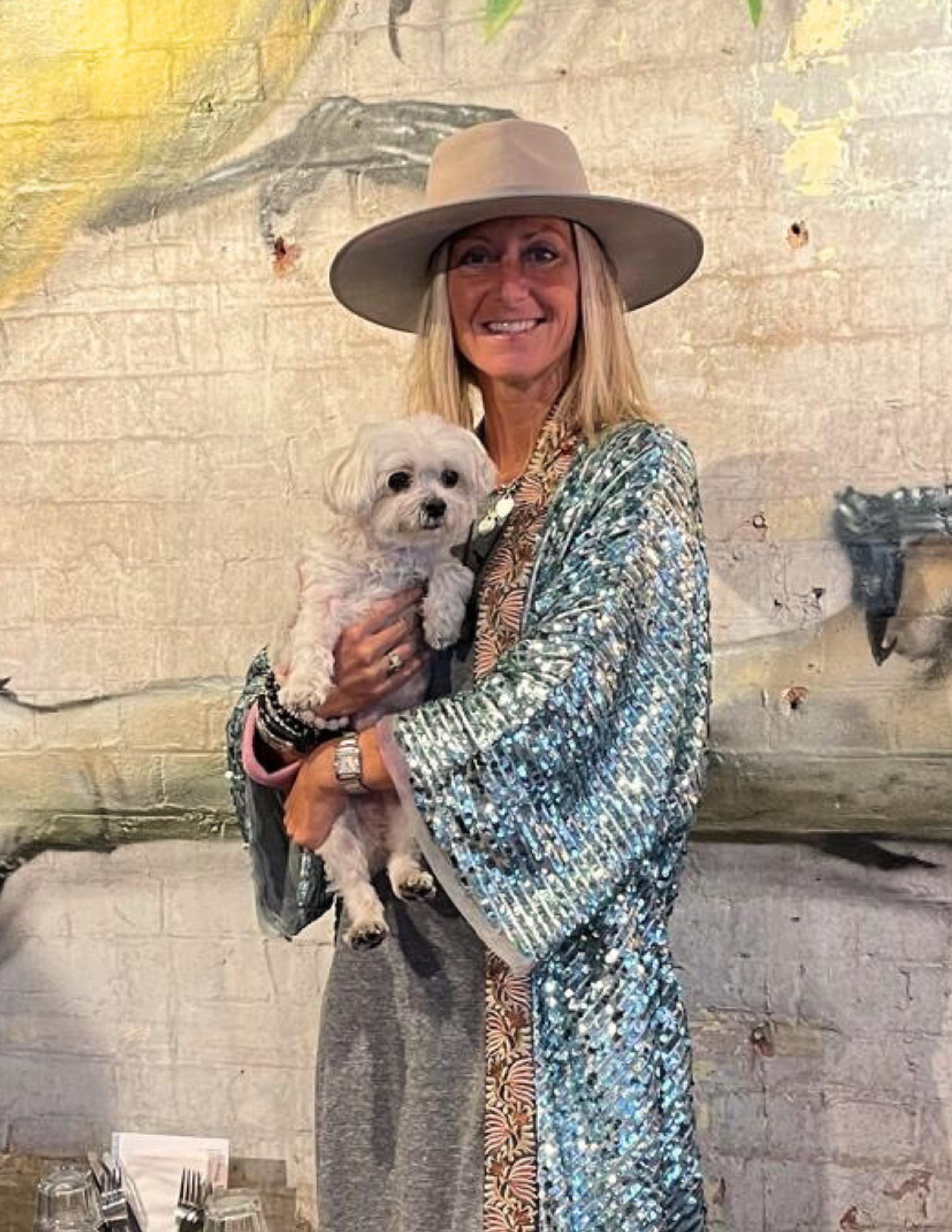
I’m six months closer to seeing you.

ELIZABETH BLAKE-THOMAS STORYTELLER, PHILANTHROPIST & OFFICIAL AMBASSADOR FOR HUMAN TRAFFICKING AWARENESS
AwareNow Podcast
Written and Narrated by Elizabeth Blake-Thomas https://go.awarenowmedia.com/podcast/dear-chai

“These little glimmers aren’t perfect, but they are all I have at the moment.”
My friend made a suggestion that makes me smile, which is to not think of the time since I held you as growing bigger and further away, but actually that the gap to when I’ll see you again is getting smaller. It feels like a small glimmer of possibility and hope. I’m six months closer to seeing you. These little glimmers aren’t perfect, but they are all I have at the moment. If I can place that glimmer like a small shining star in the black hole of my heart, then maybe one day it won’t be a black hole. It will be a mass of sparkles that shine so brightly it will fill me with your light.
I love you, I miss you, and I can’t wait to hold you again.
Your partner, Elizabeth
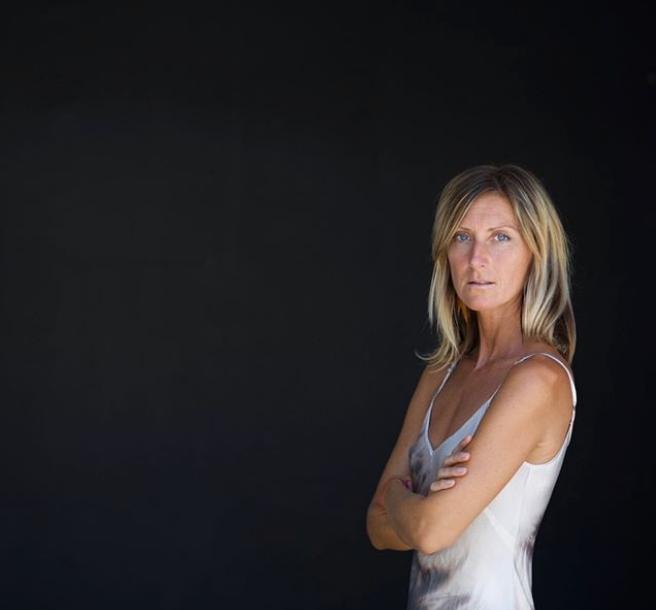
ELIZABETH BLAKE-THOMAS
Storyteller, Philanthropist & Official Ambassador for Human Trafficking Awareness www.awarenowmedia.com/elizabethblakethomas
Elizabeth Blake-Thomas is a British award-winning storyteller and philanthropist based in Los Angeles. She is the founder and resident director of entertainment company Mother & Daughter Entertainment, whose motto is “Making Content That Matters”, putting focus on each project starting a conversation amongst viewers. She is also the creator of the healing methodology Medicine with Words which is designed to help “spring clean” your mind and help free yourself from unnecessary noise so that you can live a more purposeful, peaceful life. She is the author of Filmmaking Without Fear which is a multi-medium resource curated for indie filmmakers. Her FWF podcast is available on all streaming platforms, and the book of the same name is available on Amazon. She is a regular on panels at Sundance, Cannes and Toronto International Film Festival, Elizabeth mentors wherever possible, ensuring she sends the elevator back down to all other female storytellers.
www.IamAwareNow.com
YULY GROSMAN EXECUTIVE ADVISOR, SPEAKER AND AUTHOR
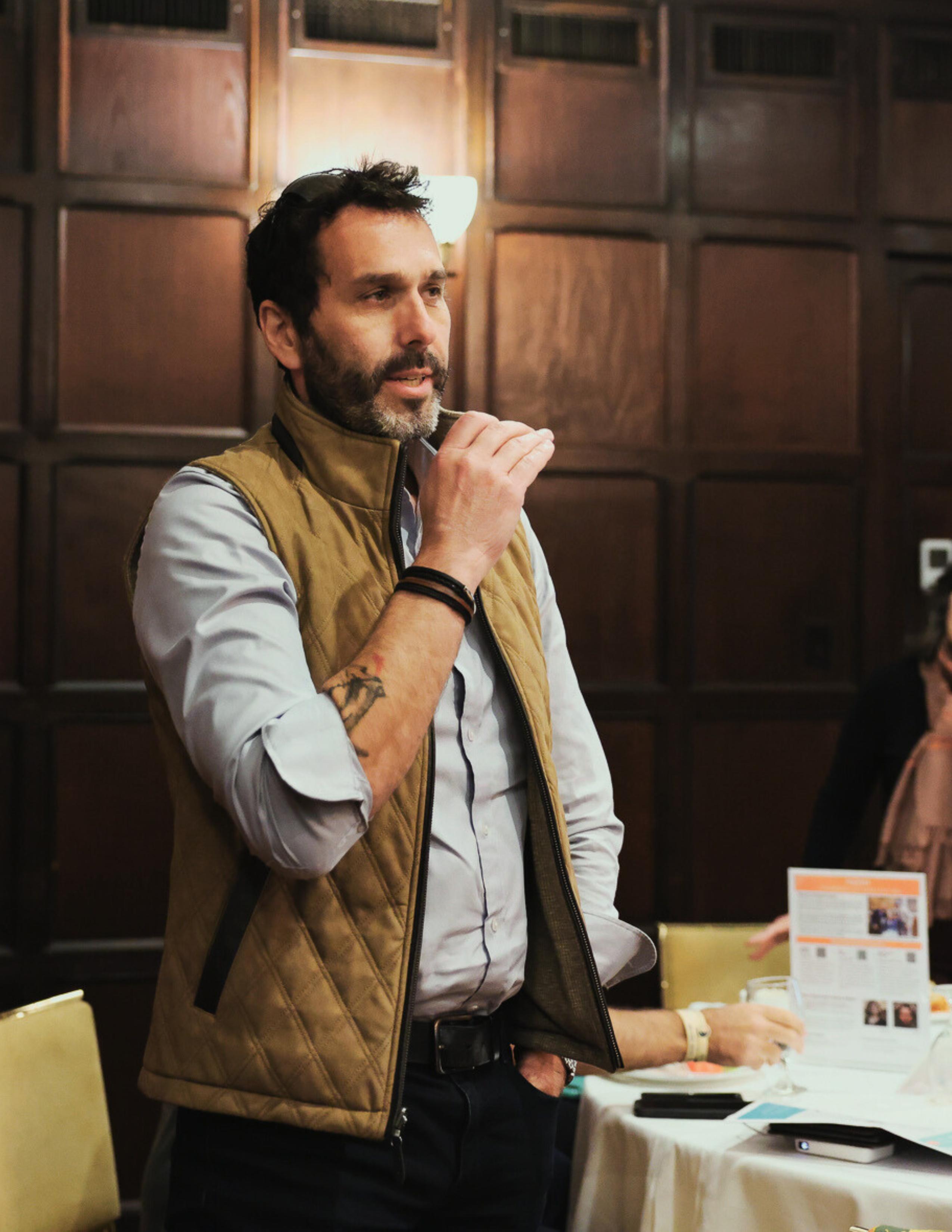

STORY BY YULY GROSMAN
Disclosure: This is not science. This is not medical advice. This is not a recommendation or a call to action. What follows is personal experience lived, observed, and paid for over years. Addiction is complex and deeply individual. This is one story, not a rule.
When I was asked to write about addiction, I hesitated.
I could have written a “proper” article reference, studies, statistics, reliable sources. I could have combined science with personal reflection. Instead, I chose a third option.
No science. Just life.
Because when you have a flat tire and you’re late for a flight, you don’t calculate air pressure or engineering tolerances. You don’t reach for theory. You act. You use experience. You make things work. Addiction lives there not in textbooks, but in moments.
If I list my addictions, I’m confident you’ll recognize at least one of yours.
I started smoking early and quite 3 times. Last 6 years ago. I became addicted to strong painkillers as a disabled veteran.
I was addicted to work emails, calls, constant availability and was rewarded for it. I was considered an overachiever.
Over the years, I’ve worked closely with burned-out executives, first responders, law enforcement, survivors of domestic violence, and people under chronic stress.
And I’m going to say something many people strongly disagree with: In my experience, addiction is often a choice. Including domestic violence.
That statement has triggered long debates with scientists, professionals, and people I respect. Some agree. Many don’t.
Here is what I mean.
Addiction, as I understand it, is a comfort zone. A behaviour or substance that makes the body or more accurately, the brain feel safe.
That comfort can be:
• Less pain
• Emotional numbness
• Familiar chaos
• A sense of control
• The illusion of achievement
It can be a relationship that hurts but feels known. It can be work that consumes everything but gives identity. It can be cigarettes that make you feel “cool” not to others, but to yourself.
There’s a quote often attributed to Mark Twain: “Quitting smoking is easy. I’ve done it a hundred times.”
Exactly.
Quitting is easy. Not returning is hard.
I get my medical condition during military service in the late 1990s in Israel. Painkillers became part of my daily life. The first surgery didn’t change much. Same pain. Same struggle. The second surgery almost a decade later changed everything. I woke up with almost no pain. I asked my doctor what I was feeling. He said, “A stronger painkiller. Oxycodone.” That name stayed with me for nearly seven years.
As a disabled veteran, the system took care of me equipment, treatment, medication. Efficiently. Completely. When I was discharged, I was sent home with prescriptions for 5mg, 10mg, even 20mg pills, plus syrup. I took them several times a day. When the supply ran low, I called. New prescriptions arrived in a day or two. No one explained how powerful the drug was. No one warned me how addictive it could be. The only clear memory I have is two doctors one man, one woman telling me not to stop suddenly. That tapering must be supervised. That was it.
At the time, I was already running international operations, managing global trade, launching major projects in Kenya. I had to work. I’m not someone who stays in bed. After surgery, I was walking, exercising, doing more than prescribed.
The medication created a dangerous combination:
• Less pain
• Mental distance Relaxation
• And the feeling that I could do everything
To this day 17 years later I cannot remember how I used to drive to my office. I remember getting into my car at home. I remember being at work. Nothing in between. But yet very functional and business deliverable.
That was the “magic.”
I travelled constantly. Flew internationally. Ran meetings. Made decisions. I don’t remember the flights.
In my book, The Most Beautiful and Dangerous Business, I describe how one of those trips cost me nearly $20,000 due to a customs mistake. A small error with serious consequences.
Why did it happen?
Long flights were physically painful for me. The solution was simple: oxycodone. A small pill or a cup of syrup made the flight easy. Combined with airline upgrades, it almost felt comfortable. On one trip, I was carrying cash collected from clients. I filed customs paperwork at departure, took the medication, and boarded the flight. The next clear memory is being stopped by customs officers on arrival.
“Do you have money with you?” “Yes.”
“Did you declare it?” “Yes.”
“This declaration is from departure. Where is the arrival declaration?”
There wasn’t one.
The result: confiscated money, wasted time, stress, and nearly missing a critical meeting. The good thing is I usually do not blame situations and others. I knew the medication could cause it, but I also knew that I should be more aware.
About a year later, my then-wife noticed how much I was consuming. I was more nervous, less patient not aggressive, but altered. We were in our home in Kenya when she poured my medication down the sink, I didn’t argue.
I hid the rest. That was the moment.
Why was she hiding it from me? Why was I hiding it from her?
Those questions forced awareness. I paused (something I now teach others to do). I asked myself what was happening.
I began researching oxycodone addiction. What I discovered scared me. I didn’t want that future for myself or for my family. Or in the worse case a lack of future at all.
A close friend, a doctor in Kenya, helped me reframe pain.
“Wait 30 minutes,” he said. “Observe it. Measure it. If it drops, wait again.” A very similar method I used twice before quite smoking.
It was extremely difficult. I live with chronic pain. I don’t have pain-free days.
But I noticed something disturbing. Often, when I thought my pain was level nine, it wasn’t. It was level 6.
It was withdrawal
In 2015 eight years after my second surgery I finally said it out loud.
I was addicted, and I wanted my life back. I didn’t announce it. I didn’t dramatize it. I threw away the hidden supply. Kept only enough to taper safely.
Then came weeks of shaking, sweating, insomnia. My body demanded more. My mind screamed for relief. And something deeper said no.
That wasn’t discipline. It was clarity.
That experience addiction, pressure, performance, and recovery is not separate from my professional work today. It is the foundation of it.
The Most Beautiful and Dangerous Business was written because too many executives are asked to lead in environments where mistakes are costly, information is incomplete, and the human element is ignored until it fails. This book is not optional reading, and it is not reflective entertainment. It is a field manual for leaders who must make decisions under pressure and live with the consequences.
The lessons come from global supply chains, security operations, crisis environments, and years of leadership where judgment mattered more than process and timing mattered more than intent.
Podcast
Written and Narrated by Yuly Grosman https://go.awarenowmedia.com/podcast/the-executive-cost

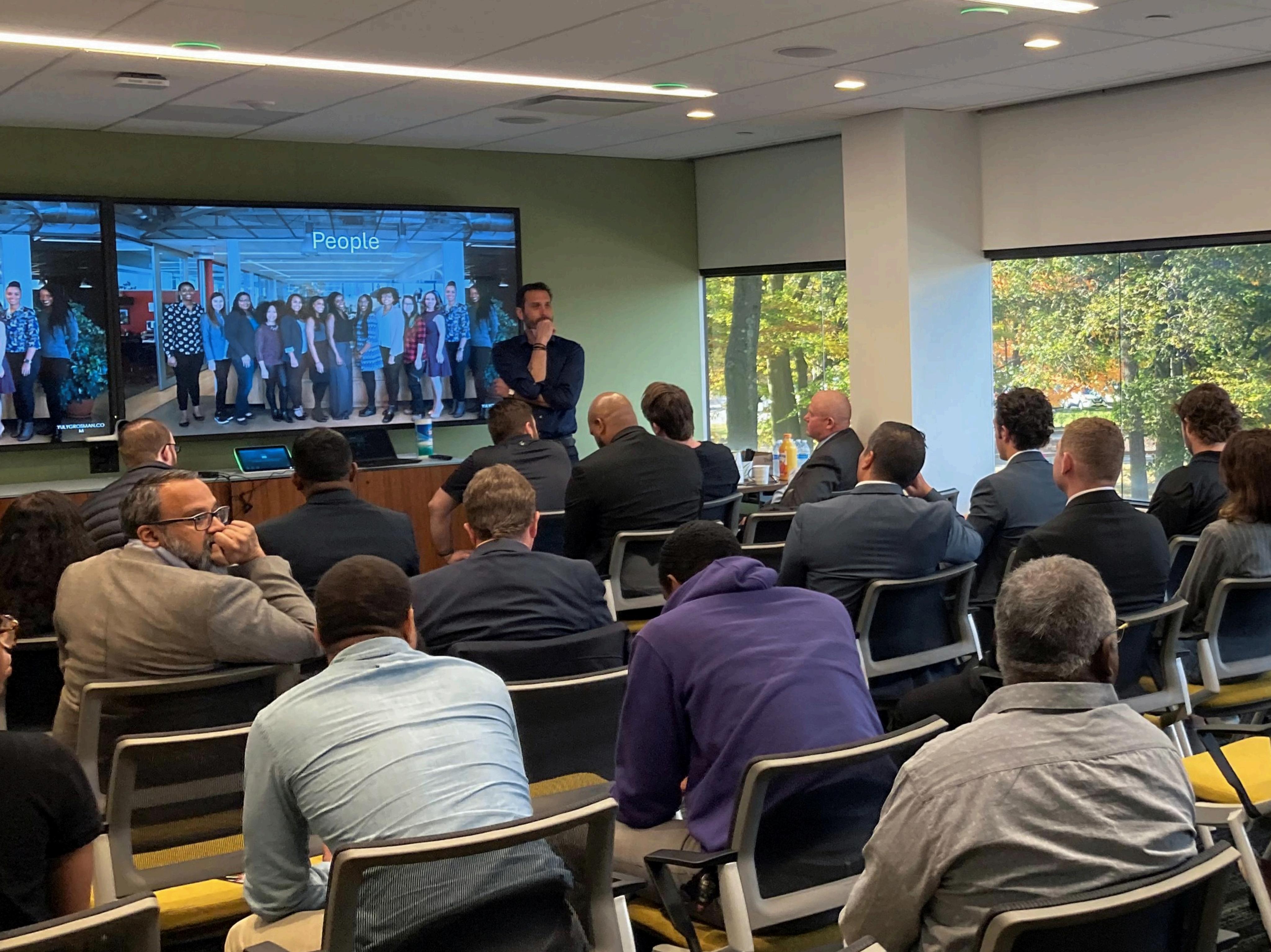
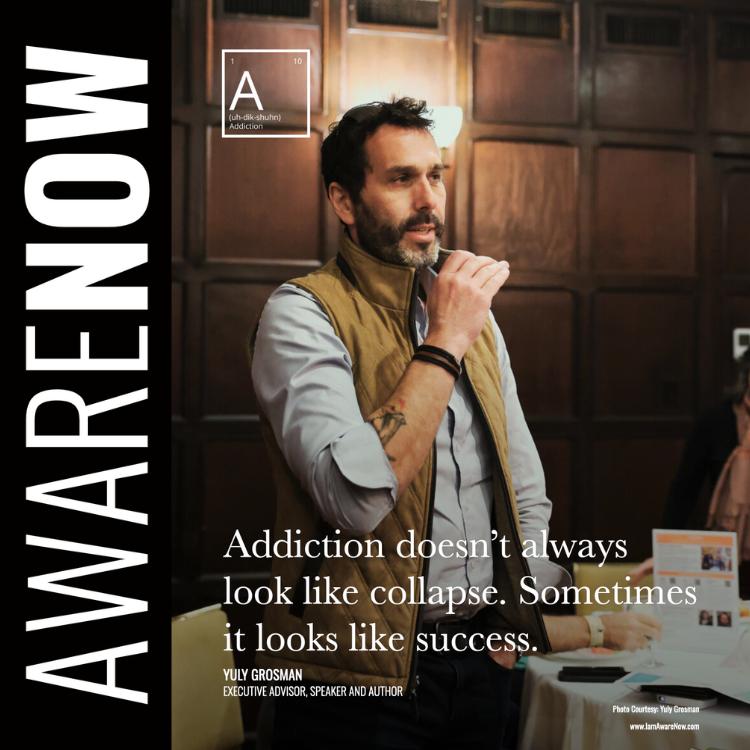
That same work continues today through speaking engagements and closed-door workshops with senior leadership teams. These are not motivational sessions or theoretical discussions. They are working conversations focused on situational intelligence, escalation prevention, human behaviour under pressure, and resilience as an operational capability.
Executives don’t engage this work out of curiosity. They engage it because something is at stake people, capital, reputation, or continuity.
The patterns that drive addiction are the same patterns that quietly erode leadership: numbing through activity, avoidance disguised as productivity, and the slow loss of awareness. Left unexamined, those patterns don’t disappear. They compound.
My work exists to interrupt that trajectory early while leaders still have room to choose differently.
Addiction doesn’t always look like collapse. Sometimes it looks like success. Sometimes it wears authority. Sometimes it’s praised. The most dangerous addictions are often the ones that allow us to function until they quietly take over our inner life.
They cost us presence. They cost us memory. They cost us choice.
I’m not writing this to condemn medication, ambition, or relief. Pain is real. Pressure is real. I’m writing to suggest a different question:
Not what helps me function, but what is replacing me while I function?
Awareness doesn’t fix everything. But it opens the door. And sometimes, that is enough to start walking back into your own life.
The only advice I would offer, based on my experience with addiction and in helping many others, is this: You can win the fight only if you fight for yourself — not because someone else asked or demanded it. ∎
Yuly Grosman is an executive advisor, speaker, and author of The Most Beautiful and Dangerous Business, which examines resilience, pressure, and human decision-making through lived experience. www.yulygrosman.com
Creators are not disposable… they are human beings doing extraordinary work under extraordinary pressure.
KEVIN HINES SUICIDE PREVENTION ADVOCATE & SPEAKER

For nearly twenty-five years, I’ve lived my life at the intersection of storytelling and survival. I’ve witnessed, up close, what happens when a human being’s value becomes synonymous with performance and when your existence feels like it hangs on the invisible scoreboard of other people’s reactions. Today, a new landmark study confirms what so many creators have told me privately for years, we are in the middle of a mental-health emergency one that is growing at the same speed as the creator economy itself.
Creators 4 Mental Health (C4MH) is the groundbreaking organization founded by one of my dearest friends, Shira Lazar, who is a powerhouse advocate. She and her team have just released the first comprehensive benchmark study on the emotional, psychological, and financial well-being of digital content creators. Conducted in partnership with Lupiani Insights & Strategies and guided by experts from Harvard, UCLA, and the Pew Research Center, the Creator Mental Health Study is the clearest window we’ve ever had into the hidden struggle behind the screens.
And what the research shows is sobering.
More than 500 creators across North America full-time, part-time, and rising talent participated in the study. Together, their answers point to a single undeniable conclusion: Creators are burning out at unprecedented levels.
Here are the findings that stopped me in my tracks:
• 1 in 10 creators report experiencing suicidal thoughts connected directly to their work. For clarity that equals nearly double the national adult average.
• 62% report burnout.
• 65% say they obsess daily over content performance.
• 58% say their self-worth drops when a post underperforms.
• 43% feel isolated, despite building online communities every day.
• A staggering 69% experience financial instability, one of the strongest predictors of anxiety and depression.
• And the clearest red flag: 89% of creators have zero access to specialized mental-health resources or benefits.
Let that sink in.
A $300 billion global industry with more than 200 million creators worldwide is running on human beings who have no safety net.
• No job protections.
• No health benefits.
• No mental-health support.
• No systems to catch them when the pressure becomes unmanageable.
This is the cost of an economy built on attention: a silent epidemic of exhaustion, anxiety, and hopelessness.
Being a creator today means wearing ten hats: artist, editor, strategist, marketer, community manager, brand liaison, accountant, therapist, and, in many cases, breadwinner.
It means your face is your brand.
Your trauma becomes your content.
Your worth feels tethered to likes, shares, and the mercy of an algorithm you will never meet.
The study shows that the longer you stay in the industry, the worse these mental-health outcomes become. Creators who have been doing this work for five years or more experience the highest rates of burnout, financial distress, and obsessive pressure.
This crisis is not just a creator issue.
It is a public health issue and it’s one that mirrors the national rise in burnout and workplace stress. And as more careers move online, creators may be the early warning system for a much larger societal challenge: the merging of identity, income, and digital performance.
For years, my friend Shira Lazar has been sounding the alarm. Long before major brands, platforms, or institutions acknowledged the mental-health toll of digital life, Shira was building Creators 4 Mental Health which is now a safe haven, a resource hub, and a movement by creators, for creators.
This study is her team’s boldest contribution yet. It clearly is a blueprint for real change.
Supported by sponsors Opus, BeReal, Social Currant, Statusphere, and The AAKOMA Project, and researched by Natalie Lupiani’s brilliant team at Lupiani Insights & Strategies, this report is more than a diagnosis.
It is a call to action.
As Shira said so perfectly:
“Creators are doing the work of entire teams without the protections traditional workers receive. If this is the new workplace, mental well-being can’t be an afterthought! [Instead], it has to be part of the foundation.”
“Behind some of the internet’s most joyful content are human beings struggling in silence.”
She’s right.
Creators are entrepreneurs.
Creators are small business owners.
Creators are digital gig workers in an unregulated landscape. And yet, they carry the emotional weight of an entire global audience on their shoulders every single day.
I’ve spent my life advocating for mental health because I know what it feels like to believe you are out of options. I know what it means to be here only by the grace of a miracle.
So when I see creators quietly drowning under stress, shame, financial fear, and the relentless demand to “perform,” it hits me to my core.
The creator economy celebrates virality, but it doesn’t know what to do with vulnerability.
Millions of people rely on creators for entertainment, education, connection, escapism, and hope… but far too few ask the creators themselves, “Are you OK?”
This study forces us to confront this truth. Behind some of the internet’s most joyful content are human beings struggling in silence.
We cannot let this study be a moment that fades. It must become a turning point. Here’s what needs to happen next:
1. Brands must fund mental-health benefits for creators. If companies profit from creators’ labor, they must also invest in their well-being. Period.
2. Platforms must build creator-focused mental-health tools and safeguards. We have tools for copyright. Tools for monetization. Tools for analytics. We need tools for human beings.
3. Agencies and management teams must treat mental health as a core part of creator contracts. Your growth plan should include your wellness plan.
4. Policymakers and public-health leaders must recognize creators as a legitimate workforce. This is the digital labor future and we need protections now, not later.
5. The community must normalize asking for help. We must end the stigma that says burnout is a badge of honor. It is not. It is a warning sign.
I built my mission on a simple truth: your life is worth living, and your story isn’t over yet.
This study reveals just how many creators are struggling, hurting, or unsure how much longer they can keep going. It validates their pain and amplifies their voices. But most importantly, it gives us a roadmap to build a healthier, more compassionate industry.
Creators are not disposable. They are not machines. They are human beings doing extraordinary work under extraordinary pressure and they deserve support, protection, and care.
The full Creator Mental Health Study and resource kit are now available at: creators4mentalhealth.com/study
If you are a brand, platform, agency, or institution reading this, hear me clearly:
You have the power to save lives. Now is the time to act.
To Shira, Natalie, Tiffany Knighten, and every advisor, researcher, and creator who made this study possible: THANK YOU! You are building a safer future for millions of storytellers across the world.
And to every creator reading this:
You matter. You are not alone. Stay.
Be here tomorrow. ∎
Kevin Hines is a storyteller. He is a best selling author, global public speaker, and award winning documentary filmmaker. In the Year 2000, Kevin attempted to take his life by jumping off the Golden Gate Bridge. Many factors contributed to his miraculous survival including a sea lion which kept him afloat until the Coast Guard arrived. Kevin now travels the world sharing his story of hope, healing, and recovery while teaching people of all ages the art of wellness & the ability to survive pain with true resilience. His motto: #BeHereTomorrow and every day after that. Learn more about Creators 4 Mental Health: www.creators4mentalhealth.com Find & follow on Instagram: @creators4mentalhealth
Suicide Prevention Advocate & Speaker www.awarenowmedia.com/kevin-hines
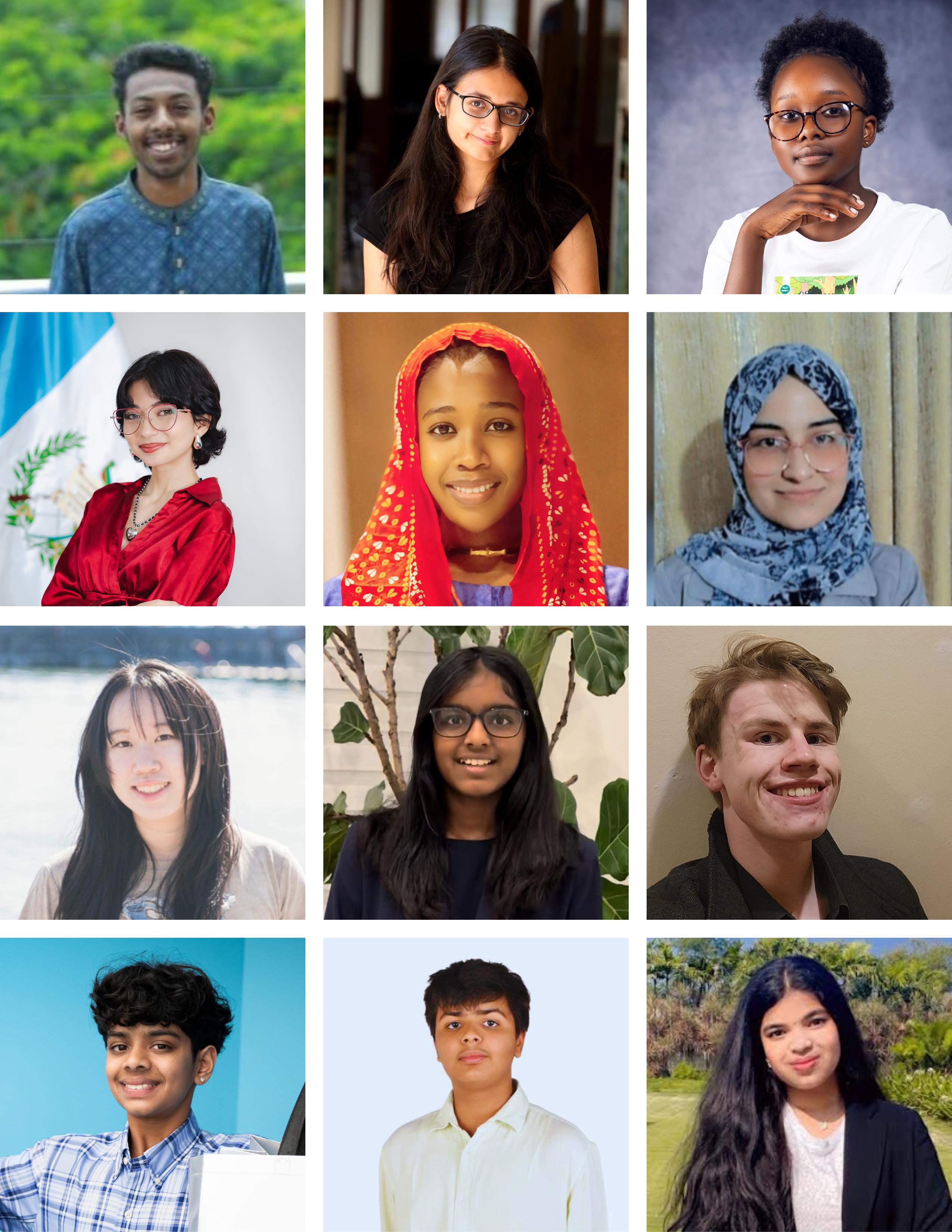
The Global Youth Awards were created to recognise, uplift, and celebrate young people who are turning compassion into meaningful action. Each year, we honour youth aged 11–25 who are leading social and environmental impact projects within their communities and beyond.
The following winners represent courage, innovation, and hope in action. Their projects remind us that change begins with purpose and that when young people are supported, extraordinary things are possible:
Empowering Leadership
Mahmadur Rahman Nayeem, 19, Bangladesh
A youth advocate protecting children from exploitation, Nayeem has prevented child marriages, rescued trafficking victims, and led nationwide awareness campaigns on child rights.
Empowering Innovation
Ariana Singhi, 17, India
Ariana created SWAPS, customisable eyewear arms launched with Lenskart, transforming glasses into a stylish and expressive accessory.
Empowering Change
Sarah Kittoe, 12, UK
Sarah is an award-winning author and philanthropist whose books fund literacy initiatives, charitable programs, and refurbished libraries for underserved communities.
Educational Leadership
Camila Novales, 18, Guatemala
Camila founded BeyondSight to make science and astronomy education accessible to youth globally through outreach and community projects.
Educational Innovation
Fatimah Zannah Mustapha, 23, Nigeria
Fatimah trains women in tech and co-founded Future Prowess Foundation, empowering displaced women through software, AI, and digital literacy.
Educational Change
Sabera Sayeed, 23, UK (Afghanistan)
Sabera supports 10,000+ Afghan girls through education and safe spaces, reducing forced and underage marriages and fostering leadership.
Environmental Leadership
Lily YangLiu, 17, Canada
Lily is a climate educator and youth diplomat connecting classrooms, policy tables, and communities to move young people from awareness to action.
Environmental Innovation
Aarna Varre, 12, USA
Aarna invented the FloodGuard Bag, a biodegradable, automated system protecting crops from floods to combat food insecurity and climate-related disasters.
Environmental Change
Padraic Barry, 16, Ireland
Padraic leads “Not Around Us,” a campaign reducing vaping in rural Ireland through education, partnerships, and community engagement.
Creative Leadership
Sahil Kancherla, 16, USA
Sahil founded Sugar4Smiles, spreading joy to children and families facing food insecurity through creative birthday kits and community support.
Creative Innovation
Krish Nawal, 15, India
Krish founded the Children’s Art Museum of India, an online platform showcasing 20,000+ artworks and empowering 300,000+ young creators worldwide.
Creative Change
Amrutha Vanapala, 14, India
Amrutha founded Crossover Conversations, sharing untold stories from entrepreneurs and professionals to inspire young people with real-life lessons and resilience.
Songwriting Competition Winner
Rebekka Garcia Benito (Rebekka Louise), UK
Rebekka is a singer-songwriter whose soulful, genre-blending music captures emotional depth and personal growth through poetic storytelling.
At the heart of the Awards is a simple belief: young people are not waiting to be future leaders, they are already shaping change. Through storytelling, connection, and global visibility, the Global Youth Awards exist to ensure their voices are heard, their work is valued, and their impact is amplified. ∎
Find & follow the Global Youth Awards on Instagram: @globalyouthawards_rtg