ARCHITECTURE PORTFOLIO
AVERY JOHNSON
AVERY JOHNSON
My work in architecture is guided by a commitment to environmental responsibility, equity, and communityfocused design. I aim to create built environments that strengthen the connection between people, place, and ecology through sustainable systems, material exploration, and research-based design approaches. Grounded in technical rigor and creative inquiry, my practice seeks to balance aesthetic clarity with social and environmental performance.
I am interested in how architecture can strengthen communities by integrating inclusive design strategies, resilient infrastructure, and a strong sense of place. Through explorations of construction systems and material connections, along with context-driven research, my goal is to develop projects that inspire social interaction, support environmental restoration through long-term stewardship, and create work that is as responsive to people as it is to place.
Savannah College of Art and Design
Prof. Brent White
Baltimore, Maryland
2025
Arborium is a stadium that fuses with the qualities of an arboretum, drawing from the natural beauty and tranquility of the live oak trees of Daffin Park in Savannah Georgia.
More than just a venue for athletic events, Arborium is envisioned as a flexible community hub, able to accommodate a wide range of activities. It serves as a venue, stage, and gathering place for not only athletes but also the broader public visiting the park. The design encourages interaction, engagement with nature, and offers open seating and areas that invite visitors to linger, observe, and participate.
By blending the ecological benefits of an arboretum with the social and functional aspects of a stadium, Arborium reimagines what a communal sports and event space can be. It’s more than just a stadium; it is a living breathing landmark that celebrates the intersection of recreation, culture, and the natural environment.
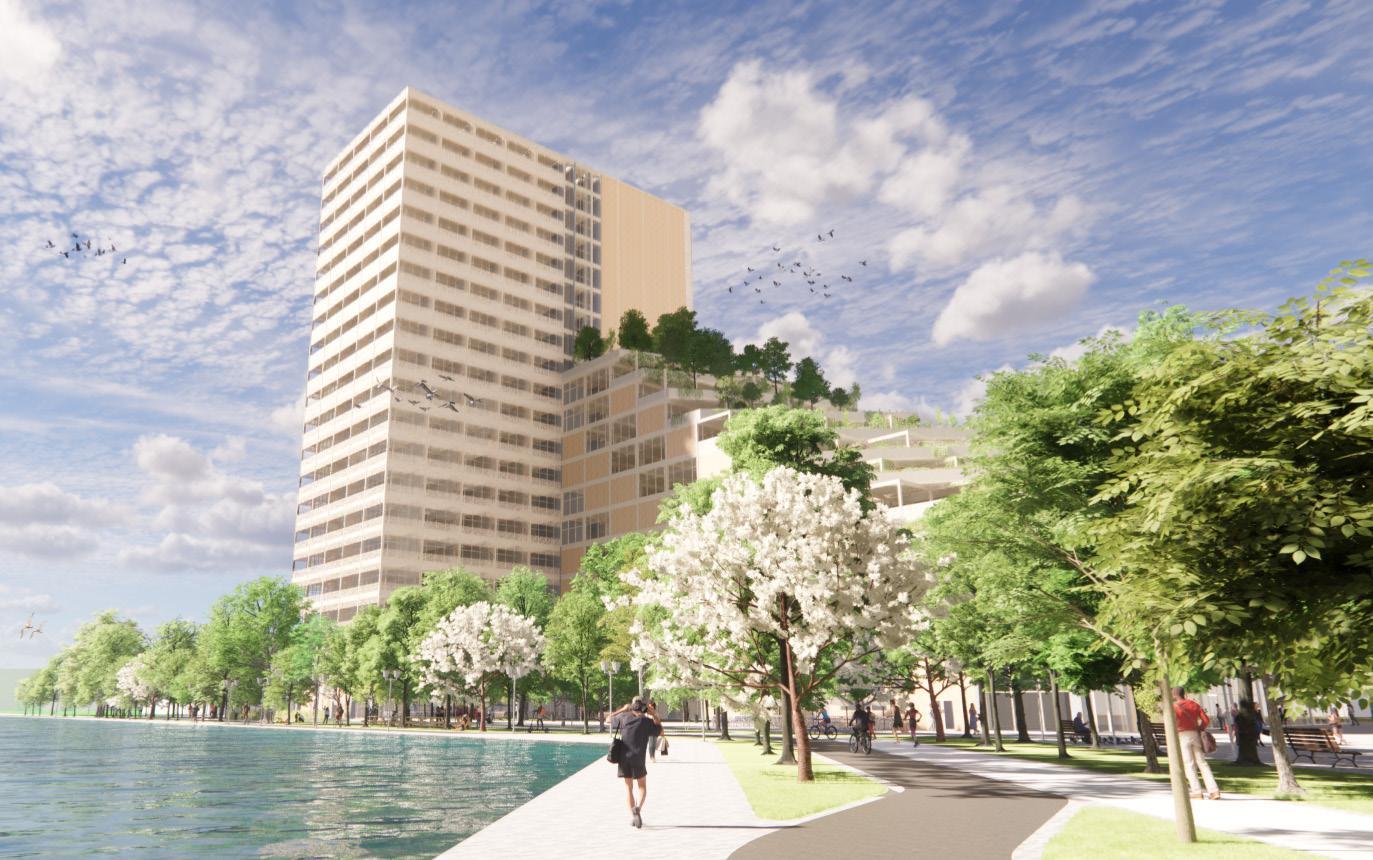
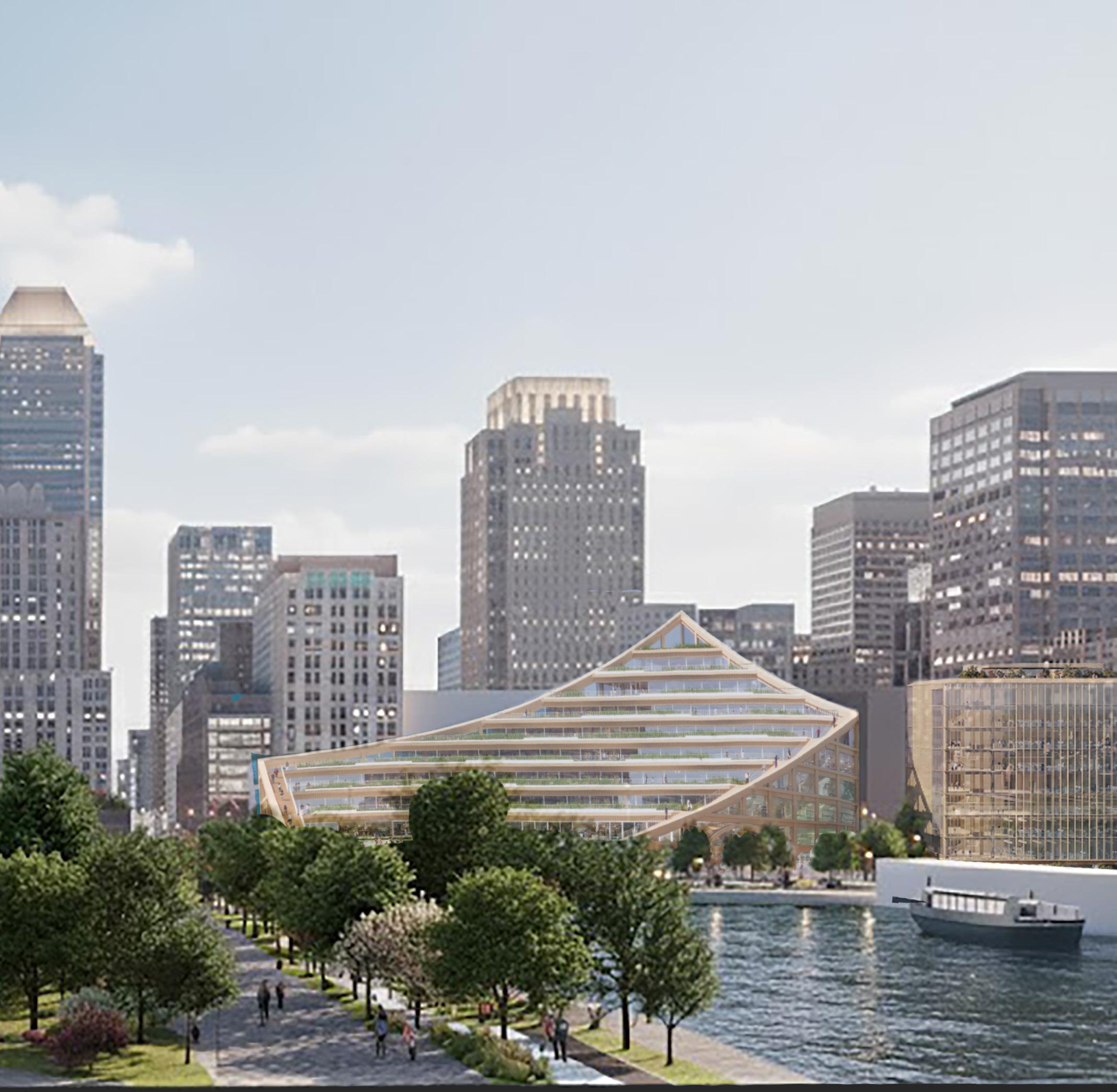
Birds need safe refuges in cities to survive year-round and navigate migration. As natural habitats shrink, architecture plays a key role in supporting avian life. This tower integrates external nesting areas that provide shelter for breeding and raising young, helping restore local bird populations diminished by urbanization.
Designing bird habitats in a tower demands attention to diverse ecological needs. Nesting spaces must suit multiple species, while visual cues such as fritted glass, UV coatings, or strategic vegetation reduce fatal collisions by distinguishing transparent surfaces from solid ones.
Native vegetation forms the foundation of this ecosystem, offering food through seeds, berries, nectar, and insects throughout the year. Water features support drinking and bathing, creating a balanced habitat. Together, these features sustain thriving bird populations within the urban landscape.

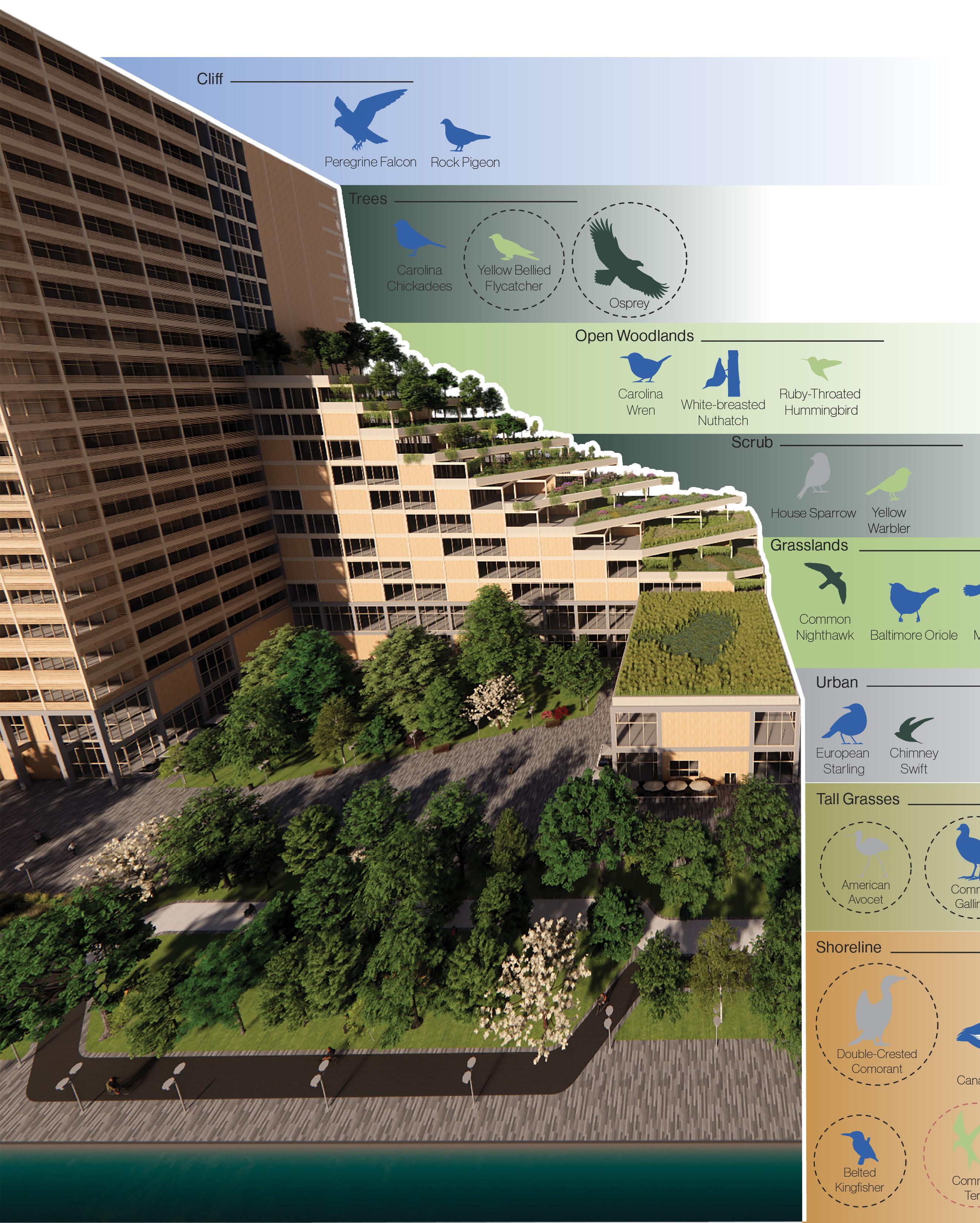
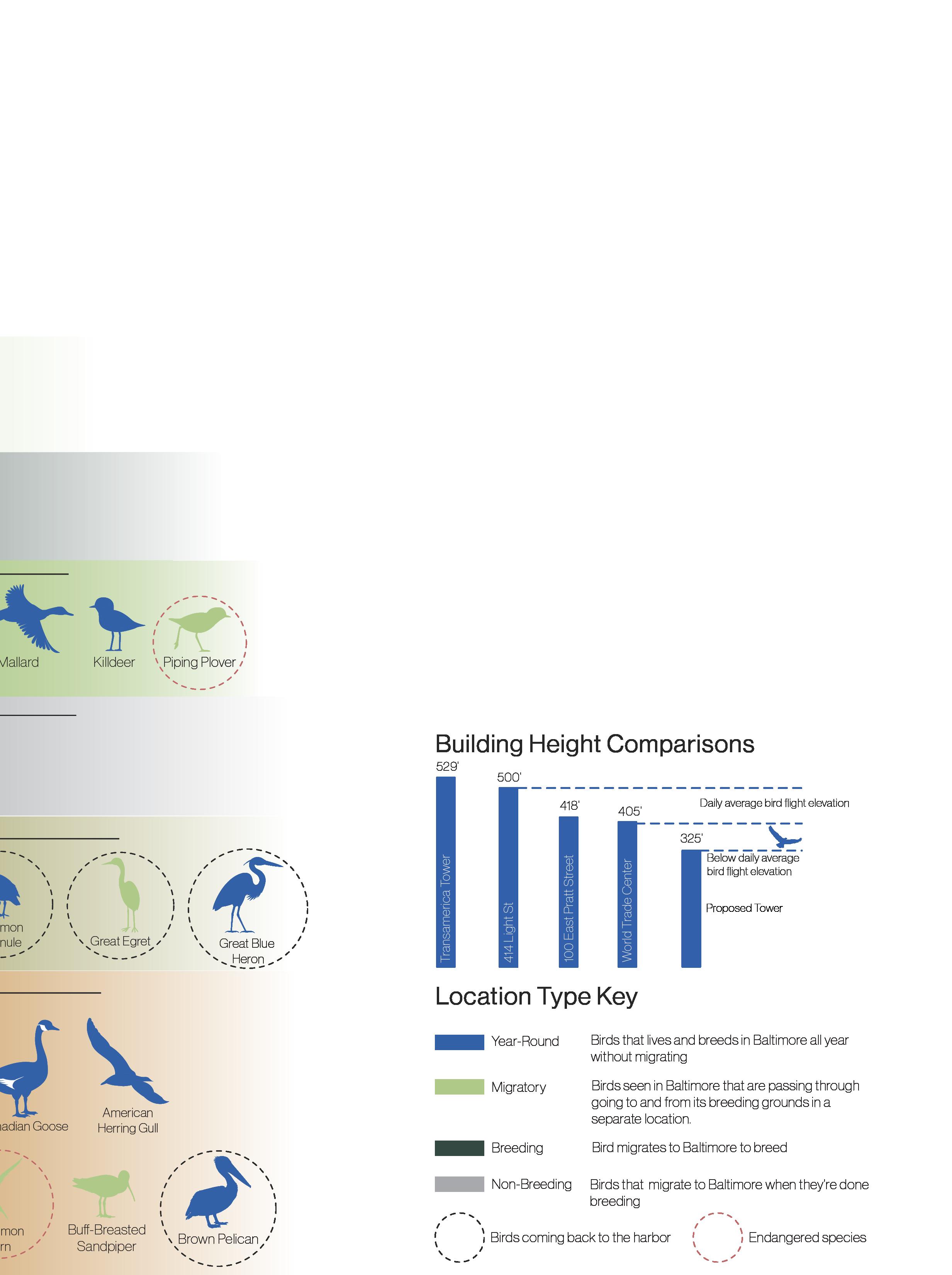
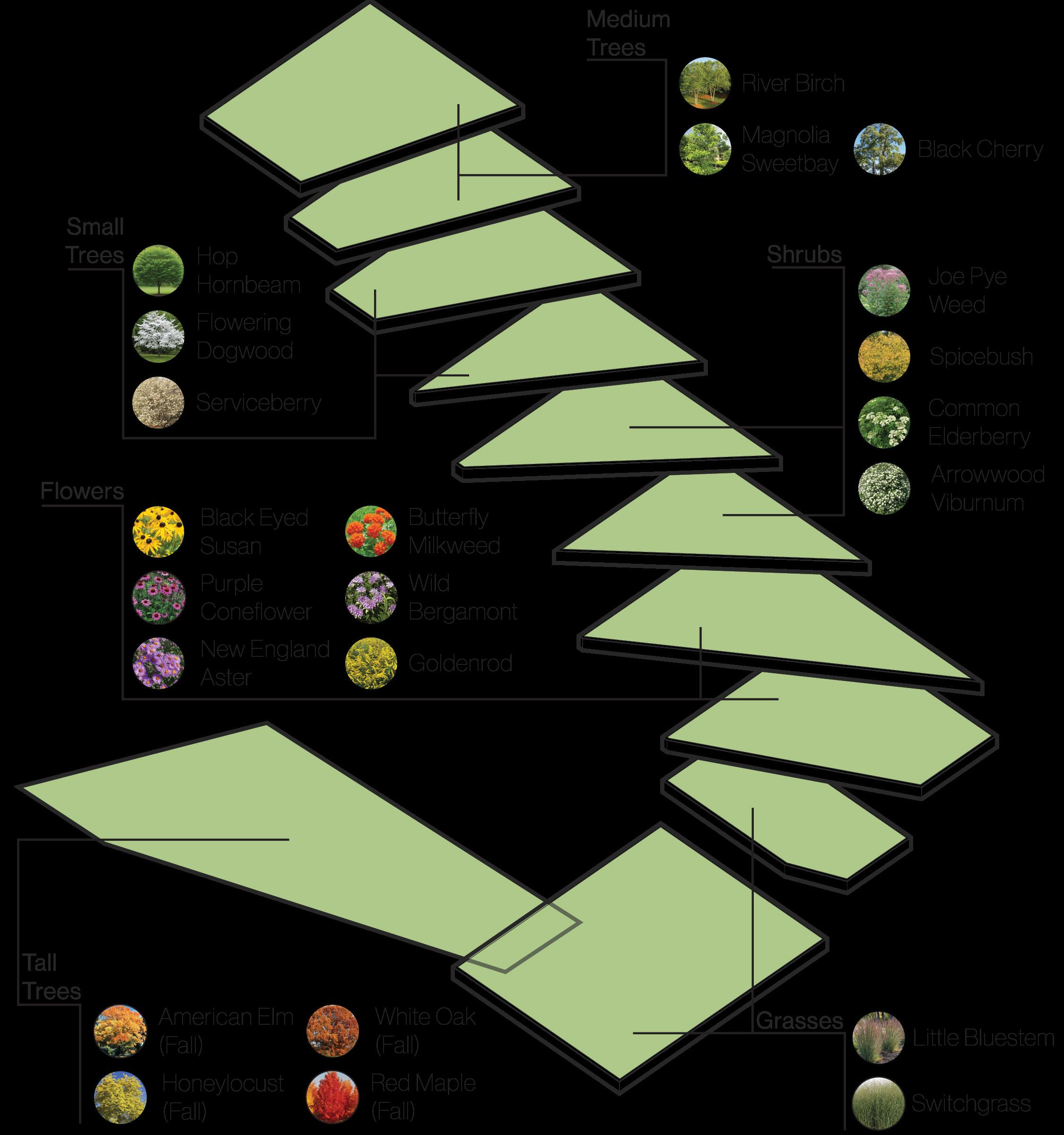
The building's exterior features a spiraling network of planted terraces that extend habitat opportunities across multiple elevations. This vertical distribution acknowledges that different bird species occupy distinct ecological niches based on height preferences. Ground-feeding species like sparrows and starlings favor lower elevations, while canopy dwellers such as chickadees and vireos seek higher platforms. The 20-foot vertical spacing between greenspaces creates sufficient volume for small ornamental trees to reach maturity while supporting robust shrub layers beneath.
This elevation strategy provides diverse microclimates and foraging zones throughout the tower's height. Mid-level terraces feature shadetolerant understory plants and berry-producing shrubs, while lower-level platforms incorporate flowering species that attract insects and provide nectar for hummingbirds. The varied elevations also reduce territorial conflicts by spatially separating competing species while maintaining connectivity for species that forage across multiple levels.
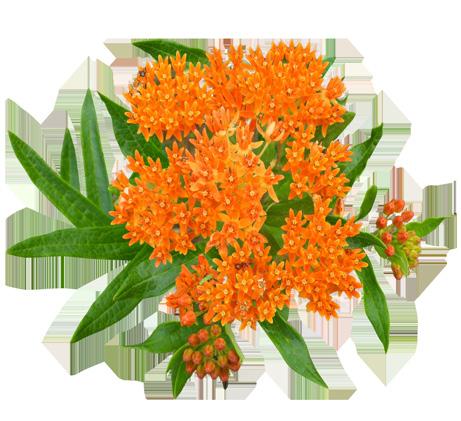
The planted terraces feature native vegetation that provides food, shelter, and nesting materials yearround. Small trees like serviceberry, dogwood, and hornbeam offer nesting branches and seasonal fruits, while shrubs such as elderberry, viburnum, and Joe Pye Weed provide dense cover and berries. Flowering perennials and native grasses attract insects that supply essential protein for growing chicks.
This layered planting mimics natural forest edges, supporting high bird diversity through a mix of trees, shrubs, and herbaceous species. Orioles, sparrows, and warblers forage among goldenrod, black-eyed susan, and little bluestem, while seed-eating birds rely on grasses and composite flowers rich in fall and
winter seeds. At ground level, large deciduous trees—white oak, red maple, honeylocust, and American elm—anchor the urban park and promenade. Their broad canopies offer shade for people and habitat for birds like cardinals, jays, and flycatchers. These trees strengthen ecological connectivity across the site, enabling safe migration routes and enriching biodiversity and microclimate within the urban fabric.
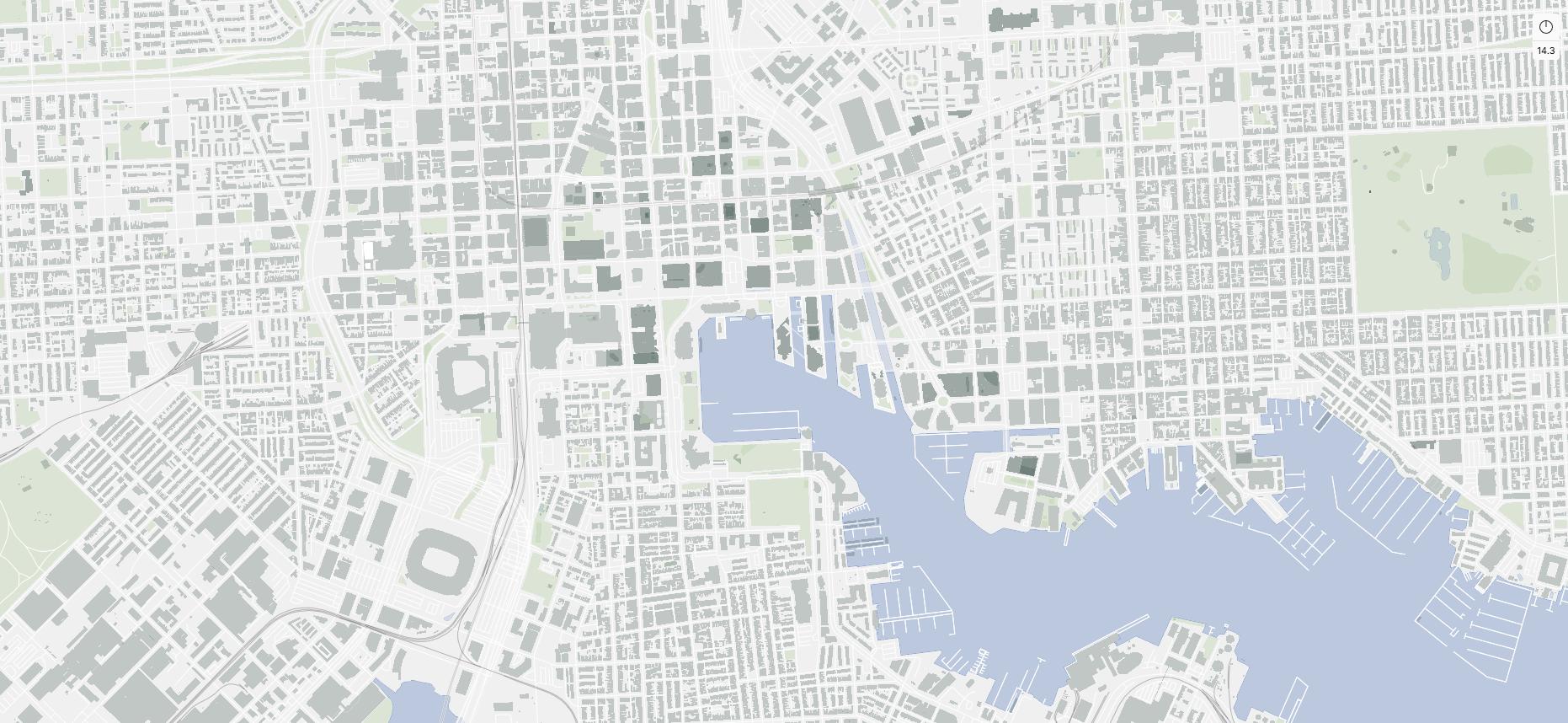
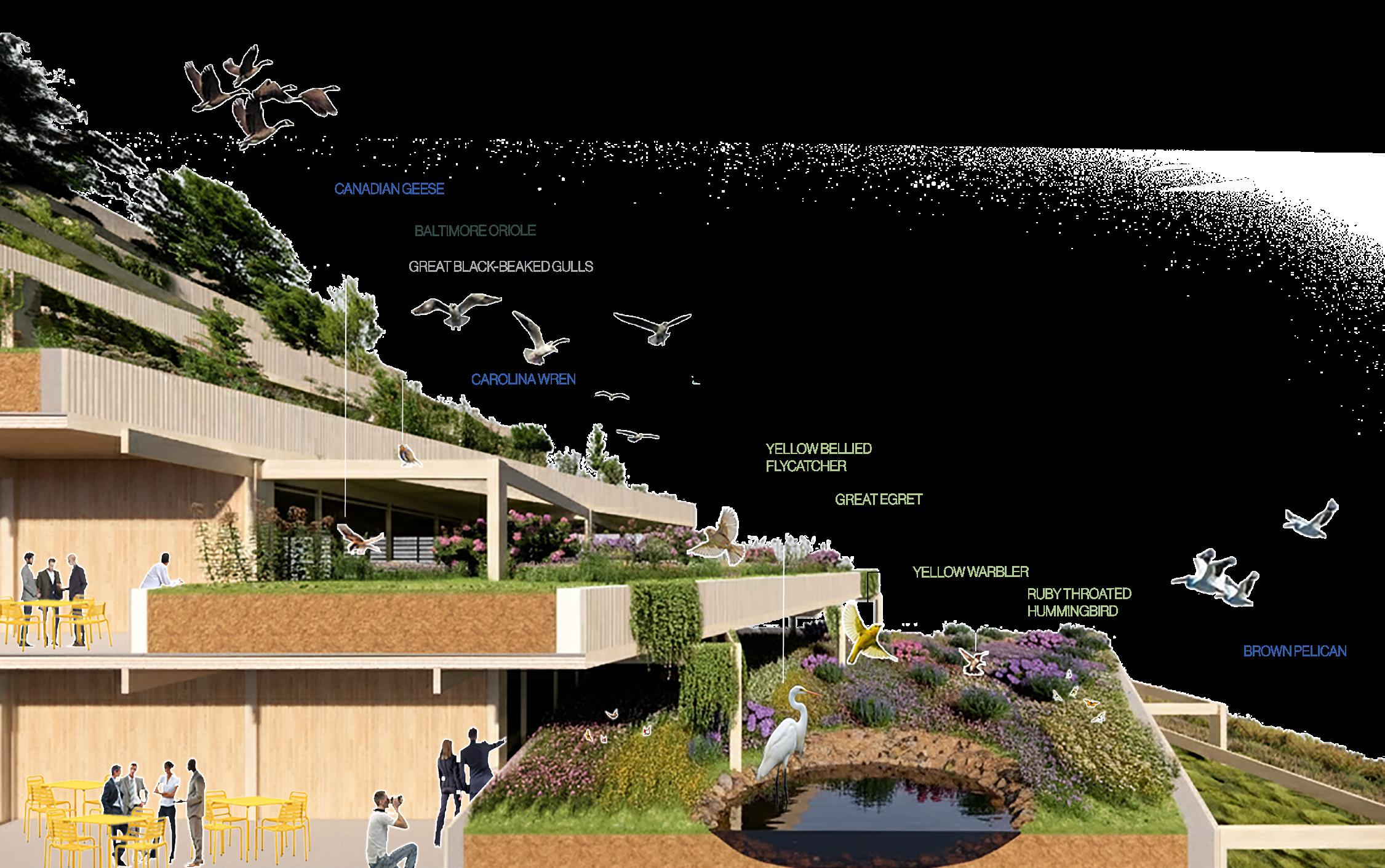
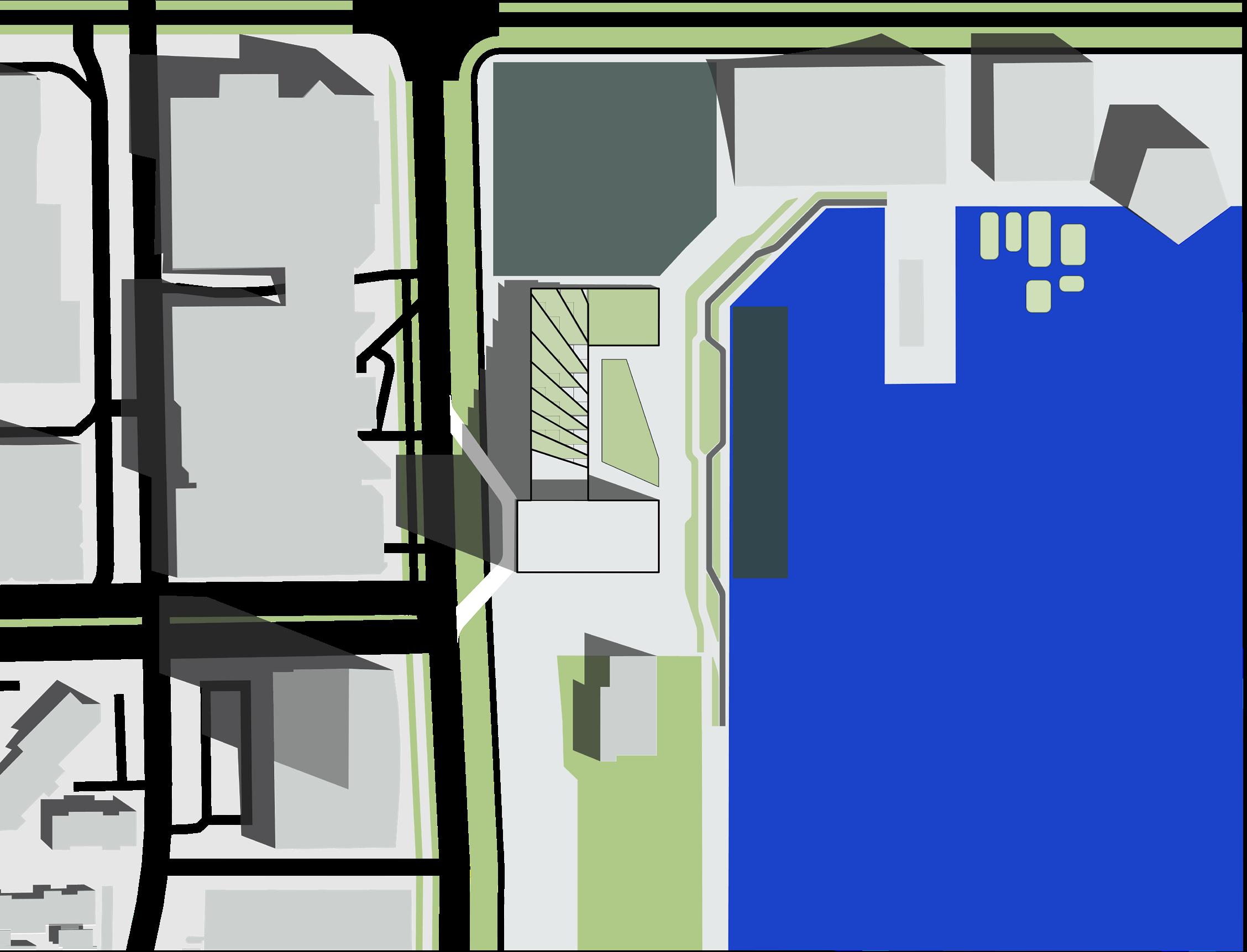
The building’s northward angle and stepped terraces are shaped by the flight paths of birds along the Atlantic Flyway. This orientation increases the visibility and accessibility of green roofs for low-flying migrants, especially during peak movement at dawn and dusk. Facing the harbor, the descending terraces offer clear sightlines and natural landing zones for birds arriving from open water, mimicking shoreline habitats while reducing collision risks. The design functions as both architectural expression and ecological strategy, enhancing the safety and habitat quality for migratory and resident species within the urban harbor.
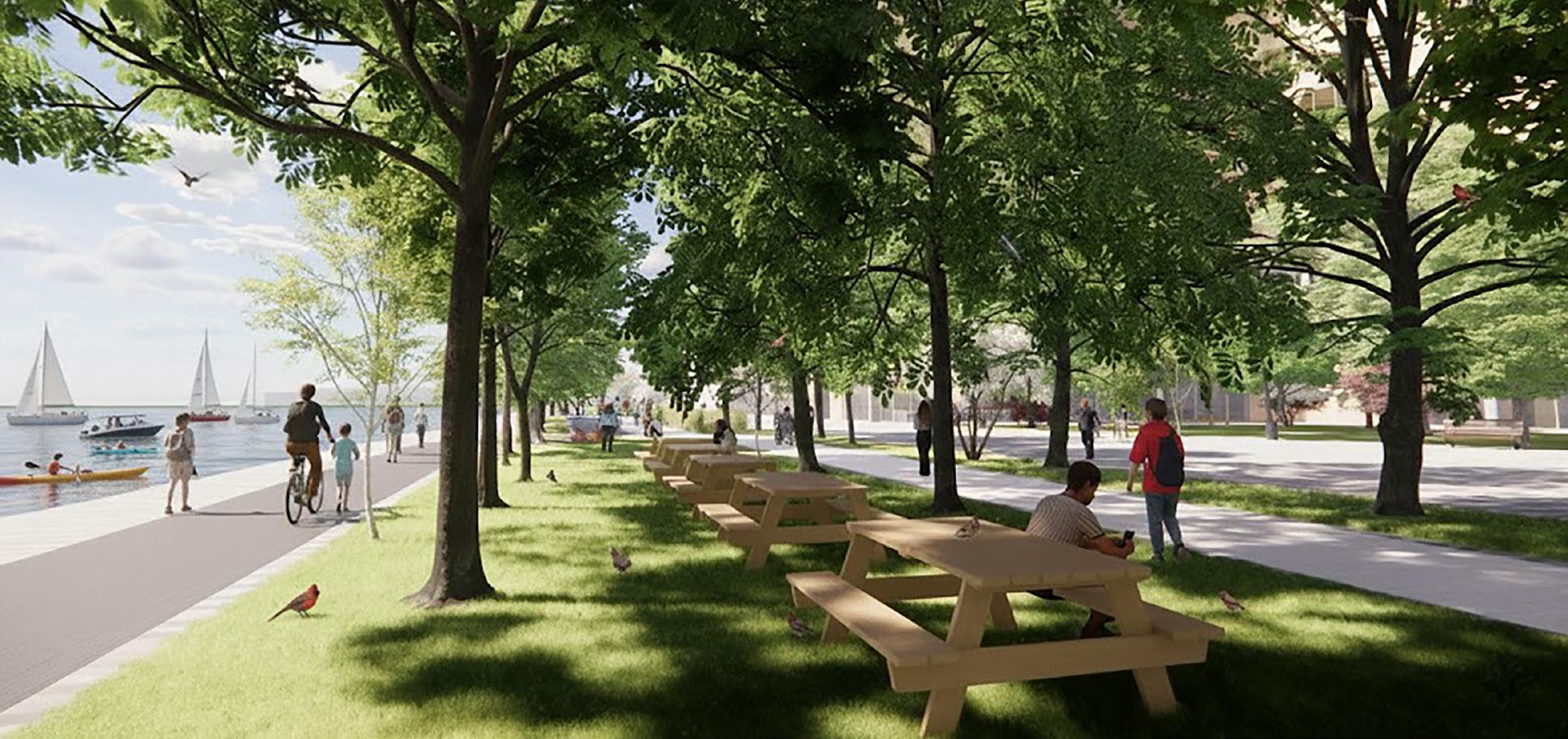
BIRDS, KAYAKERS, AND SAIL BOATS WERE RENDERED USING AI
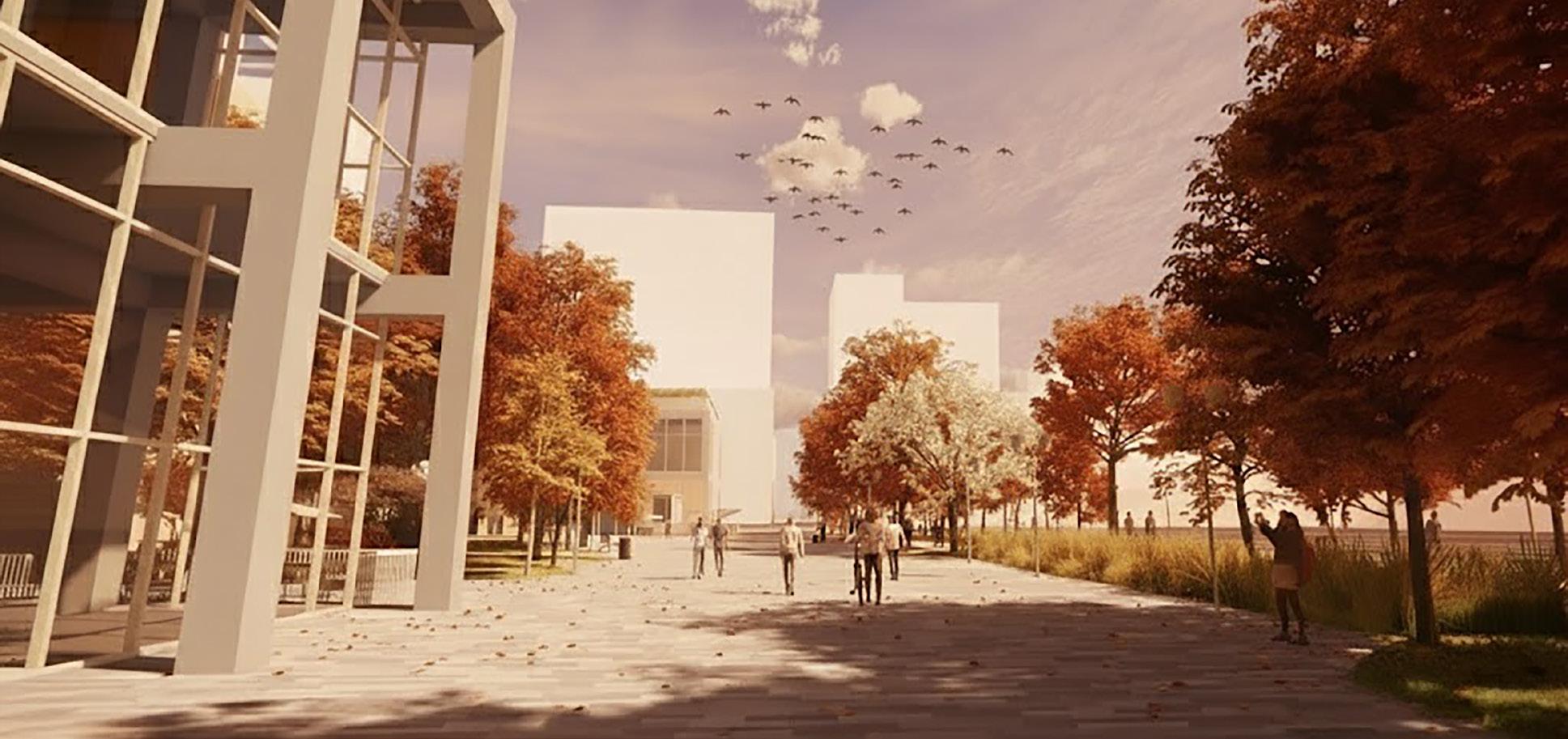
ATMOSPHERE LEAVES ON THE GROUND, AND FALL TREE LEAVE COLORS WERE RENDERED USING AI
HOTEL
RECEPTION
LOBBY
COAT AND BAG STORAGE
PUBLIC BATHROOMS
BAR
RESTAURANT
KITCHEN
EXHIBIT
MAIN EXHIBITION HALL
CAFE
BATHROOMS
BACK OF HOUSE
RETAIL
RESTAURANT
CAFE
VARYING RETAIL SPACES
HOTEL
1 LARGE CONFERENCE ROOM
2 MEDIUM CONFERENCE ROOMS
1 SMALL CONFERENCE ROOM
LOUNGE
GYM
SPA
LOUNGE
EXHIBIT
MAIN EXBITION HALL
RETAIL
VARYING RETAIL SPACES
HOTEL
GUEST ROOMS LAUNDRY VENDING AND ICE
OFFICE
RESEARCH LAB
AVIAN REHABILITATION CENTER
COMMUNITY OUTREACH
GREEN ROOF
Street to the Harbor
RENAISSANCE BALTIMORE HARBORPLACE HOTEL
THE INTERIOR ACTIVITY OF THE WINGSPAN PLUS BACKGROUND CONTEXT WAS FULLY RENDERED USING AI EXCEPT THE SAIL AND 203 EAST PRATT STREET WERE PHOTOSHOPPED IN
PROMENADE
PATH BIKE PATH
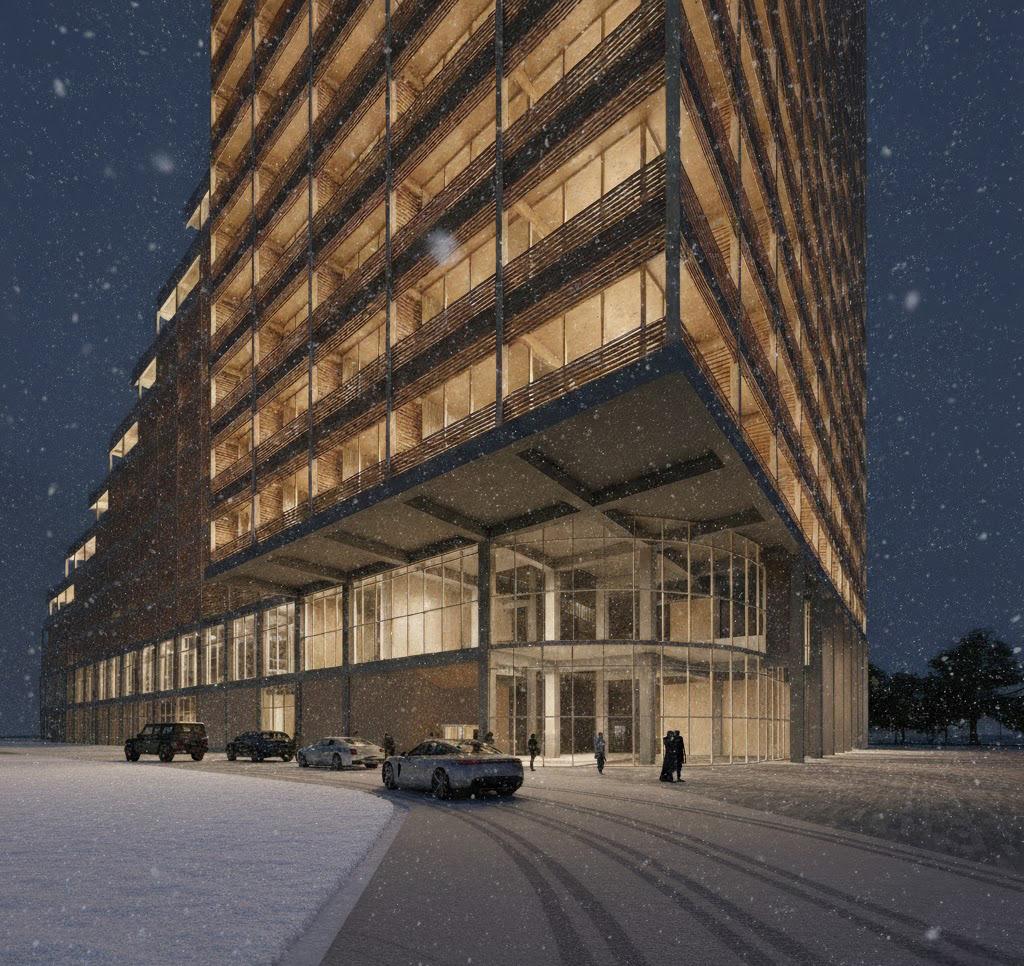
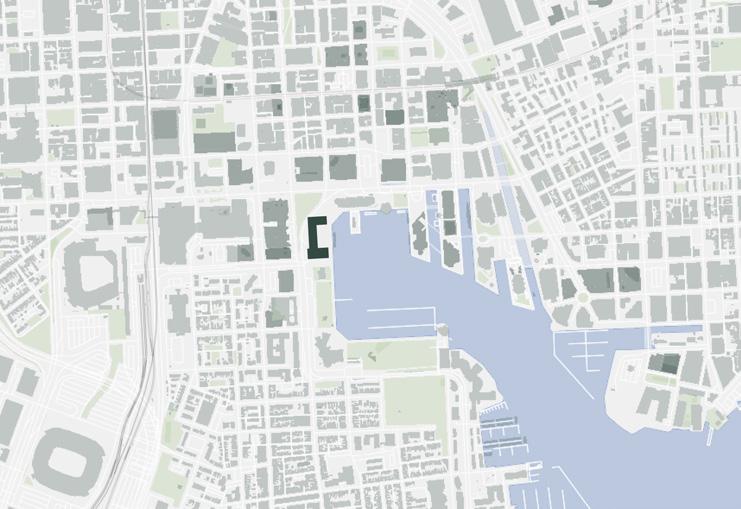
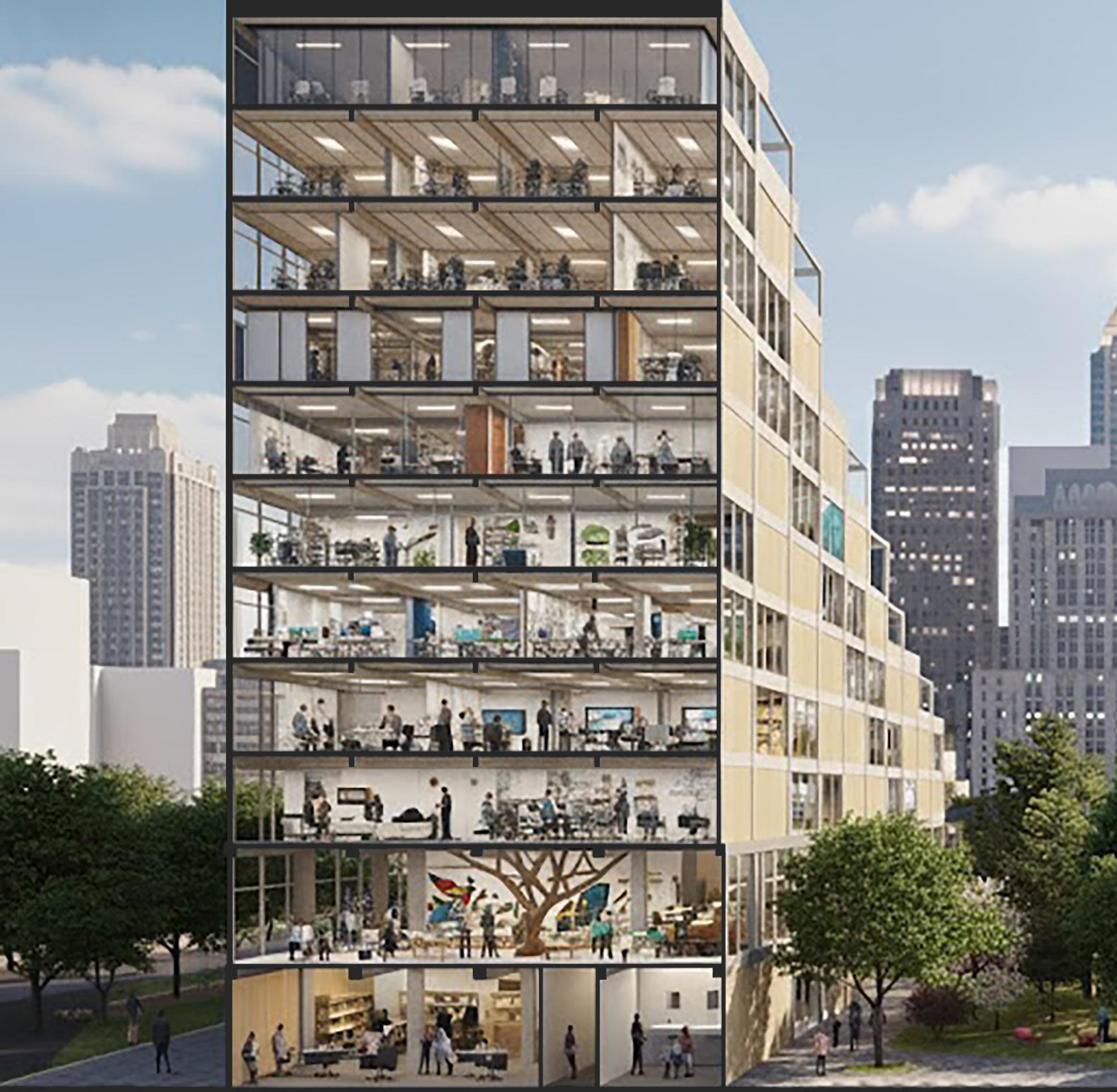
The purpose and design of the hotel revolves around deepening guests’ connection with Baltimore’s Inner Harbor, its ecological history, and providing a unique experience for guests to experience the harbor’s ongoing restoration as an urban habitat for birds and wildlife.
At the heart of the hotel is an atrium, conceived not just as a spatial feature but as an architectural metaphor for the vertical movement and nesting habits of birds. This design approach cultivates a close relationship between human activities and nature, inspiring curiosity, engagement, and a sense of stewardship among visitors as they observe the rhythms of the harbor ecosystem unfolding within and beyond the hotel
The overall concept positions the hotel as a vibrant connector within the landscape, blurring boundaries between built and natural environments while restoring opportunities for both birds and people to thrive at the heart of the city.
The Learning Exhibit and Research Center
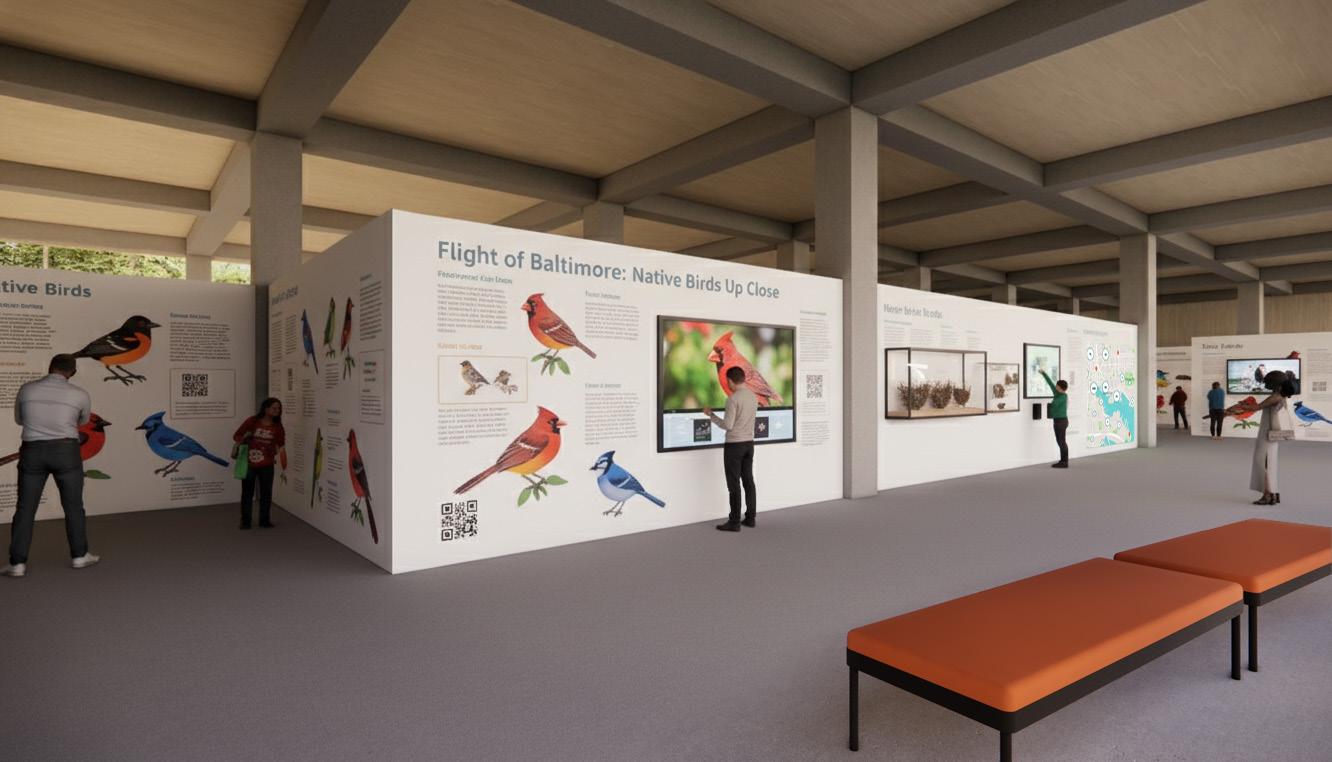
The learning center engages harbor visitors in understanding the vital role of birds in Baltimore’s ecosystem and the need to restore their populations. Interactive exhibits reveal how the building itself supports migrating species through green terraces that serve as resting habitats, while displays highlight the diversity of birds and the effects of urban development on their survival.
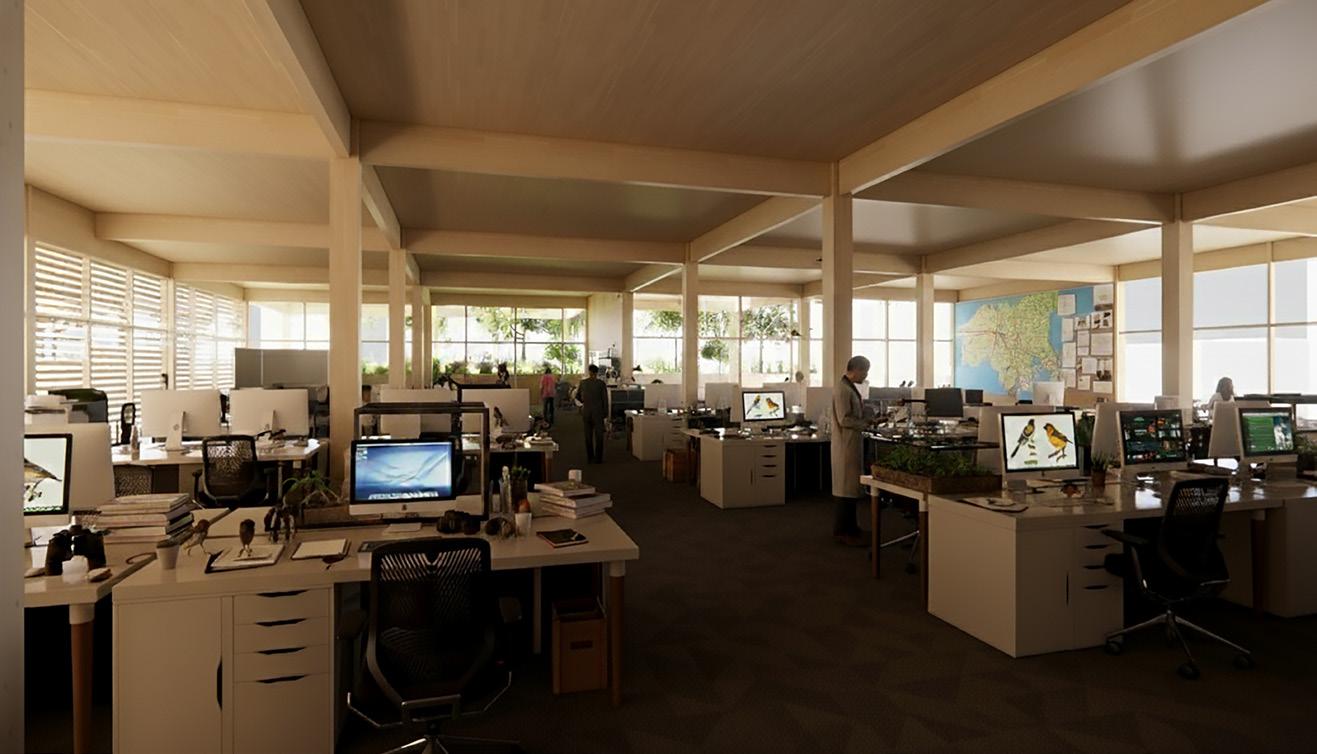
The research center partners with the National Aquarium and Baltimore Science Center to study bird migration and population trends through technology and terrace observation, while also rehabilitating injured or displaced birds for release into the harbor.
Together, the educational and research programs establish the building as a living model of urban conservation—linking public engagement, scientific study, and wildlife restoration along the Atlantic migratory flyway.
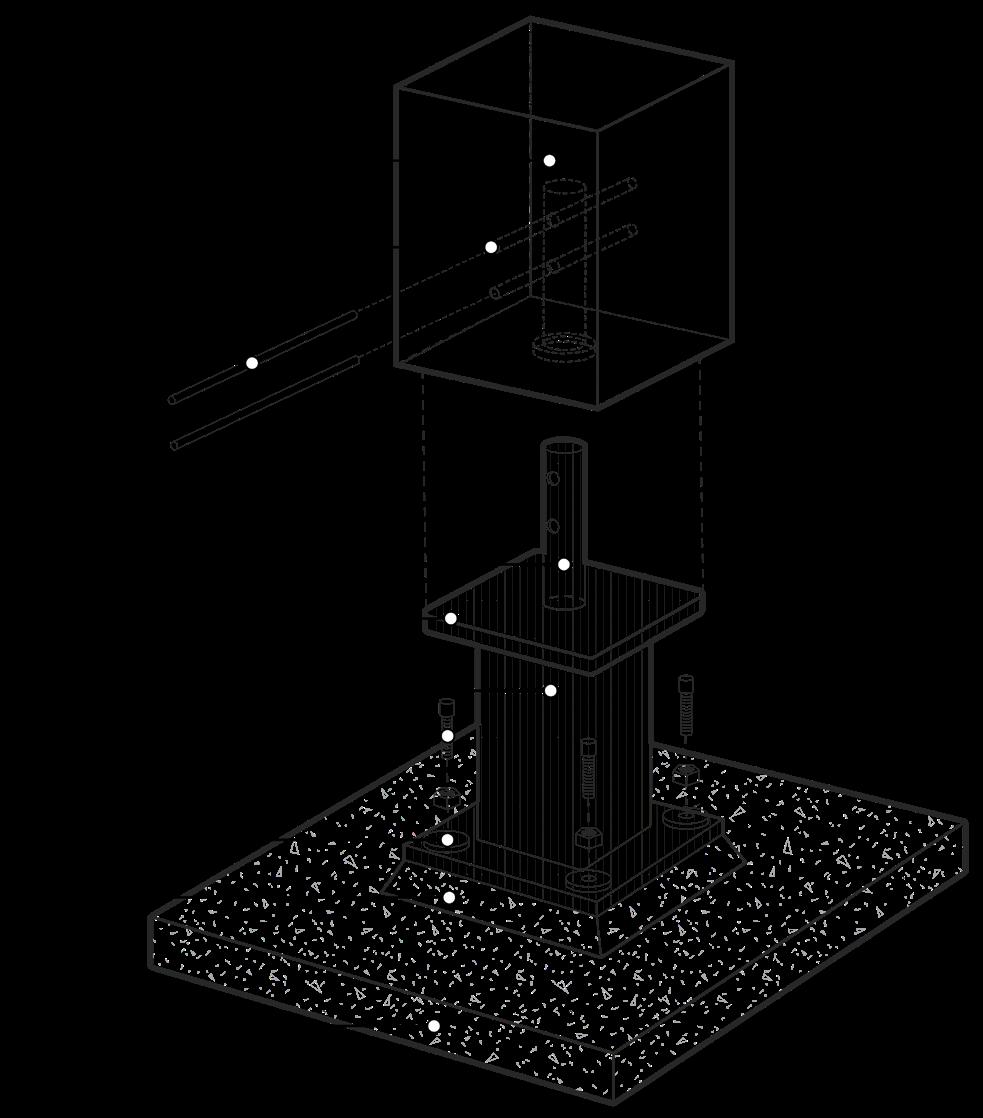
PRECAST TO TIMBER COLUMN CONNECTOR
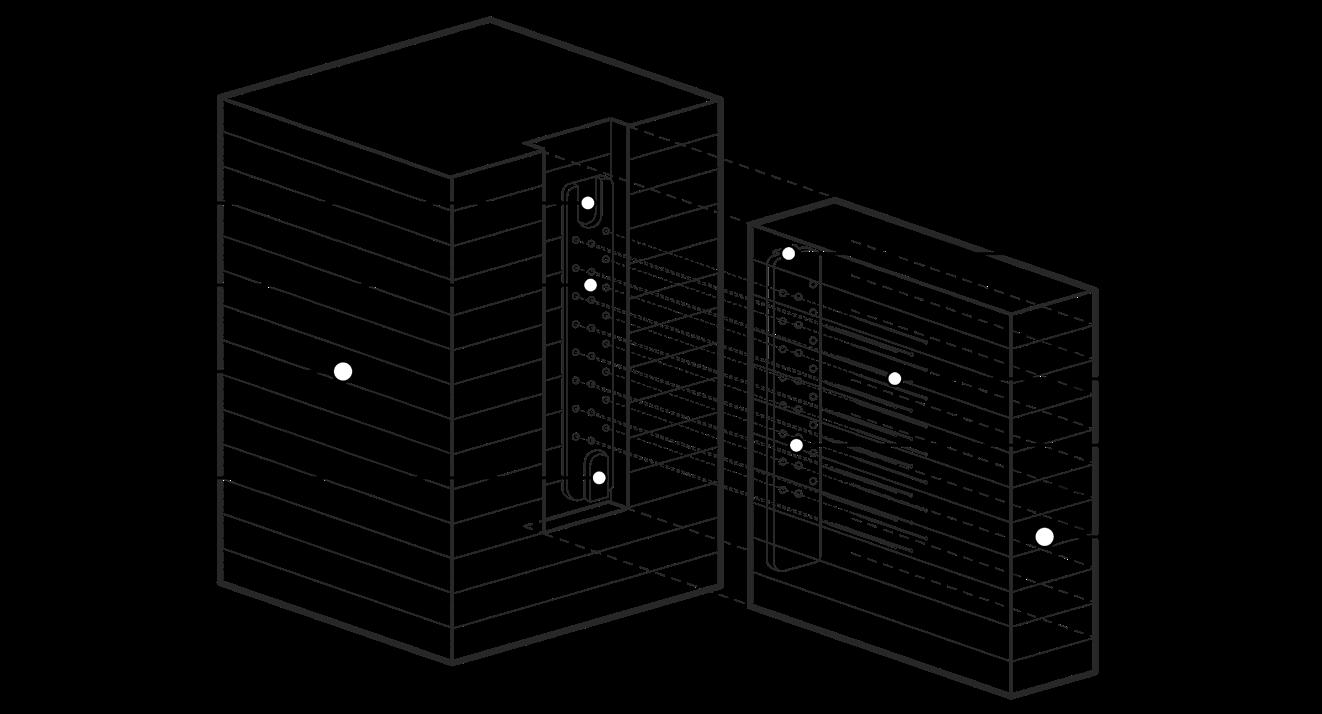
CONCEALED BEAM HANGER: TIMBER TO TIMBER CONNECTION
Savannah College of Art and Design
Prof. Sam Olin
Savannah, Georgia
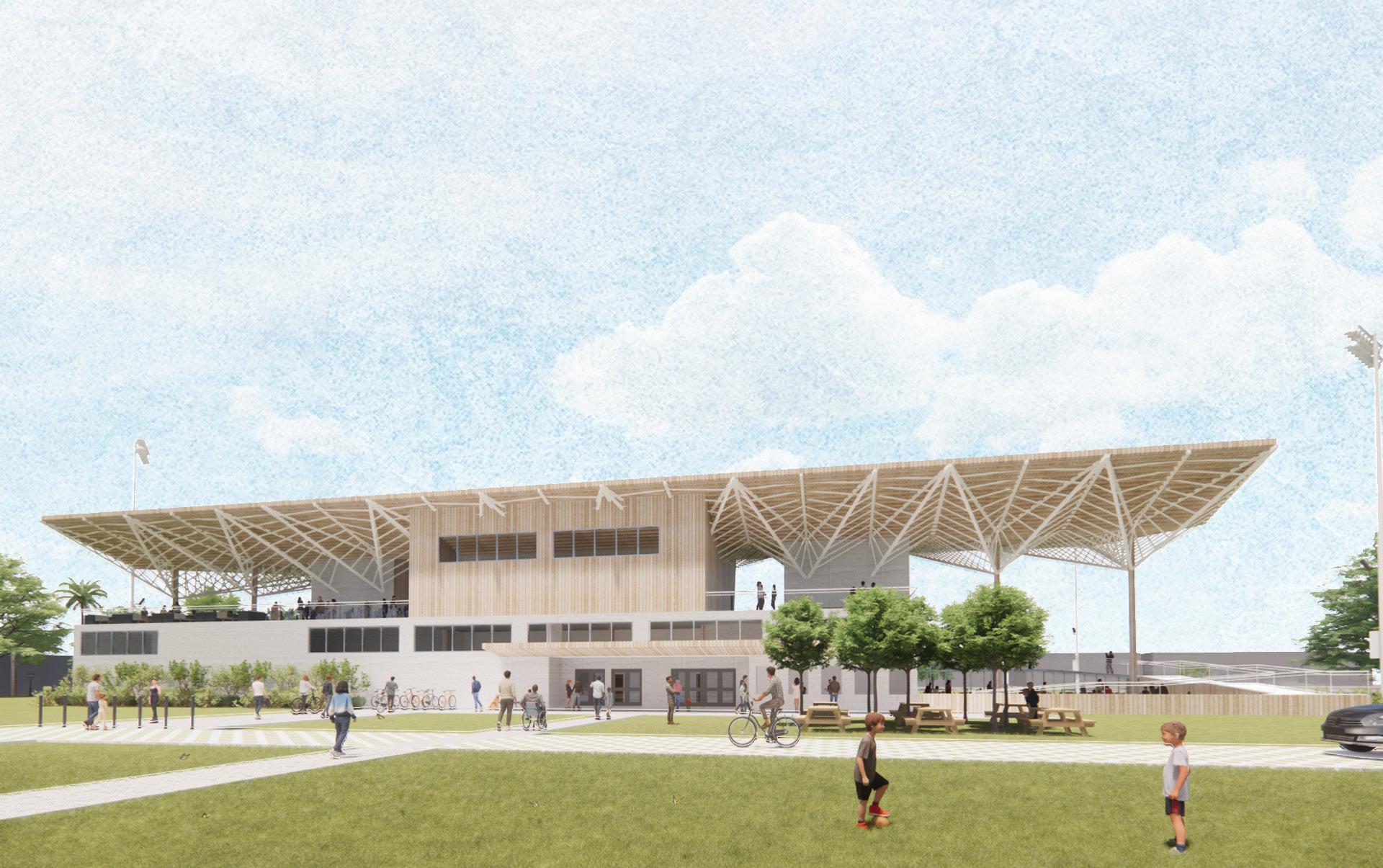
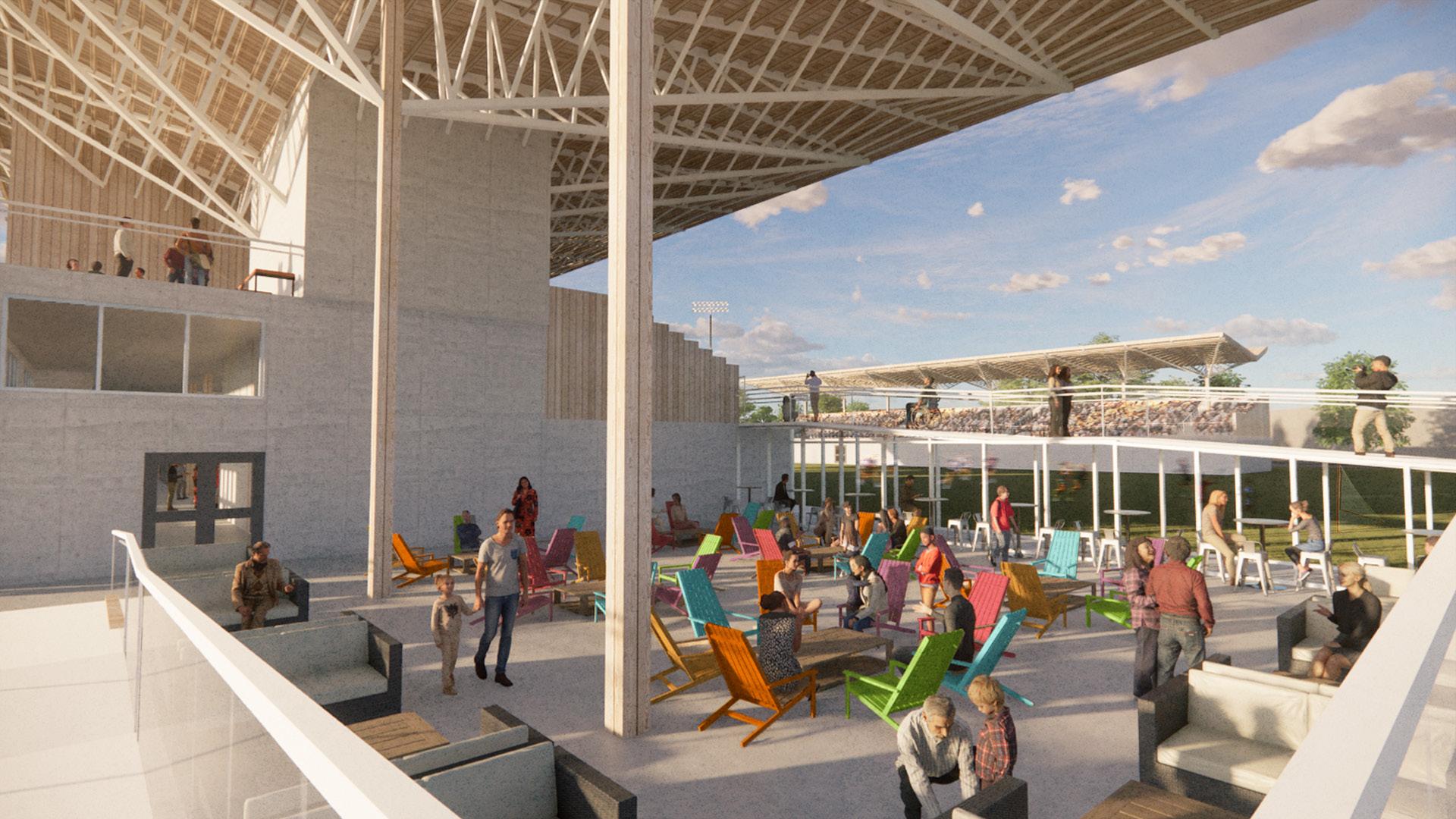
Arborium is a stadium that fuses with the qualities of an arboretum, drawing from the natural beauty and tranquility of the live oak trees of Daffin Park in Savannah Georgia.
More than just a venue for athletic events, Arborium is envisioned as a flexible community hub, able to accommodate a wide range of activities. It serves as a venue, stage, and gathering place for not only athletes but also the broader public visiting the park. The design encourages interaction, engagement with nature, and offers open seating and areas that invite visitors to linger, observe, and participate.
By blending the ecological benefits of an arboretum with the social and functional aspects of a stadium, Arborium reimagines what a communal sports and event space can be. It’s more than just a stadium; it is a living breathing landmark that celebrates the intersection of recreation, culture, and the natural environment.
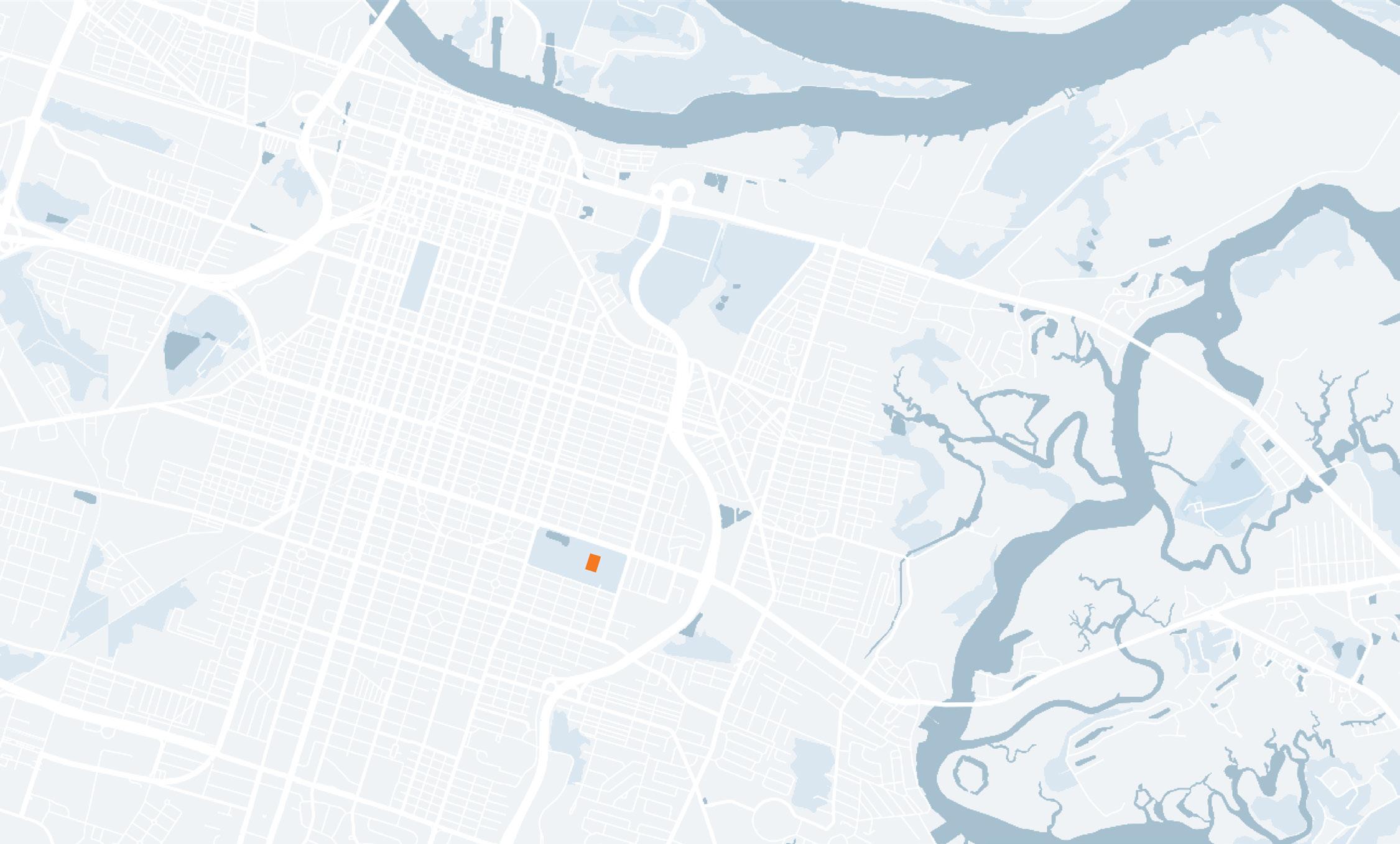
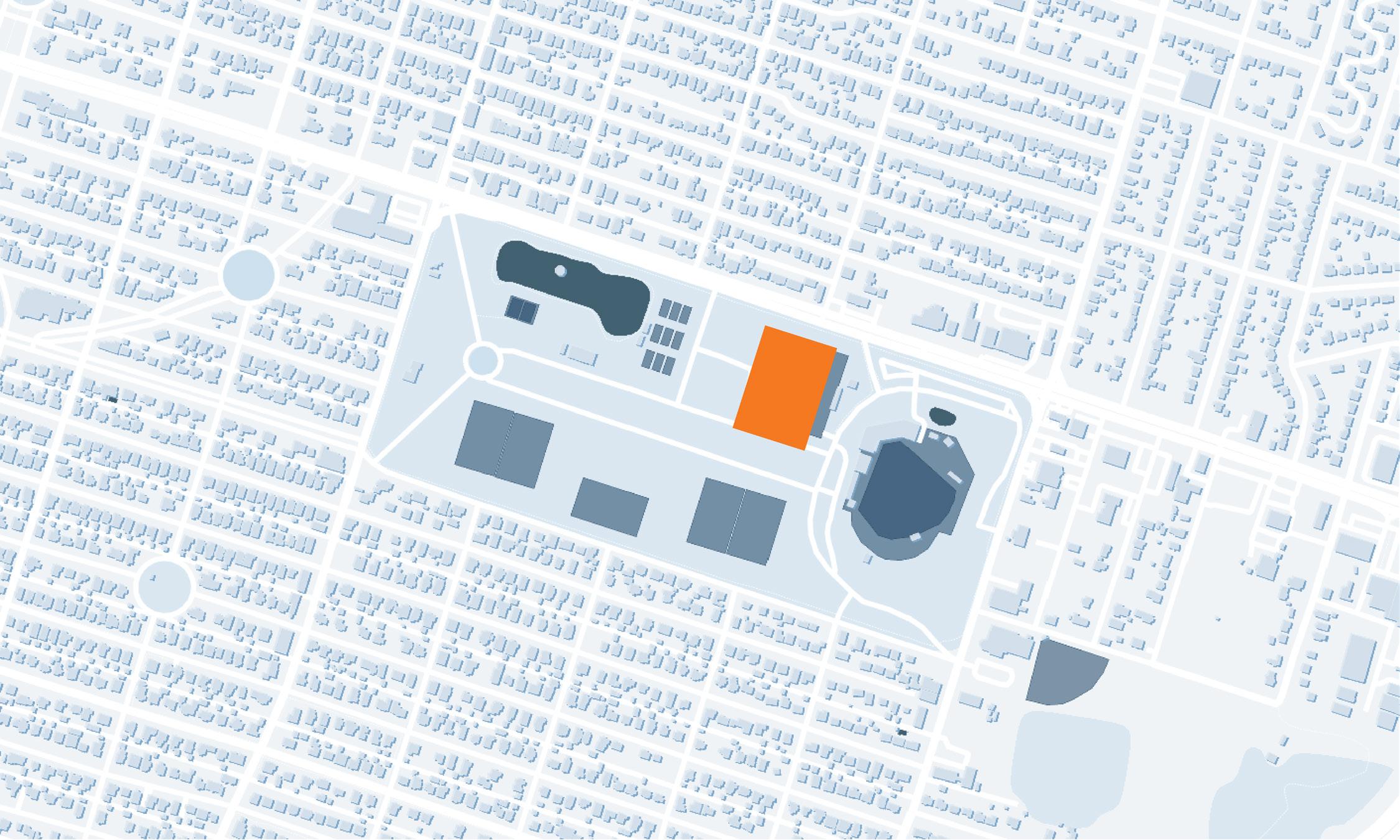
35,750 SQ FT
2,000 PEOPLE (CLASS III STADIUM)
LOCATION: DAFFIN PARK, SAVANNAH GA
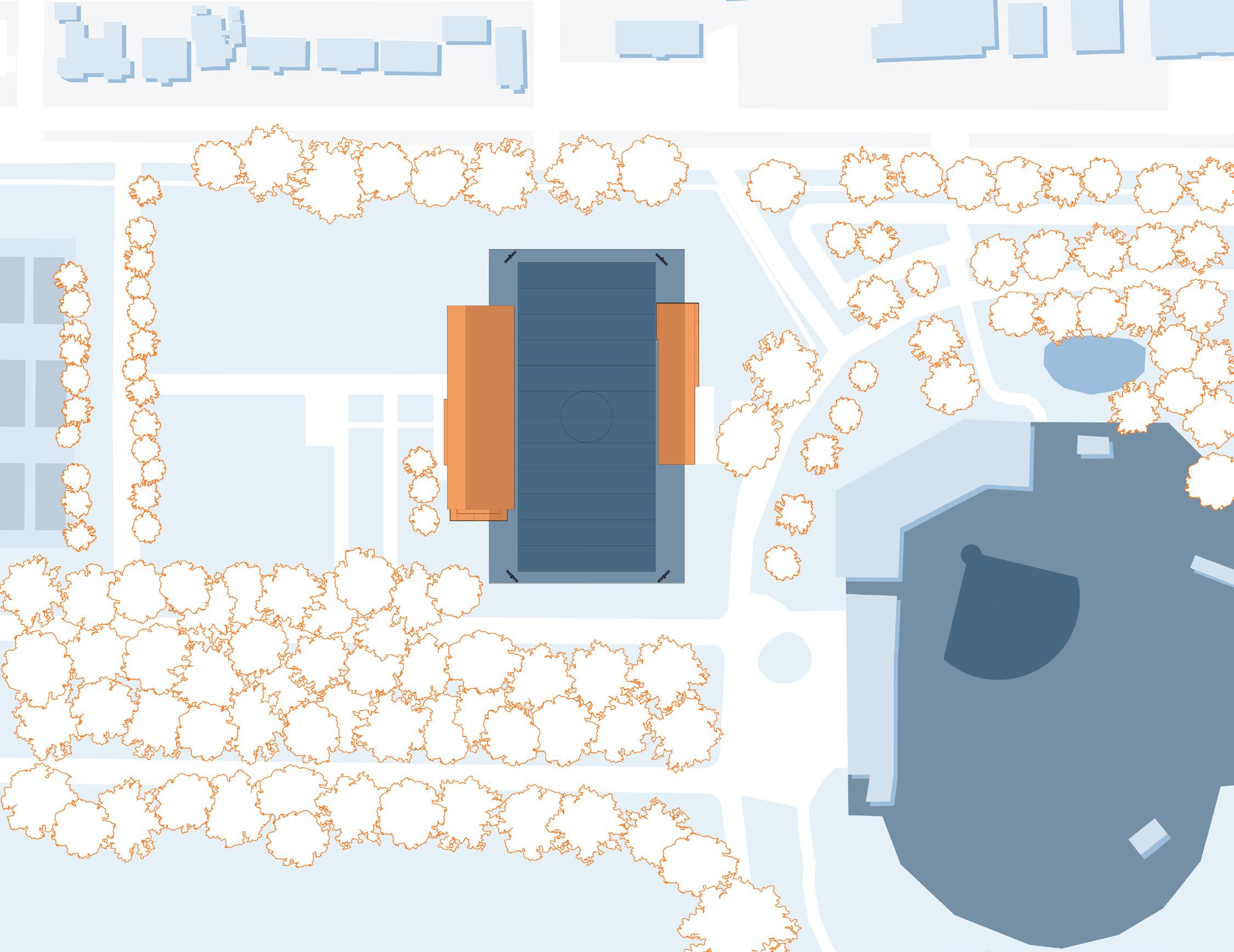
SITE PLAN 1’ = 60’
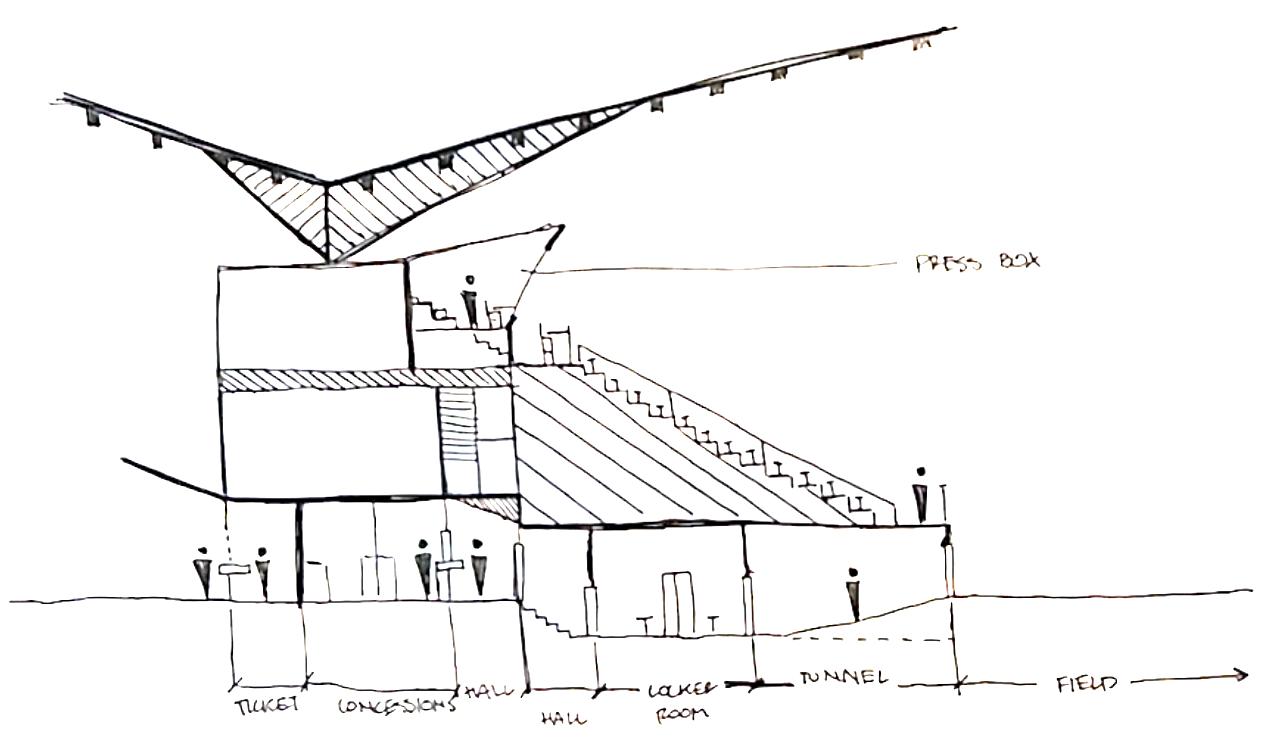
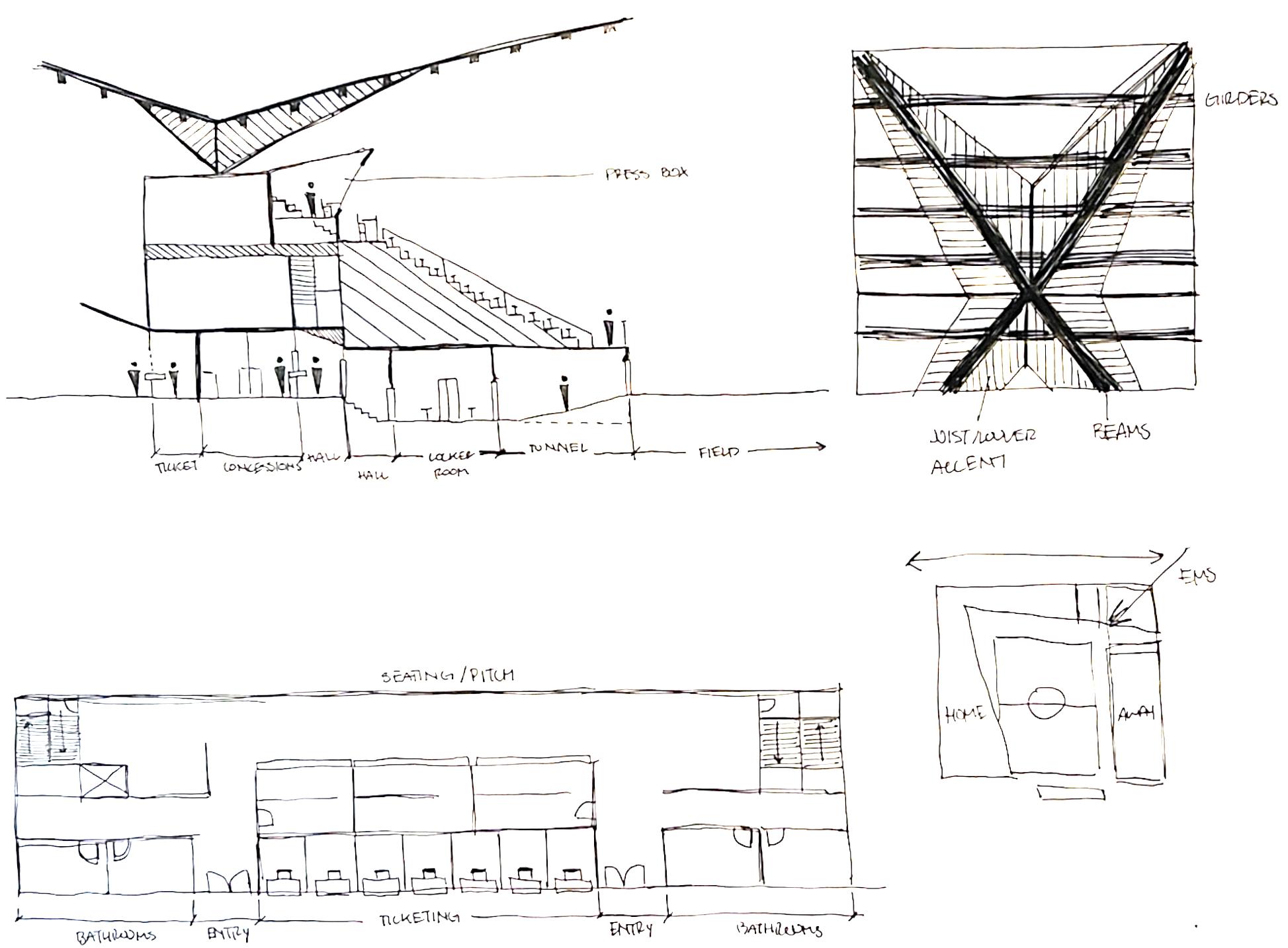
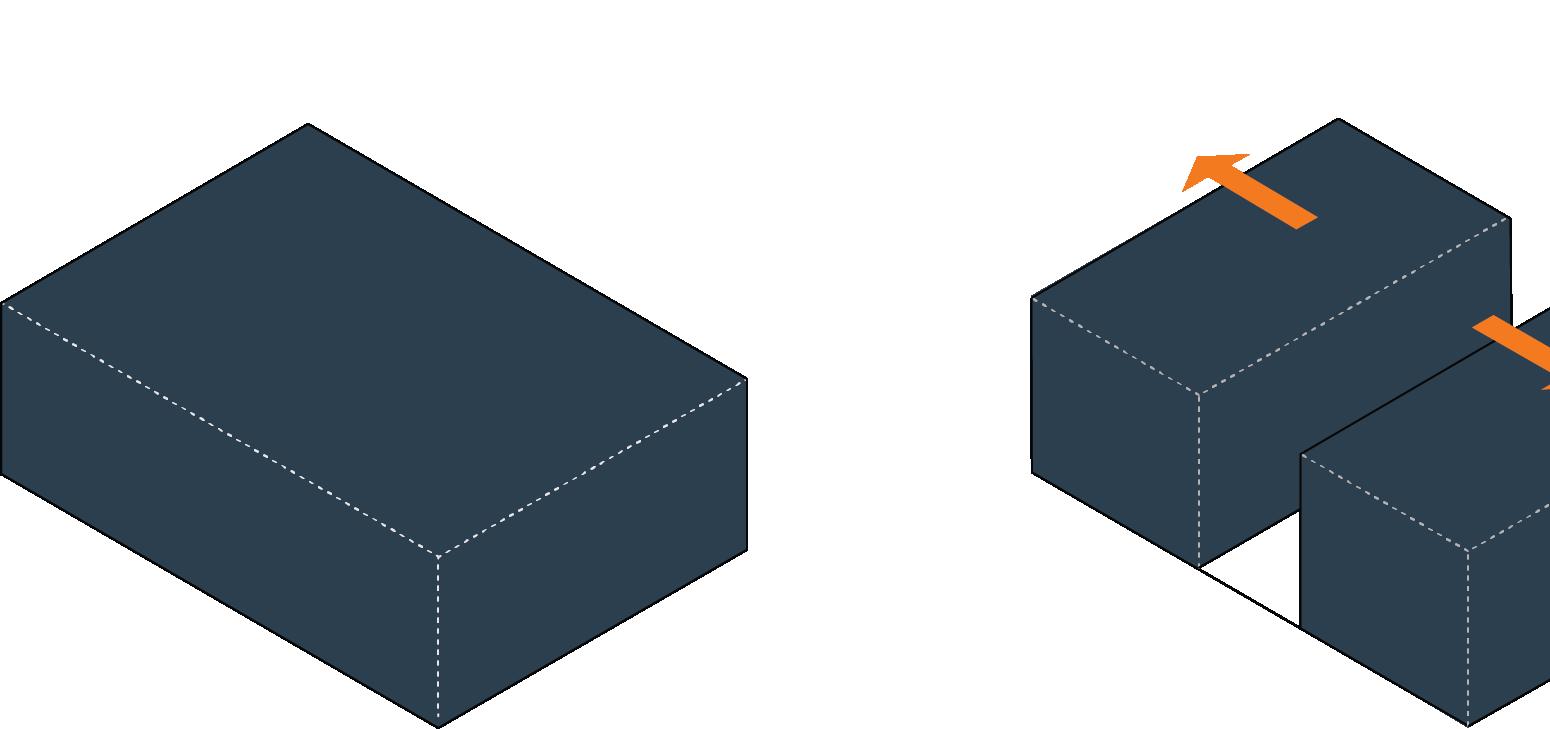
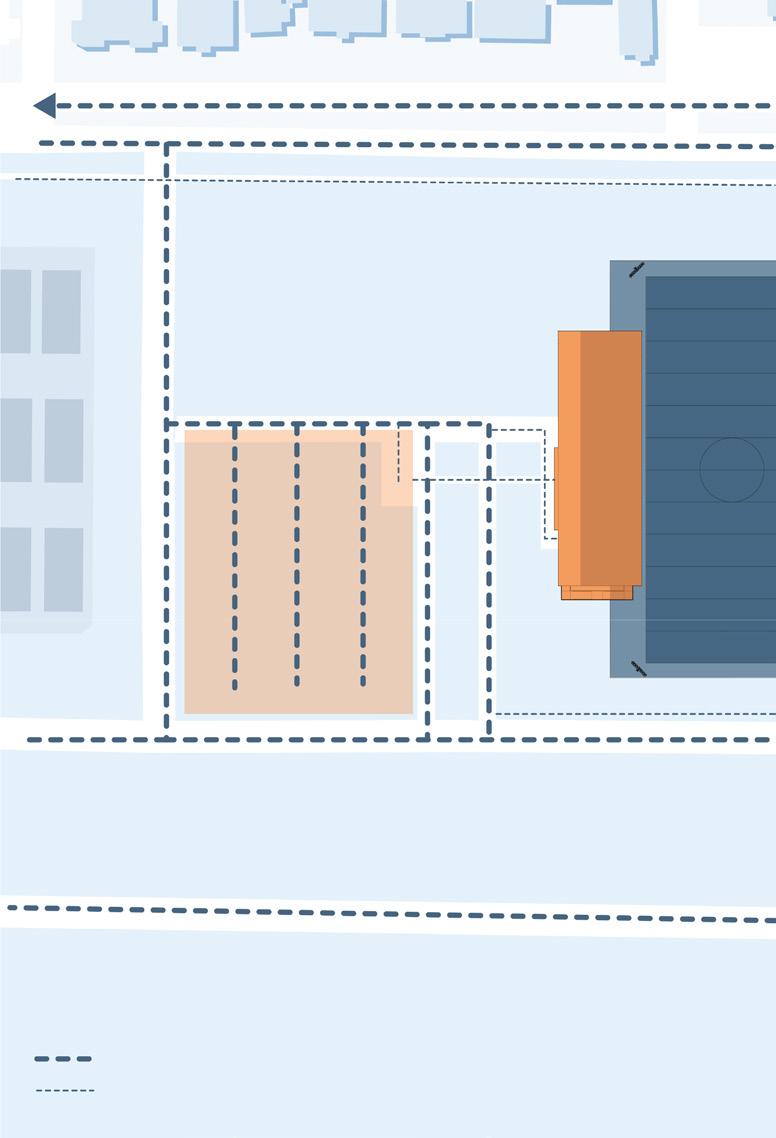
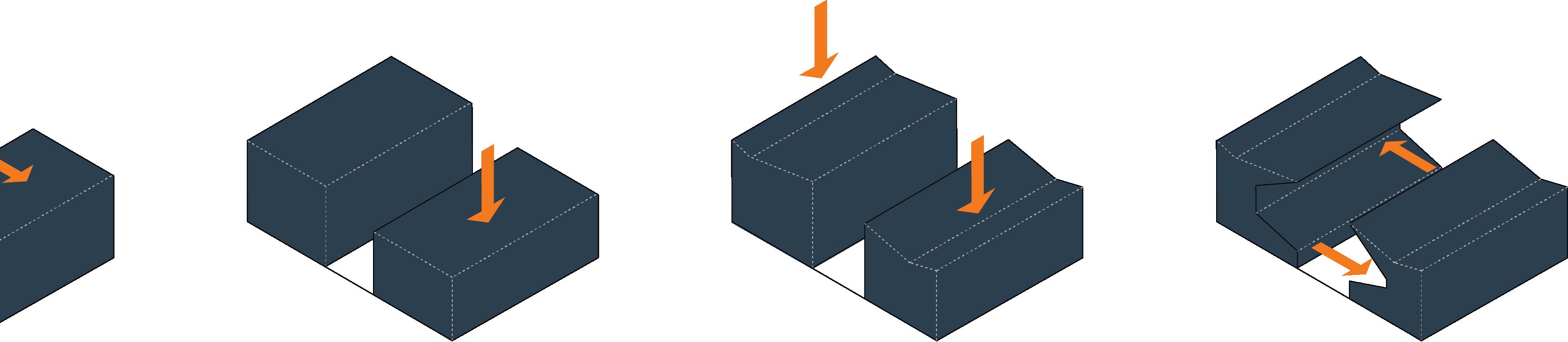
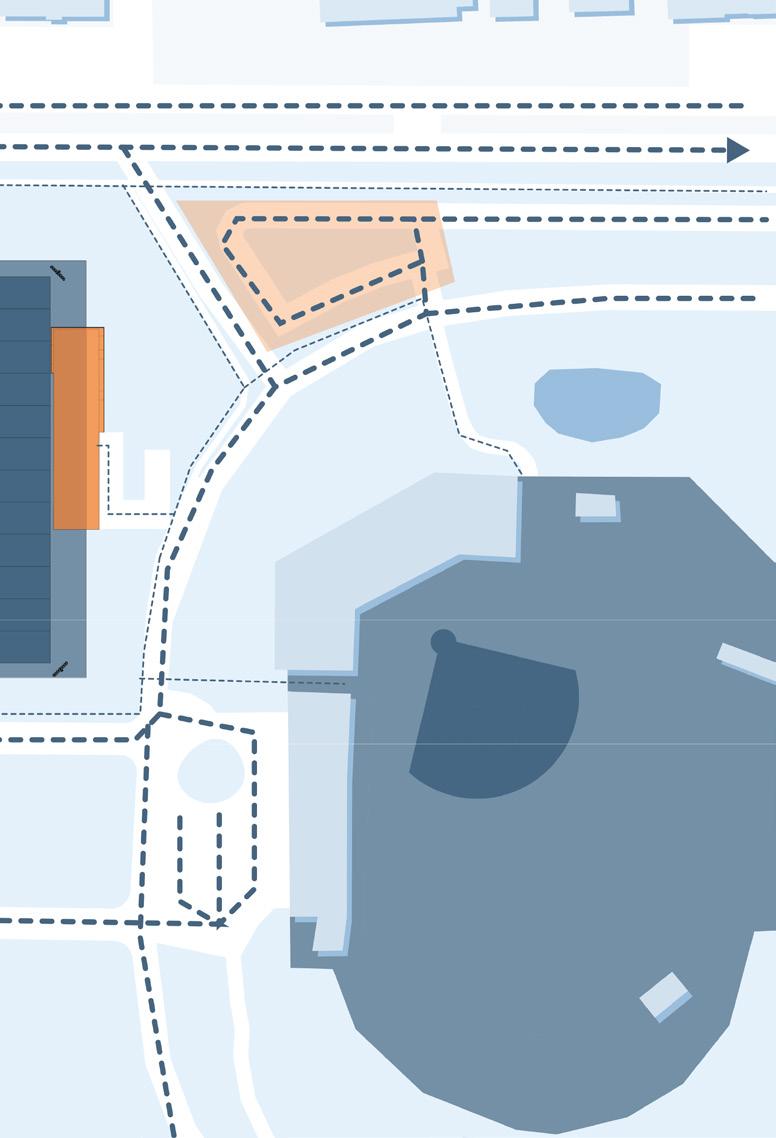
Sloped Butterfly roof and permeable pavers in the parking lot and sidewak for rainwater management
ADA Drive-up with smooth concrete for drop off with additional wheelchair accessible parking Outdoor shading and a cantilever to protet visitors from
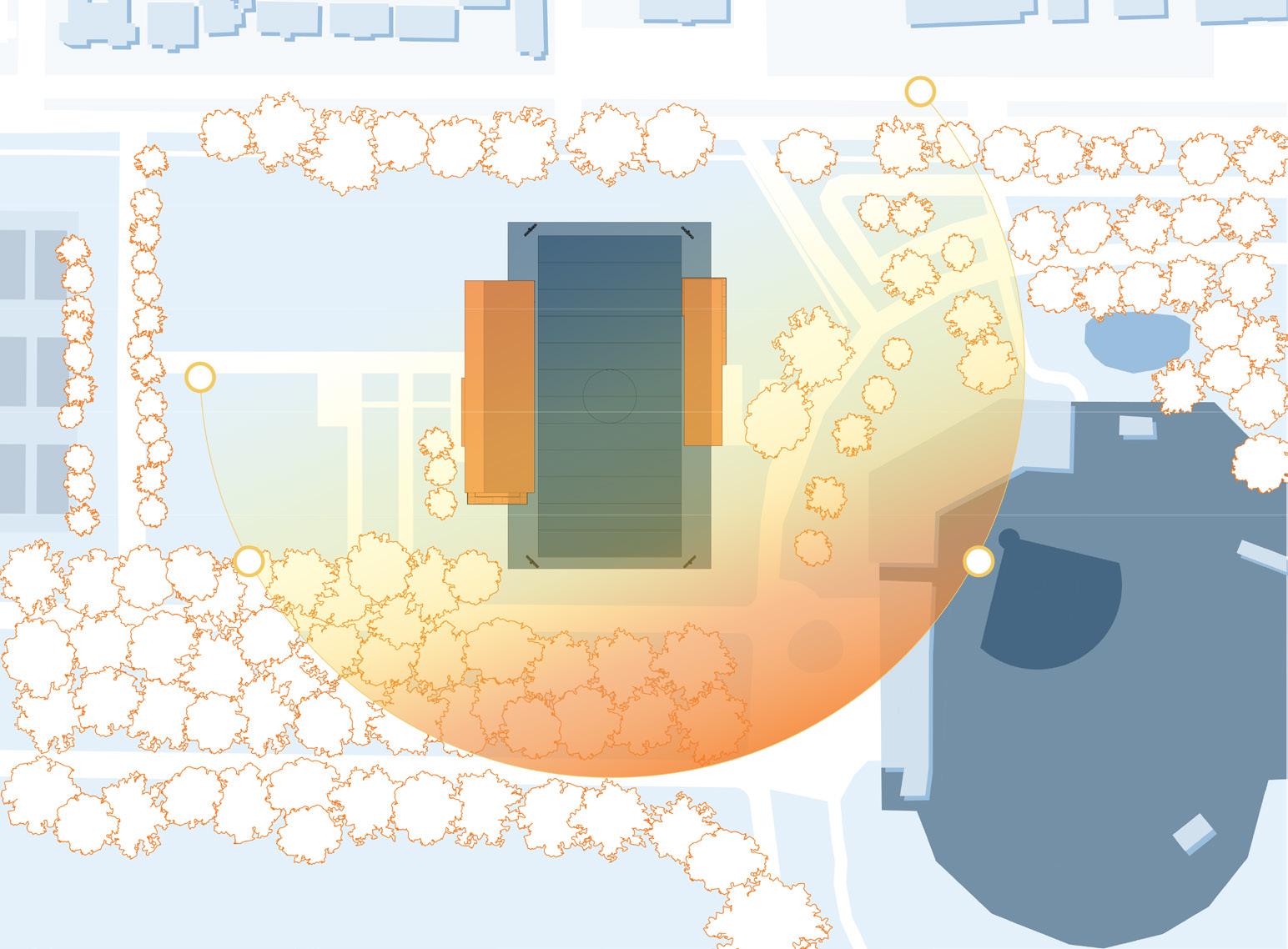
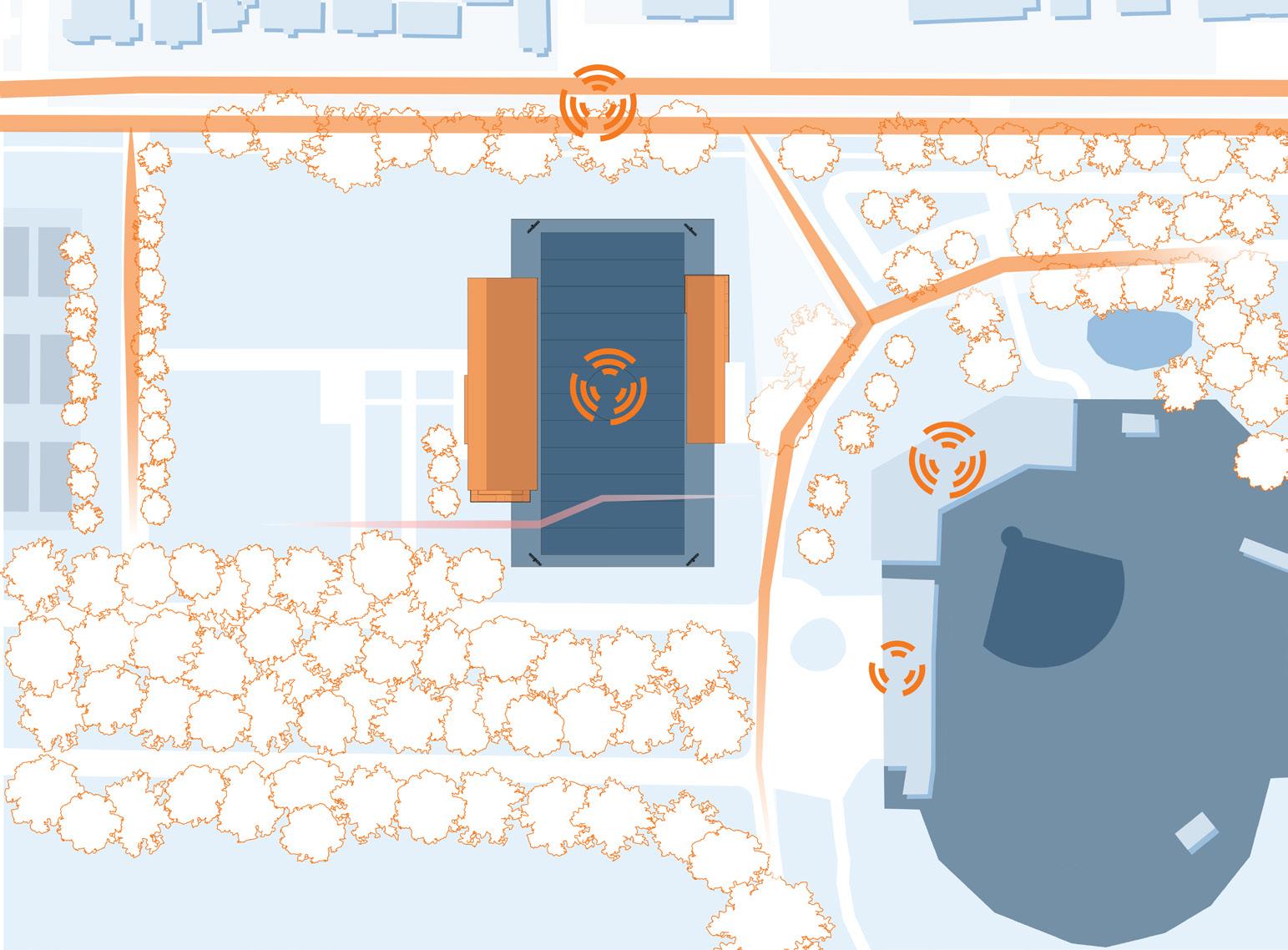
SUN PATH
CONCRETE PAVERS OPEN GRADED BEDDING GRAVEL OPEN BASE OPEN GRADED SUB-BEDDING COMPACTED SUBGRADE UNDERDRAIN
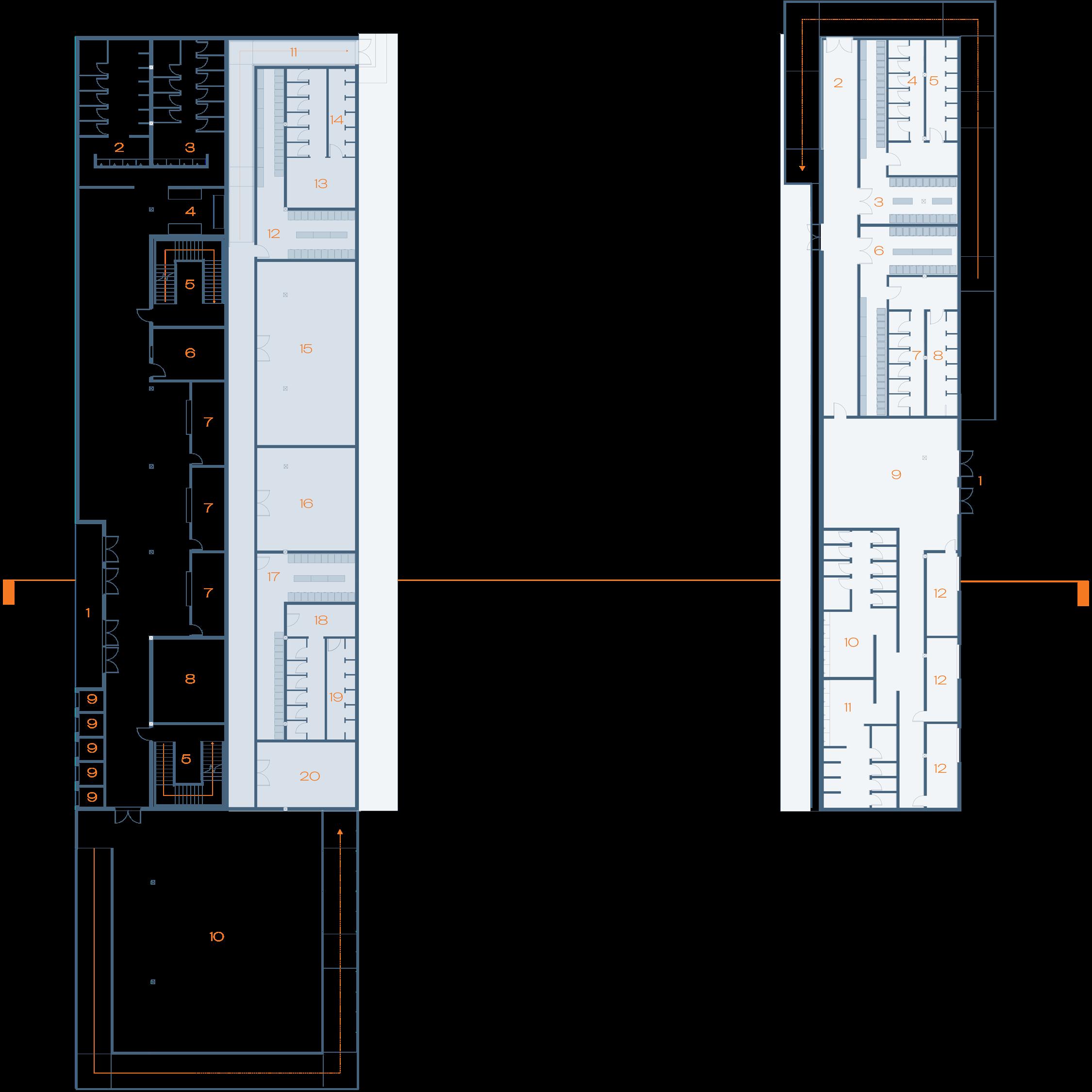
HOME BOYS LOCKER ROOM 12
HOME BOYS BATHROOM 13
HOME BOYS SHOWERS 14 GYM 15
TRAINERS ROOM 16
HOME GIRLS LOCKER ROOM 17
HOME GIRLS BATHROOM 18
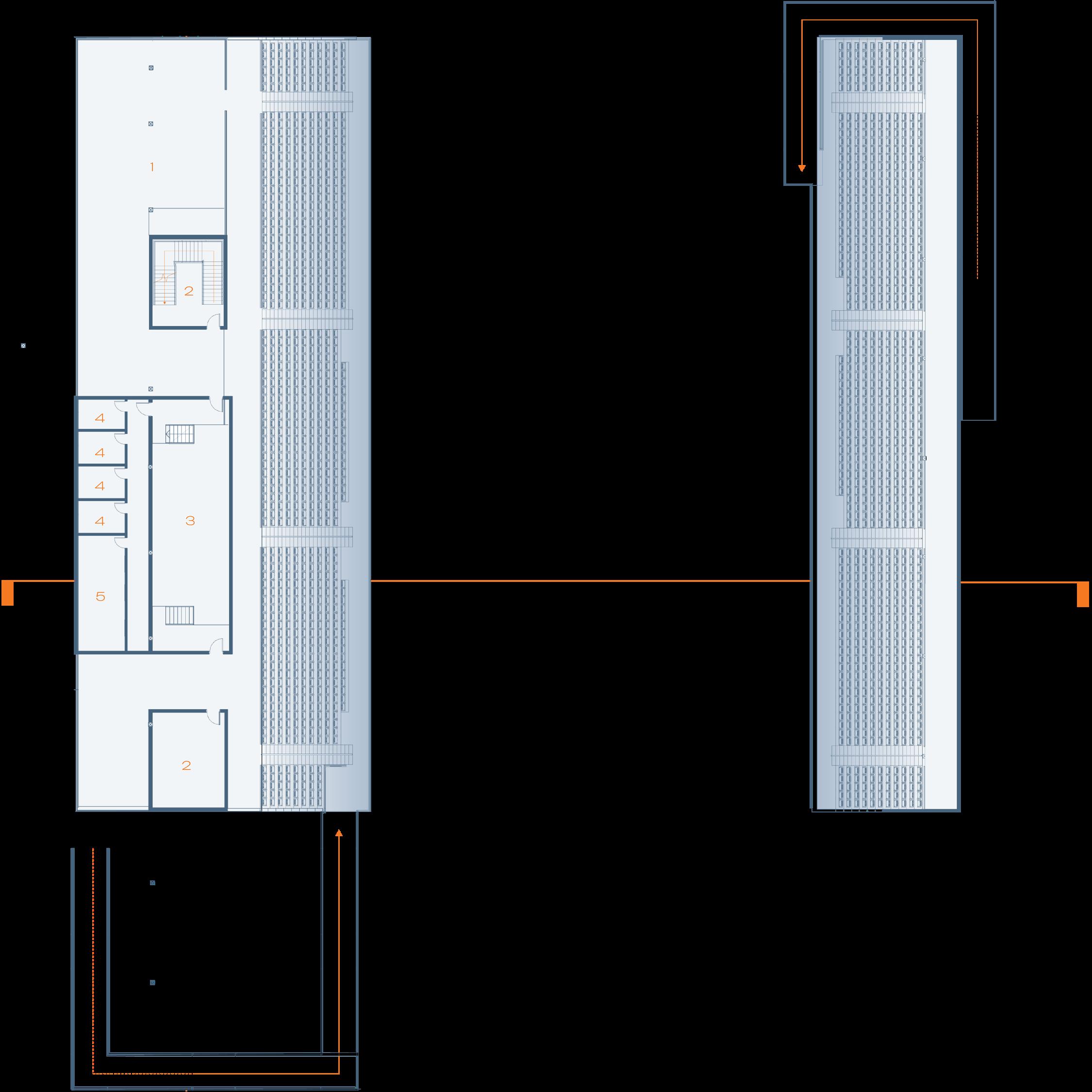
2% SLOPE FOR WATER COLLECTION
GLU-LAM JOISTS
GLU-LAM STRUCTURE
GLU-LAM COLUMNS
GUTTER FLOWS THROUGH COLUMN TO WATER COLLECTION SYSTEM
GLU-LAM COLUMN
THE STRUCTURE ACTS LIKE BIOMIMICRY TO THE OAK TREES OF DAFFIN PARK
ANCHOR BOLTS
STEEL PLATE
GLU-LAM GIRDER
JOIST STRAP JOIST
GLU-LAM COLUMN
THROUGH BOLTS
STEEL BASE PLATE
ANCHOR BOLTS
CONCRETE PILE CAP
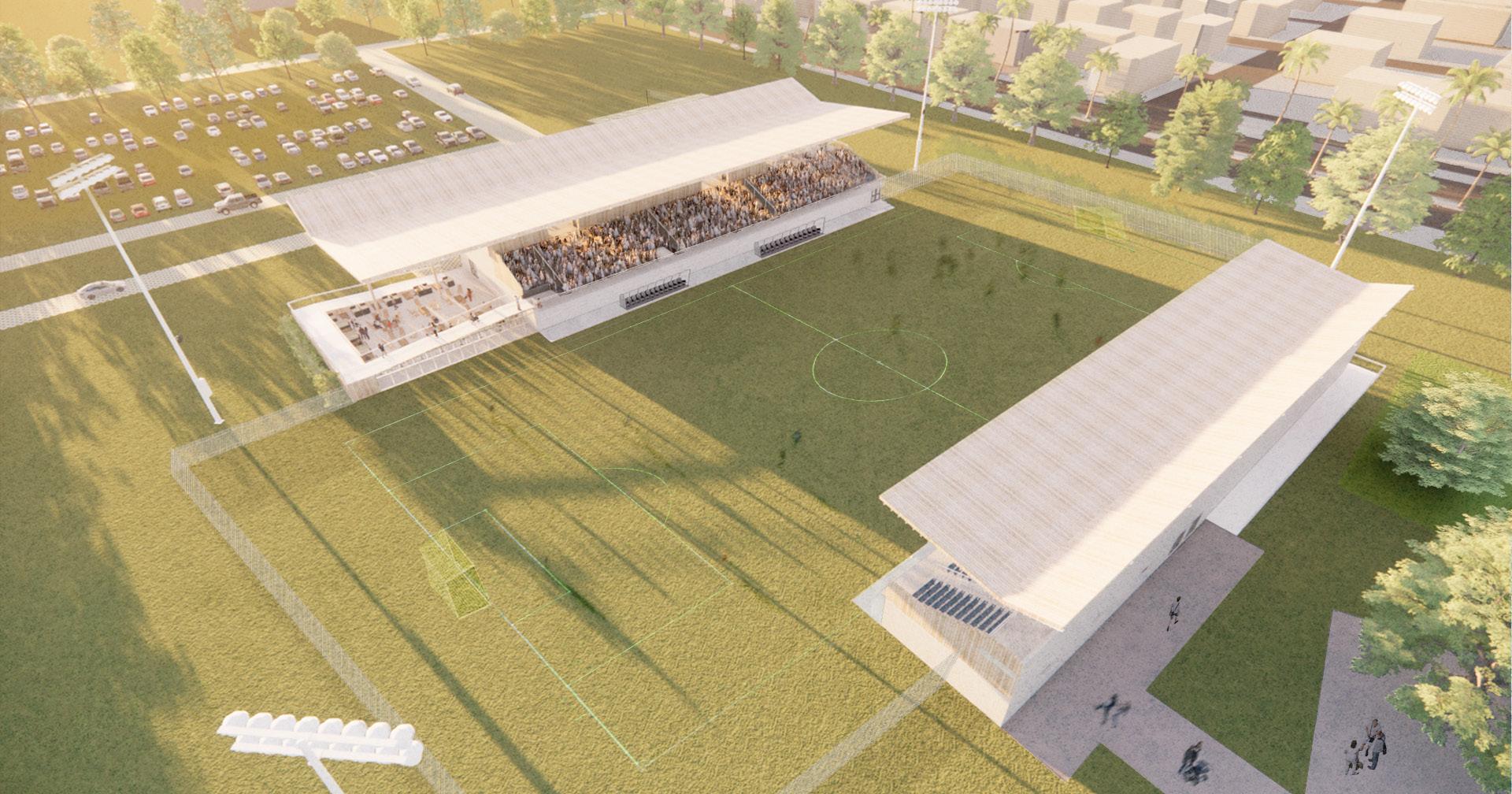
CROWD WAS RENDERED USING PHOTOSHOP’S
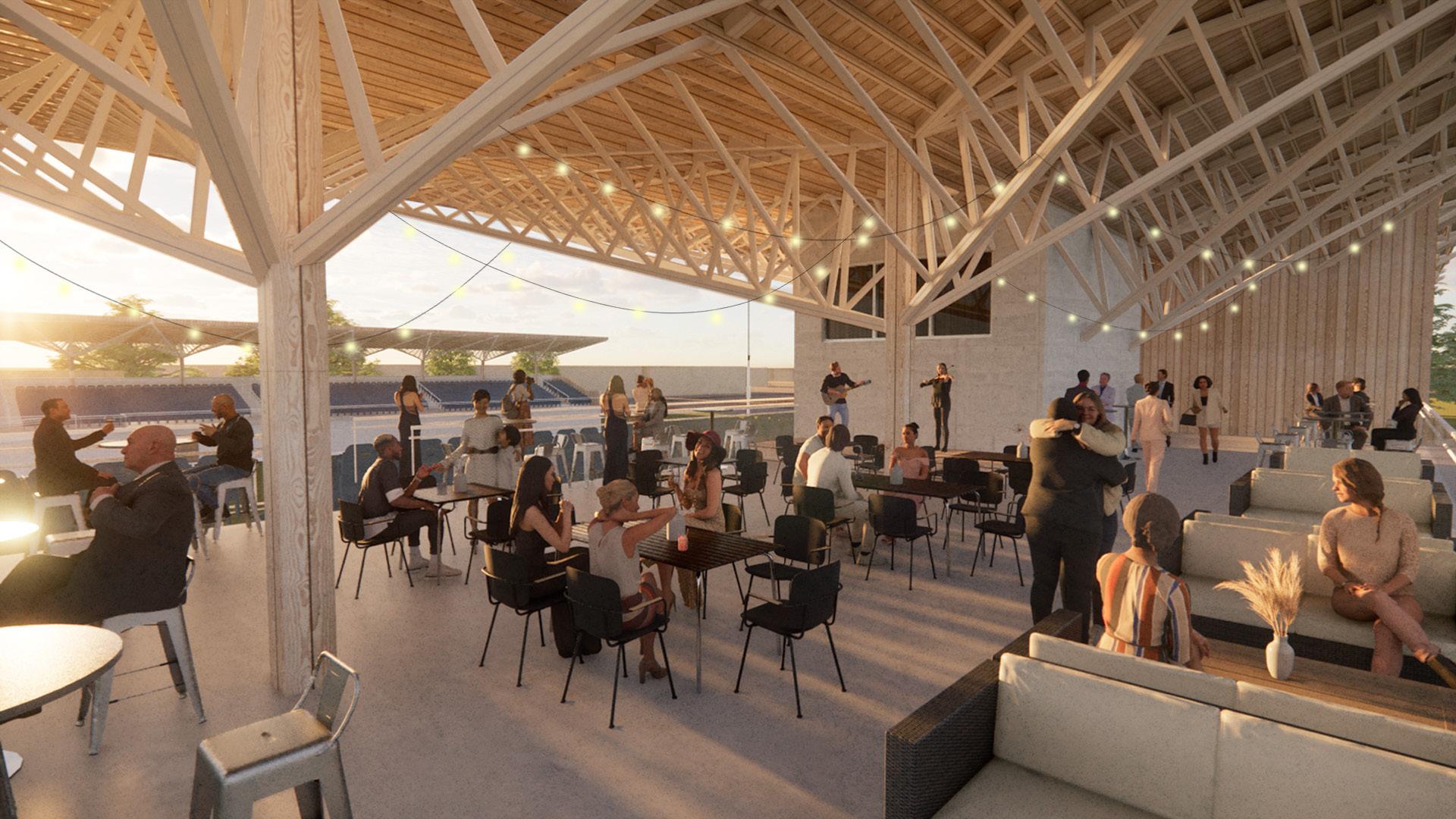
SOCIAL SPACE DURING A WONMENS LACROSSE GAME
Savannah College of Art and Design
Prof. Emad Afifi
Ras Torombi Reef, Egypt
2025
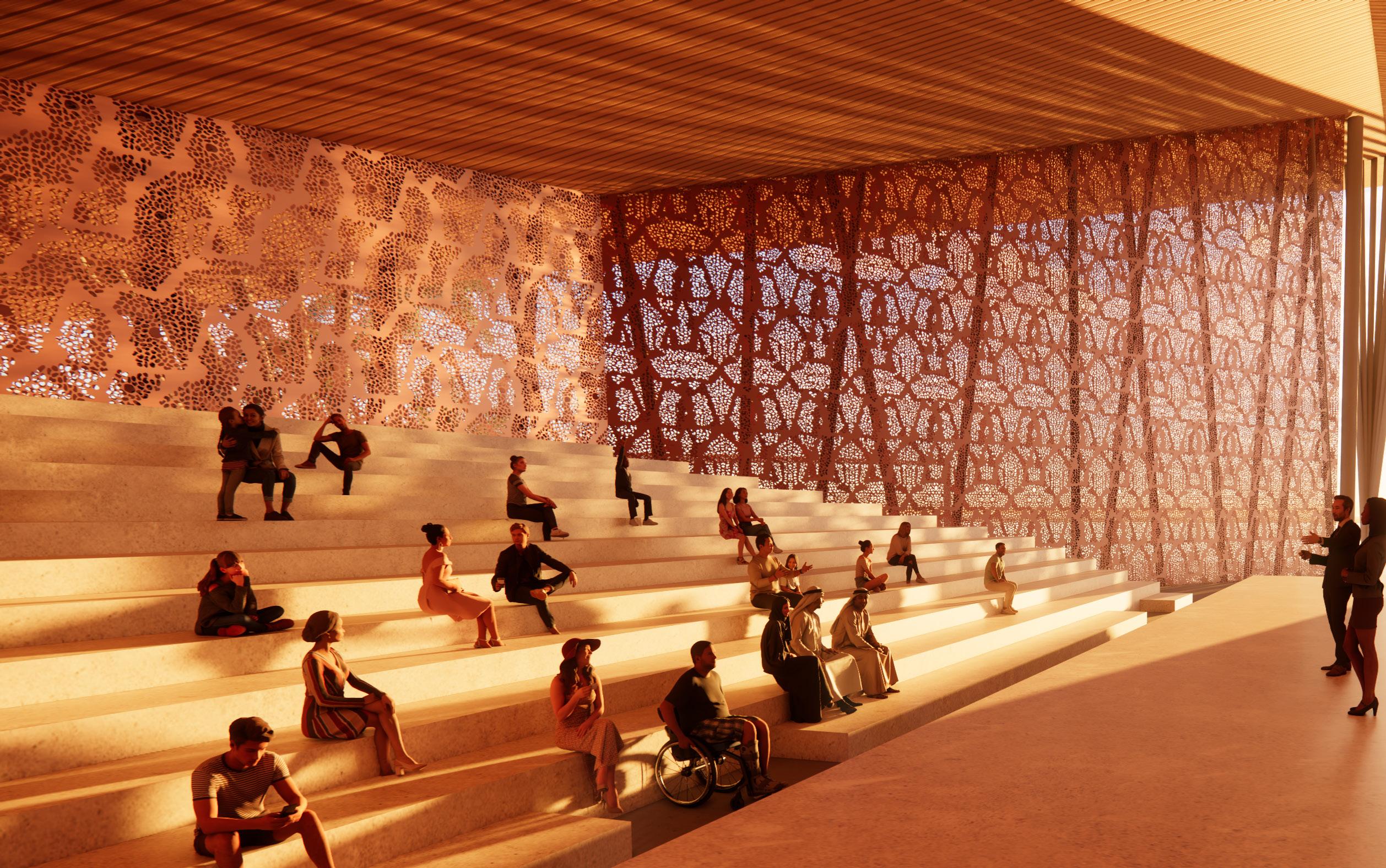
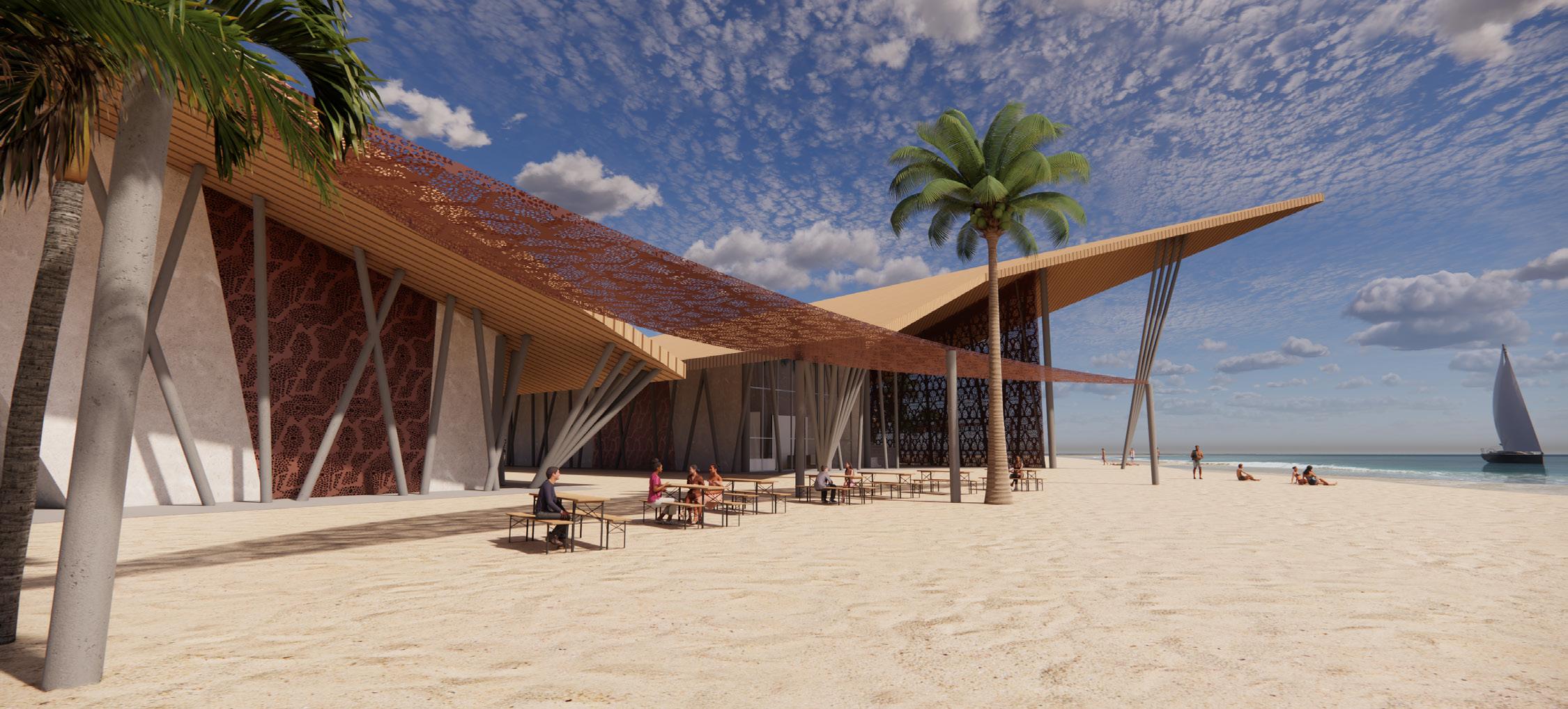
The Red Sea Marine Learning and Exploration Center embodies the goals of a sustainable marine learning and exploration center. The center aims to inspire curiosity about the ocean’s wonders, fostering a sense of amazement that drives education, exploration, and conservation. It transforms marine science into an experience that evokes wonder, allowing visitors to interact with marine life and underwater environments firsthand.
This experiential learning creates lasting memories and emotional connections, bringing ocean literacy to life in ways that reading alone cannot. By creating a profound connection between people and the ocean, the center emphasizes how human actions impact these awe-inspiring ecosystems and encourages visitors to take action in protecting our marine environments.
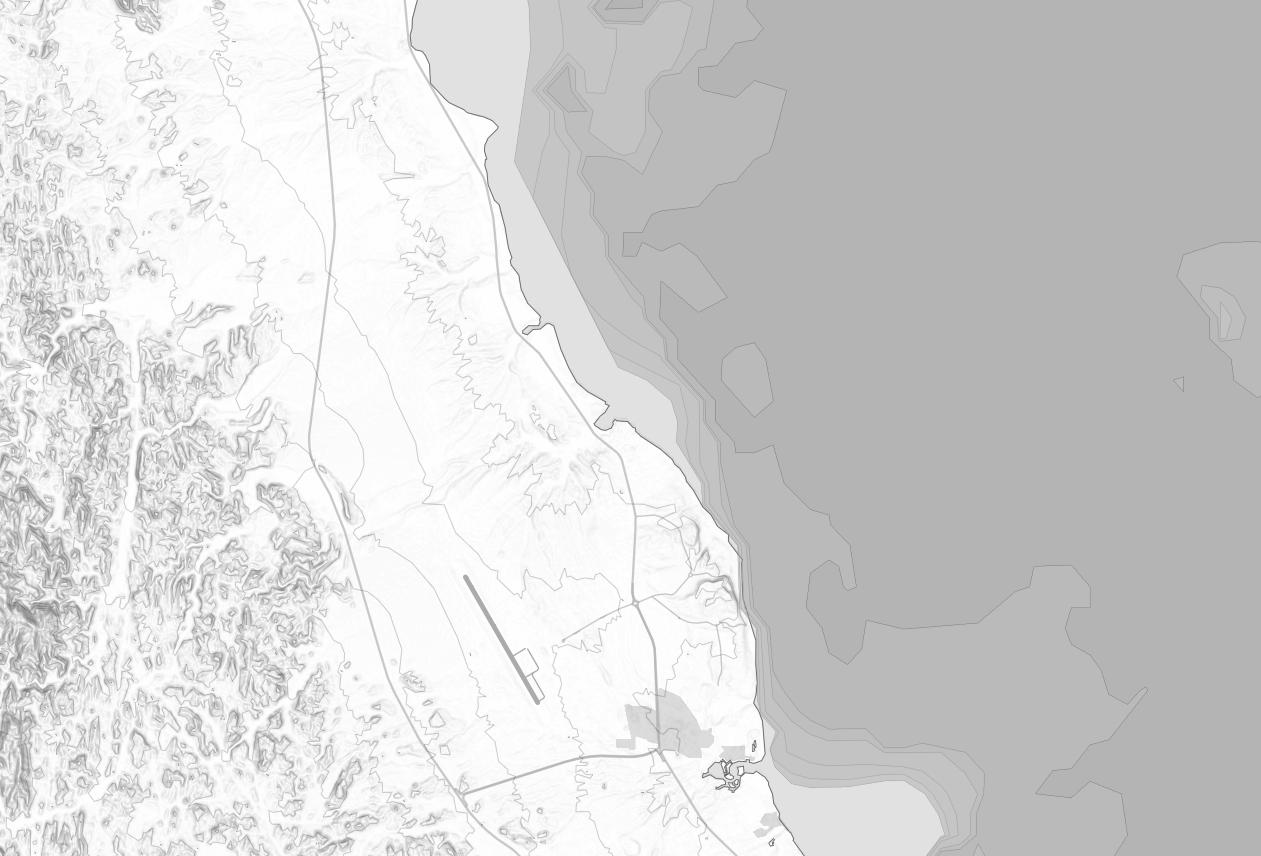
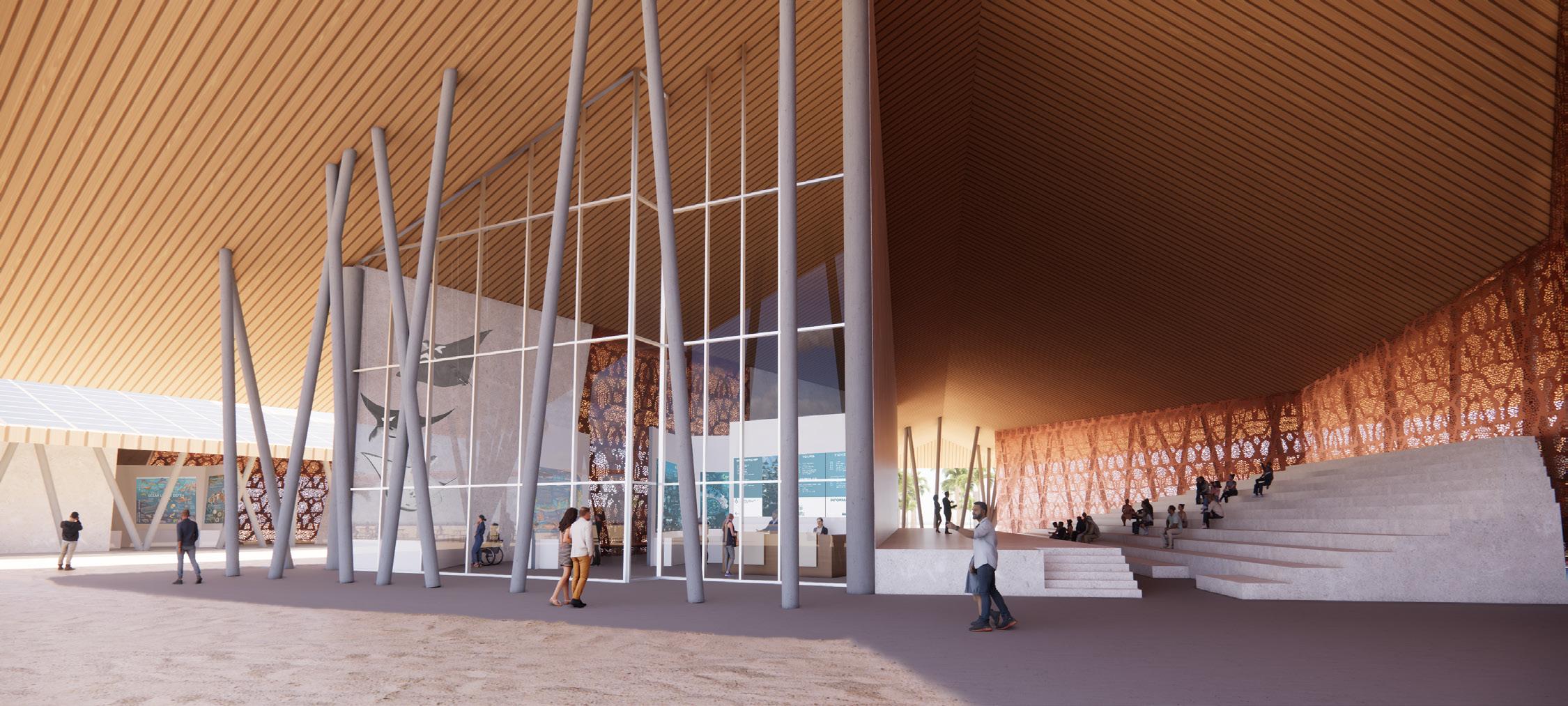
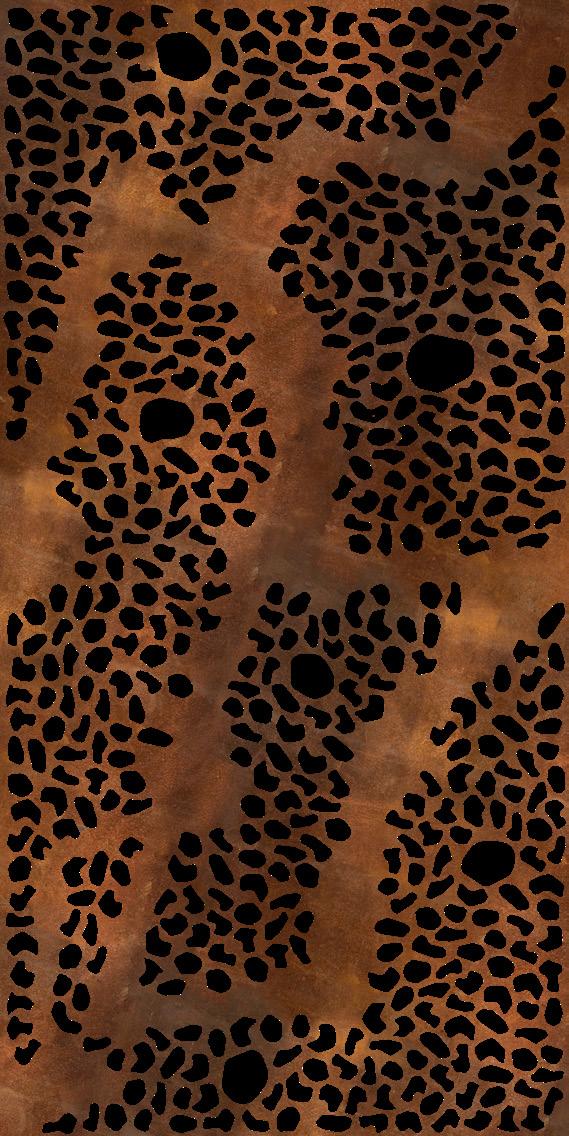
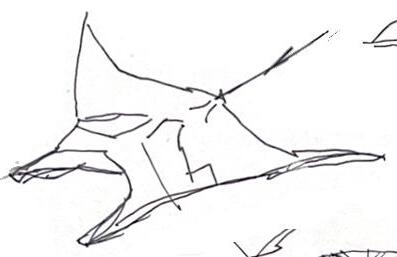
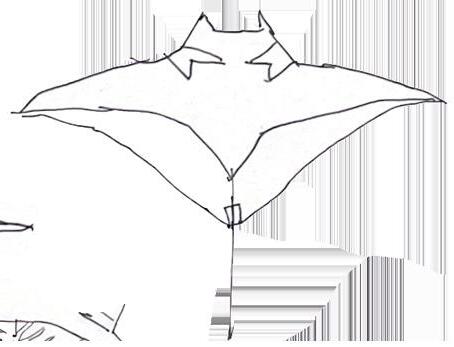
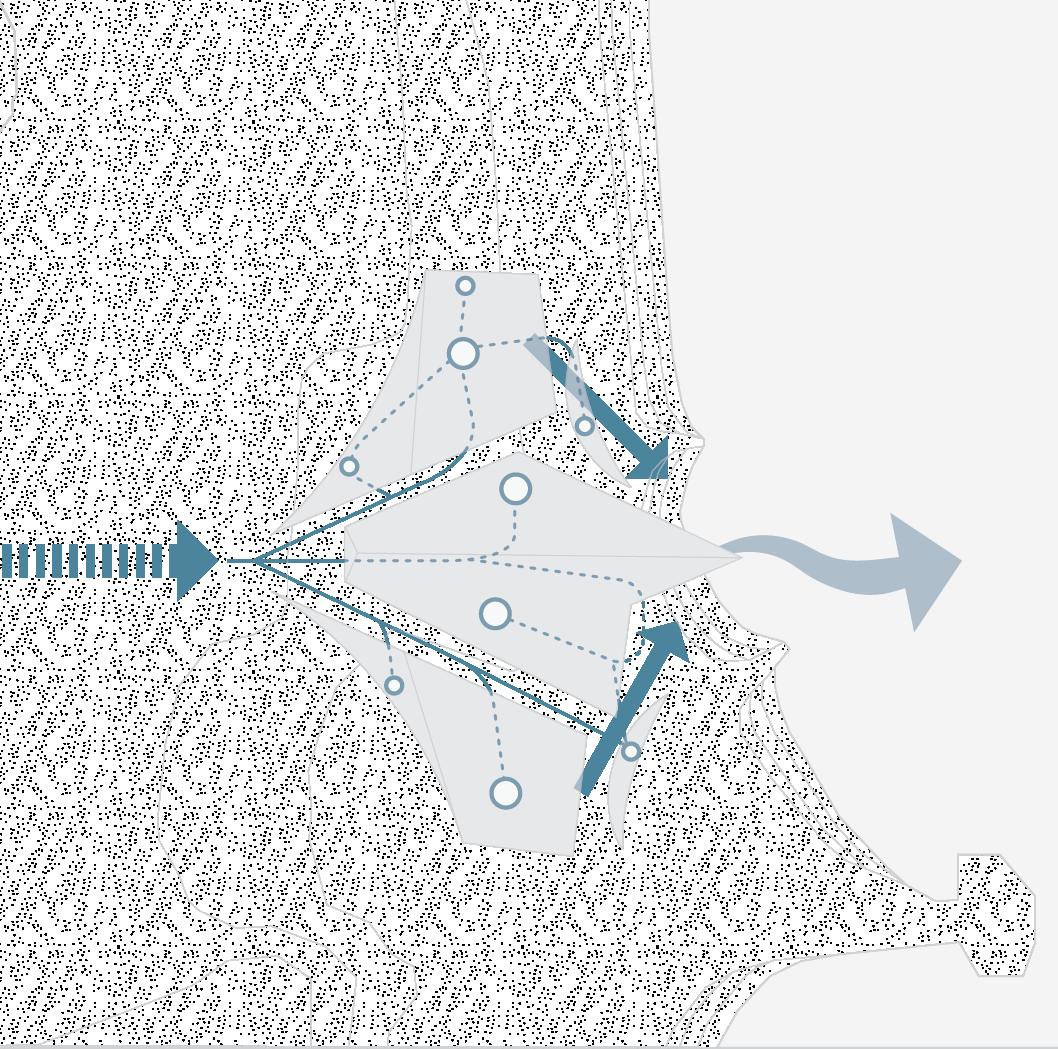
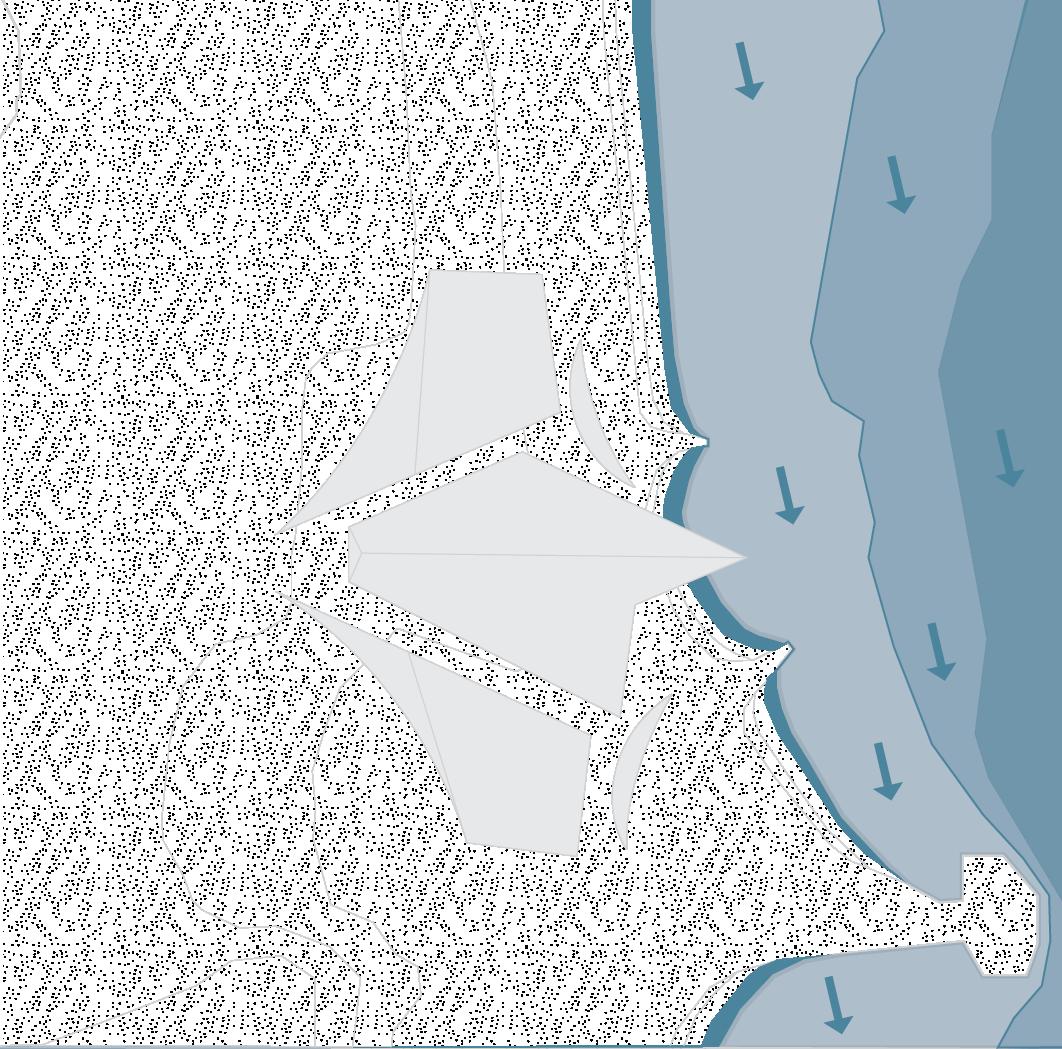
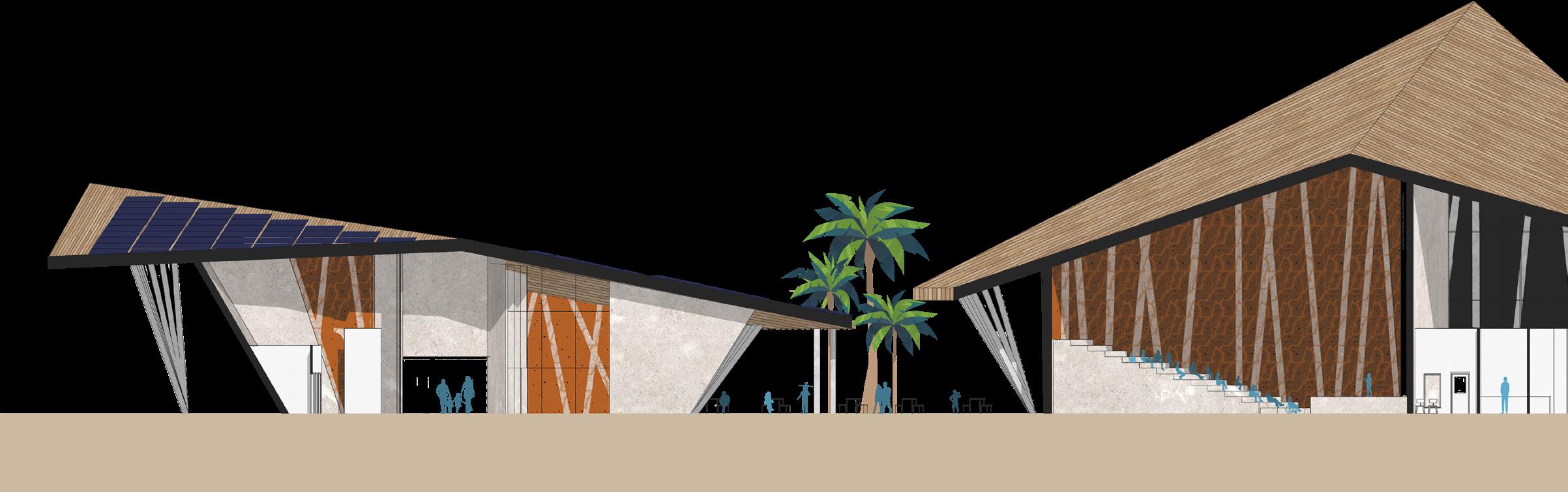
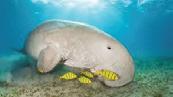
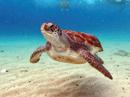
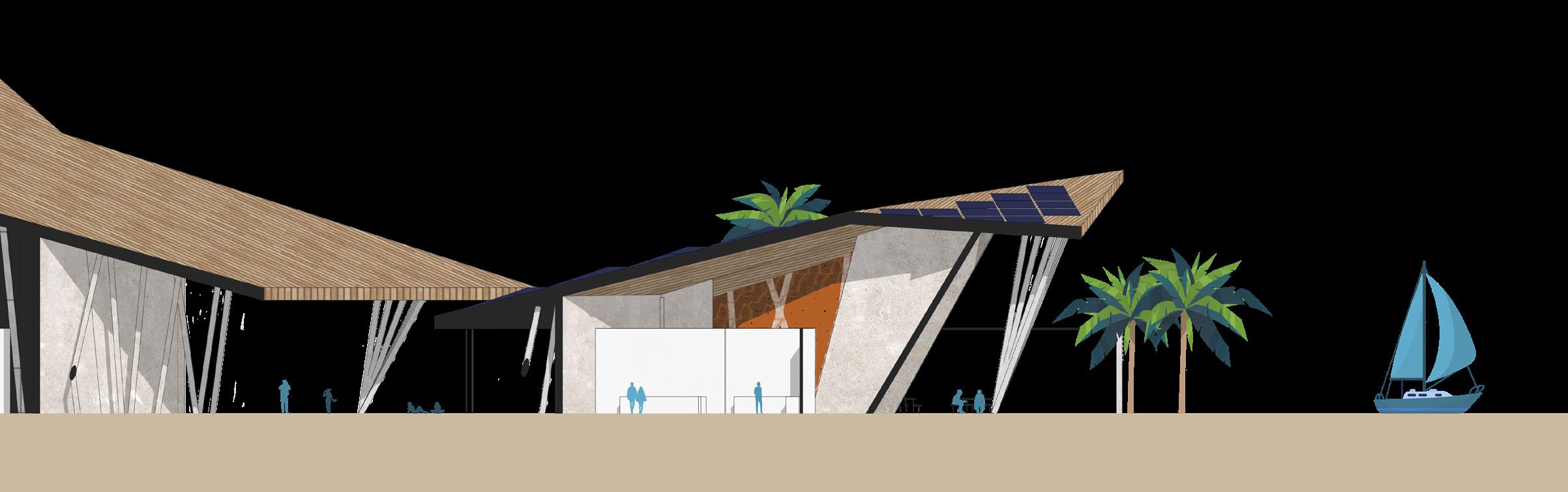
The project consists of three main structures: a central hub, a northern wing, and a southern wing. The central body serves as the focal point for activities, while the two wings that extend outward act as two different moving parts of the structure, symbolizing the ray’s pectoral fins. This biophilic approach not only honors the local marine life but also seamlessly integrates with the natural surroundings, fostering a deep appreciation for marine ecosystems and promoting sustainable practices among visitors.
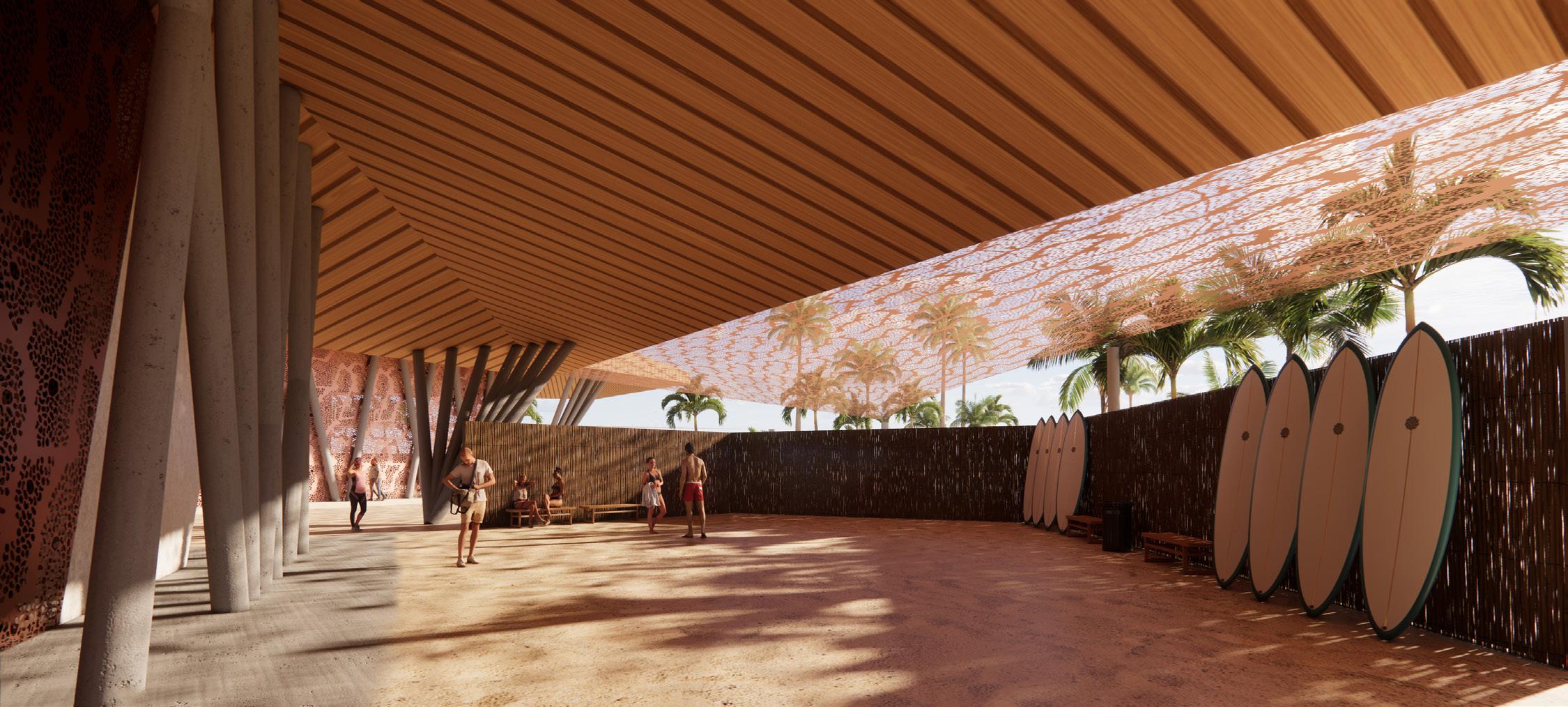
The central hub features a shaded outdoor amphitheater with a large capacity for educational showings and demonstrations and a Marine Eco-Exploration center that allows visitors to engage with Red Sea marine life and learn about sustainable strategies that will benefit the ocean’s ecosystems. The northern wing houses an indoor-outdoor marine exploration center that can equip visitors with the proper equipment to explore the diversity of marine life in the Red Sea. Finally, the southern wing is dedicated to a research facility to better monitor the health of the Red Sea’s marine life. The exploration and learning centers will utilize the stages for demonstrations, educational talks, and video presentations, enhancing the learning experience and encouraging environmental stewardship.
VEHICULAR CIRCUATLION
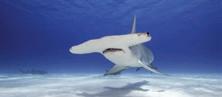
Hammerhead Sharks
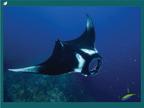
Manta Rays
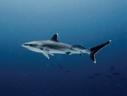
Black, Grey, & White Tip Reef Sharks
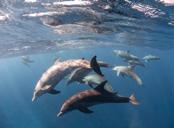
Bottlenose Dolphins
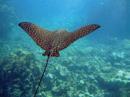
Eagle Rays
Black, Grey, & White Tip Reef Sharks
Manta Rays
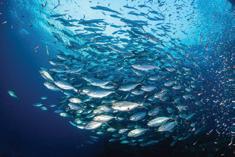
Schooling Tuna
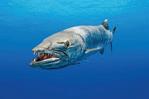
Barracuda
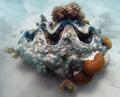
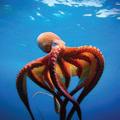
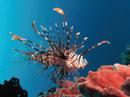
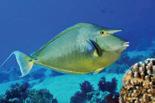
04
Prof. Gordon Nicholson
Savannah, Georgia
2024 Savannah College of Art and Design
The Red Sea Marine Learning and Exploration Center is deeply intertwined with the goals of a sustainable marine learning and exploration center. The center aims to inspire awe and curiosity about the ocean’s wonders, fostering a sense of amazement that drives education, exploration, and conservation.
The center transforms marine science into an experience that evokes wonder, allowing visitors to interact with marine life and underwater environments firsthand. This experiential learning creates lasting memories and emotional connections, making ocean literacy come alive in ways that reading alone cannot achieve.
By creating a profound connection between people and the ocean, the center emphasizes how human actions impact these awe-inspiring ecosystems and encourages visitors to take action in protecting our marine environments.
ROOF
STAIR TOWER ROOF
APPARATUS ROOF
STAIR TOWER
1ST FLOOR ROOF
2ND FLOOR
POLE
BUNKS
MEN LOCKER ROOM
WOMENS LOCKER ROOM STUDY
UTILITIES SAUNA COLD PLUNGE EXERCISE DAY ROOM KITCHEN
1ST FLOOR
OFFICE SMALL BATH STORAGE LAUNDRY
APPARATUS ROOM
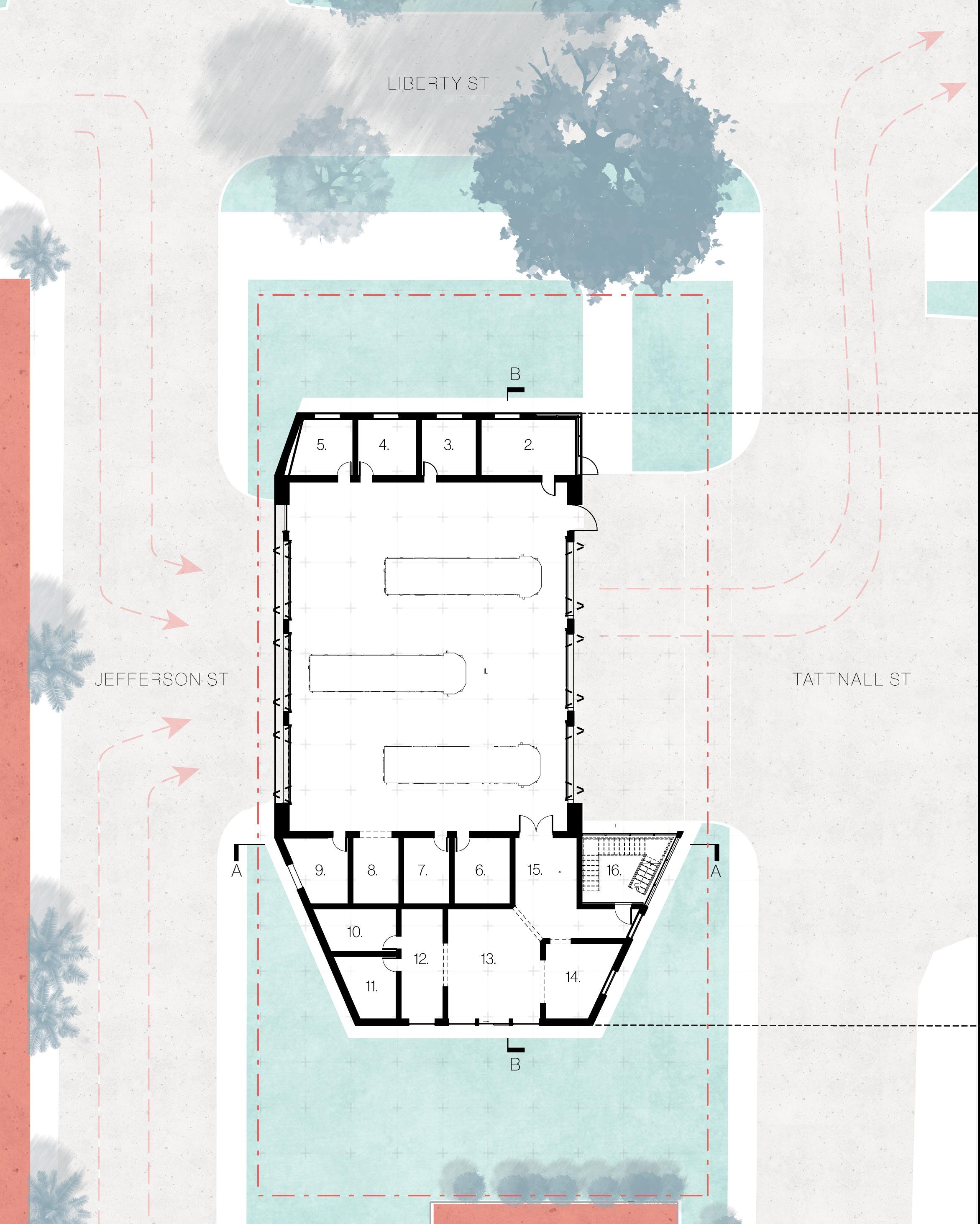
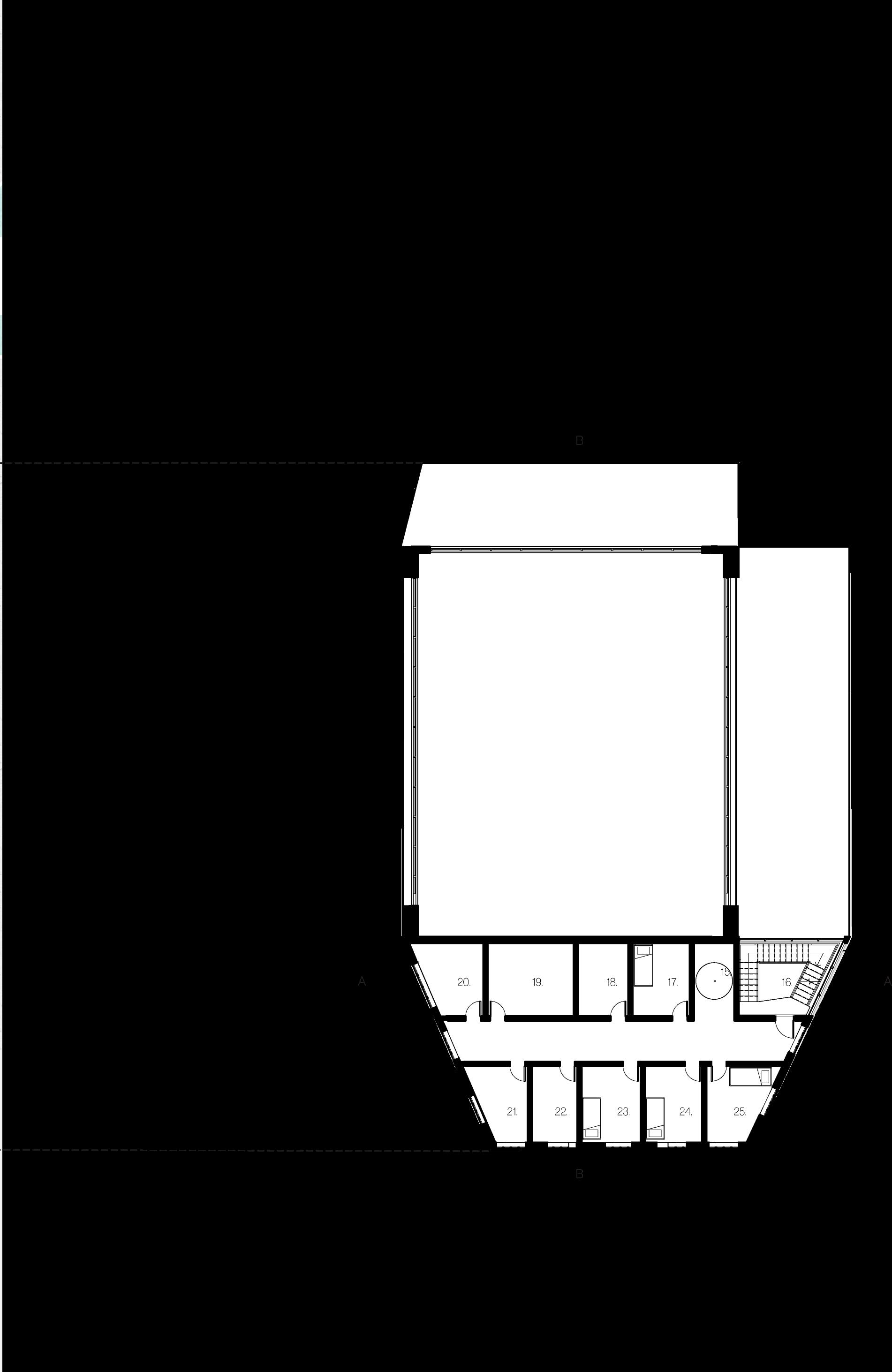

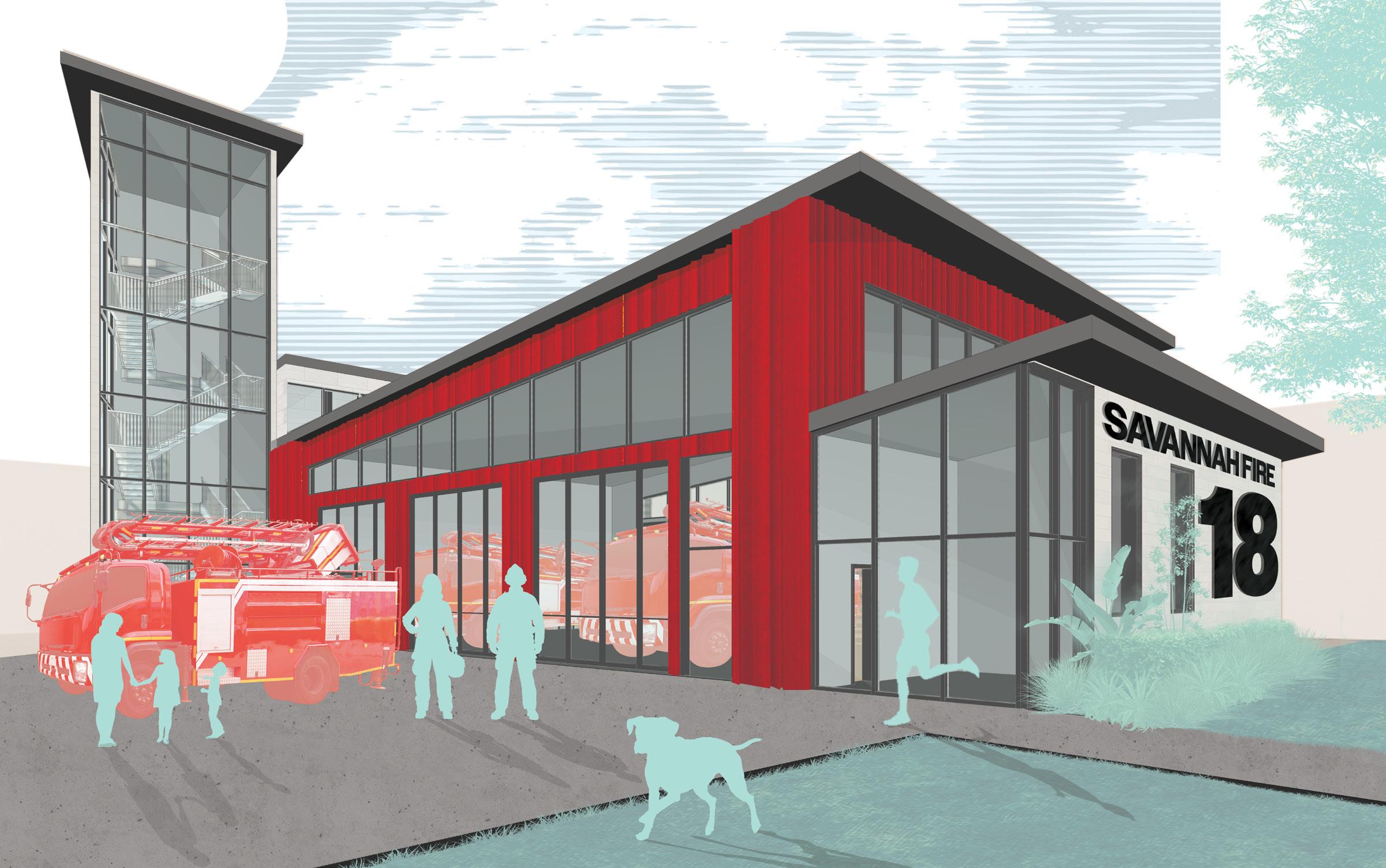
The building’s layout was developed to align with circulation. Public spaces and high tra c areas, like the apparatus bay, are positioned along the busiest street.
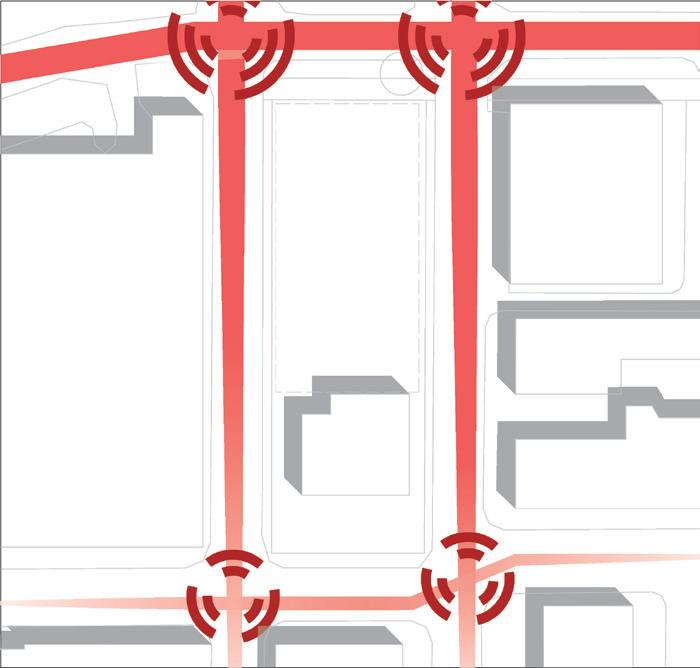
The building's public areas are aligned with the busiest street to create an engaging street presence, while the private spaces are positioned towards quieter areas.
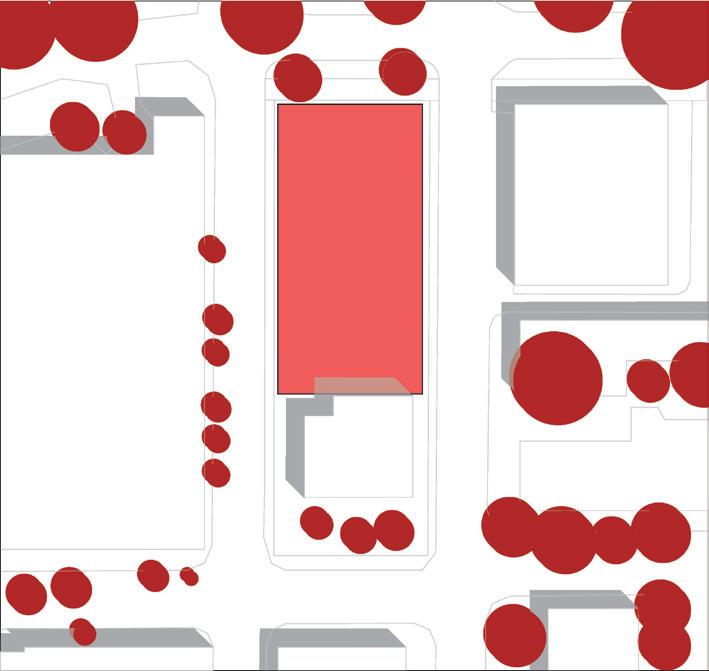
The building is set on the lot to not interfere with existing vegitation
To optimize the site, public spaces and the apparatus bay are positioned towards the residential areas that are most prone to fires.
Fire Station NO. 18 faces public areas and backs up to residential areas marching the surrounding context.
The private parts of the building are southfacing to maximize natural light and to assist in providinghealthy e ects like mood, mental health, sleep regulation, and more.
Savannah College of Art and Design and Some High School
Variety Selection of Projects
2022 - 2025
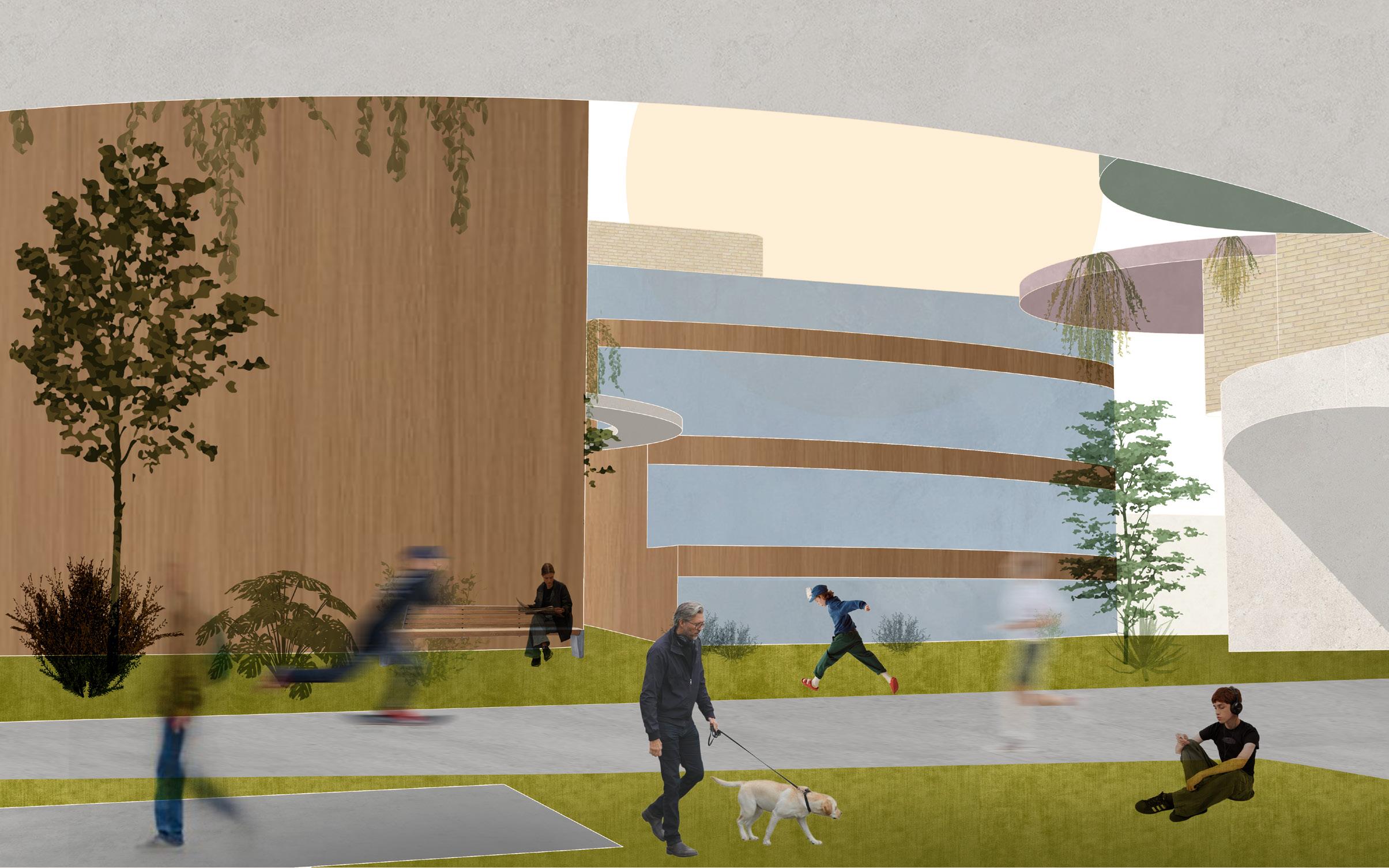
The Barbara G. Laurie Student Design Competition, hosted annually by the National Organization of Minority Architects (NOMA) is a national challenge that brings together student chapters from across the U.S. to design community-centered, culturally responsive architecture. Student teams from national NOMAS chapters are challenged to develop creative architectural solutions to realworld problems, with a focus on cultural inclusion, community growth, restorative justice, and design for social impact.
The brief changes annually relating to the conference location, and submissions are judged by industry professionals and community stakeholders, making the competition a significant opportunity for mentorship, professional exposure, and advancement of inclusive design within architecture.
I have participated in the Barbara G. Laurie Student Design Competition for the last 2 years (2024 & 2025). My role in this project included serving as Graphic Team Lead, digitally modeling the site, formatting board layouts, creating a unified graphic template for the team, and producing collage renderings for the final massing.
I began by collecting applicable case studies of revitalized corridors in major U.S. cities, then researched climate conditions, sustainability strategies, including a LEED checklist for our project, and site circulation.
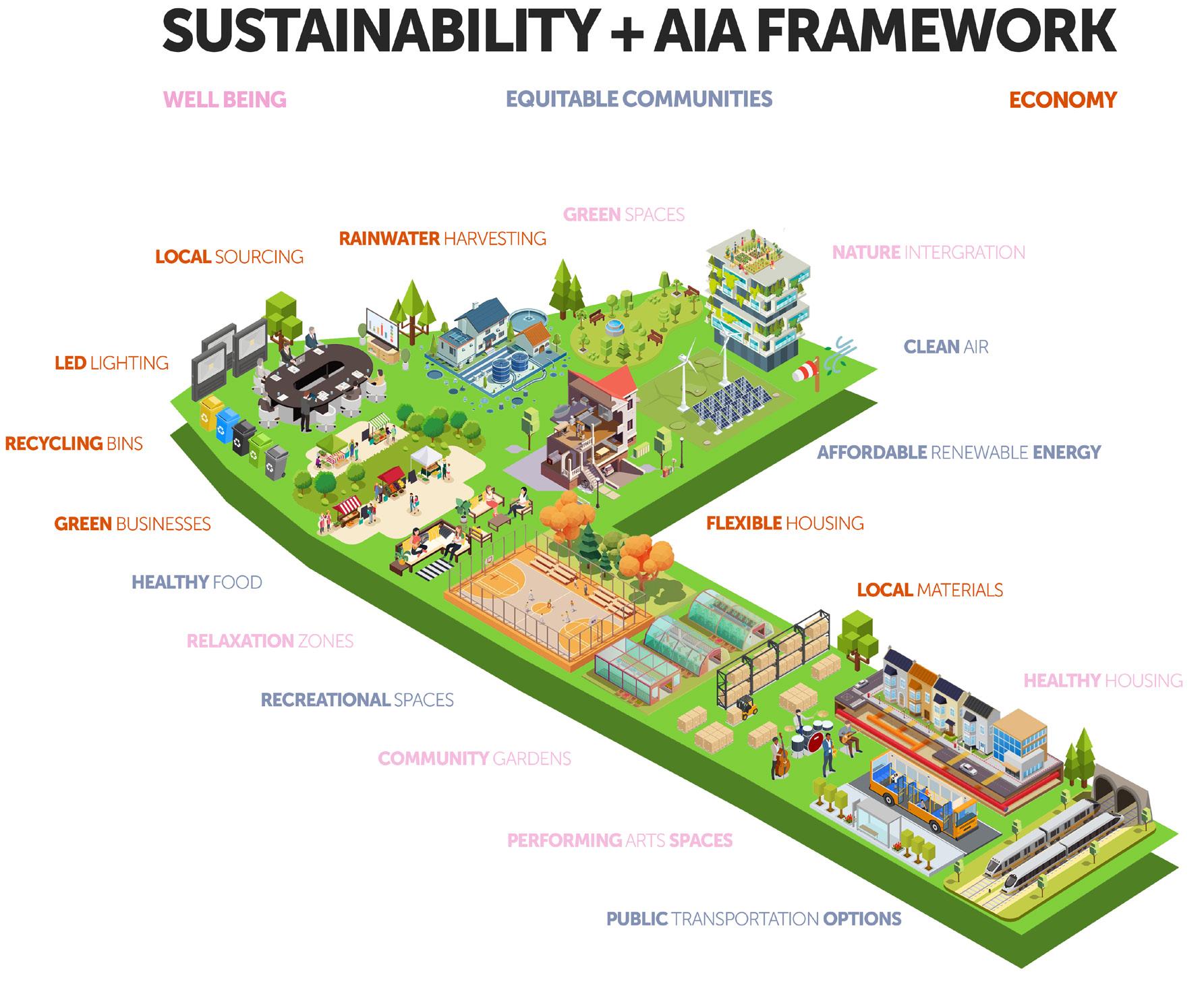
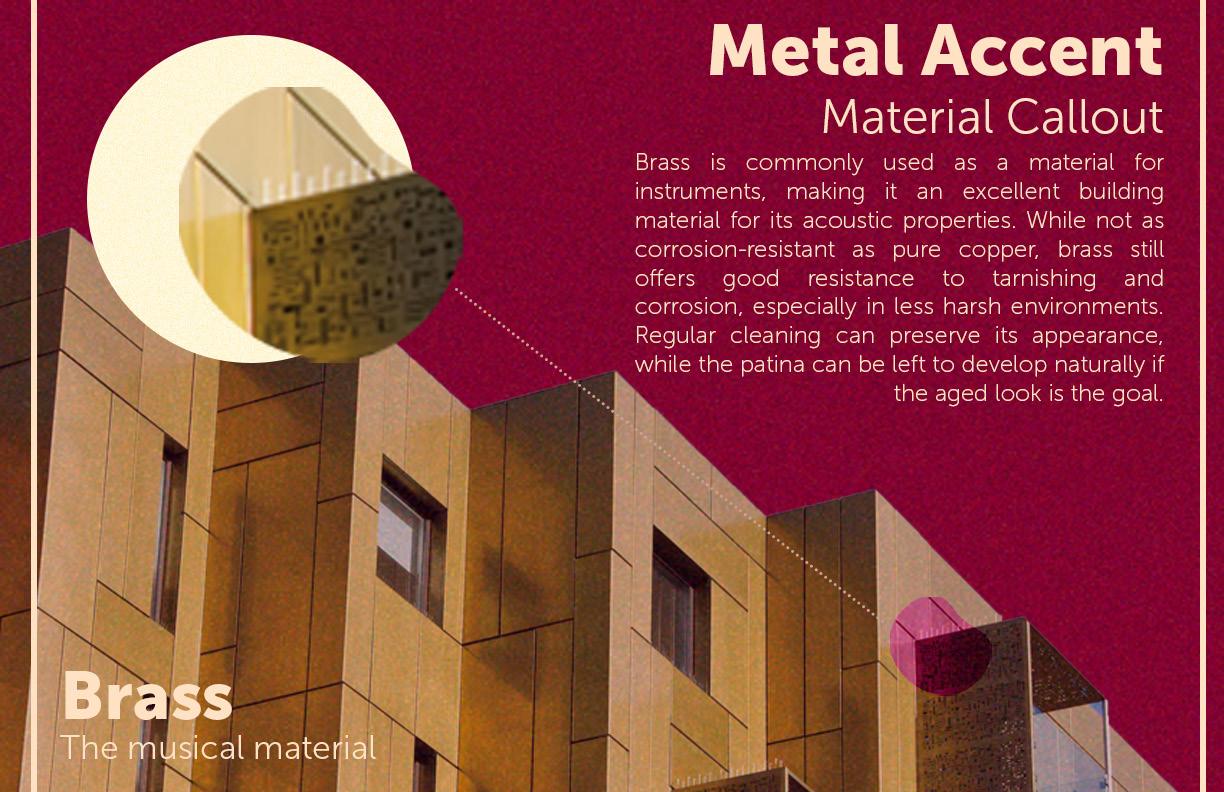
In the graphics phase, I created a material graphic and several isometric diagrams, such as the Sustainability + AIA Framework shown. I also contributed additional detailed graphics to support my teammates, including drawings of stairs and ADAaccessible ramps for our housing solution.
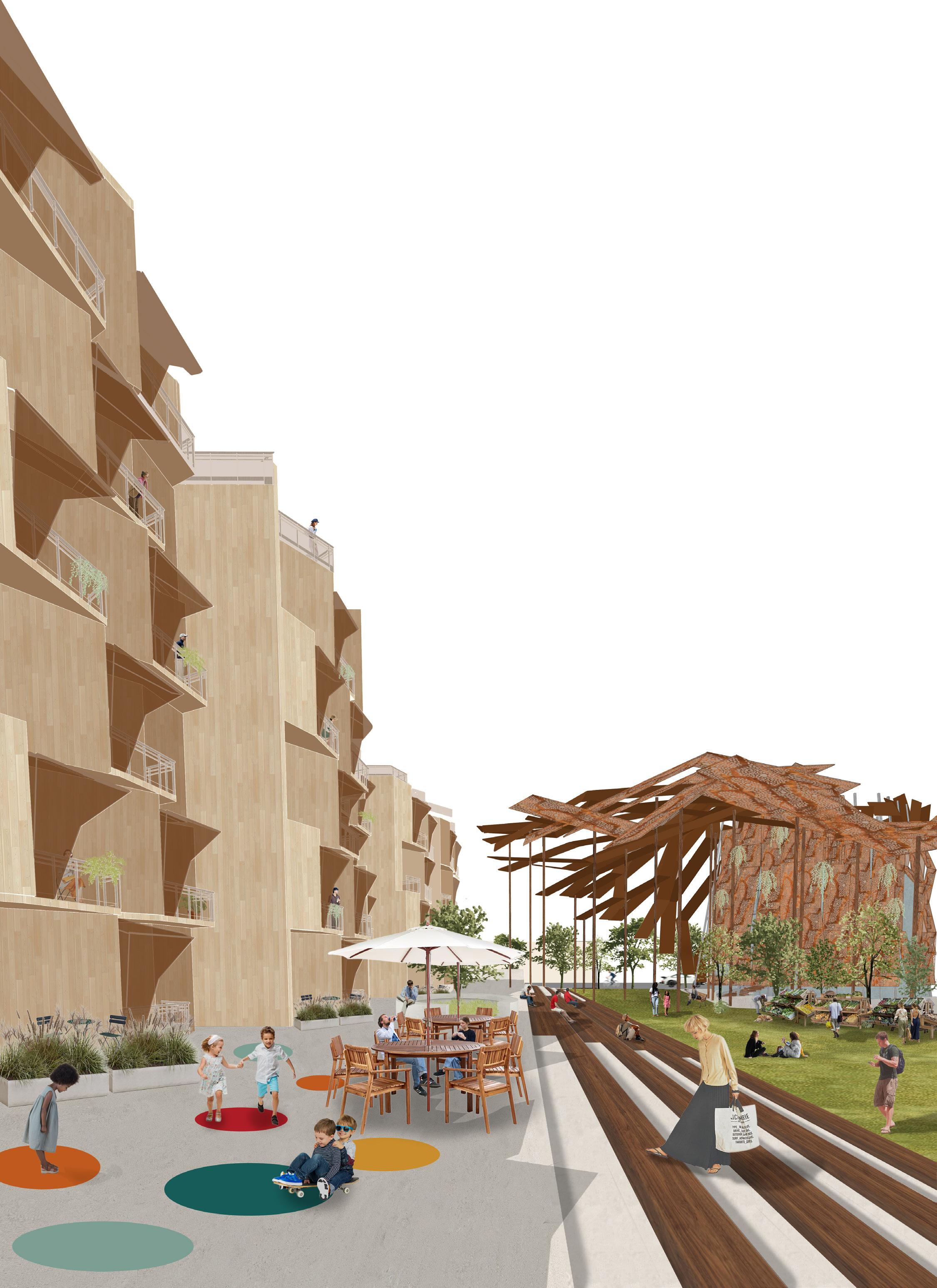
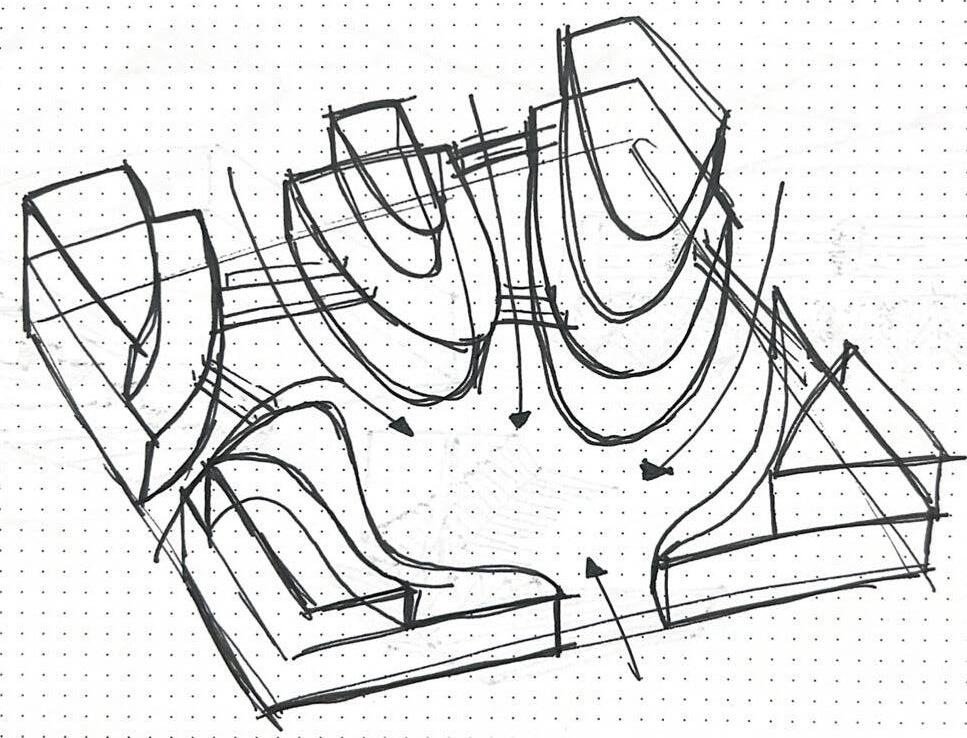
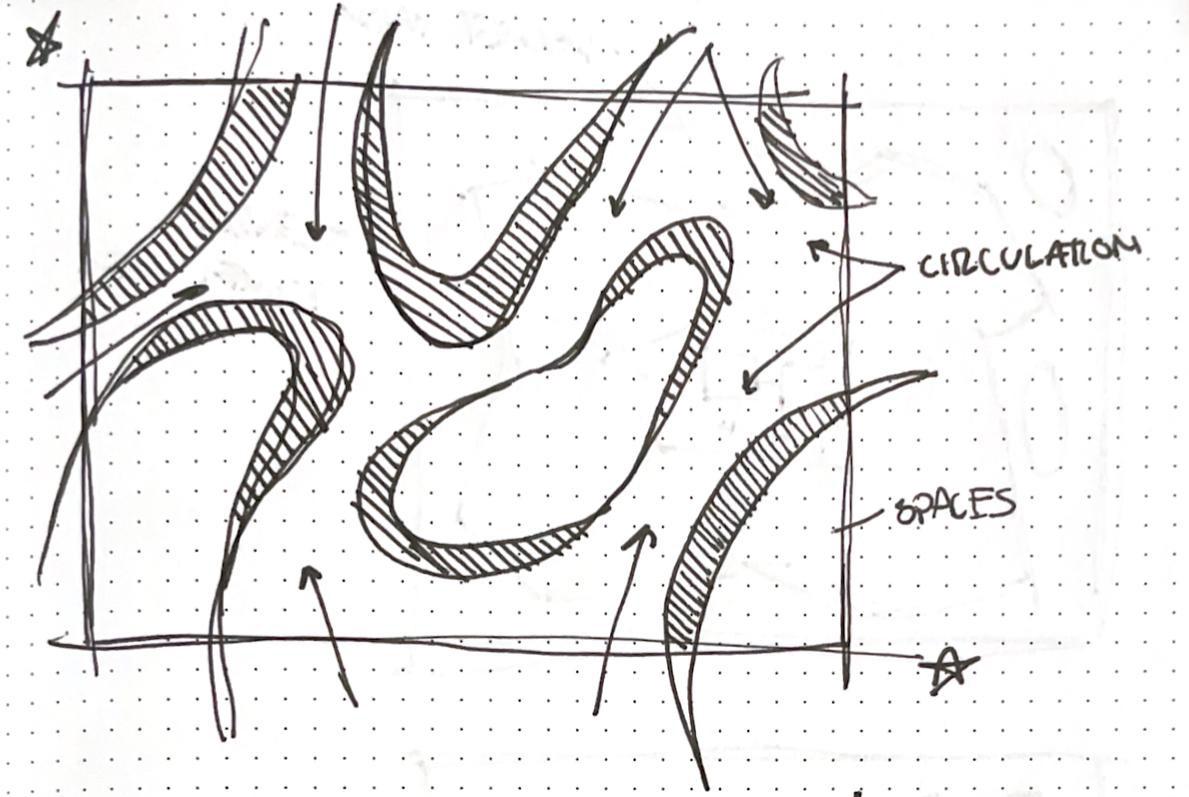
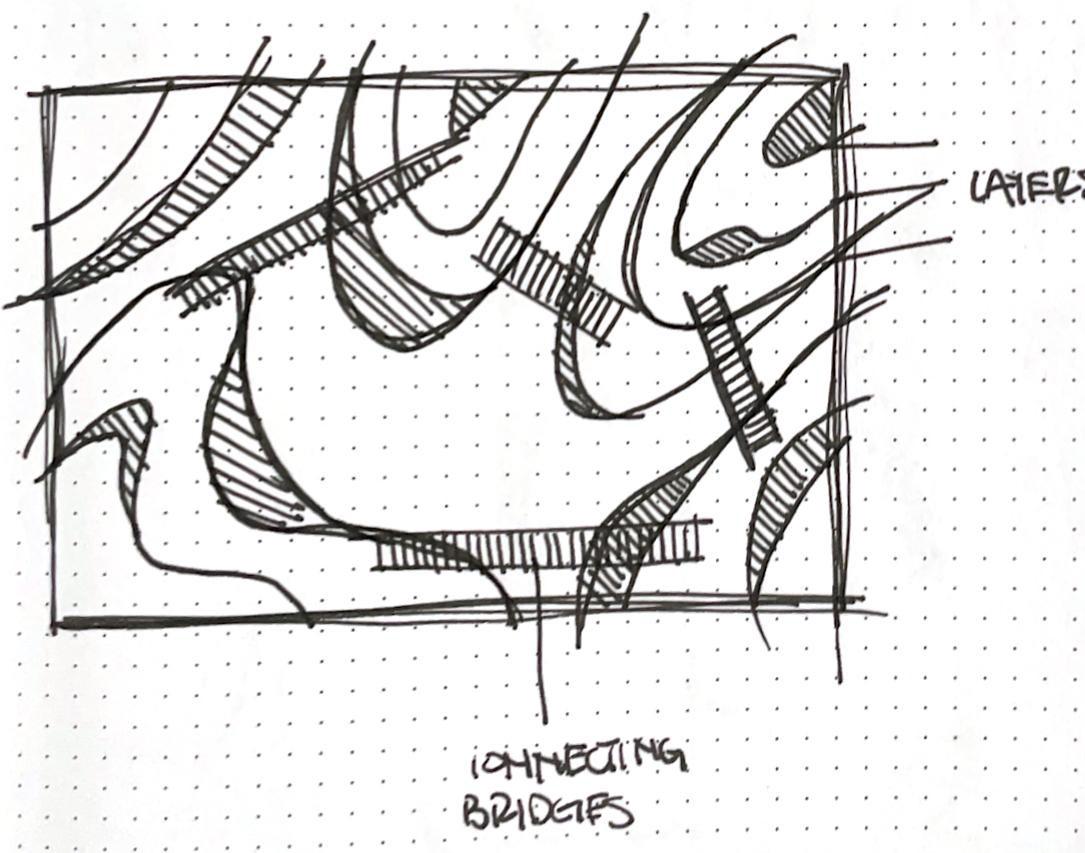
Conceptual Sketches and Graphics for NOMAS Competition 2025
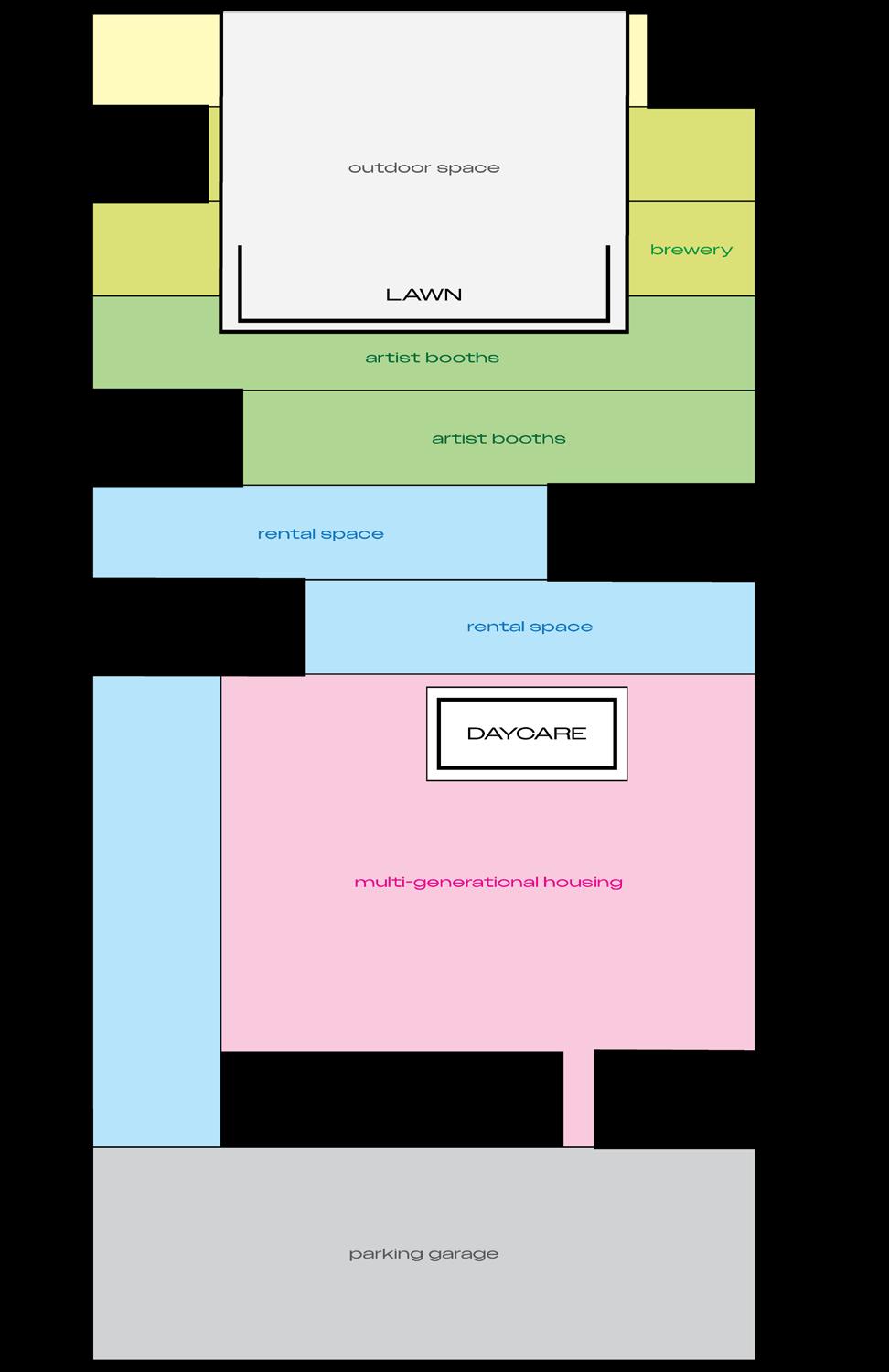
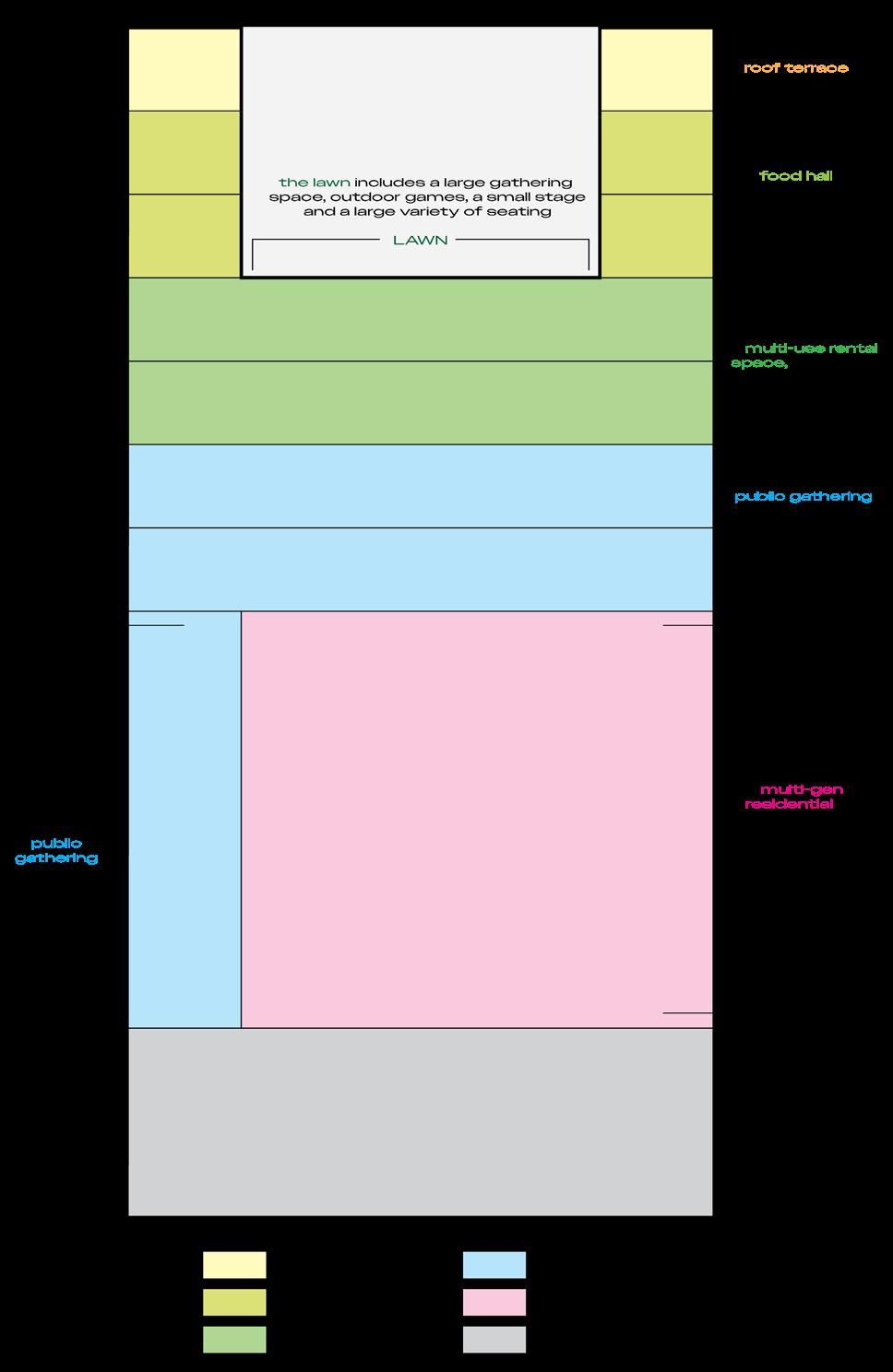
Graphics and Research for NOMAS Competition 2024




Savannah College of Art and Design
Professor Grazioli 2025
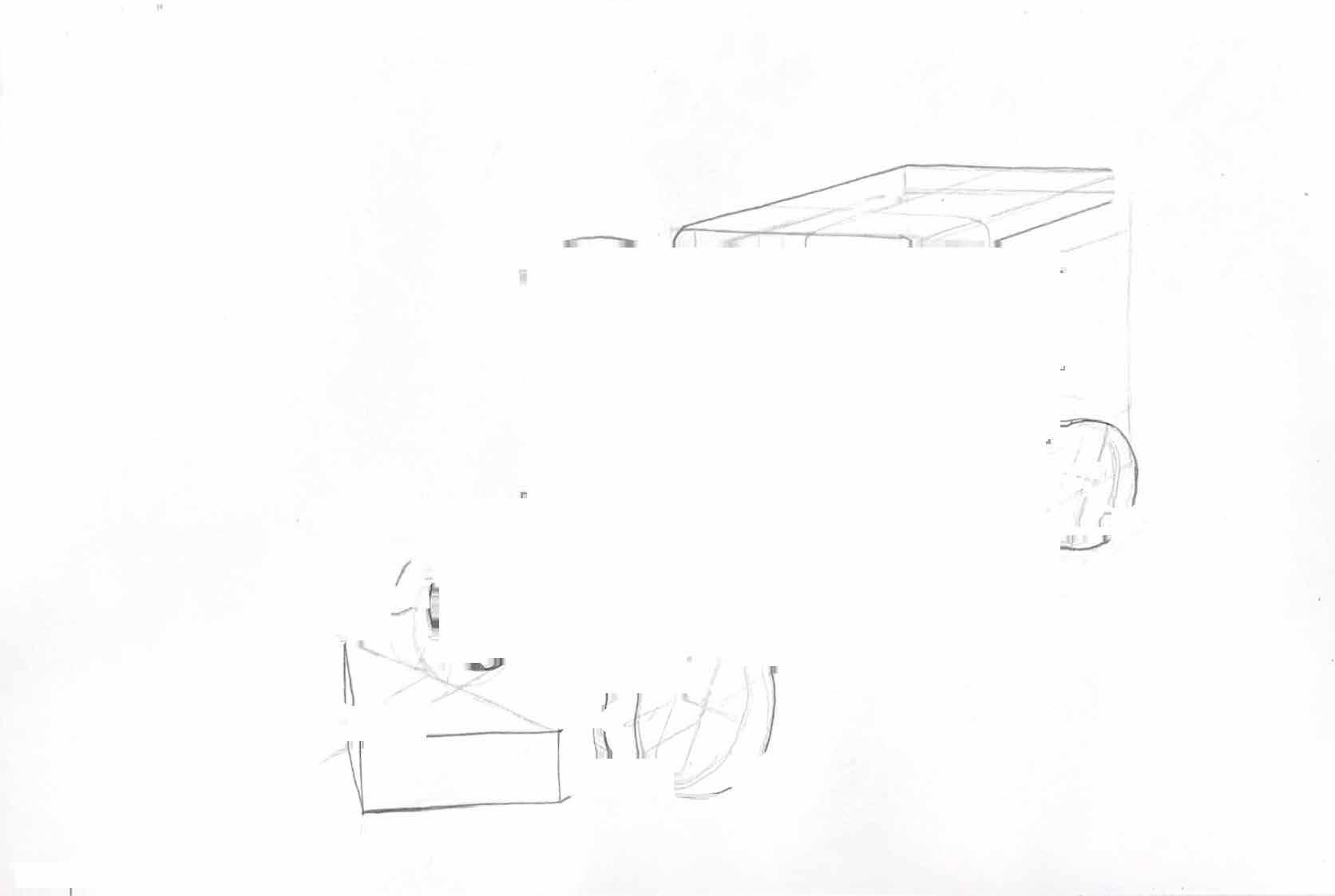
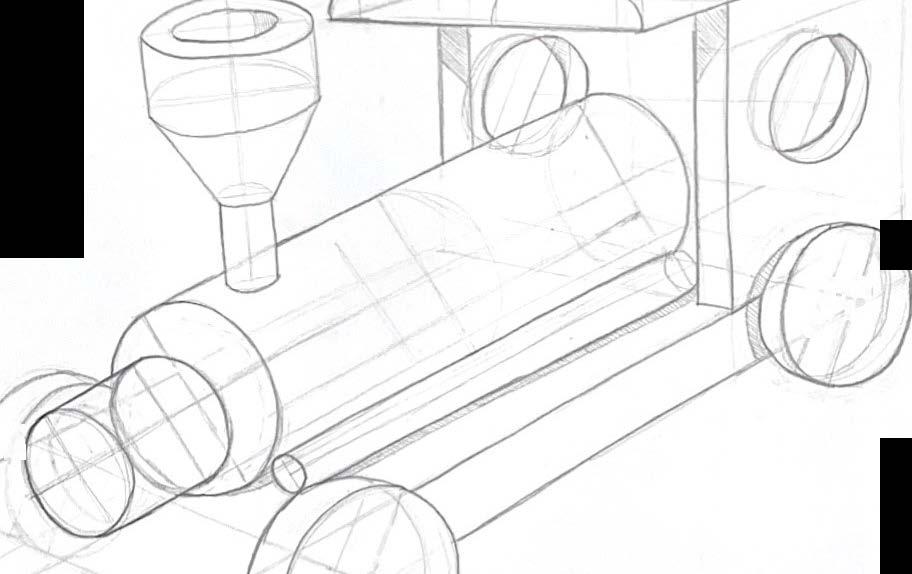
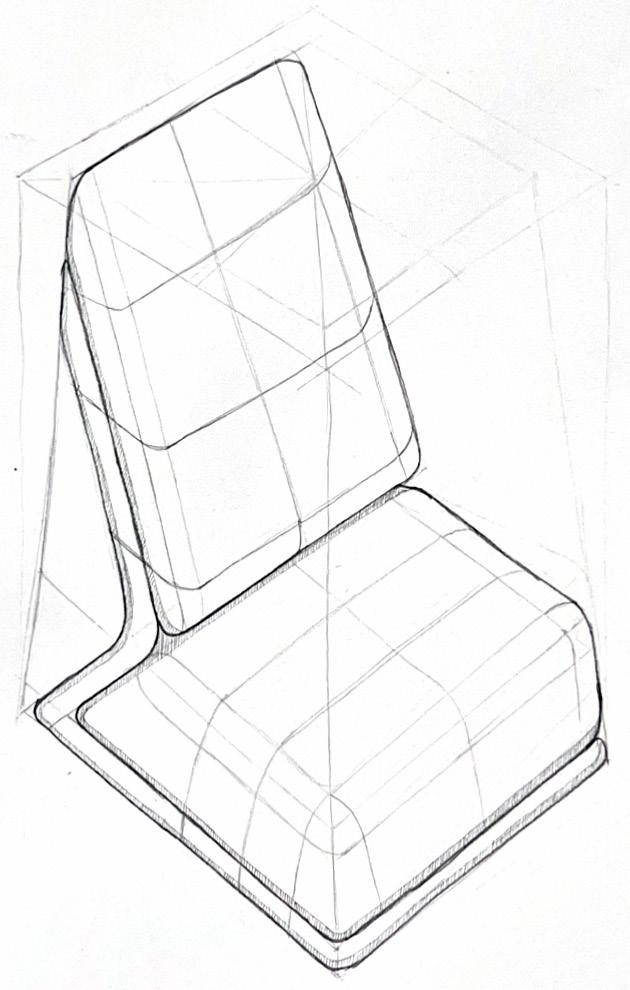
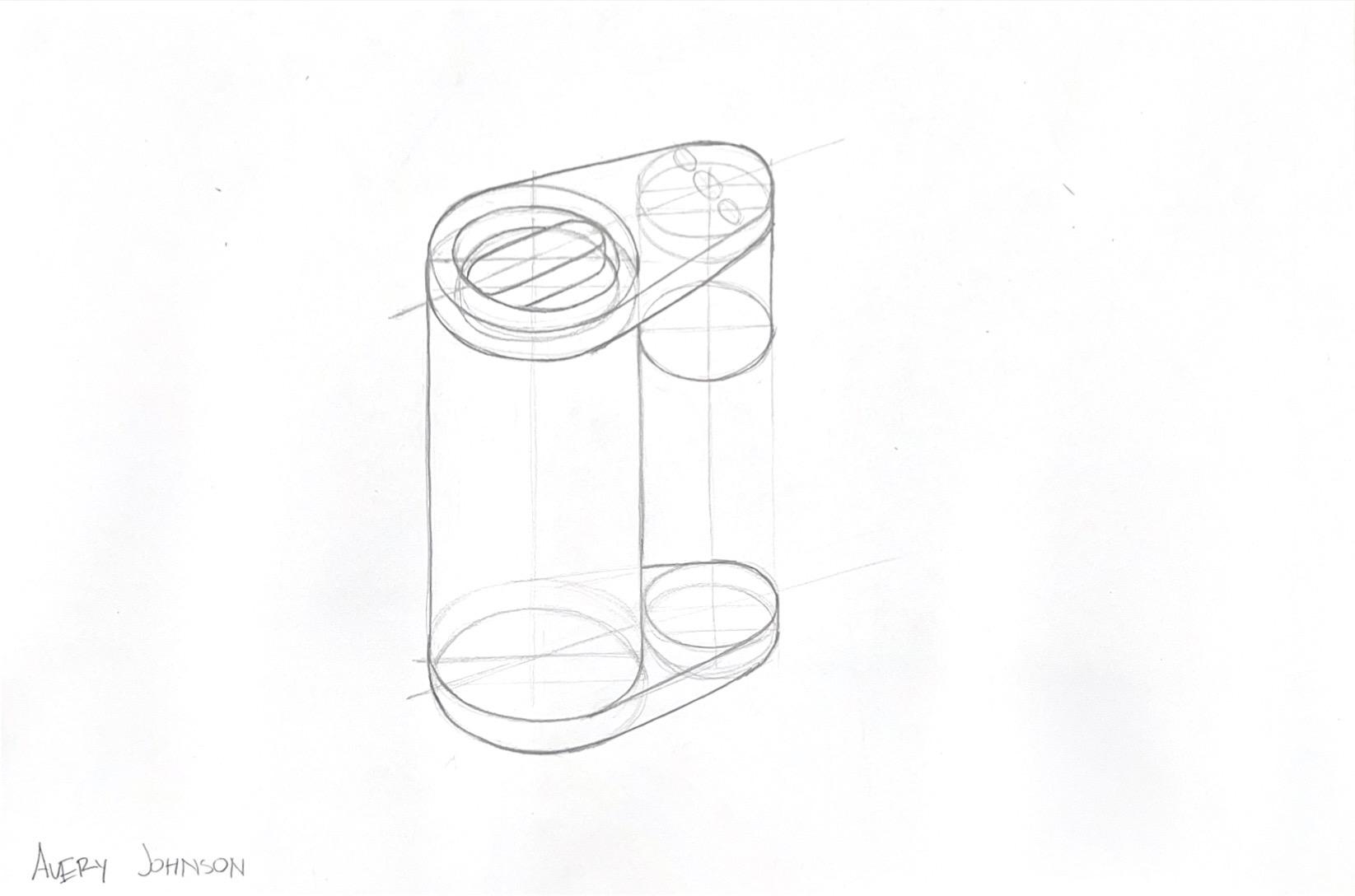
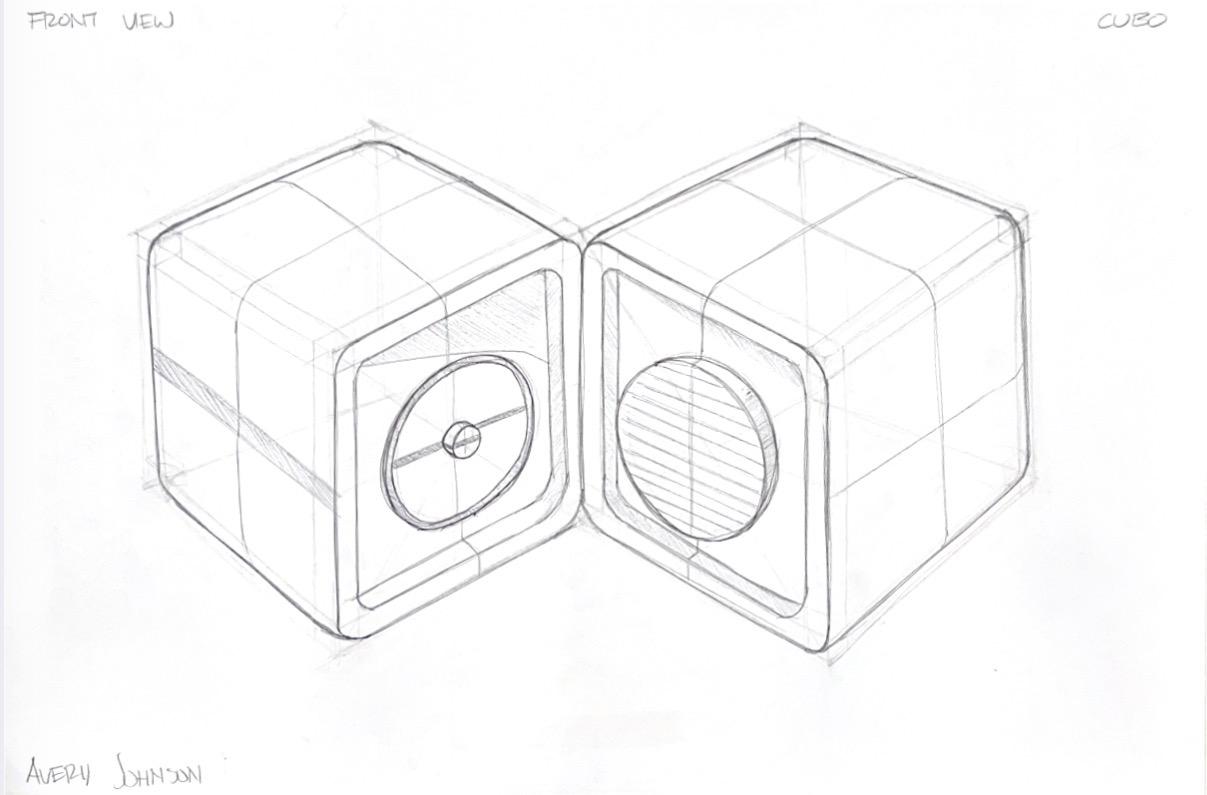
Developing strong sketching skills through industrial design coursework has directly elevated the clarity and speed of my architectural process. In these classes, I trained to build complex forms from simple geometric volumes, refine accurate perspective, and use confident linework and lineweight hierarchy so that the main idea reads immediately.
Emphasis on rapid ideation by producing many loose iterations before refinement has helped me explore a wider range of massing and spatial concepts by hand before moving into digital tools. Learning to communicate how products are held, used, and experienced has also sharpened the way I sketch architecture at human scale, allowing my drawings to better convey how people occupy and move through space. Additionally, adopting simple analog techniques such as toned paper, limited markers, and focused highlights has improved the legibility and atmosphere of my process sketches and presentation graphics
High School
Ted Kincaid
2022
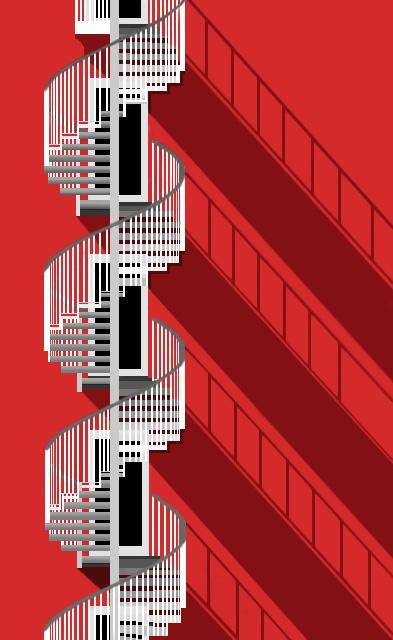
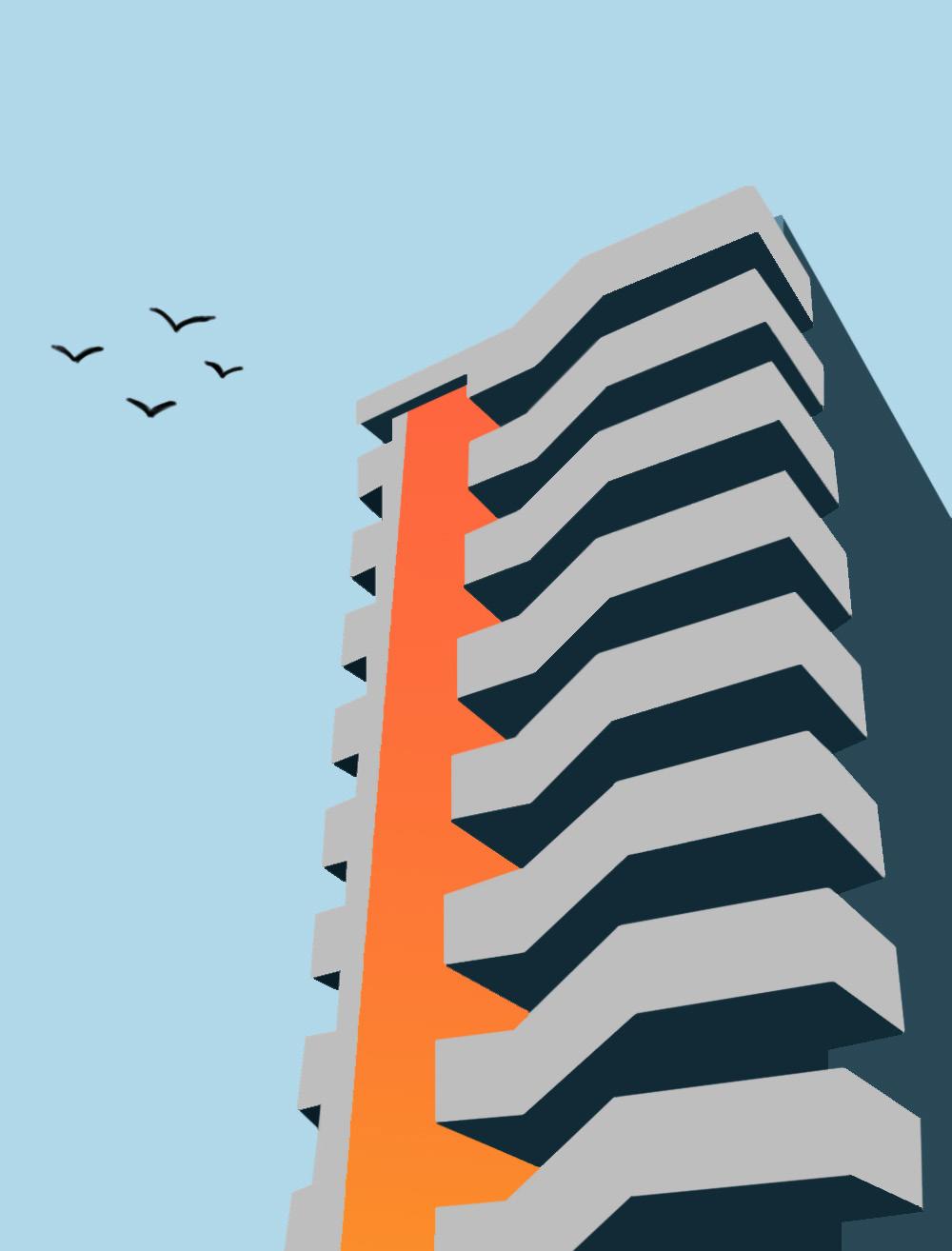
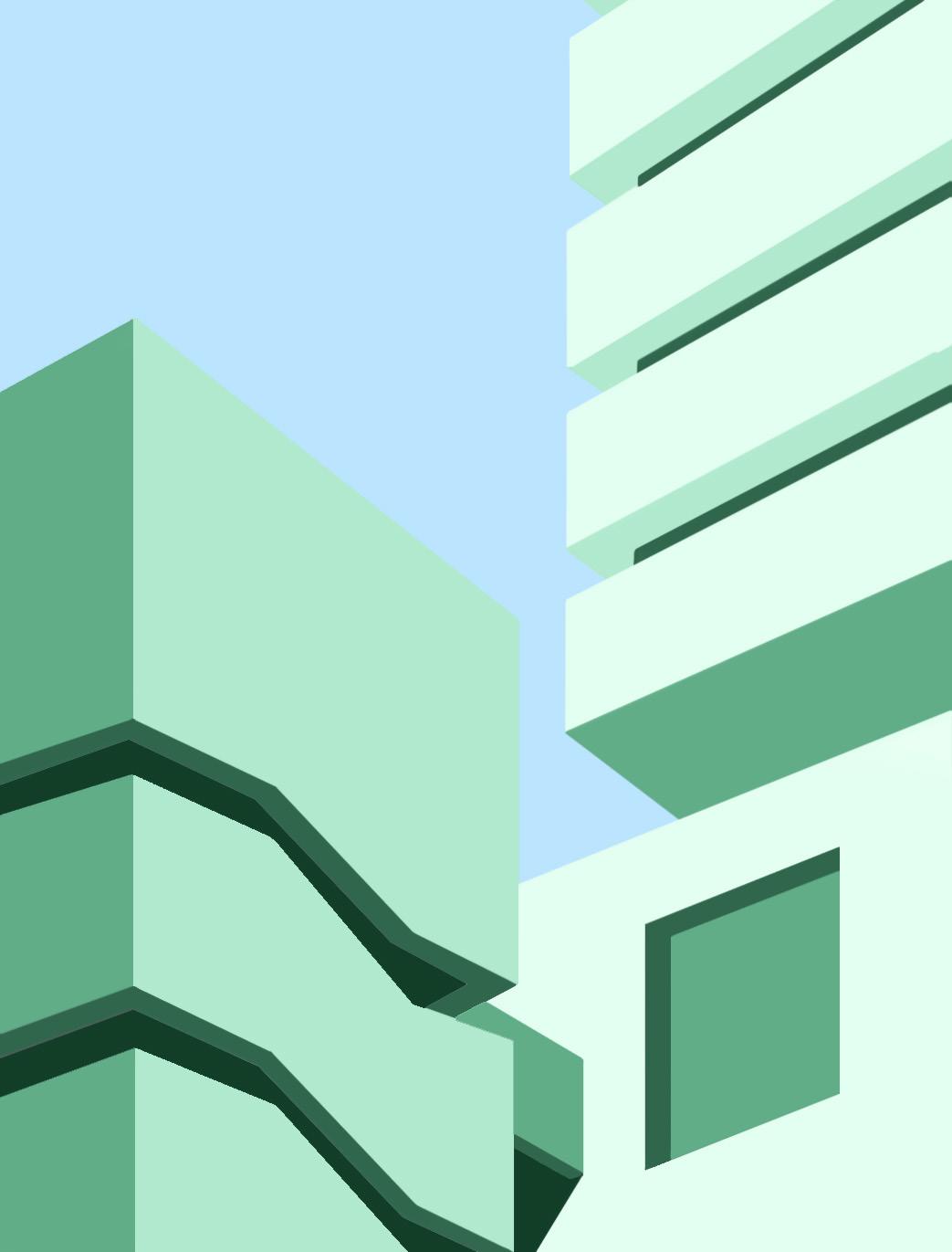
Through a 15 part series of experimental studies, I explore how form, shape, shadow, and strategic color application transform architectural design from mere construction to experiential art. By examining diverse perspectives—from angular facades to curved organic forms—I demonstrate how intentional color palettes and geometric elements create depth, rhythm, and visual complexity. The project reveals architecture as a dynamic medium where structural boundaries, spatial relationships, and vibrant chromatic interactions converge to craft immersive, emotionally resonant environments.
The piece pictured above was Aawarded “Best in Category: Mixed Media” in the Dallas Architecture and Design Exchange (ADEX) “The Art of Architecture” Design Competition in 2022