AVERY EDSON Architecture
BIG FARMA
Designing a HOUSING HYBRID within the neighborhood of South Williamsburg in Brooklyn, NY
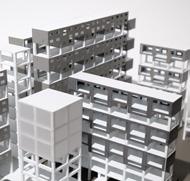
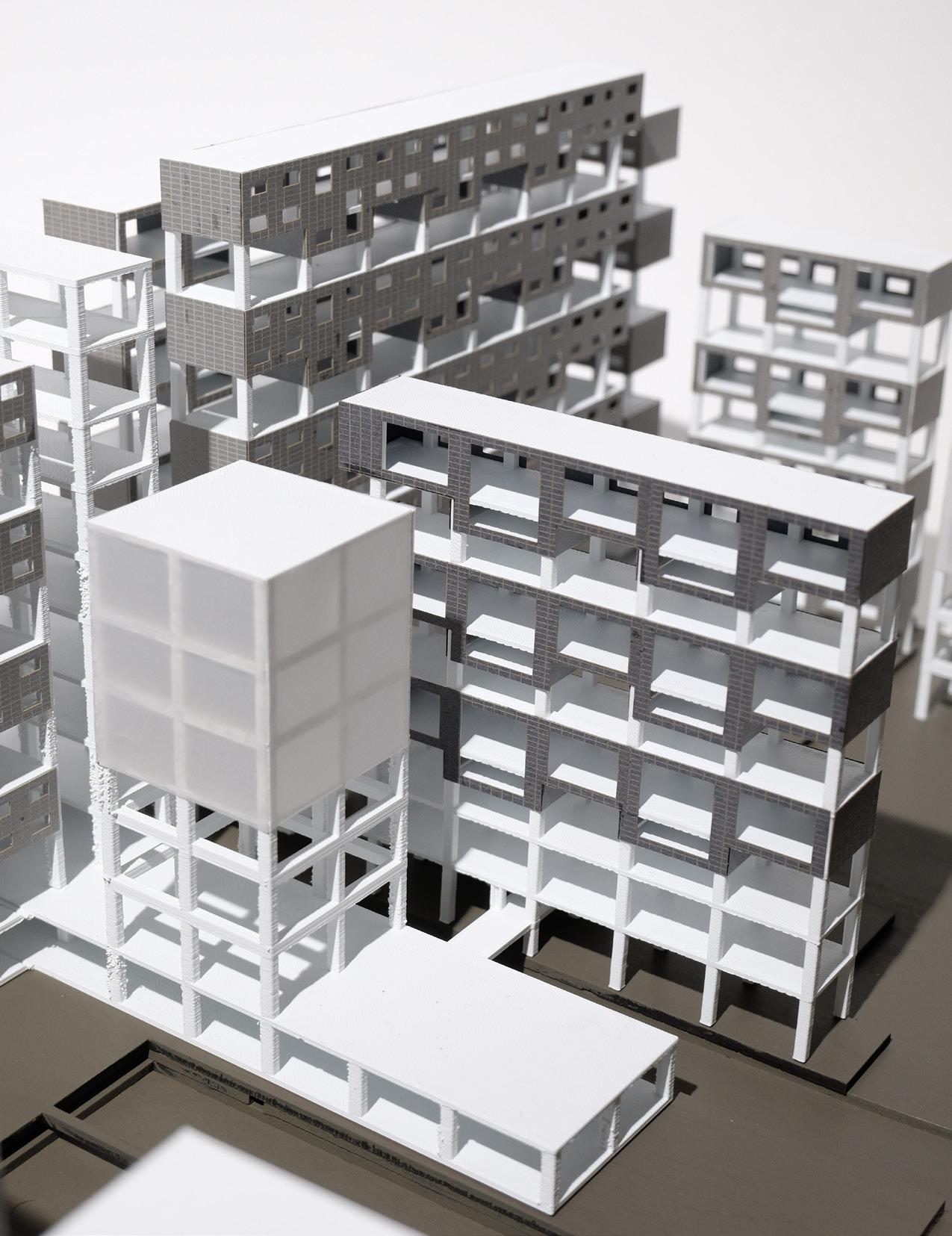
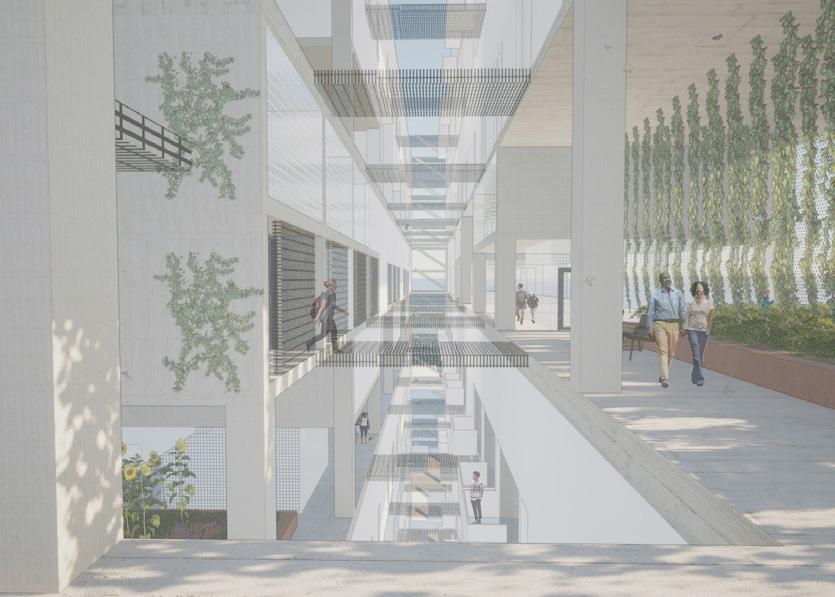
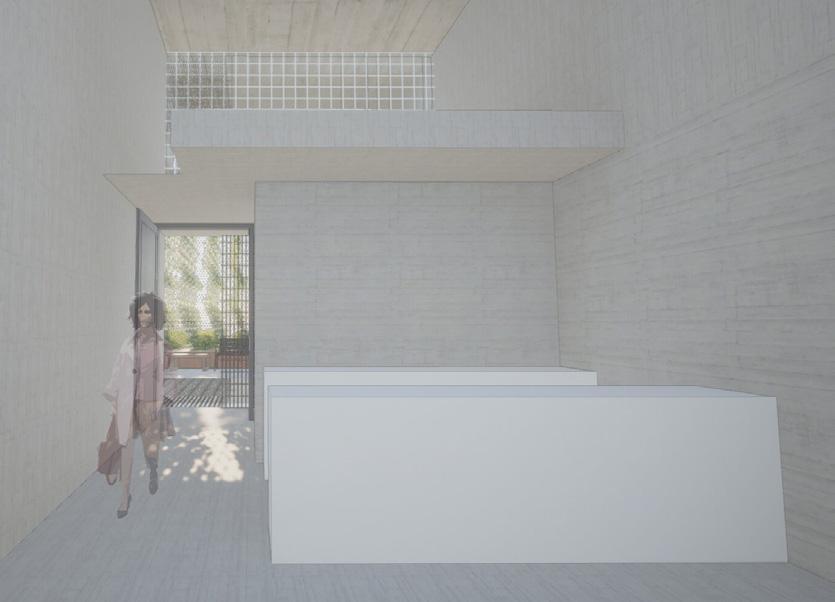
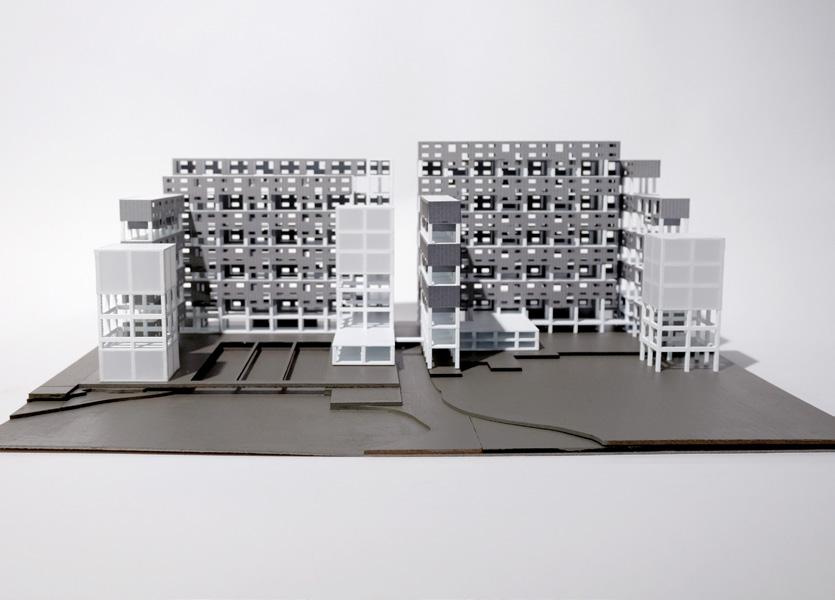
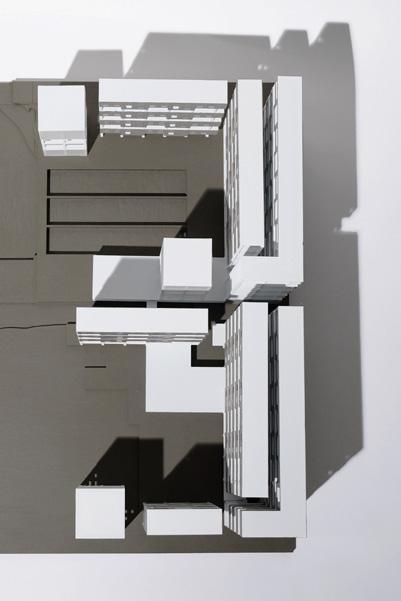
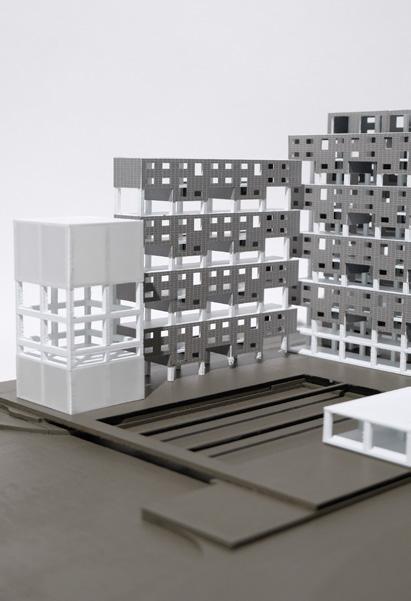
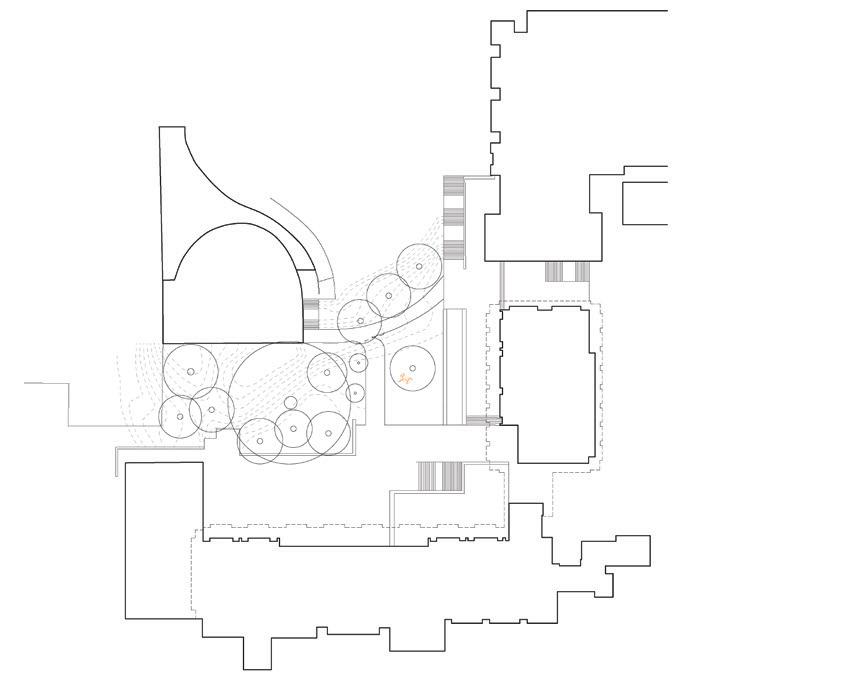
BIG FARMA strives to cultivate a community centered around hybrid living, encouraging individuals to actively participate in an agricultural program that engages with both land and water. Located along the East River, our site occupies a unique position between landforms, creating an opportunity to establish a space integrating these two elements. Situated between the expansive operations of the Brooklyn Navy Yard and the smaller industrial workshops in South Williamsburg, our project introduces an intermediate scale of industry, offering a distinctive space for individuals to engage in industrious activities that utilize the opportunities presented by the river. Growing is conducted at different scales throughout the project, with its activity intricately stitching spaces vertically, spanning from manufacturing on the ground to residential areas above.
Fall 2023 Foundation Studio III
Academic Work
Professor Esther Lorenz
Partner: Cal Sullivan
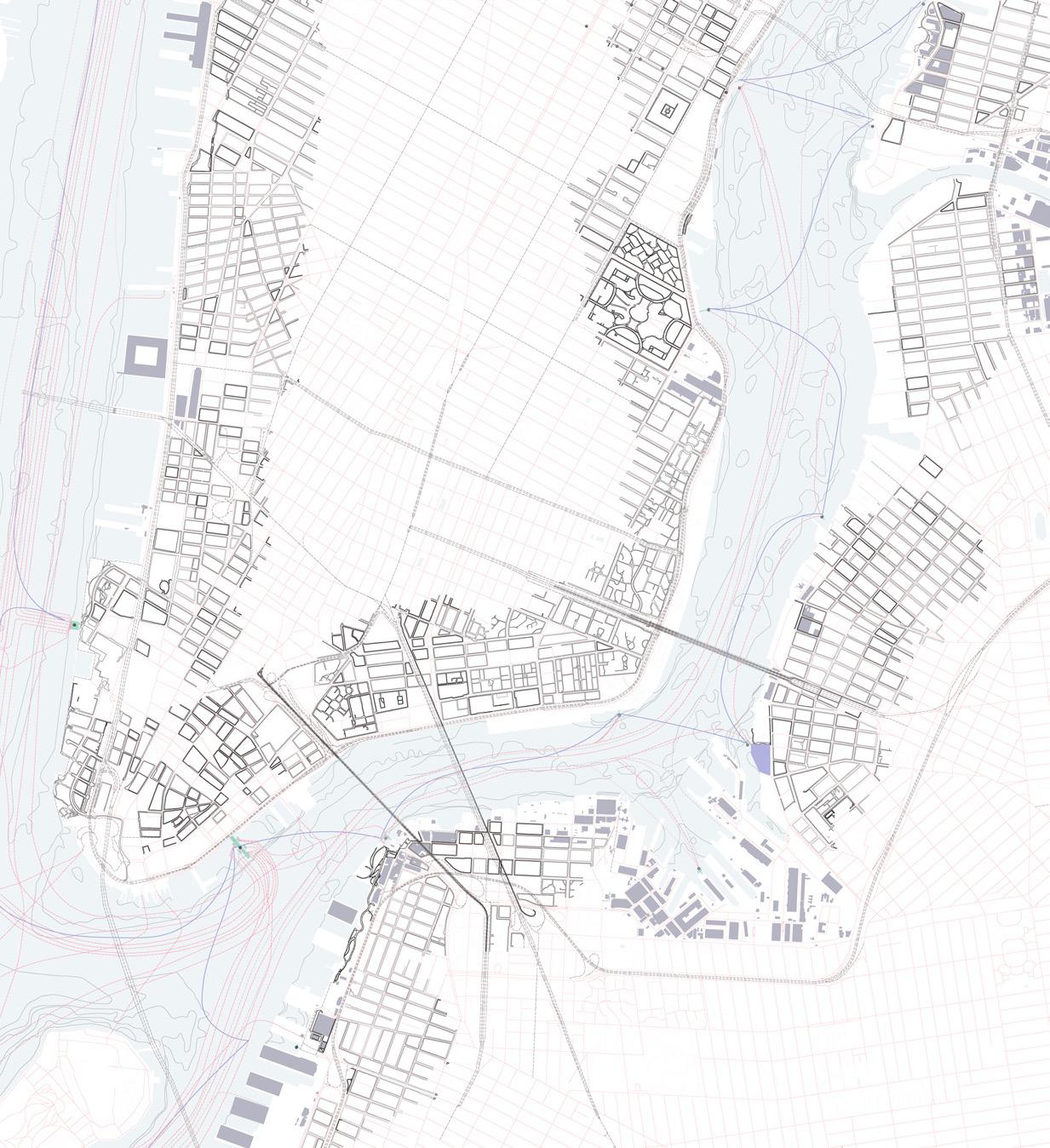
M2/M3 Zoned Buildings
Major Roadways
Ferry Routes
Ferry Stops
Industrial Routes
Sidewalks (1/2 mile)
Barge Routes/Stops
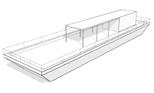
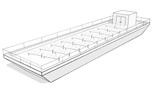
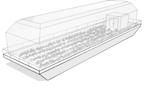
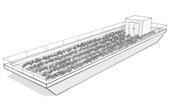
Inspired by Mary Mattingly’s “The Swale” (2016) and mindful of the potential impact of the floodplain on the site, agricultural beds are strategically placed atop barges. These dynamic barges move in and out of the site, not only supporting the local community of South Williamsburg but also extending their reach to provide for other communities. In this way, the project contributes to the interconnected networks of the city, functioning as a node across diverse landscapes and fostering a meaningful connection with a local food source.
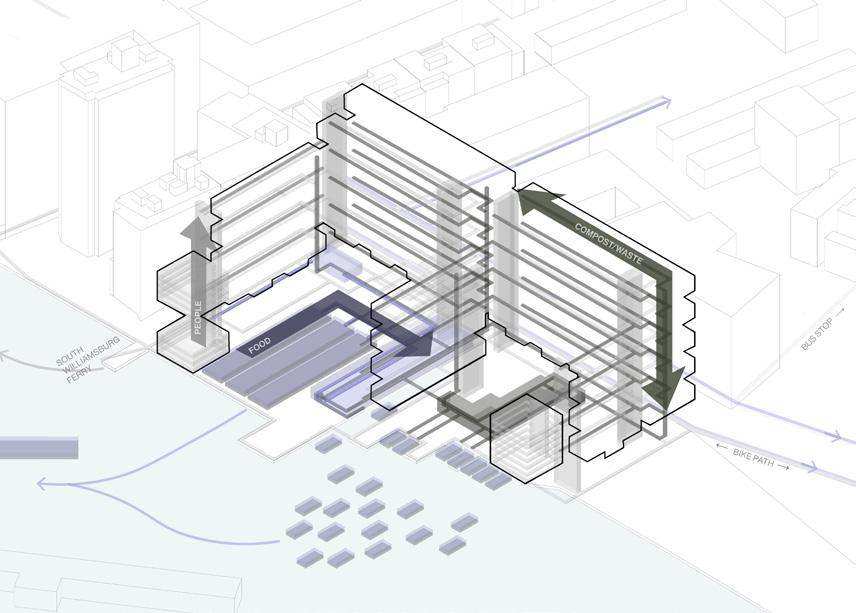
Three main flows are facilitated through the project: people, compost/waste, and food. People are invited into the site through a series of shops which line the perimeter and can venture upwards through a scaffolding system. Composting material is collected from the various places of growing, processed in the composting facilities, and returned to be used as soil. Food is grown on the barges and is either harvested, cleaned, packaged, and delivered to the grocery on site or is completely transported elsewhere to be harvested by others elsewhere.
3
4
6



02
ARBOREAL INFORMED DESIGN
Building an INTERACTIVE INSTALLATION exploring the sustainable use of wood
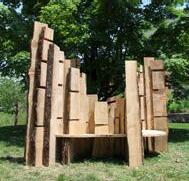
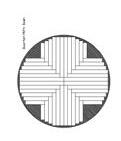
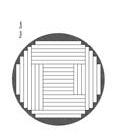
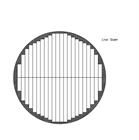
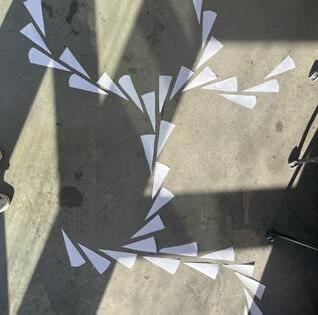
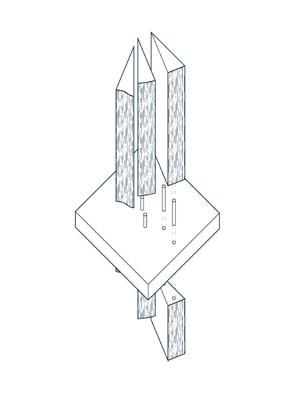
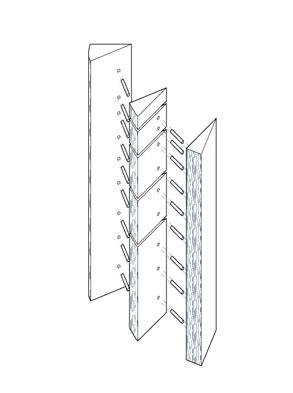
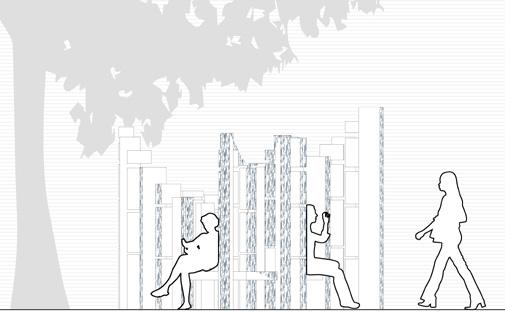
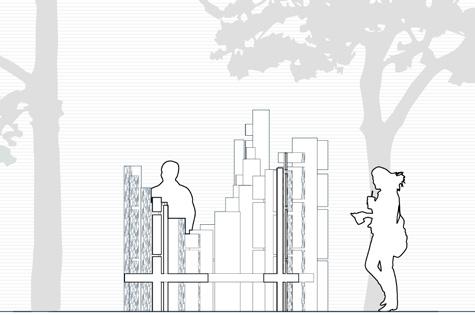
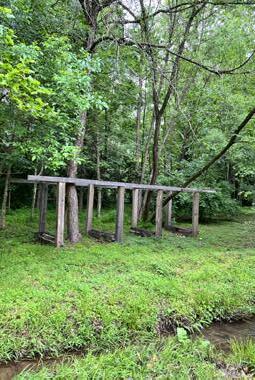
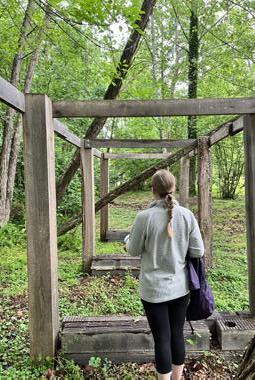
The current practice of deriving rectilinear, dimensional lumber from circular trees inevitably results in waste. Our project explores a more waste-efficient approach to generating standardized lumber and maintaining the visual link to its previous life cycle stages. This new approach also encompasses where, and how, we choose to use these materials. The intrinsic nature of the wedge makes it ideal for generating smooth curves, such as those that define the edges of a branch or tree. Their undulating concavity creates a protected space to stop and rest for those seeking repose.
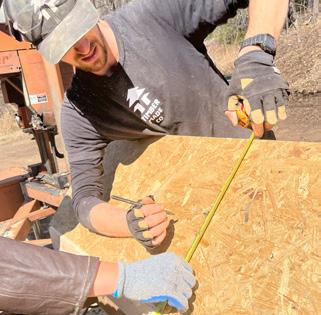
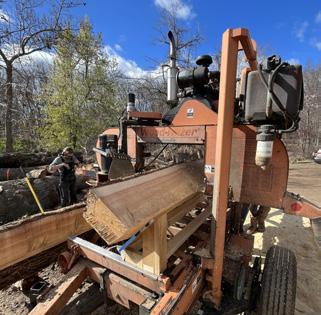
Our winning concept enabled us to realize it through an independent study -- this design is the result of several iterations. For the final installation, we milled logs from white pine, chestnut oak, and silver maple trees that had fallen on UVA’s campus.
Spring 2023 Independent Study
Competition Work - Winning Proposal
Team: P. Bourdin, B. Meinders, B. Shapiro
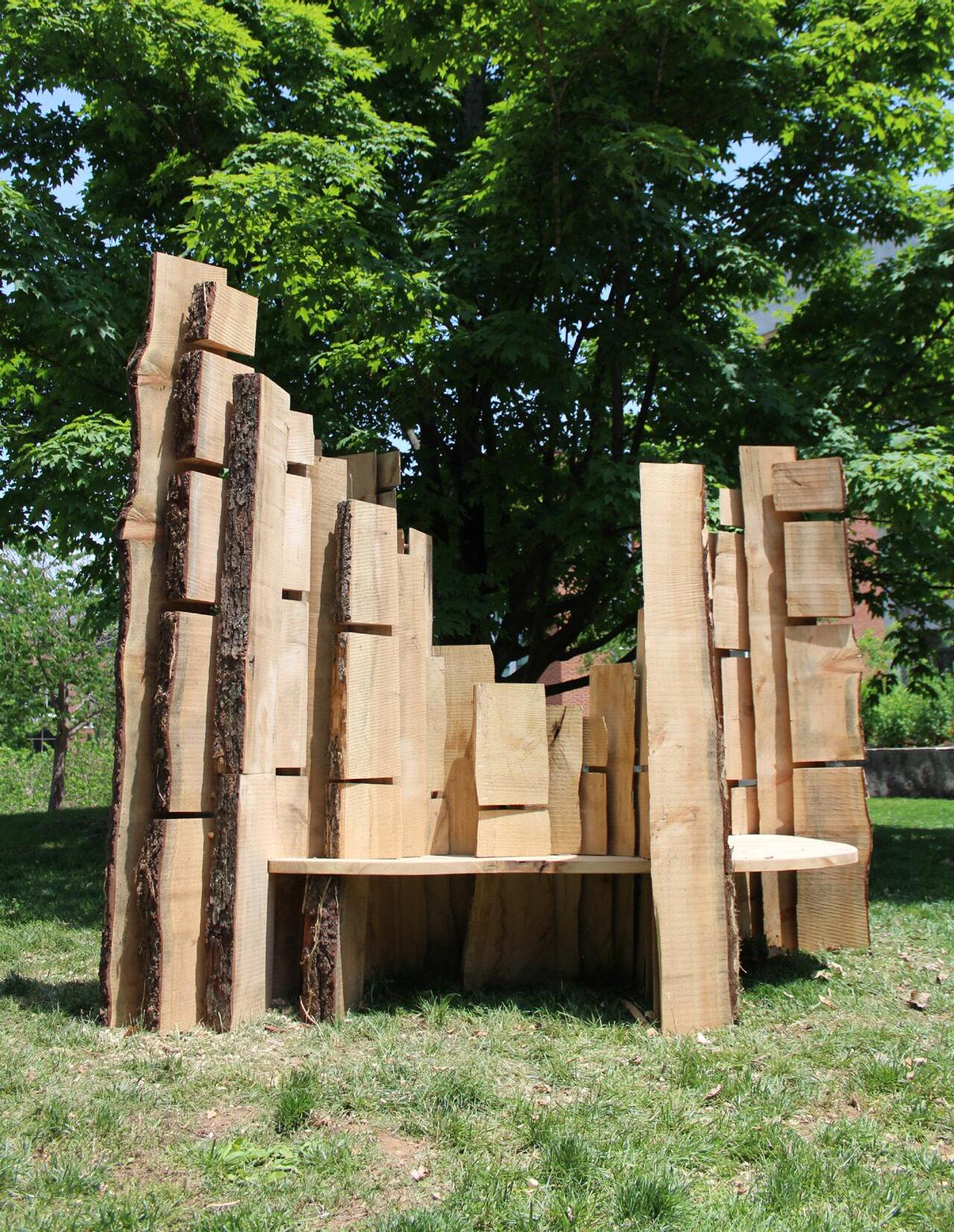
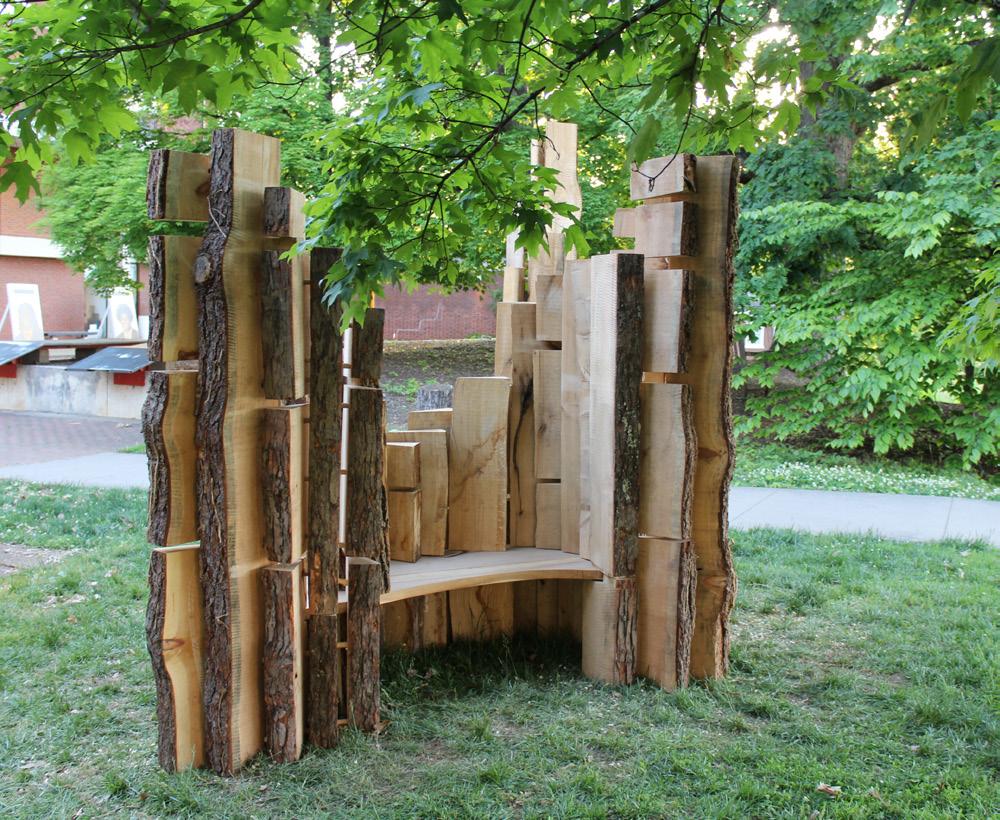
 Final installation on the North Terrace
CARVING WAYS OF KNOWING
Designing a CENTER FOR VISITING SCHOLARS informed by painting and spatial analyses
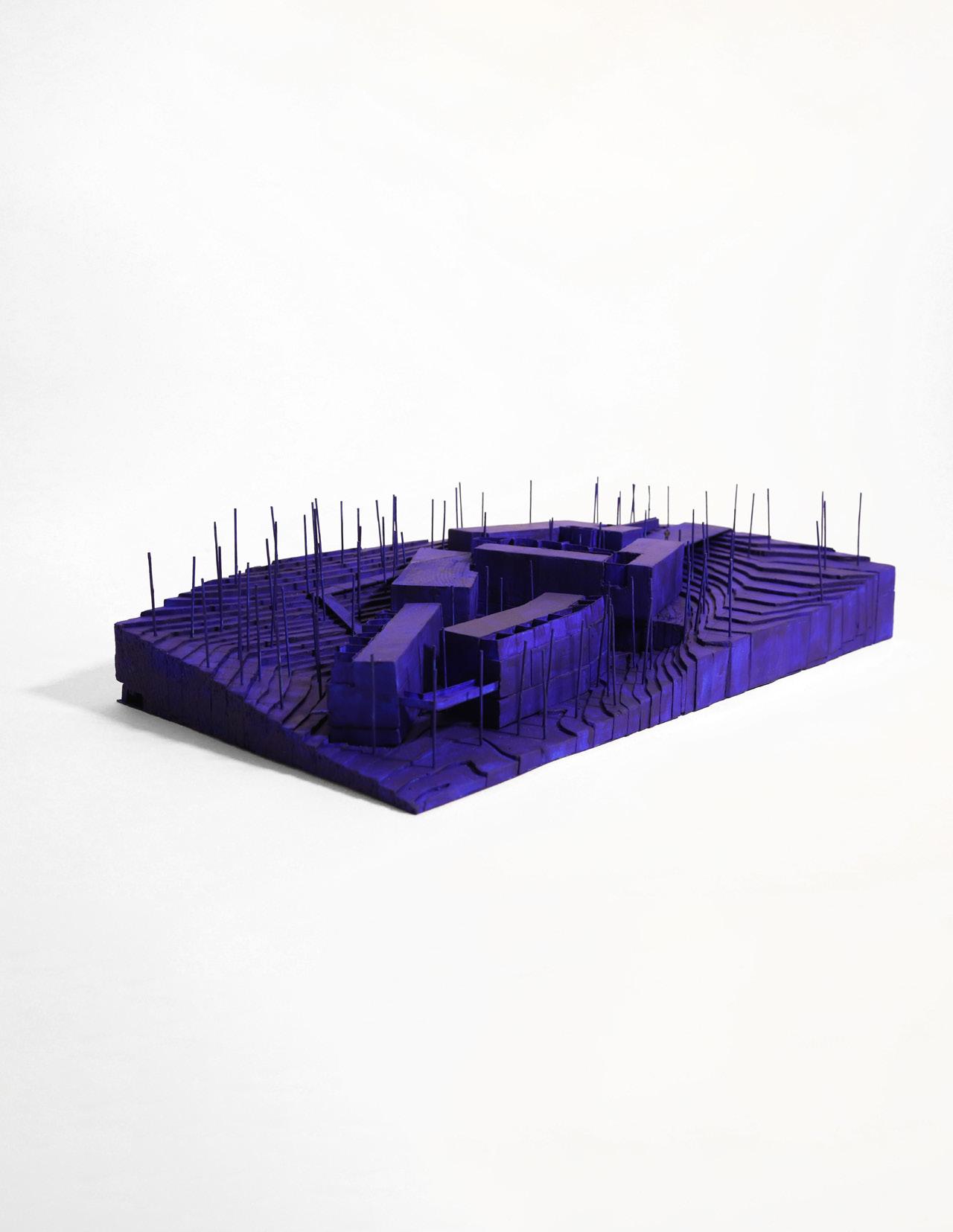
The site is situated on an invisible boundary which separates the more densely built areas of UVA’s campus and the natural landscape of Observatory Hill. The intervention I propose is a path carved from the topography of the site which connects these distinct conditions–the path is an extension of the surrounding constructed paths which invites individuals into the heavily forested environment. In defining a space for visiting scholars with a path, the project materializes a progression of knowledge that occurs within the differing conditions one chooses to occupy.
Fall 2022 Foundation Studio I
Academic Work
Professor Katie MacDonald
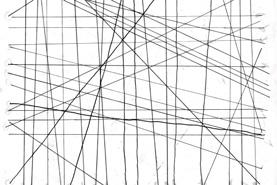
underlying grid, trace paper
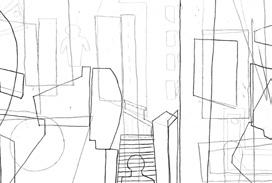
layers, trace paper
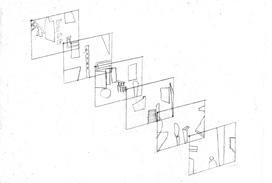
layers, trace paper
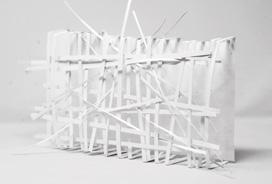
underlying grid, bristol
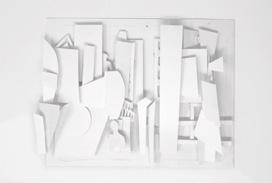
additive layers, bristol
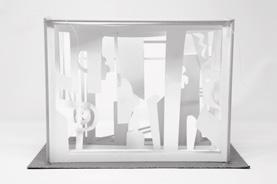
subtractive layers, bristol & dowels
Beginning with a PAINTING ANALYSIS of ‘The City” by Fernand
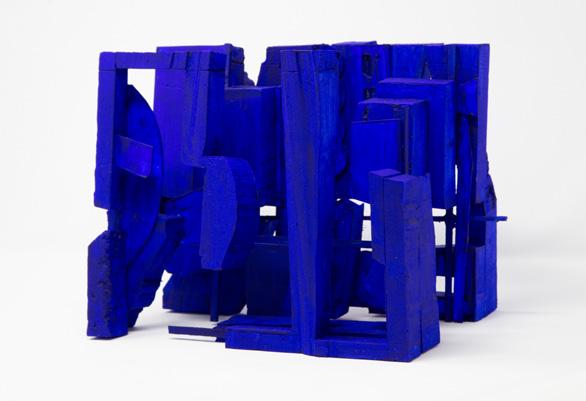
LégerThis project began with an exercise void of history, void of background, as I developed a solely visual proposition informed by the graphic of a painting. Working with trace paper, I sought to reveal the hidden relations of the obscured layers of The City by Fernand Léger. Working through quick physical models, I began to explore the simultaneously additive and subtractive nature of the abstract graphic, while attempting to extract its inherent logic of geometry. The final painting model presents the geometry as a series of linear, planar, and volumetric components.
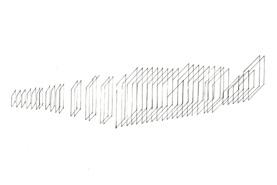
frames, trace paper
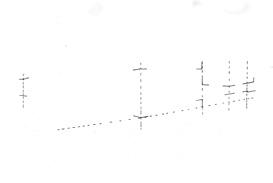
threshold, trace paper
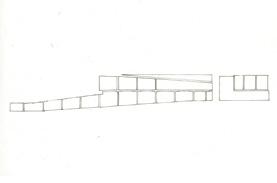
frame, trace paper
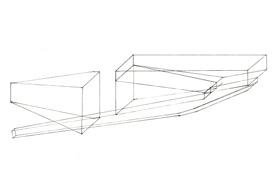
volumes, trace paper
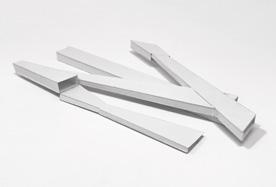
volumes as switchback, bristol paper
Continuing with a SPATIAL Sculpture Park” by Weiss/Manfredi
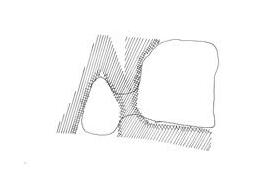
Utilizing the same tools and processes analysis, I uncover the following architectural precedent: volumes with a wall system, and space that
final painting study model. bristol paper & foam & wood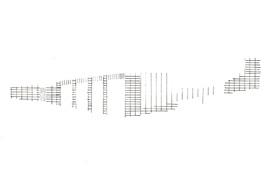
pattern, trace paper
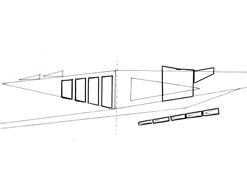
underlying geometries, trace paper
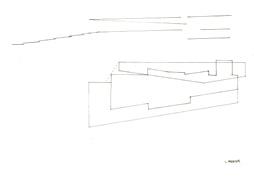
layering, trace paper
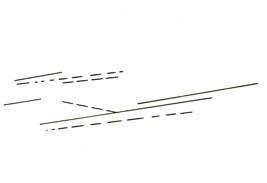
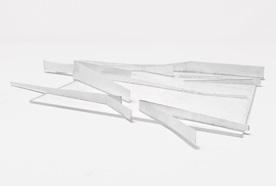
screening, bristol paper
ANALYSIS of “The Olympic Weiss/Manfredi
processes as the prior painting following organizational logics of this volumes as switchback, screening that is ‘carved’ from the site.
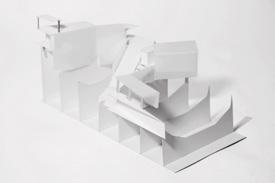
hybrid condition, bristol paper & polycar-
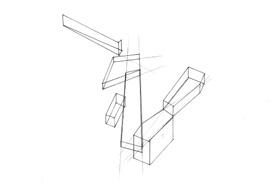
volumes as switchback, bristol paper
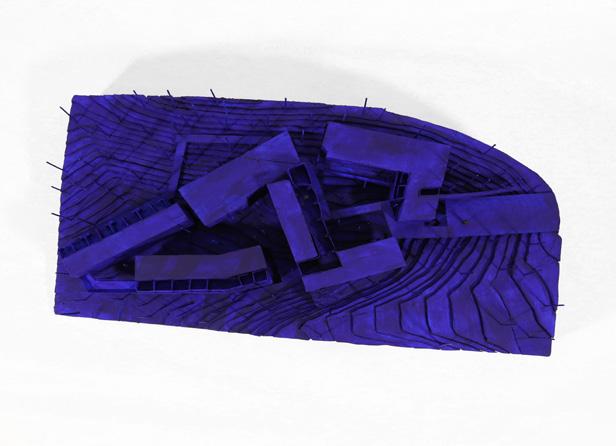
final model, plan view
Engaging both analyses to produce a HYBRID CONDITION within a real-world site
The languages, from both anylyses, I continue to develop are: Layering/Nesting, Volumes as switchback, Wall system as screening, Subtraction/carving, Bar & wrapper
Proposing a CENTER FOR VISITING SCHOLARS in Charlottesville, VA
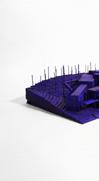
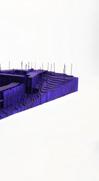
T he proposal consists of the layering of three distinct elements influenced by the precedent analyses - the linear path, the planar walls, and the volumetric buildings. The three intertwine and nest within one another, informing each other’s spaces and programming. The front, east end of the project consists of the more public programs, with the buildings enclosing the path and the wall. The back, west end is programmed more privately with the relationship of enclosure reversed.
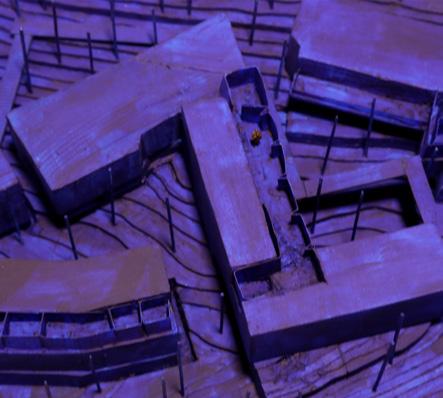
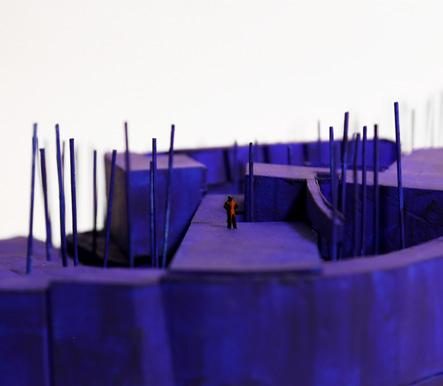
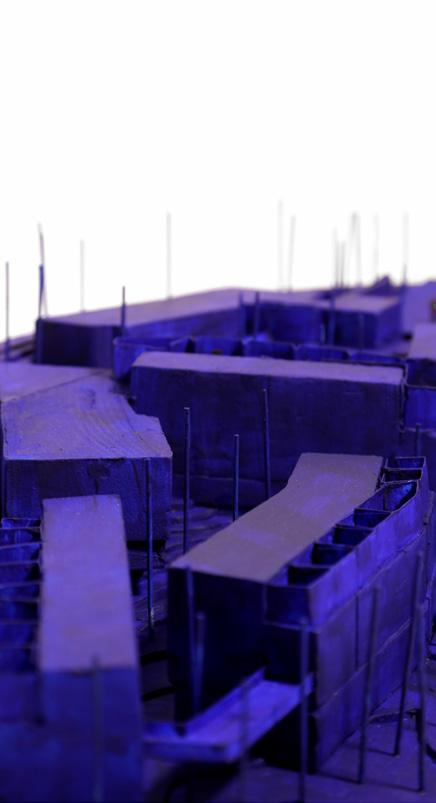 Final Model, aerial (above) & entrance (below)
04
TOFU (KERF CUBE)
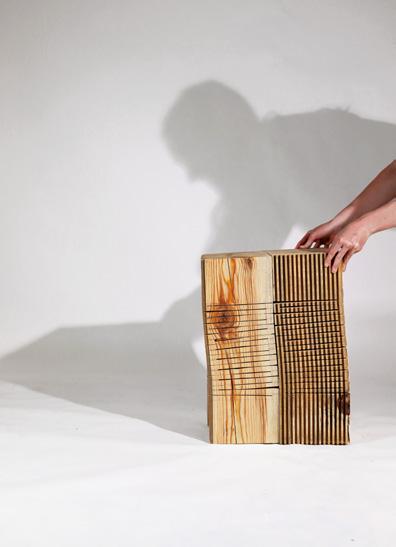
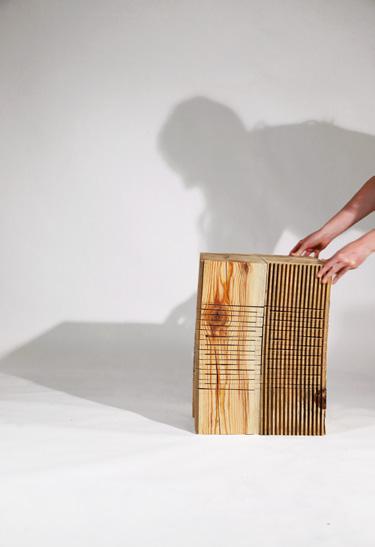
Challenging the accepted notion of static furniture by creating a WIGGLY, DYNAMIC SEATING ELEMENT through the use of an alternating kerfing pattern on repurposed linear lumber
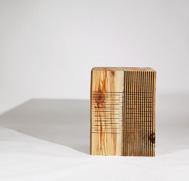
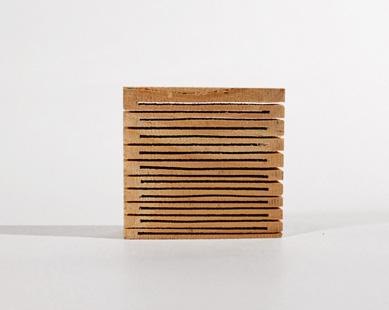
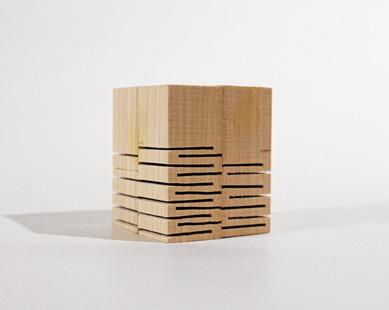
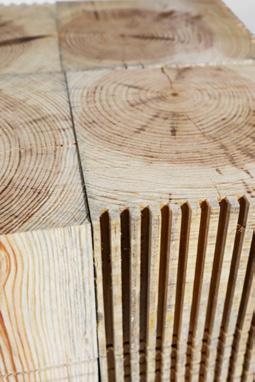
Kerf Cube uses the kerfing technique to alter the material state of repurposed linear wood. In mainstream building practices, kerfing is typically performed on one side of the wood to create a curve. Kerf cube challenges this by kerfing on both sides of a linear timber beam, and transforms the material from a firm mass into an activated wiggly piece. This project draws conceptual and experimental influence from the projects “Salvage Swings” by Somewhere Studio, and “Unlog” by Hannah office. In the work by Somewhere Studio, scrap CLT was repurposed from a local construction site to create a playful, interactive pavilion. In the project by HANNAH Office, kerfing was tested and performed to an entire log in a novel way, allowing it to stretch and assemble into a lightweight structural component. Kerf Cube similarly repurposed scrap wood from a local project that was being deconstructed, and uses experimental methods of kerfing to create a lively, amusing, and unanticipated seating element. As various methods of kerfing wood begin to be explored in architectural experimentation, Kerf Cube poses questions towards the performative capacity of kerfed wood, and further pushes us to reconsider how we can interact with furniture elements in our daily life.
Spring 2023 Building Workshop II
Academic Work
Professor Katie MacDonald
Team: M. Saunders, M. Zahn
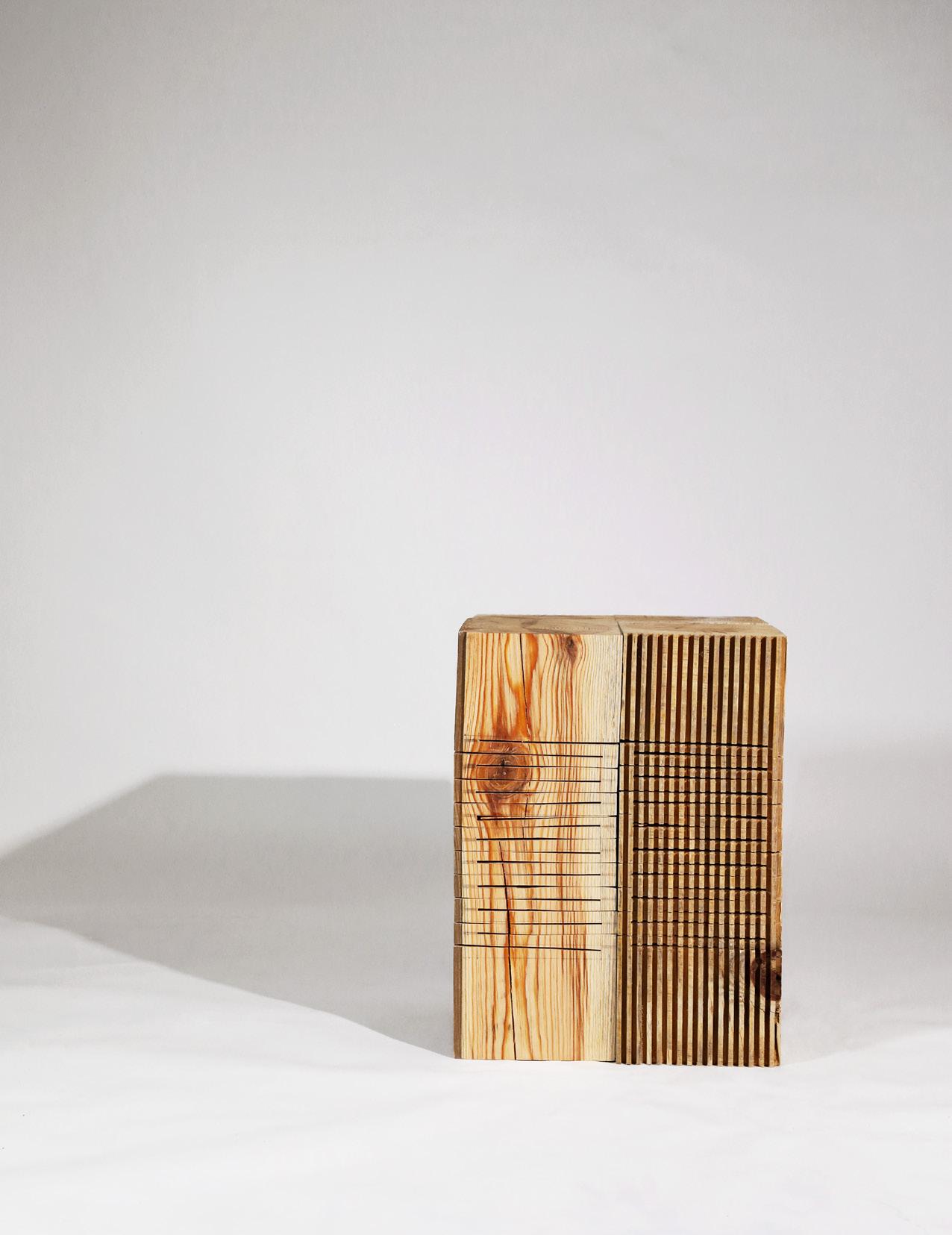
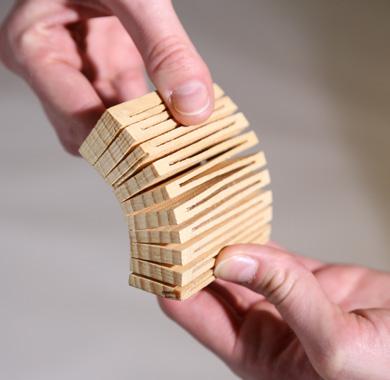
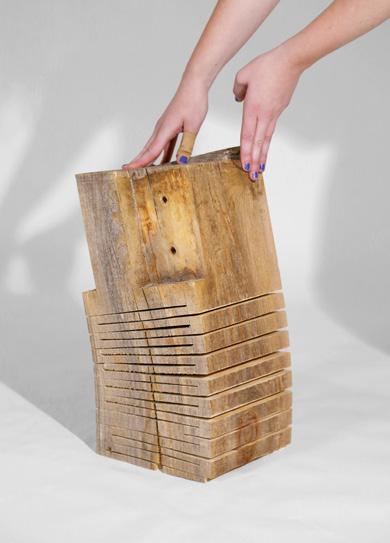
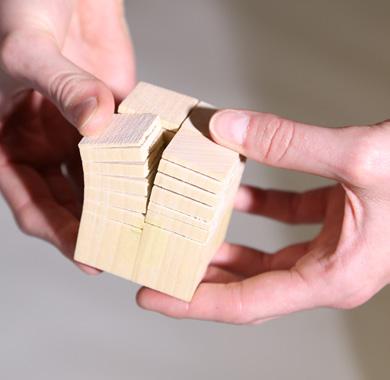
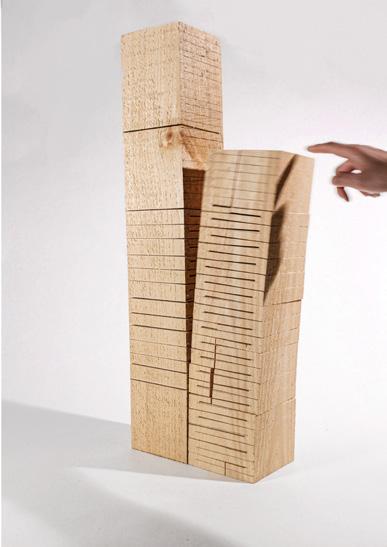
To activate the wood with wiggly motion, full log kerfing is performed against the wood grain in an alternating pattern. To achieve the motion at a larger scale, kerfing can be done to multiple pieces of wood and arranged together. Kerf cuts must follow the direction of those performed on the adjacent piece to achieve maximum uniform movement.
05
A STACKED COMMUNITY
Designing a PUBLIC BRANCH LIBRARY within the neighborhood of Bronzeville, Chicago
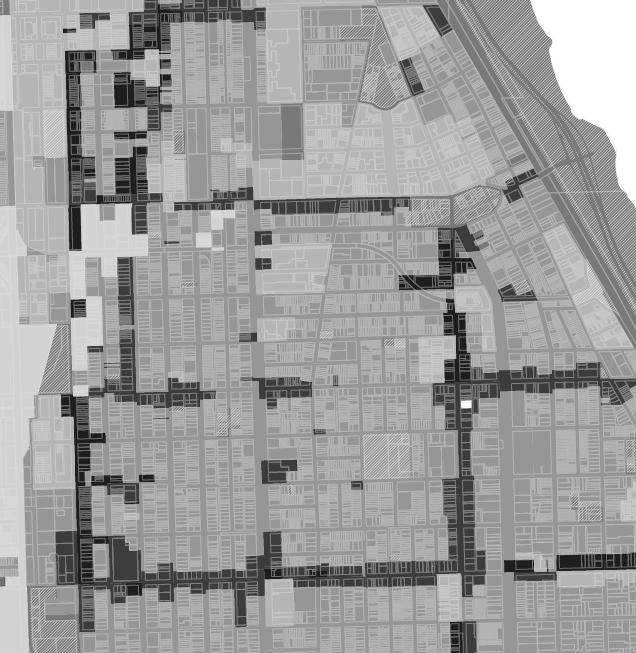
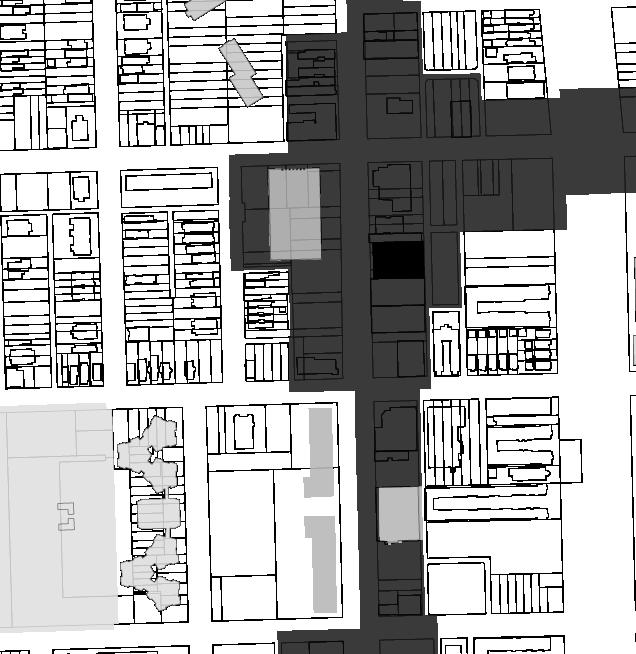
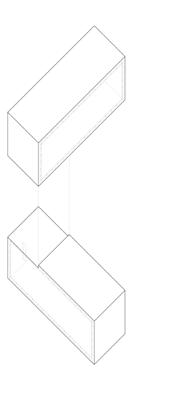
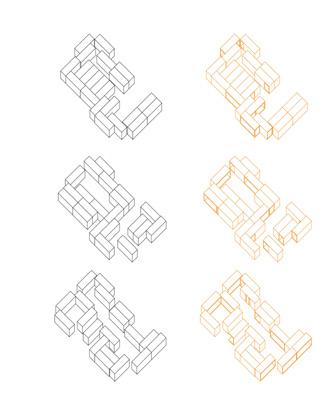
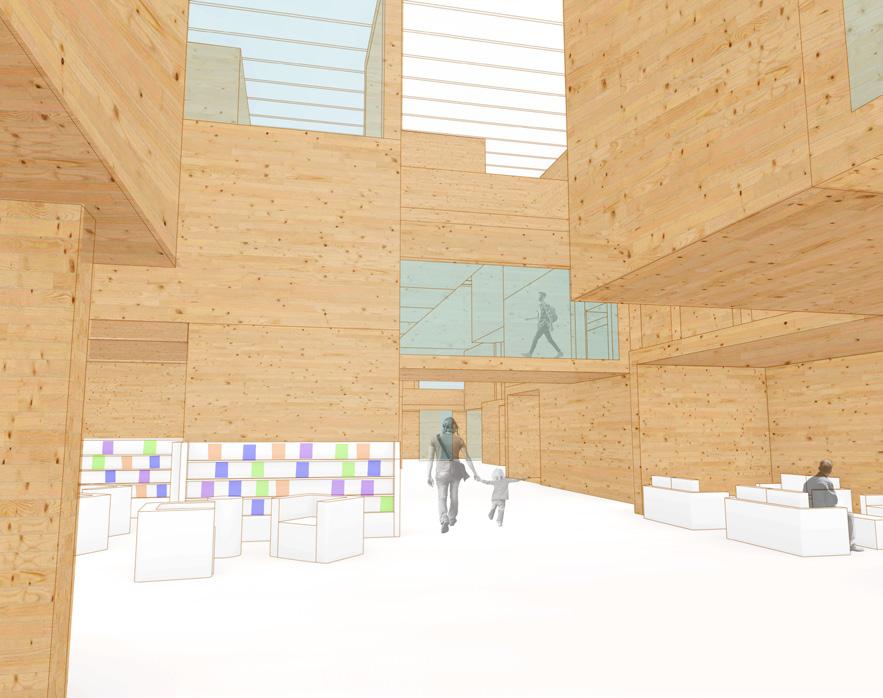
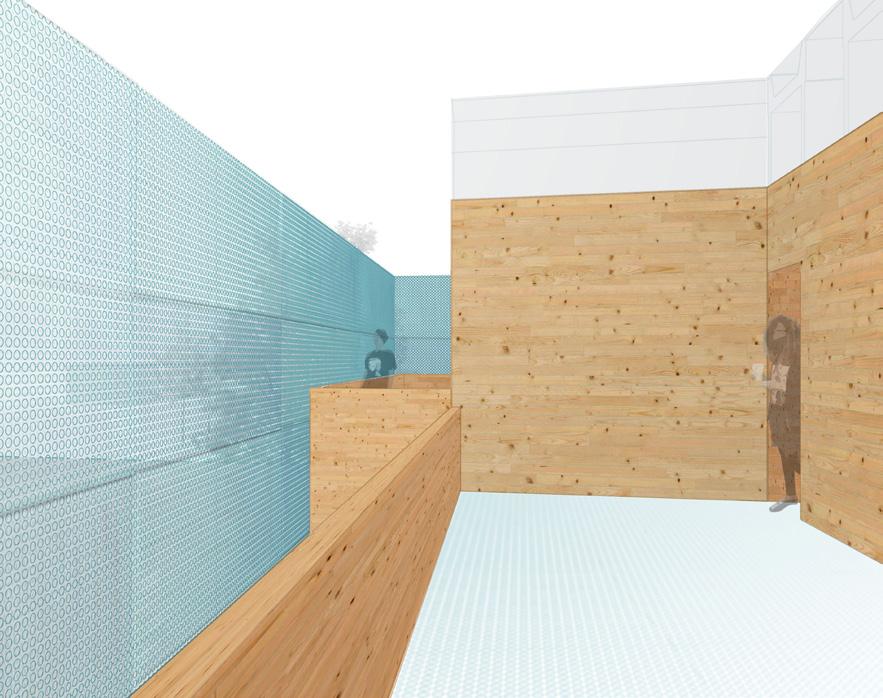
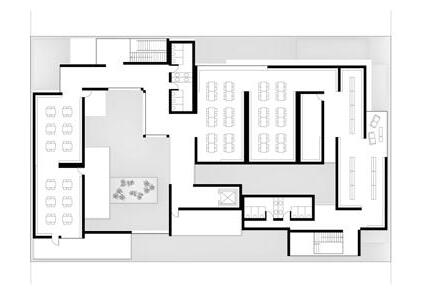
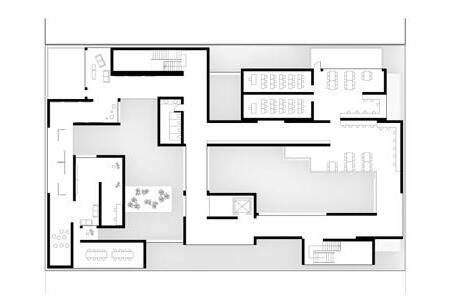
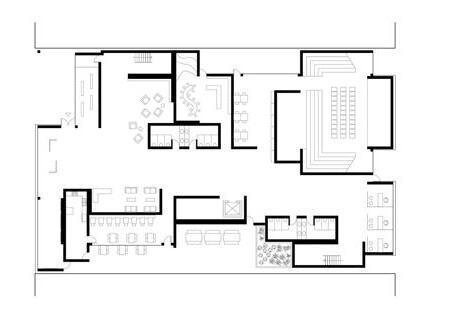
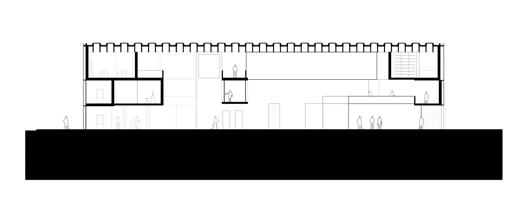
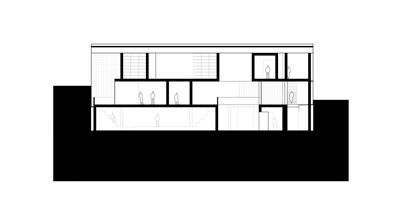
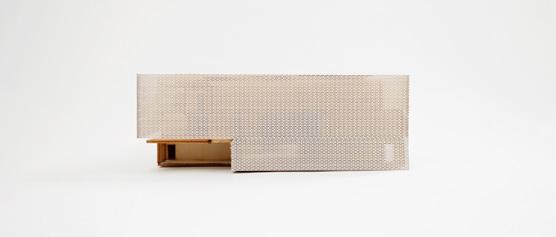
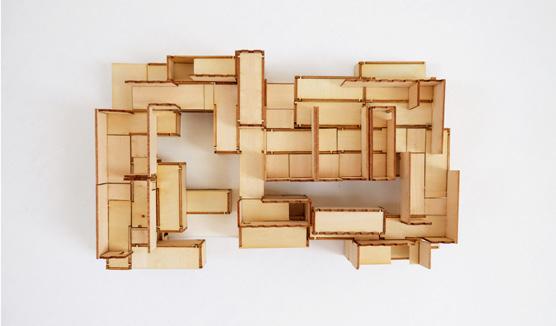
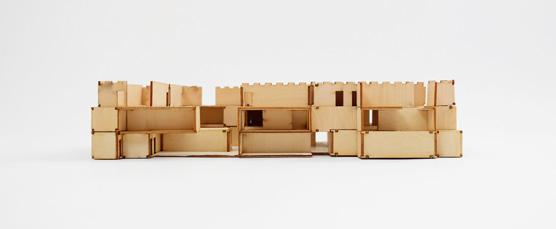
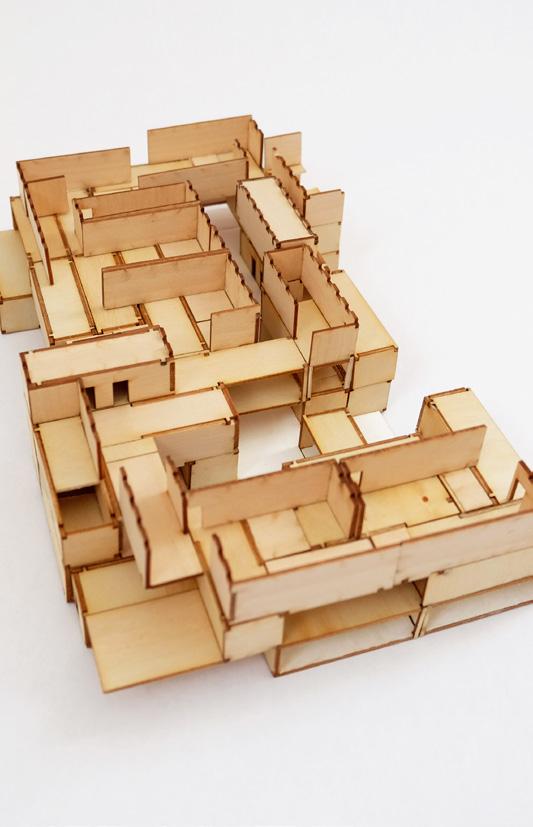
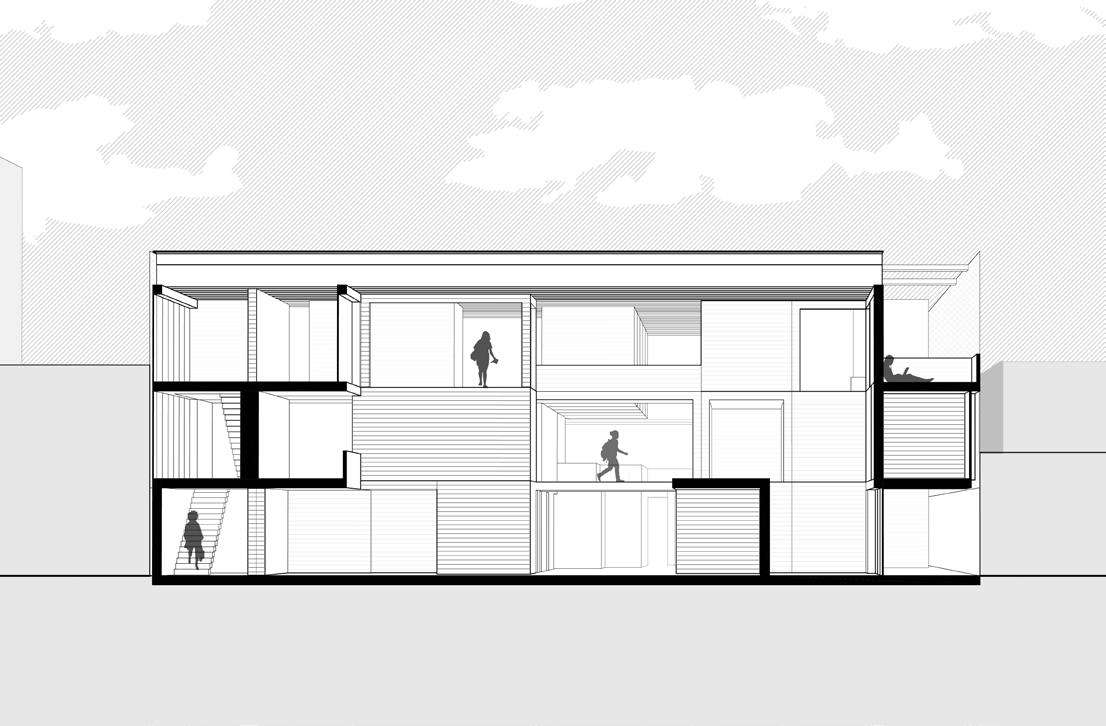
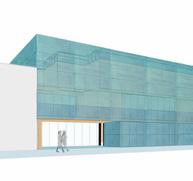
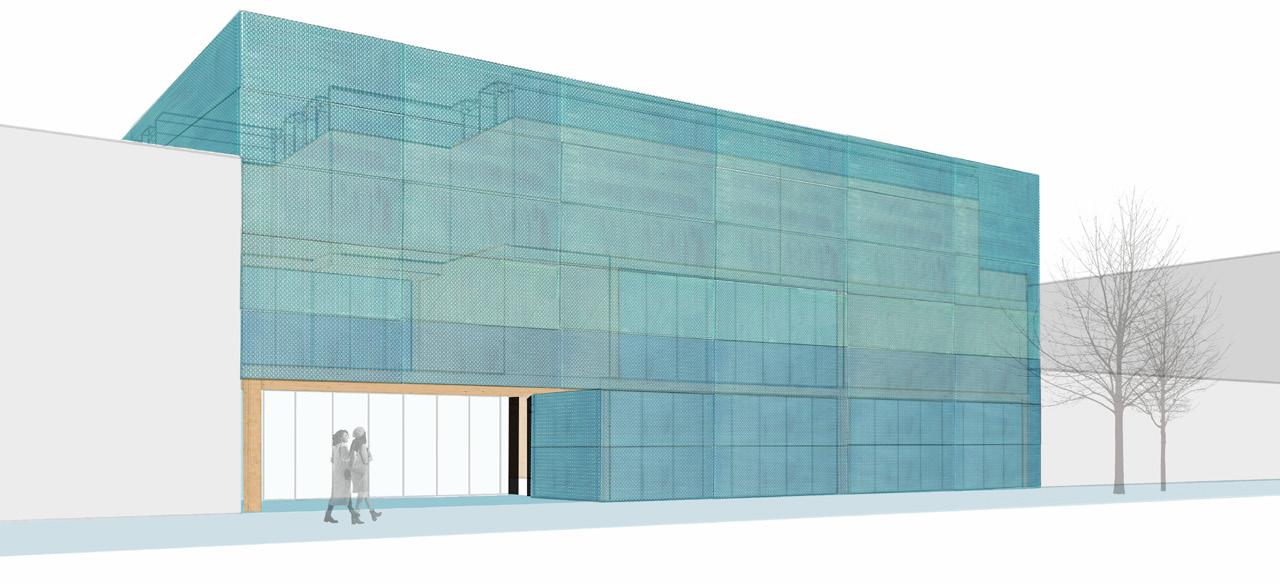
A Stacked Community strives to establish a library space that is somehow in dialogue with the residential fabric of Bronzeville, and thus becomes a dense, vibrant environment for that reason. What began as an investigation of zoning, defined a focus on the relationship of the commercial and the residential and how the two may be integrated to further foster a sense of community. In an effort to integrate the two and to cultivate a public place of more personal scale, the project introduces a unit size within the commercial corridor that is reminiscent of the residential parcel sizes. This single unit is repeatedly stacked and offset forming a sort of pixelated space. The ground floor is programmed as open and “commercial,” while ascending floors are increasingly intimate and “residential.”
Spring 2023 Foundation Studio II
Academic Work
Professor Devin Dobrowolski