Game Changer

of



of
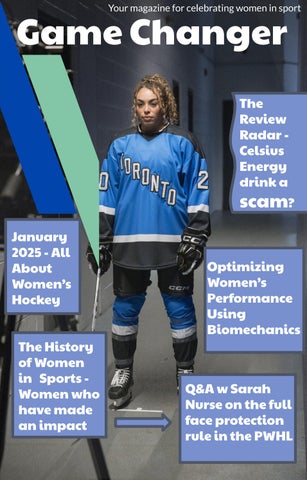
Hello readers, as you may have noticed, this month’s sport focus is hockey. We’ll explore its rich history and delve into how the 7 biomechanical principles can be used to enhance the performance of female athletes. This week our expert for the segment “Ask the Expert” is PWHL player Sarah Nurse. She is here to discuss the difference in men’s and women’s face protection rules. In our Review Radar, we’re taking a closer look at Celsius, the energy drink that’s been gaining popularity. Is it a legitimate energy booster, or is it just another overhyped product? Stay tuned for our full review! This January, get ready to dive into the world of women’s hockey and all the exciting topics surrounding it!

Welcome to this issue of our magazine, where we explore the dynamic world of women’s sports through the lens of kinesiology. As I reflect on the journey through this course, I’m excited to share how my understanding of human movement, physical activity, and health has evolved. This course has been both eye-opening and transformative, expanding my appreciation for the complexities of kinesiology and its impact on performance, well-being, and injury prevention. One of the most significant takeaways for me has been the way kinesiology deepens our understanding of human movement. Before beginning this course, I thought of physical activity only in terms of fitness or performance, but through the course, I have come to understand it as a blend of anatomy, biomechanics, psychology, and physiology. Concepts like the seven biomechanical principles and the relationship between muscles and skeletal function have shaped my perception of movement. These insights are not just academic—they are applicable in real-world scenarios, especially in optimizing athletic performance and preventing injury. My journey through kinesiology has also reshaped my perspective on sports in general, particularly women’s sports. Before, I hadn't fully grasped the unique challenges and physical demands women face in different athletic disciplines. As we’ve explored the biomechanics, physiology, and psychology of movement, I’ve developed a deeper appreciation for the strength, resilience, and skill required for women to excel in their respective sports. This knowledge has not only enhanced my understanding of the human body but has also inspired a commitment to supporting the growth and visibility of women in sport, which is how this magazine began. This magazine is a culmination of that newfound knowledge and passion. Our purpose is simple: to celebrate women’s sports while applying the principles of kinesiology to better understand how athletes can improve their performance and overall health. Each section of the magazine reflects this aim. From delving into the history of women’s hockey, to exploring how biomechanical principles can enhance performance, to addressing important topics like face protection rules in hockey—everything we cover ties back to the core concepts I’ve learned throughout this course. As you read through the pages, you’ll see how each topic interweaves with key themes of kinesiology: human movement, physical performance, and health. The articles aim to not only inform but also inspire a deeper understanding of how science can support and elevate women’s sports. I hope this magazine not only reflects the knowledge I’ve gained but also sparks your curiosity about the incredible ways kinesiology can influence athletic achievement and well-being. Thank you for taking a moment to read this month's issue, I hope you enjoy.
Sincerely,
Ava Wilson Editor
Women’s involvement in hockey has been an integral part of the sport’s evolution, yet often overshadowed by its male counterpart. From the first recorded women’s game in 1891 to its inclusion in the Olympic Games in 1998, women’s hockey has faced both challenges and triumphs. Over the years, the game has steadily grown, evolving from informal exhibitions to internationally recognized competitions. Today, women’s hockey stands as a testament to perseverance, resilience, and the ongoing fight for equality in sports. The story of women in hockey is one of breaking barriers, proving their skill, and continuously pushing for greater recognition and opportunities.
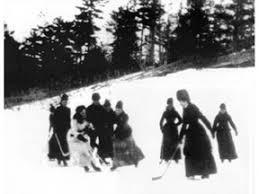
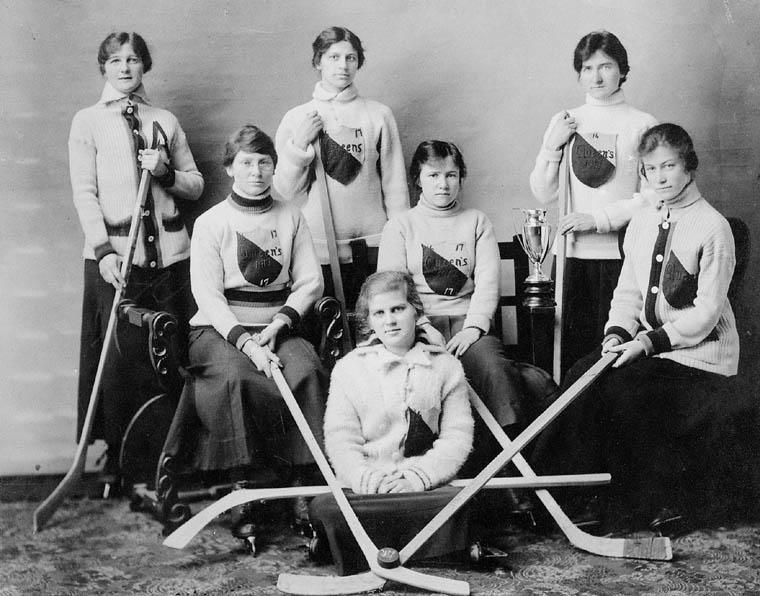
The origins of women’s ice hockey can be traced back to the late 19th century when women first organized games in various locations. The first recorded game of women’s hockey took place in 1891 in Ottawa, Canada, where a group of women, many of whom were related to well-known hockey players, played an exhibition match at the Rideau Hall skating rink. The game was played with modified rules to account for the participants’ physical capabilities, but it marked the beginning of organized women’s hockey. Soon after, women began forming teams and organizing matches in different cities. Though these early games were largely informal, they sparked growing interest in women’s involvement in hockey. By the early 1900s, women’s teams began to form more regularly, but the sport remained on the fringes of mainstream athletic competition, overshadowed by societal attitudes about women and physical activity. Throughout the early 20th century, women’s hockey faced significant barriers, particularly in terms of gaining institutional recognition. In 1920, the Amateur Athletic Union (AAU) of the United States banned women’s ice hockey, citing concerns over its physicality and the potential for injury. This ban reflected the broader societal view that contact sports were unsuitable for women, and this attitude held back the growth of women’s hockey for many years. Despite these setbacks, informal play continued in various forms. Women’s hockey in Canada also remained largely regional, and there was no national competition or structure until much later. As women’s sports in general grew in prominence, so did the call for greater opportunities to play hockey, though these efforts were still in the early stages. The first official international women’s ice hockey competition was held in 1990 in Ottawa, Canada, marking a major milestone in the development of the sport. This competition, which was organized by the International Ice Hockey Federation (IIHF), provided a formal platform for international women’s hockey and set the stage for future global tournaments, including the establishment of the Women’s World Ice Hockey Championship in 1990.

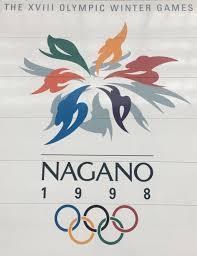
1998 Nagano Olympics, the USA win gold, Canada wins silver, Finland wins Bronze in women’s hockey
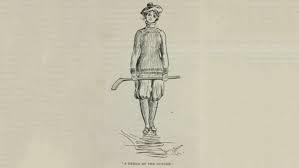
A Dream of the Future", a drawing of a female ice hockey player appearing in the book Hockey: Canada's Royal Winter Game, by Arthur Farrellthe first recorded book written about ice hockey

The most significant moment in women’s hockey came in 1998, when the sport was officially included in the Winter Olympic Games in Nagano, Japan. After years of lobbying by athletes and organizations, women’s hockey was granted a place on the world’s most prestigious stage. The first Olympic women’s hockey tournament featured dominant performances by the U.S. and Canada, with the U.S. winning the gold medal. The inclusion of women’s hockey in the Olympics was a transformative moment for the sport, raising its profile and showcasing the talent and skill of female athletes worldwide. Following the Olympic breakthrough, women’s hockey continued to grow in visibility and competition. Professional leagues began to form, such as the National Women’s Hockey League (NWHL) in 2015, which became the first professional women’s league in the United States. The Canadian Women’s Hockey League (CWHL) also existed until 2019, offering players the chance to compete at a high level. Despite challenges related to financial sustainability and media coverage, these leagues helped push women’s hockey toward greater professional recognition. The journey of women’s hockey has been one of perseverance and growth. From its humble beginnings in informal games to its recognition on the Olympic stage, women have faced numerous challenges but have always risen to the occasion. Over the years, the sport has evolved into a competitive and respected discipline, thanks to the dedication of athletes, coaches, and advocates who have fought for greater opportunities. While obstacles like funding, media attention, and professional sustainability still persist, women’s hockey continues to expand in visibility and influence. The formation of the Professional Women’s Hockey League (PWHL) is a significant step forward, providing a platform for the top athletes in the sport and signaling a brighter future for professional women’s hockey. As more young girls take up the sport, and as women’s hockey garners more support globally, the future is full of promise, with ongoing efforts to ensure equality, opportunity, and growth at all levels.
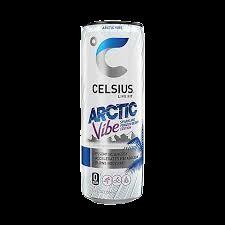
The Celsius Energy Drinks have been recently introduced to Canada grocery stores, and with them comes many health concerns. The drink is not recommended for children under 18, or pregnant/ nursing women. While these are marketed as a energy/sports drink, health professionals do not recommend drinking these to fuel your energy. They will increase performance and metabolism depending on the individual, but they are not true energy that your body needs, such as


The amount of caffeine in these drink (200mg/can) is harmful when consuming more than one or two of these. High doses of caffeine can cause a range of side effects, including increased heart rate, anxiety, jitteriness, and sleep disturbances. For people who are sensitive to caffeine, or who consume multiple caffeinated beverages throughout the day, Celsius can easily push caffeine intake beyond safe limits. The stimulating effects may be especially harmful for those with underlying heart conditions or high blood pressure. Regular consumption of high caffeine levels can lead to dependence and withdrawal symptoms like headaches, fatigue, and irritability. This reliance on caffeine for energy can also disrupt natural energy regulation in the body, leading to fluctuating energy levels. As well, while Celsius energy drinks may provide a short-term energy boost, but they do not offer a balanced source of energy for sustained physical or mental performance. The body requires a combination of macronutrients—carbohydrates, fats, and proteins—to maintain energy over the long term. Celsius drinks lack a substantial amount of the essential nutrients (like carbs, fats, and proteins) that support sustained energy levels during prolonged exercise or daily activities. This reliance on stimulants for energy can lead to an energy "crash" after the effects wear off, which can disrupt natural energy regulation and contribute to fatigue in the long run.
Celsius markets itself as a "fat-burning" drink, claiming that its ingredients like green tea extract and ginger can help accelerate metabolism and burn fat. While some studies suggest that green tea extract may aid in fat loss, these effects are usually small and only apparent when combined with regular exercise and a healthy diet. Relying on a drink like Celsius as a weight-loss solution is not only misleading but can lead to disappointment and unhealthy weight management practices. It’s essential to remember that no energy drink can replace the benefits of a balanced diet and consistent exercise routine.

This month the ‘Recipe for Energy’ is a quinoa and chickpea power bowl. This meal provides a healthy amount of proteins, healthy carbs, and fibres needed for long-lasting energy. The quinoa provides complex carbs and all nine essential amino acids. The chickpeas are full of fiber and protein, which keep you full and energized. Avocado adds healthy fats to fuel your body and brain, and finally spinach and cucumber are nutrient-dense, providing hydration and vitamins. Perfect for game day!
Ingredients:
1 cup quinoa (a complete protein and whole grain)
1 can chickpeas (drained and rinsed, packed with protein and fiber)
1 avocado (for healthy fats)
1 cup spinach or kale (for vitamins and minerals)
1/2 cucumber, sliced (refreshing and hydrating)
1/4 red onion, thinly sliced (optional, for flavor)
1 tablespoon olive oil (healthy fat)
1 tablespoon lemon juice (for brightness)
1 teaspoon ground turmeric (anti-inflammatory)
Salt and pepper to taste
Optional: Crumbled feta cheese or hummus for extra flavor
Instructions:
Cook the quinoa: Rinse 1 cup of quinoa under cold water, then cook it according to package instructions (usually 1 cup quinoa to 2 cups water or broth).
Prepare the chickpeas: In a pan, heat a tablespoon of olive oil over medium heat. Add the chickpeas and sauté for 5–7 minutes until they are lightly golden and crispy. Season with salt, pepper, and a pinch of turmeric.
Assemble the bowl: Once the quinoa is cooked, fluff it with a fork and place it as the base in a bowl. Top with sautéed chickpeas, spinach or kale, sliced avocado, cucumber, and red onion.
Dress it up: Drizzle the bowl with lemon juice and a little olive oil. Toss everything together, and optionally add crumbled feta or a dollop of hummus on top.



Women’s hockey is a dynamic sport, increasingly demanding high levels of skill, speed, and strength. As women players push the boundaries of athleticism on the ice, understanding biomechanics—how the body moves—can provide valuable insights into how to improve performance and reduce the risk of injury. By focusing on key principles of biomechanics, particularly stability, impulse, and torque, female hockey players can refine their movement patterns, optimize their game, and better prevent injuries.
Stability is one of the most important biomechanical principles for any athlete, but especially so for women in hockey. Female athletes tend to have a higher center of mass and more flexible joints compared to their male counterparts, which can make it more difficult to maintain stability on the ice during fast-paced skating or physical contact. In hockey, where sudden stops, sharp turns, and collisions are common, maintaining balance is crucial. Women hockey players often face an additional challenge due to differences in hip and knee structure, making them more susceptible to instability, especially in the lower body. To improve stability, women players must strengthen their core and lower body muscles. Core exercises, such as planks and leg raises, help improve postural control, while lower-body exercises like squats, lunges, and balance drills can ensure better control during movements (See pg. 9 for more exercise tips). Improving stability helps players maintain proper posture, absorb physical contact, and resist being knocked off balance during battles along the boards or while executing quick turns. The ability to generate impulse is another key biomechanical principle that influences performance in women’s hockey. Impulse refers to the change in momentum that occurs when a force is applied over time, allowing a player to accelerate quickly or change direction efficiently. For women players, accelerating out of a stop or making a quick cut is essential for both offensive and defensive success. Impulse is directly related to how much force a player can apply to the ice with each stride. As women typically have lower muscle mass compared to men, they need to focus on building explosive strength to enhance their impulse.
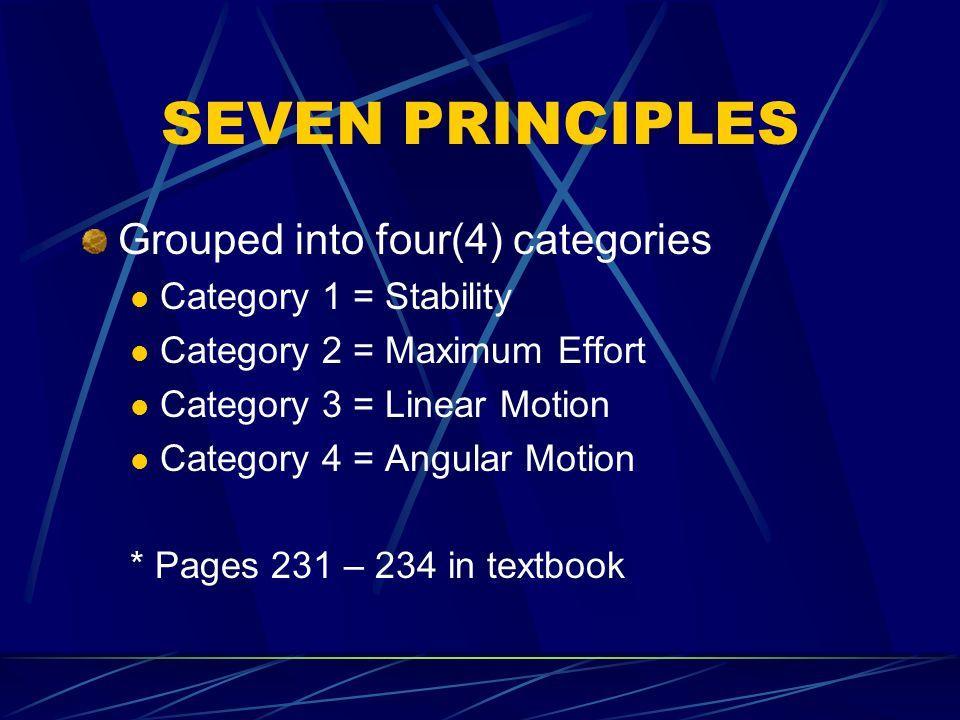
7 principles can be split into 4 general categories
Plyometric exercises, such as box jumps, sprint intervals, and lateral bounds, are effective in training the muscles used for quick acceleration. These exercises help players generate the force needed to make explosive movements, whether it’s a sudden sprint on a breakaway or cutting to evade a defender. Women players who can generate more impulse will be able to quickly close gaps in defense or capitalize on offensive opportunities by moving more efficiently around the ice. Torque is the rotational force that influences a player’s ability to execute powerful shots, passes, and body rotations. In women’s hockey, torque is especially important when generating shot power or controlling the puck under pressure. Female players, on average, may have less upper-body mass than their male counterparts, which means they must rely more on proper technique to create effective torque. Whether it’s a slapshot, wrist shot, or pass, generating torque allows players to apply force efficiently, enhancing the accuracy and speed of their shots. For women, improving rotational power through strength training exercises that target the shoulders, arms, and core is critical. Exercises like rotational cable pulls, medicine ball throws, and shoulder presses build the strength necessary for creating more torque. With better torque, women players can execute more powerful shots, resulting in stronger offensive plays and more successful puck handling in tight situations. While the application of stability, impulse, and torque can enhance a player’s performance, they also play a significant role in injury prevention. Women hockey players are more prone to certain injuries, such as ACL tears, due to biomechanical differences like knee alignment and hip structure.

By improving stability through targeted strength training, women players can achieve better alignment and reduce the risk of ligament injuries. Strengthening the core and lower body further enhances a player’s ability to absorb contact and prevent injuries from awkward falls or collisions. Additionally, training to generate impulse and torque more efficiently allows players to move with less strain on their joints, reducing the risk of overuse injuries and helping them maintain endurance over the course of a game or season. By applying these biomechanics principles—stability, impulse, and torque—women hockey players can not only enhance their performance, improving speed, shooting power, and agility, but also minimize the risk of injuries. These principles enable female athletes to reach their full potential while staying strong, resilient, and competitive on the ice. As the sport continues to grow and evolve, integrating biomechanics into training regimens will be crucial for advancing women’s hockey to new heights, showcasing the incredible strength and skill of its athletes at the highest levels.
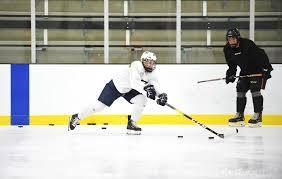
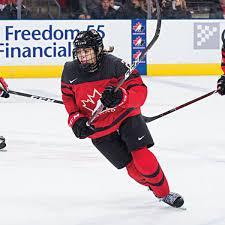

This month’s Energy Boost exercises is focused on the lower body, including squats, lunges, and balance drills to ensure balance and stability. As usual, be sure to stretch and warm up before, and cool down after to prevent any injuries.
How to :
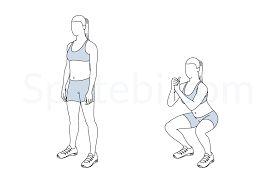
Stand with feet shoulder-width apart, chest lifted, and core engaged. Lower into a squat, pushing hips back and bending knees to 90 degrees. Push through heels to return to standing.
Reps: 15
What it's for: Strengthens the quads, glutes, and hamstrings, and builds overall lower body power.
How to:
Lie on your back with knees bent and feet flat on the floor.
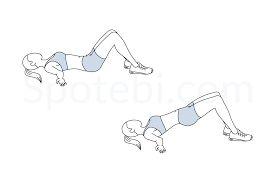
Press through heels, lift hips to form a straight line from shoulders to knees.
Lower back down slowly and repeat.
Reps: 15
What it's for: Targets the glutes, hamstrings, and lower back.
Perform 3-4 sets of the above exercises (depending on your fitness level). Rest for 30-60 seconds between sets.
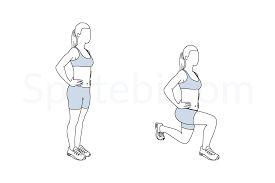
How to:
Step one foot forward and lower your body until both knees are at 90 degrees.
Push through your front heel to return to the starting position. Alternate legs with each rep. Reps: 12 per leg
What it's for: Focuses on the quads, glutes, and hamstrings. Also helps with balance and coordination.
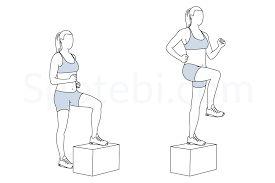
How to:
Step one foot onto a sturdy bench or surface, press through the heel to lift your body.
Bring the other foot up to meet it. Step down with the same leg and repeat, alternating the lead leg.
Reps: 12 per leg
What it's for: Works the quads, glutes, and hamstrings. Great for stability and single-leg strength.
Q: Sarah, the rule in many leagues, including the PWHL, requires women players to wear full face protection while male players are not subject to the same rule. What’s your stance on this?
Sarah Nurse: I think it's a conversation worth having. The current rule, where women are required to wear full face protection while men don’t have that same requirement, can feel a bit unfair. I understand the concerns that have been raised over the years. At its core, we’re all athletes playing the same sport, so it does seem like there’s a double standard. I think the reason for the difference has historically been rooted in perceptions of the game being "more physical" for men, but that’s changing, and women’s hockey has become just as fast and physical. So, the rule should be evaluated more critically to ensure that it’s based on safety, not gender.
Q: In your opinion, do you think the rule around full face protection for women affects the perception of the women’s game?
Sarah Nurse: I think it might contribute to the idea that women’s hockey is somehow "less physical" or "less tough" than men’s hockey, which is simply not true. The full face protection rule can be seen as a symbol of that disparity in perception. But when we break it down, the women’s game is just as competitive, hard-hitting, and intense as the men’s game. So, this rule can sometimes reinforce outdated stereotypes about what women in sports can handle. We need to challenge those ideas and push for equal treatment on all fronts, including equipment and rules.
Q: There’s also the issue of pay disparity between men and women in hockey. For women, lower salaries mean they often can't afford the same level of dental care or other treatments that male players can. How do you think this impacts women’s decision-making around equipment, like face protection?
Sarah Nurse: That’s an important point. When you look at the pay disparity between men and women, it’s not just about the salaries themselves—it impacts what players can afford off the ice as well. Men in professional hockey often have access to high-end dental care, regular checkups, and other medical treatments to prevent or address injuries. For many women, though, those resources aren’t always as readily available because of the pay gap. As a result, having full face protection isn’t just a choice for safety—it can be seen as a financial necessity. Preventing serious injuries, especially facial injuries, is crucial because the costs associated with dental work and medical treatment can be astronomical. If we want to see more equality in women’s hockey, addressing the pay gap and providing women with the same resources and opportunities for care is just as important as making sure they have the equipment they need to stay safe.
Q: Final thoughts—how do you think fans should view this discussion about full face protection and gender equality in the sport?
Sarah Nurse: Fans should recognize that women in hockey are just as tough, skilled, and capable as the men. They should support the push for equality in all areas, including the rules and equipment. As the sport continues to grow, the hope is that we’ll see more uniformity, with players of all genders treated equally in terms of safety and choice. Fans play an important role in supporting these changes by recognizing the value and strength of the women’s game.



Haché,A. (n.d.). Physics Of Hockey. Real World Physics Problems. Retrieved January 16, 2025, from https://www.real-world-physics-problems.com/physic s-of-hockey.html
Ice Hockey Wiki. (n.d.). Hockey: Canada's Royal Winter Game. Retrieved January 15, 2025, from https://icehockey.fandom.com/wiki/Hockey:_Canada %27s_Royal_Winter_Game
N, J. (2023,August 9). Is Celsius Bad for You? The Truth from a Dietitian.The Balanced Nutritionist. Retrieved January 16, 2025, from https://thebalancednutritionist.com/is-celsius-bad-foryou/
Olympics. (n.d.). USA women earn ground-breaking ice hockey gold. Retrieved January 14, 2025, from https://olympics.com/en/video/usa-women-earn-grou nd-breaking-ice-hockey-gold
PWHL. (2025). Sarah Nurse Stats.Toronto, Ontario, Canada. Retrieved January 15, 2025, from https://www.thepwhl.com/en/stats/player/75/1/sarahnurse