Australian Pain Society Newsletter

GOLB BEW

Welcome to the March Edition of the APS E‑Newsletter!
We’re thrilled to bring you another exciting issue, one packed to the brim with fresh insights, emerging science, and stories from across the pain community. This month, we explore cutting-edge topics at the crossroads of neuroscience, immunity, and clinical care. Dive into conversations on:
• Neuroimmunity, Tregs and chronic pain
• Optogenetics in chronic pain research
• Mindfulness-based approaches to pain
We also shine a spotlight on Identifying Social Factors that Stratify Health Opportunities and Outcomes (ISSHOOs) and highlight new work in justice health research.
FROM LEADERSHIP & ACROSS THE SECTOR
PRESIDENT’S UPDATE – BERNADETTE SMITH
Catch up on the latest developments, priorities, and reflections shaping the Australian Pain Society.
ENDOMETRIOSIS – RESEARCH & BEST PRACTICE
Learn about emerging evidence and clinical recommendations for endometriosis-related pain.
OCCUPATIONAL THERAPY & PAIN MANAGEMENT
Discover how OTs contribute to meaningful, functionfocused rehabilitation for people living with pain.
MEMBER HIGHLIGHTS
MEET THE OUTSTANDING PEOPLE WHO MAKE OUR COMMUNITY THRIVE:
• APS 2026 Rising Star: Dr Lewis Crawford
• APS Member in the Spotlight: Heather Gray
• Where Are They Now? Revisit the work of APS 2020 Distinguished Member, Professor David Champion
• Recent Publications – A showcase of abstracts from our talented APS researchers
CURIOUS ABOUT WHAT THE IASP DOES?
Take a closer look at the role, reach, and global impact of the International Association for the Study of Pain; the world’s leading organisation for advancing pain research and management.

MEET THE KEYNOTE SPEAKERS FOR THE 2026 APS ASM IN ADELAIDE
We bring you exclusive interviews with two of our brilliant keynote guests. They share insights into their work, what excites them in pain science:
• Professor Annina Schmid
• Professor Yves Koninck
WHAT’S ON AT THE APS ASM & PRE‑CONFERENCE WORKSHOPS?
Here’s a taste of what’s coming up:
• Meet the Minds Session – Kevin Keay
• Pharmacology Workshop
• Consumer Event (Free!)
• Pain in Child Health (PICH) Research Training Workshop (Free!)
Whether you’re a clinician, researcher, or consumer advocate, there’s something for everyone.
JOIN US IN ADELAIDE FOR THE APS ASM!
Don’t miss your chance to experience these exciting topics firsthand at this year’s Australian Pain Society Annual Scientific Meeting in Adelaide. With world-leading keynote speakers, hands-on workshops, cutting-edge research presentations, and opportunities to connect with colleagues from across the country, the ASM is the perfect place to deepen your knowledge and be inspired by the latest advances in pain science and care. We’d love to see you there! REGISTER HERE
Warm regards,

Bernadette Smith

Advocacy is most powerful when it focuses on solutions.
In recent weeks, media coverage — including reporting by ABC Four Corners— has highlighted serious concerns about endometriosis surgery and the harm some patients say they have experienced. Stories like these are confronting. They are also a reminder of why our work and the work of the broader pain sector matters.
It is important to be clear that surgery, when appropriately indicated and delivered within an evidence-based, multidisciplinary model, can be an important part of care. The broader surgical community includes many colleagues who are deeply committed to safe, patient-centred practice.
As a professional society, Australian Pain Society (APS) cannot comment on individual clinicians or specific cases. Those matters sit appropriately with hospitals, regulators and the legal system. What we can do is continue to invest in, advocate for and articulate what high-quality pain care looks like in practice. That is, care that is safe, evidence-based, interdisciplinary and person-centred.
The timing of this coverage is particularly significant given our recent Women’s Health Special Edition and the joint statement between APS, Royal Australian and New Zealand College of Obstetricians and Gynaecologists (RANZCOG), Australasian Gyneaecological Endoscopy and Surgery (AGES), Faculty of Pain Medicine (FPM) and New Zealand Pain Society (NZPS) in response to the Victorian Government Inquiry into Women’s Pain. Together, these efforts reinforce a clear message: people living with pain deserve care grounded in evidence, delivered by a skilled and supported workforce, and embedded within coordinated systems. It also reinforces the importance of continuing to refine and strengthen the way we deliver and advocate for pain care.
FROM AN APS PERSPECTIVE, THIS REINFORCES THE IMPORTANCE OF CONTINUING TO ADVOCATE FOR:
• Clear and consistent care pathways so people receive the right care at the right time
• Investment in a workforce trained in contemporary, evidence-based pain management
• Multidisciplinary models that move beyond isolated procedural solutions
• Systems that support quality, safety and accountability
The Victorian Government’s Inquiry into Women’s Pain has laid important groundwork. The opportunity now is to translate that work into practical, system-wide improvements, across metropolitan and regional communities, and ultimately beyond Victoria. The APS stands ready to contribute further to this work. Through clinician education, interdisciplinary collaboration, practical decision-support tools and coordinated national advocacy, we can help ensure care is not only accessible, but safe and consistent. People living with pelvic pain — and all forms of persistent pain — deserve nothing less.
In the coming months, we will be engaging members as we shape APS’s three-year Advocacy Strategy. Your expertise, experience and voice will be central to this work. We will be seeking your guidance and input to help form the APS Advocacy Strategy.
These issues also reinforced the importance of the recent National Pain Sector Meeting, bringing together APS alongside FPM, Australian Pain Solutions Research Alliance (APSRA), CPA and Pain Australia. The purpose of the meeting was to share 2026 priorities, align advocacy efforts, and consider how we collectively position pain within emerging national health and research reforms.
At this meeting, there was unanimous support to progress a joint sector statement recognising persistent pain as a chronic disabling condition within national policy, data and funding frameworks. Importantly, the statement will frame pain not only in terms of burden, but also in terms of solutions, outcomes and system reform. This work will
continue at the National Pain Sector Boards meeting during the Annual Scientific Meeting in Adelaide.
For APS, the meeting reinforced both the importance of coordinated national advocacy with our sector partners. It also highlighted the need to remain proactive, collaborative and clear about the solutions we bring as the mission-based funding landscape evolves.
I also want to acknowledge a recent challenge. The Local Organising Committee in Adelaide was unsuccessful in securing funding for a dedicated consumer event prior to the ASM in Adelaide. That was understandably disappointing.
Consumer engagement has been a priority for some time. The Scientific Program Committee has championed this direction, and the Board has invested considerable time over the past 18 months developing and refining our consumer policy. What followed reflects the strength of our partnerships.
With the generous support of Chronic Pain Australia, the collaboration of Pain Revolution, and the goodwill of our speakers, Tasha Stanton and the APS have successfully pulled together a free consumer event. This demonstrates our commitment to improving outcomes for the person living in pain. It is also an encouraging example of what can be achieved when organisations align around shared purpose.
Thank you for the work you continue to do, in clinics, research settings, classrooms and communities, to ensure people living with pain receive care that is safe, compassionate, person-centred and grounded in evidence.
As we prepare for our upcoming Annual Scientific Meeting, I am reminded that gatherings like ours are far more than academic programs. They are where standards are refined, assumptions are thoughtfully challenged and the professional community that underpins high-quality pain care is strengthened.
This year promises another stellar line-up of speakers and sessions. I hope you are looking forward to the robust discussion, fresh thinking and convivial conversations that so often spark new collaborations and ideas. In a time of heightened scrutiny and evolving expectations, coming together feels especially important.
The strength of APS has always been its multidisciplinary community. As we continue this advocacy work together, I look forward to the conversations ahead — and to seeing many of you in Adelaide.

This joint statement was originally released in November 2025 by leading peak bodies across Australia and Aotearoa New Zealand in response to the Victorian Government’s Inquiry into Women’s Pain – Bridging the Gender Pain Gap.
Together, these organisations reaffirmed a shared commitment to evidence-based, multidisciplinary and person-centred approaches to the management of endometriosis and persistent pelvic pain.
WHY THIS MATTERS NOW
Recent developments highlighted in the media — including national coverage by Four Corners — have again brought public attention to the experiences of women living with pelvic pain and endometriosis. These experiences include under diagnosis, waiting six or more years for a diagnosis, and living with chronic pain.
CONTINUING THE CONVERSATION
As public and media scrutiny continues, it is important that professional organisations provide clarity, leadership and a strong evidence base for reform.
RE-PROMOTING THIS JOINT STATEMENT REINFORCES A CLEAR MESSAGE:
Women’s pain must be recognised, validated and managed using coordinated, multidisciplinary, evidence‑ informed approaches — wherever they live and whichever service they access.
THE COMMITMENT MADE IN NOVEMBER 2025 REMAINS UNCHANGED.
THIS STATEMENT WAS ENDORSED BY:





The Inquiry gathered insights from over 13,000 women, girls, carers, healthcare professionals, peak bodies, and researchers to unveil the experiences of girls and women with pain conditions and in accessing pain relief. Recommendations set a clear roadmap for reform and will guide system-wide improvements to bridge the gender pain gap and ensure women’s pain is recognised, understood and addressed. This group recognises that women with pain are their own experts in pelvic pain and will endeavour to partner with them to improve their lives. We recognise that they have felt dismissed and we will do better in hearing their needs.
RANZCOG, AGES, FPM, the APS & the NZPS welcome the recommendations laid out in the report and are committed to supporting multidisciplinary clinicians to provide the highest quality care for people affected by persistent pelvic pain. We acknowledge the five key lessons from the inquiry, including recommendations to make women’s healthcare easier to access, grow and train the workforce, strengthen research, and ensure care is free from bias and discrimination, and delivered in a traumainformed, culturally and linguistically appropriate way.
Our approaches to clinical care should always be guided by the best available clinical evidence and recommendations, which is underpinned by recommendation 1.3 of the report identifying a need to, “improve clinical standards and support best practice.”
RANZCOG developed and published the Australian Living Evidence Guideline: Endometriosis in May 2025; a national guideline compiling the best available scientific evidence to assist the detection, diagnosis and management of endometriosis, and a related condition, adenomyosis. The living evidence guideline incorporates new research, a broader scope, and wide-ranging multidisciplinary expert input including that of people with lived experience, gynaecologists, primary care providers, physiotherapists and pain specialists. Work is currently underway to adapt this guideline for the Aotearoa New Zealand context.
It’s important that we have nationally recognised standards of care and that we as clinicians make sure that across the board women receive the same standard
of care, wherever they are. The College’s recently released guideline is a great place to start – this is evidence‑based, and a ‘living guideline’, meaning it will be updated regularly with the latest research as it emerges. DR
NISHA KHOT, RANZCOG PRESIDENT
A significant change as part of the guideline was the emphasis on non-invasive diagnosis with emerging evidence suggesting that a greater number of cases can be diagnosed with increasing accuracy using techniques such as transvaginal ultrasound and magnetic resonance imaging (MRI). Closely linked, this is backed up by the findings of the Inquiry which suggests that we, “improve non-surgical referral pathways … including access to non-surgical management and treatment options as part of a comprehensive care pathway.”
While laparoscopy can be an important diagnostic tool or treatment for some people with endometriosis and pelvic pain, the new RANZCOG guideline is clear that it should not be the only treatment option. Surgery should be performed only when clinically indicated, after careful discussion of benefits and risks by appropriately credentialed surgeons. There is evidence to support laparoscopic surgeries for the management of endometriosis and pelvic pain. In many cases, repeated procedures should be avoided, as they may not improve women’s pain or long-term outcomes and carry risks.
Sometimes we focus heavily on the surgical aspects of treatment, but persistent pelvic pain is often far more complex than what surgery alone can address. In fact, we know that multiple surgeries can sometimes worsen this pain. Any surgical intervention should be judicious, evidence informed, and integrated into a broader interdisciplinary care plan that supports long‑term wellbeing. –
DR MICHAEL WYNN‑ WILLIAMS, PRESIDENT OF AGES
Endometriosis and persistent pelvic pain are complex conditions that affect each person differently. Both RANZCOG’s guideline and the Inquiry’s Report demonstrate that we must work collaboratively
across multiple disciplines – including gynaecology, pain medicine, physiotherapy, psychology, and allied health – to ensure every person receives coordinated and holistic care tailored to their specific needs.
Research supports the value of an interdisciplinary approach to care for chronic disabling pain – but the reality is that many women struggle to even access a specialist, let alone allied health providers who provide that holistic care. To meaningfully improve access, we need to continue building workforce capability so that clinicians across disciplines feel confident and well-supported in applying contemporary pain science. Strengthening interdisciplinary practice is not only about improving care pathways – it is about ensuring women can receive truly holistic, coordinated, and person centred care. – BERNADETTE SMITH, PRESIDENT OF THE AUSTRALIAN PAIN SOCIETY
Dr Dilip Kapur, Dean of The Faculty of Pain Medicine (ANZCA) emphasises that persistent pelvic pain should be recognised as a persistent pain condition in its own right. As outlined in the FPM’s statement on the clinical approach to persistent pelvic pain including endometriosis-associated pain, best practice care requires timely access to whole-person, multidisciplinary management –incorporating medical, physiotherapy, psychological and pain science-informed interventions. Prioritising early, equitable access to these evidence-based approaches will improve outcomes and reduce harm.
This group acknowledges that many women across Australia and Aotearoa New Zealand – particularly those in rural and remote areas – have limited access to holistic care. Recommendation 5.6 of the Report sets out that the Victoria Government must “expand access to allied health particularly physiotherapy, in public hospitals, including as part of Women’s Health Clinics, pain clinics and maternity services.” This is crucial if we are to follow the principles of the APS and NZPS and adopt a biopsychosocial model of care that addresses the physical, emotional, and social aspects of living with chronic pain.
Pelvic pain is multifactorial and often persists after surgery, requiring a whole person approach. We must recognise and respond to the needs of women living with pain and adopt a broader view in the approach and treatment of pelvic pain, and women’s pain generally. The Victorian Women’s Pain Inquiry report offers a solid foundation for addressing this challenge at the policy level. – DR
KAREN JOSEPH, PRESIDENT OF THE NZPS
RANZCOG, AGES, FPM, APS and NZPS welcome the release of the report and look forward to collaborating with both the Victorian Government and the other jurisdictions across Australia and Aotearoa New Zealand more broadly to deliver better health outcomes for women and girls living with pelvic pain.



More than fifty years ago, the founders of the International Association for the Study of Pain (IASP) had the foresight to convene at the Issaquah Foundational Symposium (1973), incorporate the organisation (1974), host the First World Congress on Pain in Florence (1975), and publish the inaugural issue of PAIN (1975).
Guided by a strong vision and deep enthusiasm, they set IASP on a path toward a future they likely could not have imagined. In the decades since, scientific progress has accelerated, and our community has worked tirelessly to improve the lives of people living with pain. Today, IASP is building on that momentum with a new 5-year strategic and operational plan - and a year full of exciting opportunities that will propel us into our next chapter.
Throughout 2025, IASP’s elected leadership and staff engaged in an intensive strategic planning process, honoring our long history of progress while recognising that pain remains underrecognised, underfunded, and undertreated.
In January, we released the IASP 2026-2030 Strategic and Operational Plan, which outlines four overarching goals:
1. BE THE ESSENTIAL GLOBAL VOICE FOR UNDERSTANDING AND TREATING PAIN
2. DRIVE RIGOROUS, TRUSTWORTHY, AND IMPACTFUL PAIN RESEARCH
3. CATALYSE KNOWLEDGE EXCHANGE AMONG PROFESSIONALS
4. PARTNER ACROSS THE GLOBE AND ACROSS DISCIPLINES
These priorities will feel familiar because they reflect our enduring mission and naturally extend the work we have been committed to since our founding. This plan publicly affirms our direction for the years ahead. Together, we will build on our strongest initiatives while also exploring new ways to advance our mission.
This year, we are building the foundation and capacity for our strategic plan while also continuing the momentum of several successful activities, such as the Global Year initiative to raise awareness about pain and the release of results from two Presidential Task Forces.
In January, IASP launched its 2026 Global Year campaign, focused on neuropathic pain - a condition affecting an estimated 580 to 830 million people worldwide. We are raising awareness about how neuropathic pain can lead to significant disability and reduced quality of life, yet it is often underdiagnosed and undertreated. We are also helping the broader community understand how neuropathic pain connects to common conditions such as sciatica and diabetic neuropathy, as well as diseases and injuries that disproportionately affect disadvantaged populations, including HIV, leprosy, HTLV-1, and nerve injuries from complex polytrauma, such as those caused by explosive remnants of war. This work builds on the 2025 Global Year on Pain Management, Education, and Research in Low- and Middle-Income settings.
This year’s Co-chairs - Professors Angelika Lampert and Neil O’Connell, representing IASP’s Neuropathic Pain Special Interest Group and the Methodology, Evidence Synthesis, and Implementation Special Interest Group, respectively - are working tirelessly with a Task Force with more than 40 members from around the world, across disciplines, and throughout the career spectrum. A half-dozen Task Force members are based in Australia, and they are actively authoring, reviewing, and translating fact sheets; coordinating webinars; recommending which journal articles should receive this year’s Global Year “badge”; and co-authoring topical review manuscripts. Australia should be proud!
Those items will be released throughout 2026, and later this year, we anticipate the release of the results from two Presidential Task Forces: The Environmental Sustainability Presidential Task Force and the Use of Laboratory Animals in Pain Research Presidential Task Force. Their findings will offer valuable insights and recommendations for our field.

GET INVOLVED AT IASP
I am grateful to the Australian Pain Society for this opportunity to share these exciting activities with you, but most excited to invite you to become involved at IASP. There are countless opportunities to contribute to—and benefit from—our global community.
Join us in Bangkok from 26 – 30 October 2026, for the IASP World Congress on Pain. It promises to be informative, engaging, and memorable. Registration is open now, with early-bird rates available until 15 May.
ON NEUROPATHIC PAIN
Partake in the 2026 Global Year on Neuropathic Pain campaign by registering for webinars, reading related articles in PAIN and PAIN Reports, and sharing fact sheets with your personal and professional networks. Global Year resources are available at no charge.
Participate in our upcoming call for nominations and this summer’s Council Elections (membership required). More information will be available soon.
Read and leave messages on IASP Connect, a safe and secure platform where the IASP community can network, collaborate, and share information (membership required).
Share IASP’s free resources, such as fact sheets from previous Global Years, and those we endorse, like the ENTRUST-PE framework for enhancing and facilitating the trustworthiness of pain research.
By Dr Lincoln Tracy
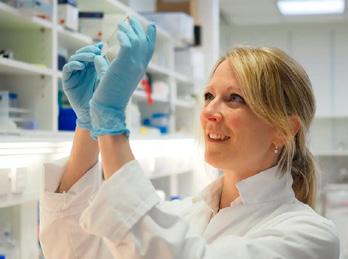
Annina Schmid is Professor of Pain Neurosciences and a Specialist Musculoskeletal Physiotherapist at the Nuffield Department of Clinical Neurosciences at Oxford University in the UK, where she leads the Neuromusculoskeletal Health and Science Lab. Professor Schmid and her team use a translational and interdisciplinary approach to study the pathophysiology of neuromusculoskeletal conditions, with the ultimate goal to improve management for patients.
Professor Schmid is an international keynote speaker at the upcoming 46th Annual Scientific Meeting (ASM) of the Australian Pain Society, which will be held in Adelaide from April 19-22, 2026. In the lead-up to the ASM, Professor Schmid spoke with Dr Lincoln Tracy, a researcher and writer from Melbourne, Australia. They discussed how her time as a postgraduate in Australia sent her down a different career path, as well as her desire to better understand the transition from acute to chronic pain, and her dream dinner guest. This interview has been edited for clarity and length.
WHAT WAS YOUR PATH FROM PHYSIOTHERAPY TO PAIN NEUROSCIENCE?
I qualified as a musculoskeletal physiotherapist many years ago now, and my first job after graduation was in a chronic pain program where we saw a lot of people with spine-related arm or leg pain. I was fascinated by how nerves work, and how people with nerve problems described their pain in different ways compared to other people. I also found it challenging to satisfactorily support people with nerve-related pain, and spent a lot of time thinking about what made these patients different from patients with other kinds of musculoskeletal conditions who often got better?
So, while it fascinated me, there was also a bit of frustration and feeling like I couldn’t help these people in a meaningful way. That made me think
that if I understood more about nerve pain, then perhaps I would be a better physiotherapist. That led to me studying a master’s degree in Perth. I really enjoyed the research project we had to do as part of my master’s because it made me feel like I could probably answer some of the many questions I had. After my master’s I moved to Queensland to do a PhD.
But the thing that really made me sway away from a purely clinical research career into a more translational career was when I met Professor Elspeth McLachlan, the eminent Australian neuroscientist, during the first year of my PhD. We were discussing some of my research ideas, and she said, “Annina, you cannot answer these questions with patients. You have to look in a preclinical model to really answer them”.
She ended up inviting me down to her lab in Sydney for a week to visit, and although I was nervous about going, I had an absolute blast of a time getting to immerse myself in the completely different world of preclinical research. At the end of the week, she offered to collaborate and help answer some of the questions I had. I eventually said yes and spent the rest of my PhD splitting my time between Brisbane, where I was doing my clinical research, and Sydney, where I started doing preclinical work with Elspeth.
WHAT SPARKED YOUR INTEREST IN PERIPHERAL ENTRAPMENT NEUROPATHIES?
As a physiotherapist I saw quite a lot of people with nerve problems, for example, people with peripheral neuropathies, because they were somewhat of an orphan problem. If there is no indication for surgery or injections, then surgeons do not have anything to offer these patients. And neurologists and rheumatologists don’t usually see this patient population. So, many of these patients end up in physiotherapy. Over the years, physiotherapists have worked out strategies to help these people move forward, reintegrate into the workplace, and live better lives again. I am glad I can contribute to the evidence base that supports clinicians to better understand and manage people with entrapment neuropathies.
HOW IMPORTANT IS IT THAT YOU TAKE A BENCH‑ TO‑BEDSIDE APPROACH WHEN TREATING AND RESEARCHING THIS GROUP OF PATIENTS?
I believe the type of preclinical work that we can pair with the clinical work is an amazing opportunity. For example, if we think about the pharmacological interventions that are currently available for people
with neuropathic pain, most are not really effective. In some cases we need to treat 10 people so that one person has a clinically meaningful response, which isn’t great. And these medications often have quite significant side effects that make it hard for patients to continue with the treatment as they should. Many of these pharmacological interventions were developed in preclinical models, and while they were successful at the early stages, they failed at the human stage.
So, the idea of coming the other way, finding something in humans and then working backwards, is a huge opportunity. I’m not saying that one way is better than the other, because we need both. But I feel that moving back and forth, from benchto-bedside and back again, has resulted in a lot of progress for the neuropathic pain field over the last few decades. We have a much better understanding of what is happening at a pathophysiological level.
WHAT ARE YOU AND YOUR COLLABORATORS WORKING ON MOST INTENSELY RIGHT NOW?
There are three streams of research that we’re currently working on. First, we are still working on trying to understand the transition from acute to chronic pain, and why some people recover while others do not. We have several longitudinal studies going to try and answer this question and are currently analysing data for our prospective spinerelated leg pain study, where we did a lot of detailed clinical phenotyping including somatosensory and psychological profiling, specialised MRI sequences, and the like.
Second, we are looking at immune system involvement in neuropathic pain. In this line of work,
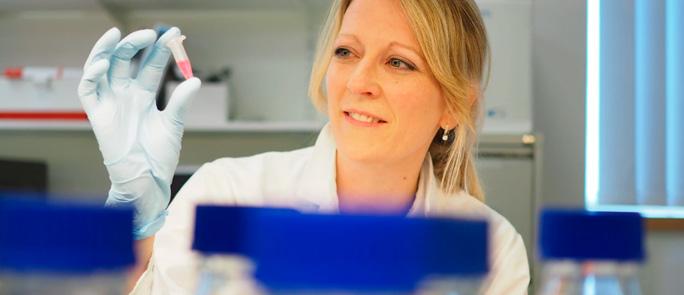
we use human induced pluripotent stem cell derived sensory neurons that are cultured with immune cells to better understand how a specific type of macrophages and the neurons interact with each other. This back-translation project started after we found a particular type of macrophage in patients implicated with neuropathic pain.
Finally, we have a translational stage where we are trying to understand more about using conservative management in people with neuropathic pain –specifically physiotherapeutic interventions in people with nerve injuries and neuropathic pain. For example, one of the aims of the project is to understand how certain exercises influence the neurobiology and neurophysiology of nerves and their regeneration in patients with nerve pain.
WHAT’S SOMETHING IN YOUR AREA OF WORK THAT WE DON’T CURRENTLY HAVE AN ANSWER FOR, BUT THAT YOU HOPE WE UNDERSTAND BETTER IN FIVE OR TEN YEARS’ TIME?
As a clinician, I think the main issue that we have is that we try to put out the fire once people are in chronic pain, rather than preventing it from becoming a problem in the first place. And I don’t think that’s the best strategy. I would really like research to be able to help us catch people much earlier before their pain becomes a really complex, chronic pain that has a lot of multidimensional factors. Because it’s a completely different beast if someone has pain for 15 or 20 years. And that’s not just limited to neuropathic pain, I think it applies to all kinds of pain.
So, with the bias of a physiotherapist, I think we need to understand – especially in the neuropathic pain field – much more about non surgical approaches to manage neuropathic pain. “We have a lot of good stuff coming out about non specific low back pain, but there isn’t a lot for neuropathic pain. There isn’t really any conservative, exercise based or pain management based interventions that are being looked at in detail. And I think that’s what we need much more of.
IS THERE A PAPER OR PROJECT YOU HAVE BEEN INVOLVED IN OVER THE COURSE OF YOUR CAREER THAT YOU ARE PARTICULARLY PROUD OF OR EXCITED BY?
I find it very difficult to put a finger on just one thing. That is because it would be unfair to the collaborators on all the other papers or projects that I didn’t pick because I know everybody worked really hard on all of them. I also get very excited about basically every question we’ve set out to answer, which also makes it hard to pick just one.
So, rather than picking a particular paper, for me the most exciting thing about any project is the day when I or a team member gets new data that is seeing the light of day for the first time. No one else in the world has seen the data yet. You’re just sitting there looking at it – sometimes it confirms what you were hypothesising and others it’s unexpected or confusing.
But regardless of how you feel about the data, you’re the first person to see this new result or finding. And seeing what the story is that comes from the data – that you have sometimes spent many years collecting – is where I get really excited. Publishing a paper is almost more of a necessity to distribute your research broadly. But by the time the paper is published, you’ve already moved on to the next question because it takes so long to go through the publication process.
WHAT ARE YOU MOST LOOKING FORWARD TO ABOUT COMING TO AUSTRALIA FOR THE ASM?
Having now lived in the UK for over 10 years, it definitely has to be the sunny skies. I still remember walking out of Brisbane airport for the first time – there’s something about the smell of Australia and the glaring sun in the blue sky. I miss it! But I also miss so many other things. The friendliness of people, the traffic lights that make this funny noise when you can cross the road, the crazy bird songs and noises that happen at all hours of the day - I miss those kinds of things about Australia.
Of course, I’m also very excited about coming to the conference, because there will be people that I have collaborated with, friends that I have worked with, and people that I haven’t seen in years. It will be amazing to catch up with all of them, but there will also be people whose work I’ve read but never met, so I’m excited about the possibility of getting to meet them. Many of my colleagues have said the Australian Pain Society meetings are incredibly friendly and full of good exchanges, so I can’t wait to be there and experience it.
FINALLY, IF YOU COULD HAVE DINNER WITH ANYONE FROM HISTORY, WHO WOULD YOU INVITE AND WHY?
There are so many people that would be exciting to sit with, even if you don’t know them. We have these fancy dinners here at the colleges in Oxford where we put on these Harry Potter style gowns and you can end up sitting next to people and have no idea who they are. And it’s fascinating, because the person you’re sitting with can talk about astrophysics or some other topic that you’ve never heard anything about. It can be quite stimulating.
But I was thinking about my upcoming trip to Australia and how I have the honour of delivering the Sir Sydney Sunderland lecture at the conference – wouldn’t it be amazing to go to dinner with him afterwards? His work shaped our understanding of peripheral nerve structure and nerve injuries. In fact, the first figure in my PhD thesis was a figure from one of his papers where he described pressure gradients! So, I think it would be pretty amazing to sit down with him after I delivered the lecture and hear his thoughts on our work, as well as how he felt about a physiotherapist delivering his lecture. It would be fascinating to get to meet him.

Annina Schmid is Professor of Pain Neurosciences and a Specialist Musculoskeletal Physiotherapist at the Nuffield Department of Clinical Neurosciences at Oxford University, UK.
She leads the Neuromusculoskeletal Health and Science Lab which uses a translational and interdisciplinary approach to study the pathophysiology of neuromusculoskeletal conditions with the ultimate goal to improve management for patients.
MEET THE KEYNOTE SPEAKERS FOR THE 2026 APS ASM IN ADELAIDE
We bring you exclusive interviews with two of our brilliant keynote guests. They share insights into their work, what excites them in pain science:
• Professor Annina Schmid
• Professor Yves Koninck
REGISTER HERE

Dr Lincoln Tracy is a senior research fellow at Monash University and freelance writer from Melbourne, Australia. He is a member of the Australian Pain Society and enthusiastic conference attendee. You can follow him on X (@lincolntracy) or check out some of his other writing and interviews on his website.


Professor Yves De Koninck
Professor Yves De Koninck
Yves De Koninck is Professor of Psychiatry and Neuroscience at Université Laval

Professor Annina Schmid
Annina Schmid is Professor of Pain Neurosciences and a Specialist Musculoskeletal Physiotherapist at the Nuffield Department of Clinical Neurosciences at Oxford University, UK.
She leads the Neuromusculoskeletal Health and Science Lab which uses a translational and interdisciplinary approach to study the pathophysiology of neuromusculoskeletal conditions with the ultimate goal to improve management for patients.
For further information: www.dccam.com.au/aps2026


Faculty of Pain Medicine (ANZCA) anzca.edu.au/fpm
International Association for the Study of Pain (IASP) www.iasp-pain.org
Australian Pain Society www.apsoc.org.au
New Zealand Pain Society www.nzps.org.nz\




• Keith Smart, BSc (Hons) Physio, MSc, PhD: UCD School of Public Health, Physiotherapy and Sports Science, University College Dublin, Ireland.
• Sandra Sif Gylfadottir, MD, PhD: Danish Pain Research Center, Department of Clinical Medicine, Aarhus University and Department of Neurology, Aarhus University Hospital, Aarhus, Denmark.
• Joel Fundaun, DPT, DPhil: Department of Anesthesiology, Perioperative, and Pain Medicine, Stanford University School of Medicine, Stanford, CA, USA.
The International Association for the �tudy of Pain �IA�P� de�nes neuropathic pain as ‘‘pain caused by a lesion or disease of the somatosensory system’’ [9]. This means pain caused by injury to a nerve or by a disease a�ecting the nervous system. Nerves are the structures that carry electrical and chemical signals around the body. The nervous system is the network of nerves that control and coordinate our bodily functions. An injury or disease a�ecting our nerves can change their structure and/or how they work in ways that can cause neuropathic pain.
Sometimes, scientists and health care professionals separate neuropathic pain into two types, ‘central’ and ‘peripheral’ neuropathic pain, depending on which part of the nervous system is a�ected [15]
Central neuropathic pain refers to pain felt because of an injury or disease that a�ects the central nervous system. This includes the brain and spinal cord. Central neuropathic pain can sometimes happen after a stroke as a result of a bleed or blood clot in the brain. It can also result from damage to the spinal cord. People who live with multiple sclerosis and Parkinson’s disease may also experience central neuropathic pain.
Peripheral neuropathic pain refers to pain caused by an injury to or a disease a�ecting the peripheral nervous system. The peripheral nervous system includes the networks of nerves that extend throughout the body beyond the brain and spinal cord, including our arms, legs, face, chest, and abdomen. Examples of conditions causing peripheral neuropathic pain include sciatica because of nerve compression, diabetic neuropathy, which is a complication of diabetes, and postherpetic neuralgia, which is pain experienced after shingles. Cancer treatments, especially chemotherapy, can also cause neuropathic pain.
Neuropathic pain is complex and unpredictable, both in the science of how it is caused and in how people experience it. There are a variety of ways in which nerve injuries and diseases can lead to neuropathic pain [4]
People may experience neuropathic pain in many di�erent ways. Some people experience neuropathic pain as a constant or intermittent burning or shooting type of pain, whereas for others it can feel like electric shocks. It varies a lot in how intensely it is felt, how it behaves, and how it a�ects people’s day-to-day lives and emotional well-being [5]
Among adults in the ‘general population,’ the prevalence of neuropathic pain is around 7-10% [1,18]. This suggests that as many as one in every ten adults could be experiencing neuropathic pain. We do not know how common neuropathic pain is in children [6]
Not everyone who experiences an injury to a nerve or disease of the nervous system will develop neuropathic pain. We do not know for sure why this happens to some people and not others, but being older, female, having poorer general health, or having a genetic susceptibility may increase the likelihood of someone developing neuropathic pain [17] In some people who develop neuropathic pain, it gets better over time or with treatment, but for others, it can persist [2]
Neuropathic pain impacts both individuals and societies.
People living with neuropathic pain can experience varying levels of pain-related su�ering, disability, sleep disturbance, as well as
emotional distress, such as anxiety and depression [7]. It can also negatively a�ect people’s ability to work, do things around the home, and take part in social activities [8,10,14]. For some people, the impact of neuropathic pain can be relatively mild; for others, it can be severe and life-changing.
People living with neuropathic pain have described many challenges. These include coping with its psychological and social impact, making decisions about treatment, �nding reliable information, and learning how to manage symptoms in everyday life [13,16]
Information about the impact and burden of neuropathic pain on societies is limited. We do know that people with neuropathic pain experience worse physical, mental, and social health than the general population and people without neuropathic pain [1,3]. We also know that the �nancial costs can be substantial, both to individuals and to national economies, when su�erers are unable to work and need treatment [10,12]
The IASP Global Year 2026 on neuropathic pain will shine a light on our scienti�c understanding of neuropathic pain. Future fact sheets will provide summaries of key topics related to neuropathic pain, such as:
• Causes and types of neuropathic pain
• Challenges of understanding and treating neuropathic pain across the globe
• How our thoughts, feelings, lifestyles, communities, and cultures can in�uence how people experience neuropathic pain
• What it’s like to live with neuropathic pain
• Scienti�c advances in recognizing, understanding, and treating neuropathic pain
Conclusion
This fact sheet explains what neuropathic pain is and the impact it can have on people and society. While gaps in our knowledge remain [11], researchers, clinicians, and people with lived experience continue to work together to deepen this understanding, develop more e�ective treatments, and improve the lives of those living with neuropathic pain.
References
1. Baskozos G, Hébert HL, Pascal MM, Themistocleous AC, Macfarlane GJ, Wynick D, Bennett DL, Smith BH. Epidemiology of neuropathic pain: an analysis of prevalence and associated factors in UK Biobank. Pain Rep 2023;8:e1066. doi: 10.1097/ PR9.0000000000001066.
2. Costigan M, Scholz J, Woolf CJ. Neuropathic pain: a maladaptive response of the nervous system to damage. Annu Rev Neurosci 2009;32:1-32. doi: 10.1146/annurev. neuro.051508.135531.
3. Doth AH, Hansson PT, Jensen MP, Taylor RS. The burden of neuropathic pain: a systematic review and meta-analysis of health utilities. Pain 2010;149:338-344. doi: 10.1016/j.pain.2010.02.034.
4. Finnerup NB, Kuner R, Jensen TS. Neuropathic Pain: From Mechanisms to Treatment. Physiol Rev 2021;101:259-301. doi: 10.1152/physrev.00045.2019.
5. Hamdan A, Galvez R, Katati M. Shedding light on neuropathic pain: Current and emerging tools for diagnosis, screening, and quanti�cation. SAGE Open Med 2024;12:20503121231218985. doi: 10.1177/20503121231218985.
6. Howard RF, Wiener S, Walker SM. Neuropathic pain in children. Arch Dis Child 2014;99:884-889. doi: 10.1136/archdischild-2013-304208.
7. Hwang S, van Nooten F, Wells T, Ryan A, Crawford B, Evans C, English M. Neuropathic pain: A patient-centred approach to measuring outcomes. Health Expect 2018;21:774-786. doi: 10.1111/hex.12673.
8. IndINeP Study Group. Burden of neuropathic pain in Indian patients attending urban, specialty clinics: results from a cross sectional study. Pain Pract 2008;8:36278. doi: 10.1111/j.1533-2500.2008.00208.x.
9. Jensen TS, Baron R, Haanpää M, Kalso E, Loeser JD, Rice ASC, Treede RD. A new de�nition of neuropathic pain. Pain 2011;152:2204-2205. doi: 10.1016/j. pain.2011.06.017.
10. Langley PC, Van Litsenburg C, Cappelleri JC, Carroll D. The burden associated with neuropathic pain in Western Europe. J Med Econ 2013;16:85-95. doi: 10.3111/13696998.2012.729548.
11. Leoni MLG, Mercieri M, Viswanath O, Cascella M, Rekatsina M, Pasqualucci A, Caruso A, Varrassi G. Neuropathic Pain: A Comprehensive Bibliometric Analysis of Research Trends, Contributions, and Future Directions. Curr Pain Headache Rep 2025;29:73. doi: 10.1007/s11916-025-01384-1.
12. Liedgens H, Obradovic M, De Courcy J, Holbrook T, Jakubanis R. A burden of illness study for neuropathic pain in Europe. Clinicoecon Outcomes Res 2016;8:113-26. doi: 10.2147/CEOR.S81396.
13. Luo L, Liu Y, Huang L, Ming Z, Cao J. Neuropathic Pain Experience and Self-Management Strategies of Spinal Cord Injury Patients: A Meta-Synthesis of Qualitative Studies. Pain Manag Nurs 2025;26:S1524-9042(25)00215-2. doi: 10.1016/j. pmn.2025.06.015.
14. O’Connor AB. Neuropathic pain: quality-of-life impact, costs and cost e�ectiveness of therapy. PharmacoEconomics 2009;27:95-112. doi: 10.2165/00019053200927020-00002.
15. Scholz J, Finnerup NB, Attal N, Aziz Q, Baron R, Bennett MI, Benoliel R, Cohen M, Cruccu G, Davis KD, Evers S, First M, Giamberardino MA, Hansson P, Kaasa S, Korwisi B, Kosek E, Lavand’homme P, Nicholas M, Nurmikko T, Perrot S, Raja SN, Rice ASC, Rowbotham MC, Schug S, Simpson DM, Smith BH, Svensson P, Vlaeyen JWS, Wang SJ, Barke A, Rief W, Treede RD; Classi�cation Committee of the Neuropathic Pain Special Interest Group (NeuPSIG). The IASP classi�cation of chronic pain for ICD-11: chronic neuropathic pain. Pain 2019;160:53-59. doi: 10.1097/j. pain.0000000000001365.
16. Scott W, Garcia Calderon Mendoza Del Solar M, Kemp H, McCracken LM, C de C Williams A, Rice ASC. A qualitative study of the experience and impact of neuropathic pain in people living with HIV. Pain 2020;161:970-978. doi: 10.1097/j. pain.0000000000001783.
17. Smith BH, Hébert HL, Veluchamy A. Neuropathic pain in the community: prevalence, impact, and risk factors. Pain. 2020;161 Suppl 1:S127-S137. doi: 10.1097/j. pain.0000000000001824.
18. van Hecke O, Austin SK, Khan RA, Smith BH, Torrance N. Neuropathic pain in the general population: a systematic review of epidemiological studies. Pain 2014;155:654-662. doi: 10.1016/j.pain.2013.11.013. Erratum in: Pain. 2014 Sep;155(9):1907.
KMS holds research funding from Pain Alliance Europe and PPI Ignite Network � UCD; has received �nancial support from the European Pain Federation (EFIC) to attend congresses; maintains a small clinical caseload as a Clinical Specialist Physiotherapist at Blackrock Health, Blackrock Clinic, Dublin, Ireland, a for-pro�t healthcare provider.
SSG is supported by Independent Research Fund Denmark, grant number 10.46540/4262-00010B and Foundation of Central Denmark Region, grant number A49002.
JF is supported by a National Institute on Drug Abuse of the US National Institutes of Health under Award (T32DA035165).

REGISTRATION FEES STARTING FROM $160

19 April
8:30am - 5:00pm
Sunday
Pre-Conference Workshop

The Acute Pain workshop is open to all pain clinicians, nurses and allied health members with an interest in acute pain. Attendees can attend as the full day or two half day workshops with exciting practice leaders speaking on topics that are at the forefront of our minds in day to day practice.
Pre-Conference Workshop
19 April
8:30am – 12:30pm
Sunday
Managing Pain in the Context of Functional Neurological Disorder (FND)
The pre-conference workshop provides an opportunity for multi-disciplinary discussion around key areas associated with managing the broader psychological issues in pain management. This workshop acknowledges the complexity of managing pain and FND, with three key learning objectives:
• To provide a deeper understanding of FND, where pain is a significant factor.
• To establish principles for the effective assessment and management of patients with FND who experience chronic pain; and
• To identify the management and treatment options for pain associated with FND.
Pre-Conference Workshop
19 April
8:30am - 12:30pm
Sunday
Effective pain communication with children requires creativity, adaptability, and confidence in using language, imagery, and interactive modalities. This workshop will provide participants with opportunities to practice and refine their communication skills with children of different ages, abilities, and cultural backgrounds.
Participants will learn to use hypnotic and mind–body techniques; explain pain and coping creatively; and how to integrate digital technologies into children’s pain care. Participants will leave with practical tools and strategies; greater communication Confidence and adapt communication to age and needs.
19 April
8:30am - 12:30pm Sunday
Pre-Conference Workshop
Occupation-based Approaches for What Matters Most
This workshop explores the value of occupation-based approaches in persistent pain management through a biopsychosocial lens. Participants will explore theoretical models of practice, debate the role of goals and values in care planning, and apply trauma-informed principles to foster safety and collaboration.
The session will highlight evidence-informed therapy approaches, including single session interventions, to support meaningful engagement and function despite ongoing pain. Attendees will gain practical strategies to enhance therapeutic effectiveness, address psychological and social influences on pain, and increase confidence on using occupation as a therapeutic tool. By the end of the workshop, participants will be equipped to deliver holistic, person-centred, occupationbased care for individuals living with persistent pain.
Pre-Conference Workshop

19 April
1:30pm - 5:00pm Sunday
19 April
1:30pm – 5:00pm Sunday
19 April
1:30pm - 5:00pm Sunday
This interactive workshop is designed for health professionals involved in perioperative and chronic pain management. Led by experts in anesthesiology, pharmacy, and clinical pharmacology, the session will explore evidence-based use of ketamine, lidocaine, dexamethasone, NSAIDs, and skeletal muscle relaxants.
Participants will engage in case-based discussions and panel Q&As to deepen understanding of pharmacologic strategies and identify future priorities for improving medication use. Drawing on lessons from opioid stewardship, the workshop aims to equip attendees with practical insights to reduce medication-related harms and enhance patient outcomes through tailored, multidisciplinary approaches.
Pre-Conference Workshop
Occupation-based Approaches for What Matters
The Basic Pain Research Workshop will bring together lab-based pain researchers, clinicians, and students interested in the latest advances in pain science. The first session will feature three leading speakers exploring mechanisms and clinical translation of treatments for endometriosis pain. The second session will present three talks on fundamental pain signalling pathways and their therapeutic implications. To support the next generation of pain researchers, the workshop will also host a Three Minute Thesis competition, with a prize sponsored by APAC Scientific.
Pre-Conference Workshop
Clinical Reasoning for Pain Physiotherapists
This workshop will be focussed on developing the clinical reasoning skills for physiotherapists working with people with complex and/or chronic pain.
We will critically review current existing clinical reasoning frameworks, and present and evaluate a new model that captures a biopsychosocial approach to the assessment and treatment of pain. Using clinical vignettes, participants will be invited to evaluate the usability, clarity, and potential implementation into their clinical setting of a newly developed clinical reasoning tool for physiotherapists working with complex and/or chronic pain. There will also be plenty of time for facilitated question timr with our expert panel.
Hannah Kennedy

‘Purpose Beyond Pain’ is an exciting new offering for the Australian Pain Society (APS) preconference workshops in 2026.
The workshop delves into the heart of person-centred pain care, through theoretical, clinical and practical approaches. The biopsychosocial approach to pain will be explored through understanding complex adaptive systems, models of human occupation, and trauma informed care. Finding and defining ‘what matters most’ will be taught through practical application of values in action, goal setting, and single-session interventions. The outcome: to enhance skills of clinicians for purpose-driven, occupation-based approaches for assessment and interventions in pain care.
This will be a workshop grounded in experiential learning, facilitated by experienced Occupational Therapists coming together from Western Australia and Queensland. Clinical expertise spans public and private practice, plus academic expertise in pain and rehabilitation research.
Pain, pervasive and persistent, a constant companion to millions of Australians who live with disabling pain. ‘How does pain impact your life?’ a common question asked by clinicians, the answers a plenty:
• I can’t play with my kids,
• I struggle with basic household tasks,
• I have flare ups after a day at work,
• I’ve stopped seeing my friends, or
• I can’t tolerate socks on my feet.
These are the occupations, routines, activities and roles that persistent pain disrupts. The loss of identity, meaning and purpose sits deeper, with often the surface only scratched in healthcare. For occupational therapists, these are the core elements of practice working alongside people with pain.
19 April 8:30am - 12:30pm

Occupational therapy practice is grounded in a deep understanding of the interaction between person factors (physical, cognitive, sensory-perceptual, psychological, spiritual), the environment (social, cultural, physical, institutional, socio-economical factors), and factors of the activity, role or occupations, to support participation. Models of occupational therapy practice, such as the Canadian Model of Occupational Performance and Engagement (CMOP-E)1 articulate this dynamic interaction, with the added perspective of time (across the lifespan continuum).
Equally, practice frameworks identify barriers to participation, at micro (individual, interpersonal), meso (community) or macro (societal, policy) levels. These practice frameworks not only complement but also add value to best practice pain care. Through integration with a biopsychosocial approach, occupational therapists add a whole-person understanding of how pain impacts participation in life, and explore ways to reconnect, reengage and rediscover a purpose beyond pain.
‘What matters to you, rather than what’s the matter with you’ reflects the occupational therapist’s focus through intervention planning. Through value-directed behaviour, pain management skills are embedded into daily routines, and applied to life roles. Occupations are analysed, and built into graded activity plans. A strengths-based approach builds individual agency, and through treatment builds development of pain self-management capability. Connecting individuals to their community, building social connection and grading supports to participation leads to improved long-term health outcomes. Occupation in itself and being meaningfully occupied are recognised indicators of health and wellbeing.
Occupational therapists fit seamlessly into interdisciplinary persistent pain management services, and are integrated with our allied health, nursing and medical colleagues. They are also established in community settings, public and private practice. Together, they work with the overarching goals of person-centred pain management care and improving the quality of life of people living with pain.
REFERENCES:
A/Prof Jonathan Penm

This year’s Pharmacology Preconference Workshop brings together Australia’s leading thinkers in pain medicine.
Here, we will unpack the latest evidence, challenge current practice, and offer actionable insights you can apply immediately in clinical care. We’re proud to present a powerhouse lineup of national experts who will guide you through the newest developments shaping the future of pain treatment.
Professor Philip Peyton (The University of Melbourne; Austin Health, VIC) will “kick off” the program with an in-depth look at ketamine and findings from the landmark ROCKet Trial, exploring its impact on chronic post-surgical pain following major surgery. If you’ve been curious about ketamine’s evolving role beyond the acute setting, this session will give you evidence you can trust.
Next, Professor Pamela Macintyre (Royal Adelaide Hospital; The University of Adelaide, SA) will examine
lidocaine infusions and alpha2-agonists. Professor Macintyre, offers a balanced view on their benefits, risks, and where they fit within modern pain care. Expect a practical and honest appraisal from one of Australia’s most respected voices in perioperative analgesia.
We then turn to Associate Professor Jenny Stevens (UNSW; St Vincent’s Clinical School, NSW), who will explore the role of perioperative dexamethasone— asking whether it remains the “last adjunct standing.” This session will help you navigate the controversies and understand its evidence base more clearly.
For clinicians making everyday prescribing decisions, Kenny Lee (Chris O’Brien Lifehouse, NSW) will offer practical guidance on selecting the most appropriate NSAIDs and skeletal muscle relaxants. His session provides valuable, evidence-informed deep dive into safety, effectiveness, and real-world clinical considerations.
Finally, Professor Suzanne Nielsen (Monash University, VIC) will take you beyond the opioid conversation, tackling stewardship of other high-risk medicines. There will be a particular focus on how clinicians can lead safer, more effective pain management strategies in complex patient populations.
Don’t miss this rare opportunity to learn directly from the experts driving Australia’s most influential pain pharmacology research and practice change.
19 April
1:30pm - 5:00pm
Pharmacology
Kevin Keay

If you’re coming to the Australian Pain Society (APS) Annual Scientific Meeting (ASM), and you’re an early career researcher, educator or clinician, the Meet the Minds session is a must see event. Think of it as a unique opportunity to pick the brains of some of the brightest minds people in pain research and clinical practice, without the formality of the plenary lecture hall.
This session is a Q&A and networking opportunity where you can chat directly with leaders across the field, making it one of the most personal and engaging sessions in the conference program. This is where real conversations happen. Where you can ask the questions you haven’t had the opportunity to ask.
Our plenary guests will work alongside a host of dynamic and inspirational national leaders in pain management, education, and research.
One of the best parts is how informal it is. Instead of sitting through (yet) another PowerPoint, you get to ask real questions about research challenges, clinical dilemmas, career pathways, or even those “I’ve always wondered…” thoughts that don’t fit into a standard session. It’s deliberately designed to be interactive, meaning you gain insights that you actually get to shape through conversation. And because the APS ASM is the only multidisciplinary pain conference of its kind in Australia, you’re drawing on expertise from medicine, psychology, nursing, allied health, and research all in one place.
If you’re early in your career (or just curious by nature), this is an experience not to be missed. Leaders who are usually on stage or behind published papers are suddenly right there, ready to chat. These kinds of casual conversations can spark collaborations, give clarity on research ideas, or simply help you feel more connected to the broader pain-science community.

This session is just one part of a fantastic conference program including workshops and discipline-specific meetings to build your connections and enrich your overall conference experience. Our conference puts a big focus on building community, and this session lines up perfectly with that. It’s another way to meet colleagues, swap stories, hear what others are working on, and be part of the bigger national conversation on pain management.
I hope you’re hooked and now curious to join in…
Meet the Minds really is one of the best spots to make some new connections and hopefully build confidence in your career aspirations and plans, and to meet the people who can support you in achieving your goals….
In short: go for the experts, stay for the conversations, and leave with new ideas, new connections, and probably a clearer sense of where you want to head next in your work, and your career.
Pick the brains of leaders in the field
This year you can spend time with our fantastic international plenary guests:


Professor ANINA SCHMID
Professor Yves De Koninck Yves De Koninck is Professor of Psychiatry and Neuroscience at Université Laval
Professor


20 April 2026
MONDAY 5:30PM 6:45PM

Join us at this exclusive Q&A and networking event designed for those looking to dive deep into the latest in pain research and clinical practice. This is your chance to pick the brains of leaders in the field, engage in meaningful discussions, gain valuable insights, and establish new collaborations.
Whether you’re a student, early-career researcher, clinician, or just eager to learn, come along and connect with top minds and fellow attendees.
When registering for the conference, don’t forget to add in a ticket to the Meet the Minds: Q&A and Networking Session! REGISTER NOW FOR
COST: $15 PER PERSON, INCLUDES A DRINK ON ARRIVAL
A/Prof Gila Moalem-Taylor

Not long ago, the nervous and immune systems were considered largely independent functional entities; however, accumulating evidence has demonstrated close and dynamic interactions between them. Neuroimmune crosstalk has been implicated in almost every neurological disease, and it is now well recognised that chronic pain also heavily involves bidirectional interactions between immune cells, glia and neurons across the peripheral and central nervous systems1–4. These neuroimmune processes can determine whether pain resolves or progresses to chronicity.
Although historically the literature has focused on neuroinflammation and pro-inflammatory immune responses in driving and maintaining chronic pain, recent studies have highlighted the important roles of early inflammation and active immune-driven pain resolution5. Studies have shown that acute proinflammatory responses early after injury promote tissue repair, debris clearance and regeneration, and suppressing inflammation too early may impair healing and increase the risk of persistent pain. For example, transcriptomic (gene expression) analysis of patients with acute low back pain showed dynamic immune changes only in those who recovered, driven by transient neutrophil-mediated inflammation. Suppressing early inflammation with nonsteroidal antiinflammatory drugs or steroids prolonged pain in mice and was associated with a higher risk of persistent pain in humans6. In patients with neuropathic pain, low natural killer-cell frequency in cerebrospinal fluid was associated with increased neuropathic pain severity7. Peripheral nerve injury was shown to induce recruitment of natural killer cells that selectively eliminate damaged axons, support regeneration and
reduce chronic post-injury hypersensitivity8. Although this initial inflammatory response is necessary for recovery, it must be tightly regulated to avoid excessive immune activation and prevent tissue damage and persistent pain.
Pro-resolution immune pathways can self-regulate through anti-inflammatory mechanisms, enabling both the resolution and prevention of pain. This is an active process driven by various subsets of immune cells that release anti-inflammatory and pro-resolving factors, such as interleukin (IL)-10, specialised pro-resolving mediators, opioid peptides, and other molecules that restore homeostasis and reduce nociceptive signalling5. For example, antiinflammatory macrophages and Satellite glial cells can transfer mitochondria to sensory neurons, protecting against inflammatory and neuropathic pain, respectively9,10. A subpopulation of spinal microglia promotes recovery from neuropathic pain via insulin-like growth factor-1 signalling, and their loss or disruption leads to impaired recovery and pain relapse11
Over the past two decades, my research has focused on key anti-inflammatory cells, called regulatory T cells (Tregs), that actively promote the prevention and resolution of neuropathic pain. Tregs are essential for maintaining immune homeostasis, and their discovery was recently recognised by the 2025 Nobel Prize in Physiology or Medicine to Shimon Sakaguchi, Mary E. Brunkow, and Fred Ramsdell. Mounting evidence indicates that Tregs can actively suppress pain by limiting neuroinflammation, reducing neuronal excitability, and releasing antinociceptive mediators such as IL-10, IL-35, and opioids (e.g. enkephalin)12–14. They promote tissue repair and pain resolution5, with studies showing that Treg expansion relieves neuropathic pain15–17 and that their depletion worsens it18,19, and adoptive transfer of Tregs reduces neuroinflammation and hypersensitivity across different pain models12,13,16,17,19–21. Based on these findings, we established a new multi-institutional collaborative program, supported by Australian Government funding (MRFF - Novel Treatments and Management Strategies for Chronic Pain), to investigate Treg immunotherapies for pain management in Complex Regional Pain Syndrome (CRPS). CRPS is a severe chronic pain condition affecting ~10% of individuals after limb injury, marked by disproportionate debilitating pain, sensory disturbances and major
functional impairment, yet current treatments are largely ineffective22. Emerging evidence points to autoimmune mechanisms, including inflammatory immune activation and pain-promoting autoantibodies23,24. Therefore, Tregs, which play a central role in autoimmune diseases by suppressing aberrant immune responses and restoring selftolerance, and which demonstrate analgesic effects in preclinical pain models, represent a promising target for disease-modifying CRPS therapies. We will be testing two immunotherapy approaches in an autoimmune-mediated model of CRPS: (i) Cell-based adoptive Treg transfer, where Tregs are isolated, expanded ex vivo, and adoptively transferred to suppress pathological neuroimmune responses; and (ii) Low-dose IL-2 therapy, where treatment with low doses of IL-2 preferentially expands and activates Tregs in vivo. This project lays the groundwork for clinical translation, with the potential to transform treatment strategies for this debilitating condition.
In conclusion, the prevention and resolution of chronic pain depend on coordinated neuroimmune responses occurring at the right time and place. Chronic pain can emerge when pro-inflammatory signalling is dysregulated or fails to resolve.
The current understanding recognises that both inflammatory and pro-resolution immune processes are essential, provided they occur in the proper sequence and at appropriate magnitudes. Therapeutically engaging these resolution pathways offers a promising route to personalised, disease modifying strategies that prevent or reverse chronic pain.
THE NEUROIMMUNE REVOLUTION IN CHRONIC PAIN
ASM BONICA LECTURE
WEDNESDAY 22ND APRIL 9.00AM – 9.30 AM
A/Professor Gila Moalem-Taylor Decoding the neuroimmune axis: Pathways to novel immunotherapies for neuropathic pain.
REGISTER HERE
REFERENCES:
1 Moalem, G. & Tracey, D. J. Immune and inflammatory mechanisms in neuropathic pain. Brain Res. Rev. 51, 240–264 (2006).
2. Ji, R.-R., Chamessian, A. & Zhang, Y.-Q. Pain regulation by non-neuronal cells and inflammation. Science 354, 572–577 (2016).
3. Grace, P. M., Hutchinson, M. R., Maier, S. F. & Watkins, L. R. Pathological pain and the neuroimmune interface. Nat. Rev. Immunol. 14, 217–231 (2014).
4. Austin, P. J. & Moalem-Taylor, G. The neuro-immune balance in neuropathic pain: involvement of inflammatory immune cells, immune-like glial cells and cytokines. J. Neuroimmunol. 229, 26–50 (2010).
5. Fiore, N. T., Debs, S. R., Hayes, J. P., Duffy, S. S. & Moalem-Taylor, G. Pain-resolving immune mechanisms in neuropathic pain. Nat. Rev. Neurol. 19, 199–220 (2023).
6. Parisien, M. et al. Acute inflammatory response via neutrophil activation protects against the development of chronic pain. Sci. Transl. Med. 14, eabj9954 (2022).
7. Lassen, J. et al. Protective role of natural killer cells in neuropathic pain conditions. Pain 162, 2366–2375 (2021).
8. Davies, A. J. et al. Natural Killer Cells Degenerate Intact Sensory Afferents following Nerve Injury. Cell 176, 716-728.e18 (2019).
9. van der Vlist, M. et al. Macrophages transfer mitochondria to sensory neurons to resolve inflammatory pain. Neuron 110, 613-626.e9 (2022).
10. Xu, J. et al. Mitochondrial transfer from glia to neurons protects against peripheral neuropathy. Nature https://doi.org/10.1038/s41586-025-09896-x (2026) doi:10.1038/s41586-025-09896-x.
11. Kohno, K. et al. A spinal microglia population involved in remitting and relapsing neuropathic pain. Science 376, 86–90 (2022).
12. Midavaine, É. et al. Meningeal regulatory T cells inhibit nociception in female mice. Science 388, 96–104 (2025).
13. Duffy, S. S. et al. Regulatory T Cells and Their Derived Cytokine, Interleukin-35, Reduce Pain in Experimental Autoimmune Encephalomyelitis. J. Neurosci. Off. J. Soc. Neurosci. 39, 2326–2346 (2019).
14. Fiore, N. T., Hayes, J. P., Williams, S. I. & Moalem-Taylor, G. Interleukin-35 alleviates neuropathic pain and induces an anti-inflammatory shift in spinal microglia in nerve-injured male mice. Brain. Behav. Immun. 122, 287–300 (2024).
15. Zhao, Y., Shen, L. & Huang, Y. Low-Dose IL-2 Attenuates Neuropathic Pain via Treg Expansion in Rats. J. Pain Res. 18, 5011–5022 (2025).
16. Austin, P. J., Kim, C. F., Perera, C. J. & Moalem-Taylor, G. Regulatory T cells attenuate neuropathic pain following peripheral nerve injury and experimental autoimmune neuritis. Pain 153, 1916–1931 (2012).
17. Davoli-Ferreira, M. et al. Regulatory T cells counteract neuropathic pain through inhibition of the Th1 response at the site of peripheral nerve injury. Pain 161, 1730–1743 (2020).
18. Lees, J. G., Duffy, S. S., Perera, C. J. & Moalem-Taylor, G. Depletion of Foxp3+ regulatory T cells increases severity of mechanical allodynia and significantly alters systemic cytokine levels following peripheral nerve injury. Cytokine 71, 207–214 (2015).
19. Fischer, R. et al. TNFR2 promotes Treg-mediated recovery from neuropathic pain across sexes. Proc. Natl. Acad. Sci. U. S. A. 116, 17045–17050 (2019).
20. Fiore, N. T., Keating, B. A., Chen, Y., Williams, S. I. & Moalem-Taylor, G. Differential Effects of Regulatory T Cells in the Meninges and Spinal Cord of Male and Female Mice with Neuropathic Pain. Cells 12, 2317 (2023).
21. Lenert, M. E., Szabo-Pardi, T. A. & Burton, M. D. Regulatory T-cells and IL-5 mediate pain outcomes in a preclinical model of chronic muscle pain. Mol. Pain 19, 17448069221110691 (2023).
22. Ferraro, M. C. et al. Complex regional pain syndrome: advances in epidemiology, pathophysiology, diagnosis, and treatment. Lancet Neurol. 23, 522–533 (2024).
23. Cuhadar, U. et al. Autoantibodies produce pain in complex regional pain syndrome by sensitizing nociceptors. Pain 160, 2855–2865 (2019).
24. Goebel, A. & Blaes, F. Complex regional pain syndrome, prototype of a novel kind of autoimmune disease. Autoimmun. Rev. 12, 682–686 (2013).




Ahead of the 2026 Australian Pain Society Annual Scientific Meeting in Adelaide, the Australian Pain Society is proud to present a special free Consumer Education Event, delivered in partnership with Chronic Pain Australia and Pain Revolution.
Held during the International Association for the Study of Pain (IASP) Global Year for Neuropathic Pain, this event recognises the vital role of accessible information, practical tools and meaningful connection for people living with chronic pain.
Designed for people with lived experience of persistent pain as well as families, carers and supporters. The program brings together leading
clinicians, researchers and consumer advocates to share knowledge in a clear, supportive and practical way. Through lived experience stories, contemporary pain science explained in plain language, and evidence-based strategies that people can apply in everyday life, the event aims to empower participants with understanding, confidence and community.
At its heart, the day reflects a shared commitment from the Australian Pain Society, Chronic Pain Australia and Pain Revolution to bridge the gap between research, clinical care and everyday life — ensuring that people living with pain have access not only to knowledge, but also to reassurance, validation and hope.
BELOW IS AN OVERVIEW OF THE PROGRAM FOR THIS UNIQUE AND IMPORTANT CONSUMER FOCUSED EVENT.

People living with chronic pain often tell us they want three things: clear information, practical strategies they can use straight away, and reassurance that they are not alone. This dedicated consumer event brings those elements together in one accessible, personcentred program.
Designed for people living with persistent pain — as well as their families and supporters — the day combines lived experience, contemporary pain science and practical skills delivered by leaders in pain care.
The day opens with a powerful lived experience story from Anjelo Ratnachandra. His story highlights the realities of living with persistent pain — including the challenges of navigating healthcare, work and relationships — as well as the turning points that can support recovery and self-management.


LANCE HOUSE – SPEAKER FOR PAIN REVOLUTION, PHYSIOTHERAPIST
In partnership with Pain Revolution, this session provides an accessible introduction to contemporary pain science.
You’ll learn:
• Why pain is real 100% of the time
• Why persistent pain overprotects and prevents recovery
• Many factors influence pain
• There are many ways to reduce pain and promote recovery
Learning about pain can be surprising — and empowering. By translating modern pain science into everyday language, this session aims to reduce fear and build confidence in active self-management.
Internationally recognised Professor Andrew Rice will explore neuropathic pain. Professor Rice is a clinical academic who for more than 35 years has been intrigued by the conundrum of neuropathic pain. He is in Australia promoting the International Association for the Study of Pain Global Year on Neuropathic Pain.
This session includes:
• Clear explanations of neuropathic pain
• Why it behaves differently from other pain types
• Current treatment options and realistic expectations
• An opportunity for Q&A
MOVEMENT AND PHYSICAL STRATEGIES
Learn safe, adaptable movement approaches including pacing and graded activity to help improve function and confidence.
DAILY COPING TOOLS
Explore practical strategies to manage stress, improve sleep, and navigate day-to-day challenges.
NUTRITION AND PAIN
Dietitian, Dr Katherine Brain and Dr Lucy Kocanda will share simple, practical insights into how nutrition can influence inflammation, energy levels and pain management. There is also a focus on achievable, realistic changes.
This event reflects the Australian Pain Society’s commitment to strengthening interdisciplinary, consumer‑centred pain care — not only in clinical settings, but within the broader community.
REGISTRATIONS ARE NOW OPEN. We encourage APS members to share this event with patients, families and community networks who may benefit.
Discover local services, peer support options and community resources to help you stay connected beyond the event.
The event concludes with a multidisciplinary panel discussion bringing together lived experience, medical, psychology, physiotherapy and nutrition perspectives — modelling the coordinated, person-centred care the Australian Pain Society (APS) advocates for nationally.


19 April 2026
SUNDAY | 11:00AM – 2:00PM
SAMHRI AUDITORIUM, NORTH TERRACE ADELAIDE GROUND FLOOR (LEVEL 3)
Tickets Are Free Lucky Door Prizes and Give Aways For Attendees
REGISTER HERE
Dr Emma L Karran

How small, justice oriented shifts in research practice can drive equity, excellence, and value.
Justice-oriented health research aims to identify, understand, or address unfair and avoidable health inequities. It promotes that all people, regardless of characteristics such as education-level, ethnicity, gender, disability, income, sexual orientation or geography, have equal opportunities to lead healthy lives. Crucially, it also recognises that health inequities arise from social, political, and economic systems rather than individual characteristics or behaviours alone. Most pain research does not have justice and equity as its primary focus. Nevertheless, the broad-scale adoption of small, equity-relevant shifts in research practice have the potential to lead to better science with greater potential for societal impact.
Conducting pain research through an equity lens can enhance its value across many dimensionsserving to produce more accurate, complete, and relevant evidence. It promotes the inclusion of populations who have been overlooked or excluded; and requires adequate reporting of data that reveals the sociodemographic characteristics of the participants involved. It meaningfully engages with the communities whose needs the research serves (especially those historically marginalised) – in defining priorities, designing studies, and interpreting results. It also seeks to provide richer explanations for health outcomes that explore the associated structural and contextual factors – i.e., determining not just who is affected and how, but why. Research conducted through a justice-oriented framework then has the potential to inform the development of interventions that actually work in diverse real-world settings and reach those most in need. In essence, justice-oriented research improves both the validity and potential impact of research findings and is aligned with an ethical imperative to improve health for all.
REFERENCES:
1
There is clear indication that the time for all pain and health researchers to make a deliberate shift towards incorporating equity considerations into all aspects of their research is now.
Funding organisations are increasingly prioritising justice-oriented and equity-driven work; and many (including the Australian National Health and Medical Research Council and Medical Research Future Fund) require researchers to outline how they will consider and address equity, diversity, and inclusion, throughout their proposed research, as indicators of research quality. Policymakers are also increasingly recognising that justice-oriented research leads to health systems that are more responsive and inclusive.
I am delighted to have been invited to deliver a plenary presentation at the upcoming Australian Pain Society Annual Scientific Meeting, that addresses these concerns. Titled: ‘Who’s counted counts: Identifying social factors in pain research and why it matters’, this presentation will address the pressing challenge of meaningfully integrating equity and justice into pain research. I will discuss how the routine adoption of newly developed recommendations and guidance frameworks can be readily implemented and lead to more accurate, generalisable, and socially relevant evidence. In particular, I will draw attention to the ‘Identifying Social Factors that Stratify Health Opportunities and Outcomes (ISSHOOs) in Pain Research’ project (ISSHOOs = ’) – a multistage, global, patient-partnerengaged initiative that has developed consensus on the most important sociodemographic items to include in all human pain research. The resulting ISSHOOs Recommendations1,2 include ‘Set A’ (an 8-item minimum dataset) (see Figure 1) and ‘Set B’an extended set of optional items for researchers to consider, based on their study context, participants and research questions.
In this presentation I will promote the need to prioritise equity considerations in pain research in a manner that is comprehensive and meaningful, with the goal of advancing understanding and action towards addressing health inequities for people with pain. I look forward to seeing you in Adelaide in April!
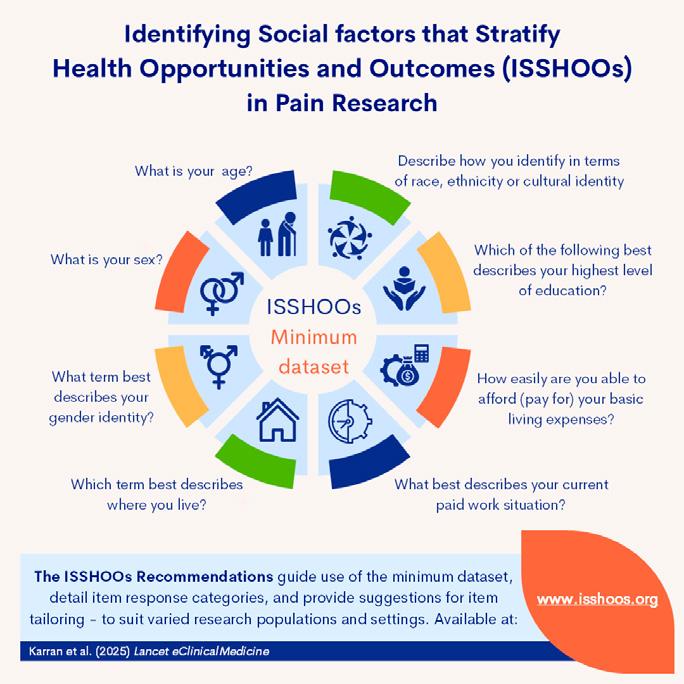
Dr Emma L Karran is funded by the Mayday Fund. She has received reimbursement of conference fees and travel costs related to presentations at scientific conferences/symposia by professional and scientific bodies. She has no other competing interests.
Dr Adele Stewart

Over the past decade, pain science has undergone a conceptual revolution. Chronic pain is now understood less as a marker of tissue damage and more as a protective output of a sensitised system shaped by learning, context, expectation and emotional state (Moseley & Butler, 2015). Across disciplines clinicians increasingly explain pain using contemporary frameworks — such as central sensitisation, predictive processing and nociplastic mechanisms.
Yet a familiar clinical tension persists. Patients can understand the explanation — but their nervous system does not.
They agree their spine is safe yet brace when bending. They accept reassuring imaging yet remain distressed during flares. They intellectually grasp pain as protection but still experience danger.
This gap is not a failure of education. It reflects the limits of cognition alone.
Pain science education successfully updates beliefs for many patients and improves disability and catastrophising. However, only a proportion achieve durable behavioural change.
Why? Because pain is not evaluated primarily through conscious reasoning. Protective responses emerge from distributed threat-processing networks — including limbic, salience and autonomic systems — operating largely outside conscious control. In predictive processing terms, prior danger predictions retain higher certainty than verbal reassurance Clinically this appears as a common statement: “I know it’s safe — but my body reacts.”
Patients cannot think their way out of a felt sense of unsafety.
For the nervous system to update its prediction, it requires new sensory evidence — not explanation alone. This is where mindfulness-based approaches become clinically relevant.
WHAT IS MINDFULNESS IN THIS CONTEXT?
Mindfulness is not relaxation or distraction. (Although all may be helpful in pain management.)
It is deliberate training in attending to presentmoment experience — including unpleasant sensation — with openness and curiosity rather than immediate avoidance, suppression, or cognitive elaboration.
In clinical terms, it is perceptual retraining: learning to distinguish sensation from the protective reactions layered onto it.
Conceptual change requires more than new information — it requires lived evidence.
Standardised programs such as the gold standard Mindfulness-Based Stress Reduction (MBSR) and MBSR derived approaches, show small-to-moderate improvements in pain intensity, disability and psychological distress across chronic pain conditions. Their clinical relevance becomes clearer when understood mechanistically.
1 THREAT PROCESSING
Chronic pain involves persistent activation of salience and threat networks. During mindfulness practice, patients repeatedly experience sensations without protective action. This provides corrective learning — unpleasant does not equal dangerous.
Neuroimaging studies demonstrate altered activity in amygdala-prefrontal circuits and reduced affective pain processing following meditation training.
2 ATTENTIONAL REGULATION
Pain captures attention and amplifies itself through monitoring. Mindfulness trains flexible attentional control — disengaging from nociceptive salience and reorienting attention intentionally. This alters default mode and executive network dynamics and reduces rumination.
3 SENSORY–AFFECTIVE DECOUPLING
Meditation reduces unpleasantness more reliably than intensity, suggesting modulation of evaluative processing rather than nociception itself. Clinically: the sensation persists, the suffering reduces.
4 EXPOSURE AND SAFETY LEARNING
Sustained attention to uncomfortable sensation functions as graded exposure. The nervous system learns through repetition that the predicted harm does not occur. Guarding decreases and movement confidence improves.
Importantly, mindfulness does not aim to suppress pain. It updates its meaning.
Pain education provides a new narrative Mindfulness allows the nervous system to test it.
A BIDIRECTIONAL MODEL: EDUCATION ENABLES PRACTICE, PRACTICE ENABLES BELIEF
Without pain education, mindfulness instructions may feel invalidating - “the pain is in your head” or “just ignore the pain”. Without experience, pain education may feel implausible. “But it still hurts right here”.
Education explains why attention training matters. Mindfulness makes the explanation believable.
Through repeated observation patients discover variability, modulation and safety in sensation. Prediction updates follow experience.
Integrated programmes such as the MBSR derived programme Pain to Peace deliberately combine these processes.
When conceptual and experiential learning align, presentation shifts:
BEFORE
“I know it’s safe, but it hurts”
Guarded movement
Flare = damage
Symptom monitoring
Control strategies
AFTER
“It hurts but I’m safe”
Exploratory movement
Flare = sensitivity
Life re-engagement
Adaptive responses
The aim is not symptom elimination but reduced protection. Function (and often pain intensity) improves as threat reduces.
CLINICAL MICRO PRACTICES ACROSS DISCIPLINES
Mindfulness need not be confined to formal programmes. Small moments within routine care can reinforce safety learning.
DURING EXAMINATION
“As you bend, notice anticipation — not just pain.” Patients detect bracing preceding pain.
DURING FLARE DISCUSSIONS
“Slow the moment down — what happens first?”
Narrative becomes awareness.
DURING EXERCISE PRESCRIPTION
“The movement retrains the nervous system, not just tissue.”
Exercise becomes exposure.
DURING PACING DISCUSSIONS
“Rest prevents escalation of protection.” Meaning alters behaviour.
DURING CONSULTATIONS
A brief awareness of breath or contact with the chair can visibly reduce muscle tension — demonstrating real-time modulation of protection.
Mindfulness training, particularly formal programmes, is helpful when patients:
• accept pain science but remain fearful
• show high variability or context-dependent pain
• demonstrate hypervigilance
• have anxiety or trauma-related threat amplification
• lack movement confidence despite reassurance
These patients are often stuck between understanding and change.
Traditional care seeks symptom reduction before function. Contemporary pain care reverses this — safe engagement precedes symptom change.
Mindfulness operationalises this principle by training patients to experience sensation without escalating protection. As behaviour changes, predictions update.
Mindfulness is therefore not simply relaxation or coping. It is exposure to internal experience under conditions of safety.
Modern pain care asks clinicians to help patients move from fear to safety. Education is essential but incomplete if it remains conceptual.
Patients do not live in explanations. They live in bodies.
When patients repeatedly experience sensation without harm, beliefs update naturally. Mindfulnessbased approaches — including integrated programmes such as Pain to Peace — provide the experiential component that allows pain science to become biologically credible.
We are not only teaching patients how pain works. We are helping their nervous systems discover it.
AUTHOR
Dr Adele Stewart MBBS FRACGP is a GP with extended skills in psychological medicine and Chair of the RACGP Pain Management Specific Interest Group. She has worked in chronic pain care for over 30 years and teaches mindfulness-based approaches for clinicians and patients. She is an accredited Mindfulness-Based Stress Reduction (MBSR) and Mindful Self-Compassion teacher and has a longstanding interest in integrating contemporary pain science with experiential learning approaches. Information and referral: adelestewartmbi.com
PAIN TO PEACE
is an interdisciplinary programme run by integrating contemporary pain education with MBSR-based experiential training. The course aims to help people move beyond intellectual understanding of pain toward embodied safety learning, supporting functional recovery and self-management. It is designed to complement multidisciplinary care including such disciplines as physiotherapy, psychology, and medical management. Information and referral: openground.com.au
DECLARATION
Dr. Adele Stewart is a co-founder of the Pain to Peace programme. She receives remuneration for teaching this programme.
REFERENCES:
Wiech, K. (2016). Deconstructing the sensation of pain: The influence of cognitive processes on pain perception. Science, 354(6312), 584–587. Moseley, G.L., & Vlaeyen, J.W.S. (2015). Beyond nociception: The imprecision hypothesis of chronic pain. Pain, 156(1), 35–38. Vlaeyen JWS, Crombez G, Linton SJ. The fear-avoidance model of pain. Pain. 2016 Aug;157(8):1588-1589.
Zeidan, F., Emerson, N.M., Farris, S.R., Ray, J.N., Jung, Y., McHaffie, J.G., & Coghill, R.C. (2015). Mindfulness meditation-based pain relief employs different neural mechanisms than placebo and sham mindfulness meditationinduced analgesia. Journal of Neuroscience, 35(46), 15307–15325. Tang, Y.Y., Hölzel, B.K., & Posner, M.I. (2015). The neuroscience of mindfulness meditation. Nature Reviews Neuroscience, 16(4), 213–225.
Hilton L, Hempel S, Ewing BA, Apaydin E, Xenakis L, Newberry S, Colaiaco B, Maher AR, Shanman RM, Sorbero ME, Maglione MA. Mindfulness Meditation for Chronic Pain: Systematic Review and Meta-analysis. Ann Behav Med. 2017 Apr;51(2):199-213.
Meulders A. Fear in the context of pain: Lessons learned from 100 years of fear conditioning research. Behav Res Ther. 2020 Aug;131:103635. doi: 10.1016/j.brat.2020.103635. Epub 2020 Apr 30. PMID: 32417719. Craske, M.G., Treanor, M., Conway, C.C., Zbozinek, T., & Vervliet, B. (2014). Maximizing exposure therapy: An inhibitory learning approach. Behaviour Research and Therapy, 58, 10–23.

Dr Lewis Crawford, PhD, is a research fellow in the Faculty of Medicine and Health at the University of Sydney. His research uses human brain imaging to better understand the neural mechanisms involved in pain neuroscience. Dr Crawford was recently announced as the Australian Pain Society’s Rising Star for 2026, an award showcasing up‑and‑coming researchers in the Australian pain community.
As the Rising Star Award winner, Dr Crawford will deliver a plenary lecture focusing on the role of human brainstem circuits of pain perception and modulation in targeted pain relief at the upcoming 46th Annual Scientific Meeting (ASM) of the Australian Pain Society, which will be held in Adelaide from April 19-22, 2022. In the lead-up to the ASM, Dr Crawford spoke with Dr Lincoln Tracy, a researcher and journalist from Melbourne, Australia, about his journey to becoming a pain researcher, what winning the Rising Star Award means to him, and more. This interview has been edited for clarity and length.
WHAT WAS YOUR PATH TO PAIN RESEARCH?
My path was interesting. I was doing an undergraduate science degree and was lucky to have a really good practical demonstrator during my third year who offered to help me and some of my friends with our applications for postgraduate medicine. He didn’t want anything in return; he only asked that if we didn’t get into medicine that we went and spoke with Professor Luke Henderson about research.
So, when I didn’t get into medicine, I held up my end of the deal and went to chat with Luke. He asked me if I had done any neuroscience before, and I told him I’d done one subject on it but nothing else beyond that. Despite not having a lot of experience or knowledge, he offered me an honours project
looking at placebo analgesia. I didn’t even know what an honours degree was before I started research, as I hadn’t thought about other paths beyond getting into medicine. But I’m really grateful to have been given the opportunity, because I’ve worked with Luke over the last six years and been involved in honours, a PhD, and now a postdoc position.
SINCE FINISHING YOUR HONOURS DEGREE YOU’VE GONE ON TO BE INVOLVED IN A NUMBER OF STUDIES INVESTIGATING PLACEBO ANALGESIA AND NOCEBO HYPERALGESIA. WHY ARE THESE PHENOMENA SO IMPORTANT TO EXPLORE IN THE CONTEXT OF PAIN?
I like to think of the placebo effect, and certainly the nocebo effect, as sticky phenomena, because they crop up in a lot of different places that you might not expect. For example, if you think about someone who is naturally averse to the dental office, they’ll be more likely to show a nocebo reaction than someone who is totally fine with sitting in the dentist’s chair. I guess they’re embedded everywhere in society.
In addition, having a better understanding of the placebo effect will innately improve randomised controlled trials. Most, if not all, RCTs will have an active arm and a placebo arm, but both groups will have a placebo response to some extent. Being able to contextualise the placebo response and to understand the neurobiology that underlies it is critical for improving how we think about drug effects in these settings.
WHAT’S ONE PAPER, SPECIFIC TO YOUR AREA OF RESEARCH OR OTHERWISE, THAT YOU THINK ALL RESEARCHERS SHOULD READ?
It’s a relatively known one, but I would recommend Michael Fox’s work from 2005, titled “The human brain is intrinsically organized into dynamic,
“I like to think of the placebo and nocebo effects as ‘sticky phenomena’ — they show up in places you might not expect and are embedded throughout everyday experiences of pain.”
anticorrelated functional networks”. From what I can tell, this was the first network neuroscience paper to establish that the brain is organised into a multimodal system. Fox derived two brain networks in that paper: the central executive network, which drive active processes, thoughts, and behavioural responses, and the default mode network, which is more involved in mind wandering and at-rest thought – and showed that these two networks work in opposition. So, when the CEN is engaged, the DMN is suppressed. This paper was a real starting point for understanding how the brain works as a whole, rather than thinking there is one area that is wholly responsible for a particular function. It’s a really nice one for getting your head around how the brain works for different processes.
WHAT DOES WINNING THE RISING STAR AWARD MEAN TO YOU?
I’ve been coming to APS meetings since 2020, which was an important year. I started my PhD in January 2020, and then by April everything was shut down due to COVID. So, I’ve been attending the meetings, both virtually and in-person, for as long as I can remember being on my research journey, and I find myself feeling very connected to the society. I think it’s a bit more meaningful to be recognised by the society that I’ve been involved with for the longest.
HOW MUCH OF AN IMPACT DID THE PANDEMIC HAVE ON YOUR PHD?
My PhD was built around doing functional brain imaging on humans, and it’s quite difficult to collect data in another state when all the lockdown restrictions were in place. There wasn’t a whole lot of new scanning that could be done in the first 12 to 18 months of my PhD, because at the time we were using a 7T scanner down in Melbourne for most of our projects. But I was lucky in the fact that I could continue with part of my honours project into my PhD and was able to learn about literature reviews and how to frame a manuscript. This was all guided by Luke, and another postdoc in our lab, Noemi Meylakh, so I was really lucky to have such great mentorship and be part of a lab that had a strong sense of community and really stuck together. Thankfully, things stared to progress more regularly once restrictions were lifted and we could travel again.
WITHOUT GIVING AWAY TOO MANY SPOILERS, WHAT DO YOU HOPE THAT ATTENDEES WILL TAKE AWAY FROM YOUR PLENARY PRESENTATION AT THE ASM?
I would really love for people to walk away with the consideration that placebo analgesia and nocebo hyperalgesia are true phenomena. They can be
recorded, detected, and measured in terms of brain activity changes, and they are phenomena that may become relevant to treatments and approaches to help manage pain in the future. I would never suggest that a placebo response or reaction would be a silver bullet for pain. But I think getting people to appreciate them for what they are – and what they could do – would be lovely.
A lot can be said for patient-practitioner interactions, and the positive psychological effects that empathy, warmth, and social interaction can bring someone. But another important area is that placebos could have utility in identifying new treatment targets. If we can accurately map out the neural circuity and parts of the brain that play a role in either downregulating or upregulating pain, then as we move towards non-invasive brain stimulation and other things like that, we could have a better idea of where we could see benefit in targeting. It’s all good to want to restore or rebalance the circuitries that contribute to chronic pain, but you have to
“Doing a PhD is like picking at an iceberg with a spoon. Each day it feels like you’re getting nowhere, but over time you realise you’ve removed far more than you thought.”
accurately define the circuits that might be pain relieving in the first instance.
DO YOU HAVE A PAPER OR PROJECT YOU’VE BEEN INVOLVED IN THAT YOU’RE PARTICULARLY PROUD OF?
There absolutely is a project that I’m particularly proud of. But funnily enough, it’s the one paper that cannot seem to be published anywhere. I love this project because it came about in such a strange way. When I was between my PhD and my first postdoc role there was a six- to eight-month period where we would be waiting to get ethics approval for the project that I would be working on as a postdoc. A close friend of mine, Damien Boorman, and I came up with this idea to assess whether or not placebo analgesia responses are consistent across time. That is, if you test the same people over multiple sessions, do you get similar response patterns?
What makes me so proud of this project is that we managed to do it together by learning along the way. Damien had never done human work before, but he learned all the necessary skills and were able to run this project in a short amount of time and produce some really interesting data. Most individuals we tested showed some consistent responses over time, even across multiple sessions. I think that the data support the idea that if you were to administer the same placebo in the same individual repeatedly, you’ll see a consistent placebo response, which is a claim that I haven’t seen supported like we can show anywhere in the literature.
WHAT’S ONE IMPORTANT THING YOU THINK ALL EARLY CAREER RESEARCHERS AND TRAINEES SHOULD KNOW?
I always think back to the advice I was given by Emily Mills, who was a PhD student in our lab when I started my honours degree. She told me that doing a PhD is like picking at an iceberg with a spoon. Each day you come in, do one tiny part of a task, and might think that you’re getting nowhere. But if you look at the same iceberg in a year, or two or three years’ time, you’ll see that you’ve made a tonne of progress. So, my advice would be to not get lost in thinking that you haven’t progressed, that you haven’t had a breakthrough in a while, or that you haven’t been able to see an outcome that you wanted to by a particular timepoint – you’re always making progress towards something good.
Then in addition to that, something I try and do is to say yes to as many opportunities as possible. I think a lot of researchers start with a similar set of skills and learn a lot over the course of their PhD, but there are also things that we don’t necessarily get trained at, like public speaking. I feel like I’ve gotten to where I am today by trying to say yes to as many opportunities to get in front of people as possible and speak about my research. It’s not about advocating for yourself so much as building a skillset that will help you in the long run.
FINALLY, IF YOU COULD HAVE DINNER WITH ANYBODY FROM HISTORY, WHO WOULD YOU INVITE AND WHY?
There are two people from history that I would love to invite. The first, Karl Friston, is particularly relevant to my field. He was the creator of SPM12 and several various modules within it. I was lucky enough to try and make sense of dynamic causal modelling in my PhD – which I believe he wrote the original formulae for as well – and there’s a book about his life and his approach to lecturing that I came across. He sounds like a very interesting person, and it would be nice to have dinner with him, even just to pick his brain about
how he came to these conclusions that you could handle brain imaging data in that particular way to look at connectivity.
The other is Mac Miller, a rapper who sadly passed away in 2018. He was a young person that had a very different life to that of a student doing a PhD in science. But I find him so interesting from a lyrical perspective, and what he writes about – as well as the way he navigated expectations versus desires – to be freeing. His music was always in my ears when I was doing my PhD, and to some extent he’s responsible for getting me through it So, it would be great to get the opportunity to thank him. I think that would be really fun.
And then I would obviously invite my parents, because they’ve been such a strong influence in my life. My mum has a research background – she did a master’s looking at nonverbal communication throughout university – so she always likes to tell people that I got me research brains from her, and she might be right. I also had a rowing coach throughout high school who competed at the Olympics, and I genuinely think he instilled a work ethic in me that still serves me well today. Finally, I would invite everyone from my mentorship team that helped get me to where I am today: Luke, Kevin Keay, Damien, Noemi, and Emily. Without them I wouldn’t be here.
KEY ASPECTS OF THE AWARD:
• Purpose: Showcases up-and-coming researchers in pain-related fields.
• Eligibility: Applicants must be an APS Member, Australian citizens/residents currently working in Australia, hold a PhD, and be within five years of their official conferral date.
• Selection Criteria: Based on research achievements, impact, publication record, and peer recognition
RECENT WINNERS:
• 2025: Dr. Caitlin Jones (Institute of Musculoskeletal Health).
• 2024: Dr. Jane Chalmers (University of South Australia).
• 2023: Dr. Aidan Cashin (Neuroscience Research Australia).
• 2022: Dr. Adrian Traeger (University of Sydney).
Dr Carolyn Berryman

For the first time ever, PICH Downunder is coming to Adelaide— and it’s not just a first for Australia, but the first PICH workshop ever held in the Southern Hemisphere.
Proudly supported by Adelaide University and Pain in Child Health (PICH) research training initiative (Canada), this free, one-day professional development workshop is a rare opportunity for trainees, early- and mid-career paediatric researchers, clinicians, and emerging leaders who are passionate about improving outcomes for young people living with chronic pain to come together. Whether you’re working in hospitals, research institutes, universities, or community health settings, this event is designed to equip you with practical tools, meaningful connections, and careershaping insights.
WHEN AND WHERE DOES PICH RUN?
SATURDAY 18TH APRIL
9:00 AM TO 3:30 PM
BRADLEY FORUM, ADELAIDE UNIVERSITY, LEVEL 5, HAWKE BUILDING, 55 NORTH TCE, ADELAIDE
Hosted by the growing PICH Downunder network, this Adelaide workshop will bring together an outstanding international and national faculty—including Dr. Jennifer Stinson; the Canadian lead of PICH, Dr. Mariana Bueno Co-Lead of National Collaborators of PICH; the lead of PICH Downunder Dr. Nicole Pope; and outstanding Australian faculty—Drs. Adrienne Harvey, Carolyn Berryman, and Sarah Wallwork offering participants direct access to experts who are shaping the future of paediatric pain research and clinical innovation.
But this isn’t your standard sit and listen workshop.
This one-day event will blend cutting-edge learning with interactive discussion and real-world relevance, with a strong focus on implementation science— bridging the gap between evidence and practice. Learn how to move beyond publishing findings to creating change in health systems, services, and patient outcomes. Gain strategies to design research and clinical initiatives that stick, scale, and make a measurable difference.
A standout feature of the workshop will be the inclusion of people with lived experience of chronic pain in childhood and adolescence. Their voices will ground the day in what matters most: the realities faced by young people and families navigating pain, healthcare, and support systems. This is an invaluable opportunity to rethink assumptions, deepen empathy, and strengthen the relevance of your work.
Participants will also benefit from dedicated sessions on career trajectories and professional development, including practical advice on building a research profile, forging collaborations, pursuing fellowships, and navigating the oftencomplex path between clinical work and academic success. Whether you’re aiming for your next grant, considering a higher degree in research, or looking to expand your leadership in paediatric care, you’ll leave with clearer direction and renewed momentum.
Most importantly, PICH Downunder is about community. This workshop is a chance to connect with a growing international network of researchers and clinicians committed to transforming paediatric chronic pain care.
PLACES ARE LIMITED—DON’T MISS YOUR CHANCE TO BE PART OF THIS LANDMARK EVENT.
Join us in Adelaide and help shape the future of paediatric pain research and care—Downunder, and beyond.
REGISTER NOW


Make 2026 the year you transform your chronic pain care.
Start with OPEN — An online Clinical Pain Training Program for all healthcare professionals, in partnership with the Australian Pain Society.
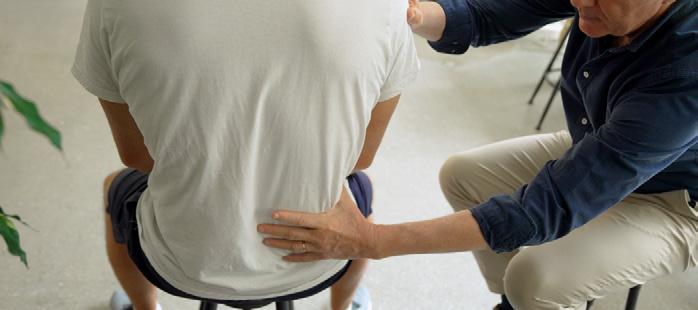
PRACTICAL TOOLS FOR ALL HEALTHCARE PROFESSIONALS
EVIDENCE BASED

“OPEN equips clinicians with the confidence and skills to apply their knowledge at the coal face, enabling pain care to be delivered directly at the point of care.”
JOYCE
MCSWAN, CEO OPEN & PAINWISE
Strengthening interdisciplinary pain care.



Cate Andrews

Persistent pelvic pain (PPP) affects approximately one in four women, and international guidelines consistently recommend interdisciplinary approaches to improve care. However, much of the literature focuses on single profession perspectives, limiting insight into how interdisciplinary pelvic pain care is structured, coordinated, and delivered. This narrative scoping review aimed to describe interdisciplinary PPP programs for women and trans and genderdiverse (TGD) individuals presumed female at birth. The review sought to answer four questions: (1) which professions are included in interdisciplinary programs; (2) what treatment components are delivered; (3) how interdisciplinary care is organised and coordinated; and (4) whether people with lived experience (PWLE) are involved in program development and refinement.
DESIGN
Narrative scoping review.
METHODS
Systematic searches of CINAHL, Scopus, Medline and PsychINFO were undertaken following PRISMA guidance for scoping reviews. Inclusion criteria, informed by the Population–Concept–Context framework (Pollock et al., 2023), identified peer reviewed studies reporting interdisciplinary care delivered by at least two healthcare professions for women and TGD individuals with PPP. Eligible studies included those addressing conditions such as endometriosis, adenomyosis, painful bladder syndrome, vulvodynia, dyspareunia, pelvic congestion syndrome and genitopelvic pain and penetration disorder. Data were charted on included professions, treatment components, care coordination, and PWLE involvement..
RESULTS
A total of 1068 records were screened; 69 fulltext articles were reviewed, and 16 studies met inclusion
criteria. Study designs varied and included cohort studies, descriptive studies, randomised controlled trials, feasibility studies and retrospective audits. Most programs focused exclusively on women (n = 11); three included both females and males; and only one study reported limited gender diversity information (e.g., nonbinary, transgender male). Studies were conducted across the USA, Canada, Europe and the UK in varied healthcare settings including tertiary care, pain management services, specialist pelvic pain/endometriosis clinics and primary care.
Considerable variation existed in program structures and delivery. Physiotherapy, psychology and gynaecology were the most frequently represented professions. Treatment components commonly included assessment, education and pain management strategies, with over 90% of programs incorporating education. However, descriptions of interdisciplinary coordination were limited, with many programs operating within multidisciplinary rather than truly interdisciplinary frameworks. Reporting of gender diversity, inclusive practice and trauma informed approaches was minimal across studies.
This review found substantial variability in the structure, components and coordination of interdisciplinary PPP programs. Key gaps included limited reporting of collaborative care processes, minimal inclusion of PWLE in program development, and almost no attention to gender diversity or trauma informed, gender affirming practice. These findings highlight the need for more consistent, inclusive and person centred interdisciplinary models. Standardisation of program structures, stronger care coordination and meaningful involvement of PWLE are essential to support robust evaluation and improve equity, accessibility and outcomes for all individuals with persistent pelvic pain.
Cate Andrews is supported by a Physiotherapy Research Foundation Grant and an Australian Government Research Training Program (RTP) Scholarship as part of her PhD studies with the School of Psychological Sciences, University of Tasmania.
Heather Gray

AN
I joined the APS when I started working in acute pain management, mainly to better understand what existed beyond my own service and discipline. I’ve stayed, and now serve as a State Board Director, because the APS is one of the few places where genuinely multidisciplinary conversations about pain and its management occur. It’s a space to learn, contribute, and be reminded how much there still is to learn. The APS supports collaboration, advocacy, and professional growth, and being involved keeps me connected to a community actively shaping the future of pain care in Australia.
1 WHAT INSPIRED YOU TO WORK IN PAIN MANAGEMENT, AND WHAT MOTIVATES YOU TODAY?
My background is originally in critical care and perioperative nursing, where acute pain management was part of everyday practice. Over time, it became a clear clinical interest and a natural move into acute pain. One ongoing motivator is that patients are generally quite pleased to see us each day, which isn’t something all hospital roles can claim. What keeps me engaged now is the balance between improving patient experience in real time and contributing to broader service development.
2 WHAT IS ONE CHANGE OR DEVELOPMENT YOU’D LIKE TO SEE IN PAIN CARE IN AUSTRALIA?
I’d like to see properly funded, multidisciplinary sub-acute or transitional pain services become standard practice. Ideally, these services are informed by models such as those in Toronto. Pain care needs sustained federal and state investment and recognition as a major health priority. Earlier, coordinated intervention improves patient outcomes, reduces longterm harm and health burden, helps prevent persistent pain, and supports more timely access to specialist chronic pain care.
3 HOW HAS APS MEMBERSHIP SUPPORTED YOUR PRACTICE, LEARNING, OR PROFESSIONAL CONNECTIONS?
The APS, and particularly the annual conference, offers genuinely multidisciplinary engagement. It brings together clinicians, researchers, and
health professionals from across disciplines in a way that feels collaborative, rather than siloed. That exposure has broadened my thinking, informed my practice, and made it easier to connect with colleagues who approach pain from very different, but equally valuable, perspectives.
4 WHAT AREA OF PAIN RESEARCH OR CLINICAL CARE ARE YOU MOST PASSIONATE ABOUT RIGHT NOW?
Transitional and sub-acute pain care is a key area of interest, particularly approaches that reduce reliance on pharmacological management. I’m passionate about minimising opioid and medication burden through thoughtful prescribing, de-prescribing, and stronger integration of non-pharmacological strategies. This is a critical window where getting things right can make a lasting difference.
5 WHAT DOES THE APS COMMUNITY MEAN TO YOU PROFESSIONALLY OR PERSONALLY?
The APS provides a space to contribute in ways that feel meaningful and grounded. Professionally, it’s a community that values curiosity, collaboration, and improvement. Personally, it’s reassuring to be part of a group that openly acknowledges the complexity of pain care, and keeps showing up to do it better.



JOURNAL REFERENCE:
Lin C-WC, Langford AV. Opioid Deprescribing in Patients with Noncancer Pain. New England Journal of Medicine. 2025;393(18):1833-42.
DOI: Link: DOI: 10.1177/20494637261418200
OBJECTIVE/BACKGROUND/AIMS/INTRODUCTION
This qualitative study investigated clinician perspectives on the relevance and significance of goal adjustment in the treatment of chronic pain. Although a common experience for many people living with chronic pain, goal adjustment remains underexplored in the therapeutic literature. The current research sought to understand clinicians’ experiences in order to optimize treatment strategies for individuals whose chronic pain imposes functional limitations, and where significant adjustments to important life aspirations are required.
DESIGN
Qualitative Thematic Analysis of Clinicians perspectives.
SETTING
Chronic Pain Management
SUBJECTS
14 experienced pain clinicians, including medical specialists, physiotherapists, and clinical psychologists.
METHODS
Methods: Semi-structured interviews were conducted with experienced pain clinicians. The interviews explored three areas: the relevance of goal adjustment in clinical practice, factors that enhance and hinder flexible goal adjustment, and treatment strategies for redirecting patient efforts towards alternative more viable aspirations. An inductive thematic analysis was performed to identify key themes from the data.
Clinicians unanimously endorsed the view that goal adjustment issues commonly occur when treating chronic pain. The thematic analysis highlighted the importance of flexible goal adjustment and the distress caused by letting go of goal ambitions. The consequences of problematic or inflexible goal adjustment are explored, along with barriers and facilitators of goal adjustment in chronic pain. Themes such as rigid self-identity, cognitive rigidity, limited understanding of chronic pain, and emotional distress were identified as barriers. The role of family, health professionals, and other social influences is also discussed. Therapeutic approaches emphasize realistic and meaningful goals, timing, rapport, trust, values-based goals, and validating distress.
The findings suggest that goal adjustment is a well-recognized component of chronic pain treatment Experienced pain clinicians identified that the successful resolution of the challenges of goal adjustment and the implementation of effective strategies to adopt realistic expectations is critical for positive patient outcomes. This study underscores the importance of integrating goal adjustment frameworks into chronic pain management to enhance therapeutic efficacy
LAWRENCE ROUX HAS NOTHING TO DECLARE. The authors declare no potential conflicts of interest with respect to the research, authorship, and/or publication of this article.
HAVE YOU RECENTLY HAD AN ARTICLE ACCEPTED OR PUBLISHED?
We love celebrating the achievements of APS members and sharing new pain research across our community. Please contact our Assistant Editor, Joanne Harmon and we will send you the submission template. We look forward to showcasing your work in an upcoming issue.

Have you secured your place at Australia’s only multidisciplinary conference?
The conference offers insights into the complex nature of pain management from a variety of medical, nursing, research, and allied health perspectives. Don’t miss out on your opportunity to join us this April in Adelaide, SA.
REGISTER NOW
Become a member and save on your Australian Pain Society (APS) 2026 registration fee!
Non Member Registration Price vs Becoming an APS Member
$1,625 or Being a member saves you up to $450 after membership fees! APS Student Member Registration Price
Only $350
Being a member saves you $1,160 after membership fees!
Tell your colleagues who are interested in becoming members, so they can save on their registrations too!
BECOME AN APS MEMBER AND START SAVING STRAIGHT AWAY!
REGISTER NOW

Should you have any queries about the conference, please contact the Conference Secretariat.
MESSAGE US

Pre‑Conference Workshop
19 April
8:30am - 12:30pm Sunday
Managing Pain in the Context of Functional Neurological Disorder (FND)

The pre-conference workshop provides an opportunity for multi-disciplinary discussion around key areas associated with managing the broader psychological issues in pain management. This workshop acknowledges the complexity of managing pain and FND, with three key learning objectives:
• To provide a deeper understanding of FND, where pain is a significant factor.
• To establish principles for the effective assessment and management of patients with FND who experience chronic pain; and
• To identify the management and treatment options for pain associated with FND.
REGISTER NOW
Pre‑Conference Workshop
19 April
1:30pm - 5:00pm Sunday
Clinical Reasoning for Pain Physiotherapists
This workshop will be focussed on developing the clinical reasoning skills for physiotherapists working with people with complex and/or chronic pain. We will critically review current existing clinical reasoning frameworks, and present and evaluate a new model that captures a biopsychosocial approach to the assessment and treatment of pain. Using clinical vignettes, participants will be invited to evaluate the usability, clarity, and potential implementation into their clinical setting of a newly developed clinical reasoning tool for physiotherapists working with complex and/or chronic pain. There will also be plenty of time for facilitated question time with our expert panel.
REGISTER NOW
Pre‑Conference Workshop
19 April
8:30pm - 5:00pm Sunday
Pre-Conference Workshop
The Acute Pain workshop is open to all pain clinicians, nurses and allied health members with an interest in acute pain. Attendees can attend as the full day or two half day workshops with exciting practice leaders speaking on topics that are at the forefront of our minds in day to day practice.
REGISTER NOW


15 – 19 NOVEMBER 2026
painSTAR brings together a group of exceptional clinical and early‑mid career academic pain researchers to participate in an intensive program. Here, we focus on linking the bench to the bedside and the boardroom.
Pain Schools foster interdisciplinary collaboration, accelerated translation of research findings to care delivery, and the development of skills to help influence political/health service systems. These topics are critical for high quality translational pain research that are rarely covered in standard teaching/conference curriculum.

Amy Reynolds and Peter Rudland, our valued consumer representatives, will be joining us again. They ensure that the painSTAR program is centred in the voice of those with lived experience.
Our core faculty – Anne Burke, Rainer Haberberger, Wendy Imlach, Trudy Maunsell and Tasha Stanton – are back for another round and this year. We welcome Andrew Watson to the team!
Fiona Blyth returns as the 2026 IASP representative, and we’re thrilled to welcome Kevin Keay (University of Sydney) as our inspiring national keynote speaker.

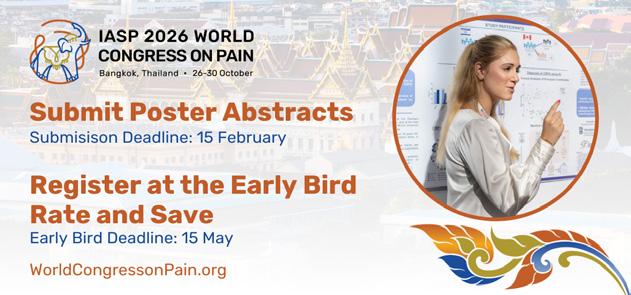




Researchers and clinicians from the ACORN Pain Study want to hear from you. They’re collecting research ideas from:



Pain is common in older people, yet it is often missed or undertreated in residential and community aged care settings.
IF STAFF DON’T KNOW THE SIGNS OF PAIN, IT CAN EASILY GO UNNOTICED — IMPACTING QUALITY OF LIFE, MOBILITY, MOOD, AND CARE OUTCOMES.
• 7 short, pain-focused training modules
• Practical and realistic videos and conversations with staff and residents in care settings
• Designed to be delivered as simple in-service sessions by a Registered Nurse
• Suitable for residential aged care, home care, community care and NDIS providers
THROUGH PAINACT, PERSONAL CARE WORKERS LEARN TO:
• Listen to residents’ concerns
• Validate and acknowledge pain experiences
• Recognise when pain requires further action or escalation
Improve pain care across your facility with this accessible, evidence-based training program.
LEARN MORE AND ACCESS THE MODULES HERE
March
18–21 MARCH 2026
New Zealand Pain Society (NZPS)
NZPS26 – The Right Fit
Christchurch Town Hall, Otautahi Christchurch, NZ
April
17–18 APRIL 2026
Pain in Child Health (PICH)
PICH2GO Adelaide 2026
University of South Australia, Adelaide, SA
19–22 APRIL 2026
Australian Pain Society
2026 Australian Pain Society 46th Annual Scientific Meeting
Adelaide Convention Centre, Adelaide, SA
May
1 MAY 2026
Australian and New Zealand College of Anaesthetists & Faculty of Pain Medicine
2026 FPM Symposium – Kotahi tatou i te waka: United in the journey of pain care
JW Marriott Auckland Hotel, Auckland, New Zealand
1–5 MAY 2026
Australian and New Zealand College of Anaesthetists (ANZCA)
ANZCA 2026 Annual Scientific Meeting – Herenga
Waka Herenga Tangata (From Home to Home)
New Zealand International Convention Centre (NZICC), Auckland, New Zealand
June
23–24 JUNE 2026
Occupational Therapy Australia
OT Exchange 2026: From Ideas to Impact
Brisbane Convention and Exhibition Centre, Brisbane, QLD
July
19–22 JULY 2026
Rehabilitation Medicine Society of Australia & New Zealand
RMSANZ 2026 9th Annual Scientific Meeting –Bridging the Rehabilitation Gaps
Darwin Convention Centre, Darwin, NT
August
07–09 AUGUST 2026
Neuromodulation Society of Australia & New Zealand
2026 NSANZ 19th Annual Scientific Meeting
Sheraton Grand Mirage Resort, Gold Coast, QLD
September
14–16 SEPTEMBER 2026
National Rural Health Alliance 18th National Rural Health Conference
Equity & Innovation: shaping rural health, disability & ageing
Adelaide Convention Centre, Adelaide, SA
October
26–30 OCTOBER 2026
International Association for the Study of Pain (IASP)
IASP 2026 World Congress on Pain
Bangkok International Trade & Exhibition Centre (BITEC), Bangkok, Thailand
November
15—19 NOVEMBER 2026
Australian Pain Society
2026 PainSTAR — Pain School for Translation and Research
Novotel Barossa Valley Resort, Adelaide Hills

Renew your APS membership for 2026 — be part of an exciting year ahead

Thank you for being a member of the Australian Pain Society (APS) in 2025, and for your ongoing commitment to improving pain care across Australia. Your membership plays an important role in strengthening our collective voice in advocacy, education, and research.
Membership renewals for 2026 are now due, and a reminder email has been sent to all members.
AS AN APS MEMBER, YOU HELP ENSURE WE CAN CONTINUE TO:
Advance best-practice pain research and clinical care
Influence national policy, standards, and advocacy priorities
Build a strong, multidisciplinary pain community
We have many exciting initiatives, events, and opportunities planned for 2026. Renewing now ensures you remain fully connected and at the centre of APS activities in the year ahead.
Members are asked to select their level of membership, as APS has operated on self-reporting subscription categories since 2009. Before renewing, please take a moment to update your membership profile online.
Payments can be made via credit card or BPAY
By inviting a colleague to become a member of APS, you can directly help our community grow, broaden our reach, and strengthen our influence in shaping better pain care across Australia.
Every new member amplifies our collective voice and increases our capacity to advocate for clinicians, researchers, and people living with pain.
Encourage your colleagues to join Australia’s leading multidisciplinary pain community and connect with the professionals and advocates shaping the future of pain care.

The Australian Pain Society is a registered charity with the Australian Charities and Not-for-profits Commission (ACNC).
Any donation you choose to make is fully tax deductible and directly supports APS in advancing best-practice pain research, education, and clinical care.
Thank you for your continued support and membership of the APS.
Please note:
1 We understand that circumstances change, so each year we ask you to select your appropriate level of membership.
2 This system of self-reporting subscription levels was implemented in 2009 for the benefit and fairness of all members.
3 Membership fees have NOT increased
Please refer to the rates below for your 2026 membership






President Mrs Bernadette Smith
Psychology Plus South Burnie TAS 7320 03 6431 9959 03 6431 9950
President Dr Laura Prendergast
Persistent Pain Management Service
Northern Health Broadmeadows VIC 3047 03 8345 5166
Workdays Mon & Thu
Secretary Ms Jacintha Bell
Lifeworks Occupational Therapy
Mount Lawley WA 6050 0451 178 880 08 6323 3329
Treasurer Dr Duncan Sanders
Pain Management Unit, Sydney Medical School, University of Sydney/Managing Pain Clinic and E3 Physio Gold Coast QLD 07 5620 1234 07 3009 0420
ACT Director
Mr Anjelo Ratnachandra
Beyond Pain Pty Ltd
Belmont VIC 3216 0400 202 803
NSW Director
Dr Connor Gleadhill
Department of Health and Aged Care
Primary Care Division
Newcastle NSW 2308 0405 203 661






NT Director
Dr Amelia Searle
Flinders Medical Centre Pain
Management Unit
Bedford Park SA 5042 08 8204 5499 08 8204 5440
QLD Director
Mrs Karla Wright
Fernvale Priceline Pharmacy
Fernvale QLD 4306 07 5427 0695 07 5427 0698
SA Director
Ms Heather Gray
Royal Adelaide Hospital
Adelaide SA 5000 heather.gray@sa.gov.au
TAS Director
Mr Sinan Tejani
Launceston General Hospital Launceston TAS 7250 0469 967 841
VIC Director
Dr Alison Sim
10 South Sports Medicine
Geelong VIC 3220 0488 988 315
WA Director
Ms Jacintha Bell
Lifeworks Occupational Therapy
Mount Lawley WA 6050 0403 803 434 08 6323 3329






Immediate Past President
Mrs Joyce McSwan
Gold Coast Primary Health Network
Persistent Pain Program, QLD and PainWISE 0412 327 795 07 3539 9801
SPC Chair
Professor Kevin Keay
Department of Anatomy
University of Sydney
Sydney NSW 2006 02 9351 4132 02 9351 2817
IASP Liaison
Professor Fiona Blyth AM
Sydney School of Public Health
Faculty of Medicine and Health
University of Sydney Camperdown NSW 2006 Fiona.blyth@sydney.edu.au
Communications Coordinator
Mrs Bernadette Smith
Psychology Plus
South Burnie TAS 7320 03 6431 9959 03 6431 9950
Newsletter Editor
Clinical A/Prof Kylie Bailey
Sagacity Services
Mount Hutton NSW 2290 0447 905 085
Newsletter Assistant Editor
Dr Joanne Harmon
School of Clinical and Health Sciences
University of South Australia
Adelaide SA 5000 08 8302 1442
Grant Selection Subcommittee Co-Chairs


Emeritus Professor Maree Smith AC
Centre for Integrated Preclinical Drug Development
University of Queensland St Lucia QLD 4072
Professor Luke Henderson
Anatomy & Histology, School of Medical Sciences
Brain & Mind Centre
University of Sydney Camperdown NSW 2006

The Australian Pain Society is a multidisciplinary association whose purpose is to advance pain management through education, research, and advocacy for transformational improvements in clinical care.