February 3rd, 2026


February 3rd, 2026
6:45am
9:15am
9:30am
10:00am
10:30am
11:00am
11:30am
12:00pm
12:00pm
1:15pm
1:30pm
Depart for Atlanta - Hobby Lobby Augusta Exchange
Arrive at Centergy Building, Hodges Room 75 Fifth Street, Suite 3500, Atlanta, GA
Briefing from the Georgia Department of Economic Development
Bob Kosek - Division Director, Global Commerce
Briefing with University System of Georgia
Costas Spirou, Chief Innovation & Entrepreneurial Strategies Officer
Briefing with Technical College System of Georgia
Commissioner Greg Dozier
Briefing with Georgia State Superintendent of Schools
Superintendent Richard Woods, State School Superintendent
Walk to Georgia Tech Hotel & Conference Center
Salon 4-6 800 Spring St NW, Atlanta, GA
Lunch with Leadership Augusta Class of 2026
Fried Chicken Salad - Romaine Lettuce with a Peppercorn Ranch, Fried Chicken Strips, Pear Tomatoes, and Cheddar Cheese
Served with Tomato Truffle Bisque and Flourless Chocolate Cake
Georgia Politics 2026
Brian Robinson, Robinson Republic
Walk Back to Centergy Building, Hodges Room
Data Center Panel
Jeremiah C. Haswell, Regulatory Affairs Director, Georgia Power Company
Shane Short, Executive Director of the Development Authority of Walton County
Kelsi Austin, Business Development & Strategy Manager at Georgia Power Company
2:30pm Travel to the Capitol Room 216
3:00pm
3:30pm
4:00pm
5:00pm
Briefing with Lieutenant Governor of Georgia
Lieutenant Governor Burt Jones
Briefing from the Georgia Department of Transportation
Andrew Heath, P.E., Deputy Commissioner
Briefing with the Governor of Georgia
Governor of Georgia Brian Kemp
Travel to World of Coca-Cola - Loft & Lobby
121 Baker St NW, Atlanta, GA
5:30pm Cocktail Reception & Dinner
8:15pm Depart for Augusta
James Allen, Augusta Metro Chamber of Commerce
Kerry Bridges, Georgia Power Company
Bennish Brown, Destination Augusta
Helen Caldwell, Pinnacle Bank
Angie Cox, Augusta Metro Chamber of Commerce
Janee Dock, Piedmont Augusta
Dr. Jackson Drumgoole, Wellstar MCG Health
Adam Flakes, Burke County Board of Commissioners
Laura Gafnea, Goodwill/Pinnacle Club
Rod Goins, Augusta Coca-Cola
Johnny Gregory, III, Greater Augusta Black Chamber of Commerce
Sabrina Griffin, Columbia County Chamber of Commerce
Jason Grove, Ellefson Transportation Group
Shagraila Hammond, Greater Augusta Black Chamber of Commerce
Tiffany Heitzman, Home Builders Greater Aiken-Augusta Region
Dr. Lily Henson, Piedmont Augusta
Dr. Lyle Hogue, Columbia County Chamber of Commerce
Dr. Kendricks Hooker, Augusta Technical College
Lisa Hopper, Georgia Power Company
Colie Irby, Augusta Coca-Cola
Jordan Johnson, City of Grovetown
Dr. Russell Keen, Augusta University
Stephen King, Georgia Power Company
Elaine Matthews, City of Grovetown
Juli Means, Jordan Trotter Commercial Real Estate
Keith Perret, State Farm Insurance - Keith Perret
Jacqueline Rivera-Player, City of Grovetown
Steve Sanders, Fulcher Hagler LLP
David Schultheis, Aurubis Richmond
Stan Shepherd, AT&T
Nelson So, Wellstar MCG Health
Dr. Quynh Spicer, Harlem Family Dental
Austin Stacy, Development Authority of Burke County
Heath Taylor, Columbia County Chamber of Commerce
Ronic West, Greater Augusta Black Chamber of Commerce
Merv Waldrop, Burke County Board of Commissioners
Kimberly Wilder, Davis, Chapman, & Wilder, LLC
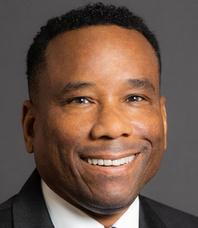
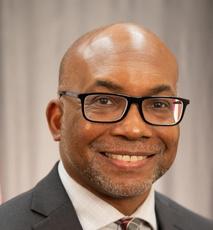
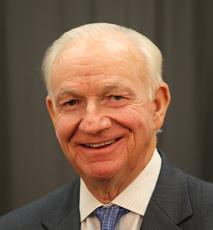
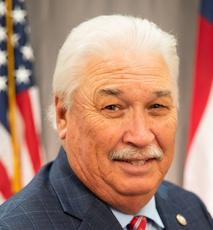

Brian Prince, Delegation Chairman
State Representative, District 132 brian.prince@house.ga.gov
Capitol Address
18 Capitol Square SW 409-G CLOB
Atlanta, GA 30334
Phone: (404) 656-0116
Harold Jones II - Senate Minority Leader
State Senator, District 22
harold.jones@senate.ga.gov
Capitol Address
604-A Coverdell Leg. Office Bldg
Atlanta, GA 30334
Office: (404) 656-0265
Max Burns
State Senator, District 23
maxburns@senategagov
Capitol Address
327-A CLOB
Atlanta, GA 30334
Office: (404) 463-1376
Lee Anderson
State Senator, District 24
lee.anderson@senate.ga.gov
Capitol Address
325-B CLOB
Atlanta, GA 30334
Office: (404) 656-5114
Rob Leverett
State Representative, District 123 rob.leverett@house.ga.gov
Capitol Address
508-A Coverdell Leg. Office Bldg.
Atlanta, GA 30334
Office: (404) 656-0213
District Address
P.O. Box 142 Augusta, GA 30919
Phone: 706.364.4230
District Address 2717 Willis Foreman Road Hephzibah, GA 30815
District Address PO Box 203 Sylvania, GA 30467
District Address 160 Louisville Road Grovetown, Ga 30813
District Address
P.O. Drawer 399 Elberton, GA 30635


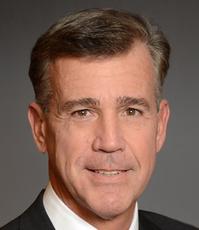
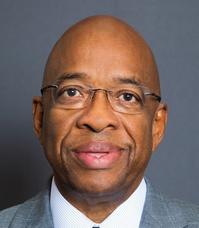

Gary Richardson
State Representative, District 125 garyrichardson@housegagov
Capitol Address
601-F Coverdell Leg Office Bldg
Atlanta, GA 30334 Office: (404) 656-0254
L.C. Myles Jr.
State Representative, District 126 lc.myles@house.ga.gov
Captiol Address
604-B Coverdell Legislative Office Bldg Atlanta, GA 30334 Office: (404) 656-0264
Mark Newton
State Representative, District 127 mark.newton@house.ga.gov
Capitol Address
401-D State Capitol
Atlanta, GA 30334 Office: (404) 656-7855
Karlton Howard
State Representative, District 129 karltonhoward@housegagov
Capitol Address
511-G Coverdell Leg Office Bldg Atlanta, GA 30334 Office: (404) 656-6372
Rob Clifton
State Representative, District 131 robclifton@housegagov
Capitol Address
408-B Coverdell Legislative Office Bldg Atlanta, GA 30334 Office: (404) 657-1803
District Address PO Box 154 Evans, GA 30809
District Address P.O. Box 6016 Augusta, GA 30916
District Address 4324 Wheeler Rd Augusta, GA 30907
Georgia continues to face a significant shortage of housing opportunity and affordability, impacting workforce recruitment, retention, and long-term economic competitiveness across the CSRA. The Chamber supports efforts by state and local policymakers to re-evaluate and modernize zoning ordinances and land use policies to encourage a wider range of housing options such as higher-density development, mixed-use projects, and alternative housing types while maintaining appropriate standards that protect public safety, infrastructure

capacity, and community needs. Regional analysis conducted through SRSCRO’s housing study underscores the scale of need in the Augusta–Aiken market, projecting demand for more than 17,000 new housing units over the next five years driven by population and job growth. The Chamber supports coordinated state, regional, and local strategies that accelerate housing production and address housing instability including homelessness recognizing the direct impact on workforce readiness, student outcomes, and the safety and vitality of commercial districts.
As Georgia experiences growth in energy-intensive industries, including data centers and advanced manufacturing, the Chamber supports balanced energy policies that promote economic competitiveness while ensuring reliability, affordability, and sustainability We encourage collaboration among state policymakers, utilities, and economic development partners to ensure Georgia remains well-positioned to support growth while responsibly managing energy demand and infrastructure expansion. The Chamber also supports long-term water resource planning and investment to ensure secure, high-quality water supplies for communities and businesses across the state
Tax incentives that promote redevelopment and reuse of historic properties are important tools for revitalization, private investment, and community growth. The Chamber supports continued access to historic tax credits as a proven mechanism to support redevelopment in downtowns and neighborhoods, encourage adaptive reuse, and expand housing and commercial opportunities supporting small business growth, tourism, and community vitality particularly in older urban areas such as Augusta.
Fort Gordon is a cornerstone of the Greater Augusta Region’s economy and a vital national defense asset, serving as the home of the US Army Cyber Center of Excellence As the installation continues to grow, the Chamber supports sustained state investment in supporting infrastructure and transportation improvements proportional to mission expansion and workforce access. Priorities include regional transportation enhancements such as the proposed interchange at I-20 and Lewisville Road to improve safety, mobility, and long-term mission readiness.
Augusta University plays a vital role in Georgia’s future by advancing education, healthcare, and workforce development. The Chamber supports continued state investment in Augusta University’s ability to train the next generation of talent from medical professionals to researchers and cyber-related fields and to strengthen the region’s role as a hub for innovation, healthcare delivery, and economic opportunity.
The Chamber supports maintaining a predictable business climate that encourages investment, job creation, and entrepreneurship across Georgia This includes modernizing regulations where appropriate while maintaining consistency and uniformity for Georgia employers The Chamber supports continued efforts to preserve a fair and balanced legal climate and build upon recent tort reform progress, ensuring Georgia remains competitive while protecting employers’ ability to maintain safe business environments The Chamber also supports responsible tax policy that sustains Georgia’s competitiveness while ensuring long-term fiscal stability and avoiding undue shifts in tax burden, through consumption tax or various forms of property tax, to the business community
Occupational licensing requirements can create barriers to workforce participation and mobility, particularly for individuals relocating across state lines and those entering highdemand career fields. The Chamber supports efforts to modernize and streamline licensing systems, reduce unnecessary barriers to employment, and improve portability of licenses and credentials. These reforms help employers meet workforce needs, expand opportunity, and strengthen Georgia’s ability to attract and retain talent.
The Chamber supports legislative solutions to address funding for the implementation of Next Generation 911, ensuring all Georgians have access to a modern public safety communications network This is a critical public safety and business continuity issue, and the Chamber supports coordinated statewide efforts that strengthen emergency response capabilities and improve public confidence in community safety
Augusta Technical College is a cornerstone of the region’s workforce development pipeline, providing critical training aligned with Georgia’s high-demand industries. The Chamber supports continued state investment in technical education and workforce facilities that prepare students for high-wage, high-skill careers. We specifically support completing the funding necessary to deliver the Advanced Manufacturing and Engineering Technology facility, building on prior appropriations and ensuring the project can be fully realized to meet regional workforce and employer needs.
The Chamber supports continued state investment in K-12 education to ensure Georgia students are prepared for future workforce demands. Priorities include funding equity across districts, expansion of CTAE career pathways, STEM learning, and stronger alignment between education systems and regional workforce needs. The Chamber supports policies that enhance work-based learning, apprenticeships, and career exploration programs, while also supporting efforts to increase access to affordable, quality childcare recognizing that childcare availability is a major factor in workforce participation and family economic stability.
The Augusta Region has benefited significantly from the Transportation Investment Act of 2010 and the successful 2020 TSPLOST referendum, which funds regional transportation needs through 2032 The Chamber supports continued local flexibility in transportation funding while also advocating for equitable state and federally authorized transportation investments that reflect the region’s growth, infrastructure demands, and economic impact Strategic investment in transportation strengthens workforce mobility, freight movement, and quality of life, and the Chamber supports the continued funding and timely delivery of transformational regional projects such as the ongoing Broad Street TIA corridor improvements which enhance safety, connectivity, and long-term downtown economic vitality
Georgia is well positioned to lead in emerging transportation technologies, including electric vehicles and advanced mobility solutions. The Chamber supports policies that encourage innovation and infrastructure readiness to support evolving transportation technologies, ensuring communities across the state can adapt to future mobility trends while improving efficiency, safety, and economic competitiveness.