1 minute read
VERITY OTELLO


It is said that our aural memory or “aural perspective” is quite short, and when we attempt to recall it, quite inexact and perhaps even fanciful. And while this may well be true in general, the emotion tied to a given aural event, I believe, can certainly conjure the sound and the feeling, regardless of how long ago and far away the memory. My memories of Verity’s earlier speakers— Fidelio and the original Parsifal —conjure an experience wherein both speakers brought the music so close, so real-to-life, so textural and palpable as to be unforgettable. I owned the Fidelio speakers and for the time I spent listening to the Parsifals, perhaps I should have owned them as well. Cars, however, very nice cars, got in the way for a moment.
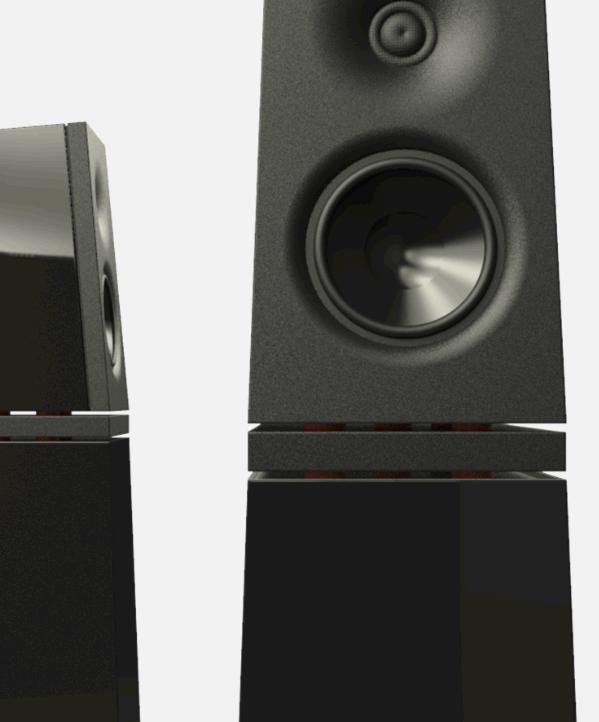
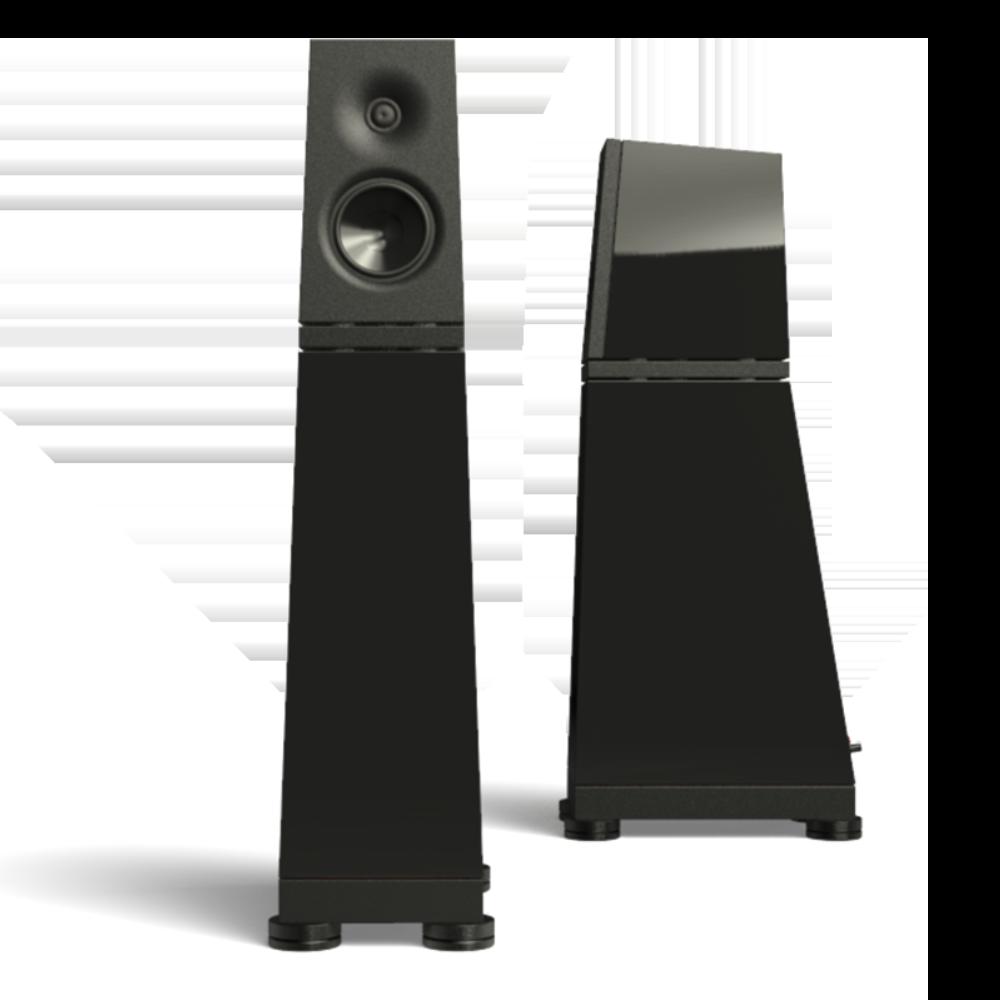
This brief introduction brings me to the review of the Verity Audio Otello, a sibling to its brothers—the Parsifal and the Otello. The question of the moment, however, is how does the Otello measure up to its brethren and the speakers currently in-house?
Advertisement
REFRAIN: Unlike most reviews, this review will be non-sequential, as it will start with how the equipment actually sounds, and not the process of physically “undressing” it and/or laying out its various accoutrement, specifications, etc. Think of this review, then, as a non-linear movie—Memento, Kill Bill, Pulp Fiction, Eternal Sunshine of the Spotless Mind, The Queen’s Gambit, In the Shadow of the Moon, etc.—that likewise starts at the end and winds its way to the beginning.
The Setup
My listening room’s dimensions are 15 feet (4.57 m) by 30 feet (9.14 m). My system is placed along the short wall. The left side of the room is open, while on the right side there are two very large, double-paned windows, with very effective (sound- defusing/absorbing) blinds. The floors are hardwood, the external walls are concrete, covered by large rugs with underpadding, and the internal walls are the robust ‘1960s-era build found in high-rise