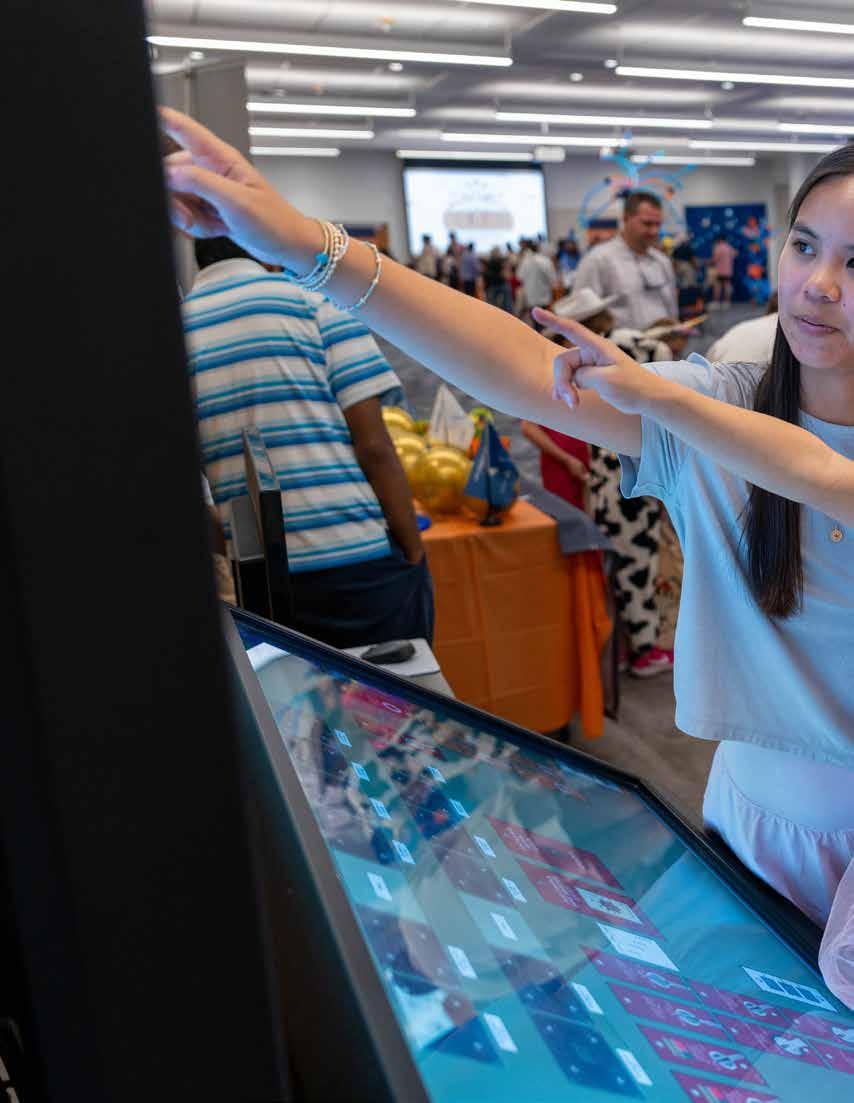
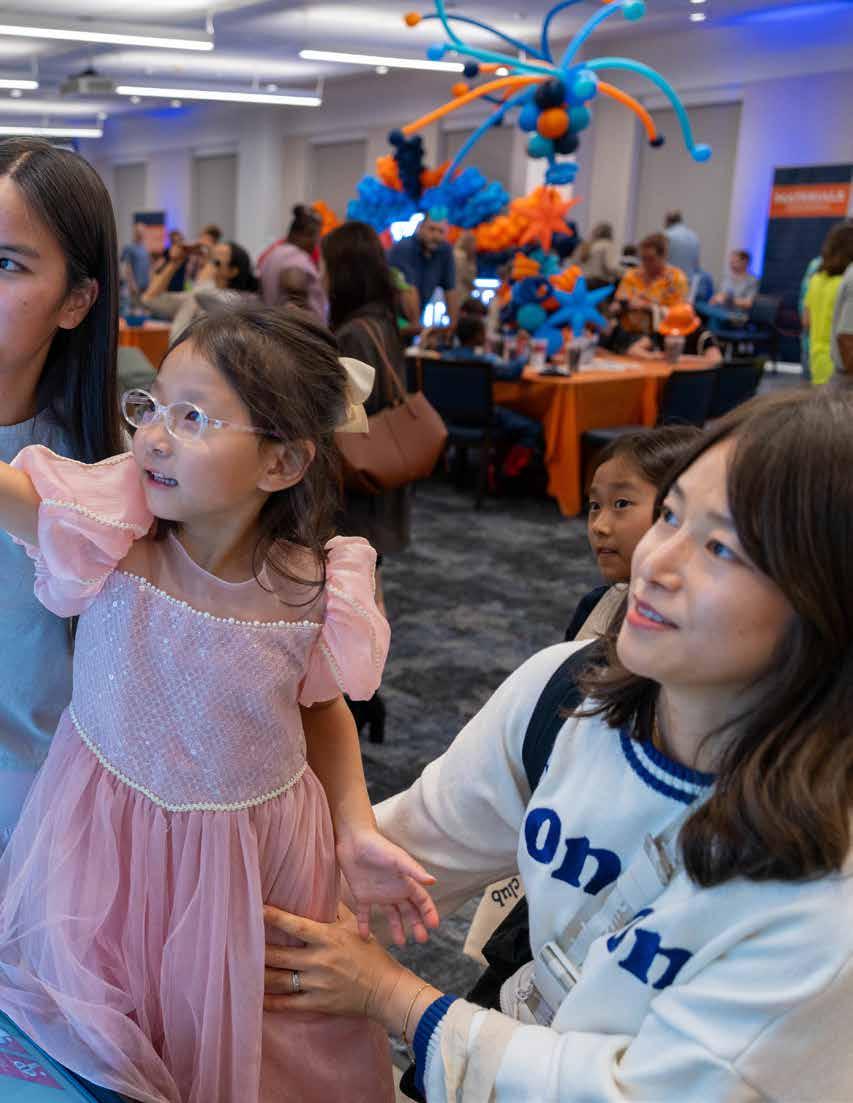
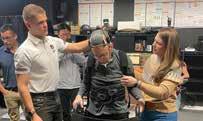
A participant in the Grand Engineering Challenges event tests a glass-top nuclear power plant control room simulator which offers a hands-on look at how students in Auburn’s Nuclear Power Generation Systems Program train to operate real-world reactor systems. The annual event, held each fall, is organized by the college’s Office of Recruitment, Outreach and Scholarships, and it draws hundreds of K-6th grade students to campus each year.
26 / Celebrating 25 years of Ginn
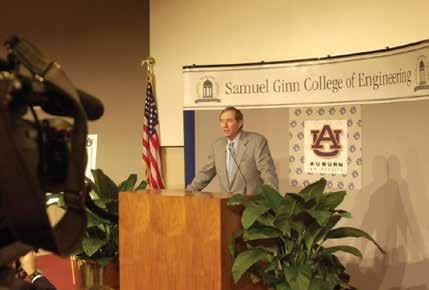
In 2000, Sam Ginn donated $25 million to the college, and it was renamed the Samuel Ginn College of Engineering.
40 / AUSME is awesome A
34 / Research for miles
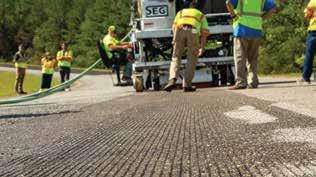
The National Center for Asphalt Technology is celebrating 25 years of Test Track research
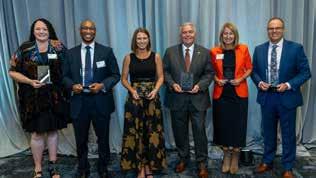
66 / The award goes to... The Auburn Alumni Engineering Council honors five outstanding alumni and one longtime staff member.
For more than 150 years, Auburn Engineering has helped shape and build our state, region and country through innovative research and graduates driven by solving problems and improving the quality of life for all.
But, perhaps, the past 25 years have been the most transformative in our history.
In this issue, you’ll read about two occurrences from 25 years ago that changed the trajectory of this college.
Sam Ginn, ’59 industrial engineering, built a career by revolutionizing the telecommunications industry through wireless and cellular technology. When he needed engineers in this field, there wasn’t enough supply to meet his demand, not even at Auburn.
Sam felt Auburn needed a spark, and that spark ignited a rocket.
Sam’s $25 million gift has boosted Auburn Engineering in every way — record student enrollment, research funding, faculty size, alumni giving, you name it.
At the same time, our National Center for Asphalt Technology (NCAT) also needed a boost. While the research coming out of the center was impactful, it lacked the tangible application that we needed.
So, we built a track.
The NCAT Test Track is a 1.7-mile oval located on a 309-acre site where research is conducted on experimental asphalt pavements. The track consists of 46 test sections, each 200 feet long, funded through a cooperative effort between highway agencies and industry sponsors. Research experiments help agencies — including more than 30 state departments of transportation — confidently implement new technologies, ultimately saving millions of dollars in transportation infrastructure.
While we celebrate these amazing milestones this year, it’s humbling to see how far we’ve come. Auburn Engineering has always been great, but through the belief of alumni such as Sam Ginn and so many others, we are claiming our rightful place as one of the premier engineering institutions in America.
When we say the Samuel Ginn College of Engineering is “the best student-centered engineering experience in America,” that’s not just a slogan, that’s a fact.
War Eagle!

Mario R. Eden
The country’s best engineering college deserves the country’s best engineering podcast.
Look for the MIC icon to identify our guests and visit eng.auburn.edu/ginning to listen to each episode.
Visit Auburn Engineer online at eng.auburn.edu/magazine for videos, photos, podcasts and more. You may also submit news items, suggestions or comments by clicking the Contact Us tab.
Auburn Engineer is published twice yearly by the Samuel Ginn College of Engineering.
Engineering Communications and Marketing c/o Editor 1210D Shelby Center Auburn, AL 36849 334-844-2444
© 2025 Samuel Ginn College of Engineering Auburn University
Auburn University is an equal opportunity educational institution/employer.
Dean Mario Eden
Editor & Director, Communications and Marketing
Austin Phillips
Contributors
Olivia Ballard
Nick Bowman
Adam Cletzler
Dustin Duncan
Bethany Giles
Caitlyn Griffin
Jeremy Henderson
Allison Killingsworth
Joe McAdory
Carla Nelson
Rachel Wingard
Manager, Creative Services / Graphic Design
Danny Doyle
Contributor
Greg Key
Website Management
Tyler Patterson
Contributor
Darahaas Nallagatla
Photography & Videography
Marcus Kluttz
John Sluis
Contributor
AU Photographic Services
Social & Digital Marketing
Anna Katherine Underwood
There’s always been something special about Auburn. It gets into your very soul and never leaves you – ever. Generation after generation have come to love the Auburn Spirit, just as you do. And with your partnership, we can give that same experience to future students. As you plan for the future, please consider leaving Auburn in your estate plans. Our gift planning specialists can show you how to create a meaningful and tax-saving gift that will have an impact on the Auburn Family for generations to come.
Simple ways to create your legacy at Auburn
• Make a gift through your will or living trust
• Designate Auburn as a beneficiary on a bank or retirement account
• Give Auburn a life insurance policy you no longer need
• Make a gift that also pays you an income, such as a charitable gift annuity
• Donate appreciated assets and receive a generous tax break
DON’T WAIT TO CREATE YOUR legacy AT AUBURN.
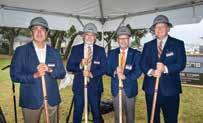
The Samuel Ginn College of Engineering broke ground July 24 on the Gulf Coast Engineering Research Station in Orange Beach, a 21,000-square-foot facility designed to advance coastal resilience research.
The two-story building at 4775 Walker Ave. will include labs, offices, meeting rooms and outdoor gathering spaces overlooking Terry Cove.
Research will focus on protecting water quality, conserving habitats and improving the sustainability of coastal communities.
President Chris Roberts said the station aligns with Auburn’s 2035 strategic plan, while Dean Mario Eden emphasized its role in solving realworld problems, from marine health to economic resilience.
The Samuel Ginn College of Engineering will soon be an even more welcoming environment for research into harsh-environment electronics.
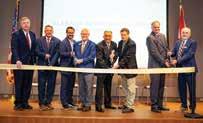
Auburn University, in partnership with NextFlex and the state of Alabama, is leading a new statewide hub that will accelerate research and industry adoption of advanced packaging for electronics in harsh environments to strengthen U.S. manufacturing competitiveness.
The Alabama Node, established by NextFlex — a public-private consortium focused on advancing and commercializing flexible hybrid electronics — will serve as a regional center for innovation, technology
transition and workforce development in next-generation electronics manufacturing.
It will provide Alabama companies of all sizes with access to facilities, equipment and infrastructure to fast-track the adoption of hybrid electronics design, development and manufacturing.
The Alabama Node will also expand NextFlex’s advanced manufacturing education and workforce programs, such as FlexFactor and FlexFactor Pro, while supporting the national mission to drive technology innovation, strengthen the U.S. manufacturing workforce and promote competitive advanced manufacturing.
“The establishment of the NextFlex Alabama Node at Auburn University represents a major milestone in
Orange Beach Mayor Tony Kennon called the center an inspiration for local students. The Alabama Gulf Coast Recovery Council provided funding through the RESTORE Act and the Alabama Department of Conservation and Natural Resources.
Commissioner Chris Blankenship said the facility will support both environmental restoration and economic development.
“This is going to be a great project for coastal Alabama,” he said. “The research done here will help us better understand our coastal environment so we can protect and enhance the places that make Alabama so special.”
our long-standing commitment to advancing electronics manufacturing and innovation,” said Steve Taylor, senior vice president for research and economic development.
“This collaboration will enable companies of all sizes in Alabama to participate in the resurgence of U.S. electronics manufacturing through additively manufactured electronics,” he added.
Visit our magazine online at eng.auburn.edu/magazine to read more of these stories.
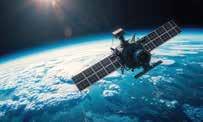
Auburn University launched a new graduate certificate in space systems through the Samuel Ginn College of Engineering in fall 2025.
Approved by the Alabama Commission on Higher Education, the three-course program is designed to introduce professionals from a range of backgrounds to the fundamentals of space missions, satellite systems and operations.
Housed in the Department of Aerospace Engineering and offered in partnership with the College of Sciences and Mathematics, the certificate reflects growing demand for a workforce prepared for spacerelated careers, particularly in Alabama.
“Our goal is to fill the need for a highly trained workforce as Huntsville and other regions expand into broader space industry roles,” said Brian Thurow, aerospace engineering chair.
The program includes three 3-credithour courses: Introduction to Space Systems; Space System Operations; and Spacecraft and Satellite Architecture Design and Integration.
A blend of faculty from engineering, COSAM and the McCrary Institute for Cyber and Critical Infrastructure Security will teach the courses.
Collari named senior director of engineering development
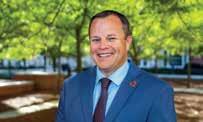
Ed Collari was named senior director of development for the Samuel Ginn College of Engineering, according to Mario Eden, dean of engineering.
Collari, who joined the college in 2022 as a development officer and was promoted to senior major gifts officer, began his new role effective Nov. 1. He succeeds Jon Wilson, now the senior director of advancement for the Harbert College of Business.
“We’re so thankful to Jon for leading our advancement team to another record-setting year at the Samuel Ginn College of Engineering,” Eden said. “We have the utmost confidence that Ed will help take the college to new heights. His record as a development officer is excellent, and his experience building teams will be essential to meet the college’s ambitious goals for the future.”
Prior to joining the college, Collari served for seven years as the president and CEO of the Alexander City Chamber of Commerce.
There, he raised more than $1.2 million for the organization’s capital campaign, defined and executed a new strategic plan and laid the groundwork to form the awardwinning Lake Martin Tourism Association.
Auburn University marked a milestone July 28 with a topping-off ceremony for the new 50,000-square-foot addition to its Applied Research Institute (AUARI) in Huntsville’s Cummings Research Park. The $11.4 million project, a joint venture with the city of Huntsville’s Industrial Development Board, will house the nation’s only university-led radiationhardening test facility.
Equipped with a multi-million-dollar cyclotron, it will simulate space radiation to test microelectronics for agencies including the Missile Defense Agency, NASA Marshall Space Flight Center and the Space Development Agency.
“This new applied research lab is a critical step in fulfilling our mission to support defense and aerospace partners,” said Steve Taylor, Auburn’s senior vice president for research and economic development.
Huntsville Mayor Tommy Battle called the project a model of “forwardthinking collaboration.”
Jonathan Pettus, AUARI executive director, said the facility will address a critical shortage of radiation-hardened testing capabilities.
The lab is expected to open in February 2026.
The Samuel Ginn College of Engineering continues to earn national recognition, ranking No. 33 among public institutions in U.S. News & World Report’s 2025 Best Graduate Schools list, released this past spring.
The college also ranks No. 6 in the Southeastern Conference and remains No. 1 in Alabama.
Several engineering specialties were recognized among the top public programs nationwide, including biosystems engineering (No. 14),
Auburn University appoints new director of Space Innovation
Auburn University has appointed Derek Tournear, former director of the Space Development Agency (SDA), as its first director of space innovation.
Tournear started his new role on Sept. 8. He will work from Auburn’s Washington, D.C. office and report to Jonathan Pettus, executive director of the Auburn University Applied Research Institute in Huntsville. At the SDA, Tournear oversaw the expansion
Auburn Engineering earns top 35 undergraduate public ranking for 15th-consecutive year
The Samuel Ginn College of Engineering has been recognized among the nation’s best, ranking in the top 35 public institutions for the 15th consecutive year in U.S. News & World Report’s 2026 Best Undergraduate Engineering Programs.
“The Samuel Ginn College of Engineering remains dedicated to
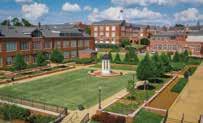
industrial and systems engineering (No. 22), aerospace engineering (No. 23) and chemical engineering (No. 30).
“Being consistently acknowledged by our peers highlights the exceptional graduate engineering experience we provide at Auburn,” said Maria Auad, associate dean for graduate studies.
of the agency from 15 to more than 350 employees and increased the budget from $20 million to $4.5 billion, delivering numerous satellites to support defense capabilities.
Tournear brings extensive experience from roles in industry and government, including L3Harris Technologies, the Defense Advanced Research Projects Agency (DARPA) and Los Alamos National Laboratory.
“It is an honor and a privilege to join the Auburn Family in this exciting new role,” Tournear said.
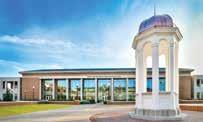
delivering the most student-focused engineering education in the country,” said Dean Mario Eden.
“This ranking reflects our unwavering pursuit of excellence,” he added.
U.S. News rankings are based on metrics including peer and recruiter assessments, research expenditures, student-faculty ratios and GRE scores.
The graduate program rankings follow other recent accolades for Auburn Engineering, including a top 35 ranking for the 15th-consecutive year for its undergraduate programs this past fall.
“Our high rankings reflect the dedication of our faculty and the strength of our student support programs,” said Mario Eden, dean of engineering. “Auburn students graduate ready to lead, research and innovate in real-world settings.”
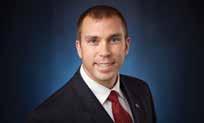
“Auburn has a national reputation for being a leading institution for research and instruction in the space and defense fields, and I am humbled to be a part of it,” he added.
Auburn Engineering ranked fourth among the 15 public Southeastern Conference institutions and maintained its position as the No. 1 engineering program in Alabama.
The college produces one-third of the state’s engineering graduates each year and counts four astronauts, Apple CEO Tim Cook and telecommunications pioneer Sam Ginn among its alumni. The Department of Computer Science and Software Engineering also ranked No. 47 among public institutions nationwide.
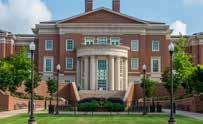
The Department of Industrial and Systems Engineering (ISE) has earned Academic Equivalency status from the International Council on Systems Engineering, placing the program among a select group worldwide whose curriculum aligns with the Associate Systems Engineering Professional (ASEP) certification.
The designation means students who complete INSY 5100/6100 (Systems Engineering I) and INSY 5110/6110 (Life Cycle Engineering) with a qualifying grade can bypass the ASEP exam — saving time and money while gaining a professional credential.
“This is an exciting step forward,” said Greg Harris, ISE chair. “It shows our commitment to preparing students academically and professionally from day one.”
Edward Huang, ISE associate professor, said the recognition reflects growing demand from industry sectors like defense, aerospace and healthcare, where ASEP certification is increasingly expected.
“With this equivalency, we’re giving students a competitive edge,” Huang said. “This pathway gives our students the tools, techniques and credentials they need to succeed in today’s complex engineering environments.”
Yazhou Tu, assistant professor of computer science and software engineering, is warning that artificial intelligence (AI)-powered security cameras may not be as secure as advertised.
Tu discovered that smart doorbells from major manufacturers can be blinded by inexpensive laser pointers — allowing intruders to steal packages or enter homes without triggering alarms or recordings.
“The cameras don’t even notify homeowners that their view is being blocked,” said Eftakhar Ahmed Arnob, CSSE graduate student.
The vulnerability stems from optical distortions caused by laser light bouncing within the camera lens, confusing AI detection systems.
Two faculty members in the Department of Civil and Environmental Engineering have been named Fellows of the American Society of Civil Engineers (ASCE).
David Timm, the Elton and Lois Huff Eminent Chair professor and chair of civil and environmental engineering and Matthew Yarnold, director of the Advanced Structural Engineering Laboratory (ASEL) and associate professor of civil and environmental engineering, achieved the recognition in October.
Timm joined the Auburn faculty as an assistant professor in 2001 and was elected as chair of the department in 2024. Yarnold began as a student member of ASCE and became a full
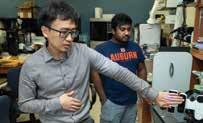
Tu’s team is developing defenses based on adversarial optical physics that detect stray-light patterns caused by laser interference, rather than relying on massive data training.
“We don’t have a silver bullet to make real-world systems absolutely secure,” Tu said. “That’s why we need different methods and improvements to address emerging attack vectors.”
Tu’s team is collecting more data and working with manufacturers on software, algorithmic and hardware fixes to strengthen consumer security systems.
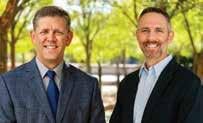
member in 2013, when he began his faculty career, spanning Tennessee Technological University, Texas A&M and, most recently, the civil and environmental engineering department at Auburn, where he was tapped to take charge of ASEL.
According to ASCE’s website, Fellows are members who “have made celebrated contributions and developed creative solutions that change lives around the world.”
The McCrary Institute for Cyber and Critical Infrastructure Security has named Victoria Dillon as its new deputy director and first-ever chief communications officer.
A veteran of the White House, Capitol Hill and major tech companies, Dillon brings deep experience in cybersecurity and public affairs. She will lead media strategy for the institute’s growing communications platforms and help expand its national profile as a leader in cyber policy and research.
“She understands the issues that matter and communicates them with clarity and passion,” said McCrary Institute Director Frank Cilluffo. “She will help take us to the next level.”
Dillon most recently served in the White House as assistant national cyber director for public affairs, helping shape cybersecurity strategy across federal agencies. She previously led communications at the Cybersecurity and Infrastructure Security Agency and held roles at Cisco, Amazon Web Services and on Capitol Hill.
“I’m excited to join some of the best minds in national security and promote the great work and vital conversations they foster,” Dillon said. “The McCrary Institute’s mission — serving policymakers, informing legislators and protecting the nation — is one I’m proud to join.”
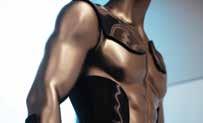
What began as an Auburn research project to help injured football players return to the field may soon support injured soldiers on the battlefield.
XO Armor, an Auburn-based startup pioneering on-site 3D printing of custom-fit orthotics, has been selected for the inaugural cohort of the Montgomery TechLab’s Defense Accelerator.
Started in the Auburn University Biomechanical Engineering Laboratory, XO Armor already serves dozens of collegiate and professional sports teams.
Now, its ability to quickly produce tailored orthotics aligns with the military’s push for additive manufacturing in contested environments.
“The companies in our first cohort show incredible promise to strengthen national defense and grow Alabama’s innovation economy,” said Charisse Stokes, TechMGM executive director.
CEO Joe Bingold said the program will deepen ties with the government, especially the U.S. Air Force.
“As a Navy veteran, I am impressed by the new level of collaboration we are seeing across the different sectors within the federal government,” Bingold said. “Accelerator programs like Montgomery TechLab are truly making an impact for the sustainability of our military forces.”
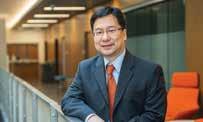
ECE professor works to strengthen mathematical foundations of AI
Shiwen Mao, Professor and Earle C. Williams Eminent Scholar Chair in the Department of Electrical and Computer Engineering, serves as a co-principal investigator on a $1.5 million collaborative research effort to establish a theoretical framework for artificial intelligence (AI) and data science to solve practical engineering problems.
“This is a time of rapid technological advancement, particularly with the rise of artificial intelligence and data science,” said Mao, who also directs the college’s Wireless Engineering Research Education Center. “A deep mathematical foundation has become more essential than ever because mathematics provides the language and structure that underlie nearly all modern technologies, from machine learning algorithms and communication networks to cybersecurity and data analytics.”
The National Science Foundation (NSF)-funded project, “Building a Robust Mathematical Foundation for AI and Integrated Data Science at Auburn and Tuskegee University,” brings together 13 faculty members in Alabama.
Through a series of research modules and training activities, the initiative aims to prepare future researchers to lead in the design and application of mathematically grounded AI and datadriven systems.
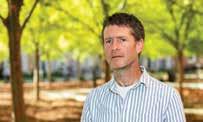
Yampolskiy
CSSE associate professor earns $800K NSF award for safer 3D printing
Mark Yampolskiy, associate professor of computer science and software engineering, is leading a research effort to protect intellectual property in 3D printing through advanced digital watermarking.
Yampolskiy, along with collaborators Nikhil Gupta of New York University and Moti Yung of Google and Columbia University, received a three-year, $800,000 National Science Foundation grant for their project, "Robust Watermarking for Manufacturing-as-a-Service Business Model."
The team’s system embeds unremovable watermarks into 3D printing design files, allowing companies to track leaks and prevent theft when sharing prototypes with manufacturers.
“If designs are leaked or stolen, there’s no way to identify who was responsible,” Yampolskiy said. “Our system changes that.”
By improving security and accountability, the research could help manufacturers safely outsource production and accelerate innovation in additive manufacturing.
Listen to the #GINNING podcast with Michael Zabala at eng.auburn.edu/ginning
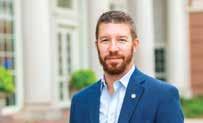
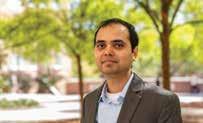
Michael Zabala, Auburn Alumni Engineering Council Associate Professor of mechanical engineering, is spending six months in fall 2025 as a visiting professor at Florence’s Museo Galileo — a professional improvement leave that blends history, biomechanics and international collaboration.
Zabala, who directs Auburn’s Biomechanical Engineering Lab, is studying Renaissance-era scientific instruments and collaborating with scholars to trace biomechanics’ roots to figures like Galileo Galilei and Leonardo da Vinci. The sabbatical also supports his annual “Engineering in the Arts” study abroad program, which explores engineering through dance, music and historical context.
“Galileo and da Vinci can rightfully be called the fathers of biomechanics,” Zabala said. “This experience has deepened my research and inspired new ideas.”
Zabala plans to document museum devices relevant to his work on human movement, wearable tech and exoskeletons. He’ll also present his research in a public seminar series.
The opportunity grew out of a meeting with the museum’s director during a previous student trip. Now, he’ll return with access to the museum’s 1,000-plus mechanical exhibits and a network of international scholars.
Nek Sharan, assistant professor of aerospace engineering, has received a $290,000 National Science Foundation grant to develop advanced computational tools for modeling how fluids and structures interact in highspeed, compressible flows.
These environments — where air density changes rapidly at transonic, supersonic and hypersonic speeds — are key to designing next-generation aircraft, spacecraft and resilient infrastructure. Sharan’s research aims to make simulations more accurate and cost-effective than traditional wind tunnel or flight tests.
Potential applications include improving aircraft safety and efficiency, enabling supersonic commercial travel, advancing rocket propulsion and informing design standards for buildings and bridges that must withstand hurricane-force winds.
“This project brings together applied math, engineering and computing,” Sharan said. “We want to give engineers better tools to tackle some of the toughest problems in aerospace — and beyond.”
Sharan’s team will also develop virtual reality visualizations for Auburn’s annual E-Day to help students explore how high-speed flows behave.
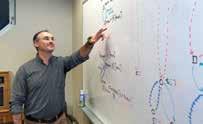
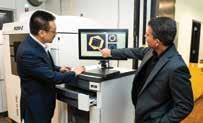
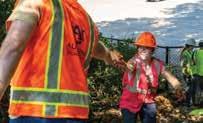
The last national study of longdistance travel in the U.S. was conducted in 1995 — before smartphones, online booking and GPS navigation. Today, transportation agencies still rely on that outdated data to make billion-dollar infrastructure and tourism decisions.
Jeff LaMondia, professor of civil and environmental engineering, is working to change that through a U.S. Department of Transportation project titled “Improving Long-Distance Travel and Tourism Data Collection and Analysis,” in partnership with consulting firm MacroSys.
LaMondia’s team is creating a new framework to help government and industry leaders better understand where, why and how people travel more than 50 miles from home.
“Long-distance travel generated more than $1.3 trillion in revenue last year,” he said. “It’s critical to understand this behavior.”
The project involves national stakeholders — from Amtrak to state DOTs — and aims to replace outdated assumptions with real-world insights shaped by modern travel trends, from electric vehicles to post-pandemic behavior.
Listen to the #GINNING podcast with Jeff LaMondia at eng.auburn.edu/ginning
The National Center for Additive Manufacturing Excellence (NCAME) has received up to $2.8 million from the Defense Advanced Research Projects Agency (DARPA) to support its Structures Uniquely Resolved to Guarantee Endurance, or SURGE, program. The four-year effort aims to speed and reduce the cost of qualifying additively manufactured metal parts for defense use.
Instead of taking years and millions of dollars to certify a specific machine for production, SURGE researchers hope to predict the life of each part at the moment it’s printed. The approach could enable critical components to be produced on any qualified printer, anywhere, at any time.
NCAME will provide advanced nondestructive evaluation and simulation tools to help detect defects and link manufacturing data to material performance.
“Our role is to validate how microstructural features and defects translate into performance,” said NCAME Director Nima Shamsaei.
Working with the University of Michigan and other partners, NCAME’s team will help shift industry from slow, machine-based qualification to a data-driven, realtime certification model.
Auburn engineers are making an impact in their own backyard with a stormwater project at Hickory Dickory Park — a public playground on the north side of Auburn — to protect and improve water quality.
The effort, a partnership between Auburn University and the city of Auburn, is funded by an Alabama Department of Environmental Management grant.
The project will stabilize streambanks, redirect runoff and apply proven stormwater practices — improvements designed to protect local waterways and enhance residents’ quality of life.
“This is about improving our water quality, protecting our streams and giving people the tools to make a difference,” said Michael Perez, director of the Auburn University Stormwater Research Facility.
Perez said the stormwater facility has spent years developing and testing stormwater management practices and has a reputation for practical, research-based work.
“It’s rewarding to see this research benefit the neighborhood,” he said.
“It’s exciting to reach a younger audience and get them interested in engineering and stormwater management.”
ECE associate professor advances AI collaboration across devices
Can smart devices collaborate to train artificial intelligence (AI) models when they experience poor internet connections? Yes, and Xiaowen Gong, the Godbold Associate Professor in electrical and computer engineering, can prove it.
Gong’s recently completed National Science Foundation-funded research, “Quality-Aware Distributed Computation for Wireless Federated Learning: Channel-Aware User Selection, Mini-Batch Size Adaptation, and Scheduling,” demonstrates how smart devices can collaborate to build better AI models regardless of connection quality.
Funded initially and commissioned in 2021, his work paves the way for smarter, faster and safer technologies — powering innovations that could make robots more capable, augmented reality/virtual reality experiences more immersive, vehicles more autonomous and wireless systems more intelligent.
“Imagine your smart assistant learning new things 30% faster, or your car reacting more quickly to changing traffic,” Gong said. “That’s the kind of improvement we’re seeing. This isn’t just about speed. It’s about making AI more responsive and reliable in everyday life.”
NSF backs Auburn materials engineering study on light–matter fusion
Siyuan Dai, associate professor of materials engineering and Ginn Faculty Achievement Fellow, has received a $600,000 grant from the National Science Foundation’s Division of Materials Research to explore new frontiers in nano-optics.
Dai is studying “nano-light” — hybrid waves of light and matter known as polaritons — that could transform quantum computing, energy harvesting and chemical sensing.
By designing materials with unique structures and symmetries, his team aims to control how nano-light moves and transfers energy with extreme efficiency.
The research could lead to faster optical circuits, improved heat management in electronics and breakthroughs in medical and sensing technologies. Dai also plans to expand K–12 outreach through hands-on materials science experiences.
“The latest recognition from the NSF is very affirming,” Dai said. “It motivates us to keep pushing the boundaries of what’s possible while inspiring the next generation of materials researchers.”
Listen to the #GINNING podcast with Pengyu Chen at eng.auburn.edu/ginning
NSF highlights Auburn’s research leadership in biomedical sensors
Five years ago, Pengyu Chen, now the Francis Family Associate Professor and Ginn Faculty Achievement Fellow in the Department of Materials Engineering, received a $500,000 National Science Foundation CAREER Award recognizing outstanding potential in research and education.
With NSF’s foundational support — and significant subsequent funding from the National Institutes of Health (NIH) — Chen has become a leading authority in nanosensor technology for precision medicine.
Harnessing nanoplasmonic materials — tiny, light-sensitive metal structures used in advanced applications — Chen’s group is developing AIenhanced tools for immune profiling and single-cell secretion mapping that deliver rapid and precise immunodiagnostics.
In its Science Matters series, NSF recently highlighted Chen’s research on sensors that can detect multiple immune system signals from a single drop of blood. Results were published in ACS Applied Materials & Interfaces in October 2023.
A year later, Chen received a $1.9 million extension of a 2019 NIH Maximizing Investigators’ Research Award, the largest NIH grant in Samuel Ginn College of Engineering history at the time.
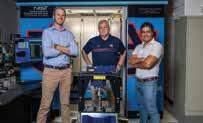
Auburn faculty use 3D imaging to better understand sea ice behavior
As Arctic ice thins and fractures, Auburn researchers are using highresolution 3D imaging to better predict its behavior.
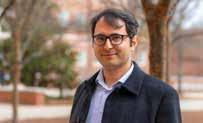
Ali Khosravi, assistant professor of civil and environmental engineering, is leading a $763,887 National Science Foundation–supported project with Bart Prorok, professor of materials engineering, and Paul Bartley, assistant professor of horticulture, plus collaborators from Oregon State University and Geomechanica Inc. Auburn’s share of the funding is more than $475,000.
Using Prorok’s PSX Macro CT scanner, the team captures detailed images of sea ice microstructures — cracks, grain boundaries and brine pockets — then builds computational models that simulate how ice responds to pressure and warming.
“Accurate modeling is key for decision-making in Arctic operations,” Khosravi said. “Our models don’t just show strength — they show where and how the ice cracks.”
Unlike traditional top-down models, the approach starts at the micro level, grounding predictions in actual internal structures. The work could improve safety for ships and offshore platforms, inform climate modeling and extend to other brittle materials such as rock and concrete.
ECE associate professor demonstrates 3D printing in zero-gravity flights
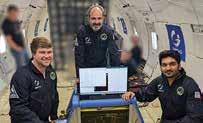
Masoud Mahjouri-Samani, the Godbold Associate Professor in the Department of Electrical and Computer Engineering, successfully tested a compact nanoparticle 3D printer during NASA-sponsored parabolic flights simulating zero gravity.
The printer — called LASED (Laser Ablation and Sintering Enable Deposition) — is designed to fabricate circuits, sensors and antennas in space.
“From the very first parabola, the machine printed beautifully. That level of success on a first flight is extremely rare,” Mahjouri-Samani said.
Conducted in May aboard a modified Boeing 727 near Salina, Kansas, the flights offered roughly 30 arcs of 23–25 seconds of microgravity. The project received an $870,000 NASA grant earlier this year.
Measuring just 24 inches per side and using less than 500 watts, the fully automated printer can withstand forces up to 18Gs, making it suitable for the ISS or lunar missions. The ability to print on demand in space could eliminate reliance on Earthbased supply chains for critical components.
Mahjouri-Samani is planning a second test in 2026, potentially printing semiconductors.
CSSE assistant professor earns $549K NSF grant to boost AI testing efficiency
Ali Ghanbari, assistant professor in the Department of Computer Science and Software Engineering, received a $549,000 grant from the National Science Foundation to improve how deep neural networks (DNNs) are tested for reliability.
As DNNs power everything from healthcare diagnostics to autonomous vehicles, testing methods must keep pace. Mutation analysis — which assesses model quality by injecting artificial defects — is one promising approach, but it’s often too expensive for widespread use.
Ghanbari’s project, “Practical Mutation Analysis for Quality Assurance of Deep Learning Systems,” aims to reduce the high computational cost. His team will apply Fast Fourier Transform techniques — like those used in image compression — to reduce model size while preserving key characteristics.
“This allows researchers to test models more efficiently with fewer resources,” Ghanbari said.
CSSE Chair Hari Narayanan said the work addresses a key challenge in deploying AI systems safely and affordably: quality assurance without massive computing costs.
Ghanbari’s team plans to publish its results and release tool sets for public use, helping bring faster, more efficient AI testing tools to industry.
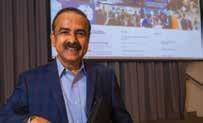
CSSE researchers lead $3M Los Alamos partnership in security computing
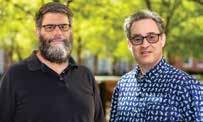
Daniel Tauritz and Samuel Mulder of computer science and software engineering are leading a five-year, $3 million research collaboration with Los Alamos National Laboratory to strengthen national security through advanced computing.
The project, “Advanced Computing for National Security,” includes three research efforts focused on software supply chain security, adversarial simulation and automated algorithm design. Mulder’s team is improving how analysts detect hidden software threats, while Tauritz’s research applies computational game theory and evolutionary algorithms to model cyberattacks and generate highperformance defenses.
“Software complexity is increasing at a very high rate, and our ability to analyze it just isn’t keeping up,” Mulder said. “The government can’t develop this kind of science by itself.”
Allan David, associate dean for research, said the partnership underscores Auburn’s growing national role in cybersecurity innovation.
“Contracts like these are awarded to researchers who demonstrate deep expertise and a commitment to solving the most urgent challenges facing the country,” he said.
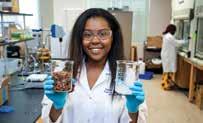
Symone Alexander, assistant professor of chemical engineering, is developing biodegradable nanofibers using a surprising source — pecan shells.
Her startup, “Shellulose,” converts agricultural waste into highperformance cellulose nanofibers, offering a greener alternative to synthetic fibers found in clothing, plastics and cosmetics. These common fibers are non-biodegradable and often end up in the air and water, posing environmental and health risks.
Alexander’s project was recently selected for the inaugural Alabama Biomanufacturing Program (ABP) cohort, which provides research support, entrepreneurial guidance and infrastructure to help biomanufacturing startups grow.
“Pecan shells are rich in cellulose, lowcost and locally sourced,” Alexander said. “We’re turning what’s usually discarded into something valuable — it’s sustainability and circular economy in action.”
With support from the ABP and a previous National Science Foundation grant, her lab will scale up production to pilot levels, capable of producing several kilograms of nanofiber daily. Local farmers, like Notasulga’s Pecanderosa Orchard, are supplying raw materials.
ECE professor tackles hidden hardware flaws in advanced chips
Adit Singh, the Godbold Endowed Chair Professor of electrical and computer engineering, is developing new testing methods to improve the reliability of integrated circuits (ICs) used in laptops, smartphones and large-scale computing systems.
His project, funded by the Open Compute Project and one of only five selected globally, targets failures caused by subtle manufacturing variations in transistors. These rare flaws often escape traditional testing, leading to data corruption and system crashes.
“As ICs scale to billions of transistors, rare timing errors can go undetected — and current testing strategies weren’t designed to catch them,”
Singh said.
By simulating transistor-level variations and designing real-world silicon experiments in partnership with industry leaders like Google, Intel and Nvidia, Singh aims to develop effective, practical test screens that prevent failures in hyperscale environments, such as cloud data centers.
Singh emphasized the growing risk.
“If a file is silently corrupted in the cloud and that’s discovered weeks later, that’s a serious problem.”
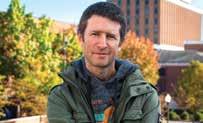
CSSE professor earns Tel Aviv cyber fellowship
Mark Yampolskiy, associate professor of computer science and software engineering, will serve as a visiting research fellow at Tel Aviv University’s Blavatnik Interdisciplinary Cyber Research Center (ICRC), where he’ll spend up to 12 months probing vulnerabilities in additive manufacturing systems to help secure high-tech 3D printers.
The ICRC brings together about 50 faculty and more than 200 cyber researchers across disciplines, from computer science to law and humanities, offering a collaborative environment for work on digital trust, artificial intelligence and cybersecurity.
Yampolskiy said the fellowship will allow him and international peers share diverse approaches to uncover weaknesses and develop defenses for manufacturing-as-a-service platforms.
His research will inform strategies to protect intellectual property and prevent malicious tampering of 3D printing files and processes, a growing concern as manufacturers outsource production and rely on distributed printing networks.
The appointment also gives Yampolskiy access to a global network of specialists and resources to accelerate security research in additive manufacturing.
The Office of Sustainability hosted its annual Spirit of Sustainability Awards on April 23, honoring students, faculty, staff and alumni who have exhibited a commitment to excellence in sustainability on campus and in the community.
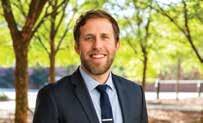
Benjamin Bowers, the McCartneyChase Highway Engineering Distinguished Associate Professor, aims to contribute to environmentally friendly civil engineering education and practice, including helping craft the National Asphalt Pavement Association’s climate goals and creating Auburn’s Sustainable Transportation Infrastructure course.
Yaqub Adediji, a doctoral student in materials engineering in the Samuel Ginn College of Engineering, is a renewable energy, climate and sustainability enthusiast. He won numerous awards and continues to
Yin Sun, the Godbold Associate Professor in the Department of Electrical and Computer Engineering, won the Institute of Electrical and Electronics Engineers (IEEE) Communications Society William R. Bennett Prize, awarded annually to the best original paper in networking for his co-authored paper, “Timely Communications for Remote Inference.”
Originally published by the journal IEEE/ACM Transactions on Networking in 2024, the paper introduced a new framework for remote inference and showed that, in artificial intelligence and next-
research the development of nondestructive corrosion-monitoring and detection systems for aerospace and renewable energy applications.
The Stormwater Research Facility, in the Department of Civil and Environmental Engineering, has provided practical solutions to address environmental challenges posed by stormwater runoff.
Research findings have been adopted as standard practice by several states. Through outreach and training, faculty share knowledge of improved methods for installing, maintaining and inspecting various stormwater management practices.
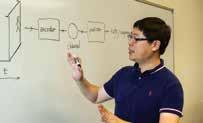
generation systems, older data can often yield better, more informed decisions.
“We’re engineers. We build things to solve real-world problems,” Sun said. “This honor validates the fundamental work we’ve been doing for years, and it means a lot to our college and inspires our students who will continue to build upon this research.”
Auburn Engineering researchers have developed a groundbreaking quantum imaging technique that could revolutionize early disease detection.
Assistant Professor Zihe Gao and Pengyu Chen, the Francis Family Associate Professor and Ginn Faculty Achievement Fellow of materials engineering, created a method to analyze disease-related proteins on exosomes — microscopic vesicles vital for cell communication.
Pan He, assistant professor in the Department of Computer Science and Software Engineering (CSSE), was awarded the 2025 Ralph E. Powe Junior Faculty Enhancement Award by Oak Ridge Associated Universities.
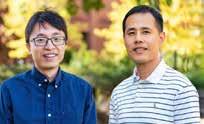
Traditional imaging methods cannot detect these proteins because they are smaller than the wavelength of visible light.
By combining quantum dot-based biosensing with quantum correlation imaging, the team can now precisely
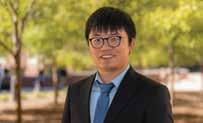
The award supports promising junior faculty with seed funding to advance research and foster interdisciplinary collaboration.
He’s project, “A Verbalized Vision-Language Model Paradigm,” focuses on developing intelligent infrastructure capable of real-time decision-making for video data.
“Video surveillance is everywhere, but still relies heavily on human oversight,” He said. “We’re developing AI-driven systems that deliver reliable, interpretable insights — freeing people to focus on higher-level decisions.”
He said the award expands opportunities for collaboration across fields, including engineering, life sciences and public policy.
His team is also preparing proposals for federal agencies such as the Department of Energy, Army Research Office and National Science Foundation.
CSSE Chair Hari Narayanan called the award a testament to He’s research promise and the department’s innovation culture.
Katherine Rush, assistant professor in the College of Sciences and Mathematics, also earned a Powe Award.
identify molecular markers on individual exosomes, including potential cancer indicators.
The innovation earned $20,000 in National Institutes of Health funding and advanced to Stage 2 of the NIH’s Quantum Sensing Technology Challenge. Gao’s lab specializes in quantum optics using entangled photons, while Chen focuses on targeted protein labeling with quantum dots. Their collaborative work could transform cancer diagnostics, immune profiling and treatment monitoring by revealing molecular details previously invisible to science.
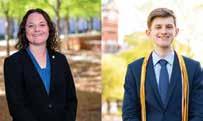
Robin Weaver and Parker Megginson received 2025 National Science Foundation Graduate Research Fellowships, which provides three years of support to outstanding students in science and engineering.
Weaver, a 2024 alumna and current aerospace engineering graduate student, researches bistable structures — objects with two stable positions — for impact protection in applications such as lunar lander landing gear and football helmets.
Megginson, an Honors College senior in computer engineering studies how space radiation affects advanced electronics, aiming to improve reliability for future missions.
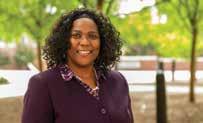
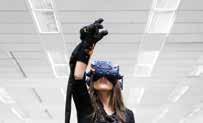
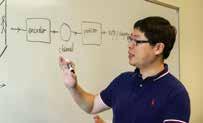
CSSE professor equips students, educators with evolving AI toolkit
Cheryl Seals, professor in the Department of Computer Science and Software Engineering and co-chair of the AI@AU ethics committee, spent her summer leading artificial intelligence workshops for students, educators and entrepreneurs across Alabama, South Carolina and South Africa.
Seals co-hosted the inaugural “Addressing AI in the 21st Century” workshop at Voorhees University and an “Introduction to Artificial Intelligence in Education” webinar for the Working to Advance STEM Education for African Women Foundation, drawing more than 200 participants from six countries. She also led an international workshop in Johannesburg, South Africa, supported by the U.S. Consulate, as part of the Womxn Connect Exchange Program.
Her sessions covered AI fundamentals, ethics and hands-on generative AI tools, with a focus on encouraging women to pursue STEM graduate programs. Funded by the National Science Foundation, she also introduced AI concepts to 40 high school students at Tuskegee University’s summer program in mobile app development and cybersecurity.
Engineering, pharmacy faculty use VR to boost patient education, empathy
Auburn University faculty are using virtual reality and haptic gloves to help patients with rheumatoid arthritis (RA) better understand their condition — and to teach pharmacy students empathy in patient care.
Associate pharmacy professor Kim Garza partnered with rheumatologist Jeffrey Curtis and engineering faculty Chad Rose and Cheryl Seals to create VR simulations that mimic the stiffness, immobility and frustration caused by RA. In one exercise, first-year pharmacy students wore restrictive gloves while completing everyday tasks, an experience Garza says increases empathy and understanding.
With grants from Auburn’s Office of Information Technology, the Biggio Center and the American Association of Colleges of Pharmacy, the team recently acquired advanced haptic gloves from HaptX, capable of simulating realistic touch and resistance.
Engineering collaborators, including graduate student Paxton Albright, are developing new RA-specific training scenarios for testing with patients.
Garza’s work has earned national recognition, including an innovation award from the AACP’s Technology in Pharmacy Education and Practice group.
ECE associate professor highlights importance of data significance
Yin Sun, the Godbold Associate Professor in the Department of Electrical and Computer Engineering, emphasized the importance of prioritizing data significance over sheer quantity and freshness during his keynote address at the 2024 International Symposium on Modeling and Optimization in Mobile, Ad Hoc and Wireless Networks, held May 28 at Linköping University in Sweden.
In his talk, “Goal-Oriented Communications: A Data Significance Perspective,” Sun challenged traditional network designs that treat all data equally, arguing that modern systems must identify and prioritize information based on urgency and relevance.
“Think about a disaster response scenario,” he said. “Some sensors detect gas leaks or structural instability, while others just report temperature. Treating all data the same delays critical action.”
Sun, a 2023 NSF CAREER Award recipient, introduced a framework for quantifying data value based on how it supports real-time goals or safety outcomes — expanding on the concept of age of information by embedding context into data delivery.
He said the approach could transform robotic systems, real-time AI and 6G networks.
Daniela Marghitu, director of Auburn’s Laboratory for Education and Assistive Technology, was a featured panelist at a United Nations-affiliated forum focused on science for sustainable development.
The event, co-hosted by the Royal Academy of Science International Trust and the UN Department of Economic and Social Affairs, explored strategies for building STEM pipelines for those with disabilities.
Marghitu, who also serves on Alabama’s Governor’s Advisory
Bosen Lian, assistant professor in the Department of Electrical and Computer Engineering, has been named to the editorial boards of The International Society of Automation Transactions and the International Journal of Robust and Nonlinear Control, both leading publications in measurement and automation control.
As associate editor, Lian will oversee the peer-review process, evaluate
Auburn Engineering team wins back-to-back national titles in electric car competition
The Auburn Engineering Greenpower USA team took home top honors at the 2025 Electric Car Challenge in June. Hosted by Greenpower USA — a Huntsville-based STEM education organization — the Electric Car Challenge is a competition where students use kits to construct an electric race car, encouraging
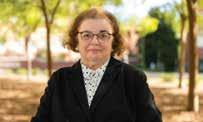
Council for Computer Science Education, led a session on improving recruitment, retention and support across academic and professional settings.
“We need to ensure accessibility from elementary school through postgraduate education,” she said. “That includes better accommodation
submissions for originality and technical significance and work to uphold high scientific standards.
He also aims to identify emerging research trends, encourage highimpact submissions and promote work that bridges theory and engineering applications, particularly in artificial intelligence- and machine learningbased control, autonomy and intelligent systems.
“Taking on these roles helps sustain the integrity of the scientific record and advance our field,” Lian said.
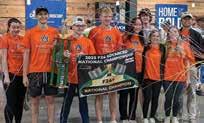
problem-solving and critical thinking. Auburn’s team was organized two years ago as part of 2023 graduate Jackson Blanks’ senior design project.
systems, faculty training, mentoring and pathways into leadership.”
Marghitu emphasized the need for broader lab accessibility across disciplines, adoption of Universal Design for Learning and policies that support advancement and equal pay.
Only 9% of scientists and engineers across sectors identify as having a disability — a number she said must change through targeted action.
“Representation matters,” she said. “Leaders help change culture.”
Marghitu called her participation in the forum “an incredible honor” and a step toward lasting global progress.
He also serves as associate editor for Transactions on Neural Networks and Learning Systems and Transactions of the Institute of Measurement and Control.
Blanks wanted to explore building a Greenpower USA car, and Jordan Roberts, mechanical engineering senior lecturer and Blanks’ senior design adviser, gave the green light.
Since then, Auburn Engineering has won back-to-back national titles in the Electric Car Challenge after Greenpower USA expanded the event to include a university-corporate division.
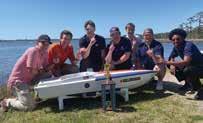
An Auburn mechanical engineering senior design team placed first — and set a new record — in the American Society of Naval Engineers’ Promoting Electric Propulsion Competition in Virginia Beach, Virginia. Team members Henry Kendall, Wilson Coger, Banks Murdock, Joe Nashold, Jacob Nichols and Scott Ismert built Nova, an uncrewed electricpropulsion boat capable of carrying at least 30 pounds over a two-mile course. Their time of 5 minutes, 28 seconds was more than a minute faster than the 41-team field and set a new record for average speed. The project required skills in electronics, cooling, weight distribution, vessel fluid dynamics, system integration and manufacturing.
“We applied what Auburn taught us — training our minds and hands to work skillfully,” said Kendall, the team lead.
Advisers credited the group’s extensive testing, detailed setup procedures and ability to troubleshoot during the event.
“They successfully applied the engineering skills, discipline and teamwork necessary to win,” said graduate teaching assistant David Edmondson.
Kendall called the win “a nice cherry on top” of his Auburn experience — and proof of what the Auburn Creed means in practice.
Auburn civil and environmental engineering students took home four awards at this year’s International Erosion Control Association (IECA) annual conference in Richmond, Virginia.
Ten representatives from Auburn’s Department of Civil and Environmental Engineering attended the event in February, including faculty, researchers and students.
Michael Perez, Brasfield & Gorrie associate professor, said watching his students present and connect with professionals was the highlight.
“Seeing our students present their research, make industry connections and win awards for their work makes me so proud,” Perez said.
Graduate research assistant Brian Roche earned the Paper of the Year Award. A four-time IECA attendee,
Aerospace engineers developing hybrid-electric autonomous aircraft
The Vehicle Systems, Dynamics, and Design Laboratory (VSDDL) is working with Rune Aero Inc., an aerospace startup, to develop and test a hybrid-electric unmanned aircraft that could dramatically cut fuel use and emissions for the air cargo market.
In the first phase, Imon Chakraborty, associate professor of aerospace engineering, and his graduate students at the VSDDL designed and built a subscale prototype of Rune’s autonomous cargo delivery aircraft.
That work laid the foundation for the project’s second phase, funded by NASA, which has begun. Four doctoral students — Rajan Bhandari,
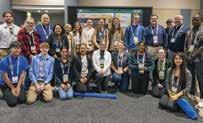
Roche credited Auburn and Perez for shaping his professional development.
“Auburn is one of the leaders in driving innovation crucial for environmental protection,” he said.
Graduate student Caroline Harrison, a first-time IECA participant, served as both presenter and moderator.
She said networking was her biggest takeaway.
“Connecting with so many new people with shared experiences gave me a newfound appreciation for the opportunity to become involved in my early career,” she said.
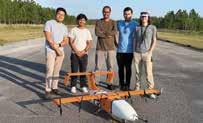
Stefanus Harris Putra, Bikash Kunwar and Cole McCormick — are contributing directly to the project, with their individual roles tied to their dissertation research.
“Graduate students are absolutely central to Auburn’s contributions on this project,” Chakraborty said. “Their work gives them the experience on an industry-relevant project.”
When Larry Green was diagnosed with dropped head syndrome — a rare condition that left him unable to hold up his head — his daughter, Jessica Bowers, career development content and strategy manager for the Office of Career Development and Corporate Relations, turned to the Auburn Family for help.
Seven Auburn students answered the call: Sarah Grace Bates, Haley Duncan, Margelle Kyle, Seth Peebles, Ben Timm, Yunli Zhang and Reid Hess.
With no class credit or compensation, they spent months designing a custom
Auburn aerospace engineering graduates Katherine Clemmons, Chris Raj and Ayden Kemp won first place at NASA’s 2025 Revolutionary Aerospace Systems – Academic Linkage (RASCAL) Competition Forum.
Their project, “Dynamic Ecosystems for Mars Environmental Control and Life Support Systems,” proposed a two-year mission to test the transfer and growth of plants on Mars.
The concept uses duckweed to recycle oxygen from carbon dioxide, purify wastewater and recover key nutrients — critical steps toward a sustainable biological life support system for crewed missions.
The team was advised by Davide Guzzetti, associate professor of aerospace engineering, who praised their dedication to continuing work
neck brace to improve Green’s quality of life.
“We wanted to do good work regardless of being graded,” Duncan said. “Engineering is about helping people.”
The team built and tested multiple prototypes, collected motion data,
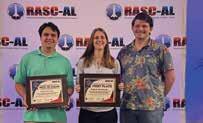
after graduation.
“This is a testament to all the hard work we’ve put in and to those who have helped us along the way,” Raj said.
The Auburn team presented their work at the 2025 AIAA ASCEND Conference in Las Vegas this past July.
The RASC-AL Competition, held June 2–4 in Cocoa Beach, Florida, challenged students to develop innovative space exploration concepts in collaboration with NASA and industry experts.
scripted checklists and practiced bedside manner to ensure a thoughtful, user-centered approach. Green traveled from Cary, North Carolina, on Valentine’s Day to test their latest design in person.
“It wasn’t perfect, but that’s part of the process,” Timm said. “Research means refining until it works.”
The students aren’t finished. They’re continuing to iterate on the design, determined to create a brace that works for Green — and could help others with the same condition.
“They treated my father with empathy and professionalism,” Bowers said. “This showed me the Auburn Family is real — and I’ll always be grateful.”
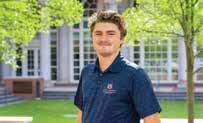
Graduate student earns national fellowship from American Concrete Institute
Stanton Freeman, a graduate student in civil engineering, has been awarded the American Concrete Institute’s 2025–26 Tribute to the Founders Fellowship — one of the organization’s top graduate honors.
The award includes $10,000 in academic support, industry mentorship and travel to two national ACI conventions. Freeman conducts research through the Highway Research Center. He is developing a new method for measuring autogenous and drying shrinkage in concrete — a key factor in durability and long-term performance.
Auburn engineering doctoral student named 2025 Trailblazer in Engineering fellow
Civil and Environmental Engineering doctoral student Olaniyi Afolayan has been named a 2025 fellow for the Trailblazers in Engineering program, a national initiative supported by the National Science Foundation’s Trailblazer Engineering Impact Award. He is the first Auburn student to earn the honor since the program began in 2020.
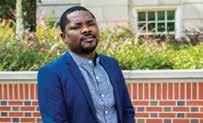
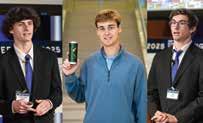
One of about 35 fellows selected nationwide each year, Afolayan was recognized for research on internal erosion and soil piping in unsaturated slopes — issues critical to infrastructure resilience and environmental sustainability. At Auburn, he has led multi-scale modeling experiments, published peer-reviewed papers, presented at major conferences and mentored six undergraduate researchers.
The fellowship provides full funding to attend a summer workshop at Purdue University, preparing future engineering faculty for leadership roles in research and education.
“Olaniyi’s selection is a major achievement,” said Jack Montgomery, the Alice H. and John M. Ozier Associate Professor of civil and environmental engineering. “He is very deserving of this recognition.”
Afolayan credited Montgomery’s mentorship and research opportunities for his success, calling the fellowship “a unique platform to engage with a diverse, forward-thinking community and contribute to a more sustainable future.”
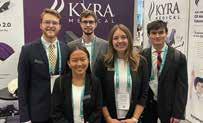
A collaboration between mechanical engineering and industrial design students produced a surgical device to eliminate the rush to change IV bags during arthroscopic procedures.
Working with KYRA Medical, Inc., the Auburn team built multiple mockups and 3D printed more than 100 component iterations before finalizing two prototypes unveiled at the Association of Perioperative Registered Nurses’ annual conference in Boston this past spring.
Three Auburn Engineering students were named to the Birmingham Business Journal’s Inno Under 25 list, recognizing young innovators and entrepreneurs across Alabama.
Thomas Lester, founder and CEO of HeatStream Solutions, leads a startup developing self-heating food and beverage products that finished third in the 2024 Tiger Cage competition.
Liam Heary and Harrison Ranier co-founded Planet of Snacks, an e-commerce company delivering international snack boxes featuring treats from more than 30 countries. Their venture placed second at both the 2025 SEC Start-Up and Tiger Cage competitions.
“We are incredibly proud of these students and the innovative work they’ve accomplished,” said Lou Bifano, director of the New Venture Accelerator. “Their creativity and ability to turn ideas into real-world products exemplify the entrepreneurial spirit we cultivate at Auburn.”
The device automatically switches to a new saline bag when one empties and includes an LED indicator visible from anywhere in the operating room, reducing disruption for staff.
The partnership began when KYRA president and CEO Howard Miller, an Auburn engineering alumnus, proposed a joint project. Students and faculty from both programs met weekly with KYRA staff, combining mechanical engineering expertise with user-centered industrial design.
The Inno Under 25 program spotlights young founders and innovators across Alabama who are already shaping industries from technology and food to retail and health care. Honorees were selected from nominations within the state’s startup community and recognized for their creativity, execution and potential for long-term impact.
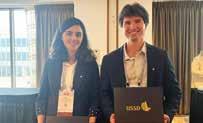
CEE graduate students earn national honors for dam safety research
Civil and Environmental Engineering graduate students Brock Huner and Lili Rahimikhameneh placed second and third, respectively, in the United States Society on Dams Kim de Rubertis Student Scholarship competition at the 2025 USSD Annual Conference in Kansas City, Missouri.
Huner earned $9,000 for his project, “Modeling Dam Overtopping: Remediation Using Biopolymer Mixed Soil,” which examines how biopolymers can strengthen earthen levees and reduce erosion during overtopping events. Rahimikhameneh received $7,000 for “Modeling Progression of Concentrated Leak Erosion in Dams and Levees,” aimed at improving dam safety assessments through advanced modeling of void formation and collapse in unsaturated soils.
Both students are mentored by Jack Montgomery, the Alice H. and John M. Ozier Associate Professor of civil and environmental engineering, who said it is rare for two students from the same university to be named finalists in the competition.
“This achievement is a testament to the exceptional quality and dedication of our students,” Montgomery said.
Auburn University aerospace engineering students received top awards from the American Institute of Aeronautics and Astronautics (AIAA) Greater Huntsville Section at its annual banquet May 20.
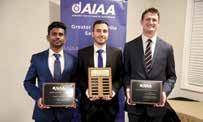
Praveen Jawaharlal Ayyanathan, a doctoral candidate and Gavin Fellow, was named Graduate Student of the Year for research in advanced guidance, navigation and control systems for autonomous aerial vehicles. His work — supported by the Vertical Lift Research Center of Excellence — includes a patentpending control algorithm and 10 publications in leading aerospace journals.
Austin Miranda, who graduated in May, was named Undergraduate Student of the Year. As president of Auburn’s AIAA student chapter, he led the creation of Auburn’s first Aerospace Industry Day, connecting more than 300 students with 14 aerospace organizations. His leadership helped the chapter earn three major awards at the 2025 AIAA Region II Student Conference.
Also recognized was Patrick Eid, a doctoral student who won the Mike Freeman Prize at the Region II conference.
The Greater Huntsville Section includes more than 1,000 members across Alabama and Mississippi, making the awards a notable achievement in one of the nation’s most competitive aerospace regions.
Eirik Mulder, a junior majoring in aerospace engineering and computer science, has been named a 2025 Astronaut Scholar by the Astronaut Scholarship Foundation — one of the nation’s most prestigious STEM honors.
The scholarship includes $15,000, lifelong mentorship and networking opportunities, and participation in the ASF Innovators Symposium and Gala.
“Receiving the scholarship has solidified my goals of attending graduate school and pursuing research,” said Mulder, who hopes to represent Auburn well.
An Honors College student pursuing a University Honors Scholar distinction,
Mulder leads research in Auburn’s 3i Space Dynamics Lab and serves as chief engineer and software lead for the ASTRA-HyRAX mission in the Small Satellite Program. His work focuses on mission design tools for cislunar space and detecting radio signals and gamma-ray bursts
“Eirik has consistently demonstrated unparalleled initiative and technical ingenuity,” said Davide Guzzetti, associate professor in aerospace engineering.
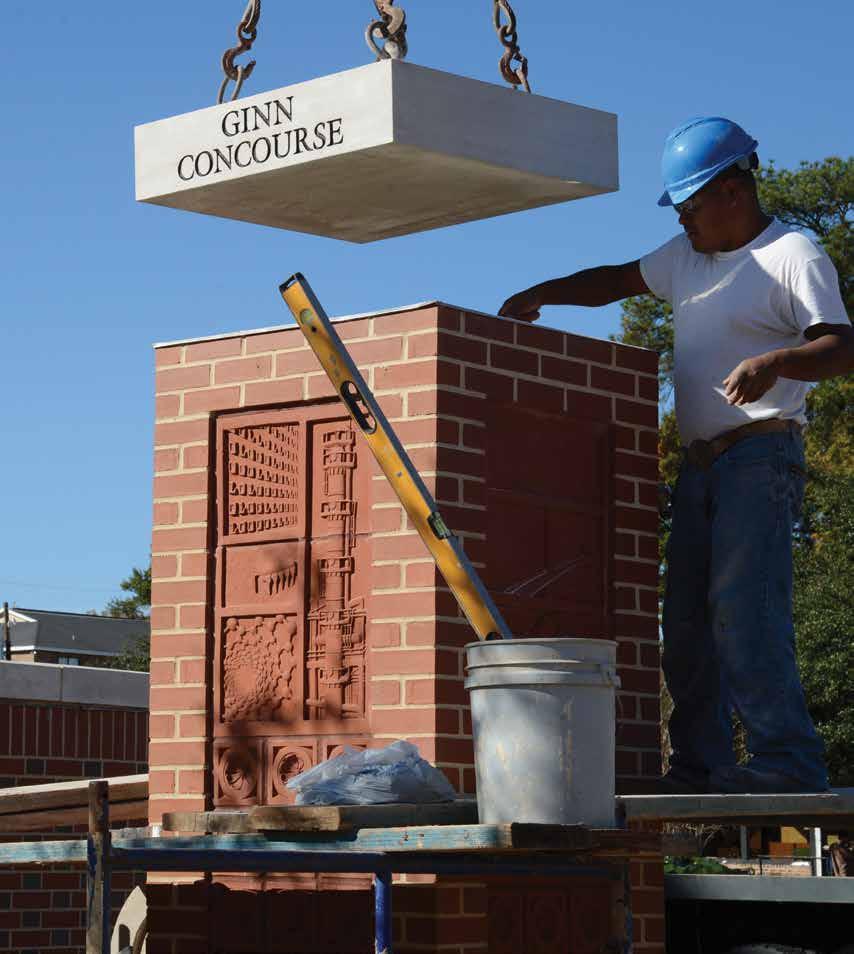
25 years ago, there was a vision — and there was a decision. Nothing's been the same since.
By Jeremy Henderson and Austin Phillips
What’s in a name? In the case of the Samuel Ginn College of Engineering, 25 years of excellence.
At the turn of the 21st century, Auburn alumnus Sam Ginn, ’59 industrial engineering, was leading one of the largest telecommunications companies in the world. He, more than anyone else, knew the wireless industry needed more engineers. All types of engineers; system, design, research, you name it.
And he wanted Auburn to lead that charge.
Larry Benefield, who earned his bachelor’s and master’s degrees in civil engineering from Auburn in 1966 and 1972, respectively, was serving as dean of engineering at the time. He understood Ginn’s ambition for Auburn.
He had those same aspirations, but cuts in state funding were making it difficult.
Ginn asked Benefield if he gave the college $25 million, would Benefield go out and raise double the amount? Without hesitation, Benefield said yes, but only if Ginn would accompany him.
Together, they traveled the country, visiting alumni and foundations and changing the philanthropic culture at Auburn forever.
“Sam’s gift was like the booster on a Saturn V rocket — it lifted our entire fundraising effort to a level we had never
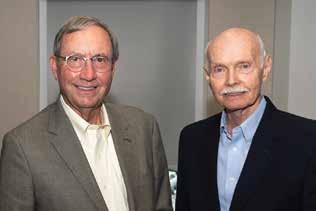
seen before,” Benefield said. “It really ignited the ‘giveback’ culture among Auburn grads that has done nothing but grow and strengthen over time.”
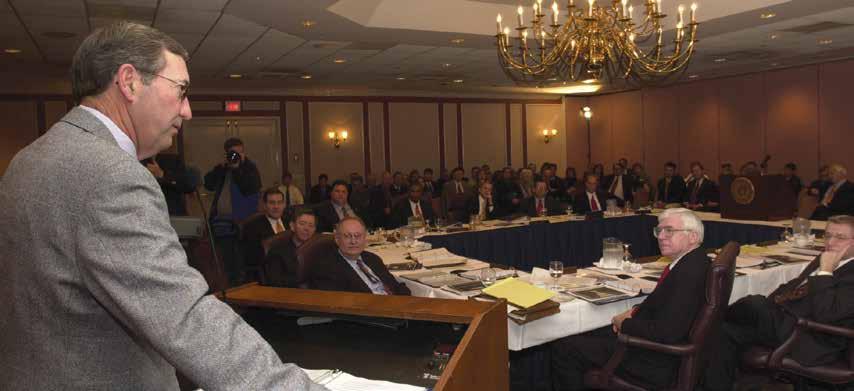
Auburn University President Chris Roberts, who served as dean of engineering from 2012-22, was chair of the Department of Chemical Engineering when Benefield announced the gift to the engineering faculty.
It’s a moment he’ll never forget.
“Sam’s investment challenged us to work at the cutting edge,” Roberts said. “Wireless was going to change everything, and here’s the man at the forefront telling Auburn, ‘I believe in you. I believe in your students.’
That vote of confidence — that we could really provide solutions at that level — I thought was incredibly inspiring.”
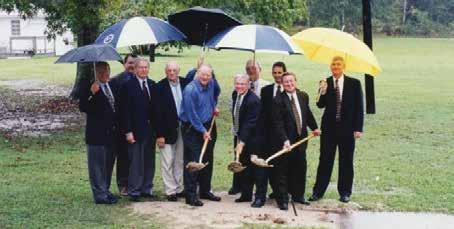
Samuel Ginn makes a $25 million gift, and the college is named the Samuel Ginn College of Engineering.
Phase I of the Shelby Center for Engineering Technology completed and the "It Begins at Auburn"campaign concludes with Engineering raising $116.7 million. 2001 2002 2008 2009 2006
Auburn Engineering offers the nation's first wireless engineering degree and the Wilmore Labs are renovated.
Renovations of historic Ross
The Magnetic Resonance Imaging Research Center opens.
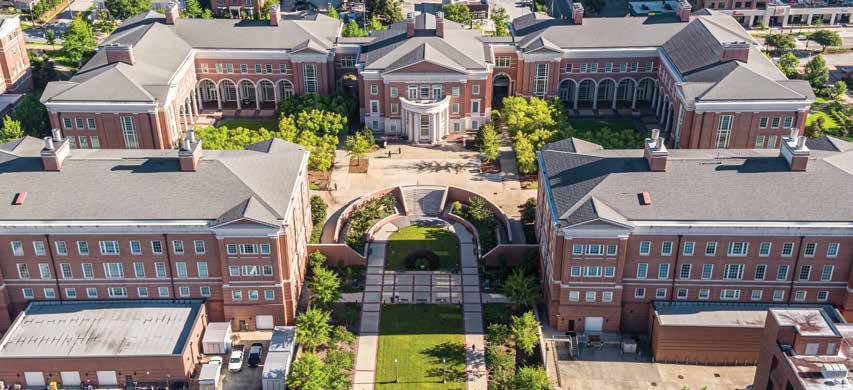
During the Benefield years, Auburn Engineering saw a significant period of growth as a result of Ginn’s gift, drawing national attention and achieving the highest rankings in the college’s history at the time.
Many other alumni and friends of the college took notice and began making significant investments themselves.
Under Benefield’s leadership, the college completed a $154 million facilities enhancement program, including construction of the Shelby Center, Wiggins Hall and the Woltosz Laboratories.
He also oversaw the launch of the nation’s first undergraduate degree in wireless engineering, the opening of Auburn’s MRI Center and the establishment of a research center in Huntsville.
Roberts, Benefield’s successor, then nearly doubled the college’s enrollment and achieved record-breaking research expenditures and awards. His faculty hiring initiative, starting in 2015, added more than 100 new faculty members to the college. He oversaw the construction of the Brown-Kopel Center, the renovation of the former Textile Building into the Gavin Laboratory, the renovation of Broun Hall, construction of the Advanced Structural Engineering Laboratory and the purchase of the Auburn University Research and Innovation Campus in Huntsville.
Mario Eden, the current dean of engineering, has taken the baton and is running with it. In just two years as dean, the college has already set a record for research awards, contracts and grants funding — nearly $120 million in FY24 — in addition to record enrollment, rising rankings, growth in Huntsville, Orange Beach and Washington D.C., and much more.
2011 2019 2021 2022
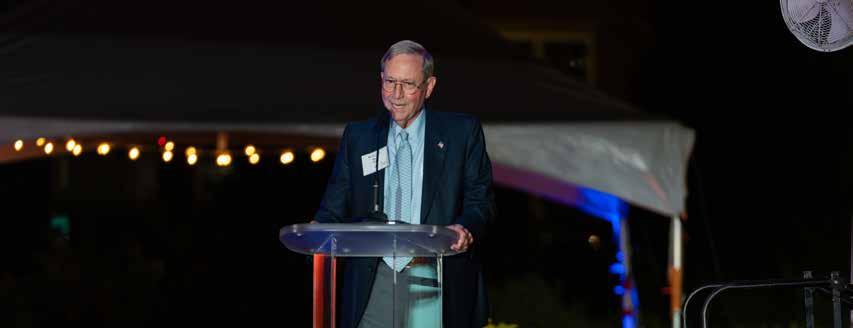
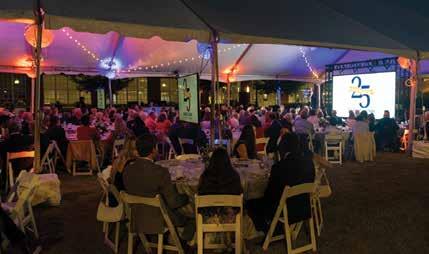
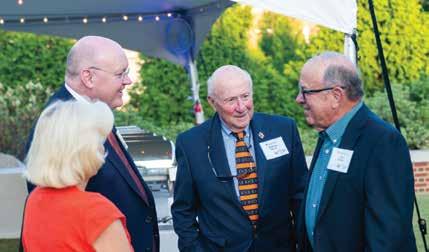
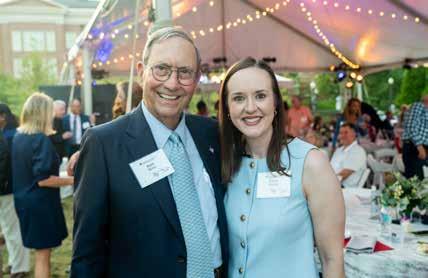
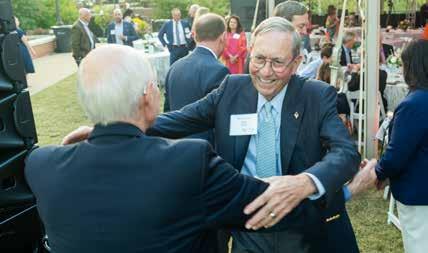
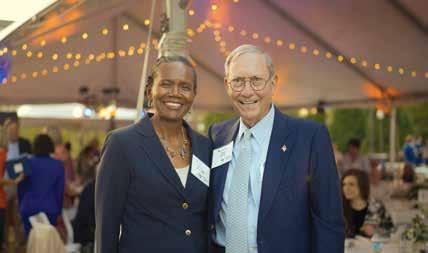
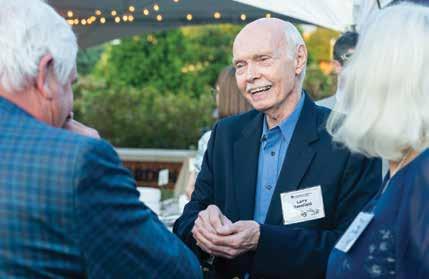
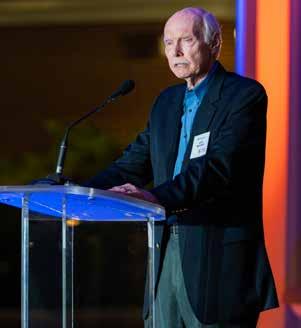
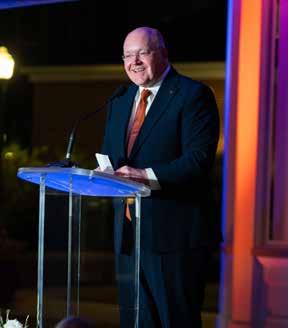
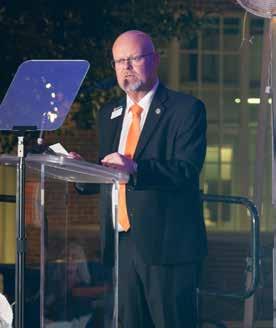
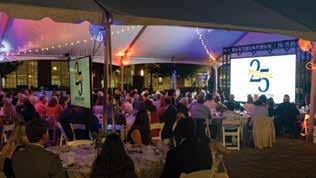
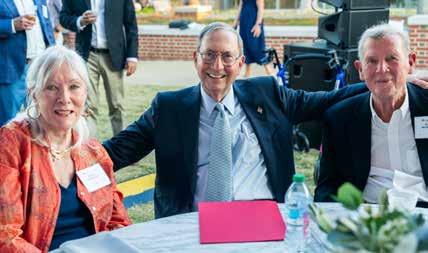
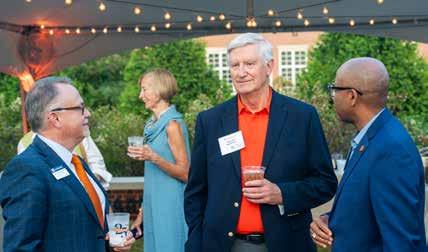
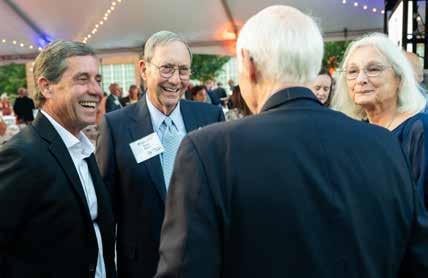
In August, the college kicked off the year-long celebration of being named the Samuel Ginn College of Engineering. This included a gala event in September on the Gavin Garden where hundreds of alumni, faculty, staff and friends gathered to commemorate the investment that inspired it all. All three deans of the past 25 years spoke during the event, in addition to remarks by Ginn.
“Donors get a lot of publicity, but I just want you to know that it’s the deans and the staffs who get the work done,” Ginn said. “For the past 25 years, we’ve had three deans here. First, Larry, then Chris and now Mario. They’ve been doing a great job. And, today, we are just in a great position.”
The new challenge, Eden said during the event, is to make the college even greater.
“As we reflect on our past, we also must look to the future,” Eden said. “I have no doubt that the next 25, 50 and 100 years will hold even more greatness for us as we take our rightful place among the best engineering institutions in the nation.”
SCAN THE QR CODE
Just months before the 25th anniversary celebration, Ginn made another investment that will put the college on an even higher trajectory.
The Ginn Family Foundation committed $30 million to the college to establish a new scholarship program, marking the largest single commitment to scholarships in Auburn University history.
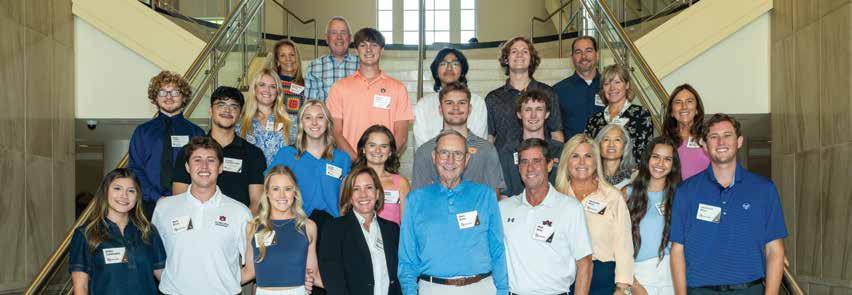
The new Ginn Scholarship Program is designed to provide scholarship awards annually covering tuition, fees, room and board for up to five years.
To qualify for this merit-based scholarship, Ginn Scholars must demonstrate need, graduate from a Title I high school in the state of Alabama and be admitted into the College of Engineering. Candidates must also have exercised leadership skills in school and community activities and have values that align with those espoused in the Auburn Creed.
“When I was accepted into Auburn, the affordability issue was front and center, but a college education was important to my parents. Once at Auburn, I participated in ROTC, waited tables and worked in a clothing store just to get by. But I was never ashamed of that. In fact, it instilled that ‘hard work’ mentality that is grounded in the Auburn Creed,” Ginn said. “My hope is that this program will lessen the financial burden of a higher education and help families in our state. There are so many students
with strong family value systems, and they deserve an opportunity to focus on their studies instead of focusing on their financial situation.”
Kentlei Rogers is one of those students. The biosystems engineering freshman from Geraldine, one of the 10 inaugural Ginn Scholars, was at a baseball game when the call came. When she hung up, she started crying. She called her parents. They cried, too.
“Mr. Ginn,” Rogers said, “changed my life.”
Brody Rall is another one of those students. He first realized his life had changed when he checked his e-bill after his high school graduation rehearsal. Instead of $32,000, it said $0.00.
“I was like, ‘This has to be a mistake,’” he exclaimed.
His mom reached out to Auburn. It wasn’t a mistake.
No loans. No burdens. The freedom to focus completely on class, on becoming an Auburn engineer — and what an Auburn engineer can become.
“There was always pressure to really take advantage of college even before I found out about the scholarship,” Rall said. “I needed to make it count, because we would have gone into debt.”
“Now,” he said, “it’s almost like even bigger things are going to be expected.”
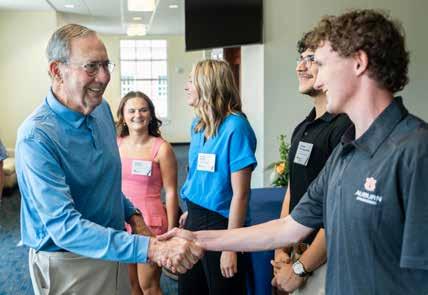
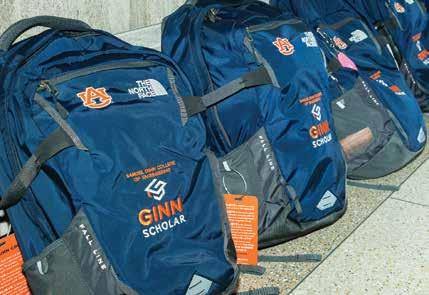
For Dean Eden, seeing the Ginn Scholars Program come together and working with these students through their first semester has been one of the greatest joys of his professional career.
“It was incredibly rewarding to work with Sam on establishing this program and to see the passion he has
About Sam Ginn
A native of Anniston, Ginn is a 1959 graduate of Auburn’s College of Engineering with a degree in industrial engineering. Following his service with the Army Signal Corps, he built a 31-year career with AT&T and its affiliates. He chose to leave his position as CEO of Pacific Telesis, an AT&T affiliate with 90,000 employees, and assume the role of CEO of a spinoff focused on the company’s wireless assets, including 300 employees. By assembling a workforce comprised of those willing to make a career change and new hires to the industry, Ginn helped build what became the largest cellular company in the world — AirTouch — with operations across the United States, Europe, Asia and Eastern Europe.

for Auburn and the state of Alabama,” Eden said. “His commitment and dedication to provide opportunity to students in our state is awe-inspiring.”
SCAN THE QR CODE

After the sale of AirTouch, Ginn was involved at the senior level of several start-ups, including being one of the early founders of Ondot Systems, a company formed to prevent credit card fraud. After five years, it was acquired by Fiserv Inc., with a seven-time return to its investors. Ginn has served on 11 corporate boards, including Chevron, Safeway, Hewlett-Packard, Pacific Telesis, AirTouch and Vodafone.
He has also served as chairman of the California BusinessHigher Education Forum, the California Business Roundtable and the Committee on Jobs and the Economy.
He is an overseer at the Hoover Institute in Palo Alto, as well as a Sloan Fellow at Stanford University’s School of Business. He also served on Auburn University’s Board of Trustees from 2005-13.
In 1999, the company was sold for $65 billion to Vodafone. Many of the original 300 employees, including those in entry-level positions such as mail delivery, became millionaires at the time of the sale.
For his professional achievements, Ginn was awarded an Honorary Doctor of Science from Auburn University in 1998. He is also a member of the Wireless Hall of Fame, the State of Alabama Engineering Hall of Fame and the Alabama Business Hall of Fame.
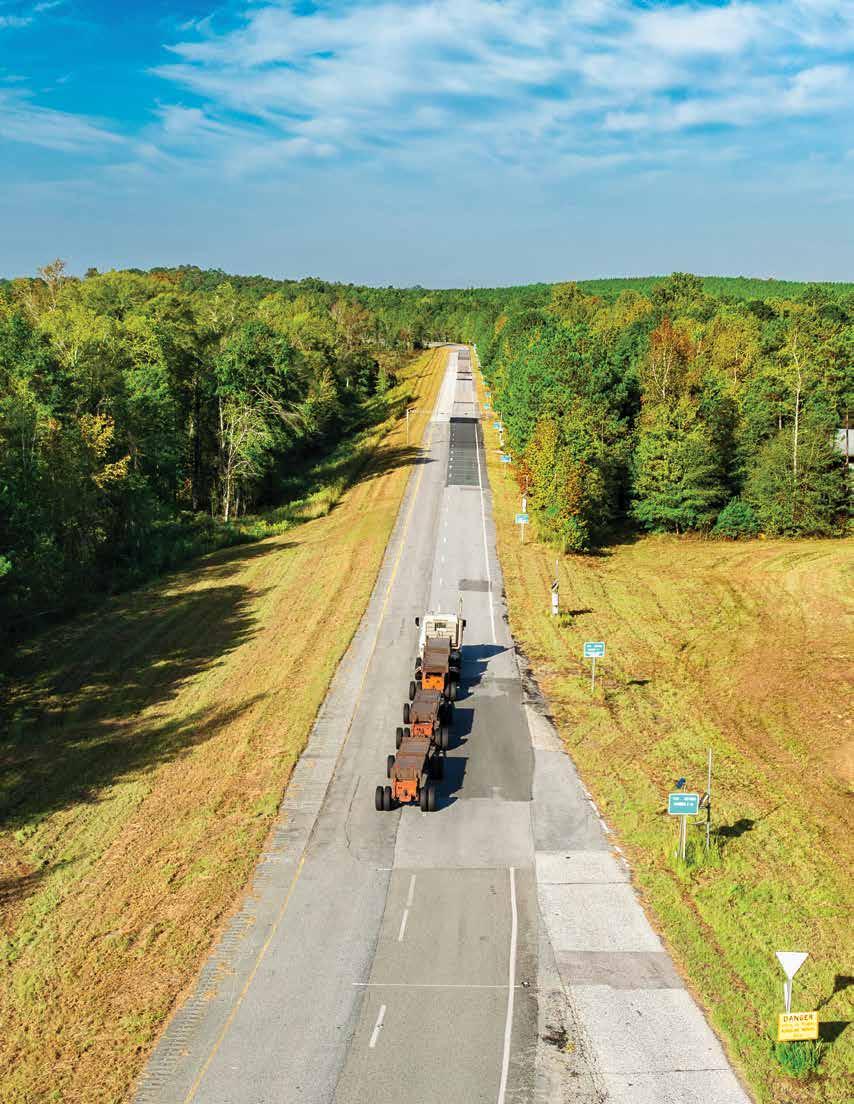
For 25 years, the National Center for Asphalt Technology’s Test Track has helped transform how America designs, builds and maintains its roads through research that delivers real-world impact.
By Allison Killingsworth
For 25 years, experiments on a 1.7-mile loop in Opelika have been changing the way America builds and maintains its highways.
This year marks the 25th anniversary of the National Center for Asphalt Technology’s (NCAT) Test Track — a full-scale pavement testing facility housed within the Samuel Ginn College of Engineering. Now, NCAT is Auburn University’s largest research center and a world leader in asphalt pavement innovation.
Recognizing the need to bridge the gap between laboratory studies and real-world conditions, the NCAT Board of Directors greenlit a bold idea in 1996: build a facility where materials and designs could be evaluated under controlled, accelerated conditions before reaching public highways.
That vision became reality four years later — in September 2000 — when the Test Track officially opened.
During its lifetime, that 1.7-mile oval has evolved into something much bigger.
For Auburn University, it’s a testament to innovation and research partnerships in action. For the asphalt paving industry, it’s a proving ground that has redefined how roads are built. For the sponsors, it is undeniable proof of the power of research-driven collaboration and purpose. As the Test Track marks a quarter century of important
research, its story is as much about people, partnerships and progress as it is about pavement.
In 1998, Auburn University purchased 310 acres about 20 minutes from campus to establish NCAT’s full-scale pavement testing facility.
Two years later, the Track was fully constructed and ready for research. Of the 46 sections — each 200 feet in length — 26 were sponsored by state departments of transportation and the Federal Highway Administration, giving the facility immediate national relevance. Its design featured a thick asphalt base and a permeable foundation, intentionally engineered to focus on surface
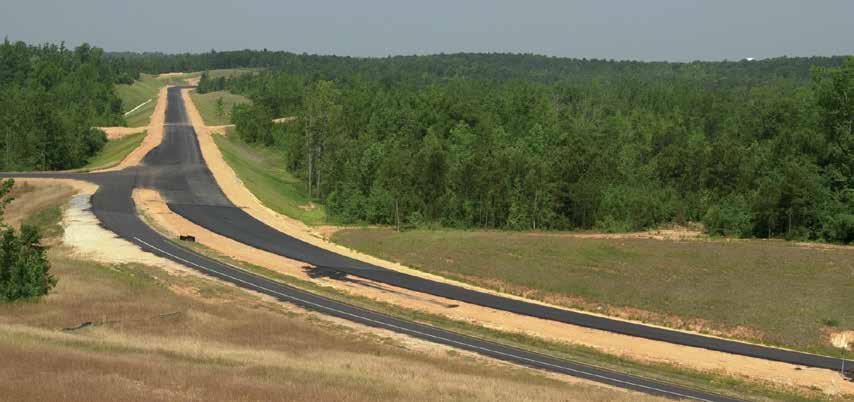
distresses such as rutting and friction, while avoiding deep structural distresses such as fatigue cracking. This ensured that the results could quickly translate into better-performing roads.
The official dedication that October brought together more than 550 attendees from across the country, including members of Congress and leading transportation officials.
While the event drew national attention, it was the early research efforts and collaboration with industry partners that paved the way for the Test Track’s long-term impact. That potential began to take shape as soon as the first trucks started circulating the track.
In the third week of September 2000 — a time of boy bands, PalmPilots and CD players — trucks first circled the oval Test Track, kicking off its research journey.
Since then, five triple-loaded trucks have continued to circle the Test Track 16 hours per day, five days a week, applying 10 million equivalent single-axle loads (ESALs) per research cycle.
An ESAL is a unit used to normalize different vehicle loads based on road damage.
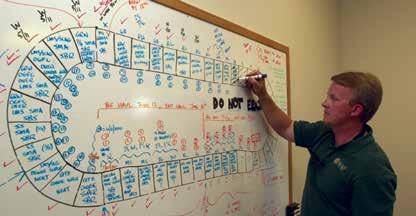
Each day, the fleet covers the equivalent of a coast-tocoast drive across the U.S. Add those miles together, and the trucks rack up enough distance to circle the globe about once every week and a half.
All without ever leaving Opelika.
“The Track gives us a level of insight into pavement performance that you simply can’t get anywhere else,” said Jason Nelson, NCAT Test Track manager. “The research doesn’t just stay on paper — every mile run at the Test Track generates knowledge that builds safer, longer-lasting roads for millions of travelers.”
Early research results proved the Test Track’s ability to replicate multiple years of interstate traffic in just 24 months, validating the facility as a groundbreaking tool for accelerated pavement testing and delivering what the asphalt industry had long sought: a reliable way to assess pavement performance before innovations reach public highways.
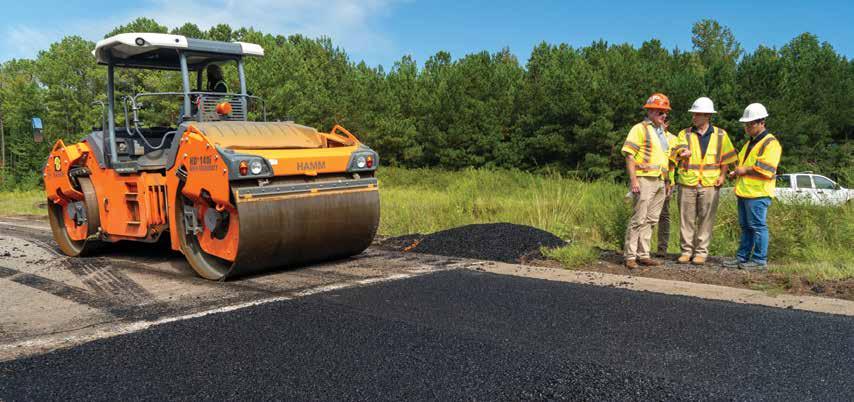
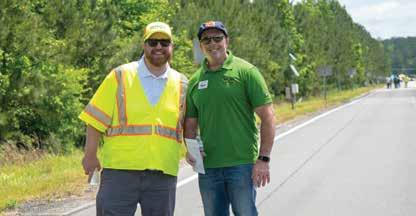
Eight completed research cycles have since driven progress on topics including validating mix design criteria, improving open-graded friction courses, refining pavement thickness design procedures, advancing the use of recycled materials in pavements, evaluating innovative materials for enhanced tire-pavement friction and testing new construction methods and pavement preservation treatments for longer-lasting pavements.
“The Test Track would not be what it is today without the commitment of our sponsors,” said Nathan Moore, assistant director for Test Track research. “Their collaboration ensures that every research cycle addresses the real-world challenges faced by agencies and industry, and their support allows us to deliver solutions that directly impact the future of pavements.
“Their partnership is the foundation of the Test Track’s success and the driving force behind the innovations that have come from it throughout the past 25 years,” he added.
At the heart of the Test Track’s operation is its sponsor network, a broad coalition of state DOTs, federal agencies, private contractors and material suppliers.
Since 2000, more than 35 partners have invested in sections of the Track, each pursuing answers to questions about asphalt performance.
This collaborative model ensures that research remains grounded in real-world needs, producing findings that can be applied directly by those funding the work.
Independent evaluations have confirmed the value of this approach, showing savings from more efficient designs and new specifications that ensure better quality, which far outweigh the cost of the research.
For taxpayers, that translates into highways and streets that last longer, perform better and cost less to maintain.
“The Test Track has provided the Tennessee Department of Transportation (TDOT) with a powerful tool for making informed, data-driven decisions in our pavement program,” said Heather Purdy, director of TDOT’s Materials and Tests Division. “The research investments TDOT has made at the track have delivered a substantial return, positively shaping our program.
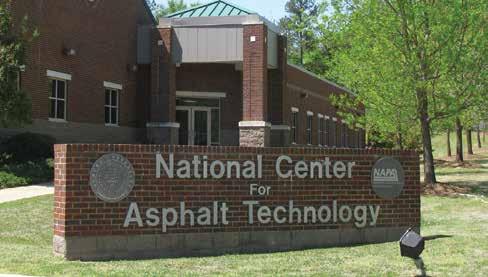
“We deeply appreciate the dedication and passion of the NCAT team, whose efforts continue to drive innovation and excellence in pavement research,” she added.
TDOT has participated in every research cycle since the Test Track opened. Its work has included Balanced Mix Design (BMD) evaluations, a thick-thin lift study and participation in group experiments with other DOTs. These efforts have supported Tennessee’s expansion of mix design options, validation of its BMD framework and broader improvements to long-term pavement performance.
The track functions as a unique research ecosystem in which sponsors actively shape the direction of studies. They guide experimental designs, introduce new technologies for evaluation and gain early access to results that influence future policy and practice. By sponsoring test sections, agencies can evaluate innovations in a highly controlled environment, thereby reducing risks associated with trying them on their own highway networks.
NCAT’s role is to provide the data collection and monitoring needed to validate performance, while agencies ultimately decide on when and how to adopt the proven solutions. This partnership balances innovation with practicality, creating a pathway for research to move swiftly and confidently from the Test Track to roadways nationwide.
SCAN THE QR CODE

The launch of the Test Track coincided with another NCAT milestone, the opening of its 40,000-square-foot administrative and laboratory building in 2000, located in Auburn’s South Technology Park, which consolidated the center’s research and training capabilities under one roof for the first time. NCAT’s nationally accredited lab supports implementation by providing high-quality performance testing under realistic aging and loading conditions, helping sponsors make informed engineering decisions about material selection and mix design practices.
Together, the lab and the track create a powerful engine for asphalt research. Laboratory testing enables precise material characterization needed to model pavement responses to loading and environmental changes, while full-scale experiments at the track validate those results under live truck traffic. This dual approach bridges the gap between theory and practice, ensuring that findings can be confidently implemented on real roads with minimal risk.
Auburn graduate students play a vital role in this work, contributing new ideas and energy while advancing research with NCAT faculty. Their projects range from evaluating innovative asphalt mixtures and sustainability practices to conducting detailed materials testing at the track and in NCAT’s specialized laboratories.
Beyond the lab, students experience the unique culture of NCAT, where close faculty mentorship, industry networking and applied learning create an environment that blends academic rigor with professional impact.
“The Test Track is a place where students learn by doing. They don’t just read about asphalt performance in a textbook — they measure it, analyze it and see it in action,” said Randy West, NCAT director. “That experience helps prepare the next generation of pavement engineers, and our former graduate students are rapidly becoming industry leaders worldwide.
“While NCAT has built a reputation from the quality of our research, our success is truly measured in people.”
Twenty-five years of innovation have shaped the Test Track into a cornerstone of asphalt research, and the path forward promises to be just as transformative. Key areas of research on the horizon include:
• Durability solutions, such as thin overlays on worn pavements, and advancing pavement recycling technologies.
• New materials, including additives to resist aging and cracking, using post-consumer recycled materials in pavements for sustainability benefits and developing alternative binders to replace petroleum-based asphalt.
• Safety-focused engineering of vehicle-to-pavement interactions to reduce accidents.
• Foundation improvements through enzyme-based stabilization of weak soils.
These efforts mean stronger, safer and more costeffective roads that improve daily travel and extend the
value of public investment. While the Test Track may be 25 years old, West said it’s not slowing down anytime soon.
“The Test Track and our labs have shown what’s possible when research and real-world needs come together,” West said. “For 25 years, our sponsors and staff have helped turn innovation into practice, and we are confident the next 25 will bring even greater advances for the asphalt community and the traveling public. The questions may change, but the need for answers is constant.”
Every journey on America’s roads carries with it the legacy of Auburn Engineering research. As NCAT prepares to celebrate 40 years as a national research center in 2026, its legacy is defined by innovations that have changed how pavements are engineered nationwide.
After four decades of advancing asphalt research and a quarter century of transformative work at the Test Track, one thing remains clear: all roads lead to Auburn University.
The Test Track is a place where students learn by doing. They don’t just read about asphalt performance in a textbook — they measure it, analyze it and see it in action. – RANDY WEST / Director of NCAT
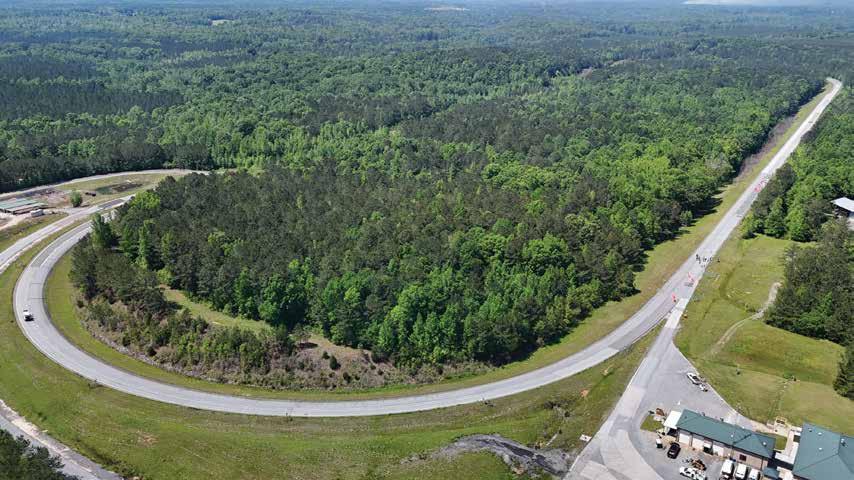
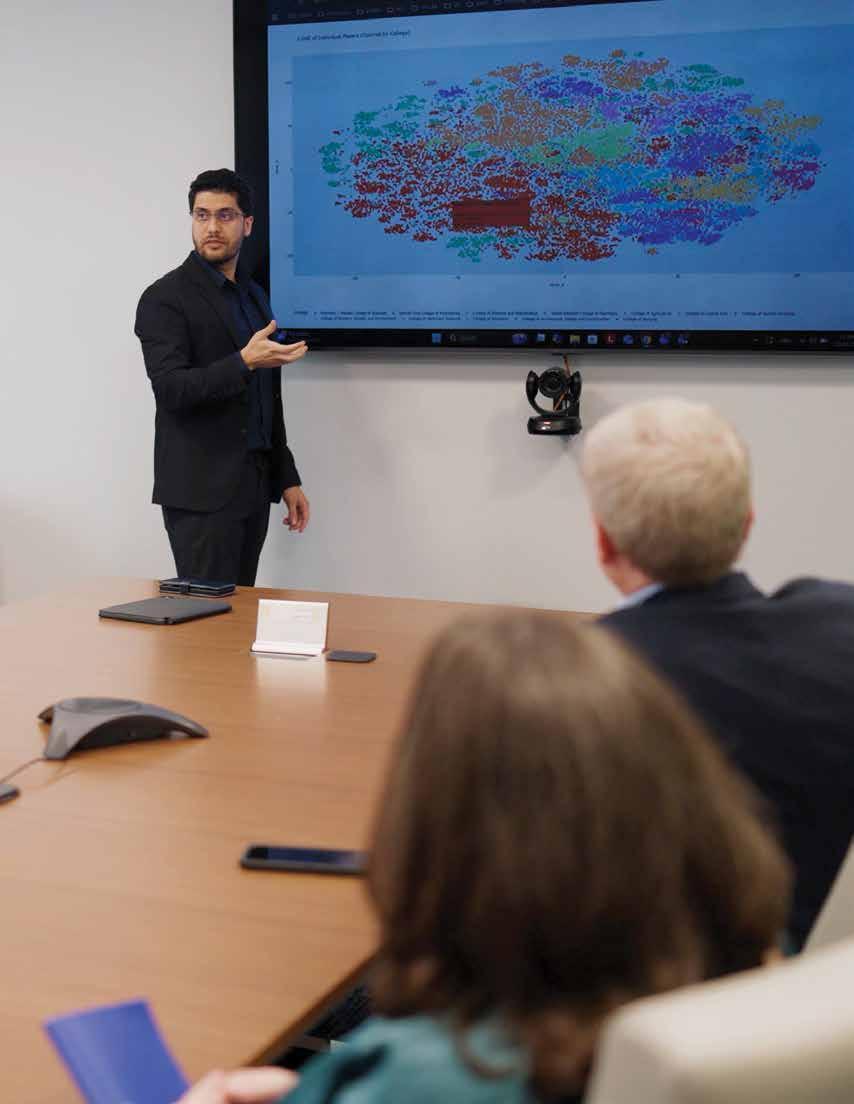
The AUSME development team is already working on new features, including artificial intelligencegenerated research summaries, enhanced filtering options and better visualizations of collaborative networks.
Innovation begins with connections. AUSME, a new artificial intelligencepowered platform developed in the Samuel Ginn College of Engineering, helps researchers across disciplines find collaborators, spark partnerships and accelerate discovery in seconds.
By Joe McAdory
Who leads research in biomedical sensors or sustainable materials? Who’s advancing combustion physics, aeropropulsion or renewable energy?
Junior faculty members new to campus need to know who they can collaborate with and whose research intersects with their own.
What about senior faculty? Many opened their respective laboratories years ago, and they’ve watched peer researchers come and go. For them, the question isn’t how to get started — it’s how to keep discovering, how to stay connected and how to ensure their legacies continue to grow.
Both ask a familiar question: “Where does collaboration begin?” Finding the answer often meant months of hallway introductions, chance conversations and outof-town conference meetups with researchers at peer institutions.
Thanks to AUSME (Auburn University Subject Matter Experts), a new artificial intelligence-powered, Samuel
Ginn College of Engineering-developed web platform, those questions can be answered in seconds.
AUSME, which maps expertise across campus and connects researchers who might have never met, is designed for a range of users: students seeking research mentors, faculty members pursuing interdisciplinary grants, administrators organizing strategic initiatives and external partners looking to connect with subject-matter experts at Auburn.
Associate deans for research across campus are taking note.
“In the past, if you were new to Auburn, finding collaborators could be a significant barrier,” said Sushil Adhikari, interim associate dean for research in the College of Agriculture, professor of biosystems engineering and director of Auburn’s Bioenergy and Bioproducts Center. “You didn’t know who was working on what, and without a tool to guide you, it could take
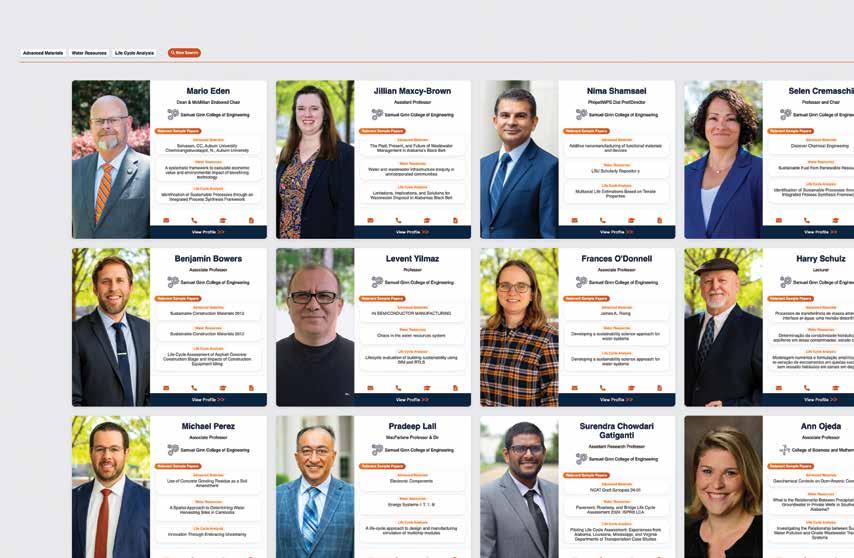
five or even 10 years before you really knew enough people to build strong proposal teams. AUSME changes that completely.
“We have a lot of new faculty members across departments that I don’t have the same sort of relationship with that I used to have. This tool helps me discover new people hired in the past two to three years,” he added.
The challenge AUSME addresses runs deeper than individual networking difficulties, said Mark Liles, associate dean for research in the College of Sciences and Mathematics.
“There are many faculty who need connections and partnerships but don’t have the network or the professional connections to find them,” he said. “It’s also hard to know who has the right expertise for your work. AUSME is fantastic because it makes those connections
easier. It opens doors to collaborations that might never have happened otherwise. We researchers often tend to be siloed. We have our own worlds that we live in, our own scholarship, our own disciplines. This tool can bring people together.”
AUSME compiles publicly available research data — including faculty publication records, citation metrics, co-author networks and academic backgrounds — into interactive, easy-to-navigate profiles. Users can search by keyword, filter by department or topic and even explore similar profiles based on shared research interests or collaboration histories.
Just like that, a match made in cross-disciplinary research heaven is made. For Liles, who tested the system over a weekend by typing in a pathogen he studies, the results were eye-opening.
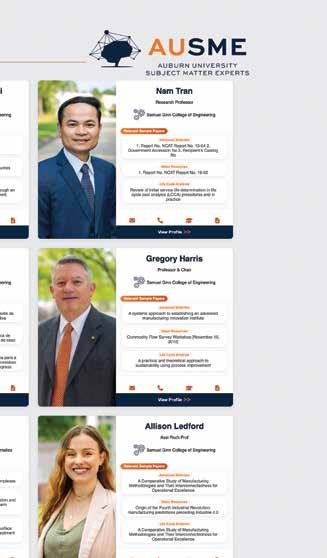
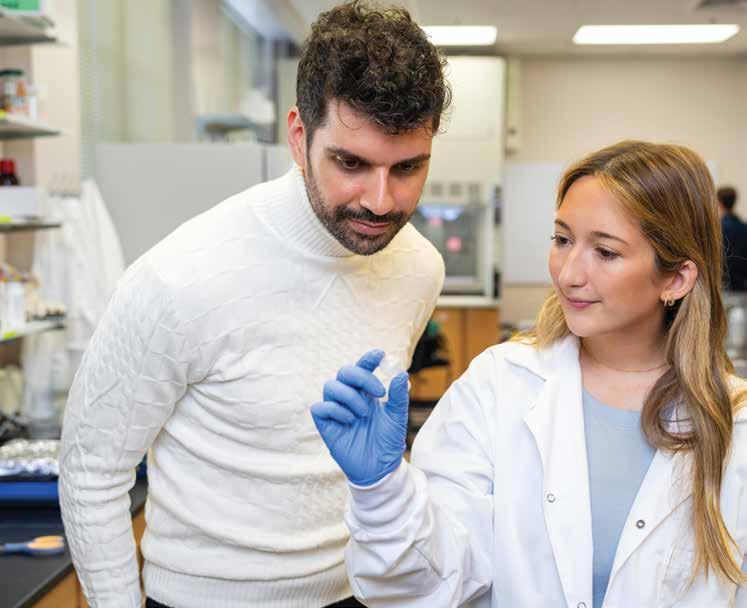
“I was really surprised how many different researchers across campus have had expertise with the pathogen I work with,” he said. “It made me realize how many people share similar research interests.”
Allan David, associate dean for research in the Samuel Ginn College of Engineering, believes AUSME will fundamentally change how collaborations form.
“Collaboration is everything,” David said. “AUSME is designed to foster meaningful, well-aligned partnerships that make sense academically and operationally. By giving researchers greater visibility into what others across the university are doing, we’re unlocking a level of transparency and synergy we haven’t had before. I see this as an enabling platform for everyday connections and major institutional initiatives.”
AUSME’s user-friendly design makes it equally effective for students and faculty. The website allows users to enter keywords like “machine learning” or “structural engineering” and the system scans publication data to rank relevant faculty. Results display names, departments, publication snippets and citation metrics. Users can refine searches by department or topic, then click through to detailed profiles with contact information.
One of the platform’s most powerful features is its ability to display related researchers based on overlapping interests or co-authored publications. This allows users to identify highly relevant, yet sometimes lesser-known, collaborators they might not have found otherwise.
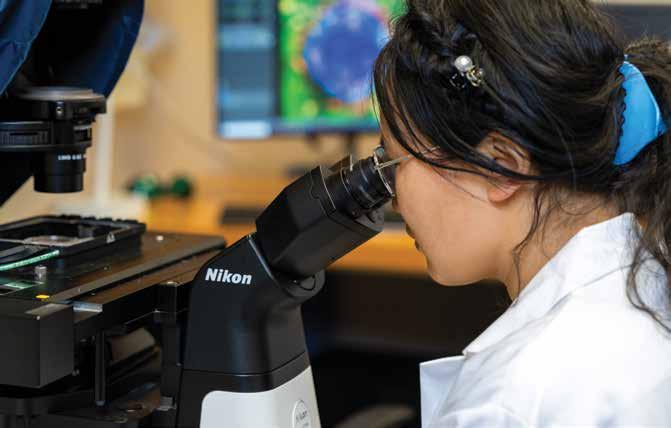
David noted that this kind of intelligent discovery mechanism could dramatically change the way Auburn researchers build partnerships across departments.
“Tools like this don’t just help us collaborate more. They help us collaborate smarter, and that’s what drives real innovation,” David said.
“With AUSME, we’re not only facilitating discovery, but we’re also supporting interdisciplinary work that defines the future of research. I believe this platform will become an essential tool for every researcher at Auburn,” he added.
The team behind the tool
Drawn from across the College of Engineering’s research, communications and computing units, the AUSME development team included Auburn Engineering Research Data & AI Development Coordinator Mostafa Rahgouy, who served as an AUSME AI developer, frontend and backend specialist; frontend specialist Soundarya Korlapati, a senior research engineer at the Auburn RFID Lab; Tyler Patterson, senior application systems analyst; Emily Maddox, manager of Salesforce and data administration; Kelley Terry, director of
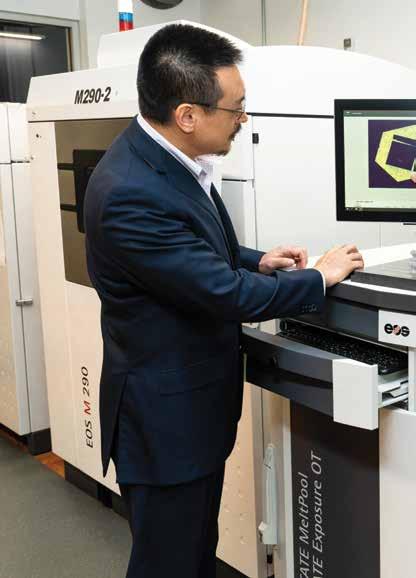
research program development and grants; Shannon Price, director of network services; and others who contributed time and expertise to the project.
“This team didn’t just create a database — they built an engine for discovery,” said Gerry Dozier, director of the Auburn University Center for Artificial Intelligence and Cybersecurity Engineering and McCrary Eminent Chair Professor. “Their commitment to supporting Auburn’s research enterprise, through smart, forward-thinking tools like AUSME, reflects the kind of innovation we need to solve real-world problems.”
For David, he's excited to see AUSME continue to evolve.
“The development team is already working on new features like AI-generated research summaries, enhanced filtering options and better visualizations of collaborative networks,” David said. “AUSME will become even more useful over time, adapting to the
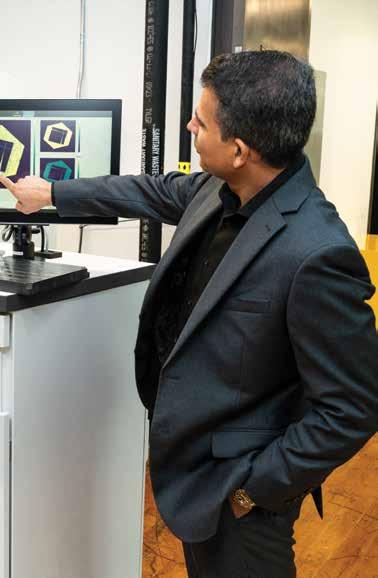
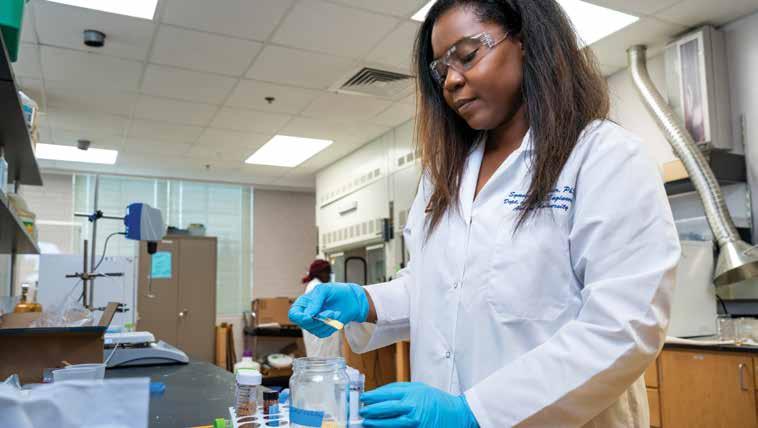
needs of our faculty and reflecting the dynamic nature of research itself. We’re just getting started, and the
“The team that built AUSME understands research. They’ve created a tool that’s not just functional, it’s also strategic. AUSME helps surface the kind of partnerships that drive innovation: when a mechanical engineer connects with a biomedical scientist, or when a cybersecurity expert collaborates with a civil engineer. That kind of work doesn’t happen by accident. It happens when you connect the right people. AUSME makes that possible,” he added.
The vision extends beyond simple faculty searches.
Advanced features under development include proposal matching capabilities that could transform how research teams respond to funding opportunities.
Dozier said the platform’s value extends beyond Auburn’s borders. External partners, from national laboratories to emerging startups, can leverage AUSME
to understand Auburn’s research capabilities with unprecedented clarity.
“If you’re an external partner, from a national lab or a startup, AUSME gives you a transparent, intelligent way to understand what Auburn has to offer,” Dozier said. “You’re not just seeing names and titles. You’re seeing networks, research impact and expertise in context.”
With additional colleges across campus poised to come on board in the coming year, AUSME’s planned expansion generates significant anticipation.
“What we’ve created isn’t just solving Auburn’s collaboration challenges, it’s pioneering a new model for how universities can harness their collective intellectual capital,” Dozier said. “I expect we’ll soon see institutions across the country looking to Auburn’s example, asking how they can build their own versions of what we’ve started. That’s the mark of true innovation — when others want to follow where you’ve led.”
Watch the video about AU Subject Matter Experts

It’s my JOB
Mechanical Engineering Vice President/Site Lead Integrated Systems for Solutions Inc.
Tell us about your role as vice president and research mechanical engineer with Integrated Solutions for Systems Inc.
I’m blessed to serve as both a research engineer in a technical capacity and as a vice president and site lead in a leadership role with Integrated Systems for Systems Inc. (IS4S). When I wear the research engineer hat, I get to work on highend R&D and testing programs for the federal government, focusing primarily on munitions, UAVs, advanced explosives formulation,
explosives testing, warheads, novel and explosive 3D printing, ballistics and more. We’ve built a testing and engineering center from the ground up into a multi-site, multi-range facility employing more than 40 engineers doing cutting-edge work for the U.S. military.
When people ask what I do, I usually sum it up by saying, ‘I work with explosives and blow stuff up.’ While blowing things up is fun, what I love is working on next-generation military technologies — the kinds of things you read about in news stories or defense blogs.
By Nick Bowman
When I wear the vice president hat, I focus on operations, safety, logistics, financial management and the regulatory aspects of running multiple test sites and ranges. It’s extremely demanding, and sometimes highly stressful, but immensely rewarding.
The best part of my job is the team — a group of high-caliber people I get to mentor, develop and grow alongside. I’m honored and humbled to lead and work with such talented, hardworking professionals — many of whom are fellow Auburn engineers.
You’ve risen through the ranks at IS4S, and this year, you earned a spot on the Auburn Alumni Association’s 20 under 40 award list. How did Auburn Engineering prepare you for your career?
Auburn Engineering was foundational in helping me be immediately valuable to IS4S by providing a broad experience that extended well beyond the classroom.
When I joined IS4S, the company had just 23 employees. Working for a small business means wearing many hats — it’s an entrepreneurial environment with limited people and resources. You must get the work done and help grow the company, often learning new things in real time. At Auburn, I learned a lot of life lessons and soft-skills through the activities I participated in as a student — undergraduate research, student employee, co-op, internship and student organizations.
Using the foundation of both a quality education and the other skills I’d learned, I found myself contributing instantly in ways that benefited my growth and the company’s. As IS4S grew, my roles evolved, and I now serve in a leadership role as a vice president and site lead for our Opelika office,
and our company now has more than 450 employees and continues to rapidly grow. All of this I can attribute to the strong foundation I built while at Auburn.
Your work involves a great deal of emerging technology. How did Auburn Engineering prepare you to work in a constantly evolving field?
In graduate school at Auburn, I worked in the GPS and Vehicle Dynamics Lab (GAVLAB) under Dr. David Bevly — one of the world’s foremost experts in position, navigation and timing and objectively one of Auburn’s best professors.
Working under Dr. Bevly gave me exposure to people, opportunities and technologies I might never have encountered otherwise, and it started to push me to think of other creative ideas and novel concepts.
Dr. Bevly taught me how to balance some of those cool or crazy ideas with sound engineering discipline. For every new technology or big idea, there are countless hours of hard work required to make it real.
Through my time in the GAVLAB, I learned to push myself into new areas while maintaining the discipline needed to turn concepts into tangible solutions.
That balance between creative innovation and disciplined execution is essential to achieving any kind of success when working with emerging technologies.
What attracted you to Auburn to study engineering?
I have the same story that many engineers have: I had no idea what I wanted to be, but I liked math and science. Everyone would tell me that engineering was hard, but I love a good challenge, and I was drawn to the prestige and respect that comes with making it through an engineering curriculum. Also, I didn’t know at the time what I wanted to do career-wise and I knew engineering would keep a lot of doors open. My dad is an Auburn engineer, went to medical school and then joined the Navy, so I knew that an engineering degree offered versatility and options postgraduation.
Hailing from Alexander City, I had dreams of moving far away for college, and I looked at a lot of engineering schools across the country. But when I visited Auburn, I just had that feeling that I already knew where I was going. I felt at home. Auburn gave me a comfort level unlike anywhere else, and Auburn University offered so much more than just a great engineering degree. It offered a total experience and an opportunity to grow not only as an engineer but as a person.
Looking back, being an Auburn engineer is so much a part of my core that it’s hard to believe I ever thought about being anywhere else or doing something different.
Student / BE THE CREED / By Joe McAdory
I BELIEVE IN EDUCATION, WHICH GIVES ME THE KNOWLEDGE TO WORK WISELY AND TRAINS MY MIND AND HANDS TO WORK SKILLFULLY.
SYDNEY WATWOOD
Chemical
Engineering
Sophomore
Sydney Watwood, a sophomore in chemical engineering, traces her passion for water systems back to sixth grade, when she read “A Long Walk to Water.” The book opened her eyes to the global water crisis and set her on a path that now spans continents. Inspired by her grandfather, an Auburn-educated electrical engineer, Watwood chose chemical engineering to solve real-world problems — like the ones she encountered firsthand this past May in Guatemala.
As an Engineers Without Borders (EWB) team member and secretary/treasurer, she and teammates tested water quality, laid PVC and began designing a new water distribution system in Parramos Grande.
“In class, you learn equations and math, but sometimes it doesn’t fully click until you see it firsthand,” she said. “Being able to see where we were putting pipes in and then getting to design where water would flow through the community — that made everything click.”
Watwood continues EWB’s work on campus by writing technical reports and leading fundraising.
“We all come in with different strengths,” she said. “That’s the beauty of it — you’re learning from everyone else, not just the work. Engineering Without Borders is not just about engineering. It’s about people and making a difference where it matters.”
Listen to the #GINNING podcast with Sydney Watwood at eng.auburn.edu/ginning
Faculty / BE THE CREED / By Joe McAdory
I BELIEVE IN HONESTY AND TRUTHFULNESS, WITHOUT WHICH I CANNOT WIN THE RESPECT AND CONFIDENCE OF MY FELLOW MEN.
GERRY DOZIER
Computer Science and Software Engineering
Charles D. McCrary Eminent Chair Professor
Gerry Dozier, the Charles D. McCrary Eminent Chair Professor in the Department of Computer Science and Software Engineering, is championing artificial intelligence (AI) as a force for community and innovation.
Known for dedication to collaboration, Dozier has built bridges across disciplines to advance AI research and education.
As director of the Auburn University Center for AI & Cybersecurity Engineering, he helps drive the Auburn University Subject Matter Experts (AUSME) platform — an AI-powered tool connecting researchers.
“AUSME makes it easier for faculty and students to find collaborators with the right expertise, breaking down silos and sparking innovation that benefits the entire university community,” said Dozier, a member of Alabama’s Commission on AI and Associated Technologies since 2019.
While advancing AI frontiers, Dozier is focused on creating opportunities that inspire students to engage with this ever-evolving technology.
“Advancing AI means more than technology — it’s about supporting students to succeed and lead in this rapidly evolving landscape,” he said. “Providing access and resources is essential to helping them reach their full potential. We are committed to preparing students and faculty not to just use AI, but to shape its future responsibly and ethically.”
Staff / BE THE CREED / By Austin
Phillips
I BELIEVE THAT THIS IS A PRACTICAL WORLD AND THAT I CAN COUNT ONLY ON WHAT I EARN. THEREFORE, I BELIEVE IN WORK, HARD WORK.
LAURA
OLDS Engineering Student Services Academic Adviser
Like the oak trees at Toomer’s Corner, Laura Olds’ Auburn roots run deep. Her grandfather, Wartan Jemian, founded the college’s materials engineering program and her parents, Bob and Connie Jemian, met in the university’s marching band while attending Auburn in the mid-’70s. Laura also met her husband, Chris, in Auburn, and both currently work in the college, with Chris serving as an information technology specialist for Network Services while Laura serves as an academic adviser for Student Services.
Because her Auburn roots run so deep, so does her passion for the university, the college and what she loves most — working with the students.
As an academic adviser, she specializes in serving the transfer student population, along with other nontraditional students.
“Every student has a different situation, whether they’re coming from a community college or they are a veteran,” Laura said. “These students often feel they have a complex situation, and I enjoy bringing some clarity to them. I enjoy making an impact.”
Olds serves the pre-engineering student population, and she thoroughly enjoys helping them move into their major and inevitably graduate.
“The students can have a lot of questions, whether it be about credits or classes, and I enjoy stepping in and being their advocate,” Laura said. “I just love it.”
Alumni / BE THE
CREED
/ By Bethany
Giles
I BELIEVE IN MY COUNTRY, BECAUSE IT IS A LAND OF FREEDOM AND BECAUSE IT IS MY OWN HOME, AND THAT I CAN BEST SERVE THAT COUNTRY BY "DOING JUSTLY, LOVING MERCY, AND WALKING HUMBLY WITH MY GOD."
Industrial Engineering Brigadier General, Retired
When retired Brig. Gen. Larry Davis joined ROTC at Auburn University, he had no idea he’d spend more than 31 years serving in the Army.
“I found I liked working with soldiers and the challenges that a military career offered,” said Davis, ’74 industrial engineering. “I found my niche.”
After retiring from the military, he joined HNTB, a civil engineering firm, as senior vice president in Huntington Beach, California.
Despite being in a new setting, he was quickly able to apply his leadership style.
“Everyone thinks a military officer is going to be a regimented boss who expects absolute obedience,” he said. “That was not my leadership style. The secret to my success is to surround yourself with good people and give them the freedom to do their job.”
Larry served on the Department of Industrial and Systems Engineering Alumni Advisory Council and currently serves on the Auburn Alumni Engineering Council. He and his wife, Barbara, ’72 education, give to scholarships to both the colleges of engineering and education.
“I believe the Army values build upon the values that the Creed embraces,” Davis said. “As I got more involved with Auburn again and started comparing the Army values with the values Auburn inculcates in its students and faculty, it’s a great fit.”
There’s always something happening at the Samuel Ginn College of Engineering, and the easiest way to stay current is to follow us on social media. From Facebook to LinkedIn, Instagram to X, conversations are sparked with current and former Auburn engineers and those interested in the groundbreaking engineering research happening on the Plains. Join us! #auburnengineering #wareagle ❤ ��
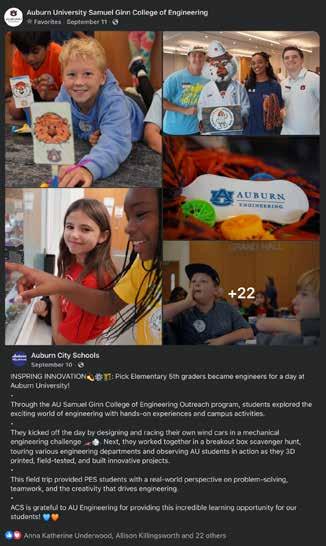


@AuburnEngineering
@auburnengineers
@AuburnEngineers
linkedin.com/school/auburnengineering

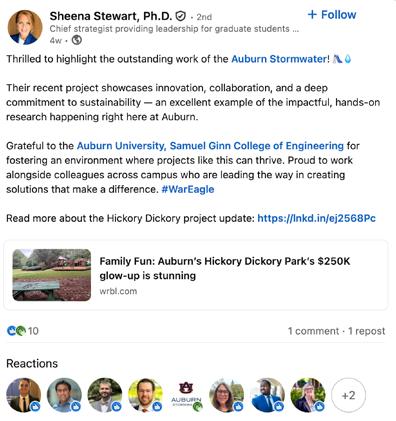
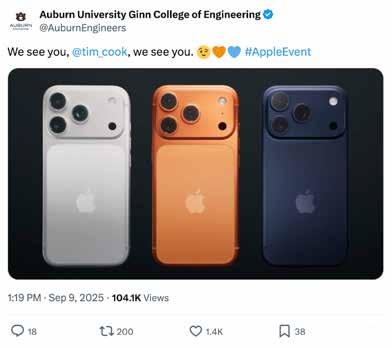
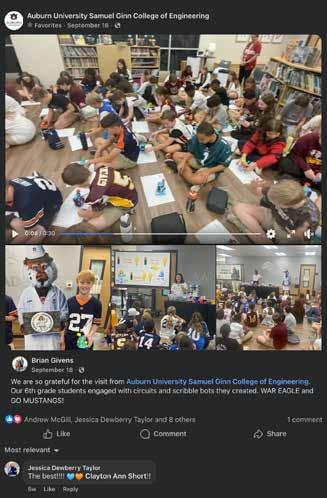
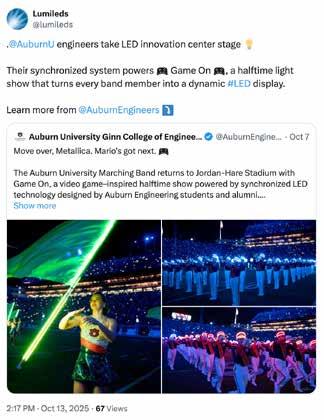

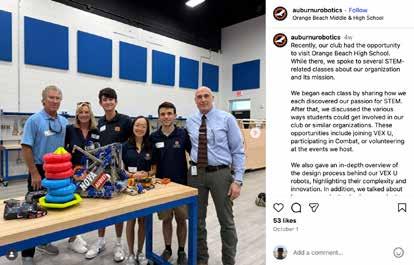
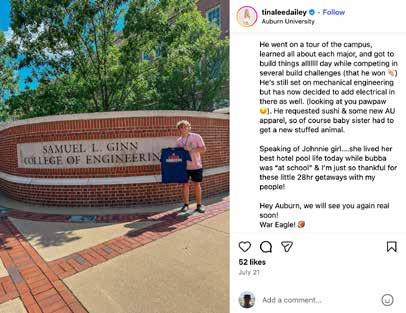
"
— Julie Reese
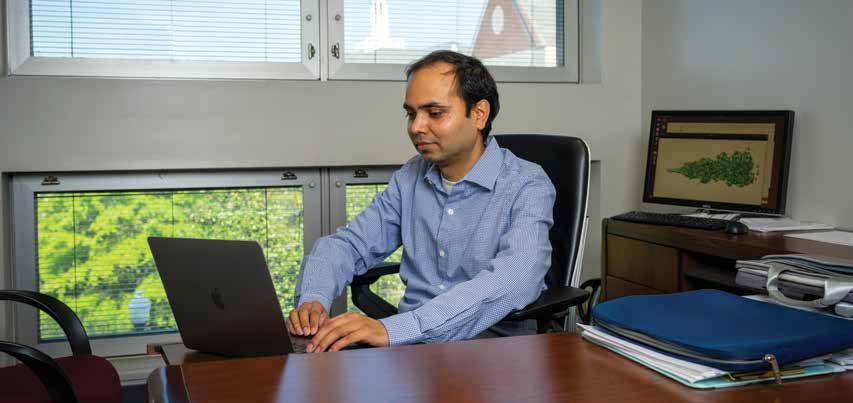
Assistant professor to study flow-induced vibrations of 3D structures
By Dustin Duncan
Nek Sharan
Assistant Professor 334-844-6812
nzs0089@auburn.edu
Nek Sharan, assistant professor in the Department of Aerospace Engineering, seeks to understand how 3D geometries vibrate when exposed to fluid flows.
Through his $300,000 National Science Foundationfunded project, “Three-dimensional Geometry Effects on Flow-induced Vibrations,” Sharan will conduct simulations to investigate 3D structural vibrations, identify links between shapes and vibration behaviors and develop methods to modify shapes for vibration control.
“There is growing interest in drones delivering packages in urban areas, where environments are often chaotic due to buildings, cars and other disturbances,” Sharan said. “These aerial vehicles must withstand severe winds and gusts. So, what geometric modifications can enhance their stability and robustness?”
Sharan’s research can improve the design of structures vulnerable to vibration from wind or precipitation and enhance energy harvesting technologies that convert unstable vibrations into electricity.
The groundbreaking aspect of Sharan’s work is a new computational method to accurately simulate flow over moving 3D geometries.
While 2D structures like circular cylinders have been well studied, 3D geometries remain underexplored due to high computational costs and limited accuracy.
“Typically, thousands of processors are needed to run these simulations, often taking days or weeks, making them cost-prohibitive,” Sharan said. “We’ve developed high-order methods that can handle complex geometries at a much lower computational cost.”
Sharan said his team will formulate approaches to modify the shapes to control vibrations by analyzing the geometry facing the flow (forebody) versus those trailing behind (afterbody). He’ll experiment with different shapes to evaluate how such modifications influence flow and vibration dynamics.
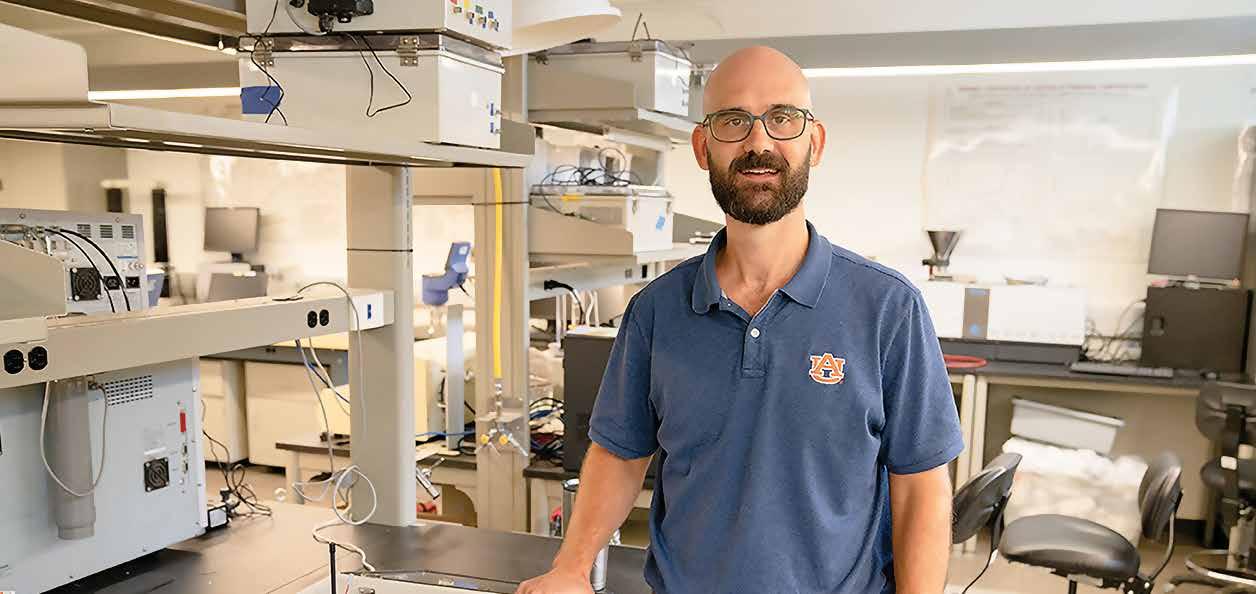
By Adam Cletzler
John Linhoss
Assistant Professor
334-844-3534
jel0296@auburn.edu
Researchers at Auburn University are studying the effects of natural light in broiler houses on bird performance and welfare.
The team, including agricultural engineers, animal scientists and extension specialists, received a $300,000 USDA grant to investigate how natural light impacts commercial broiler flocks’ growth and welfare.
John Linhoss, assistant professor of biosystems engineering, and his team will also develop methods to measure the environmental impact of using natural light and prepare presentations for poultry producers.
“In the past decade, there’s been a push to include more animal welfare measures in broiler production,” Linhoss said. “We aim to provide science to guide producers’ decisions.”
Most broiler houses currently use LED lighting with no windows for energy efficiency and to avoid uneven lighting, which can cause varied chicken activity.
However, growing consumer concerns about food production have led some poultry processors to require natural light under animal welfare guidelines, such as those by the Global Animal Partnership.
This experiment will continuously measure light intensity and duration in two setups — one with natural light and one with traditional LED light. Researchers will map light and temperature patterns and compare bird behaviors, feed intake, growth and mortality.
Alabama is the second-largest producer of broilers in the U. S. by head, with a cash value of nearly $3.5 billion, according to the USDA’s latest census of agriculture. Broilers account for 59% of Alabama’s total agricultural economic output.
Linhoss’ research has the potential to help Alabama broiler producers adapt to shifting consumer demand by providing insight into the optimal way to incorporate natural light in their broiler houses.
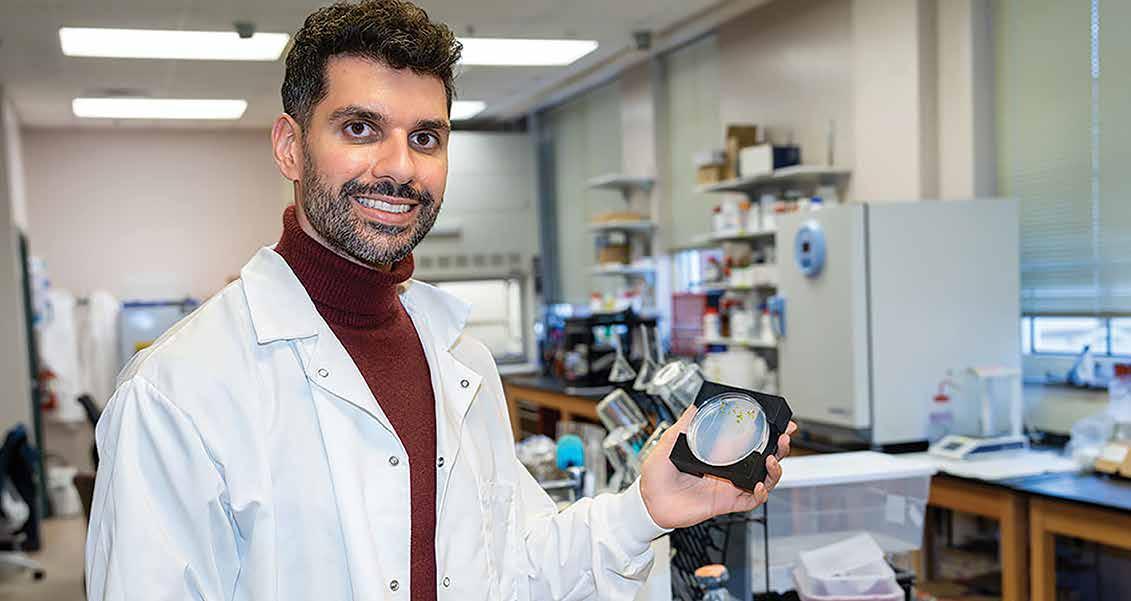
By Joe McAdory


Jean-Francois Louf
Assistant Professor
334-844-2211 jzl0297@auburn.edu
Michael Howard
Assistant Professor 334-844-2008 mph0043@auburn.edu
Two assistant professors in the Department of Chemical Engineering, Jean-Francois Louf and Michael Howard, earned National Science Foundation (NSF) CAREER Awards for their respective research.
Louf received a three-year, $843,000 NSF grant for his study, “Mechanisms of Acoustic Signal Processing for Increased Nectar Sugar Concentration in Flowers,” which examines how plants translate mechanical vibrations
into biochemical changes.
Howard’s project, “Multiscale modeling for selfassembly of colloidal-particle coatings with gradient compositions,” resulted in a five-year, $500,000 grant.
In this study, Howard offers a computer-modeling approach to engineer the drying-induced assembly of colloidal-particle coatings, such as paint. This method could streamline production, saving time and reducing resource consumption.
Selen Cremaschi, chemical engineering department chair, praised her award-winning junior faculty members.
“We are incredibly proud of Drs. Louf and Howard for their award-winning, groundbreaking research, which exemplifies the innovative spirit of our faculty,” she said. “Dr. Howard’s work on computer modeling approaches to colloidal-particle coatings and Dr. Louf’s research on acoustic signal processing are remarkable contributions
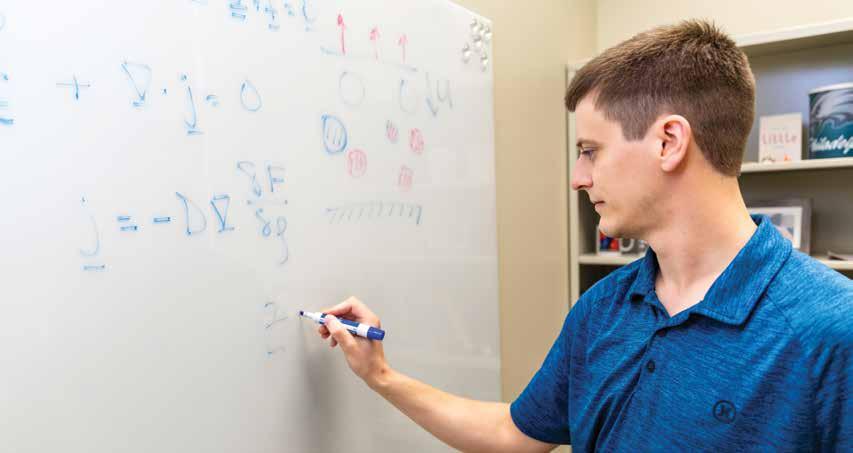
that can impact industry and society.”
Louf’s team is determined to understand how flowers detect and respond to the sound of pollinators — potentially increasing nectar sugar concentration and improving crop yields.
Declining bee populations have significantly reduced pollination, affecting both biodiversity and global food production.
Louf’s research takes a novel approach to address the problem by using sound to stimulate plants and enhance their ability to attract pollinators.
His team will study how plant cell walls and membranes respond to sound waves using advanced techniques to observe cell vibrations, track sugar movement, visualize sugar metabolism and examine molecule movement.
“If we can understand how plants respond to specific acoustic frequencies, we could develop new agricultural techniques that optimize nectar production and improve pollination efficiency,” Louf said. “This could help breeders engineer crops to be more responsive to specific pollinators, ultimately contributing to improved global food security.”
Howard’s team will use a modeling approach to predict the composition of colloidal-particle coatings.
For best accuracy, they will utilize a combination of 1) a physics-based continuum model with realistic particle interactions and hydrodynamics, 2) a machine-learning model, trained from particle-based simulations, to refine the physics-based model and 3) a surrogate model to relate particle properties and processing conditions to composition.
“My long-term research goal is to computationally design nanomaterials and processing strategies for making functional soft materials using my unique background in statistical thermodynamics, transport and highperformance computing,” Howard said. “Achieving the objective of this project will position me not only to design coatings but also to apply similar techniques to other nanomaterials and processes.”
Howard said he’s excited and humbled to receive this award because it uniquely recognizes both research and teaching.
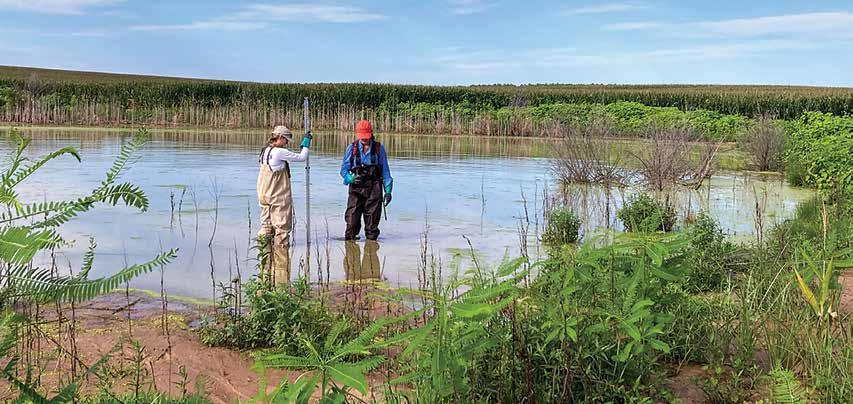
Associate professor awarded federal grant to research geographically isolated wetlands
By Dustin Duncan
Frances O’Donnell
Associate Professor 334-844-7168 fco0002@auburn.edu
Frances O’Donnell, associate professor of civil and environmental engineering, is partnering with NASA to study geographically isolated wetlands (GIWs) and their environmental impacts.
GIWs — wetlands not connected to major bodies of water and abundant in the southeast coastal plains — provide benefits such as flood prevention, wildlife habitat and water quality improvements.
However, since GIWs are not protected by the Clean Water Act, it is difficult to monitor water levels sufficiently over time.
O’Donnell will collaborate with NASA’s Surface Water Ocean Topography (SWOT) mission to gather satellite data for monitoring water management in GIWs and extend the information to different U.S. regions to
compare the impact of climate on hydrology.
The research has four objectives: verifying SWOT’s GIW data accuracy, comparing and scaling the data, developing methods to monitor water storage and management and applying the technique to GIWs in various regions.
“The goal is to use this data in ways that will benefit society and scientific understanding so that NASA can keep the satellite running, and we can keep collecting data,” O’Donnell said.
But with success comes struggle. One challenge the team faces is monitoring throughout wet and dry cycles, each of which can last up to three years — the typical time before a grant expires.
Cycles cause data gaps and insufficient results.
Long-term SWOT data can combat this. If the SWOT satellite continues operating, it will produce decades of data for O’Donnell and her team to produce results on how GIWs change throughout climate cycles.
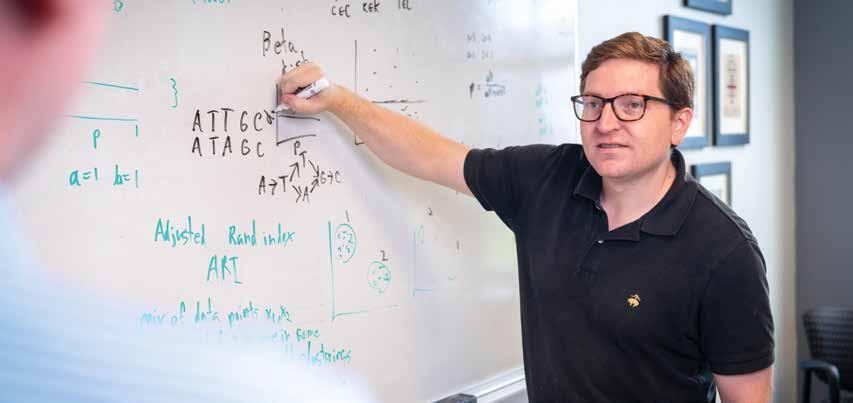
Software developed by assistant professor being used in breakthrough technique to identify leukemia cells
By Joe McAdory
Haynes Heaton
Assistant Professor 334-844-6337
haynesheaton@auburn.edu
Haynes Heaton, an assistant professor in the Department of Computer Science and Software Engineering, has developed software likely to change the standard of care for leukemia patients undergoing bone marrow transplants.
Dr. Heaton, a computer scientist, computational biologist and medical doctor, and collaborators at the Fred Hutchinson Cancer Center at the University of Washington were awarded a $3.5 million grant from the National Institutes of Health for their project, “A Compass for Those With Relapsed Leukemia After Transplants.”
By using his software, “Cellector,” Dr. Heaton and fellow researchers hope to replace current diagnostics for postbone marrow transplant relapse monitoring with singlecell RNA sequencing.
Cellector makes statistical distributions from thousands of data points.
Using a beta-binomial iterative anomaly detection system, Cellector accurately distinguishes donor bone marrow cells from user bone marrow cells among transplant recipients to within .05%.
“This is important because if a patient’s blood is being generated from his or her own bone marrow — their own genotype — then that person very well might be having a leukemia relapse, which is highly deadly,” Heaton said.
Heaton’s latest research project allows him to combine his disciplines and develop a computational diagnostic tool capable of saving lives.
“The basic research that I do is empowering other people to do better research that is tied to DNA sequencing, and we will have health impacts down the line,” he said.
Listen to the #GINNING podcasts with Francis O'Donnell and Haynes Heaton at eng.auburn.edu/ginning
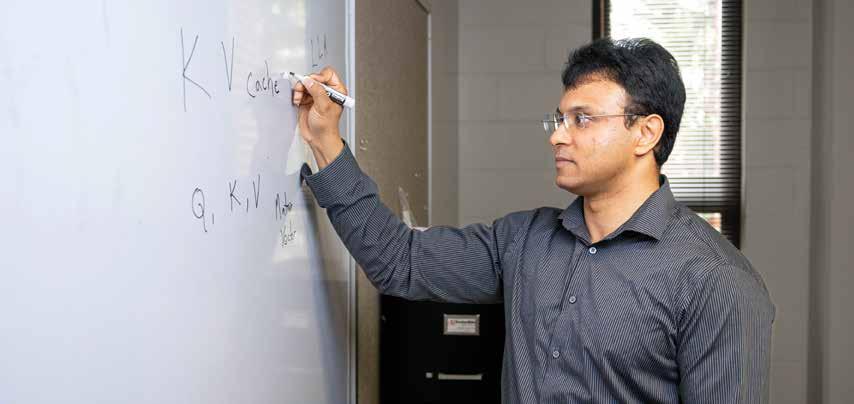
By Joe McAdory
Mehdi Sadi
Assistant Professor 334-844-1860
mehdi.sadi@auburn.edu
Traditional monolithic chip designs in everyday devices such as cellphones and laptops face significant limitations due to high manufacturing costs and size constraints.
Mehdi Sadi, an assistant professor of electrical and computer engineering, is addressing these challenges posed by modern artificial intelligence (AI) workloads, which demand large silicon areas for optimal performance.
His project, “Optimizing the Next Frontiers of Chipletbased Designs in Advanced Packaging,” develops AI/ machine learning-assisted co-design methodologies to enhance the power, performance, reliability and costefficiency of next-generation AI hardware using multitier chiplet architectures, while also creating educational resources and fostering a skilled workforce.
The result: smaller chips with greater performance and energy efficiency — at a reduced cost.
For his work, Sadi earned a National Science Foundation (NSF) Faculty Early CAREER Award, drawing $512,000 over the course of five years for his research.
As described by the NSF, the Faculty Early Career Development Program offers the foundation’s most prestigious awards in support of early-career faculty who have the potential to serve as academic role models in research and education and to lead advances in the mission of their department or organization.
“As always, CAREER awards are very competitive,” said Sadi. “The research tasks must address an important and timely problem worthy of long-term research investment and effort. The proposed solutions need to be innovative.
“Recently, semiconductors and computer chip technology have become critical U.S. national interests. My research is at the intersection of Al/deep learningbased optimization and semiconductor technology for next-generation AI hardware design. Receiving this award is a testament to the significance of my research.”
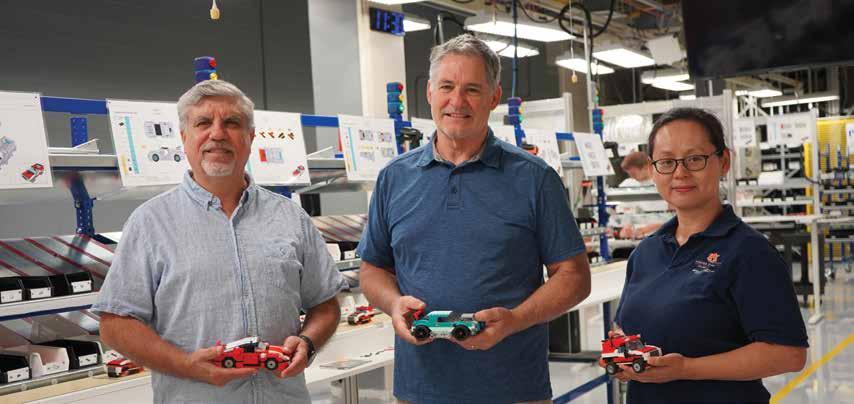
Professors receive $400K NSF grant for Lean Manufacturing education
By Carla Nelson

Tom Devall Director, Auto Manufacturing Initiatives 334-740-3905
tld0017@auburn.edu
Three Auburn University professors have been awarded a nearly $400,000 grant from the National Science Foundation (NSF) to enhance Lean Manufacturing education.
Over the next three years, Tom Devall, Tiger Motors Lab director; Jorge Valenzuela, Philpott-WestPoint Stevens Professor of Industrial and Systems Engineering; and Chih-hsuan Wang, professor in the Department of Educational Foundations, Leadership and Technology in the College of Education, will lead this project.
The goal of the project is to expand access to experiential training beyond campus to the Tiger Motors Lab, often referred to as the Lego Lab. The lab provides students with hands-on experience in a 4,000-square-foot integrated manufacturing facility, which simulates high-
volume automotive manufacturing environments like those used by Toyota and Honda.
“We know we’ve got something special in that lab,” Devall said. “I have conducted research that shows the lab’s impact on students helps them perform better. It’s more effective than classroom lectures alone, so we wanted to make this experience available to distance learners.”
Currently, online students observe lab production runs but cannot actively participate. The NSF project aims to change that by developing immersive 360-degree video modules that allow students to walk through the lab virtually and complete assignments based on real data collection.
“If done well, it will feel as though they’re physically in the lab,” Devall said. “This opens the lab to anyone in the world, bringing credibility to our program as it impacts both industry and academia.”
Listen to the #GINNING podcast with Tom Devall at eng.auburn.edu/ginning
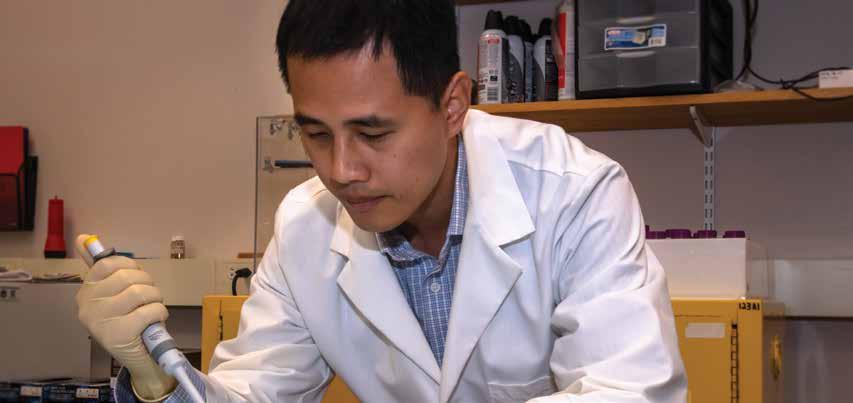
National Institutes of Health awards $1.9M toward Auburn Engineering’s transformative research into rapid immunodiagnostics
By Jeremy Henderson
Pengyu Chen
Francis Family Associate Professor 334-844-4913 pzc0026@auburn.edu
Pengyu Chen, the Francis Family Associate Professor and Ginn Faculty Achievement Fellow in the Department of Materials Engineering, believes he’ll soon be able to immediately unlock the secrets of your immune system with the prick of a finger.
The National Institutes of Health (NIH) continues to believe it, too.
The NIH recently awarded Chen $1.9 million to continue his groundbreaking research on immune system analysis. The five-year grant is an extension of a 2019 NIH Maximizing Investigators’ Research Award (MIRA) for the same amount.
Chen’s research team will continue to develop cuttingedge technologies that combine nanomaterial-based
sensors with advanced computer algorithms to measure, with just a single drop of blood, key immune proteins and track how immune cells behave and communicate. The innovative approach promises to provide critical insights that could transform the diagnosis and treatment of immune-related diseases like cancer, autoimmune disorders and infections.
“While this grant builds on the foundation of our 2019 MIRA, it is more than an extension,” Chen said. “We are broadening the scope of our work, incorporating AI-assisted technology and novel biosensing platforms to enhance immune profiling and monitoring.”
A key motivation for the project? Accessibility for all, Chen says, “regardless of their geographical or economic situation.”
“By leveraging AI with our nanoplasmonic biosensing platforms, we aim to provide rapid, real-time and highly personalized immune diagnostics at the point of care,” he said. “This technology could have massive implications—enabling precise, accessible healthcare solutions for populations that are often underserved.”
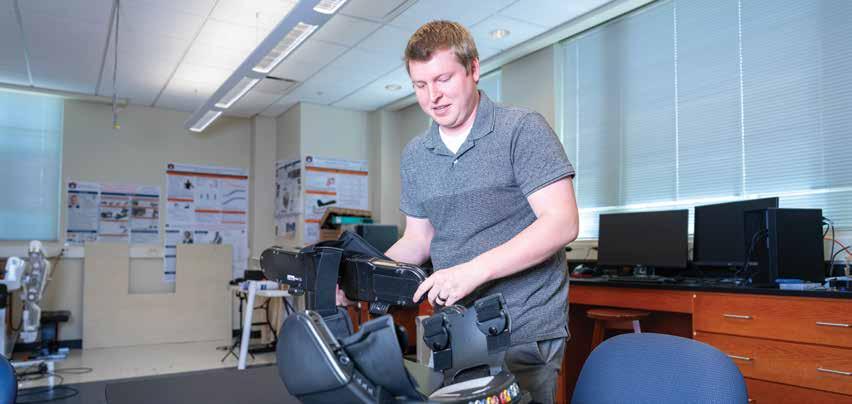
By Jeremy Henderson
Brendon Allen
Assistant Professor 334-844-3368
bca0027@auburn.edu
Brendon Allen has some exoskeletons in his closet, and the National Science Foundation (NSF) wants to learn more about them.
The NSF recently awarded the assistant professor in the Department of Mechanical Engineering a five-year $588,408 NSF CAREER Award.
Allen aims to increase access to rehabilitation for individuals with movement disorders through a deep learning control framework for home-based hybrid exoskeletons.
“These devices combine functional electrical stimulation (FES) with actuated robots to provide personalized therapy,” Allen said. “Shifting the computational demand from individual homes to clinicians’ offices can, I believe,
reduce the cost of telerehabilitation significantly.”
According to Allen, communication delays between the clinician’s computer and the exoskeleton can exacerbate the device’s inherently uncertain and nonlinear dynamics.
“Those delays,” Allen said, “equal destabilization.”
Allen feels that destabilization can be drastically decreased utilizing novel delay compensation and deep neural network–based methods to enable the remote control of the exoskeleton.
“Successful completion of this project could transform the rehabilitation industry,” Allen said. “Not only will it make rehabilitation more accessible and affordable, but the control developments in this work will also improve centralized network control systems, impacting fields such as manufacturing, power grid automation, reconnaissance and search and rescue operations."
Listen to the #GINNING podcasts with Pengyu Chen and Brendon Allen at eng.auburn.edu/ginning
Symone Alexander, assistant professor of chemical engineering, received a Chemluminary Award at the American Chemical Society Fall 2025 meeting for the PoWER conference, which brought together students, faculty and industry professionals to hear from women who are technical leaders and innovators in the field of polymer science and engineering.
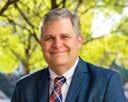
Robert Barnes, the Arthur H. Feagin Chair Professor of civil and environmental engineering, has been appointed to six-year terms on two national committees that draft public policy for the concrete industry: ACI Committee 318, Structural Concrete Building Code and Joint ACI-PCI 319, Precast Structural Concrete Code.
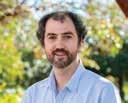
Bryan Beckingham, the Uthlaut Family Associate Professor of chemical engineering and his students, were featured on the cover of the European Polymer Journal for their paper titled “Anion exchange membranes based on (3-acrylamidopropyl) trimethylammonium chloride and phenyl Acrylate: Impact of crosslinker and crosslinker content on physiochemical properties and transport behavior of acetate and formate.”
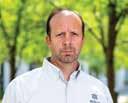
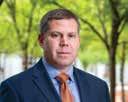
David Bevly, the McNair Distinguished Professor of mechanical engineering and director of the GPS and Vehicle Dynamics Lab (GAVLAB), and Scott Martin, assistant professor of mechanical engineering and co-director of the GAVLAB, are leading more than $400,000 in collaborative research with IS4S to advance work in positioning, navigation
and timing systems and Global Navigation Satellite Systems (GNSS).
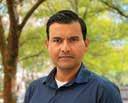
Imon Chakraborty, associate professor of aerospace engineering and director of the Vehicle Systems, Dynamics, and Design Lab, was named the Walt and Virginia Woltosz Endowed Professor in July. He also received a NASA STTR Phase I contract with Design, Analysis and Research Corporation for “Simulation and Flight-Testing of Pitch & RPM Thrust Control for eVTOL Aircraft,” providing $74,976 in funding to Auburn. In addition, Chakrabory’s lab won a GoAERO U.S. University Innovation Award, supported by NASA, for Stage 1 of the GoAero competition.

Lorenzo Cremaschi, the Henry Burt Jr. Professor of mechanical engineering and director of undergraduate research, was elected president of the American Society of Thermal and Fluids Engineers on July 1. On Aug. 1, he was also named editor of the International Communications in Heat and Mass Transfer journal. In spring 2025, Cremaschi was awarded an international patent in China for the Electrospray Vortical Flow Exchanger.
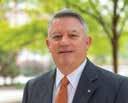
The Interdisciplinary Center for Advanced Manufacturing Systems (ICAMS) received an additional $3.46 million to continue its work on the Manufacturing–Model Based Systems Engineering program, funded by the U.S. Army and the Office of the Secretary of Defense’s Industrial Base Analysis and Sustainment Program. Greg Harris, chair of industrial and systems engineering, serves as principal investigator, with co-PIs Edward Huang, associate professor industrial and systems engineering, Greg Purdy, associate professor of industrial and systems engineering and Lewis Payton, professor of practice of industrial and systems engineering.
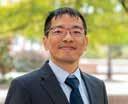
Edward Huang, associate professor of industrial and systems engineering, has been named editor-in-chief of Advanced Engineering Informatics, a Q1 Elsevier journal focusing on data-driven and AI-enabled research across engineering disciplines such as manufacturing, robotics, systems, aerospace, civil and digital twins.
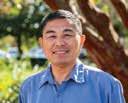
Zhihua Jiang, director of the Alabama Center for Paper and Bioresource Engineering, received the inaugural Research Award for Excellence for the Department of Chemical Engineering in the senior faculty category.
Shiwen Mao, professor of electrical and computer engineering and director of the Wireless Engineering Research and Education Center, was appointed IEEE Communications Society Director of Magazines for 2026–27. His paper, “Generative AI-empowered RFID sensing for 3D human pose augmentation and completion,” published in the February 2025 issue of IEEE Open Journal of the Communications Society, was named one of the Top 5 Most Popular Generative AI Papers of 2025. Another paper, “Adaptive power control for dense RFID networks,” appeared as the cover article in the June 2025 issue of Journal of Communications and Information Networks.
Akond Rahman, assistant professor of computer science and software engineering, was invited to deliver a keynote address at a co-located event of the 2025 International Conference on Software Engineering, one of the field’s most prestigious research venues. His talk focused on configuration-related security vulnerabilities and the importance of securing configuration scripts for resilient
modern computing infrastructure. In September, Rahman received the department’s Research Award for Excellence (Junior Faculty) from the college in recognition of his research accomplishments in publications and external funding.
Rod Turochy, associate director of outreach for the Auburn University Transportation Research Institute and James Madison Hunnicutt Professor of traffic engineering, was named a Fellow in the Institute of Transportation Engineers (ITE), a network of transportation professionals and students, providing opportunities to advance skills, expand knowledge and build professional connections.
Aleksandr Vinel, associate professor of industrial and systems engineering, served as a Fulbright Senior Lecturer at Bilkent University in Turkey during the spring 2025 semester. The appointment concluded in June.
Jin Wang, the Walt and Virginia Woltosz Professor of chemical engineering and Peter He, the George E. and Dorothy Stafford Uthlaut Professor of chemical engineering, are co-PIs of a grant supported by Stiftelsen EQT Foundation titled “High performance methanotrophbased bioreactor for methane concentrations 10-1000 ppm.”
Yang Zhou, associate professor of computer science and software engineering, won the Best Paper Award at the 2025 ACM International Symposium on High-Performance Parallel and Distributed Computing, one of the world’s leading computer science conferences.
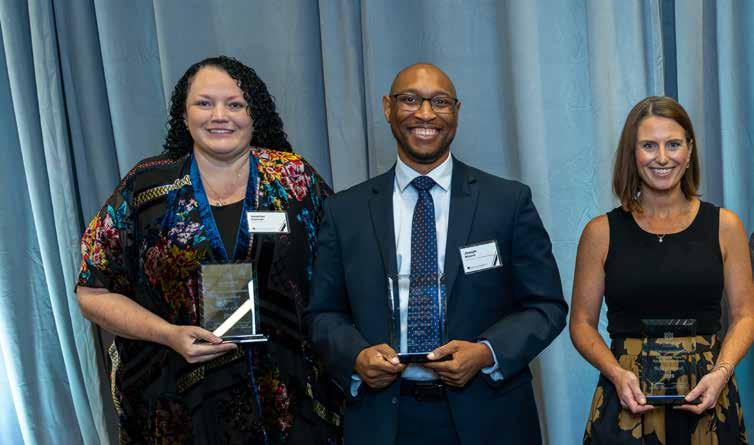
Five outstanding engineering alumni and one longtime staff member of the Samuel Ginn College of Engineering were honored by the Auburn Alumni Engineering Council during a ceremony Friday, Sept. 12, for their distinguished professional careers and service to the college. These alumni include three who were recognized as Distinguished Auburn Engineers, two as an Outstanding Young Auburn Engineer and an administrative support associate for Superior Service.
Distinguished Auburn Engineers
Brad Christopher / ’91 and ‘93 Civil Engineering
Brad Christopher is a 1991 graduate with a bachelor’s degree in civil engineering and a 1993 graduate with a master’s degree in civil engineering. He currently serves as president of LBYD Engineers, where he has spent his entire 32-year career. Christopher began as an entry-level engineer and worked his way up to lead the firm. Today, he oversees major structural design projects and guides a team committed to delivering practical and innovative solutions.
Christopher’s structural design experience spans more than three decades and covers institutional, athletic, commercial, municipal and industrial facilities. His Auburn University work includes the Jordan-Hare Stadium video boards, Woltosz Football Performance Center, Indoor Football Practice Facility and the College of Forestry, Wildlife and Environment. Beyond Auburn, he has led high-profile projects for the University of South Alabama, Jacksonville State University, Florida A&M University, University of Florida, Clemson University, University of Illinois, Lockheed Martin and St. Vincent’s Hospital in Birmingham.
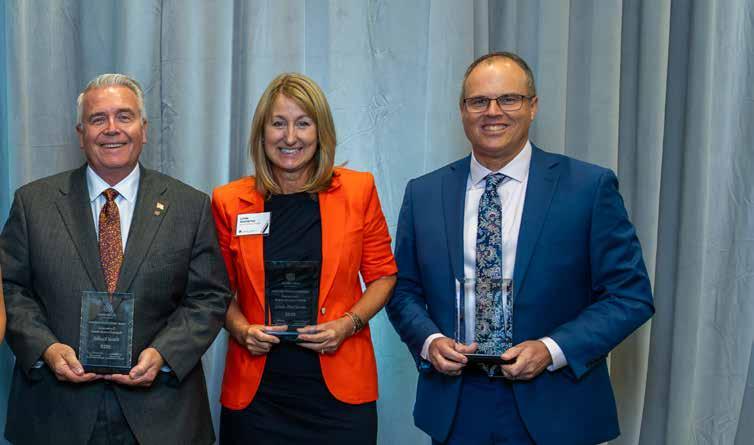
His contributions to the profession have been recognized widely. In 2023, the Birmingham Business Journal named him to its “Who’s Who in Building” list, and in 2024, he received the Alabama Concrete Industries Association Chairman’s Award and was named Auburn University’s Outstanding Alumnus for the Department Civil and Environmental Engineering. That same year, he served on the committee that selected Auburn’s current dean of engineering. Christopher is also a licensed professional engineer in 12 states.
As a proud Auburn graduate, he has remained closely connected to the Samuel Ginn College of Engineering. He is a past chair of the Auburn Alumni Engineering Council and of its Academics and Student Experience Committee. He also serves on the Department of Civil and Environmental Engineering Advisory Board. Together with his wife, Sonya, he established the Brad and Sonya Christopher Endowed Scholarship.
Linda DuCharme / ’86 Chemical Engineering
Linda DuCharme joined Exxon Company in 1986 after graduating with a bachelor’s degree in chemical engineering. She spent the first 10 years of her career in New Orleans gaining experience in engineering and
project management for production operations in the Gulf Coast. She subsequently held roles with increasing responsibility throughout the organization both domestically and internationally, serving as director of ExxonMobil International Limited for Europe, Russia and the Caspian region and vice president of the Americas, Africa and Asia Pacific New Markets, to name a few.
In August 2016, DuCharme was appointed president of ExxonMobil Global Services where she led organizations providing support in information technology, global real estate and facilities, procurement and environmental services. She was named president of ExxonMobil Upstream Integrated Solutions in April 2019 as part of a restructuring of ExxonMobil’s seven upstream companies to three. In this role, she was responsible for setting the vision and direction of the engineering, geoscience, research and commercial centers that execute drilling operations, develop and deploy technology, provide expertise in subsurface and surface engineering and drive commercial and trading performance. DuCharme was then named ExxonMobil’s president of Upstream Business Development Company, a position she held for two years before being named as president of ExxonMobil Technology and Engineering Company.
In this role, her mission was to focus the best talent to innovate, integrate and implement transformative and technological digital solutions to solve world energy challenges. She retired from ExxonMobil in April 2024 with 37 years of service.
For her professional achievements, she was inducted into the State of Alabama Engineering Hall of Fame in 2020.
DuCharme has been a longtime supporter of Auburn Engineering. She is a member of 100+ Women Strong and served as the keynote speaker at the program’s 2018 spring conference. She also established the Linda DuCharme Endowed Scholarship for students in chemical engineering in 2017.
David Kudlak / ’86 Civil Engineering
David Kudlak is a 1986 graduate with a bachelor’s degree in civil engineering. Upon graduation, he was commissioned as a second lieutenant in the U.S. Marine Corps after serving as a battalion commander of the Naval ROTC battalion while at Auburn. Kudlak served six years on active duty as a combat engineer officer, including service in the Middle East during Operations Desert Shield and Desert Storm. He also commanded a security forces detachment aboard the aircraft carrier USS Ranger. For his service, he received the Navy Achievement Medal, the Navy Commendation Medal and the Southwest Asia Service Medal.
After leaving the military in 1992, he began a career with Exxon that spanned nearly three decades. He advanced from the Baton Rouge refinery to global leadership roles across the U.S, Australia, Argentina, Canada and Kazakhstan. While serving as new developments director for the North Caspian Operating Company in Kazakhstan, he was recognized by the joint venture partners and the Kazakh government for mentoring national employees and helping prepare them to lead one of the world’s largest oil and gas projects. Now retired in Australia, Kudlak is a graduate of the Australian Institute of Company Directors and serves as a non-executive director of PERLAK Enterprises, his independent consulting company. He advises organizations on risk management and serves on the Risk Advisory Committee for the Australian Institute
of Marine Science, which is leading a national effort to restore and protect the Great Barrier Reef.
Kudlak is a lifetime member of the Auburn Alumni Association and a member of the Auburn Alumni Engineering Council. He supports the George and Edna Russian Endowment for Civil Engineering Scholarships and, through his estate, has committed to funding an endowed professorship and additional scholarships. He is also a member of the Engineering Eagles, Foy, Petrie, Ginn and 1856 societies.
Joseph Moore / ’08 Aerospace Engineering
Joseph Moore is a 2008 graduate with a bachelor’s degree in aerospace engineering, and he went on to earn a master’s degree in aeronautical and astronautical engineering from Purdue University in 2010. He is currently a technical process improvement leader at GE Aerospace, providing continuous improvement expertise and coaching to the large combat engine engineering teams.
Moore’s 15-year career at GE Aerospace began by completing GE’s Operations Management Leadership Program. Then, as a field engineer, he supported the GEnx engine’s entry into service on Boeing’s 787 and 747-8 aircraft. He later played a key technical role in launching GE’s first high-volume additive manufacturing facility in Auburn, and later went on to lead turbine shroud hanger manufacturing operations at the facility.
Then, as the process improvement lead for additive development engineering and manufacturing, Moore introduced innovations that drove $2 million in annual savings. He also led the initial transformation of material management systems for GE Aviation’s core manufacturing shops. Most recently, Moore served as product cost leader for in-production defense engines, managing a $300 million productivity portfolio.
Outside of work, Moore maintains a passion for service and mentorship. He is active in his local church, a liaison to the Jackie Robinson Foundation, a certified project management professional, a former Auburn Engineering
Young Alumni member, a former campus recruiting leader for Auburn and a high school basketball referee.
Hayley Sistrunk graduated magna cum laude from Auburn in 2010 with a bachelor’s degree in civil engineering, and she’s been making an impact in the construction industry ever since. Today, she serves as chief preconstruction manager at Brasfield & Gorrie — a role that highlights not only her technical expertise but also her leadership and influence on some of the company’s most complex heavy civil projects.
Sistrunk started her career with Brasfield & Gorrie upon graduation and has steadily advanced through several roles in preconstruction and project management. She’s a key contributor to the company’s Self Perform Group, where she helps improve operational performance and efficiency. On top of that, she leads training initiatives for cutting-edge software tools that model and quantify mass grading operations across a project’s lifecycle. From 2016 to 2022, she served on the steering committee for Brasfield & Gorrie’s Operational Women’s Network, helping to advance and retain young women in the industry. She now serves on the company’s professional engineering program steering committee, supporting employees as they pursue their PE licenses.
Her commitment to Auburn is just as strong. Since 2016, Sistrunk has been an active member of 100+ Women Strong, serving as a corporate sponsor representative and co-chairing the retention committee. She also co-led planning for the organization’s annual networking and development event four years in a row. In addition, she’s a member of the Auburn Engineering EAGLE Society and the Civil and Environmental Engineering Advisory Board.
Heather Conner / Administrative Support Associate Heather Conner served as an administrative support associate to the Auburn Alumni Engineering Council and the Samuel Ginn College of Engineering for 20 years. She currently serves as an administrative support associate for the Department of Electrical and Computer Engineering, assisting the graduate program coordinator
and management of graduate school applicants, recruiting activities, new student hires and more.
For 20 years — that’s 40 council meetings — Conner assisted in planning and facilitating Auburn Alumni Engineering Council events in both the fall and spring, including procuring event space, ordering food/ beverages, set-up, hotel contracts, working with vendors as needed for each event and communications with council members and award winners including hotel reservations.
“I cannot understate the important role Heather played in making alumni council weekends go off without a hitch,” said Austin Phillips, Auburn Alumni Engineering Council secretary and director of engineering communications and external relations. “Her service and attention to detail were superb. Heather and Angie Lemke worked hand-in-hand for many years and were the backbone that helped stand me and Jim Killian up in our roles as secretaries to the council. We could not have done it without them for more than two decades.”
For her professional achievements, Conner was named the Auburn University Employee of the Month in January 2002 and was awarded with the Auburn University Spirit of Excellence in June 2006 and again in July 2025.
The Auburn Alumni Engineering Council (AAEC) was formed in 1966 as a group of Auburn Engineering alumni who work together to support the vision and goals of the Samuel Ginn College of Engineering. The council meets twice annually to assist and advise the college, and its members serve on a variety of committees geared to the mission and operation of the college. Council members are an active and valued component of the College of Engineering family. They demonstrate a continuing commitment to move the college to new levels of excellence and take its place among the nation’s premier engineering institutions. The council provides leadership and participation in areas such as academics, development, governmental affairs and public relations.
Listen to the #GINNING podcast with Brad Christopher at eng.auburn.edu/ginning
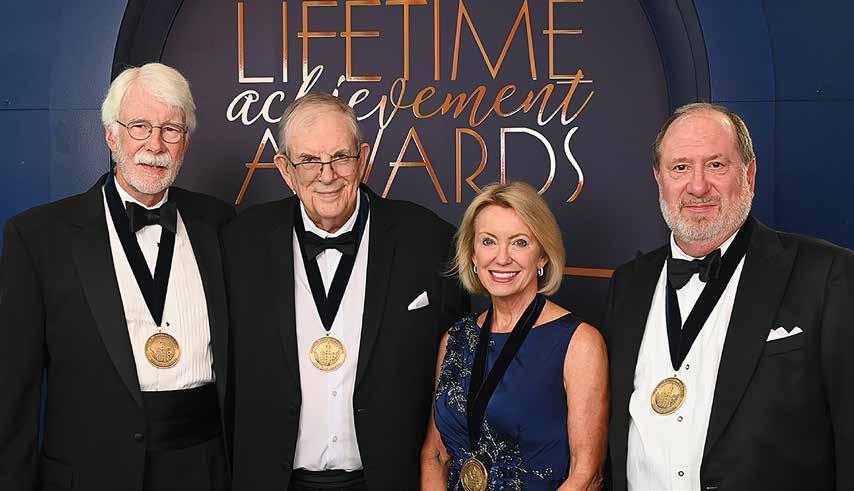
The Auburn Alumni Association celebrated its 2025 Lifetime Achievement Award (LAA) recipients and Young Alumni Achievement Award (YAA) recipient at a gala June 7 at the Gogue Performing Arts Center.
Douglas Meckes, Raymond J. Harbert, Sonny Smith and Susan Nolen Story were named LAA recipients while Kirsty Coventry received the YAA award, given to alumni under the age of 40. The black-tie event featured videos and photos of the honorees and recipients spoke of their lives and love of Auburn.
Susan Nolen Story ’81 Industrial Engineering
Listen to the #GINNING podcast with Susan Story at eng.auburn.edu/ginning
Susan Nolen Story ’81 industrial and systems engineering, is a firstgeneration college student who grew up in Albertville, Alabama. Her career began at Southern Company in 1982, when she joined as a junior engineer with an Alabama Power Company nuclear plant. Over the next 20 years, she served in various management and executive roles within Alabama Power Company and Southern Company Services.
In 2003, she was named president and CEO of Gulf Power, the first
woman and youngest executive to lead a Southern Company operating company. The steps she took to restore power to her customers in the wake of Hurricane Ivan (barely more than a year after she took charge of Gulf Power) is still held up as a standard in crisis leadership. In 2011, she became president and CEO of Southern Company Services in Atlanta.
From 2013-20, Story served one year as CFO and six years as CEO and president of American Water, the nation’s largest publicly traded water and wastewater utility company. During her tenure, American Water became the only water utility to become part of the S&P 500 and the Dow Jones Utility Average. While leading American Water, she was one of only 23 women serving as a CEO of an S&P 500 company, and she and her team more than tripled the stock price and market capitalization of the company in her six-year CEO tenure. But her most important accomplishment at American Water was reducing employee injuries 63% and decreasing serious injuries by 82%.
Story currently serves as chair of the Sustainability and Corporate Responsibility Committee, is a member of the
Compensation and Talent Development Committee and the Finance and Risk Oversight Committee for Dominion Energy. She also serves on the board of the Newmont Corporation and Carrier Global.
She is a recipient of the Girl Scouts of America’s Woman of Distinction Award, the Distinguished Auburn Engineer Award and the Outstanding Engineering Alumnus Award from Auburn University. One of her most prized honors was being named an honorary commander of the 33rd Fighter Wing, where she flew in an F-15 fighter jet. In 2010, Story was inducted into the State of Alabama Engineering Hall of Fame, and in 2018 she gave the keynote address at Auburn’s Spring graduation ceremony.
The Lifetime Achievement Award and Young Alumni Achievement Award recognize alumni for outstanding achievements in their professional lives, personal integrity and stature and service to the university.
Established in 2001, the awards are the highest given by the association. A committee of Auburn administrators, trustees, faculty and alumni select the recipients.