


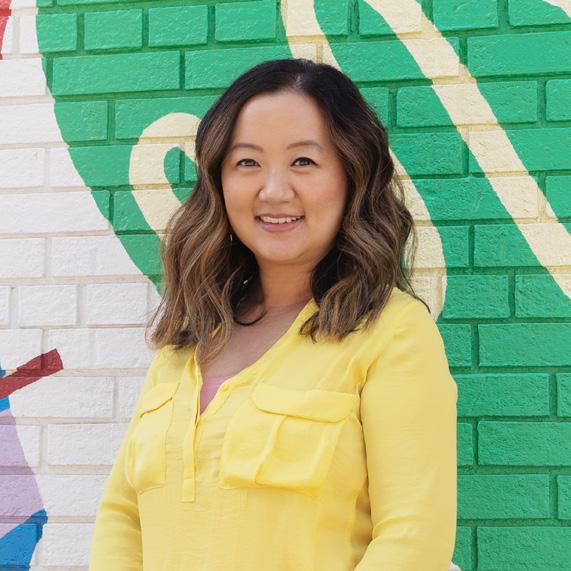
Annie Guo VanDan, President Asian Avenue magazine
Connect with us! asianavemag@gmail.com @asianavemag
As we prepare our special 20th Anniversary Issue, we want to hear from you. Please send your photos and memories of Asian Avenue to AsianAveMag@gmail.com.
We will feature a selection of reader reflections in our upcoming print and digital editions to celebrate the community that made these 20 years possible.
After what felt like a hundred Lunar New Year celebrations across the Denver metro area, our community steps into the Year of the Horse with renewed energy and momentum. There is something powerful about beginning again — about honoring where we’ve been, while letting go and boldly moving ahead.
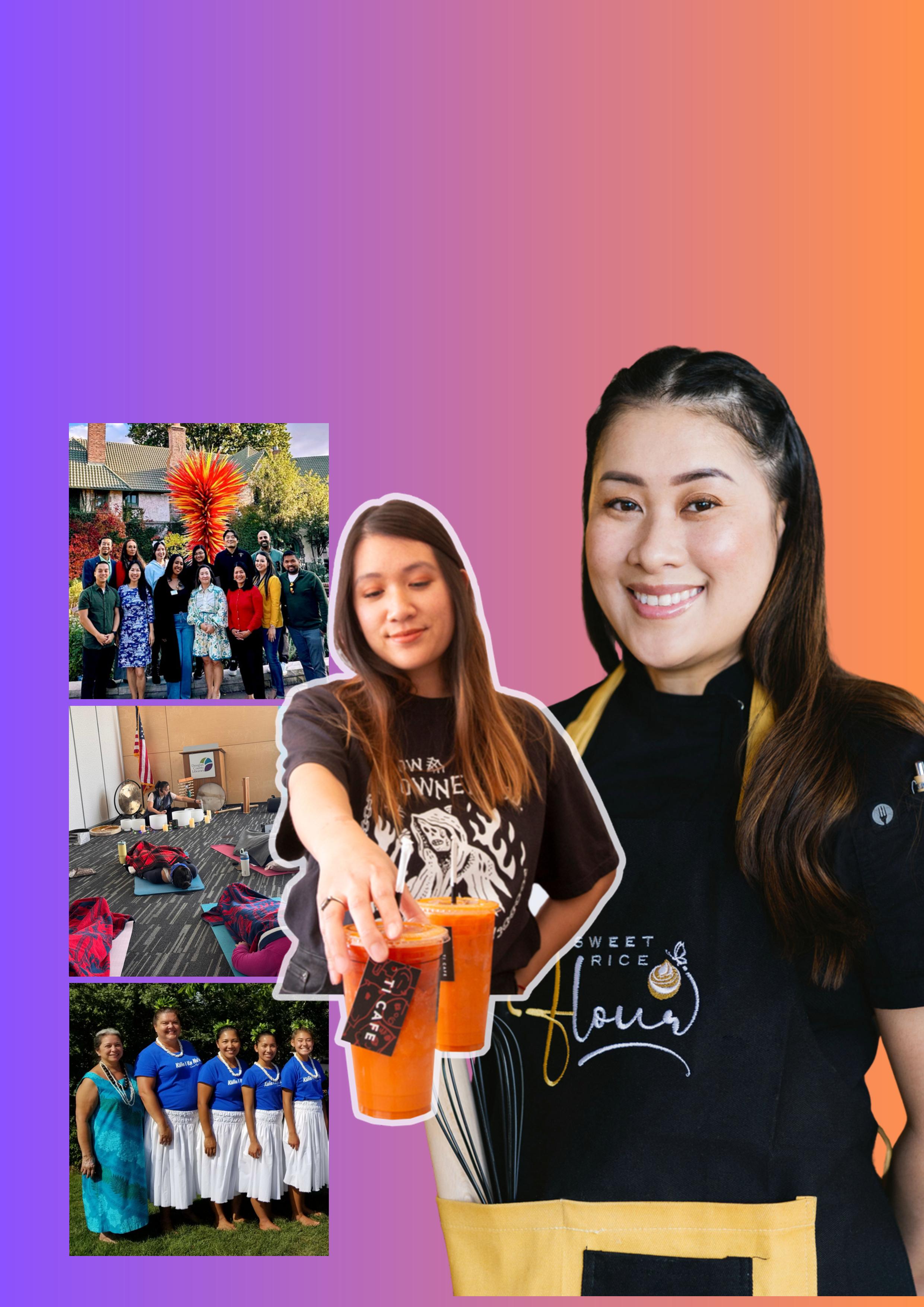
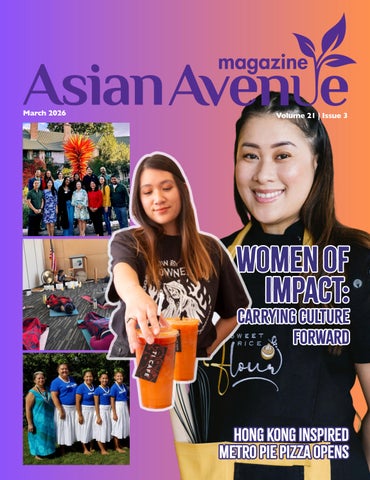
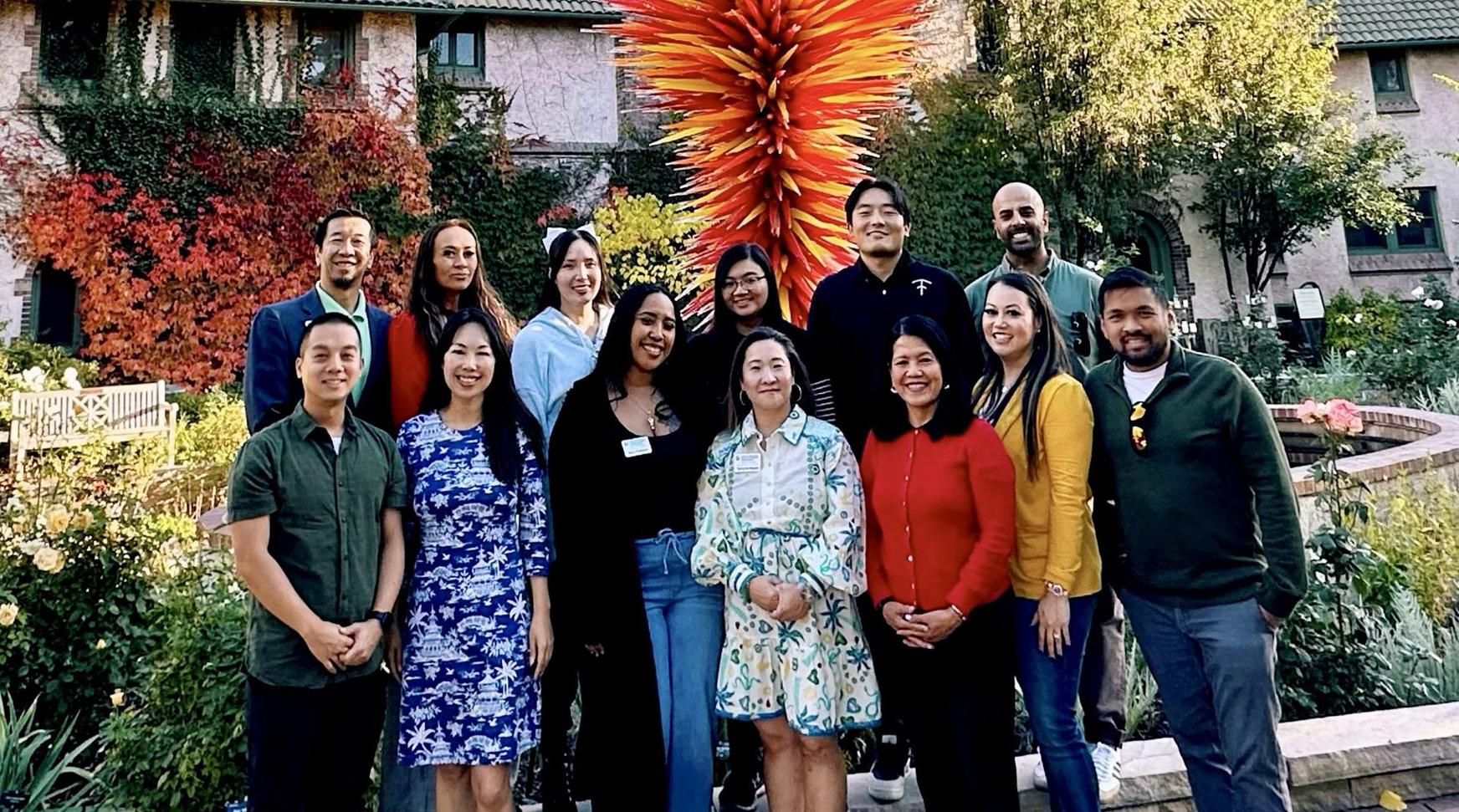
This Women’s History Month, we are proud to feature eleven Asian American women who are leaving their mark across Colorado. They represent diverse ethnic backgrounds, professions, and generations — yet they share a common thread: each is a cultural changemaker, intentionally passing heritage forward in ways both quiet and bold.
We meet Nancy Souksavath, who keeps Lao traditions alive through food. We spotlight the Nguyen sisters of Tí Cafe, who have built more than a cafe — they’ve created a gathering place where Vietnamese coffee culture thrives and community is brewed daily. And we honor Cynthia Kahakui, whose dedication to hula ensures that the spirit, storytelling, and sacred movements of Hawaiian dance continue to flourish far from the islands.
These women remind us that heritage does not sustain itself. It lives because someone chooses to carry it. To cook the recipes. To teach the dances. To open the businesses. To share the stories.
As we move forward in this new year, Asian Avenue is also celebrating a milestone of our own: 20 years of telling the stories of Colorado’s Asian American communities. What began as a small publication has grown into a living archive of our collective journeys — our struggles, our triumphs, our entrepreneurs, artists, advocates, and families.
With gratitude and pride, Annie Guo VanDan (President) and Christina Yutai Guo (Publisher)



Colorado’s community bank—local decisions, lasting relationships, genuine care.
Publisher &
CHRISTINA YUTAI GUO President ANNIE GUO VANDAN
Editorial Director
MARY JENEVERRE SCHULTZ
JANE LY
NGUYEN
JESSALYN LANGEVIN JADYN NGUYEN
Website Manager KAI VONG
on the cover
We are celebrating Women’s History Month by sharing the stories of Asian and Pacific Islander women who are making a difference in Colorado, across generations and sectors.
Asian Avenue magazine (ISSN 1932-1449) reserves all copyrights to this issue. No parts of this edition can be reproduced in any manner without written permission. The views expressed in articles are the authors’ and not necessarily those of Asian Avenue magazine
Looking to promote your business? Asian Avenue magazine offers businesses a costeffective way to reach consumers in the Denver/Boulder metro areas and beyond.
For more information, call 303.937.6888 or e-mail us at asianavemag@gmail.com for our media kit and ad rates. Send story ideas to asianavemag@gmail.com.
Asian Avenue magazine is in association with the Colorado Asian Culture and Education Network.
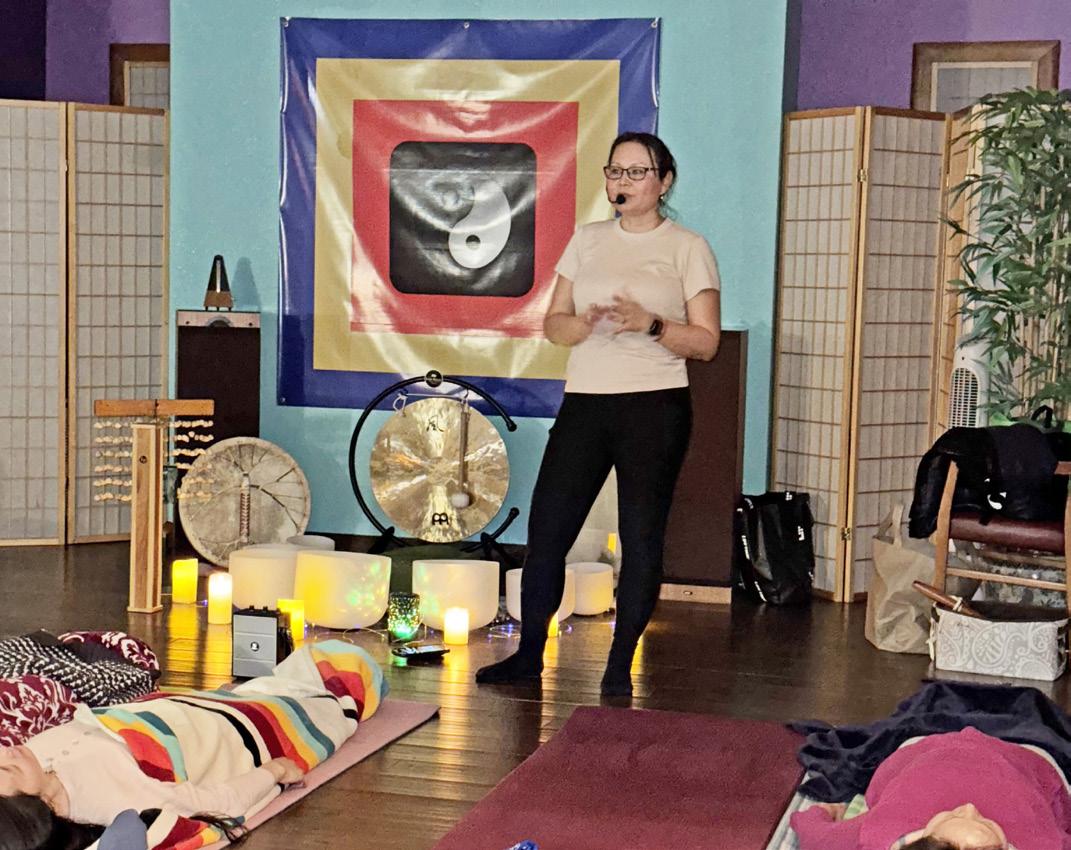
Undraa Angie (Mongolian) provides sound healing and meditation
Victoria Kim (Korean) steps into the male-dominated aerospace industry
Arlene Rapal Hicks (Filipino) brings her theater roots to funding arts
16 Taemy Kim-Mander (Korean) leads the Denver’s AAPI Commission 17 Indira Duggirala (Indian) recognizes the importance of Asians in politics 18 Nguyen sisters share Vietnamese heritage through coffee and community
Cynthia Kahakui (Hawaiian) spreads the traditions of the islands through hula
Notes from El Paso County (Rocky Mountain Public Media)
COLUMN: Teaching children about emotional awareness
Caregivers in Colorado in need of support (AARP)

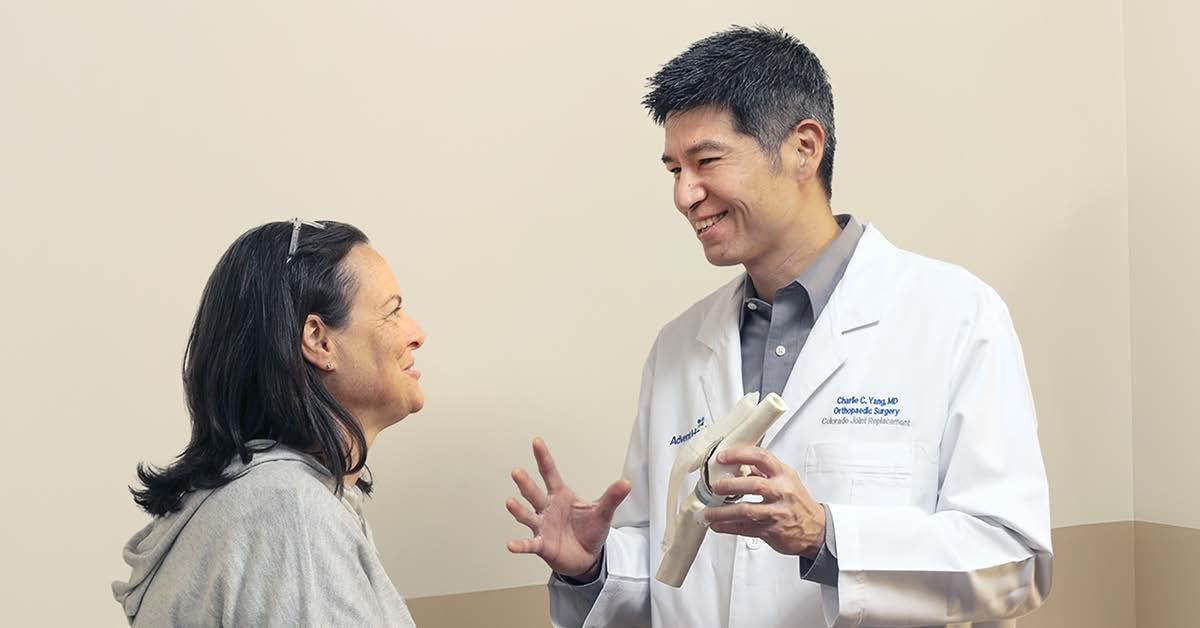
关节置换, 对医护团队的信心至关重要. 在我们的中心, 我们的专家专注于膝关节和髋 关节疾病, 从关节炎到关节置换, 均能提供先进的治疗, 帮助您自由活动.
C Charlie Yang博士确保每位患者在就医过程中都能感受到理解、支持和妥善的照料。

Colorado Joint Replacement at Porter
••唐宁街 2535 ••
100 ••••间
科罗拉多州丹佛市 80210 720-524-1367
扫描二维码了解更多信息
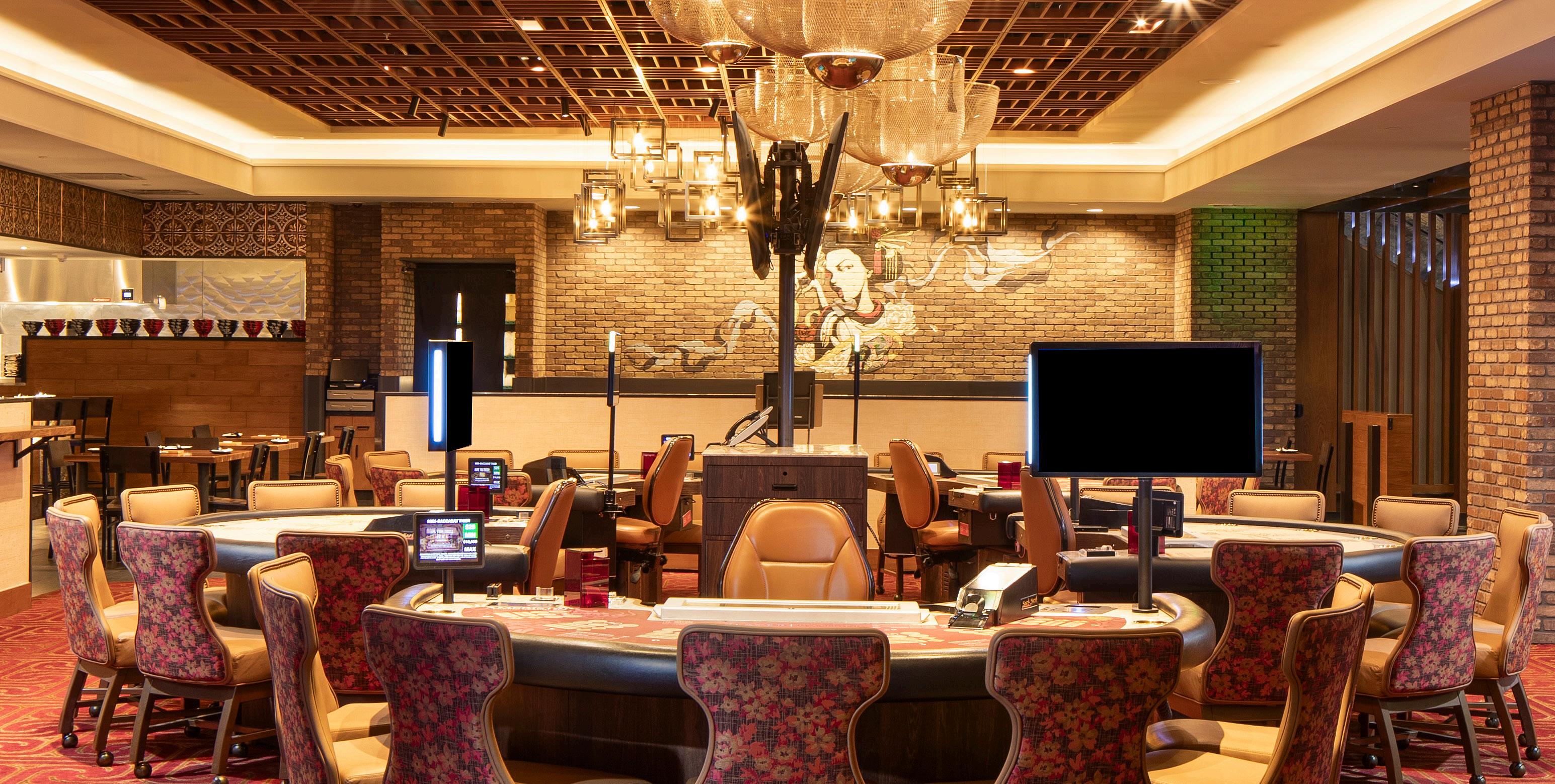
Ma’s Kitchen, the new dim sum house that helped usher in a new era of soulful, handmade Chinese comfort food in Denver, is expanding next door with the opening of Ma’s Kitchen: Dim Sum, Noodles & Bar! An elevated, moodier dining experience designed for lingering, date nights, and shared plates.
The new concept sits directly beside the original location and builds on everything diners have come to love about Ma’s Kitchen: handmade dumplings, thoughtful flavors, and deeply rooted hospitality. This new space leans darker and more refined, offering an expanded dim sum and Asian-fusion menu alongside a full bar and cocktail program. At the same time, the original Ma’s Kitchen will transition into Ma’s Kitchen | Next Door, a streamlined, casual model focused on quick bites, takeout, and grab-and-go favorites.
Together, the two concepts create a one-of-a-kind dining corridor on East Colfax, offering guests the freedom to choose their experience, whether that’s a quick weekday meal or an intentional night out.
From its inception, Ma’s Kitchen has been about more than food. It has been part of a larger effort to re-energize East Colfax as a place people want to gather, dine, and spend time. The opening of Ma’s Kitchen: Dim Sum, Noodles & Bar continues that mission.
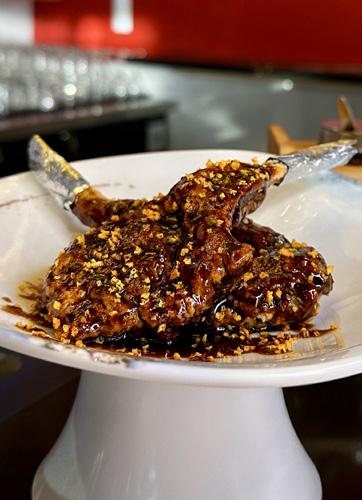
The new space is designed for connection and conversation. Guests are encouraged to stay awhile, order multiple rounds of dim sum, sip cocktails, and savor the experience. The menu will feature many of Ma’s most beloved dishes, along with new offerings developed specifically for sharing and late-night dining.
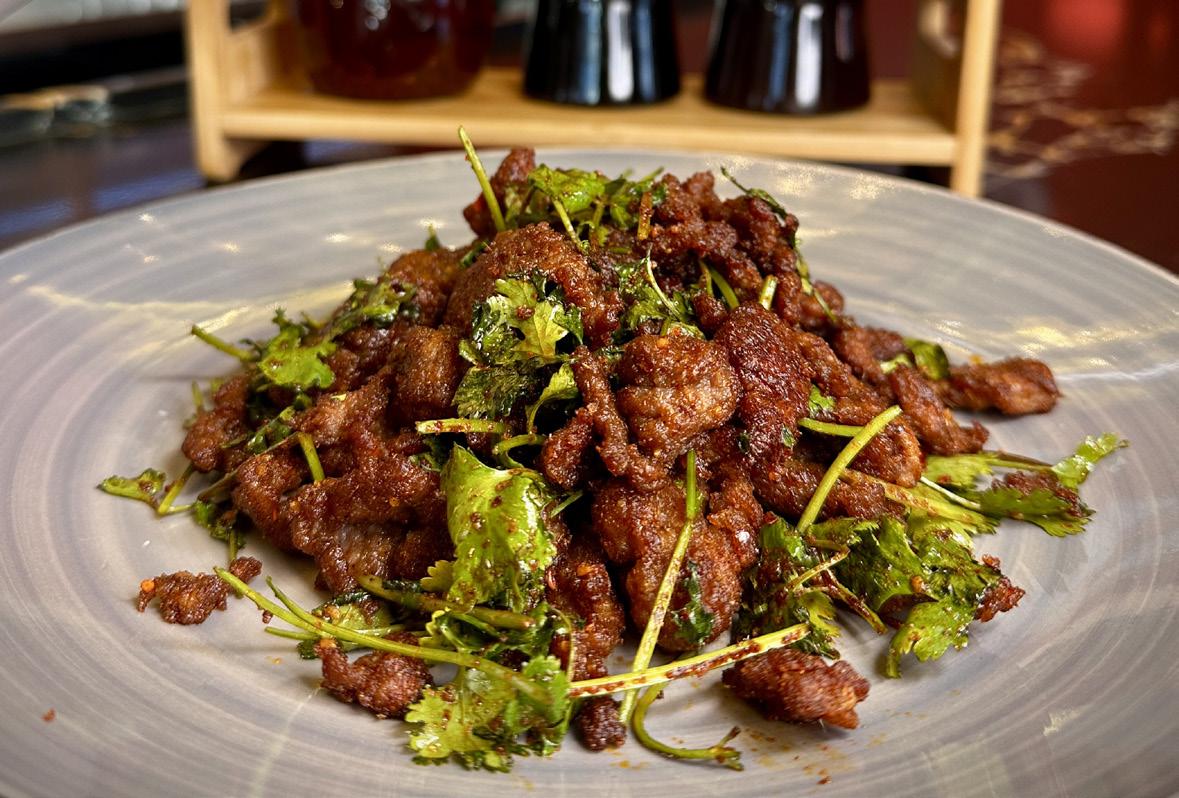
Ma’s Kitchen-Next Door 1514 York St, Denver, CO 80206
Quick, casual, and comforting. Focused on more casual dine-in, takeout, lunch, and efficient dining without sacrificing quality.
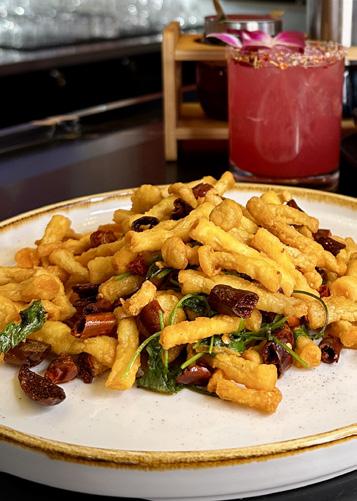
Ma’s Kitchen: Dim Sum, Noodles & Bar 2301 E Colfax Ave, Denver, CO 80206
Elevated yet approachable. Designed for date nights, group dinners, incredible cocktails, and late nights out.
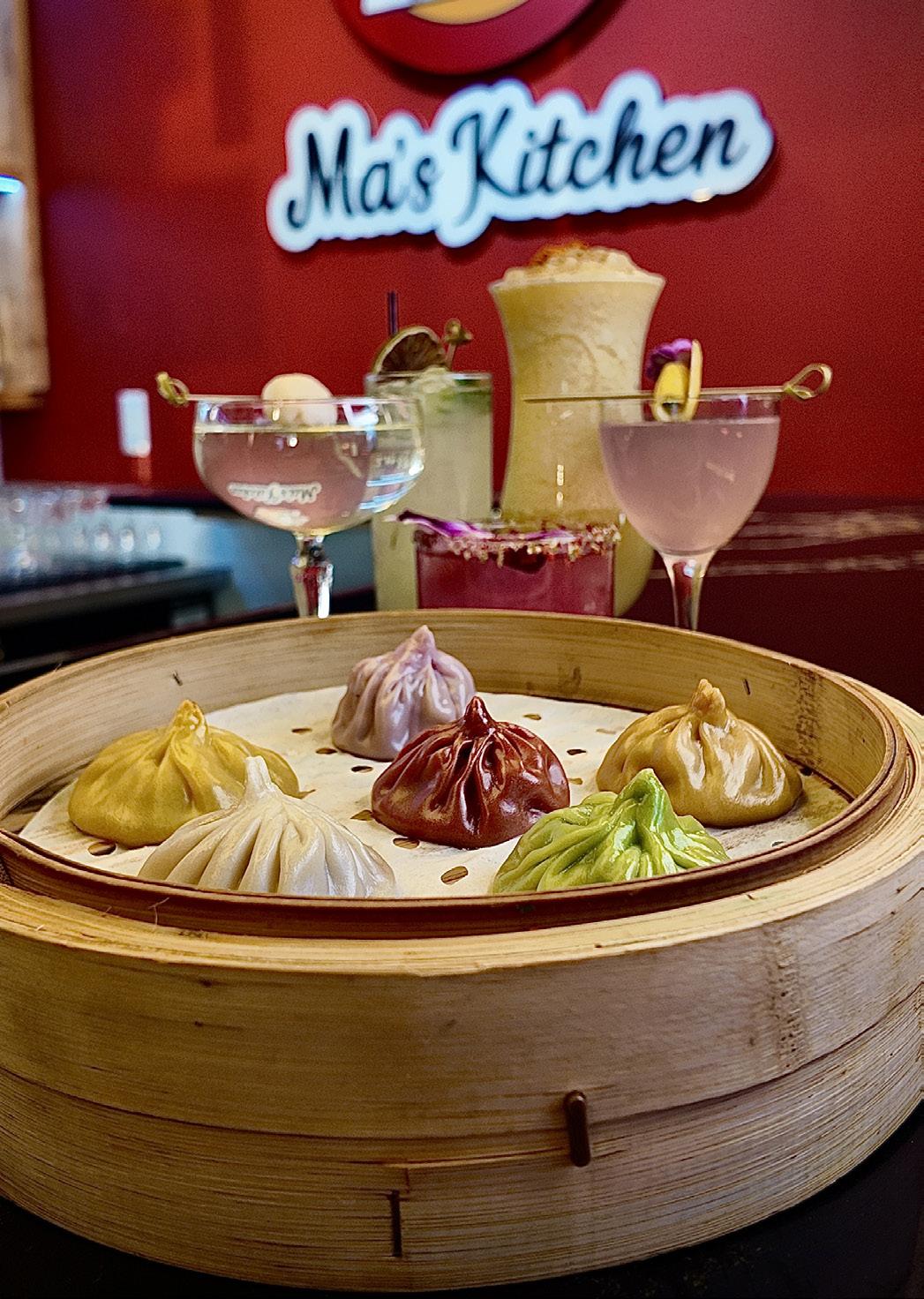
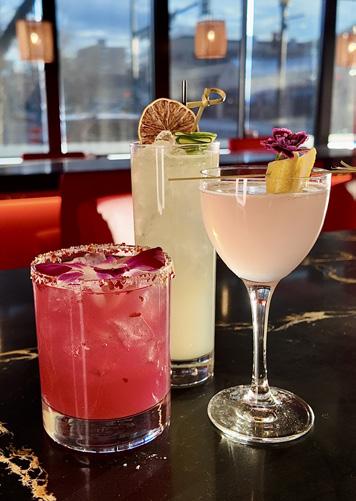
The new bar program, led by Denver cocktail veteran Alisha Taylor, formerly of The Devil’s Drink and several of Denver’s most viral pop-ups, introduces a level of craft and creativity not currently found on East Colfax. Inspired by Chinese and other Asian flavors, her menu is designed to complement and enhance the kitchen’s offerings through bold, balanced cocktails and striking presentation.
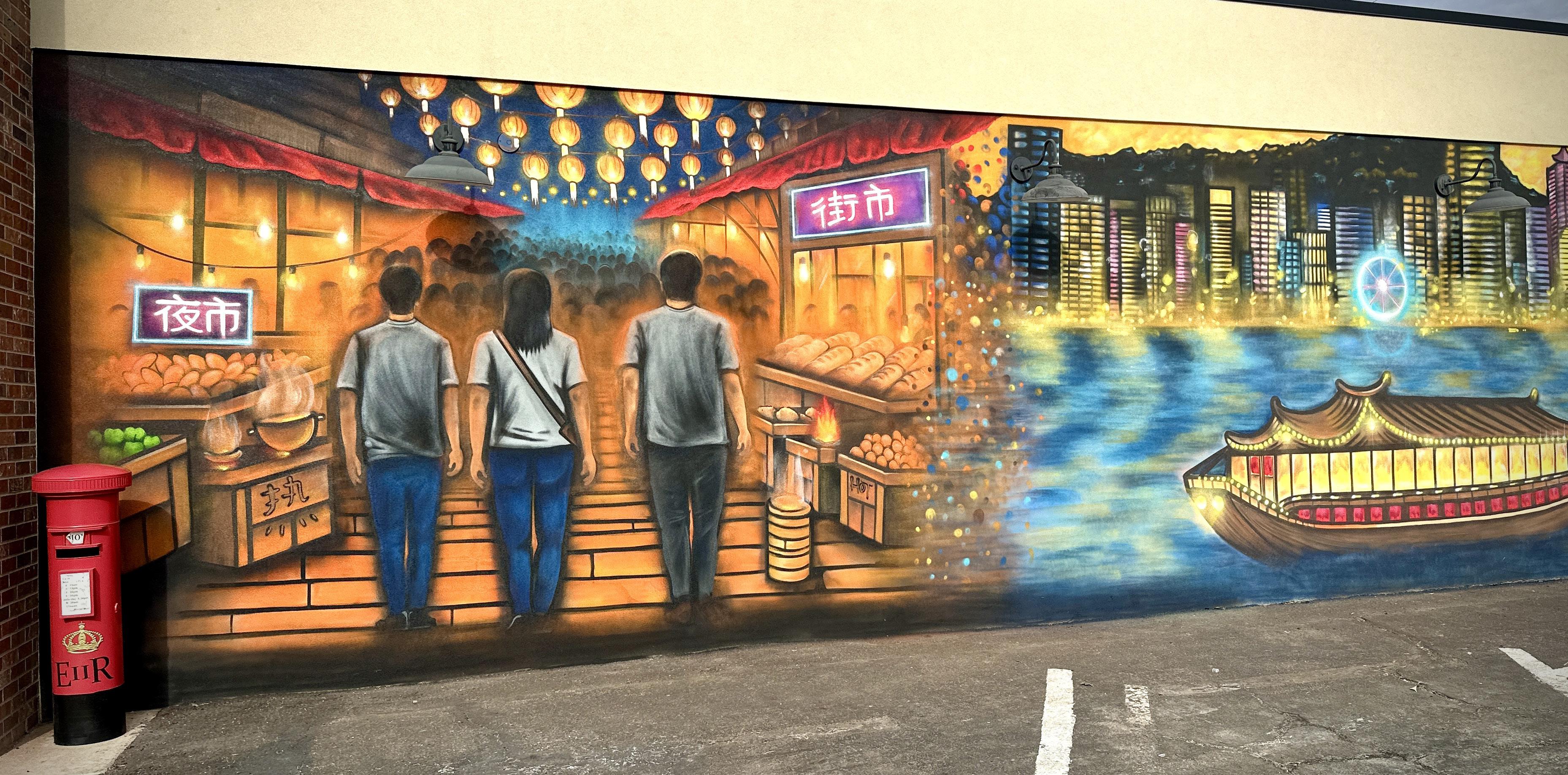
The new space will also feature a custom indoor mural by Chelsea Lewinski, one of Denver’s most respected contemporary muralists. Created specifically for Ma’s Kitchen, the piece was designed to honor the family’s story and the neighborhood it calls home. The mural also marks Lewinski’s final major work in Denver before her move to Las Vegas.
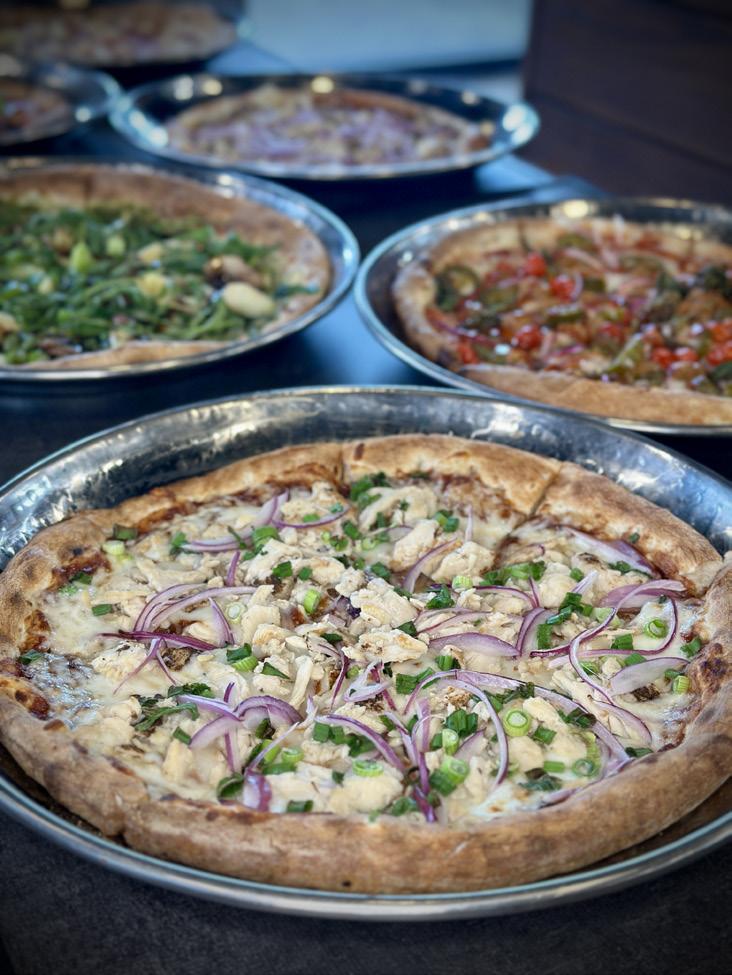
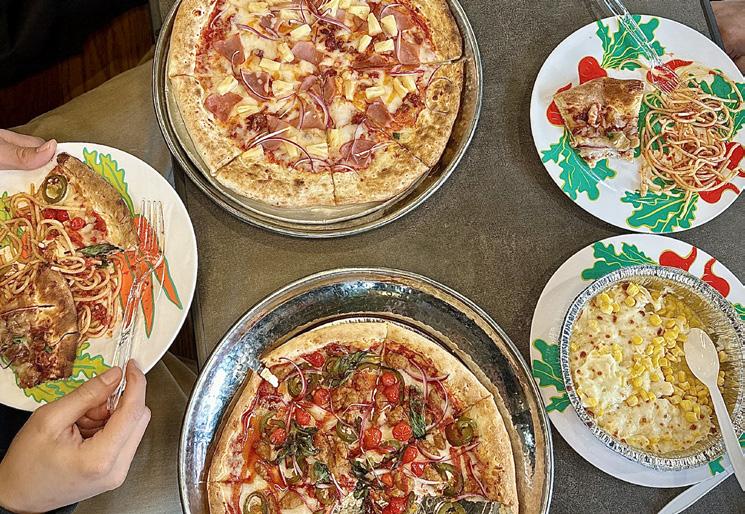
Metro Pie Pizza is a new fast casual brick oven pizza concept inspired by the nostalgic energy of Old School Hong Kong metro culture.
Founded by husband and wife team Ricky and Anna Choi, alongside their daughter Alice Choi (owner of the newly opened Red Bus Coffee), Metro Pie Pizza brings a thoughtful and unexpected take on a familiar favorite. Designed as a neighborhood pizza spot where guests can grab a quick bite or settle in and stay awhile, the concept fills a noticeable gap in Lakewood, offering something approachable, culturally inspired, and community driven.
The menu at Metro Pie Pizza is built for repeat visits and everyday dining. Guests can choose from build your own pizzas, to a curated lineup of signature pies, and
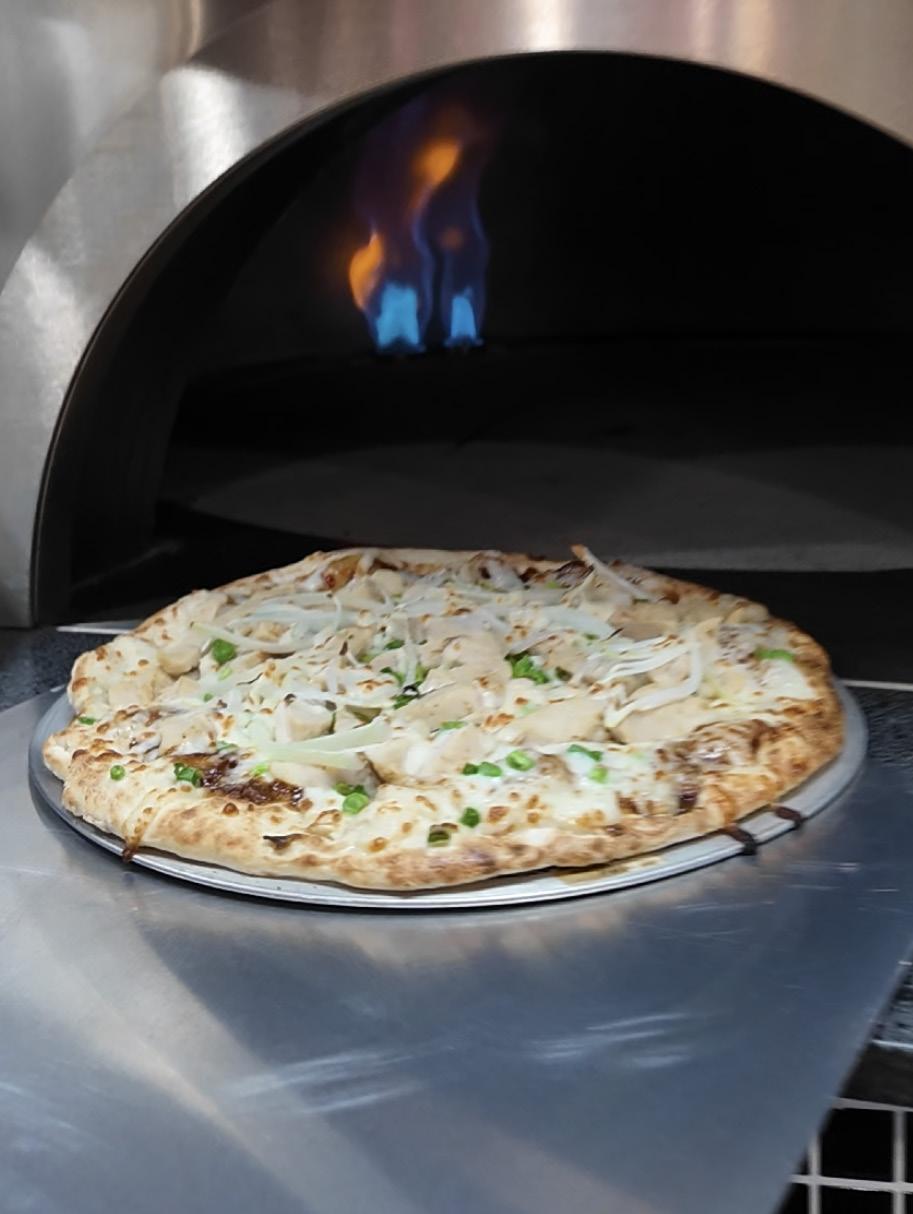
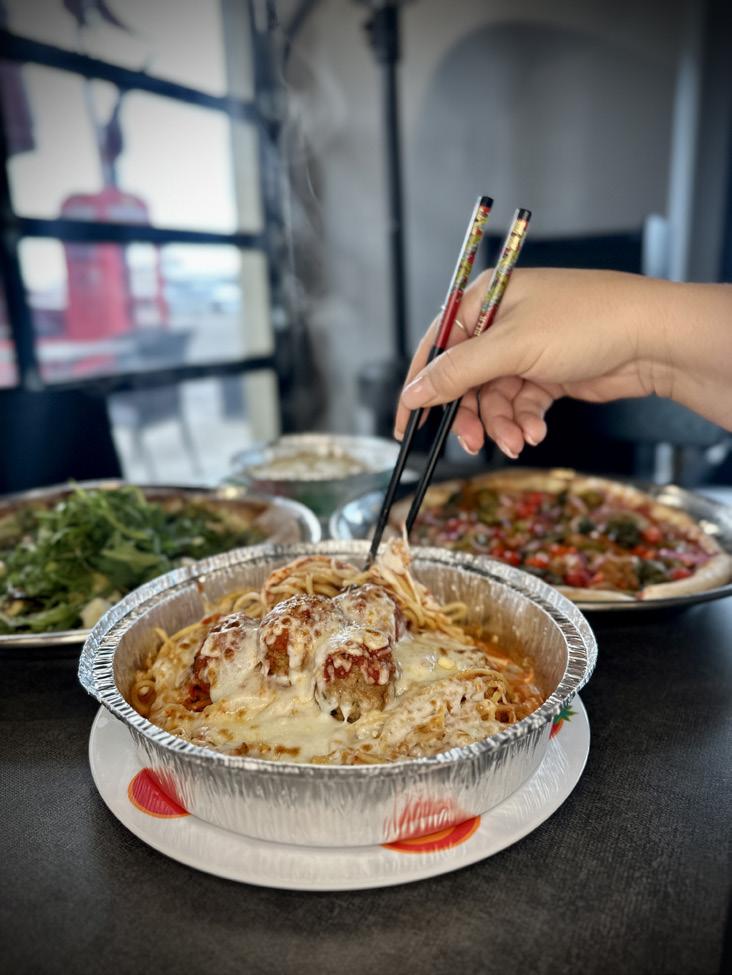
Metro Pie Pizza is rooted in family and legacy. Ricky Choi, who grew up in Hong Kong and attended culinary school there, brings more than forty years of restaurant experience to the project. Over the course of his career, he has owned and operated several Asian inspired restaurants as well as a steakhouse. Nearing retirement, this project became a deeply personal chapter rather than a traditional next step.
Metro Pie Pizza is located at Red Line Station, the name given to the property as a whole. While Metro Pie Pizza stands on its own as a new neighborhood destination, Red Line Station was intentionally envisioned as a community hub where people are encouraged to gather, spend time, and connect.
In addition to Metro Pie Pizza and Red Bus Coffee, the space will introduce a Hong Kong Style Night Market beginning this summer. The night market will feature street food, arts, and goods from local vendors. The goal is not only to offer places to eat, but to create an environment where people feel comfortable lingering, hanging out, and returning often.
“At its heart, this project is about bringing people together,” said Ricky Choi, owner. “We wanted to create something familiar that still reflects who we are, our background, our family, and our desire to build a space where people feel welcome spending time.”
Metro Pie Pizza is located at 890 Wadsworth Blvd, Lakewood, CO 80214. Follow them on Instagram and TikTok at @metropiepizza.
By Jadyn Nguyen
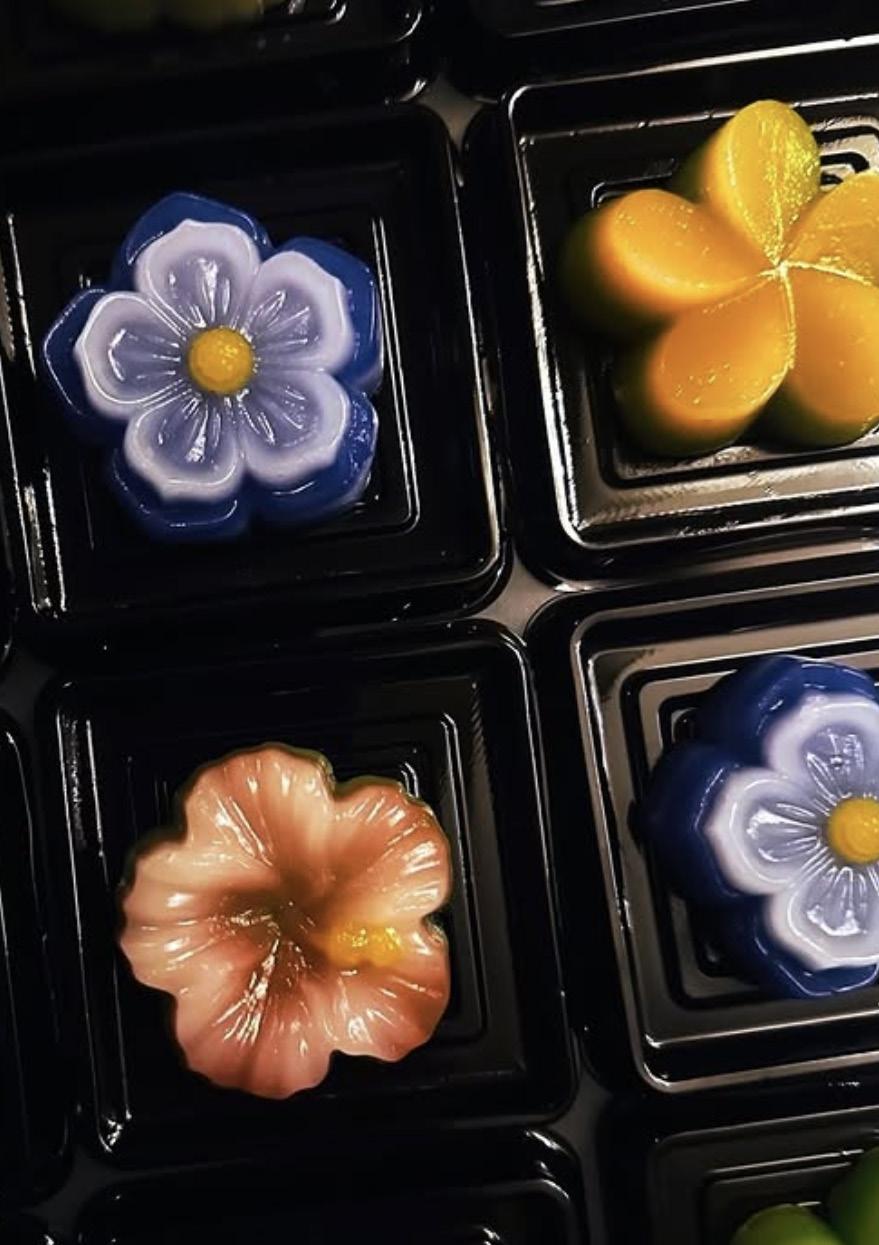
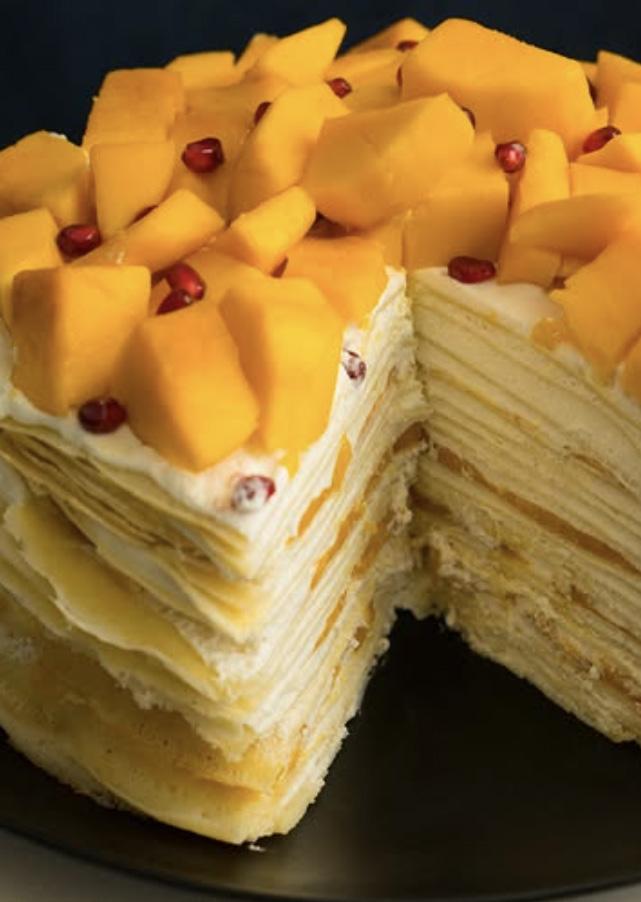
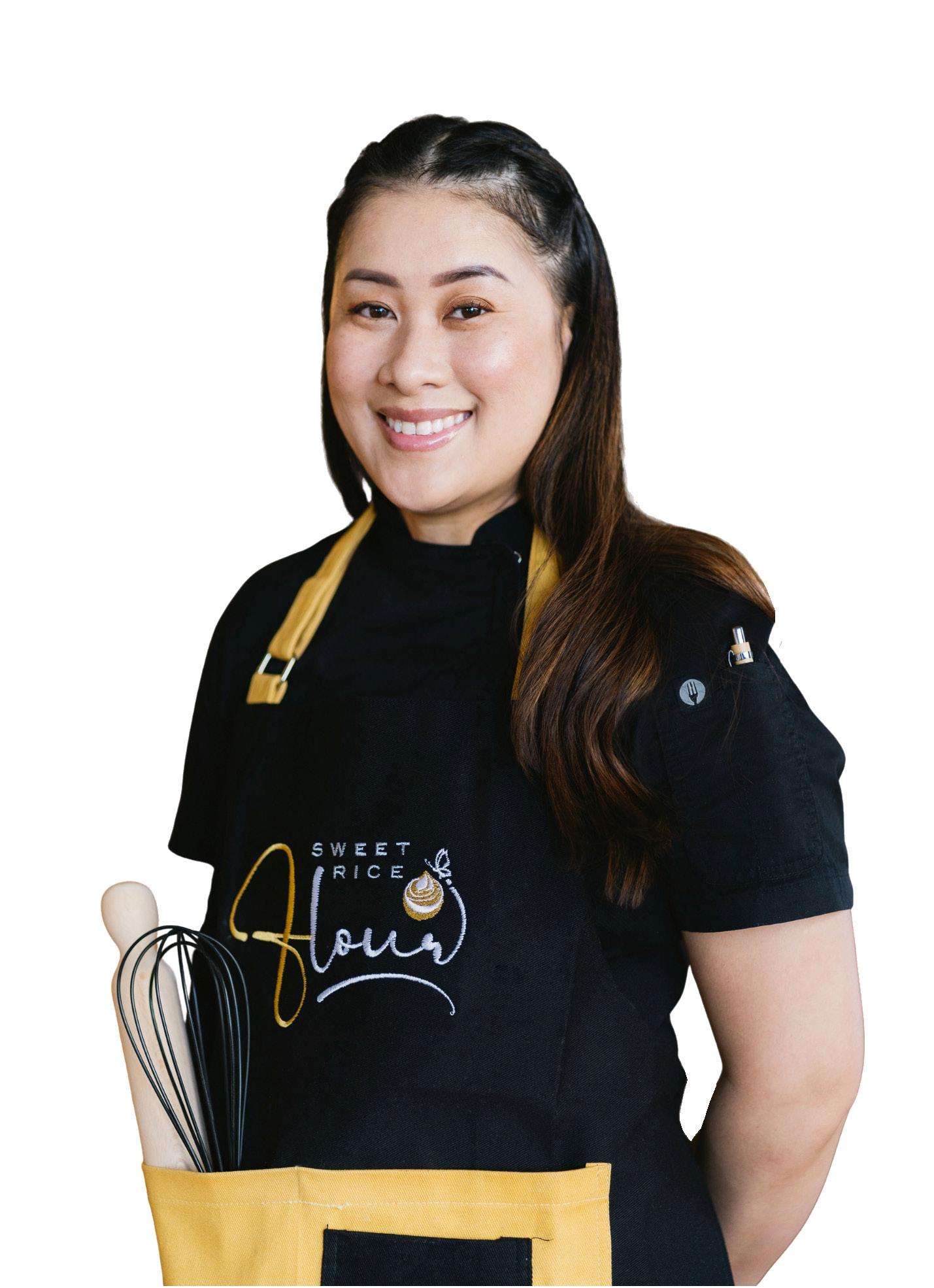
A proud Lao woman who has overcome life-altering challenges, Nancy Souksavath is the heart behind Sweet Rice Flour. She is the founder, owner, and chef of Sweet Rice Flour (SRF).
As a daughter, sister, wife, woman, leader, and Asian American entrepreneur, she is known simply as the “caretaker” — a role she carries with pride. An immigrant from Laos, Nancy shares, “I was born in a refugee camp in Thailand after my parents and older brother were forced to flee Laos during the communist Vietnamese invasions. My family emigrated to the United States when I was about three years old.”
Nancy’s journey is anything but ordinary. Her path to entrepreneurship has been shaped by resilience, sacrifice, and deeply rooted cultural values. Growing up, she listened closely to her parents’ wisdom. “My mom would always say she had to teach me everything she knew before she passed, so that when I got married, my mother-in-law would be pleased with my knowledge,” Nancy recalls.
Like many Asian parents, Nancy’s mother and father wanted stability and security for their children. But as the only daughter with two brothers, Jimmy and Lucky, Nancy felt the weight of stricter expectations.
“I was limited to housework and cooking. I couldn’t wear makeup or have a boyfriend,” she recalls. “So I focused on my studies and became the ‘honorary Asian daughter.’” When she questioned why her brothers had more freedom, the answer was simple: “Because they’re boys.” Her parents feared that a young woman’s mistakes would be judged more harshly.
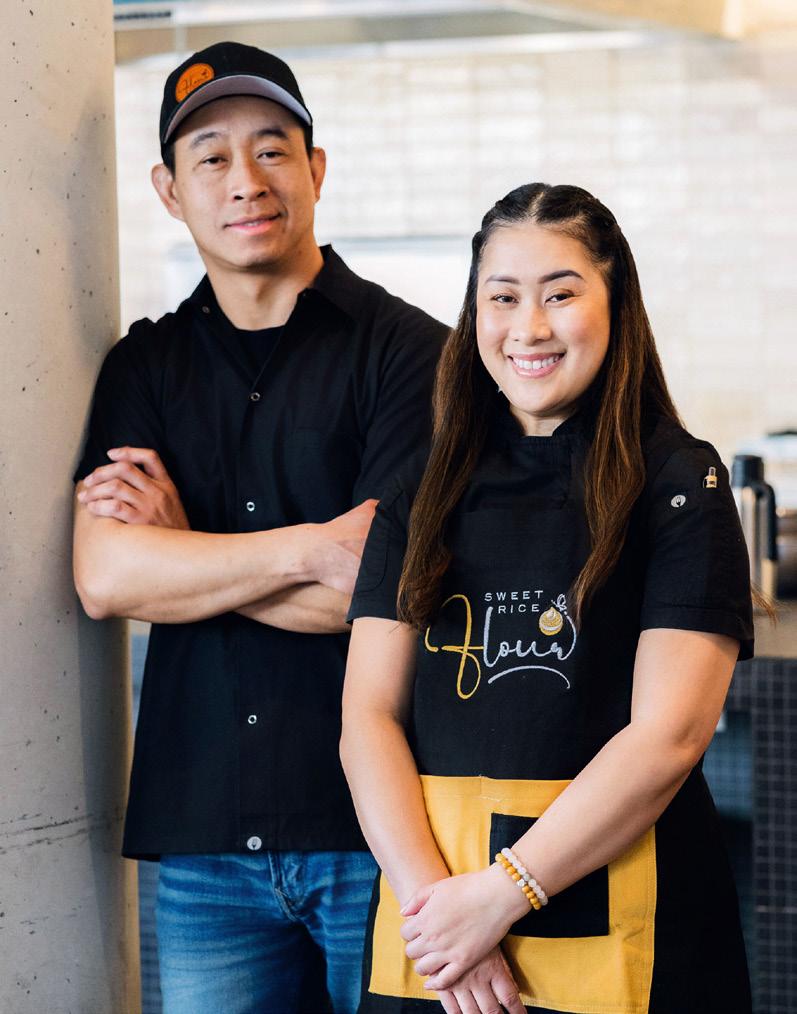
NANCY SOUKSAVATH AND THO QUACH Owners of Sweet Rice Flour
Those early lessons in responsibility would later become the foundation of both her life and her business.
Growing up in Aurora, it was her grandfather, who sponsored their family’s journey to America. In Lao culture, extended family is honored as immediate family — and Nancy’s parents often reminded her that their future would not have been possible without him.
At the local flea market, Nancy helped her grandparents sell toys, setting up tables and learning the basics of business. In return, her grandmother would treat her to a turkey leg or ice cream. Today, as she sets up SRF at vendor markets across Colorado, those early lessons in entrepreneurship and community continue
to guide her.
Nancy’s passion is rooted not only in skill, but in service. She watched her mother volunteer as a tax preparer, translator, homebuyer advisor, and disability claims helper for the Laotian and Lao Lue community — modeling a life centered on care and giving back.
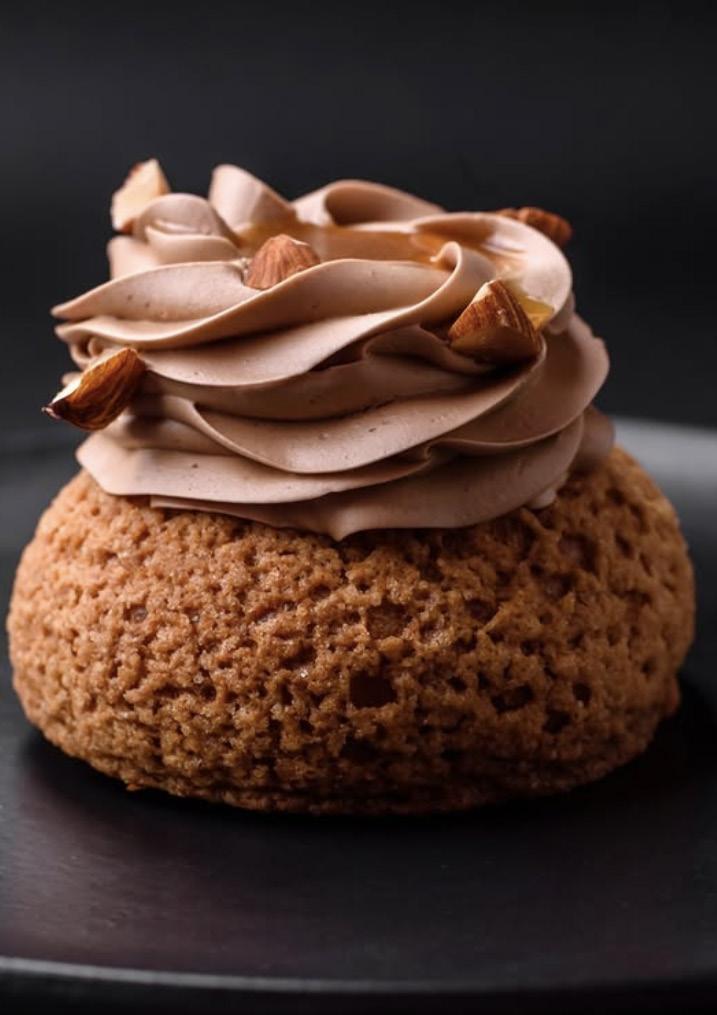
Starting SRF was no small feat, but Nancy had endured far greater challenges. Teaching herself to master her signature pâte à choux required persistence. “I threw away batch after batch,” she recalls. “I didn’t go to culinary school — I was teaching myself. Two weeks later, I tried again. It worked. At least it rose gracefully that time.”
Nancy and her husband, Tho, built their business through consistency. “We participated in every event in Colorado — small or large, worthwhile or not.”
But this eventually took a toll on her. After October 2025, Nancy chose to step back intentionally — to sit in silence, meditate, forgive, refocus, and set clear intentions for the year ahead. With a strong support system behind her, Nancy was able to pause and create clearer intentions for her time.
Today, SRF remains one of the few Lao food vendors in Colorado, and Nancy serves her culture proudly. “Mom used to tell me it’s not the ingredients or technique that make a dish authentic — you make it authentic,” she says. Every dish is a reflection of her family story and an opportunity to showcase Laotian culture, cuisine, and desserts.
SRF offers what Nancy calls the true flavors of Laos — bold, spicy, unapologetically funky, and deeply rooted in tradition.
Laos is a small landlocked country in Southeast Asia. During the Vietnam War era, it became the most heavily bombed country per capita in the world.
Today, the Laotian American population in the United States remains relatively small, numbering roughly
245,000 people. That is why representation matters.
Leaders like Nancy Souksavath embody the resilience, creativity, and cultural pride of the Lao community. People are more than the wars and displacement that shape their history — they are daughters, visionaries, caretakers, and entrepreneurs.
For second-generation Laotian Americans still learning how to embrace their identity, Nancy offers this advice: “Don’t be afraid of your Lao identity. Give yourself permission to stay curious. To keep moving. To adventure. To be free. Most importantly, your voice matters — whether people like what you say or not. Your creativity has value, whether it’s celebrated or not. Your identity isn’t the applause. It’s the authentic act of expressing what’s yours to express.”
For Nancy, opening her bakery is how she chooses to be proud of her Laotian culture and heritage: “For me this was why I chose to open a bakery because I chose the challenge. Not to silence myself, but to teach myself that my voice and love for my Lao culture, my family, our family recipes – my voice and authenticity can’t be taken from me unless I give it away.”
“Sweet Rice Flour transforms me into someone who expresses authentically no matter what. Someone who creates from truth instead of fear.”
In every pastry she serves, Nancy shares the resilience and beauty of her Lao heritage.
Every dish we serve at Sweet Rice Flour is more than just food; it’s my family memoir. Each dish is an opportunity for me to showcase Laotian people, culture, cuisines and desserts.
By Jessica Moy
Undraa Angie discovered her calling through a powerful personal awakening during a breathwork session led by a teacher from Hawaii.
“During the session, it felt like invisible dots in my brain were connecting,” she recalled. “I suddenly felt I could go deeper by reconnecting with my own traditions.”
Later, under the guidance of her nomadic meditation instructor, she learned about the intentional sequencing of sound—and everything clicked.
“When the land is healed, people are healed too. Human health is deeply connected to the health of nature,” Angie said. Today, she draws from her own journey to guide others, helping them reconnect with their bodies, ancestors, and the natural world—and discover their own path to healing.
Many sound healing tools—such as Himalayan singing bowls and gongs—originated in Asia, yet resonate easily in Western settings. Undraa encourages her trainees to reflect on the cultural roots of these instruments, noting that we are only now “beginning to truly understand the health benefits and healing effects.”
Because the human body is made up of nearly 70 percent water, sound frequencies may have a powerful physiological impact.
“Sound and vibration travel easily through water, which is why they can influence how our bodies respond,” she explained.
Through her work, Undraa bridges ancient wisdom with modern awareness. In Mongolia, traditional instruments such as the horsehead fiddle (morin khuur), mouth harp, shaman drum, and the “цуур” end-blown flute have long been used for storytelling and spiritual practice. Even contemporary bands such as The Hu are bringing renewed global attention to these traditional sounds.
Despite the variety of instruments used in a sound bath, Undraa believes the most important tool is herself.
“Before any instrument, I focus on grounding, centering, and becoming fully present. The energy flows through me first, and then through the instruments,” she said.
Whether she plays crystal bowls, metal bowls, or traditional instruments, the experience is guided by her intention and
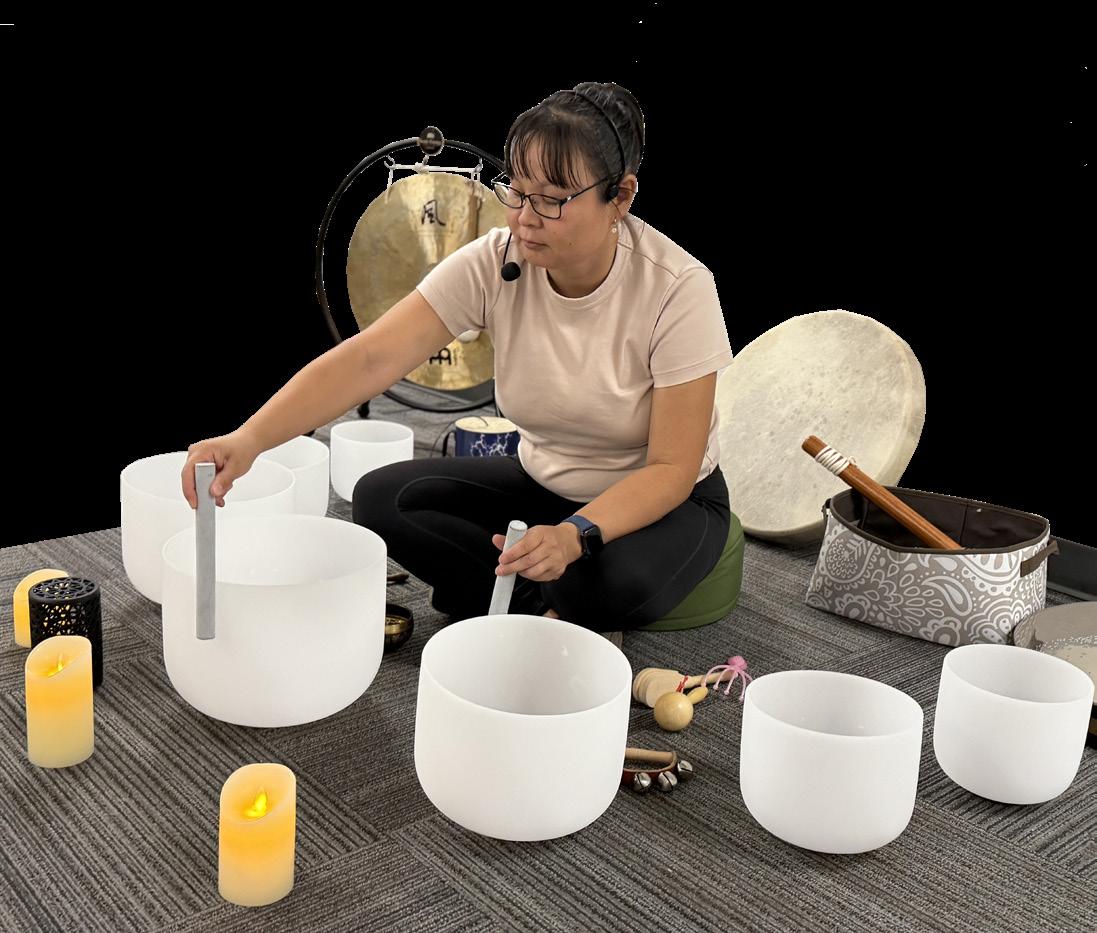
awareness in the moment. Frequencies shift depending on what she senses the space and her clients need. She listens closely to the energy of the room, allowing each session to unfold organically.
“The instruments are extensions of the practitioner,” Undraa added. “True healing begins with presence, authenticity, and heart.”
Undraa’s intention in every sound bath is simple yet powerful: to help people release stress, worries, and emotional burdens. She gently guides participants to observe their thoughts and feelings—and to accept themselves without judgment.
To engage all five senses, Undraa prepares the space with natural elements such as sage and essential oils, while thoughtfully curating the lighting, sound, and overall feeling of safety and warmth.
She often begins with the resonant call of a gong to open the space, followed by a mouth harp and shaman drum to echo the rhythm of a heartbeat and invite spiritual grounding. Subtle movement sounds symbolize presence, before the journey flows into nature-inspired tones that deepen participants’ connection to the earth. Crystal bowls and deeper gong vibrations come later, supporting relaxation, emotional release, and inner healing.
No two sessions are the same. Each one is “a space for compassion, release, inner peace, and the spread of love.”
As a Mongolian American, Undraa often reflects on how her ancestors healed emotional and mental wounds long before modern psychology existed. Throughout history, through war, displacement, and hardship, music, laughter, and dance sustained her people. The circle dance, in particular, symbolizes collective resilience—reminding participants that healing happens in community, not isolation.
For Undraa, wellness is “not only individual self-care, but
collective healing rooted in connection, culture, and responsibility.” To make sound therapy approachable, she incorporates simple breathing, music, and natural movement. She also offers low-cost and free community sessions to ensure access without financial strain.
For those unable to attend a session, Undraa encourages simple practices at home: become more aware of everyday sounds and reconnect with your five senses.
“Take moments throughout your day to truly listen—to nature, to silence, and to your surroundings,” she said.
Music can help surface and release emotion, while conscious breathing calms the nervous system and anchors you in the present. “The rhythm of your breath is one of the most natural and beautiful sounds you can experience,” she shared.
While instruments may evolve over time, Undraa believes healing ultimately depends on the openness of the individual. “Healing happens when people are open—when they learn to truly listen, feel, and connect with their inner experience.”
Her hope is that every participant leaves feeling lighter—emotionally, mentally, physically, and spiritually—with greater compassion, clarity, and trust in their own journey.
To learn more about Undraa’s sound baths, contact her at 303-210-3984. She is offering sessions at Social Fabric Hub on Monday evenings from 6 p.m. to 8 p.m. Register at coloradoasian.org.
“Healing happens when people are open—when they learn to truly listen, feel, and connect with their inner experience.”


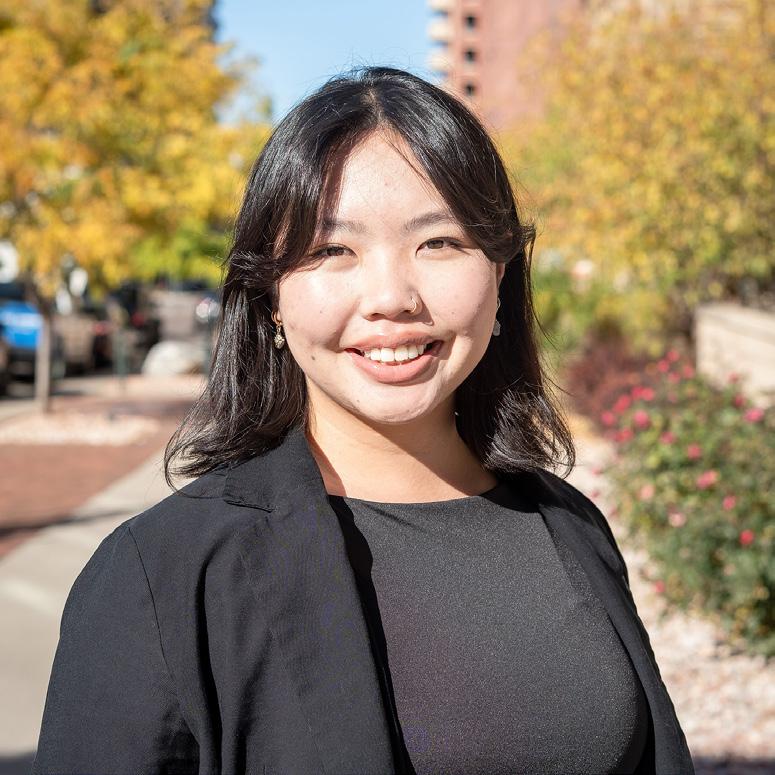
The vast, high-stakes world of aerospace is often focused on the pilots in the cockpit or the engineers at the drafting boards. But between the blueprint and the runway lies a complex web of machinery, digital systems, and—most importantly— people. Ensuring these elements move in harmony is Korean-American Victoria Kim, an Organizational Change Management (OCM) Lead at Boeing, who is proving that the secret to “building the plane” often starts with building a better process.
“I didn’t enter the workforce thinking, ‘I’d build a career in process management or continuous improvement. It found me,’” Kim admitted. “Early on, I realized I was consistently drawn to work that sat at the intersection of systems and people.”
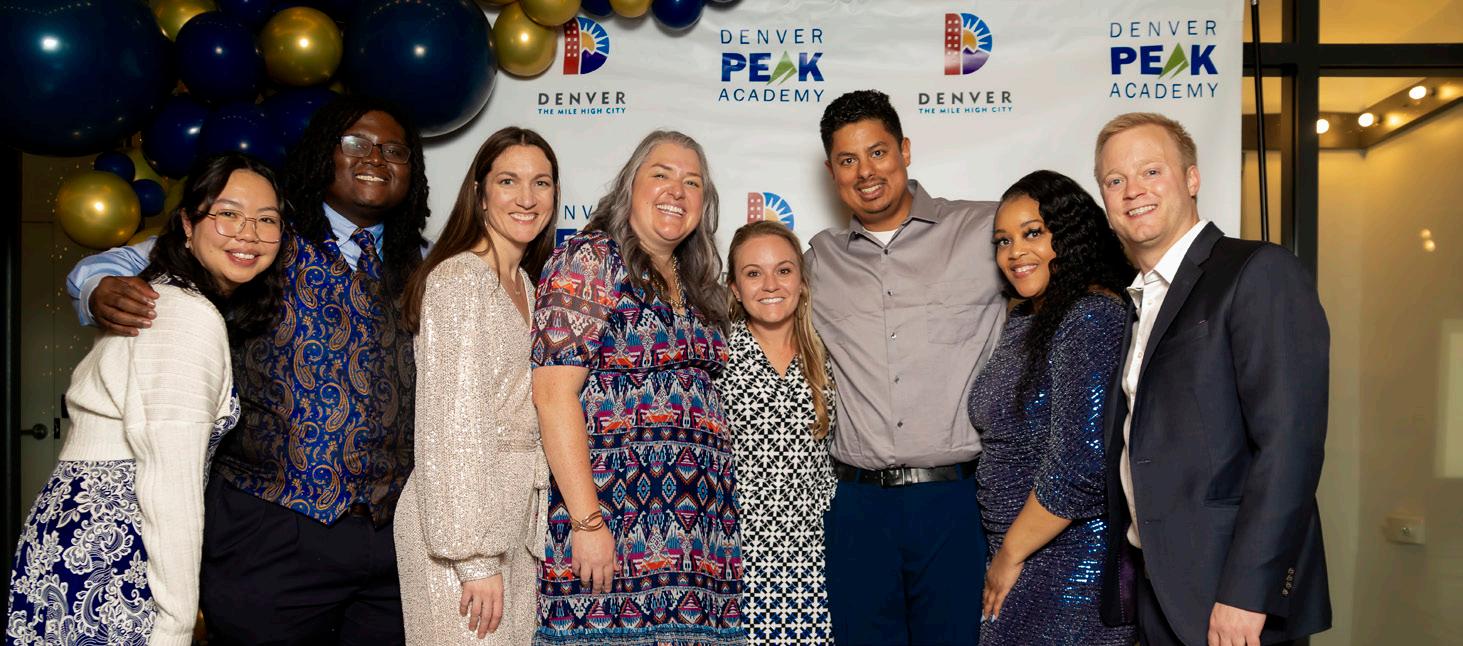
Kim’s journey to the aerospace giant wasn’t a straight line, but rather a deliberate evolution. Having built a “Denver Legacy” through her work with the City & County of Denver’s Peak Academy, she transitioned from municipal systems to global aviation—a move she admits was initially daunting.
“Moving from a municipal role to a global leader like Boeing came with a lot of internal debate - fear, hesitation, and a healthy dose of imposter syndrome. I questioned whether I was ready for that scale and complexity, even though I was also genuinely excited by the challenge” she shared. “What ultimately helped me make the decision was reframing the fear. I had to remind myself that being scared didn’t mean I wasn’t capable; it meant I was stretching.”
Today, Kim, 26, operates at a critical intersection. As an OCM Lead, she acts
as a translator and strategist, bridging the gap between the engineers who physically build aircraft and the systems architects who develop the security frameworks protecting manufacturing machinery. Her role is vital: conducting change impact assessments and site interviews to ensure that when a new security system is implemented, the transition is seamless for the boots-onthe-ground workforce.
Working in male-dominated spaces hasn’t always been easy. Early on, she felt pressure to shrink herself or overprepare to earn a seat at the table. The advice that changed her mindset: “step into your power.”
In a sector historically dominated by men, Kim’s presence as an Asian American woman is both a testament to her grit and a blueprint for others. She credits her success to a blend of professional rigor and cultural values, specifically the Korean concept of nunchi—the ability to read a room and understand unspoken dynamics.
Kim credits her mom for teaching her the lessons of grit.
“She created an environment where I could focus on my passions and made me feel, from a young age, that anything was possible,” she said. “That foundation shaped how I approach challenges to this day, both personal and professional.”
Staying true to her cultural values, she learned how to develop soft skills such as building collaborations, community
development and long-term thinking.
“In change management, empathy isn’t a soft skill; it’s a strategic one,” she explained. “Understanding how change will land emotionally as well as operationally helps me design solutions people can actually adopt, not just admire on paper.”
She is also passionate about “paying it forward,” citing mentors like Megan Williams, executive director of Denver Peak Academy at the City & County of Denver and the foundational support of her mother as the “North Stars” that guided her. Now, she makes herself accessible to the next generation of Asian American women in STEM, encouraging them to “step into their power” and leverage their unique perspectives as their greatest assets.
While many focus on the digital safety of a plane in flight, Kim focuses on the safety of the machines that create those planes. Her work involves creating training materials that empower engineers to navigate new systems and maintain critical data.
“What excites me most is building safer planes—not just in design, but in the digital systems that support manufacturing. Ensuring our machines are resilient against cyber risks touches every site where planes are made.”
As the aerospace industry evolves, leaders like Victoria Kim remind us that innovation isn’t just about machinery—it’s about people.
By Mary Jeneverre Schultz
By Gil Asakawa
Rapal
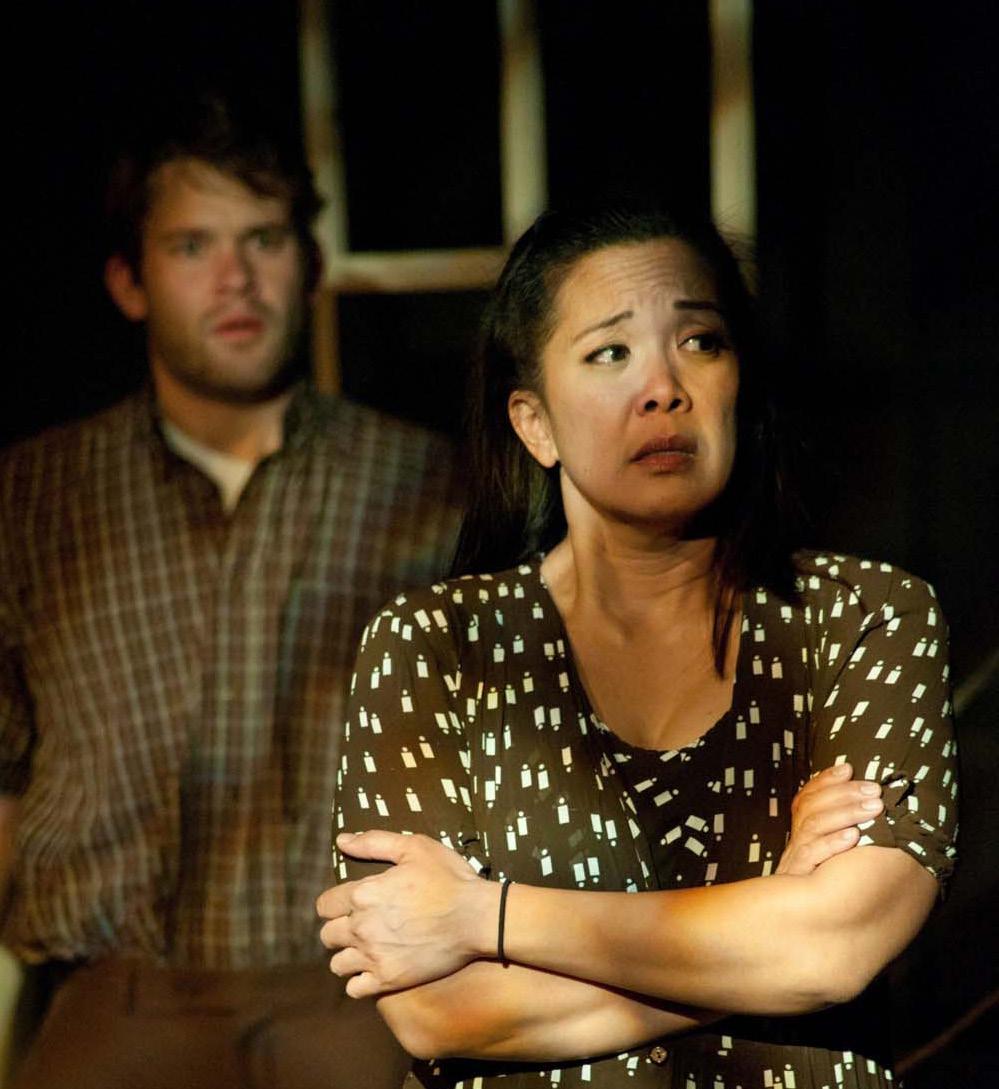
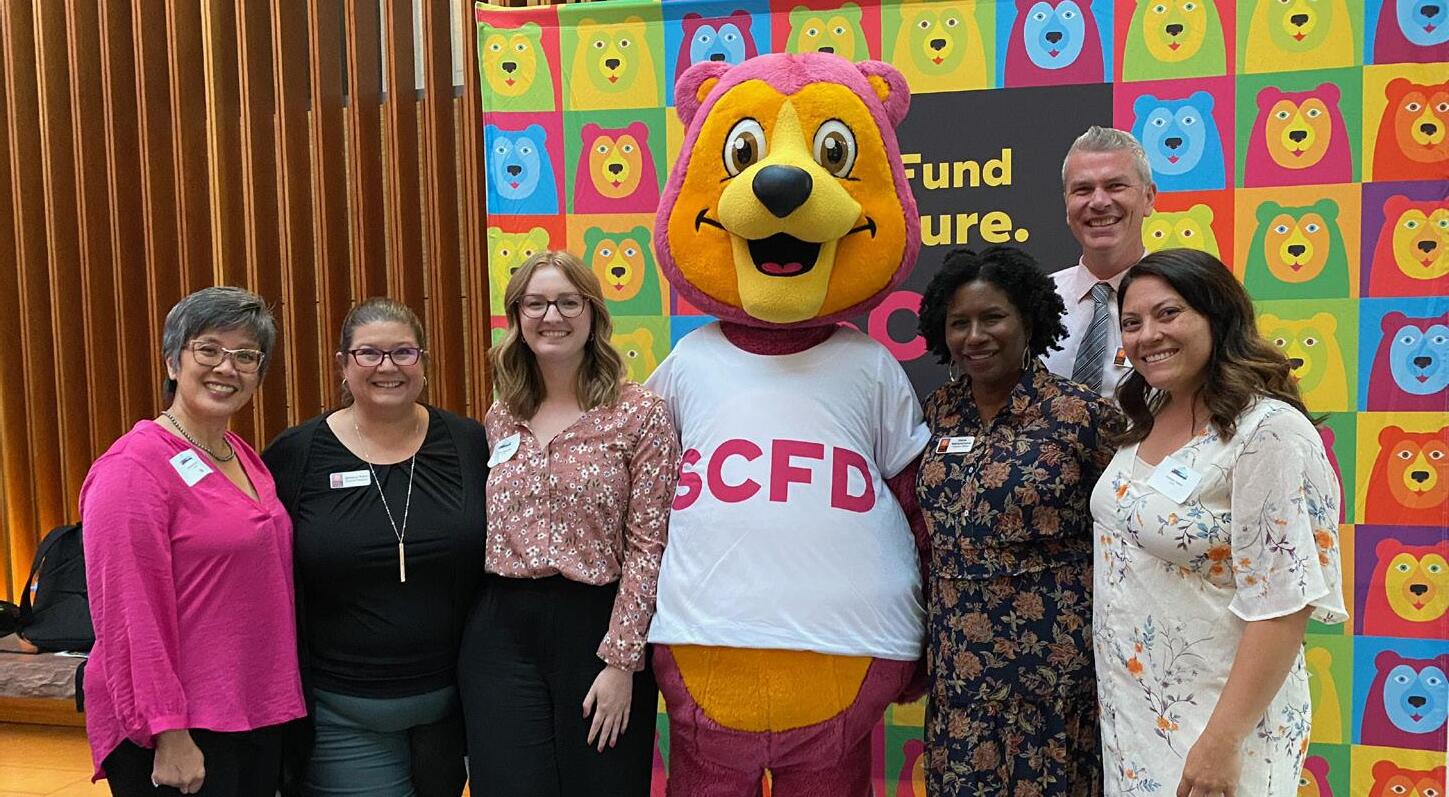
Arlene Rapal Hicks knows Colorado’s local theater scene—and she knows the arts community that sustains it. Today, she serves as executive assistant for the Scientific and Cultural Facilities District (SCFD), the voter-approved funding source that supports more than 300 nonprofit arts and cultural organizations across seven counties in the Denver metro area.
Hicks joined SCFD in 2021, but her connection to the organization runs much deeper. Much of her career has been spent in nonprofit arts, particularly in performance. She previously served as executive director of the SCFD-funded Young Voices of Colorado and performed in an ensemble that used theater as a vehicle for health education through Kaiser Permanente’s former Arts Integrated Resources department.
Born in the Philippines and raised in the Detroit area, Hicks grew up surrounded by “aunties” and “uncles” in a tight-knit Filipino community. “It certainly felt big to me growing up,” she recalls. “I had Filipino Titas and Titos everywhere, and it was great.”
Her sense of cultural community has remained central to her life, though not without challenges. When her family immigrated to the United States, her father insisted that Taga-
log be spoken at home. But a painful moment in second grade shifted her course. After singing a Filipino folk song for show-and-tell and being laughed at by classmates, she made a quiet decision to assimilate.
“I have to commend my father for his desire to keep the culture and the language alive,” she says. “But after that day, I was done.”
That evening, she broke a family tradition—greeting her father at the door and speaking to him only in English. Eventually, her family accepted her need to adapt, even as her parents continued speaking Tagalog. Today, she understands more than she speaks, something she admits she regrets.
Hicks studied communication at Michigan State University before joining Up with People, an international youth performance group that broadened her worldview. “It gave me such an interesting perspective on my humanity,” she says. “Like the fact that I was this tiny little blip in the arc of time.” After traveling to Switzerland with the group, she decided she wanted to live near mountains—and moved to Denver in 1995.
Since then, her career has largely centered on nonprofit arts. She became executive director of Young Voices of Colorado (formerly the Lit-
tleton Children’s Chorale), where she first experienced SCFD funding from the organizational side. Afterward, she toured with Imagination Makers, bringing theater to school assemblies, and later joined a similar Kaiser Permanente-sponsored program. Throughout those years, she continued auditioning and performing in local productions, including a notable role in “Snow Falling on Cedars.”
When Kaiser Permanente ended its arts program, she continued performing until the pandemic brought live theater to a halt. Around that time, she stepped into a part-time role at SCFD that eventually became her full-time position.
“For decades, I lived that lifestyle,” she says. “Work all day, rehearsal at night, perform on weekends. When COVID took it all away, I realized I didn’t know another way to live.”
These days, Hicks has embraced a different rhythm. Married with two stepchildren, she describes her life as slower and more purposeful—still rooted in the arts, but grounded in balance.
From the stage to the administrative side of cultural funding, Hicks’ journey reflects a lifelong commitment to community, creativity, and ensuring the arts continue to thrive for the next generation.
From the bustling, vibrant streets of Los Angeles’ Koreatown to the highaltitude leadership halls of Denver, the journey of the Denver Asian American Pacific Islander Commission (DAAPIC) Co-chair Taemy Kim-Mander is one defined by resilience and service.
For many, the phrase “building belonging” is an abstract concept. For Kim-Mander, it is a daily focus. When asked what a truly inclusive Denver looks like, the answer is rooted in the practicalities of policy.
“The commission creates space for AAPI voices to shape policy at the city level,” she explained. “Together, we’re building the belonging by giving the opportunity for our voices to be heard in spaces where progress and inclusion happen.”
It is a mission of dignity and strength, aimed at ensuring the Asian community is represented with the wisdom of its elders and the energy of its youth. For her, serving on the Commission is more than a title; it is a profound honor she never imagined holding, but one she carries with a deep sense of responsibility.
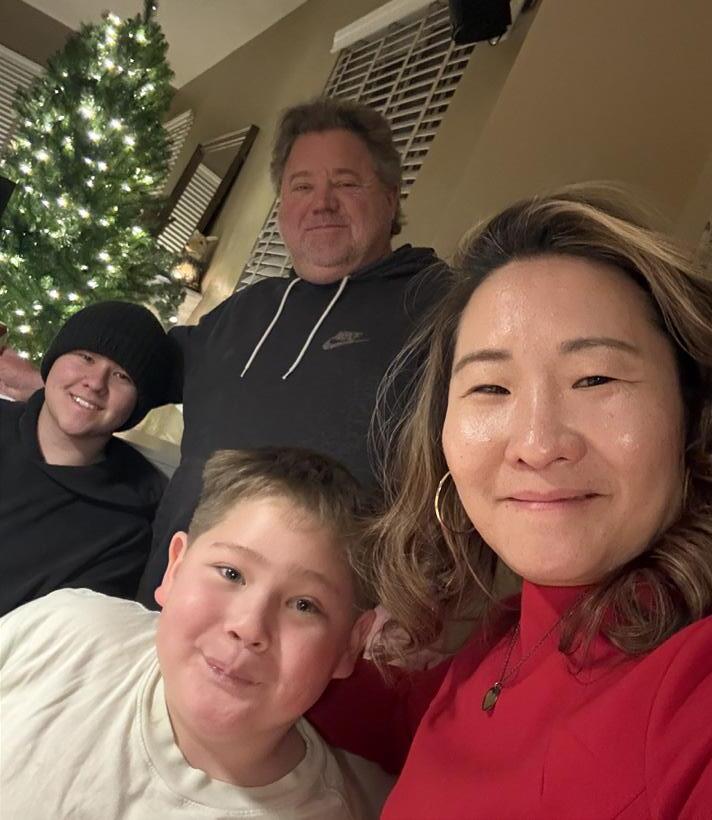
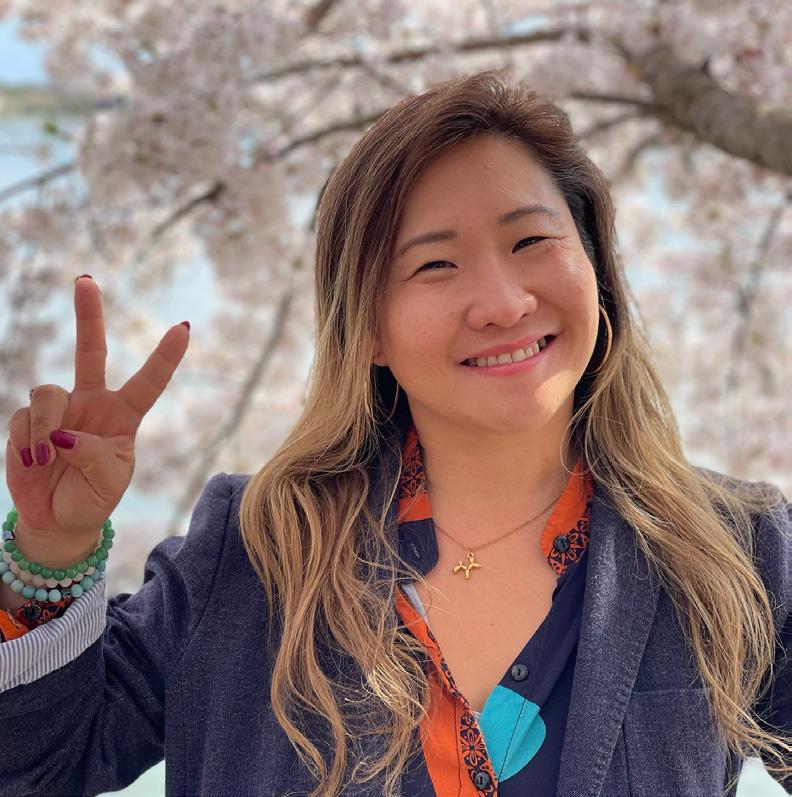
In a state where Asian Americans make up roughly five percent of the population, visibility isn’t just a statistic—it’s a catalyst for change. As a woman in a high-profile leadership role, she is aware that her presence serves as a roadmap for the next generation.
She views her work as a continuation of the hardships endured by her parents and the generations that came before.
“I am fully aware that my existence is itself a reflection of what is possible,” she said. Her leadership extends beyond policy papers into the heart of the community, where she uses her talents and passion to support AANHPI families
By Mary Jeneverre Schultz
navigating the complexities of Intellectual and Developmental Disabilities (IDD) and autism. By creating safe, culturally honored spaces for these families, she proves that leadership is most effective when it is empathetic.
Growing up in Koreatown alongside the African American community in the 80’s and 90’s and during the LA riots, she witnessed firsthand the fragility of social cohesion—and the immense strength required to rebuild it.
Since moving to Colorado in 2020, she has translated those lived experiences into actionable policy recommendations for Denver’s Mayor and City Council. Her goal? To replicate the economic vibrancy and cultural strength she saw in California right here in the Rockies.
“My policy recommendations come from my lived experience,” she notes. “Being a part of DAAPIC allows my voice and experience to be heard... That to me is impact.”
Through her work with DAAPIC, Denver is becoming more than just a place where the AAPI community resides—it is becoming a place where they truly belong.
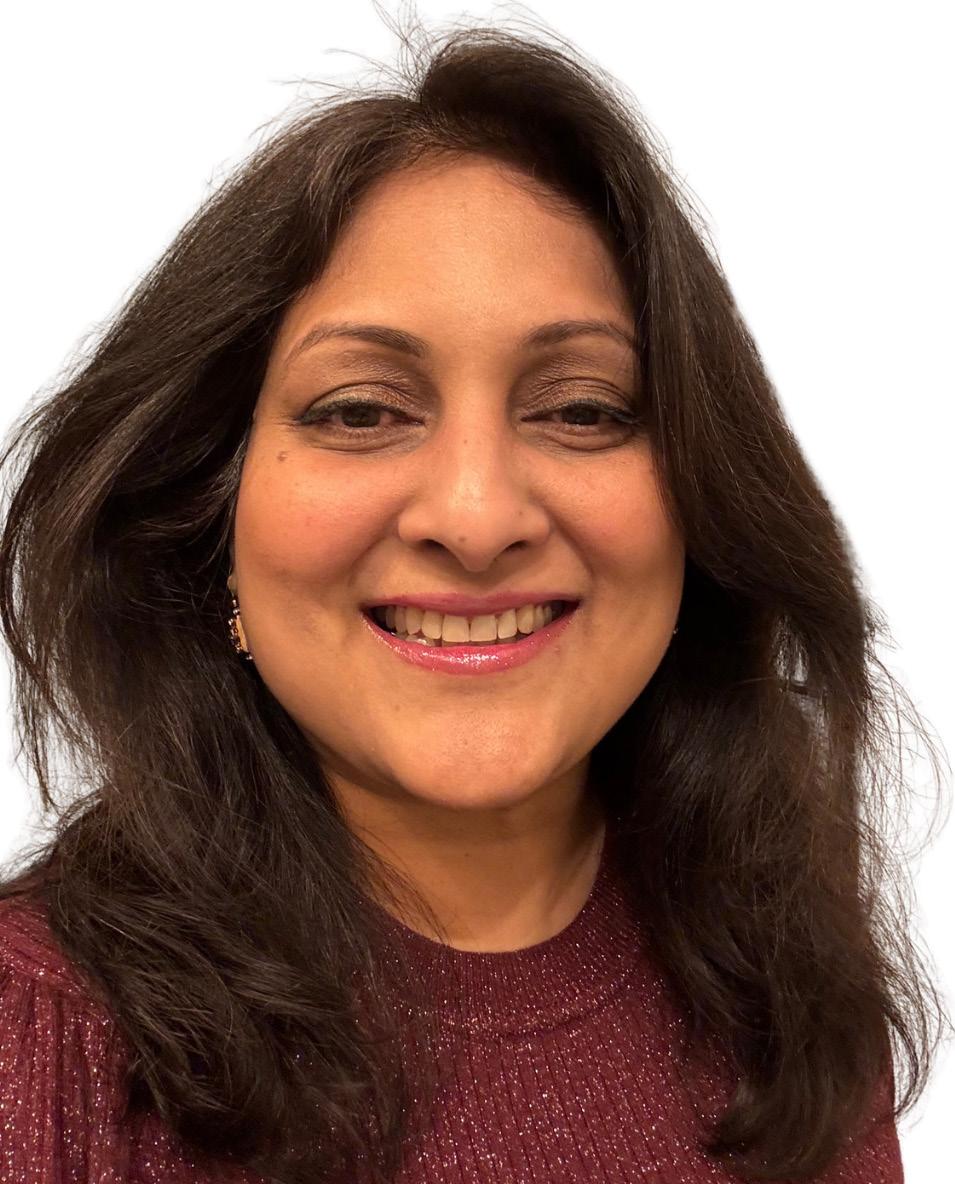
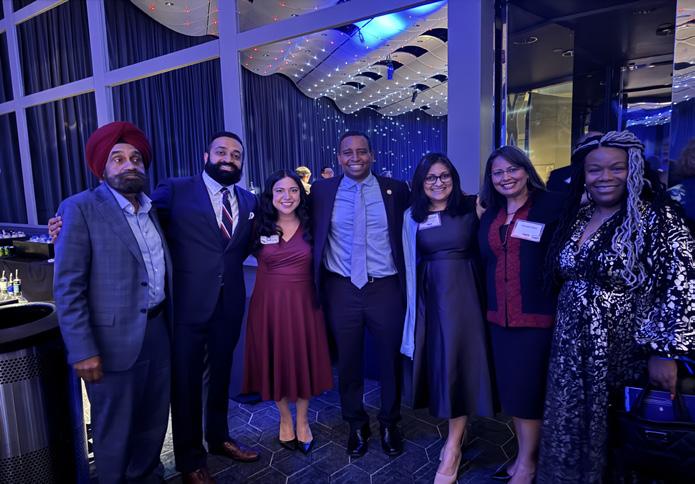
As we celebrate Women’s History Month in 2026, Colorado’s political landscape looks markedly different than it did a decade ago. At the center of this transformation is the first South Asian woman to serve as 1st Vice Chair of the Colorado Democratic Party, Indira Duggirala.
Her journey is not just a series of personal “firsts,” but a blueprint for a more inclusive, bottom-up democracy.
Entering the political sphere as an immigrant South Asian woman meant navigating hidden hurdles. “I faced the initial perception of tokenism and instances where I had to assert my qualifications,” she recalls. Rather than assimilating, she leaned into her heritage—a wellspring of leadership grounded in community responsibility and respect.
Today, her mission is to permanently shatter the “bamboo ceiling.” By centering Asian American voices in party outreach
Indira Duggirala is the first South Asian woman to serve as 1st Vice Chair of the Colorado Democrats.
By Mary Jeneverre Schultz
and advocating for inclusive candidate campaigns, she has helped move the community from the periphery to the pulse of the party. “Shattering this ceiling is an everyday commitment to addressing systemic and invisible barriers,” she
“True strength today is the confidence to lead authentically and the humility to ask for help.
explains.
For her, policy doesn’t begin in Denver conference rooms; it starts from tech hubs of the Front Range to the quiet living rooms of rural Colorado. This bottom-up approach ensures inclusion is structural, not symbolic.
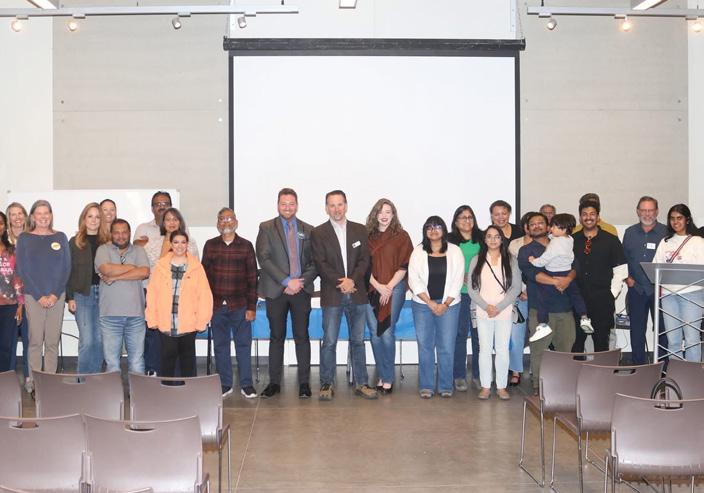
The impact is clear: over a dozen Asian American candidates participated in the 2026 Colorado Democratic Party’s Caucus
and Assembly process.
With growing momentum for Denver to host the 2028 Democratic National Convention, she sees an opportunity to showcase the Colorado model of grassroots organizing.“
“A Denver DNC would be a chance to elevate how investing in communities and centering equity leads to electoral success,” she says. It would demonstrate that when people see themselves reflected in leadership, participation follows.
Her understanding of strength has also evolved—from endurance alone to sustainability.
“True strength today is the confidence to lead authentically and the humility to ask for help,” she reflects.
To the next generation of AAPI women who feel like outsiders, her message is simple: Your perspective is your greatest asset. “You are not meant to fit into a mold that wasn’t built for you,” she says. “Build your own blueprint.”
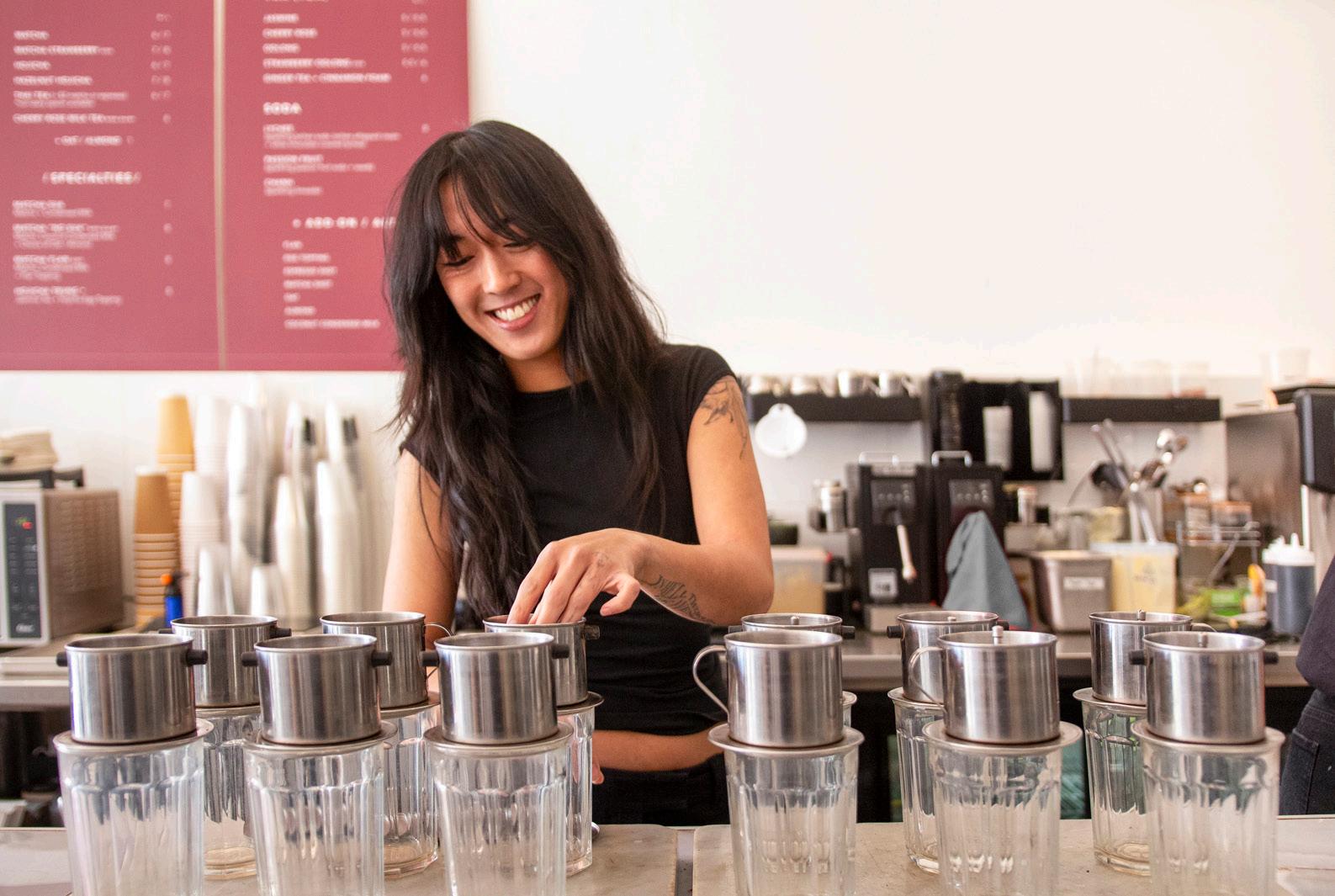
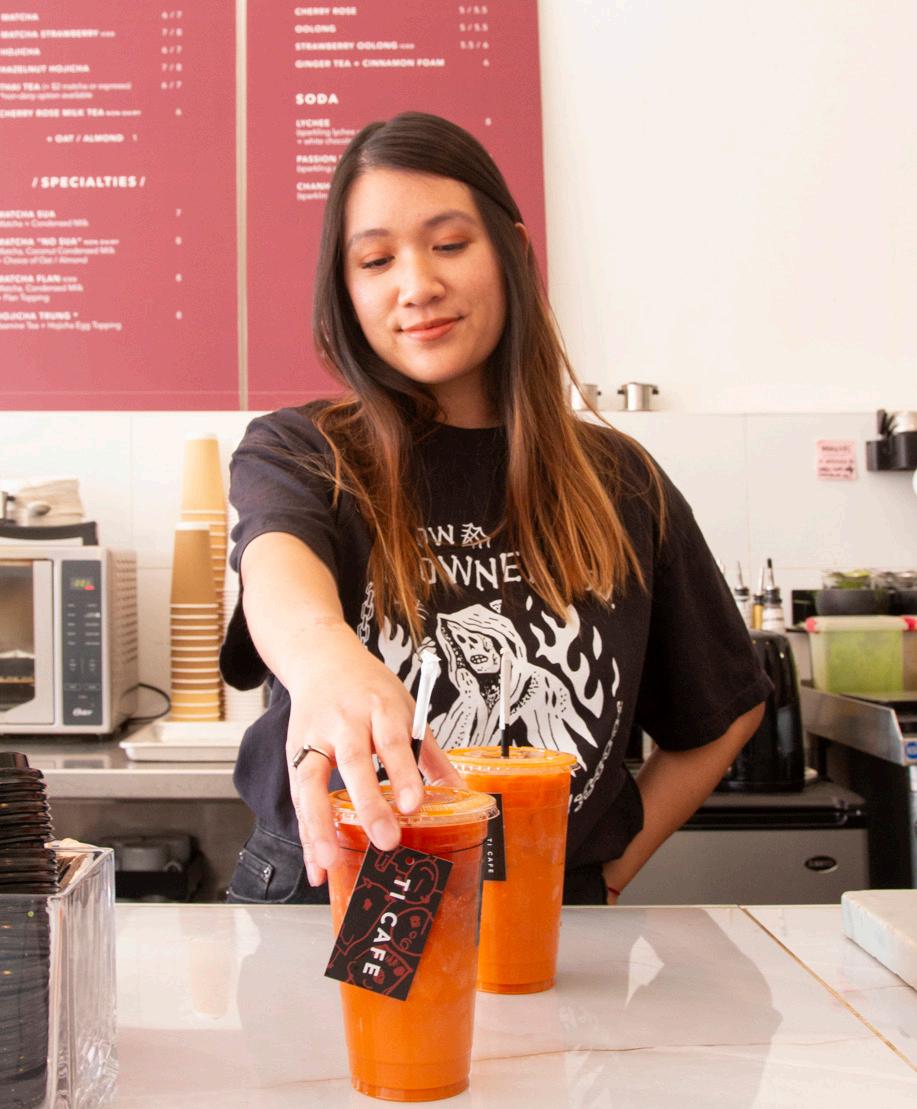
In the bustling landscape of Denver’s specialty coffee scene, Tí Cafe stands as a vibrant anomaly. Located on South Broadway, the shop is more than a caffeine pitstop. At the helm are three sisters—Sashaline, Shominic, and Shasitie Nguyen—who have successfully translated their Vietnamese-American heritage into one of the city’s most influential community hubs.
The genesis of Tí Cafe was not a sudden pivot but a slow-brewing realization. Growing up as the daughters of Vietnamese immigrants, the sisters were raised in a household where entrepreneurship was the primary language of survival and success. By 2006, after relocating to Denver, they noticed a stark lack of cultural visibility for Asian Americans in the mile high area.
“Tí Cafe began as a shared dream rooted in representation and identity,” the sisters explained. “As Vietnamese-American sisters raised by entrepreneurial parents, we always imagined creating something purposeful together. The idea of separating at adulthood felt almost alien.”
Before the cafe, the three were building distinct careers. Sashaline, 36, was navigating the high-stakes world of craft cocktails as a lead bartender at Welton
Room. Shominic, 31, was established as a Creative Director for a Breckenridge-based brand studio, and Shasitie, 27, was honing her expertise in networking and brand experience as a personal stylist. Despite their individual successes, the pull of a unified legacy was stronger. They chose to consolidate their diverse skill sets into a single, formidable vision.
The sisters have categorized their roles into three essential pillars: the Dreamer, the Organizer, and the Fixer.
The Dreamer (Shominic): Serving as the Creative and Brand Content Director, Shominic is the architect of the “vibe.” Her background in UI/UX and design allows her to conceptualize menu themes and visual storytelling inspired by art and anime. She ensures that the customer experience is not just transactional, but imaginative.
The Organizer (Shasitie): Every visionary needs a pragmatist. Shasitie is the operational backbone. She creates the systems, manages logistics, and oversees the scheduling that allows a small, family-run business to function with the efficiency of a major corporation.
The Fixer (Sashaline): Occupying the “eldest sister” role both literally and figuratively, Sashaline is the primary
By Mary Jeneverre Schultz
problem-solver. Whether it’s a technical hiccup behind the bar or a complex business negotiation, her adaptability and level-headedness keep the ship steady during the inevitable storms of small business ownership.
“Even though we’re sisters, we’re three very different people,” they noted. “That dynamic of creativity, structure, and adaptability is the reason we can carry such heavy workloads and still stay motivated.”
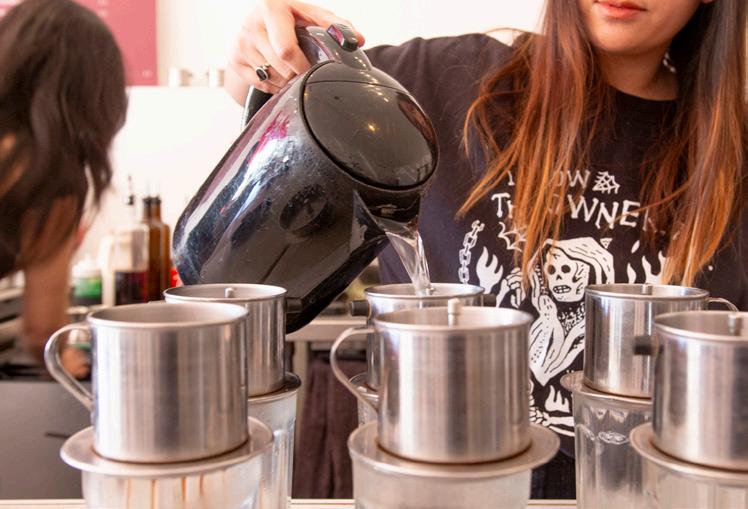
At the heart of their menu is a commitment to authenticity that refuses to be “modernized” for a Western palate. They use robusta beans imported directly from Vietnam and brew their espresso using the traditional phin—a metal slowdrip filter—rather than standard commercial machines.
The menu features ingredients that many Asian Americans recognize as the “flavors of home”: pandan, flan, mooncakes, and the savory pate chaud. For the Nguyen sisters, providing these flavors is an emotional mission.
“Hearing someone say, ‘I haven’t had this since I visited Vietnam,’ is the highest compliment we could receive,” they shared. “We know how grounding a familiar flavor can be, especially in a city where Asian food culture was once limited.”
As a woman-owned, family-run business, their leadership style is an extension of Vietnamese hospitality: it is familial rather than transactional. They don’t just serve a drink; they educate. They share the history of the ingredients and the stories behind the recipes.
The Evolution of Sisterhood
“Being a woman-owned business in Denver is incredibly empowering,” they confessed. “It symbolizes the determination to carve out space where it didn’t always exist. Our approach comes
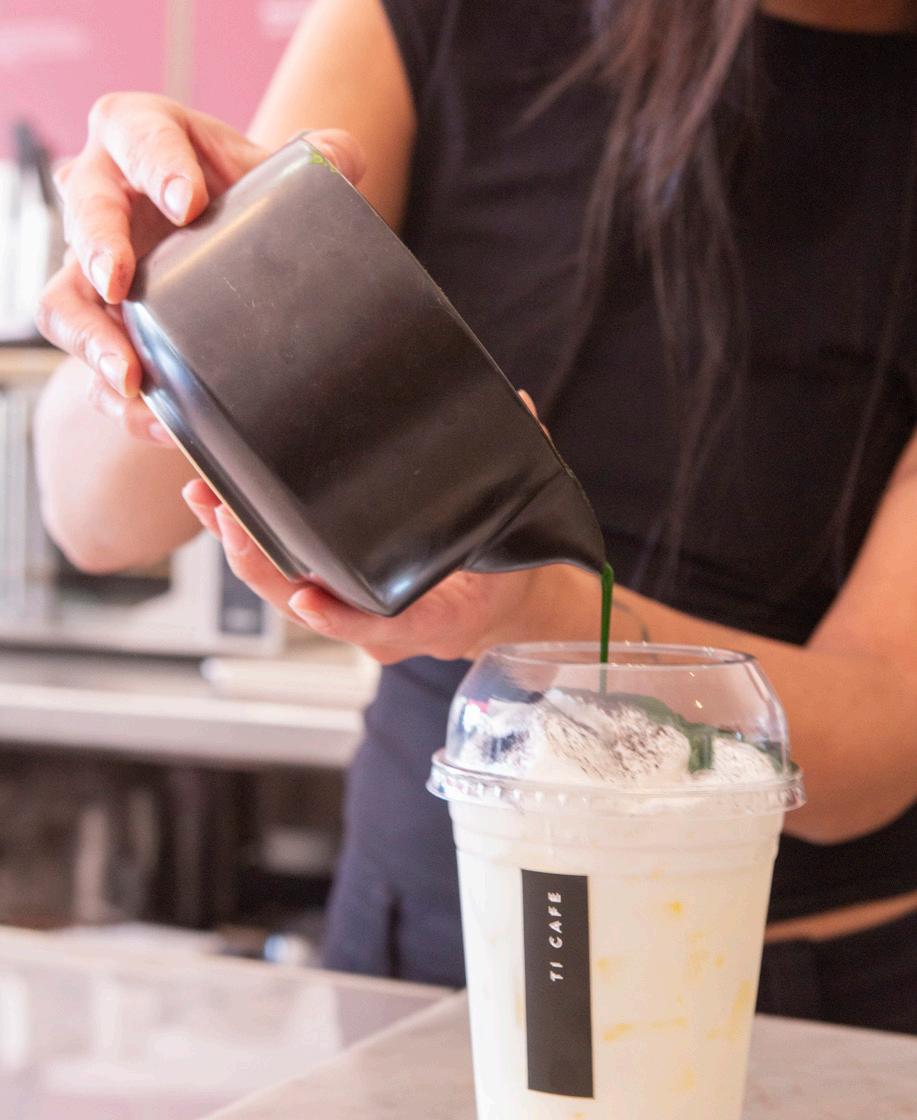
from a household where food was our love language and togetherness were non-negotiable.”
The sisters have transitioned from “growing up together” to building a future together. They acknowledge that the stakes are higher now—every decision impacts all three of them—but the reward is a deepened bond.
To avoid burnout, they make a conscious effort to celebrate progress rather than dwelling on challenges. They gather outside the shop for meals and activities, ensuring that the “sisterhood” remains
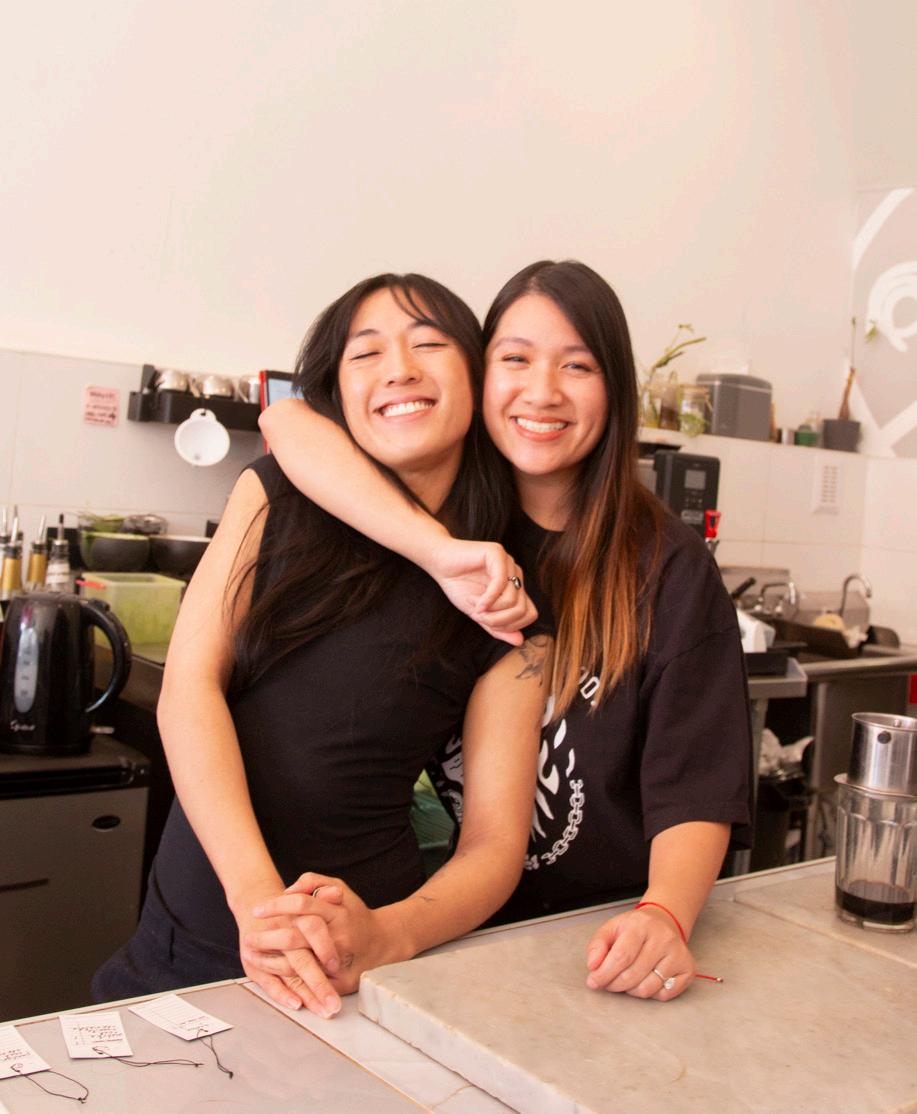
the priority over the “business.”
The sisters say: “Always trust your vision, even if it feels unfamiliar or risky. You don’t need to be good at everything to start—you just need clarity on what you bring to the table and what support you need along the way.”
As Tí Cafe continues to grow as a hub for local artists and creators, it fulfills the sisters’ original goal: creating the space they wished they had growing up.
Follow and connect with Ti Café on Instagram at @ti.cafe. See their menu at ti.cafe.
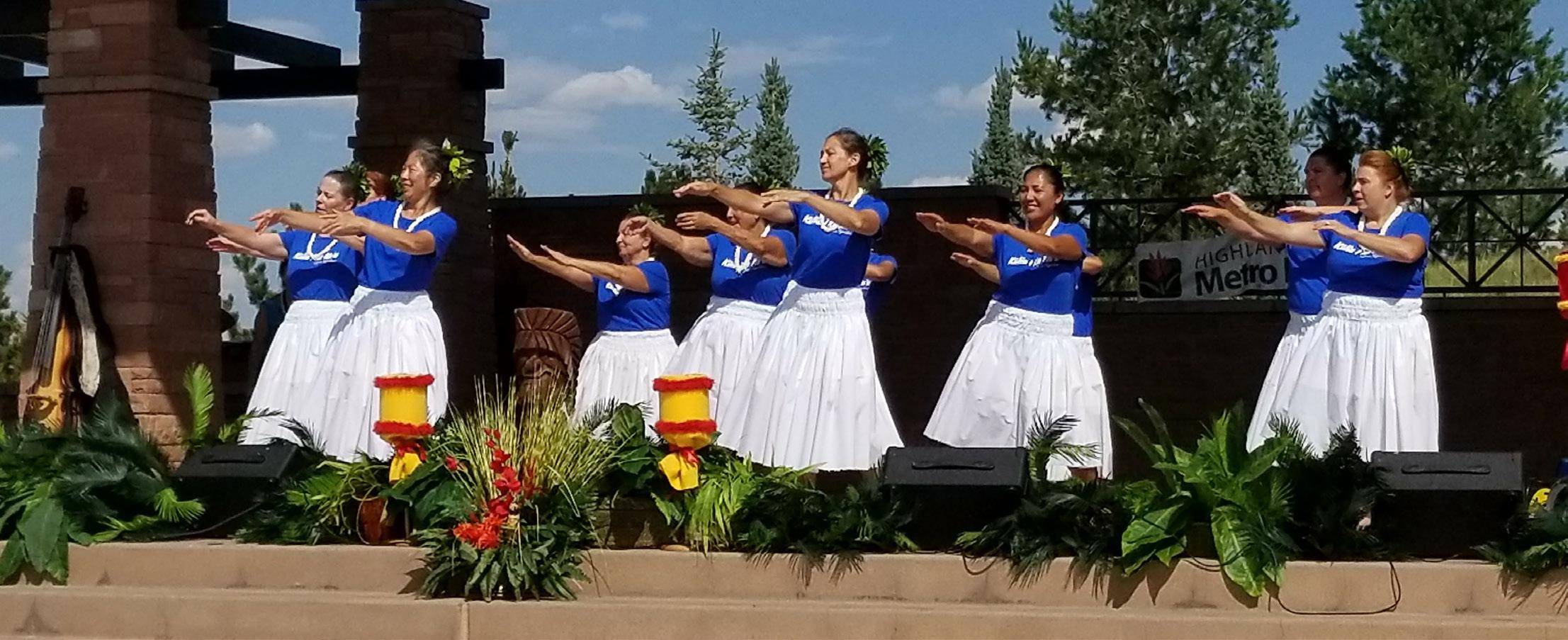
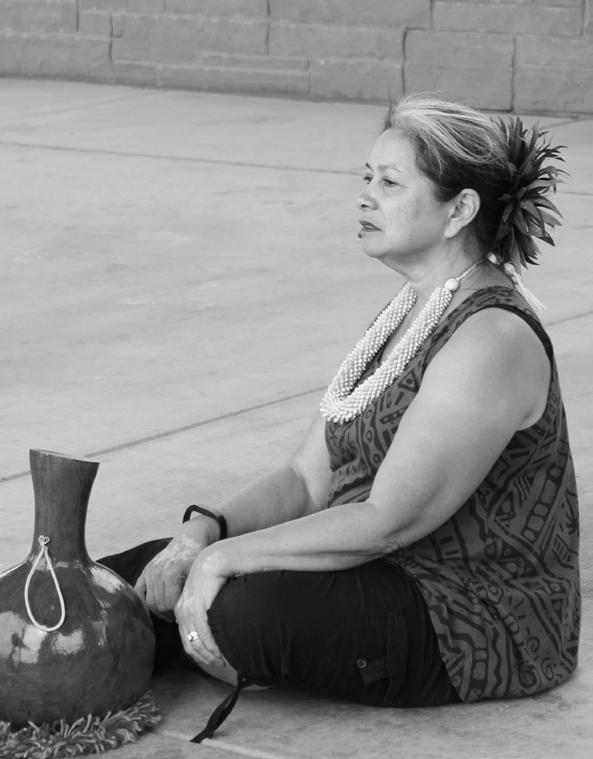
In the heart of the Rocky Mountains, far from the salt spray of the Pacific, Cynthia Kawaimālie Kahakui is cultivating a sanctuary of Hawaiian culture. As the leader of Hālau Hi‘ilani I Nā Hōkū Loa, Kahakui doesn’t just teach dance; she anchors a community in the traditions of her ancestors, proving that the spirit of the islands isn’t bound by geography.
Transitioning from the lush landscapes of Hawai’i to the rugged peaks of Colorado might seem like a cultural stretch, but for Kahakui, the connection is celestial.
“We are connected by the skies,” she explained. “The same sun, moon, and stars shine down on us whether in the Rocky Mountains or in Hawai’i nei.”
Kahakui uses visuals of the islands during her lessons, weaving the stories of distant sands into the local environment. Her journey is guided by a profound lineage. For 23 years, she studied under her Kumu Hula, Māpuana de Silva, who instilled in her the foundational tenet: Nānā I ke kumu (look to the source).
“Nothing is more important to me than to honor my kupuna (elders) who came
By Mary Jeneverre Schultz
before me,” Kahakui said. “Hula is a way of life for me.”
Living in a region where many only encounter “tourist” versions of hula, Kahakui views every performance and class as a “teachable moment.” She is quick to clarify the distinctions that commercial entertainment often blurs—such as the difference between the flashy hip movements of Tahitian dance and the storytelling of hula.
“I try to impress upon the public that we were a kingdom; we had our own kings, queens, and laws,” she explained, “especially when performing dances that honor Hawaiian monarchs like King David Kalākaua.”
The teachable moments come with history. “Hula isn’t hula without ‘ōlelo Hawai’i (Hawaiian language). Every hula is a story.”
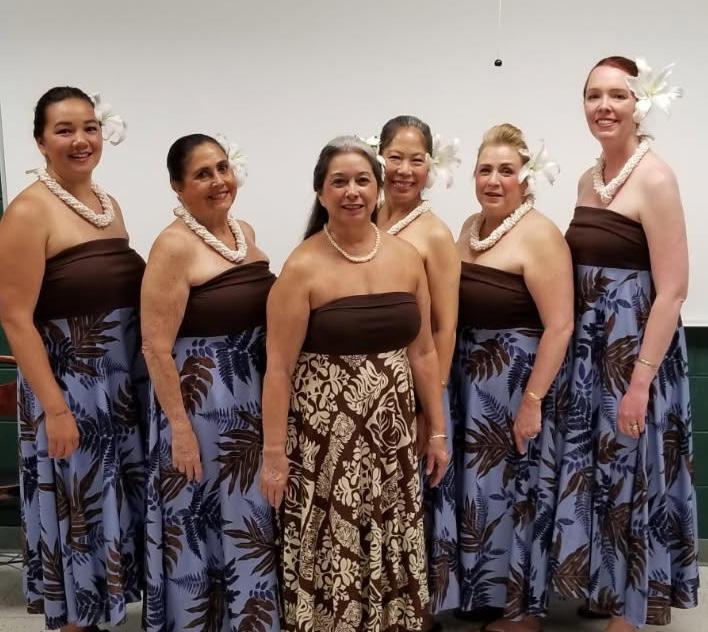
The hālau serves as a “village” for women and girls. Kahakui has fostered an environment where “hula sisters” become family, supporting one another through life’s seasons. The school hosts multiple generations of dancers, including students who started as children, left for college, and eventually found their way back to the “village.”
The mental and physical rigor of hula builds a unique kind of resilience. “It takes a long time for a dancer to be able
to deliver a hula to the level that it looks easy,” Kahakui noted.
When asked about the role of women in Hawaiian culture, Kahakui points to a matriarchal foundation. We are currently witnessing what she describes as a cultural renaissance, and she believes women are the primary stewards of that growth.
“Today’s women need to take it upon themselves and give their families as much knowledge of the culture as they can,” she said. “Even if that knowledge isn’t extensive, a small seed will blossom with love.”
Her advice for the next generation of AANHPI women leaders in Colorado is simple yet steadfast: perseverance.
“The path does not need to be a big splash. Small and steady. Don’t let others deter you from what you are trying to accomplish. Anything worth doing takes time and a lot of heart.”
To connect with Cynthia, please e-mail hawaiitraditions@gmail.com.
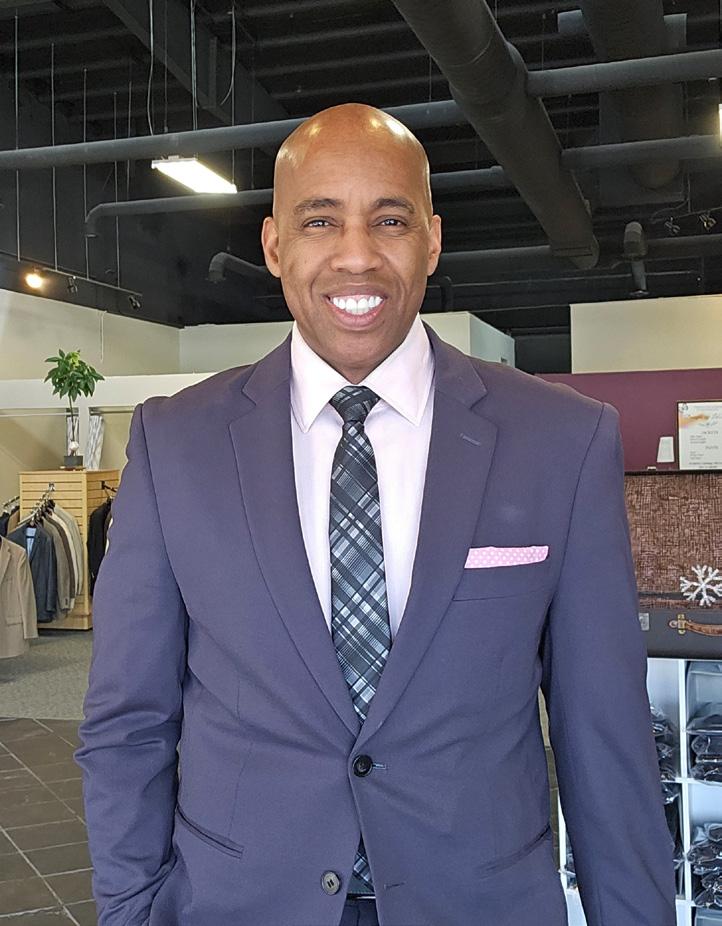
I am James Proby, the founder and proprietor of The Men’s Xchange in Colorado Springs, Colorado. Before that, I was the son of Rev. Milton Proby and Mildred Proby. Both were civil rights activists. My father was known as the state’s leading authority on civil rights, and my mother was, by my account, the first African American school teacher in School District 11.
Civil rights and equality were commonplace discussions in our home, and they are the reason both sides of my family ended up in Colorado Springs, leaving the segregation and oppression of the Jim Crow South. Colorado Springs presented itself as a place without the same blatant levels of segregation and racism found throughout much of the Southern United States. However, we were not completely free from it here either.
It is important to note that as a 56-year-old man, my sister, my cousins, and I are the first generation of Americans to live in a federally enforced desegregated society. This matters because we often think the Civil Rights Movement was eons ago, when in fact I am the first generation of Americans to live under equal opportunity protections by the federal government. I am also the first generation to go from kindergarten through high school in desegregated schools.
While federally regulated segregation
By James Proby
Rocky Mountain Public Media, the home of Rocky Mountain PBS, KUVO Jazz, and TheDrop303 has a partnership with Colorado Ethnic Media Exchange to launch this monthly essay series, as part of our vision to co-create a Colorado where everyone feels seen and heard.
These stories are sourced from community members across the state—told in their own words and selected from our 64-county community ambassador program. They are not editorial products of our journalism team, but are first-person reflections on life in Colorado - building bridges through empathy. Learn more about all of our brands and content at rmpbs.org/about
had ended after more than 400 years, the social aspects of segregation existed then and persist today. All the schools I attended were touted as integrated, and they were. Yet in virtually every class I was in, from kindergarten through the completion of my undergraduate degree, I was usually the only African American face in the room. In my elementary school, I was one of only three African Americans in the entire building.
How often are you the only person of your color, race, or ethnicity in the room?
My father led the largest Black Baptist church in the state of Colorado, and most of the time there were no Caucasian congregants. If you attended First Presbyterian, St. Mary’s, or First Baptist Church, there were also no African Americans inside those walls either. Dr. King said that the most segregated hour in America is 11:00 a.m. on Sunday morning. So while segregation was rendered illegal by the federal government in 1963 and 1965, the reality is that the practice of segregation continued for decades to come.
Growing up in this environment allowed me to spend a great deal of time in school and social settings with my white brothers and sisters, seeing their souls and not their skin. While we formed meaningful friendships at school, most of my friends were not permitted to have me over to their homes after school. I could sit with them at the same lunch
tables and study from the same workbooks, yet I could not enter their homes.
Socially, you could develop a crush on someone in your class, and even if those feelings were reciprocated, there was a generation above you that would not allow that relationship to flourish. The vestiges of centuries of separation persisted even in a place without the storied history of the Jim Crow South.
So how do we address this? We do it at a personal level, a professional level, a spiritual level, and a social level. Take stock of your own relationships and be brutally honest with yourself. Do not point to the one Black friend you have. Instead, ask why you do not have more, and question the depth of the relationships you do have.
Look at your professional spaces and ask why there are not more people of color in your office and in your industry. If you choose to worship, notice the level of diversity in the spiritual spaces you believe are inclusive. Equity and inclusion are not buzzwords. They mean equality and safe spaces for everyone.
What are you doing today to be part of the solution that ensures equality and safety? What are you doing today to help create a nation that has never fully existed, one truly rooted in the inalienable rights of life, liberty, and the pursuit of happiness, and that also ensures liberty and justice for all?
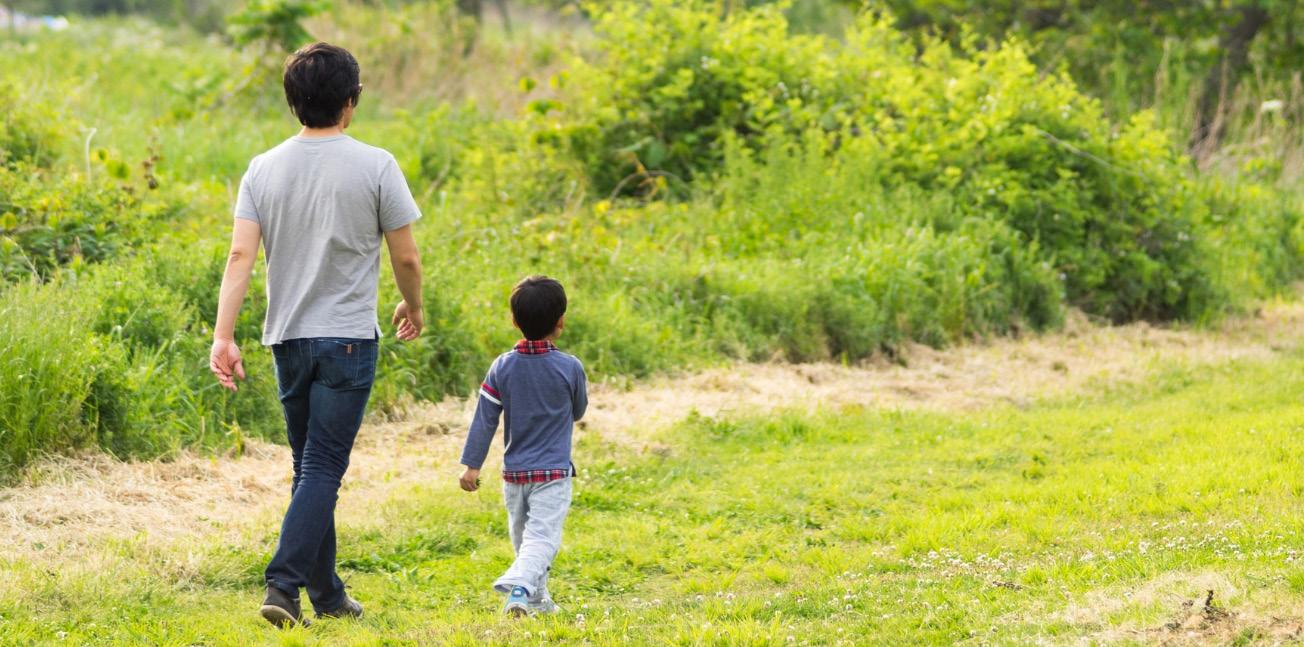
One of the most powerful emotional skills you can give your child isn’t perfect emotional regulation—it’s self-awareness. The ability to notice what’s happening inside you without being completely swallowed by it. Psychology has many names for this skill. Some call it the observing ego. Dialectical Behavior Therapy calls it wise mind. In pop culture, we hear mindfulness. Developmental psychology uses mentalization. Cognitive science calls it metacognition: thinking about your thinking. Different labels, same muscle. At its core, it’s the capacity to step slightly outside your thoughts and feelings and say, “Something is happen-
Dear Dr. Amy,
Growing up in an Asian household, I didn’t have much emotional language or modeling, and I’m realizing now that my own emotional health isn’t very strong. I often struggle to identify what I’m feeling in the moment, and when I get upset it can take a long time to understand what triggered it. Now that I’m a parent, I worry about passing this on. How can I help my child develop healthy emotional awareness and expression?
- Late to the Feelings Party
ing in me right now.” Not judging it. Not fixing it immediately. Just noticing.
This distance matters. When we are fully inside our emotions, they drive the car. When we ignore them completely, we lose out on valuable data about ourselves. When we can observe them, we regain choice. We can respond deliberately instead of reacting automatically. That pause—sometimes only a second— is where emotional health lives.
Perhaps the most optimistic thing about self-awareness is that it is both teachable and learnable—for you as a parent and for your child. Start small. Slow down. Notice. Check in with yourself about what you are thinking or feel-
ing at different points in the day, even when nothing dramatic is happening. Naming the mundane builds the same muscle as navigating the intense.
For your child, encourage self-reflection. Ask about their day through emotions: “Tell me about a time you felt proud today.” “Was there a moment you felt nervous or frustrated?” Reflecting on feelings helps children learn to recognize them in real time later on.
You don’t need to have this skill fully developed to model it well. In fact, saying, “I’m not sure what I’m feeling yet—I need a minute to think,” teaches far more than appearing perfectly regulated ever could.
Dr. Amy King is a clinical psychologist and founder of InnerWoven Therapy, a Colorado-based group practice specializing in Asian mental health. In this column she answers your mental health questions—readers are invited to submit their own for future features.


As someone who cared for a parent while looking after my own children, know that you are not alone.
According to an AARP and National Alliance for Caregiving report, more than one million Coloradans are caregivers for a friend or family member with a complex medical condition or disability.
This legion of caregivers is holding up our state’s health care system and is being paid little, if anything. Make no mistake: caregiving is a real job, regardless of how many hours per week you put in helping a friend or family member. Fifty-six percent of Colorado’s family caregivers report having to go into work late, leave work early, or take time off to provide care.
For those just beginning their caregiving journey, remember that caregiv-
Christine Harrell is a traumainformed yoga teacher, Ayurveda Wellness Counselor, Massage Therapist, and works at a domestic violence support organization. Her goal in life is simple: to live fully, without attachment, to flow with life’s changes, and to embrace happiness and health in mind, body, and spirit. She loves being outdoors, discovering new restaurants and places, and, most of all, being with her kids and her friends, who are like family.
See family caregiving resources at: states.aarp.org/colorado/ caregiver-resources
By Christine Harrell
ing requires a team, as well as a strong understanding of the services available to you through many organizations. Work to have a support system, which can include other caregivers, family, friends, and health care providers.
One of the things that I wish I had realized and understood when I became a caregiver is that my role was not that of a savior.
I had to take care of myself before I could be a caregiver for my father, and it is wholly acceptable to have boundaries that preserve my own health and well-being.
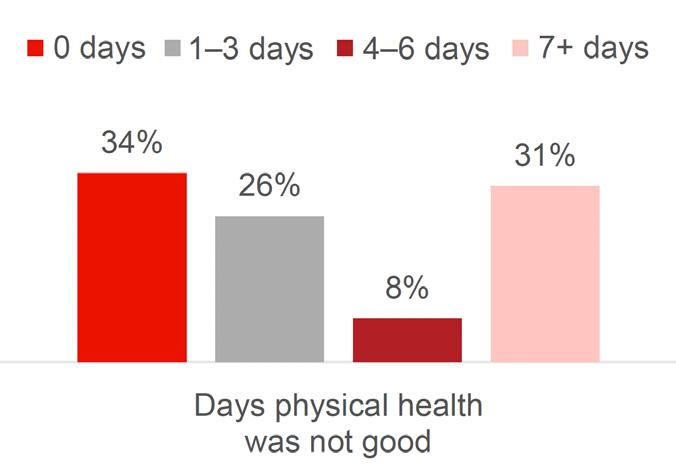
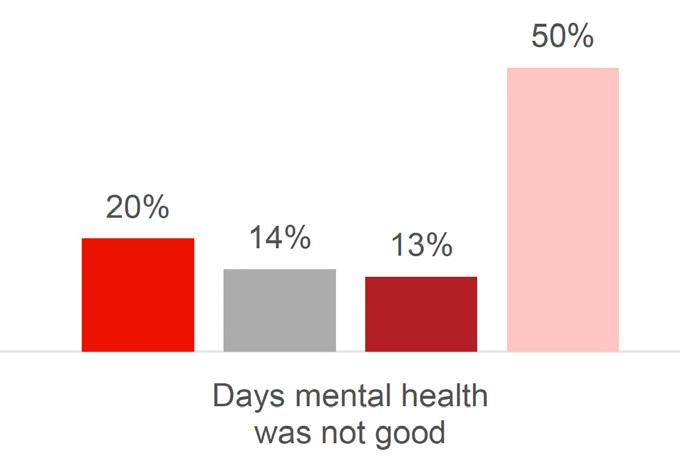
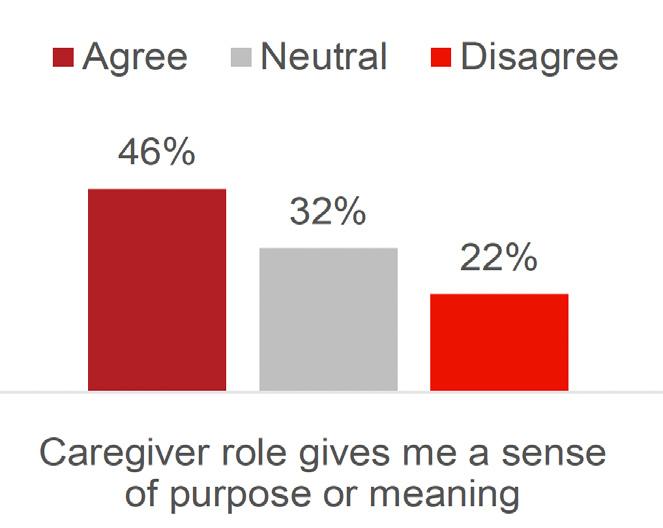
Statistics and views from Colorado’s caregivers confirm that many of us are struggling in this area. Three in ten family caregivers experience seven or more days a month of poor physical health. Half (51%) of caregivers experience high emotional stress while caregiving.
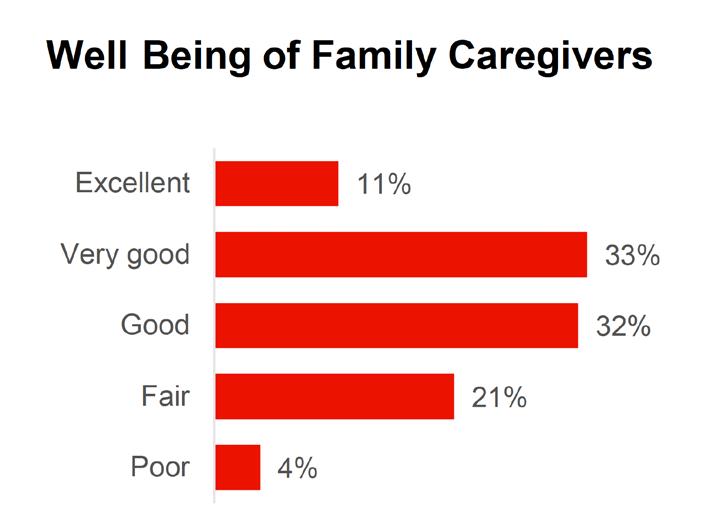
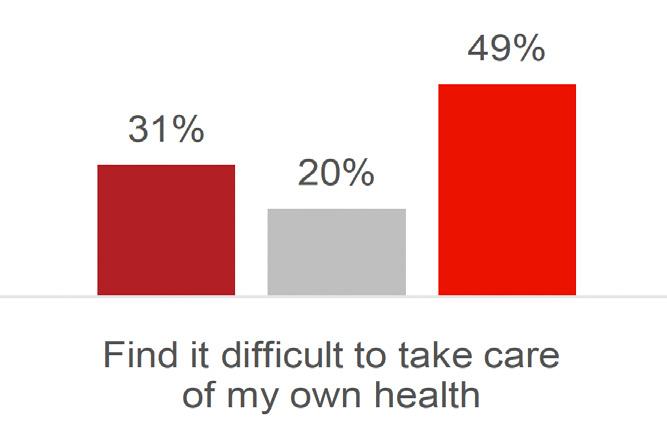
Three in ten (31%) have difficulty taking care of their own health while they focus on their care recipient’s needs. One-third (34%) feel alone while caregiving.
My own experiences bear this out. Caregiving can be a wonderful thing in that you are in service to someone you
deeply care for. However, I often forget to care for myself first—to put my own oxygen mask on before helping someone put theirs on— and both my personal health and boundaries suffer.
If you are not a caregiver, consider what you can do to help one out. Make yourself available for practical assistance – think grocery store runs or other small tasks that can be difficult with everything else going on. Support state and federal policies that include commonsense solutions that will save family caregivers money and time while providing them with more support.
As a community, we can do much to lift up the million Coloradans working so hard to provide healthy, safe environments for friends and family as they age.

S o c i a l F a

u l t u r a l s p a c e d e d i c a t e d t o b r i n g i n g
p e o p l e t o g e t h e r t h r o u g h c o n n e c t i o n , c r e a t i v i t y , a n d s h a r e d e x p e r i e n c e s .
S O U N D H E A L I N G S E R I E S
w i t h C o a c h U n d r a a
E V E R Y M O N D A Y E V E N I N G
I N M A R C H , 6 P M T O 8 P M
C O F F E E C H A T M E E T - U P
E V E R Y W E D N E S D A Y M O R N I N G I N M A R C H , 9 A M T O 1 1 A M
D r o p i n , b r i n g a f r i e n d , a n d l e t ’ s b u i l d c o m m u n i t y o v e r c o f f e e O p e n t o a n y o n e !
R e l e a s e , c l a r i t y , a n d i n t e n t i o n s e t t i n g 22 M A R A P R 26 - 3
M E M B E R S
e n j o y s p e c i a l p e r k s ! M A Y R e c e i v e s p e c i a l
d i s c o u n t s a n d s e c r e t
1 1 A M T O 1 P M
H o n o r t h i s y e a r ’ s h e r o a w a r d e e s a n d c e l e b r a t e
t h e i r c o n t r i b u t i o n s t o
c o m m u n i t y !
m e n u i t e m s f r o m l o c a l
A s i a n v e n d o r s
B R E A K F A S T 1 0 A M T O 1 1 : 3 0 A M M I L E H I G H A S I A N F O O D W E E K J U N J U L A U G Y O U T H S U M M E R C A M P S
C a m p s a r e w e e k l y M o n d a y -
F r i d a y f o r y o u t h a g e s 5 t o
1 3 a n d i n c l u d e a f i e l d t r i p
d u r i n g e a c h c a m p
C A C E N i s a 5 0 1 c 3 o r g a n i z a t i o n t h a t u p l i f t s C o l o r a d o ’ s A s i a n
A m e r i c a n c o m m u n i t i e s . A t t e n d a n e v e n t , v o l u n t e e r , h o s t a
g a t h e r i n g , o r c o l l a b o r a t e w i t h u s t h e r e a r e m a n y w a y s t o g e t i n v o l v e d a n d b e p a r t o f t h e c o m m u n i t y .
@ C O L O R A D O A S I A N @ S O C I A L F A B R I C H U B