Why Data Unification is the First Step to ECommerce Intelligence
In the multi-channel e-commerce arena, your data is often your biggest liability. It is scattered, contradictory, and full of hidden costs. Data unification is the critical process of transforming this fractured landscape into your greatest asset. By centralising data streams, you lay the foundation not just for efficiency, but for true marketing intelligence: predictive analytics, hyper-personalisation, and autonomous optimisation that drives sustainable growth.
Modern marketing no longer occurs on a single channel; marketers often juggle campaigns across multiple retail marketplaces, social media platforms, search engines, and ad networks. Each channel produces valuable insights, but often in isolation, resulting in fragmented reports and disconnected data, which makes it challenging for marketers to have a clear picture of what is working and what is not. This is where data unification, powered by intelligent marketing automation tools, makes all the difference for multi-platform marketing success.
Complete Visibility Across Channels
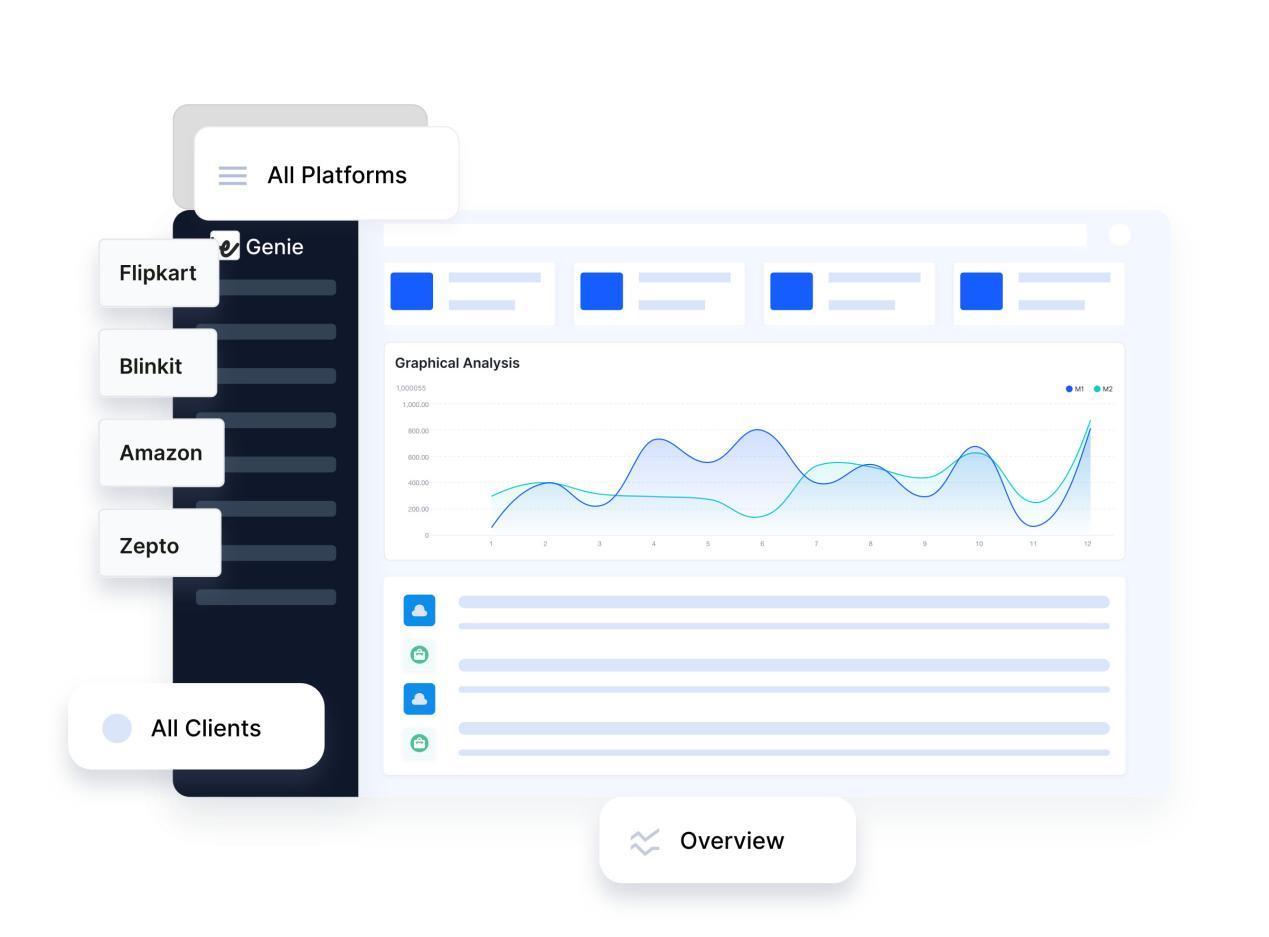
When ad campaigns are running on different channels, toggling between dashboards and comparing metrics from different sources becomes a challenge for marketers. To address this, unified data provides brands with a single, panoramic view of their campaign performance, including clicks, impressions, conversions, and spending, all accessible in one place. This consolidated visibility makes it easier for brands to identify the weak links and which channel is delivering better results. With a unified system, marketers can align every channel toward a shared set of performance objectives.
Improved Decision-Making
Fragmented data reports and disconnected data slow down marketing response time. By the time marketing teams collect and analyse data, key optimisation windows may already be lost. This is where unified data acts as a game-changer, helping marketers detect performance dips or emerging trends instantly. This results in quick and improved decisionmaking. As a result, optimisation becomes continuous, rather than just reactive.
Greater Efficiency Through Automation
Data unification is the foundation on which practical marketing automation tools operate. Once campaign data from multiple sources is collected on a single platform, marketers can automate repetitive actions, such as bid adjustments, pausing underperforming ads, or reallocating budgets to better-performing campaigns. These automated workflows reduce manual effort, prevent errors, and keep ad campaigns running smoothly around the clock.
Smarter Budget Allocation
One of the challenging tasks marketers often face is determining the budget allocation for each platform. This is where data unification provides them with clarity by showing which platform and products drive the most conversions, hence allocating the budget accordingly. With unified insights, marketers are better positioned to strike the right balance between efficiency and impact when running campaigns across multiple platforms.
Holistic Performance Insights
When all the performance metrics are collected on a unified platform, the results go beyond numbers. Unified insights, powered by marketing automation tools, reveal patterns, such as how a social media campaign might influence marketplace sales or search activity. Crossplatform understanding helps brands connect the dots between awareness, engagement and purchase behaviour a bit more closely. Instead of running behind vanity metrics, marketers can focus on measurable insights that truly matter.
Data unification is not the endgame; it is the essential first step. It transforms your marketing operation from a collection of tactical channel managers into a centralised, insights-driven command centre. In an era where customer expectations and market dynamics change in an instant, the ability to act on a unified, intelligent view of your data is no longer a luxury; it's the core competency for every e-commerce brand that intends to lead the e-commerce landscape.