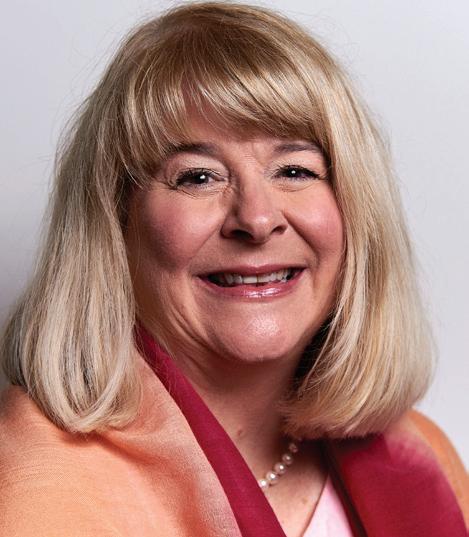
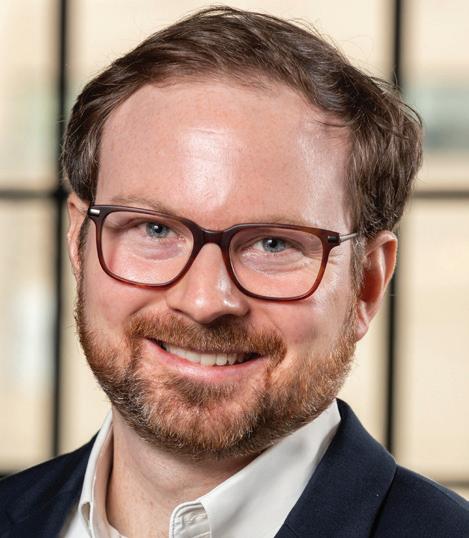
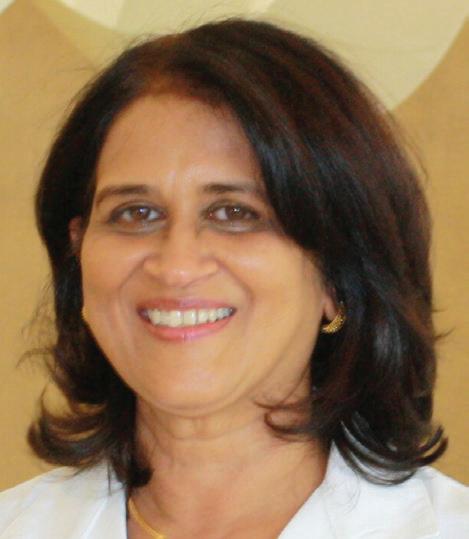
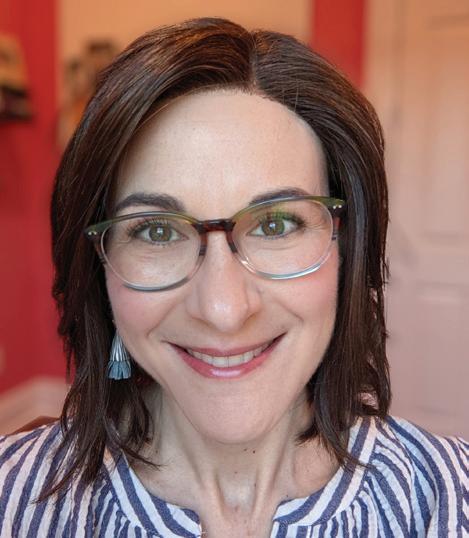
Vice President and Chief Academic Officer, Ascension 6
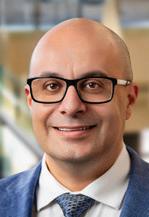
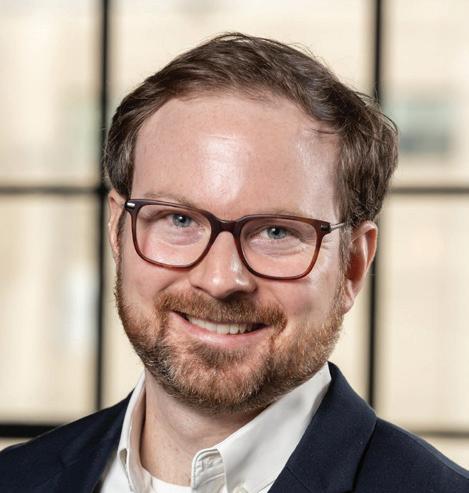
Thomas Aloia, MD, MHCM, FACS, FACHE
Executive Vice President and Chief Clinical Officer, Ascension 7
ACRI leadership 8
About ACRI 10
ACRI research vision 10
Publications 12
Nursing research 16
Clinical trials 18
Service line spotlight: Cardiology 19
Trials in action 20
Service line spotlight: Oncology 22
Connecting with our Community Health Ministry 24
Data science and analytics 26 Why we do research:
Reese Cosimi 28
Dr. Samantha Dallefeld 29
Melinda Evans 30
Vallire Hooper 31
Collin Miller 32
Dr. Suman Rao 33
Emily Rosenzweig 34
Dr. Mary Norine Walsh 35
About Ascension
Ascension is one of the nation’s leading non-profit and Catholic health systems, with a Mission of delivering compassionate, personalized care to all, with special attention to those most vulnerable. In FY2025, Ascension provided $1.7 billion in care of persons living in poverty and other community benefit programs along with $1.8 billion of unreimbursed care for Medicare patients. Across 16 states and the District of Columbia, Ascension’s network encompasses approximately 99,000 associates, 22,300 aligned providers, 95 wholly owned or consolidated hospitals, and ownership interests in 26 additional hospitals through partnerships. Ascension also operates 30 senior living facilities and a variety of other care sites offering a range of healthcare services.
THE CORE OF ALL WE DO
Mission
Rooted in the loving ministry of Jesus as healer, we commit ourselves to serving all persons with special attention to those who are poor and vulnerable. Our Catholic health ministry is dedicated to spiritually centered, holistic care which sustains and improves the health of individuals and communities. We are advocates for a compassionate and just society through our actions and our words.
Vision
Answering God’s call to bring health, healing and hope to all.
Values
Service of the poor
Generosity of spirit, especially for persons most in need
Reverence
Respect and compassion for the dignity and diversity of life
SITES OF CARE IN 16 STATES & THE DISTRICT OF COLUMBIA
$25.3 billion total operating revenue
$1.7 billion in care of persons living in poverty and other community benefit programs
$1.8 billion in unreimbursed Medicare costs
Ascension research at-a-glance
projects
clinical trials in FY25 482
TODAY, MORE THAN 3,599 adults and children are enrolled in clinical trials throughout 10* MINISTRY MARKETS.
*Divested 2 ministries in FY24
CARDIOVASCULAR TRIALS
195 projects 40.7%
NEUROSCIENCES
Publications that included an Ascension contributor in FY25
ONCOLOGY TRIALS
MESSAGES FROM
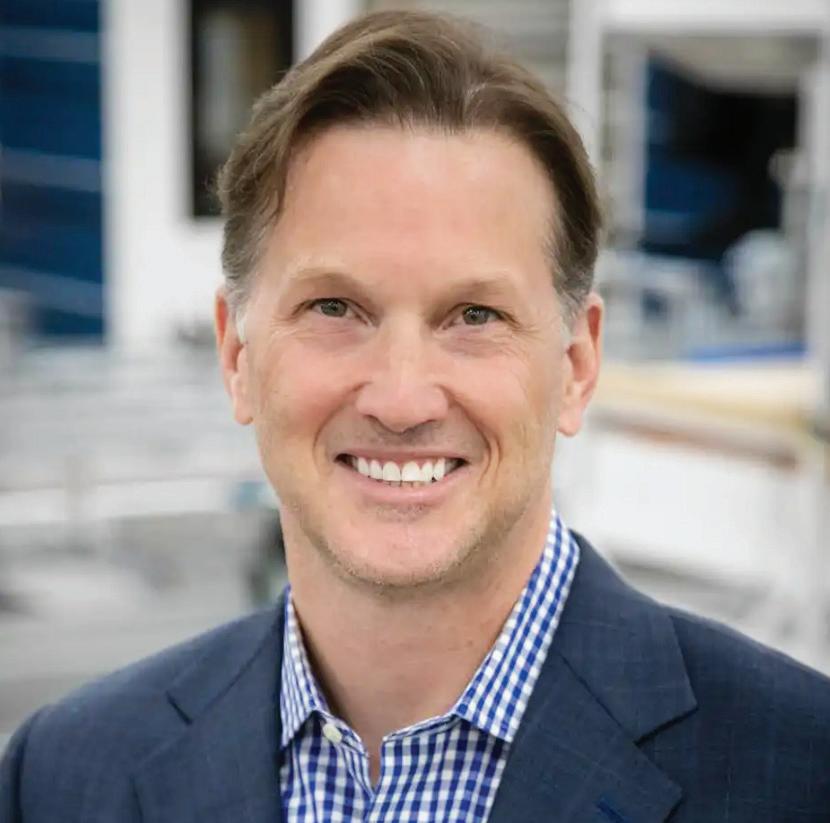
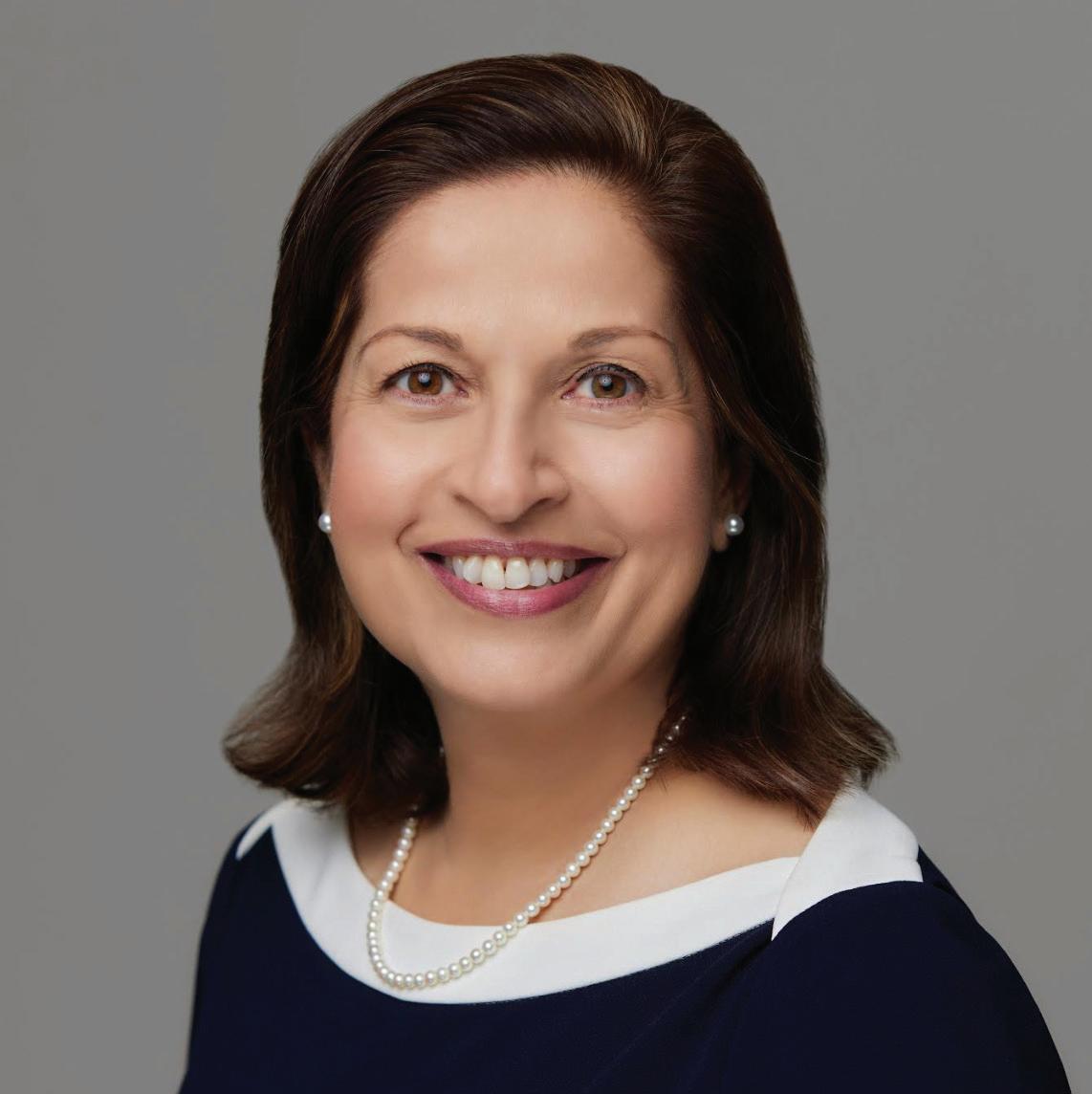
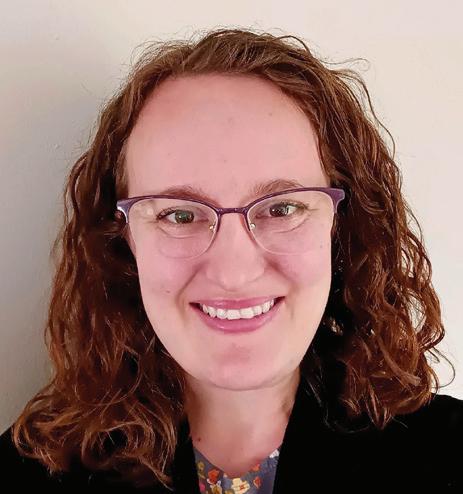
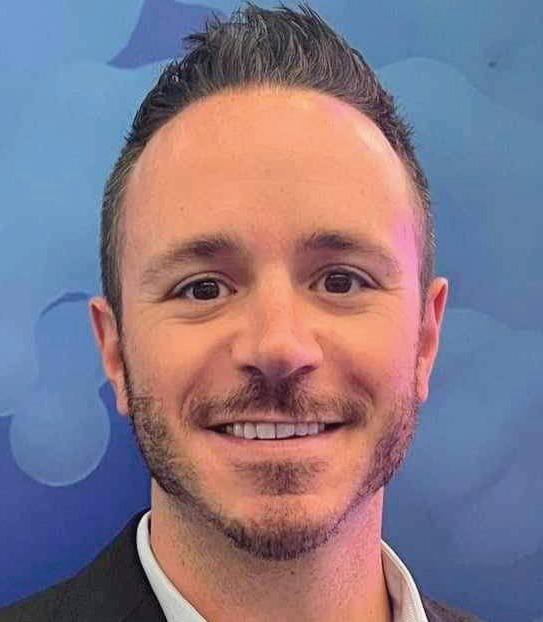
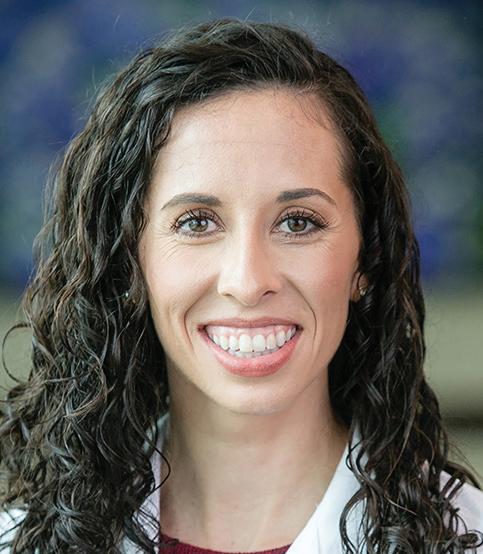
Frederick Masoudi, MD, MSPH, MACC, FAHA
Vice
President and Chief Academic Officer
We are pleased to share this year’s issue of the Ascension Clinical Research Institute (ACRI) annual report. ACRI continues to grow and evolve. Within this report, you will find stories that highlight our work to develop a comprehensive system-wide research enterprise that supports research to advance the prevention, diagnosis and treatment for all persons, with a special commitment to the poor and vulnerable.
As a research community, we strive to make a meaningful impact by understanding the unique, diverse populations we serve, delivering evidence-based care to optimize outcomes, and addressing gaps in evidence to expand opportunities for healing. I know that through discovery, continuous improvement and care transformation we can advance the health and wellness of our patients and communities.
Frederick Masoudi, MD, MSPH, MACC, FAHA Vice President and Chief Academic Officer
This transformational work would not be possible without the dedication of our investigators, staff and research volunteers. Our accomplishments are made possible by their contributions, for which we are deeply grateful.
— Dr. Masoudi
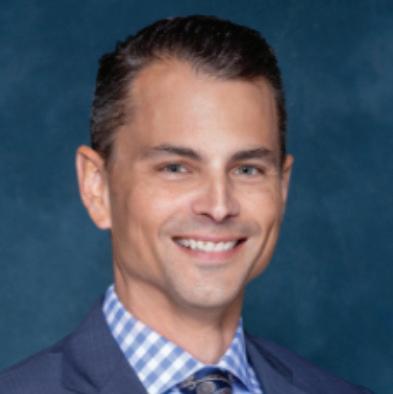
Thomas Aloia, MD, MHCM, FACS, FACHE Executive Vice President and Chief Clinical Officer
As one of the nation’s largest healthcare systems, we have a significant opportunity to enhance outcomes for those we serve through clinical research. In addition to innovative clinical trials to our patients, clinical research discoveries can be shared with other health care providers and patients. Around the world, healthcare providers are using treatments and technologies that were developed, tested, taught and proven at Ascension.
We are uniquely positioned to bring real-world research to our communities, particularly to those who historically have had limited access to cutting-edge care.
and Chief Clinical Officer
Leveraging our scale, we can deliver insights that resonate with diverse populations across various clinical contexts. Through discovery and innovation, we can redefine what is possible in healthcare. Clinical research at Ascension is recognizing this potential; and this report represents our advocacy in action.
This work would not be possible without the leadership of ACRI team and the dedicated communities of investigators and research professionals ACRI serves. Their collaborative spirit, contributions and expertise are evident throughout the stories you’ll read.
I would also like to extend my gratitude to the Ascension Data Science Institute, which has been a strong partner in our research endeavor. Our data scientists generate valuable insights and offer us a deeper understanding of the impact of our national research enterprise.
This report shows how we are using research to transform healthcare across Ascension. We congratulate the teams that work every day to create a promising future as we continue to pursue this Mission-driven work. Together, we can bring health, hope and healing to all.
— Dr. Aloia
Tom Aloia, MD, Executive Vice President
ACRI leadership
Frederick Masoudi, MD, MSPH, MACC, FAHA
Vice
President and Chief Academic Officer
Dr. Masoudi joined Ascension in 2021. He was previously a professor with tenure in the Department of Medicine at the University of Colorado Anschutz Medical Campus and Chief Scientific Advisor of the American College of Cardiology’s national registry programs (NCDR). He is an internationally recognized clinical scientist who has spent his career dedicated to cardiovascular care in practice, research and education. He has co-authored over 375 peer-reviewed articles and contributed to national practice guidelines, scientific statements and policy documents.
Lee Bowen, DHA, MPA, CIP Senior Director of Human Research Protections
Dr. Lee Andre’a Bowen is the Senior Director of Human Research Protection for Ascension, bringing over 25 years of extensive experience in research compliance and oversight to her role. Throughout her career, she has held key leadership positions, including Corporate IRB/IBC Director for ProMedica Ohio and significant Institutional Review Board (IRB) leadership roles at the University of Michigan and Trinity Health. As the senior HRPP director, Dr. Bowen focuses on implementing efficient and effective workflows to serve the research community while accomplishing the number one goal: protecting human participants in research. She remains actively involved in research oversight as a member of multiple IRBs, reviewing a diverse spectrum of studies, from survey-based projects and translational research to complex clinical trials of Artificial Intelligence (AI) on health care systems and research protection.
Ryan Leslie, PhD Associate Vice President, Research
Dr. Leslie is Associate Vice President of Research for Ascension and is the business and administrative leader for ACRI. Prior to his national research leadership role, Ryan was a member of the executive leadership team of Ascension Texas, where his responsibilities included analytics, research, graduate medical education (GME), and the development and support of collaborative data, research and analytics capabilities for Ascension’s partnership with The Dell Medical School at the University of Texas at Austin. Ryan holds three degrees from UT-Austin, including a BBA in management information systems and an MS and PhD in health economics and outcomes research.
Barbara Moskalenko Senior Director Research Administration
Ms. Moskalenko joined Ascension in 2021 and previously served as the Research Operations Director at Dartmouth-Hitchcock Medical Center. As Senior Director of Research Administration, Ms. Moskalenko oversees research operations across Ascension specifically looking at standardizing processes related to research billing compliance, Medicare Coverage Analysis, budget and contract negotiations and research bill review along with oversight of the Clinical Trials Management System, Clinical Conductor.
About ACRI
Our vision:
In collaboration with partners and in alignment with our clinical programs, the Ascension Clinical Research Institute (ACRI) is committed to equitably advancing the health and wellness of the patients and communities we serve through discovery, continuous improvement and care transformation.
The five goals for research at Ascension will guide the enterprise toward fulfilling its vision for research.
Enhance patient outcomes
All of our research is intended to develop new evidence to improve the care and outcomes of the individuals who entrust us with their care.
Involve community
Robust participation in research across the spectrum of socioeconomic status and inclusive of all races and ethnicities requires trust and connection with the communities we serve.
5
1
4
Collaborate strategically
Our objective is to develop strategic and lasting relationships with research sponsors and our academic partners.
3
2
Align and optimize
Our research is embedded within care delivery and serves the clinical objectives of our programs. Research is not an end, but a means to enhance the care we provide.
Engage clinicians
Research provides an opportunity for our clinicians to diversify their professional lives and contribute to knowledge generation
Our investigators participate in clinical trials, implementation studies and health services research supported by government, foundations and industry sponsors. Clinical research is fundamental to improving care and developing new treatments.
Clinicians across Ascension conduct hundreds of research studies on new treatments and care strategies. In October 2022, Ascension formed a single Institutional Review Board (IRB) with regional panels and an office focused on streamlining minimal risk studies. Through a standardized IRB and Clinical Trials Management Systems, ACRI is optimizing research processes, billing and compliance standards. ACRI’s structure also allows clinicians to share best practices and encourage research alignment.
ACRI provides clinical research support and oversight to all sites engaged in research, including:
• A multi-site clinical trials coordination center
• A single, Ascension-wide Institutional Review Board
• Centralized research accounting and legal offices
• Therapeutic-area clinical research forums
• Clinical data analytics in partnership with the Ascension Data Sciences Institute
In addition, ACRI seeks to foster partnerships with all types of partners including federal, state, commercial and non-profit organizations. The program focuses on creating and fostering new partner relationships to amplify the capacity and reach of research in Ascension.
Notable publications
Our investigators’ research has been featured in prominent journals. Here are several examples of where our research was spotlighted in FY25.
Nature Medicine
Artificial intelligence for individualized treatment of persistent atrial fibrillation: a randomized controlled trial.
2025 Feb 1
Authors:
Deisenhofer, I. et al (Oza S)
The New England Journal of Medicine
Blinatumomab in Standard-Risk B-Cell Acute Lymphoblastic Leukemia in Children.
2024 Dec 1
Authors: Gupta, S. et al (Kubaney HR)
Circulation
Large-Bore Mechanical Thrombectomy Versus Catheter-Directed Thrombolysis in the Management of Intermediate-Risk Pulmonary Embolism: Primary Results of the PEERLESS Randomized Controlled Trial.
2024 Oct 1
Authors:
Jaber, WA. et al (Tamlyn TM)
The Lancet (London, England)
Collaboration on the optimal timing of anticoagulation after ischaemic stroke and atrial fibrillation: a systematic review and prospective individual participant data metaanalysis of randomised controlled trials (CATALYST).
2025 Jun 1
Authors: Dehbi, HM. et al (Milling TJ, Davis LA, Lawrence P, Warach SJ)
The New England Journal of Medicine
Left Atrial Appendage Closure after Ablation for Atrial Fibrillation.
2024 Nov 1
Authors: Wazni, OM. et al (Oza S; Olson J)
Nature
Megastudy shows that reminders boost vaccination but adding free rides does not.
2024 June 1
Authors: Milkman, KL. et al (Patel MS)
American Journal of Human Genetics
DNA-binding affinity and specificity determine the phenotypic diversity in BCL11B-related disorders.
2025 Jan 1
Authors: Lessel, I. et al (George-Abraham JK)
JAMA Psychiatry
Neighborhood Resources Associated With Psychological Trajectories and Neural Reactivity to Reward After Trauma.
2024 Nov 1
Authors: Webb, EK. et al (Pearson C)
*Bold denotes an Ascension author
NUMBER OF PUBLICATIONS WITH AN ASCENSION CONTRIBUTOR
Journal of the National Cancer Institute
Quality-of-life outcomes from NRG Oncology
NSABP B-39/RTOG 0413: whole-breast irradiation vs accelerated partial-breast irradiation after breastconserving surgery.
2025 Jan 1
Authors: Ganz, PA. et al (Hudes RS)
Annals of Neurology Association of Reperfusion and Procedural Characteristics with Endovascular Thrombectomy Outcomes in Large Core Stroke: Sub-Analysis from the SELECT2 Trial.
2024 Nov 1
Authors: Hassan, AE. et al (Warach S; Gibson D)
Journal of the American College of Cardiology
P2Y(12) Inhibitor Pretreatment in Non-ST-Segment Elevation Acute Coronary Syndrome: The NCDR Chest Pain-MI Registry.
2024 Nov 1
Authors: Ueyama, HA. et al (Masoudi FA)
European Heart Journal
Immune checkpoint inhibitor-associated myocarditis: a novel risk score.
2025 Jun 1
Authors: Power, JR. et al (Liu, Yan)
Highlighted published studies
Ascension clinicians co-author paper in Journals of the American College of Cardiology (JACC): Cardiovascular Interventions
Ascension Tennessee investigators Dr. Evelio Rodriguez and Dr. Andrew Morse contributed to a study on how anterior, posterior or bileaflet mitral valve disease affects outcomes after mitral transcatheter edge-to-edge repair (M-TEER) for mitral valve leakage (regurgitation). The paper was published in JACC: Cardiovascular Interventions.
Why it matters
This is yet another example of high-quality, practice-changing, clinical pragmatic research going on widely across Ascension.
— Dr. Ed Fry
“ “
Click here to read the full article
Degenerative mitral valve disease affects the valve between the left heart chambers, in some cases causing significant regurgitation that over time can result in heart enlargement and heart muscle weakness. This study explored the effectiveness of M-TEER using the MitraClip device in patients with varying degenerative mitral valve disease anatomy. The investigators found that immediate procedural success, 30-day major adverse event rates, and one-year reduction in mitral regurgitation conferred by M-TEER for those with degenerative mitral regurgitation (DMR) were favorable regardless of the location of prolapse or flail.
“This is yet another example of high-quality, practice-changing, clinical pragmatic research going on widely across Ascension,” said Dr. Ed Fry, Chair of Ascension Cardiovascular Service Line (CVSL). “It demonstrates the potential and impact that clinical investigators across the CVSL can have on patient care and advancing cardiovascular science.”
Chief clinical transformation officer shares how a little nudge can go along way in the New England Journal of Medicine: Evidence
Ascension is tapping into digital nudge technology to close preventive care gaps. This innovative work led by Mitesh Patel, MD, MBA, Ascension Vice President and Chief Clinical Transformation Officer, was recently featured in a published article in NEJM Evidence, a publication of NEJM Group, publisher of the New England Journal of Medicine, that shared how the use of this technology can improve preventive care delivery in primary care settings.
Why it matters
Nudges through email or SMS can better prepare patients for upcoming primary care visits — informing them to address overdue screenings, vaccinations and other preventive needs. By reaching out in advance of appointments, Ascension is engaging patients in their care and supporting shared decision-making conversations with their clinicians.
“Even when services are available, many patients delay or miss preventive care,” said Dr. Patel. “Our digital nudge approach helps change that by making it easier for patients to take action and for clinicians to provide timely and proactive care. It not only encourages patients to come through the door but also helps streamline the appointment process and make each visit more meaningful.”
Primary care visits are key opportunities to close preventive care gaps, but patients often arrive focused on immediate concerns. Introducing new topics during the visit can delay decision-making as patients process the information. Preparing patients in advance helps them engage more fully and receive timely care.
— Dr. Patel “
Even when services are available, many patients delay or miss preventive care.
“
“Healthcare is rapidly evolving as new technology helps us to address patient needs more efficiently — yet persistent gaps in access remind us there is still important work to be done,” said Thomas Aloia, MD, MHCM, FACS, FACHE, Ascension Executive Vice President and Chief Clinical Officer. “Digital nudges are one more tool to facilitate preventive care, like wellness visits and cancer screenings, in ways that feel simple, supportive and effective.”
Nursing research
Research plays an essential role in nursing by generating new knowledge that informs patient care and the healthcare systems in which care is delivered. The Ascension nursing community is committed to advancing nursing practice through the conduct of research. Our aim is to conduct meaningful research with actionable outcomes/implications for patient care — ultimately creating a continuously learning healthcare system, where research questions are generated from practice needs and findings from our own research guides decision making for practice and operations.
Recognizing that nursing care has a strong influence on patient outcomes, the three priority areas for nursing research have been identified to bring clinical, meaningful research to those we serve:
Safety Workforce Health to all
Research that supports the delivery of care that is safe for patients and does not cause inadvertent harm.
Advances our understanding of patients, clinical environments and processes/systems to produce solutions and interventions for safer care.
Research the supports nurses’ well-being and ability to deliver excellence care.
Advances our understanding of the nursing work environment, processes and systems that promote nurse well-being, and lead to safe, quality, effective, efficient/ timely and equitable care.
Evidence-based practice FY25 Fast Facts
25 Nurse scientistled investigations targeting health system priorities
7 Patient fall risk factors & prevention interventions
Research that supports Ascension’s Vision to bring health, healing, and hope to all.
Advances our understanding of and development of solutions for health differences that are driven largely by social, economic and environmental factors.
7 Nursing workforce well-being & ability to deliver exceptional care
4 Additional patient safety & quality of care studies
Nursing research FY25 fast facts
Active nurseled research studies
91
50
Peer-reviewed publications with Ascension nurse authors 20
19
Associates & leaders mentored to conduct research as principal investigators & coinvestigators
Team-led or mentored national/ international professional presentations (8 invited)
$4.9M
Amount submitted in research grants
Practice-based support for national & market-level initiatives
11 Evidence reviews
12 Practice changes
MEDIA MENTIONS
$3,149,006 in Cost Avoidance
Becker’s Health IT ‘A Gap in Literature’: Why Ascension aims to diversify telehealth
Journal of Infusion Nursing — A Top Paper of 2025 Exploration of the Current State of Peripheral Intravenous Catheter Complications and Documentation
8+ editorials, 2 podcasts, multiple newsletters
Call to action: Blueprint for change in acute and critical care nursing
Safety events prevented Student nurse retention Contracts/expenses avoided in workforce funding being implemented $1M
3,210
Learners for research, EBP, and quality improvement trainings
The Ascension Clinical Trials Network
TOTAL NUMBER OF clinical trials in FY25
TODAY, MORE THAN 3,599 adults and children are enrolled in clinical trials throughout 10 MINISTRY MARKETS.
*Divested 2 ministries in FY24
Cardiology and oncology are the predominant areas of study. Other areas of interest include cystic fibrosis, genetics, multiple sclerosis, Alzheimer’s disease, stroke and allergy.
Ascension hospitals have long conducted clinical trials in a wide range of clinical areas. Recently, with the formation of ACRI, Ascension has centralized some research administrative functions and has adopted more consistent policies and procedures to support increasingly effective and efficient research activities. This evolution has facilitated Ascension’s participation in clinical trials as a network, with a single point of contact for sponsors and the creation of organization-wide research communities that can share best practices around trial enrollment. Key changes that support the Ascension clinical trials network include:
• A single Ascension Human Research Protection Program, including a single Institutional Review Board
• A centralized legal intake process for non-disclosure agreements, clinical trial agreements and other legal documents.
• A central finance and accounting office
• Enterprise-wide technology platforms, including a Clinical Trials Management System and an electronic IRB system
NETWORK TRIALS, ACTIVE AND COMPLETED THROUGH FY25
NEUROSCIENCES 1 trial
ONCOLOGY 11 trials
Service line spotlight
CARDIOLOGY RESEARCH
Opening the valve for cardiovascular clinical trials
Ascension’s research pipeline is overflowing with network cardiovascular (CV) clinical trials — those where multiple Ascension sites work together to bring innovative CV research to our patients.
This is especially meaningful because heart disease is the leading cause of death for both women and men in the U.S. By participating in clinical trials, we can expand our understanding of the disease and identify treatment opportunities to improve outcomes.
“Ascension’s size, scope and function as a network make us a compelling partner for clinical trials,” said Frederick Masoudi, MD, MSPH, Vice President and Chief Academic Officer.
“Our participation can shape how we prevent and treat heart disease. In addition to these network trials, Ascension is also engaged in numerous single-site trials.”
“ “
Ascension’s size, scope and function as a network makes us a compelling partner for clinical trials.
— Dr. Masoudi
Ascension’s Cardiovascular Research Network BY THE NUMBERS THROUGH FY25
53 network trials
1,748 patients enrolled in cardiovascular network trials
25 TRIALS in active enrollment
5 TRIALS in a follow-up phase
12 CANDIDATE TRIALS under evaluation
Trials in action: Ascension cardiologist forms the future of heart care
As a private-practice cardiologist in Kansas, Dr. Bassem Chehab worked with Ascension Via Christi in Wichita, Kansas for more than a decade. This February, he officially joined the Ascension system.
What inspired his decision? Dr. Chehab’s passion for research and natural affinity with Ascension’s Mission.
“The cornerstone of clinical research is that you must offer it to all genders, races, socioeconomic levels, etc. in order to avoid bias. That fits very well with answering God’s call to bring health, healing and hope to all.”
The second vision was that of Dr. Frederick Masoudi, Ascension Clinical Research Institute’s Vice President and Chief Academic Officer.
“Dr. Masoudi set the vision and the goals of a national research system where, instead of working individually, we are working together as one network. We now bring the strength of a multi-system hospital system under one umbrella.”
With this network in place and Ascension’s nationwide reach, Dr. Chehab is able to bring the latest cardiac clinical trials and technology to the community Via Christi serves, optimizing their outcomes and well-being. He is also helping to
grow Ascension’s reputation for developing the future of cardiovascular healthcare within the region.
“The more people recognize us as a national and global research center, the more people will come to us for care and the more people we can help,” said Dr. Chehab.
“I was thrilled to learn that Dr. Chehab is joining Ascension,” said Dr. Peter Monteleone, Director of Cardiovascular Research, Ascension. “Bassem is an accomplished and nationally recognized investigator who will be a wonderful addition to our cardiovascular clinical trials network and to our healthcare mission.”
The more people recognize us as a national and global research center, the more people will come to us for care and the more people we can help. “ “
— Dr. Bassem Chebab
Ascension cardiologists co-author practice-changing New England Journal of Medicine study
Dr. Jeff Olson, a cardiac electrophysiologist at Ascension St. Vincent Heart Center of Indiana, and Dr. Saumil Oza, a cardiac electrophysiologist at Ascension St. Vincent’s Medical Center in Jacksonville, Florida, recently co-authored an article in the New England Journal of Medicine (NEJM) that reports a potentially practicechanging trial in the treatment of atrial fibrillation (AFib).
The study investigates use of left atrial appendage closure as an alternative to oral anticoagulants as stroke prevention after successful AFib ablation. Traditionally, high-risk stroke patients receive oral anticoagulation after ablation for AFib, but data on optimal approaches to stroke prevention after AFib ablation are limited.
Why it matters
Incidence of AFib has been increasing rapidly and ablation has become a front-line intervention for its treatment. AFib greatly increases a patient’s chance for stroke. This study highlights a promising alternative treatment after ablation for AFib that could enhance patient outcomes.
Drs. Olson and Oza along with an international team of investigators conducted a randomized clinical trial with more than 1,600 patients at high risk for stroke who had undergone catheter ablation for AFib. They were randomly assigned to either left atrial appendage closure or oral anticoagulation 90-180 days after ablation.
“Our findings revealed that left atrial appendage
closure was associated with a lower risk of non-procedure-related major or clinically relevant non-major bleeding compared to oral anticoagulation,” said Dr. Olson. “It also proved noninferior to oral anticoagulation with respect to a composite of death from any cause, stroke or systemic embolism at 36 months. These results suggest that left atrial appendance closure could reduce patient risk and enhance outcomes.”
“This study is a step toward ultimately allowing patients with AFib to decide whether they would like to use daily medications or a one-time procedure to reduce their risk for stroke,” added Dr. Oza.
“Research like Drs. Olson’s and Oza’s is shaping how we provide care for our patients,” said Dr. Frederick Masoudi, Vice President and Chief Academic Officer. “By exploring new treatment strategies, we can ensure we are providing the safest and high-quality care to those we serve.”
The trial conducted by Drs. Olson and Oza is one of many system-wide clinical trials being conducted across the Ascension Cardiovascular Service Line.
DIVE DEEPER
Explore the study further by reading the NEJM abstract here.
Service line spotlight
ONCOLOGY CARE
New partnership powers research and cancer care in Middle Tennessee
Ascension Saint Thomas and Tennessee Oncology have partnered to launch a patient-centered cancer care program in Middle Tennessee. The new program enhances patient access to the latest blood cancer treatments, including research protocols to help patients combat blood cancers.
Shubhada Jagasia, MD CEO, Ascension Saint Thomas
Why it matters
The Saint Thomas/Tennessee Oncology collaboration provides individuals access to the most recent advancements and research opportunities in blood cancer research, bringing life-saving therapies closer to home. We’re committed to bringing the latest
advancements in medicine to our communities,” said Shubhada Jagasia, MD, CEO, Ascension Saint Thomas. “This collaboration furthers our Mission by reaching the most vulnerable patients in Middle Tennessee.”
“Research is a key component of this partnership,” said Frederick Masoudi, MD, MSPH, Vice President and Chief Academic Officer. “Saint Thomas Research Institute offers a robust administrative framework to navigate and support the regulatory and training requirements needed to offer opportunities to our patients. By integrating research with our high-quality clinical services, we are delivering exceptional, innovative care that our communities might not otherwise receive.”
In recent years, Ascension’s Clinical Research Institute (ACRI) has prioritized the standardization of research functions such as Institutional Review Board approvals, contracting, data analysis and billing across the organization — simplifying collaboration between Ascension
and research partners. This work has been foundational in building the infrastructure needed to support partnerships like Tennessee Oncology.
“This collaboration is bringing the latest care advancements to our local communities, enabling us to bring health, hope and healing to all,” said Brian Wilcox Jr., MD, Chief Clinical Officer, Ascension Saint Thomas. “We look forward to strengthening this partnership and identifying and offering new research opportunities to those we serve.”
Ascension’s Oncology Research Network
1,281
Brian Wilcox Jr., MD Chief Clinical Officer, Ascension Saint Thomas
Connecting with our Community Health Ministry
Empowering our patients through clinical research
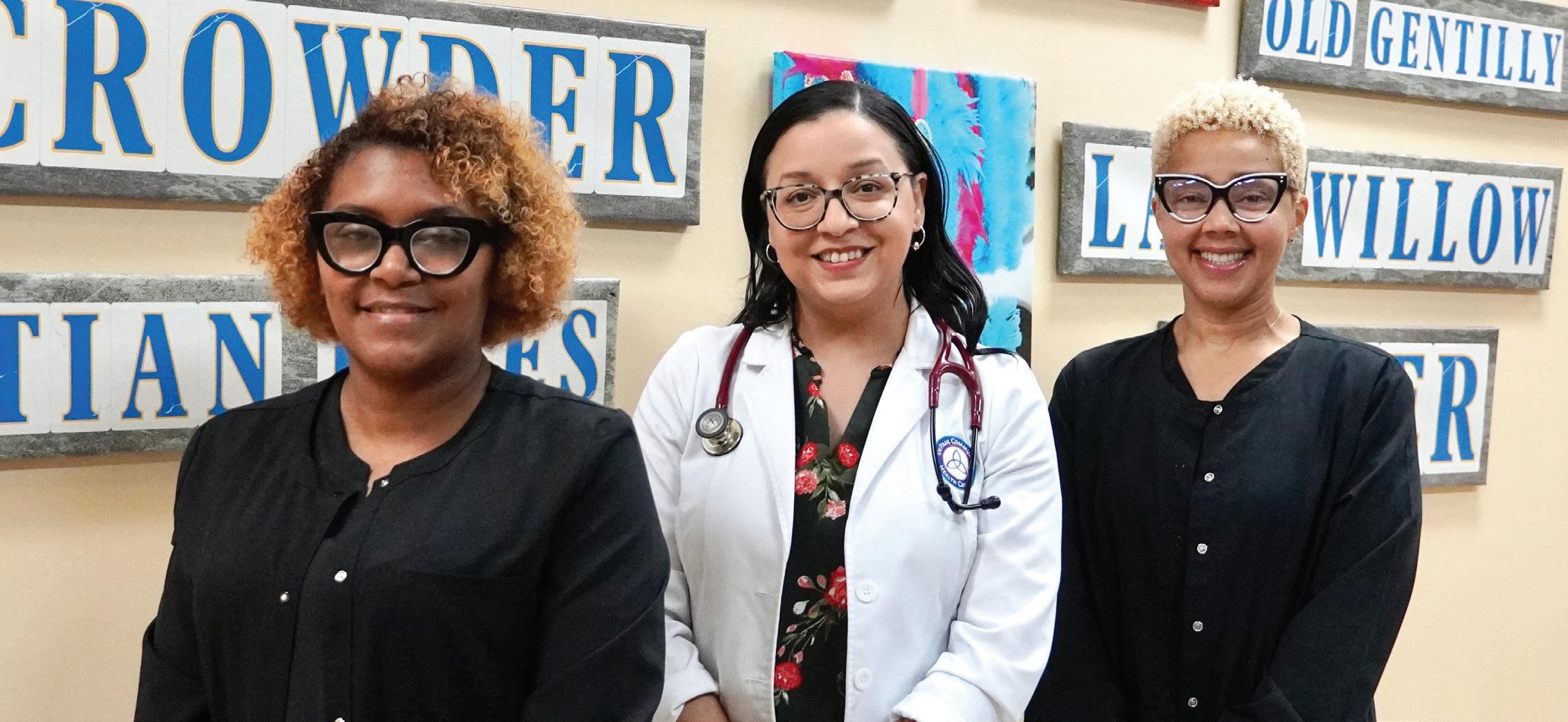
In the heart of New Orleans, the Ascension DePaul Services Research Center (ADSRC) is forging a new path in healthcare, not just through treatment, but through a deeply human approach to clinical research. Four years ago, it embarked on a mission to bring research opportunities to its oftenvulnerable and underserved community. “This isn’t just about clinical trials; it’s about enhancing the quality of our care through testing cutting-edge technologies and trying new clinical therapies,” said Marsha Broussard, DrPH, MPH, Senior Administrative Research Manager, ADSRC.
“Engagement in research requires trust and we’re building that trust with every new study,” said Kristen Thomas, MD, Principal Investigator at ADSRC when asked how their ministry is embracing clinical research for the New Orleans community. “We select studies that align with our Mission and Values, and our clinical practice goals.” Since its inception, DePaul has prioritized research opportunities that focus on primary care and preventative health including chronic disease management for conditions such as diabetes, cardiovascular disease, cancer screening and hypertension. Ideally, these studies include an educational component that focuses on behavioral change and compliance. ADSRC also emphasizes high touch and promotes communications. “Patients who enroll in our clinical research studies are provided with my personal phone number,” said Zonda Gooden, LPN,
BS-HIM, MBA, Senior Clinical Research Manager. “I want them to know that they can reach out to me at any time if they have questions or concerns.
”Mr. Brousseau is one of the many patients who has been positively impacted by participating in a clinical trial at DePaul. He recently participated in the BRIGHT study where patients with diabetes used an educational app to promote lifestyle changes and to monitor their A1C levels.
“ “
Clinical trials like the BRIGHT study, which leverage technology with education and treatment, can significantly enhance quality and effectiveness of care.
— Dr. Broussard
“Participating in the BRIGHT study opened my eyes,” said Mr. Brousseau. “I found that everything they sell (in the supermarket) might not be good for us. I’m now a label person and try to read what’s in the stuff I buy. I’m now eating more fruits and vegetables and less red meat. Seven years ago, I was over 300 pounds and my mobility was less
than what it used to be. The app helped me get back on track and kept me progressing forward.”
Mr. Brousseau participated in the BRIGHT study for over a year, and the research team contacted him every three months to assess its efficacy.
“This study increased participants’ compliance, and we also observed a continuous decrease in his A1C levels and a weight loss among many participants — the app proved itself effective,” stated Gooden.
Mr. Brousseau also attributed his progress to the DePaul team’s assistance throughout his journey. “I would like to thank all of them for the encouraging help they gave me. Knowledge is power. The app along with my care team enlightened me on how I can change my lifestyle
to stay healthy.”
“Clinical trials like the BRIGHT study, which leverage technology with education and treatment, can significantly enhance quality and effectiveness of care,” Dr. Broussard added. “As healthcare providers and patients, it is imperative that we embrace technology. Mr. Brousseau’s story also reflects how clinical research can improve the lives of those we serve.”
“DePaul Services has been dedicated to achieving success in research within their unique setting,” stated Frederick Masoudi, MD, MSPH, Vice President and Chief Academic Officer at Ascension. “They have successfully cultivated community trust in research, which is absolutely essential.”
Data science and analytics
The clinical analytics team in the Ascension Data Sciences Institute (ADSI) works closely with ACRI and supports clinical service lines in performing data analytic research focused on improving the quality of care and outcomes of the patients we serve. The team mobilizes Ascension’s clinical data from several sources to generate clinically meaningful insights to advance care.
Collin Miller, MS, Manager
Mr. Miller provides biostatistical and programming expertise to physician stakeholders, focusing primarily on observational retrospective analyses. He supplements traditional statistical techniques with data science approaches to provide greater insight and a different perspective. He has a background in clinical research and making significant contributions to peer-reviewed publications.
MEET THE ADSI TEAM LEADS
Ana Cristina Perez Moreno, PhD, MD, Senior Research Biostatistician
Dr. Perez Moreno is a trained physician skilled in analytical methods. She completed a PhD and postdoctoral research fellowship in cardiovascular research /cardiology and has extensive experience collaborating with primary investigators, clinical fellows, medical and other healthcare related students, nurses, research associates, lab personnel and research administrators. She integrates her valuable clinical knowledge when performing advanced statistical techniques for research studies across Ascension.
Poching DeLaurentis, PhD, Senior Data Scientist
Dr. DeLaurentis has over a decade of experience applying systems engineering methodologies and advanced analytics to problems in healthcare domains, including public health, clinical processes, workflows and informatics. She completed a postdoctoral fellowship in health services and outcomes research after earning a PhD in Industrial Engineering. Prior to joining Ascension in 2022, she was a research scientist in an academic research setting for nearly 10 years.
Stacie Kroboth, BS, Data Scientist
Mrs. Kroboth has research experience in academia, biotech and healthcare. She joined Ascension in 2024 and previously worked in graduate medical education helping cardiovascular physicians / fellows with protocol development, data collection and analysis for their patient-centered outcomes research. She has contributed to numerous peerreviewed publications and presentations.
Mrs. Sakoian joined the ADSI team in July of 2025. She has a strong foundation in direct patient care and clinical trials research. Prior to joining Ascension she was successful as a registered nurse and research nurse. She executed several clinical trials in oncology. She completed a master’s degree in informatics. This combination gives her a great appreciation into the demands of patient care, rigors of research, and data collection and management.
By evaluating the internal clinical variations in care, we can identify opportunities to optimize standardization and expand access to care.
“
— Reese Cosimi
Click here to read Reese Cosimi’s full interview
Samantha Dallefeld, MD, Dell Children’s Medical Center, Ascension
I
“ “
realized that medicine is constantly evolving: We learn, we know better and we do better. It is deeply fulfilling not only to save lives, but also to be part of advancing how we care for children.
— Dr. Dallefeld
Click here to read Dr. Dallefeld’s full interview
Why we do research RESEARCH TEAM Q&As
Melinda Evans, National Director, ACRI Coordinating Center, Ascension
I’ve always viewed research from a personal perspective, as if one of my own family members needed hope or a treatment option.
— Melinda Evans “ “
Click here to read Melinda Evans’ full interview
— Vallire Hooper “ “
Research is an opportunity to make a difference for the future of nursing care delivery.
Collin Miller, Manager, Clinical Research & Analytics, Ascension
Research at Ascension supports the clinical aims of the organization, along with the Mission, and is not research for the sake of research. It’s about providing access to advanced treatments to all patients and improving the health of individual patients and communities.
“ “
— Collin
Miller
Click here to read Collin Miller’s full interview
Suman Rao, MD, Chief Medical Oncologist, Ascension Saint Agnes
“ “
The clear need for newer and better treatments to individualize patient care as well as develop treatment options that are less burdensome for patients, is what drove me to clinical research.
— Dr. Rao
Click here to read Dr. Rao’s full interview
Why we do research RESEARCH TEAM Q&As
Emily Rosenzweig, PhD, Director of Behavioral Science, Ascension
“ “
By removing barriers and enhancing motivation, we help patients bridge the gap between knowing what’s good for their health and actually taking those important preventative steps.
— Emily Rosenzweig
Click here to read Emily Rosenzweig’s full interview
Mary Norine Walsh, MD, MACC, Medical Director, Heart Failure and Cardiovascular Research Institute, Ascension St. Vincent Heart Center
— Mary Norine Walsh “ “
All the advances in the treatment of heart failure are solidly based on robust research done by committed investigators around the world. At Ascension, we are proud to be part of this progress.