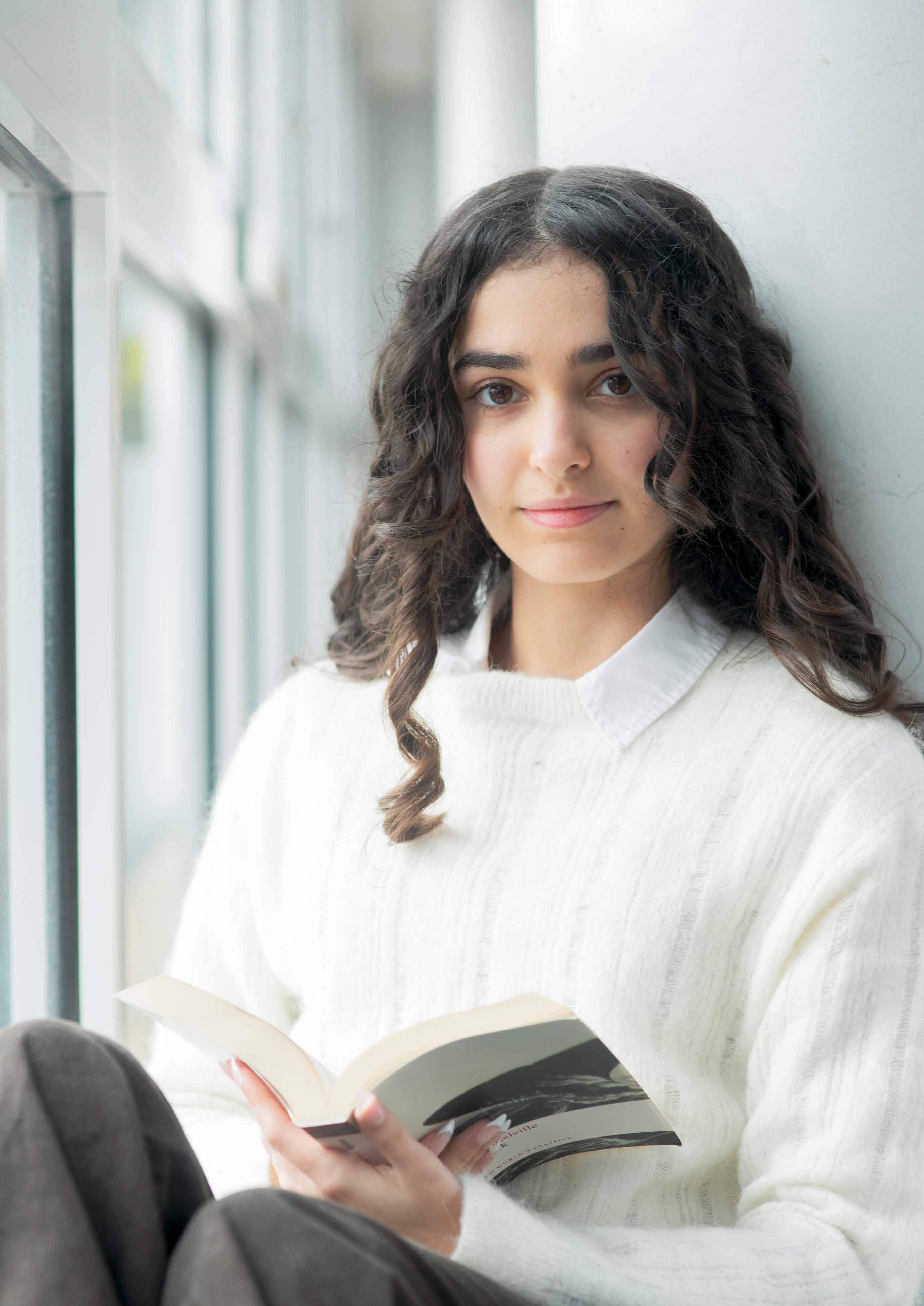
Photo: © Marjolein Martinot
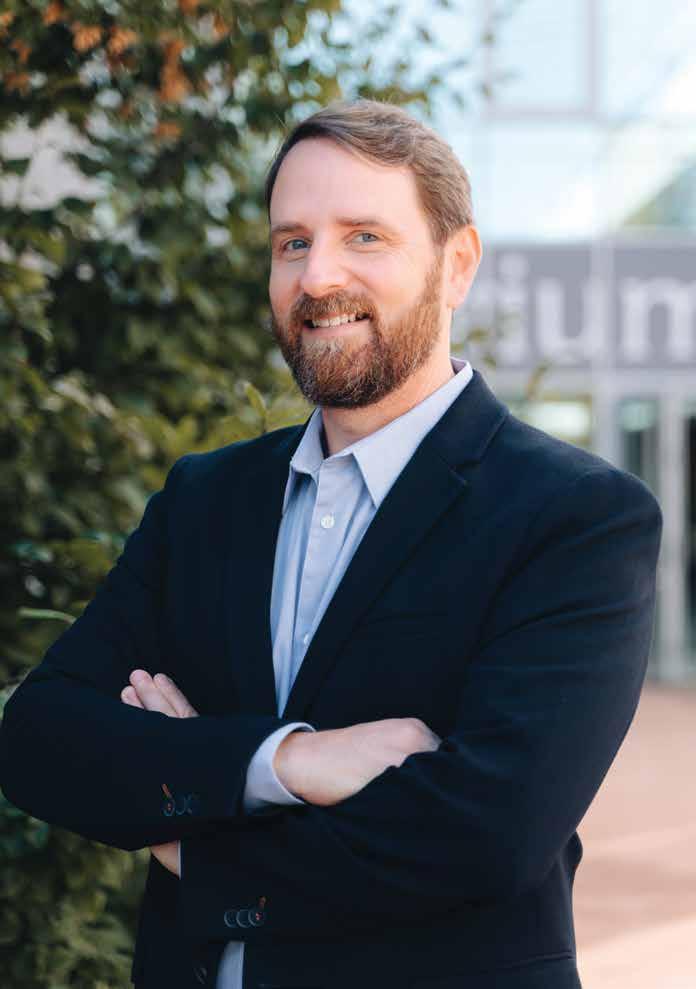
This issue of Compass is dedicated to celebrating an essential truth: there is more than one road to personal fulfillment.
In the high-pressure world of the Lycée and academia in general, the blueprint for success often appears deceptively simple: identify your destination early, select the correct course of study, collect the necessary diplomas, and arrive. We celebrate the students who exhibit this singular clarity. Driven by a desire to see students thrive, we frequently reinforce this narrative of the straight and narrow, creating an environment where any deviation can feel like a failure.
But if we truly mean it when we say student wellbeing is paramount—and we do, as it is a pillar of our strategic plan—then we must allow for a more forgiving, and ultimately healthier, definition of success beyond a linear trajectory. The reality is that personal fulfillment rarely adheres to a straight line. If the goal is a life lived authentically and happily, then arriving at a destination different from the one initially planned should be viewed not as a detour, but as a healthy part of the journey.
Think for a moment about the alumni and professionals we invite back to share their stories with our students. Their career narratives are usually a rich tapestry of stops, starts, unexpected turns, and complete pivots. They found success not by rigidly adhering to a plan made at 17, but by following their curiosity, responding to setbacks with resilience, and courageously embracing new possibilities. How many of us, looking back, could have predicted our current roles, our passions, or even the subtle choices that led us to where we stand today?
In the pages that follow, we are incredibly excited to present stories of our section alumni— individuals who prove that a winding, non-traditional path is often the most rewarding. You will read about a professional chef, a shepherd, and an Army paratrooper, among others. Their varied experiences are a powerful testament to the fact that intellectual curiosity, adaptability, and personal growth are far more valuable than a rigid, predetermined plan.
Beyond the accomplishments of our alumni, we are equally proud to showcase the current efforts within the Section to encourage and empower the next generation of students. This issue highlights the many ways we actively promote student voice and exploration, recognize deep interests with Summer Awards and the American Section Mission Award, and support student initiatives. These programs are vital not just for skill-building, but for reinforcing the belief that every student’s opinion matters and that the path to fulfillment starts with finding and pursuing their passions today.
We hope these stories resonate deeply with our young people. May they inspire you to breathe easier, to explore fearlessly, and to trust that your own unique set of talents and interests will guide you to a fulfilling life, even if the compass points you in a direction you never expected. Embrace the journey—it is yours to define.

Director
ASALI – American Section of the Lycée International
2 rue du Fer à Cheval
78100 St. Germain-en-Laye, France
Phone – 33 1 34 51 74 85, Fax – 33 1 39 10 94 04 www.americansection.org
The magazine is distributed without charge to current parents, alumni and former faculty and staff, and parents of alumni and other friends of the Section.
DIRECTOR
Brian Brazeau (brian.brazeau@americansection.org)
EDITOR
Margaret Jenkins (margaret.jenkins@americansection.org)
GRAPHIC DESIGN
Archee Moong (archeemoong@gmail.com)
PRINTER
Imprimerie Jasson-Taboureau
CONTRIBUTORS
Alice Arnoux, Brian Brazeau, Alix Coronas, Tim d’Aboville, Caroline de Fouchier, Mary Diard, Beccy Haugen, Simone Garvey, Alexander Guiot, Taylor Hausburg, Charlotte Jarquin, Margaret Jenkins, Skye MacKenzie, William McGovern, Marine Navarra, Marius Schubert, Anna Souchet, Nelson Trees, Maya Vardanyan
COVER PHOTOGRAPHY
Marjolein Martinot
PHOTOGRAPHY
Corinne Basquet, Sosana Cikural, Mary Diard, Arthur Echasseriau, Charlotte Jarquin, Margaret Jenkins, Pedro Lombardi, Skye MacKenzie, Jevely Olivier
Vol. 15, Number 1
Copyright 2026 by ASALI. All rights reserved. No part of this publication may be reproduced, stored in a retrieval system or transmitted in any form by any means, electronic, mechanical, photocopying, recording or otherwise, except brief extracts for the purpose of review, without the permission of the publisher and copyright owner.
We have made every effort to ensure the accuracy of this magazine. If you have any questions, corrections or comments please contact the editor, Margaret Jenkins, at margaret.jenkins@americansection.org.
We provide an outstanding American educational and cultural experiences within the context of the Lycée International. Fostering intellectual curiosity and self-confidence, we help students reach their full personal and academic potential. We actively prepare students to play dynamic roles in the world by developing their leadership abilities and nurturing a sense of responsibility towards others.
Please address admissions inquiries to Director of Admissions, Lisa Stephens, at admissions@americansection.org.
Lower School 4
• Belonging Begins with Knowing Who You Are
Middle School 6
• Collège Marcel Roby and Collège International
• Navigating Academic Challenges and Social Pressures While Developing Your Own Identity
Upper School 8
• The Far Reaching Effects of a Summer Award
• What are They Doing Now? Spotlight on Alumni Summer Award Winners
Finding Your Place 10
• A Village, A Chapel, A School
• Announcing the American Section Mission Scholar Award
• Finding Your Place in the Classroom
• International Day: A Tapestry of Cultures
• Empowering Student Initiatives
• What Do You Want To Be When You Grow Up?
• Reflections from the Counseling Office
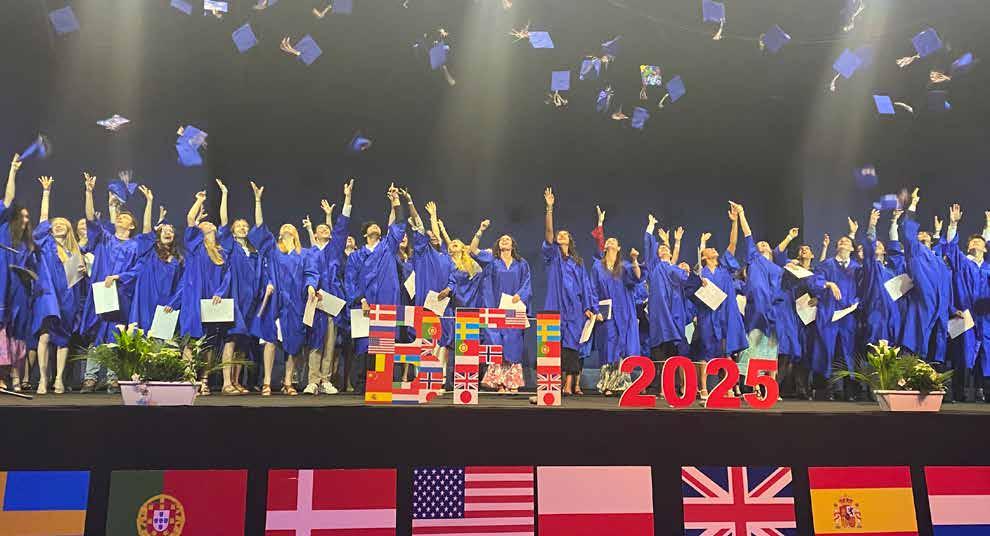
• Focus on the Class of 2025
Finding one’s place is a central part of childhood, and in the Lower School it is not something we leave to chance. From Pre-K through Fifth Grade, students are guided to understand who they are, where they come from, and how they belong within a community. In a community as diverse as the American Section, this work matters deeply. Belonging is a fundamental human need, but true belonging does not come from blending in—it grows from self-knowledge, confidence, and the courage to show up authentically.
Our work begins with the individual and gradually expands outward. In many ways, it mirrors the path children naturally take as they grow: first discovering “Who am I?” and gradually learning “Who am I within a group?” The desire to belong can be powerful—even overwhelming—and sometimes it encourages children to hide parts of themselves to blend in. Our job is to teach them early and consistently that belonging built on honesty and self-acceptance is stronger, braver, and far more joyful than belonging built on conformity.
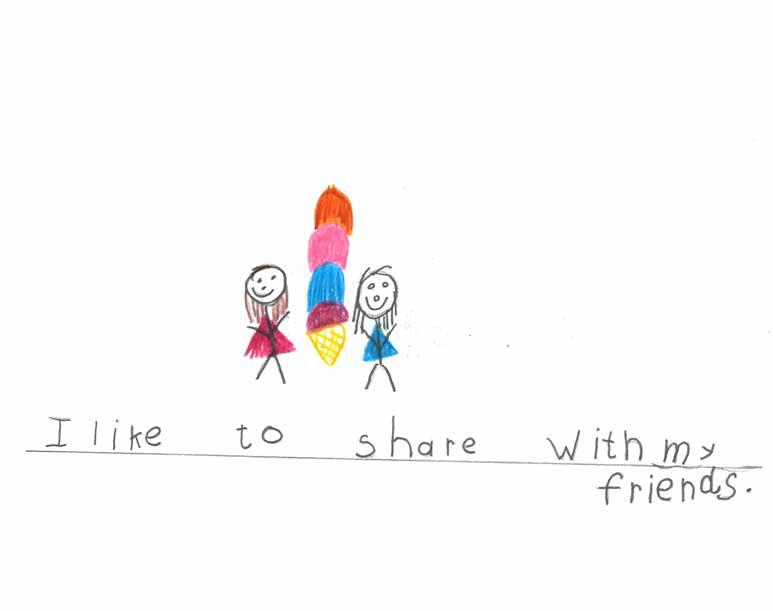
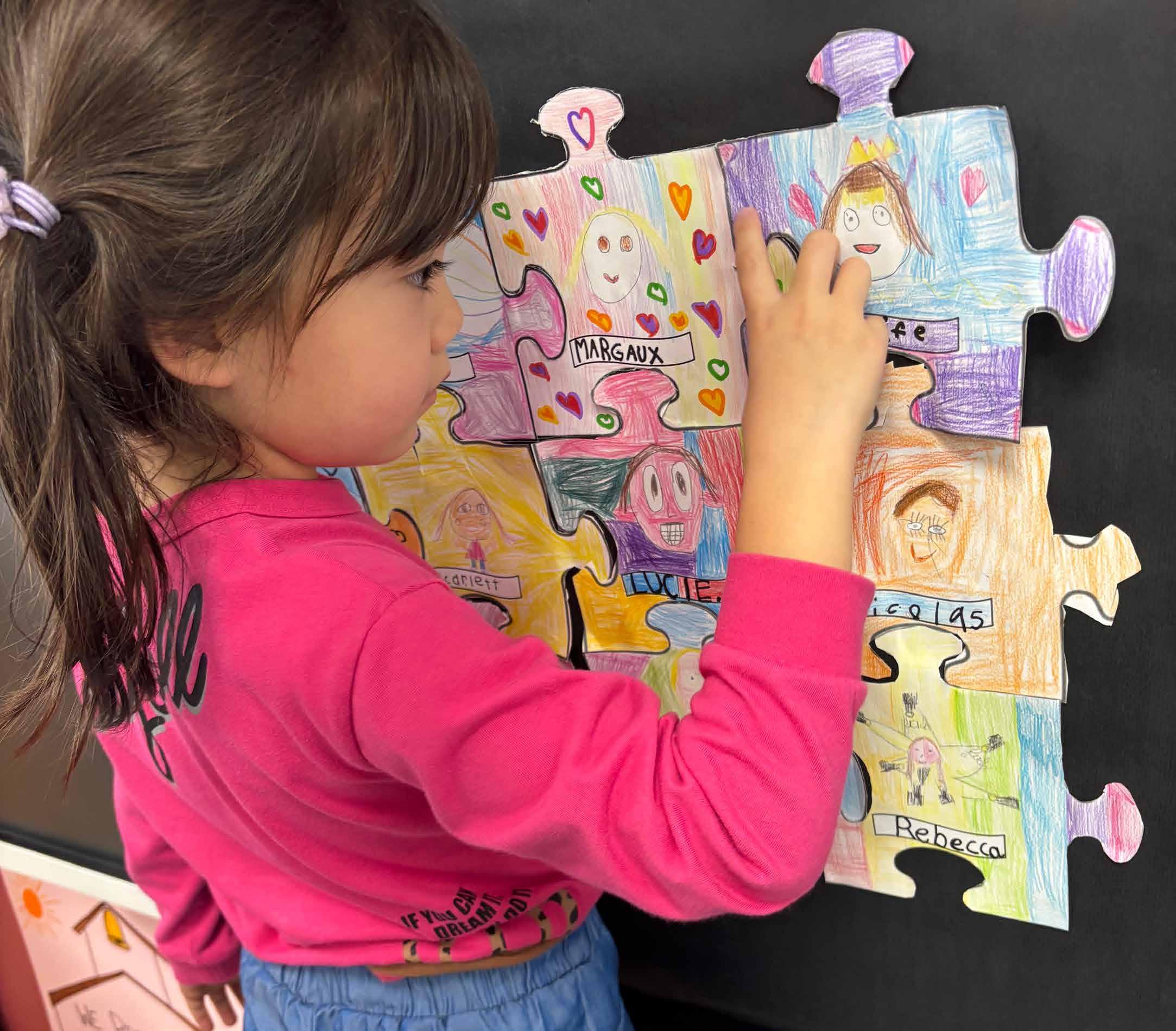
In Kindergarten, the All About Me white book project invites students to reflect on who they are and to share that story with others. Children learn to name their families, their cultures, their interests, and the things that make them unique. These first expressions of identity are simple but profound: “This is my family.” “This is what I love.” “This is who I am.” For some students, it is the first time they see their lived experiences reflected and honored in a school setting.
In First Grade, the focus widens from “me” to “we.” Through a unit on community, students explore the idea that they belong to many interconnected circles—family, friends, school, neighborhood, and village. They learn that communities work because everyone contributes something different and valuable. Children begin to understand that their identity does not disappear when they join a group; instead, it enriches it. This work reinforces a powerful message: belonging does not require sameness, and difference strengthens the group.
As students move through the Lower School, these ideas continue to deepen. Children are encouraged to express their voices and listen to others, and in doing so learn that difference is something to be curious about, not something to hide. These experiences lay the foundation for the more complex identity work students take on in our upper elementary classes.
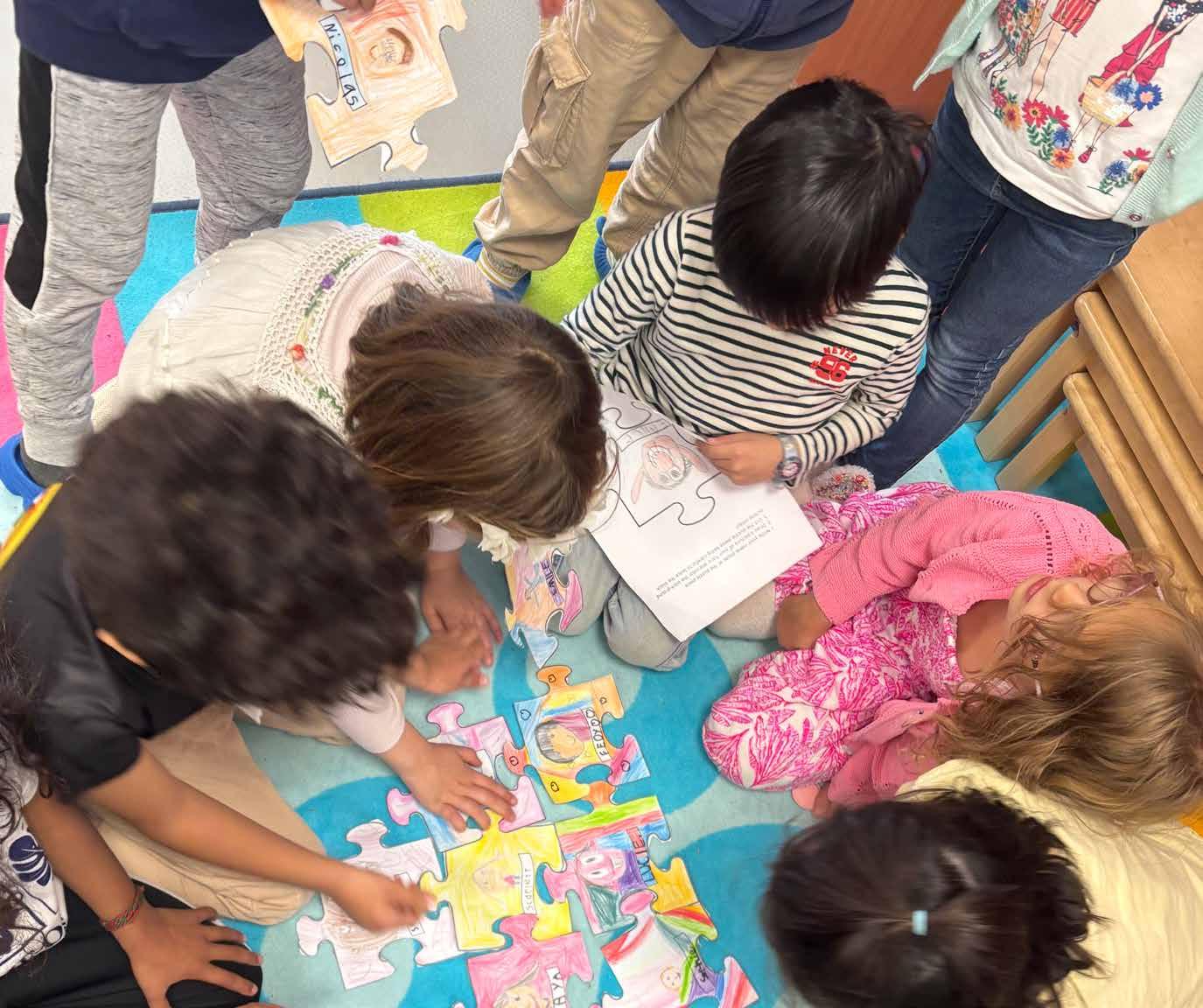
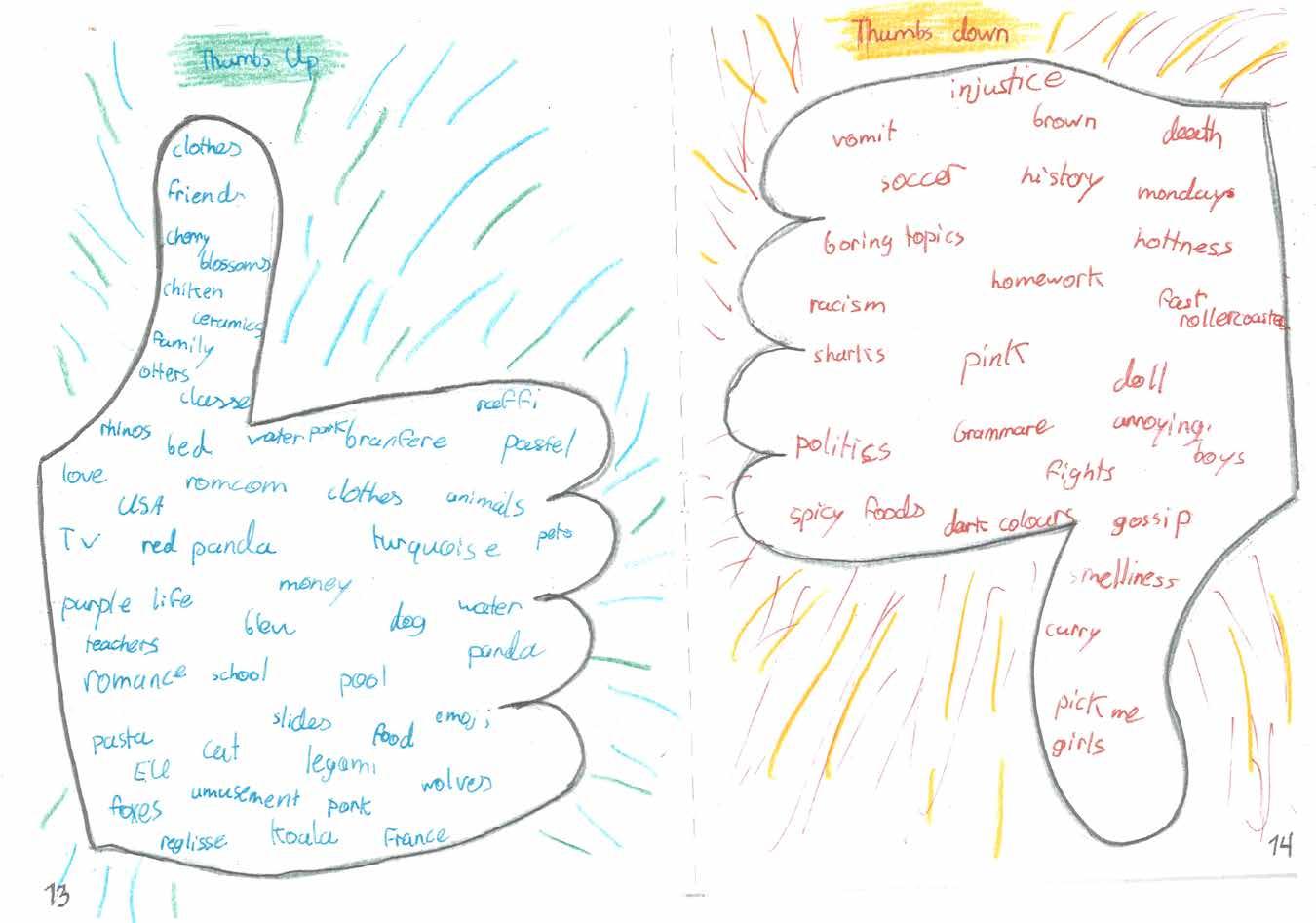
By Fifth Grade, as students prepare for the transition to Middle School and the social pressures that accompany it, identity work becomes more reflective and personal. Students explore a range of ideas—values, influences, strengths, culture, and personal experiences— through discussion and writing. These
reflections are compiled into an identity album, their culminating white book, which captures who they are at this moment in time. This process builds self-confidence and resilience, equipping students to navigate new social environments without losing sight of themselves.
In a community as culturally rich and diverse as ours, finding one’s place means learning to share differences openly and proudly. When students are grounded in who they are, they are better able to connect with others—and in doing so, they often discover that beneath those differences lies a shared sense of humanity. In the Lower School, we believe that belonging begins with knowing yourself, and that this understanding is what allows every child to truly find their place.
Skye MacKenzie, Lower School Principal
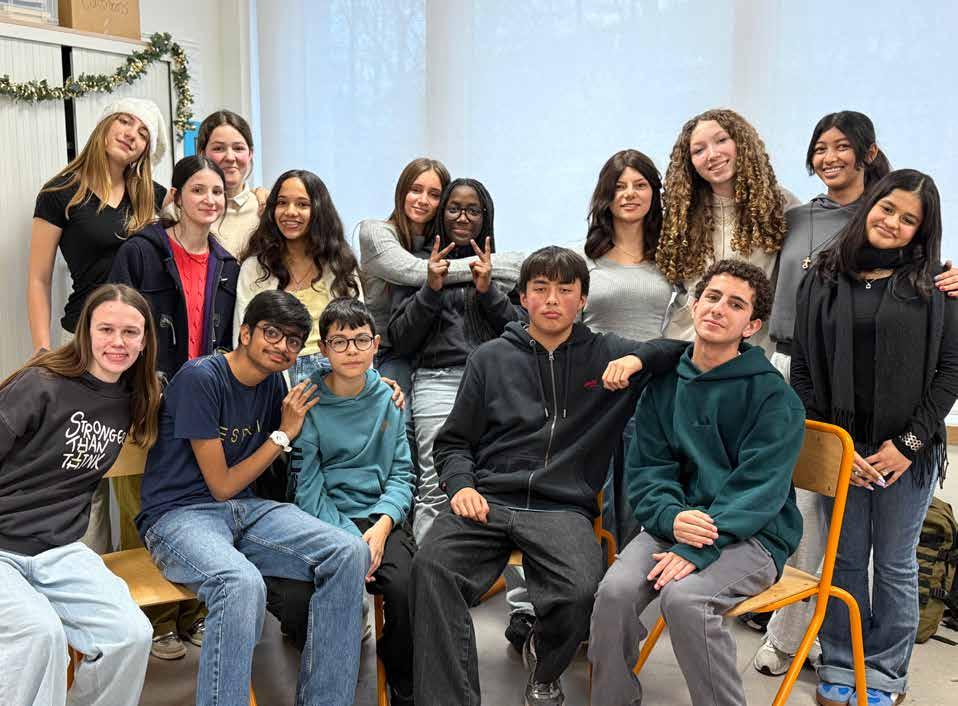
The American Section of the Lycée International offers students a uniquely rich, bilingual education across its two Middle School campuses: the Collège Marcel Roby and the Collège International. Together, these campuses create an academic and cultural ecosystem where students grow not only as learners but as confident, multicultural individuals who feel at home from their very first day.
While Fifth Grade students and their families may have a campus preference for various reasons such as location, a sibling connection, etc., placement is ultimately determined by our Internal Transfer Policy and program needs (Français Spécial, for example). Furthermore, once the campus has been designated, students remain there throughout their Middle School years, fostering stability and continuity in their academic journey. This structure supports a consistent learning experience while strengthening the sense of unity and belonging within the American Section community across both sites. No matter which campus students attend, they are supported in discovering their strengths, building meaningful connections, and truly finding their place.
Located just steps from downtown Saint-Germain-enLaye, the Collège Marcel Roby gives American Section students a place to find their footing during the pivotal Middle School years. In this intimate, communitydriven setting, students learn how to navigate a traditional French collège while also growing within the supportive structure of their American Section classes. This blend, in addition to the numerous clubs offered during lunchtime, helps them settle confidently into French daily life even as they develop a clear sense of themselves. As one student shared, “I didn’t know anyone at first, but within a week it felt like I had been here for years. The friendships I made at Marcel Roby are still the strongest I’ve ever had.”
Situated near the forest more on the outskirts of town, the Collège International campus provides a
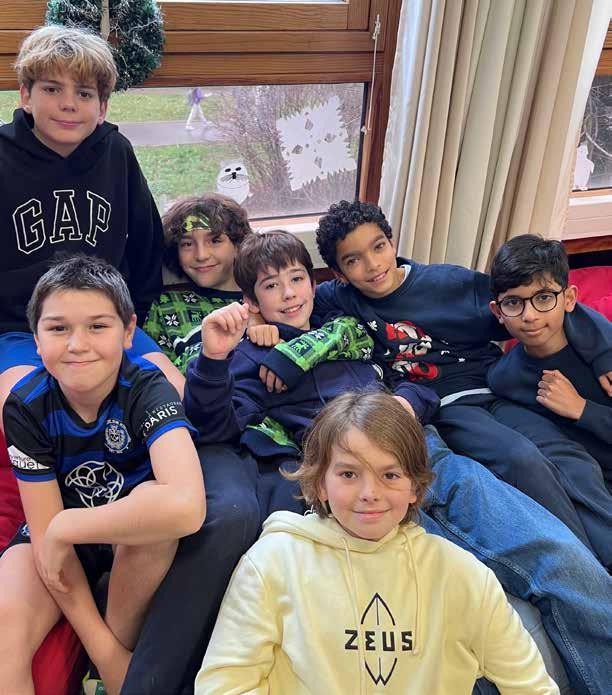
dynamic, global atmosphere, not to mention familiarity for some students. Home to students from fourteen international sections, the campus buzzes with the energy of cultural exchange. As one student describes, “The Lycée International has this amazing energy — you walk through the gates and hear five languages in 30 seconds. It makes you feel like you’re part of something bigger than a normal school.” This international spirit, strengthened by the continuity, for some, of remaining on the same campus from the early primary years through Terminale , allows students to form deep, lasting friendships and develop a strong personal connection to this historic place.
Across both campuses, American Section faculty and staff play a defining role in shaping students’ experiences and helping them find their place. Known for their warmth, enthusiasm, and passion for their subjects, they help build confidence and curiosity. You can often find students studying at the tables outside the American Section offices at the Lycée International and there’s never a bean bag free in the American Section library at the Collège Marcel Roby. Students also have a way of finding where they fit in, and the American Section is happy to make that easier for them. One Middle Schooler mentioned, “My American Section teachers are the ones who made me love reading and writing. They take time to actually get to know you — your personality, your interests, your weird humor.”
Ultimately, students find a home in the American Section, whether at the Collège Marcel Roby or the Collège International. As one student put it, “No matter which campus you’re on, the American Section makes you feel like you belong.” Here, students discover not only a community but also their place within it.
Mary Diard, Middle School Principal
The week before winter break, I had the pleasure of chatting with some of our Troisième students at Roby. I enjoy checking in with them from time to time to take the pulse of how they are doing. Troisième marks a crucial transition: students are working toward the Brevet and laying the groundwork for future academic milestones.
What struck me most during our conversations was the contrast between how grown-up they appear and how deeply they are still children. Their main concerns remain familiar ones: maintaining friendships, keeping up with their grades, and managing stress. Yet one theme emerged loud and clear—every student expressed a strong need for their parents’ support.
The American Section Middle School Health and Wellness curriculum includes an Advisory program in Sixième and Health lessons in Quatrième. This year, we organized our first-ever overnight wellness retreat with our Quatrième students. Throughout the year, we strive to incorporate as many activities as possible to help students learn how to balance their social, physical, and mental needs. Ultimately, home is where healthy habits begin.
Schools can offer the best education and support possible, but the foundation of a well-adjusted teenager is built at home. Amaya Olivo Cauberghs explained, “at the risk of sounding cheesy,” that she listens to her parents and older brother because she trusts them. Her classmates agreed—staying connected to family helps them remain true to themselves while shaping their own identities. When asked how they handle academic
and social pressures in Middle School, Alice Simon immediately mentioned the importance of spending time with friends. It helps her navigate difficult moments. Amaya added that in Middle School, it is essential to find people you can trust. Her advice was simple yet wise: “Be nice to everyone and see who might become your friend. If kindness isn’t returned, then they’re not worth your time.”
Choosing the right friends also means learning to trust yourself. Annabelle Pellerin pointed out the negative impact social media can have. “Kids who are on social media—it’s all they talk about.” She explained that constant comparison to peers around the world makes it harder to feel confident. “Scrolling is very time-consuming.” Amaya acknowledged that social media can be interesting but emphasized the importance of moderation. She uses a screen-time app to manage her usage. Alice added that knowing what to follow—and what to avoid—on social media makes all the difference.
Ardavan Rezvan chose to embrace the Big Log-Off challenge this past November to experience life without his phone. “I was looking around more, being more aware of my surroundings,” he explained. “At night I went to bed and fell asleep sooner. I practice soccer three to four times a week, so I’m tired anyway.” At first, my friends all had their phones, and it felt unfair. Sometimes it was okay and other times it was harder. For example, on the bus, I would talk to my friend, but he was on his phone. While waiting for the bus, I also felt awkward because I didn’t know what to do with my hands.”
Academic pressure was another major topic of discussion. Annabelle admitted that the beginning of Troisième was particularly challenging. The increased workload and need for organization initially overwhelmed her. Working through those challenges with peers helped, and by focusing on better organization, she now feels more confident – a clear sign of growing maturity.
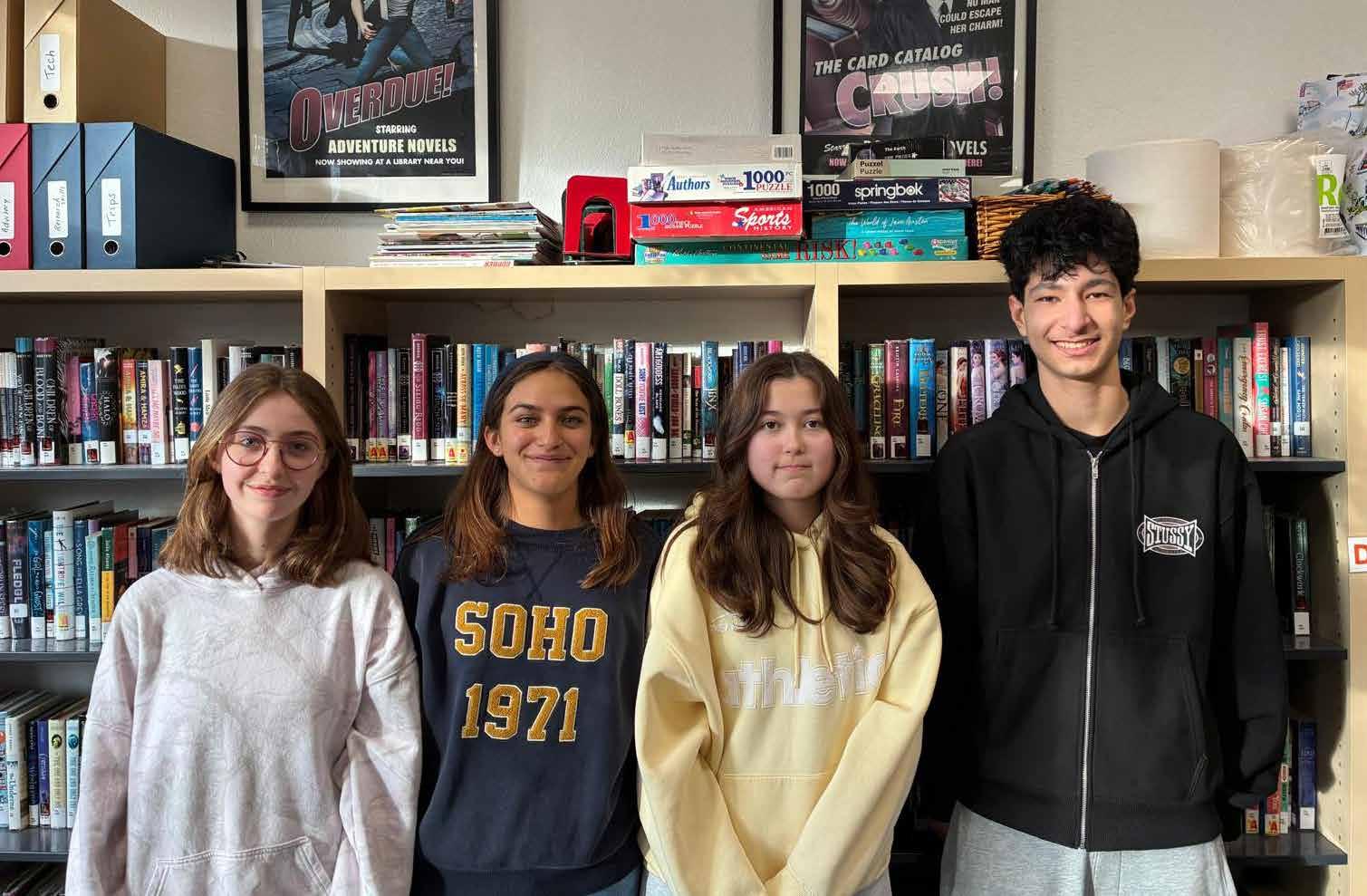
Looking ahead, I asked the students about their long-term aspirations. Alice, Amaya, and Annabelle agreed that while they may not know exactly what they want to do, they are certain about what they don’t want. “I don’t want to work alone or be in front of a screen all day,” Amaya said.
Their answers reveal something encouraging. Even at this stage, these students are thoughtfully navigating the pressures of Middle School while beginning to define who they are—and who they hope to become.
Charlotte Jarquin Middle School Director for Student Development and Services
The American Section’s Summer Award program began in 2008, when the Class of 2007 funded the Global Citizen Award as its Senior Class Gift. The Summer Scholar Award, funded by the Class of 2013, was initiated in 2014, and the Junior Summer Scholar award was added to the mix in 2020. The awards program is now generousely funded by Friends of ASALI, our United States-based 501c3, with Annual Fund donations.
Over the past 18 years, over 90 students have received Summer Awards. They have built latrines in Nepal, studied climate change in Greenland, attended film school and music camp, and studied astrophysics and coding. The vast majority participate in organized academic or global citizen programs, which is why Teddy Le Gouanvic Dorobantu’s 2025 application stood out. Teddy, now in Première, proposed to use a Summer Scholar Award to “forge his artistic identity,” travelling to New York City to “connect with some of the biggest names in rap today… in order to find [his] own sound,” an adventure that he organized entirely on his own.
Teddy has played the drums since the age of five, and is, by his own admission, obsessed with music. After viewing a documentary about Kanye West two years ago, he decided he wanted to become a producer and began taking steps to break into the music industry. One motivational factor was that “you don’t need a diploma to succeed in music, you just need to be good at what you do.” He started creating “beats” (the base of a rap song) and posting them on social media. With work, he became better and better, and his beats began to be noticed. He also became interested in fashion and started exploring design, photography, and videography.
As one would expect, it is not easy to reconcile a Lycée International education with breaking into the music industry. “It is very important to my parents that I get good grades, so it’s always school first. Once I’ve done my homework and studied for my tests, then I can do what I find interesting.” Teddy is meticulous about maintaining an average of 15, and is very efficient about the time he
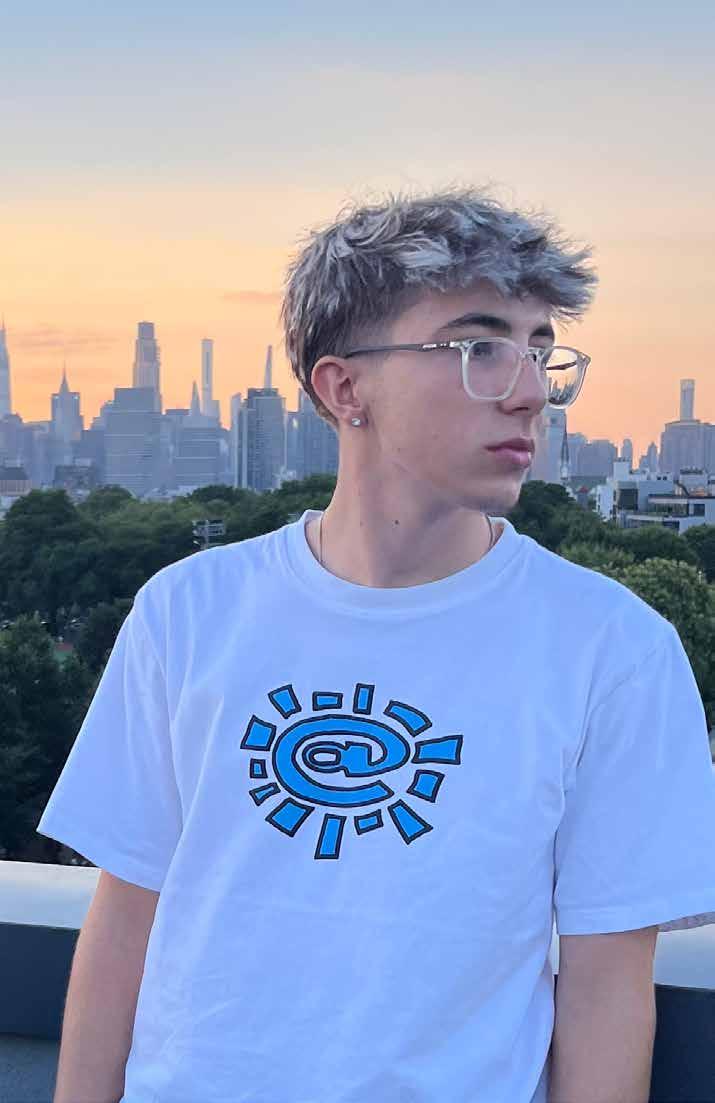
spends in school and doing homework. “Academics are not my whole life. Actually, the essential parts of my life are spent outside of my school life. School is secondary. But that does not mean I am not trying.”
Arts Plastiques and Literature are the subjects he finds most applicable to his creative process. While the art connection is obvious, the literature one is less so. But the discovery of American Section literature class was a revelation when Teddy joined the American Section in Seconde. “I realized that literature has all sorts of facets. As a complement to the novels studied in class, we discuss religion, philosophy… It has opened my mind to lots of things that are now essential to me. Literature has shaped how I think, and how I create.”
The support he has received from the American Section, especially the Summer Award, has been significant. “I would not have been able to do the trip to New York without the financing. But just knowing that I won the award was important too. I realized I can bring my other world to school and (in some places), it is embraced.” To build his New York trip, Teddy made his connections on Instagram, the LinkedIn of the music industry. He sent out thousands of DMs, got hundreds of replies, and then prioritized who he most wanted to meet. As the rap world is very spontaneous, one meeting led to another. He’s now one of 20 members of the PMG (Prototype Music Group), a group of producers founded by Young Prototype, and has had many new opportunities to work with really talented people.
When he graduates, he plans to study design in a French university. “Maybe I’ll become a creative director, because their work touches all facets of the creative sphere. Or stage design, which merges music and design. Or perhaps I’ll discover something that does not exist yet…” “I think that too many people my age are kind of stuck in the idea that I’m going to school, and then I’ll go to college, and then my life will start. I don’t want to wait. I want my life to start NOW.”
Margaret Jenkins, Director of Advancement
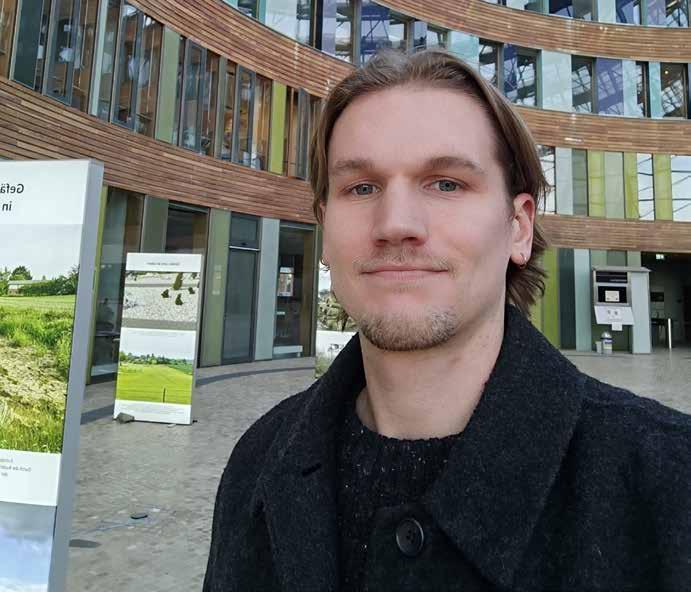
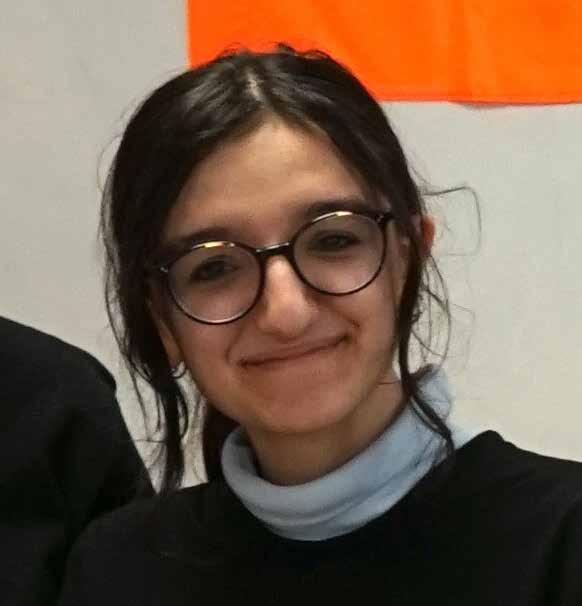
When were you at the Lycée? What did you do after graduation?
I started the American Section in Kindergarten in 2012, and graduated in 2024. After graduation I took a gap year to fully decide what I wanted to do later on and to work on my portfolio for art schools. I am now enrolled in Atelier de Sèvres’ animation prépa in Paris.
What did you do for your Summer Award? How did it influence your path?
I received the Junior Summer Scholar Award at the beginning of COVID, so I had to pick a stage in France. I landed on a week-long intensive class on perspective and live model drawing at Gobelins. The experience definitely played a key role in guiding my future professional career towards the arts, a subject that’s unfortunately not touched upon as much as it should be at the Lycee International. It introduced me not only to the idea that creative work was a legitimate career path but that it seemed very likely to be the one best suited to me.
When were you at the Lycée? What did you do after graduation?
I was at the Lycée International from 2005 to 2016, from First Grade through Terminale. After the Lycée, I took a gap year and became a scuba diving instructor in Thailand and Greece. I then studied Biosciences in Heidelberg, Germany, specializing in Ecotoxicology, the study of the effect of pollutants on the environment. I’m currently pursuing a PhD at the German Environment Agency, dealing with the environmental risk assessment of chemical mixtures. These mixtures can cause toxic effects even when single chemicals are below their respective toxicity thresholds. Despite this, EU regulations only account for single chemical toxicity, which results in risks to human and environmental health. At the GEA, I gather evidence to assess the magnitude of mixture risks, with the goal of adapting EU chemical regulations to be more protective.
What did you do for your Summer Award?
How did it influence your path?
In the summer of 2015, thanks to the Global Citizen Award, I went to Malaysia and volunteered at a conservation center called Tropical Research and Conservation Center (TRACC) on Pom Pom Island. I participated
When were you at the Lycée? What did you do after graduation?
I was in the American Section at the Lycée International from 2009 to 2020, from CE1 to Terminale. I graduated from Imperial College London with a BSc in Biological Science and spent a year doing research in a lab at the Vienna BioCenter, in Austria. I then got an MSc in Medical Parasitology and Entomology at the London School of Hygiene and Tropical Medicine and carried out my thesis work in Cotonou, Benin. I am now a Lab Technician at the Institut Pasteur in Paris, and I am applying to PhD programs in biological research. My work is focused on the molecular and cellular biology of parasites, vector-borne diseases, and insects that transmit pathogens.
What did you do for your Summer Award? How did it influence your path?
The Summer Scholar Award contributed to funding my time in the “Contagion: Infectious Agents & Diseases” program at the University of Chicago. There were classes in general biology, microbiology, and epidemiology, as well as lab sessions. We completed two projects: a survey of the microbial species present in Lake Michigan, and engineering E. coli bacteria to be resistant to antibiotics using CRISPR/ Cas9 technology, which was quite innovative at the time. Before that program, I was convinced I wanted to study biology. However, research and lab work is not for everyone: it can be repetitive, tedious, and at times frustrating. My summer at UChicago was my first time really immersed
in conservation efforts like tending to coral nurseries, conducting fish surveys, helping construct and insert artificial reefs, doing beach clean-ups, and collecting sea-turtle eggs for nursing. My experience at the conservation center in Malaysia effected my path on multiple levels. I already had an interest in ecology, but the summer award allowed me to actually give it a shot and raised my awareness about the importance of nature conservation. I also gained experience scuba diving, which I did for my gap year and has become my favorite activity. My Summer Award experience definitely sent me in a general direction, which I am very thankful for.
Anything else you would like to add?
The Summer Awards Program is a unique opportunity. When I was applying, it felt a little overwhelming to choose an activity which both qualified for the program and would be fun. In the end, the experience gave me a lot on a personal level, which would have been worth it even if it didn’t influence my career choice. So, if you are considering applying, just go have a look at what you could do which is meaningful to you. There’s a lot out there!
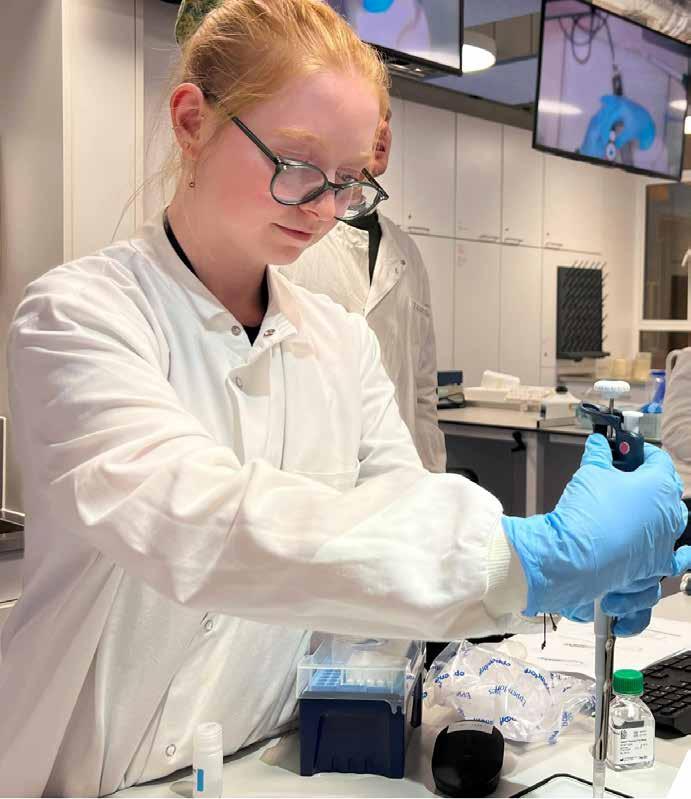
in research, and I discovered that I loved it. Without this experience, I might have studied human biology or medicine, but the joy I felt doing experiments confirmed that I should continue in research. And because I was able to use CRISPR before even finishing high school, I had an advantage and something interesting to talk about in my university applications! Which is funny because I now use CRISPR in all my projects.
Anything else you would like to add?
It can be scary to jump into the world of science and research in high school, but it is the best way to figure out if it is the right fit. I recommend anyone interested in science to experiment with different sides of research and to make use of opportunities and programs.

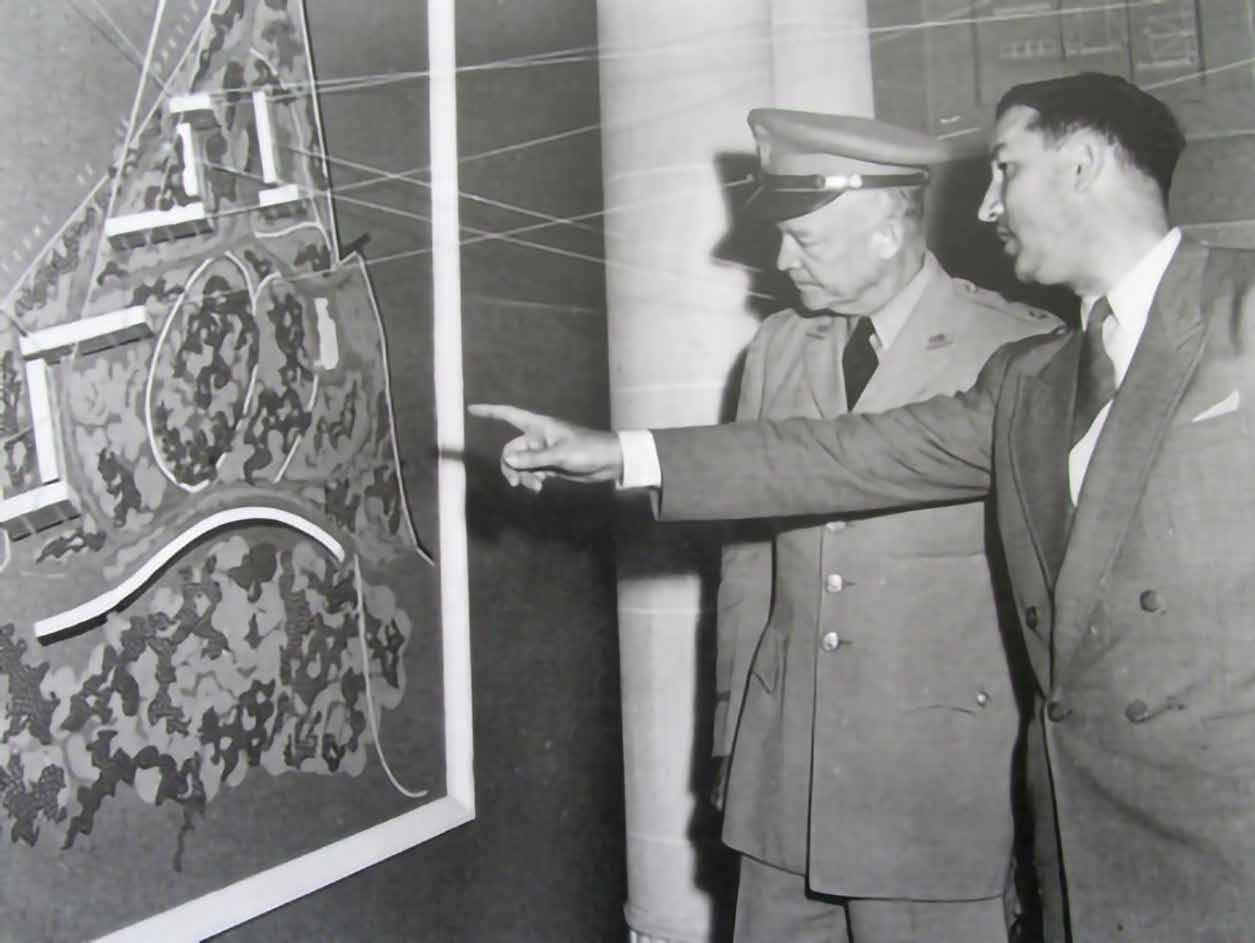
The SHAPE Village School, which would later become the Lycée International, welcomed its first pupils in January 1952. Its creation was rooted in the post–World War II tensions that gripped Europe. Whereas Great Britain and the United States regarded victory over Nazi Germany as an end in itself, for the Soviet Union it was a means of extending its own power. It was in this context that the North Atlantic Treaty Organization (NATO) was founded in April 1949, with the objective of providing collective security and mutual defense for North American and European democracies against Soviet aggression. NATO was spurred into action by the outbreak of the Korean War in June 1950. SHAPE (Supreme Headquarters of the Allied Powers in Europe) was rapidly established in Roquencourt, bringing together nearly 200 officers from ten NATO countries under the command of Supreme Commander General Dwight D. Eisenhower.
Because of the severe housing shortage in post-war France, the French government agreed to build 400 apartments for SHAPE officers on a large property on the outskirts of Saint-Germain-en-Laye that included the Château d’Hennemont. Built in record time, the apartments formed part of the new SHAPE village, which also included an officers’ club, a village store, a chapel, and a school. These elements were central to Eisenhower’s plan: “a village, a chapel, and a school” (Boulet, p. 42). The chapel brought together officer families of all faiths, while the school provided a space in which children of multiple nationalities could be educated together. An early American military observer wrote:
“The undoubted but indefinable camaraderie of SHAPE, outwardly just another military headquarters, owes much to the idealism and foresight of its founders. This camaraderie is evident in its restaurant and its cafeteria where the several nationalities dine together. Something similar exists in SHAPE village where some three hundred families form an international community with many interests in common. It is possible that the SHAPE village school may, in later years, be found to have exercised a beneficial influence on a generation as yet unaware of the many problems which brought their parents from widely separated lands to work together.” (Folda, p. 153)
When the school opened in January 1952, it enrolled just 18 pupils. That number rose to 150 by July, to 260 in December, and to more than 500 by 1954, representing 12 different nationalities. Head of School René Tallard developed an educational program built around a common core taught in French, which promoted values of unity and interdependence alongside “national programs” in which children were taught, in their native languages, subjects of national importance such as history, geography, and grammar. Students who did not speak French were enrolled in the innovative Français Spécial program, which enabled them to acquire the language and assimilate rapidly. One observer noted that “the barrier of language seems to have been completely banished; Italian children talk English, and Dutch children talk French with such disarming ease that it is hard to distinguish between the various nationalities”. (Folda, p. 154)
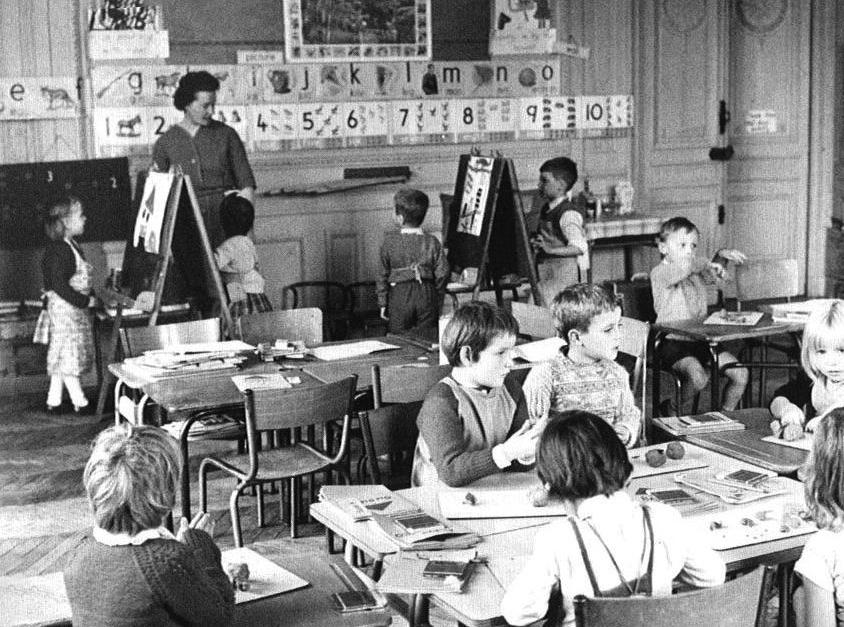
Unsurprisingly, there were some difficulties. In the early years, British students has their own English classes and were not integrated into the international section of the school. They were the only pupils given glasses of milk at recess. Discipline proved controversial, as it was handled differently by the various nationalities. The mandatory French “hot lunch” also posed challenges for Nordic and Anglo-Saxon families, who would have preferred to provide their children with sandwiches.
Yet the success and pertinence of the school born of General Eisenhower’s initiative quickly became evident. A report presented at a NATO ministerial session on February 22, 1963 concluded that:
“The Lycée International corresponds to the needs of children and the wishes of parents. It provides greater facilities for developing international contacts and exchanges, etc. In a word, it makes it possible to pursue more intensively—along established paths or along paths not yet explored—all the means of broadening the hearts and minds of children, who will be the fellow citizens of tomorrow.” (Boulet, p. 73)
The Lycée International’s innovative educational model, born of the Cold War and Eisenhower’s unifying vision, has been helping young people find their place in an increasingly interconnected world for over 75 years.
Sources:
Margaret Jenkins, Director of Advancement

Beginning with the Class of 2028, currently in Seconde, American Section students will have the opportunity to earn the Mission Scholar Award, a new distinction celebrating students who embody the values of the American Section.
The Mission Scholar Award will be awarded to Terminale students who demonstrate excellence across all areas of school life. They balance strong academic performance with leadership, creativity, community involvement, and personal growth. Thriving across disciplines, they actively enrich the school community through their initiative, engagement, and sense of responsibility.
• Strong academics: Consistent, strong academic standing across disciplines
• Reliable attendance: A record of responsible attendance
• Community engagement: Meaningful and sustained involvement in service within the American Section, the school, and/or the local community
• Extracurricular distinction: Notable achievements, leadership roles, contributions, and/or long-term dedication in extracurricular activities
• Interdisciplinary thinking: The ability to connect interests and skills across disciplines, demonstrating curiosity, adaptability, and initiative
We will introduce the Mission Scholar Award program to Seconde students this spring.
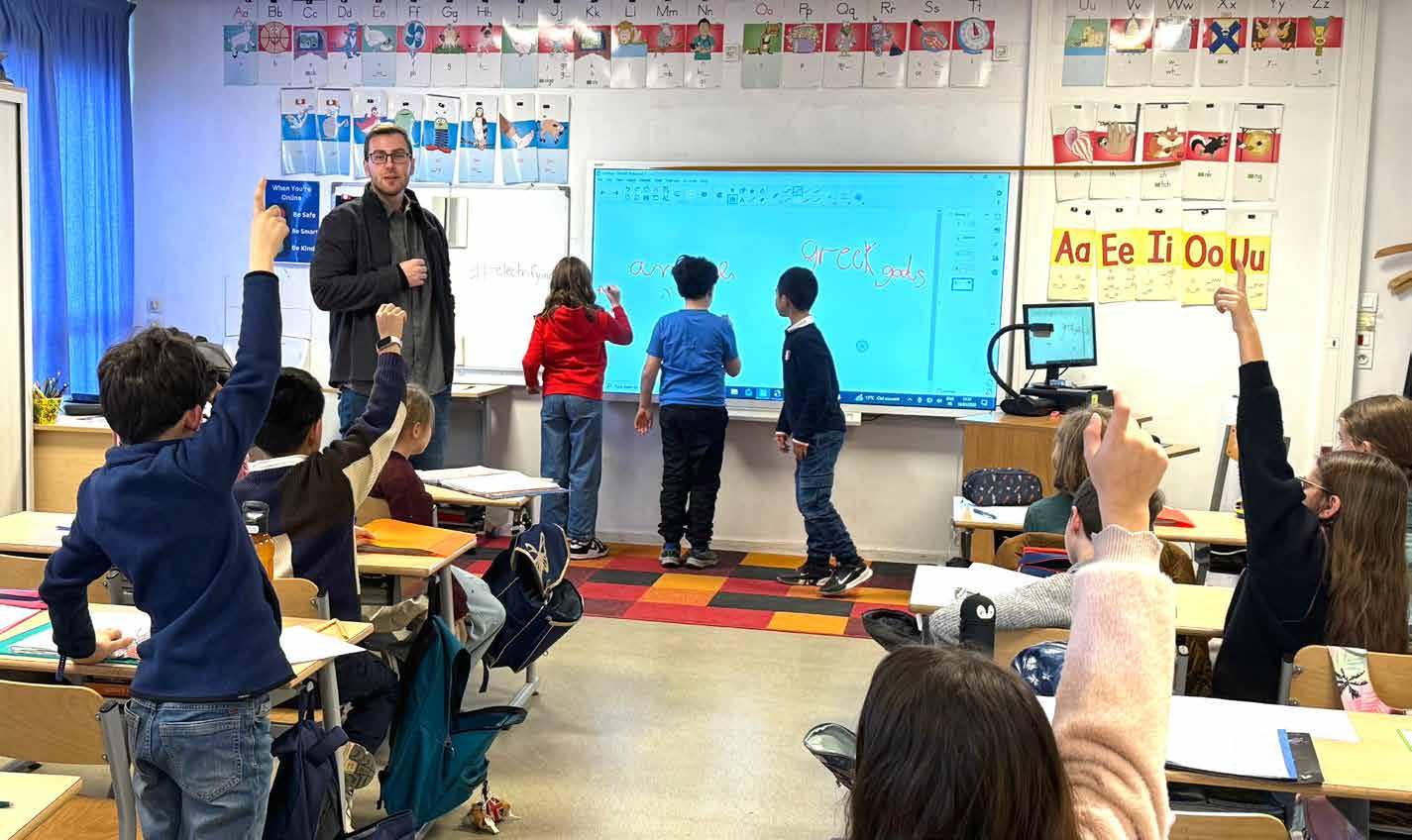
When someone says they want to become a teacher, the reaction is not always what you might expect. For some families, teaching feels like a natural calling, a profession woven through generations. For othersparticularly in cultures that prize prestige, status, and measurable achievement - it can prompt confusion, concern, or even disbelief.
Margaret Jenkins will never forget a phone call she received the year her son was in Terminale. “A dear French friend—whom I had known since my son was two years old—called me in a state of shock,” she recalls. “‘Your son’, the friend reported, ‘wants to become a teacher!’ She was incredulous, convinced that if we knew he was planning to go into education, we would never allow it.” For the record, Margaret was well aware that teaching was his calling— and fully supported his choice.
Catherine Boalch tells a similar story about changing careers from journalism to teaching. “I got the feeling that a lot of people felt I was retreating from the fray, selling myself short, and writing myself off for a life of quiet mediocrity,” she recalls. “People would ask my parents, ‘What happened?’ with real concern, as though I must have had some sort of breakdown. In our milieu, teaching wasn’t seen as a suitably impressive career for someone with successful parents and a good education. No status, no progression, no way to ‘make your mark’ on the world.”
And yet, for many of our faculty, teaching has become precisely the place where they have made their mark.
Few members of our faculty described teaching as a lifelong vocation. Instead, most arrived indirectly—through work with children, travel, false starts in other careers, or moments of disillusionment. Summer camps, afterschool programs, youth organizations, or a single inspiring teacher often provided the spark. Michele Morgan, who previously worked in education policy “realized that I wanted to be in the classroom with the students rather than studying them from the outside.” For many, teaching emerged not as a grand plan but as something that fit:
morally, intellectually, and emotionally. Skye MacKenzie reflects, “Sometimes you don’t ‘find your place’ in one big moment—you grow into it.”
Reactions from family and friends were often mixed. Some questioned the decision, especially when teaching meant stepping away from more prestigious or lucrative paths. Others, particularly those with experience in education, were unsurprised. Brian Brazeau explains, “Generally people thought it was a great choice, as they had experience in having truly impactful moments with students.”
For many educators, finding their way into teaching was inseparable from the people who guided them at the outset. Mentors - formal and informal - played a crucial role in shaping how they understood the work. Kyle Norville explains that “the actions of the educators I met were more valuable than words.” Tifany Champouillon recalls being “surrounded by an amazing cohort of strong, beautiful, intelligent Black women who had been teaching for years. They became my unspoken mentors and shared countless tips and tricks on how to deal with difficult students and parents, and encouraged me to think outside the box.”
The advice they received has stayed with them. Caitlin Echasseriau was told, “You won’t be perfect every day, and that’s okay. Be present, prepared, and compassionate,” and that “students learn better from teachers they trust, so build relationships.” Michele Silvestri remembers hearing, “On the last day of school, the best words you can ever receive from a student, no matter their grade or age, are, ‘Thank you for caring.’” Early in his career, Graham Speier lived by the mantra “fake it until you make it,” before growing into a confident, seasoned educator.
One of the most commonly cited challenges of teaching is persistent self-questioning. Teachers constantly reflect on whether their lessons are meaningful, whether students truly understand, and how to reach learners with different needs and experiences. Catherine Boalch captures this
balance well: “I enjoy the challenge of trying to make the material relevant and interesting, and the reward of fostering a positive ambiance in the classroom.” Skye MacKenzie adds, “Teaching is challenging because it carries real responsibility—every child brings a different story, different needs, and a different way of learning. It’s a lot to hold. You’re constantly thinking about how to reach each student, how to build connection, how to help them grow. There’s all the reflection—before lessons, after lessons—and the sense that the job is never really ‘finished.’”
Time and resources are ongoing challenges. According to Tifany Champouillon, “there’s never enough time, money, or resources - but there’s a lot of love.” Sophie Deutsch expands on the pressure this creates in practice, describing the challenge of balancing an ambitious curriculum “with the realities of our schedule, while still ensuring the students understand, grow, and improve their analysis and writing skills. It’s a constant juggling act that took time to figure out!”
What makes teaching difficult—its human complexity— is also what makes it deeply meaningful. Teachers consistently cite student growth as their greatest reward: confidence gained, curiosity awakened, skills developed. As Ang Sheldrake puts it, it is “the connection with the kids during those magical moments when everything clicks.”
Caitlin Echasseriau enjoys “seeing the excitement in class, when students are collaborating together and learning. I love that I am constantly learning, too. And at our school, it’s incredible to be able to witness students’ growth over time.” Doug Penner-Lacompte agrees, finding that “the most rewarding part is seeing kids mature and succeed in what they love doing. Graduation from Upper School is a special event for students and their former teachers. It’s gratifying to see them collect their diplomas and go off to pursue their dreams.”
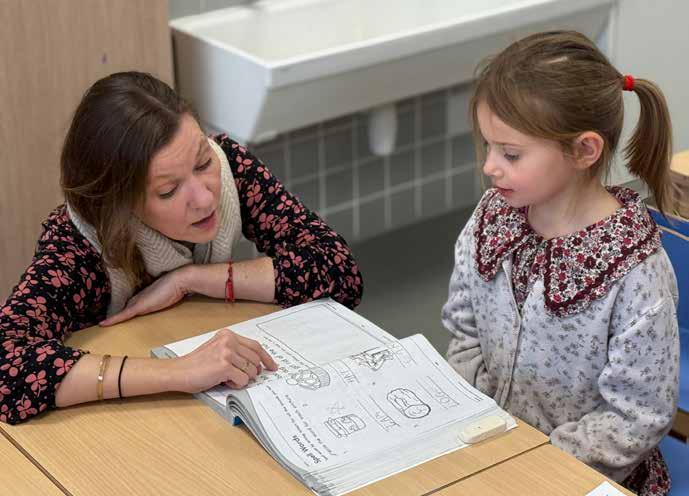
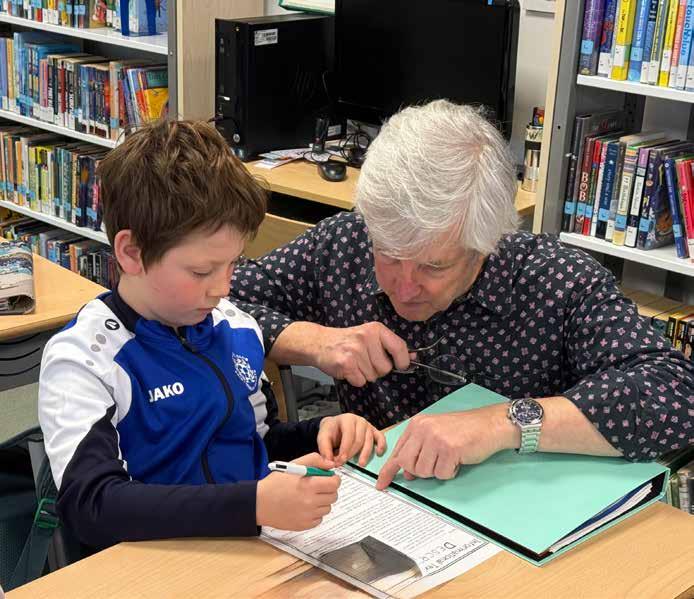
Most say they would choose teaching again, often without hesitation. Even when imagining small adjustments— shifting specialties, adding international experience, or exploring adjacent fields—the underlying commitment to teaching remains strong. “I wouldn’t change one thing about my decision to become a teacher,” says Michele Silvestri. “It is the most rewarding job I can imagine. Working with young people brings so much energy and purpose to each day.
Teaching draws on so many skills, social, emotional, and academic, that it keeps me engaged day in and day out.” Doug Penner -Lacompte offers a more reflective perspective: “I don’t know if I would still choose teaching, but I don’t know what I would have chosen or where that choice would have taken me. I do know that teaching offered me the chance to work abroad in international schools, and that aspect of my life is very important to me.”
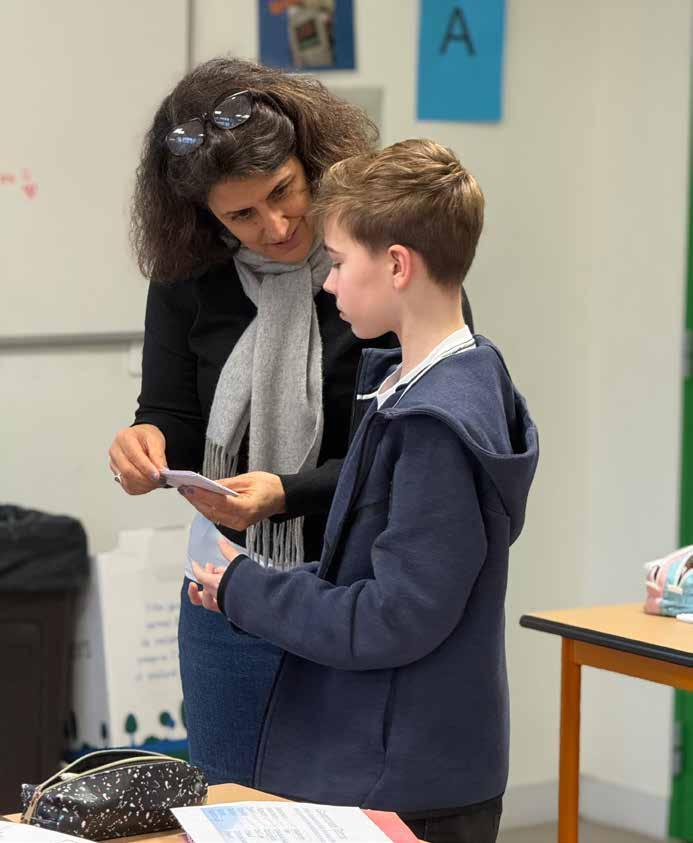
Our teachers have a wealth of advice for students interested in becoming educators. Graham Speier reminds us that teaching is not a profession one enters for the money: “You need to love it—from the interaction with the kids to the search for inspiration and the sharing of knowledge. And the holidays are great, too.” Brian Brazeau recommends doing “as much observation and student teaching as possible,” while Michele Morgan advises finding “a program that has a good balance of theoretical and practical learning and allows you to work in schools from the beginning.” Ang Sheldrake encourages future teachers to “make sure you’re teaching something that you love and are passionate about,” and Sophie Deutsch adds that it’s important to “choose the age range carefully.”
Once in the classroom, the focus shifts from preparation to presence. Our faculty emphasizes the importance of connection and continued growth. Caitlin Echasseriau observes that “the enthusiasm you bring to your students and the relationships you build with them will be reflected back to you in their learning and engagement.” Kyle Norville encourages teachers to allow themselves “to be a student and watch the lessons your students will teach you—it’s incredibly rewarding.” Finally, Skye MacKenzie offers reassurance: “You don’t need to have everything figured out. If you care about people, are open to learning, and willing to grow alongside others, teaching has a way of becoming a place you fit into—sometimes when you least expect it.”
In the end, teaching is less about having all the answers and more about showing up—with curiosity, compassion, and a willingness to grow. The stories of our faculty remind us that finding your place in the classroom is often a journey shaped by mentors, missteps, and moments of connection. It is work that demands a great deal, but gives even more in return. Tifany Champouillon sums it up with a quote from the actor Sterling Brown: “Your legacy isn’t just the work you do, it’s also the opportunities you create for other people.”
Margaret Jenkins, Director of Advancement
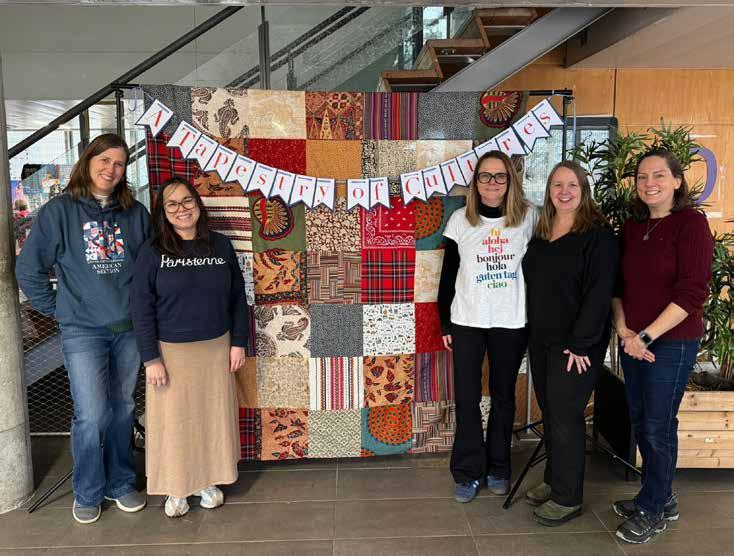
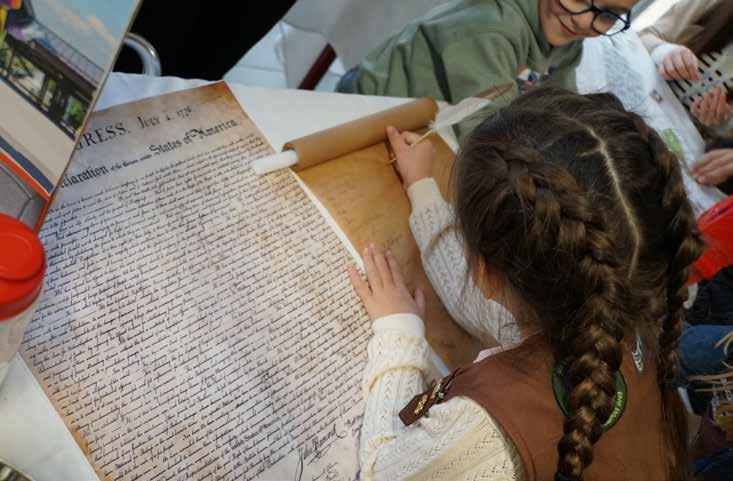
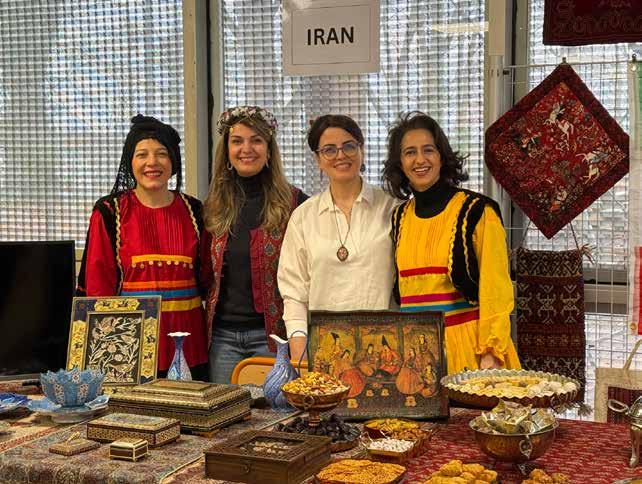
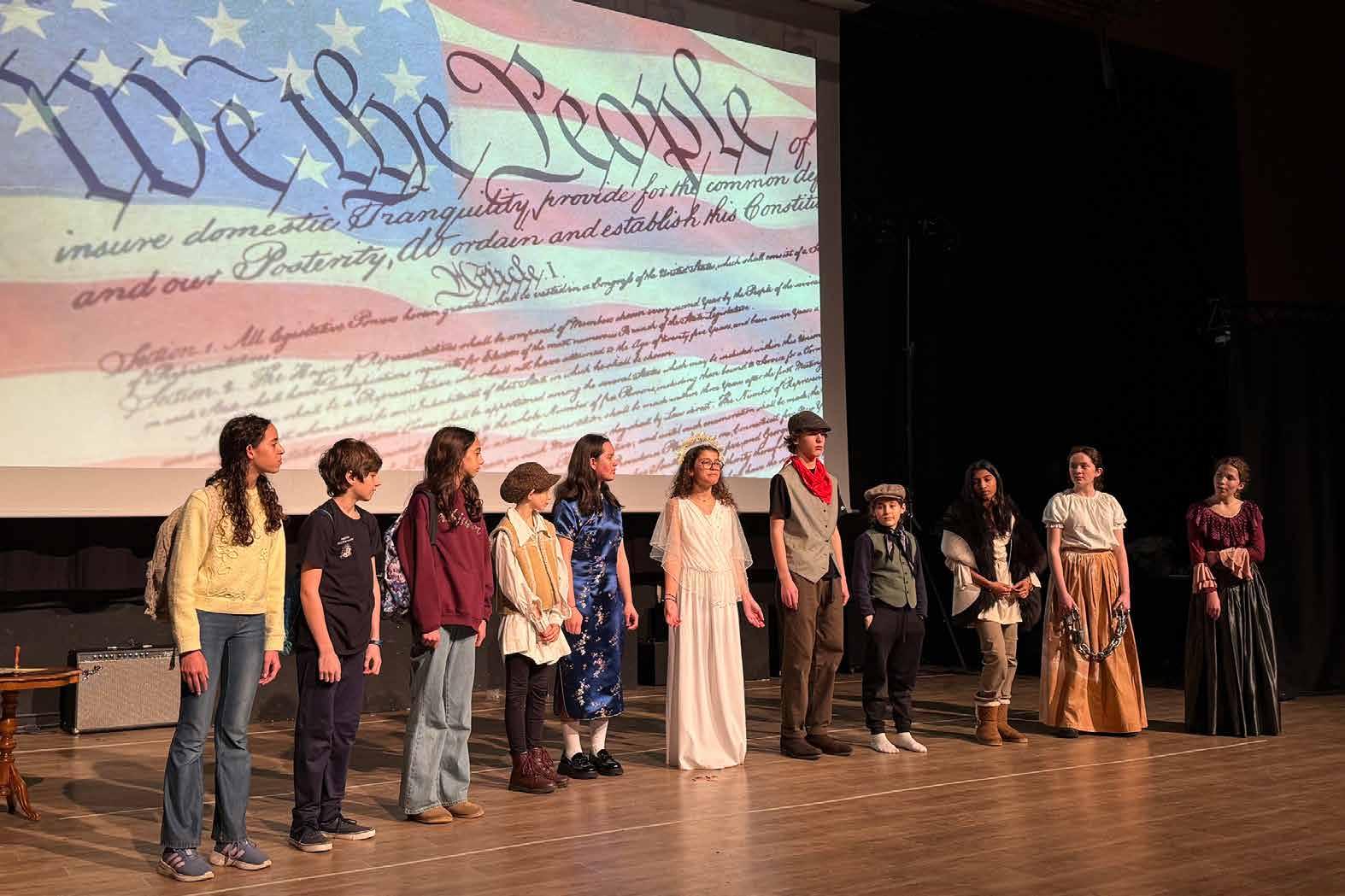
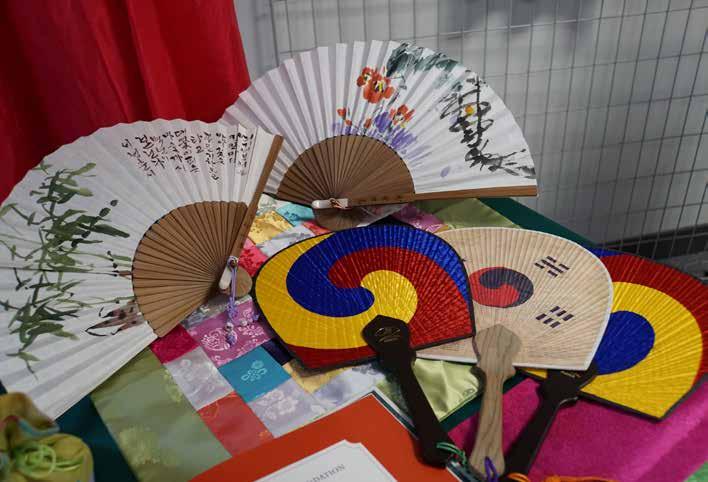
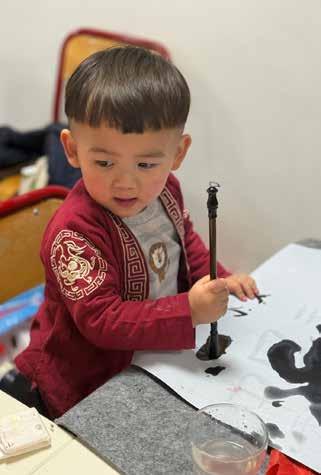
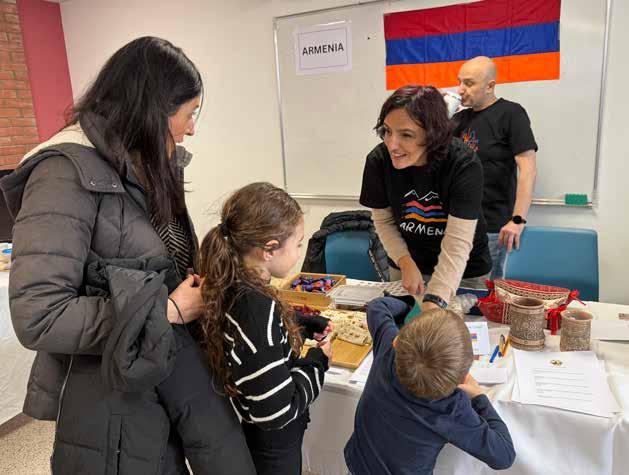
Our inaugural International Day, held in early January, was a resounding success and a true celebration of our community. With special passports in hand, children eagerly collected stickers as they participated in activities at each stand, while adults discovered new facets of familiar faces and made meaningful new connections. Booths were beautifully decorated and rich with information, showcasing the food, traditions, and stories of 28 different countries and regions. The day came alive with traditional dances and music, and we were delighted by an original play tracing the history of immigration in the United States.
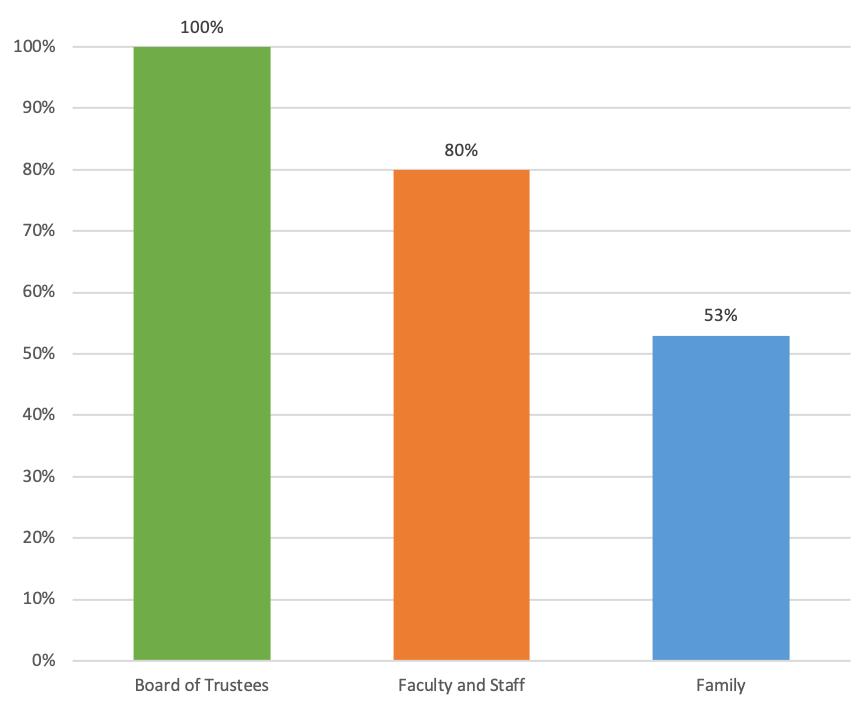
The inspiration for the event came from last year’s Strategic Plan survey, which was published in the 2025 edition of Compass. An overwhelming 98% of parents reported feeling comfortable participating in the Section’s American customs and traditions, and 96% felt that their own traditions were valued. At the same time, several people expressed a desire to share their cultures with the community. That got us thinking: America itself is an ever-evolving tapestry woven from successive waves of
immigration, with each group contributing its culture while embracing a shared civic life. Our Section reflects that same reality. With students representing 56 different nationalities, our classrooms are enriched by diverse perspectives that make learning more dynamic, engaging, and meaningful.
The goal of International Day was to give our community a forum to share their cultures and to celebrate our diversity - and that goal was handsomely accomplished. What we did not anticipate was just how powerful the event would be as a community-building experience. The format naturally encouraged conversation, curiosity, and connection. International Day turned out to be an event we didn’t know we needed, and one that left us wanting for more. We are thrilled to announce that it will now be an annual tradition.
Margaret Jenkins, Director of Advancement
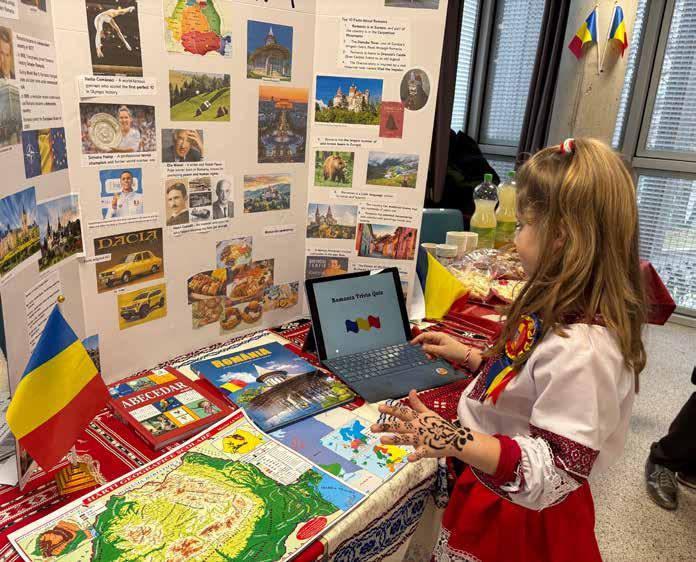
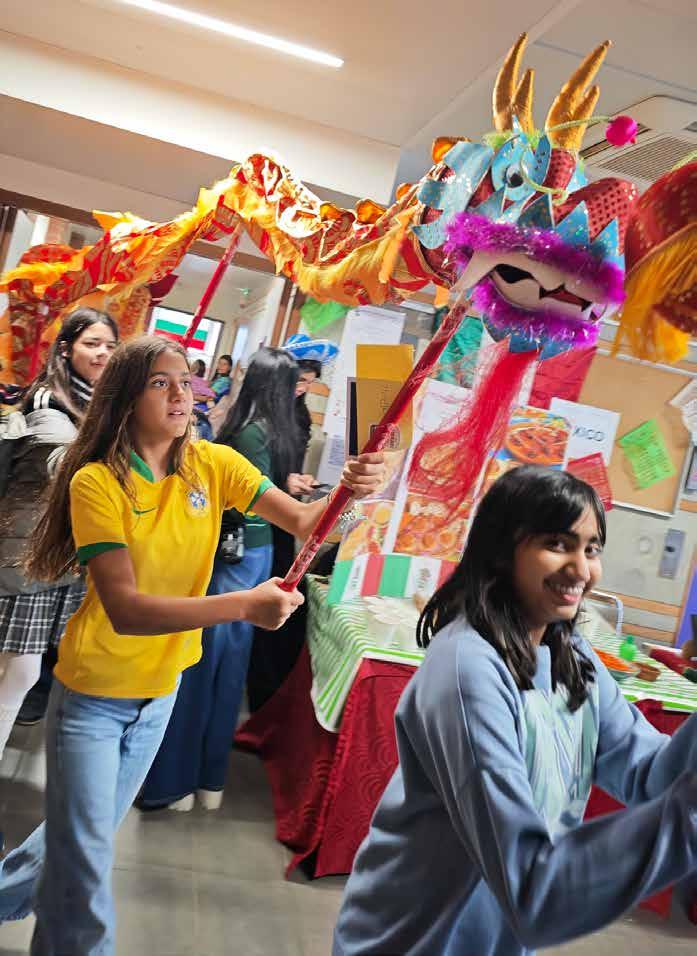
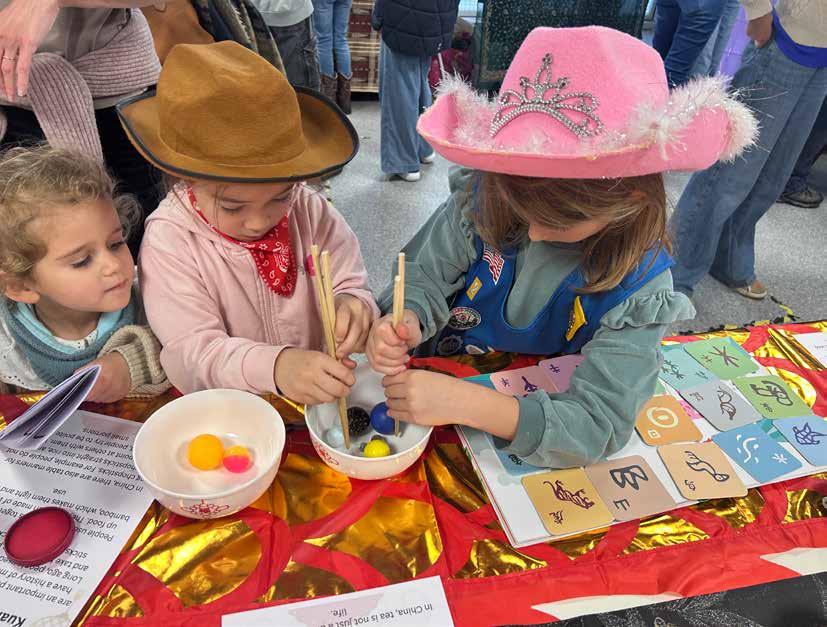
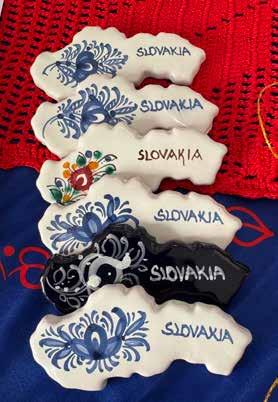
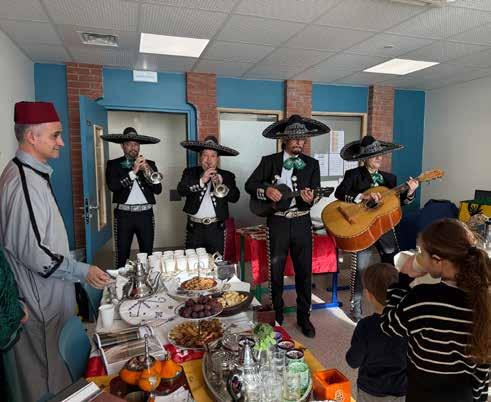
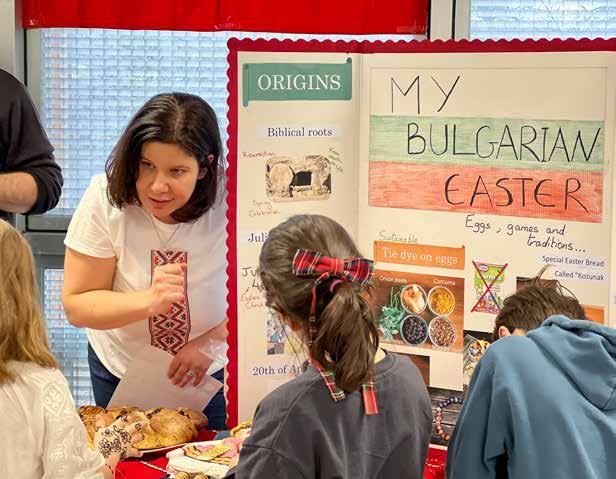
The event was truly about learning and sharing–through activities, objects, games, flavors and of course, conversations! We are truly privileged to belong to such a wonderful community!
Gabriella Lacuisse Merla
“
The event also gave us the opportunity to meet and work with other Persian families that have kids in different grades and campuses and helped our bicultural kids take pride in their diaspora culture. The timing of the event ended up being morally helpful to us due to the current events in Iran; we really felt the solidarity and support of this wonderful community.
Mandana Zavosh
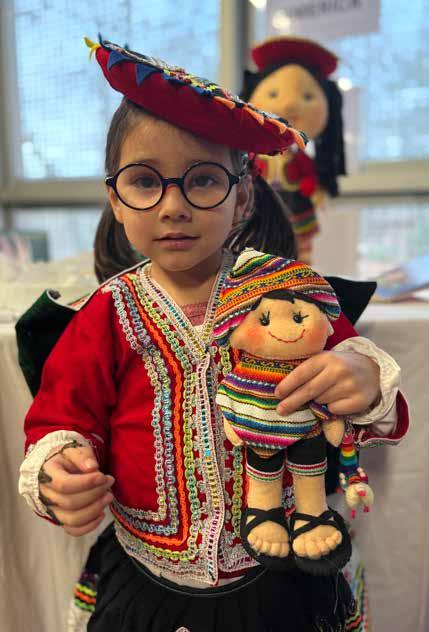
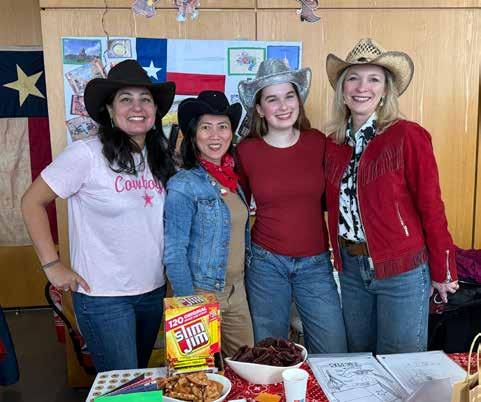
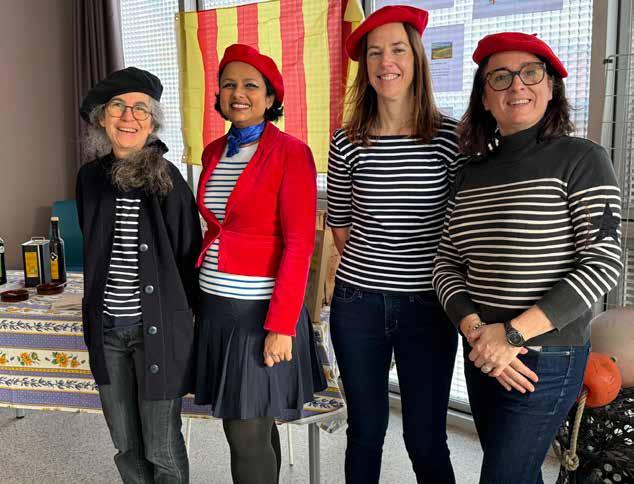
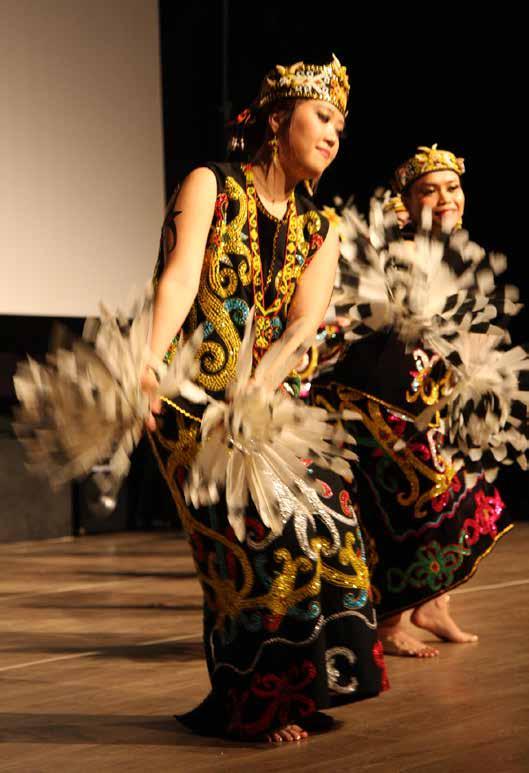
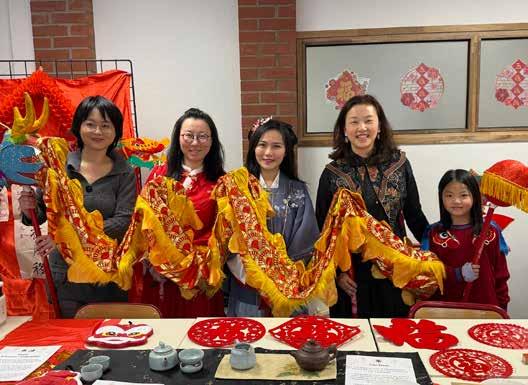
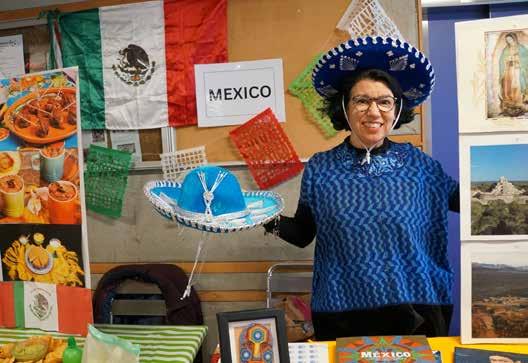
The day offered a meaningful opportunity to learn about different cultures, to value differences, and to celebrate diversity, which is at the heart of our shared humanity. It truly opens minds to the world while allowing children to learn geography effortlessly and to discover a variety of uncommon and delicious foods.
Ashinsa Bopearachchi
Femina Baudot “ “
International Day felt like the Indonesian national motto: “Bhinneka Tunggal Ika,” which means Unity in Diversity. We’re all different, from one booth to the other, from one country to the other, but despite our differences, we’re part of the American Section community, one big family!
When students come to us with ideas for new American Section initiatives, we listen, gauging both motivation and how well thought out their idea is. The goal is not to appropriate the project, but to work with them to bring their vision to fruition, teaching them organization and accountability along the way. The art clubs on the Lycée campus, as well as the Safe Space Club were born this way, as was an animé club and a student newspaper at Marcel Roby a few years back. Featured here are two recent far-reaching initiatives.
Marine Aubin-Varlot, Sixième, began toying with the idea of running a lemonade stand as she read the leveled reading books in Lower School. Many stories featured children having fun (and making lots of money) selling lemonade outside their homes. Her optional summer read, The Lemonade War, only deeped her interest. So she started talking about it with her twin sister, Lili Aubin-Varlot, and her friends Clara Ringle, Katarina Pelosi, Sophia Auger, and Janabel Rault. After determining that their houses were poorly situated for lemonade commerce, they came up with the idea of having a stand at the American Section’s fall Picnic.
The girls pitched their idea to the office staff in eary September, who were impressed with their persistence and ability to think on their feet. The Student Council approved their idea, and when the Picnic day arrived, they had a lovely stand, featuring three types of lemonade (strawberry, plain, and orange blossom) as well as coffee and crêpes. There were a few hiccups along the way: the friends had some difficulties organizing supplies and shifts, but Marine and Lili’s dad stepped in to assist. On the day of the Picnic they had trouble saying “no” to other students who wanted to help sell and share the tips. But they achieved their goals. They had a lot of fun, and they earned 100€.
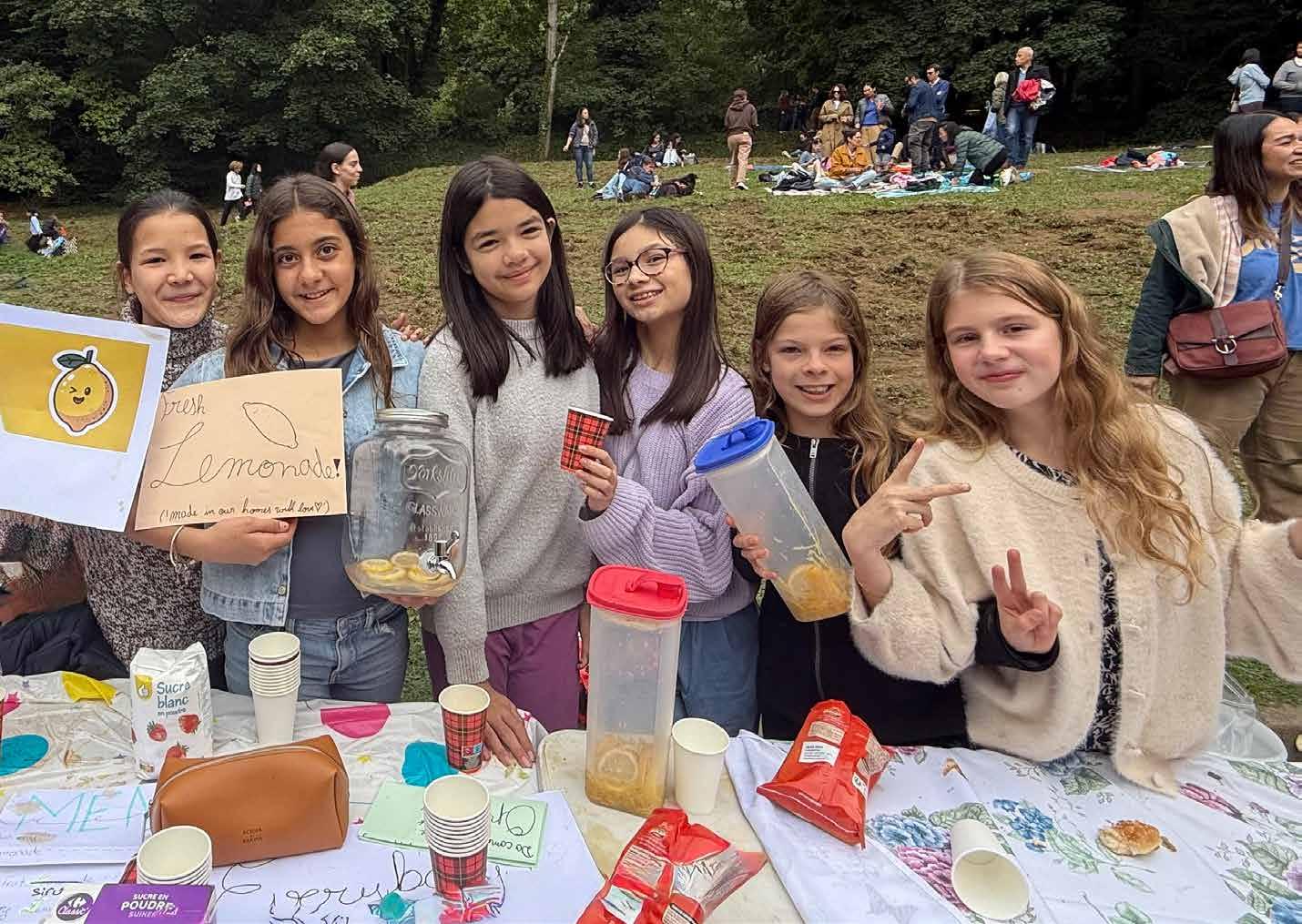
on a fish tank for room 218. Supplies were purchased over the Toussaint break, and Ms. Le Moulec donated a dozen fish who were settled happily into their new home in November.
The girls had decided to donate all of their profits to the American Section, so the challenge after the event was how to spend it. Their first idea was to subsidize the Fifth Grade Branfère trip, but 100€ would be a drop in the bucket, so a lot of brainstorming with their Sixième classmates, Ms. Jenkins, and Mr. Brazeau ensued. They finally decided
Marine, Lili, Clara, Katarina, Janabel, and Sophia are planning on selling lemonade again at the Picnic in the fall and have begun thinking about ways they can improve their stand. As one of the “assisting adults,” it’s been a pleasure to help them turn lemons into… fish!
Margaret Jenkins Director of Advancement
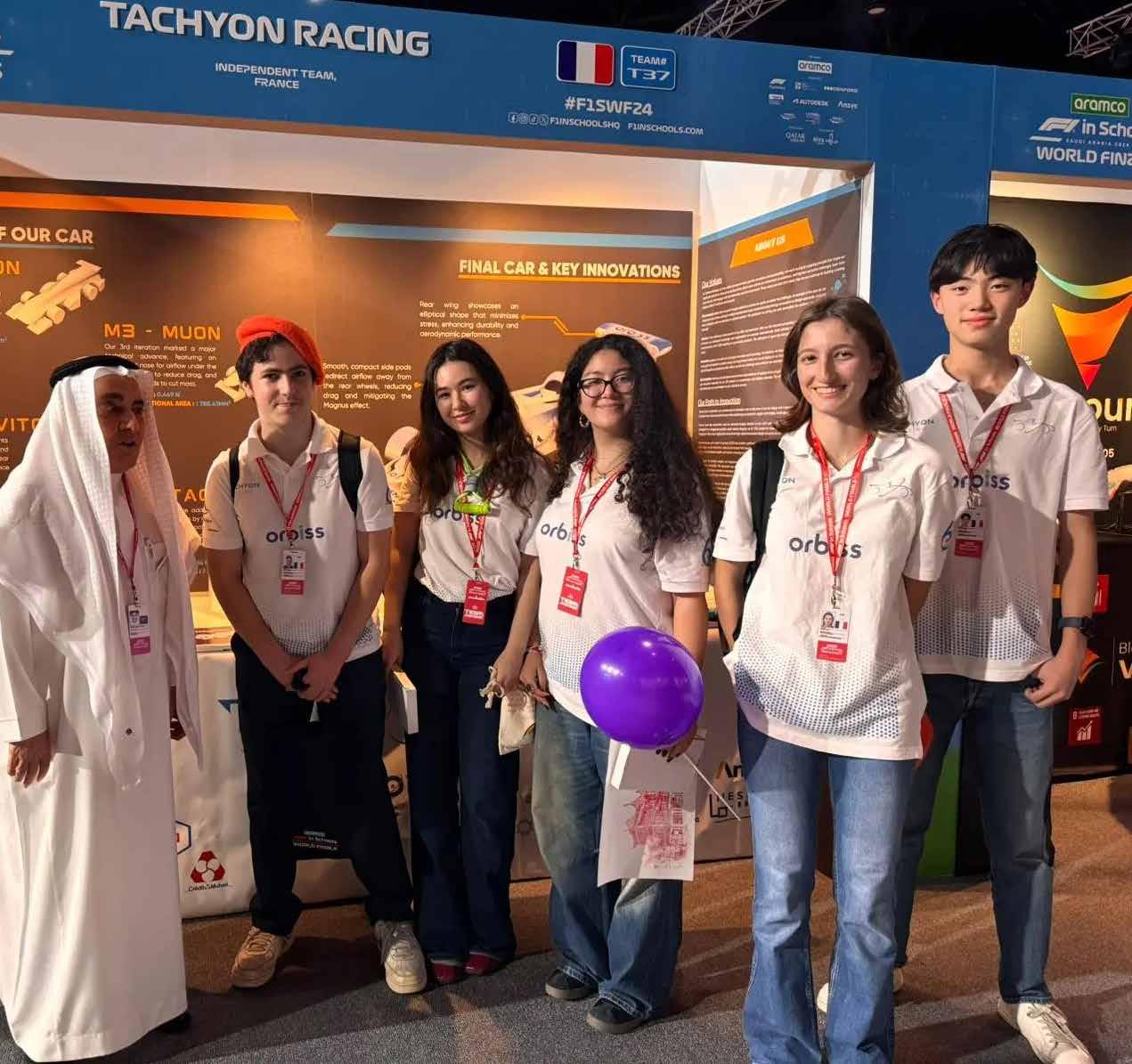
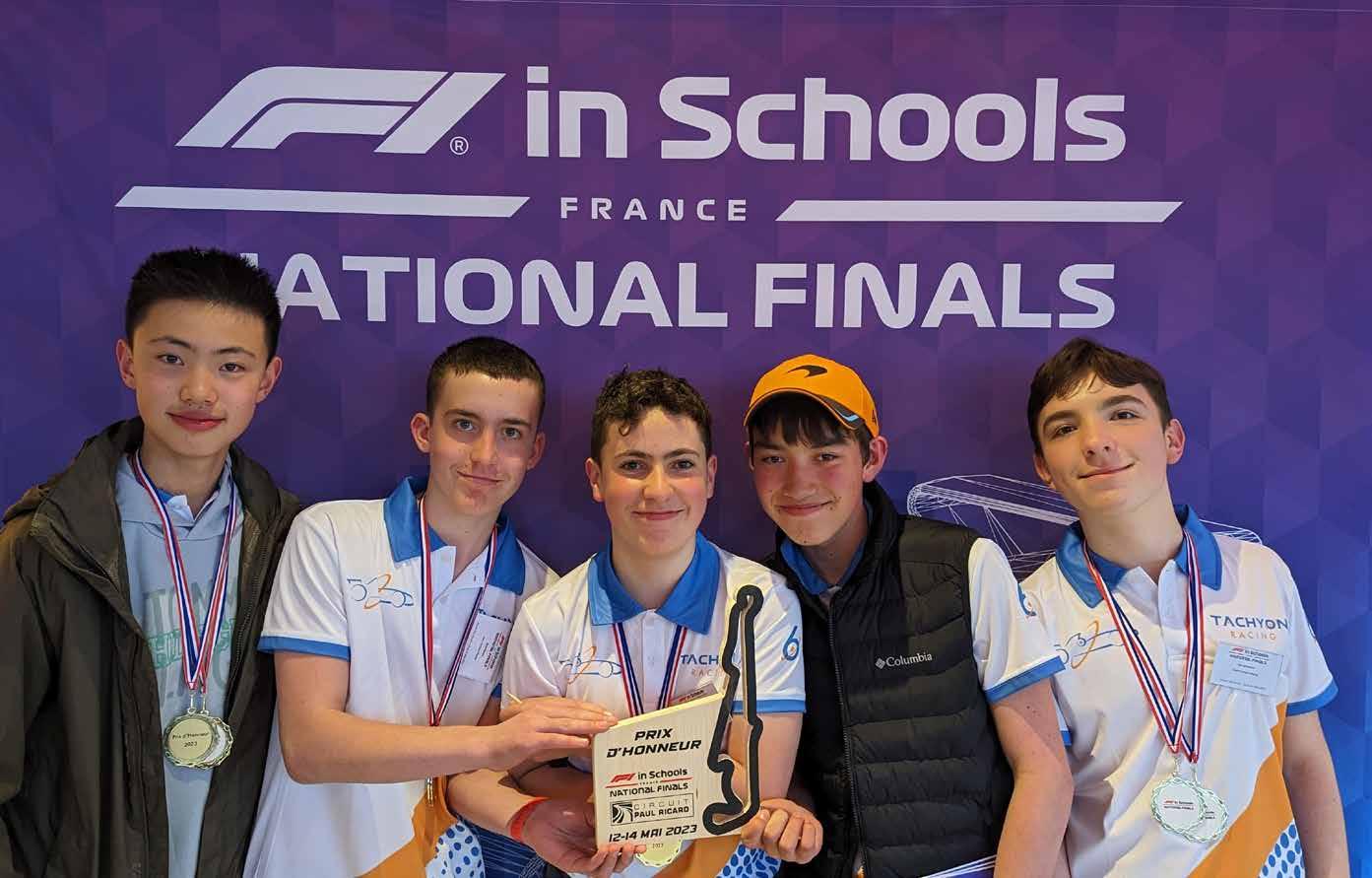
In March 2023, we received a very original application for a Junior Summer Scholar Award. Jerry Dong, then in Troisième, wrote an incredibly compelling application, requesting funding to allow him and four American Section classmates to participate in the international F1 for Schools (now STEM Racing) competition. During the summer of 2022, Jerry had visited the Pagani Museum in Modena, Italy. As he perused the exhibit tracing the story of the legendary Horacio Pagani, creator of the iconic Hypercar line, he decided it was time to start pursuing his own dream of becoming an engineer. The following day, he started searching for STEM competitions and landed on F1 for Schools. As soon as school began in September, Jerry began recruiting like-minded friends. By the end of November, he had successfully assembled a team of four American Section Troisième students who were all deeply committed to the project.
The five members of Tachyon Racing were passionate about Formula 1 and excited about the possibility of competing in a large international event. We in the American Section were most impressed by their organization and motivation. Jerry directed the team, working with Nathan Pombourcq (engineering), Hugo Boubel (marketing), Eliott Boneu (sponsorship), and Ilya Saitkoulov (communications). With Summer Award funding and minimal adult supervision, the team of 14-15 year olds taught themselves to use specialized software, designed and produced a miniature F1 car, found sponsors, developed a compelling brand identity, and participated in the national competition in Marseilles, winning the Prix d’Honneur.
There were significant changes to the team in 2023-2024 school year. Despite Jerry transferring to Ecole Janine Manuel, he and Hugo kept Taychon Racing alive. The duo was joined by Anna Billy ‘25, former American Section student Maxime Muller, and two other Lycée International students. That year, Tachyon Racing placed second in the national competition
and proudly represented France in the STEM Racing world finals in Saudia Arabia. They were awarded the Autodesk Pressure Challenge prize, were invited into an F1 team’s garage, and received tickets to the Qatar Grand Prix.
According to Hugo Boubel, the team’s primary challenge during the first two years was maintaining focus and motivation while balancing the competition with a heavy academic workload. Additionally, securing enough sponsorship to fund the journey all the way to the international level was a significant hurdle. The most rewarding part of the adventure was the immersion in the world of professional autosports as well as the connections made with people from diverse professional backgrounds and nationalities.
Shift to January 2026. Taychon Racing has evolved into a formal program: the Tachyon Racing Society, which operates at the Lycée International and EJM. The original five-member squad has evolved into an association that supports five teams at each school, representing 60 student participants. Focusing on mentorship, Hugo Boubel heads efforts at Lycée International, Jerry Dong leads at EJM, and Maxime Muller provides ongoing support. STEM Racing is an official Lycée club, with M. Le Boulair acting as faculty advisor and providing access to the school’s virtual lab. Participants are in the process of finalizing their designs, as the Paris regional finals will take place at the end of the month, with the four top teams moving on to the French nationals and, hopefully, the world finals.
The American Section is proud to have played a small part in this success story.
Margaret Jenkins, Director of Advancement
With the participation of Hugo Boubel, Terminale
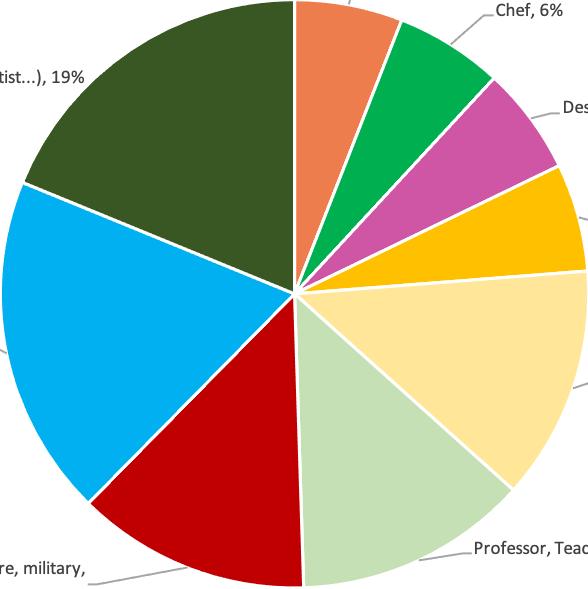
In response to this eternal question, we surveyed students in Kindergarten, Fifth Grade, Troisième, and Terminale to see how their career aspirations evolve over the course of their schooling. The results correlate aptly to Linda Gottfredson’s Theory of Self-Creation, Circumscription, and Compromise, which describes how children’s cognitive development shapes their career aspirations, leading them to gradually eliminate options perceived as incompatible with their gender or social status. Children also learn compromise as they grow, shortlisting careers that are most available or prestigious in their social environment, and essentially compromising their “ideal” choice with what is practical. This process takes place in four distinct stages, as children equate careers and the working world with an increasingly sophisticated image of self.
• Ages 3–5 (Orientation to Size and Power): Children categorize jobs based on simple, observable traits like “big” or “powerful” (e.g., firefighters or superheroes) and begin forming initial gender-based associations (e.g., “teachers are moms”).
• Ages 6–8 (Orientation to Gender Roles): Stereotypes become a dominant filter. By age 7, many children have already ruled out career paths that they believe do not align with their gender.
• Ages 9–13 (Orientation to Social Values): Children begin to refine choices based on social status, prestige, and perceived difficulty. They start to narrow their “zone of acceptable alternatives,” often naming fewer total jobs but with more realistic expectations, taking into account family expectations and their own academic ability.
• Ages 14+ (Orientation to Internal Self): Career choices shift toward personal interests, individual strengths, and unique values. Older teens begin to weigh objective factors like educational requirements, rewards, and job downsides.
The influence of social values, as well as students’ increasing self-awareness, is evident in the results of our survey:
KINDERGARTEN (5–6 YEARS OLD)
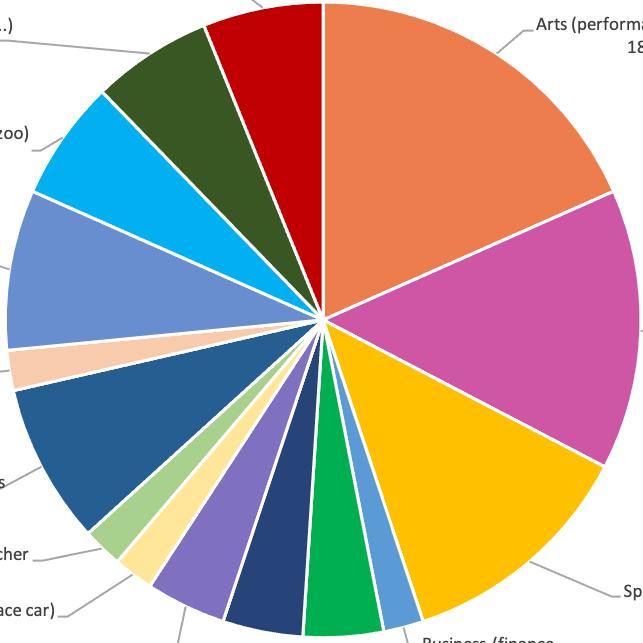
(14–15 YEARS
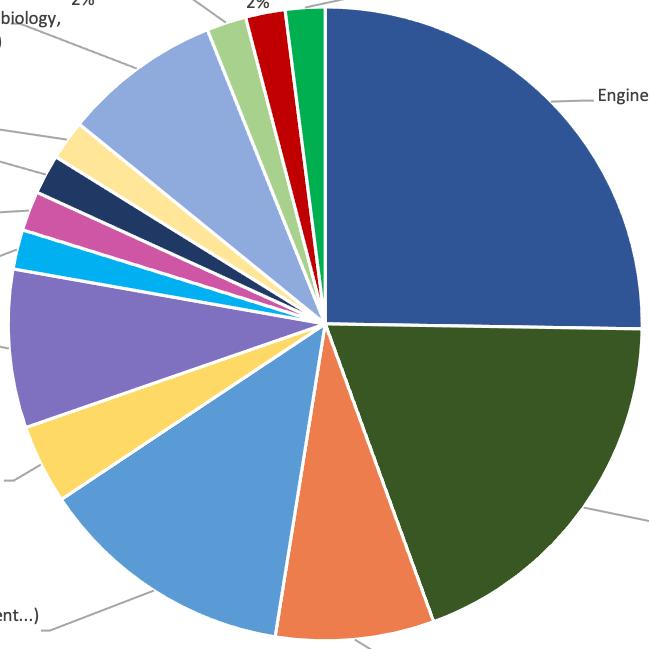
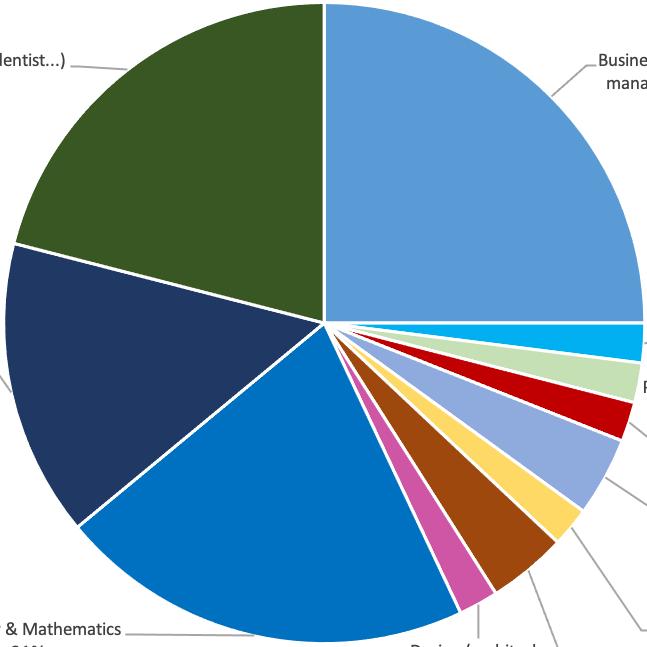
KINDERGARTEN
I want to be a chef so that I can cook and invent things.
KINDERGARTEN
I want to be a teacher and I want to make a lot of money. So I’ll be a doctor and then teach doctors.
KINDERGARTEN
I want to be a policeman because they are strong.
I want to be an author because I love writing. I find a sort of peace in sitting in my room and making anything I can think of come true by just writing it down.
I want to buy and sell companies because I want to have a lot of money to be comfortable in my life.
I want to be a judo champion because I love the sport and I want to be the best, maybe better than Teddy Riner.
I want to be a biologist because I love animals, saving the planet, and finding solutions to problems.
I want to be an engineer because I want to build amazing machines.
TROISIÈME
I want to be an entrepreneur because I like to be in contact with money, to make profit and it is a job that can make you rich.
TROISIÈME
I want to be a lawyer because the majority of my family are lawyers.
TROISIÈME
I want to be an engineer because I’ve been interested in technology ever since I’ve discovered it and have always been interested in hardware, software, coding, and even quantum computing.
TROISIÈME
I want to work in cinematography because I have always loved knowing what happens behind the scenes of movies I love.
TROISIÈME
I have always wanted to work in the medical field and neurology combines my love for science and with helping people live better lives.
TERMINALE
I want to be a diplomat or international lawyer to make a change in the world we live in and truly take action.
TROISIÈME
I want to work in genetics because I like watching Sci-Fi movies where the mad professors start creating amazing but kind of extreme beings. And I love how every single being in the world is built by genetics. Its like playing legos but creating things in real life.
TERMINALE
I want to be a military doctor because I can be in the military while saving lives, not taking them. I love how I can help protect my country and therefore my family through the military. I have also had family in the military and their stories have also inspired me to join.
I want to be an elementary school teacher to work with children, helping them grow and develop.
I want to be a psychiatrist because I am fascinated by psychological mechanisms behind human behavior and societal dysfunctions, and I want to study, understand and hopefully heal the minds that shape, and are shaped by, the world around them.
When student choices are examined in terms of gender, it is clear that boys and girls have different career aspirations. The chart on the previous page features the top four career choices by both boys and girls, including the percentage of students from the opposite sex choosing that career. While the top picks for boys are engineering, business, sports, and medical profession, the girls choose arts, medical, business, design, and law related careers.
Thanks to Middle School Principal Mary Diard’s archives, we were able to track how individual students’ career aspirations evolved from Troisième to Terminale. Notably, most future doctors, engineers, and lawyers had already identified those goals early on. While a few paths shifted— a student who aspired to become a doctor in Sixième now plans to study chemical engineering, a Quatrième interested in aerospace engineering has decided to moved toward business, and a would-be playwright now plans to practice law—the majority of aspiring doctors, engineers, and lawyers had settled on their trajectory before Upper School. On the contrary, none of the students now
I have a passion for physics and want to unravel the mysteries of the uncertain. Engineering will help me pursue a technical application of this enthusiasm.
I want to be an engineer because I enjoy solving problems and it fits with my lifestyle choices (being able to travel and being paid pretty well).
pursuing business-related careers expressed that interest in Middle School. Early dreams of becoming a soccer player, singer, actress, sports commentator, fashion designer, video game designer, or YouTuber have largely given way to more conventional choices.
Though seemingly simple, the answer to the question “What do you want to be when you grow up?” is largely influenced by age, self-awareness, social expectations, and opportunity. As students mature, their career aspirations become more focused and realistic, reflecting both their developing sense of self and the perceived societal constraints around them. And while this narrowing is a natural part of a child’s development, it also highlights how stereotypes and social values can limit possibilities. Encouraging students to explore widely, reflect deeply, and see beyond traditional boundaries is key to helping them find the right place.
Margaret Jenkins, Director of Advancement
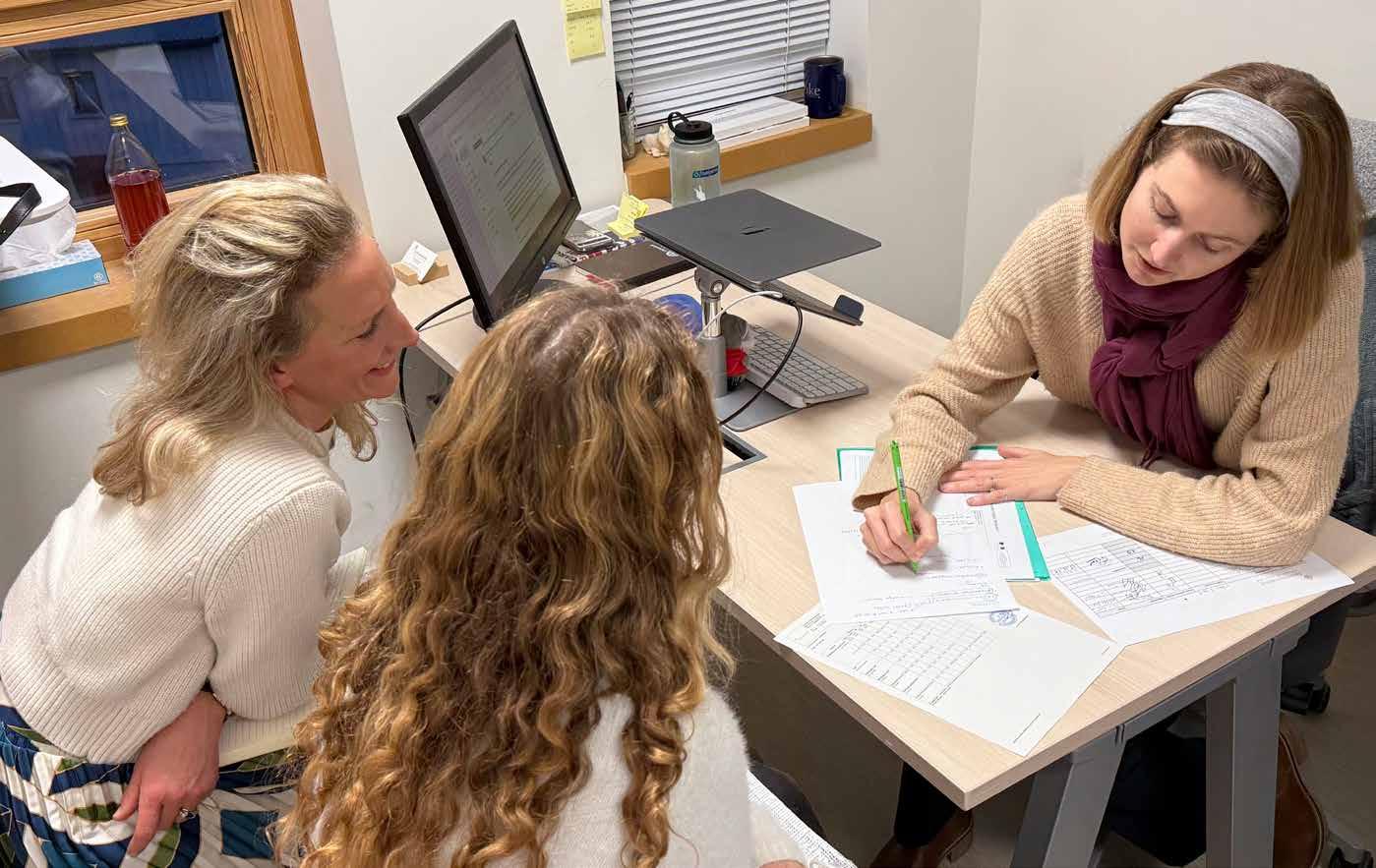
I genuinely enjoy my work. University counseling invites students to reflect on what makes them feel excited, supported, and challenged–and to imagine the kind of environment that could offer all of that once they leave the Lycée.
Having been through the university process myself–as an applicant, an alumna interviewer, a university admissions officer, and now, a school counselor–I know that that isn’t always how this process feels. Too often, it becomes reduced to a single metric: ranking. Paradoxically, attending a high-performing school like ours can narrow students’ perceived options rather than broaden them. The pressure to validate years of effort with a prestigious name can overshadow a more meaningful question: not “Where can I get in?” but “Where will I thrive once I get there?”
Research reinforces the importance of this distinction. A 2025 study found a significant positive association between university students’ sense of belonging, academic outcomes, and overall wellbeing (van Kessel et al.). Of course, university is a major investment, and families naturally want it to lead to a successful career. Yet a brand-name degree alone is neither a prerequisite nor a guarantee of long-term success. Graduate programs, for example, tend to prioritize undergraduate GPA, research and work experience, faculty recommendations, and exam scores. In other words, what students do at university matters just as much as, if not more than, where they go.
The key, then, is to look beyond the numbers and focus on fit. To find your best fit, begin by looking inwards. Diane Catton ’24 (Wesleyan University) advises, “Reflect on what you enjoy most about your current high school environment or, even better, what you dislike.” (Unifrog has great quizzes to help you get started!)
Next, consider which aspects of fit are most important to you:
• Academic fit: curriculum, class size, teaching style, study abroad opportunities
• Professional fit: research and internship opportunities, alumni outcomes
• Social fit: campus culture, diversity, extracurriculars, support services
• Environmental fit: size, location, climate, housing options, proximity to home
• Financial fit: affordability, scholarships
Then search for universities that align with your priorities. Remember that what’s a great fit for you may not be for someone else (even your best friend). As Justin Sekowski ’19 (Wake Forest University) puts it, “You may think NYU is a great school–and it is–but it may not be as good for the particular field you want to study.” Indeed, the limitation with traditional ranking systems is that they’re based on criteria that may not align with your own needs and goals. Times Higher Education’s rankings, for instance, don’t currently take into account study abroad opportunities or employment outcomes, even though these are top priorities for many students.
In the end, when there are so many university pathways to choose from, why not choose one that fits the whole student? Nolhan Lee-Jouanny ’25 (University of California Santa Cruz) reminds us that “University is not just a place to work and study, but also a place to explore and experience life.” Yes, this requires honest reflection, careful research, and courage to trust your instincts. But, as Tristan Hua ’23 (Bard College Berlin) attests, “Don’t worry about going off the beaten path. Even if you’re the only person from the Lycée choosing a seemingly eccentric option, you’ll find other people just as odd and curious as you are, which will make you feel much less alone.” When students feel like they fit in, they gain confidence, build stronger relationships, engage more fully in campus life, and excel academically – ultimately making them happier and taking them further than rankings alone could.
Taylor Hausburg, College Counselor
References van Kessel, G., Ryan, C., Paras, L., Johnson, N. A., Zariff, R. Z., & Stallman, H. M. (2025). Relationship between university belonging and student outcomes: A systematic review and meta-analysis. Australian Educational Researcher, 52(3), 2511–2534.
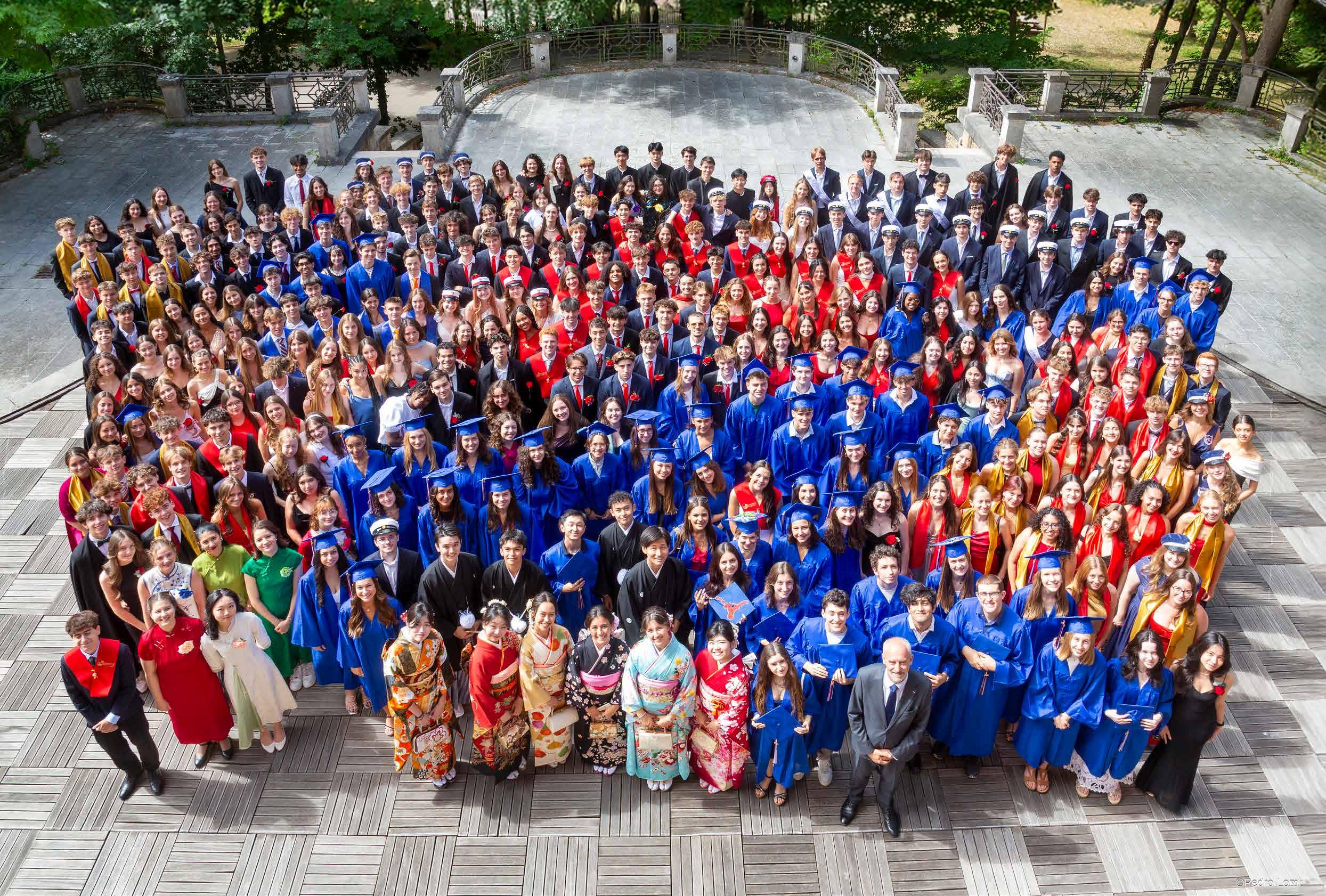
CLASS OF 2025
CANADA (6)
McGill University
CHINA (1)
Duke University Kunshan
CYPRUS (1)
University of Nicosia
FRANCE (28)
ESCP Business School (4)
ESILV
ESSEC Business School
INSA Lyon
Lycée Chaptal
Lycée Diagonale
Lycée Henri IV
Lycée Hoche
Lycée Janson de Sailly
Lycée Michelet
Lycée Pasteur (2)
Lycée Sainte Geneviève
Lycée Sainte Marie
Sciences Po Le Havre
Sciences Po Lille
Université de Grenoble
Université de Paris Assas
Université de Paris Cité (3)
Université de Paris Sorbonne (3)
Université de Versailles Saint Quentin
ITALY (1)
Boconi University
NETHERLANDS (3)
Erasmus University Rotterdam
University of Utrecht (2)
SPAIN (1)
IE University
SWITZERLAND (1)
Ecole Polytechnique Fédérale de Lausanne
UNITED KINGDOM (3)
University of Aberystwyth
University of Edinburgh
King’s College London
UNITED STATES (10)
Boston College
Brown University
Johns Hopkins University
Rice University
University of California Berkely
University of California San Diego
University of California Santa Cruz
University of Notre Dame (2)
University of Texas at Austin
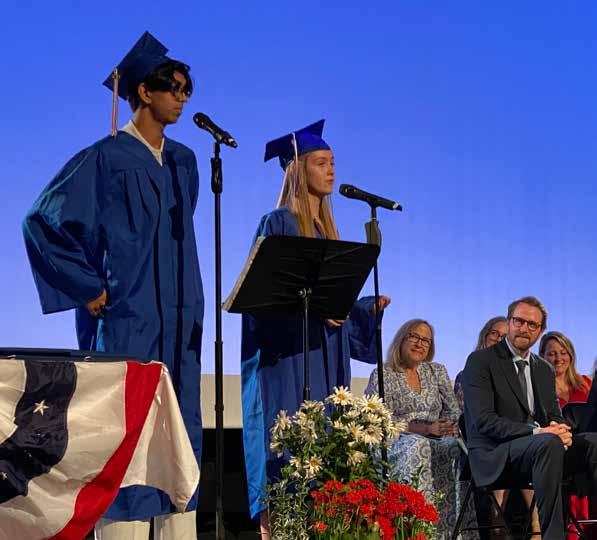
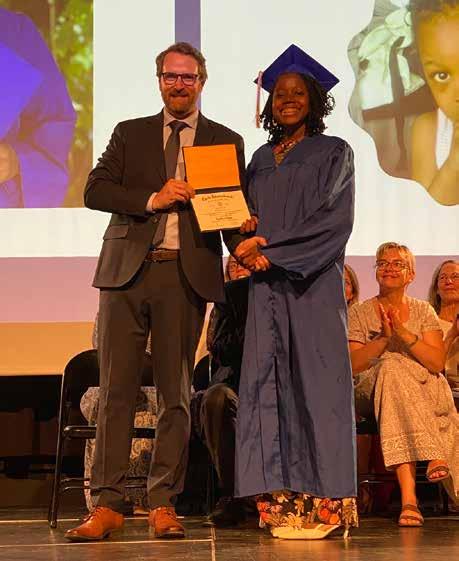
Loïs Nkouka,
2024-2025
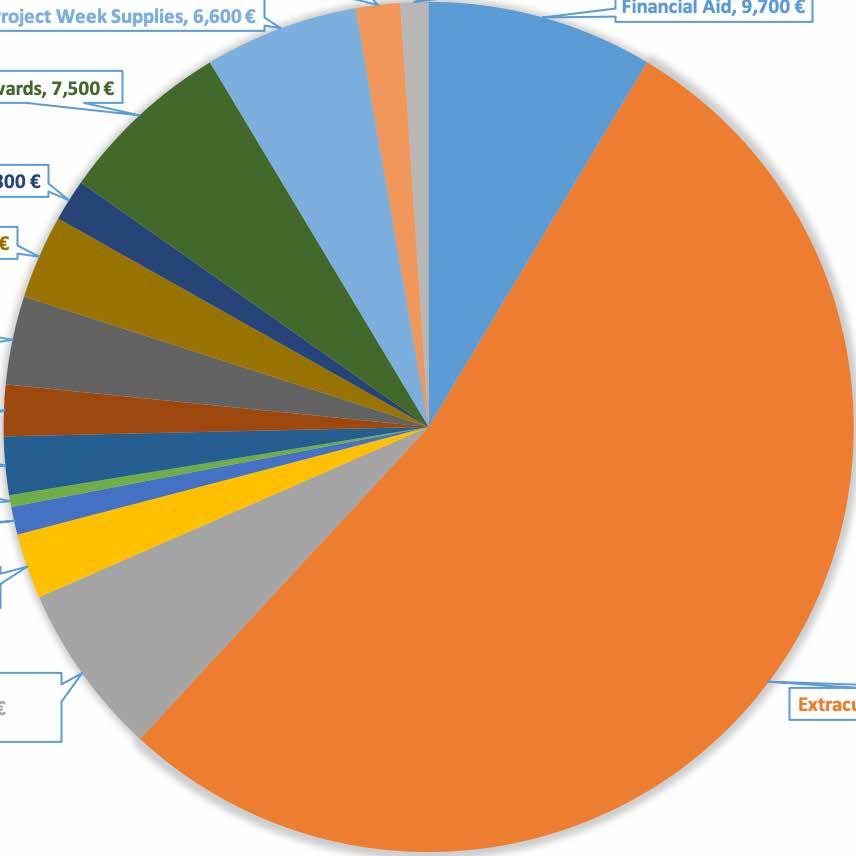
TOTAL ANNUAL FUND INCOME
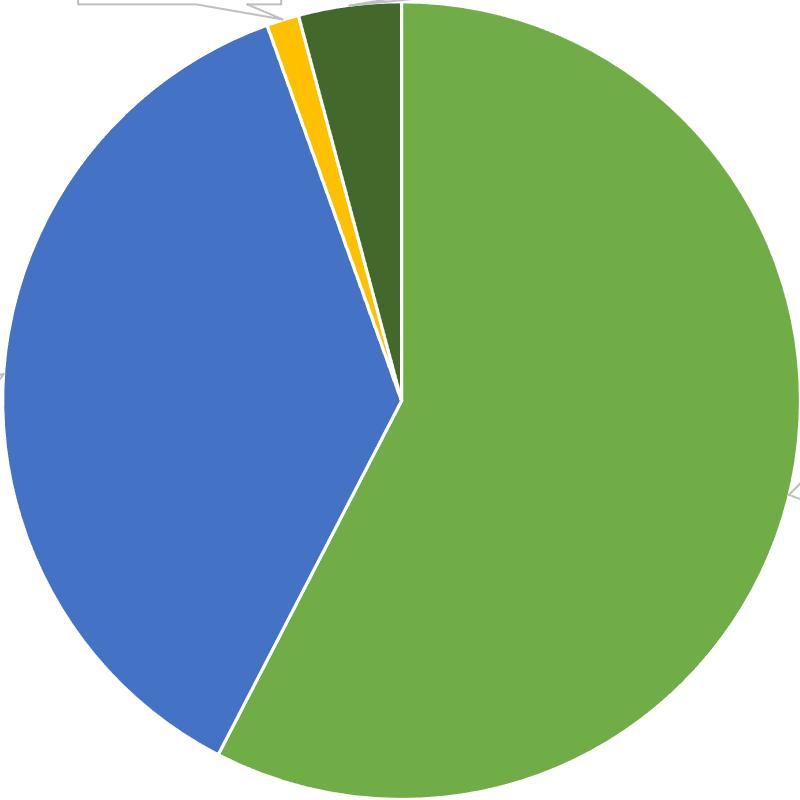
63,441€ includes Annual Fund, Raise the Paddle & Senior Class Gift
$7,100 was received through FoASALI for the Annual Fund and Raise the Paddle. It is converted into € in these figures.
TOTAL FUNDRAISING INCOME
100,022€
AVERAGE ANNUAL FUND DONATION 349€
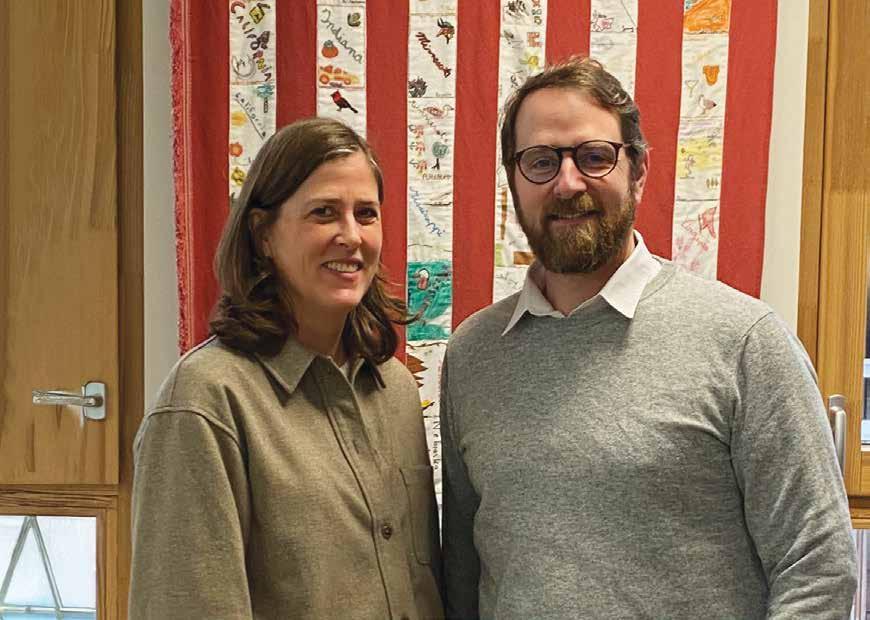
DIRECTOR’S CORNER
Sandrine Jallon-Courderoux and Pierre Courderoux
John Lovejoy
Yuko and Robert Sprung
Maria and Derek Steelberg Anonymous
ASALI BENEFACTORS
Stamatia Nikolakakis-Azar and Joseph Azar
Emilie and Arnaud Collin
Jennifer Dalrymple and Luis Roth
Sara Di Napoli and Francesco Dartizio
Zoé Brejon and Charles Delfieux
Joelle Dirringer-Descrozailles and Francois Descrozailles
Karl Emery and Matthieu Bonte
Kate Miller and Martin Lehec
Mildred Motte Delorme and Philippe Delorme
Martina and Paul Navratil
Stéphanie Andrieux and Keith Ney
Beth Paul Saunier and Maël Saunier
Yulia and Warren Seine
Réka Kovacs and Christophe Webert
COMMUNITY BUILDERS
Mary and Jerome Adamy
Sandra and Alexandre Boeuf
Helena Rodrigues and Raphael Brun-Aguerre
Katherine Zouein and Juan Carlos Calderon Castro
Andrea and Omar Chahid
As we reflect on the past year, we are reminded that the strength of the American Section lies not only in our classrooms and programs, but in the generosity of the community that surrounds and sustains us. Giving—of both time and resources—allows our Section to thrive. It also sets a fine example for our students, showing them how service and engagement uplift the entire community.
This report honors those who supported the American Section in 2024-2025. We are deeply grateful for every donor; whether ten or several thousand euros, every gift makes an impact. Collectively, your generosity enriches our students’ lives through enhanced resources, diverse programs, and financial aid. This support ensures we remain true to our mission: providing an education that inspires critical thinking, curiosity, and compassion.
Many thanks to the parents, grandparents, alumni, and members of faculty and staff listed below for believing in our school and in the potential of every Section student. We are proud to partner with you and deeply appreciate your continued support.
With sincere appreciation, Brian Brazeau, Director
Margaret Jenkins, Director of Advancement
Ann and Christophe Chauvel-Gobin
Sosana Kohen Cikurel and Jacques Cikurel
Simona Stoica and Loredan Cuc
Stephanie Merran and Alexandre de Gandt
Nathalie and Guillaume Deudon
Laura Barbosa and Alejandro Drevon
Pascal Durand and Louis-Francois Gombert
Elizabeth and Hady El Haddad
Anne-Sophie and Bertrand Faucher
Julie and Alan Glen
Christine and Matthieu Goulay
Eun and Xavier Joseph
Magali and Frédéric Lemos
Jessica Shuet Mui and Henry Leung
Beth Paul Saunier and Maël Saunier
Melissa and Jean-Marc Perrin
Emmanuelle Riedel-Drouin and Gabriel Riedel
Evialina Shalimava Robin and Xavier Robin
Maria and Sean Sarfati
Ghita Slaoui and Alexandre Izard
Elizabeth Marks and Brian Smith
Nathalie and Stéphane Souchet
Frédérique and Olivier Tireau
Kumi Kitamori and Fabio Vancini
SECTION PARTNERS
Lisa and Jeremy Baird
Lara Baronnet Voloshin and Jean Julien Baronnet
Ashinsa Bopearachchi
Natalia Buga-Buruiana and Valentin Buruiana
Camille and Baudouin Corman
Ioana Mera Daniels and Christopher Daniels
Safa and Bernard de Talancé de la Barre
Marjolaine and Jérôme Decoodt
Chin Lin Destal Hsu and Daniel Destal
Gwenola and Matthew Dockins
Valerie Frey and Bradford Gehringer
Gale and Antoine Gerrier
Cécile and Hsin Hau Hanna
Michelle Hoffman
Anita and James Lee
Aleksandra Andan and Kerem Önen
Claire and Nicolas Remy
Yiping Zhang and Emmanuel Roulin
Kamolwan Panlai and Pierre Salagnac
Nevra and Steven Seggie
Rachel Lupiani and Xavier Simler
Laura Monroe Singer and Jean-Marie Singer
Magali and Guillaume Spillemaecker
Sabrina and Alexander Stainburn
Hend Turki and Oussama Taktak
Pamela and Antoine Wolf
PROGRAM SUPPORTERS
Violetta Donini Alvarez and Dario Alvarez
Ying Xu and André-Jean Attias
Sanchita and Bijay Barik
Femina Affandi-Baudot and Gautier Baudot
Violaine Gomar and Laurent Bensussan
Patrizia Ramonda and Vincent Billy
Catherine and Philip Boalch
Agathe and Pascal Boneu
Severine Jeulin and Guillaume Bourst
Brian Brazeau
Olena Buinikova and Oleksandr Buinikov
Eleonore Cabot-Morel
Xiaojing Liu and Haiquan Cao
Jean-Noel Cartier
Tifany and Nathan Champouillon
Shinae Youn and Cody Chong
Lise and Rodolphe Coronas
Amy and Philippe Crist
Sophie Morelle and Antonio Da Rold
Janet Hart-Da Silva and Jean Philippe Da Silva
Qin Ran and Luc Descleves
Mary and Emmanuel Diard
Jenny and Gilles Du Crest
Vineeta Kumari and Shyam Kant Dubey
Kiran and Ravi Shankar Dwivedi
Caitlin Echasseriau
Sonia Madjeri and Mehdi Elhaoussine
Mireille Franco and Jose Esteve Otegui
Sharon and Marc Fischli
Muriel Escola-Floch and Ronan Floch
Alexia and Shahin Gashti
Marilyn Gellner and Thorkild Aarup
Maria Giovanna Gilotta and Jérôme Gouet
Fabien Grattepain
Joy Zhang and Hadrien Hamel
Beccy and Stuart Haugen
Taylor Hausburg
Christina Hauser
Myriam Dennehy and Julien Helleux
Isabelle Hernu-Sfeir and Thierry Hernu
Jing Hu and Jian Hou
Charlotte Jarquin
Margaret Jenkins
Loretta Lee and Yannick Jouanny
Ashlie and Emmanuel Kaspereit
Anne-Laure and Francois Lefebvre
Caroline Boin-Margerit and Arnaud Margerit
Caroline and Richard Marshall
Emilie and Paul Marty
Andrew McGovern
Monalisa Panda and Sangram Keshari Mohapatra
Michele and Guy Morgan
Marlène and Frédéric Nusbaumer
Doug Penner-Lacompte
Aline and Seb Peypoux
Rigobert Pinga Pinga
Alexia and Pierre-Yves Prost
Marina Pruteanu and Eugène Macari
Anne Porquet and Tangi Quemener
Adriana and David Redmond
Anahita and Reza Reyhani
Michele Silvestri and Pierre-Emmanuel Sassonia
Sara and Amir Sharifi
Ang Sheldrake
Justyna Guzdzik and David Simmons
Sara and Trevor Snyder
Isabelle Solal
Graham Speier
Lisa Stephens
Kristina Reinhardt and Robert Stoumbos
Linda and John Tate
Hilary and Laurent Thomet
Maggie Tsang and Jean-Baptiste Tricot
Anne-Claire Paille and Guillaume Vuillardot
Pauline and Olivier Warneck
Lorraine and Paul Whitfield
Alicia Wielemaker
Chrystele and Mark Windridge
Anonymous
SENIOR CLASS GIFT
Mathilde Gomar-Bensussan, Laurent Bensussan and
President: Lorna Neligan Colarusso
Vice President: Alexi Remnek ‘87
Treasurer: Lucas Ghiglione ‘11
MEMBERS AT LARGE
Evelyne Pinard
David Renard ’91
Maeve Colarusso
Felix Tabary ’10
We thank Friends of ASALI for their continued generous support of our Summer Awards program.
The Friends of the Association de la Section Américaine du Lycée International (FoASALI) is a non-profit organization composed of former American Section students and parents. FoASALI’s purpose is twofold. The first is to act as the American Section’s philanthropic arm in the United States, participating in the Section’s development by funding specific projects, namely program enhancements that advance the mission statement. FoASALI’s second objective is to provide networking-related activities for the American Section’s alumni community. Anyone wishing to help with reunion events or build their American Section network, please let us know at foasali1@gmail.com.
Lorna Colarusso, President

Violaine Gomar
Anna and Vincent Billy, Patrizia Ramonda
Chanon Opera Cartier Aladin and Jean-Noel Cartier
Victoire, Lise and Rodolphe Coronas
Kitty and Janet Hart-Da Silva, Jean Philippe Da Silva
Isabelle, Jenny and Gilles Du Crest
Ambre and Mehdi Elhaoussine, Sonia Madjeri
Adrian Esteve Franco, Jose Esteve Otegui and Mireille Franco
Zoë, Sharon and Marc Fischli
Victoria, Alexia and Shahin Gashti
Alix, Gale and Antoine Gerrier
Marie and Isabelle Hernu Sfeir, Thierry Hernu
Nolhan Lee-Jouanny, Loretta Lee and Yannick Jouanny
Abhilash Mohaptra, Monalisa Panda and Sangram Keshari Mohapatra
Zacharie and Philippe Delorme, Mildred Motte Delorme
Margo, Aline and Seb Peypoux
Romain and Tangi Quemener, Anne Porquet
Ian, Adriana and David Redmond
Eline, Anahita and Reza Reyhani
Carl and Jean-Marie Singer, Laura Monroe Singer
Hannah, Olivia, Sara and Trevor Snyder
Hannah, Yuko and Robert Sprung
5-YEAR CONSECUTIVE DONORS
Stamatia Nikolakakis-Azar and Joseph Azar
Femina Affandi-Baudot and Gautier Baudot
Patrizia Ramonda and Vincent Billy
Catherine and Philip Boalch
Agathe and Pascal Boneu
Eleonore Cabot-Morel
Ann and Christophe Chauvel-Gobin
Camille and Baudouin Corman
Sandrine Jallon-Courduroux and Pierre Courduroux
Caitlin Echasseriau
Beccy and Stuart Haugen + Michelle Hoffman
Margaret Jenkins ++
Ashlie and Emmanuel Kaspereit + Anne-Laure and Francois Lefebvre
Caroline and Richard Marshall
Emilie and Paul Marty
Stéphanie Andrieux and Keith Ney
Beth Paul Saunier and Maël Saunier
Alexia and Pierre-Yves Prost
Evialina Shalimava Robin and Xavier Robin
Yiping Zhang and Emmanuel Roulin
Sara and Amir Sharifi
Rachel Lupiani and Xavier Simler + Laura Monroe Singer and Jean-Marie Singer + Sara and Trevor Snyder
Isabelle Solal
Nathalie and Stéphane Souchet ++
Graham Speier
Yuko and Robert Sprung
Pauline and Olivier Warneck
Chrystele and Mark Windridge ++
+ 10 year donors
++ 15 year donors
March 31, 2025
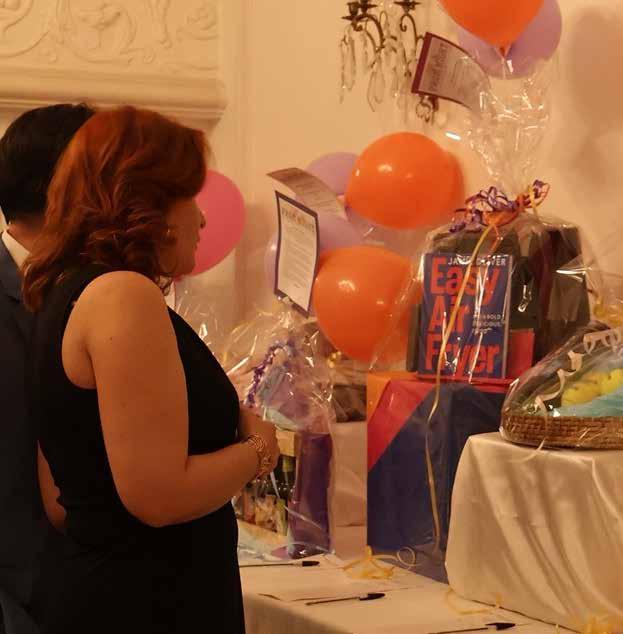
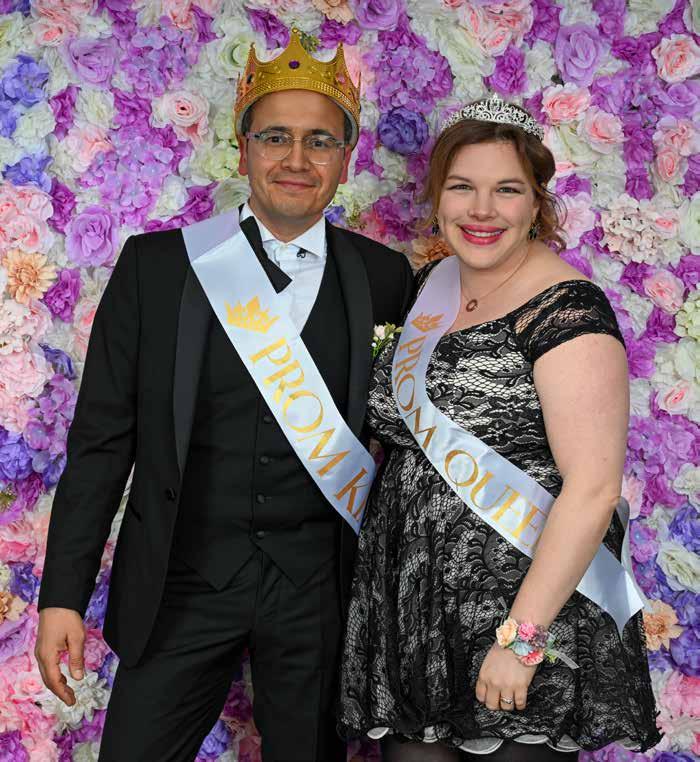
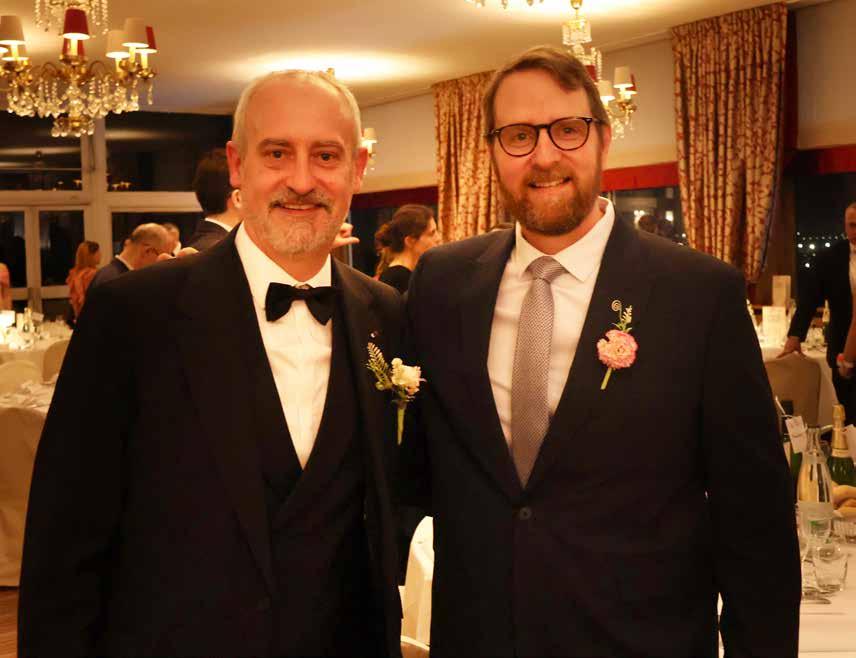
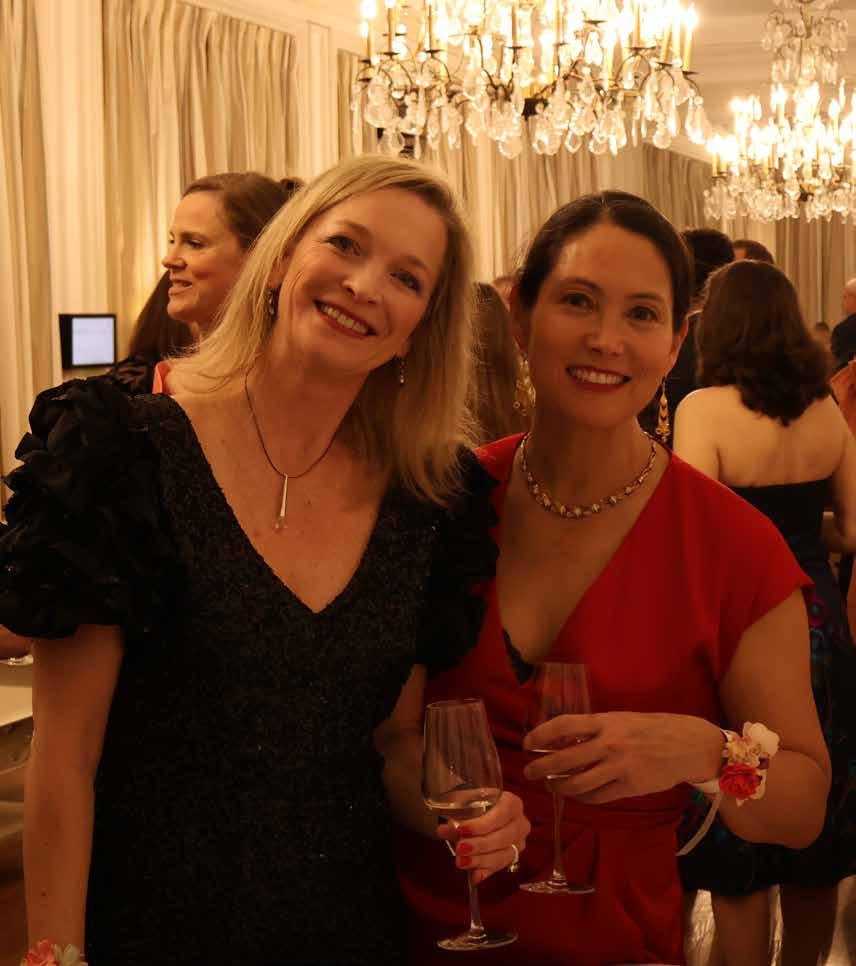
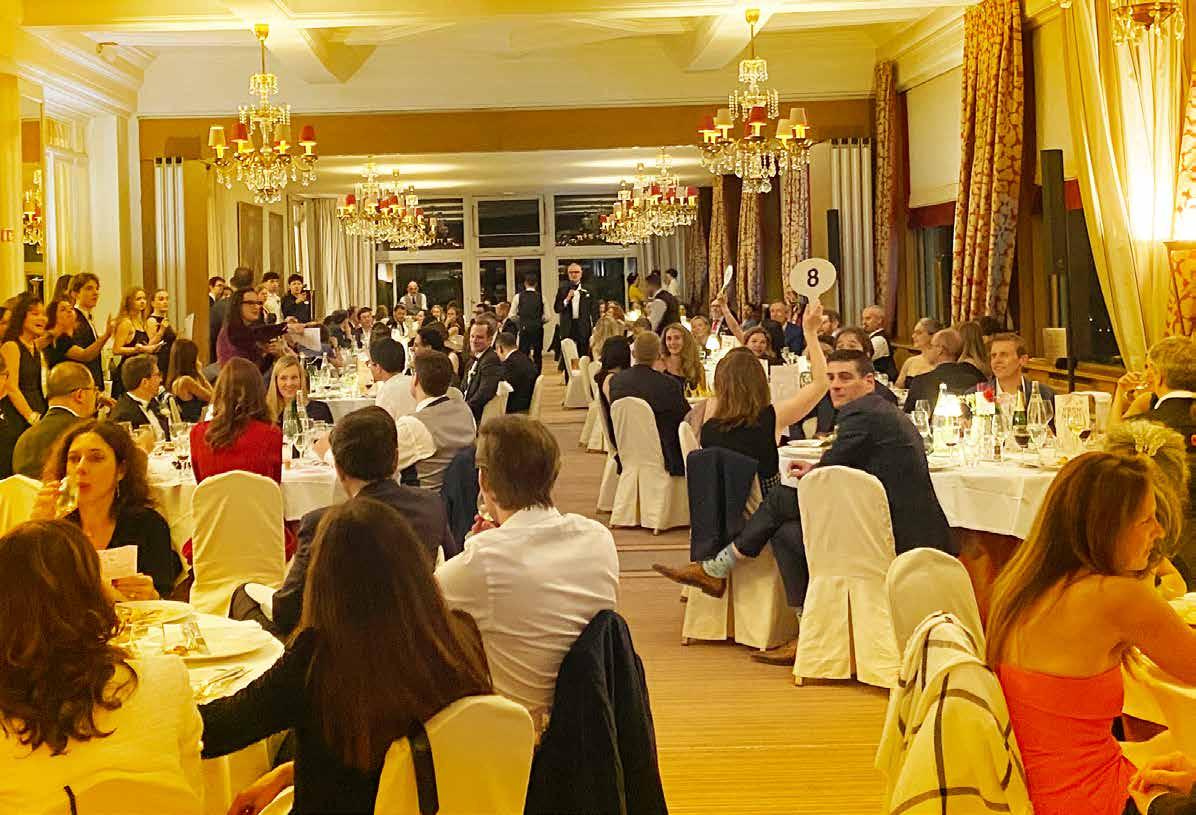
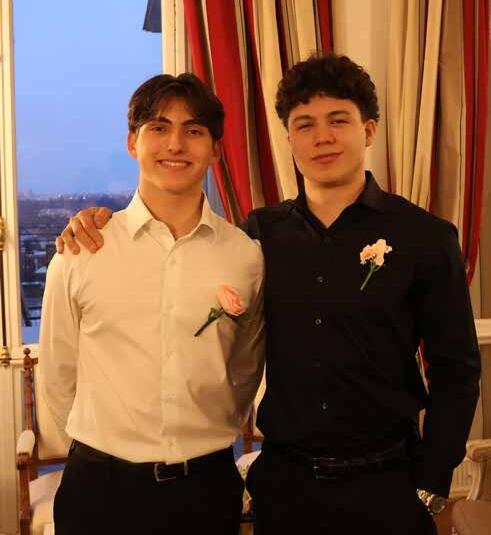
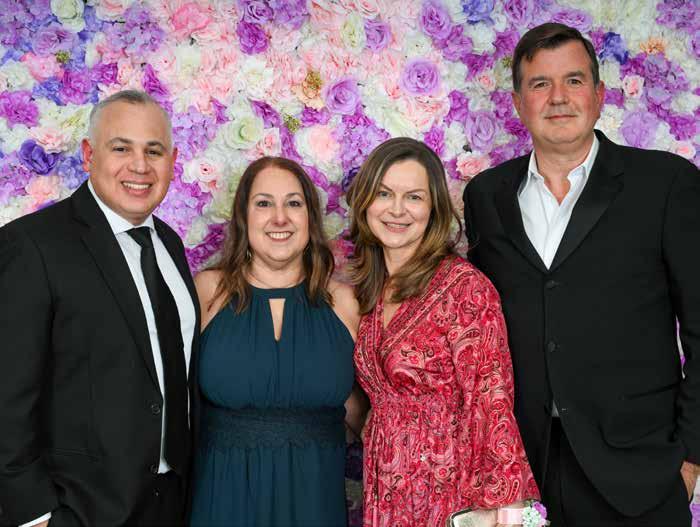
The Prom Night Gala was an unforgettable evening marked by elegance, energy, and community spirit. In true prom style, guests first chose a beautiful corsage and took a photo with their date before enjoying a sophisticated cocktail reception. A delicious threecourse dinner followed, enhanced by tables beautifully decorated with flowers and vintage china, and stunning views of the Seine valley. The evening featured both live and silent auctions, an exciting raffle, and culminated in a lively dance floor that kept guests celebrating late into the night. Beyond the glamour, the Gala was a resounding success, bringing our community together while raising significant funds in support of our mission.
We extend our heartfelt thanks to everyone who attended the Gala, sponsored a faculty member, bid in the auctions, purchased raffle tickets, or participated in Raise the Paddle. In total, over 150 American Section families contributed in some way to the event’s success. Thanks to this remarkable generosity, we raised 57,602€, our second most profitable Gala ever.
Our Galas are made possible by the dedication and talents of many volunteers. Whether through procuring auction items, hosting an event, giving time and expertise, curating
TOTAL GALA PROCEEDS
57,620 €
EVENT AND AUCTIONS REVENUE 32,415 €
RAISE THE PADDLE DONATIONS 25,205 €
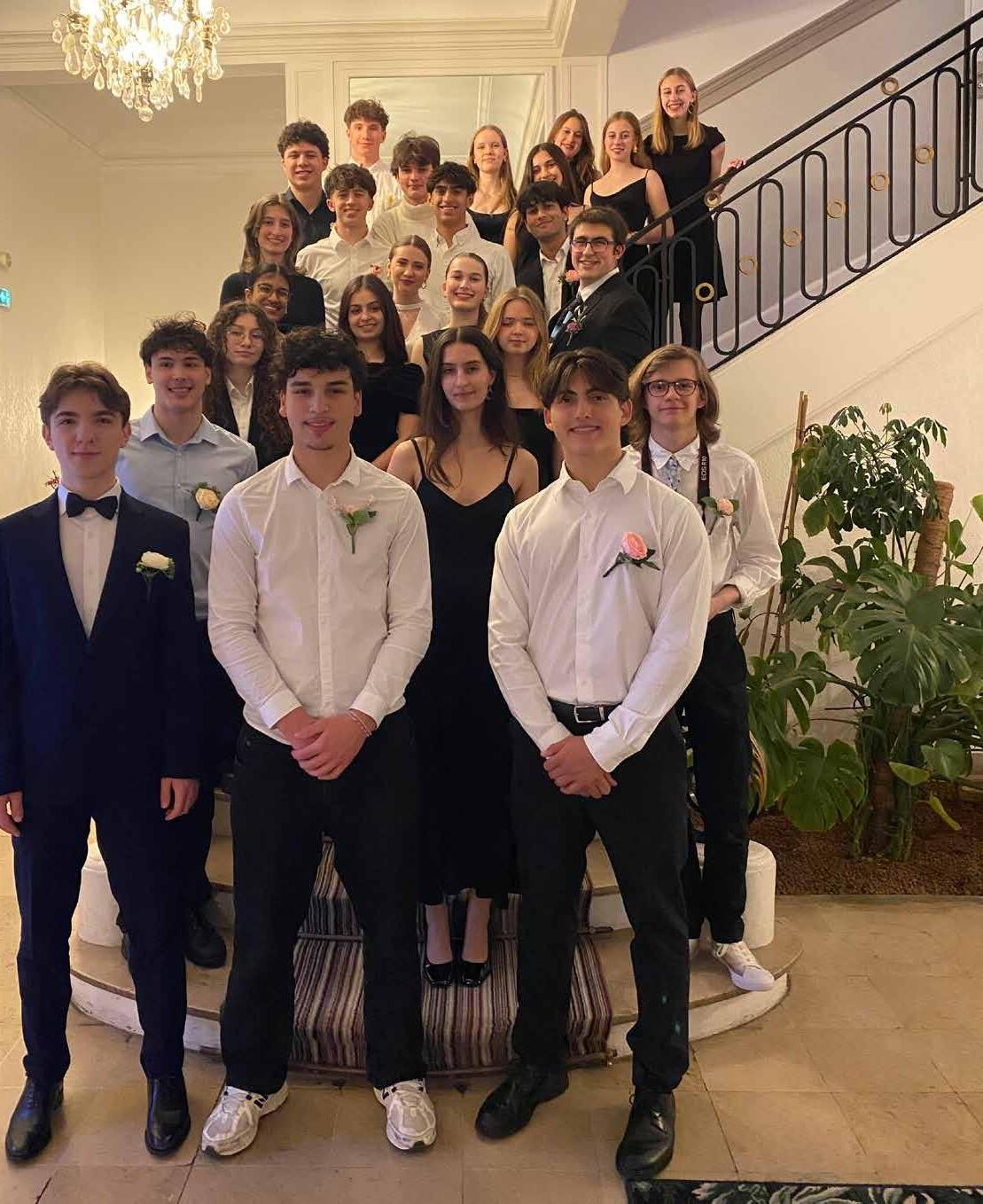
class baskets, or designing and bringing the decor to life, each contribution plays a vital role. We are deeply grateful to the members of the 2025 Gala Committee— Abby Brinton, Arnaud Collin, Kate Coutin, Jennifer Dalrymple, Sandrine Jallon-Courduroux, Fariah Jiva, Susy Lundy, Martina Navratil, Marie Neves, Nini Ringel, Hélène Sobral, Nathalie Souchet, Frédérique Tireau, and Pauline Warneck, as well as the many parents who helped wrap baskets and fashion corsages. Thank you as well to photographer Sosana Kohen Cikurel, our dynamic auctioneers, Abby Britton and Fabio Vancini, and to the 30 Upper School students who ensured that the evening ran smoothly from beginning to end. Special thanks also go to Lower School Principal Beccy Haugen for creating her final live auction project, a 3D fish sculpture.
Funds raised through the Gala, along with contributions to the Annual Fund, allow us to support programs and initiatives not covered by tuition, including classroom technology, financial aid, and global citizenship efforts. This year, Gala proceeds were dedicated to advancing the school’s new strategic plan. Every euro raised directly benefits our students, and on their behalf, we extend our sincere thanks to all who supported this event—whether in person, the online auction, or through the purchase of raffle tickets.
SILVER SPONSORS (1,000€+)
The Baronnet/Voloshin Family
Givaudan
Efrain & Tina Rosario
BENEFACTOR (500€+)
Advance Chambourcy
The Delfieux Family
Domaine de Primard
The Gerrier Family
The Gombert-Durand Family
Lunii
Mondial English with Wendy Gao-Emine
Les Pyramides
Same Club
PARTNER (300€+)
1 bis rue des Merveilles
Isabelle Bardoux
ITALO Salon Coiffure
Le Bristol
Kelly Feiping Chaumet
Chin Lin Destal
Shahin & Alexia Gashti
Neptune Paris Ouest
Radisson Blu Carlton
Frédérique Tireau
Velaris DD (Yara Jamali Elo)


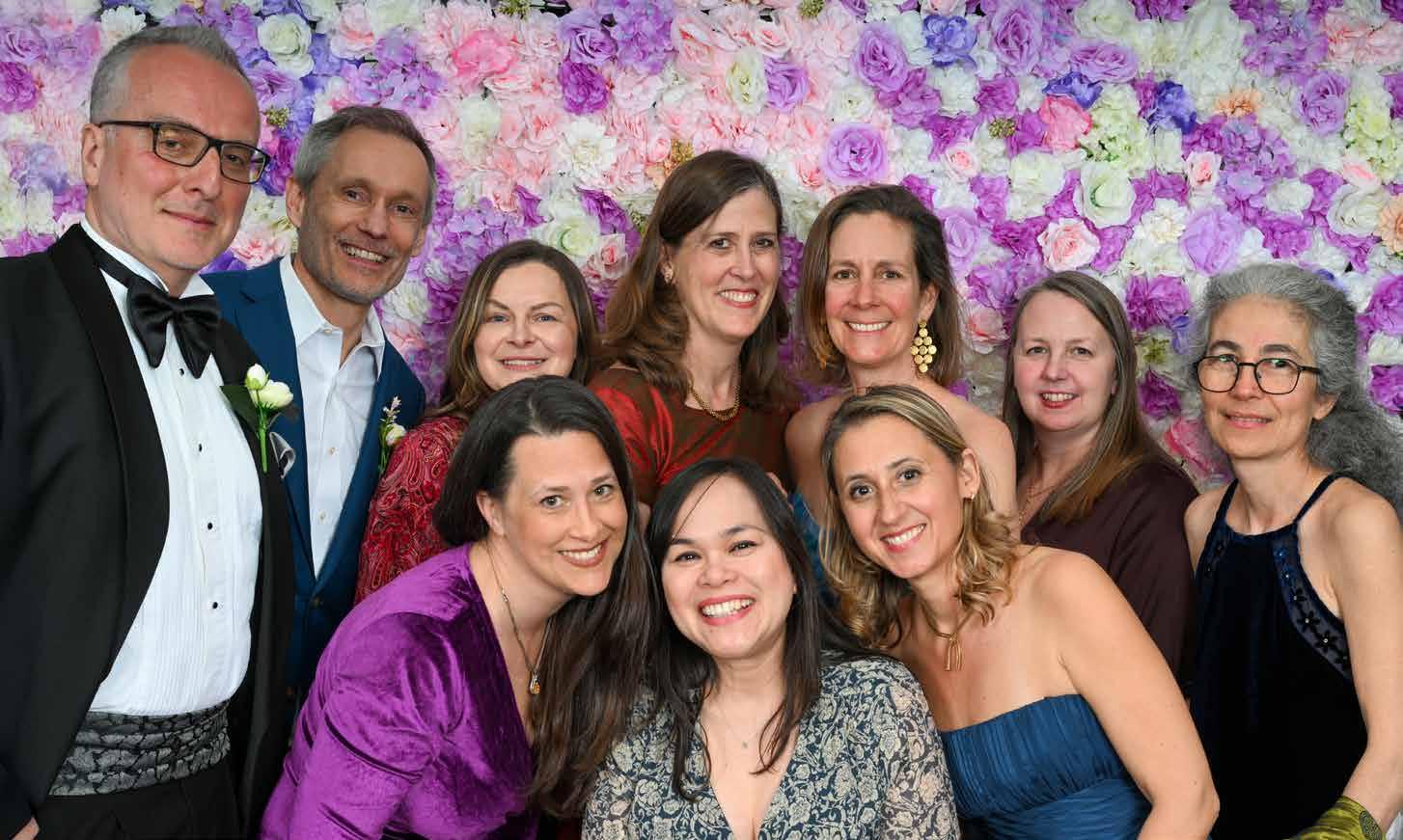


In this issue of Compass we feature Section alumni who have taken unconventional paths to get to where they are today. Their stories explore how embracing flexibility, learning from setbacks, and remaining open to new possibilities can lead to deeply fulfilling paths, reminding us that success often emerges not from certainty, but from the willingness to evolve.
When did you attend the Lycée International? I was in the American Section from 2007 to 2018, first in primary school at Schnapper, then Marcel Roby for Middle School, and finally at the Lycée Inter for Upper School. My dad, Andrew McGovern, has worked in the American Section in the Upper School literature department for over 20 years, so you could say I grew up in the Section.
Please give a quick synopisis of your journey after the Lycée?
After getting my baccalauréat (filière litéraire) I attended the University of Manchester in the UK and got a Bachelor of Arts in History and Economics in 2022. I enjoyed my time studying in Manchester, but as I got closer to graduating, I came to the realization that I didn’t want a “nine to five” job or to work in an office. I wanted to do something radically different from the path I was on. So I decided to enlist in the US Army in 2023.
What is your current profession? How did you choose this field and what do you enjoy most about it?
I am currently stationed at Fort Bragg, North Carolina, where I serve in the 82nd Airborne Division. My military occupation specialty, or job, is being a forward observer and a paratrooper. I am attached to an infantry platoon and act as a subject matter expert on any indirect fire assets such as mortars, artillery, attack helicopters, and close air support platforms. A lot of that may sound like unfamiliar jargon, but here is an example of what it looks like in real life: picture a soldier with a radio briefing an aircraft pilot on an enemy target location, and watching a 2,000 pound bomb drop on the target. Without question the best part of my job is that I get to jump out of planes. As a non-commissioned officer, my job is also to develop, mentor, and train soldiers.
What were people’s reactions when you decided you wanted to pursue this path?
My family and friends have always been supportive of my decision to join the military, and for that I am very grateful. Even if they weren’t, it would not have swayed my decision. Moving to another country far from family is challenging in its own way. In the last three years I have only seen them two or three times. I’ve had to sacrifice family and personal time to be at work.
If you had the choice, would you do it the same way again? Yes, I absolutely would. I’ve been fortunate to work with some outstanding people and make lifelong friendships. The army has given me the opportunity to travel to South America and Eastern Europe to work with our partner forces, which were some of the highlights of my career. Finally, I’ve had mentors in the army that have shown me what it truly means to lead by example. If I could go back, I would do it all again.

What do you feel like you gained from your American Section and/or Lycée International experience, either in or out of the classroom, that has helped you find your path?
I acquired several skills at the Lycée International that have served me well in my career in the military. Firstly, the ability to relate to people from different cultures and backgrounds. Secondly, intellectual curiosity–the ability to tackle challenging new ideas. Finally, being able to express my thoughts in a structured manner, especially in public speaking. These traits may seem normal in the American Section but are hard to come by in most places.
Do you have any advice for current students who are finding their own path? What about students who may want to go into your profession?
My advice to any student who is finding their own path is to not settle for anything less than what you truly want to do. There are too many people that make the safe, “reasonable” choice in their life and never get out of their comfort zone. Do not embrace your own limitations; challenge them and you will be a better person for it. If you are considering joining the military, remember that no one is going to push you as far as you can push yourself. You alone are responsible for doing your own research and training prior to joining. Before you go to a recruiter you should have a pretty good idea of what you want to do, and do not sign any contract unless it has exactly the job you want written on it.
Anything else you would like to add?
If anyone wants to reach out to me about joining the military or doesn’t know where to begin, feel free to contact me at my personal email: mcgovwill@gmail.com.
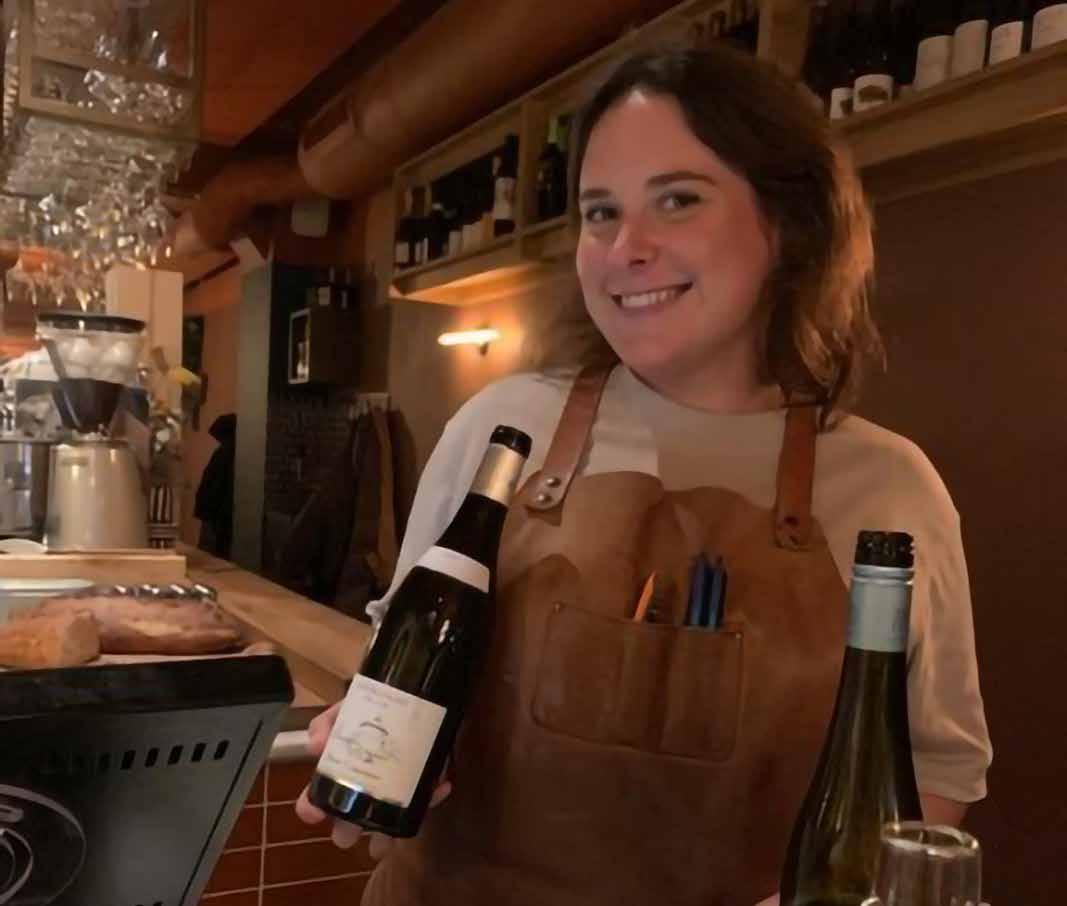
When did you attend the Lycée International?
I joined the Lycée International in CE2 and stayed all the way through Terminale, graduating in 2015. My family had just moved back to France after four years in Rochester, New York, where my father had been working as an expat. Since English was not spoken at home, my parents placed me in the American Section to help maintain the level I had developed abroad. From the beginning, I loved the feeling of belonging to a real community, something that is not always obvious in the French school system. Studying Shakespeare remains one of my favorite memories. I can still recite the To be or not to be monologue today!
Please give a quick synopisis of your journey after the Lycée? After graduating, I moved to the Netherlands to study International Business Administration at the Rotterdam School of Management. I spent six months on exchange in Pamplona and later returned to Spain to complete a Master’s in Management at IE Business School in Madrid.
Professionally, I began with a year-long internship at Converse, part of Nike Inc, working on e-commerce strategy for Zalando and ASOS. After Covid, I spent three years at Kids2, a global leader in the baby toy industry, as an e-commerce coordinator and sales analyst. During my time at Kids2, my passion for wine kept growing. I joined tasting groups, enrolled in WSET courses, and slowly realized that this interest was becoming more than a hobby. That curiosity eventually led me to consider a complete career change.
What is your current profession? Why did you choose this field, and what do you enjoy most about it?
Today, I am a sommelier at Oocker, considered one of the top wine bars in the Netherlands, with more than 450 references and a strong focus on wines by the glass thanks to the Coravin system. My role includes stock management, curating and updating the wine list, welcoming guests, managing reservations, and hosting private tastings. I also work for dVIN Labs, where I coordinate events and online marketing for their global fine-wine club powered by blockchain technology, Club dVIN. My weeks are divided between the hands-on world of hospitality and the innovative digital side of the wine industry.
The transition began when I realized how unhappy I felt in traditional office roles. I was not passionate about the products, and it felt like I was wasting my time. Friends encouraged me to take the WSET Level 1 course, which opened a door I had not expected. Speaking with a French wine importer in Amsterdam became the turning point. He explained that becoming a sommelier was one of the best ways to enter the wine industry and told me there was demand in the city. Even though I had never served a table, I decided to try. I have never regretted that decision.
What keeps me in wine is its depth and its humanity. Wine carries history, culture, landscapes, and people. I love the stories behind bottles and the experience of sharing them with guests. No day is the same, and every day offers something new to learn.
What were people’s reactions when you chose this path?
Most people were surprised that I had the courage to leave a secure, business-oriented career and pursue something more unconventional. Despite the surprise, everyone was very supportive. They saw how happy and fulfilled I became once I started moving toward something I was passionate about. Some family members were concerned about the physical demands and instability of hospitality, but their concern was motivated by care. The real pressure came from within. After four years of business studies surrounded by people following traditional career paths, redefining success for myself required time and effort. Even today, when the job becomes difficult, I sometimes question my choices, but reflecting on them helps me grow. What allowed me to persevere was passion and the encouragement of the people around me. Meeting wine professionals who showed incredible enthusiasm for their craft reassured me that I was on the right path.
If you had the choice, would you do it the same way again?
In many ways, yes. Every step, including studying business and working in corporate roles, brought me to where I am now, and I am grateful for that. If I could change one thing, I might have trusted my instincts earlier and chosen a more specialized wine-focused degree straight after lycée. At the same time, I appreciate having a less conventional background. It makes my journey unique and gives me skills that enrich my work today.
I try not to dwell on regrets. I focus instead on how this path has led me to a career that aligns with who I am.
What did you gain from the American Section and the Lycée International experience?
The American Section shaped me profoundly. The emphasis on critical thinking, open discussion, and literature taught me to express my ideas clearly and analyze issues deeply. These skills have been invaluable in every field I have worked in. Growing up in such an international environment strengthened my bilingualism and nurtured my curiosity and empathy. I learned to adapt to people with very different perspectives and to avoid making assumptions. These qualities are essential in hospitality and in the global wine industry.
I also remember history classes with Mr. Whitaker very vividly. His passion and energy made learning feel alive, and that enthusiasm still inspires me today.
Do you have any advice for current students? What about those interested in your profession?
If you feel lost at 17 or 18, this is completely normal. Many people choose a conventional path at first because it feels safe. But if you feel curiosity or interest in something unconventional, do not ignore it. Explore it. Talk to people in
that field, read about it, and see how it resonates with you. Do not let others choose for you. Even well intentioned advice can lead you away from what you want. You are the one who will live with the result, so trust your own voice.
For those interested in the wine world, curiosity is your greatest tool. Read, learn, taste (once you are 18), visit wine regions, and explore educational programs in places like Bordeaux, Dijon, Beaune, or NEOMA in Reims. The wine industry is far larger and more diverse than most people imagine. Nothing is impossible if you work for it.
When did you attend the Lycée International?
I was a student at the Lycée International from 2018-2022. I moved to France from Chicago in 2017, and Français Spécial and the American Section seemed like the best option for me to learn French.
Please give a quick synopsis of your journey after the Lycée? In Terminale I was scouted by a modeling agency and signed with them a month later. After graduation I decided to continue my studies in Paris at the Institut Catholique de Paris, as well as pursue modeling. I did most of my program in Paris and studied abroad in Dublin in my final year. While it was difficult to juggle studying and a full-time career it was worth it to be able to do both. Since then, I have worked in five countries and am currently working in Los Angeles.
Anything else you would like to add?
Listen to your gut, and surround yourself with people who believe in you and lift you up. The right people give you the courage to pursue what matters. Life is short, and recent years have reminded all of us of that. Do not waste it by choosing a safe option for the wrong reasons. Stay curious, and let that curiosity guide you toward a path that feels genuinely yours.

What is your current profession? Why did you choose this field and what do you enjoy most about it?
I finished my Bachelor’s degree in 2025 and currently model full time. I shot for Vogue Scandinavia at 19 which jump-started my career. Since then, I have shot for Zara, Armani Beauty, JOTT, and Reformation, to name a few. Last year I saw myself in store windows for the first time, which was a shocking yet validating milestone.
I decided to give modeling a try just to see what it was like, but it has opened unimaginable doors for me. I have been able to travel and work in many countries. I meet amazing people and have the privilege to work creatively.
What were people’s reactions when you decided you wanted to pursue this path?
The modeling industry does have some negative stereotypes which do lead to judgement, but I’m lucky to have a supportive circle. I know there are assumptions that can be made about me as a model, but that hasn’t deterred me. I realized that people are going to make assumptions regardless of anything so I might as well put my energy and time into something I truly enjoy.
If you had the choice, would you do it the same way again? Absolutely.
What do you feel like you gained from your American Section and/or Lycée International experience, either in or out of the classroom, that has helped you find your path?
I was a former FS student and started my modeling career in Paris. Days on set can be long and overwhelming and being able to understand everything around me definitely made me more comfortable, especially early on in my career. It also allowed me to translate for international girls I worked with so they could be at ease as well.
Do you have any advice for current students who may want to go into your profession?
I really believe sometimes our paths find us, so my advice would be to stay open-minded to opportunities that cross your path. Deciding to model was a leap of faith but it has more than paid off and I am grateful to have taken that leap. If any students are interested in modeling I would say go for it; it can open up so many doors. Modeling has truly changed my life and I am grateful for all the opportunities it has brought into my life. However, I would also say to have a back-up plan as it can be a volatile career. Personally, I plan to go back to school to study digital marketing as mine, though in modeling the options are really vast. Careers in fashion do have a lot to do with networking and modeling allows that, as we work with a new team every day. Many models go on to be a makeup artist or creative director for the brands they once shot for. Others go on to be agents themselves, as they understand the industry.
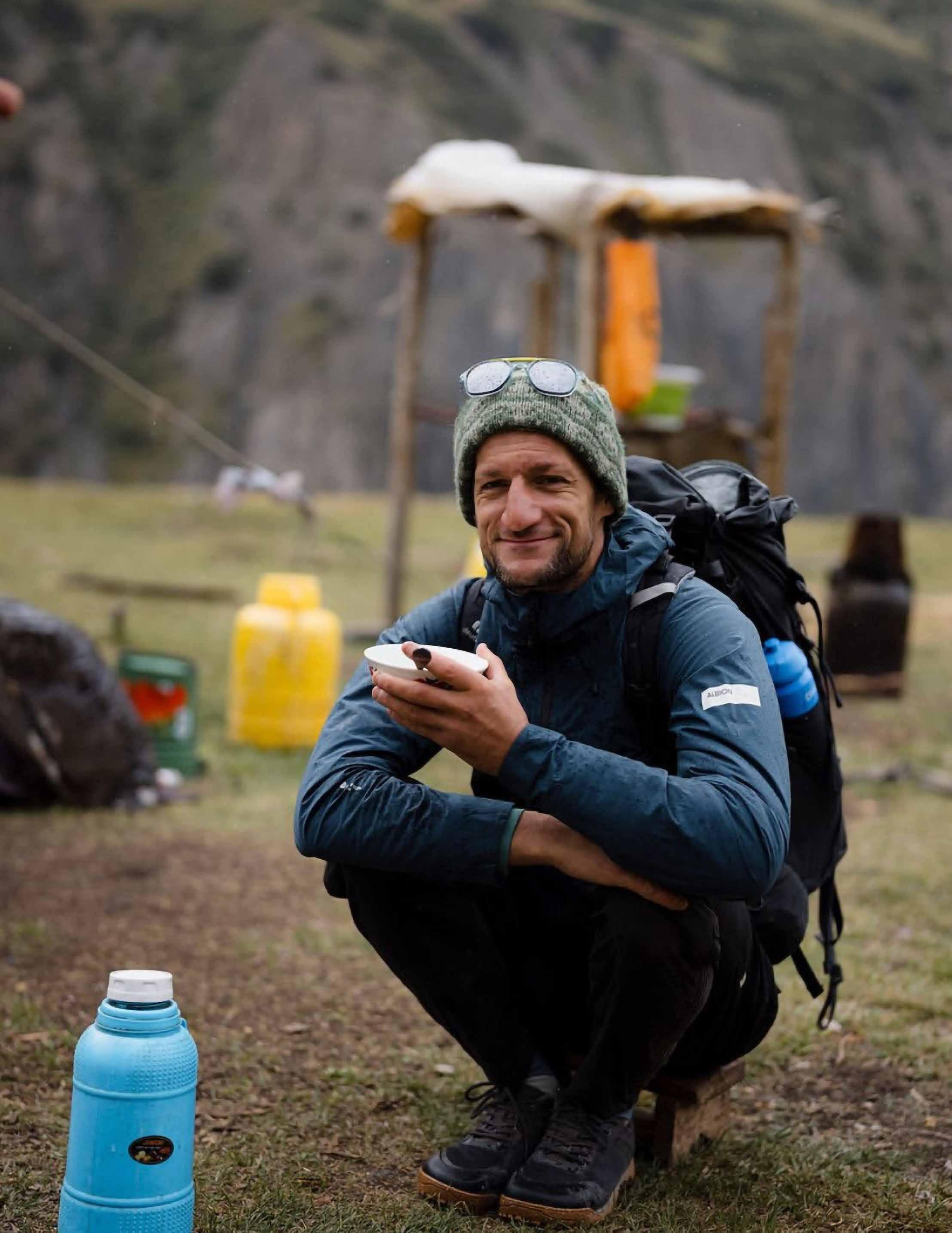
When were you at the Lycée?
I lived with my family in the UK until the age of 10, when my British father got a job outside of Paris. My French mother first contacted the British Section, but they were not able to process our files quickly, so we turned to the American Section, which was much more reactive! I started in the fall of 1999 in the Sixième FS class, and was at the Lycée International until I graduated in 2006.
Please give a quick synopsis of your journey after the Lycée? After graduation, I went to McGill. I wasn’t at all sure what I wanted to do, but I had been in MUN and liked Politics and History, so I choose those subjects as my major. As my McGill graduation approached, I realized that I wasn’t interested in the type of jobs available to someone with those degrees. My parents were living in China, so I moved there, teaching English and learning Chinese. I had worked a bit at Le Vieux Camper when I was in France, and that inspired me to apply to a Master’s program in Outdoor Sports Industry Management at EM Lyon. I learned that I was accepted into the Master’s program in early 2013, while living in Shanghai. As I had been riding bikes a lot, I asked my friends if anyone wanted to accompany me on a bike ride from Shanghai to Paris. One took me up on the offer. We built a tandem bike and rode it for 14,000 kilometers, all the way to Paris. It took us six months, and was a life-changing experience.
Back in France, I began the Master’s program. I quickly met a Scottish classmate who worked in the cycling industry. He told me about the Transcontinental Race, a self-supported 4,000 kilometer bike race across Europe. I was intrigued, and did the race three years in a row. Meanwhile, to complete the one-year Master’s degree, I did a start-up project, developing a customizable multitool instead of completing an internship for my dissertation. That multi-tool project didn’t get off the ground, and I didn’t have an internship contact for a job. But I was in a way relieved, because I had finally figured out what I wanted to do: create a new type of bike race in Kyrgyzstan, a country that I discovered on the trip from China to Paris. The idea was to organize a unique event – an off-road bikepacking trek in a really interesting mountain setting.
What is your current profession? Why did you choose this field and what do you enjoy most about it?
The Silk Road Mountain Race launched in 2018. I was expecting 25-30 participants, but thanks to a gorgeous drone video done by a clothing brand that was sponsoring the race, it instantly became legendary. There were 160 applicants that year, and we accepted 100. The 8th edition of the race will take place this summer. In 2019 I started the Atlas Mountain Race, which takes place every February in Morocco, and in 2022 the Hellenic Mountain Race was launched, which takes place in Greece in late May. Next year, we kick off the Taurus Mountain Race, which will take place in Turkey in October, and there will be four mountain races spread out over the year. Races are limited to 300 participants, who can race solo or in pairs. My goal is to make each one a wild adventure, and you can’t have that if you are constantly in contact with other riders. I honestly started the Mountain Races because I thought it would be cool. There was no business plan or thinking ahead. The whole thing was created organically.
As the Mountain Races grow, I’ve had to take on some freelancers to help, and of course there are a lot of volunteers
who help with the logistics on the ground. There is a lot of communication work to be done: documenting, telling the story, and getting people excited. Off-road racing is starting to become somewhat professional for the leaders, but the average age of our participants is 45. It’s a sport that lets people escape from their normal, and an incredible way to learn a lot about yourself. Because when you think about it, on the one hand, this type of event is completely pointless. And on the other hand, it changes your life.
The most frustrating part of my job is that these are races that I would like to do myself, but because I am the organizer, I cannot take part! I will do a 1,000 kilometer off-road mountain biking race from Menton to Geneva this September, which will be my first race since 2022.
What were people’s reactions when you decided you wanted to pursue this path?
My parents were always supportive, but it was tough on my side because I genuinely did not know what I wanted to do. Most people who were in the Master’s program with me ended up at Nike or Adidas, and my friends didn’t think I was serious. When I began the Silk Road Race, I worked for Deliveroo, because it paid the bills and gave me the flexibility I needed to travel. Once I even delivered a burger to an EM Lyon classmate, who was rather surprised to see me with a delivery bag at his door! That said, even though my career wasn’t going anywhere, I was doing a lot of interesting things.
If you had the choice, would you do it the same way again? I do not regret anything. I did not really capitalize on my Master’s degree, but when I was there I met the people made all the rest happen. Actually, I would change one thing. I remember deciding not to take Russian as a foreign language while at the Lycée, thinking I would never have the occasion to use it. But I ended up living in Kyrgyzstan for seven years, and had to learn Russian then. It would have been so much easier if I began earlier!
What do you feel like you gained from your American Section and/or Lycée International experience, either in or out of the classroom, that helped you find your path?
The international component of my education was very important, as well as the quality of the eduation. The French system was very motivating because it was so hard. I realized this when I went to McGill, and compared my education to that of other students.
Any advice for current students who may want to go into your profession?
Think about what you like and what you like to do, plus the related careers. I really had not thought much about that when choosing my course of studies. In retrospect a business degree would have been more useful, but at the same time, if I had taken that path I might have ended up in a really conventional job. The general degree I earned was probably the right one, as it opened up to a lot of different paths.
Anything else you would like to add?
One of my racers once questioned why I had planned one of the detours along the race route. My answer was “the whole race is a detour.” Sometimes the detour is the point.

When did you attend the Lycée International?
I first arrived at the Lycée International in Lower School as an externé, and I graduated with the class of 2016. At the time, my family lived in Paris, but my parents had heard wonderful things about the school. We eventually decided to move to the suburbs so that my siblings and I could join the American Section.
My mother is American, and it was important for her that I receive an authentic American-style education—something she immediately recognized in the Section’s curriculum, teachers, and community.
Please give a quick synopisis of your journey after the Lycée?
I attended Wake Forest University in North Carolina, where I completed a four-year Bachelor’s degree, double majoring in Psychology and Sociology with a concentration in Crime and Criminal Justice. One summer, I worked at the local probation office, assisting officers as they helped formerly incarcerated individuals reintegrate into society—an experience that confirmed my interest in criminal justice. After graduating, I returned to Paris and worked for two non-profits: the first distributed essential goods to families in need, and the second operated a halfway house. I then moved to the Netherlands to pursue a Master’s in Forensics, Criminology, and Law at Maastricht University.
Despite these international experiences, I ultimately returned to France and obtained my first position at the Ministère de l’Intérieur in June 2023. As an analyst, I worked on security planning and risk assessment for major events, notably the 2023 Rugby World Cup and the Paris 2024 Olympics. More specifically, I ensured that no one working on site represented a security threat to the community.
What is your current profession? What in particular do you enjoy about your field?
Since May 2025, I have been working with the police at the Préfecture de Police de Paris as a senior analyst. I continue to ensure the security of events, sensitive locations, and the general public by collecting, interpreting, and analyzing data. I also manage a team of 15 people—both civilian and administrative staff—overseeing their workflows, projects, and overall output.
Looking back, I can’t pinpoint a single moment that determined my career path; it was truly a chain of events. I have always been fascinated by psychology and the reasons behind criminal behavior. After my studies, I imagined working for an international criminal justice organization such as the ICC. But after months of applications with no responses, I received the unexpected opportunity at the Ministère de l’Intérieur and it turned out to be the best professional decision I could have made. What I enjoy most about my work is not only the range of topics I get to explore, but also the knowledge that it has a real life impact on people’s safety and daily lives. I’ve also been lucky to evolve in supportive and dynamic work environments surrounded by incredible colleagues who have become close friends.
What were people’s reactions when you decided you wanted to pursue this path?
People around me are often surprised by my career path, especially French people, since criminology is still an uncommon field of study in France. During my job search, I struggled with other people’s skepticism and started doubting my choices. Fortunately, during that period, I met professionals working in related fields who broadened my perspective and showed me ways to build my career. The more
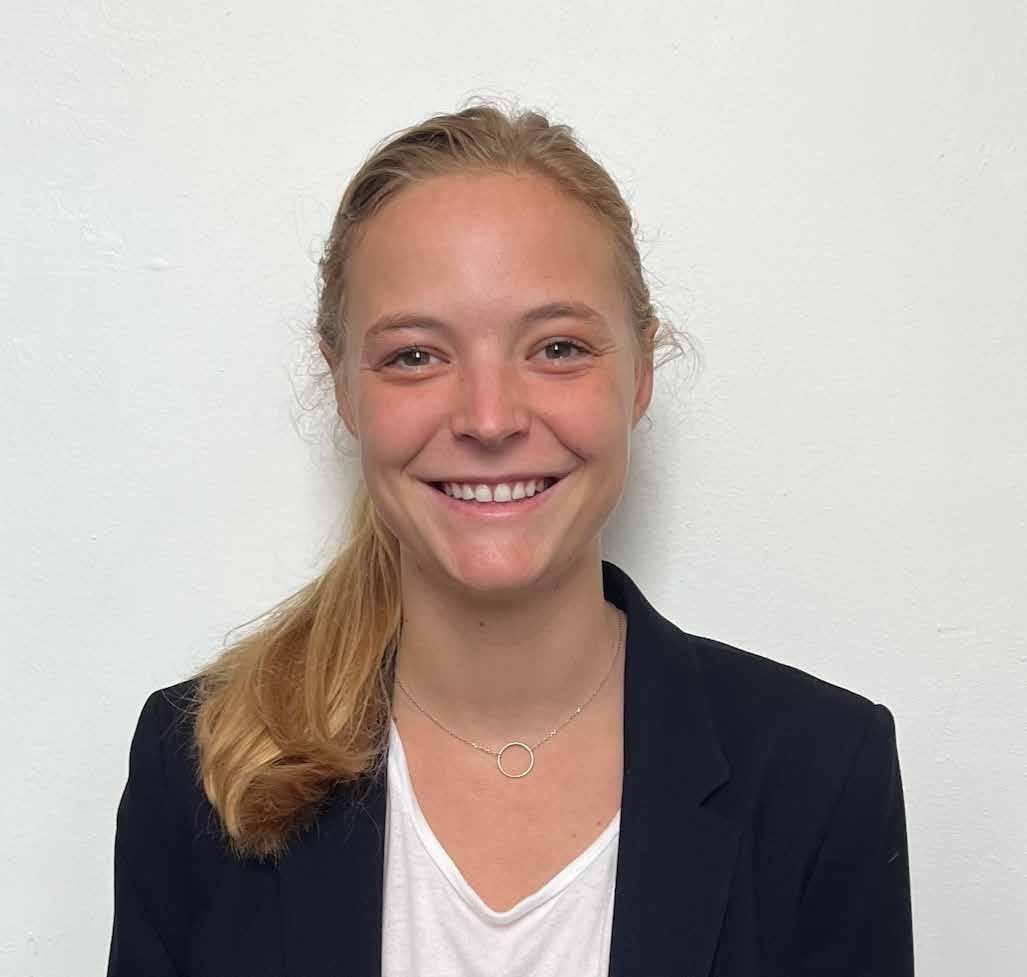
I learned about the security and criminal justice landscape in France, the more confident I became to pursue this path.
If you had the choice, would you do it the same way again?
If I had the choice, I would follow the same studies and career path. I might, however, reconsider my choice of Bachelor’s program—not academically, but socially. Although I found my coursework fascinating, I struggled to feel fully comfortable in the environment. I’m not sure whether it was the specific university setting—which was very rural and isolated—or simply the US in general, but adapting was challenging. On the other hand, I absolutely loved my time in the Netherlands, which was one of the most enriching academic and personal experiences I’ve had.
What do you feel like you gained from your American Section and/or Lycée International experience, either in or out of the classroom, that has helped you find your path?
I believe that the multicultural environment of the Lycée International inspired me to seek out international experiences. Through these experiences, I have met some of my closest friends and developed a strong sense of global curiosity.
I was initially apprehensive about entering the French administration, worried that I would be surrounded by people with similar backgrounds and not as open-minded. But I was surprised: my experience has been extremely positive, and I’ve met colleagues from all across France and from a wide variety of socio-economic backgrounds.
Do you have any advice for current students who may want to go into your profession?
Study what you love. And if you don’t yet know what that is, that’s perfectly normal—school, internships, and life experiences will help you discover what truly motivates you. Most importantly, don’t hesitate to ask people about their work. You might uncover careers you had never considered, and those conversations could lead to opportunities you didn’t expect.
As for entering my field, there is no single “right” path. People come from many different academic backgrounds—security, defense, law, international relations, crisis management, and more. Everyone’s professional journey is different, but what matters most is your curiosity, your perseverance, and your willingness to seize opportunities when they arise.
When did you attend the Lycée International?
I began at the Lycée International in the American Section in Pre-K and graduated in 2019.
Please give a quick synopsis of your journey after the Lycée? I went to McGill University, and graduated with a Bachelor in Science in 2022, majoring in Environmental Biology, specializing in Ecological Agriculture. There, I sailed with the university team in New England and Eastern Canada and gave ski lessons in the Laurentides. Over breaks, I worked as a sailing instructor in Brittany, a harvest hand on vegetable farms, and later as a shepherdess in the Pyrénées. Throughout my studies, I discovered a passion for regenerative grazing, using cattle to nourish soils. Grazing and pasture systems and their essential role in restoring water and carbon cycles became my favorite subject. I also grew uncomfortable with flying and living between two continents. Since my family is in France, the choice was clear. I moved back. My dream was to find land of my own. Somewhere I could preserve and restore a healthy ecosystem that nourishes people, soil, and biodiversity. I decided to gain hands-on experience by working as a farm hand. I worked with dairy cows, dairy goats, and dairy and meat sheep. I fell in love with sheep - their rhythm, gregarious nature, biological complexity, and behavioral simplicity and resilience.
What is your current profession? Why did you choose this field and what do you enjoy most about it?
My current profession is shepherding. I work in a team with sheep, cows, dogs, and donkeys in the Pyrénées. I manage the grazing/grass resource, health, safety, and well-being of my entire animal-mountain-family.
My main job on the mountain is caring for the sheep, the ultimate goal being to make beautiful cheese. I milk the sheep by hand daily and move them to different grazing areas depending on the weather and the season; they should
always have enough grass and be slightly protected from bad weather. The cows roam freely, I count them and check on them for limps and injuries. The three donkeys also roam freely, and once a week they carry the cheeses I have made down to the valley. When I hand over the cheeses to my bosses, they can “read” my season in them and know whether I have worked conscientiously. The herding dogs are my closest companions. I depend on them to help guide the sheep into the milking ring or into different grazing areas. The large protection dogs, called patous in French, accompany the herd and sleep outdoors with the sheep to keep bears away. I have now spent four summers, each season four to six months long, housed in huts that are hours away from the valley and inaccessible by car. Each year, when the season begins, I am daunted by what lies ahead. And each time, by the end, I have become part of the mountain again and can hardly picture myself anywhere else.
I am both very free and completely devoted to the animals’ needs: rain, fog, or shine. I am constantly alert - day and night, ready to hike long distances to gather the flock or care for sick animals. My senses - eyes, ears, smell - are always engaged to detect injuries, illnesses, or unusual behavior. I cannot take a day off: I cannot tell the sheep to hold their milk, nor can I ask the animals to fast. In winter, when the mountains are covered in snow, I work as a farm hand during lambing season and substitute for farmers when they are on vacation. This seasonal lifestyle allows me to take breaks between jobs to spend time with family and friends.
What were people’s reactions when you decided you wanted to pursue this path?
My family has always supported my choices. At first, my parents thought it might be “a phase,” but now they understand it is my life choice.
What do you feel like you gained from your American Section and/or Lycée International experience, either in or out of the classroom, that helped you find your path?
The American Section encouraged me to study abroad, which led me to McGill. There, I took anthropology classes alongside my biology courses. These classes gave meaning to my scientific studies and offered me hope that humans can live with nature rather than against it. This paradigm shift fuels my work today: I am a hopeful shepherd who does not want to retreat into solitude, but rather share the meaning I find in my work with others. I knew I wanted to be a shepherd when I was around 12. Back then, it was the idea of being alone on a mountain that attracted me. Today, shepherding is my job because I want to care for the land.
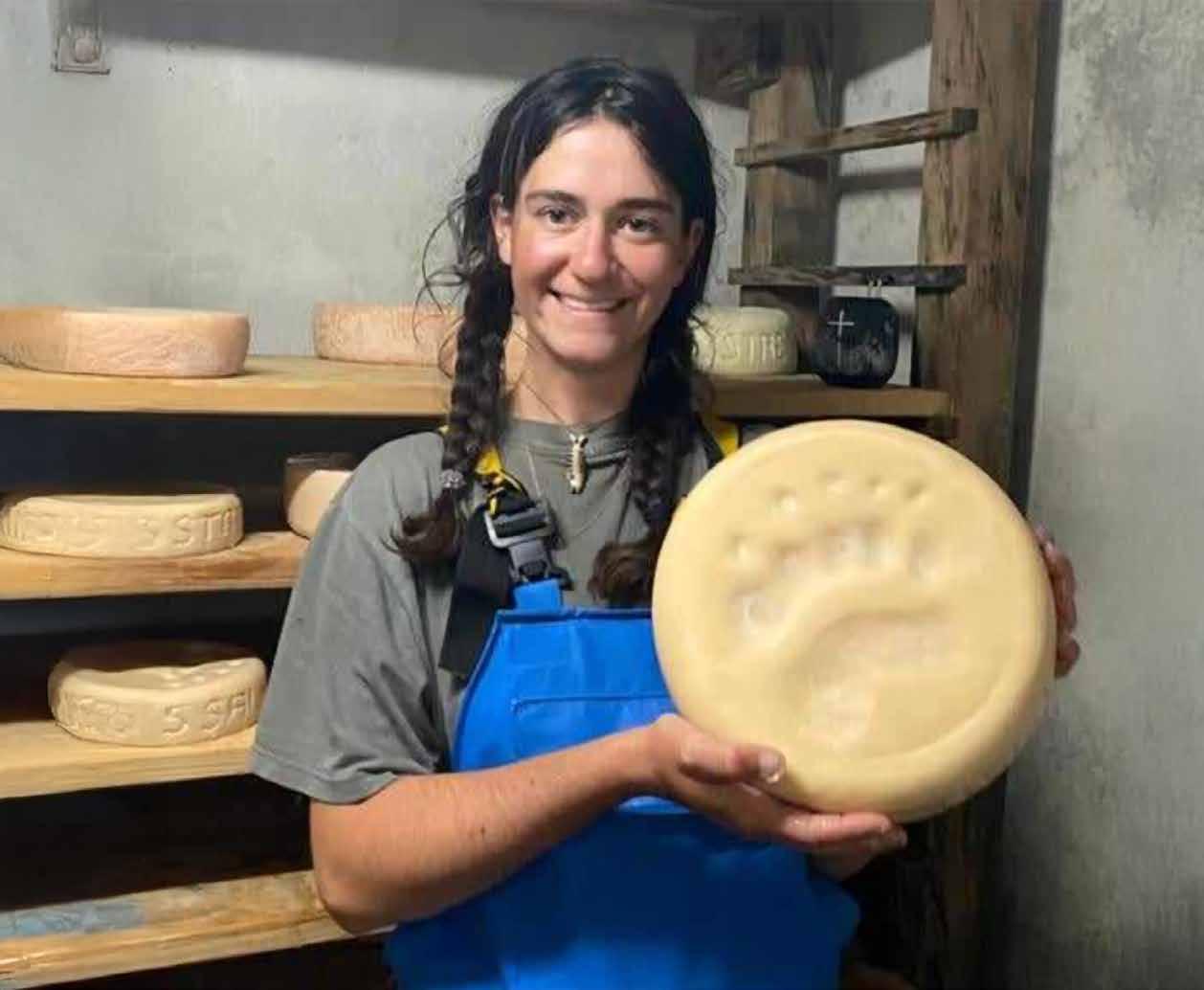
My first “mountain neighbor” told me I would not last the season. But the strength to persevere came from knowing the animals depended on me. What’s more, I can’t see myself doing anything else. In a world that at times makes no sense to me, caring for livestock, maintaining mountain grasslands, and providing ethical meat and cheese all make sense to me. I would not change a thing about my journey, because I needed to make mistakes to learn from them; I now know my worth, and do not let people take advantage of my eagerness to learn.
Do you have any advice for current students? Finding one’s own way is not necessarily easy: trust yourself, accept your mistakes, and do not be afraid to follow a path that may seem unusual, as long as it feels true to you.

When did you attend the Lycée International?
I joined the American Section in September 2007 at Ecole Schnapper and graduated with the OIB in 2018. The American Section made the most sense for me, given that I had spent the first seven years of my life growing up in the US. I felt right at home when I joined!
Please give a quick synopisis of your journey after the Lycée?
After graduating from the Lycée, I went across the Channel to the University of Cambridge where I studied for and obtained a BA in History & Politics. When my time in Cambridge came to an end, I wasn’t entirely sure what to do with my life. I found a job in strategy consulting in London which I took, not so much out of a strong desire to do so, but because I didn’t really have any other plans back then. I spent two years there before asking my company to send me to Paris where I spent an additional year and a half working as a consultant. Eventually, at the start of 2025, I left that job to pursue a career as a music artist, and I haven’t looked back since!
What is your current profession? Why did you choose this field, and what do you enjoy most about it?
I am now an independent music artist! To be honest, I think the Lycée played a big role in getting me started on this path. The first time I sang in public was during my VOX audition when I was in Troisième! The years I spent with VOX, and being a part of the 2018 rendition of Les Mis kindled my desire to perform and sing for others. It was only during my time in Cambridge, however, that I started writing songs and performing as a solo artist. The lockdowns during Covid were a pretty pivotal moment in that respect; I used most of that time to write and learn to record my music. I didn’t really have the courage to pursue music straight out of university, and my parents weren’t too keen on it either back then, hence why it took me a few extra years to get to where I am now. My favorite part of being a music artist is the performance side of it. Music has this ability to bring people together like few other things do, and that’s what I’d love to do going forward: bring people together.
What were people’s reactions when you chose this path?
My parents were, quite understandably, worried. I was leaving a stable and well-paid job for a life of uncertainty in an incredibly competitive industry. It’s not like I was earning any money from my music, either. On paper, it wasn’t the most rational choice. But it certainly felt like the right one. Eventually, my parents came to accept it, and I’m lucky (and grateful) that they are now very supportive of what I do. My friends and my partner were super happy for me, and some even wondered why it took me so long to go down this path.
As for my colleagues and my boss, they couldn’t quite believe it (“music artist” isn’t exactly what consultants have in mind when they think of “good exit opportunities”). Ultimately, the right choice isn’t the one that people say is right for you; it’s the one that feels right. I felt like I needed more strength to persevere in the job I had before than I do in my present life!
If you had the choice, would you do it the same way again? Definitely! That’s not to say that part of me doesn’t wish I had started earlier, especially because the music industry is notoriously harder to break into the older you get. But I’m very happy with the path I followed. I loved every moment I spent in Cambridge, and even though that wasn’t quite true about my time working in consulting, I’m happy to have tried climbing the corporate ladder for a bit. If anything, it taught me very early on that there’s more to life than a “good job” and making money. Part of me knows that if I had gone for music straight away, I would have wondered whether going for a corporate job would’ve been a better idea (especially since a lot of my university friends went on to get such jobs). At least now, I can pursue music knowing that I’m not missing out on another potential life!
What did you gain from the American Section and the Lycée International experience?
The list is long but at its core would be: lifelong friends, the confidence to step out of my comfort zone, and of course my love for performing music (I hope VOX is still going strong!).
Do you have any advice for current students? What about those interested in your profession?
I’m always a bit reluctant to give out blanket advice, but here are a few things I would tell myself:
1) Explore. The only way you can figure out what you love is by spending a lot of time trying different things. You won’t figure out what you’re made for simply by reading about what’s out there, listening to podcasts, or scrolling through social media.
2) Set ambitious goals. I was told (by some) that I was wasting my time by applying to Cambridge to study History & Politics. I’m glad I didn’t heed that advice and still went for it – it’s one of the best decisions I ever made.
3) Be patient. Life is long, yet we’re all in such a hurry to figure everything out. When I was in Seconde, I thought I would become an engineer (still can’t believe I ever considered that). It’s okay to feel lost or to consider drastically different options. To be honest, a lot of people still feel that way many years down the line… learn to embrace it!
4) Only compare yourself to who you were yesterday. Pretty self-explanatory, but probably the hardest to implement. I think it’s incredibly important though, especially in a place like the Lycée where you’re surrounded by bright, talented, and hard-working students.
Anything else you would like to add?
If you ever want to chat about music, entrepreneurship, or anything else, feel free to reach out : tim.dabo@hotmail.fr / @timdaboville on social media.

When did you attend the Lycée International?
I was born in the United States and, since I was a child, have evolved in the international learning sphere. My French parents wanted me to keep learning English as I grew up, and hence I joined the American Section in CM1 as an externé. I graduated in 2017.
Please give a quick synopsis of your journey after the Lycée? History has always been one of my passions. I preferred the Anglo-Saxon way of teaching, so I ended up studying history and political science at Queen Mary University in the East End of London. My final year centered on the evolution of terrorism through the last 300 years, more specifically jihadist terrorism and the executive response of the French State to such a threat. After that BA, I obtained a Master’s degree from Leiden in the Netherlands. There, I studied war in the modern era and specialised in the poitical workings of authoritarian states, as well as private military firms and their uses in conflicts in the modern era. My second Master’s degree was done at Assas University in Melun, in partnership with the Académie Militaire de la Gendarmerie Nationale, focused on law and security-related strategies. I next did a year of prépa to prepare for the state exam to become a commissioned officer of the Gendarmerie Nationale. I studied nine hours a day, and worked out for another two hours. The work payed off, and I vividly remember the phone call of my prep mate around noon on June 9, 2023: “Man, we did it, we’re going to become commissionned officers.”
What is your current profession? Why did you choose this field and what do you enjoy most about it?
I am currently a platoon leader of the 27/7 Lure Mobile Gendarmerie squadron, near Belfort. Before that I spent two years as a cadet at the officers school in Melun. Officer school began with basic military training: little sleep, little food, a lot of sports, a lot of punishment, and a lot of learning by heart. Next came commando initiation which included tactical missions, hand-to-hand combat, and obstacle courses. This training is meant to humble you, so that you realise that even in the worst situations, you can always find a solution. During the second year of officer school I was lucky enough to do riot control and policing, the reason I wanted to become a gendarme in the first place.
My job is one of devotion to country and citizen, to the institution, and can ultimately lead to the ultimate sacrifice of my own life. I became a gendarme because I never could tolerate injustice. My will is to help both the people residing or visiting my country, but also to help and guide the soldiers that I am to lead. The moto of the CNEFG is pour que force reste à la loi. This echoes in me due to its simplicity and honorable nature.
What were people’s reactions when you decided you wanted to pursue this path?
I was blessed that all my closest friends and family members supported me through my journey. It did take some people by surprise, but those that knew me, knew that this evolution was logical. I was never the perfect student. I handed in my essays the exact minute they were due after a long day (and night) of work. I am a procrastinator, and my French family could not picture me adapting correctly to the pressure of prépa. A glimmer of hope kept me going: “What if?” I used all the doubts that people had as strength, to show them that I had grown and that I could make it. And eventually I did!
If you had the choice, would you do it the same way again? I probably would have gotten into sports earlier, most specifically martial arts. Otherwise I would do it all the same, and make the same mistakes. Mistakes are an opportunity to grow. Without those moments where you believe that you missed
a beat, or made a fool of yourself, you would be a different person; one that would stagnate in your preconceptions. People usually believe that we grow through accomplishments, yet successes are what they are due to the hardships you went through and mistakes you made to attain them.
What do you feel like you gained from your American Section and/or Lycée International experience, either in or out of the classroom, which helped you find your path?
I gained an openess and will to question what people tell me is truth. My prerogative is to help my superior by giving him potential solutions to problems that may or may not come up. This constant questioning that took place in literature or history classes usefully translates to my job now.
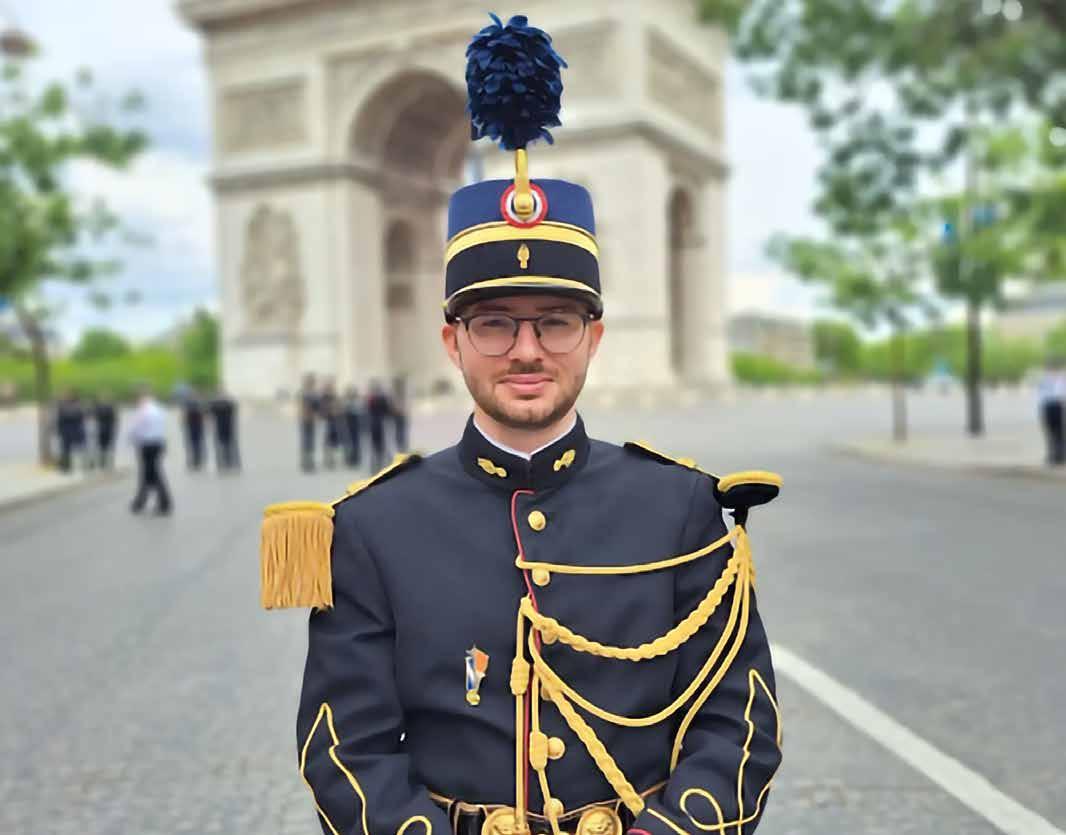
The more straightforward quality that was given to me by the American Section and the Lycée was to be outgoing and open to interacting with new experiences. This helps me in my day-to-day life. An outgoing nature is a true benefit, as people feel safer when you approach them. If we were to interact with people only in times of crisis, we would only be harbingers of bad news and people would fear us. Therefore this daily interaction is necessary, and more than often simply boils down to a friendly “hello” in the street!
Do you have any advice for current students?
To echo my previous point, do not be afraid to make mistakes. Make them, and build upon your faults and failure. There is no shame in being weak, falling down, or stagnating for a moment. There is shame, however, in consciously choosing to remain in that state. Be curious as well. There are no stupid questions. If anything, it would be stupid not to ask them. You are your own director in the play that is life. Make choices, find out something that you want to achieve, and set up a solid plan to attain those goals. I am wildly different from the student I was at the Lycée. Hard work will yield its benefits, and remember: luck may play an important part in key moments throughout your life, but more often than not, luck is summoned by hard work.
Anything else you would like to add?
If there is anything that the army has taught me: stand up straight, be proud, make jokes in the worst moments to lighten up the mood, and lead by example!
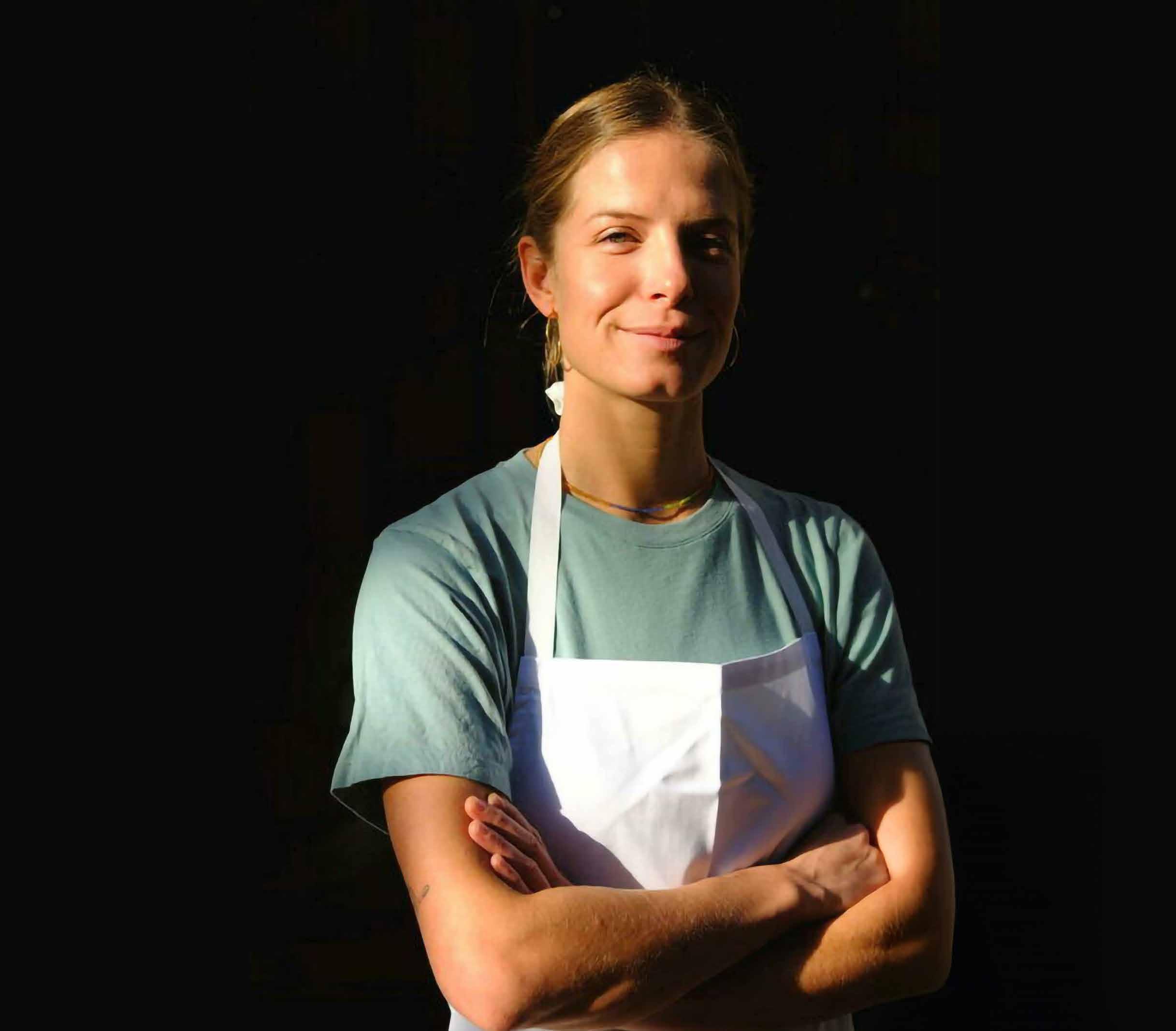
When did you attend the Lycée International?
I joined the American Section in 2004. I remained a student there until my graduation in 2012. That was 14 years ago!
Please give a quick synopsis of your journey after the Lycée?
I always knew I wanted to be a cook. It was never a question. I feel like I am one of those people that can say I had a calling. When I was growing up, my friends wondered what they were going to do later on. To me, it felt like a heavy burden to have to choose what to do before knowing who you really were, and a lot of them ended up studying something they did not really have any interest in. That was not my case. I did not want to study. I certainly did not want to be like everybody else. I had a lot of energy and sitting down in a classroom felt like a waste of my time. I wanted to cook!
I convinced my parents to let me go to culinary school. They really wanted me to study, and after some heavy negotiations I was allowed to attend l’Institut Paul Bocuse, in Lyon. It was problematic to have to stay in France, since all I really wanted to do was to travel the world and learn to cook different types of food. But from all the books I read and the cooking TV shows I watched, I knew that famous chefs always
recommended to “master French cuisine first.” So that is what I did. I went to a French, old-school, military-style culinary school. I was young and stupid and only attended the classes that I thought were interesting. I was not that great to be honest. I did not like cooking langue de boeuf because it was not my taste. So I had a hard time understanding flavors and balancing them. I think my teachers would remember me today as a very average, often absent student.
I decided that I would do my last internship, in 2014, at La Marine in Noirmoutier. When he heard I had been accepted in a very famous Michelin two-star restaurant, my cooking teacher told me that I would never make it. I almost did not. It was one of the hardest things I have ever had to go through. We worked from dawn to dusk on this small, depressing island. It was super stressful, I did not have a lot of friends, and I was not working fast enough. The chef did not like me, so my days were really hard and sad. I do not think I have ever felt so alone. I often walked home with tears in my eyes. But I did not give up. It took time, a lot of hard work, and a lot of courage. Alexandre, the chef, ended up offering me a job after six months, and of course I took it. It was all uphill from there. I stayed two years, two years that were dedicated to cooking.

Only cooking. Cooking was my life. I gave it everything I had and in the end it was a success. To be fair, even today, I would say it is my biggest success.
After that I worked in different countries and in different restaurants, bouncing from one kitchen to another. I chose my jobs based on the simple feelings I had when I did a trial. When you cook, you do not need to apply and do interviews. You show up in person, with a résumé in your hand, and they ask you to stay for the day and show them “what you got.” Freshly out of one of the hottest restaurants in France, it was easy for me to get in anywhere. I was French, educated, female (quite rare in the cooking world), and I had been trained by a wizard. I worked in Michelin-starred restaurants in London for a while, opened bakeries for rich people who did not know what to do with their money and did not understand anything about hospitality, and traveled a lot. I tried to live my best life after the depressing island episode. I fell in love with cooking again. I cooked, made a bit of money, travelled, spent all the money I had made, and then found another job.
I eventually landed in Copenhagen and applied to Noma, one of the most famous restaurants in the world. I stayed there for three years. It was super exciting. Everyone thinks it is a huge deal, and yes, it is quite hard to get in, but it was actually quite alright. I had a great time and learned a lot of different skills: management, leadership, precision. When Covid hit, I left. I needed a change. I applied for my first Head Chef position on a small farm in the Danish countryside. I hired my own team and owned a small house in front of the sea. I have never been happier than those summer months on the farm. I love the countryside, and it was the complete opposite of Noma. We drove to a milk factory to get fresh milk every morning. We dug up our carrots. It was very wild and it felt a bit like rehab after working in such an intense money-making factory. I loved the freedom of it. I could finally create my own dishes.
I came back to France after ten years abroad and started to do some pop-ups in different locations and to gain a bit of network and contacts. It was great to be back and discover a “new” city that I had never really spent any time in: Paris. It felt like every chef here cooked the same produce in the same way, and I had something different to offer. I put a lot of money aside, opened my own small catering business, and started to look for a small restaurant to buy.
What is your current profession? Why did you choose this field and what do you enjoy most about it?
In September 2024, I opened le Café de l’Usine, in the Belleville neighborhood of Paris. In many ways, it is the sum
of everything I have ever learnt in each kitchen I have ever worked in. It is the blend of everything I have ever liked. It had been fun to cook for 12 years, but I was ready for a new challenge. I wanted to run a restaurant. It had always been my dream. What I enjoy the most about it is the absolute freedom of creating. When you cook for someone else, you cook someone else’s creations. You never get to put your own ideas on the menu. Now, the whole restaurant is my idea. I get to choose everything. And I involve every employee in every decision. I try to create a healthy work environment, the one I never found in all those years.
What were people’s reactions when you decided you wanted to pursue this path?
My parents disapproved. It was hard to convince them to let me take this path so young. I can’t blame them; I know many chefs who stopped being chefs very early on. This job is definitely not made for everyone. Other than that, everyone always thought it was very original. I know my sisters are always proud to say “She’s a chef!” I mean, cooking is universal. Everyone I meet has something to say about it and can relate in some way. That is why I love it. It is uncomplicated. But no one really understands the sacrifices it takes. I have lost a lot of friends along the way and I have not had time to make many new ones, because it is a very time-consuming passion. But I love it!
If you had the choice, would you do it the same way again?
Yes. I feel very proud and grateful to be where I am at today. I am also very excited to see where I will be ten years from now.
What do you feel like you gained from your American Section and/or Lycée International experience, either in or out of the classroom, that has helped you find your path?
I learnt hard work. And that is how I made it. I do not think I would have persevered at La Marine if I had not had such a tough and intense education as at the Lycée. The American Section was hard for me. English was not my first language; I did not understand a single word from Hamlet. But I needed the grades. I learnt that even if you do not get it, even if you feel like you will not make it, hard work ALWAYS pays off.
Do you have any advice for current students who may want to go into your profession?
Being a cook and cooking are two very different things. If you love cooking, chances are you are going to hate being a cook. It is a tough life and it is not a super pleasant one. You stink a lot, you go home late, you feel very alone. But if you love it, you love it. My only advice: work a summer job in a busy kitchen for two months. You will know straight away if it is exciting or horrible. You will not get it wrong, trust me!
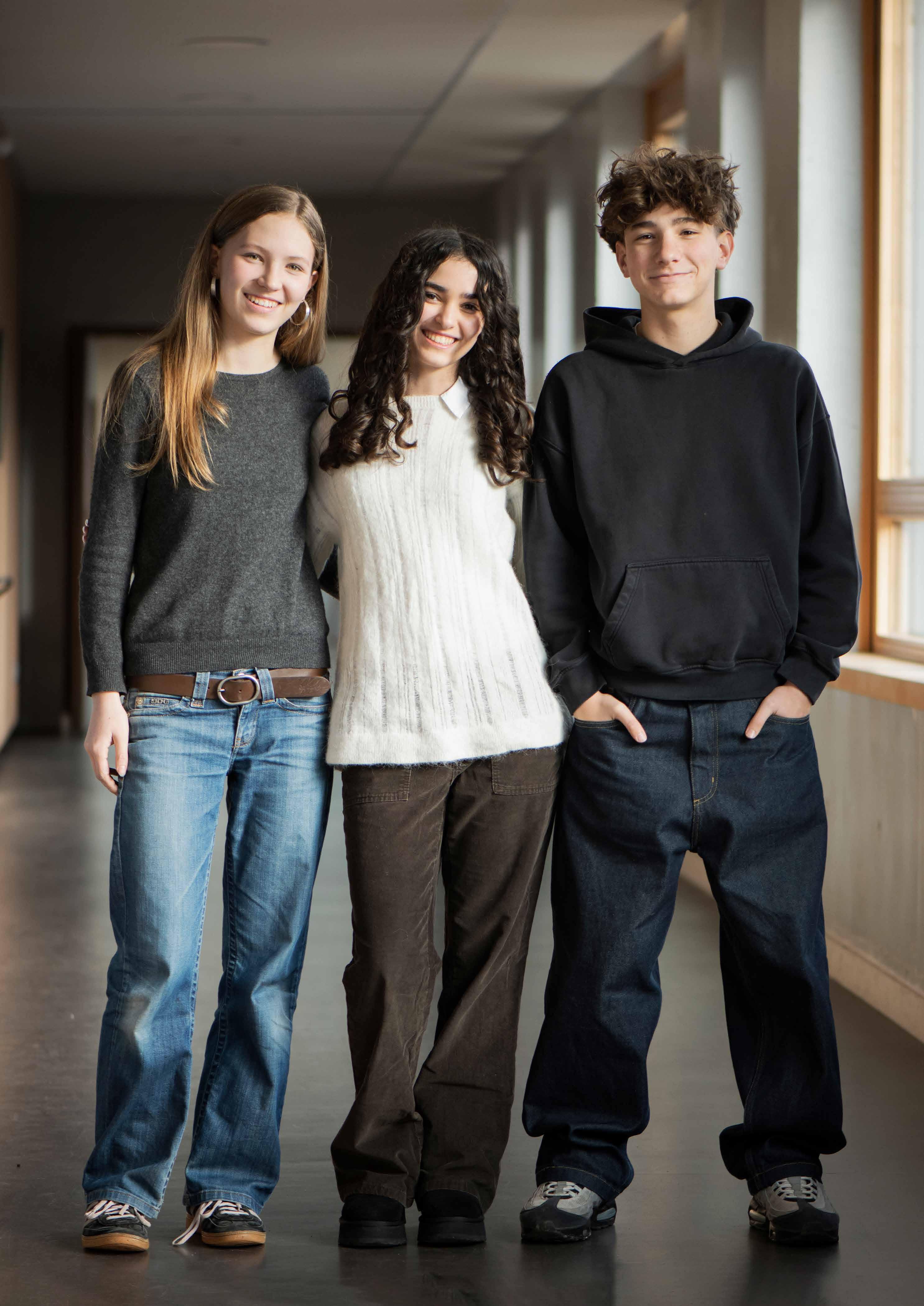
ANNUAL REVIEW of the AMERICAN SECTION LYCEE INTERNATIONAL de SAINT-GERMAIN-EN-LAYE