Heritage Collection
Alcinoo Cetra Clitunno Hera
Omega Sintesi
MASTERS’PIECES RE-EDITIONS Heritage Collection
Artemide presents reeditions and unreleased projects to mark a history in which design and business culture have produced timeless icons that are still relevant today.
They are Masters’ Pieces which portray the meaning of Italian design and stories of long professional collaborations and friendships with Ernesto Gismondi.
Today, like in the past, Artemide creates icons of design distributing value by restoring not only function but also emotion and beauty.
Author Gae Aulenti
Gae Aulenti was born in 1927 in Palazzolo dello Stella in the province of Udine. She graduated at Politecnico di Milano in 1953 and since then she has been working in the fields of architectural design, urban planning, interior and industrial design, theatrical scenography.
Since the early years, her projects express the desire to link together multiple aspects of the architectural discipline. Numerous industrial design products were created to complete architectural projects. Her most famous works include Museé d’Orsay in Paris (1986) and the installation of Musée National d’Art Moderne at the Centre Pompidou (1985); the renovation of Palazzo Grassi in Venice (1986); the Asian Art Museum in San Francisco (2003), the Museum of Catalan Art in Barcelona (2004); the Italian Cultural Institute in Tokyo and Palavela in Turin, both inaugurated in 2005. In 2012 Palazzo Branciforte in Palermo were completed.
Among the most important prizes and awards: Chevalier de la Legion d’Honneur (Paris, 1987); Praemium Imperiale for Architecture from The Japan Art Association (Tokyo, 1991); Cavaliere di Gran Croce (Rome, 1995); honorary degree from the Rhode Island School of Design (Providence, USA, 2001); Gold Medal for Lifetime Achievement (Milan, 2012).

Alcinoo Gae Aulenti
1975
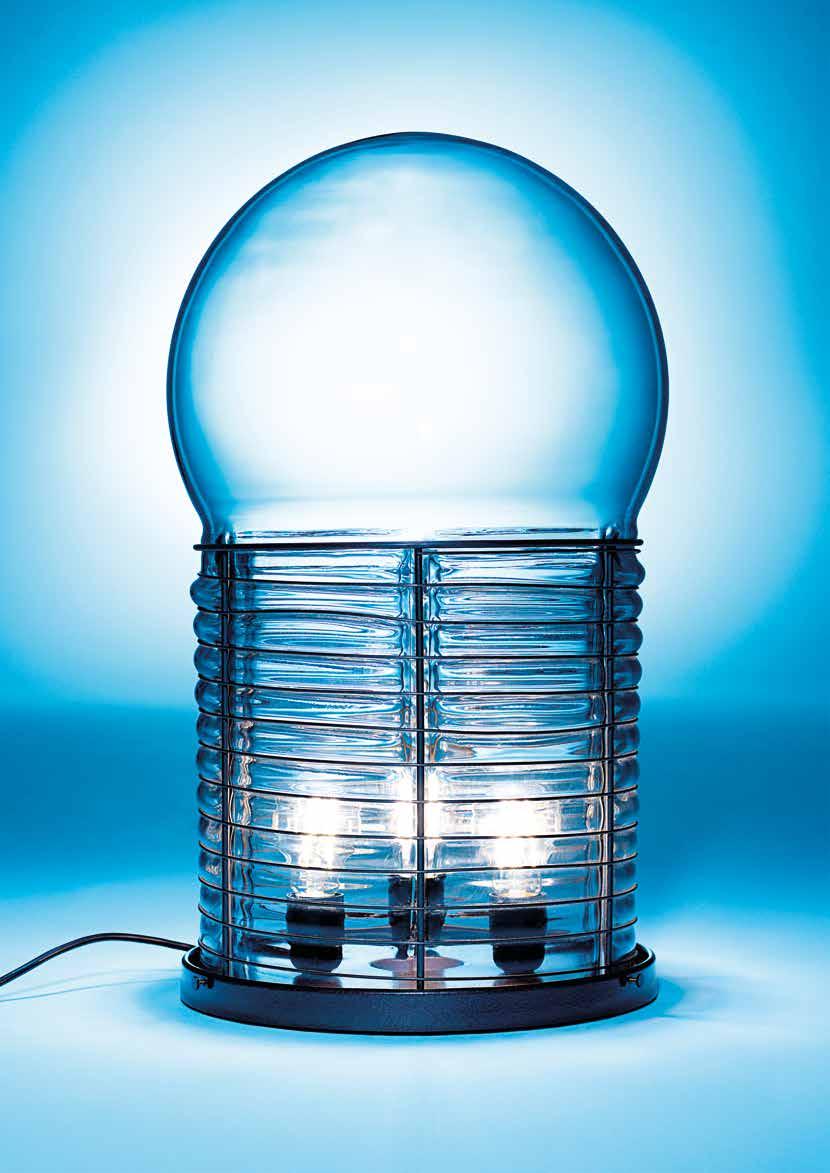
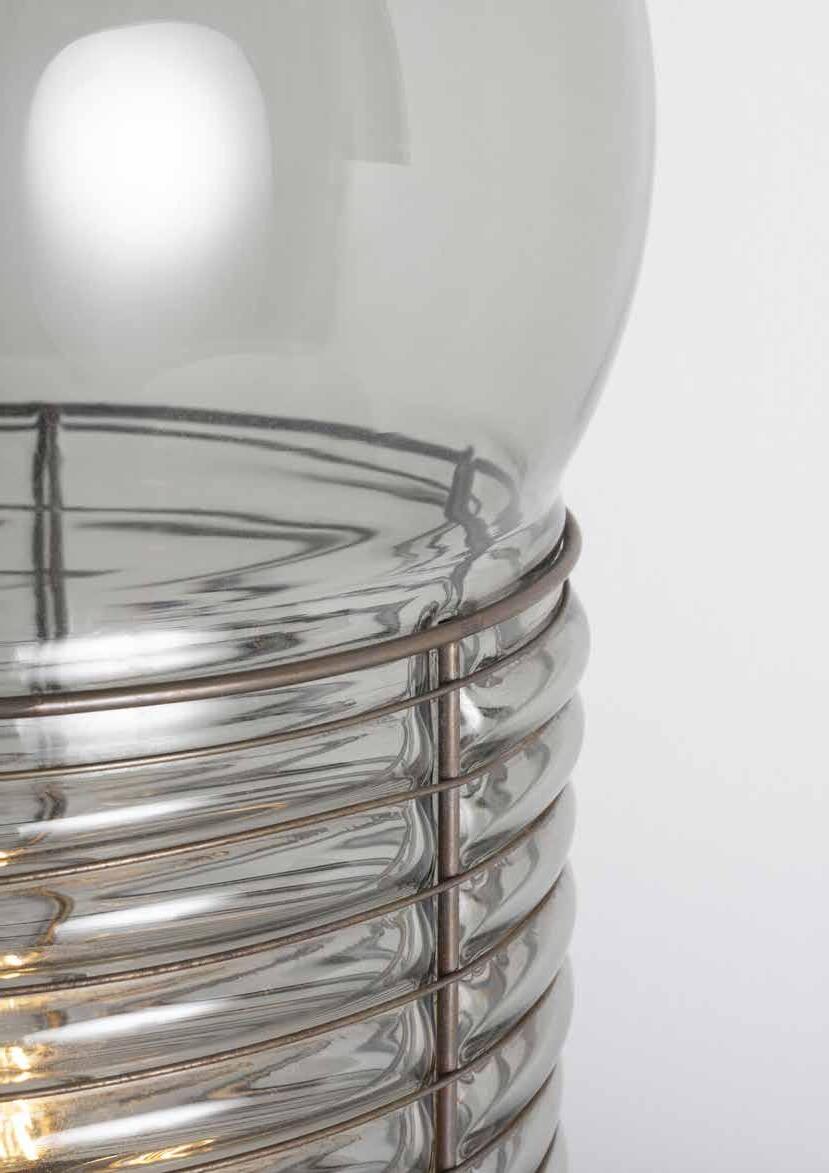
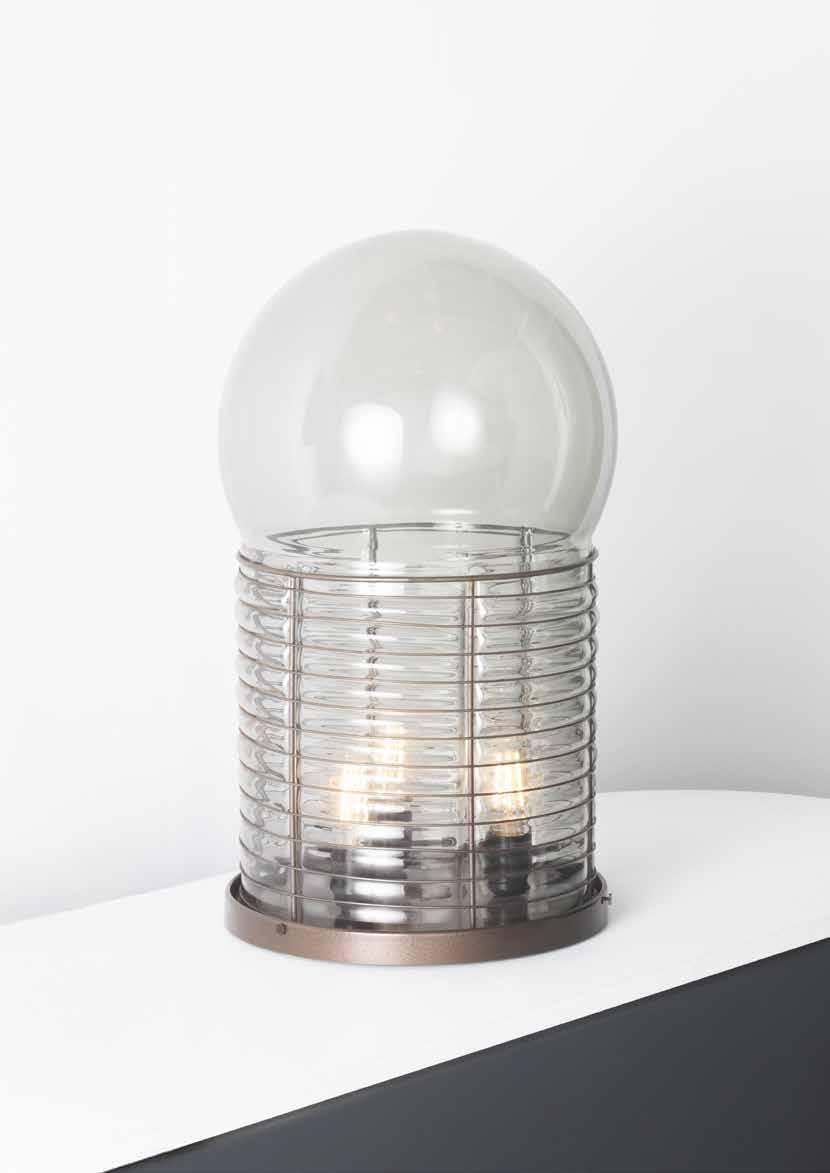
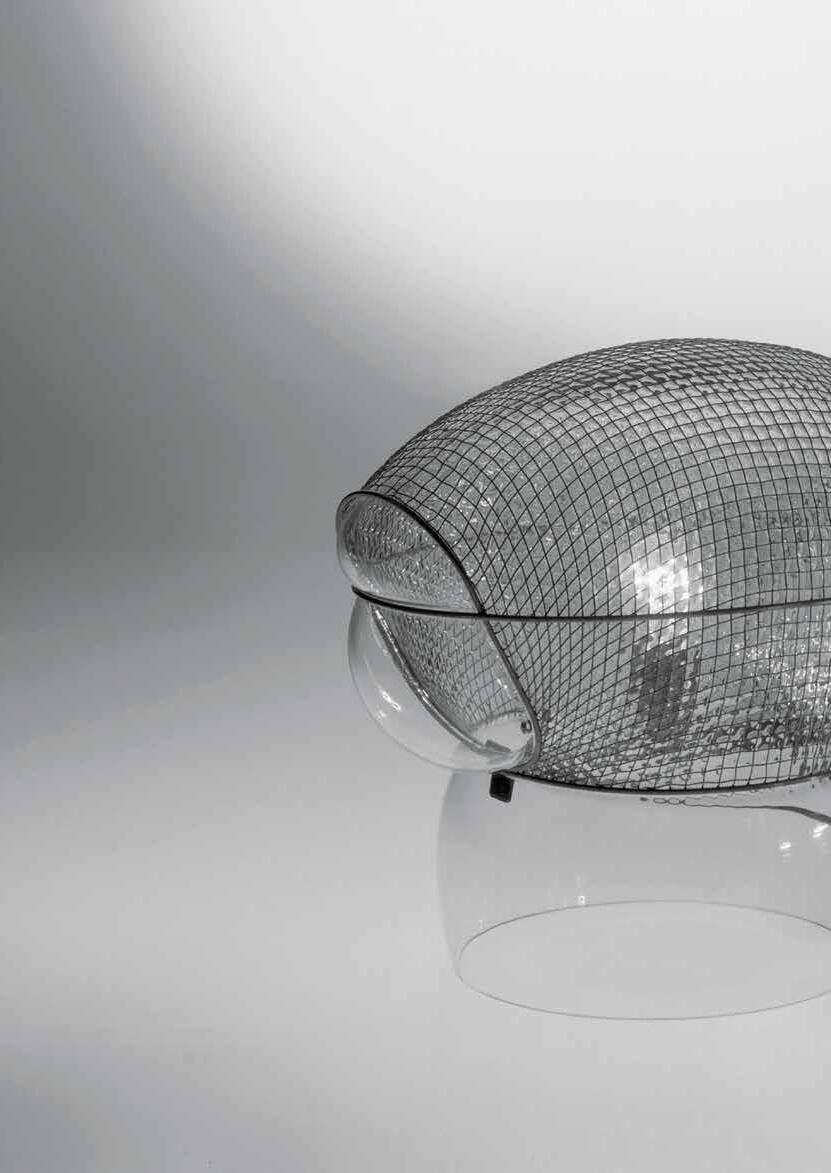
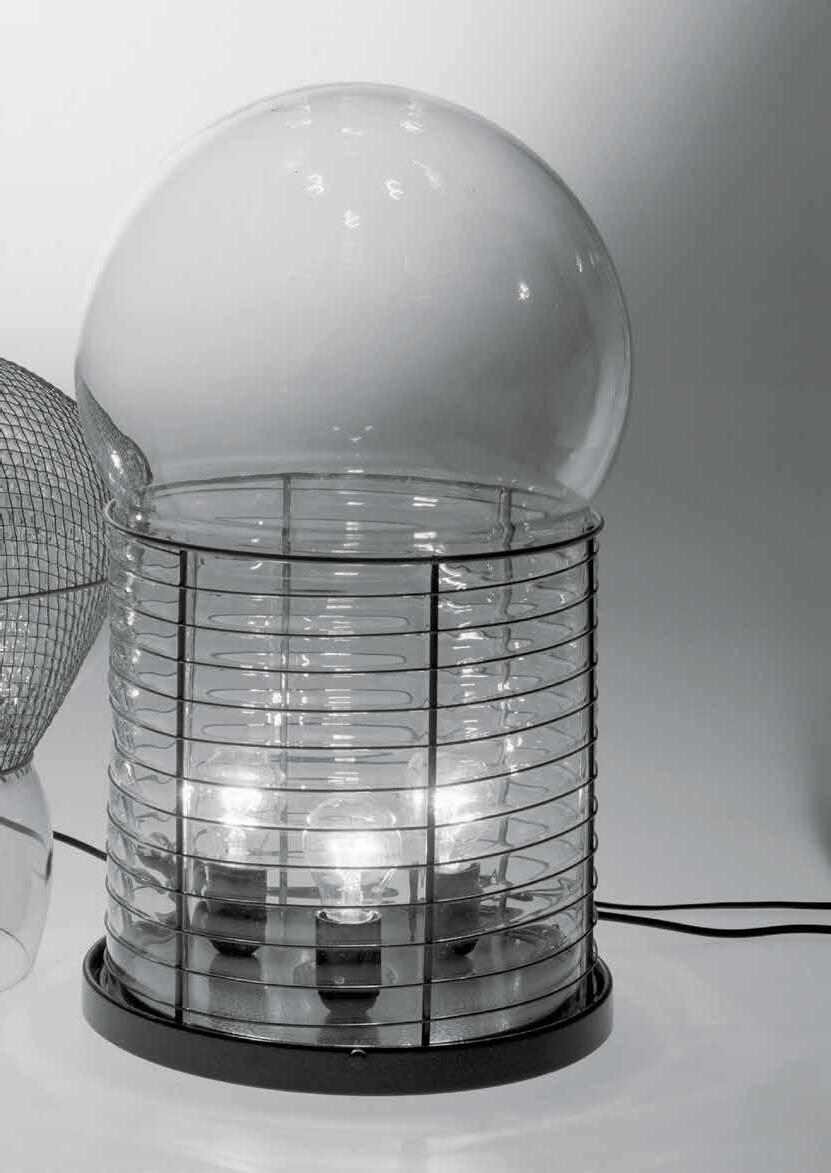
Artemide reintroduces Alcinoo 50 years after its original design. Created alongside Patroclo, it shares the same artisanal technique of mouth-blown glass shaped within a metal framework.
In Alcinoo, the metal cage follows a regular structure, forming a cylindrical volume that opens into a free-flowing glass sphere at the top.
The essence of the materials and the way they are manufactured define the design. Each piece is individually handmade, formed through the interplay of glass and metal, balancing lightness and solidity.
The metal cage softens the view of the three internal light sources, filtering the light and casting delicate shadows across the surface. Like Patroclo, Alcinoo is brought to life through the essence of light.

by
Photo
Pierpaolo Ferrari
Alcinoo
Ø350 x h 560 mm
Total power: 3 x 20W E27 LED
Diffuser
Cage
Fumè Grey
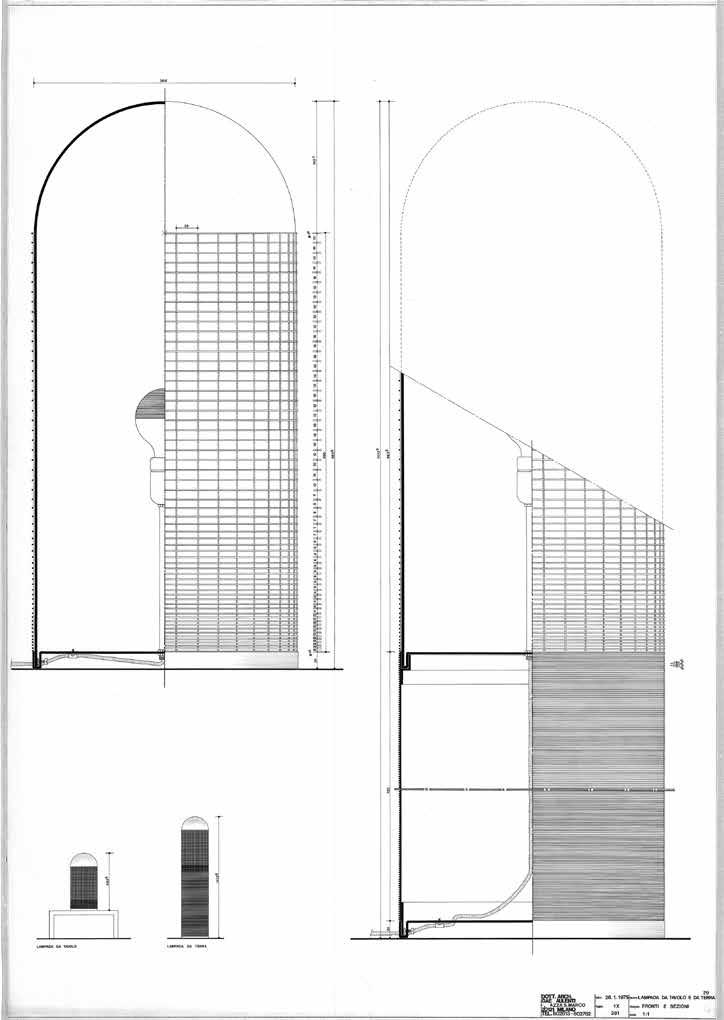
Technical drawings
"It was tough. Gae has strong ideas and persists, she keeps searching until she’s satisfied. This iron mesh encapsulates the architect’s love for theatre and its characters. And the moment you switch the lamp on, you realise she was right: the character fills the room with tiny traces of light."
Ernesto Gismondi
by
Photo
Aldo Ballo
Author Ernesto Gismondi
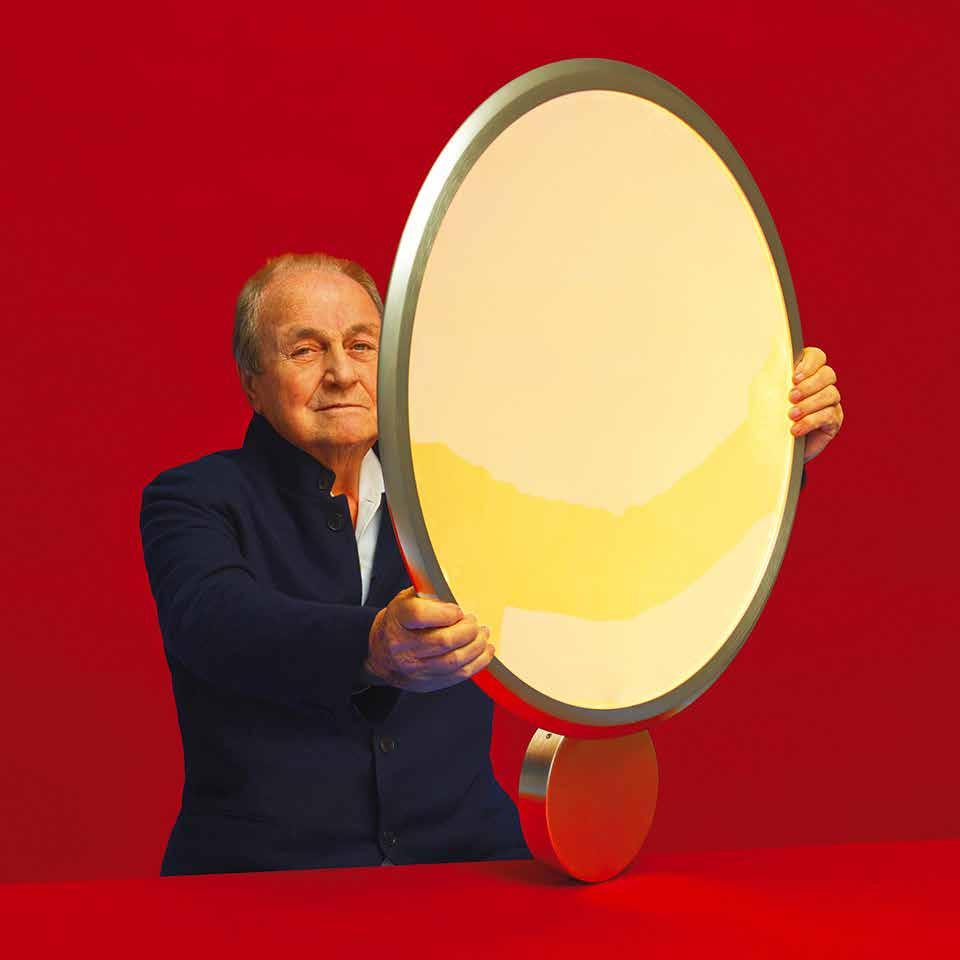
Ernesto Gismondi was the founder of Artemide Group.
In 1957 he gained a degree in Aeronautical Engineering at the Milan Polytechnic and in 1959 he gained a degree in Missile Engineering at the Professional School of Engineering in Rome.
Since the early ‘60s he has been devoting to the planning and production of lighting equipment, founding Studio Artemide S.a.s., from which the Artemide Group was to develop, together with designer Sergio Mazza. He became established as an international designer, participating, as one of the inventors, in “Memphis”, and designing various successful appliances for the Group.
Over the years, under his guidance, the Artemide Group saw its market share grow and its international reach increase, making it one of the main players in the design lighting sector, a role that earned him important acknowledgements.
In 2018 he won the Compasso D’Oro for Lifetime Achievement with the following motivation of the jury: “Aerospace engineer, university lecturer and entrepreneur, in short: man of multifaceted talent. Founder of Artemide, he immediately uses design processes as a distinctive factor and in this long process encourages and enhances collaborations with the world of national and international design. A coherent example of how design can be a concrete strategic lever for cultural and economic growth, it has always worked so that Italian design can be a virtuous example at an international level”.
by
Photo
Pierpaolo Ferrari
Sintesi
Ernesto Gismondi
1975
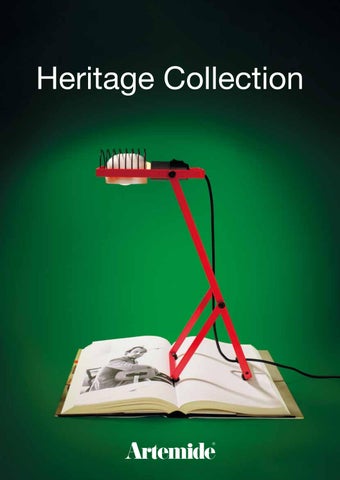
First introduced in 1975, the Sintesi lamp was the first Artemide product signed by its founder Ernesto Gismondi.
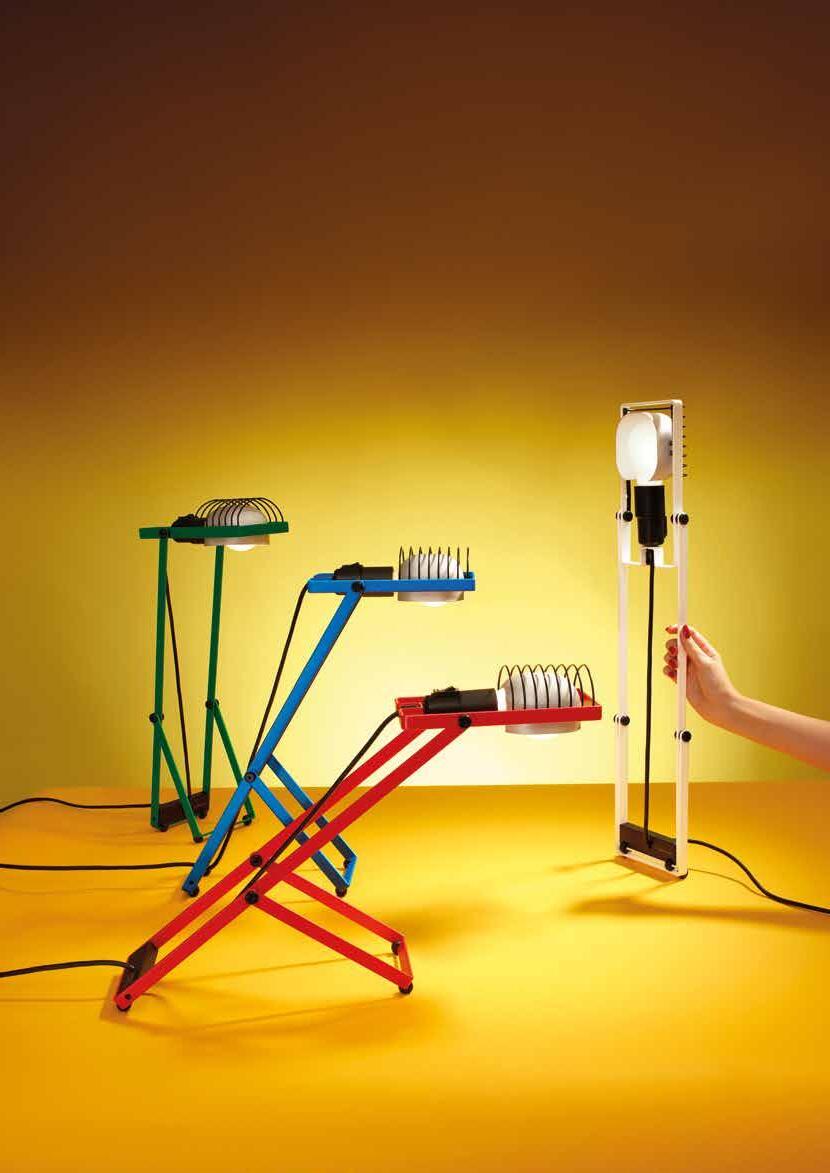
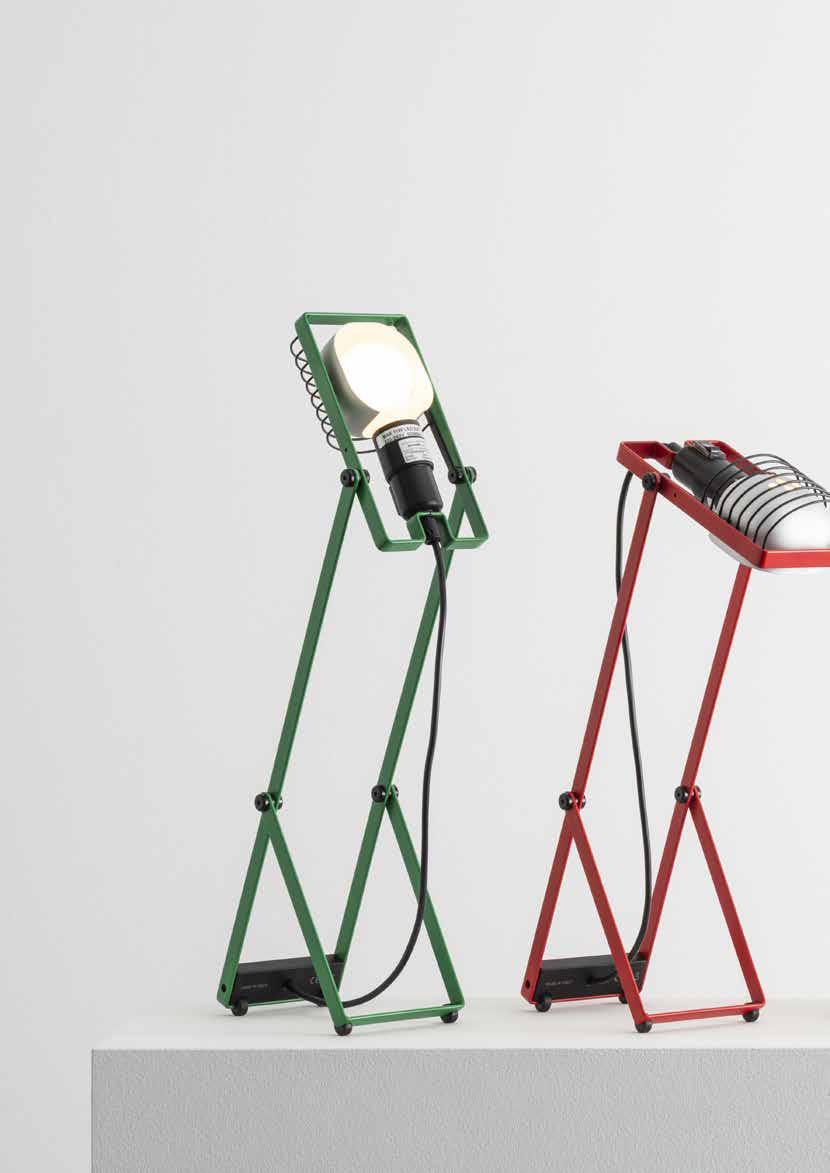
Conceived as an intelligent system, it is built around simple, shared components that form a versatile family of designs. The table version, now reissued, serves as the foundation from which the entire system evolves.
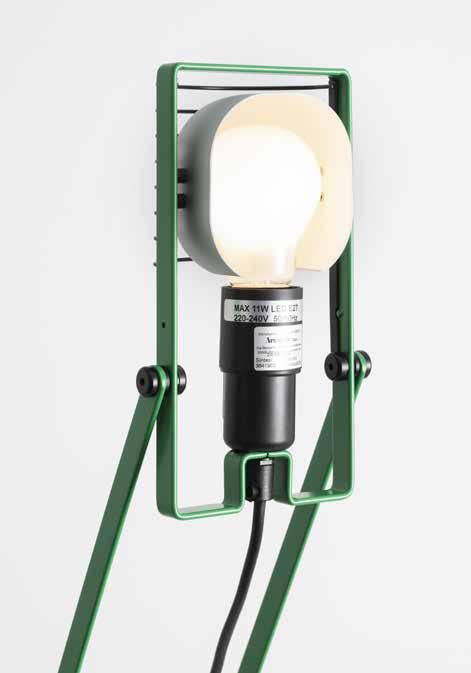
A frame surrounds the light source, holding and directing it. It features a universal E27 socket, ensuring adaptability over time and compatibility with evolving lighting technologies.
As an entrepreneur, engineer and designer, Gismondi approached each project with a broad perspective: he considered functionality, quality and measured design, along with mechanical aspects, efficient production and easy assembly.

by
Photo
Pierpaolo Ferrari
“It’s like a magic formula and finding it is never guaranteed. You have to understand the needs of a particular moment in time. A product must be appreciated, meeting standards of beauty and harmony. But it also has to be manufactured and distributed, with the right price and market positioning.”
Ernesto Gismondi

Fully adjustable
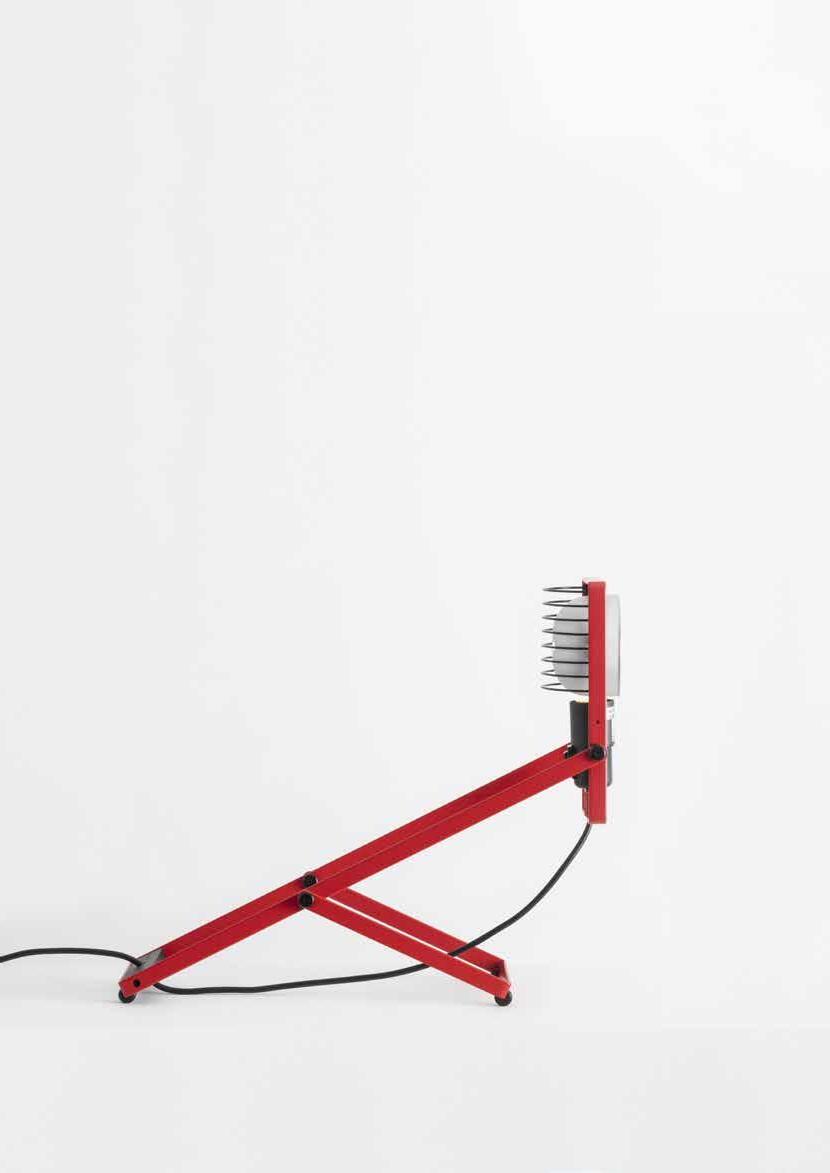
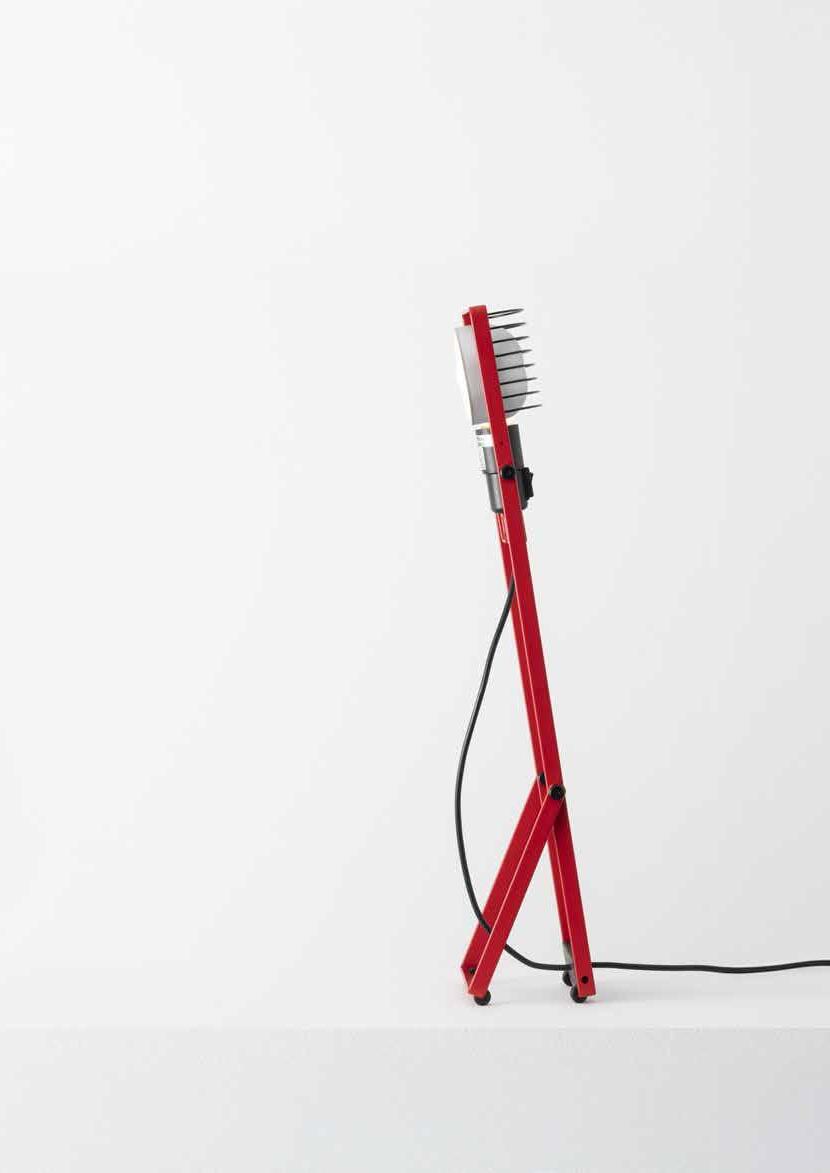
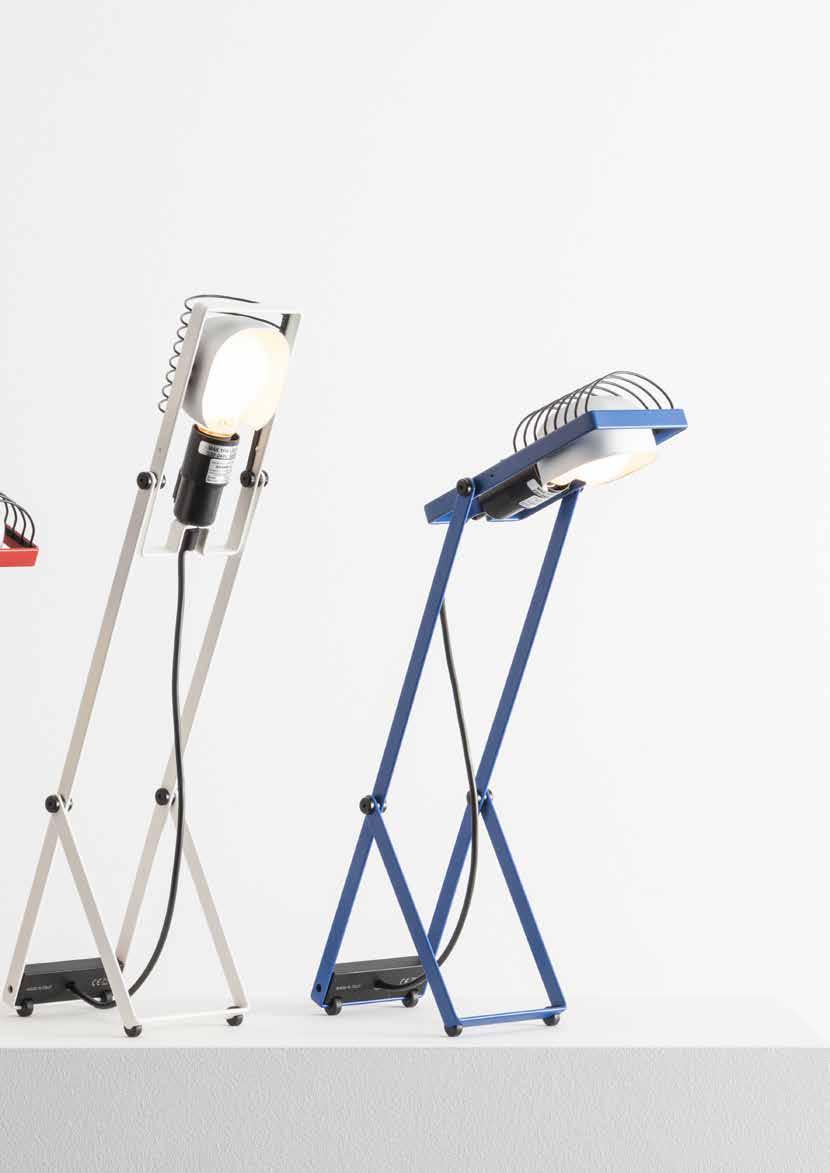
Two C-shaped pieces of different lengths form the frame, with the shorter one connecting midway along the longer piece to create a Y-shaped support. By opening and closing, this structure allows the lamp to tilt.
The frame also supports a reflector and a protective grid to shield the light source. Sintesi can be positioned in various ways to direct the light and can fold into itself for compact, flat packaging. Its project is direct and functional, shaped by a hands-on approach that lies at the heart of Ernesto Gismondi’s design philosophy.
360°
180°
head 210 x 105 mm
130 x 270 x h 500 mm
wall accessory 15 x 130 x h 30 mm
Total power: 1 x 20W E27 LED
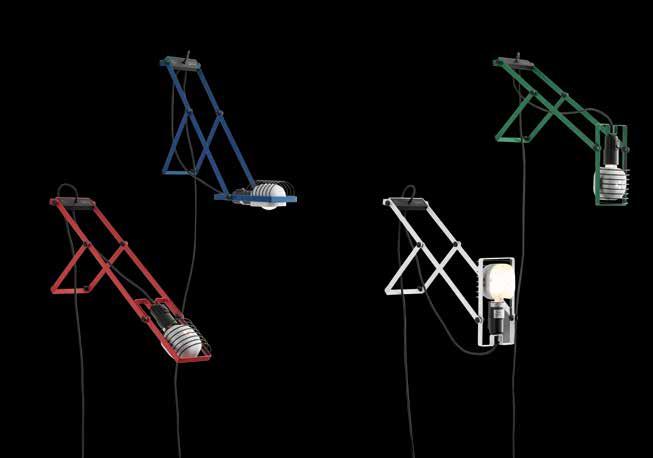
White Green Blue Red
Sintesi
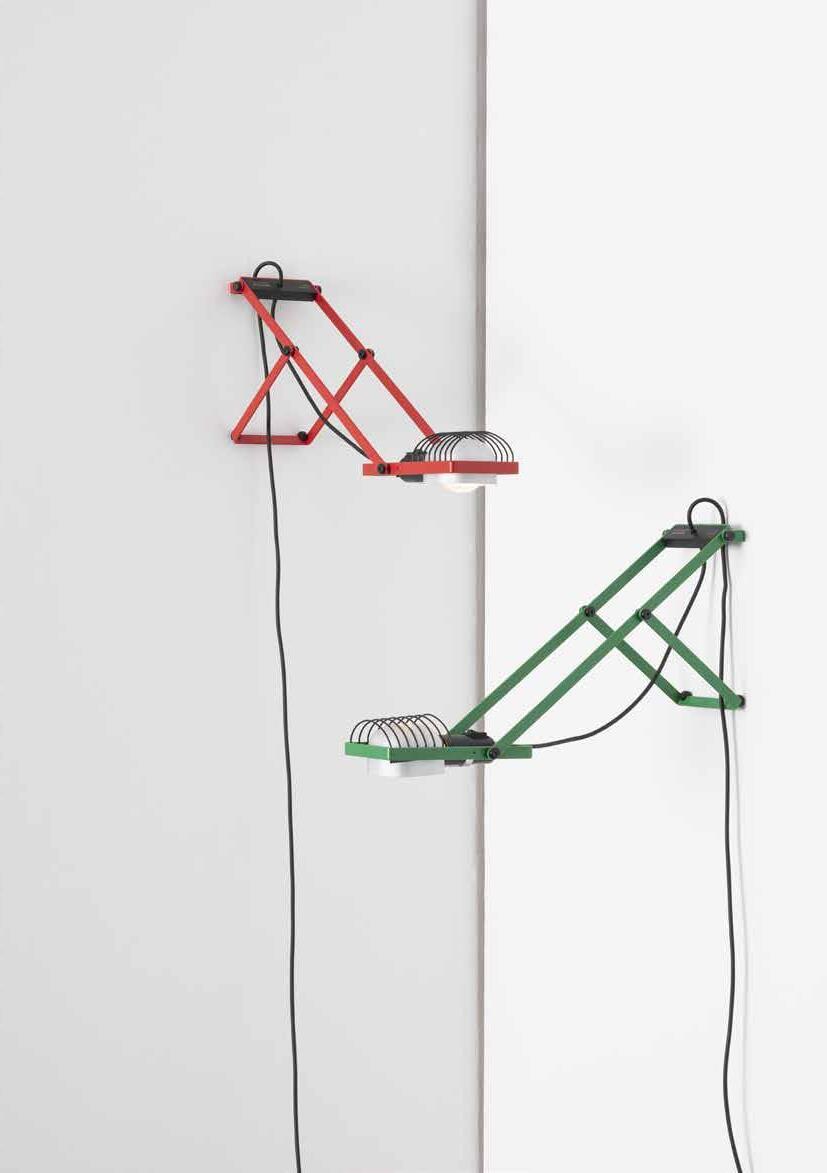
Sintesi wall
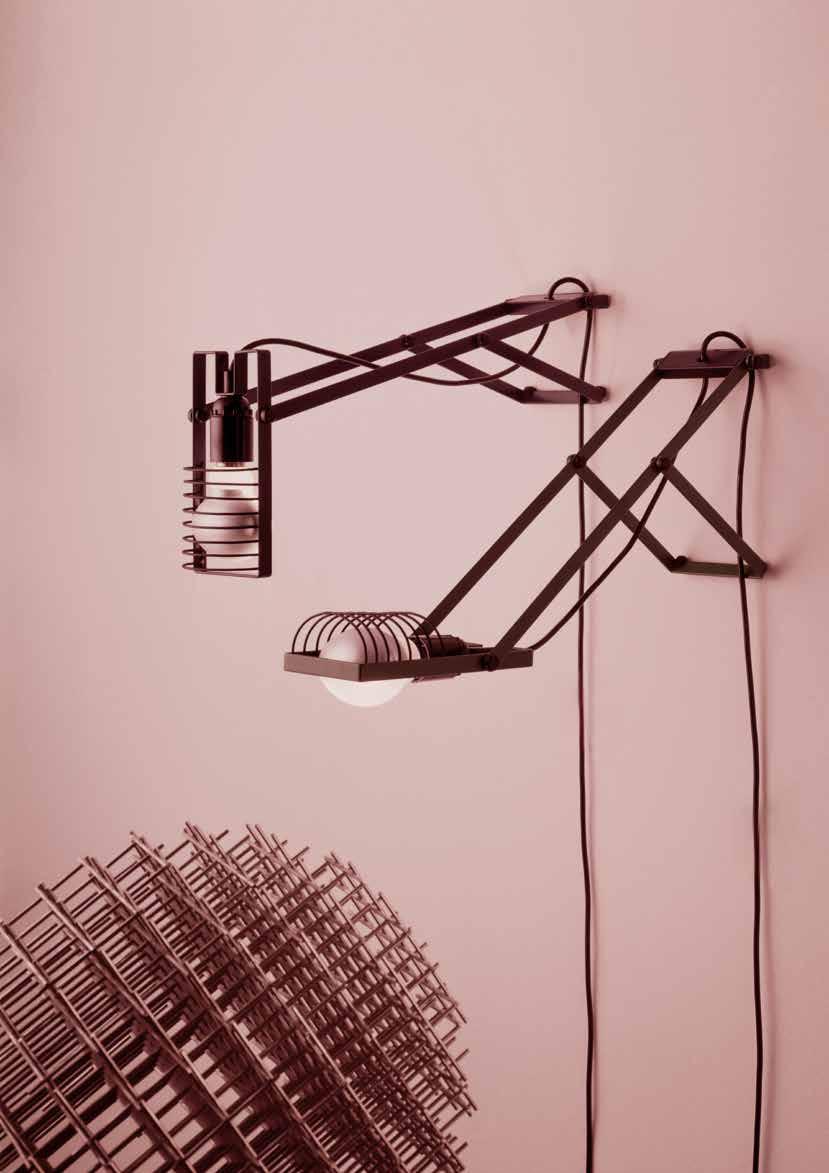
A small bracket is added to the table version to fix it on the wall. The freedom of movement allows light to be brought into the space. A simple accessory opens up new functionality.
by
Photo
Aldo Ballo
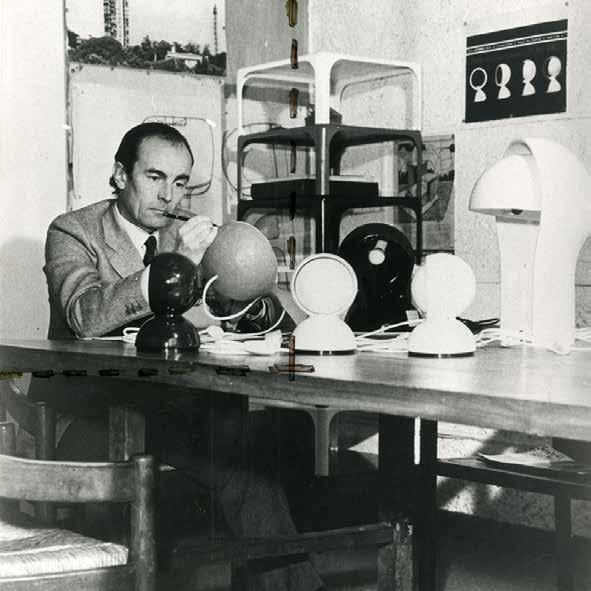
Author Vico Magistretti
Born in Milan, Vico Magistretti attended the Parini High School (specialising in classical subjects) before enrolling in the Faculty of Architecture at the Politecnico of Milan in 1939. He moved to Switzerland from 1943-1944, where he took some academic courses at the Champ Universitarie Italien in Lausanne. That was when he spent time with Ernesto Nathan Rogers, a key influence on his intellectual education.
He returned to Milan in 1945 where he graduated in Architecture from the Polytechnic. He immediately began working for his father’s firm, the architect Piergiulio Magistretti.
The 1950s were a very busy and fruitful period for the young architect, who came up with lots of innovative ideas and, very quickly, emerged as one of the most brilliant exponents of the “third generation”. Over the next few years he began working a lot more as a designer as well as an architect, creating furniture and objects which will always be “classics” of modernday production. This was the period of the house in piazza San Marco (1969-71) and when he was awarded a “Golden Compass” for the Eclisse lamp (1967). This was also when he started working with important companies, such as Artemide, Campeggi, Cassina, De Padova, Flou, Fontana Arte, Fritz Hansen, Kartell, Olivari, Oluce, Poggi, Schiffini Mobili Cucine, and Gebrüder Thonet Vienna.
His design works are on display in MOMA’s permanent collection in New York and in lots of other museums in America and Europe.
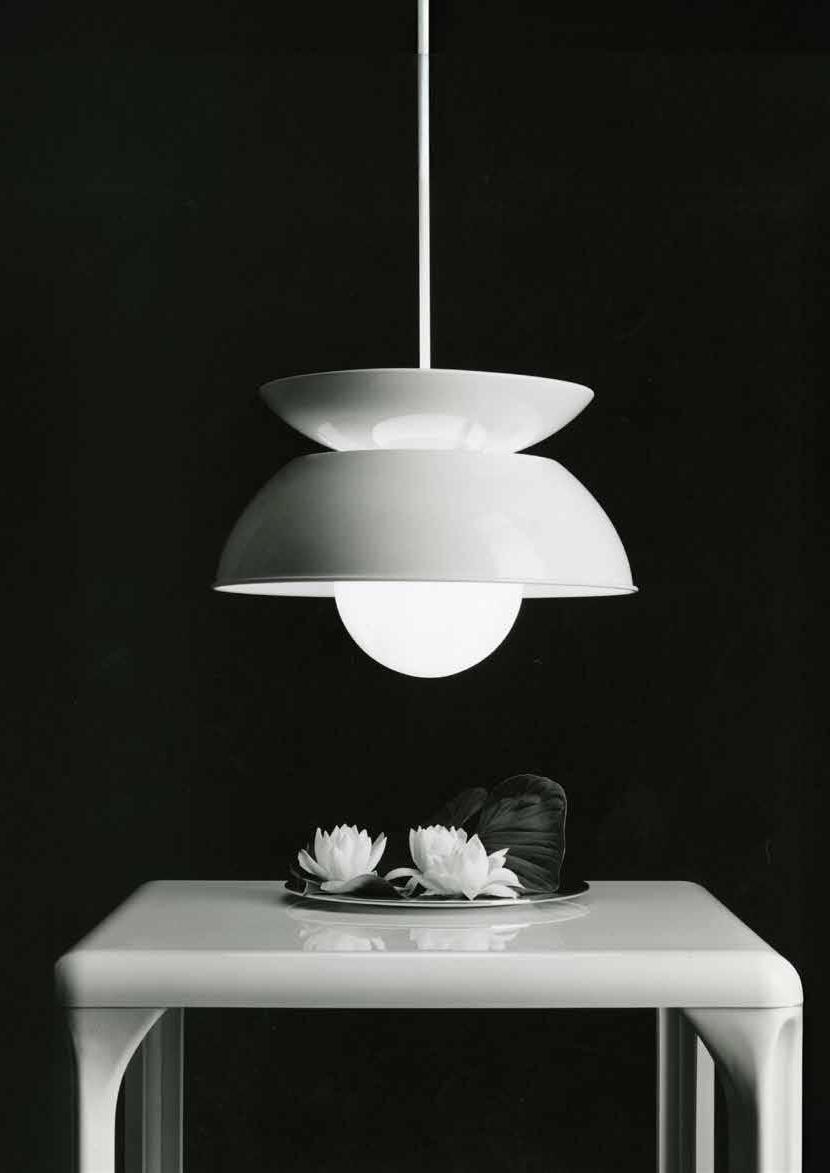
Cetra Vico Magistretti
1969
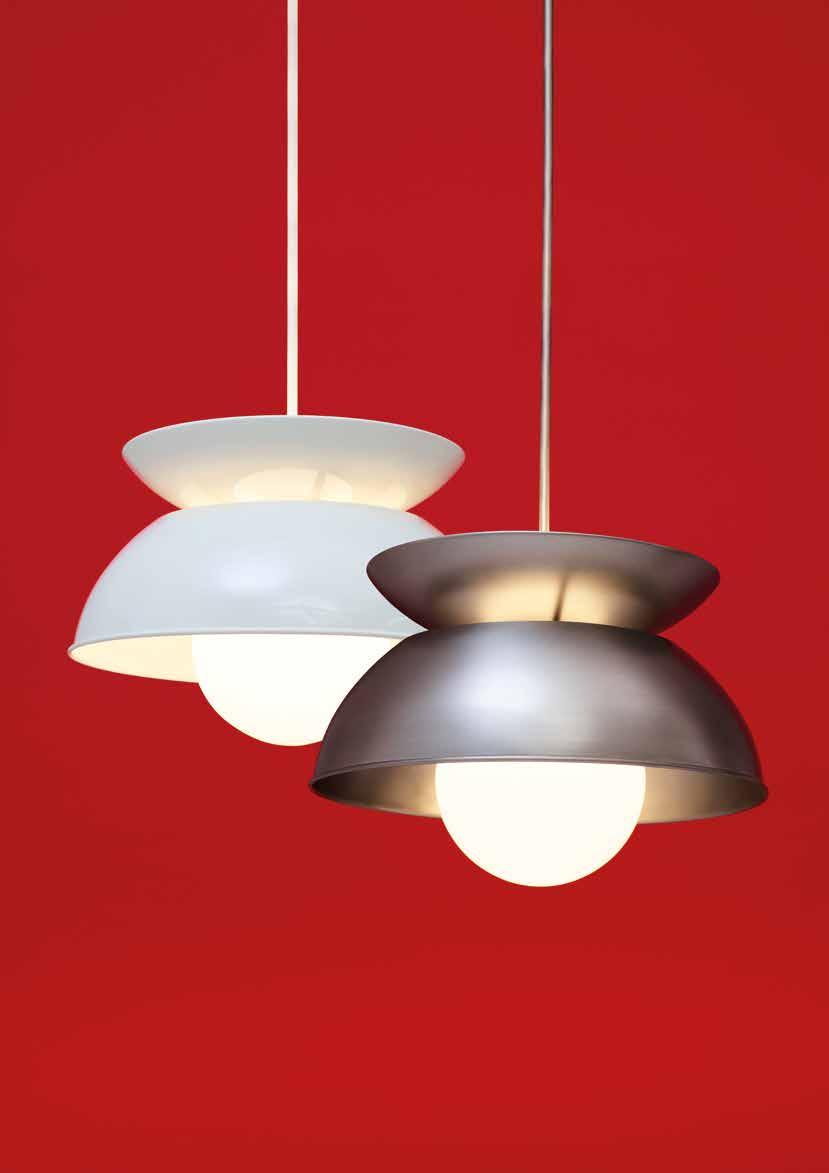
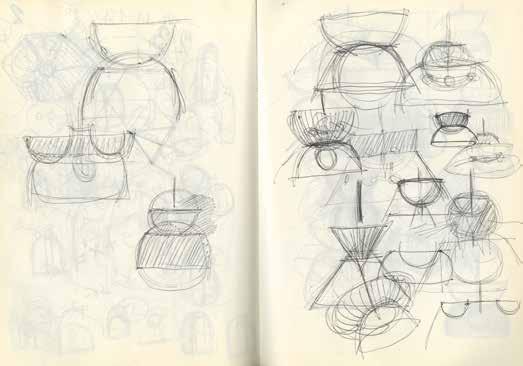
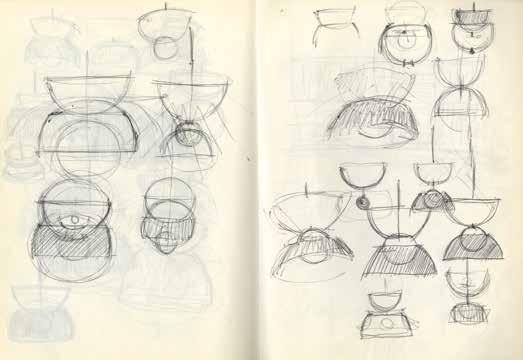
Magistretti designed this lamp using a section of a sphere as the diffuser, topped with a second geometric piece from the same shape, mounted in reverse with its concavity facing the ceiling.
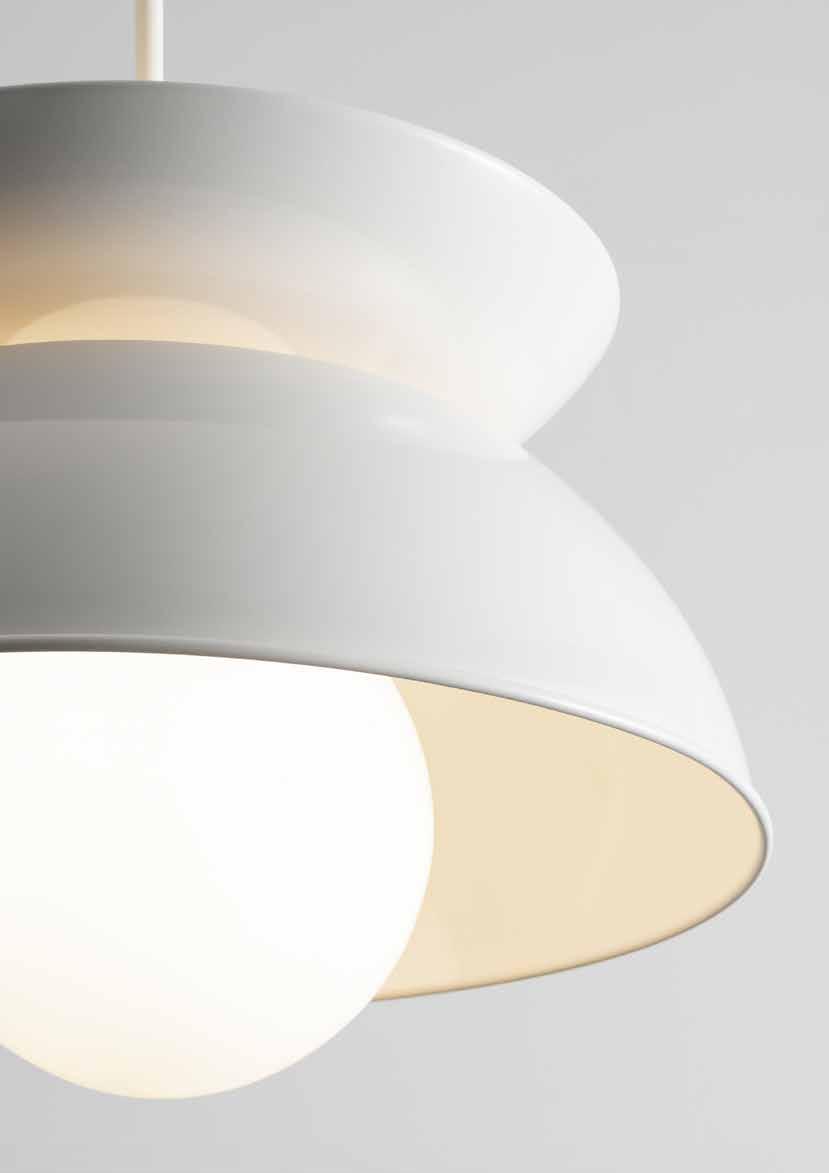
Cetra is a sculptural suspension lamp that combines pure forms interacting with light through different materials; diffusing, shielding, or reflecting it.
The two metal hemispheres can be lacquered in white or finished in nickel. The upper half conceals indirect emission, while the lower section holds the opaline glass globe that softly spreads light throughout the space.
The entire collection designed by Vico Magistretti demonstrates how good design results from the synthesis of form, material quality, and technological coherence, bringing quality to everyday spaces through simple gestures.

by
Photo
Pierpaolo Ferrari
Ø550 x h 400 mm
tige 800 mm
Total power: indirect 3 x 5W E27 LED direct 1 x 20W E27 LED
White Nickel
Sketches by Vico Magistretti
Cetra

«Design means entering the industrial and technological world in a real, meaningful way, beyond any purely formal concerns.»
Vico Magistretti
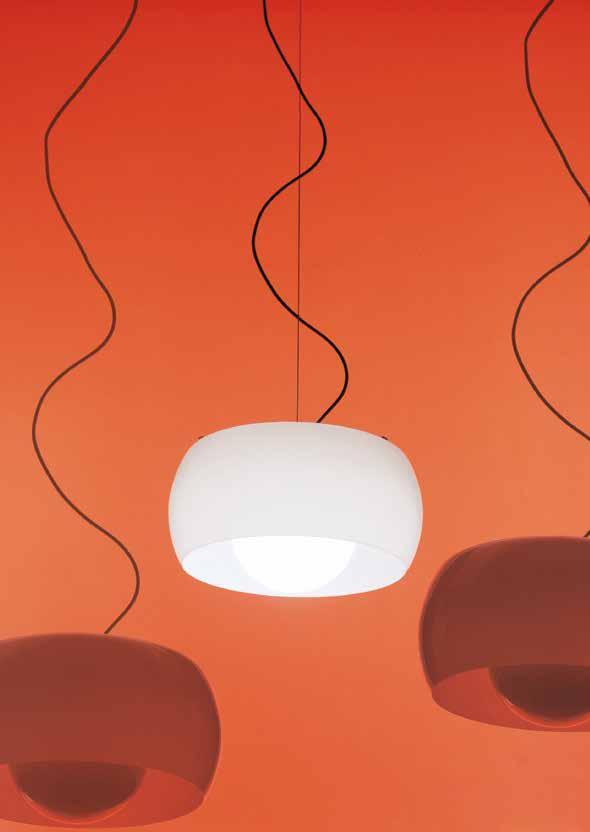
Omega
Vico Magistretti
1962
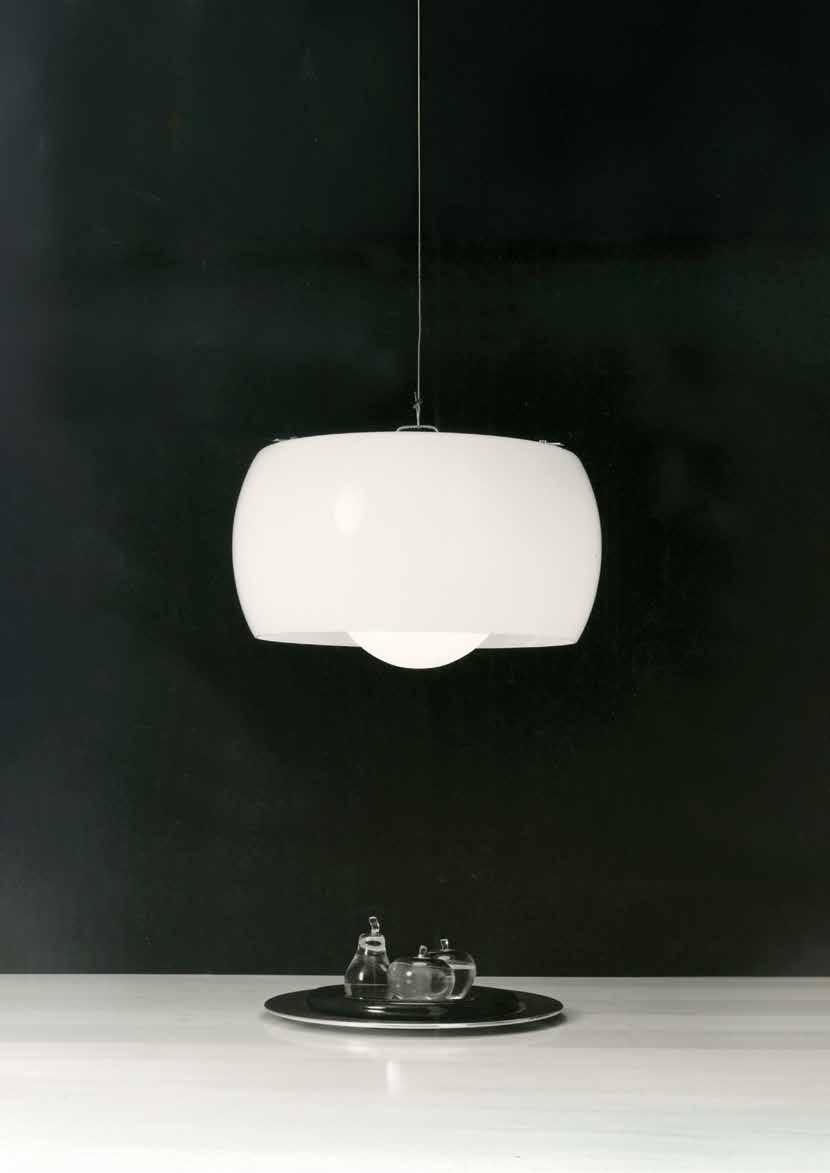
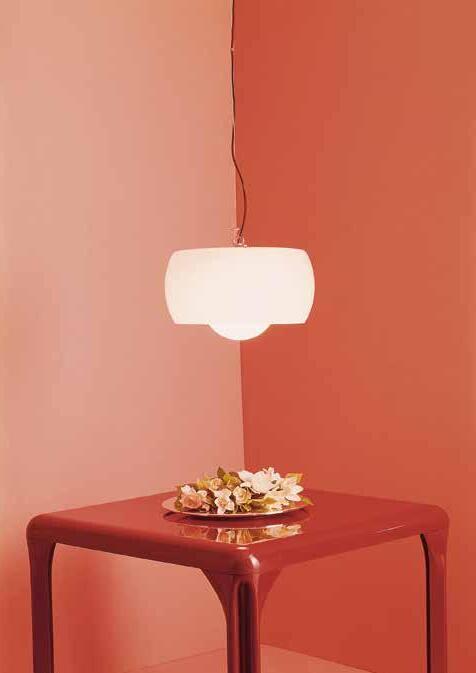
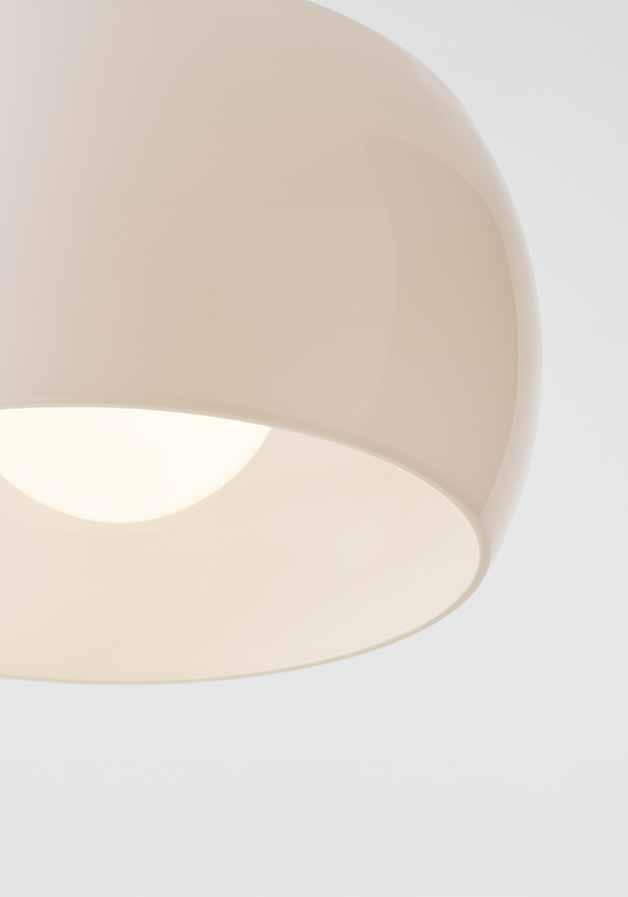
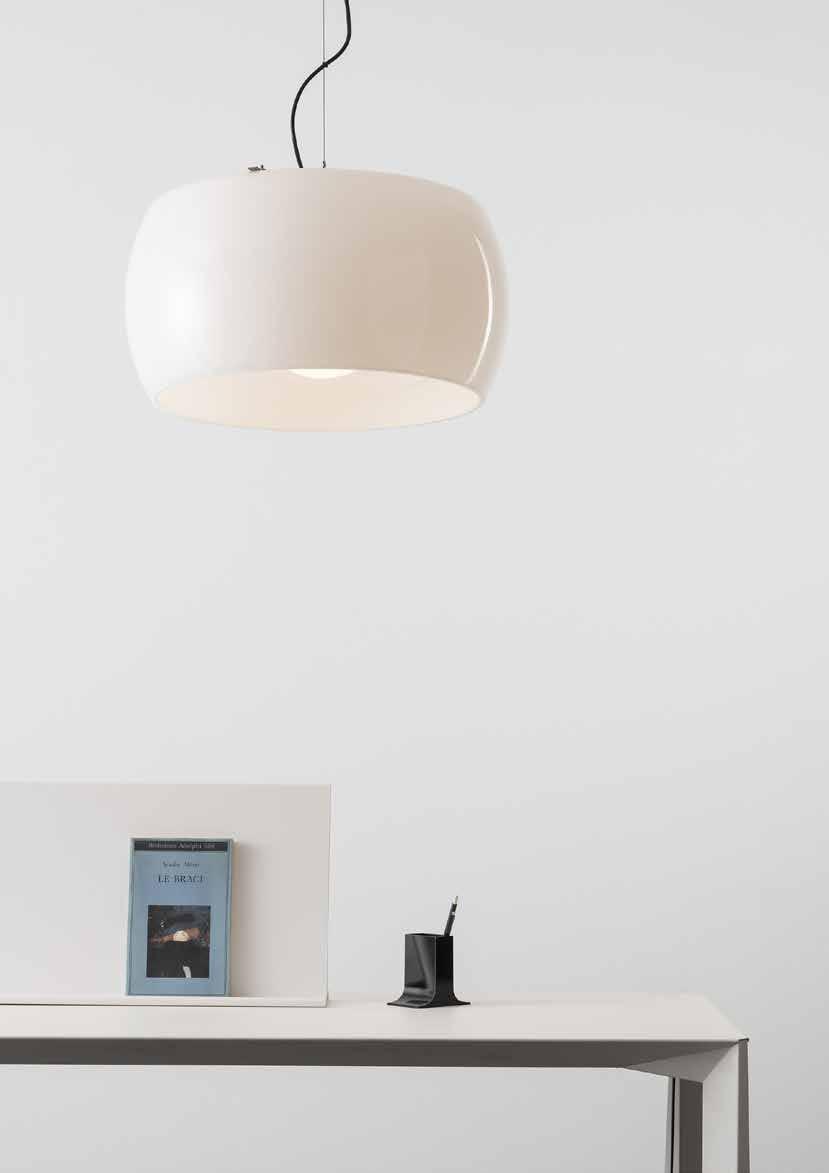
Born from a spontaneous gesture, Omega is a suspension lamp with balanced proportions, simple and functional, yet undeniably contemporary. Its essential shapes, clear design and smart use of manufacturing technologies create a timeless aesthetic.
Purity becomes function through the hand-blown glass diffuser, which brings an understated elegance and refined light quality. The double diffuser ensures soft, even and glare-free illumination.
It shares with Vico Magistretti’s other lamps a pure geometry and rational design approach that strikes a balance between logic and beauty.

by
Photo
Miro Zagnoli
Ø500 x h 400 mm
cable max 1700 mm
Total power: 1 x 20W E27 LED
White
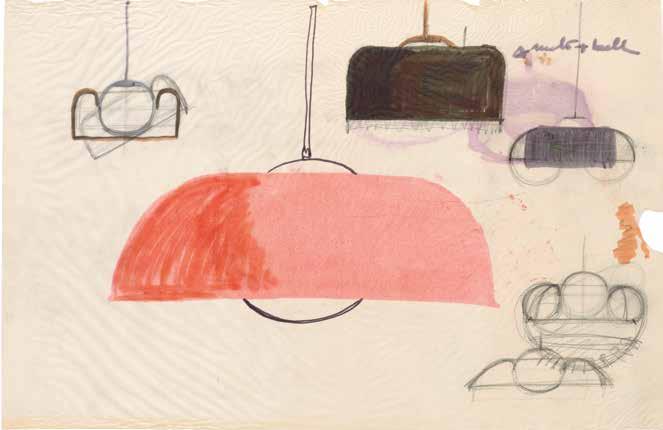
Sketches by Vico Magistretti
Omega
by
Photo
Aldo Ballo
"One day, in the early 1960s, I asked Vico Magistretti, one of the great masters of Italian architecture, if he would design something for us. He immediately came to our office in Via Moscova and... on a small scrap of paper, he drew a circle cut by two horizontal lines. He then explained: it’s a sphere, but sliced, held together by two metal braces, and in the centre, there’s a glowing globe. This is how an essential design is made, easy to explain and a joy to make."
Ernesto Gismondi
Clitunno
Vico
Magistretti
1964
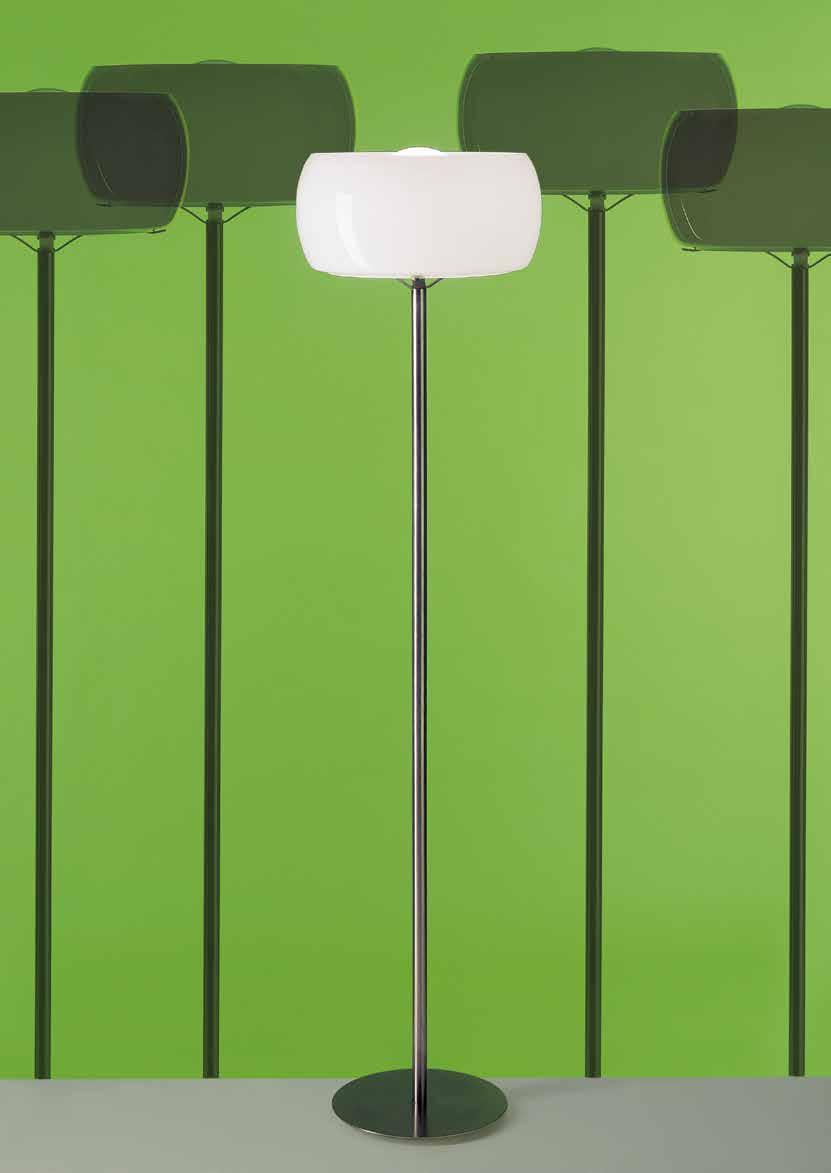
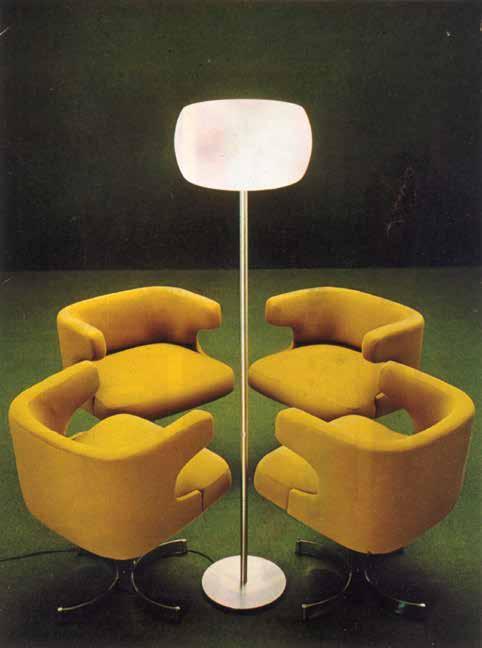
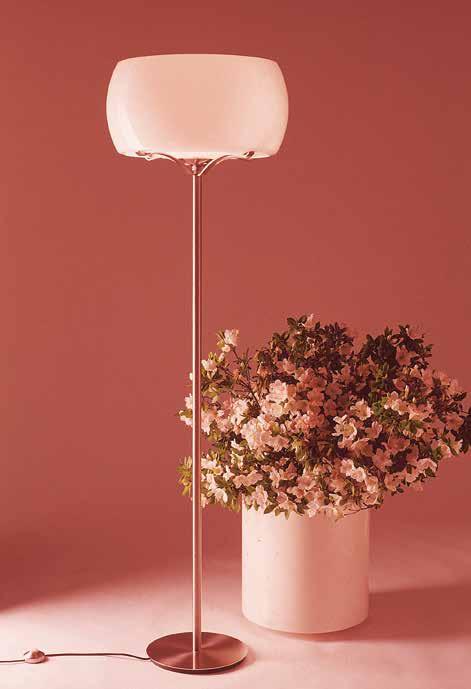
Clitunno builds on the principles of Omega, translating them into a floor version. A cut sphere rests on a stem, supported by a light inner opaline structure, combining formal balance with diffused light quality.
Here too, Vico Magistretti’s design gesture becomes a functional, essential and timeless solution, expressing the strength of an idea through simple, iconic forms.

by
Photo
Miro Zagnoli
Ø500 x h 400 mm
h 1700 mm
Total power: 1 x 20W E27 LED
White
Silver Diffuser Structure Clitunno
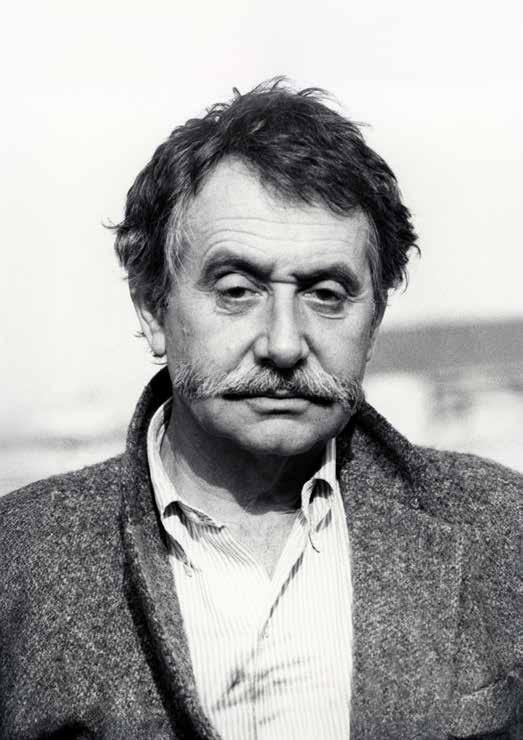
Author Ettore Sottsass
Ettore Sottsass was born in Innsbruck in 1917. He graduated in Architecture at the Turin Polytechnic in 1939. Enlisted during the Second World War, he was imprisoned for approximately six years. On finally being released, he returned to Italy in 1947 and began working in Milan.
In 1948 he joined MAC, the Concrete Art Movement, and took part as an artist in the first collective exhibition dedicated to this art form. He became the art director for Poltronova in 1957.
In 1958 he began his long-term collaboration with Olivetti, as a design consultant. His relationship with the company lasted for more than thirty years and earned Sottsass numerous awards, including three Golden Compasses.
During these initial years of activity, Sottsass developed a vision of design as an instrument for social criticism, which led him to maintain that “Design is one way to discuss life. It is a way to discuss society, politics, eroticism, food and even design. Lastly, it is a way to build a possible figurative utopia or to build a metaphor of life.”
In 1980 he first founded Memphis in collaboration with other designers, including Hans Hollein, Arata Isozaki, Andrea Branzi and Michele de Lucchi, with the aim of providing objects with “a symbolic, emotive and ritual aspect”. This was followed by the setting up of the Ettore Sottsass Associati firm.
He died in Milan on 31 December 2007 at the age of ninety.
Hera
Ettore
Sottsass
1982
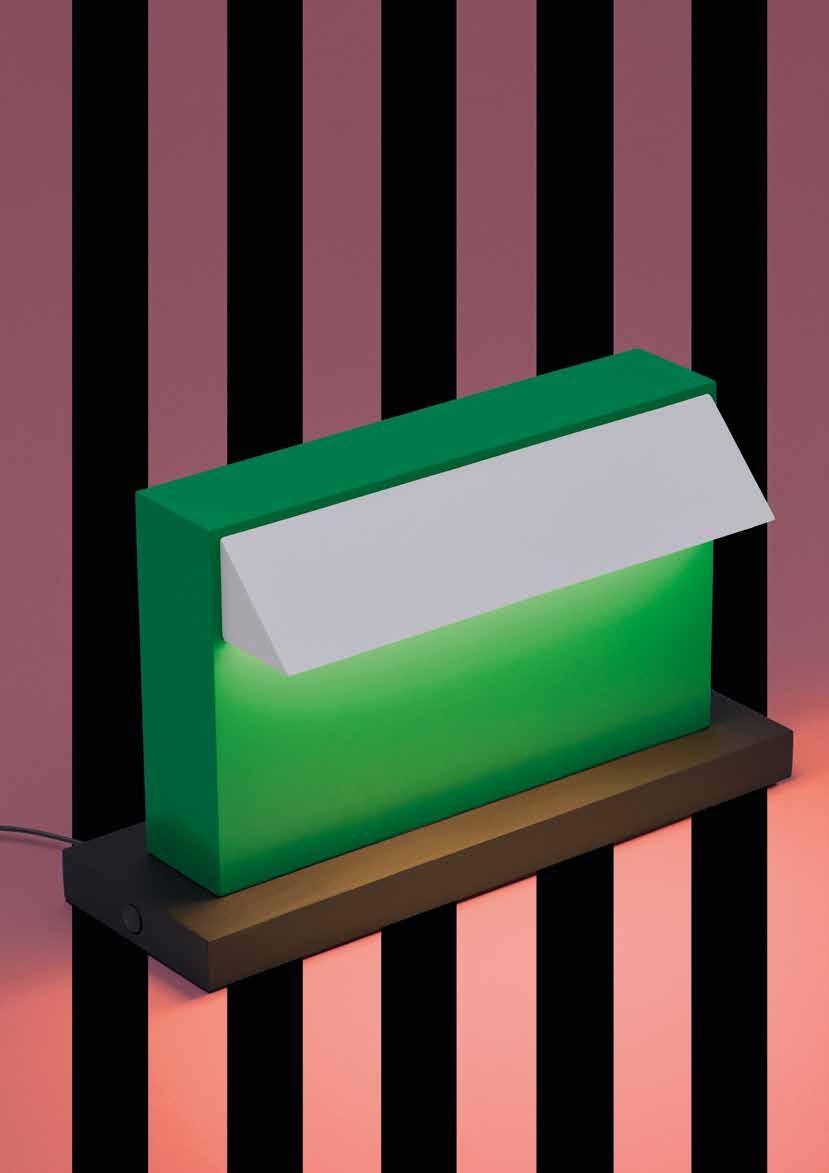
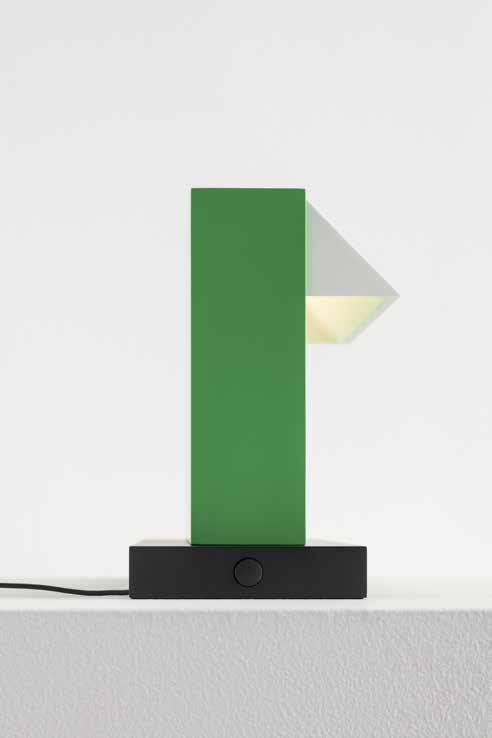
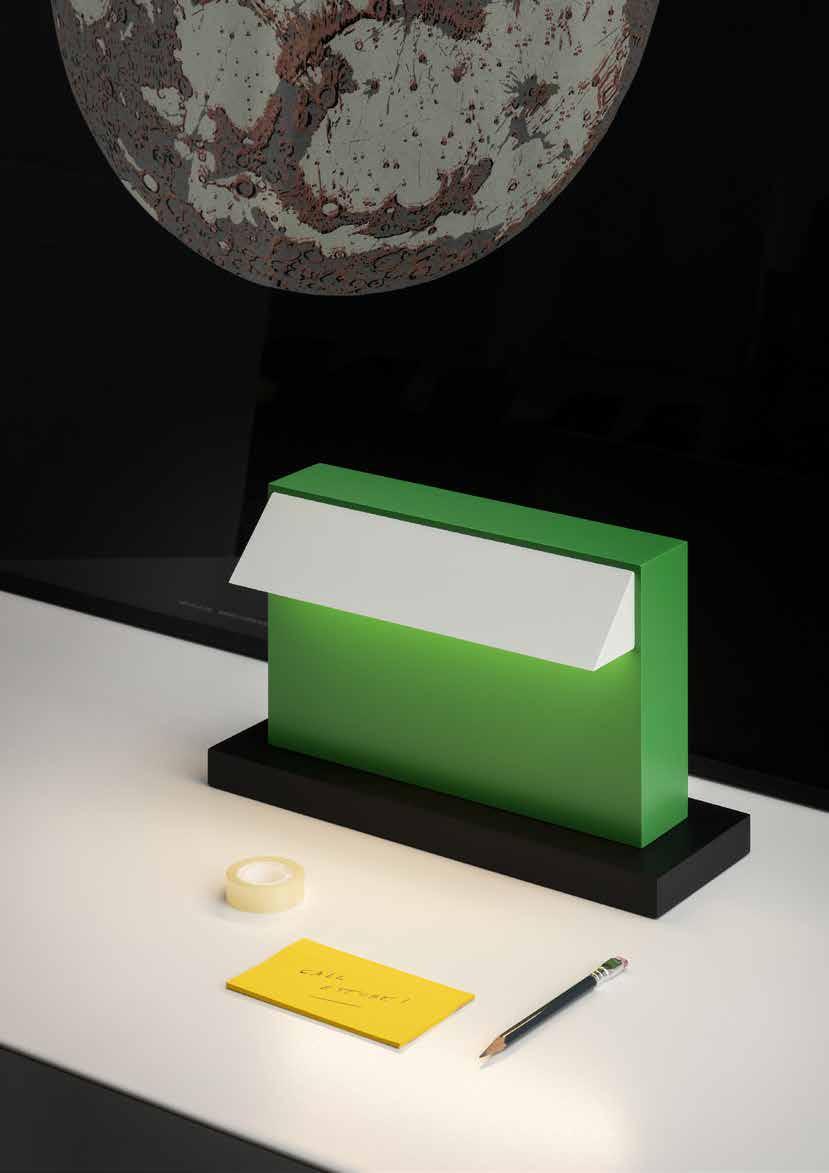
Designed in 1982, Hera is a table lamp that follows the model of the traditional ministerial lamp, like its near-contemporary Pausania, but reinterprets it through clean, solid forms and bold, overlapping blocks of colour.
Its striking simplicity gives it a symbolic presence, making it an object that draws attention and evokes emotion beyond its lighting function.
The substantial body houses all the components, while the triangular head conceals the light sources and shields them from direct view.

by
Photo
Pierpaolo Ferrari
Hera
360 x 120 x h 210 mm
Total power: 15W
Body
Black/green
Diffuser
Silver
Headquarters
Artemide S.p.A. Via Bergamo, 18
20006 Pregnana Milanese (MI), Italy
Tel. +39 02 93518.1 Tel. +39 02 93526.1 Numero verde 800 834 093 (from Italy only) info@artemide.com artemide.com
Artemide S.p.A. si riserva la facoltà di modificare, in qualunque momento e senza preavviso, le caratteristiche tecniche degli elementi illustrati nel presente catalogo.
Artemide S.p.A. reserves the right to change, at any time and without prior warning, the technical specifications of any product illustrated in this catalogue.
Artemide S.p.A. se réserve le droit de modifier, à n’importe quel moment et sans préavis, les caractéristiques techniques des éléments illustrés dans ce catalogue.
Artemide S.p.A. behält sich das Recht vor jederzeit und ohne Ankündigung die technischen Daten der im Katalog abgebildetem Produkte zu ändern.
Artemide S.p.A. se reserva la facultad de modificar, en cualquier y sin aviso previo, las características técnicas de los elementos ilustrados en el presente catálgo.
For information regarding distributors and points of sale, please visit our website artemide.com or email: info@artemide.com