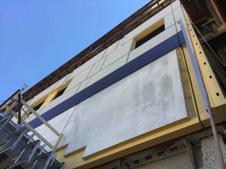
We are not architects who do healthcare. We are healthcare architects
What does this mean?
It means we chose this profession so we can do more than just design buildings. We chose it to design solutions that can change people’s lives significantly. Because when a transplant patient receives a new heart, or a mental health patient reaches a breakthrough, or a physician develops a medical procedure that improves the lives of thousands, it happens inside a space designed by a healthcare architect. This is why we arrive every morning with our sleeves rolled up and ready to work.
Our Firm
in
Brief
With four decades of experience serving healthcare clients, we’ve learned that it’s never just about the building. Every problem and challenge our clients face are unique opportunities to adapt, improve or transform—and they all require something different.
That’s why we are so much more than just healthcare architects. Our integrated services align analysts, advisors, and architects to provide a complete continuum of project exploration and execution.
Guided by process, powered by collaboration, and built around an innovative culture
100%
40 dedicated to healthcare planning and design
5 strategically located offices throughout the country:
• Philadelphia, PA
• Charleston, SC
• Fort Lauderdale, FL
• New York, NY
3
unique perspectives for a comprehensive approach:
• Architects
• Advisors
• Analytics years serving healthcare clients
• Washington, DC
ARCHITECTS | WE ARE DESIGN
Array Architects is committed to improving healthcare outcomes by providing design solutions informed by integrated insights from perspectives across the organization. No brick is placed without considering its placement. No wall is raised without determining its integrity. No systems are installed, no colors are applied, no impact is made without a careful reasoning for doing so. We don’t address needs—we address your needs—taking into account the context of a project and assembling a roster of experts whose combined strengths align to give your project life, value and spirit beyond its basic function.
• Healthcare thought leaders
• Cross-disciplinary teams
• Process-led Lean design
• Data-driven decision-making
• Customer-focused design
ADVISORS | WE ARE STRATEGY
Array Advisors is a multi-disciplinary team providing custom solutions to optimize healthcare operations and solve business challenges.
When addressing the distinct needs of any healthcare business, there is no solution without informed preparation and consideration. It requires a nuanced approach of dedicated professionals with a variety of viewpoints. We uncover the opportunities buried within your challenges by untangling the complexities of those problems, and then engineering a solution using industry-leading tools and techniques.
• Capacity analysis
• Strategic planning
• Change management
• Lab & pharmacy optimization
• Lean operational improvement
• Transformation
ANALYTICS | WE ARE TECHNOLOGY
Array Analytics is an innovative think tank of analysts and product developers dedicated to helping healthcare systems identify and contextualize business drivers.
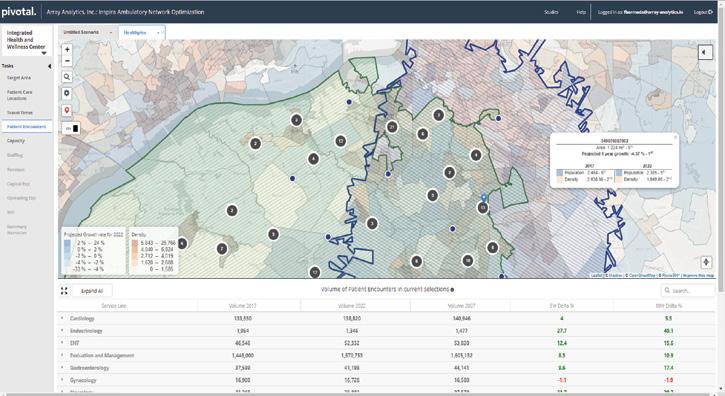
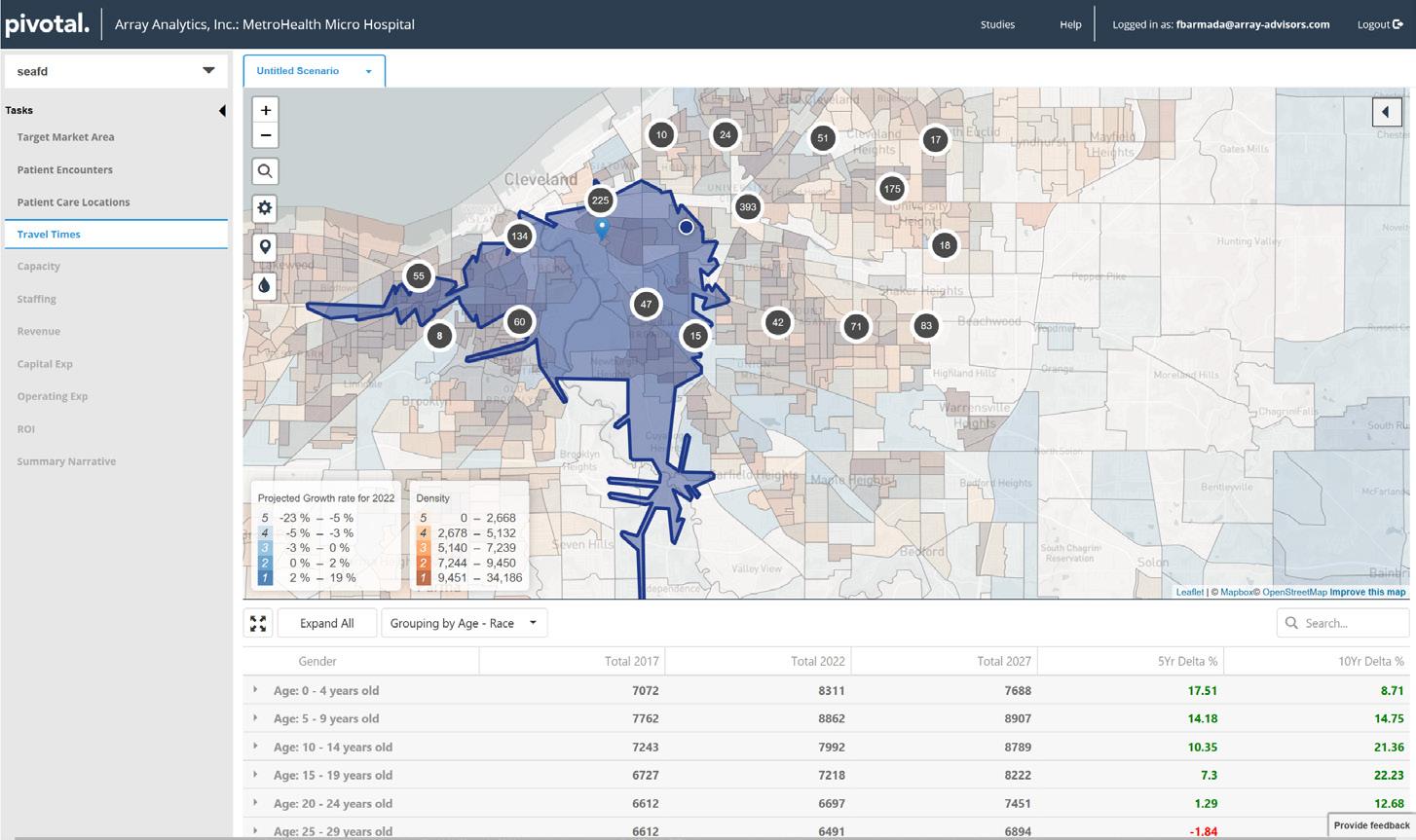
These days, big data is critical to making informed decisions, but information must be distilled and interpreted to truly be valuable. To ensure the quality and accuracy of our data, we created a technology incubator within our firm, which has evolved into Pivotal Analytics. Pivotal is a subscription SAAS platform enabling our customers access to a powerful geospatial-based claims-driven demand analytics.
• Data integration
• Market analysis
• Predictive analytics
• Real estate strategy
• Strategic capital allocation
Integrated Our Services
STRATEGY
We are an innovative think tank of analysts and product developers dedicated to helping healthcare systems identify and contextualize business drivers.
• Market analysis & demand forecasting
• Dynamic scenario planning
• Consumer segmentation & profiling
• Identifying optimal service locations
FACILITIES
We are a multidisciplinary team that provides custom solutions to optimize healthcare operations and overcome business challenges.
• Facilities assessments
• Programming and pre-design
• Feasibility & CON studies
• Architecture & interior design
• Patient experience design
OPERATIONS
We are committed to improving healthcare outcomes by providing design solutions informed by integrated insights from perspectives across the organization.
• Throughput analysis & simulation modeling
• Process design & value stream mapping
• Clinical practice modeling
• Design thinking & Lean education
• Lab & pharmacy optimization
Array Architects
Array Architects is committed to improving healthcare outcomes by providing solutions informed by integrated insights across the organization.
DESIGN & ARCHITECTURE
Our firm develops and implements concepts that emerge as transformative built solutions. Array remains focused on the healing that will take place within our clients’ facilities and the lives affected by the building’s shape, performance, and functional adjacencies. As a healthcare-exclusive practice, our focus is singular, and our commitment to a collaborative approach facilitates operational excellence and drives innovation.
PLANNING
Array goes to great lengths to substantiate our solutions with hard data. Our pragmatic process, intensified by our unique planning toolkit, enables more-informed decisions to maximize flexibility, efficiency, and return on investment.
INTERIOR DESIGN
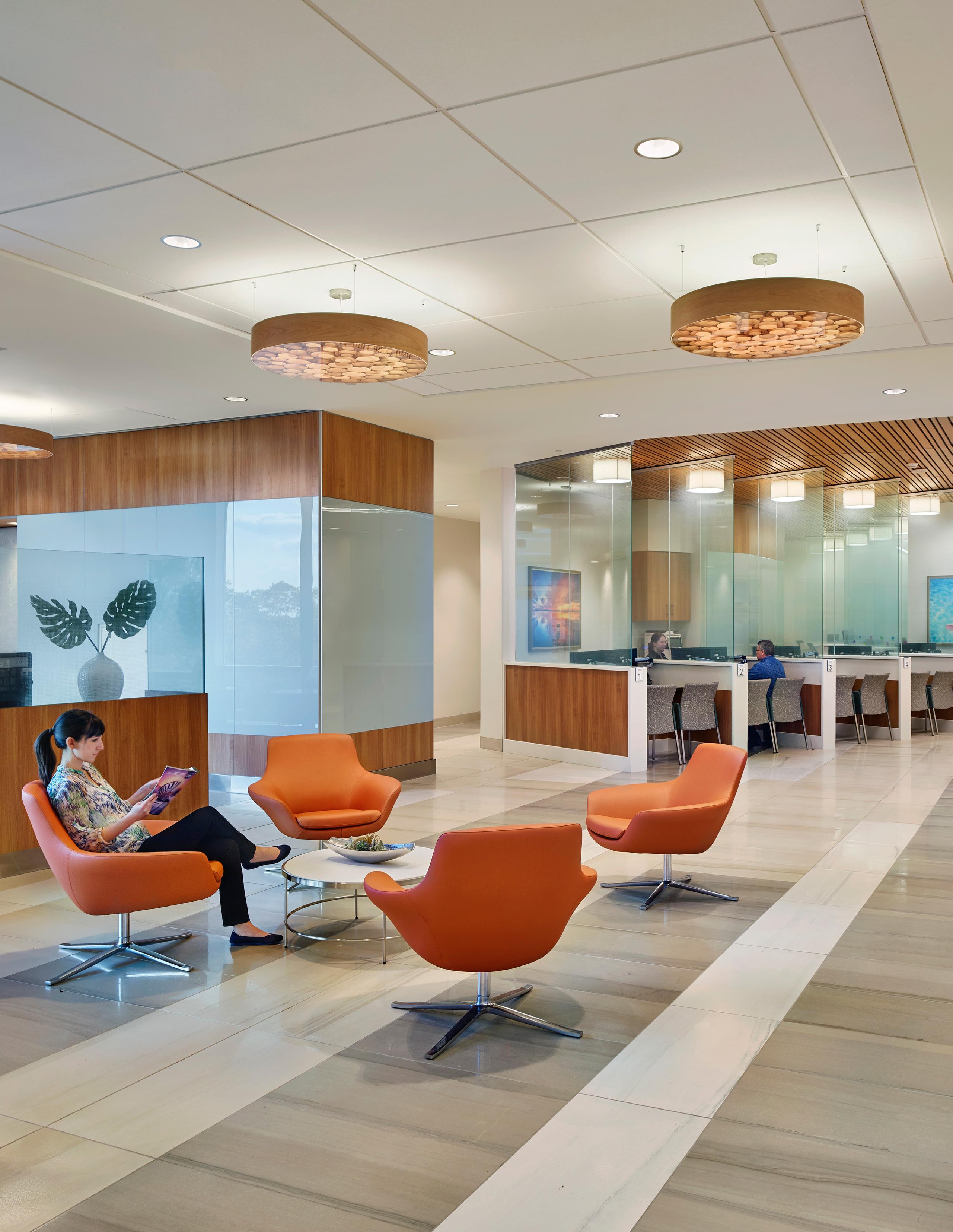
Beyond creating beautiful spaces influenced by hospitality, we have a responsibility to bring the latest evidence, benchmark data, lean thinking, and examples of successful projects into the design process. By doing so, we help our clients realize their full potential to drive a change in culture, improve patient outcomes, increase patient satisfaction, and foster an environment of collaboration.
PROJECT OPERATIONS
Array is committed to project management, acting as center of excellence for this practice. Our clients are confident in the consistent high-value delivered through their built initiatives.
Array Advisors
Discovering Your Healthcare Solutions Together.
We help clients deliver more efficient and effective care, stake a more competitive position in the market, and plan to ensure facilities embody their operational vision.
STRATEGIC PLANNING
Reach consensus around strategy to supercharge your plan for the future. We work with health systems to develop strategies that drive sustainable business models across the continuum of care.
MASTER PLANNING
We have learned that while master planning engagements can transform an organization, the outputs of the traditional process are inherently broken. Master planning teams either omit the necessary perspectives, or these roles are siloed or filled by external consultants, creating delays and limiting rapid re-assessments. As Lean planners, we improve the value of master planning by redesigning the process. Array not only facilitates discussions between key stakeholders representing different perspectives, but our team brings its own functional expertise. The team’s broad experience builds credibility with stakeholders across the organization and advances data-driven discussions of needs and priorities.
PRE-DESIGN PLANNING & OPTIMIZATION
Lean is an operational strategy that can be used to achieve specific goals defined by your organization. Our experience extends from strategic decision making, where we help you define organizational goals, to tactical workflow analysis, where we assist in developing countermeasures appropriate to your specific situation. We use this as a foundation to develop a more robust program alongside your leaders setting your project up for success as design begins.
Visualize the Possibilities, Plan for Reality.
Pivotal is a dynamic business planning and optimization software platform for healthcare capital projects.
But most impressively, it’s simple, instant, and once the inputs are set, changes are as easy as the drop of a pin.
WHAT IS PIVOTAL?
Pivotal is healthcare planning transformed. It’s an integrated and collaborative analytics platform for healthcare business planning and strategic optimization. It’s a living tool that helps you visualize the path to success for today, the challenges you should avoid tomorrow, and the opportunities you never saw coming.
Pivotal provides comprehensive market and patient data, operational capacities and financial models all under one unified framework.
Architecture is about relationships.
Relationships with spaces, objects, and most importantly— people.
Strategy
Finance
Facilities
Assessment
Operations
ANALYSIS
GAP MarketAssessment CapabilityAssessment
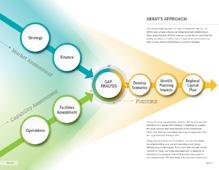
MASTER PLANNING APPROACH
Our master plans are built on a set of criteria for success. To define the client’s unique criteria, our integrated team establishes a deep understanding of both external market factors and internal facility conditions. Using Lean principles as a foundation, our process begins by understanding current operations and clearly defining project goals. This approach is designed to identify the investments that will drive the most value for an organization.
Develop Scenarios
Identify Planning Impacts Regional Capital Plan
Take a deeper dive into this process
Click here to read the Array Advisors publication on facility master planning, which details each step of the journey and provides insight into the resources we use to tackle complex planning initiatives.
NEW YORK CITY HEALTH + HOSPITALS
Elmhurst Hospital Master Plan
Queens, NY
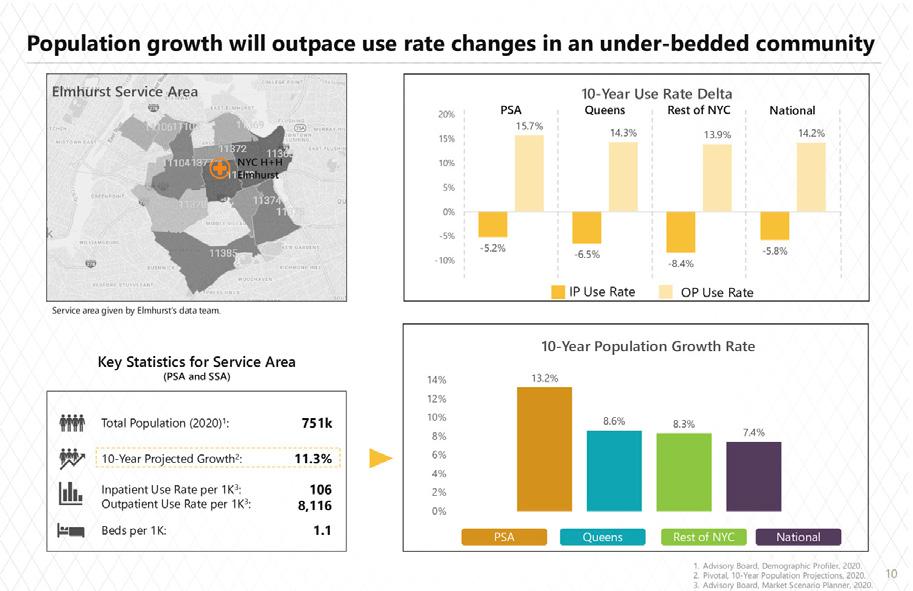
Elmhurst Hospital is a 545-bed, level-1 trauma center that serves a diverse population of over one million patients in Queens. The hospital’s landlocked location and expansion limitations have resulted in suboptimal care adjacencies, and Array worked with NYC Health + Hospitals to develop a comprehensive master plan so that Elmhurst can continue to deliver state-ofthe-art care.
Building upon Array’s market assessment and projected space requirements for emergency and CPEP services (which need to double in size) the Array team worked with Elmhurst leadership to evaluate both acute care and behavioral health programming scenarios for
the new tower. Ultimately, Elmhurst selected development of a new mental health center of excellence, which will include an larger capacity, consolidated intensive care unit and step-down inpatient unit on the lower floors of the tower, above a relocated ED and CPEP. This new facility will provide the necessary space for relocation of inpatient and outpatient mental health services.
Also anticipating the need for ambulatory services expansion at Elmhurst, the master plan provides a roadmap to construction of a new ambulatory tower once the inpatient tower is complete.
Strategic Assessment to Drive Decision-Making
Array conducted a market assessment that forecasts significant population growth in the area, which will lead to increased demand for inpatient and outpatient services. Combined with an architectural analysis of the campus, the team determined that a new tower would best address Elmhurst’s spatial and programmatic deficiencies.
NEW YORK CITY HEALTH + HOSPITALS
Queens Hospital Master Plan
Queens, NY
In order to reinforce patients’ confidence in the hospital’s capabilities and to drive innovation that will attract future patients, NYC Health + Hospitals recognized the need for a future development path at Queens Hospital. Array worked with NYC H+H to develop a master facility plan focused on optimal utilization and organization of the Queens Hospital site and assets, expansion of key clinical functions, and enhancement of patient and staff experience.
A steering committee was organized to set priorities for the master plan, which were confirmed through an objective, qualitative, and quantitative examination of the hospital’s current state. This included a complete tour and documentation of campus facilities from an operational, architectural, and engineering perspective. To establish projected needs, Array analyzed current and future state market
demographics, historical and current-state volumes, and documented future strategies to develop volume projections by service line.
The resulting three-component master plan proposes a divided campus, concentrating inpatient services on the south side and ambulatory services on the north, connected by the enhanced emergency department. By relocating ambulatory services (that are currently intermixed with inpatient functions), the plan aims to free up sufficient space to accommodate necessary bed increases. A new ambulatory services building was designed to handle displacements and facilitate essential clinic growth. Additionally, the final plan involved divesting the campus’ oldest clinical care asset, providing a clear path forward for future growth stages.
Data-Driven Recommendations
Array developed a current state model of resource utilization across the facility using EMR data provided by Queens Hospital. After validation of this data, the volume projections were input into the model to create a simulation of future-state resource need. The outputs were refined and agreed to by the steering committee, resulting in resource targets for the master plan, including doubling the ED’s size, addressing outpatient care needs, and solving campus organization issues.
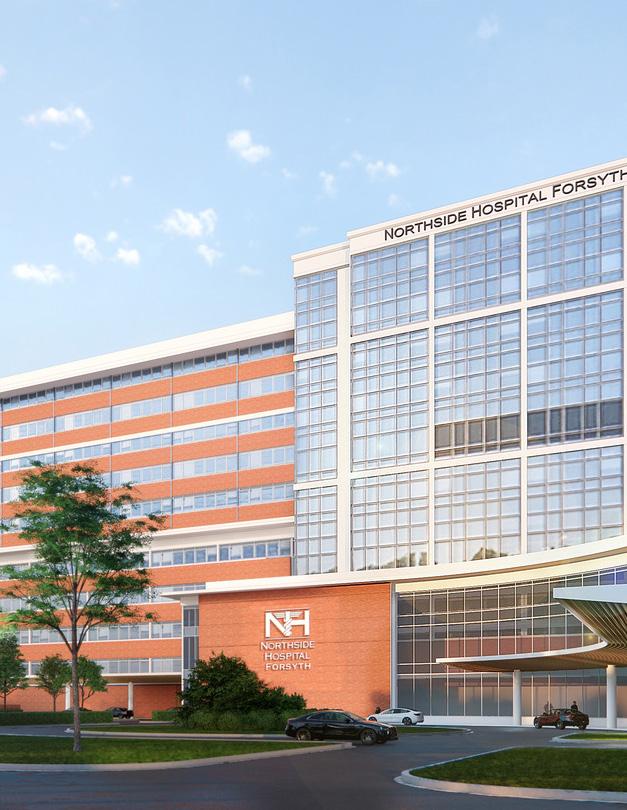
NORTHSIDE HEALTH SYSTEM Multi-Campus Master Plan
Canton & Cumming, GA
Driven by one of the fastest-growing population rates in the country, a robust expansion will be required to enable both the Northside Cherokee and Forsyth campuses to support their future community healthcare needs. While the Northside system leaders embraced this need for expansion, they also recognized that the evolution of the two campuses, including potential future bed towers, must be in sync with system-wide brand promise of clinical excellence, without sacrificing community expectations grounded in a personalized, family-centered hospital experience that patients have come to expect when they choose either Cherokee or Forsyth Hospital to receive care.
Northside Cherokee
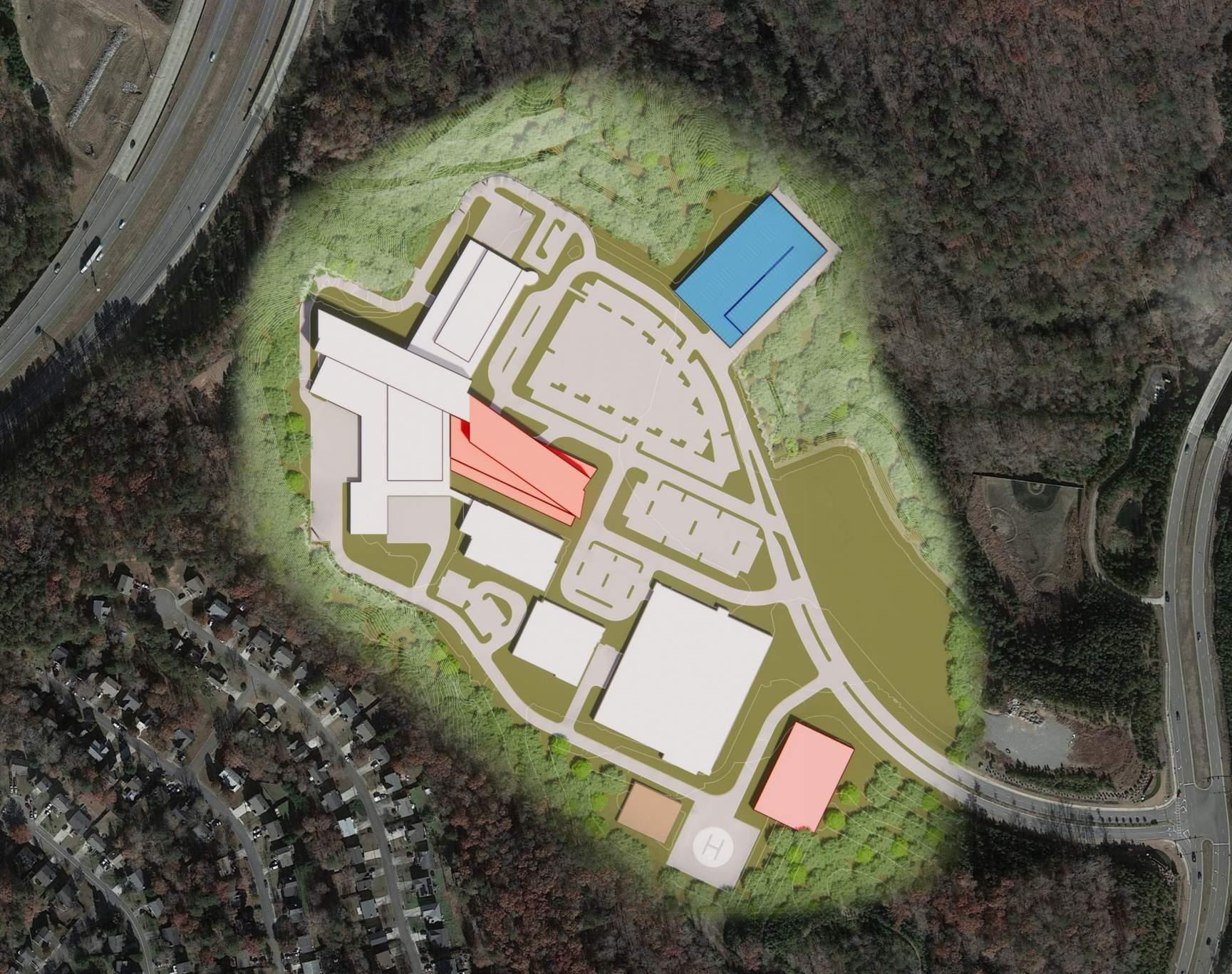
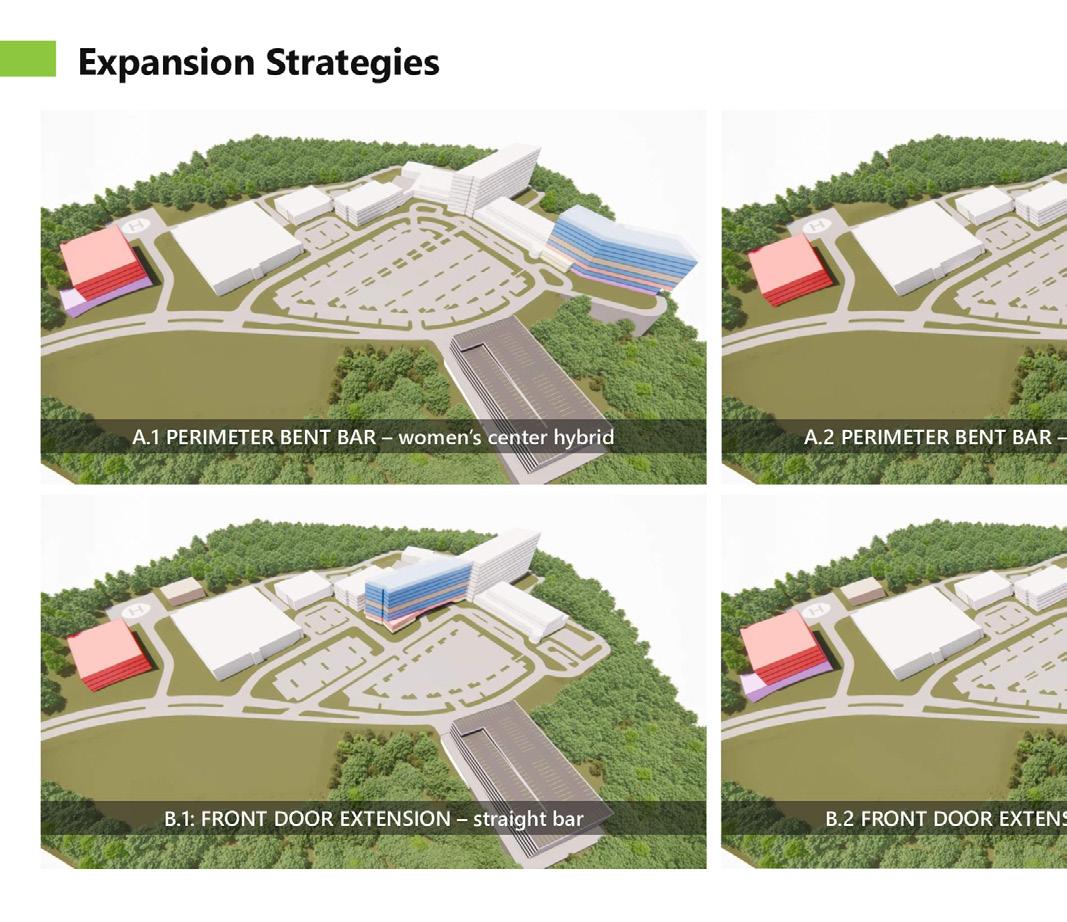
The master plan effort at the Northside Cherokee campus centered around a new patient tower and incorporates expansion options for all ancillary and support services necessary to meet the needs of the growing community. Key elements of the master plan include increasing inpatient capacity, increasing diagnostics and treatment capabilities, continuing the successful connectivity of the campus, and rightsizing support services to accommodate the new patient tower while maintaining existing views of the surrounding area and visibility from the main road.
Northside Forsyth
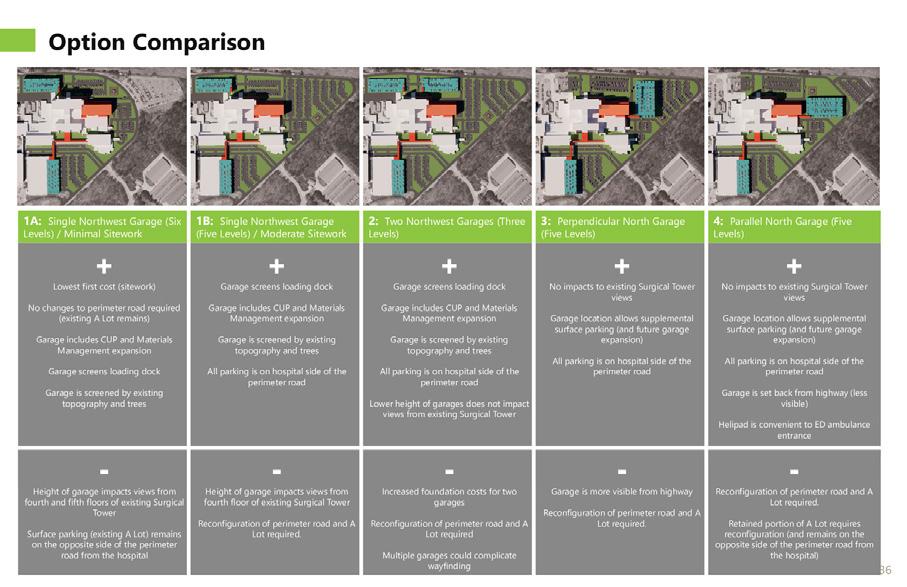
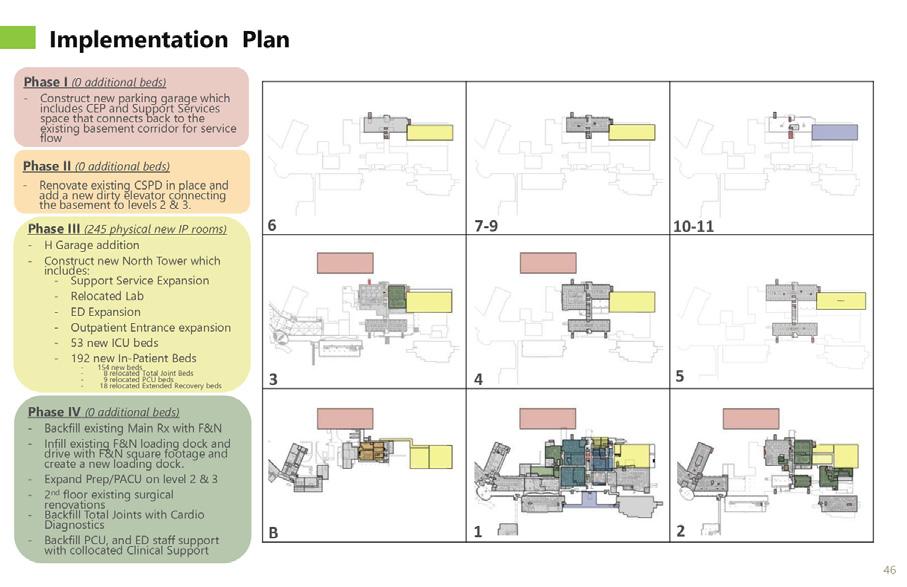
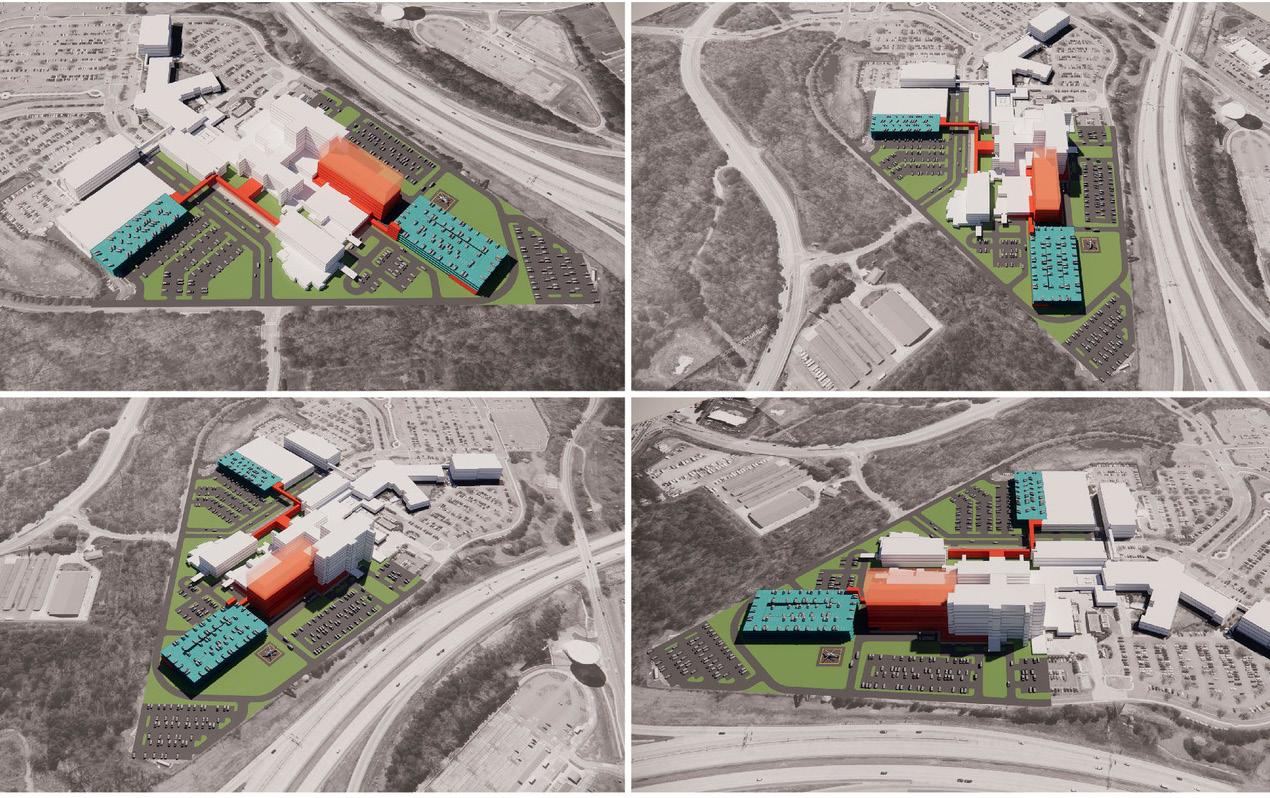
The Northside Forsyth campus’ master plan involved simultaneously analyzing several areas of focus simultaneously to develop the framework for a thoughtfully zoned campus, including inpatient capacity, accompanying diagnostic and treatment capabilities, proportional support services, future medical office building(s), parking availability and connectivity, administration and education spaces, and technologic innovation. As the campus continues to expand, a core tenet was to ensure the ability to get where you need to go no matter how you enter the facility and maintaining on-stage/ off-stage separation throughout.
INSPIRA HEALTH
Strategic Facilities Planning & Implementation
Mullica Hill, NJ
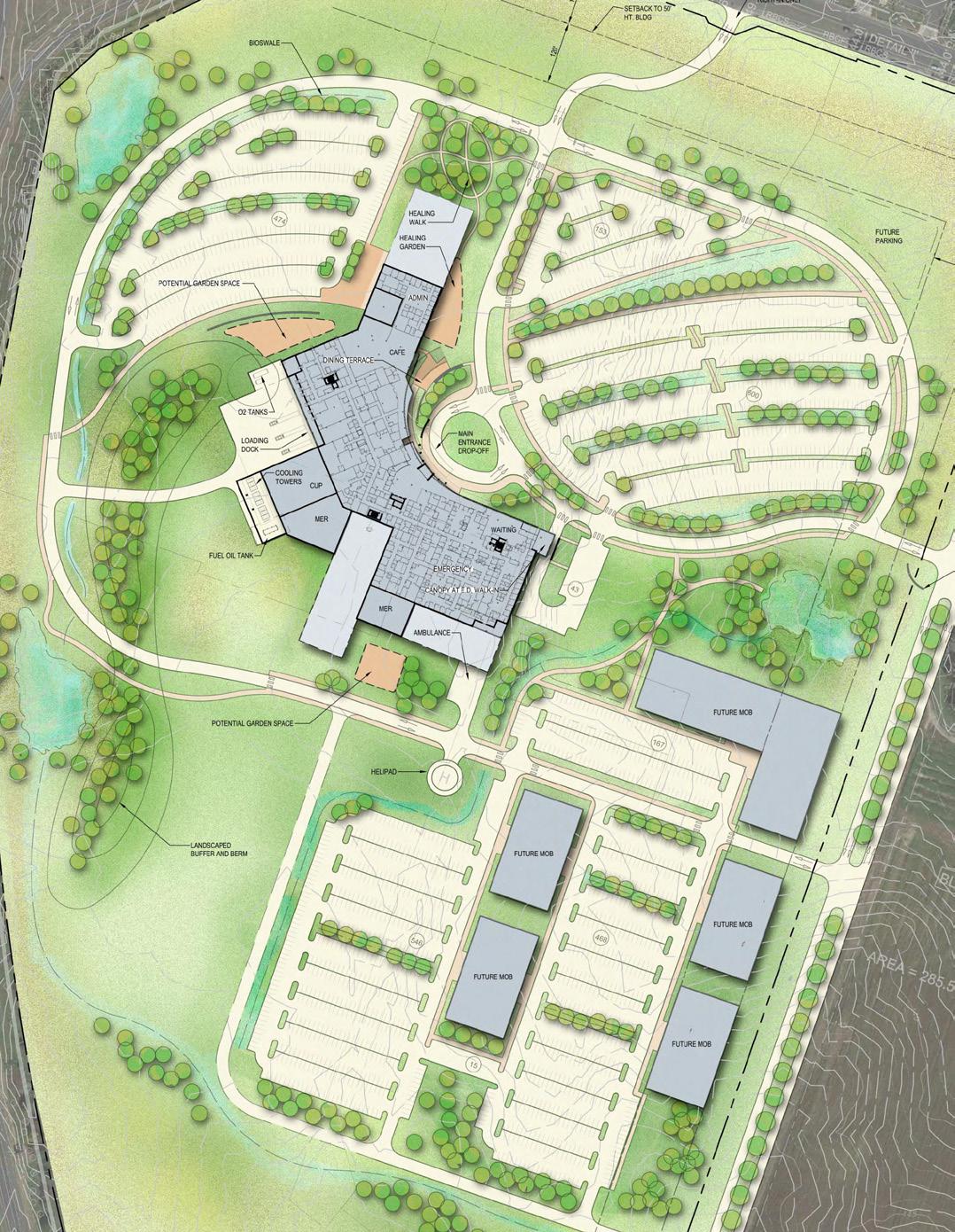
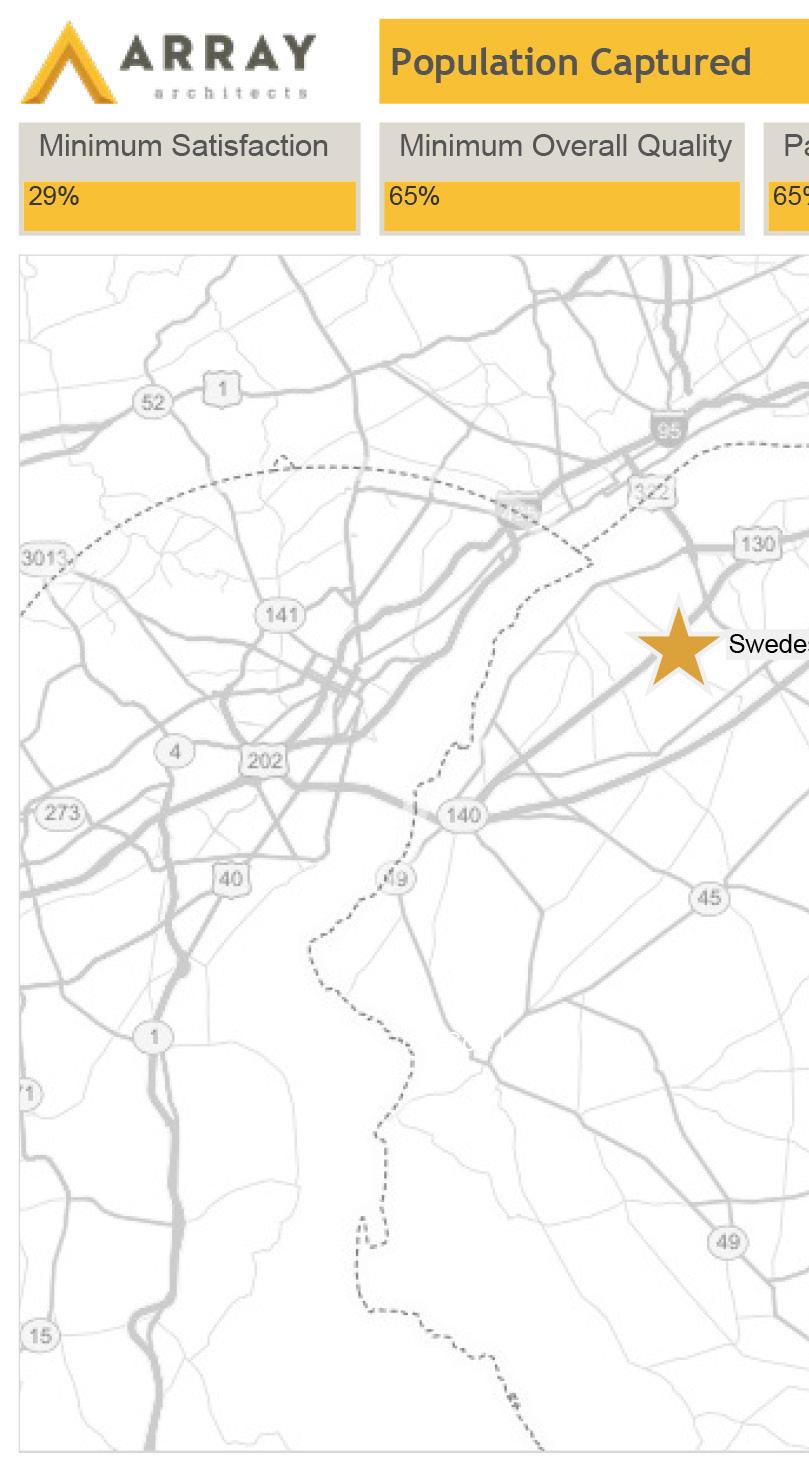
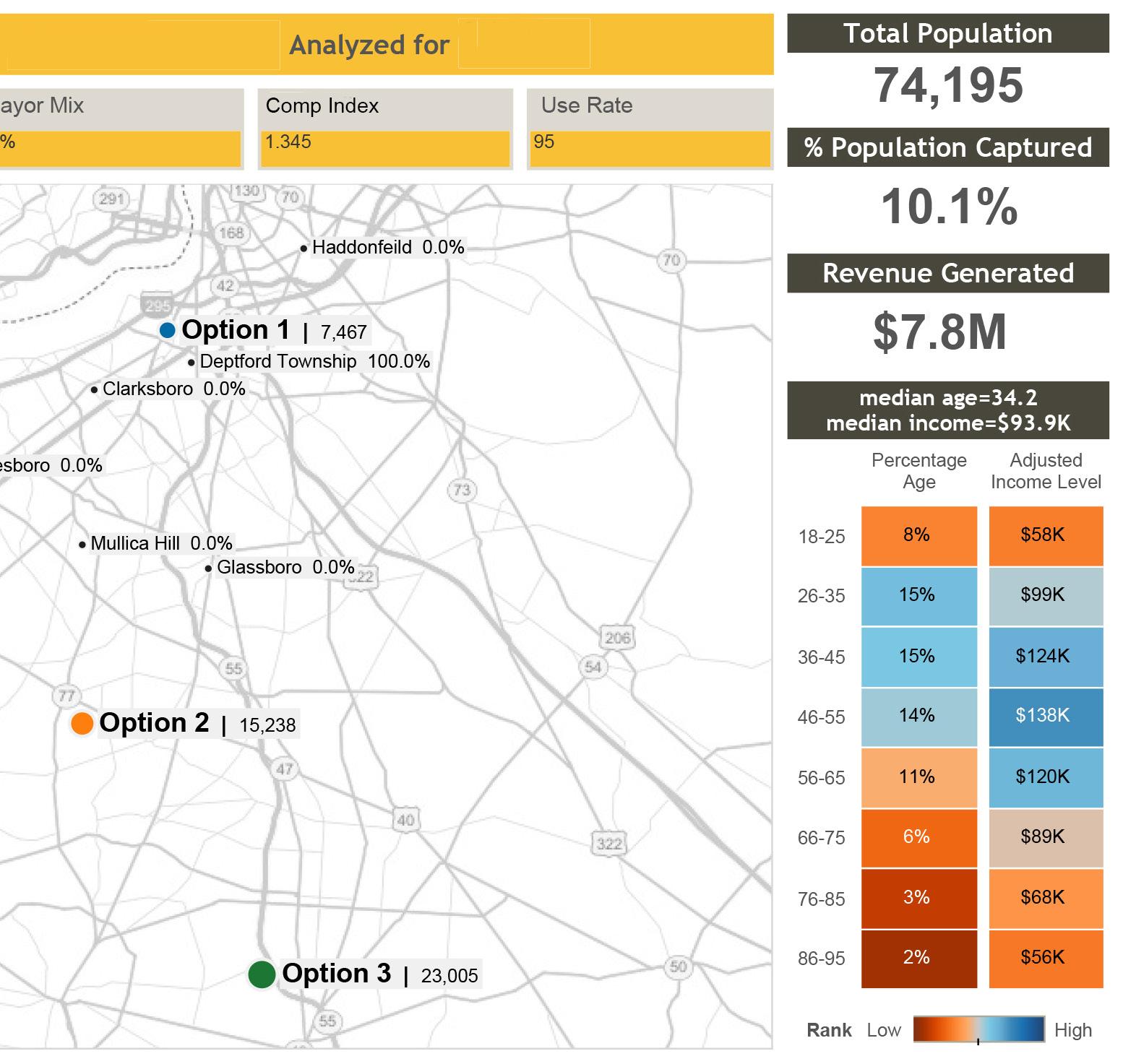
Given the socio-demographic shift within their market and anticipating the continued evolution from fee-for-service to valuebased care reimbursement models, Inspira is exploring the development of a system-wide health and wellness strategy as part of their population health initiatives. The Array team has been working with Inspira to investigate potential asset / service deployment strategies that align with population profiles, that serve identified community needs, and that create opportunities for Inspira to provide services that align with developing consumer preferences. After intense market analysis, the team identified the ideal location for an Integrated Health and Wellness center that would serve as the base site for a “Hub and Spoke” system asset strategy, centralizing health and wellness assets at a new hub location, while developing
deployable programs and services that are widely distributed across the system, that utilize other existing locations of care.
Looking deeper into Inspira’s existing asset portfolio, the team also identified opportunities to optimize the utilization potential of some underperforming assets. Inspira currently owns two facilities that house primary and multispecialty practices, as well as an affiliated orthopedic group and rehab center. Each of the facilities suffer from significant levels of deferred maintenance, were inefficient to operate and were not optimally located within a growing and evolving market. With the development of a new facility, Inspira would be able to consolidate these services into the new location and to monetize their existing assets to help pay for the development and transition.
In developing the program and asset strategies for the Integrated Health and Wellness Center, the team focused on one primary objective. This was to maximize the potential utilization of the elective and retail services that the system was planning on providing. Inspira’s market is highly competitive, and recognizing that historical methods of demand estimation for outpatient services are outmoded, the Array team worked with Inspira to develop an estimation mechanism based upon behavioral modeling and psychographic segmentation, mechanisms based in retail service analysis but realigned with the specific needs of expectations of the healthcare consumer. With this model, the team was able to identify a location that would facilitate access for the widest range of communities possible, and with a service mix that aligned with the identified needs of the communities, would maximize the probability of broad utilization.
HACKENSACK MERIDIAN HEALTH
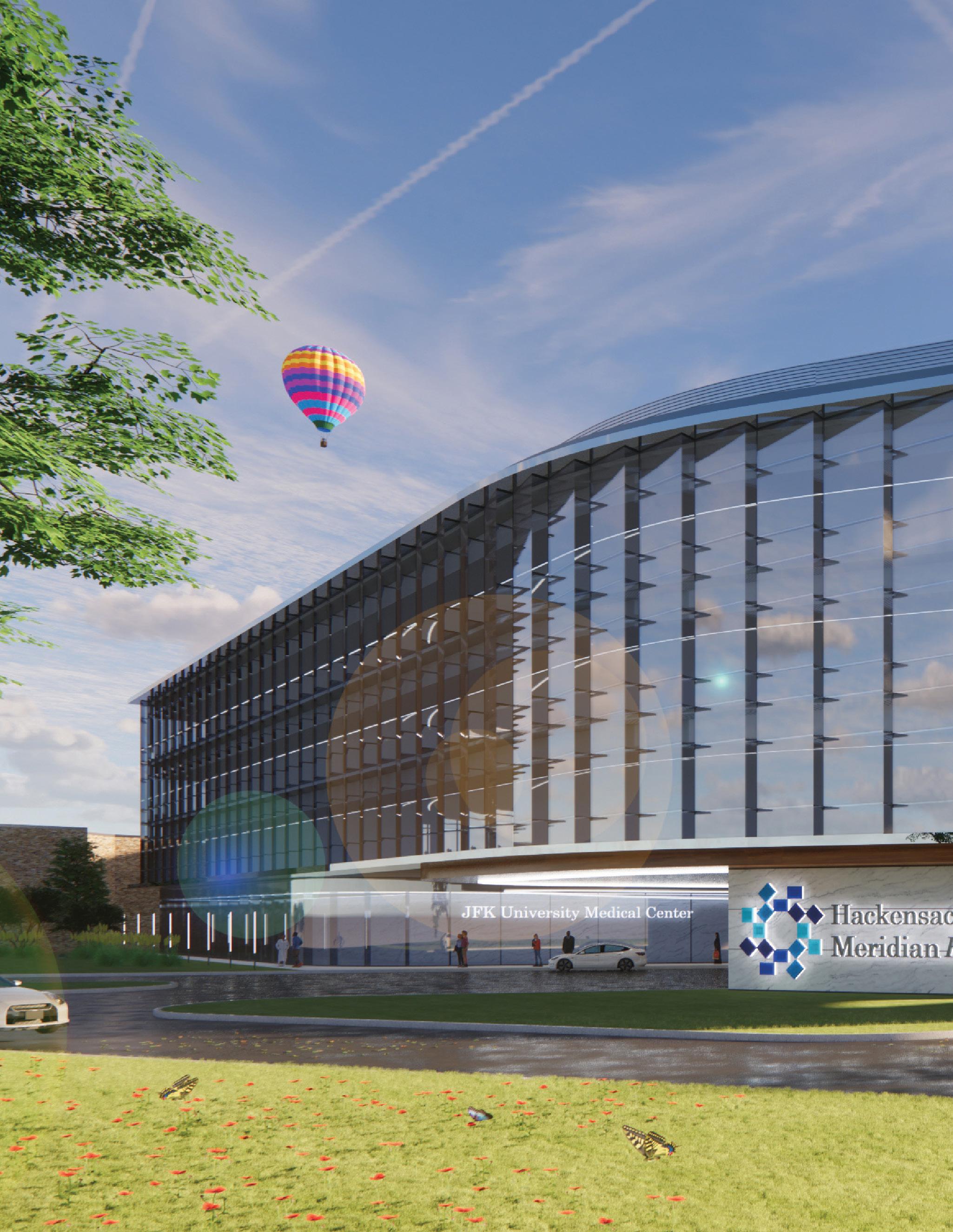
JFK Medical Center Facilities Master Plan
Edison, NJ
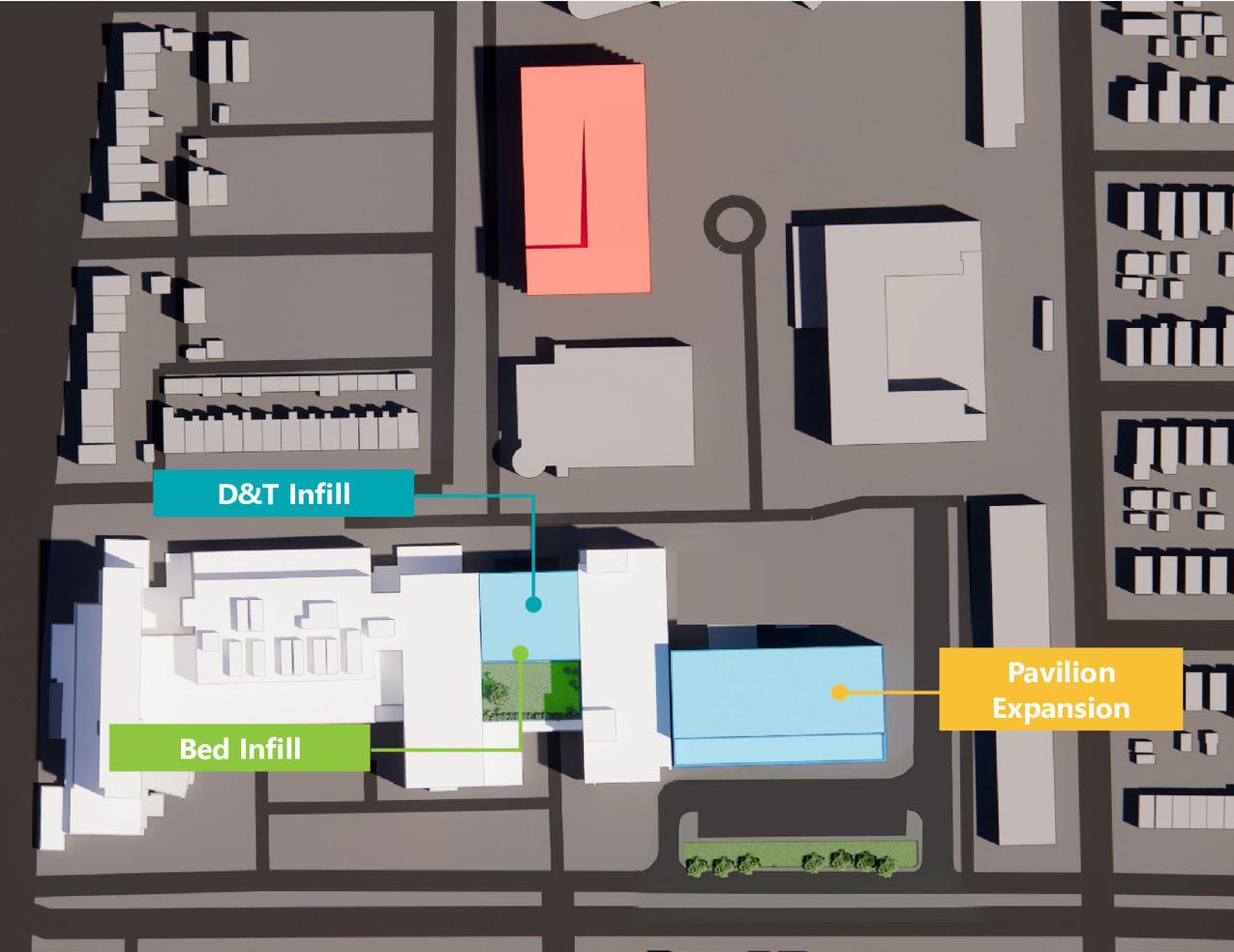
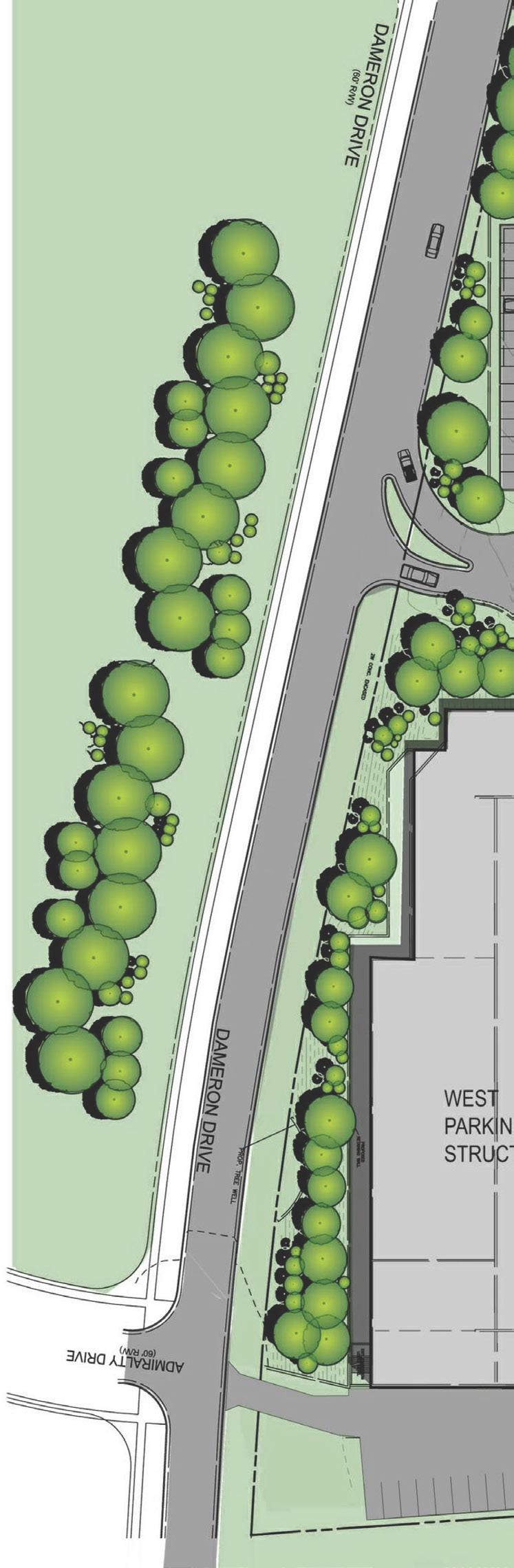
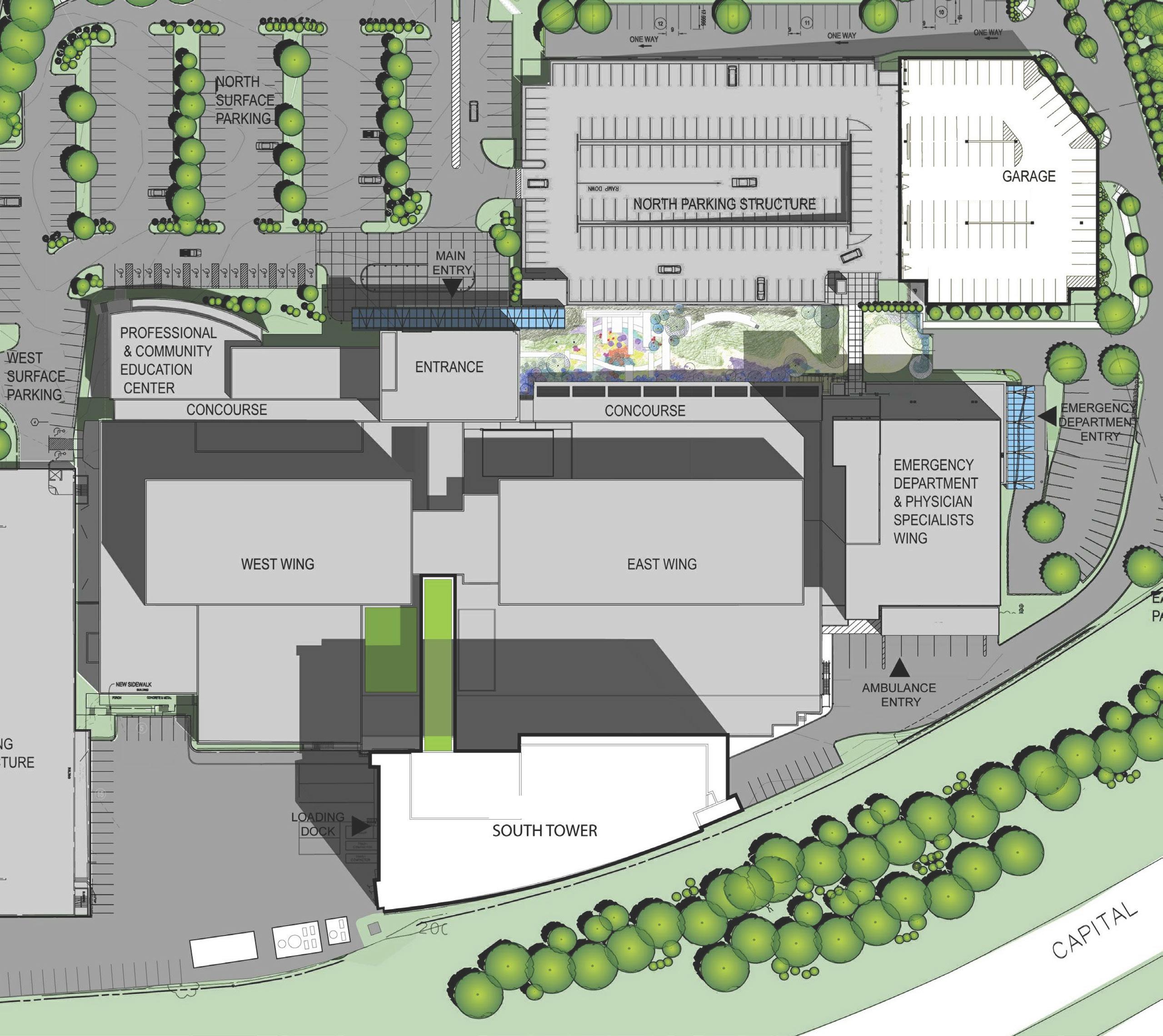
HMH engaged Array to perform a facilities master plan to help them understand and improve major department adjacencies, expand private room capacity, and identify facility upgrades at the recently-acquired JFK Medical Center. This facility is the new central hub for the system.
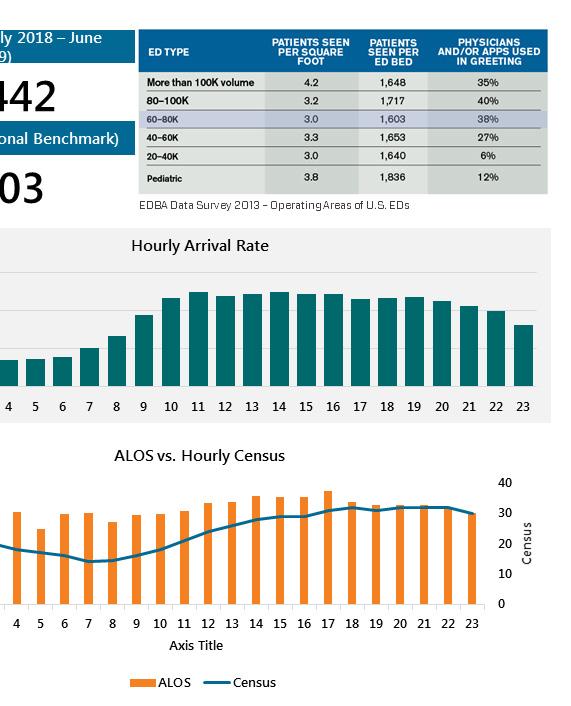
Array set out to optimize the number of private patient rooms while considering projected volume changes and ongoing efforts to reduce the average length of stay (ALOS) for the highest volume inpatient service lines. The team used a discrete event simulation model to incorporate the future volume projections and ALOS targets, resulting in a future projected bed need that accounted for these significant changes. We worked with the JFK strategy team to understand future market changes and strategic goals, and we collaborated with clinical leadership to align patient stay distributions with targeted improvement values. The team came to consensus on target volumes and ALOS values for each service line, which we incorporated into our simulation model. Due to the extensive analysis, discussion, and sensitivity testing of the desired
inputs, the team was confident when the future state model provided the bed counts necessary to develop facility options.
In response to the agreed upon bed counts and desired private room standard, the Array team explored planning scenarios to align bed targets with campus expansion opportunities. The exploration required mindfulness of bed demand by type of unit, ideal nursing ratios, bed unit access and adjacencies to key related services. It also required appropriate re-use of existing nursing units in private room configuration.
The planning team evaluated a single new tower at the far end of the existing hospital platform, vertical expansion over a recentlyconstructed emergency department, and a combination scenario including targeted twostory vertical expansion over the ED aligned with adjacent obstetrics and critical care units, with a smaller medical surgical tower. The combination scenario most successfully addressed future needs, operations, and budget: it maximized existing resources, meeting bed capacity targets, and provided a platform for efficient operations and flows.
TRINITY HOLY CROSS HEALTH
Multi-Campus Master Plan
Silver Spring, MD
Holy Cross Health, a national health system, engaged Array to help them develop their ambulatory strategy, quantify future patient demand, and align their campus master planning with that strategy for the next 10 years. Array’s integrated team of healthcare architects, industrial engineers, and strategic planners developed a tailored approach to study, develop, and evaluate a viable future plan for all service lines across multiple ambulatory sites and two acute campuses.
Situated in Silver Spring, a densely populated suburb of Washington, DC, Holy Cross is an aged community hospital on a fully developed campus with no open land. Array worked with service line leaders and the executive steering committee to quickly assess needs and opportunities for each department, including infrastructure upgrades necessary to serve each patient population. This study included capacity and utilization assessments by level of care to determine if the facility was being used in the most efficient manner. We integrated
this information with planned future demand to develop a prioritized capital plan.
Holy Cross Germantown Hospital, located to the north, is a newer facility in a growing market. Focusing on operating models for observation and emergency department patients, we advised hospital leaders determine where capital spending was necessary and where it could be avoided with operational transformation.
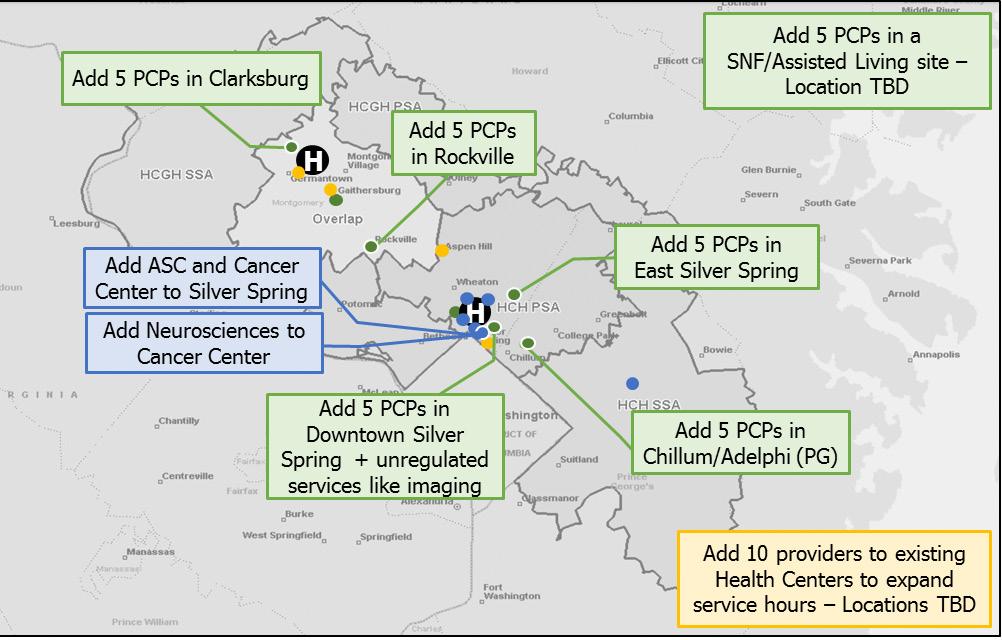
Within the primary and secondary service areas of the health system, opportunities to expand their primary care, ambulatory surgery, and oncology market share existed. Working with community physicians and the health system we studied the current market and competition, developed a phased approach to expanding access and sites of care, and quantified a future road map for their growth and the related capital requirements, including a new cancer center and distributed primary care practices.
UNC HEALTH NASH
Facilities Master Plan
Rocky Mount, NC
Having recently added both an ED and Heart Center, the UNC Health Nash campus had underutilized space as well as some departments spread across multiple locations, leading to inefficiency and added operational cost. In addition, there were outpatient buildings on the campus with capacity but several outpatient services still provided in the hospital with suboptimal access.
After touring the facility with our engineering partners and establishing a clear scope of required infrastructure upgrades, we turned to clinical data analysis and operational assessment. Inpatient units were of note as they were located in an outdated tower with significantly undersized patient rooms, inadequate charting and support spaces, and problematic layout for staffing optimization. In addition to the inpatient findings, departments that could be consolidated, expanded, or more efficiently located quickly emerged, allowing us to work with service line leaders to quantify future volumes and space needs. While conducting our assessment, we found that the recently-completed ED was already
suffering from overcrowding and long wait times. We worked with the team to dive deeper in both EMR data and patient flow to identify operational opportunities to improve throughput with minor space modifications. Creating a transformation plan for the team at UNC Nash, we armed them with the to-do list for operational improvement.
We developed programs for each service and identified possible facility planning solutions and associated costs. These options were then quantified and ranked using PACE Charts, Choosing By Advantages, and Lean tools that assist steering committees with complex decisions, among many options. With a prioritized scope, we worked with the CFO to determine the appropriate threshold for investment, possible operational savings, and an ultimate recommended project roadmap for the campus grounded in quality, efficiency, and economic viability. We assisted senior leadership in presenting the analysis and recommendations to their public board of directors.
UNITYPOINT HEALTH Campus Optimization Plans
Illinois & Iowa
Central Illinois
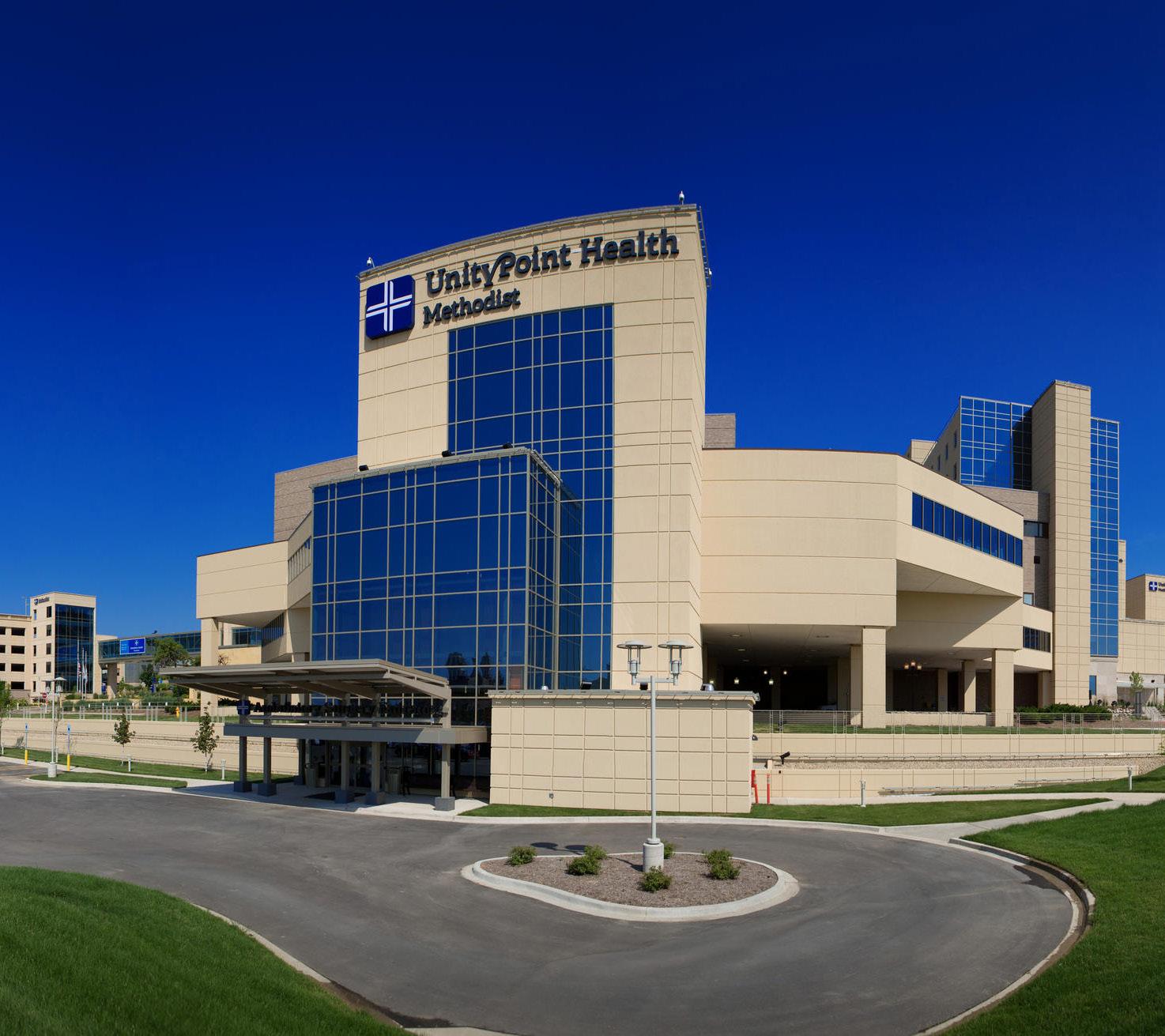
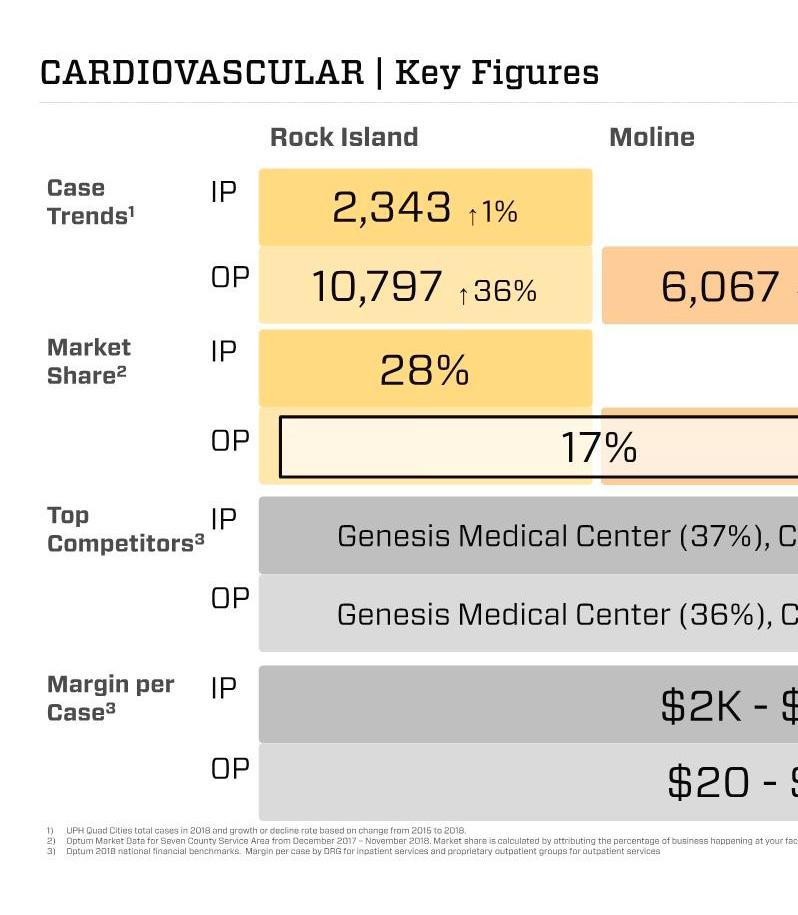
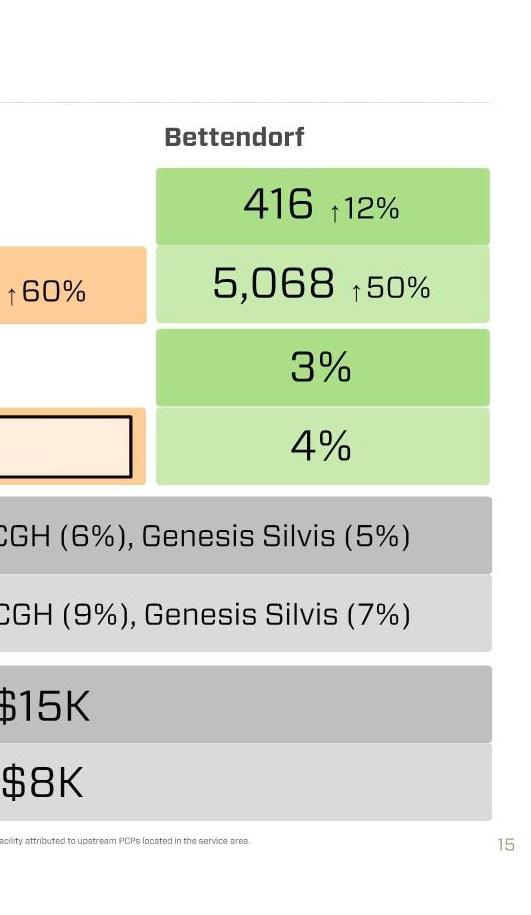
Defining the Next Step: A three-hospital system serving the community around Peoria, the leadership of UnityPoint Health – Central Illinois had already accomplished a necessary service line rationalization to accommodate their declining population. Ensuring that services were viable and accessible across their region, they then turned their focus to optimization and growth. Array partnered with the leadership team to both investigate strategic initiatives that could materially reshape their market share and to assess the existing facilities, seeking opportunities to better utilize each campus and efficiently drive value and quality at the lowest possible cost.
Strategic Initiatives: Our team worked to understand the current strategic plan and study the existing market and competitor landscape to identify areas of innovation for additional study. Our assessment included both data analysis as well as several meetings
with employed and community physicians to better objectively understand the health system’s standing in the provider community. Focusing on oncology and cardiovascular services, we identified key programs that could be developed, with minimal to moderate risk, to significantly improve market share.
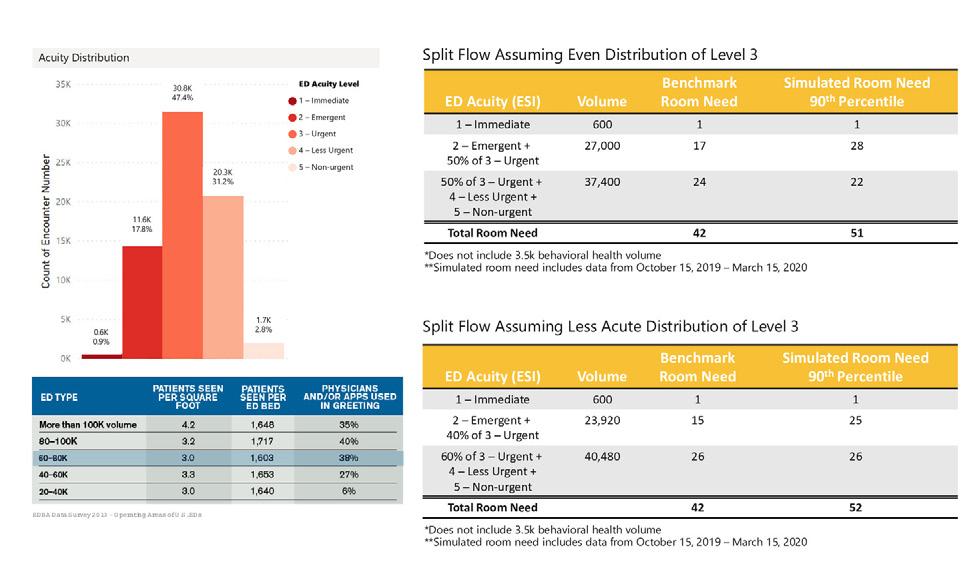
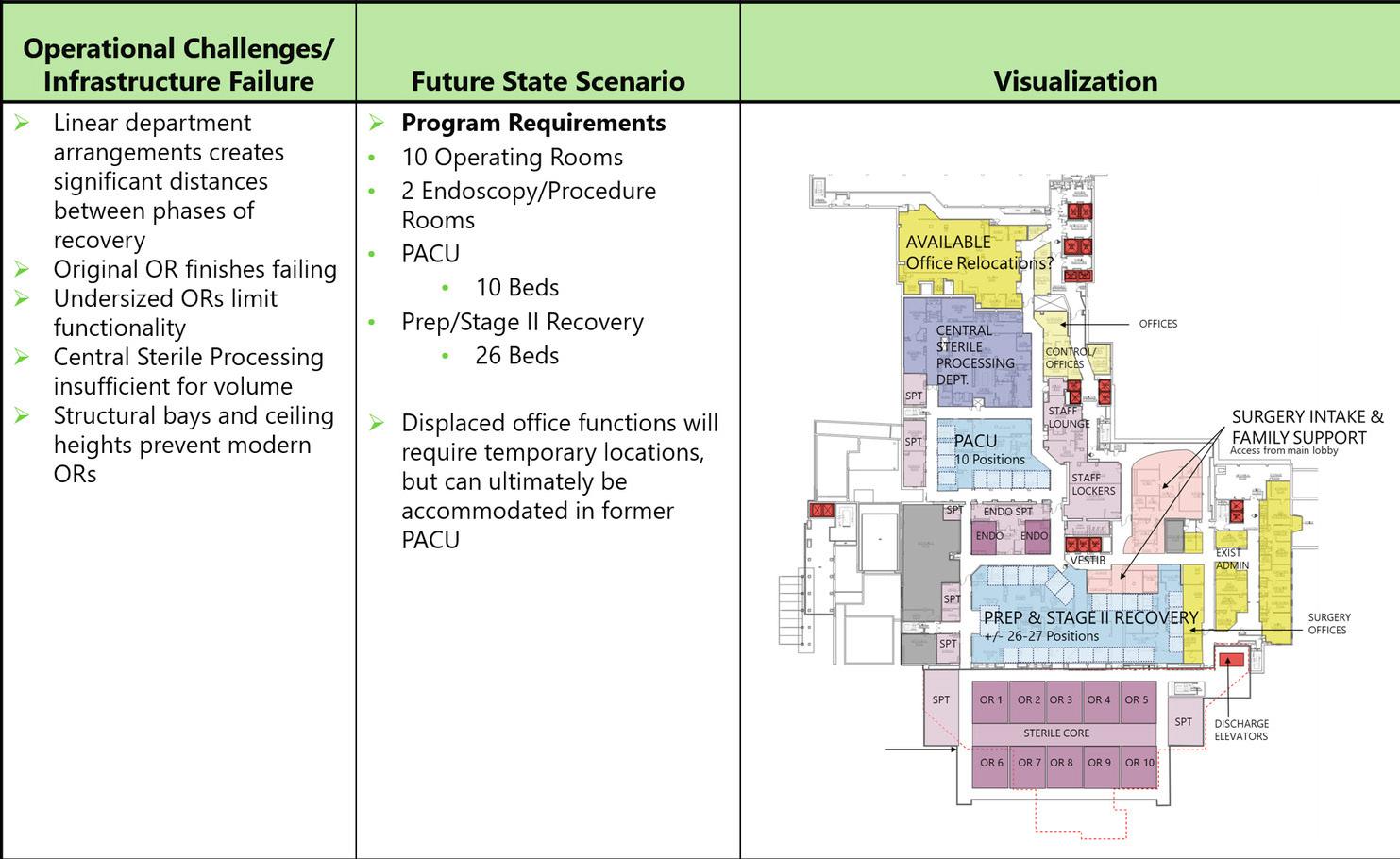
Optimizing Existing Facilities: Focusing on key service areas within the main acute care campus and using patient data, our unique assessment tools, and simulation modeling, we identified key areas that could be better utilized to improve efficiency in care delivery and patient/provider experience. Proposed projects include renovations of the emergency department and surgical platform to reduce underutilized space and improve workflows. The emergency department could be expanded without the need for additional new construction.
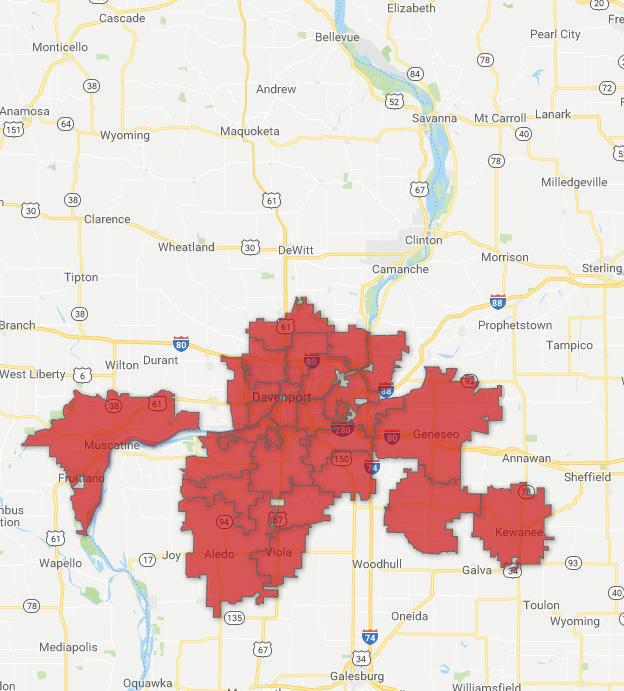
Rock Island Service Area
Rock Island Service Area
Rock Island Service Area
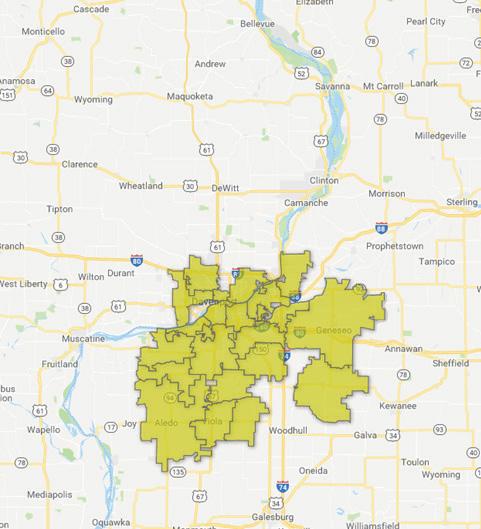
Moline Service Area
Moline Service Area
Moline Service Area
ROCK ISLAND SERVICE AREA
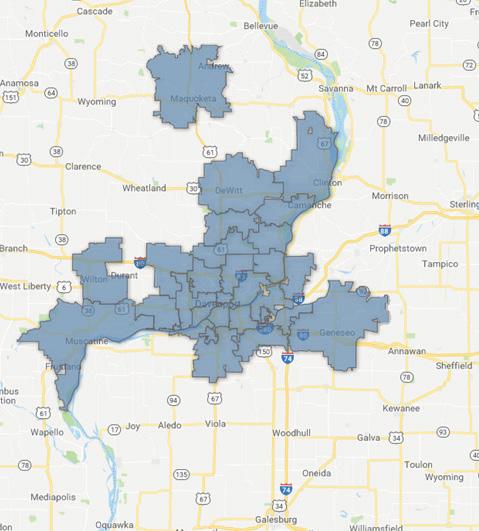
Bettendorf
Bettendorf
Bettendorf Service
MOLINE SERVICE AREA BETTENDORF
Quad Cities
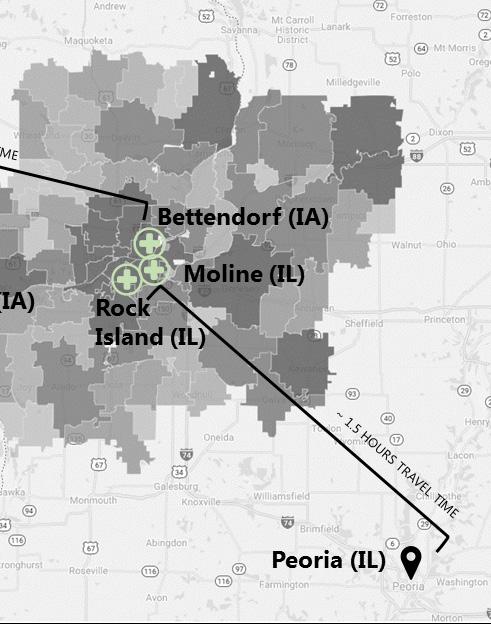
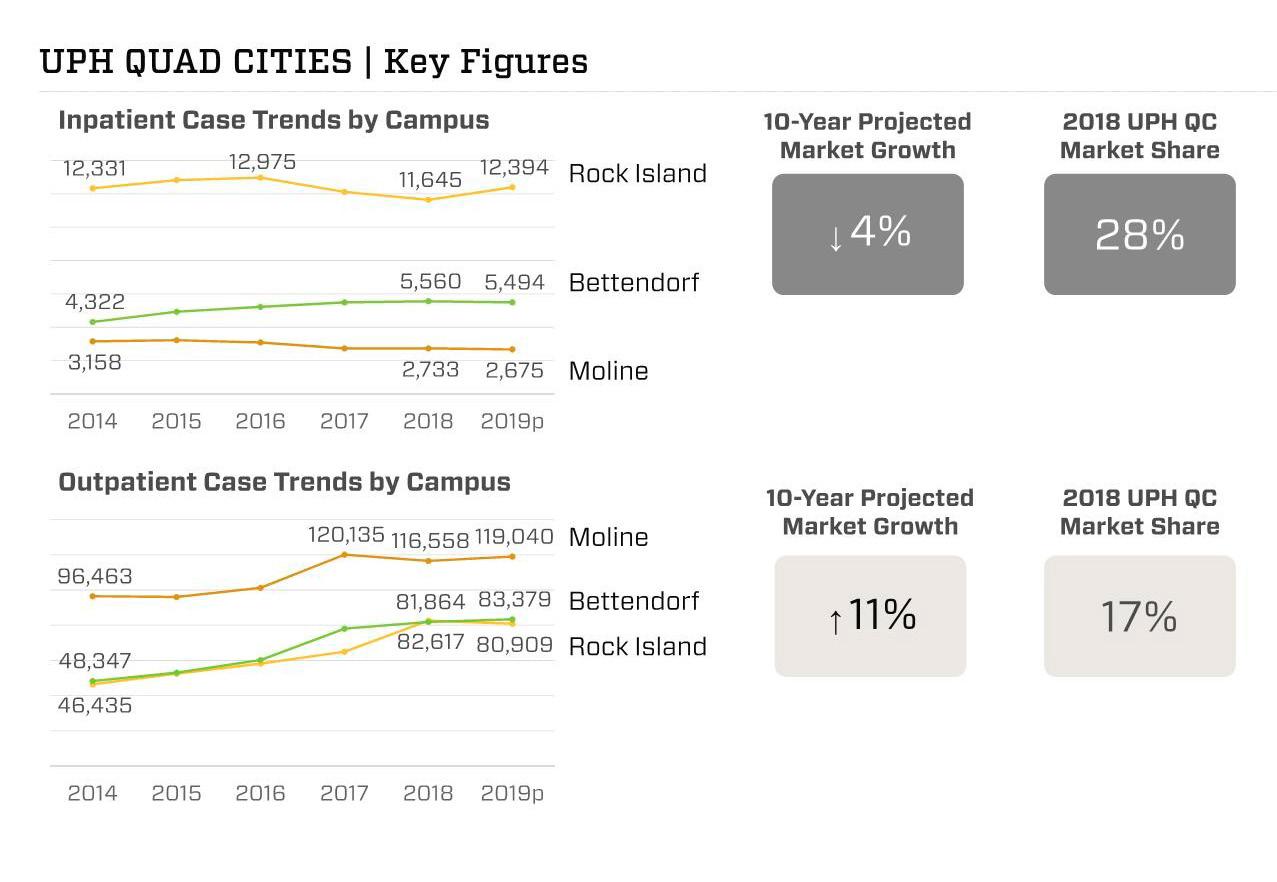
Campus Optimization: Array and Kaufman Hall worked together to complete a campus optimization study for UnityPoint Health (UPH) Quad Cities. The study focused on three UPH hospitals along the Iowa/Illinois border: one in Iowa and two closely located to each other in Illinois. The goal was to develop a sustainable strategy for future hospital-based service locations and operations based on community needs, population trends, and financial performance.
Strategic Planning: To accomplish these goals, the team conducted an assessment of site and physical assets, clinical service space and operations, and system finances. While the facility planners were evaluating the hospital campuses, the strategy and financial performance team was analyzing demographics, service line utilization, market share, and current financial state. The strategic planners met with system leadership and service line directors to ascertain opportunities for growth of services, improved operational efficiencies, and the potential consolidation or elimination of underutilized, poorly performing services. The analysis had to factor in the complexity of both Iowa and Illinois rules, regulations, and reimbursement, as well as community health and well-being, all while ensuring financial performance for future system viability. A redundancy of services was quickly discovered, and it was determined that future demand will not sustain the three acute-care hospital campuses. Consolidation of the Illinois hospitals is likely required.
Financial Projection & Developing Scenarios: The approved future demand projections were translated into capacity and space requirements, and scenarios were developed with varying degrees of scope to evaluate future options and impacts. Order-of-magnitude projects costs and accompanying five-year financial projections were prepared for the status quo/baseline as well as the scenarios for comparison and informed decision making. The Steering Committee and system leadership are currently evaluating the scenarios with the intention of selecting a scenario for future detailed development.
JOHNS HOPKINS BAYVIEW MEDICAL CENTER
Campus Master Plan
Baltimore, MD
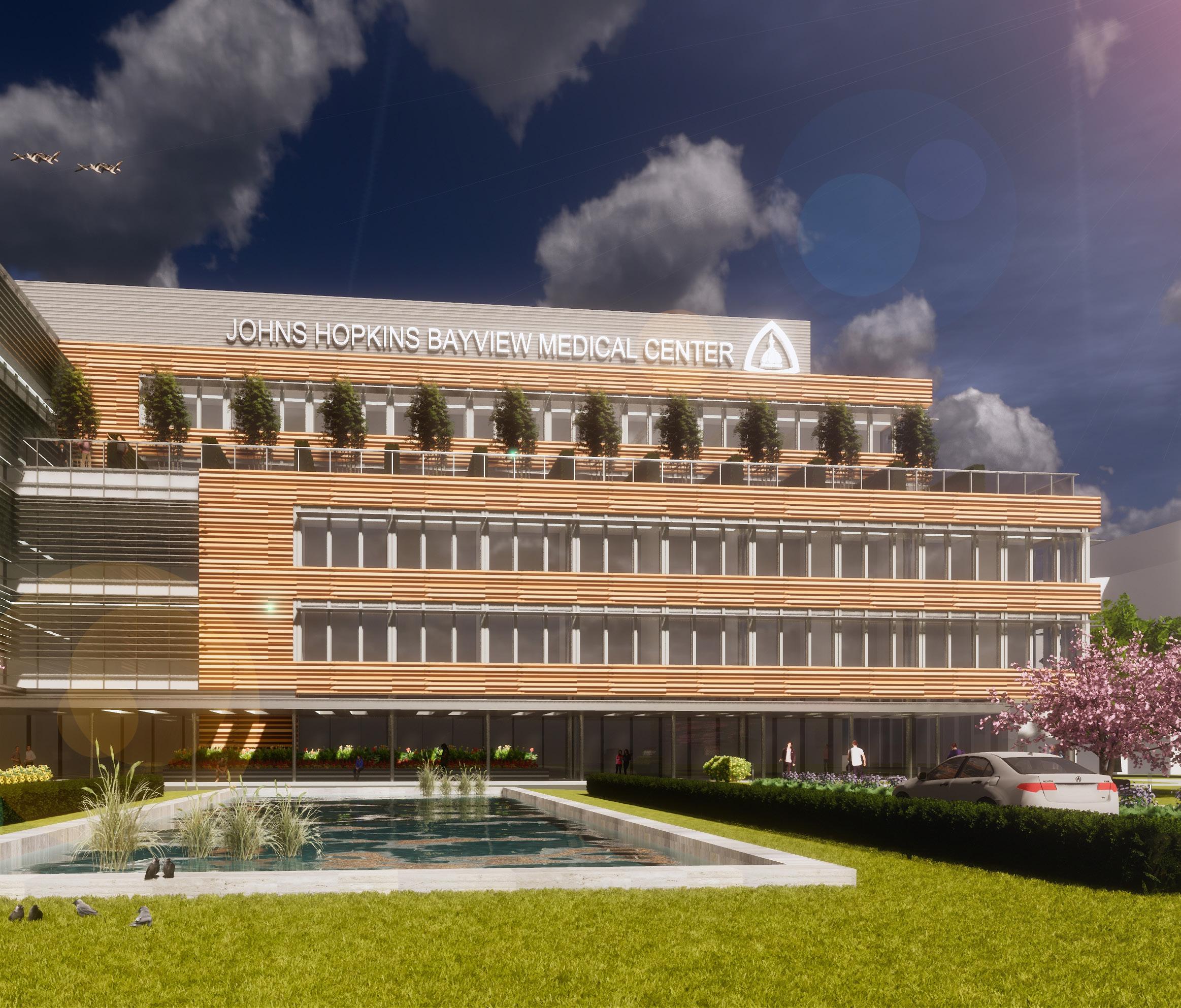
Johns Hopkins Health System engaged Array to study their Bayview Campus which is home to many of their academic teaching programs in Baltimore. The aged facility was primarily comprised of semi-private patient units and the Surgical platform was undersized not meeting current clinical and equipment needs. Campus access and wayfinding were disjointed and challenging for patients.
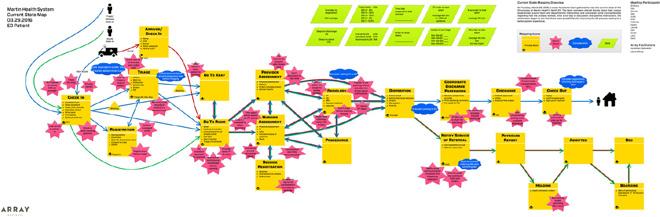
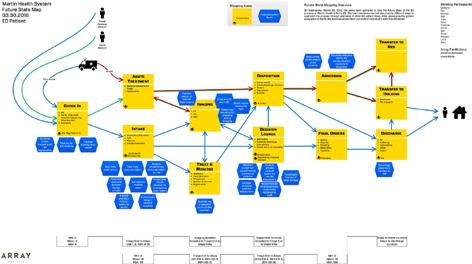
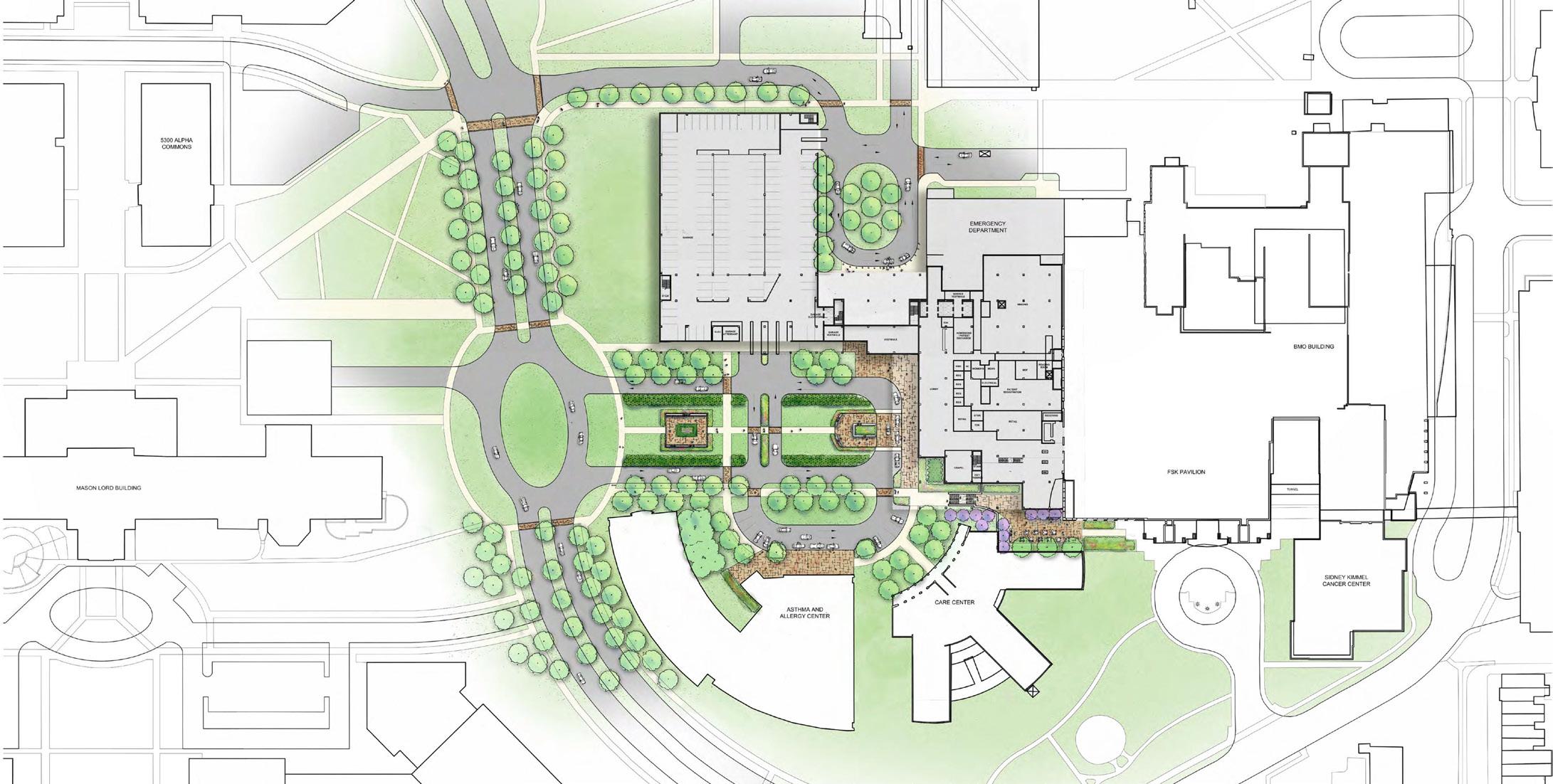
Beginning with a comprehensive Discovery phase, Array’s integrated team quickly assessed the existing departments for clinical and operational efficiency, assessed the existing facility for infrastructure needs and challenges and worked with the executive steering committee and medical staff to define the goals and vision of the campus going forward. With this foundational alignment, our team worked with a cross functional team of users and directors to map the current patient flows through each service line. In addition, we studied the key supporting value streams. As part of our analysis we developed future state
operational models which allowed for the rapid creation and testing of visual programs for each service. These programs yielded best practice space needs and became the input to overall campus optimization scenario planning.
The ultimate redevelopment scenario included a new patient tower that not only allowed for the decanting of the semi-private patient rooms, but more holistically shifted the center of gravity of the campus. This option created a new entry and arrival sequence which allows all patients and visitors to navigate from a new central location. The old and new buildings are integrated seamlessly leading to the connection of the main entry, surgical entrances, dining and patient unit elevators. Completed in under eight months, the reinvention of the campus allows John Hopkins to optimize the Bayview campus for the next 50 years while ensuring patient and faculty experience is commensurate with the Hopkins brand.
OPELOUSAS GENERAL HEALTH SYSTEM
Campus Master Plan
Opelousas, LA
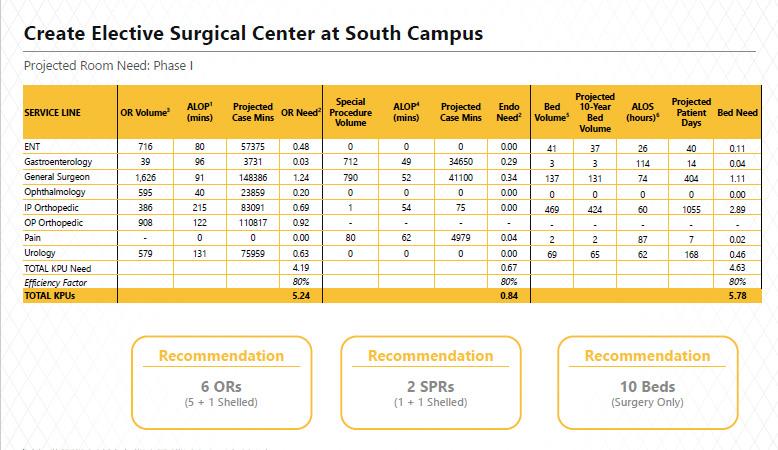
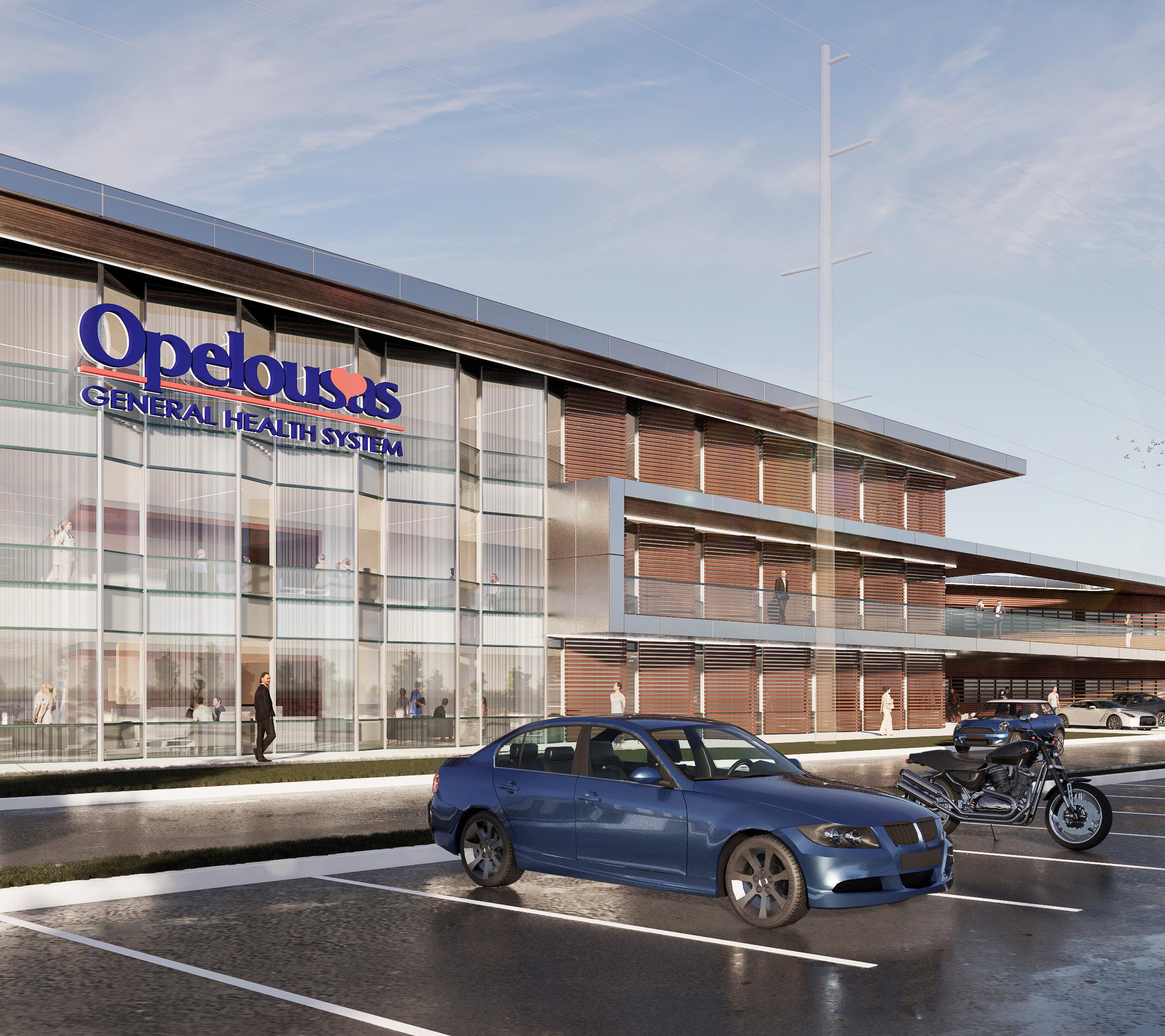
Opelousas General Health System operates in an underserved community and sought to grow its services in the southern region of their market. Capitalizing on an outpatient campus with a satellite emergency department, they engaged Array to develop a strategic master plan to add inpatient and elective surgical services to the campus and expand several outpatient programs.
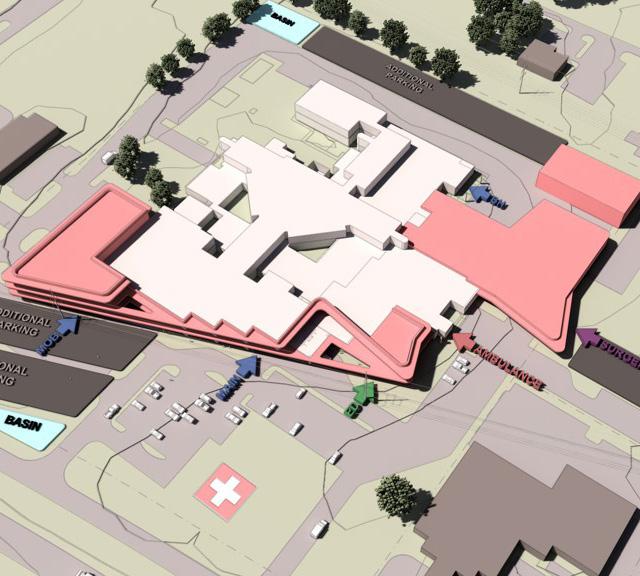
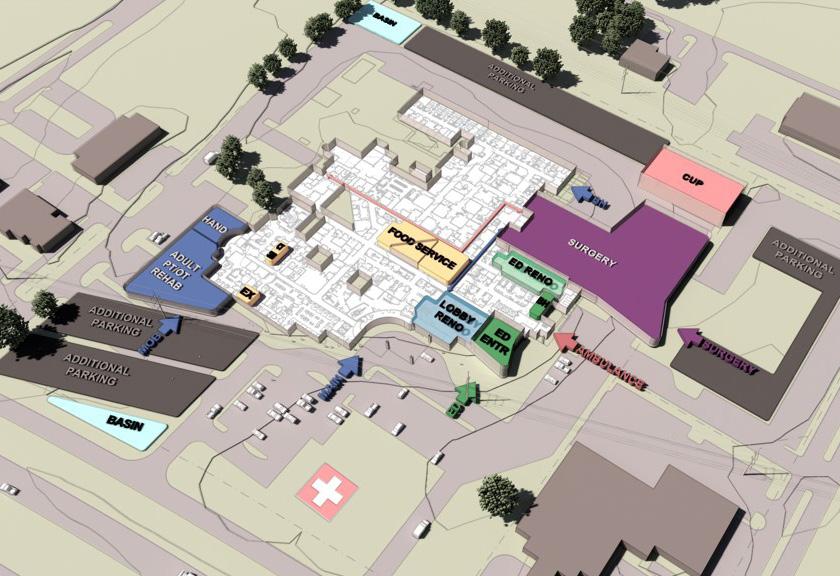
Anchored by an addition planned to provide outpatient surgery and endoscopy, the master plan envisions a new short-stay inpatient unit, employing flexible staffing in conjunction with the expanded outpatient infusion program
Planning & Design Informed by Date
Working with system leadership and key physicians, our team conducted a market assessment to quantify potential volume and crafted a fullyconceptualized design solution in support of the data.
to efficiently accommodate expected daily census variations. To further support the elective surgery program, a new integrated orthopedics center was planned to bring together physician visits, surgery, and physical therapy. Minor alterations to the existing facility for support functions include new food service, expanded diagnostic imaging, and outpatient oncology treatment.
Phasing is a key component in the resulting master plan, allowing for a modest initial construction project with planned expansion room for both the surgical platform and the inpatient bed capacity as volumes grow.
RWJBARNABAS HEALTH
Shoreline Behavioral Health Expansion Study
Somerset, NJ
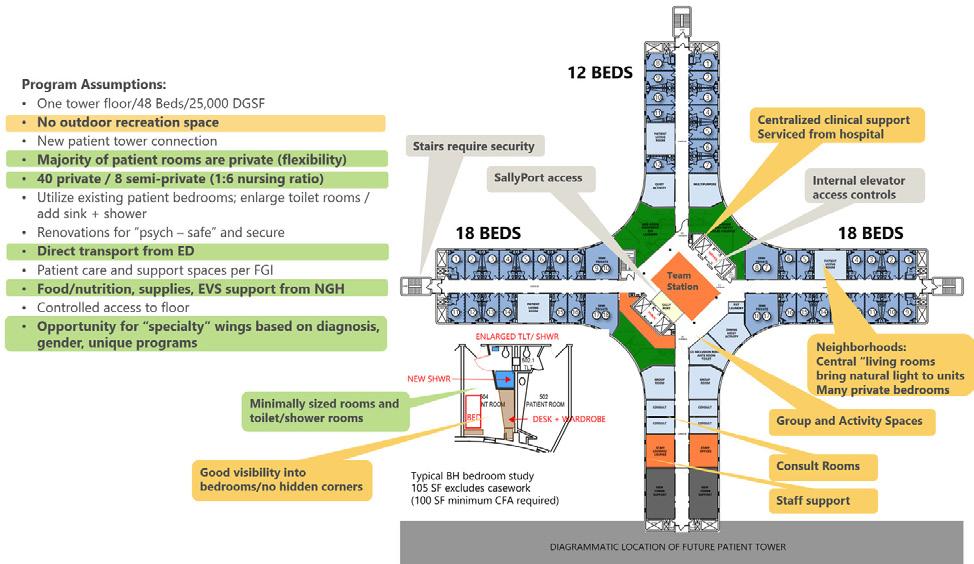
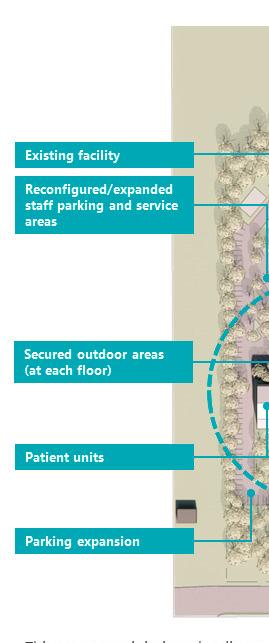
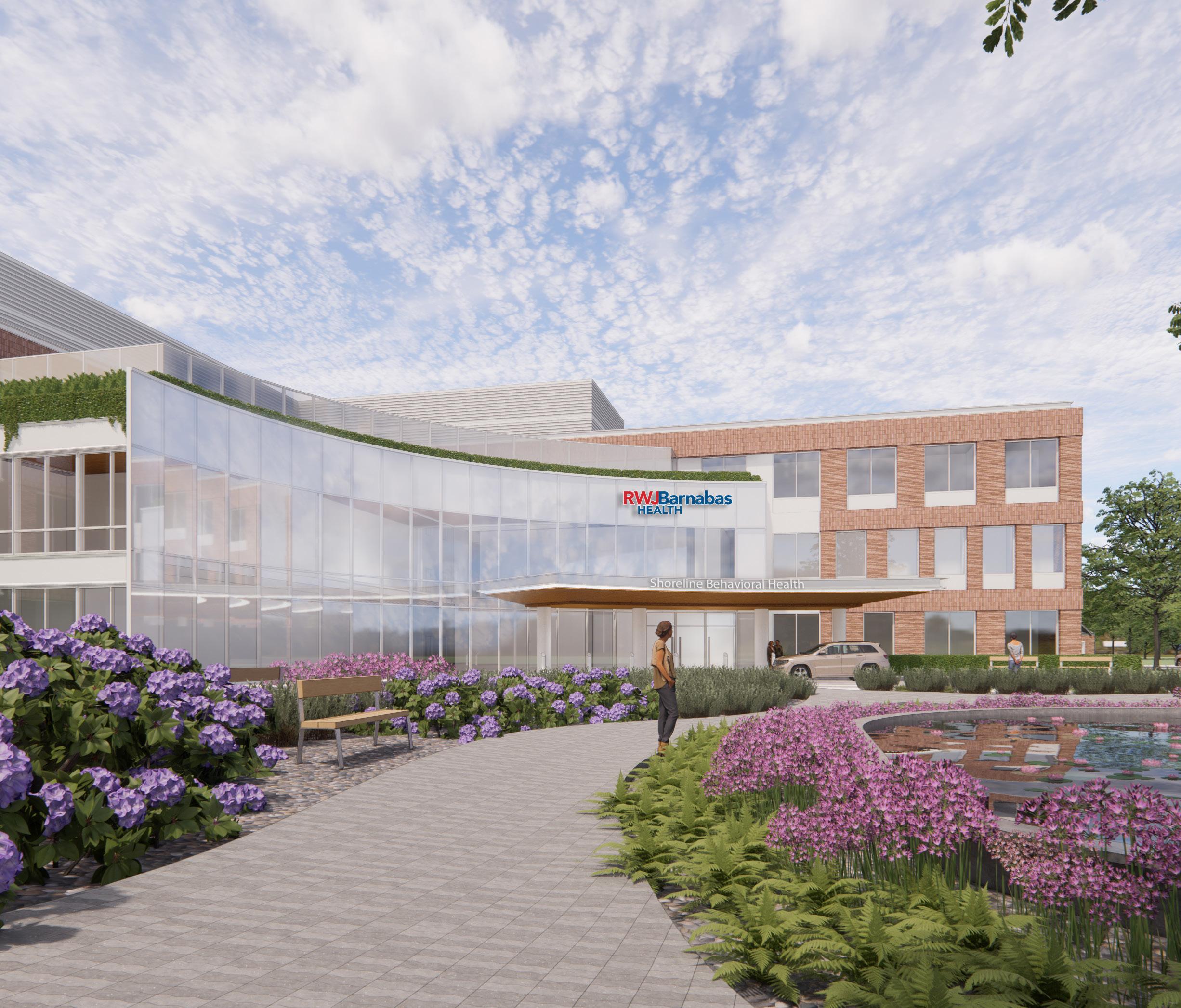
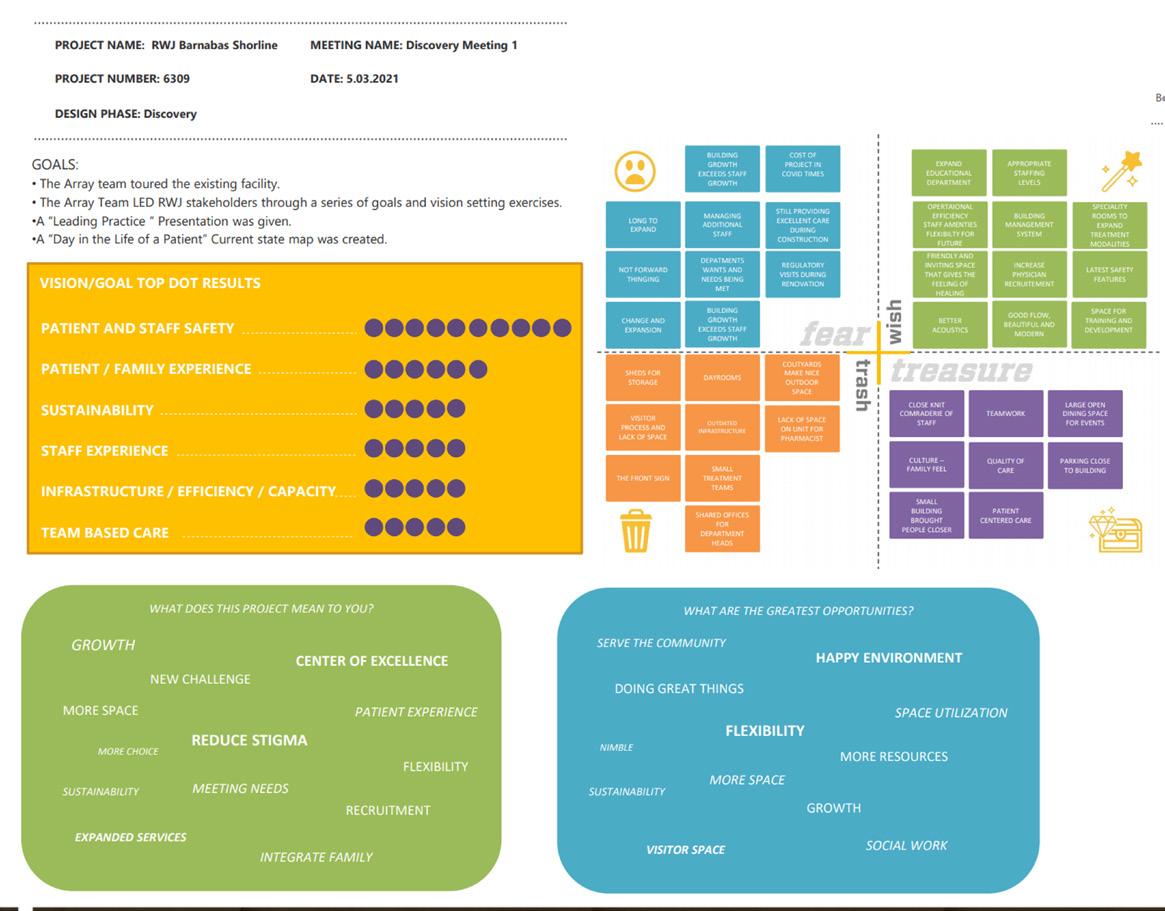
RWJBarnabas Health selected Array to conduct a feasibility study to expand their behavioral health services in northern New Jersey. Their existing one-story facility contained 100 beds and was significantly undersized compared to regional and national benchmarks for DGSF/bed. Working with Shoreline’s behavioral health leadership, Array initially conducted several day-long workshops to interview key user groups and understand the current state of operations. Array then facilitated future-state mapping exercises, focusing on operational and experiential components that will provide for exceptional care well into the future.
The team mapped value stream flows for supporting services, leading to the creation of new programs to support the facility. Since the
dietary, materials, and pharmacy departments all needed to grow while maintaining existing operations, careful phasing and logistics were an important part of the study.
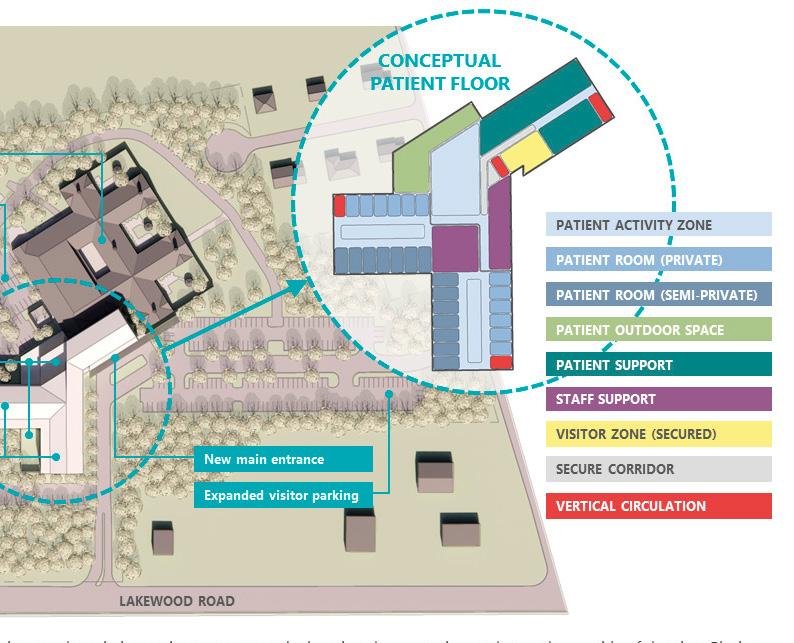
In total, the expansion will more than double the current building’s size, adding four additional units, 95 beds, and complementary services for adult and adolescent intensive outpatient services. As a result of the unique planning approach, each floor has access to a secured and protected outdoor recreation area which limits the need for patient elevator access.
Array is currently completing final design and documentation for this project with RWJBarnabas Health.
UNIVERSITY HOSPITALS
Facilities Master Plan & Implementation
Cleveland, OH
University Hospitals offers more than 1,500 beds and is one of the largest and most respected health systems in the country. With the goals of increasing quality, market share, efficiency and improving their Centers of Excellence, they recognized the need for a system-wide facilities master plan that would pinpoint areas for strategic growth, identify obsolete facilities, and provide a phasing and implementation plan that would align their facilities with long-term growth strategies.
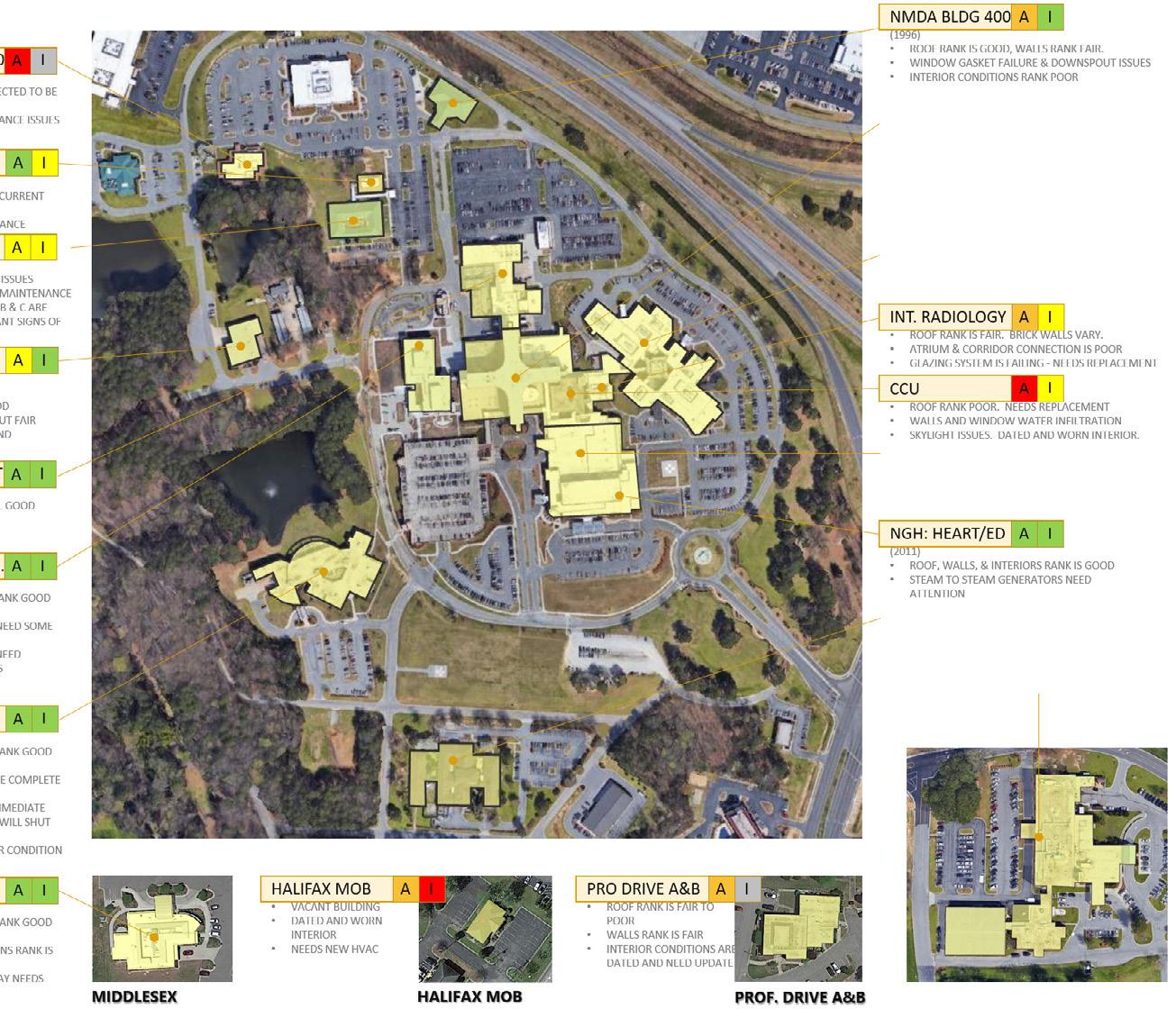
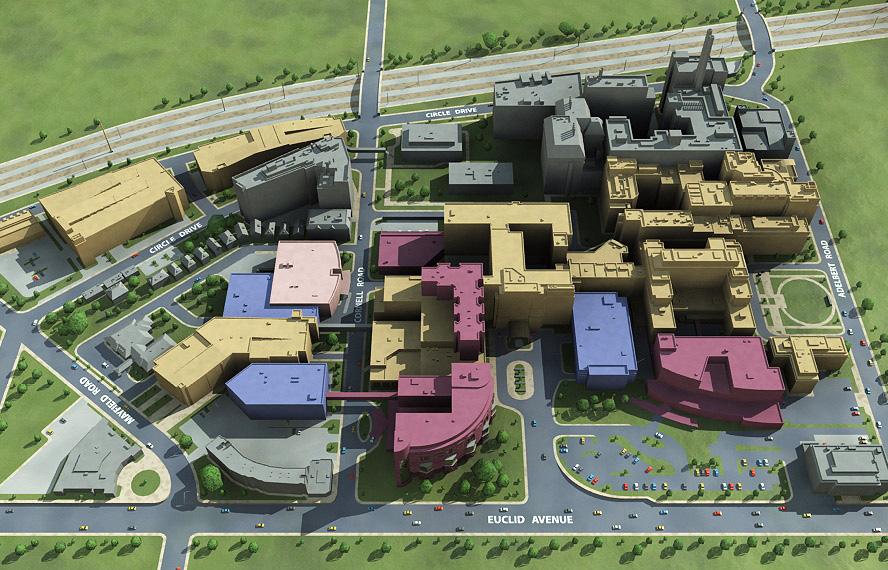
We conducted comprehensive site, facilities, and infrastructure analysis of every building at each of University Hospitals’ 15 campuses and ranked each building based on its value for future use. Iterating upon a strategic plan prioritizing
services, we provided programming, testfit planning, detailed project budgeting, and identification of enabling projects that resulted in the construction of four new projects totaling $500 million.
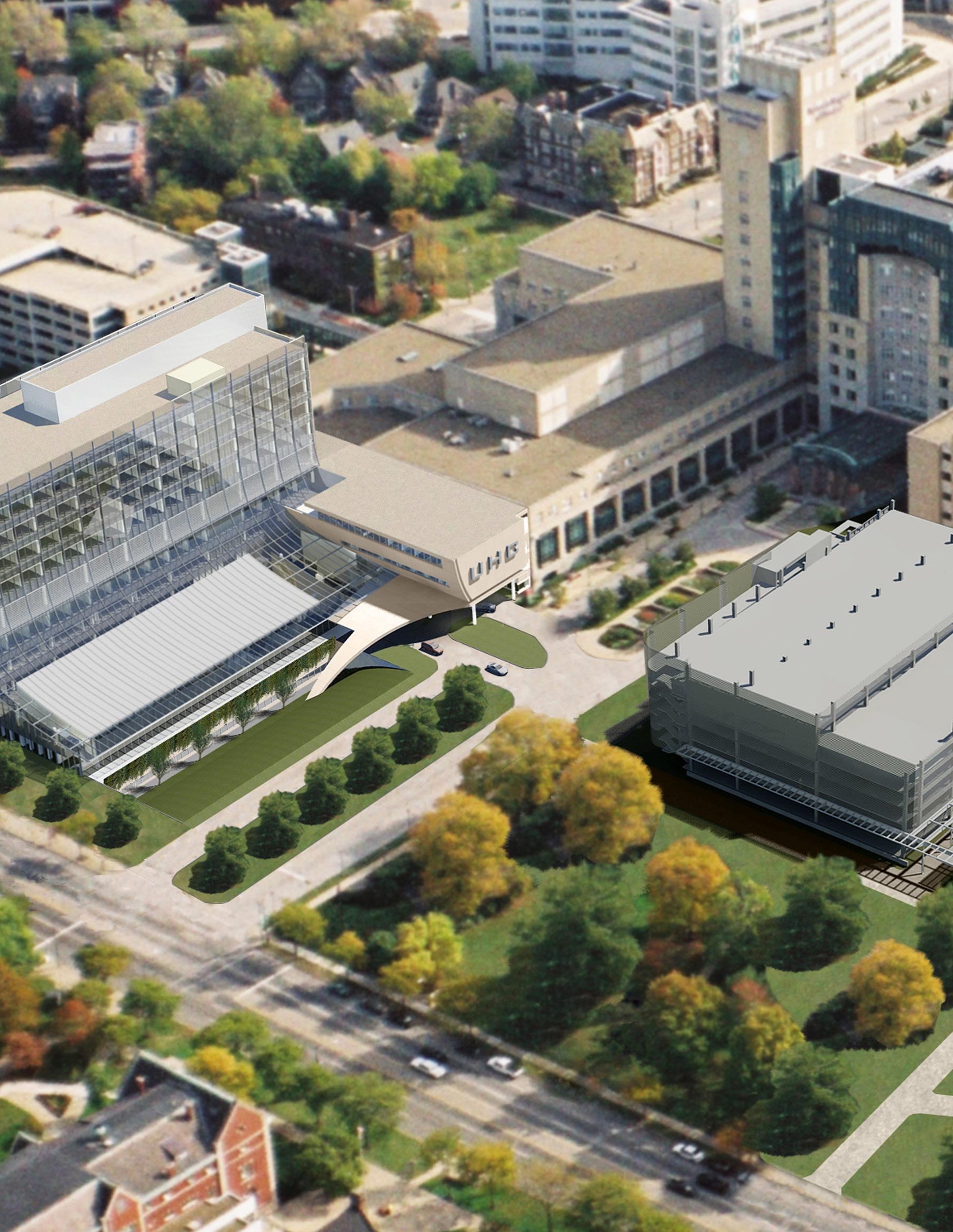
The final master plan allowed UH to identify the locations for multiple projects, including a new cancer hospital, sited to increase efficiency and interface with the hospital services in order to reduce redundancy. A location for an expanded emergency department was identified that improved connectivity to the hospital, increased patient throughput, and reduced wait times. Overcoming the limitation of available contiguous space, a new Level 3 NICU was planned in an area that spanned three adjacent buildings.
Array provided facilities master planning, corporate architecture, design and interior design for over 50 projects across the University Hospitals system.
KNOWLEDGE SHARING
Array has built a culture of knowledge sharing that drives innovation and continuous improvement. Our research and public relations initiatives have caught the attention of clients, industry peers, and leading news organizations.
Array in the Press
Contributing to the Conversation in Healthcare Design
The Value of In-Concert Design Planning by Array Architects President Noah Tolson
Fresh Approach: Planning Pediatric Care in a New Market by Array Advisors President Jonathan Bykowski
Understanding Integrated Project Delivery from Multiple Industry Lenses by Array Architects Senior Regional VP and Design Practice Leader, Kent Doss
Thought Leadership
COVID-19 Resource Hub
Launched as the pandemic was taking hold, this website offers tools, webinars, and case studies to bolster health system response. The America Hospital Association took notice, including our research in their 2021 report.
Master Planning in Today’s Environment
Our master planning approach is catching the attention of industry publications, peers and new clients at a rapid rate.
Discover the value of in-concert design planning in this Healthcare Design article by Array President Noah Tolson.
Behavioral Health: Re-Imagining Care
Exterior Design Feature: Children’s Hospital of the King’s Daughters Mental Health Tower
Website Spotlight
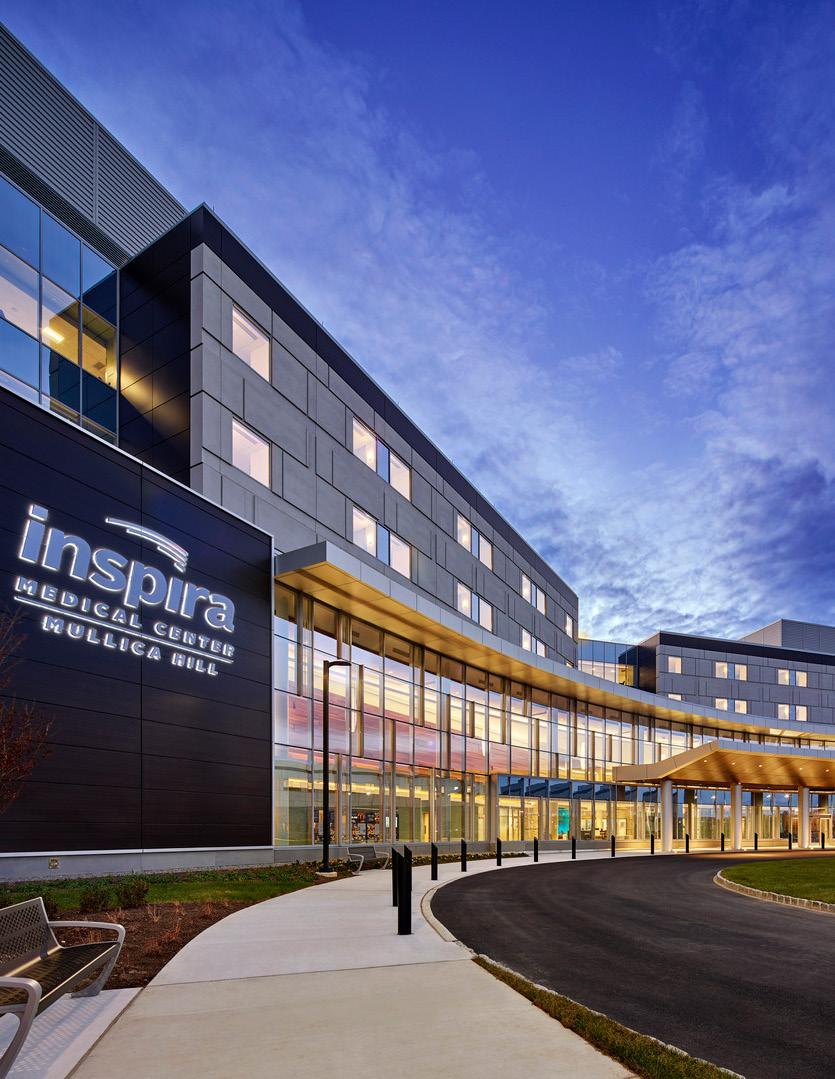
Designs Delivered: Inspira Health Medical Center Mullica Hill
Explore the light-filled, technologically advanced and thoughtfully-designed replacement hospital that is Inspira Medical Center Mullica Hill.
Blog: Empathy and Experiential Approach to Pediatric Behavioral Health Environments
Discover the key to creating healing and hopeful pediatric behavioral health environments in collaboration with clients and family advisory groups.
Blog: Eliminating Rework by Taking Advantage of Prefabrication
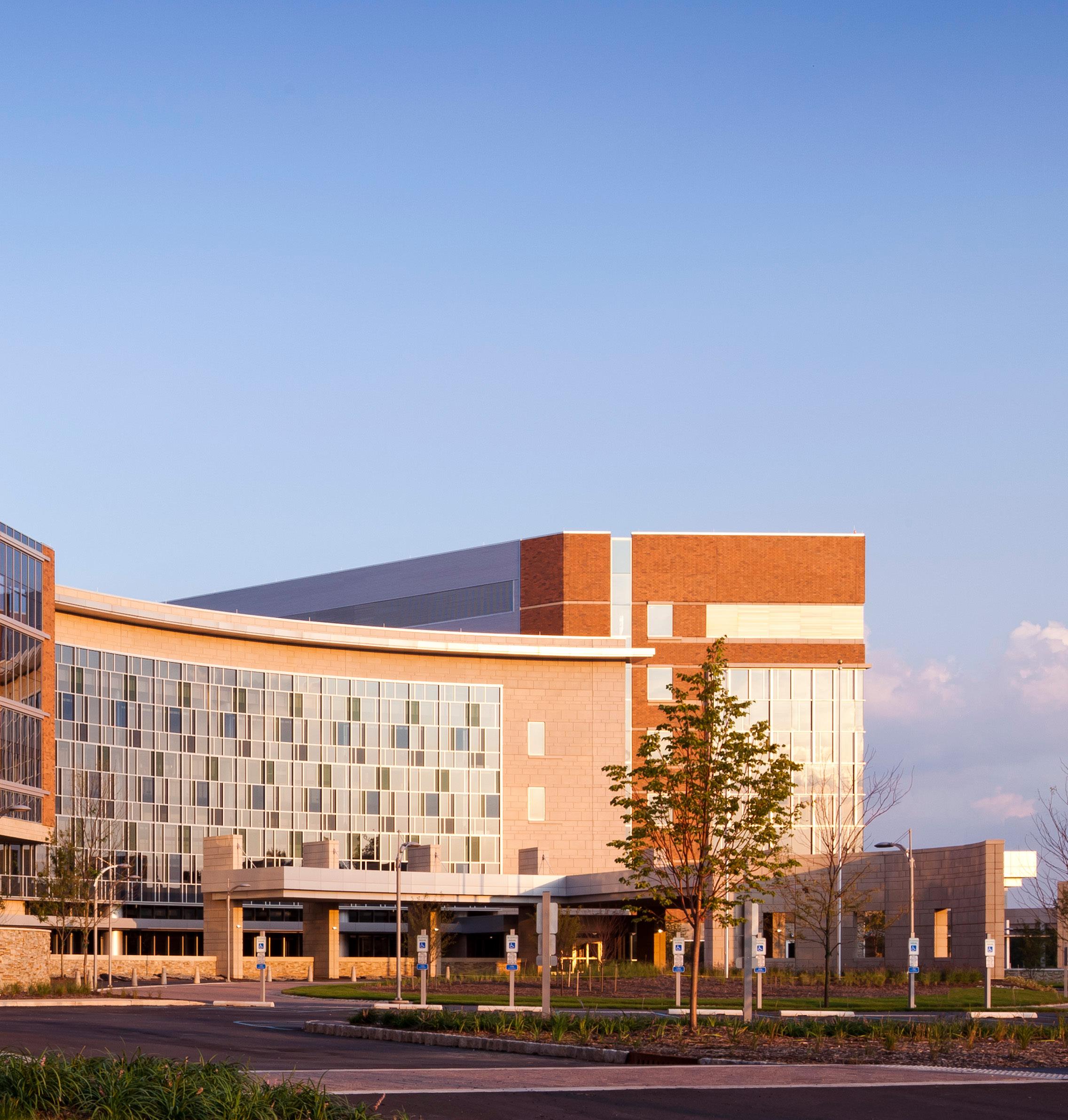
Explore how the Array team closely coordinated prefabrication of the exterior panels that clad Inspira Medical Center Mullica Hill’s 473,000 SF hospital.
Charleston / Fort Lauderdale / New York City / Philadelphia / Washington