The Ethical City: Marseille
ROUTE OF RITUAL: MOVEMENT OF WATER AND PEOPLE
Stage 05 2023/2024
School of Architecture
Final Design Thesis: Architectural Technology Journal
Arran Walters
Mackintosh
01 Architectural Technology Integration 01.1 Synopsis 01.2 Model 01.3 Thermal Regulation 01.4 Lighting & Ventilation 01.5 Water Treatment 01.6 Ocean Resource 01.7 Green Roof 01.8 Embedding 01.9 Concrete 01.10 Structural Layout 01.11 Embodied Carbon 01.12 Fire & Life Safety02 Architectural Technology Journal 02.1 Site Choice 02.2 Site Analysis 02.3 Site History 02.4 City Visit 02.5 Les Cabanons 02.6 Bath House Typology03 Material Investigation 03.1 Translucent Polycarbonate 03.2 Concrete 03.3 Limestone 03.4 Brick 03.5 Glulam Timber 03.6 Steel 03.7 Insulation 03.8 Glazing04 Architectural Technology Drivers 04.1 Water Treatment 04.2 Ocean Resource 04.3 Embedded Earth 04.4 Green Roof 04.5 Ventilation 04.6 Skylight 04.7 Fabric First 04.8 Double Skin Facade 04.9 Embodied Carbon 04.10 Structure 04.11 Durability & Weathering06 References 06.1 Bibliography 06.2 Appendix Contents
Mackintosh School of Architecture Stage 05 2023/2024 | The Ethical City Marseille Final Design Thesis: AT Journal Page 4 of 70 Mackintosh School of Architecture Stage 05 2023/2024 | The Ethical City Marseille Final Design Thesis: AT Journal Page 5 of 70 AT Integration01 Architectural Technology Integration 01.1 Synopsis 01.2 Model 01.3 Thermal Regulation 01.4 Lighting & Ventilation 01.5 Water Treatment 01.6 Ocean Resource 01.7 Green Roof 01.8 Embedding 01.9 Concrete 01.10 Structural Layout 01.11 Embodied Carbon 01.12 Fire & Life Safety02 Architectural Technology Journal 02.1 Site Choice 02.2 Site Analysis 02.3 Site History 02.4 City Visit 02.5 Les Cabanons 02.6 Bath House Typology03 Material Investigation 03.1 Translucent Polycarbonate 03.2 Concrete 03.3 Limestone 03.4 Brick 03.5 Glulam Timber 03.6 Steel 03.7 Insulation 03.8 Glazing04 Architectural Technology Drivers 04.1 Water Treatment 04.2 Ocean Resource 04.3 Embedded Earth 04.4 Green Roof 04.5 Ventilation 04.6 Skylight 04.7 Fabric First 04.8 Double Skin Facade 04.9 Embodied Carbon 04.10 Structure 04.11 Durability & Weathering06 References 06.1 Bibliography 06.2 Appendix
Architectural Technology Synopsis
The focus of the final design thesis architectural technology integration relates to the ocean baths which sit on the coastline south of the city centre of Marseille. The project recognises that there is an inherently high embodied carbon factor due to the building typology and site location. The required structural concrete, facade system, retaining wall method, and internal finishes have been considered deeply in order to reduce embodied carbon as much as possible. Parallel to this it has also been balanced with the operational carbon aiming to reduce it to a minimum. This is achieved by:
1. Employing a fabric first approach to reduce solar gain and enhance thermal regulation.
2. The orientation of the building and fenestrations positioned to maximise the natural cross ventilation at the exposed sea front, reducing the reliance on mechanical ventilation in a humid environment.
3. Using the strategic site location and the proximity to the ocean as a sustainable resource for heating, cooling, energy production and water treatment through different methods of osmosis and heat pumps.
Through thoughtful integration of architectural design and technology, there has been an aspiration to develop a scheme which interacts positively with the immediate surroundings, and test sustainable solutions within the context of the ethical city.
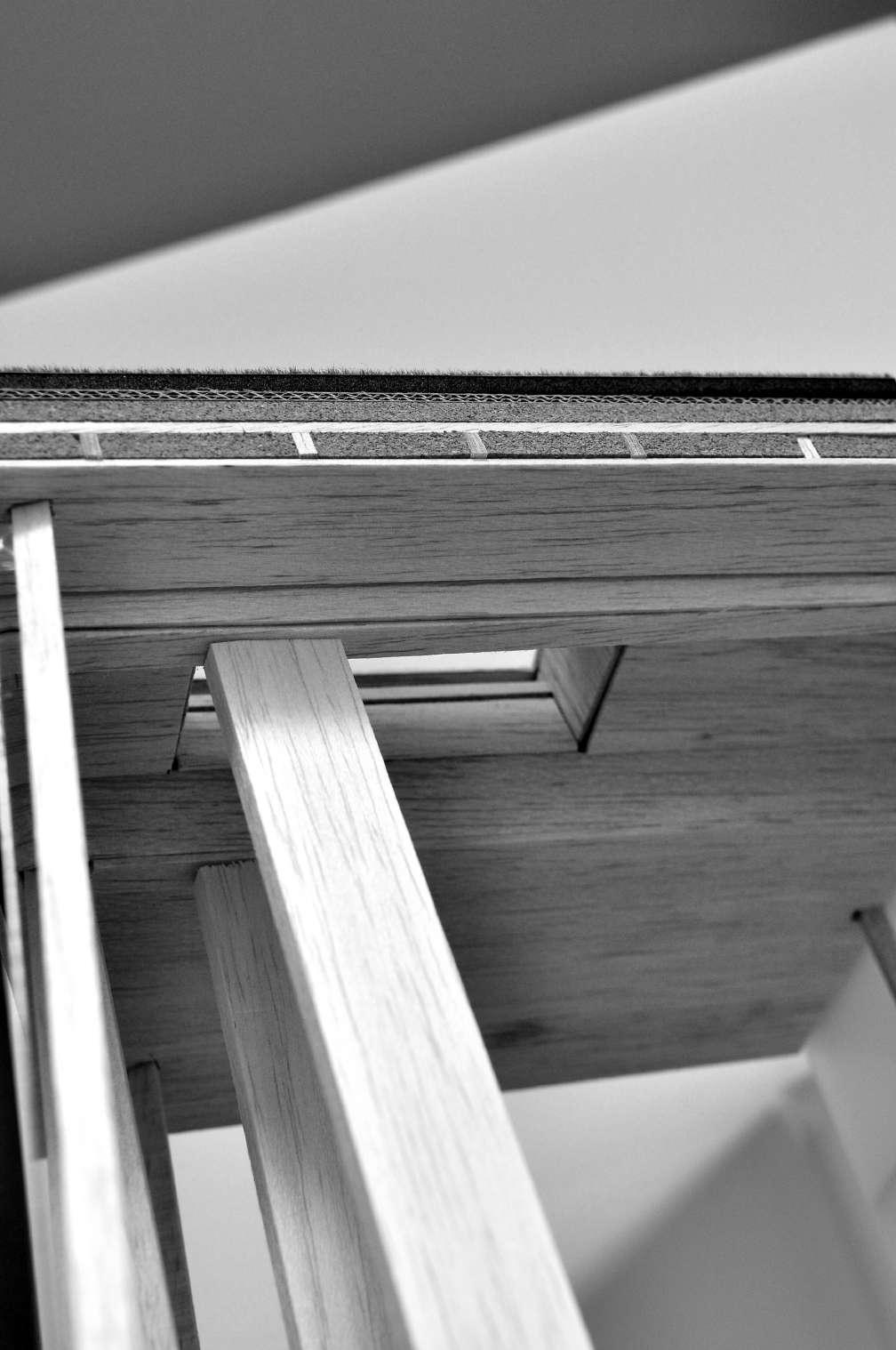
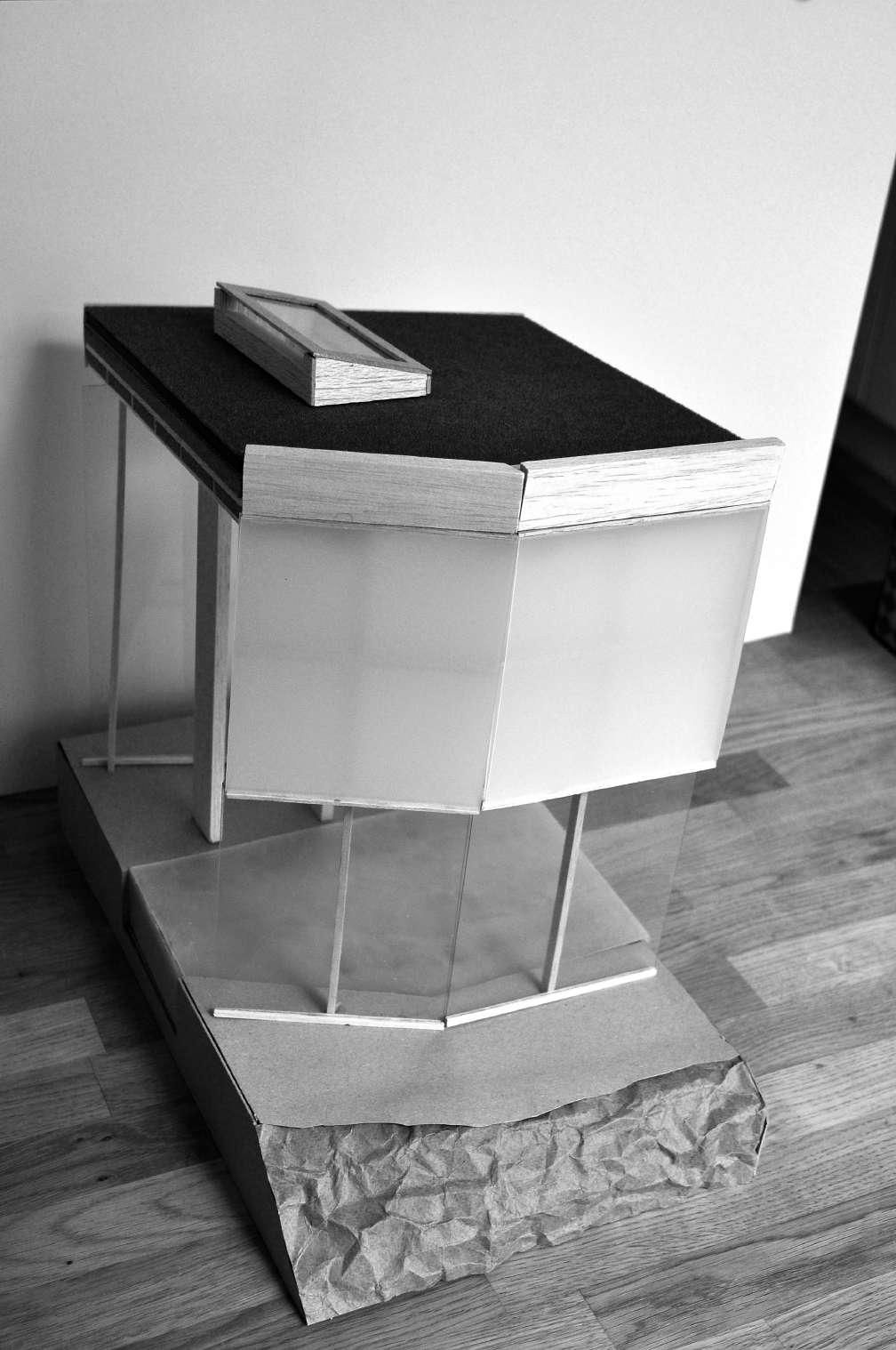
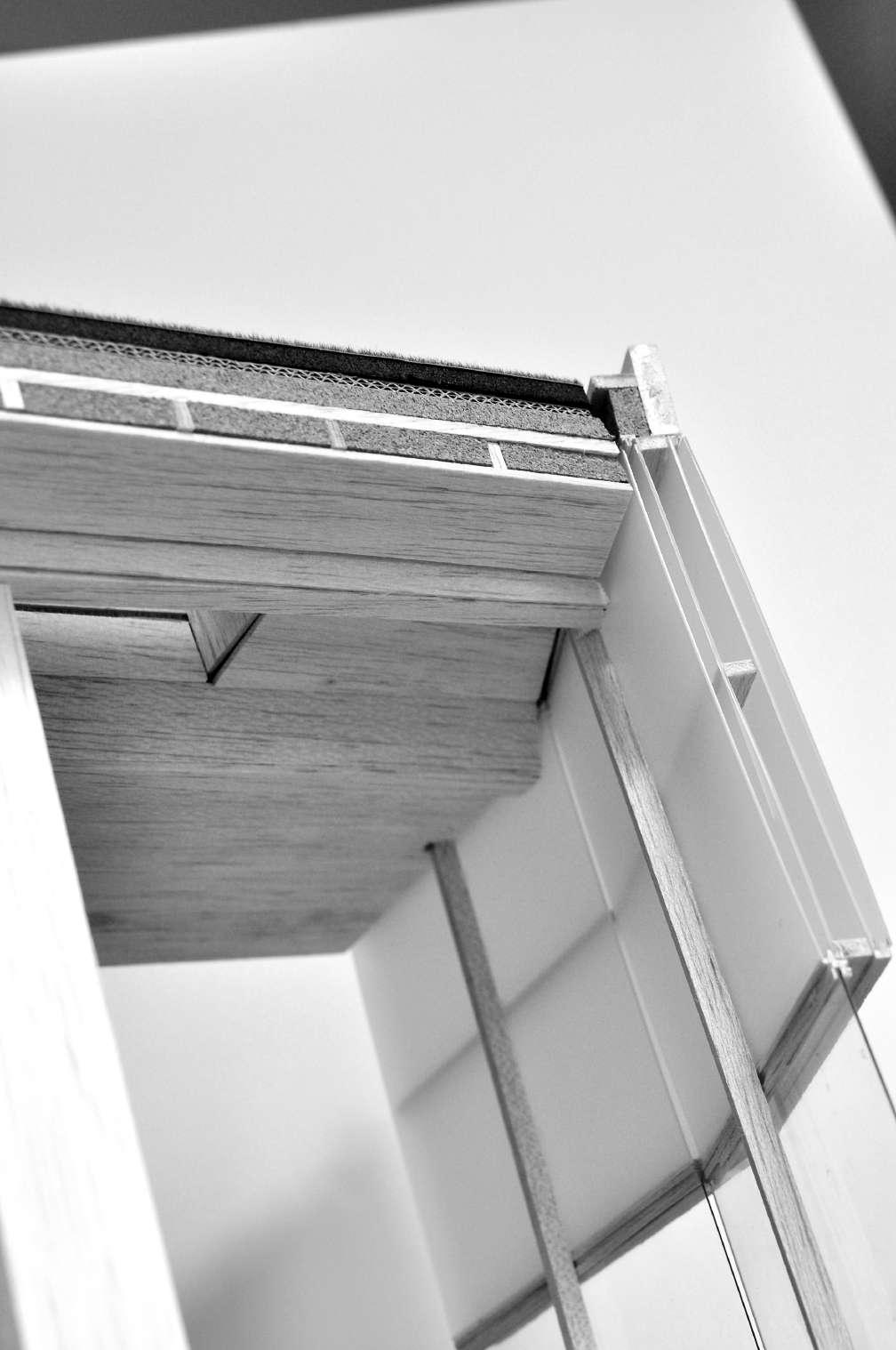
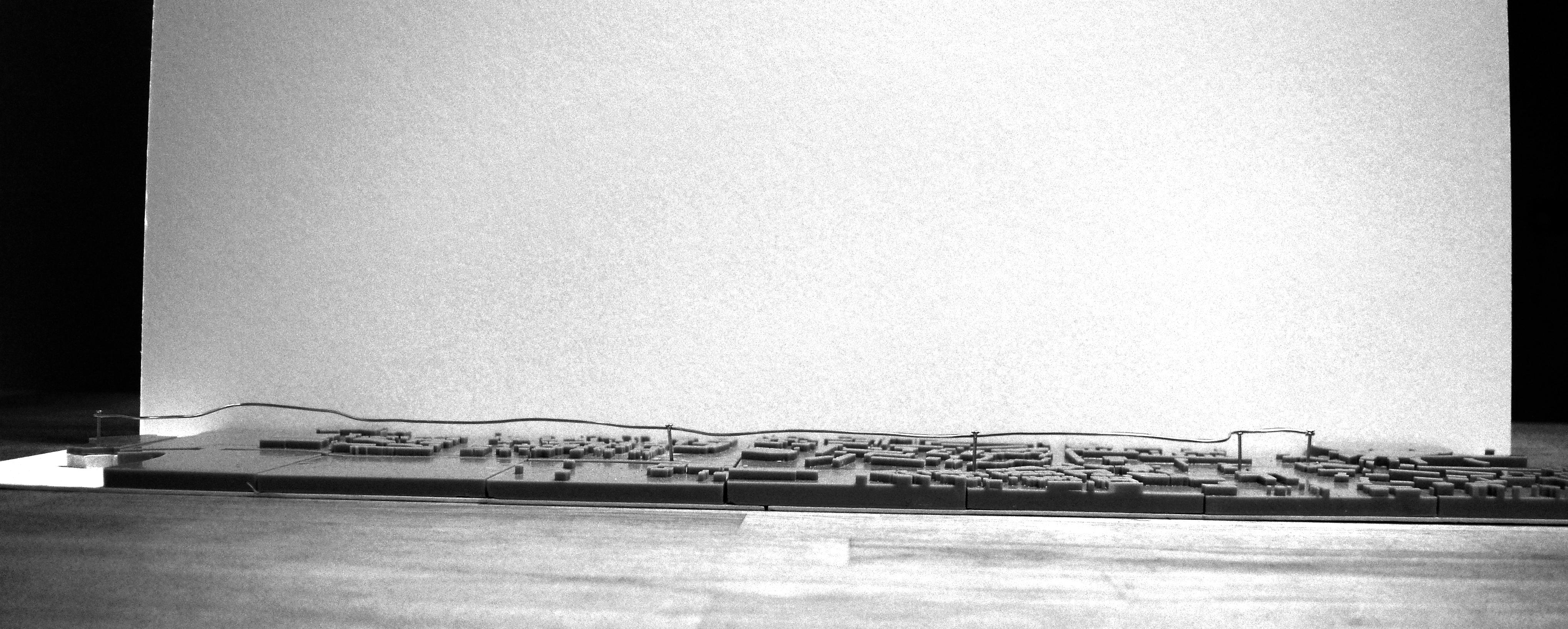
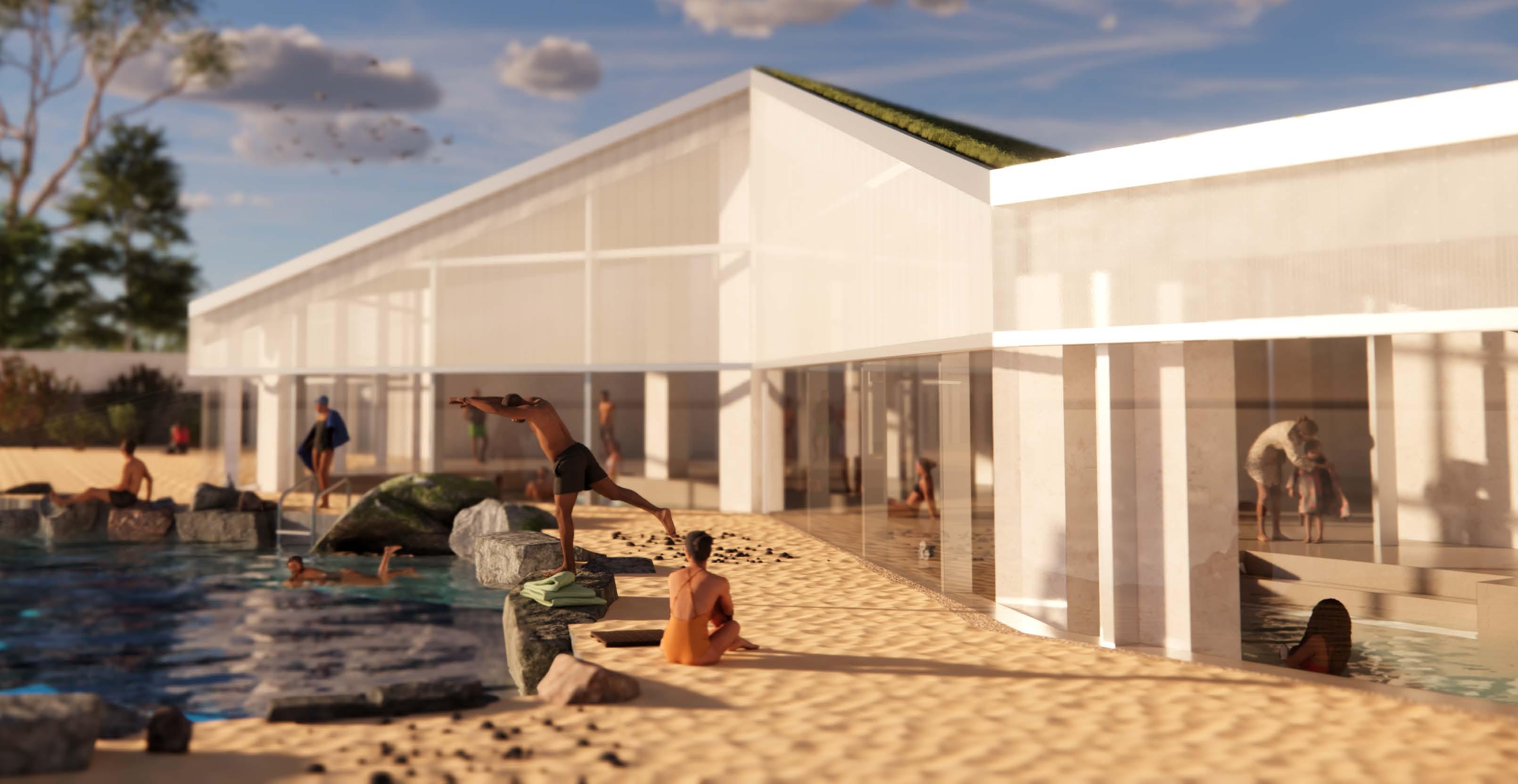
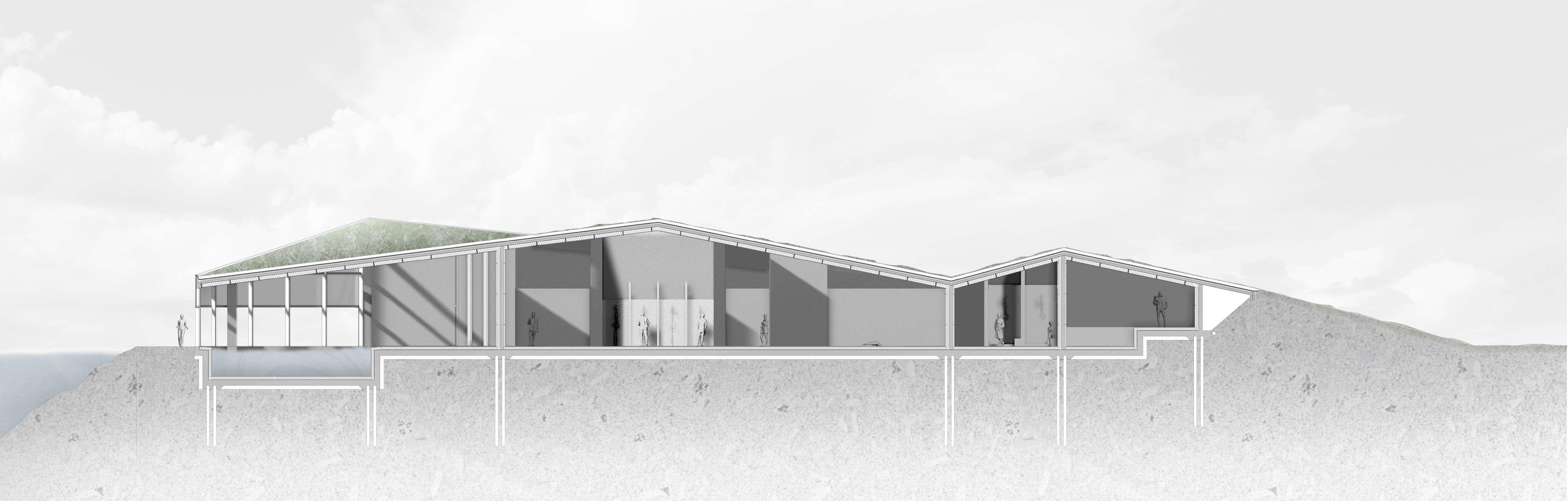
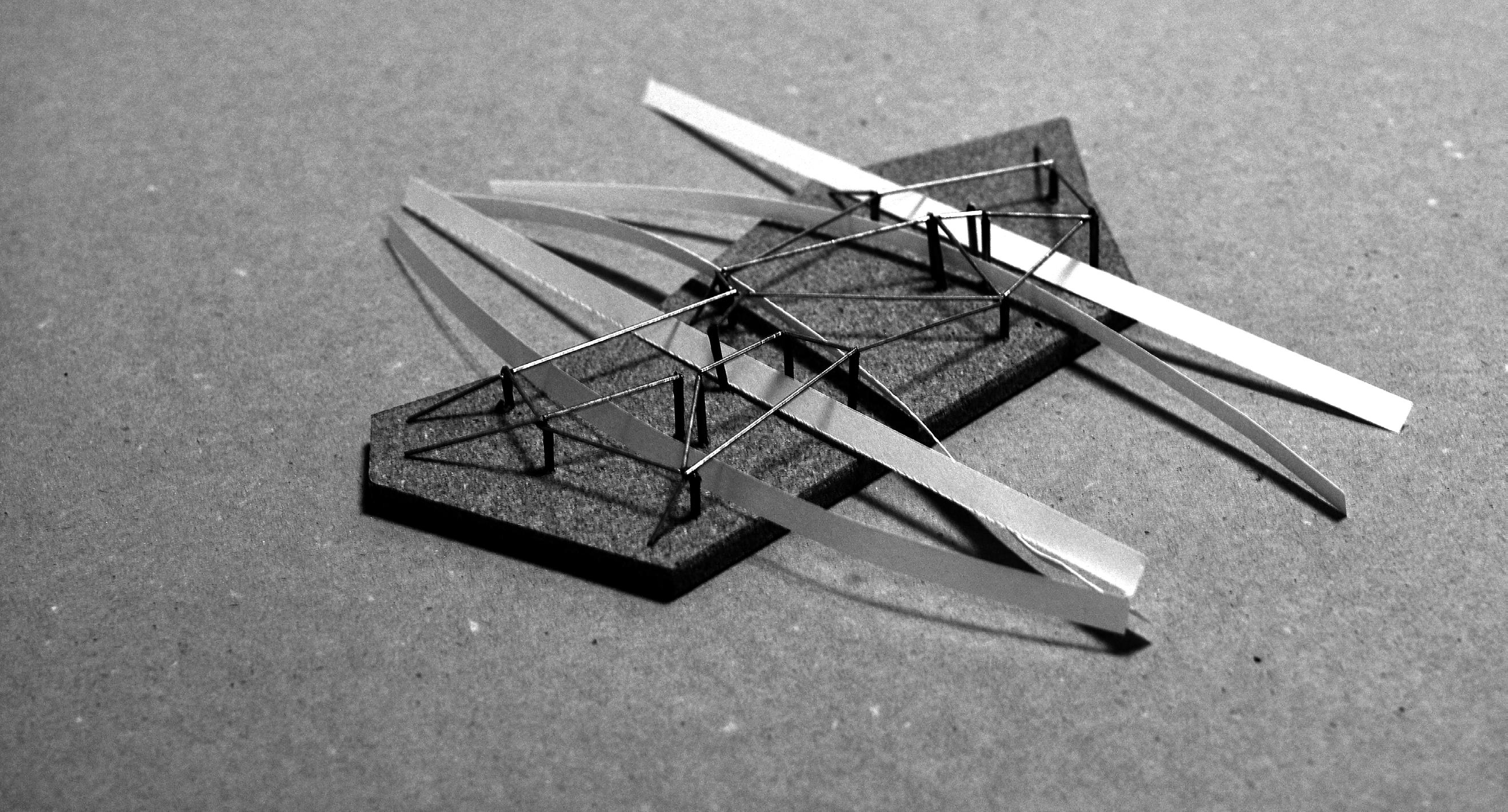
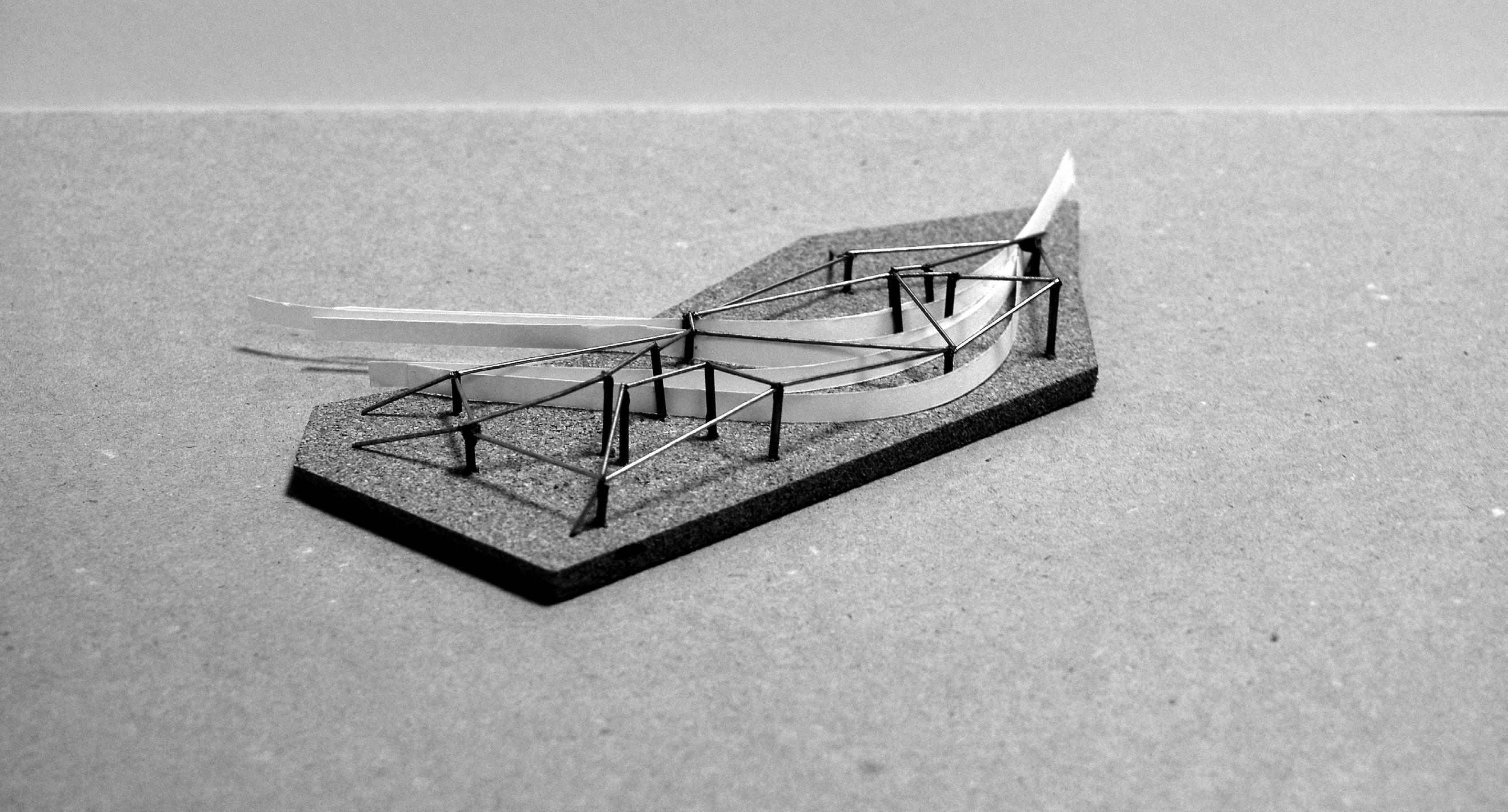
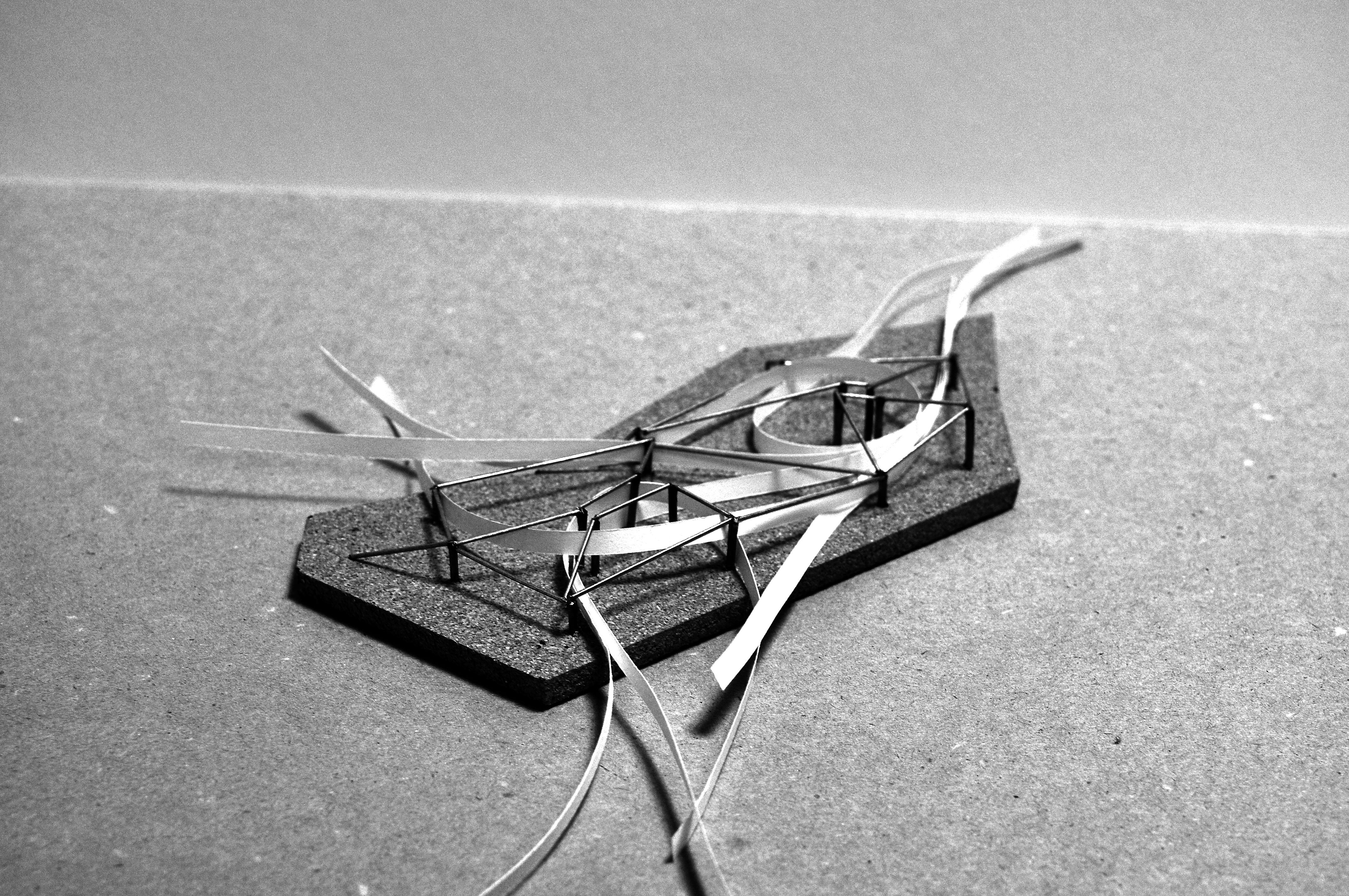
The architectural technology model takes a section through the south west facade of the ocean baths, demonstrating the fabric first approach with the double skin glazing, which aims to optimise thermal efficiency and reduce the need for internal cooling systems. It also conveys the structural build up of the green roof, and the sky light penetrations though it which have been included to benefit from natural cross ventilation, removing the moisture which rises from the hot baths and pools. This section also shows the secondary glazed layer, which separates the warmest pools which sit against the front facade and forms a protective zone from the rest of the building, ensuring there is a reduced need for cooling deeper in the plan.
Mackintosh School of Architecture Stage 05 2023/2024 | The Ethical City Marseille Final Design Thesis: AT Journal Page 6 of 70 Mackintosh School of Architecture Stage 05 2023/2024 | The Ethical City Marseille Final Design Thesis: AT Journal Page 7 of 70
Section Model Scale 1:20
Thermal Regulation Light & Ventilation
Focusing on the building’s fabric serves as an essential initial step towards enhancing its thermal and energy efficiency. Optimising the building envelope performance will significantly decrease the energy required for heating and cooling the interior spaces. A “fabric first” approach is particularly relevant for the west-facing facade, which faces the challenges of exposure to the sea, wind and sun. This part of the building needs to be resilient yet allow sunlight to penetrate, balancing protection and harnessing the natural elements. Consequently, this elevation will need to work the hardest when looking to mitigate and benefit these environmental factors to achieve a sustainable level of efficiency.
One method that I would like to explore in dealing with this amount of direct sunlight is a double skin facade. By incorporating two layers of glass or transparent material separated by a cavity, this facade system effectively mitigates the impact of direct sunlight on indoor thermal comfort and energy consumption. The outer opaque layer acts as a shading device, reducing solar heat gain and glare, while the inner layer provides a weather barrier and allows for daylight penetration into the building interior. This approach not only enhances occupant comfort by minimising overheating and glare but also reduces the reliance on cooling systems. In the context of a fabric first approach, the design of the double skin facade aligns with the philosophy of prioritising the performance of the building envelope.
Ventilation in the bathhouse is incorporated into the skylights, which not only ventilate the pool areas but also provide natural light by creating penetrations through the green roof. Oriented on a northeast southwest axis, the skylights capture the best daylight during the early hours when the baths are most active, which coincides with the prevailing wind direction to enhance the effectiveness of the cross ventilation system. This system includes vents that can be opened on either side of each skylight, allowing consistent seafront winds to flow through, circulating fresh air into the building while expelling heat, steam, and moisture. Beneath each row of skylights, two channels run parallel, echoing the architectural theme of connecting land to sea, directing visitors’ focus along the ceiling and outward towards the horizon. These channels also serve practical purposes; one is used for mechanical ventilation when additional air circulation is needed, while the other houses a lighting track to ensure adequate illumination during less sunny days or evenings.
Mackintosh School of Architecture Stage 05 2023/2024 | The Ethical City Marseille Final Design Thesis: AT Journal Page 8 of 70 Mackintosh School of Architecture Stage 05 2023/2024 | The Ethical City Marseille Final Design Thesis: AT Journal Page 9 of 70
60mm Translucent Polycarbonate Panel 150mm Horizontal Rail / Double Skin Cavity 60mm Translucent Polycarbonate Panel Aluminium Frame 100mm Insulation Aluminium Flashing Glazed Curtain Wall System External SW Double Skin Facade Warm Environment Consistent with the Hot Pools Protected from Direct Solar Gain Beneficial for Cooler Pools Skylight Glazing System Ventilation Grille Ventilation Actuator Lighting Channel Mechanical Ventilation Channel SE Wind Direction
Water Treatment
One of the key architectural technology drivers for the project is water treatment, particularly how energy can be produced and fresh water supplied to the baths and pools. The site’s unique location between the river and the sea offers a prime opportunity to harness a relatively new technology known as pressure-retarded osmosis (PRO). This process exploits the salinity difference between river and sea water to generate energy. As river water naturally flows toward the saltier sea water through a permeable membrane, this movement drives turbines, producing electrical energy. The by product of this clean energy source is salt water, which can be safely returned to the sea.
For fresh water production, the project employs reverse osmosis, a process similar to pressureretarded osmosis but involves pressurising ocean water to push it through a filtering membrane, removing all salts and minerals to produce fresh water.
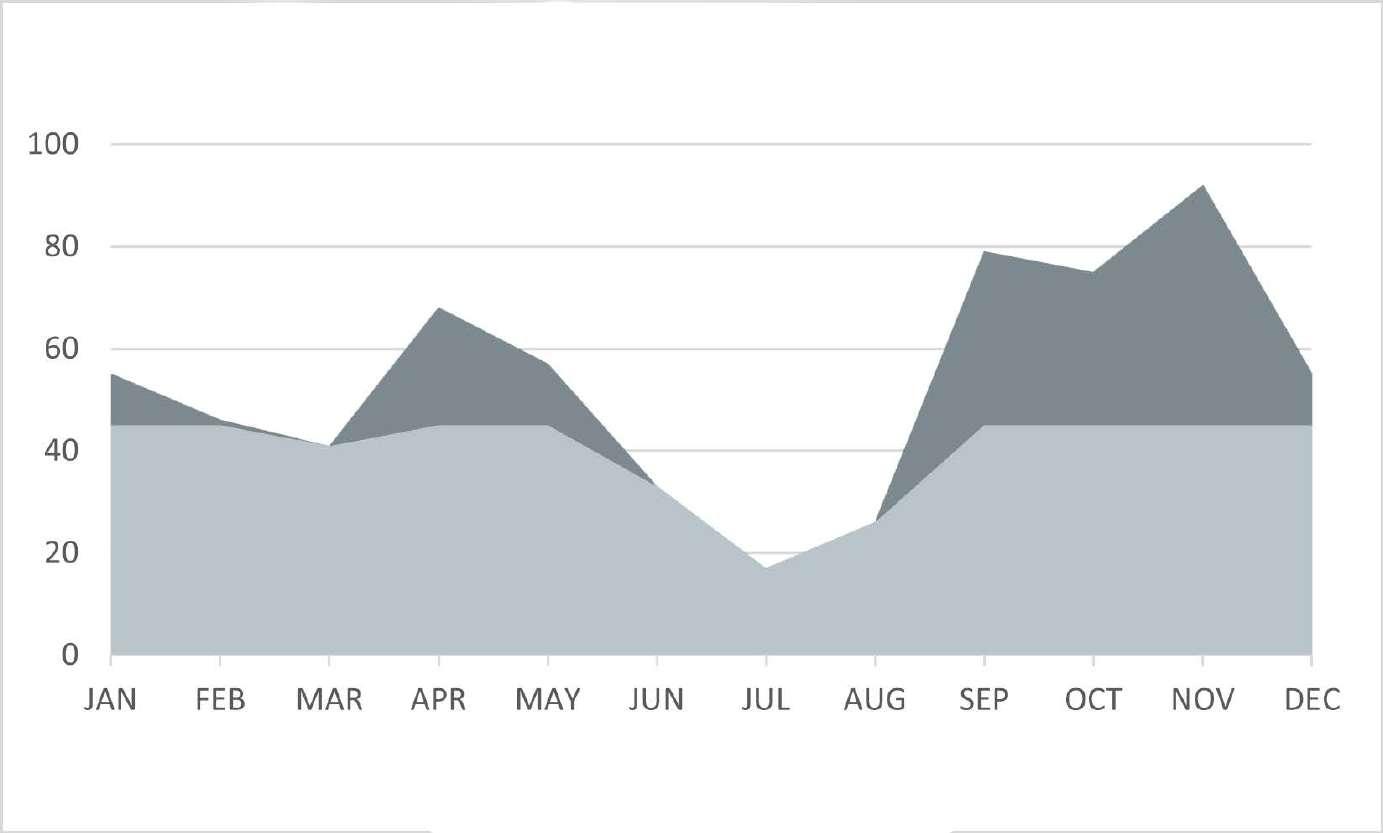
The strategic site location not only allows for the use of the salinity difference but also capitalises on the natural rhythm of river flow, which varies with rainfall and seasonal flooding. This rhythm can be integrated into the water treatment cycle, allowing different operations to rely on river or sea water at varying times. This adaptive approach not only ensures a continuous supply of fresh water but also generates electricity, using the natural cycle and environmental conditions to maximise efficiency and sustainability.
PRO System Water Storage Energy Production
The process of Pressure Retarded Osmosis (PRO) requires the following equipment:
Feed Water Pre-Treatment Unit
Both saline and fresh water sources will require pre-treatment to remove organic material or other contaminants that could harm the membrane or impact the systems efficiency.
High Pressure Pumps
Pumps are used to circulate the saline water, allowing the movement of water across the membrane from the freshwater side, creating a pressurised flow.
PRO Membrane
Specialised semi-permeable membrane designed to maximise water movement of water while minimising the passage of salt water. These are housed within modules within the wider system to allow for easy maintenance.
Energy Recovery Device
With the process generating pressurised water, energy recovery devices can be used to reduce overall system energy consumption.
Hydraulic Turbines
These turbines convert the kinetic energy of the pressurised water into mechanical energy.
Generators
This converts the mechanical energy from the turbines into electrical energy.
Control System
Monitors and controls will be used to manage the operational parameters of the PRO system, including pressures, flows, concentrations, in order to optimise the power generation efficiency.
Post-Treatment and Waste Disposal
Any concentrates of waste produced by the system must be properly disposed of, however the main waste of this process of energy production is salt water which is of a safe saline level to return to the sea.
Calculated on 6mm loss due to evaporation per day
Considering make-up water, backwash water, and emergency water
Surface area of 380m2
Daily loss - 2.3 m3
Weekly loss 16m3
Monthly loss 48m3
Considering the monthly loss for storage practicalities is reasonable
+20% for backwash and emergency water
48 x 1.2 = 58 m additional water storage
Water to facilitate reverse osmosis system into the pools maintenance and water treatment system
The reverse process as PRO, therefore using same equipment
To produce water for these pools the frequency of this process would only be required bi-annually.
The typical recovery rate of a RO system is around 75-85 % meaning from the amount of water input into the system, this percentage will be recovered as usable water.
Assuming the pools have a volume of 570m3 and 75% recovery rate
Additional water storage for when the process is being done will not be required, as the pools will hold that water
Storage for the make up water, due to evaporation will be required.
Storage for waste water will be needed, which is 25% of the total volume = 142.5 m3
Therefore in total 58m3 for water loss 145m3 for waste water storage, which will then be recirculated into the system for the PRO process
The largest energy consumption for the ocean baths would be from heating water. There is a demand to heat water from roughly 10°C to around 40°C, however there is an even bigger task to maintain this temperature.
This is clearly much greater than the energy produced by the PRO system, however this will be assisted by an ocean heat pump.
Taking this into consideration, there is a significant reduction in the amount of energy required to maintain the hot pool temperatures. Added to this there also needs to be lighting, appliances, and mechanical ventilation factored in, this has been estimated at 15kWh. Overall, the PRO system could provide an estimated 78.6% of the required energy to operate the ocean baths.
Mackintosh School of Architecture Stage 05 2023/2024 | The Ethical City Marseille Final Design Thesis: AT Journal Page 10 of 70 Mackintosh School of Architecture Stage 05 2023/2024 | The Ethical City Marseille Final Design Thesis: AT Journal Page 11 of 70 JAN FEB MAR APR MAY JUN JUL AUG SEP OCT NOV DEC 0 20 40 60 80 100 AVERAGE RAINFALL BELOW FLOOD RISK LEVEL AVERAGE RAINFALL ABOVE FLOOD RISK LEVEL
Osmotic pressure difference: Freshwater - 0 Seawater - 2.74 MPa Estimate PRO System efficiency estimated at 60% Volume of water storage - 145m3 Volume x Osmotic Pressure Difference x Efficiency 145m x 2.74×106Pa x 0.6 = 238,380,000 Joules of Energy = 66.2 Kilowatt-Hours of Energy
Estimated
Hot Pool Volume
170m3 Estimated Maintenance Energy
346 kWh
heat loss per day - 7%
-
Requirement =
Coefficient
Performance
Estimated 5 Estimated Maintenance Energy Requirement
CoP
346 / 5
69.2kWh
of
(CoP)
/
=
=
Ocean Water Input Treatment Remove Particles Desalination Reverse Osmosis Disposal Process Output Fresh Water Electrical Energy High Concentrate Brine PressureRetarded Osmosis Saline Water
Ocean Resource
Using the ocean as a source for heating and cooling represents an effective approach to boost the energy efficiency and sustainability of this project, and reduce the operational energy, balancing the upfront embodied carbon of the building.
The project demands a broad spectrum of pool temperatures to cater to diverse needs within the ocean baths. Consequently, an effective heating and cooling strategy must be developed. Given the location of the site, tapping into the ocean as a resource emerges as the most fitting strategy.
This involves using a heat pump to draw heat from the ocean surface, which absorbs solar heat up to depths of 100 meters, reaching temperatures of 25 to 30 degrees Celsius. Additionally, cold water can be used to facilitate cooling from heat sinks, with temperatures dipping to about 2-3 degrees Celsius. The specified pool temperatures for this project are 7°C, 15°C, 37°C, and 42°C. While additional heating will be necessary for the warmer pools, the primary heating requirements will be met through heat extracted from the ocean, significantly reducing the energy demand and effort needed. As seen in the energy calculations, this helps to reduce the requirement for additional energy by close to 80%.

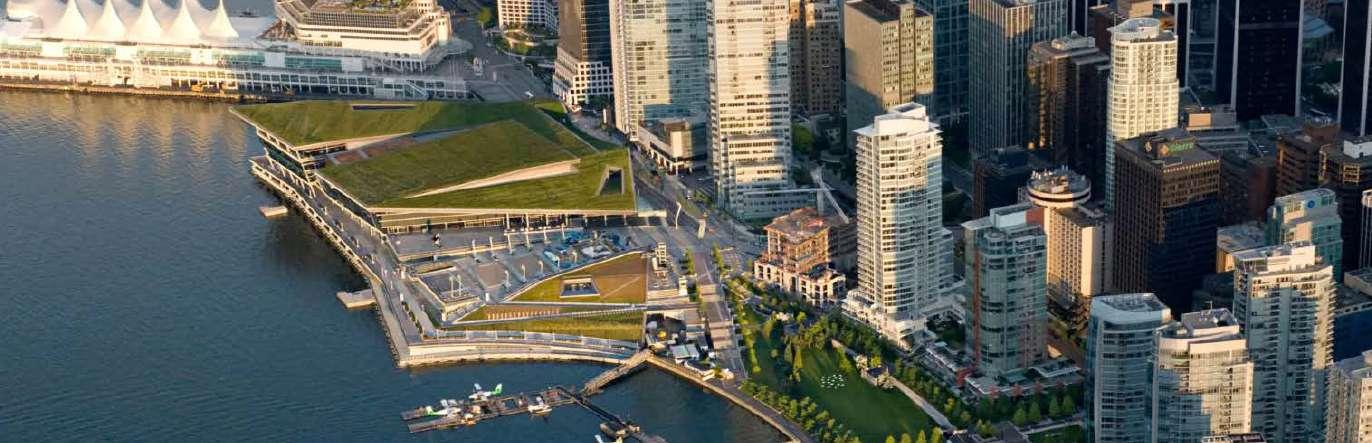
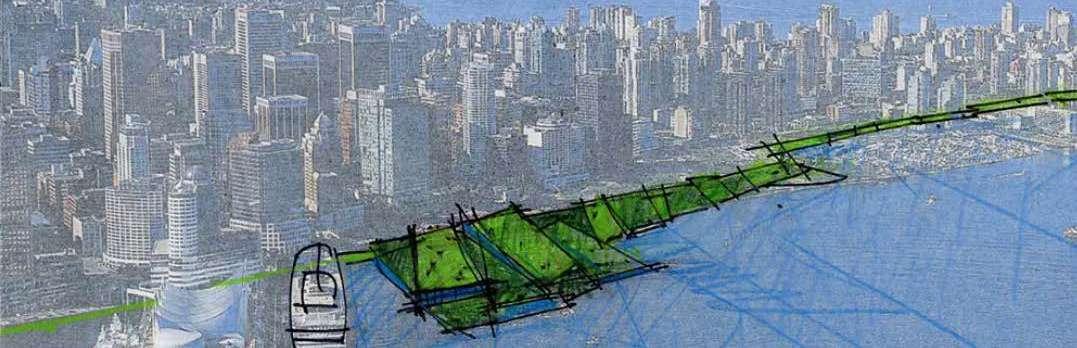
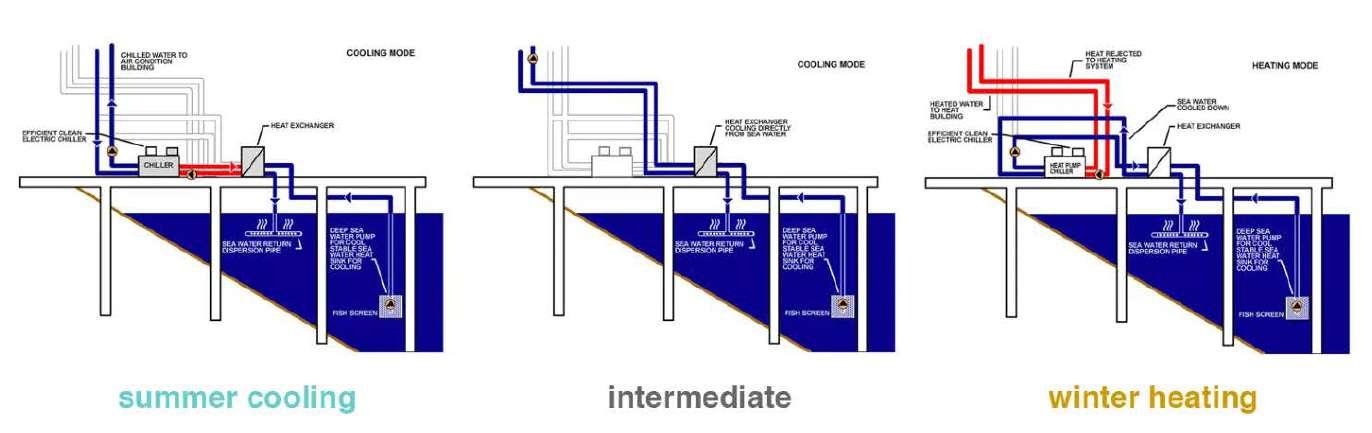
Vancouver Convention Centre LMN Architects: 2009
The Vancouver Convention Centre integrated seawater heat pumps to harness the natural thermal stability of the harbour. This renewable energy system uses the relatively constant temperature of seawater as an efficient means to both cool and heat the building. During the warmer months, the system draws on the cooler temperatures of the seawater to provide natural cooling, whereas in the colder periods, it reversely extracts warmth to heat the facility.
The implementation of seawater heat pumps significantly reduces the convention centre’s dependency on traditional, grid-supplied energy for regulating indoor temperatures. This system reduces the building’s reliance on external energy sources by about two-thirds for its heating and cooling needs.
This project has been used to understand how an ocean heat pump can be used within a building to harness the natural heating and cooling provided by the ocean. This demonstrates how the same system is used at different times of the year to either heat or cool depending on the conditions. This adaptability also influenced the introduction of the osmosis system which has a flexibility to it, depending on if electrical energy, or fresh water is needed.
Mackintosh School of Architecture Stage 05 2023/2024 | The Ethical City Marseille Final Design Thesis: AT Journal Page 12 of 70 Mackintosh School of Architecture Stage 05 2023/2024 | The Ethical City Marseille Final Design Thesis: AT Journal Page 13 of 70
Surface Water 0-100m 25-30°C Deep Water 100-1000m 2-3°C Heat Exchange & Pump Warm / Hot Baths Cool / Cold Pools
Hot Cold Cool Warm Vancouver Convention Centre How Vancouver greened its waterfront https://lmnarchitects.com/lmn-research/how-vancouver-greened-its-waterfront
Green Roof System
The Coastal Law is designed to ensure that new constructions along the coast integrate seamlessly with the existing shoreline, rather than standing out. In compliance with these guidelines, the building is embedded into the landscape, extending this integration through to the roofscape with a green roof, which not only enhances biodiversity but also compensates for the current barren and empty site.
The green roof contributes significantly to the building’s thermal performance by providing thermal mass, which helps in limiting overheating. It captures heat and moisture, stabilising the surrounding air. This roof uses an extensive green roof system, suitable for the kinds of plants that can thrive in a seafront environment.
Additionally, the roof’s drainage system is designed to collect rainwater, which is then stored in tanks. This stored water is used as grey water throughout the baths for toilets and watering systems, or it can be used in the osmosis systems to produce either clean water or electrical energy.
Embedding the building within the landscape also aligns with Coastal Law requirements and serves as a deliberate design choice aspiring to have a series of planes projecting from the landscape with the movement of people below mirroring the movement of water, eroding the landscape, creating paths of circulation. Additionally, the rhythm of people coming and going from the building also reflects the tidal movement which the building looks out onto, enhancing the connection between land and sea.
Technically, to minimise the need for extensive structural supports such as retaining walls, the earth around the building is contoured with a sharp slope that meets the base of the outer perimeter walls. The green roof then extends over this, bridging the gap between the natural landscape and the roofscape. This approach not only ensures a seamless transition but also reduces the structural demands and the amount of materials needed, following the aesthetic and environmental objectives.
Mackintosh School of Architecture Stage 05 2023/2024 | The Ethical City Marseille Final Design Thesis: AT Journal Page 14 of 70 Mackintosh School of Architecture Stage 05 2023/2024 | The Ethical City Marseille Final Design Thesis: AT Journal Page 15 of 70 Embedding
Ceiling Finish 200mm Insulation Timber Battens Vapour Barrier 200mm Reinforced Concrete 100mm Rigid Insulation Drainage Layer Filter Membrane Substrate
Mackintosh School of Architecture Stage 05 2023/2024 | The Ethical City Marseille Final Design Thesis: AT Journal Page 16 of 70 Mackintosh School of Architecture Stage 05 2023/2024 | The Ethical City Marseille Final Design Thesis: AT Journal Page 17 of 70
Concrete
The foundations of the baths predominantly uses concrete to accommodate the large volumes of water and provide protection against groundwater salinity. Given the coastal setting, the structure also requires piles for additional stability, which are driven deep into the ground to create a solid base for construction.
Recognising the environmental impact of traditional concrete, which is notably high due to its production and firing processes, alternative materials were explored to mitigate these effects. A standout alternative identified was natural cement, which is fired at comparatively lower temperatures, significantly reducing the amount of energy required to produce it. Additionally, natural cement is particularly suited to maritime environments, making it an ideal choice for this project due to its resilience to harsh saline conditions.
The pool edge has a small gradient, with a linear overspill drain. This circulates water back into the storage system to be used in the osmosis system.
The structural grid is oriented in two different directions to achieve the most efficient spans, particularly in the main bath area which is relativity open. This is however supported by small structural rooms that assist in supporting the roof structure, along with the columns aligned along the two serviced channels. This configuration allows the skylights to remain uninterrupted.
Mackintosh School of Architecture Stage 05 2023/2024 | The Ethical City Marseille Final Design Thesis: AT Journal Page 18 of 70 Mackintosh School of Architecture Stage 05 2023/2024 | The Ethical City Marseille Final Design Thesis: AT Journal Page 19 of 70 Structural Layout & Grid
Wall Finish Hanging Rail System 200mm Structural Concrete 150mm Insulation Hanging Rail System Wall Finish Flooring 20mm Screed Linear Overspill Drainage 150mm Rigid Insulation Waterproof Membrane 300mm Concrete Foundation Substrate Layer Pile Foundation
Embodied Carbon Calculations
Total embodied carbon for 1m² of wall is
Limestone: Density - 2600 kg/m³
carbon Factor 0.12 kgC02/kg
Natural Cement Concrete: Density - 2400 kg/m³ Embodied Carbon Factor 0.05 kgC02/kg Cork Insulation: Density - 120 kg/m³
Carbon Factor 0.04 kgC02/kg
Total embodied carbon for 1m² of wall is approximately 30.96 kg C02
Foundations
Piles:
Density - 2400 kg/m³
Embodied carbon Factor 0.06 kgC02/kg
Substrate:
Density - 2200 kg/m³
Embodied carbon Factor 0.015 kgC02/kg
Natural Cement Concrete:
Density - 2400 kg/m³
Embodied Carbon Factor 0.05 kgC02/kg
Waterproof Membrane:
Embodied Carbon Factor 0.5 kgC02/m²
Cork Insulation:
Density - 120 kg/m³
Embodied Carbon Factor 0.04 kgC02/kg
Screed:
Density - 2100 kg/m³
Embodied Carbon Factor 0.1 kgC02/kg
Limestone:
Density - 2600 kg/m³
Embodied carbon Factor 0.12 kgC02/kg
Total embodied carbon for 1m² of wall is approximately 63.14 kg C02
Calculation Method:
Calculate material mass based on thickness and area (1m²).
Multiply by embodied carbon factor to get embodied carbon value.
Sum the embodied carbon values together to get total embodied carbon for 1m². This can then be compared to other buildings to determine how if this is high, low, and achievable.
Looking at the embodied carbon values of these key components of the building, despite the use of reduced carbon concrete, it is still having the biggest impact on the embodied carbon value.
When comparing to similar projects, such as the Vendee History Museum which has a comparable folded green roof system, it’s embodied carbon for the roof is around 76.53 kg C02 / m². This value is slightly higher, however this would most likely be down to the use of steel which has been used to form the roof structure.
With the entirety of the building being on the ground floor, the consideration for escape stairs is not required, however escape distances have been considered. From within the pool spaces, there are two exits which lead out of the building in the case of an emergency. The furthers distance to an exit within this space is 41 meters. This falls within the Approved Document B Volume 2 - Buildings other than dwelling houses, which states for a single storey building the maximum distance from an exit is 45 meters. In the changing, circulation, and entry spaces, the furtherest distance to an exit is 39 meters, again falling within the threshold set by this document.
As per the Equality Act 2010, these fire exits must consider access by all users. With the building being on one level, this ensure wheelchair access to all escape routes in the case of an emergency.
The service channels also hold a sprinkler system which is connected to the water storage system and provides adequate coverage throughout the entire building.
Mackintosh School of Architecture Stage 05 2023/2024 | The Ethical City Marseille Final Design Thesis: AT Journal Page 20 of 70 Mackintosh School of Architecture Stage 05 2023/2024 | The Ethical City Marseille Final Design Thesis: AT Journal Page 21 of 70 Fire & Life Safety
Double Skin Facade
Density 2500
Embodied carbon Factor
kgC02/kg Railing System: Density 500 kg/m³ Embodied Carbon Factor - 0.9 kgC02/kg Cork Insulation: Density 120 kg/m³ Embodied Carbon Factor - 0.04 kgC02/kg Aluminium Flashing &
Density 2700 kg/m³ Embodied Carbon Factor
8.0
Total
carbon
wall is approximately 84.78 kg C02
Density
1500
Embodied carbon
Membrane: Embodied Carbon Factor
Drainage Layer: Embodied Carbon Factor
Cork Insulation: Density
120
Embodied Carbon Factor
0.04 kgC02/kg Natural Cement Concrete: Density - 2400 kg/m³ Embodied Carbon Factor - 0.05 kgC02/kg Vapour Barrier: Embodied Carbon Factor - 0.5 kgC02/m² Timber Battens: Density -
Glazing:
kg/m³
- 0.85
Framing:
-
kgC02/kg
embodied
for 1m² of
Green Roof Substrate:
-
kg/m³
Factor - 0.08 kgC02/kg Filter
- 1.8 kgC02/m²
- 2.0 kgC02/m²
-
kg/m³
-
500 kg/m³ Embodied carbon Factor - 0.9 kgC02/kg
approximately 61.24 kg C02 Internal Walls
Embodied
Embodied
Mackintosh School of Architecture Stage 05 2023/2024 | The Ethical City Marseille Final Design Thesis: AT Journal Page 22 of 70 Mackintosh School of Architecture Stage 05 2023/2024 | The Ethical City Marseille Final Design Thesis: AT Journal Page 23 of 70 AT Journal01 Architectural Technology Integration 01.1 Synopsis 01.2 Model 01.3 Thermal Regulation 01.4 Lighting & Ventilation 01.5 Water Treatment 01.6 Ocean Resource 01.7 Green Roof 01.8 Embedding 01.9 Concrete 01.10 Structural Layout 01.11 Embodied Carbon 01.12 Fire & Life Safety02 Architectural Technology Journal 02.1 Site Choice 02.2 Site Analysis 02.3 Site History 02.4 City Visit 02.5 Les Cabanons 02.6 Bath House Typology03 Material Investigation 03.1 Translucent Polycarbonate 03.2 Concrete 03.3 Limestone 03.4 Brick 03.5 Glulam Timber 03.6 Steel 03.7 Insulation 03.8 Glazing04 Architectural Technology Drivers 04.1 Water Treatment 04.2 Ocean Resource 04.3 Embedded Earth 04.4 Green Roof 04.5 Ventilation 04.6 Skylight 04.7 Fabric First 04.8 Double Skin Facade 04.9 Embodied Carbon 04.10 Structure 04.11 Durability & Weathering06 References 06.1 Bibliography 06.2 Appendix
Site Choice
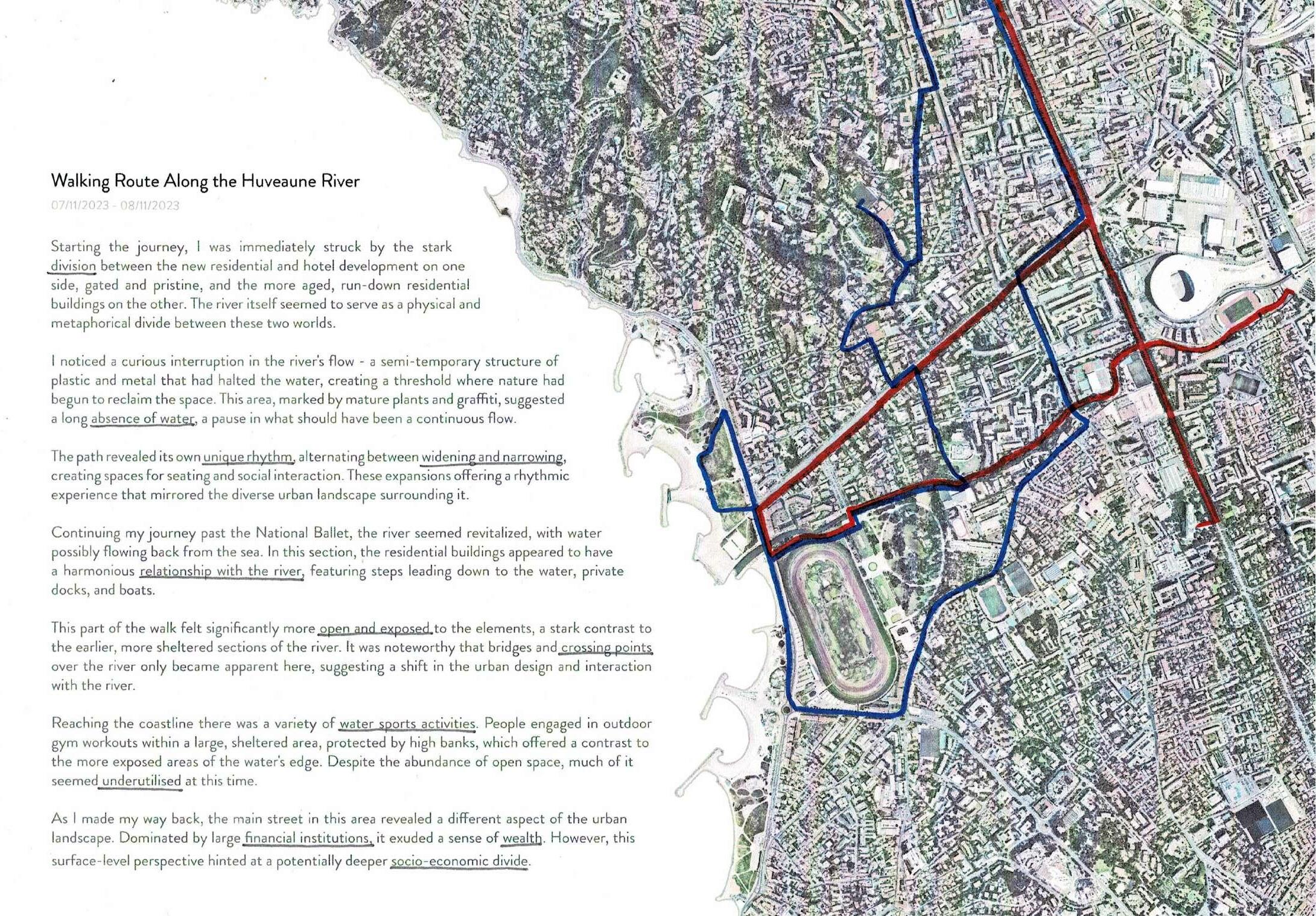
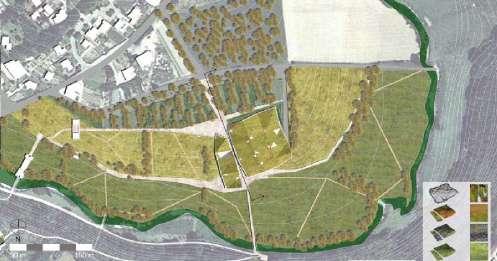
The selection of the route along the Huveaune River was driven by its strategic connectivity and points of intersection leading to and from the centre of Marseille. This creates a circular journey with the ocean baths serving as a pivotal point. It anchors the journey, acting as a destination to the route, and then guiding users back towards the VieuxPort.
The first-hand experience of walking the route revealed a rhythm and scale to the river, marked by transitions from wide to narrow passages, creating a dynamic journey from enclosed to open spaces, and varying from sheltered to exposed environments, as well as fluctuating between noisy and quiet surroundings.
Research into this area situated further south from the heart of Marseille indicated that this location would be more suitable for the introduction of a recreation-oriented programme, given its established and existing connection to the ocean.
In considering of architectural technology, the proximity to this junction where the river meets the sea offered a unique opportunity to test different methods in which this could be harnessed. This insight has significantly shaped the technological approach and underlying drivers of the project, emphasising sustainable and innovative use of natural elements to enhance the architectural design.
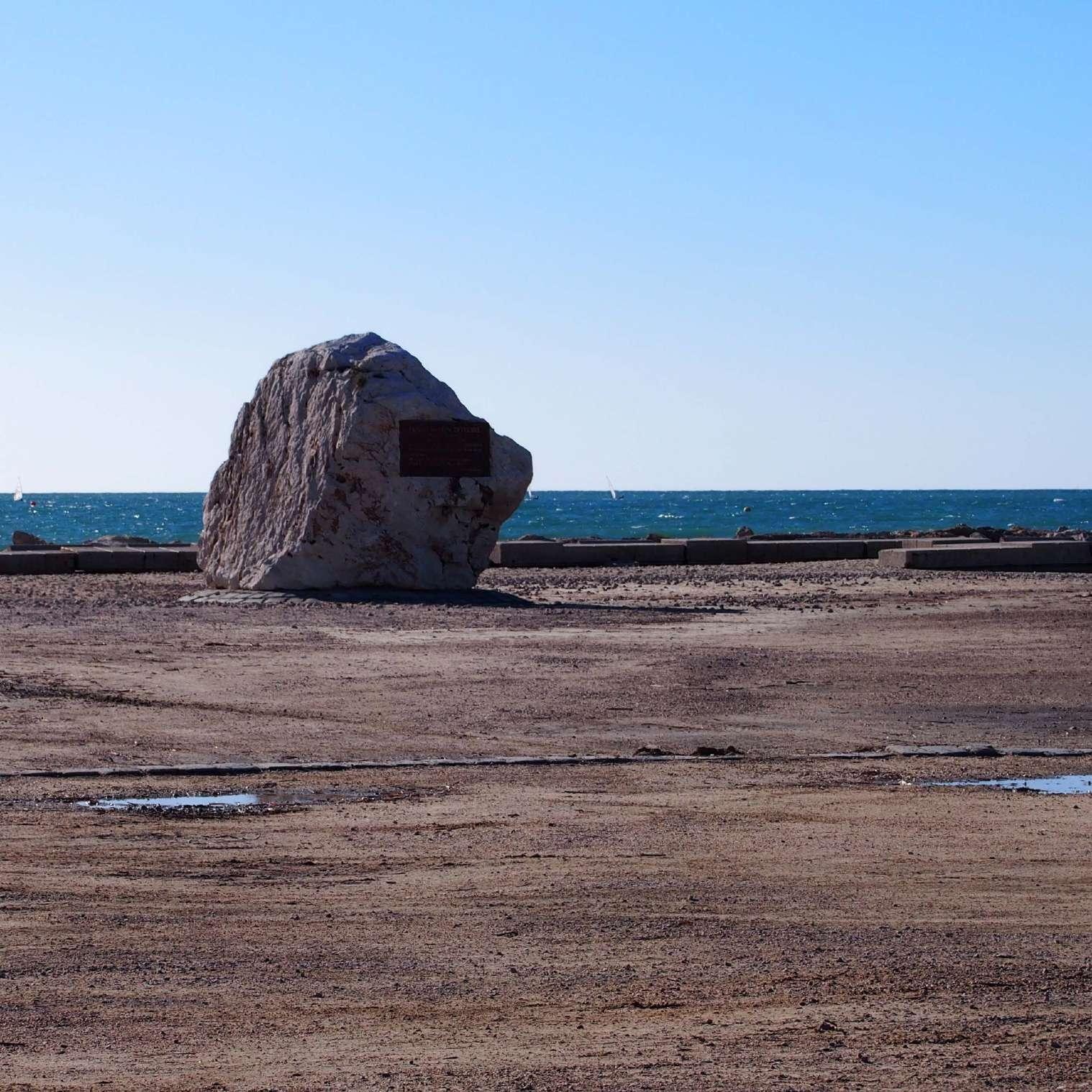
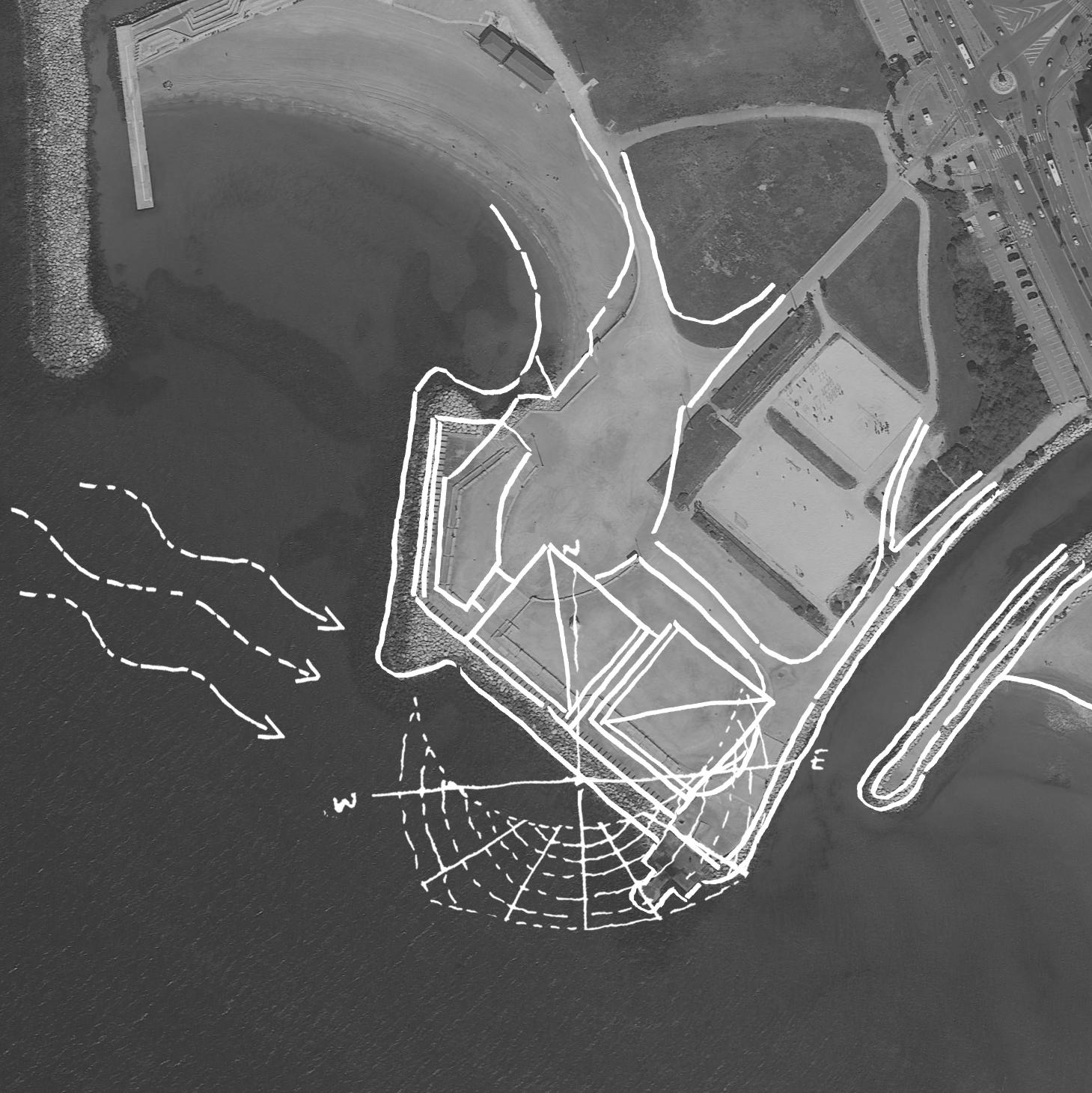
In conducting site analysis several critical environmental factors will need to be considered. The site will be prominently positioned to face the northwest winds, which are a consistent feature due to its orientation. Additionally, the site’s alignment at a 45-degree angle relative to the sun’s path will introduce unique challenges and opportunities for sustainable design.
Material selection will need to carefully address the saline environment to prevent corrosion and ensure durability. Materials that are resistant to salt spray and moisture will be essential to prolong the structural integrity of the building.
The design intends for the main facade to face seaward, which, while maximising views and potential for natural lighting, will require strategic planning to mitigate environmental impacts. Using the persistent northwest winds could be advantageous for natural ventilation and passive cooling strategies. Alternatively, these winds could also be a liability if not managed properly.
Solar gain is another critical aspect due to the site’s specific sun path exposure and offers potential benefits in terms of passive solar heating and natural light. However, this must be balanced with the risk of overheating and glare, requiring the thoughtful placement of glazing and possibly the incorporation of devices to control solar penetration.
The site’s current status as an undeveloped area primarily results from its vulnerability to the elements. The terrain is flat, and investigations into possible ground composition, reflective of the coastal extension efforts from the 1970s and 1980s, suggest a substrate primarily composed of sand, aggregate for foundational support, and concrete. Excavation might also reveal reinforcement materials such as rebars.
Mackintosh School of Architecture Stage 05 2023/2024 | The Ethical City Marseille Final Design Thesis: AT Journal Page 24 of 70 Mackintosh School of Architecture Stage 05 2023/2024 | The Ethical City Marseille Final Design Thesis: AT Journal Page 25 of 70
Initial Site Analysis
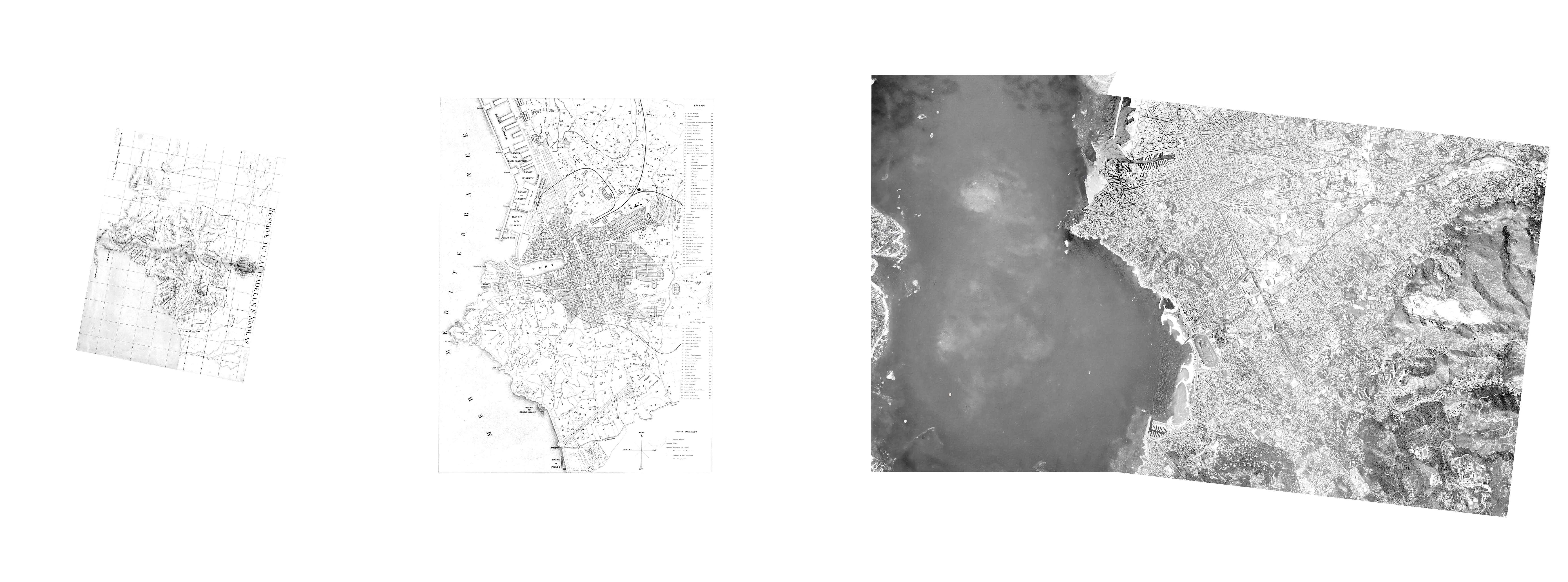
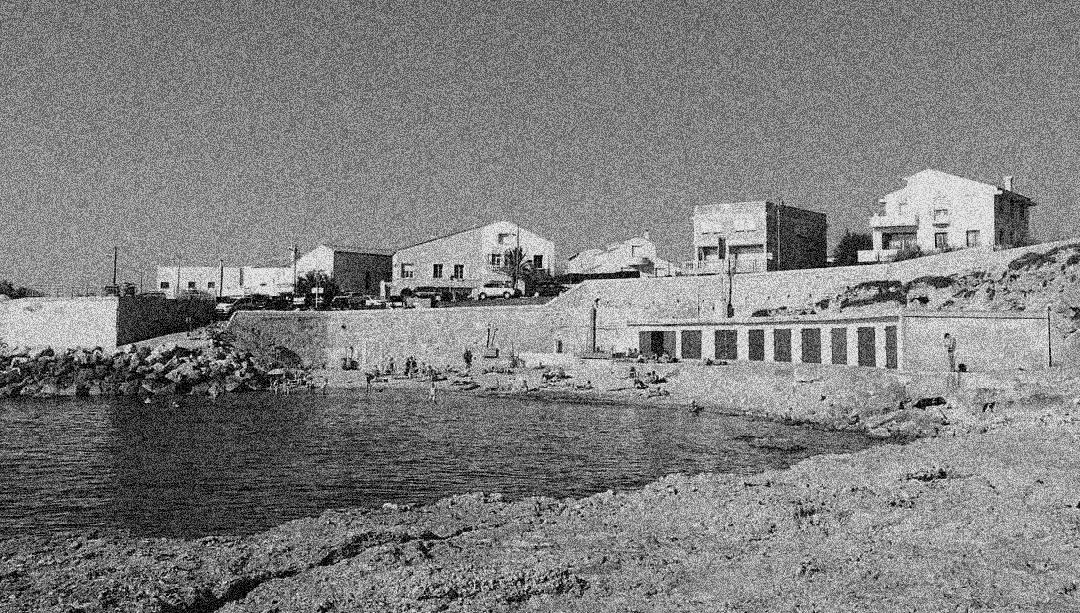
This map, dating back to the 1600s, is the earliest known depiction of the old port and the site location. It illustrates the natural coastline as shaped by the ocean without any human alteration. Over time, subsequent developments modified the coastal edge, resulting in the thesis site now being located inland.
In the 1850s, the construction of a coastal road began from the centre of Marseille, extending along the entire coastline and linking numerous small fishing villages and towns. This development altered the natural coastline to align with the road’s edge, creating a separation between the land and the sea. The ocean baths site at this time is separated from the land, demonstrating how much of the land was removed for the construction of the road. This disconnection relates to the period when the Huveane River was used for sewage disposal, coinciding with restricted access to the ocean at that location.
In the 1980s, a proposal was put forward to transform the area where the Huveaune River meets the sea into a seaside destination. This plan included reshaping the land to extend into the ocean, creating room for several protected coves for water sports, recreational beaches, and green spaces. This has been maintained, shaping the current layout of the ocean baths site.
Les Cabanons City Visit
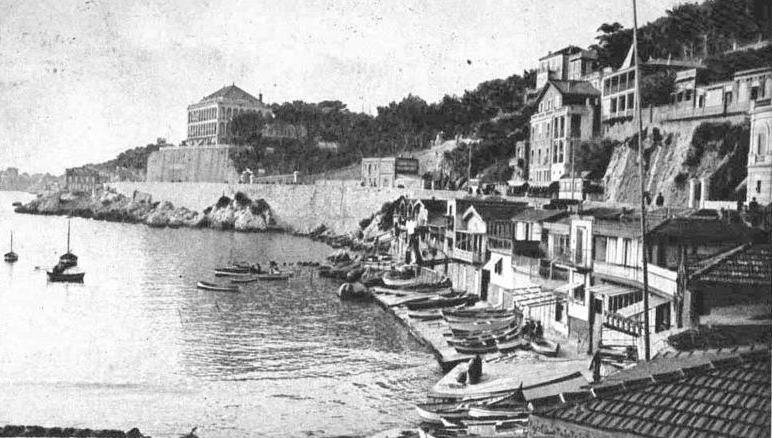
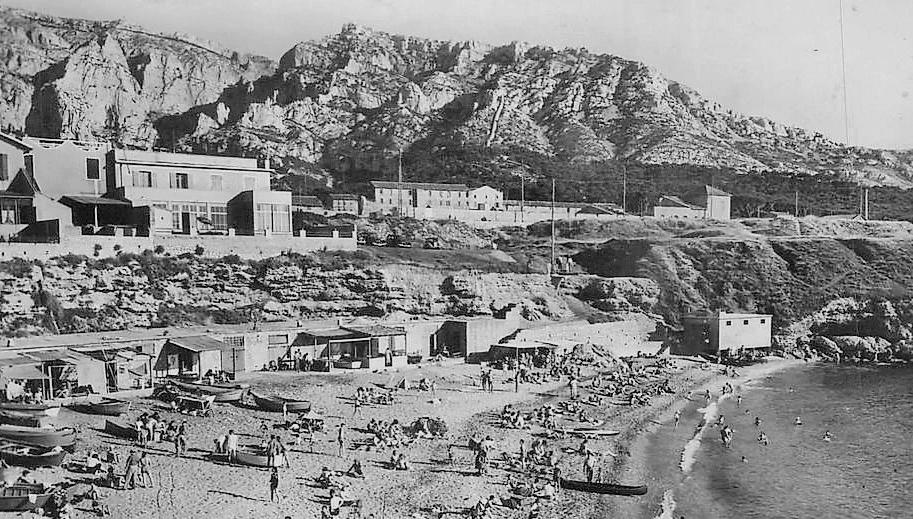
The connection to the sea further down the coast contrasts sharply with the atmosphere around the old port, where the focus is predominantly on commerce and tourism. Here, the emphasis shifts towards relaxation and leisure. The presence of fishing huts, or Les Cabanons, epitomises this distinction. These huts serve as hubs of social interaction, communal gathering and conviviality, symbolising the area’s more familiar and recreational relationship with the sea.
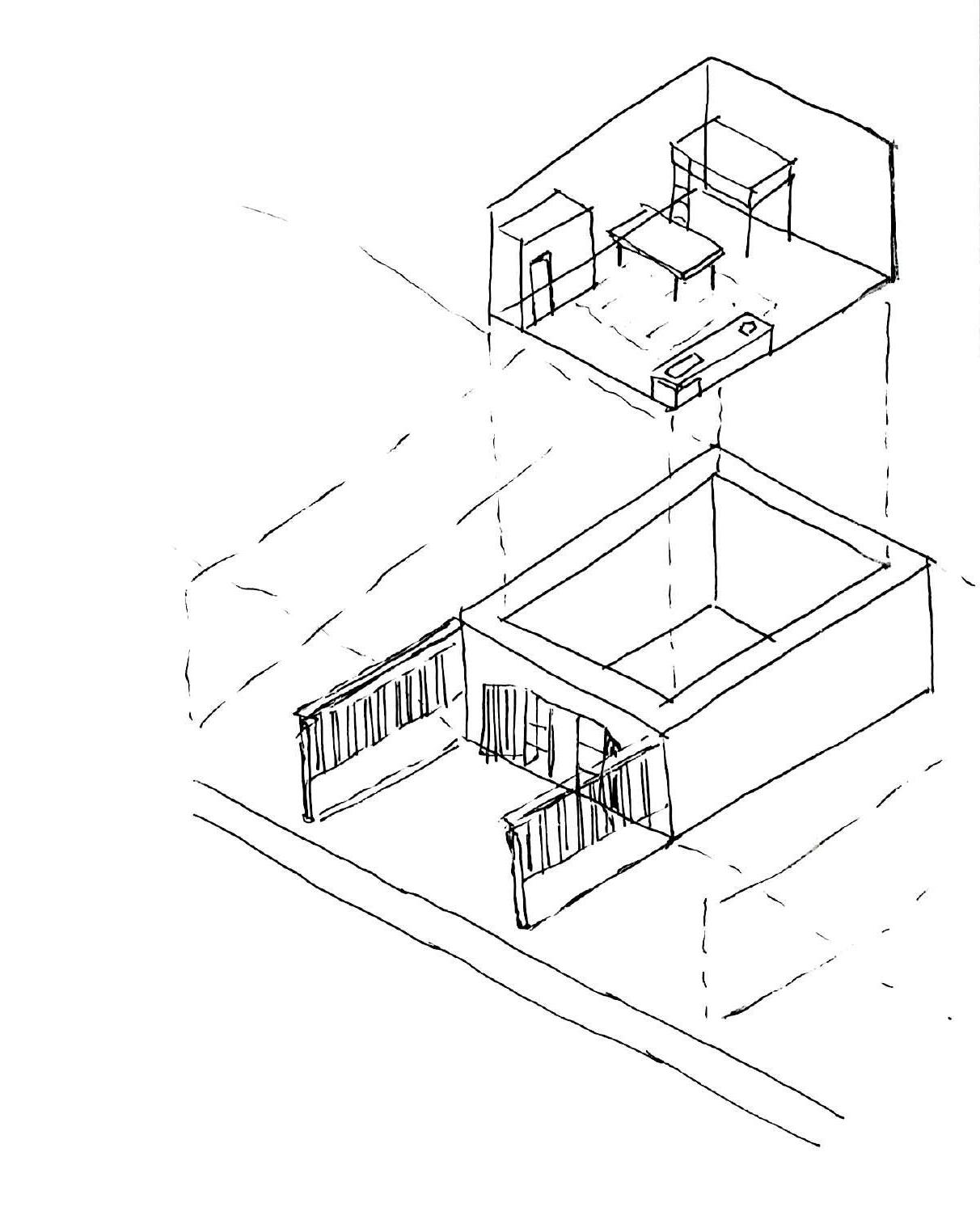
The huts, initially designed with a singular main room featuring a loft bed to maximise the available floor space within a compact footprint of 4.5m by 6m, was catered to fulfil only the most essential needs, devoid of electricity and running water. Originally constructed by fishermen, their very functional form and simple sloping roof structure were a reflection of the utilitarian needs, using found materials such as limestone rocks, recycled steel, and reused planks for their availability and resilience to the harsh coastal conditions. Over time, these huts evolved from their pragmatic origins to become a symbol of leisure and the working-class counterpart to the Bastides of the affluent, marking a shift in their functional narrative. The design incorporated a deep sheltered plan to offer protection from the summer heat and stormy weather prevalent throughout the year, while the front veranda served as a semi-private transitional space, blurring the lines between the communal beachfront and the hut’s sheltered interior.
It could be interesting to explore the use of materials within a certain proximity to the site in the same way that these huts have been constructed using locally sourced and found materials. The deep plan might also be an effective way of mitigating the heat which will face the south western face of the building, this might form part of the approach to overcome this issue of excessive solar gain.
Mackintosh School of Architecture Stage 05 2023/2024 | The Ethical City Marseille Final Design Thesis: AT Journal Page 28 of 70 Mackintosh School of Architecture Stage 05 2023/2024 | The Ethical City Marseille Final Design Thesis: AT Journal Page 29 of 70
Specifically at the foot of the Calanque mountain range, as inhabited today: first appeared in early 19th century.
Typical example of Les Cabanon
Bath House Construction Analysis
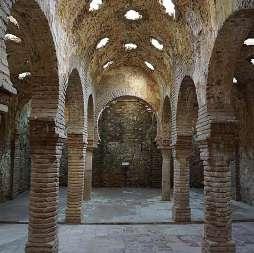
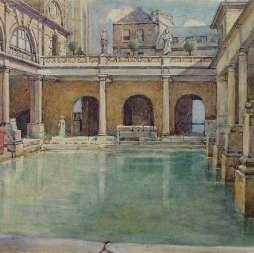
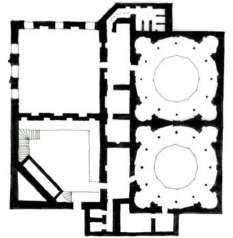
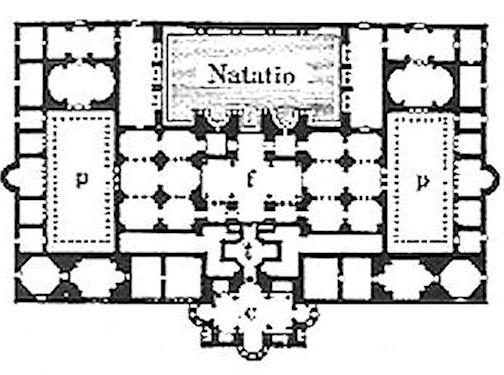
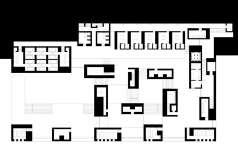
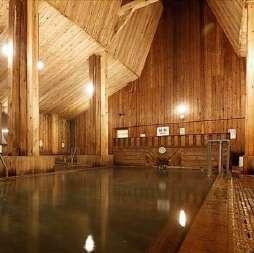
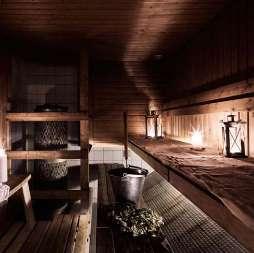
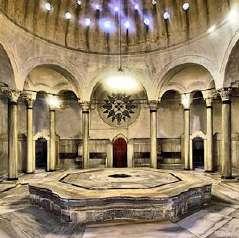
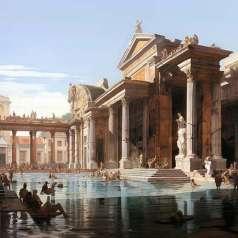
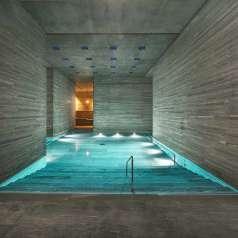
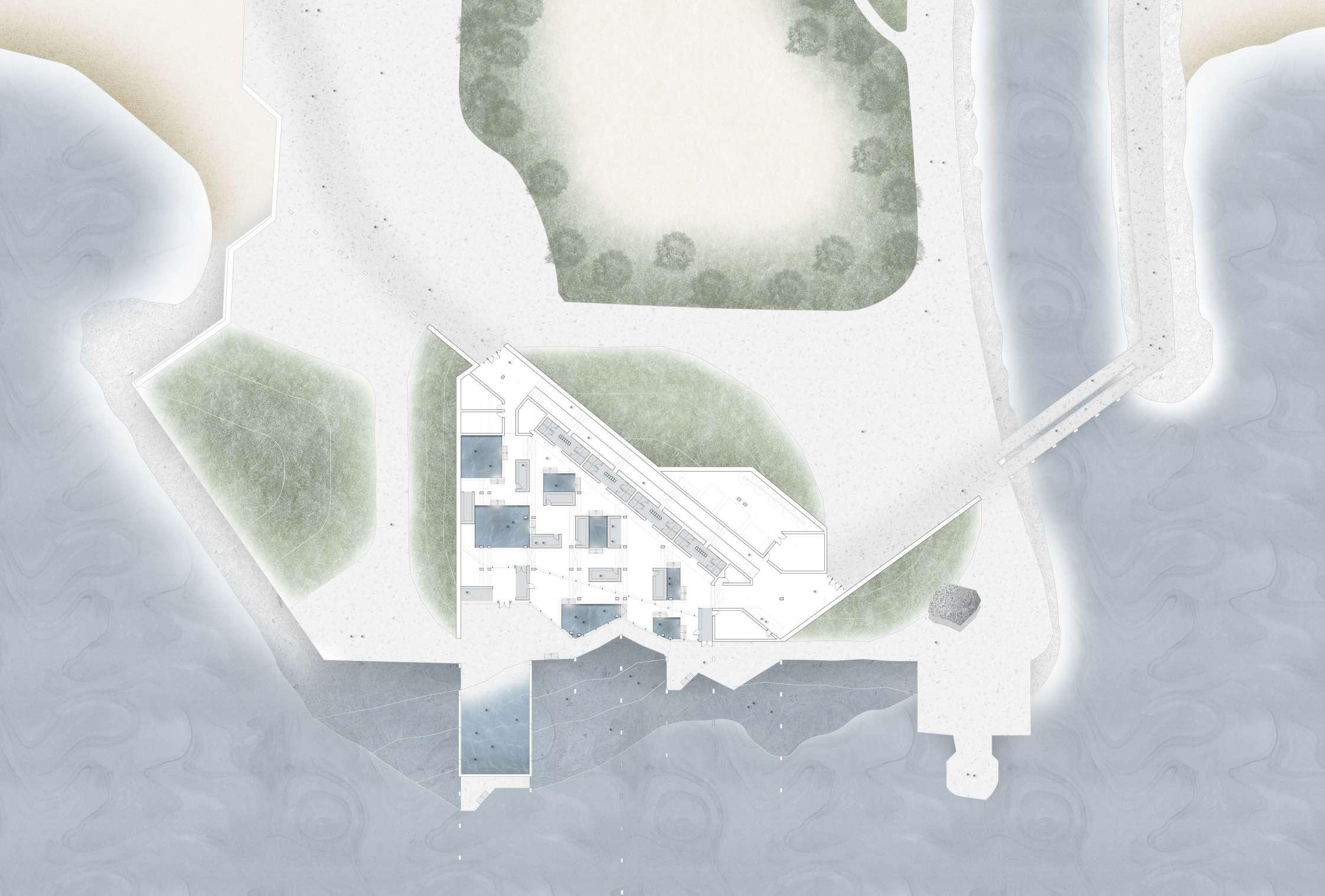
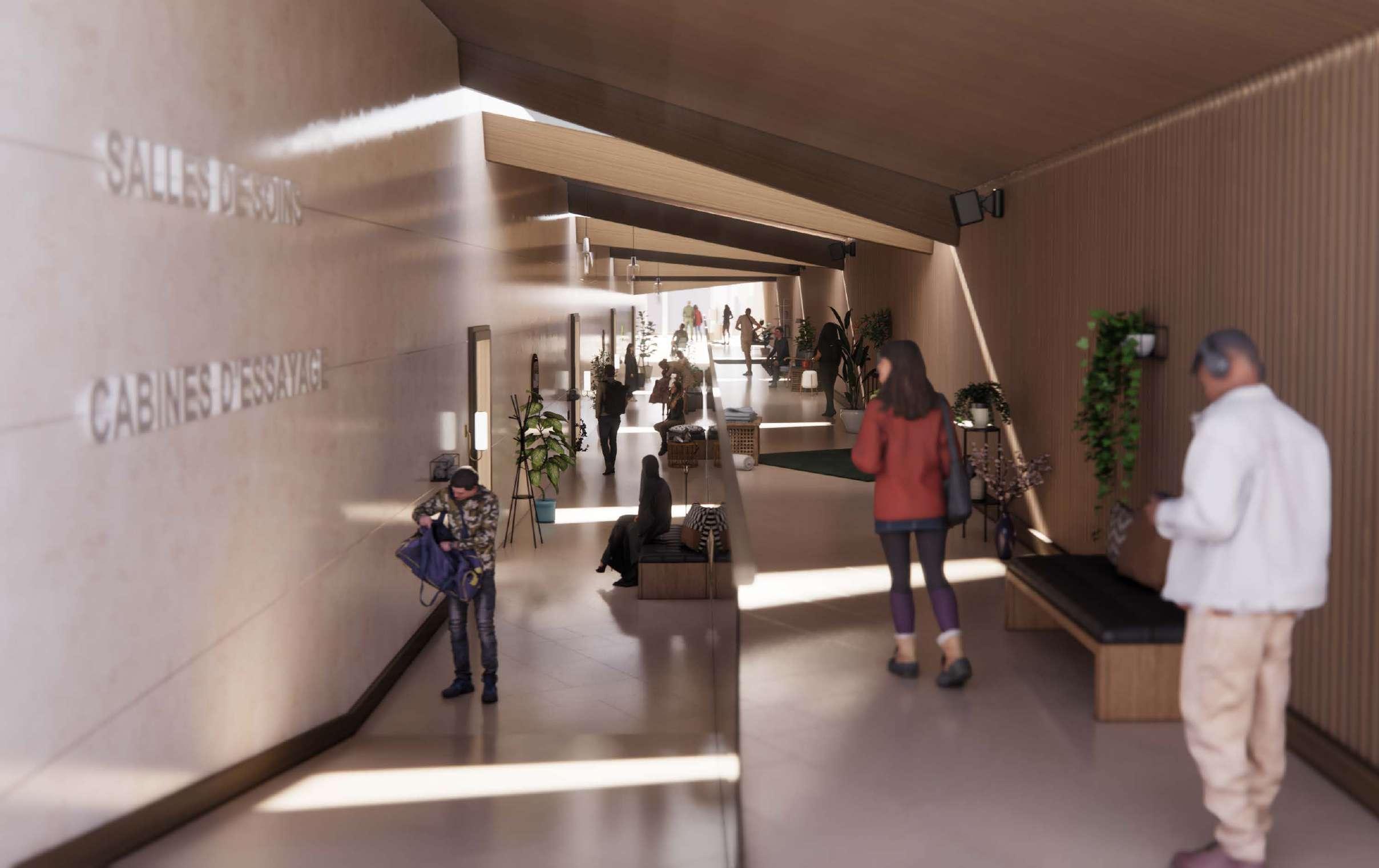
The selection of the bathhouse as a focal point for the project was motivated by its inseparable connection to water, a theme central to the design at the meeting of the river and the sea. This choice further emphasises the exploration of ritualistic elements inherent in the experience of a bathhouse, including the progression through entry, changing areas, and then into the pools and baths. These experiences offer a rich area for exploration under varying conditions such as light and darkness, warmth and cold, public and private spaces, as well as wet and dry environments. These thematic considerations are pivotal in shaping the architectural and technology decisions of the project.
Globally, bathhouses share common features such as the use of heavy and durable materials to counteract water erosion, overhead lighting to enhance the ambiance, and a blend of indoor and outdoor environments that include both wet and dry spaces, often mirrored in symmetrical layouts.
Despite Marseille’s diverse spectrum of cultures and their profound connections to bathing, bathhouses, and water rituals, the city surprisingly lacks public facilities that cater to these traditions. Recognising and addressing this gap is crucial for the preservation and continuation of these waterrelated rituals and traditions, ensuring they remain a recognised part of the community’s connection to water.
Mackintosh School of Architecture Stage 05 2023/2024 | The Ethical City Marseille Final Design Thesis: AT Journal Page 30 of 70 Mackintosh School of Architecture Stage 05 2023/2024 | The Ethical City Marseille Final Design Thesis: AT Journal Page 31 of 70
CIRCULATION / PROGRAMME A: CHANGING B: WARM C: HOT D: BATHS A B B C C HAMMAM CEMBERLITAS FLOOR PLAN BATHS LOCATION CIRCULATION / PROGRAMME A: ENTRY / CHANGING B: GYMNASIUM C: COLD D: WARM E: HOT THERMAE DIOCLETIAN FLOOR PLAN BATHS LOCATION A A B B C D E CIRCULATION / PROGRAMME A: HOT B: WARM C: COOL D: COLD BATHS THERME VALS FLOOR PLAN BATHS LOCATION A A B C C C HAMMAM DOMED STRUCTURE ENTRANCE VESTIBULE COLD ROOMS WARM ROOMS HOT ROOMS MARBLE FOUNTAINS AND TAPS CELEBRATION THERMAE INDOOR AND OUTDOOR WIDE RANGE OF ROOMS SKYLIGHTS SOCIAL SPACES AQUEDUCTS ENTRANCE / DRESSING COURTYARD / GARDENS DECORATIVE / ORNATE ONSEN INDOOR AND OUTDOOR NATURAL HOT SPRINGS LANDSCAPING BATHING SHOWERS RANGE OF BATHS VIEWS AND PRIVACY STRICT ETIQUETTE HEALING SAUNA WOODEN INTERIOR HEATED WITH STOVE VENTILATION TIERED SEATING DIM LIGHTING PRIVACY
Mackintosh School of Architecture Stage 05 2023/2024 | The Ethical City Marseille Final Design Thesis: AT Journal Page 32 of 70 Mackintosh School of Architecture Stage 05 2023/2024 | The Ethical City Marseille Final Design Thesis: AT Journal Page 33 of 70 Material Investigation01 Architectural Technology Integration 01.1 Synopsis 01.2 Model 01.3 Thermal Regulation 01.4 Lighting & Ventilation 01.5 Water Treatment 01.6 Ocean Resource 01.7 Green Roof 01.8 Embedding 01.9 Concrete 01.10 Structural Layout 01.11 Embodied Carbon 01.12 Fire & Life Safety02 Architectural Technology Journal 02.1 Site Choice 02.2 Site Analysis 02.3 Site History 02.4 City Visit 02.5 Les Cabanons 02.6 Bath House Typology03 Material Investigation 03.1 Translucent Polycarbonate 03.2 Concrete 03.3 Limestone 03.4 Brick 03.5 Glulam Timber 03.6 Steel 03.7 Insulation 03.8 Glazing04 Architectural Technology Drivers 04.1 Water Treatment 04.2 Ocean Resource 04.3 Embedded Earth 04.4 Green Roof 04.5 Ventilation 04.6 Skylight 04.7 Fabric First 04.8 Double Skin Facade 04.9 Embodied Carbon 04.10 Structure 04.11 Durability & Weathering06 References 06.1 Bibliography 06.2 Appendix
Translucent Polycarbonate
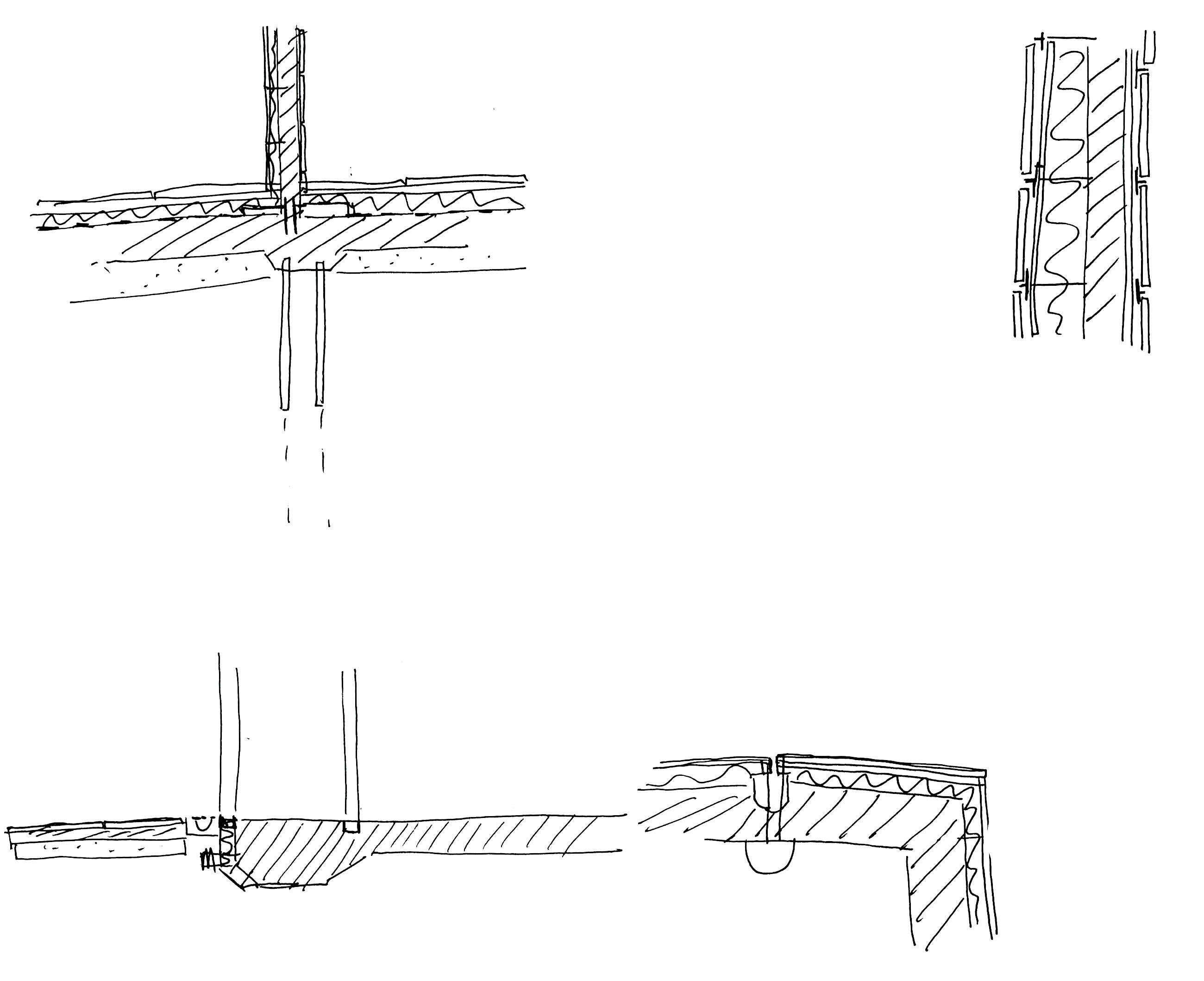
Translucent polycarbonate offers multiple benefits for architectural applications, particularly for façades requiring significant environmental management. Its ability to diffuse lighting could be especially advantageous for the north-western facade of this building, which faces challenges in controlling solar gain. This material property ensures a soft, evenly distributed light that mitigates the intensity of direct sunlight, making it ideal for maintaining comfortable interior lighting levels without the harsh effects of glare.
Polycarbonate is substantially more durable than glass, being stronger, lighter, and more flexible. These characteristics make it particularly suited to environments exposed to saline seawater and strong winds, common at coastal sites.
In terms of environmental and safety features, polycarbonate is fully recyclable and fire retardant, adding to its appeal as a sustainable building material. It is also cost-effective and provides better insulation than glass.
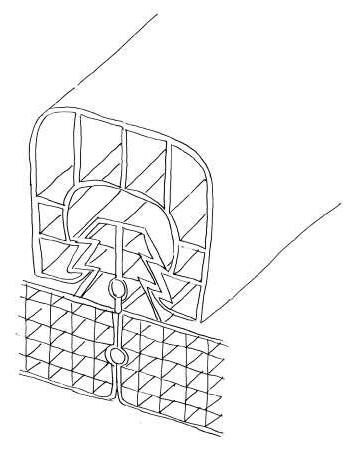
For further insulation needs, polycarbonate is available in options such as twin-panel or multipanel. These configurations offer varying degrees of thermal resistance and can be chosen based on the specific insulative requirements of the project. The structure typically includes a frame profile that is attached to a substructure.
Comparatively, polycarbonate can be a more adaptable and forgiving option than traditional curtain wall systems, which are generally heavier and less flexible. However, polycarbonate can also complement a curtain wall system when combined effectively, allowing for the integration of both materials to exploit their respective advantages.
be a fundamental consideration throughout this development process.
Mackintosh School of Architecture Stage 05 2023/2024 | The Ethical City Marseille Final Design Thesis: AT Journal Mackintosh School of Architecture Stage 05 2023/2024 | The Ethical City Marseille Final Design Thesis: AT Journal Page 35 of 70
Limestone
Limestone is fundamental to Marseille’s architectural identity, demonstrating the character and historic charm of the city. The versatile stone is prominently featured throughout the urban landscape, decorating numerous buildings and contributing to the city’s distinct aesthetic.
Limestone is relatively easy to cut and shape, making it a common material for construction. Limestone’s structural capabilities enable it to be used as a load-bearing stone in masonry walls and columns, showcasing its robustness despite its workability. Additionally, limestone serves as a crucial component in the production of concrete, enhancing its structural integrity and durability. Its versatility extends to exterior applications, such as cladding in a hung system, where limestone slabs are suspended to create façades. Limestone is also commonly used for paving and flooring, providing hard-wearing and elegant surfaces.
The color palette of limestone varies widely, from greys and creams to browns depending on the region it is sourced from. In Marseille, the limestone is typically of the Urgonian variety, known for its compact, hard quality and light coloration. The local limestone could be used to tie new constructions to the city’s geological and cultural context while also reflecting the natural topography.
When used externally, limestone’s interaction with saline water can lead to surface erosion and material degradation over time. Protective treatments and regular maintenance are necessary to preserve its aesthetic and structural qualities in harsh maritime environments. Internally, limestone can be affected by moisture and humidity, which may cause discolouration or deterioration if not properly sealed or if the environmental conditions are not controlled.
Regarding the environmental impact, the general carbon footprint of limestone is influenced by its extraction, processing, and transportation. While it is a natural material, the energy consumed during these stages can be significant, however this can be reduced if sourced from a local quarry.
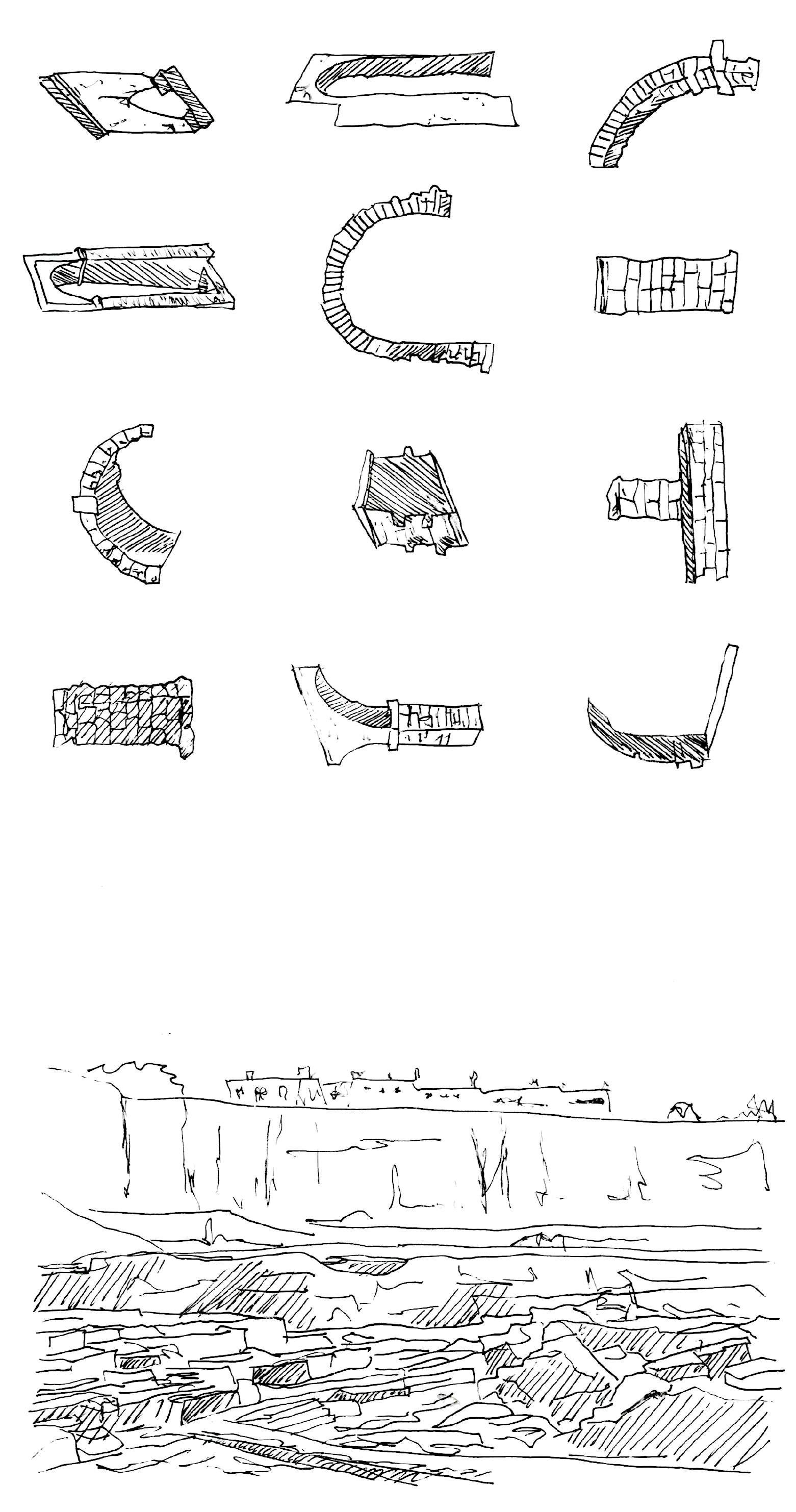
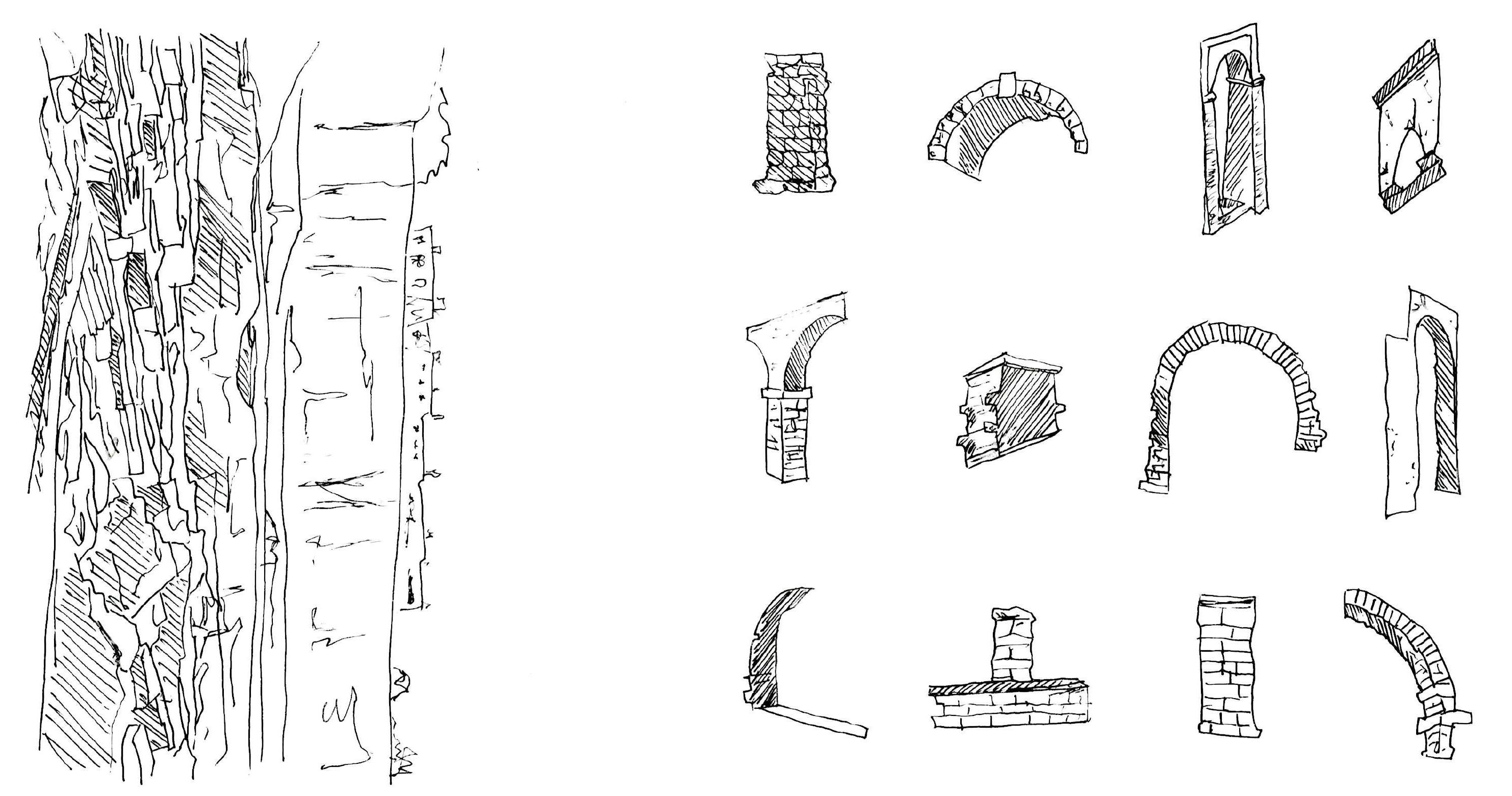
Limestone provides substantial weight and mass to structures, giving them a sense of permanence and resilience. In comparison, brick, primarily made of clay, serves a similar structural and aesthetic purpose but does not inherently connect with the natural surroundings as limestone might in areas like Marseille.
Brick is known for its versatility in application and appearance. It can be laid in a variety of bond patterns such as running bond, herringbone, and basket weave, each offering a distinct texture and visual rhythm to façades.
Bricks have a low water absorption rate, which is an essential property for buildings in coastal or damp environments. This characteristic makes them particularly suitable for seafront sites, where exposure to moisture is constant. The dense structure of bricks helps prevent water penetration, protecting the interior from moisture.
When exposed to saline water, bricks can be vulnerable to efflorescence, where salt deposits accumulate on the surface, leading to aesthetic implications.
Regarding the environmental impact, the production of bricks involves the extraction of clay, followed by shaping and firing at high temperatures. The energy consumed in the firing process, typically using natural gas or coal, contributes significantly to the carbon footprint of brick production. Although bricks are durable and offer a long life cycle which might offset some initial environmental costs, their overall carbon footprint is still considerable.
Mackintosh School of Architecture Stage 05 2023/2024 | The Ethical City Marseille Final Design Thesis: AT Journal Page 36 of 70 Mackintosh School of Architecture Stage 05 2023/2024 | The Ethical City Marseille Final Design Thesis: AT Journal Page 37 of 70
Brick
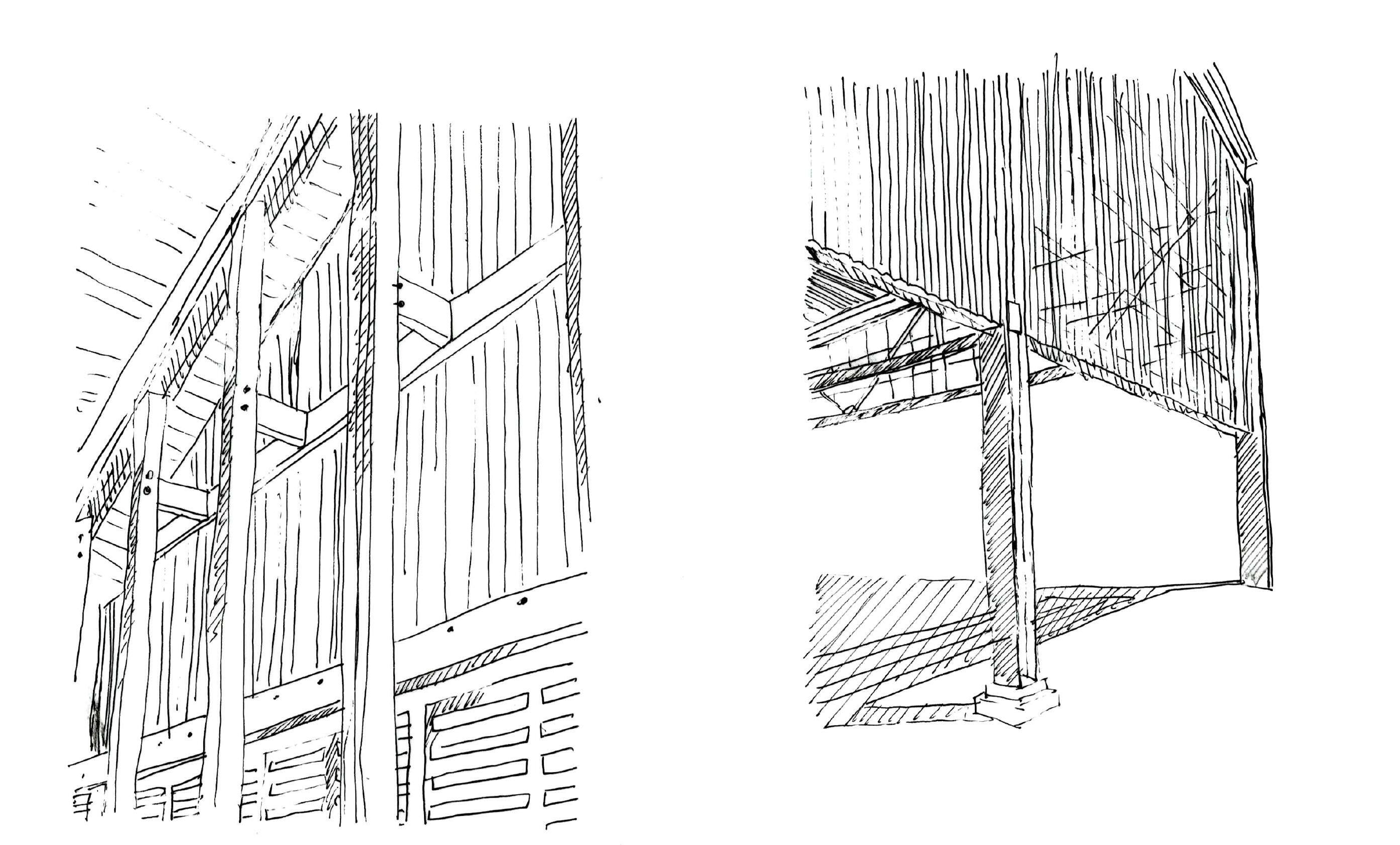
Glulam is manufactured by bonding together several layers of timber using durable, moistureresistant structural adhesives. This process aligns the grains of all layers parallel to the long axis, significantly enhancing strength and stability. Glulam is extensively used in various structural applications such as columns, beams, and for creating long spans that would typically require the strength of steel or concrete. Its adaptability also extends to aesthetic purposes in joinery, allowing it to fit seamlessly into both structural and decorative roles.
One of the benefits of glulam is its sustainable manufacturing process. Compared to steel and concrete, glulam’s production emits less carbon and uses a renewable resource. Additionally, glulam has a favourable strength-to-weight ratio, making it both durable and efficient for various structural applications without the heavy load associated with similar-sized steel or concrete structures.
Internally, the use of glulam in environments with high moisture and humidity levels requires careful consideration. Although the adhesives are waterproof, prolonged exposure to high humidity can affect the wood components of glulam. Preventative treatments and proper ventilation are essential to maintain the integrity and appearance of the wood. In saline environments, like coastal areas, glulam’s performance depends heavily on the protective treatments applied to the wood. Without adequate protection, the salty air can penetrate the timber, potentially causing degradation and reducing the lifespan of the material.
Glulam generally has a lower environmental impact than many conventional building materials. The production process for glulam captures carbon within the wood. However, the total environmental impact depends on factors such as the sourcing of the timber, the energy used in manufacturing the adhesives, and the transportation of the finished product.
Glulam Timber Steel
Steel is known for its strength and versatility. Its ability to manage long spans with slender structural members makes it a cost-effective solution for large-scale projects, where achieving the same structural capacity with materials like timber would require much bulkier components. This characteristic allows for the design of spaces with fewer visual obstructions, creating more open and flexible interiors.
One of steel’s primary advantages is its durability, particularly in settings exposed to strong winds. Its robust nature ensures that structures can withstand significant stress.
The use of steel in saline environments presents significant challenges. Exposure to salt air, particularly in coastal regions, can lead to corrosion, which weakens the steel over time and compromises structural integrity. To mitigate this, steel structures must be treated with protective coatings, such as galvanization or the application of advanced paint systems designed to resist corrosive elements. Internally, when used in environments with high moisture and humidity, steel requires careful consideration. Without adequate protection, humid conditions can accelerate the corrosion process, even in nonsaline environments. Therefore, in indoor pools, protective measures are needed.
Steel is highly regarded for its sustainability in terms of recyclability. It can be recycled endlessly without degradation of its structural properties, making it a advantageous material in circular economy practices. Once extracted and processed, steel scrap can be melted down and reformed into new steel products, significantly reducing the need to extract new materials.
The carbon footprint of steel is a complex issue. While steel recycling is highly efficient and reduces the demand for new raw materials, the production of steel is energy-intensive and heavily reliant on coal, particularly in processes involving blast furnaces. This contributes significantly to carbon emissions.
Mackintosh School of Architecture Stage 05 2023/2024 | The Ethical City Marseille Final Design Thesis: AT Journal Mackintosh School of Architecture Stage 05 2023/2024 | The Ethical City Marseille Final Design Thesis: AT Journal Page 39 of 70
Cellular Glass
Insulation
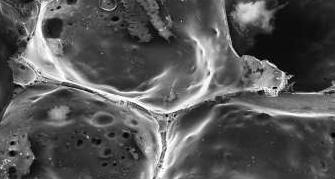
Cellular glass insulation offers resistance to water, moisture, and humidity, characteristics that make it highly suitable for the demanding conditions of a bathhouse environment. Cellular glass is also effective in corrosive environments, including those with high saline exposure, making it ideal for locations near the ocean.
In addition to its moisture resistance, cellular glass is also resistant to mold growth. Its fire resistance is another significant benefit, as it is non-combustible and can withstand extreme temperatures.
However, the environmental impact of Foamglas is a considerable concern. The production process of cellular glass typically involves high energy consumption, primarily due to the high temperatures required to melt glass and form the cellular structure. This energy-intensive process contributes significantly to its carbon footprint.
Cellular glass is manufactured by grinding recycled glass into a fine powder, which is then mixed with a foaming agent. This mixture is placed in a mould and heated to a high temperature, where the foaming agent releases gas, creating millions of sealed, air-filled cells within the glass. This unique structure not only contributes to its insulation properties but also to its durability and resistance to compression.
Mineral Wool Insulation
withstand very high temperatures without melting.
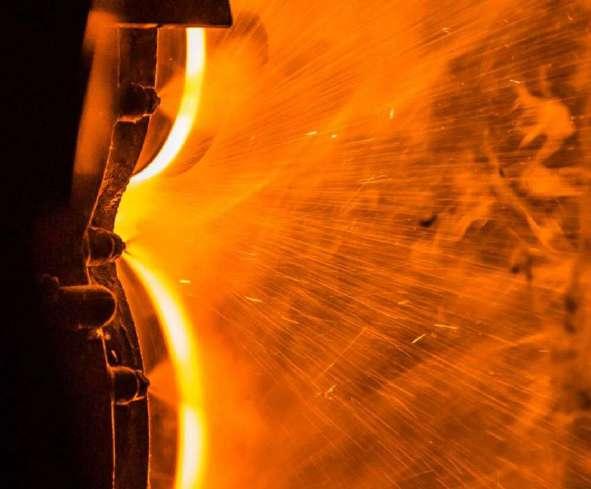
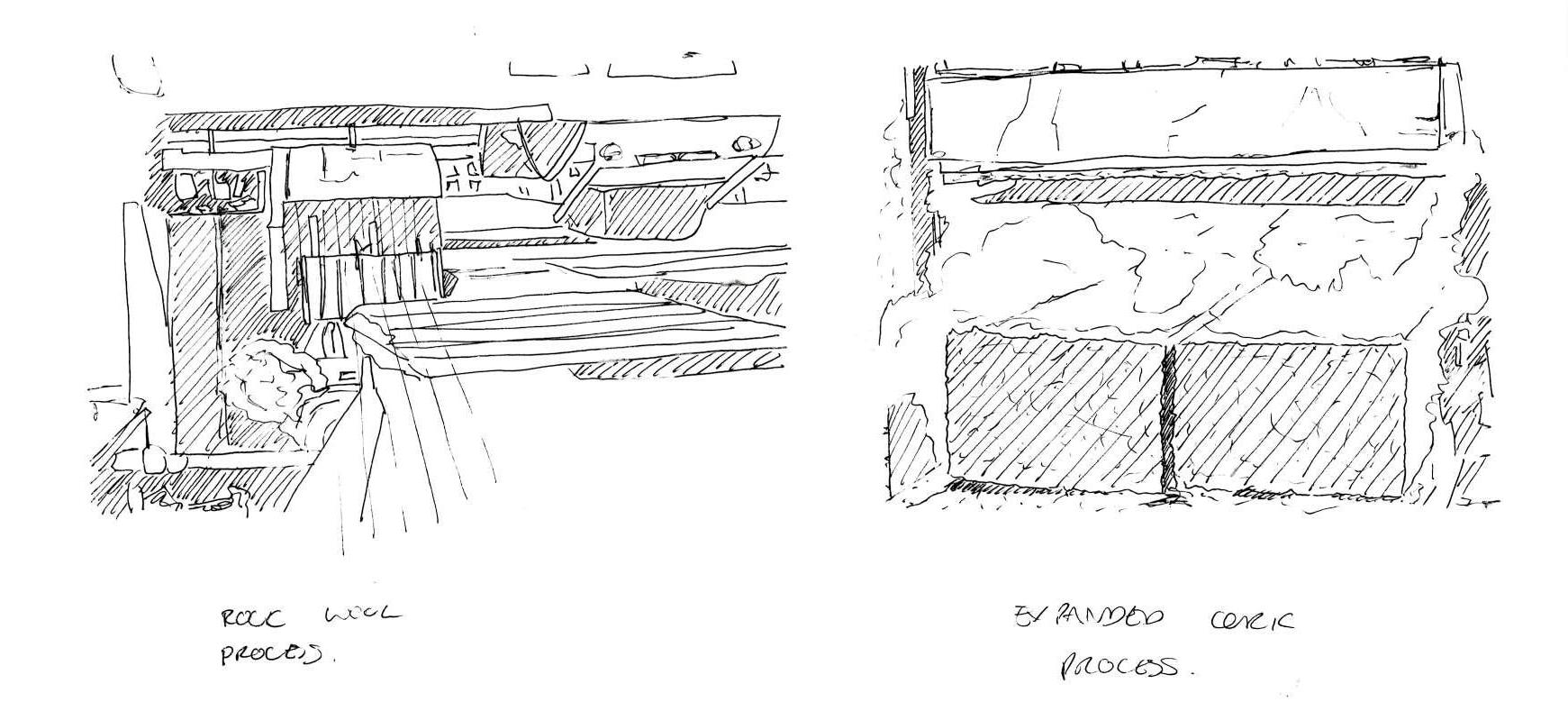
Mineral wool is manufactured by melting basaltic rock or industrial slag and then spinning it into fine fibres. This process can be energy intensive, which contributes to its carbon footprint. However, many manufacturers have begun to incorporate recycled materials and adopt more energy-efficient processes to mitigate these environmental impacts.
It does not react with salt or other corrosive substances, making it suitable for coastal areas.
Polyisocyanurate Insulation
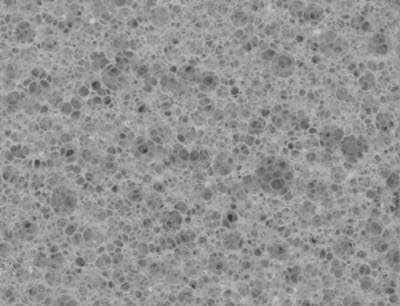
Polyiso insulation is created through a process that involves reacting a mixture of polymeric isocyanates with other chemicals to form rigid foam panels. This process typically requires the use of blowing agents, which do have a significant environmental impact.
The creation of polyiso involves energy-intensive processes, and even though modern blowing agents have reduced the environmental burden, the overall carbon footprint of polyiso insulation still includes the emissions from raw material.
Expanded Cork Insulation
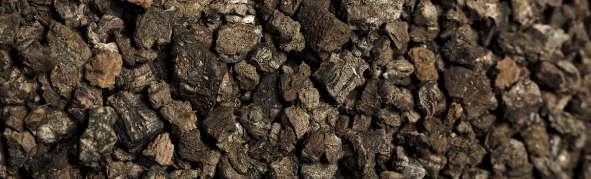
Expanded cork insulation has excellent moisture resistance, a natural property of cork. Its ability to repel water helps maintain its insulative properties and structural integrity over time, preventing deterioration from moisture exposure.
One of the most significant advantages of expanded cork is its environmental sustainability. Cork is harvested from the bark of the cork oak tree, which is a renewable resource because the bark regrows after being harvested, allowing the tree to continue living and absorbing carbon dioxide. Additionally, cork is completely biodegradable, which means it breaks down into natural substances that can be reabsorbed by the environment.
Expanded cork also offers good thermal properties, making it an efficient insulator that can help reduce energy costs for cooling.
The carbon footprint of expanded cork insulation is relatively low compared to many synthetic insulation materials. The process of producing expanded cork is energy efficient, primarily because cork can be expanded using the cork’s own resin under high heat, without the need for additional chemicals or significant amounts of external energy. This natural expansion process emits very little carbon.
Expanded cork is created by grinding cork granules and then heating them to around 300-360oC. At this temperature, the natural resin acts as a bonding agent. As the granules are heated, they expand and fuse together under pressure to form blocks or sheets, without the need for additional binders or chemicals.
Mackintosh School of Architecture Stage 05 2023/2024 | The Ethical City Marseille Final Design Thesis: AT Journal Page 40 of 70 Mackintosh School of Architecture Stage 05 2023/2024 | The Ethical City Marseille Final Design Thesis: AT Journal Page 41 of 70
Geopolymer Green Concrete
Realising that there is not true alternative to concrete when constructing a bath house which needs to deal with water, moisture and humidity, I have explored different options which look to reduce this harmful output as much as possible.
The first option was a product called Geopolymer, which claims to produce 90% less C02 that the traditional process of concrete. It uses recycled waste from fly ash, steel producing waste, along with other naturally minerals. The process of making this concrete does not require any heating, which is why the C02 output is so much lower, meaning much less energy is required, it is recycling byproducts that would normally go to landfill, and there is much less water being used.
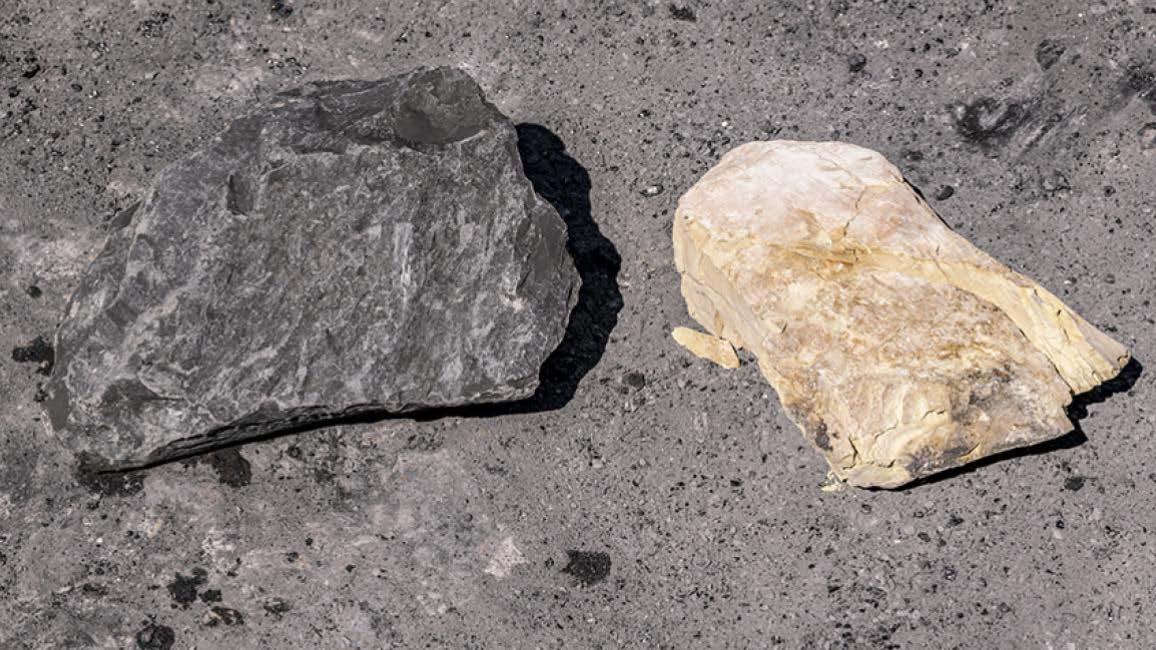
Prompt Natural Cement
Natural cement offers a compelling alternative to conventional concrete, particularly because of its environmentally friendly production process that requires significantly less energy. This reduced energy consumption is primarily due to the lower firing temperatures needed for natural cement, ranging from 900-1200°C, compared to the 1500°C required for ordinary cement. The raw materials for natural cement are mined and only need to be dried and ground into powder, further minimising the carbon footprint of the manufacturing process.
Its suitability for marine applications and resistance to salt water make it ideal for coastal constructions. Being a product primarily sourced and used within France, the reduced travel distances contribute positively to its overall carbon footprint considerations.
Given these credentials, natural cement is much more developed and tested than similar low-carbon alternatives such as geopolymer, making it more reliable for this projects that requires durability, and moisture resistance.
Mackintosh School of Architecture Stage 05 2023/2024 | The Ethical City Marseille Final Design Thesis: AT Journal Page 42 of 70 Mackintosh School of Architecture Stage 05 2023/2024 | The Ethical City Marseille Final Design Thesis: AT Journal Page 43 of 70
DanPatherm K12 Facade System
Fluted Low Iron Glazing
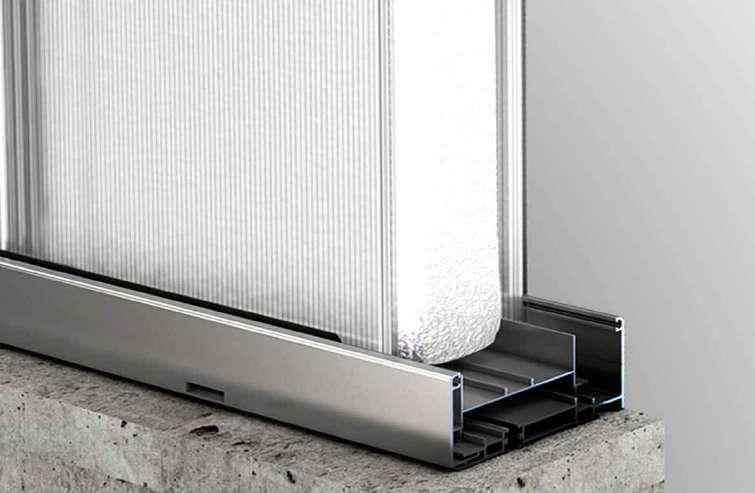
The Danpatherm K12 is a prefabricated translucent polycarbonate facade system designed for performance and efficiency. Manufactured offsite, this system offers several distinct advantages that are particularly suited to the environmental challenges this site faces.
A key feature of the Danpatherm K12 panels is their ability to prevent moisture penetration between the panels. This makes them particularly well-suited for areas with high humidity or where exposure to moisture is a regular occurrence, ensuring the integrity and longevity of the facade system.
Each panel incorporates a translucent insulative material within its cavity, essentially creating a double-glazed effect. It achieves a U-Value of 0.52 W/m²K, indicating a high level of thermal efficiency that helps in maintaining a stable interior temperature and reducing energy consumption associated with cooling.
The structural design of the Danpatherm K12 panels allows them to withstand significant wind loads, with the ability to span up to four meters unsupported. This feature significantly reduces the need for an extensive substructure.
The panels are designed to allow soft, diffused light to penetrate the interior spaces. This quality ensures that while the building remains secure from environmental elements, it also benefits from natural light, enhancing the comfort and usability of the interior spaces without the harshness associated with direct sunlight.
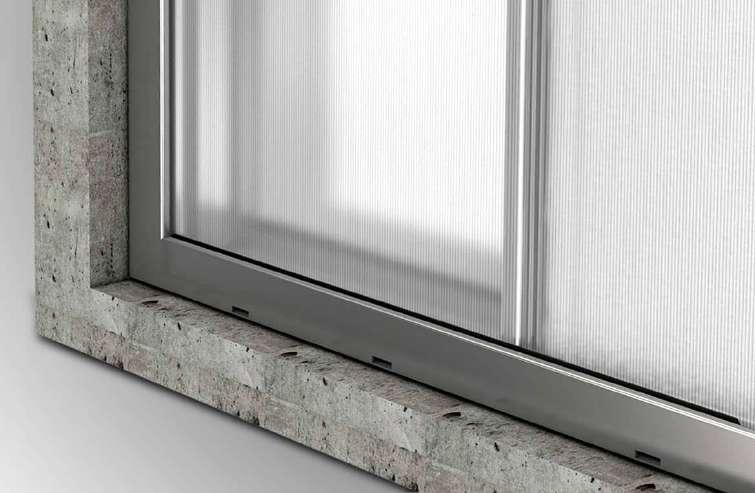
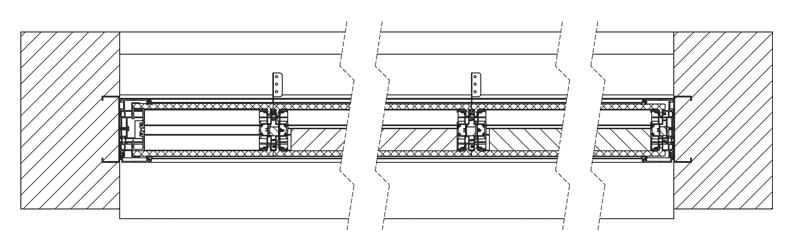
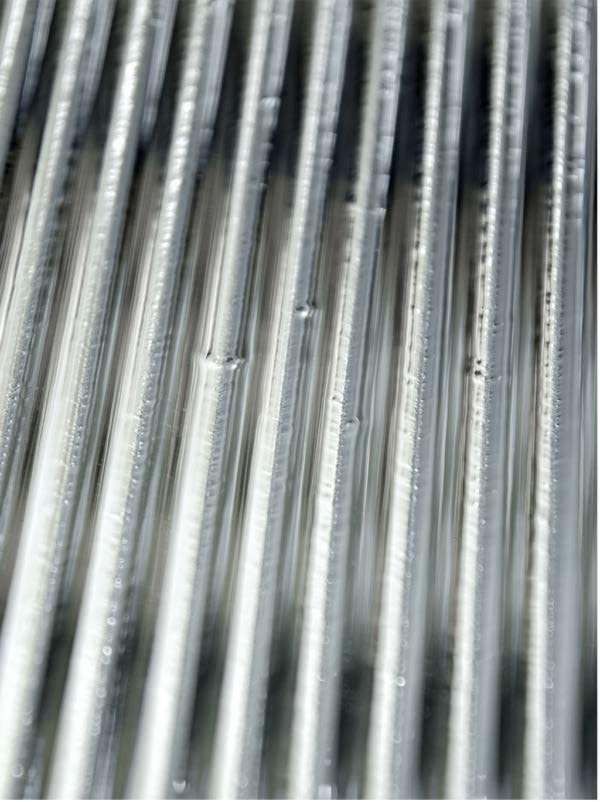
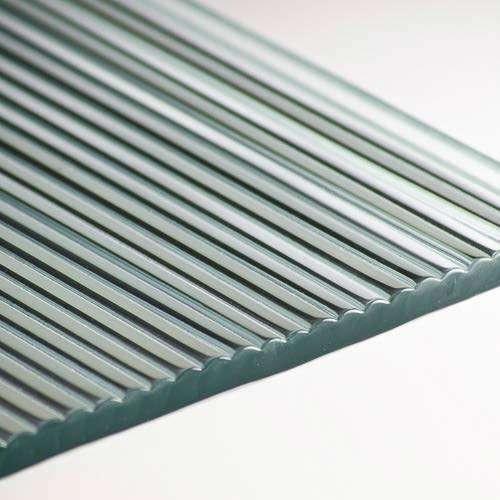
Exploring alternatives to translucent polycarbonate, have looked at the possibility of using fluted glazing. This type of glass has front convex linear bevels that not only enhance privacy by obscuring the light but also maintain a degree of translucency, similar to the effect provided by polycarbonate. The unique structure of fluted glazing helps diffuse incoming sunlight, minimising direct solar exposure and reducing solar gain.
Glass is inherently recyclable, which means it can be melted down and repurposed indefinitely. This attribute helps reduce waste and allows glass to contribute positively to a circular economy. However, the embodied carbon of glass primarily comes from the high-energy processes required for its production, including the melting and moulding stages.
In terms of durability, particularly in saline environments such as coastal areas, glass is capable of withstanding harsh conditions. Over time exposure to the elements would lead to weathering effects, which may impact the material’s aesthetic and structural integrity. When comparing fluted glass to translucent polycarbonate, one significant drawback is its weight. Glass is substantially heavier and would necessitate more robust structural support.
The application of these glass panels requires careful consideration regarding their dimensions. The ability of glass panels to span specific lengths and heights impacts the overall design, as more panels would introduce more seams and potential thermal bridges.
Mackintosh School of Architecture Stage 05 2023/2024 | The Ethical City Marseille Final Design Thesis: AT Journal Page 44 of 70 Mackintosh School of Architecture Stage 05 2023/2024 | The Ethical City Marseille Final Design Thesis: AT Journal Page 45 of 70
Mackintosh School of Architecture Stage 05 2023/2024 | The Ethical City Marseille Final Design Thesis: AT Journal Page 46 of 70 Mackintosh School of Architecture Stage 05 2023/2024 | The Ethical City Marseille Final Design Thesis: AT Journal Page 47 of 70 AT Drivers01 Architectural Technology Integration 01.1 Synopsis 01.2 Model 01.3 Thermal Regulation 01.4 Lighting & Ventilation 01.5 Water Treatment 01.6 Ocean Resource 01.7 Green Roof 01.8 Embedding 01.9 Concrete 01.10 Structural Layout 01.11 Embodied Carbon 01.12 Fire & Life Safety02 Architectural Technology Journal 02.1 Site Choice 02.2 Site Analysis 02.3 Site History 02.4 City Visit 02.5 Les Cabanons 02.6 Bath House Typology03 Material Investigation 03.1 Translucent Polycarbonate 03.2 Concrete 03.3 Limestone 03.4 Brick 03.5 Glulam Timber 03.6 Steel 03.7 Insulation 03.8 Glazing04 Architectural Technology Drivers 04.1 Water Treatment 04.2 Ocean Resource 04.3 Embedded Earth 04.4 Green Roof 04.5 Ventilation 04.6 Skylight 04.7 Fabric First 04.8 Double Skin Facade 04.9 Embodied Carbon 04.10 Structure 04.11 Durability & Weathering06 References 06.1 Bibliography 06.2 Appendix
Water Treatment
Ocean Resource
Energy production
Using pressure-retarded osmosis, energy can be produced through the difference between the salt concentrate of sea and river water (4:1) ratio. Through the process of osmosis, water from the river would move towards the sea water through a permeable membrane. This movement can be captured with turbines, producing electrical energy. The outcome of this is a clean source of energy, with the only output being salt water which can be safely returned to the sea. This is a relatively new area of research, however it would be interesting to explore this further within the scale of my final design thesis as the site fits the criteria needed for this form of energy production.
If this method is found not to be plausible then other forms of energy production will be explored, such as the use of tidal power, using the movement of the sea as these areas have been much more extensively tested and researched.
Fresh water production
Desalination is the process of turning ocean water into fresh water. To achieve this, reverse osmosis is used, which is a very similar process to pressureretarded osmosis, where instead of relying on the natural flow between salt and river water, the ocean water is pressurised through a filtering membrane which removes all salt and minerals, leaving fresh water. A negative aspect of this method is that you are left with a concentrated brine which can be harmful to sensitive ecosystems, however this bi-product can be used in the pressure-retarded osmosis system.
Investigating this further will look into if it is possible to have a system which can be used for both methods interchangeably, and the challenges which may arise from this. This could work with the intermittent flow of the Huveaune River which relies on rainfall.
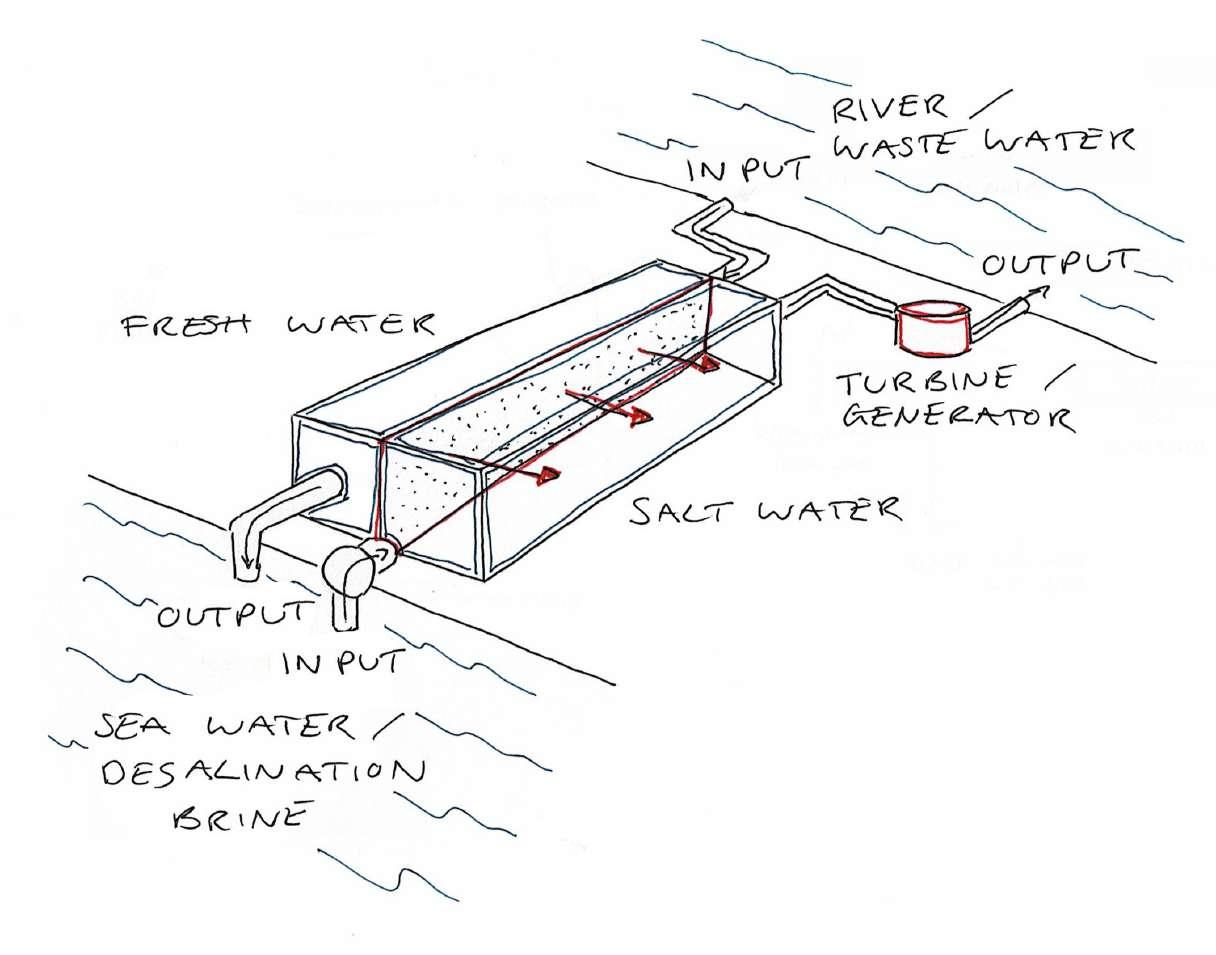
Leveraging the ocean as a resource for heating and cooling in this project could present an innovative approach to enhance the building’s energy efficiency and sustainability.
There is a wide and varying range of pool temperatures which are required in the project to provide spaces for all needs within the ocean bath setting. To achieve this an effective heating and cooling strategy will need to be implemented. Due to the site location, using the ocean as a resource would seem the most appropriate method for this.
The use of a heat pump to extract heat from the ocean surface which has been heated by the sun at depths up to 100m, achieving temperatures between 25 - 30 degrees Celsius. Beyond this cold water can be used to exchange cooling from heat sinks reaching temperatures around 2-3 degrees Celsius. The pool temperatures which have been outlined for this project are 7°C, 15°C, 37°C, and 42°C. For the hotter pools additional heating may be required, however the majority of heat will have been extracted from the ocean making it a much less strenuous and energy draining task.
Mackintosh School of Architecture Stage 05 2023/2024 | The Ethical City Marseille Final Design Thesis: AT Journal Page 48 of 70 Mackintosh School of Architecture Stage 05 2023/2024 | The Ethical City Marseille Final Design Thesis: AT Journal Page 49 of 70
Surface Water 0-100m 25-30°C Deep Water 100-1000m 2-3°C Heat
& Pump Warm / Hot Baths Cool
Exchange
/ Cold Pools
Embedded Earth
Incorporating the project seamlessly into the landscape is a primary architectural technology driver, aiming to minimise visual disruption and enhance the environmental integration of the building. Discussions with the structural engineer led to innovative methods that embed the structure into the terrain without compromising structural integrity or requiring traditional retaining walls.
This approach involves creating a steep internal slope which is then covered and blended into a green roof. Another proposed solution is the construction of a stepped blockwork wall. This technique involves building tiered retaining structures that gradually step back into the earth, allowing for the natural vegetation to grow over the earth.
I then followed with some calculations to estimate how much material would be excavated, and how much would be required to infill the space behind the building.
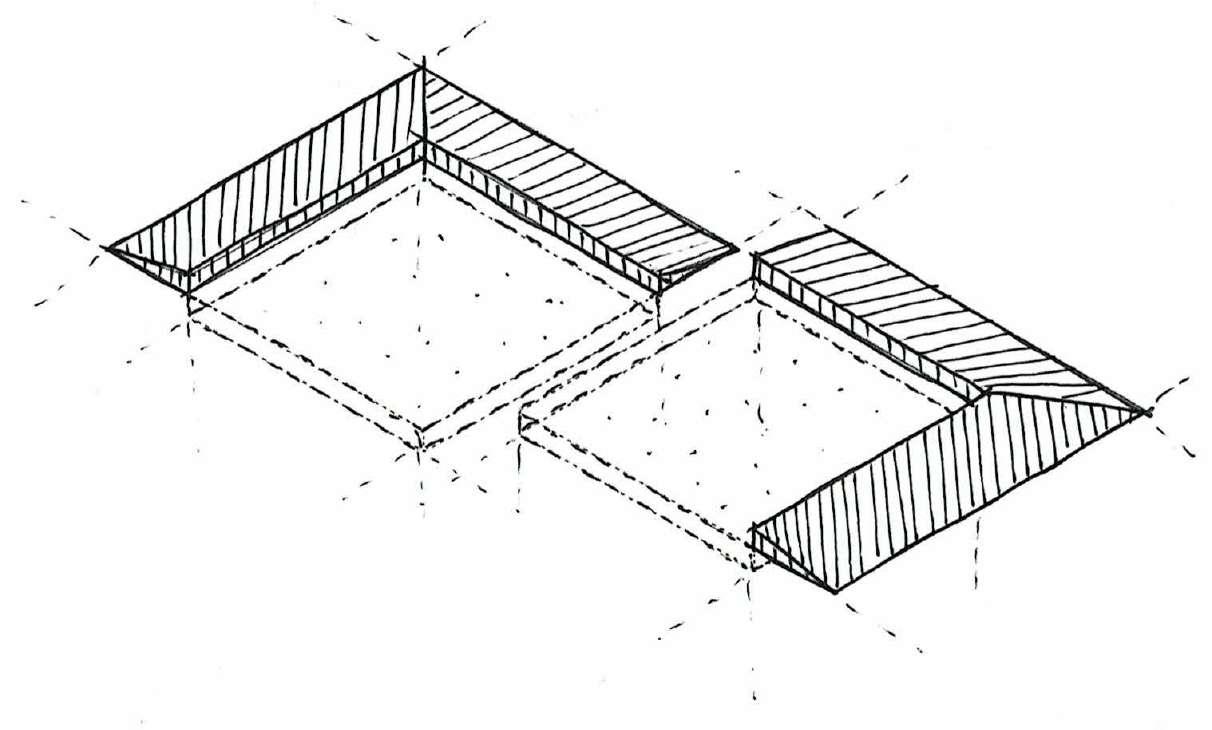
‘Waste’ material used to infill behind the perimeter walls of the internal volumes
Estimated volume of excavated material: 2425(area) x 1.75(depth) = 4244m
Excavated material from the site for foundation and pool depths
Estimated volume of excavated material: 3350(area) x 2.5(depth) = 8375m3
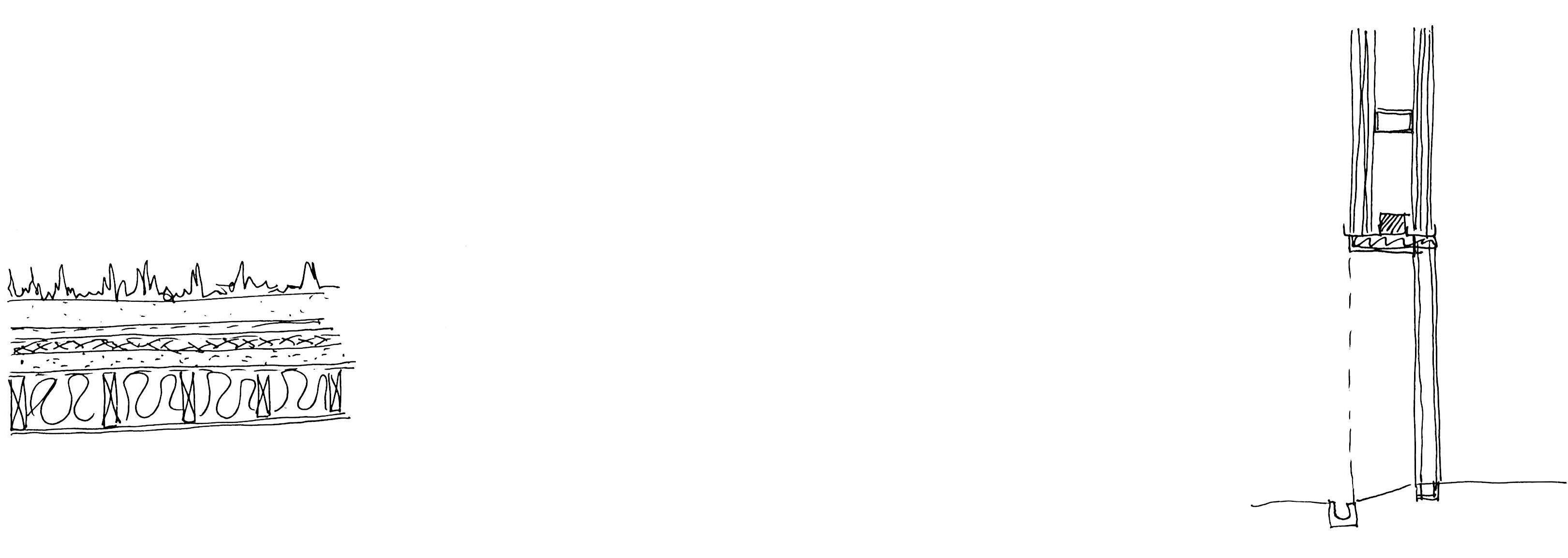
insulation layer ensures a stable interior climate. Additionally, the green roof’s capacity to absorb and manage rainwater minimises runoff, capturing moisture that supports the roof’s plant life and reusing it as grey water, or feeding into other systems that require fresh water.
Mackintosh School of Architecture Stage 05 2023/2024 | The Ethical City Marseille Final Design Thesis: AT Journal Page 50 of 70 Mackintosh School of Architecture Stage 05 2023/2024 | The Ethical City Marseille Final Design Thesis: AT Journal Page 51 of 70
Ventilation
I started by investigating different types of ventilation systems that can be integrated into a facade system, such as a closed loop, naturally ventilated, or exchange system.
Natural ventilation could be maximised by strategically placing operable vents to use the prevailing winds that sweep across the building. This approach aims to harness natural airflow to cool and ventilate the space passively.
The skylights situated above each pool could play a critical role in the building’s ventilation strategy. Designed to open and close based on the indoor air conditions, these skylights will allow for the extraction of warm, humid air and the introduction of cooler, drier air from outside.
Taking into account the specific wind conditions at the site, the direction of openings will be orientated to enhance natural ventilation through skylights. Considering the variation of natural ventilation based on external conditions such as weather changes and seasonal variations, it might also be necessary to incorporate mechanical ventilation systems as a backup. These systems will be used during periods when natural ventilation is insufficient or when environmental conditions demand more precise control, such as maintaining humidity levels in the pool areas.
A hybrid ventilation approach that combines natural, passive, and mechanical methods could be most effective. This strategy would aim follow sustainable design principles by adapting to a site conditions.
Closed Loop
Acts like a large scale double glazed window with no break to the internal or external spaces
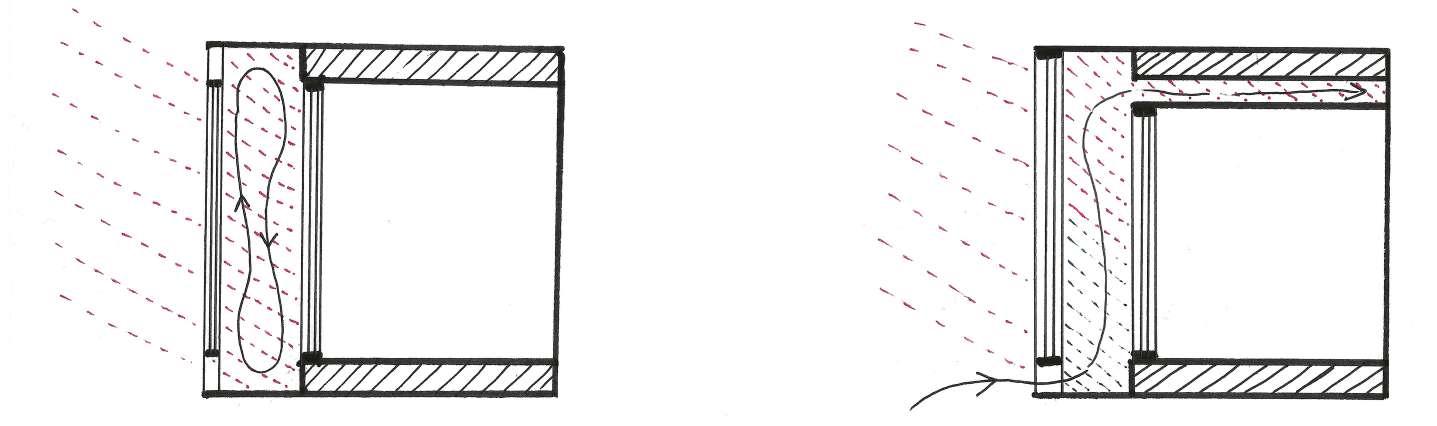
Naturally Ventilated
Fresh air enters through a lower vent, and warm air is released through a vent higher up
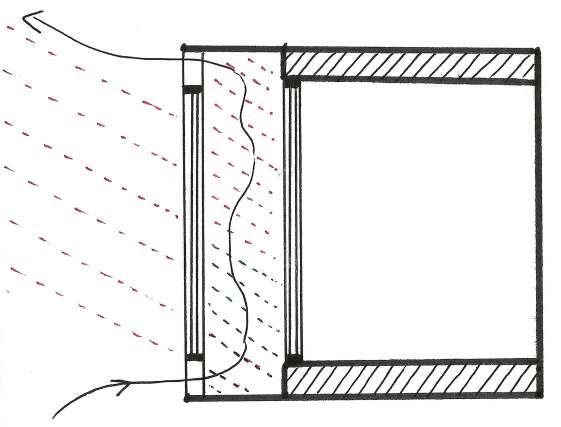
Exchange System
Fresh air enters through a lower vent, mixing with the warm air and pushed into the building where it is used to heat water etc.
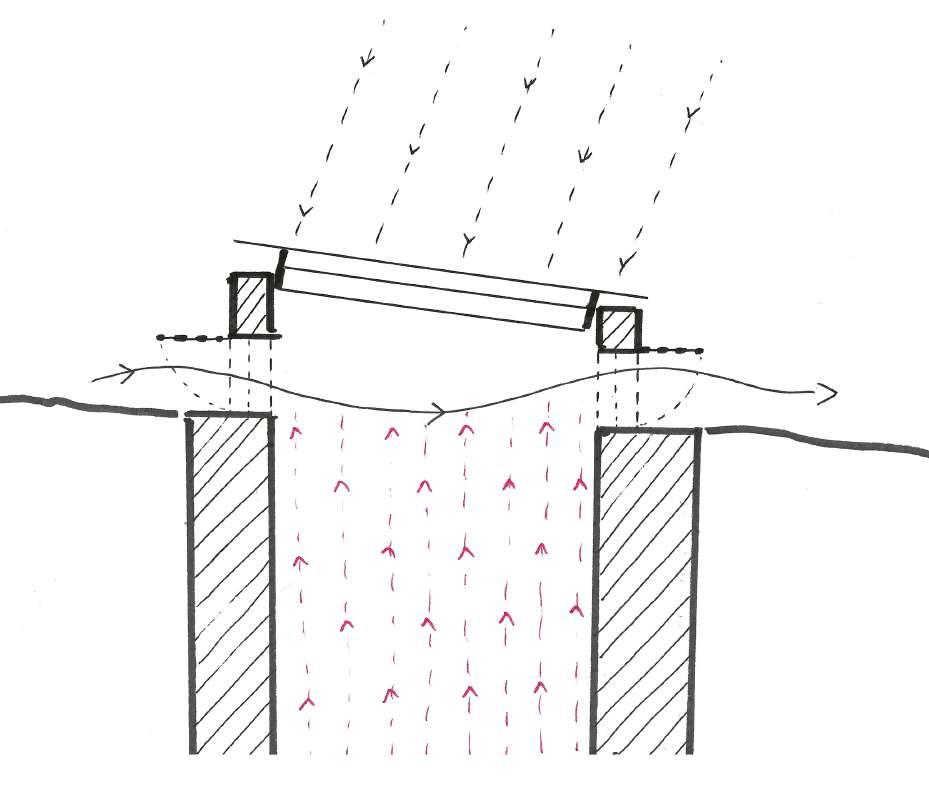
Strategically designed skylights situated above the pools and baths are central to achieving ambient top lighting. These skylights are angled towards the southeast to capture the maximum amount of morning light, aligning with the building’s peak usage times. This orientation not only maximises natural lighting but also contributes to reducing the need for artificial lighting during the day.
The skylights also play a crucial role in managing indoor air quality and humidity levels, which are particularly challenging in environments like pools and baths where steam and moisture are constantly generated. To address these challenges, the skylights are integrated with a passive ventilation system. This system includes two grille openings on either side of each skylight.
These grille openings allow for natural ventilation by taking advantage of prevailing winds, which helps to efficiently expel steam, heat, and moisture from the indoor environment. The design ensures that the openings remain relatively flush with the green roof, minimising their protrusion.
By combining the natural lighting benefits of the skylights with the practical ventilation solutions offered by the openings, the design effectively addresses both the atmospheric and environmental challenges of the space.
Mackintosh School of Architecture Stage 05 2023/2024 | The Ethical City Marseille Final Design Thesis: AT Journal Page 52 of 70 Mackintosh School of Architecture Stage 05 2023/2024 | The Ethical City Marseille Final Design Thesis: AT Journal Page 53 of 70 Sky Light
Fabric First Approach
I want to explore a fabric-first approach to the design and construction of the building envelope, particularly focusing on the north-western facade. This facade, due to its orientation, is challenged with the task of managing excessive solar gain.
The primary strategy involves enhancing the fabric of this facade to mitigate heat gain without compromising the desire for transparency, as the view over the water is a significant aspect. Traditional methods like heavy insulation can be effective for thermal control but would contradict the goal of maintaining a visual connection between land and sea.
A typical curtain wall system, while offering the transparency desired, could lead to potential overheating due to the extensive use of glass. This presents a substantial challenge in finding a material solution that can provide clear views while also offering protection from solar heat.
To address these conflicting requirements, a hybrid system might be the most promising solution. This could involve the integration of high-performance glazing technologies that incorporate adaptive elements such as photochromic or electrochromic glass. Alternatively a material like translucent polycarbonate could be investigated further.
Incorporating external shading devices that can be adjusted according to the sun’s position could pair with the glazing system. Such devices might include louvers that do not permanently obstruct the view but can provide shade during periods of high solar exposure.
Double Skin Facade
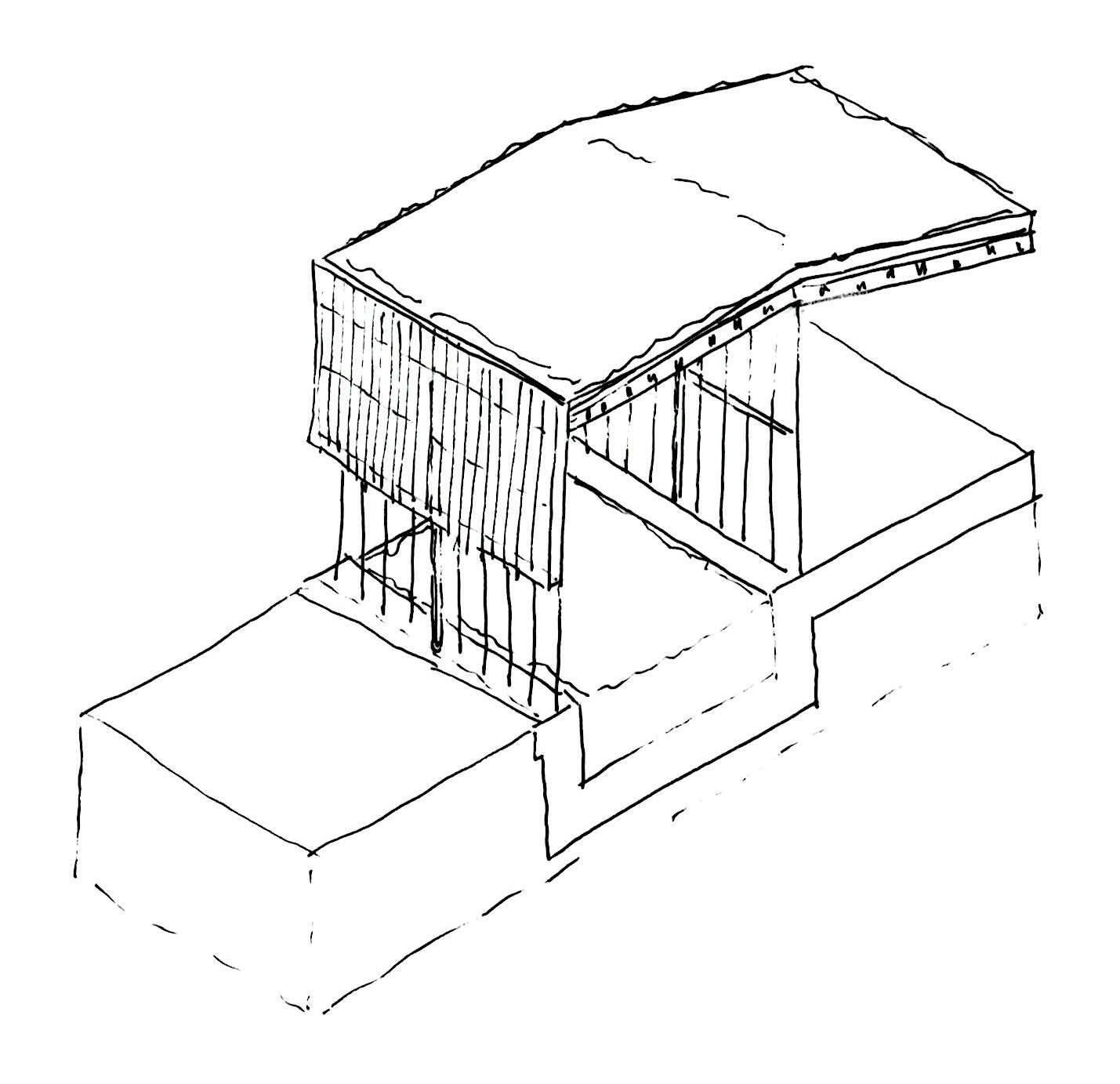
In trying to connect land and sea, one area that will look to explore is the creation of a doubleskin facade using translucent polycarbonate. This material was chosen for its insulation properties that effectively mitigate thermal gain while diffusing sunlight to reduce direct glare.
To further refine this strategy, the design incorporates the primary glazed barrier specifically positioned at the interface where the hot pools meet the facade edge. This barrier acts as a thermal buffer zone, trapping heat in the areas where it is most needed while allowing the cooler pools located behind a secondary buffer to benefit from indirect solar gain. This ensures that different thermal zones within the building are maintained according to their specific usage requirements.
The bottom level of the facade could been designed as a traditional curtain wall system. This choice ensures full transparency and unobstructed views of the sea. This layered approach to the facade would aim to combine innovative material use with strategic design thinking to address both the technical and aesthetic challenges of the project.
Mackintosh School of Architecture Stage 05 2023/2024 | The Ethical City Marseille Final Design Thesis: AT Journal Page 54 of 70 Mackintosh School of Architecture Stage 05 2023/2024 | The Ethical City Marseille Final Design Thesis: AT Journal Page 55 of 70
Embodied Carbon
Energy production strategies play a critical role in this project. The osmosis system not only generates power but also processes fresh water that can be distributed throughout the baths and pools, reducing the need for external water sources.
As refine the material choices, further calculations will be conducted to accurately assess the real carbon impact of the design. This will help in making informed decisions. Another significant step in reducing the carbon footprint involves the management of excavated materials from the foundations. Instead of transporting this material off-site, which would generate additional carbon emissions, the plan is to re-purpose it in embedding the building into the landscape.
A comprehensive approach to reducing embodied carbon is important to the architectural technology strategies, recognising that any new construction carries the responsibility of contributing a large amount of carbon emissions, especially that of a bath house, which is a typology that by nature requires materials such as concrete to facilitate the pools. Key materials such as concrete, glazing, steel, timber, and the depths of the foundations significantly contribute to the project’s overall carbon footprint. To begin addressing these concerns, extensive investigations into alternative types of concrete will be conducted, also taking into consideration the whole-life cycle of each component.
It will also be important to find a balance between the embodied carbon of these materials, and the operational carbon to run the building over its lifetime. This will come in the form of heating, cooling, ventilation, lighting, and other electrical appliances.
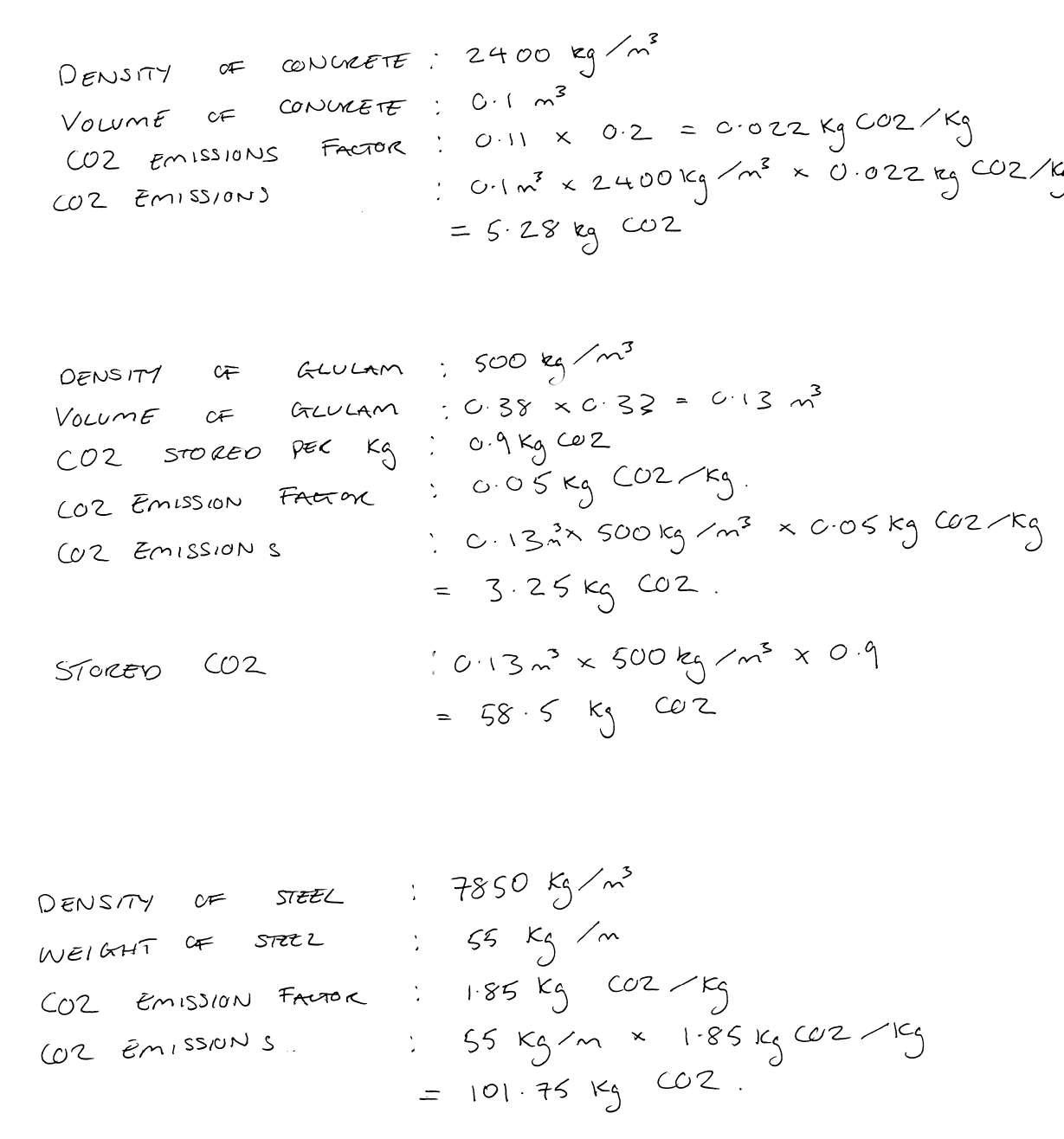
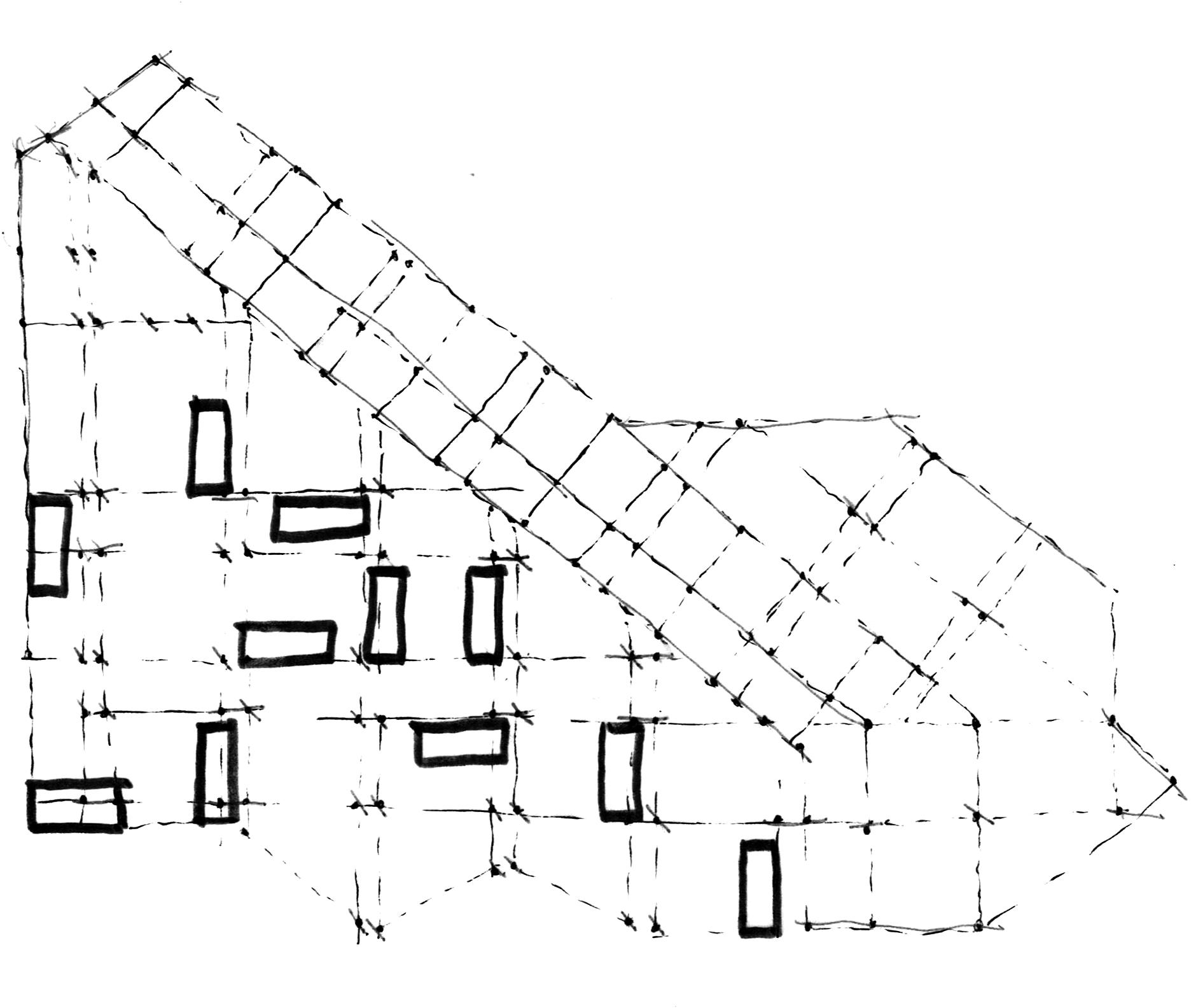
Testing Roof Structure Options, based on C02 emissions and consideration for practicalities.
1. Natural Cement Concrete
For a 1m² area with a 100mm thickness, using the adjusted emission factor for Geopolymer concrete that reflects an approximate 80% reduction in CO2 emissions compared to traditional concrete:
2. Glulam
For a 1m² area with three 380mm thick beams, calculating both the CO2 stored in the wood and the emissions from manufacturing:
3. Steel I-Beam
For a 1m long, 360mm deep steel I-beam, using a general average weight and CO2 emission factor:
In evaluating the environmental impacts and practical considerations of various construction materials, it initially seems that glulam emerges as the most eco-friendly choice. However, upon closer analysis of the entire life cycle, natural cement concrete presents itself as a remarkably competitive alternative, primarily due to its reduced mass for achieving equivalent structural capacity. A critical aspect influencing this comparison is the end-of-life scenario for glulam, which often involves disposal in landfills, combustion for energy, or down cycling into lower value components. The necessity for additional treatments to enhance glulam’s water resistance and the complexity involved in fabricating intricate junctions to achieve the aesthetic intentions further complicates its use. In contrast, concrete’s versatility allows for the easier realisation of the folded roof structure, making it a more pragmatic choice for this project.
Additionally, the high CO2 emissions associated with new steel production significantly detract from its appeal as a sustainable construction option. While glulam holds considerable environmental merits, the comprehensive life cycle benefits and practical advantages of natural cement concrete make it a preferable choice for the construction of these ocean baths.
Mackintosh School of Architecture Stage 05 2023/2024 | The Ethical City Marseille Final Design Thesis: AT Journal Page 56 of 70 Mackintosh School of Architecture Stage 05 2023/2024 | The Ethical City Marseille Final Design Thesis: AT Journal Page 57 of 70
Structure
Durability & Weathering
Due to the exposed site location on the sea front, a consideration for all components of the building will need to consider the saline conditions and strong winds. To combat this, materials with durability and resilience will need to be selected, specifically on the south west facade which looks out onto the ocean.
One approach to this could be to embrace these harsh conditions, and allow them, within reason, to weather the building as a natural aging process. Maintenance will be required to ensure this does not impact or damage anything, specifically on the facade that is looking to manage the solar heat gain.
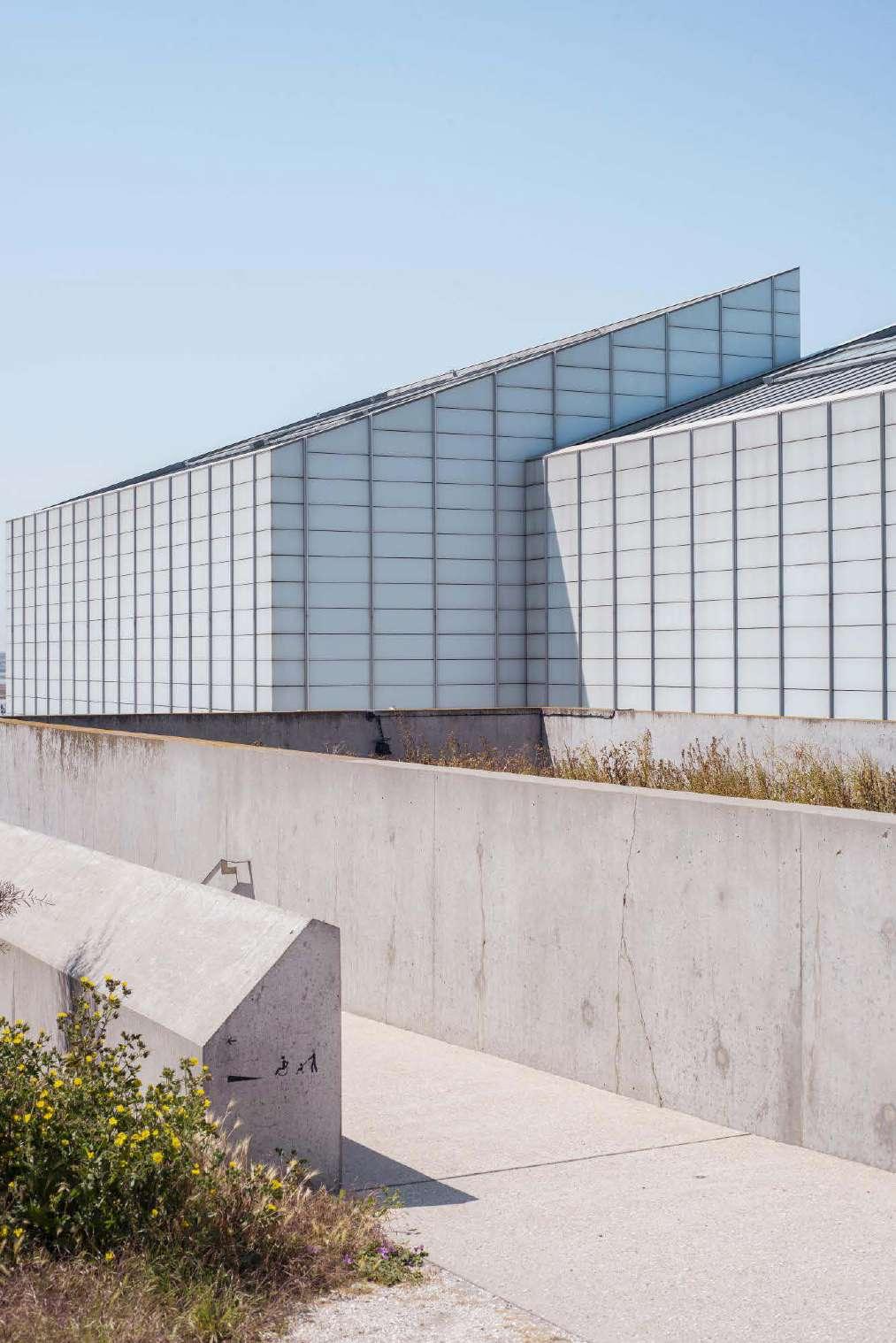
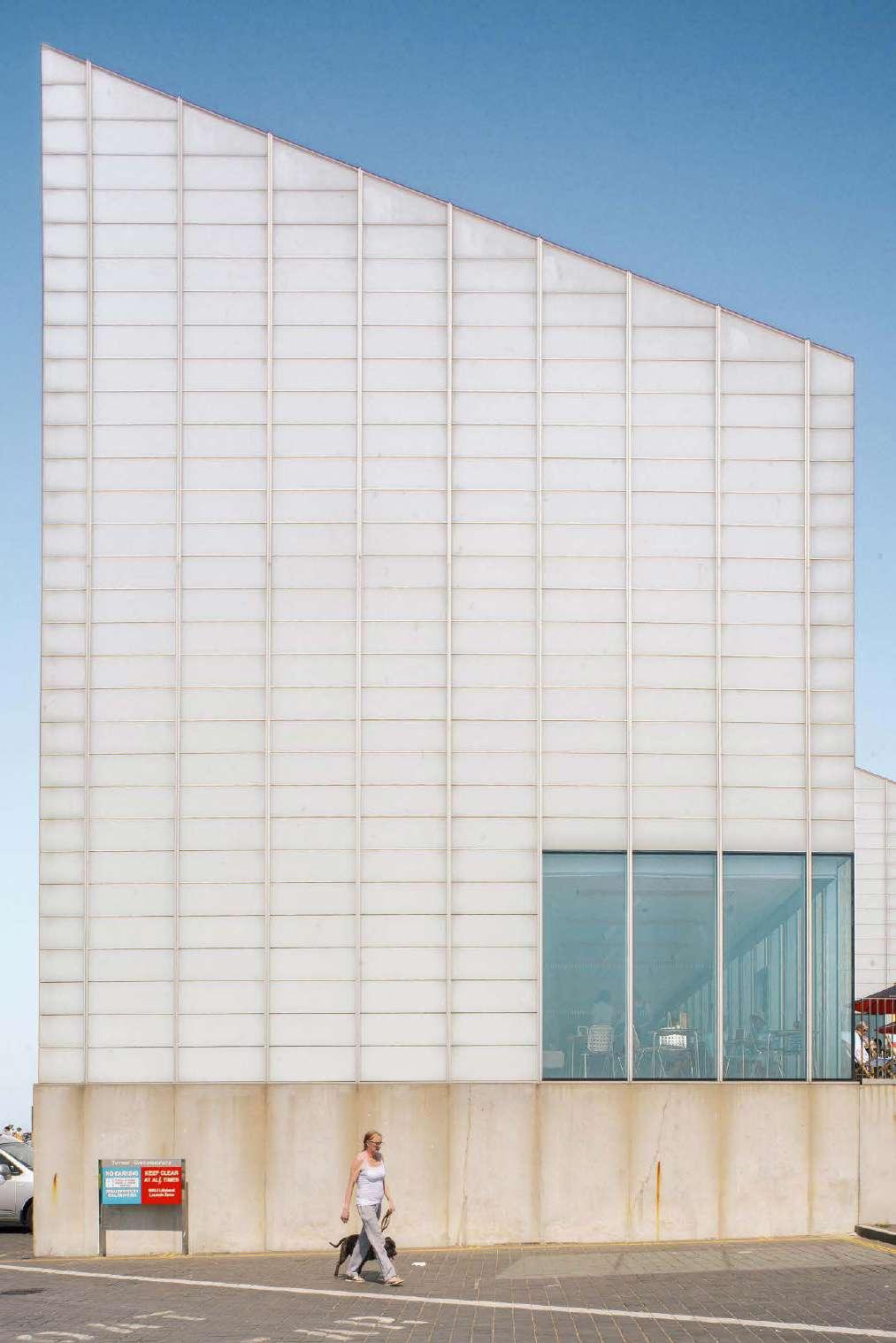
One building that is positioned similarly on the
This building has a facade largely made up of glass panels which are exposed to the marine air, salt, and wind which have started to weather the material. This process aligns with the thematic focus on change and transformation which happens inside the exhibition spaces as art works are moved and alternate. This glazed facade also becomes an interface between the land and the water.
Mackintosh School of Architecture Stage 05 2023/2024 | The Ethical City Marseille Final Design Thesis: AT Journal Page 58 of 70 Mackintosh School of Architecture Stage 05 2023/2024 | The Ethical City Marseille Final Design Thesis: AT Journal Page 59 of 70
Turner Contemporary Art Gallery David Chipperfield Architects: 2011
Turner Contemporary Art Gallery.
coastline is the
Henry Glogau: 2022
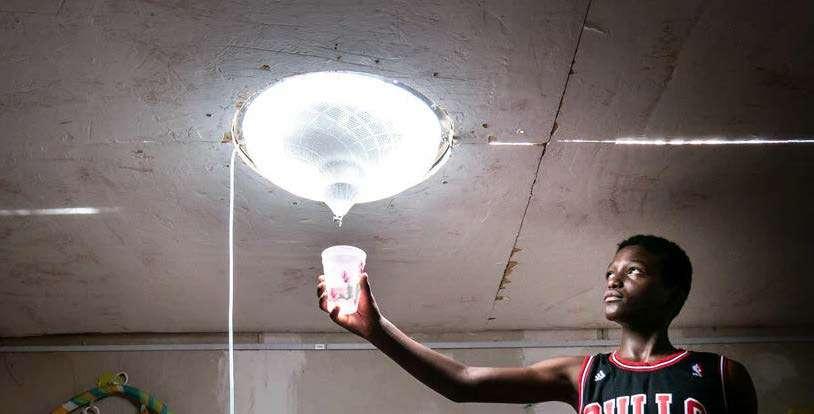
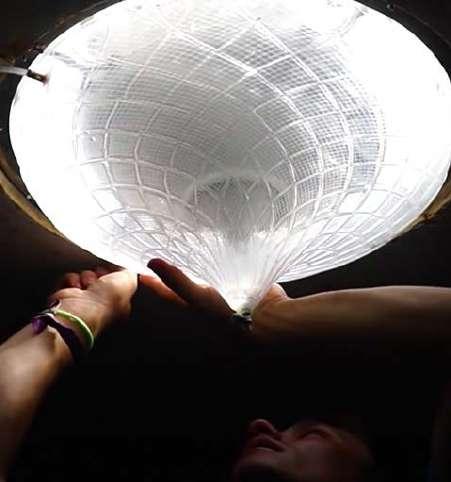
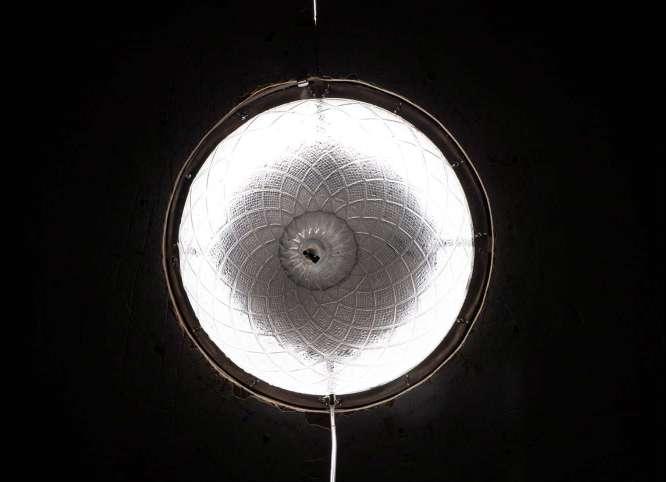
Glogau has invented a low tech desalination skylight capable of converting salt water into fresh water using sunlight, while also allowing that sunlight to provide natural light to the spaces below. This innovation highlights the possibility of simplifying processes that are traditionally viewed as complex and high-tech, making them more accessible.
Within the scope of the final design thesis and architectural technology, this approach has influenced the natural cross ventilation being integrated into the skylight which sit above the pools, removing moisture and steam. By taking this simple but considered approach, the direction of the wind has been used to determine the angle of the skylights to make them most effective, and reduce the reliance on mechanical ventilation and an energy intensive system.
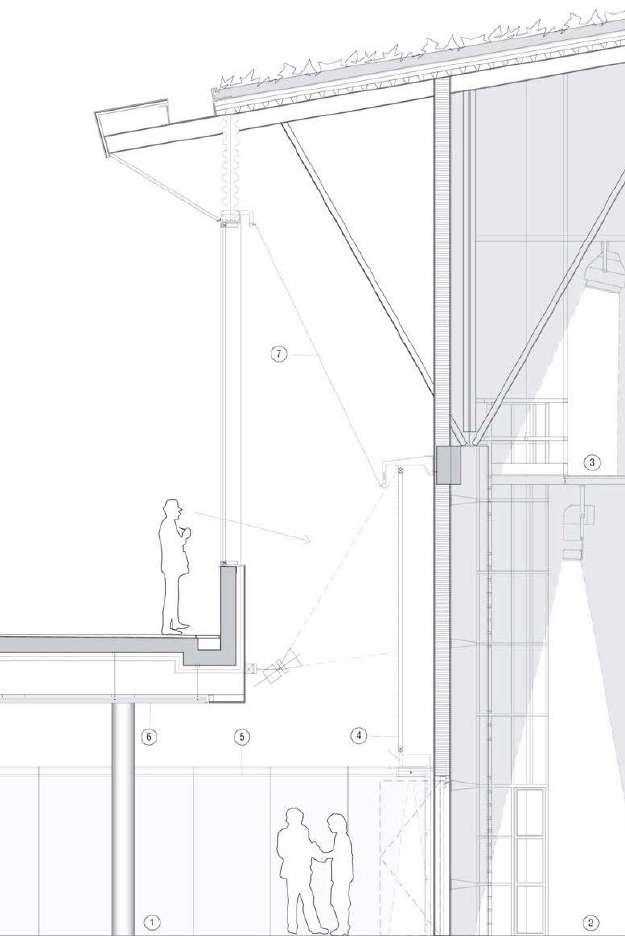
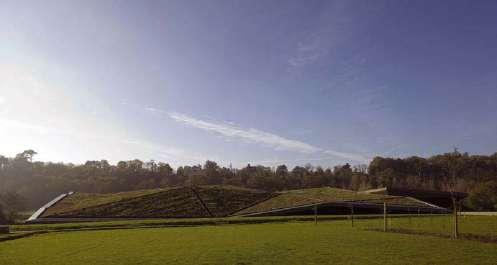
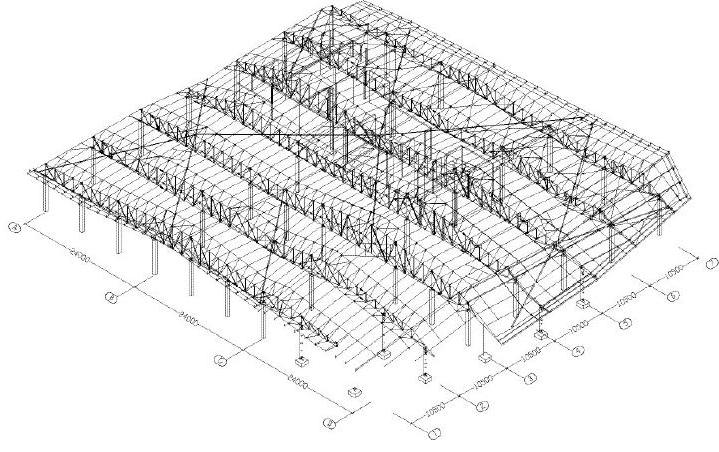

This project demonstrated an approach to a similar green roof structure to the ocean baths acting as a fragment of the landscape. This uses a steel modular framework organised into small triangles and a portal structure which spans up to 21 meters in places. The facade glazing then meets the roof structure with no horizontal framework and separate from the primary structure.
It was beneficial to investigate this method of construction, and how it had been set into the landscape, however when looking to reduce the embodied carbon as much as possible because of the heavy use of concrete, it did not seem appropriate to replicate something similar, as this would come with a high carbon footprint.
Mackintosh School of Architecture Stage 05 2023/2024 | The Ethical City Marseille Final Design Thesis: AT Journal Page 60 of 70 Mackintosh School of Architecture Stage 05 2023/2024 | The Ethical City Marseille Final Design Thesis: AT Journal Page 61 of 70 Solar Desalination Skylight Henry Golgau’s Solar Desalination SKylight
water-04-02-2022/ Solar
https://www.designboom.com/design/the-solar-desalination-skylight-low-tech-drinking-
Desalination Skylight
Vendee Hisory Museum Plan 01 Architects: 2006
There was significant potential for further enhancing the building’s energy efficiency by more effectively capturing heat from internal systems along with the ocean. Taking advantage of these operational heat sources could have further diminished the building’s reliance on externally sourced energy.
The approach to material usage, particularly concrete, could have been more ambitious. While finding a low-carbon alternative to traditional cement is beneficial, exploring alternative construction methods that offer similar or better performance could have provided substantial environmental benefits.
The design of the glazed façade system played a critical role in the building’s thermal dynamics. Recognising the substantial heat exposure this facade would encounter influenced the architectural layout significantly. Strategically placing cooler spaces away from the heat-intensive facade enhanced the transitional experience from the changing areas, through each pool area, to the ocean front. This spatial arrangement also enhanced the visitor’s journey through the building.
It would have been beneficial to finalise material selections earlier in the design process. An earlier commitment to specific materials would have allowed for a more thorough integration into the building’s design in more of a comprehensive way.
The advantageous site location was effectively used in the planning stages, proving invaluable in developing strategies to harness environmental conditions effectively. Recognising and exploiting the site’s natural attributes facilitated a design that maximised energy efficiency and minimised environmental impact, aligning with broader sustainability goals. T
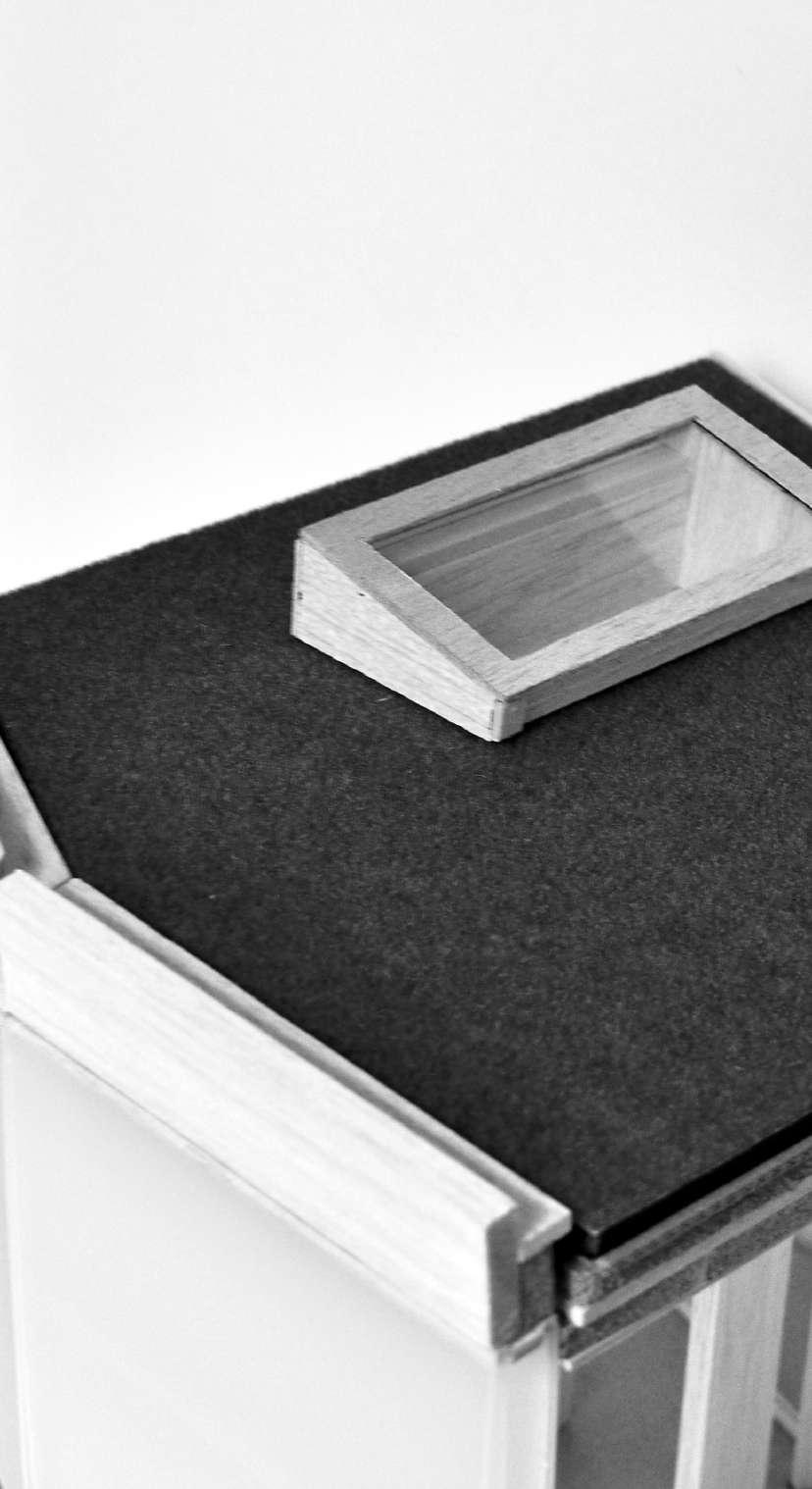
Critical Reflection Conclusions
The final design thesis architectural technology integration was an opportunity to test and offer solutions to a range of challenges, with the overall aim of demonstrating a considered approach while also showing sustainability and climate literacy.
The project not only addresses the challenges posed by high embodied carbon typical of the bath house typology and site location but also through reducing operational carbon through strategic design and technology implementation. By emphasising a fabric first approach to minimise solar gain and enhance thermal regulation, aligning the building to capitalise on natural cross ventilation, and harnessing the ocean’s proximity for sustainable energy and water treatment solutions, the project looked to address these issues.
The testing of different materials for each component was an important step in gauging where embodied carbon could be reduced, however the main approach to reducing the carbon footprint of the building was through the operational energy and the associated carbon to these systems.
Together these steps to reduce and mitigate the environmental impact have looked to contribute to developing my own sustainable building practices and have offered valuable insight into the broader discourse of sustainable urban development which can be adapted and applied to future projects.
Mackintosh School of Architecture Stage 05 2023/2024 | The Ethical City Marseille Final Design Thesis: AT Journal Page 62 of 70 Mackintosh School of Architecture Stage 05 2023/2024 | The Ethical City Marseille Final Design Thesis: AT Journal Page 63 of 70
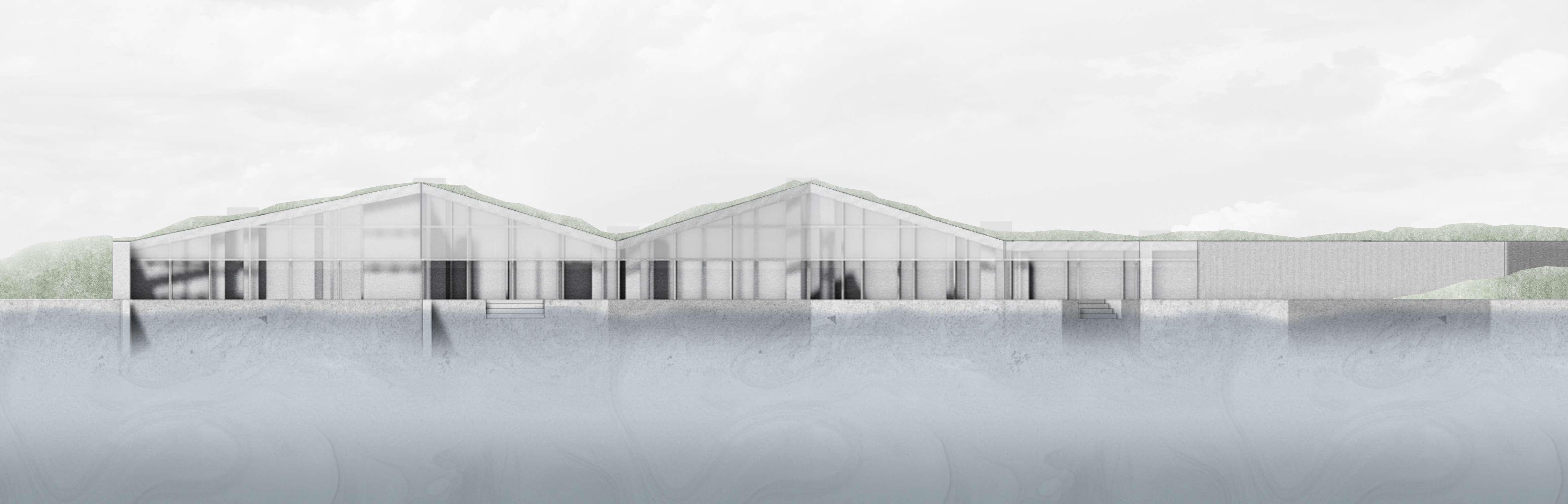
Mackintosh School of Architecture Stage 05 2023/2024 | The Ethical City Marseille Final Design Thesis: AT Journal Page 64 of 70 Mackintosh School of Architecture Stage 05 2023/2024 | The Ethical City Marseille Final Design Thesis: AT Journal Page 65 of 70 Ocean
West Elevation - Scale 1:100
Baths: South
Mackintosh School of Architecture Stage 05 2023/2024 | The Ethical City Marseille Final Design Thesis: AT Journal Page 66 of 70 Mackintosh School of Architecture Stage 05 2023/2024 | The Ethical City Marseille Final Design Thesis: AT Journal Page 67 of 70
Ocean Baths: Technical Section - Scale 1:100
Bibliography
Anish Khan, Sustainable Materials and Systems for Water Desalination. Switzerland: Springer International Publishing, 2021.
Bauder, ‘BaunderBLUE STORMcell’ Blue Roofs, Accessed 08 March 2024 https://www.bauder. co.uk/blue-roofs/bauderblue-stormcell
Bruce Logan, Menachem Elimelech, ‘Membranebased processes for sustainable power generation using water’ Accessed 12 March 2024, https:// tethys-engineering.pnnl.gov/technology/ pressure-retarded-osmosis
Buro Happold, ‘Thermal Labyrinths’ Designing Buildings Construction Wiki, Accessed 02 February 2024, https://www.designingbuildings.co.uk/ wiki/Thermal_labyrinths#External_references
El-Dessouky, H.T, Ettouney, H.M., Fundamentals of Salt Water Desalination. Netherlands: Elsevier Science, 2002.
GreenSpec ‘Insulation Materials and their Thermal Properties’ Accessed 12 April 2024 https://www. greenspec.co.uk/building-design/insulationmaterials-thermal-properties/
Johnpaul Manning, ‘Guide To Polyisocyanurate Insulation’ Accessed 08 April 2024 https:// insulation4us.com/blogs/guides-and-news/ashort-guide-to-polyisocyanurate-insulation
Living Roofs, ‘Green Roofs and Urban Heat Island Effect: Cities in the 21st Century’ Accessed 05 February 2024, https://livingroofs.org/urbanheat-island-effect/
MIT Energy Initiative, ‘The Power of Salt’, Accessed 22 April 2024, https://energy.mit.edu/news/thepower-of-salt/
Parc National Des Calanques, ‘La Bastide et le Cabanon’ Accessed 15 January 2024, https://www. calanques-parcnational.fr/fr/la-bastide-et-lecabanon
Philippe Deboudt, ‘Ecological Inequalities, coatal territories and sustainable development’ Presses universitaire du Septentrion (Villeneuve d’Ascq: 2010) Accessed 18 January 2024, https://books. openedition.org/septentrion/15068
Swit Szkla, ‘Double-Skin Facades: Characteristics and Challenges for an Advanced Building Skin’ World of Glass Publication, Accessed 29 March 2024 https://swiat-szkla.pl/article/15310-doubleskin-facades-characteristics-and-challenges-foran-advanced-building-skin
Valeria Montjoy, ‘Why Use Translucent Polycarbonate on Building Facades? Accessed 04 April 2024 https://www.archdaily. com/979263/why-use-translucent-polycarbonateon-building-facades
VICAT, ‘Cement: Main Steps in Cement Manufacture’ Accessed 05 April 2024 https://www.vicat.com/ solutions/expertises/cement
VICAT, ‘Prompt Natural Cement: Technical Specification’ Louis Vicat Technical Centre, Accessed 26 March 2024, http://www. romanportland.net/files/doc/cahier_technique_ cr_cnp_eng.pdf
Wincott, Nic. Surface Water Source Heat Pumps Code of Practice for the UK Harnessing Energy from the Sea. United Kingdom: Chartered Institution of Building Services Engineers, 2016.
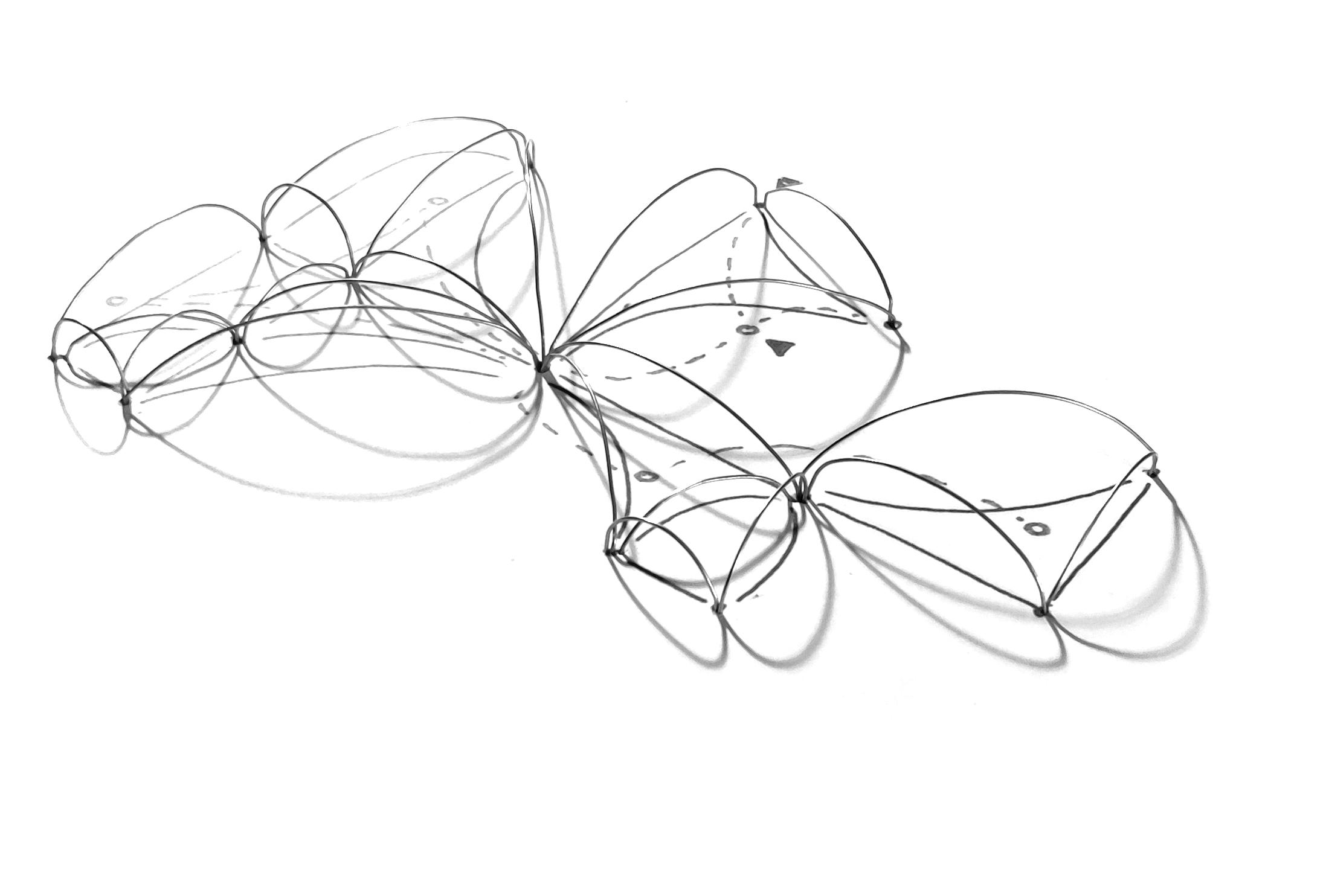
1600s Coastal Map: Marseille Reserve de la citadelle Saint-Nicolas, Bibliotheque nationale de France
1850 Coastal Map: Plan general de Marseille, indiquant les travaux en voie d’execution, ainsi que les travaux projetes, Bibliotheque nationale de France
Average Rainfall data: Climate chart - Marseille (France), Climates to travel world climate guide
Vancouver Convention Centre, How Vancouver greened its waterfront, https://lmnarchitects. com/lmn-research/how-vancouver-greened-itswaterfront Accessed 30 January 2024
Solar Desalination Skylight, Henry Golgau’s Solar Desalination SKylight, https://www.designboom. com/design/the-solar-desalination-skylight-lowtech-drinking-water-04-02-2022/ Accessed 31 January 2024
Daycare Centre Palais de l’Alma, Paris: Atelier Regis Roudil - 2022
Residence & Workshop, London: Jonathan Tuckey Design - 2016
Landscape for Living, Weissenbach: AL1 Architects - 2013
Danpal Facade System: Single Glazed Translucent Facade System Accessed 30 March 2024 https:// danpal.com/products/facade/
Nathan Allan: FreeForm Series Glass Patterns Organic Design Details Accessed 25 April 2024 https://www.nathanallan.com/freeform-seriesglass-patterns-organic-design-details/
Mackintosh School of Architecture Stage 05 2023/2024 | The Ethical City Marseille Final Design Thesis: AT Journal Page 68 of 70 Mackintosh School of Architecture Stage 05 2023/2024 | The Ethical City Marseille Final Design Thesis: AT Journal Page 69 of 70
Appendix
Mackintosh School of Architecture Stage 05 2023/2024 | The Ethical City Marseille Final Design Thesis: AT Journal Page 70 of 70