This Architecture Portfolio is a compilation of selected works from my academic journey. I am a recent graduate from the Goa College of Architecture, with a strong foundation in design and technical skills.
Throughout my journey, I have developed a keen interest in large-scale architectural projects, particularly large developments. This portfolio reflects my dedication to innovation and my passion for creating functional and beautiful designs.
Ultimately, I aim to become an educator, which shapes my current work by prioritizing learning and understanding. This approach allows me to document insights and adopt a different approach to the task at hand, benefiting both current teams and future students. Unlike typical trainees, I focus on long-term growth and a deeper understanding of the field as a whole
Currently seeking a position in an innovative architectural practice where I can apply my versatile skills in schematic design, design Development, and project documentation. With a strong foundation in architectural processes, I am eager to expand my creative and professional abilities.
Anthony Fernandes
EDUCATION / EXPERIENCE
2020 - Certification by Trimble authorized center for 3D modeling in Sketchup
2020 - Course at autodesk authorized center for AutoCad 2D
2023 - Intern at 1LeapingFrog Studio, Bangalore (5 months)
worked on a wide variety of projects, Ascend (Full set of WD), Kalpavriksh (Construction drawings) Avani (WD), Perch (on site execution), Verandah (on site execution & WD), White Lotus Group’s Amaranta (Construction drawings)
2024 - Bachelors of architecture at Goa College of Architecture
2024 - Junior Architect at Studio Verde, Goa
Executed Design of interior project on site for Interior project, Landscape design for residential villa, Office interior Concept & Design development
2024 - Permanent Art installation for Fatima Convent, Margao
2022 - Till date - Freelance 3D Visualization of Projects and Brochure compilation (15+ completed Projects)
COMPETITIONS
2020 - Labour housing - 64th NASA ANC Trophy
2021 - Nano House - Volume Zero
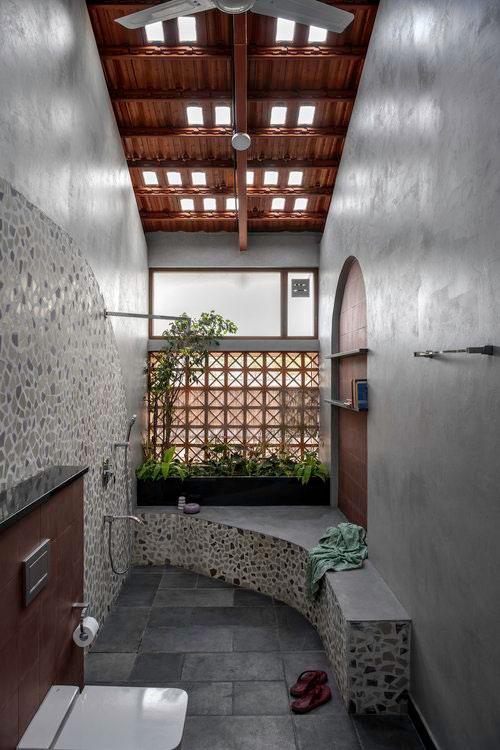
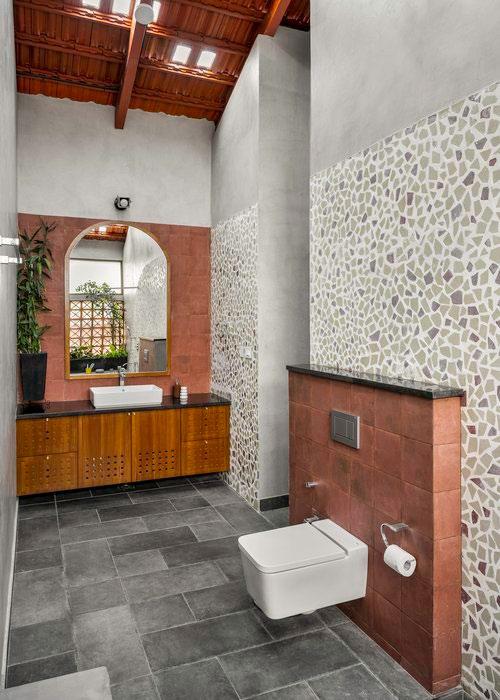
2022 - Winners - Public washroom design - (All state)
2022 - Installation Design - NASA - CP Kukreja Trophy
2023- Global Top 25 - Installation Design and Execution- 68th NASA ANC Trophy
SOFTWARES
Sketchup Pro
Rhino
3DS Max
Revit
Autocad
3D Visualization
Lumion
Blender
3D Modeling / Drafting Languages Graphics
V-Ray
D5 Render
Adobe Photoshop
Adobe Illustrator
Adobe InDesign
3D- Printing
Prusa Slicer
English Hindi Konkani
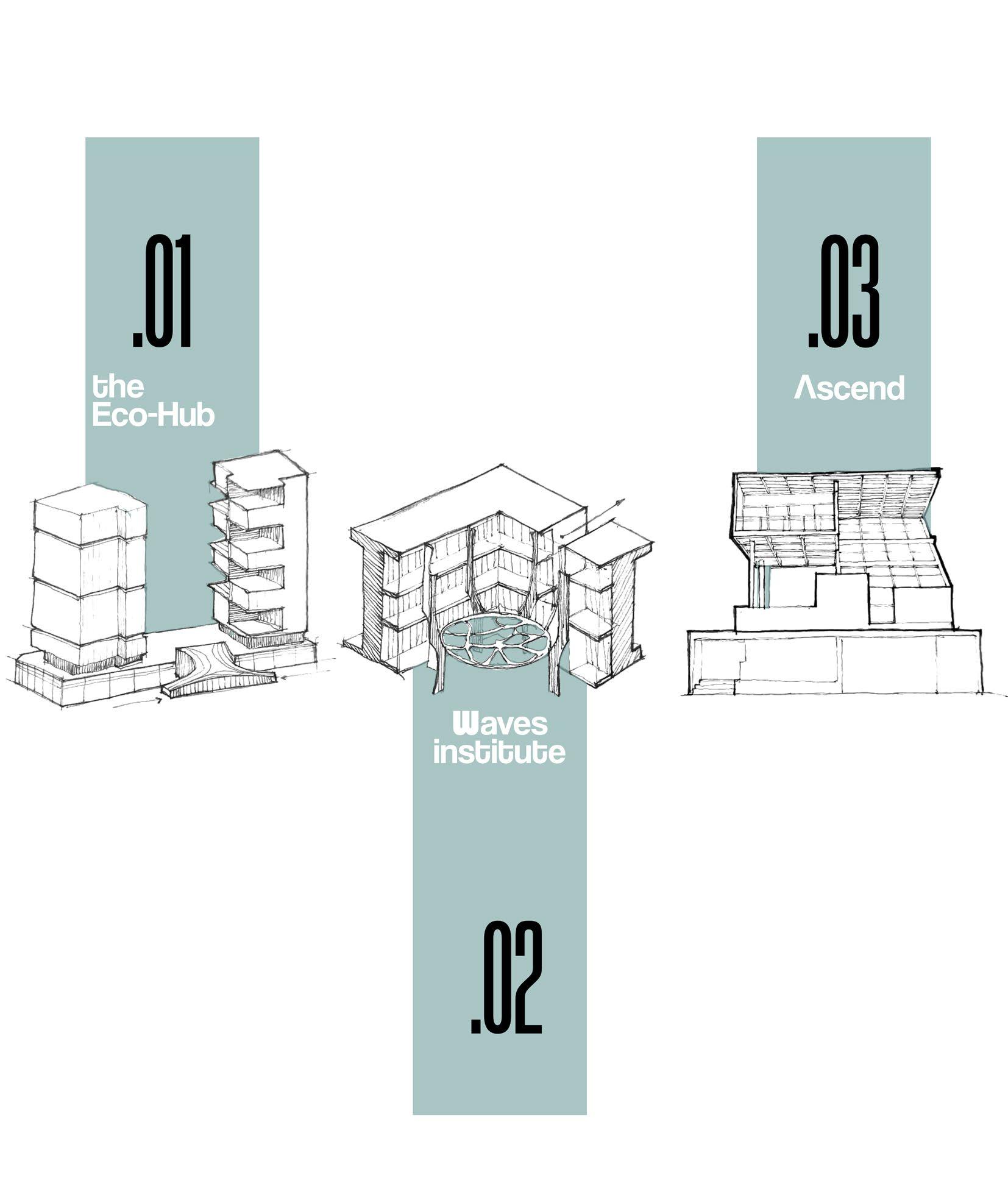
the Eco - Hub
01. the Eco-hub
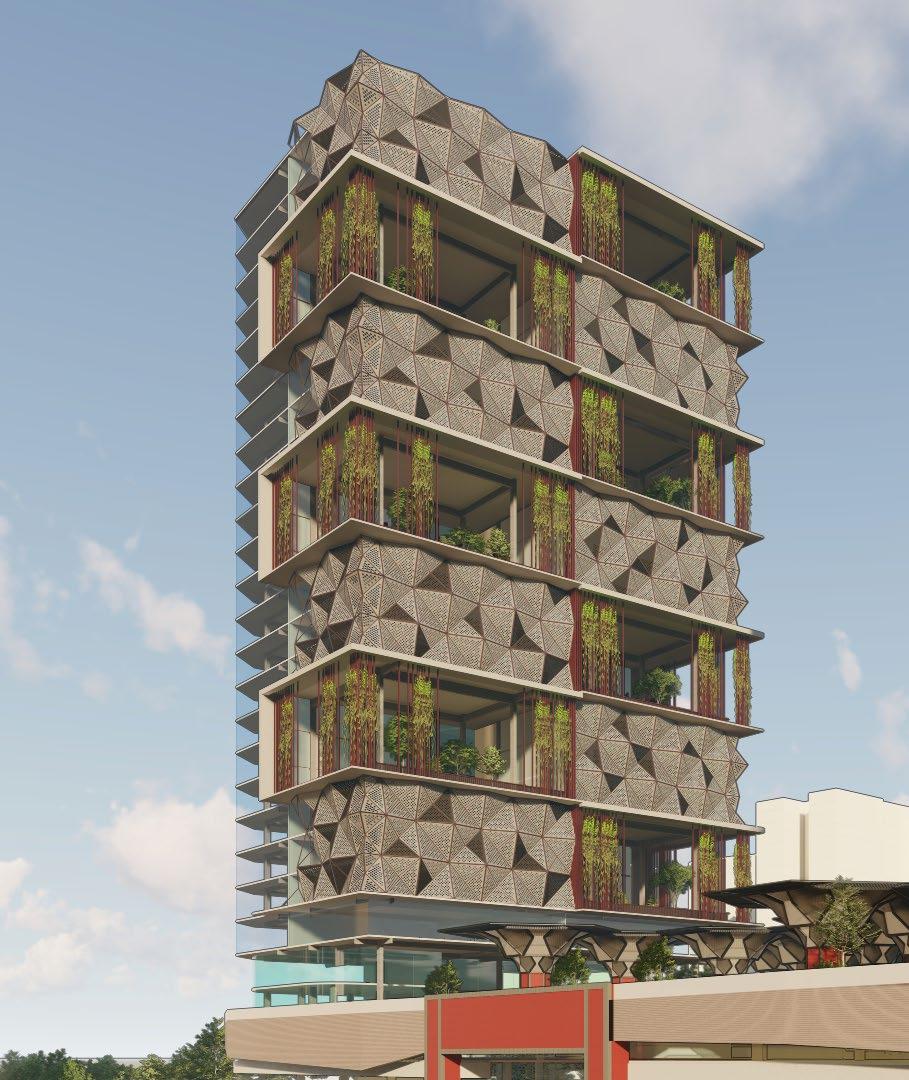
Reimagines high-rise construction by prioritizing sustainability, and the well-being of the people.
Modern high-rise developments often prioritize maximizing square footage and profitability, leaving the needs and experiences of their users as an afterthought. This approach has led to buildings that are resource-intensive, environmentally unsustainable, and disconnected from the well-being of their occupants.
The Eco Hub design thesis project challenges this norm by re imagining high-rise architecture to place users at the heart of the design process. By integrating principles of net-zero energy, zero-carbon strategies, passive design, sustainable materials, green spaces, and smart technologies, the Eco Hub envisions a future where high-rises not only serve as functional spaces but also enhance the quality of life, foster community, and minimize environmental impact.
The secondary aim of this thesis is to equip myself with the knowledge and skills necessary to design and construct practical, buildable high-rises while understanding the impact of bylaws on building forms.
the Eco-hub
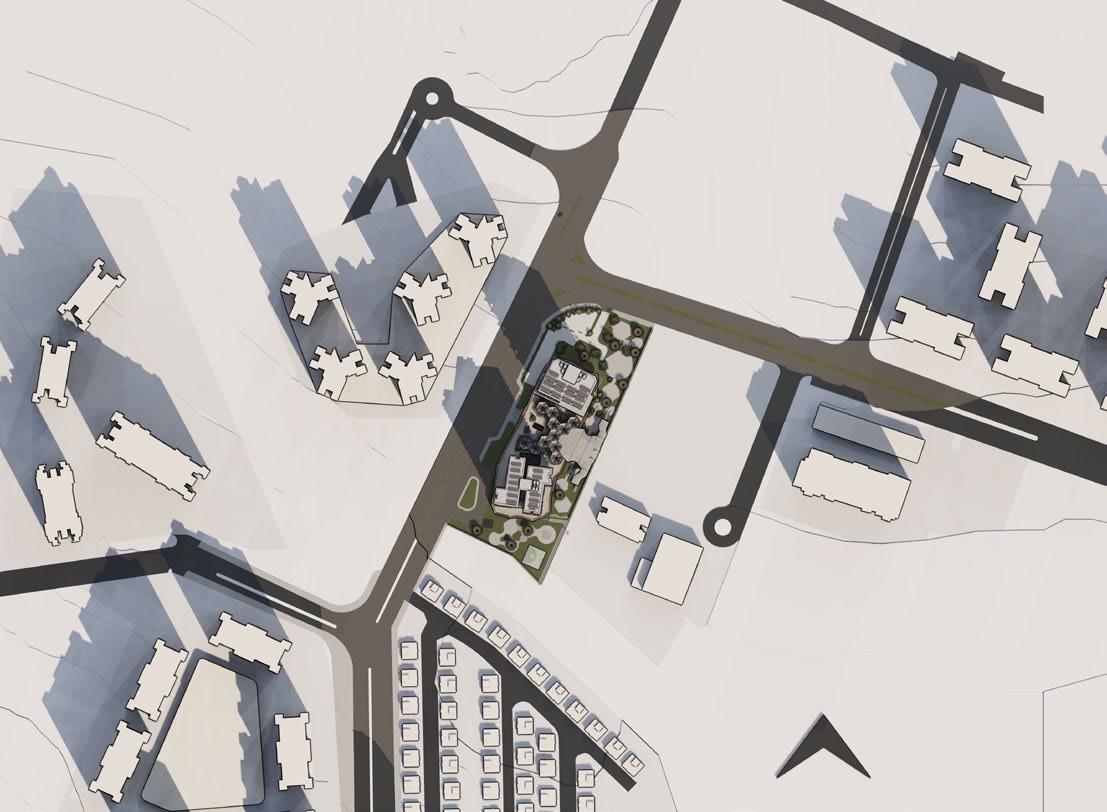
Hinjewadi, Pune, is an ideal location for the Eco Hub project due to its strong IT industry presence, with major companies like Infosys and Wipro creating high demand for sustainable housing.
The area’s growing infrastructure, including an upcoming metro line and improved roads, supports eco-friendly urban development.
Affordable housing options and amenities like schools, hospitals, and parks align with the project’s focus on well-being.
Its mild climate and green spaces reduce energy needs, while future plans for metro expansion and smart city initiatives ensure long-term sustainability.
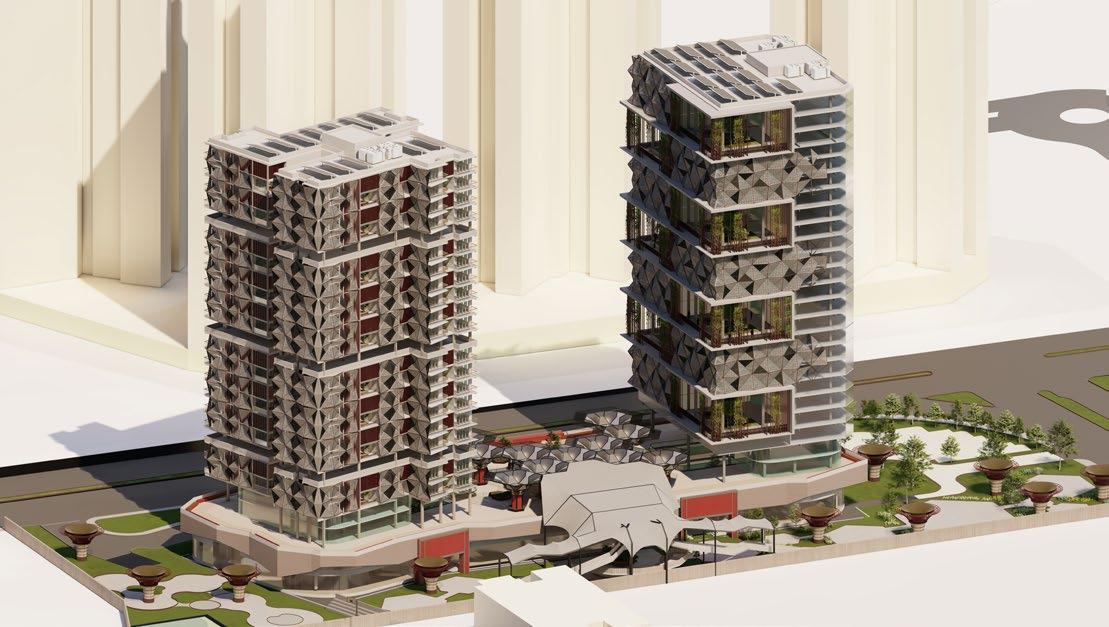
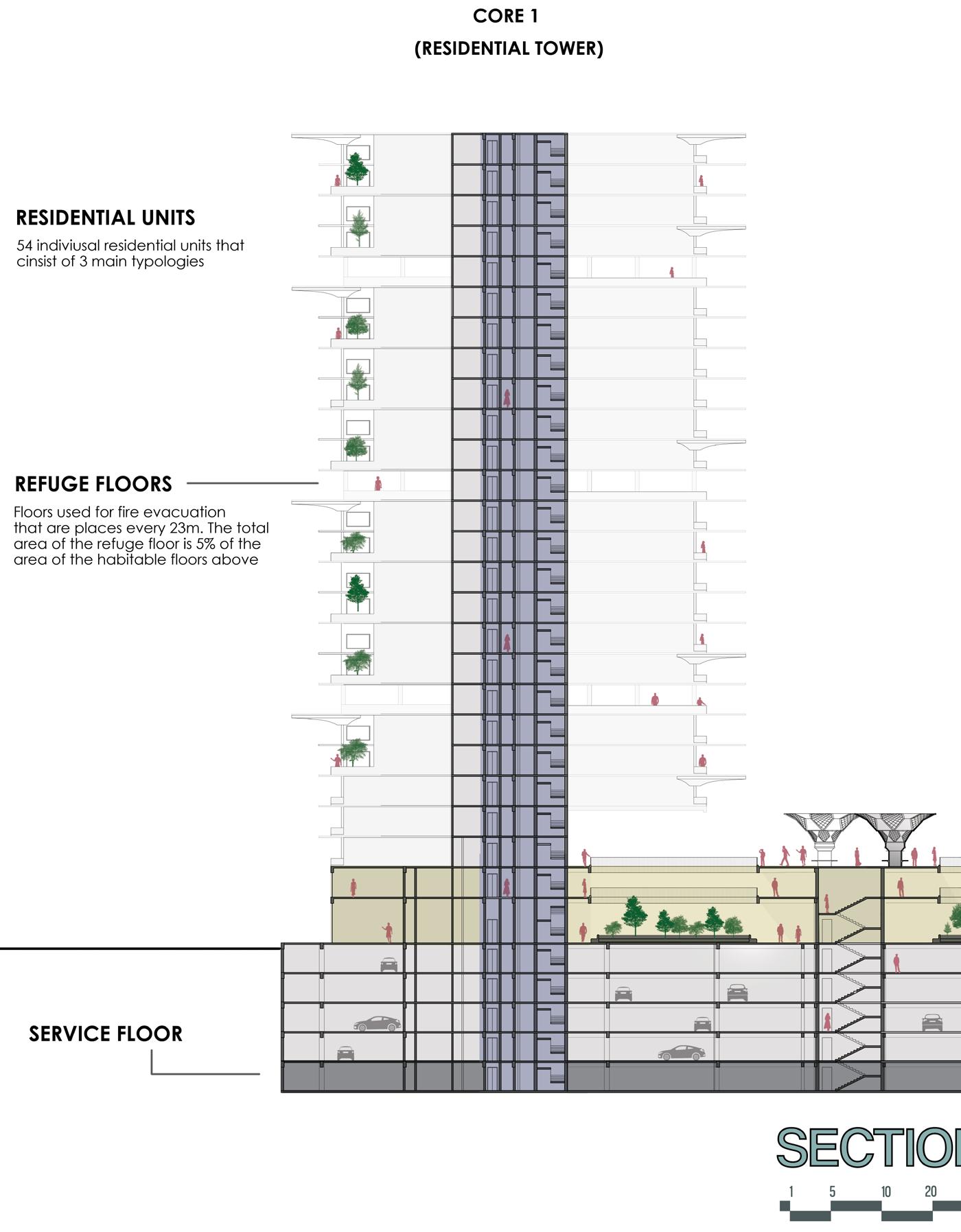
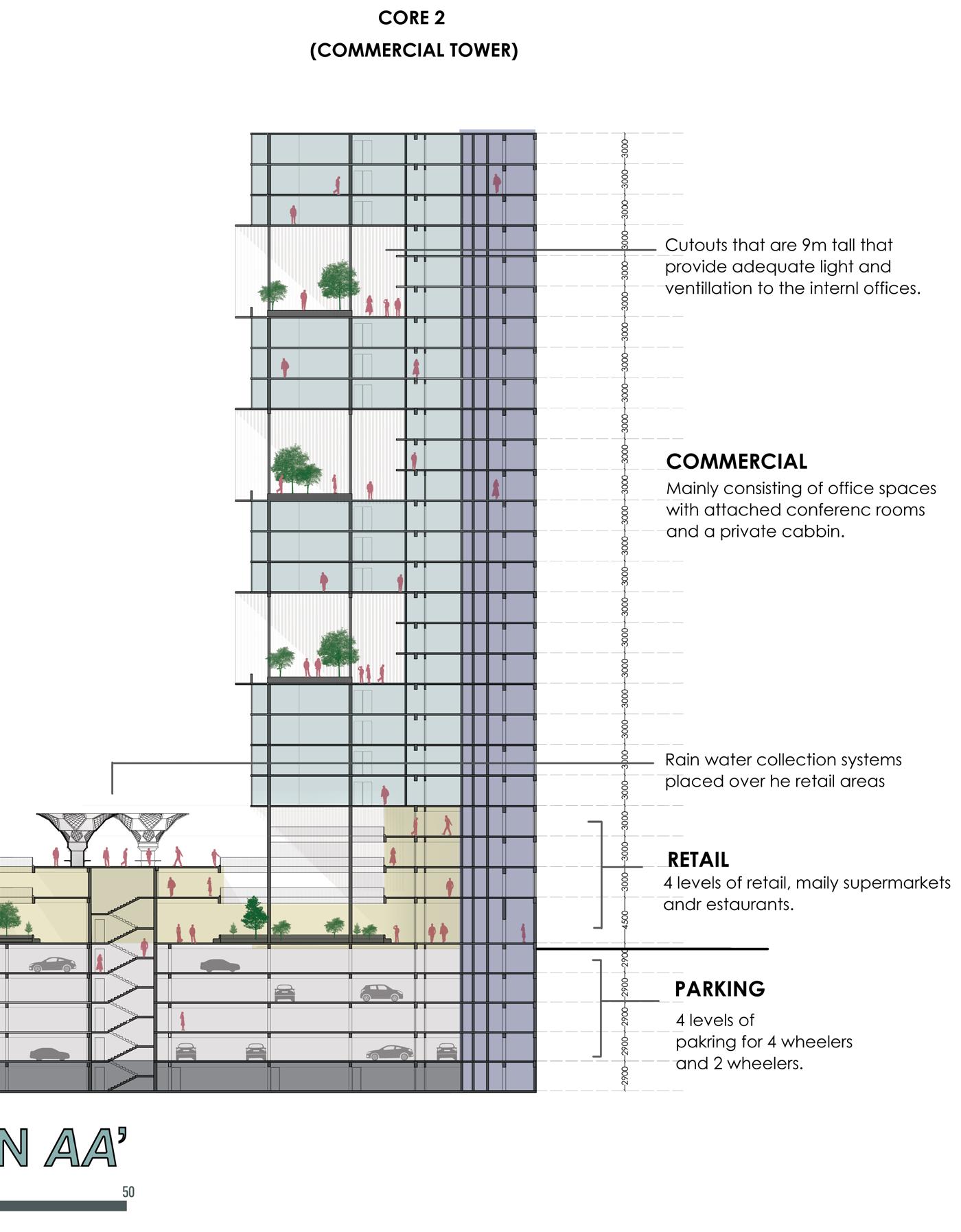
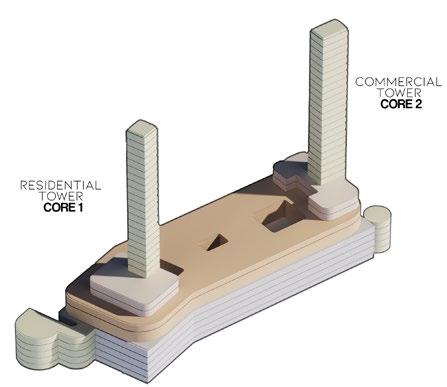
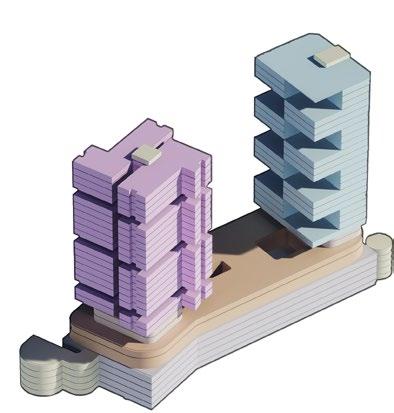
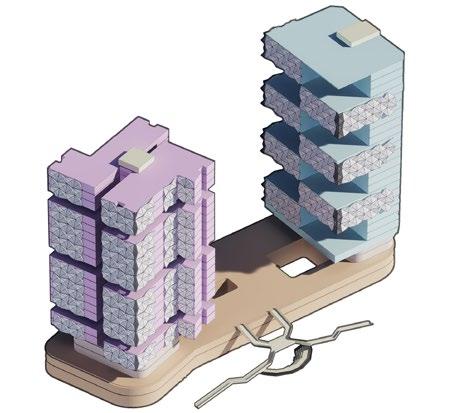
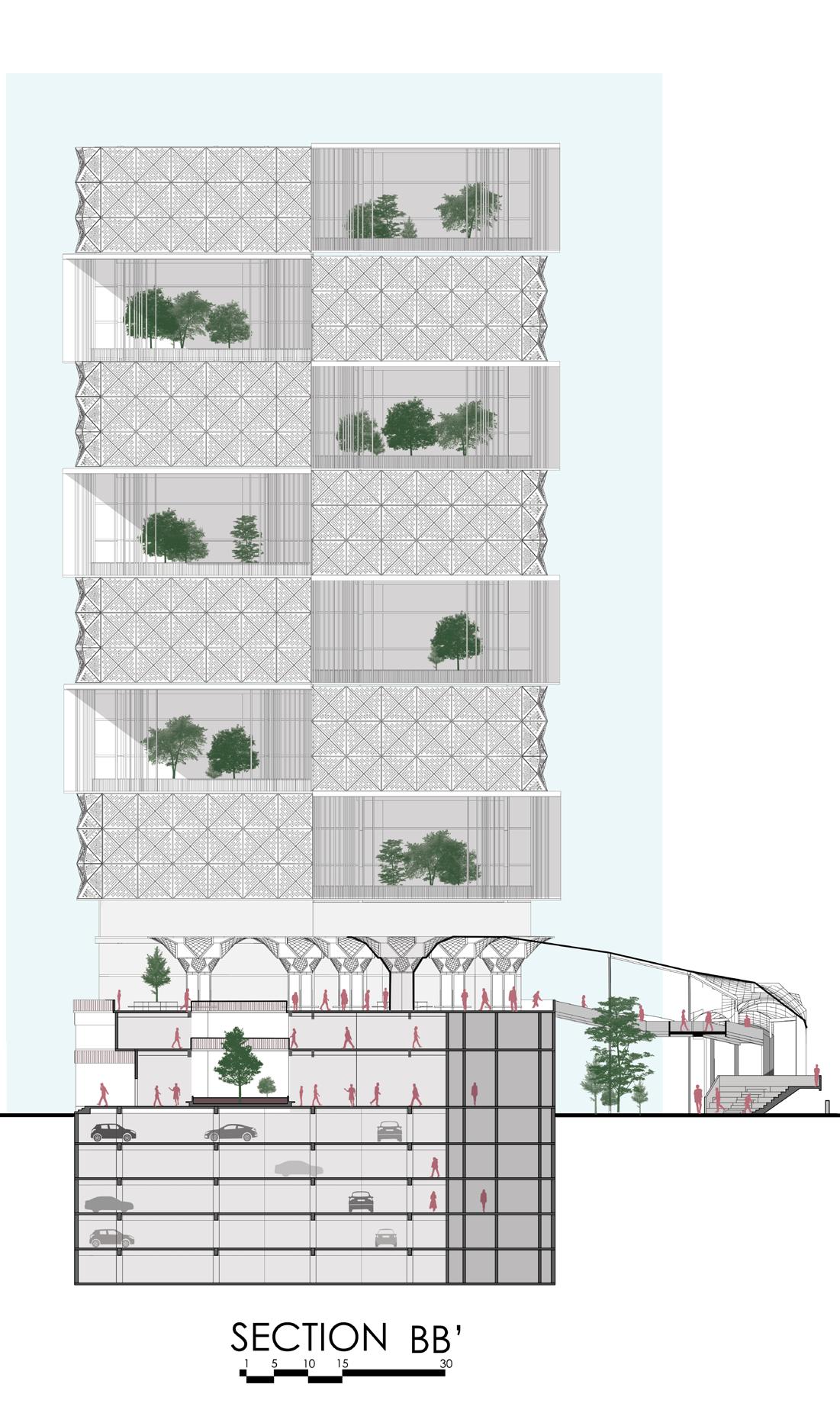
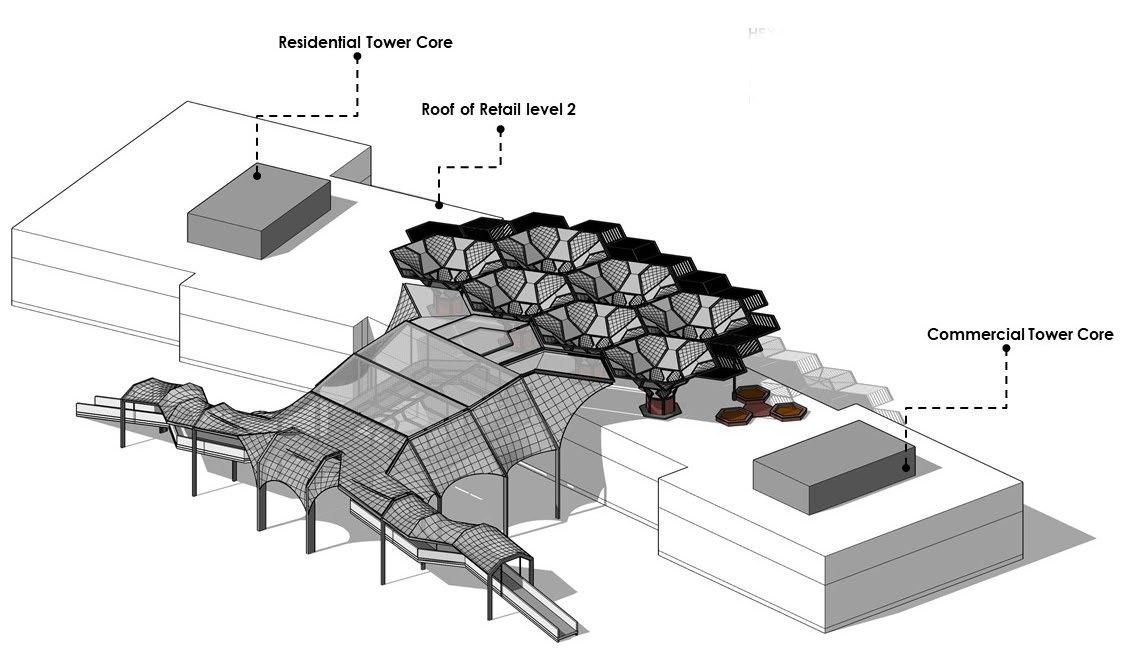
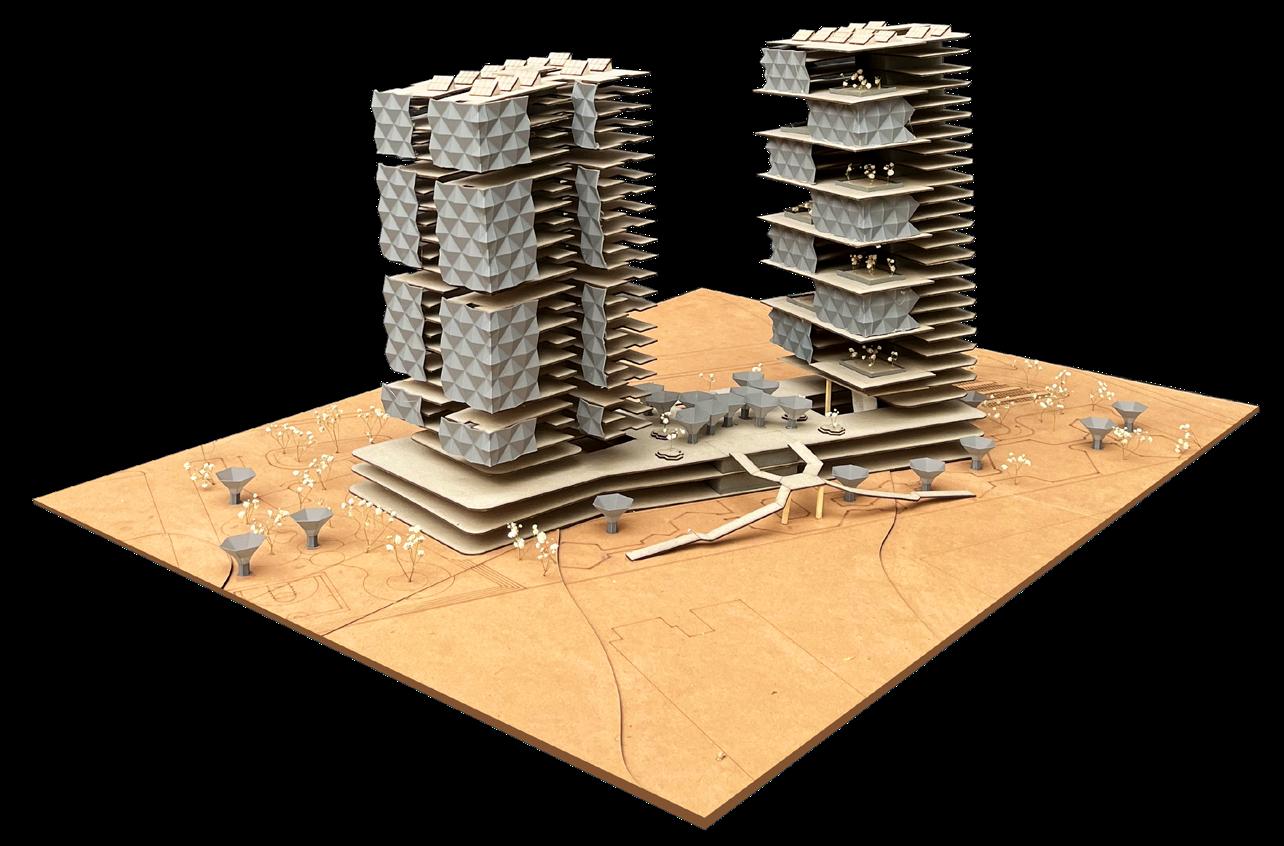
The Eco Hub is a mixed-use development featuring two towers a commercial tower and a residential tower integrated with retail and parking at the ground level. The design prioritizes vertical efficiency, combining office spaces, apartments, and public amenities into a cohesive urban ecosystem.
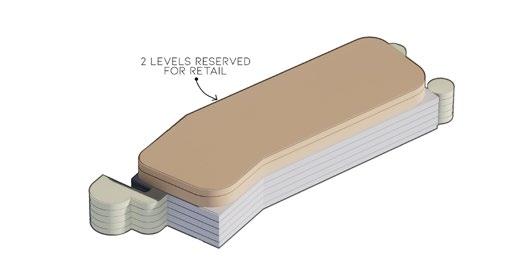
The retail podium serves as the public interface, fostering community engagement while supporting the building’s commercial and residential functions.
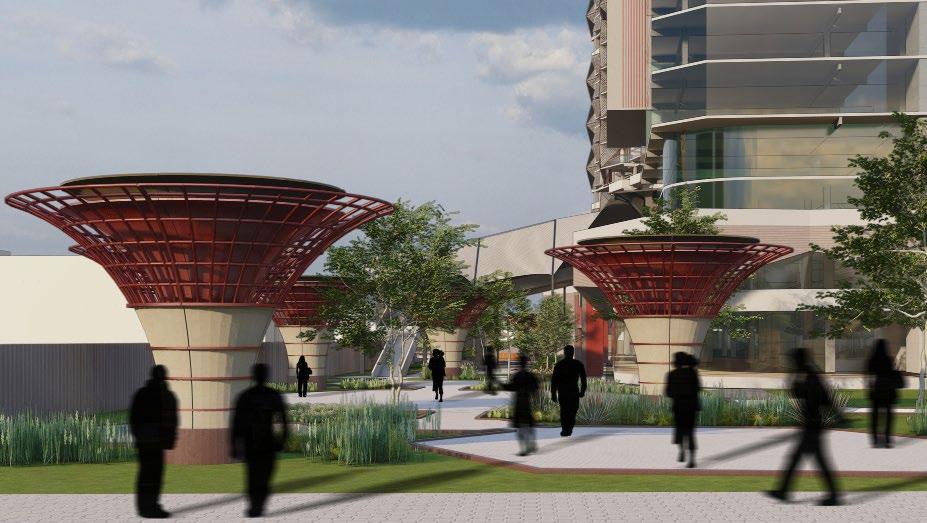
The grade level serves as the critical interface between the building and its surrounding urban environment, acting as the primary point of interaction for visitors, residents, and the public.
In large mixed-use developments like the Eco Hub, this ground level is designed to seamlessly integrate the project into the city fabric while maximizing accessibility and functionality. It often includes amenities such as retail, dining, green spaces, and transit connections, creating a vibrant, pedestrian-friendly hub that bridges private and public realms.
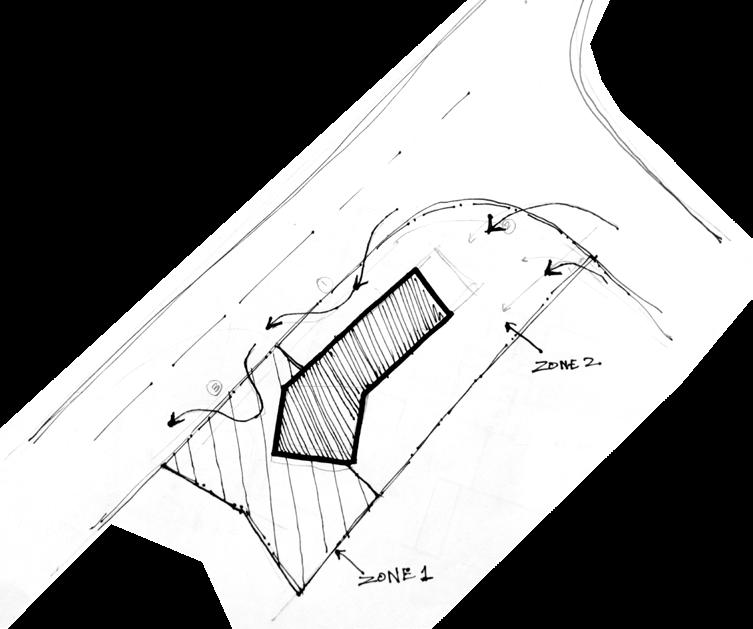
Zone 1 caters to residents and guests, offering exclusive amenities (e.g., gardens, fitness centers) at the ground level. Security ensures privacy while fostering a communal living environment close to daily necessities.
Zone 2 focuses on retail and offices, with open, street-level spaces to attract visitors. It merges commercial activity with semi-private areas, creating a dynamic hub that integrates seamlessly into the urban landscape.
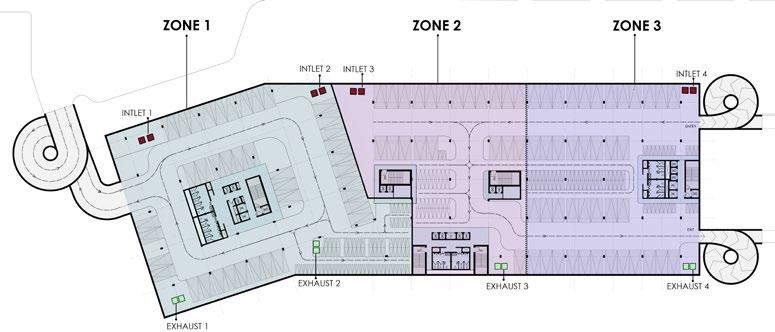
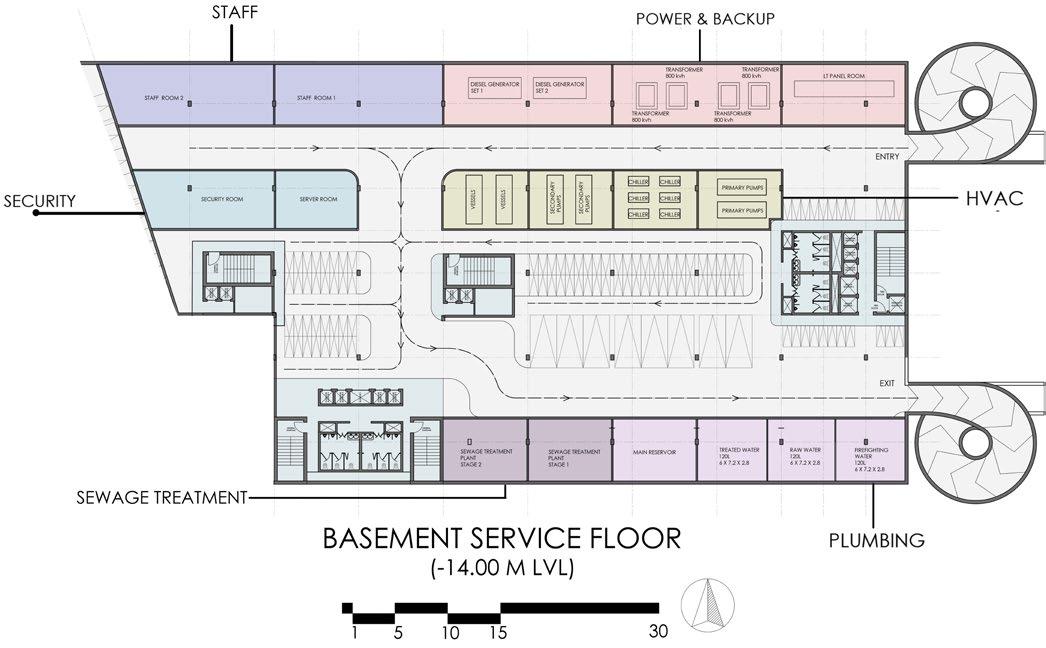
4 levels of basement Parking & 1 level for services
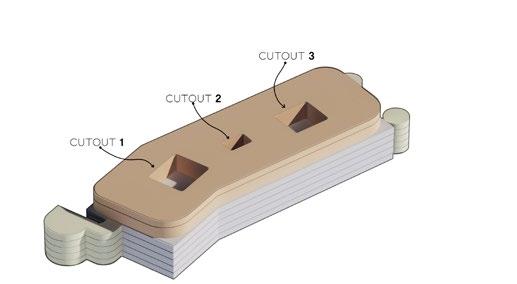
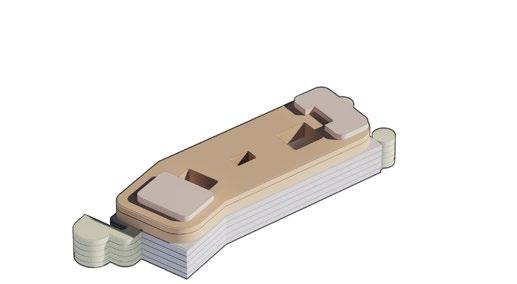
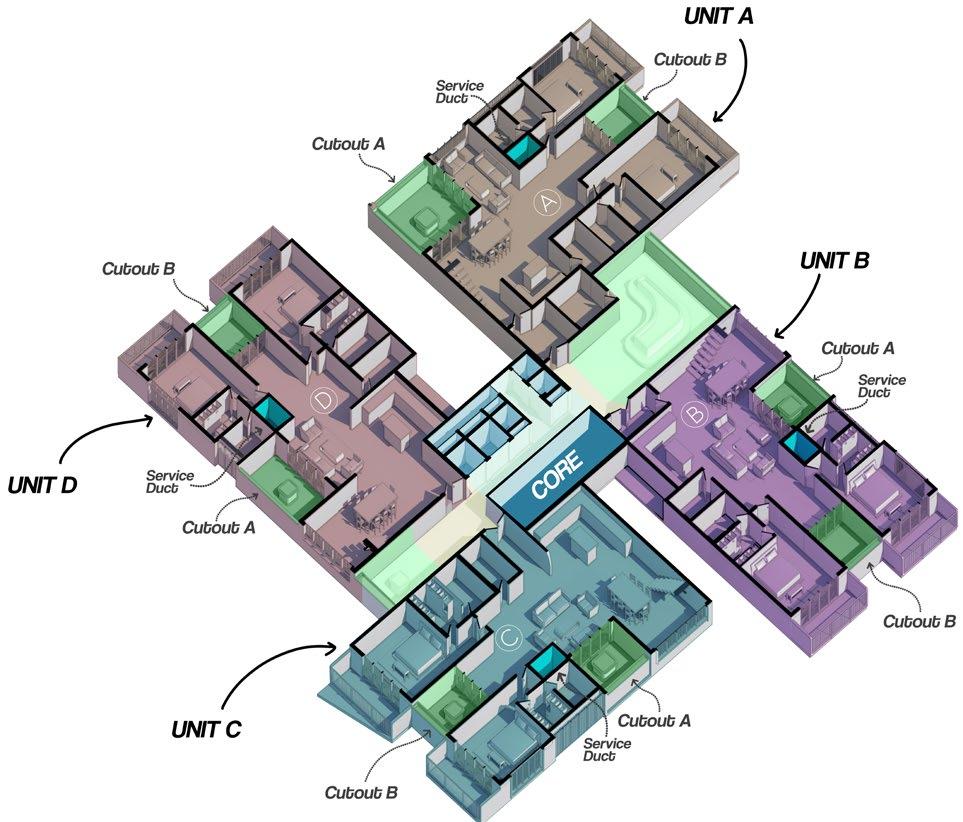
3 cutouts to guide circulation\
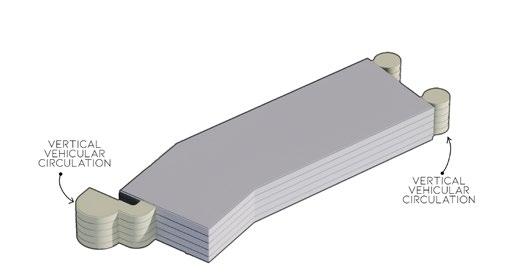
2 distinct vertical circulation columns
2 levels of retail floors at G+1 and G+2 Level
2 levels for restaurant/retail stores
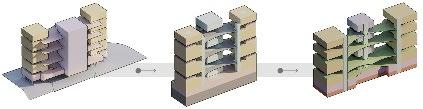
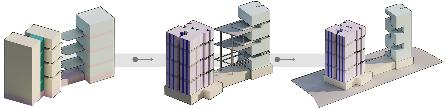
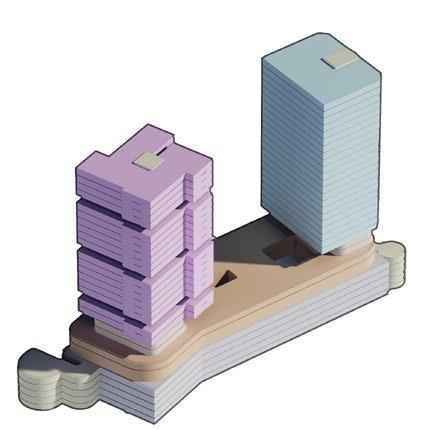
Volumetric massing according to by- laws
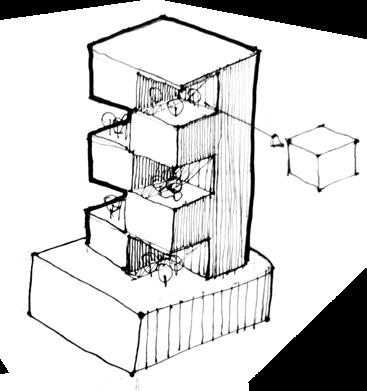
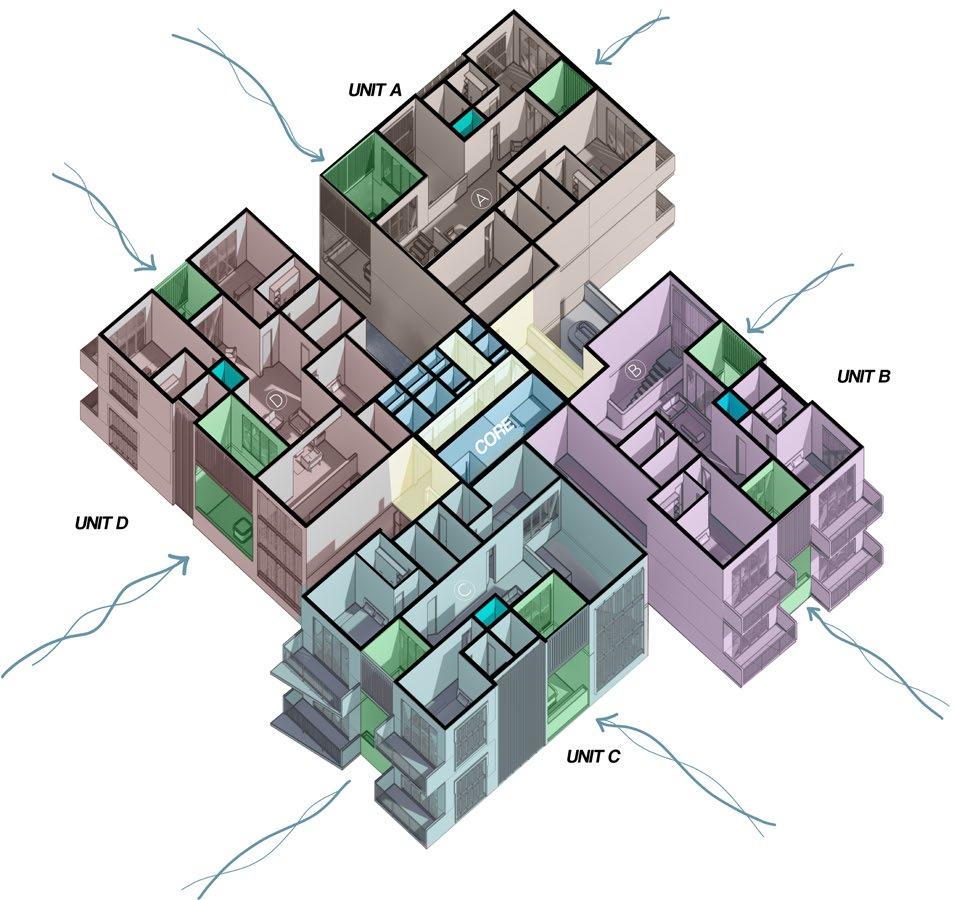
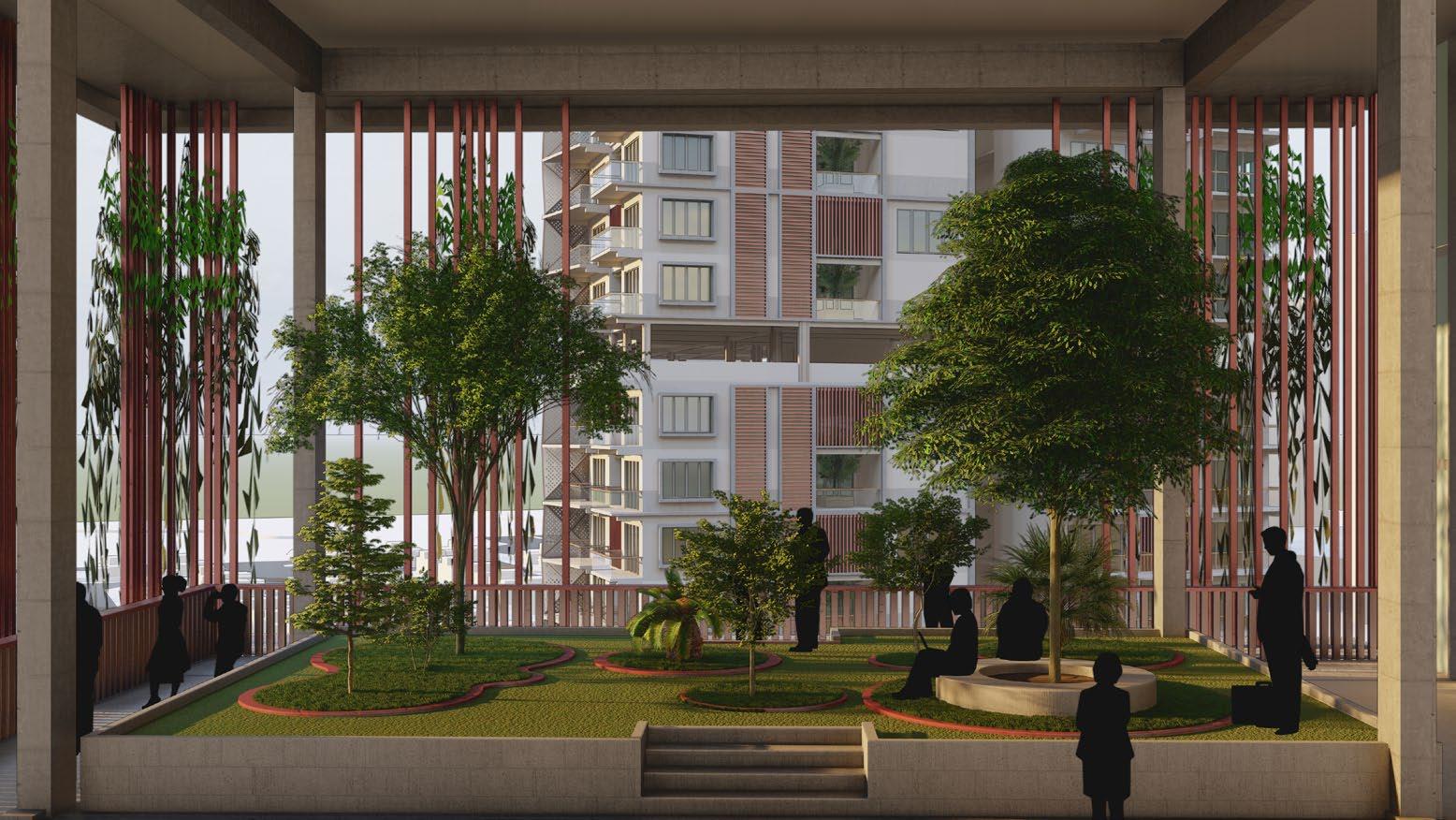
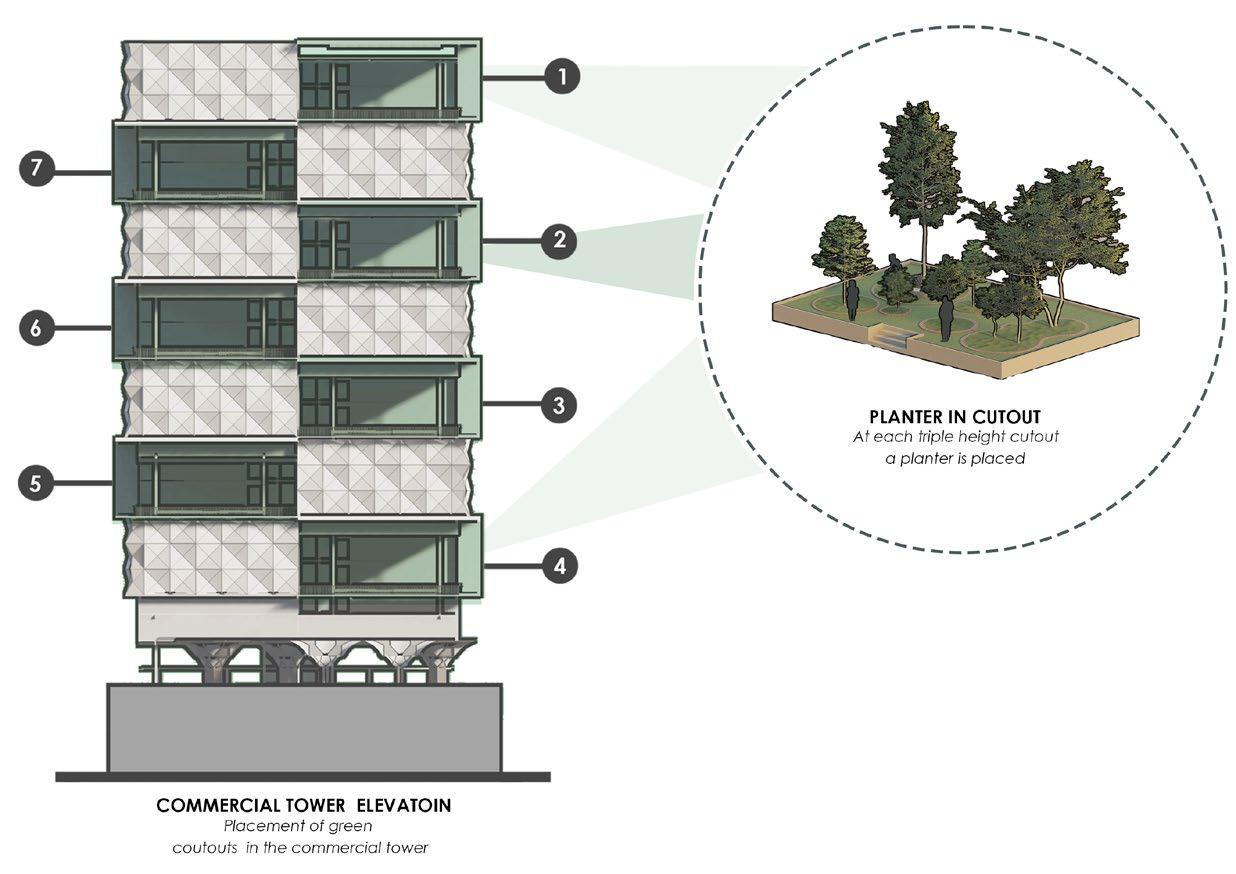
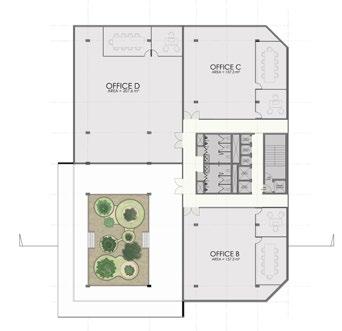
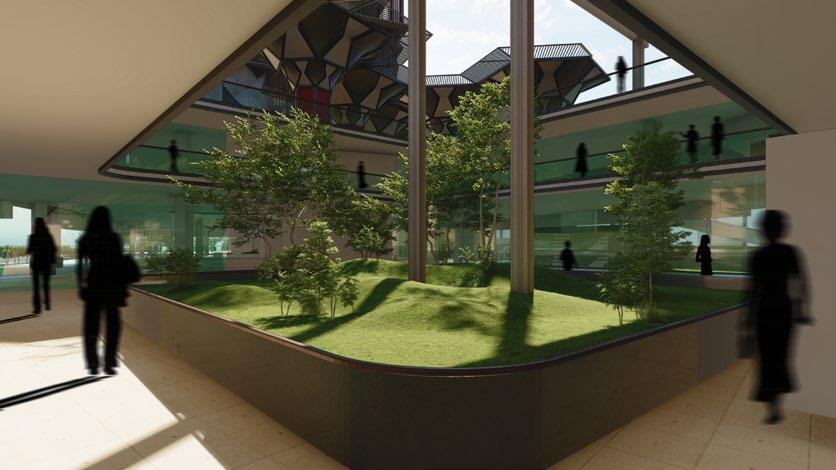
volumetric subtraction to facilitate biodiversity
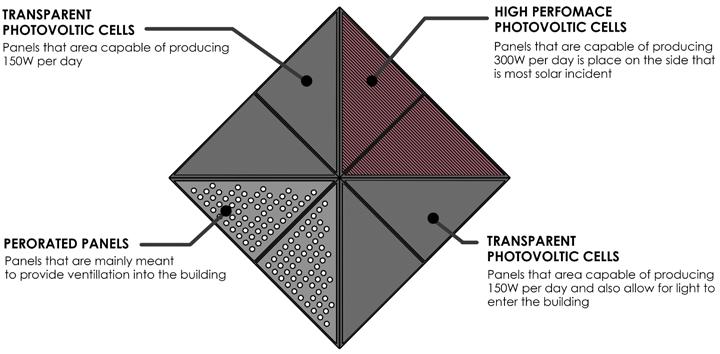
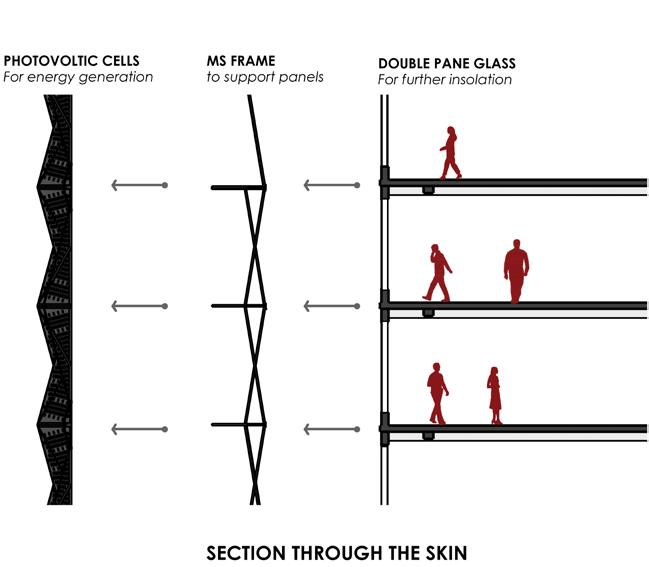
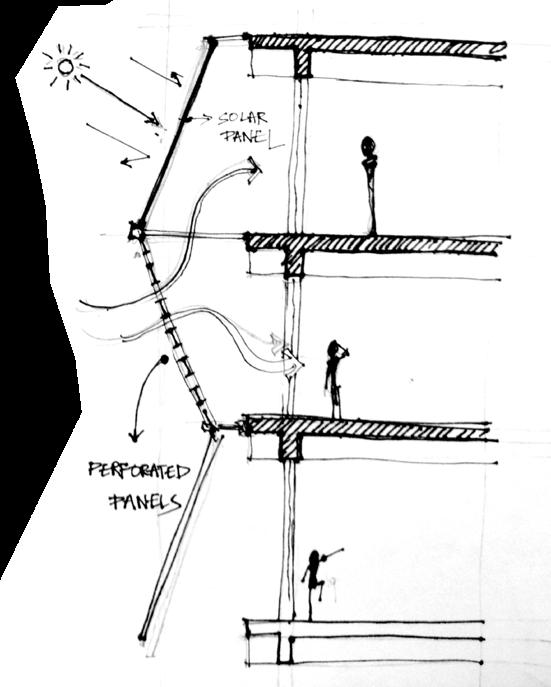
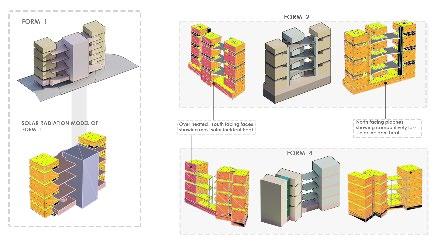
Addition of solar panels after solar analysis
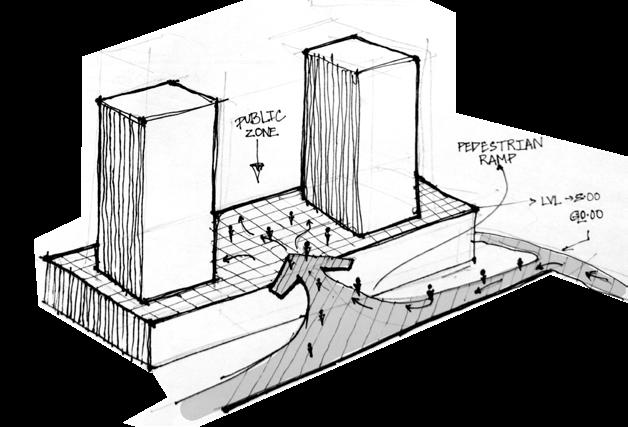
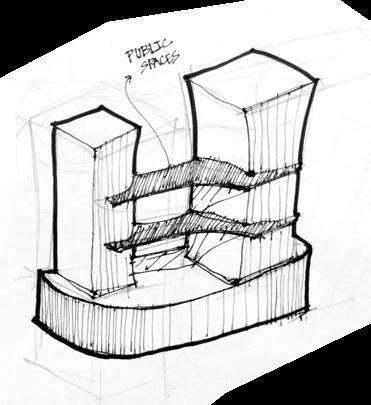
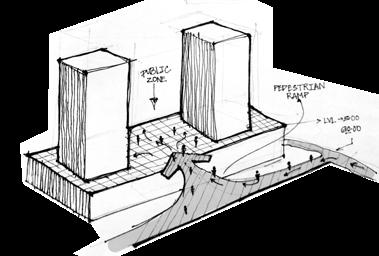
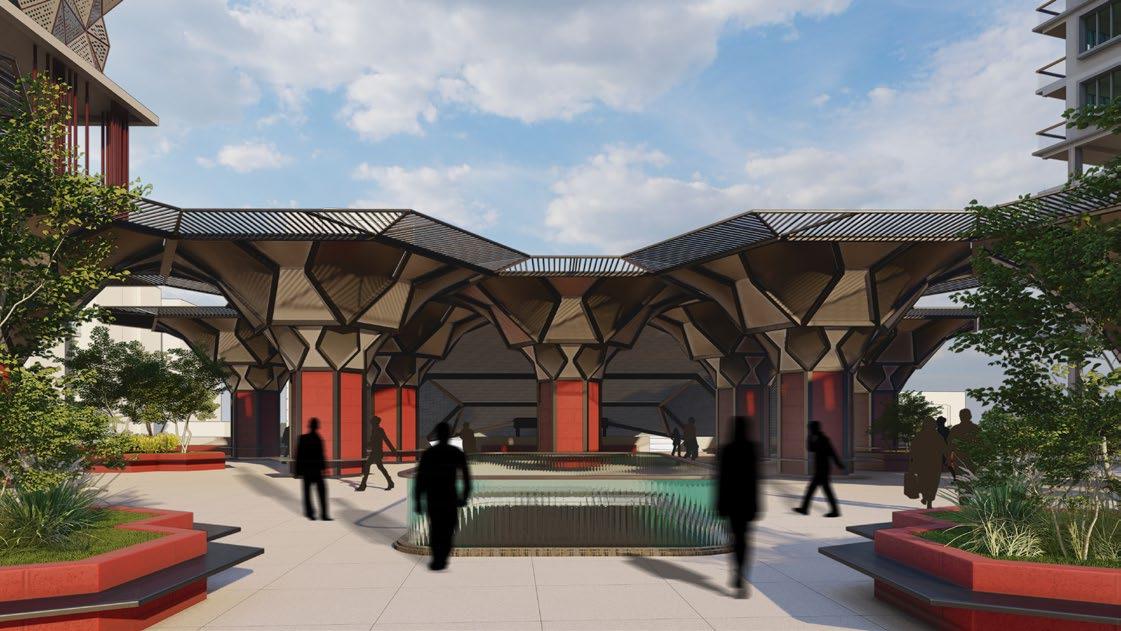
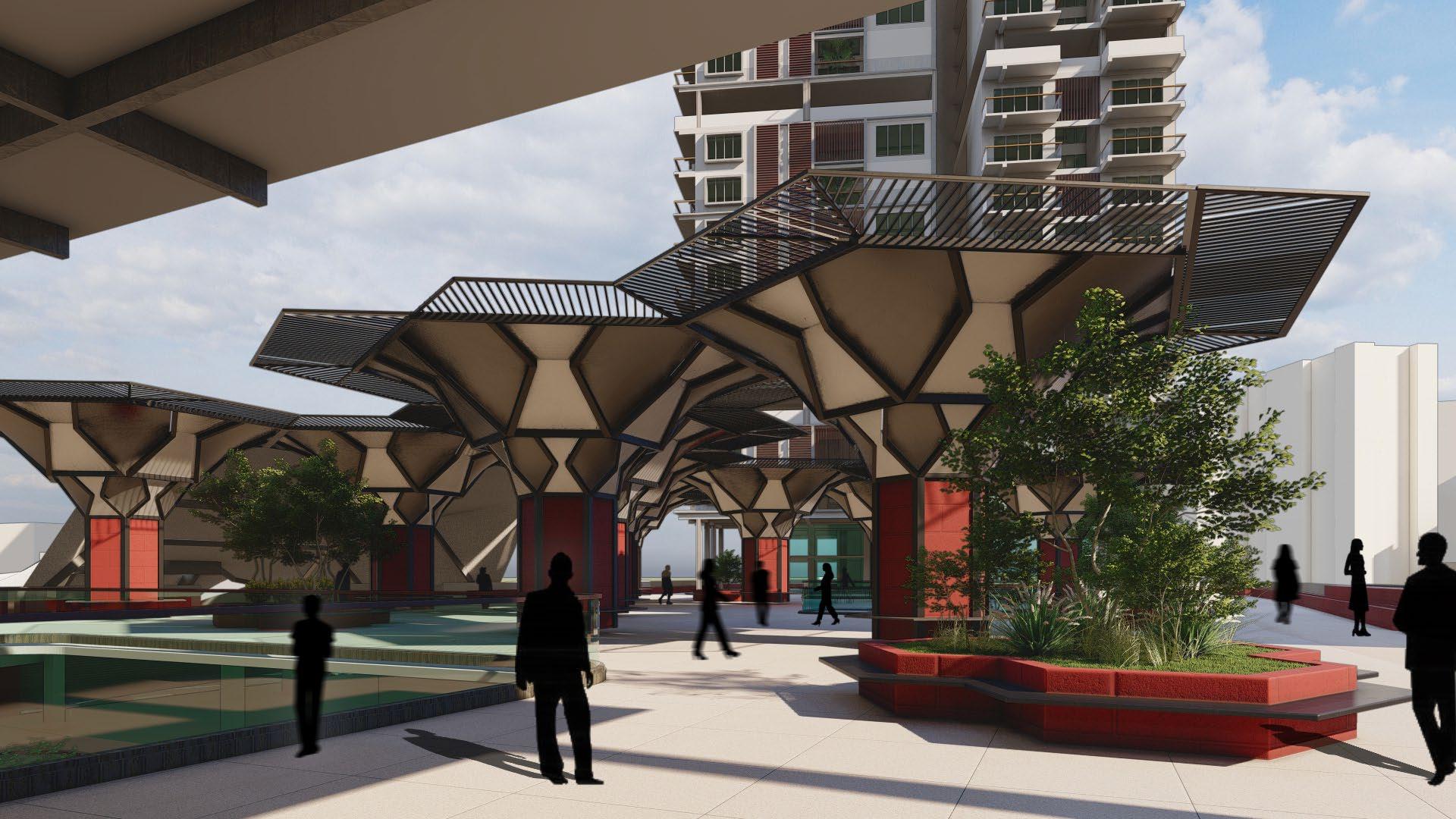
This project introduces a unique public space distinct from conventional building types by creating an elevated area separated from the busy ground level, offering residents exclusive spaces for recreation and social interaction.
Designed with lush greenery, comfortable seating, and panoramic views, this elevated space provides a serene retreat that contrasts with the bustling activity below, fostering a sense of community and well-being.
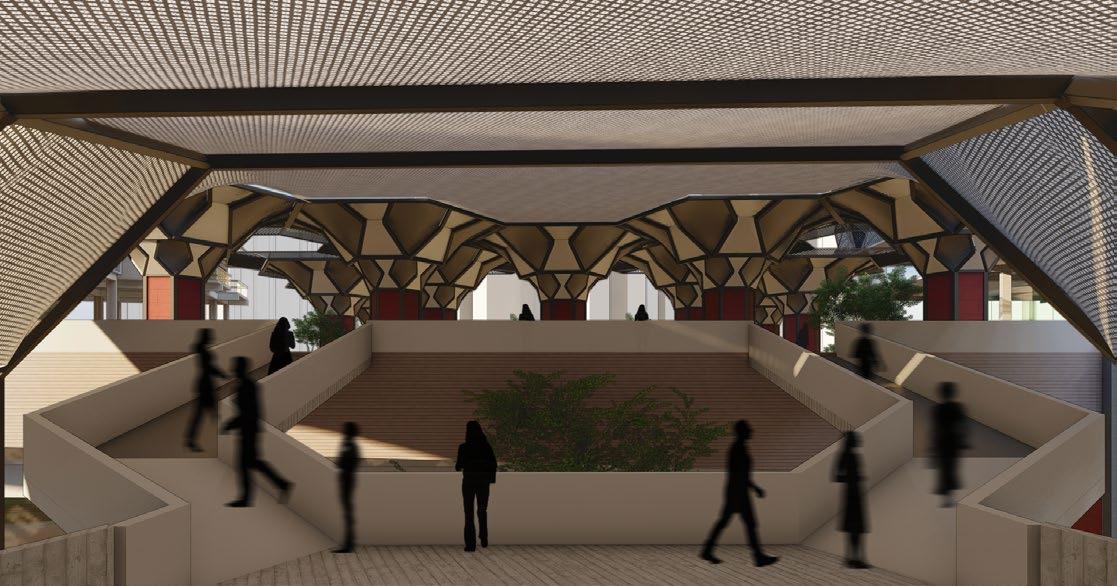
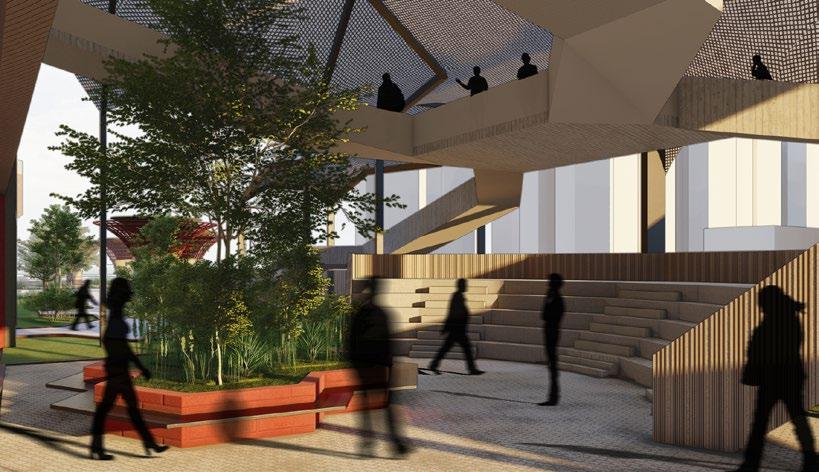
This project features a ramp that acts like a raised pedestrian walkway that extends the ground-level experience to higher floors, enhancing accessibility and enabling the commercial use of G+1 and G+2 spaces.
The ramp is designed with a central cutout so as to relate the amphitheater below visually with the crowd passing above.
VIew from the ramp to the G+2 level
VIew from the G+2 level
UPPERLEVELFLOORPLAN LOWERLEVELFLOORPLAN
VIew from the commercial building cutout
Residential tower (t1)
commercial tower (t2)
Green cutouts
Refuge floors photo voltaic panels
photo voltaic panels
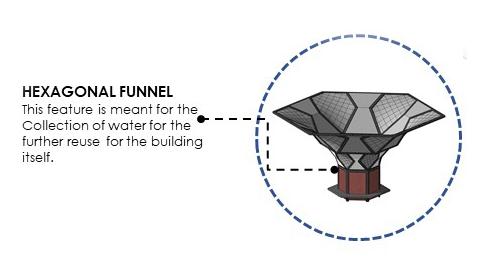
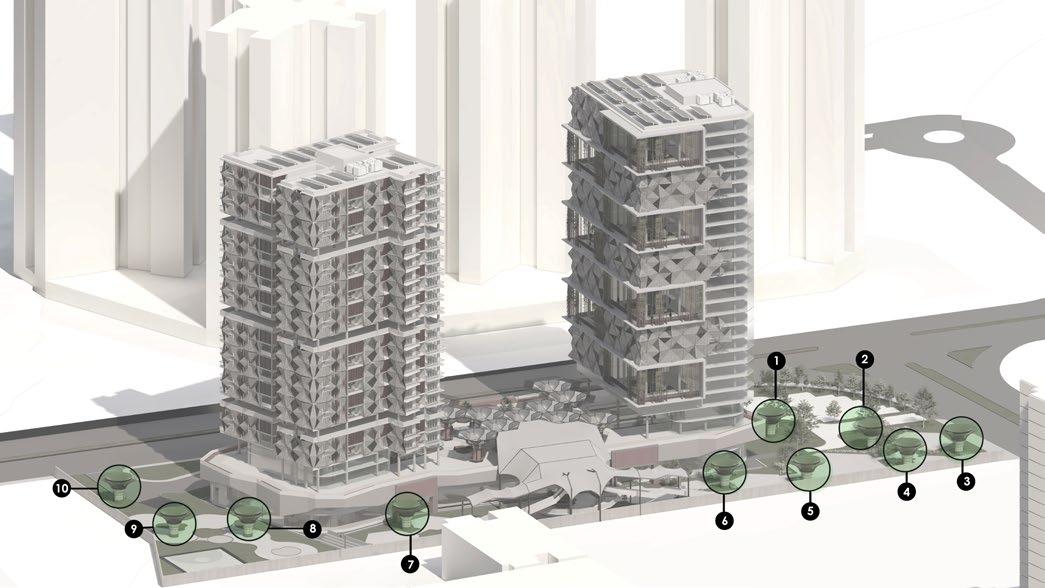
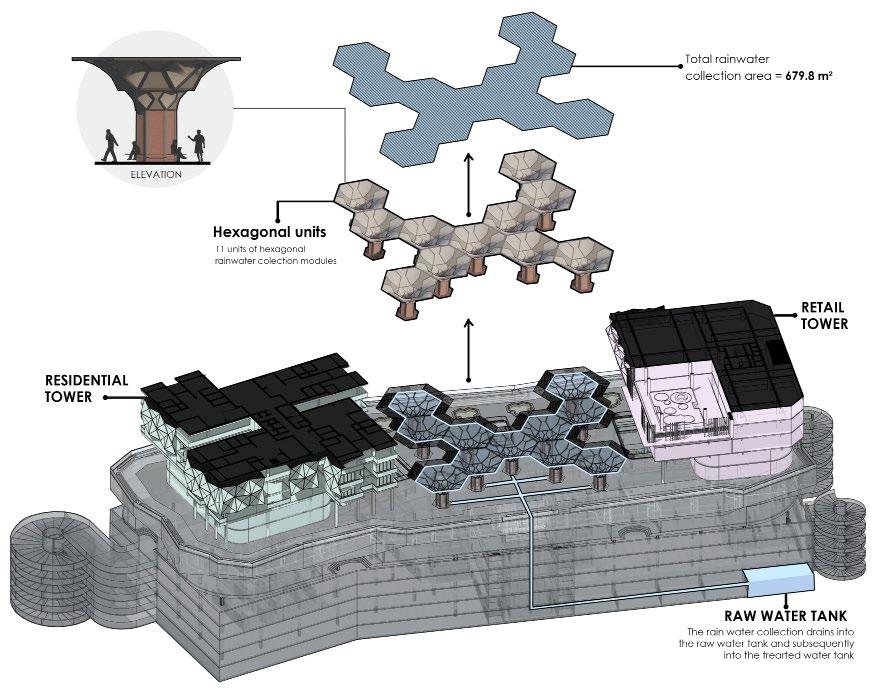
grade level water harvesters
Pedestrian ramp
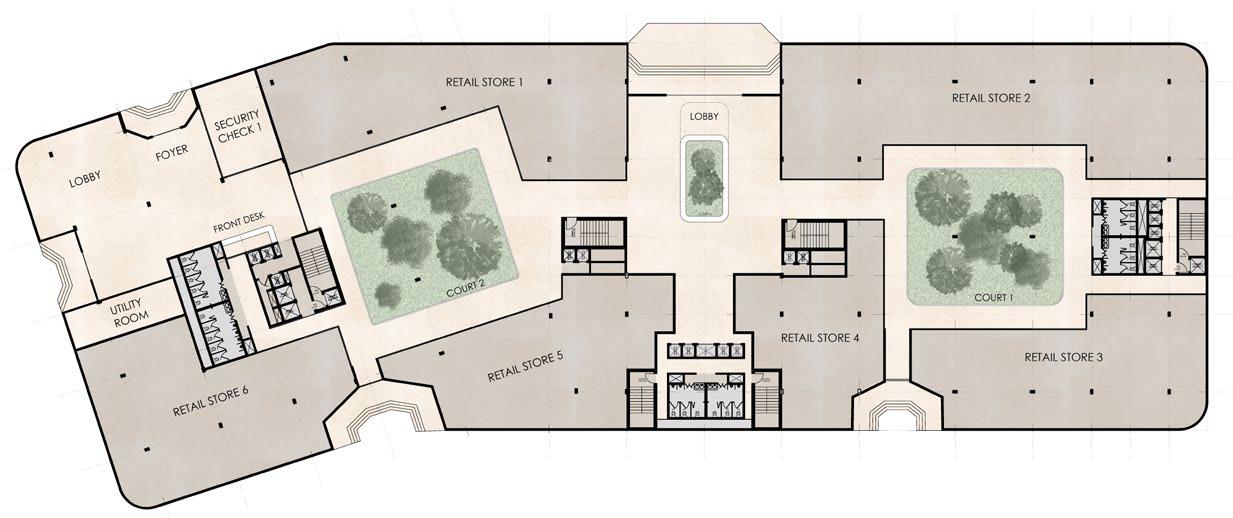
GROUND FLOOR PLAN
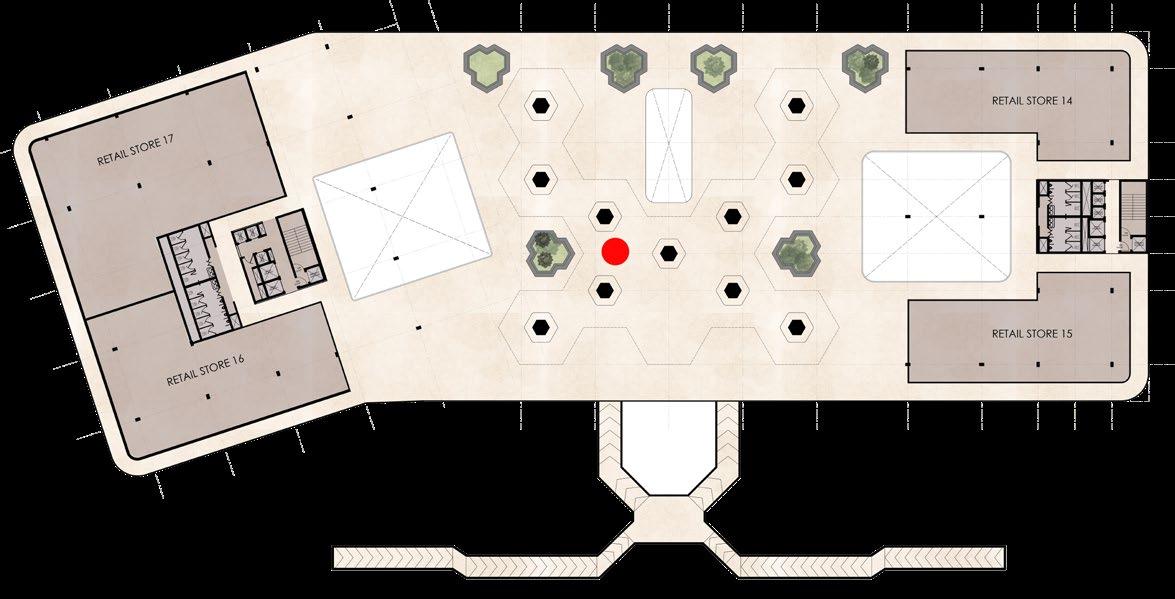
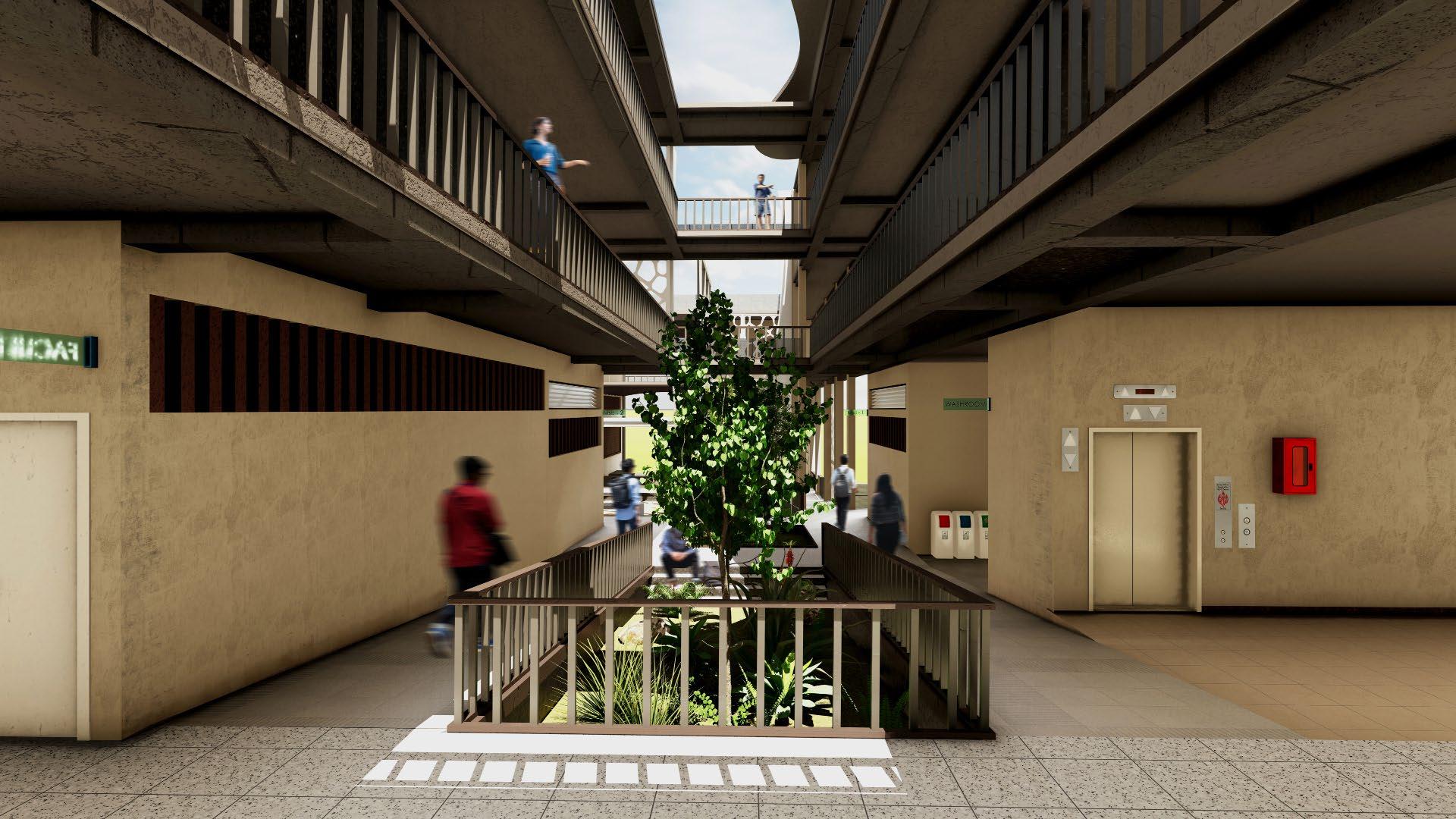
Within the first two levels of the project, there is a network of three courtyards. The first courtyard, the interface courtyard, bifurcates into two large courtyards that facilitate circulation into the surrounding retail stores.
The retail stores towards the periphery of the floor plate are reserved forrestaurants to facilitate the functioning of the public spill-out space, which covers most of the floor plate.
view from G+2 level
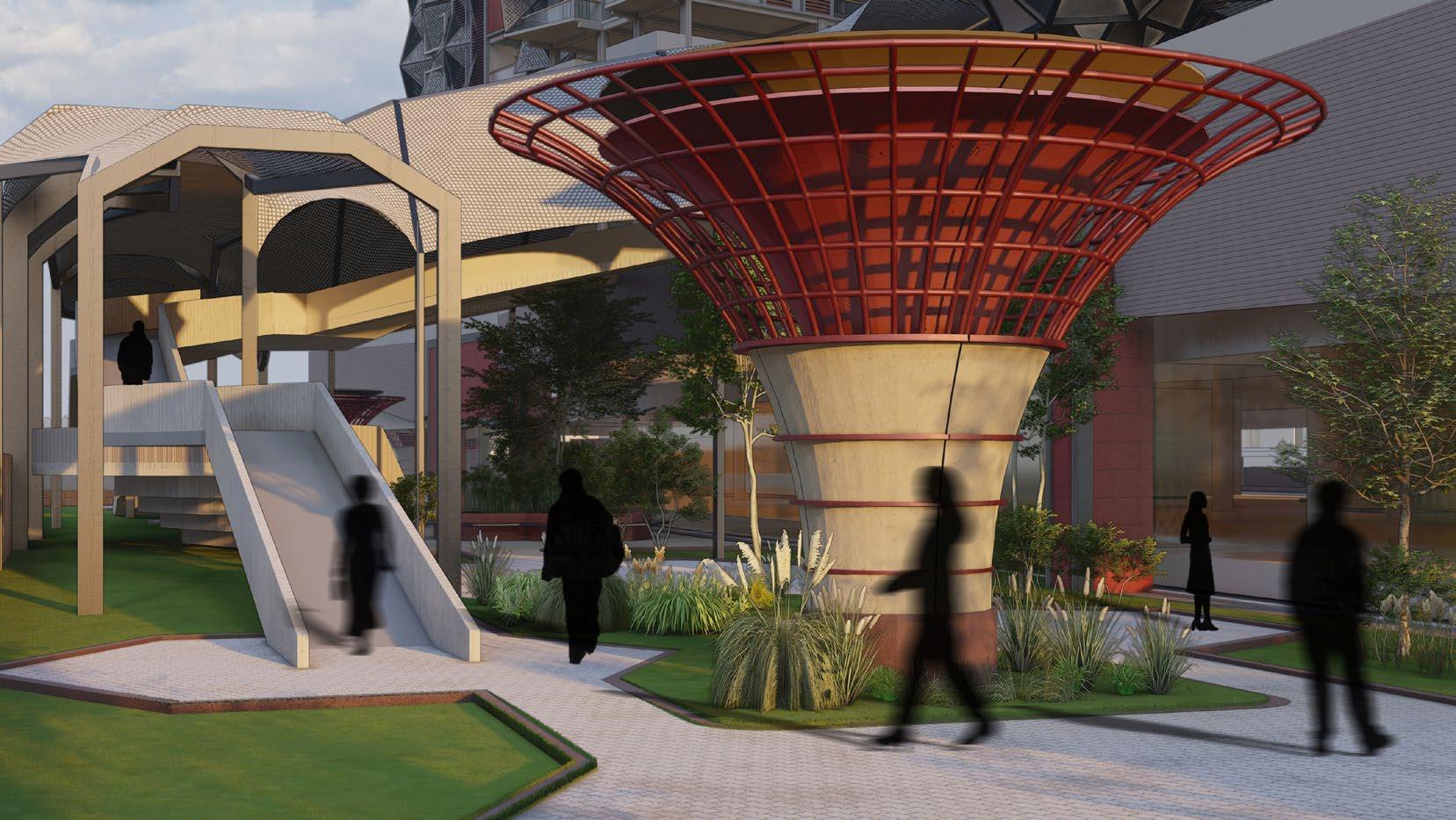
view from the grade level
PLACEMENT of the rain water harvesters at the grade level
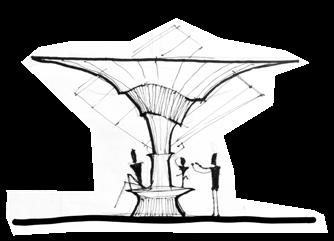
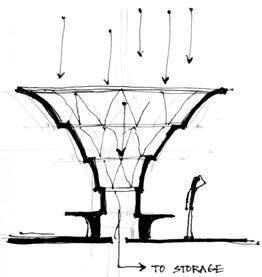
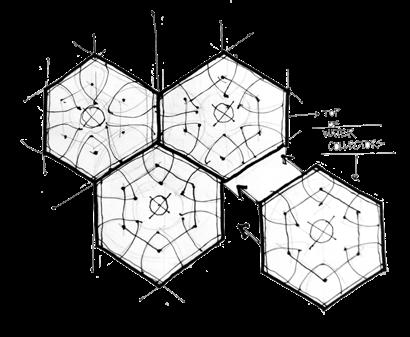
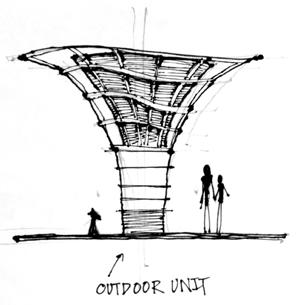
ideation of the rain water harvesters
WMarine institiue of biology, a space that encourages interaction among peers and empahasizes nature.
In the world of academia, it is known that the most significant advancements occur through collaboration among multidisciplinary peers. Essentially, peer-to-peer interaction drives innovation in any field. When the expertise of individuals comes together to fill gaps that may arise during research, true progress in innovation is achieved.
The brief calls for a mix of institutional and housing functions on the same site. The institutional portion consists mainly of master’s and bachelor’s courses, along with auxiliary spaces supporting these fields. The housing portion is designed to accommodate forty percent of the total occupancy of the institutional area.
Through the exercise, the main emphasis was on creating interactive spaces that act as relief zones between classes and follow a hierarchy. The understanding of space through sections was a key focus, aiming not only to meet the requirements of the brief but also to go one step further.
Marine institute of biology
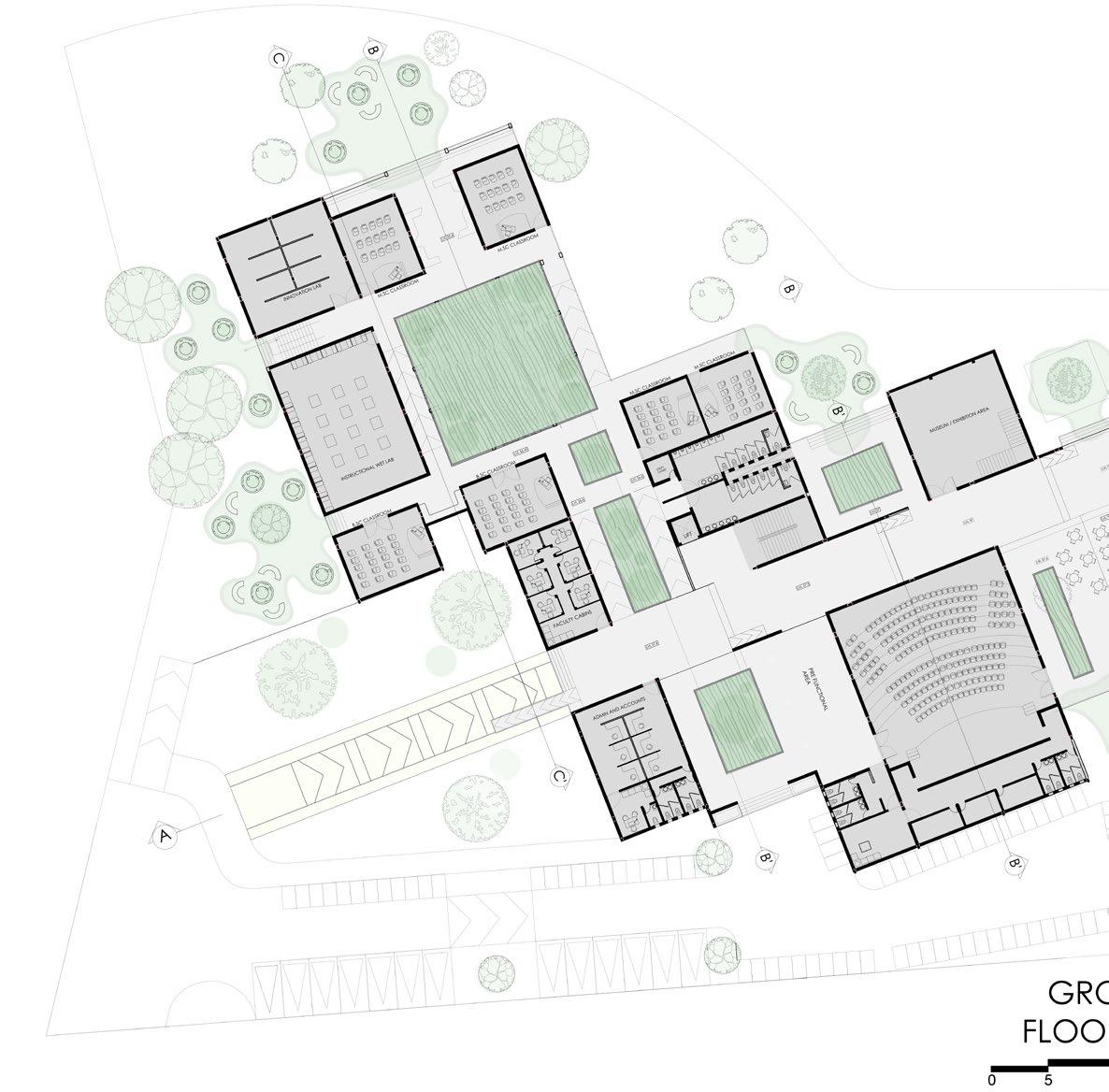
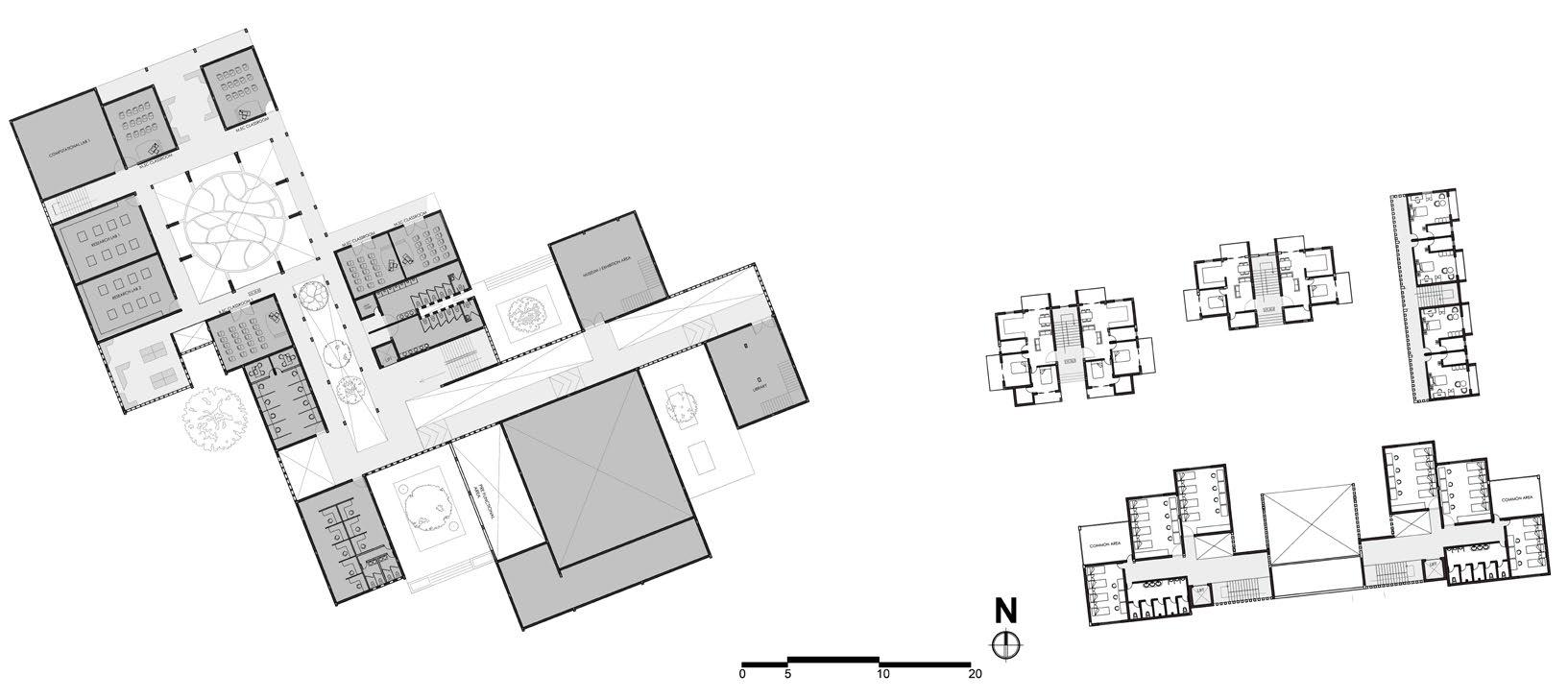
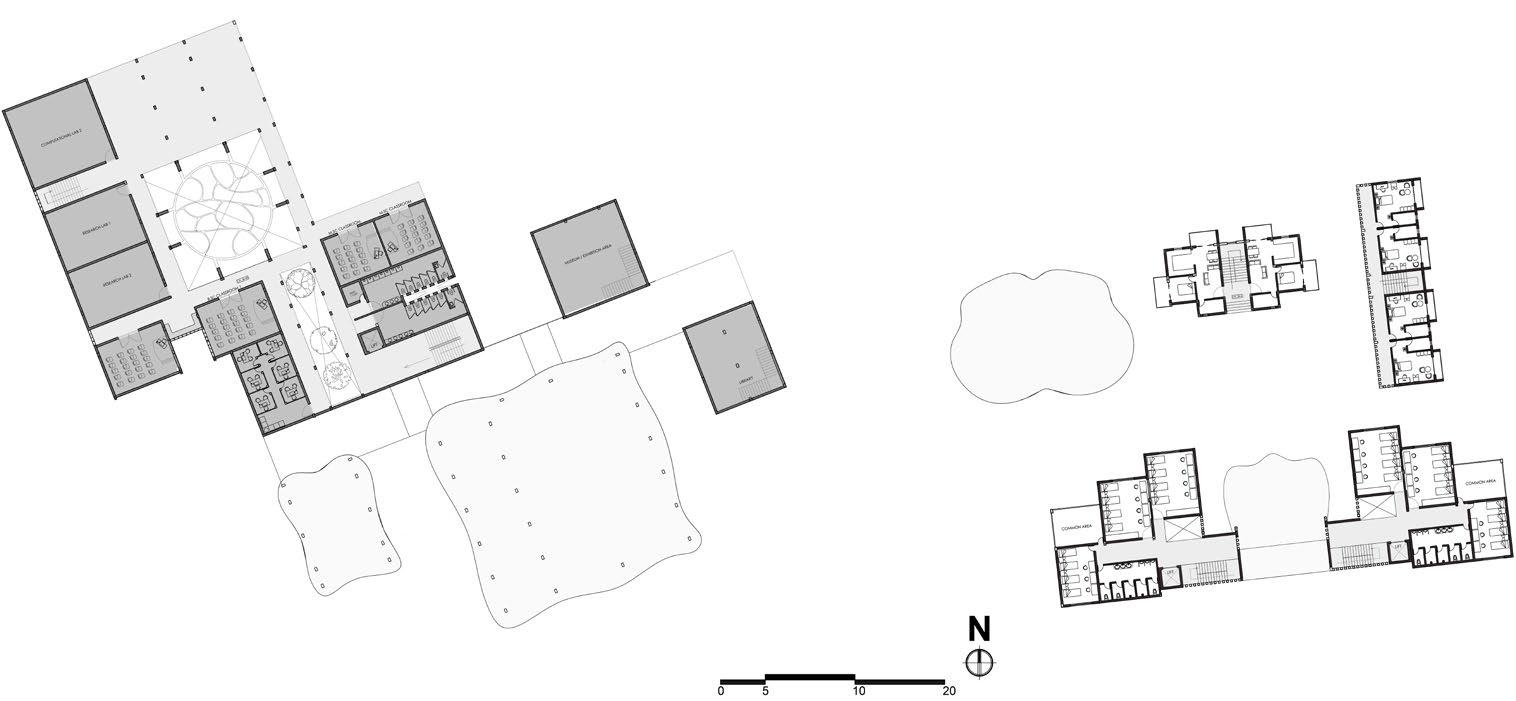
Waves the marine institute of Biology, located in Bambolim, Goa, is an extension of Goa University. The project is divided into two main parts: the institute portion and the housing portion. The institute portion also serves as the public part of the project, containing the main auditorium and the library.
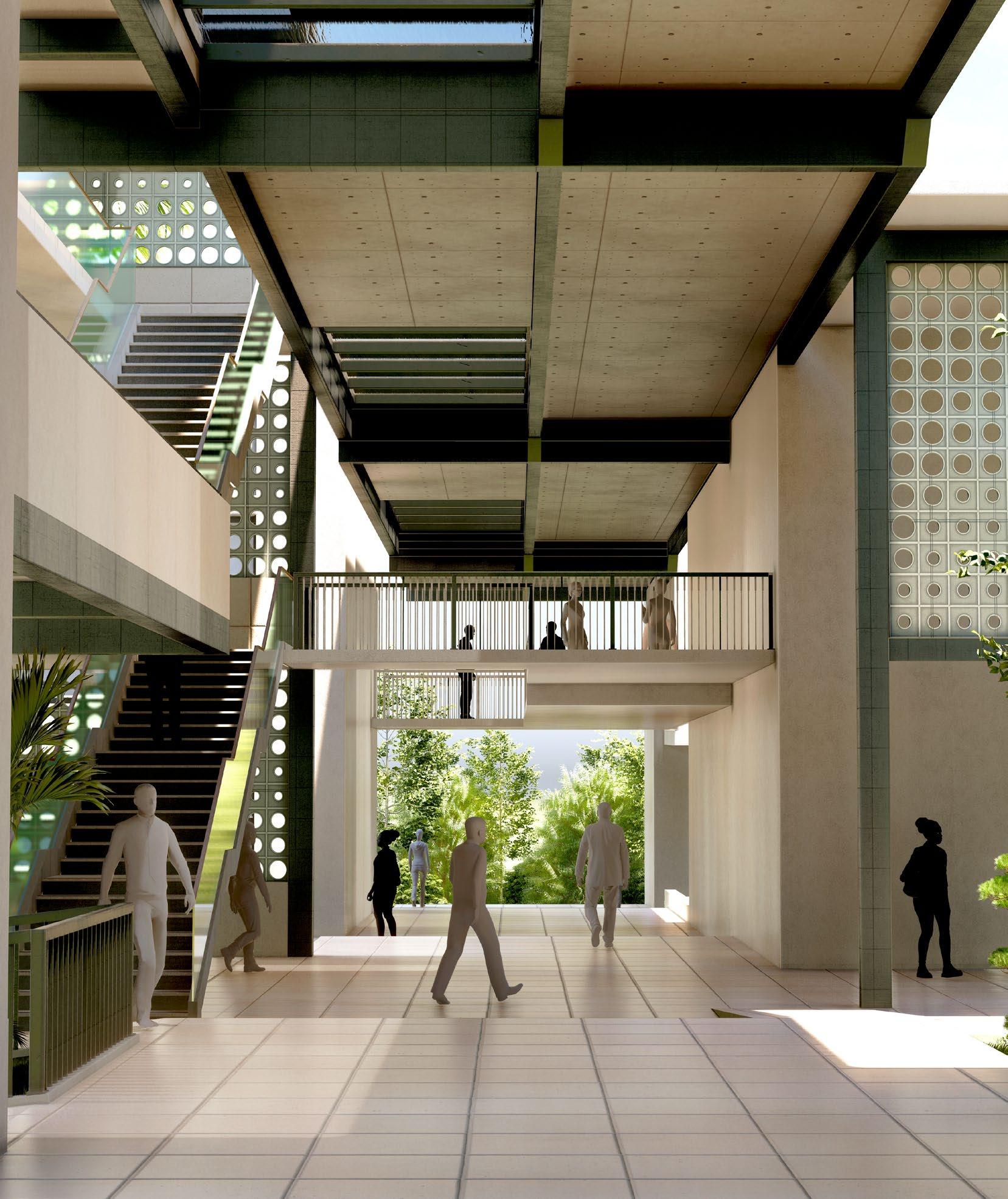
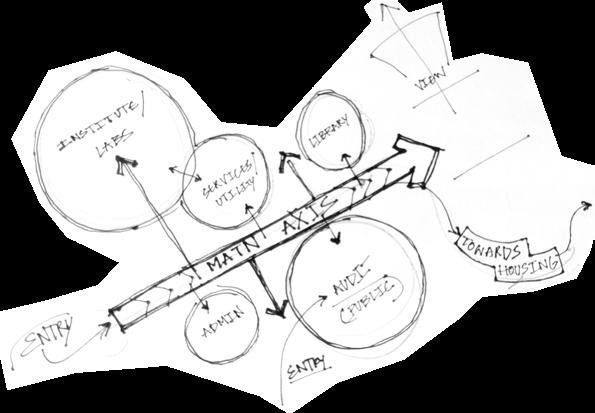
The institute portion of the Waves project is designed to be a vibrant and functional space for academic and public activities. The design of these spaces follow an axis that runs through the length of the entire structure this gives the user a definitive path to traverse the building with ease
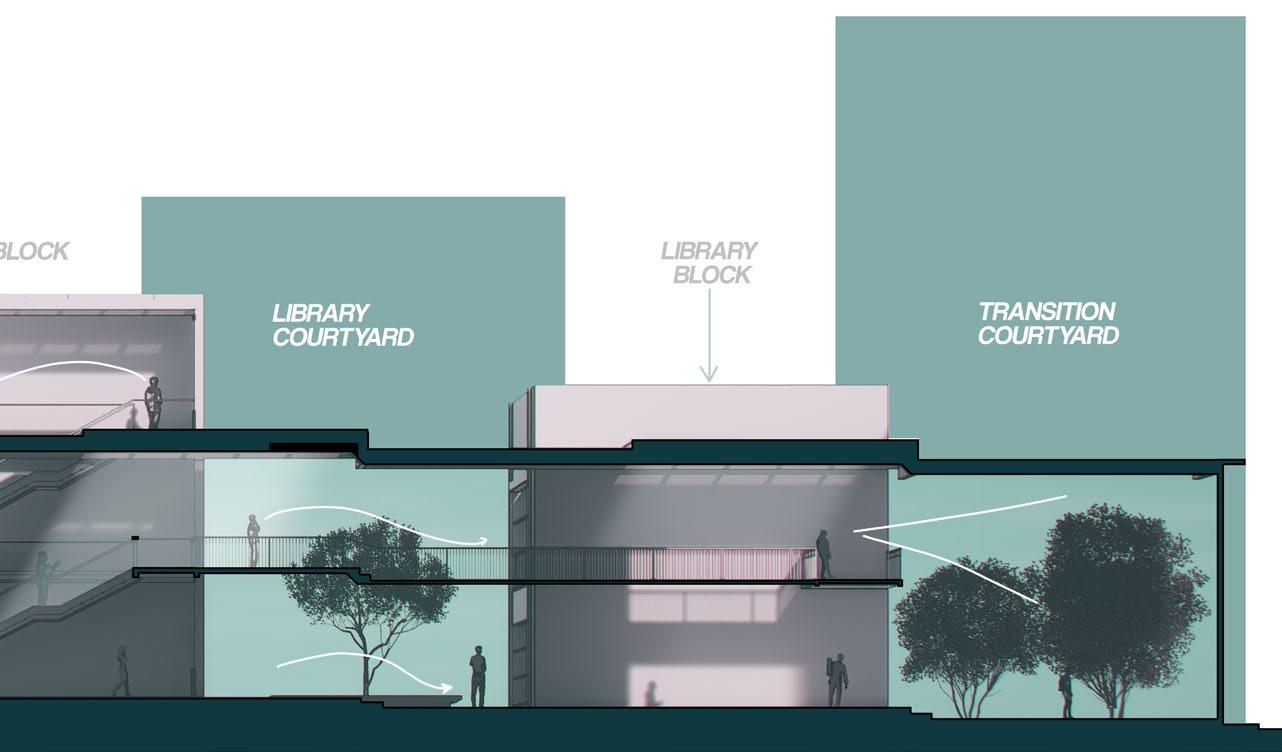
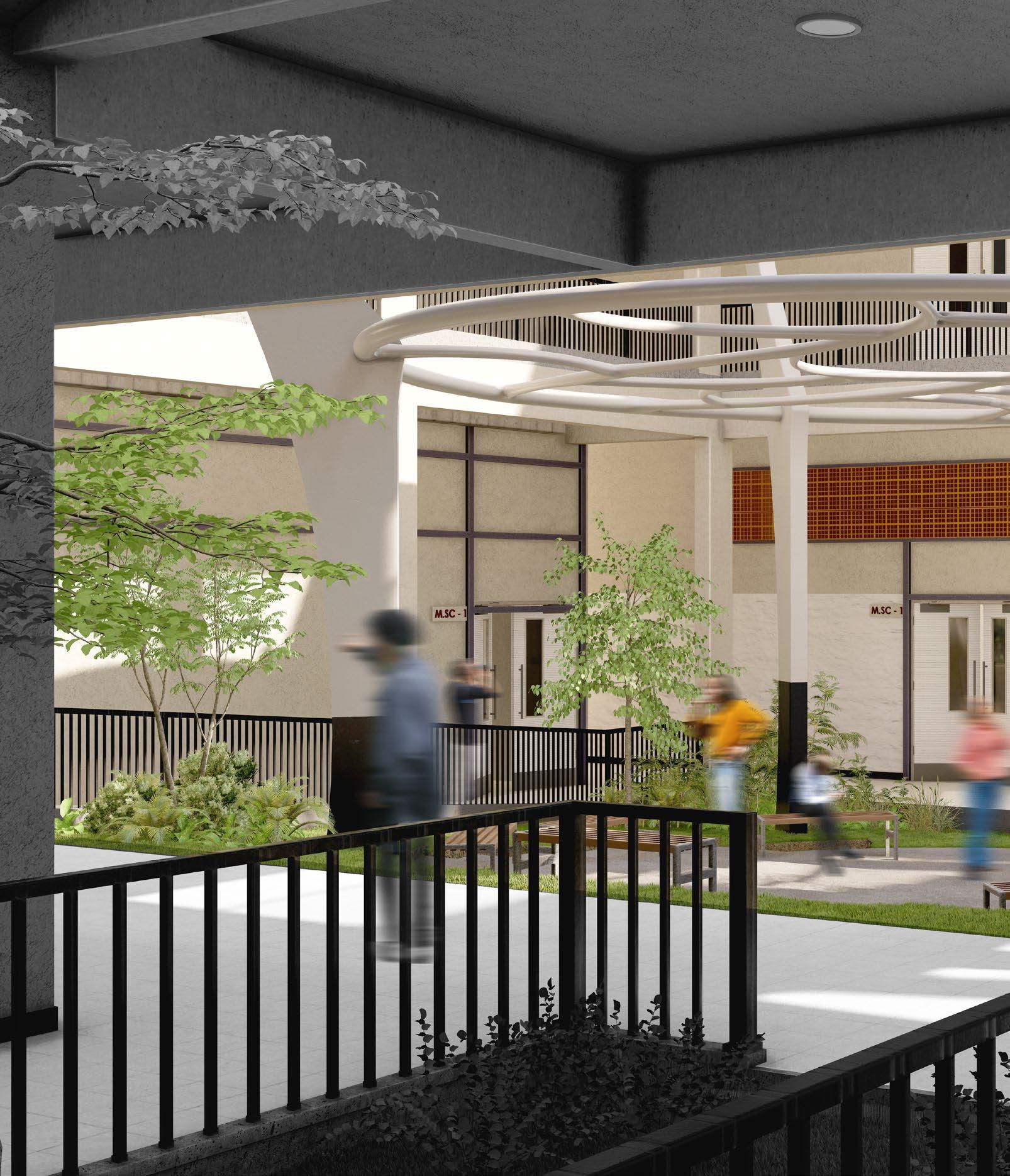
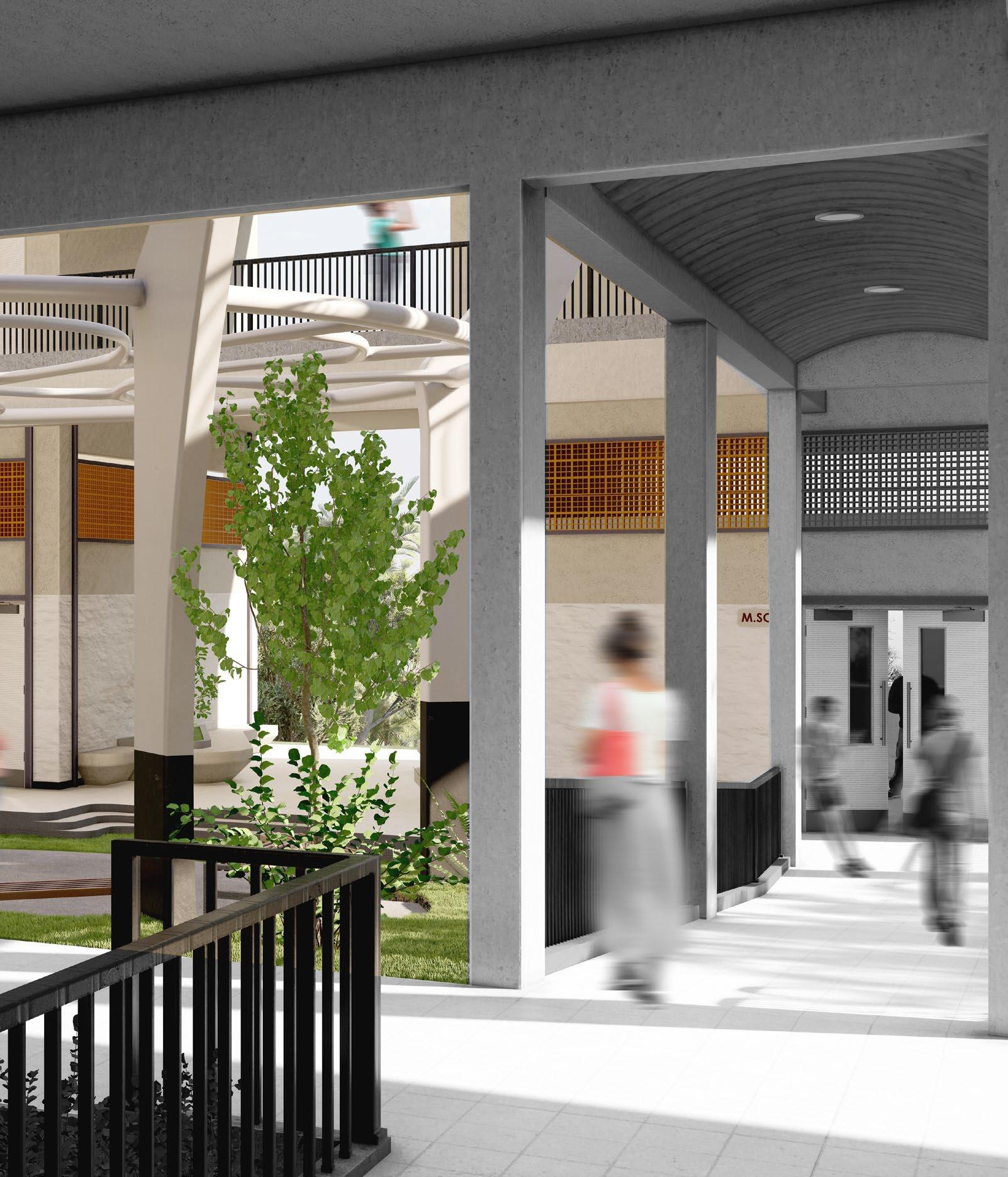
There is a system of courtyards that follows a hierarchy throughout the building. The first set of courtyards is meant to create a series of alternating masses and voids along the main circulatory axis, providing the main axis with light and ventilation.
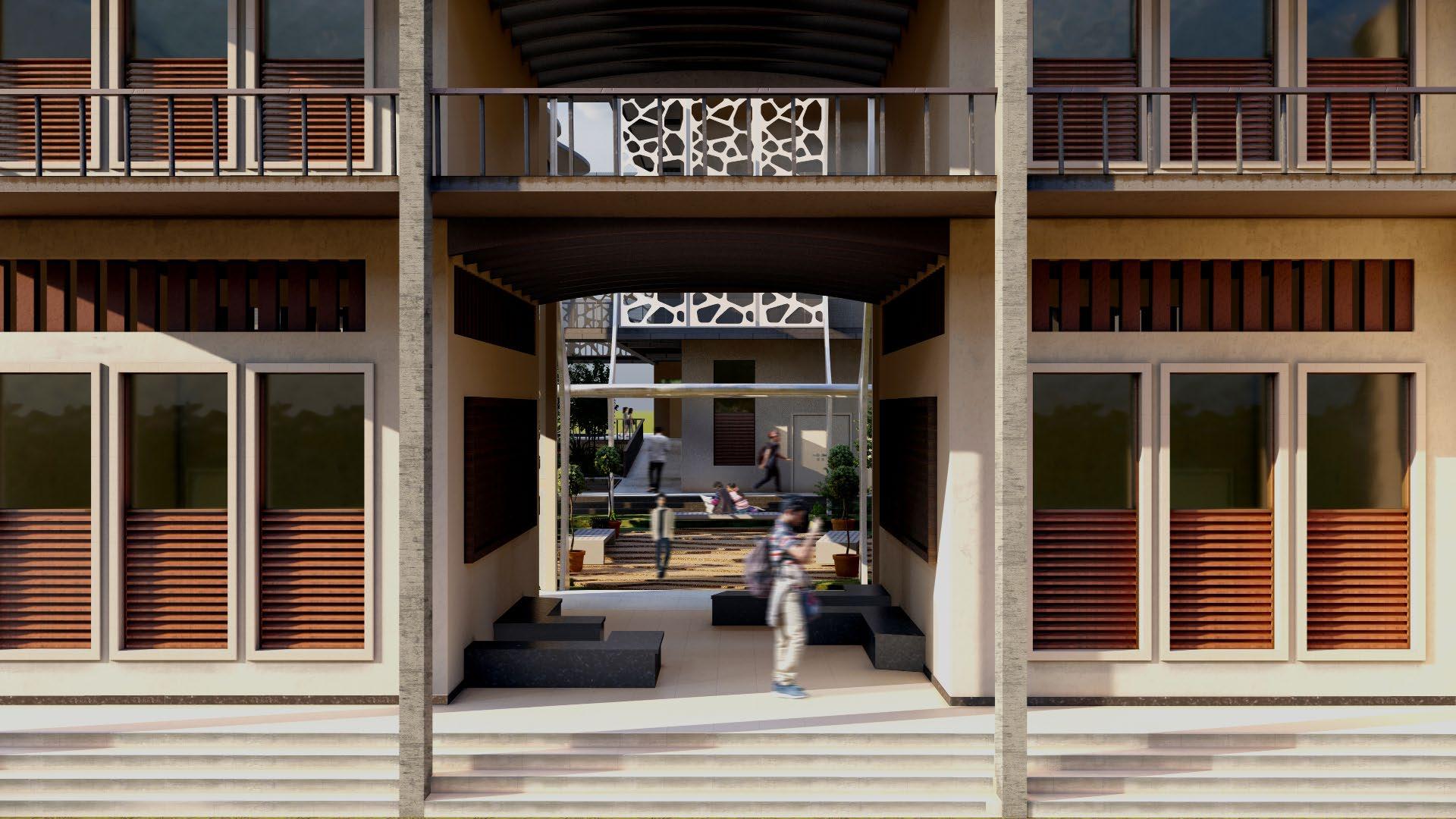
The second network of courtyards is a series of smaller courtyards along the classroom areas, which altogether terminate in one large open space intended for the interaction of bachelor’s and university students.
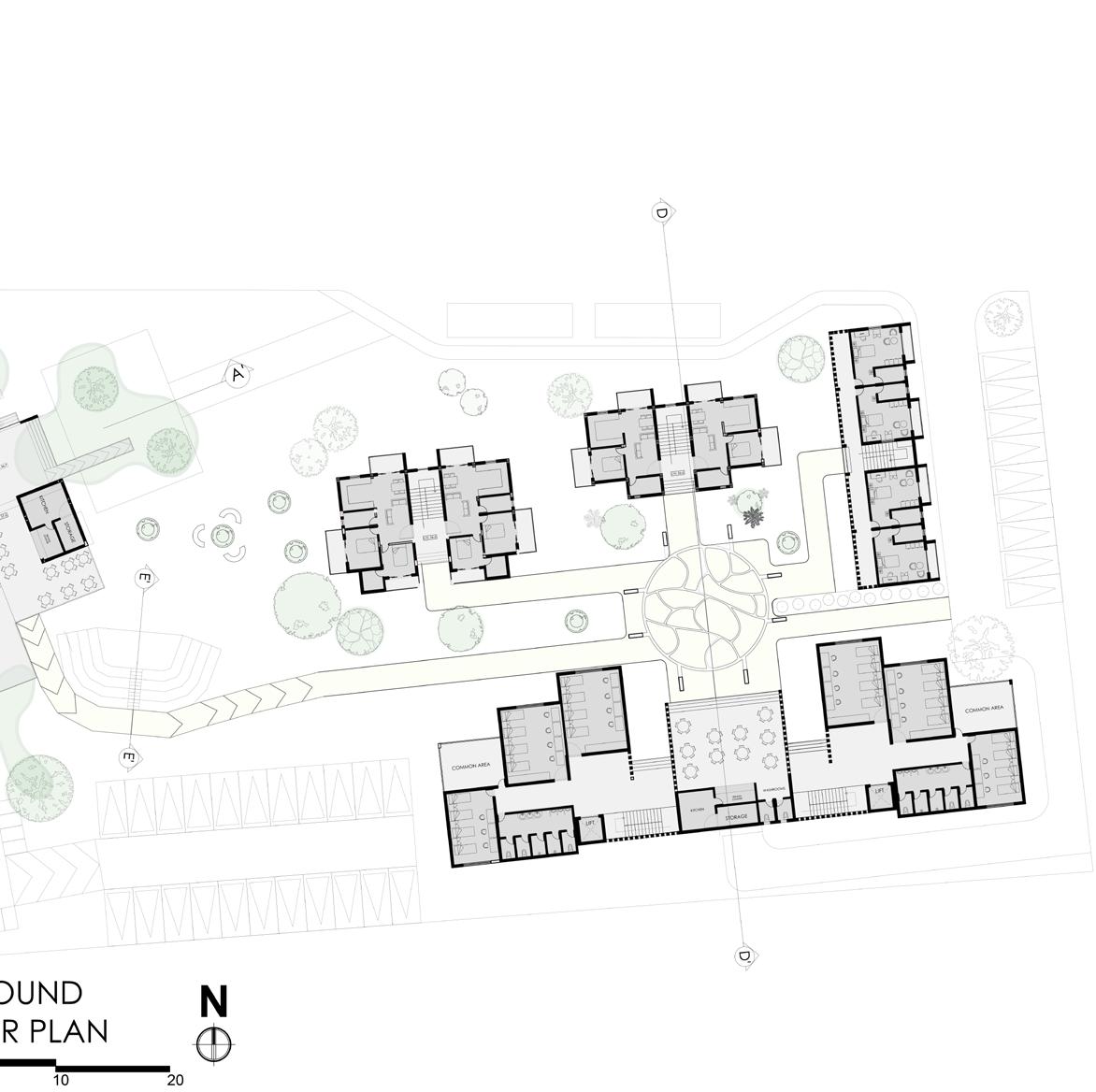
The housing part of the Waves project has four main buildings: one for master’s faculty, one for bachelor’s faculty, and two hostels for bachelor’s and master’s students. Each building is designed to meet the needs of the people living there.
The faculty housing has bigger, quieter spaces, while the student hostels have shared areas to help students connect with each other. All the buildings are placed apart from the main institute to create a quiet and private living area.
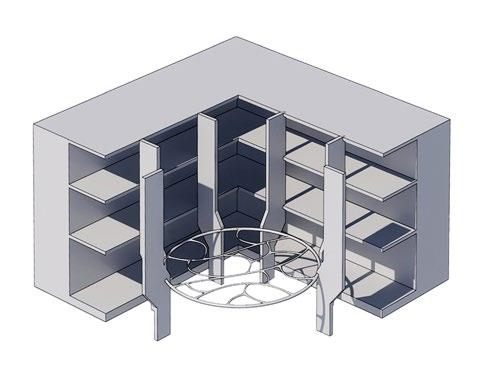
The layout of the housing area is offset to a slightly different angle as compared to the institute area. The buildings are spaced out to reduce noise and distractions from the institute. There is a central pergola areathat connets all 4 blocks of teh housing portion that inturn leads to the institute portion.
FIRST FLOOR PLAN
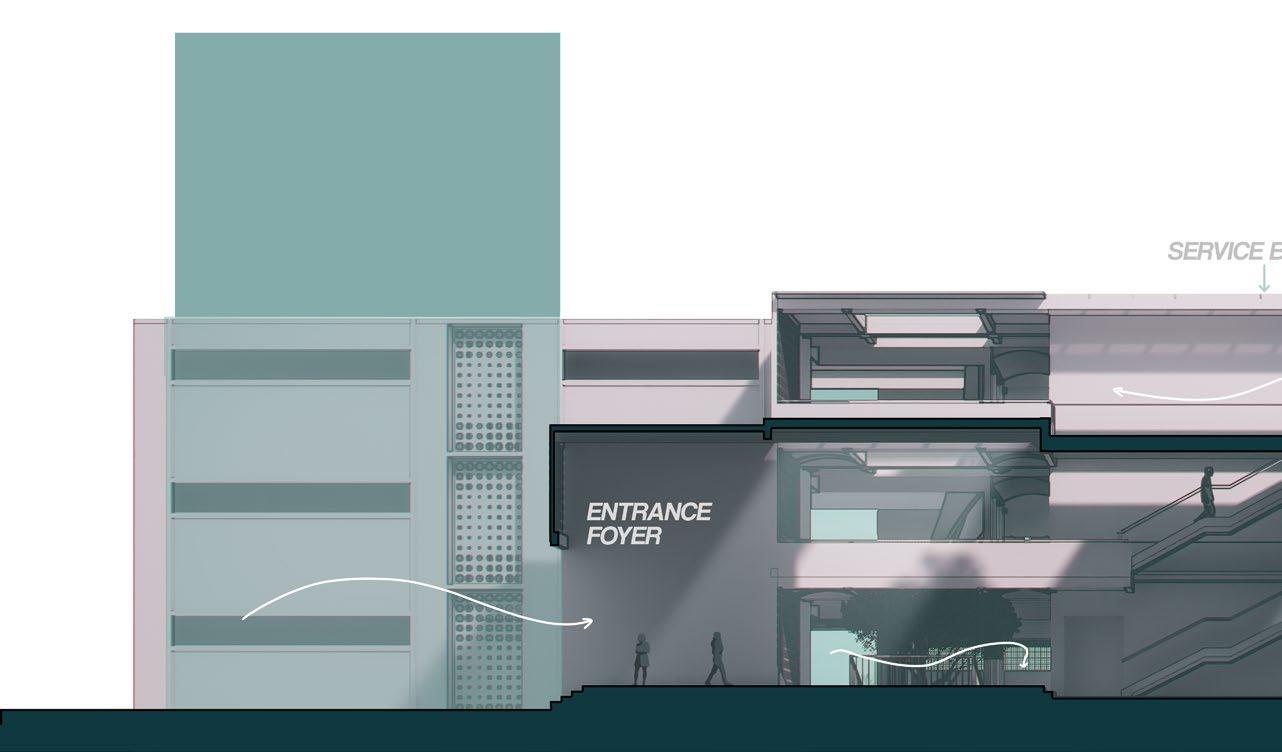
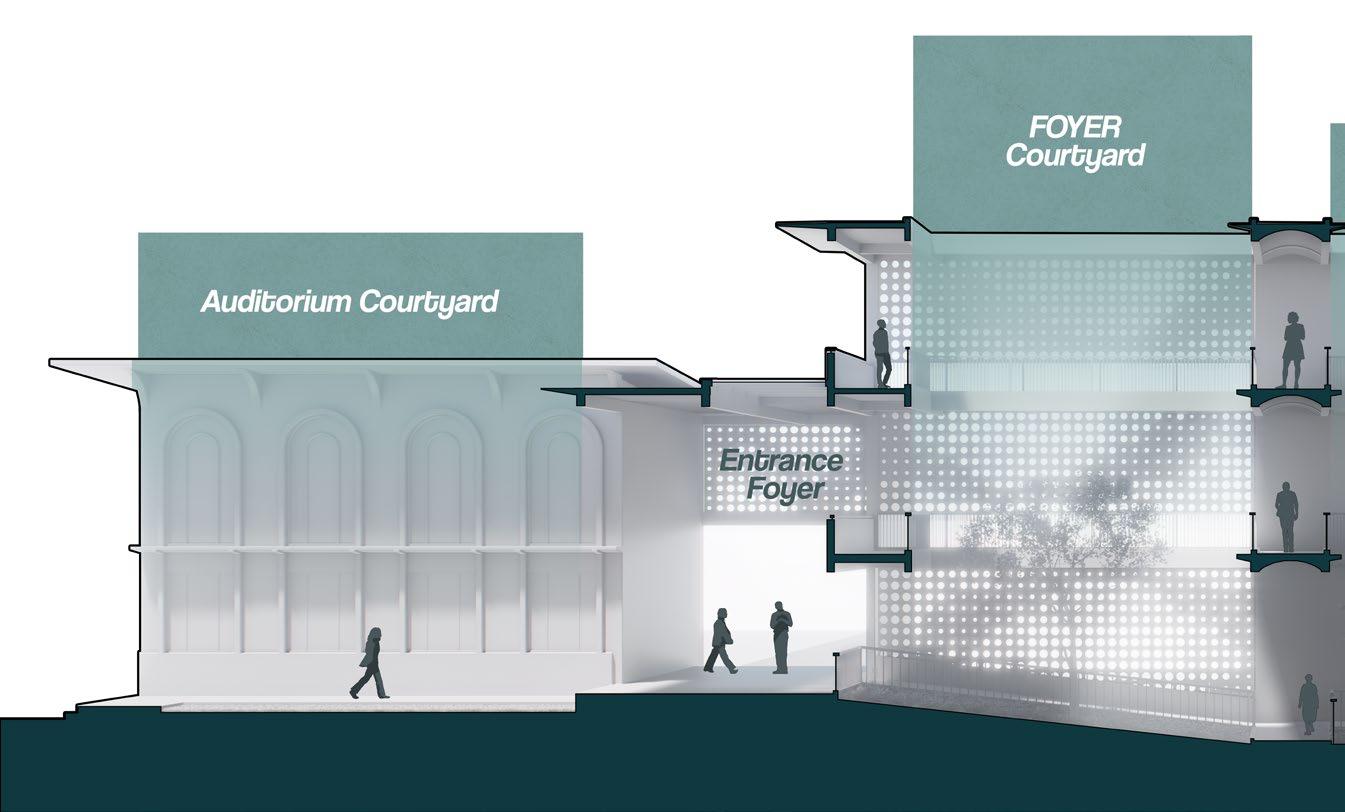
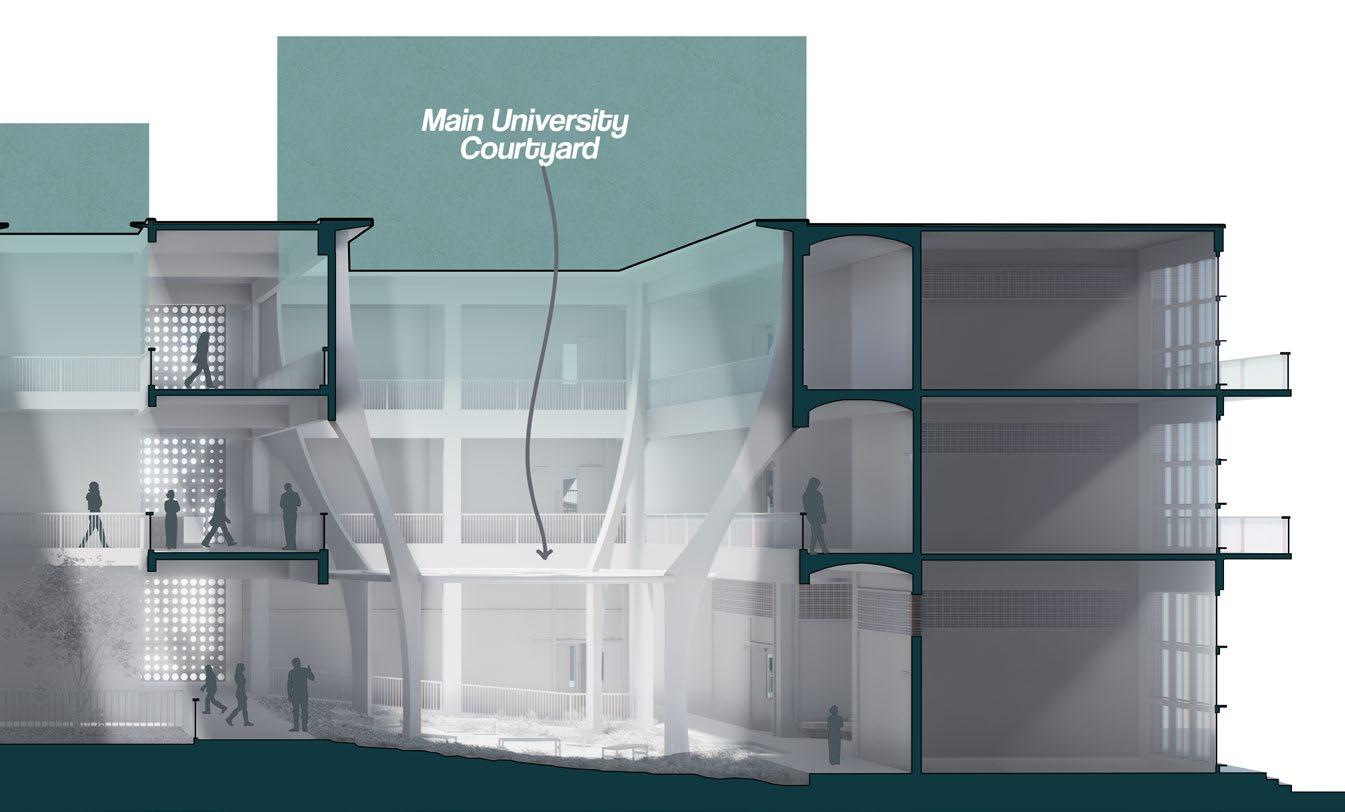
The following section, one can observe the hierarchy of courtyards. The auditorium courtyard primarily serves as a pilot area for the amphitheater, guiding visitors toward the main performance space, and also functions as an auxiliary entrance for the public user group, providing an alternative point of access.
This section of the building are heavily influenced by the slope of the site, with the design adapting to the natural terrain to create a harmonious relationship between the structure and its surroundings. of the project.
SECOND FLOOR PLAN
The academic portion of the building begins with the foyer courtyard, which serves as an initial gathering space and transition area, and eventually leads to the main courtyard of the institute portion. This main courtyard features an organically designed layout, inspired by natural forms and patterns, making it the central focal point of the courtyard system and a key element in the overall design
Nestled between the elaborate network of courtyards,specially designed sky bridges traversebetween the two main building masses, serving as a relief point between the dense classroom blocks. These bridesnot only connect the structures but also provide a visual and functional break,
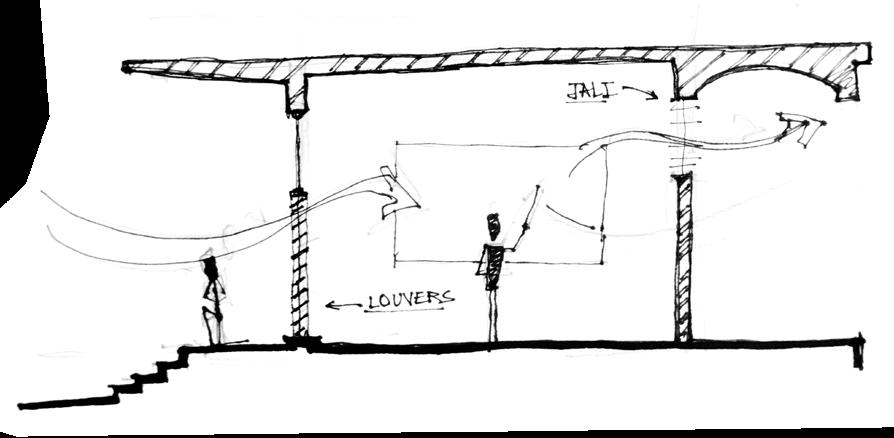
The following diagram illustrates a section through a classroom, highlighting three key design features. The first feature involves the use of cavity clay blocks oriented in the direction of the prevailing wind, leveraging natural airflow to create a passive cooling system within the building.
The second feature is the placement of louvers at a height of 1.80 meters. These louvers obstruct the view of pedestrian circulation outside the classroom while allowing unimpeded airflow, ensuring privacy without compromising ventilation.
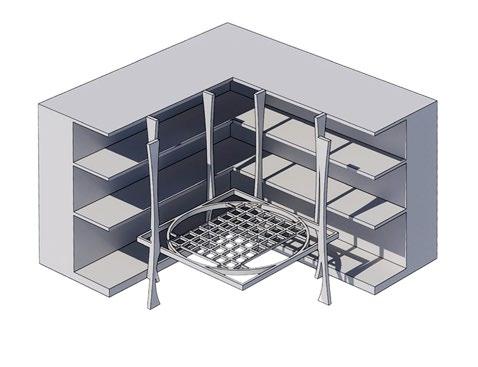
pergola Development
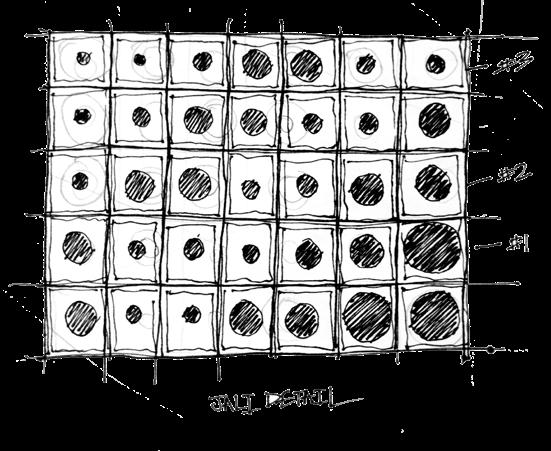
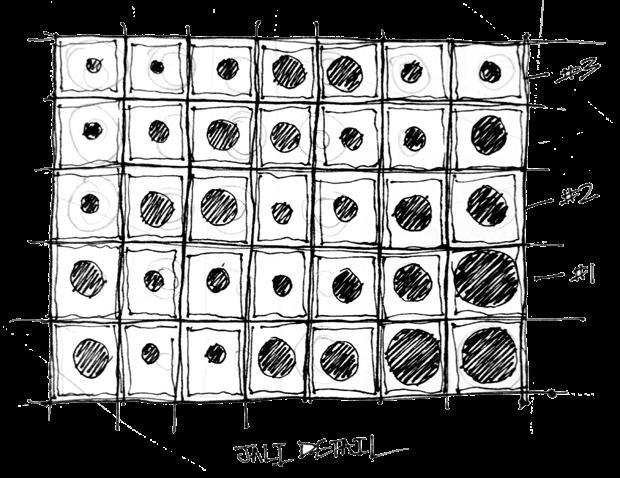
This diagram represents a small portion of the idea of the jali used for the institute. The final intention of the design is to create a parametric jali that is not expensive to manufacture but still has a unique character
The detail of the jali consists of a network of individually placed tiles, each featuring a hole with a preset diameter. In Grasshopper, a gradient is selected, and a number is assigned to each tile based on the diameter of its hole.
Ultimately, this jali will have the appearance of a parametric design, aligning with the organic theme of the institute
high-end Risidential Internship project
1leapingfrog studio, Banglore working drawings
2023
Wheelers road, indiranagar
Ascend 03.
A residential villa having a unique system of courtyards.
Ascend is a high-end residential project that has a system of internal courtyards leading to one another as one traverses through them. The initial conceptual stage of the project was completed, and the second stage of working drawings was needed. The various details of the project are highlighted in the following pages.
The main learings of this project was how to bring intial ideas an concepts to life through materiality and undertanding of construction details
LAYOUT
LOOPING DIAGRAM LIGHTING LAYOUT
LIGHTING LAYOUT
LIGHTING LAYOUT
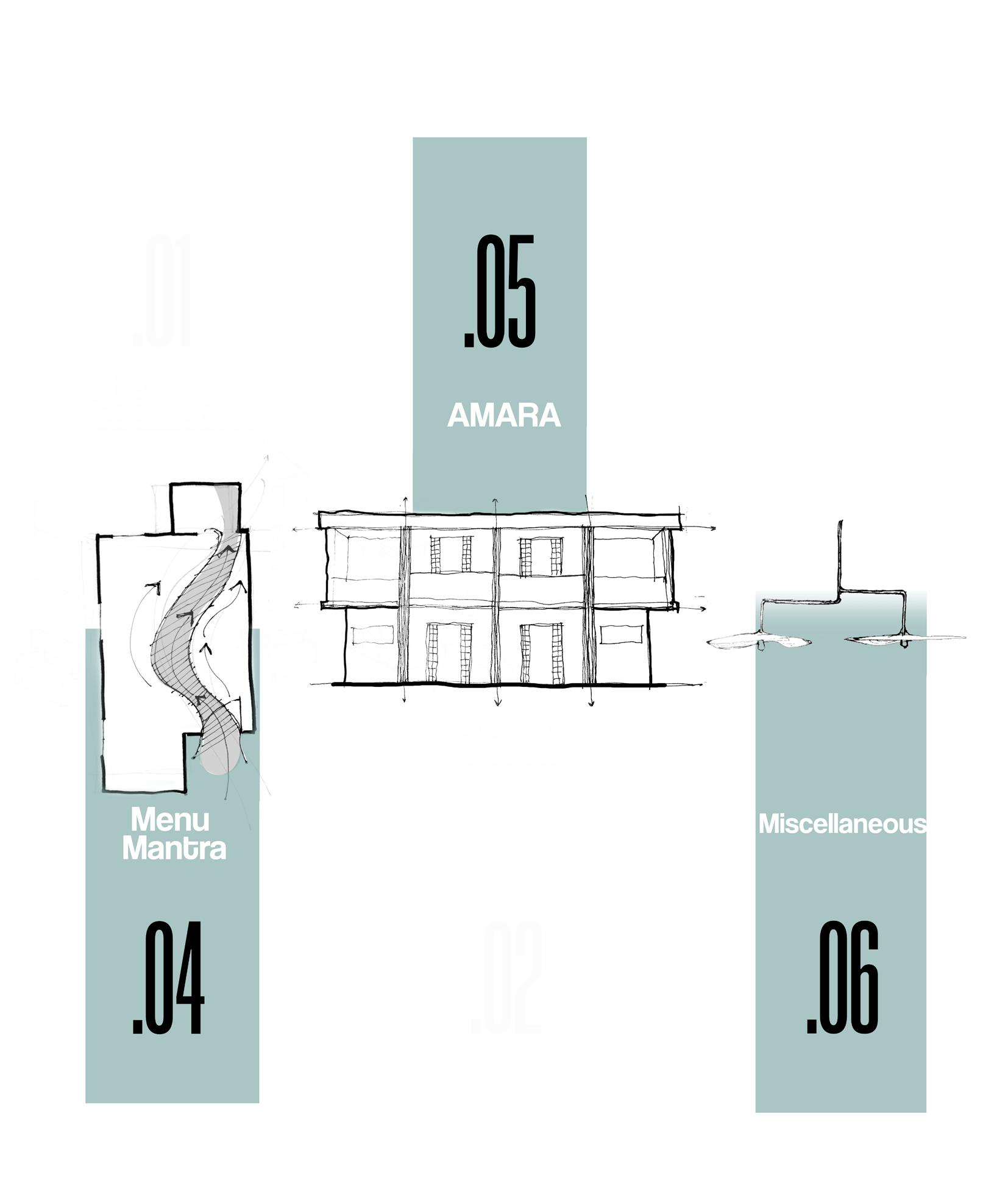
Menu Mantra 04.
Office Design - Interior / Architectural
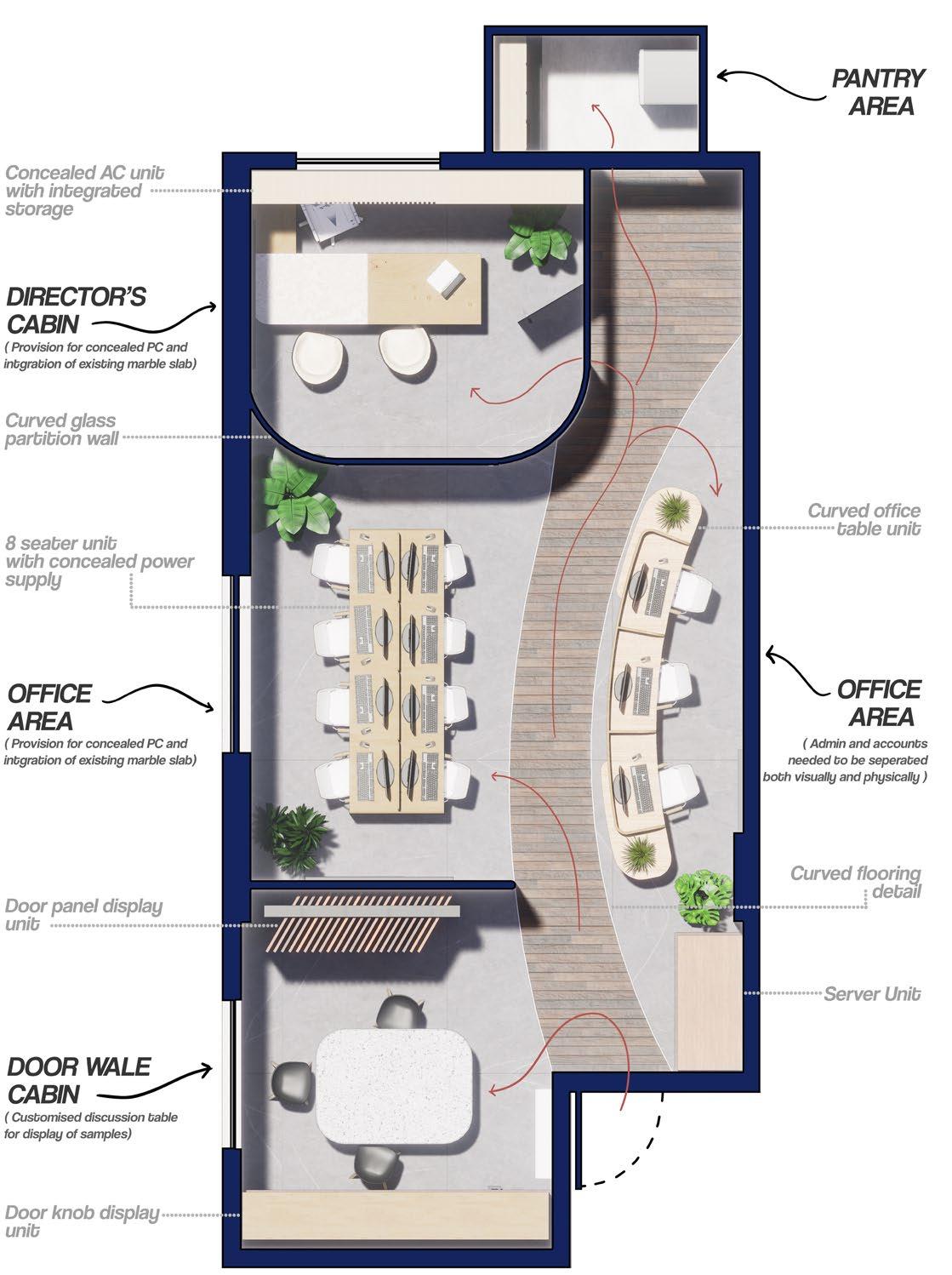
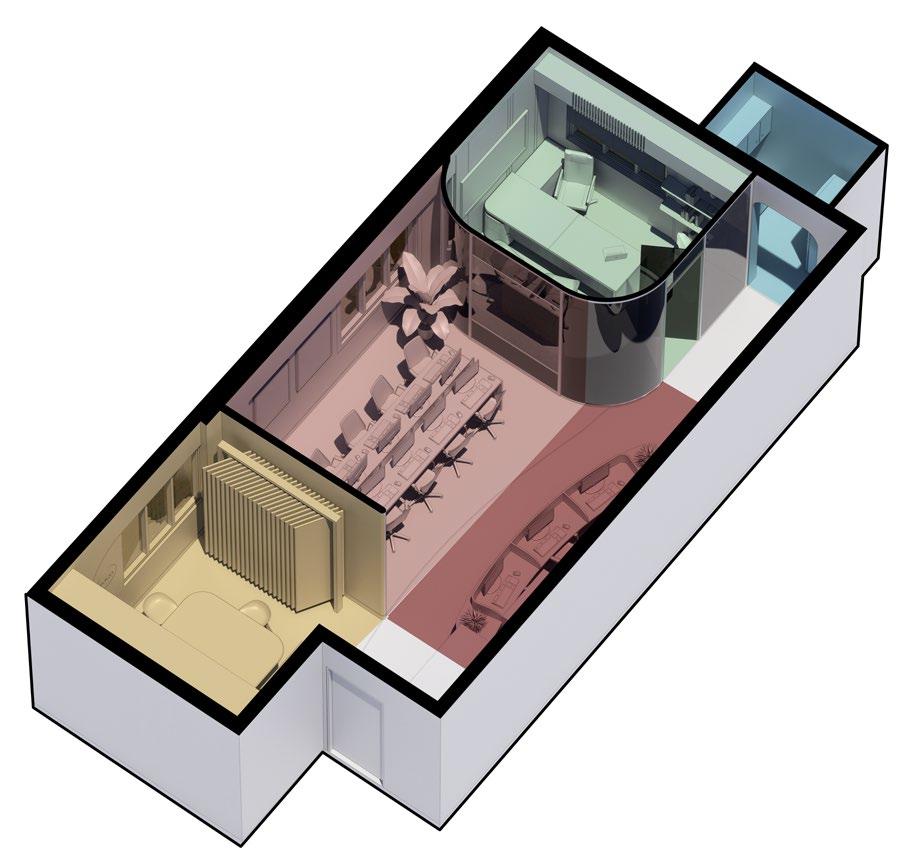
Manu Mantra, a thoughtfully designed office space within a commercial building, aims to maximize the utility of a compact area. It features three distinct sections: a cabin for a showroom, a functional office area, and a master cabin. Each part is crafted to ensure optimal use of space while maintaining a sleek and professional ambiance.
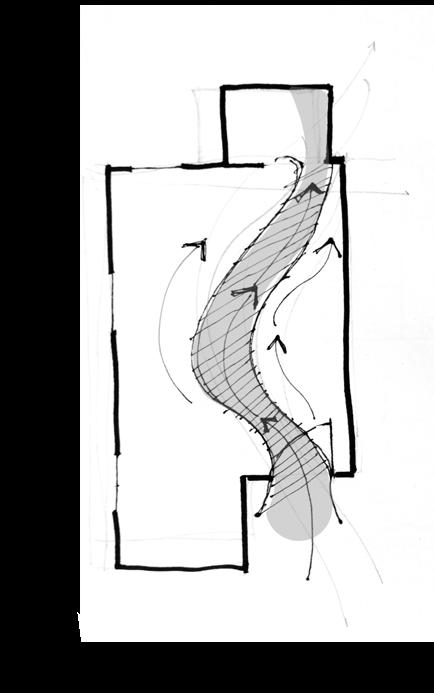
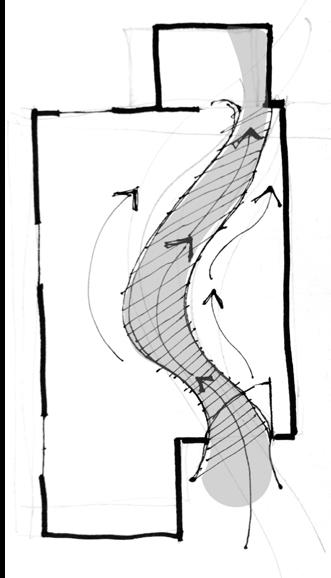
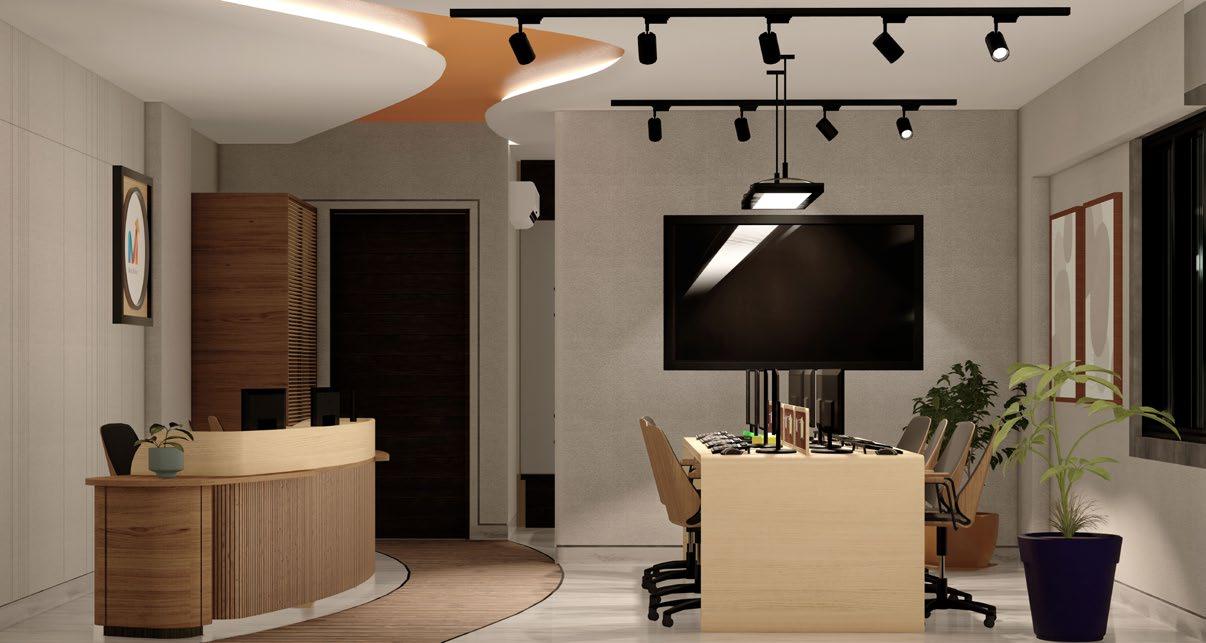
The brief called for the creation of a simplified space that served all necessary functions without the need for excessive flashy elements. The main spine of the project is the gesture that passes through all three zones, emphasized in materiality. This gesture continues through the roof of the project, further creating an interesting flow throughout the spaces.
office Design
Role: design and intital execution
live project
Panjim, Goa
December -2024
Menu Mantra
Office Design - Interior / Architectural
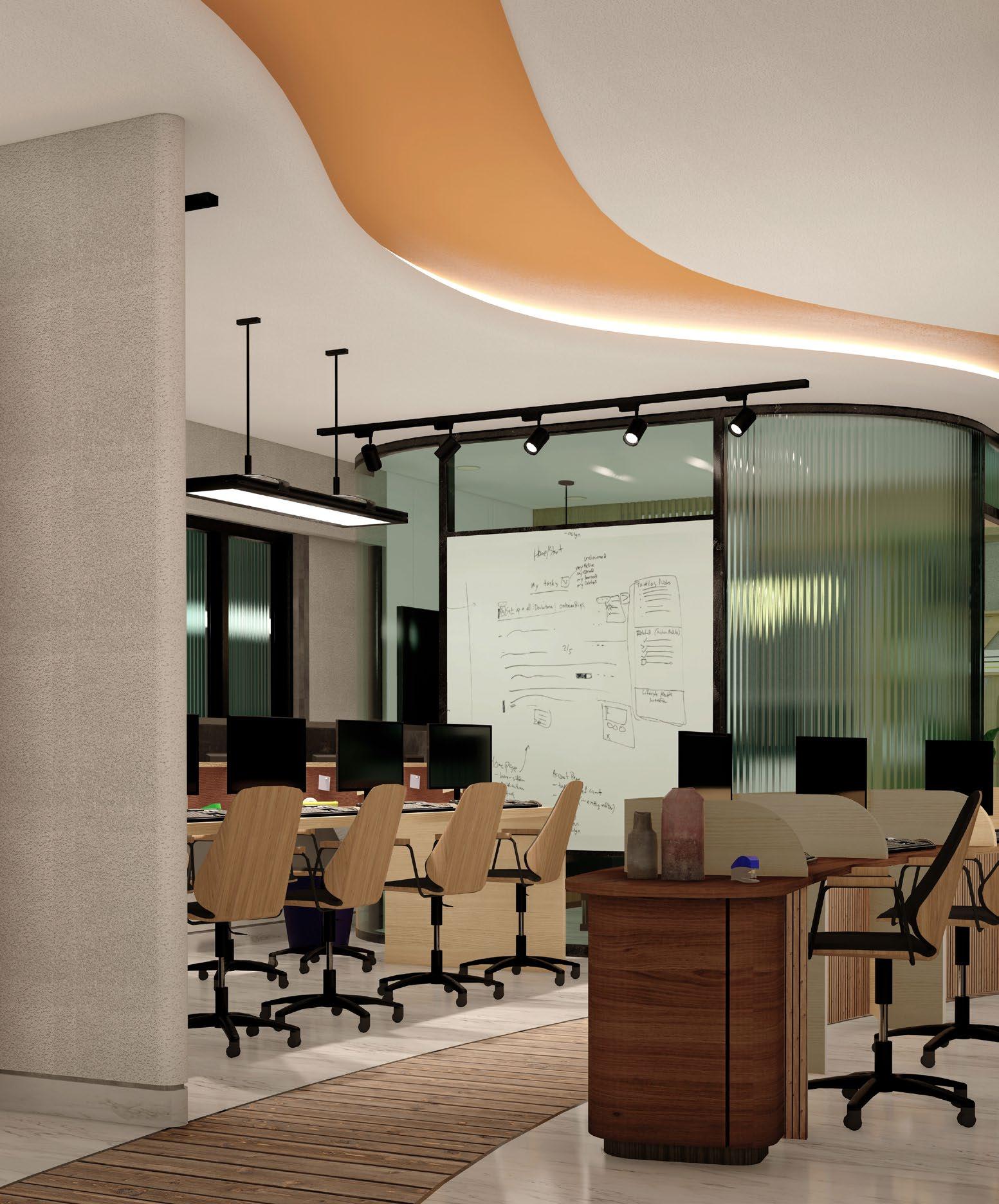
Menu mantra is an office space for a menu desiging firm that has a sub branch in door design. Seeing this duality in function this project had to have a dictinction in the designed soaces
One of our goals for the Menu Mantra office was to create a workspace that stood out from the standard office spaces in the building, which had a very basic, bare-minimum design that felt more like a clinic than an office.
To achieve this, we centered the main design around a gesture that passed through the space, revitalizing it with a fresh, dynamic form.
Conceptual diagram
Managing Director Cabin
area
Isometric 3D-View
The main swooping gesture was reflected in both the ceiling and flooring to maintain design cohesion.
In our previous projects with this firm, we experimentedwith curved details in the false ceiling that aligned with the main concept of this project. The detail features a swooping curve with hidden lighting on the inside, creating an organic, fluid effect in the space.
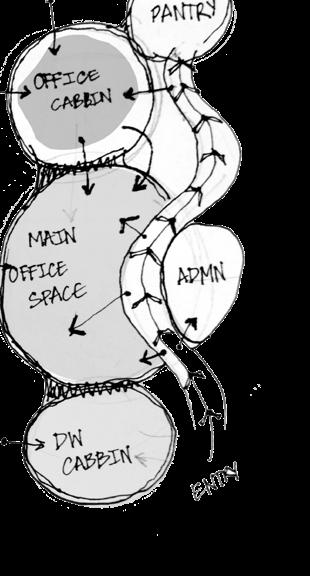
Zonning Diagram
Pantry
DOOR WALE cabin
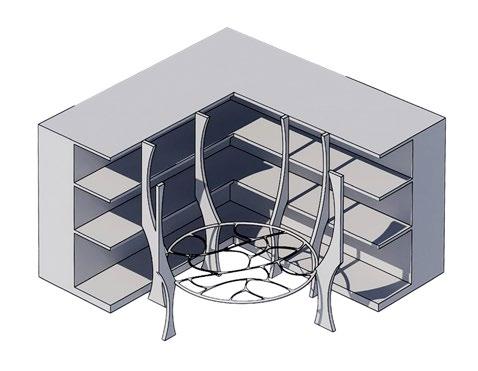
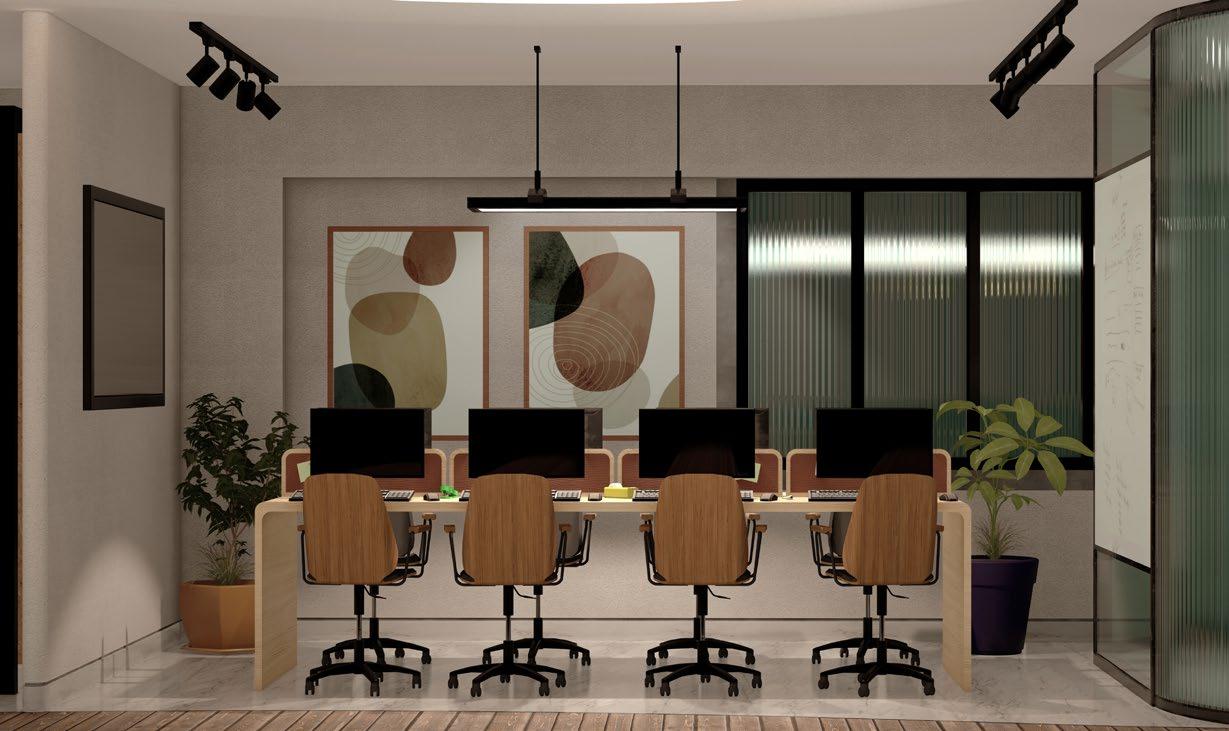
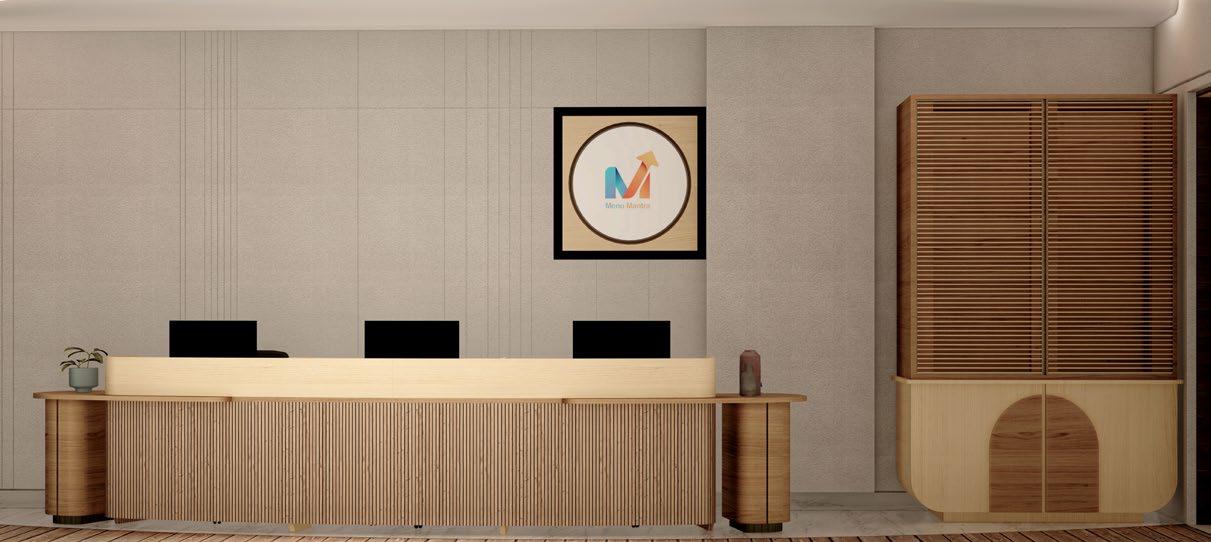
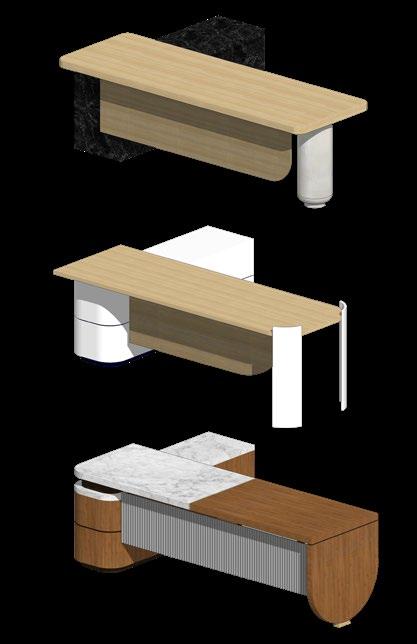
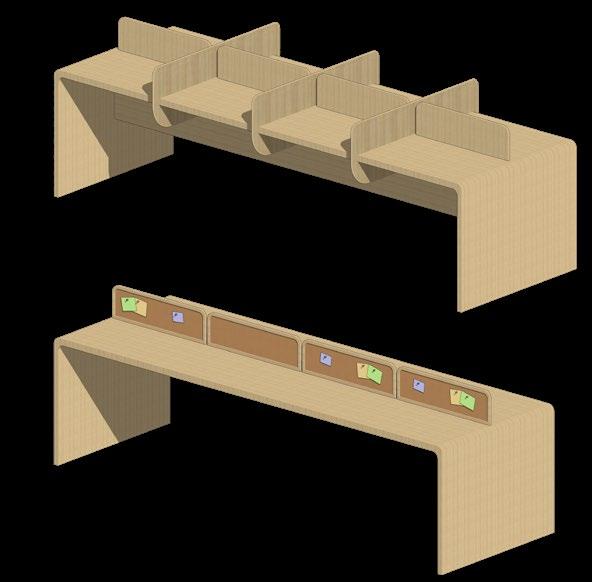
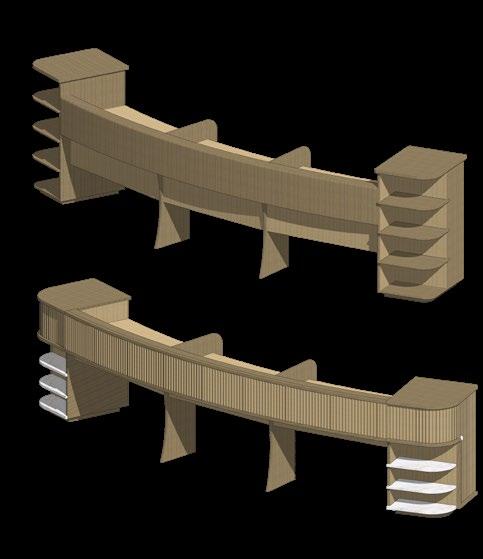
One of the main challenges was to incorporate all necessary functions without making the space feel cramped or suffocating. To address this, we experimented with four key pieces of furniture, integrating hidden storage lutions as much as possible to maximize openness.
Each piece underwent several iterations before arriving at the final design, which harmonized with the overall aesthetic.
For example the main seater table, the original concept included elaborate storage and partitions that worked well in isolation but required simplification when viewed in the context of the entire space.For the main 8-seater table, the original concept included elaborate storage and partitions that worked well in isolation but required simplification when viewed in the context of the entire space.
Main 8 - seater table
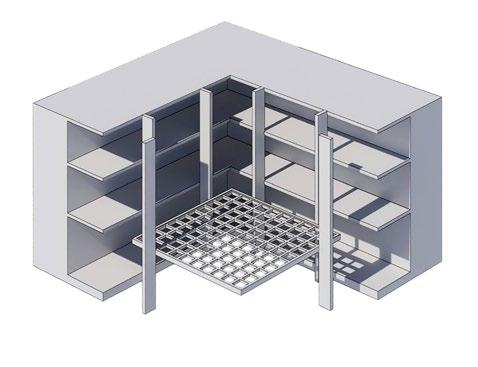
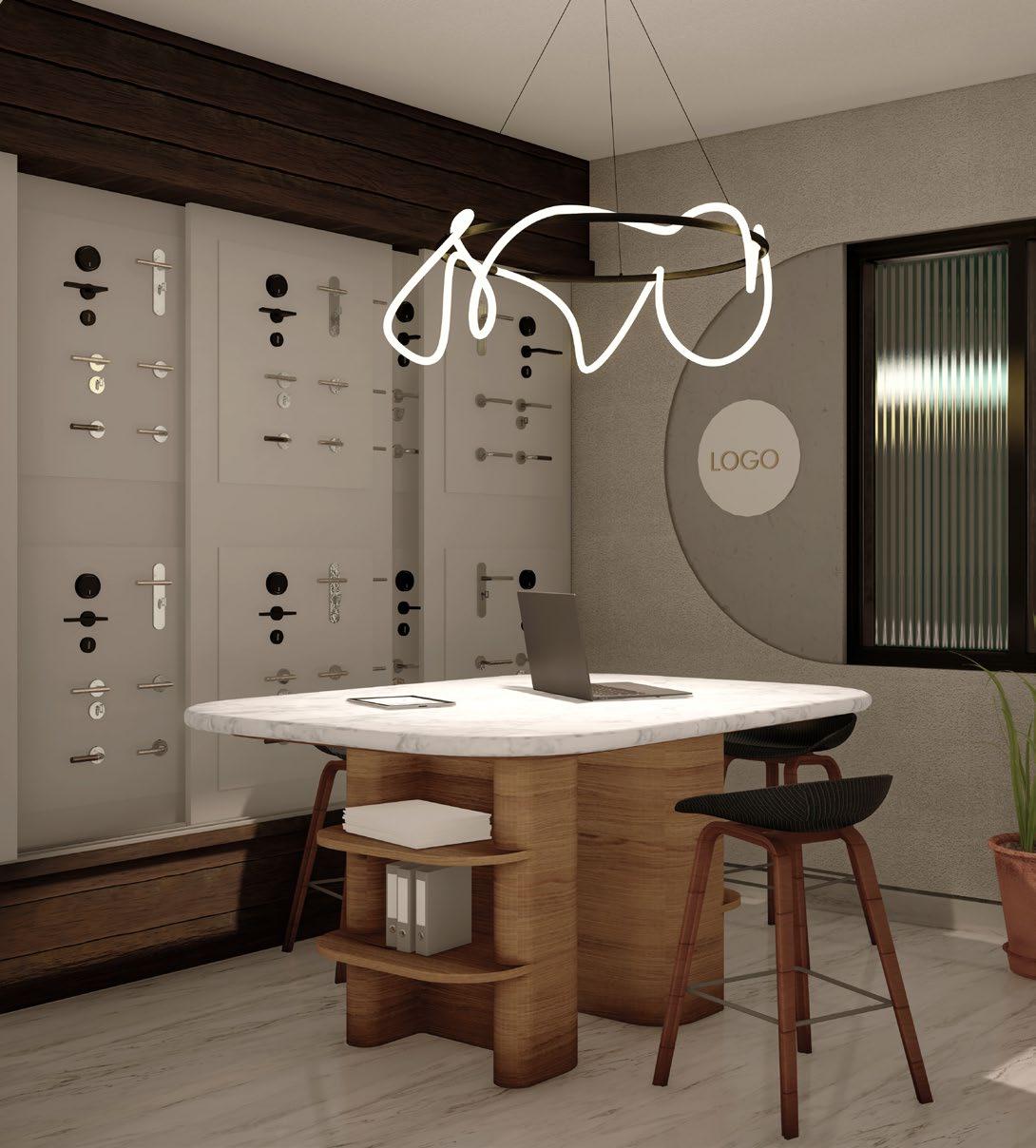
The Door Wale cabbin has two display units, one for displaying handles, knobs and locks and the secondary display unit has a variety of doors in various finishes all on one revolving rack.
Another feature of this spaces is the discussion table itself. Since there is practically no space remaining where one could store and quickly display of catalogue, there is storage at the sides of the table for easy access.
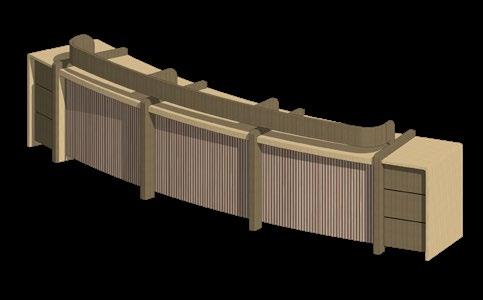
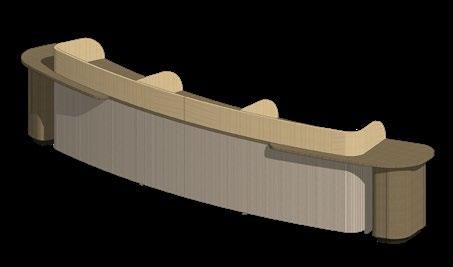
Curved Unit
AVANI
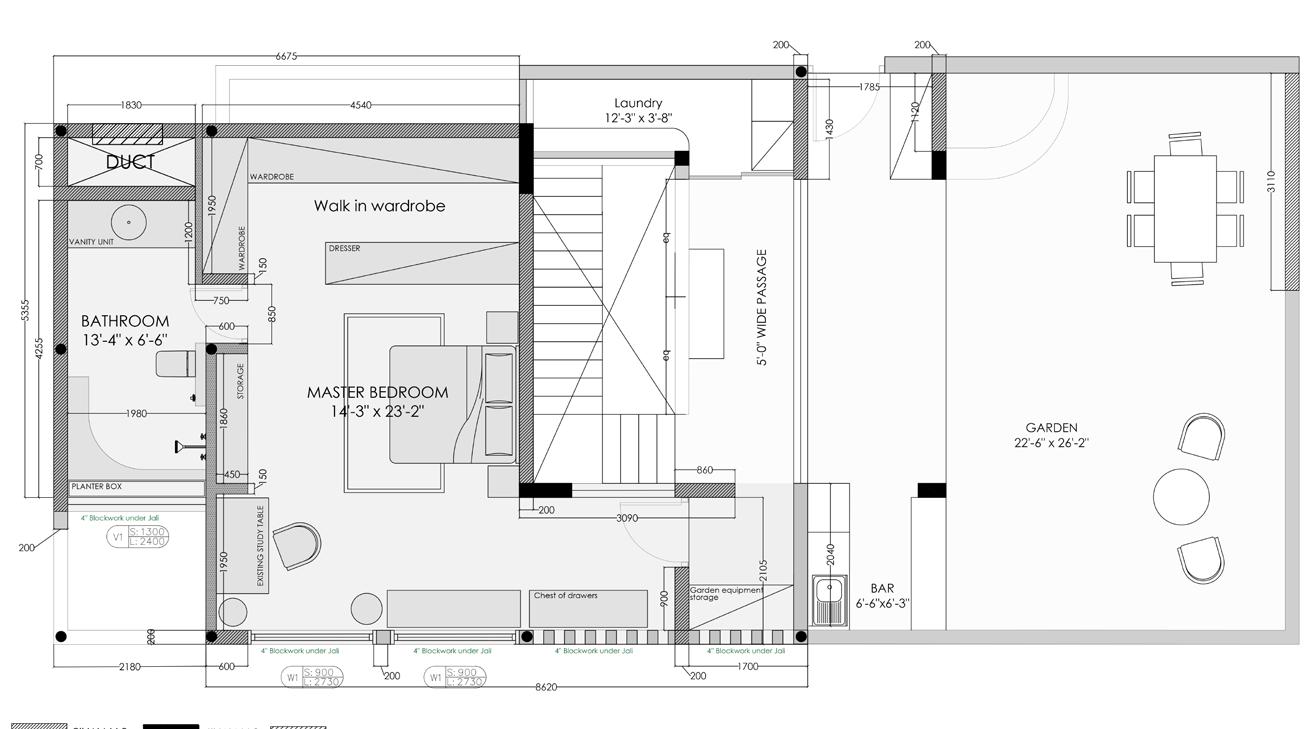
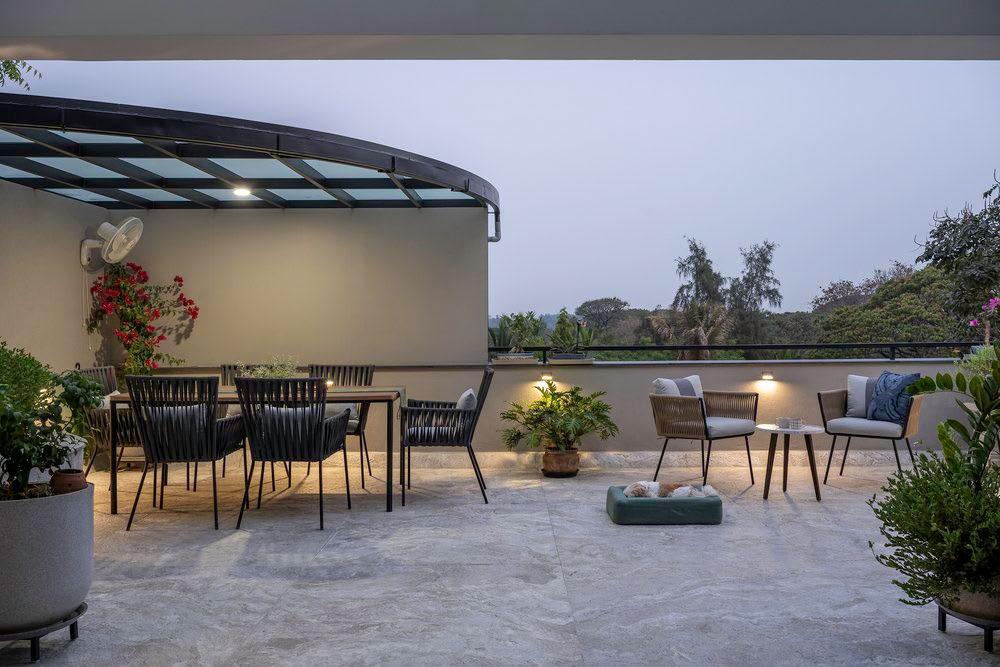
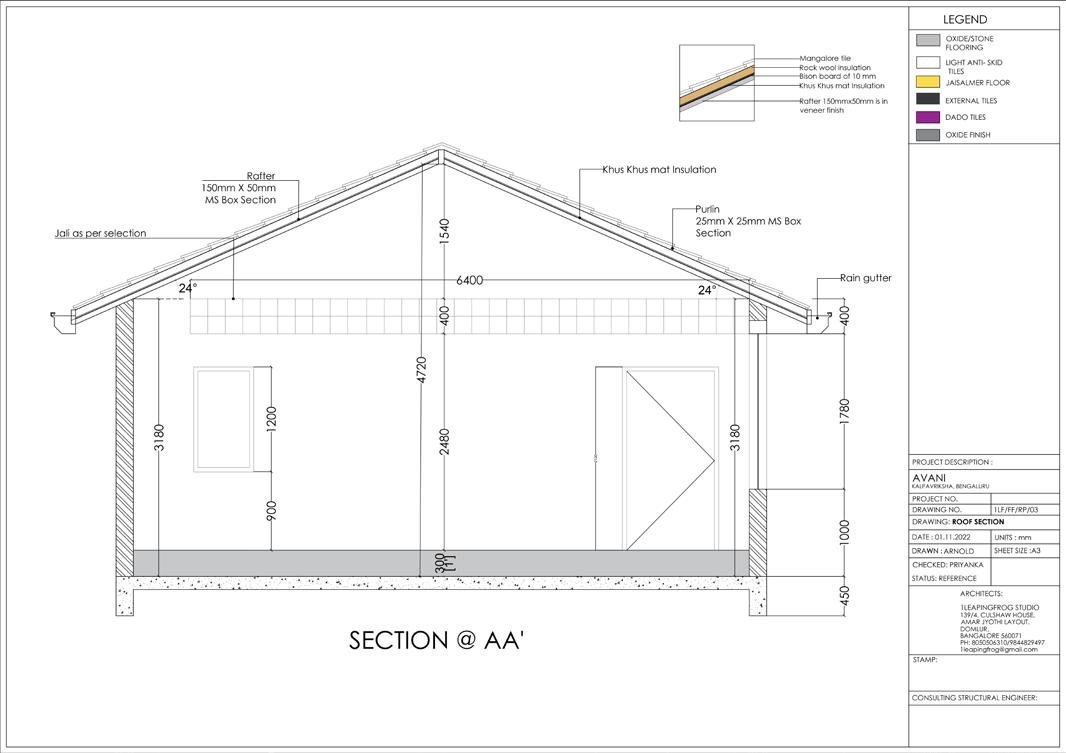
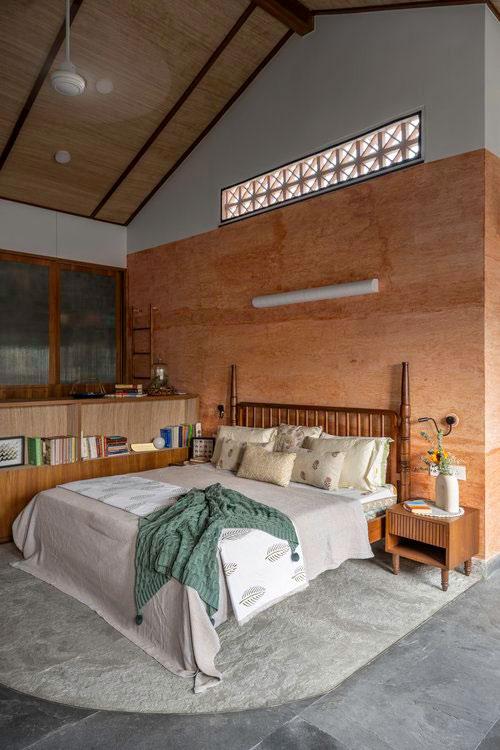
Avani is a residential interior + architecture project completed during my internship at 1 Leaping Frog Studio.
The primary responsibility was to produce a full set of working drawings for an extension to the apartment, ensuring detailed documentation for construction. This included floor plans, electrical drawings, elevations, and sectional details.
This space was primarily ean to be a terrace but is now converted to an extension of the interior creating a seamless integration with the main interior.
Luxury Apartment ( interior + architecture )
residential bungalow
Role : design & coneptual design
june - 2024
on going project
San jose de Arel, SAlcette, GOA
Amara 05.
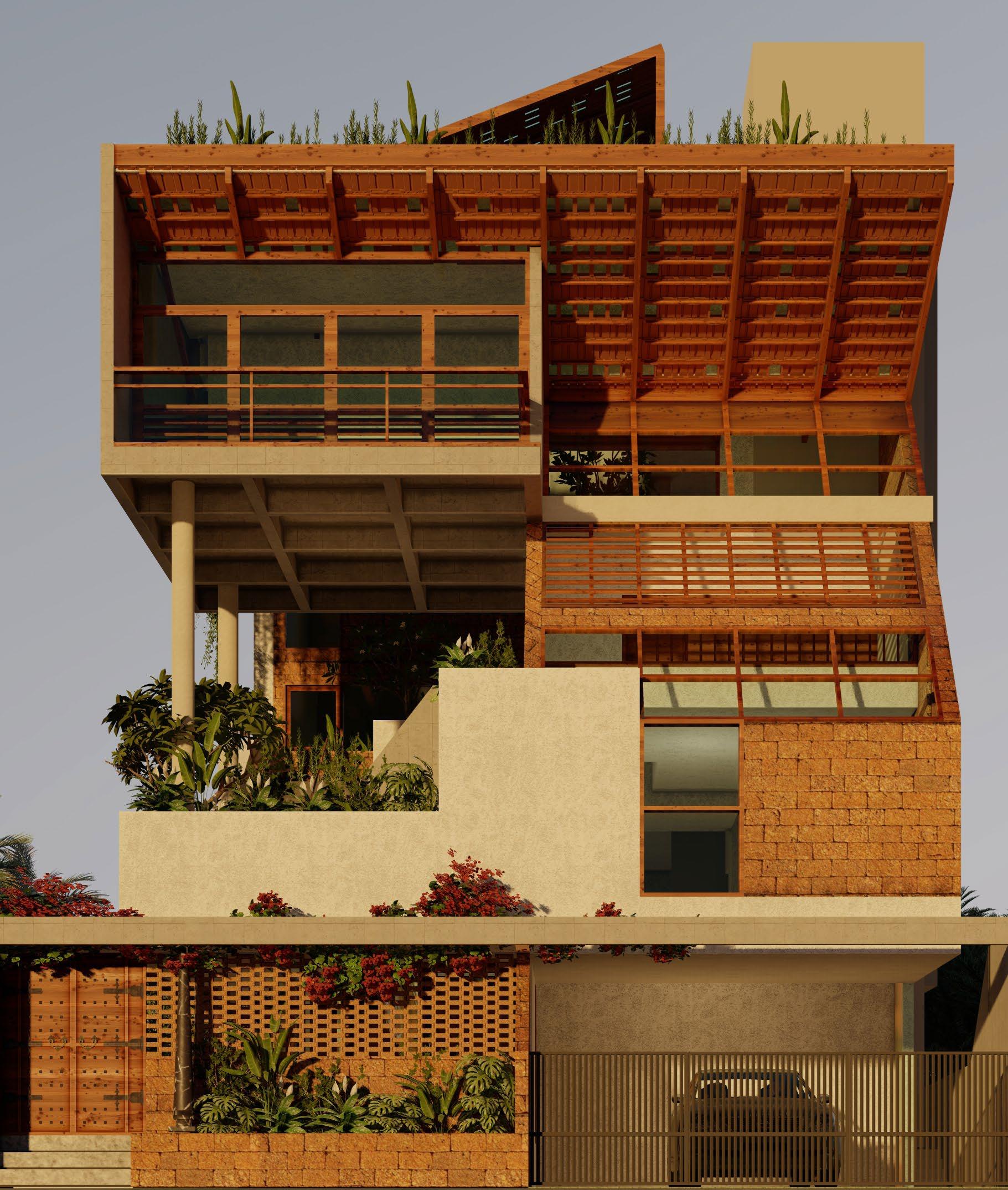
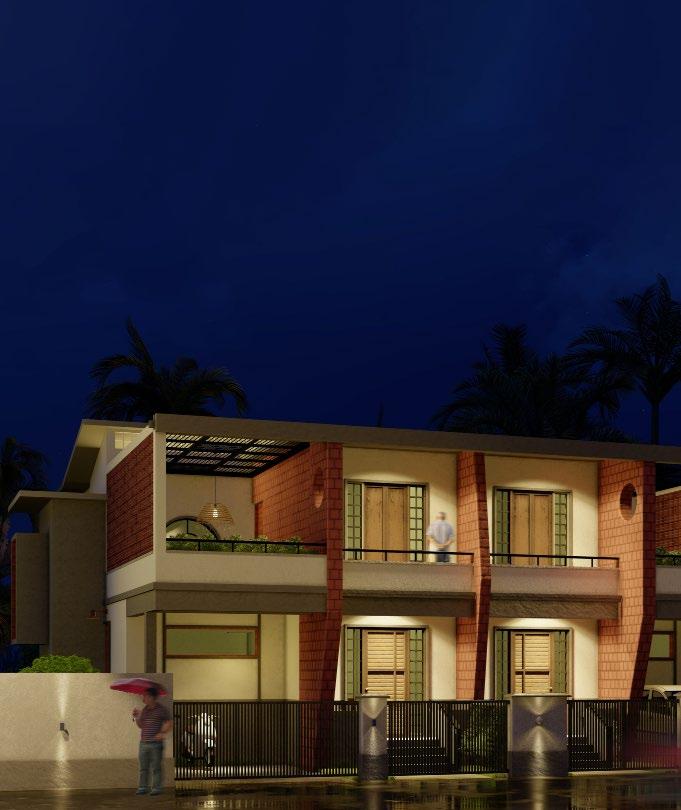
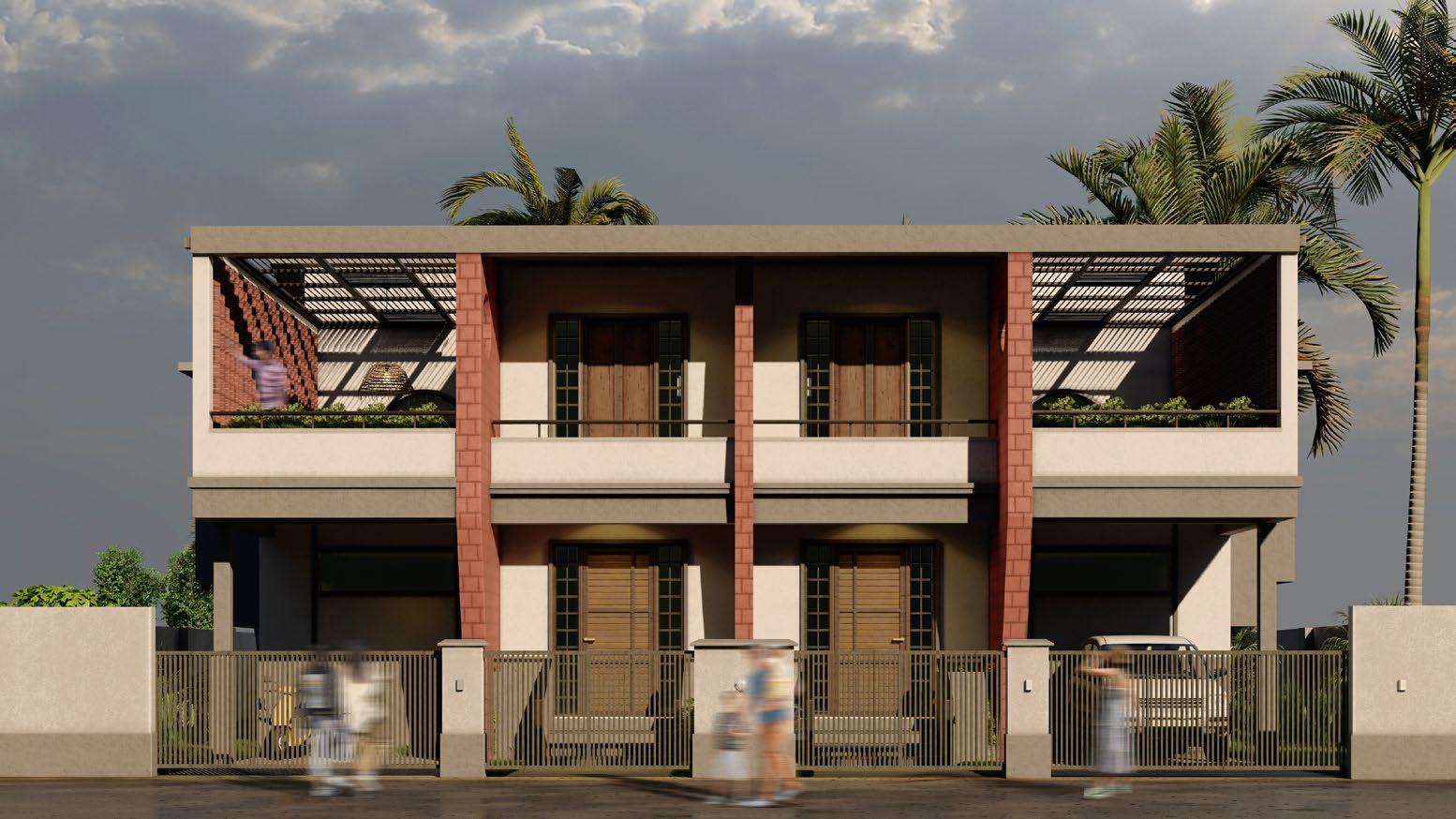
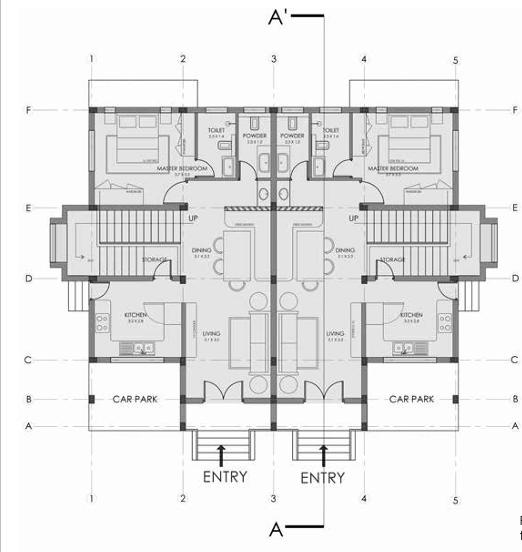
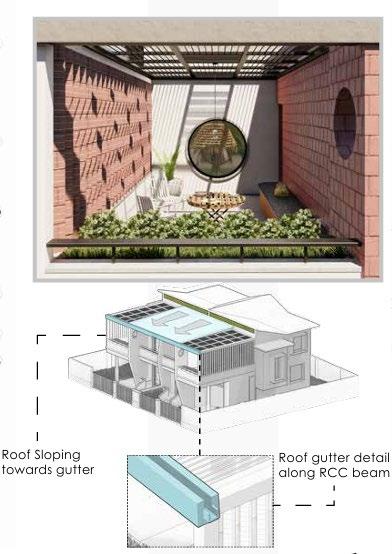
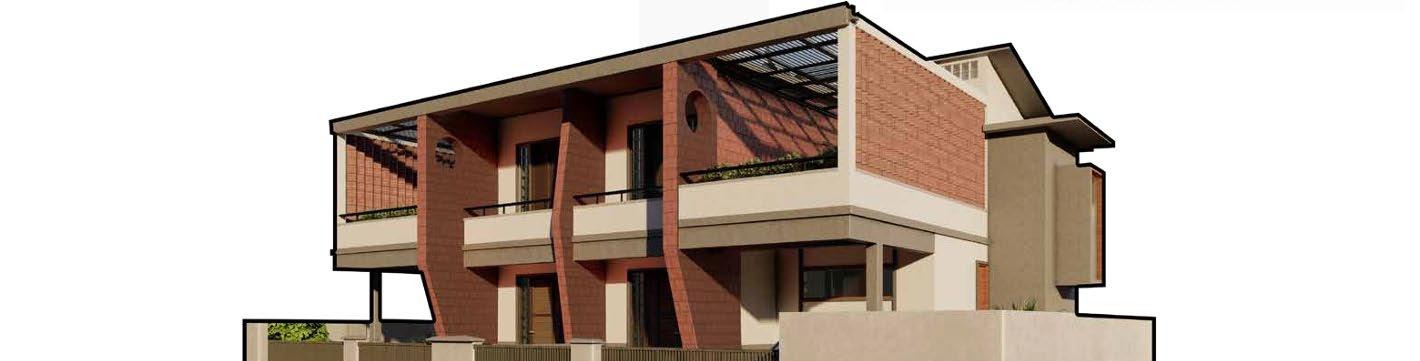
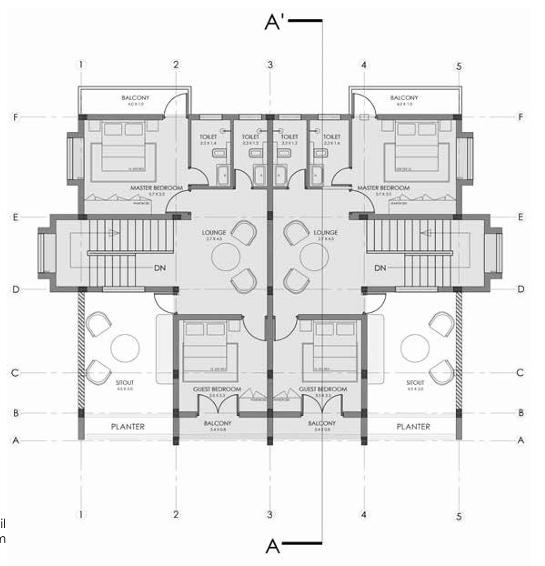
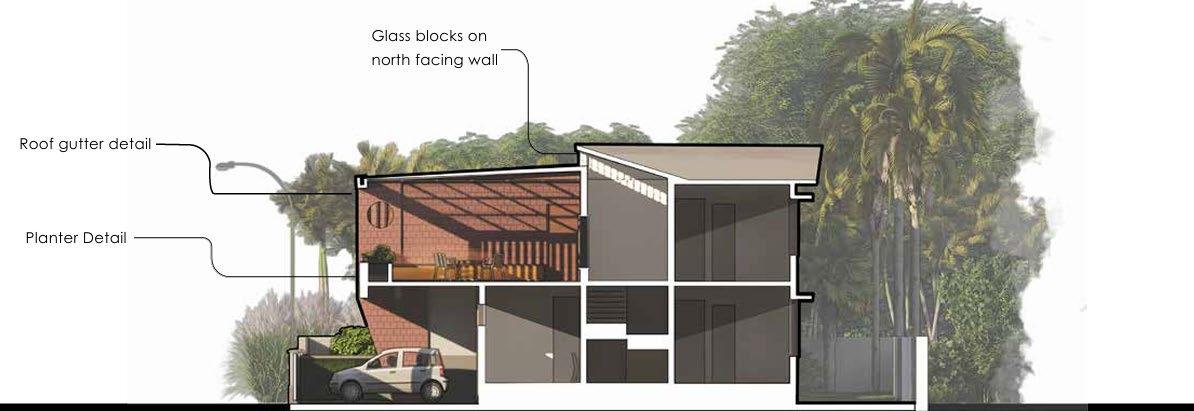
Amara is a duplex villa situated in the village of San José de Areal, Goa. The project originated through a family friend dissatisfied with the previous design. The RCC layouts and drawings were already finalized, and the footings were yet to be cast. My task was to overhaul the plan form while retaining the existing beams and columns, allowing only minor adjustments.
The project’s primary constraint was the budget, so reconsiderations in plan form, opening sizes, etc., required strict cost adherence. During this process, I explored wire-cut laterite bricks, as a factory was located nearby. I also studied gutter details, inspired by the works of BV Doshi following my visit to IIM Bangalore.
The key takeaway was balancing budget-oriented design with client vision. This involved studying bylaws, maximizing resource use, and simplifying the plan and elevation to align with the client’s expectations while achieving a resolved, cohesive design.