UNIVERSIDAD CASTRO CARAZO
INGLES I
ENGLISH PORTAFOLIO
TEACHER:
DOROTHY DE FIGUEROA
ESTUDENT: LUIS ANGEL MUÑOZ ZUÑIGA
TEACHER:
DOROTHY DE FIGUEROA
ESTUDENT: LUIS ANGEL MUÑOZ ZUÑIGA
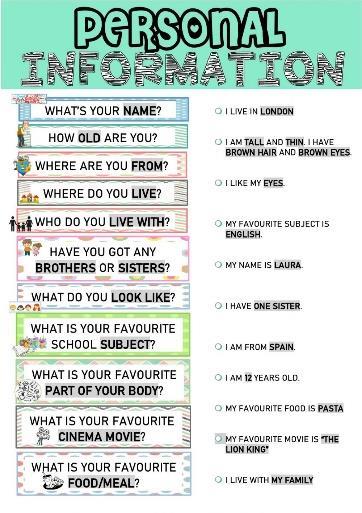
We learned to give our personal information as well as our first and last name, we learned to use the he/she – his/her, and to use the subject +verb +complement pattern.
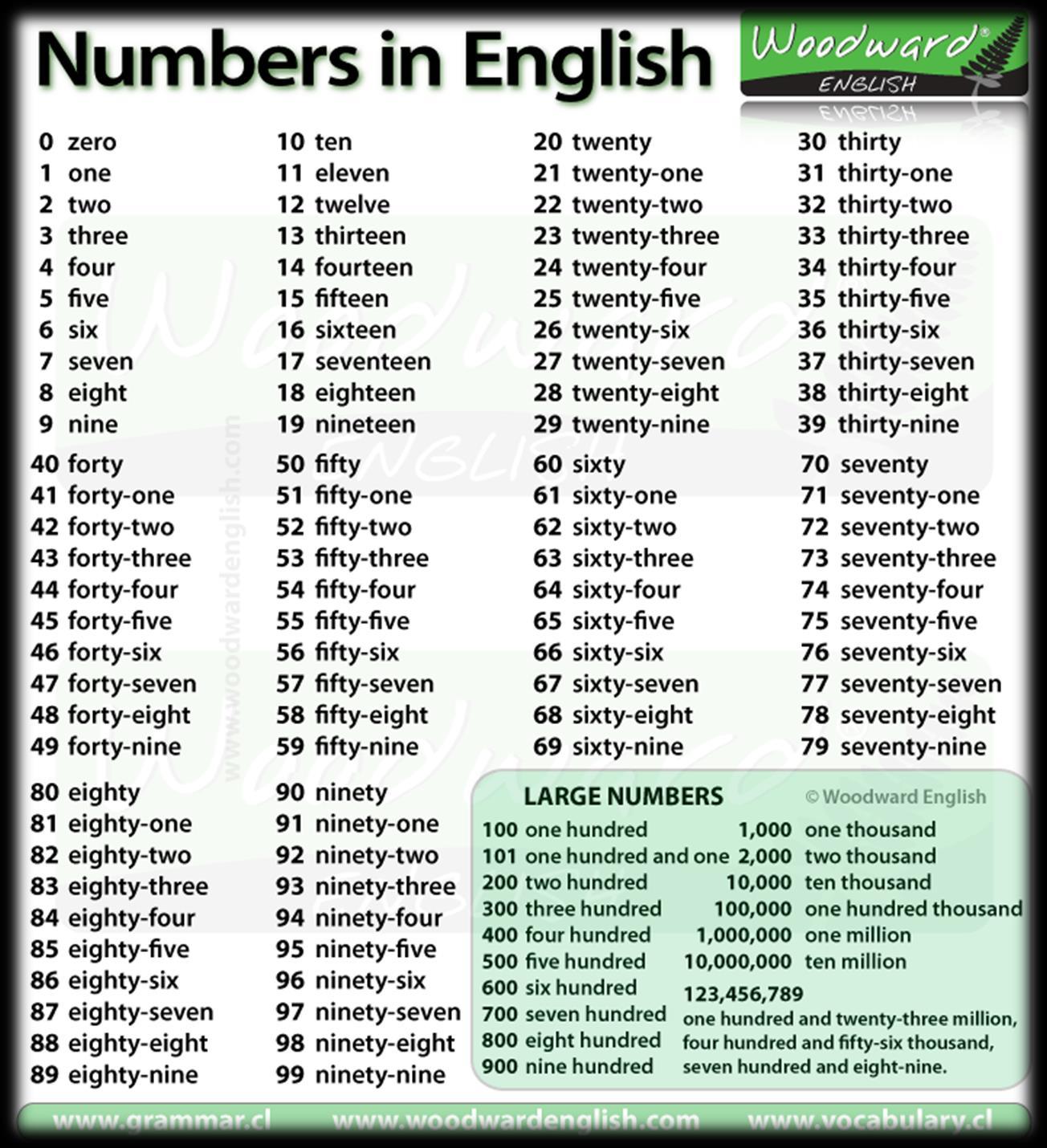
We learned the numbers in English, how to read and write them, and the rules to use.
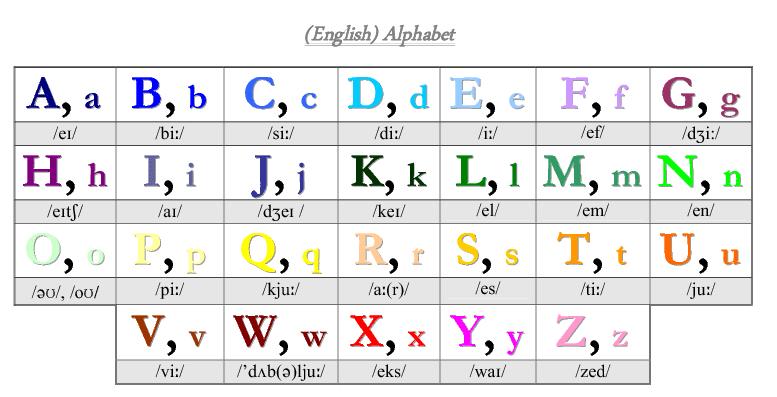
We got to know the Alphabet and how to pronounce it. Letters are a collection of characters and sounds that, when combined, can form all the words in this language, which is an essential part of English communication. The English alphabet has 26 letters, 21 consonants, and 5 vowels. It has one less letter than Spanish since there is no "ñ" in English.

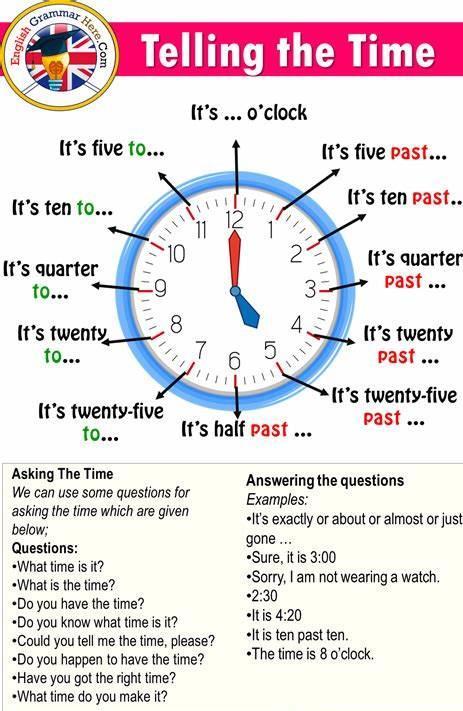
We learned the correct way to tell time, the correct way to ask and answer. as in spanish, in english, the time is expressed according to the hands of the clock. to do this, we must divide the clock into two halves. from the hour on the hour to the included half hour the particle paste is used, except for the hour on the hour when only the word o'clock is used.
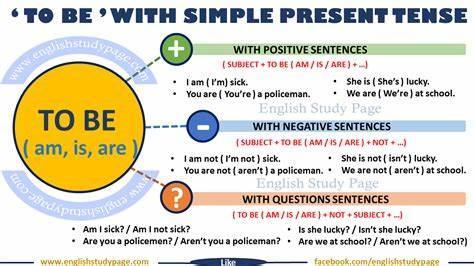
The verb "to be" is one of the most important and widely used verbs in the English language. In the present simple, it is used to describe states, identify characteristics, and talk about professions, nationalities, and other aspects of identity.
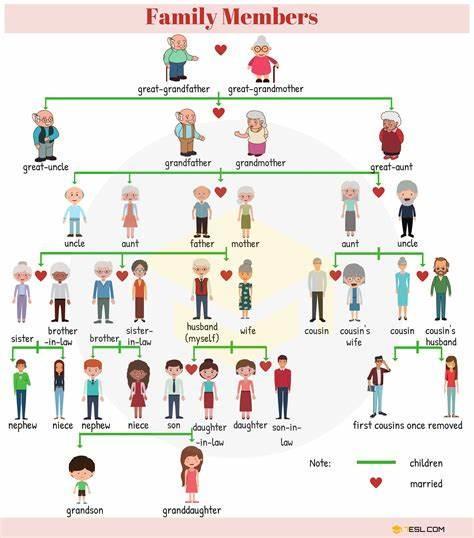
Knowing the name of each of the family members in English is a basic and essential learning in the mastery of the language due to its frequency of use in series, books, news, etc. Therefore, it is important to know it very well, at least what we call the basic family or blood family.
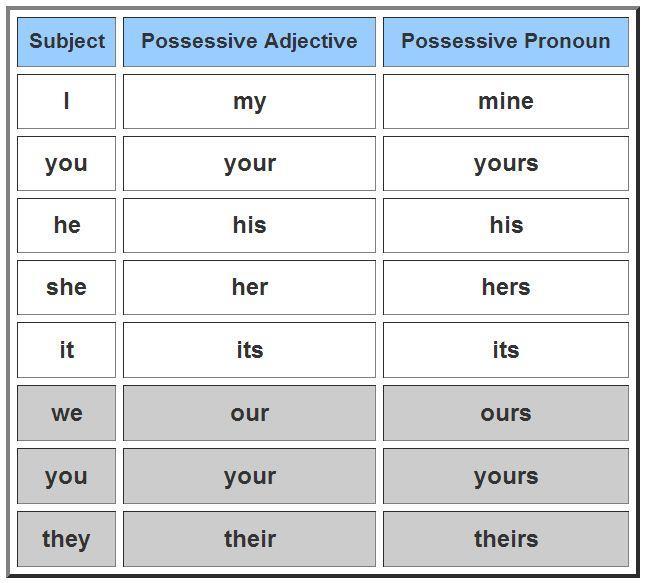
Possessive adjectives are words that complement and modify a noun, providing information about it, such as its properties or characteristics. possessive adjectives in english are used to express whose something is or to whom this or that belongs.

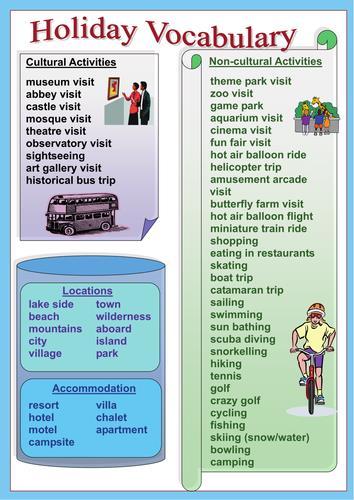
A holiday is a day that is specifically designated to commemorate a certain person or event.
This day is alsoknow a break from work and school.

We learned how to describe travel plans, places of interest, and rest activities.
It is studied how to place the prepositions AT, ON, IN, BY, IN.
Also getting ON/OFF.
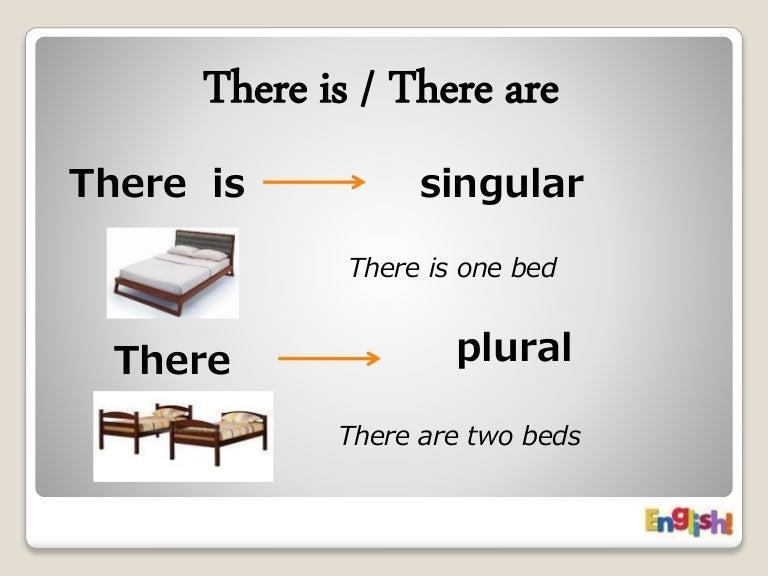
There en estructura con el verbo to be nos sirve para hablar de existenciales y significa "hay", la diferencia es que con is es singular y con are plural.
We use there is when the subject is an uncountable or uncountable singular noun.
We use there are when the subject is a plural noun.
The names of the parts of the house and the elements in each part are known.

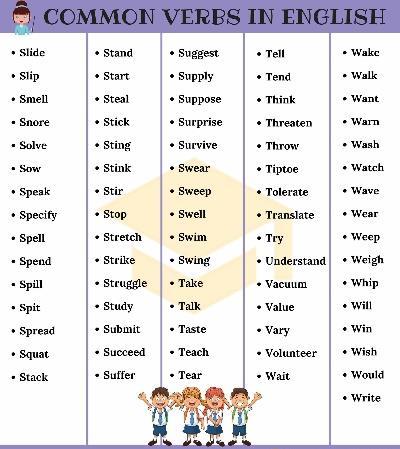
Basic verbs are the most commonly used verbs to conjugate sentences in English.
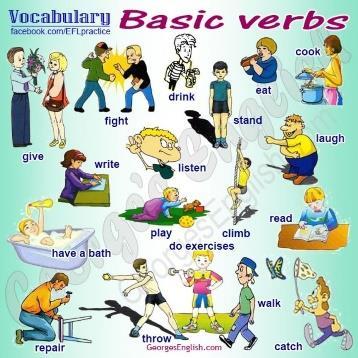
They are the most commonly used in English, that is, the ones that are frequently used as an introduction to the language.
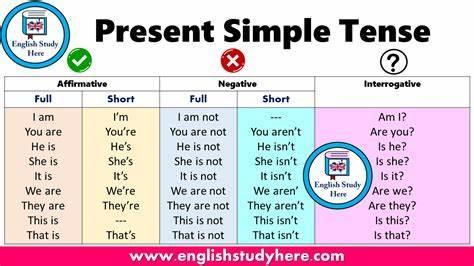
We learned what the present simple is in the affirmative, negative, and interrogative ways.
The present simple tense is used to talk about habits, general facts, and repetitive actions.
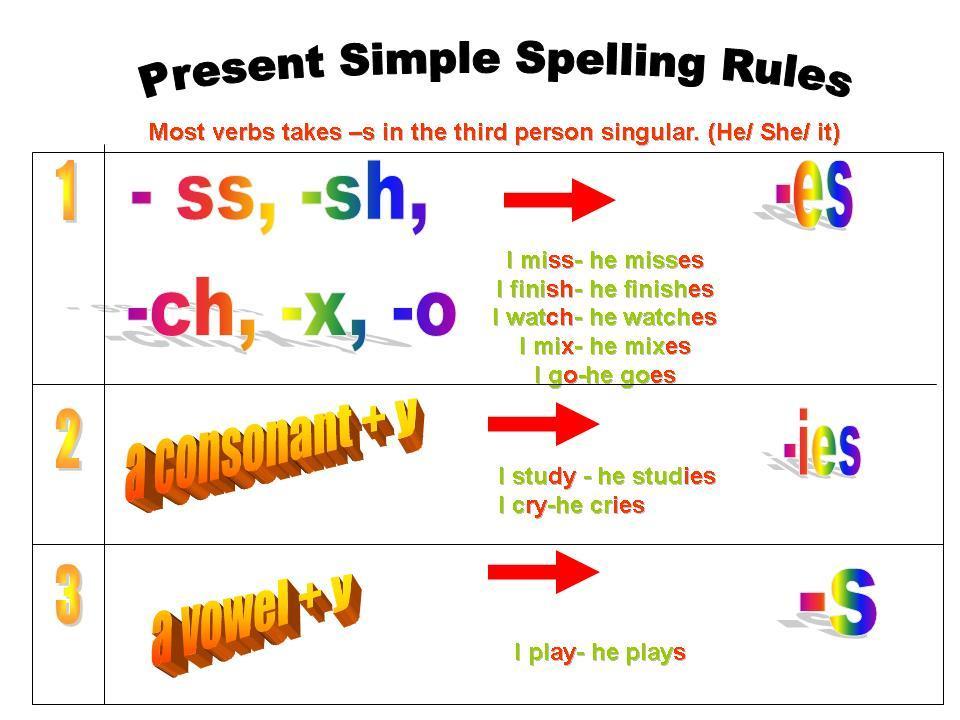
Verbs in the present tense have an "S" added to the end.
The structure of the present simple is very simple. In english the verb form is always the same, except for the third person singular, where you have to add an "S".
To conjugate the present simple tense we use the infinitive for the subjects "I", "YOU", "WE" and "THEY" and for the third persons "HE", "SHE" and "IT", we add a "-S" at the end of the verb.
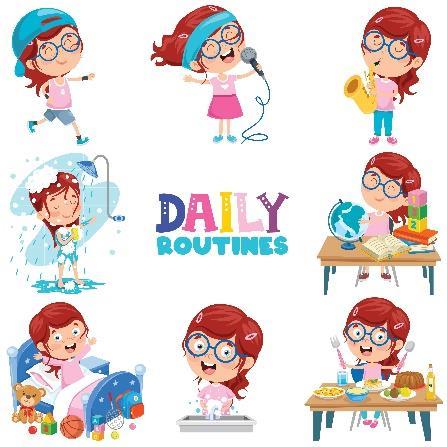
We learned about daily routines and activities. These activities can vary depending on the people.
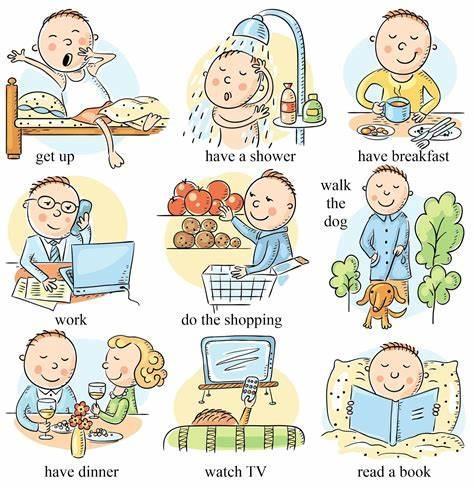
The activities of daily living, these are the ones we do like "shopping, managing money, using the phone, and doing household chores."
Daily routines can vary depending on the date or day of the week, for example, "a birthday, a special date such as an anniversary or a weekend, since these days the routines are not the same as they are normally used to. Normal routines are to "exercise, work, because these days the routines are not the same as usual.
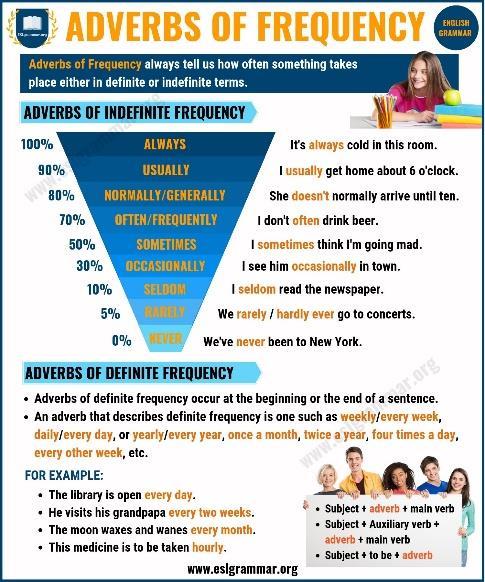
These adverbs are used to describe how often we perform an activity. They always come before the main verb or after the verb "TO BE".
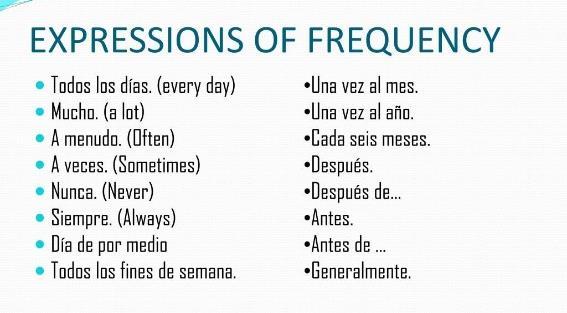
These are used both at the beginning and at the end of the sentence, the longer frequency expressions go at the end, they contain several words.
Sport is a physical activity carried out by a person or group following certain rules and within a certain physical space. it is generally associated with formal skills and serves to improve physical and mental health.

They are hobbies that we do in our free time, it involves both physical activities and some sport, such as mental activities, games of mezza, for example.

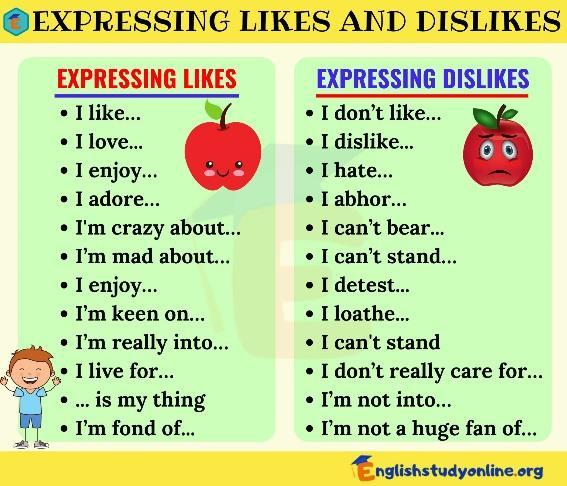
"Like" is used to express liking or preference for something or someone. For example, if you like music, you can say "I like music." It can also be used to describe sympathy or approval of a person or situation, as in the phrase "I like her attitude."
On the other hand, "dislike" is used to express displeasure or distaste towards something or someone. For example, if you don't like coffee, you can say "I dislike coffee." It can also be used to show disapproval or antipathy towards a person or situation, as in the phrase "I dislike his behavior"
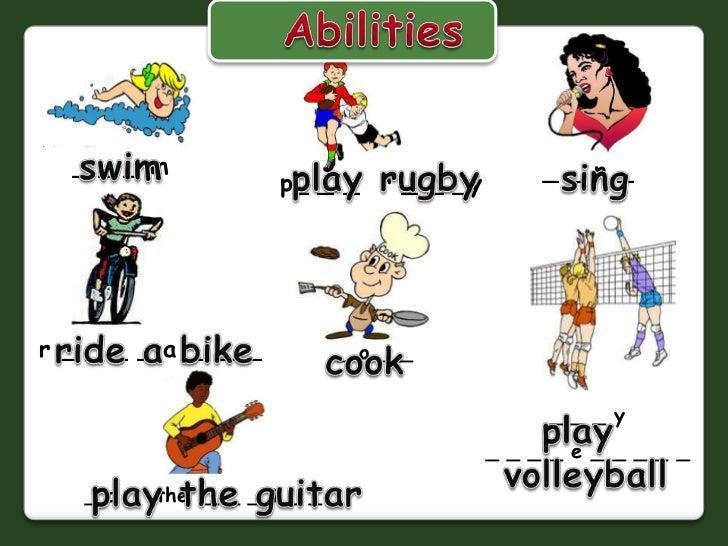
Skills are abilities that are easily performed and with which certain activities or processes are carried out.
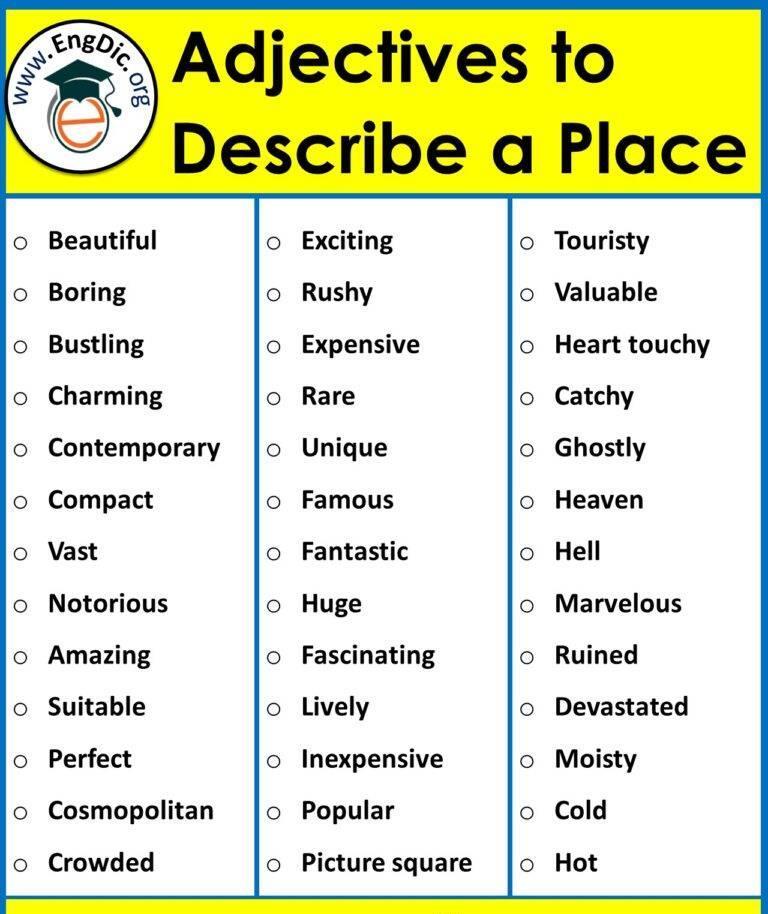
Adjectives for Describing Places
Describing a place with adjectives allows us to convey in a precise and detailed way the characteristics and qualities of that place. Adjectives help us create a mental image in the reader or interlocutor, allowing them to imagine what that place is like without needing to be physically there.
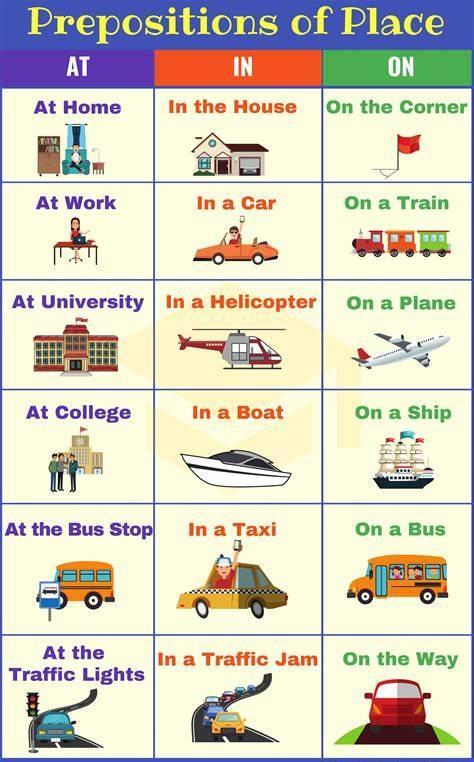
The prepositions of place IN, ON, AT In general, we use IN to refer to something that is within an enclosed space. ON for something that sits on a surface. TA when we refer to a specific point.
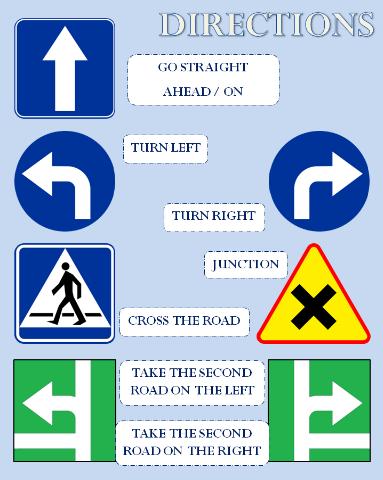
To give directions in english, you must practice vocabulary related to directions, such as "turn left," "go straight," and "take the second street on the right"
Learn common phrases and expressions used when giving directions in english, such as "how do i get to...?" (how do i get to...?) and "it's on your left"
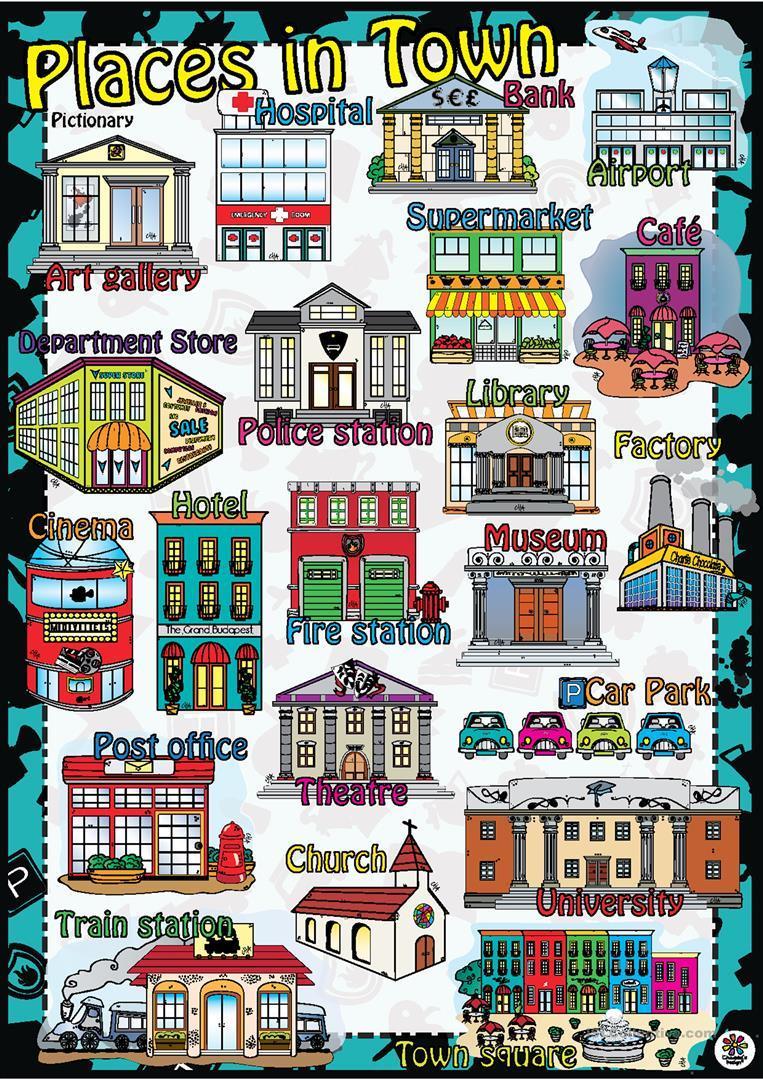
The concept of "Places Around Town" refers to the different places and establishments that you can find in a city or town.
Some common features include:
Utilities: such as police station, hospital, school, library.
Shops: such as supermarkets, clothing stores, bakeries.
Leisure and entertainment: such as movie theaters, parks, restaurants.
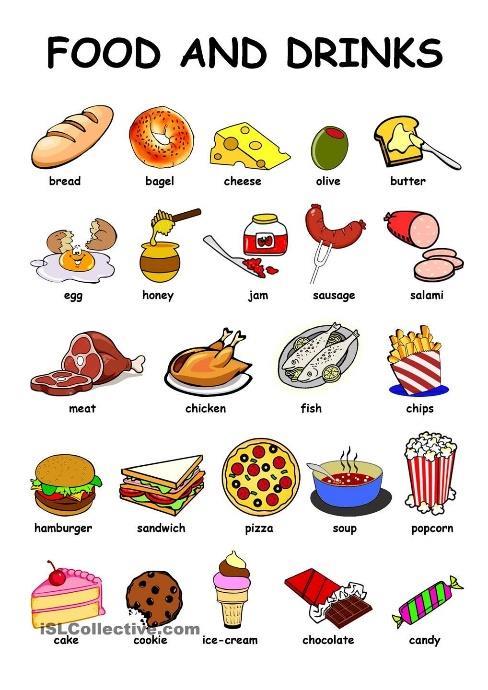
Now, let's talk about food and drinks in English. A typical breakfast might include pancakes, scrambled eggs, bacon, and toast. For lunch, we could order a sandwich or a salad. For dinner, we could choose a pasta, a meat, a salad or a pizza.
When it comes to drinks, there is a wide variety of options. In English, we have water, soda, tea, coffee, and juice. There are also alcoholic beverages such as beer, wine and cocktails.
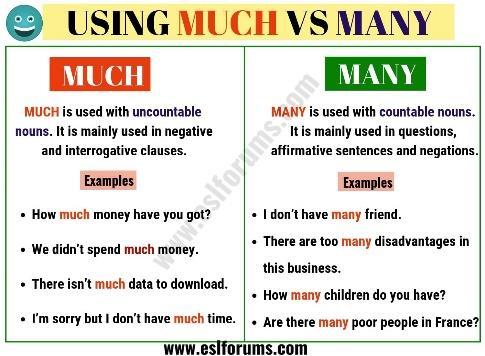
Both expressions are used to refer to quantities and are most often used in the interrogative mood. The difference between them is that while How Much is used for countless names (money, sand, or time, for example), How Many is used for countants (markers, days, or houses, for example)
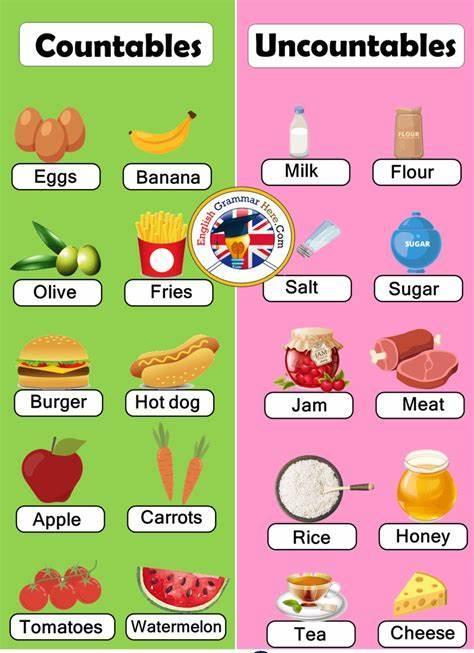
Nouns can be countable or uncountable.Countable nouns are nouns that can be counted, e.g. an apple, two apples, three apples, etc. They can be preceded by the indefinite article “a” or “an,” or by a number.Uncountable nouns are substances, concepts, etc. that we cannot divide into separate elements. We cannot "count" them. For example, we cannot count "milk". We can count "bottles of milk" or "litres of milk", but we cannot count "milk" itself.
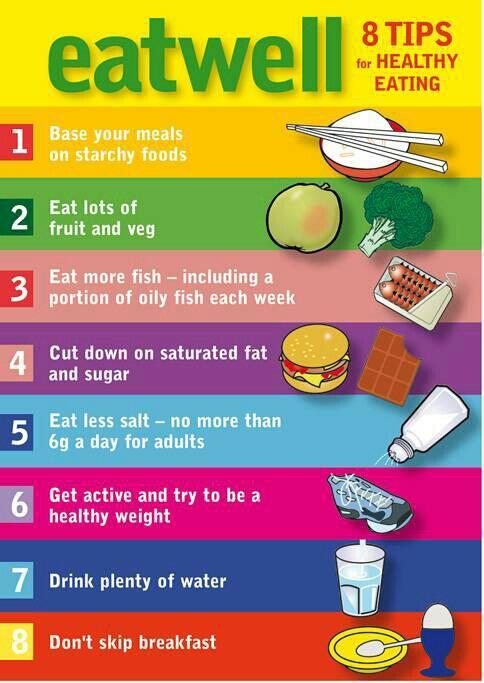
These 8 practical tips cover the basics of healthy eating and can help you make healthier choices.
1. Base your meals on higher fibre starchy carbohydrates
2. Eat lots of fruit and veg
3. Eat more fish, including a portion of oily fish
4. Cut down on saturated fat and sugar
5. Eat less salt: no more than 6g a day for adults
6. Get active and be a healthy weight
7. Do not get thirsty
8. Do not skip breakfast
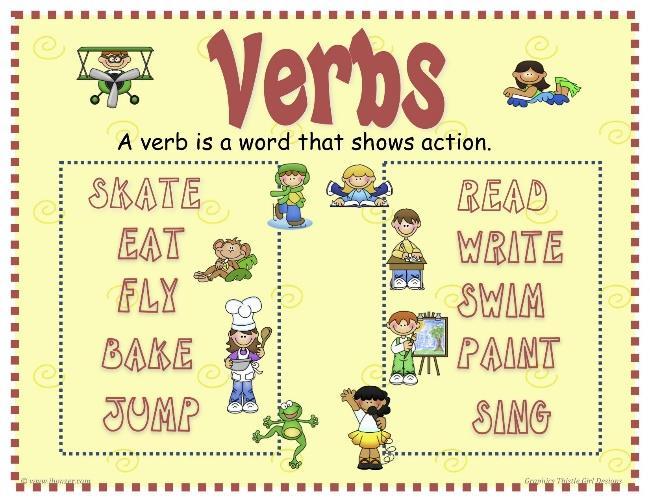
A verb is a word that describes what the subject of a sentence is doing. verbs can indicate (physical or mental) actions, occurrences, and states of being.
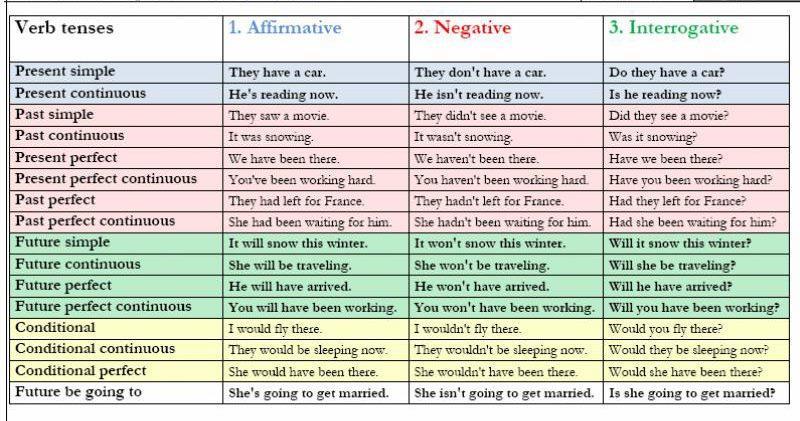
The affirmative form of a verb is used to assert that something is true or valid.
If there is no auxiliary verb, do is used to make the negative verb forms. Negative verb forms are used to implement a clausal negation. Negative verb conjugation is one way to form a negative verb. Negative imperative sentences are used to instruct or command someone not to do something. "No" and "any" are two words that can make a sentence negative.
Irregular verbs are verbs that do not follow the normal patterns for tense and past participle. While most English regular verbs use the ending “-ed” for the past tense and participle forms, irregular verbs each have their own unique tense forms and past participles.

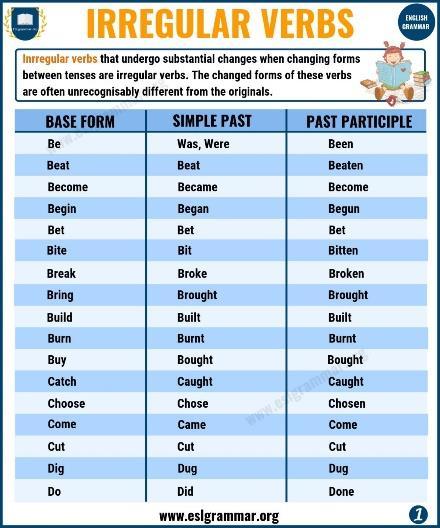
The past simple, or past simple, is one of the most important verb tenses in the English language and, unlike Spanish, where past tense verbs have very different conjugations, in English there are verbs that retain their form in both the present and past tense, and the most irregular verbs have only up to three forms.