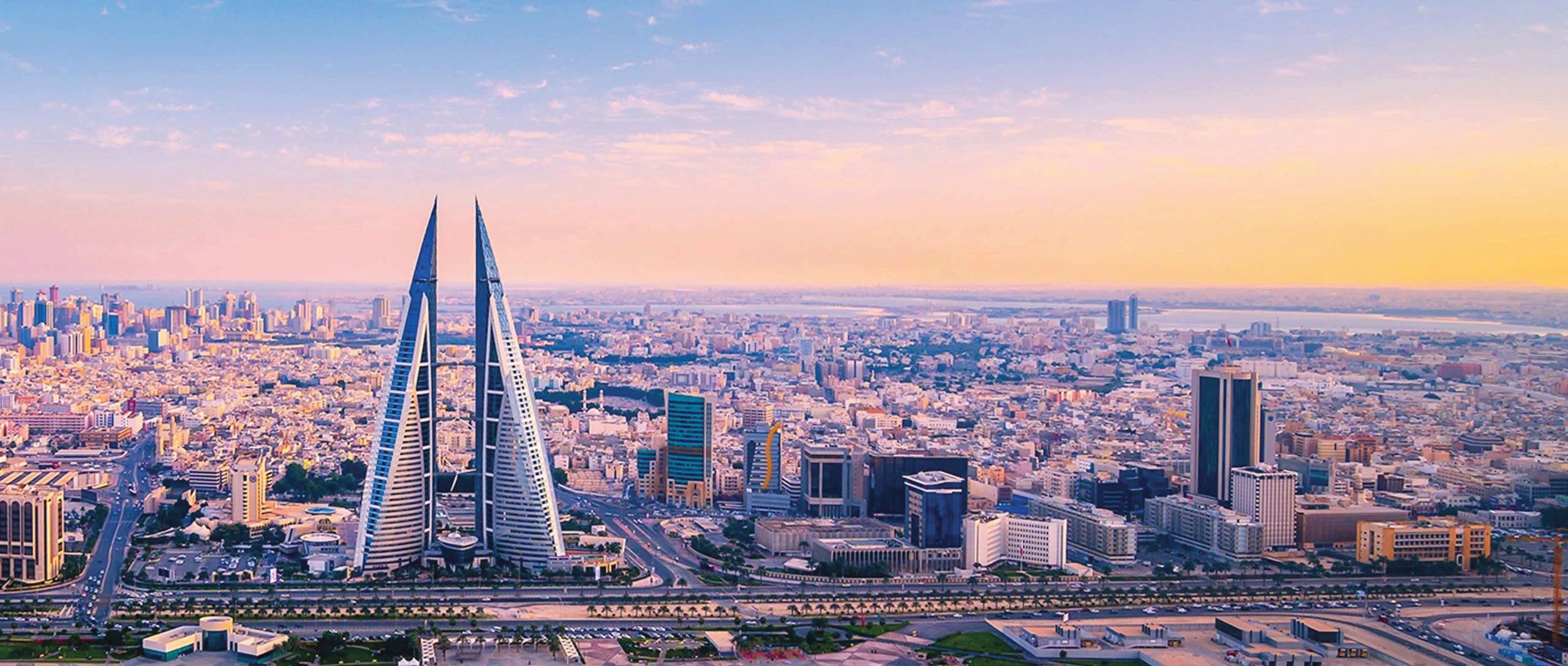
An educational initiative rooted in helping the community
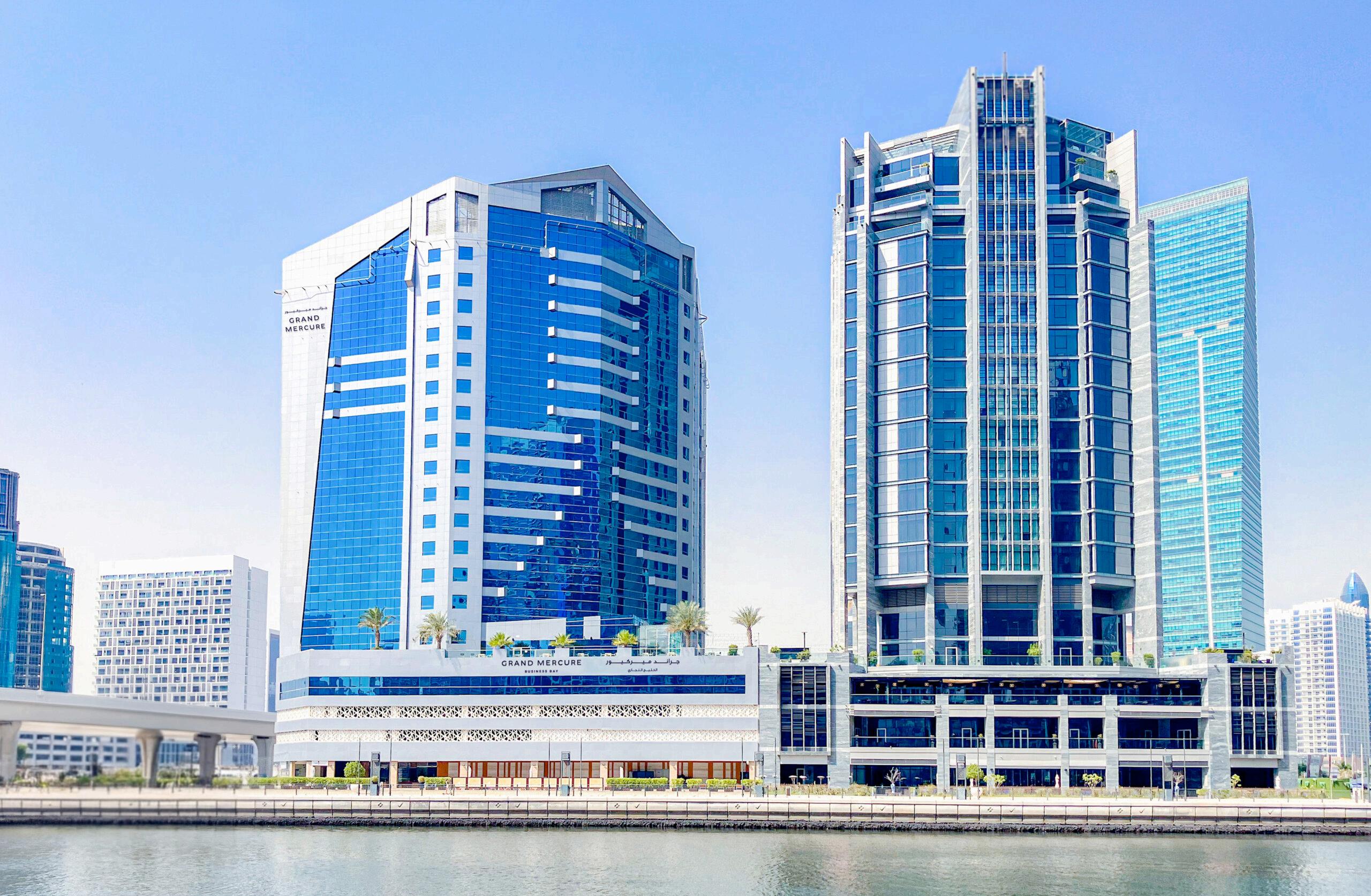
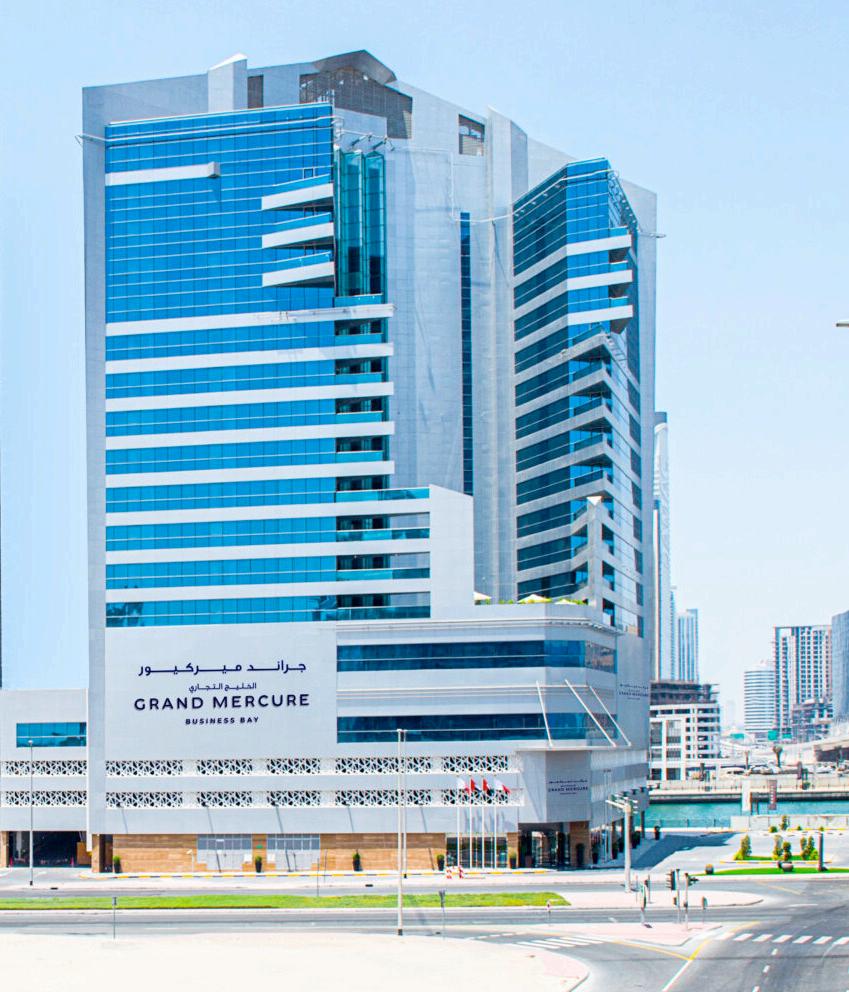
The Gulf Court Hotel Business Bay in Dubai is now called Grand Mercure Business Bay.
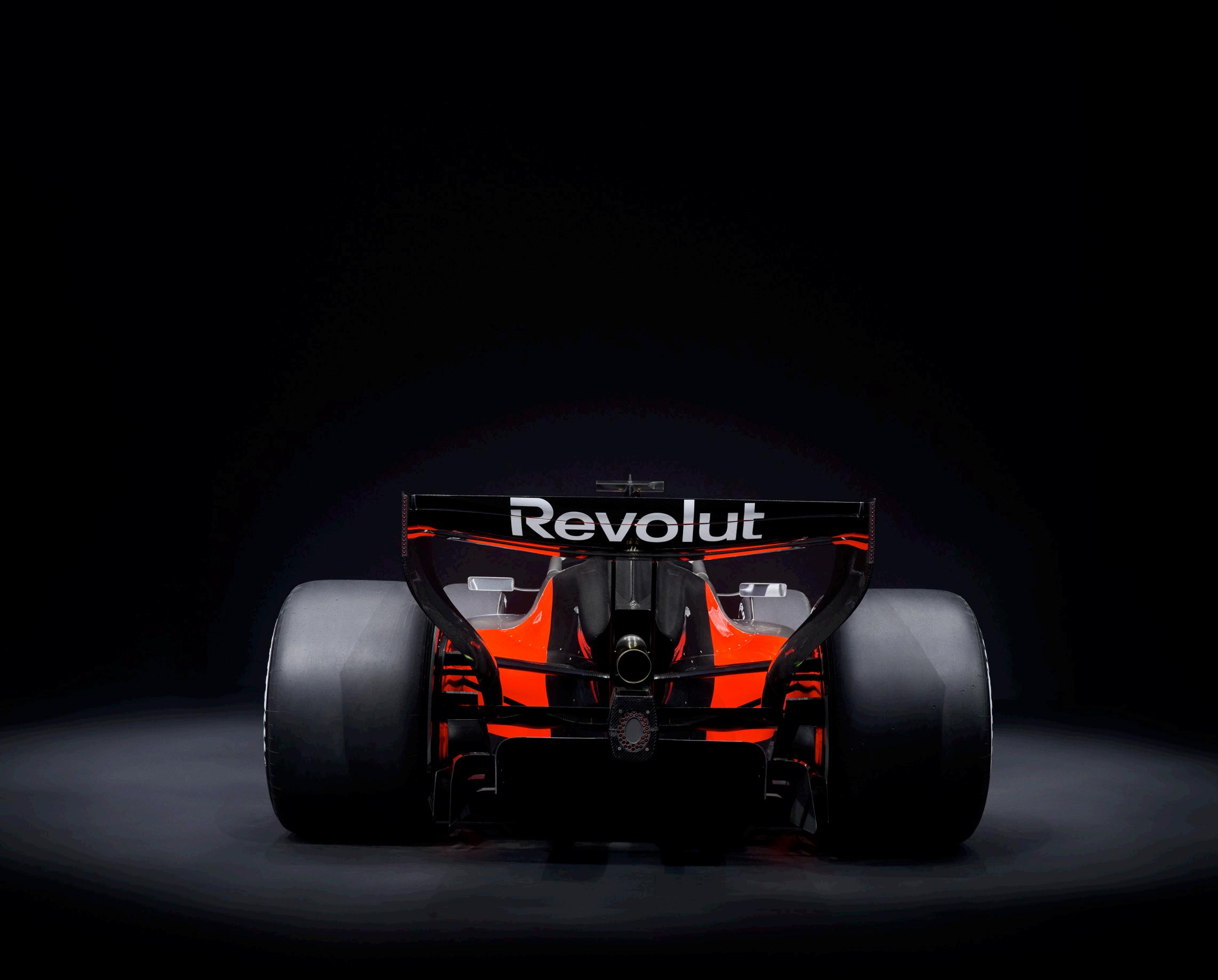
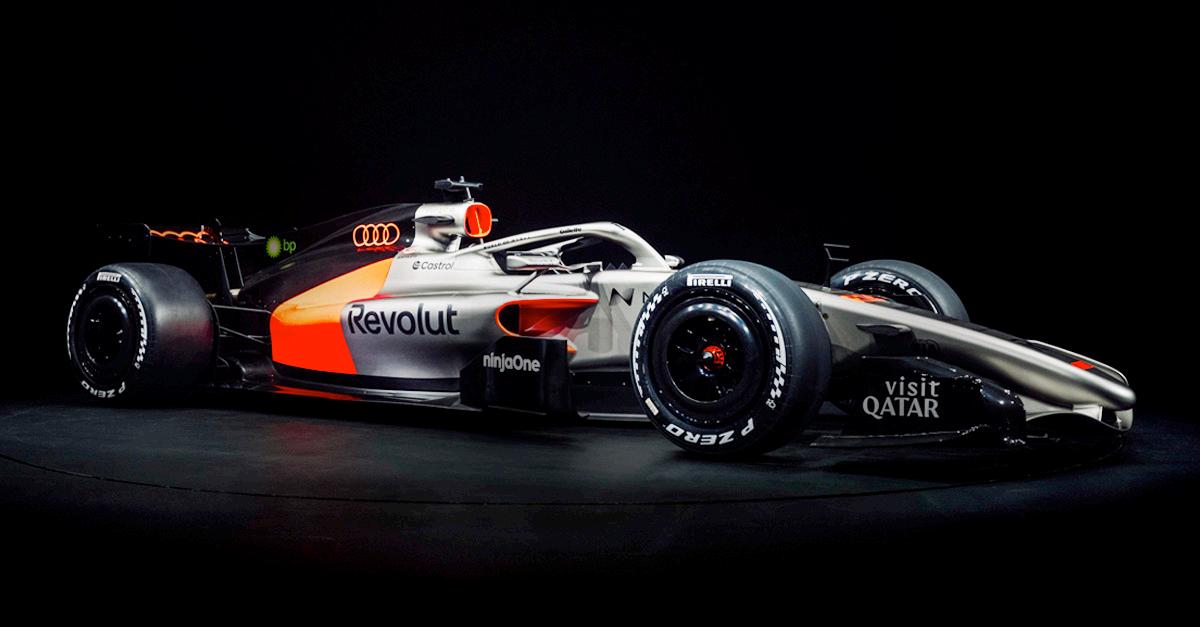
Audi’s Livery Reveal - Making its much-anticipated F1 debut in the 2026 season.
A new report by Binance reveals that the crypto industry is seeing new levels of integration with traditional finance.
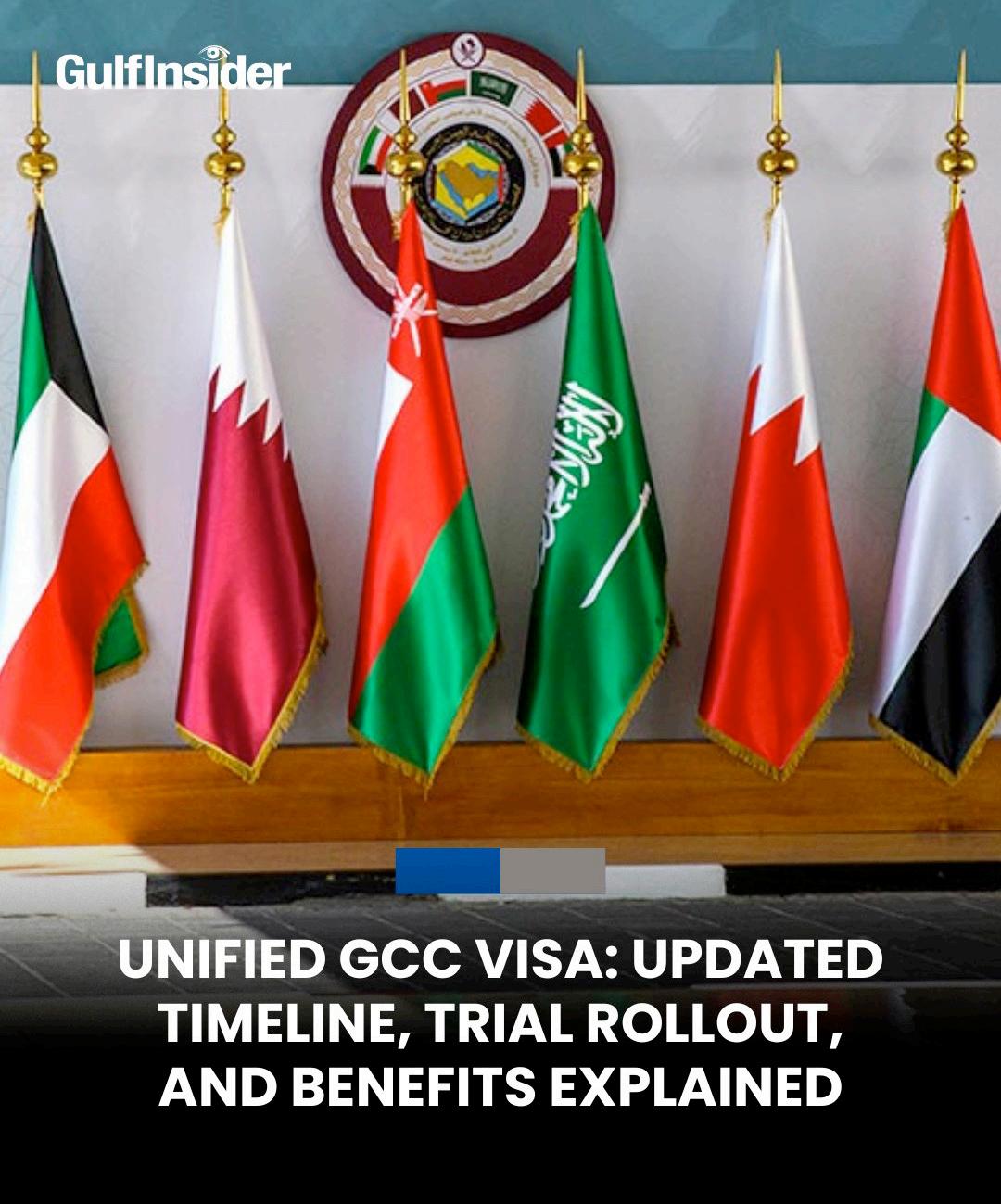
Filipino passport holders can now enjoy the benefits that come from a higher passport ranking and world reach.
THE ISLAND’S FIRST MICRO FOREST
An educational initiative rooted in helping the community.
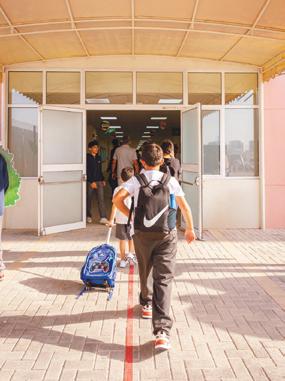
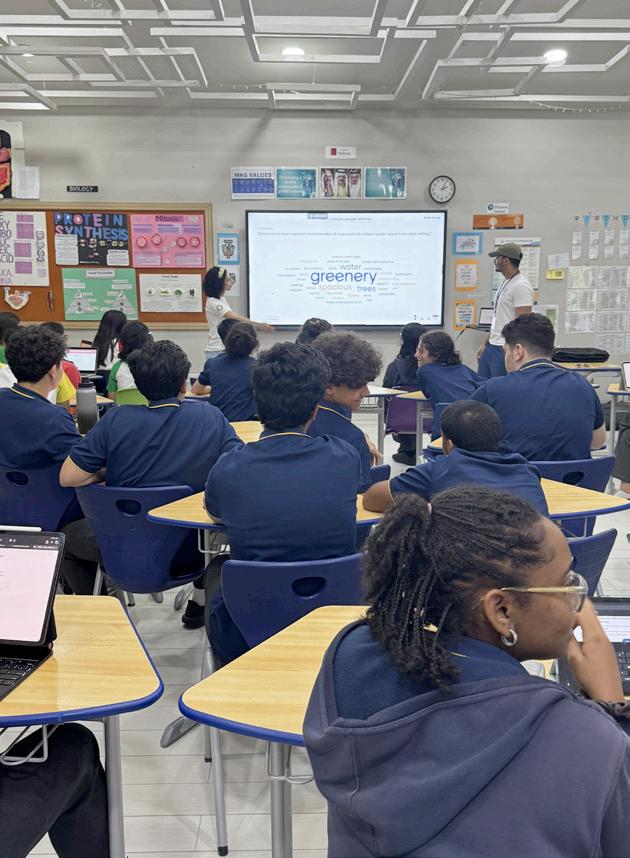
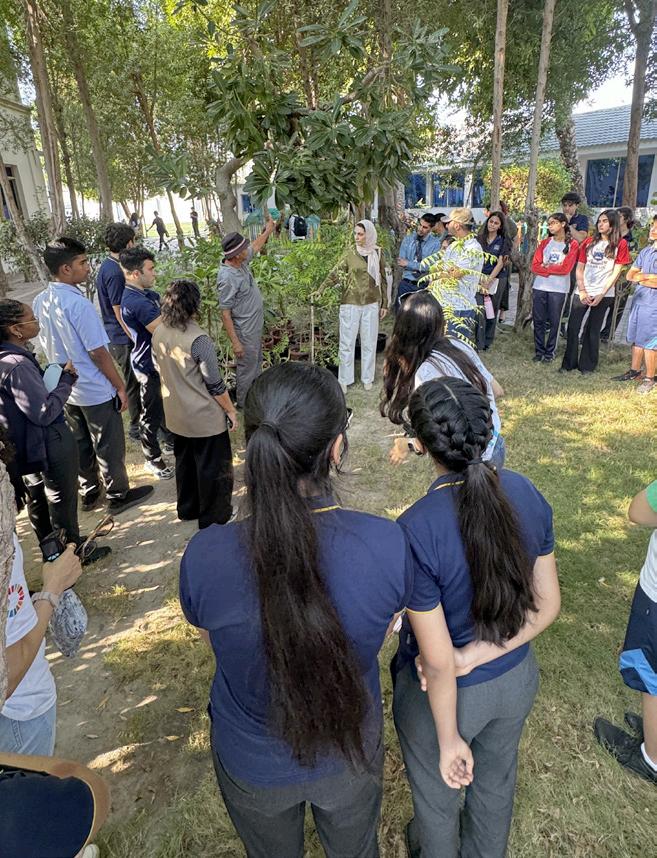
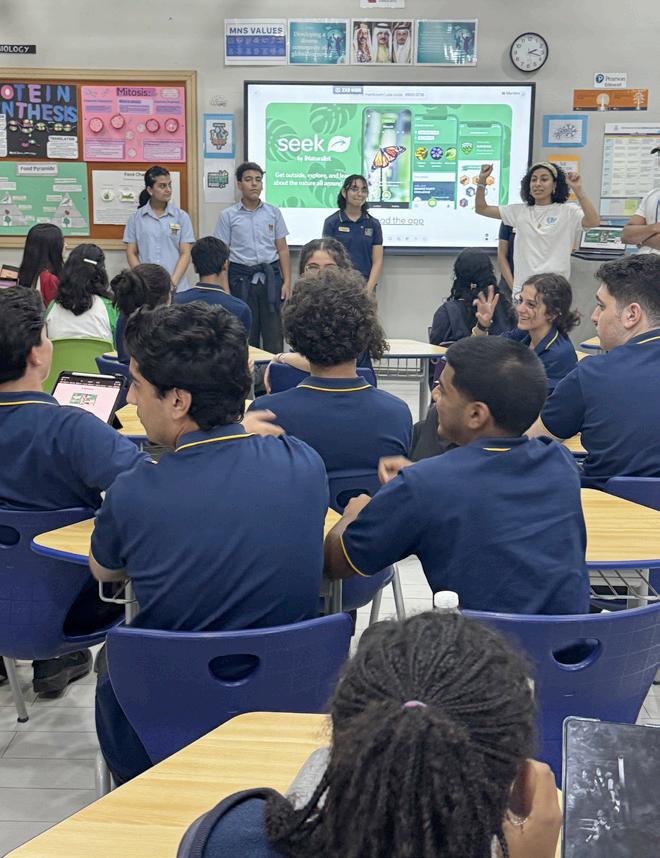
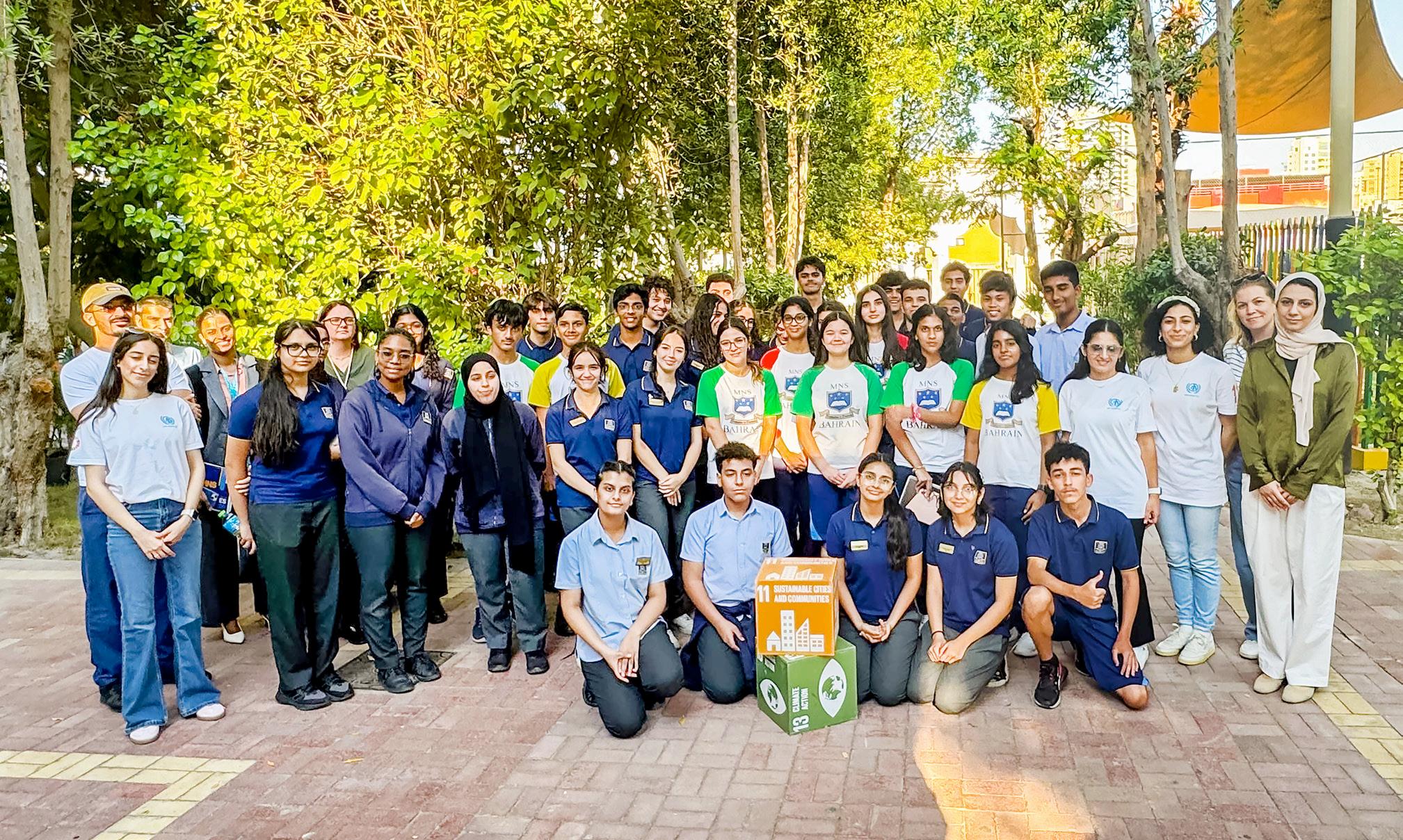
Multinational School in Bahrain is developing what will be the country’s first schoolbased micro forest, working alongside UN-Habitat to create a compact woodland ecosystem on campus grounds.
A Living Laboratory
The project focuses on creating a densely planted forest area that will function as an outdoor classroom. Students will be able to learn about biodiversity, soil composition, how the forest influences the air quality in the surrounding region, and the temperature in the surrounding region. The forest is being designed using principles adapted from the Miyawaki Method, a Japanese approach focused
We’re creating something that goes beyond traditional environmental education.
on developing a forest within a short period of time in a small region.
Vice Principal Sageer Pansari says, “We’re creating something that goes beyond traditional environmental education. Students won’t just learn about ecosystems from textbooks; they’ll be collecting data, monitoring changes, and seeing how natural systems work in real time.”
Closing the Loop
What sets this project apart is its approach to sustainability. The school has placed composting machines throughout the campus to turn the waste from the dining hall into fertiliser for the forest. Rather than sending organic waste to landfills, it becomes part of the forest’s growth cycle.
The composting equipment has been selected specifically for a school environment, ensuring that it is odourless and safe for use by children. Students in the school’s Environmental Club will manage the composting process and track how the waste transforms into soil amendments.
Connecting to National Goals
The timing of this initiative aligns with Bahrain’s broader environmental commitments. The country has set
targets to reduce emissions by 30% by 2035 and reach net-zero by 2060. A single school forest may not contribute to the lower emissions of Bahrain in the coming years, but the initiative is one of the efforts that need to be undertaken in institutions if the environment is to be preserved.
Implementation
will start with installing the composting infrastructure, followed by a planting day involving the school community.
The micro forest also connects to Bahrain Economic Vision 2030, in which the government has called for balance in developments that are both economically driven and environmentally sustainable. The adoption of environmentally sound principles in everyday operations by institutions such as MNS demonstrates that educational institutions can set decent examples in resource utilisation.
Hands-On Environmental Science
Implementation will start with installing the composting infrastructure, followed by a planting day involving the school community. It will progress to the involvement of students to monitor the site, which entails analysing the soil quality, noting the plant species, and determining the environmental impact of the forest.
This approach transforms environmental education from abstract
concepts into tangible practice. Students learn scientific methods while contributing to a functioning ecosystem. The forest becomes a long-term STEAM education resource, touching on biology, chemistry, data analysis, and environmental systems.
A Model for the Region
If successful, this initiative may serve as an example to other schools in Bahrain and in the Gulf states. The concept of urban micro-forests has been well-received around the world as an approach to develop green areas in urbanised regions, but such projects are not very common within educational institutions. Urban microforests have gained traction globally as a way to create green spaces in developed areas, but they remain uncommon in educational settings here.
The collaboration with UN-Habitat brings technical expertise to the project, helping ensure the forest is designed to actually thrive rather than serve as a symbolic gesture. The next question that must be asked is whether or not this model is sustainable and replicable. Only time will tell.
NEW PARTNERSHIP, NEW IDENTITY
The Gulf Court Hotel Business Bay in Dubai is now called Grand Mercure Business Bay.
Gulf Hotels Group has completed the rebranding of the Gulf Court Hotel Business Bay to the Grand Mercure Business Bay. The hotel, located on Al Abraj Street along Marasi Drive, is still owned and managed by the Bahrain-based Gulf Hotels Group, now operating under a franchise agreement with Accor. This change expands Gulf Hotels Group’s international presence through a partnership with one of the world’s largest hospitality companies.
The property sits in the middle of Dubai’s main commercial district. It is eight minutes away from major landmarks like the Burj Khalifa, the Dubai Mall, and the city’s primary exhibition and trade centres. By joining the Grand Mercure brand, the hotel aims
to blend local culture with the quality expected from an international premium hotel chain. The rebranding is part of Gulf Hotels Group’s strategy to utilise global distribution networks and loyalty programs while keeping operational control.
Property Details and Amenities
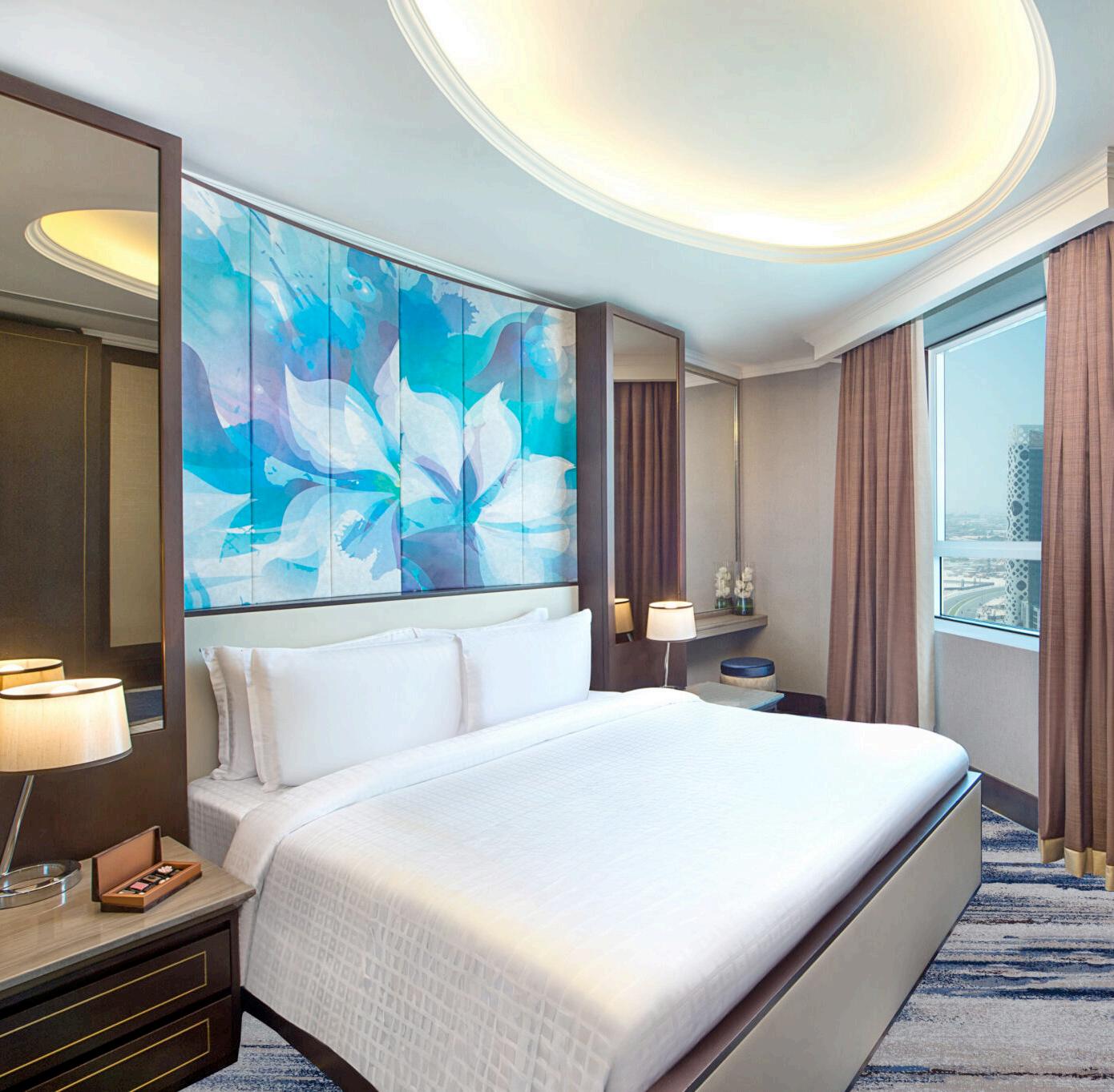
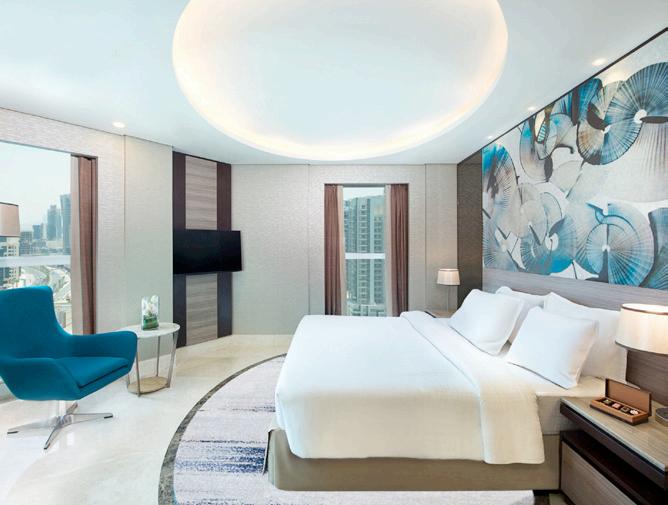
The Grand Mercure Business Bay features 270
rooms and suites.
The Grand Mercure Business Bay features 270 rooms and suites. Each unit has been updated to meet the new brand standards, focusing on a design that reflects the local environment. The hotel caters to business travellers and leisure guests, offering four flexible meeting rooms that can hold up to 90 people. These facilities are suitable for corporate events, seminars, and private functions in an area known for its high concentration of international businesses.
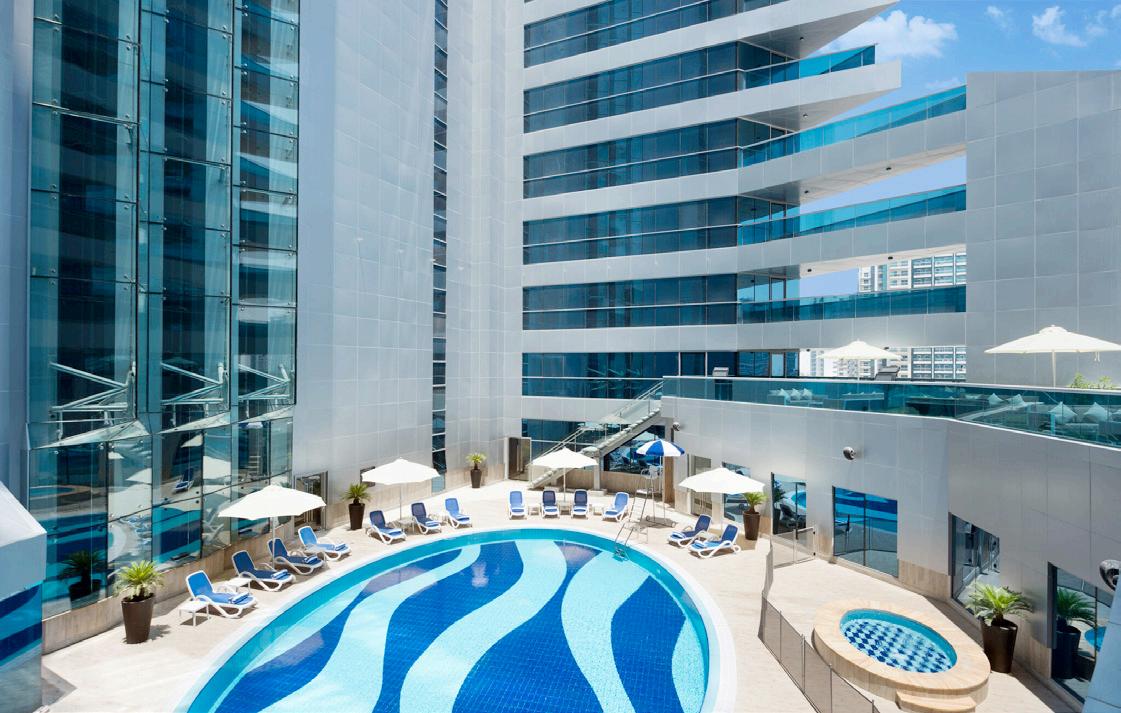
In addition to the guest rooms, the hotel offers several specialised amenities. It includes a dedicated club lounge for frequent travellers and five dining and entertainment venues. A significant addition to the dining options is Mediterranean Muse, a new restaurant set to open in the first quarter of 2026. Guests can enjoy an
outdoor pool terrace with views of the Business Bay skyline, which will serve as a recreational space in the urban setting.
Impact on Business Bay
The rebranding comes at a time when Business Bay is becoming one of Dubai’s most vibrant neighbourhoods. The district has seen a steady rise in both residential and commercial occupancy. Grand Mercure Business Bay aims to be a hub for this community, providing a space for professionals and residents. The hotel’s focus on cultural immersion aims to set it apart from typical corporate hotels in the area and offer guests a more localised experience.
For travellers, the rebranding presents immediate benefits. Members of the ALL – Accor Live Limitless loyalty program can earn quadruple reward points on bookings made between 16 February and 12 April 2026. This promotion applies to stays scheduled through 9 August 2026. These initiatives aim to quickly build a new customer base under the Grand Mercure name and encourage repeat visits from Accor’s global members.
AUDI’S LIVERY REVEAL
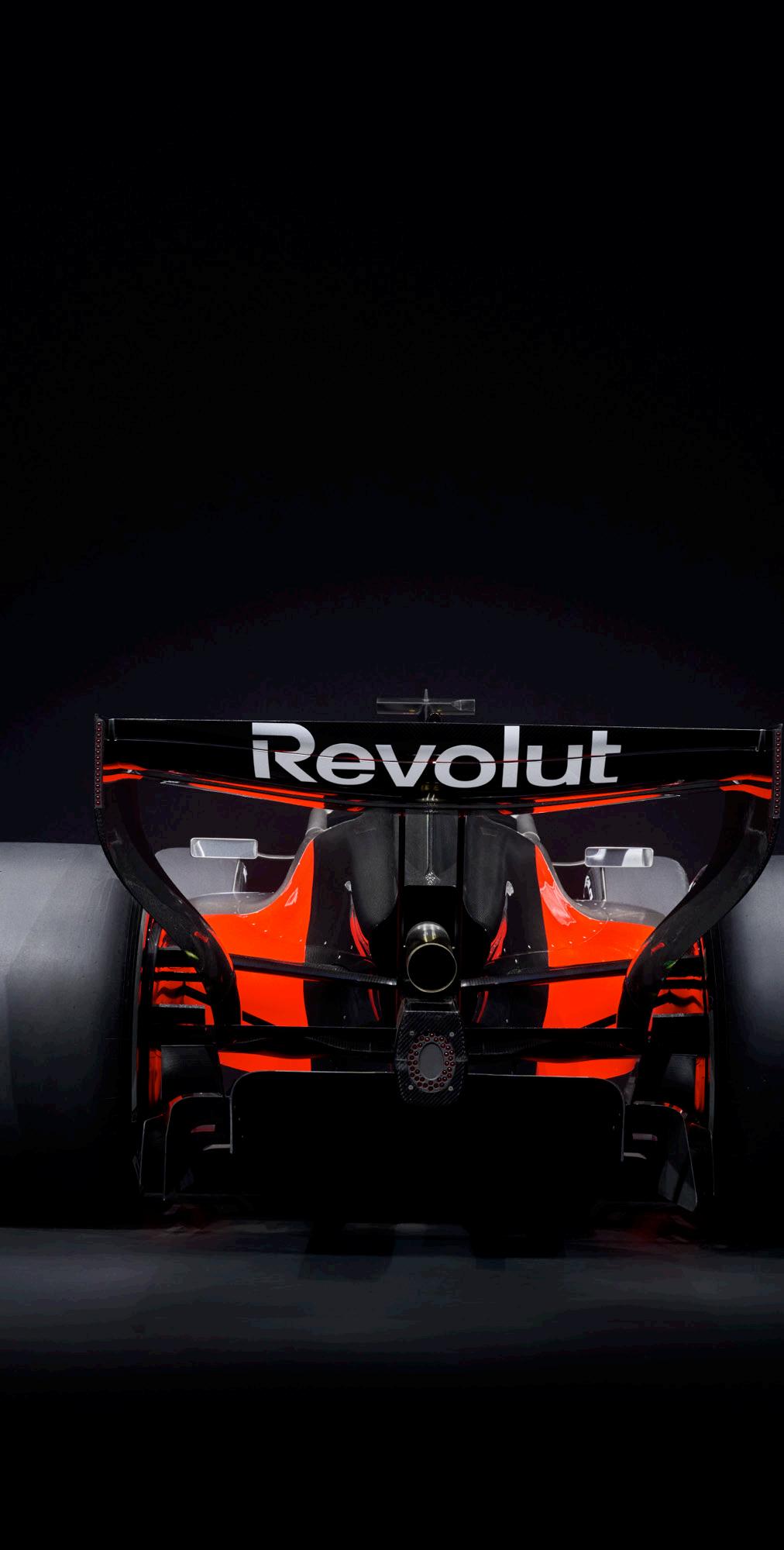
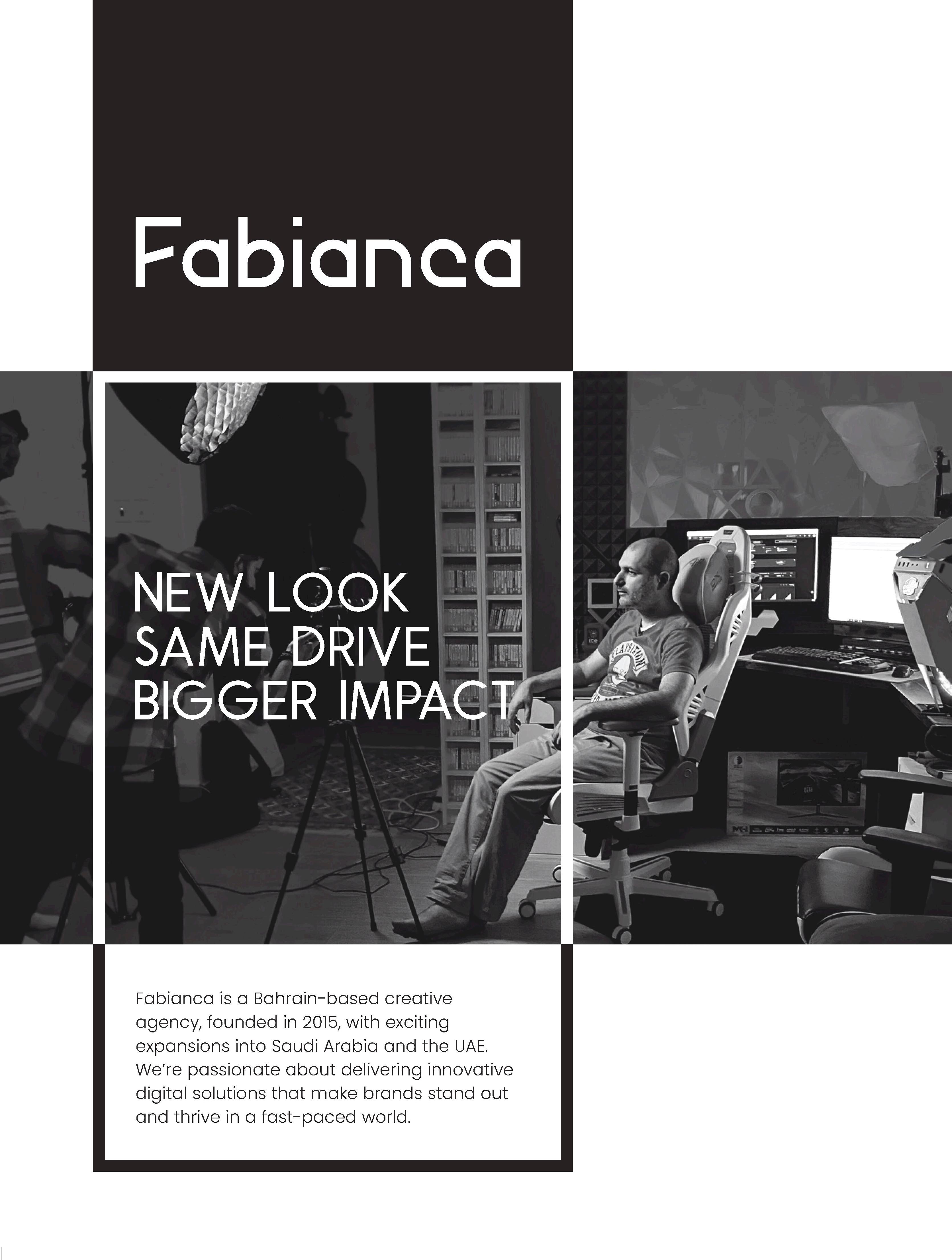
Making its much-anticipated F1 debut in the 2026 season, Audi has revealed its livery for the season.
Audi officially began a new era in motorsport yesterday with the global debut of the Audi Revolut F1 Team at Kraftwerk Berlin. This event marked the public launch of the German manufacturer’s factory program, featuring the unveiling of the R26. This car will lead Audi’s first campaign in the FIA Formula 1 World Championship.
The launch is the result of a multi-year shift that started in 2022. Audi has now fully combined its operations at three main European locations: the power unit division in Neuburg, Germany; the chassis and race operations in Hinwil, Switzerland; and a new technical facility in Bicester, UK. This setup allows Audi to function as a full works team, giving them complete control over both the combustion engine and chassis development.
Technical and Visual Identity
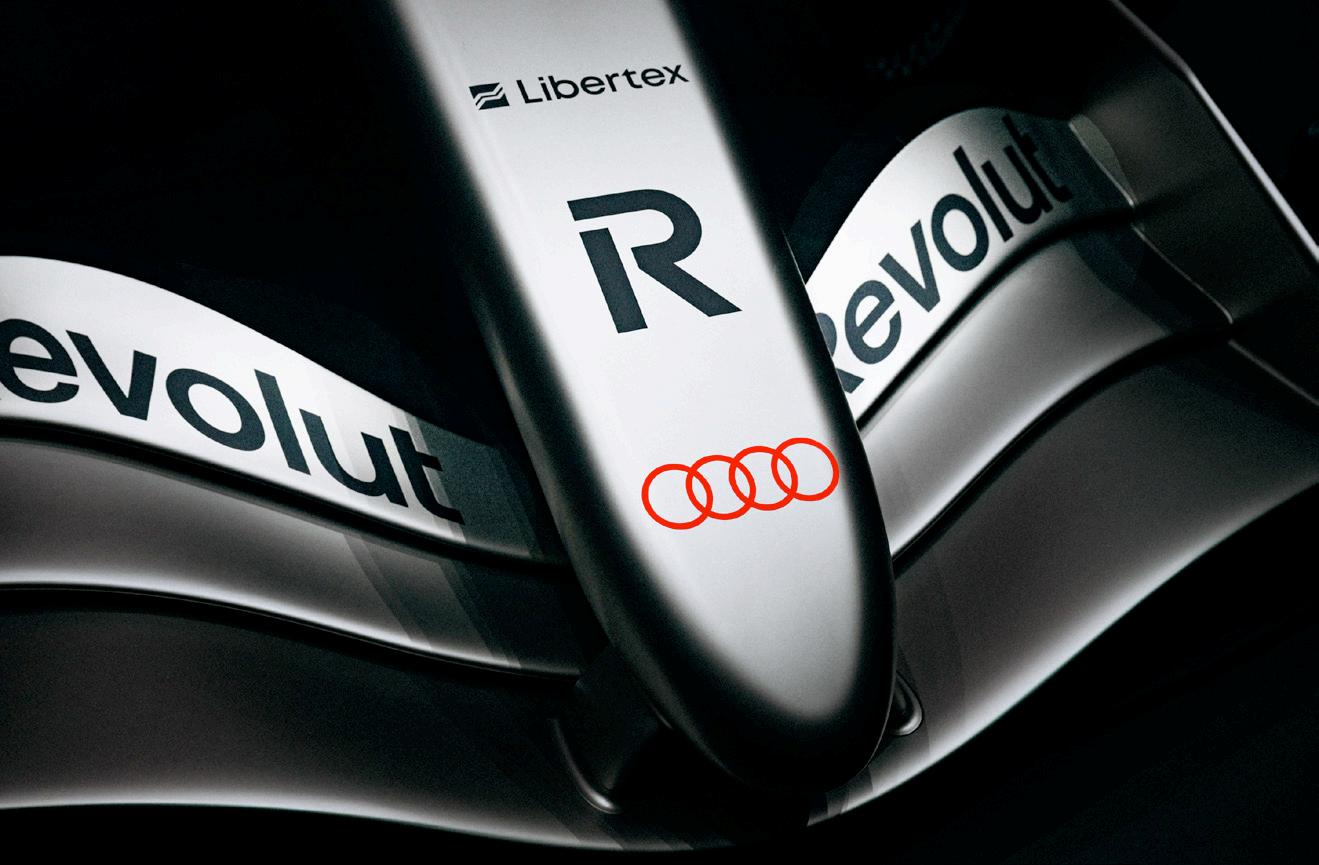
The R26 race livery introduces a distinct look for the brand’s F1 entry, marked by a titanium finish and exposed carbon fibre. The design features Lava Red accents and the iconic Audi rings, which the company set aside specifically for this project. This visual identity extends beyond the car to the team’s presence in the paddock and a new apparel line created with Adidas.
Under the 2026 technical regulations, the R26 will use a 1.6-litre turbocharged V6 engine paired with a greatly improved electrical recovery system. The new rules require a near 50-50 power split between the internal combustion engine and the electric motor, using 100% sustainable fuels. Audi confirmed that development of its power unit has been happening in Neuburg for over three years, with the first dynamic tests already completed.
Strategic Leadership and Ambition
Gernot Döllner, CEO of AUDI AG, highlighted that the Formula 1 project is a crucial part of the company’s overall technological change. He mentioned that the team does not just want to participate in the series but aims to compete for the title by 2030. The project is led by Mattia Binotto, Head of the Audi F1 Project, and Team Principal Jonathan Wheatley.
“The decision to enter as a full works team is our greatest asset,” Binotto said during the presentation. He explained that the smooth integration between the German and Swiss facilities avoids the compromises often seen in customer-engine partnerships, which allows for more flexibility in development.
The F1 team will feature a driver pairing of German veteran Nico Hülkenberg and Brazilian rookie Gabriel Bortoleto, who is racing in his second season.
Driver Line-up and Competitive Outlook
The F1 team will feature a driver pairing of German veteran Nico Hülkenberg and Brazilian rookie Gabriel Bortoleto, who is racing in his second season. Both drivers joined from the former Sauber-run team, which Audi fully acquired in early 2025. Hülkenberg, who secured his first podium in 2025, offers technical stability, while Bortoleto, the 2024 FIA Formula 2 champion, represents the team’s long-term commitment to developing young talent.
The partnership with title sponsor Revolut also indicates a change in the team’s operational model. The fintech firm will be involved in the team’s financial operations and e-commerce platforms, with the official merchandise collection set to launch globally on 19 February 2026.
After the Berlin launch, the team will head to Barcelona for closed-door testing before the R26 makes its public track debut during official pre-season testing in Bahrain. The 2026 season will officially start at the Australian Grand Prix in Melbourne.
BIG CRYPTO SHIFTS
A new report by Binance reveals that the crypto industry is seeing new levels of integration with traditional finance.
The cryptocurrency market underwent significant changes in 2025, transitioning from a speculative, retaildriven sector to a more mature, macro-sensitive asset class. According to the latest “Full-Year 2025 & Themes for 2026” report from Binance Research, the total market capitalisation exceeded $4 trillion for the first time. Although the year closed with a slight price drop of 7.9% due to global economic pressures, the industry’s underlying infrastructure reached new levels of sophistication and integration with traditional finance.
Last year marked a change in the flow of value through the ecosystem. Investors began to move away from chasing short-term price spikes and instead focused on structural progress. Clearer regulatory frameworks emerged in major financial hubs, stablecoins started to compete with traditional payment networks in volume, and decentralised finance (DeFi) evolved into a sector capable of generating billions in protocol revenue. This industrialisation of crypto shows that the market now rewards ongoing utility and institutionalgrade access more than temporary hype.
Bitcoin Becomes a Macro Financial Asset
Bitcoin cemented its status as a key macro asset in 2025, even as its role on the network level shifted. While active on-chain addresses fell by 16%, demand for the asset moved toward regulated financial channels. U.S. spot Bitcoin ETFs have attracted over $21 billion in net inflows, and corporate treasuries now hold approximately 1.1 million BTC, accounting for more than 5% of the total supply. These figures suggest that Bitcoin is increasingly acting like digital gold, held in long-term portfolios rather
than used for daily transactions.
Bitcoin cemented its status as a key macro asset in 2025, even as its role on the network level shifted.
Despite softer price movement at the end of the year, the security of the Bitcoin network improved significantly. Mining difficulty increased by 36%, and the total hash rate surpassed 1 zettahash per second. This ongoing investment by miners reflects strong confidence in the long-term viability of the network. Bitcoin ended the year with a dominant market share of nearly 60%, serving as the main anchor for the broader digital asset economy.
Stablecoins and the Rise of Internet Fiat
One of the biggest success stories of 2025 was the rapid growth of stablecoins. The total market capitalisation for these assets rose 50% to over $305 billion. Even more striking, annual transaction volumes reached $33 trillion, doubling the volume processed by Visa. This growth shows that stablecoins have moved beyond just tools for crypto trading and are now vital for settling transactions in the global economy.
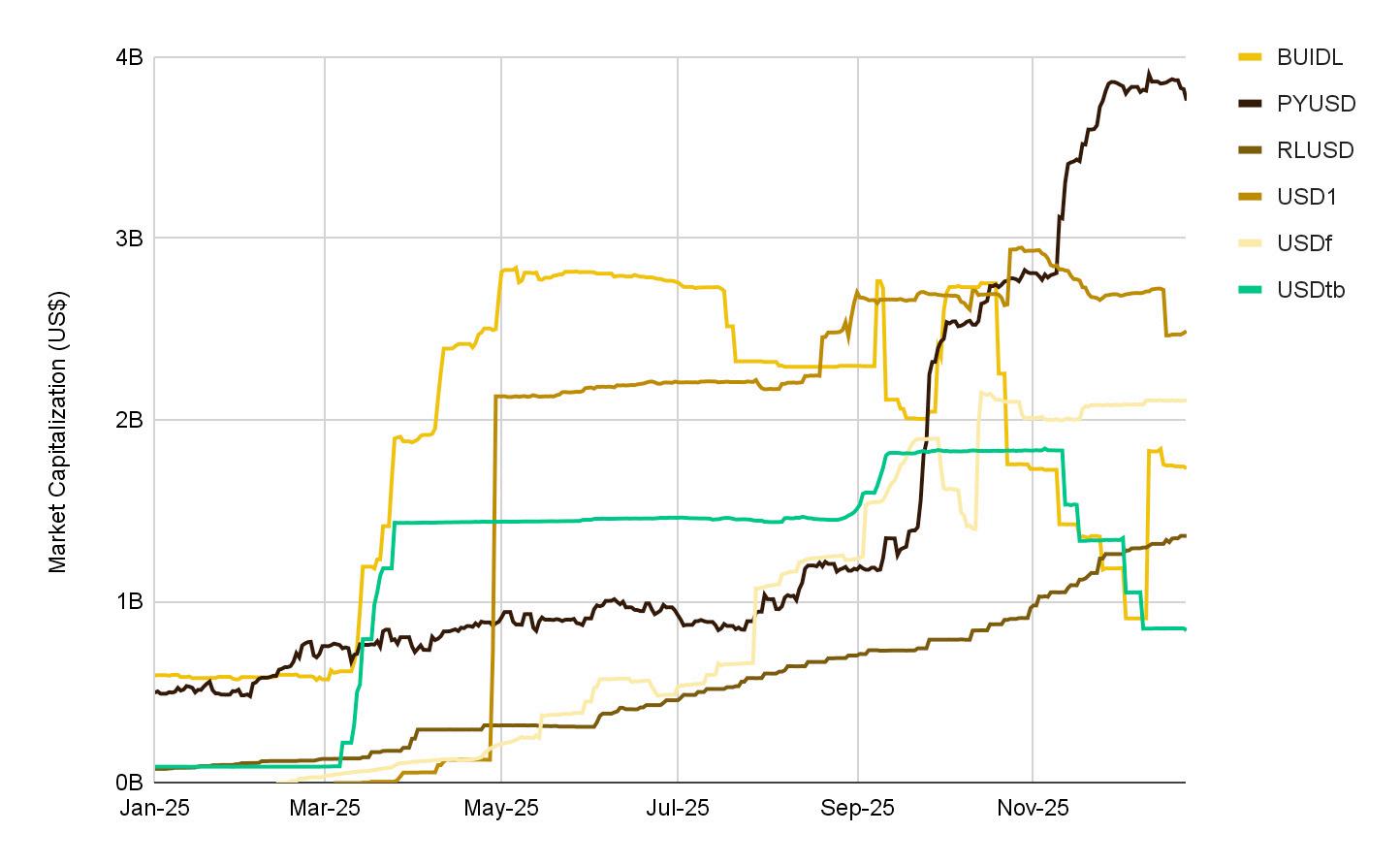
The introduction of the U.S. GENIUS Act provided the necessary federal framework for institutional trust. Six new stablecoins crossed the $1 billion market cap during the year, adding variety to a market that was once dominated by just two major players. These internet fiat assets offer a faster, cheaper, and borderless alternative for cross-border payments and fintech uses, allowing businesses to leverage blockchain technology without facing price volatility.
DeFi and Real-World Assets
Decentralised Finance (DeFi) reached a milestone in 2025 by demonstrating its ability to generate sustainable cash flow. Total protocol revenues hit $16.2 billion, making the sector comparable to major traditional exchanges like Nasdaq. For the first time, the value of tokenised Real-World Assets (RWAs), such as government treasuries and equities, surpassed the total value locked in decentralised exchanges. This change shows that on-chain finance is now supported by productive, yield-bearing collateral rather than inflationary tokens.
One of the biggest success stories of 2025 was the rapid growth of stablecoins.
The landscape for Layer-1 networks also underwent consolidation. While Ethereum remained the leader in developer activity and liquidity, BNB Chain stood out by supporting a mix of retail activity and institutional RWA products. Solana gained traction by securing its own spot ETF approval and maintaining high transaction volumes. The common factor among successful networks in 2025 was their ability to monetise recurring flows, such as trading and payments, rather than just reporting high transaction counts.
Looking Ahead to a Risk Reboot in 2026
The outlook for 2026 suggests a shift toward growth driven by adoption, backed by a more favourable economic environment. Analysts predict a combination of global monetary easing, fiscal stimulus, and deregulation to
inject fresh capital into the markets. This setting could spark the next phase of growth, where value will migrate further upstream to the application layer.
Key themes for the coming year include PayFi, where yield-bearing stablecoins drive new types of neobanks and consumer wallets. Institutionalisation is likely to deepen as on-chain money markets become integrated into corporate workflows. Additionally, the rise of agentic finance, where AI agents manage automated payments and transactions, could change how users interact with blockchain technology. As the industry moves into 2026, the focus remains on creating verifiable, compliant systems that offer real utility to a global audience.
IMPROVING TRAVEL ACCESS
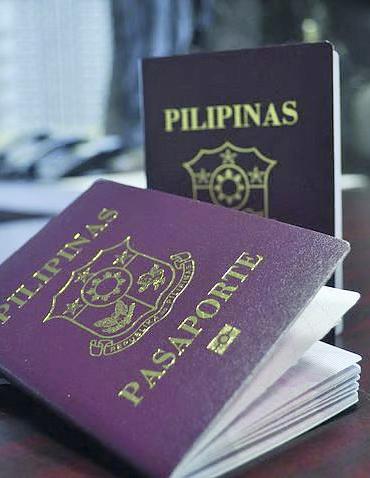
Filipino passport holders can now enjoy the benefits that come from a higher passport ranking and world reach.
The Philippine passport has reached a significant benchmark in global mobility, now ranking 68th worldwide according to the latest Passport Index. As of January 2026, Filipino citizens can access 78 countries with relative ease, representing a world reach of 39%.
This means that roughly two-fifths of the globe is accessible to Filipinos without the need for a traditional prior visa. For a nation of over 116 million people, these metrics highlight a shifting landscape of international opportunity, though notable limitations remain for those seeking to enter major Western economies.
A Steady Climb in Global Standings
This recent ranking reflects a consistent upward trajectory for the Philippine travel document. In 2025,
the country jumped three spots in the Henley Passport Index (HPI) to 72nd place, up from 75th the previous year. This recovery is particularly notable considering the passport hit a low of 80th place in 2022 during the height of pandemic-related travel restrictions. Experts suggest this incremental but steady improvement is the result of focused diplomatic efforts and bilateral agreements aimed at expanding the global footprint of Filipino travellers.
Economic Power vs. Travel Freedom
Interestingly, the country’s passport power sits in sharp contrast to its burgeoning economic influence. The Philippines currently boasts the 9th largest economy in Asia and the 32nd globally, with a GDP of approximately $1.48 trillion in terms of Purchasing Power Parity (PPP).
Despite persistent challenges,
including global market volatility, trade tariffs, and domestic governance concerns, the IMF projected a healthy 5.4% economic growth for the country in 2025. This disparity underscores a mobility gap, where the nation’s economic output outpaces the ease with which its citizens can navigate international borders.
Navigating the Red Zones
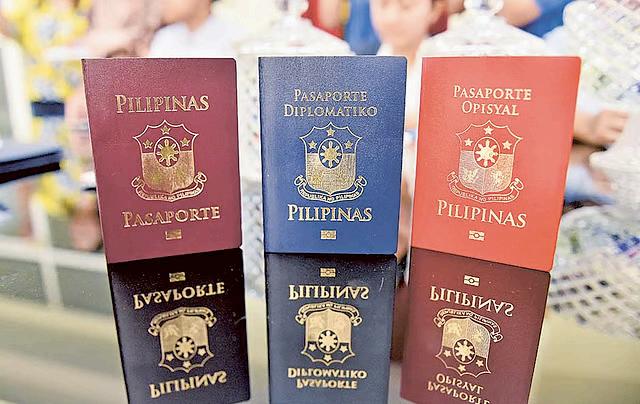
Despite these gains, the Philippine passport remains colour-coded as red for many of the world’s most powerful economies. This indicates that a prior visa is strictly required for entry into North America, most of Europe, and major East Asian hubs like China, South Korea, and Japan.
While ASEAN nations offer seamless travel through strong regional ties, Western countries maintain stringent requirements, often citing migration concerns. For instance, travellers to
This means that roughly twofifths of the globe is accessible to Filipinos without the need for a traditional prior visa
the Schengen Area must still undergo a rigorous application process for a short-stay visa, which grants access to 29 member states for up to 90 days but requires extensive documentation, including detailed itineraries and travel insurance.
Specialised Entry and Regional Nuances
For certain popular destinations, the visa process has become more specialised rather than entirely restricted. While mainland South Korea requires a C-3 visitor visa through the Manila application centre, exceptions exist for 30-day visa-free stays on Jeju Island or specific group tours to the Jeolla Province.
Similarly, Japan has transitioned its application process to the Japan Visa Application Centre (JVAC) via VFS Global as of April 2025. While a visa is
still mandatory for tourism, frequent travellers can often secure multipleentry permits to simplify future visits.
The 2026 Mobility Dashboard
The current mobility score of 78 is composed of three distinct tiers of access. Filipinos currently enjoy visafree entry to 35 countries, ranging from regional neighbours like Singapore and Thailand to distant locales such as Brazil, Morocco, and Israel (via eTA).
Another 40 countries offer Visa on Arrival (VoA), including destinations like the Maldives, Nepal, and several African nations. Finally, three countries— Israel, Kenya, and Pakistan- utilise the Electronic Travel Authorisation (eTA) system. While the Philippines continues to trail regional leaders like Singapore and Malaysia, the current data confirms its status as a rising mid-tier passport with expanding horizons.
BALLOON UP
There’s a new way to explore AlUla in Saudi Arabia
- Hot air balloons.
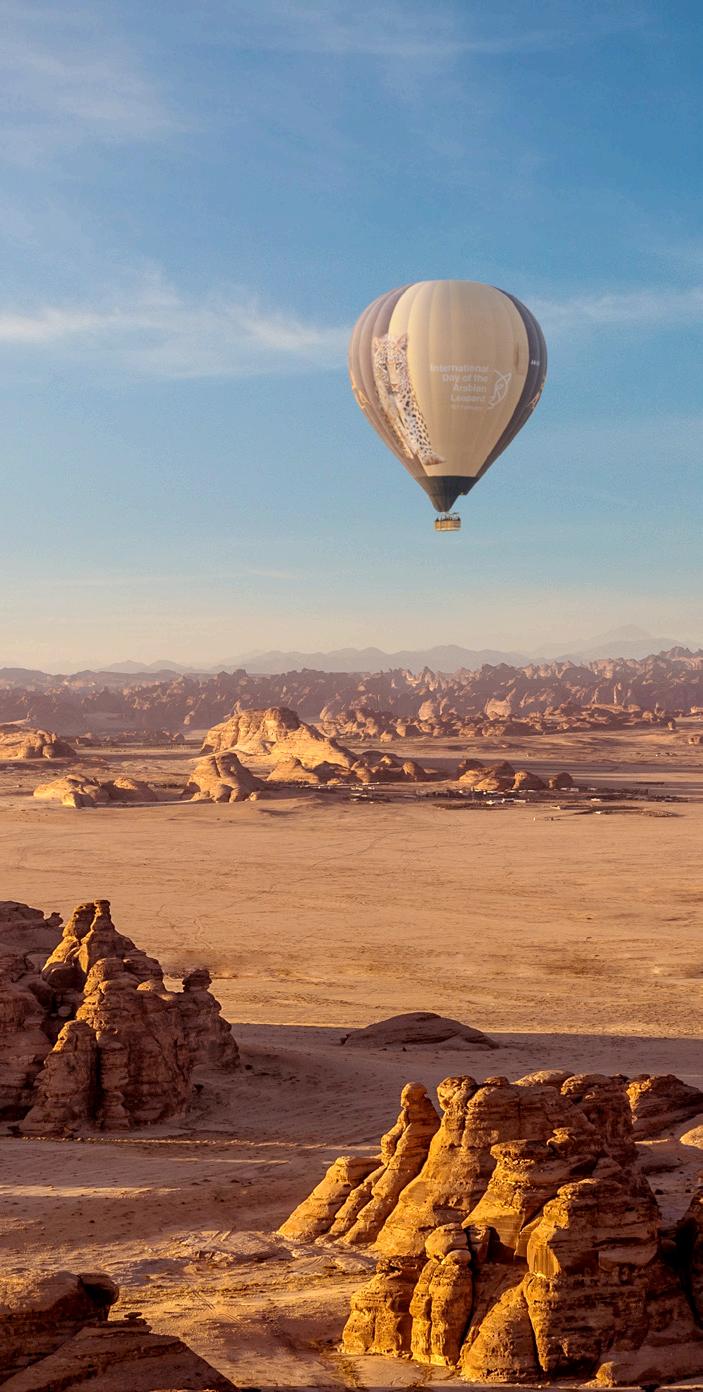
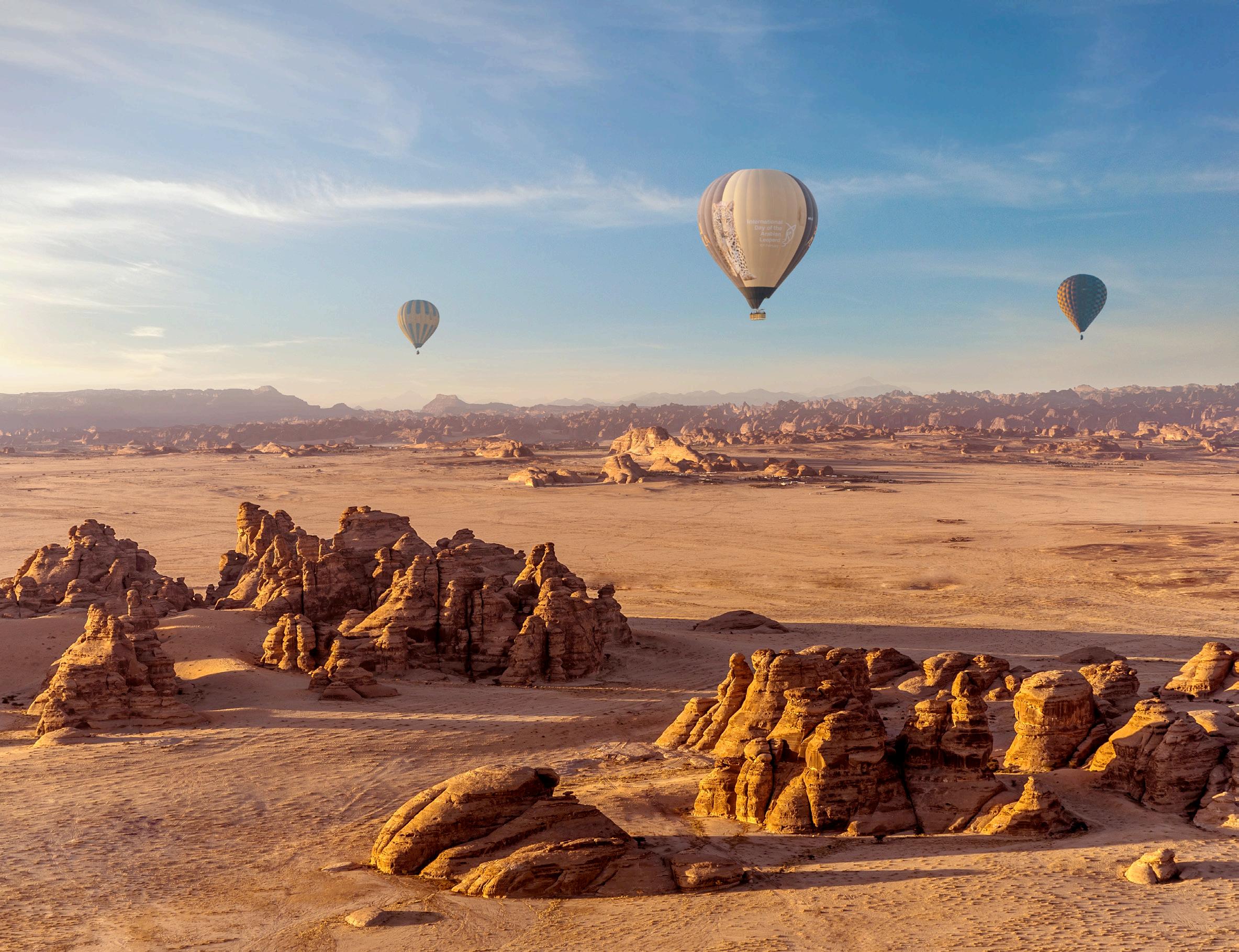
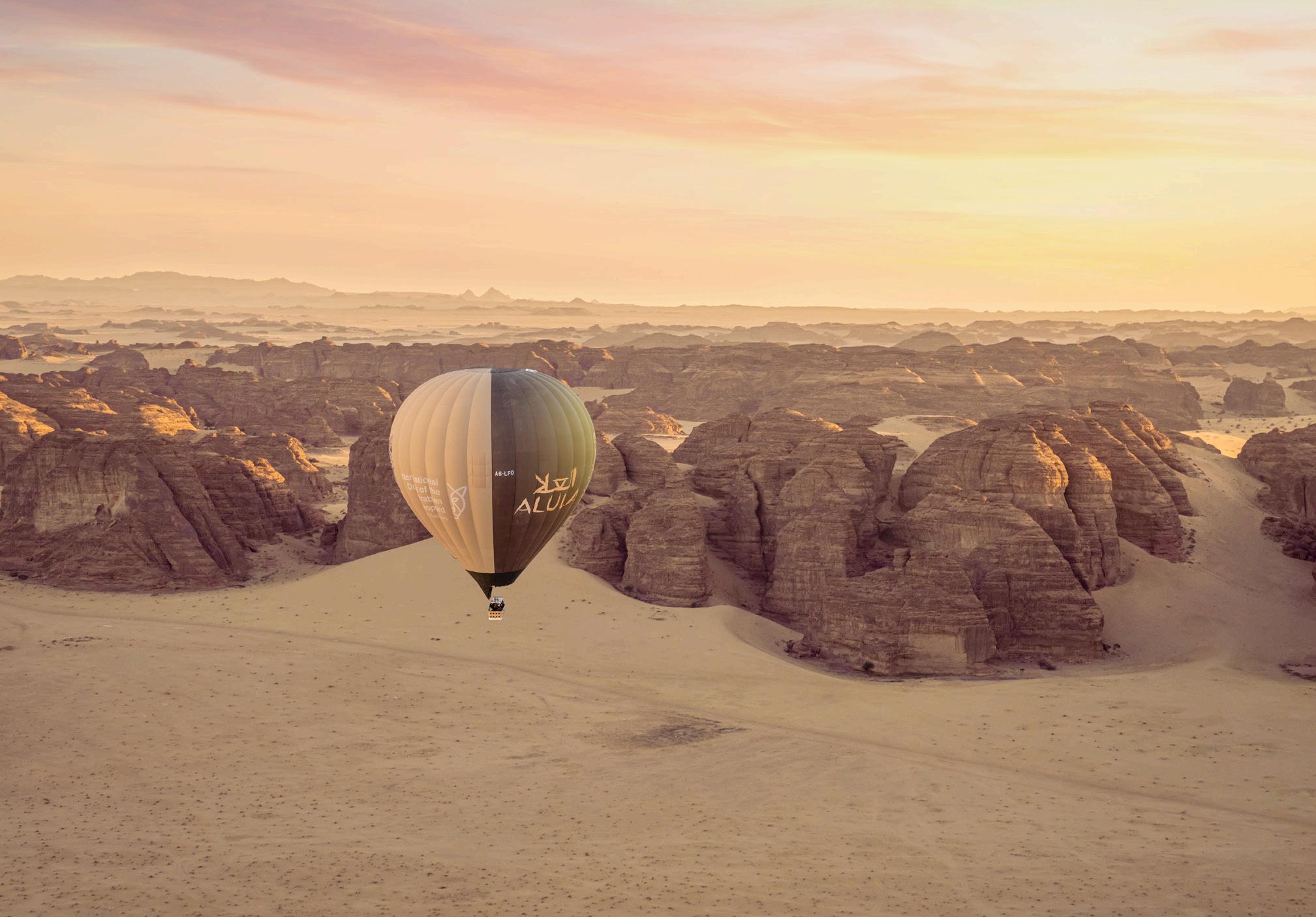
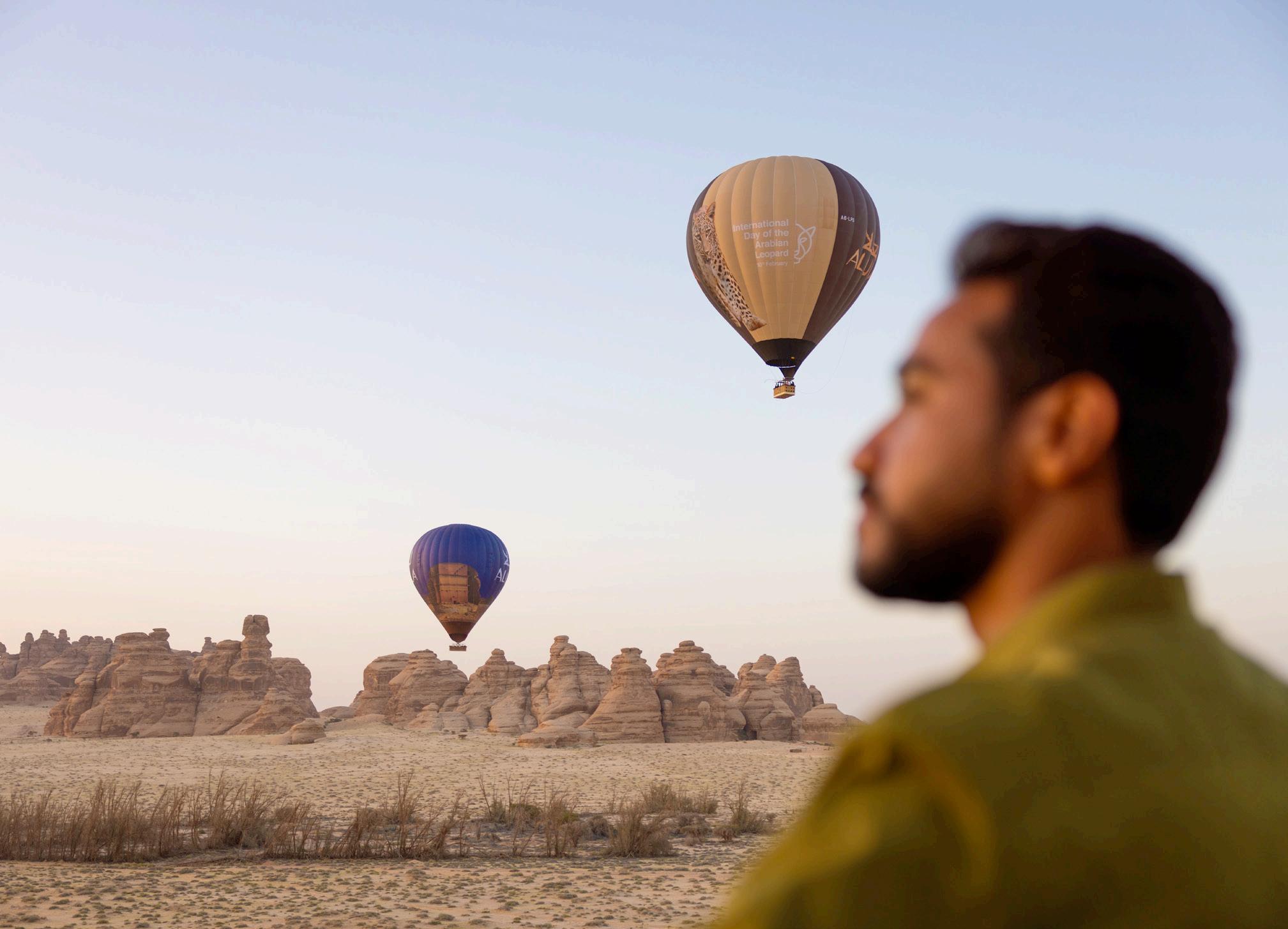
Hot air ballooning in Saudi Arabia has evolved from a niche activity into an essential part of the Kingdom’s luxury tourism sector. Hero Balloon Flights Saudi, the first organisation to receive official commercial certification for hot air balloon operations, has announced an expansion of its seasonal programs in AlUla. The new schedule includes
afternoon flight windows and nighttime wilderness experiences. This change offers new ways for international and domestic visitors to explore the AlUla desert’s landscape.
Diversification of Flight Windows
In the past, balloon flights in the AlUla region were only available during sunrise to take advantage of
stable thermal conditions and ideal lighting for photography. Now, the addition of Afternoon Flights marks a strategic change in the region’s balloon operations.
These later-day flights reach altitudes of up to 4,000 feet, providing a fresh view of the Hijaz mountain range and the ancient ruins of the Dadan and Lihyan kingdoms. The higher sun position during these flights improves
visibility of the sandstone canyons and the UNESCO World Heritage site of Hegra, which covers over 52 hectares of ancient tombs. This change also helps travellers with busy schedules who can’t leave before dawn, giving them more options when visiting AlUla.
The expanded flight program connects with land excursions in the Sharaan Nature Reserve.
Integration with Sharaan Nature Reserve
The expanded flight program connects with land excursions in the Sharaan Nature Reserve. This protected area is crucial for the Royal Commission for AlUla’s efforts to restore the local ecosystem and reintroduce native top predators and plants.
The second part of the experience shifts from aerial views to ground trips in Land Rover Defenders. These excursions focus on the geological features and narrow wadis (valleys) of Sharaan, which standard vehicles cannot access.
The program concludes with a structured session that combines culinary and astronomical elements.
• Culinary Framework: A four-course dinner modelled after the South African “braai” (barbecue) method.
• Astronomical Observation: A guided stargazing session led by specialists who use the low light pollution levels of the remote desert.
• Eco-Walking: A nocturnal trek designed to observe the desert’s evening ecosystem, focusing on the biological adaptations of local wildlife.
Operational Standards and Safety
As an official partner of the Royal Commission for AlUla and a member of the Hero Experiences Group, the operator must follow strict aviation and safety protocols. The technical crew includes pilots with many flight hours, which is necessary because of the unique thermal currents and wind patterns in the AlUla valley.
The infrastructure for these operations includes extensive logistical support, such as door-to-door transit and on-site hospitality during the balloon inflation period. These measures aim to
The infrastructure for these operations includes extensive logistical support, such as door-todoor transit and on-site hospitality during the balloon inflation period.
uphold a VIP service standard, in line with Saudi Arabia’s Vision 2030 goals of making AlUla a top destination for global heritage and nature tourism.
Pricing and Seasonal Availability
The current season for these integrated afternoon and evening experiences is set to end on 14 February 2026. This operational deadline matches the close of the peak winter tourism window in AlUla, after which rising temperatures usually limit safe flight conditions.
For financial commitment, the shared Afternoon Flight, Dinner & Stargazing experience starts at SAR 1,990 per person. For those wanting more exclusivity, private charter options begin at SAR 13,180. These rates reflect the logistical challenges of operating in remote desert environments and the specialised ecological and astronomical guides provided for the Sharaan Nature Reserve segment.
Contact and Logistics
For individuals seeking technical details, booking availability, or logistical requirements for these AlUla-based operations, the following channels are active: