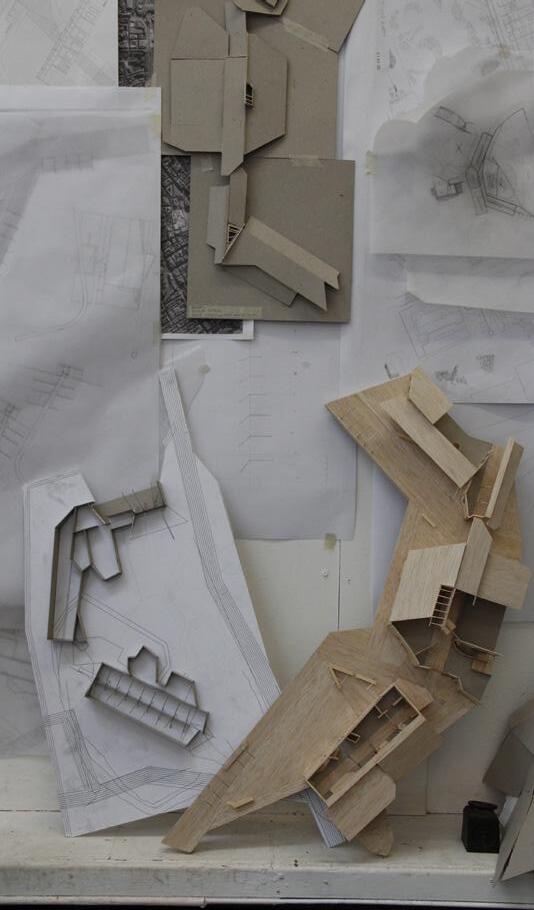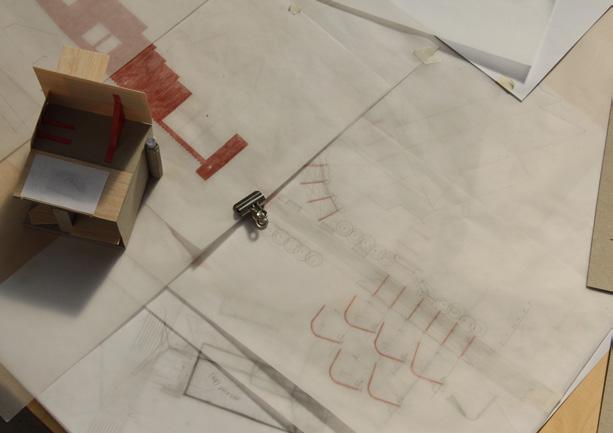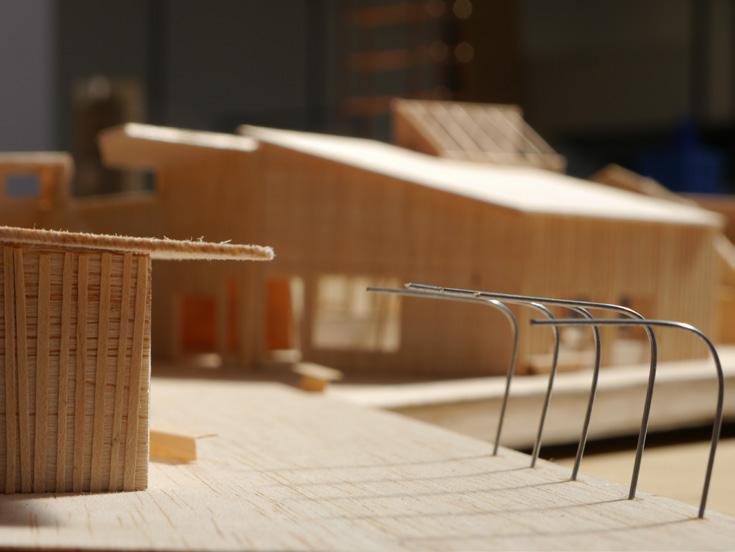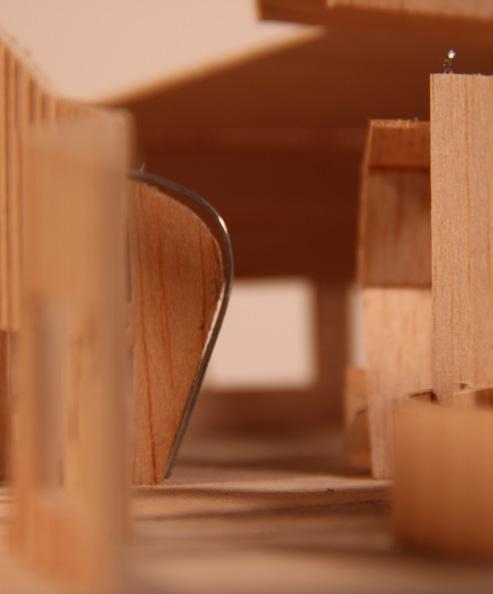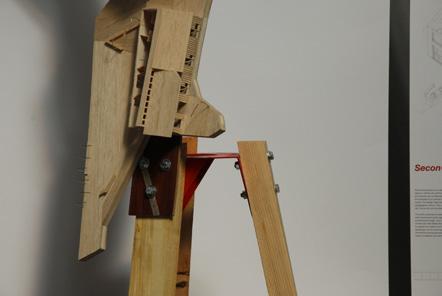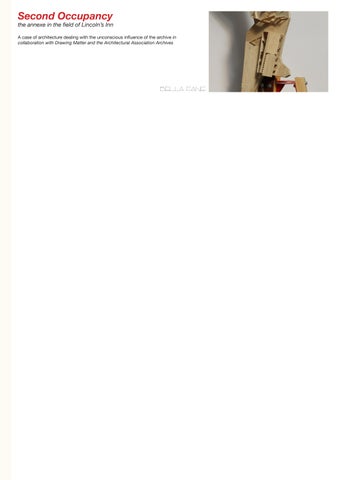
Second Occupancy
the annexe in the field of Lincoln’s Inn
A case of architecture dealing with the unconscious influence of the archive in collaboration with Drawing Matter and the Architectural Association Archives
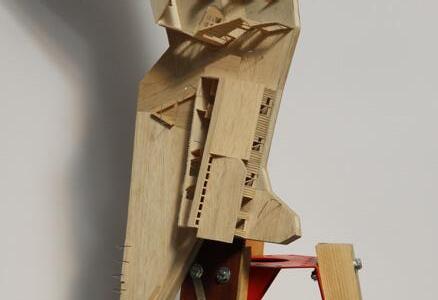
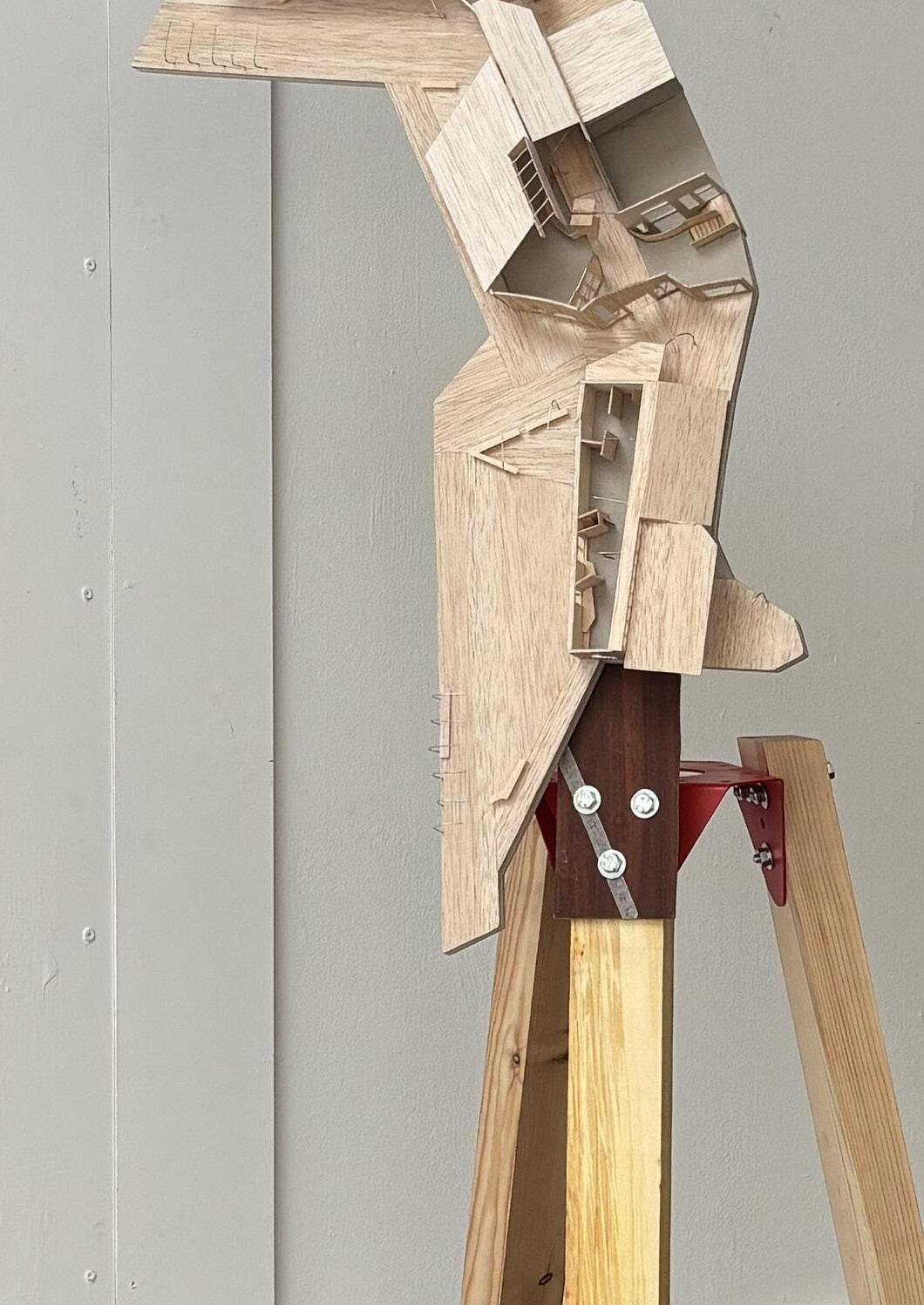
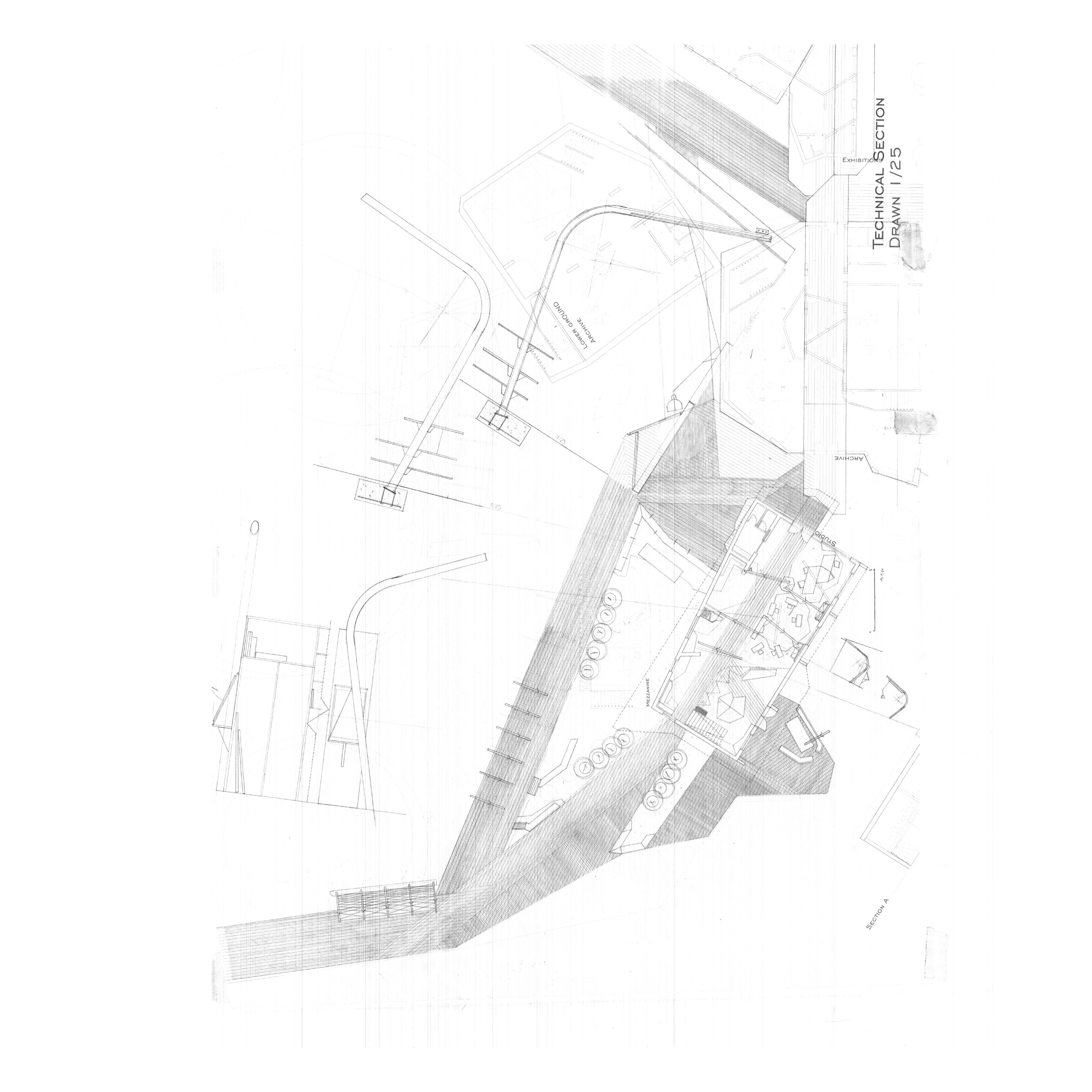
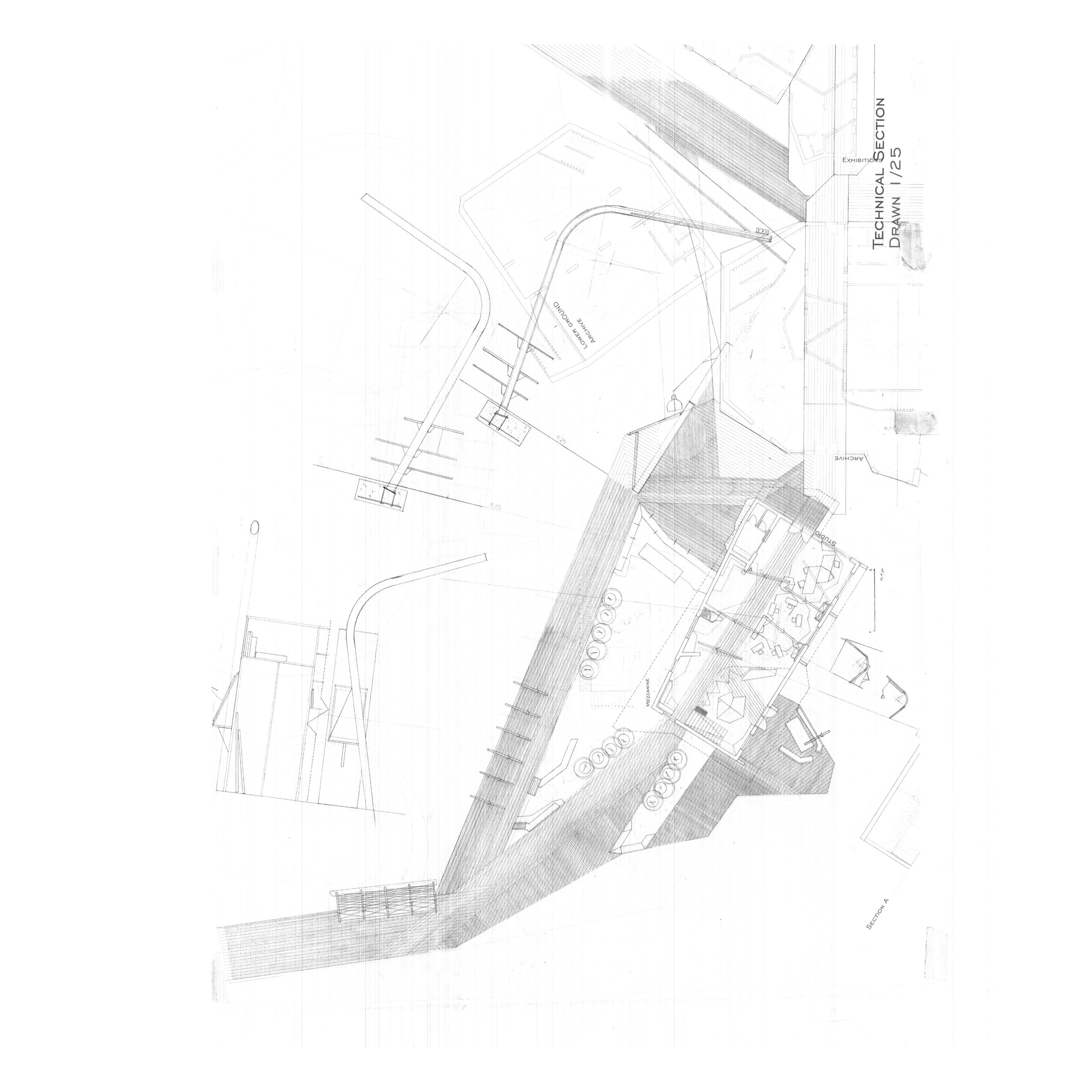
1/25 1/25
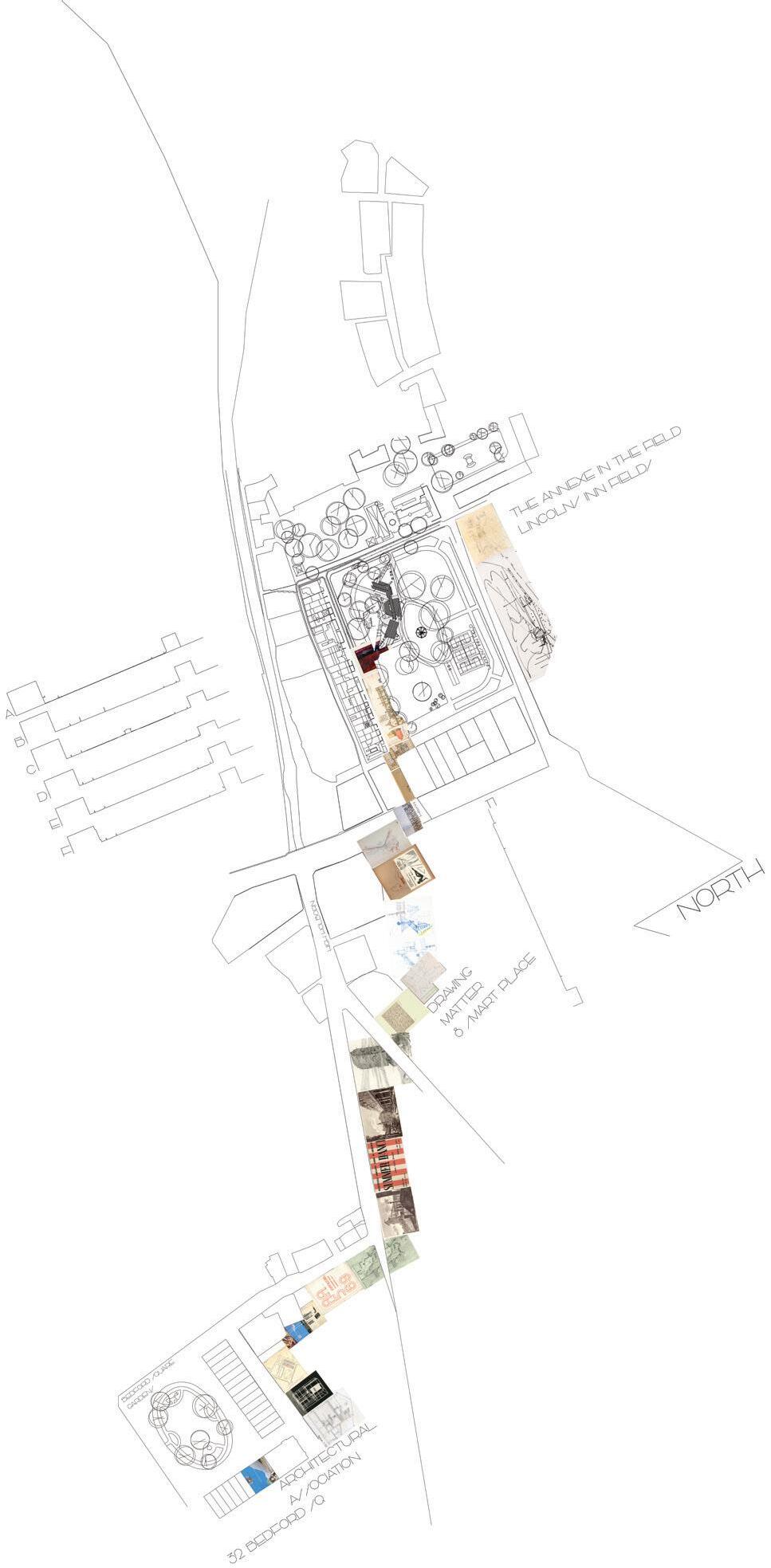
BedfordSquare Gardens
THE ANNEXE IN THE FIELD LINCOLNSINNFIELDS
DrawingMatter8Smart Place
A note before proceeding
This document is structured to mirror the architectural approach of Second Occupancy. Rather than following a chronological sequence, it is organised around a set of three scales and a series of investigations that reflect the spatial and curatorial strategies of the proposal. These three scales will respond to the field, the annexe, and the furniture. These scales respond how the project encourages users to navigate the annexe through their own routes, engaging with archival material in a non-linear and exploratory way, the document invites a similarly open-ended reading, aligning with the project’s emphasis on discovery and interpretation.
Abstract
Second Occupancy is an architectural investigation into how we engage with archival material—its use, interpretation, and hidden potential. Motivated by a desire to re-frame the archive not as a static repository, but as an active site of learning, speculation, and reinvention. It asks how archival drawings, objects, and lectures can be dislocated from their original contexts to speak anew, inviting fresh readings and understandings. Set in Lincoln’s Inn Fields, London, the proposal for an annexe emerges from a series of studies into how architecture might physically and conceptually support the cyclical nature of academic inquiry. The design responds to the idea that the act of repeatedly returning to archival material, sometimes without a clear end in sight, can itself become a pedagogical method. This process of getting lost in the archive becomes not a hindrance, but a space of productive wandering, where learning is shaped by drift, encounter, and reinvestigation.
The annex proposes to spatialise this condition, to allow for a form of occupancy where meaning is neither fixed nor predetermined, and where the archive itself becomes an active agent in architectural thought and education. Here, the archive becomes more than a collection; it is an active participant in shaping architectural thought. The spaces are designed to encourage lingering, re-reading, and reinterpretation, allowing visitors to engage in a continuous process of discovery that resists finality. By moving users between moments of reflection and projection, the tectonic architecture enhances the archive’s potential to expose the creative and political climates in which works were originally produced. Inviting users to navigate these historical conditions not as static backdrops, but as evolving contexts that inform present-day discourse. The annex becomes an architecture through which time is made tangible, drawing connections across generations of architectural thought and inviting speculation about what might come next. In doing so, it makes the cyclical, uncertain nature of research and reinvention not only visible, but inhabitable.
Thanks go to my tutors Maria Mitsoula and Callum Symmons for their advice, support and enthusiasm towards the development of this architectural project over the semester.
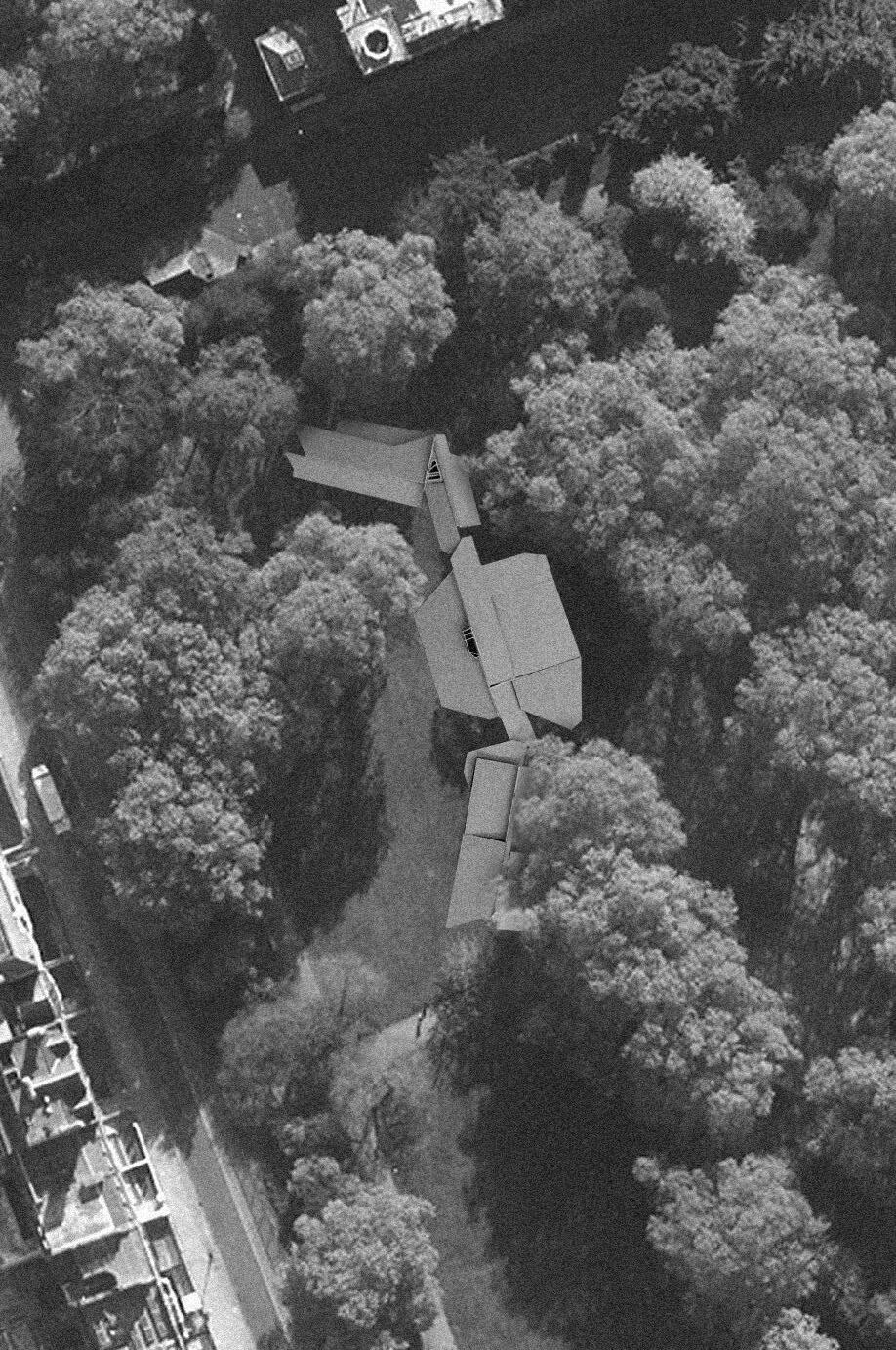
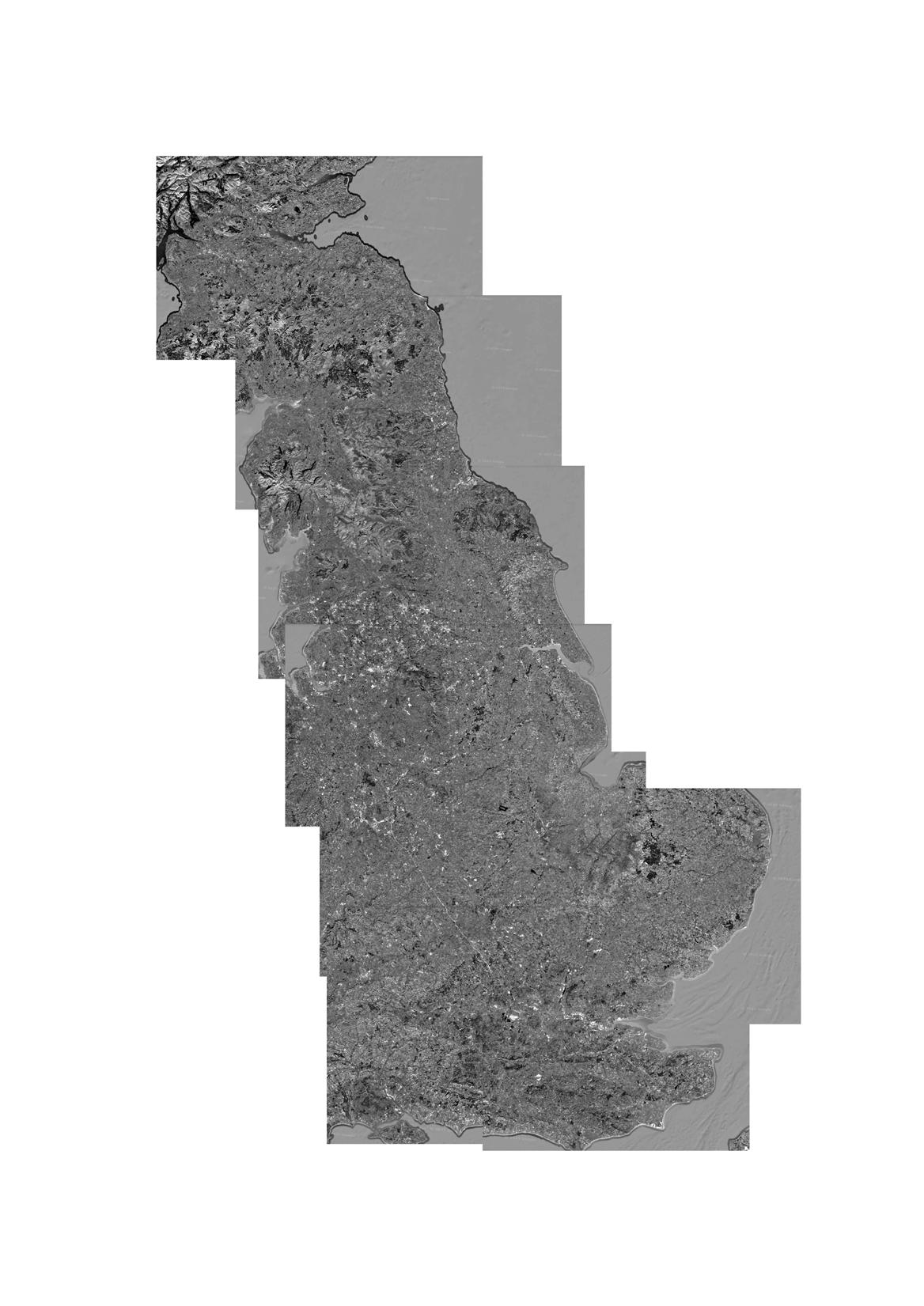
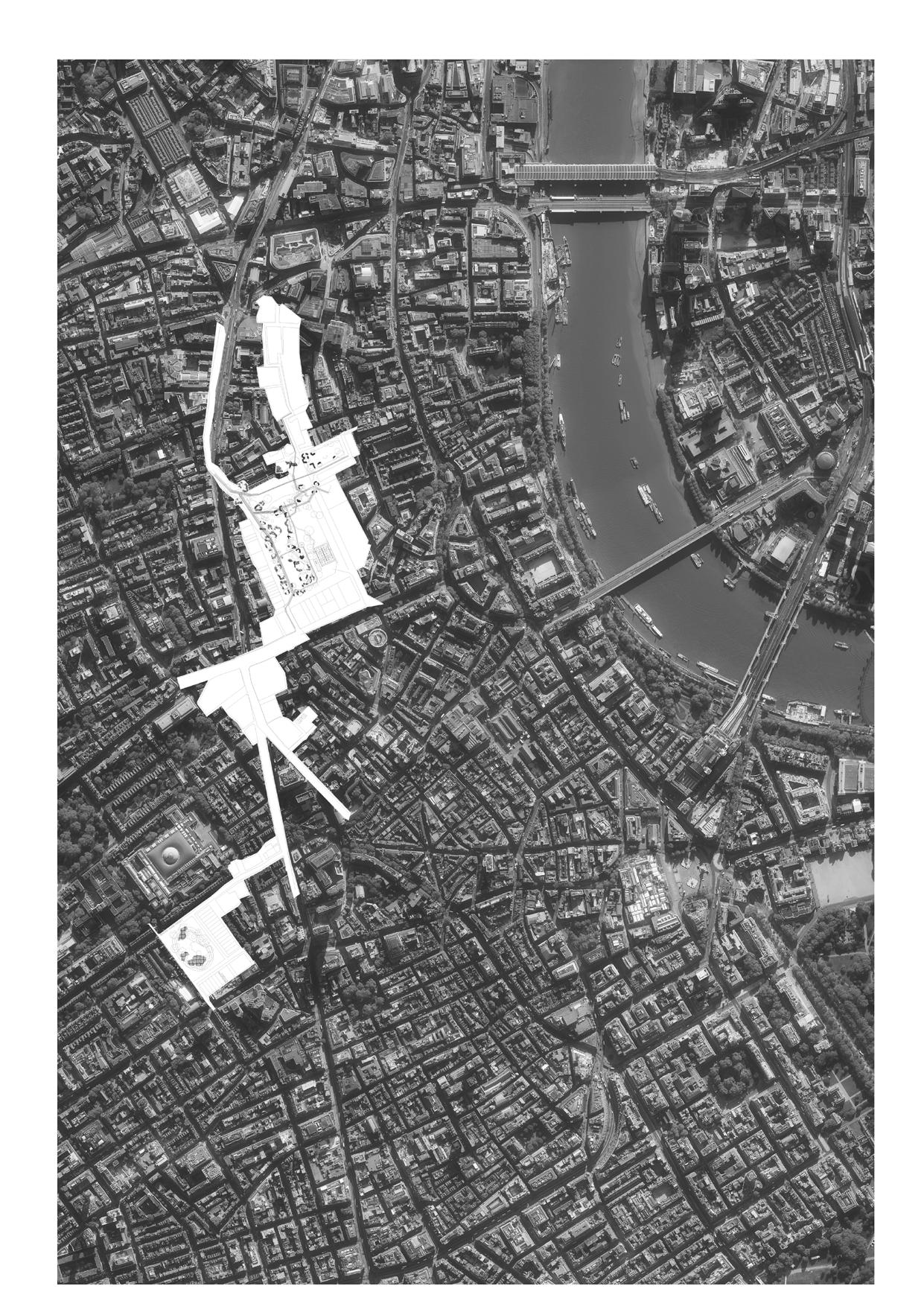
Location The annexe is located in Lincoln’s Inn Fields WC2A, the largest public square in London, situated within the borough of Camden, specifically the Holborn district. Framed by historic façades and mature trees, the square functions as a civic landscape at the heart of the city. Its open lawns, dispersed seating, bandstand, café, and tennis courts support a layered public realm, accommodating informal occupation, circulation, and seasonal use throughout the year.
Lincoln’s Inn Fields is accessible from all four sides, with primary approaches from Remnant Street to the north, Serle Street to the south, and additional entrances from the east and west edges of the square. Its permeability integrates the space as part of a wider pedestrian network, connecting various institutions, legal chambers, and university buildings. The relationship between the formal edges and the open interior invites a continuous negotiation between public access and the framed, often institutional, boundaries that surround it.
Lincoln’s Inn Fields is largely flat in topography, characteristic of the surrounding Holborn area. The open lawn is gently graded for drainage, but the ground plane remains uninterrupted.
The ground conditions of Lincoln’s Inn Fields consist primarily of made ground, with compacted gravels and sands overlying the natural London Clay. The clay is dense and impermeable, presenting potential challenges for excavation. Groundwater levels are moderate and should be carefully considered in relation to the depth of any proposed works.
The orientation of Lincoln’s Inn Fields allows for good sunlight throughout the day with minimal overshadowing from surrounding buildings due its large size of open space. Due to the height of the south façade of the site, the north east corner of the field is most adequate for capturing the natural light. The field is surrounded by tall buildings on all sides, protecting it from harsh winds.
The context of Lincoln’s Inn Fields combines historic and contemporary buildings, including Sir John Soane’s Museum, Lincoln’s Inn, and the Marshall Building, LSE. With surrounding heights largely above 25 metres, the annexe roof scape must be treated as an elevation.
programme of the annexe
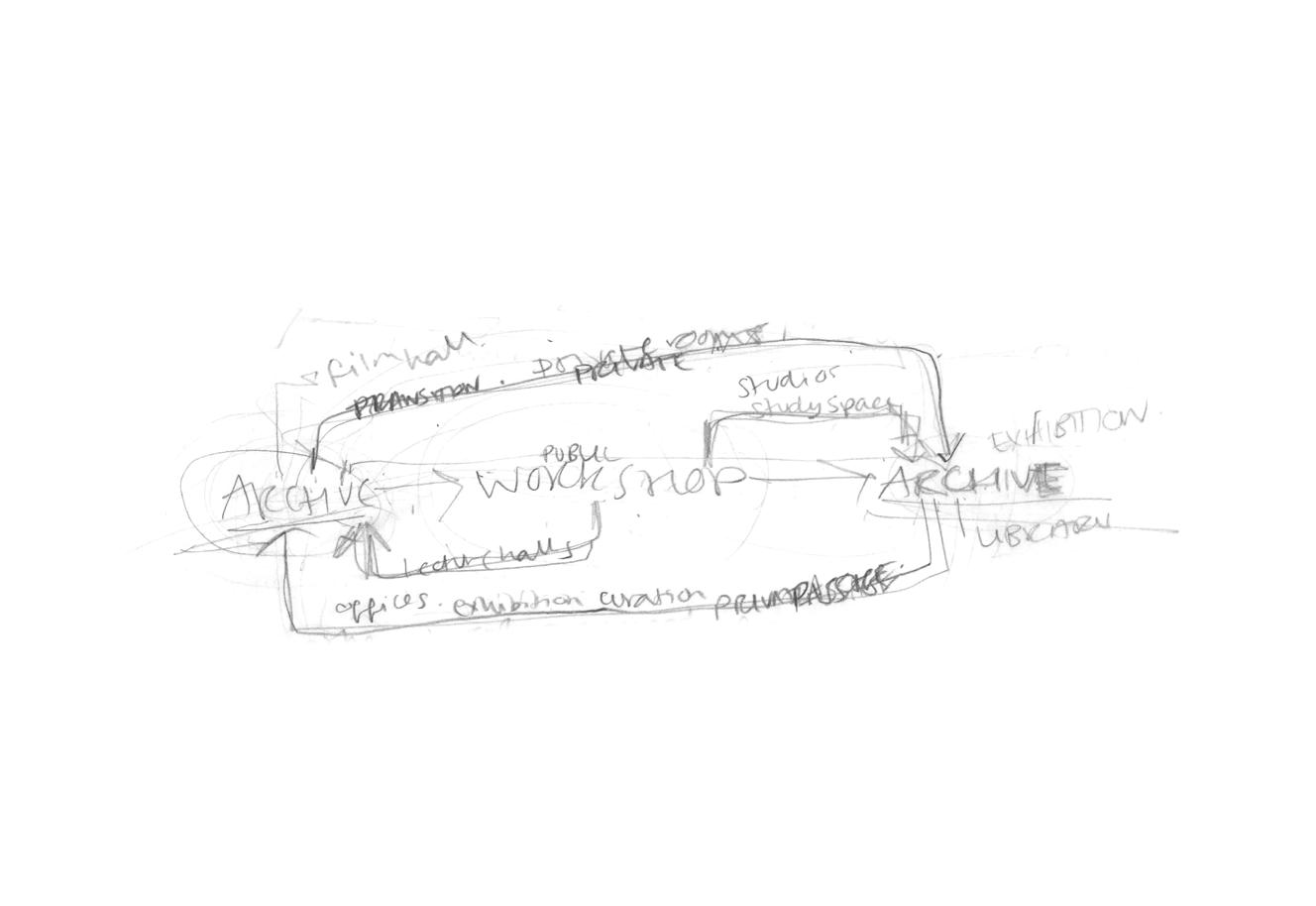
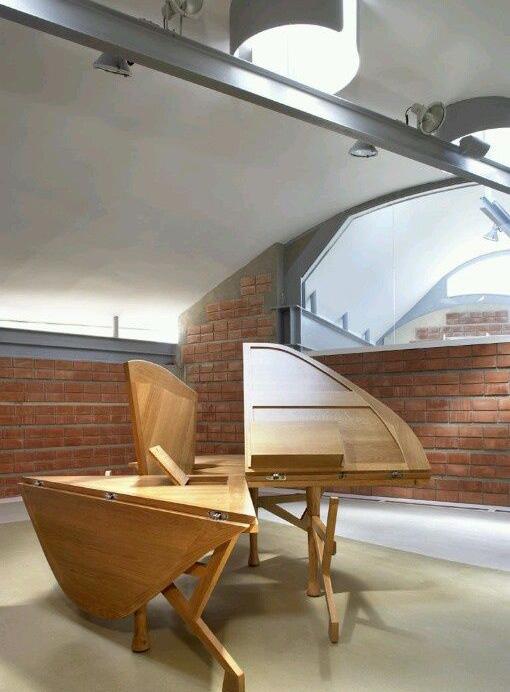
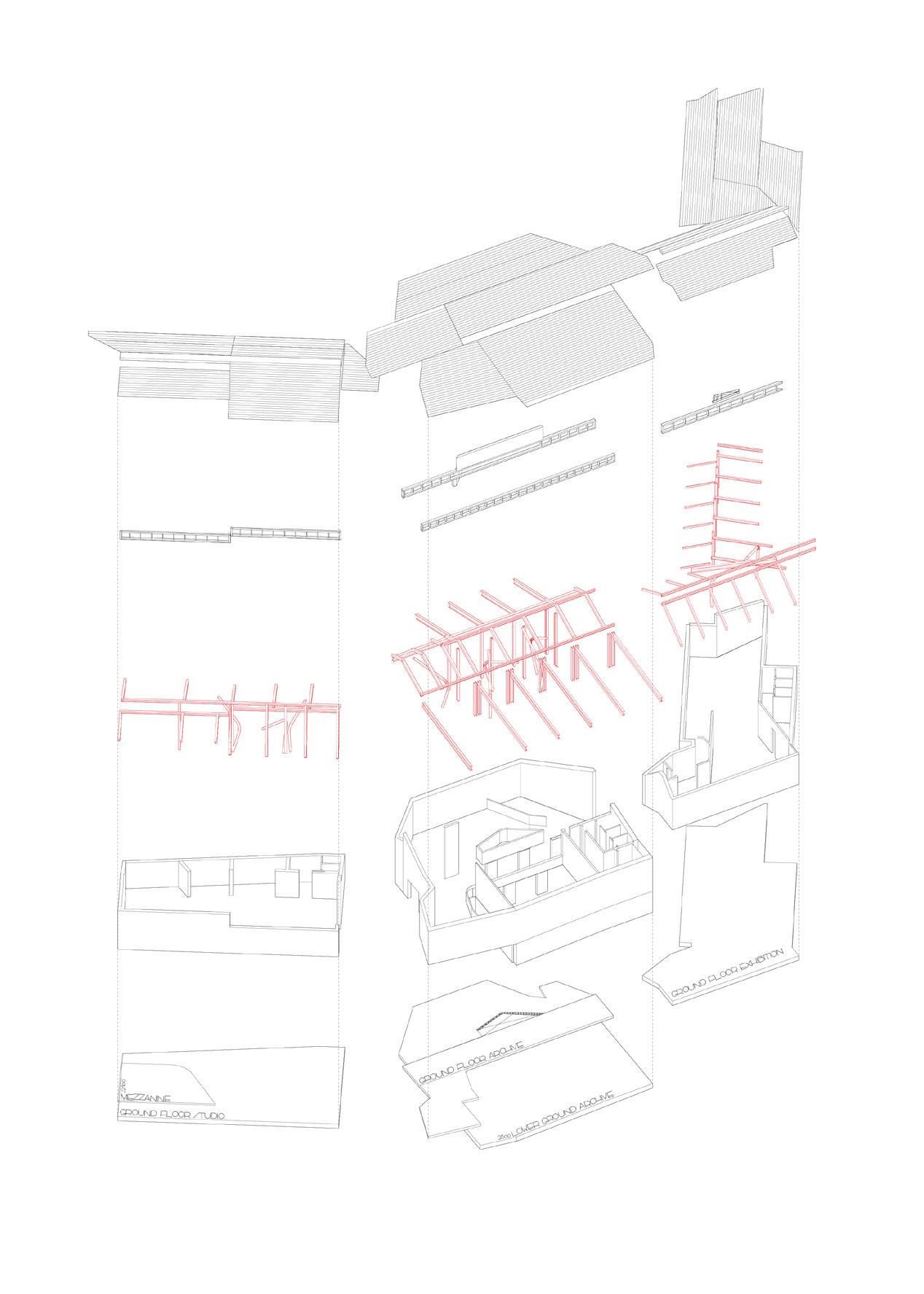
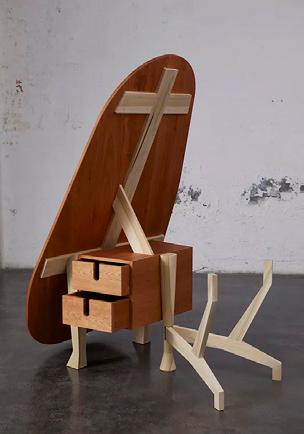
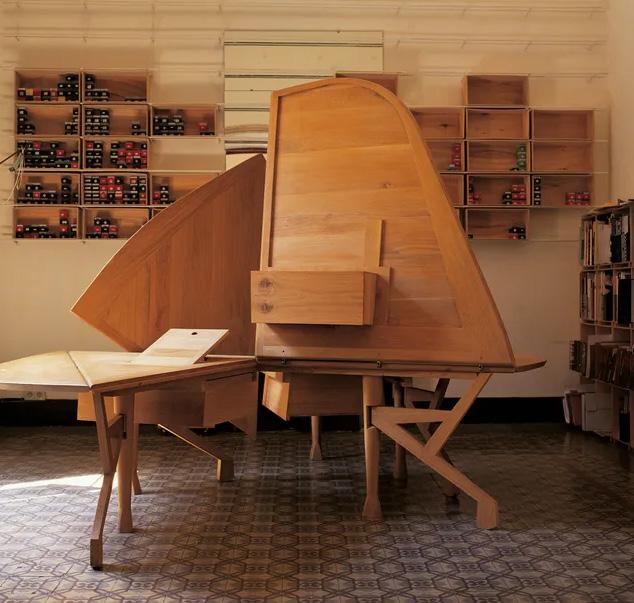
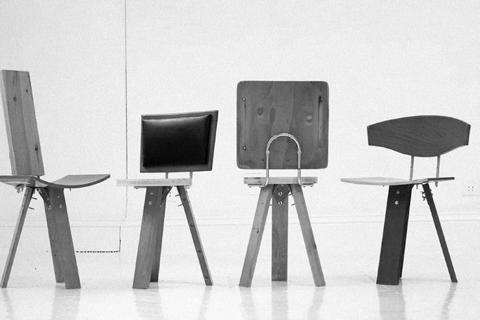
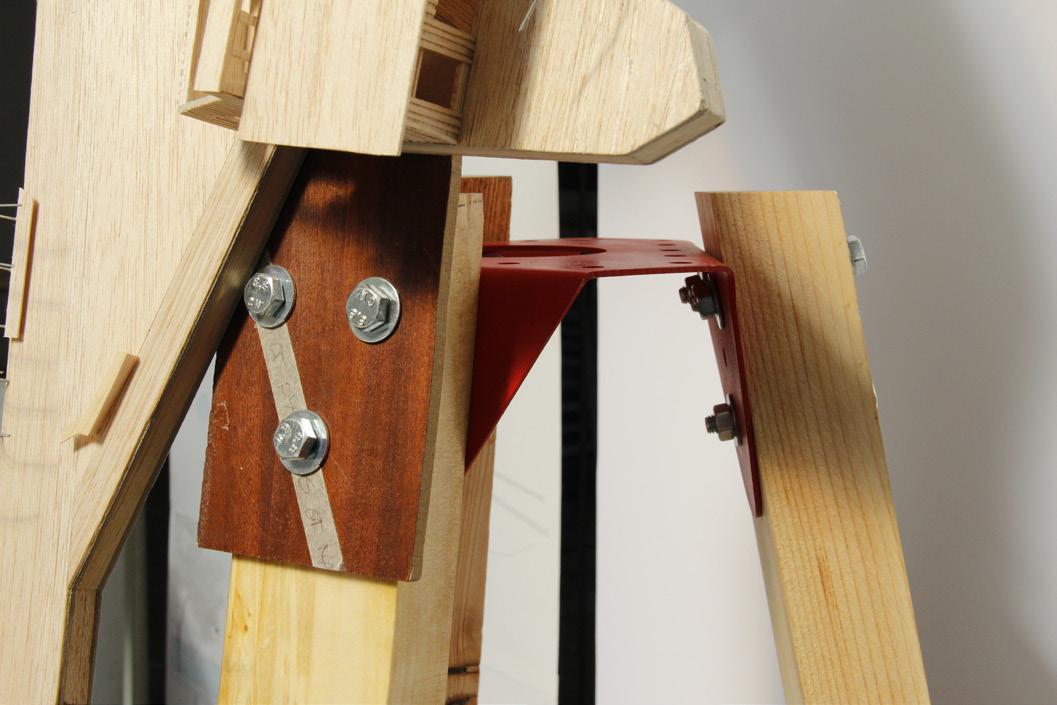
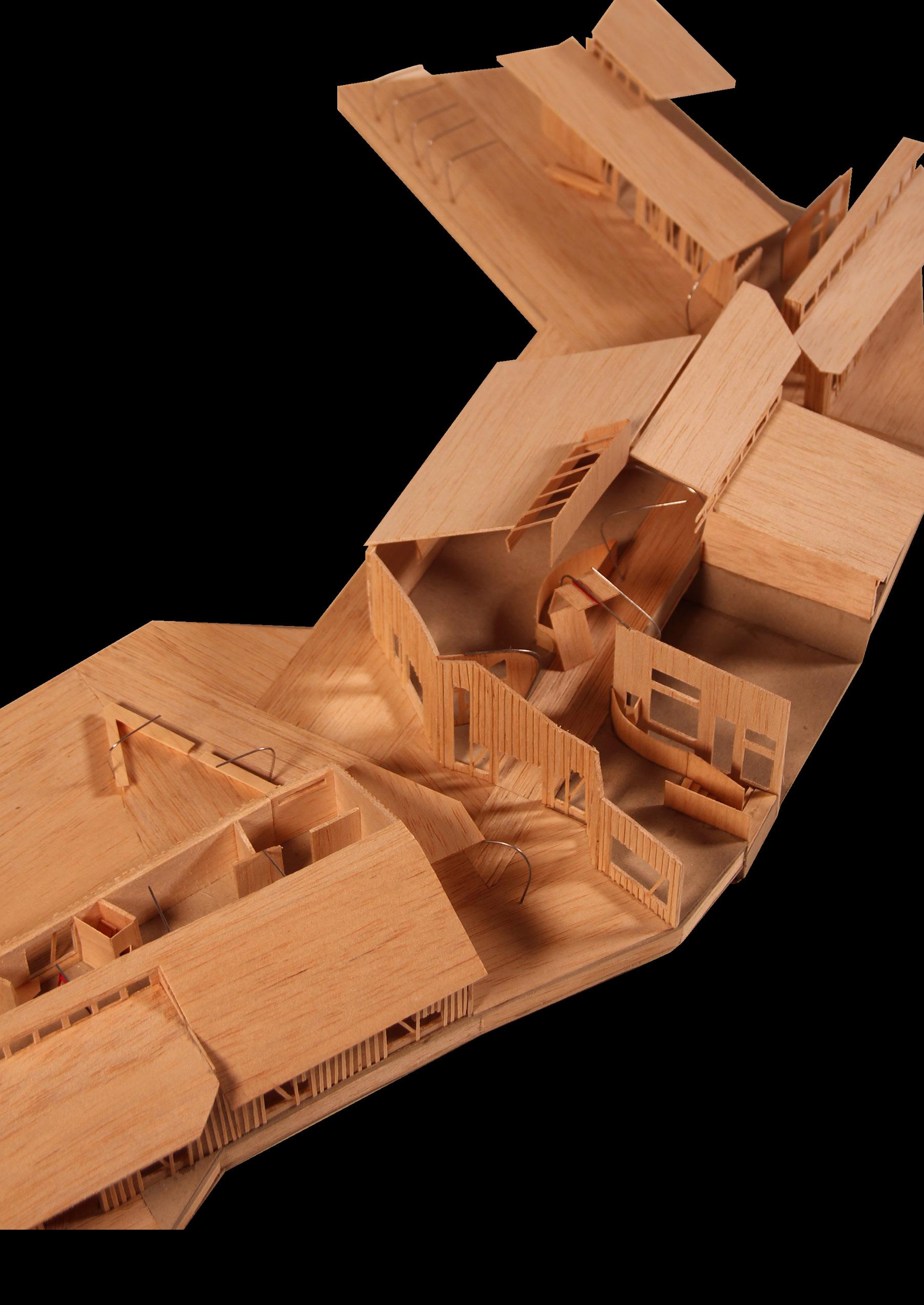
The three buildings function together to form the cyclical environment of the annexe. Each building is equipped with custom-designed furniture, specifically tailored to its function ( discussion, production, presentation). These pieces are integrated into the architecture, ensuring flexibility and adaptability for various activities. Covered by a single roof, the buildings provide an open, monitored space where the arrangement of furniture facilitates seamless interaction between
Archive (Discussion)
Studio (Production)
Exhibition (Presentation)
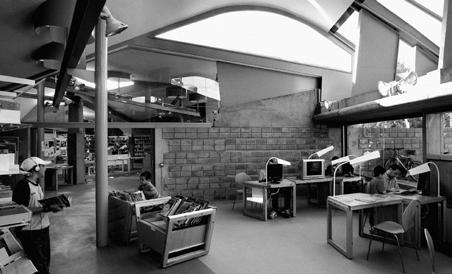
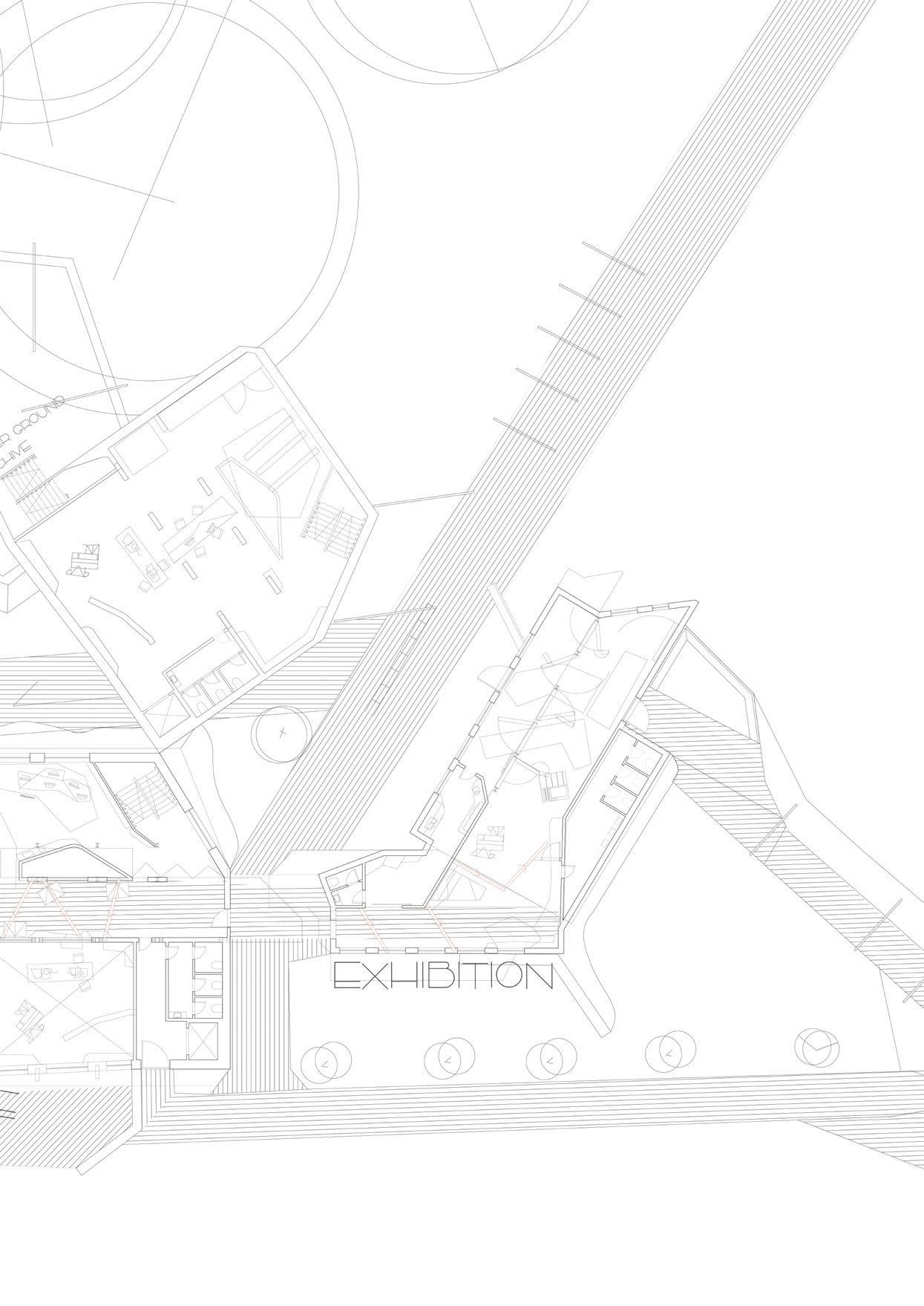
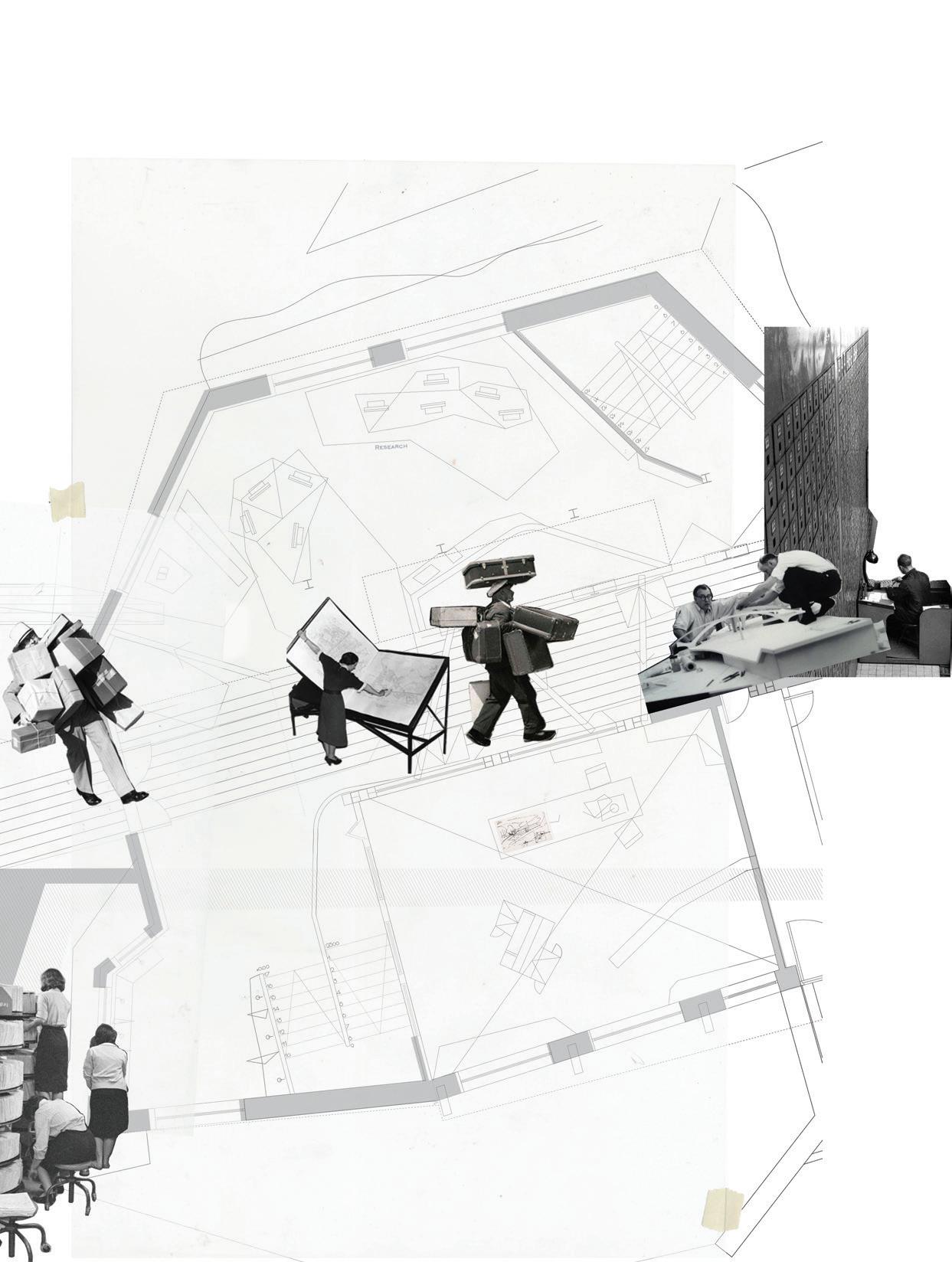
The central archive building houses a main archive, research rooms, computer and library spaces, display tables, a large goods lift for transporting oversized items, and a detailed archive facility for the sorting, storage, and cataloguing of works.
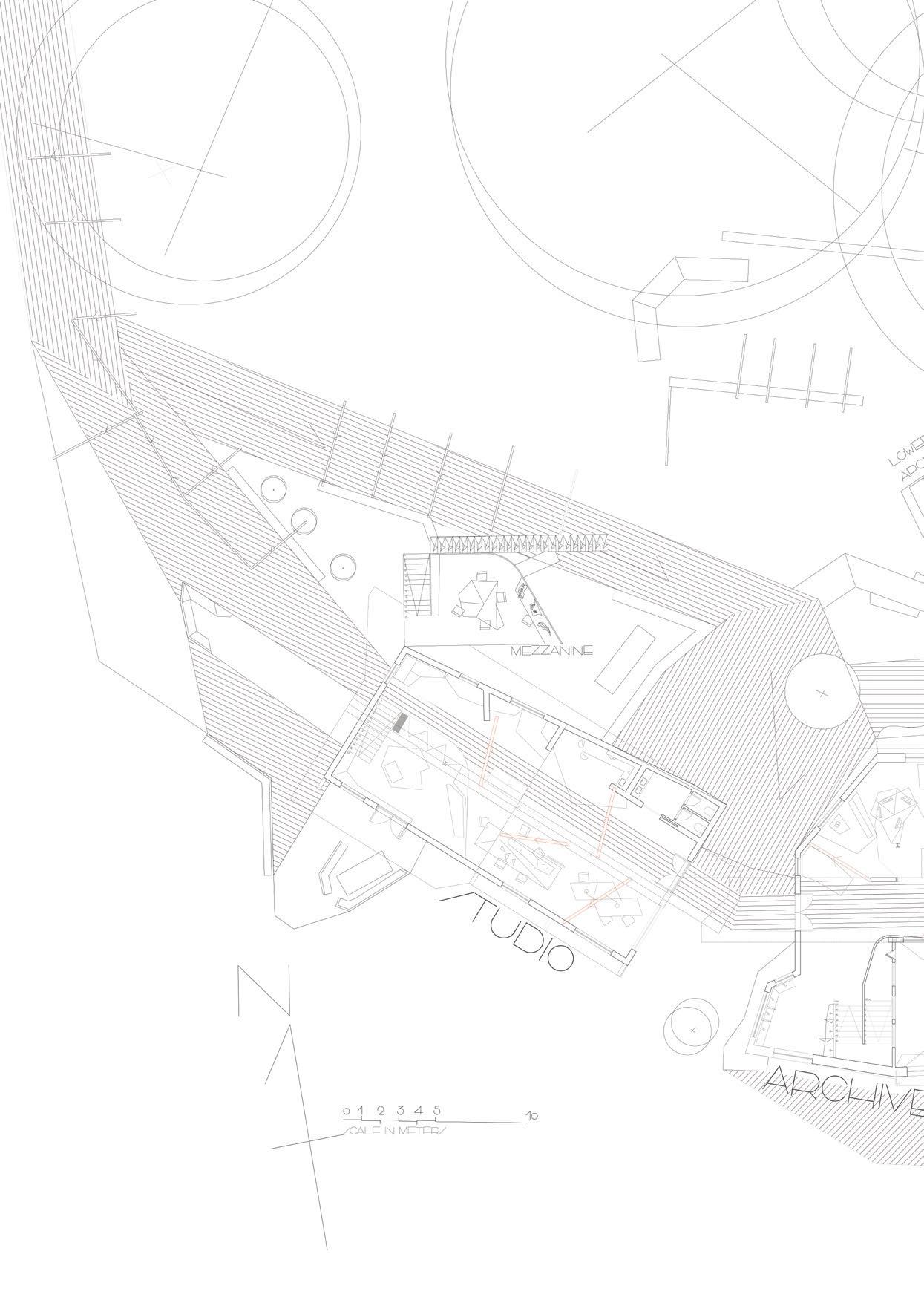
The studio is an open-plan space with a mezzanine level. Facilities include a kitchen, adjustable drafting tables, drawing boards, and modular shelving, all adaptable to the needs of different workshops. A small workshop beneath the mezzanine provides space for model-making activities.
The exhibition room accommodates more public-facing activities, with exhibitions curated in response to the work produced in the archive and studio buildings. A small office for the exhibition team ensures the building can function independently when the archive and studio are closed. The exhibition hall features a large foyer and bathroom facilities, capable of hosting large scale events. With direct access to the car accessible road along the side of Lincoln’s Inn Fields, the building is designed for easy public entry and movement.
A set of principles for the annexe to follow guiding concepts, rules or frameworks that work together to inform (shape) a particular approach or system
Passage
One thing after another
Active Archive
Pedagogical Space
Uncertainty (physical space)
Containing/Sorting
Transparency
Design spaces that reflect the fluid relationship between past and present, and future. The architecture should not merely preserve but invite reinterpretation of materials, allowing the archive to be experienced as an evolving narrative, not a static one.
The architecture should facilitate the cyclical nature of the chosen academic inquiry, where users can return to archival material repeatedly with or without a predetermined goal. Spaces should be designed to accommodate reflection, pause and wandering, enabling users to revisit ideas in different methods over time.
Treat the archive not as a passive collection, but as an active agent in shaping discourse. The architecture should allow for the archival material to influence users’ understanding and spark new interpretations and discoveries. Design elements should highlight the archives role in inspiring creative and political insights.
Create spaces that support a variety of learning modes, from solitary study to collaborative exploration. The architecture should encourage both individual reflection and collective engagement, allowing users to drift through spaces that create deep contemplation and interaction with archival material.
Design spaces that resist finality and instead celebrate the uncertainty inherent in academic research. The building should accommodate moments of disorientation and allow for productive wandering, making the uncertainty of research tangible and part of the experience.
The nature of the architecture is to be ever changing, creating animated spaces dictate by the chosen archival material being held in the space at the chosen time. The organisation and system of containing works on site at the annexe will encourage the growth and development of uses within the spaces and envision growth of the archival history and projected future use.
Use design to make the passage of time visible in the space, showing how different layers of history inform current discourse. The architecture should create a sense of temporal depth, offering a connection to the past while projecting future possibilities.
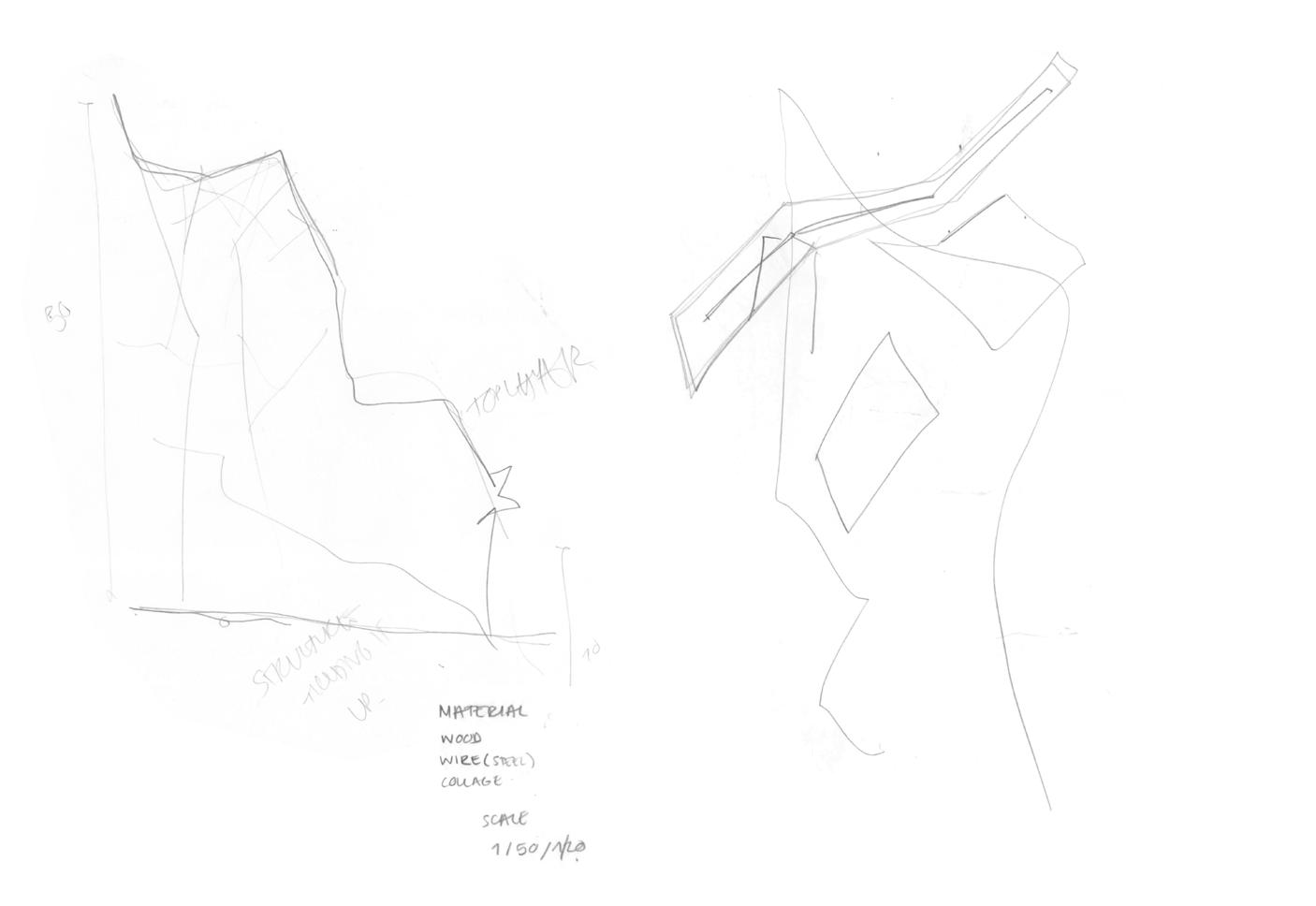
Then/Now/Next
“To translate is to convey. It is to move something without altering it. This is the original meaning and this is what happens in translatory motion. Such too, by analogy with translatory motion, the translation of languages. Yet the substratum across which the sense of words is translated from language to language does not appear to have the requisite evenness and continuity; things can get bent, broken, or lost on the way. The assumption that there is a uniform space through which meaning may glide without modulation is more than just a naive delusion, however. Only by assuming its pure and unconditional existence in the first place can any precise knowledge of the pattern of deviations from this imaginary condition be gained.” Robin Evans, Translations from Drawing to Building
of the (Alternative) Alternative Histories project
A day at the annexe
The importance of the archive (Alternative) alternative histories
On site
Working with existing Models
Drawings
Collage
Translations (working drawings)
References
Texts
18-23, 74-77, 94-95, 126-127, 138-139, 168-169
24-25
28-29, 34-35, 40-41, 78-81 (in collaboration with Holly Taylor)
48 - 53, 54-60, 69
62 - 67
44, 47, 73, 81, 82, 84-85, 88-90, 98, 111, 116, 118, 120, 125, 135-136, 140, 144, 146, 148-149, 151, 153-154, 156-156, 166-167
26-27, 32-33, 36-37, 42-45, 71, 83, 86, 93, 99, 104-107, 108, 110, 114-115, 124, 127-134, 137, 142, 145, 147, 155, 158-165, 26-27, 121, 122
80, 84-85, 96, 100-103, 106-107, 113, 119, 149, 152,
15 - 17, 30-31, 32-33, 36-39, 42-43, 46, 53, 82, 87, 91, 97, 102, 107, 109, 120, 141, 150
16-17, 46, 53, 61, 62-65, 72, 82, 96, 100, 112, 116-117, 125, 132, 136, 143, 145
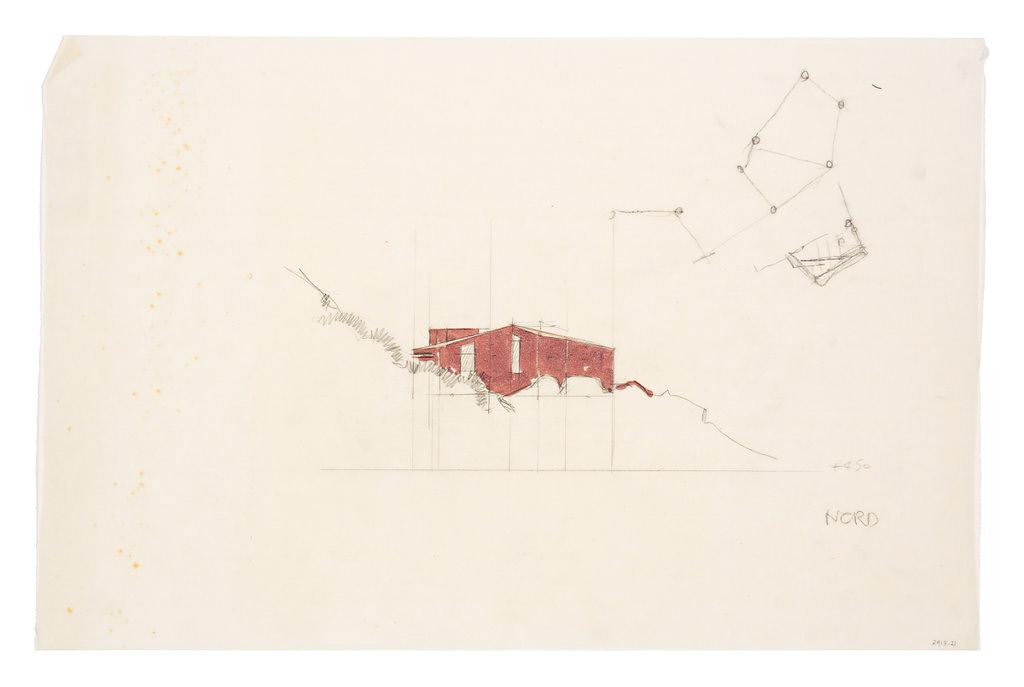
The annexe in the field proposes an engagement with the nature of translation, as discussed by Evans. Translation, particularly in architecture, is rarely clean or linear, rather a process marked by distortion, loss, and reinvention, with evidence of this work embedded in the physical work itself. When historical material is placed into the hands of students or others willing to engage, the resulting works inevitably bear traces of their origins, but emerge articulated through a different language. Between drawing and redrawing, things are bent, broken, or forgotten, whether across layers of tracing paper, shifts within the working team, or through the use of new mediums that extend the project forward. The products of this translation are valuable, not for their monetary worth, but for their capacity to reveal how interpretation shapes making. They expose the unconscious selections, omissions, and intuitions that individuals bring to their work. Understanding these patterns, learning how one responds to an existing piece, becomes a critical tool for architectural study and practice. It is through this lens that the annexe will frame its approach to archival material: not as static objects of reverence, but as living sources for reflection, action, and new creation.
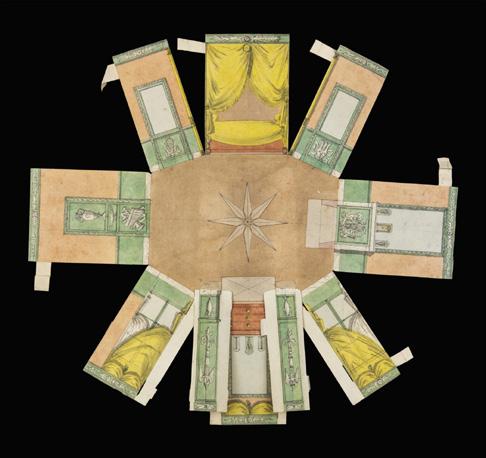
The proposal for Lincoln’s Inn Fields will serve as an annexe to the existing archives of Drawing Matter and the Architectural Association (AA). Conceived as an extension of programme, the annexe acts as an intermediary space between public and private realms. While standing independently from both institutions, it remains within close proximity, easily reached on foot. Working in close collaboration with Drawing Matter and the AA, the annexe builds upon Drawing Matter’s existing ethos of learning through archival drawings and hosting workshops.
The Drawing Matter collection will offer opportunities to teach the history and significance of archival drawing practices, while the Architectural Association’s involvement will deepen the annexe’s academic focus, bringing students and researchers into closer, more immediate contact with archival material. For both institutions, the annexe provides expanded archival storage and the flexibility for the material itself to dictate the nature of activities (whether study, making, or exhibition).
By offering an open, spacious environment, the annexe will free the mind to wander without constraint, encouraging interaction with material in ways not limited by conventional archival settings. The specialist knowledge of the Drawing Matter team, particularly in the sourcing and careful preservation of works, will also serve to inform and guide the AA’s ongoing efforts to organise and archive its own extensive and historically rich body of work, while encouraging students to engage with the legacy and graphic culture of the school since its founding.
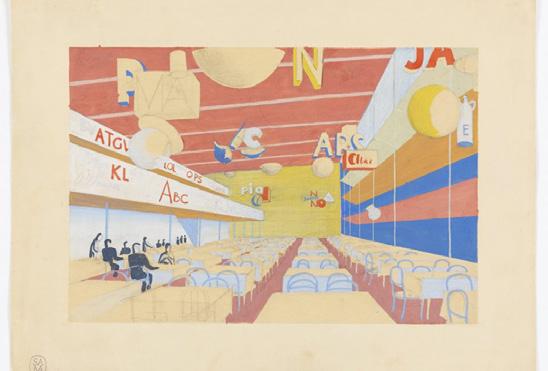
3pm Drawing Matter team will deliver material to the annexe
Move boxes, crates, files, take directly to the archive building.
File and sort material
Peter Wilson, gate house studies, Clandeboye, 1984. .
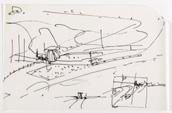
9am Year 4 students from the Architectural Association arrive at the annexe
10am Orientation Introduction to material
12pm Selection of pairs and pieces of work that the students will study over the next fourdays
3pm Selection of pieces to return to the drawing matter collection at 8 Smart Place
Remaining work to be kept on display in the archive building
Peter Wilson, perspective study of Second Clandeboye Bridge, 1984. .
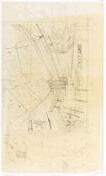
John Hejduk , House for the Inhabitant Who Refused to Participate, 1979 515 × 685 mm..
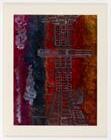
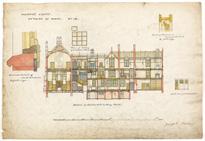
10am Drawing workshop
12pm Lecture in the exhbtion building
2pm Drawing workshop
9am All work made from the workshop now to be sorted, documented, and archived dependant on its medium
Follow guidelines set out by the team at the annexe and discussions to decide what to be kept and stored
9am Begin to curate and display the works on the tables, shelves, diaplay walls in the exhbition room
×
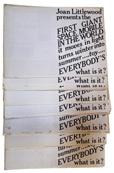
Cedric Price, (Fun Palace Project), 1959-61. Imprint, folded 208 x 298 mm.
Francisco Guedes de Carvalho and Álvaro Siza, 503 × 752 mm..
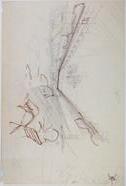
Alberto Ponis elevation, Casa Scalesciani,, Pencil and wash on tracing, 330 × 508 mm.
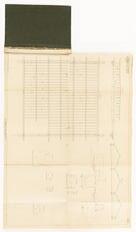
Sir Joseph Paxton, patent 1857. Print, 265 × 185 mm (folded).
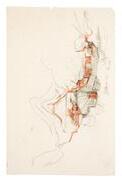
Walter Pichler, sketches, hardback bound sketchbook, Pen, pencil and ink on wove paper.
10am Presentations in the studio
2pm Lunch, final discussions and goodbyes
Annnexe closed for weekend
6pm Open studio and exhbition
6pm Exhbit of Drawing matter material and workhshop drawings/models/photographs on display for the public over the weekend
Annnexe closed for weekend
Annnexe closed for weekend
Archival material arrives at the Annexe from the Drawing Matter Collection
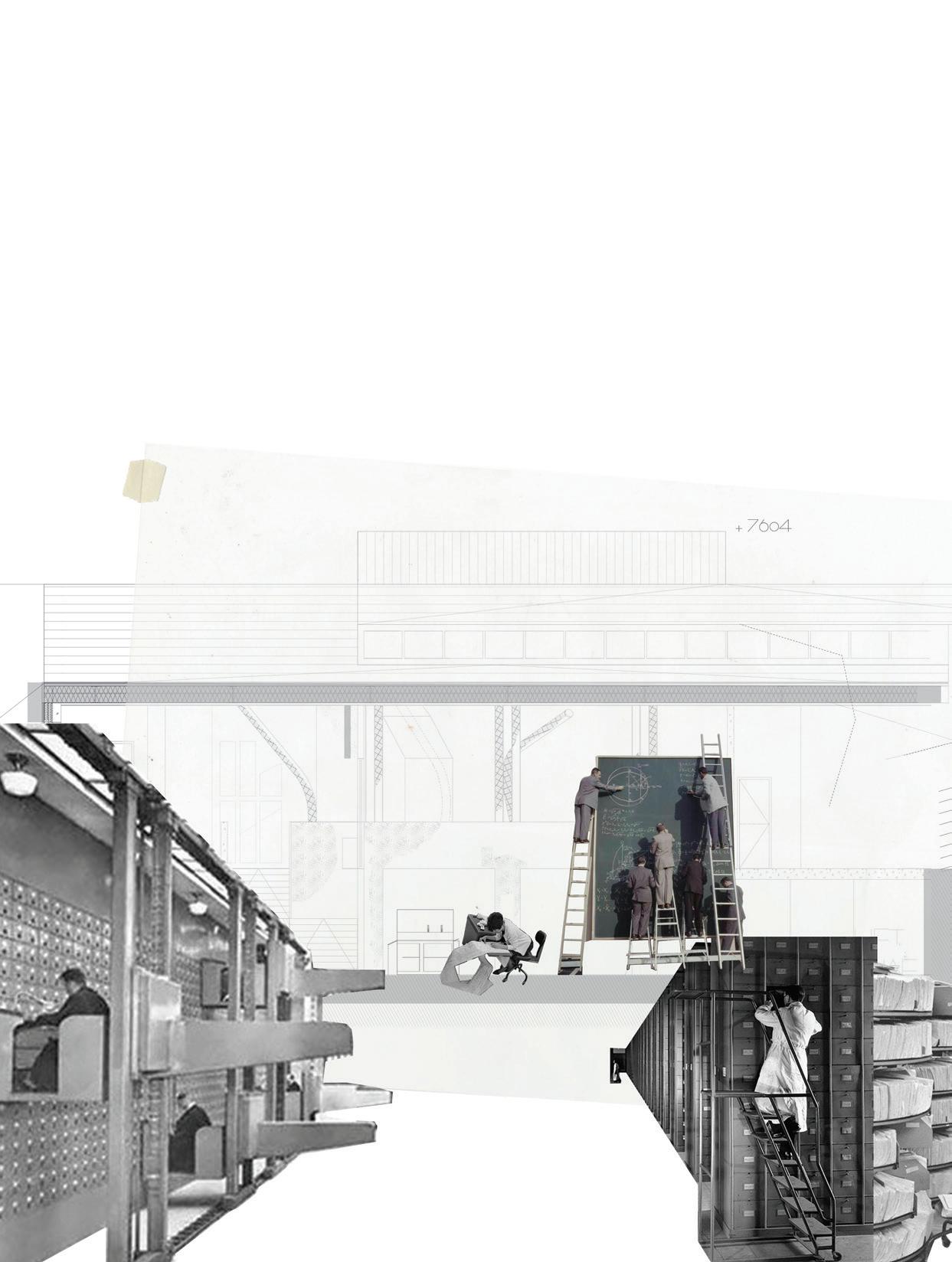
Series of events
Before material is moved from Drawing Matter, full inventory is undertaken. Each item (drawings, models, sketchbooks, photographs) is assessed for its condition.
Material is sorted according to their type, size, and fragility to determine the appropriate packing method.
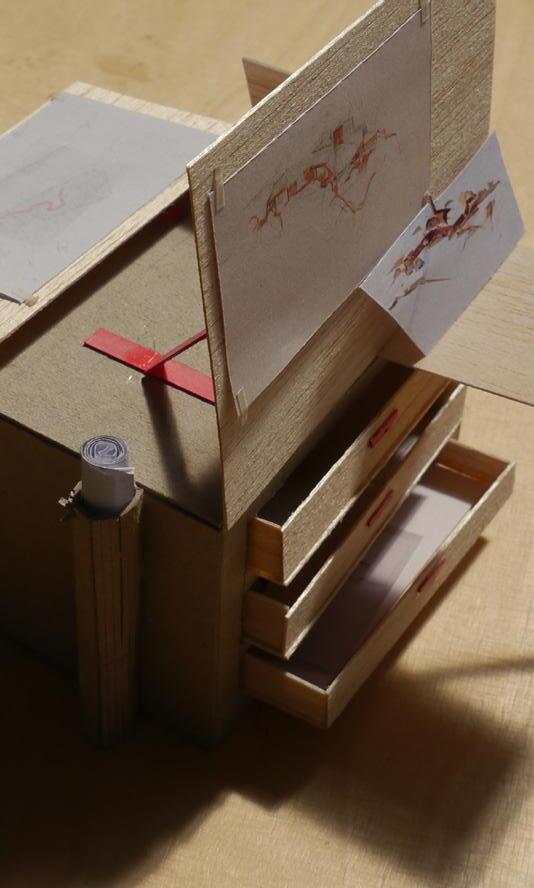
Material is carefully placed into designated archival containers (furniture specifically designed for the annexe in the field).
Flat files for large format drawing and maps
archival boxes for smaller documents, photographs, and sketches
Custom crates for archival models and three dimensional objects.
Each container is marked with the label that matches the inventory system
Collection name
Item description
Catalogue number
Handling instructions
Transportation to Lincoln’s Inn Fields from drawing matter (car 5 minutes) walk 8 minutes
On arrival flat files are placed into plan chests, rolled storage systems.
Documents are shelved according to archival hierarchy (collection - series - item)
Models are places in shelving units or display cases designed for both visibility and protection
Extracts from the provided brief; written by
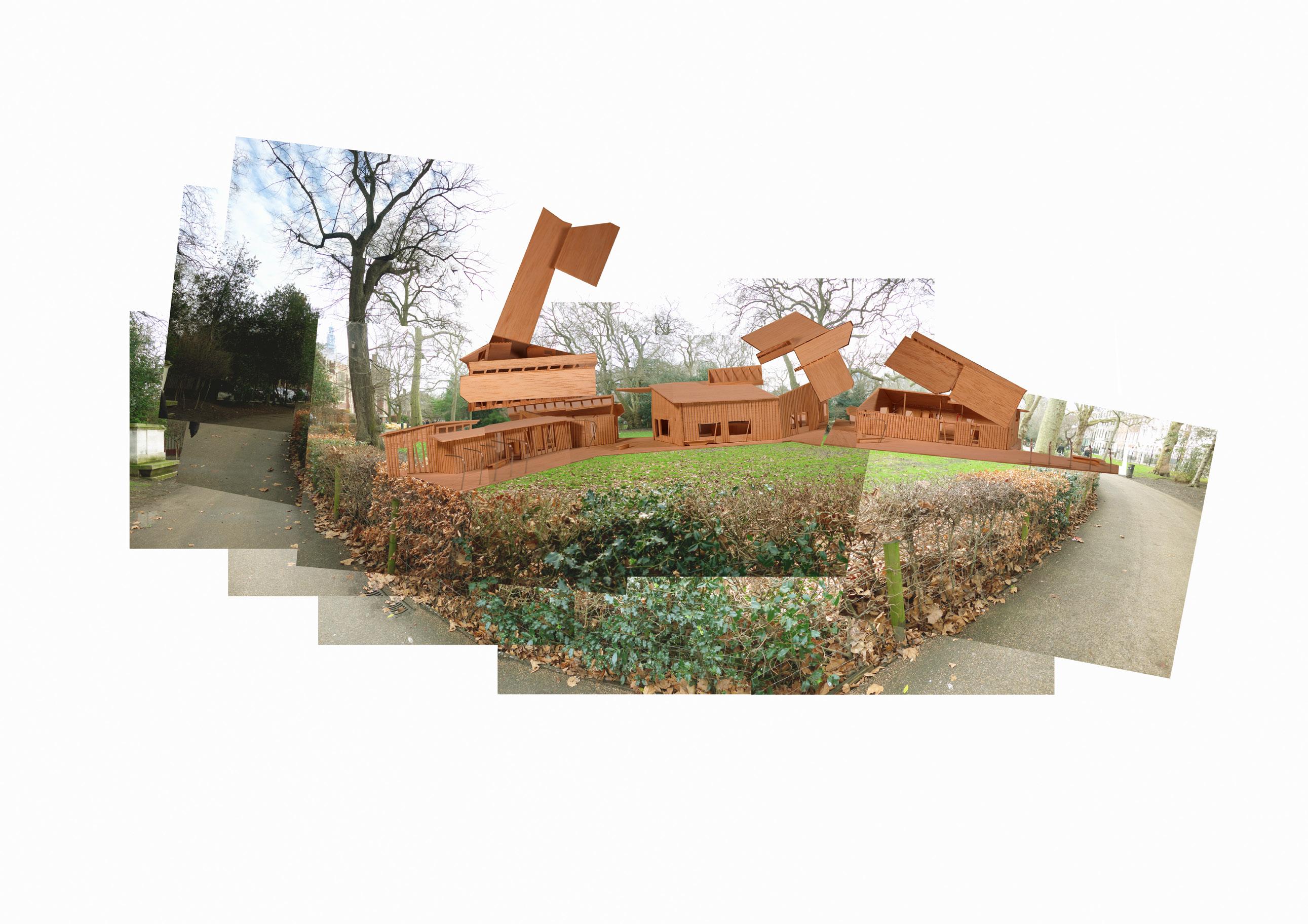
Scale for the field
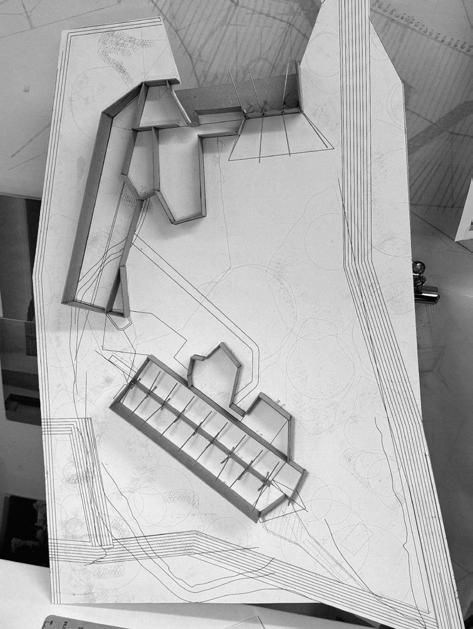
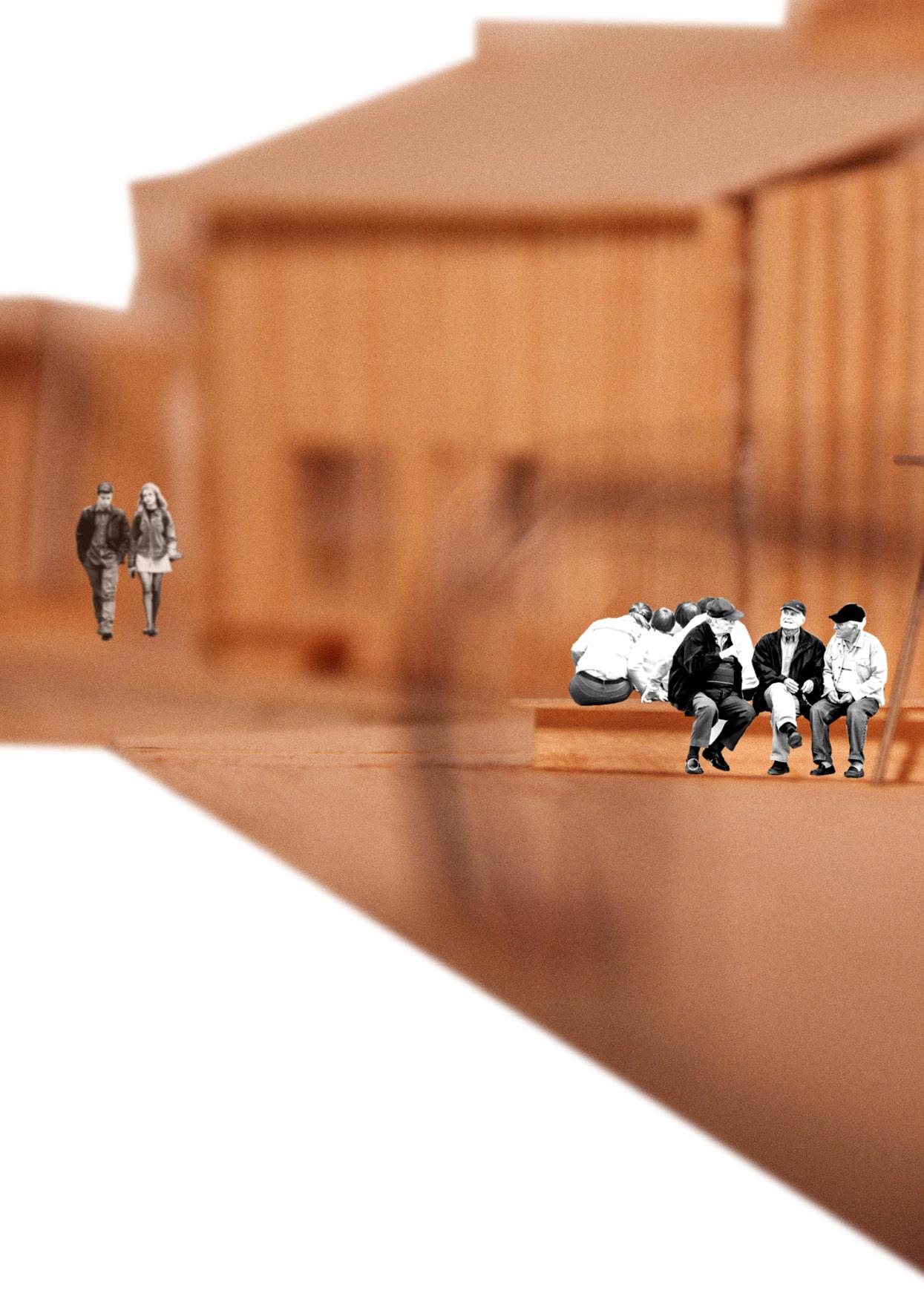
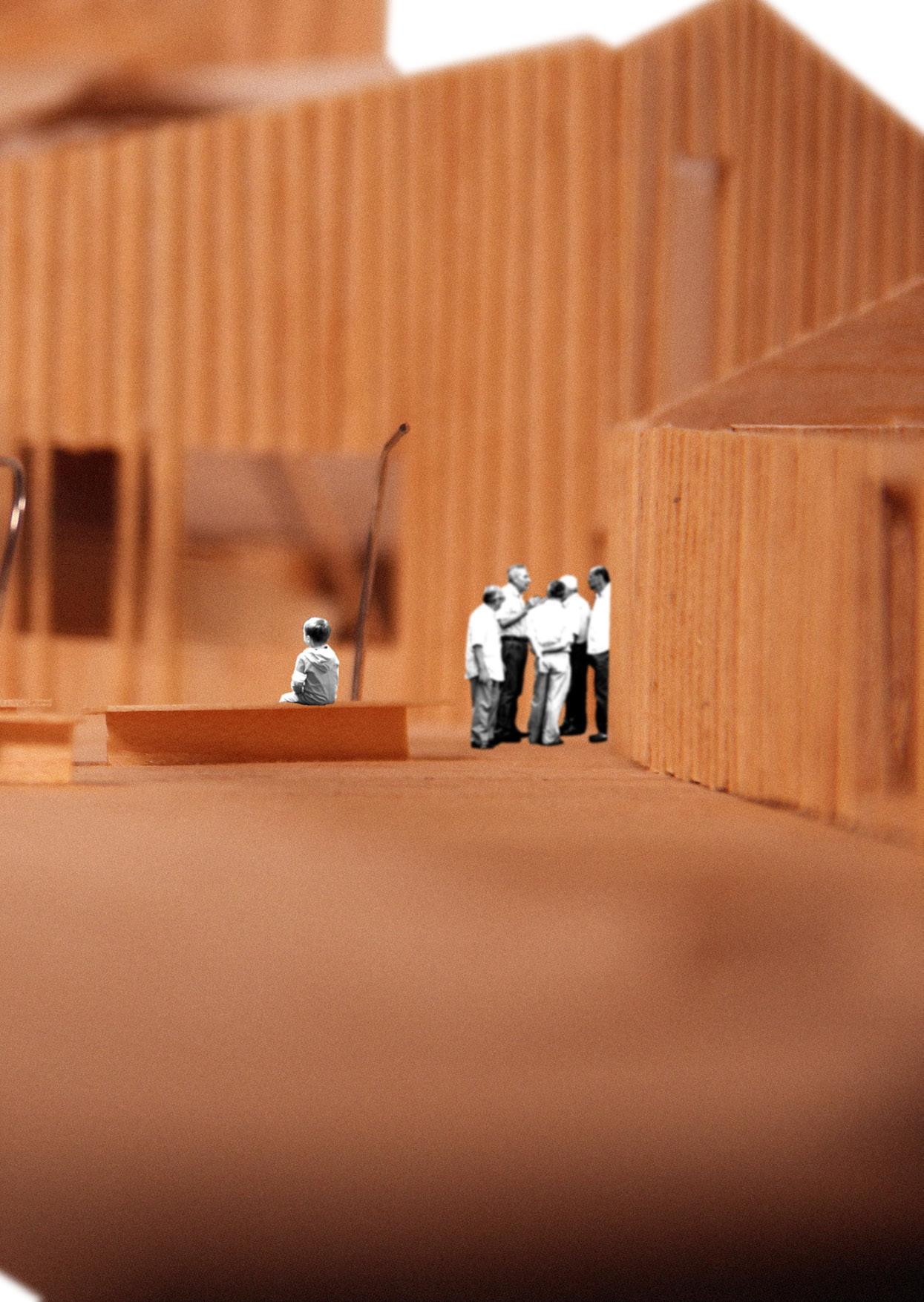
The proposal for the annexe begins with a spatial response to Lincoln’s Inn Fields, embedding itself within the formal and institutional context of the site. It positions the annexe as a living archive, both a repository and an active space of study, drawing from its closeness to educational (Architectural Association) and formal institutions (Drawing Matter Collection) that resonate with the ethos of Second Occupancy
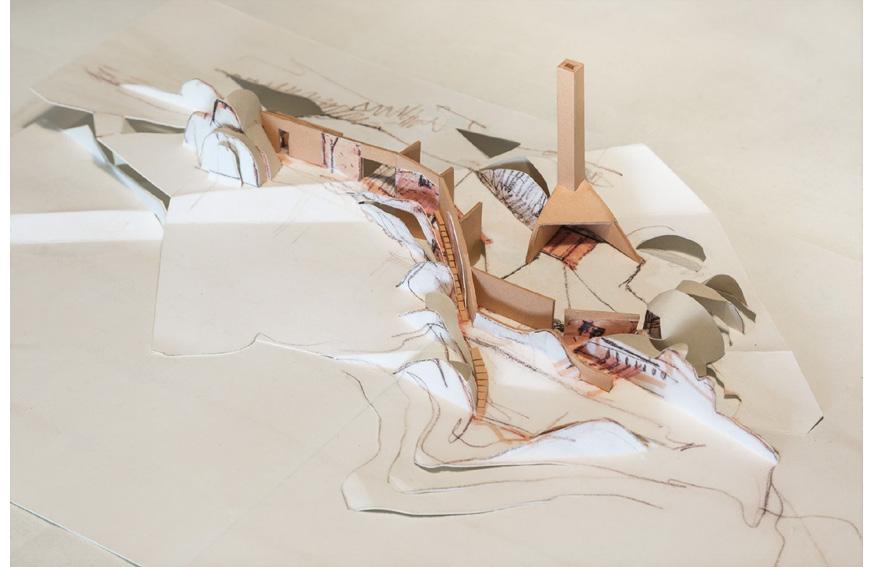
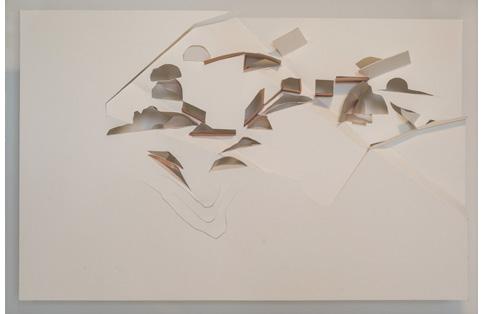
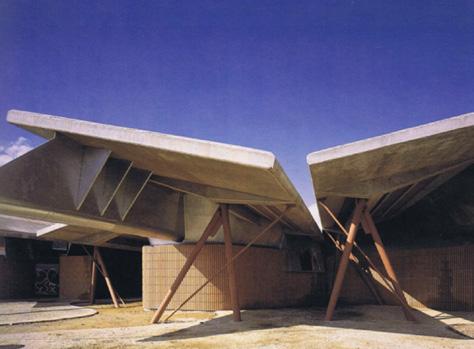
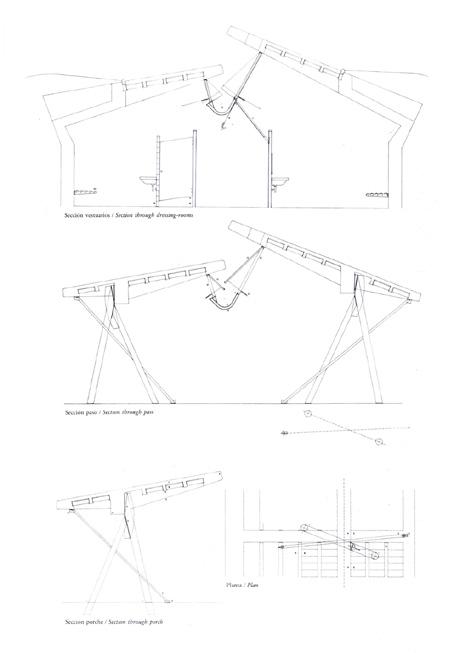
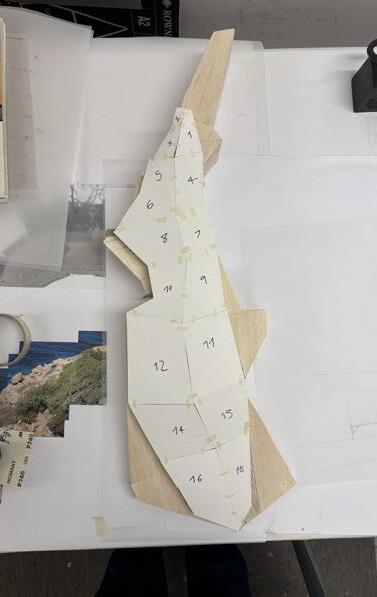
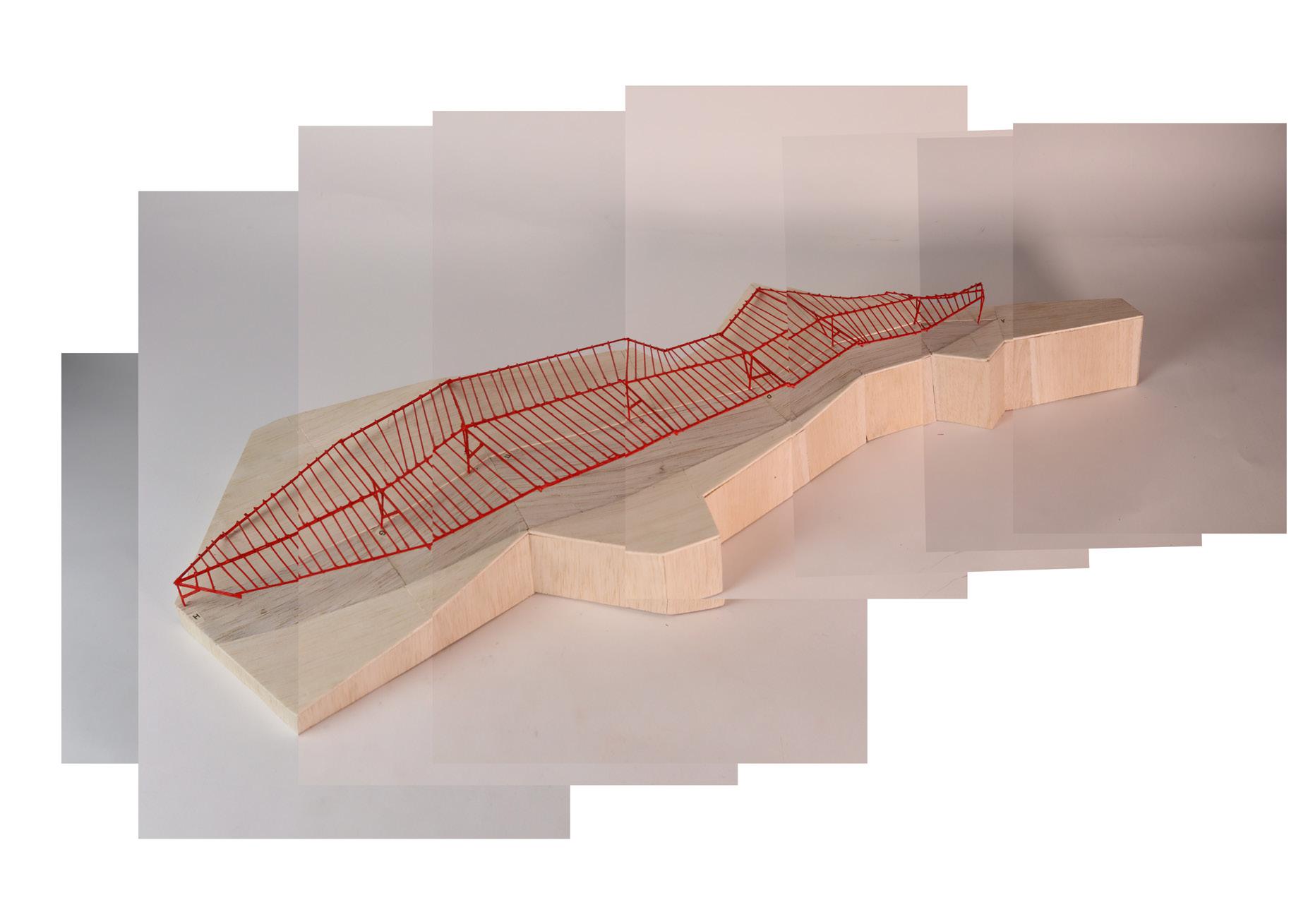
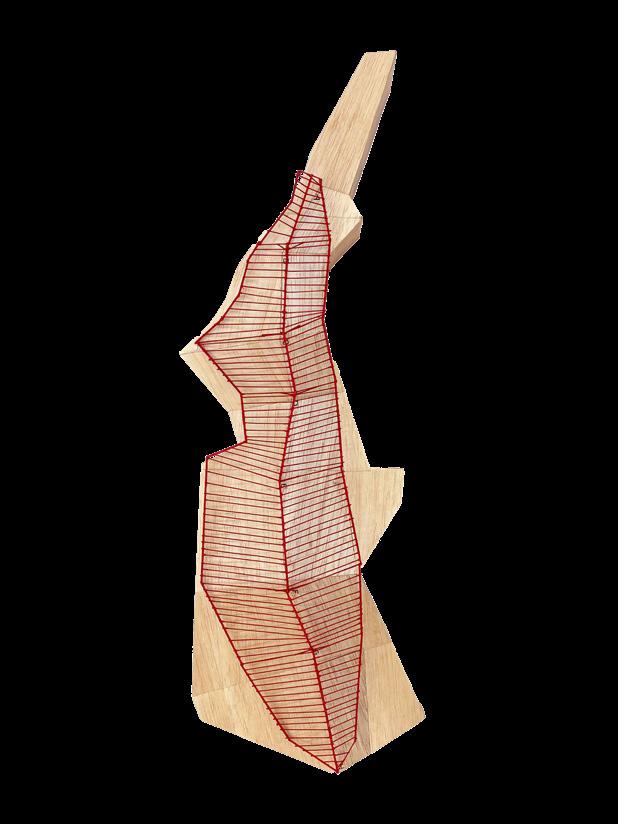
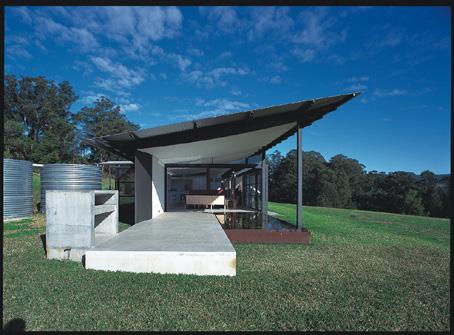
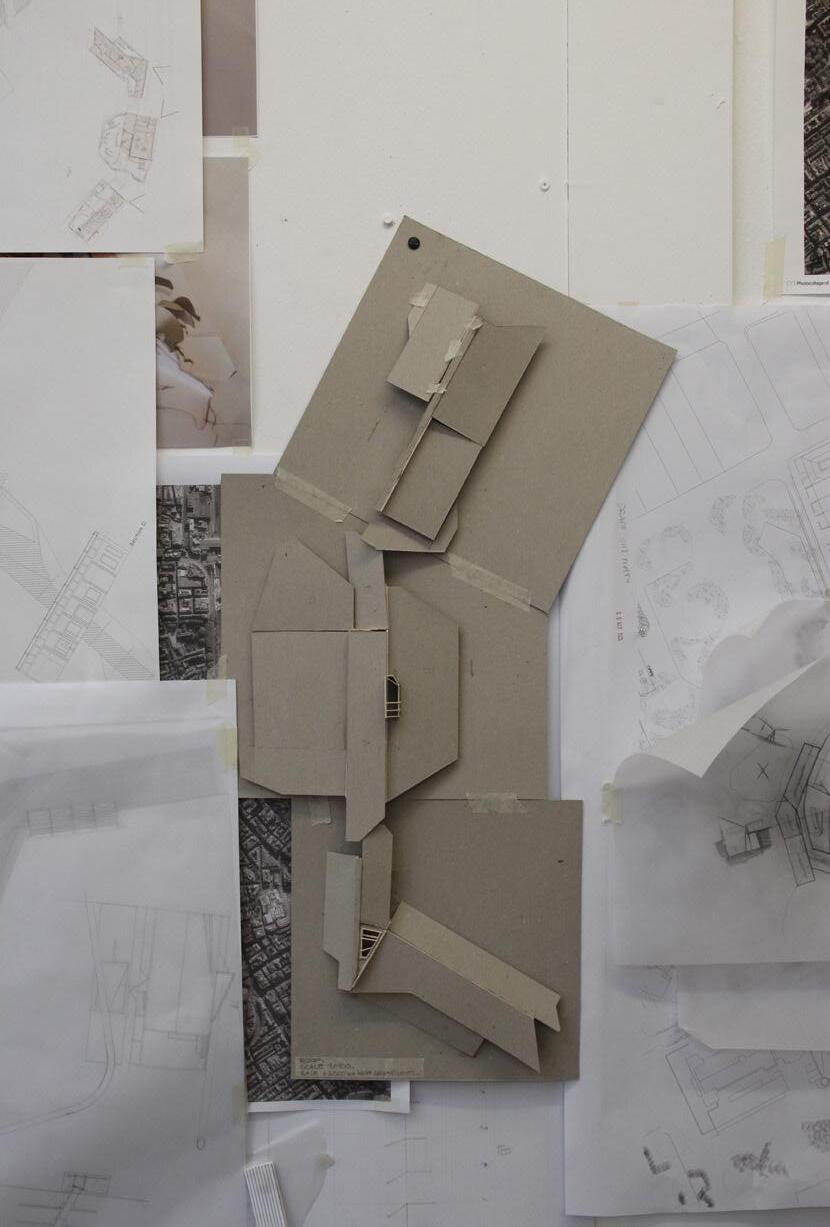
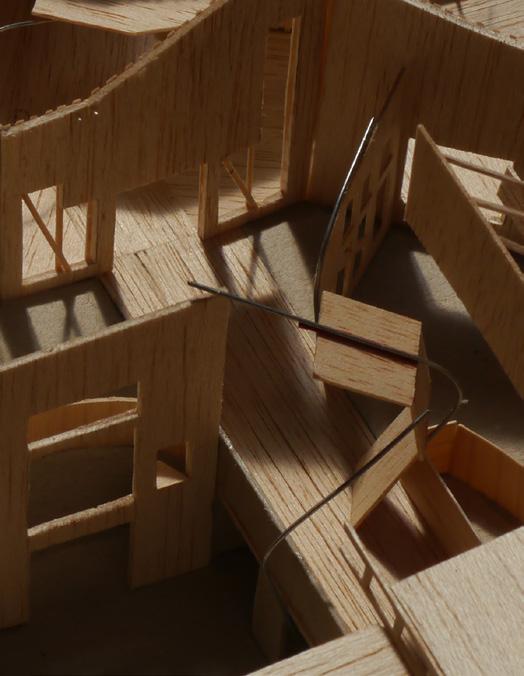
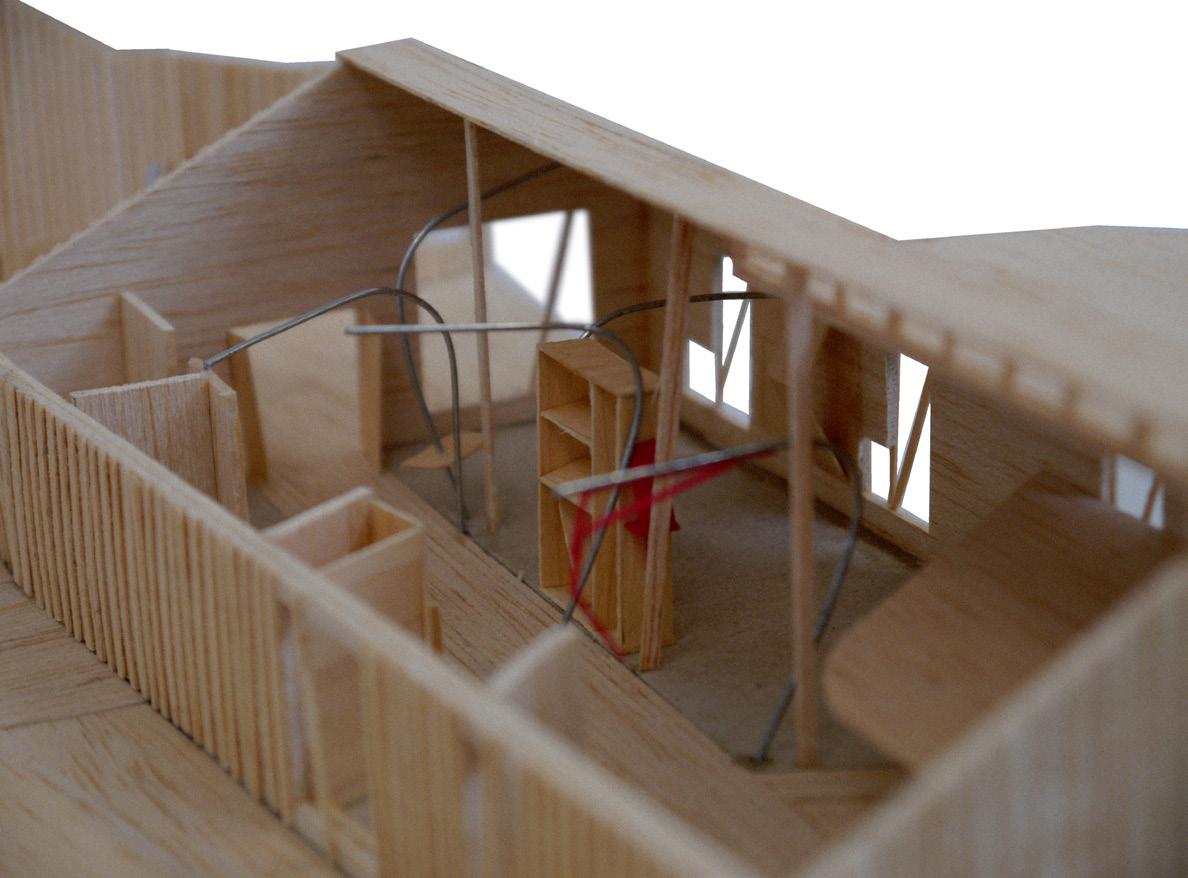
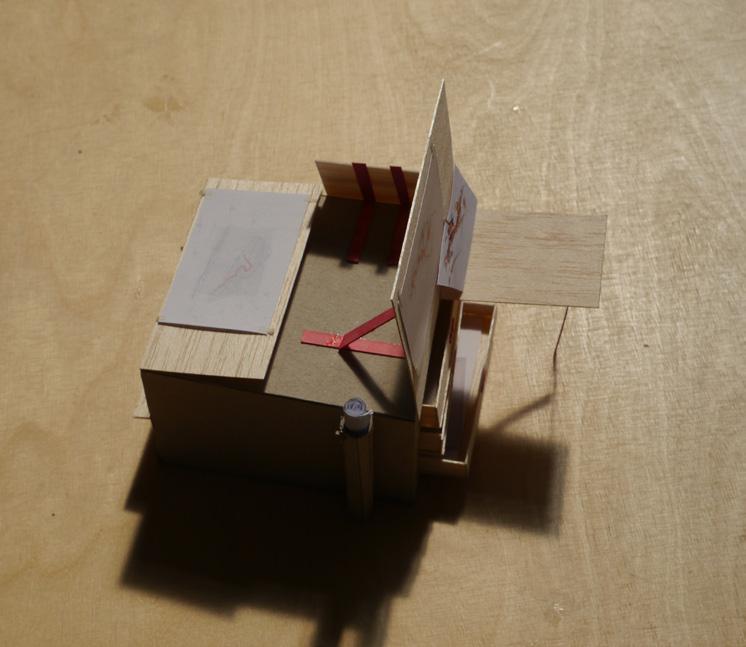
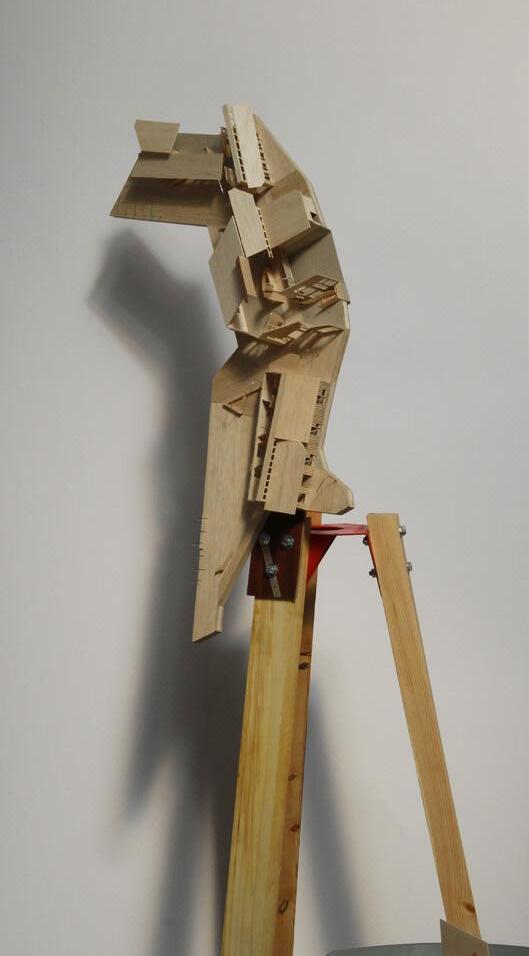
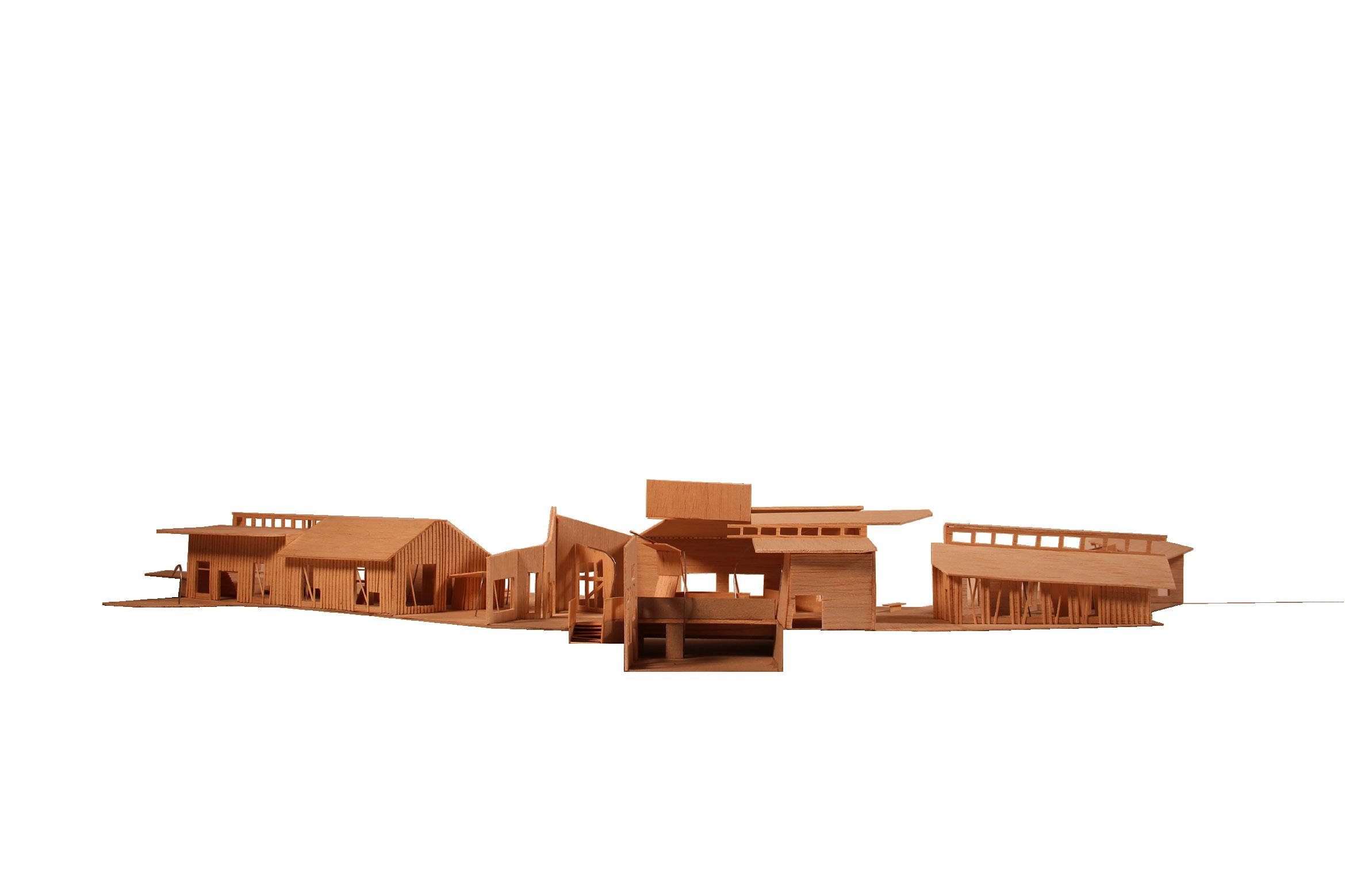
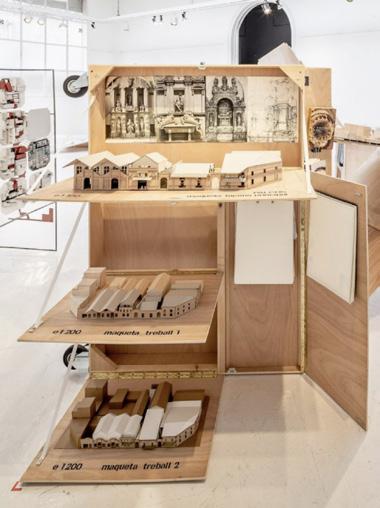
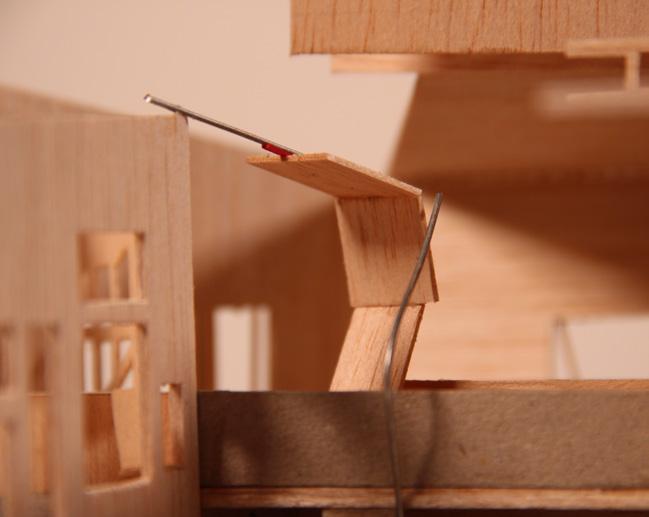
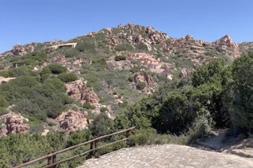
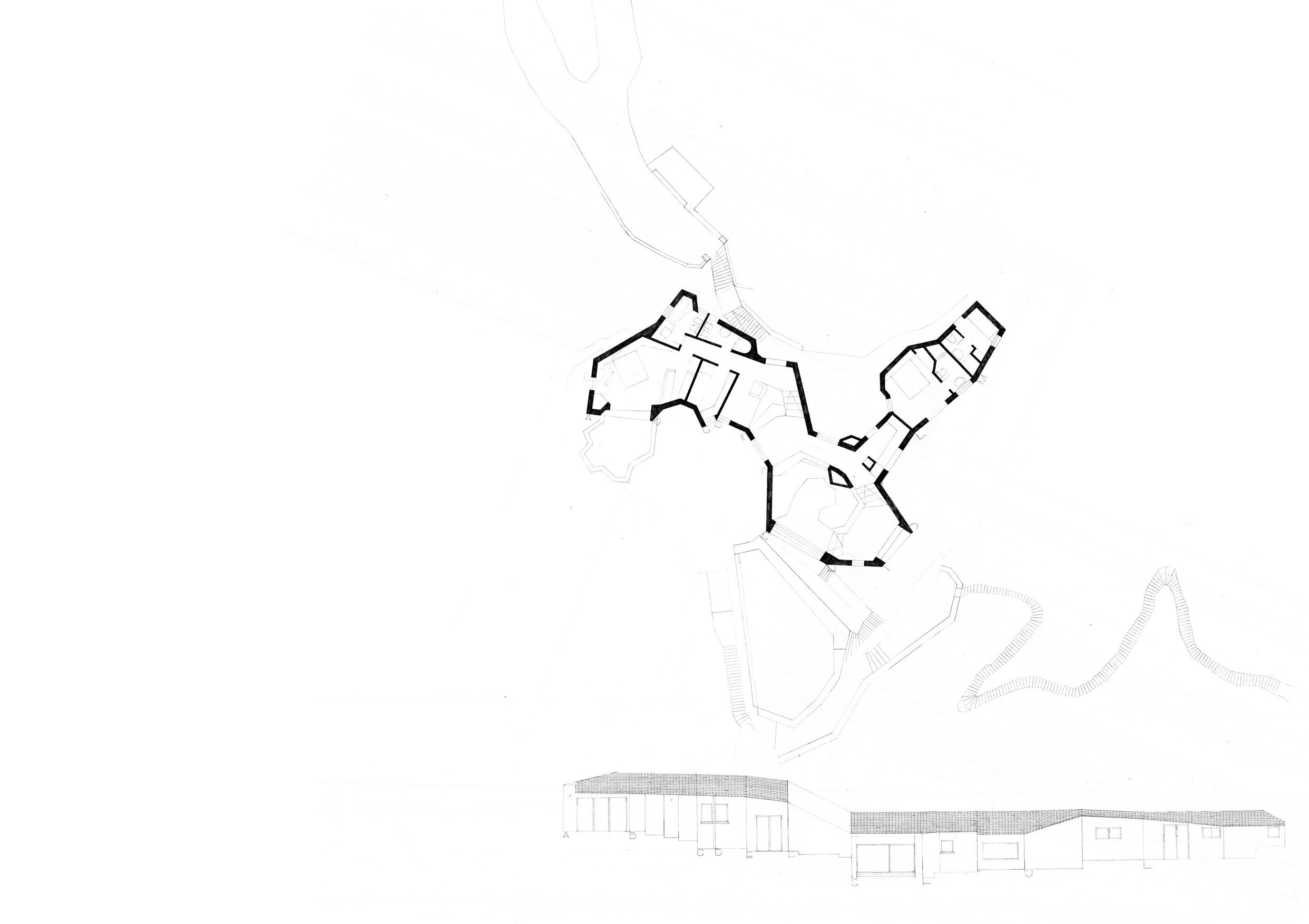
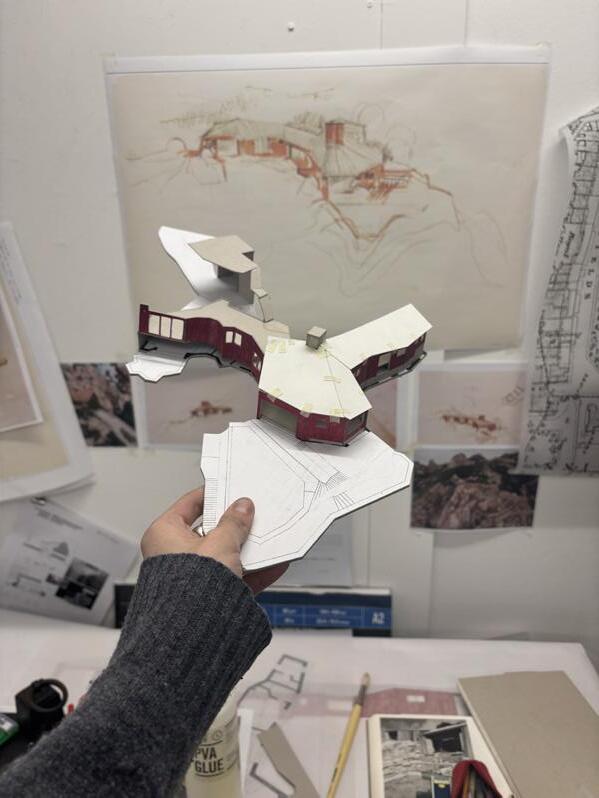
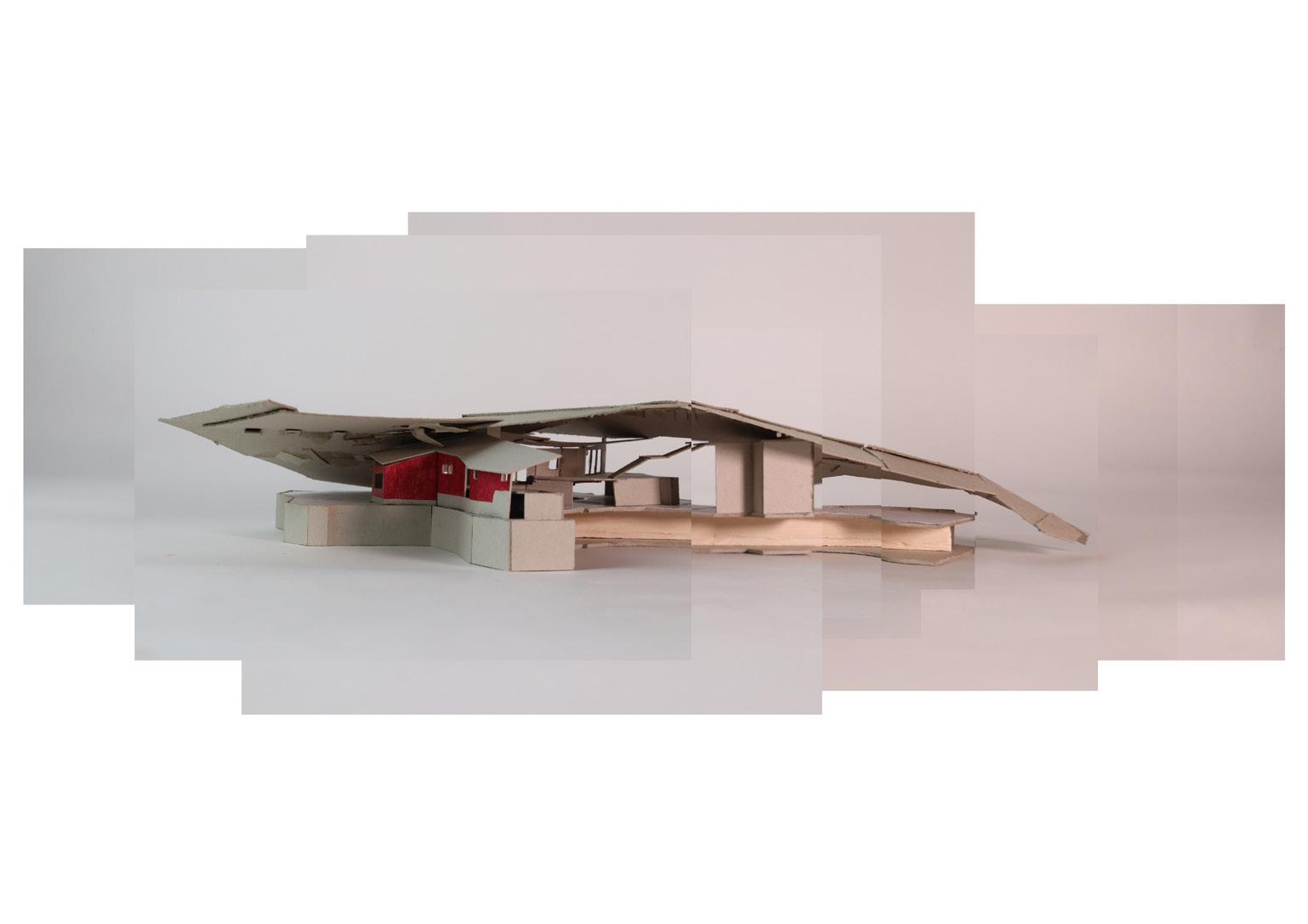
The selected drawing is an elevation sketch by Alberto Ponis of Casa Scalesciani, a coastal house in Sardinia. The response model, originally produced for the Alternative Histories exhibition, was made by Flores & Prats Architects in Barcelona. These two archival pieces form the basis of the study over the coming weeks
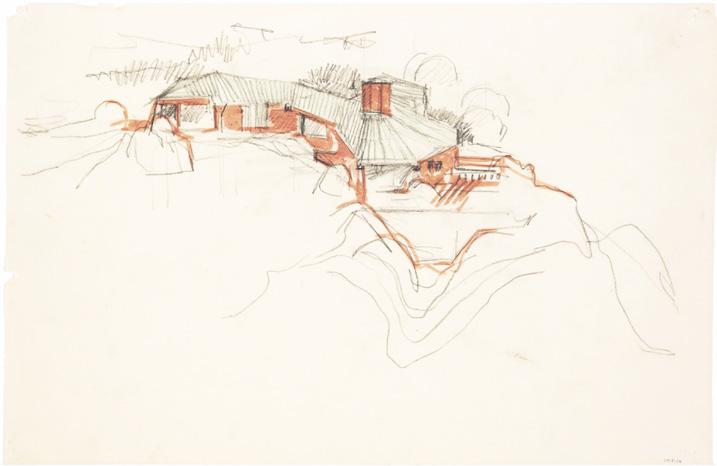
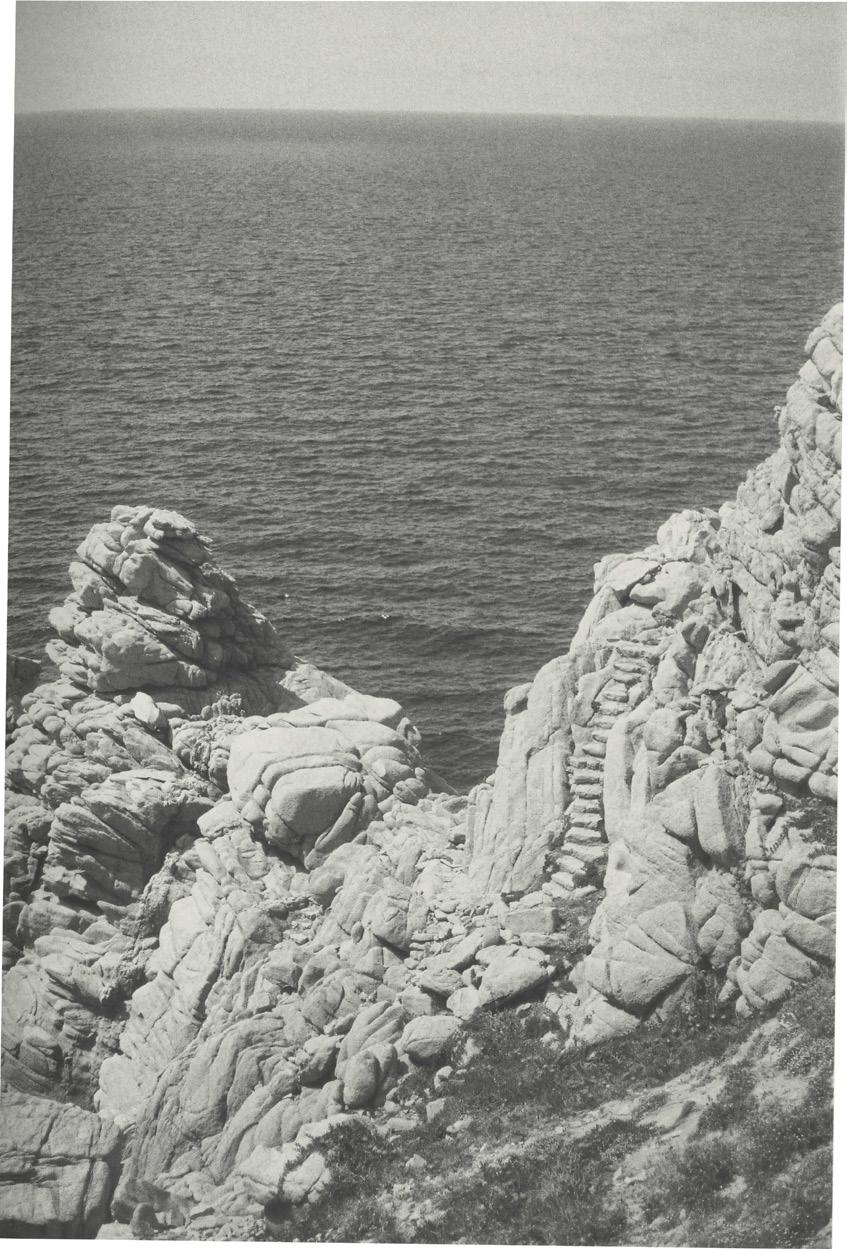
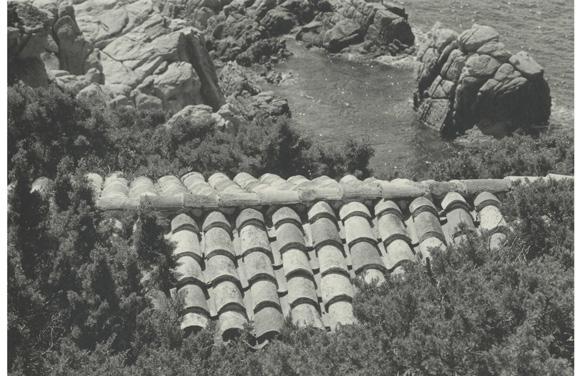
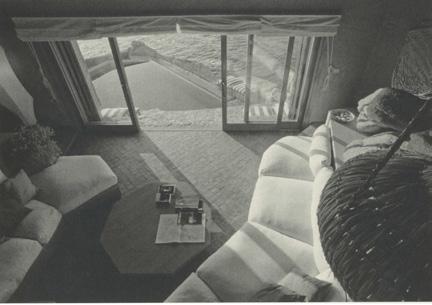
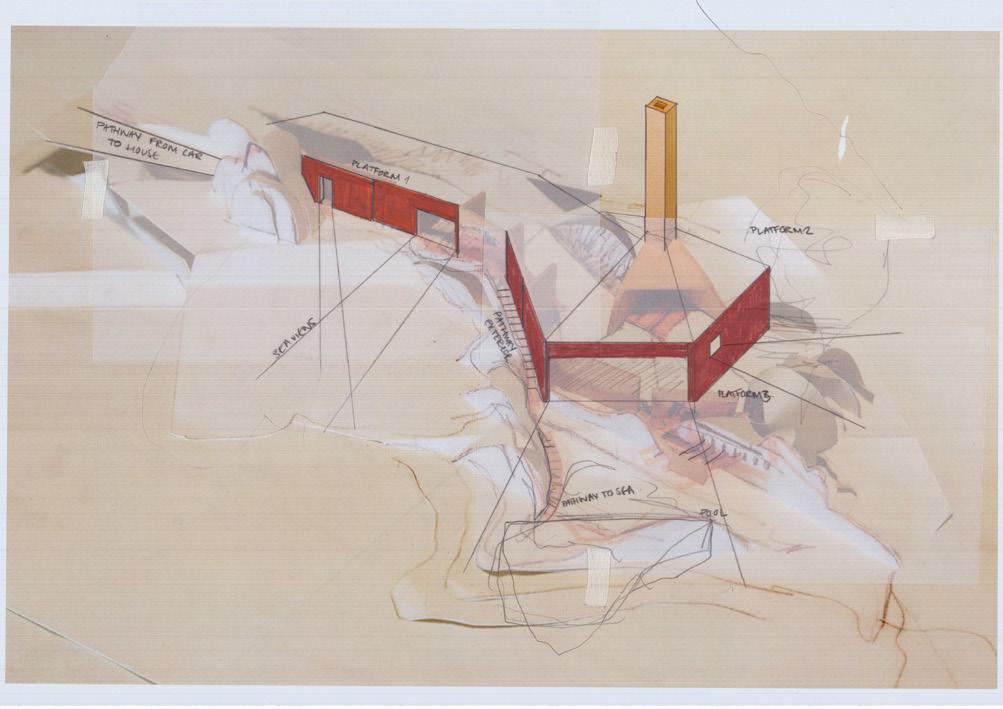
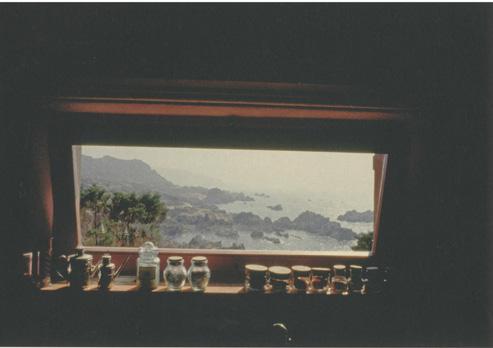
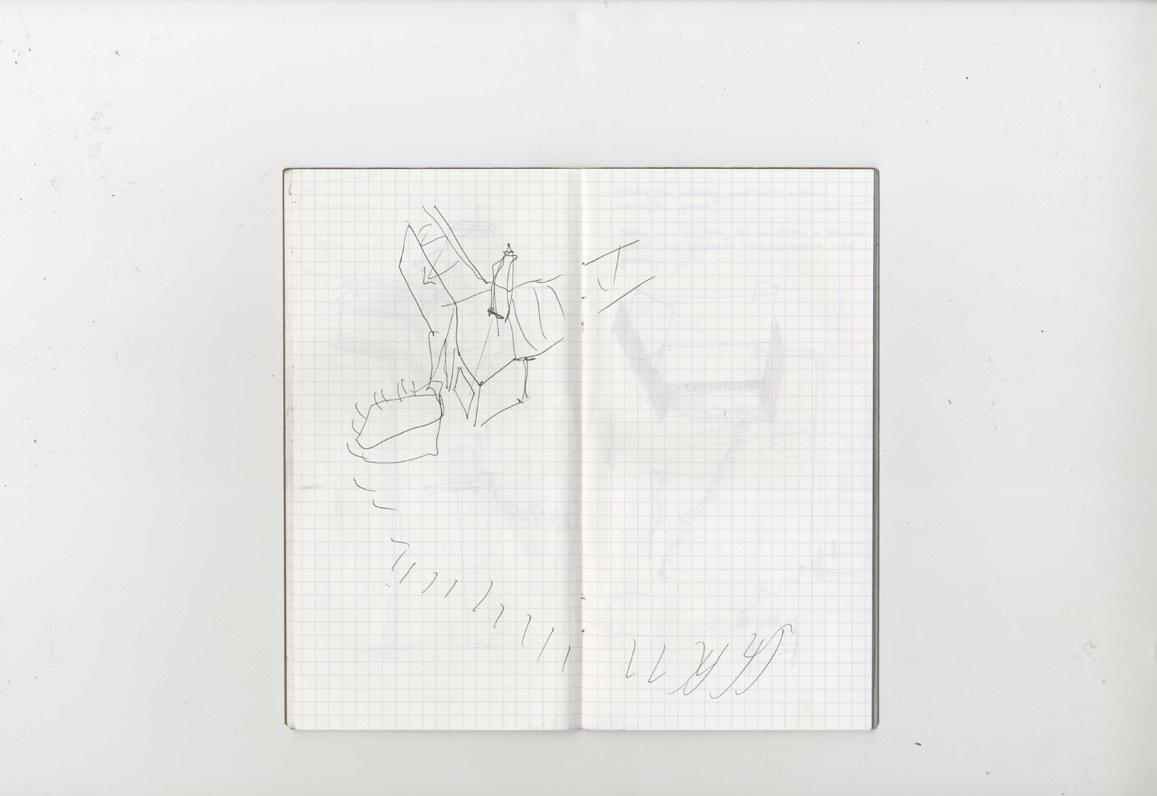
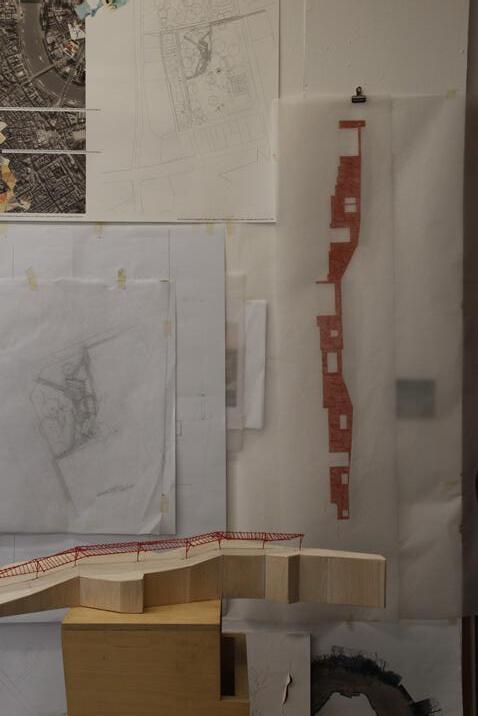
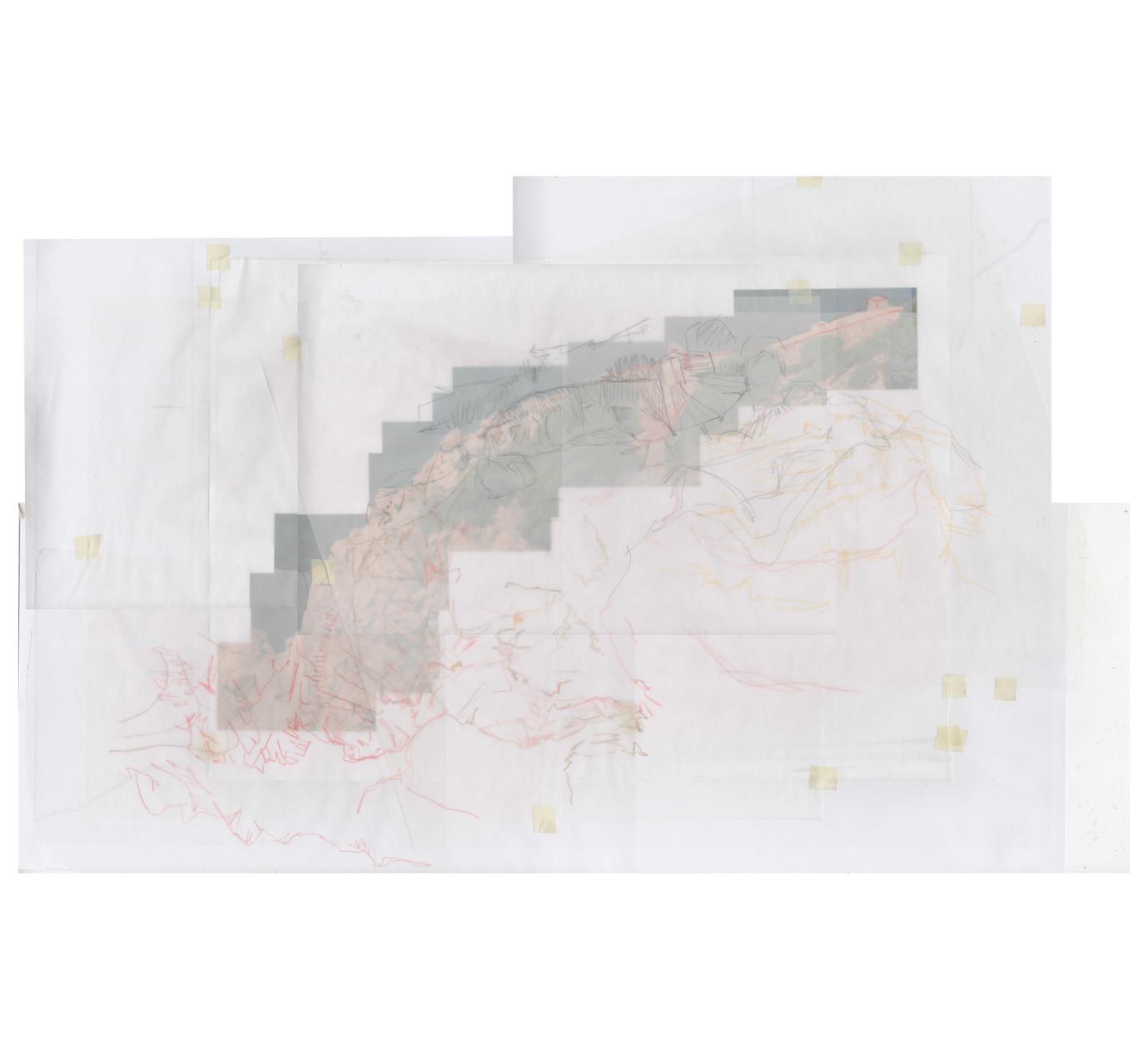
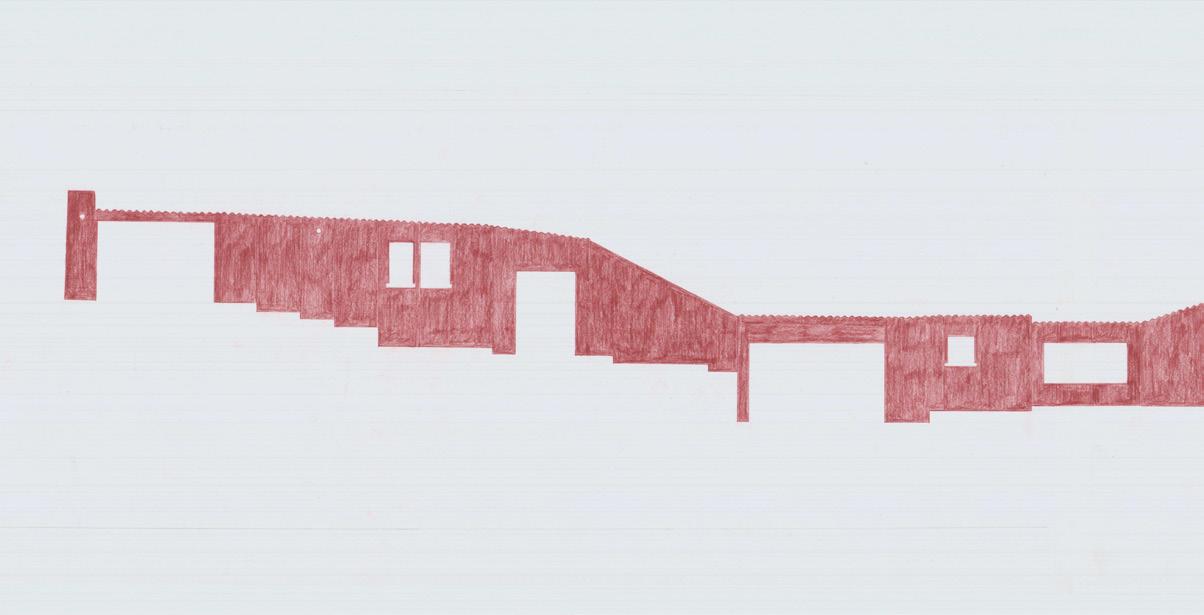
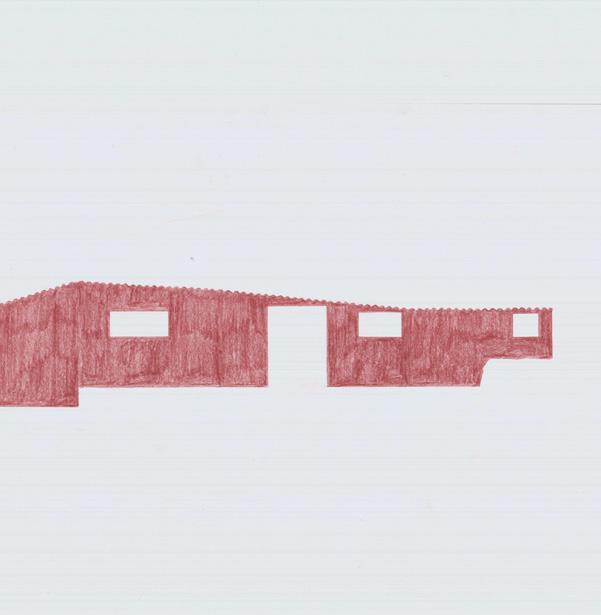
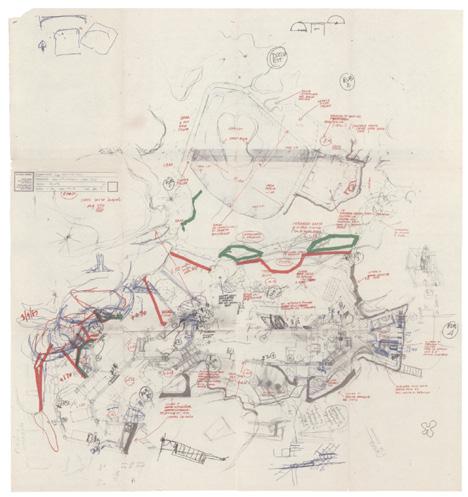
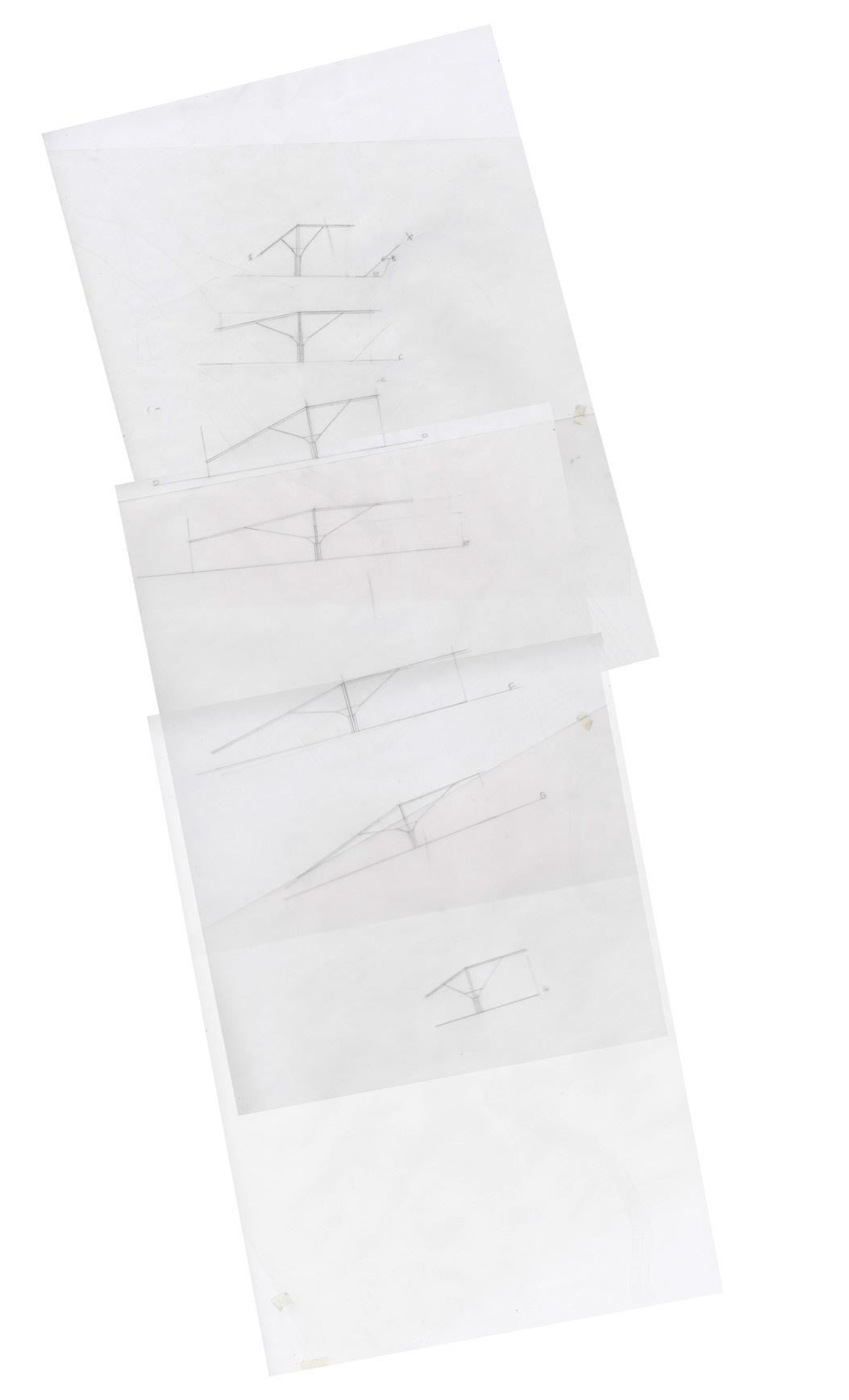
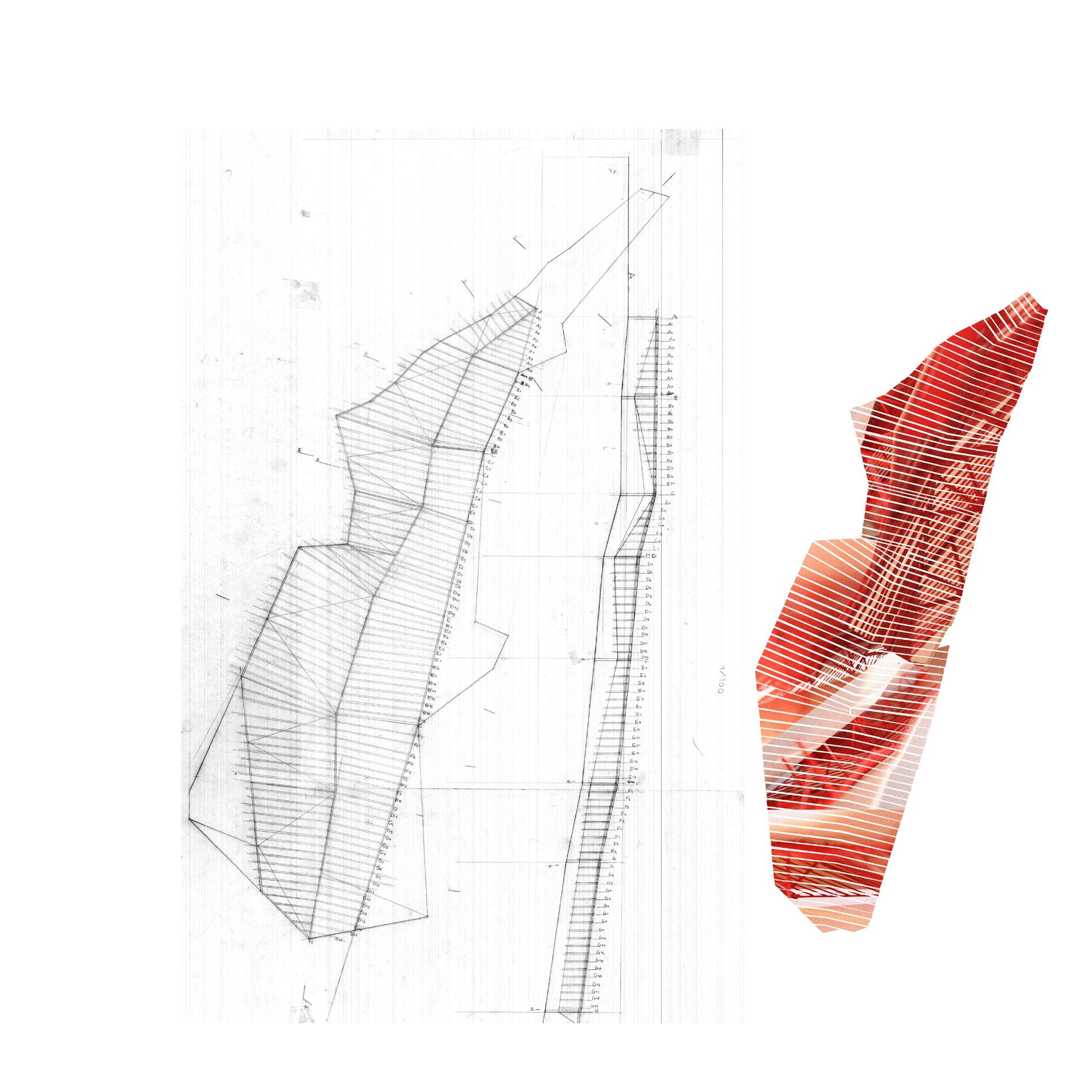
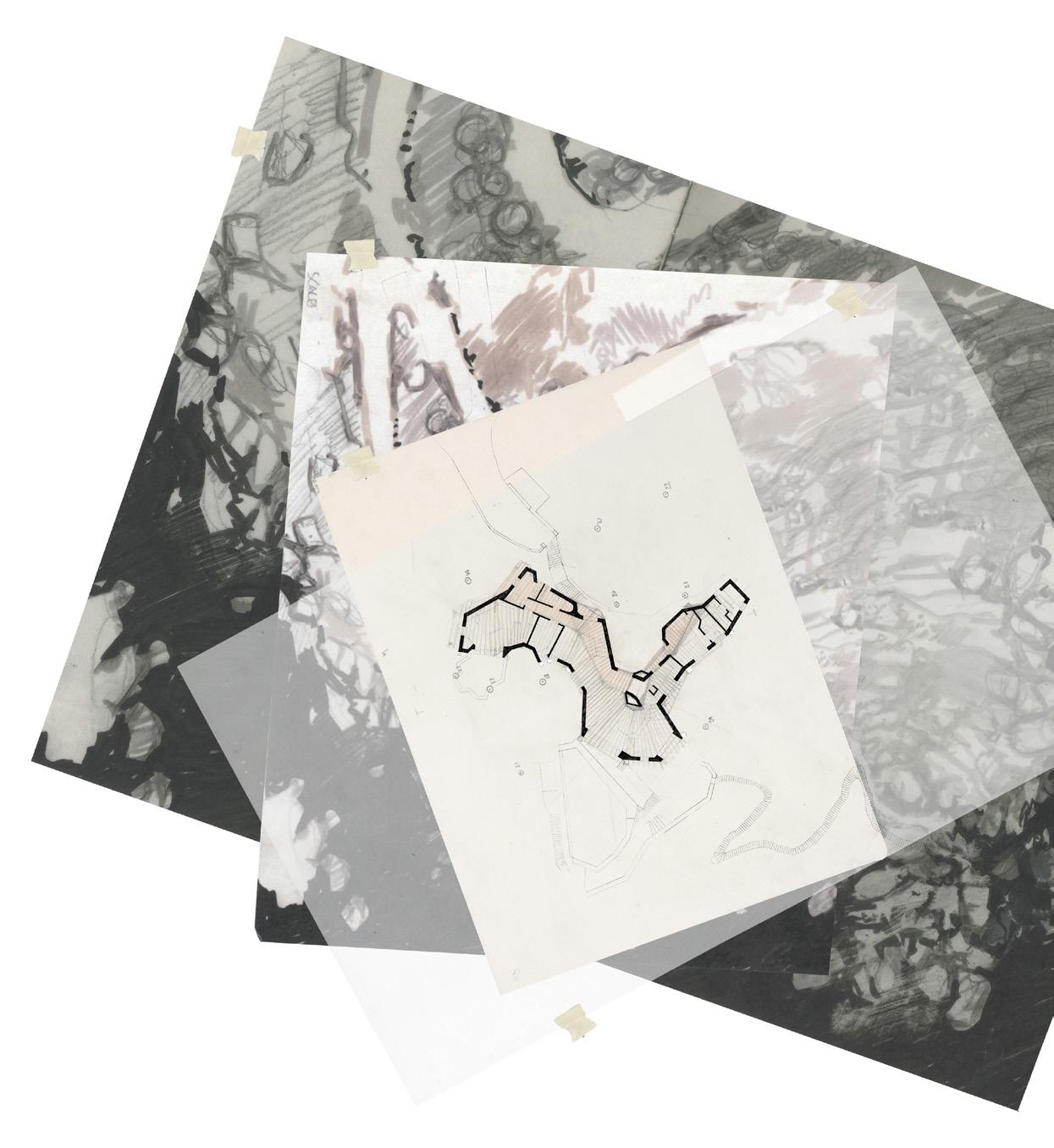
In line with the process proposed by Marius Grootveld for the original exhibition, modelling and drawing Casa Scalesciani served as a way to understand the vernacular design strategies employed by Alberto Ponis. Studying Ponis’s existing sketches informed a reconstructed plan of the house, including its driveway and staircase, elements that carve into the terrain and establish pathways between the architecture and the surrounding landscape.
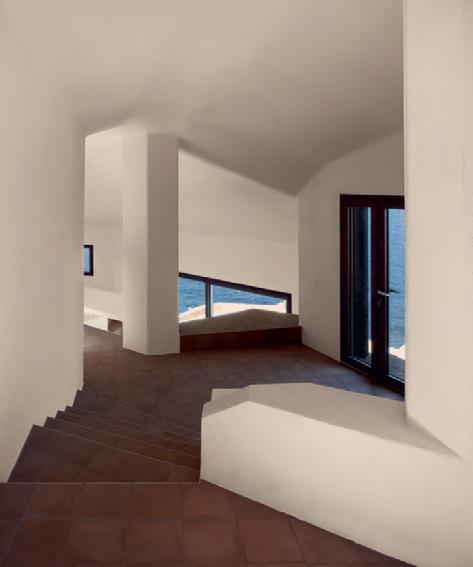
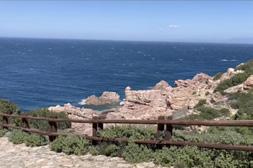
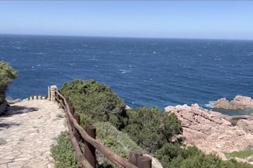
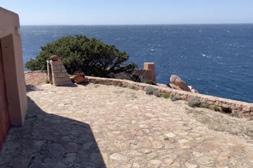
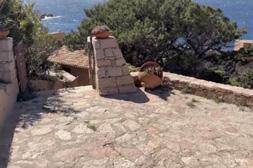
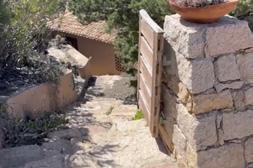
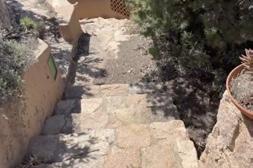
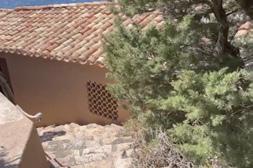
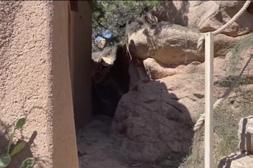
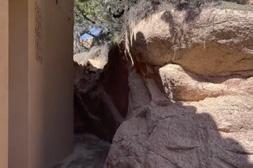
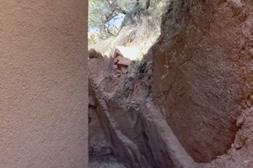
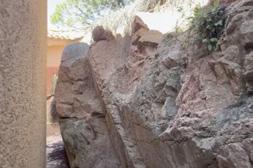
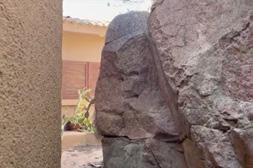
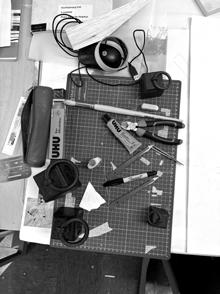
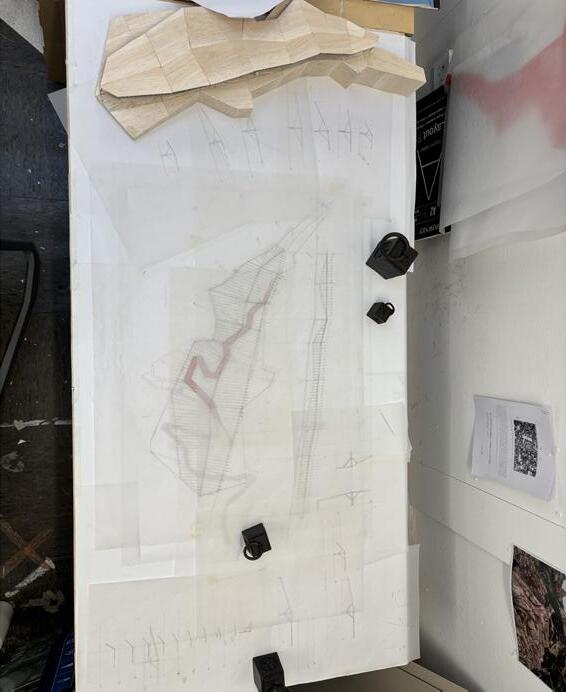
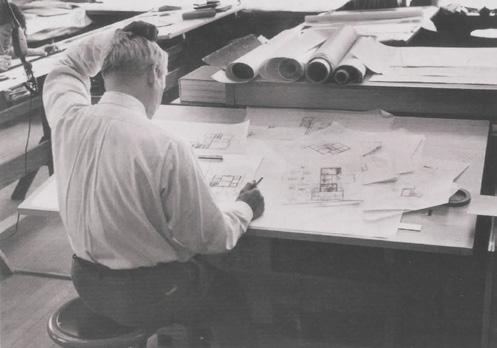
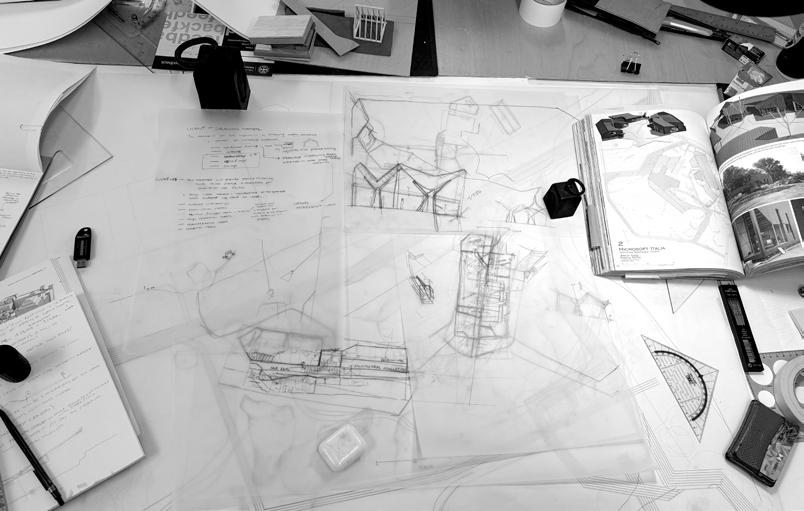
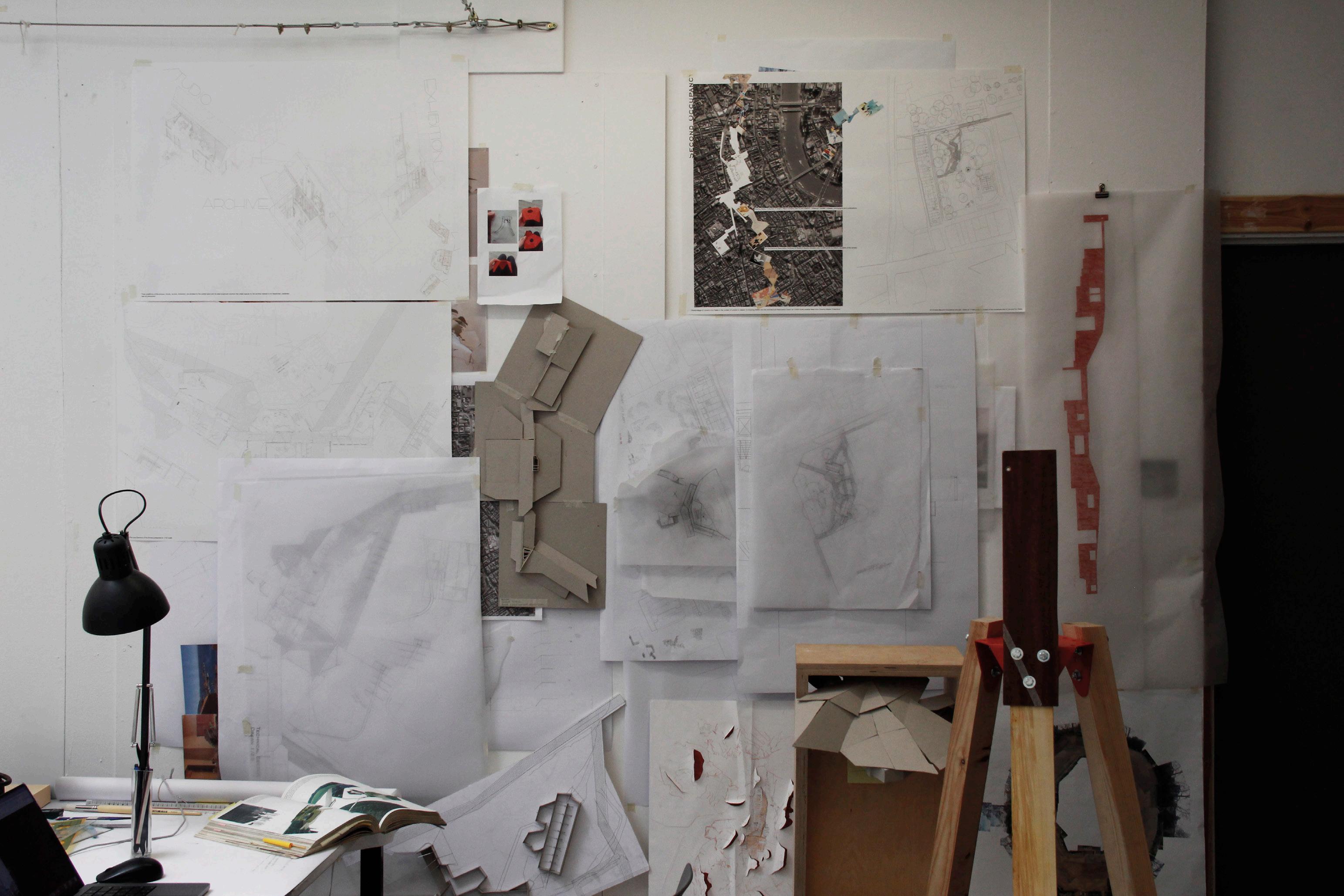
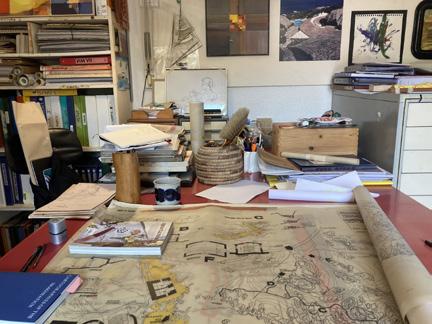
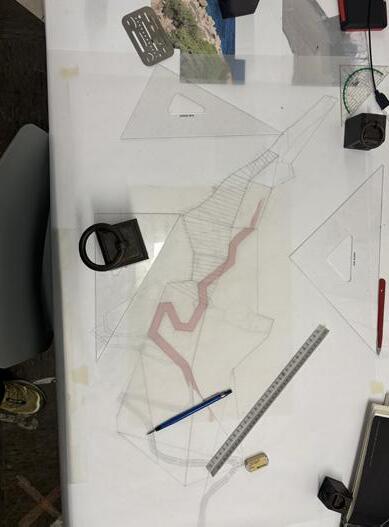
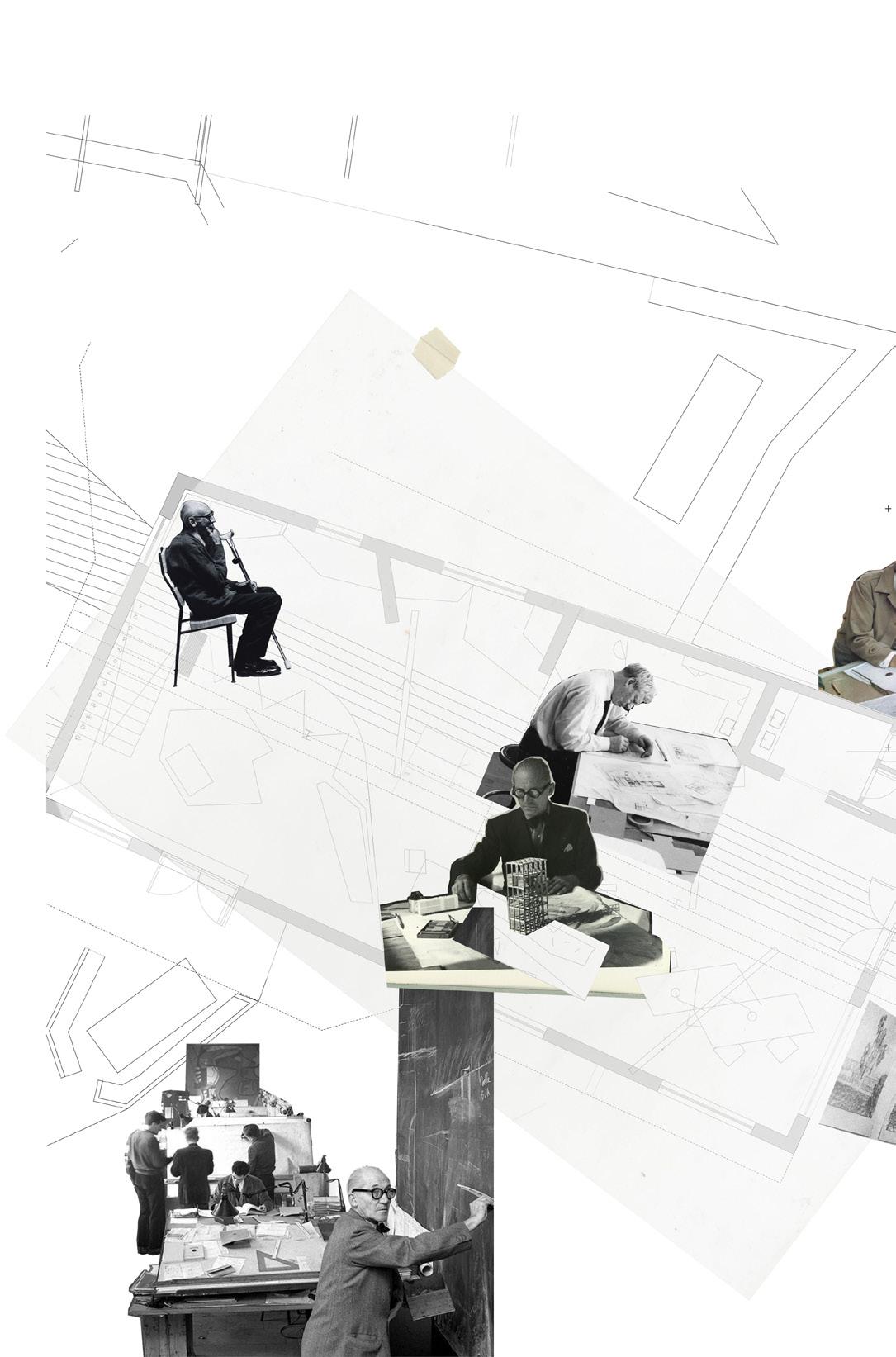
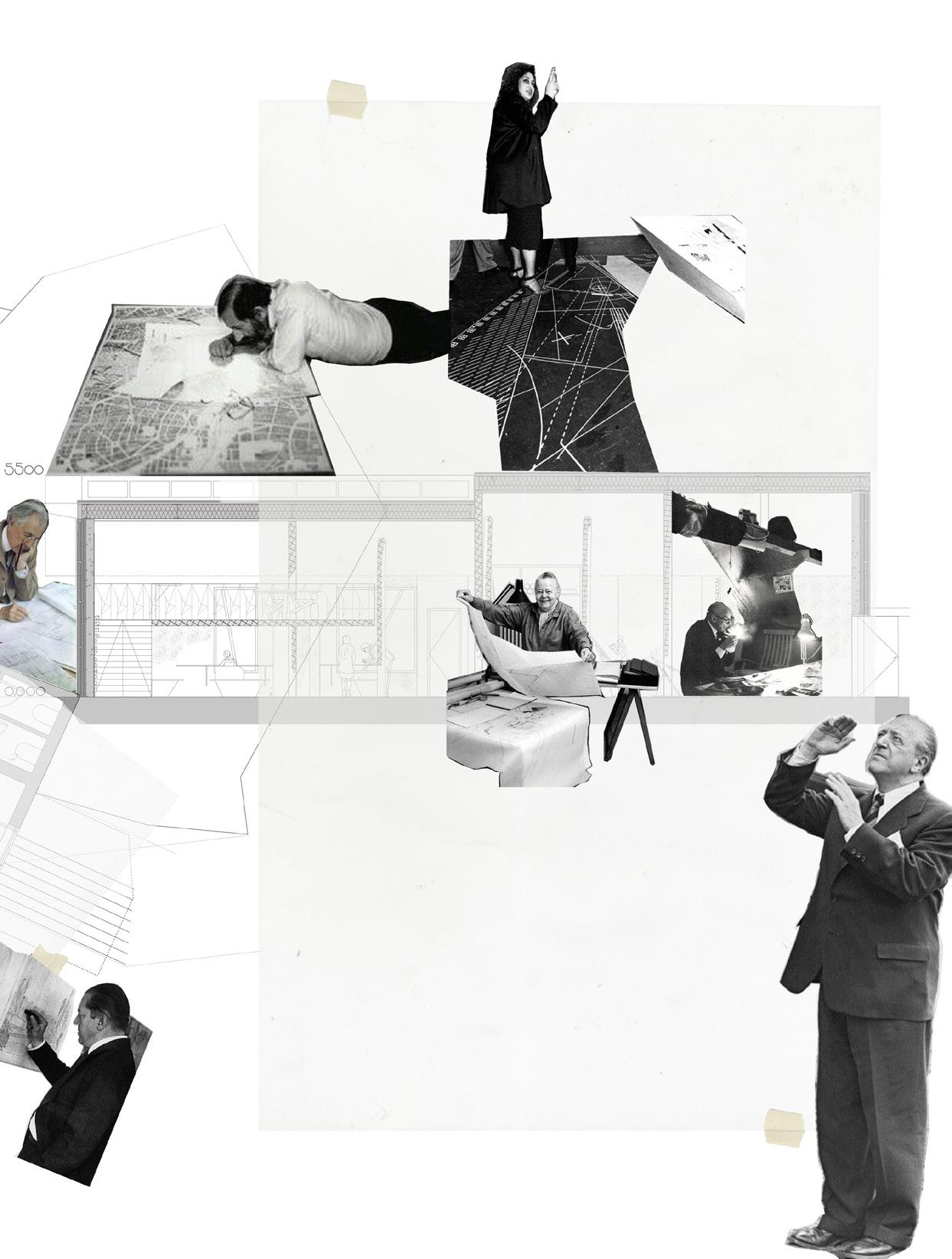
, the authors desk in studio

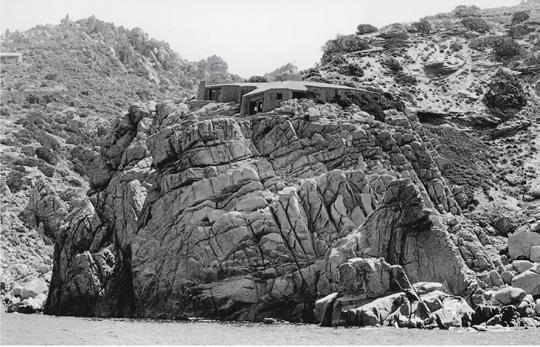
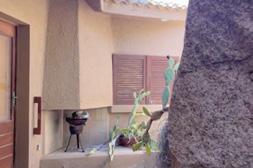
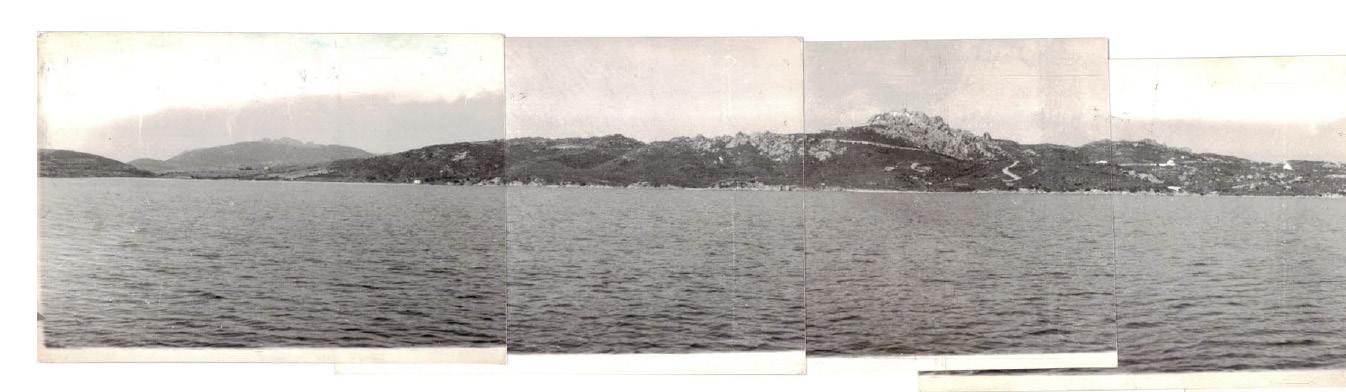
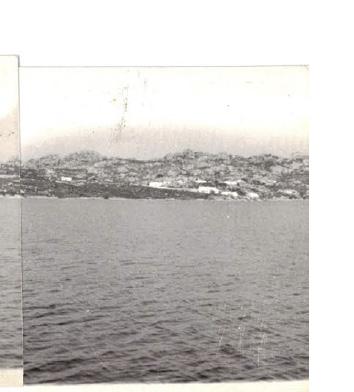
The stones are also premonitions, and the trails chart a course through nature that is both sign and path, direction and culture. The human journey and the mystery of the eternal, chance and intervention. Thus, the pre-existing stones are added and mingle with those put in later, and vice versa, until they lose themselves in each other and become, all together, symbol and necessity. They are a message, and a silent declaration, of time as the sovereign builder. An architecture that includes us, foresees us, in the infinitesimal fragment of time we share with it: stones, nature, space overwhelm and include us. We are always grains of a larger edifice. And every single stone takes it upon itself to remind us of this. Memory of the cosmos. Stefano Salis, January 2022
Measuring the site
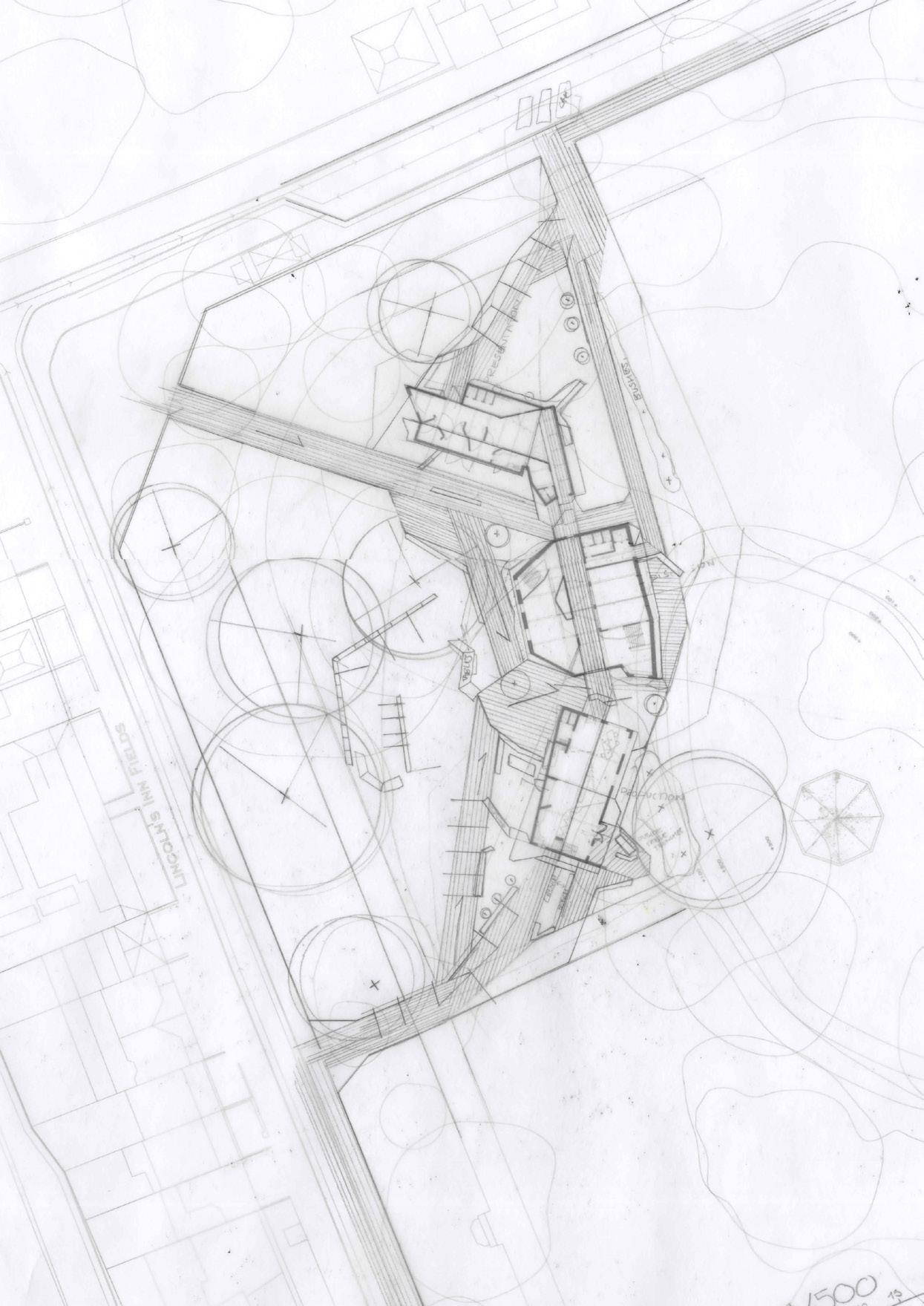
Following close study of Alberto Ponis’s archival material and initial translations for the Alternative Histories project, intentions were set for how to approach and measure the site at Lincoln’s Inn Fields. On 23 January, a visit to London was made by train from Edinburgh to study the Drawing Matter Collection and the site itself. In preparation, work from the 2019 Alternative Histories exhibition was analysed, and initial responses were developed to inform the method of site analysis.


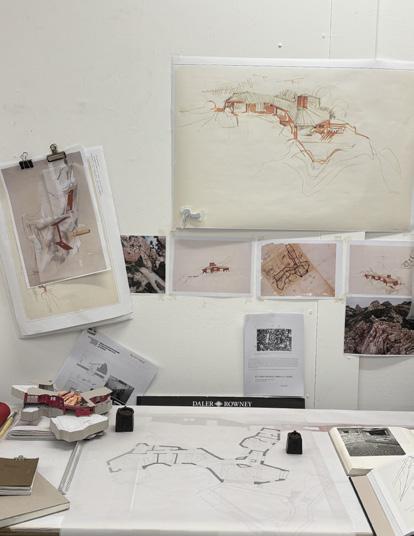
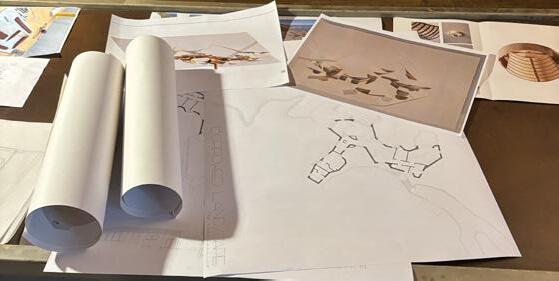
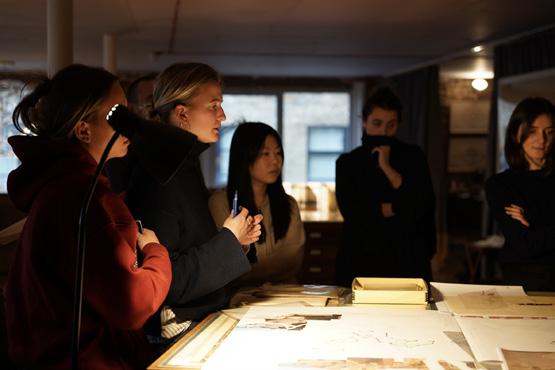
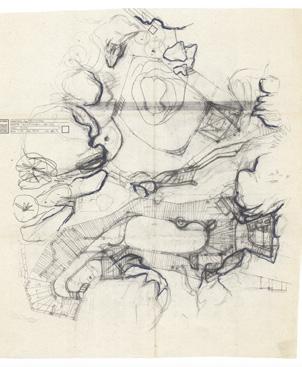
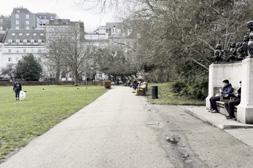
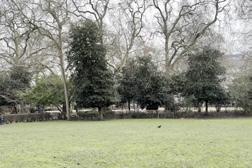
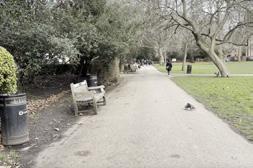
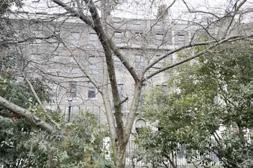
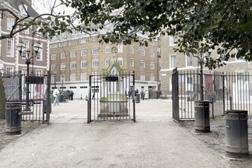
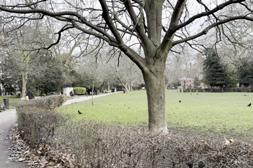
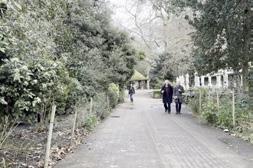
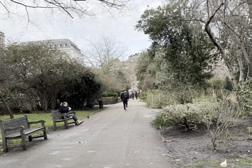
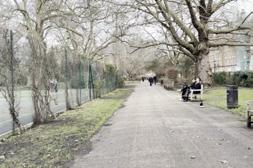
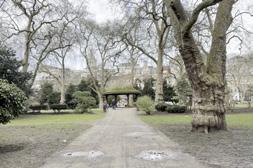
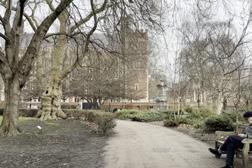
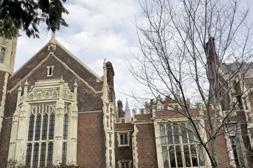
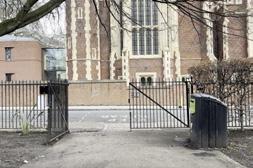
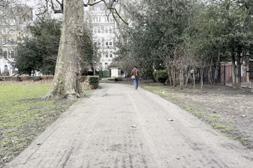
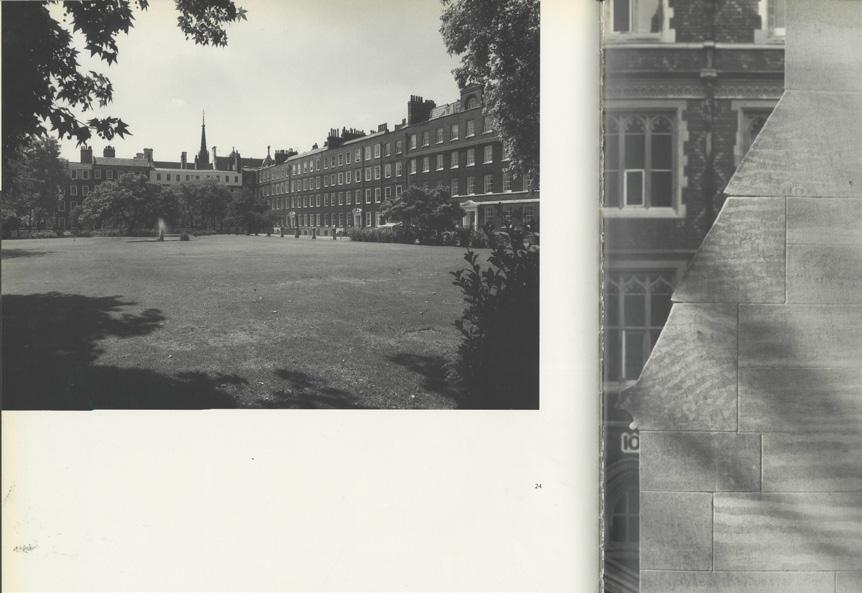
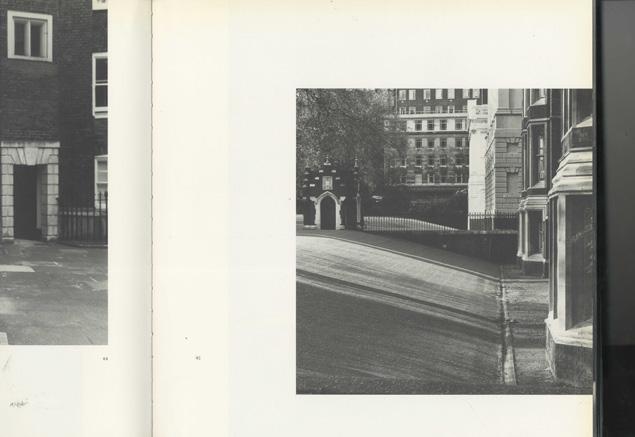
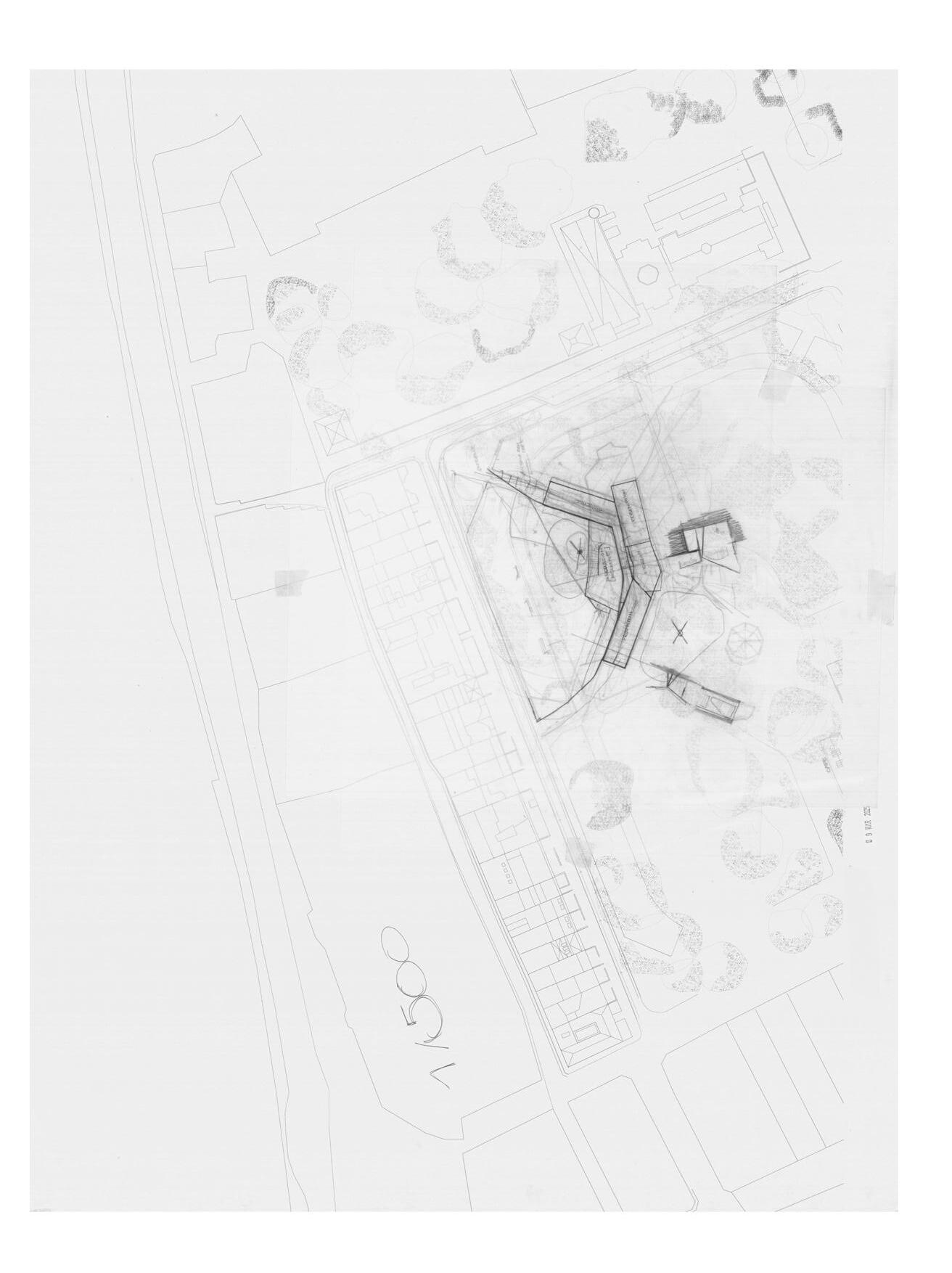
The nature of the studio was brought to the site. As with the study of Casa Scalesciani, a similar approach was applied, the site was filmed while moving through its pathways, allowing movement to inform an initial understanding of how the park was occupied and used. This filmed material was then brought back to the studio in Edinburgh, becoming a new drawing tool through which the site could be studied, reinterpreted, and aligned with ongoing investigations into archival work.
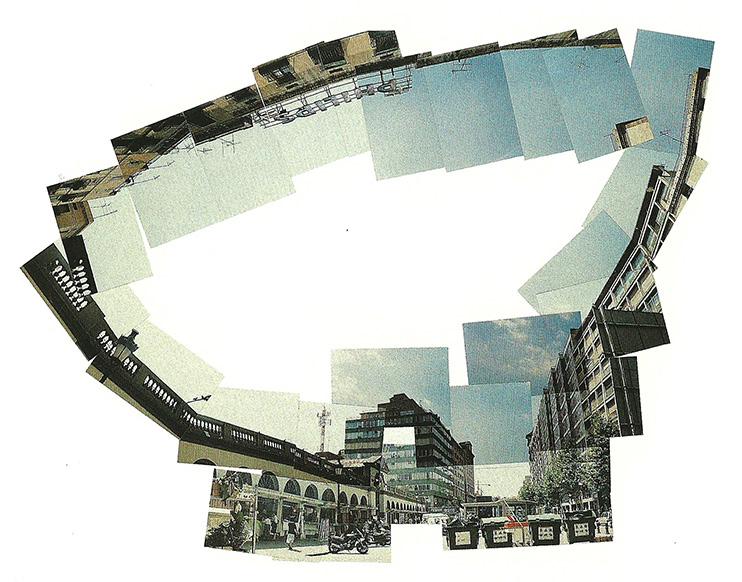
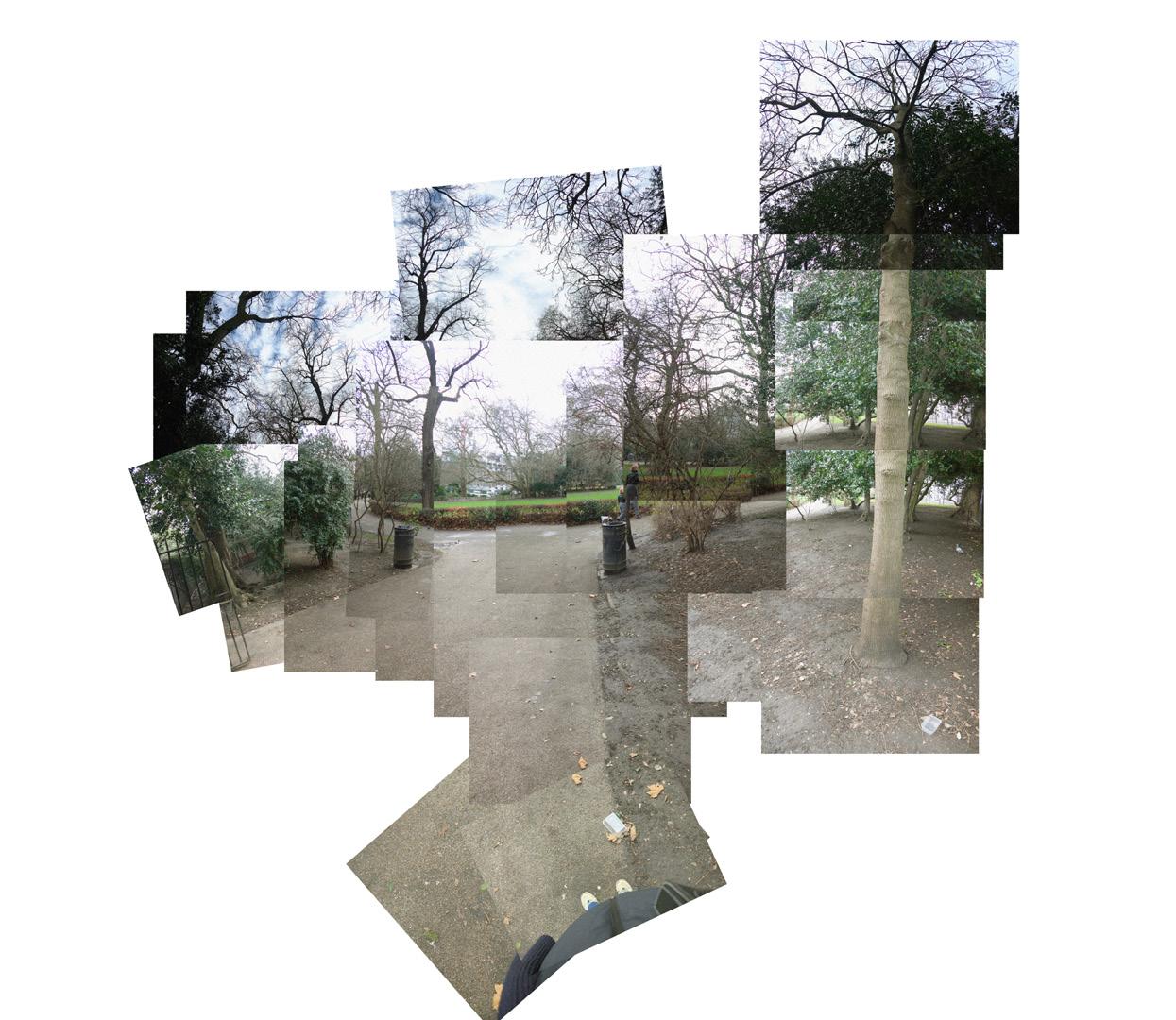
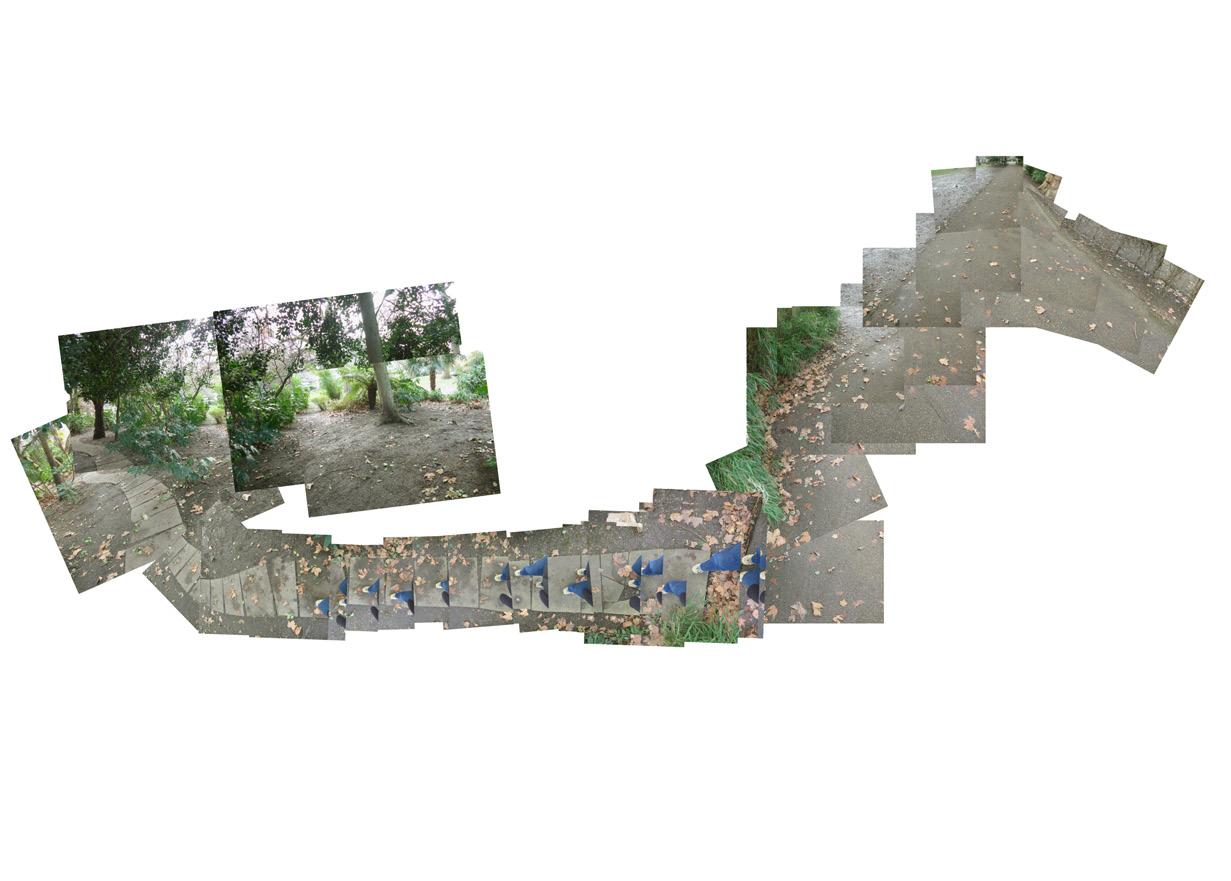
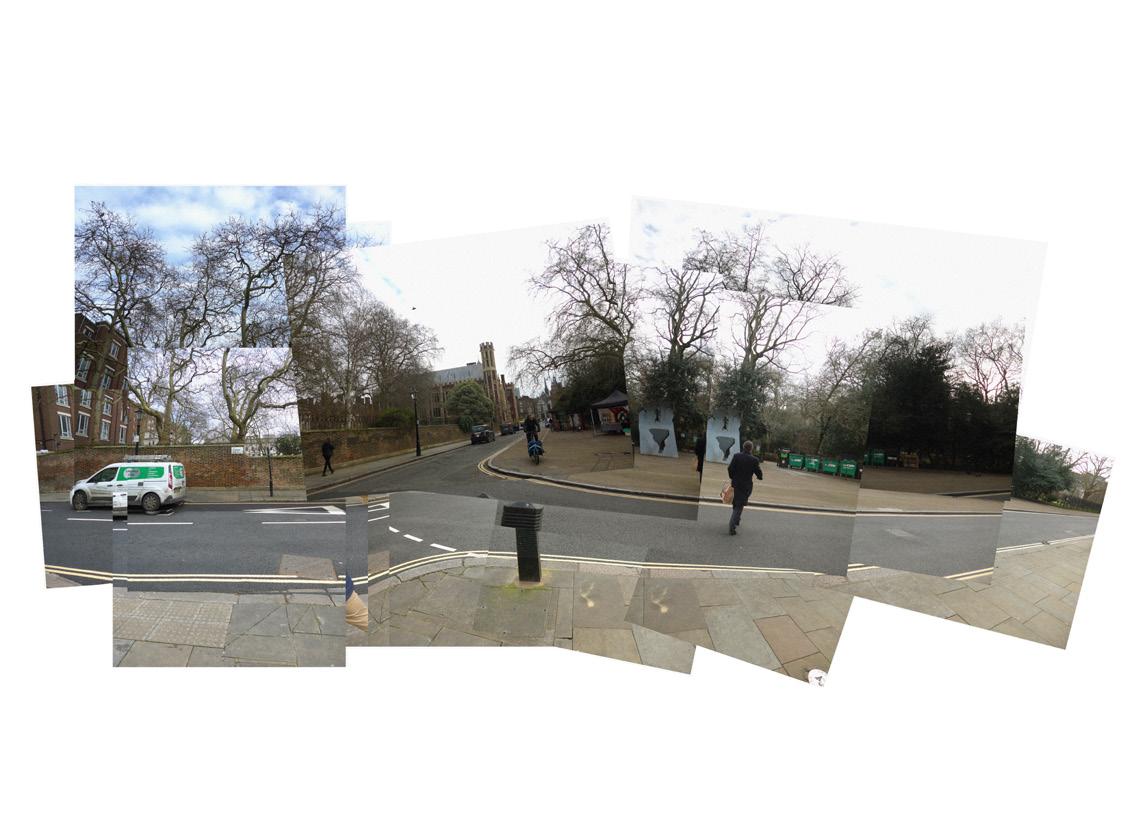
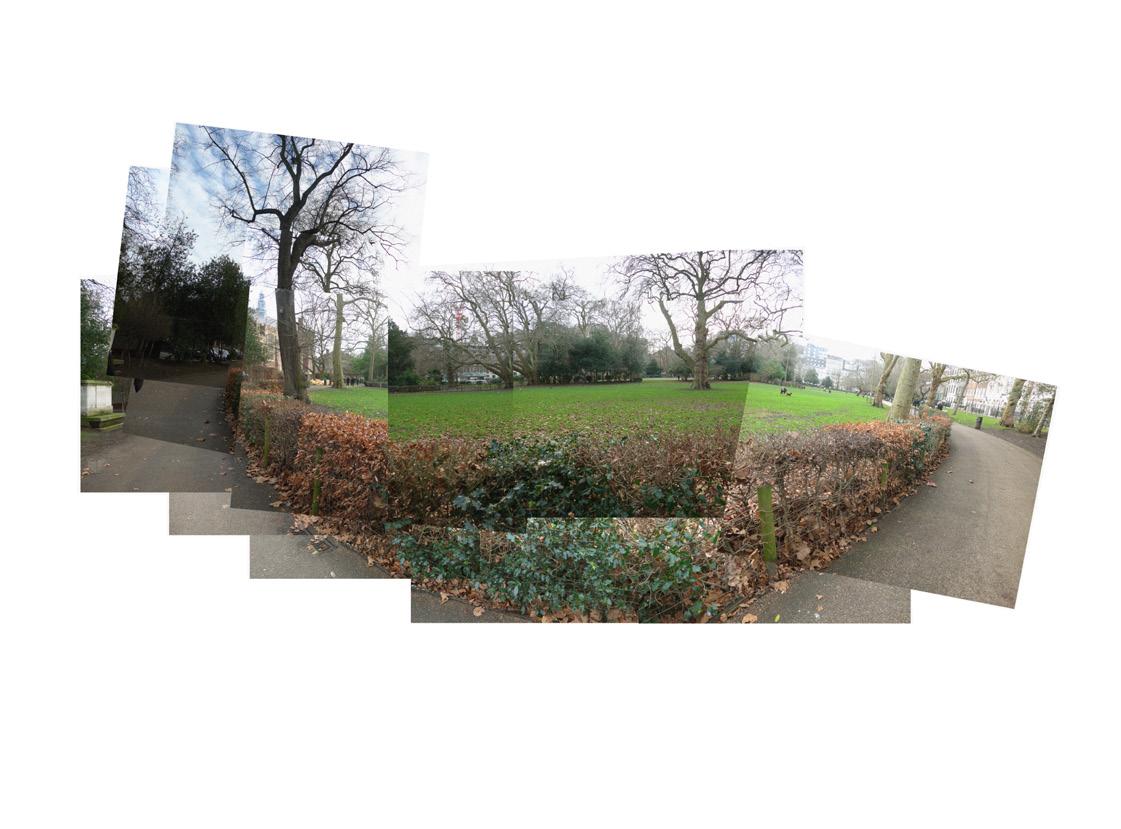
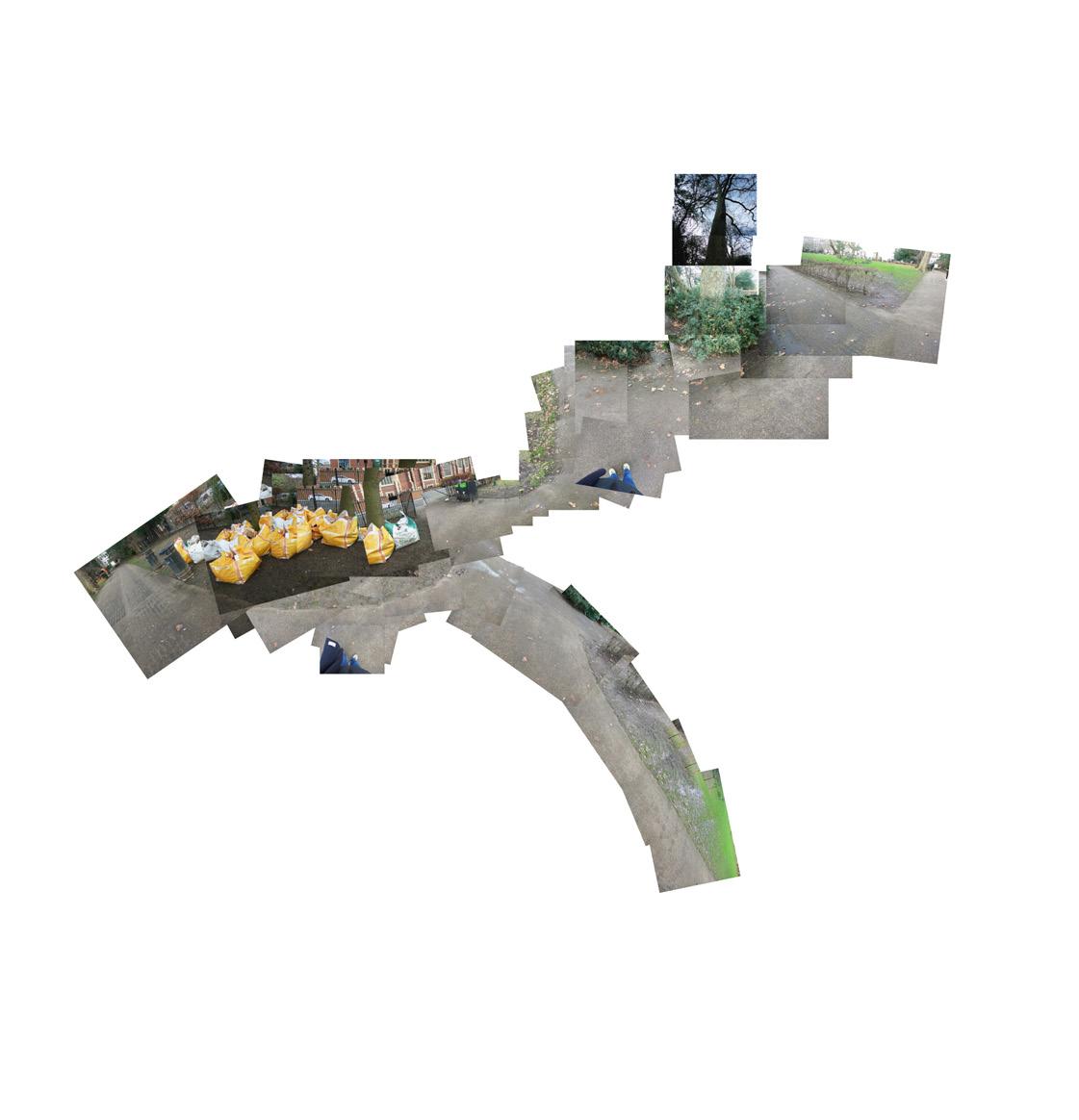
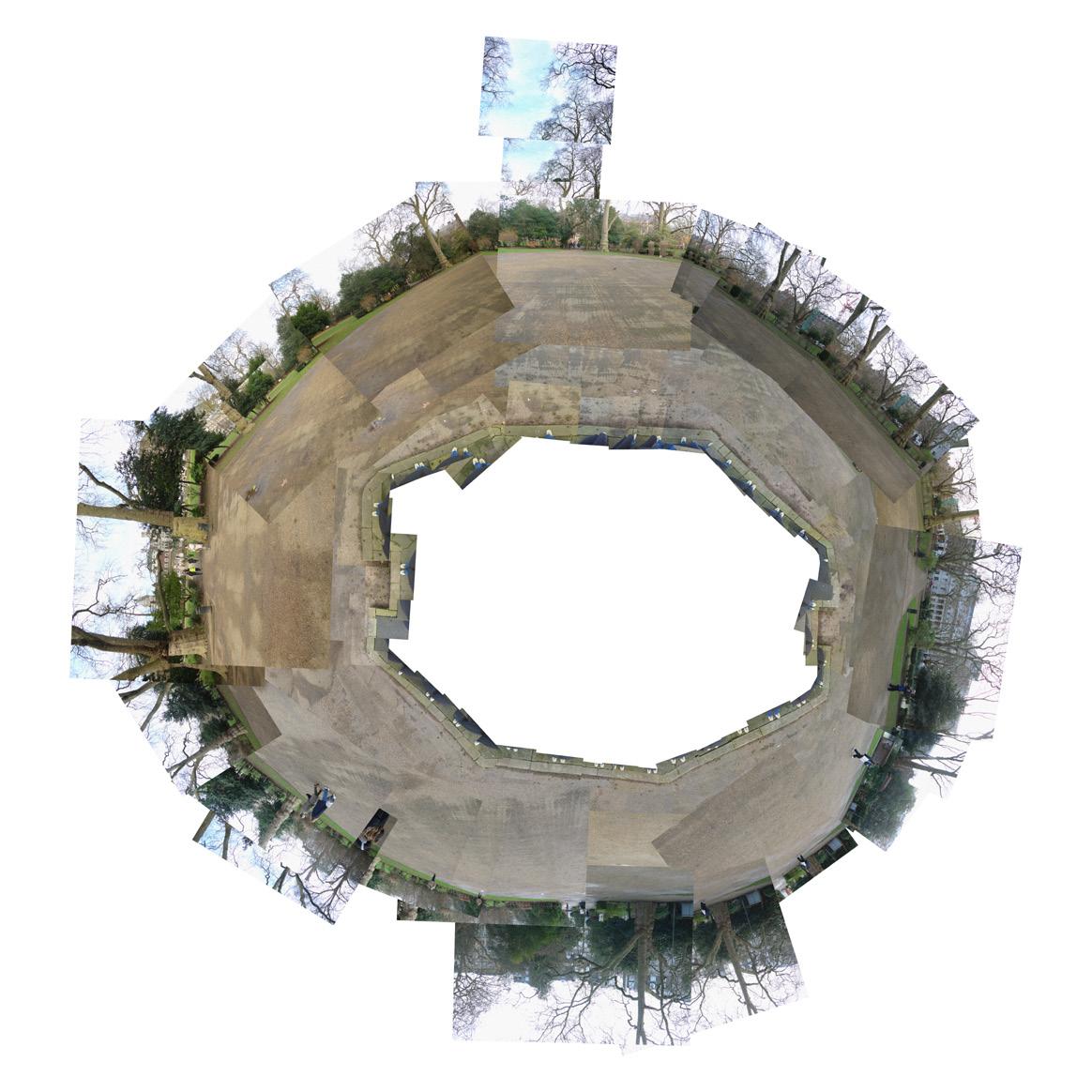
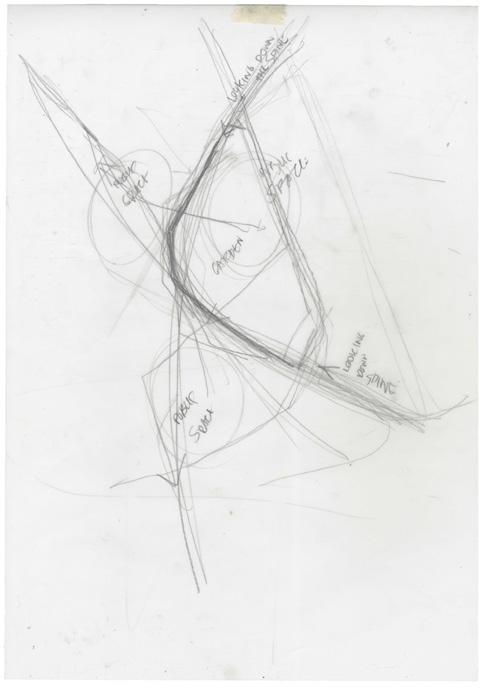
Hidden pathways
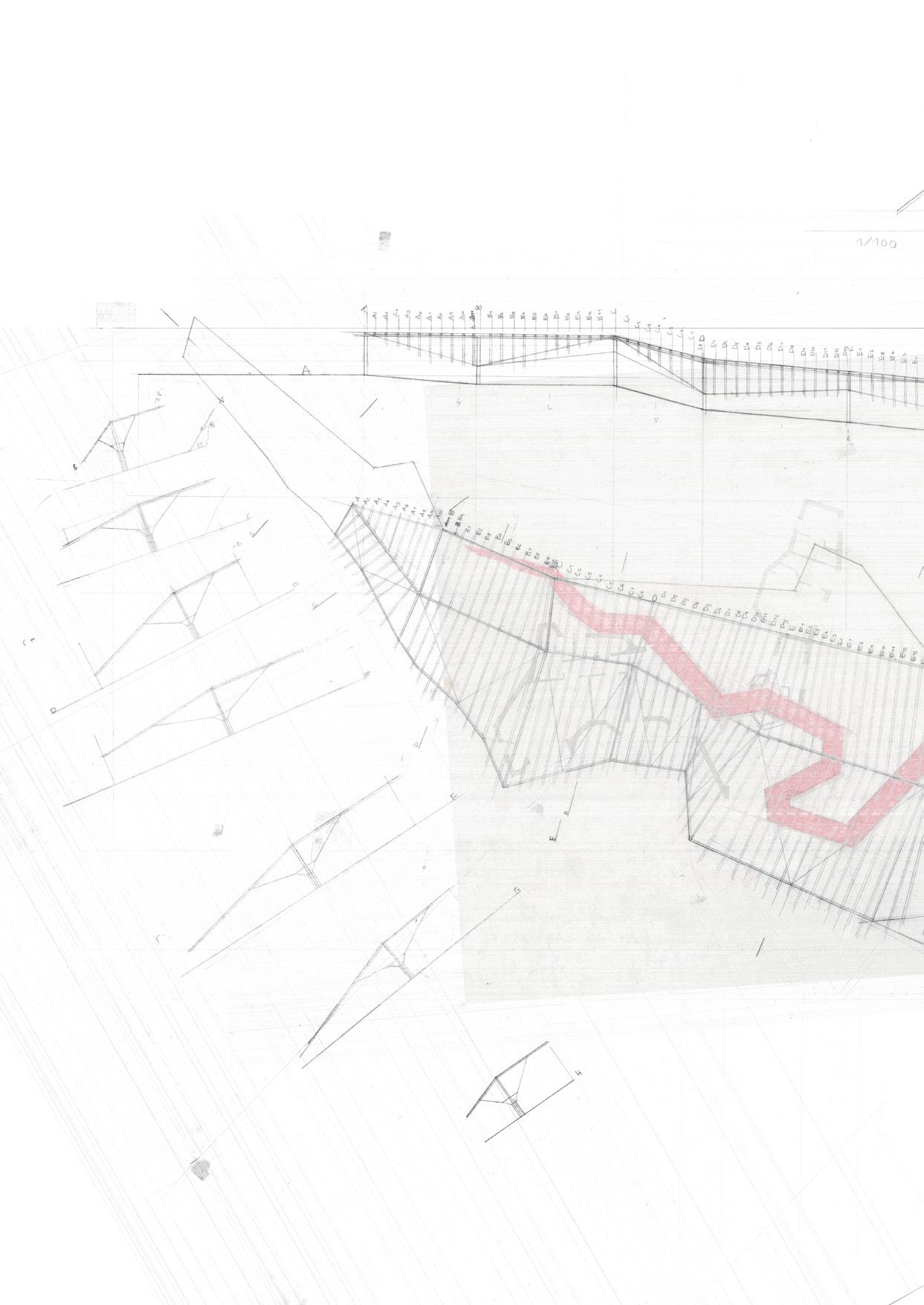
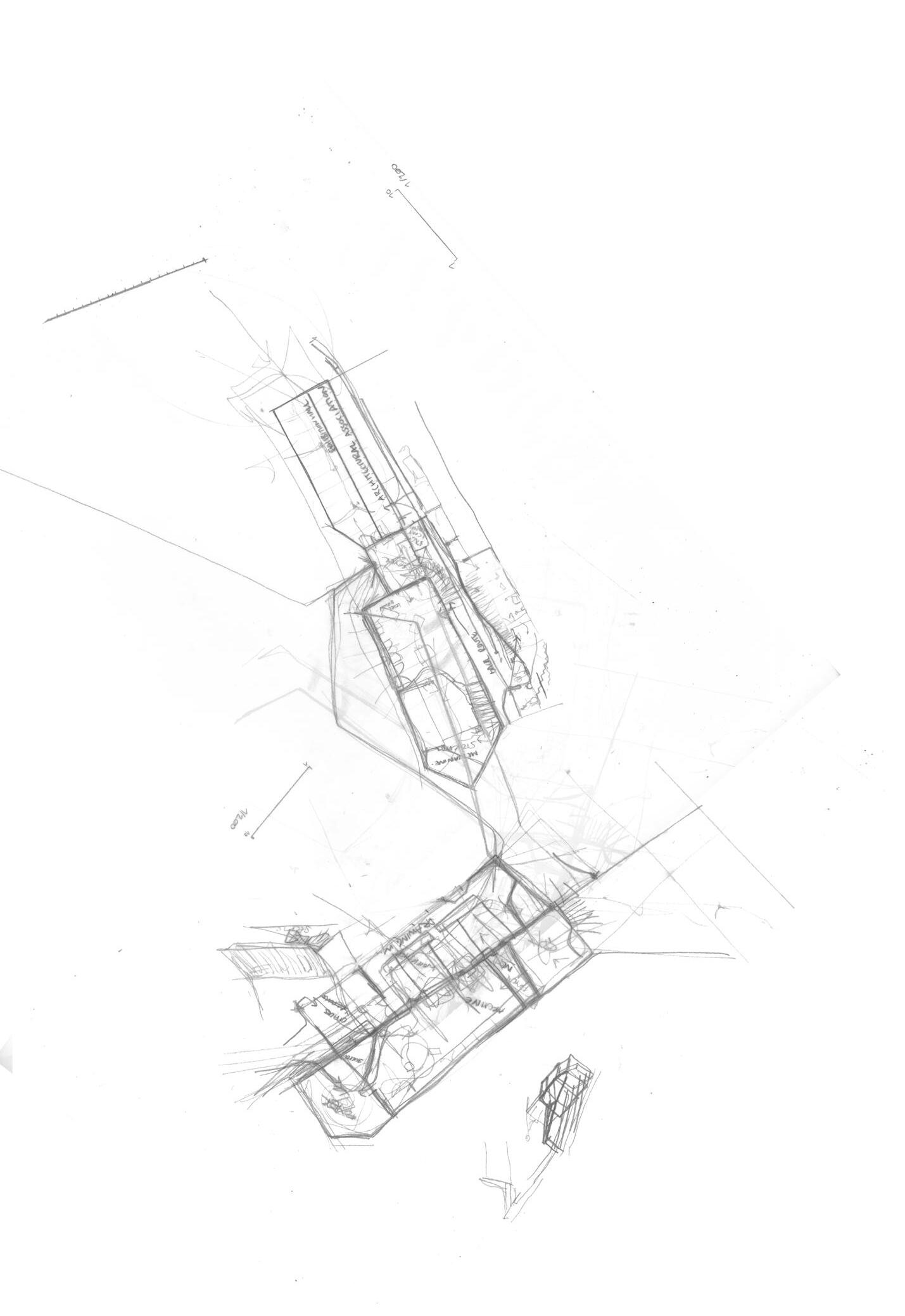
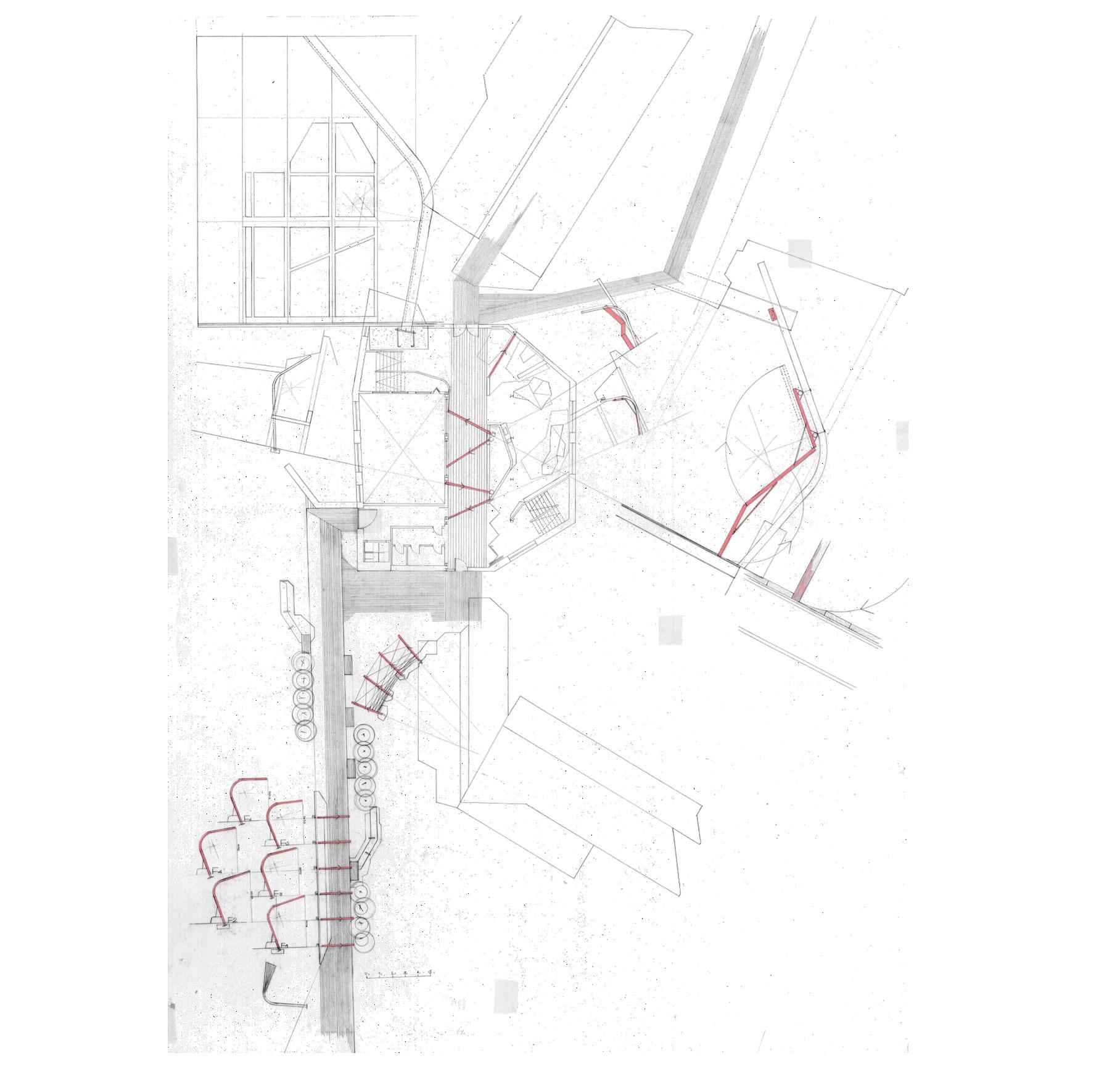
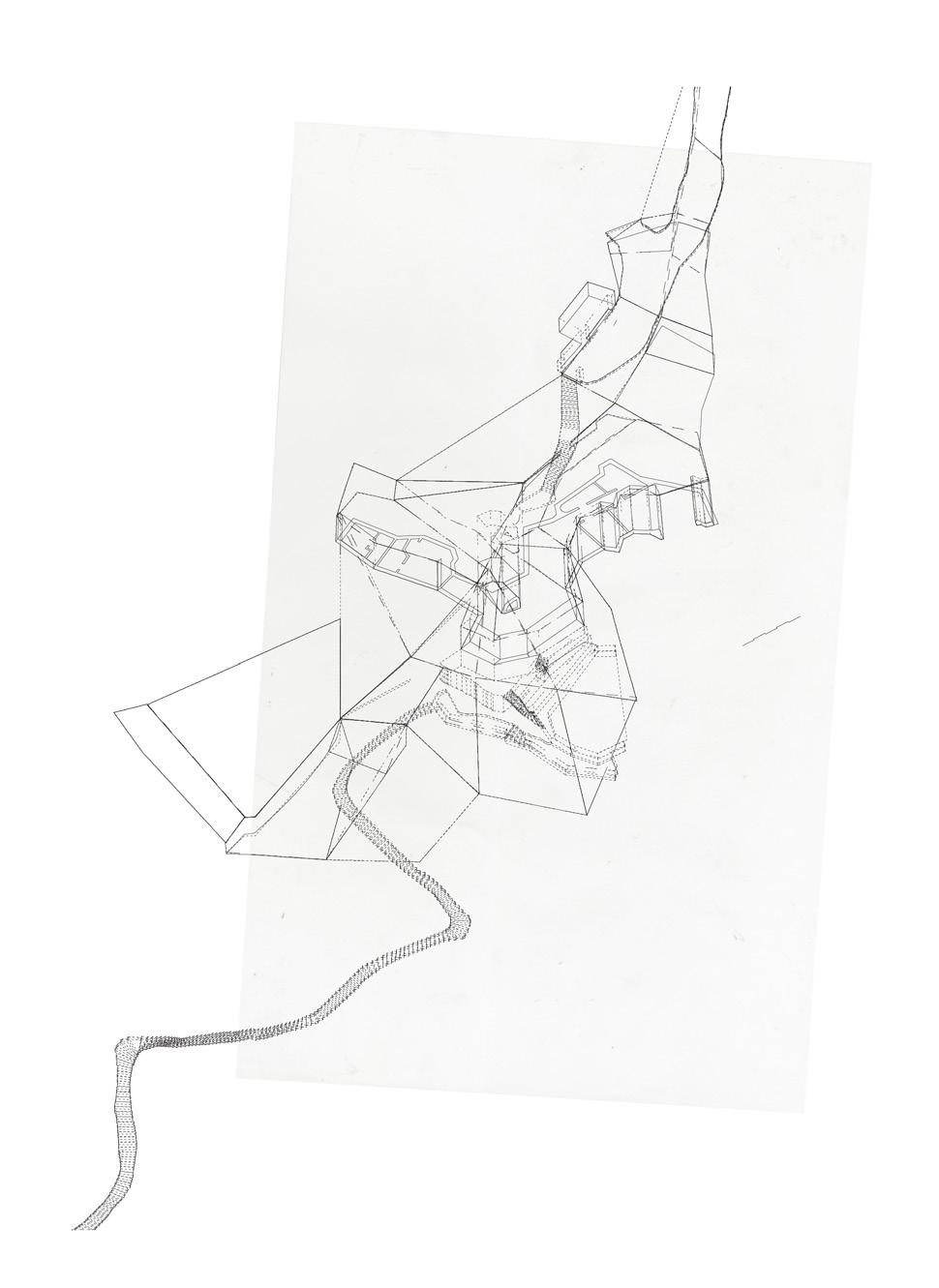
The site is a semi-rectangular field with seven points of entry along its perimeter. It acts primarily as a space of movement, with moments of pause when weather permits. This flow is reinforced by the formal arrangement of benches placed along the concrete paths that trace the edge of the park. The nature of the drawing came about by revisiting the film made on site along side the collages taken from various points in the park. Together the development of new pathways and routes in the field have been discovered.
Drawing Matter Collection
Drawing Matter examines the role of drawing in architectural thought and practice, operating through publications, exhibitions, and workshops that engage both students and practitioners. As a collection, it maintains a wide network of external collaborators (writers, educators, and researchers) who use the archive as a critical tool for study and interpretation
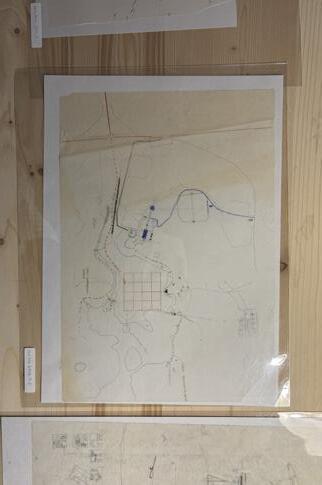
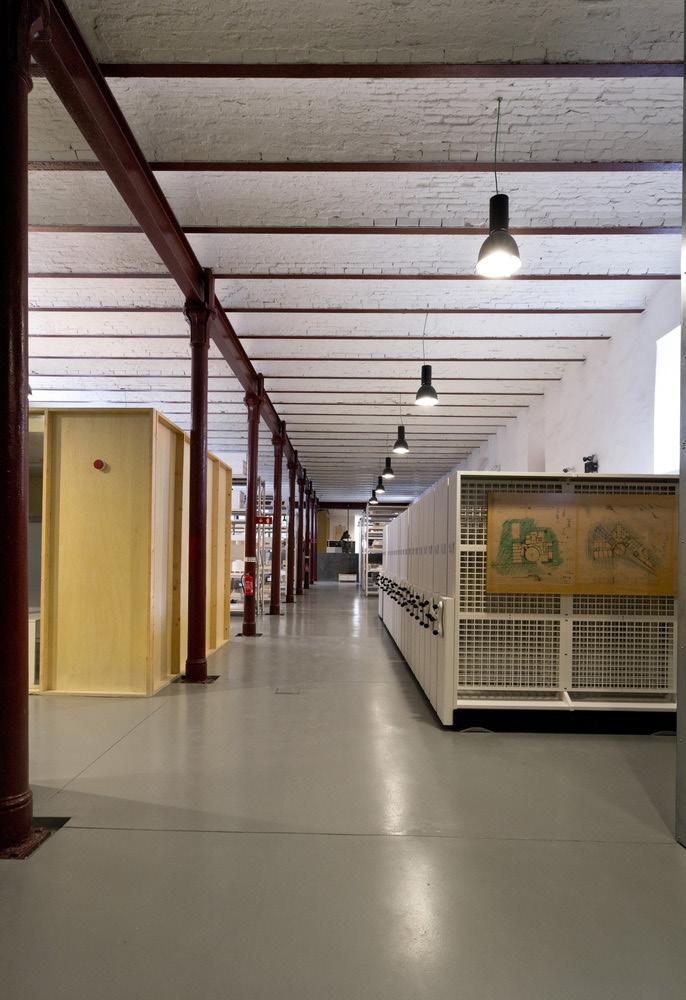
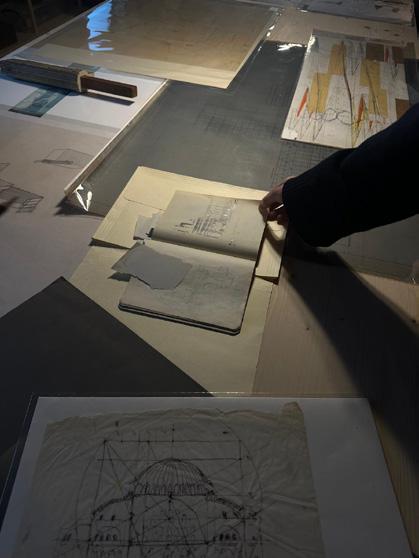
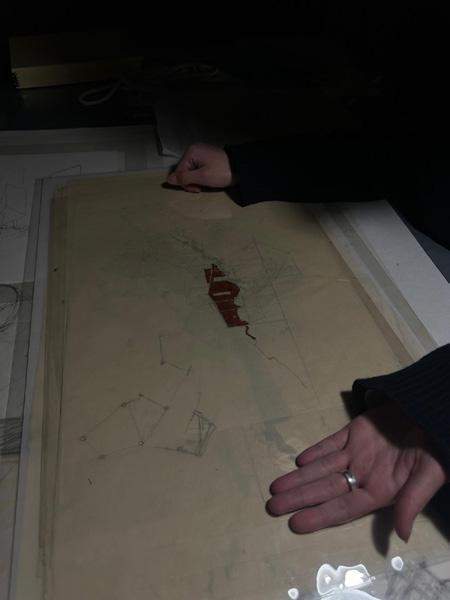
Drawing Matter Archive, photographs taken during our visitation on 23 January
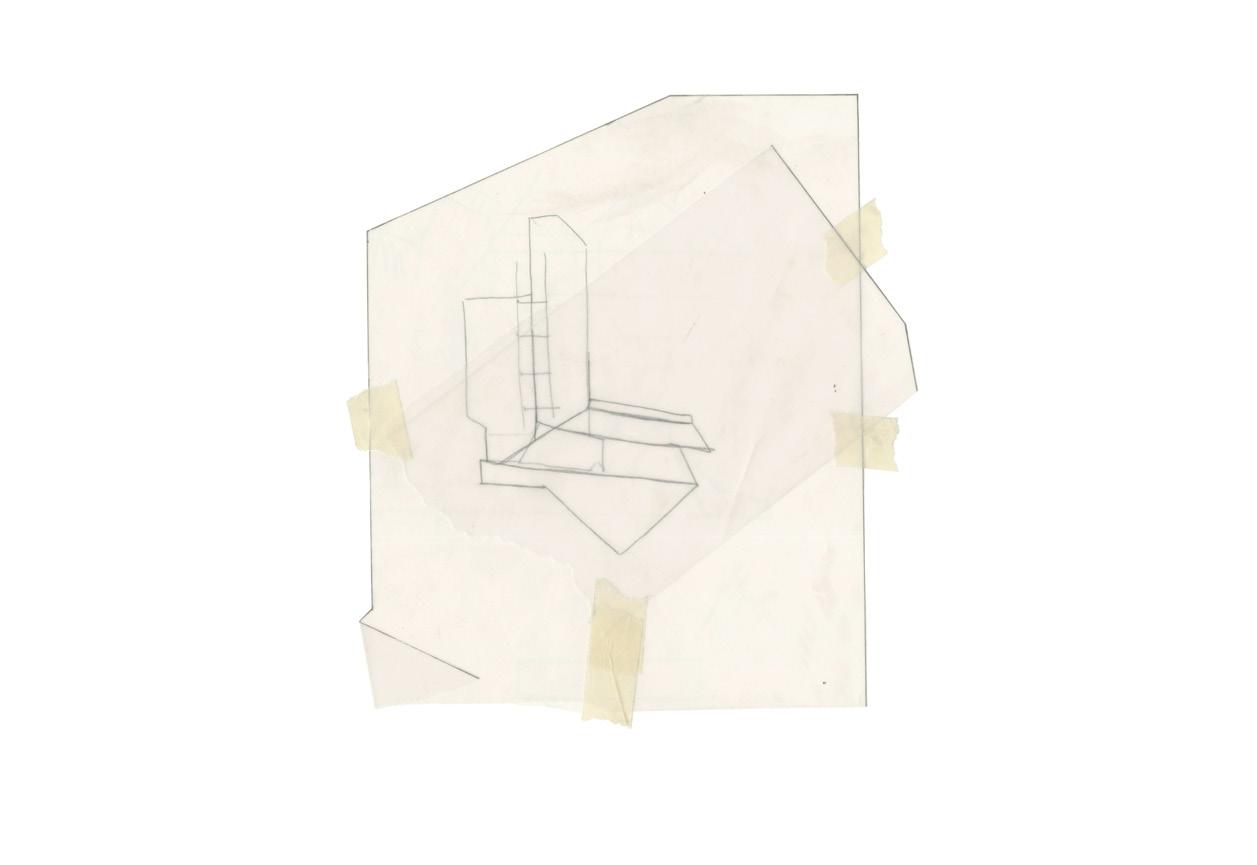
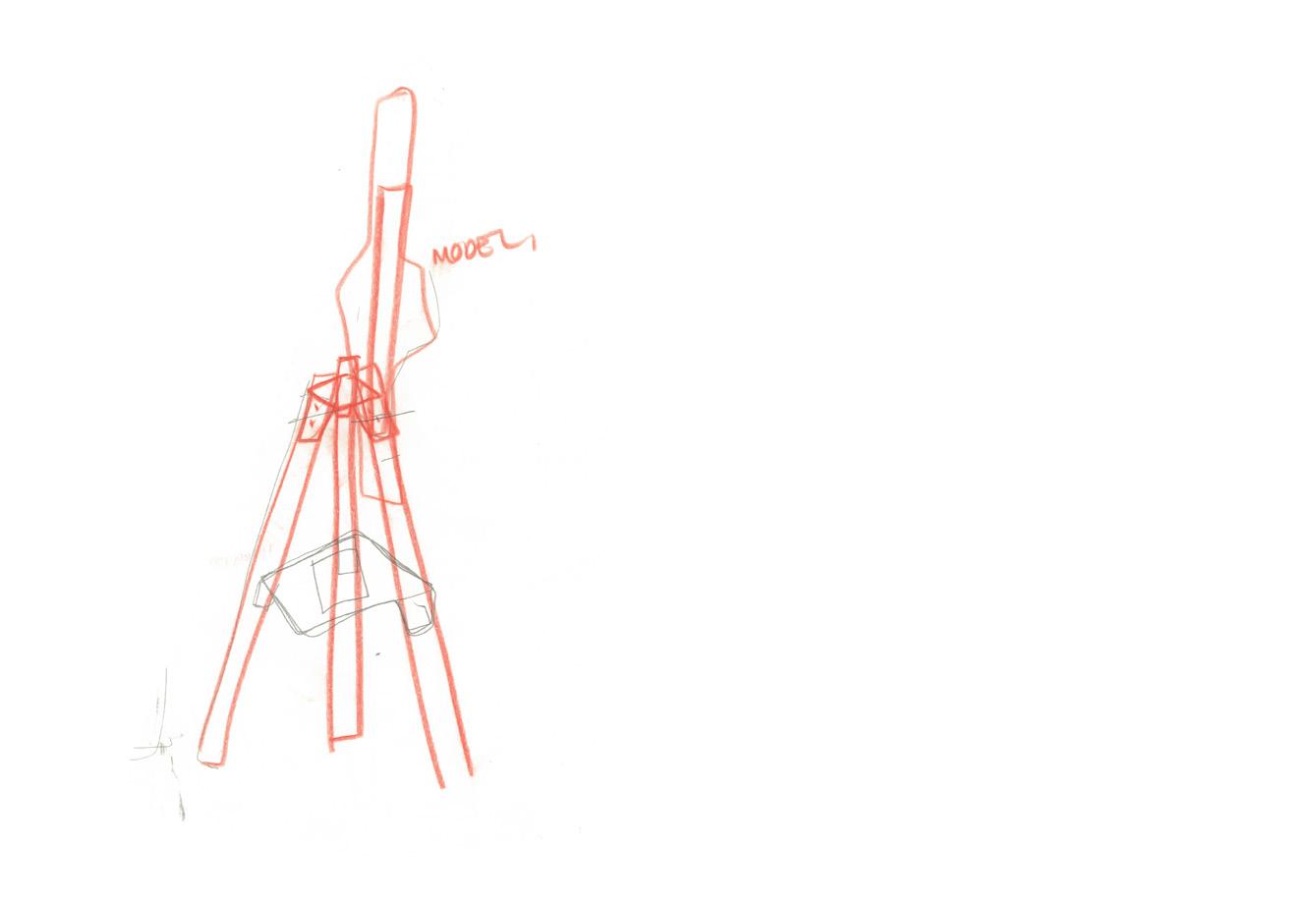
Sketch of (Alternative) Alternative Histories model
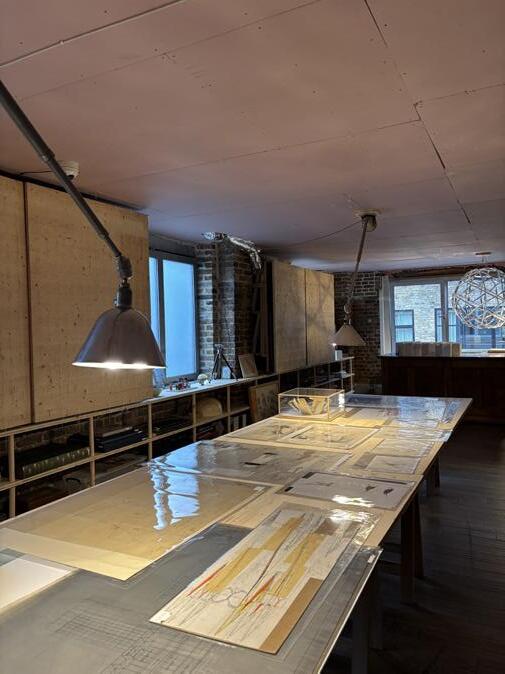
Initially based in Somerset, Drawing Matter has recently relocated to central London, now occupying a space at 8 Smart Place, near Lincoln’s Inn Fields. Materials are currently stored between both sites.
As the archive expands, so does the need for space—not only to house works, but to make room for the activities they generate. The proposed annexe offers space to accommodate this growth. It becomes a place to store, display, and catalogue work produced through workshops, ensuring these responses are not lost, but folded back into the archive for future study and reuse.
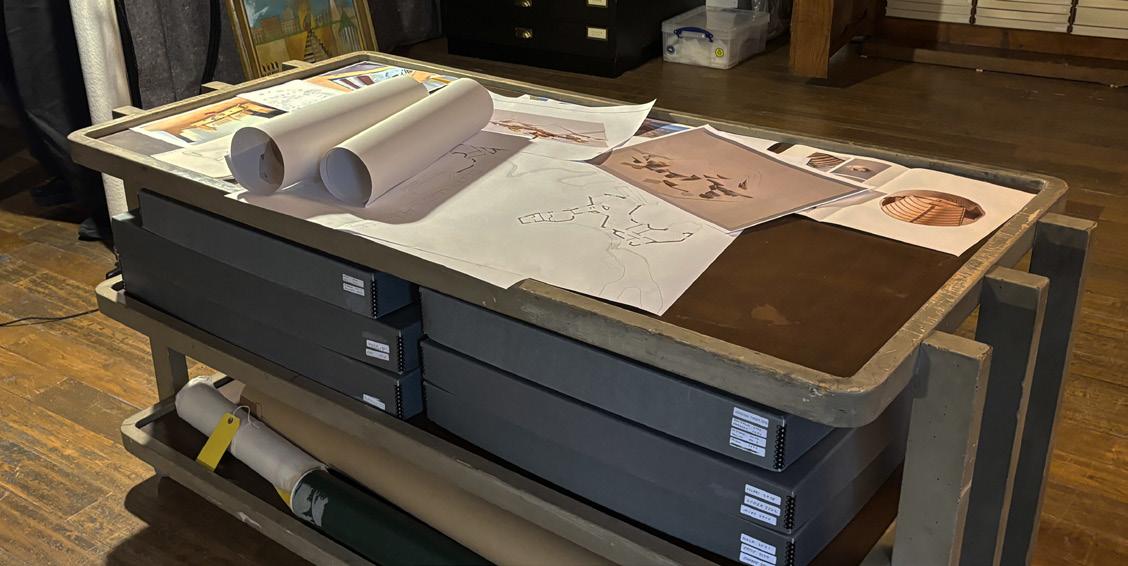
Architectural Association Archives
The Architectural Association (AA) Archives includes over 15,000 historic works of students drawings, models, posters, and increasingly, digital work produced by current students. Its primary interface is digital, with only 13% of the holdings fully catalogued to date. While the online nature of the archive improves accessibility, it limits the physical engagement with the material, a key aspect of architectural investigation.
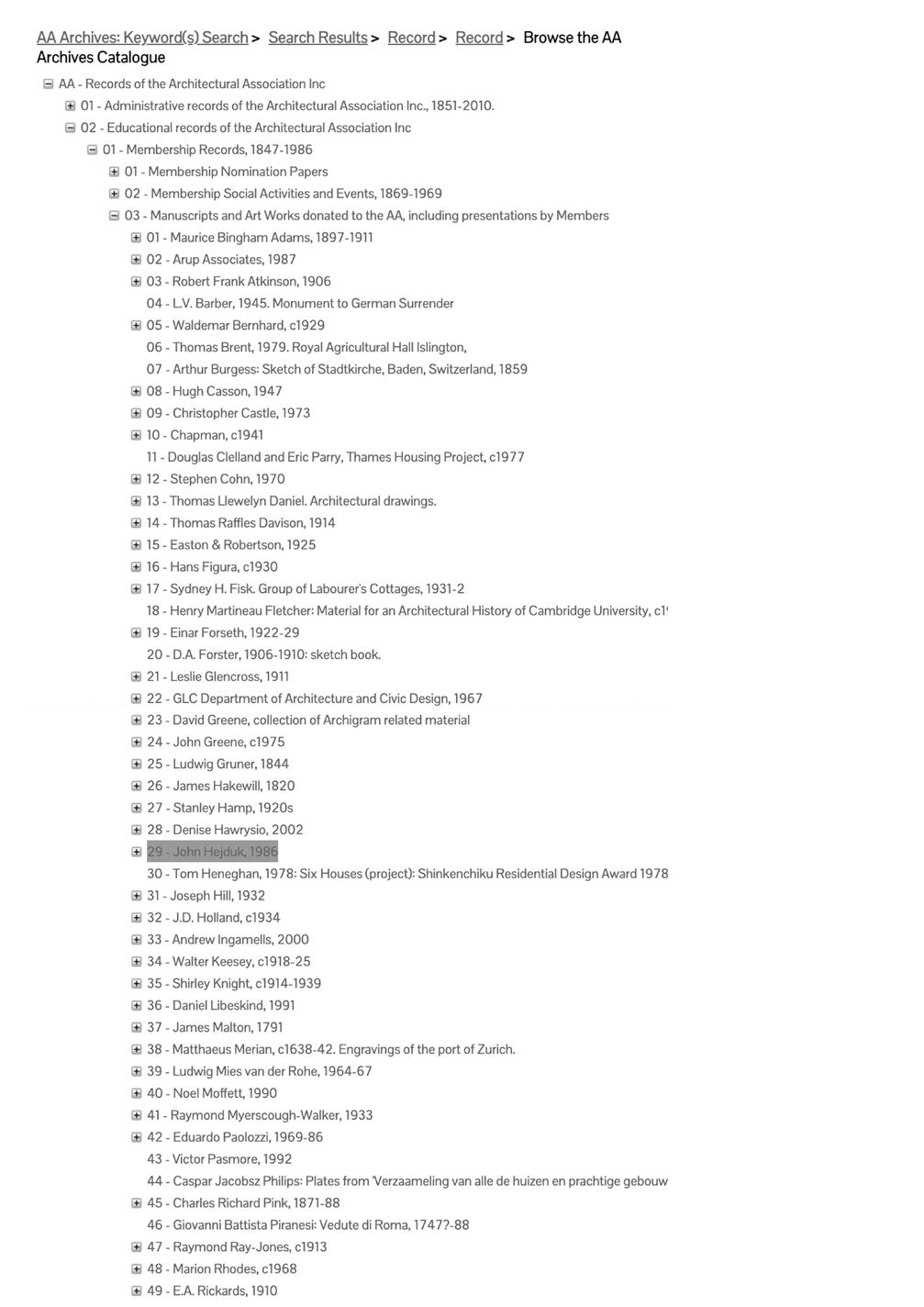
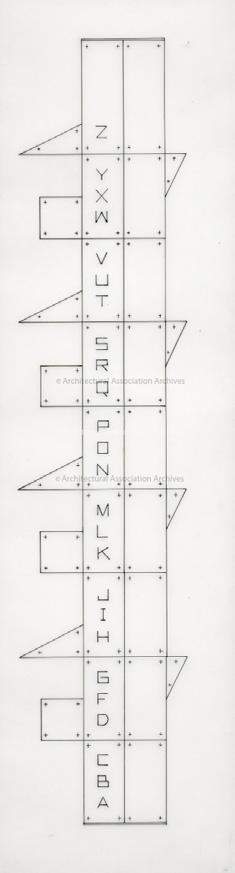
Comprises drawings by Nicholas Boyarsky which are copies of John Hejduk's designs, and sketches by John Hejduk for the Victims exhibition, held at the Architectural Association from 24 September to 25 October 1986
Digital interface of the AA Archives website, displaying a selected catalogue of student work produced in response to John Hejduk for a 1986 exhibition. An example of how archival material is currently accessed and presented online.
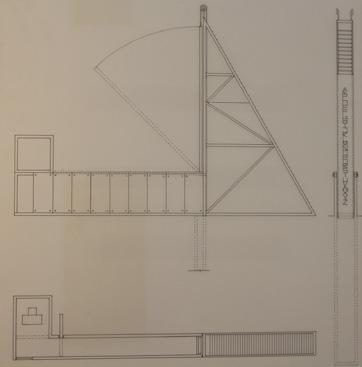
The archive’s ambition is to document the educational trajectory of the AA and preserve its material culture and graphic output. However, the lack of dedicated space for physical handling, display, and reflections remains a gap.
The annexe proposes the potential to respond to this need, providing a monitored environment where archival material can be experienced spatially, materially, and where new relationships between past and present student work can be formed.
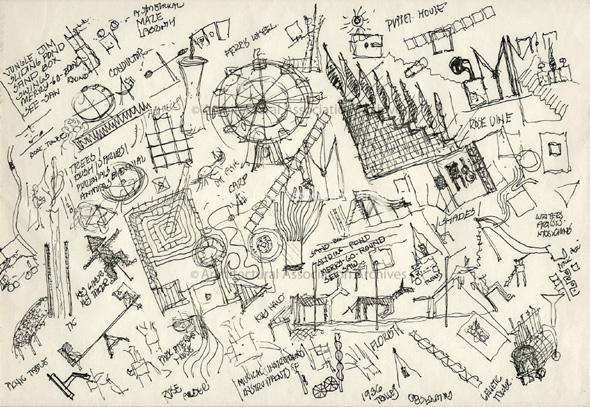
Bringing together the Drawing Matter collection and the AA Archives creates a space for focused research and study, but also invites physical engagement with material. It reinforces the idea that work made in response to the archive holds its own value, both as interpretation and as contribution.
Scale for the annexe
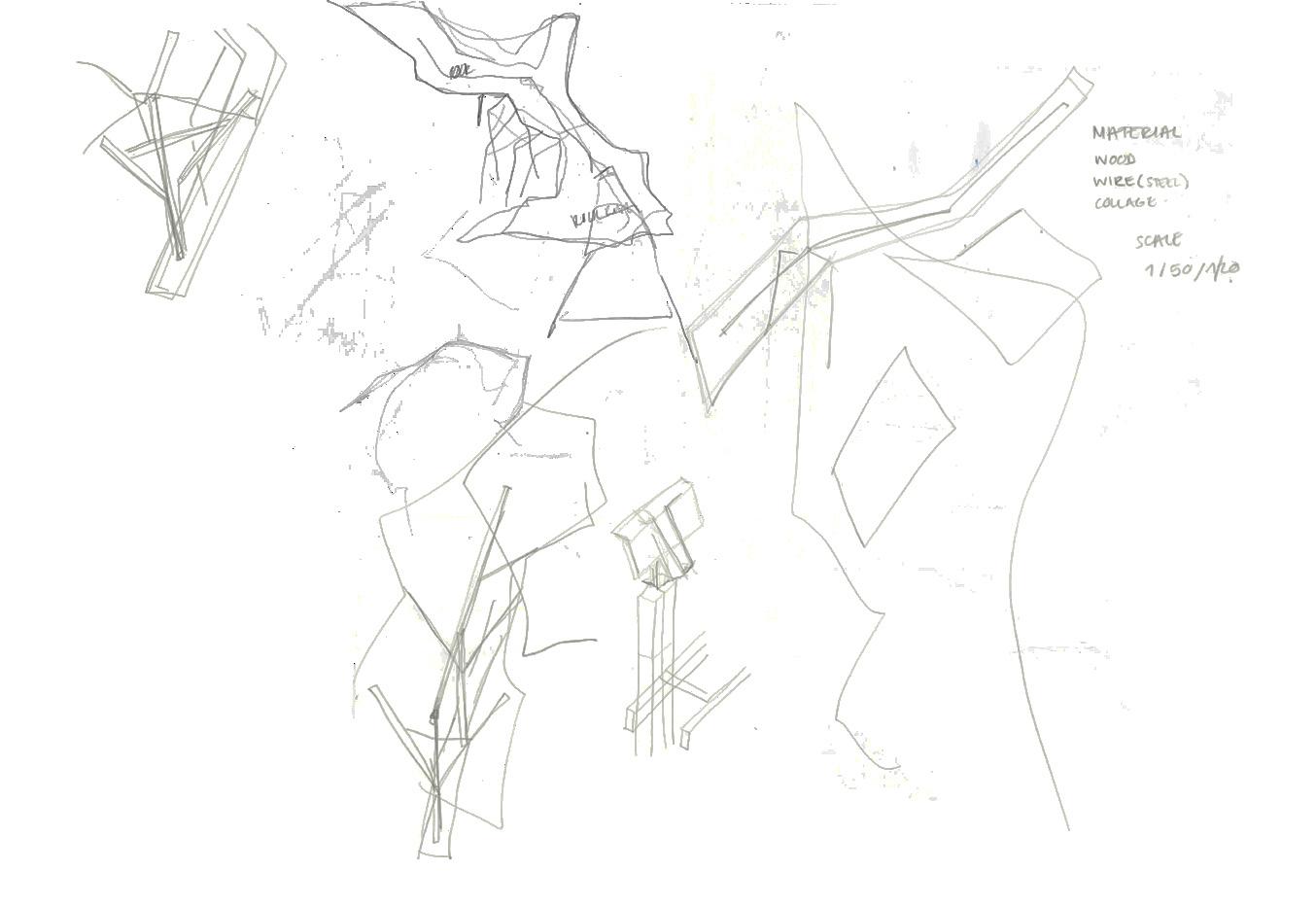
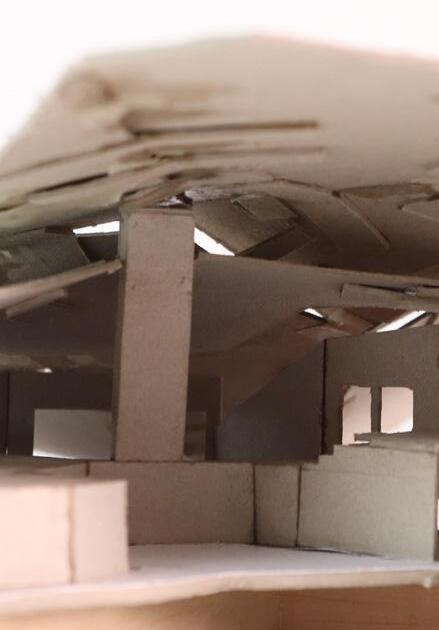
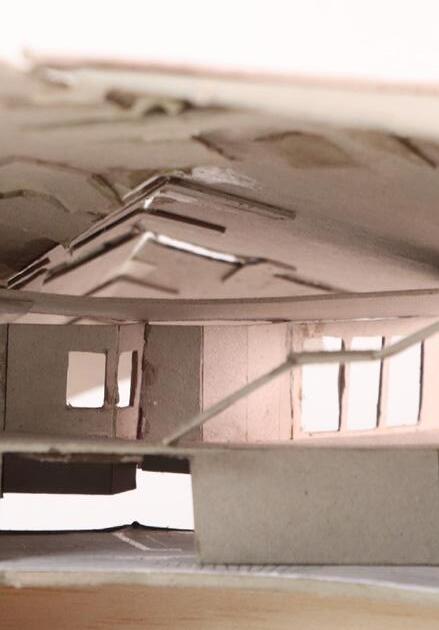
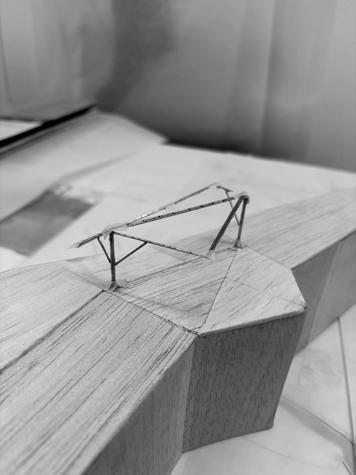
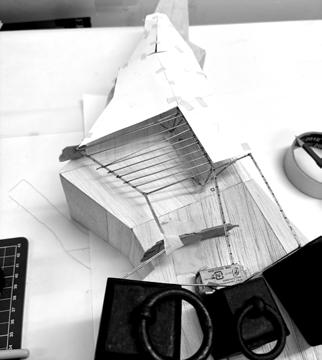
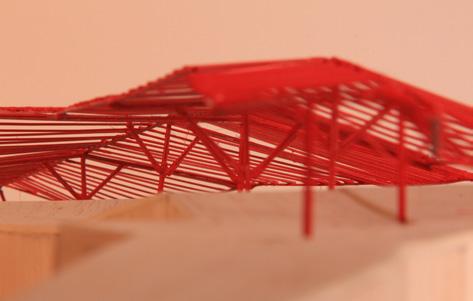
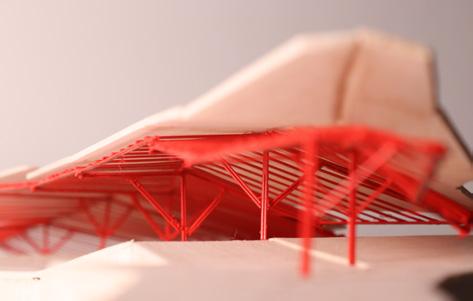
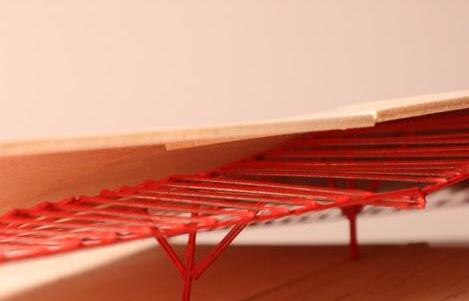
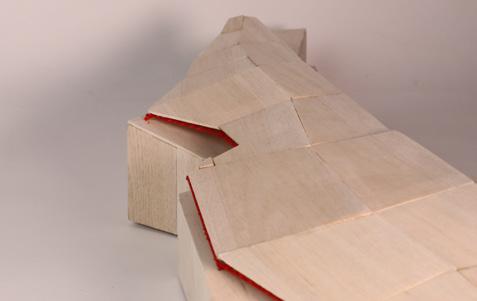
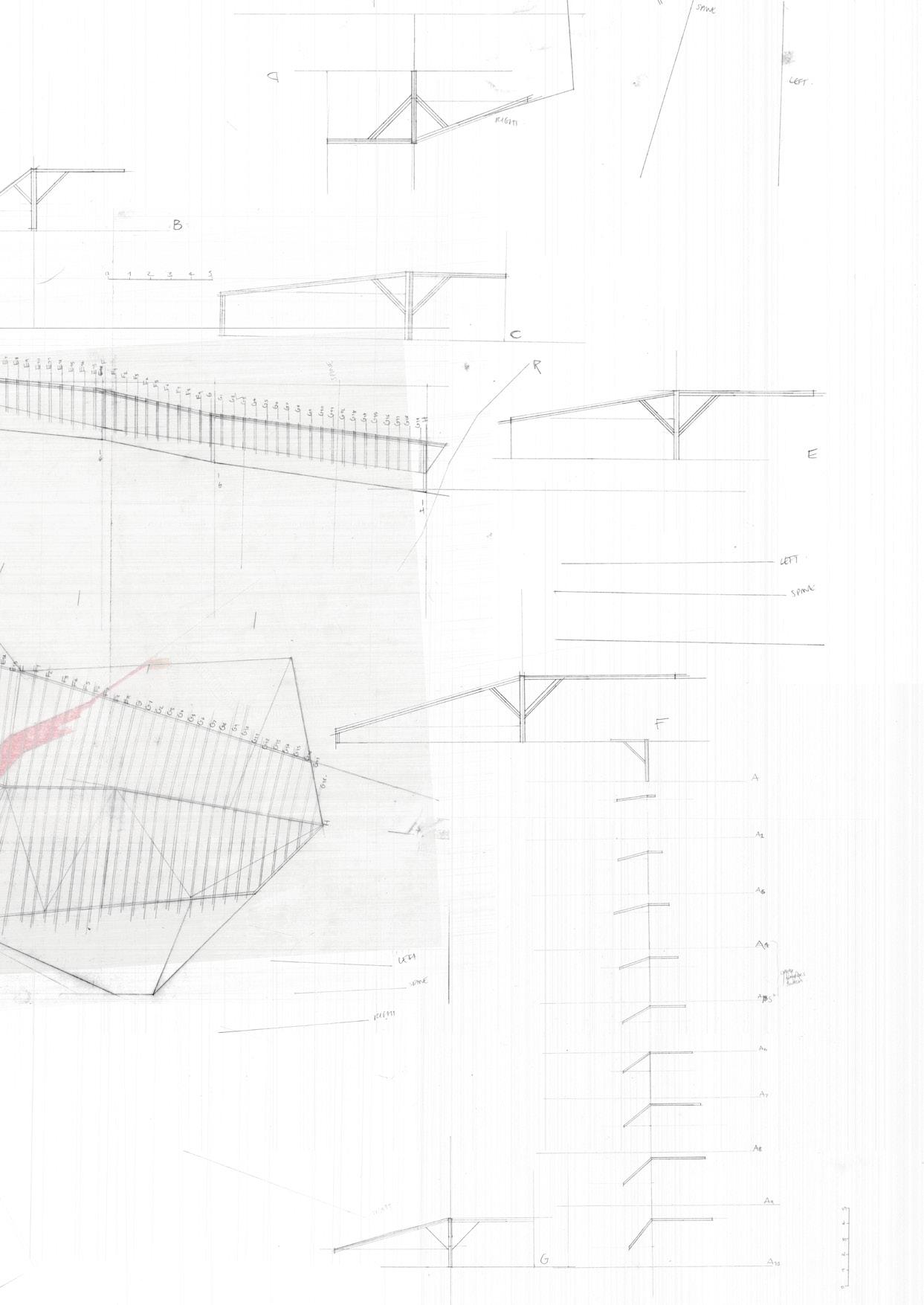
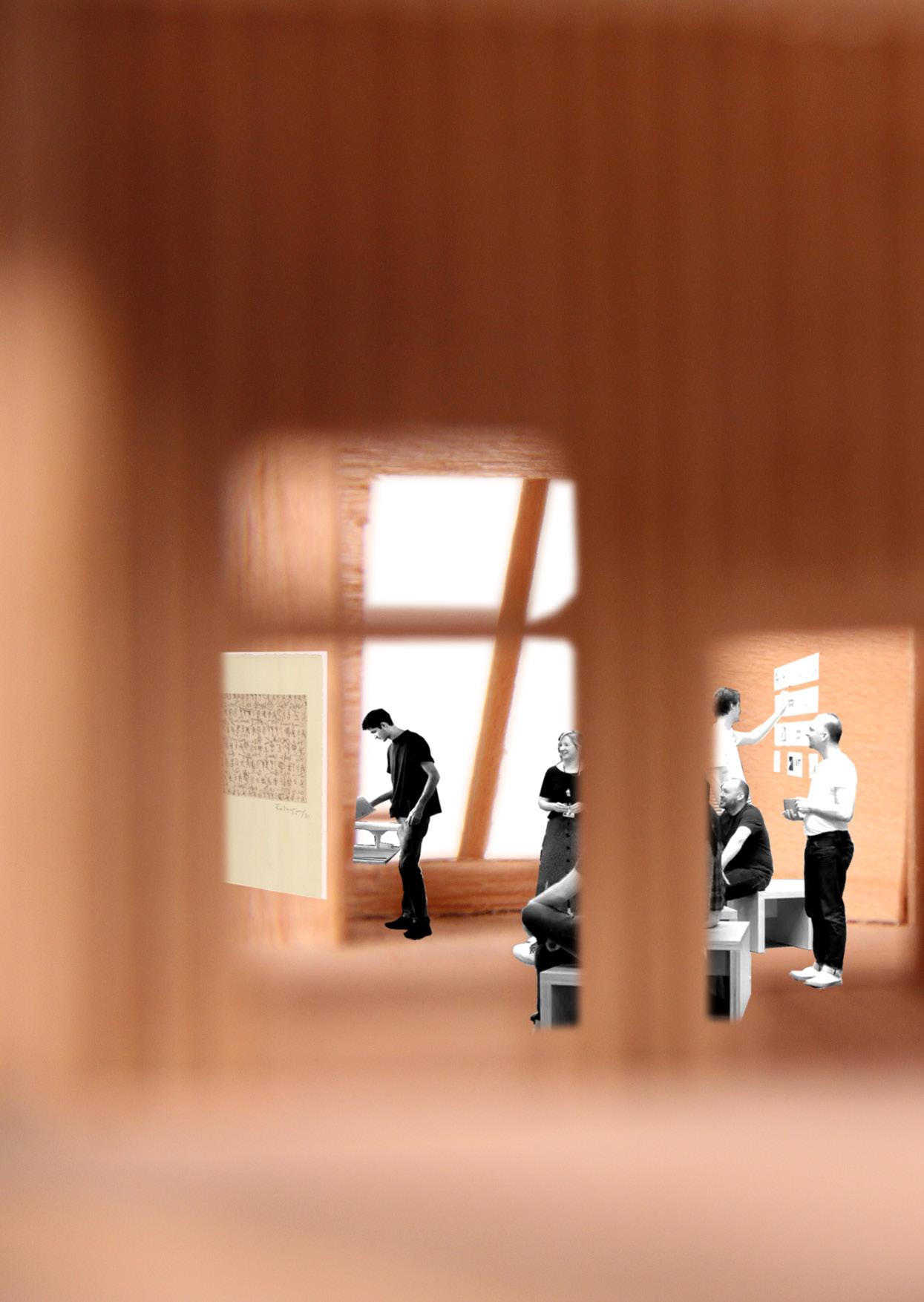
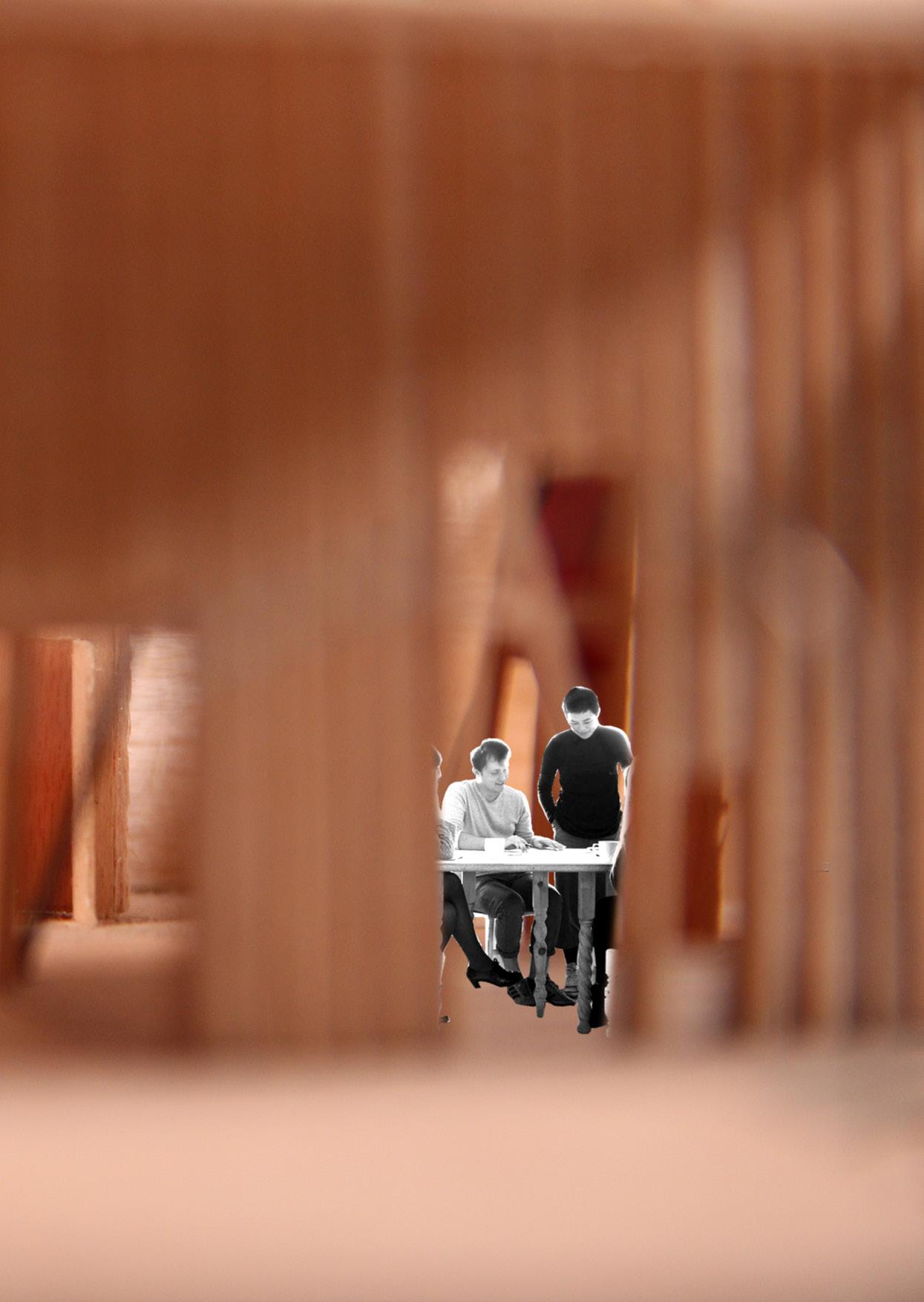
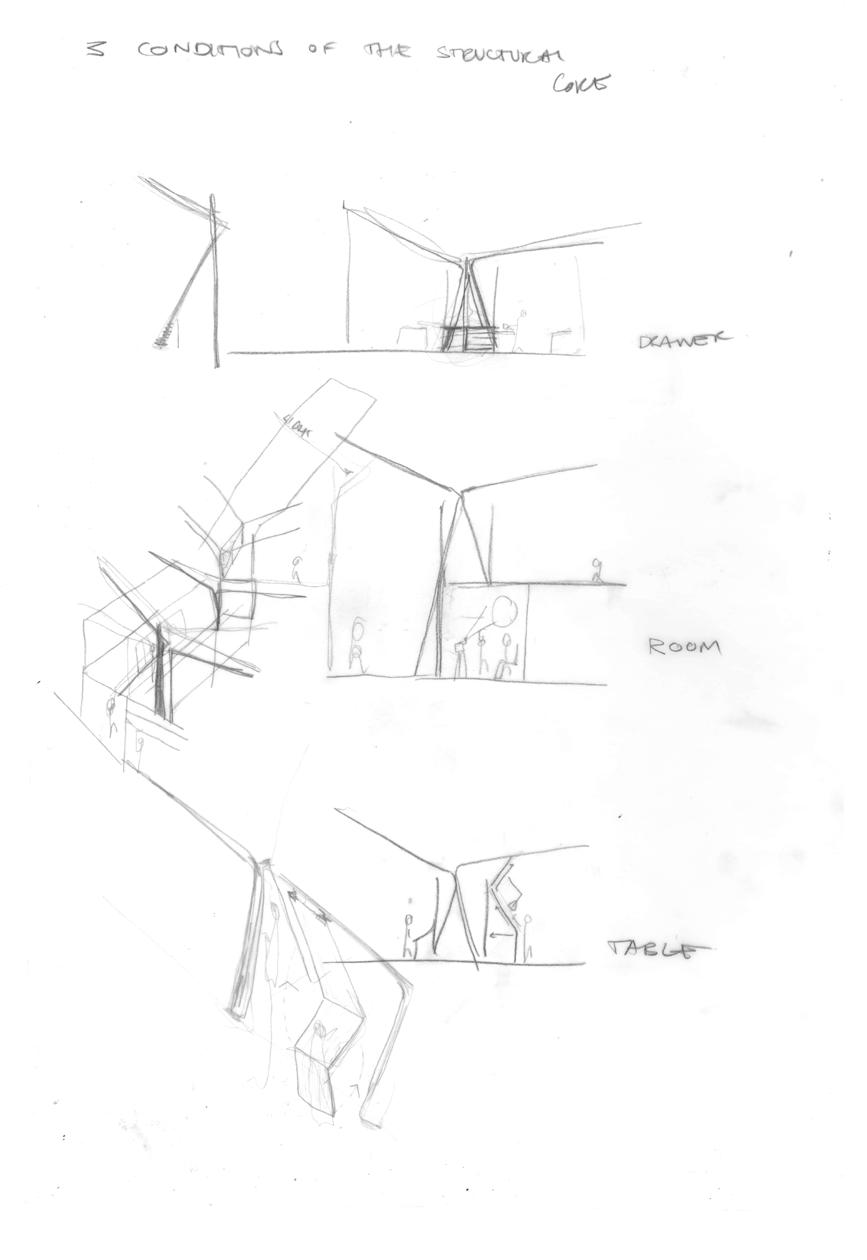
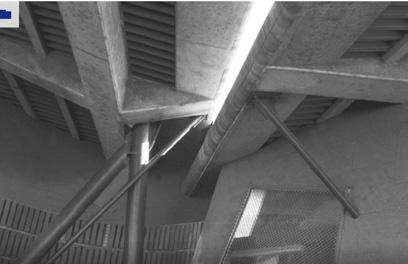
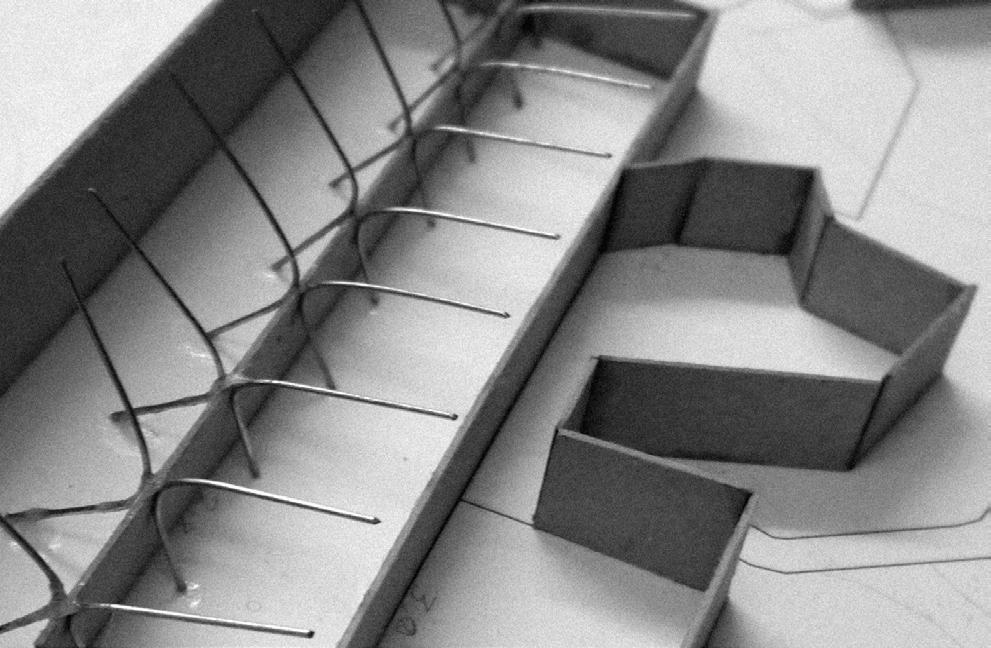
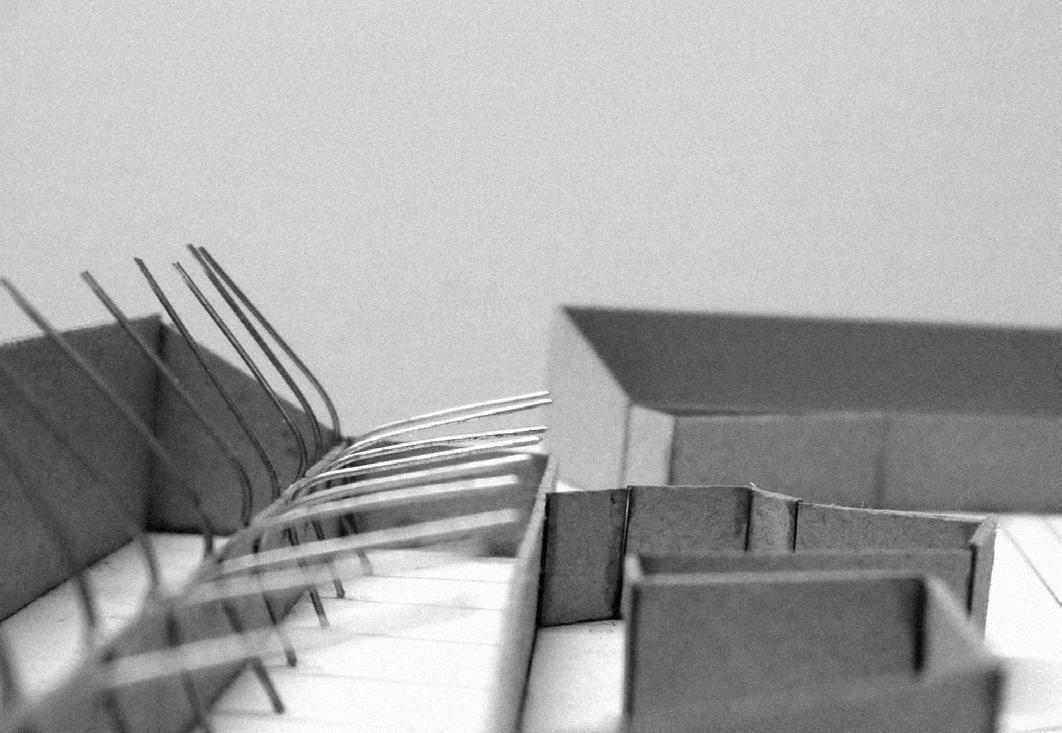
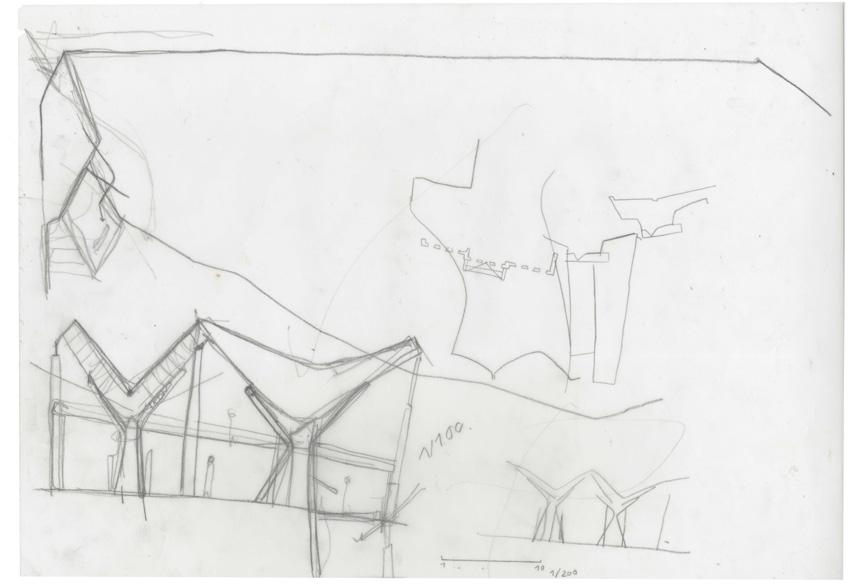
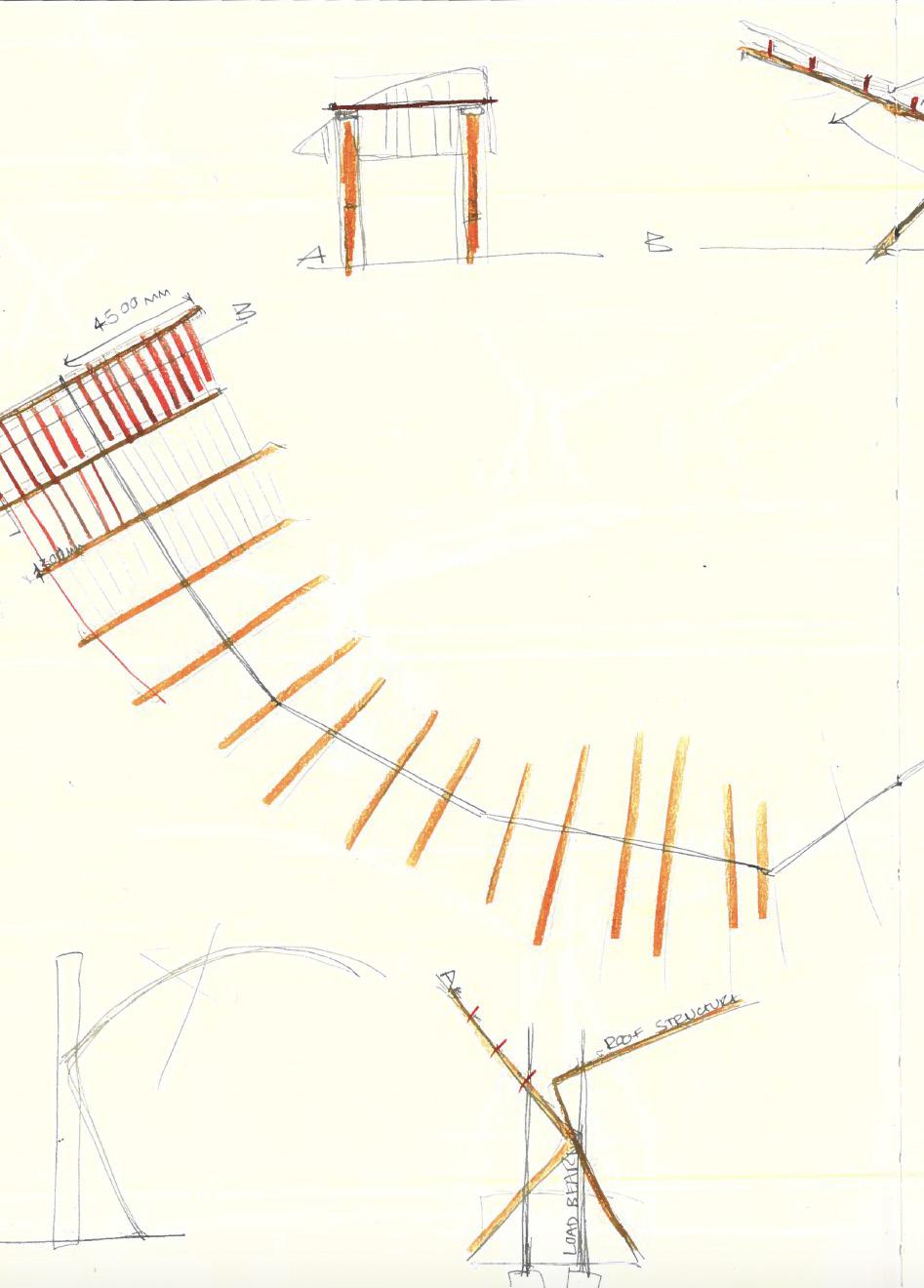
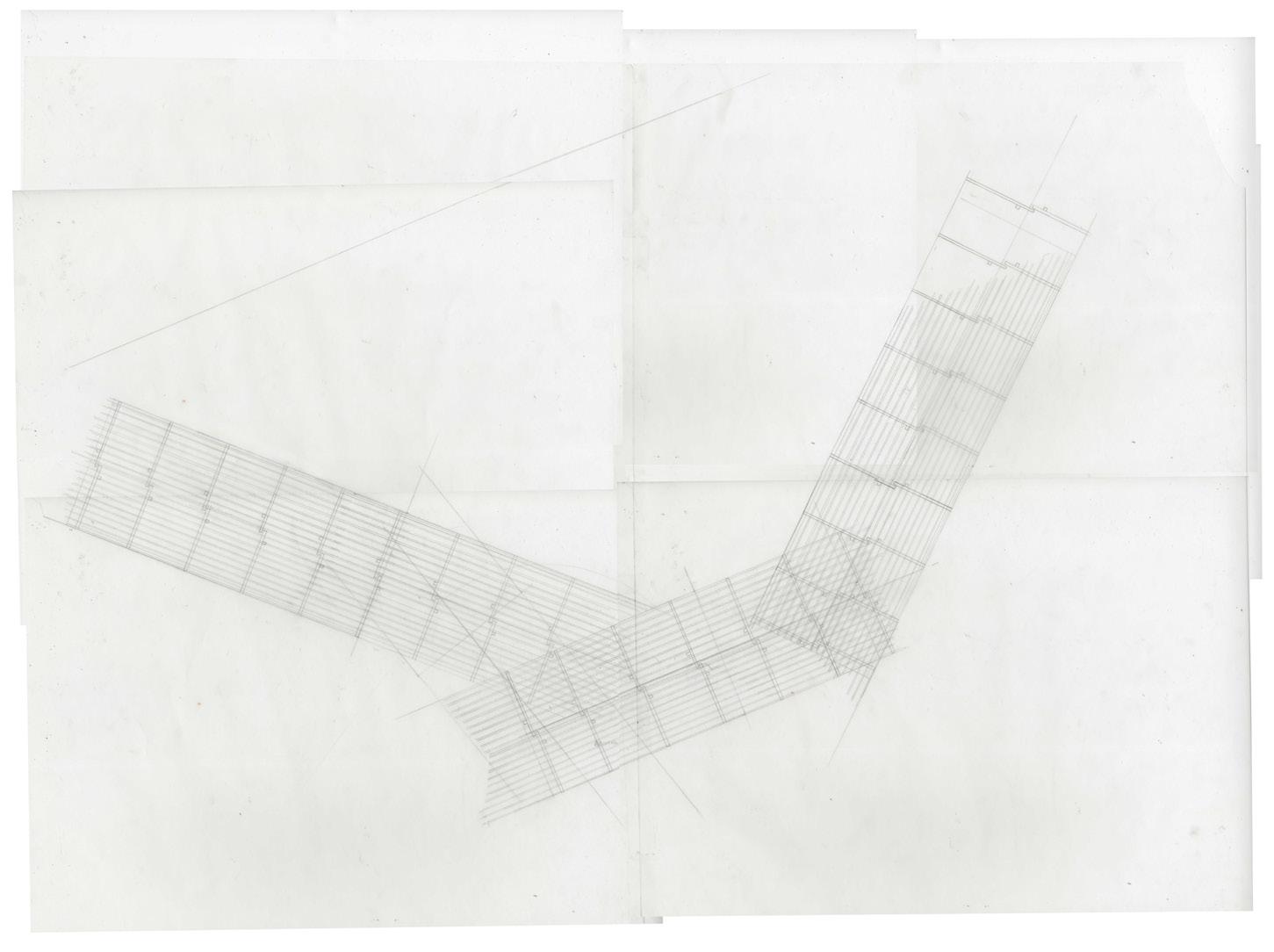
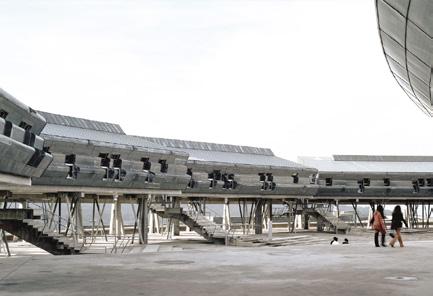
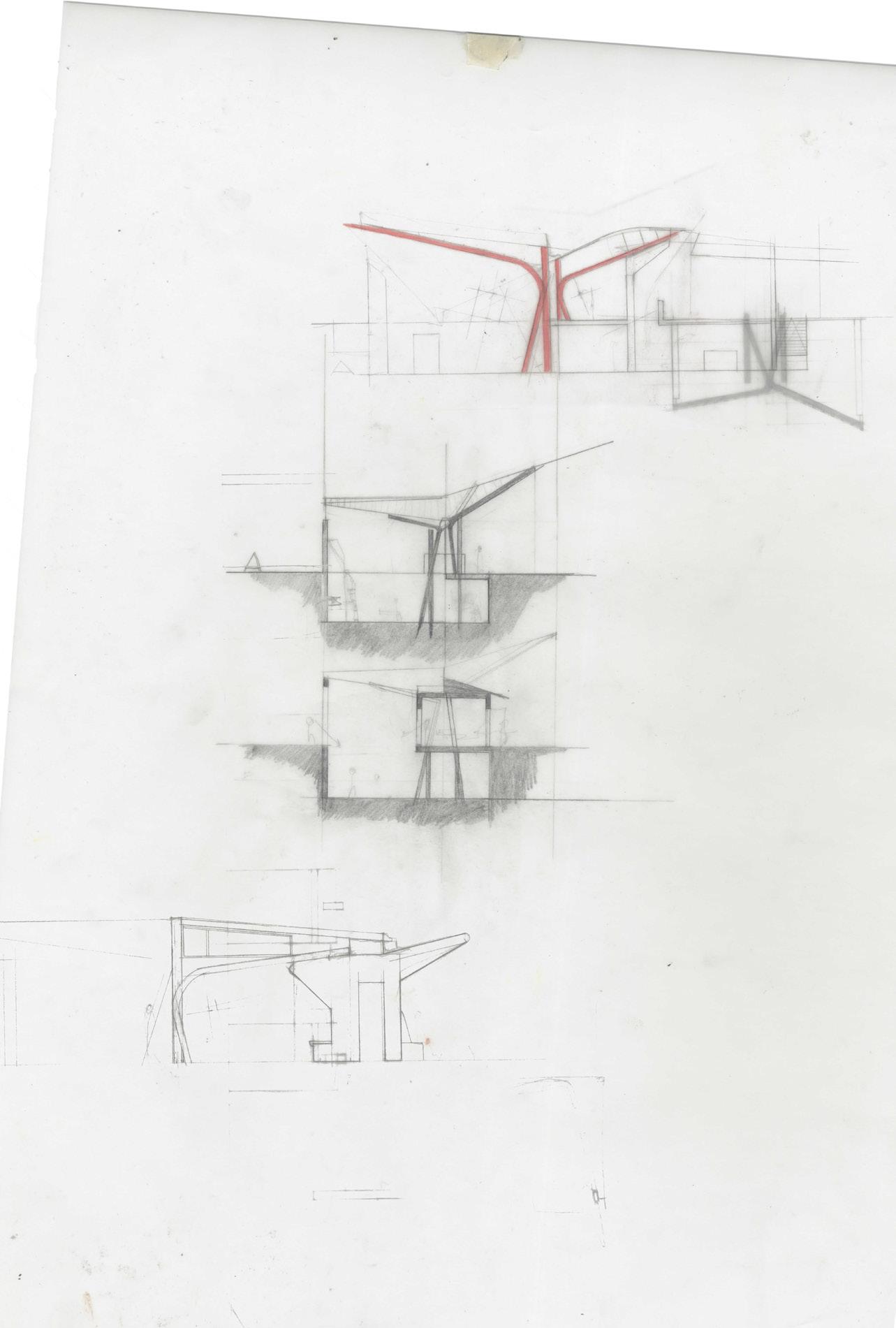
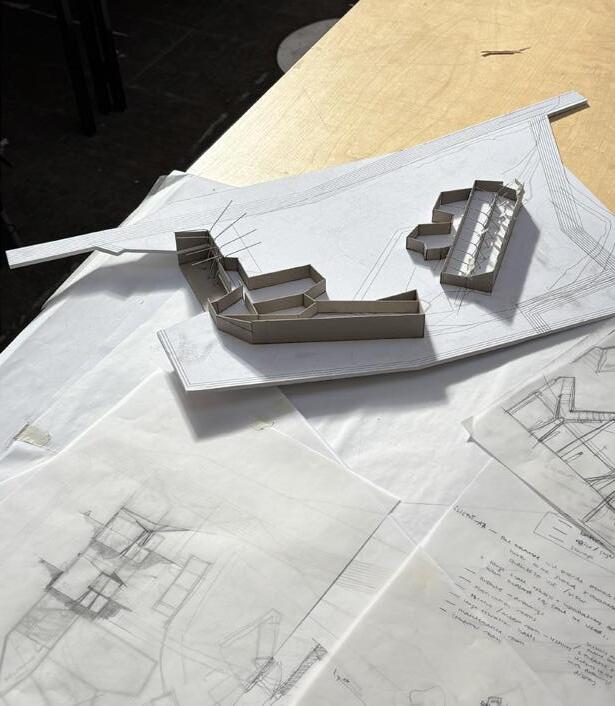
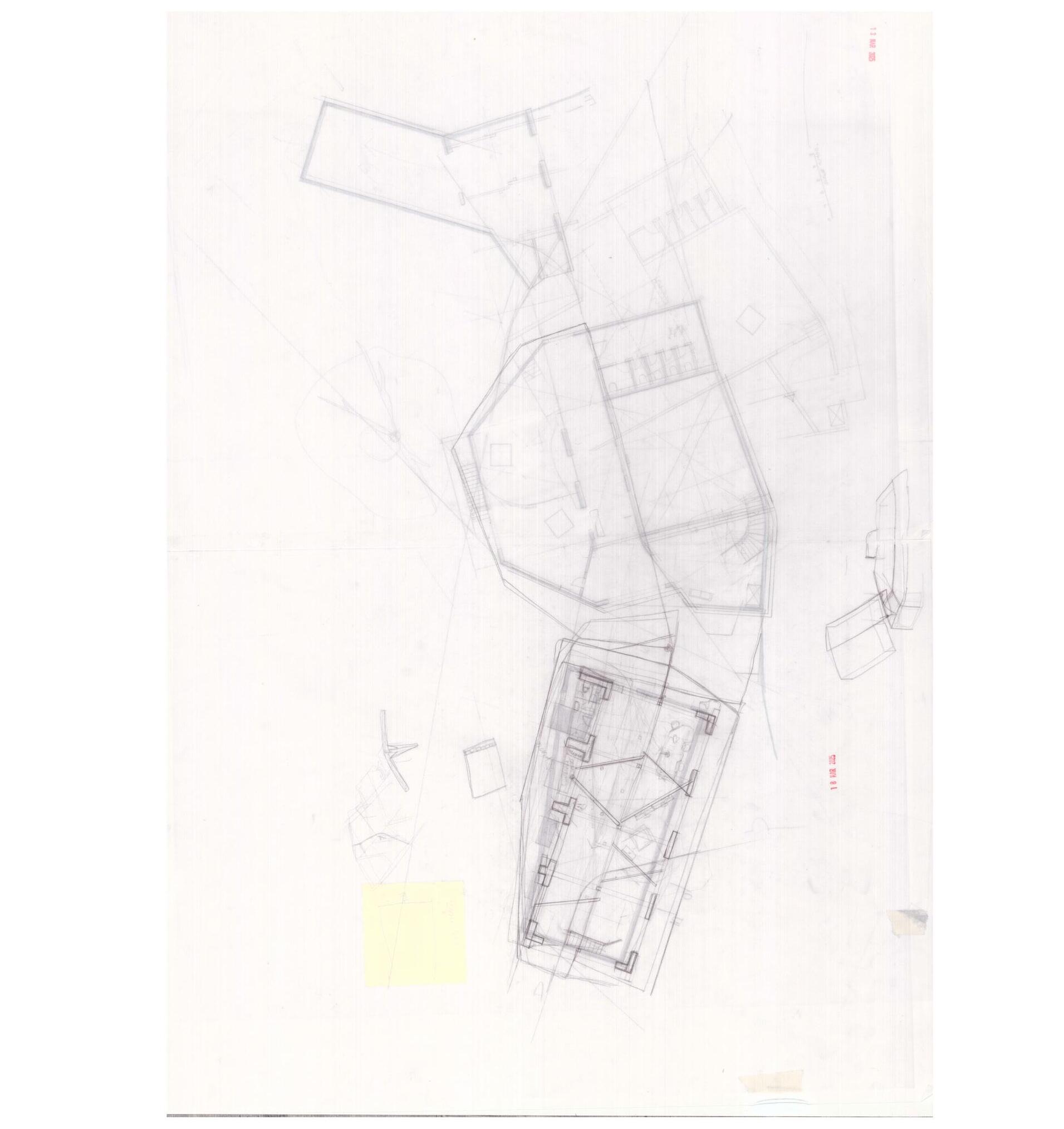
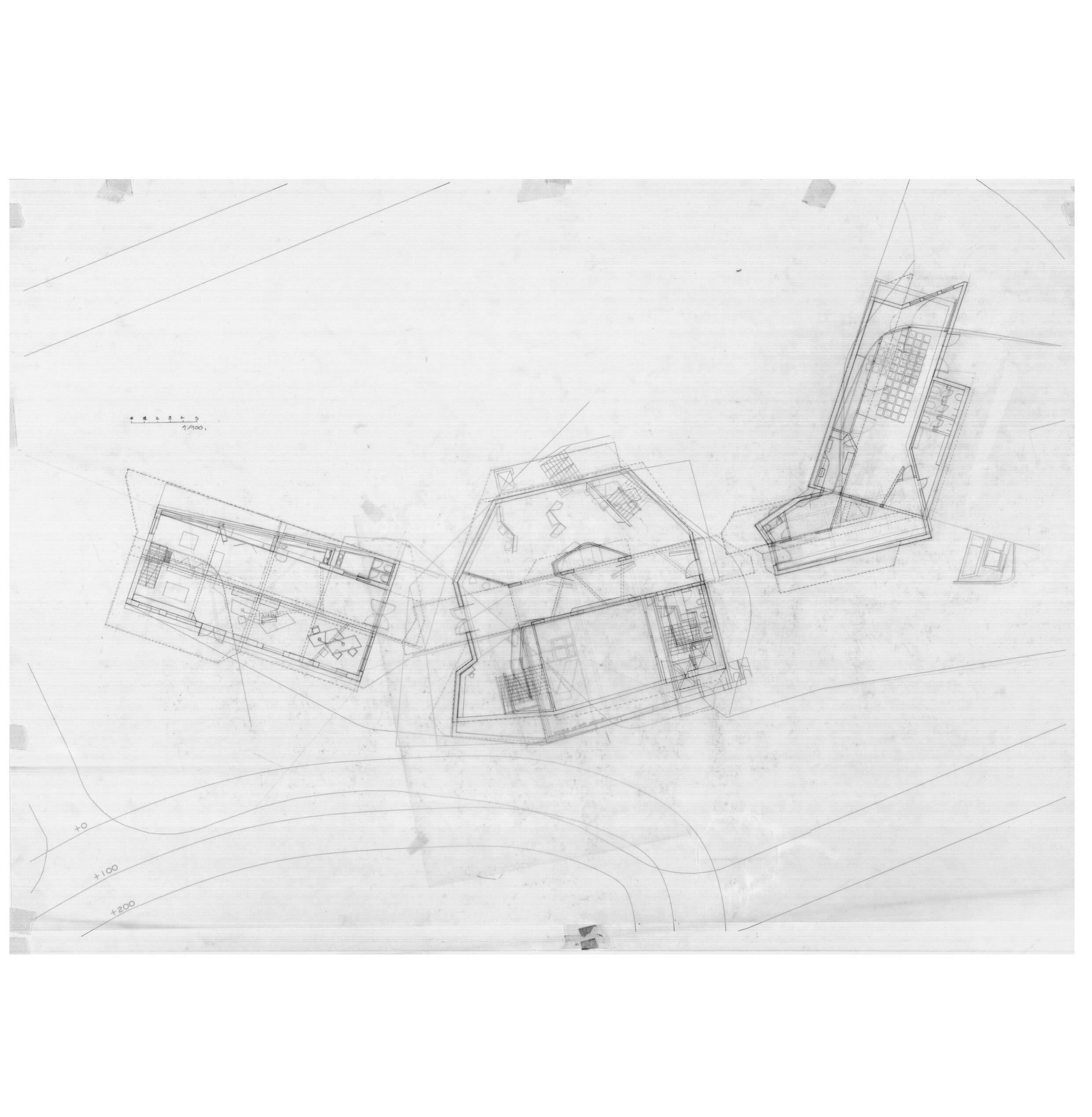
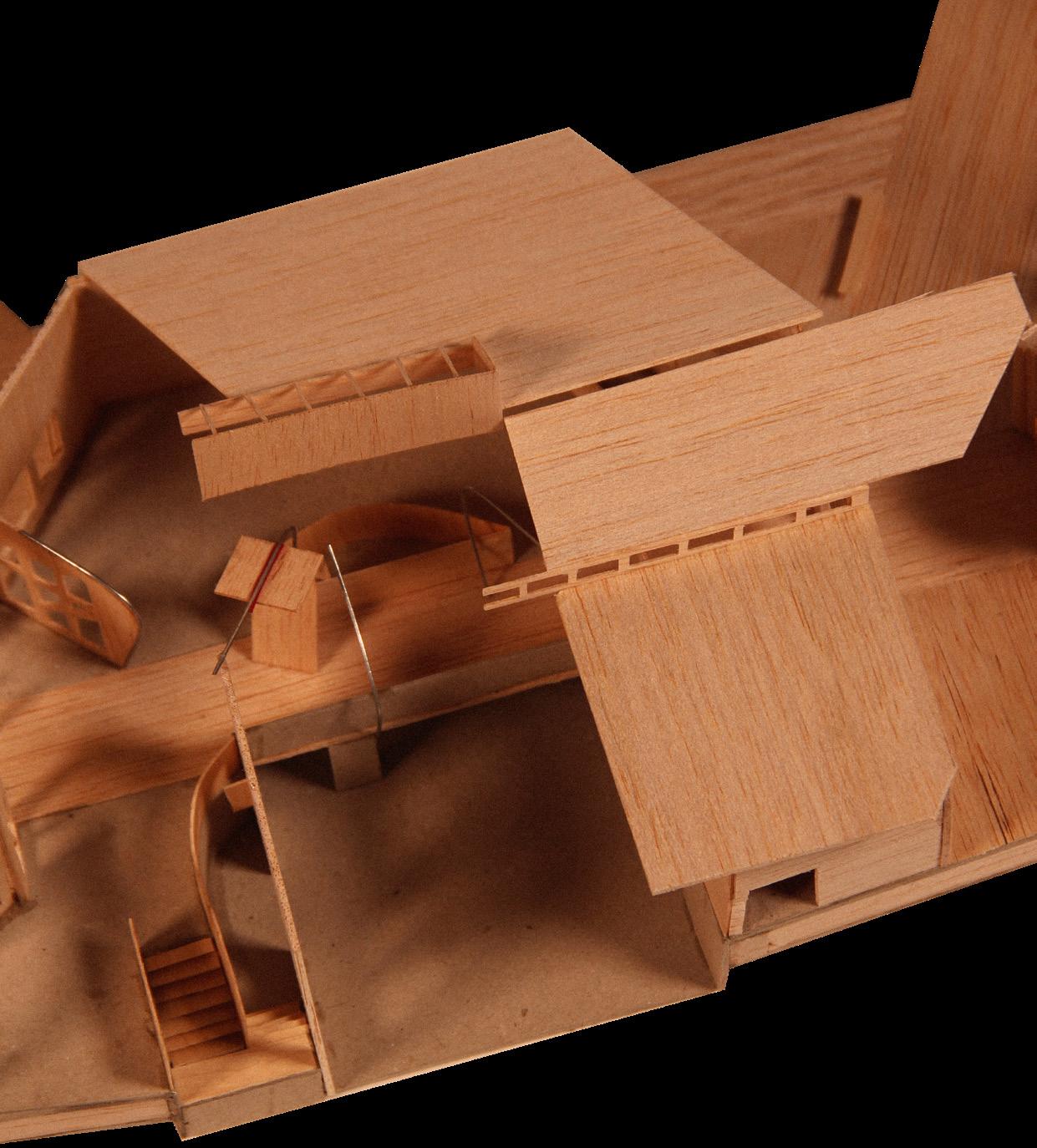
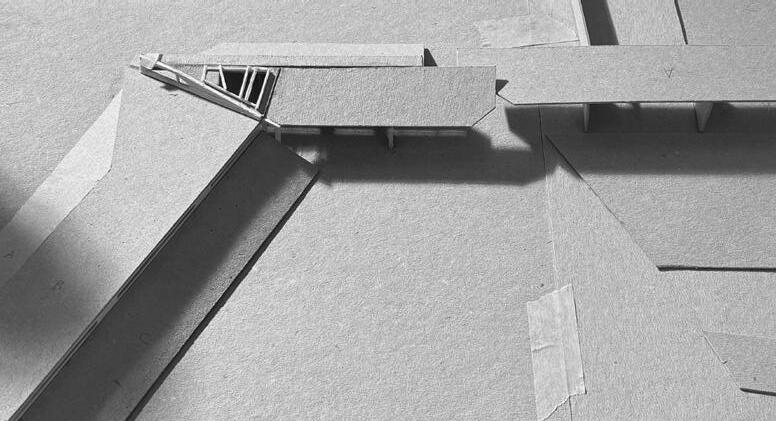
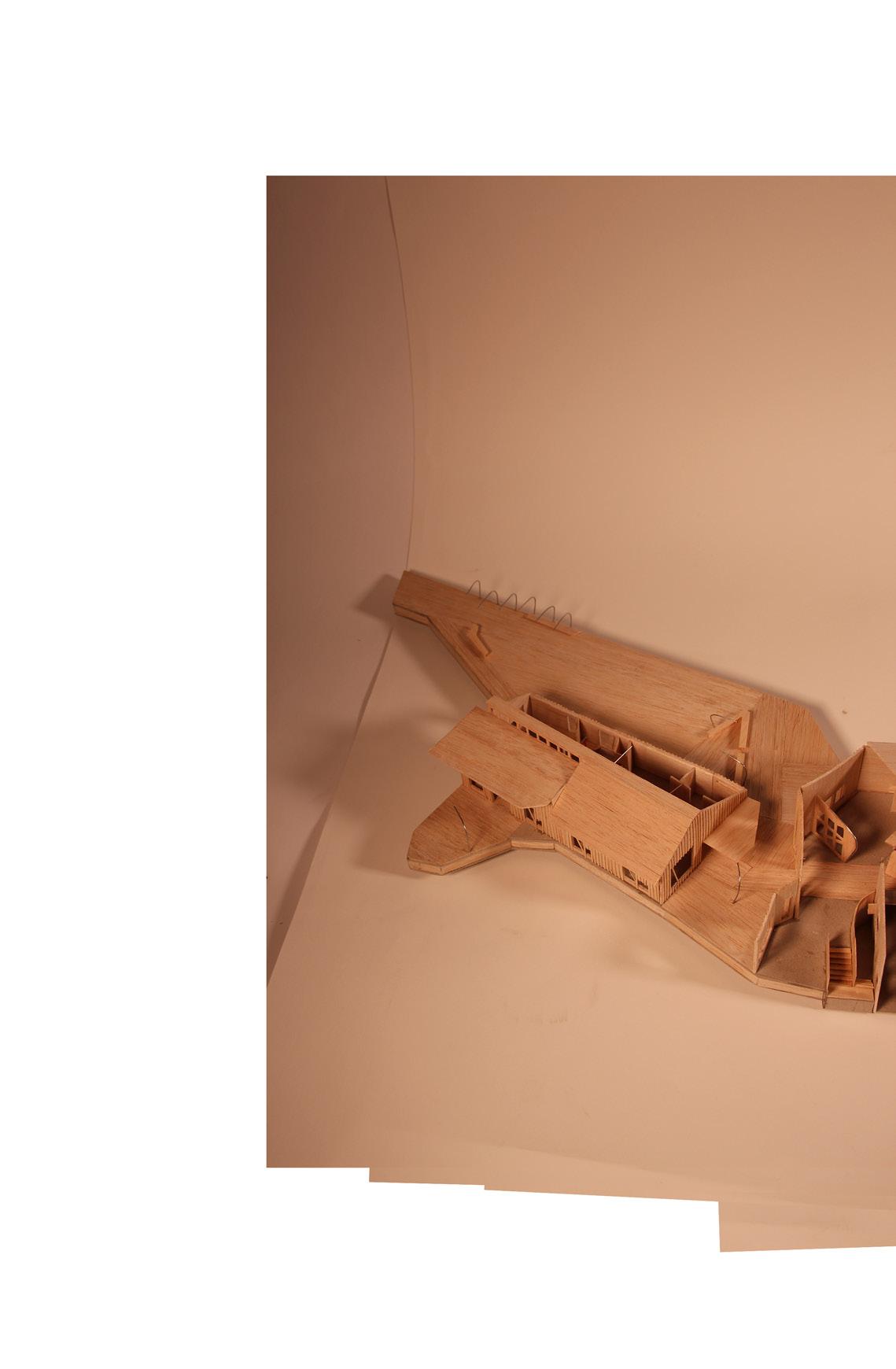
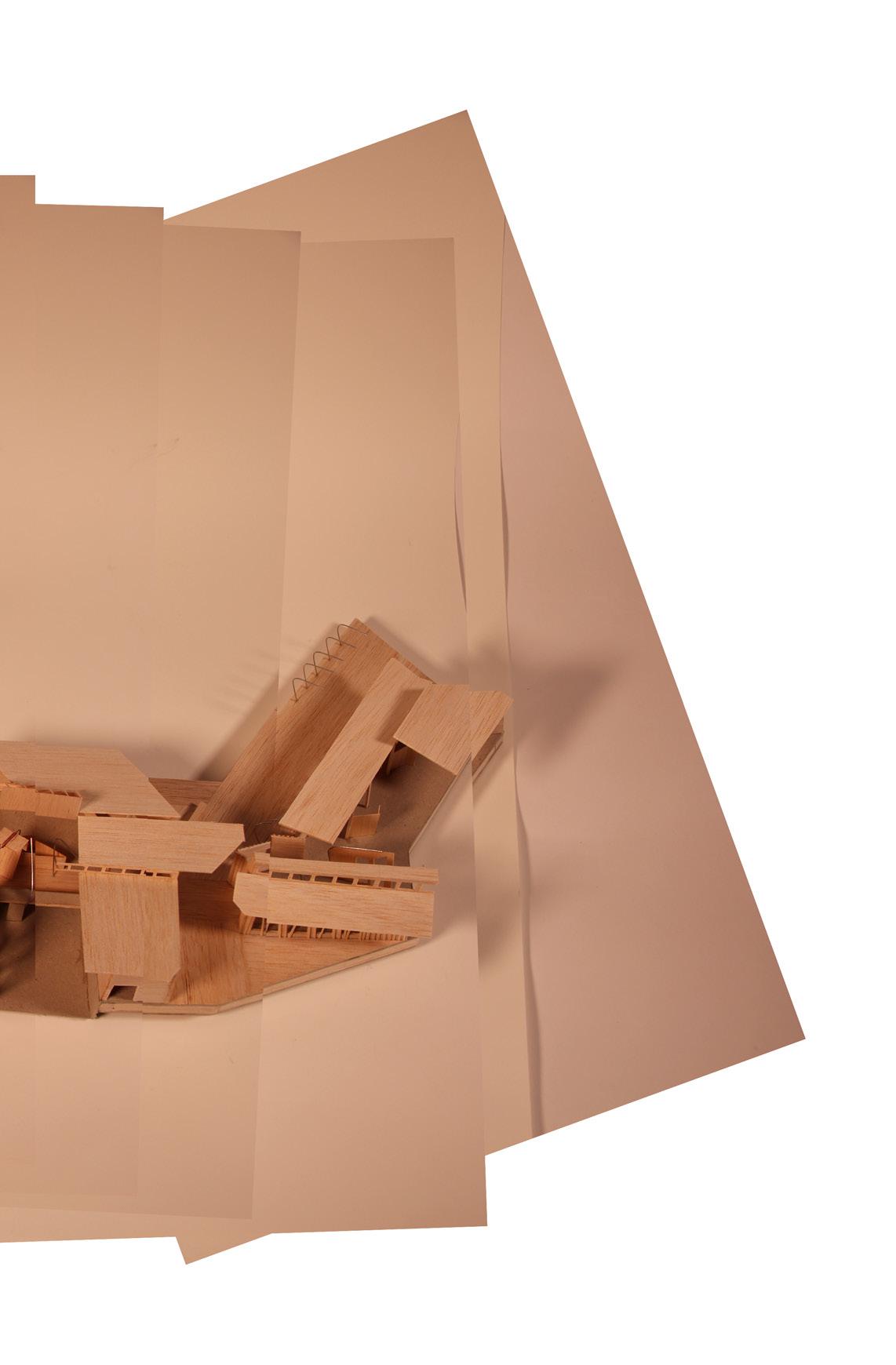
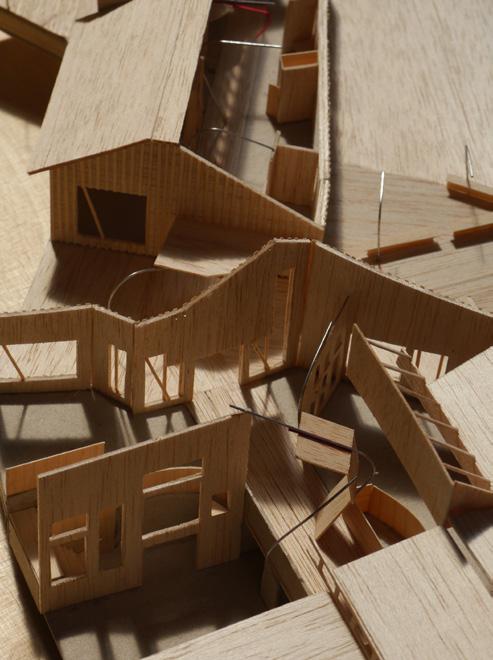
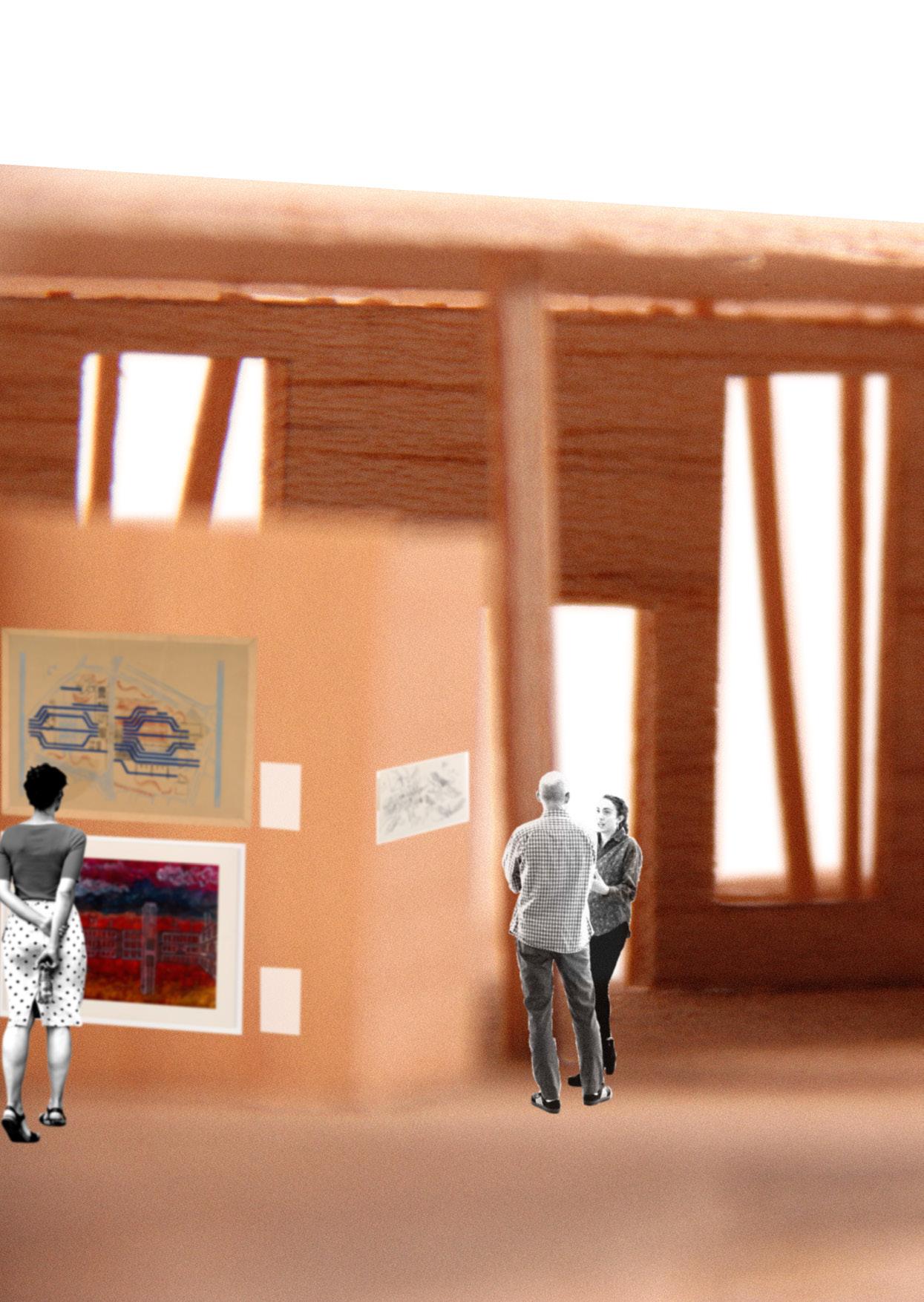
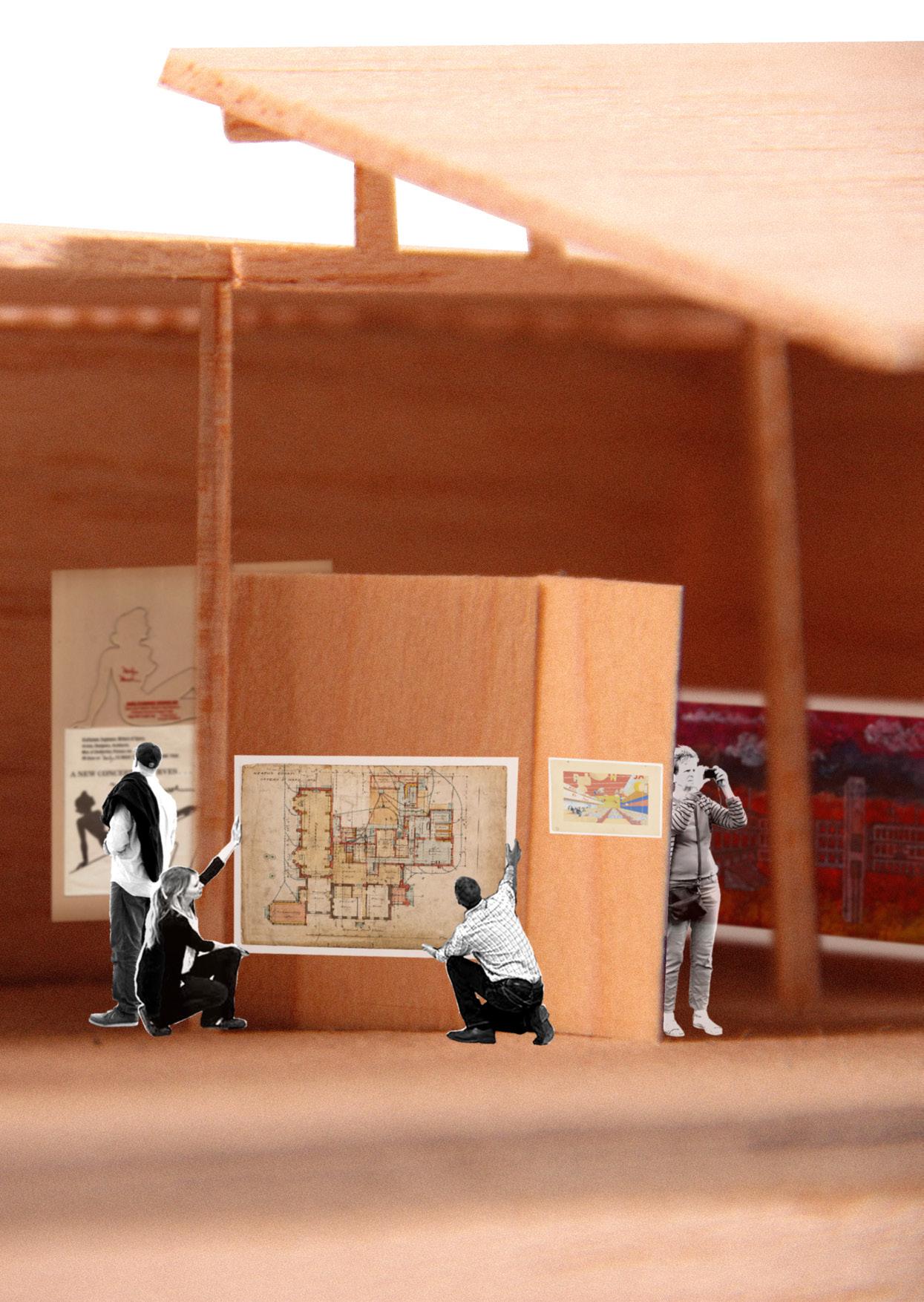
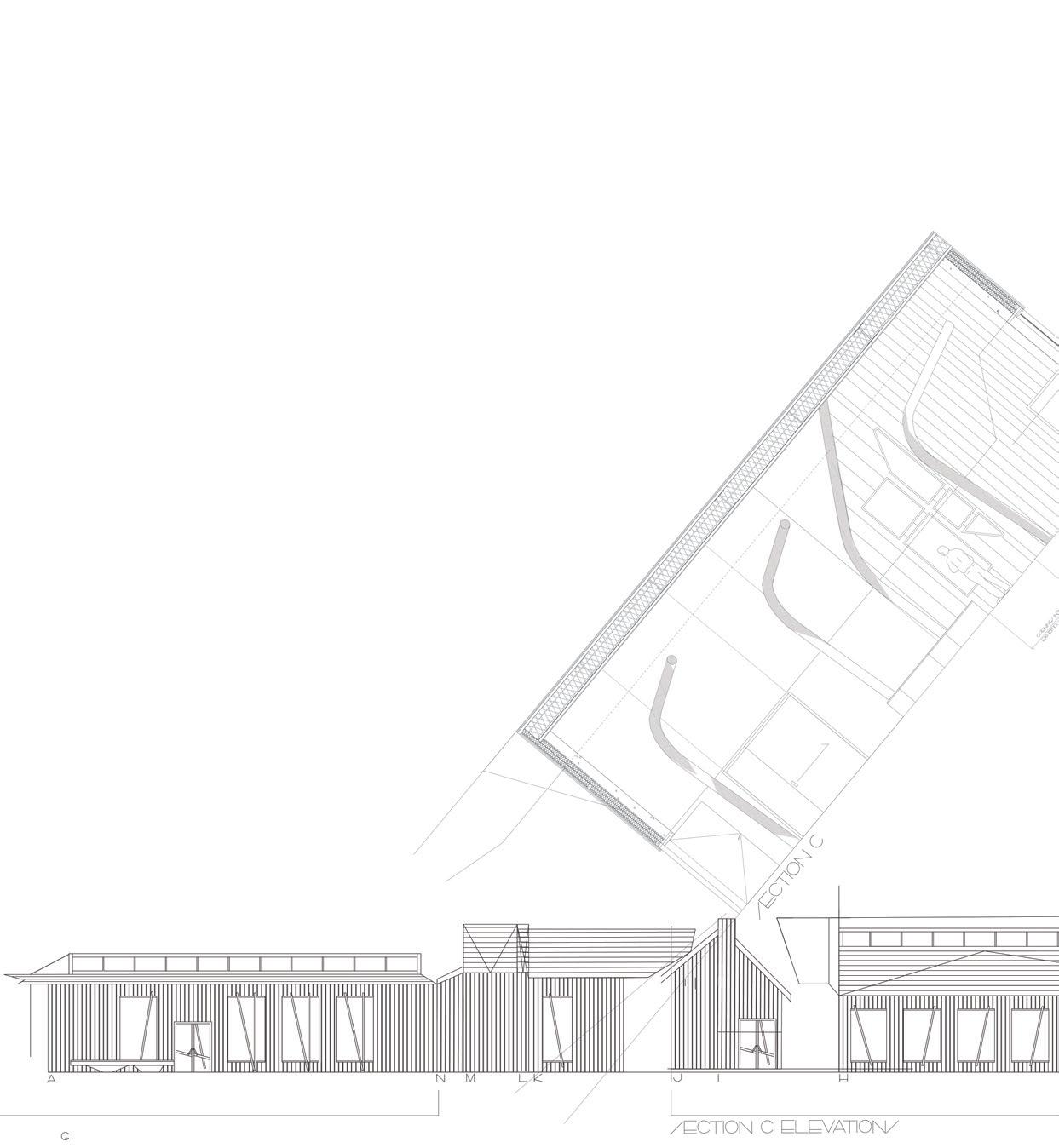
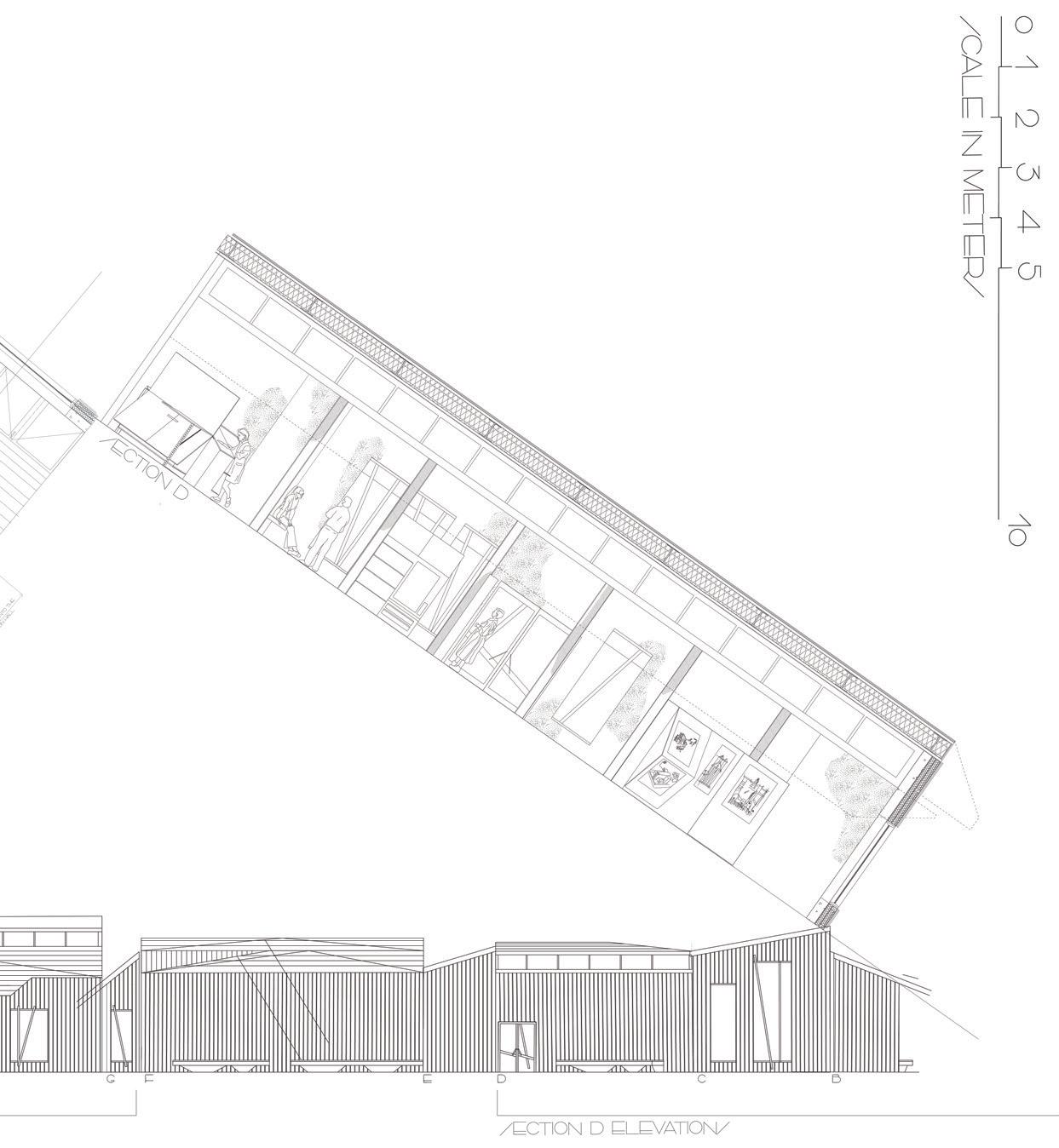
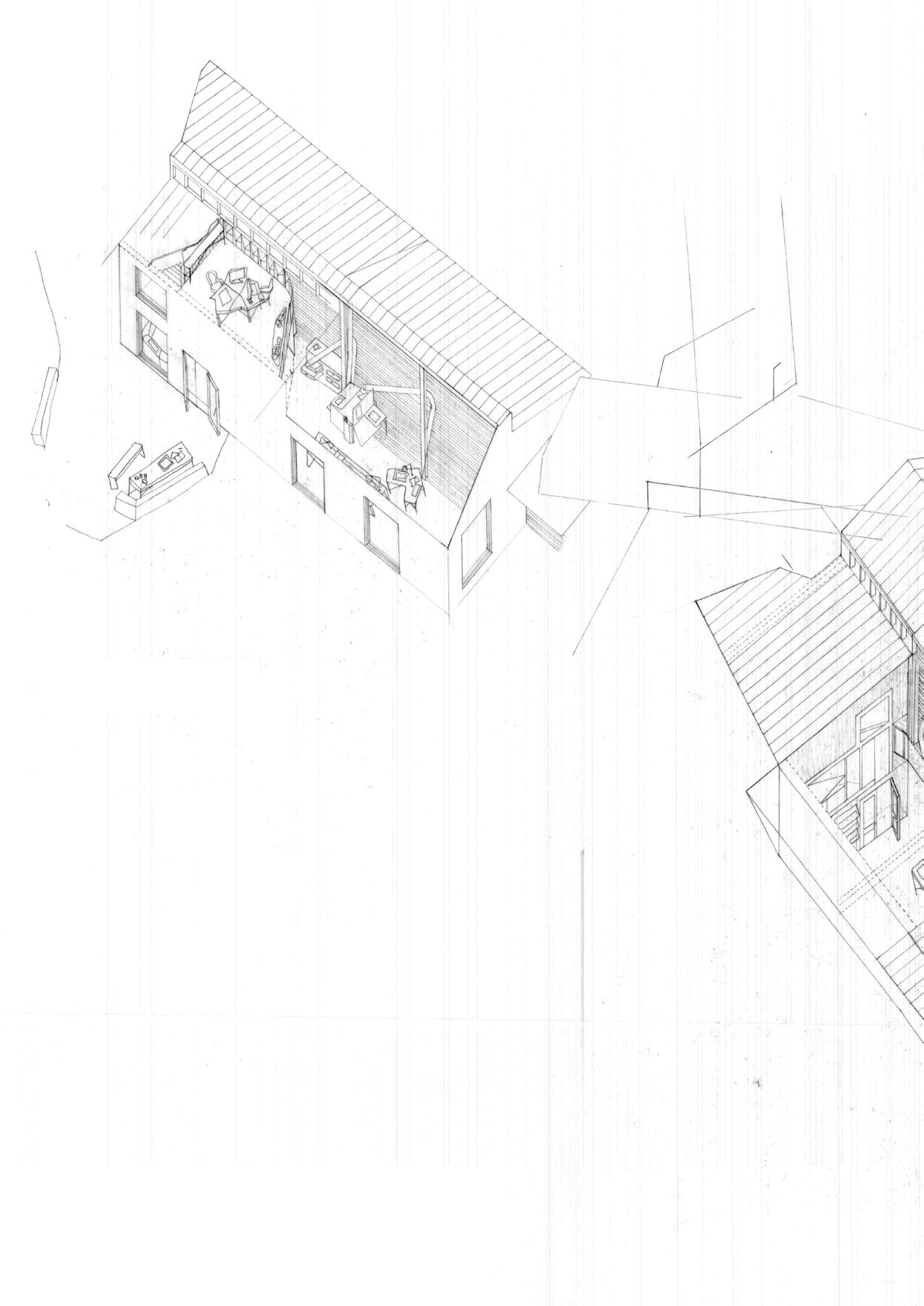
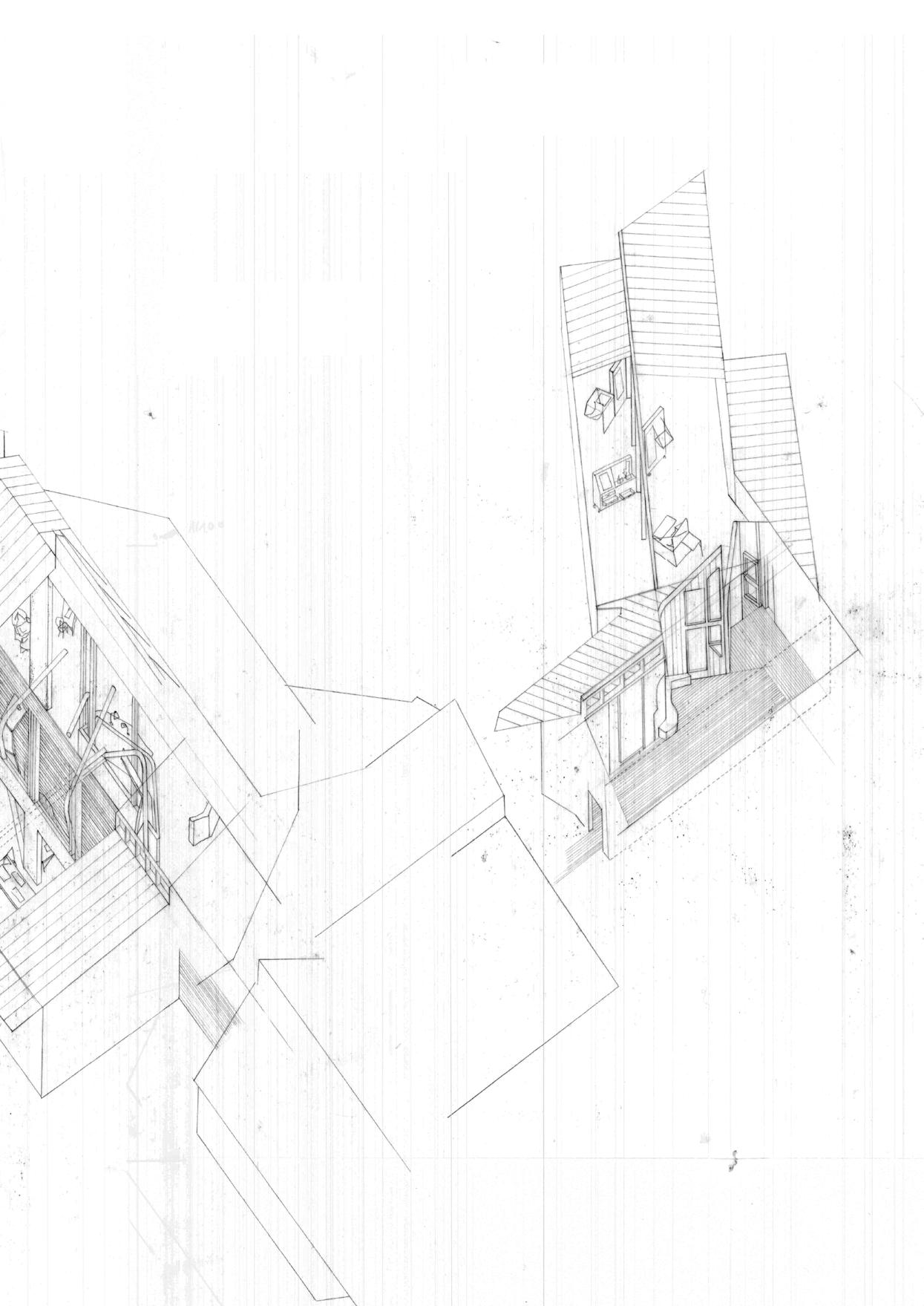
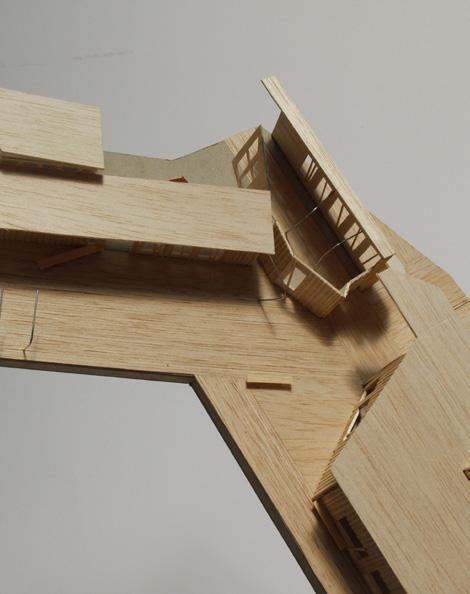
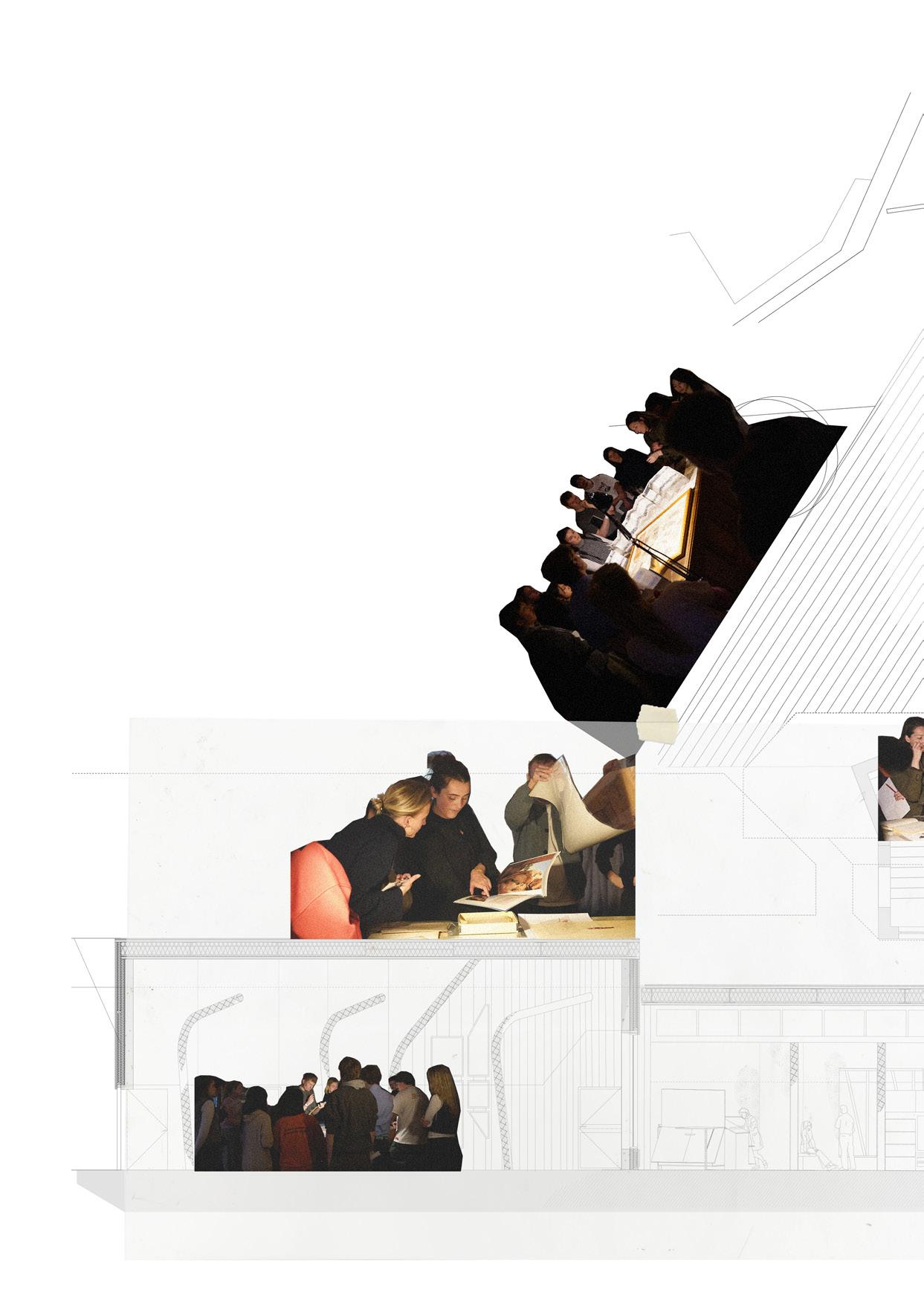
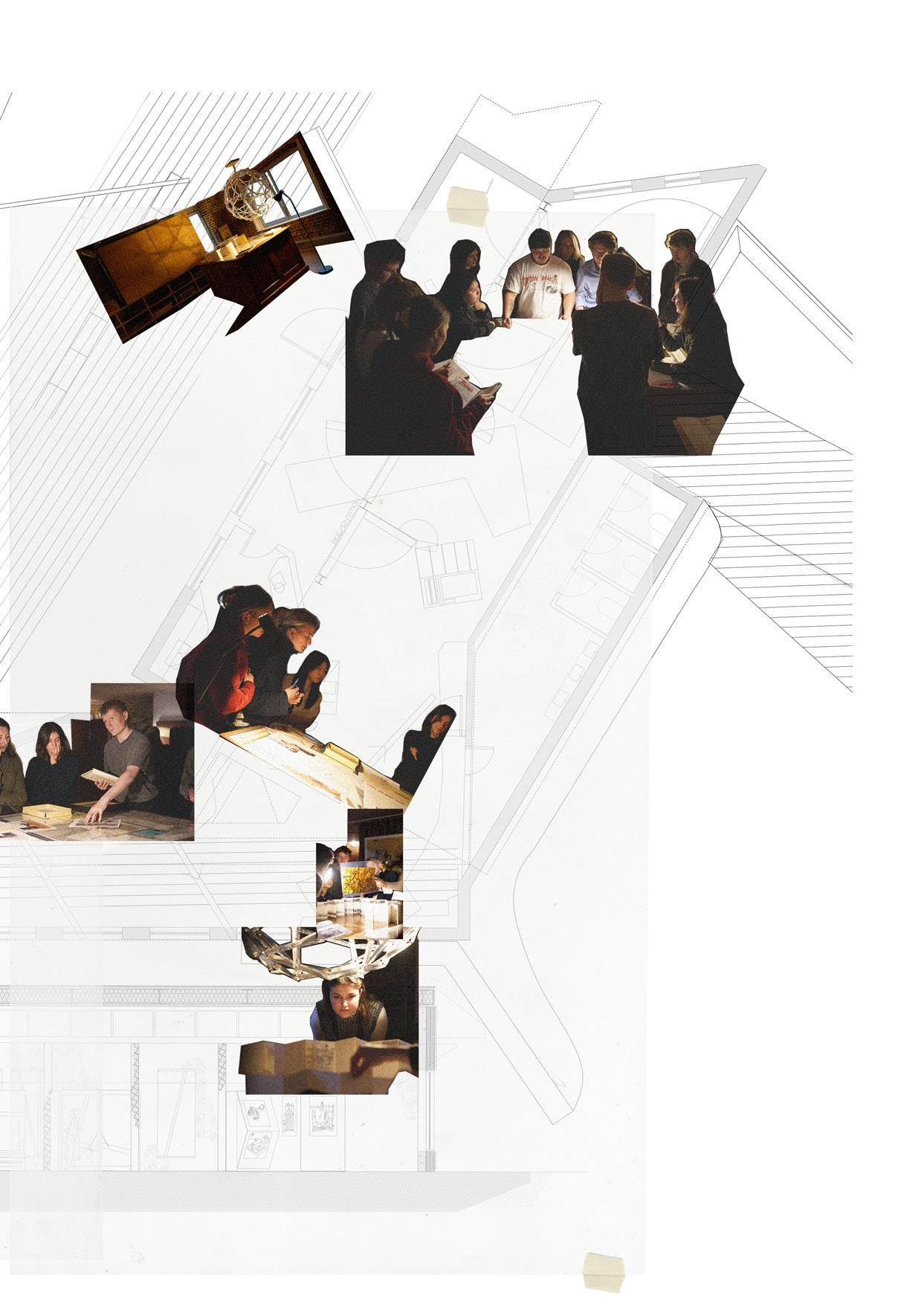
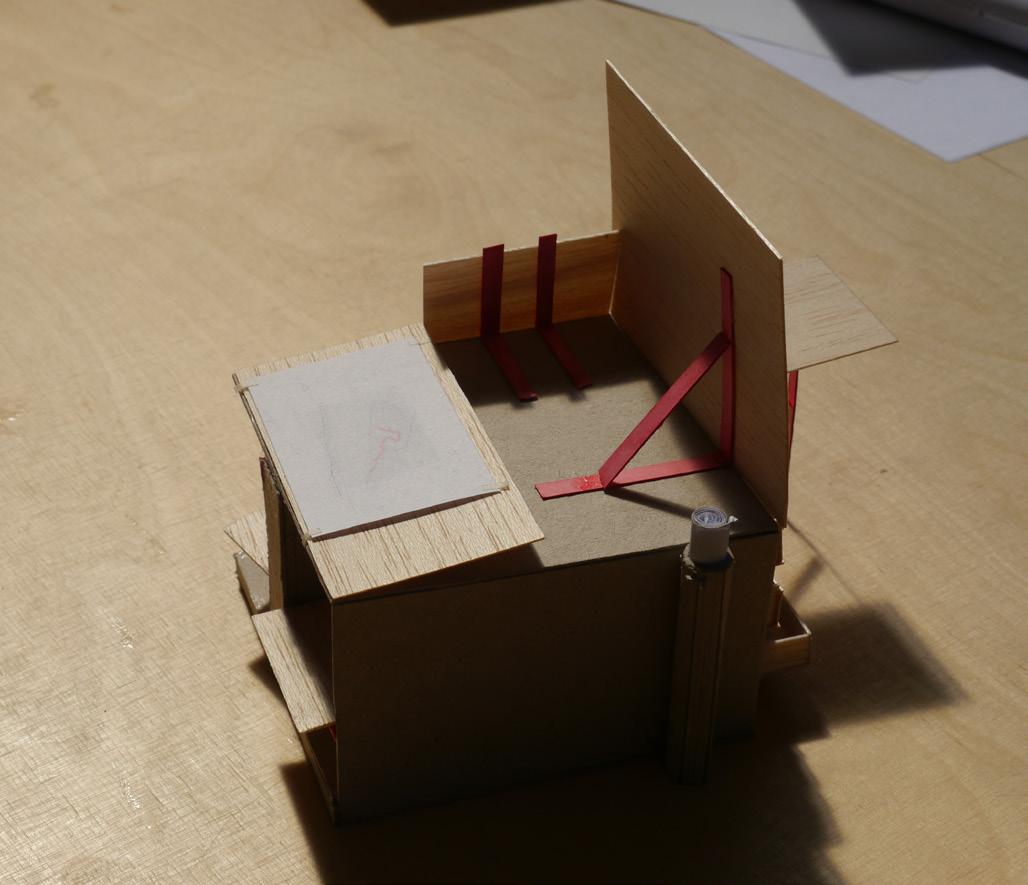
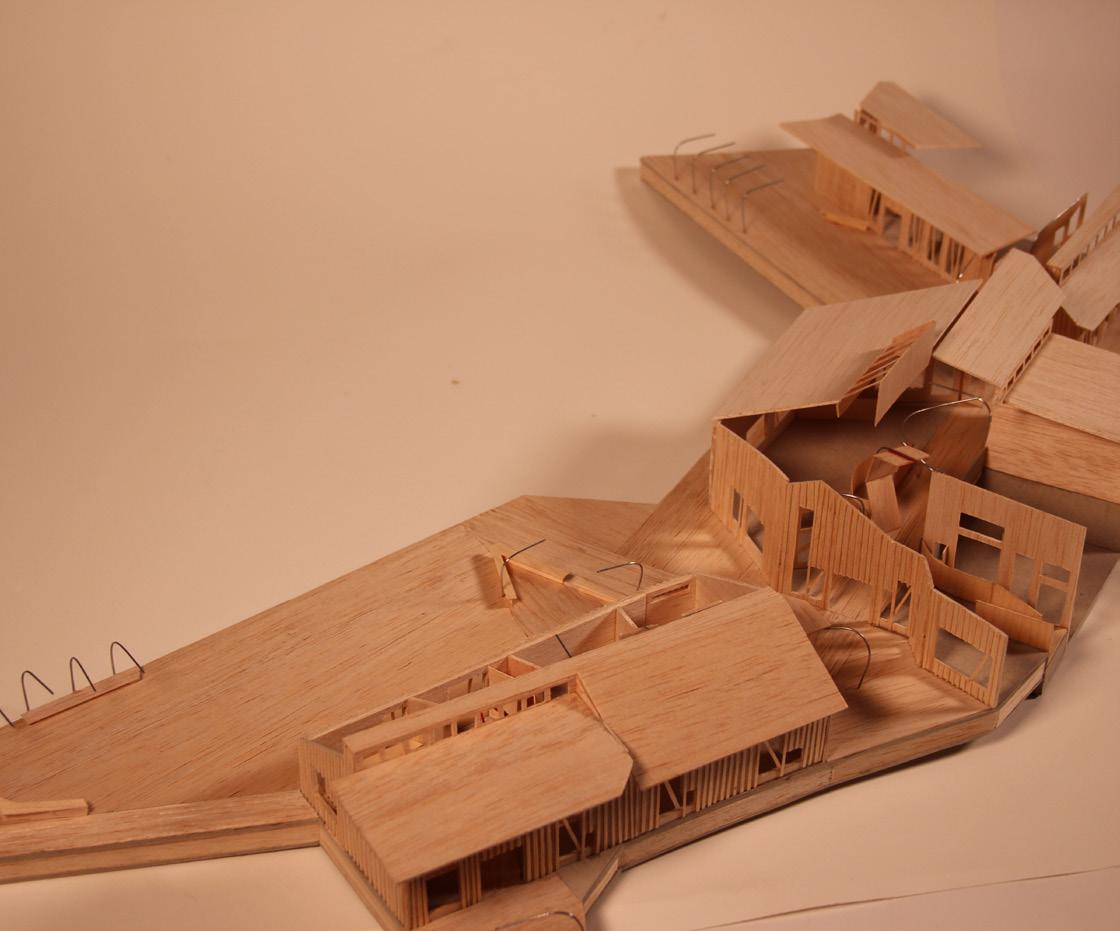
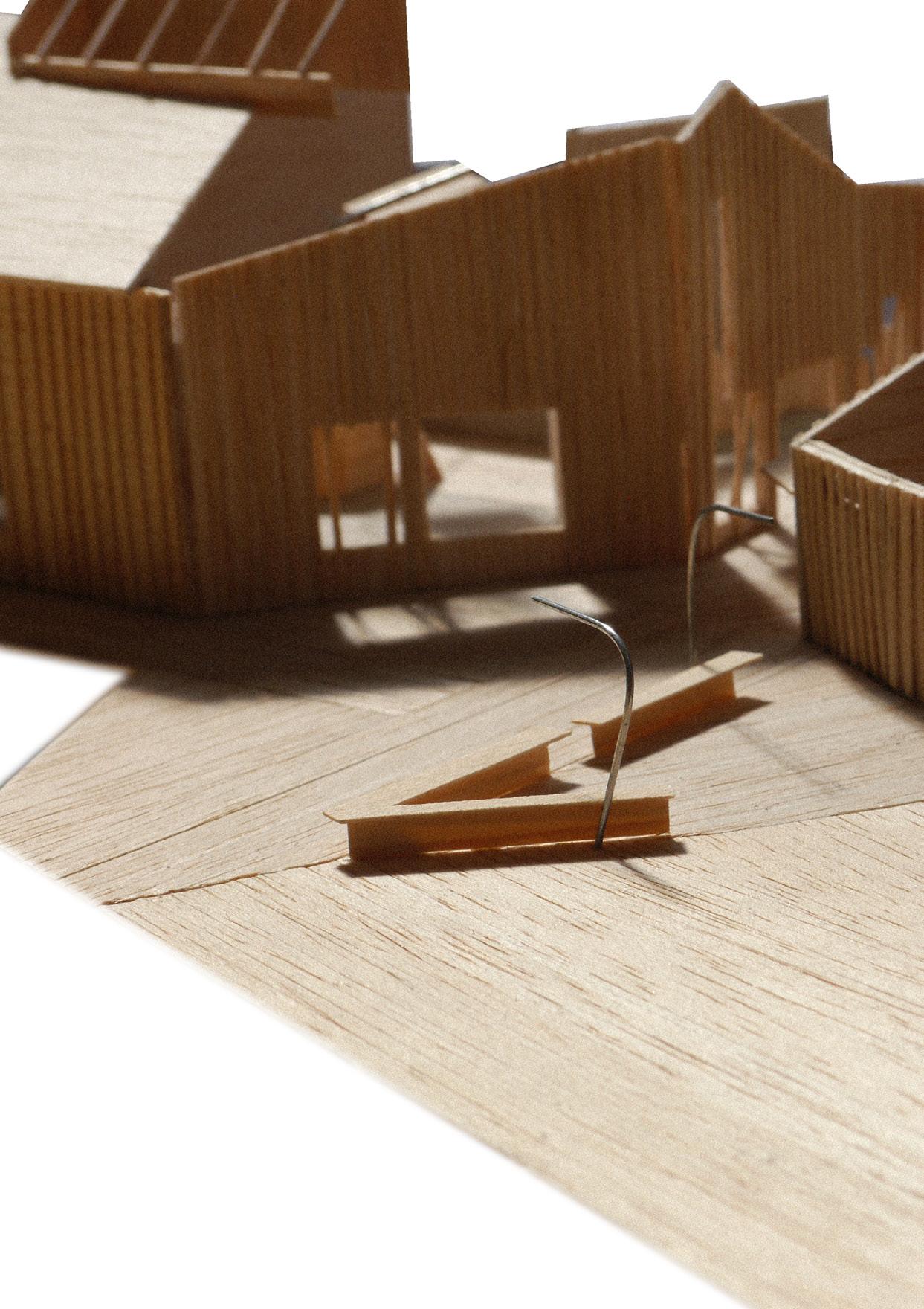
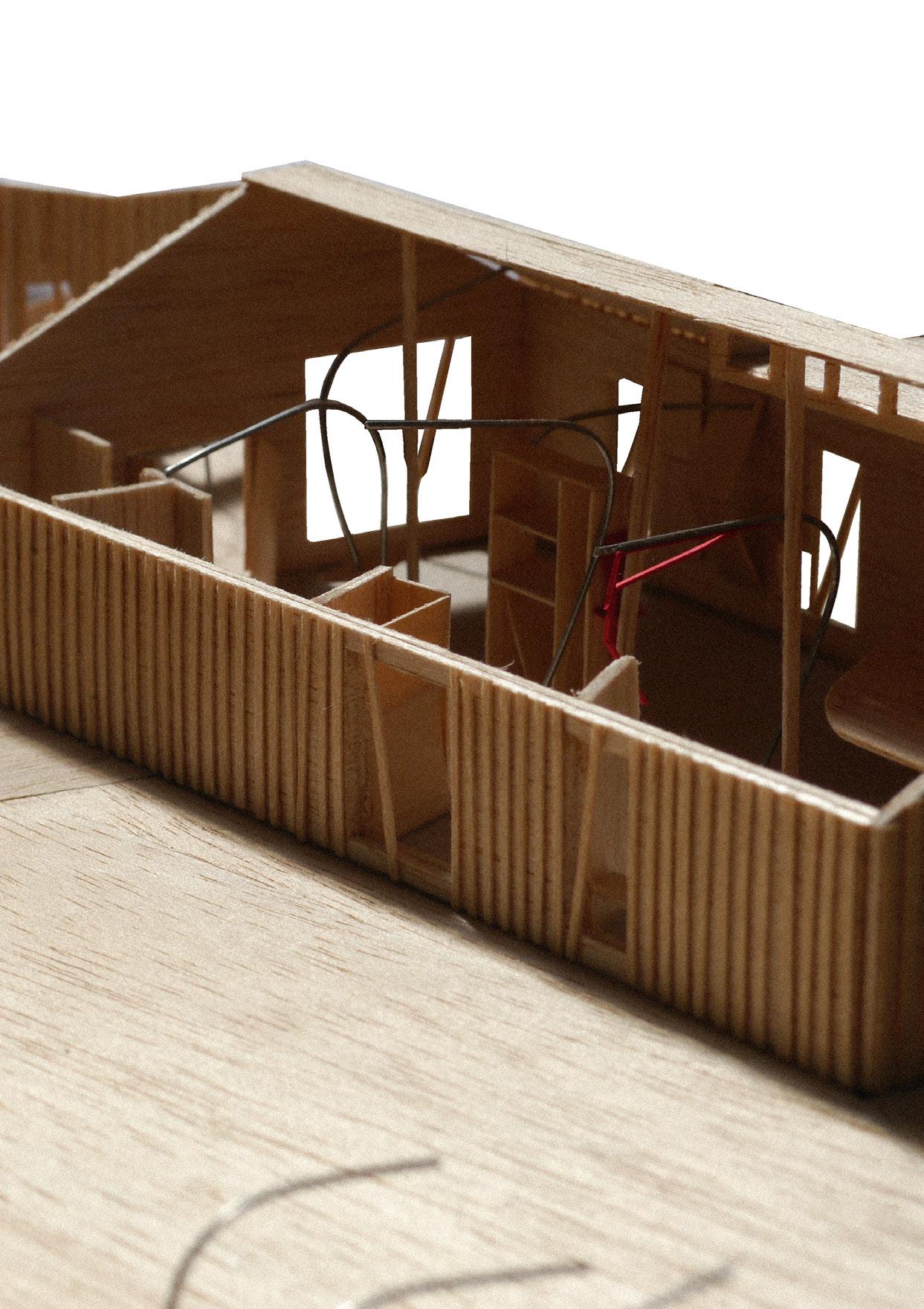
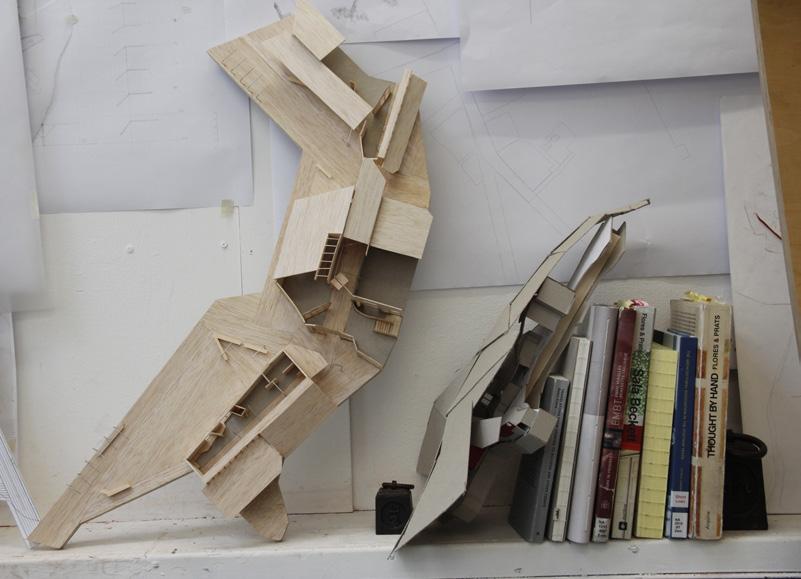
At a smaller scale, the proposal continues its exploration of archival material through the inhabitation of a building envelope. Three buildings work in conjunction to form a unified annexe for Drawing Matter and the Architectural Association. The tectonic response of Second Occupancy enriches the spatial and material conditions, creating a layered environment for discussion, production, and presentation.
March 10th 2026
Students from the Architectural Association arrive at the annexe Series of
Students from the Architectural Association arrive at the annexe for an intensive five day workshop. An initial orientation is held, introducing students to the archive’s handling protocols, the structure of the collections, and the significance of the selected materials they will be studying.
Each student or group of students is assigned a specific drawing, model, or document from the archive. Materials are chosen based on themes related to architectural translation, drawing interpretation, and spatial speculation. Students may ask to work with specific works that relate to their current academic work or interests. This will be accommodated throughout the week.
Recognising the importance of direct engagement, selected archival pieces are permitted to move between the archive building and the adjacent studio space.
Movement is tightly controlled: pieces are transported in designed archival carriers or on custom carts.
In the studio, students undertake drawing studies and discussions of their assigned pieces, producing drawings, models, and texts in response.
Work is developed in dialogue with the original material, through direct observation, measured drawings, reinterpretation, and projection into new contexts.
The proximity between the archive and the studio allows a continuous movement between reading, observing, making, and re-reading
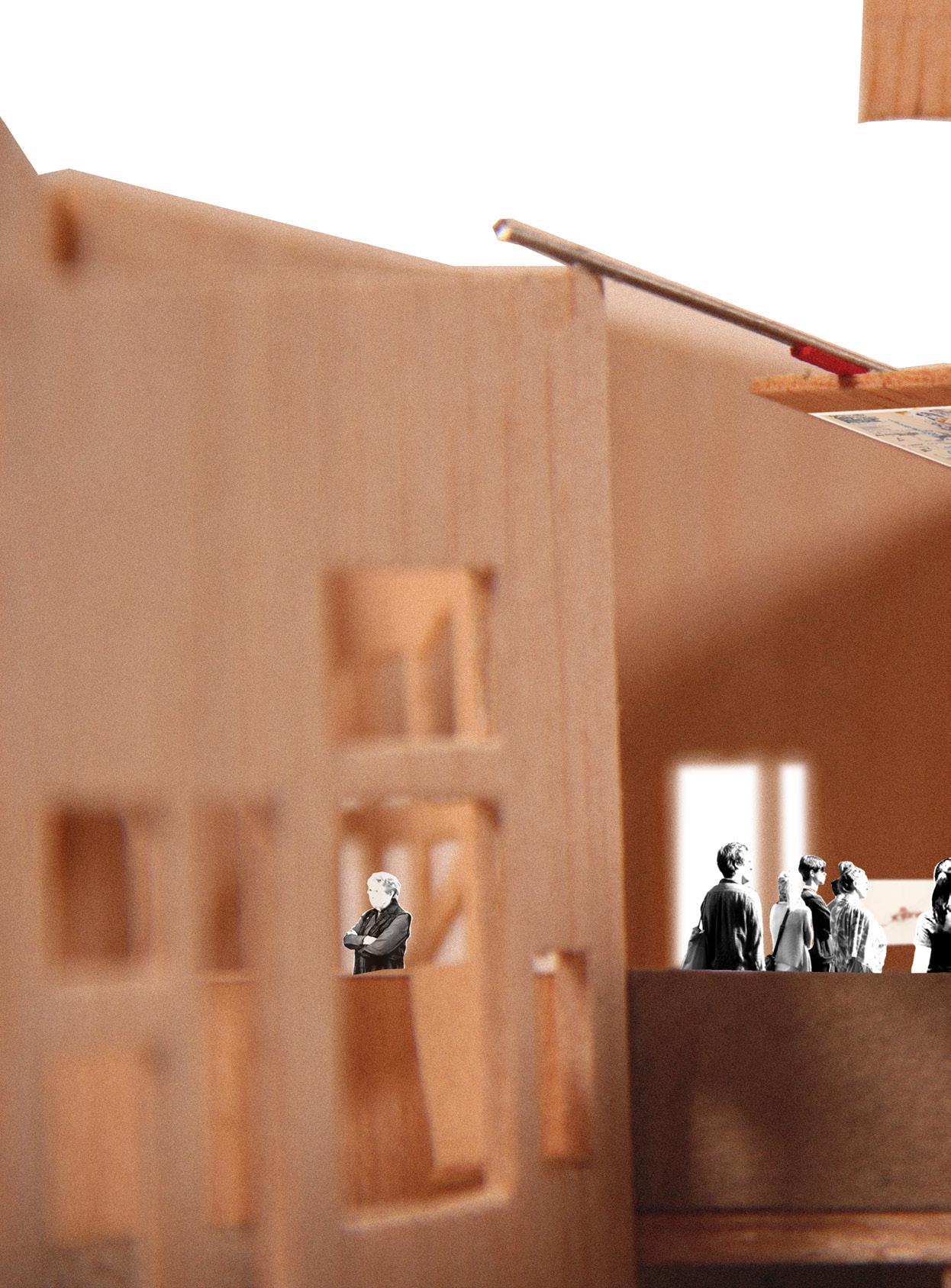
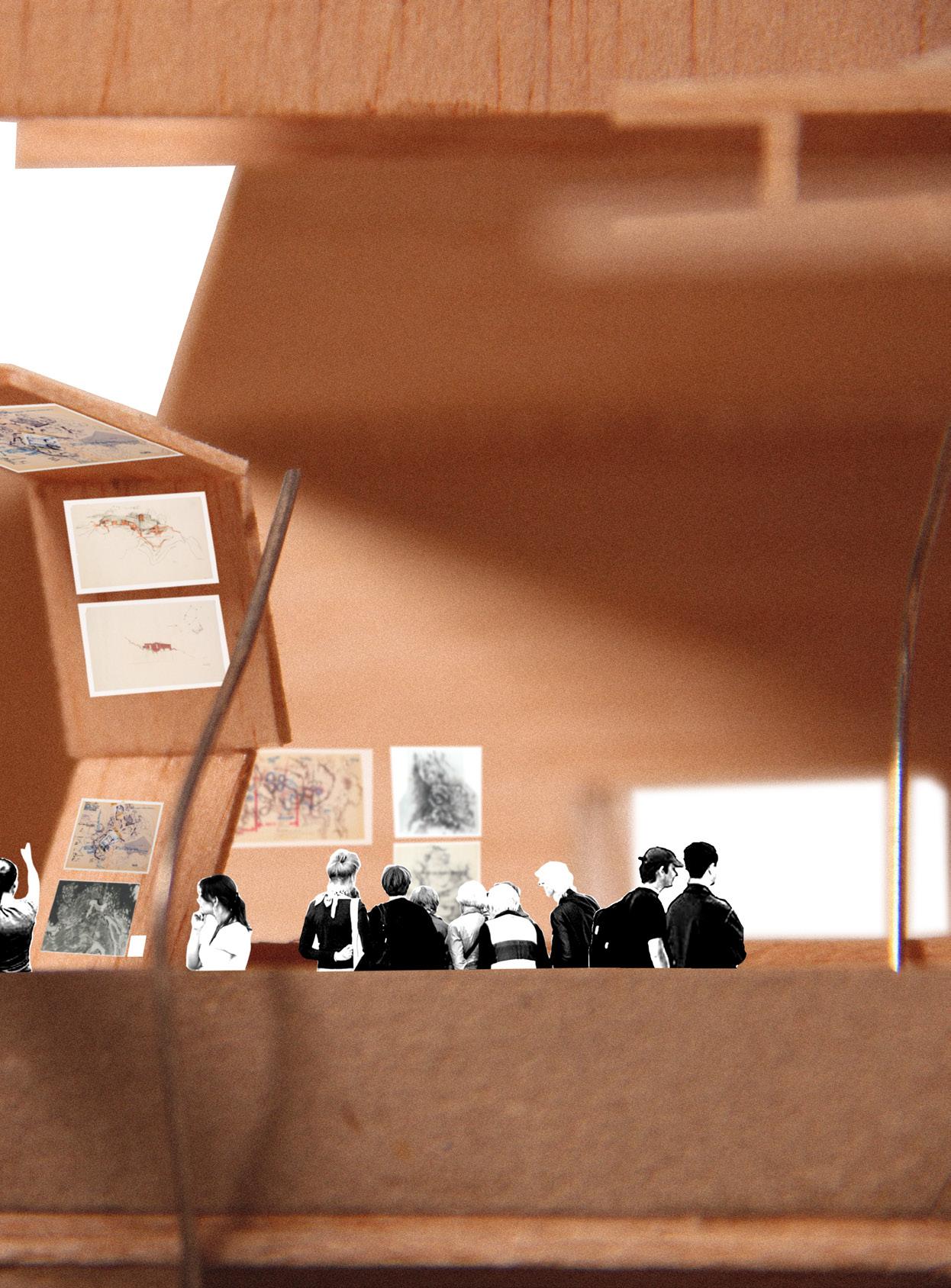
dRAWING BY ALBERTO PONIS. THE ELEVAITON OF CASA SCALESCIANI