AR-RISALAH ISU 45
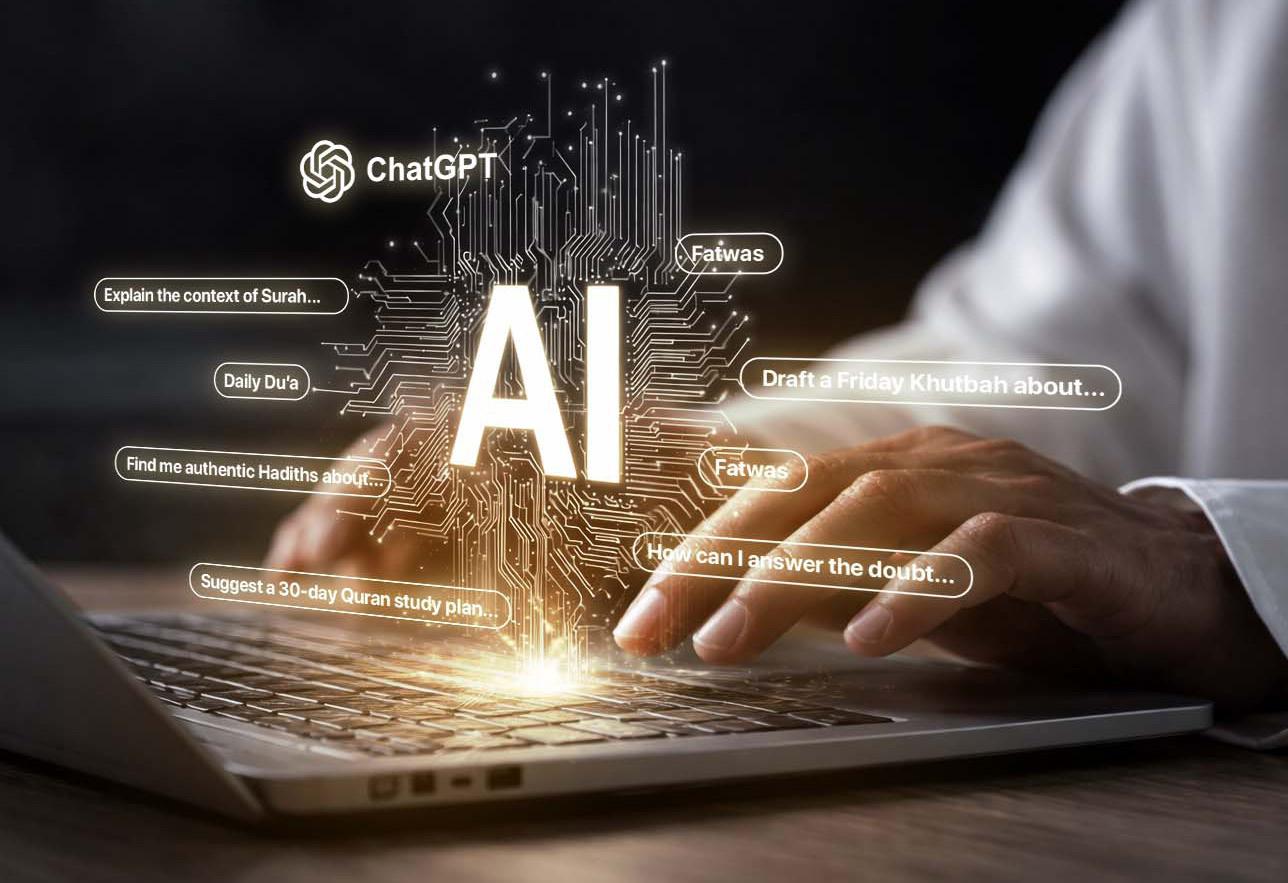
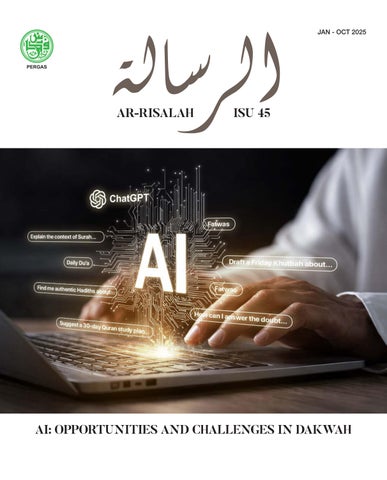
Isu 45 (Jan – Oct 2025)
ISSN 2424-8207
Editor
Ustaz Dr Mohammad Yusri Yubhi Bin Md Yusoff
Pembaca Pruf
Ustazah Zahratur Rofiqah Binte Mochamad Sandisi
Penyumbang Makalah
Ustaz Dr Mohammad Yusri Yubhi Bin Md Yusoff
Ustaz Ridhwan Bin Mohd Basor
Ustaz Ahmad Khalil Bin Mohamed Rafii
Ustazah Zahratur Rofiqah Binte Mochamad Sandisi
Ustazah Norsuria Binte Jani
Ustaz Syakir Bin Samsaimon
Arahan Seni & Pereka Grafik
A. Haikal Bin Haron
Penerbit
Persatuan Ulama dan Guru-Guru
Agama Islam Singapura (Pergas)
448 Changi Road
Wisma Indah
#03-01 Singapura 419975
Tel: 6346 9350
Fax: 6346 3450
Email: info@pergas.org.sg
Connect with us
fb.com/Pergas.Singapore IG: @pergassingapura
youtube.com/PergasSingapura
Get in touch
www.pergas.org.sg
The publisher and editor are unable to accept any liability for errors that may occur and any consequences arising from the use of information contained in the magazine. The reviews expressed do not necessarily reflect those of the publisher and editor. The publication of advertisements and advertorials within the magazine do not constitute any endorsement by the publisher and editor of the contents therein.
Ar-Risalah is published by Pergas with permission from the copyright owner. ALL RIGHTS RESERVED. No part of this publication may be reproduced, stored or transmitted in any form, for any reason or by any means, whether re-drawn, enlarged or otherwise altered including mechanical, photocopy, digital storage and retrieval or otherwise without the prior permission in writing from both the copyright owner and the publisher, except in the case of brief quotations embodied in critical articles and reviews.
01. K ALAM EDITOR
Ms 1

03.
EKONOMI ISLAM
Ms 23 – Is Insurance Halal? Understanding the Takaful Alternative
02. FOKUS
Ms 4 – Faith Meets Technology: AI in Muslim Religious Life

Ms 12 – AI and the Legitimacy of Islamic Scholarship
Ms 17 – Empowering Islamic Education: Essential AI Tools for Asatizah and Educators
04.
K ENALI ASATIZAH
Ms 27 – Ustaz Syakir Bin Samsaimon
06.
A KTIVITI PERGAS
Ms 32 – Diari Kegiatan Pergas (Jan - Oct 2025)
Dengan Nama Allah Yang Maha Pengasih Lagi Maha Penyayang
Selawat dan Salam ke atas Nabi Muhammad, Ahli Keluarganya dan Para Sahabat serta setiap yang mengikuti perjalanan mereka
Assalamualaikum wr. wb.
Para Pembaca yang dikasihi sekalian,
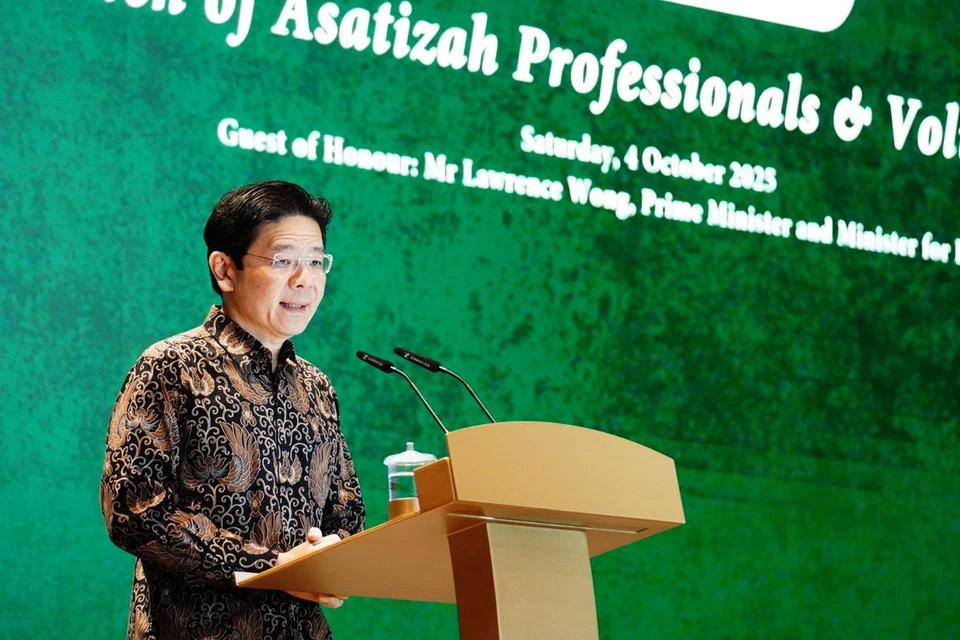
Pada 4 Oktober 2025 yang lalu, Pergas
telah melancarkan Rangkaian Karyawan dan Sukarelawan Asatizah (APVN) yang bertujuan memperkukuh peranan asatizah
dalam menghadapi keperluan masyarakat Islam yang semakin pelbagai dan kompleks.
Ditubuhkan di bawah Pusat Pembangunan
dan Kepimpinan Asatizah Pergas (CRADLE), APVN menyediakan wadah berstruktur untuk latihan, sokongan dan khidmat masyarakat merentas sektor keagamaan, sosial, kesihatan dan sivik. Pelancaran ini turut disertai peluasan
kriteria Biasiswa Possiswazah Pergas daripada
hanya pengajian Islam kepada antaranya bidang gerontologi, penglibatan belia, dan penjagaan
paliatif bagi menyokong pembangunan profesional asatizah dalam bidang yang relevan dengan cabaran semasa.
Sehubungan dengan itu, dalam memberikan khidmat kemasyarakatan kepada umat Islam dalam pelbagai bidang ini, selain ilmu agama, para asatizah juga perlu melengkapkan diri mereka dengan kemahiran khas lain yang dapat membantu mereka dalam memberikan nilai tambah dalam khidmat yang diberikan. Antara kemahiran khas yang dimaksudkan ini ialah
Artificial Intelligence (AI) atau ‘kecerdasan buatan’. Dalam keluaran lalu, Ar-Risalah pernah mengenengahkan tentang isu AI ini khususnya dari sudut implikasinya kepada asatizah dan umat Islam. Namun kali ini, tumpuan ArRisalah lebih menjurus kepada bagaimana para asatizah dapat memanfaatkan teknologi AI dalam pendidikan dan kesarjanaan Islam khususnya dalam kehidupan beragama dan hubungannya dengan masyarakat Islam.
Bagi memberikan penjelasan akan bagaimana para asatizah dapat memanfaatkan kecerdasan buatan atau AI dalam pengajian Islam, ArRisalah akan membawakan tiga artikel berbahasa Inggeris dalam ruangan ‘Fokus’ bagi menjelaskan tentang isu ini khususnya dalam konteks kehidupan beragama masyarakat Islam. Artikel pertama merupakan tulisan Ustaz Ridhwan Mohd Basor. Beliau merupakan lulusan sarjana muda Sains Politik, di Universiti Nasional Singapura (NUS, serta sarjana Pemikiran Politik Islam dan Politik Timur Tengah di Institut Antarabangsa Ketamadunan dan Pemikiran Islam, Universiti Islam Antarabangsa Malaysia (ISTAC, IIUM)), dan kini sedang melanjutkan dalam pengajian sarjana di Universiti Cambridge bagi bidang Inovasi Sosial. Beliau juga baru sahaja menubuhkan firmanya sendiri, DigitalWell.
ai yang memberikan penumpuan kepada keselamatan dalam talian, penggunaan AI secara bertanggungjawab, dan pembangunan keupayaan digital.
Dalam tulisannya yang bertajuk, ‘Faith Meets Technology: AI in Muslim Religious Life?’ Ustaz Ridhwan membincangkan tentang perkembangan kecerdasan buatan (AI) yang memberi kesan besar terhadap kehidupan manusia, termasuk dalam konteks Islam dan amalan keagamaan. Menurutnya, AI membuka peluang memperkasa pembelajaran Al-Quran, penyelidikan fatwa dan khidmat keagamaan, namun menimbulkan cabaran etika seperti keaslian ilmu, peranan Ulama, keabsahan, privasi dan maruah insan. Lantaran itu, penekanan terhadap prinsip tauhid, keadilan dan maqasid syariah perlu menjadi panduan utama dalam penggunaan AI.
Tulisan kedua yang juga dalam bahasa Inggeris, merupakan artikel daripada Ustaz Ahmad Khalil Mohamed Rafii. Beliau merupakan lulusan sarjana muda dalam Perbandingan
Perundangan Islam daripada Universiti Kuwait. Beliau kini merupakan pensyarah di SimplyIslam, dan pada masa yang sama sedang melanjutkan pengajian sarjana sains dalam bidang ‘analytics’ di Institusi Teknologi Georgia. Dalam tulisan beliau yang bertajuk, ‘AI and the Legitimacy of Islamic Scholarship’, beliau menegaskan walaupun AI memiliki keupayaan linguistik dan analitik yang tinggi, ia tidak mampu menggantikan konsep ilmu dalam Islam
yang berteraskan niat, akhlak, tanggungjawab moral dan kesedaran rohani. Menurutnya AI hanya memproses maklumat tanpa kefahaman dan sifat pertanggungjawaban di sisi Allah. Oleh itu, AI hanya wajar berperanan sebagai alat sokongan dalam penyelidikan Islam, bukan sebagai autoriti atau pengganti Ulama dalam tradisi pengajian Islam.
Bagi tulisan ketiga pula, menampilkan artikel daripada Ustazah Zahratur Rofiqah Binte Mochamad Sandisi, yang merupakan lulusan sarjana muda dan sarjana dalam bidang Fiqh dan Usul Fiqh, Universiti Jordan. Beliau juga merupakan pelajar kedoktoran dalam bidang Aqidah dan Falsafah di Universitas Darussalam Gontor (UNIDA Gontor). Beliau kini bertugas sebagai Eksekutif, CRADLE di Pergas. Dalam tulisannya yang bertajuk, ‘Empowering Islamic Education: Essential AI Tools for Asatizah and Educators’, beliau berkongsi beberapa contoh alat bantu mengajar yang menggunakan aplikasi yang berteraskan AI. Menurutnya, AI menawarkan peluang transformasi kepada asatizah dan pendidik, daripada bantuan penulisan Arab hingga platform penyelidikan dan alat pengajaran interaktif. Di samping itu, artikel beliau juga menjelaskan bahawa AI meningkatkan keberkesanan pengajaran dan penyelidikan, namun tidak mampu menggantikan bimbingan rohani, mentor peribadi, dan ikatan komuniti. Tetapi sebalikya gabungan teknologi dan kebijaksanaan pendidik dalam memanfaatkan AI dapat memastikan
keseimbangan dalam menawarkan pengalaman
unik bagi pembelajaran yang memelihara
tradisi Islam serta tentangan cabaran moden.
Seterusnya pada edisi kali ini, Al-Risalah
turut membawa para pembaca mengenali
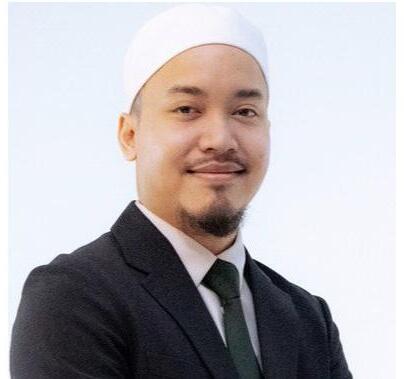
Ustaz Syakir Bin Samsaimon yang merupakan lepasan Madrasah Al-Irsyad Al-Islamiah dan juga Madrasah Aljunied Al-Islamiah. Selepas lulus pengajian sarjana muda Usuluddin (Tafsir) di Universiti Al-Azhar, beliau bertugas sepenuh masa sebagai imam tetap di Masjid Al-Falah.
Selain itu, beliau juga mempunyai kerjaya sampingan dalam bidang seni visual khususnya reka bentuk ilustrasi dalam penyuntingan potret, foto dan video, serta penyesuaian atau customisation barangan cenderamata. Dalam ruangan kenali asatizah ini, Ustaz Syakir turut berkongsi bagaimana beliau memanfaat AI dalam seni visual termasuk dalam aktiviti dakwah beliau.
Akhir kalam, jelas di sini, perkembangan AI membuka peluang besar dalam memperkasa pembelajaran Islam, baik dalam pengajian Al-Quran, penyelidikan fatwa mahupun khidmat keagamaan. Ia juga boleh dimanfaatkan sebagai alat bantu mengajar berasaskan teknologi pintar. Namun, AI turut menimbulkan cabaran baru yang berkaitan etika berkaitan keaslian ilmu, peranan Ulama yang mungkin lebih terkikis berikutan kemajuan AI dan kesannya kepada masyarakat Islam. Walaupun AI memiliki keupayaan linguistik dan analitik yang tinggi, ia tidak mampu
menggantikan konsep ilmu Islam yang berteraskan niat, akhlak dan tanggungjawab moral. Kesimpulannya, para asatizah perlu meningkatkan peranan mereka dan menerima inovasi AI ini tanpa mengabaikan nilai asas agama dalam memandu masyarakat ke landasan kebenaran dan kemajuan keinsanan, tanpa menggantikan bimbingan rohani, hubungan guru-pelajar dan tradisi keilmuan Islam. Moga umat Islam sentiasa maju seiring dengan kemajuan AI tanpa melupakan jati diri mereka sebagai seorang Mukmin, menjadi pemangkin yang mengajak kepada perkara yang ma’ruf dan mencegah kemungkaran dan seterusnya menjadi sebaik-baik umat yang berjaya dalam kehidupan dunia dan di akhirat kelak. Amin.
Salam hormat, Mohammad Yusri Yubhi Md Yusoff Editor, Ar-Risalah.

By: Ustaz Ridhwan bin Mohd Basor
Ustaz Ridhwan Mohd Basor is the Director of DigitalWell.ai, a consultancy and training firm providing advisory services on AI safety design and digital capability for local and regional clients. He is currently pursuing a Master of Studies in Social Innovation at Judge Business School, University of Cambridge. He holds an M.A. in Islamic Political Thought from International Islamic University of Malaysia (IIUM) and a B.Sc. (Honours) in Political Science from National University of Singapore (NUS).
Introduction
When ChatGPT was launched in late 2022, it became one of the most talked-about digital tools, perhaps the most transformative digital tool since the advent of social media platforms like Facebook and YouTube. Many of us were curious about the ability of these new tools to provide information instantaneously. Online news platforms started to publish articles written by ChatGPT, and many were amazed by the end product it generated.
Amidst the buzz of ChatGPT, I tried giving it a prompt to produce a khutbah text based on specific themes. The end product was astounding. Having been a khutbah writer before, the way the text was written was pretty close to a typical khutbah text, with relevant Qur’anic and hadith texts. Of course, the model used for that version of ChatGPT was relatively less sophisticated than the one we have today.
Fast forward to 2025, and Generative Artificial Intelligence (GenAI) is no longer a stranger to many of us. Today, beyond ChatGPT, there are many other GenAI tools such as Gemini, Claude, and Perplexity, alongside multimodal models that can generate not only text, but also images, audio, and even video. Beyond GenAI, the AI space has also expanded to include other applications and systems such as AI chatbots, Agentic AI, and Robotic Process Automation (RPA). In fact, the rapid adoption of AI has already transformed many aspects of our lives, from how we seek knowledge and access information to how we create content and manage our work, and even how we run our households with AI-powered appliances. The impact of AI on our lives is unavoidable. It has disrupted the way we work. Workers have been impacted, with AI displacing jobs for many.
What does it mean for Islam and the religious life of Muslims? How will AI impact the role of asatizah in public outreach? In what ways will AI transform the religious landscape of Islamic learning? As a whole, what opportunities does AI present for Muslims, and what challenges or ethical dilemmas must be addressed?
Islamic Principles & Technological Advancement
Islam has never been inherently averse to scientific and technological advancement. In medieval times, Muslim scholars made significant scientific discoveries and introduced technological advancements that were unparalleled in their
epoch. In fact, the development of science was one of the most important branches of knowledge developed in Islamic scholarship. Abbas Ibn Firnas is remembered for his early attempts at flight through a glider-like device. Qutb al-Din al-Shirazi laid the groundwork for the study of optics, while his student Kamal al-Din alFarisi successfully explained the cause and effect of the rainbow. In the domain of engineering and automation, Ismail Al-Jazari pioneered an innovative water system powered by gears and hydropower, lifting water from a lake to supply mosques and hospitals.
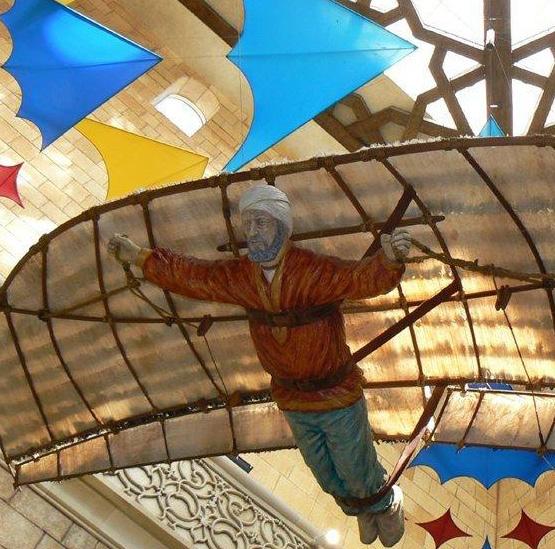
Source: https://www.muslimink.com/history/abbasibn-firnas-flying-machine/
In his research on AI and Islamic ethics, Yaqub Chaudhary of Cambridge Muslim College observed that automation is not new to Muslims. He mentioned that, in medieval Islam, automata were produced in the service of religious objectives, such as indicating the timing of prayer and facilitating ritual practices such as ablution.
He cited the work of Al-Jazari, Kitab fi ma’raifat al-Hiyal al-Handasiyya (The Book of Knowledge of Ingenious Mechanical Devices), which provides detailed guidance on making different mechanical devices, shows how objects are set in motion, and explains how sounds are used to mark the passage of time.
The quest for scientific and technological advancement is essentially driven by the spirit of revelation (wahy) that calls upon humanity to observe, ponder, and inquire, with the intended use for the benefit of humanity, including for the betterment of the religious life of Muslims. According to Seyyed Hossein Nasr, the emergence and development of sciences in Islam were deeply rooted in the guiding spirit of Islamic revelation. It further cemented the advancement of human societies, ensuring scientific discoveries and technological innovation bring societal benefits.
Today, as we discuss the nexus between Islam and AI, it is noteworthy to acknowledge that the possibility of AI and machine learning today can be traced back to the work of a Muslim scholar, Muhammad ibn Musa al-Khwarizmi. His Al-Kitab al-Mukhtasar fi Hisab al-Jabr walMuqabala introduced the concept of algebra, which provided one of the foundational concepts for the development of algorithms, and eventually enabled computer science and AI that we have in today’s digital age. In fact, the term algorithm is the Latinised version of Al-Khwarizmi’s name.
The principle of “original permissibility” or ibahah in the Islamic legal maxim provides us with the foundational principle as we confront our relationship with AI: “Permissibility thus becomes a basic presumption that is only abandoned when there is evidence to suggest abandonment”. With regards to AI, the de facto position is that it is permissible for Muslims to use; however, like many other mediums, its permissibility is not without limits. This is where nuances and criticality come in as we evaluate the benefits and risks of AI in Muslim religious life.
In discussing this, let us go back to our rich Islamic tradition. Our timeless Islamic principles provide guidance and a practical playbook as we navigate emerging technological advancements. Fazlur Rahman pointed out that, first of all, “the goal of man-in-society is to build an ethically-based order on the earth, but that cultivation of taqwa or a true sense of responsibility is absolutely
necessary for man-as-individual if such an order is to be built”. Yaqub Chaudhary emphasised the centrality of Oneness of God (tawhid ) as the guiding principle and ethos in our relationship with AI. The way we use and interact with AI must not go against our Tawhidic worldview. Hisham Kamali’s emphasis of human dignity (karāmah al-insān) should also be emphasised in guiding Muslim technological culture. Essentially, technological innovation should not go against the principles of Muslim religious life. The enduring values of justice (ʿadl ), truthfulness ( ṣidq), societal benefits or goodness (maṣlaḥah), and many others. The principles of maqāsid al-sharīʿah can serve as a starting point in developing a guiding framework for Muslim ethics of AI.
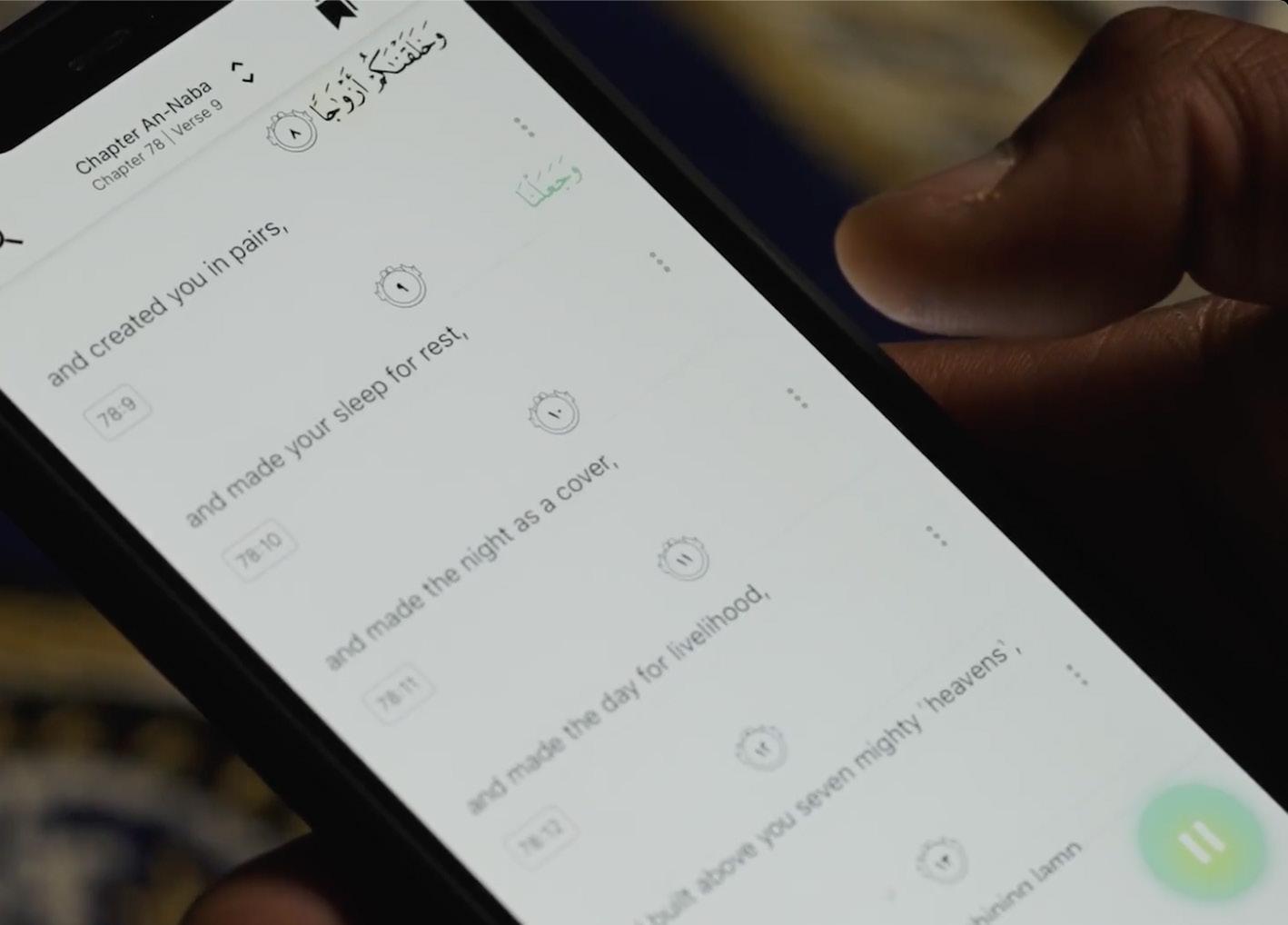
The emergence of AI brings numerous benefits to Muslims and has enormous potential in enriching the religious life of Muslims. In fact, there are a plethora of AI-powered apps or tools being developed for the purpose of guiding Muslims to understand and recite the Qur’an more effectively. This includes Qur’an apps that can identify mistakes of the reciter and correct them instantaneously, providing numerous translations and Qur’anic commentary in multiple languages.
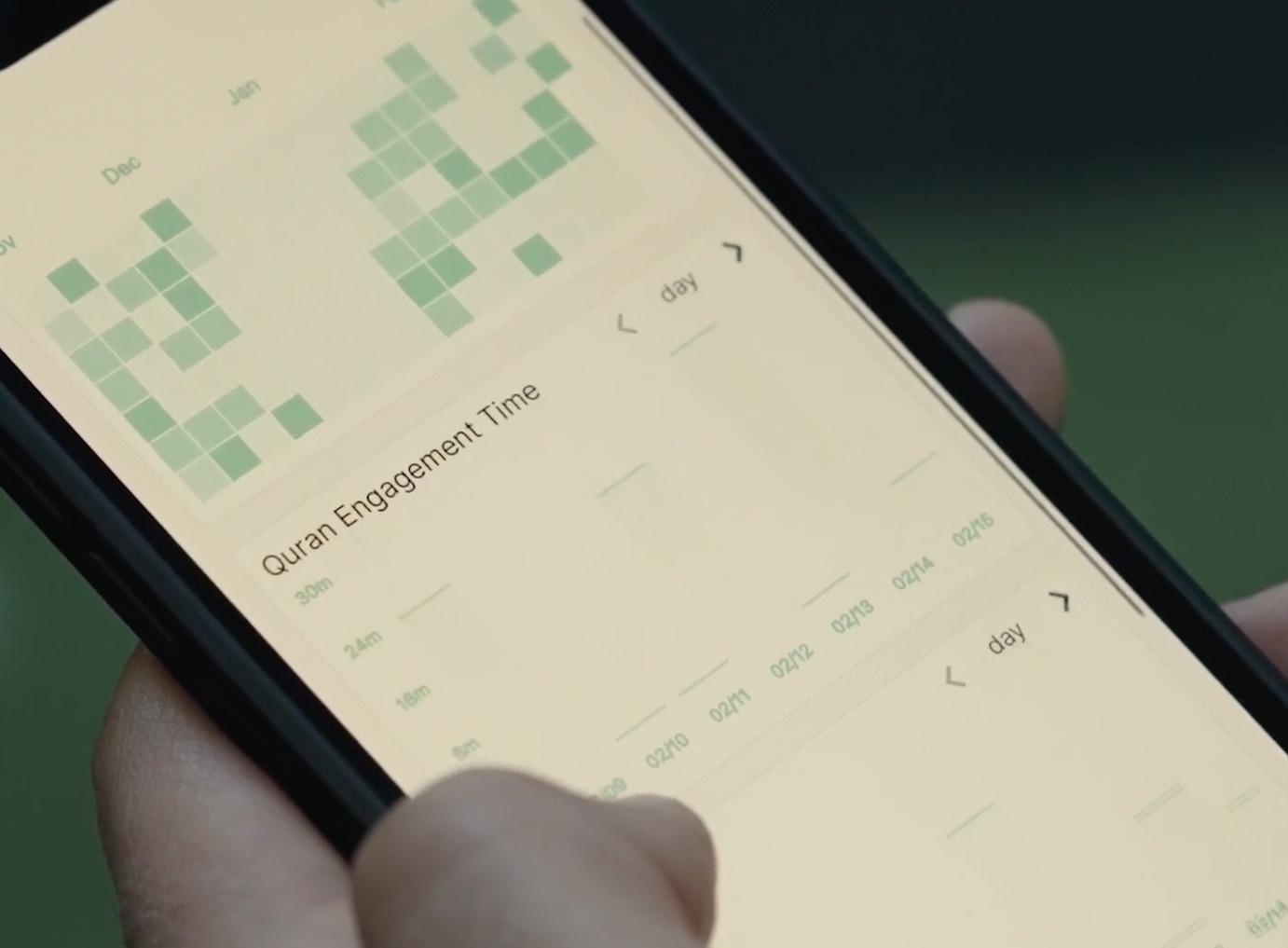
Yaqub Chaudhary analysed Tarteel AI. It is an AI-powered Qur’an learning companion app designed to help Muslims recite, memorise, and improve Qur’anic recitation. Tarteel AI leverages a speech-to-text model based on DeepSpeech2,
developed by Baidu. It was trained on a large dataset of 75,000 minutes of Qur’anic recitation, enabling it to accurately recognise and analyse users' recitations. It provides real-time feedback to help users improve their Qur’anic memorisation and recitation. This combination of large-scale data and cutting-edge speech recognition technology allows Tarteel AI to offer personalised and effective support for Qur’an learners worldwide.
The app aims to make Qur’an learning more accessible and effective, leveraging cutting-edge AI technology to assist millions globally. However, Chaudhary identified potential issues of using this app. Firstly, he argued that the deep-learning system bypasses the Islamic sciences of oral transmission of the Qur’an, and the science of tajwīd (elocution), which provides formal rules for the correct pronunciation of Qur’anic Arabic. According to him, instead of relying on tajwid, Tarteel AI “bypasses this science in favour of pattern matching based on digitalised voice samples provided by the user, and thereby partially dehumanises the process of learning correct recitation, first by the removal of a human teacher (who is part of a chain of transmission of reciters), and second by disregarding the bodily loci of vocalisation”. He raised concerns with regards to the role of human teachers in Qur’anic learning, which has been the traditional way of transmitting the knowledge of the Qur’an. Nonetheless, he acknowledges the benefits of such an app, where it facilitates Qur’anic learning, helps memorisation, and helps an individual to improve Qur’anic recitations.
In the field of Islamic scholarship, AI can enhance deep research for fatwa development at an unprecedented level. AI can quickly synthesise vast amounts of religious texts, legal opinions, and contextual information. This accelerated analysis can support scholars in issuing more consistent and timely fatwas while reducing their workload. In the field of medical research, AI has significantly advanced drug discovery by reducing development times and costs, streamlining clinical trials, automating complex data analysis, and increasing diagnostic speed. This has led to more predictive, personalised, and efficient healthcare for patients. Could this be replicated in fatwa research? Could the model or framework being developed for AI-powered medical research be replicated with relevant customisation and contextualisation for fatwa research?
In the closing address of the 10th International Fatwa Conference, “The Making of the Competent Mufti in the Age of Artificial Intelligence”, The Grand Mufti of Egypt, Dr Nazir Ayyad, encourages scholars to leverage AI tools in the ifta’ process, through practicing ijtihād, where AI can support
jurists and scholars to analyse emerging complex issues by connecting them to established Islamic legal principles. He also called for the development of AI applications that can guide Muslims to find credible Islamic sources.
At the time of writing, there is no customised fatwa research model that has been developed and launched globally, and officially backed by notable fatwa authority. There is, however, an AI-powered platform that generates content from 15,000 Islamic texts as its source, called Usul.ai. It allows users to ask questions, including fiqh questions, such as “Is Bitcoin zakat-able?” and provides answers based on how it interprets sources embedded for its deep-learning. While Bitcoin is a contemporary issue that was nonexistent in classical Islam, Usul.ai is able to provide an answer. The answer is accompanied with references to various texts and fatwas issued by various scholars.
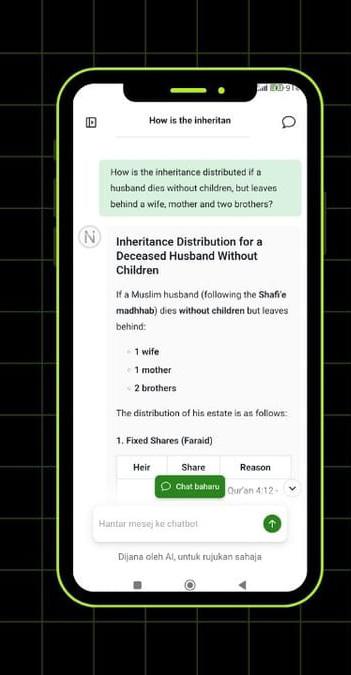
In Malaysia, the AI-powered NurAI offers users personalised answers to their religious queries. Answers are provided with relevant fatwa texts
Tarteel AI uses artificial intelligence to help Muslims with Qur'an memorisation.

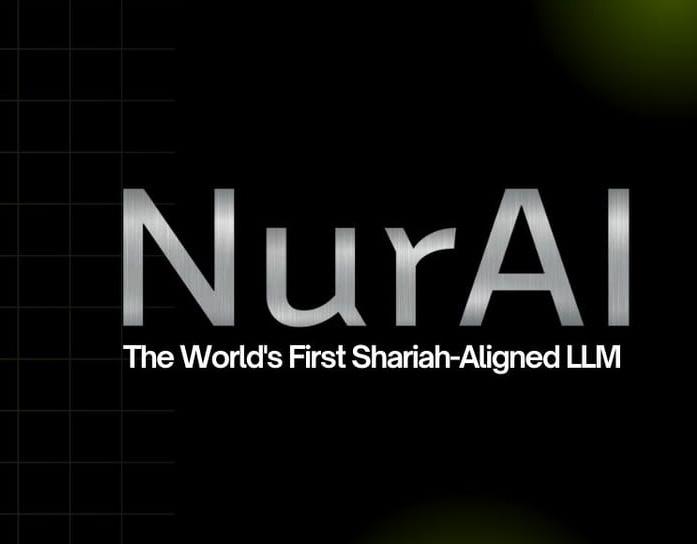
mainly from Malaysian fatwa authorities. For a question on the permissibility of a “milk bank”, it provides general guidance that states it is possible; however, as it is based on fatwa sources from Malaysia, it also states that donors should be practising Muslim women when possible. This position may not necessarily be aligned with fatwas issued in Singapore. Hence, similar to other religious Q&A websites and global platforms, the answers are not contextualised to the userʼ s locality; rather, they reflect where the AI platform is developed, its main intended user base, the data used for machine learning, and the quality of answers generated by the large language model. Other influencing factors may also include the platform’s religious orientation and additional contextual elements.
There is indeed a need for the development of a bespoke large language model (LLM) for internal fatwa research. In developing such models, it is
important to ensure that the underlying data is rigorously assessed for authenticity, representativeness, and contextual accuracy. The corpus should include a comprehensive range of fatwa texts, classical and contemporary, to enable the model to learn from diverse jurisprudential traditions through both machine learning and deep learning methods. Equally crucial is the establishment of robust quality assurance processes to evaluate the reliability, coherence, and theological soundness of generated responses. Furthermore, developers and scholars or jurists must remain aware of the inherent limitations of such systems, and recognise that while AI can assist in text analysis and retrieval, it cannot replace scholarly judgment, interpretive nuance, or the moral accountability embedded in the fatwa development process.
Similarly, there is a pressing need to develop an AI-powered public religious query tool to enhance the visibility and accessibility of Singapore’s
Muslim digital initiatives, similar or a more enhanced platform than Malaysia’s NurAI. Such a system should be trained on authoritative local sources, including fatwas, irsyad, and other reference materials used by the Fatwa Committee and the Office of the Mufti, ensuring that responses are contextually aligned with Singapore’s religious landscape. Collaboration with relevant Muslim agencies and academic institutions would further strengthen the credibility and governance. Beyond providing general information, the platform could incorporate advanced conversational capabilities or agentic AI features to deliver hyperpersonalised pastoral support, offering users a safe, trustworthy, and values-based virtual space for religious learning and guidance.
This would enhance the efficiency of asatizah in addressing daily religious FAQs, whether over the phone or in person, while providing the Muslim community with round-the-clock access to guidance. It would also strengthen the influence and authority of local religious institutions, positioning them as the primary reference point for religious matters among Singaporean Muslims. Such an initiative would also uphold the Islamic principle of justice, ensuring equitable access to reliable Islamic knowledge and information for all members of the community.
While AI provides the possibility for a more efficient process of fatwa development, there are key considerations in ensuring the agency
of our religious scholars are not replaced or outsourced to AI models completely. We do not want a future where fatwa and religious guidance are issued independently of human assessment and without critical oversight. AI ideally should only be a tool to be utilised in supporting and accelerating the work of our scholars and asatizah. Authenticity based on human intelligence is essential, where critical thinking and deep learning for human actors continue to be cultivated.
One of the key principles of Islam is truthfulness, therefore the usage of AI tools should not be for the purpose of falsehood. This includes fully outsourcing writing and publication to GenAI while claiming the person is the author or writer without disclosing that the work is AI-assisted. The Islamic tradition of knowledge emphasises authenticity, authorship, and credible transmission. Therefore, using AI to publish a religious book without human agency and endeavour in genuine scholarship is an act of dishonesty. It is an act of plagiarism that is unethical and goes against the principle of truthfulness and honesty.
At the riskier end of the spectrum, AI may generate toxicity, including insidious manipulation, largescale automation of falsehoods or disinformation, and the amplification of hate, which can contribute to societal polarisation and even incite violence. These clearly violating the principle of truthfulness. Beyond these risks, users’ rights to privacy present a significant challenge in AI safety discourse.
Who owns users’ data? Can it be mined or controlled by the platform provider? What about rights concerning the use of one’s image, as imagegeneration tools today can replicate anyone’s likeness. Is this ethical? Similarly, AI-driven surveillance raises questions about respect for human dignity. Robust guardrails are essential to ensure that AI deployment does not conflict with Islamic ethical principles or the universal ethics of humanity.
Conclusion
In conclusion, as we navigate the rise of artificial intelligence, our approach must be guided by the timeless principles of Islam that uphold ethical responsibility and moral clarity. Technological advancement should never come at the expense of our spiritual and moral foundations. It must reflect our awareness of divine unity (tawhid ), preserve the dignity of every human being (karāmah alinsān), and contribute to justice (ʿadl ), truthfulness ( ṣidq), and the common good (maṣlaḥah). These enduring values, grounded in the objectives of the sharī‘ah (maqāṣid al-sharī‘ah), provide a clear ethical compass for how Muslims should design, use, and govern AI. In doing so, we ensure that technology remains a means to serve humanity, rather than a force that diminishes it. Muslims need to be part of the AI discourse, and must be active participants in shaping AI governance, and not just be passive users of this digital tool that will change human existence.
References have been formatted according to the publication's editorial standards
1. Abdullah, S. M., Abdullah, A. B., Shaleh, M. A., Saari, M., & Ahmad, M. F. Preserving Human Dignity When Adopting Artificial Intelligence: An Islamic Perspective.
2. Atlantic.Net. Most Impactful AI Applications in Healthcare in 2025.
3. Bakar, Osman. Tawhid and Science: Islamic Perspective on Religion and Science.
4. Chaudhary, Y. Islam and Artificial Intelligence.
5. Dar Al-Ifta. Recommendations of the 10th International Fatwa Conference.
6. Kamali, Mohammad Hashim. The Dignity of Man: An Islamic Perspective.
7. Kamali, Mohammad Hashim. The Principle of Original Permissibility (Ibahah).
8. Mehri, B. From Al-Khwarizmi to Algorithm.
9. Nasr, Seyyed Hossein. Islamic Science: An Illustrated Study.
10. Rahman, Fazlur. Major Themes of the Qur'an.
11. Saputra, H. Al-Khawarizmi: A Muslim Scientist Who Discovered Algorithms and Their Influence in the Development of Modern Computation.
By: Ustaz Ahmad Khalil bin Mohamed Rafii
obtained his Bachelor’s degree in Fiqh al-Muqaran (Comparative Jurisprudence) from Kuwait University. He is currently a lecturer at SimplyIslam.
Artificial Intelligence (AI) has become an integral component of modern education, communication, and increasingly religious learning. Within the Islamic context, its growing adoption raises an important question: can a machine meaningfully participate in the processes of acquiring, interpreting, and transmitting religious knowledge? While AI systems such as ChatGPT or Gemini demonstrate extraordinary linguistic and analytical capacities, the Islamic conception of knowledge transcends mere linguistic precision.
In Islam, ‘ilm is not merely the acquisition of information; it is a transformative action that shapes character, disciplines the intellect, and
guides the soul toward taqwa (moral consciousness rooted in reverence of the Divine). Allah SWT says:
Of all of Allah’s servants, only the knowledgeable are truly in fear (in reverence) of Him.
Fatir, 35:28
While AI may simulate human reasoning, it remains devoid of the spiritual and ethical foundations essential to legitimate scholarship. Classical scholars further elaborated this humancentred epistemology. According to al-Shafi’i, knowledge is attained through six elements: intelligence, eagerness, diligence, sufficient means, companionship of a teacher, and perseverance over time. Each element underscores that the pursuit of knowledge in Islam is not merely intellectual but also ethical and spiritual, requiring the cultivation of character alongside the acquisition of understanding.
By contrast, AI lacks human traits such as intention, accountability, and experiential learning. Operating on predictive logic rather than comprehension or reverence, AI can process and reproduce Islamic texts but cannot embody ʿilm in the Islamic tradition, which presupposes a conscious, morally accountable agent. Consequently, AI
interacts only with information detached from ethical awareness, whereas the essence of ʿilm resides in transformation, responsibility, and spiritual engagement.
Before examining specific applications, it is essential to delineate the epistemic boundaries of AI in Islamic scholarship. AI excels at cataloguing, pattern recognition, and retrieval of textual information. However, its outputs are probabilistic in nature, arising from statistical modelling, attention mechanisms, and natural language processing, rather than from comprehension, ethical judgment, or spiritual insight. Even when trained on curated datasets under scholarly supervision, AI remains a tool for information synthesis, incapable of independent moral or epistemic discernment.
A fatwa represents one of the most significant manifestations of applied knowledge in Islam. It is not a mere legal response but a moral testimony, requiring contextual awareness, consideration of maqasid (objectives), and accountability before God. Al-Nawawī describes the mufti as “one who speaks on behalf of Allah,” emphasising the gravity of issuing religious rulings. Imam Malik similarly exercised extreme caution, refusing to issue a fatwa until seventy scholars confirmed his qualification, frequently responding, “I do not know” to questions presented to him.
This ethos of restraint contrasts sharply with AI’s operational logic. Large Language Models (LLMs) generate responses devoid of comprehension, conviction, or moral accountability. They lack the epistemic humility central to legitimate Islamic authority. Consequently, AI is unsuitable for fatwa-related functions: an AI-generated ruling cannot assume moral responsibility, nor can it repent for error or engage in ethical reflection.
The Prophet SAW received revelation through the angel Jibril, exemplifying the necessity of guided instruction. This relational model continued through talaqqi (direct tutelage), in which teachers transmitted not only content but also adab (good conduct), Sunnah (the prophetic way), and spiritual guidance. This framework laid the foundation for the concept of sanad in Islamic scholarship.
Sanad represents a continuous chain of transmission linking each scholar to the Prophet SAW. It is not merely a record of names but a lineage of knowledge, accountability, and trust. Ibn Sirin (d. 110H) famously warned,
Historically, scholars have cautioned against unsupervised self-learning, noting that it fosters misinterpretation and arrogance. The Prophet SAW observed that knowledge disappears not through the loss of books but through the death of scholars. (Sahih Bukhari and Sahih Muslim)
By contrast, AI operates via large-scale data aggregation, drawing on sources of varying credibility. Even under scholarly curation, AI remains a statistical system that identifies patterns in text rather than a morally accountable transmitter of knowledge; detached from relational and spiritual guidance, knowledge risks losing its transformative and ethical dimensions. In the digital age, the teacher remains the moral and epistemic anchor; AI may inform, but it cannot transmit legitimate ʿilm.
Historically, Islamic scholarship has integrated technological innovations from papermaking in the Abbasid period to digital archives without compromising the moral foundations of learning. Such innovations facilitated dissemination but never conferred authority. Similarly, AI can accelerate research, classification, and translation of Islamic texts, but it cannot assume the scholar’s role.
This knowledge is religion, so consider from whom you take your religion.
Sunan al-Darimi
The discipline of turath requires contextual and jurisprudential sensitivity which automated systems by extension untrained users cannot reliably maintain. Unsupervised AI use risks detaching texts from their interpretive and moral frameworks.
Therefore, AI in Islamic studies should serve as a facilitative tool for scholars rather than as an independent tool for religious inquiry.
In Islamic scholarship, authority derives from credibility and peer recognition cultivated through study under qualified teachers, formal permission to teach, and validation within established scholarly networks. Even perfect factual precision cannot compensate for the absence of compassion, intentionality, and contextual discernment. In Uṣul al-Fiqh, a mufti must possess fiqh al-nafs (a deep, intuitive grasp of jurisprudence). Machines cannot attain such awareness and remain outside the domain of moral accountability.
Accuracy, Accountability, and the Question of Legitimacy
Modern epistemologies often equate accuracy with authority. In Islamic thought, however, legitimacy emerges from the integration of factual correctness with sincerity and humility. Imam Malik’s assertion that “there is nothing light in knowledge” reflects the weight of moral accountability. AI’s computational accuracy cannot substitute for this ethical weight.
Moreover, legitimacy in Islamic scholarship is relational and spiritual; it depends on peer recognition, the continuity of the sanad, and purity of intention. AI lacks all three. While it can reproduce arguments and simulate reasoning, it cannot engage in ijtihad (independent legal reasoning), which demands not only intellect
but also moral discernment aligned with divine awareness. Therefore, AI’s epistemic status remains instrumental rather than authoritative.
Artificial Intelligence represents a remarkable human achievement in language, logic, and computation. Yet, from an Islamic epistemological perspective, it remains ontologically distinct from the human intellect, which is guided by revelation, morality, and spiritual consciousness. The Ulama are described in the hadith narrated by Sunan Abi Daud as “the heirs of the Prophets,” signifying their custodianship over divine knowledge. This sacred inheritance cannot be automated or replicated through algorithms, for it is sustained through moral accountability and living transmission.
While AI tools can undoubtedly assist in cataloguing, translating, and analysing Islamic texts, their use in religious interpretation or scholarly research must remain under the supervision of qualified Ulama. The discipline of turath demands not only linguistic precision but also juristic insight, ethical awareness and spiritual discernment, which automated systems, and by extension untrained users, cannot embody.
Engagement with AI-generated material by laypersons or students should occur under scholarly guidance to ensure proper verification and contextualisation. Without this oversight, the risk of distortion, decontextualisation, and
misinformation increases substantially, undermining both the intellectual integrity and spiritual intent of Islamic knowledge.
AI may therefore serve as a technical instrument within Islamic research, but it cannot replace the critical discernment, ethical sensitivity, and spiritual depth of the scholar nor can it embody the relational and moral dimensions central to Islamic epistemology. Its legitimate role is supportive, never interpretive. As technological innovation accelerates, preserving the human chain of ʿilm remains indispensable, ensuring that revelation guides innovation rather than being subordinated to it.
1. Abdul Fareez, M. F. Chat-GPT, Muslim Cyberspace and the Construction of Critical Islamic Epistemology (Part 1)
2. Ahmad Yunus Kasim & Mohd Syaubari Othman. The Legacy of the Pondok Institution and the Turath Educational System in Sustaining the Manuscript Heritage of the Islamic Civilization in the Malay Archipelago
3. Al-Ghazali, Abu Ḥamid. Ihya’ Ulum al-Din
4. al-Nawawi, Yahya. Al-Majmuʿ Sharh al-Muhadhdhab
5. Al-Shafi‘i, Muhammad. Dīwān al-Shāfiʿi.
6. Azizan, N. I., Ismail, N., Zin, S. M. M. Sani, K., & Halim, A. A. Pendekatan Pengajaran Kursus-Kursus Berorientasi Kitab Turath di Institusi Pengajian Tinggi Islam Malaysia
7. Bhaumik, S. On the Ethical and Moral Dimensions of Using Artificial Intelligence for Evidence Synthesis
8. Burtell, M., & Toner, H. The Surprising Power of Next Word Prediction: Large Language Models Explained, Part 1
9. Darul Ifta’ Jordan. Islamic Ruling on Preparing Research Papers and Articles Using Artificial Intelligence
10. Fikri, I. F., Zainiyati, H. S., & Suryani. The Significance of Turath Discourse in Indonesian Islamic Education in the Contemporary Era
11. Hafiz, M. A. How Can Muslims Benefit from Using ChatGPT?
12. Hussain, S. How to Identify Authorities in Islamic Knowledge.
13. Imran, Y. S. AI Has ‘Revolutionised’ Islamic Learning. Is It Coming for Scholars Next?
14. Mohd Hussain, M. H., Mustapha, R., Ayub, M. N., Roslan, M. N. H., & Anuar, K. F. Global Contributions to Islamic Turath Book: A Bibliometric Analysis.
15. Nakissa, Aria. The Sanad (in The Anthropology of Islamic Law).
16. Sani, A., & Abdulmumini, M. D. The Role of Artificial Intelligence (AI) and Digital Technology in Authenticating and Preserving Hadith Literature.
17. Shatzmiller, M. The Adoption of Paper in the Middle East, 700–1300.
18. Sholeh, M., Rusydiyah, E. F., & Abu Bakar, M. Y. Integration of AI Chatbots in Islamic Religious Education: Potential and Challenges from a Doctoral Student Perspective.
19. Tiffany Yeung. Through the Times: 5 Waves of AI Computing.
20. Vaswani, A., et al. Attention Is All You Need.

By: Ustazah Zahratur Rofiqah
Ustazah Zahratur Rofiqah is a Research Development Officer at Pergas. She graduated from the University of Jordan with Bachelor and Master degree in Fiqh and Usul Fiqh. She is currently pursuing a PhD in Islamic Theology and Philosophy at University of Darussalam Gontor.
Introduction
In today's rapidly evolving educational landscape, Asatizah and Islamic educators are discovering powerful AI tools that can transform their teaching methodologies while maintaining the sacred essence of Islamic education. These innovative technologies offer personalised
learning experiences, streamline administrative tasks, enhance Arabic language proficiency, and facilitate advanced research capabilities. Here is a short guide to essential AI tools that every Islamic educator should consider incorporating into their teaching and research practice.

An Ethical AI Companion

https://thaura.ai/ (Free version available)
➔ Ethical Foundation: Unapologetically political AI that stands with Palestinian liberation, rejects imperialism and digital colonialism, refuses military contracts, and opposes surveillance capitalism
➔ True Privacy Protection: Never trains on user conversations, AES-256-GCM encryption, EU-based servers with GDPR compliance, zero tracking/behavioral analysis/ data collection
➔ Multi-Modal Capabilities: Vision (image/ document analysis), Audio (file processing/ transcription), Web Search (ethical sourcing), Living Artifacts (interactive visualizations), Voice Mode (20+ languages)
➔ Resistance Technology: Amplifies marginalised voices, supports human rights documentation, counters propaganda, advocates for ethical consumption
➔ Environmental Responsibility: Uses 94% less energy than ChatGPT per response, operates on 100% renewable energy infrastructure
How to use: Sign up for a free account at thaura.ai. Start with prompts like “Create a lesson plan about the five pillars of Islam for
10-year-olds”or “Generate discussion questions about Prophet Muhammad’s (PBUH) leadership qualities.” Refine responses by providing specific requirements such as duration, learning objectives, or cultural context.
Benefits: Thaura.ai’s multi-modal capabilities enable deep analysis of Quranic texts and hadith collections, document processing for scholarly research, and voice mode in Arabic and other languages, and provides a platform for Islamic scholarship that respects user privacy rather than exploiting it for corporate gain, making it an ideal ethical companion for Islamic learning, teaching, and advocacy work.
Visual Learning Made Easy

https://www.canva.com/education (Free for educators)
Unique Features:
➔ Thousands of Islamic-themed templates for presentations, worksheets, and posters
➔ AI-powered Magic Design creates pro-fessional materials from simple text inputs
➔ Collaborative features allow students to create projects together
➔ Extensive library of halal imagery and Islamic geometric patterns
How to use: Register with your educator email free premium access. Choose from premade Islamic education templates or start from scratch. Use the AI tools to generate designs by describing what you need, such as “Ramadan calendar for children” or “Hadith of the day poster.” Customise colours, fonts, and images to match your institutionʼs aesthetic.
Benefits: Visual learning significantly enhances retention of Islamic concepts, especially for younger students. Teachers save hours creating visually appealing materials that capture studentsʼ attention and make abstract spiritual concepts more tangible and memorable.
Kahoot!
Gamifying Islamic Learning

https://kahoot.com (Free basic plan available)
Unique Features:
➔ AI-powered question generator creates Islamic studies quizzes instantly
➔ Game-based learning format increases student engagement
➔ Real-time feedback and detailed analytics on student performance
➔ Library of pre-made Islamic education content from global educators
How to use: Create a free educator account, then use the AI generator to create quizzes by entering topics like “Stories of the Prophets” or “Islamic Golden Age”. Students join using a game code on their devices. The platform turns assessments into exciting competitions with music and colourful graphics while maintaining educational value.
Benefits: Kahoot! transforms traditionally challenging subjects like Islamic history and Arabic vocabulary into engaging experiences. The competitive element motivates students while analytics help teachers identify knowledge gaps and adjust instruction accordingly.
Professional Arabic Writing Assistant

https://qalam.ai/en (Browser extension and web platform)
Unique Features:
➔ Advanced AI-powered Arabic grammar and spelling correction
➔ Automatic Tashkeel (diacritical marks) application for accurate pronunciation
➔ Quranic text documentation and verification capabilities
➔ Customisable dictionary for Islamic terminology and preferred phrases
➔ Real-time writing assistance across websites and applications
How to use: Install the Qalam browser extension for Chrome or Firefox, or use the web platform directly. The AI automatically detects Arabic text as you write and provides real-time suggestions for grammar, spelling, and style improvements. For Quranic documentation, simply highlight the text and select “Tawtheeq” to verify authenticity and proper citation.
Benefits: Qalam AI ensures that Islamic educators maintain the highest standards of Arabic writing accuracy, particularly crucial when preparing materials involving Quranic verses, Hadith, or classical Islamic texts. The tool helps preserve the linguistic integrity of Islamic education while making Arabic writing more accessible for educators at various proficiency levels.
Usul.ai
AI-Powered Islamic Text Research

https://usul.ai
Unique Features:
➔ AI-powered access to over 15,000 classical Islamic texts including the entire Shamela library
➔ Advanced search capabilities across Hadith collections, Tafsir, and Fiqh texts
➔ Intelligent text analysis and cross-referencing
➔ Original Arabic text preservation with searchable translations
How to use: Search for specific topics, verses, or scholarly opinions across thousands of texts simultaneously. The AI helps identify relevant passages and creates connections between different sources, making comprehensive research significantly faster.
Benefits: Usul.ai revolutionises Islamic scholarly research by making vast libraries of classical texts instantly searchable and analysable. This tool is invaluable for educators preparing advanced lessons, conducting research, or seeking authentic references for complex Islamic topics.

https://www.semanticscholar.org (Free)
Unique Features:
➔ AI-powered understanding of research paper semantics and connections
➔ Automatic paper summaries (TLDRs) for quick comprehension
➔ Research feed recommendations based on interests
➔ Access to over 200 million academic papers including Islamic studies
➔ Citation analysis and influential paper identification
How to use: Create a free account and search for Islamic studies topics. The AI analyses paper meanings beyond keywords, helping discover relevant research you might miss with traditional searches. Set up research feeds for topics like “Islamic education pedagogy ” or “Quranic linguistics” to receive automatic updates on new publications.
Benefits: For Asatizah engaged in academic research or pursuing higher education, Semantic Scholar dramatically accelerates literature review processes and helps identify cutting-edge research in Islamic studies, education methodology, and related fields.
Conclusion
The integration of AI tools in Islamic education represents a transformative opportunity for Asatizah and educators worldwide. From Arabic writing assistants to advanced research platforms and interactive teaching tools, these technologies offer unprecedented support for both traditional and innovative pedagogical approaches.
The key to successful implementation lies in thoughtful selection and integration of tools that align with your specific educational objectives and community needs. Whether you are teaching young children their first Arabic letters, guiding advanced students through classical texts, or conducting scholarly research, there is an AI
tool designed to enhance your effectiveness while preserving the authentic spirit of Islamic education.
As we embrace these technological advances, we must remember that AI tools are meant to assist, not replace, the irreplaceable human elements of Islamic education; the spiritual guidance, personal mentorship, and community bonds that form the heart of our educational tradition. By combining the efficiency and capabilities of AI with the wisdom and compassion of dedicated educators, we can create learning experiences that prepare our students for success in both their spiritual journey and their engagement with the modern world.
The tools presented here represent just the beginning of what is possible when technology serves faith-based education. As AI continues to evolve, we encourage Asatizah to remain curious, experimental, and collaborative in discovering new ways to enrich Islamic education for future generations.

By: Ustazah Norsuria Jani
Ustazah Norsuria Jani obtained her LLB (Hons) and LLB Shariah (Hons) from the Ahmad Ibrahim Kulliyyah of Laws, International Islamic University Malaysia (IIUM). She later completed her Master of Science in Islamic Banking and Finance at the IIUM Institute of Islamic Banking and Finance. She currently serves as Manager, Takaful Distribution at Etiqa Insurance (Singapore)*.
Can we buy an insurance plan to cover ourselves in the event of accident or against any loss?” “Is insurance halal?” These are some common questions posed by Muslims navigating modern financial planning.
While the idea of insurance as a risk pooling mechanism is noble as it manages probabilities and calculated risks experienced by human, its common structure raises significant concerns from an Islamic perspective. This article explores the Shariah issues in insurance, presents takaful as the alternative and navigating the Singapore context.
The foundations of insurance
In modern finance, insurance originated from the risks of maritime trade. From a legal perspective, the policyholder is required to pay a certain amount of money and in return, the insurer agrees to indemnify the policyholder against any agreed losses or calamities suffered by the policyholder. Insurance contract is enforceable based on the payment of premium and in consideration of the premium, the insurer undertakes to indemnify the insured against the loss.
Under the common law, insurance requires a high degree in duty of disclosure by policyholder on the premise of utmost good faith principle. This can be found in the judgement made in the case of Carter v Boehm: “Insurance is a contract upon speculation. The special facts, upon which the
contingent chance is to be computed, lie most commonly in the knowledge of the insured only…”
Against the above backdrop, the legality of insurance from an Islamic point of view was discussed in depth at the Majma’ Fiqhi. Insurance contains the key prohibitive elements in muamalah (Islamic transactions), namely:
1
Riba (Usury)
The relationship is fundamentally a sale of risk for a premium and thereby risk is transferred from one party to another. Money paid today is exchanged for a potentially larger and deferred payout, creating a riba-based element.
2
Gharar (ambiguity)
excessive ambiguity in particular the policyholder may pay premiums for years and receive nothing, or the insurer may face a claim far exceeding the premiums collected.
3
Maysir (gambling)
the benefits are contingent on an uncertain event, resembling a game of chance.
4
The insurer often invests in interestbearing assets or in sectors that are prohibited by Shariah.
Based on the above, majority Shariah scholars have deemed the commercial profit-driven insurance model to be prohibited.
Takaful – Modern institutionalisation of cooperative spirit
Takaful, an alternative to insurance, derived from the Arabic root word “kafalah”, meaning to jointly guarantee. It embodies the Quranic spirit of mutual assistance:
“
And cooperate with one another in goodness and righteousness, and do not cooperate in sin and transgression.
(Al-Ma’idah, 5:2).
”
Unlike insurance, which is a transfer of risk, takaful is a system of risk-sharing. The takaful models revolve around the Shariah-compliant principles. Participants contribute to a common fund based on the concept of tabarruʼ (donation), intending to help one another. The takaful operator manages this fund under the wakalah (agency) or mudharabah (profit-sharing) contract. This structure eliminates the key prohibitive elements and the underpinning focus shifts from profit maximisation for shareholders to mutual protection for participants. In addition, the funds managed by the takaful operator are pooled into Shariah-compliant instruments or investments.
The Takaful concept is not a new one. It can be traced back to the practice of ‘aqilah during the time of Prophet Muhammad SAW, where the paternal relatives of a person who committed unintentional homicide would collectively pay the diyat (blood money) to the victimʼs family.
In addition, Prophet Muhammad SAW mentioned in the hadith emphasising the importance of social responsibility in helping one another to alleviate hardships:
Whoever
removes a worldly hardship from a believer, Allah will remove from him one of the hardships of the hereafter.
Whoever alleviates the needy
person,
Allah will
alleviate from him in this world and the hereafter.
Sahih Muslim
in the Singapore context
The Islamic Religious Council of Singapore (MUIS) had issued a fatwa that encouraged Muslims to sign up for takaful. However, there is a dearth of takaful available in Singapore and insurance is allowed under specific circumstances.
Under such constraints, Islamic legal maxims provide guidance: “Necessities render the prohibited permissible” and “Necessity is to be assessed and treated proportionally”
Therefore, in the absence of takaful, insurance may be considered acceptable under specific categories as part of overall Islamic wealth management:
(a) Statutory Plans:
Mandatory insurance required by law of the land, such as motor insurance for vehicle owners or HDB fire insurance for those with an HDB loan.
(b) Health and Protection Plans:
Plans aligned with maqasid al-shariah (the objectives of Islamic law) for the preservation of life, for instance, personal accident, critical illness, and term life plans.
(c) Other Plans – part of ‘urf (customary practice) and within hajah (necessity):
To a certain extent, travel plan and endowment or investment-linked plans that also require key consideration of specific individuals’ financial health and needs per the Singapore’s regulatory requirements.
Notably, national schemes like Medishield and Careshield that are government-managed may be deemed permissible from a Shariah perspective
as they represent a form of social solidarity for public interest, protecting citizens during disability, aging and sickness.
While takaful is the ideal choice, the current reality in Singapore may necessitate the use of insurance under specific conditions. As the takaful industry continues to develop, it is hoped that more halal options will become accessible to the community. Meanwhile, we have to undertake proactive planning and educating ourselves on takaful and insurance. This includes consulting with financial advisors to compare products against specific needs, ensuring that the plans provide adequate protection while aligning with both financial constraints and religious values. This prudent wealth management is, in fact, strongly encouraged in Islam as exemplified by this hadith:
Tie your camel first, then, put your trust in Allah.
Sunan Al-Tirmidhi
*Opinion is solely of the author’s view and does not represent Etiqa Insurance Pte Ltd.
References
1. Mihir Desai. The Wisdom of Finance.
2. Medical Defense Union Ltd v. Department of Trade.
3. Lord Mansfield. Judgment in the Case of Carter v. Boehm.
4. Rusni Hassan. Islamic Banking and Takaful.

Introduction
Alot of who I am today comes from my faith, my family, and the experiences I’ve gone through.
While studying full-time at Madrasah Al-Irsyad Al-Islamiah, I discovered an early interest in creative design, something I picked up from my father, who has always loved drawing alongside a growing love for Islamic learning which led me to continue my pre-university studies at Madrasah Aljunied Al-Islamiah, while also fulfilling my parents’ wishes for me to pursue formal Islamic education.
From there, the journey took me to Al-Azhar University in Cairo, Egypt, where I came to realise the importance of having a strong foundation
in Islamic knowledge, and the responsibility that comes with learning it and sharing it with the community. I chose Tafsir (Qur’anic exegesis) as my major, as I have always been drawn to understanding the miracles and deeper meanings of the Qur’an.
After graduation, I also recognised the need to deepen my understanding of financial knowledge, seeing it as an essential part of helping individuals and families navigate real-life responsibilities with clarity and amanah. Today, my work spans Islamic education, community service, financial advisory, and visual creative expression; different worlds that I see as interconnected rather than separate. At the heart of it, I try to serve with relevance, sincerity, and ihsan.
“Who or what inspired you to pursue formal Islamic education?”
The initial inspiration came from my parents. It was their dream to see me grounded in the deen through formal madrasah education, and their trust and sacrifice became the foundation of my journey. Over time, that parental hope transformed into a personal responsibility to carry knowledge with integrity.
“Studying at al-Azhar is a dream for many. What was one reality of al-Azhar that people may not often hear about?”
One reality that is often overlooked is that much of the real learning happens beyond classrooms. The true
halaqah, sitting in study circles at Masjid al-Azhar itself, listening, observing directly from scholars in an unstructured but deeply spiritual setting. It requires discipline, humility, and patience.
“How did the intellectual culture at al-Azhar shape your understanding of tradition and contemporary issues?”
Al-Azhar introduced me to a tradition that is deeply rooted but also open and balanced. I learned from scholars like Shaykh Usama Al-Azhari and Shaykh Ali Gomaa, who are strong in classical Islamic knowledge while also addressing modern-day issues for the benefit of
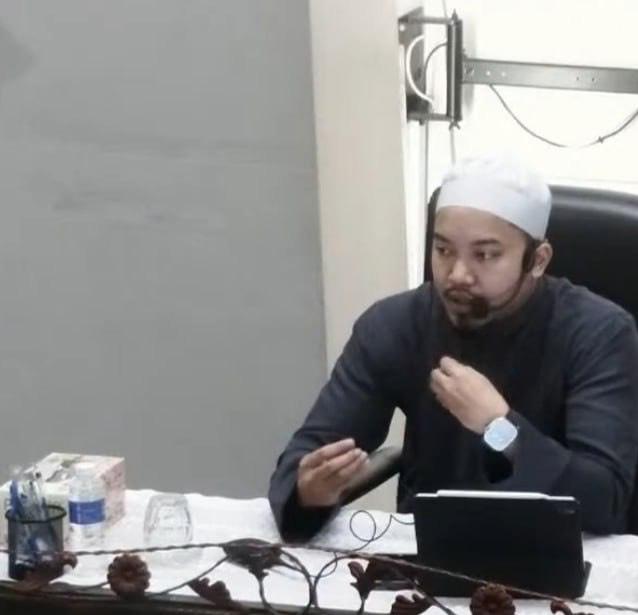
“Before we begin, could you introduce your current work roles? What do you do at the mosque, and are there any other professional fields you are involved in outside the mosque?”
I currently serve in the mosque in an operational role as an imam, leading tahlil and tahnik tahliq services alongside conducting Qur’an classes and supporting religious programmes.
Outside the mosque, I am involved in financial advisory, helping individuals and families plan responsibly for their financial goals. In my personal time, I also do creative work such as designing shirts and logos, as well as video editing.
“What does being an Asatizah today mean to you, beyond teaching or delivering sermons?”
To me, being an asatizah today means being present in people’s real lives. It involves listening, understanding struggles, and guiding with empathy, not only from the mimbar, but in conversations about work, finances, family, and identity. It’s about building trust before giving guidance.
“Ustaz, you juggle roles in mosques, financial advisory, and visual arts. How do these worlds intersect?”
All three revolve around service and clarity. Financial planning addresses people’s responsibilities and concerns across different stages of life, from budgeting and managing day-to-day needs, to preparing for retirement and planning one’s estate., Islamic education and community service anchor those efforts with akhirah-consciousness, and creative art helps communicate ideas in a language people connect with today. Each role informs the other, allowing me to serve more holistically.
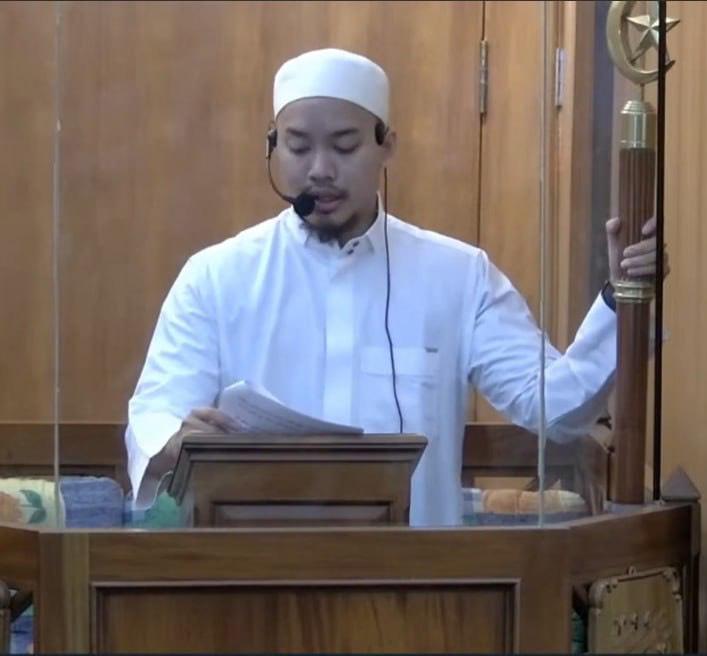
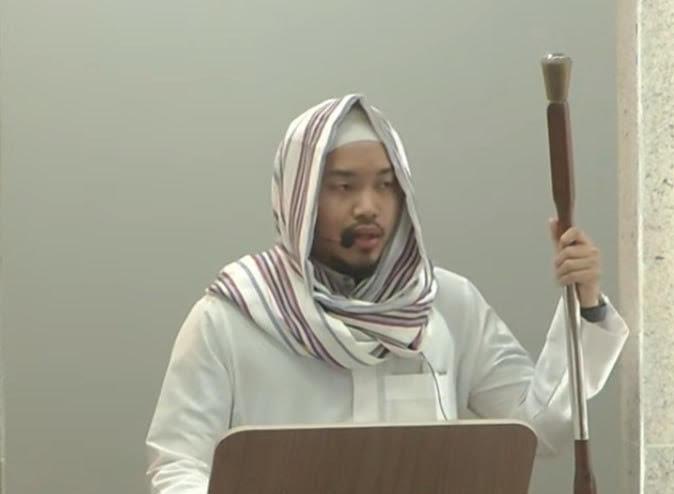
“What role do creativity and personal interests play in sustaining your passion for service?”
Creativity keeps my work honest and alive. Visual expression, design, and storytelling help me process ideas and avoid burnout. They remind me that serving the community doesn’t have to be rigid, it can be thoughtful, reflective, and even beautiful, as long as it remains sincere.
8
“Many people assume Asatizah fit a single mould. How do you challenge that assumption?”
By simply being myself. Scholars have always come from diverse backgrounds; traders, craftsmen, administrators, artists. I believe that when asatizah embrace their individuality while remaining rooted in adab and knowledge, it shows that Islam is expansive, not restrictive.
9
“What support systems have been most important in your journey?”
enough to walk alongside me, allowing space for growth rather than expectation of perfection.
10
“What advice would you give to young Muslims considering the path of religious scholarship?”
Seek knowledge with sincerity and take your time with the journey, remaining grounded in adab and humility. Continue learning and growing, and allow your interests to evolve into meaningful contributions when guided by the right intention. When our pursuits are aligned with seeking Allah’s pleasure and benefiting the community, they become acts of worship in their own right reminding us that staying principled does not mean losing relevance, and being relevant does not require compromising our values.
11
My parents remain a constant source of dua’ and grounding. I am also grateful for teachers who model humility, friends who keep me accountable, and communities that trust me
“Are there anything that you would want our community to know about your goodself?”
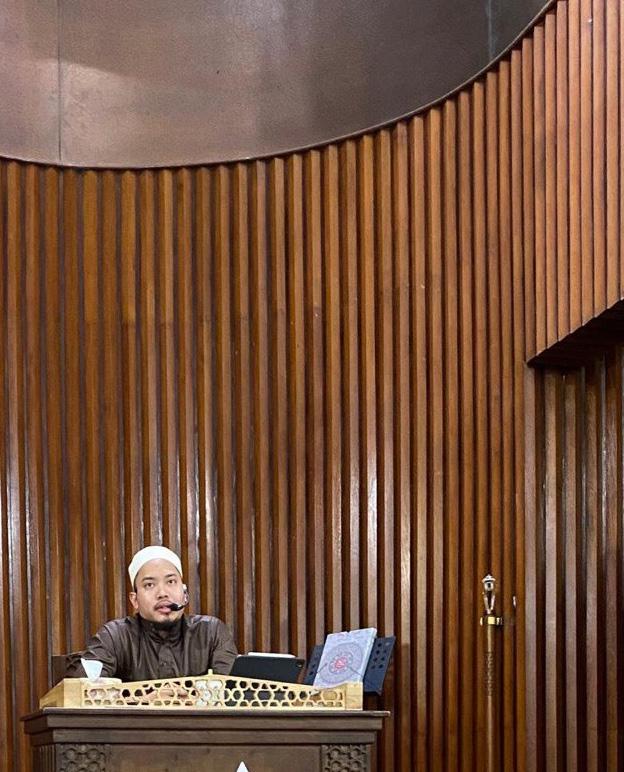
I am still learning. My intention is not to present myself as someone who has arrived, but as a fellow traveller in this dunya trying to serve with honesty and responsibility. If my work is of any benefit in helping people nurture their taqwa or god-consciousness of Allah amid daily responsibilities, I am thankful and blessed for that opportunity. From the perspective of an asatizah in Singapore,
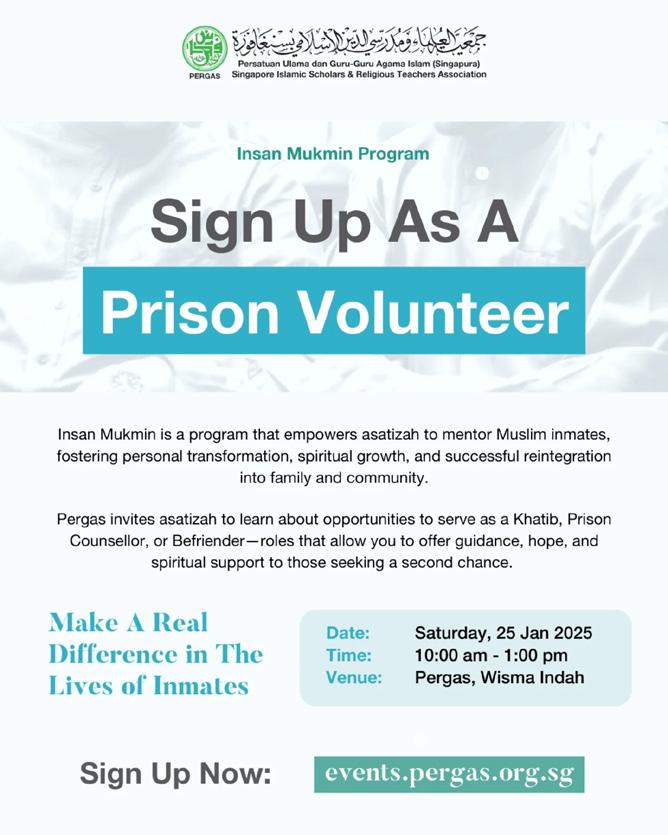
30 Januari 2025
Program latihan sehari Insan Mukmin
Program dilaksanakan untuk sukarelawan
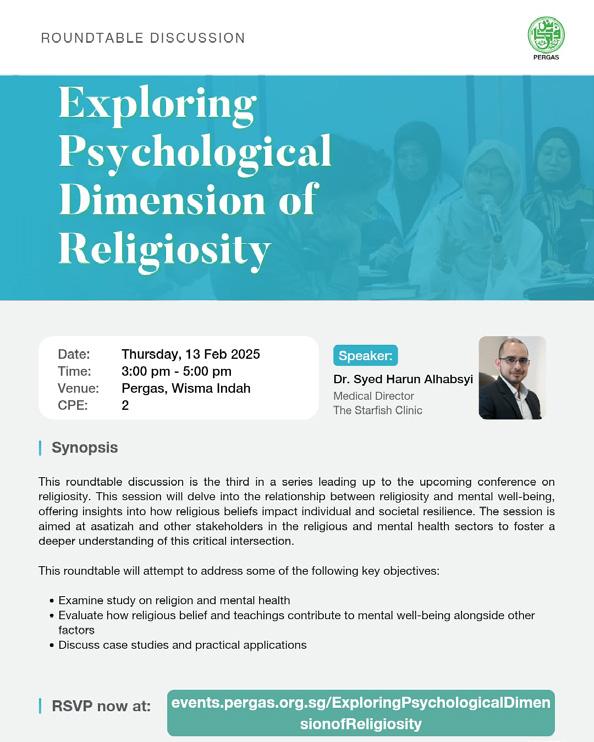
13 Februari 2025
Acara 'Exploring Psychological Dimension of Religiosity' diadakan di Pergas, bersama Dr Syed Harun Alhabsyi
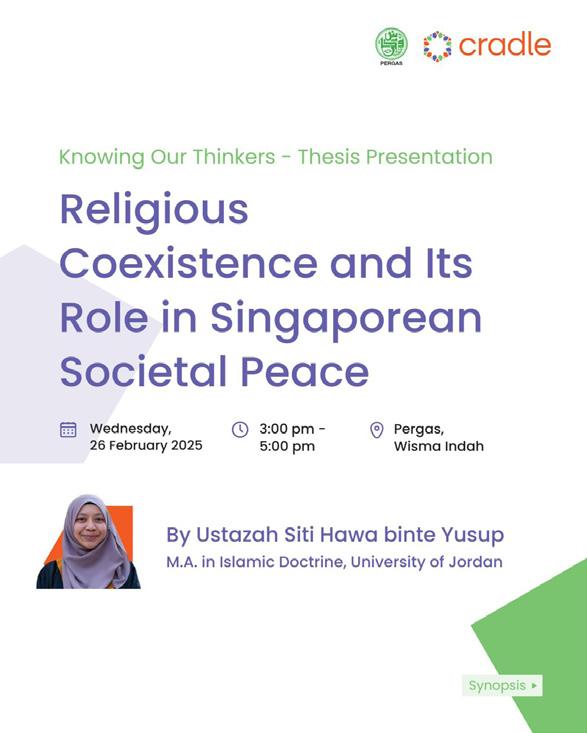
19 Februari 2025
Sesi 'Knowing Our Thinkers' pertama tahun 2025, Ustazah Siti Hawa membentangkan thesisnya bertajuk 'Religious Coexistence and its Role in Singaporean Societal Peace'
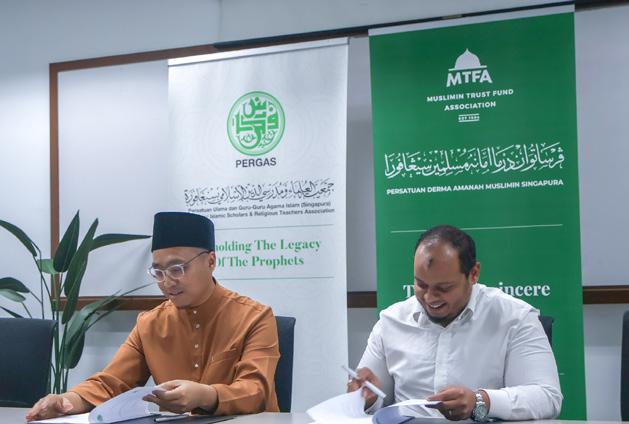
27 Februari 2025
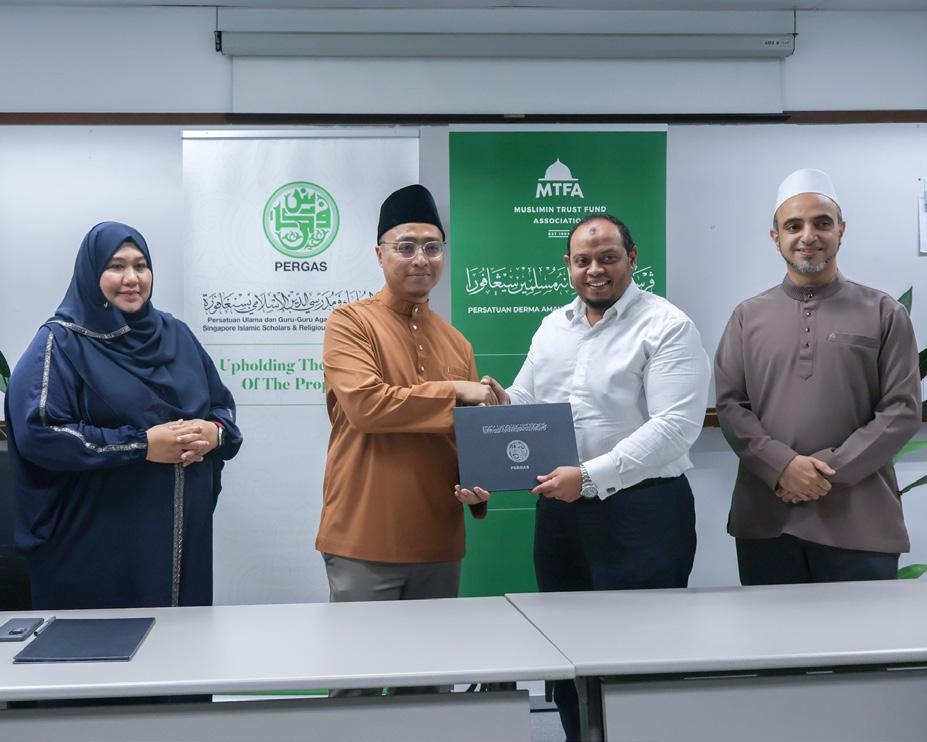
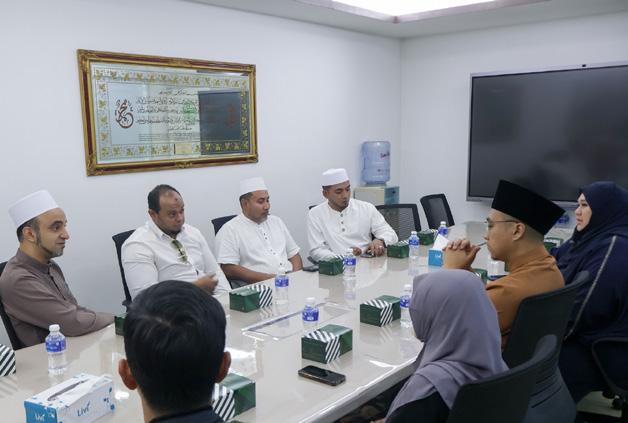
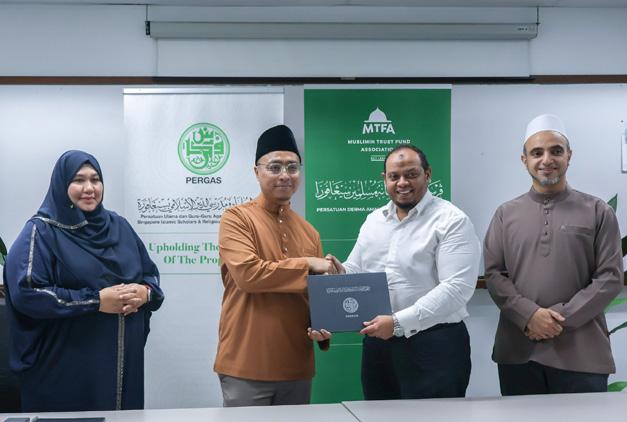
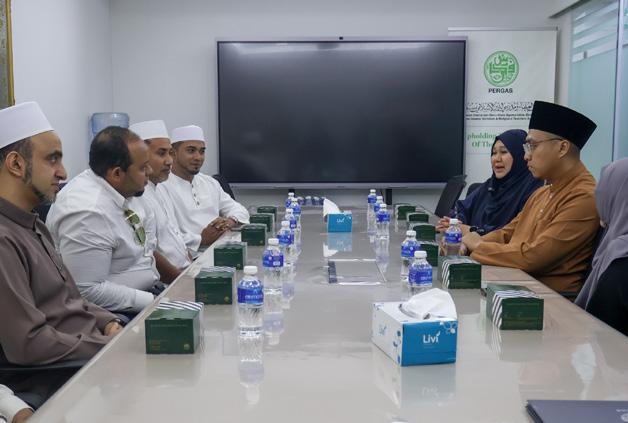
MTFA bersama Pergas menandatangani
MOA yang melambangkan permulaan perkembangan program pengajaran 'Ulum Ihsan
Currently, ‘Ulum Ihsan supports 74 students, but with this collaboration and PERGAS’ access to more asatizah, we aim to increase our reach to at least 200 beneficiaries across 30 homes by the end of 2025.
6 Mac 2025
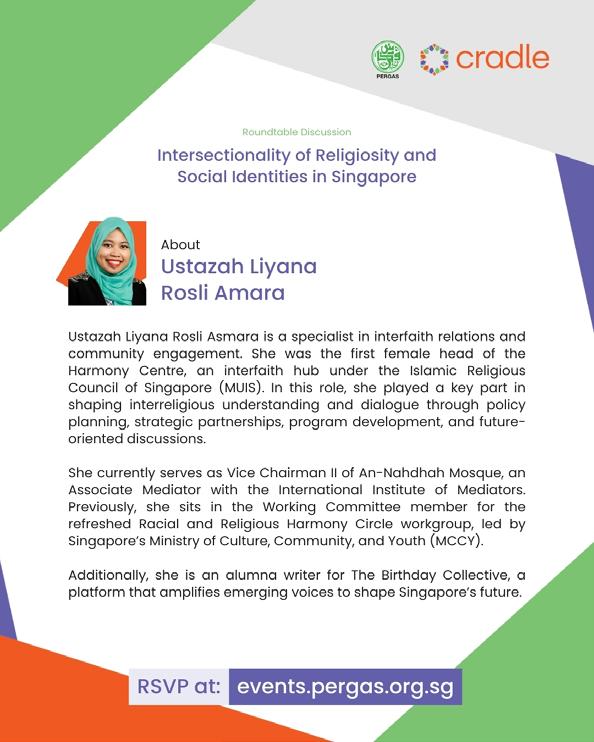
Sesi 'Roundtable Discussion' bertajuk 'Intersectionality of Religious and Social Identitites In Singapore bersama Ustazah Liyana Rosli Amara
15 Mac 2025 Program tahunan Asatizah Turun Padang diadakan
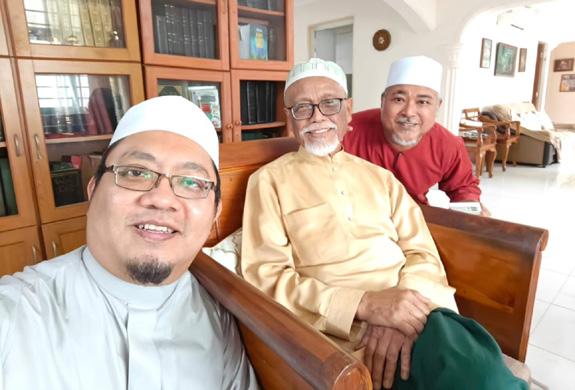
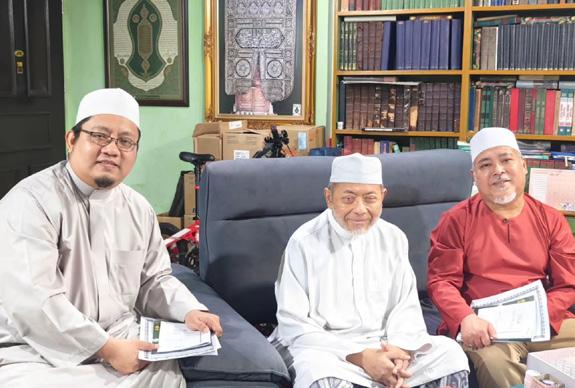
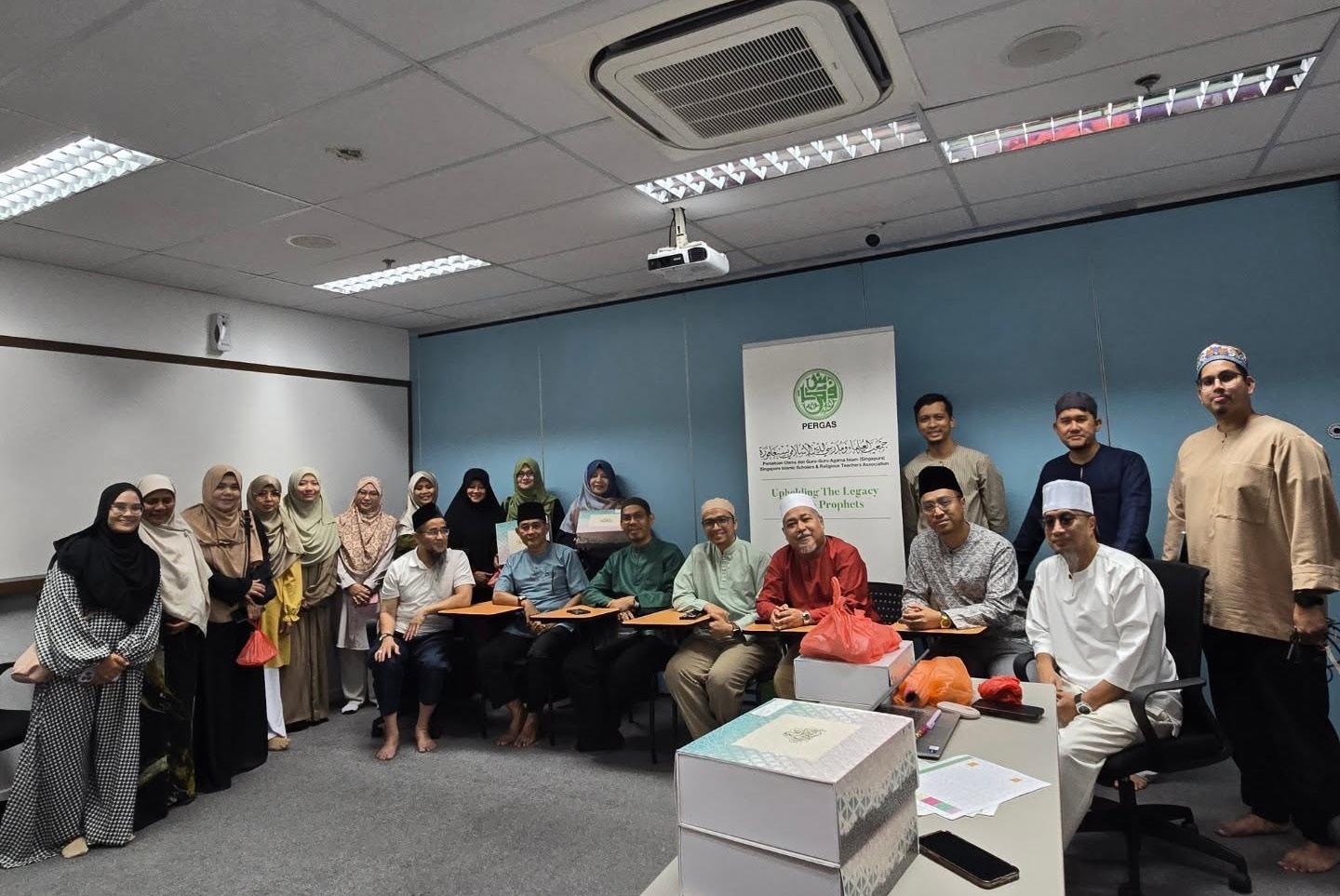
Pergas mengundang para asatizah untuk menyertai program tahunan Ramadan Pergas, Asatizah Turun Padang, di mana asatizah dapat menziarahi asatizah yang memerlukan dan juga masyaikh Pergas. Asatizah berpeluang untuk bertukar khabar, mengeratkan silaturahim dan meraih manfaat daripada perkongsian dan nasihat mereka, di samping berkongsi rezeki menerusi Habuan Raya Pergas.
19, 26 & 28 Mac 2025
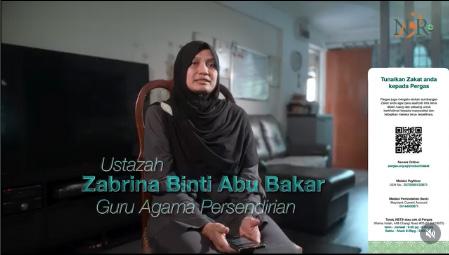
Kempen ‘Nur Ramadhan’ dilancarkan dalam talian untuk menggalakan dermaan zakat kepada Pergas
9 Mei 2025
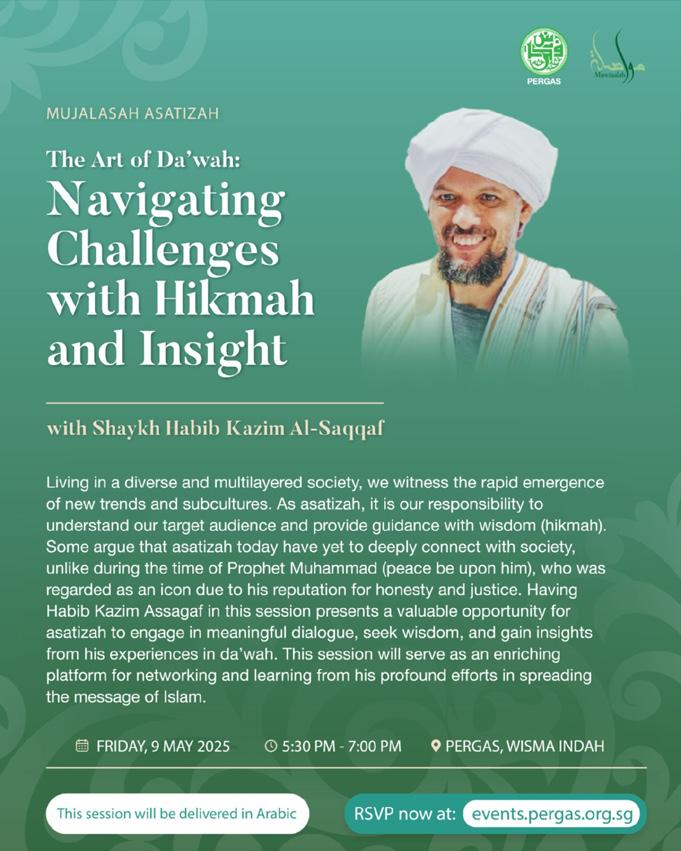
Sesi Mujalasah Asatizah bertajuk “ The Art of Da'wah: Navigating Challenges with Hikmah and Insight” bersama Shaykh Habib Kazim Al-Saqqaf
31 Mac 2025
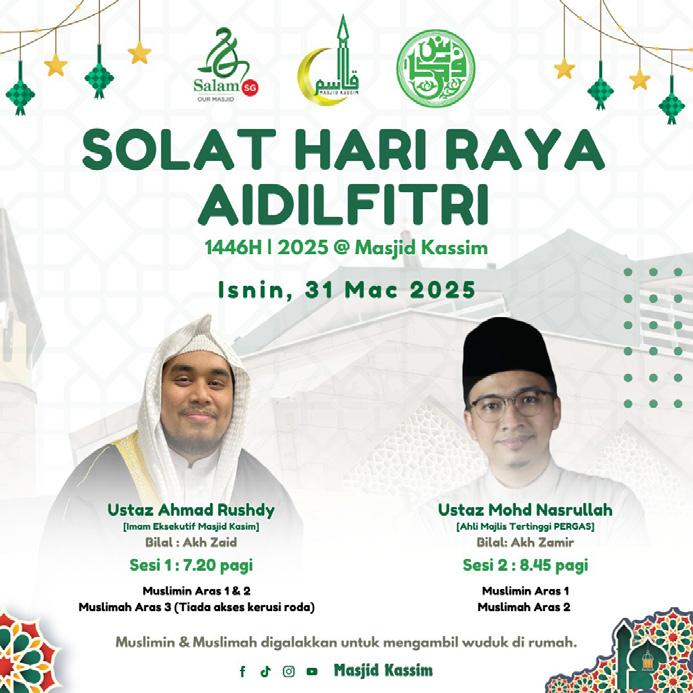
Solat Hari Raya Aidilfitri @ Masjid Kassim, diimamkan oleh Ustaz Nasrullah, Ahli Majlis Tertinggi Pergas
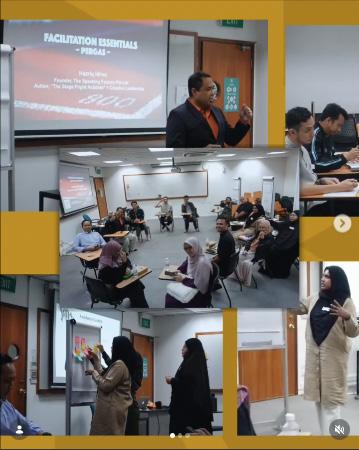
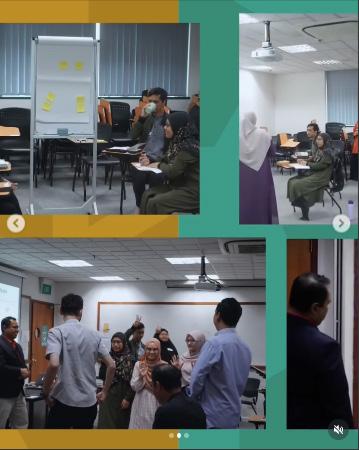
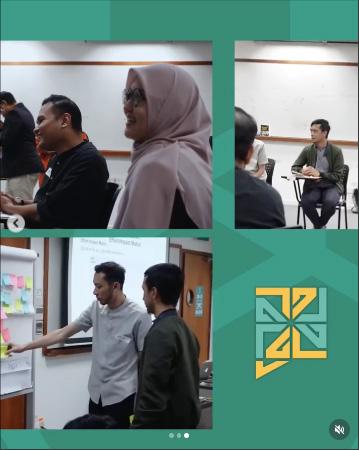
15 Mei 2025
Para pemudah acara Muktamar Pergas menghadiri bengkel untuk menambah kemahiran, menyediakan diri untuk Muktamar Pergas 2025 kelak
24 Mei 2025
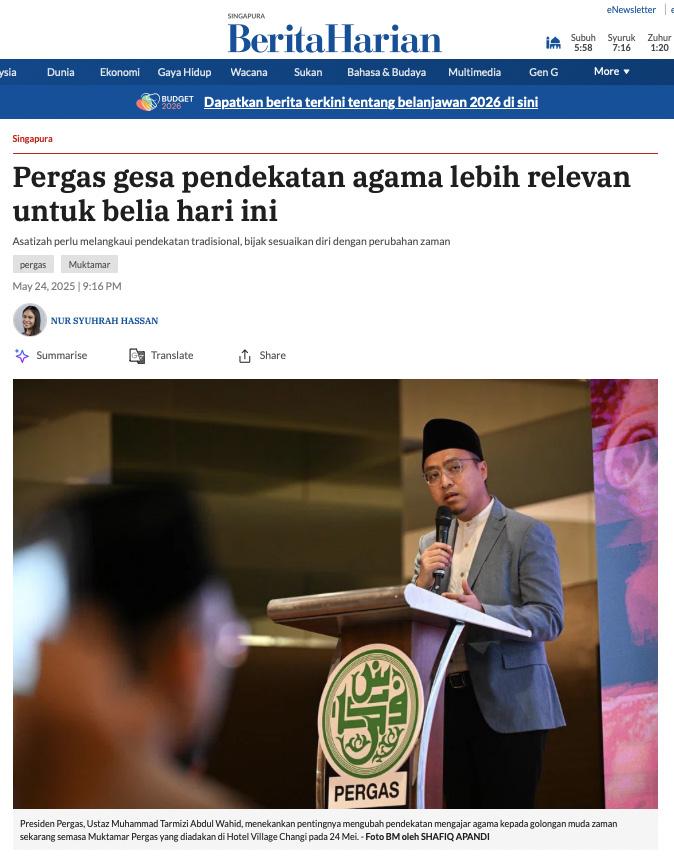
Muktamar Pergas 2025 diadakan
Ustaz Muhammad Tarmizi Abdul Wahid, Presiden Pergas, menyeru agar asatizah di Singapura menyesuaikan pendekatan dalam menyampaikan ilmu agama memandangkan golongan muda kini mempersoalkan norma agama tradisional dan terpengaruh dengan media sosial.
Beliau membangkitkan kebimbangan mengenai peningkatan bilangan anak muda Singapura yang tidak mempunyai agama (23% mengikut data Jabatan Perangkaan 2020) dan menekankan bahawa agama bukan lagi kompas moral utama, dengan pemikiran peribadi dan kesejahteraan emosi menjadi tumpuan.
Ustaz Tarmizi turut menyentuh isu sokongan agama kepada golongan berkeperluan khas dan penjaga mereka, mengakui kekurangan sistem sokongan yang tersusun dan menyatakan komitmen Pergas untuk menangani isu ini bersama rakan Melayu/Islam yang lain.
27 Mei 2025
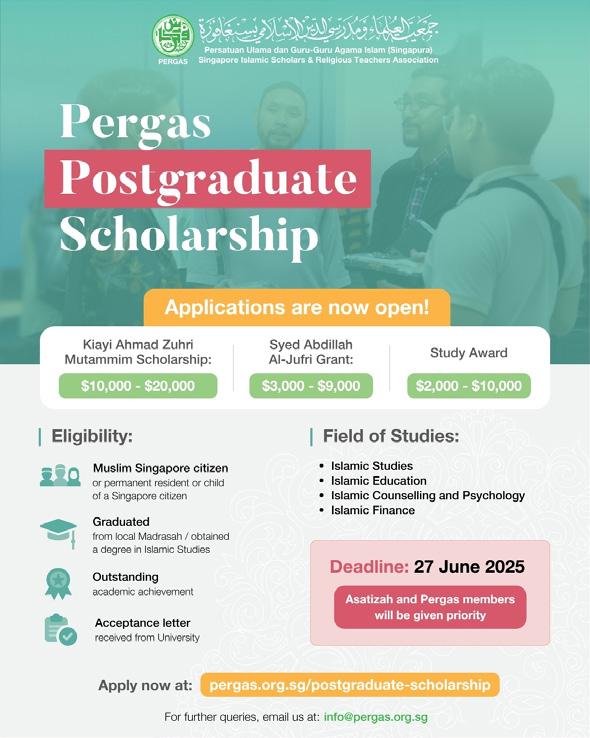
Permohonan Biasiswa Pascasiswazah dibuka
Pembiayaan dari $2,000 hingga $20,000
Bidang: Pengajian Islam, Pendidikan, Kaunseling & Kewangan
Terbuka kepada warga SG yang beragama Islam & graduan Madrasah
5 Jun 2025
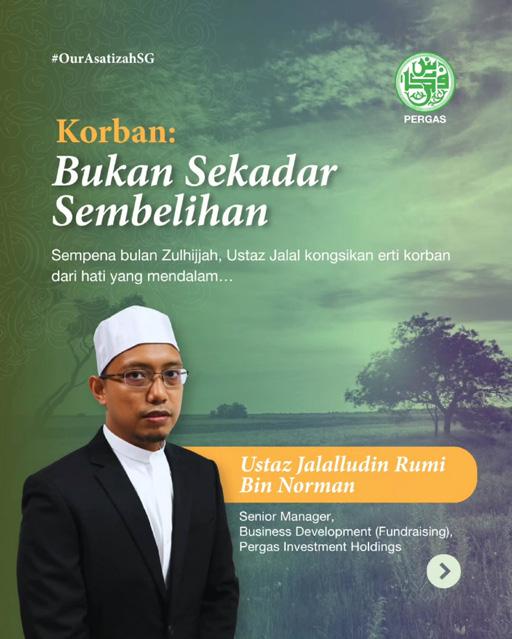
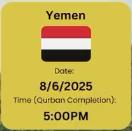
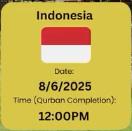
Kempen Ibadah Korban dilaksanakan oleh PIH






22 Jun 2025
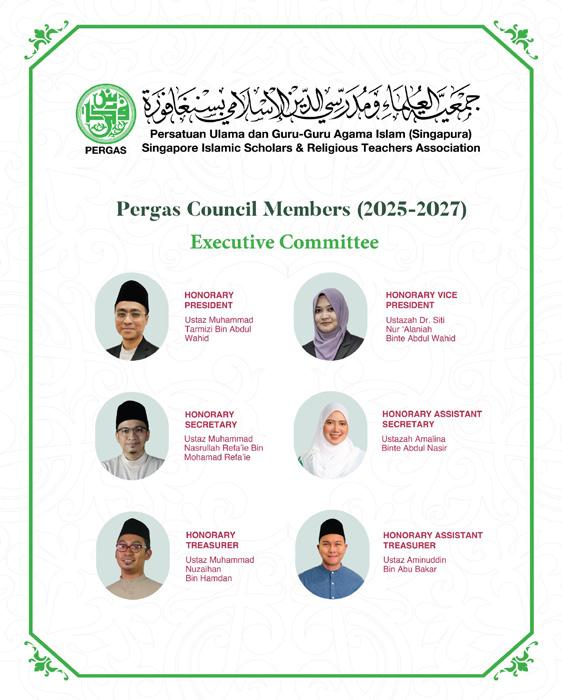
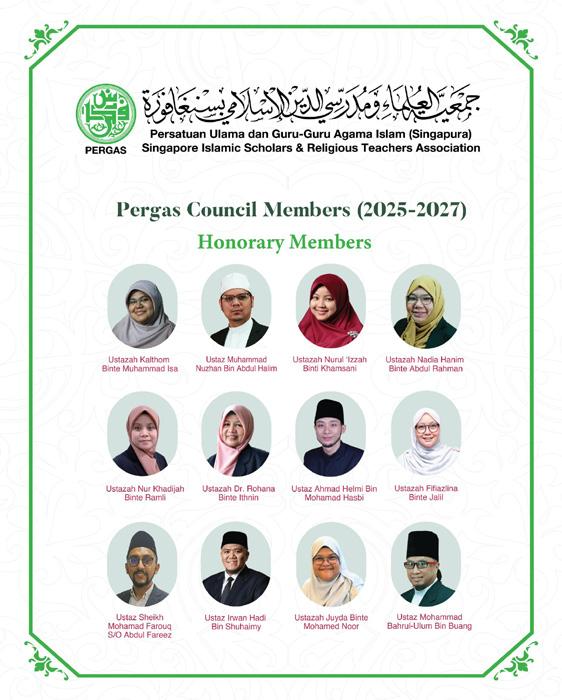
Pergas AGM
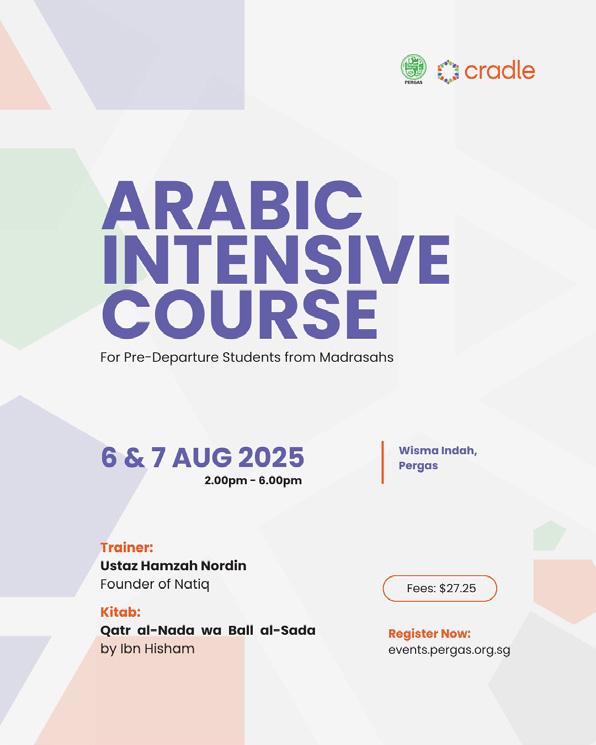
6 & 7 Ogos 2025
'Arabic Intensive Course' diadakan oleh
Ustaz Hamzah Nordin di Pergas untuk membantu pelajar akan ke luar negara melengkapkan bahasa Arab mereka
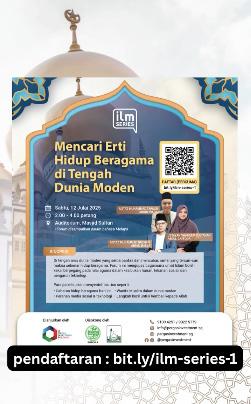
12 Julai 2025
Acara 'Mencari Erti Hidup
Beragama di Tengah Dunia
Moden' dianjurkan oleh PIH
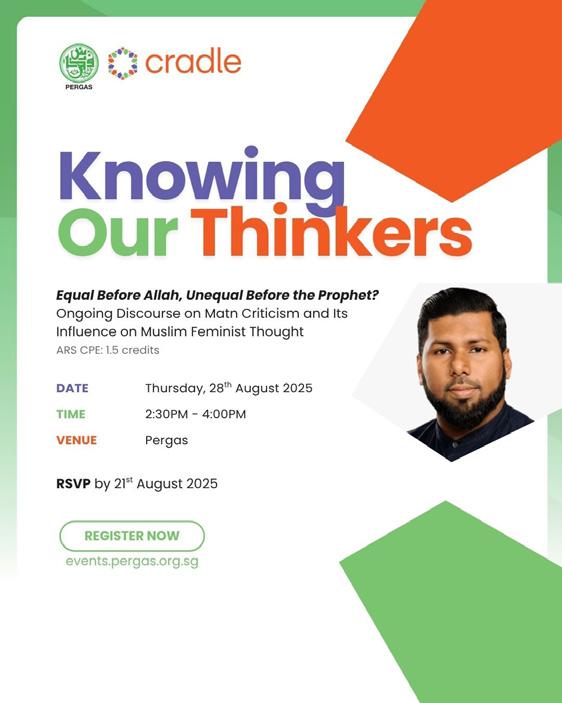
28 Ogos 2025
Sesi 'Knowing Our Thinkers' kedua tahun 2025 bersama Ustaz Nuzulul Qadar Abdullah
Join us as Ustaz Nuzulul Qadar Abdullah explores how early Muslim scholars approached the content of ḥadith — not just who said it, but what was said.
He will also delve into how Muslim feminist scholars today engage with selected narrations, using frameworks like the tawḥīdic paradigm and Qur’ānic worldview — bringing classical discourse into conversation with contemporary perspectives.
Terbuka kepada warga SG yang beragama Islam & graduan Madrasah.
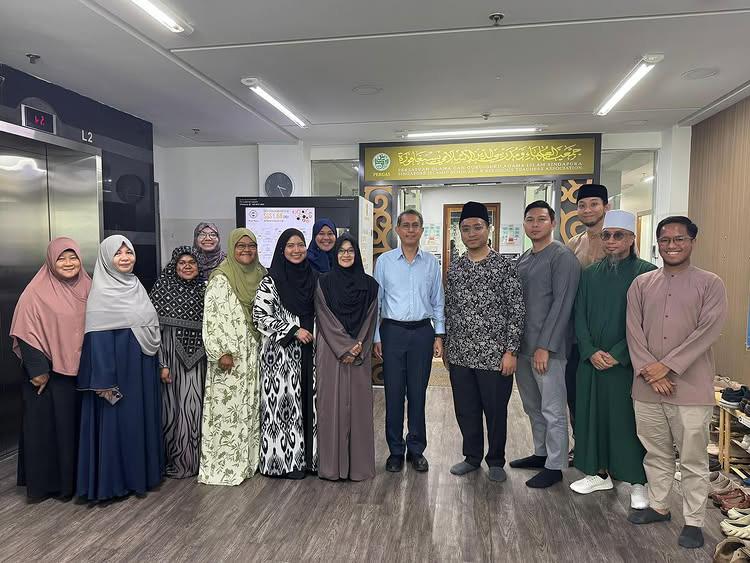
30 September 2025
Lawatan Menteri Pemangku Menteri
Bertanggungjawab bagi Ehwal Masyarakat
Islam, Profesor Madya Dr Muhammad
Faishal Ibrahim ke Pergas
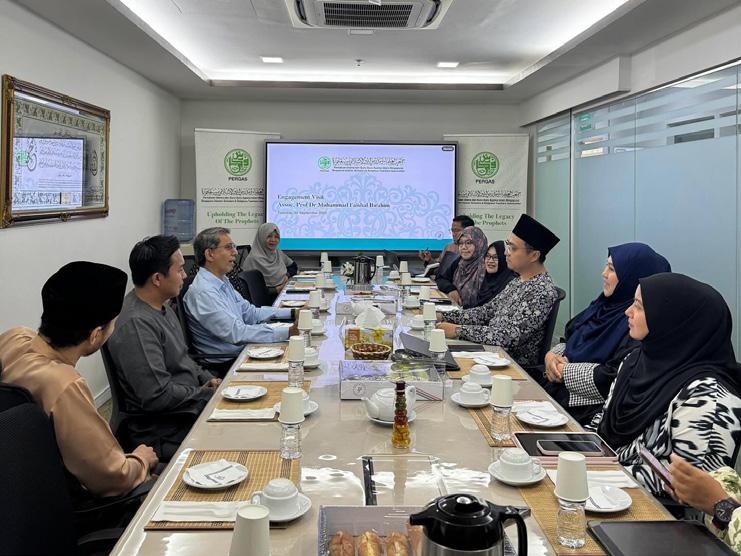
30 September 2025
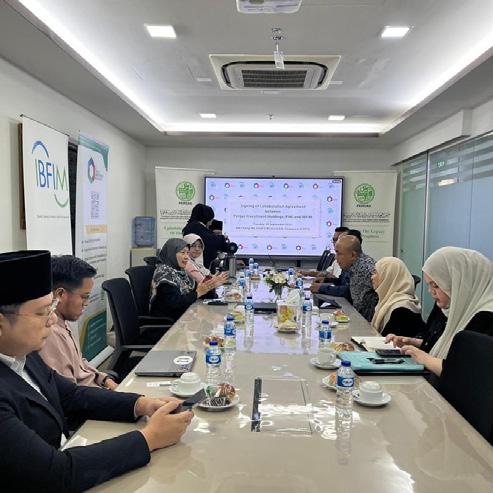
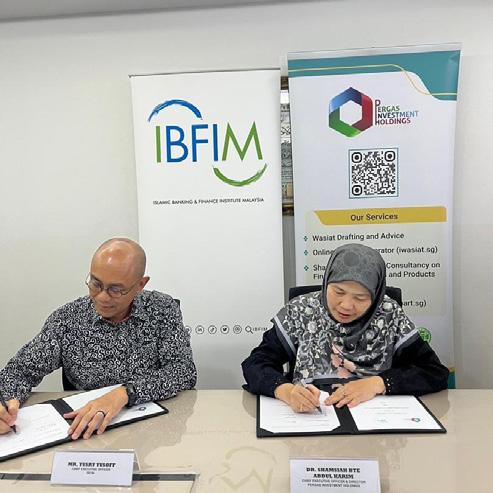
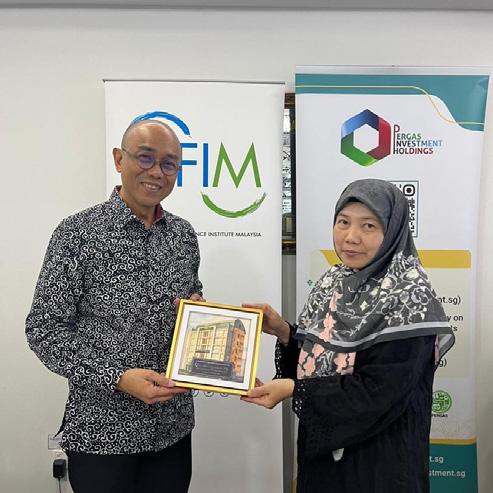
PIH and IBFIM officially formalised a Collaboration Agreement
This collaboration marks the beginning of a strategic partnership focused on codeveloping and delivering a programme on Commercialising Waqf Assets.
This agreement showcases our shared commitment to support the innovative approach in commercialising waqf assets, a model that has proven to generate sustainable income and meaningful community impact. We believe that innovation and professional management are key drivers in strengthening the waqf ecosystem.
Terbuka kepada warga SG yang beragama Islam & graduan Madrasah.
30 September, 1, 7 & 8 Oktober 2025
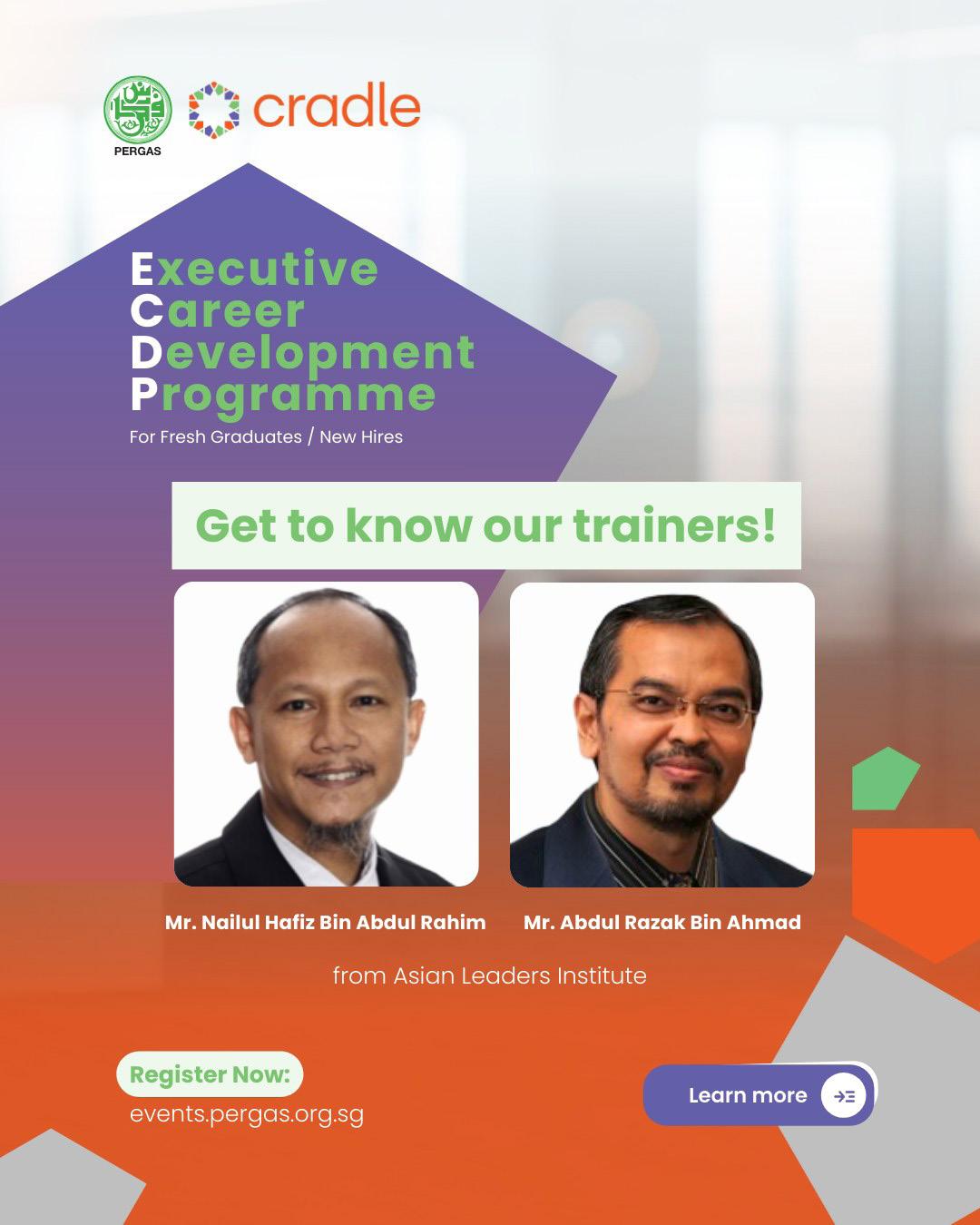
Executive Career Development Programme (ECDP) bersama Encik Nailul Hafiz dan Encik Abdul Razak
The leap from school to the working world can feel overwhelming. The Executive Career Development Programme (ECDP) is designed to bridge that gap — helping fresh graduates and new hires gain the skills to thrive from day one:

Communicate with confidence

Manage time & priorities

Build emotional intelligence

Develop a strong professional identity
4 Oktober 2025
Pelancaran APVN
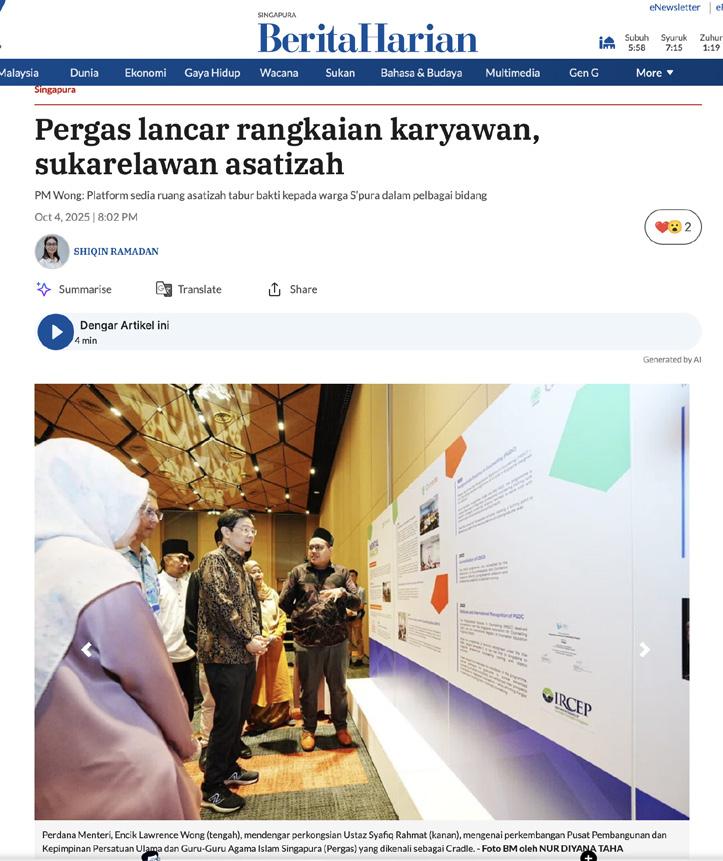
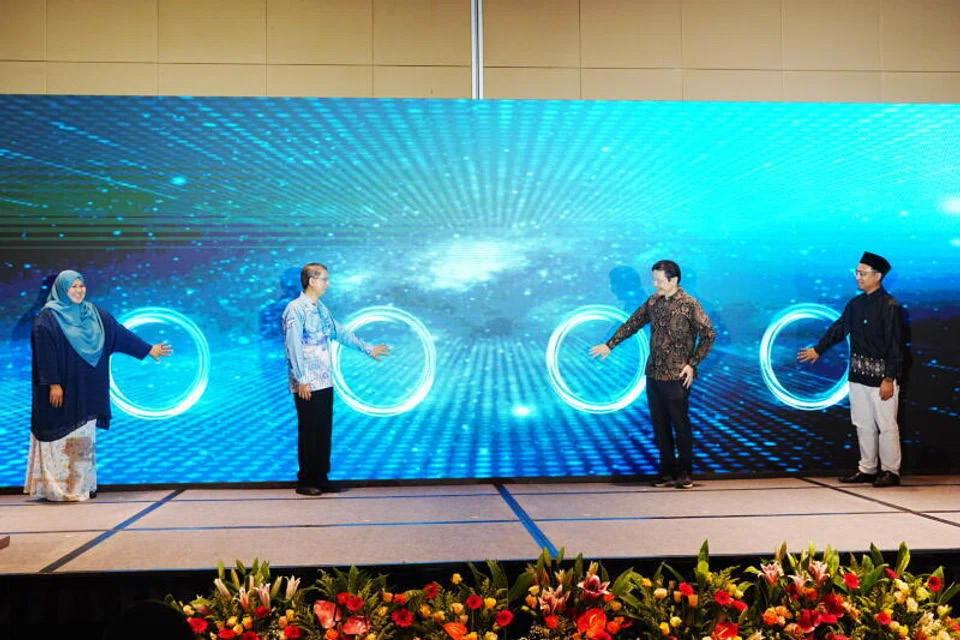
Perdana Menteri Lawrence Wong melancarkan Rangkaian Pekerja dan Sukarelawan Asatizah (APVN) di bawah naungan Cradle (Pergas) untuk meluaskan peranan asatizah dalam masyarakat Singapura, meliputi bidang seperti penjagaan paliatif dan membantu belia yang berisiko.
APVN menyasarkan untuk menghubungkan asatizah dengan masyarakat yang memerlukan, menyediakan latihan yang relevan, dan menyokong mereka dalam menghadapi cabaran kehidupan moden, termasuk isu kesihatan mental dalam kalangan anak muda seperti yang dinyatakan oleh Yang Dipertua Pergas, Ustaz Muhammad Tarmizi Abdul Wahid.
Encik Wong mempromosikan penggunaan APVN dan kerjasama berterusan dengan masyarakat melalui institusi seperti Kolej Pengajian Islam Singapura (SCIS) untuk melahirkan generasi asatizah yang berpengetahuan dan responsif kepada keperluan masyarakat. Profesor Madya Dr Muhammad Faishal Ibrahim turut hadir pada majlis pelancaran itu.
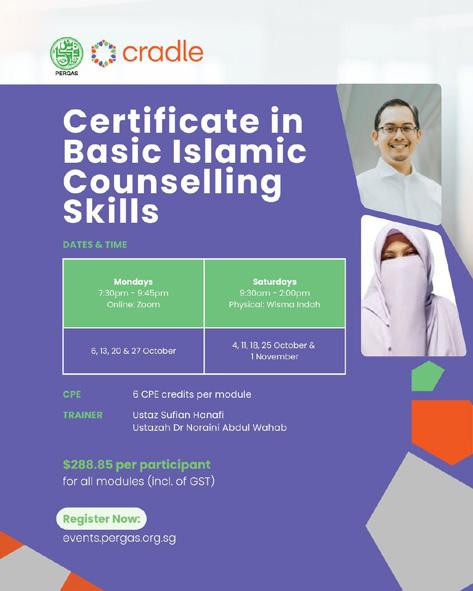
4, 6, 11, 13, 18, 20, 25 & 27 Oktober & 1 November
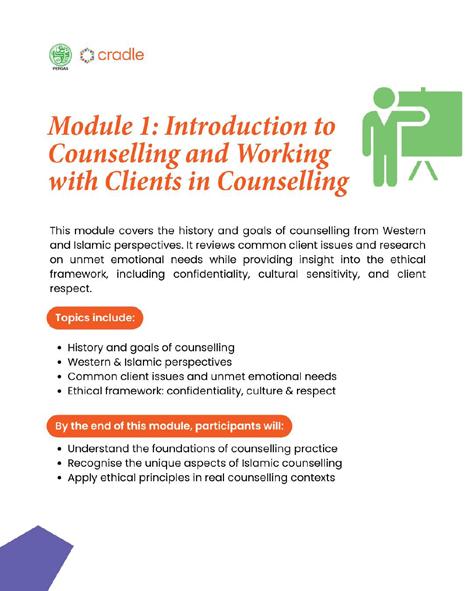
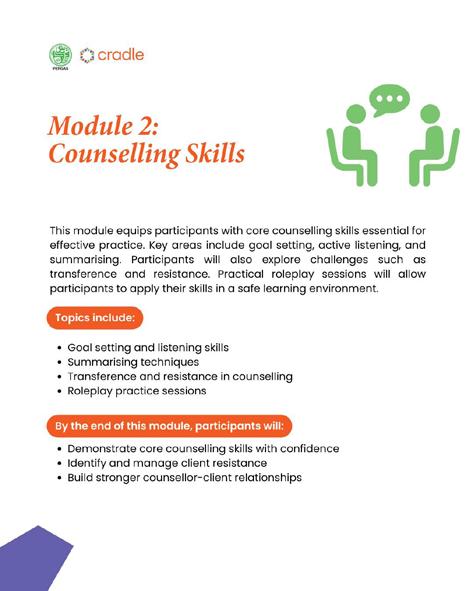
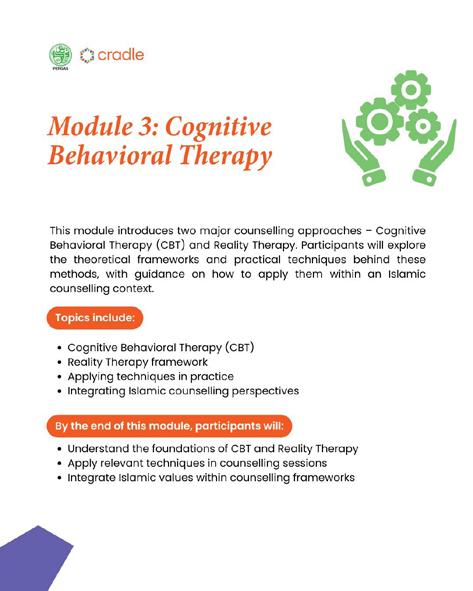
Sijil Kemahiran Asas Kaunseling Islam, bersama
Ustaz Sufian Hanafi dan Ustazah Dr Noraini Abdul Wahab, direka khas untuk para asatizah yang ingin membimbing dengan penuh hikmah, iman dan ihsan.


Ser tai perjalanan ilmu yang sesuai untuk seti
– dari asas hingga lanjutan.
Untuk Anda di Peringkat Asas
Program Takrif Islam (PTI): Kenali asas Islam tanpa peperiksaan (3-6 bulan)
Sijil Pengajian Islam (SPI):
Kukuhkan asas Islam secara modular (1-2 tahun)
Sijil Pengajian Islam Remaja: Program asas untuk remaja 13–15 tahun (4 tahun)
Untuk Anda yang Ingin Pengajian Khusus
Pengajian Al-Quran (PAQ): Pelajari tajwid & bacaan Al-Quran (3-9 bulan)
Pengajian Bahasa Arab (PBA): Kuasai asas Bahasa Arab (3 bulan setiap modul)

Untuk Anda yang Mahu Mendalami
Sijil Lanjutan Pengajian Islam (SLPI):
Pengajian lanjutan dalam Usuluddin dan Syariah (setara GCE 'A')
Diploma Pengajian Islam (DPI): Program komprehensif pemahaman Islam secara mendalam
Bachelor of Islamic Revealed Knowledge & Heritage (BIRKH): Ijazah separuh masa dalam ilmu wahyu dan warisan Islam
PILIH
IPIP?
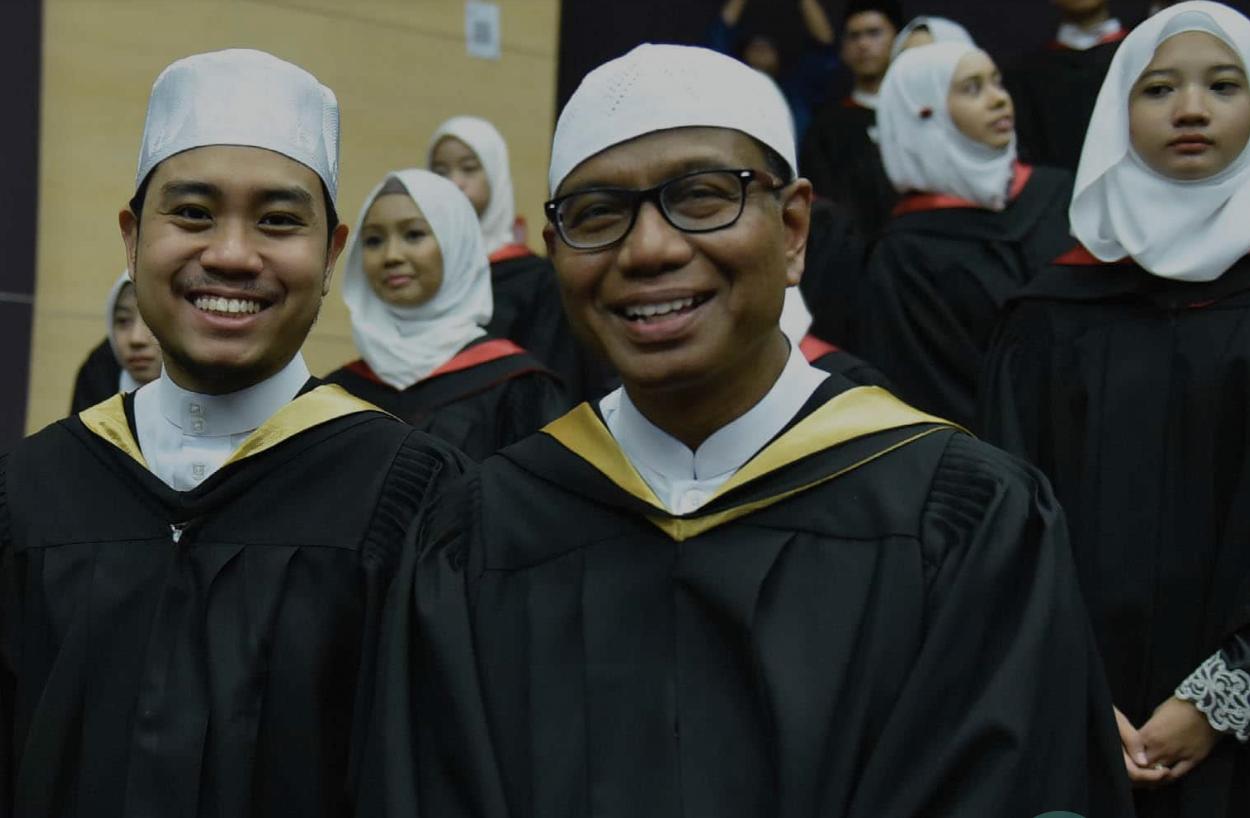
Asatizah Bertauliah
Belajar dari tenaga pengajar yang pakar dalam pengajian Islam
Pembelajaran Fleksibel Kelas mingguan, hujung minggu atau online – mengikut keperluan anda
Daftar Sekarang
Kurikulum Berstruktur
Program bertahap dari asas hingga lanjutan, sesuai untuk semua peringkat