THE POWER BEHIND THE CLOUD: HOW SMART MOTORS AND DRIVES ARE KEEPING ASIA'S AI BOOM COOL BY VIVIAN LEONG, ABB
12 THE FOUNDATION FOR EFFECTIVE AI ADOPTION. BY NAHAR AL. MUTAWAH, QATAR DISTRICT COOLING COMPANY
16 A i ENERGY: THE LOAD WE’RE ADDING, AND THE WASTE WE CAN STOP BY RONAK MONGA, GRUNDFOS
24
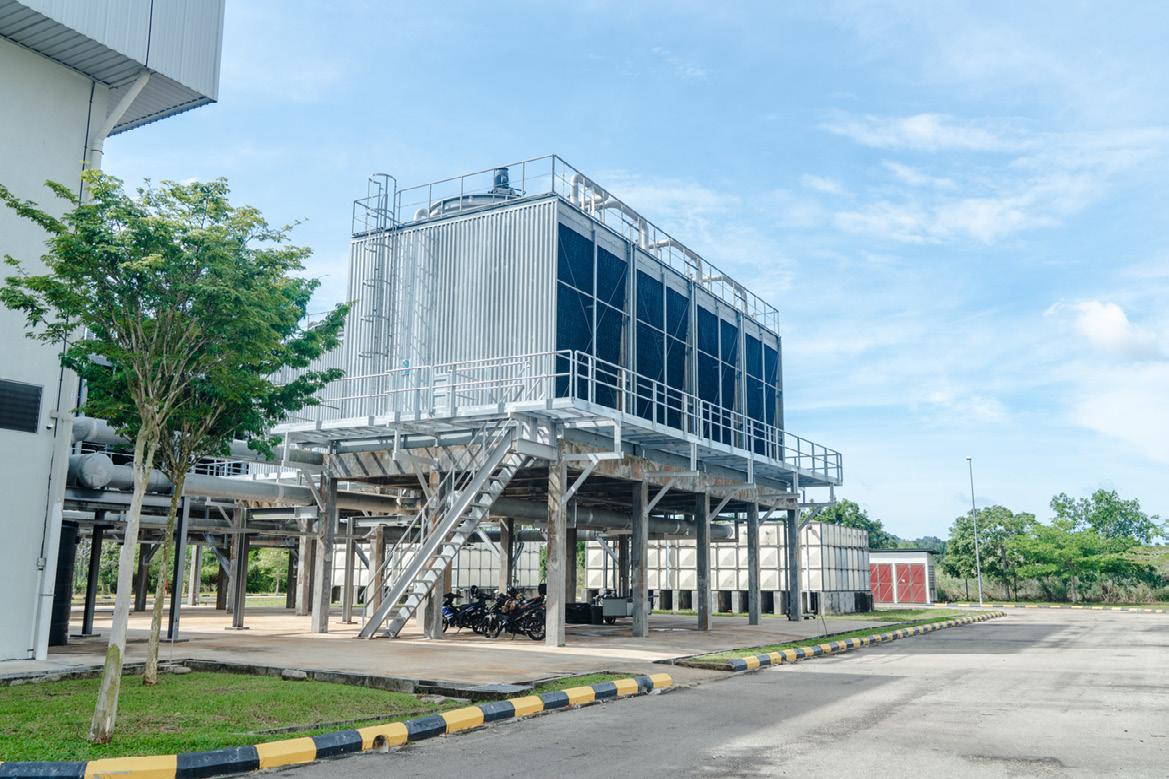
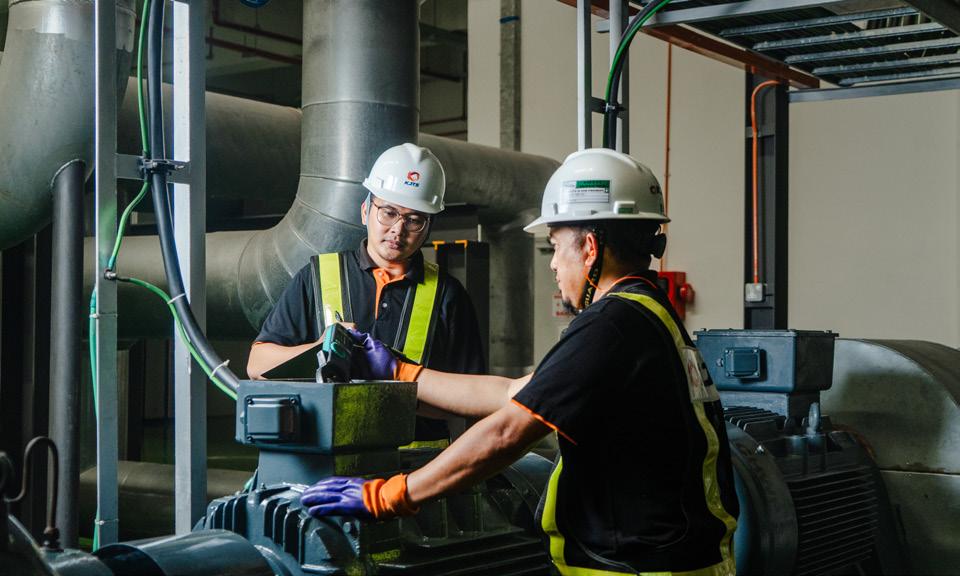
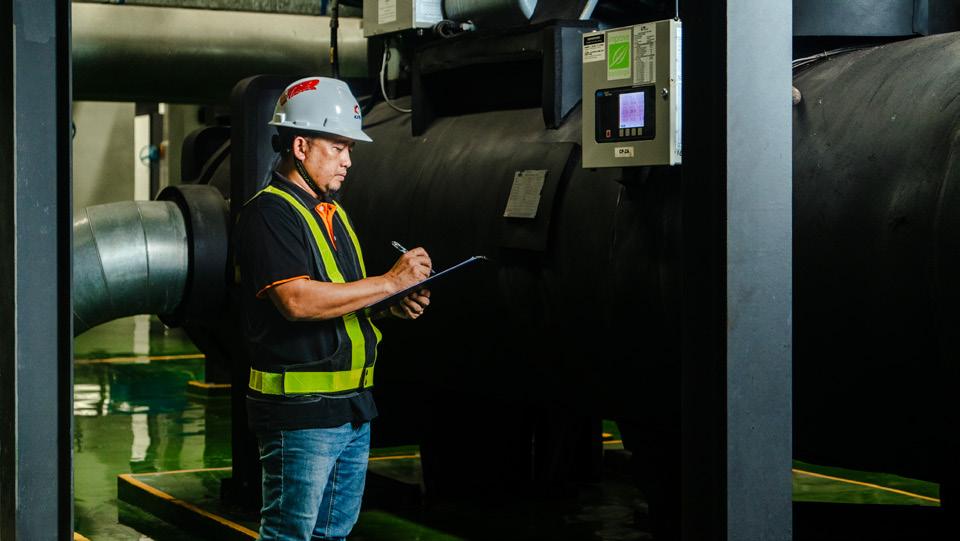
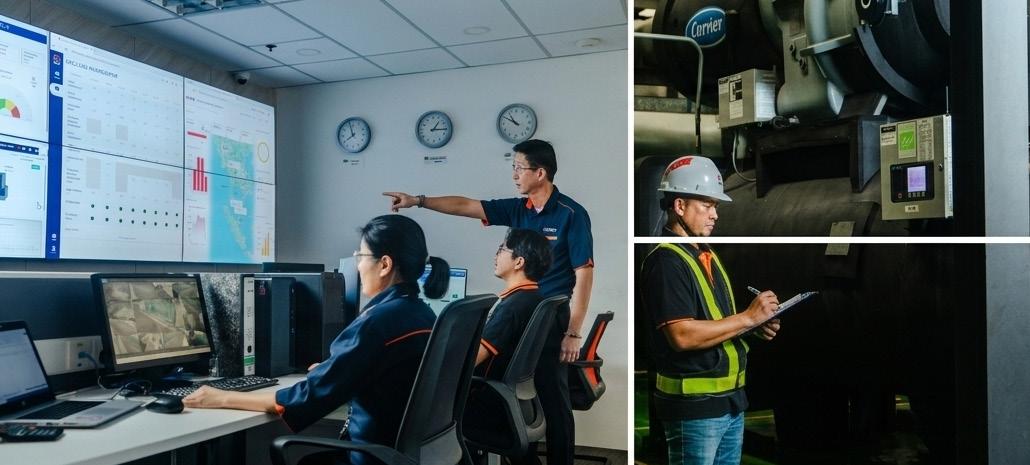
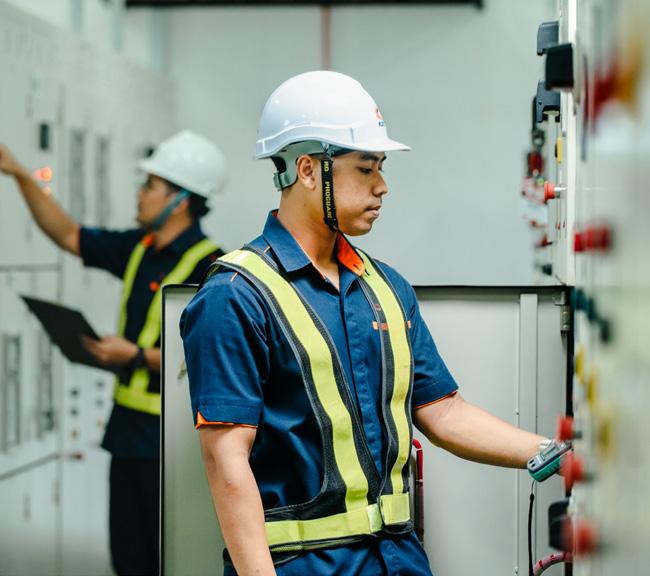
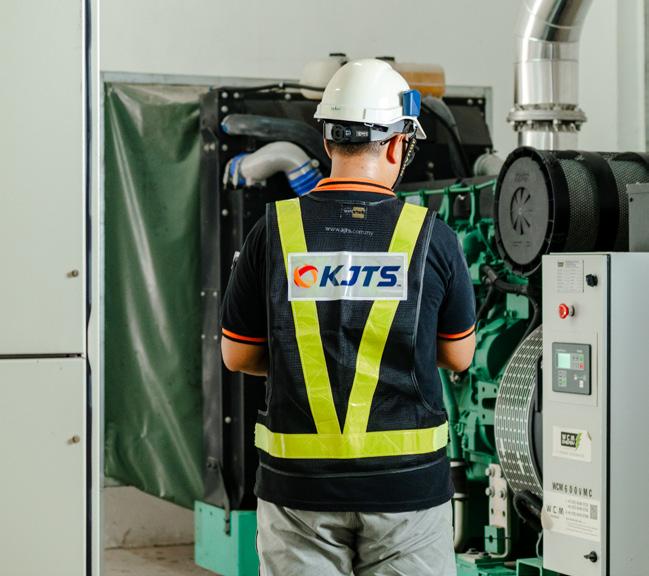
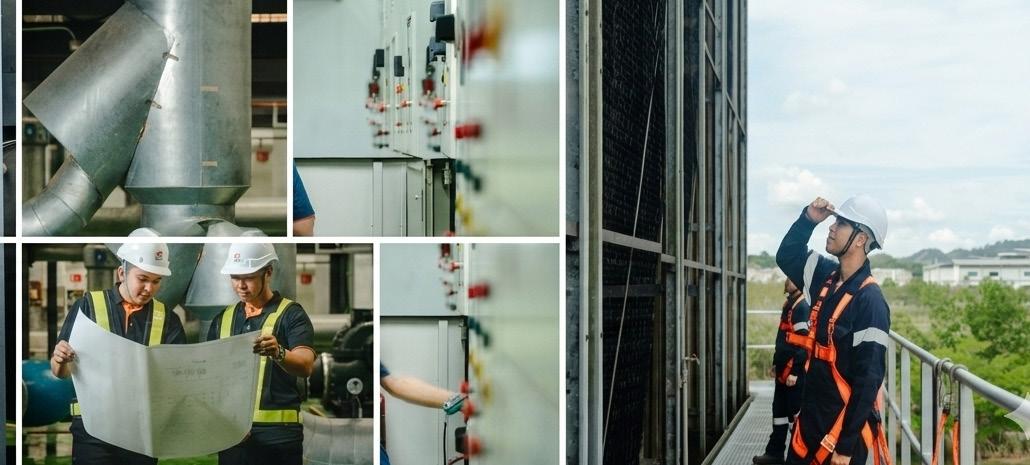
A i ENERGY: LIQUID COOLING AND COOLINGAS-A-SERVICE (CAAS) AS STRATEGIC INFRASTRUCTURE FOR THE AI ERA BY KJTS GROUP BERHAD
28
HOW TO MOVE PAST IT ENTANGLEMENT TO UNLOCK AIBASED ASSET MANAGEMENT BY BRUNO
LHOPITEAU
BLUEBEE TECHNOLOGIES
34 ENERGY & AI: CAN MALAYSIA AND ASEAN POWER THE NEXT INTELLIGENCE LEAP? BY INFORMA MARKETS IN MALAYSIA
AI AND ENERGY CONVERGE: ACCELERATING ASIA’S CLEAN ENERGY TRANSITION AT ASIA SUSTAINABLE ENERGY WEEK 2026 BY INFORMA MARKETS IN THAILAND
Editorial Mikael Jakobsson
PRESIDENT
ASIA PACIFIC URBAN ENERGY ASSOCIATION (APUEA)
Across Asia Pacific, the transition toward sustainable urban energy systems continues to accelerate. Cities are at the center of this transformation, where rapid urbanization, rising energy demand, and climate commitments intersect. Netzero strategies are increasingly shaping national and municipal agendas, with a stronger focus on integrating renewable energy, improving energy efficiency, and deploying scalable solutions such as district heating and cooling.
This momentum is reflected in the region’s global position. Asia Pacific now accounts for the majority of new renewable energy capacity additions worldwide, underlining its central role in the global energy transition. At a time when parts of the world are reassessing the pace and cost of the transition, many countries across the region are continuing to strengthen their commitments and accelerate implementation. From large-scale solar deployment to investments in smarter grids and clean cooling, Asia Pacific is increasingly turning ambition into action.
Several countries have made notable progress. China continues to lead global renewable energy deployment and is expected to exceed 1,500 GW of renewable capacity ahead of its 2030 target, demonstrating both scale and speed. India has also made significant strides, having achieved around 50% non-fossil power capacity ahead of schedule, while further strengthening its climate commitments.
In Southeast Asia, countries such as Indonesia, Vietnam, and Malaysia are increasingly prioritizing clean energy, energy efficiency, and sustainable cooling as part of their national strategies. At the regional level, ASEAN has endorsed targets to reach up to 45% renewable electricity capacity by 2030, alongside substantial improvements in energy intensity.
Meanwhile, Singapore continues to position itself as a hub for innovation in urban energy and green finance, while Japan and South Korea are advancing hydrogen, offshore wind, and other low-carbon technologies. These developments
expanded focus on renewable energy, efficiency, and clean infrastructure.
While challenges remain, including continued reliance on conventional energy sources in parts of the region, the overall trajectory is positive. Asia Pacific is not only maintaining momentum but, in many cases, accelerating it—supported by growing investment, technological innovation, and regional cooperation.
A key highlight within the global district energy community is the Global District Energy Climate Awards, where the 2025 edition was hosted by IDEA. These awards recognize outstanding projects and initiatives that demonstrate innovation, efficiency, and measurable climate impact in district heating and cooling.
APUEA is now actively preparing for its flagship event, the Asia Urban Energy Assembly 2026, which will take place on 2–3 July 2026 at the Queen Sirikit National Convention Center in Bangkok, Thailand, in conjunction with Asia Sustainable Energy Week.
We are very pleased to once again collaborate with Informa Markets in delivering this important platform. The Assembly will bring together delegations from across the Asia-Pacific region, with participation from across the region and around the globe.
As in previous editions, the event will provide a valuable opportunity for policymakers, utilities, developers, and technology providers to exchange knowledge, explore partnerships, and accelerate the deployment of sustainable urban energy solutions.
In this edition of the APUEA Magazine, we explore the link between AI and energy, and how it is shaping the energy landscape in Asia including the increased energy demand driven by the rapid growth of AI and data centers, as well as how AI can support more efficient and resilient energy systems through new applications and tools. The issue also includes details about the latest APUEA activities.
We would like to extend our sincere thanks to Grundfos, KJTS Group, Qatar Cool, ABB, Bluebee Tech, and Informa Markets for their valuable contributions to this edition of the APUEA Magazine.across the region and around the globe.
As in previous editions, the event will provide a valuable opportunity for policymakers, utilities, developers, and technology providers to exchange knowledge, explore partnerships, and accelerate the deployment of sustainable urban energy solutions.
For more information about APUEA and how to become a member, contact info@apuea.org
www.apuea.org
ASIA PACIFIC URBAN ENERGY ASSOCIATION
The Asia Pacific Urban Energy Association (APUEA) was launched in 2017 to promote the development of sustainable Urban Energy Systems in the Asia Pacific region. The APUEA platform promotes public and private sector collaboration to develop sustainable urban energy systems that support livable cities across the Asia Pacific region. Our membership and activities serve as an information hub to support city policymakers, program managers, and other stakeholders in the design, development, and implementation of sustainable urban energy systems. Through our activities, including APUEA events, conferences, and continuous outreach to our members, we share international and regional best practices for planning and implementing sustainable urban energy systems—including policies and regulations, business models, and technologies for implementing district heating and cooling, smart grids, energy efficiency improvements, and renewable energy systems.
The APUEA membership provides a unique opportunity to liaise with governmental agencies and important stakeholders and get access to valuable information and intelligence on urban energy developments, business opportunities, trends, and financing in one of the fastest growing energy and infrastructure markets in the world. Membership benefits include a marketing platform, newsletters, APUEA Magazine, Annual Publications, Annual General Meeting including Trade Exhibition and Direct Assistance.
ASIA PACIFIC URBAN ENERGY ASSOCIATION
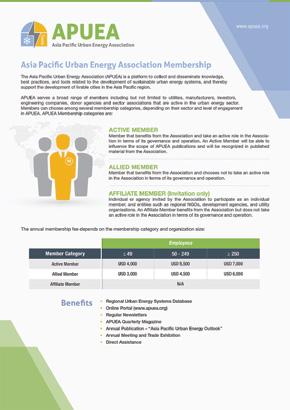
The Asia Pacific Urban Energy Association (APUEA) is a platform to collect and disseminate knowledge, best practices, and tools related to the development of sustainable urban energy systems, and thereby support the development of livable cities in the Asia Pacific region.
APUEA serves a broad range of members including but not limited to utilities, manufacturers, investors, engineering companies, donor agencies and sector associations that are active in the urban energy sector. Members can choose among several membership categories, depending on their sector and level of engagement in APUEA.
PREMIUM MEMBER
Premium membership includes an active role in the governance of the association through the APUEA Executive Committee and during the APUEA Annual General Meeting.
Premium membership also includes special recognition in APUEA publications and marketing channels, and free participation at APUEA events.
CORPORATE MEMBER
Corporate membership includes influence on the association’s activities during the APUEA Annual General Meeting, recognition in APUEA publications and marketing channels, and discounted participation at APUEA events.
AFFILIATE MEMBER (Invitation only)
Individual or agency invited by the Association to participate as an individual member; and entities such as regional NGOs, development agencies, and utility organisations. An Affiliate Member benefits from the Association but does not take an active role in the Association in terms of its governance and operation.
THE ANNUAL MEMBERSHIP FEE DEPENDS ON THE MEMBERSHIP CATEGORY AND ORGANIZATION SIZE:
CORPORATE CATEGORY PREMIUM MEMBER
MEMBER
BENEFITS
Advocacy and Representation
Matchmaking and Referrals
Direct Marketing
Market Intelligence
Knowledge and Best Practices
Regional and International Events
Direct Assistance
HYPERSCALE DATA CENTER POWER CONSUMPTION IS PROJECTED TO RISE FROM 80 GW IN 2024 TO 220 GW BY 2030, PROMPTING MASSIVE INVESTMENT IN HIGH-PERFORMANCE INFRASTRUCTURE, WITH TOTAL CAPEX EXPECTED TO SURPASS USD 1 TRILLION BY 2029.
THE POWER BEHIND THE CLOUD: HOW SMART MOTORS AND DRIVES ARE KEEPING ASIA'S AI BOOM COOL
DBy Vivian Leong Regional Sales Manager, Asia
IEC Low Voltage Motors, ABB
ata centers have rapidly evolved from traditional on-premise hubs to hybrid and multi-cloud architectures, driven by the need for greater flexibility, scalability, and resilience. The explosion of AI workloads has further transformed design priorities, and densities, cooling requirements, and power demands have surged. Hyperscale data center power consumption is projected to rise from 80 GW in 2024 to 220 GW by 2030, prompting massive investment in high-performance infrastructure, with total capex expected to surpass USD 1 trillion by 2029.
Asia Pacific is in the middle of a data center construction boom. From Tokyo to Taipei, Seoul to Singapore, large-scale data centers and smaller regional facilities are multiplying to meet rising demand for cloud computing and generative AI services. But this digital expansion comes with a substantial energy bill – and cooling infrastructure is paying much of it. As the region accelerates its digital ambitions, there is also a growing responsibility to ‘pay it forward’ by embedding sustainability into every stage of development. This includes adopting energy-efficient technologies, improving cooling performance, and designing infrastructure that supports long-term environmental stewardship.
According to the International Energy Agency (IEA), global energy demand grew by more than 2% in 2024 – higher than the long-term average of 1.4% – and reached over 650 exajoules. Data centers are a major contributor to this surge, with cooling systems alone accounting for 30–40% of total facility power consumption. As the region's digital economy accelerates, data center operators face increasing pressure to manage higher thermal loads while keeping energy costs and carbon emissions in check.
The case for variable speed control
Traditional cooling infrastructure used to operate at constant speed regardless of actual thermal demand, consuming maximum energy even when server loads are light. This approach is both inefficient and mechanically punishing, intensifying wear on chillers, pumps, fans and compressors while racking up maintenance costs.
Energy appraisals help operators achieve efficiency and performance gains by using existing operational data from sensors, meters, control systems and process historians. This enables a quick pinpointing of inefficiencies or the fastest, most reliable opportunities for improvement, as well as model improvement scenarios, allowing the business cases for modernization to be drawn up without compromising uptime.
Variable speed drives (VSDs) represent another way to flip the script. By adjusting motor speed in real time to match precise cooling requirements, VSDs can typically reduce cooling system energy consumption by up to 50%. This translates directly into lower operating expenses, reduced CO2 emissions, and a lower total cost of ownership.
The operational benefits extend beyond energy savings. Intelligent speed control reduces mechanical stress, prolonging equipment lifespan and enabling predictive maintenance through built-in diagnostics and remote monitoring. For facilities where uptime is non-negotiable, this reliability advantage is as valuable as the cost reduction itself.
Power quality and grid stability
With data centers fuelling electricity demand across Asia Pacific, power quality has emerged as a critical concern for both operators and utilities. Standard drives can introduce electrical harmonics that stress grid infrastructure and compromise system reliability.
ABB's Ultra-Low Harmonic (ULH) drives address this directly, minimizing harmonic distortion to guarantee stable operations inside the facility while reducing stress on the wider electrical network. Lower harmonic currents also cut out the need
to oversize transformers, generators, and cables during construction, reducing upfront equipment costs while simplifying installation.
For operators facing the dual challenge of grid constraints and rising power costs, as well as space limitations very typical for data centers, cutting energy use while downsizing electrical infrastructure quickly becomes a significant competitive advantage.
Smart scaling, from hyperscale to edge
ABB VSDs integrate with both new builds and existing facilities, offering flexibility regardless of scale. As AI workloads fluctuate and cooling needs shift, modern drives work seamlessly with building management systems and AI-based control platforms to optimize performance in real time.
This adaptability is crucial across the region, where sprawling cities, rising ambient temperatures, and different national regulations can complicate operations. Cooling infrastructure must scale in line with digital growth without jeopardizing compliance with strict sustainability targets and green building standards such as LEED and BREEAM.
The motor efficiency imperative
But drives are only half the equation. The motors they control represent a substantial efficiency opportunity too – and one that remains largely untapped. The IEA estimates that over 50% of all industrial motors are over 10 years old, meaning a huge installed base still operates well below best-available efficiency levels.
Rather than seeing this as cause for concern, we see it as opportunity. Upgrading motor systems at scale could avoid approximately 5 exajoules of industrial energy demand by 2035.
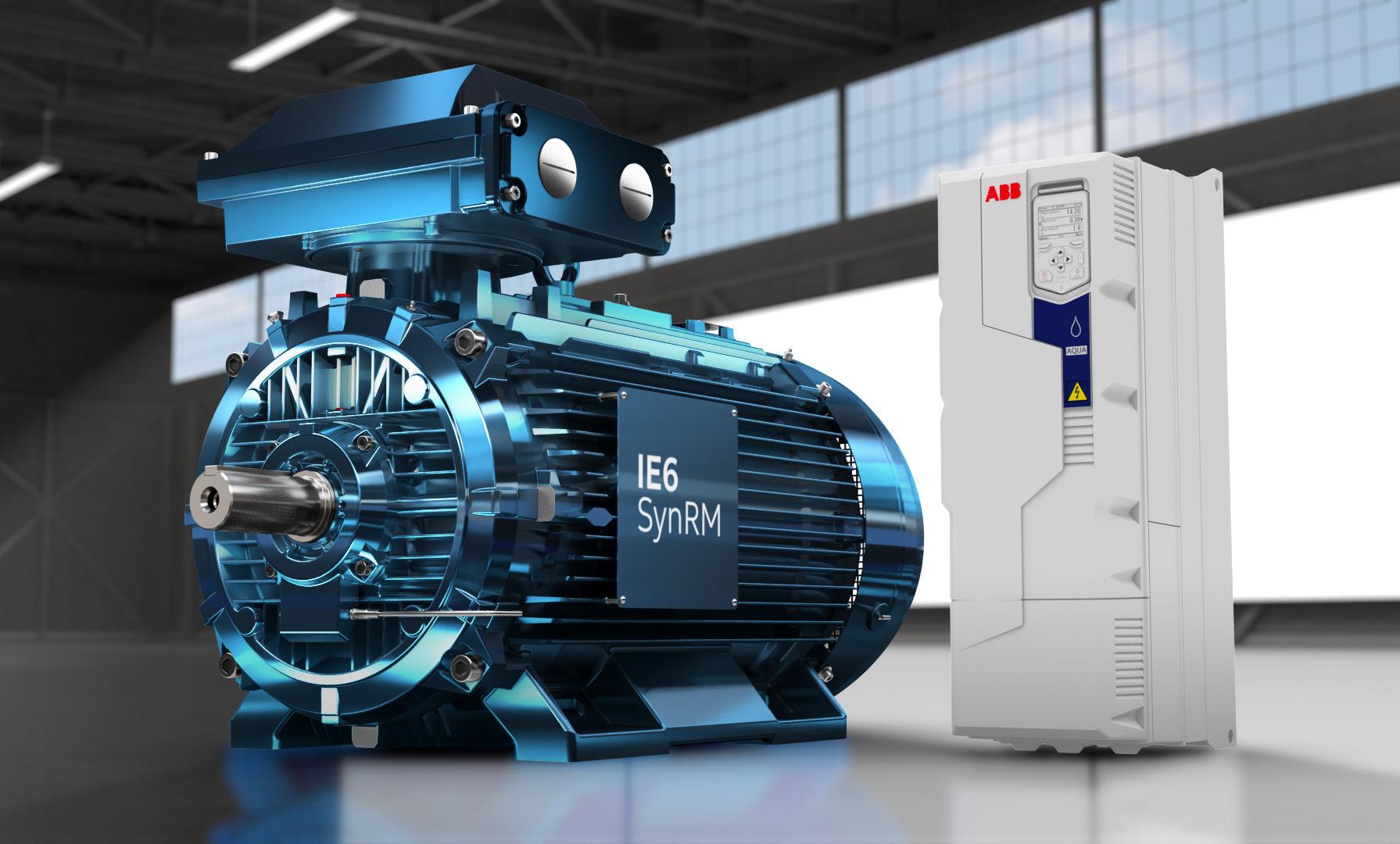
At the top of the efficiency spectrum, ABB's IE6 Synchronous Reluctance (SynRM) motor achieves IE6 HyperEfficiency ratings without permanent magnets or rare earth materials, eliminating supply chain vulnerabilities associated with rare earth sourcing while delivering exceptional efficiency.
The technology spans 0.75 kW to 450 kW, making it suitable for both small circulation pumps and large cooling tower fans. SynRM's rotor design also runs cooler than conventional motors, extending bearing life and reducing maintenance requirements – massive advantages in applications where uptime is non-negotiable.
Where digital meets mechanical
While motor efficiency lays the foundation, the convergence of mechanical systems and digital intelligence is reshaping what's possible for data center operation. According to a global ABB survey of 2,400 business leaders, 99% of respondents identified added value in digitally connected motors, particularly for predictive condition monitoring to enhance availability and safety.
For data center operators, this means AI-driven analytics that predict pump or fan failures long before they compromise cooling capacity or cause downtime. Real-time monitoring allows operators to optimize equipment sizing and prevent inefficient operation before it impacts the bottom line. In one case study, pharmaceutical manufacturer GSK achieved 20% savings in pump energy costs following installation of IE5 SynRM motors with integrated digital connectivity.
Beyond equipment efficiency, cooling performance increasingly depends on how systems are operated in real time. To address this, ABB has recently partnered with OctaiPipe, a UK-based innovator in AI-driven software for optimizing data center cooling systems. OctaiPipe’s on-premise AI for Cooling Efficiency (ACE) solution continuously monitors system
AS DATA CENTERS ELECTRIFY AND EXPAND ACROSS ASIA PACIFIC, THE CONVERGENCE OF EFFICIENT HARDWARE AND INTELLIGENT CONTROL BECOMES ESSENTIAL. INSTALLING HIGH-EFFICIENCY MOTORS AND DRIVES AND ENABLING AIDRIVEN, CONTINUOUS OPTIMIZATION OF COOLING SYSTEM PERFORMANCE TODAY MEANS AVOIDING DECADES OF EXCESS ENERGY CONSUMPTION IN THE FUTURE.
performance and recommends precise control adjustments - without adding new hardware or exposing operational data outside the facility. By fine-tuning how existing assets operate, the solution has demonstrated cooling energy savings of up to 30%, with measurable impact within the first 90 days. For data-center operators, this provides a practical way to reduce energy demand, emissions, and water usage, while improving Power Usage Effectiveness and supporting compliance requirements.
As data centers electrify and expand across Asia Pacific, the convergence of efficient hardware and intelligent control becomes essential. Installing highefficiency motors and drives and enabling AI-driven, continuous optimization of cooling system performance today means avoiding decades of excess energy consumption in the future.
Engineered to Outrun
Asia Pacific is home to some of the world's most ambitious digital infrastructure projects. Japan, Taiwan, and South Korea lead in semiconductor manufacturing and advanced technology. Southeast Asia is rapidly emerging as a cloud services hub. Yet across the region, a massive installed base of motors still operates below optimal efficiency – and data centers are no exception.
The last industrial revolution was about producing more. The next will be about achieving more with less. Asia's digital future depends on it.
THE LAST INDUSTRIAL REVOLUTION WAS ABOUT PRODUCING MORE. THE NEXT WILL BE ABOUT ACHIEVING MORE WITH LESS. ASIA'S DIGITAL FUTURE DEPENDS ON IT.
To discover more about the ABB’s IE6 SynRM motor range, please visit:
ABB is a global technology leader in electrification and automation, enabling a more sustainable and resource-efficient future. By connecting its engineering and digitalization expertise, ABB helps industries run at high performance, while becoming more efficient, productive and sustainable so they outperform. At ABB, we call this ‘Engineered to Outrun’. The company has over 140 years of history and around 110,000 employees worldwide. www.abb.com
AI ADOPTION IS NOT A PROJECT. IT IS AN EVOLVING CAPABILITY. THE TRUE DIFFERENTIATOR WILL NOT BE WHO INSTALLS AI, BUT WHO INTEGRATES IT.
THE FOUNDATION FOR EFFECTIVE AI ADOPTION.
WBy Nahar Al. Mutawah Acting CEO, Qatar District Cooling Company
hen Artificial Intelligence entered mainstream adoption in 2022—particularly with the emergence of large language models such as ChatGPT—I experienced something unexpected: a sense of paralysis.
Not because of what AI could do, but how people might handle it. While much of the public discourse focused on the broader implications of Artificial Intelligence, like organizational structures and production improvement, my concerns centered on the potential for human dominance to shape—or even limit—the technology. This dominance often stems from limited knowledge, resistance to change, and other human factors that I will explore throughout this article. I see AI as a highly skilled professor assigned to a remote village to teach an unfamiliar discipline. The professor holds immense knowledge, yet the outcome depends entirely on how the village receives, understands, and organizes around that expertise.
Over the past few years, I have observed people impacting behaviors, and here I list three distinct groups in organizations adopting AI. The first group approaches AI as a “first aid kit,” using it only when needed to simplify processes or automate routine tasks—much like clinicians using advanced tools solely for administrative functions, despite their potential to advance medical discovery.
IN AN ENVIRONMENT WHERE MANY ASSUMPTIONS INFLUENCE PROGRESS, AI’S ABILITY TO IDENTIFY COMMON THREADS ACROSS AVAILABLE INFORMATION WILL SUPPORT THE DEVELOPMENT OF MORE ACCURATE AND REALISTIC MODELS.
Thesecond group presents greater risk, as their initiatives are often influenced by personal agendas rather than organizational objectives, frequently leading to defensive communication and power-driven decision-making. Regardless of what the outcomes are, which may look appealing and very punctual, they become associated with genuine complications such as disintegrated processes, as the dominant oversimplifies others’ feedback; operations in silos, which lead to additional costs as every group requires its own systems; fast quitting and shifting to other systems when implementation fails due to unsatisfactory results; and, worst of all, a developed blaming culture among individuals.
The third group is willing but lacks know-how and the frameworks to use AI effectively, relying instead on trial-anderror methods that limit the technology’s full potential. Leaders may accept such practices, considering the intended results are achieved AND learning is established. In most cases, this does not happen. Instead, we encounter more effort and time spent fixing consequences, and mostly due to a lack of understanding of what is happening, the know-how is not significantly captured.
To address this challenge, organizations often turn to external consultants to design and implement AI solutions. However, these consultants typically rely on input from the same three groups described earlier, meaning the underlying issues remain. Compounding this, many consultants operate on time-based models, prioritizing project delivery timelines over developing well-aligned solutions.
The outcomes of AI adoption—such as higher productivity, improved workflow efficiency, and increased transaction processing—are often highlighted as evidence of progress. Yet, on a broader scale, organizations still face slow decision-making, unclear project timelines, weak market insights, and challenges in developing future strategies.
In observing our business environment, these issues may initially appear to be people-related. However, a deep dive reveals the need for a stronger AI-centric guiding structure—the need for a clear, visionary framework for AI initiatives. As Generative AI creates new content from inputs, frameworks help to control not the creativity, but the inputs.
In the District Cooling industry, we prioritize objectives such as energy efficiency, service reliability, and costeffectiveness—what I would refer to
as The Needs. Since we developed the framework around these objectives, and as I was approached with an initiative related to automating an attendance reporting system, it was quite straightforward to filter the initiative by evaluating its contribution to The Needs. Nowadays, as functional systems are already in place, the intended outcomes of AI initiatives have become more mature. Establishing The Needs early enables better idea evaluation and directs efforts toward well-defined, value-driven objectives—efforts that move the focus from low-interest areas to higher, measurable impacts. Leveraging our data reservoir, we expanded the use of artificial intelligence to assess the condition of inner machine parts that were never exposed for visual inspection and to anticipate hidden issues such as wear and tear. This capability now allows timely intervention and prevents failures—something that was not previously achievable. In parallel, demand forecasting has enhanced operational efficiency and optimized workforce planning.
Recognizing the importance of developing the right capabilities requires a strong level of employee engagement across functions and levels to foster a sustainable AI culture throughout the organization.
Moving forward, the scope of required actions to reinforce AI handling continues to expand. Hence, more objectives were found to be required within The Needs, and communication channels were developed across the organization to strengthen the intended results.
The framework has become a living body by itself—growing and becoming smarter. Even ideas that initially seemed less significant are now being viewed differently. In the coming years, we expect to introduce more advanced capabilities and strategies, including root cause analysis and specialized risk assessment studies. In an environment where many assumptions influence progress, AI’s ability to identify common threads across available information will support the development of more accurate and realistic models.
Effective AI implementation requires a strong organizational foundation in the AI model. The absence of a formal model with handbooks and catalogues does not diminish this need. It is even more essential than deploying the most advanced technology, which may eventually become outdated or introduce new skill requirements. A lack of clarity in targets will cause delays and disruptions. This is normal when many individuals deal with new technology while their understanding of it is still partial. Sustaining a clear vision and direction, establishing robust communication and governance channels, and continuously developing individual capabilities are essential investments that yield long-term value.
Readers! If you think the matter ends at this point, allow me to share some known facts I have learned: As of now, human intelligence is not replaceable. AI helps reduce the time required to reach robust decisions and to account for unforeseen conditions and assumptions that may be overlooked by people. Setting AI correctly is performed by higher-level intelligence—people who evaluate implementation priorities, areas of focus, and human factors in the results. AI can reduce dependency on manufacturers. It can suggest design modifications within available parameters; however, engineers know that such modifications may void equipment warranties, which is not desirable. Only specialists can negotiate outcomes with OEMs regarding proposed solutions.
Also, there is no perfect AI setup. As long as the technology evolves, there will always be better ways of doing things. This is normal, and we should appreciate maintaining passion and patience for development within the inner body of any company. That itself requires significant human intelligence.
AI adoption is not a project. It is an evolving capability. The true differentiator will not be who installs AI, but who integrates it.
Qatar Cool is the leading district cooling company’s in Qatar. Since its inception, Qatar Cool has aimed for operational excellence in every aspect of its business. Over the past 21 years, the company has developed solid technical and operational experience and has refined its approach on both businessto-business (B2B) and business-toconsumer (B2C) fronts. Currently, Qatar Cool is the leading commercial provider of district cooling services in Qatar.
Qatar Cool currently owns and operates five cooling plants covering the West Bay and The Pearl-Qatar districts with the combined capacity of 240,500 tons of refrigeration.
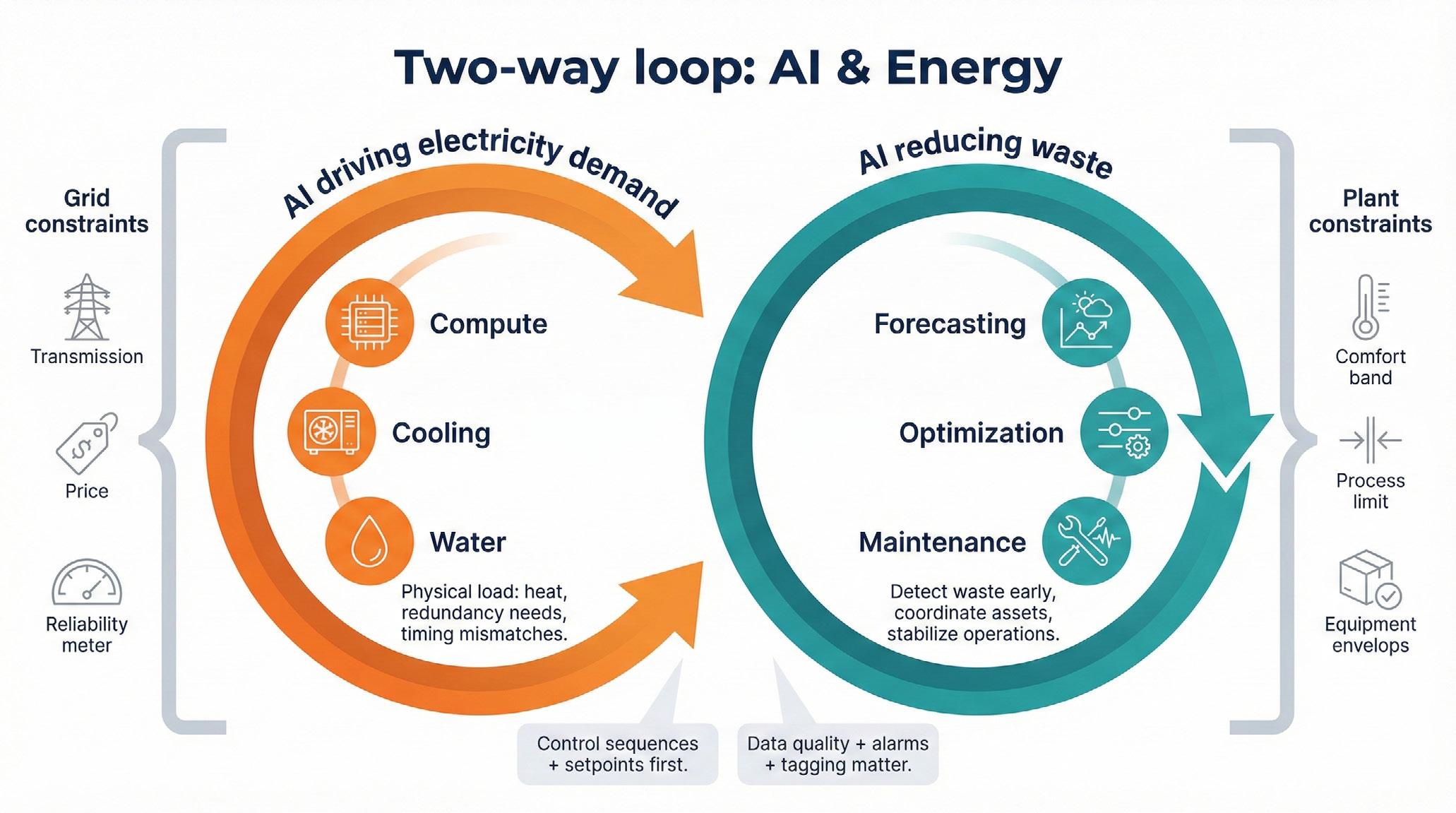
AI IS NOT AN ABSTRACT “DIGITAL” STORY FOR OUR SECTOR; IT IS A PHYSICAL LOAD WITH HEAT, HARMONICS, REDUNDANCY REQUIREMENTS, AND A TIMETABLE THAT RARELY MATCHES GRID UPGRADE CYCLES. DATA CENTERS ALREADY ACCOUNT FOR ABOUT 1.5% (AROUND 415 TWH) OF GLOBAL ELECTRICITY CONSUMPTION, WITH CREDIBLE OUTLOOKS POINTING TO A SHARP RISE AS AI COMPUTE SCALES.
A
I ENERGY: THE LOAD WE’RE ADDING, AND THE WASTE WE CAN STOP
FBy Ronak Monga Global Sales Development Director, District Energy, Grundfos
or APAC, and adjacent cooling markets, the AI conversation becomes real only when it shows up on the feeder, in the chiller plant, and in the maintenance backlog.
The two-way link is operational now
AI is not an abstract “digital” story for our sector; it is a physical load with heat, harmonics, redundancy requirements, and a timetable that rarely matches grid upgrade cycles. Data centers already account for about 1.5% (around 415 TWh) of global electricity consumption, with credible outlooks pointing to a sharp rise as AI compute scales. In India and across much of Asia Pacific, that demand lands in the same decade as rapid urban growth, tougher reliability expectations, and worsening heat stress. [Source: energy.ec.europa]
At the same time, the uncomfortable truth in many plants is that we still lose energy in familiar places: poor sequencing, unstable control loops, stuck valves, drifting sensors, low chilled-water delta-T, and pumps or fans running harder than needed. That is where AI earns attention—not as magic, but as a new way to detect waste early, forecast what’s coming, and coordinate assets across portfolios.
I’ve learned to start with a simple question: are we adding AI to fix physics, or to fix our own inconsistency? Because the biggest savings usually come from getting control sequences and setpoints right before adding anything fancy.
Flexible load is a leadership tool (if you can see it)
Across APAC, peak demand is increasingly shaped by cooling. District cooling plants, campus chilled-water networks, and large building portfolios represent one of the most valuable “flexible loads” we have—if we can move consumption in time without breaking comfort, process constraints, or contractual obligations.
This is where engineering fundamentals meet analytics. Pump and fan affinity laws still apply: small reductions in speed can yield disproportionate power savings, but only if you maintain required flow and stable control. AI can help propose setpoint resets (chilled-water supply temperature, differential pressure, condenser-water temperature) and anticipate when those resets will fail due to humidity, fouled heat exchangers, or a change in building-side delta-T.
and intra-day predictions, especially where distributed energy resources and electrification are changing consumption shapes. For district cooling/heating operators, the equivalent is forecasting thermal load by customer segment, time-of-day, and weather regime—then translating that into plant schedules that minimize starts/stops, keep redundancy intact, and reduce energy intensity.
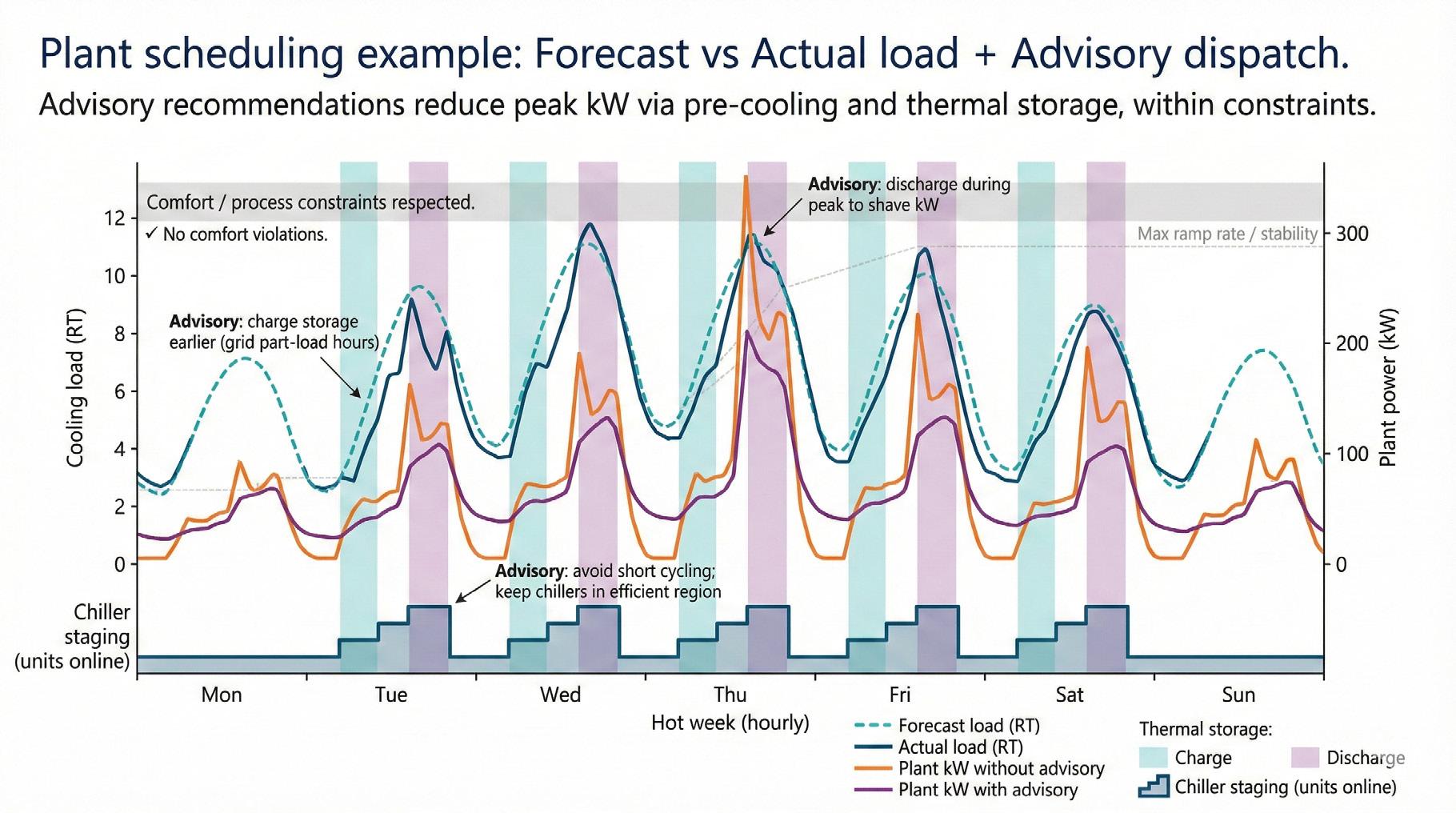
A practical scenario: a district cooling plant serving mixed-use and transit loads sees a late-afternoon peak on hot, humid days. AI-enabled forecasting can combine weather, occupancy patterns, and historical demand to predict the next 24–72 hours of load and electricity price or grid stress signals. Operators can then pre-cool within agreed comfort bands, charge thermal storage earlier when the grid is in part load conditions, and schedule chiller staging to keep machines in efficient operating regions rather than chasing short cycling.
Operator voice matters here: “In too many plants, the problem isn’t the algorithm—it’s the tags.” If your “CHWP-3” is sometimes Pump 3 and sometimes a spare, your best model will still make the wrong call at 2 a.m.
Forecasting: boring, valuable, and underused
In power systems and thermal plants, forecasting is not glamorous—but it is the foundation for dispatch, staffing, spares, and risk. For utilities, AI-based load forecasting can sharpen day-ahead
A real-life case study: a district cooling system in a high-heat, high-humidity coastal city struggled with repeated morning instability—complaints at building handoffs, followed by operators “overcorrecting” with lower setpoints and higher pump pressure. The breakthrough wasn’t a new chiller; it was aligning weather forecasts with a ramp-up plan, then tightening control logic so the plant approached peak in a controlled way. Once the sequence was stable, a simple predictive layer helped decide when to charge thermal storage versus run an additional machine, and the team finally stopped paying the “panic premium” in energy.
Reliability: predictive maintenance that respects reality
Energy assets in this region run hard: high ambient temperatures, variable power quality, water constraints, and tight staffing. Predictive maintenance can be a genuine advantage—but only when it integrates with how maintenance actually happens.
Start with rotating equipment and heat-transfer assets that dominate downtime and energy drift: pumps, chillers, cooling tower fans, control valves, strainers, filters, and sensors. AI can detect anomalies by learning “normal” signatures—vibration trends, motor current, differential pressures, approach temperatures—and then flag deviations early enough to plan work. The goal is not always to predict failure with certainty; it is to narrow the search space so technicians spend time fixing, not hunting.
Fault detection & diagnostics (FDD) and continuous commissioning are often the fastest paybacks. A common example in chilled-water systems: delta-T degradation. When building-side valves
This is also where policy and market design matter. Some jurisdictions reward flexibility; others effectively penalize it through tariff structures or performance obligations that ignore thermal storage and demand response. AI can recommend but leaders and policy makers still have to create the incentive and governance to act.
leak, coils foul, or control sequences fight, flow rises, delta-T falls, and the plant pays twice—higher pumping energy and more chiller lift. AI can spot the pattern, identify which customers or sub-systems drive it, and verify whether corrective actions worked.
patching discipline, and incident response must mature alongside analytics.
Risks and constraints (the honest list)
One more operator truth: “If the alarm list looks like a slot machine, no one trusts the plant’s ‘intelligence’.” Alarm rationalization and clear operating envelopes are not optional; they are the human interface of automation.
• Skills and change management: teams need hybrid capability—operators who can question data, and data specialists who respect process safety and reliability.
• Measurement & verification: proving savings requires defensible baselines, stable operating modes, and clarity on what changed (weather, occupancy, tariff, equipment condition).
The main constraints are rarely the model. They are the environment around it:
• Data quality and coverage: missing sensors, uncalibrated instruments, inconsistent naming, and manual overrides that never get recorded.
• OT/IT convergence and cybersecurity: more connectivity expands the attack surface; segmentation, access control,
• Governance: transparency, accountability, and model drift management. A model that worked last monsoon season can quietly degrade as equipment ages or customer mix shifts.
In regulated and diverse APAC & IMEA markets, add data sovereignty, procurement complexity, and the reality that many assets are managed by O&M/ FM companies under performance contracts. If incentives misalign, AI becomes another dashboard no one owns.
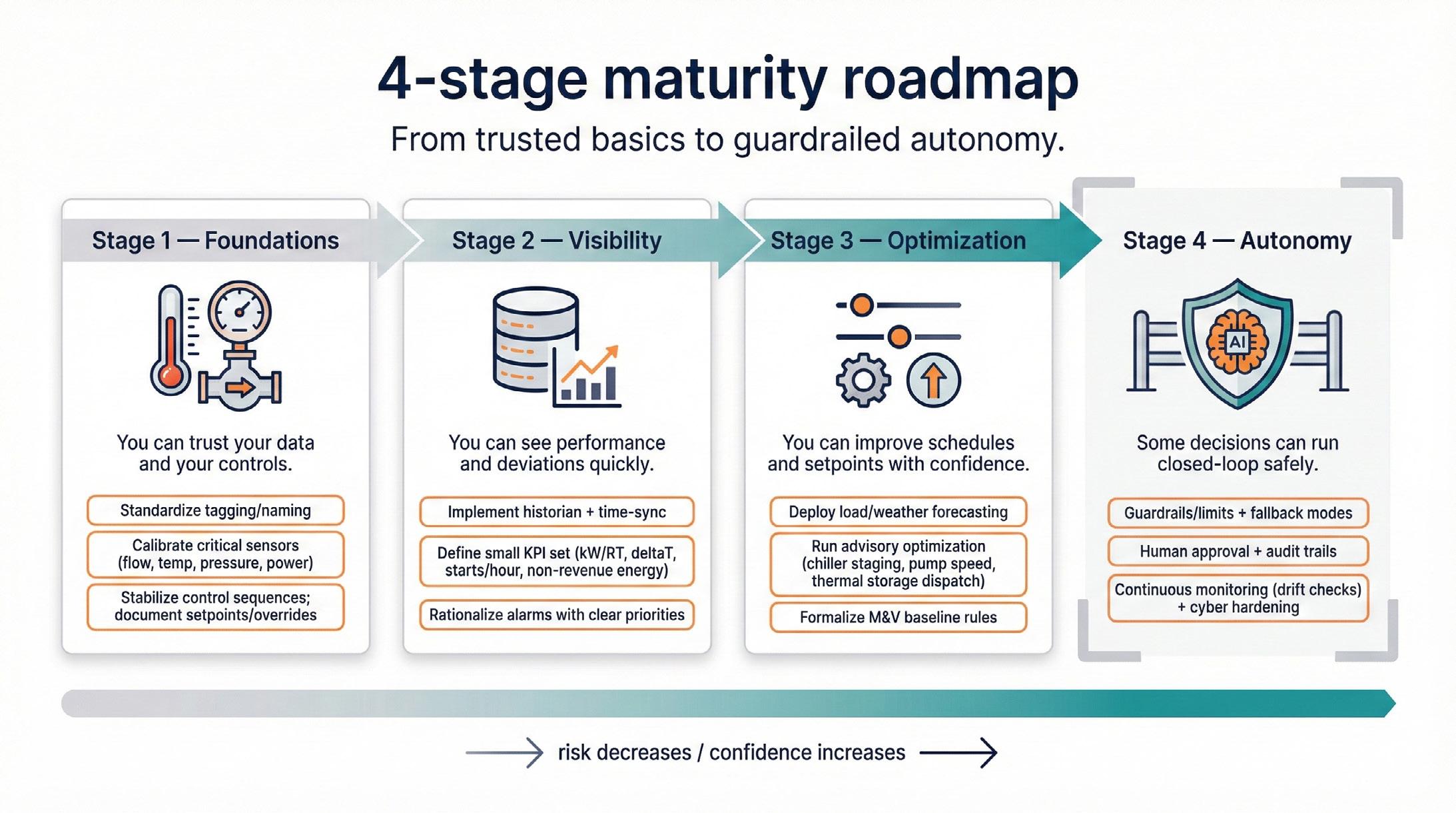
2) Visibility You can see performance and deviations quickly.
Standardize tagging/naming; calibrate critical sensors (flow, temp, pressure, power); stabilize control sequences and document setpoints/overrides.
Implement historian + time-sync; define a small KPI set (kW/RT, delta-T, starts/hour, non-revenue energy); rationalize alarms with clear priorities.
3) Optimization You can improve schedules and setpoints with confidence.
4) Autonomy Some decisions can run closed-loop safely.
Deploy forecasting for load/weather; run advisory optimization for chiller staging, pump speed, and thermal storage dispatch; formalize M&V; with baseline rules.
Introduce guardrailed automation (limits, fallback modes, human approval); continuous model monitoring/drift checks; cyber hardening and audit trails for every control action.
Callout box: “Next week” checklist for owners/operators
• Confirm instrumentation on the basics: chilled-water supply/return temps, flow, plant power, key differential pressures, condenser-water temps, and customerside metering where applicable.
• Create or clean a tagging standard; lock asset IDs to drawings and CMMS so “Pump-02” means one thing everywhere.
Closing: the collaboration ask
If AI is going to help energy in our region, we should treat it like any other plant upgrade: prove it, standardize it, and operate it safely. The most credible leaders will be the ones who can speak both languages—the grid and the plant room, the policy intent and the operator’s constraint.
• Ensure the historian is capturing at the right interval; fix time sync and missingdata gaps before chasing advanced analytics.
• Define 5–7 KPIs and thresholds; put names and escalation paths next to each KPI (who acts, by when).
I would welcome collaboration with utilities, district energy providers, large building owners, and policymakers across India, APAC, and the Middle East to define practical data standards, share non-sensitive operating lessons, and develop governance that keeps reliability and safety at the centre. If we do that together, AI can become less of a headline and more of a habit.
• Rationalize alarms: remove duplicates, set priorities, and add “action text” so alarms lead to decisions.
• Align maintenance workflow: when an anomaly is detected, it must create a work order with evidence (trend, timestamp, operating context), not just an email.
ACROSS APAC, PEAK DEMAND IS INCREASINGLY SHAPED BY COOLING. DISTRICT COOLING PLANTS, CAMPUS CHILLED-WATER NETWORKS, AND LARGE BUILDING PORTFOLIOS REPRESENT ONE OF THE MOST VALUABLE “FLEXIBLE LOADS”
Grundfos in brief Grundfos develops, produces and sells pump solutions, which help reduce water-related challenges globally. We create research and product development-based solutions to meet growing demands of customers and the outside world for minimizing the consumption of resources as well as the emission of CO2.
Our solutions are used for heating, cooling and ventilation in buildings, and industrial purposes among other things. They are also used in the water supply, water treatment and wastewater sectors.
To minimize energy consumption, several pumps are equipped with intelligent built-in electronics ensuring that the pumps provide no more no less than what is needed. Some of them are powered by solar energy.
An annual production of more than 15 million units positions the Grundfos Group as one of the world’s largest pump manufacturers. The Group employs approximately 20,000 people located in companies in 56 countries.
The company was founded in 1945 and today the Poul Due Jensen Foundation is the main shareholder. Profits are re-invested in the company as a means of continued growth.
Accelerate the energy transition with smarter urban cooling
It’s time to rethink how we cool our cities
Cities are heating up, up to 29% faster than the adjacent rural areas*. And with more than half of the world’s population now living in urban areas, there is no time to waste.
District cooling offers a scalable, more efficient path forward. At Grundfos, we bring 50+ years of experience in district energy systems to help cities design, scale, and optimise resilient, high-performing district cooling networks. From early planning and system design to commissioning and continuous optimisation, we work with our partners – combining solutions, support, and proven expertise – to make sustainable cooling a reality.
District cooling is the foundation for resilient cities. Let water flow smart
Learn more about our innovative solutions at Grundfos.com/DC
ENERGY
MANAGEMENT
Zero-CAPEX Cooling-as-aService (CaaS) for district cooling plants, delivering 20-30% energy savings and 99.9% uptime.
OUR SERVICES
Ready to off-load your cooling assets and unlock efficiency gains? Let’s connect! SERVICES
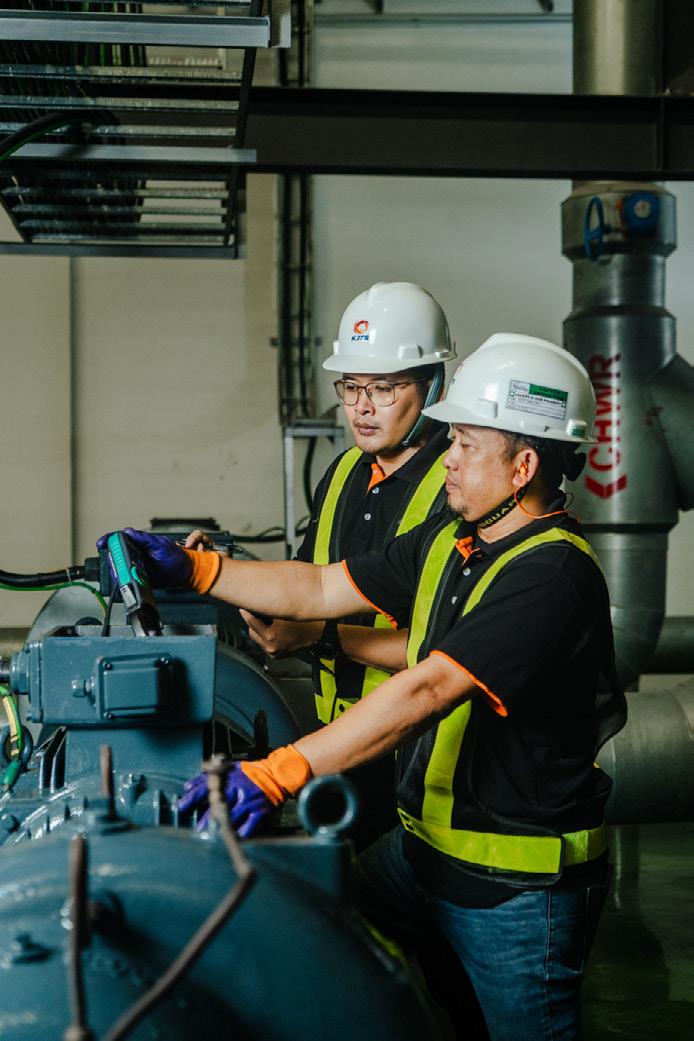
You get fully integrated expertise at every stage, from engineering and construction through to 24/7 operations
Turnkey Plant & Chiller Solutions
Zero-CAPEX Financing Operation & Maintenance Central Command Monitoring
WHY CHOOSE KJTS?
A trusted partner with a proven track record of delivering significant energy savings, operational resilience and ESG value with and over 40 years of industry expertise
AS AI COMPUTE DENSITY RISES EXPONENTIALLY, COOLING IS NO LONGER A SUPPORTING UTILITY. IT HAS BECOME STRATEGIC INFRASTRUCTURE THAT DETERMINES HOW FAST AND HOW FAR AI CAN SCALE.
A I ENERGY: LIQUID COOLING AND COOLING-AS-A-SERVICE (CAAS) AS STRATEGIC INFRASTRUCTURE FOR
THE AI ERA
By KJTS Group Berhad
Artificial Intelligence is rapidly becoming foundational infrastructure for modern economies. From generative AI and autonomous systems to advanced analytics and scientific computing, AI is reshaping industries and accelerating digital transformation across Asia and globally.
Yet behind every AI system lies a critical constraint. Energy and more specifically cooling.
As AI compute density rises exponentially, cooling is no longer a supporting utility. It has become strategic infrastructure that determines how fast and how far AI can scale.
AI IS DRIVING AN UNPRECEDENTED SHIFT IN DATA CENTRE ENERGY DENSITY
Traditional data centres were designed for compute densities of 5 to 10 kW per rack. Today’s AI workloads operate at far higher densities. Current GPU clusters already operate at 50 to 80 kW per rack, while next generation AI systems such as NVIDIA GB200 clusters are pushing densities beyond 120 kW per rack. Industry roadmaps indicate that rack densities of 150 to 250 kW per rack will soon become standard.
At these levels, air cooling is no longer sufficient. The physical limitations of air as a cooling medium make it inefficient, energy intensive, and difficult to scale. This challenge is particularly critical in Asia, where energy availability and grid capacity increasingly constrain infrastructure expansion.
Cooling is no longer a mechanical function. It is now a key enabler of AI growth.
LIQUID COOLING. THE FOUNDATION OF HIGH-DENSITY AI INFRASTRUCTURE
Liquid cooling provides a fundamentally superior solution to the thermal challenges of AI infrastructure. Liquid is approximately 3,000 times more efficient than air at transferring heat, enabling direct and efficient cooling of highperformance processors.
This enables data centres to support ultra-high density AI racks exceeding 150 kW and beyond, which would be impractical or impossible with conventional air cooling.
Liquid cooling also significantly improves overall energy efficiency by reducing auxiliary power consumption, enabling lower Power Usage Effectiveness PUE, and reducing total energy demand. This is especially important in regions where energy is scarce or expensive.
Beyond efficiency, liquid cooling improves operational stability, reliability, and scalability, ensuring consistent performance of mission critical AI infrastructure.
Liquid cooling is no longer an emerging option. It is becoming the standard architecture for the AI era.
COOLING AS A SERVICE (CAAS). ENABLING RAPID AND SCALABLE GROWTH OF AI INFRASTRUCTURE
While liquid cooling addresses the technical challenge, CaaS addresses the financial and deployment challenge. Under the CaaS model, providers such as KJTS design, finance, build, own, and operate cooling infrastructure, while data centre operators pay only for the cooling consumed.
This transforms cooling from a capitalintensive barrier into a scalable infrastructure service.
With infrastructure financing provided by KJTS, data centre developers can deploy facilities faster without waiting for capital allocation for cooling systems. This significantly accelerates time to market and enables faster expansion.
Most importantly, the CaaS model allows cooling infrastructure providers and data centre operators to grow together. As data centre capacity expands, cooling infrastructure can scale alongside it. This alignment enables both parties to expand in parallel, supporting rapid AI deployment without financial or infrastructure bottlenecks.
This partnership model creates a scalable ecosystem where infrastructure and compute capacity evolve together, enabling sustainable long-term growth.
SERVICE LEVEL ASSURANCE AND TIER 4 RELIABILITY
AI infrastructure requires the highest levels of reliability and operational assurance. Cooling failures can result in immediate shutdown of critical compute infrastructure, leading to operational disruption and financial loss.
KJTS delivers cooling infrastructure under strict Service Level Agreements SLA, designed to meet Tier 4 reliability standards. Tier 4 represents the highest level of infrastructure resilience, with fully redundant systems, fault tolerance, and continuous cooling availability even during maintenance or unexpected equipment failures.
This SLA driven approach ensures continuous and reliable cooling delivery for mission critical AI infrastructure, providing operators with the assurance required for high availability environments.
CENTRALISED AND DISTRICT COOLING INFRASTRUCTURE FOR AI CAMPUSES
As AI infrastructure evolves from individual facilities into large scale AI campuses and digital districts, centralised cooling infrastructure becomes increasingly important.
KJTS enables centralised and district cooling systems that serve multiple data centres and facilities from high efficiency cooling plants. This approach improves efficiency, reduces duplication of infrastructure, and optimises energy use across entire developments.
By treating cooling as shared infrastructure, centralised systems enable AI ecosystems to scale efficiently and sustainably.
LIQUID COOLING PROVIDES A FUNDAMENTALLY SUPERIOR SOLUTION TO THE THERMAL CHALLENGES OF AI INFRASTRUCTURE. LIQUID IS APPROXIMATELY 3,000 TIMES MORE EFFICIENT THAN AIR AT TRANSFERRING HEAT, ENABLING DIRECT AND EFFICIENT COOLING OF HIGHPERFORMANCE PROCESSORS.
SUPPORTING SUSTAINABLE AND ENERGY EFFICIENT AI GROWTH IN ASIA
Asia is one of the fastest growing regions for AI infrastructure, but it also faces increasing pressure to balance growth with sustainability and energy security. Efficient cooling infrastructure is essential to achieving this balance. By combining liquid cooling technology with CaaS infrastructure financing, providers such as KJTS enable the deployment of high-density AI infrastructure with improved energy efficiency and reduced environmental impact.
This integrated approach supports digital growth and long-term sustainability. Cooling Is Now Strategic Infrastructure for the AI Economy AI is transforming economies, but its growth will depend on infrastructure efficiency.
Liquid cooling enables the next generation of ultra-high density AI computing. CaaS enables rapid and capital efficient deployment of infrastructure. SLA driven Tier 4 reliability supports mission critical operational continuity. Centralised cooling enables scalable AI ecosystems. Together, these solutions transform cooling from a supporting system into strategic infrastructure.
As Asia accelerates into the AI era, infrastructure providers such as KJTS will play a critical role in enabling scalable, efficient, and sustainable AI growth, supporting the digital future of the region.
BY COMBINING LIQUID COOLING TECHNOLOGY WITH CAAS INFRASTRUCTURE FINANCING, PROVIDERS SUCH AS KJTS ENABLE THE DEPLOYMENT OF HIGH-DENSITY AI INFRASTRUCTURE WITH IMPROVED ENERGY EFFICIENCY AND REDUCED ENVIRONMENTAL IMPACT.
KJTS Group Berhad provides one stop integrated energy management services on a regional scale.
KJTS Group offers a combination of cooling energy solution, cleaning services and facilities management services. We currently operate in Malaysia, Thailand, and Singapore.
www.kjts.com.my
OUR BLUEBEE® PLATFORM ENABLES AI-DRIVEN DATA PREPARATION— EXTRACTING PREVENTIVE MAINTENANCE INSTRUCTIONS FROM O&M MANUALS AND SAVING OVER 90% OF TRADITIONAL LABOR WHILE MAINTAINING ENGINEERLEVEL ACCURACY.
HOW TO MOVE PAST IT ENTANGLEMENT TO UNLOCK AI-BASED ASSET
MANAGEMENT
Modern energy facilities are more automated and interconnected than ever. From rooftop solar and district cooling in bustling Asian cities to large-scale WtE plants and grid-scale renewables, these facilities face unique challenges: intermittency in solar and wind output, rapid asset aging in humid/ tropical climates and cascading risks across urban grids. Yet they remain heavily dependent on scarce high-skilled personnel. In this high-stakes environment, where technical problems can cascade into unplanned outages, environmental non-compliance, financial penalties and reputational damage, can AI help transform how we manage the physical assets that power our world?
When companies explore AI for asset management, conversations default to predictive maintenance. Let's step back. According to ISO 55000:2024, Asset Management is the "coordinated activity of an organization to realize value from assets." Maintenance fits within this framework as an operational enabler. Predictive maintenance is a specific technical activity that may or may not suit a given asset. True AI-powered asset management is far broader. Roughly speaking, predictive maintenance is the domain of the technician and machine supplier; asset management, that of the manager and plant owner.
Energy companies are well-resourced, with deep operational experience and robust IT infrastructures. They have long relied on EAM and CMMS systems, often supplemented by in-house mobile apps and portals, yet remain dependent on countless Excel sheets and paper records. They have experimented early with IoT, digital twins and now AI. Yet many have observed how legacy IT and entrenched practices obstruct real progress. This article draws on four decades digitalizing asset management, two in Asia.
Context Matters
This brings us to the core issue: context matters more than raw real-time data. Relying solely on sensors fails longterm due to noise, false positives, cost and incomplete failure mode coverage (corrosion, human error, lubrication issues). Real-time inputs need rich historical and operational context. This holds for predictive maintenance and even more for AI support of asset management. If maintenance fails without context, strategic asset management fails without an even broader context: capital plans, risk registers, financial constraints, regulatory obligations, organizational objectives. AI is not the starting line, it is the finish line, achievable only after the data foundation is sound.
The Three Bottlenecks
Three bottlenecks prevent AI-powered asset management:
block integration to protect existing systems, while procurement processes favor incumbents and demand exhaustive compatibility checks that make meaningful change impossible. For asset management, this means organizations struggle to introduce innovative solutions without massive disruption or outright rejection.
These challenges make incremental pilots impossible, they require massive upfront effort without guaranteed ROI. Breaking free demands a different starting point: one where data foundations are built right from day one.
Despite the promises, few AI attempts by asset owners advance beyond pilot stage. Makers of standardized equipment like turbines have developed mature predictive maintenance approaches. But from the plant owner's perspective, scaling remains elusive. Variability in equipment, site conditions and integration challenges complicate deployment. Most efforts focus solely on real-time sensor data. Alerts are generated, but what should a technician do? A vibration alert doesn't distinguish imminent failure from sensor drift. Without understanding the failure mode, cause and past interventions, the alert remains untrusted. False positives compound the problem: teams that respond to nothing wrong learn to ignore the system. Black-box AI deepens distrust. Teams cannot verify recommendations and when predictions prove wrong, there's no path to understand why. Experiments with LLMs (and most energy companies have tried plugging ChatGPT into IoT data) introduce hallucinations that seem sensible to non-experts but make engineers wince.
A Practical Path Forward: Clean Smart O&M on a New Plant
The path forward? Forty years in the field tell us what works.
Incomplete as-built data
Plants inherit poor databases from construction, gaps in hierarchies, naming conventions, failure history. This undermines every strategic decision: risk assessments, life cycle analysis, investment prioritization.
Data silos
Seek "clean slate" opportunities such as a company's first biomass project, first WtE plant, or other greenfield project or major retrofit where legacy systems can be avoided. Crucially, fund through construction CAPEX, not as a separate IT project. Corporate procurement will derail post-construction "add-ons."
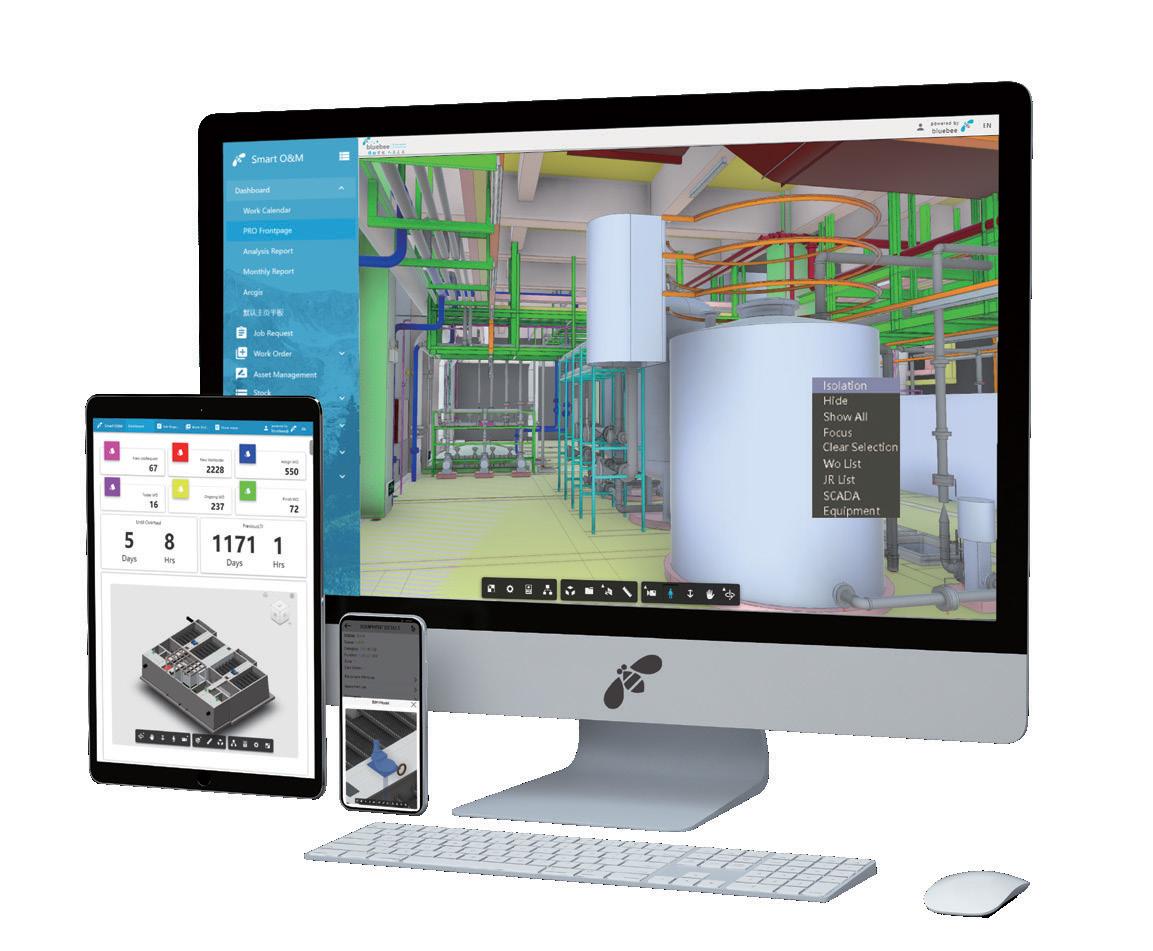
Build data structures during construction, leveraging supplier contracts. Ideally, include Smart O&M in the EPC contract, allowing the builder to deliver all plant documentation directly within the system. Our bluebee® platform enables AI-driven data preparation—extracting preventive maintenance instructions from O&M manuals and saving over 90% of traditional labor while maintaining engineer-level accuracy. Finally, ensure data is site-verified during commissioning using the integrated mobile app.
1 2 3
Information scatters across ERP, CMMS, Excel, paper, in-house apps, IoT platforms. The result? Painful mobile apps no one uses, broken sync, half-finished Power BI dashboards reliant on Excel exports, shared Google Sheets and (most tellingly) unauthorized WhatsApp use to request work orders with pictures and voice messages. Field data (closest to physical reality) is often missing. This contradicts ISO 55000's requirement for coordinated activity grounded in verifiable field data to prove strategy implementation and drive continuous improvement. Adding AI on top of fragmented systems only amplifies these existing issues, creating more noise without real insight.
Incumbent lock-in
Once implemented, a comprehensive Smart O&M platform such as bluebee® fulfills all core CMMS/EAM functions with mobile support, without disrupting corporate legacy systems. Guided by ISO 55000, bluebee® creates closed data loops: field workers feed real data, AI processes it, decisions flow back transparently. Interfaces with corporate ERP allow value-added data upstream, enhancing group visibility without overhaul.
Strong legacy suppliers and entrenched vendor relationships create patchwork environments where new entrants face insurmountable procurement and IT compliance hurdles. IT teams often
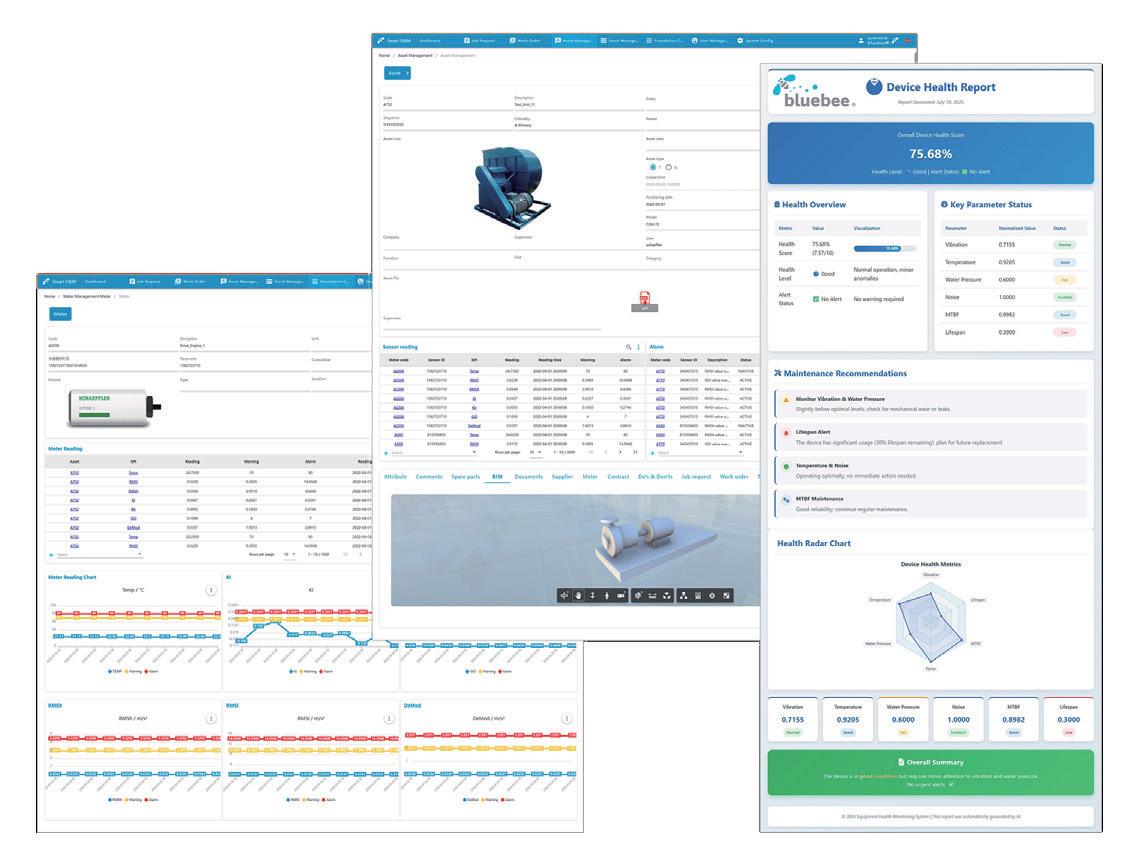
Asset health scoring prioritizes historical and structured data for contextual predictions, avoiding sensor-only pitfalls.
Conversational queries let technicians and managers access insights naturally, including quick regulatory compliance checks or risk register queries, all grounded in verified historical context.
For energy operators ready to move beyond pilots, this approach delivers reliable asset health insights throughout the plant lifecycle, reduced risks, and sustainable progress. Let's build it right, together with your next plant.
AI IS NOT THE STARTING LINE, IT IS THE FINISH LINE, ACHIEVABLE ONLY AFTER THE DATA FOUNDATION IS SOUND.
Bruno Lhopiteau is the CEO of Bluebee Technologies.
Bruno Lhopiteau is a 25+ year veteran of the Asian energy and infrastructure markets, specializing in the digitalization of asset management and maintenance. As CEO of Bluebee Tech (www.bluebeecloud.com), Siveco China (www.sivecochina. com), and affiliated companies, his teams have delivered Smart O&M solutions for over 1,000 client sites across Asia, the Middle East, and Africa, working either directly for the plant owner-operator or under the EPC.
French-invested Bluebee Technologies was founded in 2013. It is headquartered in Singapore, with R&D center in Shanghai, offices in Hong Kong and Bangkok, value-added partners all over Asia.
www.bluebeecloud.com
Welcome to Smart O&M
bluebee® Asset Health Scoring: AI for Predictive Maintenance
An advanced AI-powered feature within the Prognostics and Health Management (PHM) module of bluebee®. Unlike systems reliant on real-time sensors, Asset Health Scoring leverages historical records, particularly underutilized inspection logs, alongside live data to deliver precise, actionable insights.
bluebee® supports Industrial Risk Management, Asset Management and Operation & Maintenance by enabling industrial decisions based on true data from mobile workers and connected objects.
Digital transformation in Asset Management: 40 years history, 20 years in Asia.
Over 1,000 client sites use bluebee® in Environment, Energy, Infrastructures, Manufacturing, and Facilities.
Talk to our team for: CMMS / EAM / Mobile solutions Maintenance & asset management audits
For maintenance teams, it prevents failures and guides technical decisions. For managers, it answers key questions: Where and when should we invest next? How can we reduce risk without exceeding the budget?
Why it stands out:
✓ Fully integrated in our CMMS/EAM solution
✓ Backed by deep domain expertise
✓ All R&D done in Asia
The conversational AI-driven Q&A engine simplifies complex queries, delivering context-aware insights and tailored recommendations for better decision-making.
Offices in Singapore, Bangkok, Shanghai, Hong Kong. www.bluebeecloud.com info@bluebeecloud.com
A cade m y
P ROF E S SIONA L TRAIN I N G
Is provided to Government agencies and Public institutions, including the following training module categories:
Introductor y training Concepts and Technologies Advanced training
VOC ATIONA L TRA I NI N G
Is provided in collaboration with educational institutions.
BILLIONS OF DOLLARS ARE FLOWING INTO ASEAN’S DIGITAL INFRASTRUCTURE, WITH HYPERSCALE AI AND CLOUD INVESTMENTS INCREASINGLY CHOOSING MALAYSIA AS THEIR BASE OF OPERATIONS.
ENERGY & AI: CAN MALAYSIA
AND ASEAN POWER THE NEXT INTELLIGENCE LEAP?
By Informa Markets in Malaysia
Artificial Intelligence (AI) is reshaping economies, industries and geopolitics. In ASEAN, that transformation is arriving faster than expected. And Malaysia is rapidly emerging as the region’s most compelling Energy & AI hub. Billions of dollars are flowing into ASEAN’s digital infrastructure, with hyperscale AI and cloud investments increasingly choosing Malaysia as their base of operations.
Global technology leaders such as Google, NVIDIA, Microsoft, AWS and Oracle have committed large-scale investments in AI data centres across Johor and the Klang Valley, attracted by Malaysia’s strategic location, connectivity, cost competitiveness and strong policy support. Johor alone has grown from just 10 MW of data centre capacity in 2021 to over 1.3 GW today, positioning it as one of ASEAN’s fastest-growing AI infrastructure corridors.
Yet this explosive momentum raises a fundamental question: can Malaysia and ASEAN sustain the energy demands of the AI era?
3-5 JUNE 2026
THE ENERGY REALITY BEHIND THE AI BOOM
AI data centres consume dramatically more power than conventional facilities. It is often five to ten times more per site. Recognising this, Malaysia is becoming far more selective about the investments it approves. In Johor, nearly 30% of data centre applications were rejected after failing to meet sustainability, infrastructure and valuecreation requirements, signalling a clear policy shift from volume-driven growth to quality-led, AI-centric development. At the federal level, Prime Minister Datuk Seri Anwar Ibrahim has also stated that proposals unrelated to high value technology and AI have largely been halted since 2024.
This tightening reflects a broader national concern — energy security, grid resilience and resource eficiency are now as critical as digital ambition.
STRENGTHENING THE BACKBONE: GRID, BESS AND REGIONAL POWER
To confront this challenge, Malaysia is moving decisively to reinforce its energy foundations. Tenaga Nasional Berhad (TNB) has committed RM43 billion to upgrade the national grid, deploying AI-enabled systems and Battery Energy
Storage (BESS) to improve flexibility and reliability. These upgrades are essential to support intermittent renewables while meeting the round-the-clock demand of AI data centres.
Beyond national borders, the government has highlighted regional cooperation as a strategic solution. The ASEAN Power Grid is increasingly seen as a long-term pathway to balance supply and demand across borders, unlocking hydropower, renewables and reserve capacity at a regional scale to support the next phase of digital growth.
SMRS AND NUCLEAR AS THE MISSING PIECE?
Beyond grids and renewables, Malaysia is evaluating other alternative energy options as a complementary pathway to meet surging AI and industrial demand. Nuclear energy, particularly Small Modular Reactors (SMRs), is reentering policy discussions as AI demand accelerates.
Globally, hyperscalers are already positioning for this future. In the United States, companies such as Google, Microsoft, Meta and Amazon have signed long-term power agreements with nuclear operators and invested in SMR developers, seeking 24/7, carbon-free baseload for data-intensive workloads. Framed appropriately, SMRs can add firm,
zero-emissions capacity that strengthens system reliability, enables deeper renewable penetration and reduces land intensity, attributes well-suited to dense AI and data-centre clusters requiring consistent power quality. Taken together, this momentum suggests that, over the medium term, SMRs could form part of a diversified clean-power toolkit underpinning digital competitiveness. That said, responsible deployment matters. Public acceptance, regulatory readiness, safety governance and realistic timelines must be addressed upfront. For Malaysia and ASEAN, the constructive pathway is clear: build robust, transparent regulation; engage communities early; align with international safety standards; pilot rightsized projects; and integrate SMRs within a broader portfolio that includes solar, wind, BESS, and regional interconnection. This positive-but-pragmatic approach welcomes innovation while managing risk — powering the next intelligence leap with confidence.
AI DATA CENTRES CONSUME DRAMATICALLY MORE POWER THAN CONVENTIONAL FACILITIES. IT IS OFTEN FIVE TO TEN TIMES MORE PER SITE. RECOGNISING THIS, MALAYSIA IS BECOMING FAR MORE SELECTIVE ABOUT THE INVESTMENTS IT APPROVES.
ENERGY MIX
In the near term, more immediate solutions are already scaling. Malaysia is accelerating large-scale solar deployment under LSS PETRA and LSS 5+, expanding corporate renewable procurement through the Corporate Green Power Programme (CGPP), and launching its first national Battery Energy Storage System (BESS) procurement. Combined with AI-powered grid management, these solutions can ease peak demand from data centres while enabling higher renewable penetration. Ultimately, the challenge is not about choosing a single energy solution, but about orchestrating a resilient, diversified energy mix. As NVIDIA CEO Jensen Huang famously described AI as a “five-layer cake,” energy and electricity form the critical foundation upon which every layer depends. Without reliable power, there is no AI.
We are now living in an era where energy strategy and AI strategy are inseparable. How Malaysia and ASEAN respond will shape not only digital competitiveness, but economic sovereignty for decades to come.
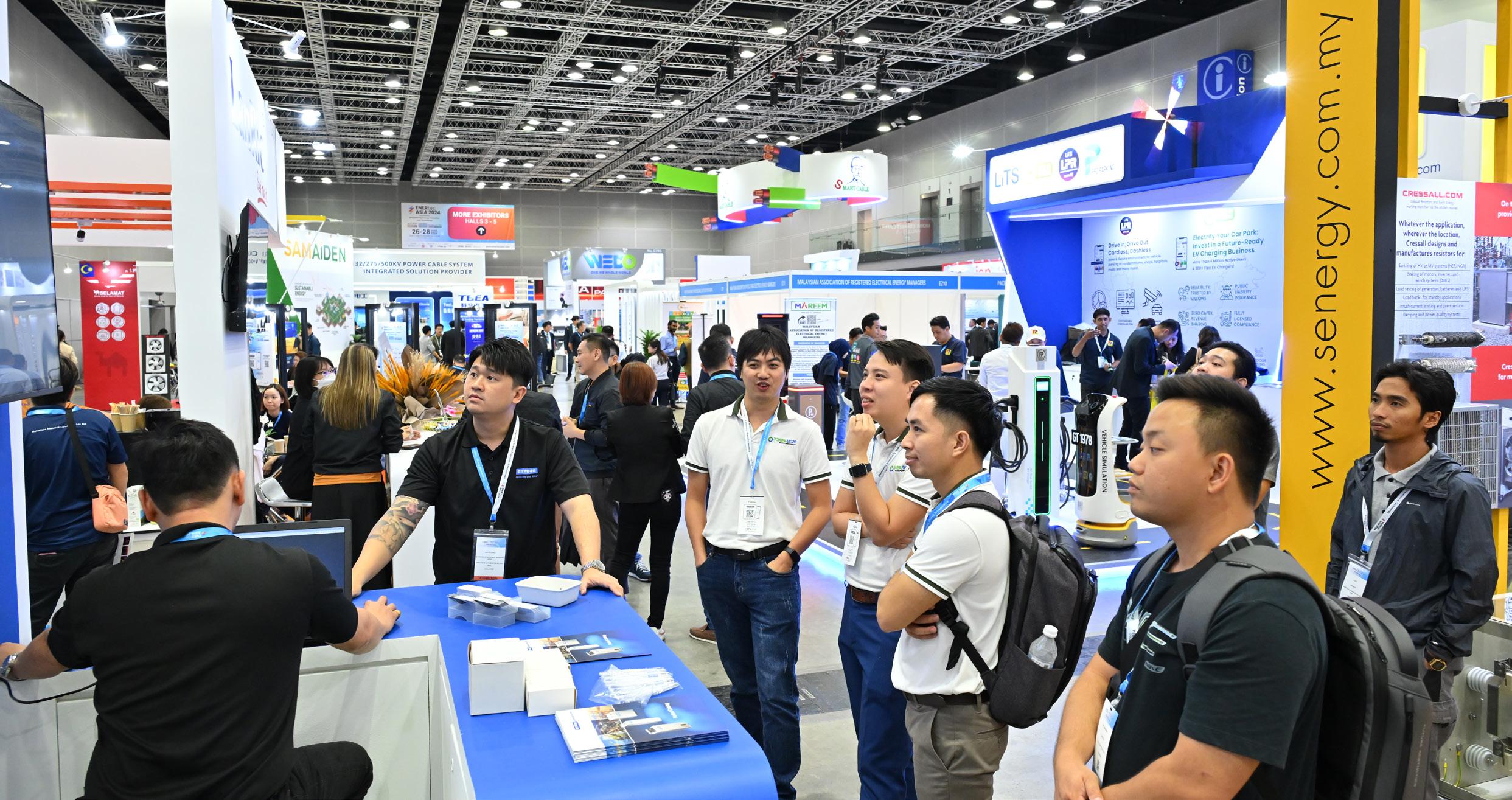
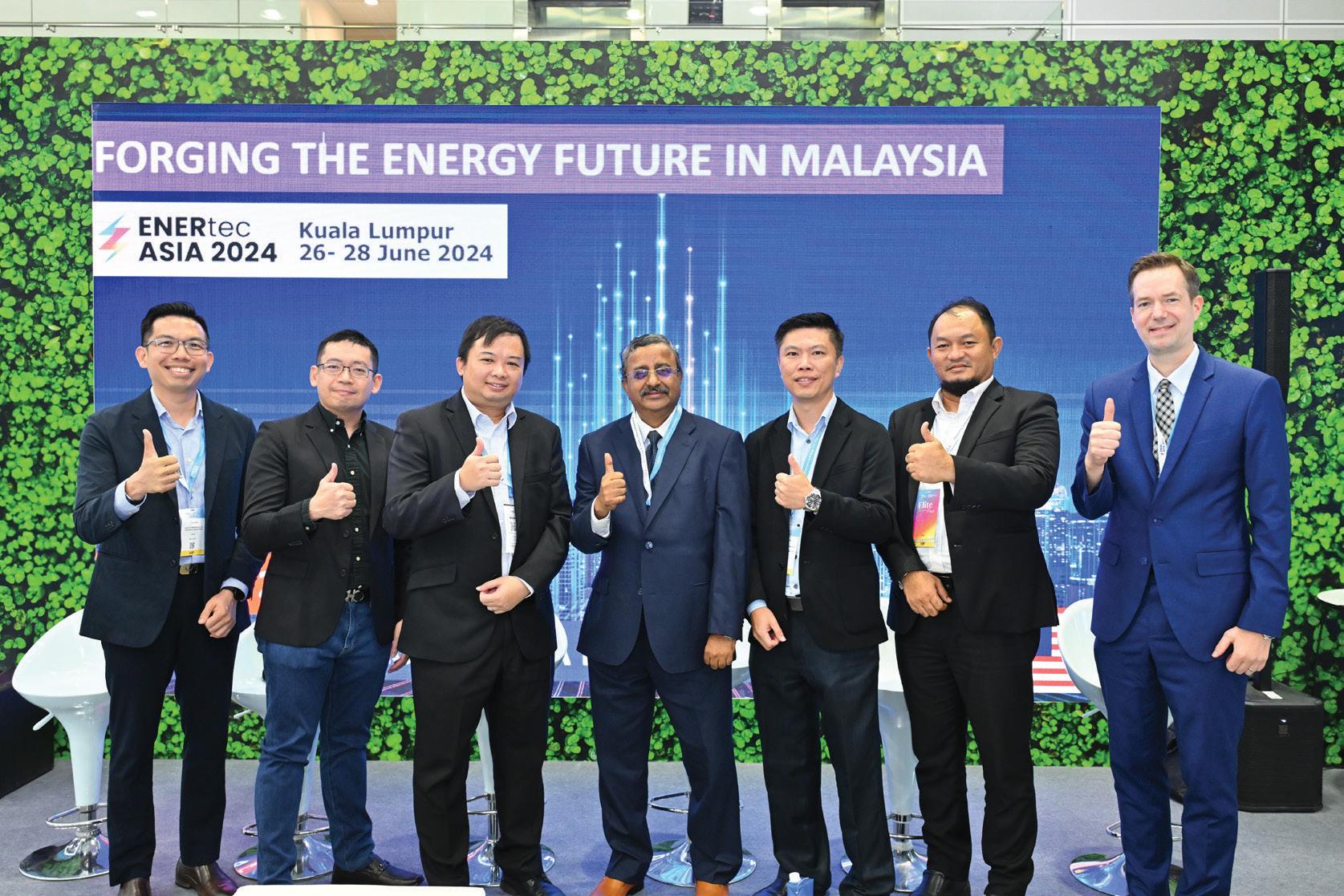
ENERTEC ASIA 2026 AND THE ENERGY TRANSITION CONFERENCE 2026 (ETCON26), HELD AT THE KUALA LUMPUR CONVENTION CENTRE FROM 3-5 JUNE 2026 BRING TOGETHER POLICYMAKERS, UTILITIES, TECHNOLOGY LEADERS AND INVESTORS ACROSS REGIONS TO CONFRONT THESE QUESTIONS HEADON. BE PART OF SHAPING HOW MALAYSIA AND ASEAN POWER THE INTELLIGENCE OF THE FUTURE, SECURELY, SUSTAINABLY AND INTELLIGENTLY.
JOIN THE CONVERSATION: WWW.ENERTECASIA.COM
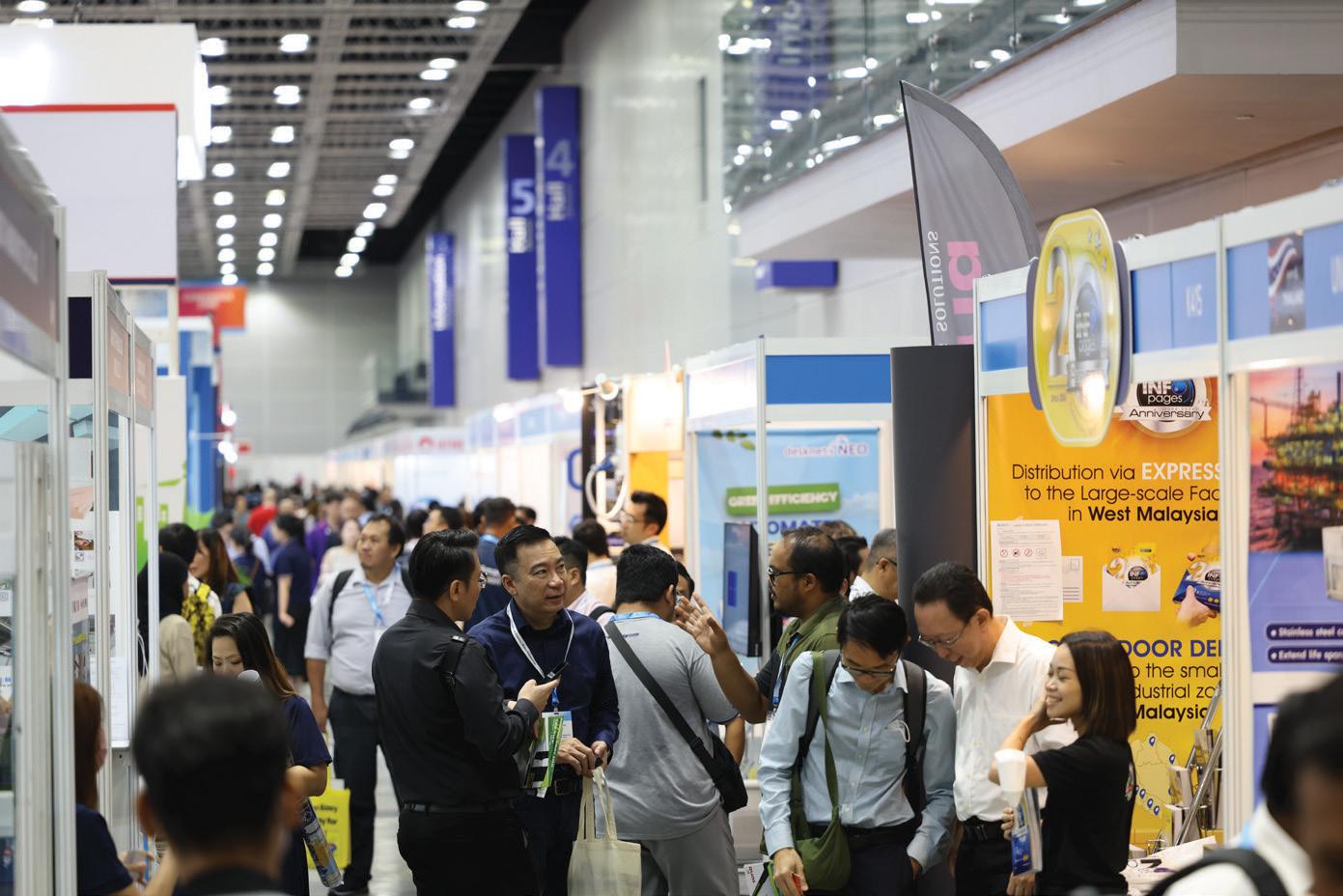
Join us at ENERtec Asia 2026, Southeast Asia’s premier event on energy transition technology. This year’s theme, “Energy & AI: The
We’re excited to partner with The Energy Transition Conference 2026 (ETCon26), powered by Tenaga Nasional Berhad (TNB), to provide enhanced insights for attendees.
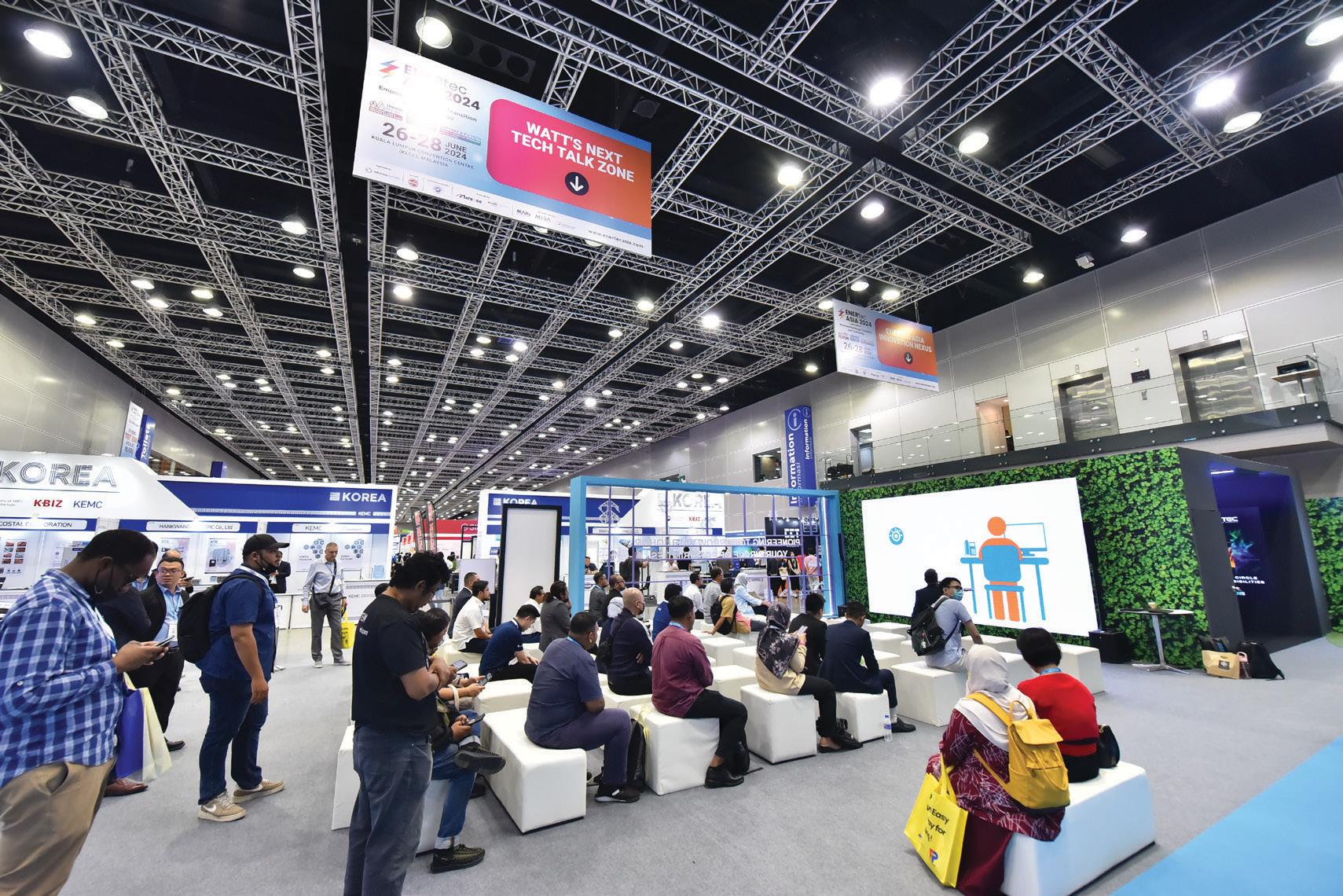
Discover the Future at WATT’S NEXT: Your Invitation to Future of Energy X AI
Get ready for WATT’S NEXT, an exciting forum series at ENERtec Asia 2026! From 3–5 June 2026, this is your opportunity to explore the transformative power of energy innovation.
This year’s forums will focus on three key areas:
• Engage with industry leaders & innovators shaping the future of Energy & AI
• Gain forward-looking insights on emerging trends and real-world applications
• Exchange ideas through meaningful dialogue with peers and experts Discover actionable solutions for today’s evolving energy landscape
• Stay ahead of change in the energy transition journey
FROM SMART GRID OPTIMISATION AND PREDICTIVE MAINTENANCE TO DEMANDSIDE MANAGEMENT AND ENERGY FORECASTING, AI IS EMERGING AS A POWERFUL TOOL SHAPING THE NEXT PHASE OF THE ENERGY TRANSITION.
AI AND ENERGY CONVERGE: ACCELERATING ASIA’S CLEAN ENERGY TRANSITION AT ASIA SUSTAINABLE ENERGY WEEK 2026
By Informa Markets in Thailand
As the global energy landscape undergoes rapid transformation, the intersection of artificial intelligence (AI) and energy systems is becoming increasingly critical. Across Asia, governments, utilities, and technology providers are exploring how AI-driven solutions can help address rising energy demand, accelerate decarbonization, and enhance system resilience. From smart grid optimisation and predictive maintenance to demandside management and energy forecasting, AI is emerging as a powerful tool shaping the next phase of the energy transition.
At the same time, the growth of data centers and digital infrastructure—which are heavily powered by AI technologies—has significantly increased electricity demand across the region. This dynamic is pushing the energy sector to innovate faster, integrate renewable resources more efficiently, and deploy advanced digital solutions that improve system performance while maintaining reliability.
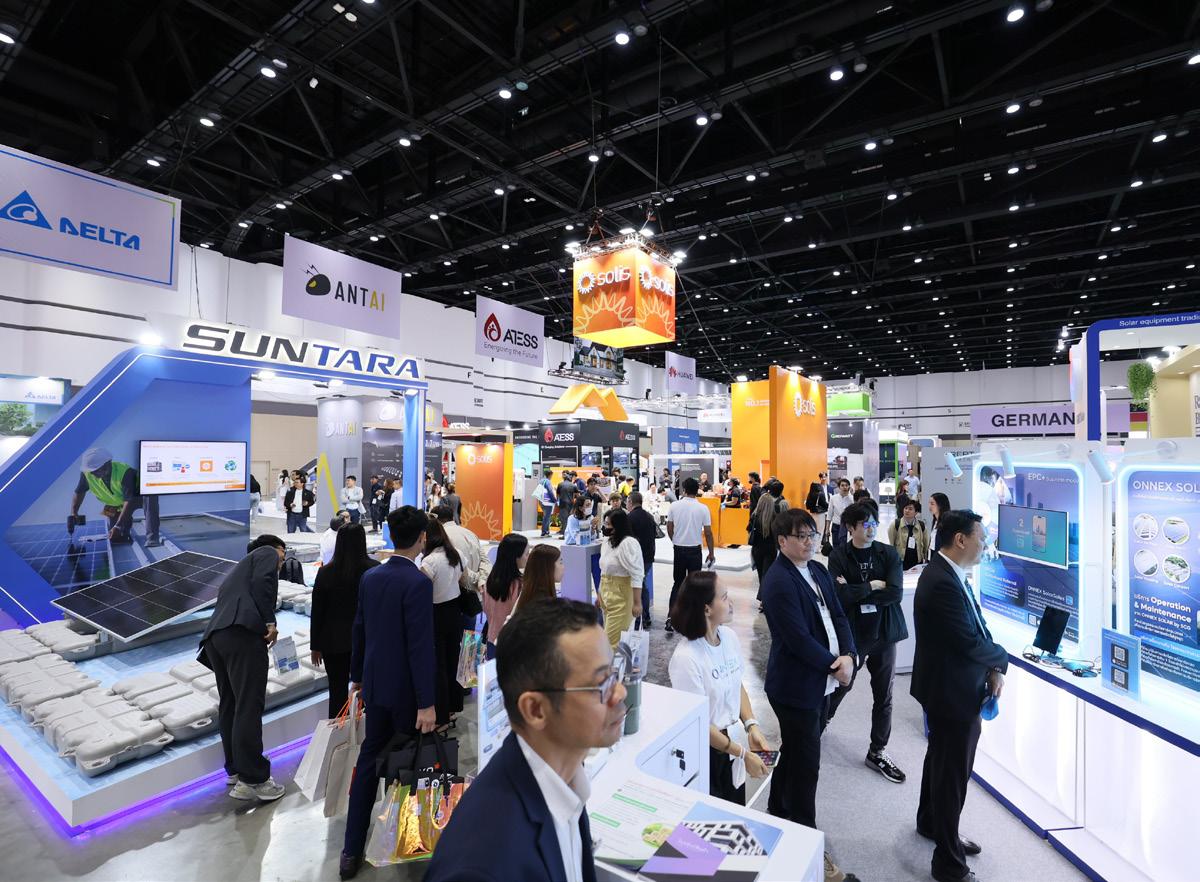
Against this backdrop, ASIA Sustainable Energy Week (ASEW) 2026 stands as one of the region’s most influential platforms for exploring the future of energy innovation and digital transformation. Held under the theme “Driving Sustainable Energy Innovation Through Regional Partnerships,” the event will take place from 1–3 July 2026 at the Queen Sirikit National Convention Center (QSNCC) in Bangkok, Thailand. ASEW brings together policymakers, technology innovators, utilities, investors, and industry leaders from across Asia to collaborate on solutions driving the transition toward a sustainable energy future.
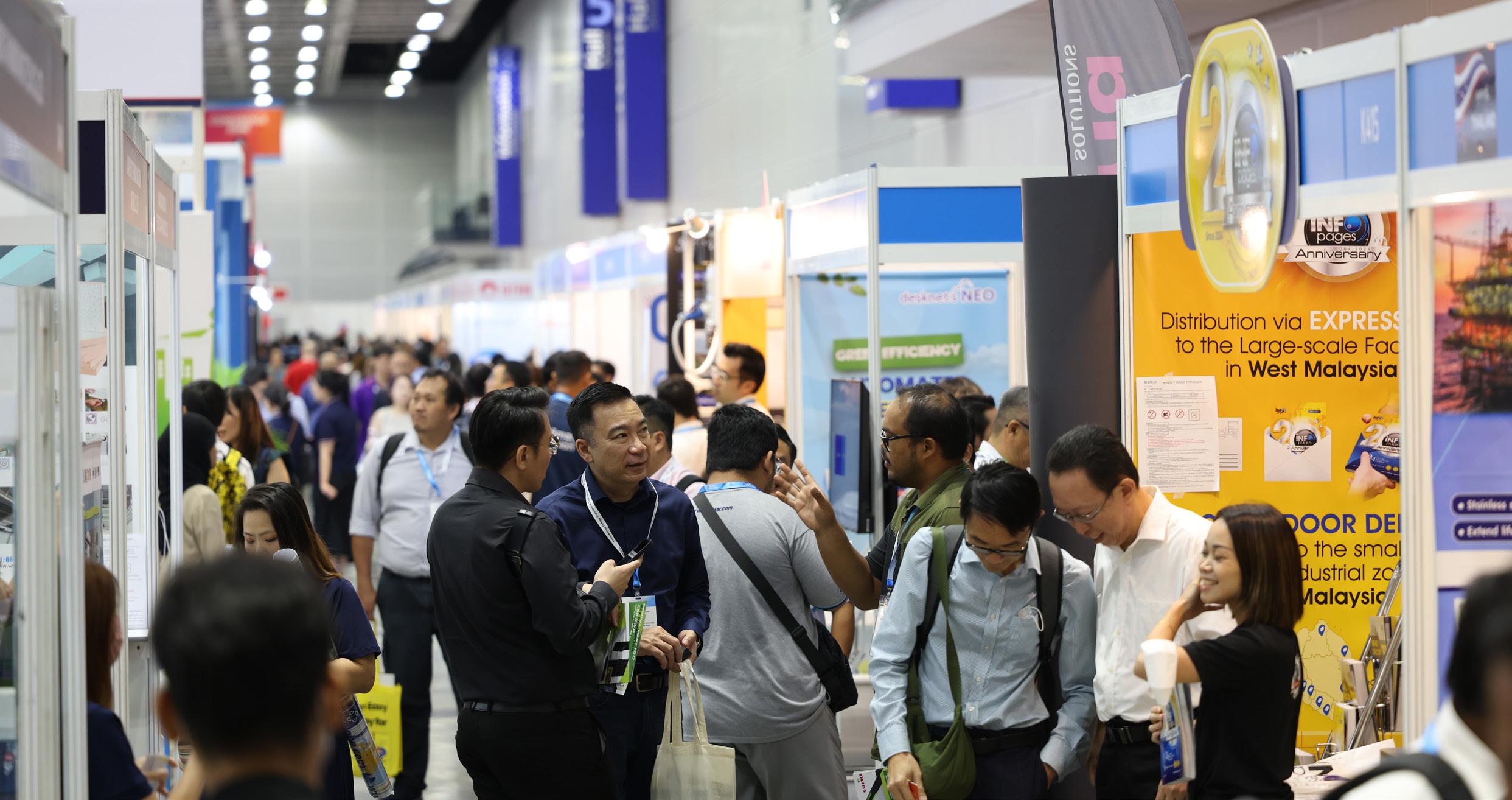
WITH PARTICIPATION FROM MORE THAN 1,500 GLOBAL AND REGIONAL ENERGY BRANDS AND AN EXPECTED 32,000+ TRADE VISITORS, THE EVENT CONNECTS SOLUTION PROVIDERS WITH KEY STAKEHOLDERS, INCLUDING UTILITIES, PROJECT DEVELOPERS, POLICYMAKERS, INVESTORS, AND CORPORATE ENERGY USERS ACROSS ASEAN AND BEYOND.
ASEW 2026 will showcase a wide spectrum of technologies across renewable energy, energy efficiency, energy storage, hydrogen, smart grids, and digital energy management systems. Within this ecosystem, AIpowered solutions are expected to play an increasingly important role—enabling smarter grid operations, enhancing renewable energy forecasting, improving asset management, and optimizing energy consumption across industries and cities.
The event serves not only as a technology showcase but also as a strategic platform for knowledge exchange and collaboration. Through international conferences, expert-led forums, and technical seminars, ASEW provides insights into how AI and digitalization are transforming the energy sector— from enabling predictive analytics for infrastructure maintenance to supporting real-time energy balancing in increasingly decentralized power systems.
In addition, ASEW offers valuable opportunities for business partnerships and market expansion. With participation from more than 1,500 global and regional energy brands and an expected 32,000+ trade visitors, the event connects solution providers with key stakeholders, including utilities, project developers, policymakers, investors, and corporate energy users across ASEAN and beyond.
As Asia continues to pursue ambitious climate targets and accelerate its transition toward net-zero emissions, the role of digital technologies such as AI will become even more essential. Platforms like ASIA Sustainable Energy Week provide a vital space for industry leaders to exchange ideas, explore emerging technologies, and build the partnerships needed to power the region’s sustainable energy future.
In a rapidly evolving energy ecosystem, AI and energy are no longer separate conversations—they are increasingly intertwined. ASEW 2026 offers a unique opportunity to witness how this convergence is shaping the next generation of energy systems in Asia.
Pre-register now to be part of Asia’s leading sustainable energy platform and explore the technologies shaping the future of energy.
For more information, visit: www.asew-expo.com
AS VIETNAM ADVANCES BOTH DIGITAL TRANSFORMATION AND ENERGY TRANSITION OBJECTIVES, AI IS EXPECTED TO PLAY AN INCREASINGLY IMPORTANT ROLE IN ENABLING A MORE EFFICIENT, RESILIENT, AND SUSTAINABLE ENERGY ECOSYSTEM.
AI RESHAPING VIETNAM’S ENERGY LANDSCAPE
By Informa Markets in Vietnam
Artificial intelligence (AI) is increasingly shaping the evolution of energy systems worldwide, and Vietnam is entering this transformation at a critical moment. As digitalization accelerates and data-driven industries expand, electricity demand is being influenced not only by industrial growth but also by emerging digital infrastructure such as data centers and intelligent buildings.
According to the International Energy Agency (IEA), global data centers currently consume approximately 415 terawatt-hours (TWh) of electricity annually, representing nearly 1.5% of global electricity demand. With the rapid adoption of AI technologies, electricity consumption from data centers is expected to grow significantly toward 2030, introducing new challenges for energy planning and system efficiency.
AI is increasingly deployed to improve operational performance within data centers through predictive analytics, real-time monitoring, and intelligent cooling optimization. These applications allow operators to manage energy consumption more efficiently while maintaining reliability an increasingly important consideration as Vietnam expands its digital economy.
Beyond digital infrastructure, AI is also transforming heating, ventilation, air conditioning, and refrigeration (HVACR) systems. Buildings account for close to 40% of global energy consumption, with HVAC systems representing a major share of electricity use. AI-enabled solutions allow HVACR systems to adapt dynamically to occupancy patterns, environmental conditions, and equipment performance, improving efficiency while reducing operational energy demand across commercial and industrial facilities.
At the system level, AI contributes to the development of more flexible and resilient energy networks. Applications including demand-side management, renewable energy forecasting, and predictive maintenance support utilities in balancing supply and demand while facilitating greater integration of renewable energy sources.
The growing convergence of energy infrastructure, digital technologies, and artificial intelligence reflects a broader transition occurring across the region. Industry platforms such as Vietnam Energy Week, HVACR Vietnam, and Vietnam Data Center Confex 2027 illustrate how discussions within the energy sector are increasingly centered on intelligent energy management rather than generation capacity alone. As Vietnam advances both digital transformation and energy transition objectives, AI is expected to play an increasingly important role in enabling a more efficient, resilient, and sustainable energy ecosystem.
Sources: International Energy Agency (IEA), Energy and AI Report www.iea.org/reports/energy-and-ai
Artificial intelligence is playing an increasingly important role in addressing challenges across the Energy, HVACR, and Data Center sectors. From 4–6 November 2026, the event series Vietnam Energy Week, HVACR Vietnam, and Data Center Confex will bring together industry stakeholders to explore emerging technologies, market trends, and practical solutions shaping the future of these industries.
INDUSTRY PLATFORMS SUCH AS VIETNAM ENERGY WEEK, HVACR VIETNAM, AND VIETNAM DATA CENTER CONFEX 2027 ILLUSTRATE HOW DISCUSSIONS WITHIN THE ENERGY SECTOR ARE INCREASINGLY CENTERED ON INTELLIGENT ENERGY MANAGEMENT RATHER THAN GENERATION CAPACITY ALONE.
FROM 4–6 NOVEMBER 2026, THE EVENT SERIES VIETNAM ENERGY WEEK, HVACR VIETNAM, AND DATA CENTER CONFEX WILL BRING TOGETHER INDUSTRY STAKEHOLDERS TO EXPLORE EMERGING TECHNOLOGIES, MARKET TRENDS, AND PRACTICAL SOLUTIONS SHAPING THE FUTURE OF THESE INDUSTRIES.
OUR RECENT ACTIVITIES HIGHLIGHT OUR CONTINUED EFFORTS TO ADVANCE SUSTAINABLE URBAN ENERGY SYSTEMS ACROSS ASIA THROUGH TARGETED ENGAGEMENTS, KNOWLEDGE EXCHANGE, AND REGIONAL COLLABORATION. SINCE THE PREVIOUS ISSUE OF THE APUEA MAGAZINE WE HAVE HOSTED IN TOTAL SIX ACTIVITIES IN INDIA, JAPAN, MALAYSIA, THAILAND AND VIETNAM.
RECENT APUEA ACTIVITIES
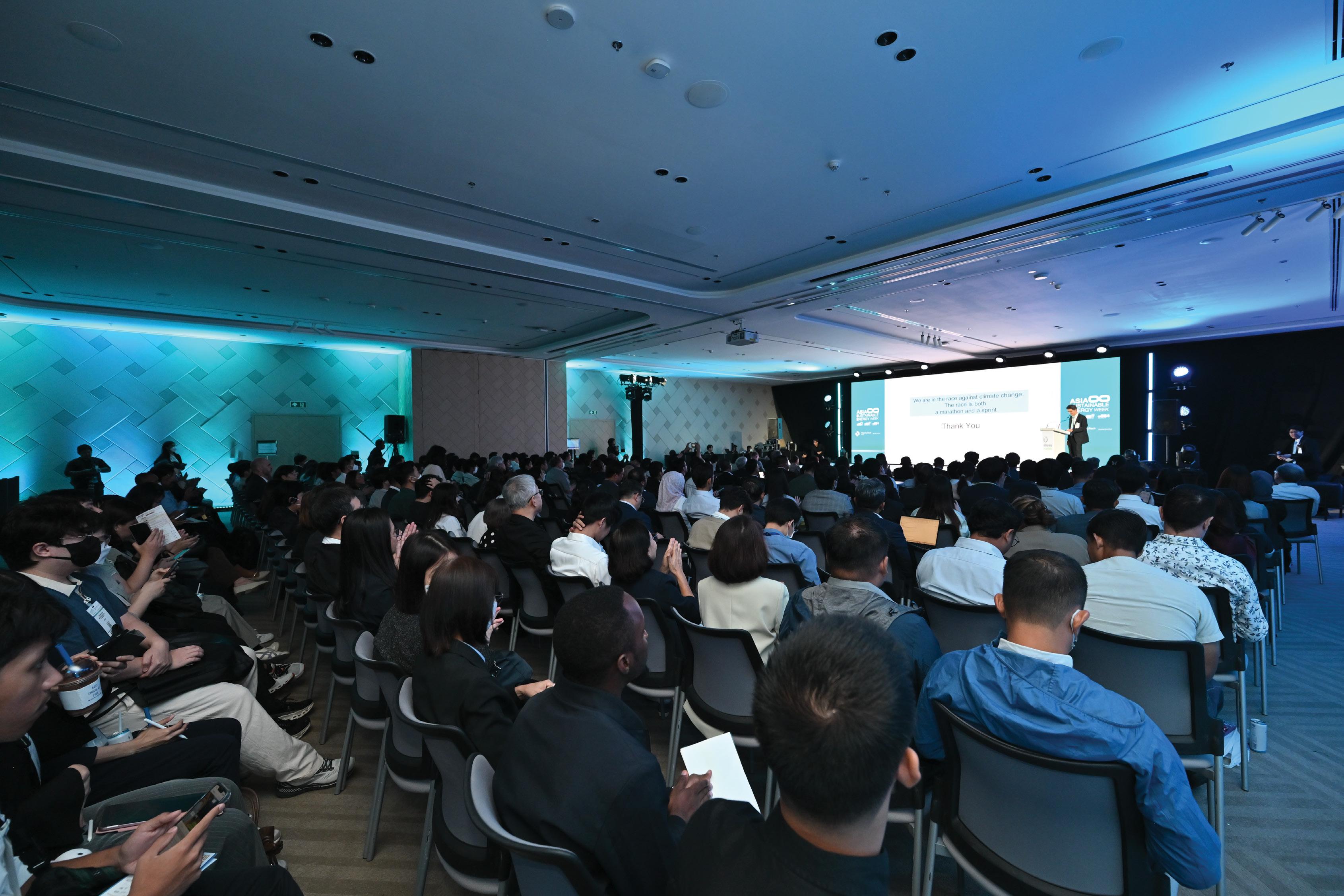
Our recent activities highlight our continued efforts to advance sustainable urban energy systems across Asia through targeted engagements, knowledge exchange, and regional collaboration. Since the previous issue of the APUEA Magazine we have hosted in total six activities in India, Japan, Malaysia, Thailand and Vietnam.
In India, we partnered with the India Smart Grid Forum to host the workshop “The Cooling Challenge: Accelerating District Cooling Adoption in India,” addressing the country’s rapidly rising cooling demand and positioning district cooling as a scalable, system-level solution. The session convened policymakers, industry leaders, and technical experts to explore enabling policies, viable business models, and practical pathways for implementation.
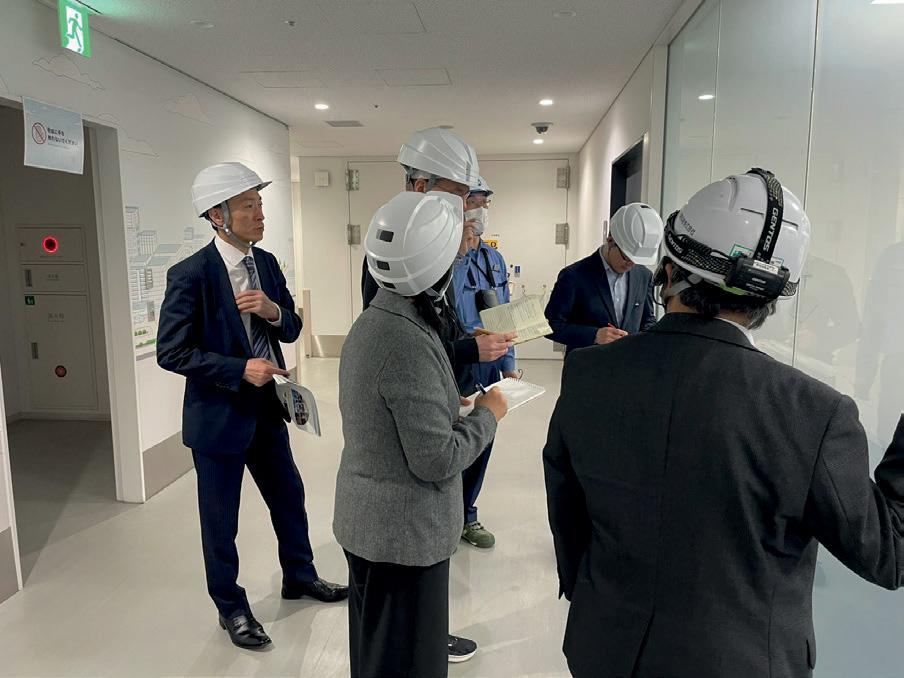
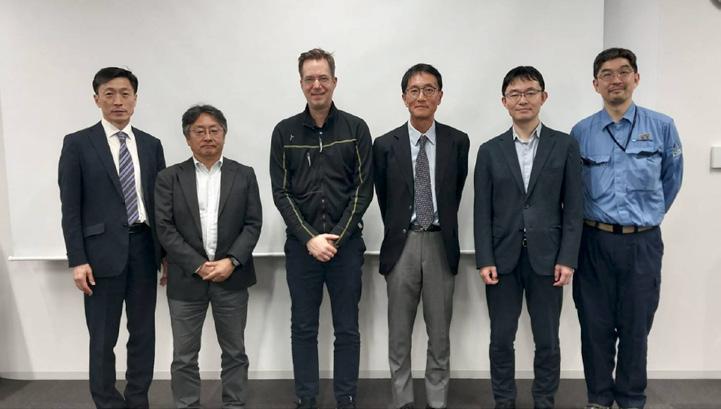
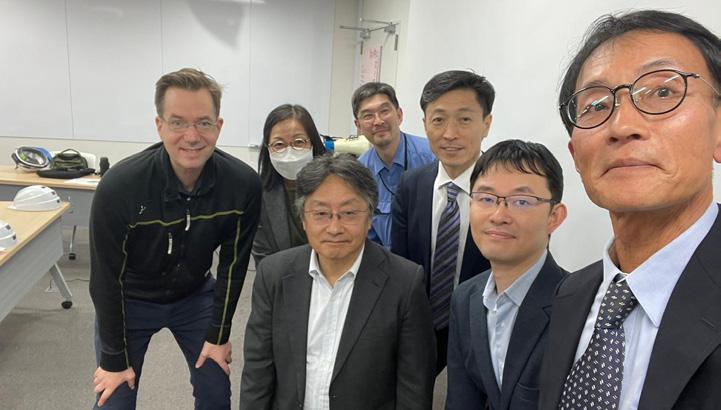
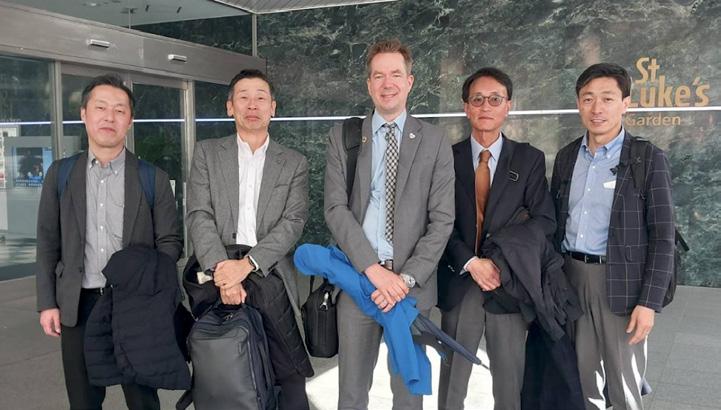
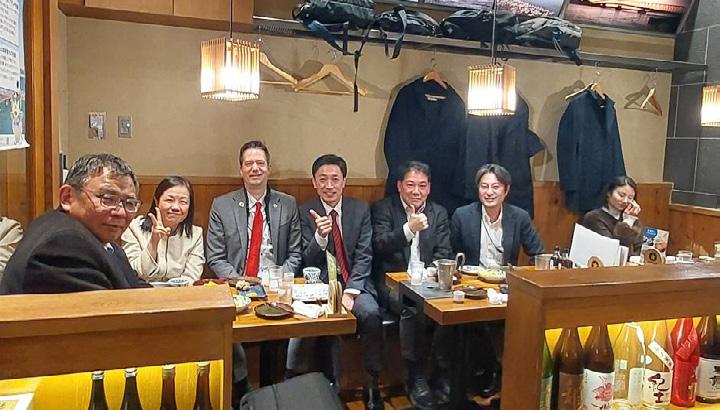
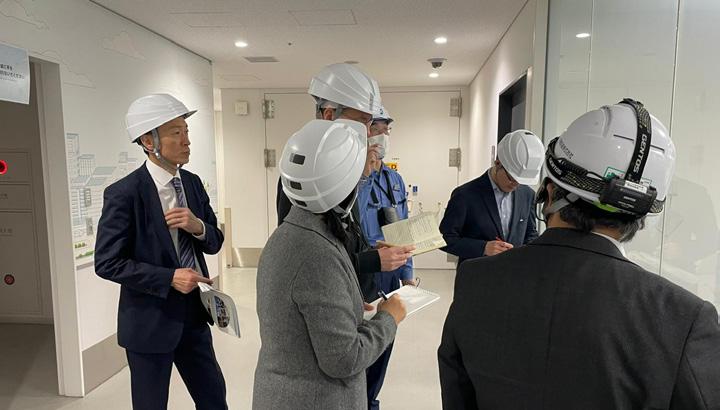
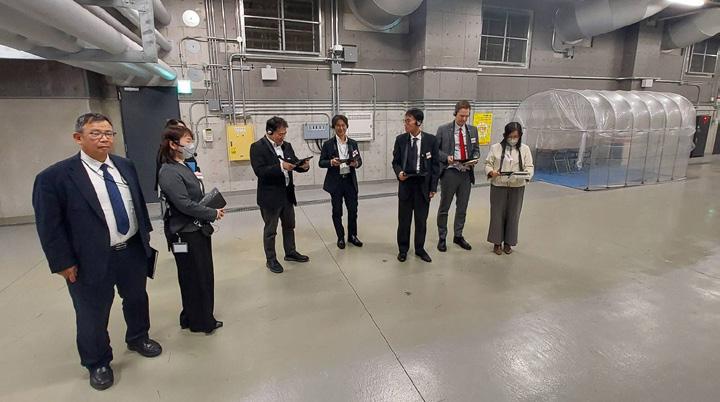
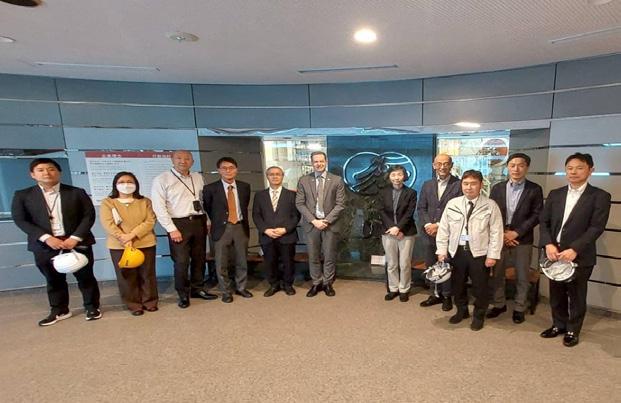
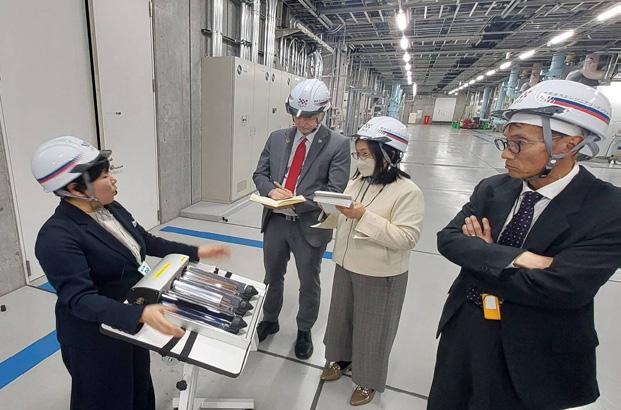
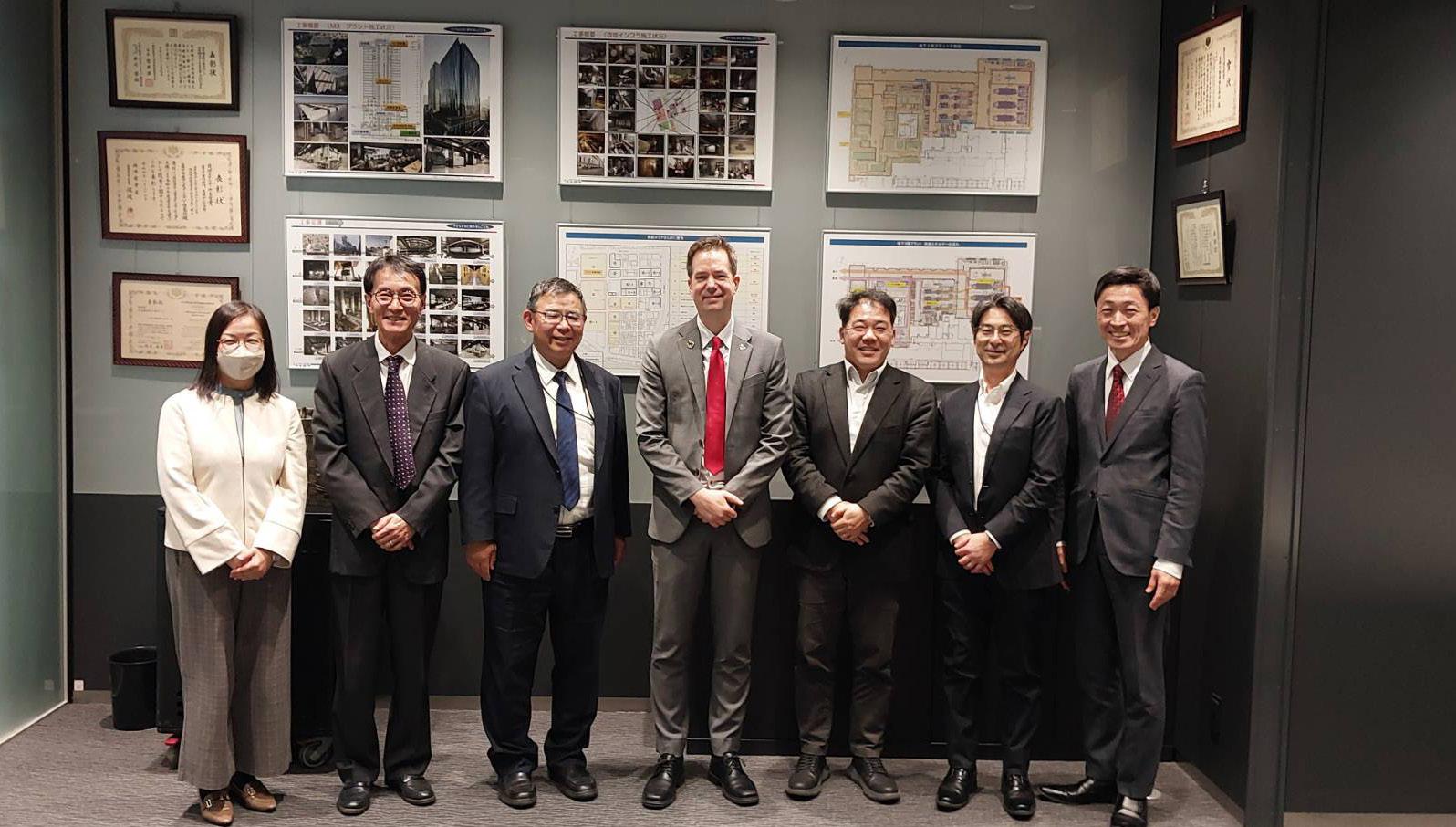
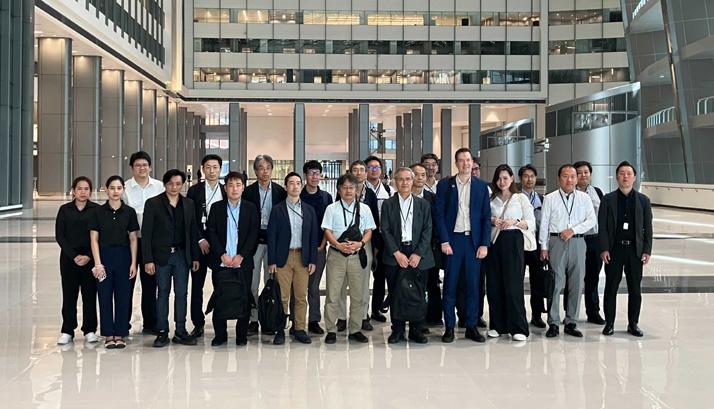
We further strengthened international knowledge exchange through a district energy study trip to Japan, including technical visits in Tokyo and Yokohama. The programme provided valuable insights into Japan’s mature district energy market, showcasing best practices in system efficiency, resilience, and the integration of energy infrastructure within dense urban environments.
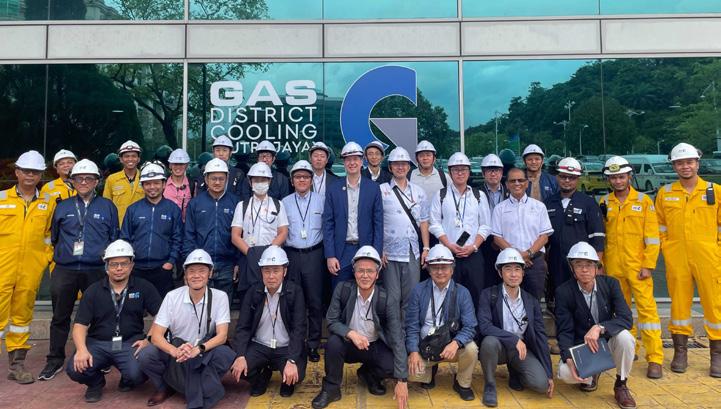
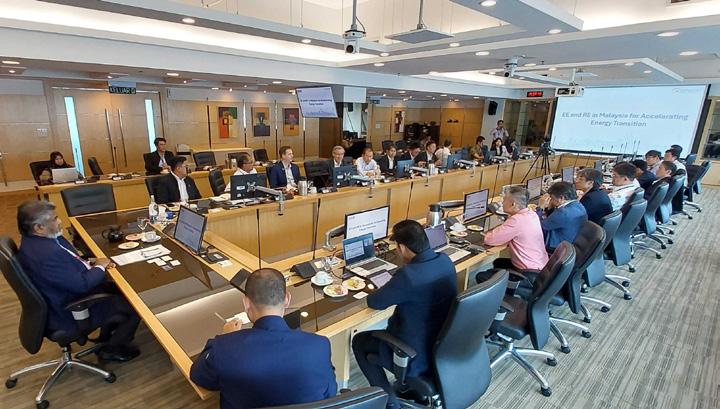
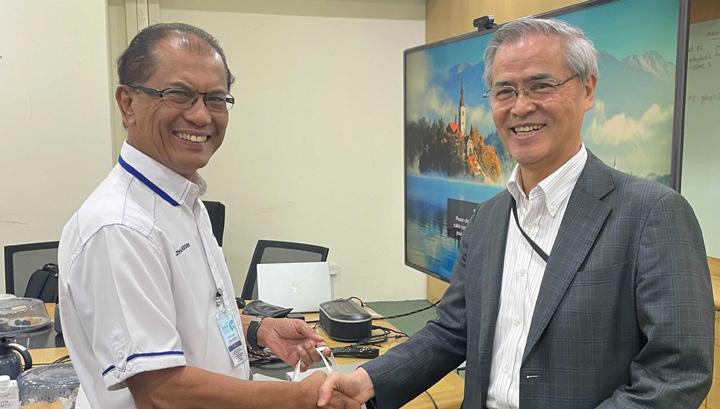
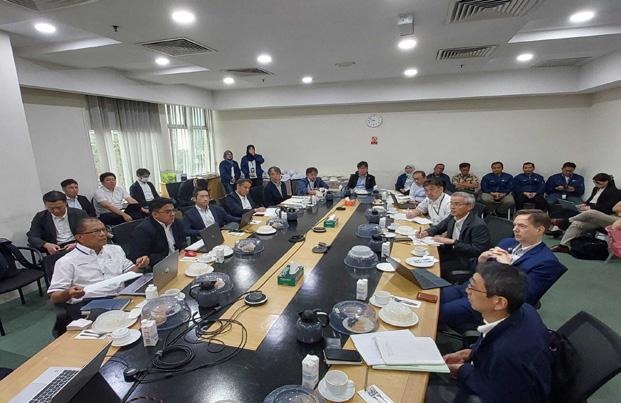
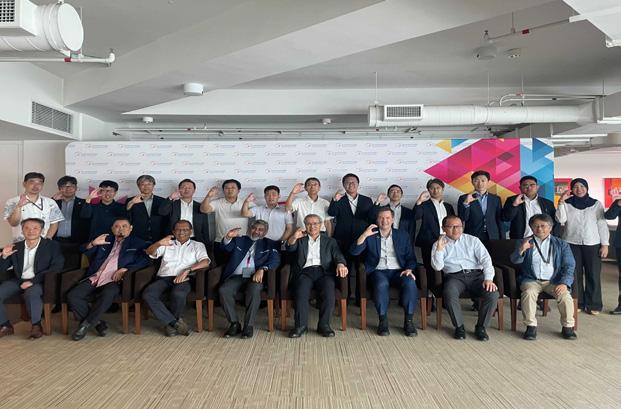
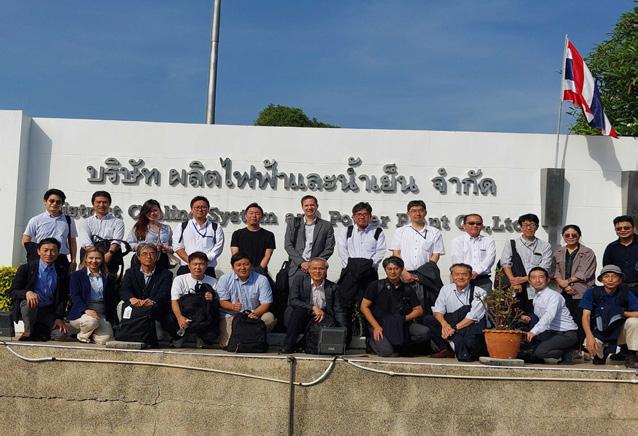
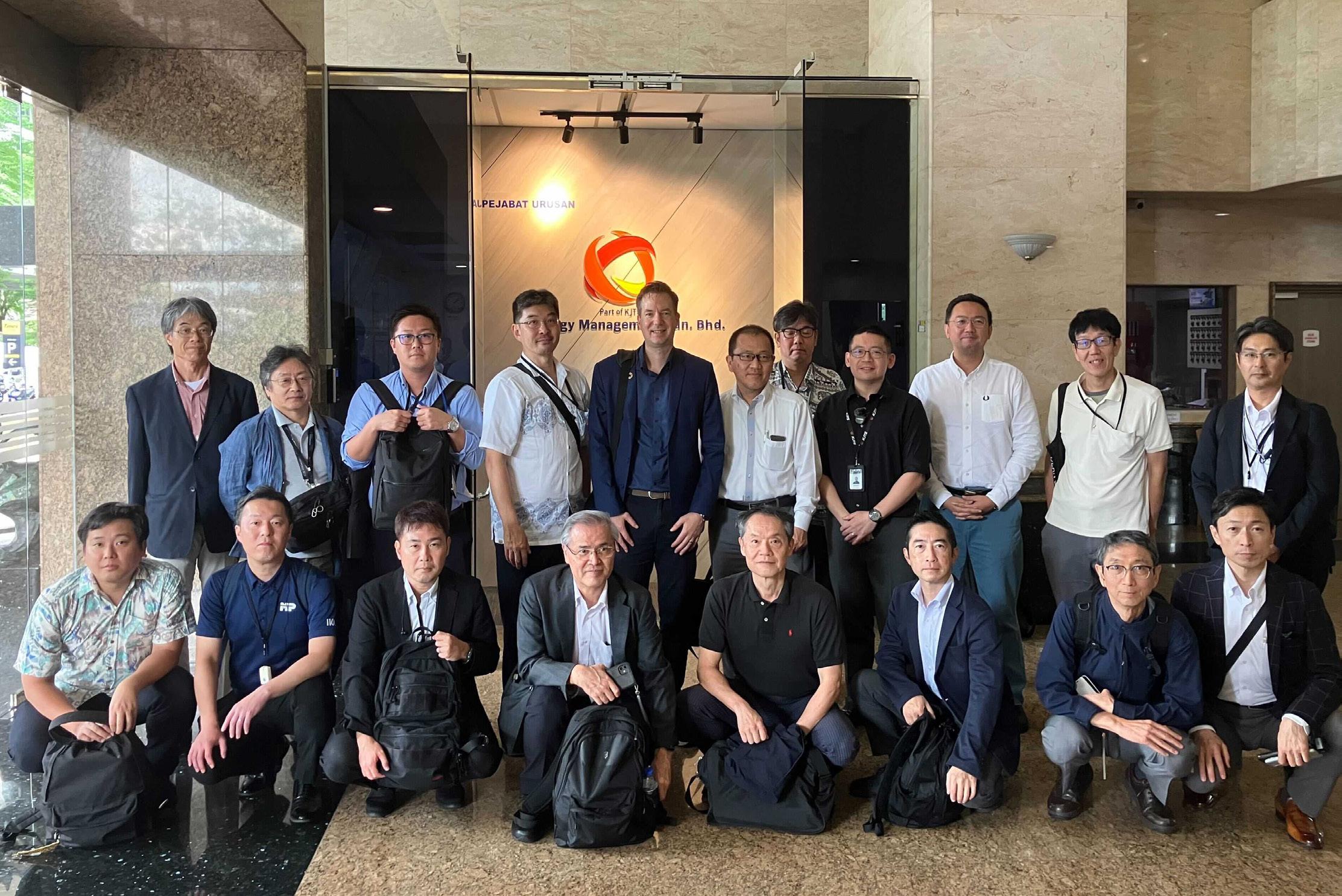
We also hosted a District Cooling Study Tour across Malaysia and Thailand, connecting Japanese stakeholders with two of Southeast Asia’s most dynamic markets. The programme facilitated practical learning on policy frameworks, project development, and operational experience.
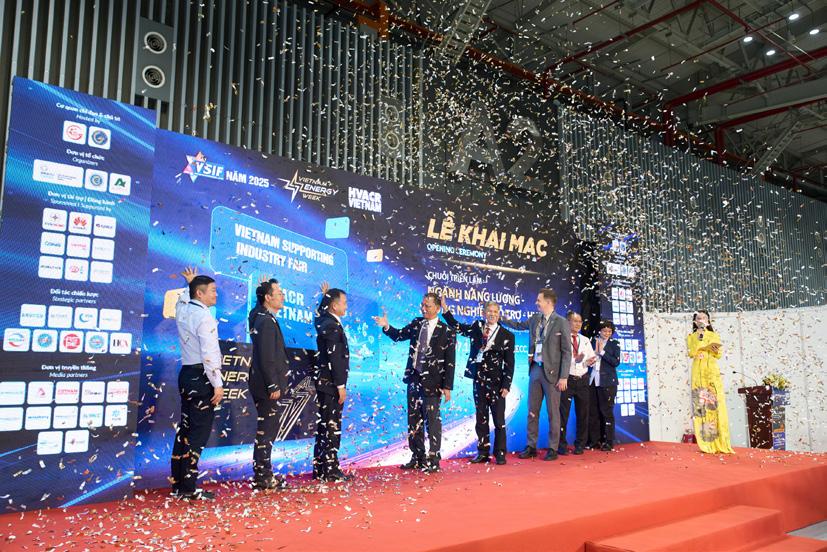
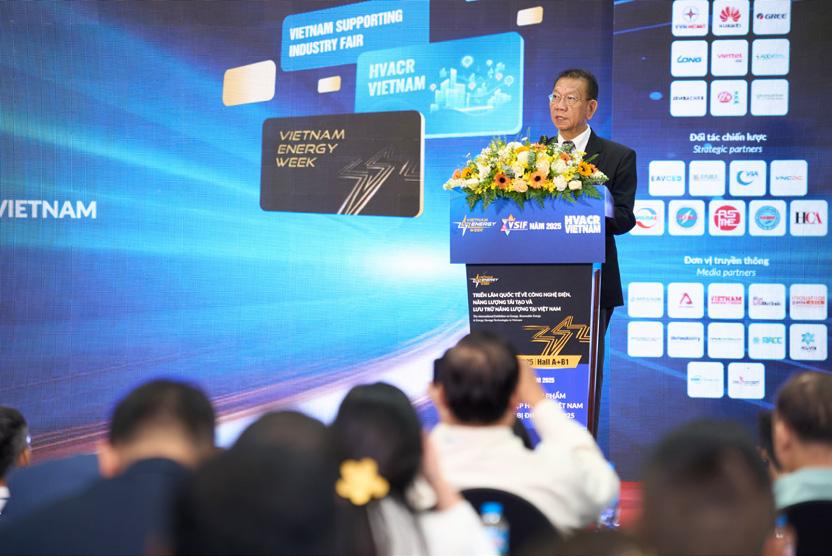
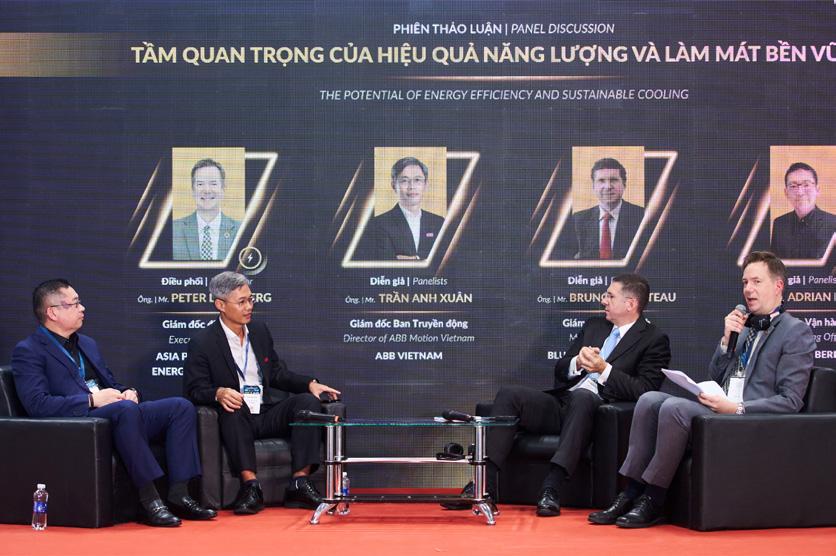
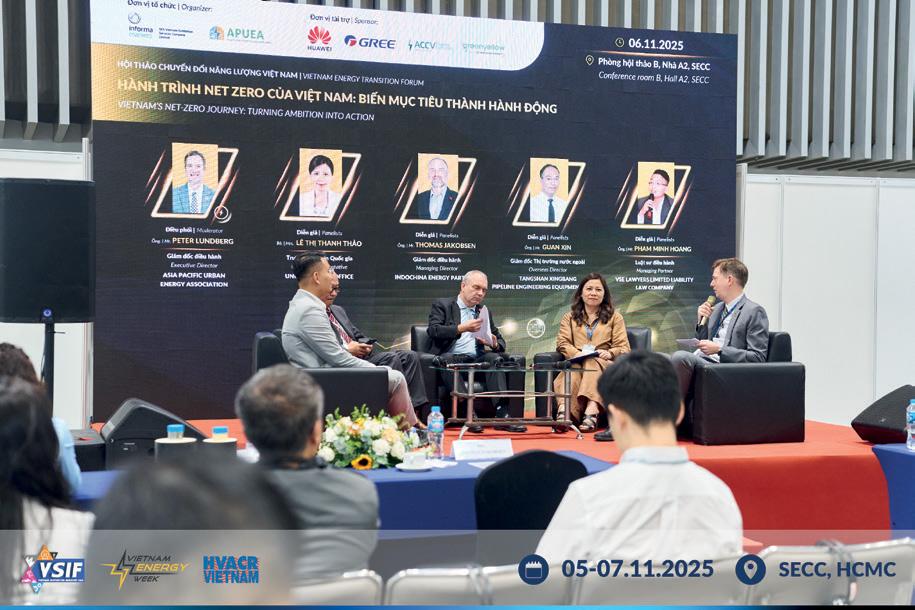
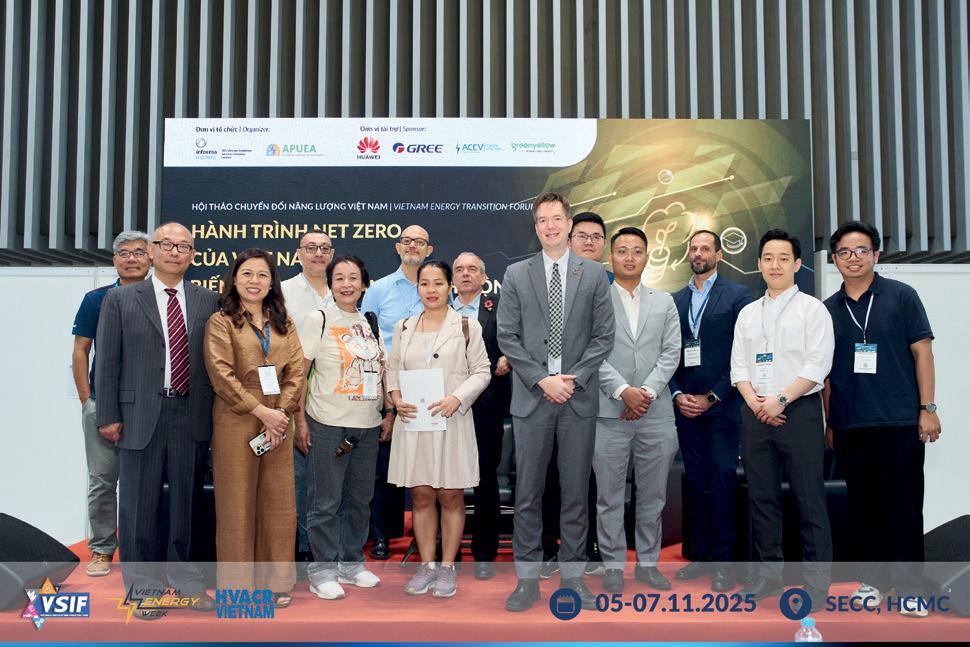
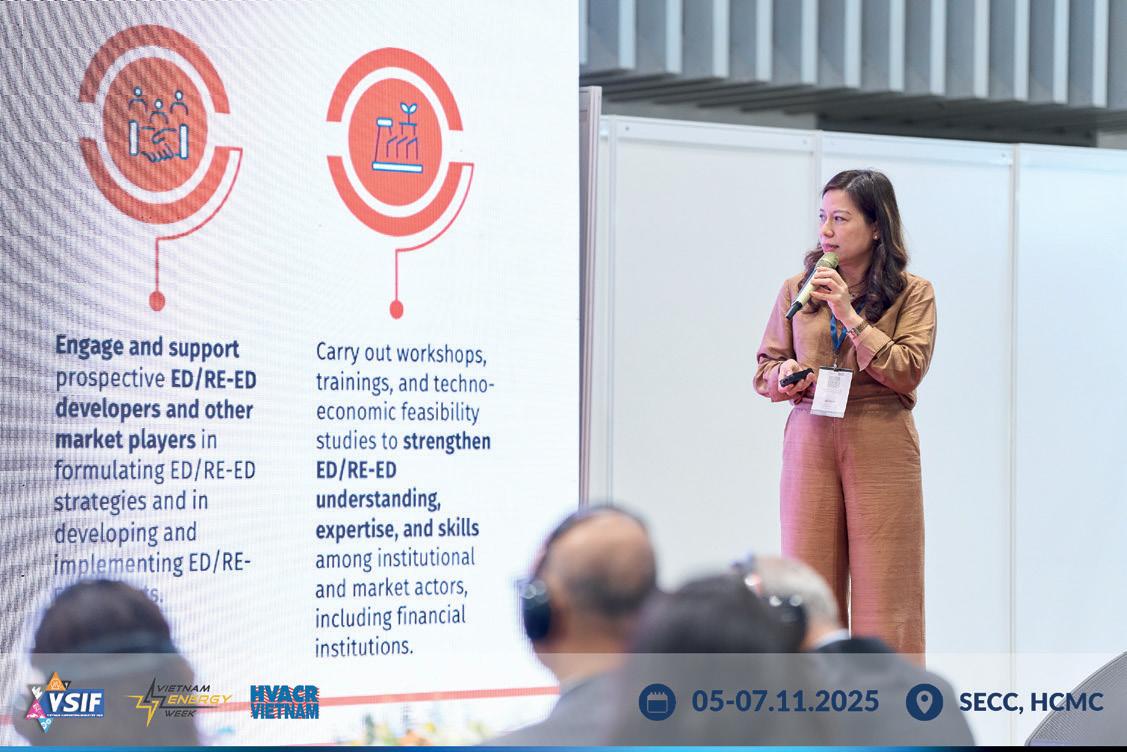
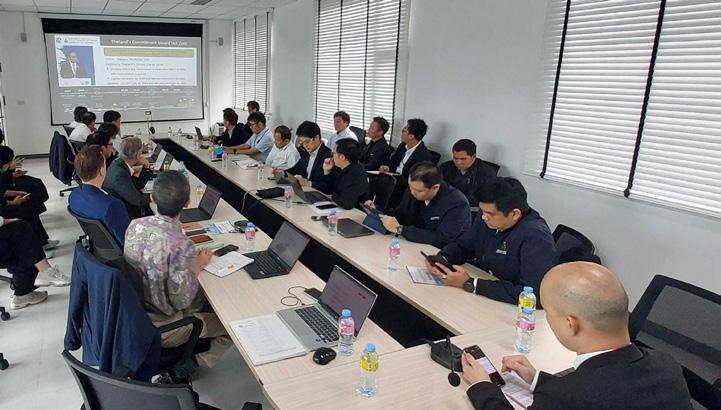
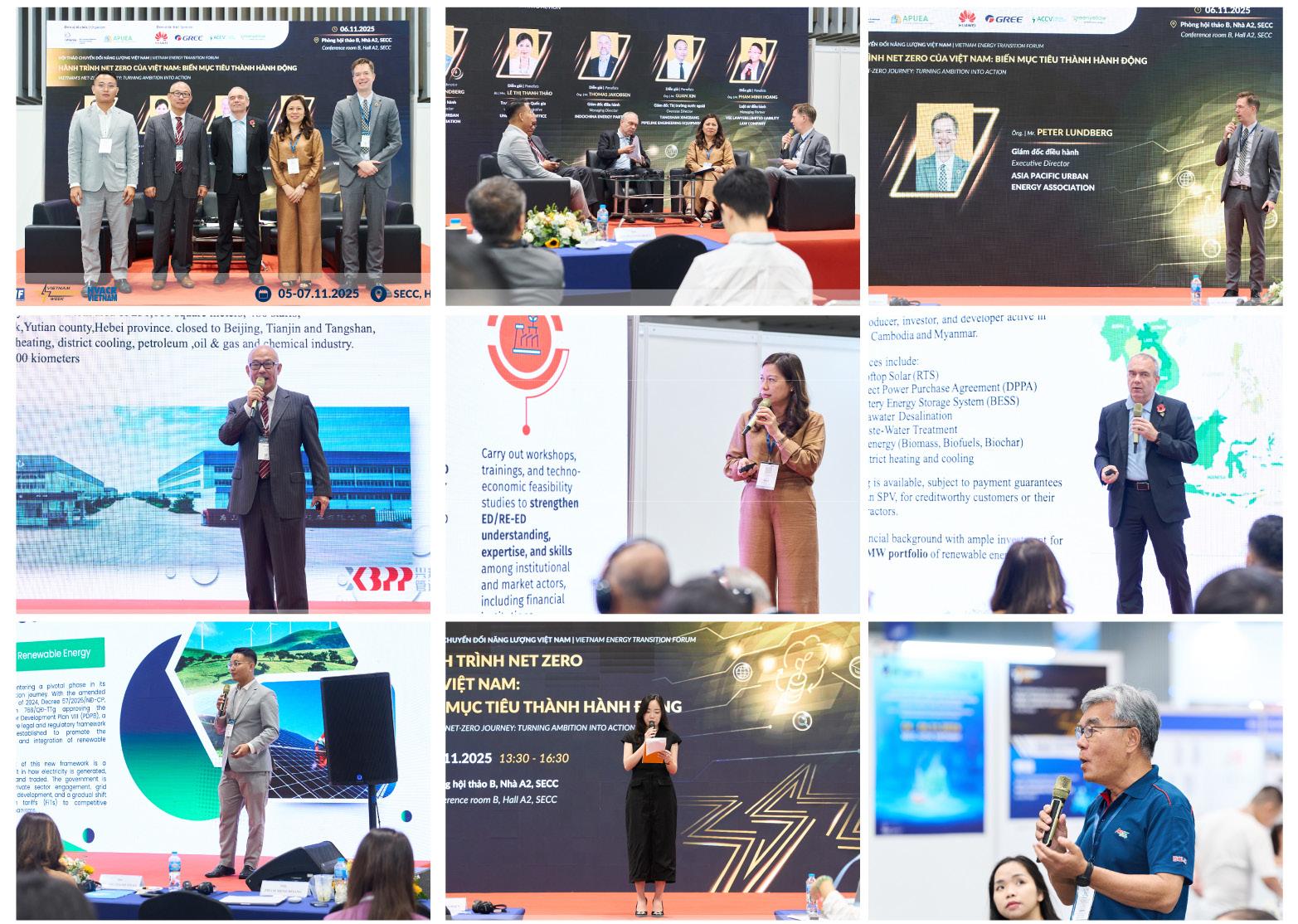
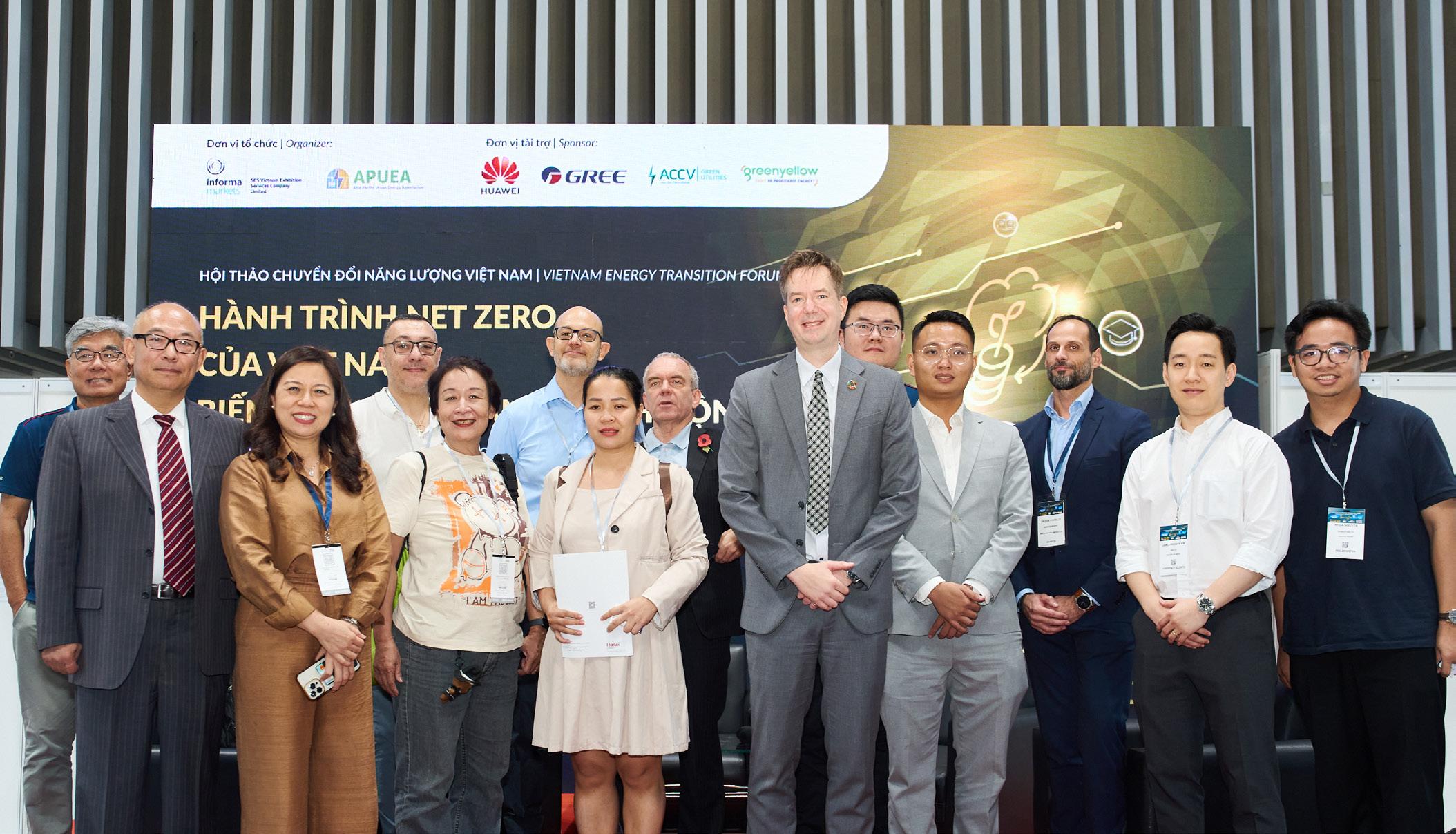
In addition, during Vietnam Energy Week 2025, APUEA co-hosted two high-level sessions under the Vietnam Energy Transition Forum, contributing to key discussions on energy efficiency, electricity market development, and pathways toward net zero.
Together, these recent activities demonstrate our strong commitment to accelerating sustainable and resilient energy solutions across the Asia-Pacific region.
THE COOLING CHALLENGE: ACCELERATING DISTRICT
COOLING ADOPTION IN INDIA
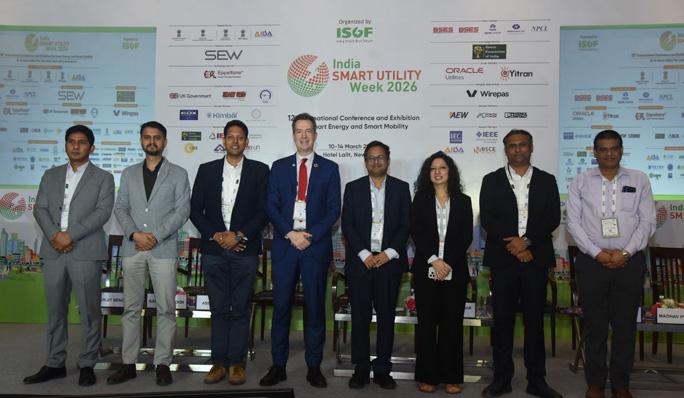
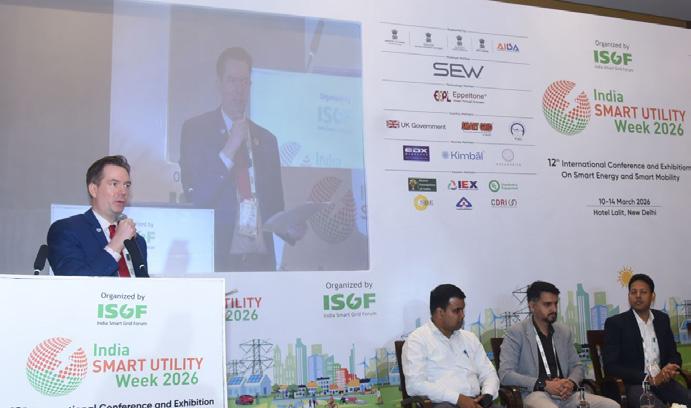
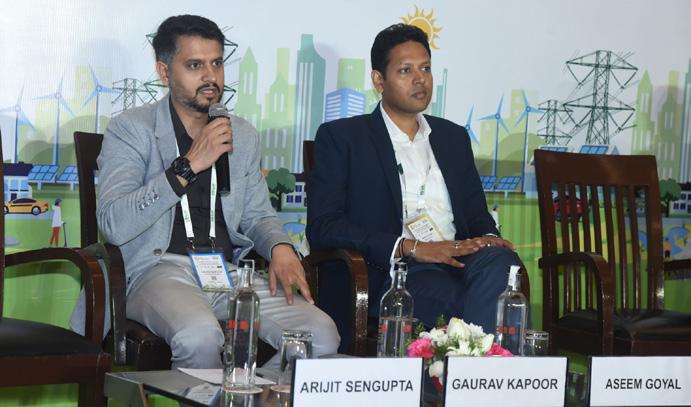
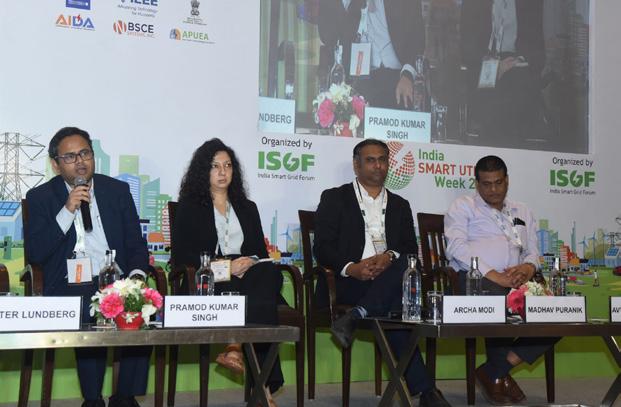
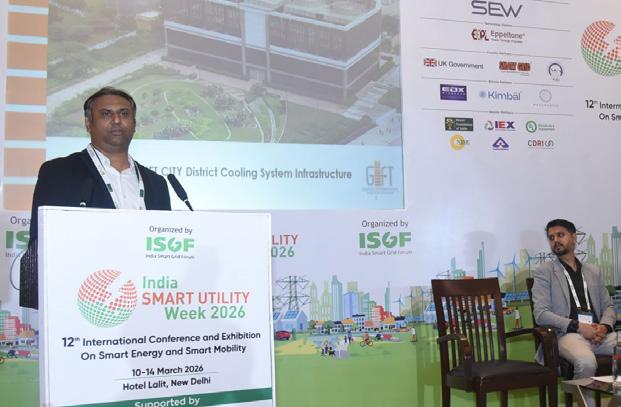
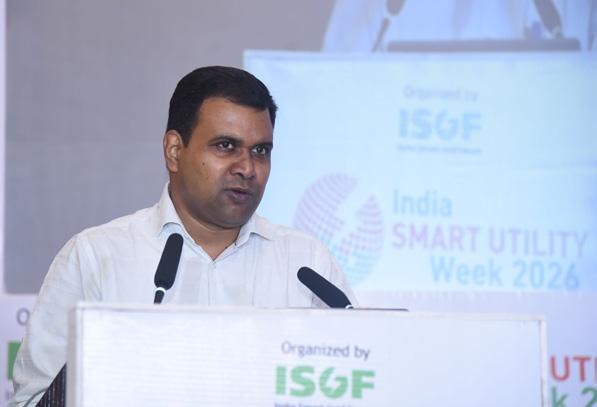
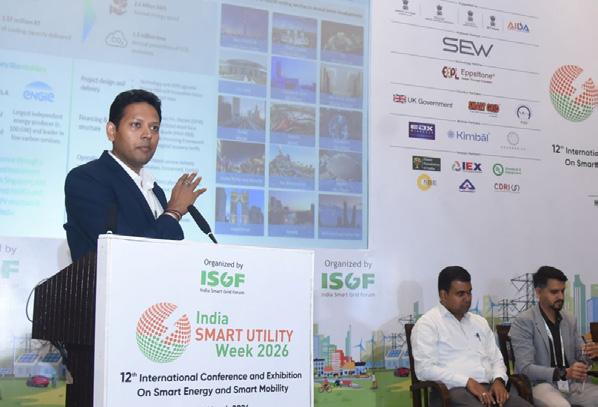
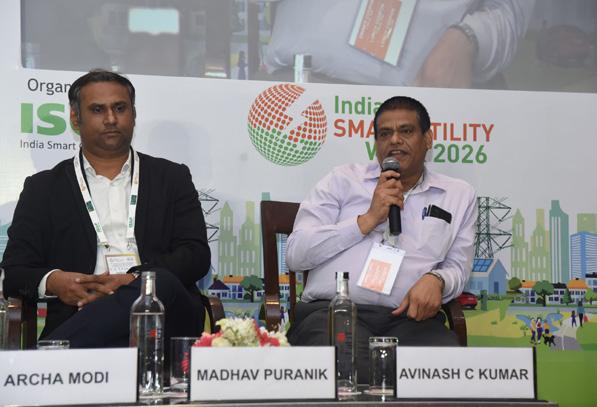
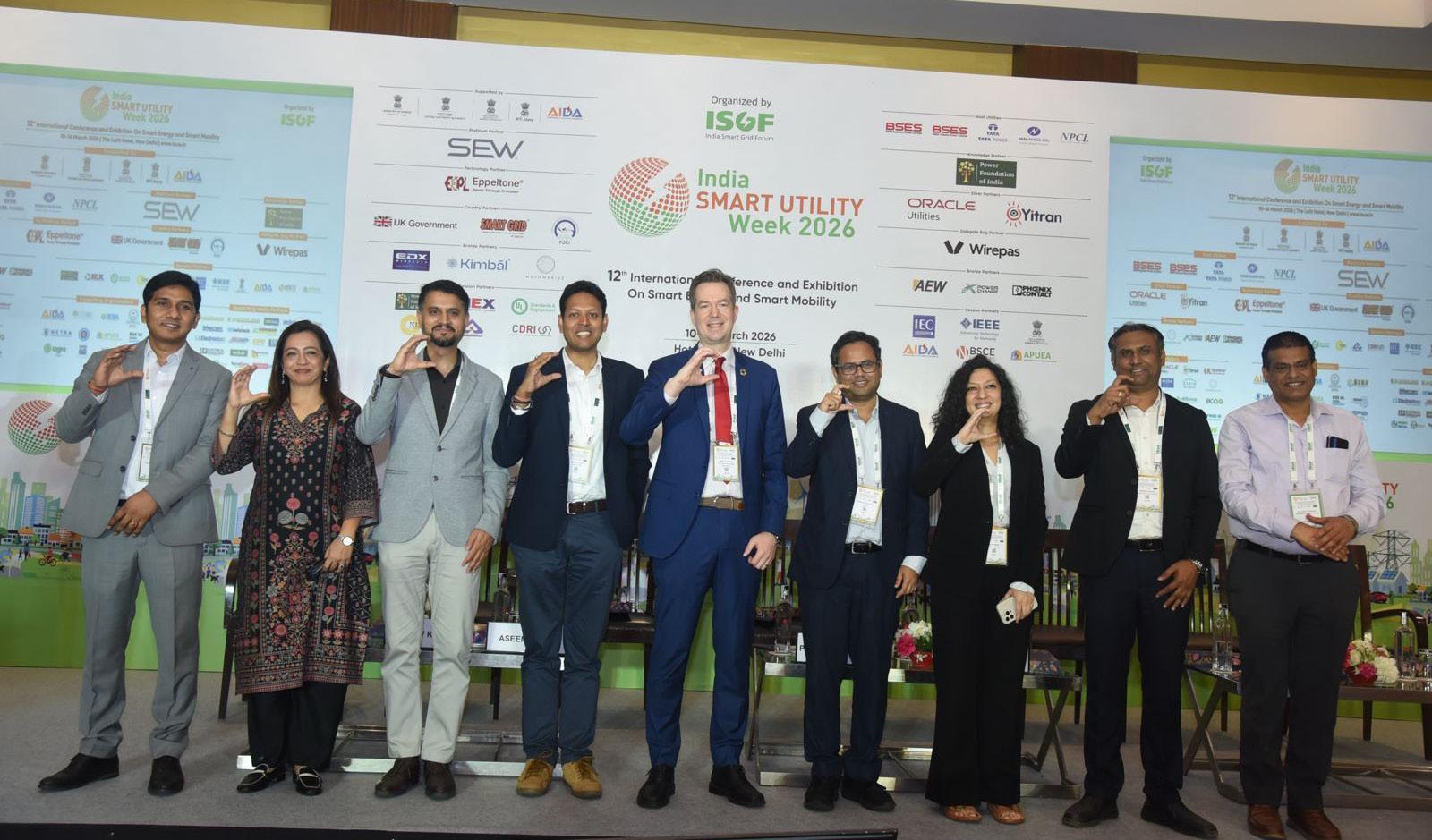
On 12 March, the APUEA, in partnership with the India Smart Grid Forum (ISGF), hosted a workshop on district cooling titled “The Cooling Challenge: Accelerating District Cooling Adoption in India.” The session was held as part of India Smart Utility Week at the The Lalit New Delhi, bringing together policymakers, industry leaders, and technical experts to examine pathways for scaling district cooling across India.
Rising Temperatures and Cooling Demand
India is facing an intensifying heat crisis, with temperatures in parts of northern India exceeding 53°C in 2024. In this context, access to affordable and reliable cooling is rapidly transitioning from a comfort to a critical public health, economic, and social requirement.
Despite this urgency, air conditioning penetration remains relatively low—at approximately 10% across India’s 300 million households. However, demand is expected to accelerate significantly. Projections indicate that an additional 130–150 million room air conditioning units could be deployed over the next decade, potentially increasing peak electricity demand by as much as 180 GW by 2035. Without intervention, this growth trajectory risks locking in carbonintensive infrastructure, exacerbating grid stress, and widening socio-economic disparities in access to cooling.
District Cooling as a Systemic Solution
District Cooling Systems (DCS) present a compelling, system-level alternative to conventional cooling approaches. Recognized under the India Cooling Action Plan (ICAP), and supported through continued advocacy by ISGF and APUEA, district cooling enables a shift toward centralized, high-efficiency cooling delivered as a service.
By aggregating demand and leveraging economies of scale, DCS can significantly reduce energy consumption, lower peak electricity demand, and provide a more flexible and resilient cooling infrastructure. Importantly, this model also offers a pathway to extend access to underserved and low-income communities.
Estimates suggest that district cooling capacity across 21 Indian cities could reach approximately 12.57 million refrigeration tons (TR) by 2037–38, resulting in annual energy savings of
around 7,855 GWh. The integration of thermal energy storage further enhances system performance, allowing chilled water production during off-peak hours and dispatch during peak periods— thereby supporting grid stability and optimization.
Emerging Project Momentum
Encouragingly, early momentum for district cooling deployment is already visible across several regions in India:
• Gurugram has incorporated district cooling mandates into its Urban Cooling Action Plan
• Tabreed India, in collaboration with Tata Realty and Infrastructure Ltd, is implementing India’s first commercial Cooling-as-a-Service model at Intellion Park
• Adani Group has announced a large-scale district cooling project in Mundra
• Hyderabad Pharma City is integrating district cooling infrastructure into its master planning
These developments demonstrate increasing recognition of district cooling as a viable and scalable solution within India’s broader energy transition.
Key Enablers for Scale
Discussions during the session highlighted several critical enablers required to unlock large-scale deployment of district cooling in India:
• Policy and regulatory clarity to support long-term planning and investment
• Bankable business models, including Cooling-as-a-Service, to reduce upfront capital barriers
• Public–private partnerships to align stakeholders and de-risk project development
• Integrated urban planning, ensuring district cooling is embedded early in city development frameworks
Addressing these factors will be essential to transitioning from pilot projects to widespread adoption.
The session featured a range of expert perspectives across policy, technology, and implementation:
Theme presentations were delivered by:
• Arijit Sengupta, Director, Bureau of Energy Efficiency
• Aseem Goyal, General Manager – Business Development, Tabreed India
• Madhav Puranik, Assistant Vice President – DCS, GIFT City
Additional insights were provided by:
Pramod Kumar Singh, Senior Director – Research and Programs, Alliance for an Energy Efficient Economy (AEEE)
• Archa Modi, AGM, Business Development, Keppel India (EaaS)
The session was moderated by Peter Lundberg, Executive Director of APUEA.
Looking Ahead
As India continues to urbanize and confront rising temperatures, the need for sustainable cooling solutions will only intensify. District cooling offers a strategic pathway to meet this demand while supporting national objectives on energy efficiency, emissions reduction, and equitable access.
Continued collaboration between government, industry, and knowledge partners will be essential to accelerate deployment and realize the full potential of district cooling in India.
APUEA, together with partners such as ISGF, remains committed to advancing dialogue, sharing best practices, and supporting the development of district energy systems across the region.
DISTRICT ENERGY STUDY TRIP TO JAPAN
Between 2–6 March 2026, APUEA, represented by Executive Director Peter Lundberg and Policy Advisor Teruhisa Oi, conducted a district energy study trip to Tokyo to learn more about Japan’s mature district energy market. The visit, which was arranged and hosted by the Japan Heat Supply Business Association (JHSBA) and the Japan District Heating and Cooling Association (JDHCA), was designed as both a learning mission and a platform for knowledge exchange— bridging insights between Japan and the broader Asia-Pacific region.
The program included a total of eight meetings and technical visits in Tokyo and Yokohama and began with a technical tour of the Marunouchi Heat Supply system, including the Otemachi Center and Otemachi One sub-plant. Situated in one of Tokyo’s most densely built environments, the system demonstrated how district energy can be seamlessly integrated into complex urban settings, supplying electricity, heating, and cooling to the area with high efficiency and availability. The system also highlighted Japan’s focus on energy resilience and the combination of energy efficiency and optimization with long-term urban planning—an approach increasingly relevant for rapidly growing cities across Asia.
The study trip also included visits to several major district energy facilities, each offering unique perspectives on system design and operation. At the Minato Mirai 21 Heat Supply system in Yokohama, which is the largest district energy system in Japan, we learned about the benefits of integrating district energy into urban planning, providing heating, cooling, and power to a prime urban district.
The Tokyo Rinkai Heat Supply Aomi South Plant offered similar insights, as well as showcasing ongoing testing of waste energy recovery through a wastewater-driven heat pump and the use of hydrogen as a sustainable test fuel for parts of the heat production. We also visited the new Azabudai Hills district, where energy infrastructure is embedded directly into the urban design, offering energy resilience and
optimized power, heating, and cooling supply. These projects illustrate how district energy is evolving—from a utility service to a core component of smart, sustainable districts and cities. Additional visits to the Tamachi Energy Center and the Nihonbashi Energy Center provided further insight into how leading companies are leveraging digitalization, smart controls, and low-carbon technologies to optimize performance and reduce emissions. The program also included meetings with the Tokyo Metropolitan Government and the City of Sapporo, which created a valuable forum for discussing policy frameworks, urban energy strategies, and how district energy is used as a platform for decarbonization.
These meetings served as a valuable opportunity for APUEA to gain deeper insights into Japan’s regulatory and planning approaches, while also sharing perspectives from emerging district cooling markets across Southeast Asia. They also focused on the ambition to accelerate the adoption of district energy as a key enabler of urban decarbonization and laid the groundwork for future collaboration—particularly in raising awareness and strengthening the role of district energy systems across Asia.
Another highlight of the visit was participation in a member meeting hosted by the JHSBA and JDHCA. During this session, findings from a previous APUEA study tour to Thailand and Malaysia were presented, alongside an overview of district cooling market developments across Asia.
The meeting enabled an exchange of regional insights, reinforcing the importance of cross-border learning and serving as inspiration to develop more district energy projects in both Japan and across Asia. While
Japan offers decades of operational experience, Southeast Asia presents rapidly evolving opportunities—making collaboration between these markets both timely and strategic. Taken together, the visit highlighted Japan’s leadership in district energy— particularly in system efficiency, energy resilience, and the integration of energy infrastructure within urban planning.
More importantly, it reinforced the value of international collaboration. As cities across Asia face rising cooling demand and increasing pressure to decarbonize, the exchange of knowledge, experience, and best practices will be essential.
APUEA continues to play a central role in facilitating these connections— bridging markets, enabling dialogue, and supporting the development of sustainable and resilient urban energy systems across the region.
THE PROGRAM ALSO INCLUDED MEETINGS WITH THE TOKYO METROPOLITAN GOVERNMENT AND THE CITY OF SAPPORO, WHICH CREATED A VALUABLE FORUM FOR DISCUSSING POLICY FRAMEWORKS, URBAN ENERGY STRATEGIES, AND HOW DISTRICT ENERGY IS USED AS A PLATFORM FOR DECARBONIZATION.
THESE MEETINGS SERVED AS A VALUABLE OPPORTUNITY FOR APUEA TO GAIN DEEPER INSIGHTS INTO JAPAN’S REGULATORY AND PLANNING APPROACHES, WHILE ALSO SHARING PERSPECTIVES FROM EMERGING DISTRICT COOLING MARKETS ACROSS SOUTHEAST ASIA.
DISTRICT COOLING STUDY TOUR – MALAYSIA & THAILAND
Between 20–26 November 2025, the Asia Pacific Urban Energy Association (APUEA), in collaboration with the Japan Heat Supply Business Association (JHSBA) and the Japan District Heating and Cooling Association (JDHCA), successfully conducted a District Cooling Study Tour across Malaysia and Thailand. The initiative brought together key stakeholders from Japan’s district energy sector to engage directly with two of Southeast Asia’s most dynamic and strategically important cooling markets.
The study tour was designed to provide participants with a comprehensive understanding of the region’s district cooling landscape. Malaysia, recognised as the largest district cooling market in Southeast Asia, and Thailand, widely regarded as the fastest-growing market, offered valuable and contrasting perspectives on policy frameworks, business models, and project implementation. While Japan’s district cooling sector is mature and well-established, it continues to present opportunities for growth and innovation, particularly through international collaboration and knowledge exchange.
A central objective of the tour was to facilitate bilateral learning. Japanese participants shared operational experience, technical expertise, and long-standing best practices, while gaining first-hand insights into the regulatory environments, market drivers, and development strategies shaping district cooling in Malaysia and Thailand. This exchange is increasingly important as cities across Asia accelerate efforts to decarbonise their energy systems and address rising cooling demand driven by urbanisation and climate change.
The delegation comprised representatives from APUEA, JHSBA, JDHCA, and 14 Japanese district energy companies and supporting organisations. The programme featured a combination of high-level meetings, technical discussions, and site visits, providing a wellrounded view of both policy and implementation.
In Thailand, the delegation engaged with the Department of Alternative Energy Development and Efficiency (DEDE) under the Ministry of Energy, as well as the Embassy of Japan. These meetings highlighted the government’s commitment to energy efficiency and the growing role of district cooling in supporting national energy and climate objectives. Site visits to major developments— including Forestias, One Bangkok,
Government Complex C, and Suvarnabhumi Airport—demonstrated the increasing adoption of district cooling in large-scale, mixed-use and infrastructure projects.
In Malaysia, discussions with the Energy Commission and the Malaysia District Cooling Association (MDCA) provided valuable insights into the regulatory and institutional frameworks that have supported the country’s leadership in district cooling. Technical visits to Pavilion Damansara Heights and the Gas District Cooling system in Putrajaya illustrated mature deployment models and long-term operational experience, offering practical lessons for replication across the region.
Overall, the study tour reinforced the importance of cross-border
collaboration in advancing district energy solutions. By connecting mature and emerging markets, initiatives such as this enable stakeholders to accelerate learning curves, reduce project risks, and identify scalable pathways for sustainable cooling.
APUEA extends its sincere appreciation to JHSBA and JDHCA for their strong partnership in cohosting this initiative, and to all host organisations in Thailand and Malaysia for their generous hospitality and openness in sharing knowledge. The insights gained from this study tour will contribute to ongoing efforts to promote district cooling as a key enabler of efficient, low-carbon urban energy systems across the AsiaPacific region.
VIETNAM ENERGY WEEK 2025
As part of Vietnam Energy Week 2025 and HVACR Vietnam 2025, APUEA co-hosted two high-impact sessions under the international conference titeled “Vietnam Energy Transition Forum”.
These sessions brought together policymakers, industry leaders, and technology providers to explore the pathways shaping Vietnam’s sustainable energy future.
Vietnam continues to position itself as a regional leader in renewable energy deployment within ASEAN, driven by rapid growth in solar and wind capacity. With the introduction of the Power Development Plan 8 (PDP8), the country has established a strong framework to accelerate progress toward its 2050 net-zero target. However, as highlighted during the sessions, achieving these ambitions will require not only capacity expansion, but also improvements in system efficiency, stronger market mechanisms, and increased private sector participation.
5 November – Energy Efficiency and Electricity Market Mechanisms: Driving Vietnam’s Sustainable Energy Future
The first session focused on how energy efficiency and well-functioning electricity market mechanisms can serve as key enablers of Vietnam’s energy transition. Discussions emphasized the importance of policy alignment, incentives for highefficiency technologies, and the role of the private sector in accelerating adoption across industrial and commercial sectors.
The conversation also touched on the need to address system-level inefficiencies and optimize energy use through smarter technologies and better operational practices.
Speakers:
• Tran Anh Xuan, Business Director Motion Business, ABB Vietnam
• Bruno Lhopiteau, Managing Director, Bluebee Tech
• Adrian Lim Hock Heng, COO (Projects), KJTS Group
• Peter Lundberg, Executice Director, Director, APUEA (Moderator)
6 November – Vietnam’s Net-Zero Journey: Turning Ambition into Action
The second session shifted focus to implementation—examining how Vietnam can translate its net-zero ambitions into concrete actions.
Speakers highlighted the importance of integrating renewable energy with grid modernization, advancing electrification, and deploying digital and district energy solutions to support scalable decarbonization.
The discussion also underscored the importance of regulatory clarity, financing mechanisms, and cross-sector collaboration to enable long-term success.
Speakers:
• Le Thao Thi Thanh, United Nations Industrial Development Organization (UNIDO)
• Thomas Jakobsen, Managing Director, Indochina Energy Partners
• Guan Xin, Overseas Director, XPEE Co Ltd
• Hoang Pham (James), Managing Partner (Lawyer), VSE Lawyers Limited Liability Law Company
• Peter Lundberg, Executice Director, APUEA (Moderator)
APUEA extends its sincere appreciation to all speakers and participants for their valuable contributions and active engagement, which helped create dynamic and insightful discussions. Special thanks are also due to our co-hosts, Informa Markets Vietnam and The Center for Energy Information and Electricity Market Development (EAVCED), for their strong collaboration.
As Vietnam continues its energy transition journey, APUEA remains committed to supporting cities and countries across the region in advancing sustainable, efficient, and resilient energy systems.