
















July - September | 2025


July - September | 2025












Dear Colleagues,
We are in a transformative era for educational facilities management—one marked by increasing expectations, shrinking budgets, and rapid technological advancements. Yet, in every conversation I’ve had across the APPA community, I continue to be inspired by your resilience, creativity, and unwavering dedication to sustaining the campus environments where learning takes place. Facilities professionals today are expected to accomplish more with fewer resources. Budgetary pressures are forcing us to prioritize with greater precision, making the case for deferred maintenance funding and operational efficiency more critical than ever. Meanwhile, the challenge of attracting and retaining talent is growing, as we navigate generational shifts and compete for skilled professionals. APPA is committed to helping you meet these challenges through enhanced leadership development, workforce planning, and community engagement.
At the same time, the rapid rise of artificial intelligence is reshaping how we work. From predictive maintenance to energy optimization, AI holds transformative potential. But we must also consider the implications—ethical, practical, and cultural—and ensure we equip our teams to use these tools thoughtfully and effectively.
This magazine, Facilities Manager, is one of the most valuable benefits of your APPA membership. It exists to keep you informed and connected, with each issue offering real-world case studies, institutional stories, and best practices you can adapt for your campus. To ensure the quality and relevance of what we publish, I’m proud to share that we have recently formed a new Editorial Board. This group of peer leaders will help us surface and approve the stories that matter most to you.
As we look ahead, APPA is placing a renewed emphasis on reimagining our professional development offerings. We recognize the need for programs that are flexible, relevant, and accessible—ones that meet the evolving demands of your roles and empower you to lead with confidence in this fast-changing
environment.
Thank you for your continued leadership. Whether in infrastructure, systems, or people, your efforts are shaping not only the physical campus but the future of education itself.
With appreciation,
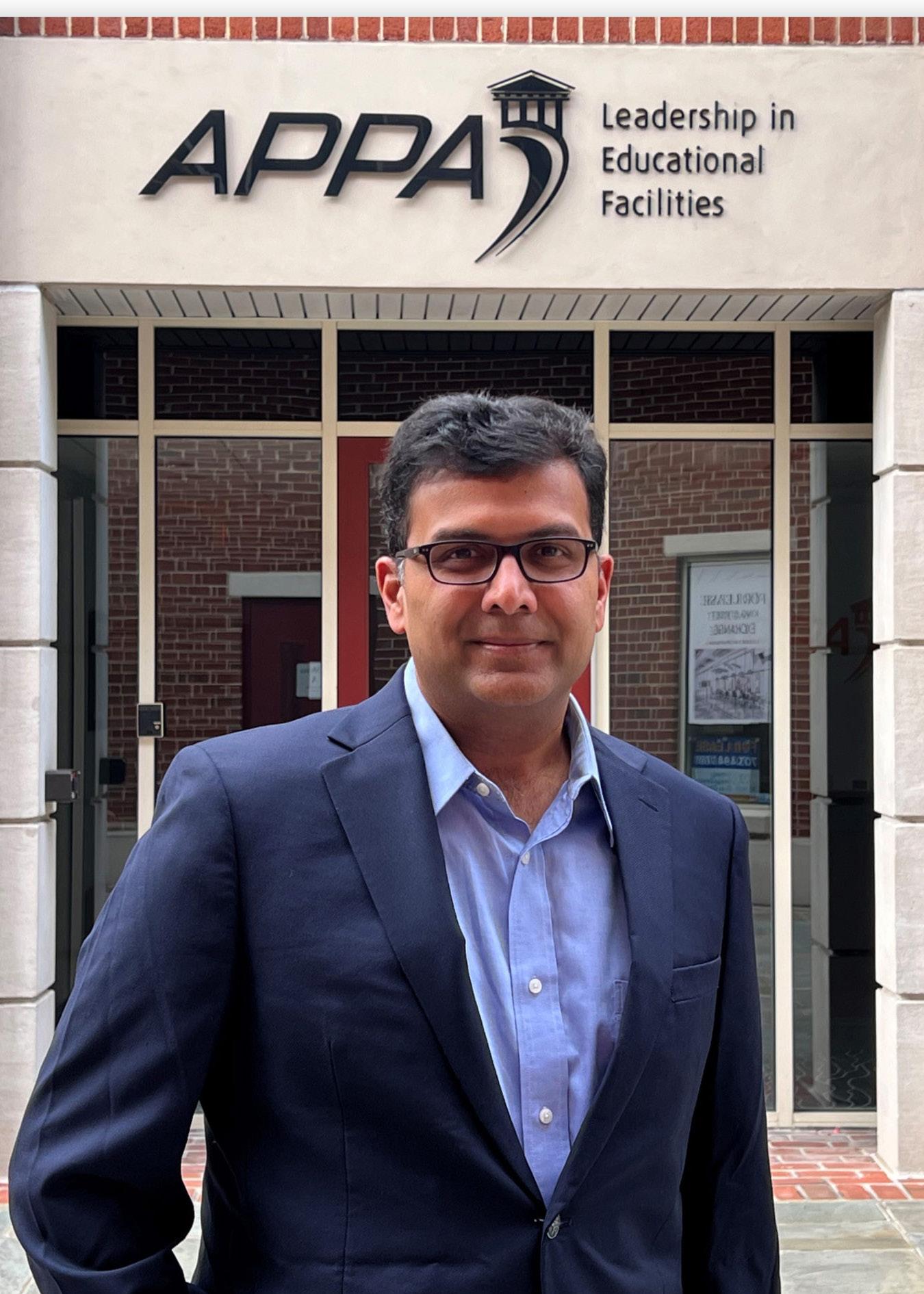
Lalit Agarwal President & CEO APPA – Leadership in Educational Facilities
Ted Weidner
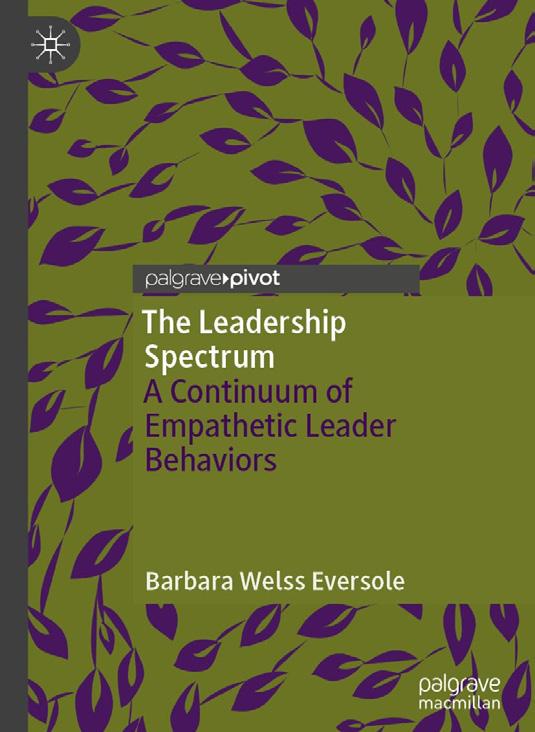
Author: Barbara Welss Eversole
Publisher:
Palgrave Macmillan, 2025
Leadership is a regular topic at APPA U and regional conferences. The goal of these programs is to prepare foremen and managers to be better at their job and to help them advance in their field. That is the positive presentation of leadership, the way a leader can inspire frontline members of the team to be better at what they do daily and to help identify systems and processes that make the work easier, increase customer service, and add value to the overall organization.
Leadership is not easy; it requires patience and focus. Good leaders can come by it naturally or they can develop it through education and practice. However, not all leaders are good at what they do. They have a range of leadership behaviors and styles, that’s what The Leadership Spectrum addresses. The Spectrum describes leaders ranging from great and inspiring to oppressive and destructive.
The book is divided into three parts; two parts comprised of four chapters; the third part has one chapter. In a compelling manner, the first part presents negative traits ranging from ‘evil, toxic, and unempathetic’ to ‘abusive’, bullying’, and ‘uncivil’. This spectrum of four negative leadership characteristics begins with the worst and moves the least bad but still negative. The descriptions are clear and provide the reader with warning signs that one’s leader is toxic and a leader to get away from either by changing jobs or providing ways to deal with bad leadership. The second part addresses positive leadership with four steps of better and better leadership characteristics. The best description should be familiar to graduates of APPA U programs, the servant leader. Good leadership characteristics can be described as focused but understanding and sympathetic to those who are being led. Beginning with a focus on individual results to caring then coaching and ending with a compassionate servant. Obviously, this scale of positive leadership gives the worker characteristics to look for and how to take advantage of them to be a
better employee.
Ending with the third part, the author describes how a leader can move from negative to positive and better. The third part relies on a leader recognizing their personal behavior and characteristics described in the preceding two parts. It’s possible to move from being a terrible leader to simply a bad leader, an improvement. Ideally an individual will move from being negative, at any level, to being positive and supportive of the team. Moving from uncivil to civil or civil to empathetic, there are steps described to become a better and even super leader. Willingness to become a super leader requires the leader to recognize where on the spectrum the leader’s characteristics lie; again, that’s why the first two parts are as detailed as they are.
The casual reader can find value in The Leadership Spectrum and use it to become better. At the same time, there are hundreds of references that support the descriptions and characteristics of leaders of all types along the spectrum. The casual reader can skip the detailed references and focus on the descriptions and take advantage of the benefits the book provides. Specialists will want to dig in further and develop leadership programs like APPA U. It’s a great reference for anyone who wants to understand the theory and application of leadership.
Lindsay Wagner
In an age saturated with digital communication, one might assume that words are the cornerstone of human interaction. However, communication theorists, notably Albert Mehrabian, have long contended that only 7 percent of meaning is conveyed through spoken words, while tone of voice and body language account for the vast remainder. Whether or not these exact figures hold in every context, the principle stands: people are far more impacted by actions and presence than by words alone.
On a university campus, nowhere is this more evident than within Facilities Management departments. Often unnoticed yet indispensable, your teams cultivate a culture of care and belonging without uttering a single slogan. Their work ensures that educational spaces remain safe, functional, and welcoming—conditions essential for transforming students into engaged global citizens.
For new and returning students alike, the physical state of the campus profoundly influences their sense of safety and belonging. Clean hallways, well-maintained classrooms, climate-controlled
“Often unnoticed yet indispensable, your teams cultivate a culture of care and belonging without uttering a single slogan.”
buildings, and manicured grounds do not merely reflect institutional pride—they communicate an unspoken but powerful message: You matter here. Facilities staff accomplish this through countless small acts. Consider the custodian who cleans up a spill before someone slips, the technician who repairs faulty wiring overnight, or the groundskeeper who clears snow before dawn. These actions, repeated daily, embody a consistent message of care far more effectively than any poster or mission statement.
In contrast to words, which can be empty promises when not supported by behavior, these acts create tangible, lived experiences of care. Students might

not consciously notice every detail, but they feel the cumulative effect: an environment that supports focus, safety, and well-being.
Research supports the idea that tone, body language, and action communicate far more than words alone. Within Facilities Management, this principle plays out in interactions with the campus community. A nod of recognition, a warm smile while cleaning a hallway, or simply the respectful presence of staff convey care and friendliness that transcends linguistic barriers.
These everyday encounters foster trust and community. For students, especially those far from home, this nonverbal reassurance can transform a university from an intimidating institution into a welcoming second home.
Facilities Management departments are often the most varietal within a university setting. Employees come from varied cultural, linguistic, and educational backgrounds, bringing a wealth of perspectives to their work. This mixture is not theoretical but practiced daily through collaboration, mutual respect, and shared responsibility.
While universities frequently champion variety and global citizenship in their promotional materials, Facilities staff enact these ideals in practical, often unnoticed ways. By working together across languages and cultures to maintain the spaces where learning and community building occur, they exemplify belonging in action.
Facilities Management’s role is foundational to the academic mission. Safe, clean, and functional learning environments enable meaningful

interactions between students and faculty, promote well-being, and remove barriers to success. These conditions do not arise spontaneously; they are the product of diligent, behind-the-scenes labor. In this sense, Facilities staff are silent but indispensable partners in student development. Their work shapes the physical and emotional context in which students become informed, compassionate global citizens. It is a service often taken for granted but impossible to replace.
Universities that aspire to foster a culture of care must remember that actions speak louder than words. Policies and statements have their place, but they mean little if not reflected in daily practice. Facilities Management demonstrates that culture is not declared—it is enacted, moment by moment, by people who do their work with dedication and respect.
For institutional leaders, this reality carries an obligation: to recognize, support, and fairly compensate Facilities staff. Respect must extend beyond verbal appreciation to tangible support— fair wages, opportunities for professional growth, and a voice in institutional decisions that affect their work.
While students may not remember the specific words of a university’s mission statement, they will remember how it felt to study and live in its spaces. They will remember the clean classrooms, the clear walkways in winter, the working lights late at night, and the quiet sense of security that someone was always looking out for their well-being. Facilities Management staff are the silent sentinels of this
experience. They embody a culture of care not through grand pronouncements but through reliable, caring action.
In the end, words are fleeting, but actions endure. A well-kept campus does more than house academic programs—it fosters belonging, safety, and the confidence to learn and grow. Through unwavering commitment and often invisible labor, Facilities Management teams communicate a message that no amount of branding can replicate: You belong here, and you are cared for.
As universities continue to emphasize global citizenship, belonging, and student well-being, they can lean on the quiet power of these essential stewards, the facilities managers. For, us words may not matter much at all—because our actions say everything that needs to be said.
Lindsay has worked in higher education for over 20 years. Her career started in facilities and construction management where she held positions ranging from maintenance mechanic, plumber, project manager, director of utilities and infrastructure, and director of operations and maintenance. She is has worked as a consultant assisting facilities management departments in cultural change, strategic planning, process improvement, and custom professional development. Lindsay has also developed facilities management curriculum for multiple bachelor’s and master’s degree programs across the country. Lindsay’s professional mission is creating radical paradigm shifts in educational facilities management culture.
Ben Boslaugh
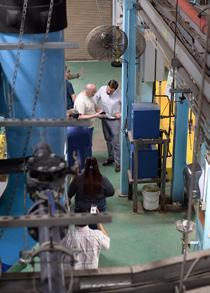
Summer is upon us and with it comes the lowest steam demands of the year. At MSU the Annual Steam Outage immediately follows Graduation. This event is a 5-day scramble of Boiler Inspections, Distribution System Repairs and Facility System Repairs.
The coordination for the event starts immediately after the previous outage. Emails and phone calls are made with key campus stakeholders followed up with a Utility Outage Notification. Schedules are aligned with the State and Insurance Inspectors. A project is created in the CMMS System and thru the year the Supervisors add applicable work orders to it. No one is surprised by it. After 5 years it became a tradition.
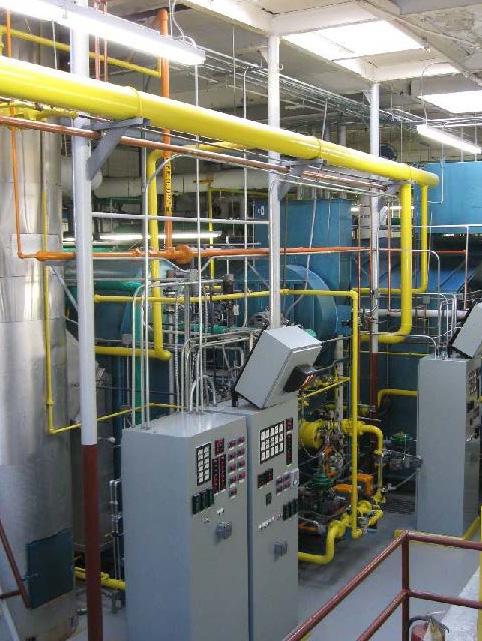
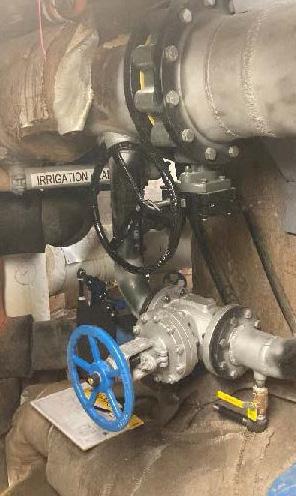
The Annual Outage is when we exercise the Main Steam Distribution Valves in the Utility Tunnels and the Facility Steam Pressure Reducing Station Valves. Two days after the outage begins, we line the system up for start-up. We wait 2 days to allow the valves to cool. If you shut the valves too early, they will be hard to “open” due to the yoke arms cooling (and subsequently contracting). By lining the system up one can better control the system start-up. At MSU the Facility Isolation Valve bonnets are painted Purple, and the Distribution Valve bonnets are painted orange. This paint also serves as a financial boundary in the CMMS System (between Utilities, Auxiliaries, Academics, etc.). On start up warm-up valves are utilized, and valves are not back seated “Open” until 2 days after start-up.
Lock Out Tag Out is utilized for MSU Staff and Contractors. Facilities that have systems “Open” for maintenance are locked out “Shut” at the Facility Inlet Isolation Valve. These items are tracked and inspected prior to start-up. If a system is to remain “Open” after start-up 2 valve isolation or a pancake is utilized.
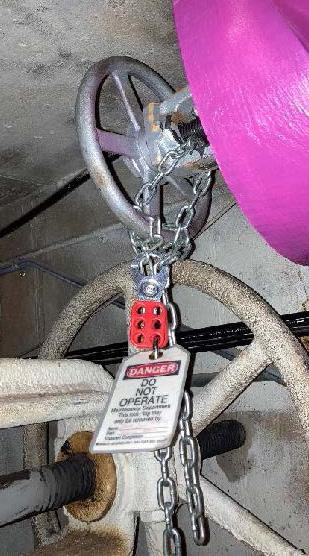
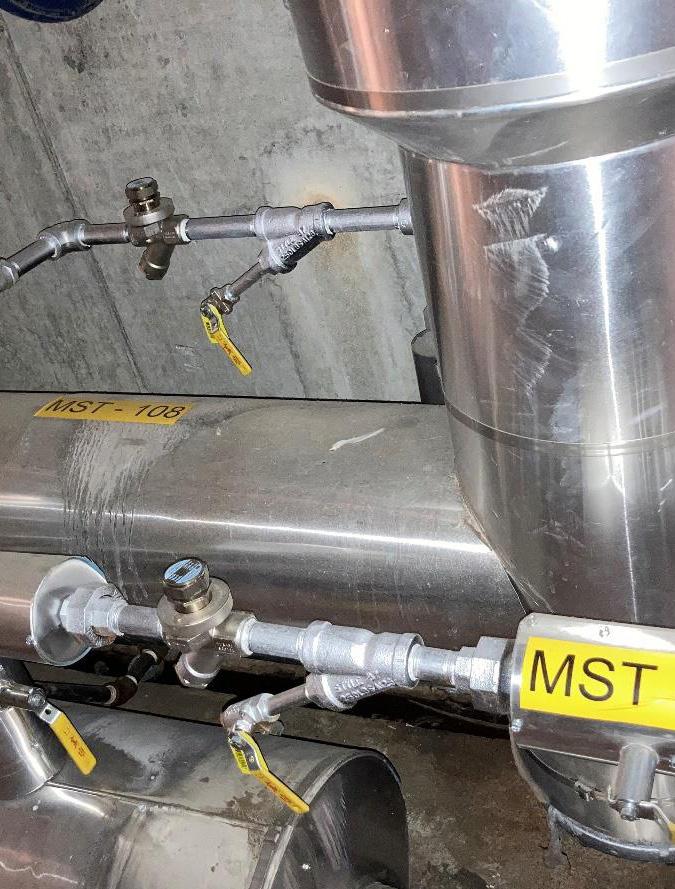
I would be remiss if I didn’t mention check the steam traps (prior to the outage). If folks don’t know where they are, take the time to trace out the system. It can be an Indiana Jones Adventure. We have found steam traps in the strangest of places. Each one is worth $1,000 to $1,200 a year depending on the size of the trap, the steam pressure, and you $ of steam. Steam is an awesome resource and can be a very efficient tool for serving your campus needs. If properly taken care of it can last for generations. Wishing you a safe and productive summer.

By Anthony Maione

Higher education is facing a financial crisis unique to this moment in history. For many in the position of managing custodial services, there is an anticipation of receiving “the call” from senior leadership: “We need X% reduction in custodial costs,” which, of course, equates primarily to a reduction in the workforce. Custodial leaders have a choice to make. They can sit back and wait
to be told what to cut, or they can proactively reengineer the custodial operations. This restructuring ensures equitable work assignments, preserves the dignity of the frontline worker, and maintains the foundational features of the program. This article will show you exactly how to make this process work for your campus community.
“Custodial leaders have a choice to make. Sit back and wait
to be told what to cut, or they can proactively
re-engineer the custodial operations.”
So what does a perfect storm look like? For the professional managing a college or university custodial program, it might include some combination of: (1) combating the effects of record inflation; (2) managing the “enrollment cliff” (birth rates started falling in 2007, resulting in less incoming freshman in 2025); (3) a maintenance backlog estimated at $950 billion; (4) overreliance on tuition assistance for recruitment; (5) uncertainty regarding international students; (6) a culture that increasingly questions the value of a college education; (7) the need to protect the livelihoods of the hard working people that have kept the schools safe and clean; and (8) the closing of smaller, rural campuses.
Adding to the turmoil is, of course, the recent withdrawal or freezing of over $11 billion (as of June 2025) in federal research grants for many campuses.
Because custodial services represents the second largest spend category of facility operations (after utilities), it frequently finds itself as the “go to” for cost savings in higher education. Custodial budgets were the first to be slashed during the Great Recession in ’08 and have only seen reluctant increases in the
years since (Ironically, a bright spot for the custodial industry was the COVID-19 pandemic, where additional resources were rightfully poured into custodial programs to help fund enhanced cleaning, additional disinfecting, and increased compliance with CDC requirements).
For many in the position of managing custodial services, there is an anticipation of receiving “the call” from senior leadership: “We need X% reduction in custodial costs,” which, of course, equates primarily to a reduction in the workforce. This may affect the cleaning outcomes, and will certainly affect the livelihoods of the hard-working people performing the cleaning duties.
This crisis is very different from some of the others in recent years. For example, in December 2007, the collapse of the U.S. housing market triggered a financial collapse that was universal. Fast forward to 2025 - the challenges, and the degree of difficulty, are more variable and unique to each specific school so there is no “one size fits all” approach.
Some campuses are flush with enrollment, unaffected by federal grant limitations, but are still reeling from inflation. Other campuses might have tamed the rising operational costs, only to lose hundreds of millions of grant dollars and therefore must make drastic budget decisions in the coming year.


Custodial leaders have a choice to make. They can sit back and wait to be told what to cut, or they can proactively use data, fundamentals, and workloading to thoughtfully develop a series of program options, with the least amount of negative effects, before the call comes.
For campuses that anticipate the need to reduce the custodial budget, a proactive and strategic approach is key to preserving value optimizing outcomes, and mitigating negative effects on the work-life balance within the custodial workforce. The most timetested and data-driven process is to re-engineer the custodial operation.
A re-engineered cleaning program supports institutional cost-saving mandates while maintaining high service standards in hygiene-critical areas. Central to this initiative is the implementation of a needs-based cleaning program — a data-informed model that aligns custodial effort with actual space needs, usage intensity, and hygiene priorities. This process will preserve a strong underlying foundation, keeping critical customer needs fulfilled and positioning custodial for future growth.
A needs-based re-engineering is driven by three core strategies:
• Reclassification and Optimization – Aligning service levels with space function, visibility, and health priority to ensure effort is invested where
it matters most.
• Performance Management – Defining clear quality targets and validating outcomes through internal and external assessments.
• Mitigation Strategy – Managing change responsibly through labor realignment, productivity enhancements, communication, and community partnership support.
• A re-engineered custodial program is not about doing less – it is about doing what matters, better. With structured service levels, independent validation, and thoughtful mitigation, this process ensures custodial services remain effective, equitable, and sustainable during both difficult and favorable economic times.
A deeper exploration into each of the three core strategies will clarify the re-engineering framework
Higher education is undergoing a financial crisis, but facility leaders need not panic. By proactively re-engineering custodial operations, custodial leadership can ensure equitable work assignments, preserve the dignity of the frontline worker, and maintain the foundational features of the program. When budget cuts seem inevitable, remember the core components of a needs-based cleaning operation: 1) align service levels with real-time space functions and priorities, 2) clarify quality goals, measure outcomes and communicate results, and 3) dignify the frontline worker by redeveloping responsible assignments,
Recently, a large university (who will remain anonymous due to the sensitivity of the situation) was informed that millions of dollars of federal grant money was frozen. Knowing that budget cuts would be mandatory across all departments, the custodial and facilities leadership team worked with a professional to implement a custodial re-engineering process.
Following the core strategies noted above, this university implemented a needs-based cleaning program. Key steps included:
• Collection and validation of current program data
• Establishment of potential budget needs
• Review of building and space utilization metrics
• Bottom-up workloading to accurately predict staffing needs at various SOW levels
• Defining potential impacts of each option (cleanliness, customer perception, effect on the workforce, and other key factors)
• Presentation of options and impact to leadership
• Development of internal (team) and external (customers and community) communication strategy, content, and timing
• The workloading process is a critical component of the re-engineering method. In this case, the university, working with a professional, used workloading software to load each cleaning task and frequency against the proper square footage and production rate. This “bottom-up” workloading provides the most accurate results, compared to “top-down” workloading that typically relies on gross square footage per FTE or per hour.
This university’s workloading step included several staffing and budget scenarios:
• Low and Medium Reduction Options – a simple redirection of resources toward more populated buildings and spaces. No hygiene-critical impact but a minimal perception impact. Simple messaging required during implementation.
• High Reduction Option – a substantial redirection of resources with campus-wide implications. No hygiene-critical impact but noticeable impact on quality and customer service. Complex messaging strategy required.
• Extreme Reduction Option – a major redirection of resources with campus-wide implications. No hygiene-critical impact but major impact on quality and customer service. Many areas cleaned at bare minimum. Complex messaging strategy required.
• This university’s leadership utilized the custodial team’s re-engineering process to ultimately select an option that worked well for their budget needs and campus expectations. Hygiene-critical areas will continue to be maintained, and the program’s foundation of accountability and data-driven staffing levels remain intact, setting the stage for a future return to a robust program in more favorable economic times.
partnering with the community, and communicating every step of the way.
By thoughtfully designing these strategies before the financial pressures become urgent, a re-engineered custodial program ensures the continuation of stewardship, accountability, and team member respect in any budgetary climate.
Anthony Maione is the president of Core America, a custodial consulting and software firm headquartered in Endicott, NY and 20+ year APPA member. Anthony and his team of custodial experts have helped hundreds of universities, colleges, and K12 districts to assess and transform their custodial staffing models, cost, and quality assurance programs. He can be reached at www.coreamerica.com
Going Deeper: Reclassification and Optimization
Going Deeper: Performance Strategy
Going Deeper: Mitigation Strategy
APPAʼs Facilities Performance Indicators (FPI) program empowers educational institutions with trusted benchmarking tools to evaluate facility operations, performance, and spending.
Access Detailed, Customizable Reports with Benchmarking Data By
✅ Region and climate zone
✅ Carnegie Classification
✅ Enrollment size
✅ Energy sources
Access decades of comprehensive facilities data
Benchmark your performance against peer institutions
Pricing
APPA Institutional Members (Participants)
Access: Non-anonymized Price: Free
✅ Staffing levels across custodial, grounds, maintenance, and more To purchase reports email: analytics@appa.org Learn more about FPI at www.appa.org/analytics/fpi/
Gain insights on costs, staffing, energy use, and space utilization
Drive strategic decisions with evidence-based insights
APPA Institutional Members
Access: Anonymized Price: $2,000
Non-Member Institutions
Access: Anonymized Price: $5,000
Business Partners
Access: Anonymized Price: $10,000



August–October
Data collected from institutions





November Review and outlier identification


December–January Participant follow-up and clarification
February–March Report released to participants

By Xavier Rivera Marzan

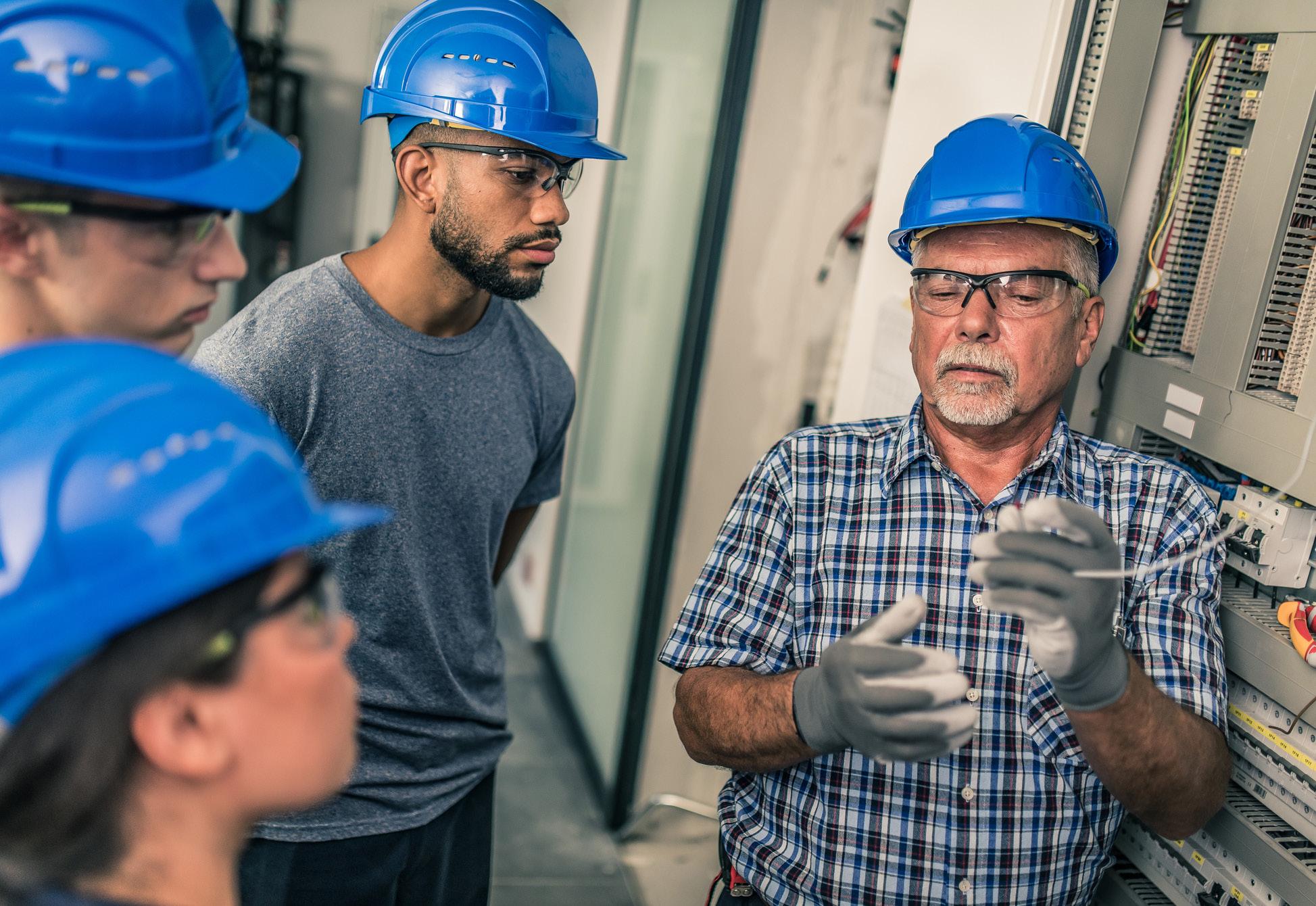
In today’s competitive landscape, educational facilities departments face unprecedented workforce challenges. With up to 25% of technical staff approaching retirement, knowledge transfer at risk, and an increasingly competitive labor market, traditional approaches to career development are proving insufficient.
What if we could transform career development from an ad hoc process into a strategic risk management initiative? Combining A3 thinking methodology with risk management principles creates a powerful framework for developing comprehensive career progression programs.
We typically view career development as an employee benefit or talent management function. However, examining it through a risk management lens reveals a more compelling story.
Consider these stark realities:
• Replacing a mid-level facilities employee costs approximately 150% of their annual salary
• Specialized knowledge about campus systems
often resides with a handful of long-term employees
• Extended vacancies in technical positions directly impact service delivery
• Ad hoc knowledge transfer creates significant operational vulnerabilities
Without structured career pathways, organizations face critical risks to operational continuity, succession readiness, regulatory compliance, and institutional effectiveness.
A3 thinking—a structured problem-solving methodology originating in the Toyota Production System—provides an elegant framework for addressing these complex challenges. Named for A3-sized paper (11” x 17”), this approach captures the entire problem-solving process on a single sheet, forcing clarity and conciseness.
When applied to career progression planning, A3 thinking follows seven key steps:
1. Problem Identification & Background: Documenting workforce challenges and their

organizational impact
2. Current State Analysis: Mapping existing career development processes and identifying gaps
3. Root Cause Analysis: Identifying underlying issues beyond symptoms
4. Target State Visualization: Creating clear career pathways and advancement requirements
5. Countermeasure Development: Building assessment tools and competency frameworks
6. Implementation Planning: Creating phased rollout strategies and communication plans
7. Follow-up and Results Tracking: Measuring effectiveness and ensuring continuous improvementWhile the A3 methodology provided the overarching framework, three specific components proved essential to the program’s success.
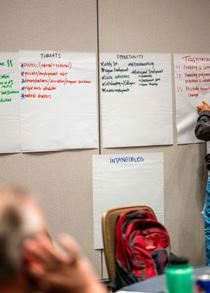
The SWOT framework created a structured approach to individual assessment beyond vague performance reviews. Employees gained clarity about their current position and potential by identifying specific strengths, weaknesses, opportunities, and threats with concrete examples. Examples of strengths might include: “I consistently complete preventive maintenance tasks 15% ahead of schedule while maintaining quality standards,” or “I have developed expertise in troubleshooting the campus irrigation systems, reducing system downtime by 30%.” This evidence-based approach creates a solid foundation for development conversations and planning.
A university Utilities & Energy Management (UEM) department successfully implemented this approach, addressing critical workforce vulnerabilities while creating transparent advancement opportunities.
The UEM challenge was substantial: operating complex power plants and chilling stations requiring highly specialized technical knowledge, facing significant retirement waves, and struggling with recruitment for critical positions.
Root cause analysis revealed several fundamental issues: lack of structured competency frameworks, absence of formalized assessment tools, insufficient knowledge documentation, limited connection between individual development and organizational needs, and ad hoc training approaches.
The solution? A comprehensive career progression program built on three core components:
Personal Assessment (SWOT Analysis)
Creating self-awareness through structured evaluation of Strengths, Weaknesses, Opportunities, and Threats.
Strategic Development (TOWS Analysis)
Extending SWOT to create actionable strategies by systematically matching external factors (Threats and Opportunities) with internal factors (Weaknesses and Strengths).
Competency Requirements (Skills Inventory Matrix)
Mapping specific skills and proficiency levels required for each position, creating transparent advancement pathways.
The implementation resulted in:
• Clear career paths for all positions with defined progression routes
• Standardized on-the-job training through qualification books
• Self-paced technical training programs for core competencies
• Objective assessment of capabilities through proficiency testing
• Enhanced succession planning and knowledge transfer systems
TOWS Analysis transforms assessment into action by creating strategic connections between personal capabilities and organizational needs. By systematically matching internal factors (strengths and weaknesses) with external factors (opportunities and threats), it creates four types of development strategies:
• SO Strategies: Using strengths to capitalize on opportunities
• ST Strategies: Using strengths to mitigate threats
• WO Strategies: Using opportunities to address weaknesses
• WT Strategies: Minimizing weaknesses to avoid threats
This approach creates development plans that benefit both the individual and the organization, a crucial element for securing resources and support.
The Skills Inventory Matrix provides the roadmap connecting current capabilities to future aspirations. By comprehensively mapping specific competencies required for each position with clear proficiency levels, it creates transparency about advancement requirements.
For facilities positions, competencies typically span several categories:
• Technical (trades, systems knowledge, safety protocols)
• Professional (project management, documentation, process improvement)
• Leadership (supervision, planning, decisionmaking)
• Interpersonal (communication, customer service, collaboration)
• Institutional (campus knowledge, policy understanding, cross-departmental relationships)
• Technology (CMMS, BAS, energy management systems)
• Each competency is defined with specific observable behaviors across 4-5 proficiency levels, creating clarity about expectations and development needs.
Successful implementation requires careful planning and consideration of the organizational context. Some key lessons learned:
• Start small: Pilot with one department or job family before expanding
• Secure leadership support: Frame as risk management, not just employee development
• Involve employees: Include staff in the development process to increase buy-in
• Communicate clearly: Emphasize benefits for individuals and the organization
• Train supervisors: Equip managers with tools and skills for development conversations
• Celebrate early wins: Share success stories to maintain momentum
• Measure impact: Establish metrics to demonstrate program effectiveness
Career mapping is not merely professional development—it’s a strategic risk management imperative that protects operational continuity and institutional effectiveness. For educational facilities departments facing workforce transitions, technological change, budget constraints, and increasing operational complexity, a structured career progression program addresses multiple dimensions of institutional risk:
• Succession planning risks through bench strength development and accelerated pathways
• Talent retention risks through transparent advancement opportunities and development investment
• Operational continuity risks through knowledge preservation and cross-training
By applying A3 thinking methodology and risk management principles, facilities leaders can transform career development from an ad hoc, reactive process to a strategic, proactive system that simultaneously benefits employees and strengthens organizational resilience.
Xavier Rivera Marzan is Managing Partner with XIR Group where he delivers transformative advisory services to help complex organizations navigate the evolving demands of infrastructure management, sustainability imperatives, and operational excellence with a philosophy: ‘Listen First, Advise Strategically, Deliver Results. Xavier has over three decades of progressive leadership experience in facilities, utilities, and energy management across premier educational institutions including the University of Texas at Austin, University of Kentucky, Purdue University, and Georgetown University.

Set the benchmark. Lead with confidence.
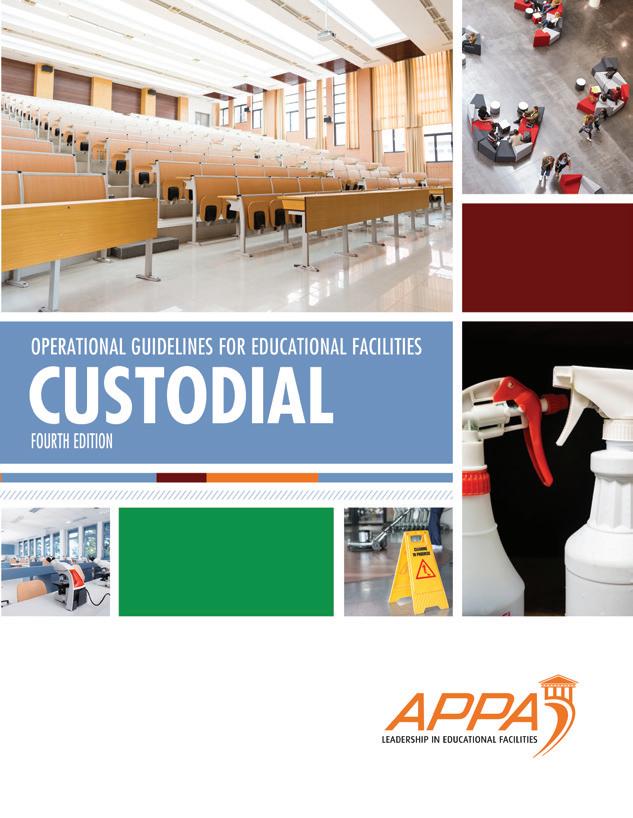
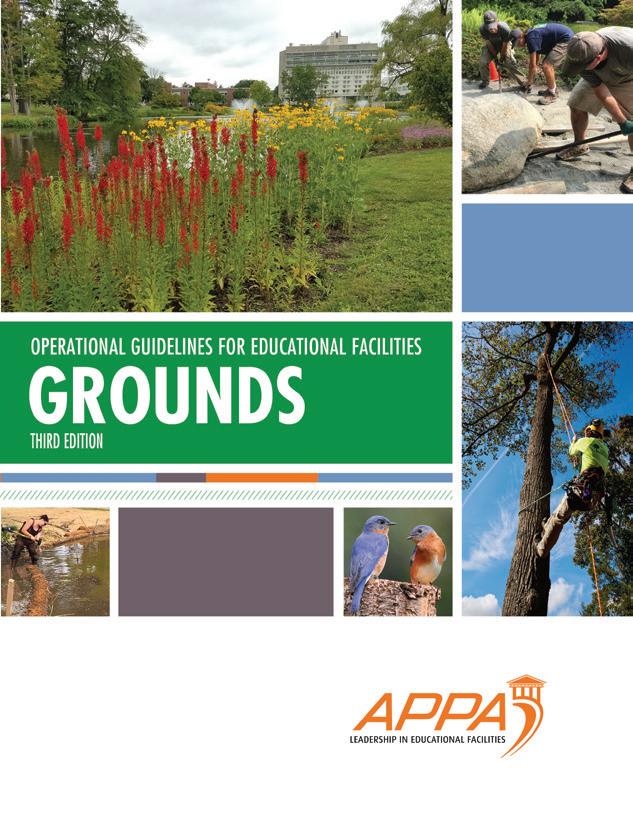
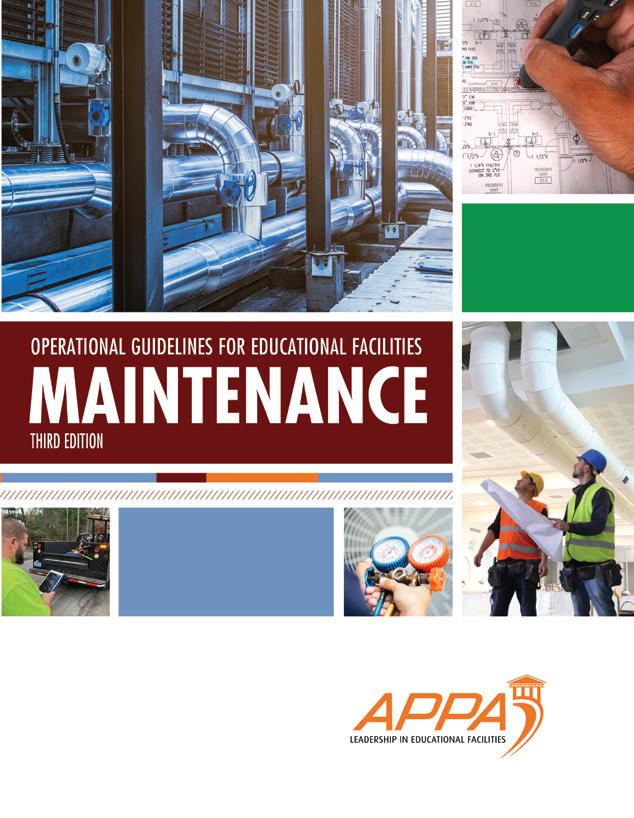
Used by thousands of institutions across North America, APPAʼs Operational Guidelines Trilogy is the definitive toolkit for transforming your facilities operation. Whether you're managing a large university campus or a small educational facility, these guidelines deliver the strategies, tools, and benchmarks you need to optimize performance and justify your decisions.
Custodial (4th Edition)
Expanded coverage of APPAʼs Levels of Cleanliness, staffing worksheets, and onboarding strategies
Grounds (3rd Edition)
Sustainable maintenance practices, snow and ice protocols, turf systems, and pest management
Maintenance (3rd Edition)
Total Cost of Ownership, digital tools, staffing models, and crisis readiness strategies
Each Guide Includes
APPAʼs proven Staffing & Service Level Models
Customizable charts and planning worksheets
Rich case studies and real-world examples
Full-color graphics and step-by-step methodologies
Bundle & Save on the APPA Bookstore
Get all three books—Custodial, Grounds, and Maintenance—in one complete, fully updated package.
Trilogy Price: $296.00 (Member Price: $228.00)
FAQs
Available in digital and softcover format.
Note that the digital format is accessible via the APPA Website, and not printable or downloable.
As a bonus, this publication includes access to digital versions of many of the charts and forms included in the book. Both the digital book and the digital forms will be accessible via the APPA website once logged in. Instructions for assigning access will occur during the check out process.
By Elliot Felix and Patrick Pease
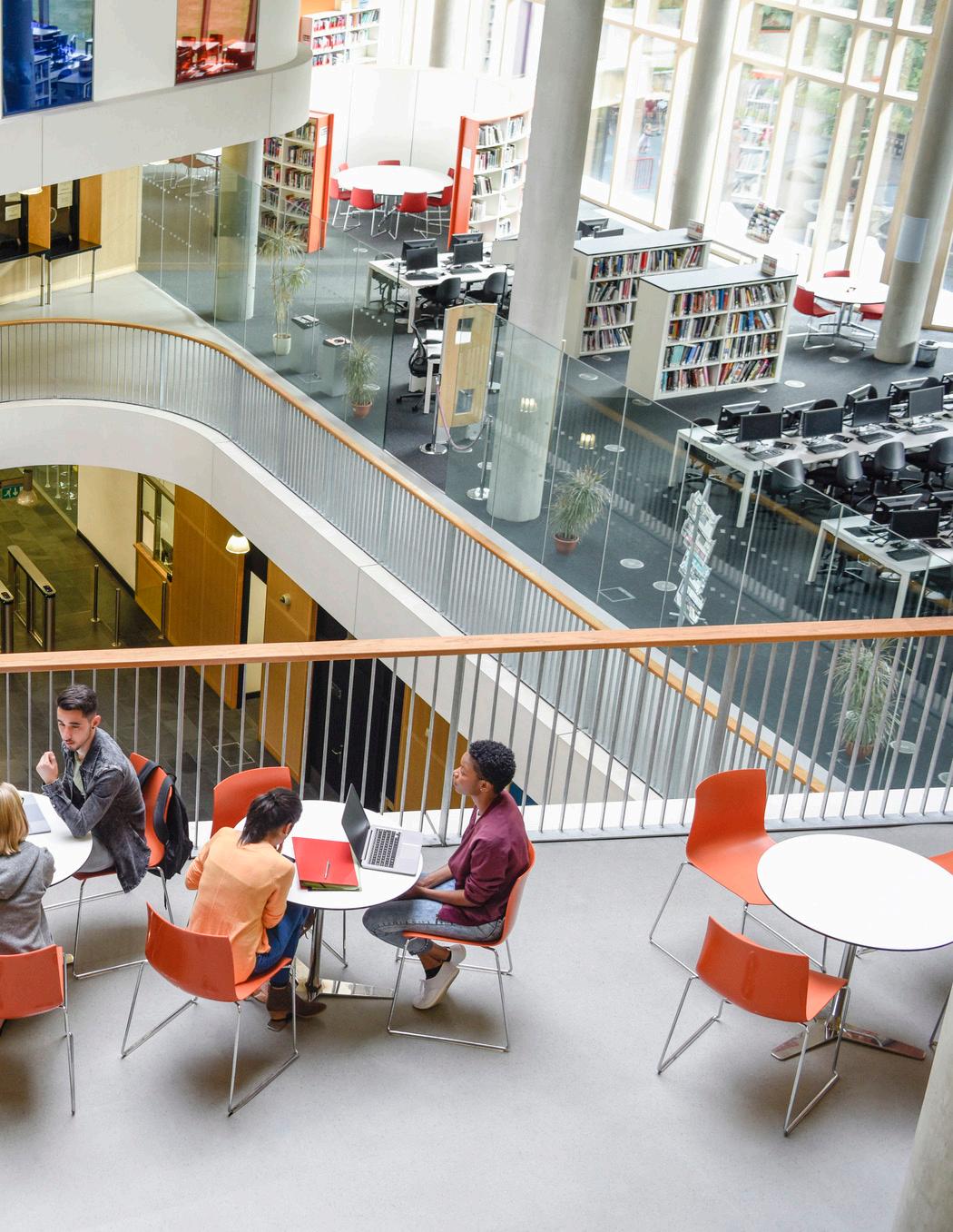
Colleges and universities are evolving to be more data-driven. Architects and engineers are embracing evidence-based design. Sustainable, high-performance buildings are becoming the norm. Institutions are being more strategic about their building projects to ensure they achieve campus goals. Post-occupancy evaluations (POEs) that measure performance and success are needed now more than ever. Unfortunately, most institutions lack the key components for conducting post-occupancy evaluations: a consistent and rigorous methodology, baseline data for comparison, benchmark data for context, and a culture of continuous improvement to act on the evaluation’s findings and recommendations.
As a campus facilities leader, understanding POEs can help you measure and improve the performance of your projects and teams. This article will explain what a POE is, why you should conduct them, what to measure, the methodology and tools to use, and tips for getting started.
Post-occupancy evaluations help you measure performance, communicate these results, build momentum, and enable a culture of evidence-based design. They promote continuous improvement, ensuring each project informs the next. They reinforce that space is really a dynamic service for people, not a fixed product. A POE measures three interdependent areas of performance:
• Technical Performance: Evaluates energy and water usage, space occupancy, and lifecycle cost.
• Social Performance: Assesses the success of facilities in providing accessible, inclusive, and functional environments where users feel engaged and productive.
• Strategic Performance: Determines how well a facility achieves its goals, such as enabling active learning or operating cost efficiency.
Successful POEs combine quantitative and qualitative data from surveys, interviews, observations, workshops, and other sources. Mixing methods is crucial to validate the analysis, such as comparing survey results with focus group feedback
or utility data with the Building Management System (BMS).
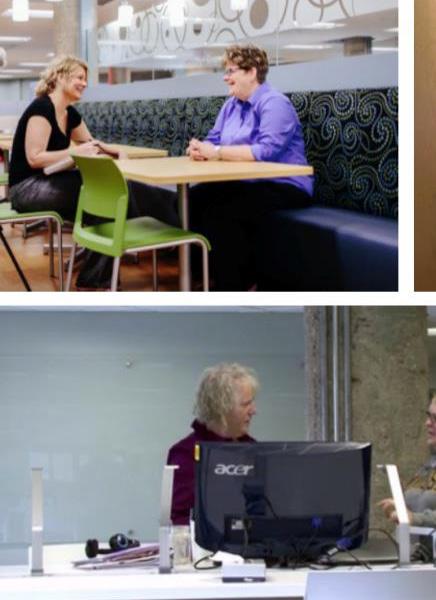
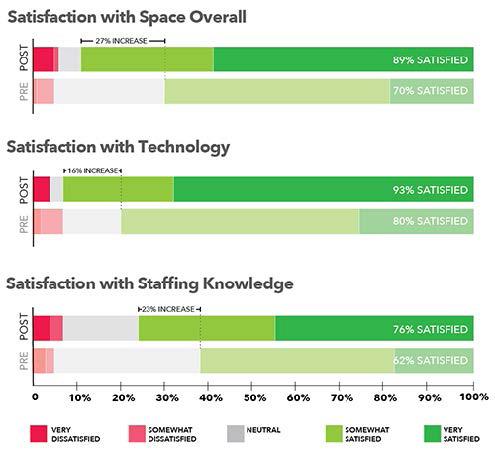
For example, NYU measured the success of new creative technology spaces by comparing student satisfaction surveys before and after renovation, analyzing software usage data, observing space usage, and conducting interviews and focus groups. This comprehensive approach revealed 93% satisfaction with technology and a 63% reduction in email use, demonstrating the shift intended from spaces to stop in to print and check email to places for collaborative, creative projects.
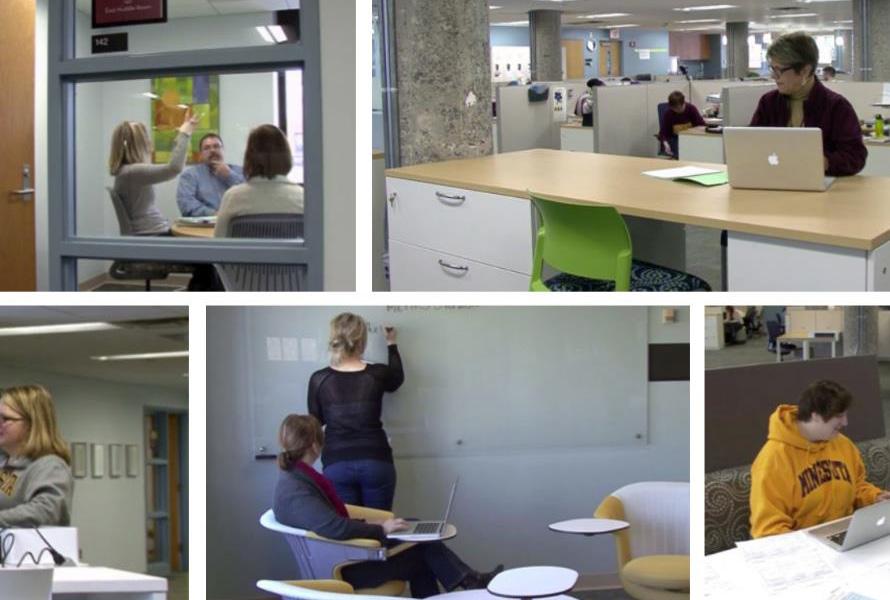
When Buro Happold developed the University of Minnesota’s Work+ Flexible Working Program, they evaluated the success of the initial pilot with the Office of Human Resources to better understand and communicate its value and inform how to scale and evolve the program. One surprising finding was that staff response times decreased by 69%, which indicated that the right combination of space, technology, and policies enabled much more efficient and effective work.
There is no industry-accepted definition of POE, nor is there a standardized method for organizing them. However, the Royal Institute of British Architects (RIBA) usefully defines three types of post-occupancy evaluations. These can be thought of as tiers since each is more detailed and difficult to conduct but also more valuable as an assessment.
• Light touch POE: A simple but meaningful rapid evaluation undertaken post occupancy, before the building contract concludes
• Diagnostic POE: This type of POE usually occurs in the second year of occupation and verifies the performance of a building and reviews any issues discovered
• Detailed or forensic POE: A comprehensive investigation, often undertaken by independent evaluators, to identify and resolve any significant and persistent performance issues
Whether you assess at a high-level or dive into detail, there are typically five core components for gathering, analyzing, and communicating POE findings and recommendations. User surveys gather feedback from occupants about their experiences and satisfaction. For example, on our University of Michigan Weiser Hall project, to understand productivity, we had to gather data on where people were losing time – and then the POE revealed an average productivity gain of 4.26 hours per week per person! Interviews with building managers, maintenance staff, and other stakeholders provide additional perspectives on the building’s performance and any issues that may have arisen. Observations involve site visits to assess the building’s physical conditions, layout, and functionality. Building performance monitoring involves collecting data on energy consumption, indoor air quality, temperature, humidity, and other relevant factors. For example on the Santa Monica City Hall project, meter data of the energy and water consumption is collected to measure the building
success against Living Building Challenge criteria. How to Conduct a Post-Occupancy
Conducting a POE begins with establishing the questions you want to answer and the methodology for answering them based on the type of POE and the aspects of social, technical, and strategic performance you want to assess. To establish your approach, review industry guidance from organizations like the Center for the Built Environment, establish a prior performance baseline to compare your project to, and combine objective data (e.g., monthly electricity usage) with subjective data (e.g., thermal comfort satisfaction), and benchmark your project against examples and standards to provide context. For example,
LEED Advanced Energy Metering credit provides guidance on how to incorporate sub-meters for future insights. When outcomes are difficult to quantify (e.g., learning), measure activities which serve as proxies for success (e.g., time spent on team projects) and ask people whether the facilities are enabling or inhibiting desired activities.
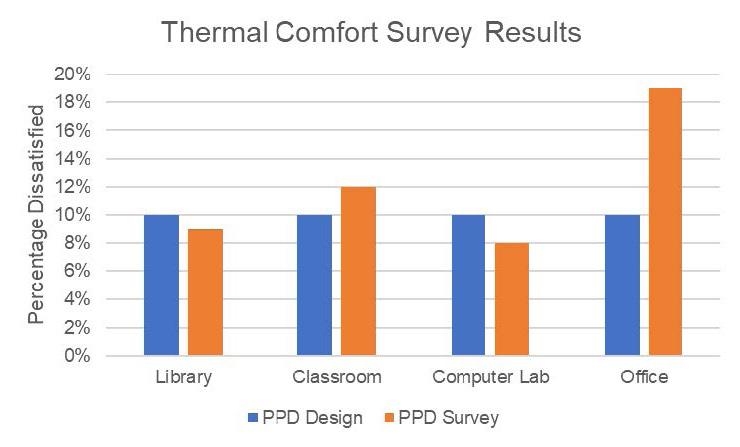
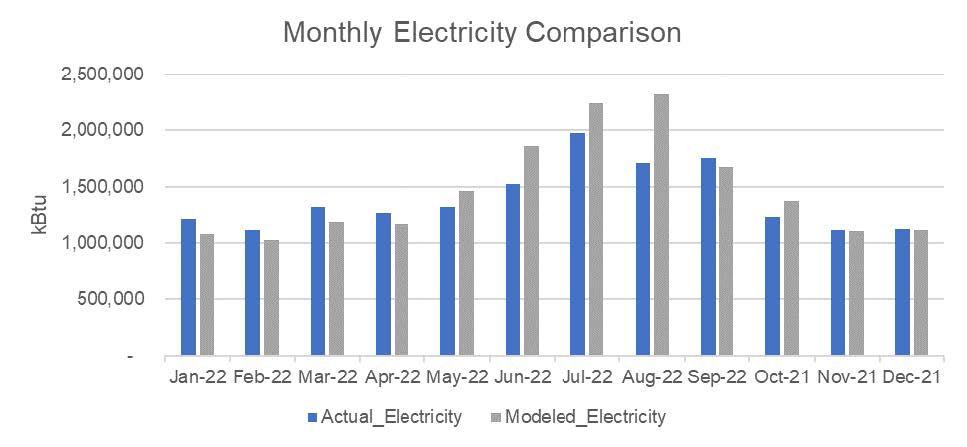
Compile and analyze the already available data, such as pre-occupancy data, service transactions, space booking/usage data, computer logins, metered energy usage, carbon emissions, and construction costs. Where information isn’t available, gather new data through online surveys, observations of spaces in use, intercept interviews, and workshops with students, faculty, and staff. It’s usually best to conduct the survey first so that other methods can be used to better understand the survey results.
Once the data is collected, bring it together to create findings and recommendations. For example, on one recent project the actual electricity usage was less than the model predicted. On the social performance for the NYU example, our survey and focus groups revealed that the space could be more welcoming if staff were more visible, leading to an operational change. Start with a concise, compelling report that compiles all the findings, share it with key project stakeholders, and then determine if/how/when to communicate the results more broadly.
As you get started, don’t start from scratch. Consult the RIBA resources and industry publications like this article in Metropolis or this
one in Building Design + Construction or this one in Architectural Record. Standards such as ASHRAE 55 provide templates for surveys and more.
Don’t go it alone either. Consult existing resources and tap into campus expertise, such as your Office of Institutional Research or architecture and engineering departments. Use dashboards and gamification to engage the campus community. Start by gathering pre-occupancy data to establish a baseline. Mix methods to validate the analysis and ensure neutral, unbiased feedback. Report findings to occupants and act on them to inform future projects.
By embracing Post Occupancy Evaluations, you can drive continuous improvement, better communicate project results, and foster a culture of evidence-based design on your campus. Good luck as you move ahead!
Continuity Planning
By Maureen Roskoski & Mohammed Arafat
In today’s rapidly evolving risk landscape, educational institutions face a multitude of challenges, from natural and human-made disruptions. From extreme weather events like floods and wildfires to cyberattacks and critical infrastructure failures, the risks to campus operations, safety, and continuity are growing more complex and more frequent. Educational institutions are expected to not only provide safe, functional environments but also ensure uninterrupted learning and support services in the face of these challenges. As the severity and frequency of these risks continue to rise, it is no longer enough to simply have emergency plans in place. Institutions must adopt dynamic, adaptable, strategies that allow for realtime responses. Proactive emergency planning and business continuity strategies are now essential, not just for protecting lives, but for minimizing financial losses and ensuring long-term institutional resilience. The rising toll of disasters has escalated significantly. According to the National Oceanic and Atmospheric Administration (NOAA), the 1980s saw just 33 weather and climate disasters with damages of over $1 billion. Fast forward to the 2010s, and that number jumped to 131. Even more striking, in just the last five years - from 2020 to 2024 - we’ve had 115 billion-dollar disasters, costing the country a staggering $746.7 billion. That’s
an average of nearly $150 billion a year1. Disasters are hitting more often and doing more damage, and institutions can’t afford to wait to prepare. Colleges and universities are particularly vulnerable to these escalating threats, and failing to prepare can result in devastating financial losses. Without resilience planning, institutions face not only costly damage to property and infrastructure but also disruptions to operations, reputational harm, and increased recovery costs.
The good news is proactive mitigation measures can pay off. Flood mitigation, for example, can save up to $7 for every $1 spent, while wildfire and earthquake mitigation efforts offer returns of $3 to $5 per dollar invested.2 Yet despite these potential savings, many campuses remain unprepared for disasters that are growing in both frequency and intensity. With insurers increasingly warning of rising risks and the financial toll of disasters reaching unprecedented levels, higher education institutions must prioritize resilience to protect their futures.
At FEA, we’ve seen firsthand the power of preparedness through both our client work and our own challenges.
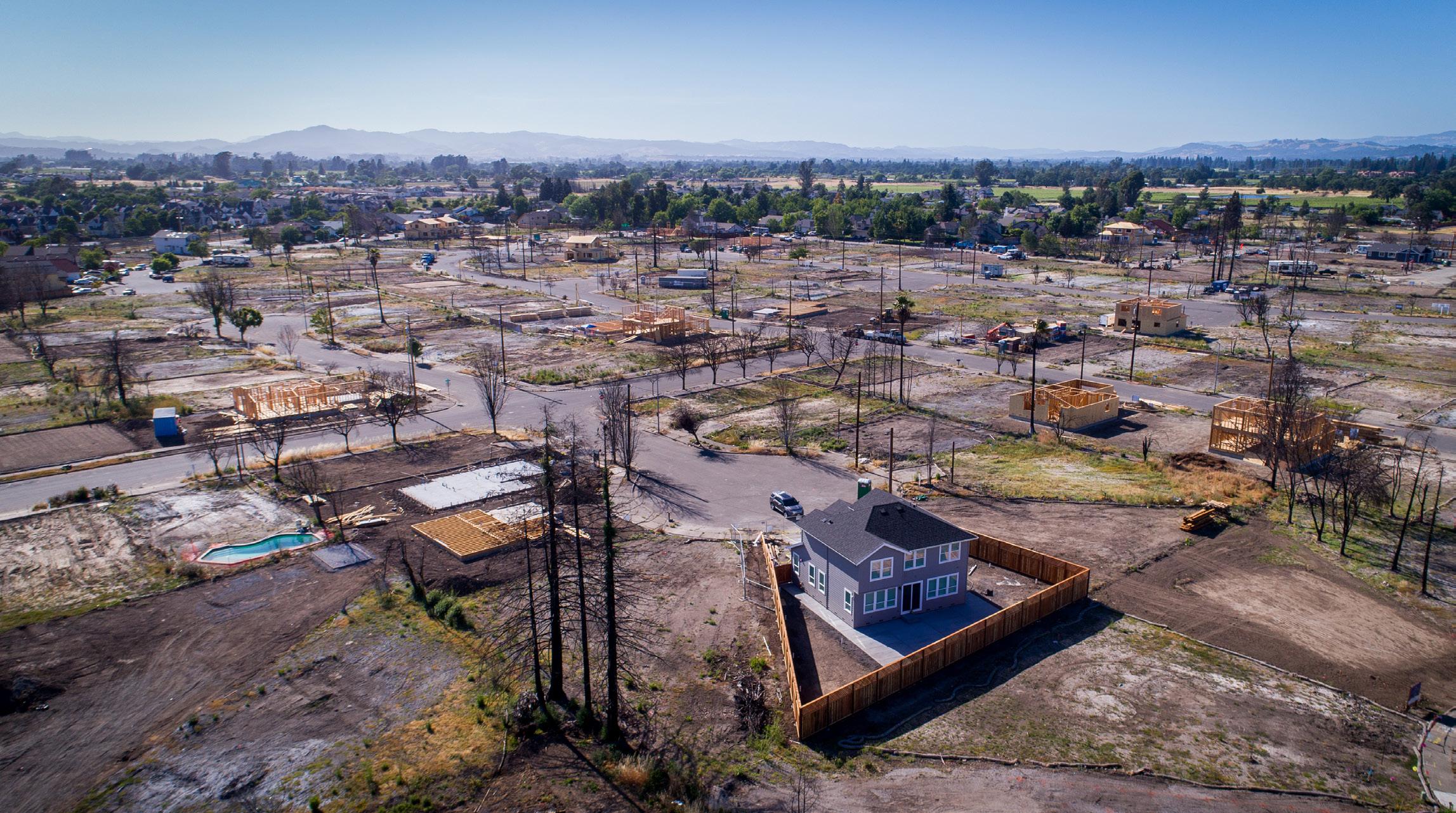
In 2017, our team faced the devastating Sonoma Wildfires, followed by the Kincade Fire in 2019. We relied on planning and standards to meet these challenges, including the ISO 22301- Business Continuity Management Systems standard. I led the effort for our ISO certification and we developed our business continuity plan based on this standard which
enables us to maintain operations, communicate effectively.
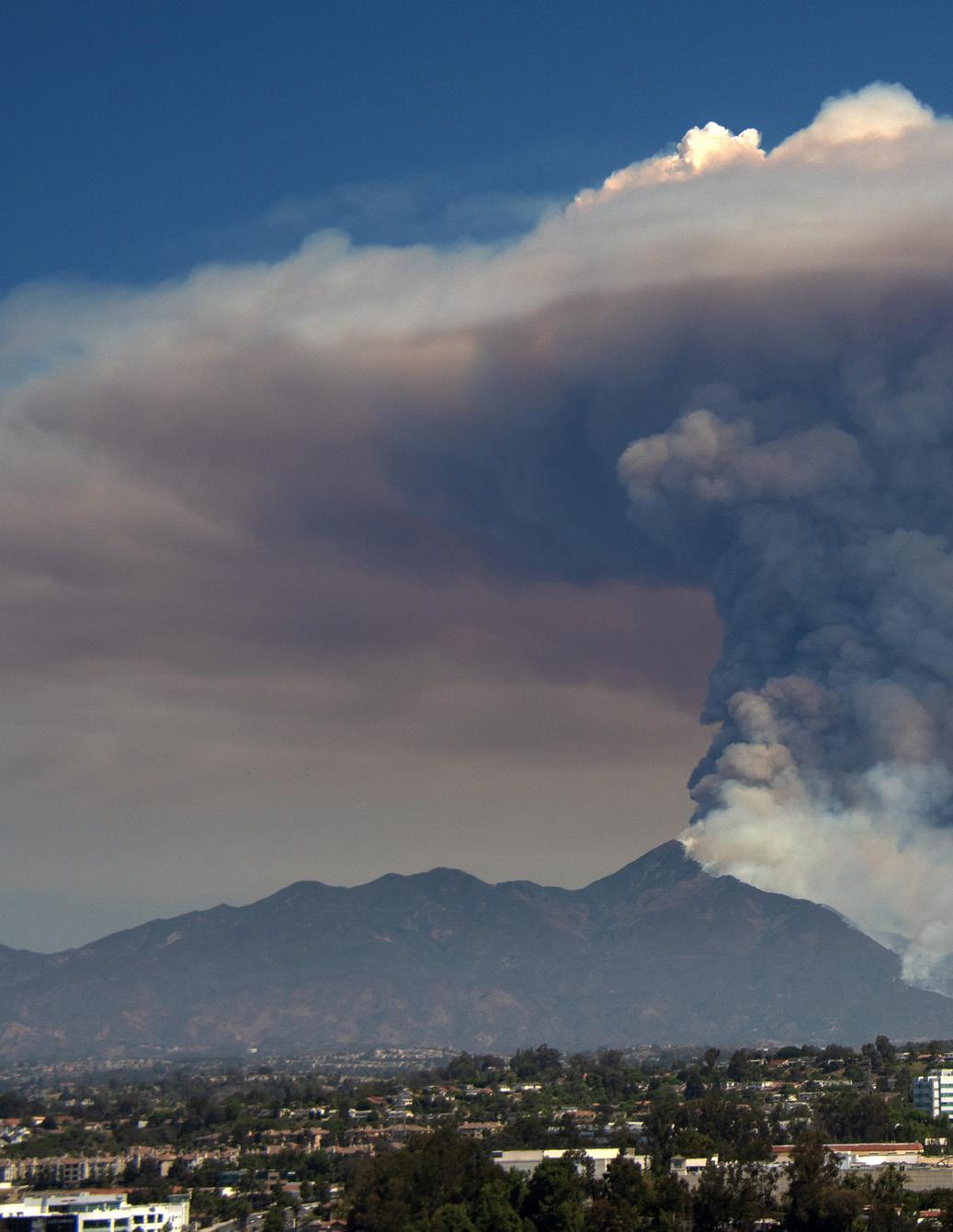
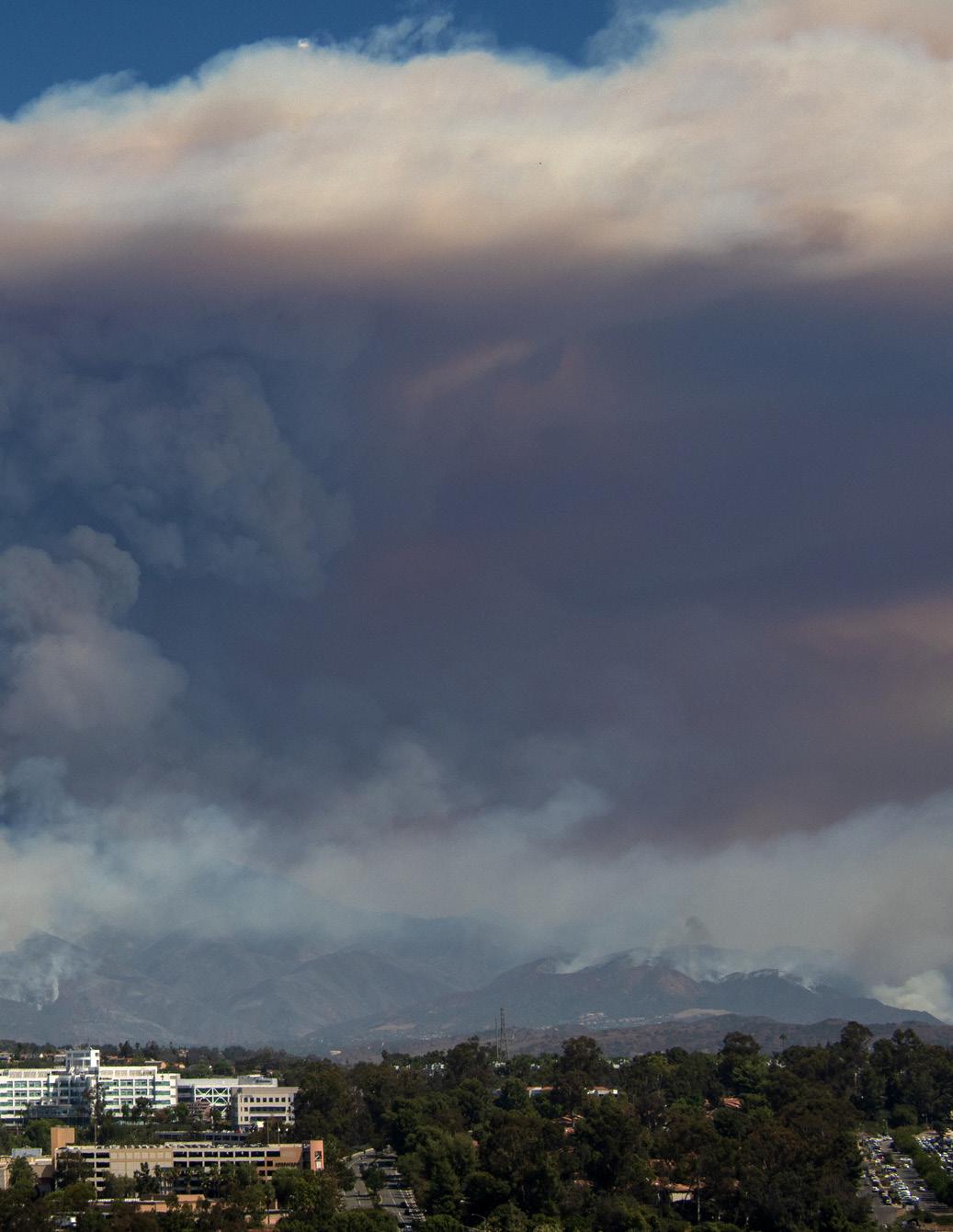
For example, in October 2017, our emergency and business continuity planning was put to the test during the Sonoma Wildfires when our Santa Rosa office was evacuated. Those fires, considered the most destructive in California history at the time, burned 6,810 acres and destroyed 5,643 structures including 2,800 homes in Santa Rosa. The fire caused an estimated $1.2 billion in damages and wiped out 5% of the region’s housing stock. Thanks to our preparedness efforts and planning, employees knew their roles and responsibilities in the immediate aftermath, allowing operations to continue despite the crisis. Although our Santa Rosa office closed for two weeks and employees were evacuated from their homes, FEA’s planning ensured business continuity and uninterrupted client service.
Lessons from 2017, particularly in the streamlining of communication protocols, ensured that employees received timely updates, reducing anxiety, and setting clear expectations. One key takeaway: having a single alternate worksite is not enough. The designated backup location for our office was lost to the fire, reinforcing the need for multiple contingency plans. By continuously refining our approach, we have strengthened our resilience, ensuring we can withstand and adapt to future disasters.
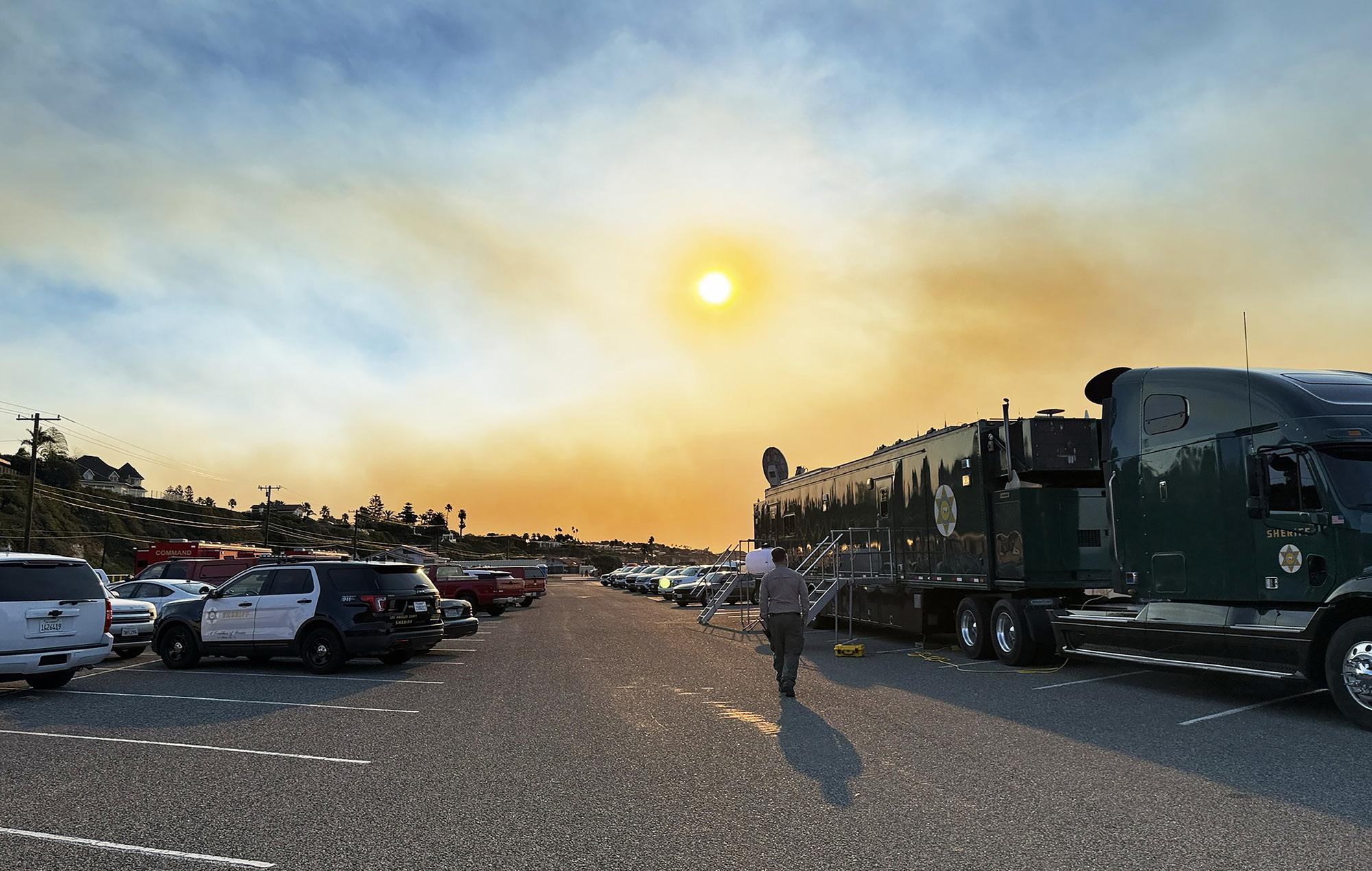
A similar challenge arose to FEA’s Santa Rosa office
in October 2019 with the Kincade Fire, which burned 78,000 acres, destroyed 374 buildings, and forced the evacuation of 180,000 residents. While our office and employees were evacuated for four days, our operations were able to continue.
We relied upon our emergency response plan, which was in place well before the wildfires reached our area.
The plan, along with the regular emergency exercises we conduct throughout the year, ensured that our staff knew exactly how to respond, communicate, and maintain operations.
Our commitment to preparedness is also reinforced through our annual ISO certification process, which requires us to rigorously assess and refine our emergency and continuity protocols. These practices give us confidence and clarity during an otherwise uncertain situation, and they continue to guide us in building resilience and facing potential disruptions. While our office was fortunate to avoid direct damage, the proximity of the wildfires underscored the critical importance of emergency preparedness and business continuity planning. Natural disasters can strike any time, whether or not a plan is in place. Sometimes, they happen when you’re least expecting it, such as while traveling to an unfamiliar place.
On August 8, 2023, I flew into Maui from the Big Island of Hawaii for a four-day adventure based in Lahaina. On that day, Maui experienced the worst natural disaster
in state history and the deadliest U.S. wildfire in over a century. According to the Maui Police after-action report, the fires claimed 100 lives, burned 1,283 acres upcountry, 3,240 acres in south Maui, 2,170 acres in Lahaina, and over 3,000 dwellings in Lahaina. During that event, I witnessed the crisis unfold in Lahaina, where emergency systems faltered, communications failed, and many lives were lost. My hotel was on the north side of Lahaina and upon arrival, power was already out at the resort and there was no cell service. I suspected the power might be out for a while, so I decided to buy water and non-perishable food from the market at the resort, completely unaware of what was unfolding two miles to the south. That evening, I could see the smoke from my hotel room and heard helicopters all night long.
Having led my company’s emergency preparedness and business continuity efforts, I understood the importance of a go-bag and the need to be ready to evacuate. I packed a bag with a change of clothes, food, water, and electronics. Since I had planned to hike in the park, I brought my Garmin GPS with satellite phone capability and a headlamp. Both proved to be very important. One major lesson learned from this experience was that communications will fail. Even
before the wildfire struck, cell service was down, cutting off access to emergency alerts and updates. My hotel was amazing in providing a safe space and allowing its employees to shelter there. However, there was no communication for the first three days. Hotel staff had no way to contact anyone outside the hotel and couldn’t provide updates on the status of road closures or evacuation timelines. I only learned the road reopened from my friends, who saw it on X. Once I left the area, I saw the devastation and realized how destructive the event had been. I also learned that the that two key routes out of town, the Honoapi‘ilani Highway and Lahaina Bypass, were either fully or partially closed. One of the heartbreaking facts about the loss of life is that many people died in their cars trying to get out.
This tragedy illustrates how quickly events can deteriorate, highlighting the urgent need for educational institutions and communities alike to embed resilience into every layer of their operations. Several key actions are recommended for campus leaders to enhance their emergency preparedness. These steps aim to protect students, faculty, and staff, while also ensuring that essential operations and learning can continue during and after a disruption.
Developing and maintaining an emergency operations plan is critically important. But it is most effective if the plan can evolve alongside emerging threats. Institutions must move beyond static, compliancedriven plans to dynamic, tested frameworks that can be adapted in real time. Compliance-driven plans are often developed to meet regulatory or legal requirements, and while they ensure basic standards are met, they become outdated and disconnected from the institution’s current needs. The problem with this approach is that it encourages a “check-thebox” mentality, where institutions may assume they are prepared simply because they have a plan in place. However, emergencies are inherently unpredictable. Static plans often fail to provide the flexibility needed to address evolving situations. A well-developed, comprehensive emergency response plan isn’t just a box to check – it’s a cornerstone to building a resilient and prepared campus.
Such a plan should begin with a thorough risk assessment tailored to the campus’ unique vulnerabilities, clearly defined communication protocols to ensure timely and accurate information sharing, and detailed evacuation procedures to support safe and efficient movement during a crisis. It also outlines coordination strategies with local emergency services and defines roles and responsibilities across departments to enable a unified response. Most importantly, regular training, drills, and plan updates ensure the framework remains current, actionable, and aligned with real-world conditions.
When disaster strikes, institutions must not only protect lives but also ensure that critical operations continue with minimal disruption. In past wildfires, we’ve seen how limited redundancy in systems, insufficient offsite backups, and uncoordinated response plans - not only across campuses and industrial facilities but also in residential communities, can significantly hinder disaster response and recovery. These issues have resulted in significant financial losses and operational breakdowns. To safeguard academic and administrative functions during and after a crisis, institutions need a comprehensive, well-designed business continuity plan that anticipates risks and ensures resilience.
A strong business continuity plan should focus on the following key components to build true resilience:
• Risk Assessment: Identify potential threats (natural disasters, cyberattacks, utility failures, etc.) and assess their impact on operations.
• Essential Functions Identification: Define and prioritize essential services, functions, and systems that must remain operational to maintain core campus operations. A Business Impact Analysis (BIA) is essential to determine which functions are critical and prioritize them accordingly. This ensures that critical academic and administrative functions are not disrupted during crises.
• Resource Allocation: Allocate necessary resources, including personnel and technology, to support critical functions during disruptions, ensuring that vital services can continue with minimal interruption.
• Communication Strategy: Develop internal and external communication protocols to keep staff, students, partners, and the public informed, ensuring timely and clear messaging during a crisis.
• Staff Roles and Responsibilities: Assign and train key personnel for specific roles during a disruption. This includes designating who will lead, manage, and respond in different situations, ensuring clear lines of authority.
• Data Protection: Implement robust data backup and recovery solutions to safeguard academic records and research data against cyber threats, system failures, or natural disasters.
• Alternative Facilities: Identify and prepare alternative locations where essential operations can resume if primary facilities become unusable, ensuring continued service delivery.
• Regular Training: Schedule drills and periodic reviews to ensure the business continuity plan remains current, actionable, and ready to be deployed when needed. These exercises should involve all relevant departments to ensure preparedness.
Additionally, essential items to include in a comprehensive business continuity plan are:
• Vital Records/Resources Plan: A plan to protect and recover critical documents, data, and resources during a disruption.
• Risk Management Plan: A strategy to manage, mitigate, and prepare for potential risks and emergencies.
• Readiness Handbook: A guide to ensure staff and key stakeholders understand their roles and responsibilities during a disruption.
• Alternate Site Procedures: Detailed steps for operating from an alternative site if the primary location is compromised.

• Communications Plan: A strategy to manage information flow to stakeholders, ensuring the right people receive the right information at the right time.
• Delegation of Authority: Clearly defined authority structures to ensure decision-making is swift and effective during a crisis.
• Incident Command Structure: A framework for managing emergencies, ensuring roles are assigned, and decisions are made quickly and effectively.
• Succession Plans: Procedures for leadership continuity in case key personnel are unavailable due to the disaster.
• Return to Normal Operations Plan: A strategy to return to regular operations and services as soon as the crisis has passed, ensuring minimal disruption to campus life.
Campuses must take a proactive approach to both traditional and emerging threats. This requires strategic planning and action in key areas:
• Cybersecurity: Strengthen defenses against cyberattacks by implementing advanced security protocols, conducting regular vulnerability assessments, and educating staff and students on
best practices.
• Climate Adaptation: Design campus infrastructure to withstand extreme weather events by incorporating resilient materials and sustainable practices to mitigate environmental impact.
• Infrastructure Resilience: Maintain uninterrupted campus operations by regularly inspecting and maintaining critical infrastructure, such as power and water systems, to prevent failures that could disrupt campus operations.
In addition to these areas, campuses can now leverage the new Property Resilience ASTM Standard, which provides a comprehensive framework for enhancing the resilience of physical assets. This standard helps institutions assess vulnerabilities in their infrastructure, plan for future risks, and implement effective mitigation strategies. Integrating this standard into campus resilience planning can ensure a more robust, long-term approach to safeguarding both physical and digital campus environments. The recent wildfires nationwide underscore the critical need for proactive emergency planning and robust business continuity efforts. As climate change reshapes our environment, it must also reshape how we prepare for these events. We can no longer treat extreme weather events as rare.

For me, the events of August 8, 2023 in Lahaina, were a wake-up call, a reminder that being prepared is not just a choice but a necessity. A comprehensive resilience strategy involves risk assessment, planning, mitigation efforts, and business continuity and recovery planning. Institutions that prioritize comprehensive resilience strategies today will be far better equipped to protect their people, maintain operations, and safeguard vital infrastructure when the next crisis strikes. Building a resilient campus requires a strategic approach that seamlessly integrates emergency planning with business continuity strategies. By learning from recent events, and addressing emerging threats head-on, campus leaders can better secure their institutions. This commitment to resilience not only ensures the safety of students, staff, and visitors but also preserves the integrity of educational missions during times of adversity. Is your institution ready to face the challenges of tomorrow?
Co-written
mohammed.arafat@feapc.com.
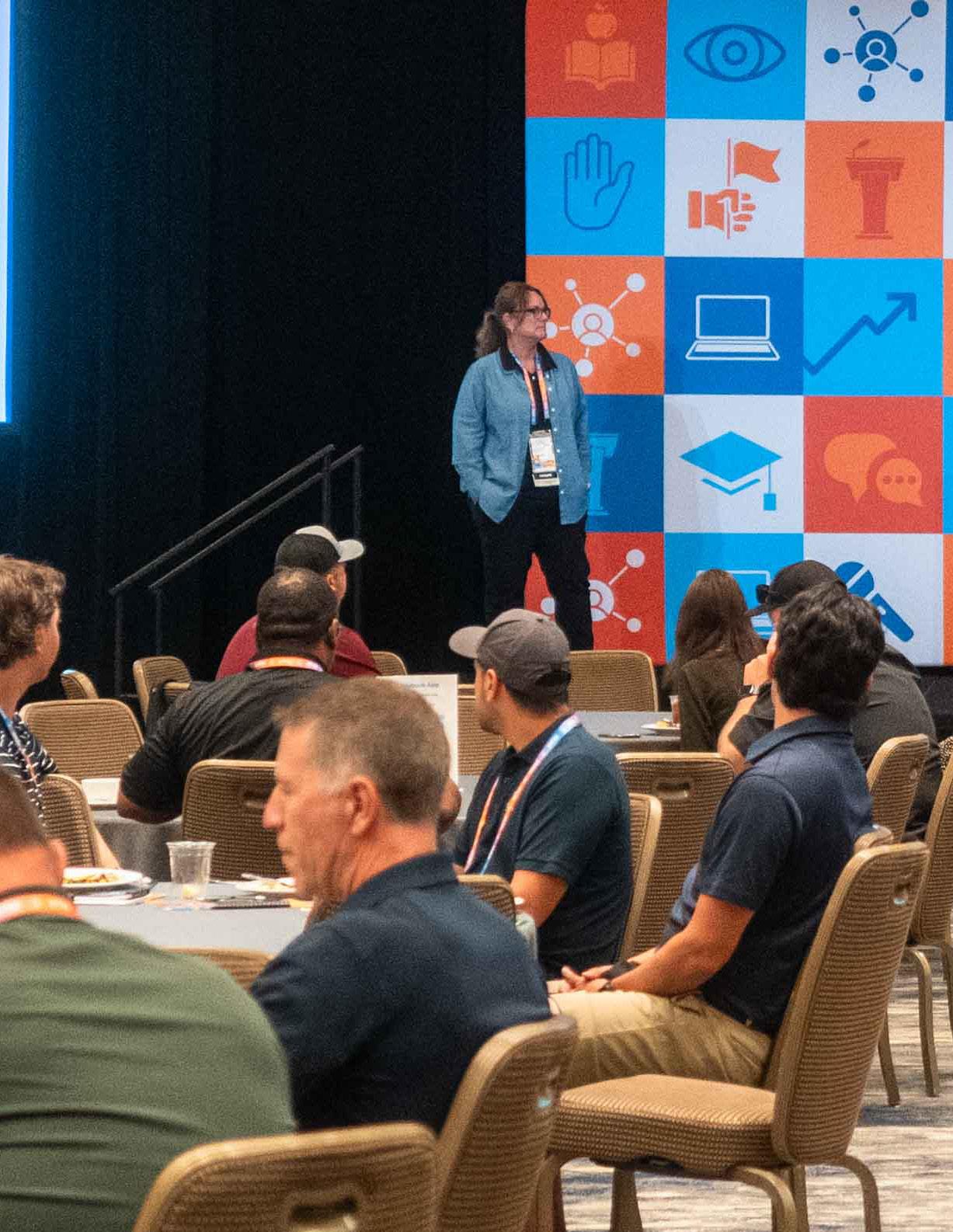
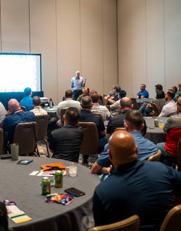
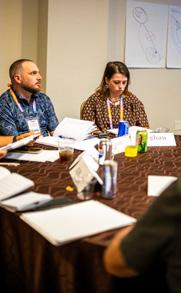
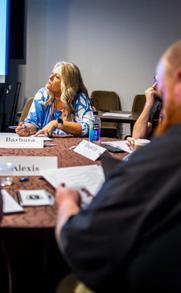
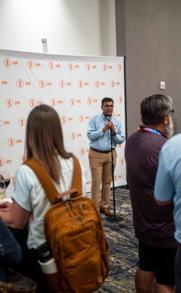
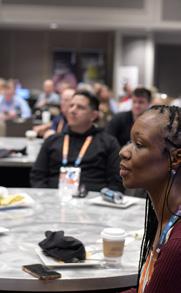
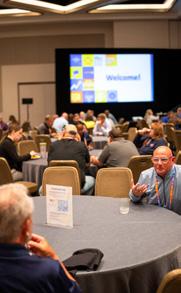
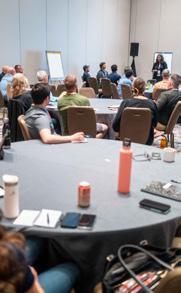
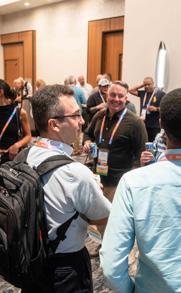
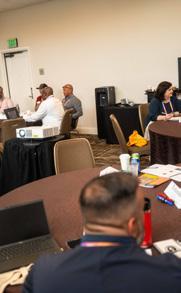
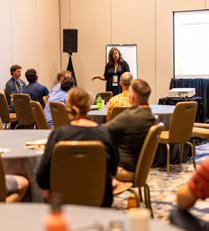
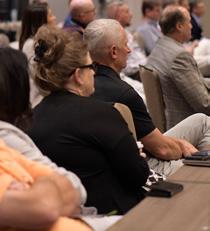
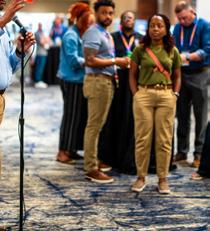
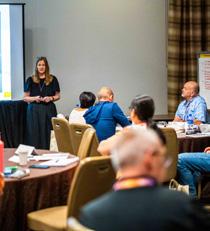
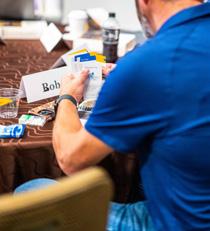
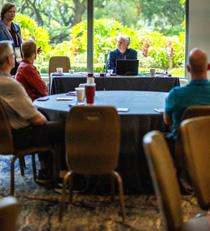
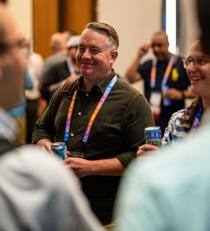
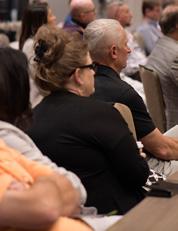
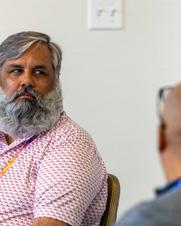
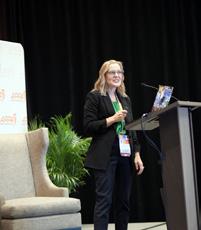
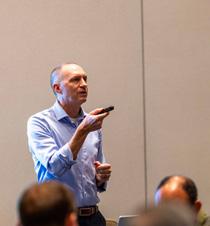
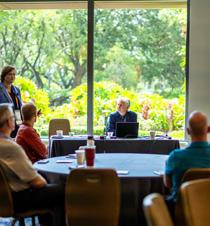
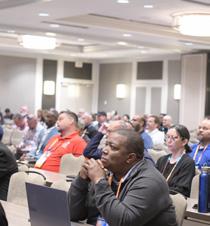
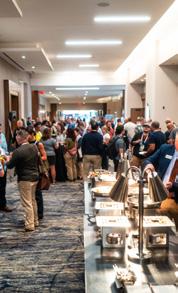
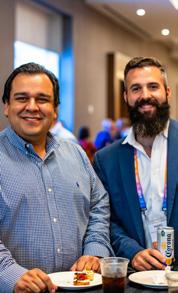
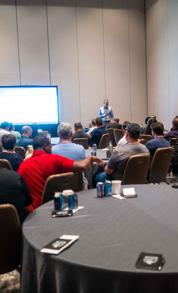
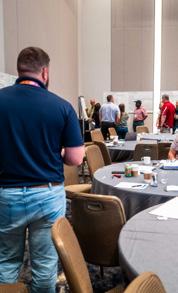
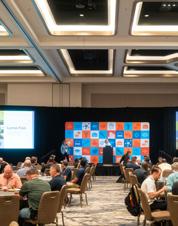
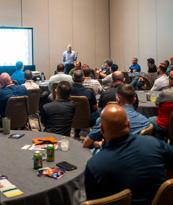
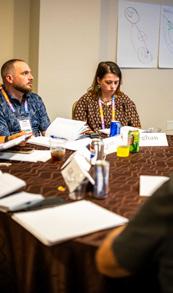
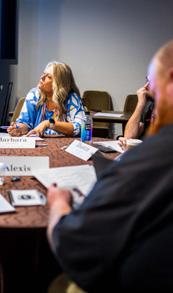
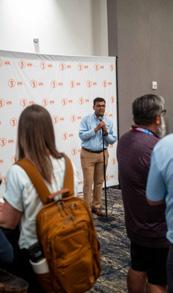
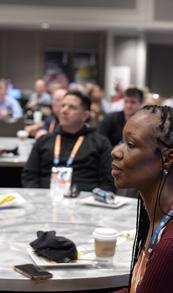
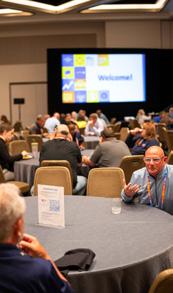
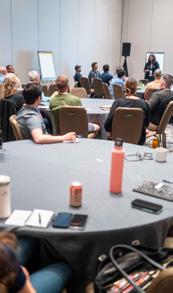
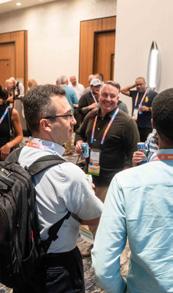
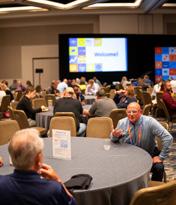
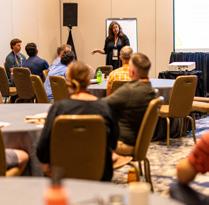
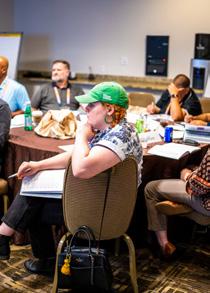
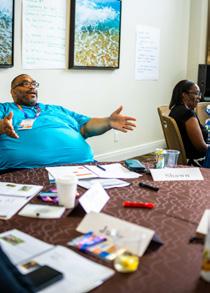
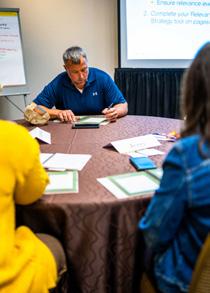
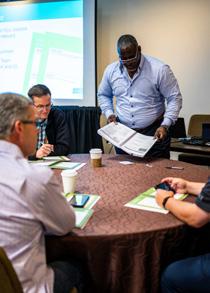
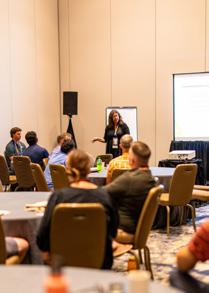
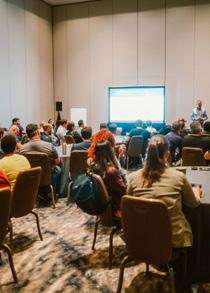
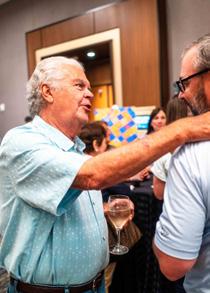
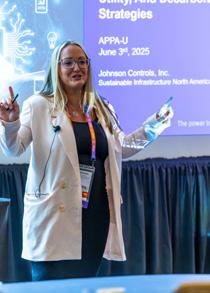
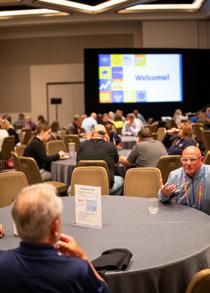
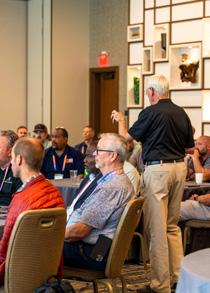
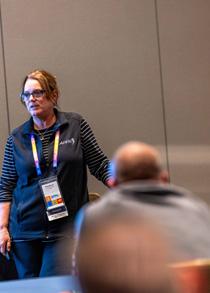
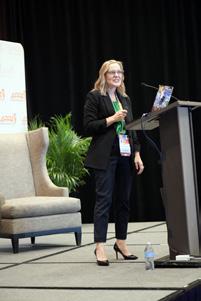
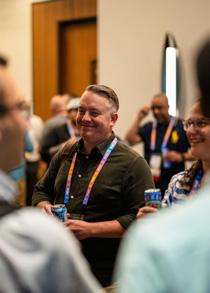
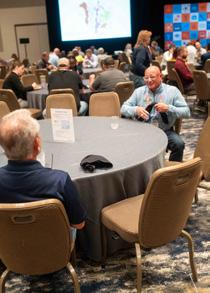
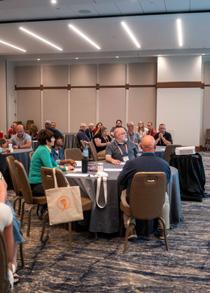
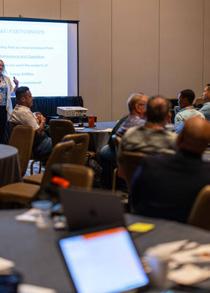
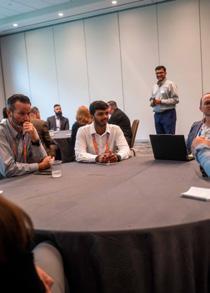
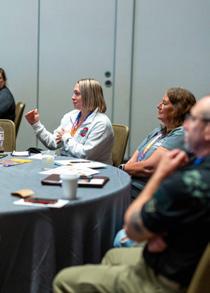
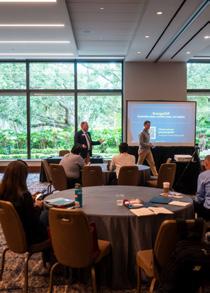
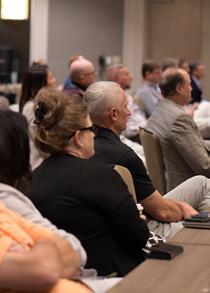
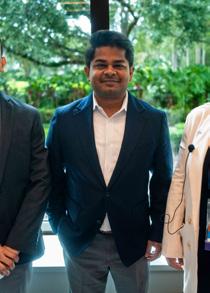
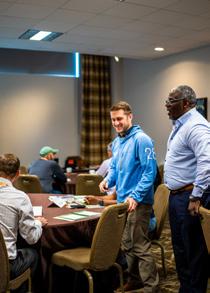
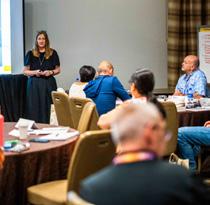
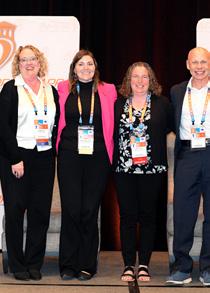
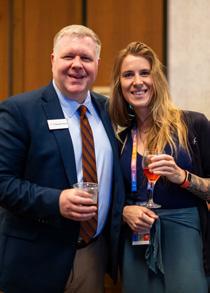
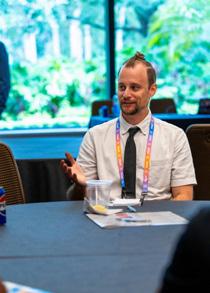
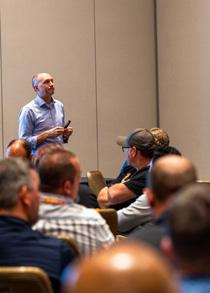
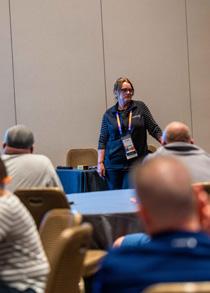
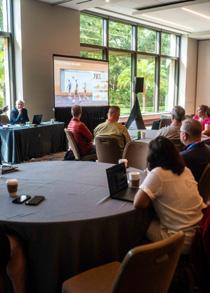
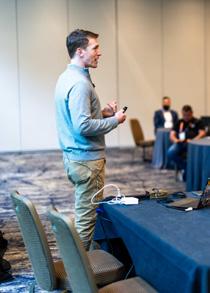
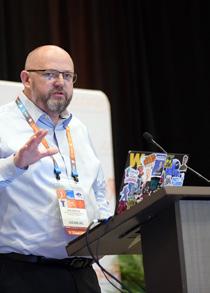
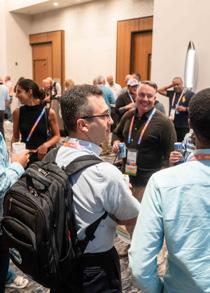
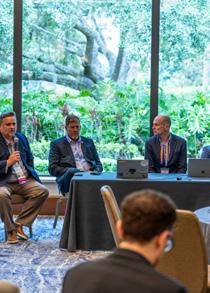
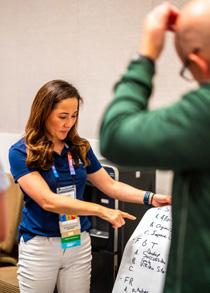
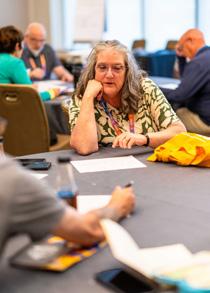
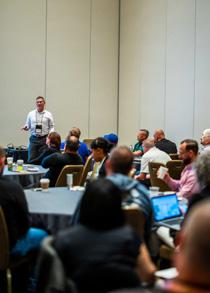
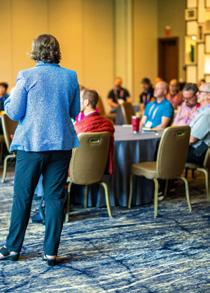
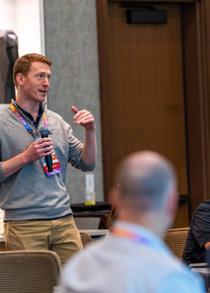
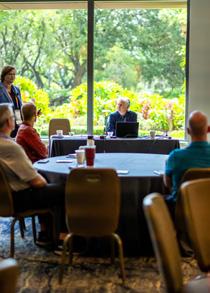
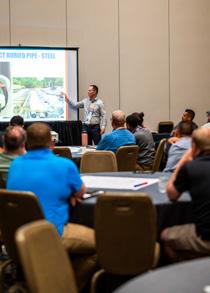
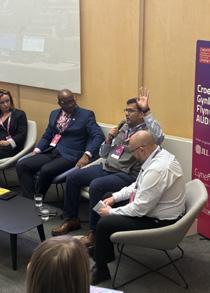
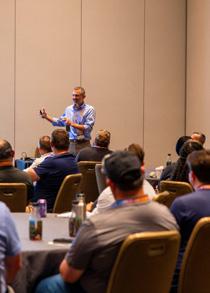
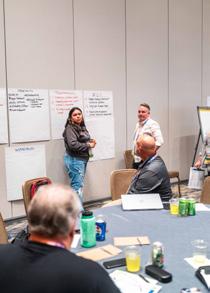
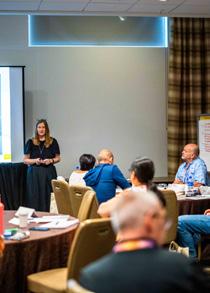
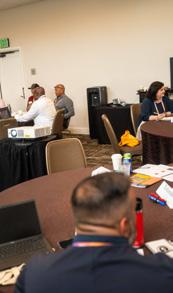
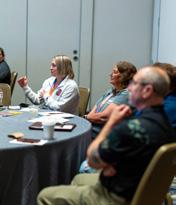
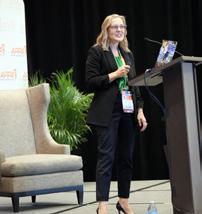
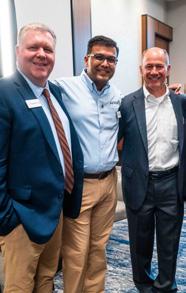
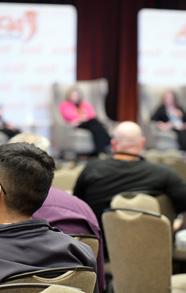
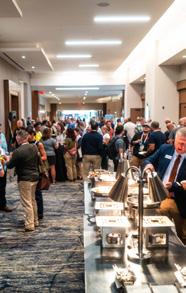
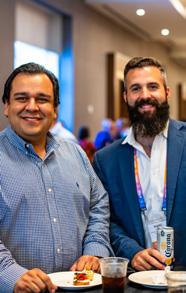
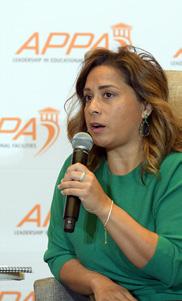
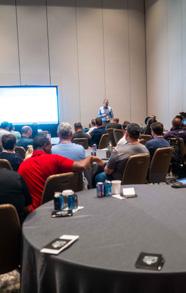
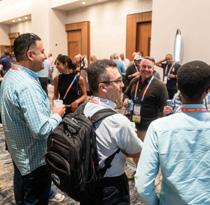
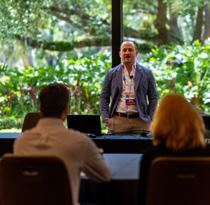
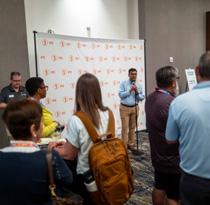
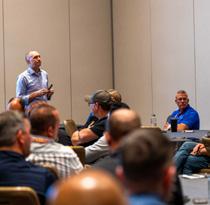
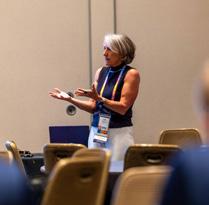
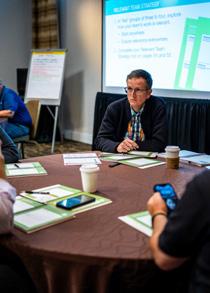
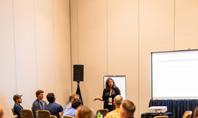
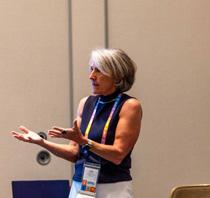
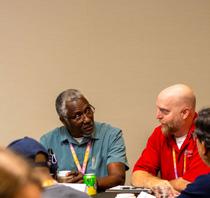
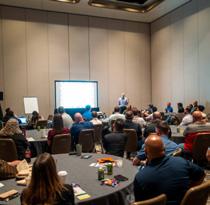
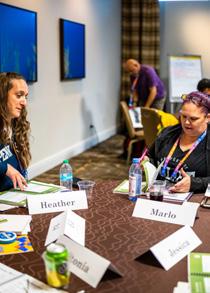
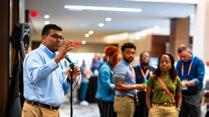
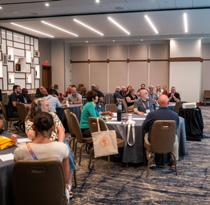
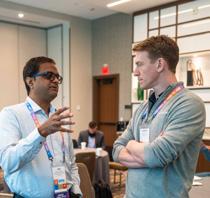
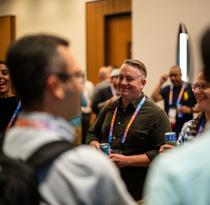
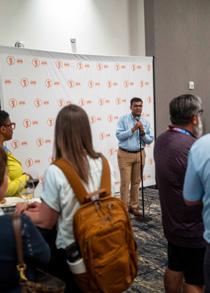
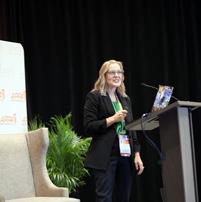
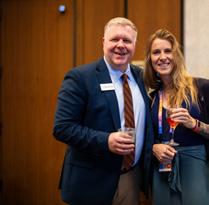
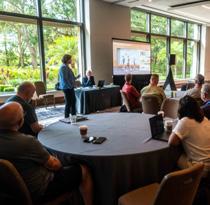
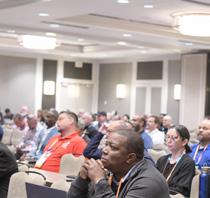
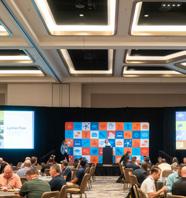
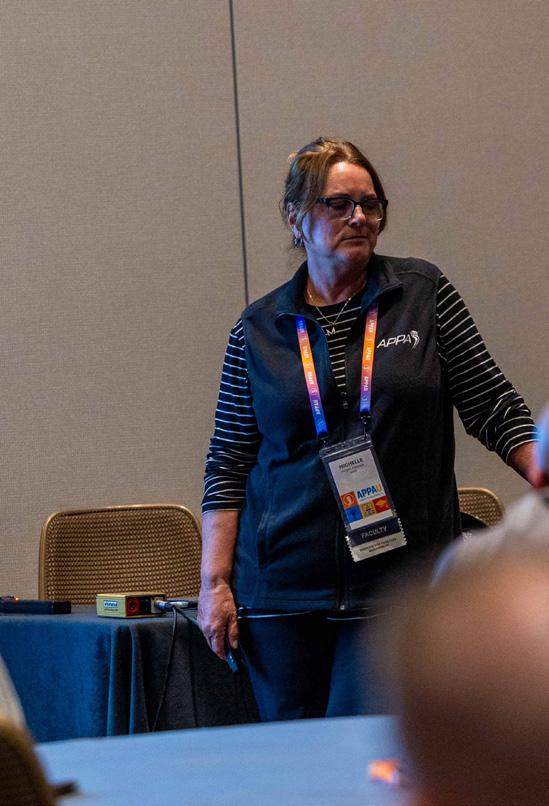
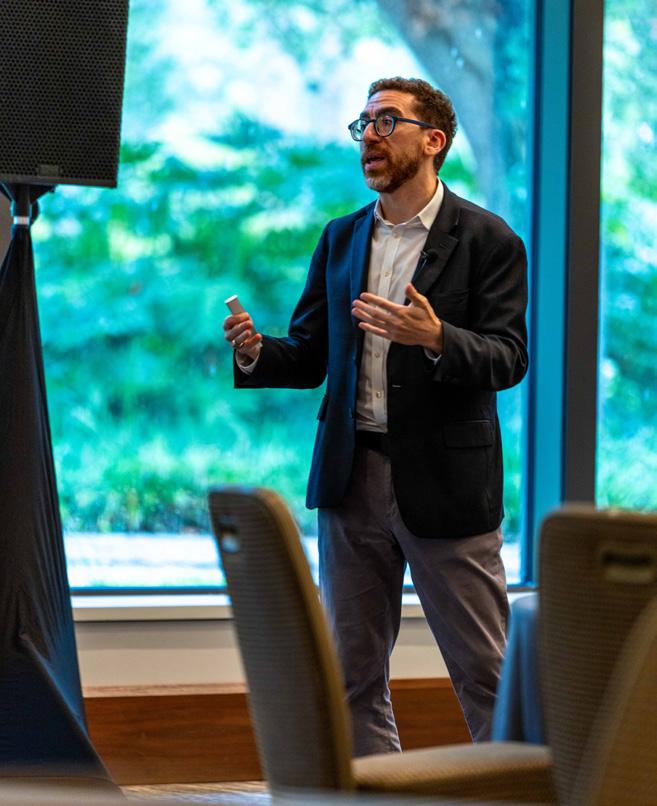
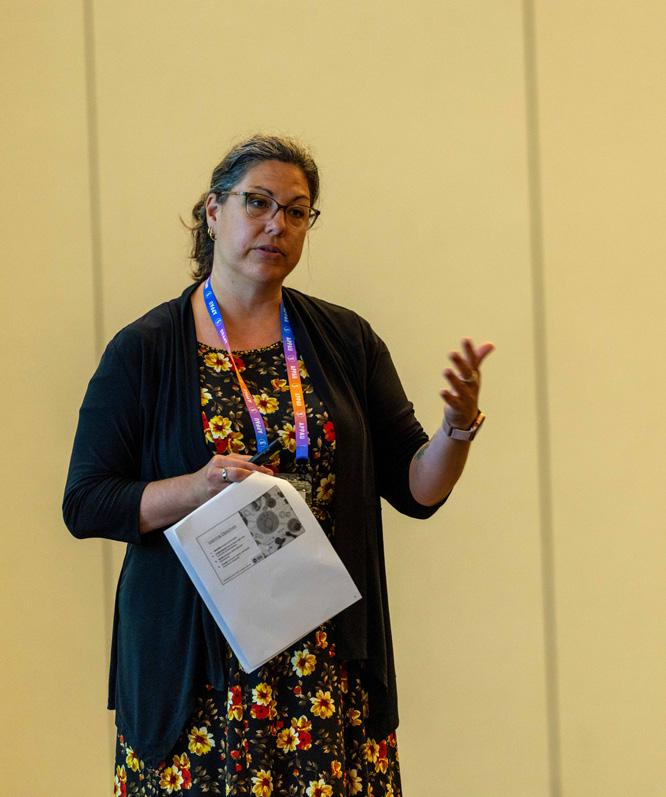
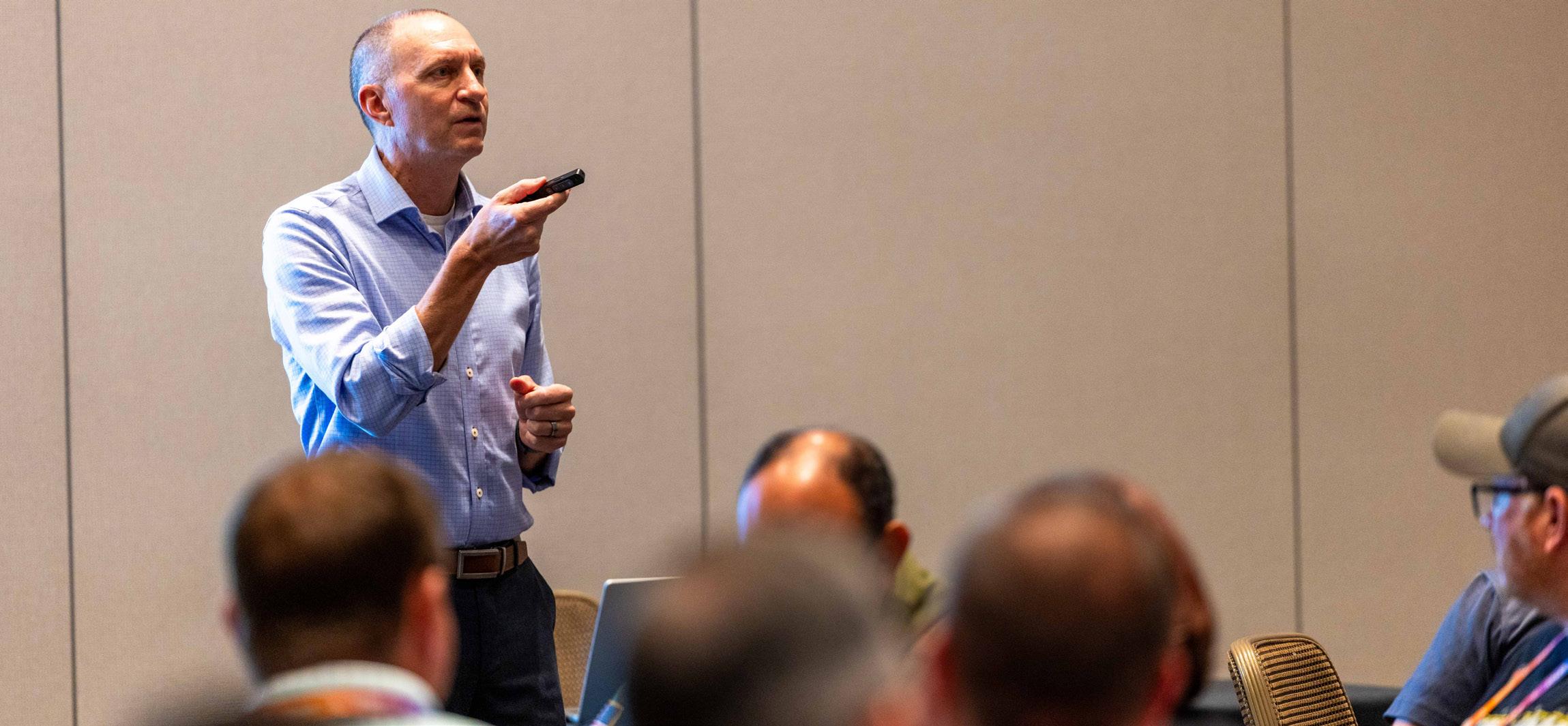
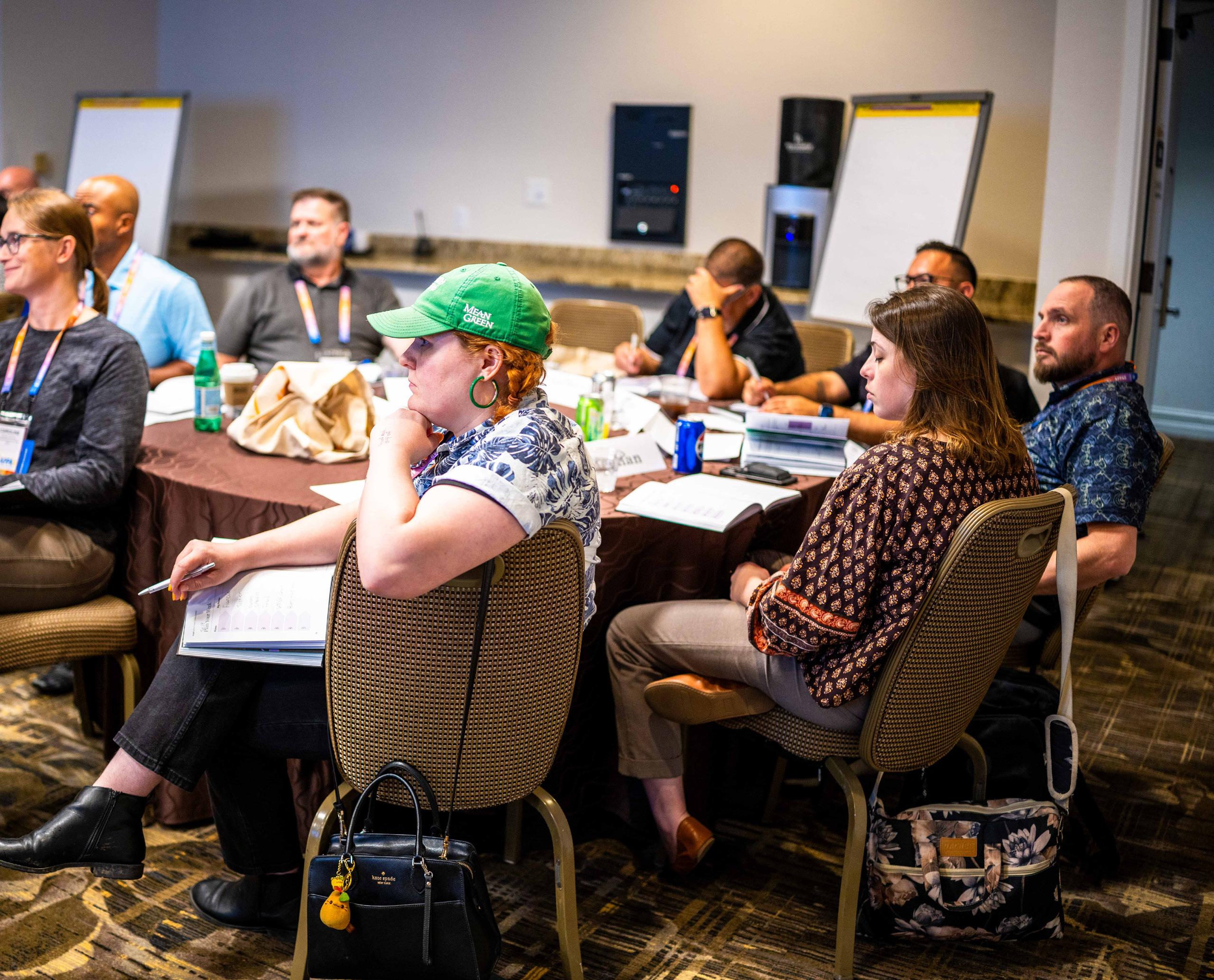
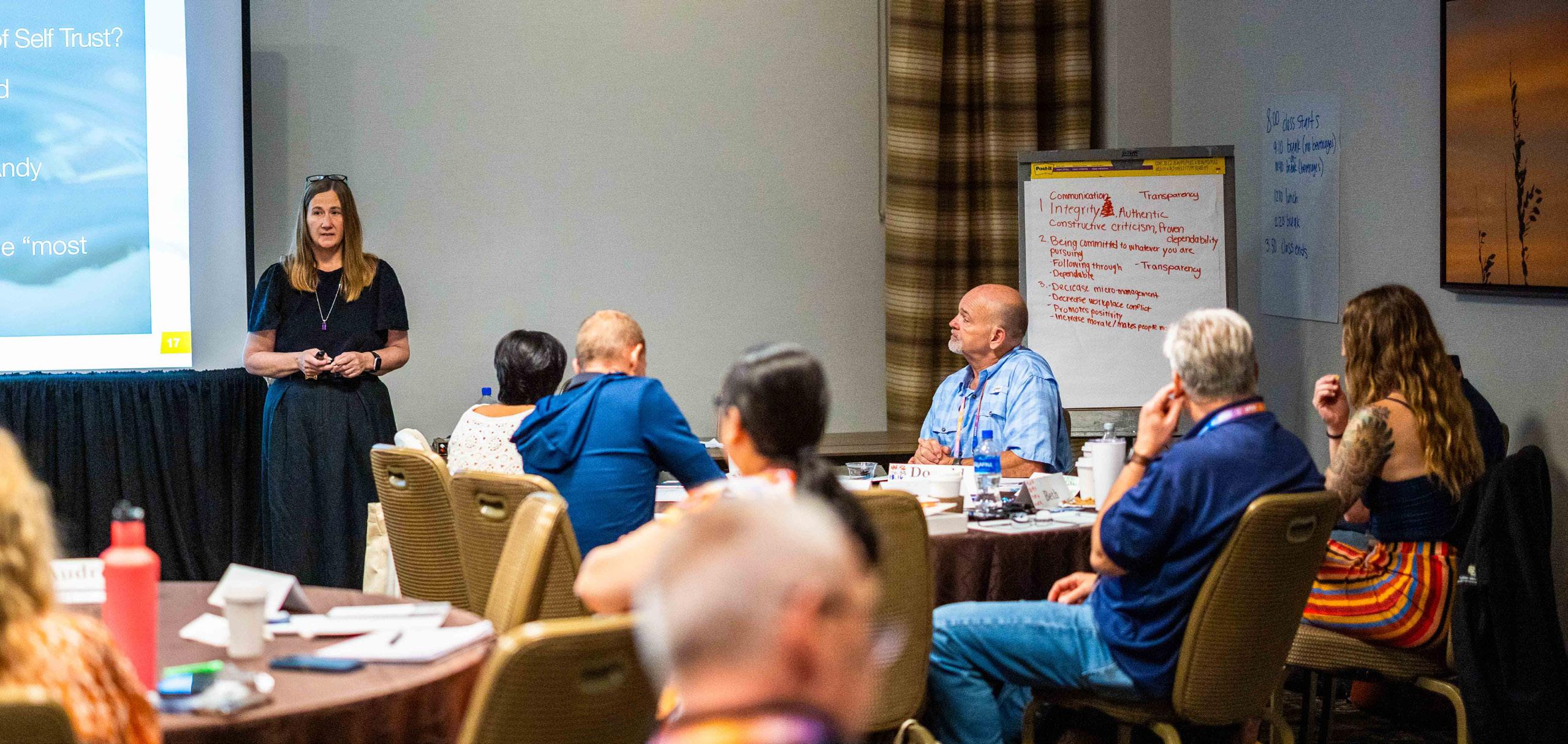
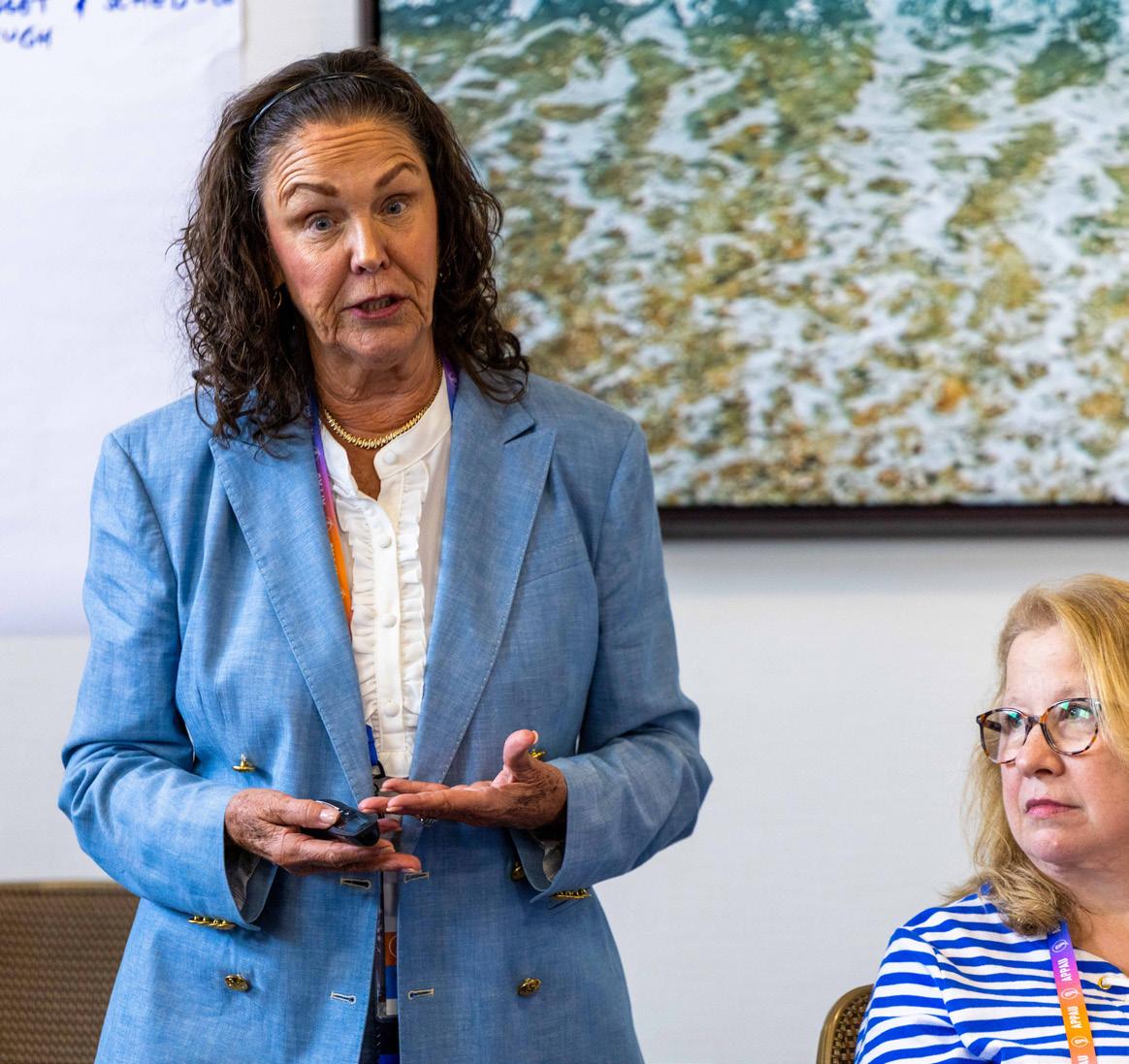
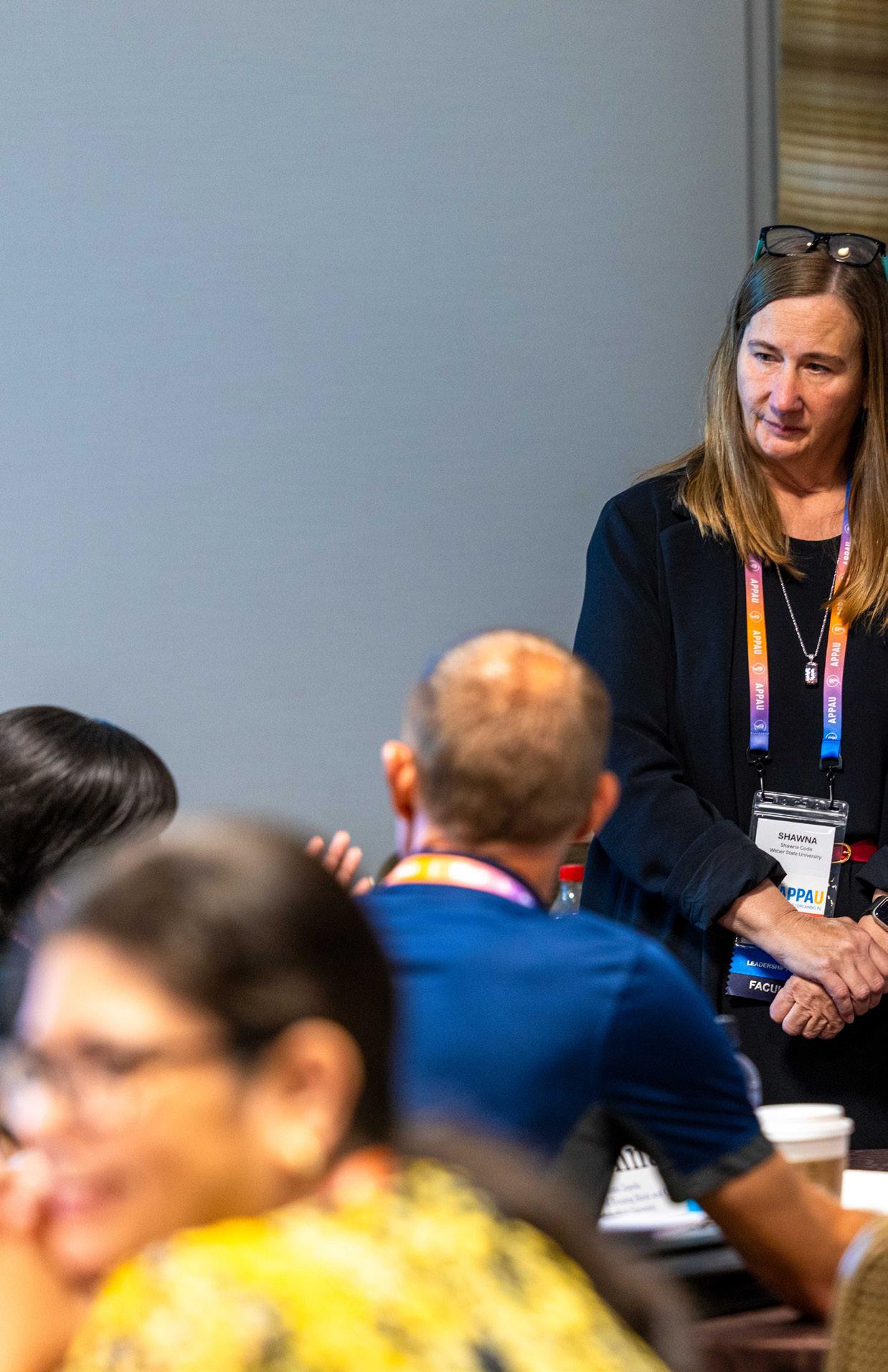
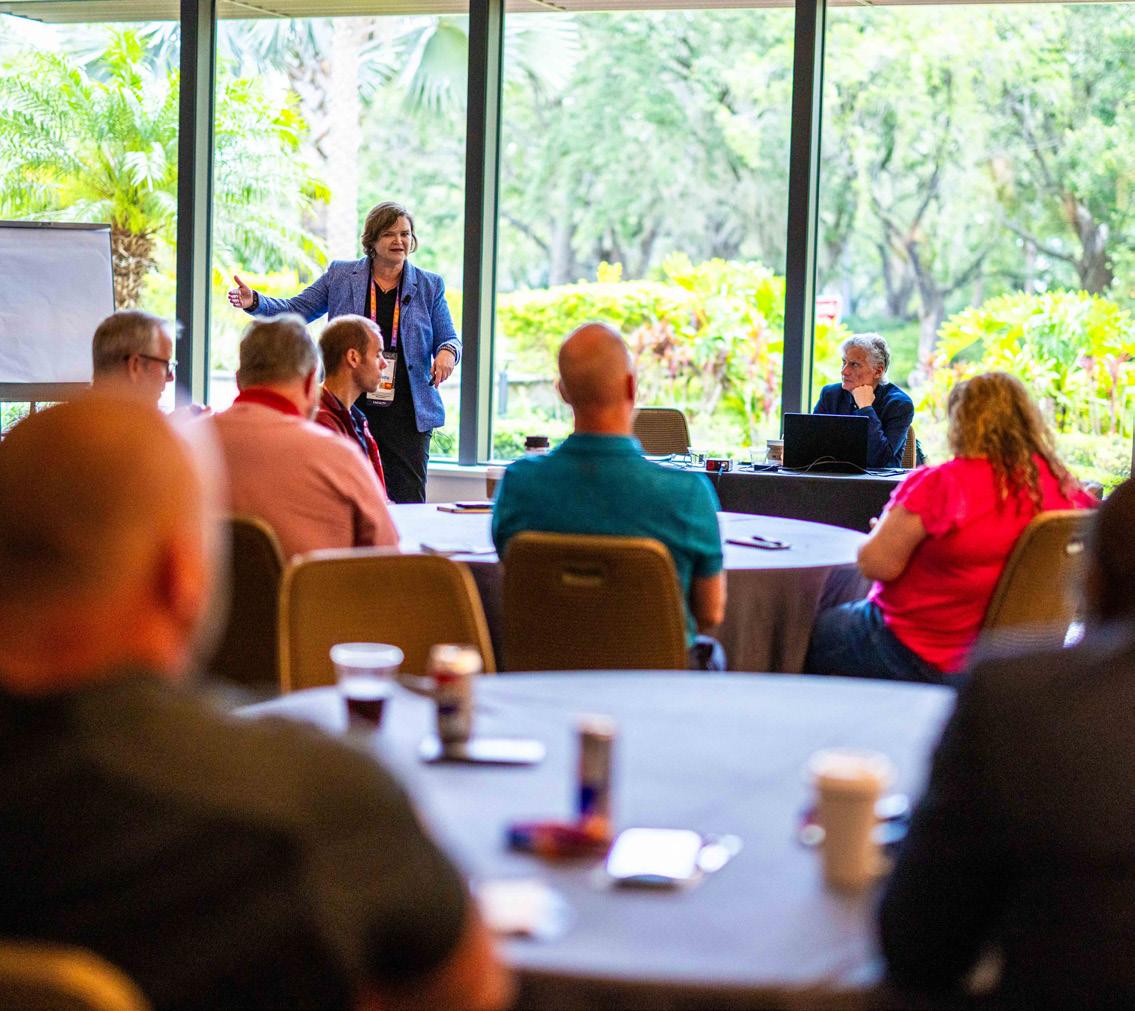
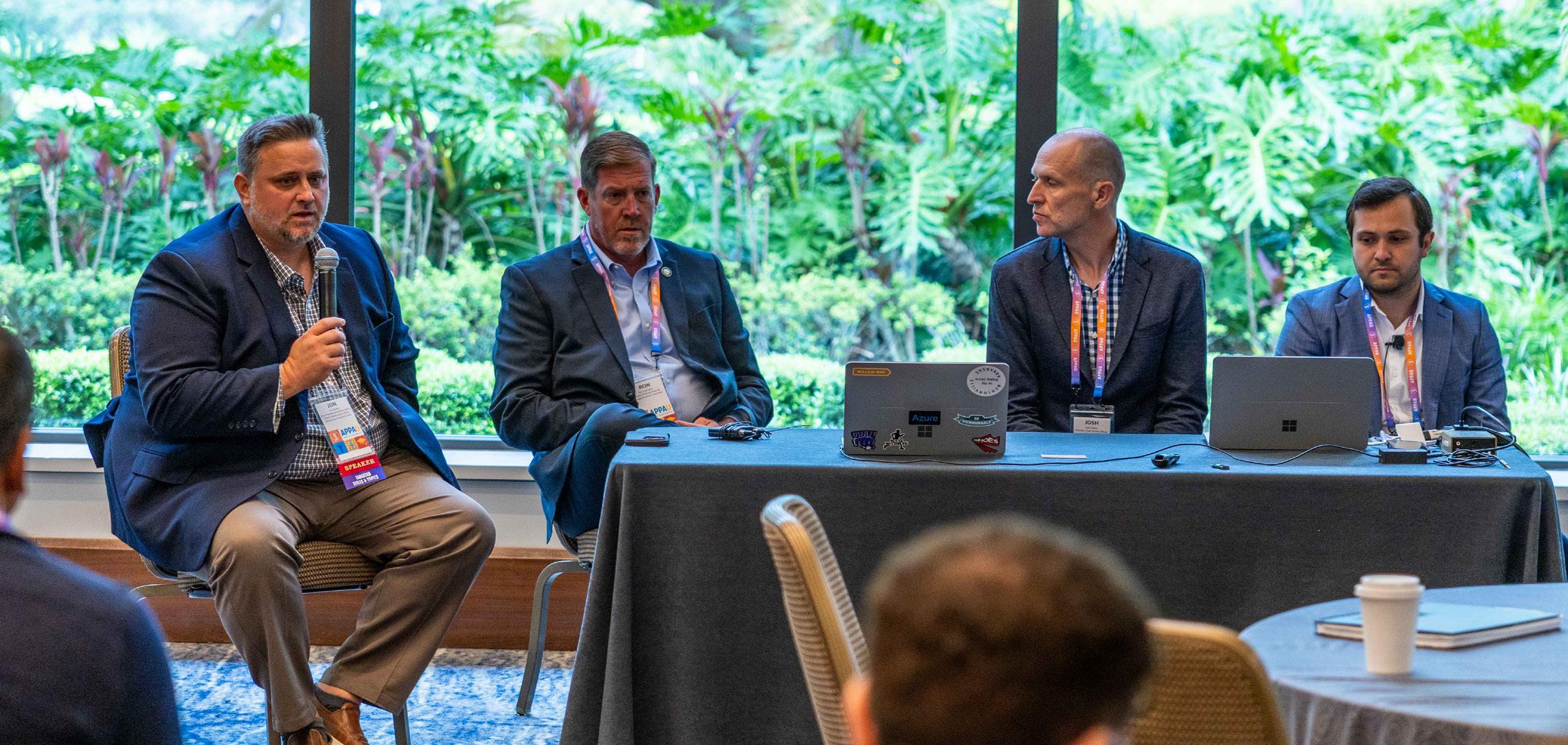
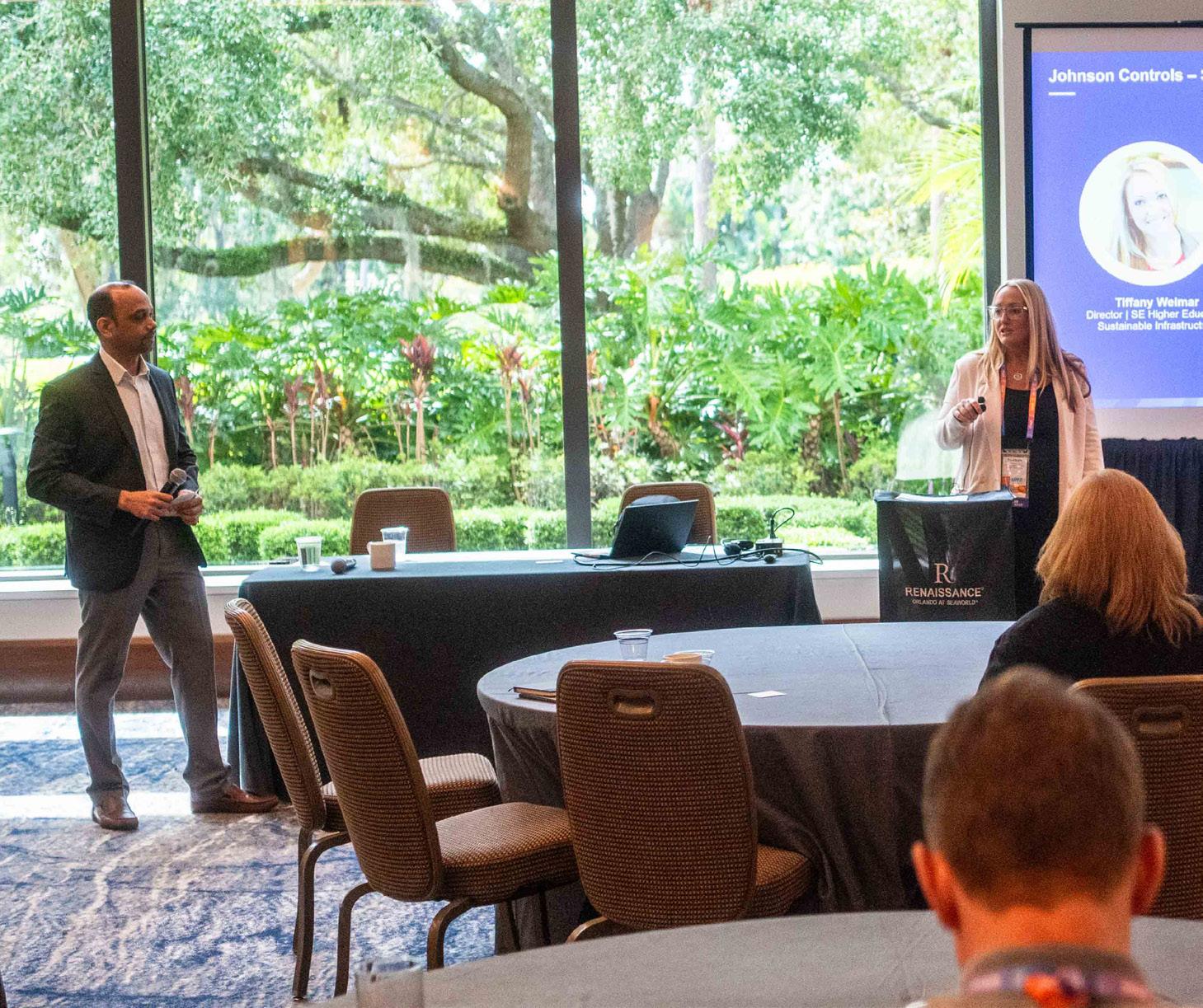
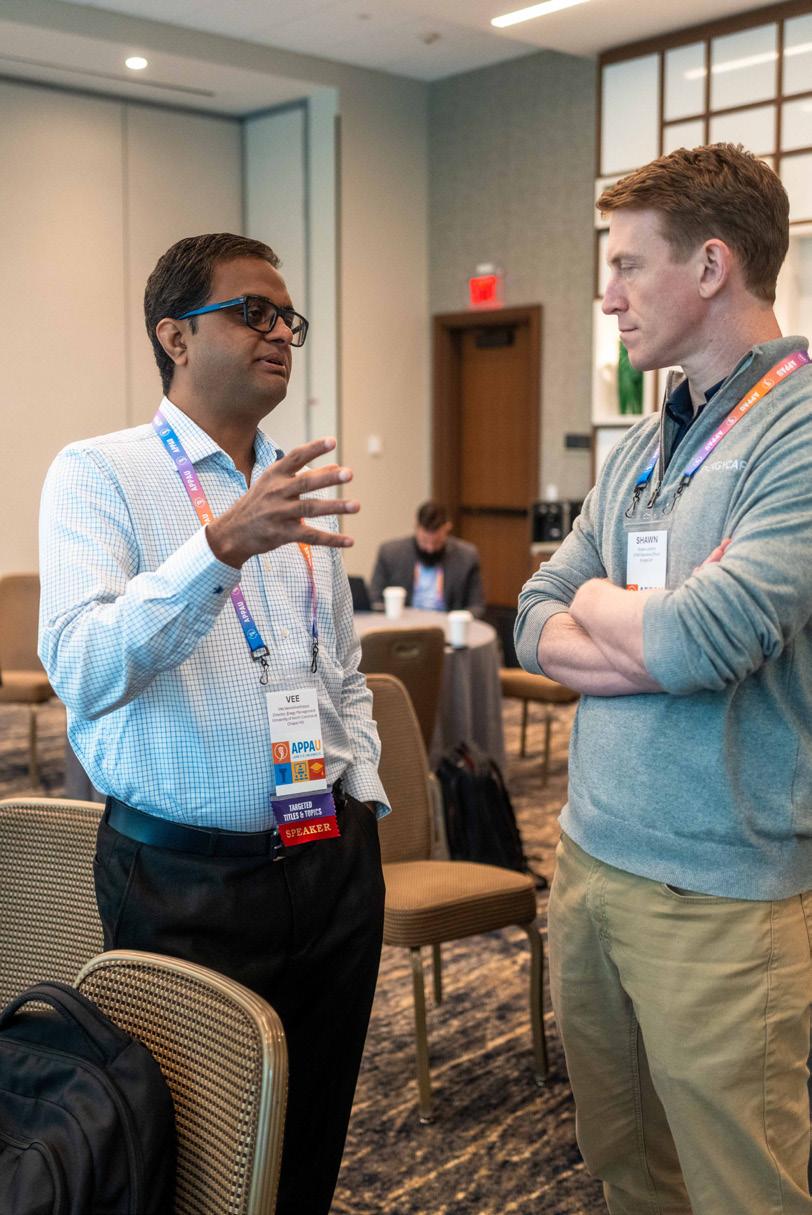
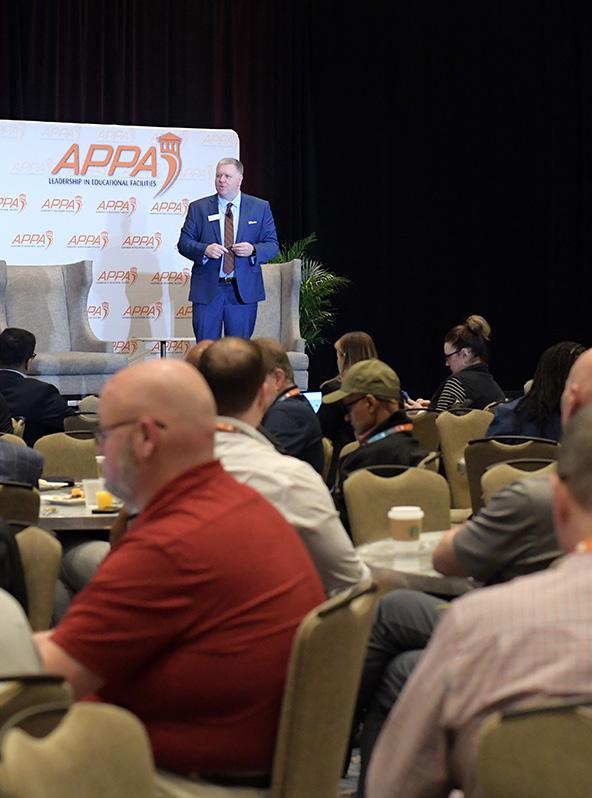
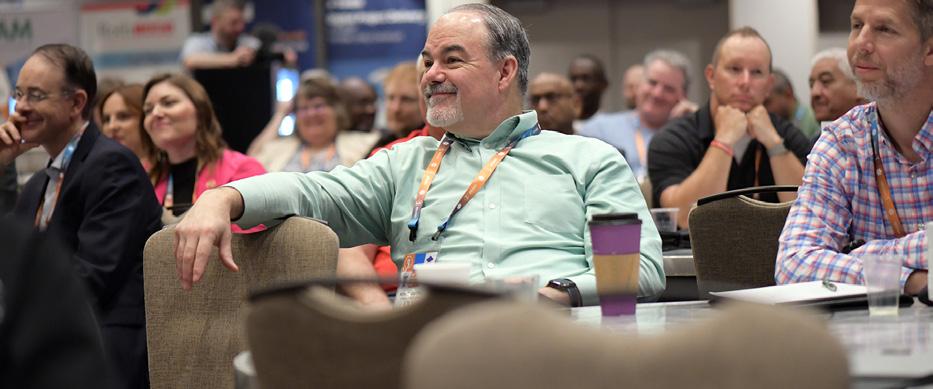
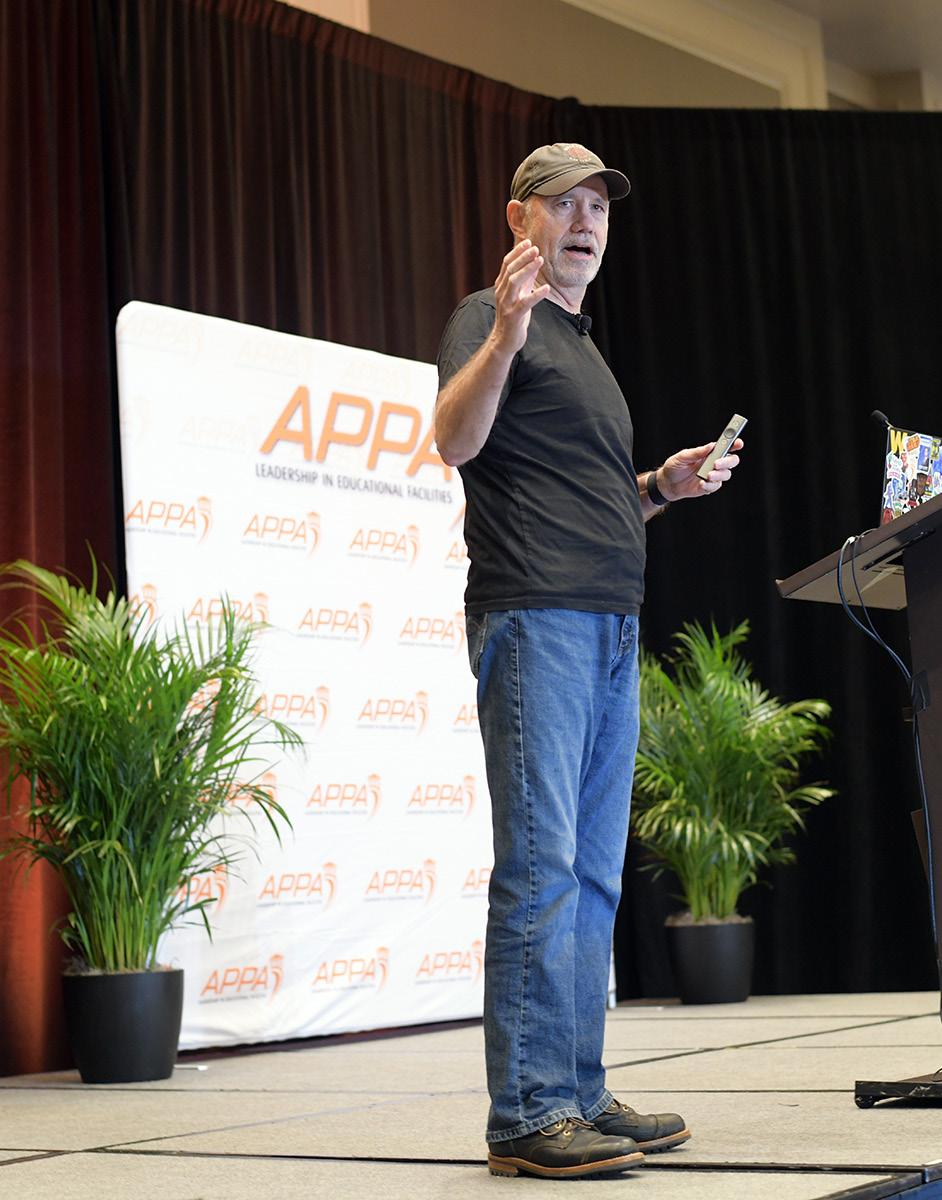
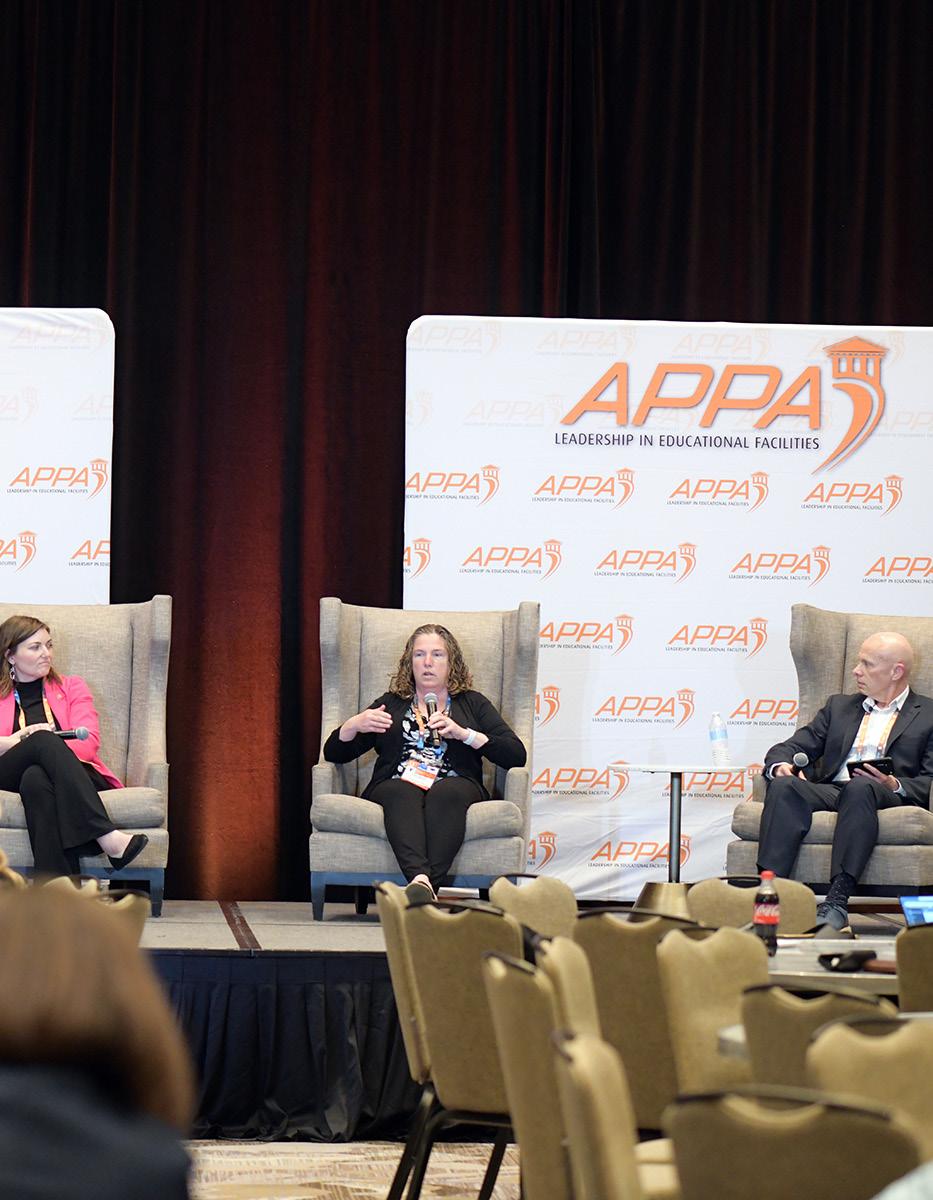
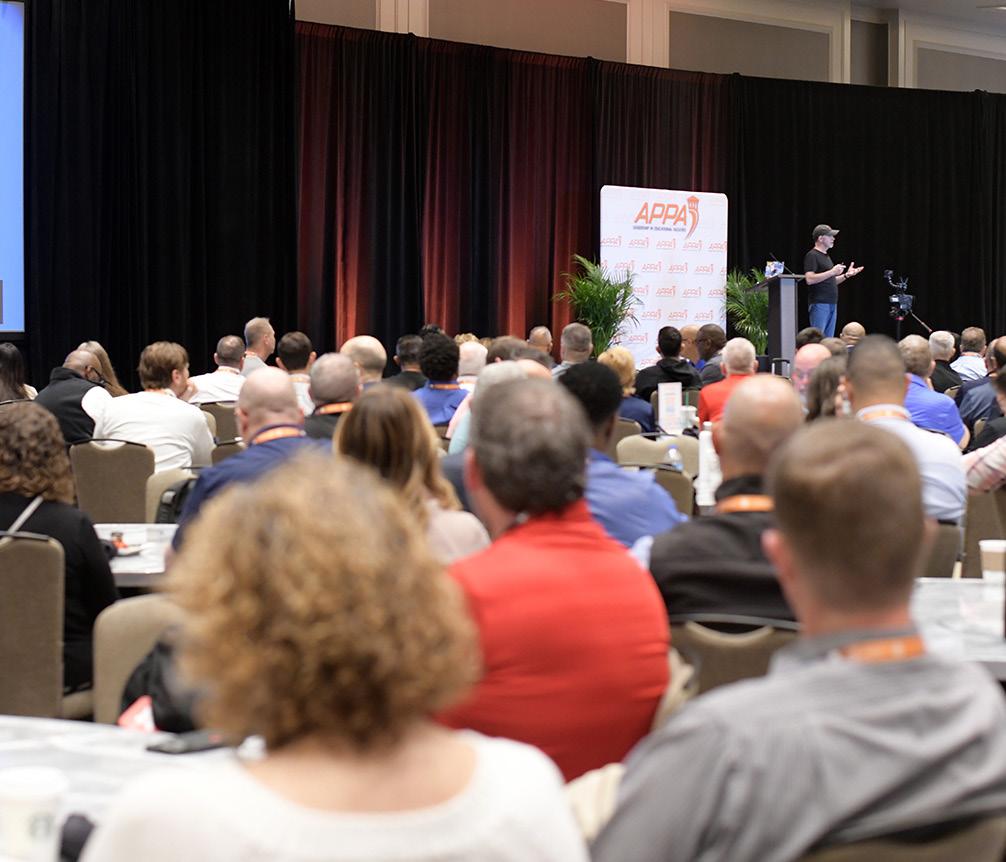
APPAU June was more than just a gathering—it was a living showcase of the people, ideas, and energy shaping the future of educational facilities. With every keynote, workshop, and hallway conversation, our community reaffirmed its commitment to innovation, leadership, and lifelong learning.
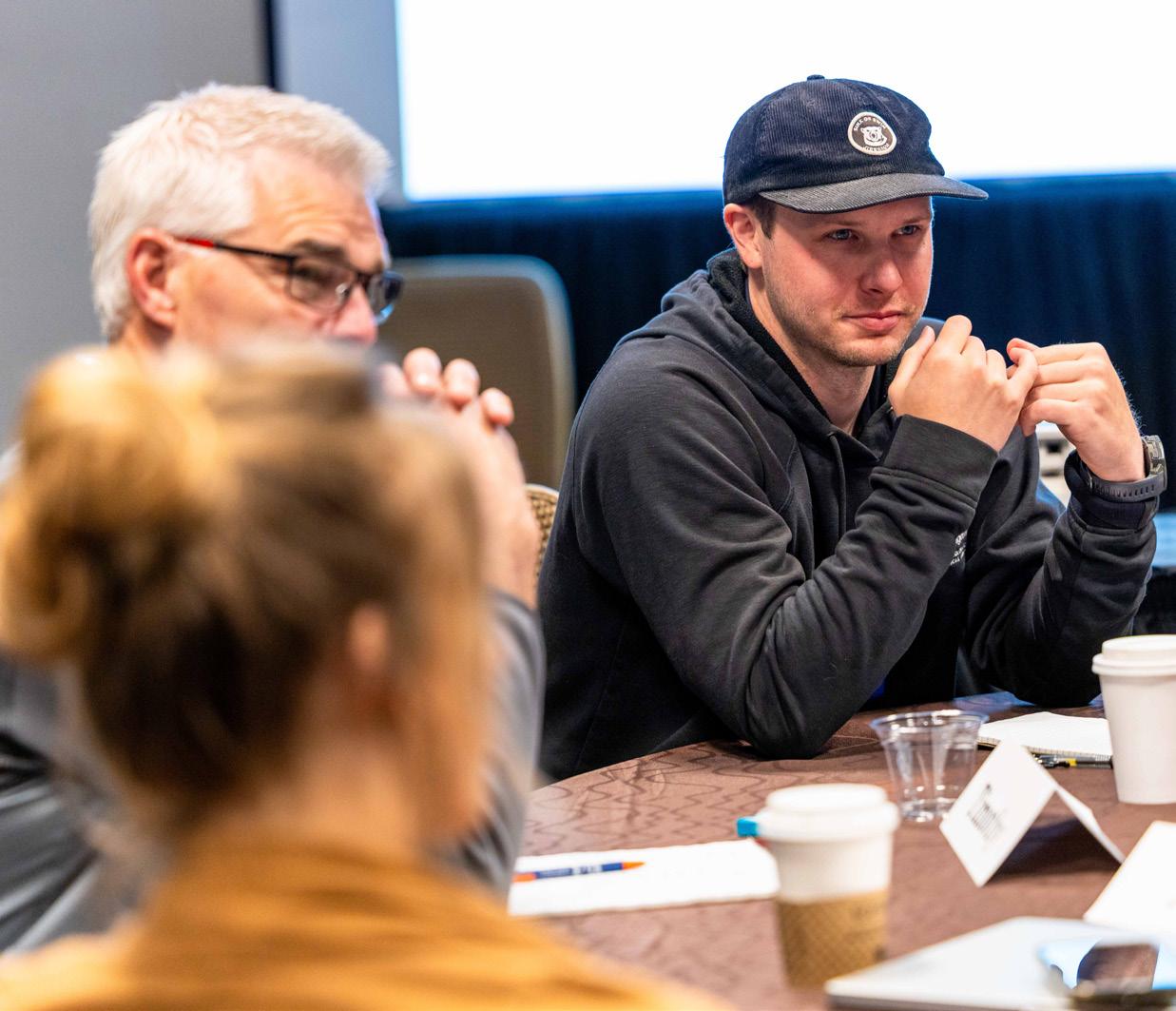
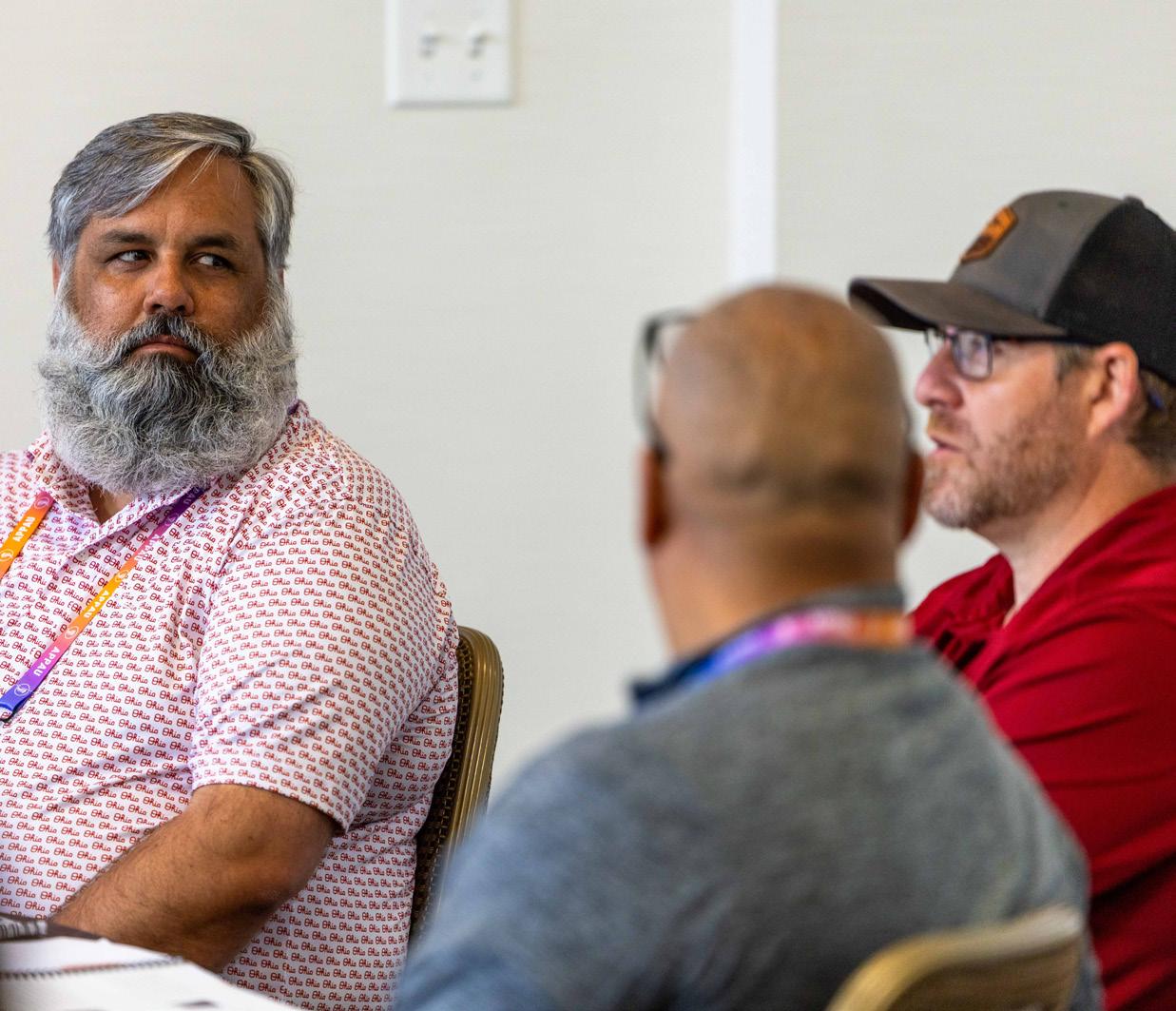
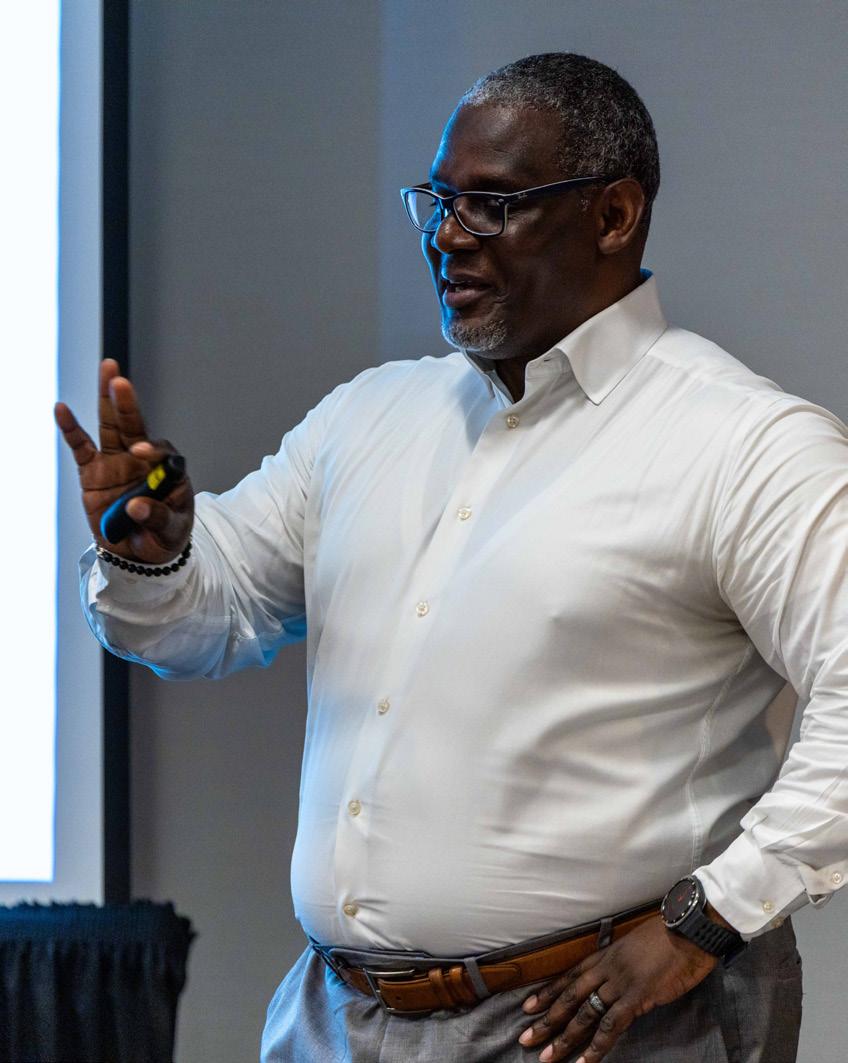
This special feature captures the pulse of that moment. From immersive sessions at the Institute for Facilities Management, to visionary discussions on AI in education operations at Targeted Titles & Topics (T3), and transformative breakthroughs at the Leadership Academy, these pages chronicle the story of APPAU in motion—through bold images and shared inspiration.
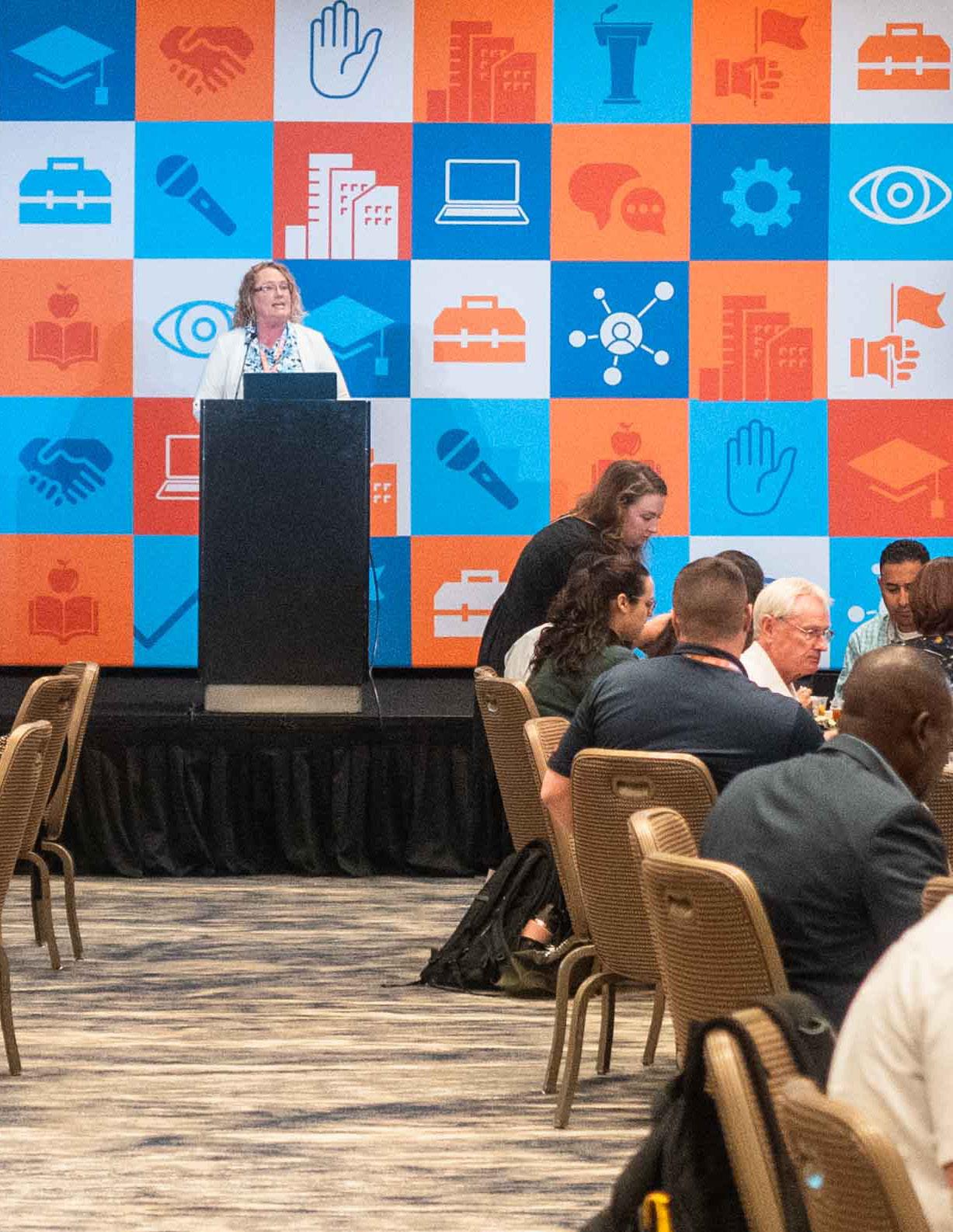
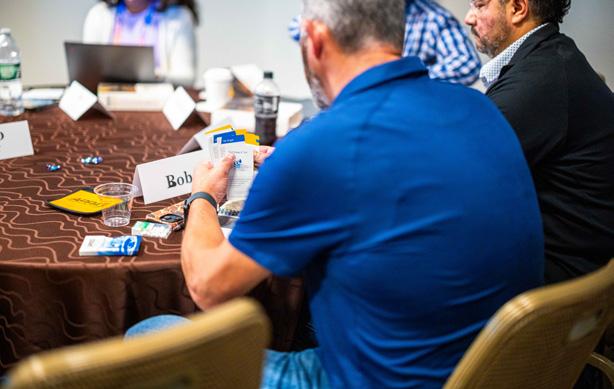
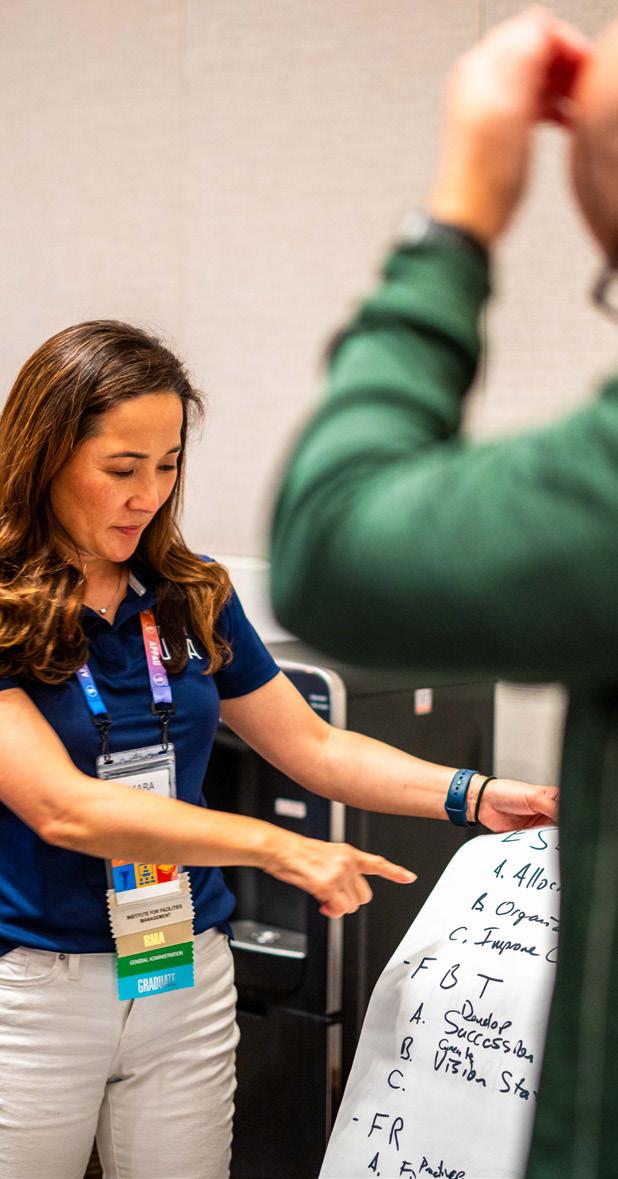

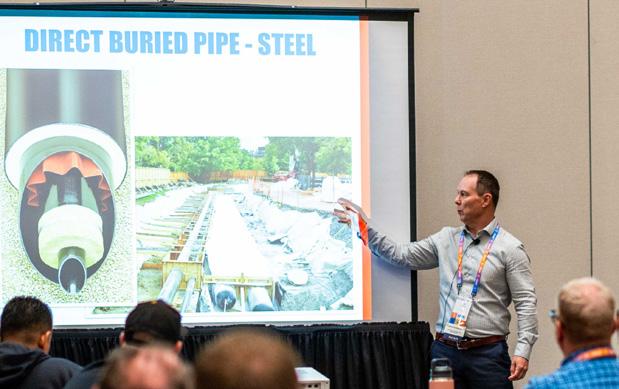
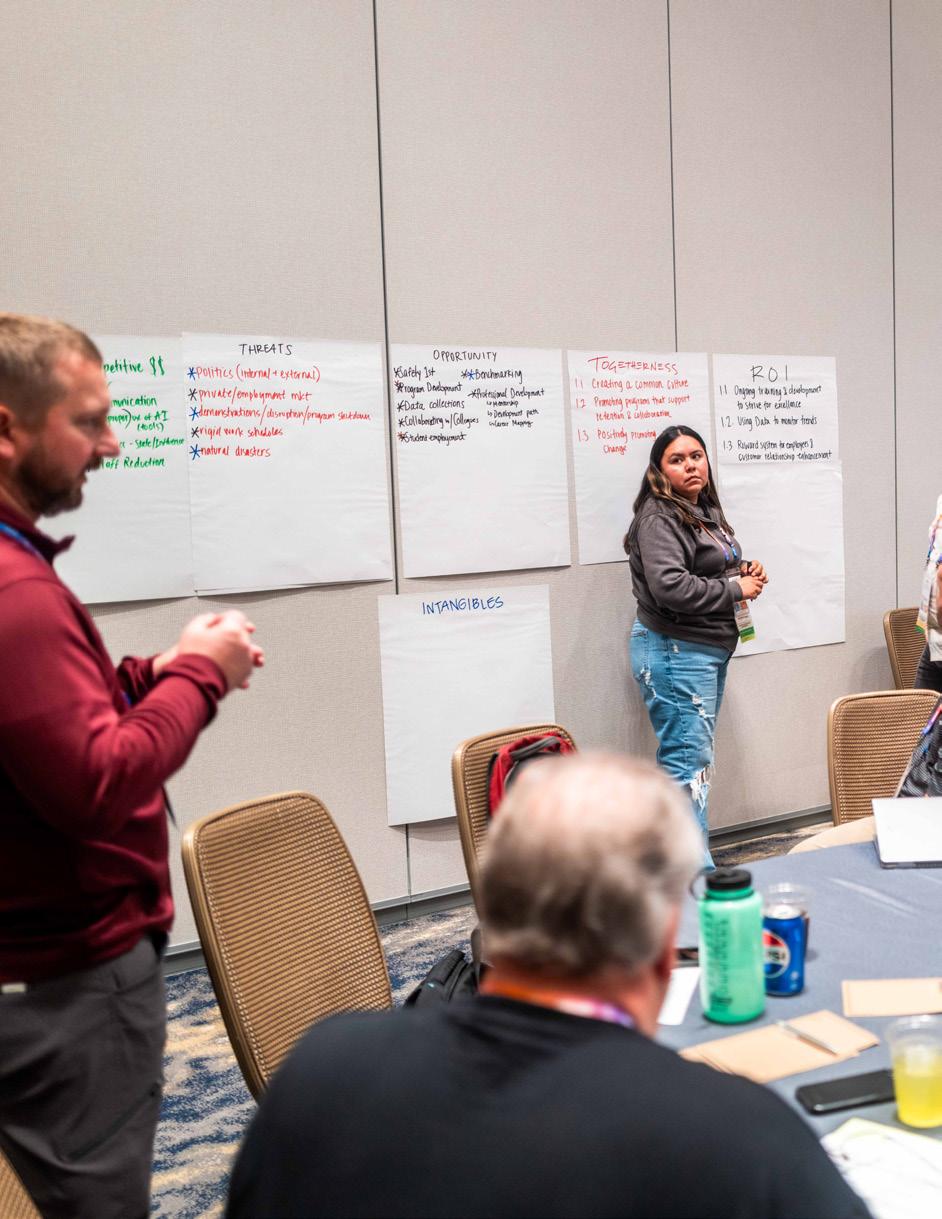
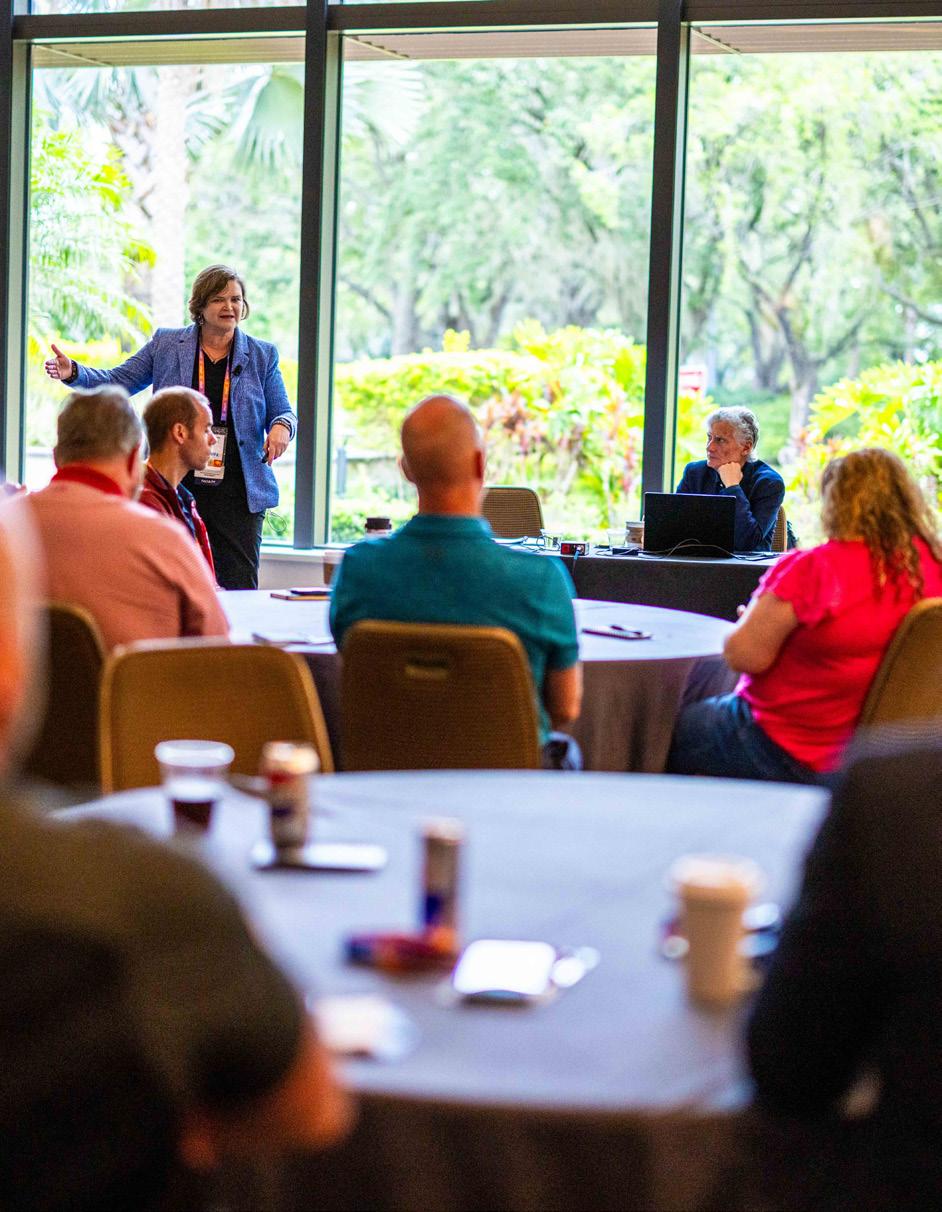
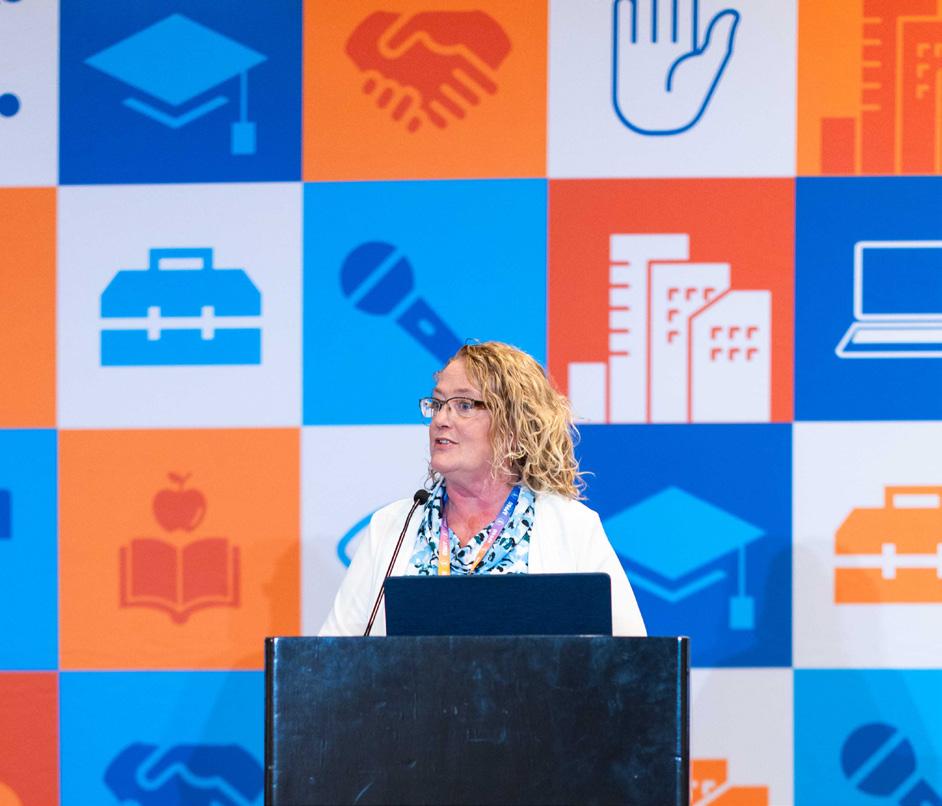
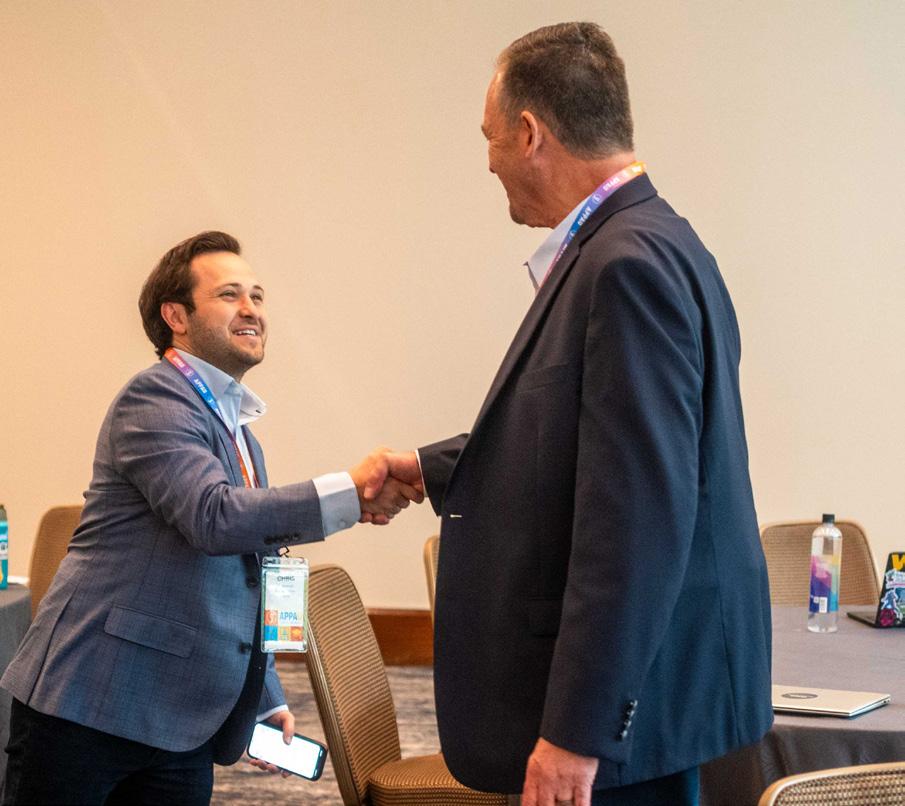
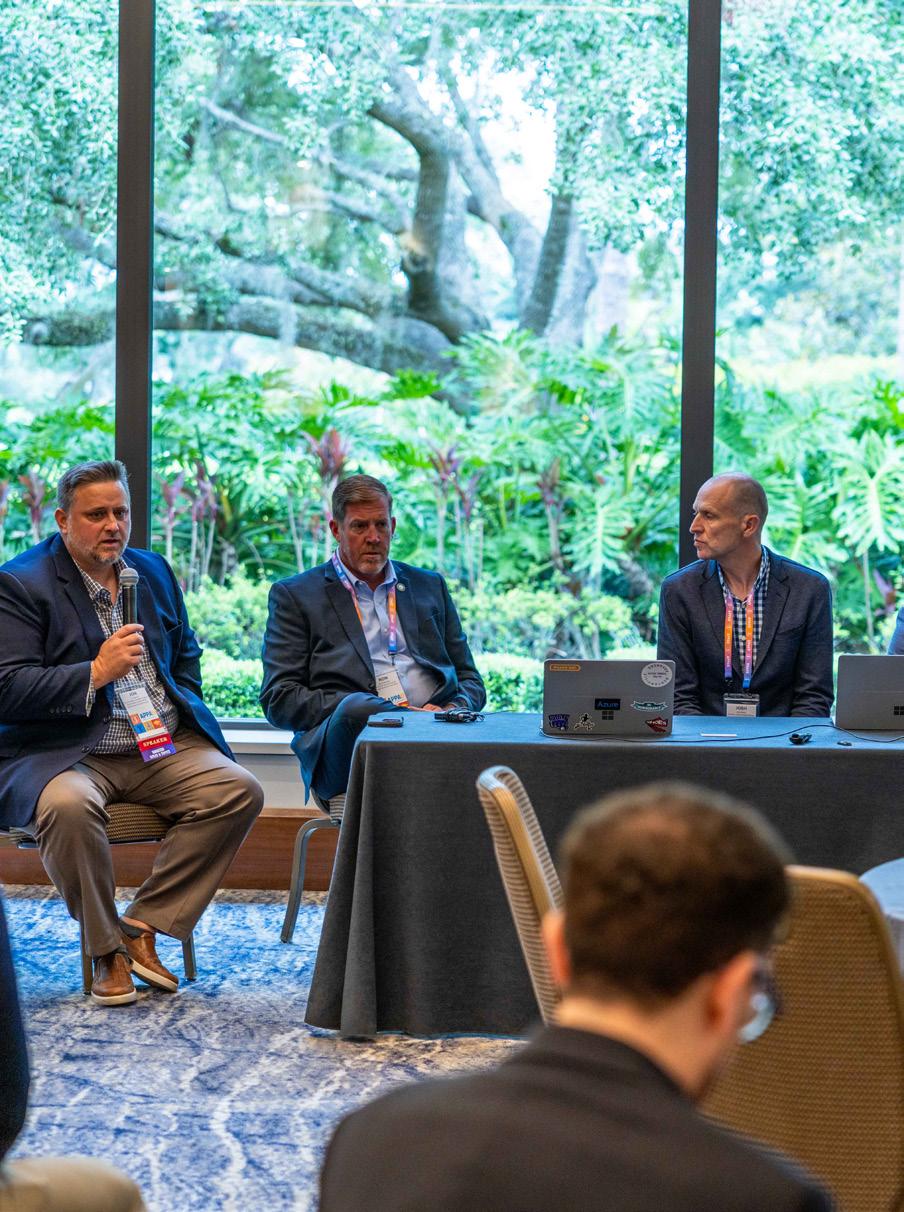
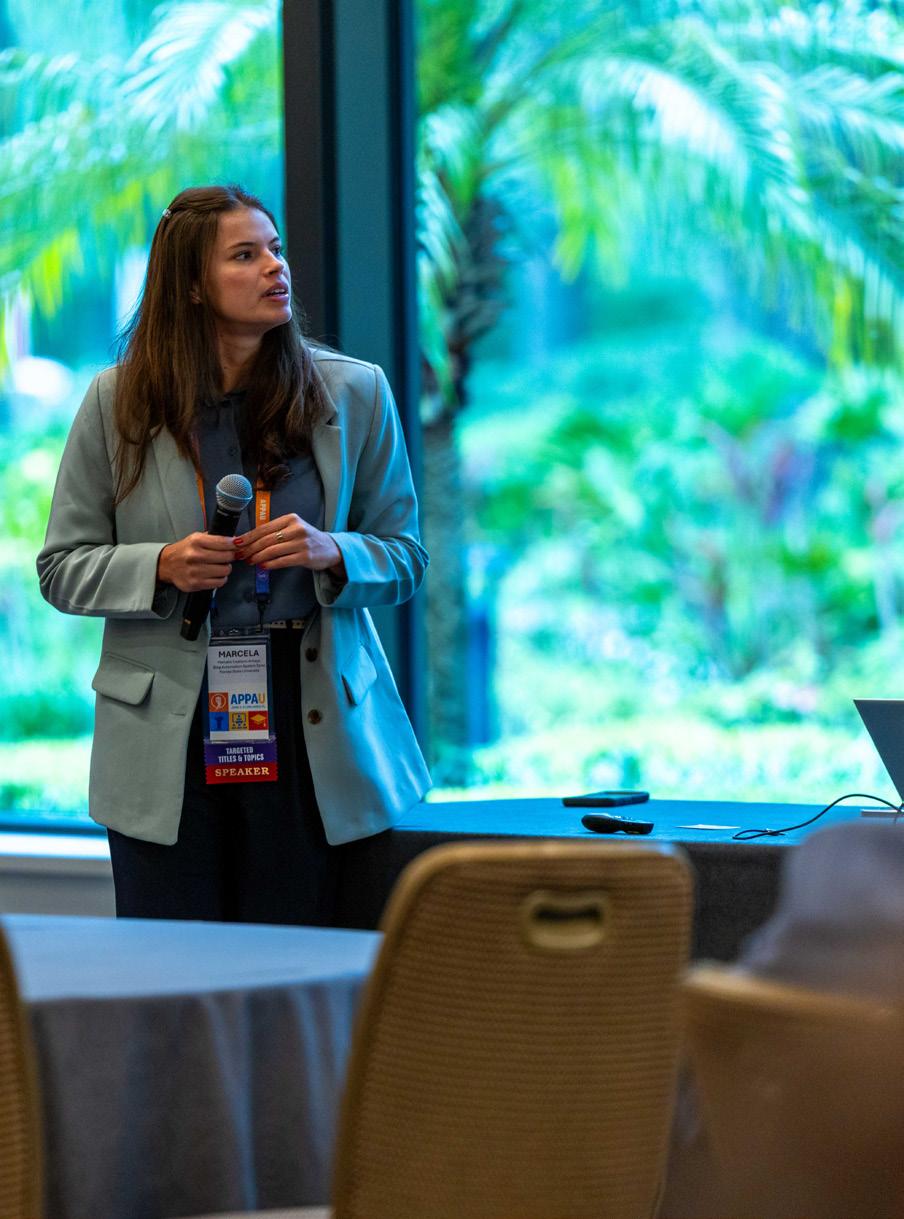
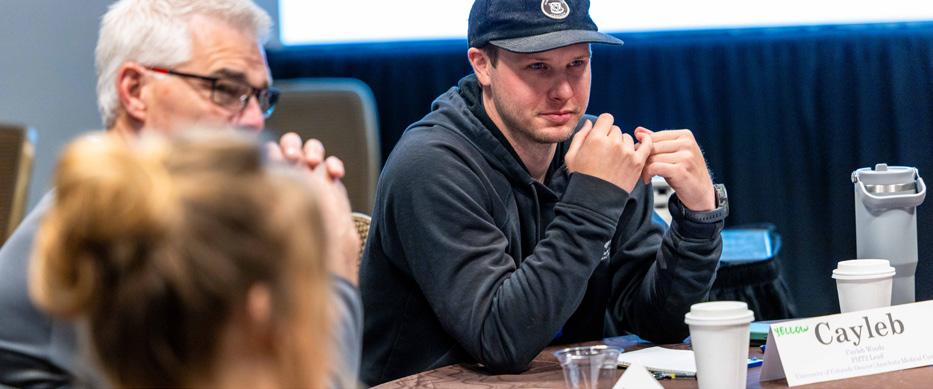
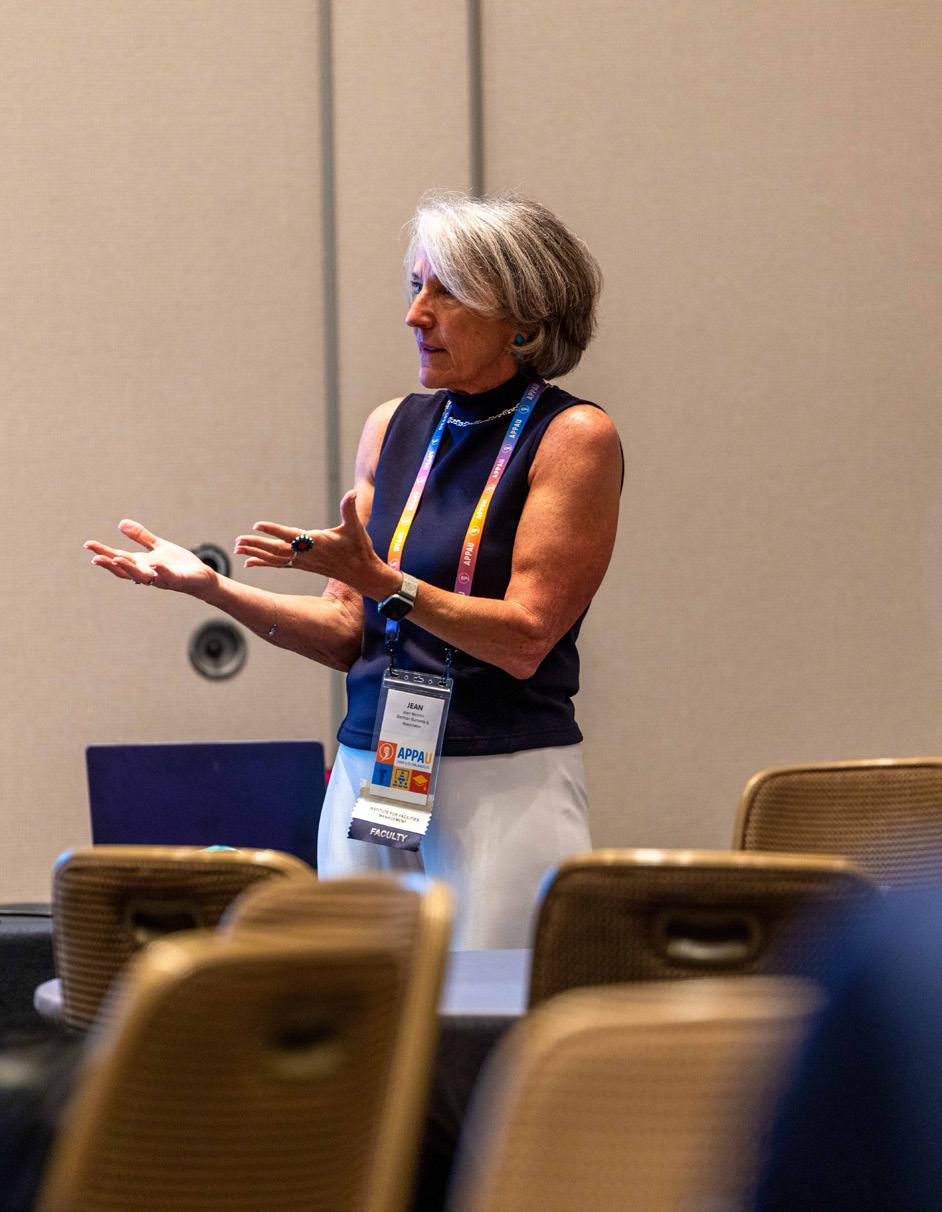

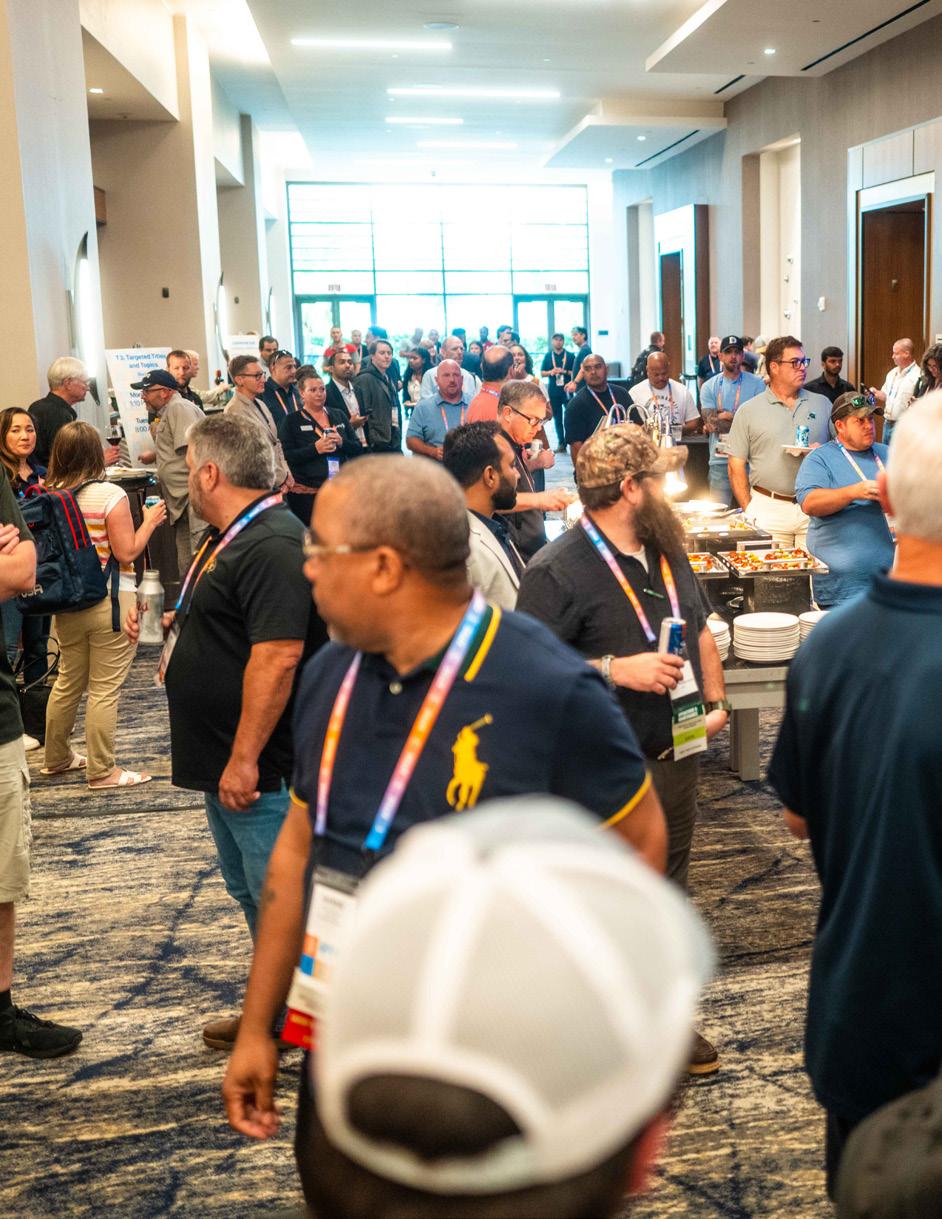
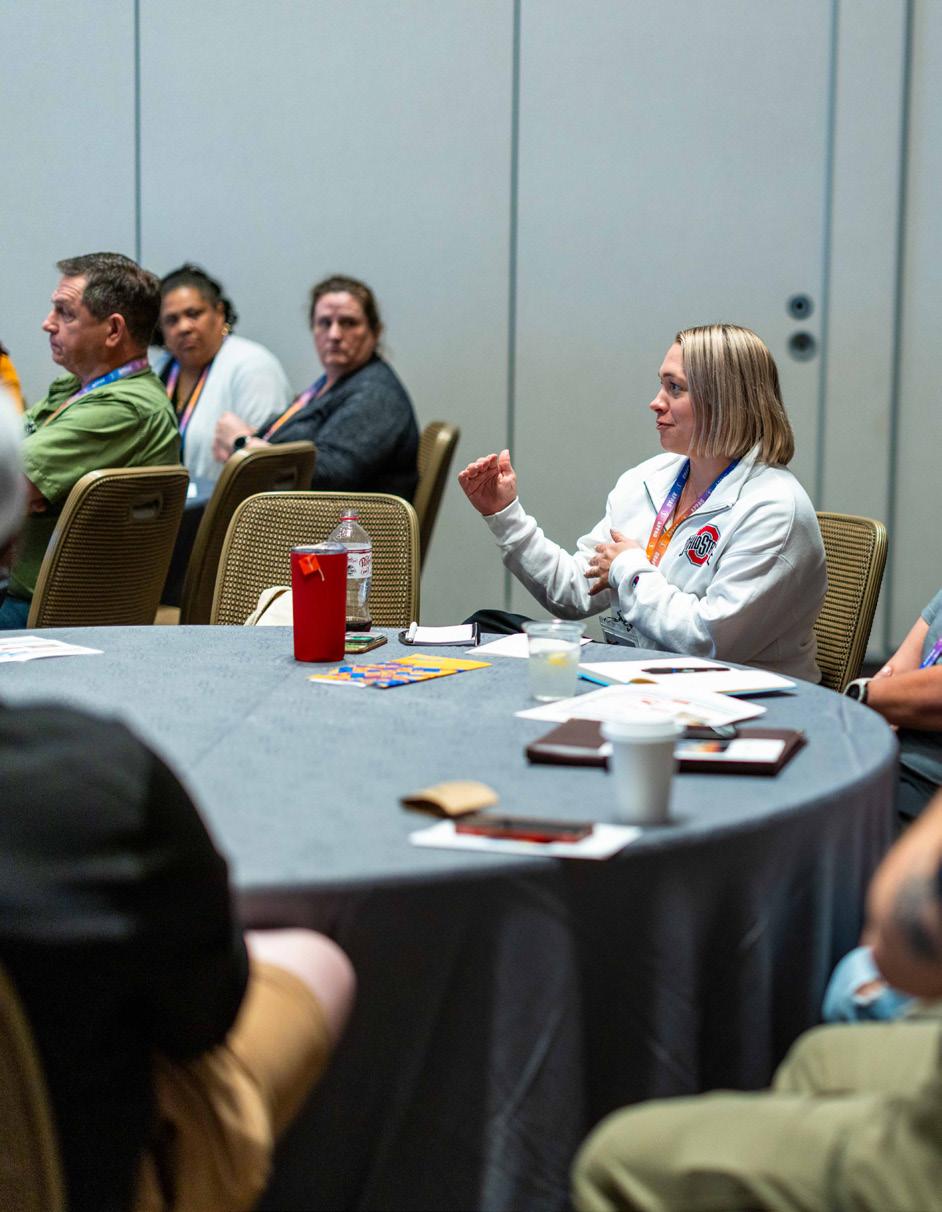

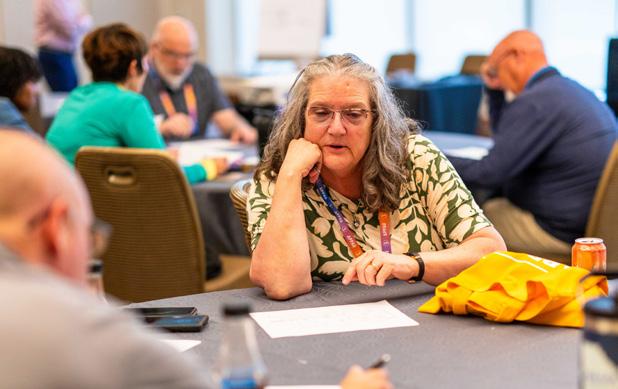
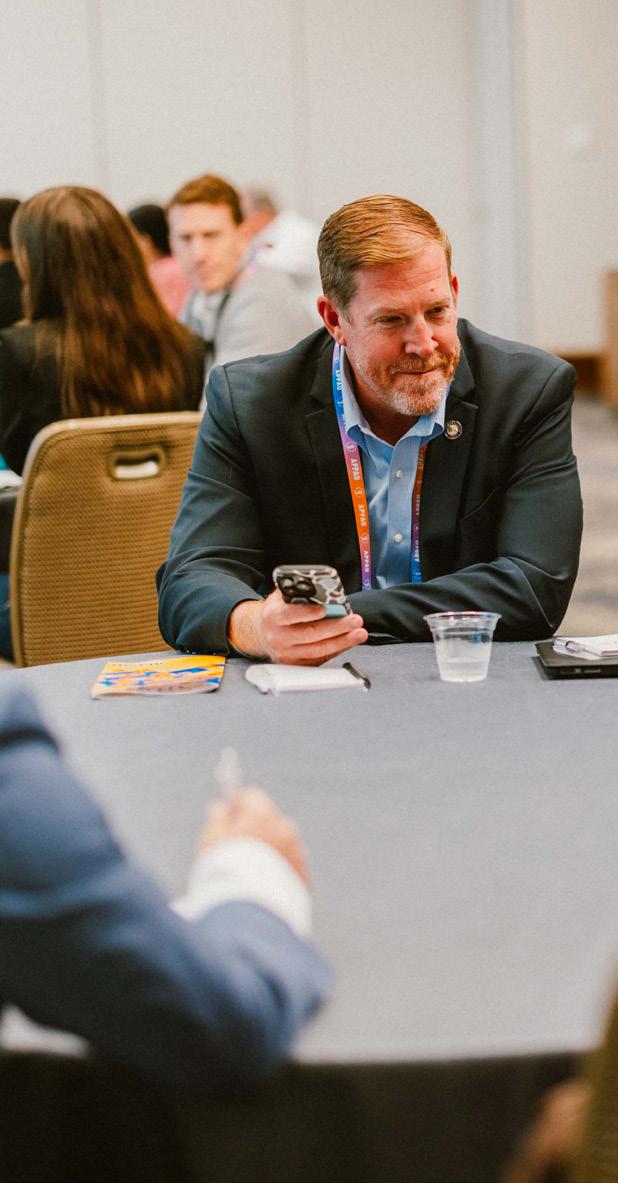
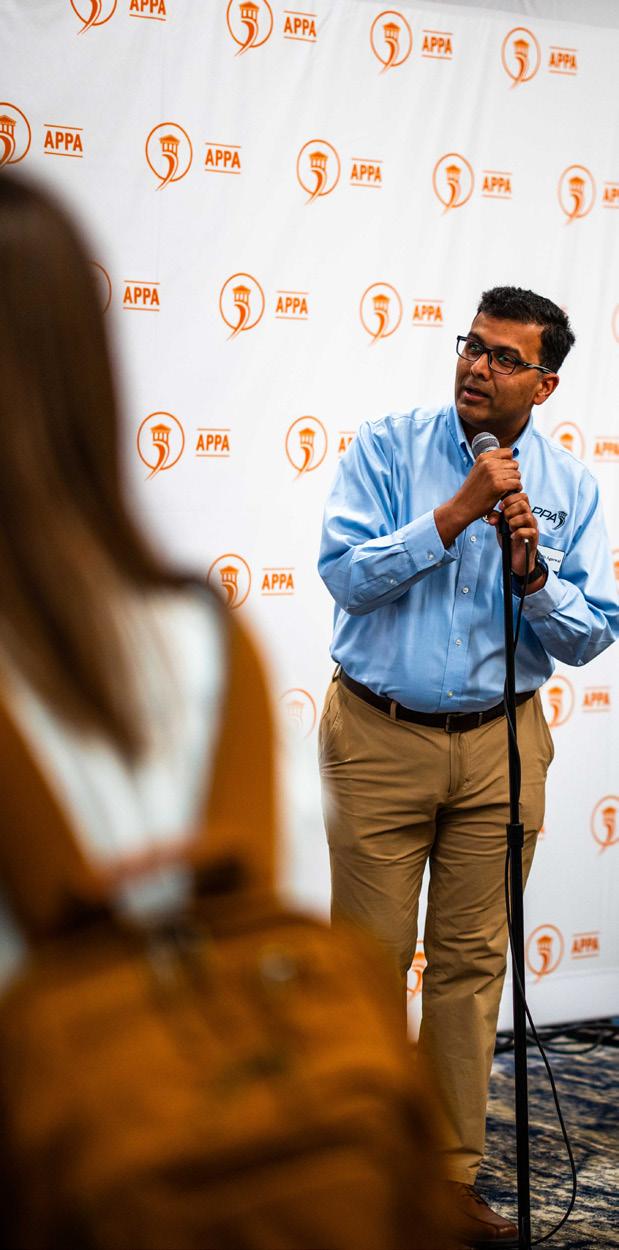
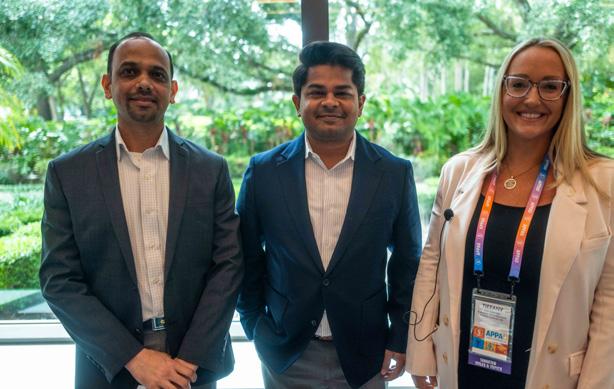
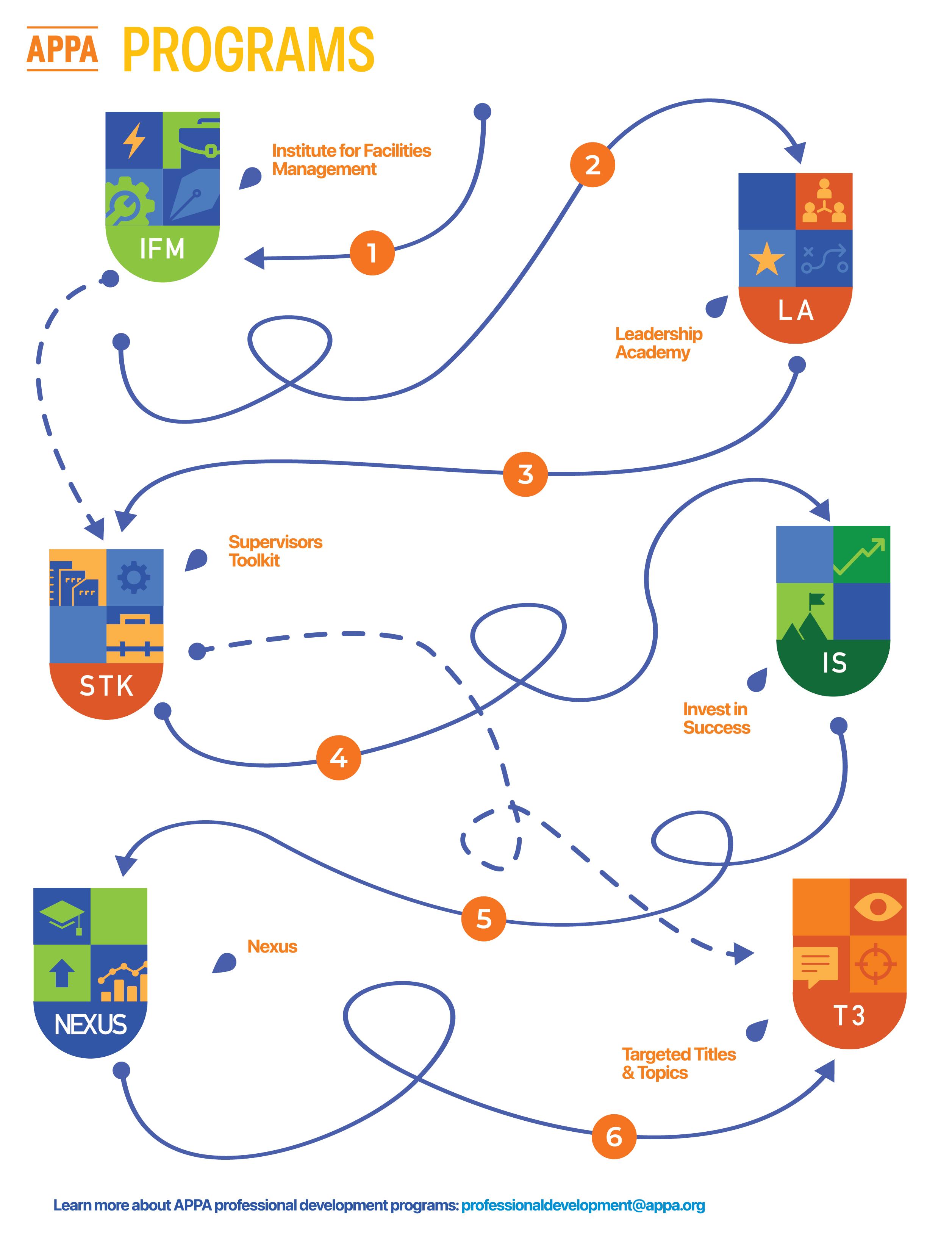
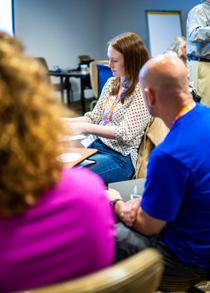
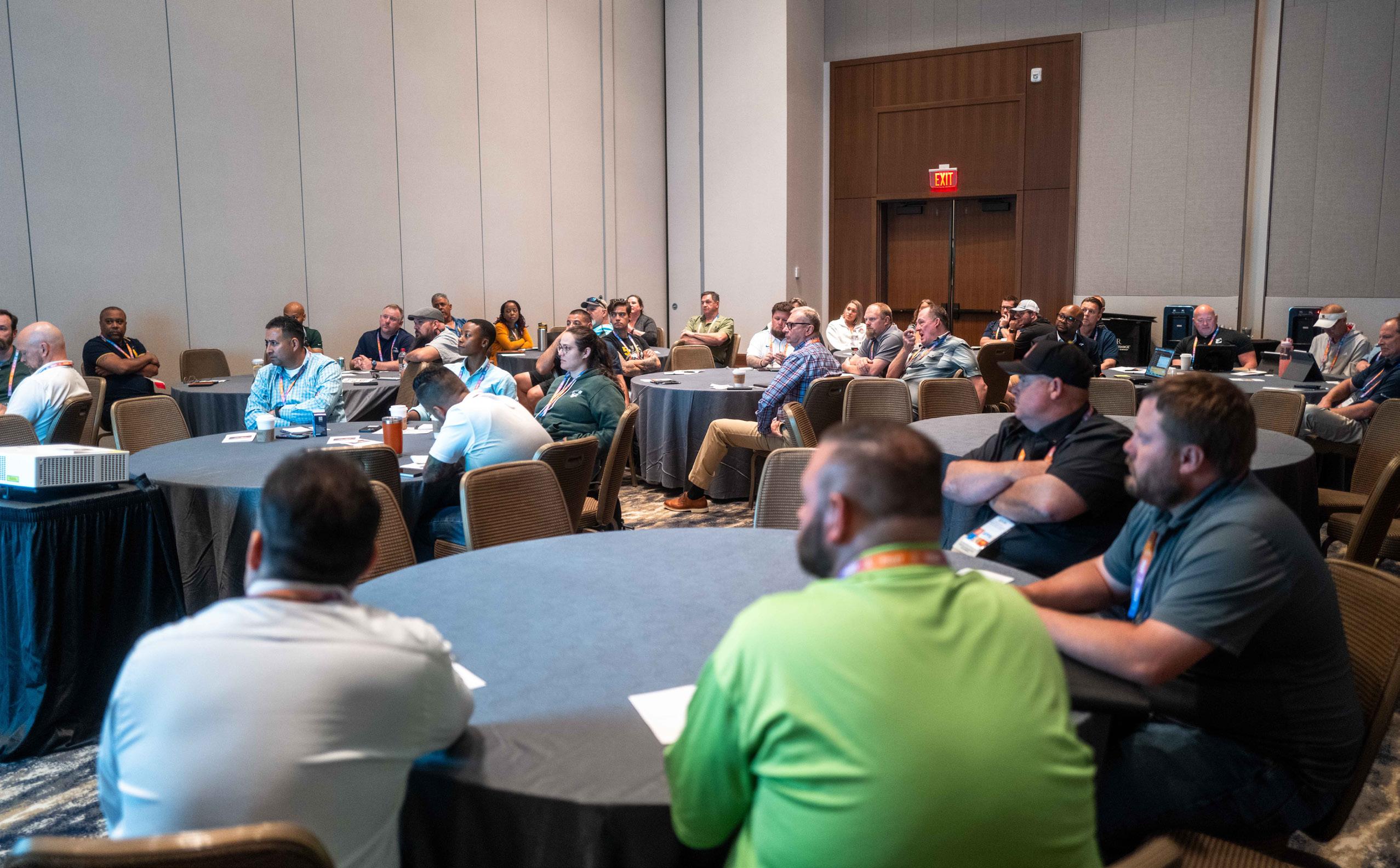
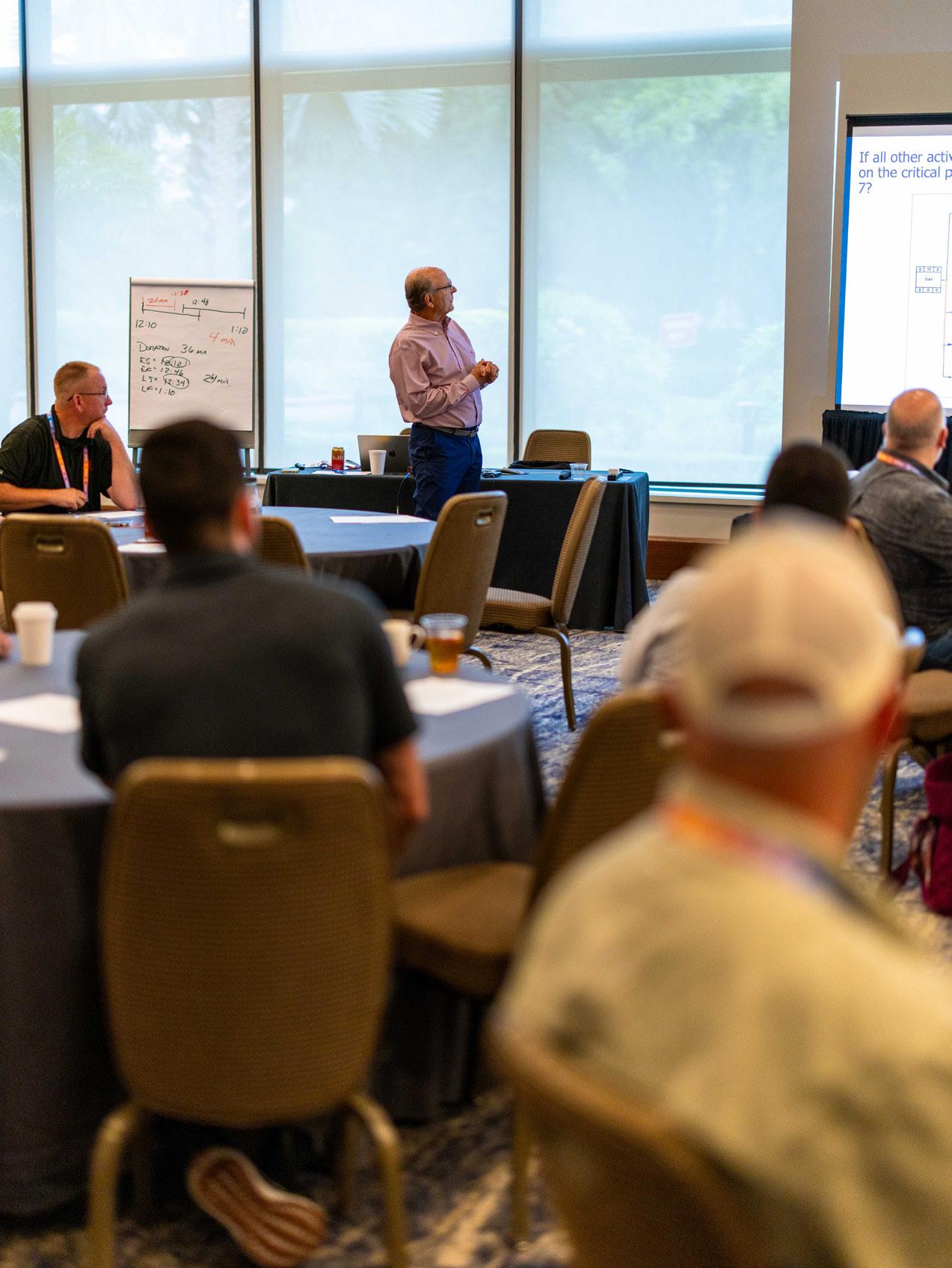
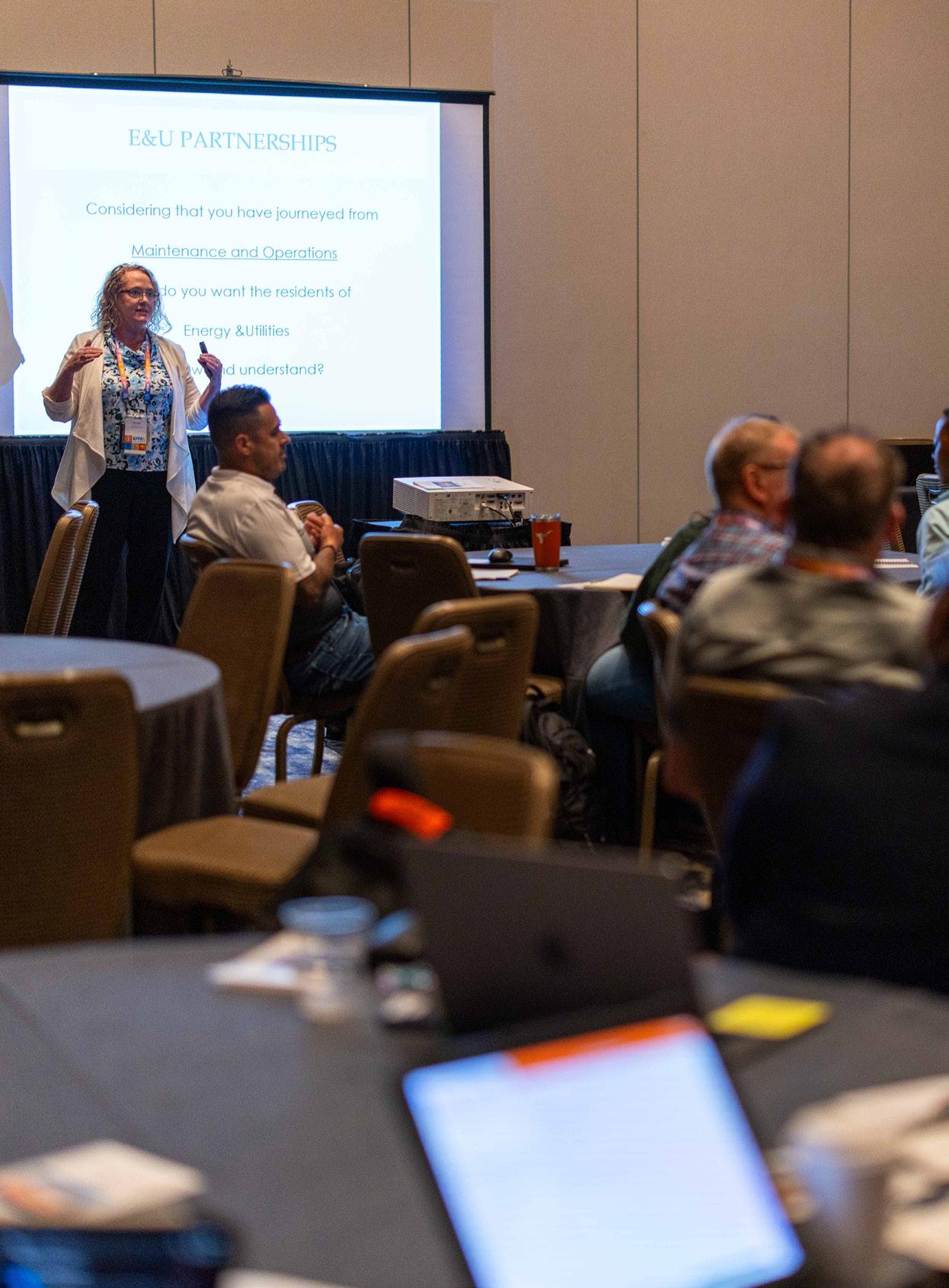
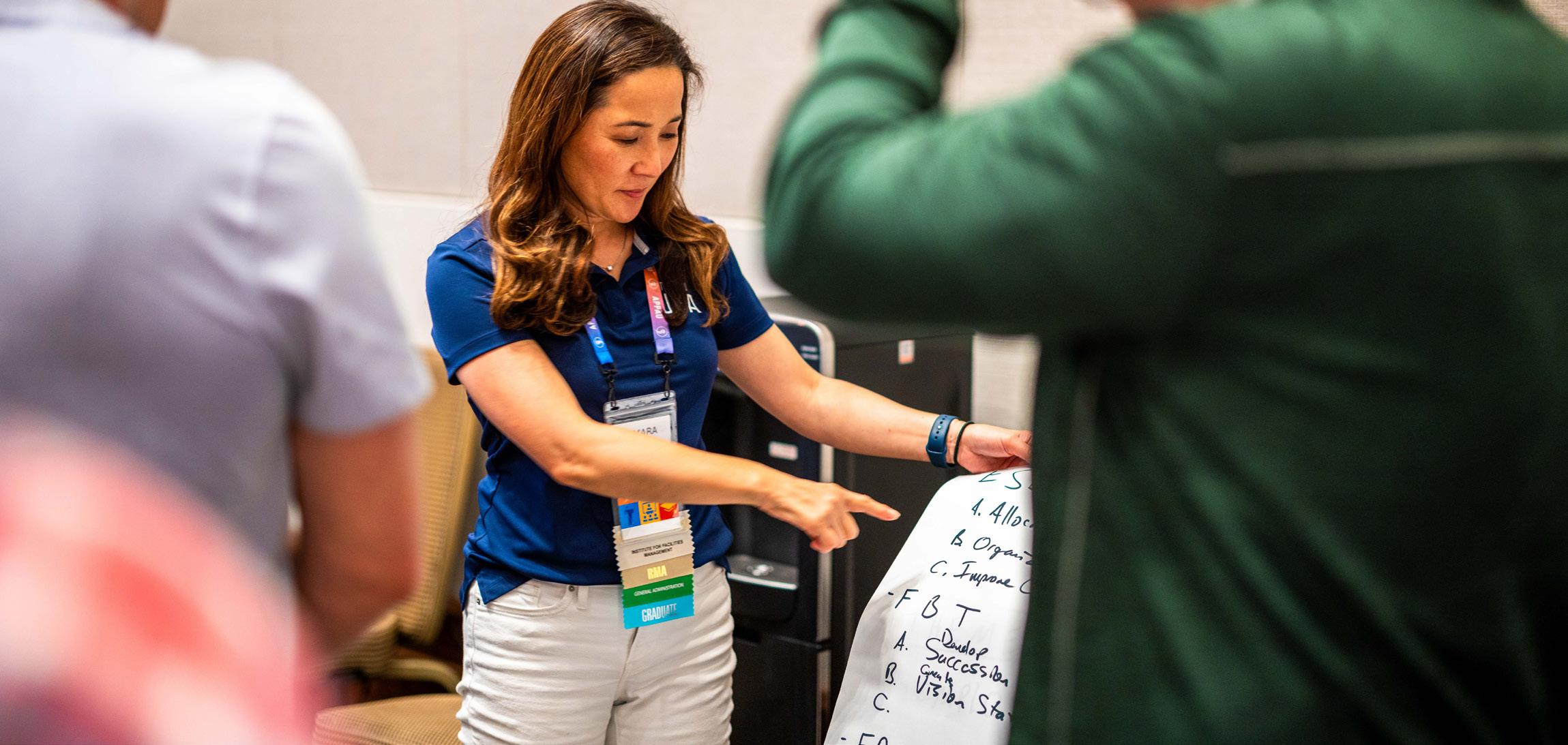
APPA’s Institute for Facilities Management provides an immersive and comprehensive education in educational facilities management. Designed to strengthen the competence, character, and leadership capabilities of FM professionals, the Institute equips participants with the knowledge and skills needed to navigate the complex and evolving challenges of their roles.
Core Curriculum
The Institute is structured around APPA’s four core areas of facilities management, with each considered a distinct section of study. Completion of all four core areas is required to graduate from the program. Participants should review the following course descriptions before selecting a core area:
General Administration
Operations & Maintenance
Energy & Utilities
Planning, Design & Construction
Students focus on one core area during each three-and-a-half-day program. Morning sessions feature required courses specific to the chosen core area, while afternoon sessions offer elective courses drawn from any of the four areas, allowing for a broader, more customized learning experience.
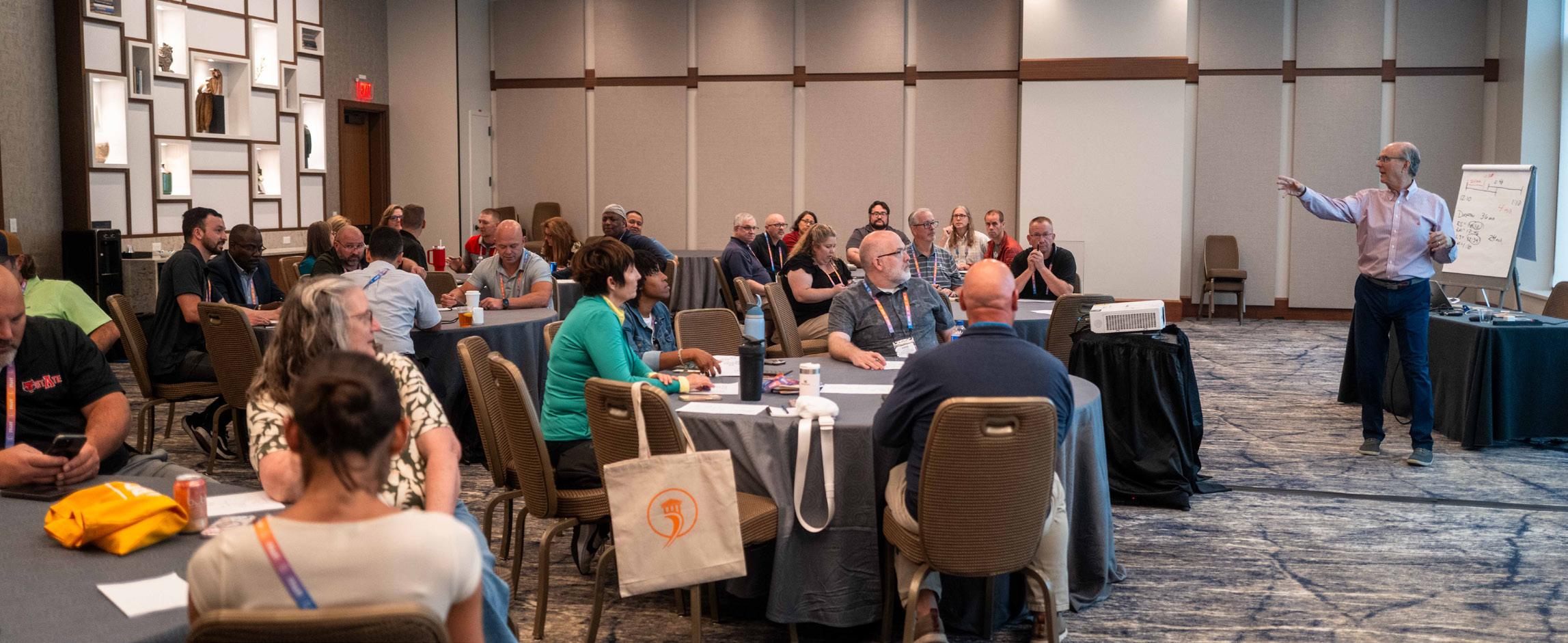

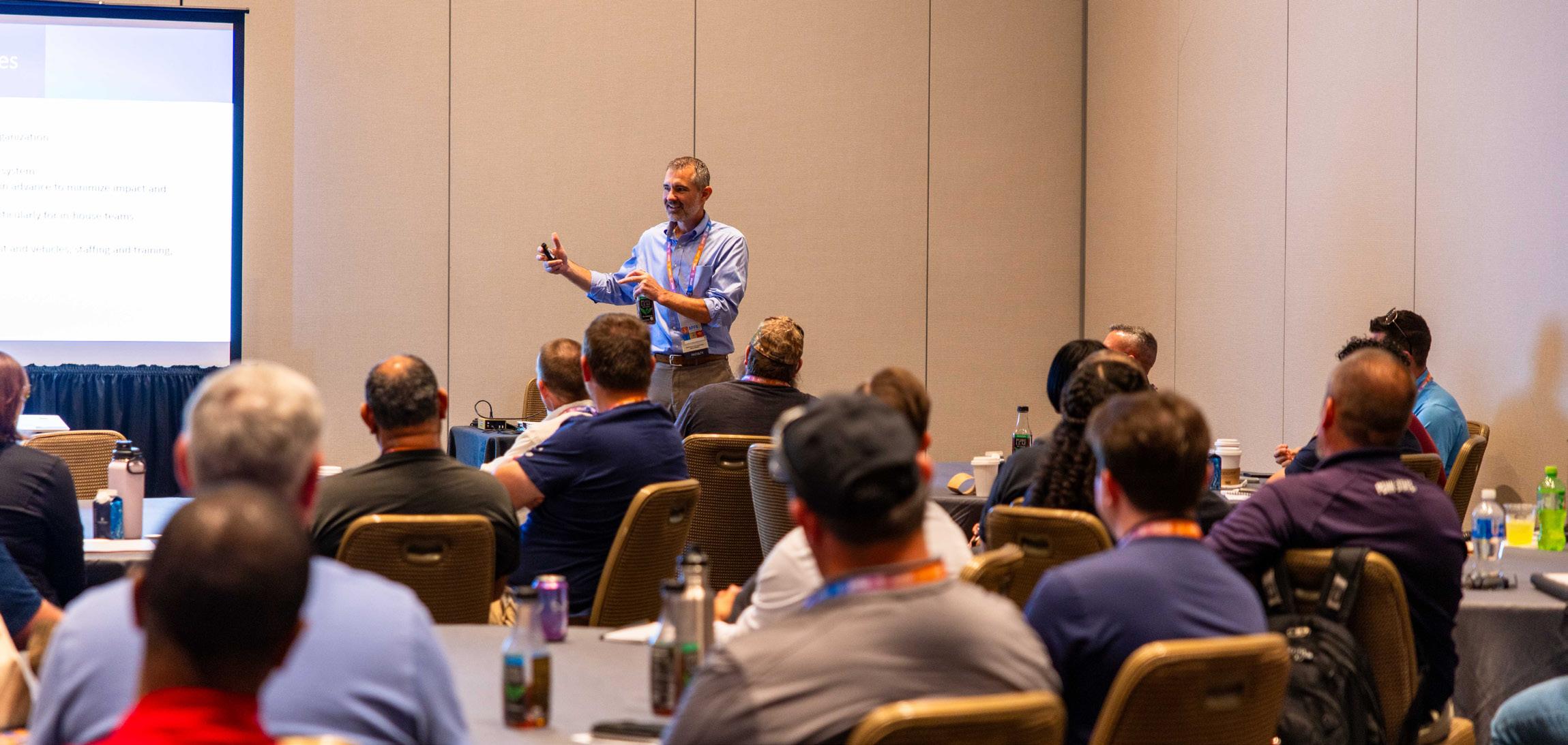
“[My favorite sessions were] the core Construction sessions. I don’t have much experience with that, and now I think I am better able to understand some of the thought processes and procedure discussions from our Campus Development staff.”
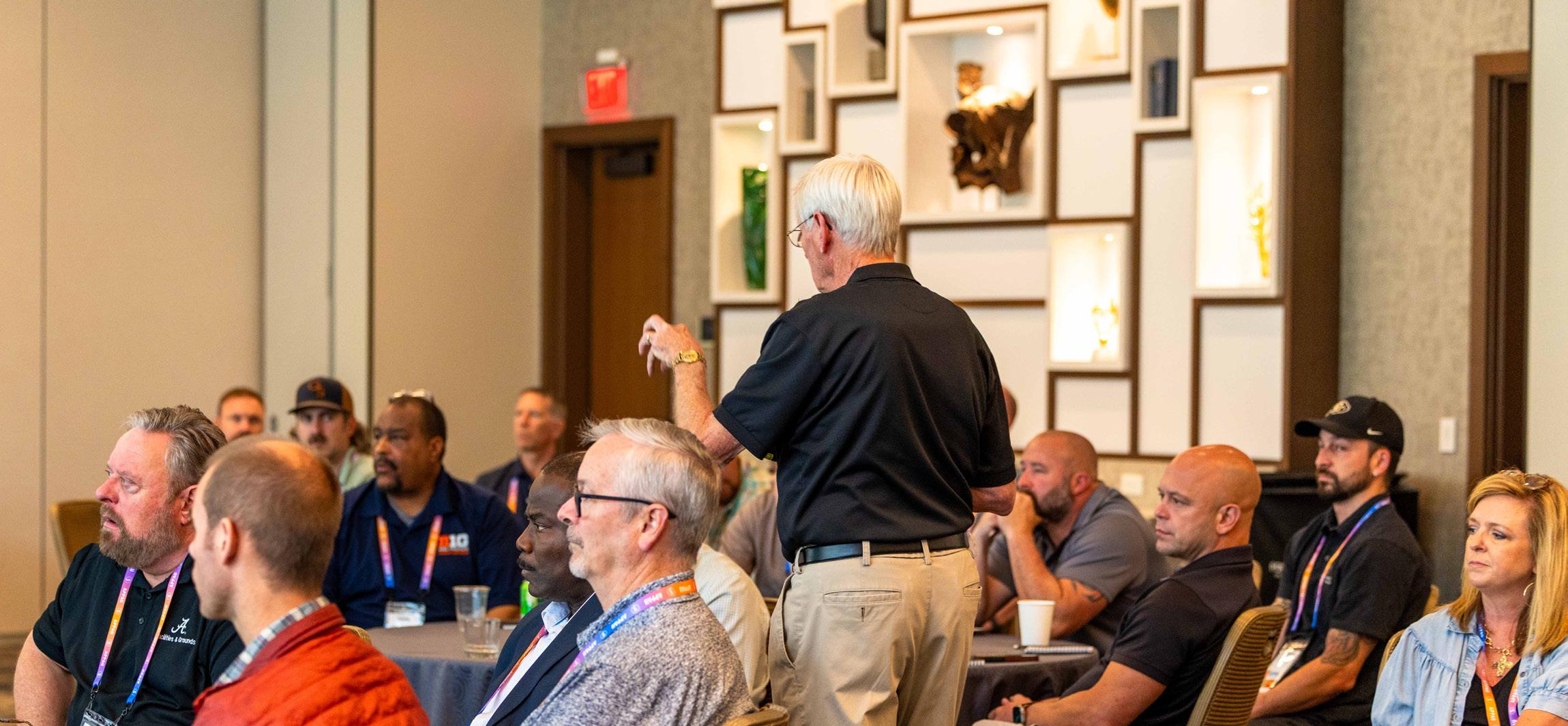
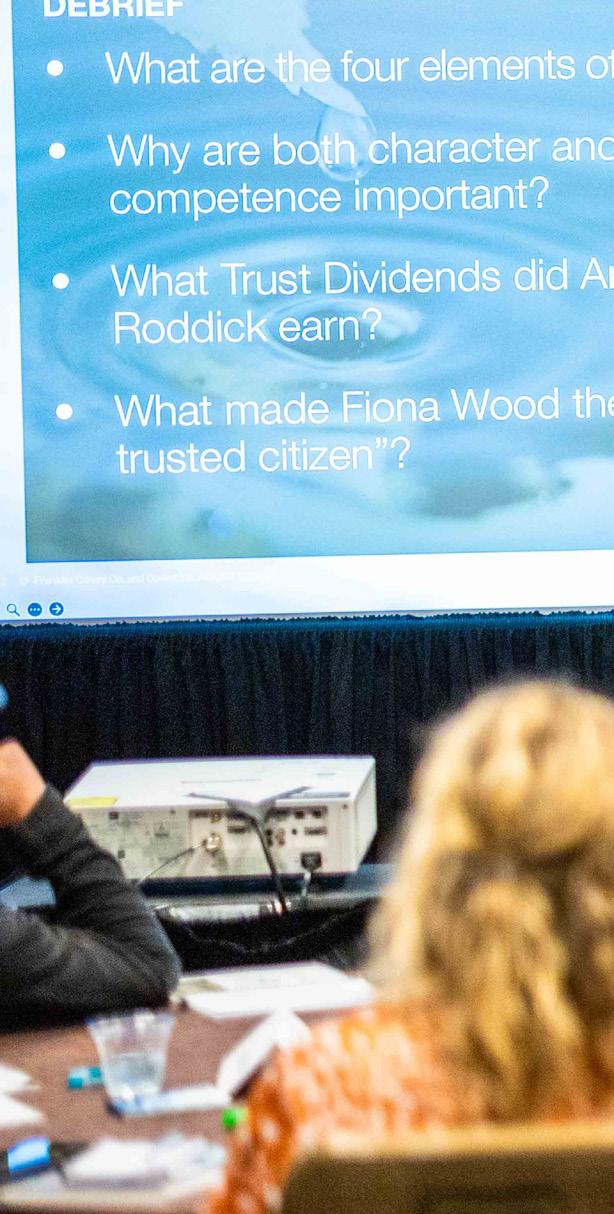
APPA’s Leadership Academy empowers educational facilities professionals to become effective, forward-thinking leaders. Designed to foster cultures of trust, collaboration, and lifelong learning, the Academy equips participants with the strategic leadership skills they need to elevate their institutions and teams.
This comprehensive program addresses the full spectrum of leadership development—from personal growth to organizational strategy— ensuring participants are well-prepared to lead at every level.
Core Curriculum
Offered through both in-person and virtual formats, this interactive learning experience is grounded in proven leadership development principles. Participants progress through four sequential levels, each focused on a key dimension of leadership effectiveness:
Level I: Individual Effectiveness Skills
Level II: Interpersonal Effectiveness Skills
Level III: Managerial Effectiveness Skills
Level IV: Organizational Effectiveness Skills
Whether you’re building foundational leadership competencies or enhancing your ability to drive institutional change, the APPA Leadership Academy offers a transformative path forward.
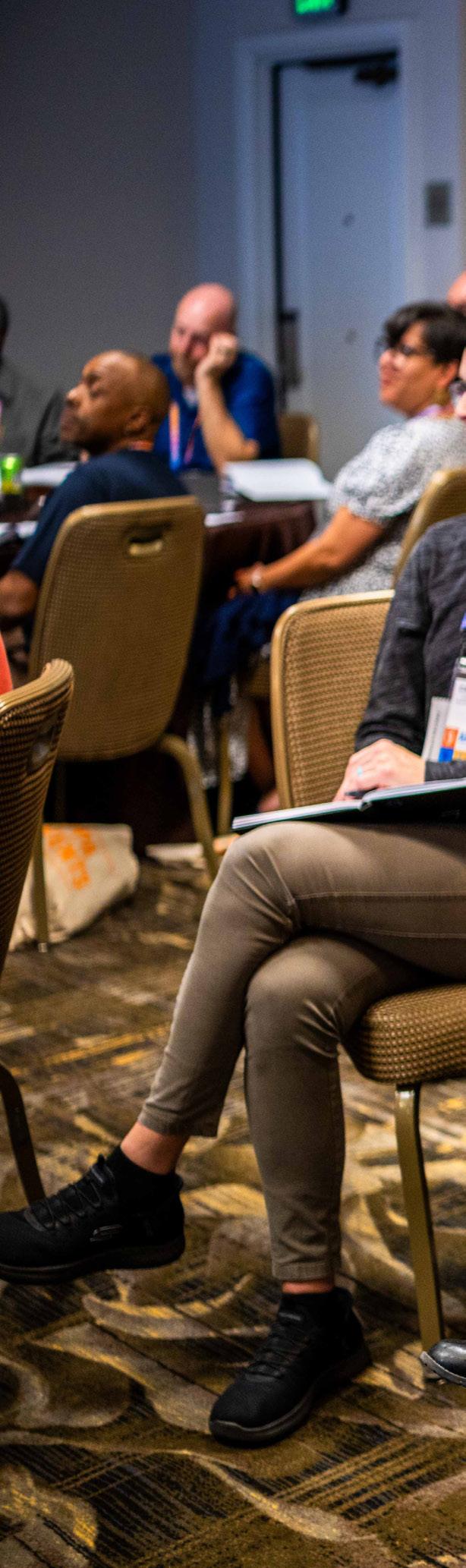



Artificial Intelligence in Educational Facilities
Where Innovation Meets Action
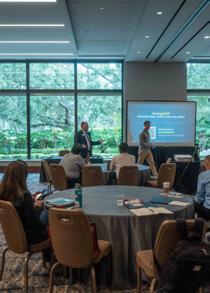
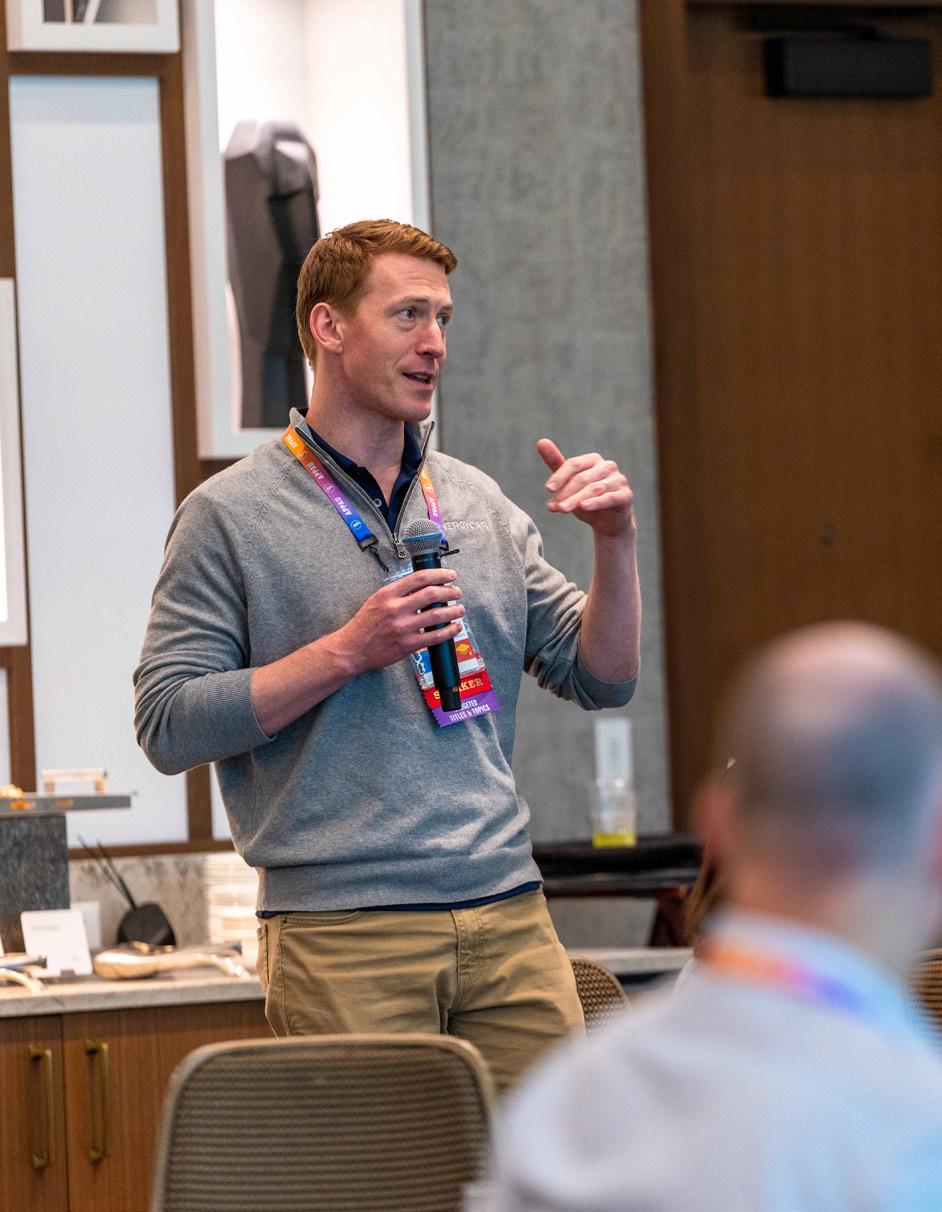
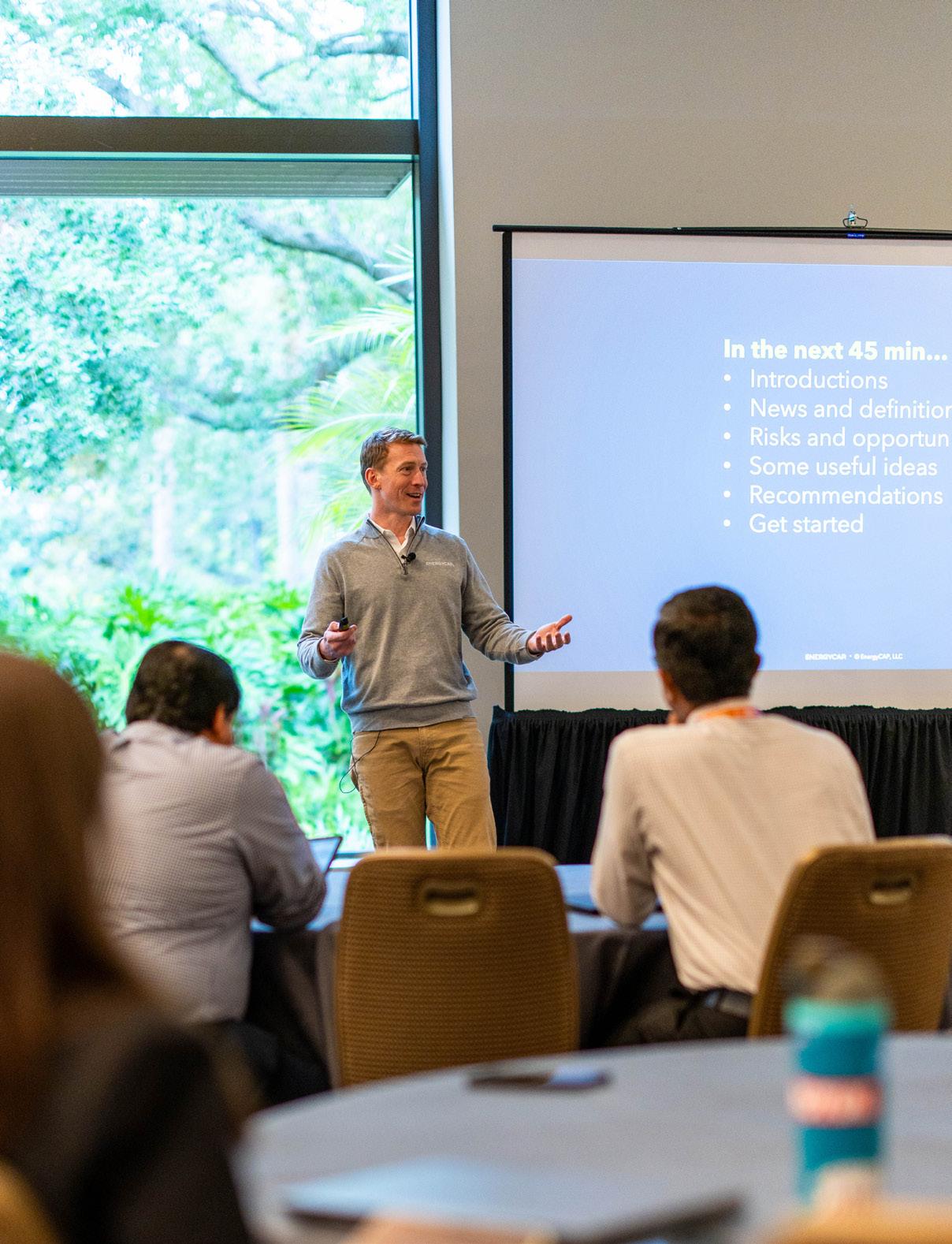
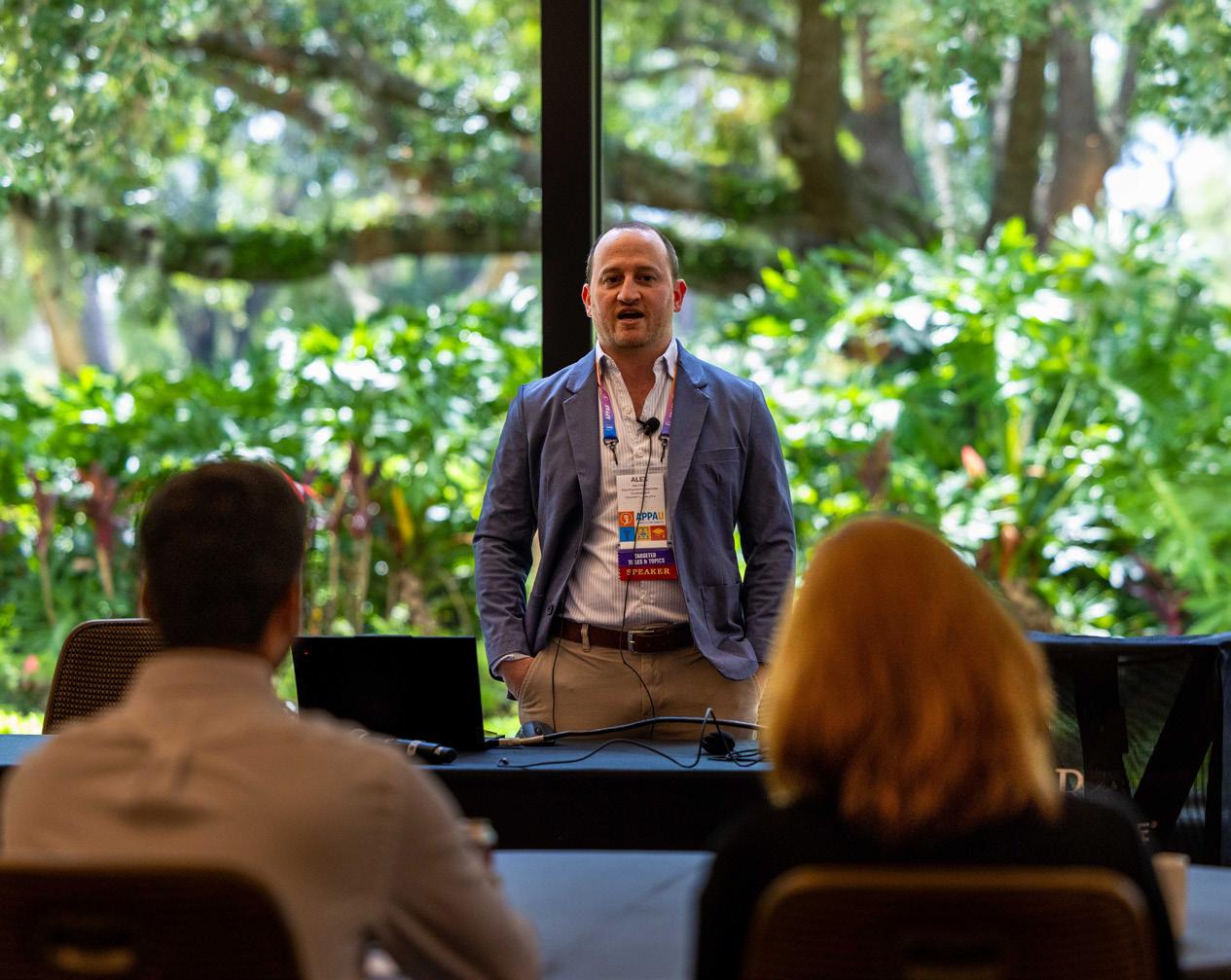
This year’s relaunch of APPA’s Targeted Titles & Topics (T3) Program at APPAU June in Orlando was nothing short of groundbreaking. Focused on the fast-moving frontier of Artificial Intelligence (AI) in educational facilities, T3 delivered a high-impact, 1.5-day immersion into the technologies and strategies redefining how we manage, maintain, and imagine campus environments.
Created especially for facilities professionals working at the crossroads of data analytics, operations, and innovation, T3 brought together a powerhouse cohort of speakers, thought leaders, and practitioners. With every session, the program underscored a central message: AI is no longer an abstract future—it’s an essential, evolving tool for today.
Keynote Address
The Fundamentals of Current AI Technology
Shawn Lankton, CEO, EnergyCAP
Set the stage with a high-level yet practical overview of AI’s current capabilities and the critical role it plays in facilities and utilities management.
Case Studies in Action
Nine compelling sessions featured real-world applications of AI across a wide range of institutions and challenges:
From Analog to Operational AI: Transforming Campus Operations & Workforce
Readiness
University of Central Florida & Georgia Southern Demonstrated how these institutions are evolving their operations through AI-based workforce and asset transformation.
Dreaming Bigger than the Biggest Dataset in Higher Ed
Degree Analytics
Explored how large-scale data can unlock predictive insights into space utilization and student success metrics.
AI That Works: Auto-Generating SOPs, Checklists & Compliance Logs
RayBizTech
Showcased how generative AI is being used to streamline routine facilities tasks with precision and consistency.
Beyond Commissioning: Using AI & LLMs to Scale Fault Detection & Diagnostics (FDD)
Bueno Systems
Illustrated how large language models and AI are driving scalable, automated building diagnostics across campuses.
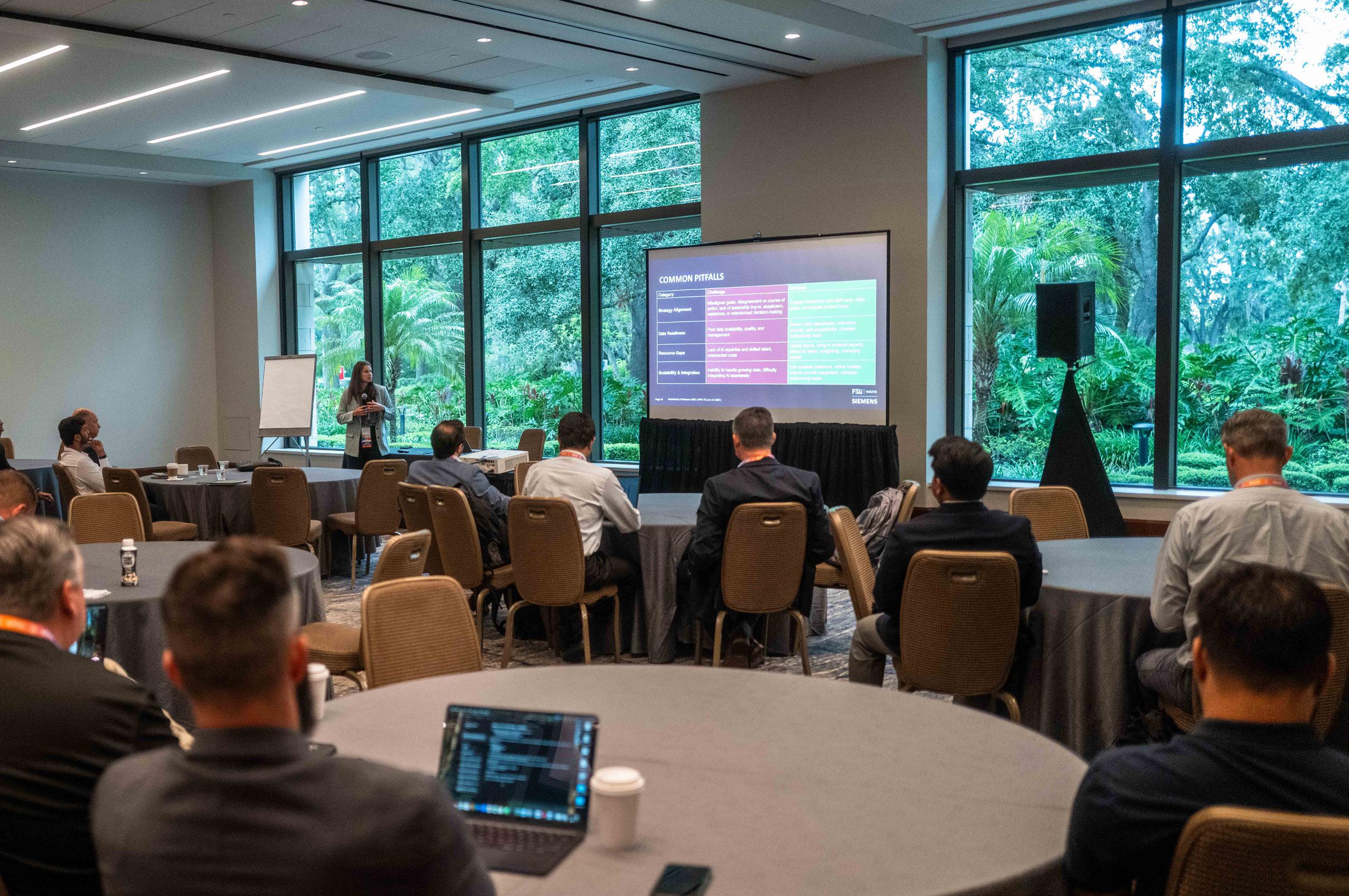
How AI is Transforming Campus Facility Management
Florida State University & Siemens
Highlighted collaboration around digital twins and smart systems that optimize operational decision-making.
Smart Campus Transformation: Leveraging AI & Data Integration for Optimization
University of Florida, University of North Carolina, Affiliated Engineers, Inc.
Focused on how data interoperability and AI can drive measurable improvements across multi-campus systems.
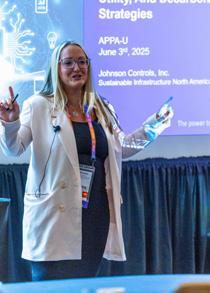
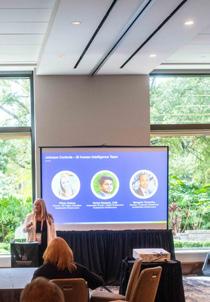
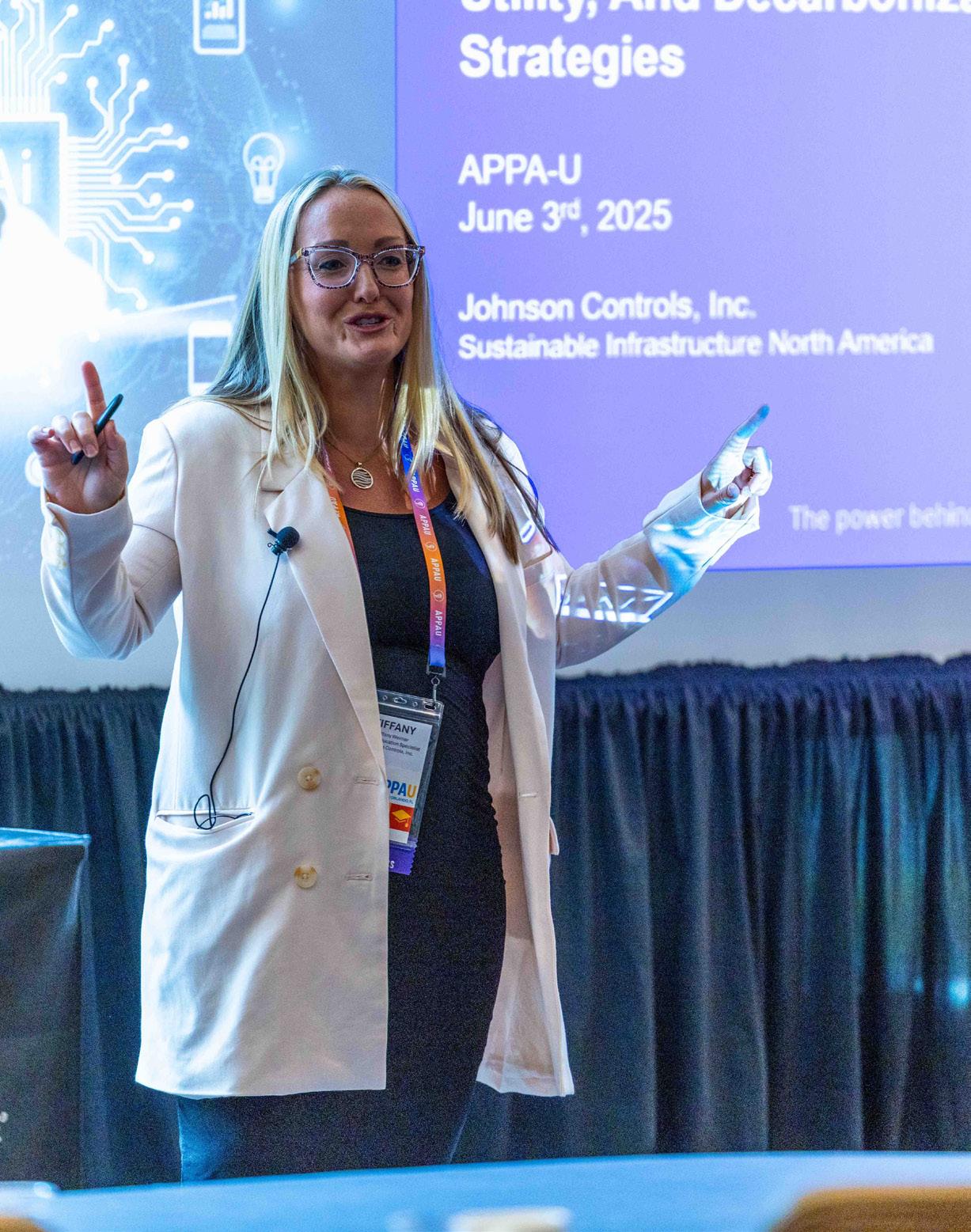
Solving Facility Problems with Fewer People and Less Time
Johnson Controls
Addressed labor and time constraints through AI-enabled energy and decarbonization strategies.
Expert Systems AI across 92,000 Mechanical Assets
Clockworks Analytics
Reflected on insights gained from wide-scale AI deployment across higher ed institutions, including energy reduction, maintenance improvements, and capital planning.
AI-Driven Envelope Intelligence: Scaling Energy Retrofits
Lamarr.AI
Presented cutting-edge techniques for identifying retrofit opportunities through AI analysis of building envelopes.
Closing Workshop
Making AI Real on Campus
A collaborative and interactive session that translated the program’s insights into actionable strategies, tools, and frameworks for bringing AI back to campus operations.
T3’s return was more than a program—it was a call to action. With AI taking center stage, this gathering affirmed that the facilities profession is not only keeping pace with digital transformation—it’s helping to lead it.
“[I was able to] truly grasping the 7 Habits of Highly Effective People...in level 1 of Leadership Academy. The teacher I had was one of the best speakers, presenters, and teachers I’ve ever had.”





“I’m returning with new ideas, stronger relationships, and an even deeper passion for supporting the mission of educational institutions.”Conference Attendee “
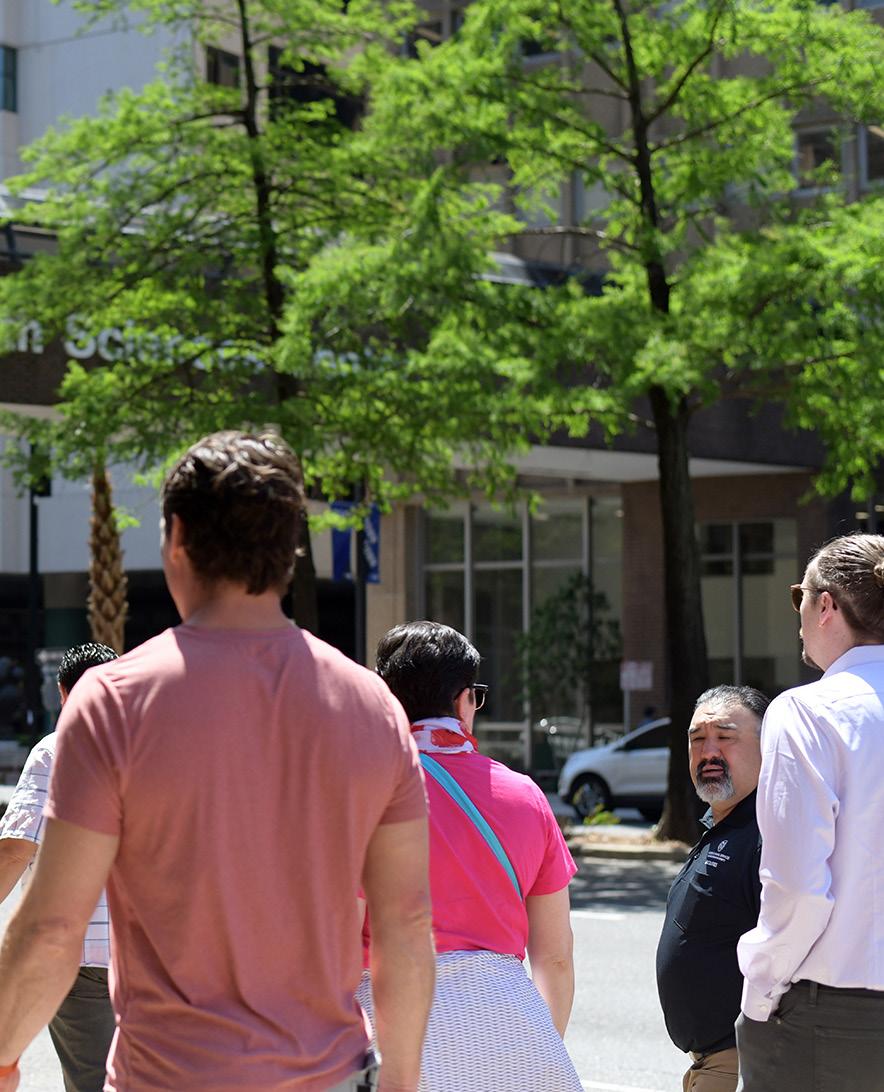
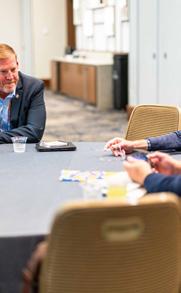
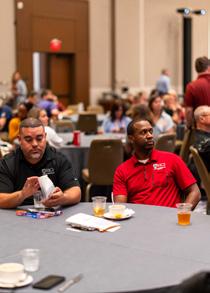
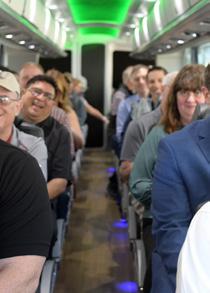
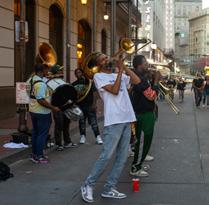
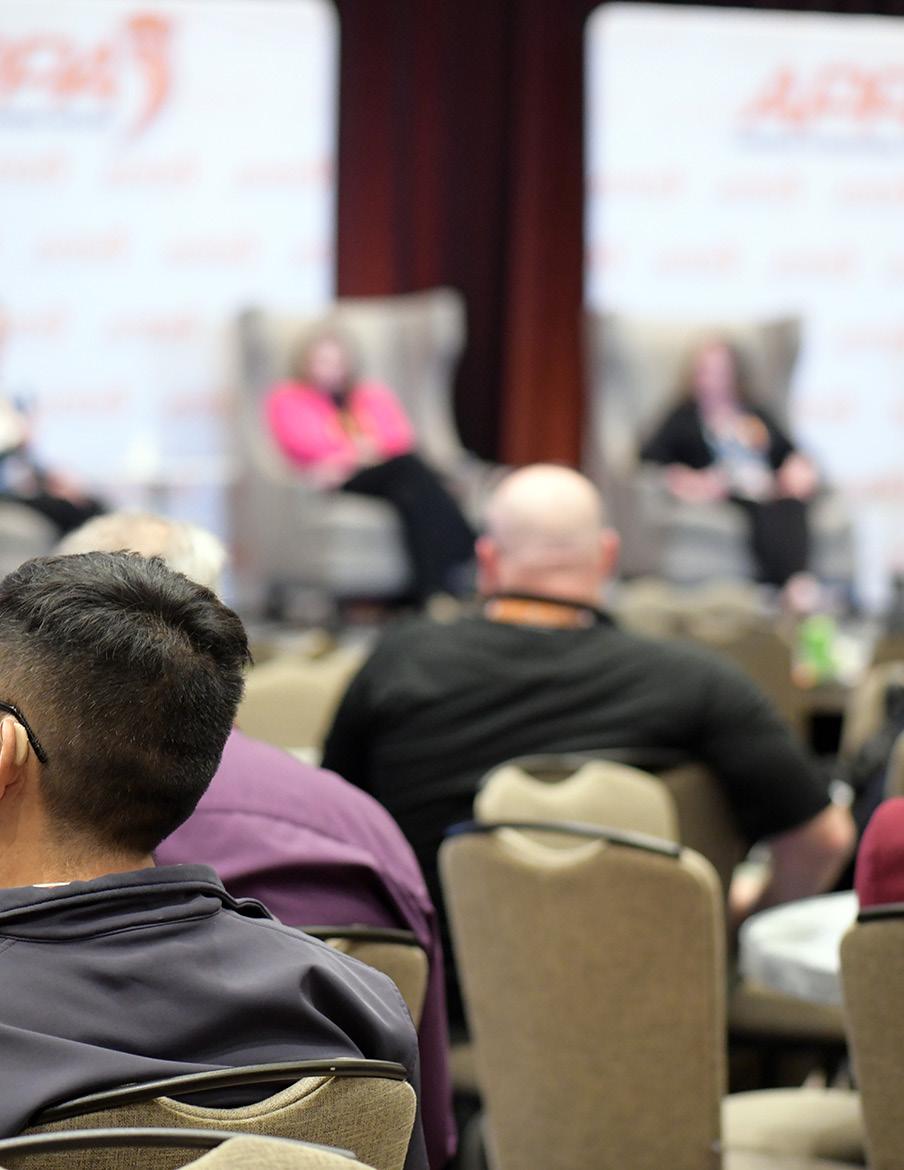
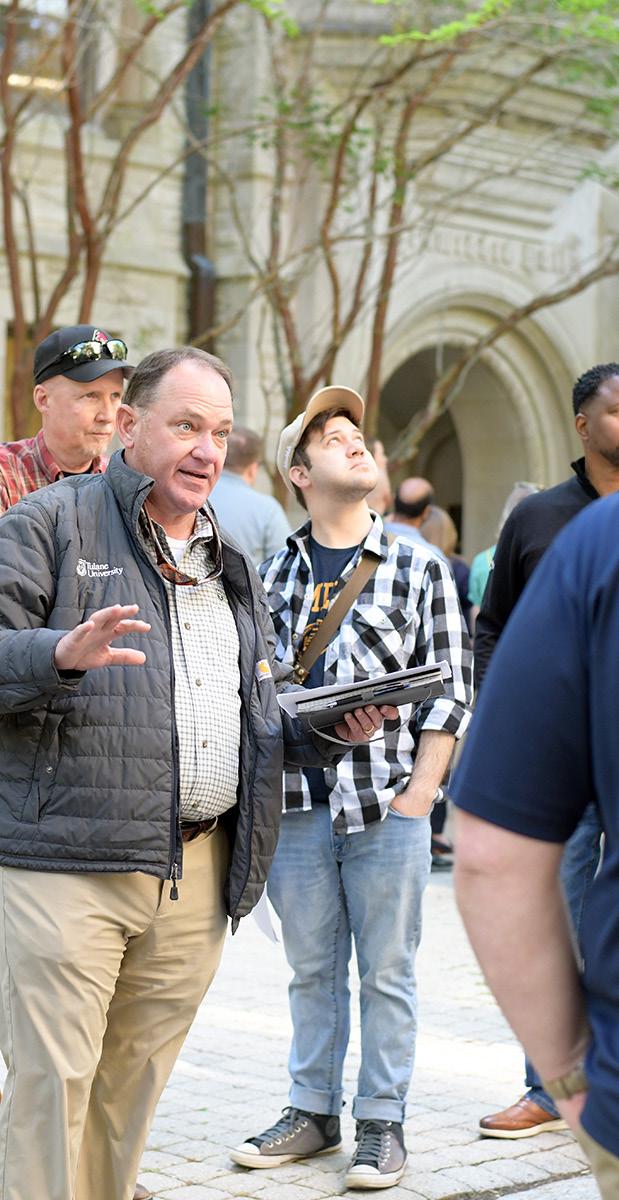
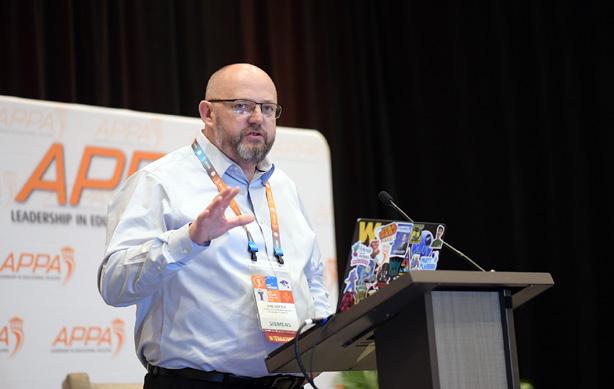
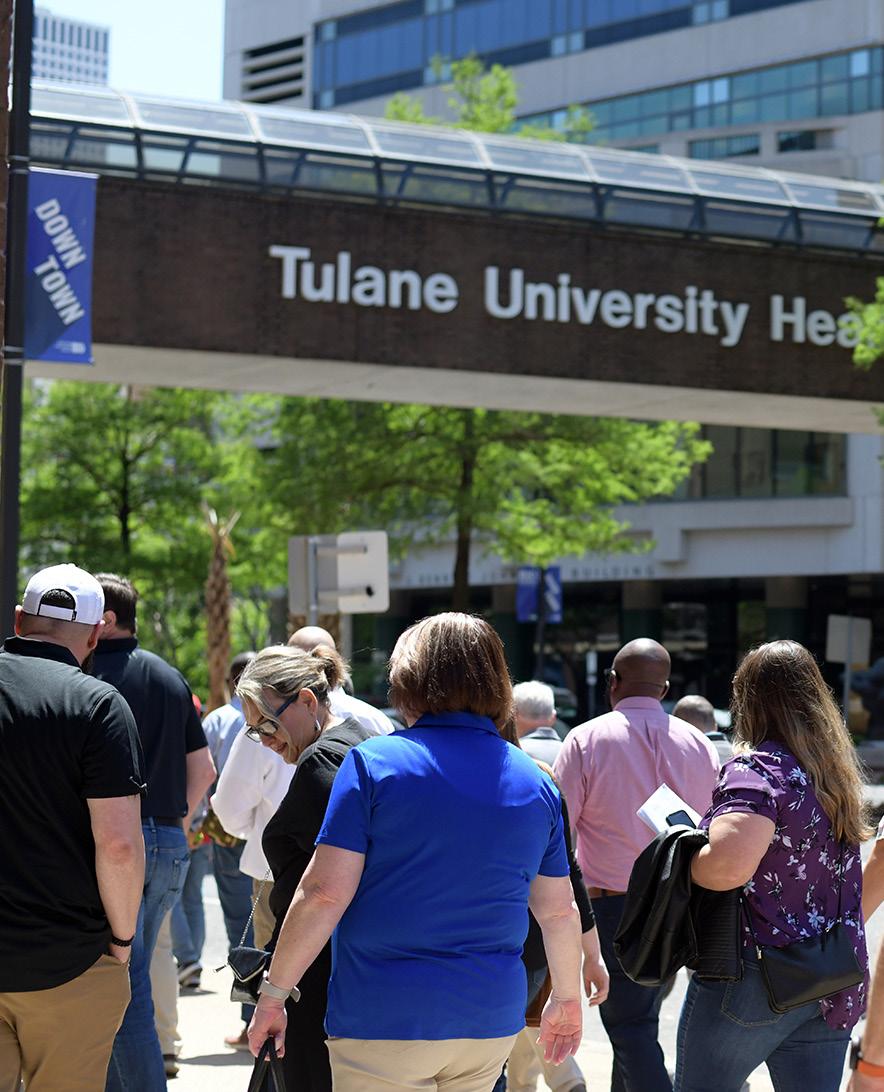
The APPA Spring Conference was a powerful reminder of the strength and value of our professional community. As facilities professionals navigate an increasingly complex landscape, events like this allow us to collaborate, learn, and evolve together. From tackling deferred maintenance and energy management to workforce development and smart technologies, attendees gained practical insights from peers who have already overcome similar challenges—saving time, money, and effort.
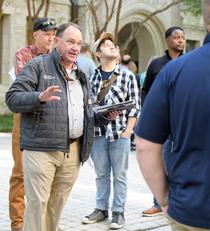
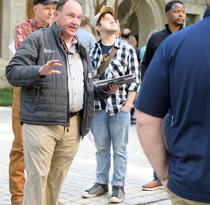
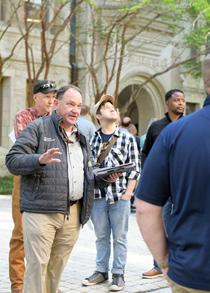
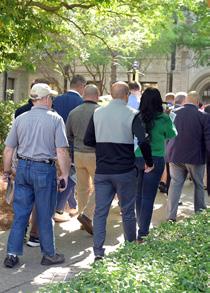
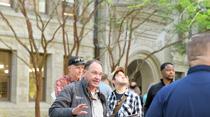
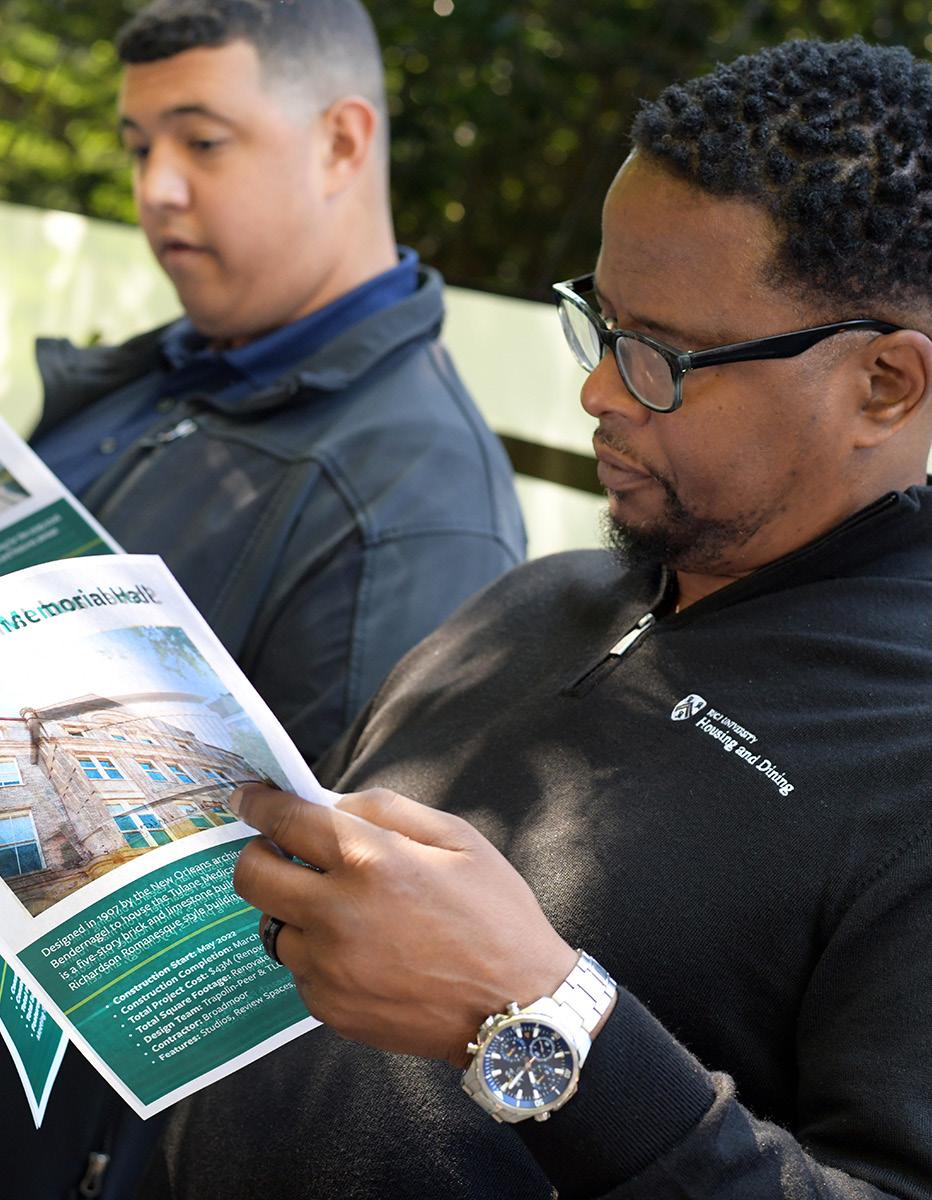
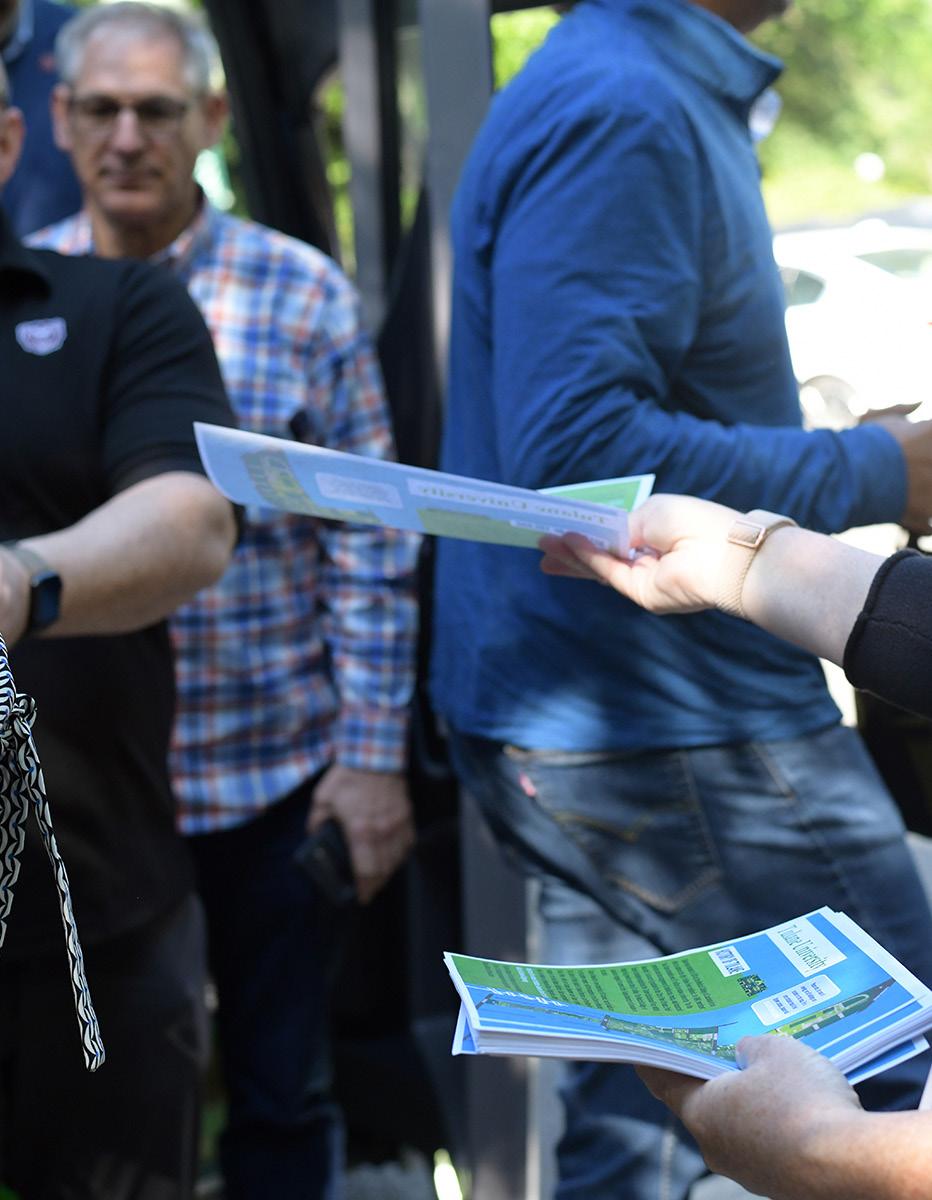
A tour of Tulane University’s historic campus brought those lessons to life, showing how institutions can balance preservation with innovation. These firsthand experiences turned theory into actionable ideas. The energy, dialogue, and shared commitment to progress were evident in every session and conversation. It’s clear that APPA members are not only ready for change—they’re leading it. And as we continue forward, the connections we build now will shape the future of our institutions.
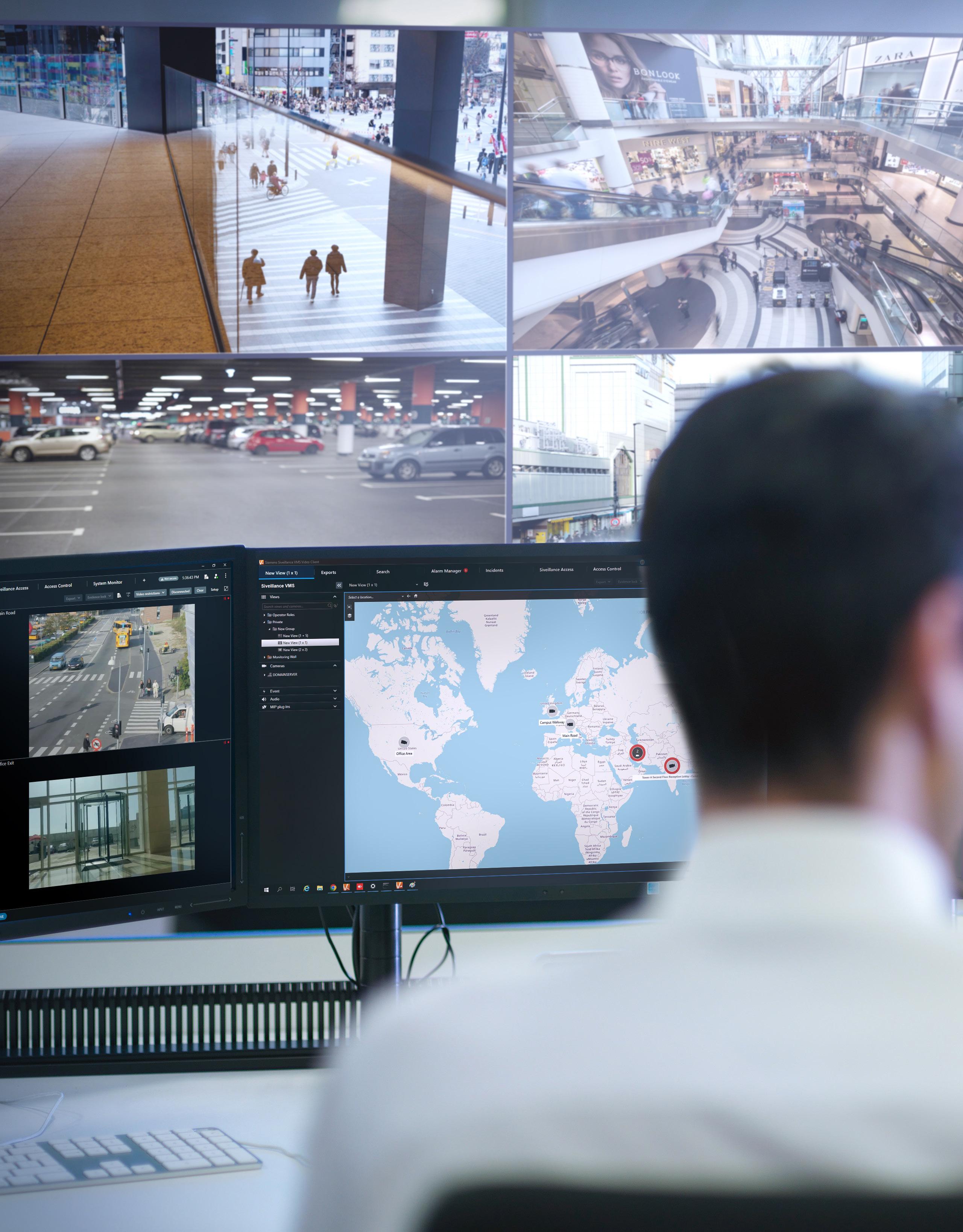
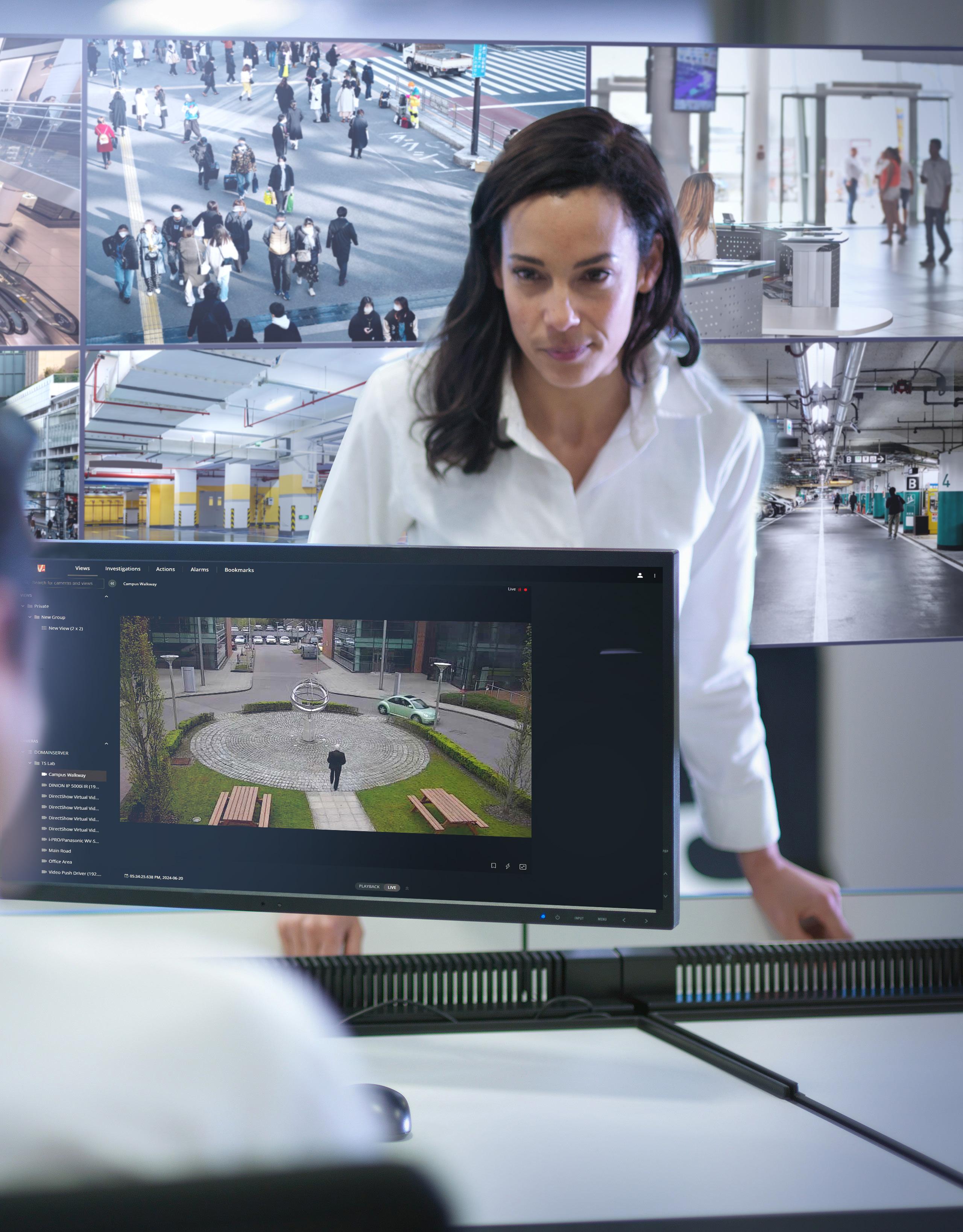
In today’s world, cultivating an environment of safety and security has become increasingly complex. Fortunately, the changing nature of security threats comes at a time when technological advancements are, with the right partner, able to keep up and deliver safer, more secure campus environments. Schools, colleges, and universities face a unique set of challenges as they work to maintain an open, welcoming environment while minimizing exposure to risk and danger. It’s both a delicate balance and a community effort. That is, students, faculty, and staff feel freer to focus on the core mission of education when they all feel safe, secure, and comfortable.
In this article, we present seven smart strategies and technologies for securing our schools and campuses. This topic is a continued exploration of one we at Siemens have been working on for many years, and warrants a renewed perspective.
What’s at stake
School and campus security has become a fundamental expectation for students, faculty, staff, and the broader community, as well as parents of potential students. And yet, recent incidents illustrate just how vulnerable institutions – and the people who attend them – remain.
At the University of Nevada Las Vegas (UNLV), a gunman killed three faculty members and injured three other people, including two law enforcement officers. One student who recounted the incident said it was not her first active shooter experiencei. Students at the University of Houston protested in February 2025 to demand greater campus security and safetyii after “a string of robberies and a sexual assault were reported on campus.”
The ability to respond effectively to any safety incident begins long before an incident occurs, and these tragedies highlight the devastating consequences of security gaps. They also reinforce the importance of preparation, prevention, and aligning security strategies and technologies with industry recommendations and evolving trends.
Aligning campus security strategies with industry trends
In its 2025 Security Megatrends reportiii, the Security Industry Association (SIA) identifies several key trends that are shaping the future of security. Artificial intelligence (AI) is an already driving force behind many of today’s most effective security solutions. The combination of visual intelligence, predictive analytics, and autonomous threat detection will have
a significant impact, they say, on the effectiveness of video surveillance and emergency response. It’s a shift that’s enabling campuses to shift their security strategies from passive monitoring to proactive threat detection.
SIA also highlights how the continued convergence of information technology (IT) and operational technology (OT) systems means that security technologies can now be integrated with campus infrastructure in ways that enable real-time, datadriven decision making. For example, with IT-OT convergence, access control, video surveillance, and emergency communication systems can work together with campus automation, lighting, fire safety, and HVAC systems to create a truly unified response to campus emergencies.
Finally, the Megatrends report points to cloud-based management of security technologies as a key trend. Cloud-enabled platforms enable campuses to take advantage of real-time software updates and security patches, proactive monitoring, and seamless integration across a variety of security and building functions – all of which help campus technologies remain current, effective, and scalable
The best, most effective emergency responses start with effective emergency plans and processes. What should happen in the event of a fire alarm, a problem with a campus lab space, an active shooter situation? All these contingencies must be carefully considered and planned for, because the expectation is that administrators will know exactly what to do and how to respond in each of these situations. The time to understand and learn these processes is not during an emergency.
Securing our educational institutions means more than having an emergency plan; it’s about practice, too. Consider how athletes prepare for a game. They practice game situations, run drills, and study their opponents. Emergency preparedness must follow the same approach. By running drills and understanding emerging threats, everyone can react appropriately to have the best possible outcome in the event of an emergency.
Educational institutions cannot afford to take a reactive approach to security. To help ensure a reasonable level of security for students, faculty, and staff, schools and campuses must strategically layer security into their daily operations while recognizing that both security threats and the technologies to prevent them continually evolve and improve.

Today’s approach for implementing smart strategies and technologies
In 2014, the Partner Alliance for Safer Schools (PASS) published its first “guidelines for implementing a layered and tiered approach to securing and enhancing the safety of school environment.” Their original report, now in its sixth editionⁱᵛ, still recommends a multi-layered approach that integrates security into daily operations. Today, building a more secure, more resilient educational environment means leveraging both strategic planning and advanced technologies to mitigate risks before they escalate into crises and help speed response of first responders should an event occur.
The following seven keys outline actionable strategies, along with enabling technologies and services, that schools and campuses should adopt to establish a more comprehensive security framework and most importantly, help create safer, more secure learning environments.
1. Assess the current state of security and plan for a unified approach.
2. Evaluate perimeter security and close gaps as needed.
3. Control access into and out of buildings and in secure areas.
4. Implement an intelligent video surveillance platform.
5. Unify security technologies through integration to help improve efficiency and response times.
6. Employ an effective notification and
communication platform for all stakeholders and visitors.
7. Service and maintain security systems to enable proper operation and reliability; leverage digital services to create efficiencies and fill staffing gaps.
1. Assess the current state of security and plan for a unified approach
Over the last decade, schools, colleges, and universities have done a tremendous amount of work to shore up their security measures, protocols, and technologies – and this work has paid off. In January 2025, there were 50% fewer school shootings than there were in January of 2024, progress that can be attributed to the combination of emergency response planning and security technologiesᵛ.
The first “wave” of securing both school and campuses involved securing the perimeter, restricting entry points, and deploying cameras to record activity. Now, security professionals must modernize their approach, including leveraging new technologies, as campus environments continue to change and adapt. Re-assessing the current state of security means taking a fresh look at vulnerabilities and acknowledging that yesterday’s solutions may no longer be sufficient for today’s risks. Re-assessment may mean looking at smarter, more adaptive, and AI-powered platforms; refining emergency response protocols; shoring up cybersecurity training; and aligning security solutions with the latest threat intelligence.

Likewise, planning for a unified approach helps ensure that campus security becomes more than a fixed set of tools; it can become an evolving strategy that prioritizes risk aversion, situational awareness, effective emergency response, and community wellbeing.
2. Evaluate perimeter security and close gaps as needed
You have likely already invested in a range of perimeter security measures, from natural barriers; building fortifications like fencing, window film, and vestibules; and security technologies like lighting, sensors, exterior cameras. Over time, building usage may have shifted, or green spaces have evolved. For college campuses, it may also be time to evaluate code blue stations for effective functionality. Are these stations working correctly? Is camera resolution acceptable? What about lighting – is that adequate or introducing risk? Consider, too, that today’s AIpowered technology can detect screams and calls for help, automatically activating alarms within the command center.
Now is the time to re-evaluate the effectiveness of these measures and close any gaps that may remain.
3. Control access into and out of buildings and in secure areas.
Many schools and campuses have been architecturally designed to create open, welcoming spaces, although
access control platforms have been important for securing interior building spaces. Security teams are now looking to close these gaps, adding access controls to building entrances as well as interior spaces that were not previously equipped with security. Today’s access control systems have evolved significantly since their first implementations. Now they can manage access to multiple buildings and environments that all come with their own set of security requirements—such as the differences between research areas versus dormitories or academic buildings.
4. Implement an intelligent video surveillance platform
Effective, modern security demands adaptive visual intelligence platforms that can provide your security team the insights they need to actively interpret and respond to potential threats in real time.
The first step is to evaluate your current video coverage and scope. Are cameras placed in the right locations? Have you done all you can to minimize blind spots? It’s also essential that you evaluate your cameras themselves, as newer devices have much greater resolution, giving security teams much more detailed images than ever before—even so far as allowing one new camera to do the work of several older ones. Could it be time to replace aging cameras with new ones that can provide better evidence? Historically, cost and complexity meant that
many camera features weren’t configured at their deployment. But today, self-configuring, selfalarming systems make it much more accessible for campuses to activate AI-powered analytics. Are you fully utilizing and leveraging the analytics capabilities your system offers?
Additionally, real-time forensic search capabilities can now identify people, clothing, animals, and unusual movements; detect distress signals, such as calls for help or screams; and empower response teams to react swiftly, even in areas without direct camera visibility. These AI-powered features can provide security teams with the situational awareness they need to detect, analyze, and respond to threats much faster and more accurately than before.
5. Unify security technologies to help improve efficiency and response times
Traditionally, security setups have involved disparate software solutions for access control and video surveillance. This structure created operational silos that could slow down decision-making. Today, however, security platforms can be truly integrated and unified in an ecosystem that breaks down these silos, seamlessly sharing data across platforms and managed from a single interface. With a unified approach to security, for example, a person swiping a badge at an entry point can be instantly cross verified with their photo ID through the security platform, rather than requiring an extra, manual step. Unification can also extend beyond security to encompass other building systems, such as fire and automation. In this way, the IT-OT convergence empowers campus facilities teams to receive and act on alarms in real time and with a unified approach. Let’s say a fire alarm is activated; access controls in that area can be triggered automatically to assist in evacuation, HVAC systems can respond as needed, and video surveillance can be enabled to support first responders – all without a manual intervention at a time when every second matters. Ultimately, campuses that plan for and invest in unification today will be better equipped to adapt to future innovations and more deeply embed security into all aspects of campus facilities.
6. Employ an effective notification and communication platform for all stakeholders and visitors
In any emergency – whether we’re talking about a weather event, an environmental hazard, or a hostile threat – every second counts. Educational leaders must help ensure that communications are immediate,
accurate, and delivered automatically through the channels that first responders, students, faculty, staff, and the community already use and trust. However, many schools and campuses still rely on outdated, manual notification protocols that delay information to those who need it most. As a personal anecdote, as I was working on this article, my local campus’s hard lockdown alarm was activated, as it turns out, inadvertently. At 11:21am, I received an email outlining the false alarm, the administration’s response, and the fact that campus operations had returned to normal. Two minutes later, at 11:23am, I received a text message notification about the lockdown. Two minutes after that, the all-clear came through. These messages arrived out of sequence, and underscore the need for unified, automated communications.
The National Fire Protection Association (NFPA) has incorporated emergency communications into its NFPA 3000™ Standard for an Active Shooter / Hostile Event Response (ASHER) Programvi. Nearly every campus has a notification system that can communicate via text message, app-based alerts, email, and so on. Technology today is available that empowers campuses to leverage their existing communication infrastructure and create a seamless, unified communication platform that integrates with access control, surveillance, and environmental monitoring so that the right message gets to the right people at the right time—without relying on manual activation.
When notification and communication combine with access control and visual intelligence platforms, the entire security approach can become an autonomous, integrated function; schools and campuses can ensure that critical alerts don’t just go out, but include timely, precise, and accurate information people can use to act and respond appropriately.
Dave Stolerow is the National Business Manager - Enterprise & Smart
Buildings/Security at Siemens Industry, Inc.
USA Today
iiHouston Public Media
iiiSecurity Industry Association
ivPartner Alliance for Safer Schools
vCampus Safety Magazine
viCampus Safety Magazine

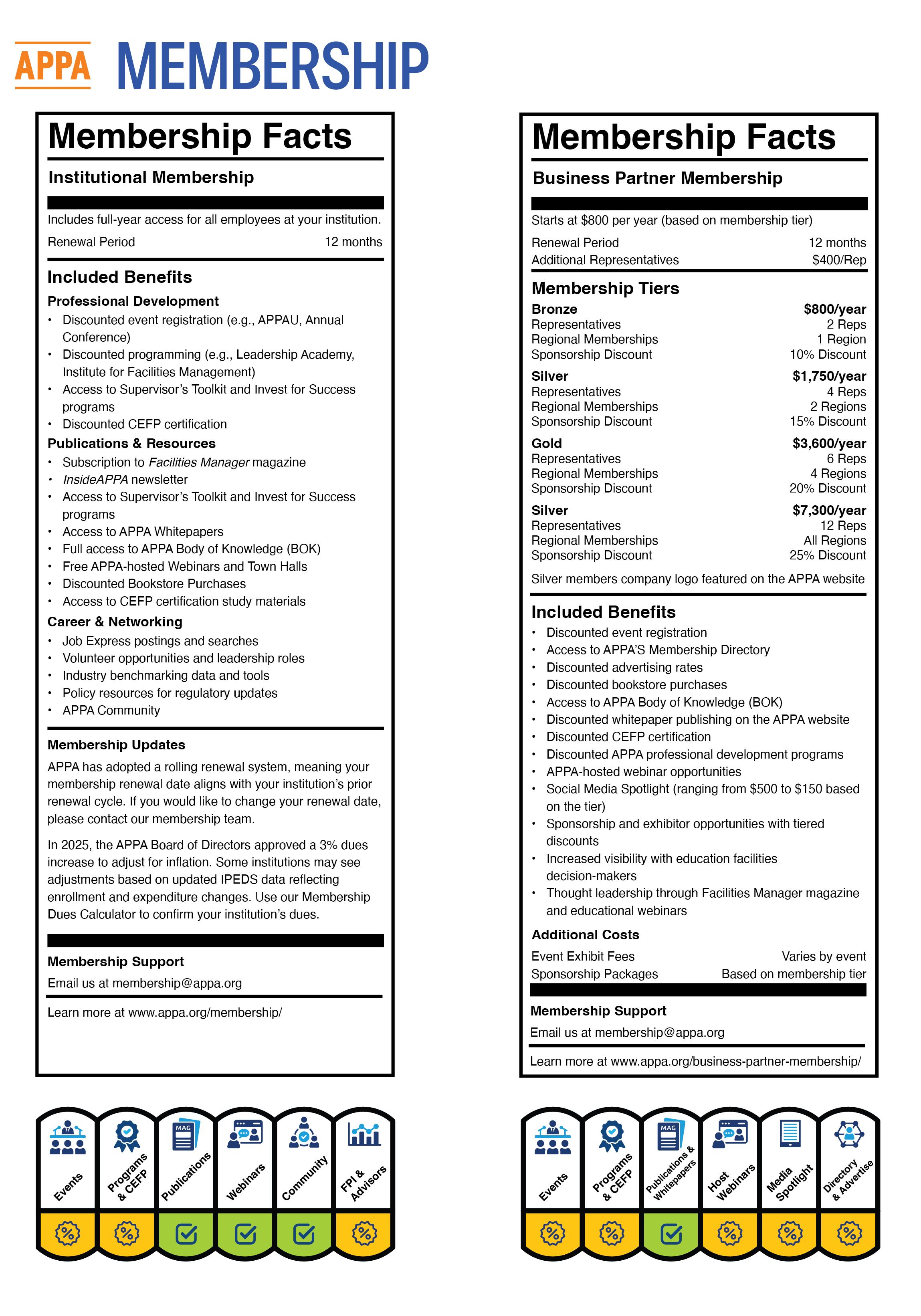


How did vehicle telematics data help enhance the University of Virginia Facilities Management Fleet’s safety and sustainability?
B. Brian Park and Michael E. Duffy
In today’s world, cultivating an environment of safety and security has become increasingly complex. Fortunately, the changing nature of security threats comes at a time when technological advancements are, with the right partner, able to keep up and deliver safer, more secure campus environments. Schools, colleges, and universities face a unique set of challenges as they work to maintain an open, welcoming environment while minimizing exposure to risk and danger. It’s both a delicate balance and a community effort. That is, students, faculty, and staff feel freer to focus on the core mission of education when they all feel safe, secure, and comfortable.
In this article, we present seven smart This article discusses the past five years of collaboration between the engineering school and the facilities management (FM) at the University of Virginia. The University of Virginia’s Facilities Management (FM) fleet has become a leading example of how data-driven strategies can enhance safety and sustainability in institutional vehicle operations. It started during COVID when Vice President & Chief Facility Officer Don Sundgren charged facilities management staff to deliver a “high value fleet that was a role model of efficiency for all institutions of higher learning.” That charge has been the primary driver of great accomplishments for FM, the engineering school professors, and their students, delivering results across UVA Grounds (i.e., campus). As FM was looking into offering mindful driving training to their FM fleet operators, the engineering school’s capstone project team designed and delivered a mindful driving program based on information derived from FM vehicle-specific conditions. Throughout the years until 2025, four additional capstone project teams worked on various topics, including reactive and proactive reinforcement training, assessment of fuel and energy savings, safety hotspot identification, and safe and sustainable routes, all derived from FM vehicles’ telematics data.
With these efforts, the UVA FM has been recognized with various accolades, including Best Special Project in North America “Mindful Driver Training” from the National Association of Fleet Administrators (NAFA) in 2021, “Effective & Innovative Practices AwardPartners in Promoting Mindful Driving” from APPA in 2022, the Governor’s Environmental Excellence Award, Honorable Mention in 2024, and 6 years consecutively recognized by NAFA’s 100 Best Fleets and The Green Fleet Awards. We briefly describe these capstone projects and highlight key findings from them.
The foundation for these efforts began during the COVID period by developing and delivering an agency-specific “mindful driving” training program, which used vehicular telematics data to identify risky behaviors such as harsh braking, hard acceleration, speeding, seat belt violations, and excessive idling. This program was designed not only to address safety but also to improve fuel efficiency and reduce the environmental impact of the fleet. The training was delivered to drivers, and its effectiveness was rigorously evaluated using pre- and post-training telematics data. The results showed statistically significant improvements in five out of six targeted behaviors for the trained group, including a 45.9% reduction in idling time per mile and a 73.7% decrease in seat belt infractions, while the control group saw no significant changes. These findings demonstrated that a data-driven, agency-specific
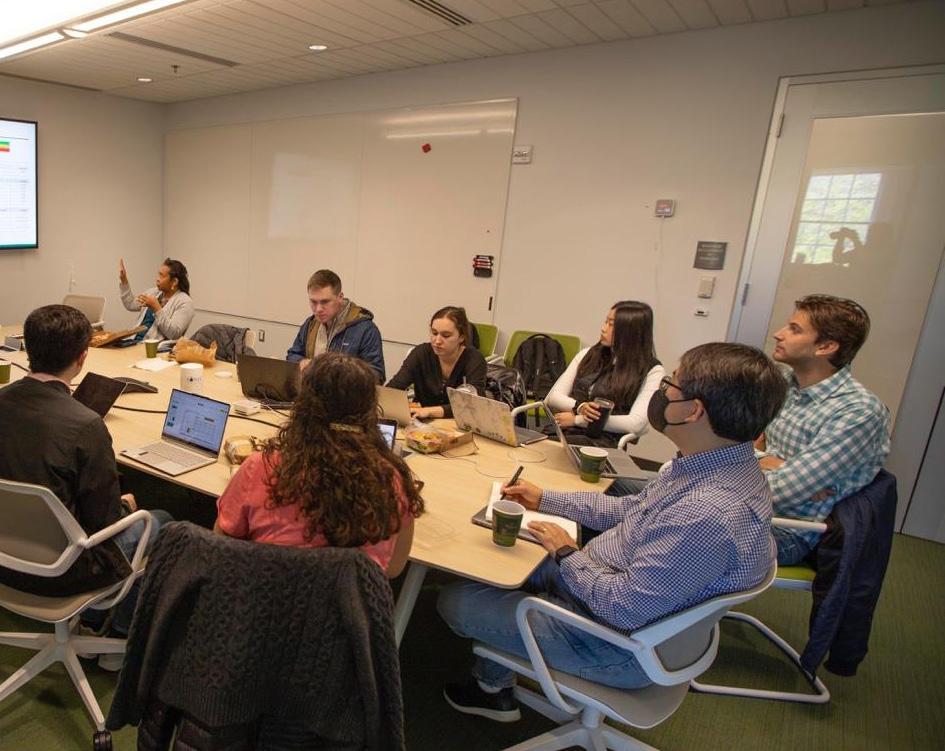
approach to training can be more impactful than generic fleet safety courses, as it engages drivers with feedback that is highly relevant to their actual habits and workplace context.
Building on this success, the engineering student capstone project team explored whether reinforcement training could sustain and deepen these improvements. Two approaches were tested: proactive training, delivered on a set schedule, and reactive training, triggered by a spike in infractions (i.e., violations in speeding, seatbelt usage, harsh braking, etc.). The analysis revealed that reactive reinforcement training led to a statistically significant
reduction in speeding infractions, as measured by a drop in speeding violations immediately following the intervention. In contrast, proactive training did not show a statistically significant effect in the short term, though visual analysis suggested there may be longerterm benefits. These results suggest that timely, targeted interventions are particularly effective for correcting acute safety issues, while proactive training may help maintain awareness and performance over time.
A subsequent study expanded the analysis to a division-wide scale, quantifying both the safety and sustainability benefits of the mindful driving program.
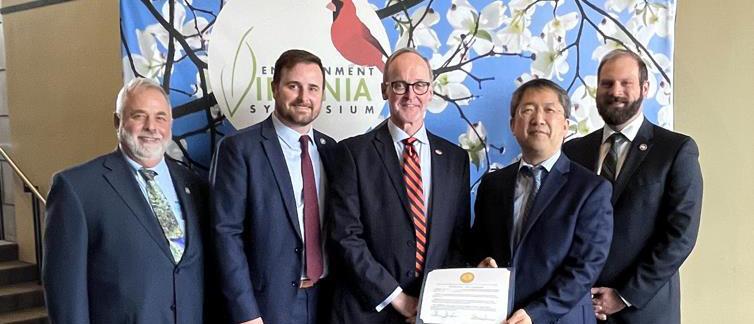
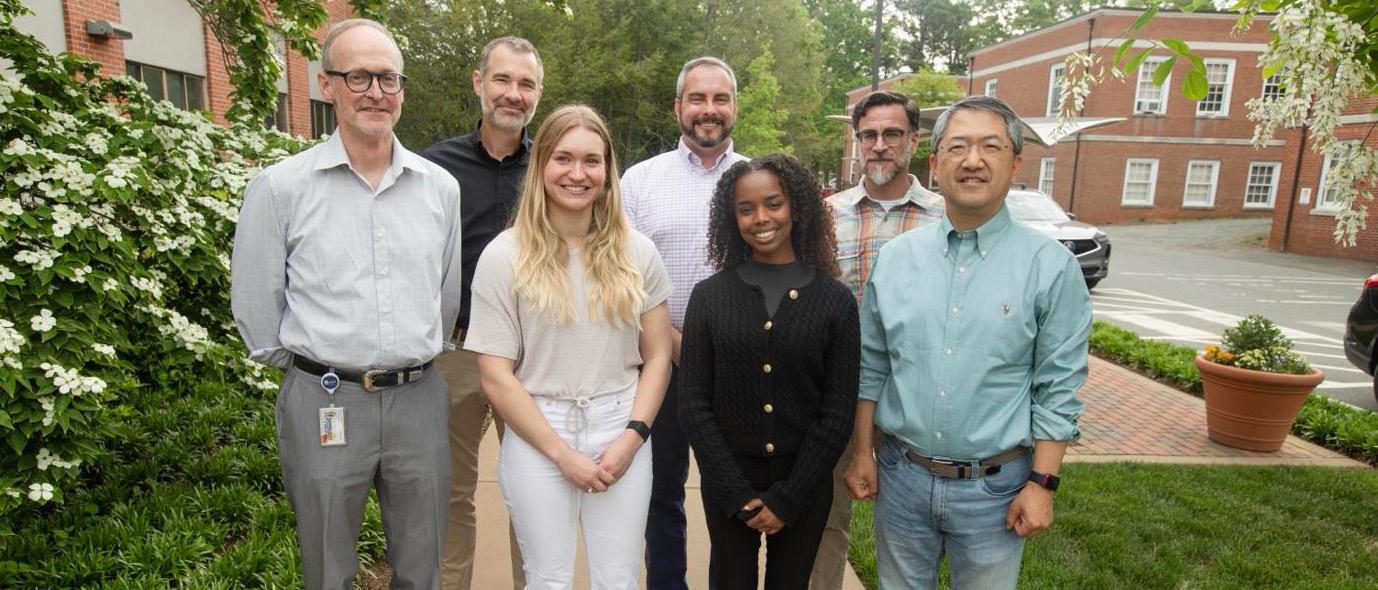
After training, the average speeding score increased by 12% and seat belt usage rose by 6%. Notably, preventable crashes in the FM fleet dropped by 50% from 2021 to 2022, a much steeper decline than seen in statewide data. Over 4.5 million miles driven since 2017, FM reported zero crashes involving fatalities or injuries, compared to an expected 3.3 injury crashes based on state averages. On the sustainability front, the average fuel economy improved by 1.06 miles per gallon post-training, which, if scaled fleet-wide, would save the university approximately $19,000 per year in fuel costs. The reduction in idling time was strongly correlated with these fuel economy gains, reinforcing the value of targeting idle reduction as part of the training.
Recognizing the challenge posed by limited on-campus crash data, the engineering students-led capstone project team leveraged telematics and geolocation data to identify “safety hotspots” on campus. By mapping incidents of harsh braking, speeding, and cornering, and validating these clusters with both FM and state crash data, the team was able to pinpoint the most crash-prone zones. The analysis found that speeding was the surrogate measure most strongly correlated with crashes, although the correlation was modest due to the low number of actual crashes. The top three hotspots (i.e., Carruthers, Alderman Road at the Aquatic and Fitness Center, and McCormick Road near the Old Dorms) were identified using
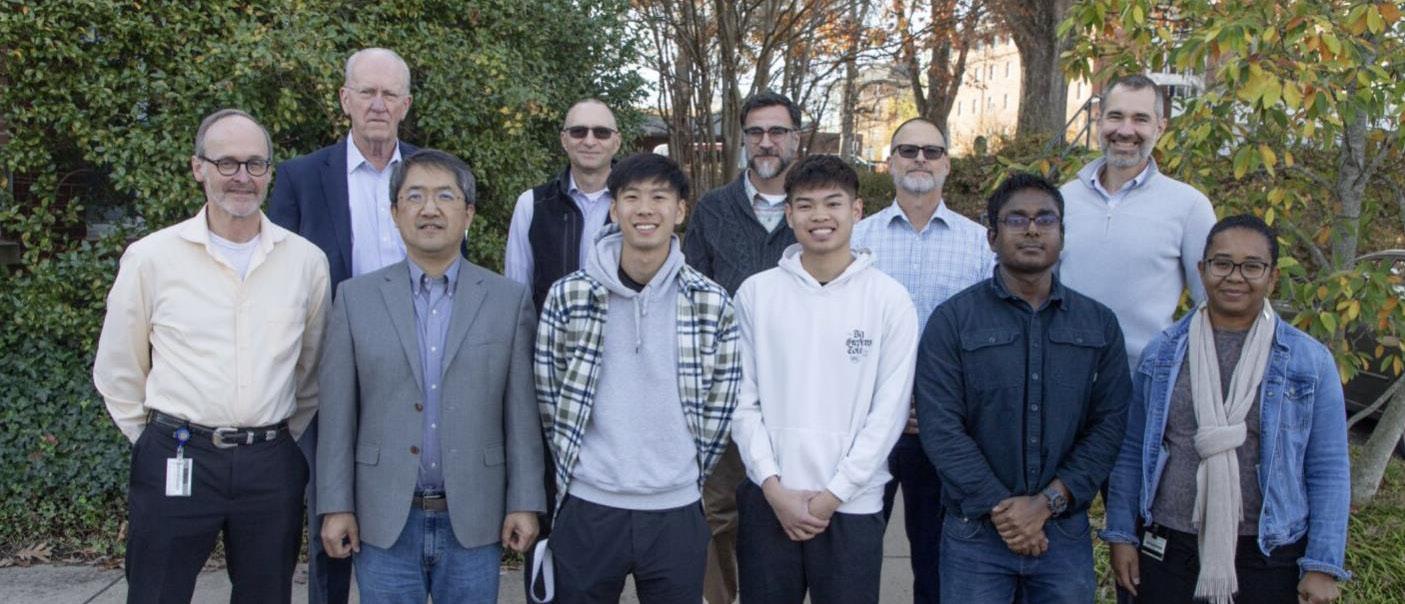
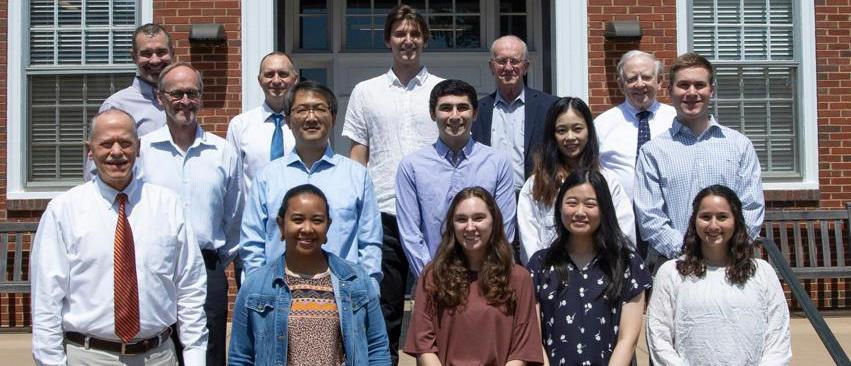
a normalized Z-score approach. The team then recommended site-specific countermeasures, such as improved signage, speed management interventions, and pedestrian safety enhancements, tailored to the unique risks of each location.
Throughout this multi-year initiative, several best practices have emerged for campus fleet management. Leveraging telematics enables granular, actionable insights into driver behavior, while customizing training to agency-specific risks ensures greater relevance and engagement. Reinforcement-especially when delivered reactively in response to data-can quickly correct unsafe behaviors, and quantifying the benefits in both safety and sustainability terms
helps demonstrate return on investment and support institutional goals. Advanced analytics, such as hotspot mapping, allow for targeted interventions even when traditional crash data are sparse.
At the University of Virginia, a commitment to educating responsible citizen leaders is at the core of its mission as an institution of higher learning. The facilities management team is vital in the day-to-day operation, repair, and maintenance of UVA’s infrastructure and Grounds (i.e., Campus). When facilities management
teams collaborate with professors and students to tackle real-world challenges, such as advancing safe and sustainable driving practices, a dynamic and innovative learning model emerges. Professors benefit from engaging students with practical problems that enrich their academic experience. Students, in turn, gain invaluable hands-on experience, working alongside their professors while applying their skills in collaboration with facilities management professionals as their “clients.” This interaction allows students to showcase the expertise they have developed throughout their tenure at the university, preparing them for their future careers. By focusing on sustainable fleet practices and fostering connections between systems and engineering leaders of tomorrow, these projects create incredible opportunities for all involved. Students gain firsthand experience working within professional settings before they graduate, while facilities management teams transcend traditional operational roles by collaborating directly with academic partners. This initiative is scalable across all fleets, offering a framework for deep engagement between faculty, students, and staff—inside and outside the classroom. By leveraging human resources and investing in collaborative learning, the program ensures that students are well-equipped for success beyond their academic journey. One of the strategic goals in the UVA 2030 Plan is to “enable discoveries that enrich and improve lives.” These learning experiences focus on the lives of our students. This sense of discovery is enhanced when the capstone projects focus on
Bibliographies
the world around them on Grounds, while providing a valuable partnership with FM. This work allows them to work across departments to build incentives and opportunities for all involved.
Ongoing challenges include distinguishing between necessary and unnecessary idling, accounting for multiple drivers per vehicle, and scaling individualized feedback while respecting privacy. Nevertheless, UVA’s experience demonstrates that, with the right combination of data, training, and leadership support, significant improvements in fleet safety, sustainability, and efficiency are achievable. As universities across the country pursue similar goals, UVA’s FM fleet serves as a proven blueprint for integrating safety and sustainability into every mile driven. We would be happy to serve as ambassadors for future initiatives aimed at enhancing the safety and sustainability of any fleet management agency.
Dr. Brian Park is a Professor of Civil Engineering and Systems Engineering Departments and Link Lab at the University of Virginia.
Michael E. Duffy is the Transportation Operations and Fleet Manager at the University of Virginia.
Ahmadiyar, R., J. Chun, C. Fuccella, D. Hrnjez, G. Parzych, B. Weisel, Z. Mu, M. E. Duffy, B. B. Park, Safe and Sustainable Fleet Management with Data Analytics and Reinforcement Training, 2022 Systems and Information Engineering Design Symposium, Charlottesville, VA, April 2022
Dollahite, R., M. E. Duffy, B. B. Park, Quantifying the Benefits of Mindful Driving Training in Safety and Sustainability, 2023 Systems and Information Engineering Design Symposium, Charlottesville, VA, April 2023
Gresham, T.R., J. Kim, J. McDonald, N. Scoggins, M. Mostafavi, B.B. Park, M. Porter, M.E. Duffy and S.A. Smith, “Safe and Sustainable Fleet Management with Data Analytics and Training,” 2021 Systems and Information Engineering Design Symposium, Virtual, April 29-30, 2021
McKay, M.K., I.M. Wright, S.Y. Ahmed, T.L. Blunt, M.J. Ball, M.E. Duffy, A.F. Abdelzaher, and B.B. Park, “Optimizing Routes for UVA’s Facilities Management Fleet: Enhancing Sustainability and Pedestrian Safety,” 2025 Systems and Information Engineering Design Symposium, Charlottesville, VA, May 2025
Nguyen, H.M.V., S.C. Oh, G. Saha, T.L. Blunt, M.J. Ball, M.E. Duffy, A. F. Abdelzaher, and B.B. Park, “An Analysis of Vehicular Telematics and Geo-Location Data to Maximize Road Safety,” 2024 Systems and Information Engineering Design Symposium, Charlottesville, VA, May 2024
In todayʼs fast-evolving higher education landscape, facilities organizations are facing unprecedented pressures—from budget constraints and shifting public perceptions to workforce turnover, technological advancement, and the long-term impacts of the pandemic.
APPA Advisors offers peer-driven, scalable consulting services tailored exclusively for educational institutions. Our team of seasoned facilities leaders helps you adapt, align, and thrive in this complex environment.
Experienced Leadership
Our Advisors are current or retired senior FM executives with proven success in higher education.
Higher Ed Expertise
We understand your environment—its structure, culture, and pace—unlike generalist firms.
Custom-Tailored Support
Focused advice on a single issue to full organizational assessments, our services are scaled to your needs.
Faster Engagements
As a nonprofit professional association, APPA helps most institutions bypass lengthy RFQ/RFP processes. Our Process
Consultation
Strategic Organizational Assessments
Comprehensive reviews of operations, structure, and service delivery models based on the Evaluation Program criteria.
Executive Coaching
Personalized mentoring for senior leaders navigating complex challenges.
Targeted Performance Reviews
Quick, high-impact evaluations of key areas with actionable recommendations.
Custom sessions for frontline staff to executive leadership.
Talent Management Assessments and plans for workforce development, succession, and team readiness.