Rampingup therecovery


Wednesday,June 7, 2023 nzherald.co.nz/business ANALYSIS,TRENDS&INTERVIEWS ,
Cyclone Gabrielle leavesits wake Private funding for infrastructure hole Politicians stake claims inelection year InfrastructureNZ’s newboss Projects,plans,priorities—plentyto do INSIDE
‘We can’twaituntil tomorrow’
Improvingourroading capacity,bridgesor improvingourrail systemwilltakefive,10 or15yearstodeliver.We shouldnotbesomyopic astochangeallourlongtermdecisionsbecause ofthat.Arguably,inthe longterm,havingbetter infrastructureandmore efficienttransportwill reduceourinflation problems,notmake themworse.
ShamubeelEaqub(SensePartners)
TheInfrastructure ActionPlanconfirms thisGovernment’s ongoingcommitmentto addressingNew Zealand’sinfrastructure challenges.Mostofthe actionsidentifiedare alreadyunderway,with manymoreduetobegin in2023.

MeganWoods(Infrastructure Minister)


Addressingvulnerabilitiesinourinfrastructure systemstofunctionduringadverseconditionsand quicklyrecoverafteraneventisfundamentaltothe wellbeingofcommunities. Iexpecttocontinueto buildontheplanovermanyyearstoreducethe severeinfrastructuredeficitsthathaveheldNew Zealandback.
GrantRobertson(FinanceMinister)
It’stooeasyforlocalandcentral governmentagenciestopointtheblameat eachotherwhenit’stimetobe accountableforthelackofprogress —especiallygiventheextensivemodelling andanalysisthat’sbeencommissioned overthepasttwodecades
InsideInfrastructure
Wecannotdroptheballnowwhenitcomesto stormandfloodresilienceandplanningand implementation.Thisworkneededtohappen yesterday.Itcertainlyneedstohappennow,and wecan'twaituntiltomorrow.
DesleySimpson(DeputyMayorofAuckland)
Allocating$71billionoverthenext 5years willhelpreducetheinfrastructuregapbut reversingtheeffectsofdecadesofunderinvestmentislikelytotakeseveraldecades. NeitherthisGovernmentnoranyfuture Governmentcanaffordtotakeitseyeoffthe infrastructureball.
Whenyoutakeinto accountthatmuchof theinfrastructurespend willbeontherebuild andonpublictransport investment,howmuch isactuallyleftfor genuineimprovements ofourbiglong-term issues?
SimonBridges(CEOAuckland BusinessChamber) NewZealandisnotshortof land,butrestrictiveplanning rulesand abrokenfunding systemhavedrivenupthe priceoflandandhousing, creating asocialand economicdisaster.
ChrisBishop(National’sHousing&
Infrastructure
ExecutiveEditor: Fran

O’Sullivan
Writers: BillBennett,Graham Skellern,TimMcCready
Subeditor: IsobelMarriner
Layouts: IsobelMarriner
Cover: RichardDale
Graphics: RichardDale
Online: TennessyWeir
Advertising: NeilJackson
TheInfrastructureReportis supportedwithadvertising sponsorshipfromAuckland Airport,AucklandLightRail, Arup,CityRailLink,Downer, EMA,InfrastructureNew Zealand,ICBCNZ,IPWEA Australasiaand MinterEllisonRuddWatts.
Infrastructure
Infrastructurespokesperson)
PeterVial(NZCountryHeadatCharteredAccountantsAustraliaand NewZealand)
MattCowley(CEOTaurangaBusinessChamber)
priorities— B5 Thecyclonerecovery alliance— B8-9 Finding anewfundingpath B11 Future-proofingAuckland Airport— B14-15 B16,B18-19 B17 trongerbusinessvoice atthetable— B20 Greenhydrogenand climatechange— B24-25 Housingtrickinthemix B26
B2 nzherald.co.nz | TheNewZealandHerald | Wednesday,June7,2023
Long-termnationbuilding
NewZealand’sinfrastructure isalwaysworkinghard, mostlyinthebackground. Ourroadsaremoving peopleandgoodstowheretheyneed togo,ourpipesaredeliveringwater fordrinkingandwashingorremoving wasteandstormwater,andour powerandtelecommunicationsnetworksarekeepingthelightsonand allowingNewZealanderstocommunicatewithfamilyandfriends.
Theproblemisourinfrastructure isgettingold,tiredandoverloaded, andwithextremeweatherandclimatechange,someofit’sinthewrong place.
Thefloodsandcyclonesofthelast fewmonthsandtheirimpactonour communitiesare asharpandpainful reminderofhowimportantourinfrastructureistopeople’slives,especiallywhenit’snotworking.
InBudget2023,ourinfrastructure planmaynothavegrabbedthe headlinesbutit’snolessimportantin building abettertomorrow.
We’vecommitted arecord$71 billionofinvestmentoverthenext fiveyearstobuildtheinfrastructure backboneandtheschools,hospitals andpublichousingNewZealanders relyonandtohelpgrowtheeconomy.

That’sontopofthe$45bwe’ve spentinthepastfiveyearsandthe $3.6bsetasidetodateintheClimate EmergencyResponseFund.
EstimatesfromTreasuryhaveput thecostofassetdamagefromthe floodsandCyclonealoneatbetween $9band$14.5b
Halfofthisrelatesto‘publicinfrastructure’ —assetsownedbycentral andlocalgovernment —andsowe’re settingaside$6btobuildbackbetter andmakesureourinfrastructurecan
standuptotheincreasinglysevere andunpredictableweatherevents andprotectNewZealanders.
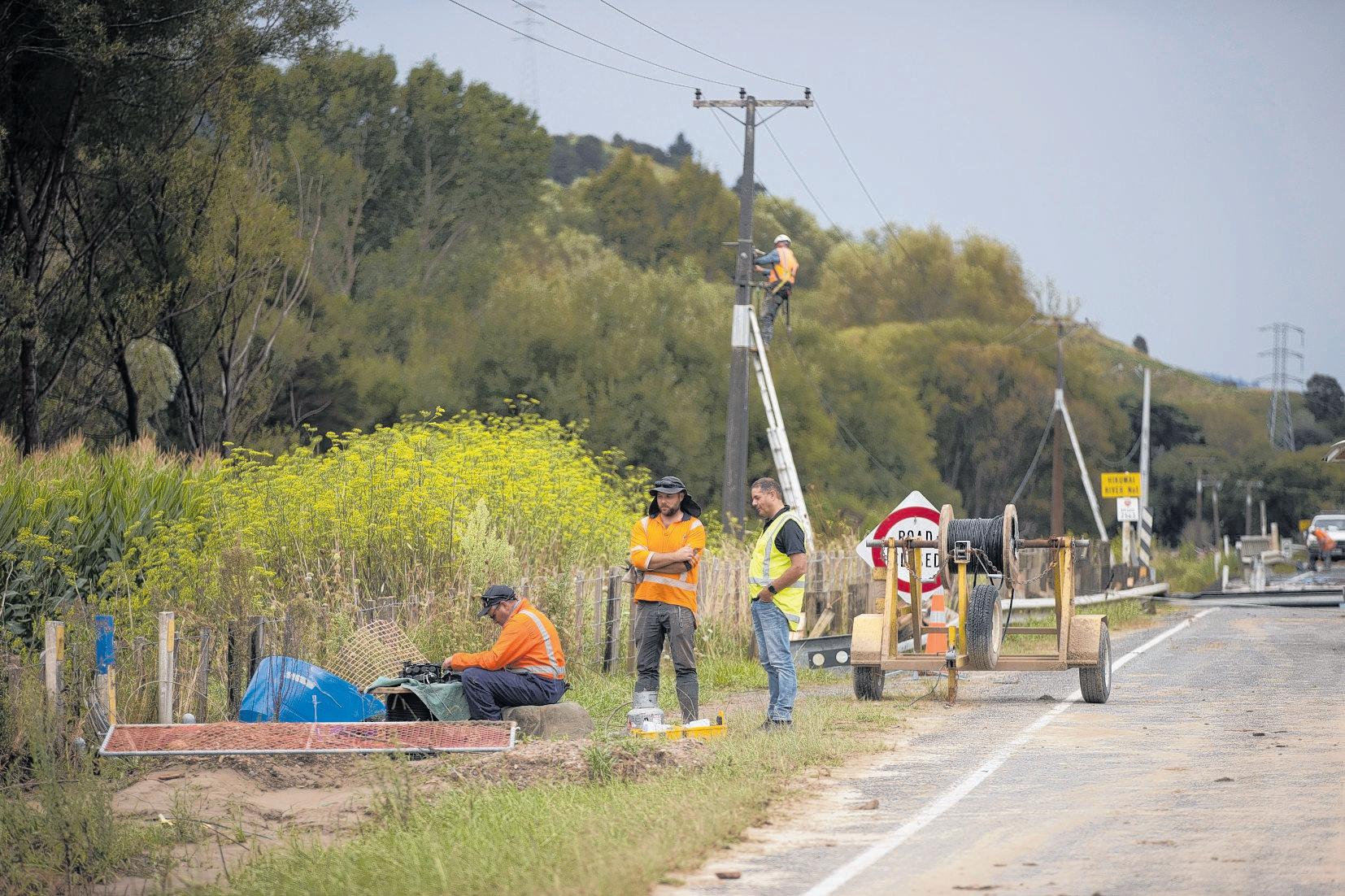
Theinitialfocusofinvestments overthenextthreeyearswillbeon futureproofingroad,railandlocal infrastructurewipedoutbytheextremeweatheraswellasphoneand electricitylinks.
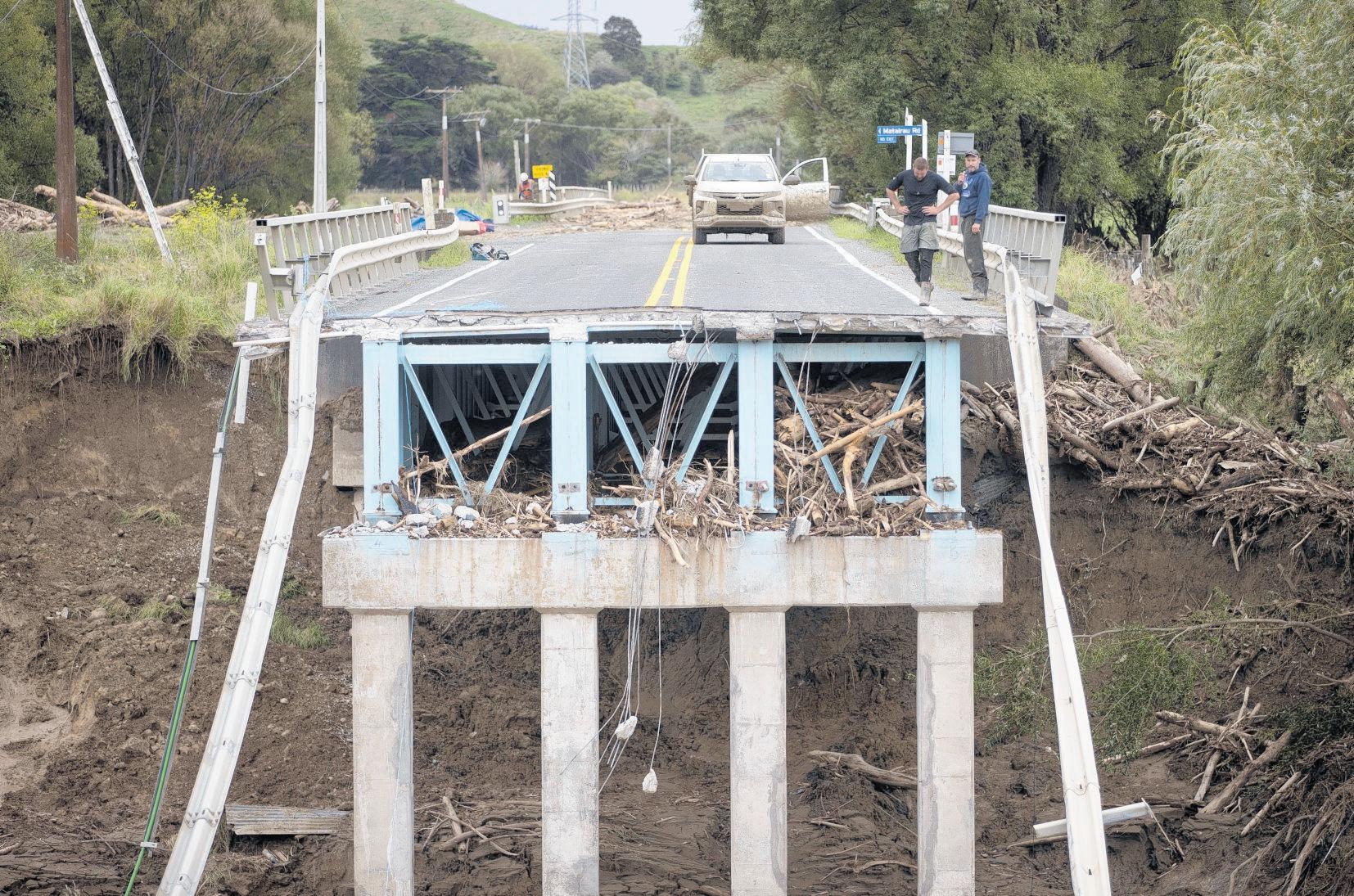
Building anewbridgetore-open StateHighway25Aandreconnectthe CoromandelPeninsulais aprime exampleofhowwe’redoingthings differently.
Notonlyis abridgethefastestway toreconnecttheCoromandelcommunitiesthathavebeendoingit tough,butit’salsothemostresilient,
sowillprovidevalueformoneyover thelongterm.
Investingin alotofsmallerprojectsalsomakes abigdifference. TransportMinisterMichaelWood,for example,hasbeenworkingwith WakaKotahion aprogrammeof regionalresilienceinvestmentsfor ourtransportnetwork.
Thesearetheunnoticedandunheraldedcomponents,likeculverts, slipprotection,andwaterpumps.But theyarecritical,andthisworkwill befundedseparatelyfromtheannual roadmaintenancebudgetsduetoits importanceandtogiveconfidenceto ourregionsthatfundingisthereand readytobeused.
Progressonmajorresilienceprojectsinotherpartsofthecountrywill continue,byinvestingandpartnering withlocalcouncils,aswe’vedone recently,forexample,inWestport, followingthesevereweatherevents thetownhasendured.
Despitetheserecordinvestments, there’smoretodo.As acountry,we needtocommittofundingandplanningforfurtherintothefuture.
It’s aformulathat’sworkedwellfor theMinistryofEducation.While Iwas minister,theministrymovedfrom one-yearaheadfundingforschool buildingto afour-yearfundingcycle. Itincreasedjobcertainty,business certaintyandproductivity.
Governmentneedstodomoreto workwithbusinesstoplananddeliverworld-classinfrastructurethat mitigatesandadaptstochangesto theclimate.
OurpartnershipwithNZSteelto remove800,000tonnesofcarbon dioxidefromtheatmosphereisanothermarkerofourcommitmentto thatapproach.

ThisGovernment’scommitment toskillsandtrainingisanother.Infrastructureinvestmentrequires alongtermpipelineandskills,whichiswhy theGovernment’sApprenticeship Boostprogrammeissoimportant.
We’recommittedtomakingitpermanentandworkingalongsidebusinesstoguaranteethatwehave abase ofskilledworkersfortomorrow.
Forfartoolong,governmentshave kickedthecandowntheroadwhen itcomestoinvestingincriticaland resilientinfrastructure.
ThisGovernmenthassaid “enough!”
We’veput astakeintheground tolookbeyondimmediatehorizons andfundanddevelop along-term nation-buildingplanthatvalues partnerships,allowsforlongerleadintimesandhastheachievablegoal ofbuildingresilientinfrastructure rightacrossNewZealandto astandardwecanallbeproudof.
We’vebeenabletodothisbycarefullymanagingtheGovernment’s books,whichmeanswecangiveNew Zealanderscertaintythatwehavethe financialresiliencetomakethese investments.
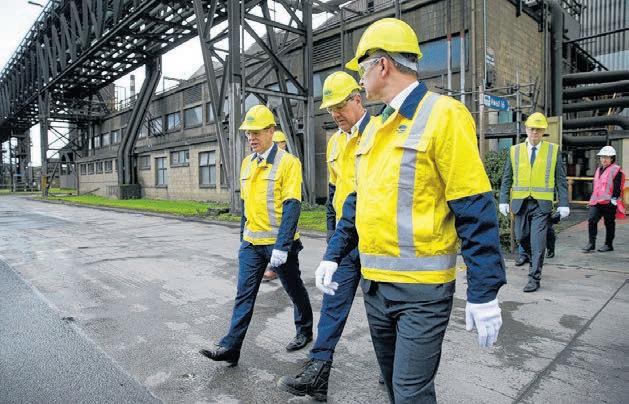
Prime Minister Chris Hipkins says New Zealand needs to commit to alonger pipeline ofmajorinfrastructure projects thatanticipate futurechallenges
Governmentneeds todomoretowork withbusinessto plananddeliver world-class infrastructure that mitigatesand adaptstochanges totheclimate.
ChrisHipkins
ChrisHipkinsatGlenbrookSteel.
Photo /AlexBurton
Infrastructure nzherald.co.nz TheNewZealandHerald Wednesday,June7,2023 B3
Theimportanceofsustainability
NickLeggett
Theimpactofwildweather eventsin2023hasexposed theglaringfactthatourold andageinginfrastructureis ill-equippedtohandleNewZealand’s changingclimate.
CycloneGabrielle,theAuckland Anniversaryfloodsandsubsequent stormsthisyearleftlives,homesand livelihoodsdestroyed.
It’sclearthatextremeweather eventsonceconsideredunimaginable,orwrittenoffas aone-in-onehundred-yearoccurrence,willstrike withgreaterfrequencyandferocity. Wherepossible,ourinfrastructure mustbedesignedtowithstandthem.
Ourexistinginfrastructure,designedfor aclimateinanotherage, isnolongerfitforpurpose.Planning andbuildingnewinfrastructuremust nowbedonewithclimateresilience andsustainabledevelopmentfrontof mind.
InAuckland,thecity’sexisting infrastructurehasstruggledtocope withthewildweatherbombswe haveendured.Floodedmotorways, busways,andsuburbanstreetshave become acommonsight.Culverts, curbs,andchannelsinoursuburbs, for astart,arenotbuilttohandlethe massivevolumesofwaterwe’renow seeing.Weneedtobuildbackbetter anddesigninfrastructurewithclimatechangeandsustainabilityasthe toppriority.
Weneedtoincorporategreener, morepermeableenvironmentswith poroussurfacesinoururbanareas. Thismayinclude,forinstance,using designslikegrassswalesthatmanage waterrunoff,filterpollutants,andincreaserainwaterinfiltration.Theelephantintheroomiswecan’tkeep
buildingwherewe’vebeenbuilding andthismustbefacedbyplanners. Constructingnewdevelopments withclimatechange-friendlydesign willoftenbeeasierthanretrofitting ageinginfrastructureinexistingcommunities.However,wemustaddress thechallengesinupgradingourtired infrastructure.
Thetimetomitigatetomorrow’s disastersisnow.Climatechangeisno longer acantobekickeddownthe road,andwemustmakeserious decisionstosolvetoughproblemsif wearetoadapttothenewnormal. Buildinginfrastructurethatisresilient andsustainablemustbe apriority.
TheforthcomingClimateAdaptationActisthethirdpartoftheResourceManagementActreformunder way.Itwillstartputtingrequirements onallinfrastructuretotakeintoaccountobligationsaroundclimate changeanditseffects.Butthislegislationwon’tbeseenanytimesoon, certainlynotbeforethisyear’selection.It’scoming,butweshouldbe doingitnow,notwaitingforittobe mandated.
Afterthisyear’sdevastatingweatherdisasters,thereis agathering
viewthatNewZealand’ssusceptibilitytotheseeventsislikelytohave increasedas aresultofclimate change.Thereis aschoolofthought thatintensificationandpopulation growthhasbeen acontributingfactor, butcitiesmuchlargerthanAuckland overseashavekeptbetterpacewith protectingtheirinfrastructurefrom thechangingclimate.Therealityis thatwherethemajorityofintensificationhasoccurred,therehadbeen upgradestothestormwaterfacilities andtheyperformedwell.
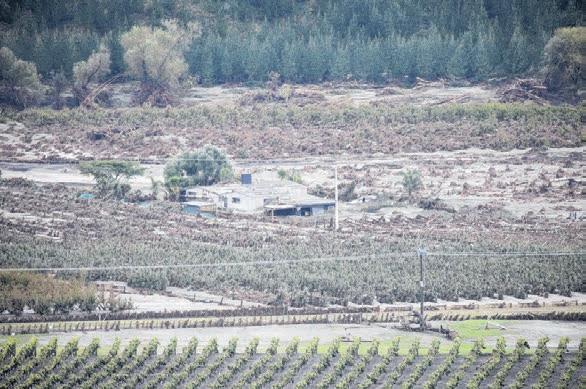
NewZealandwasalreadyranked byLloyd’sofLondonassecondonly toBangladeshforvulnerabilityto naturalhazardsintermsofaverage annuallossesinrelationtothesize oftheeconomy.Someofthatriskwe canprotectourselvesfrom,earthquakesandvolcanoesare atougher challenge.
It’stimefortheimpactofclimate changetobetakenseriously,andthis meansobjectivelyreviewingwhere ourcriticalinfrastructurelinksare locatedandmakingplanstoensure theycancontinuetofunctioninthe longerterm.Thesearebigdecisions.
WeurgentlyneedtheClimateAdaptationBilltoprovidethefoundationsforustochangeourplanning policiestomatchtoday’sweather patterns,orweputthefutureofour communitiesatrisk.
Wealsoneedtohaveanhonest conversationaboutbuildingresidentialhousingandotherpublicinfrastructureinareasthatareatriskof extremeweather.Thereareexisting settlementswhereweathercould compromisetransportandinfrastructureconnectivityinthelong term.
It’stimeforcentralandlocalgovernmenttorecognisetheurgencyof
thislegislationanddemonstratethe leadershipneededtoaddressclimate change.
Thestrongfinancialsupportfor communitiestobuildbackbetter aftercyclonedamageiswelcome,but aloneitisnotenough —weneeda long-termresponsethatwillmitigate therisksofextremeweatherand ensurethesustainabilityofourinfrastructure.
NewZealand’stransportinfrastructurehastaken ahitinrecent years,withextremeweatherevents wreakinghavoconstatehighways andlocalroads.Itseemsclearthat emergencyworksbudgetswillneed toincreasesignificantlytokeepup withtherisingfrequencyofthese climatechangerelatedevents.
Wecan’taffordtojustbereactive anymore —proactiveplanningis necessarytoaddresstheheightened riskstoallofourtransportinfrastructure.
Totacklethisissue,Infrastructure NewZealandisfinalising aplanto identifywhat’sholdingthesector backfromtakingactiononclimate change.Knowledgetransferiscritical, andweneedtoshareinnovations thatreducecarbonemissionsand revolutioniseinfrastructuredelivery as asector.Wealsosupportwider adoptionofinfrastructuresustainabilityratingtoolsacross arangeof projects.
It’stimefortheinfrastructuresectortostepupandprioritise sustainableinfrastructure.

Wecan’taffordtowaitforthenext disastertostrike —let’stakeaction nowtobuild aresilientandsustainablefutureforNewZealand.
● NickLeggettischiefexecutiveof InfrastructureNewZealand
B4 nzherald.co.nz | TheNewZealandHerald | Wednesday,June7,2023
Infrastructure
downtheroad,andwe mustmakeserious decisions.
NickLeggett
Infrastructure
Rethinkinginfrastructurepriorities
Wehavetobepragmaticandrealistic,andopenourdoorstooverseasfunding,writes
Therecentdevastating weathereventshavehighlightedtwokeythingsabout ourinfrastructureinNew Zealand.
We’veknownaboutthefirstfora longtimeandthatisthe30to40 yearsofunder-investmentthathas ledtoaninfrastructuredeficit— highlighted,instarkrelief,bythestate ofvariousnetworksposttheAnniversaryWeekendfloodsandCyclone Gabrielle.
Whilecriticalelectricityandcommunicationsnetworkswererestored relativelyquickly,ourroadandrail networkshaveyettorecover.Almost fourmonthson,manyofthoseaffectedcommunitiesareonlyjustbeing linkedbackintotheirusualnetworks, orstillremainisolatedattheendof longandslowdetours.
Isitacceptable,whentheweather expertstelluswe’regoingtohave moreofthesehighlydisruptivebursts ofextremeweather,thatcommunitiesinmanylesspopulatedpartsof thecountry,orevenindifficultaccess areasclosetoourmajorcities,will besociallyandeconomicallycutoff on amorefrequentbasisforweeks ormonthsat atime?
Thesecondpartoftheequation is:Howdowebuildbetterresilience intonetworks;arewesetuptodo thatquickly;anddoweneedto rethinkwhereandhowwereplace thatinfrastructure?
Then,ofcourse,westillhaveto fundthenewandreplacementnetworksrequired.
ThecurrentheadlongrushtoreplacetheResourceManagementAct beforetheelectionalsocomesinto question.WillthethreenewActs— oneofwhichwehaveyettoeven see —allowustorespondin atimely mannertorebuildandreplaceinthe aftermathoftheseevents?
WhenenvironmentalheavyweightssuchasEugenieSage,chairof Parliament’sEnvironmentSelect Committee,andCommissionerfor theEnvironmentSimonUptonsay “slowdown”,you’dthinktheGovernmentandtheMinistermightlisten andtakethetimetogetthiscritical nation-buildinglegislationright.
Byallaccounts,therewillbemany changesaftertheselectCommitteeto theSpatialPlanningandNaturaland BuiltEnvironmentActsbutverylittle timetoconsidertheimplicationsof thosechangesfollowingthereport backfromtheSelectCommitteeon June27.
Thecurrenttimetablehasthe secondandthirdreadingsinquick successionwithlegislationtobe passedpriortotheHouserisingfor thefinaltimeinearlySeptember.
TheEMA’smembersaredrawn largelyfromtheareanorthofTaupo totheFarNorthwithroughlytwo-
thirdsofNewZealand’seconomy basedinthatregion.
AswithcommunitiesinNapier andGisborneandothersaroundthe country,theeffectsofthefloodsand thecycloneweredevastatingforour communitiesandbusinessesalike andstillbeingfelt.
Thenervousnessandconcernis palpableeverytimethereis apoor weatherforecastandweroutinely seethepreventativedeploymentof sandbags,boardingupofpremises andtheongoing,highlydisruptive closuresofkeytransportlinks,especiallytheAucklandHarbourBridge.
Duringthecombinedimpactsof thefloodsandcyclonethecountry wasjustonetransportlinkawayfrom beingisolatedfromourmajorexport portatTauranga.
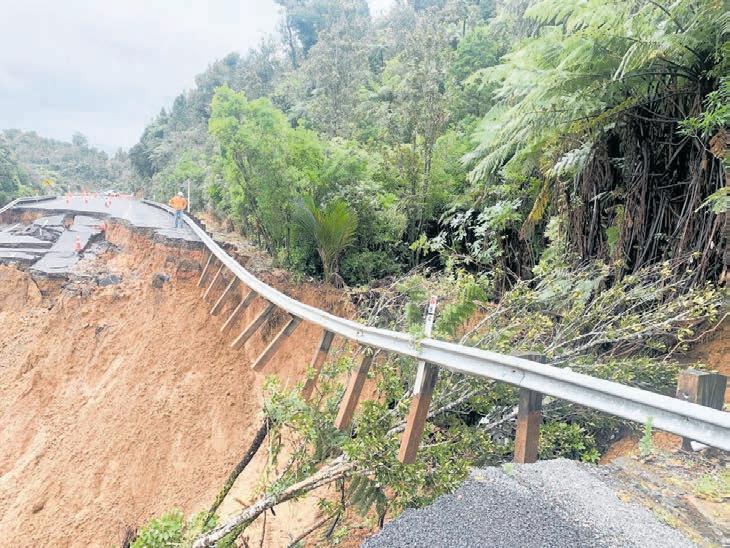
Doesrebuildingthesame roaduptheCoromandel CoastfromThamesto Coromandelandbeyond makesensewhenthe CoromandelRangesare goingtokeepfallingon thatroad?Canwecreate acoastalhighwaywith pillarsintheseabedand moveawayfromthose hillsoranalternative routeinlandandcould theybeconsentedand builtatwhatcost?
Justoneroadremainedopen. TheentireNorthlandregion,one ofthefastestgrowingeconomiesconsistentlyoverthepastfewyears,was cutoffforweeksjustNorthofAucklandandtheraillinkremainsclosed. AccessbetweenWhangareiand Aucklandremainsdifficultandtime consumingforresidents,workersand criticalfreight.Accessfurthernorth ofWhangareialsoremainsproblematicwithclosuresoftheMangamuka GorgelinktoKaitaiaandthefarnorth stretchingouttoyears.
Thecommunitiesandeconomies oftheCoromandelPeninsulahave alsobeenbattered,withresidentson theeastcoastofthepeninsulafacing five-hour,one-waytripsformedical treatmentsandotherroutinedaily travels.Tradeontwoofthebiggest holidayweekendsoftheyearwas losttotheweather,followingonfrom twoyearsofCovidandawfulsummerschoolholidayweather.
ItisunfathomablethatStateHighway25Aseemslikelytobeclosedfor atleast ayear.
AndinAucklandmanyresidents areonlyjusthavingaccesstotheir communitiesreopened.Theystill facedoubtsabouttheirredoryellowstickeredhomes,andbusinessesare stilltryingtorebuildandrecover.The timetakentoprocessinsurance claimsandconsents,theshortageof constructionworkers,andthetimeit takesgovernments —localandcentral —toformulatetheirresponses addstopeople’sstressandthedelays inreplacinginfrastructure.So,what aretheanswersforinfrastructure?
First,weneedtoconsiderwhere werebuildandourprioritiesaround reconnectingcommunitiessocially andeconomically. Puttingtheneedsofthosecom-
munitiesaheadofbutnotignoring environmentalconsiderationsmay comeatwhatsomewouldperceive assomecosttotheenvironment. Whatareourpriorities?
Doesrebuildingthesameroadup theCoromandelCoastfromThames toCoromandelandbeyondmake sensewhentheCoromandelRanges aregoingtokeepfallingonthatroad?
Canwecreate acoastalhighwaywith pillarsintheseabedandmoveaway fromthosehillsoranalternative routeinlandandcouldtheybe consented,andbuiltatwhatcost? We’vedonethatbeforewithHaast andArthur’sPassandthenewManawatuGorgeRoad. Areweputtinginplace afit-forpurposealternateroutenorthfrom TaurangaviaSH2andKatikatito Aucklandandwhatisthelong-term futureforthecurrentKarangahake Gorgeroadonthatroute.Whatabout significantupgradestoSH29eastof TaurangatoHamilton,unlocking Tauranga’sTaurikosuburbanand businessdevelopmentplansbutalso addingresiliencetothefreightnetworks.Doweneedtoreborethe Kaimairailtunnelsandupgradethat linktoenablemorefreightmovementsbyrail?
Thegrowthoftheeconomies in Whangareiandfurthernorthdemandmuchgreaterconnectivityto AucklandandalsoTauranga.Should webegoingaroundorthroughthe BrynderwynHillsas aprioritycorridorforroad,railorboth?Unlocking thatcorridoralsoincreasesthedemandforbetteraccessfurthernorth ofWhangarei.ItalsomeansthecurrentsafetyupgradefortheproblematicDomeValley,northofAuckland, hardlylooksfitforpurpose. And,howdowefundallthat?
BrettO’RileyistheCEOofthe EMA.TheEMAis afounding memberofInfrastructureNZ,the WesternBayofPlenty InfrastructureGroupandthe AucklandBusinessForum(now expandedtobecomethe NorthernInfrastructureForum). Itisalsocurrentlyworkingwith WhangareiandNorthland businessandcommunityleaders oninfrastructureprioritiesforthe region.
NewZealandsimplycan’tfundall ofthis.So,wehavetobepragmatic andrealisticandopenourdoorsto overseasfundingandtheprovision ofrevenuestreamstopayforthat funding.Themostvisibleofthose toolsistolling.
Wealreadydothatonselected partsofourhighwaynetwork,andwe shouldsimplyexpandthattomajor newprojectswhilealsointroducing congestioncharging,attheveryleast inAuckland.Weneednotbeshy aboutusingthatmoneytoalso financenewandmuch-neededpublictransport.
Citydeals,GSTsharing,infrastructurebonds,targetedratesand specialpurposevehicles(SPVs)areall availabletoolsandwearestartingto usesomeofthose.Majorlocalfunds suchasiwi,ACCandtheSuperFund wanttoinvestandlarge-scalemultinationalsarelookingaroundthe worldforopportunitiestoinvestin infrastructure.TheEMAisawareof onelocalfundthatwouldevenlike toco-investinrailopportunities.
Recentweathereventshave shownusthatresilienceandadaptabilityarewhatweneedinour infrastructure.Butthemostpressing needissimplytogetonwithit.
● TheEMAisanadvertisingsponsor oftheHerald’sInfrastructurereport.
ear —thepartiestalkprioritiesB21-B23
MichaelWood
SimeonBrown
JulieAnneGenter
SimonCourt
ChrisBishop
Brett O’Riley
BrettO’Riley
nzherald.co.nz TheNewZealandHerald Wednesday,June7,2023 B5
Infrastructure
Abillion-dollarplantobuildresilience
TheGovernmentsetaside$6billion inlastmonth’sBudgetaspartofa NationalResiliencePlanforstrategic investmentsto“buildbackbetter” followingthedamagefromCyclone GabrielleandtheAucklandAnniversaryfloods.
Thisisinadditiontothegovernment’s$71binfrastructureplanover thecomingfiveyears.
DamagefromCycloneGabrielle andtheAucklandAnniversaryfloods hasbeenestimatedbyTreasuryas rangingfrom$9bto$14.5b —second behindtheCanterburyearthquakes intermsofdamagefromnatural disastersNewZealandhasfaced.Of this,$5bto$7.5bofdamageis expectedtorelatetoinfrastructure ownedbycentralandlocalgovern-
ment.Thesecostsrelatetodamage, withoutincludingalltheimmediate andongoingsupportforcommunitiesandbusinesses.
TheNorthIslandweatherevents hitthecountrywhentheBudget2023 processwasalreadyrelativelyadvanced,requiringMinisterforCycloneRecoveryandMinisterofFinanceGrantRobertsontoreprioritise otherinitiativesinthedraftBudget tomakewayfortheresponse.

Robertsonsaidwhiletheinvestmentwillinitiallyfocusonbuilding backbetterfromtherecentweather events,itwillincludefuture-proofing road,rail,andlocalinfrastructure wipedoutbyextremeweather,as wellastelecommunicationsandelectricitytransmissioninfrastructure.
“Addressingvulnerabilitiesinour infrastructuresystemstofunction duringadverseconditionsand quicklyrecoverafteraneventis fundamentaltothewellbeingofcommunities,”hesaid.
“Iexpecttocontinuetobuildon theplanovermanyyearstoreduce thesevereinfrastructuredeficitsthat haveheldNewZealandback.”
Thepackagewouldalsodelivera newCrowninfrastructuredelivery agency,RauPaenga,whichcouldbe engagedtoassistagenciestodeliver theprojectsintheNationalResilience Planat acostof$100moverfive years.
Thisfundingfollowsthe$1.1bpreBudgetannouncementtoassistwith repairstobasicinfrastructureinclud-
ingroad,railandschools,andprovidingfloodresiliencesupport.
Infrastructurefundingintheannouncementincluded:
● Roading:Anadditional$275m intotheNationalLandTransport Fundtosupporttheimmediateresponseandrecoverycostsforstate highwaysandlocalroads.Thiscomes ontopofthe$250millionallocated tofixroadsintheaftermathofCycloneGabrielle.
● Rail:$200mtorepairNorth Islandrail,withrepairworktorail tracks,sleepers,bridgesandother structuresontheNorthAuckland line,PalmerstonNorthtoGisborne line,Aucklandmetropolitannetwork, NorthIslandmaintrunkandEast Coastmaintrunk.
● Schools:Themorethan500 NorthIslandschoolsdamagedbythe severeweathereventswouldreceive $116mforrepairingandrebuilding, withadditionalfundingforthepotentialredevelopmentorrelocationof schools. Afurther$700,000wouldbe investedovertwoyearsforSpecial ReasonsStaffingfunding,with $315,000availableimmediately.
● Stopbanks:Regionsaffectedby therecentNorthIslandextreme weathereventswillbeabletoapply forfundingfromaninitial$100 millioninBudget2023forlocal solutionstokeepthemsafefrom futurefloods.Thisincludesraising stopbanksandshoringuplifelines thatfailedduringtherecordrainfalls.
—TimMcCready
Communicatingarethink
Voiceanddatacommunicationslinksarerestoredin thepartsofthecountrythat tookthebruntofCyclone Gabrielleandtheotherextreme weathereventsearlierthisyear.
PeopleinHawke’sBay,Tairawhiti andtheCoromandelcanmakevoice callsandusetheinternetagain.
Yet“restored”doesnotmeannetworksarebacktonormal.
PaulBrislen,whoheadstheTelecommunicationsForum(TCF),says inplacesbackhaulfibreremains strungoverthetopoftreeswhereit waslaidinthedaysimmediatelyafter thecyclone.Itmaystaytherefor weeks.
Thinkofbackhaulfibreasthetelecommunicationsequivalentofstate highways.Itisthemainnational networkusedtoconnectregions, townsandotherareastoeachother andbacktothemainhubsinAuckland.Itconnectsthelocalultra-fast broadband(UFB)fibrenetworksused todeliverbroadbandtohomesand businesses.Backhaulalsoconnects mobiletowerstotheirnetworkand, fornow,itcontinuestoconnectcopperlinestotherestofthetelephone network.
Forthemostpart,thelocalUFB networks,mobileconnectionsand fixedwirelessbroadbandsuffered littledamageinthecyclone.
SaysBrislen:“Onlytwomobile towersweredamaged.Therealdamagetothenetworkwasfibrecut.In thecaseofbackhaulfibre,thatwas traumatic.Also,theelectricitywas cutoff.Thatmeantwelost600 mobiletowersfor alargepartofa week.”
Theproblemwiththebackhaul fibrenetworkisthatitfollowsthe roadnetworkand,wherenecessary, crossesriversstrungunderneath roadbridgesalongwithelectricity cablesandwaterpipes.Mostofthe damagetothebackhaulfibrewasin placeswheretheroadorbridgewas damaged.Brislensayssomewhere between70to80bridgeswere damaged,takingoutfibrewiththem.
“We'vestillgotcaseswhereWaka Kotahiisstillsortingoutwhatitwill dowiththeroad,”saysBrislen.
“Wecan'tdoanythinguntilthe roadissortedoutwhichiswhyfibre
islaidovertrees.We'renotterribly resilientatthispointisthenicestway ofputtingit.Thenetworkisoperational.Itwillcontinueworkingas longasthere'snomoreheavyrain andaslongasthegrounddoesn't slidefurther.”
Fixingthisandbuildinginthe necessarynetworkresiliencefor whatlookssetto afuturewherethere ismoreextremeweatherrequires radicalrethinkingfortheentiresector.Itneedsgovernmentintervention andfreshlegislation.
Brislensaysonepossibilitywould betomoveallthebackhaulfibre underground,whichwouldbea massiveandexpensiveundertaking.
“TheeasiestthingforChorustodo atthemomentistomovethefibre rivercrossings afewhundredmetres awayfrombridgesandputthecables onpoleshighenoughtoliftthefibre outofthewayofflooddamage.It’s possible,buttherearelandaccess andconsentissuestodealwith.
“Anotheroptionistomovethe fibreawayfromroadsand,maybe, followtheelectricitypylons.
Theproblemisthattheelectricity companiesonlyhaveaccesstothe landtorunelectricitycables,nothing else.Thiswouldrequire alegislative changeandnegotiationoverland access.”
Youmightthinkonesurewayto buildmoreresilienceintothefibre backhaulnetworkistoincreasethe numberofroutesbetweenregions. BeforeGabrielle,conventionalthinkingsaidyoumightneed ahandfulof routesintoHawke’sBay.Afterall, saysconventionalthinking,theycan’t allgooutatthesametime.
Brislenadds:“For aregionofthat sizeyou'dnormallyexpecttwolines wouldbeenough,threewouldprovideresilience.Wehadeightornine linesintotheregion,allofthemwere
cutbecauseofthesheerscaleofthe event.”
Buildingmorelineswouldaddto costswithoutnecessarilysolving anything.Hencetheneedtorethink resilience.
Thisbringsusbacktoputtingfibre underground,awayfromroadsor evenbuilding asubmarinecablethat runsaroundthecoast.
Lineofsightmicrowavelinksdon’t havethecapacityand,anyway,need tobecarefullycalibrated.Earthquakesknockthemoutofalignment.
Manypeoplebelievesatellitesare apotentialanswer.Theycertainly played aroleintheimmediateaftermathofCycloneGabrielle,butthey
Chorusstaff attemptto restorefibre opticcableto Hawke’sBay andGisborne where abridge waswashed awayby Cyclone Gabrielle.
arejustasdependentonelectricity andneedterrestrialnetworksof groundstationstoconnectusersto theinternet.Ifthepowergoesoutin astorm, aresidentialorbusiness satelliteconnectionwillonlyoperate aslongasanybatteriesorgenerators last.
Thereisanotherproblemwith satellitesthatanyonewhohasused SkyTVwillbefamiliarwith:Rainfade.
In aheavydownpour asatellite’sdata speed,whichisalreadylowerthan thespeedon afibrenetwork,will drop.Connectionsfadeinandout. Satellitesare,atbest, aback-upoption.
NewZealandisnottheonly countryfacingtelecommunications infrastructureproblems.Australia’s networkhascontendedwithwidespreadbushfiresandsevereflooding inrecentyears.Japanfacessimilar seismicandtropicalcyclonerisks. Therearelessonsfromboth countries’experiencesthatapply here.
Brislensayswhateverwedo,itwill comeat atremendouscost:“Ifyou wanttrueresilience,you'regoingto needtopayanabsolutelyastonishing amountofmoney.”
Wecanexpecttoseelargephone andbroadbandbillsasthetelecommunicationscompanieshardentheir networksforthenewnormal.
B6 nzherald.co.nz | TheNewZealandHerald | Wednesday,June7,2023
Restoringstable networkswillbean expensiveand radical undertaking
Buildinginthenecessary networkresiliencefor whatlookssetto afuture wherethereismore extremeweather requiresradical rethinking.Itneeds government interventionandfresh legislation.
PaulBrislen
Photo/ GeorgeHeard
Infrastructure Bill Bennett
Thelongarm ofCyclone Gabrielle
CycloneGabrielledelivered us asignalfromthefuture andsheprettymuchsaid, “you’renotready”.
Thatmessagewasheardandrespondedtoupanddownthecountry.
Thereis awhole-of-government andcommunityresponsetotheinfrastructurechallengeanddamageshe presented.Mostofustakecomfort knowingthatitissomeoneelse’s responsibilitytofix. Onthefarm,inruralcommunities, it’s adifferentstory.
It’sprettymuch”our”responsibilityandthatburdenwillprovetoo muchforsome.
IntheTairawhitiregion,unconfirmedsuicidesareatsix, Iknow therearemoreinotherruralcommunities.
Physicalandfinancialsupporthas beengiven -helptore-fence,food, generatorsandeventsaimedatsupportingusandkeepingusconnected.
Wehavefeltthatlove,thatoutreachfromfellowNewZealanders anditmadeusfeelgood,evenfor briefmoments.
Buttheharshrealityisthatthisisn’t somethingweneedtocopewith.It’s somethingthatneeds awholerethinkaboutwhat aclimateresilient (howI’vecometodespisethisphrase) farmingcommunitylookslike.
Whatliesaheadonfarmsisyears ofworktorestoreandprotectour landanditsinfrastructure.
Culverts,drains,bridges.
Asanexample,redesigningand replacingtwobridgesonourfarm wouldcostabout$1.2million.
Istartedfarmingpost-Cyclone Bola.
Isawthedevastatingeffecton
Doweneed arural climateemergency responseteamwhere riskassessmentinkey areasisundertakenand leadersor representativesfrom insurance,banking, transporters,processors, industrybodiesandlocal governmentscanreact quicklyin acrisis?
communitiesandfarmingfamilies, and Iwitnessedtheresponse:reclassificationofland;foodproducers changingtact;andplantingoutof steephillcountry.Yet,Gabriellesaid, “that’snotenough”.
Walkingawayfromourfarmsisn’t anoption.ItwouldcreateaneconomicinsecurityforNewZealand.
Soitisn’tjustaboutus,it’sabout youaswell.
Mostdays,thinkingaboutwhat ourfarmersarefacing,howweprotectourland,andourcombined futuresconsumesme.
SaferFarms,anorganisationI chair,existstobringindustryand farmerstogethertopreventinjury andfatalitiesonfarm.
Withcyclone-damagedfarmsand overwhelmedfarmers,whatitmeans tobesafeonfarmjusttookon awhole newmeaning.
Anumberofweeksago,industry
leaderscametogetherandwedida rapidinformationgatheringexercise, capturingexperiencesofthoseimpactedbythecycloneandconsideringwhatneedstochange.
Immediateconcernswereobvious —communitiesarenotequippedif they’recut-offforextendedperiods; animalwelfareissuesarisefrominfrastructuredamage;andpsychological stress,burnoutandoverwhelmsetin. Newconsiderationsemerged. Weneed aplanforcommunities tobeabletorespondtoemergencies intheirownwayanddrawon servicestheyuniquelyneed.
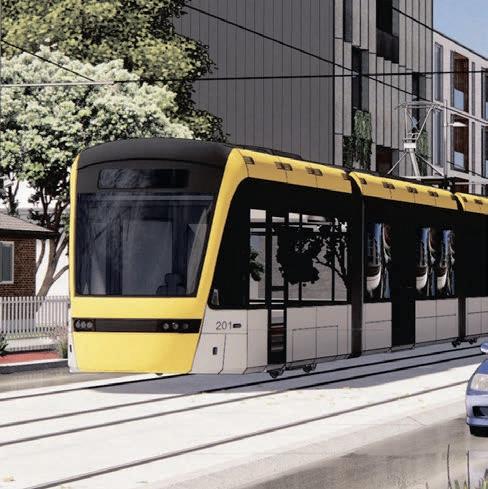
Doweneed aruralclimateemergencyresponseteamwhereriskassessmentinkeyareasisundertaken andleadersorrepresentativesfrom insurance,banking,transporters, processors,industrybodiesandlocal governmentscanreactquicklyina crisis?
Thebigoneformewas,whatdoes acommunitypreparednesslooklike? Whatsortofmodelcancommunities investintocreate aplacethatcan houseandfeedpeople,andactasa communicationhub?
Somewheresafefromfloodwater orlandslidesandwherewecanbe physicallyandpsychologicallysafe?
Gabrielledidn’tjusthave aflickin hertail,shehad alongarmthatstill hasusinitsclutches.
Infrastructureistheinvisible threadwehavetakenforgranted,the threadthatbindusandour livelihoodstogether.
Shedelivered asignalfromthe future,onenoonewaspreparedfor.
● LindyNelsonis aWairarapasheep andbeeffarmer.SheischairofSafer FarmsandfounderofAgri-Womens DevelopmentTrust.
nzherald.co.nz TheNewZealandHerald Wednesday,June7,2023 B7 Infrastructure
LindyNelson
LindyNelson
An alliancetospearhead
CraigWest
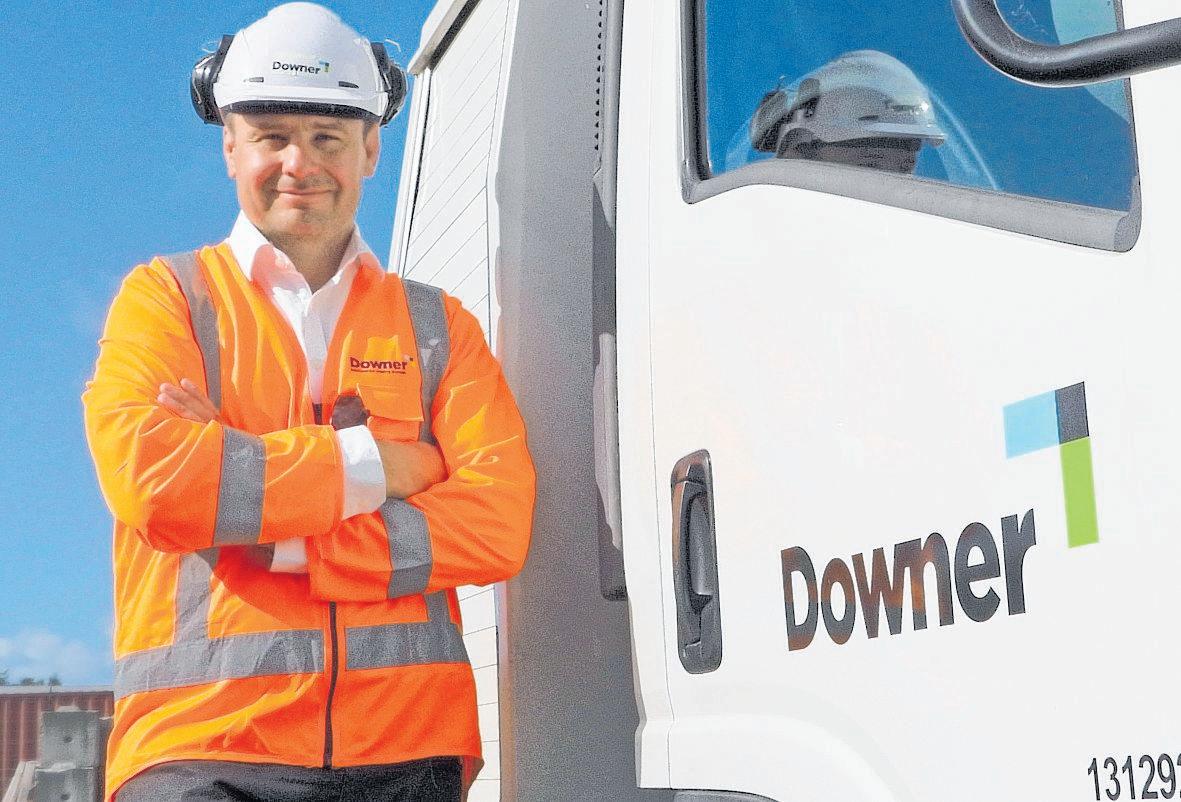
FromJuly,CraigWestwillbe DownerNewZealandCountry Leader, anewjobtitlethat reflectsthecompany’smoveto atrans-Tasmanbusinessmodel.
Hewillretainhiscurrentrole ofExecutiveGeneralManagerfor TransportandInfrastructureNew Zealand.HeisalsoChairofthe DownerNewZealandMa¯ori DevelopmentAdvisoryBoard,Te Korowai.
WeststartedhisDowner careerasanengineeringcadet andspenttimeas aprofessional rugbyplayerwherehe representedNewZealandMa¯ori.
In2015,hewastheDeloitte Top200YoungExecutiveofthe Year.
HewasNewZealand’sfirst accredited‘SeniorExecutive Responsible’fortheISO:44001 CollaborativeBusiness RelationshipManagement System,expertiseheputtouse thisyearhelpingtheformationof theEastCoastAlliance,in responseto2023’sCyclone Gabrielle,duringmultiple extremeweatherandnatural disasterrecoveries.Thisfocusis ondisplaythroughCraig’s involvementintheformationof theEastCoastAlliance,in responsetoCycloneGabrielle.
Downeraimsto buildbacksmarter inCyclone Gabrielle recovery writes
 BillBennett
“PartsoftheEastCoast haveseenfourmajor weathereventsthis year.Andwitheach oneofthoseevents,thecompoundingfactorsdamaginginfrastructuregetworseandworse.That’s whyweneedtobuildbacksmarter.”
ThatisfromDowner’sCraigWest whowantstoseemoreresilience builtintothenation’snetworkswhen theCycloneGabriellerecoverygets underway.
WestisDowner’sExecutiveGeneralManagerTransporttoday;atthe startofJuly,hewillbecomethe company’sNewZealandCountry Lead.
Fornow,Downerandtheothers dealingwiththeeffectsofthecyclone arestillintheresponsephase.
“It’saboutmakingsurewehavea roadingnetworkthatcanfunction throughwinterbeforewemovetothe recoveryandrebuildphases.
“Theworkmeansensuringdrainageareasareopenedandslipsare undercontrol.
“Wearestartingtotransitionand preparefortherecoveryalliance.
“WewillbeworkingwithWaka Kotahi,KiwiRail,FultonHoganand Higginstoestablishanindustryresponse.And,ofcourse,wewillbe workingwiththelocalauthorities.
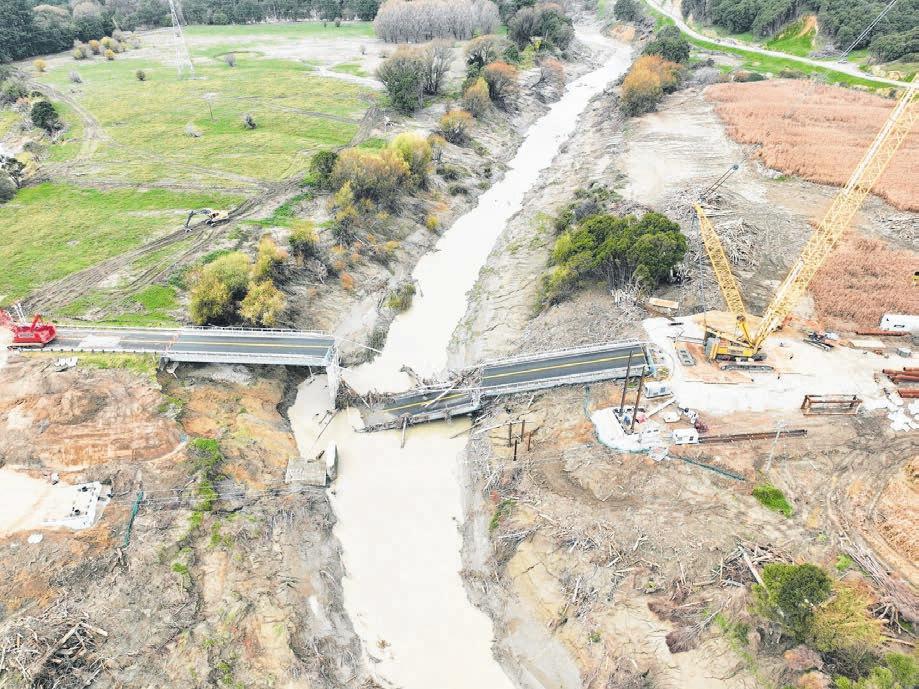
“Atfirstitwillbeforthestate highways,bridgesandrailcorridors.”
Buildingbacksmartisaboutgettingthebestvalueforthemoney spentontherecoveryprogramme. Westsaysthatincludesgetting consistencyofdesign.
“Thatwaywecangetefficiencies
andbenefitsfromprocurementand equipment,butalsofromtheinstallationoftheworkwhetheritisretainingwalls,drainage,culvertsor bridges.We’relookingforconsistencyinthestructures.”
Downerhashadteamsinthefield constructingBaileybridges.West saystherehaveneverbeenasmany bridgesbuiltbeforeas aresponseto asingleevent.
LessonsfromtheChristchurch andKaikouraearthquakeshavebeen invaluable.Westsaysitmeansthere was afastindustry-wideresponse andtheformationofthealliance.
“Weallrecognisethisistoobigfor
anyonecompanyororganisation.It’s alsowherewelearntthebenefitsof consistentdesignandwaystospeed uptheresponseprocess.
“Thereis atimetostepback,tobe well-plannedandefficient,butthere isalso aneedtodeployandmeetthe needsofthelocalcommunitiesquickly.Thenthereistheshiftto athreephaseapproach:response,recovery andrebuild.”
Oneofthechallengesinvolves movingtheresourcestowherethey areneededmostat atimewhen transportnetworksarethemselves damaged.“Theroadsandrailwere out;theweatherconditionswere
suchthatyoucouldn’tflyattimes. That’swhenyourelyonyourregionalbasedpeople”,”saysWest.
Heexplainsthereis abalanceto behadintermsofusinglocalpeople, localsuppliersandworkingwitha localsupplychain.Manyofthelocal peoplewhowentthroughtheworst ofthecycloneareexhaustedand manyDownerworkerslosttheirown houses.
“Theykeepturninguptowork becausetheyarededicatedandwant toservethecommunity,buttheyalso needtimetodealwiththeirown thingsathomeandsupporttheir families.”
Downerisabletocallonitslarge workforcewithspecialistteamsin areassuchasengineeringmanagementanddigitalengineeringdesign spreadacrossthecountry.
Westsaysat atimewhenthereis ahugefocusonwhattechnologycan dofor abusiness,itiseasytoundervaluetherolepeopleplay.
“Iknowthattechnologyhassuch aroleinhowweworknow,andit’s goingtocontinuetoplay abigpart inthefuture.Butsometimeswethink thattechnologyisgoingtoreplacethe rolethatpeopleplay.Itcan’t.
B8 nzherald.co.nz | TheNewZealandHerald | Wednesday,June7,2023 Infrastructure
Iknowthat technologyhas such aroleinhow we worknow,and it’sgoingto continue toplaya bigpartinthe future.But sometimeswethink thattechnologyis goingtoreplacethe rolethatpeople play.Itcan’t.
continuedonB9
CraigWest
Workatthe HikuwaiRiver Bridge,northof Gisborne.
Infrastructure
cyclonerecovery effort
“Itisan‘and’conversation.It’snot oneortheother.Havingpeoplewith skillsorcapabilityintheregionsis importanttothefutureofNewZealand.Theycometotheforeattimes likethiswiththeirknowledgeand theirrelationships.”
Westsaysthereis aneedtomake betterchoicesaboutmaintaining skillscapabilityinregionalNewZealandandthatmeansensuringthere is acontinuityofworkforskilled peopleintheirregions.
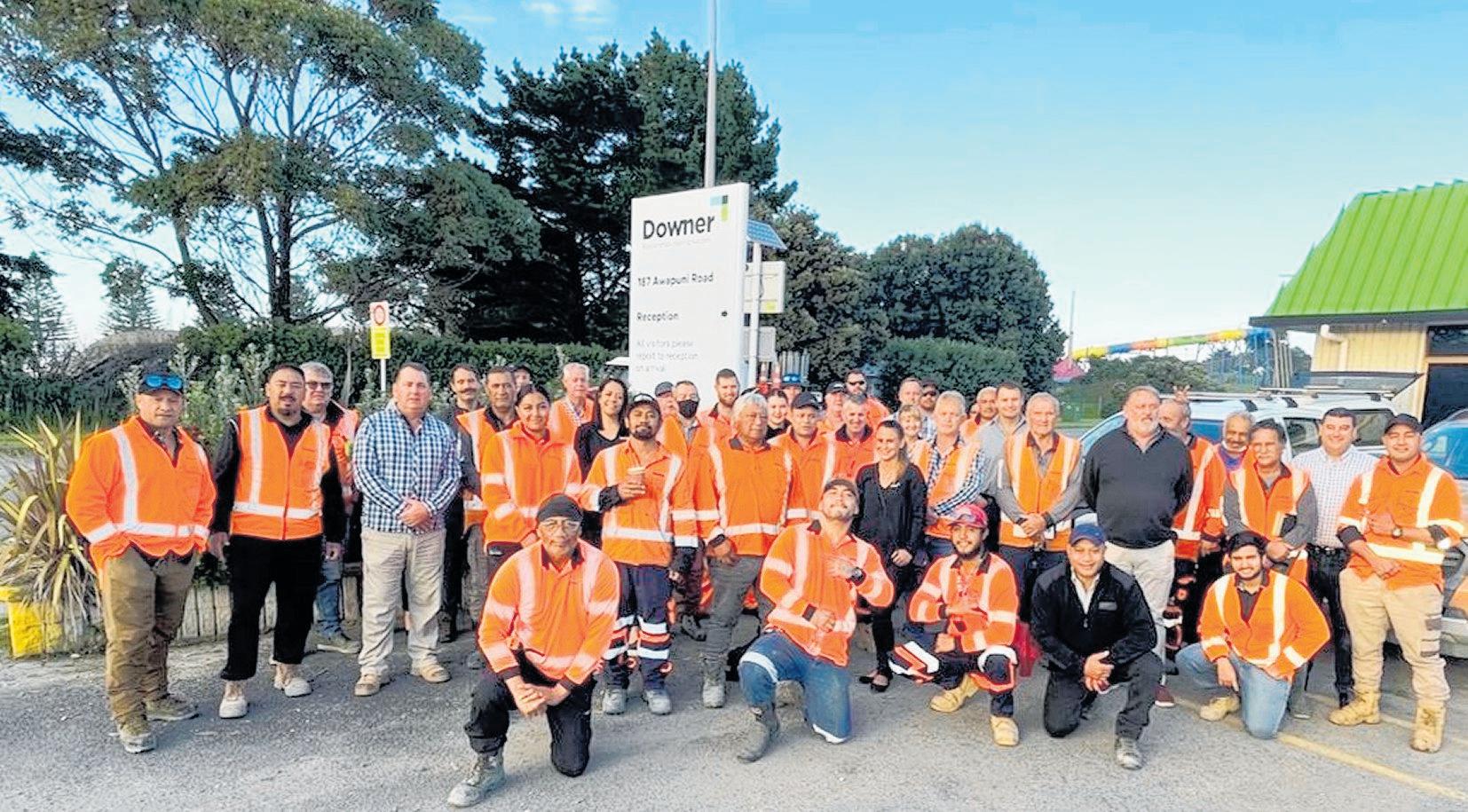
Oncetheweathersettled,Downer flewstafftocelltowerstotrytoreestablishbasiccommunications.
“Wewerein aluckypositionwhere oneofourconstructionmanagersis apilot.Hewasflyingfood,generators andothersuppliesfromWanganui intoGisborne.Thatwasthequickest waywecouldgetthingstopeople.”
It’sstillearlydays,butWestcounts therolepeopleplayedandthe structuredapproachtodoingthings assuccesses.
Hesaysthatharnessingthepower oflocalcontractorsandsuppliershas alsobeencritical.
Thenextstepistotaketheselessonsandapplytheminthefuture.
There’s aprecedentforthis.He says aheightenedfocusonsafety cameoutoftheChristchurchand Kaikouraearthquakes; aculturethat hascontinuedsince.
As atranstasmanbusiness,Downerwasalsoabletocallonexpertise fromAustraliawherethecompany hadrecentexperienceofdealingwith widespreadflooding.Westsaidcolleagues were able to help with structures,howtoquicklyestablishcommunicationsnetworksanddealwith people’swelfare,understandingthe widerpressuresonworkers.
It’sonethingforDownertouse whatithaslearnt,butWestiskeen toseethisextendsbeyondthecompanytocontractors,partnersandthe restoftheindustry.“That’sthegreat thingaboutthecollaborativeindustryresponse:welifteverybody’s capability.We’vehadsomegreattier twoandthreecontractorsacrossthe
regionsthathavebeenworkingcloselywithourteamsandtheycontinuetolearn.Thatwillhelpmakethem betterbusinessesandhashelpedus intermsofoursupplychain.”
Aspartofthis,Downeraimsto ensurethereis apipelineofworkto providecontractorswithopportunities.Thatwaythenationcanmain-
tain alevelofregionalcapabilityto meetfuturechallenges.
ForWest,thisisthepositiveeffect tocomeoutofCycloneGabrielle.The cross-industryresponsehas aclear purpose,whichprovidesclarityand makesthealignmentbetweendifferentorganisationsclear.Hesaysthis willmakeiteasiertorespondto
future adverse weather events. Atthesametimetheorganisations havebeenabletoworkcloselywith localcommunitieswhichhesayswill leavebehind apositivelegacy.
● Downerisanadvertising sponsoroftheHerald'sInfrastructure report.
WORLDCLASS STATIONS DistinctlyTāmakiMakaurau CityRailLink.co.nz nzherald.co.nz TheNewZealandHerald Wednesday,June7,2023 B9
DownerworkforceatAwapuniRd,Gisborne.“HavingpeoplewithskillsorcapabilityintheregionsisimportanttothefutureofNewZealand.”
Investingintheroadahead
NewZealand’sambitious infrastructureplansforthe comingdecadewillrequire substantialcontributions fromtheprivatesector.
TherecentimpactofCyclone Gabrielleontransportationandinfrastructurehasresultedinthere-evaluationofpreviouslyagreeduponpriorities.Additionally,majorprojects suchasAucklandLightRailandthe proposedsecondharbourcrossing willrequiresignificantresources.
ICBCNZsaysthatwell-designed public-privatepartnerships(PPPs) willbecriticalifNewZealandwants toaddressitsinfrastructuredeficit.
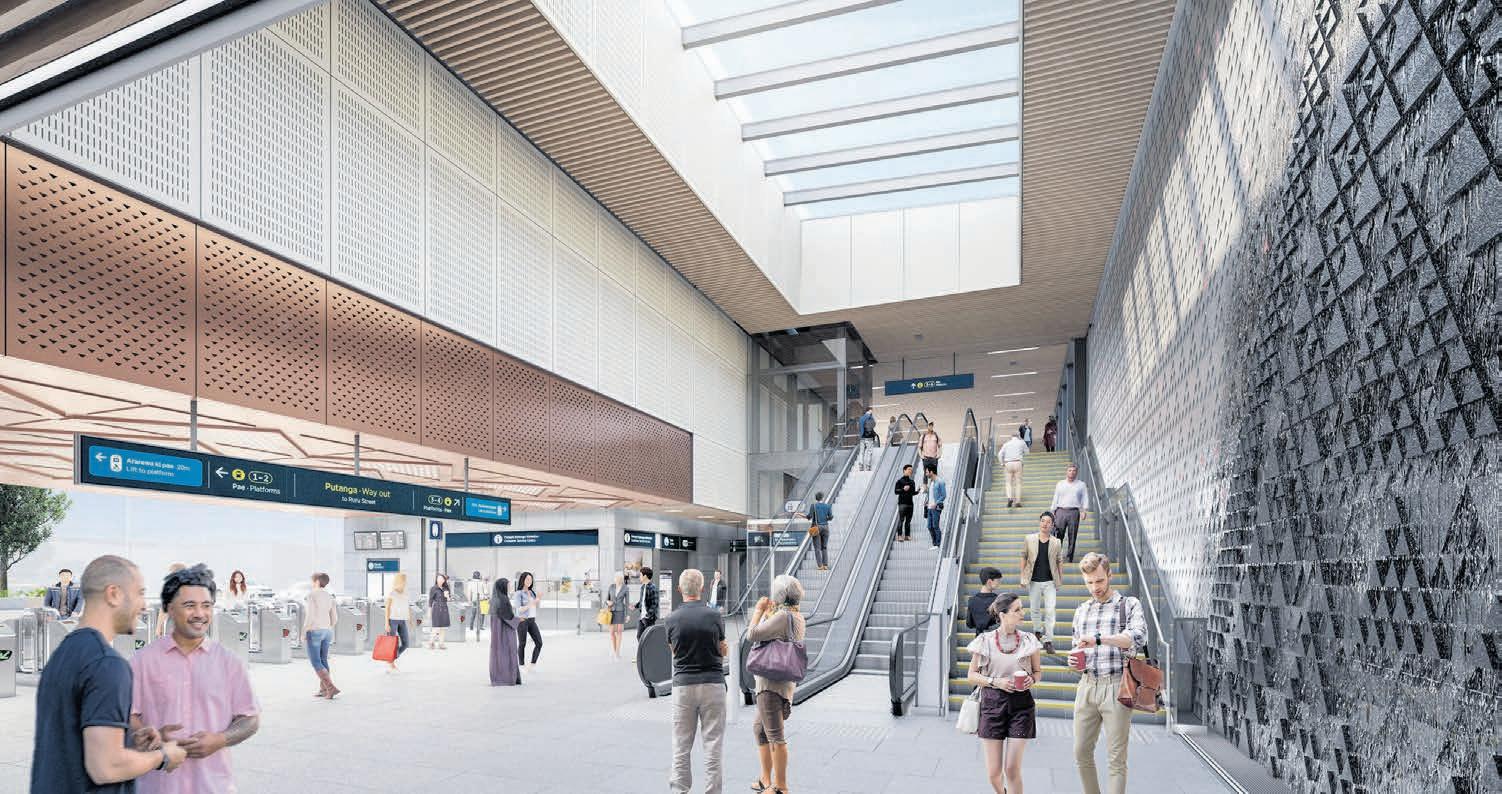
Astheworld’slargestbankbytotal assets,theIndustrialandCommercial BankofChina(ICBC)knowstheimportanceofPPPs.Year2023marks
ICBC’s10thanniversaryofoperating inNewZealand.Overthepastyears ICBC’sNewZealandsubsidiary(ICBC NZ)hasalreadybeeninvolvedin severalmajorinfrastructureprojects inthecountry.
ICBCNZ’sstatedcommitmenttobe a“hundredyear”bankforNewZealandmeansitiswellplacedtosupport long-termprojectsinitsfavoured sectorofinfrastructure.
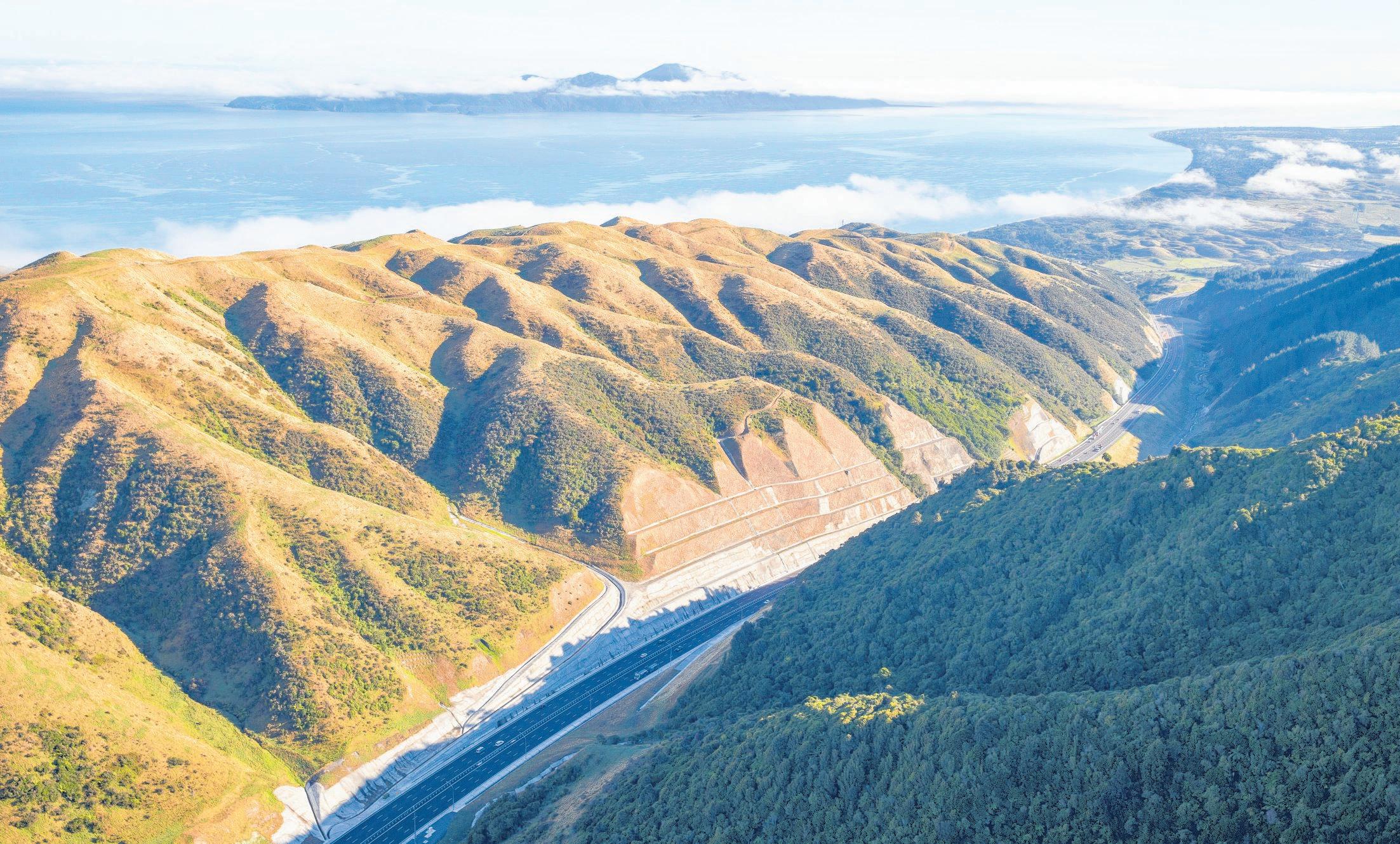
Thebankhasalreadyplayeda significantroleinfundingNewZealand’smajorinfrastructureprojects overthepastdecade,includingthe TransmissionGullyPPPproject,in whichICBCprovidedaround NZ$90min abankingsyndication. Inthe“GoldenTriangle”region(the
Thebankhas alreadyplayeda significantrolein fundingNew Zealand’smajor infrastructure projectsoverthe pastdecade, includingthe TransmissionGully PPPproject(above), inwhichICBC providedaround NZ$90mina banking syndication.
areaboundupbyAuckland,HamiltonandTauranga),ICBCNZparticipatedin abankingsyndicationto supportlocaliwi,Tainui,tofulfilits developmentoftheRuakura Superhub.

TheSuperhubis aprojectof nationalsignificanceandoneofNew Zealand’slargestmulti-usedevelopments.Anchoredbyaninlandport, theSuperhubwillincludelogistics, industrial,commercial,retail,residential,andgreenspace.Oncefullydeveloped,itisexpectedtodeliver approximately4500homesandcreate6000-12,000jobsfortheregion.
Additionally,ICBCNZandHong Kong-basedICBCAsiaprovided fundingtoassistNapierPortwithits capitalinvestmentprogramme, whichinvolvedthedevelopmentof amulti-purpose350-metrewharf,6 Wharf,locatedalongthenorthern faceoftheexistingcontainerterminal.
ICBCNZisalsosolelendertothe HobsonvillePointschoolspublicprivatepartnershipprojectsupportingNewZealand’scrucialeducation sector.TheHobsonvillePointschools includebothprimaryandsecondary withcapacitytoaccommodateover 2000students.
Amodeltodeliver:Build,operate, transfer Thereare arangeoffundingmodels availabletohelpindeliveringinfrastructureprojects.The“BOTmodel” (build-operate-transfer) —apopular
PPPmodelusedinChinaformajor infrastructureprojects —couldoffer asolutiontoNewZealand’sfinancing needs.
Thismodelinvolvesthegovernmentengagingtheprivatesectorto design,build,andoperateaninfrastructureproject,withtheassetbeing transferredbacktothegovernment after asetperiodoftime.
Bysupportingtheprivatesectorin overcomingregulatoryhurdlesand ensuring aworthwhilereturnoninvestment,thegovernmentcanhelp makethesemajorprojectsfinancially viable.
Forinstance, whenconstructing anundergroundrailway,therepay-
mentoftheinvestmentcanbebuilt intotheproject’scostfromtheoutset.
Iftheundergroundrailwayalone isinsufficienttorepaytheinvestment,otherrelateddevelopments suchascommercialareascanbe usedtocontributetowardsrepayment,loweringtheriskandmaking iteasiertosecurefinancingforinfrastructureprojects.
TheInfrastructureandFinancing Act
TheGovernmenthassent aclear messagethatitintendstoaddress NZ'sinfrastructurechallengesand continuestoincreaseitssupportof infrastructureinvestments.
ICBCNZisexcitedabouttheprogressintheNewZealandmarket followingthepassingintolawofthe InfrastructureandFinancingAct 2020.Thisnovelpieceoflegislation providesanothertoolforcouncilsto fundfutureprojectsinconjunction withtheprivatesector.
Thefirstprojectutilisingthisstructurestartedinlate2022.Themarket expectsthatsimilaropportunitieswill follow,leadingtoincreasedfunding demandsinthebankingsectorfrom theseinfrastructureprojects.
ICBCNZlooksforwardtoworking withallstakeholderstoprovide solutionstosatisfyNewZealand’s infrastructureambitions.
● JamesGillisDirector -Corporate &InstitutionalBankingatICBCNZ.
ICBCNZisanadvertisingsponsor oftheHerald’sInfrastructurereport
B10 nzherald.co.nz | TheNewZealandHerald | Wednesday,June7,2023 Infrastructure
Public-privatepartnershipsarecriticalforNZto addressitsinfrastructuredeficit,writes
JamesGill
TheWainuiSaddleareaoftheTransmissionGullymotorway.
Photo /MarkMitchell.
Finding anewfundingpath
NewZealand’sinfrastructure deficitblackholestandsat $210billionandisgrowing, withthecostofCyclone GabrielleandtheAucklandAnniversaryweekendfloodsestimatedat between$9band$14.6alone.
NewZealandersarecurrentlysufferingfrom alackofbasicinfrastructureacrossourcommunities.From thesubstandarddrinkingwaterqualityandoverflowingstormwater drainstocongestedroadsandunreliablepublictransport,nottomention theunplannedpoweroutagesand cellphoneblackspots.
Theseareallsymptomsofour strugglinginfrastructuretryingto keepupwiththedemandsofour growingpopulation.
TheNewZealandInfrastructure CommissionTeWaihangasaysthe countrywouldneedtospend$31bon infrastructureeachyearforthenext 30years,justtocatchup.Thisequatestojustunder10percentofour GDPannually,whichisnotonlya massiveamountofmoneybutitis alsounsustainableandlargelyunattainable.
Under-investmentinourcrucial infrastructureisoneofNewZealand’s greatestlong-termeconomicchallenges.
TheGovernmenthasrecognised thisgapandprogressisbeingmade.
TeWaihangachiefexecutiveRoss Coplandsaysthereis a$92bpipeline ofinfrastructureprojectscommitted toalreadyoverthenextfiveyears, notincludingAucklandLightRailor asecondharbourcrossing.
Evenifthe$92bgetsspent,it’s somewayshortofthe$210bit’s estimatedweneed,andthedeficitis likelytogrow.Thisleavesaround $118btobefound.Ifwedon’t,our infrastructureaspirations,grand plansandinsomecasesjustbasic needs,willhavetobescaledback.
AtsomestageNewZealandis goingtohavetoacceptthereisno futuremagicmoneytreeandwewill havetopayfor alotofthiscritical infrastructuredifferently.
NewZealandisalreadyspending moreoninfrastructurethanever before. Agreatershareofournational incomeisgoingintopublicinfrastructureandit’sstillnowherenear enough.
Moreneedstobespenttoimprove whatwealreadyhave,makeitmore resilientandadaptittoourchanging climate.It’sestimatedthatwehave about80percentofwhatweneed, butwemustalsobuildnewinfrastructure.Giventhatmassivedeficit, weknowtheGovernmentdoesn’t havethedeeppocketstofunditall ifwearetogrow,prosperandprotect ourcommunitiesfromclimate change.
Thiswillmeanusing abroader rangeoffundingandfinancingoptionswhichwillinvolveprivatesector involvement.
Thedaysoflowinterestratesare over.TheGovernmentisalready borrowingtofundtherecently announced$6bNationalResilience Plan.
Borrowinginrelationtobuilding thelong-termassetsthatoursociety needsmakessense.Itisintergenerationalinvestmentwhichenriches ourlives.
Theprivatesectorhas aroleto playheretoleveragefundsandto financethisinfrastructureatfairrates ofreturn.
Publicsectorandprivatesector partnershipsare akeystoneofour economyalready.Wemaybejust didn’trecogniseorappreciatethis.
Inrecentyears, afewprojectsthat werefundedanddeliveredaspublic privatepartnerships(PPPs)went pear-shapedandthismodelhasbeen largelyblacklistedinthiscountry. However,weneedtolearnfromthese misstepsandbuildonthesuccess
storiesthatwehavealsoexperienced.
Theultra-fastbroadbandrollout acrossthecountrywas agreatexampleof asuccessfulPPP.ThepartnershipbetweentheGovernment andChorusleveraged$1.7bofgovernmentfundingtoattract$5bofprivate
capital.Thisprogrammewasdeliveredontimeandonbudgetand resultedinsuperiortechnological connectionsandcoverageacross Aotearoa.Thinkabouthowithelped ussurviveCovidlockdowns! Theprivatesector’scapacityto delivertherequiredlevelofdevelop-
mentandhelpaddressNewZealand’s infrastructuredeficitisunder-utilised andprovides abigopportunityto helpovercomecurrentchallenges.
Ourlistedportcompaniesarea goodexampleofsuccessfulpublic privatepartnerships. NapierPortusedthecapitalraised
fromitssharemarketlistingtodeliver anewwharf,TeWhiti,whichwas constructedfor$171m,cominginbelowtheoriginalbudgetof$173mto $190mandaheadofschedule.
Ourlistedairportshavealsodemonstratedthepotentialofprivate publicpartnerships.
Inallthesecases,thelocalauthorityownerswouldnothavebeenin apositiontofundthesedevelopmentsneededinthetimeframerequiredwithout asignificantratesburden.
Localandcentralgovernmentdo nothavethecapacitytofundallof Aotearoa’sinfrastructureneeds.
Accessingprivatecapitalprovides anabilitytobothbringforwardprojectsthatwouldotherwisehavebeen delayedforseveralyears,andrelease fundingforpublic —andoftensocial —infrastructurethatwouldotherwise notoccur.
PPPsprovide asensiblerisksharingframeworkthat’swidelyused internationally.
It’sworthrememberingthatfull legalownershipoftheassetsis retainedbytheCrown.Nooneis stealingourassets!
Ourcurrentpolicysettingsmean thatthedeliveryofpublicinfrastructureprimarilysitswiththepublicsector,whereinfrastructureprojectsareinitiatedanddrivenbylocal orcentralgovernment,withtheprivatesectorcominginatthebackend ofthedeliverychain.
Thehopeisthatearlierconsultationwiththeprivatesector,changes totheresourcemanagementsystem and areductioninregulatoryredtapewillmakeprivateinvestment moreattractive.
NewZealandwillcontinuetomiss opportunitiesinitsinfrastructure delivery,efficiencyandscalebysolely relyingontheGovernmenttofund improvementstoourtransport, water,andsocialinfrastructure.
It’stimeweas anationchanged ourmindsetandwokeuptotheharsh realitythattheGovernmentcan’tpay foreverythingand anewpathmust befound.
● MichelleMcCormickisPolicy DirectoratInfrastructureNewZealand InfrastructureNewZealandisan advertisingsponsoroftheHerald’s Infrastructurereport
nzherald.co.nz TheNewZealandHerald Wednesday,June7,2023 B11 Infrastructure
Governmentdoesn’thavedeepenoughpocketstofilltheinfrastructureblackhole,writes MichelleMcCormick 9.6 %1 .6% 4.6% 2.7% 0.7% OURINFRASTRUCTURECHALLENGE THERESPONSE Current infrastructure deficit The costof dealingwith thebroken pieces, timein trafficandthe rising costof living we have now. Future infrastructure needs The costof infrastructure forachanging populationand economy, and for responding to climate changeand Renewals The costof repairingor replacing infrastructure thatis wearing out. Cost pressures Whatis needed The costof buildingis growing. Betteruseof existing infrastructure Tools forgetting morefromthe infrastructure we have. Better project selection Broaden funding& financing Choosethe projects that willhave the greatest impact. Increaseour infrastructure spend. Existing plans Improve the waywe plan anddeliverour infrastructure. Theinfrastructure we arealready planning to build. Streamline delivery The infrastructure challenge Indicative futurecosts % of GDP = = Thechallengeandthe response HeraldNetworkgraphic Atsomestage
NewZealand isgoingto haveto acceptthere isnofuture magicmoney treeandwe willhaveto payfor alotof this critical infrastructure differently.
MichelleMcCormick
RebuildingbetterafterGabrielle
AsNewZealandplanstorebuildintheaftermathofthe destructionwroughtby CycloneGabrielle,itisencouragingthattheconceptsofresilienceandsustainabilityarekey priorities.
Whileitisnaturalforustowant toreturntheworldtohowitwas beforethecyclone,therealityisthat thisisneitherpossiblenorwisebecausethecyclonehaschangedthings forever.Ithasshownthevulnerabilityofourcommunitiestoclimate changeandgivensometoughlessons whichmustbeheededasweplanthe reconstruction.
AstheInfrastructureCommission TeWaihangahasnoted,ourinfrastructureisalsointerdependent.
Failureoftheelectricitynetworks createdlossesinthecommunications infrastructure,whichaddedtothe severityofthemoment.Recognising andaddressingtheseriskswillbepart ofimprovedresilience.Inrebuilding, theworst-casescenarioformany peoplecouldbethattheirhomes survivedthecyclone,buttheymay needtorelocatebecausescience suggeststheymaynotbesafe.
TheNewZealandGovernment’s naturaladaptationplanshowsthat oneinsevenNewZealanders —orjust under700,000people —liveinareas pronetoflooding. Afurther72,000 liveinregionsthatsignificantlyrising sealevelscouldthreaten.
Itisencouragingtoseetheactive participationofTeWaihangainthis processandintheCriticalInfrastructureReformplan,whichfocuseson regulationandensuringitisbuilding infrastructurethatisfitforpurpose.
TheMinisterofFinanceandCycloneRecovery,GrantRobertson,put
itwellwhenhequestioned:“Ifthose communitiesgobackandbuild today,areweresponsibleforletting themdothat?”
Theremightbe atemptationto rebuildinfrastructureandhousing quickly.Thisisalso acriticalissuefor Turkeyafteritsdevastatingearthquakes.Thereiswidespreadcriticism thatreconstructionisbeingrushed andreplicatingthepre-earthquake infrastructureforprimarilypolitical reasons.
NewZealand,whichalsohasthe learningsfromthe2011Christchurch earthquake,isunlikelytomakethe samemistakes.Butatthesametime, thetensofthousandsofpeople whoseliveshavebeendisruptedare desperatetoreturntonormality.
AsinChristchurch,decisionsneed tobemadeaboutfuturerisksand howtorespondtothem.Doesthis meanthatcommunitiesneedtobe movedanddifferentbuildingmaterialsusedalongwithnewtypesof infrastructure?BuildingsinSanFranciscoandTokyohavebeenconstructedtosurviveearthquakesfor manyyears,basedonprevioustragedies,andnowthenewChristchurch is acityofsteelandglass.
ThoughCycloneGabriellecaused propertyandinfrastructuredamage thatcouldexceed$13.5billion,there weresomepositivestotakeawayin thefaceofthedisaster.
AsTeWaihanganotedinanApril report,Auckland’sinfrastructure appears,inthemain,tohavebeen resilient.
Whilemorethan26,000propertieswerewithoutpower,90percent hadpowerrestoredinlessthanone day.Therewasnonotableimpacton wastecollectionservices,andadditionalservicesweredeployedtocollectstormdebris.
DavidJenkins
DavidJenkinsisCEOofThe InstituteofPublicWorks EngineeringAustralasia(IPWEA).
Heis aregularcommentator andspeakeroninfrastructure mattersacrossAustralia,North America,andEurope.
IPWEAisthepeakassociation formunicipalandpublicworks professionalsinAustraliaand NewZealandandis aglobal leaderinthedeliveryofasset managementeducationand sustainableinfrastructureasset management. www.ipwea.org/aotearoa
Althoughtheairportwasflooded andforcedtoclose,thedomestic terminalwasonlyoutforonedayand theinternationalfortwo.
Twentyschoolsexperiencedsignificantdamagebutwereabletoreopenwithin amatterofdays.
Planningforfutureweatherevents willrequire adifferentapproach,but therearestillsimilaritiesintheframeworksweneedforfuturedisaster plans.
Provisionsmustbemadeforexit routes,temporaryshelterplanning, communitymusterpoints,andemergencycommunicationsystems. Thesemustbearticulatedclearlyto peoplesothatiftheeventsrepeat, theyimmediatelyunderstandsubsequentactionsandresponses.

Thereneedstobe amoreextensiveplanspanningallgovernment agencies,whichcanspringintoaction quicklyifrequiredtopreservepre-
cioustimeforinstructions.These needtobeformulatedalongsidethe longer-termreconstructionefforts, ensuringthatbuildingsandinfrastructureareconstructedandlocated moreappropriatelyifeventsrepeat, limitinginitialdamageandincreasing communityresilience.
Partoftheapproachmustbeto relyonthebuiltenvironmentinthe responsesimply.Resiliencealso includeseducationofstakeholders andcommunities,earlywarning protocolsandlandusepoliciesaspart of aholisticresponse.
Whileagreeingwithmuchofwhat theCycloneRecoveryMinisterhas said, Iquestionhiscomment:“Two wordsNewZealandersaregoingto getusedtohearingoverthenextfew yearsare:managedretreat.”
Yes,muchwillchangeasweseek tofuture-proofourcommunitiesas bestwecan,whichmaymeanmovingsettlementsandthelocationof infrastructure.
However, reconstructionis also an opportunity and should be seen that way. Just as Christchurchisnow beginning to enjoy the fruits of its reconstruction efforts and has returned as avibrant —but different —city, we must take the same approach to the areas of the North Island devastated by Cyclone Gabrielle.
United States President Joe Biden’s administration and the G7 nations have used the term “build back better” for their initiatives. Perhaps this is amore positive approach than one of managed retreats.
It suggests that after all the chaos, anew approach can improve what we had before.
● IPWEAisanadvertisingsponsorof theHerald’sInfrastructurereport
B12 nzherald.co.nz | TheNewZealandHerald | Wednesday,June7,2023
Infrastructure
DavidJenkins
Muchwill chang we seektofutureproofour communitiesas bestwecan,which maymeanmoving settlementsandthe locationof infrastructure.
Planwithregionalneedsinmind
totheveryimportantendofNewZealanderslivingproductiveandstimulatinglivesandrecognisingtheirfull potential,soourcountryis aworldclassplacetocallhome.”
Leggettsaysinfrastructuredevelopmenthasbeentooreliantonthe governmentfundingit.
InfrastructureNZ’s newbossbelieves politickingis gettingintheroad ofimportant development
Thecountry’smuch-needed transportandotherprojects mustbedepoliticisedand advancedwithgreaterregionalco-operation,saysInfrastructureNewZealand’snewchief executive,NickLeggett.
Thesectorneedsgreatercertainty, andinfrastructureplanninganddevelopmentmustgobeyondthethreeyearpoliticalcycleandideology.It mustfocusonwhatisbestforthe countryovermanydecades.
“Weneedconsistencyamongstthe politicalparties,creatingdiscipline andcommitmenttodevelop aclear long-termpipelineofwhereinfrastructureisgoingtobebuilt,”says Leggett.
“That’spartofthereasonweare in amessandfacingchallenges.We havepoliticisedtransportinfrastructureandwehavestoppedbeing anationofdoers.
“Thecentreleftwantspublictransportandthecentrerightroads,but whatweneedisinvestmentinall modesoftransport.We’vegottohave broadpoliticalagreement,”says Leggett.
“Wearealsotoocaughtupinred tape —I hopetheRMAreformwill changethat —andwearenotgetting agoodbangfromourbuck.”
Leggettsays apipelineofessential workshouldbeguaranteedoutside ofelectioncyclesandBudgets,with fundinglockedin.Thatway,the sectorcanprepare aworkforceand havethekindofskillsonhandto makethesebuilds areality.
“NewZealandhasfallentothe bottom10percentoftheOECDin gettingvalueandqualityoutofits infrastructurespend.
“Theclimatechangechallenges are areminderthatweneedtoget betterandinvestmoremoneyinto resilientinfrastructure,”Leggettsays.
“Westillhave asmallnationmindsetbutweneedtoadopt akick-ass attitude,andnotthinkabouttoday ortomorrowbutdecadesahead —30, 50and100years.”
Leggettispushingforstronger regionalco-operationintermsof spatialplanningandinfrastructure investment.
“Weneedtothinkandplanwith ourneighboursabouthowwegrow andwhattheneedsare.Youcan’t divorceregionalfromlocal —they havesomuchincommonandby combiningresourcesandlayingout aninfrastructureplan,wecanget thingsmoving.
“Somelocalcouncilscan’tdothat ontheirown,andregionalinpartnershipwithgovernmentcanlookat infrastructureinvestmentin afar moreeffectiveandefficientway.Localcouncilscanrefocusoncommunitywellbeing,”hesays.
LeggettcitestheLet’sGetWellingtonMovingtransportinitiativeasan exampleofmomentumlost.
“Wehave athree-headedmonster —WellingtonCityCouncil,Greater WellingtonRegionalCounciland WakaKotahi(NZTransportAgency) —involvedwiththeplan.
“Overthepastfourorfiveyears $120millionhasbeenspentandjust oneprojectcompleted —a crossing
forpedestriansandcyclistson CobhamDriveatKilbirnie,partof StateHighway1.
“Atthemomentyouseepursuitof amodelthathasfailedtodeliverand thepublichaslostfaithingetting Wellingtonmoving,withthegovernmentpersistingwithongoingsupport.”
Leggettsays“youhavethreepublicentitiesfallingovereachotherand competing —whetheritbeforfaster busesorlightrail.Thiscostsus moneyindelaysanddisputesandit’s thecommuterswhosuffer,notthe officials.”
Hebelievesoneregionaldevelopmententityshouldbeoperatingthe Let’sGetWellingtonMovinginitiative, with amandatetoengagewiththe community,andlocalandgovernmentsupport.
“Fragmentation —that’swhatholds upinfrastructuredevelopmentand stopsuslookingatthebigpicture.
“Wesee aseparationofplanning andfunding.Weneedtopushthem togetherandpowerupregionalcooperation.”
Leggett,whojoinedInfrastructure NZinlateApril,hasplentyofexperienceunravellingthecomplexitiesof infrastructuredevelopmentandpullingtogetherthethreadsbetween local,regional,centralgovernments andcommunities.
“Icontinuetobefascinatedbythe waydifferentorganisations,people andcommunitiesmakedecisions,”he says.
Afterworkingas acommercial propertybrokerforColliersInternationalinWellington,Leggettmoved intothepoliticalarenawhenhewas electedMayorofPoriruaCityin2010 andservedtwoterms.Hewasthe chiefexecutiveofIaAraAotearoa TransportingNewZealand(formerly NZRoadTransportForum)from December2018toAprilthisyear.
“Wehavebeenallergictoprivate capitalinvestment.
“Weneedtofind awaytoget privateequitytocontributetoinfrastructure,creatingbetterefficiency anddisciplineandgettingthingsbuilt faster.
“Wehavetoprovidetherightenvironmenttoattractalternativefundingandthat’s along-termpipeline withenvironmentalandregulatory approvalandanappropriatemixof publicandprivatesectordebt.”
Thenationalindustryassociation represents1200roadfreightcompanieswith acombinedfleetof 14,000vehicles.
Leggettis adirectorofWellington Water,GreaterWellingtonRegional Holdings,PortInvestmentsandchairpersonoftheHuttManaCharitable Trust.HealsoservedontheCapital andCoastDistrictHealthBoard.
Hesaystherehasbeen agrowing realisationthatNewZealandhasnot focusedenoughonthestandard, scaleandspecificationofitsinfrastructureovermanydecades.
“Thesedecadesofunder-investmenthaveleftuswithaninfrastructuredeficitof$210billion.
“Greatinfrastructureisthebasisof everythingwevalueinoursociety; opportunitiesforpeoplenowandin thefuture;socialandeconomiccohesionandenvironmentalsustainability.
“Greatinfrastructureisthemeans
ReactingtotheBudget,Leggett welcomedthe$6billionNational ResiliencePlan,whichfocuseson buildingbackbetterfromtherecent weatherevents.
“Stronger,moreresilientinfrastructureinvestmentiskey.
“Addressingvulnerabilitiesinour roadingnetworksiscriticalandthe $279minvestmentpackageforState Highwaysthatwillfocusonslipprevention,floodmitigationandmanagingsealevelriseriskisanexcellent start.”
WakaKotahiwillbeabletoaction itsStateHighwayResiliencePlan whichwasdevelopedin2020.
However,InfrastructureNZisconcernedthattheBudgetisyetanother announcementof‘bigmoney’,without aplanorpracticalunderstanding ofhowtogetthingsbuilt.
Leggettsay“withsomeexceptions, thisBudgetdoesn’tsolvetheimmediateandlong-termchallengesfacing NewZealand’spoorpublicinfrastructure.Youcanonlyhittheballoutto thefuturewithbigdollarpromisesfor solongbeforepeoplestartfeelingthe realityofdecadesofunder-investmentwith ashallowfundingpooland aworkforceshortage.
“NewZealandcontinuestomiss opportunitiesinitsinfrastructuredelivery,efficiencyandscalebysolely relyingontheGovernmenttofund improvementstoourroads,public transport,resilienceandwaterinfrastructure.”
Hesaystherearemoreplansand moreapparentpotsofmoney,butthe fundingpoolremainsthesameand theonlysourceisfromtheback pocketofthetaxpayer.
NewZealandbadlyneedsto accessprivatecapitaltoinjectintoa sustainablebuildingplan.
Leggettisencouragedbyco-fundingfromprivatesectortoexpand electricvehiclecharginginfrastructure.Butprojectslike asecondAucklandharbourcrossingandLet’sGet WellingtonMovingrequirecapital thatthegovernmentjustdoesn’t have.
“Furtherfocusonprivatefinancing ofinfrastructurewouldbuildNew Zealandbetter,andfaster.
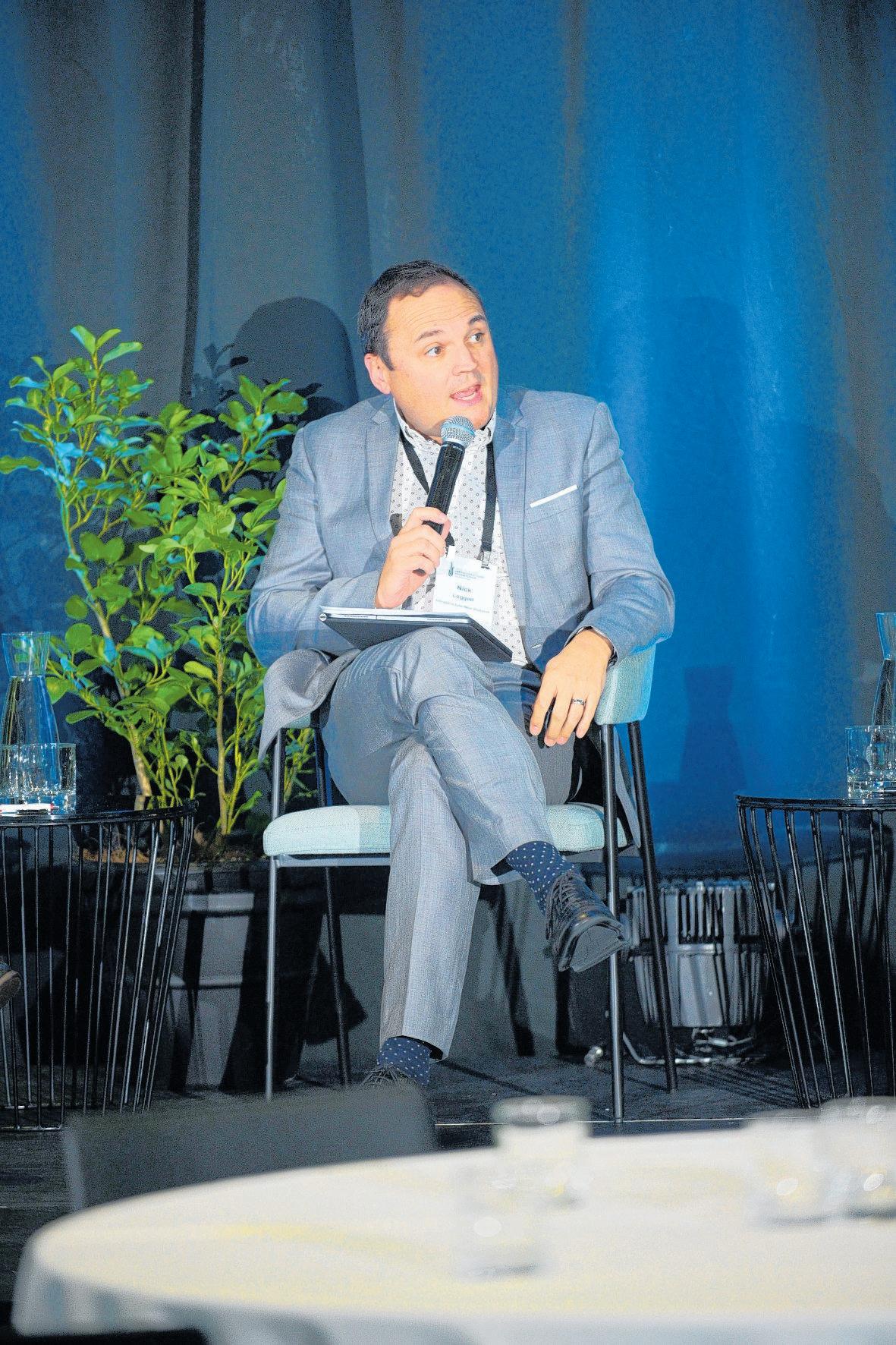
“As acountry,NewZealanddoesn’t lackforpromises,plansorambition. However,itoftenlacksactionin gettinginfrastructureprojectsbuilt. Budget2023doesn’tdealwiththat problem,”Leggettsays.
“Wecontinuetocallonallpolitical partiestothinklongtermaboutinfrastructuredecision-makingandsteer awayfrompolitickingaroundprojectsandinvestments.”
nzherald.co.nz TheNewZealandHerald Wednesday,June7,2023 B13
Infrastructure
easmall nationmindsetbut weneedtoadopta sattitude, ,50and earsahead.
NickLeggett,Infrastructure NZchiefexecutive
Infrastructure Graham Skellern
Theairportis developingwithan eye to thelongerterm ,writes BillBennett
Workisunderwayon AucklandAirport’snew $300millionTransport Hub,partof awider$3.9 billionconstructionprogrammesetto transformtheairportoverthenext fiveorsixyears.
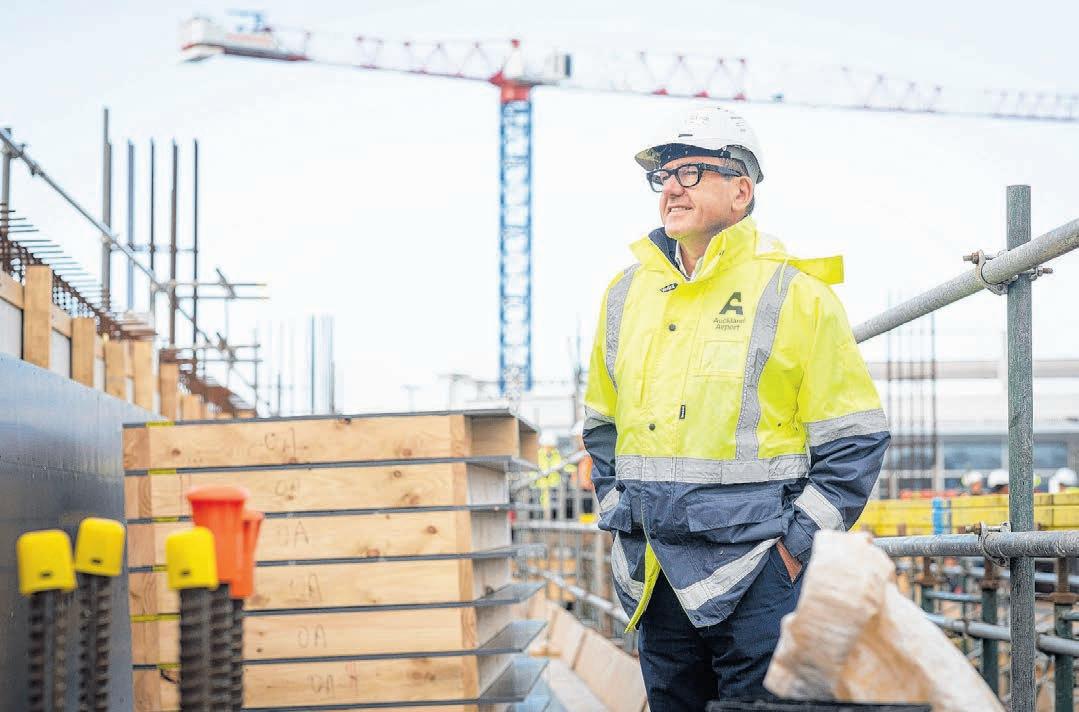
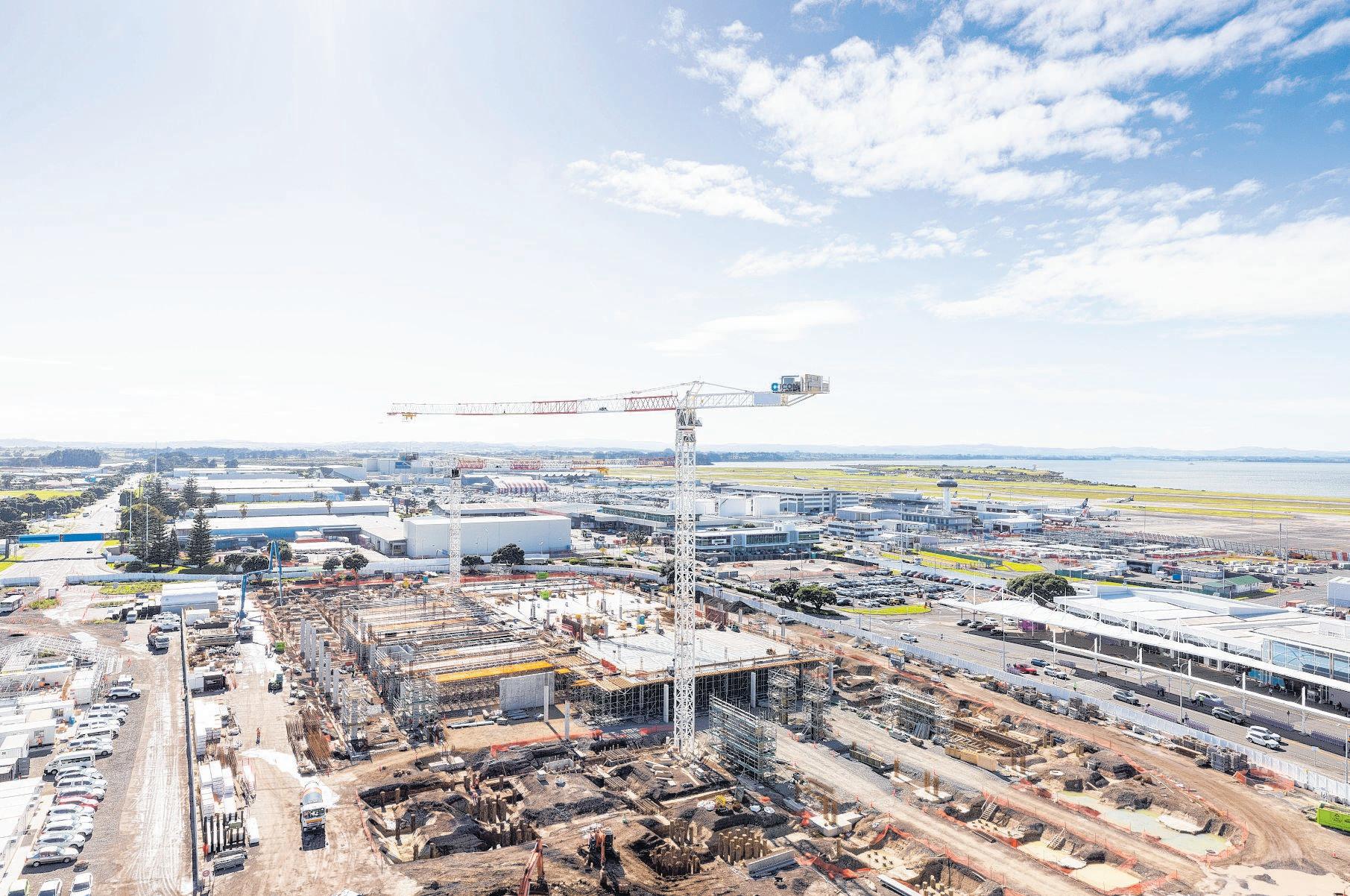
ThefirststageoftheTransport Hub, acoveredpick-upanddrop-off area,shouldbeopenearlynextyear withtheremainingstagesduetoopen laterin2024.
AucklandAirportchiefcommercialofficerMarkThomsonsaysthe developmentgivestheairport ahigh qualityfacilityundercoverdirectly adjacenttotheinternationalterminal andthefuturedomesticjetterminal. “Itissomethingwehaven’thadinthe past.Notonlywillpeopleparkinthe facility,butrentalcarswilloperate thereaswell.Yetthemostimportant partiswhatwecallthePUDO,or, ‘pick-upanddrop-off’area.”
“It’sgoingtobeundercoverso familyandfriendscandroppeople offorpickthemupwhereitis ashort walkthroughtotheterminals.That’s goingtogivepeople amuchbetter experiencebutitalsomeanswehave muchmorecapacityrightatthefront oftheterminalsopeoplecangetin andoutmuchmorequickly.”
Thomsonsaysoneofthekeyfeaturesofthewiderairportdevelopmentprogrammeisthatbuildings havebeenplannedwith aviewtothe longer-termfuture.That’salsotrueof theTransportHub.
“Ithasbeenfuture-proofedaround sustainability.Alotofthoughthas goneintolookingatfuturetransport modesandhowweaccommodate those.Thereis averybig,double heightgroundfloortocatertoa varietyofdifferentmodes.
“Ifandwhentheyarrive,regardlessofwhetherit'slightrailorbus rapidtransit.Thewholesystemlinks upandprovidesanexcellentexperiencewhatevermodeyouuseto cometotheairport.”
TravellersfamiliarwithAuckland Airportwillfindthereis alotofroom intheTransportHub.
Themainundercoverpick-upand drop-offareawillbe160metreslong. Therewillalsobesomeadditional outdoorspace.Thomsonsaysthe undercoverpartiscriticalespecially givenprojectionsoffutureweather patternsandtherewillbenoshortage ofcapacity.
ThebigchallengeforAuckland Airportisthatallthedevelopment workneedstotakeplacewhilenormalbusinesscontinues.“It’s alive environment.Wewanttobuildthe newdevelopmentswellandwewant tofuture-proofthem.Thekeyto doingthisiscarefulstagingofprojects.BybuildingtheTransportHub now,wecandoimportant worklater, constructingtheintegratedterminal whileourcustomersarelargelyunaffected.”
Sustainabilityisbakedintothe entiredevelopmentprogrammeand featuresintheTransportHub.
Theairport’sdesignteamlooked attheconstructionmaterialstoreducetheenvironmentalimpact.
Thereisalso alotoftimberincustomerareas.Moreunusually,the buildingissupportedbytimberpiles inplaceofconcreteandsteel:“We testedtomakesurethesearetheright products,andwewerepleasedthat timberpilingsperformedextremely well.Underneaththestructurewe havesomewhereintheorderof1500, timberpiles.We’vebeenabletouse theoffcutsfromthetimberpilesin otherareasincludingpublicopen spacesandtheplaygroundarea.”
TheTransport Hubwillhaveelectricvehiclecharging.Thomsonsays:
Future-proofing
“We'reputting asignificantsolararray onthebuildingthatwillgenerate approximately1.2megawatts.Much ofthevehiclechargingthatwewill dowillbefedfromthereanditwill alsopowertheofficebuilding.
“Weknowthereisalready abig shifttowardselectricvehiclesand havebeenfocusedonthis.Itmeans makingsuretheinfrastructureexists inthebuildingnotonlyforelectric vehiclechargingbutalsothatwecan doitsustainably.”
AucklandAirportisaimingfor 5-StarGreencertificationforthe
TransportHubofficebuildinganda GoldParksmartratingforthecar park.Itexpectsthistobethefirst ParksmartratinginNewZealand. ThomsonsaysParksmartis avoluntarycertificationprocess.“It’sfrom theUSandiswidelyrecognisedthere. Itrecogniseshybridperformance buildingsthatdeliversustainability on anumberoflevels,notjustthe builtenvironmentbuthowthedesign improvesmobility,theresourcesand theguidancesystemsthatcanavoid unnecessarydrivinginthebuilding. Ittakesbuildingmaintenanceinto accountanditsabilitytogenerate electricity.
Hesaystheventilationsystemis keytothebuilding’sefficiency.“There isenergyefficientlightingthroughout thebuildingandtheventilationsystemhasbeendesignedtoavoidusing electricityatall.”
TheTransportHubis alargebuilding.Thegroundfloorwillcovermuch ofwhatwaspreviouslyparkingspace infrontoftheterminal.Therearefour floors,eachof14,000sq mfor atotal ofaround70,000sq mofundercover dropoffandshort-termcarparking space.Therewillbearound2100car parksinthebuildingwithanother410 totherear.
Thomsonsays:“Thesearebigfloor plates.Itcontains arampingsystem thatgivesfastaccesstotheupper levels.Whileitis abigstructure,itis notimposing.
“Oneofthethingswelookedat whenwethoughtaboutbuilding heightswastomakesurewestillget naturallighttoallpartsoftheairport.
“Theareaaroundthebuildingis akeypartofwhatwecallour landsidesystem.Thisincludesnot onlytheroadwaysandaccesslanes throughouttheairportbutalsoa significantamountoflandscaped openareas,plantareasandcovered walkways.
“We’veadded anumberofmature treesincludingfullyestablished po¯hutukawatrees.
B14 nzherald.co.nz | TheNewZealandHerald | Wednesday,June7,2023 Infrastructure
Alotofthoughthasgoneintolookingat futuretransportmodes andhowwe accommodatethose.Thereisaverybig, doubleheightground floortocatertoa varietyofdifferentmodes.
MarkThomson
AucklandAirport TheTransportHubandmasstransit
“Thenewbuildingdoesn’tjustconnecttransporttotheterminal,itispart oftheareabetweentheNovotelhotel andTeArikinuiPullmanhotelwhich isduetocompletelaterthisyear.
“Thelandscapingwillfinish aroundthesametimeasthebuilding, soanyonecomingtotheairportwill haveanentirelydifferentexperience tointhepast.
“We’vecreated aplazaforpassengersandairportworkerstoenjoy.For manypeopleitwillbetheirfirst experienceofNewZealand.”
AucklandAirport’sTransportHub is atwo-yearproject.Thomsonsays theworkistrackingwellandontime. Hesaysthefirstbigmilestoneis attheendofthisyearwhenthe groundfloorcompleteswhichwill allowtheairporttoopenthenew pick-upanddrop-offareaearlyinthe NewYear.
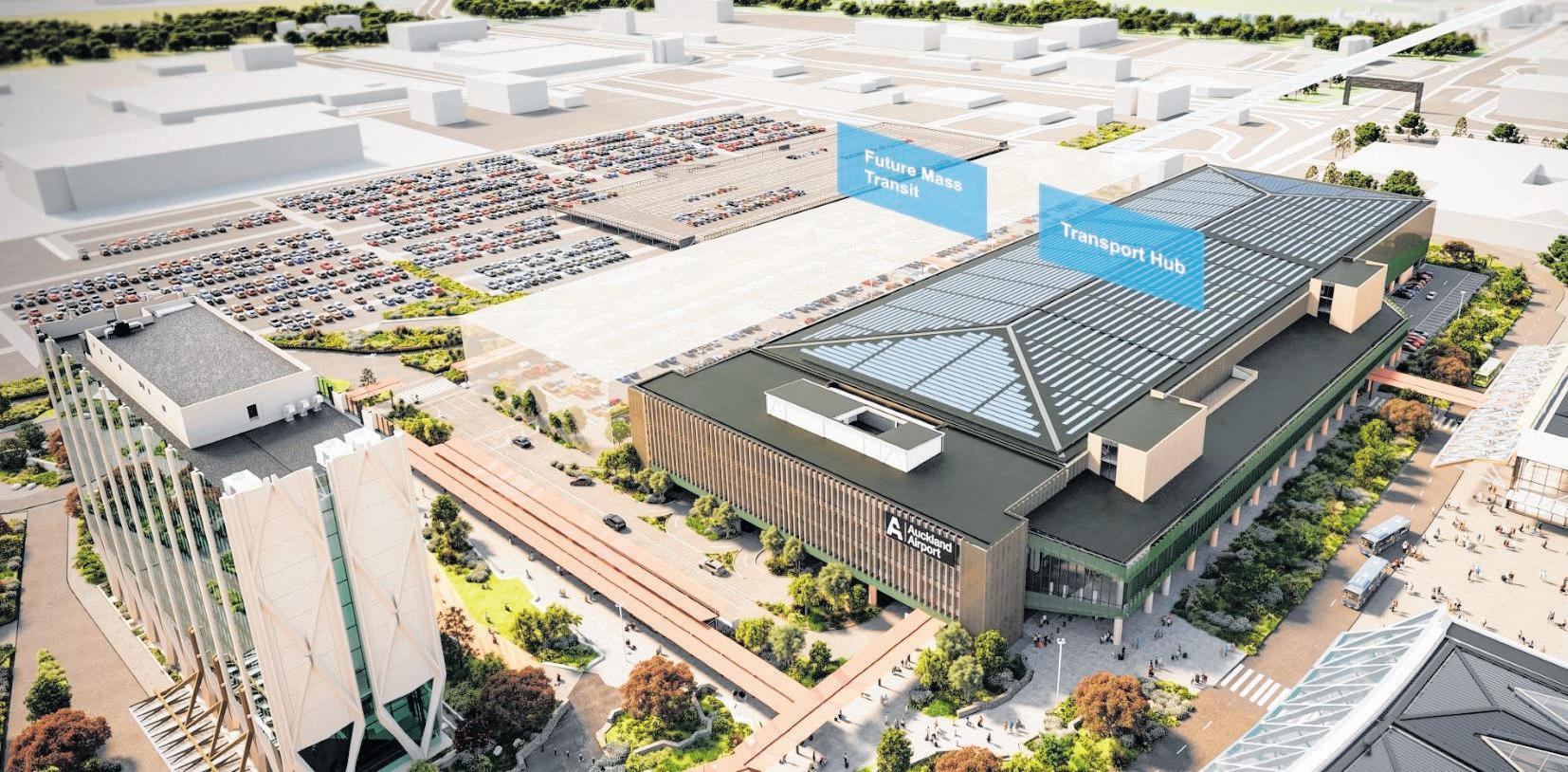
Thegroundfloorisbuilttodouble theusualheightwhichallowsroom forbusestouseittemporarilywhen itfirstopens,butalsooffersthe flexibilityneededtodealwithfuture transportmodessuchaslightrail.
It’sbeendesignedforvehiclesto flowthroughthebuildingandthere willbetwolanestohelpdealwith highdemandatpeaktimes.
Thomsonsays:“Thefirstphase enablesustousethatareaforcommercialvehicles.Thismeans alotof theactivitythatnowhappensatthe frontofthecurrentterminalcanbe relocated.Thatfreesupspaceforthe infrastructureteamtostartbuilding workonthefacadeoftheterminal.”
The second phase will be around ayearlaterwhenthehubiscompleted;thentheofficebuildingandcar parkingcanopen.
nzherald.co.nz TheNewZealandHerald Wednesday,June7,2023 B15 Infrastructure
● AucklandAirportisanadvertisingsponsoroftheHerald'sInfrastructurereport
Infrastructure:agentofchange
Asthecountry’slargestinfrastructure projectever undertaken,CityRailLink isin auniquepositionto createchangethattakesthewhole infrastructureindustryforward.
Infact,wehave aresponsibilityto doso.
IfNewZealandisseriousabout effectingenduringpositivechange, thenitisbeholdenonthebigconstructionplayerstolead.
Itaketheviewthattheinnovations andchangesCityRailLinkLtdhas designedandimplementedonthis projectwillleave alegacyfortheNew Zealandconstructionindustry,one thatsetsnewbenchmarksin sustainablebuildingpractices,social andenvironmentaloutcomesand workplacesafety.
Fromtheget-go,wehaveworked ourhardesttomaketheCRLan exemplarproject,andwetakeour responsibilitytoleadthewayseriously.
Earlyon,weestablished aformal partnershipwitheightlocaliwi —who formedtheManaWhenuaForum— toprovidema¯taurangaMa¯oriacross allaspectsoftheproject.
In2012,thatwas aradicaldecision, aninnovation,butisnowthenew normalforlargeprojects.
Mostbigcitymetrosaroundthe worldlookexactlythesame —but everypassengerontheCRLwill knowtheyareinTa¯makiMakaurau becauseoftheimpacttheMana WhenuaForumhashadonthe uniquedesignoftheCRLstations.
Ouriwipartnershipalsocreateda uniqueinnovation,withtheindependentInfrastructureSustainability Council(ISC)incorporatingcultural valuesintoitstechnicalmanualto betterfitNewZealand’suniqueculturalcontext.
Thismanualhasnowbeenshared acrossAustralasiaandwithinternationalpartnersaroundtheworldand helpedinformtheintegrationofculturalissuesintolaterversionsofthe ISC’stechnicalmanual.
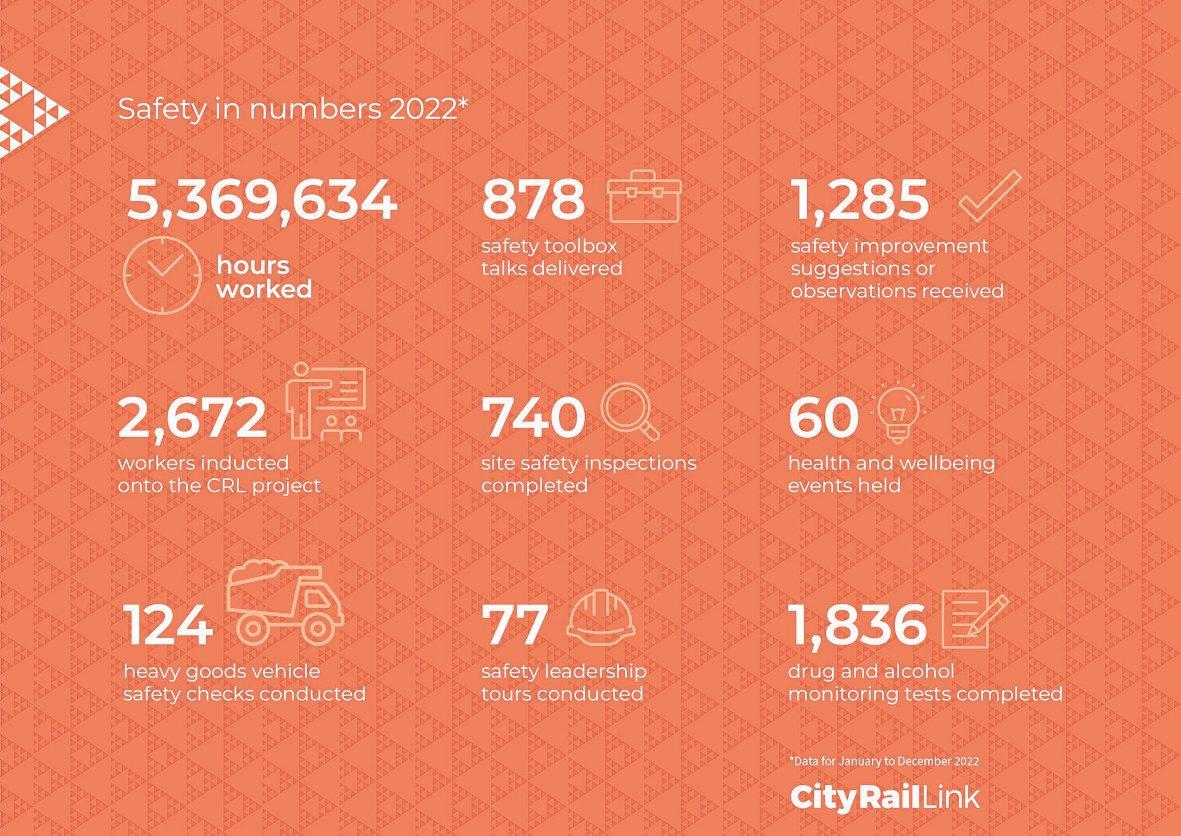
Intermsofeffectingindustry change,justasimportantisthehard mahiaroundworkplacesafety.
CRLmonitors arangeofleading andlagginghealthandsafetyperformanceindicators,whichassess thepresenceandeffectivenessof controlstomanagehazardsonsite, creating adetailedandaccuratepictureofperformance.
TheHealthandSafetyPerformanceIndicators(HSPI)producesa percentagescore,illustratinghow welltheprojecthasperformedagainstitstargetsandwhereimprovementisneeded.
Itisthelatterpointthathasproved invaluableindelivering asustained focusonensuringallourpeoplego homesafelyattheendofeachworkingshift.
HSPIisoneof anumberofsoftware toolsweandourpartnershavedevelopedtomonitorandmanageprojectactivitiesinreal-timeandafter thefact.
Thereare arangeofotherinnovations —a digitalmodellingtoolBuildingInformationManagementtotrack theproject’scarbonfootprint,and battery-poweredMulti-ServiceVehicleswithregenerativebrakingtoconvertthekineticenergylostduring decelerationintostoredenergyinthe vehicle’sbattery.
Ifirmlybelievethesenewtoolswill befitforpurposeforotherprojects ororganisationsandwillprovidea lastingpositivelegacy.
Ialsobelievewehave aresponsibilitytobeattheforefrontinaddressingsomeofthemanyissueslarge projectsfacetoimprovetheenvironmentalandsocialimpactsofconstruction.
Weknowwemustleave alighter footprintthanthosewhohavegone beforeus.
Ourworkisdeliveringreal-world impactsintheindustryhereand overseas. Takecement,thatunlovelyessen-
tialelementinalmostalllargeinfrastructureprojectsandonethathas anembodiedcarbonfootprintof almostonetonneforeverytonne used.
Replacingcementwithfly-ash(a wasteproductwith amuchlower embodiedcarbonfootprint)asmuch aspossiblewasanearlydecision, leadingto amorethan20percent reductioninthecarbonfootprintof CRL’sconcrete.
Theimpactwouldhavebeeneven largerifnotforCovidstranglinginternationalsupplychains,requiring ustorationourfly-ashuse.
Butthelargerimpactwasonthe localconcretesupplychain,which duetoCRLdemandincreasedtheuse ofmaterialsthatcanreplacecement.
Thisisthetypeofdemand-led changethatwillhavelastingbenefits totheconstructionindustryinNew Zealand.
As aconsequenceofthiswork,the projectwasawardedthehighestpossibleInfrastructureSustainability CouncilratingforoverallprojectdesignandforitsbuildoftheWaitemata¯/BritomartStation,aswellas otheraccolades(leadingdesign;excellentasbuilt)forourworkaround AlbertSt.
TheCRLemploysmorethan2000 peopleatpeak.
Thosekindsofnumbersgivea projectofthisscaleanopportunity tohelppeoplewhofindtheirwayto ajobblockedbybarriersordisadvantage.
OurSocialOutcomes approach has averysimplebottomline— maximisetrainingandjobopportunitiesforMa¯ori,Pasifikaandyouthto helpthemside-stepthechallengesto jointheworkforce.
Ourflagshipinitiative —theProgressiveEmploymentProgramme— hasseen29rangatahigraduatedfrom theprogrammesince2019and21of thosehavegoneontogainfulemployment.
Thisisnoticking-the-boxexercise anditisnoeasyjobforthese rangatahisteppingintoourofficesfor thefirsttime.
Weensuretheyhavewrap-around supportwithstaffmentorsandare providedpastoralcarethroughour partners,BrothersUnited,MSDJobs andSkillsHubandAraEducation.
It’sonesmallbutimportantway wecanhelpshifttheneedle alittle bitfurtherintheirfavour.
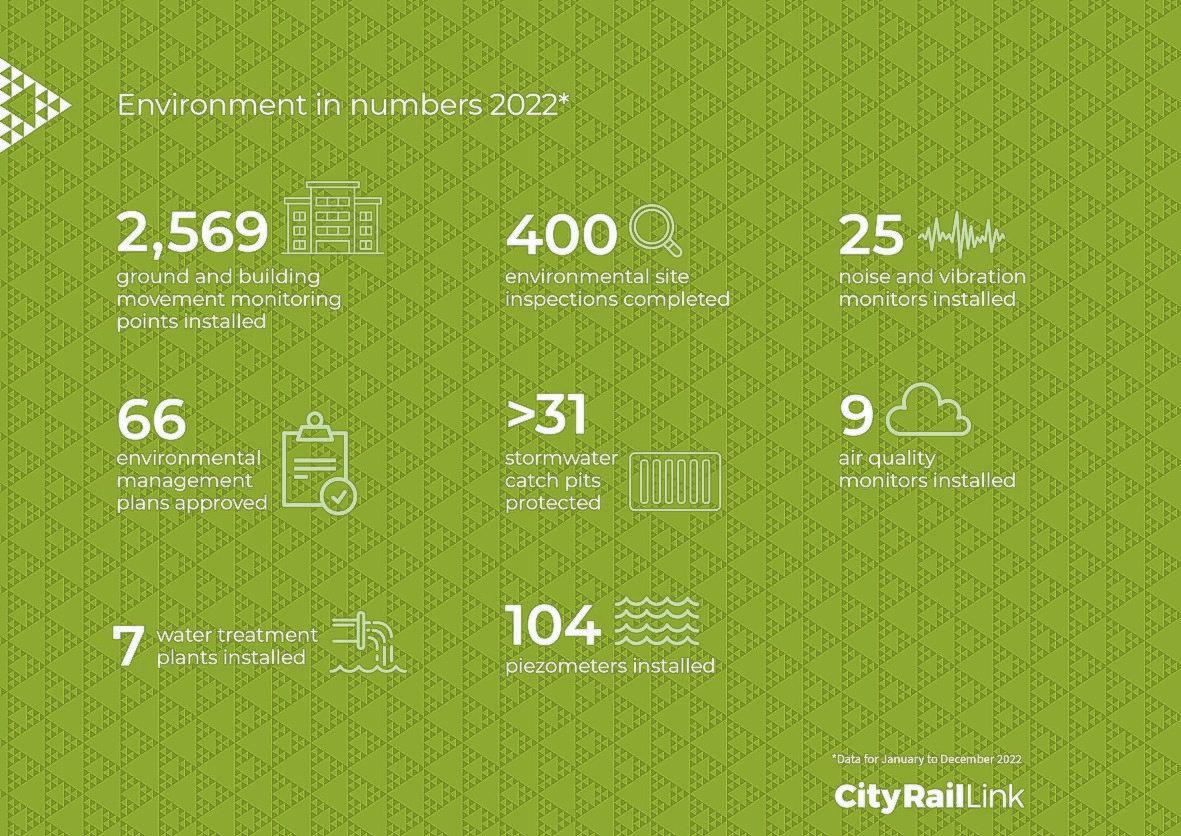
We’vealsodoneourbesttobuild bothcapacityandcapabilityinthe Ma¯oriandPasifikaconstructionsector,with$79millionspentin2022 withMaoriandPasifikabusinesses across41contracts.Thiswillbenefit thebroaderconstructionindustryby increasingdiversityinthesupply chain.
Thesearemeaningfulandtangible resultsthatcanmakemeasurable differencesinthesocialspacesof large-scaleconstructionprojects.Itis ourambitionthattheseinitiatives andpracticesbecomeembeddedin constructionandinfrastructureindustryculturetobenefitthesector andthecountryforgenerationsto come.
Ourcorebenefitofcourseisthe future-proofingandtheresiliencewe areprovidingforAuckland’srailnetworkandthewidertransportnetwork,includingroads.
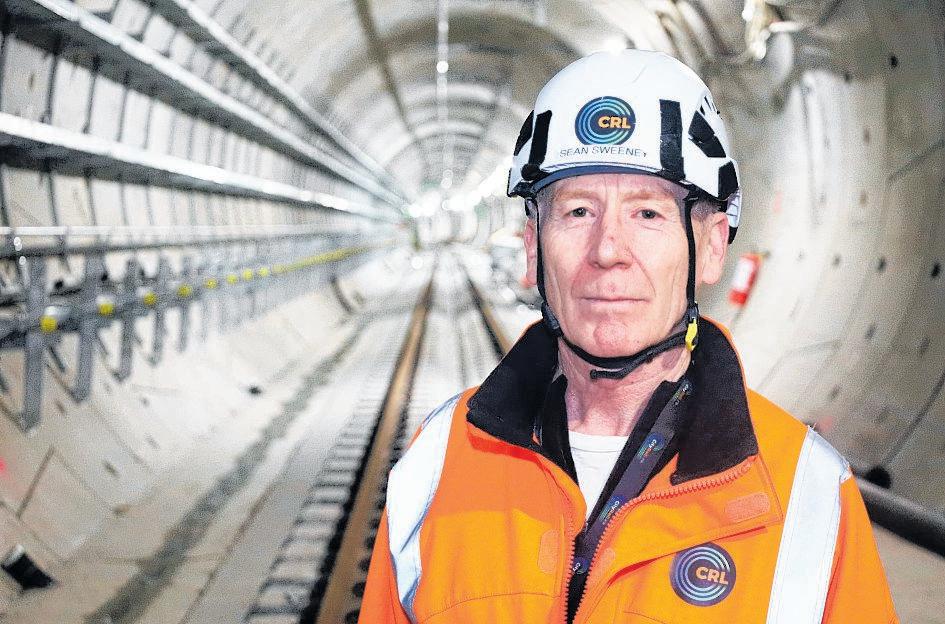
Weallknowthatoneweather eventcantakedownourtransport networkandinAucklandwe’reonly twocaraccidentsawayfromgridlock.TheCRLisgoingtochangeall that.Itisourraisond’eˆtreandweare delivering.
● SeanSweeneyisCEOofCityRail Link CityRailLinkisanadvertisingsponsor oftheHerald’sInfrastructureReport
B16 nzherald.co.nz | TheNewZealandHerald | Wednesday,June7,2023 Infrastructure
InnovationsandchangesdesignedandimplementedfortheCityRailLinkwillleavea legacyfortheNewZealandconstructionindustry,writes SeanSweeney
Weknowwemust leave alighter footprintthan those whohavegone before us.Our work isdeliveringrealworldimpactsin theindustryhere and overseas.
DrSeanSweeney
Prioritiesforbigprojects
Everyoneinthesectoris unitedinthecallforNew Zealandtohave aclear,longterminfrastructurepipeline toattractinvestmentandgetthe projectsdone.Thatmomentmay soonarrive.
TheGovernment,inconjunction withtheBudget,releaseditsInfrastructureActionPlanandgavethe InfrastructureCommissionthegreen lighttoworkwithTreasuryandthe sectortodevelop aprioritylistof projects.
Thelistwillsupportlonger-term thinkingandplanning,providemore certaintyforsuppliers,andenable capacitytobeestablishedintheright places.
“Wehave aclearlyarticulated infrastructuredeficit —that’sbeen beatentodeath,”saysSarahSinclair, chairoflawfirmMinterEllisonRuddWattsand aboardmemberofthe InfrastructureCommission.
“Theprioritylistgivesyou amenu androadmap.Itfocusestheconversationonneedsandpartnerships— includingtheappropriatemodelsfor thepublicandprivatesectorstowork together.
“Thisshouldopenthedoorforthe conversationsaroundresilienceand sustainability,inter-generationalconsiderations.andwhatthegovernmentmustownandwhat’stheequity stakefortheprivatesector.
“Weneedtodeveloptheright prioritiesandhavecertaintyand credibilityaround apipeline —callit ashopwindow —ofwater,health, transportandrenewablesprojects.
“Thisisthelong-lifestuffthatis goingtoserveusforthenext50years, andsoourinvestmentframework— includingtheprioritylist —needsto bringstabilityandsustainabilityto investmentdecisions.Andthenwe needtostickwiththosedecisionsand focusontheenablerstoallowusto getonanddoit.”
Sinclair’sfocusisontheenablers. “Therehastobe aconstructivediscussionabouttheroleoftheprivate sectorandprivatecapital.I’mnotjust talkingaboutdollars,butalsoexpertise,experienceandresourcesinthe infrastructuresector.
“Weneedthatlong-termcertainty sothoseresourcesandtalentwant tocometoNewZealandandcontribute.
“Theenablerswouldmakesure thattheprojectsaresequencedinthe rightway.Forexample,theCentral Interceptorwastewatertunneland CityRailLinkinAucklandarefantasticprojects.
“Theyhaveanothertwoyearsto runandwhatdowedowiththe tunnellingexpertiseafterthat.The tunnellingcrewshaveinvestedin NewZealand,butwilltheystayon.
“Infrastructureprojectsdohave longleadtimesandthat’swhywe need acredible,trustedpipelinegoingforward.”
Sinclairsaysthere’s awholerange ofstructuresallowingthepublicand privatesectortoworktogetherand deliver.“Thegovernmentwillsayit alwaysgetsprivatecontractorstodo thework.Butprivatesectorshould befurtherupthetreeandsitting alongsideas apartner,sharingrisks andacceleratingthedeliveryofinfrastructure.”
Examplesoffundingandinvestmentstructuresincludecollaborative modelssuchascapitalpartnerships thatcanbesupportedwithlong-term concessions,co-ownership,joint venturesandlongleases.
NewZealandhasoperateda public-privatepartnershipprogramme(fornewschoolsandfor roadingprojectssuchasTransmissionGully).
Sinclairsays“itisnowanappropriatetimetoconsiderthenextgenerationofprocuringanddelivering publicinfrastructurepartneringwith theprivatesector,andbringingthe bestofallresourcesandcapabilities tothetable.”
Canada,asanexample,hasan
get
interestingrangeofmodelsthatleverageprivatesectorcapitalandcapability.Valuecapturehasbeenused bymunicipalitiesinVancouverto fundnewstationsalongtheCanada andEvergreenmetrolineswhere developersmakecontributionsin exchangefordensitybonusestotheir residentialandotherdevelopments inthesurroundingareas.
Sinclairsayshugeresourcesare goingintotheUnitedStatesbecause oftheir2022InflationReductionAct thatfocusedonreducingcarbon emissionsandloweringhealthcare coststhroughspendingandtax breaks.
“Theyhavetaxcreditschemesthat enabletheconstructionofaffordable housingthathasbeeninplacefor decades.Thesestructuresattract capabilityandinvestmentthatfuels theireconomyanddeliversonneed.”
Sinclairseesinvestmentinwater —there’satleast a$90billiondeficit —andtransportastwokeyareasfor theinfrastructureprioritylist.
“Thereis aclearneed,forinstance, toaddressthecongestioninAucklandsothatpeoplecanlivetheirlives andaccesseducationandemploy-
mentinanaffordableway.
“ButtheneedsofAucklandwillbe differenttoQueenstownorTauranga, andwehavetothinkabouteachregioninanholisticwaytoplaninfrastructureprogrammesbeforecoming upwith alist.”
Sinclairsays:“Weshouldhavea strongfocusonsqueezingthemost outofwhatwehavegotratherthan justfocusingonbigshinyprojects.
“Wedoneedtomaintainourasset base.AttheInfrastructureCommissionweestimatethatforevery $40spentonnewinfrastructure,$60 isrequiredforrenewals.”
Sinclairsuggeststhatdemandside managementsuchascongestion chargingcouldbeappliedtoAucklandtraffic.
“Dominion,SandringhamandMt Edenroads,forexample,areall clogged.Howdoyouunlockthem? Weshouldbetriallingdemandside managementandseehowitworks as atoolformanagingtraffic.
“TherearelanesintheUnited Statesthatyoupayfor.
“Theright-handlaneontheSouthernMotorway(inAuckland)couldbe tolledandyoucanuseitifyouwant
tobeontimefor ameetingorpick upyourkidsatschool.”
SinclairsaystheAucklandtransportsystemneedstobelookedasa wholeand arangeofoptionsconsideredtounlockcongestion.
“Wemustalwayskeepourfocus on aco-ordinatedtransportsystem with awholerangeofmodesthat work —buses,trains,ferriesanddemandsidemanagement.Youarenot tradingoneofffortheother —it’sa mixthatisbestforAuckland.
“Itshouldn’tbe adecisionbetween thesecondharbourcrossingorlight rail.Itmightbebothovertimeand it’showtheyconnectandarephased tomakeAuckland amoreaccessible andliveablecitytoliveandworkin.”
Sinclaircan’timagineinfrastructureevergoingofftheagendagiven Auckland’spopulationgrowthand societalaspirations.Itcomesdownto priority —somethingthattheInfrastructureCommissioniswrestling with.
Thecommissionreleasedthe New ZealandInfrastructureStrategy20222052 inMaylastyear.Thestrategy consideredthelong-termissuesand challengesfacinginfrastructurein-
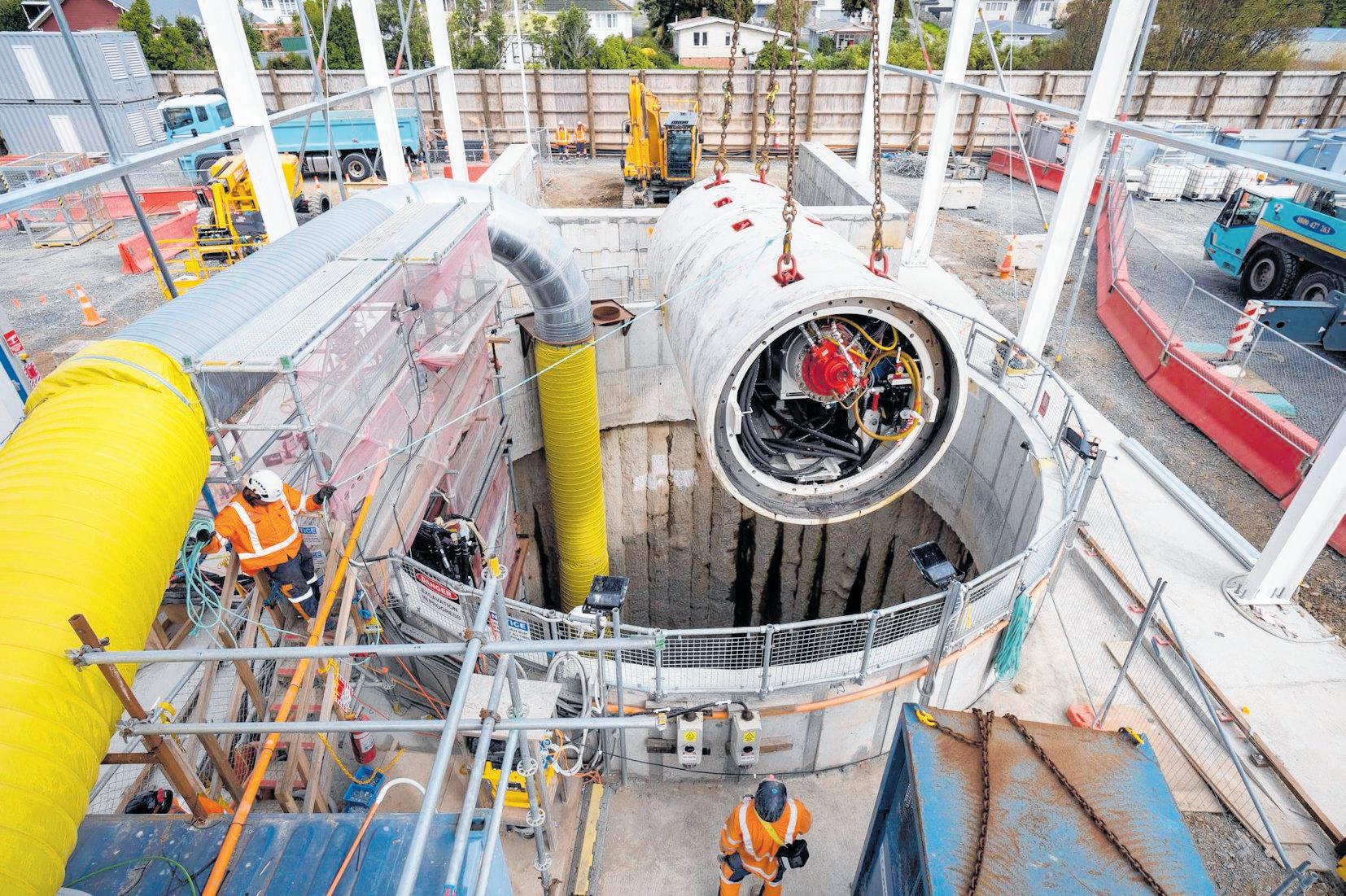
cludingclimatechange,population growthandchangingtechnology,and sets avisionfortheroleinfrastructure canhaveinthefuture.
Itincorporatedfeedbackfrom morethan20,000NewZealanders throughtheAotearoa2050survey, resultingin68recommendationsand setting apathwaytotransformNew Zealand’sinfrastructureoverthenext 30years.
TheGovernmentwelcomedthe strategy,sayingitprovidedopportunitiestodeliveronitseconomicgoals moreefficientlyandeffectively,and raisethelivingstandardsofallNew Zealanders.ThatresponsewasfollowedbytheGovernment’sinfrastructureactionplan.
Thecommissionischargedwith:
● WorkingwithTreasurytodevelopandimplementtheinfrastructureprioritylistoverthenext threeyears.
● Researchandprovide areport nextyearonhowgovernmentinfrastructureprovidersandMaoriengage andworkwitheachotherinthe planninganddevelopmentofinfrastructure.
● WorkingwiththePublicService Commissiontoensuredevelopment ofleadersisalignedacrossthepublic sectorincludingtheoptionsofa majorprojectsleadershipprogramme.
Partnershipsform acornerstoneof theGovernment’splan.Itwantsto strengthenrelationshipswithMa¯ori, localgovernmentandtheprivate sector,openingthedoortoinnovativeco-operativestrategies,including co-ownership,sharedgovernance arrangementsandjointplanning efforts.
Thecommissionsays“toaddress NewZealand’sinfrastructure challenges,weneedtothinkwider thantheplan —noonesectorcando italone.Centralandlocalgovernment,iwiandtheprivatesectorwill needtoworktogethertobuilda legacyforfuturegenerationsthatwe canbeproudof.”
● MinterEllisonRuddWattsisan advertisingsponsoroftheHerald’s InfrastructureReport
nzherald.co.nz TheNewZealandHerald Wednesday,June7,2023 B17 Infrastructure
Oneindustry expert sayspublic and private partnerships areneeded to
investmentanddevelopmentmoving,writes Graham Skellern Investmentinwater —there’satleasta $90billiondeficit— andtransportare twokeyareasfor theinfrastructure prioritylist.
Auckland’s Interceptor wastewater
SarahSinclair,chairof MinterEllisonRuddWatts
Photo /Watercare
AucklandLightRail
ARL willhelp underpingrowth, greaterproductivity andeconomic prosperity,writes TommyParker
WorkatAucklandLight RailLimited(ALR)is shiftingup agearasthe clockcountsdownfor significantprojectmilestonesthat willshapeAucklandandbenefit widerNewZealand —theconfirmationin afewweeksoftherouteand stationlocations,andthelodgingwith AucklandCouncilofournoticesof requirementtoprotecttheland neededtobuildlightrail.


Together,theseactionsclearthe wayforprogressingthecountry’s largesttransportinfrastructureproject —protectingtheroute,completionofourcorridorbusinesscase andnextyearthestartofourprocurementprocessandalltheopportunitiesthatwillbringtoNewZealand’s infrastructureindustryanditscompaniesandworkers.
Ourrapidprogresscomesat atime whentheinternationaleconomicenvironmentistough.NewZealandis doingprettywellinthatenvironment butwemustn’tletourselvesfallbehind,especiallywhenitcomesto helpingtacklewhatTreasuryident-
ifiesasourbiggesteconomicchallenge —lowproductivity.
Australiawinsinfrastructure’s ‘BledisloeCup’
AcrossTheTasman,theAussiesalre-
adyhavetheirhandsontransport infrastructure’sequivalentofthe BledisloeCup.Sydney,Melbourne andPerthareattractinginvestment andrevitalisingtheircitycentres. Theyallshareonethingincommon
Building abetter Aotearoa.
country.OurresearchshowsSan Franciscoattracted$600millionin FDI,Vancouver$1.1billionandMelbourne$8.8b —again,allcitieswith rapidtransitsystems.
AucklandLightRailisnot acureallfortheeconomicchallengesfacing NewZealand,butitcancertainlyhelp reducetheriskofNewZealandlosing itsedgeifthereisnoinvestmentin suchprojects.
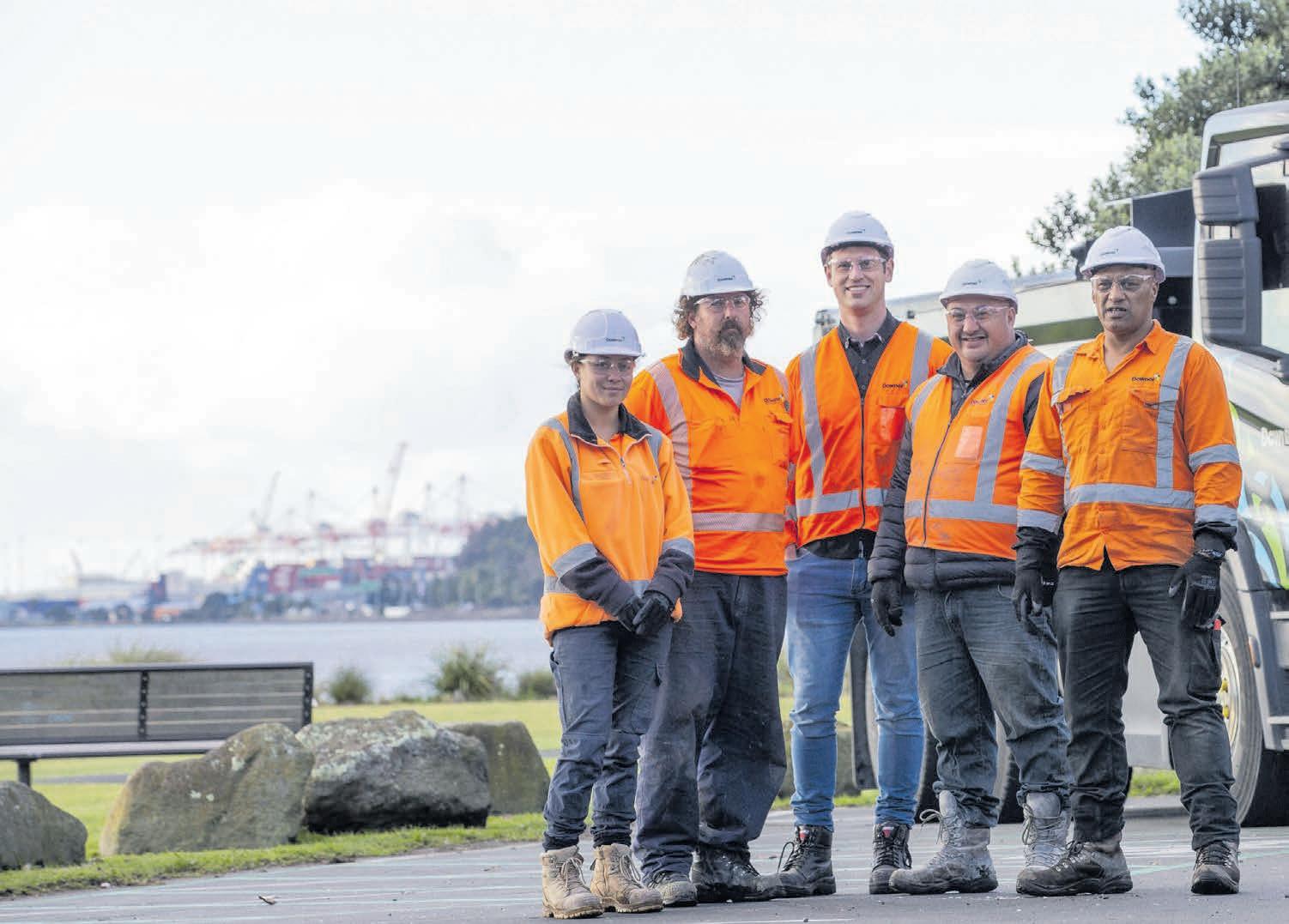
—thedevelopmentofrapidtransit schemes.
ManyofourPacificneighbour citiesbenefitfromforeigndirectinvestment(FDI) —cross-borderinvestmentfromonecountyinanother
Thecaseforlightrailhelpingimproveproductivityiscompelling— forcountryandforcity.



AucklandisNewZealand’seconomicheart.Lastyearitaccountedfor 37.4percentofnationalGDPand
Bring your difference to our team as we work together to deliver some of our country’s most iconic infrastructure ScanQRcode to findoutmore. B18 nzherald.co.nz | TheNewZealandHerald | Wednesday,June7,2023 Infrastructure
Transportisthe lifebloodofa growingcity.If qualitytransport choicesareoutof kilterwithdemand, causedbygrowth, thencongestion getsworse,journey timesforeveryone increase,and acity offersfeweroptions forajobor ahome.
TommyParker
TommyParker,AucklandLightRailLtd’sChiefExecutive.
Infrastructure
shiftsup agear
employed35.2percentoftheworkforce.By2048,itisexpectedtobe acityof2.3mandisincreasingly becomingtheinnovative,globally connectedeconomicpowerhousefor thecountry.
Transportisthelifebloodofa growingcity.Ifqualitytransport choicesareoutofkilterwithdemand, causedbygrowth,thencongestion getsworse,journeytimesforeveryoneincrease,and acityoffersfewer optionsfor ajobor ahome.
Aucklandersalreadyspendan averagenearly80hours ayearstuck incongestion.
It’sestimatedcongestioncosts Auckland’seconomy$1.3beachyear.
Puttingmorebusesontheroadisnot aviableoption.FourofAuckland’ssix busiestbuscorridorsrunalongthe centralisthmus,thatpartofAuckland
Thenumbers
Aucklandersspend
80 hours ayearstuckincongestion. CongestioncostsAuckland’s economy
$1.3b eachyear.
Lightrailcancarryupto
17,000 passengersatthepeak,equalto 14,500carsor13newtrafficlanes.
24%
ofAuckland’sjobsliealongALR’s centralisthmuscorridor.
whereweplantobuildlightrail. Busesareclosetocapacity,roadsare congested,andtraveltimesunreliable.Morebusesinthecentralcity addstocongestionandthereareadditionalchallengesaroundfinding morespacestoparkthem.Lightrail cancarryupto17,000passengersat thepeak,equalto14,500carsor13 newtrafficlanes —that’s ahuge commercialdividendforthecity.
Fewercarswillmakeiteasierfor trucks,vans,couriersandcabbiesto dobusiness.
Growthandprosperity
Auckland’slightrailprojectwillhelp underpingrowth,andgreaterproductivityandeconomicprosperity.
Already24percentofAuckland’s jobsliealongALR’scentralisthmus corridor,connectingthetwobiggest employmentcentres —centralAucklandandtheairport.
Hugedevelopmentsforemployment —andaffordablehousing —are alreadyinthepipelinealongour corridor.
ALRforecastsindicatethatthe 10,200peoplewhoworkedinthe airportprecinctareain2021willgrow to15,900in2031,24,000in2051and, by2065,wellover33,000.Howare wegoingtogetthemalltowork?
TheIrishcapital,Dublin,hasa similarpopulationtoAuckland’sand facedsimilartransportcongestion issuesbeforeLuas,itslightrailsystem,opened.
Luaswasexpectedtotriggercity redevelopmentbenefitsofaround $2.8b.Thosenumbershavenowbeen reviseduptoaround$5b,largelydue tohigherproductivitygainsrelating togreaterlabourmobility,anda generalincreaseintheattractiveness ofDublinas abusinessandtourist destination.
ALRisexpectingsimilaroutcomes forAuckland.
For astart,thefrequencyofservices —noneedfor atimetable,just turnupandgo —createsmobility makingiteasierforpeopletogetto andfromworkandgivingthemmore freetimetocalltheirown.Lecture hallsatthecity’stwouniversitieswill bemoreaccessibleandso,too,will bebigeventvenueslikeEdenPark.
Auckland LightRail at aglance
● AucklandLightRailwillmake iteasier,fasterandsafertomove aroundTa¯makiMakauraunow andinthefuture
● AucklandLightRail’s24kmlongrouteand18stationswill connectpeopleacrossthecentral isthmustothebigjobcentresat theairportandcentralcity
● Inthefutureitwillconnectthe North-WestandtheNorthShore
● 22percentofAuckland’s populationgrowthand37per centofjobgrowthoverthenext 30yearswilltakeplacealongthe route
● LightRailwillbetunnelled betweenthecitycentreandMt Roskillandrunabovegroundto Ma¯ngere.
● Byseparatingthetrainsfrom othertraffic,theywillbemore reliableandfrequent,making traveltimesquickerrightacross theroute.
● Lightrailwillcarry 17-thousandpassengersatpeak times —equalto14,500cars— easingcongestionandmakingit easierforallvehiclestooperate
● LightrailwillhelpAuckland grow —itwilldrivehousingand businessgrowthalongitsroute
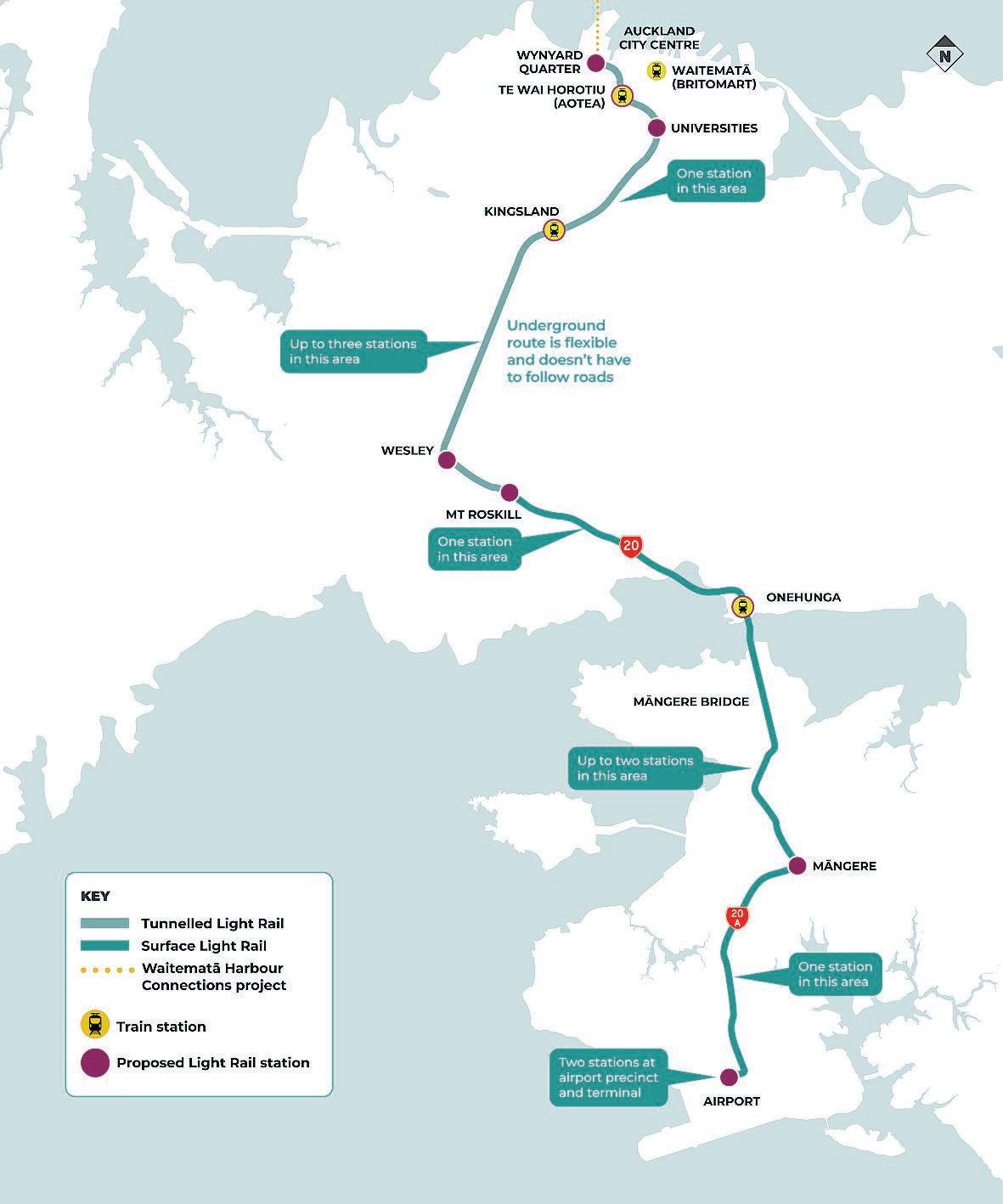
● Buildinglightrailishuge —the country’slargesttransport infrastructureproject —creating enormousopportunityforthe infrastructureandcontracting industry
● Investinginhighcapacity, highquality,rapidtransitis criticaltodeveloping amodern, international,connectedcity
● FurtherAucklandLightRail information:www.lightrail.co.nz
CommunitiesalongALR’sroute willbecomeevenbetterplacestocall homewithhousingandcommercial redevelopment,andsaferandhealthierstreetsforwalkingandcycling, withfewercarsaround.TheGovernmenthascommitted$3.8btoacceleratehousingdeliveryandredevelopment,includinginMtRoskill,OnehungaandMangere —communities alongALR’scorridor.
ConstructionBenefits
Thesecommunitiesarenottheonly onestobenefit.
TheconstructionofAuckland’s lightrailprojectwillpumphundreds ofmillionsofdollarsintotheeconomy.
Geo-techworktoinvestigatesoil conditionsalongthelightrailroute iswelladvancedandin acoupleof yearsfirstspadesgointheground forestablishmentworks.
Whilewewanttobereadytotake advantageofanopportunitytoget skilledcontractorsfromAustraliaas largescaleprojectsovertherestart totailoff,theenormoussizeofthe Aucklandlightrailprojectopensa hugewindowforNewZealand’sconstructionindustryrightalongthe supplychain —includingbigcontractorcompanies,subbies,suppliersand workers.
Theindustryalreadyhas aproven
trackforideasandinnovationwith theChristchurchandKaiko¯uraearthquakerebuilds,Auckland’sWaterviewTunnelandCityRailLink(CRL) projects.
Atconstructionpeak,CRLhada workforceofaround2000.Giventhe project’sgreaterscaleandcomplexity,thenumbersemployedbuildingAucklandlightrailwillbevast.
Importantly,constructionprovides agreatopportunityfortheproject tofurtherdevelopitsrelationship withManaWhenuaandhelpbuild theMa¯orieconomythroughcommercialpartnershipsandworkforcedevelopment.
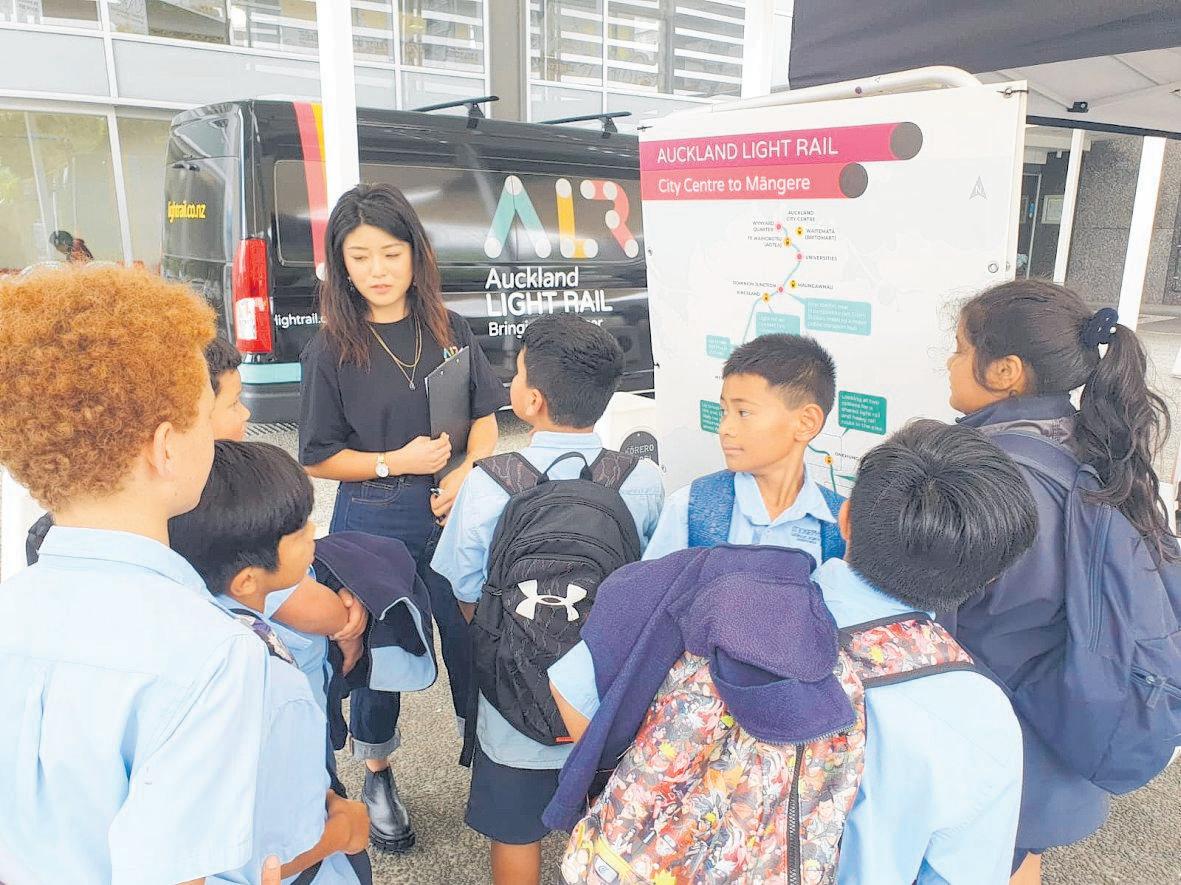
CurrentpublictransportinvestmentslikeCRLandtheEasternBuswayaresuccessfullyhelpingreshape Auckland.Nevertheless,therearesignificantgaps.
Threetorrentialrainstormsthis yearandelectricitysupplyissues disruptingthecommuterrailnetwork havehad abigimpactonAucklandersandthecity’scommercial andbusinesslifeandprovidetimely remindersthatmorepublictransport investmentandchoiceisneeded. Auckland’shighrelianceonitsroad networkmakesitlessresilientthan successfulcitiesoverseasthathave abroaderrangeoftransportsystems.
Peopleanddestinationsarenot connectedin areliableandconvenientway.
TheAucklandlightrailprojectis anopportunitytoimprovethis —not justforAuckland’sbenefitbutfor NewZealand’s,too.
● TommyParker,isChiefExecutive ofAucklandLightRailLtd(ARL) ARLisanadvertisingsponsorofthe Herald’sInfrastructurereport
nzherald.co.nz TheNewZealandHerald Wednesday,June7,2023 B19
EveryonehastheirsayabouthowAucklandLightRailcanmakeiteasiertogetaroundthecity.
Inthe12monthsattheheightof theCovidpandemic,Auckland plungedfromfirstto34thand Wellingtonfourthto50thoutof 173citiesontheGlobalLiveability Index,runbytheEconomistIntelligenceUnit.
Pandemicmanagement(delayed vaccineroll-outandleakageofmore infectiousvirusvariants)andthe lengthyborderclosure(itfullyreopenedinJulylastyear)waslargely toblameforthefallbetweenthe2021 and2022liveabilitysurveys.
“ThestrengthofNewZealand’s liveabilityisunderthreatasmajor citiesaroundtheworldcompetewith eachothertoattractbusinesses,investment,talentandtourism,”says MayurieGunatilaka,NewZealand countryleaderforglobalprofessional servicesfirmArup.
“I’mworriedthatwithAuckland being34thonthelisttheinternational interestcouldbelowerthanwhatit shouldbe.Wehavetodosomething aboutthat,”shesays.
Theliveabilityindexisbasedon stability(political,safetyandcrime rate),healthcare,cultureandenvironment,infrastructureandeducation.
“Infrastructureisanimportantelement,”saysGunatilaka.“Weseemed tohavescorednotashighlyoninfrastructurethistime.Viennawas namedtheNo 1mostliveablecity becauseofitseffectivesocialhousing andpublictransportsystembasedon collaborativecityplanning.”
ShesaysNewZealandneedsa long-terminfrastructuredevelopmentandinvestmentplanthattransformscities.Andbusinessshould have astrongvoiceatthetable,bringingpeopletogetherandhelpingto develop apipelineofinfrastructure thatgivesinvestorsanddevelopers theconfidencetocomeintothe countryandmovefromoneproject toanotherwithcertainty.
“Financiersanddevelopersneed tosee aprogrammeofinvestment. Thereareplentyofintentions(inNew Zealand)buthavewecommittedto aplan?NewZealandislosingouton this.”
GunatilakasaystheCopenhagen MetroandtheCrossrailnetworkin Londonaresuccessfulexamplesof theprivatesectorcomingtothetable andstumpingupwithinvestment. TheLondonFirstbusinesslobby groupchampionedtheneedforinfrastructurethatattractseconomic growth.
“Weknowdemandforpublicinfra-
Astrongerbusiness voiceatthetable
Aglobalprofessionalservicesfirmtells GrahamSkellern investorswillarriveto improve the country’sliveabilityiftheconditionsareright
TheKoiTuresearchcentre,based atAucklandUniversity,saidinits March2022publication Reimagining Ta¯makiMakaurau thatAuckland neededjoined-updecisionmaking,a unifiedvisionand acoherentfunding programme,allagreedwithcentral governmentandsupportedbyAucklanders.
UNHabitatsaidcitieslikeAucklandneedmoreinnovativeandinclusivesolutionstoits urbanchallenges.
legoftheirjourneyusing asustainable,activemeansoftransportation.
Formorethan30years,Aruphas beenworkingaspartof ateamof expertstodelivertheElizabethLine (nownamedCrossrail),42kmofgiant boredtunnelsunderthebusystreets ofLondonandnavigatingthroughits congestedsubterraneanofbuilding foundations,LondonUnderground tunnelsandmanyotherstructures andutilities.
LightRailway(DLR)intimeforthe London2012Olympics.
Thisinvolvedtrackenhancements toenablethree-cartrainstobeintroducedontheDLRnetworkat19 locations,manyofwhichwereconstrainedduetotheurbanenvironment.
MayurieGunatilaka,ArupNewZealand countryleader
structureisoutstrippingthetraditionalfundingsources,andbyhaving astrongervoiceintheconversation businesscanhelpsolvethoseissues includingintroducinginvestors.”
ShesaysAucklandneedsa transformationalmassrapidtransit systemtoraceupfrom34thonthe liveabilityindex.“Planningisone thingbutweneedNewZealandInc togetbehinditandbringittolife.
“Thereis afundamentalbeliefthat infrastructuredevelopmentisneeded.It’sthedifferentelementsofthe systemthatcausearguments.We needtocometogetherandunderstandwhatisinthebestinterestsof everyone.
“Aucklandneeds amodern,multimodaltransportsystemthatgives peoplemoretravelchoicesand tacklescongestion.Weneedtohave Aucklandinourheartwhenmaking decisionsandcreatethatopportunity totransformthecity —justlikein Copenhagen,”Gunatilakasays.
InanalliancewithAurecon,Arup hasbeenselectedtodesignanddevelopthe24-kilometrelightrailsystemfromtheAucklandcitycentreto theairport,withhalfofitbeingunderground.Gunatilakaisthechairofthe alliance.
Aruphasplentyofexperience creatingmetrosystemsthatbecome acatalystforurbanregeneration (housing,retailandrecreation)and improvingthequalityoflife.Itisa keypartnerindevelopingtheCity CircleLine(Cityringen)metrowhich expandsCopenhagen’sexistingsystem.
Cityringenisthebiggestconstructionprojectfor400yearsinCopenhagen,whichhasthesamepopulationasAuckland.Nowthatmorethan 16kmoftwin-boretunnelsand17new stationshavebeencompleted,Cityringenensuresthat amajorityof Copenhagen’sresidentsarewithin 600metresof atrainormetrostation.
Cityringenprovides a24-minute— predominantlyunderground —loop aroundCopenhagen’scentre,interchangingwiththeexistingmetro,its mainlineservices,andbuses.
Convenientcyclefacilitiesarealso providedateachstation,allowing passengerstoseamlesslyswitchfrom themetrotocompletethefirstorlast
Theeast-westlinefromAbbey WoodandShenfieldtoReadingis transformingtravelthroughLondon. Theprojecthasprovidedyearsof economicstimulustoareassuchas Thamesmead,WoolwichandAbbey Wood,andbyofferingradicallyfaster accesstothecityithasconnected theirpopulationstonewopportunitiesforwork,educationandleisure.
Arupwasalsoinvolvedinthe JubileeLineExtensionwhichprovidedanadditional16kmoftrackand sixnewstationstotheGreenwich Peninsula,anindustrialheritagesite characterisedbyhighunemployment,low-gradesocialhousingand suppressedpropertyandcommercialrents.
ThelowlandvaluestherepromptedRavensbourneUniversity, aspecialistcollegeofdesignanddigital media,torelocateitscampusto Greenwichin2010.TheJubileeLine Extensionwasthecatalystforthis move.
Morethan1000technologybusinesseshavesprungupalongsidethe university,andthecampushasbecomeananchorofthepeninsula’s emergingdesignandinnovationprecinct.
InanotherLondonproject,Arup ledtheinfrastructuredesigntoincreasethecapacityoftheDocklands
TheDLRprojectinvolvedmore than200Arupstafffrominternationalofficeswiththeteamranging fromtrack,civilandgeotechnical engineerstoacoustics,environmental,planningandlandscapespecialists.
Arupconvened apaneldiscussion attheBuildingNations2023conference,entitled“Actionableimprovementtoinfrastructuredelivery”that addressesthequestionofhowtofund significantprojects.
“Wewanttobringglobaltalentto theconversation,”Gunatilakasays.
RogerMadelin, aDirectorfrom BritishLand,providedexampleson howdeveloperscanworkinpartnershipwithgovernmenttodeliverintegratedinfrastructure.
GunatilakawasjoinedbyKatja Lietz,generalmanagerurbanplanninganddesignatKaingaOra,and DuncanEdghill,chiefexecutiveat ALTRACLightRail,todiscusshow NewZealandcanlearnfromthe differentwayscitiesandprecincts canbeusedtogenerateinvestment.
Thepaneldiscussionexploredthe opportunitiesfortransformational cityshapingandurbandevelopment potentialthatrapidtransitprojects cancreateforcitiesevidencedby globalexemplars,suchasthe revitalisationofKing’sCrossin London,andtheSydneylightrail system.
● Arupisanadvertisingsponsorof theHerald’sInfrastructurereport
B20 Wednesday,June7,2023 Infrastructure
ThestrengthofNew Zealand’sliveability isunderthreatas majorcitiesaround theworldcompete toattract businesses, investment,talent andtourism.
Findingthewayto abetterfuture
MichaelWood
TheGovernmenthasbig plansforourtransport system.Weneed atransport networkthatmakesus betterconnectedandgrowsour economy,promoteshealthyandsafe communities,buildsourresilience andsecurity,isequitableand inclusive,andisenvironmentally sustainabletomeetourclimategoals.
Buildingthatnetworkisnosmall feat,especiallyfactoringinthe devastationCycloneGabriellecaused ourroadandrailnetwork,andthe negligenceoftheprevious governmentthathasleftusbuilding ourwayoutofyearsofunderinvestmentintransportinfrastructure.We’realsoseeingincreasingglobalinflationanduncertainty putsignificantpressuresonmajor infrastructureprojectswithrising costsandsupplychaindisruptions.
Thatbeingsaid,theGovernment hasstruckthebalanceofaddressing ourimmediatetransportinfrastructureneeds,whilebuildingfora strongerfuture.We’refocusedon developingandmaintainingkey transportinfrastructure.We’ve increasedtheroadmaintenance budgetby50percentafterthe previousgovernmentfrozeroad maintenancespending.
Whenwecameintogovernment WakaKotahiadvisedthatmore investmentinthemaintenanceofthe statehighwaynetworkwascrucialas despiteanalmost10percentincrease inthesizeofthenetworkand a12 percentincreaseincosts,funding wasflatlinedfrom2009-2017.
EarlierthisyearwesawCyclone Gabrielleripthroughthecountryand leavecommunitiesisolatedas
sectionsofroadandrailwere destroyed.
We’venowreopenedalmostevery stretchofstatehighwaythatwas damagedinthesevereweather events,withworkunderwayto restorethelasttwosections.
Thestatehighwaysare alifeline formanycommunitiesandrestoring thoseconnectionshasbeen akey priorityfortheGovernment.
That’swhyoneofthefirstthings wedidafterthecyclonewastopup theNationalLandTransportfund with$250millionforrecoveryworks, withanadditional$275mconfirmed inBudget2023.
We’realsocommittedtobuilding backbetter.We’reundertaking hundredsofprojectsacrossstate highways,localroads,andrailto build astronger,moreresilient network.
Theseprojectswillprevent flooding,stabiliseslips,managerising sealevels,andprotectagainstland slipsandrockfall.
Thisworkwillstrengthenwhatis oftenreferredtoas“invisible infrastructure”whichdoesn’tdrawa lotofattentionbutcancausemassive damageifit’snotprioritisedandwell maintained.
Improvingthisinfrastructurewill protectourentirenetworkandwork toprevent asignificantrepairbill downthetrackasweseemore frequentanddamagingsevere weatherevents.
Aswelooktothefuture,wealso havemanytransformationalprojects underwayacrossthecountry.
InTa¯makiMakaurauweare focusedondelivering abetter,more mobile,andlesscongestedtransport networkforourcountry’sbiggestcity.
Therearebigtransportimprovementsforthecity —busways connectingtheNorthShore,westand easternsuburbstothecity,shared pathsforwalkingandcycling,the WesternRingRouteprovidingtwo strategiclinksacrossthecityandthe CityRailLink(CRL)improving passengerrail.
Ta¯makiMakaurau’spopulationis expectedtogrowto2.3millionpeople by2048.Thiswillputhugepressure onexistinginfrastructure,which meansmoretrafficcongestion, makingithardertoreachjobsand education,andevenmoreexpensive toaffordthehomespeoplewant,in thecommunitiestheywant.

AucklandLightRailwillmakeit easier,fasterandsafertomove aroundTa¯makiMakaurau.Everyone wholivesin,ortravelsthroughthe citywillbenefitfromAucklandLight Rail.
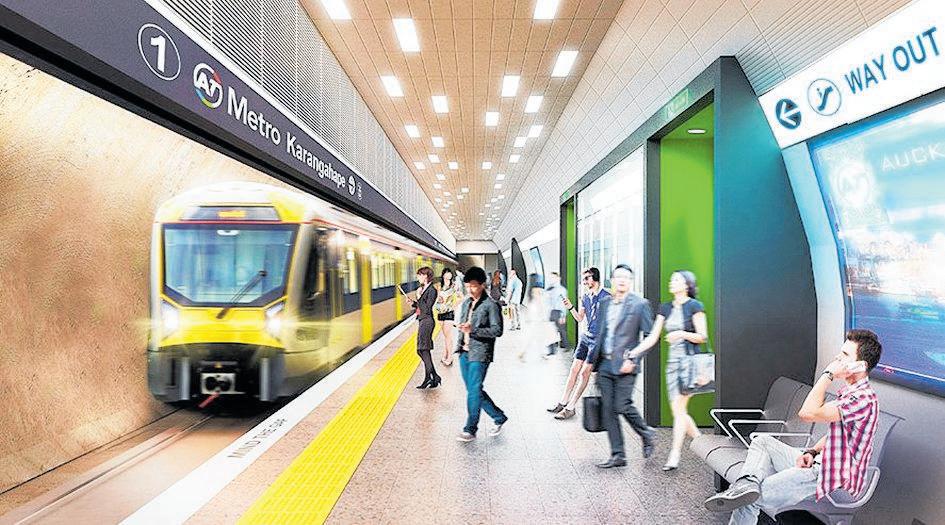
Goingfurther,LightRailwillbe integratedwiththefutureWaitemata¯ HarbourConnectionsproject.
TheCRLprojectisanother significant,complexinfrastructure projectthatis along-terminvestment inAucklandinfrastructureto improvecongestion,cutdowntrip times,andprovidemorereliableand frequenttrainsforcommuters.
DuringpeaktraffictheCRLwill taketheequivalentof16extratraffic lanesofftheroad.Itwilllinkinwith theexistingrailnetworkandallow moretrainstorunmoreoftenwhich willdoubletheexistingcapacity.
Thechallengeswe’refacingmeans wemustbesmartaboutbuildingand maintaininginfrastructure,and ensurewearegettingthebestvalue formoney.
Transportinfrastructureplaysand willcontinuetoplay acriticalrolein ourabilitytomeetcurrentandfuture challengesandforAotearoaNew Zealandtoprosper.
Ourtransportneedsarechanging, andourfocusisshiftingfromcardependentinfrastructuretobetter publictransport,walkingandcycling opportunitiesforcommunities. Increasingly,ourtransportrequirementsareunderpinnedbytheneed toensureournetworksareresilient tonaturalhazards.
Lookingtothefuture,broader thinkingisneededastohow transportnetworksinfluenceurban development,andhowwecan improveaccessandequitytoserve allNewZealanders.
TheGovernment’sprioritiesfor thetransportsystemareambitious, andwe’recommittedtodelivering.
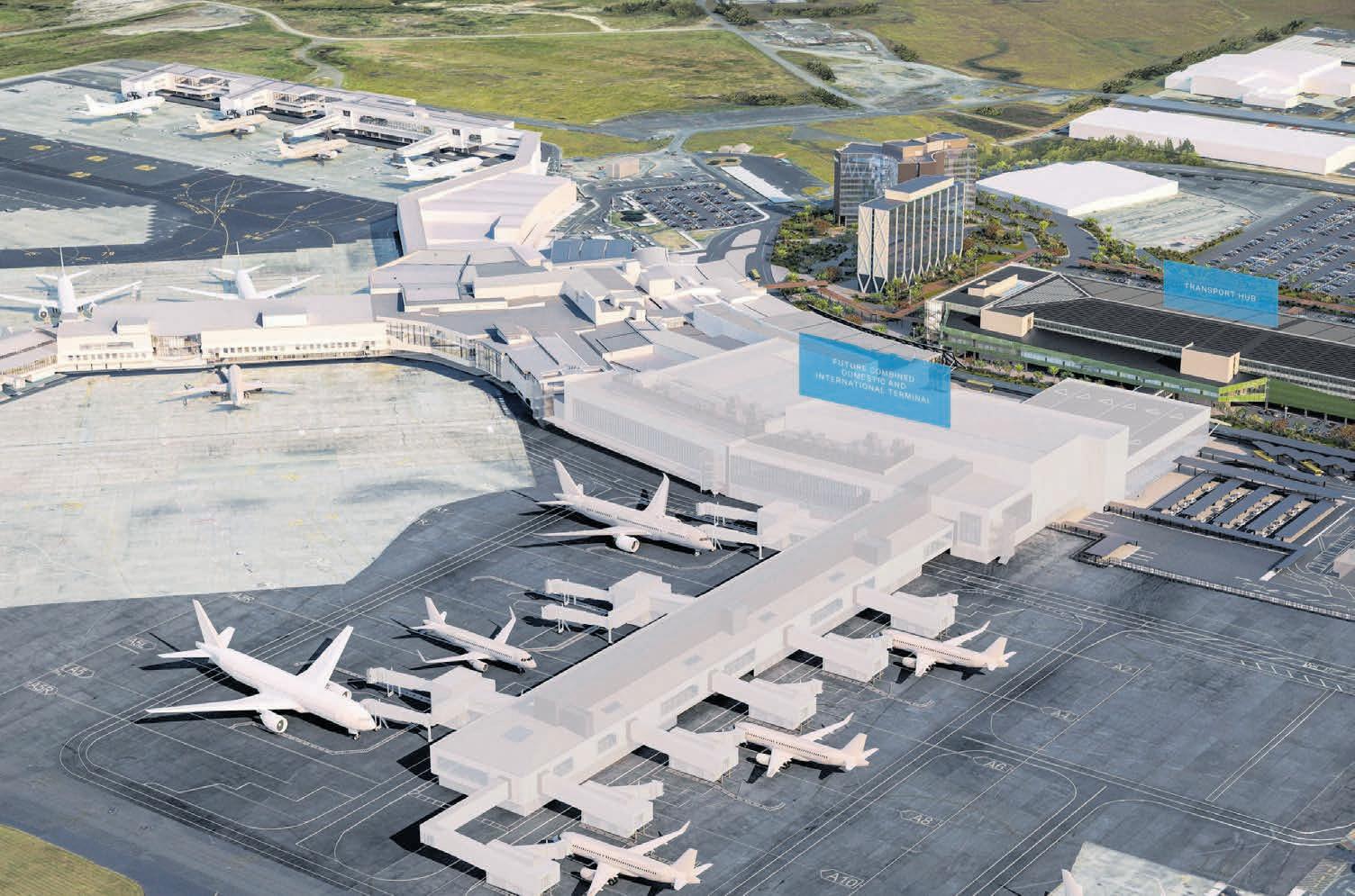
Building thegateway NewZealand needs Artisticimpression Domestic andinternational travel underone roof Fitforpurpose, resilientand amore sustainableairport Singlebiggest redevelopment, replacing the57-year-olddomesticterminal corporate.aucklandairport.co.nz/about/combined-terminal FUTURECOMBINED DOMESTICAND INTERNATIONAL TERMINAL TRANSPORT HUB Infrastructure
Thechallengeswe’re
facingmeanswemustbe smartaboutbuildingand maintaining infrastructure,and ensurewearegettingthe bestvaluefromour fundingandinvestments.
nzherald.co.nz TheNewZealandHerald Wednesday,June7,2023 B21
● MichaelWoodistheMinisterfor TransportandMinisterforAuckland
Nationalis ‘goingforhousing growth’



 ChrisBishopandSimeonBrown

Highqualityinfrastructure driveseconomicgrowth, boostsproductivity, increasesresilienceand enhancesourwayoflife.

Deliveringinfrastructureforthe futurewillbeattheheartofthenext Nationalgovernment.
Nationalisproudofour infrastructuretrackrecord.


Ultra-FastBroadbandwas deliveredaspublic-private partnership,ontimeandunder budget.National’sRoadsofNational SignificanceliketheWaikato Expressway,theChristchurch MotorwayProjects,theKapiti ExpresswayandtheTauranga
EasternLinkdramaticallyimproved safety,reducedtraveltimesand boostedeconomicgrowtharound country.Nationalelectrifiedthe Aucklandrailnetwork,expandedthe Wellingtoncommuternetwork,and startedtheCityRailLink.
Butthereissomuchmoretodo ItisnowwellrecognisedthatNew Zealandhas asignificant infrastructuredeficit.
Sadly,muchofthelastsixyears hasbeenwastedinendless consultation,rapidoscillationsin fundingpriorities,andinterminable arguments,particularlyintransport policy.Nationalwillprovideclear strategicdirectionwith astrong pipelineofprojectsacrossthepublic andprivatesector,aswellsustainable andlong-termfunding.
ThenextNationalgovernmentwill bemuchmoreopentotheuseof privatecapitaltocloseour infrastructuredeficitthanthecurrent government.Weareinterestedin usingpublic-privatepartnerships, tolling,andvalue-capture
Weareinterestedinusingpublic-private partnerships,tolling,andvalue-captureinstruments tomovethedialoninfrastructureinvestment.


instrumentstomovethedialon infrastructureinvestment.These innovativeapproachestofundingare commonoverseasbutarerarelyused inNewZealand.Thatneedstochange ifwearetoclosethatinfrastructure deficitandcreatethetypeofresilient, highgrowtheconomythatNew


Zealandersneedanddeserve.

National’s“GoingforHousing Growth”planwillreformthe InfrastructureFundingandFinancing Acttomakeiteasiertobuildlongterminfrastructureandfacilitatenew housingoffcouncils’balancesheets. Wewillalsoestablish a$1billion
“BuildforGrowth”fundtopay incentivepaymentstocouncilsthat deliverhousingabovethemediumtermaverageforthatcouncil.Local councilsoftensaytheydon’tshare inthebenefitsofhousinggrowth. UnderNational,theywill.


Nationalwillalsoaltertransport fundingsettingstomakehousing growthanexplicitgoaloftheNational LandTransportFundandTransport Plan.Newstatehighwaysunlocknew houses,andwewilllookatinnovative mechanismstocapturetheprivate gainfrompublicspendingon infrastructure.Thesameappliesfor sensiblepublictransportprojectsto driveincreaseddensityinourcities, particularlyaroundrapidtransit corridors.
Weareinterestedinexploringthe potentialofurbandevelopment authoritiestoco-ordinateprivateand publicinvestmentaroundtransport corridorsandredevelopbrownfield sites.
Ourviewisthatweneedtotake alonger-termapproachtotransport planningandfunding.
Thethreeyearlycycleforthe NationalLandTransportProgramme iswellpastitsusedbydateand meanswedon’thaveanycertainty ofwhatprojectswillbedelivered when.
Thisnotonlyfailstogiveanysense ofdirection,butalsofailstogivethe constructionsectorthecertaintythey needtobeabletoplanforanddeliver theseprojects.Nationalwillextend thistimeframesowecanmakebetter useoutofourtransportfunding system.
Ourtransportnetworksaremeant tobethebackboneofoureconomy, drivingeconomicgrowthand productivity,movingpeopleand goodsefficientlyandhelpingto
create astrongereconomy.



However,underLabour,motorists haveseen asignificantinfrastructure deficitworseninginourtransport network.Roadrehabilitationhas fallenshortofthestandardsweonce recognised.Ourroadsareintheworst statetheyhaveeverbeen,withNZTA confirmingthatover54,000potholes neededtoberepairedlastyearalone. Weneed arevolutionintheway inwhichweconsentinfrastructure projects.Asisnowwidely acknowledged,ourNewZealand consentingframeworkisbroken. NewZealandinfrastructure developersspend$1.29bannuallyto consenttheirprojects.Consenttimes haveincreasedby150percentover afive-yearperiod.
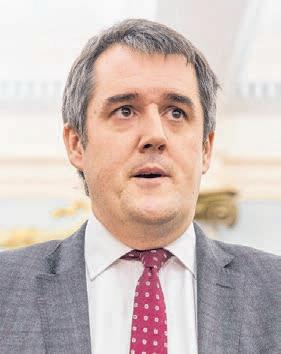
Oneoftheareasworstaffectedby theseballooningcostsanddelaysis renewableenergy.


National’sElectrifyNewZealand policyaimstodoubletheamountof renewablegenerationweproduceby 2050todrivethemasselectrification oftheeconomy,loweringcarbon emissionsandgrowingtheeconomy atthesametime.Butwithout significantandcomprehensiveRMA Reform,wehaven’t ahopeofgetting there.





Asweapproachtheelection, Nationalwillunveilourplantoget infrastructureinNewZealandback ontrack. Thiswillinclude aclearagendaof projectsthatthenextNational-led governmentwouldfocuson,with clearpathwaystounlockingthese investmentsthroughmuch-needed fundingreform.
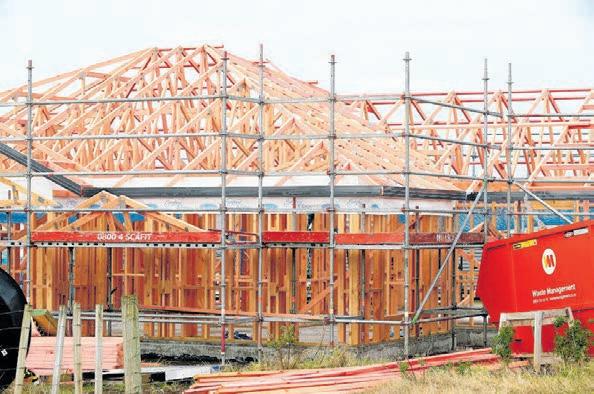
● ChrisBishopistheInfrastructure SpokespersonandSimeonBrownthe TransportSpokespersonforthe NationalParty

Looknofurther,theEMAisyour one-stopshop forall your employment relations &HRpeopleneeds. ema.co.nz 0800600362 Needhelpnavigatingthe complexworldofbusiness? ¬ PeopleExperience ¬ Health& Safety ¬ Advocacy ¬ Wellbeing ¬ Learning&Upskilling ¬ Employment &Legal Advice Fromsmall to largebusinesses,ourend-to-endsupport and resourceslet youfocusonwhatyoudo best –running your business– whilewetakecareofthe rest. Joinus todayanddiscoverthebenefits ofbeing partofthe EMAcommunity. B22 nzherald.co.nz | TheNewZealandHerald | Wednesday,June7,2023 Infrastructure
ChrisBishop SimeonBrown
The climatechallenge is an opportunity —willweseize it?
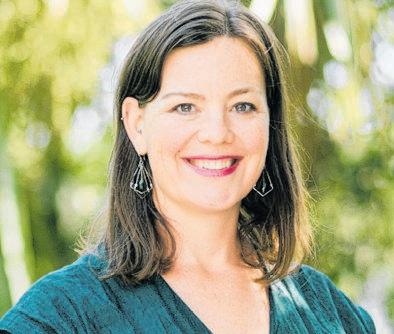
NewZealandhasan infrastructuredeficit.For decades,localandcentral governmentdidnotmake sufficientinvestmentsin maintenanceornewspendingin waterandtransport,inpartdueto thefailedeconomicmodelthatseeks tolimitpublicspendinganddebt. Variousotherfactorsalsolimited investmentinrenewableelectricity generation —includinglackof planningclarityandthemarket structure.Allofthoseneedtobe addressed.
Thewaywecatchuponinvestmentcanandmusthelpusrespond totheclimatecrisis.Wecan’tlookto lastcentury’splans —nowisthetime toradicallyreduceemissionsanduse nature-basedsolutionstoensureour townsandcitiesareresilienttothe climaticchangesthatarenow inevitable.
Wearejuststartingtoseethe extremeweatherimpactsfrom climatechange,andtheyhavebeen devastating.Butthischallengeisalso anopportunityformoreenergyefficientinfrastructure,for atransport systemthatmovespeopleandgoods atlowercostaswellaslower environmentaldamage,andforour townsandcitiestobeevenbetter placestolive.
Theupshotisthatwemustaddress theinfrastructuredeficitin awaythat alsofuture-proofsourcommunities byreducingharmfulgreenhouse pollutionandenablinggreater resilience.Whatdoesthislooklike?
Morehomesandmixed-usezones. Thismeanslocalshops,medical centres,earlychildhoodcentres, schools,parks,playgroundswithin theexistingurbanfootprint.
Completestreetsthatmakeitsafefor youngchildrenandpeopleofallages andabilitiestowalk,cycle,scoot, wheelandusesomanyothermicromobilitydevices.
Fasttrackingsensiblesurfacelight railwithextremelyfrequentelectric orzeroemissionbusesinourlargest cities.Frequentall-dayelectricbus services,andferriesinsomeplaces, inoursmalltomediumsizetowns. Parkingandtransportmanagementthatincludesmoredirect pricing,likecongestioncharging.This willincrementallyseetheurban roadingnetworkandparkingsupply usedmoreeffectively,soitcanshrink andmakeroomformoreofwhatwe needinourcities:includinghomes andgreenspacestoabsorbstormwater,providebiodiversitycorridors, andreducethepotentialforextreme heatinourcities.
Weneedlargescaleinvestmentin regionalrapidrail,withconnecting busservices,onourexistingrail
Surfacelightrailandhigh density,energy-efficient housinginthegreen suburbofVauban, Freiburg,Germany.The suburbwasmasterplannedbythecityand builtaroundthelightrail linemorethan20years ago,andincludessolar andwindelectricity generation,significant greenspaceand stormwatermanagement, widelanesforactive transportthatalsoallow emergencyvehicleand serviceaccess,andaccess tocar-sharevehiclesas partofthepublic transportsystem.
networktoconnectourcommunities acrossthemotu. Someroadsandraillineswillneed tomovebecauseofextremeweather events.Howeverthereisnowaywe canaffordtospendourentirebudget replacingroads.Wehave alimited carbonbudgetbetweennowand 2050.Wehave alimitedtransport budget.Wemustspendourtransport andcarbonbudgetinthewaythat mostenablespeopleandgoodsto movewithsignificantlylesscarbon.
Itisworthnotingthatthepublic moneyputintoroadsonlygoesso far.Householdsandbusinesseshave tospendmanytimesmorethanthat everyyearonvehiclesandfueljust tousetheroads.ThetotalcosttoNew Zealandofourheavilycar-reliant transportsystemismanytensof billionsofdollars.
Itnowmakesmoresenseto prioritisespendingonourrail network,coastalshippingandpublic transport.Everyinvestmentinthose
modesenablesmorepeopleand goodstomoveatlowercostand lowercarbon.
Theactions Ihaveoutlinedabove shouldnotbecontroversial.Theyare allconsistentwithmanyspecific recommendationsinthe30Year InfrastructureStrategypublishedby TeWaihanga —TheInfrastructure Commission.
However,whilethereiscrossparty supportforcongestionpricingin Auckland,NationalandActhave announcedhousingpoliciesthatare theoppositeofthisadvice.Iftheyare ingovernment,wecanexpectnotjust alackofmeaningfulactiononclimate change,but adoublingdownonthe planningandinfrastructureapproach ofthepastthatincreasesurban sprawl,causeshighpersonal transportcosts,andwillmakeclimate pollutionworse.
Theonlybarrierstandingbetween usandinfrastructurethatenhances ourlivesandprotectsourclimateis politicalwill.
Citiesallovertheworldhavespent thelastfewdecadesreclaiming publicspaceforthepeoplewholive there.Therearemultiplebenefitsto this:cleanerair,moreaccessibleand affordabletransport,opportunities forincreasedgreenandpublic gatheringspace.
Overtime,wewillseemoreroom foraffordablehomeswherepeople wanttolive.
TheGreenPartyhaslong campaignedforsensibleand effectivepoliciesthatwilladdressthe climatecrisis.Imaginehowmuch morewecandeliverintheheartof thenextgovernment.
Thetimeisnow.
● JulieAnneGenteristheGreenParty InfrastructureSpokesperson
Apracticalprescription forprogress
SimonCourt
Ournationalinfrastructureis fallingbehind.Thelast expansionofroadcapacity acrosstheAuckland Harbourtookplacein1969,only10 yearsaftertheharbourbridgewas firstbuilt.In2017,theaveragewater pipelineinNewZealandwasmore than30yearsold.That’s astory repeatedacrossthecountry.
Unsurprisingly,ourinfrastructure isstrainingundertheweightof populationgrowthand improvementsinlivingstandards.
CongestioncoststheNewZealand economyhundredsofmillionsof dollars ayear.Plumberswhousedto beabletodofourjobsin adaycan nowonlydothreebecausethey’re stuckontheAucklandSouthern Motorway.Freightwhichusedtotake sixhourstogetfromLytteltonPort toQueenstownmightnowtake seven.AcrossfivemillionNew Zealanders,thesecostsaddup.
Similarly,ourfailuretodeliver infrastructureisholdingback housinggrowth.
Councilsroutinelycitetheinability ofwater,roading,orpublictransport infrastructuretocopeas areasonto declineresourceconsents.
ThegovernmentfocusonmegaprojectslikeAucklandLightRail,Let’s GetWellingtonMoving,thecancelled Aucklandharbourbikebridge,and now afutureWaitemata¯Harbour crossingarealmostrandom interventionsinwhatshouldbe multi-generationalwork programmes.
Programmesthatdohave asound basisforinvestment,likeRoadto Zero,gettrappedinunrealistic timeframesimposedbypolitical
Actproposesuser pricingbeintroduced intoasmuchinfrastructureaspossible.In return,fueltaxesandthe existingroad-user chargeswillbeabolished, aswilltaxpayerfunding
ambition,resultinginwholesale speedlimitreductionsattheexpense ofthoughtfuldesignsincorporating barriers,guardrailandpassinglanes atregularintervals.
WakaKotahicommissioneda reportin2020thatidentified40 extremeriskstothetransport network,yetareonlyworkingon three.
If Iwassittingon abusinessboard andtheexecutiveproduced areport showing40extremerisks,thatwould betheprimaryfocusforthebusiness. ButnotforWakaKotahiortheir Minister.
WakaKotahidoesnotinvestin roadsatthesamerateasdepreciation.ThisisreportedonintheWaka KotahiAnnualReporteachyear.
Yet,theMinisterofTransporthas crowedabout arecordpipelineof transportinfrastructureprojects. Basedonannouncements,hemay wellberight.
However,itservesNewZealand poorlytoannounceprojectswhich havelittlerelationshiptoexisting urbanplansorthatfailtomakethe
mostofexistingnetworks —or,given thisgovernment’strackrecord,are unlikelytobedelivered.
Actbelievesthatstructuralreform isclearlynecessarytoreturn disciplineandefficiencyto infrastructuredeliveryinNew Zealand.Actwouldstartby establishing anewindependentstateownedenterprise,HighwaysNew Zealand,whichwouldownand operateNewZealand’sstatehighway network.Itwouldalsoconstructany newstatehighwaysandconduct maintenanceandimprovementson existinghighways.
Actproposesuserpricingbe introducedintoasmuchinfrastructureaspossible.Inreturn,fuel taxesandtheexistingroad-user chargeswillbeabolished,aswill taxpayerfundingforoperating expensesoftherailnetwork.The fairestwaytofundinfrastructureis bychargingthosewhouseit.Such userchargesalsoallowlimited infrastructuralcapacitytobe allocatedtotheirmostvaluableuses. Theyalsoprovide avaluablesignal (andincentive)tothegovernment andtoprivateinvestorsofwherenew capacityoughttobebuilt.
HighwaysNewZealandwouldbe expectedtobeoperationallyselffundingoutofuserfees,including delivering areturnoninvested capitaltothegovernment.Itwould beincentivisedtodeliverprojects promptlyandaffordably,because delaysandcost-overrunswould harmunderlyingprofitabilityand executivecompensation.
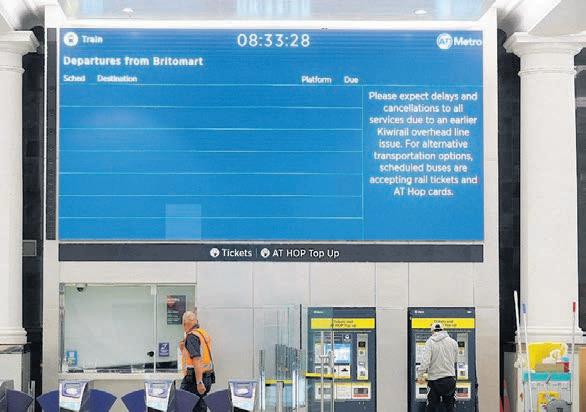
Actwouldalsoreformthe managementoftherailnetwork.Our expansionofthemixed-ownership modeltoKiwiRailwouldensurethat itwassubjecttopropercommercial
discipline,withoutrunningtherisks posedbyfullprivatisation.Naturally, KiwiRailwouldalsobeexpectedto provide areturnoninvestedcapital totheCrownanditsminority shareholders.Aspartofthischange, KiwiRailwouldberequiredtoallow non-KiwiRailuserstoaccesstherail networkonreasonablecommercial terms,regulatedbytheCommerce Commission.KiwiRailwouldno longerenjoy astatutorymonopoly overuseoftherailnetworkforfreight purposes.
BothCrowninfrastructure companies(HighwaysNewZealand andKiwiRail)wouldbepermittedto independentlyissuedebttofundnew projects.Thesebondswould explicitlynotbeguaranteedbythe Crown.Instead,theywouldbe securedonunderlyingrevenues fromtheprojectsfundedbythe issuance.
Thiscommercialmodelwould alsoallowforbothCrown infrastructure companiestoexplore innovativefinancingstructures.For instance,railcompaniesinHong KongandJapanfundsignificant portionsoftheircapitalcostsby developingthelandaroundand abovetheirtrainstations.Thisnot onlycreates anewfundingsourcefor infrastructure,italsogeneratesnew housingandretailspace.
Ourinfrastructurereformssubject investmenttorealdisciplineand enableproperpricing.Thatwillallow taxpayerstogetmorebangfortheir buckandformorefundingtoemerge throughinnovativefinancing mechanisms.Itis apractical prescriptionforprogress.
nzherald.co.nz TheNewZealandHerald Wednesday,June7,2023 B23 Infrastructure
JulieAnneGenter
transport.Every investmentinthose modesenablesmore peopleandgoodsto moveatlowercostand lowercarbon.
foroperatingexpensesof therailnetwork.
● SimonCourtistheActParty InfrastructureSpokesperson
Greeninghydrogenandthe
Greenhydrogenhas aseductiveappeal.Doneright,this zero-emissionsenergy sourcehasthepotentialto penetratemanycornersofour economiesandbeinstrumentalinthe fightagainstclimatechange.
Itcanbetransportedoverlong distances,storedforlengthyperiods andsomeexistingfossilfuelinfrastructuresuchasgaspipelinescanbe adaptedtohandleit.Theseattributes helpexplaintherushofexcitement aroundthegas,alsoreferredtoas “clean”orrenewablehydrogen.
Unlikeitsmostcommonformof production,knownasgreyhydrogen, whichisextractedfromnaturalgases in acarbon-intensiveprocess,the greenversionreliesonrenewable energy,suchassolarorwindpower, tosplitwaterintohydrogenand oxygen.Itcreatesnocarbonduring aproductionprocesscalledelectrolysisandemitsonlywaterwhenitis burnt.
Some1000newprojectsglobally havebeenannouncedtodate,requiringtotalinvestmentofUS$320billion, accordingtotheHydrogenCouncil, anindustrybodywhosemembers includeoilcompaniessuchasBPand carmakerslikeBMWGroup.Wouldbedevelopers,however,haveonly committed$29bsofar.
Butspendingnotonlylagsbehind announcements,itlagsbehind requirements.
Lexcalculatesthat anetzeroenergysystemmightrequire500m tonnesofhydrogenannually,which wouldentailsome$20trillionof investmentby2050.Thatmeanswe areonlyabout0.15percentofthe waythere.
Theindustryhassofarbeenheld upbyitshighcosts.Slowly,however, governments,particularlyintheUS andEurope,arenowmovingtosupportitandkick-starttheascentof hydrogen.
Economiesseekingtodecarbonisearelookingtoreplacesomefossilfuelswithhydrogen, whichislikelytoplay alargerroleinsomesectorsthanothers,writes CamillaPalladino
“Greenhydrogenwillbeessential toreachnetzero,”saysLordAdair Turner,chairoftheglobalEnergy TransitionCommission(ETC)thinktank.“Butwearestillatthestarting gate.Withoutstrongpolicysupport, itwillnotscaleupinthetimescale required.”
Sizingupthehydrogeneconomy
Thefirstquestionthatanyoneconsideringhydrogenas afuelasksis: whyisitneededatall?
Yes,climatechangemeansthatwe needtostopusingfossilfuels,which accountfor80percentofglobal energyusage.Theanswer,criticssay, istouserenewableandlow-carbon electricitytopowerelectricvehicles orheatpumpsdirectly.Thatwould be abetterbetthangoingthroughthe rigmaroleofusingrenewableelectricitytosplitwaterandgenerate“green” hydrogen,thatcanthenbeburntin boilers.
Forthemostpart,thatisanaccuraterepresentationoftheenergy transition.Hydrogenisabysmallyinefficient.ConsiderEVs,forexample. Evenwhenfactoringinthe 5percent lostintransportand10percentas batterieschargeanddischarge,EVs canbeupto80percentefficient.In hydrogenvehicles,between30and 40percentofthestartingrenewable electricityislostinmakingthefuel and afurther40percentinthefuel cell.
“Hydrogen’spoorefficiency meansthatitholds acompellingcase as adecarbonisationsolutiononly wheredirectelectrificationisnot feasible —inindustrialprocessesthat require achemicalreaction,forinstance,”saysMarkMeldrum,ofclim-
ateconsultancySystemiq.
Thatstillleaves asubstantialslice oftheenergypie.TheInternational EnergyAgencyreckonsthatby2050 wewilluseelectricityforabout50 percentoftheenergyweneed,up from20percenttoday.Anestimate fromtheETCpredictsalmost70per cent.Bythosecalculations,that leaves30-50percentforotherfuels toplayfor.
Industriesthatusenon-renewable hydrogenatpresent,suchasfertiliser production,aresurebetsforthe greenversionofthefuel —around 50mtonnes ayearby2050,accordingtotheETC.
Anotherbigopportunityforhydrogenisinindustriesthatusefossilfuels intheirprocessestoday.Hydrogen canbeswappedinas afeedstockin chemicalsproduction,forexample, andcanreplacethecoalusedtoheat steelmakingfurnaces.TheETC pencilsin120mtonnesofhydrogen ayearforsuchpurposes.
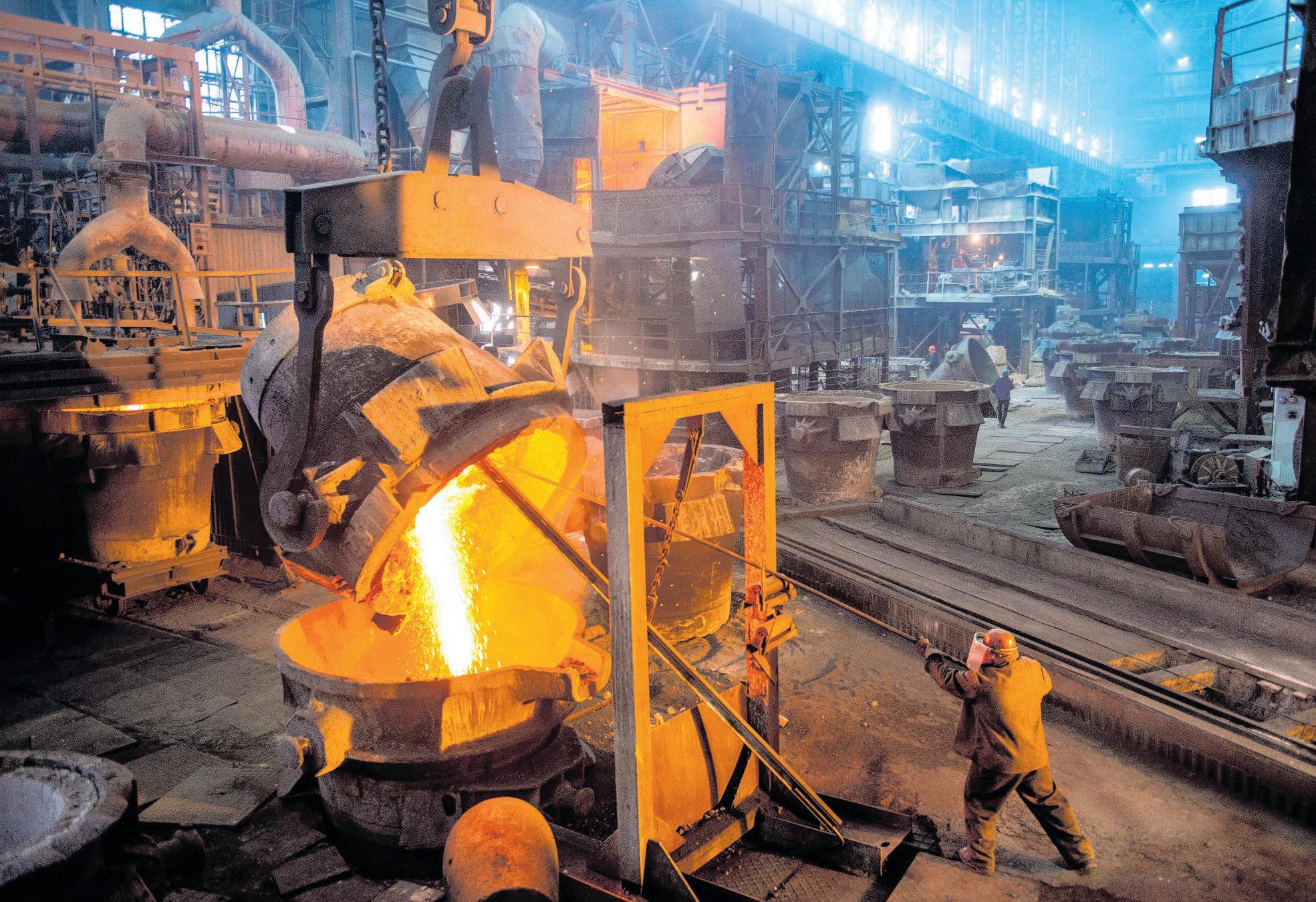
Long-rangetransportisalsolikely tobepoweredbyhydrogeninthe future.Thatisbecauseaircraft,ships andlorriesonlongjourneysneedto store alotofenergyonboardand batteriesareheavycomparedwith theamountofenergytheycanhold.
Hydrogen,bycontrast,isverylight. Itsissueisthatitisdifficulttocompressandwouldrequireunfeasibly largetanksinaircraftandships.The solutionistocombinethehydrogen withnitrogentoformammonia, whichismoreenergydenseandcan beburntintheinternalcombustion enginesofshipsiffoundtobesafe. Forlong-haulair,travel,theidea istomake“green”jetfuelbytaking renewablehydrogenandaddingin
carboncapturedfromtheair.This synthetichydrocarbonwouldemit CO2 whenburnt,butbecausethe carboncomesfromtheatmosphere inthefirstplace,itwouldbecarbon neutraloveritslifecycle.
Lastly,greenhydrogenwillbe requiredforenergystorage.Batteries do agoodjobofthat,butcangoflat ifleftunused.Long-durationstorage —storingsummersunforwinterheat, forexample —ismoredifficult.Using surplusrenewableenergytomake hydrogenandthenusingthatto makeelectricityisconvoluted,but therearenotmanyalternativesfor seasonalstorage.Pullingthisoff,however,willdependonhowotherstoragesystemsdevelop.
Addalloftheseusecasestogether andyougetthe500mtonnesof hydrogenneededby2050 —accountingformorethan10percentofthe energymix.Thatis aballparkestimate,ofcourse.
Thecostofbeingcarbon-free Makingandtransporting500m tonnesofhydrogenwillobviously require alotofcapitalandexact numbersarehardtocomebyasthe costoftechnologiesisexpectedtofall overtime.,Foranideaofthesizeof thiscapitalproject,however,itis worthdividinghydrogencapexthree ways;thecostofrenewableelectricityneededtomakethegas,expenditureonelectrolysersusedtosplit waterintooxygenandhydrogenand, lastly,theinfrastructure —pipelines, shipsandstoragesites —requiredto takethehydrogenwhereitisneeded.
Generatingthisamountofhydrogenwillneedalmost25,000TWhof renewableelectricity ayear,about
100timestheUK’scurrentelectricity demand.Ontheassumptionthat solarpanelsandwindturbinesare placedinsunnyandblusteryareas, wewouldneed10TWofinfrastructure,Lexcalculates.AtanaveragecostofUS$800perkW,the investmentrequiredwouldbeabout US$8trillion.
Thesecondbucketistheelectrolysers.Today,inflationhaspushedup thepricetoaboutUS$1500perkW butitcouldbeaslowasUS$250per kWby2050.Using amidpointof US$875perkWimplies acapexrequirementofUS$7trilliontoachieve thedesiredgoal.
Whenitcomestoinfrastructure, theexpenditureneededfortransport andstoragedependsonthespecific technology.Thecheapestoption involvespushinghydrogenthrough repurposedgaspipelinesandusing repurposedstoragesites.Supply chainsinvolvingshippinghydrogen transformedintoammoniawillbe moreexpensive.Overall,capexmay hoverataboutUS$5trillion.
Bythesecalculations,thetotal outlaywouldbearoundUS$20t —a heftynumberespeciallyifoneconsidersthatinvestmentmightendup beingconcentratedinthe2030sand early2040s.Toputitincontext,the energytransitionas awholeis expectedtorequireaboutUS$100tof capital,accordingtotheETC.
Theselargesumspointtothescale ofthechallenge.Buttherealquestion forinvestors,policymakersand consumersishowmuchthehydrogengeneratedthroughthisinvestmentmightcost —inabsoluteterms andcomparedwiththefossilfuels thatitwouldreplace.Thedifference
B24 nzherald.co.nz | TheNewZealandHerald | Wednesday,June7,2023 Infrastructure
Hydrogen’spotentialincludesreplacingcoalinsomesteelmakingprocesses.
Photo /123rf
fightagainstclimatechange
istheamountthatwouldneedtobe filledbysubsidies.
Asimplewayofcalculatingthe averagecostofhydrogenistodivide thecapexbyhowmuchhydrogen thekititbuysmightproduceoverits 20-yearlifespan.Bythatreckoning, theaveragecostforthehydrogen wouldworkoutataboutUS$62per MWh.

Thisreallyis aroughnumber.Both investmentsandenergyflowsstretch intothefutureanddonotallowfor thetimevalueofmoney.Thecalculationassumesnooperatingcosts and,mostimportantly,doesnotincludeanyreturnforthoseputtingup thecapital.

Thesecondlegofthiscalculation isnoeasierconsideringthepriceof thefossilfuelshydrogenissetto replacewillcontinuetogyrate.For example,usingthehighnaturalgas pricesoflastyear,hydrogenwould alreadybecheaperthanfossilfuels withnosubsidiesrequired.
Butgas-crunchpricesmaybea poorguide.Assumingthatnaturalgas willstabiliseat amorereasonable US$50perMWh,thatwouldsuggest everyunitofhydrogenneeds a$12 perMWhsubsidyonaverage.Multiplyingthatforthewholeofthe hydrogenproduced,wearelooking ataboutUS$4tinsubsidies.
Notallofthiswouldneedtocome intheformofadditionalsupport.In EuropeandtheUK,carbonpricingis alreadyinplace.TheEUemissions tradingsystemmeansthatthose companiesusingnaturalgasalready pay an additional US$20 per MWh for theCO2 theyemit —andthatnumber isexpectedtorise.Itfollowsthat,in theseregions,hydrogenwillbe
cheaperthannaturalgasandthecost ofcarbonemissionscombined.
Suchback-of-the-envelopemaths wouldsuggesttheindustryshouldbe abletogetgoingwithoutsubsidies. Yetthatisnotthecase.As areport by the Hydrogen Council makes clear,thenewprojectsbeing announcedarenotmatchedbya commitmentofcapital.Ifhydrogen isbothnecessaryand,overthenext 30years,notmuchmoreexpensive thanfossilfuels,whyarethingsnot movingfaster?
Aseriouspushforsubsidies Hydrogen’sproblem,today,isthreefold.
Renewablesarenotbeingbuiltat therateneededtodecarboniseelectricity,letalonemakehydrogen,and theircosthastickedup.
Moreover,thefewhydrogenprojectsthatdoexistaresmall-scaleand piecemeal,representinglessthanone percentoftotalhydrogenproduction overthepastthreeyears.Thatmakes thecostofinfrastructure,which becomestolerablewhenthereisa biggerdemand,highon aper-unit basis.
As aresult,thehydrogenproduced todayisstillveryexpensive. Alook atPlatt’shydrogenpricewall,which showsthecostofhydrogenproduced indifferentregions,suggeststhat, whilesomeprojectsmanagetocome inatUS$50-$100perMWh,thecheapesthydrogeninEuropetodaycosts morethan$150perMWhwithout transportandstorage.European naturalgasmeanwhileisbelow$32 perMWh.
Thismeansthat aserioussubsidy pushisneededifhydrogenisgoing
toreachthescalerequiredtobreak evenwithexistingenergysources.
EuropeandtheUSarebothtrying topushthemarkettoitstippingpoint, inradicallydifferentways.But neitherapproachis,sofar,sufficient togettheballrolling.
TheUSInflationReductionAct (IRA)throwsmoneyattheproblem. Itoffersproducersofgreenhydrogen ataxcreditofuptoUS$3perkg.At thislevel,thefuelis abitmore expensivethannaturalgas,butmuch cheaperthanso-calledgreyhydrogen.Forindustriesalreadyusinggrey hydrogen,suchasrefiningor ammonia,theswitchis ano-brainer.
“TheIRAhaskick-startedthe switchfromgreyhydrogeninNorth America,”saysMarkusWilthaner, partneratMcKinseywhoco-leadsits
globalhydrogenteam.“TheUSnow accountsfor70percentofcommittedcleanhydrogenproductionglobally.”
ButthetroublewiththeIRAisthat theproductioncreditsonlylastfor 10years.Thatmakesitharderfor businessestohaveconfidenceabout whatthemarketwilllooklikelongterm,whichisimportantwhere upfrontinvestmentisneeded. Steelmakersphasingoutcoalneedto buildwholenewplantstosupport hydrogen,forexample.And asensiblehydrogensystemalsoneeds centralised production facilities and transportandstorageinfrastructure. Europeistaking adiametrically opposedapproach.Ratherthan throwingmoneyatproduction,itis makingsomehydrogenconsumption compulsory.Itwants42percentof thehydrogenusedinindustrytobe renewableby2030.Theexisting obligationsaddupto acoupleof milliontonnesofdemandby2030. HydrogenEurope,anindustrybody, expects afurther1.5mtonnesofdemandforsteelmakingandheating, leadingto atotalofjustover4m tonnes —asizeablequantity,although stillfallingshortoftheEU’sstated 20mtonneambition.
Thetroublehereisthattheobligationimposesadditionalcostson industrybyforcingthemtoswitch fromcheapernaturalgastomore expensivehydrogen.Ontopofthat, theEUhasapplied arestrictivedefinitionofwhatconstitutesrenewable hydrogen.Plugginganelectrolyser intothemainswillnotsuffice,becausegridelectricitymaybegeneratedbynuclearorfossilfuels.To ensurethehydrogenistruly“green”,
itmustbeproducedoff-gridduring thelimitedperiodswhenthereisan excessofrenewableelectricity. Spreadingproductionacrossfewer operatinghoursfurtherraisesthe costofhydrogenatthebeginningof itsdevelopment.

Thereisencouragingnewsonthe horizon.Thatso-calledgreen premiumwillnarrowasthecostof emittingcarbonrisesandcovers moreindustries.TheEUisalso seekingtocoverthegapwithitsown subsidiesandhasrecentlylaunched anewEuropeanHydrogenBank, whichwillrunauctionstofinancethe mostcompetitivehydrogenproduction.
Onpaper,allbasesarecovered,but thiscumbersomeanduncertainprocess makes it hard for developers to borrowonthepromiseoffuture subsidies.
Butwithhydrogen,whileitiseasy tofocusonthenegativesofthe gargantuantaskahead,progresshas beenmade.Foronething,ithasa widelyacceptedroleintheenergy transitionafteroncebeinglargely dismissed.
Thereisnowanecosystemof companiesrampinguptoservethis industry.Electrolysermanufacturers exist.Germanindustrialgroup Thyssenkruppissettolistitsown hydrogenequipmentmaker,Nucera, for areportedUS$4bvaluation. Tentativepolicyiscoming together.IfEuropeandtheUSdeliver ontheirhydrogenpledges,thatwill helpreducecostsforothers.Hydrogenhasbeenlatetothelow-carbon party,butgiventherightincentives, ithaspotentialtofueltherevelry. —CopyrightFinancialTimes



Weprovideinternationally accredited -award winningeducationalprogramsthroughthe IPWEAAssetManagementPathway Gainaccess to acomprehensiveE-Booklibrarywhich includestheIIMM,IIFMMand asuiteofpractice notesthatcoversallaspectsofpublicworks AccessNAMS+,ourhighlyvaluedAssetManagement planningtool,usedinover600organisations worldwide Opportunitiesfornetworkingandprofessional developmentthroughinternationaleventsand anexclusiveAotearoaScholarship Infrastructure
Greenhydrogen willbeessentialto reachnetzero.But wearestillatthe startinggate.
LordAdairTurner,EnergyTransition Commission
Withoutstrong policysupport,it willnot scaleupin thetimescale required.
nzherald.co.nz TheNewZealandHerald Wednesday,June7,2023 B25
Infrastructure
Housingtrickis inthemix
AdrienneMiller
‘Ay,there’stherub’ —This phrase,fromShakespeare’s Hamlet,describes asetbackorimpediment.It’s aphrasesaidtohave originatedfromtheancientgameof bouleswhereit’susedtodescribea flawintheplayingsurfacethatinterfereswiththeball’sprogresstowards itsmark.Ourmarkinthiscaseis developingsignificantlymorehousingtohouseanincreasingpopulation anddoingsoinareaswhereresidents canaffordablyandequitablyaccess socialandcivicservices,education andemploymentopportunities.
Intheory,buildingupandbuilding outshouldbothbepossible.The valuepropositionofanintegrated intensifiedurbanformiswellunderstood.Therealityishoweverless simple.Thereareissueswithbothup andout.InTa¯makiMakaurauAucklandplanningtoolsliketheRural UrbanBoundary(RUB),thesoonto beconsultedFutureDevelopment Strategy,andnewdevelopmentcontributionrulesareleadingtoperverse outcomessomesayreducethelikelihoodofnewhousing,andincrease thepriceofitandofinfrastructure.
Theflawedassumptionswith BuildingUp
Thoseworkingtogethousingdevelopmentsacrossthelinereportmodellingonthepotentialofexistingresidentialbrownfieldzoneshashistoricallyoverestimateditslatentpotential,becauseofassumptionsabout capacityandconversionthatarejust notwarranted.
Thefirstassumptiononcapacity iswecansimplyintensify astandard quarteracreblock.However,the rulesaroundimperviousareasand theconstraintsoftheexistingstormwaterandwastewaterinfrastructure mean abrownfieldsintensificationis notalwaysassimpleasitmightseem.
Itmaybepossibletoaccommodateandabsorbtheneedsofthefirst fewdevelopers,butafterthosefirst luckyfew,intensificationatthescale requiredrapidlyoutstripsthecapacityoftheexistinginfrastructure.
Greeningup,raingardensandthe likeincorporatedwithinwell-sited developmentsandmorethoughtful publicrealmdevelopment(treesand plantingschemes)mayhelp,butthe existingwaterandwastewaterconstraintsstilloperateas abrakeon development(demandmanagement istheonlyleverthere).Withoutextensiveupgradingofpublicinfrastructure,thefloodingwehaveseen inAucklandwillcontinue.
Andit’sexpensiveandcomplexto installnewpipesinsuchareas.The costofputtinginnewpipes —some suggestmorethanfourtimesthecost ofputtingnewpipesinnewdevel-
Adrienne Miller
Without extensive upgradingof public infrastructure, thefloodingwe haveseenin Aucklandwill continue.
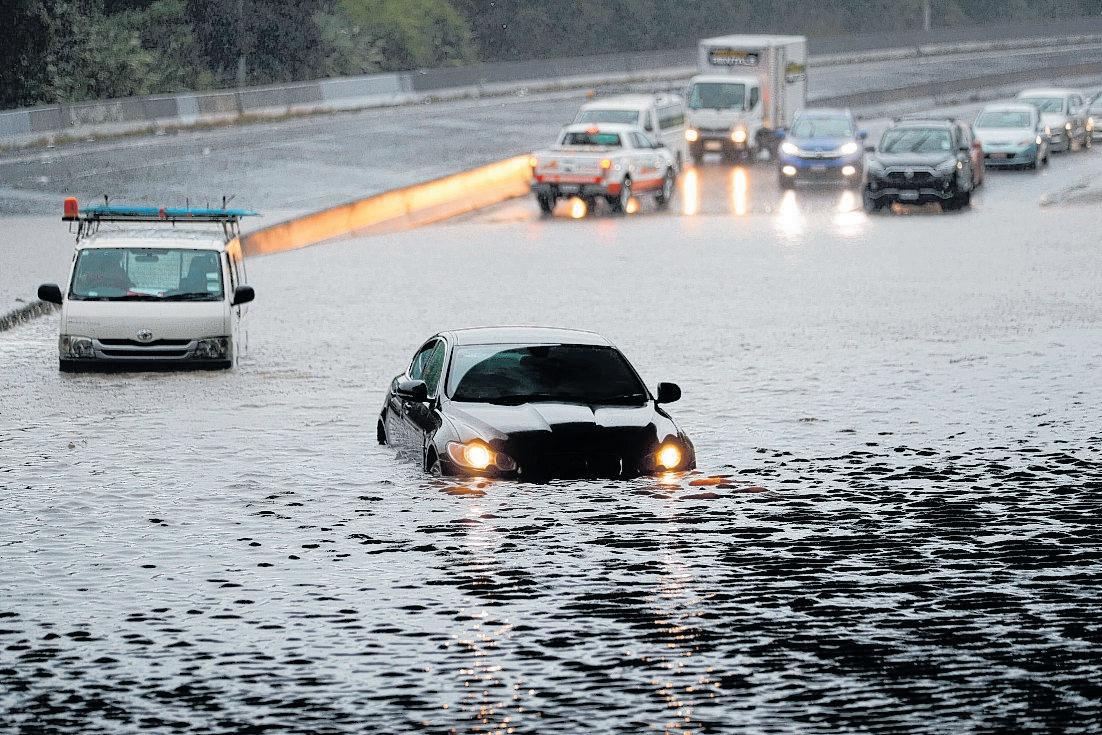
opments —restswiththepublicsectorandisnotfullyrecoupedviarecovereddevelopmentcontributionsin theseareas(WatercareassessesDevelopmentContributionsascontributingonly11percentofthecostof newdevelopment.)It’shardtoofor allutilitiestoassesswhenandwhere infilldevelopmentwilloccur,putting themconstantlyincatch-upmode.
Thesecondcapacityassumption isthescaleofintensificationthatcan beachieved.DevelopersinAuckland reportthatthewayinwhichPC78 (PlanChange78 —Council’sresponse totheNationalPolicystatementon Urbandevelopment)isdrafted meansitisactuallymorelikelyto yieldthreedwellingspersite(and maybelimitedtocertaintypologies) thantheprojectedlatentcapacityof fivemanyhadtouted.Thisisbecause oftheraftofrulesandrestrictionsthat needtobeconsidered.
Council’smodelsalsohavenot historicallytakenaccountofthefact thatnotalltheoreticallydevelopable siteswillbeintensified.Somedeveloperscallthistheconversionfactor— whetherthebusinesscasefordevelopmentstacksup.Thatiscurrentlymoredifficultthaneverto achievewithneitherthecurrentcost ofcapital(fordevelopersandfuture homeowners)northeprudential controlsinplayassisting.Andthat’s beforeweevenfactorinnimbyism.
Transportfurthercomplicatesthe picture.Allthingsbeingequal,better transportandhousingintensification aremutuallysupportive.Thetrickis wheretostart.Somethoughtitwould betheremovalofprivateparking requirements.Intheorythisshould driveresidentstowardsothertransportoptionsanddelivermoresquare
metreage,therebyoptimisingsiteutilisation.Howeverthelackofviable publictransportandactivetransport optionsmeanmanyremainheavily reliantontheircars.Anecdotally,the removalofon-lotparkingrequirementsseemstohavepushedprivate vehiclesintothepublicrealm,inturn makingwalkingandcyclingmore difficultandcloggingouralready congestedstreets.
Intensifyingonsmallbrownfield sitesalsohas atendencytoattract smallbuilders/developerswith(generallyspeaking)smallerareasofinfluence,makingithardertoachieve cohesive,wellconsideredurbandesignoutcomesoverall.
HiddencostsofBuildingout
Buildingoutisalsonotwithoutits complications.Landpricesare cheaperasyougoout,butthisis reflectiveoftransportandinfrastructureavailabilityandcosts. Theoreticallytheinfrastructure shouldbeinstalledbeforeoratthe sametimeasdevelopmentoccurs. Andthenthere’s aquestionfrom someonwhoispayingforwhat. Isthespendrequiredtoservice greenfieldinfrastructureoverstated whenonebearsinmindthereality thatthecouncildoesn’tpayforinfrastructurewithin agreenfielddevelopment,onlyforthe“trunk”infrastructurethatfeedsit.
Also,mainarterialroads/motorwaysandrailupgradesaremostly fundedbyCentralGovernment, aren’tthey?
Addtothatproposedchangesto thedevelopmentcontributionrules, designedtodisincentivisegreenfield developmentbecauseofthe(flawed) assumptionthathousingneedscan
BUSINESS REPORTS
These reports arepremier,business-to-business publicationsprovidingcriticalsector insightsalongside robustinformed contentand commentaryaboutissues thatmatter to NZbusinesses. The reports canvastheviews of CabinetMinisters,business leaders,and business organisationchiefs.
Thissitsalongside expert commentaryfromrespectedthought-leadersthroughinterviews andin-deptharticleswritten by theHeraldBusiness Reports team.


bemetalmostexclusivelyfromanup, ratherthanout,policy.
Thisnewpolicyissaidtobedesignedtohelpensuredevelopers share(andpassontohomeowners) thecostofcouncilinvestmentin infrastructure.Inmorerecentpolicy, thatcontributionisbeingrevisedby referenceto a30-yearperiodofinfrastructureneed,ratherthanthepreviously,widelyaccepted,10-year period(whichcorrespondswithlong termplans).
There’snodiscountingforthetime valueofmoneyorapparentconsiderationofcross-generationalsubsidisation,socouncilarekeepingincreasingthecostofdevelopment, whichwillinevitablybepaidforby thecustomer, afutureratepayer.

Thosedevelopingthetrunkinfrastructure,sosaythedevelopment community,wouldbebettertopurchaseorrequisitionthecorridors requirednow(byusingtheirPublic WorksActandotherpowers).
Failuretodosoearlymeansbythe timetheydopurchasethenecessary landthepriceofthatlandhasincreasedsignificantly,increasingtheoverallcostofinfrastructuredeliveryand reducingtheabilitytoextractvalue fromanypre-purchasedcorridor.
Sowhat’stheanswer?
Tofurthercomplicatetheentiredebateonuporout,AucklandCouncil hassought,andbeengranted, aright topause(foroneyear)thePlan Change78processwhileitcompletelyrevisitsandinvestigatesthe underlyingcausesofstormwaterand naturalhazardconcernsarisingout oftherecentweatherevents.
Thesuspicionistheconsequence ofthisreviewwillbeevenlessinten-
AdrienneMillerisCEOatthe UrbanDevelopmentInstituteof NewZealand(UDINZ).
Formorethan20yearsshe hasworkedasanadviserand executiveinandaround constructionandinfrastructure: workinginwaste(WMNZ), buildingproducts(CHH), constructioncompanies(Downer andFletcher), apublicsector waterutility(Watercare)and consulting(privatepracticeand herownboutiqueconsulting firm,Cupola).
Aswellasherexecutiveroles, shewritesandspeaksonindustry issues.Sheisservinghersecond termontheBuildingAdvisory PanelatMBIEandis atrusteeon theBoardofDiversityWorksNew Zealand(inwhichcapacityshe chairedtheprojectSteering CommitteefortheConstruction DiversityRoadmap,a ConstructionSectorAccord project)andwasrecently appointedas amemberofthe InfrastructureIndustry ReferenceGroupforthe ConstructionSectorAccord.
sification(i.e.lesshousing)allowed forinexistingresidentialzones.
Untiltheoutcome ofthisreview andtheFutureDevelopmentstrategy processplaysout,itisimpossibleto knowwhetherruralurbanboundariesshouldchangeandnewareas shouldbereleasedforurbandevelopment.

Blanketexpansionoftherural urbanboundarycanleadtopoor outcomes,butwiththerightplanning candeliverhigh-qualityintegrated outcomes(infrastructureandhousing)atmoreaffordablepricepoints. Itcertainlyhasanongoingroleto playalongsidebrownfield.Thetrick isthemix.
There’stherub.
INFRASTRUCTURE isoneof aseriesofsevenpremier Business ReportspublishedannuallyintheNewZealand Herald. PUBLISHINGCALENDARFOR THE BUSINESSREPORTSERIES2023: ProjectAuckland(Published)Tues11Apr CapitalMarkets(Published)Thurs 25 May Infrastructure(Published) Wed7Jun Agribusiness Thurs 27 Jul MoodoftheBoardroom Fri29Sept CoincideswiththeMood of theBoardroombreakfast& financedebate SustainableBusiness &Finance Thurs 2Nov DynamicBusiness Thurs 7Dec To followthe Deloitte Top200 Awards Managed &edited by Fran O’Sullivan: fran.o’sullivan@nzme.co.nz |021986145 CommercialenquiriestoNeilJackson: neil.jackson@nzme.co.nz |021944 825 Thereports aredistributedwithinthe Heraldandtheeditorial contentis carriedonlineat nzherald.co.nz/business.
B26 nzherald.co.nz | TheNewZealandHerald | Wednesday,June7,2023
Waystofuelgreener industry
TimothyWalmsleyand JamesCarson
NewZealandburnsthe equivalentof108litresof petroleverysecondincoal andnaturalgastogenerate heatforindustrialprocesses.This burningoffossilfuelsforindustrial heatgenerates28percentofNew Zealand’senergy-relatedemissions.


Industryneedsvastquantitiesof heatfor awiderangeofactivities, includingtoprocessstaplefoods,to manufacturematerialsforbuilding homes,andtoproducepackagingfor everydaygoods.
Butit’sveryclearthattoachieve anet-zerocarboneconomyby2050, weneedtorampuptheuseof renewableenergytechnologytogenerateindustrialheat,insteadofburningfossilfuels.
TheGovernmentisusing acarrotand-stickapproachtodrivethetransitiontolow-carbonandrenewable energy.The“stick”requiresindustry tophaseoutcoalboilersforlowand mediumtemperatureheatapplicationsby2037.Newnaturalgasexplorationhasalsoeffectivelyended, whichwillleadtofuturedecreases ingassupply.
The“carrot”istheGovernment InvestmentinDecarbonisationInitiativesfund.Theresultssofararesignificant,withindustryturningtotried andtruesolutions:energyefficiency gains,biomassboilers,electrodeboilersandheatpumps,sometimescombinedwithelectricalorthermalbatteries.
Thesetechnologiesarecleanand green,buttheyarealsoscalableto industrialneeds.
Let’shave alookatwhatthese differentoptionsare.
Fouroptionsforindustry
Thefirstoption —increasingenergy efficiency —iswhereallindustrial businessesshouldstarttheirdecarbonisationjourneys.Itreducesthe needtosupplyheatinthefirstplace. Minimising heatdemandmeansreplacementboilerscanhavesmaller capacities,reducinginvestment costs.
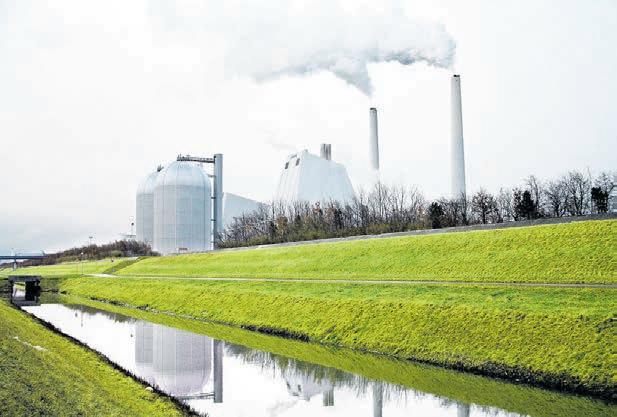
Thesecondoptionistousebiomassboilers.Overthepastcoupleof years,biomassboilershavebeen rolledouttoseverallargeindustrial sites.Theyburnbiofuels,whichare usually abyproductofthewood processingsectorsuchassawdust, woodchipsandwoodpellets,togeneratetherequiredsteamandhotwater for asite.Fonterra,forexample,is currentlybuilding anew30-megawattbiomassboileratitsWaitoasite.
Biomassboilersprovide alike-forlikereplacementforfossilfuelboilers.
Buttheiruseisnotstraightforward.
Noonereallyknowswhatthefuture availabilityoflow-costbiomasswill beduetorapidexpansionofthe market,uncertaintyaroundbiomass sourcesandincreaseindemand.
Thethirdoptionistouseelectrode boilers.Thesearecheaptoinstallbut theyuseelectricityastheenergy source.Thecostofthisheatistypicallythreetimesmoreexpensive thanfromfossilfuels.Industryisalso oftenexposedtotheelectricityspot marketwherepricevariesdramaticallybothdailyandseasonally,which presentsboth ariskandopportunity.
Dairymanufacturerandsupplier OpenCountryDairy,aidedby“smart control”technologyfromSimplyEnergy,recentlyinstalledanelectrode boileralongsideitsexistingcoal boiler.Theelectrodeboilerturnsoff whentheelectricitypriceishigh, shiftingloadtocoal,andturnsback
onwhenthepriceissufficientlylow. Thisis acost-effectivesolutionbut invariablyaninterimmeasureascoal phasesout.
Thefourthoption —heatpumps —uses adifferenttypeoftechnology. Onpaper,industrialheatpumpshave thepotentialtoachieveovertwoto threetimestheperformancelevelsof biomassorelectrodeboilers,althoughoftenatlowerheatingtemperatures.Betterperformancemeansproportionatelyloweroperatingcosts. Currentheatpumptechnologycan serviceheatinguptoabout90C.
MeatprocessingsiteslikeAnzco andSilverFernFarms,bothnear Christchurch,areusingheatpumps torecoverandupgradewasteheat fromtheirchillerstogeneratethehot watertheyneed.Thisisanother smartwayofusingconventional technology.
Inthefuture,weneedheatpumps tofarexceed90Ctoincreasetheir applicabilityto awiderrangeofindustrialsite.InEurope,manycurrent technologydemonstrationunitscan nowprovideheatingupto150Cusing anHFOrefrigerant(syntheticfluorinatedgreenhousegases)orCOHFO refrigerantswerepositionedasthe answertoozone-depletinggases.
Butrecentresearchexpressesconcernsaboutthemdegradinginto“foreverchemicals”withserious implicationsforhumanandenvironmentalhealth.TheEuropeanUnion nowplanstorapidlyphaseoutand bantheiruseby2026.
MANEnergySolutions,whichhas recentlypartneredwithFonterra, offers aCoheatpumpthatcanalso generatehotwaterat150Cat aheatto-electricity-useperformanceratio ofnearlythree.Thismeansitonly usesonethirdoftheelectricityto



generatethesameamountofheatas anelectrodeboiler.
Thesefouroptionsallhavecritical rolestoplayindecarbonisingNew Zealandindustry.Differentsiteswill demanddifferentsolutionsthatwill oftencombinemultipleapproaches toachievethemostcost-efficient solution.
Needforlocalsolutions

Traditionally,NewZealandhasbeen anenergytechnologyimporter.However,highdemandforcutting-edge boilerandheatpumptechnologyin muchlargermarketsinEuropeand elsewherecouldmakeitdifficultfor NewZealandbusinessestoaccess necessaryplantandtechnicalsupportwithoutlongwaittimes.
Ifwecoulddevelopandmanufactureourown,wecouldprovidecustomisedsolutionsforNewZealandindustry.Associated“green”manufacturingjobswouldbelocatedhere.
Decarbonisingindustrialheatpresents amassivechallengebutalsoan opportunity.Thechallengeistomake theenergytransitionquicklyenough tolimitclimatechangewhilekeeping theenergycostssufficientlylowto stayinbusiness.
Aswemakethistransition,wealso need aparadigmshiftinattitudeand ambitiontowardsresearch,developmentandmanufacturing pathways foradvancedtechnologytomaximisethebenefittoNewZealandInc.
● TimothyWalmsleyisSenior LecturerinProcessandEnergy Engineering,andJamesCarsonis AssociateProfessor,attheUniversity ofWaikato.Theyreceivefundingfrom theMinistryofBusinessInnovation andEmployment.

Copyright:TheConversation
BUSINESS REPORTS WITHTHANKS TO OURSPONSORS



nzherald.co.nz TheNewZealandHerald Wednesday,June7,2023 B27 Infrastructure
AbiomassenergypowerplantinDenmark.NewZealandcouldprovideits ownhomegrownsolutionstodecarbonisingindustry. Photo /123rf





















Tapintonewsworth knowing. DownloadtheNZHeraldapp. B28 nzherald.co.nz | TheNewZealandHerald | Wednesday,June7,2023
