Introduction
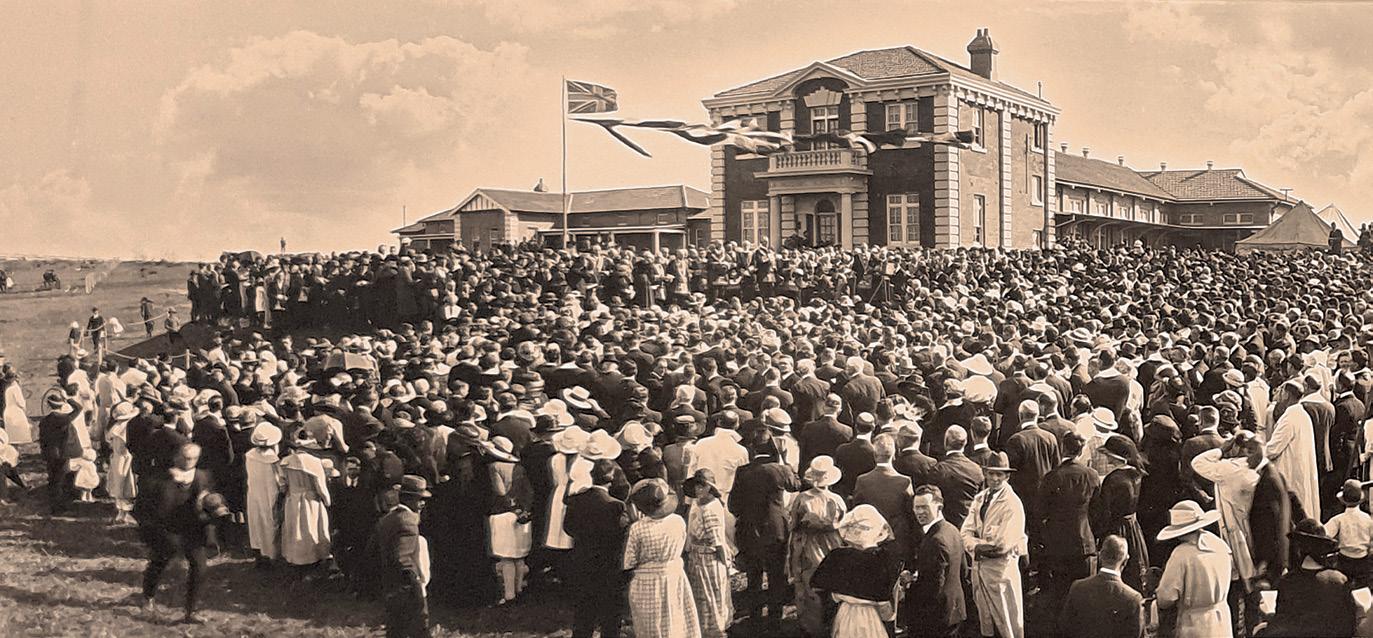
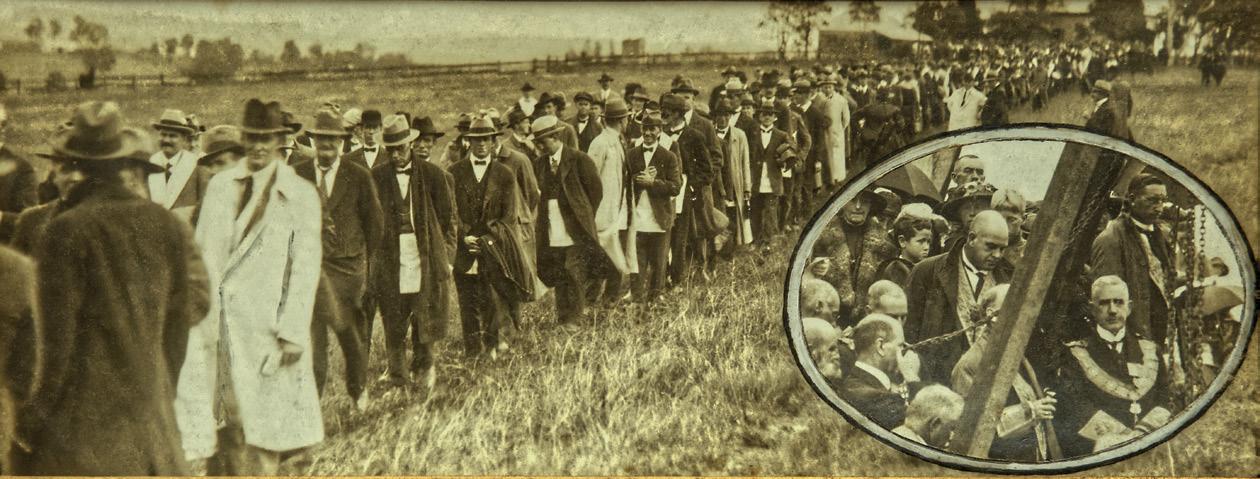
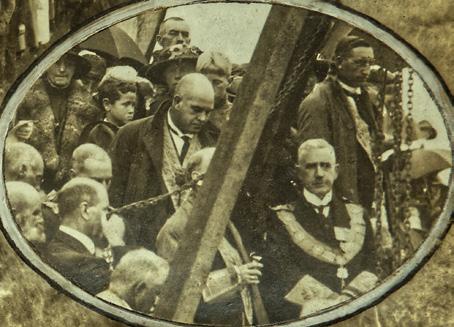
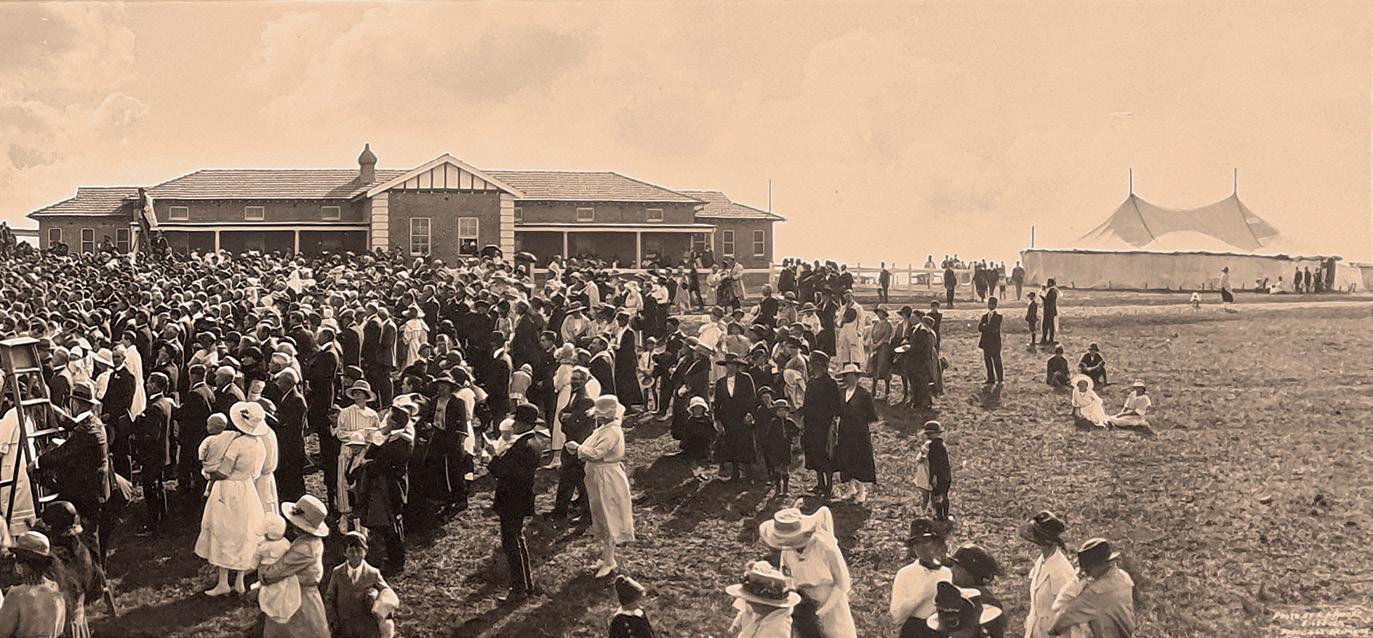
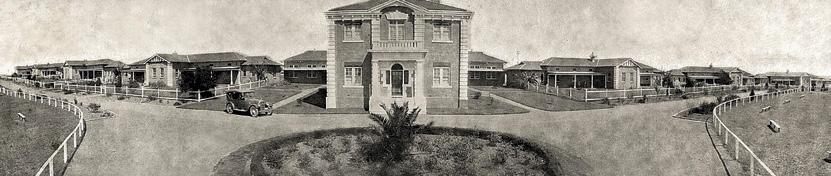
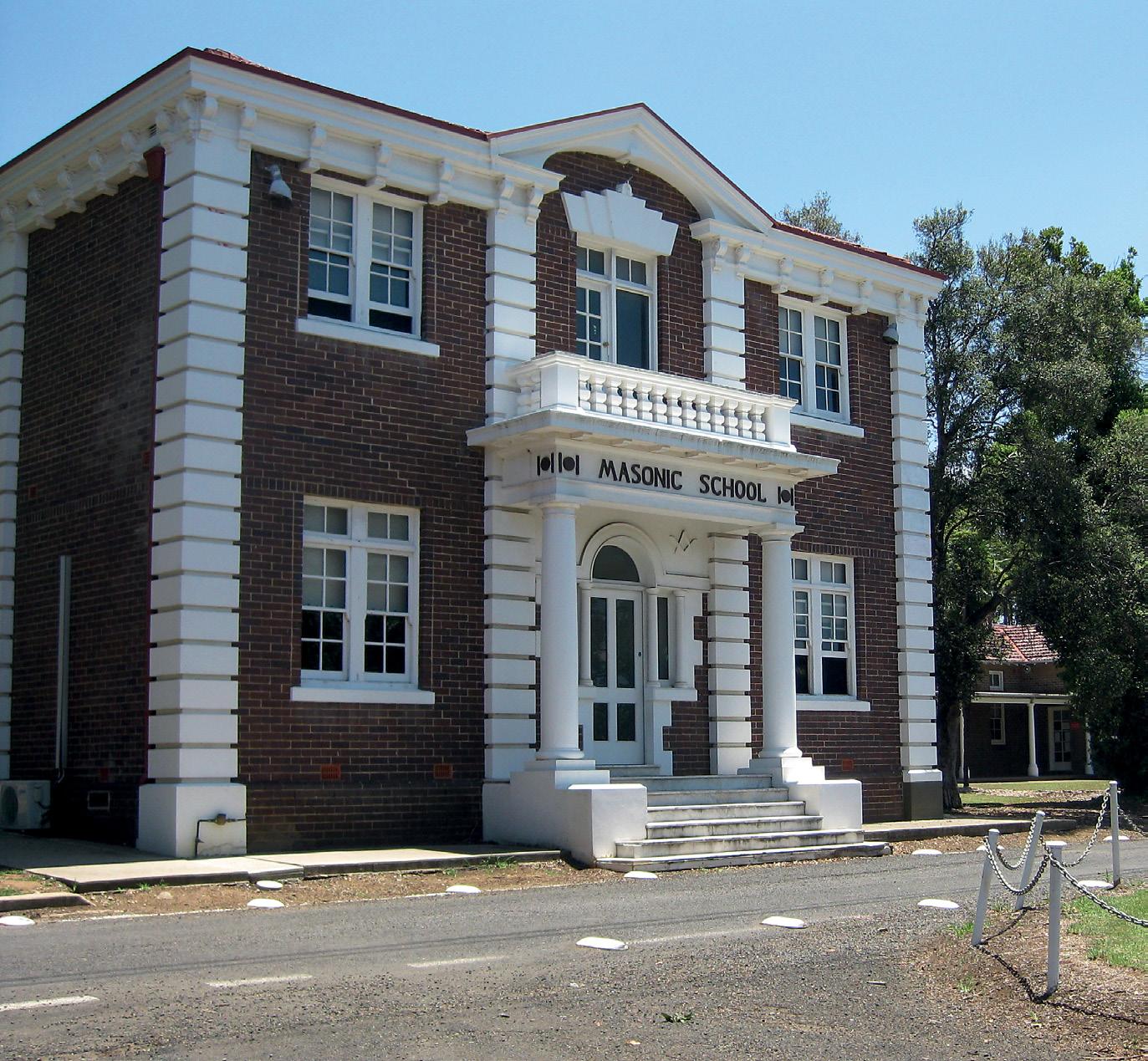
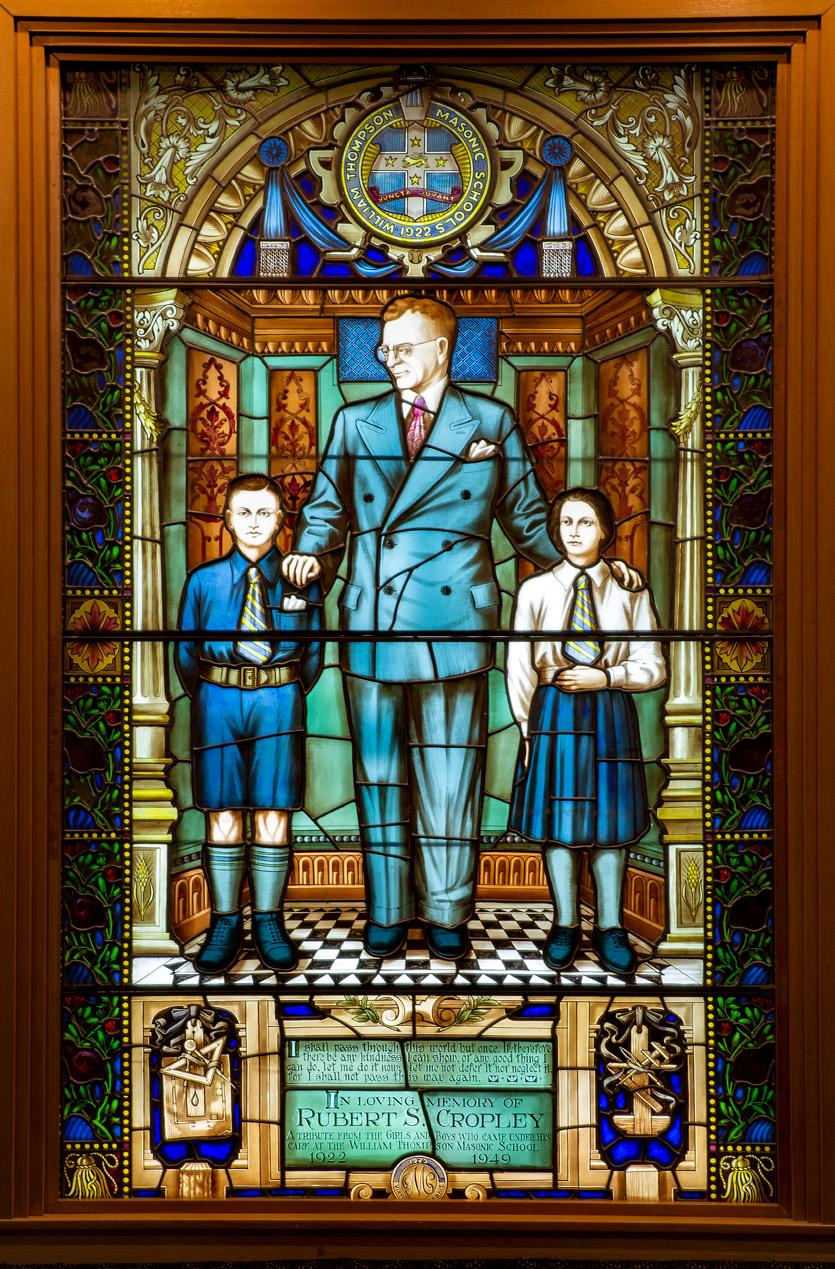
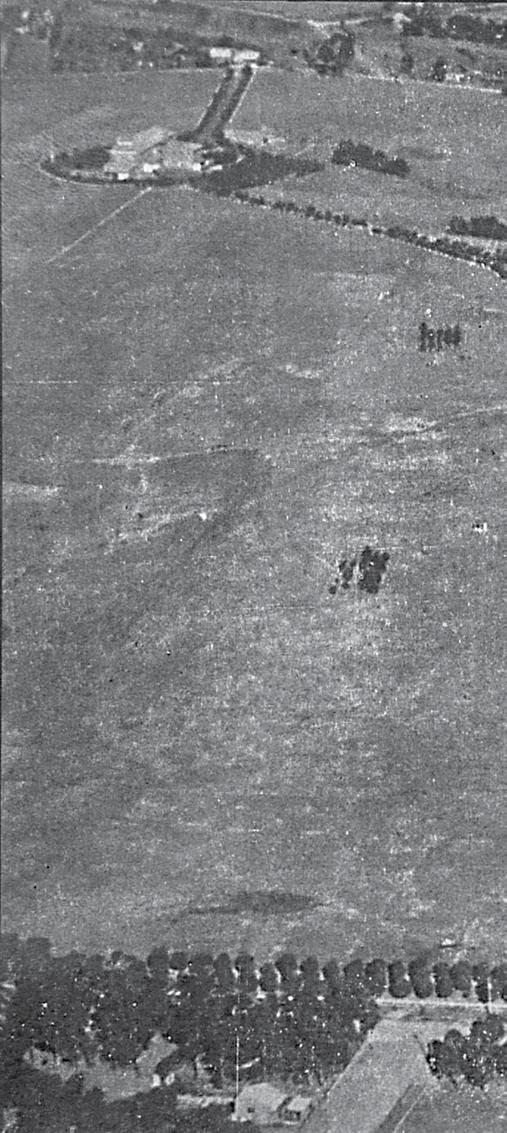
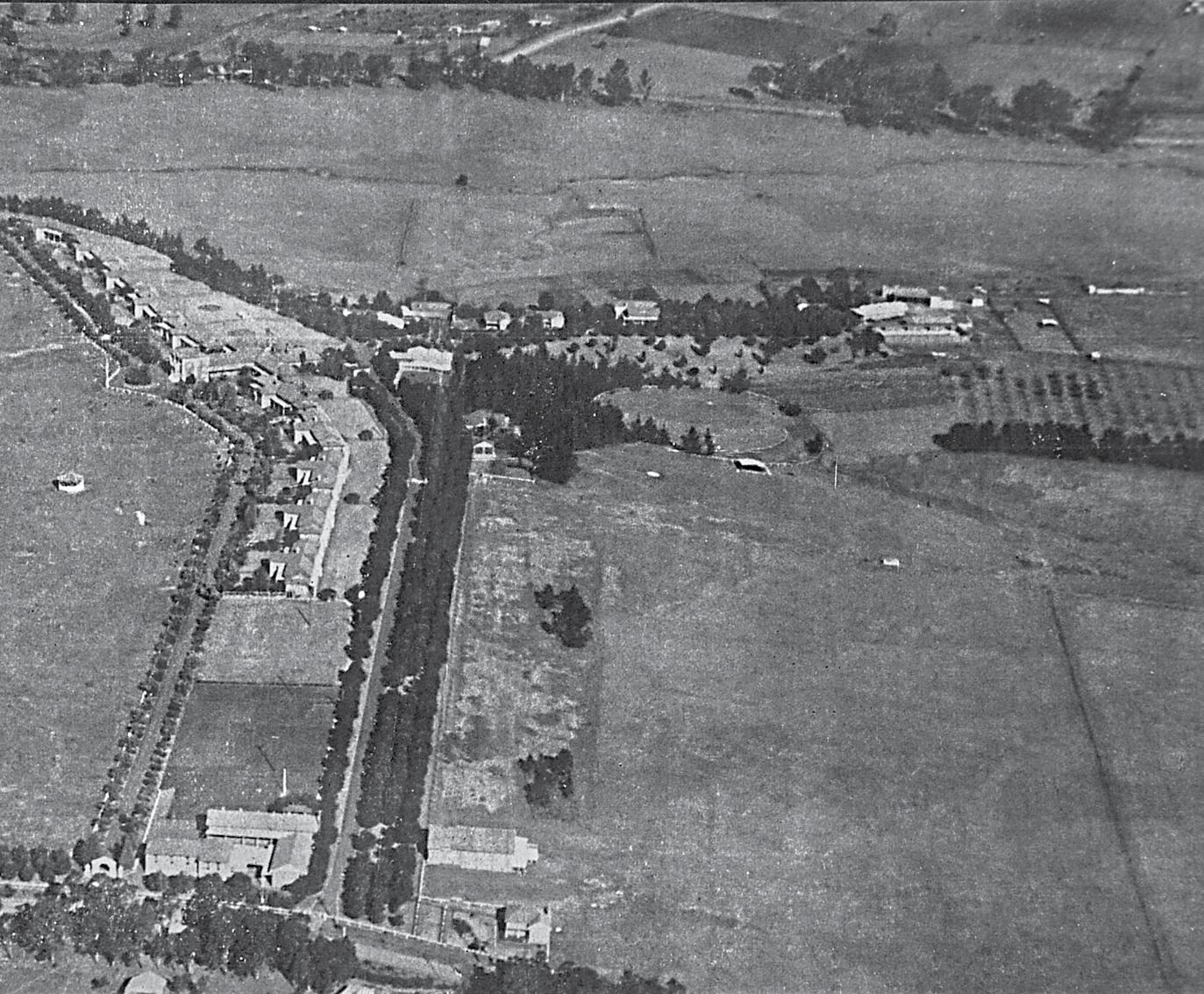
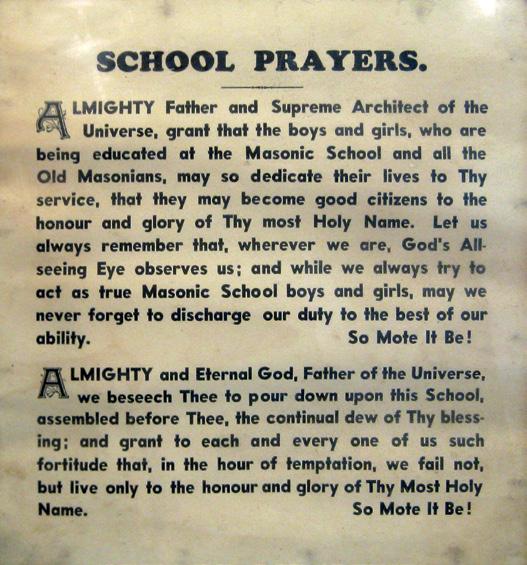
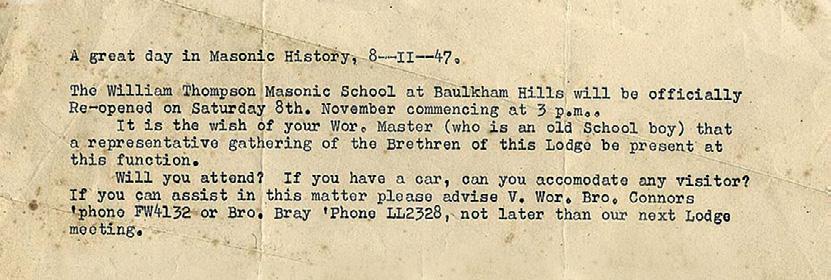
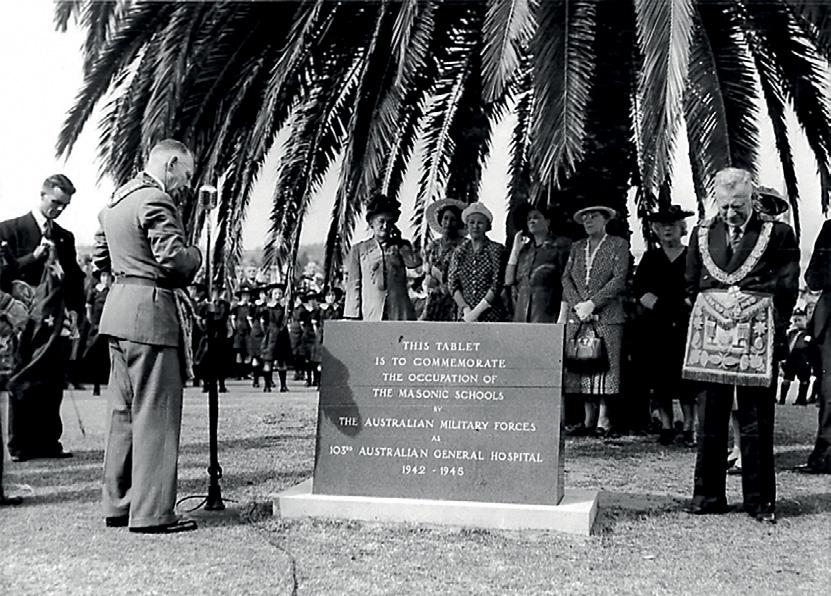
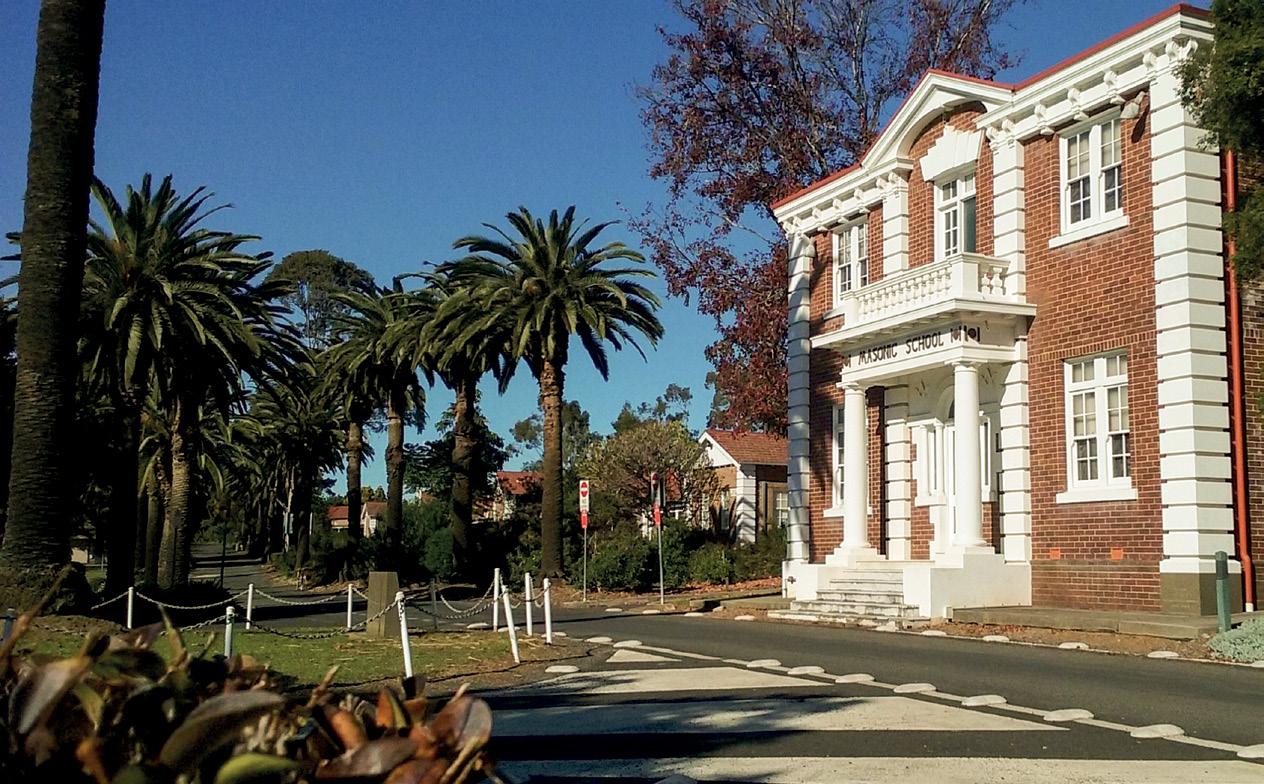
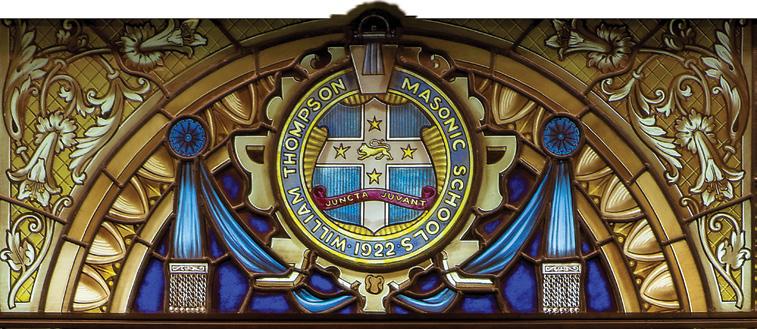
On 11th November 1922, the William Thompson Masonic School opened. As 2022 marks its centenary, it is important to recognise and commemorate the experiences of the many students, relatives, teachers, carers and others who participated in the rich history of the School.
A year after the opening of the School, the charity, then known as the NSW Masonic Welfare Fund, began. This long-established charity, now known A Start in Life, assists young Australian students overcome barriers to their education and reach their full potential.
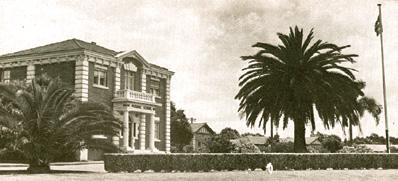
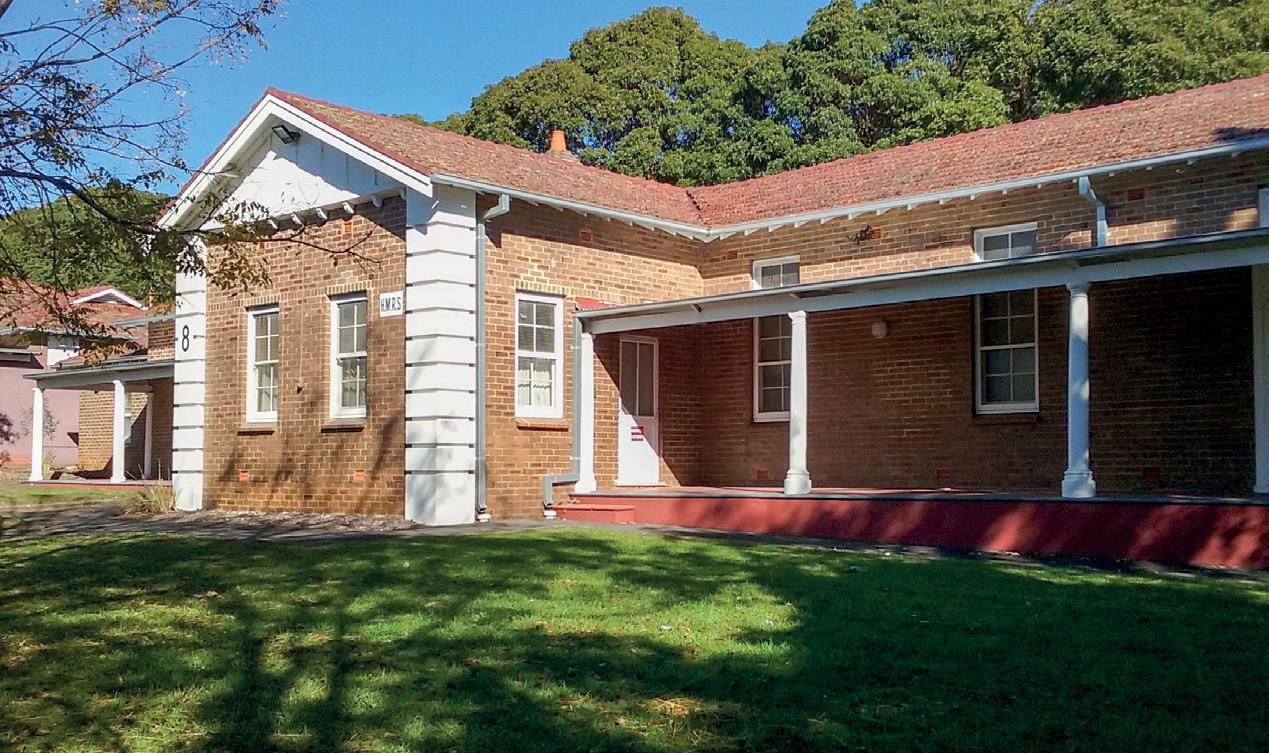
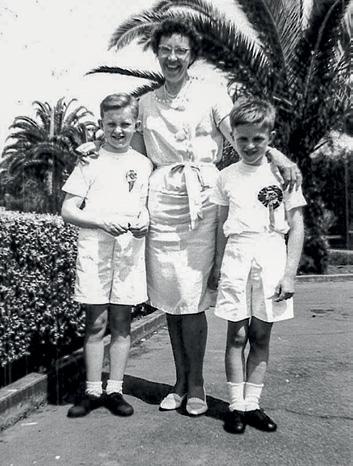
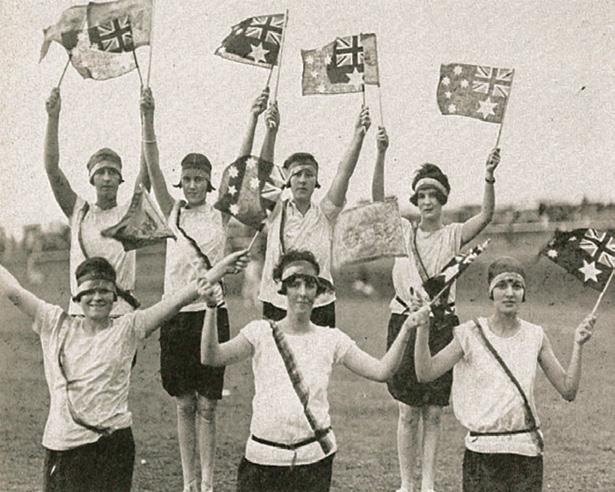
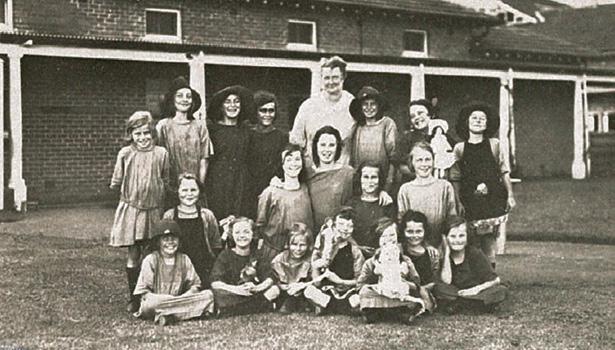
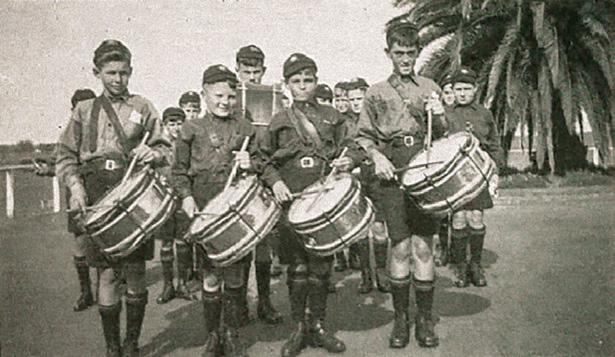
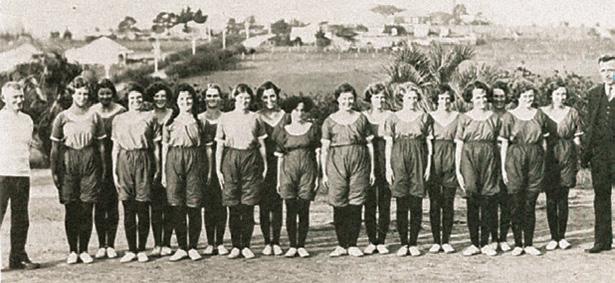
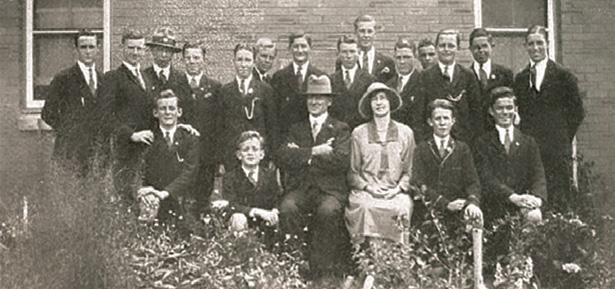
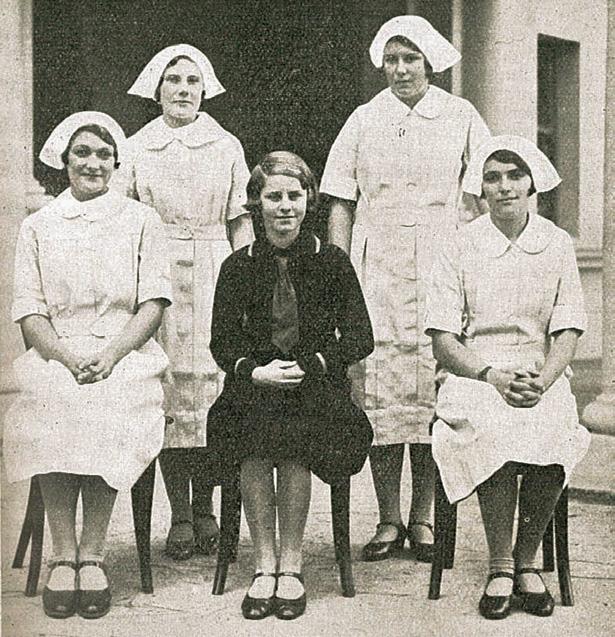
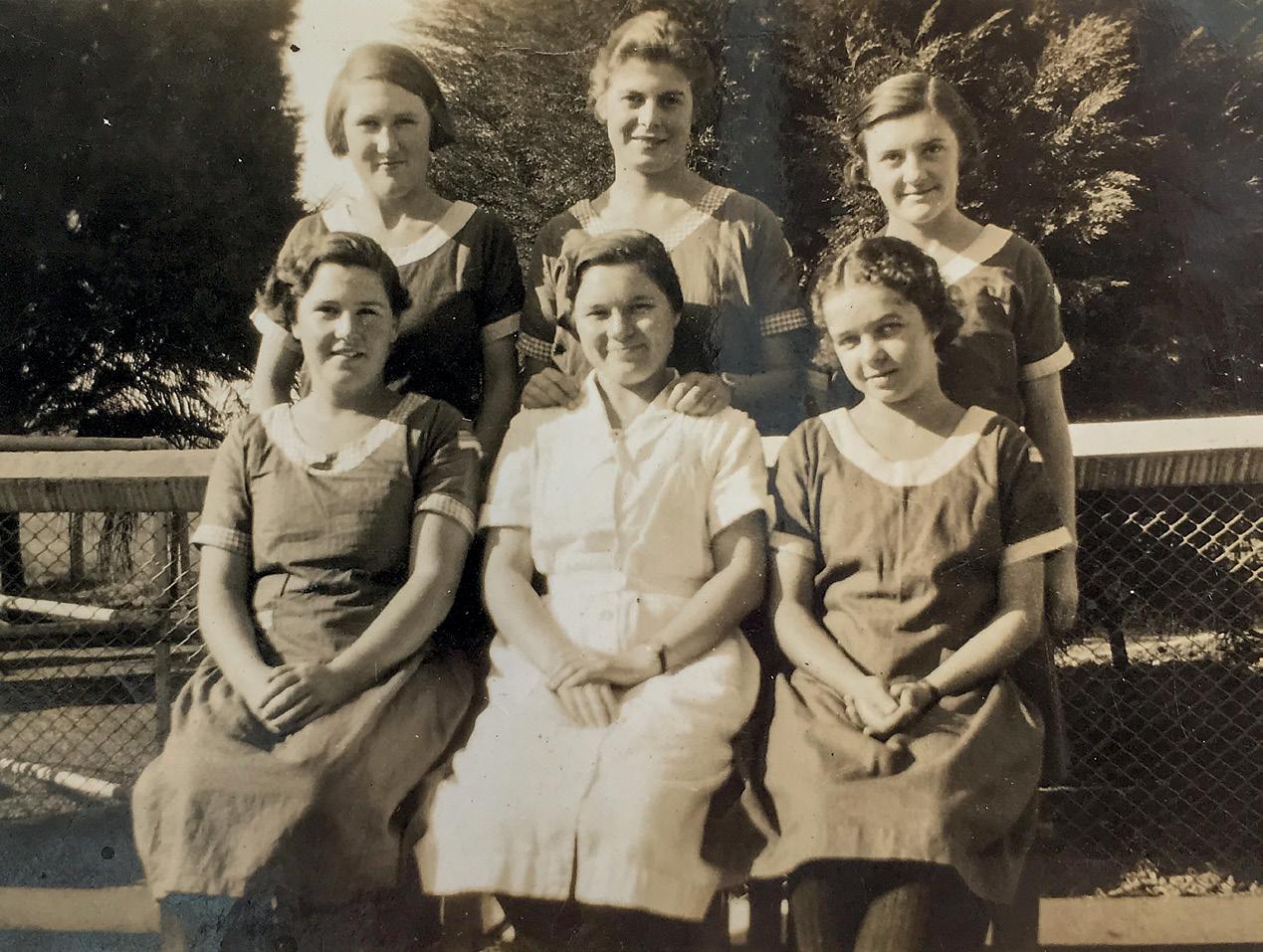
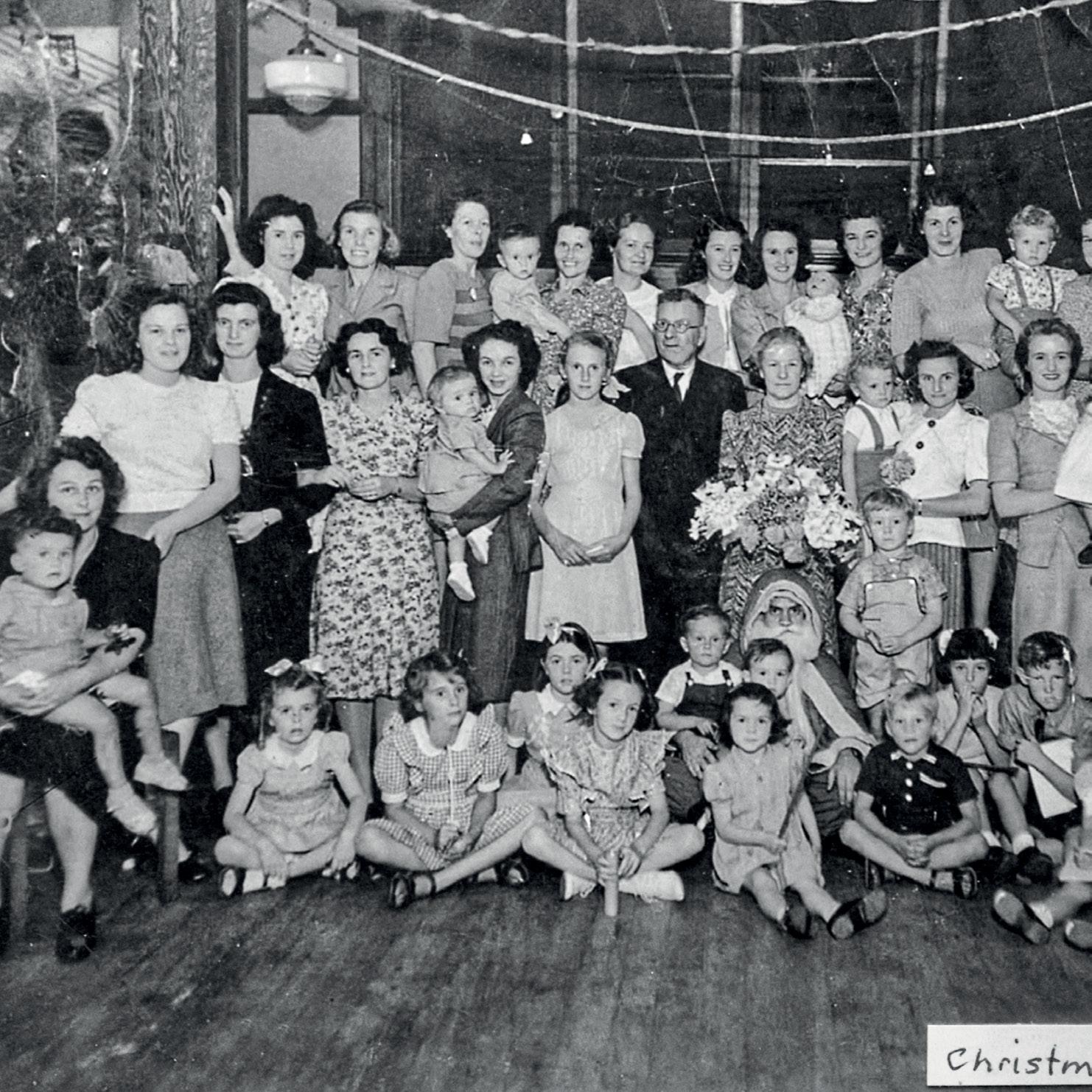
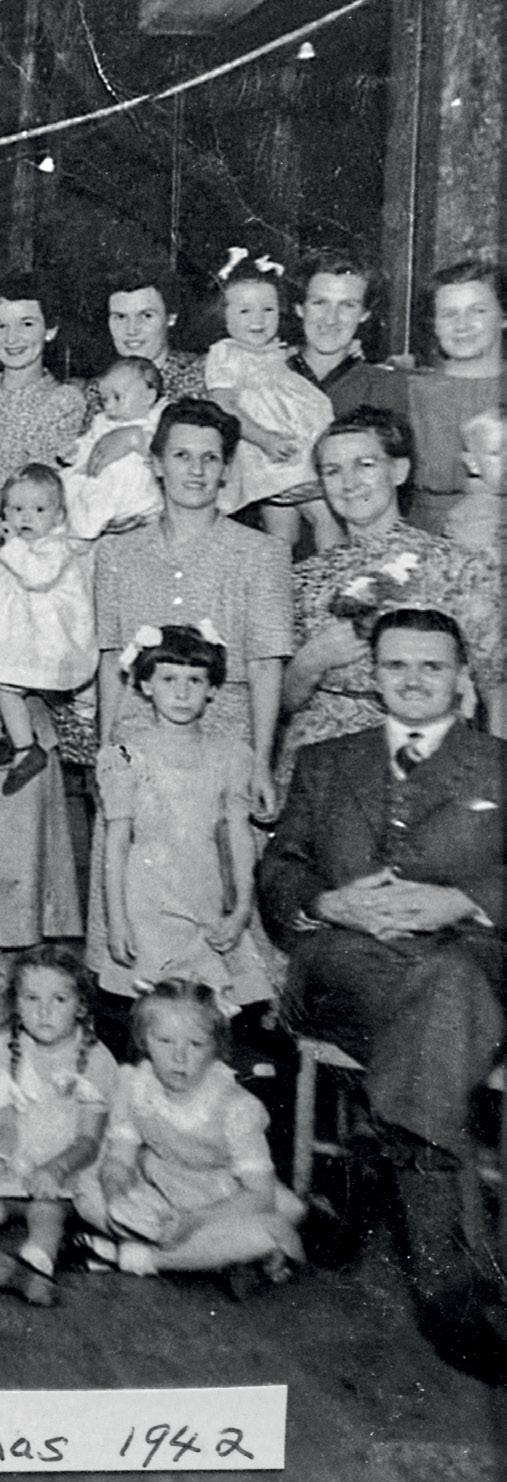
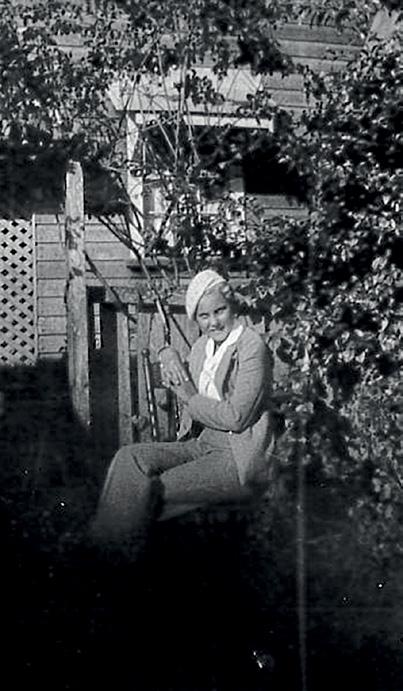
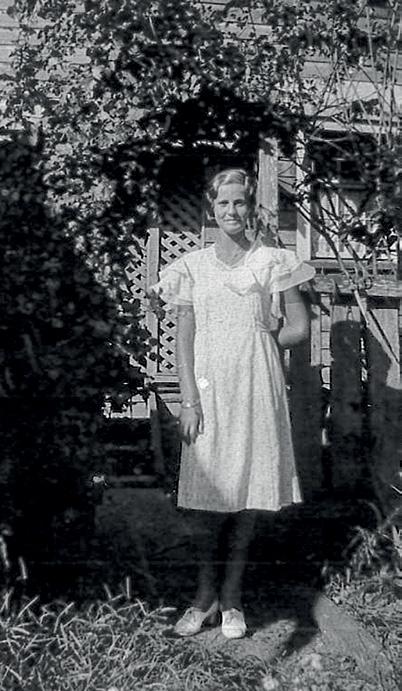
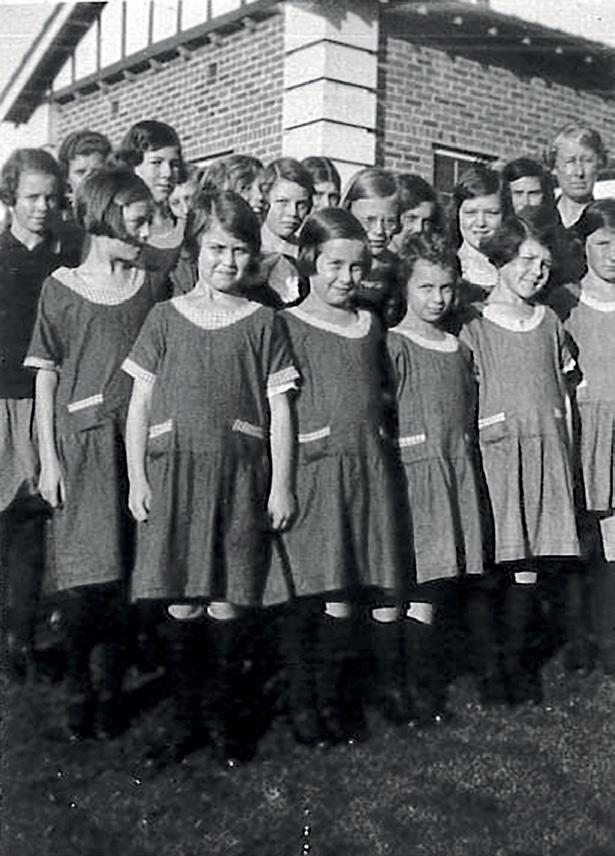
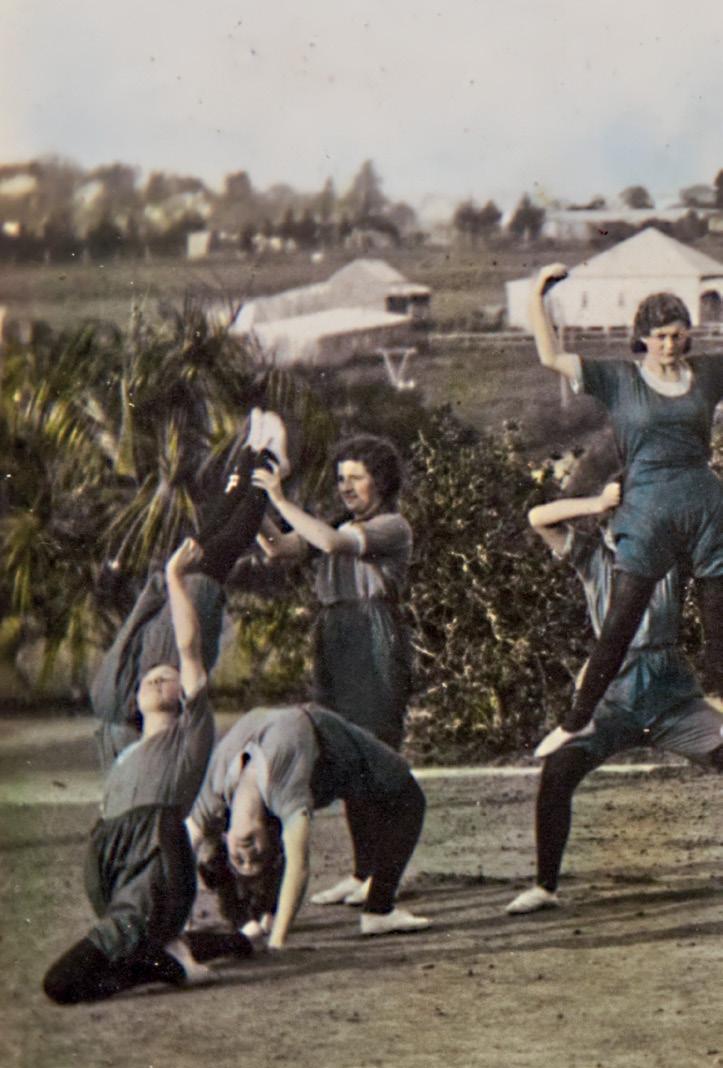
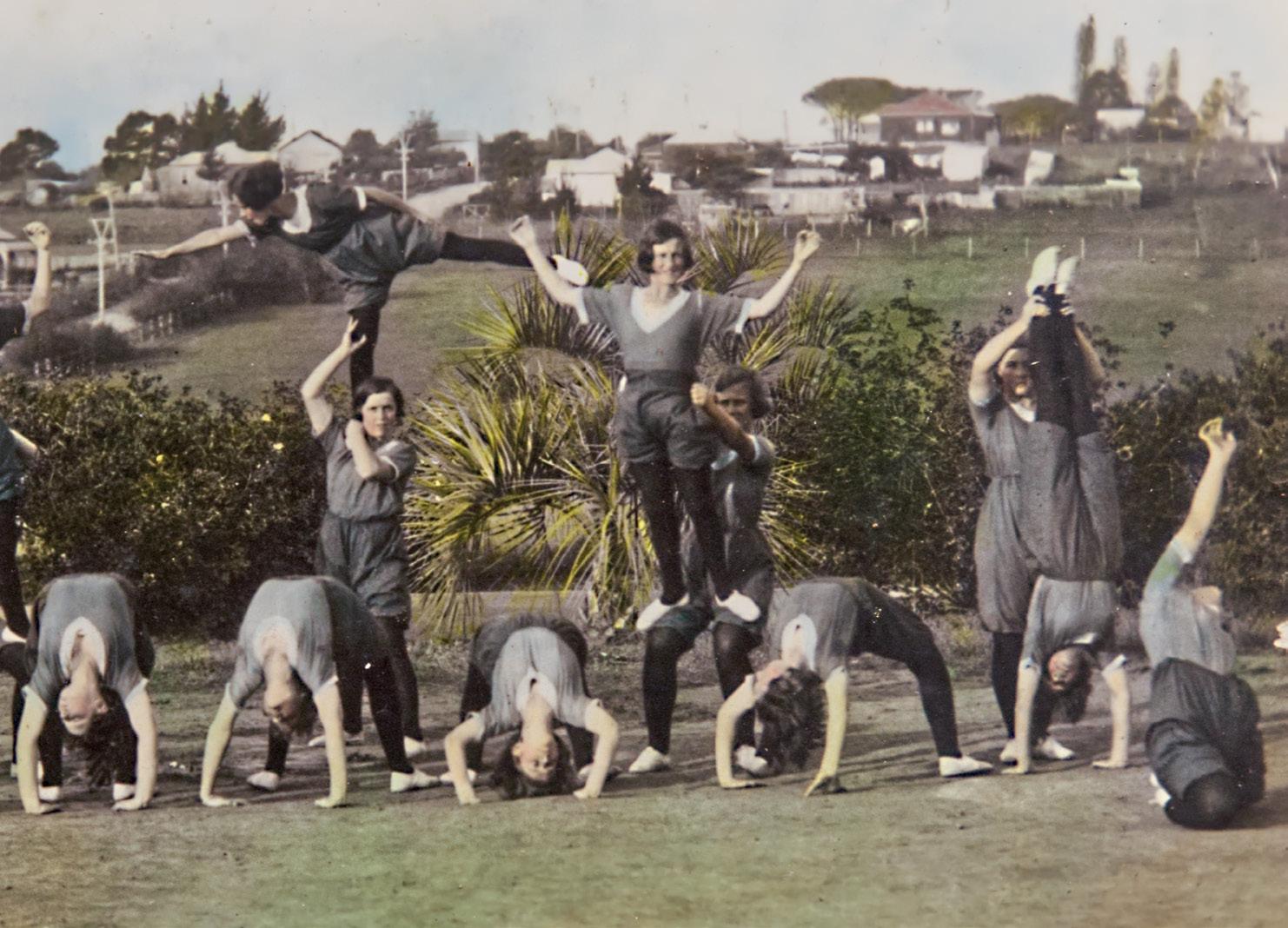
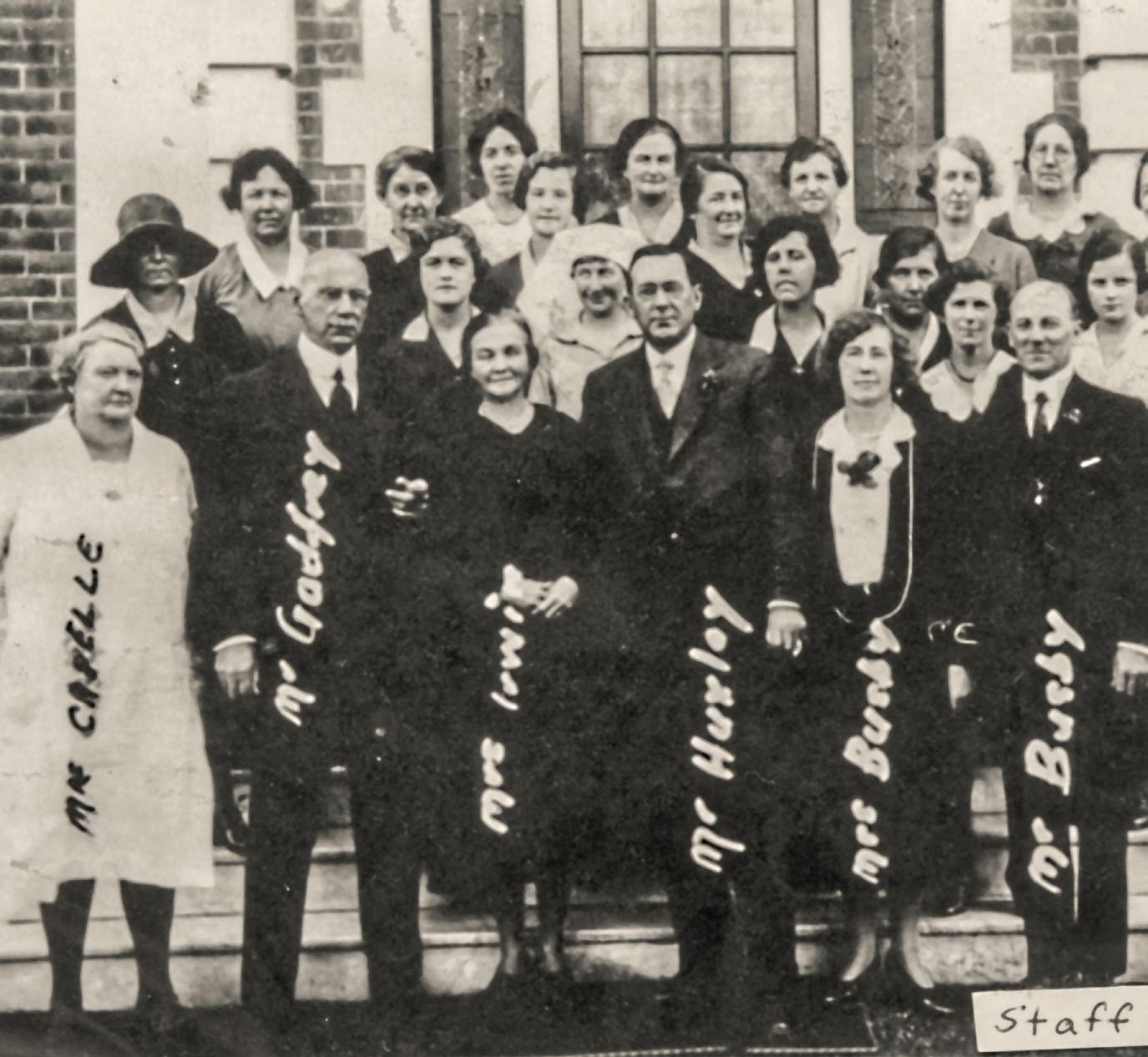
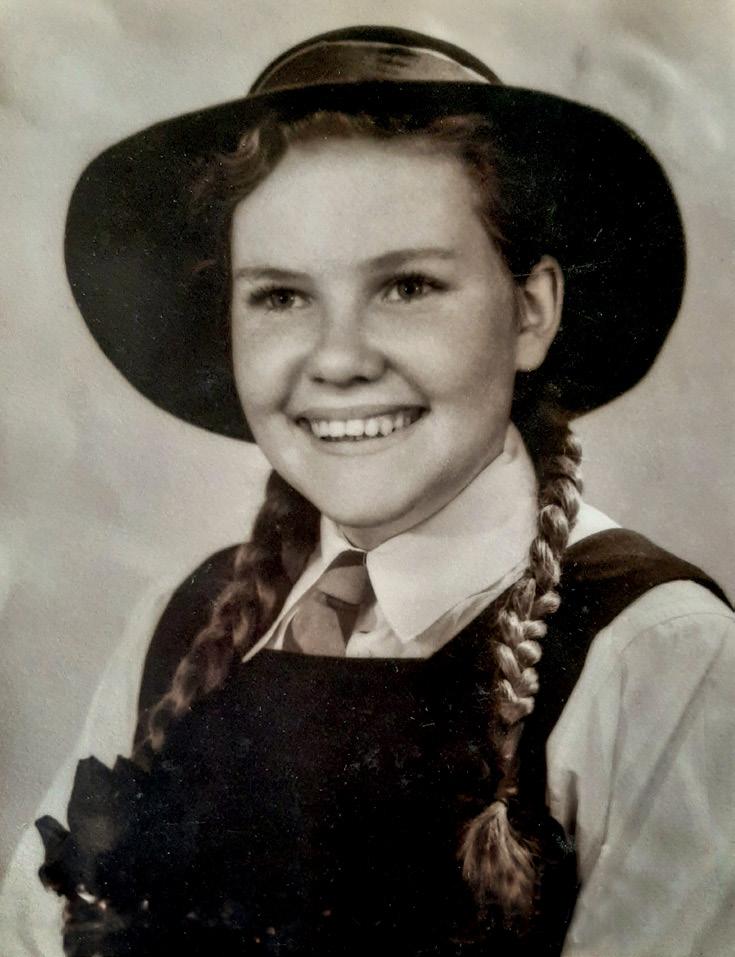
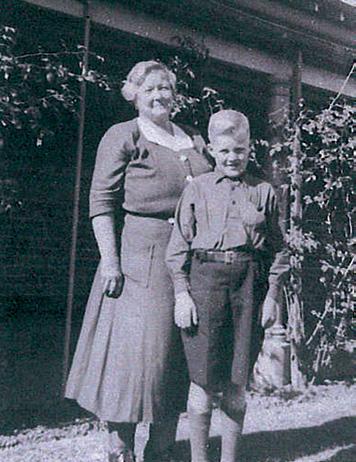
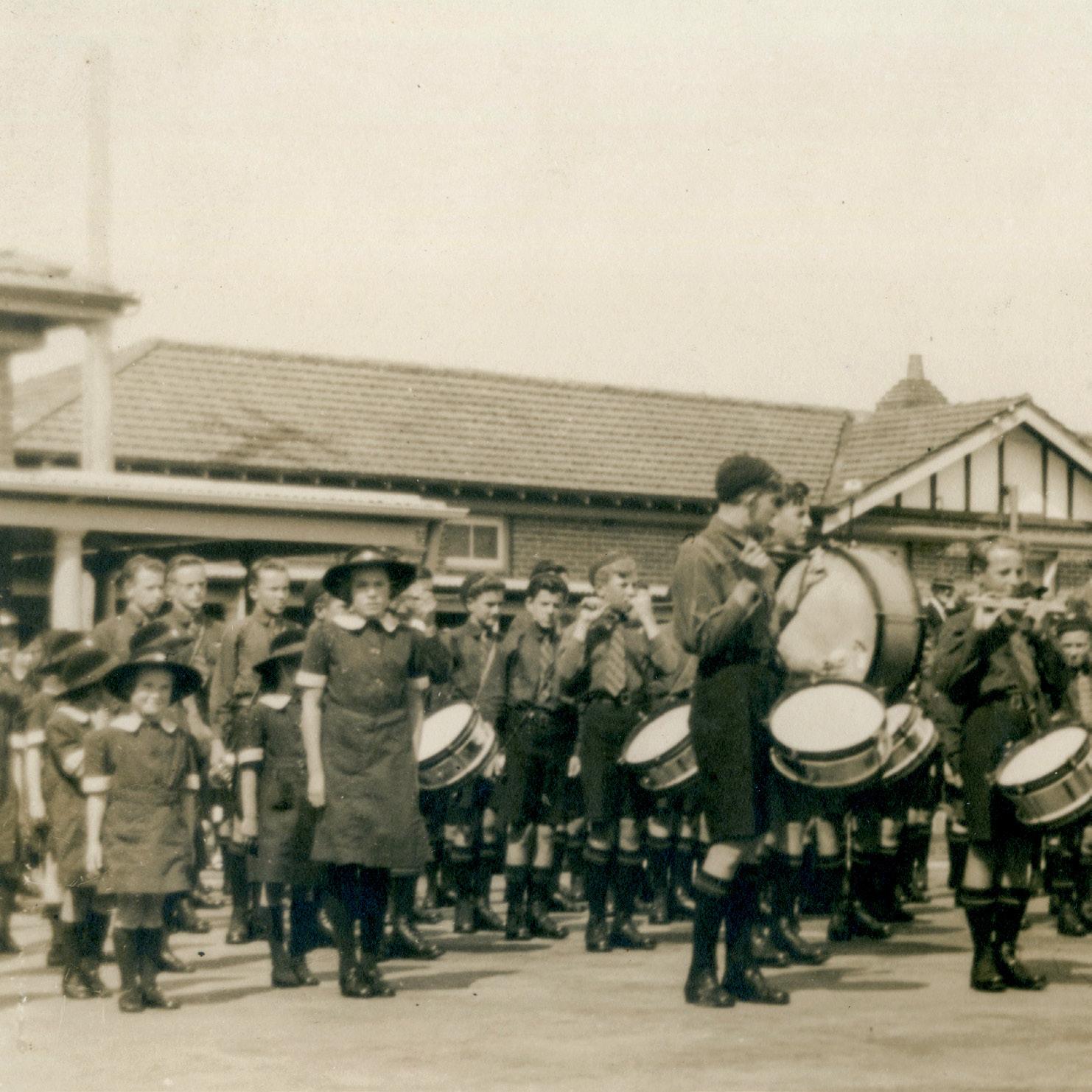
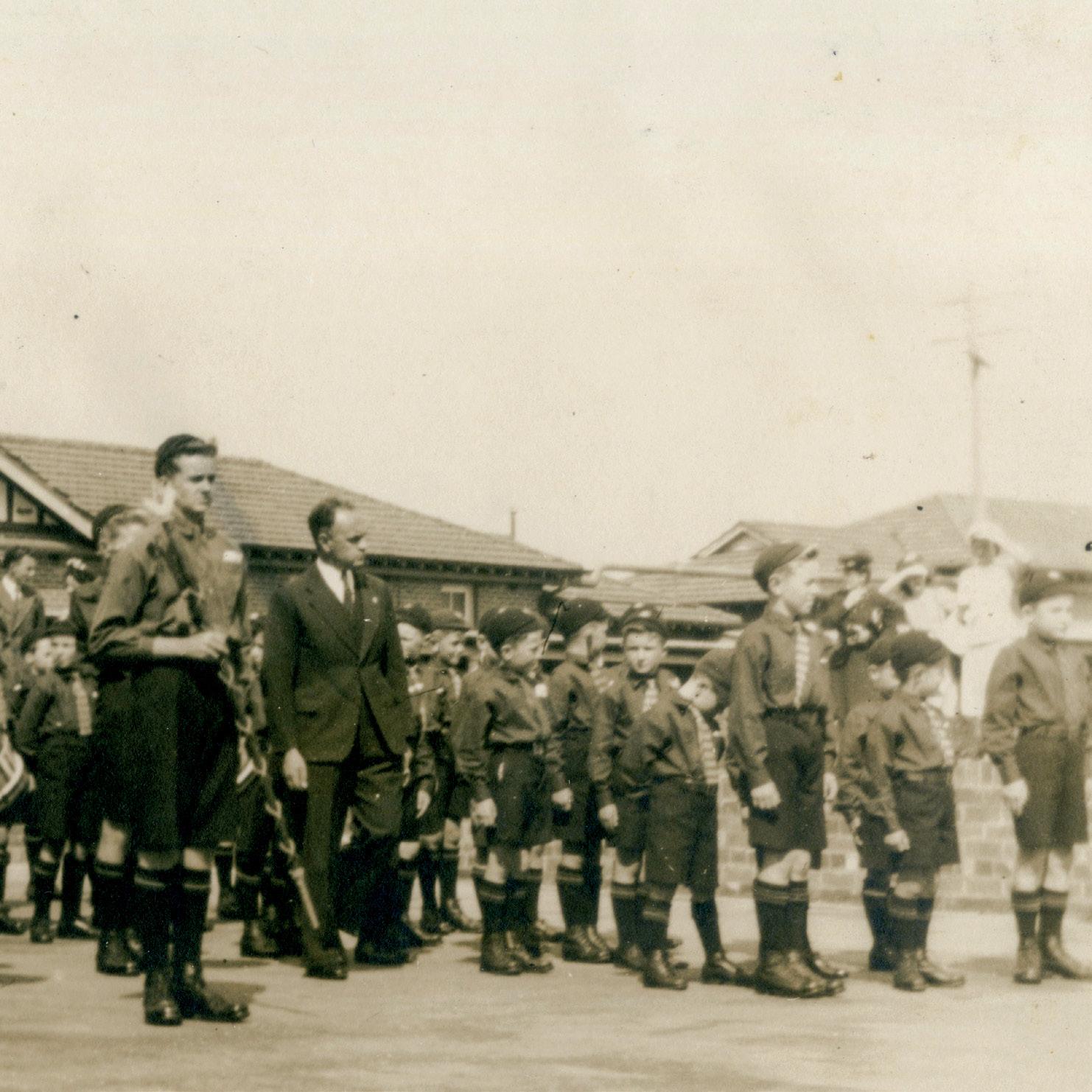
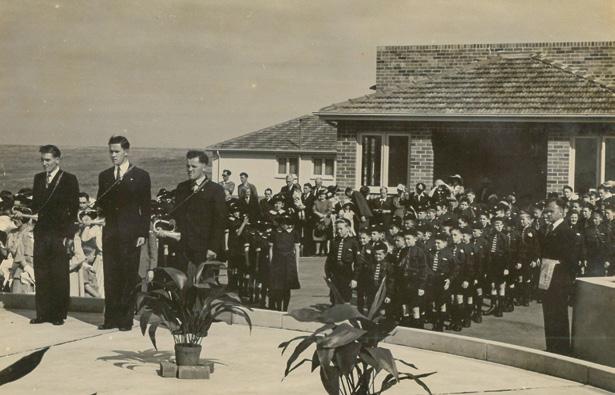
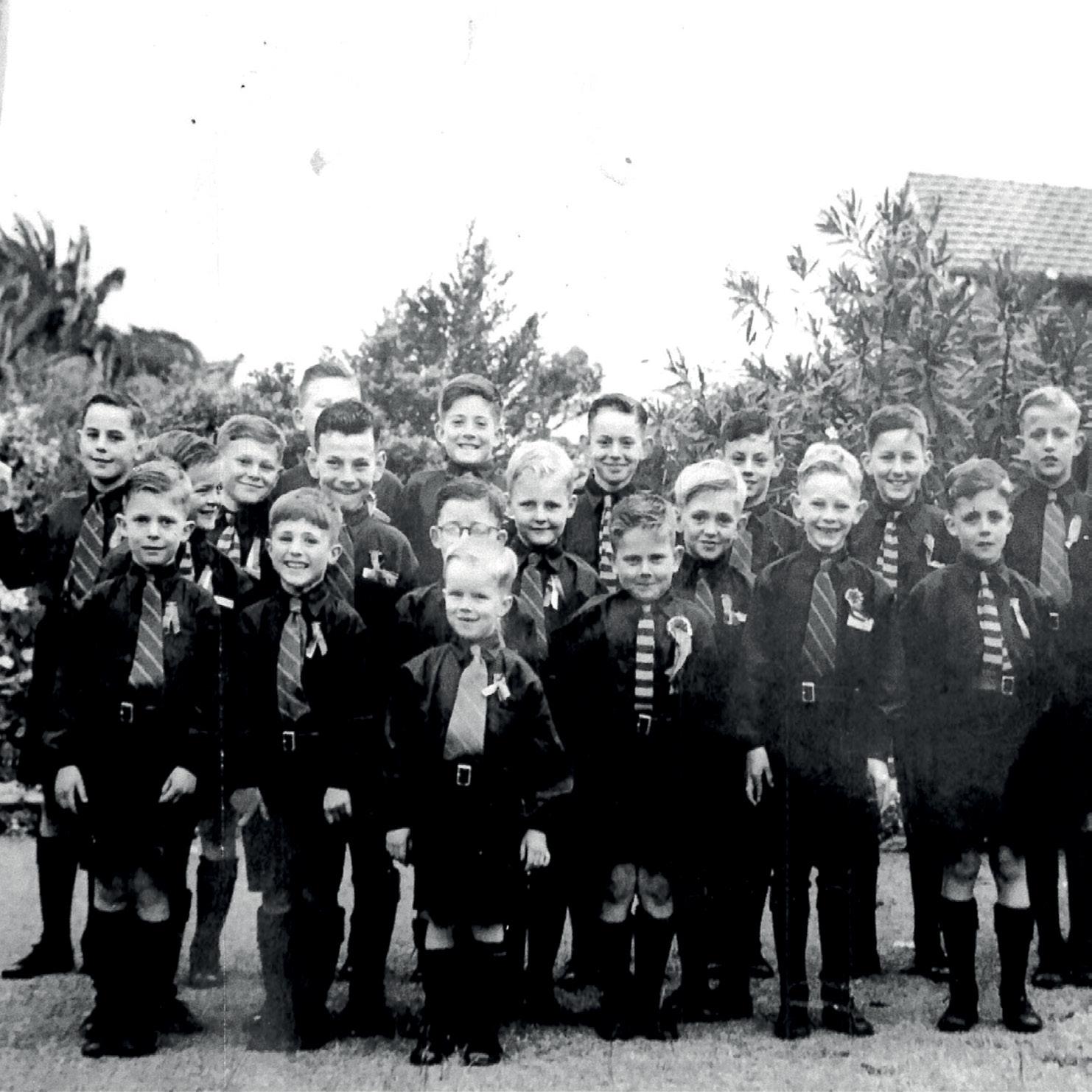
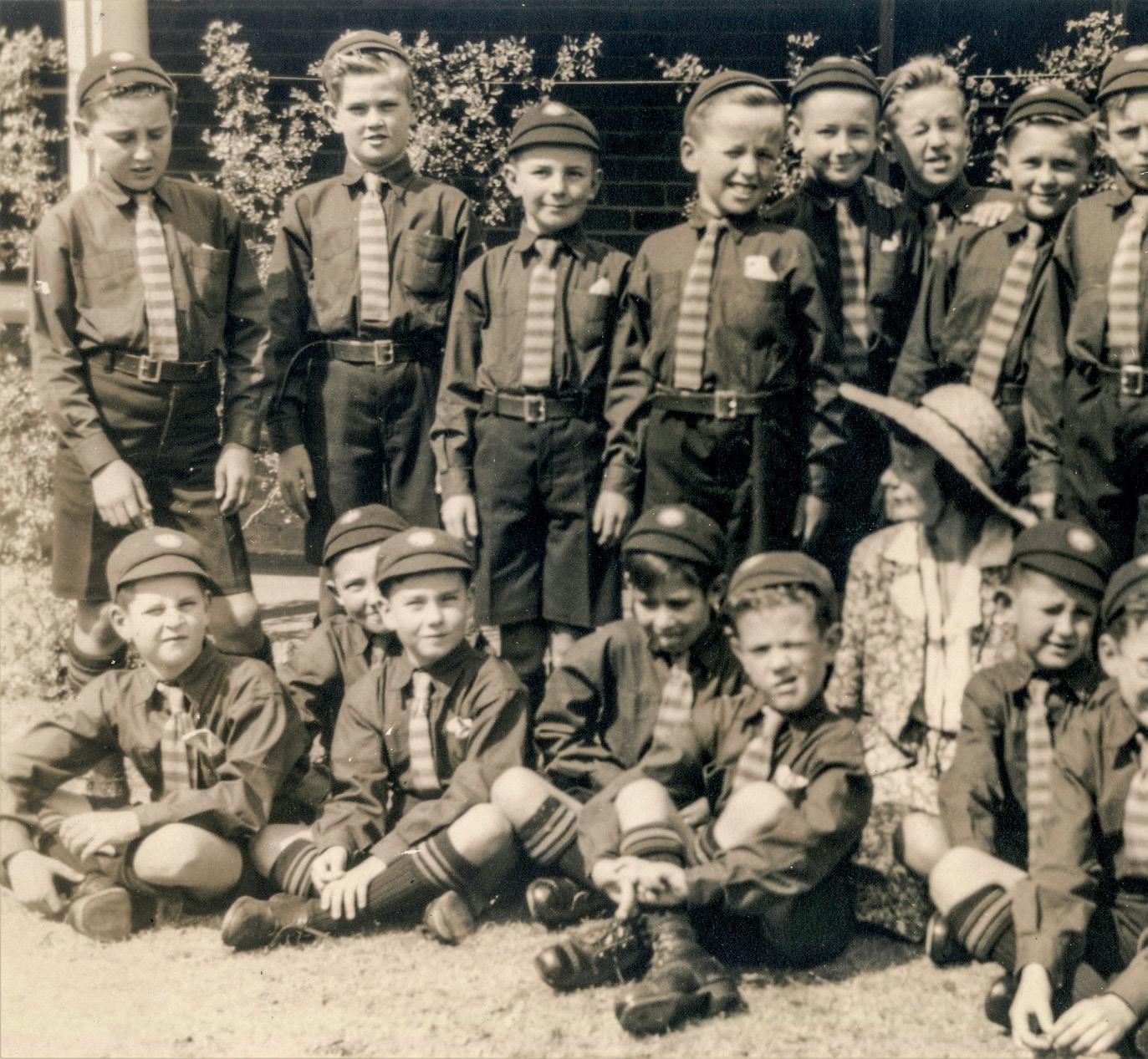
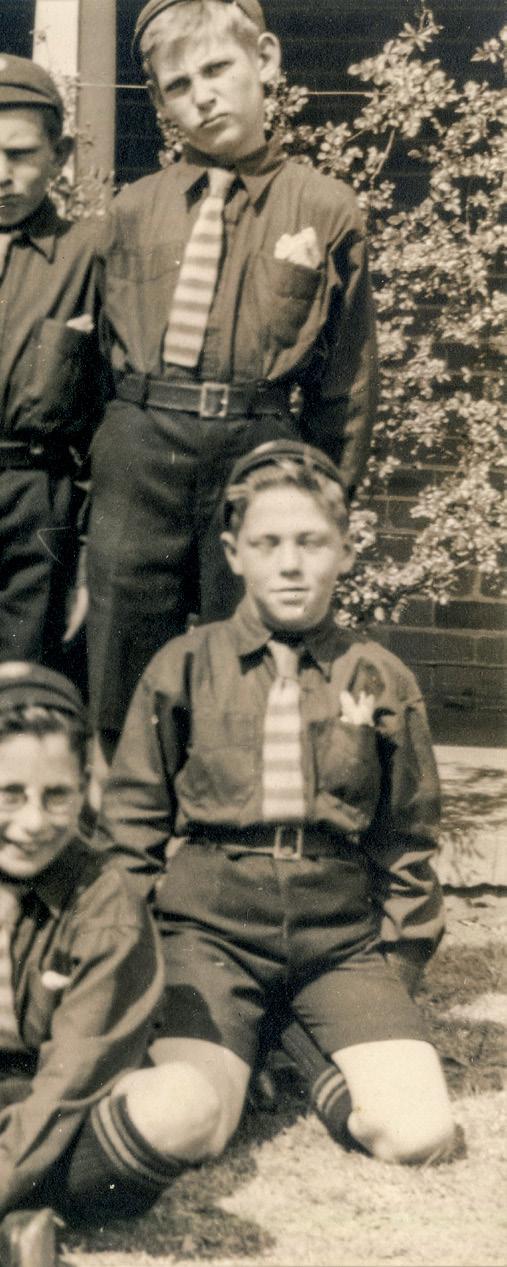
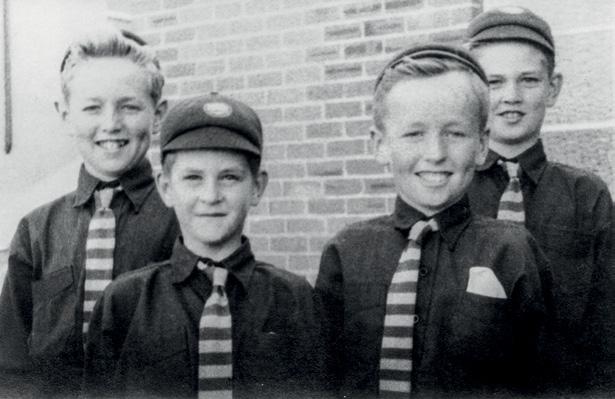
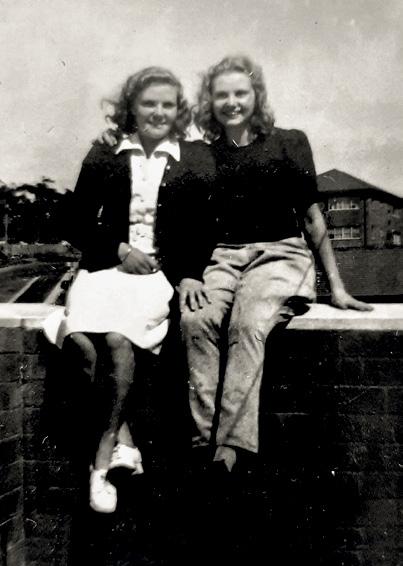
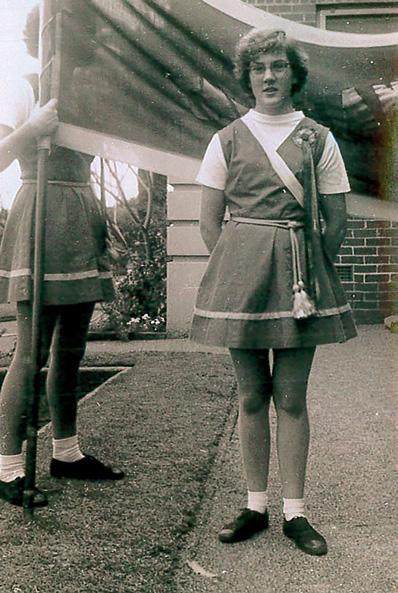
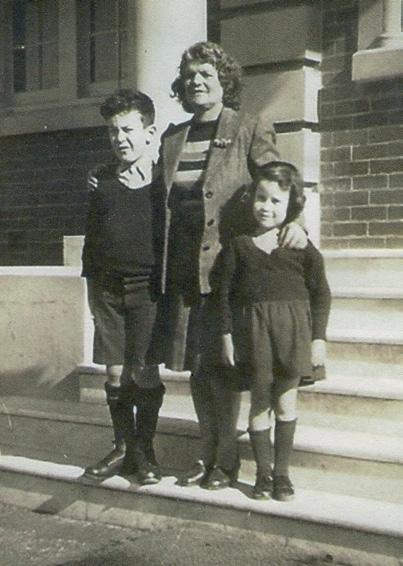
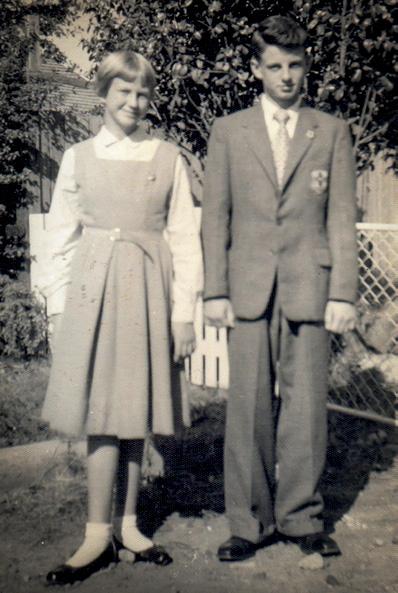
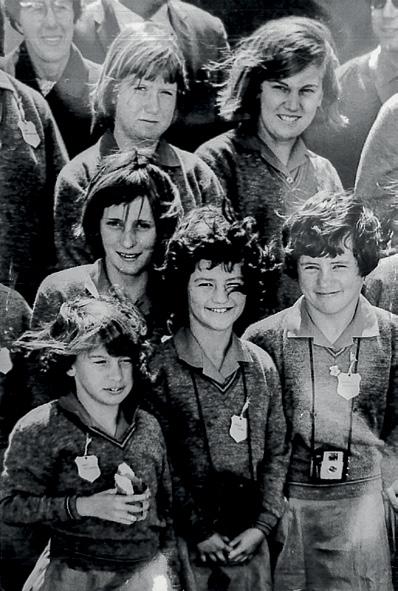
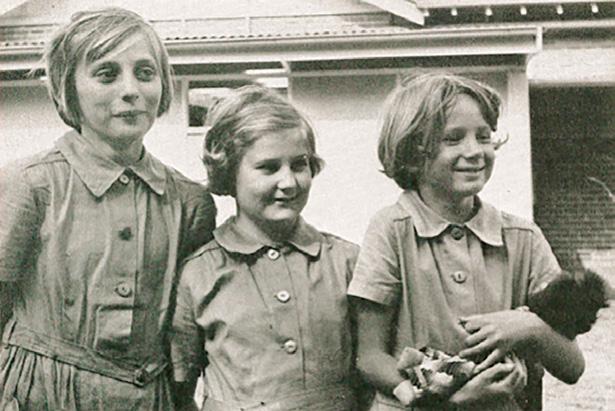
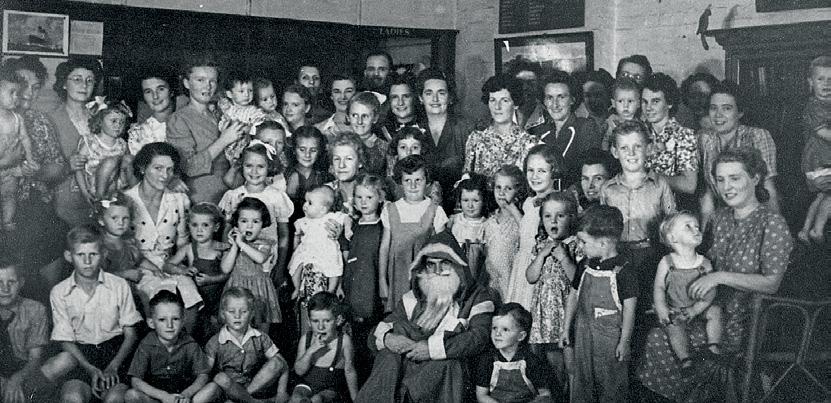
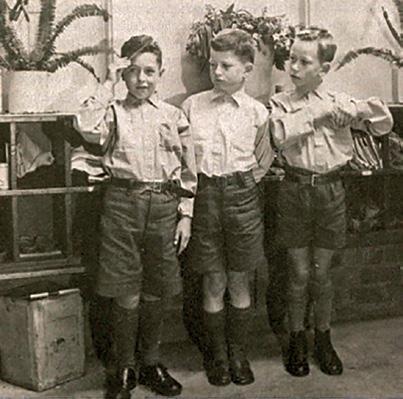
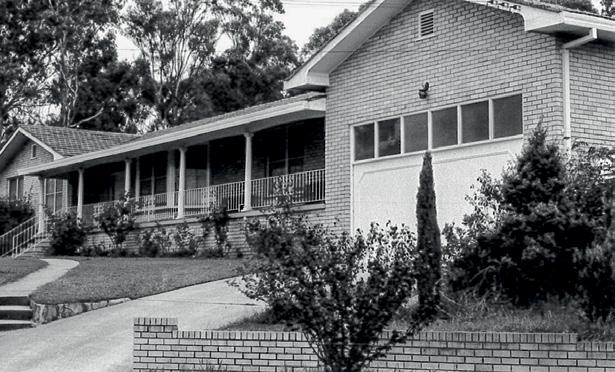
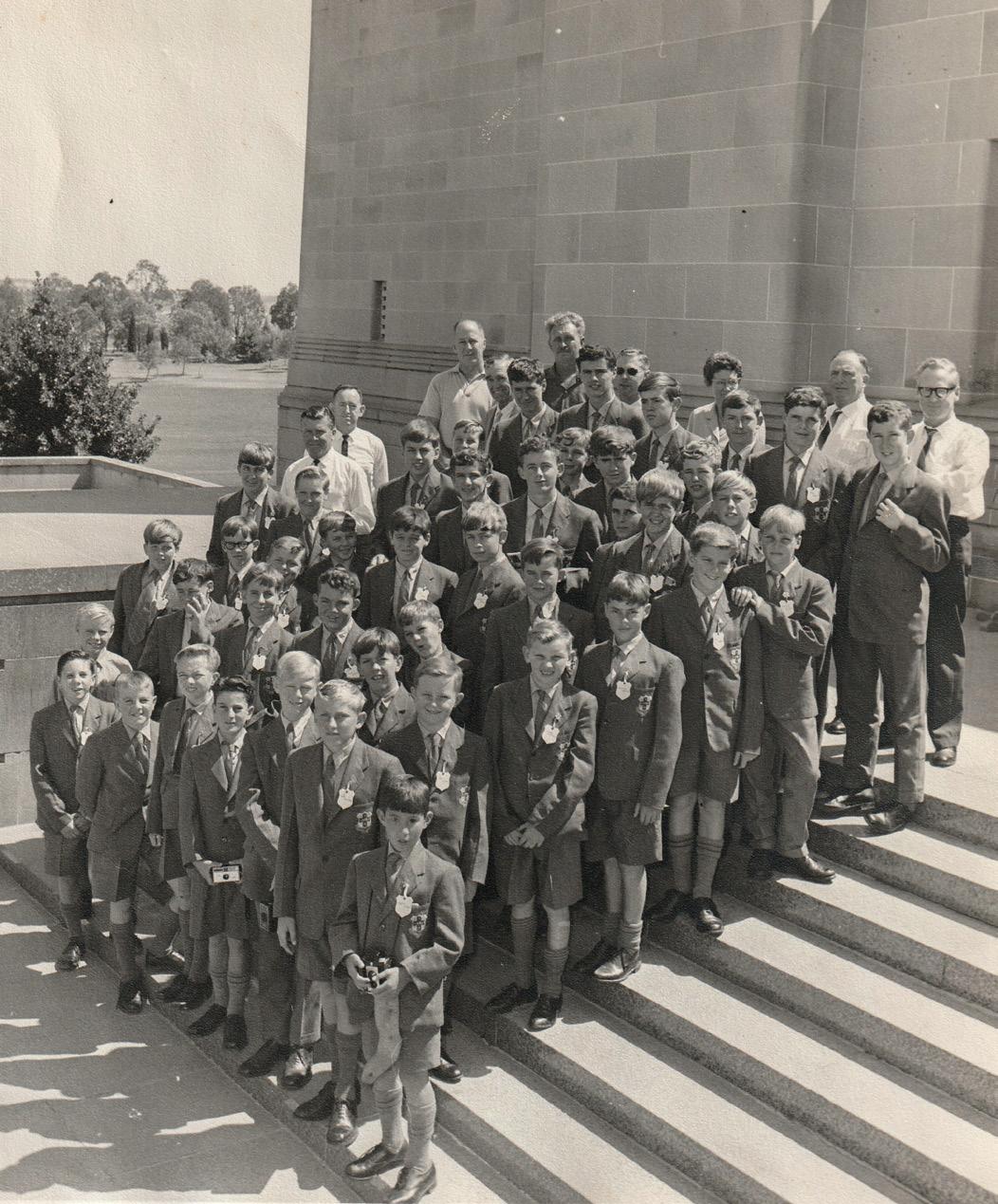
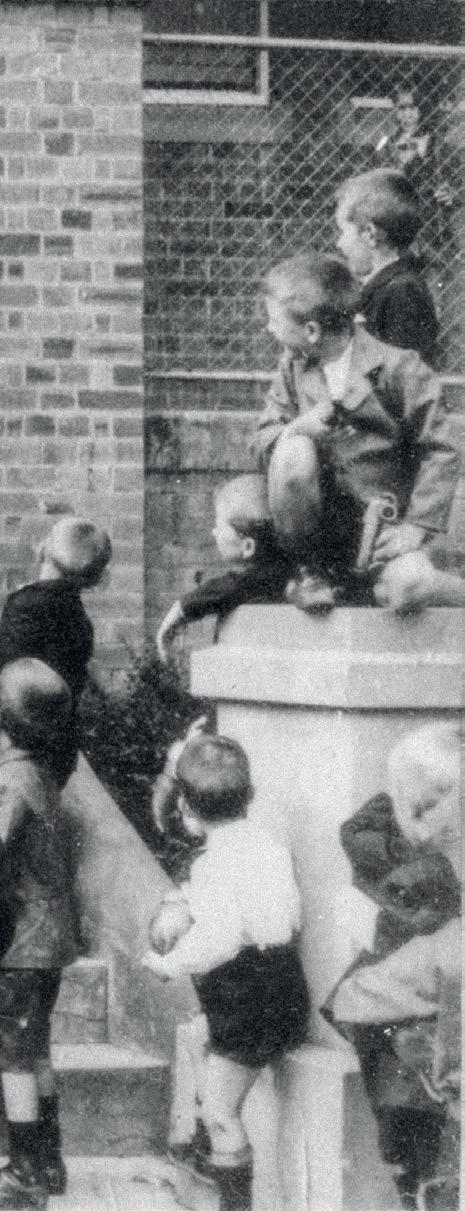
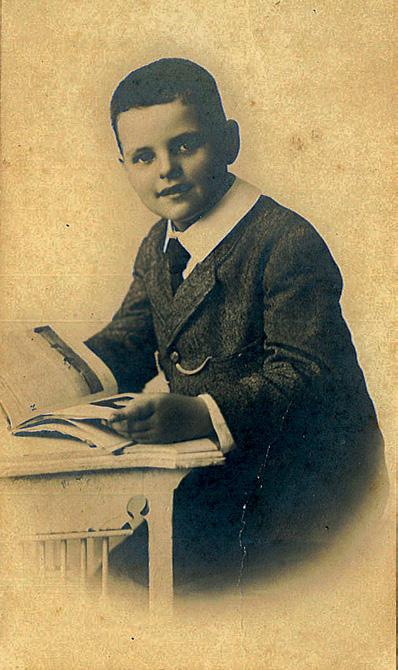
This publication, sponsored by A Start in Life, serves to help preserve the memories of those who attended the William Thompson Masonic School. It photographically reflects the different periods of the school’s key years: from its beginnings; its years before World War II; and its post-war years until it closed in the late 1970’s.
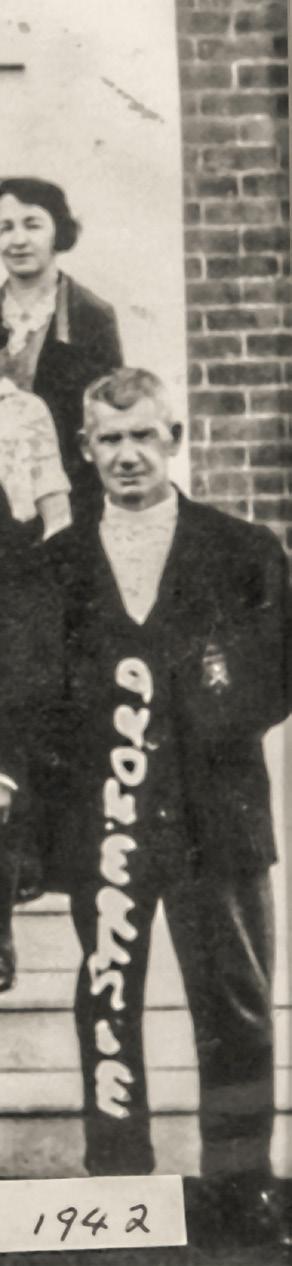
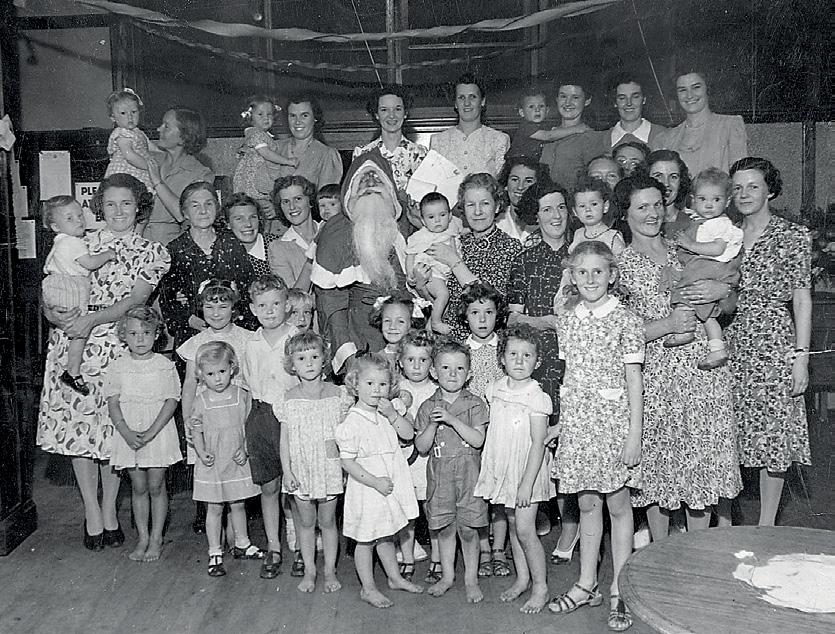
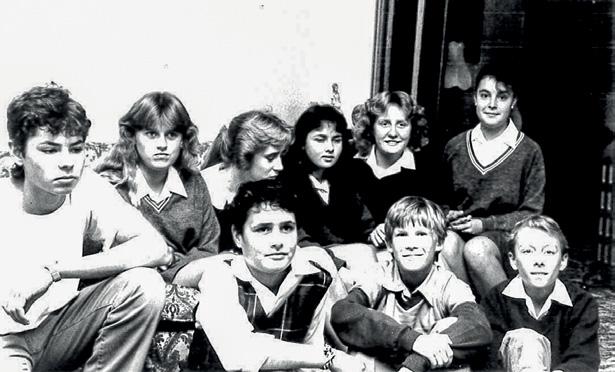
Importantly, this book also shows the students as they learnt, played, laughed and lived together. Key staff members and select memories are also featured.
Camaraderie, especially the girls.
Thursday night movies (and) playing cricket and footy in the fields surrounded by cows.
Looking at Mt Hay – I always knew my mother at Blackheath was directly behind the mountain (also) Miss Parton taking us for picnics in the paddocks.
Fondest memories and favourite stories
W.J (nee W.F), 1953–55
Returning after the war to help restart everything and seeing old friends.
My mother walking up the long drive to see me.
Being able to attend the Easter Show (and) being able to have visits from my family on Saturdays.
D.G, 1954–59
LM Matron Mrs Gibson. She really helped me over a very difficult time, came to my wedding and was always very caring. She gave me a lot of guidance.
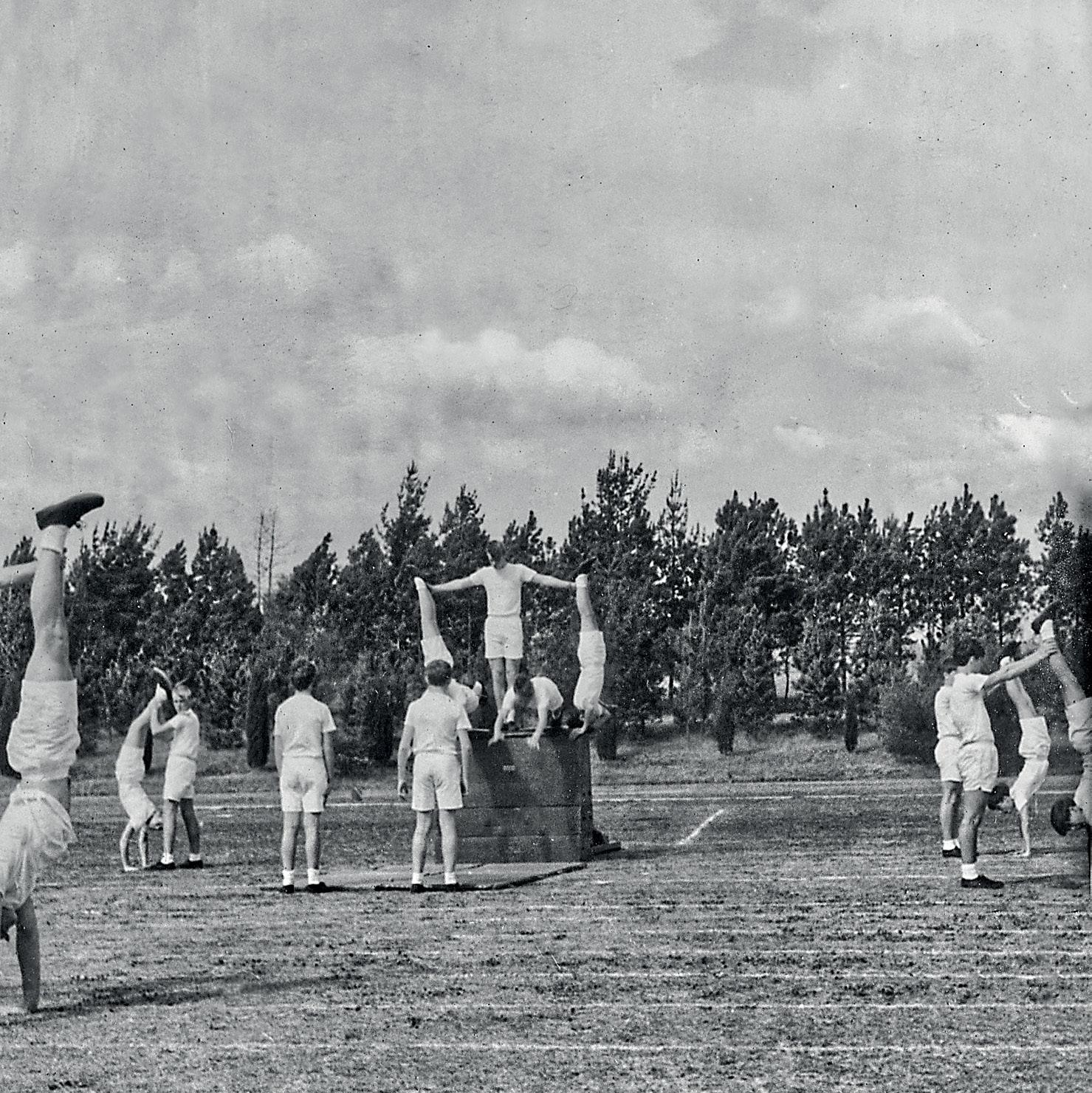
Frank Waddington (gym/sports instructor). Just an all-round good man who we could talk to.
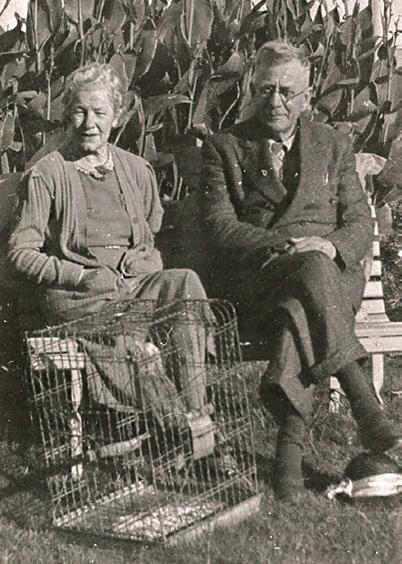
Mrs Carrie (Matron of CD Cottage). She had a budgie called Snow that we could play with.
Favourite teachers and carers
S.R, 1964–70
L.L, 1960–66
B.M (nee B.T), 1951–54
Mr Fenton – Year 6. A great teacher who left a lasting impression on me – no yelling, no raised voice – very calm and considered.
Gordon Thompson. Gordon actually had a heart and was great fun. All the lads looked forward to an evening with Thommo!
Sister Williams. She ran the kitchen, tearoom, hospital and always had time for those needing her care.
W.D (nee W.S), 1941–52
The Masonic School taught me to be organised and clean. My wife might disagree.
Always try and do your best!
How to maintain one’s independence yet be able to achieve good results through teamwork. A high school teacher once wrote on a report card of mine “achieves best results when left alone”.
Most memorable lessons learnt
S.A, 1971–78
G.F, 1953–57
J.H, 1957–63
To share with others and to keep everything in its right place.
The Golden Rule: do unto others as you would that they, under similar circumstances, would do unto you. Other mottos from school that I have used throughout my life are: do it now, be tidy and to always listen to the little voice inside yourself.
After hating running cross-country as a 7–10 year old, I realised the value of maintaining some exercise regime which I still do today.
S.P (nee S.L), 1937–47
H.L (nee H.C), 1957–60
Speech Excerpts
This speech was given by A Start in Life’s Chief Executive, Neil Robinson, at the 100th anniversary event for the William Thompson Masonic School at Cropley House.
Firstly, I warmly welcome the marvellous community of former students of William Thompson Masonic School, their family, friends and other supporters on this truly momentous occasion commemorating the opening of the William Thompson Masonic School, one hundred years ago. As the CEO of A Start in Life, a charity that started one year after the School opened in 1922, I also wish to acknowledge our beginnings and links with the School, particularly as it supported so many of the students with their careers once their time at the William Thompson School concluded.
These days we continue to provide assistance that helps young Australian students overcome barriers to their education and reach their full potential.
However, today is primarily a day about you, the former students of the William Thompson Masonic School. You should know we value and respect your association, your wisdom, your patience, and your collective and valuable memories, good and perhaps not always so good, of your time at the School; and your continuing endurance and overall positivity throughout the years, despite the difficult life circumstances in your early lives and sometimes afterwards for both yourselves and your families.
We always really enjoy and benefit from communicating with former students, to remind us of where we came from, and help us set a direction about where we should be heading.
As has happened over the years via various reunions, lunches, historical publications, newsletters – and increasingly these days with emails and phone and texts – I want to again remind us all how important it is that we continue discovering more about our history: to reflect on it and improve on it.
We cherish and respect our families, friends and supporters who have shown their support in so many different, but always meaningful, ways: moral support, financial support, family support, social support – and the simplest but greatest form of support always – just being there as an ear to listen, as a good friend, as a companion or colleague; or as part of a family throughout the years.
To all of you special guests today and to our donors who continue to help so many young lives, we welcome you and thank you so much for your efforts –for your kindness and generosities to past and present students and to our organisation as a whole.
And now … let us look back at some history.
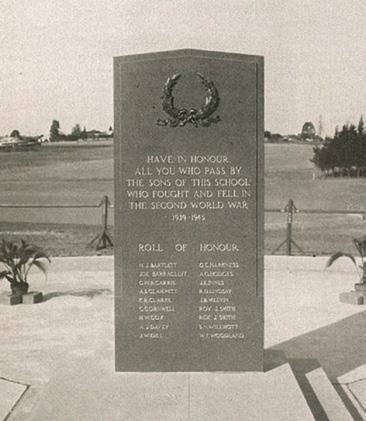
Armistice Day, or Remembrance Day as we now call it in Australia, on 11 November every year, of course marks the end of World War I or The Great War – or sometimes optimistically called The War to End All Wars.
This day, 11 November, is also our commencement day and the precious day that our organisation celebrates the official opening of the William Thompson Masonic School.
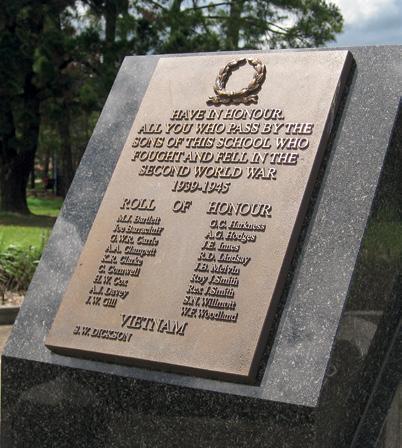
This is even more apt, as the nominal founder of the School William Thompson and his wife lost their son Horace Thompson on the battlefields of World War I. Sadly, they were not alone in their loss, and the need for a school such as this became compelling.
As it is the 100 Year Anniversary of the William Thompson Masonic School, I therefore thought it would be useful to focus on those early years just before and after 1922.
A picture of Sydney, or indeed much of Australia in those times, is not such a pretty one.
During World War I, from a population of fewer than five million, 417,000 men enlisted, of which over 62,000 were killed and 156,000 wounded, gassed, or taken prisoner. The number of mentally and physically wounded would actually be much higher than official records show. Many members of the Defence Forces remained in France for almost two years after the end of hostilities before returning home.
For those men who were able to secure their previous jobs on return, it came at the expense of many female employees who were pushed out of work. And so in the post-war environment female unemployment rose.
Immediately after the war, the Spanish flu pandemic finally reached Australia, causing more than 12,000 deaths. While the death rate was lower than in many other countries, the pandemic has been described as “a major demographic and social tragedy, affecting the lives of millions of Australians”.
And it wasn’t all that peaceful after the horrors of war and the flu epidemic either. One historian noted “the Anzac legend that celebrated soldiers’ achievements fostered national pride and confidence, but the war also widened the cracks based on class, religion, and ethnicity. In particular, the debate over conscription had unleashed intense passions that lived on into the postwar era. Influenza, unemployment, industrial strife as well as international developments in Ireland and Russia, contributed to the tense atmosphere.”
It was among these traumatic post-war times of the early 1920s that the notion of helping a generation of children in need gathered support as never before in the 19th or early 20th Century.
If anyone doubts the capabilities, the compassion and the truly charitable nature of the leaders of the Masonic movement of the time, we need only take a look at the CV of William Thompson himself. When people cried out for leadership as we always do in times of hardship and pain, it seems people like William Thompson were not just willing and able, but were fully prepared for such challenges.
Now some of you will know this crucial history – but not all our supporters and friends and colleagues do – so indulge me while I re-emphasise what happened 100 years ago and how it all came to fruition.
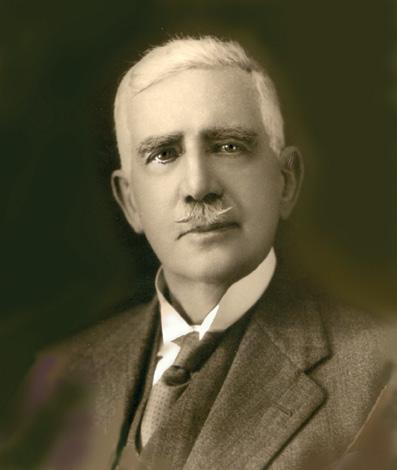
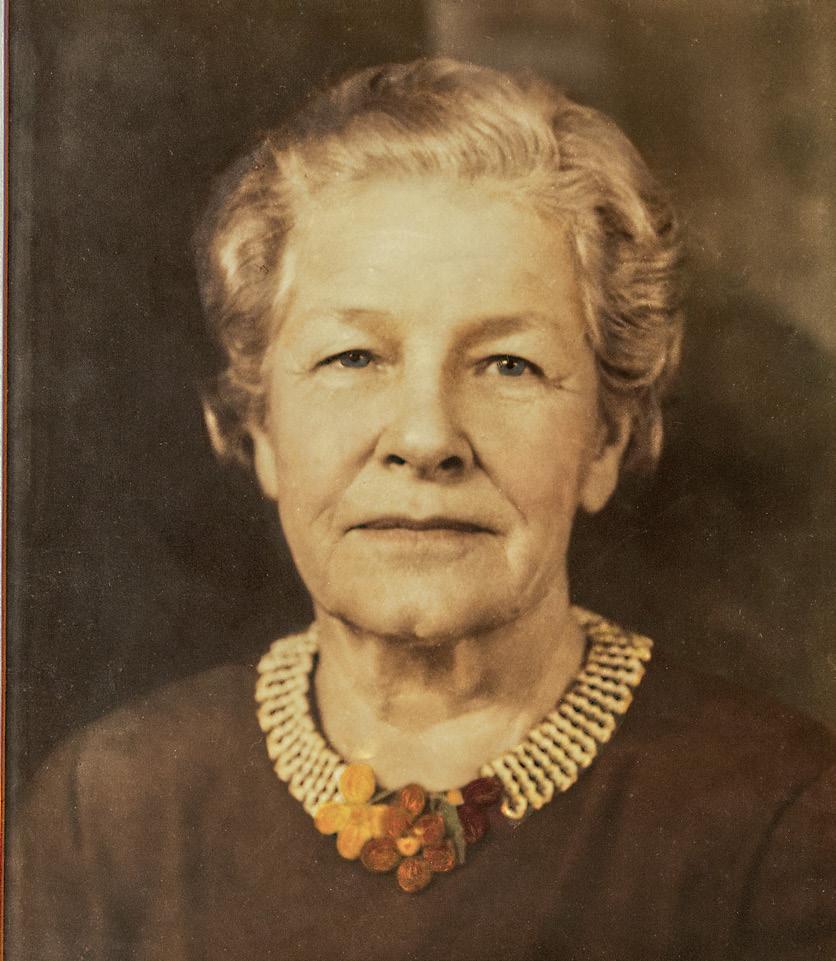
From the book ‘A Start in Life’ by Beverly Earnshaw, and other excellent earlier sources, we learn that Mr Thompson was born in 1862 and became an architect and surveyor in the Colonial Architect’s Office in Ryde not far from here – and to where he had moved by the turn of the century.
He joined Freemasonry in 1893, was elected to Parliament as the member for Ryde in 1913, rose to become Grand Master in 1914 and held his parliamentary seat until retirement in 1920.
It is important to understand that the oldest charity in Australia was the Benevolent Society of NSW which goes way back to 1813. But its role at the time was as limited as its funds were, only enabling the free distribution of bread, meat and other small necessities. Of course these small offering were always gratefully accepted by the poor people of Sydney at the time.
But as the needs of the poor become more endemic and so obvious to the business and social world during the 1800s, other organisations were formed. However, their objectives were often quite restricted and wide ranging support was generally not available.
This is where World War I, and subsequent wars, rear their ugly heads again. The devastating loss of life meant more and more children were left without the guiding hand of a father or mother in the family. Unfortunately, this growing pool of children who had already suffered such a huge loss, also had no tangible means to live or barely any money at all in the family.
And this is where William Thompson is so important: he was undoubtedly the man for those tough times – exhibiting great leadership and relevant practical skills, intelligence, and his own wonderful example of hard work.
Beverly Earnshaw described his major work as “one of the most spectacular childcare projects ever undertaken in Australia”, and that work of course is this William Thompson Masonic School in Baulkham Hills.
As MP for Ryde he was so aware of the community-wide devastation of a generation caused by the war and then ravaged even further by the killer flu virus that immediately followed.
He was also a Grand Master which provided him with the knowledge, compassion and sense of obligation that lay at the heart of the Masonic Organisation.
And of course, Thompson was an architect and a surveyor of quite some reputation. So, as he sought assistance to design and create his special project that became the School we all know, he had all the skills, experience and contacts to help bring it to life.
Over the years, the School’s life evolved as it adapted to changes in society and education. While some may suggest too slowly, it was done with the resources and the knowledge available at the time.
So, here we are 100 years after the School was started. In the 13 years I have been associated with ex-students of the School, I have relished your recounting experiences of your time at the School. At a reunion here in 2019, I was taken excitedly by one ex-student to the door at the back of the front stairs, where he showed me the etchings he made in the door, many decades previously. He had certainly left an impression.
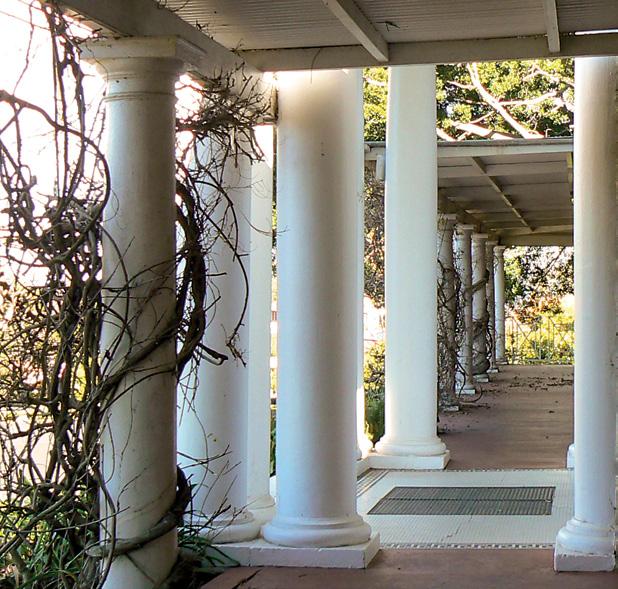
Another student showed me the room in which she slept and lived, from the time she was six years of age. It was, she said, “just the way it was – you got on with it”.
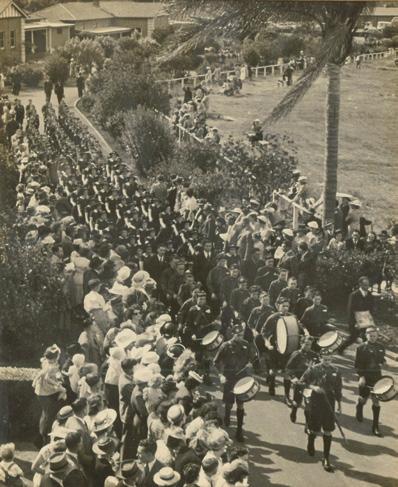
Other students have spoken, not fondly mind you, of the marching and the regularity and the distances involved. The march to church on Windsor Road on a Sunday, particularly in summer heat, is understandably stuck in the minds of many.
Others have spoken of detention, some suggesting it was a bit of a badge of honour, others spoke of how they weren’t allowed to watch the movie. That actually meant they still attended the movie venue, but were required to sit with their back to the screen for the movie’s duration.
We also received this recollection of a day at the School.
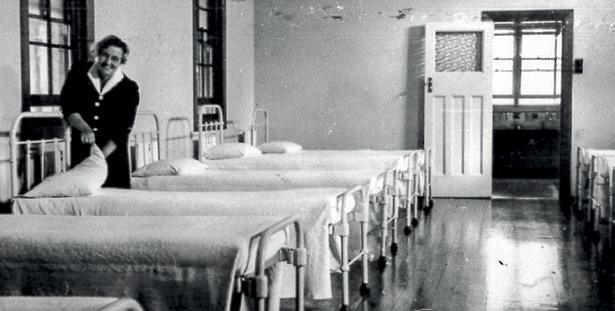
“The day began early. No sleeping in here. Quick smart, make your bed and no wrinkles allowed otherwise it was stripped off. The white quilt was an art in itself, with straight hospital corners. Next we move down to the bathroom, clothes in hand and wait for your turn in the cold shower; winter or summer it’s no different
Then you clean your teeth with compacted chalk. Off then to do your morning task. I well remember cleaning the bath taps, polishing the floors on my knees and sweeping the front veranda of the cottage, every morning. Shoes were polished every morning at the outside lockers. On the bell we would line up to march to the dining room. No talking from here or you would lose a mark. Seniors first and little ones bringing up the rear.
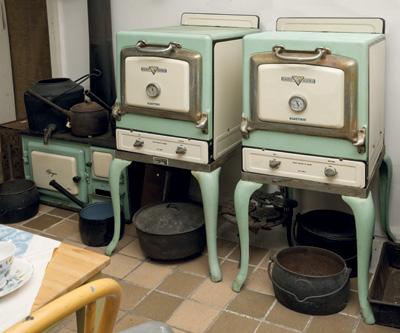
The whole School files into this cavernous room. Absolute silence, stand behind your chair, arms folded behind you. A gong sounds, Grace is said. I still remember it. All sit, Matron and her helpers serve porridge from a huge pot as the tall jugs of fresh cold milk came around. Used plates are passed up to the end. Everyone marches out.
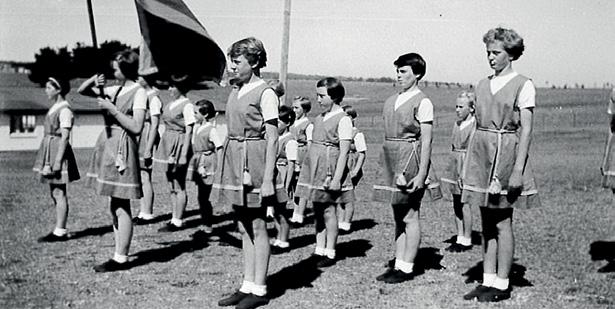
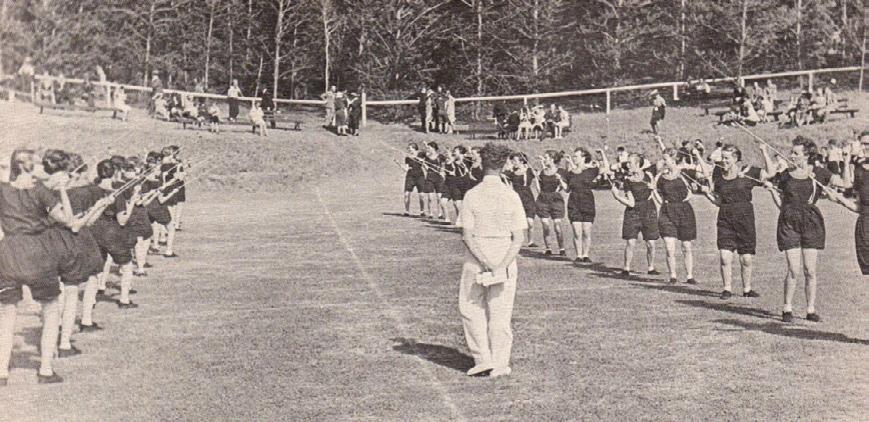
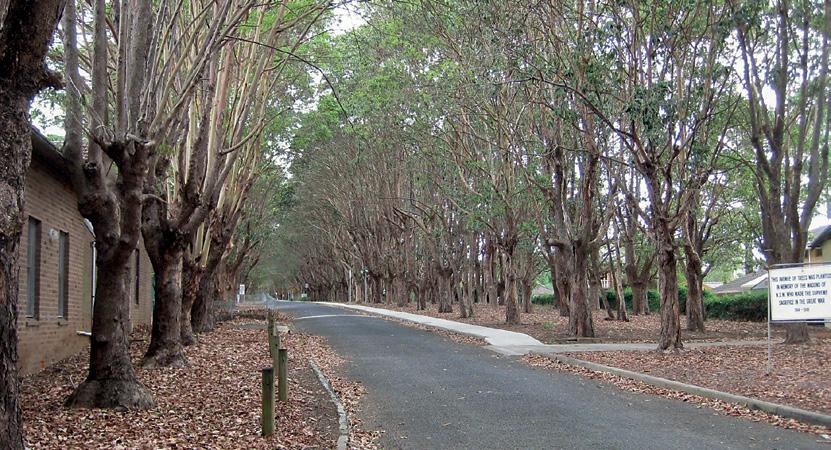
More lines again, this time lead by the boys’ brass band. Off to the School area now, down the long front drive to near the front gate. School assembles on the playground while the daily dozen exercises begin. The Drill Master, Mr Baxter is ex-army and he thinks we are [his] soldiers. I have happy memories of this feature in our mornings.”
It’s such a clear memory of a day at the School.
Another student, who attended the School both before and after World War II, shared some of her fondest memories of her time there:
• Returning after the war to help restart everything and seeing old friends
• Lunch on Thursdays with sausages followed by a movie in the evening –the best day of the week
• Doing the daily dozen in the playground to music
• The camaraderie in the cottage
• Marching into the classrooms and to church, to the sounds of the student brass band
• Mrs Cox bringing curly barley sugar to the classroom
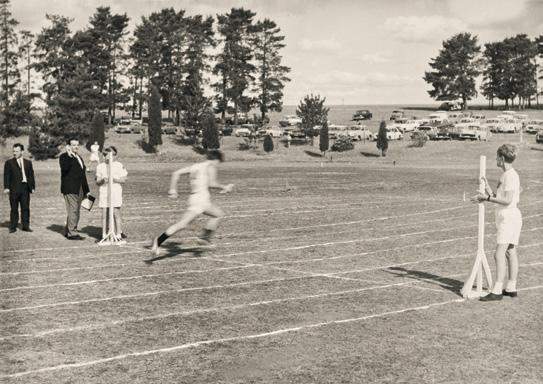
• Sports day, prize giving, concerts and outings
• Visiting day on Saturday, where penny bags of lollies could be obtained from the refreshment rooms, only open on those days
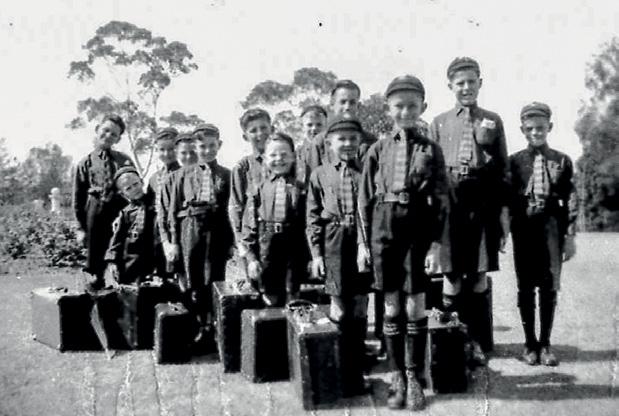
• Packing our suitcases to go home for the holidays
• The smell of mothballs as the extra blanket was brought out for winter
The student did also list a few unfavourable memories – Epsom salts every Saturday, polishing floors on hands and knees, watching your visitors leave, Sunday fruitcake (which was quickly passed to her sister), stewed lamb belly –“we called it whale because it was full of fat and you had to eat it all”.
Another student, who attended the School from 1947 to 1952, told us he was preparing for the reunion by cleaning his shoes so they shine. He plans to also demonstrate the cleaning skills learned from his extensive experiences as a seven day floor polisher.
Many of you spoke of the emotional support provided by your sisters when at the School. It appears they often became mother figures: they helped you settle in, you would search for them in the playground and demand cuddles and they helped you cope with your surrounds. One gentleman learned later in life from his sister, that she thought at the time he was a nuisance who prevented her playing with friends.
While the School environment was perhaps tough, many of you indicated it made you self-reliant and determined and these traits have been positive forces in your lives, post-school. One ex-pupil stated “we were treated with fairness and strictness according to the values of the time. We were fed well, housed well. We were taught to work hard and to be responsible for ourselves. We were also taught to work with others”.
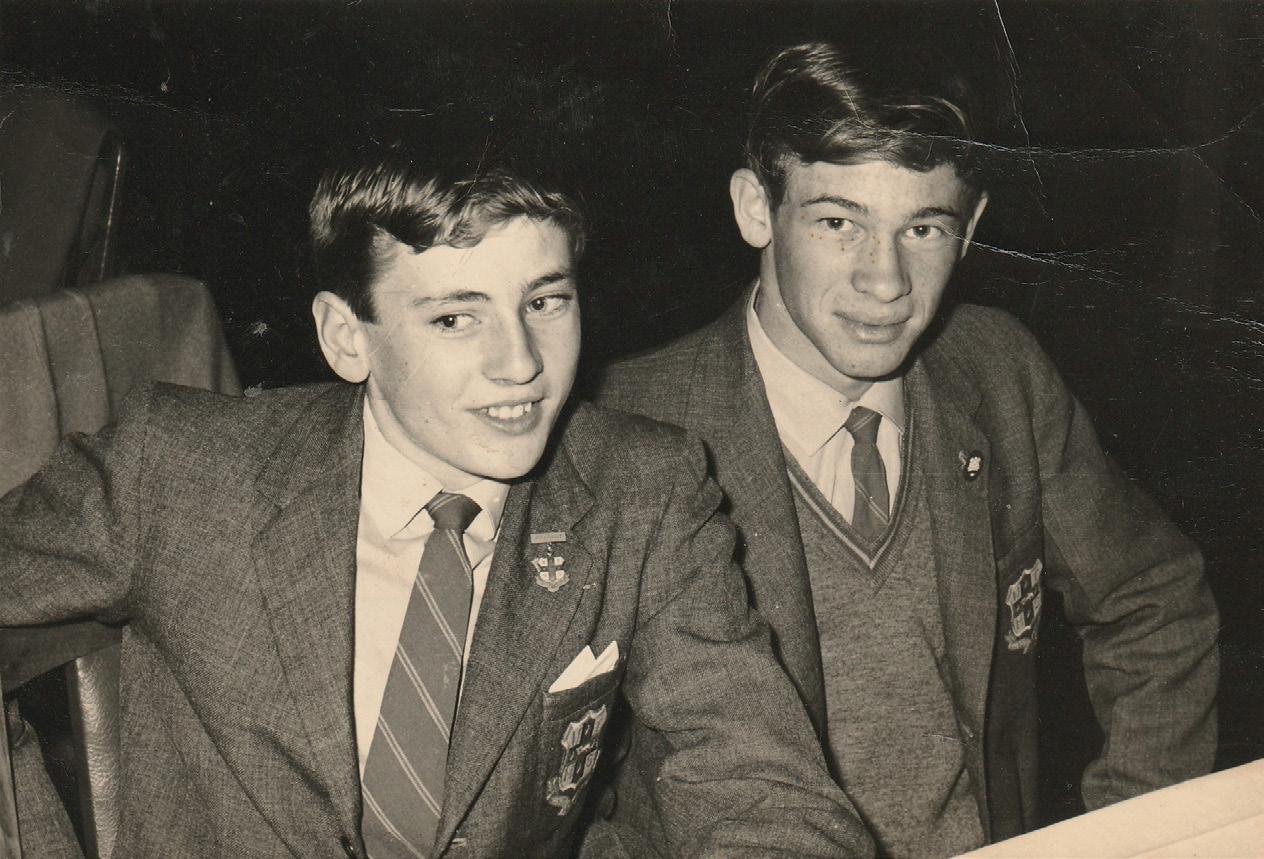
Many of you built long-lasting friendships from your time at the School. A 65 year friendship is the longest of which we are aware.
Many of you indicated you received an education beyond what your circumstances would have allowed, had you not gone to the William Thompson Masonic School.
Many of you went on to further studies too, often at technical colleges or business schools and also at university. And while talking of universities, it’s worth looking at how the costs of this have changed over the years. In 1959, A Start in Life, then known as the Masonic Youth Welfare Fund, provided £37 to cover one student’s university fees for the year. When I went to university in 1979, I was very lucky, it cost nothing. However this year, annual university fees for a student seem to average around $16,000 per annum.
I do, however, also want to mention some of the ‘beyond educational’ achievements, of ex-students. There are so many, so let me apologise in advance for not mentioning them all. We know of ex-students who received the Military Cross, became mothers or fathers, were world cycling champions, selflessly gave up their careers so partners or other family members could flourish. We are aware of many ex-students who went on to be successful in business, others established their own successful businesses and many of you have made substantial contributions that help others. Each of these are wonderful achievements and should be celebrated.
We caught up with another student a few months back, who told us: “There isn’t a day in my life that I do not go back and think about school. I think of the values that you were taught, good principles of brotherhood and caring for others ... I appreciate those values that were instilled in us and I’ve applied those to my life totally. And I’ve never, ever regretted the opportunity that my mother was afforded to have me at the School. ‘Do unto others as you would have done unto you’. It was instilled in us and I applied it throughout my private life and throughout my working life.”
One of our oldest and dearest students unfortunately died just a matter of months ago; however she left us with some good memories in a long chat held in June of this year.
“We played Vigoro ... ladies cricket, I suppose. The bat – it was a stick instrument with a big thing on the bottom to hit the ball.” This obviously played a memorable part in the pre-World War II school life for the girls – and there’s little doubt the sporting outings were a key socialising part of many peoples’ school life throughout all the decades – pre and post war.
Vigoro, I am told, combines the elements of both tennis and cricket, and is still played today in a form more like T20 cricket.
We also spoke just recently to a former student who went on to play first grade rugby. He delivered one of my favourite ex-student quotes: “The Masonic School taught me to be organised and clean. My wife might disagree.”
Now, I will stop here, as I realise it will not be possible to cover anything other than a very small portion of the history of the School and an even smaller portion of the memories of the many thousands of students who attended the William Thompson School since it opened 100 years ago.
For now though, I thank you for attending today; I thank you for sharing so much of your lives with us and thank you for showing us the value of an education.