
Preemption in Florida
Preemptions & Limitations -Policy
• Preemption is not new; it is built into the Florida constitution (same as other states)
• FL constitution does not require a preemption to be justified or even reasonable
• Tension between different levels of government is normal
• Historically, preemption was used when policy necessitated a statewide scheme of regulation, such as the Election Code
• Preemptions are non-partisan – information from other states demonstrates they occur routinely regardless of which party “controls”
Preemptions & Limitations -Policy
• Preemptions have increased sharply in the past decade – a national trend
• Gridlock at federal and state levels leave local gov’ts to solve own problems and those of their constituents
• Local gov’t policy innovation and experimentation have flourished, causing inevitable pushback from interests opposed to local policies
• Increased number of states with supermajorities and “trifectas”
• Newer type of preemption – special interest-driven or to prevent any regulation at all (vacuum preemption)
Preemptions & Limitations -Policy
• 1980s – successful national effort by Big Tobacco to preempt local smoking bans
• People noticed….
• NRA soon followed suit and obtained preemptions in majority of states on local gun regulations
• Special interest-driven preemptions are now the most predominant type
Telecommunications & Utilities Agribusiness
Retail & Lodging Industry Home and Community Developers
Preemptions & Limitations -Policy
• Powerful special interest groups have the ear of state legislators and national political organizations
• Corporate interests have realized preemption can eliminate unwanted regulations efficiently and with little public knowledge
• Efficient – today’s political environment only requires investment in small group of key lawmakers instead of confronting hundreds of individual local governments and their citizens at a public meeting
• Lack of public knowledge – there is little public scrutiny of state legislature (dwindling press corps, distance to state capitol)
• Preemptions provide political cover for business interests targeting local regulations that may be popular with the public
Preemptions & Limitations -Policy
• Disagreement and ignorance about the purposes and functions of municipalities, counties, state government, federal government
• Citizens turn to their local government first, regardless of the issue – easier to access and to obtain results
• Fundamental tension between those who believe cities should be the engines of social transformation and justice and those who just want the garbage picked up on time
Preemptions & Limitations -Policy
• The League estimates there are over 200 FL statutes containing one or more express preemptions (excludes implied preemptions)
• Not all preemptions are bad – it makes sense to regulate certain things on a statewide basis
• Florida uniform traffic code
• State regulation of water quality and the consumptive use of water
• Special interest preemptions, especially vacuum preemptions, are troubling
Preemptions & Limitations –Current Law Examples
Over 200 statutes contain one or more express preemptions
Home-based businesses (2021) Gas stations & infrastructure (2021)
Fuel sources or energy (2021) Landlord-tenant relationship (2023)
Residential “Building design” (2021) Cruise ships (2020)
Granting legal rights to nature (2020) Suncreen (2020)
Preemptions & Limitations –Current Law Examples
Tree removal on residential property (2019)
Telecommunication equipment on public property (2017; 2019)
Building standards or design requirements that conflict with corporate or franchise branding or image standards (2017)
Land use regulation and siting of charter schools and private schools (every year since 2020)
Short-term Rentals (AirBnB, VRBO, etc) (2011 – ongoing)
Citizen referenda for comp plan amendments, land development regulations, development permits (2011)
Preemptions & Limitations
Enacted in the 2025 Legislative Session
At least 14 new preemptions enacted in 2025 alone
• s. 125.572, F.S. – synthetic turf
• s. 162.3162, F.S. – farmworker housing
• s. 163.31795, F.S. – “look back” ordinances for flood insurance purposes
• s. 218.077, F.S. –wages or employment benefits of its vendors or bidders
Preemptions
& Limitations Enacted in the 2025 Legislative Session
• s. 252.422, F.S. – No development moratoria or “burdensome or restrictive” land use requirements for 1 year in areas within 100 miles of a hurricane’s track
• s. 252.381, F.S. –No increase building permit or inspection fees for 6 mos. after hurricane
• Ch. 2025-190, s. 27, Laws of Florida – voids and prohibits regulations deemed “burdensome or restrictive” in any area within disaster declaration for Hurricanes Debby, Helene, for 2 years. Retroactive and prospective. Anyone can sue and get attorney’s fees.
• s. 287.05701, F.S. – Presidential libraries
Preemptions
& Limitations Enacted in the 2025 Legislative Session
• s. 327.75, F.S. – Use or sale of a watercraft based on the energy source it uses
• s. 366.032, F.S. – Types or fuel sources used, produced or transmitted by an electric or gas utility
• s. 403.859, F.S. – Any “additive” to a public water system (such as fluoride)
Preemptions
& Limitations Enacted in the 2025 Legislative Session
• s. 1002.33, F.S. – Building, development, or operational requirements on charter schools; no public hearing; no special exception or conditional use requirements
• s. 1002.42, F.S. – No zoning approval of new private schools on former library or community service organization lands
• s. 1013.373, F.S. – activities of public educational facilities constructed by an agricultural board, FFA or 4-H entity
What Does the Future Hold?
Deregulation and lots of it.
• Housing Shortages and Rising Home Prices means more preemptions in areas involving land use and development
• Live Local Expansions and Copycats
• More prohibitions on “burdensome or restrictive” local regs
• Community Planning Act Re-write
• Infill policies
• Rural policies
What Does the Future Hold?
• 75% of land in American cities is reserved for single-family zoning – perception is that local government regulation is fueling the housing problem
• Middle Housing and Starter Home proposals are coming
• By “right” ADUs
• “Light touch” zoning – min lot sizes, no parking reqmts, no setbacks, variety of housing types
• Shot clocks, administrative approvals, “deemed approved” applications
• Mandatory use of private providers for building and planning functions
What Does the Future Hold?
• Land Use Appeals
• Mandatory Use of Special Magistrates
• Proving validity of local land use regulations
• Shift burden to local government to prove validity
• Rational basis to compelling governmental interest
• Competent substantial evidence to preponderance of evidence
What to Do?
• Be Proactive
• Start thinking now about increasing density, reducing minimum lot size, eliminating minimum parking, reducing minimum setbacks, increasing heights, opening up single-family zoning to other housing types
• Contact me if you are interested in working on proposed legislation – goal is hybrid of legislative mandate with local flexibility to meet legislative requirements
• Your residents will hate it
• Educate Your Elected Officials and Residents – prepare them for what is coming

Community planning strategies for Florida’s planners

Relationships Matter.
Meet people where they are.
Comprehensive Plans: Still in the Toolbox
Future Land Use Map (FLUM) authority remains intact.
Local governments control infrastructure planning.
Strong plan language shapes development outcomes.
Zoning & Development Review
*Remember the Police Powers – identify and articulate the public purpose*
Site plan review
Planned Unit Development (PUD)
Overlay districts, mixed-use zoning
Form-based code (within limits) - focus on form not architecture
Regulate impacts, not activities. (for example – stormwater)
Infrastructure as a Planning Lever
Level-of-service standards
Phasing tied to infrastructure capacity
Collaboration as a Force Multiplier
MPOs and regional planning councils
Water management districts
Interlocal agreements
Shared data and coordinated strategies
NGOs
An Example
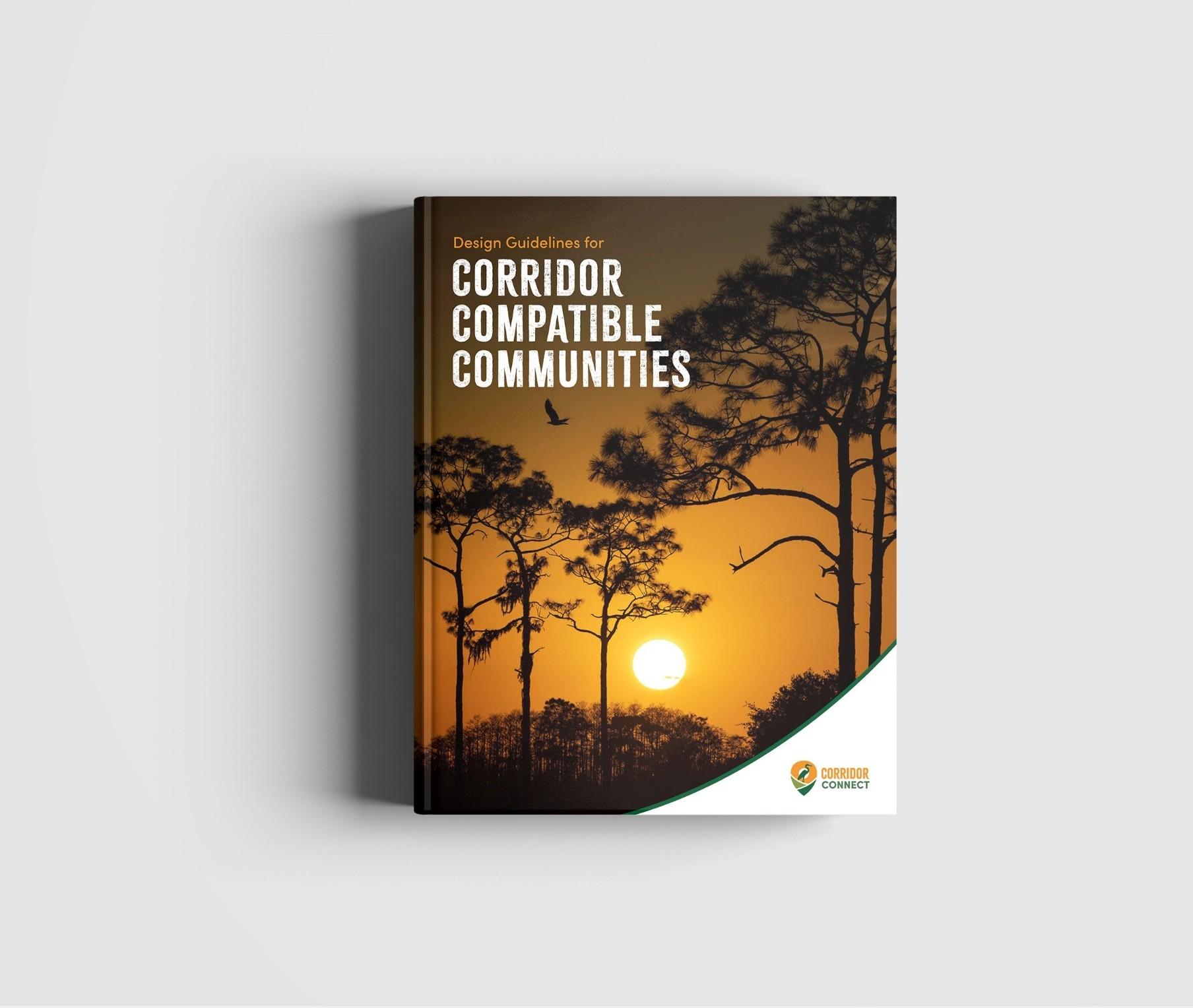
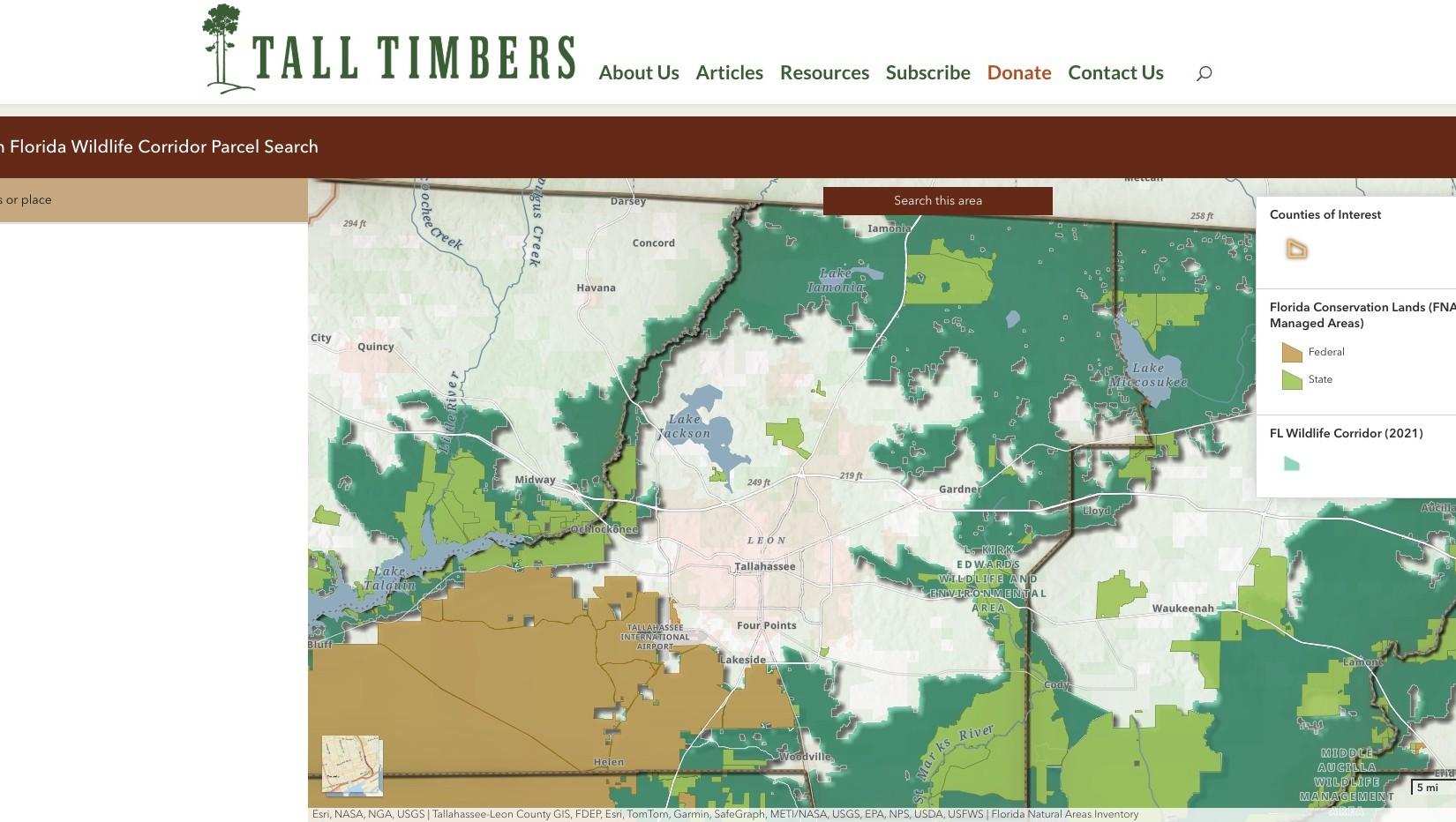
Design guidelines focused on where and how we develop communities within the Florida Wildlife Corridor.
Developed with a variety of stakeholders, including the development community.
Voluntary and flexible in their application.
Piloting guidelines in partnership with Deering Park and other communities.
Building peer to peer learning and implementation.

Strategies to Avoid Conflicts
Consider incentives instead of mandates. Leverage development agreements.
Identify and implement process efficiencies.
Use other tools (procurement, budgeting)
Practical Steps
Consider your comprehensive plan policies
Build robust administrative records
Evaluate and refine process and procedure, clarify standards
Use development agreements strategically
Track and engage in legislative activity
Train staff
Key Takeaways
Relationships matter.
Local governments still shape growth meaningfully.
Comprehensive planning remains.
Preemption limits tools - not community vision.
You still have tools - use them!
Thank you.
Lindsay Stevens, Esq. AICP Director, Land Protection
lindsay.stevens@tnc.org