REGNET
The Australian National University acknowledges, celebrates and pays our respects to the Ngunnawal and Ngambri people of the Canberra region and to all First Nations peoples of Australia on whose traditional lands we meet and work and whose cultures are among the oldest continuing cultures in human history.
ABOUT US

The School of Regulation and Global Governance (RegNet) is a world-class academic centre renowned for its pioneering research and education on regulation and governance.
For over 20 years, RegNet has influenced academic debates, contributing key ideas that have enhanced regulatory practice and led to more equitable approaches to governance. Today, the School continues to address the big issues that define our world through cutting-edge research and education.
RegNet carries out transformative research that develops innovative ways of responding to the complex and interconnected challenges of the 21st century. Our work is distinctly interdisciplinary and focuses on improving the governance of major social, economic, environmental and health issues. We embrace forward-looking and big-picture thinking, recognising that regulation is essential to understanding governance in our globalised world.
Our School’s character is unique: we are inclusive and cooperative in our approach while being bold and ambitious in our actions. A diverse network of experts sustains our vibrant community. Working collaboratively, we generate knowledge that informs policy, regulatory practice and public discourse in Australia, Asia, the Pacific and globally.
RegNet adopts an integrated and holistic approach to research, education and outreach. Robust research is the foundation for our education programs, which are designed to train the regulatory leaders of today and tomorrow. Our engagement work brings academics and practitioners together to address some of society’s greatest concerns — climate change, conflict and injustice, disruptive technologies, economic and health inequality, and geopolitical contestation.
Visit our website
View our Strategic Plan 2021 and Beyond
DIRECTOR’S NOTE
2025 marked another eventful year at RegNet, The Australian National University’s School of Regulation and Global Governance. The challenging global context provided us with many important reminders of why we do the work we do.
Understanding the changing nature of regulation and governance is not only essential to appreciating how current societal dynamics have taken shape but also necessary for responding to the challenges that can emerge from them. This year’s annual report captures the many innovative ways our colleagues have approached these issues, demonstrating how the School harnesses interdisciplinary and transdisciplinary approaches to do so.
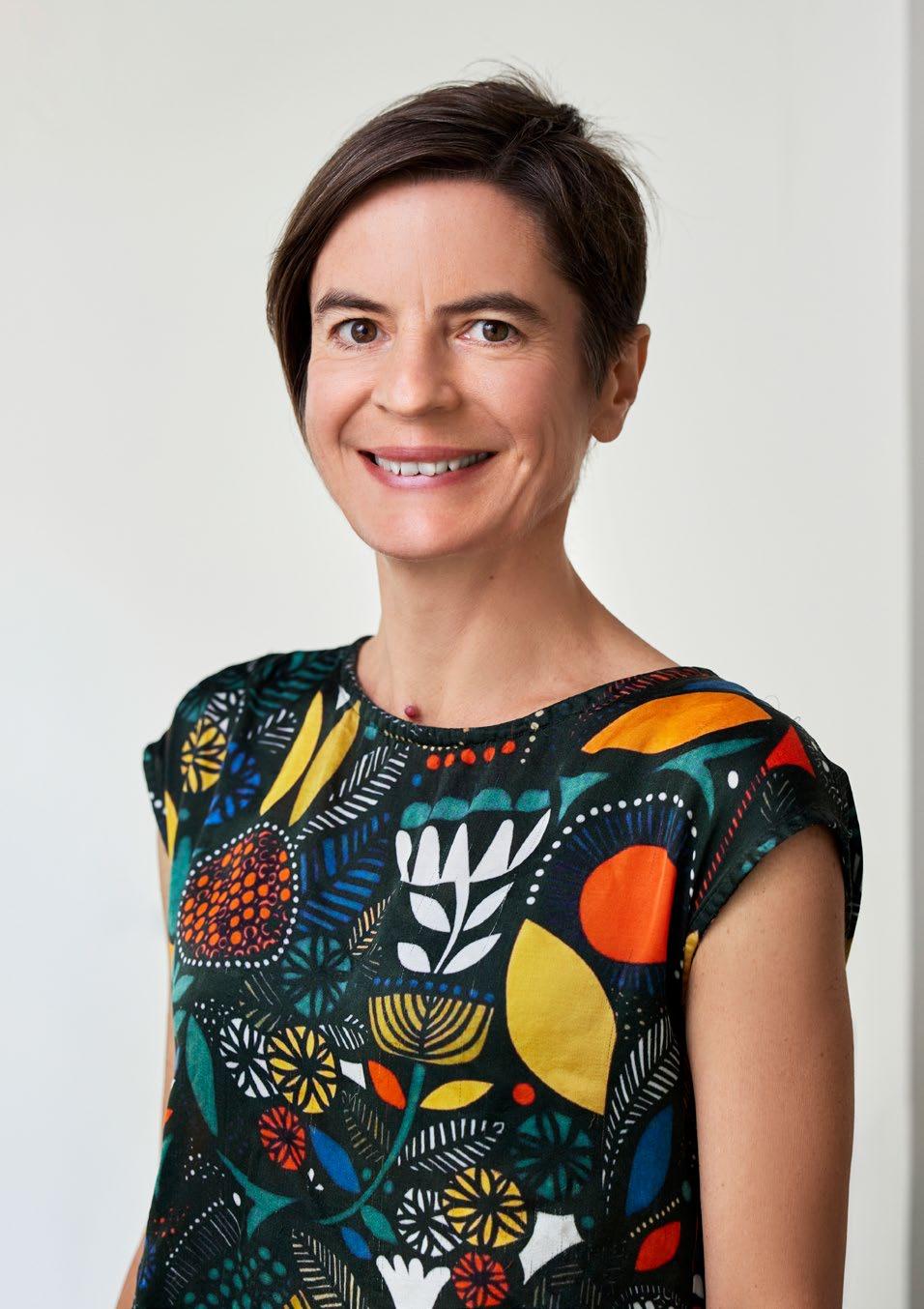
Professor Kate Henne
A core feature of RegNet’s collective work over the last year has been to support our community. We have welcomed a new PhD cohort and a growing number of postgraduate students across our masters and graduate certificate offerings. Two new research fellows, Nicholas Drake and William Kakenmaster, have also joined the School.

Professor John Braithwaite has onboarded our first group of Balzan PhD Fellowship on New Horizons in Restorative Justice and Restorative Peacemaking recipients. This initiative, with Deputy Directors Zelalem Tesfaye Sirna and Yan Zhang on board, promises to deepen restorative research capability among young scholars in Africa, China and worldwide.
While we welcomed new colleagues, we unfortunately also said a final farewell to Emeritus Professor Roderic (Rod) Broadhurst. An internationally renowned cybercrime expert, Rod’s research was broad in scope, ranging from malware detection to organised crime and other forms of offending in China and Cambodia. His legacy continues through the work of the many PhD graduates and interns he mentored through the ANU Cybercrime Observatory.
As we remember colleagues and look to RegNet’s 25th anniversary, we have approached 2025 as a year of productive consolidation: we have strengthened our foundations and built new programs of work.
Our research funding successes are enabling us to establish new programs of work. RegNet is part of two NHRMC Centres of Research Excellence (CRE), with Professor Sharon Friel, Associate Professor Ashley Schram and Dr Nick Frank involved in the newly awarded CRE on Shaping Markets for Health Equity led by University of Adelaide. Associate Professor Nick Bainton’s team is co-developing a First Nations research agenda on agreements between extractive companies and Indigenous peoples amid the growing demand for critical minerals, and Associate Professor Jarrett Blaustein’s new Adaptive Policing Lab is advancing knowledge and partnerships for more ethical and socially responsive approaches to public safety. We are also celebrating five new RegNet books, which you can read about in the pages that follow.
Our postgraduate education programming continues to grow under Associate Professor Jarrett Blaustein’s leadership as our Deputy Director for Education. We have streamlined our degrees in regulatory governance and
technology governance, while also developing a distinctive new research training degree specialising in governance. We continue to partner with the National Regulators Community of Practice (NRCoP) to deliver The Professional Regulator: Foundations, which has quickly become the industry standard in regulatory capability development since its launch in 2023.
Our education and research reflect RegNet’s longstanding commitment to meaningful engagement with academic, civil society and government partners. Those activities have continued throughout 2025, with Professor Veronica Taylor being invited to present research to the OECD’s Regulatory Policy Committee, Professor Alan Gamlen and the ANU Migration Hub holding its third Migration Update and Professor Sharon Friel and her Laureate team hosting the third iteration of the Planetary Health Equity Future Leaders Program
Overall, 2025 has been a valuable time for reflecting on and pursuing our shared goals as a School. We have been thankful for our committed professional team, which has enabled us to translate our ideas into action.
As we look forward to 2026, we invite you to look at our plans for the coming years. You can stay up to date in real time by joining our mailing list, following us on LinkedIn or visiting us in person.
Thank you for your ongoing interest in the work of RegNet. We wish you well in the year ahead.
Professor Kathryn (Kate) Henne Director, School of Regulation and Global Governance (RegNet) Follow Kate on LinkedIn
View Kate’s profile
Shaping the future of postgraduate study at RegNet

This year, RegNet embarked on a major redesign of its postgraduate offerings, marking an important step in the School’s ongoing commitment to innovation in education. Taking effect from 1 January 2026, the changes streamline program structures, enhance student experience and expand opportunities for research-focused study.
As part of the update, RegNet’s flagship degrees — the Master of Regulation and Governance (MRGOV) and the Master of Technology Governance (MTGOV) — move from a 72-unit structure to a more accessible 48-unit format. The streamlined format makes postgraduate study more accessible for working professionals, while continuing to deliver a world-class education in governance and regulation.
The Graduate Certificate of Regulation and Governance (CREGO) and the Graduate Certificate of Technology Governance (CTEGO) have also been redesigned to create more cohesive and outcome-focused learning pathways.
A major highlight of the redesign is the launch of a distinctive interdisciplinary degree, the Master of Governance (Advanced) (VMGOV). This unique 72-unit degree is designed for students seeking a research-intensive qualification that can serve as a pathway to a PhD or other Higher Degree by Research (HDR).
This program includes a 24-unit research thesis component, enabling students to undertake original research under the guidance of RegNet’s expert academic staff. Core courses cover the foundational theories, institutions and practices of governance, while specialist and research-focused classes build advanced analytical and methodological capabilities. The program takes an interdisciplinary approach, encouraging students to explore governance across key domains such as climate, health, justice, technology and global development.
RegNet Education Deputy Director, Associate Professor Jarrett Blaustein, said the updates reflect the School’s responsiveness to student needs and professional trends.
“Most of our students are looking to improve their capabilities as professional regulators, and the 48-unit MRGOV and MTGOV have been redesigned with this in mind. At the same time, we are still able to provide world-class research training through our new VMGOV (Advanced) degree which has been developed as a pathway for pursuing HDR study,” he said.
Over the past years, RegNet has seen remarkable growth in student interest, with enquiries, admissions and enrolments increasing — a 500% rise in enrolments compared to three years ago. The new structure builds on this momentum, ensuring the School remains at the forefront of flexible, world-class education in regulation and governance.
Students enrolled in RegNet programs benefit from being part of a vibrant academic community, with access to global research networks, mentorship from internationally recognised scholars and opportunities to contribute to research that shapes public policy and governance in practice.
These program changes reflect RegNet’s ongoing commitment to delivering innovative, flexible and research-informed education in regulation and governance.
Learn more about RegNet’s postgraduate offerings
ARC Future Fellowship outcomes: making sense of the missing
Around the world, large-scale conflict and state violence cause extraordinary numbers of people to go missing every day. While DNA-based forensic technologies are increasingly promoted as the ‘best practice’ response, most missing persons are never found or identified, leaving families and communities to create their own forms of meaning of this unsettling experience.
Associate Professor Lia Kent’s Australian Research Council (ARC) Future Fellowship provided a unique opportunity to investigate these challenges and how people make sense of them in Timor-Leste and Sri Lanka.
View Associate Professor Lia Kent’s profile and research interests
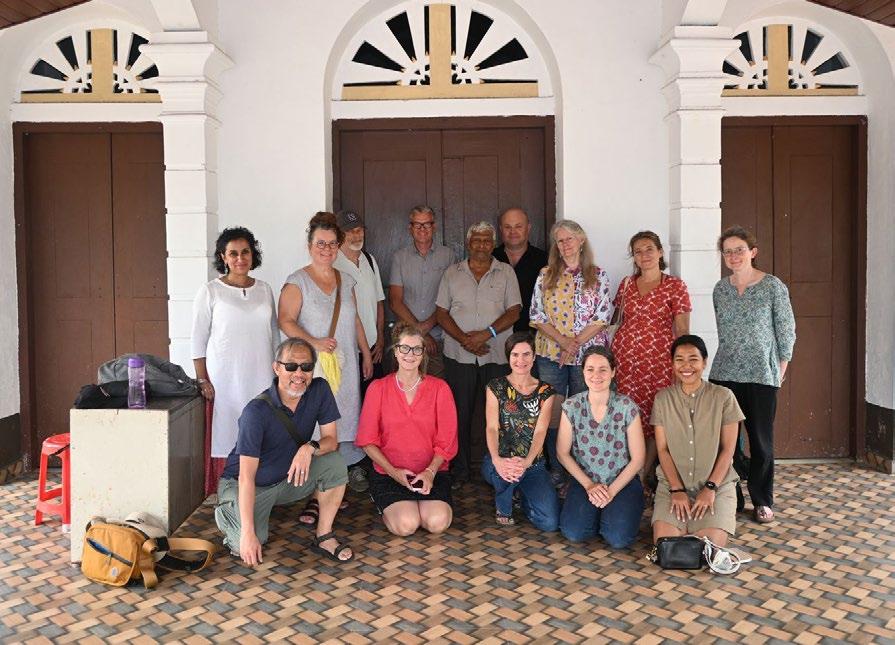
The project, Local responses to missing persons and post-conflict peacebuilding, aimed to generate new knowledge, influence policy and practice, build networks and enhance public awareness of the enduring impacts of conflict-related missing persons. It also sought to contribute to broader efforts to decolonise humanitarian and human rights responses to the missing by centring local knowledge, priorities and practice.
In Timor-Leste, Associate Professor Kent interviewed family members whose relatives had gone missing during the 24-year Indonesian occupation (1975–1999). Some had been forcibly disappeared by Indonesia state forces or their proxies or had gone missing during large-scale displacements. Others had children who had been taken to Indonesia in coercive circumstances to be raised by military families or placed in orphanages. In Sri Lanka, she documented the stories of Sinhalese families impacted by the enforced
disappearances during the late 1980s southern insurrection and Tamil families impacted by the decades-long civil war (1983–2009).
A key finding from this research was that customary and spiritual rituals, often neglected by dominant discourses of humanitarianism and human rights, provide important spaces where families re-establish relationships with their missing loved ones and care for them.
“Families and communities use creative ways to make meaning of ‘missingness’ in contexts of limited support from the state and international community. They devise practices that seek to make bodies physically present, for example, searching for and reburying human remains, and practices that assign meaning to — or push for a state response to — an ambiguous absence, such as memorialisation, occupying public space and spiritual practices,” Associate Professor Kent explained.
As part of the project, Associate Professor Kent forged collaborations with Asia Justice and Rights (AJAR), the International Commission on Missing Persons (ICMP) and the International Committee for the Red Cross (ICRC). With AJAR, she researched the experiences of separated East Timorese children and their families, providing unique insights into AJAR’s reunification program, identifying long-term challenges and making recommendations to the Timor-Leste and Indonesian states.
Her collaboration with ICRC led to a new research project in Bougainville with Dr Simon Robins (ICRC), and Drs David Oakshott and Mercy Masta (ANU), examining the ICRC’s engagement with local responses to missing persons informed by kastom (custom).
“This research is particularly timely, as the ICRC is supporting the establishment of a new Office of Missing Persons of Bougainville — likely the first instance of an international humanitarian organisation supporting local, customary approaches to identify the dead and the missing. This collaboration offers valuable lessons for future humanitarian engagement,” she said.
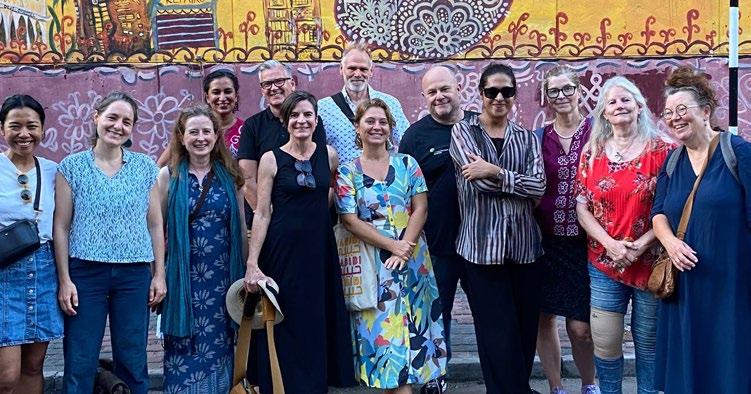
A highlight of the fellowship has been the formation of the Afterlives research network, catalysed by an online workshop in 2022 and a face-to-face workshop in Bangkok in 2023 (co-organised with Dr Robins). These gatherings brought together scholars, practitioners and activists exploring the social and political impacts of the missing and dead in contexts of conflict, state violence and migration. Since then, members have presented at the International Studies Association (2024) and a third Afterlives workshop in Colombo, Sri Lanka (3–5 September 2025), co-organised with Dr Robins and Dr Damian Grenfell, which fostered engagement with Sri Lankan scholars, filmmakers, artists and activists. The network has also published two special issues in Death Studies and the Journal of Human Rights Practice
Now a global community, Afterlives aims to understand the long-term impacts of the missing and dead in ways that support affected communities; promote both north-south and south-south intellectual exchange and collaboration; mentor early career scholars; and reimagine ethical, just responses that acknowledge local expertise and diverse epistemologies. Network members continue to pursue innovative methods for research, advocacy and social change, working alongside families and practitioners to ensure research leads to real-world impact.
Afterlives meeting with Brito Fernando
Photo credit: Viyanga Gunasekera
Afterlives street art walking tour with Fearless collective
Photo credit: Kar Yen Leong
RegValue 1.0: evaluating regulatory impact
Since 2021, Professor Veronica Taylor has been an expert advisor to the Australian government’s regulatory reform team (Department of Finance) and senior academic advisor to the National Regulators’ Community of Practice (NRCoP). She is internationally known for her work on legal and regulatory reform in Asia and rule of law. Within Australia, she has contributed new thinking on professionalising regulatory practice and evaluating regulatory impact.
In 2025, Professor Taylor was invited to address the Organisation for Economic Co-operation and Development (OECD)’s Regulatory Policy Committee and report on the development of RegValue 1.0, a new tool for evaluating regulatory impact through measuring value as well as burden in ways that are responsive and build trust among regulatory actors.
She led the co-design and pilot of RegValue 1.0 with the ACT Government’s Better Regulation Taskforce (2023-25), co-authored with Professor Kate Henne and with important contributions from Dr Ibi Losoncz. In November 2025, Professor Taylor was an invited speaker at the OECD’s high-level symposium, Simplifying for Success: Smart rules, stronger business where she showcased RegNet’s work on increasing regulatory value and mitigating regulatory burdens.
View Professor Veronica Taylor’s profile and research interests

Improving health outcomes through NHMRC-funded collaboration
The National Health and Medical Research Council (NHMRC) Centre of Research Excellence scheme is a prestigious grant supporting research that improves health outcomes and promotes the translation of research into policy and practice. RegNet’s successful collaboration with other universities under the scheme highlights the School’s multidisciplinary research and collaborative partnerships.

Advancing health equity
Australian Research Centre for Health Equity (ARCHE)’s Professor Sharon Friel, Associate Professor Ashley Schram and Dr Nicholas Frank are part of the investigator team for the NHMRC Centre of Research Excellence (CRE) on Shaping Markets for Health Equity. This project is led by Professor Fran Baum, from The Stretton Institute at The University of Adelaide (which becomes part of Adelaide University in January 2026).
The CRE is designed to improve the health of Australians by identifying ways to mitigate negative impacts on social equity and health from commercial practices. The team will identify policy, regulatory, business and civil society initiatives likely to reduce negative health impacts and enhance positive ones.
The CRE will examine how profit-driven investments can undermine service quality, how privatisation of government services can weaken human wellbeing and how business practices can impact the health of consumers and employees. It will also develop solutions to shape markets so that health-damaging practices are minimised and population health equity is maximised.
Preventing knee injury and osteoarthritis
burden
Professor Kate Henne is contributing to the HERknee NHMRC CRE focused on preventing knee injury and reducing the osteoarthritis burden for women and girls. This work is crucial, as women and girls experience more sports-related knee injuries than men, with half developing osteoarthritis rapidly after injury.
Led by Professor Kay Crossley at La Trobe University, HERKnee CRE targets gendered disparities in injury experiences and outcomes: Women and girls also tend to have worse outcomes following a knee injury or with knee osteoarthritis. This CRE aims to reduce the risk of knee injury in women and girls, their likelihood of developing knee osteoarthritis and pain, and improve outcomes for women and girls who have suffered a knee injury or developed osteoarthritis.
The CRE combines prevention and rehabilitation expertise. The research team works across disciplines to identify interventions, including policy and governance approaches, and how gender—such as the ways environmental conditions affect bodies and movement—inform women’s and girls’ experiences of injury and treatment. The aim is to identify methods to support implementation strategies that can be translated into practice that counteracts the increase in women’s knee injury and osteoarthritis rates.
Professor Henne leads the CRE work on gendered considerations, particularly as they intersect with other inequities such as economic marginalisation. In addition, she has a key role in leading policy, regulatory and governance strategies for the CRE.
NEW RESEARCHERS
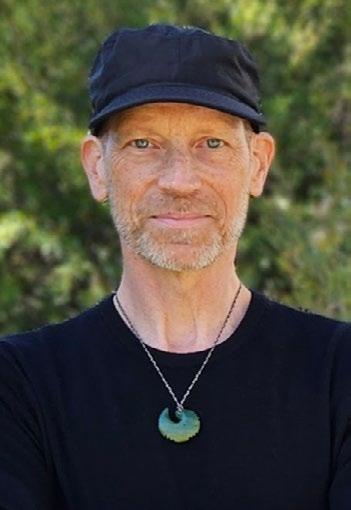
Nicholas Drake William Kakenmaster

Nicholas Drake is a Research Fellow at RegNet and a Research Affiliate at the ANU School of Philosophy.
He works on a project led by RegNet
Associate Professor Nicholas Bainton and ANU Vice-President (First Nations) Professor Peter Yu, with researchers from the Centre for Indigenous Policy Research, the Centre for the Public Awareness of Science, the School of Philosophy and the First Nations Portfolio. In partnership with the Ngarluma Yindjibarndi Foundation Limited of the Pilbara region in Western Australia, a Traditional Owner organisation, the project aims to build Indigenous research capabilities and codevelop a long-term international research agenda that supports the rights, resilience and sovereignty of Indigenous communities in the context of resource extraction.
Nicholas specialises in ethics and applied social and political philosophy, especially philosophy of wellbeing and wellbeing measurement, philosophy of disability, conceptual engineering and Indigenous rights.
His doctoral work was on measuring and promoting wellbeing, especially the government systems of measuring national wellbeing often called “wellbeing frameworks.” His research has found ways for wellbeing frameworks to accord with what populations themselves value for their wellbeing, to function well in societies with a range of views of wellbeing, especially those home to Indigenous peoples, and to work well to promote the wellbeing of future generations.
Before his PhD in Philosophy at the ANU, Nicholas completed master’s degrees in philosophy at Washington University in St. Louis and Victoria University of Wellington. He is from the Māori tribe Ngāi Tau, from the South Island of New Zealand.
William Kakenmaster is a postdoctoral research fellow RegNet. His research examines the political economy of climate change and the environment and has been published in Climate Policy, Global Environmental Politics, Perspectives on Politics, Millennium: Journal of International Studies and Nature Climate Change
William’s current book project, Decarbonizing Dictatorship: Explaining Climate Action in Nondemocracies, analyses climate mitigation in authoritarian regimes. He argues that three factors—energy resource endowments, leaders’ political survival strategies and executive constraints—explain why some countries governed by authoritarian regimes do more to combat climate change than others.
At RegNet, William is working with Professor Christian Downie to understand the role of export credit agencies in the energy sector and their implications for climate change. This work includes projects that analyse the effects of supply-side climate policies on international financial ties and the relationship between bilateral energy sector finance and security competition in the Pacific.
Other research examines adaptation to climate-related extreme weather and conceptualisation and measurement issues in climate policy research. Current works in progress include co-authored research on the role that different sources of support for post-disaster rebuilding play in fostering climate resilience among Haitian homeowners and independent scholarship outlining a unified framework for conceptualising and measuring climate policy stringency.
William received his PhD in Political Science from the University of Notre Dame in 2025, where he was a PhD Fellow at the Kellogg Institute for International Studies.
View Nicholas Drake’s profile and research interests
View William Kakenmaster’s profile and research interests
ENGAGEMENT HIGHLIGHTS
2025 Future Leaders Program: advancing planetary health equity
The Planetary Health Equity
Hothouse is an ARC Laureate Fellowship initiative led by Professor Sharon Friel, focusing on governance issues related to three major and interconnected challenges: climate change, social inequity, and premature death and disease. The aim is to promote the equitable enjoyment of good health within a stable Earth system.
The Hothouse hopes to have enduring impact through capacity-building, knowledge sharing and networks that drive structural change for planetary health equity. A key initiative is the Future Leaders Program, which prepares early career researchers and PhD scholars to become future leaders in the field.
In early September, the Hothouse hosted its third Future Leaders Program. Fifteen inspiring participants from across Australia and the world gathered for an intensive two-week program, gaining insights into governance for planetary health equity.
With contributions from over 20 presenters, discussions covered a wide range of topics including the global consumptogenic system, Indigenous ways of being and doing, policy paradigm shifts, structures of obstruction, wellbeing economics, power and privilege, policy and collaboration, a view from the extracted ground, shareholder activism, public policy, political communications, policy advocacy, climate justice advocacy, climate communication and achieving the imaginary.
Highlights from the program included a discussion on Paradigm shifts: Ideas and institutions with Hothouse Research Fellow Dr Hridesh Gajurel; a session on Indigenous knowledges and ways of being with 2023 Future Leader Fellow Francis Nona; a World Café activity, Achieving the imaginary with Hothouse Advisory Board members; and small-group sessions where participants shared their own research and exchanged ideas.
Reflecting on the significance of the program, Professor Friel said, “I always leave the Hothouse Future Leaders Program feeling inspired. Key to the pursuit of planetary health equity are researchers, advocates, people in government and people from the private sector who want to reconfigure systems to be regenerative, equitable and advance the collective wellbeing. The 2025 Future Leaders encompassed all of this. It is marvellous to help such a group of people build technical expertise, mobilise knowledge and create networks to drive structural change. Through the Future Leaders Program, we aim to make hope practical rather than despair convincing.”
Sharing on their experience, one participant said, “The Planetary Health Equity Future Leaders program has been one of the most enriching experiences of my PhD. It filled a critical gap in planetary health education by going beyond ecosystem influences on health to examine the political economy, policy processes, advocacy strategies and governance of planetary health. I connected deeply with an inspiring group of academics, civil society leaders, government officials and private sector professionals. Those conversations and collaborations not only enriched my learning but also built friendships and professional connections that I am eager to continue long into the future.”
The 2025 participants join the expanding network of Hothouse Future Leader Fellows from 2023 and 2024. We look forward to seeing their individual and collaborative work develop. Their passion and brilliant minds give us hope for the future.
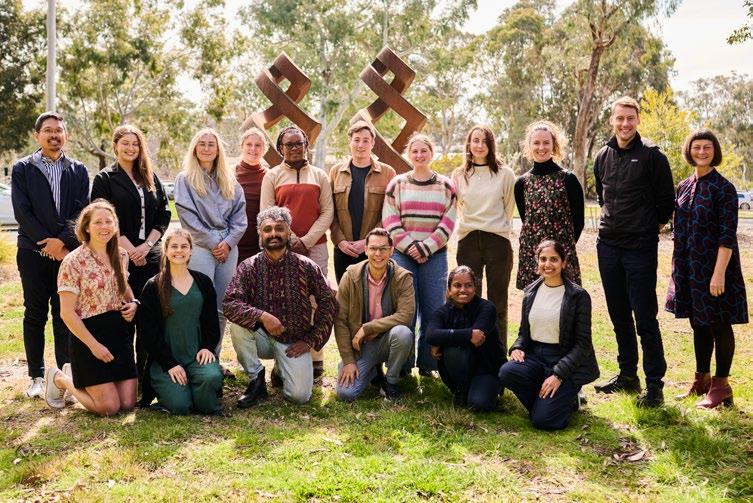
2025 Future Leader Fellows
A visual journey into the silenced harms of witchcraft accusations
Witch hunts in the 21st century: a human rights catastrophe is a visual journey into the silenced harms of witchcraft accusations, honouring their memory, resilience and the call for justice.
Having been exhibited in India, the UK, Nigeria, Papua New Guinea and the USA, this powerful exhibition arrived in Australia earlier this year. It was launched at The Australian National University on Thursday, 3 July 2025. The exhibition invited participants to reflect, remember and stand in solidarity with those seeking justice and healing.
Curated by the NGO International Network Against Witchcraft Accusations and Ritual Attacks (INAWARA), the exhibition featured 20 evocative photographs, including prizewinning entries, from a global competition.
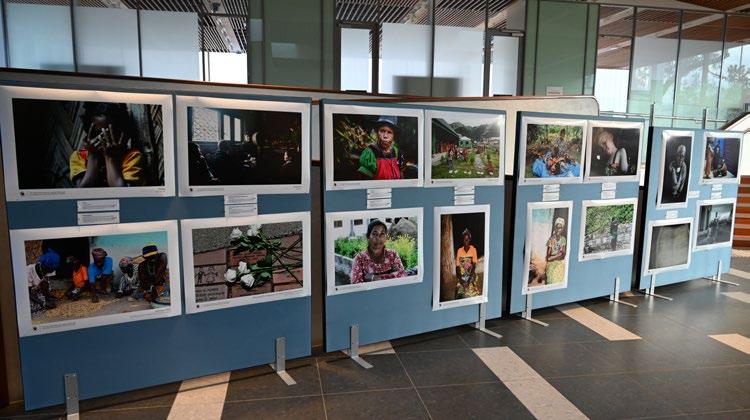
The images offered glimpses into the lives of those affected, capturing moments of fear and resilience, joy and grief, ritual and remembrance. Through images of children, women, the elderly, sons, daughters, siblings, parents and communities, the exhibition honours the complexity of human responses: sorrow, survival, resistance and hope.
INAWARA’s Director and RegNet
Professor Miranda Forsyth opened the exhibition by highlighting a global human rights crisis that has been pushed to the margins of international legal concern.
“In my work as Director of INAWARA, I am regularly sent images of the most shocking and gruesome violence to women, related to witchcraft accusations,” she said.
“I am told about these cases on a depressingly regular basis, sometimes with, and sometimes without, video footage or photographs. Most cases involve an element of public torture and collective violence. Most are triggered by a death or sickness.
“But frequent as these cases are, they are just the tip of the iceberg. Many, many more cases go unrecorded in any way.
“These photographs are a visual act of remembrance. They affirm that those harmed by witchcraft accusations are not forgotten or voiceless. Their lives matter, their agency matters and their right to safety, dignity and healing must be recognised.”
The exhibition was initiated by Professor Forsyth with the valuable support of Felicity Tepper, who coordinated local efforts and logistics to bring this important initiative to life.
“I’m glad this event could be shared locally and contribute to the global conversation. It’s very rewarding to see it come together so well and become part of a meaningful international effort,” said Felicity.
Held in conjunction with the ANZSIL conference International Law: Silence, Forgetting and Remembrance, the exhibition aligns with the United Nations Human Rights Council’s Resolution A/HRC/RES/47/8, passed in 2021, which calls for the elimination of harmful practices related to witchcraft accusations and ritual attacks. The resolution emphasises the importance of distinguishing between belief and harm, and urges states and civil society to act.
Listen to Professor Forsyth’s full speech
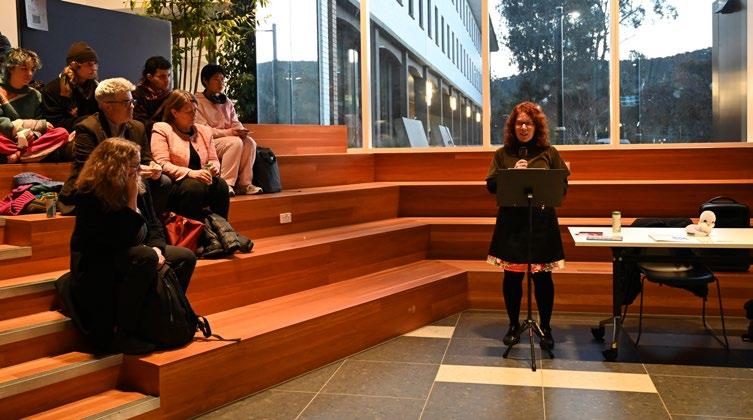
Witch hunts in the 21st century photography exhibition
Miranda Forsyth delivering the opening remarks at the exhibition
2025 Migration Update
Migration is inherently linked to prosperity – from the dynamism of labour markets to the diffusion of skills, innovation and ideas. Yet the relationship is complex, shaped by economic theory, global evidence and national context. Some perspectives see migration as a direct boost to gross domestic product and innovation through labour supply and diversity; others stress the importance of skills matching, integration and institutional capacity to turn movement into momentum.
These concerns framed the theme for this year’s 2025 Migration Update: Future Prosperity, Innovation and Human Mobility. Hosted by The ANU Migration Hub at RegNet in collaboration with the Department of Home Affairs and the International Organization for Migration (IOM), the annual event continues to shape national conversation on migration, innovation and Australia’s future.
Held at the Molonglo Theatre at The Australian National University (ANU) on 25 November 2025, the high-profile event brought together leaders from government, industry, academia and civil society, including senior parliamentarians, leading economists and international experts. They explored how migration policies can best drive national prosperity and long-term innovation, drawing on the latest research, global trends and practical strategies for harnessing human mobility in the national interest.
Led by RegNet Professor Alan Gamlen, the event opened with a Welcome to Country by Paul Girrawah House, Ngambri-Ngunnawal custodian, followed by remarks from ANU Interim Vice Chancellor, Professor Rebekah Brown.
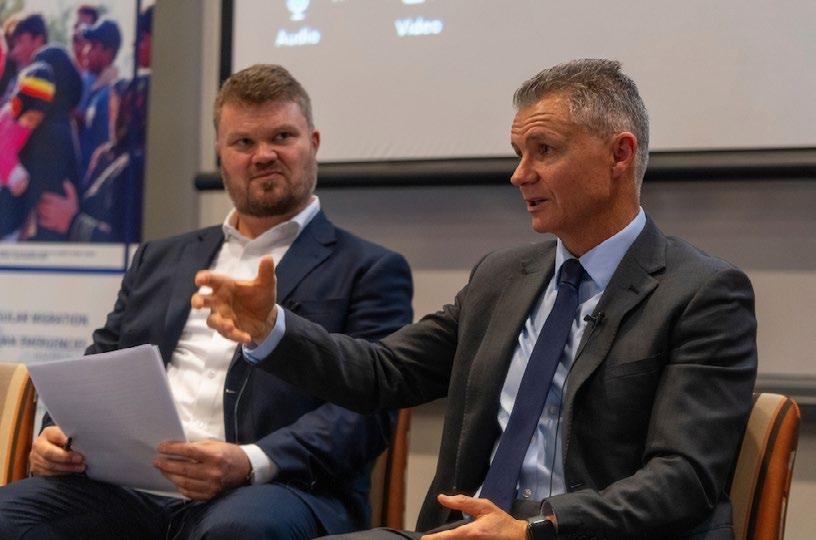
The Hon. Matt Thistlethwaite MP, Assistant Minister for Immigration, delivered a keynote address. He highlighted government’s progress on migration reform and reiterating the need to maintain public confidence through integrity, transparency and strong policy foundations, noting that this work is strengthened by academic partners such as the ANU Migration Hub.
Across four plenary sessions, participants examined the global context of migration, with presentations from experts in key partner countries; the varied settlement outcomes of migrants and the policy settings that shape them; the broader Asia-Pacific migration system and innovative data methods for understanding Australia’s migration system.
The Hon. Julian Hill MP, Assistant Minister for Citizenship, Customs and Multicultural Affairs, and International Education, also reflected on the importance of rigorous, independent research in an environment of growing misinformation and political opportunism in the public debate on migration.
The event concluded with remarks and a vote of thanks from David Knight, Chief of Mission for Australia and Coordinator for New Zealand at IOM.
The 2025 ANU Migration Update was a resounding success, strengthening the quality of migration debates and encouraging collaborative policymaking through plenary panels, high-level workshops and networking opportunities. As global migration dynamics continue to evolve, the ANU Migration Hub remains a vital institution for fostering dialogue, research and policy innovation in this critical field.
Alan Gamlen (left) and The Hon. Matt Thistlethwaite MP addressing the audience
ENGAGEMENT ACTIVITIES
From shaping the national conversations on migration to deepening climate responses and community partnerships across Australia, RegNet’s 2025 engagement showcases the reach of our international networks and the diversity of our research activities.
Here are some of the year’s highlights.

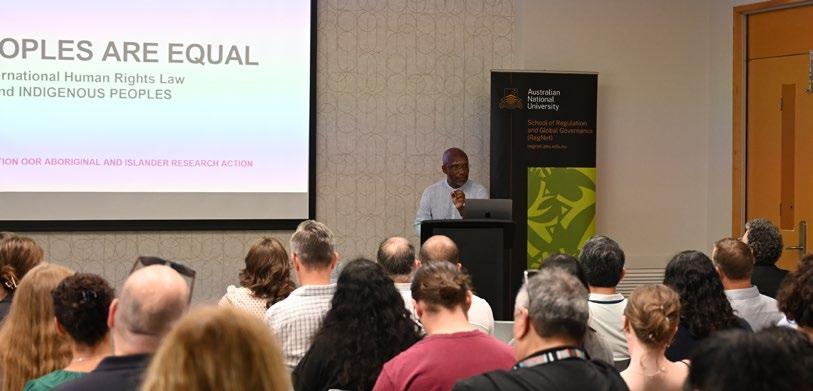
Building understanding between Indigenous Peoples and the state
In March, RegNet held a special event commemorating the International Day for the Elimination of Racial Discrimination (21 March).
RegNet, in partnership with the Foundation for Aboriginal and Islander Research Action (FAIRA), hosted Dr Albert K. Barume, United Nations Special Rapporteur on the Rights of Indigenous Peoples, for a public seminar. Dr Barume shared his insights on pathways to building mutual understanding between Indigenous Peoples and the State. His role as Special Rapporteur involves promoting good practices for implementing international standards on the rights of Indigenous Peoples. He provides recommendations on effective measures to prevent and address violations of Indigenous Peoples’ rights, and reports on their human rights situation globally.
Les Malezer, Director of FAIRA, also spoke at the event and discussed the significance of the Declaration on the Rights of Indigenous Peoples. He emphasised that Australian Indigenous Peoples should be free from all forms of discrimination and that their right to self-determination must be recognised.
Ahead of the seminar, Professor Bina D’Costa (ANU Coral Bell School of Asia Pacific Affairs) chaired a roundtable featuring Indigenous Peoples leaders, including Salā Dr George Carter, Dr Binota Dhamai, Dr Virginia Marshall, Les Malezer, Paul Girrawah House and others. The conversation explored the implementation of the United Nations Declaration on the Rights of Indigenous Peoples, adopted on 13 September 2007 by the UN General Assembly following decades of advocacy through the global Indigenous Peoples’ movement.
The event attracted over 80 participants, including academic staff, students and government officials. Dr Barume’s visit was supported by the ARC Centre for Excellence of Indigenous Future and the Tjabal Centre, and the event reflected a shared commitment to strengthening meaningful partnerships in this space.
Albert K. Barume sharing his insights with participants during the public lecture
AI, law and society: highlights from the inaugural conference
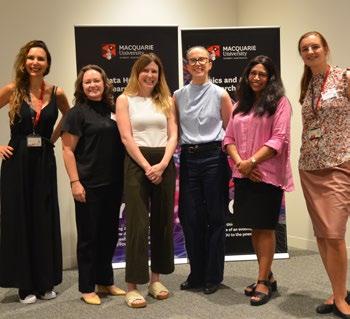
The inaugural Artificial Intelligence, Law and Society conference was held on 13–14 February at Macquarie University, bringing together experts to consider the advancement and integration of Artificial Intelligence (AI) technologies into various sectors of society.
As AI technologies continue to evolve and proliferate, they present opportunities for innovation, efficiency and problem-solving across various domains. However, they also raise significant ethical and legal challenges that must be carefully managed and regulated to ensure that their development and use are beneficial and equitable.
Co-hosted by RegNet, the Macquarie University Ethics and Agency Research Centre, Macquarie University Data Horizons Research Centre and Macquarie University Centre for Applied Artificial Intelligence, the conference provided a dynamic and interdisciplinary platform for scholars and policymakers to explore the ethical, social, legal and governance issues surrounding AI.
Professor Kate Henne, who was part of the organising committee, chaired two sessions and spoke on novel regulatory approaches to new technologies. Her presentation, Rethinking AI regulation and risk: a new legal realist reflection on harmscapes, highlighted the potential shortcomings of regulatory
approaches that prioritise risk. Reflecting on examples that capture lived experiences of AI-related harms, she outlined a proposal for capturing harms across locations and scales.
Dr Jenna Harb presented her work at the AI, security and humanitarianism session chaired by Macquarie Law School’s Dr Marie-Eve Loiselle, a member of the ANU Justice and Technoscience Lab at RegNet. Dr Harb’s presentation, Repair work, resistance, and the invisible labour of automating Lebanon’s humanitarian infrastructures, drew on empirical research scrutinising the different formations of labour required to mitigate breakdowns in digital infrastructures. She also highlighted practices of resistance by data workers asserting their autonomy and challenging systems they perceive as unreasonable and unjust.
The two-day event attracted over 120 participants, including academics across Australia as well as professionals from the legal sector, government, healthcare, insurance and other industries.
Shaping the future of regulation: RegNet at the NRCoP 2025 Conference
From stewardship to regulating emerging technologies, RegNet academics and PhD scholars brought fresh perspectives to the NRCoP 2025 National Conference, held on 27–28 August at the Brisbane Convention and Exhibition Centre in Meanjin.
This year’s theme, Regulation 2025 to 2050: Disruption, Change and Continuity, brought together over 600 regulatory practitioners and academics to explore new regulatory designs and approaches for adapting to disruption and change in an evolving and increasingly complex regulatory environment, where regulatory reform is back in the national spotlight. The event featured an inspiring mix of plenaries, interactive panels and networking opportunities.
RegNet’s Professor Veronica Taylor and Art Cotterell, together with PhD scholars Rose Webb, Simon Corden and George Mason, shared insights across a range of panels and sessions.
The conference offered an opportunity to connect alumni and prospective students of The Professional Regulator—a professional development program designed by regulators for regulators with RegNet academic input. Delivered in partnership between RegNet and NRCoP, the program offers a common foundation in contemporary regulatory practice that builds professionalism, capacity and opportunities for networking across jurisdictions. Mr Adam Slater, Mr Cotterell and Professor Taylor were on hand to speak with participants about the course, a sixmodule, self-paced online program that equips regulators from any sphere or jurisdiction with the knowledge and skills to meet today’s regulatory challenges.
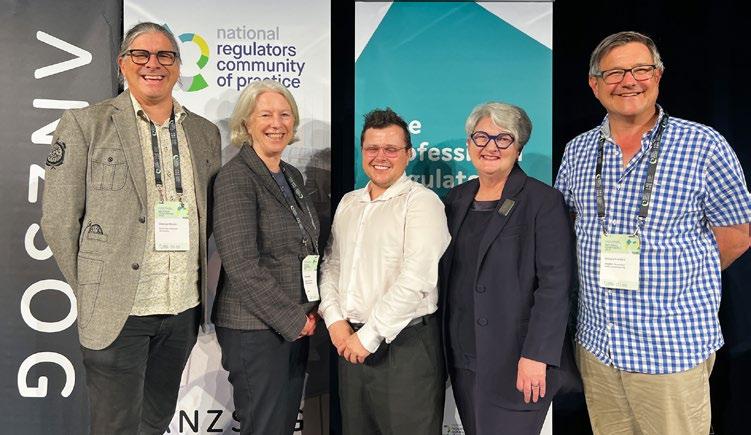
RegNet’s George Mason, Rose Webb, Art Cotterell, Veronica Taylor and Simon Corden at NRCoP 2025 Photo credit: NRCoP and ANZSOG
Kate Henne (second from left) with the Artificial Intelligence, Law and Society conference organising committee
Photo credit: Macquarie University
Strengthening research partnerships with Ngarluma Yindjibarndi Foundation in the Pilbara
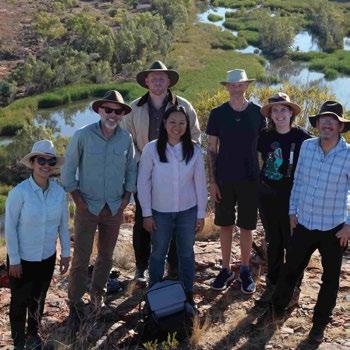
In August 2025, Associate Professor Nick Bainton, Dr Nicholas Drake and members from the project, Building a First Nations Research Agenda to Support the Centre for Future Materials, travelled to Ieramugadu (Roebourne) in the Pilbara, Western Australia to spend valuable time with their research partners from the Ngarluma Yindjibarndi Foundation Ltd (NYFL).
The visit provided an important opportunity to better understand the scale of extractive industries and their impacts in this part of the country. Together with NYFL, the research team is working to co-design a future research program that will examine the role of agreements between extractive companies and First Nations Peoples, and how these agreements can uphold or undermine First Nations rights and interests.
As the global mining industry expands to meet the growing demand for critical minerals, agreements will play an even greater role in the future in shaping First Nations outcomes.
The project team was invited to join a journey into Yindjibarndi Ngurra (Country). Hosted by Michael Woodley and Lorraine Coppin and the team from Juluwarlu Group Aboriginal Corporation, the group camped
under a blanket of stars at Wuyumarri. The experience offered a meaningful opportunity to learn about Yindjibarndi history, culture and language, and to understand their landscape in new ways.
The visit was a powerful reminder of both the challenges and the resilience within this region. The visit strengthened understanding and partnerships, supporting ongoing research into how extractive agreements affect First Nations rights and interests.
RegNet scholars contribute to global policy dialogue at ICPP 2025
The 7th International Conference on Public Policy (ICPP7) was held at Chiang Mai, Thailand on 2–4 July 2025.
Organised by The International Public Policy Association (IPPA) in collaboration with Chiang Mai’s University School of Public Policy, the conference brought together leading scholars for three plenary sessions and a wide range of multi-session presentations.
RegNet scholars contributed across several panels. In Shaping tomorrow: public policy as a catalyst for fair, sustainable, and healthy market practices, Professor Sharon Friel discussed how financialisation in advanced economies affects planetary health equity. Dr Hridesh Gajurel examined how shifting corporate governance from shareholder primacy to stakeholder orientation could support sustainability and equity goals. PhD scholar Mutiara Indriani examined how state actors in shape equitable COVID-19 vaccine access in Southeast Asia through technology transfer.
In Climate policy as elusive politics: conflicts, opposition and obstruction, Professor Christian Downie highlighted the networks of state and non-state actors working to slow or block climate action and the political complexities affecting climate policymaking.
PhD scholar Roxana Claudia Tompea presented virtually in Industry regulation and governance in the age of re-emerging industrial policy: self-regulation, co-regulation, and government oversight, sharing a comparative study on greenwashing in ultra-processed foods across Bulgaria, Italy and Romania, and identifying persistent regulatory gaps.
The conference provided a valuable platform for RegNet scholars to share research, engage with global peers, and contribute to discussions on public policy, governance and sustainability.
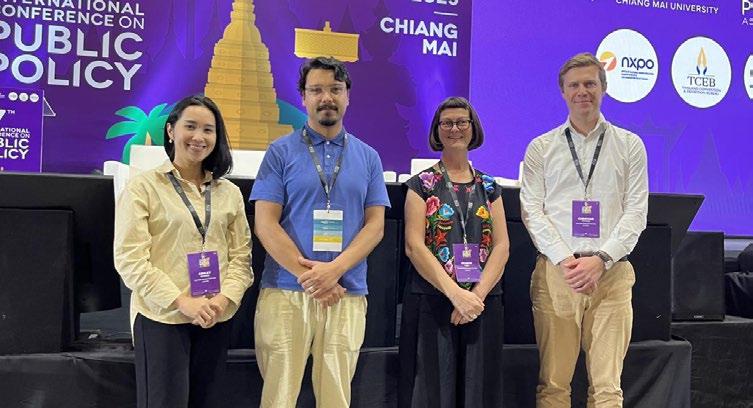
(L-R) Mutiara Indriani, Hridesh Gajurel, Sharon Friel and Christian Downie
(L-R) Rini Astuti (CPAS), Nick Bainton (RegNet), Noah Bedford (First Nations Portfolio), Mandy Yap (CIPR), Nicholas Drake (RegNet), Karina Judd (CPAS), Christian Barry (Philosophy)
Photo credit: Phil Davies
Tackling structures of obstruction to planetary health equity in Australia
In June, RegNet hosted the Academy of Social Sciences of Australia workshop, Structures of Obstruction: Understanding Opposition to Planetary Health Equity Action.
The aim of the workshop was to examine the network of organisations, institutions and ideas that obstruct action on economic inequality, climate change and planetary health equity. The event brought together researchers and practitioners from across Australia who are concerned with health, social equity and climate change.
Led by Professor Sharon Friel FASSA and Professor Christian Downie, the workshop explored how actors influence political agendas, public opinion and the media to shape public policy and regulation in ways that favour and maintain their interests. Participants examined these issues through different theoretical frameworks and case studies, exploring how to counter structures of obstruction and support action on planetary health equity.
Reflecting on the event, Professor Friel noted, “Key to addressing planetary health equity is action on climate change and inequality.
These incredible two days enabled a deep dive into understanding who, how and what is preventing such action. This knowledge is important to informing counter strategies.”
Professor Downie added, “This was a wonderful opportunity to engage with leading scholars and practitioners on some of the most pressing issues we face as a society, such as climate change and inequality. It was a privilege to engage with participants across disciplinary boundaries to share knowledge and develop new research agendas.”
One of the key outcomes of the workshop is the development of a collaborative research network that will investigate how opposition to planetary health equity plays out in Australia, and how it can be challenged. This network will form the basis of future collaborative grants, interdisciplinary publications and policy engagement.
This workshop was supported by the Academy of the Social Sciences in Australia, through its 2025 Workshops Program Grant.
Gender equity in sport in Australia –how far have we come?
Professor Kate Henne’s ARC-funded project, Innovating Governance for Gender Inclusion: Levelling the Field in Australian Sport, explores whether the growing popularity of women’s sports has led to greater gender equity in governance across elite and community level sports.
The project also examines the role of sport policies in advancing gender equity.
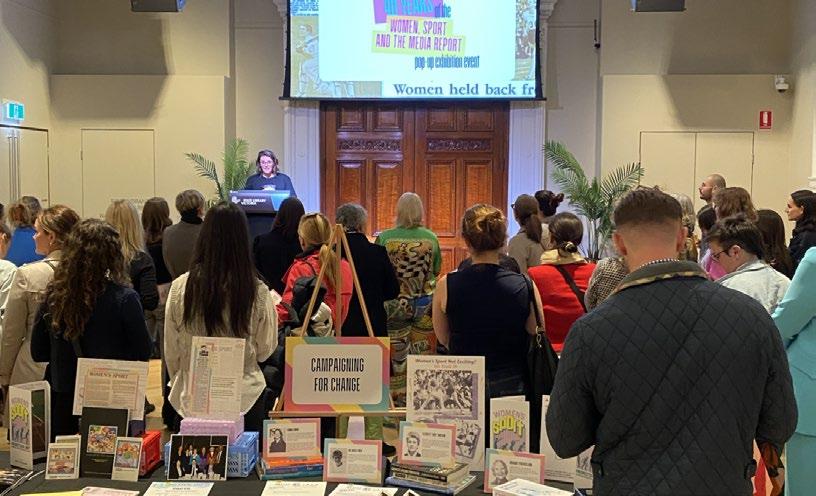
As part of the project’s outreach, a pop-up exhibition titled 40 Years of the Women, Sport and the Media Report was held on 22 May at the State Library of Victoria in Melbourne. Hosted by Victoria University and delivered in collaboration with Monash University and the ANU, the exhibition featured archival documents,
press material and video footage, including a television commercial produced by the Women in Sport Promotion Unit in the 1980s.
Seventy guests from sports organisations, media and government agencies were invited to reflect on a key question: How far has gender equity for women in Australian sport progressed over the past 40 years?
After a welcome and introduction, guests moved into groups to discuss progress of gender equity in sport over the years, addressing sport and politics, backlash to proposed progress, campaigning for change and the many policies and plans developed by state and national governments over this period. Guests were asked to estimate how far the dial had moved for women in sport in four decades. Ending at the event’s curated sports bar, participants collectively considered whether this progress passes the ‘pub test’. While most guests agreed that real progress for women in sport has been achieved, discussions also focussed on work still to be done.
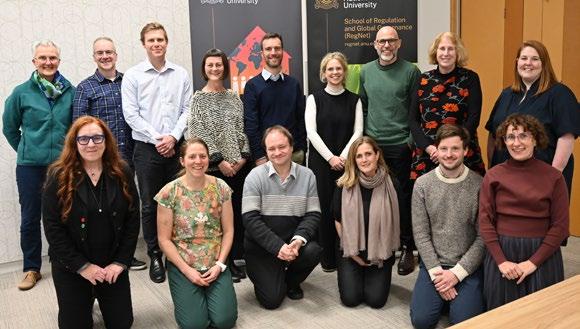
(Back row, L-R) Libby Salmon, John Mikler, Christian Downie, Sharon Friel, Darren Halpin, Kate Sievert, Nick Bainton, Fran Baum and Erin O’Brien
(Front row, L-R) Carla Treloar, Amy Carrad, Mark Zirnsak, Katherine Trebeck, Ben Wood and Jennifer Lacy-Nichols
Fiona McLachlan from Victoria University opens the exhibition
RegNet
launches Adaptive
Policing Lab to advance ethical and responsive policing

Established by Associate Professor Jarrett Blaustein in July 2025, the Adaptive Policing Lab (APL) is dedicated to advancing knowledge, practices and partnerships that support more just, ethical and socially responsive approaches to public safety.
Grounded in the core values of authenticity, collaboration, equity and ethical engagement, the Lab explores how policing actors and security networks adapt—or fail to adapt—to the interconnected crises of our time, including climate disruption, deepening social inequality and technological change.
Building on more than 20 years of innovative RegNet scholarship in security governance, the APL serves as a collaborative space for researchers, practitioners and community partners to imagine and enact adaptive policing trajectories that respond to emergent harms and complex crises. Its aim is to support the development of policing models and practices that advance positive and equitable social outcomes.
“Adaptation offers a productive, conceptual bridge between where we are, and where we might wish to go. As policing institutions around the world confront the challenges of climate disruption, social and political unrest, algorithmic governance, and deepening inequality, the APL is proud to join a growing international network of forward-thinking labs and institutes who are already active in this space,” said Associate Professor Blaustein.

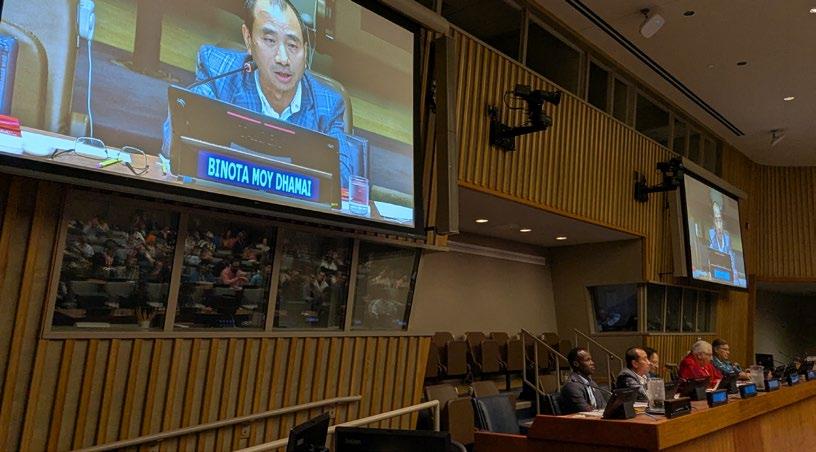
24th session of the United Nations Permanent Forum on Indigenous Issues (UNPFII)
Research Fellow Dr Binota Dhamai attended the 24th session of the United Nations Permanent Forum on Indigenous Issues (UNPFII) at the UN Headquarters in New York from 21 April to 2 May 2025.
Dr Dhamai participated as both a scholar and Indigenous rights advocate across various panel discussions.
As Indigenous Cofacilitator, Dr Dhamai shared recent achievements at the UN Human Rights Council (HRC). A highlighted achievement was the first-time appointment of Indigenous Cofacilitator with an equal status of the State. A nameplate for Indigenous Peoples was also added to the Council’s seating arrangement, previously limited to States, intergovernmental organisations and UN bodies.
Dr Dhamai contributed to the various panel sessions, including Reflections on the implementation of UNDRIP in Asia: exploring multiple pathways towards realisation of selfdetermination for Indigenous Peoples in Asia.
At this session, Dr Dhamai described the implementation of UNDRIP in the region as both a challenge and an opportunity. While Indigenous Peoples continue to face deeply rooted barriers, he noted that UNDRIP creates space to reimagine governance, development and human rights in ways that honour diversity and justice. He emphasised that selfdetermination is not just a legal or political concept, but a lived reality – the right of Indigenous Peoples to control their destinies, protect their identities and live in harmony with their lands and traditions.
Dr Dhamai’s participation in these important dialogues reflects his ongoing dedication to advancing Indigenous rights and we look forward to seeing his continued engagement on international platforms.
Binota Dhamai speaking at the 24th session of the UNPFII
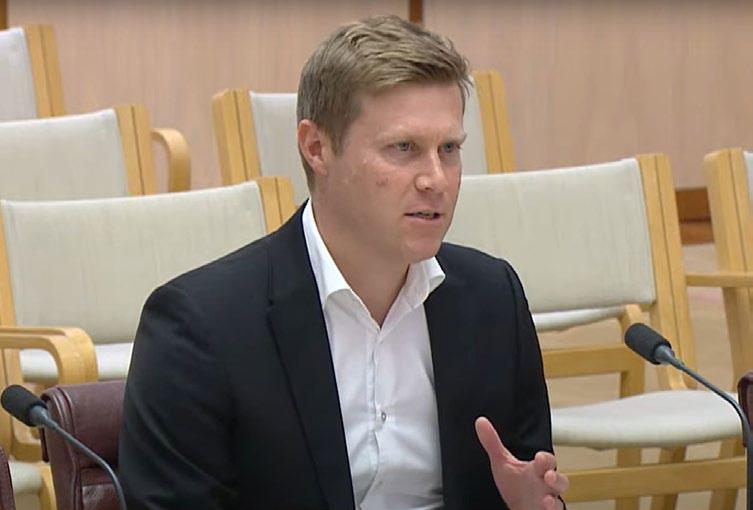
Christian Downie addresses Senate Committee on climate misinformation
Professor Christian Downie appeared before the Senate Committee on Information Integrity on Climate Change and Energy in late September.
The Select Committee was appointed to examine the prevalence and impacts of misinformation and disinformation related to climate change and energy. In his appearance before the committee, Professor Downie highlighted several key points.
Evidence is accumulating that efforts to address climate change have been largely unsuccessful due to deliberate obstruction. A network of organisations—including oil, gas, and coal companies, as well as trade associations, think tanks, and PR firms—works to influence the public, media, and political arenas to slow, stop, or reverse effective
climate action. There is considerable empirical evidence going back to at least the 1990s or before, showing that the same types of organisations have been operating in Australia and spreading misinformation about climate change.
The submission draws on published research by Climate Social Science Network (CSSN) scholars, including a book on the topic, Climate Obstruction: A Global Assessment published by Oxford University Press.
Upholding Indigenous international laws
In March, Dr Virginia Marshall joined over 100 legal academics attending the International Indigenous Law Colloquium, Upholding Indigenous International Laws, held at the University of Victoria in Canada, featuring presentations from leading Canadian Aboriginal legal scholars.
Joining Dr Marshall on the panel dealing with issues around Indigenous Law and WaterBack was renowned Anishinaabe Professor of Law, John Borrows, Canada Research Chair in Indigenous Law at the University of Victoria BC and Loveland Chair in Indigenous Law at the University of Toronto, who is a leading authority on Canadian Indigenous law and constitutional law. Also on the panel was JD candidate Andrew Ambers, a Kwakwaka’wakw from the Namgis and Ma’amtagila whose research focuses on aquatic Aboriginal rights through Indigenous legal orders, Canadian law and international law.
The panel invited dialogue on uplifting Indigenous water sovereignty and strategies to recognise Indigenous rights in aquatic
spaces. Dr Marshall gave an overview on her work being undertaken in Australia over the last few years in public policy reform and as Chief Investigator in relation to her ARC research on traditional medicines governance.
Other presenters included Kent McNeil, Emeritus Distinguished Research Professor at Osgoode Hall Law School, whose research focuses on the rights of Indigenous peoples in Australia, Canada, New Zealand and the United States. Participants were welcomed by Aboriginal Elders May Sam and Gerry Ambers from University of Victoria’s First Peoples House, and by Marion R Buller CM, a retired First Nations jurist, practising lawyer and current chancellor of the University of Victoria.
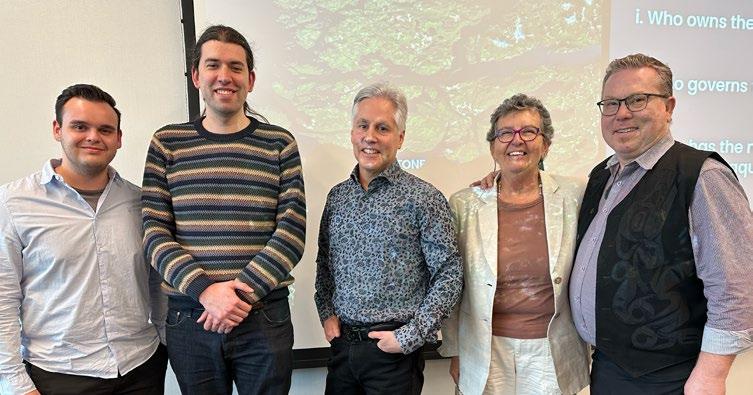
(L-R) Andrew Ambers, Jeff Nicholls, John Borrows, Virginia Marshall and Jeff Corntassel
Dragonfly Thinking at the World Governments Summit in Dubai
Dragonfly Thinking develops structured analytic techniques to help organisations understand complex and interconnected issues in more holistic ways.
Using cutting edge AI tools, the approach enables these techniques to be applied in a fraction of the time, supporting faster, better decision making and greater foresight.
In February, Dragonfly Thinking was featured at the Edge of Government exhibition during the World Governments Summit 2025 in Dubai. This global event brought together policymakers, thought leaders and innovators to explore bold approaches to today’s most pressing challenges. The exhibition’s theme, The Butterfly Effect, spotlighted how small decisions can spark worldwide change.
Co-founded by Professors Anthea Roberts and Miranda Forsyth, Dragonfly Thinking was one of just 10 innovations showcased, posing the question: “What if governments thought like a dragonfly?” Visitors explored
interactive displays and real-world case studies—from boosting Australia’s national resilience to advancing sustainable development in low-income countries and accelerating AI adoption.
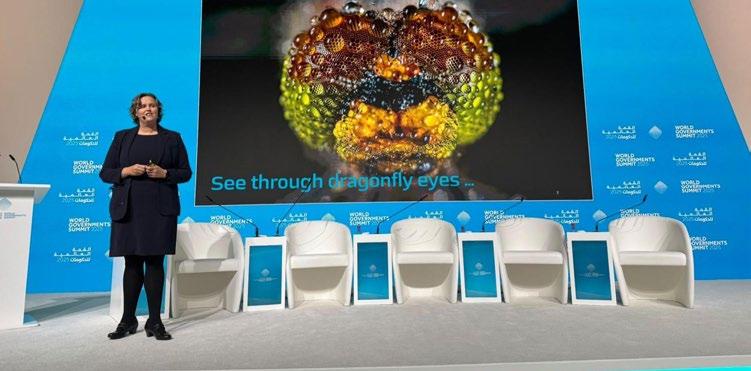
Professor Roberts presented on The power of Dragonfly Thinking in a new economy, introducing frameworks for navigating complexity and leveraging AI. The team also engaged with global leaders, including Klaus Schwab and His Highness Sheikh Mohammed bin Rashid Al Maktoum, reflecting growing interest in multi-lens thinking.
With strong support from Australia’s diplomatic representatives, Dragonfly Thinking left Dubai with new partnerships and a clear mission to shape innovative solutions for today’s toughest challenges.
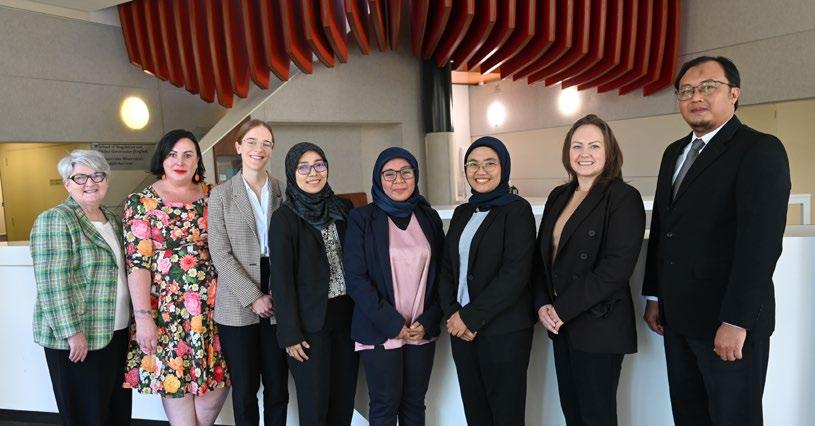
Strengthening partnerships with Indonesian government agencies
In October, the Department of Finance welcomed delegates from the Indonesian Ministry of National Development Planning (BAPPENAS) for a meeting with Kelly Wood, Assistant Secretary, Regulatory Foundations Branch.
RegNet hosted and participated in this meeting, together with Wood and Aisling Visser-Connolly, Assistant Director, Department of Finance. The discussion centred on Australia’s regulatory reform agenda.
The BAPPENAS team is responsible for driving Indonesia’s national strategy on regulatory reform and enhancement. Their visit provided an opportunity to learn about Australia’s approach to regulatory reform, gain a deeper understanding of the key stakeholders and explore how Australia applies a stewardship model to oversee regulatory systems.
Conversations focused on Australia’s implementation of the stewardship framework, the mechanisms used to ensure regulator
accountability, and the methods for assessing regulatory performance and impact.
In a separate visit, RegNet welcomed delegates from the Ministry of Foreign Affairs of the Republic of Indonesia. Professor Kate Henne, Professor Veronica Taylor and PhD scholars, Gita Putri Damayana and Aristyo Rizka Darmawan met with the Indonesian delegation to discuss Indonesia’s foreign relations law and foreign policy regulatory framework. These valuable discussions are expected to support future collaborations.
Anthea Roberts speaking at the World Governments Summit in Dubai
(L-R) Veronica Taylor, Kelly Wood, Aisling Visser-Connolly, Tanti Dian Ruhama, Puji Prasetyawati, Yasmin Dwi Lestari, Kate Henne and Hendra Wahanu Prabandani
Launch of key reports on sorcery and witchcraft accusations and related violence
This year, two key reports aimed at ending sorcery and witchcraft accusations and related violence were launched as part of Professor Miranda Forsyth’s ongoing peacebuilding and anti-violence research and advocacy.
Professor Miranda Forsyth was lead author of both reports, while Senior Research Officer Felicity Tepper supported their production.
In June, the International Network against Witchcraft Accusations and Ritual Attacks (INAWARA) launched the report, Legislative approaches to addressing harmful practices related to witchcraft accusations and ritual attacks. This report maps the development of legislation targeting witchcraft accusations and ritual attacks globally and initiates an evaluation of the effectiveness of selected laws.
In September, the United Nation’s Population Fund (UNFPA), launched the report: No-One Should Stand Alone. The report is written on behalf of the Papua New Guinea Department of Justice and Attorney General (DJAG), in support of the implementation of the Sorcery Accusation Related Violence (SARV) National Action Plan.
These reports are important guides for understanding and implementing actions to combat SARV in Papua New Guinea and around the world in the coming years.

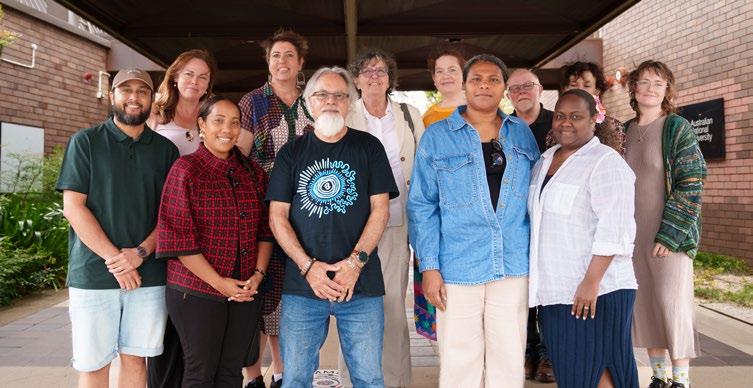
COP30: 30th Conference of the Parties to the UN Framework Convention on Climate Change
Negotiators, scientists, and civil society gathered in Belém, Brazil, from 6 to 21 November to discuss priority actions to tackle climate change.
Dr Virginia Marshall attended COP 30 as a research mentor and co-leader of the ANU Dhumimanyin Gawar Climate Alumni Leadership Program, alongside Salā Dr George Carter and Associate Professor Siobhan McDonnell. She also serves as a board member of Australia’s Climate Change Authority. The delegation included First Nations and Pacific Islander ANU postgraduate students, supported through the Dhumimanyin Gawar initiative developed by the Pacific Institute to provide mentorship from experienced ANU researchers.
Dr Marshall was a panel presenter on the theme Connecting knowledge, policy and action: how Australian universities can do better standing in for Salā Dr Carter, Director of the ANU Pacific Institute.
She spoke on the intersection of Pacific diplomacy, climate security and Indigenous knowledge, highlighting how universities can strengthen the ability of Pacific states and communities to exercise climate leadership internationally and locally.
In addition, she presented at a high-level event organised by the Global Alliance of Universities on Climate, joining presenters from Brazil’s Federal University, Tsinghua University, the Technical University of Munich, Yale University and ANU Youth Representative Laurie Singh, for the Youth Climate Leadership Roundtable on the theme Accelerate Action in Real Time
Photography from Legislative approaches to addressing harmful practices related to witchcraft accusations and ritual attacks
Photo credit: Paul Wolffram
Virginia Marshall (back row, third from left) with scholars in the Dhumimanyin Gawar program, Uncle Wally Bell and ANU staff before departing for COP30
Welcoming the first cohort of scholars in restorative justice and peacemaking
The Balzan PhD Fellowship is an initiative led by Emeritus Distinguished Professor John Braithwaite through his 2024 Balzan Prize, awarded in recognition of his contributions to contemporary restorative justice and his commitment to strengthening social institutions and community-building.
The fellowships aim to expand the horizons of restorative justice research globally, including Europe, the Americas, the Middle East, Oceania and Asia. With a primary geographic focus on Africa, the program will support dozens of emerging African scholars to produce papers on restorative justice or peacemaking in 20 or more war-afflicted African countries.
Guided by Deputy Directors Dr Yan Zhang (The Australian National University) and Assistant Professor Zelalem Tesfaye Sirna (University of Addis Ababa, Ethiopia), the program will draw on their regional expertise and leadership to foster innovative scholarship and support meaningful contributions to restorative justice and peacemaking efforts around the world.
This year, we warmly welcome our first cohort of Balzan Fellows:
Damola Adeniran
Nasarawa State University, Keffi, Nigeria
Amina Bitiyong
Institute for Peace and Conflict Resolution - Abuja, Nigeria
Yayew Chekol
Bahir Dar University, Ethiopia
Charles Ekpo
University of Calabar, Calabar, Nigeria
Ali Kaba
American University, USA
Chikaodili Orakwue
University of Johannesburg, South Africa
Daniel Yilma
Addis Ababa University, Ethiopia

FEATURED BOOKS
Edges of Empire: The Politics of Immigration in Aotearoa New Zealand, 1980–2020
Francis L. Collins, Alan Gamlen and Neil Vallelly

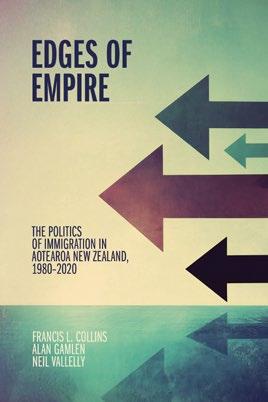
Since 1980, the peoples of Aotearoa New Zealand have fundamentally changed through new policies and new patterns of migration – from a largely Pākehā population with 10 per cent Māori in 1980 to today’s megadiversity, with new residents from Asia, the Pacific and the rest of the world. Immigration has had a profound impact on New Zealand’s society, economy, and place in the world.
Edges of Empire is an in-depth account of the social, political and economic context within which these transformations in policy and population took place. Drawing on interviews with fifteen former Ministers of Immigration, this book reveals the intricacies of politics and policy-making that have led to New Zealand’s relatively open and economically driven approach towards migration.
Written by three leading social scientists, Edges of Empire provides an insightful account of who is included in Aotearoa New Zealand and under what conditions.
Edges of Empire: The Politics of Immigration in Aotearoa New Zealand, 1980–2020 Book launch
Professor Alan Gamlen and co-author Dr Neil Vallelly (University of Otago) launched their book at ANU on 28 October 2025, engaging the audience in rich discussion on the politics, history and lived experiences of immigration in Aotearoa New Zealand.

View Professor Alan Gamlen’s profile and research interests
Violent Impacts: How Power and Inequality Shape the Concussion Crisis

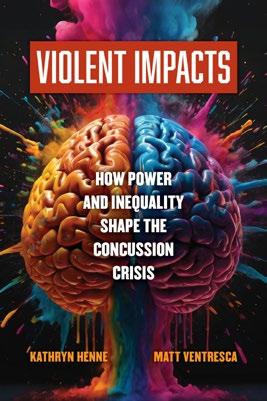
Concerns regarding brain injury in sport have escalated into what is often termed a “concussion crisis,” fueled by high-profile lawsuits and deaths. Although athletes are central figures in this narrative, they comprise only a small proportion of the people who experience brain injuries, while other highrisk groups—including victims of domestic violence—are all too often left out of the story.
In Violent Impacts, Professor Kathryn Henne and Dr Matt Ventresca examine what is and what isn’t captured in popular discourse, scrutinising how law, science and social inequalities shape depictions and understandings of brain injury. Drawing on research carried out in Australia, Canada and the United States, they illustrate how structural violence centres certain bodies as part of the concussion crisis while pushing others to the margins.
Violent Impacts: How Power and Inequality Shape the Concussion Crisis Book launch
The book launch event on 30 September 2025 at ANU brought together staff, students and the wider community for a cosy and engaging discussion. The Q&A session featured thoughtful questions and lively exchanges, with Professor Ruth Jeanes (Monash University) as discussant.
Kathryn Henne and Matt Ventresca
View Professor Kate Henne’s profile and research interests
Climate Obstruction: A Global Assessment
Edited by J. Timmons Roberts, Carlos R. S. Milani, Jennifer Jacquet and Christian Downie


Restorative Justice Approaches for Environmental Harm Practice Guide



The book brings together nearly one hundred scholars and experts to advance understanding of efforts by organised interests to slow or block policies on climate change. It includes sector-by-sector documentation of obstruction efforts, including by the fossil fuel industries, utilities, agribusiness, transportation, public relations and organisations on the political far right. It also analyses the surge in regulatory and litigation efforts, as well as civil society movements around the world, aimed at curbing climate obstruction and guiding more effective action in the future. The book launch is scheduled for next year.
In late 2025, the European Forum for Restorative Justice Environmental Working Group, of which Felicity Tepper is a member, released Restorative Justice Approaches for Environmental Harm: Practice Guide. Felicity was editor and both she and Professor Miranda Forsyth were co-authors.
This Guide brings together principles, step-by-step guidance, case studies and resources to help communities, practitioners, regulators and organisations apply environmental restorative justice (ERJ) to real-world situations of environmental harm. It encourages relational, inclusive and locally grounded approaches that recognise the interconnectedness of human and morethan-human communities and is an important addition to the practical resources available in the growing field of ERJ.
Felicity Tepper, Miranda Forsyth, et al.
View Professor Christian Downie’s profile and research interests
View Felicity Tepper’s profile and research interests
View Professor Miranda Forsyth’s profile and research interests
The Global
Battle Over Intellectual Property: The Cat-and-Mouse Game of Protection and Enforcement

Cats, mice and structural power: Susan Sell’s insights into the international political economy
A special feature by Dr Nicholas Frank and Professor Wesley Widmaier
In October, an important new book was published that speaks to the overlapping economic crises of our day — spanning concerns for market power abuses, corruption and inequality, but also holding out hope for agency, progress and change. In The Global Battle Over Intellectual Property: The Cat-andMouse Game of Protection and Enforcement (Cambridge, 2025), the late Professor Susan Sell, one of the most influential scholars of International Political Economy (IPE) of the past half-century, offers an argument highlighting the institutional, legal and ideational bases of market power wielded by powerful state and market agents — who she terms the “cats.”

However, the argument is not simply a “top-down” one: Sell also stresses the scope for agency and advocacy by those entrepreneurial, activist groups — who she casts as the “mice” that seek to limit the cats’ use and abuse of market power. The result is a fascinating window into the political context of the modern global economy.
However, The Global Battle Over Intellectual Property can be seen as more than that — it is the culmination of a career’s work, in which Sell has always been ahead of the field in highlighting the ways in which power is not simply rooted in military or economic capabilities, but also stems from influence over ideas, institutions and agendas. Given this more pluralistic view of power, Sell always saw more scope for resistance than contemporaries who were often resigned to the implications of unequal power for limited reform. To the extent that political options are often constrained by the mantra that “there is no alternative,” Sell’s view was that there are always alternatives — even if they are obscured by prevailing conventions and beliefs.
Sell burst on to the scholarly scene in the early 1990s as she challenged the then-prevailing approach to IPE. At a time when the US was suffering from declining material power, US scholars warned that this risked seeing a more fragile global economy. Sell’s first book, Power and Ideas: The North-South Politics of Intellectual Property and Antitrust, challenged this view. She questioned both the significance of the material decline in US capabilities and the implications for the global public good. Notwithstanding any material shifts, Sell highlighted the ways in which US power over ideas and institutions would continue to shape the global economy — and warned that such unequal power was itself a potential source of instability.
In Sell’s second book, Private Power, Public Law: The Globalization of Intellectual Property Rights, she examined the intensifying U.S. campaign to globalize strong intellectual property protections on behalf of its firmsparticularly in services, financial industries, and pharmaceuticals. Sell traced the shifting understandings of property rights that shaped the construction of the TradeRelated Aspects of Intellectual Property Rights (TRIPS) agreement. She argued that TRIPS institutionalized the interests of major corporations into the global trade regimes and reshaped international law and market governance in ways that continue to be felt today.
This sets her last effort, The Global Battle Over Intellectual Property, into sharper relief. In it, Sell “turns the telescope around,” highlighting possibilities for resistance to US hegemony and broader “neoliberal” ideas. She shows how “mice” can develop their own intellectual and ideational arguments, legal strategies, and activist movements that limit the scope for the abuse of market power. Tracing, for example, a history of struggles over the market power of US pharmaceutical firms, Sell highlights the ways in which moral arguments over the
'In her third book in what she considered to be a trilogy, Susan wanted to show how global rules are never really settled—the battle to shape them just moves to another front. The Global Battle Over Intellectual Property helps explain how contemporary global governance works, but it also offers lessons for disrupting unjust rules. It was a privilege to help Susan with the book and wonderful to see it finally out.'
— Dr Walter Johnson
cost of drugs led to concessions by industry representatives, and even saw US President Joe Biden voice support for a WTO waiver on vaccine patents. To be sure, just as the “mice” might move in tactical fashion, so do the cats who would succeed in blunting the force of Biden-styled “headline” concessions, fighting rear-guard retreats in the “fine print” of agreements. In sum, even while acknowledging the weight of structural power, Sell shows that space exists for effective types of opposition and resistance.
In an era marked by surging corporate power and mounting regulatory failures — whether in crypto markets, Artificial Intelligence, platform governance, or data privacy — Sell’s work remains strikingly prescient. Her ideas long ran far ahead of their time, as she anticipated how firms would expand their influence across national borders and argued for political activism as the appropriate response to abuses of market power. While she is no longer with us, her writings live on and chart an ethical and intellectual agenda that scholars across an array of disciplines and subfields continue to follow. When The Global Battle Over Intellectual Property is launched at the Australian International Political Economy Network (AIPEN) meetings next February in Brisbane, one can anticipate a substantial discussion of her legacy — as a moral leader, pioneering theorist of IPE, and a mentor whose guidance has shaped a generation of political economy scholars.
Susan K. Sell
AWARDS AND RECOGNITION
Jarrett Blaustein
2025–26 Edinburgh Futures Institute Visiting Fellow

Suvradip Maitra
Association for the Advancement of Artificial Intelligence (AAAI)/Association for Computing Machinery (ACM) Conference on Artificial Intelligence, Ethics, and Society Student Track and Workshop

Mutiara Indriani
2025–26 Non-Resident Global Health Politics Fellow at Boston University

Virginia Marshall
Advisory Board of the Macquarie University Centre for Environmental Law
Chair of the National Committee on Aboriginal Water Interests (CAWI)
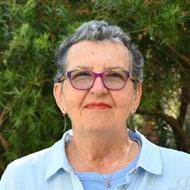
Lia Kent
Vice Chancellor’s Principal Research and Impact Fellow at Victoria University
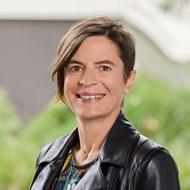
Sharif Sherajul
Summer School on Transnational Organised Crime, European Consortium for Political Research’s Standing Group on Organised Crime (SGOC) in collaboration with the United Nations Office on Drugs and Crime (UNODC)
GRANTS
Australian Research Council (ARC)
Local Responses to Missing Persons and Post-Conflict Peacebuilding

Climate Social Science Network
Assessing Organized Interests on Climate Change in Indonesia Trade Associations and Agents of Climate Obstruction

Commonwealth Department of Foreign Affairs and Trade (DFAT)
Perception Survey
National Foundation for Australia-China Relations
Towards Interoperability of Australia-China Sustainable Finance Taxonomies

Wenting Cheng
Howard Bamsey


National Health and Medical Research Council (NHMRC)
Centre of Research Excellence on Shaping Markets for Health Equity



New funded initiatives
Australian Research Council (ARC)
ARC Training Centre for Radiation Innovation (RadInnovate)

International Balzan Prize Foundation
Balzan PhD Fellowship Program, New Horizons in Restorative Justice and Restorative Peacemaking

National Health and Medical Research Council (NHMRC)
Centre of Research Excellence

Lia Kent
Christian Downie
Biennial
Anurug Chakma
Sharon Friel
Ashley Schram
Nicholas Frank
Veronica Taylor
John Braithwaite
HERknee
Kate Henne
Master of Technology Governance
The Master of Technology Governance (MTGOV) is a transdisciplinary training experience that accommodates interests in various technology sectors and emphasises a stimulating curriculum of master classes with distinguished practitioners, global networks and multiple career pathways in Australia and overseas.
Students learn how to combine evidence informed insights on governance with cutting-edge research to analyse and address real-world problems at local, national or international and across various technologies. By integrating different disciplines and perspectives, students obtain tools to engage with complexity, uncertainty and innovation. It uniquely positions graduates to assess and respond to an array of technology governance challenges now and into the future, whether their careers take them to the public, private or non-profit sectors.
Learn more and watch the program video
CTEGO
Graduate Certificate of Technology Governance
The Graduate Certificate of Technology Governance (CTEGO) is designed for students seeking to start or advance their careers in data governance, digital transformation and technological change. It provides skills that are transferable to legislative and regulatory affairs, policy design and analysis, industry, civil society and advocacy.
The program trains students to anticipate and address real-world problems across various technology and industrial sectors. Students learn to combine evidence-informed insights on regulatory systems with cutting-edge research to tackle pressing and upcoming issues in technology governance across domains and at local, national or international levels. By integrating different disciplines and perspectives, graduates are positioned to assess and respond to current and upcoming issues in technology governance, and be resilient to new challenges as they arise.
Learn more and watch the program video


MRGOV
Master of Regulation and Governance
The Master of Regulation and Governance (MRGOV) is a unique degree that equips students with the knowledge and skills to navigate environments where complexity, risk and transformative technologies are reshaping the ways in which we govern and regulate. The program draws on RegNet’s world-class research and innovative ideas in regulation and governance. MREGG students engage in an education program that emphasises interdisciplinary skills-building and our place in Asia and the Pacific.
Graduates from this program will be working in—or will join—government or private sector organisations charged with designing and applying regulatory policy solutions, often in partnership with diverse stakeholders.
Learn more and watch the program video

CREGO
Graduate Certificate of Regulation and Governance
The Graduate Certificate of Regulation and Governance (CREGO) is designed to help regulators and professionals working with regulatory stakeholders understand and apply best practice approaches to regulation and governance. It provides tools necessary to navigate the complexity of current regulatory environments.
The program is for people who are currently managing regulatory portfolios and projects in government agencies, or who will do so in future. It also supports professionals who work with regulatory stakeholders, including business and industry, territory, state and federal government agencies, the legislature, community actors and the media.
Learn more and watch the program video

VMGOV
Master of Governance (Advanced)
The Master of Governance (Advanced) is a distinctive interdisciplinary degree for high-performing students seeking to pursue a research-focused career in governance, including progression to doctoral studies in the field. The program equips students with world-class research training in the theory and practice of regulation and governance, preparing them to investigate complex societal challenges in an increasingly uncertain world.
Core courses provide a strong foundation in the concepts, institutions and processes of governance, while specialist classes and research training support the development of advanced analytical and methodological skills. Through engagement with interdisciplinary perspectives and real-world case studies, students critically examine governance across domains such as climate, health, global development, justice and technology.
The program includes a compulsory 24-unit research thesis, allowing students to undertake an original research project under expert supervision.
Learn more

CNSSO
Graduate Certificate of Nuclear Security and Safeguards
The Graduate Certificate of Nuclear Security and Safeguards (CNSSO) establishes a new professional qualification for Australia in nuclear safeguards. It is designed for graduates from a wide range of backgrounds ranging from science and engineering through to law, international relations, public policy and social science. Students will join a select group of professionals who will be the regulators and compliance leads within organisations responsible for strengthening and shaping non-proliferation in a complex world.
The National Nuclear Safeguards Education Program is a first of its kind partnership between the Australian Safeguards and Non-Proliferation Office (ASNO), the Australian National University (ANU) and Charles Sturt University. ANU and Charles Sturt acknowledge the financial support from the Australian Government via ASNO’s Verify program.
Learn more
PROFESSIONAL EDUCATION REGNET RELATED STUDIES AT ANU
The Professional Regulator program
The Professional Regulator: Foundation program is Australia’s first professional development program for regulators, designed and delivered by RegNet, in partnership with the National Regulators Community of Practice (NRCoP) and the Australia New Zealand School of Government (ANZSOG). The program provides professional development for regulators, regardless of regulatory sphere or jurisdiction, which results in a common foundation of current, modern regulatory practice, with increased professionalism and capacity of regulators around Australia.
The Foundation course is a practical six module online self-paced professional learning program. Participants will also have the unique opportunity to participate in a program of six seminars that will expand on the topics and themes explored in the six online modules. The seminars provide an opportunity for participants to learn with peers and will be facilitated by expert regulators.
Learn more
Graduate Certificate of Nuclear Technology Regulation
In partnership with the ANU College of Science and Medicine
The Graduate Certificate of Nuclear Technology Regulation combines internationally recognised expertise in physics, law, engineering, public policy and regulation to enable students to develop a critical understanding of the role of nuclear technology in Australia, as well as how and why it should be regulated.
RegNet Professor Veronica Taylor, who has helped to develop the Graduate Certificate, describes it as equipping students to understand risk-based regulation developed in response to nuclear technology. Technologies with complex multigenerational effects, civilian and military applications and human and non-human oversight need robust regulation and governance. The Graduate Certificate of Nuclear Technology Regulation applies interdisciplinary insights to questions of how to manage risk, build ‘smart’ regulation and earn social trust for technology that is both contested and consequential for Australia and its region.
Learn more
Specialisation in Contemporary Regulation
The Master of Public Policy Specialisation in Contemporary Regulation introduces students to the theory and practice of regulation and governance, providing tools that can be used to understand governance problems and to develop adaptive and effective responses at a local, national, and global level.
The courses provide students with a solid foundation in the concepts, processes, institutions and practices of regulation and governance, enabling them to apply those ideas to a range of domains, including disruptive technology, global business regulation, restorative justice, and climate and health policy.
Learn more
RECENT PhD GRADUATES
Sithong Chanthasouk
Increasing the effectiveness of Lao bank regulation: can smart regulation make a difference?
Hsueh-Hung (Reynol) Cheng
Navigating relational landscapes: reconceptualising restorative justice in Taiwanese juvenile justice

Walter Johnson
A socio-legal analysis of the emergence of global neurotechnology governance and its epistemic community

Lakshmin Aashnum Mudaliar
The emergence of environmental migration and displacement management ‘best practices’ in the Pacific

Theodora Putri
Judicial attitudes toward women in the Indonesian criminal justice system


REGNET VISITORS PROGRAM
RegNet has a lively Visitors Program that provides an intellectually stimulating environment for scholars and practitioners alike. We welcome academics, policymakers, practitioners and civil society representatives to join us and spend time in the School to work on projects and activities that align with our areas of interest and expertise.
Domestic
Kirsty Anantharajah University of Canberra
Isabelle Bartkowiak-Theron University of Tasmania
Sabrina Chakori University of Sydney
Jack Goldsmith University of Technology Sydney
Achalie Kumarage
Australian Capital Territory Government
Isabelle Patterson
Australian Capital Territory Government
Adam Slater
National Regulators Community of Practice
Benjamin Wood Deakin University
Our global network of visiting scholars make valuable contributions to RegNet’s research.
Grace Arnot Deakin University
Shelly Bielefeld University of Canberra
Deborah Cleland Vulcana Circus
Andrew Goldsmith Flinders University
Russell Leslie Independent
Mareike Riedel Macquarie University
Benjamin Authers
Adelaide University
Russell Brewer Adelaide University
Aleksandar Deejay Independent
Jade Hutchinson Macquarie University
Dorottya Patay University of Sydney
Alexandre San Martim Portes Think Change Resolve
Kathryn Starre Victoria University Lee White University of Sydney
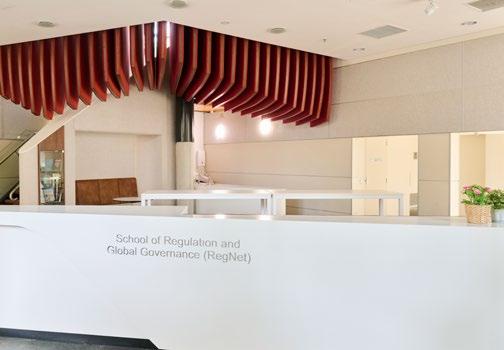
International
Jacqueline Alderson University of California, Los Angeles
Suh-Yong Chung Korea University
Narantuya Ganbat National Human Rights Commission of Mongolia
Nisa Istiani Universitas Al Azhar Indonesia
Judit Molnar University of Oxford
Therese Pearce Laanela International IDEA
Abidah Setyowati The World Bank
Kyla Tienhaara Queen’s University
Matthew Ventresca Western University
Reia Anquet Université de la NouvelleCalédonie
Adam Crawford University of Leeds
Charlotte Godziewski City St George’s, University of London
Rasika Jayasuriya International Organization for Migration, UN Migration
Emma Nyhan University of Manchester
Maxfield Peterson Washington State Department of Ecology
Rita Shah Eastern Michigan University
Natasha Tusikov York University
Lee Andrew Bygrave University of Oslo
Nathan Fioritti Monash University
Felicity Gray Nonviolent Peaceforce
Tate McAllister Queen Mary University of London
Madeleine Pape University of Lausanne
Kanika Samuels-Wortley Ontario Tech University
Renee Shelby Google
Heidi Tyedmers Cape Breton University
Celebrating the life and legacy of Emeritus Professor Roderic Broadhurst
Emeritus Professor Roderic “Rod” Girth Broadhurst who passed away on April 18, 2025, was a member of the Australian National University (ANU) and the School of Regulation and Global Governance (RegNet) community since 2009. His presence and contributions, as both a person and a scholar, will be missed.
Emeritus Professor Broadhurst was a towering figure in global criminology. His work ranged widely — from the empirical study of cybercrime and malware detection to nuanced examinations of organised crime in China and Cambodia. His research was often well ahead of its time, marked by methodological innovation and a relentless drive to uncover truths that mattered.
Among his most influential contributions was his book, Civilising Process in Cambodia (Cambridge University Press, 2015), coauthored with Brigitte and Thierry Bouhours. This groundbreaking work, along with their subsequent article in the British Journal of Criminology, traced the post-genocide decline in violence in Cambodia. Richly sociological and deeply original, this research made a truly distinct contribution to criminology and postconflict studies.
Emeritus Professor Broadhurst’s academic journey included distinguished appointments in Asia and Australia. At the University of Hong Kong, he led the development of one of the region’s most respected master’s programs in criminology and criminal justice. His decade there was pivotal — not only in shaping future criminologists, but also in forging academic friendships.
Later, at the Queensland University of Technology, he served as Head of the School of Justice, before joining the ANU in 2009. At ANU, Emeritus Professor Broadhurst helped build a leading Criminology program, which he continued to contribute to through his role at the RegNet. He also led the ANU node of the ARC Centre of Excellence in Policing and Security, applying his research to pressing policy challenges at national and international levels.
Emeritus Professor Broadhurst’s legacy in cybercrime research was pathbreaking. In establishing the ANU Cybercrime Observatory, he led pioneering investigations into Dark Web marketplaces. His findings revealed not only how drugs, including those from clinical trials, were distributed during the COVID-19 pandemic, but also exposed the unregulated trade in ghost guns and the critical need for stronger child protection frameworks online. This work reshaped how scholars, law enforcement and policymakers understood online criminal economies.
Beyond research, Emeritus Professor Broadhurst was passionate about mentorship. He also gave generously to his wider scholarly community. He was Secretary and then Chair of the Hong Kong Society of Criminology and a founding member of the Asian Society of Criminology. He established the Asian Journal of Criminology and served as its Editor in Chief, elevating Asian criminological research and providing a platform for voices previously overlooked.
We remember Emeritus Professor Broadhurst as a bold thinker and a dedicated mentor. His impact on criminology, and on those privileged to work alongside him, will endure for generations.
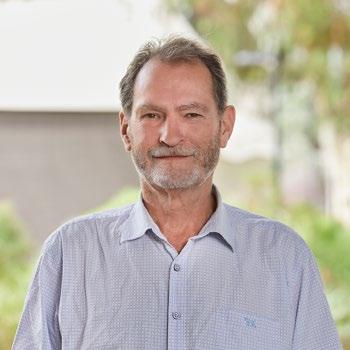
His colleagues, Dr Laurie Lau, Professor Eric Chiu, Dr Chu Yiu Kong, and Professor YW Cheung shared the following tribute:
“ We honour the memory of a scholar, a dedicated professor, and a cherished friend for decades. His passion for sociology shaped countless minds, both here in Hong Kong and later in Australia, particularly in the evolving landscape of cybercrime. It shaped the discourse in both Hong Kong and Australia, if not globally, leaving a lasting impact on students, colleagues, and the academic community in these two places. Beyond his scholarship, he was a guide and an unwavering source of wisdom … his legacy endures in the minds he shaped and the truths he uncovered.”
View Emeritus Professor Roderic Broadhurst’s profile and research interests
Estimated broadcast audience
1,614,799
38,653,025
Total audience reach for this news coverage:
52,172,224
Total number of items across online news, newspaper, tv, radio, magazine and social media
295
Publications (as of October 2025)
88

REGULATORY
THEORY:
FOUNDATIONS AND APPLICATIONS
Edited by Peter Drahos
Available for download and purchase at press.anu.edu.au
This volume introduces readers to regulatory theory.
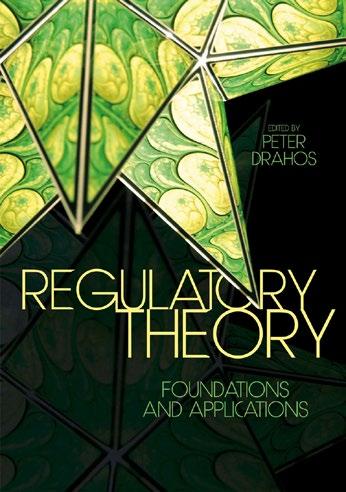
Aimed at practitioners, postgraduate students and those interested in regulation as a cross-cutting theme in the social sciences, Regulatory Theory includes chapters on the social-psychological foundations of regulation as well as theories of regulation such as responsive regulation, smart regulation and nodal governance. It explores the key themes of compliance, legal pluralism, metaregulation, the rule of law, risk, accountability, globalisation and regulatory capitalism. The environment, crime, health, human rights, investment, migration and tax are among the fields of regulation considered in this groundbreaking book. Each chapter introduces the reader to key concepts and
ideas and contains suggestions for further reading. The contributors, who either are or have been connected to the Regulatory Institutions Network (RegNet) or the School of Regulation and Global Governance, as it is now known, at The Australian National University, include John Braithwaite, Valerie Braithwaite, Peter Grabosky, Neil Gunningham, Fiona Haines, Terry Halliday, David Levi-Faur, Christine Parker, Colin Scott and Clifford Shearing.
Our collaborative and open-access book Regulatory Theory has been downloaded more than 46,200 times across 126 countries.
School of Regulation & Global Governance (RegNet)
Coombs Extension Building 8 Fellows Road
The Australian National University Canberra ACT 2600 +61 (0)2 6125 1501 regnet@anu.edu.au regnet.anu.edu.au
Follow us on Bluesky
Follow us on LinkedIn
TEQSA Provider ID: PRV12002 (Australian University)
CRICOS Provider Code: 00120C ABN: 52 234 063 906
School of Regulation and Global Governance (RegNet)
@anuregnet.bsky.social
GOVERNANCEANDREGULATORY INSTITUTIONS
CLIMATE CHANGE AND
The School of Regulation and Global Governance (RegNet) is a world-class academic centre renowned for its pioneering research and education on regulation and governance.
ANU College of Law, Governance and Policy