Magazinediferent species around the school

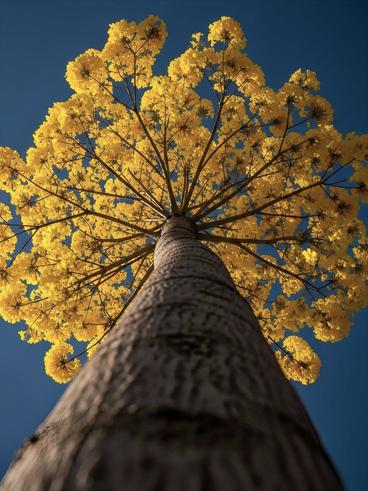
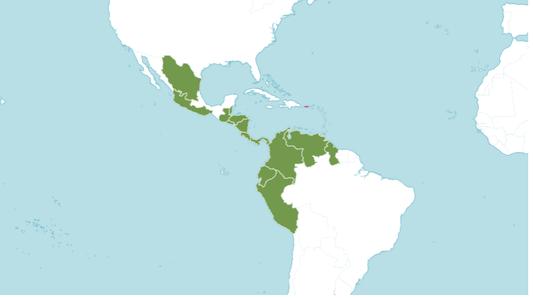
Thenativerangeofthis speciesisMexicotoPeru andTrinidad-Tobago.Itis atreeandgrows primarilyinthewet tropicalbiome.Itisused asamedicine,has environmentalusesand socialusesandforfood.
Belize,Colombia,CostaRica,Ecuador,El Salvador,Guatemala,Guyana,Honduras, MexicoNortheast,MexicoSouthwest, Nicaragua,Panamá,Peru,Trinidad-Tobago, Venezuela

A pale bluish-gray bird, common and widely distributed in open fields with large trees and hedgerows, as well as in towns, villages, and gardens in tropical and subtropical regions. It typically feeds on fruit in the upper and middle parts of trees. It perches on telephone wires. Simple but distinctive in appearance, with dark eyes and a sturdy beak. The population east of the Andes in South America has broad white bars on its wings, giving it a very different appearance.
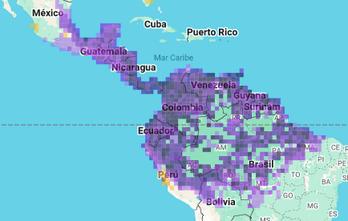
Where you can find it in school? In the park of primary


Apis mellifera, commonly known as the European honeybee, is the most widely distributed bee species in the world and the most economically and ecologically important pollinator for humans. Native to Europe, Africa, and parts of Asia, it has been introduced to nearly every continent (except Antarctica) due to its high adaptability and its usefulness in beekeeping.

In South and North America, in the most of Europe and in some parts of Australia In the pola.

Where you can find it in school?