
Biomass, Bioenergy and Bioproducts
Biomass, Bioenergy and Bioproducts
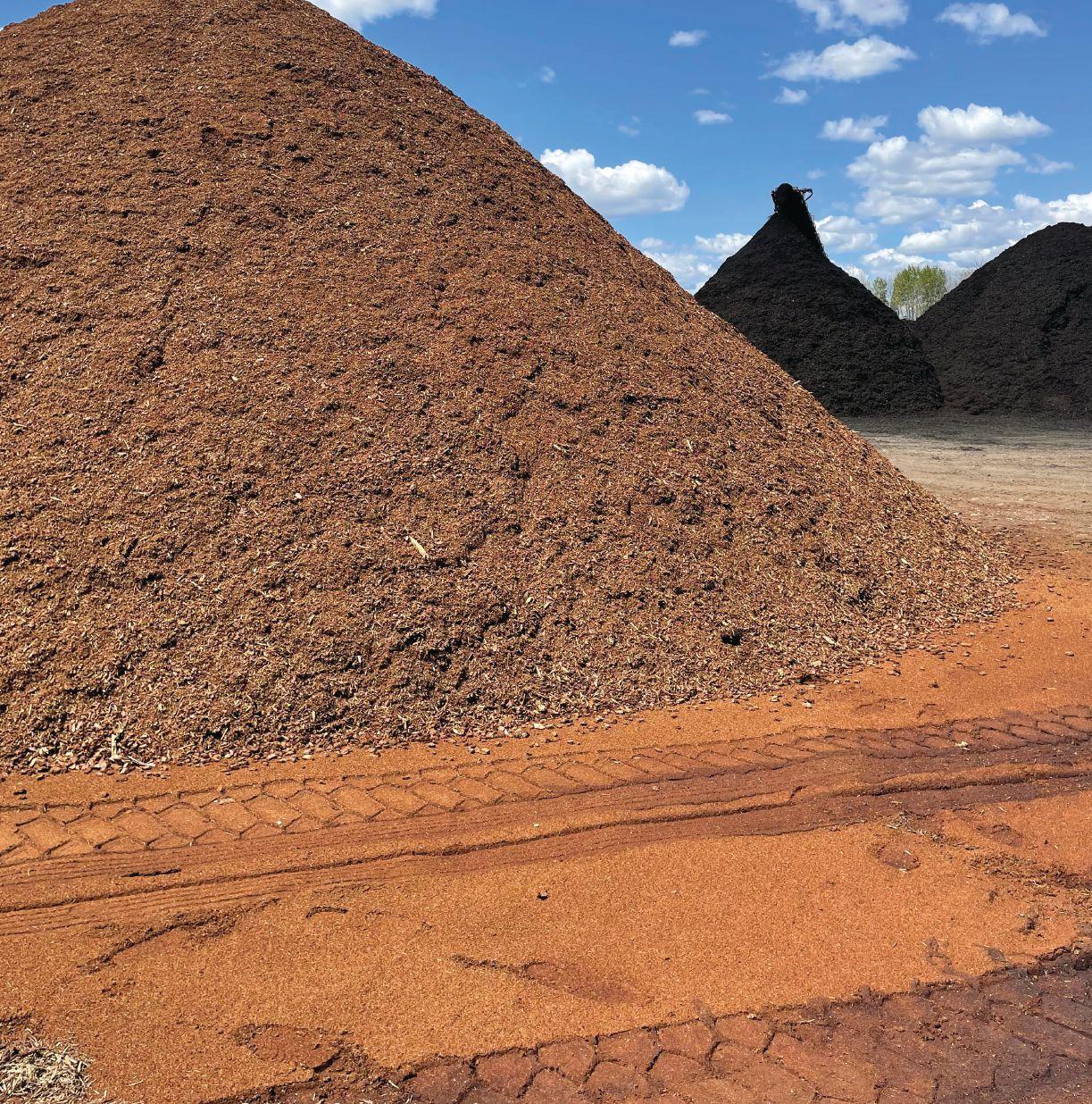
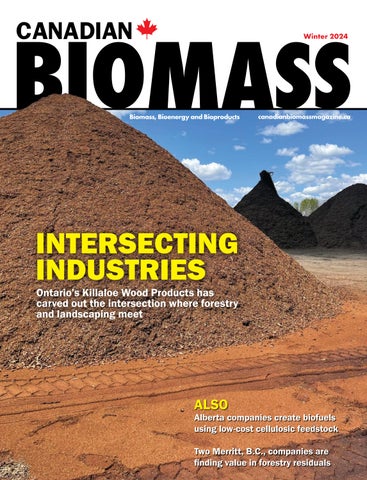
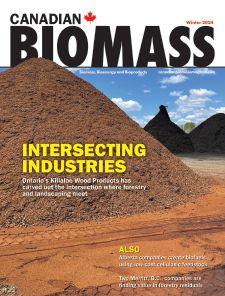
Ontario’s Killaloe Wood Products has carved out the intersection where forestry and landscaping meet
Alberta companies create biofuels using low-cost cellulosic feedstock
Two Merritt, B.C., companies are finding value in forestry residuals
The Ontario family-owned and operated Killaloe Wood Products has carved out an intersection where forestry and landscaping meet – from logging to landscape mulch.
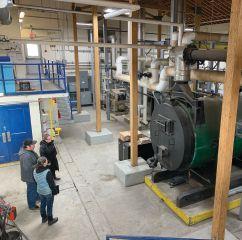
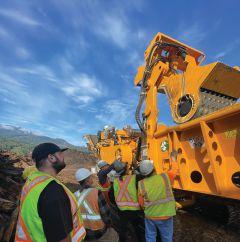
Mark Heyck, executive director of the Arctic Energy Alliance, outlines a history of heating the Northwest Territories with biomass, and how the territory is poised to become a national biomass leader.
Alberta companies, Expander Energy and Cielo Waste Solutions, are ramping up on multiple projects with the vision of filling a growing need for biofuels using cellulosic feedstock.
Two Merritt, B.C.-based companies – a First Nations fibre management company and a multi-generational trucking company – are working to make better use of leftover forestry materials.
“The
The Ontario-based, family-owned and operated Killaloe Wood Products demonstrates how waste from one industry can become an important input for another. Read more on page 12.

by Maria Church
’m not one for New Year’s resolutions, but even I’ll admit the new year brings feelings of new beginnings; fresh starts.
And I imagine for some Ontario biomass project developers that feeling has been brewing for the past few months as Ontario announced long-awaited funding recipients of its first-of-kind forest biomass program.
The province launched the $19.6-million program in May last year, and in December doled out the first $1.5 million to 15 projects. In late January, they announced another $9.4 million to be shared among 14 recipients.
Ontario is at long last ponying up to support its forest bioeconomy.
tial for pairing that technology with carbon capture and storage to generate negative carbon emissions. I think that’s really exciting.”
Many of those emerging technologies will get a boost thanks to the forest biomass program. Renfrew County sawmillers Ben Hokum and Son, for example, received nearly $120,000 for a project to use underutilized and unmarketable timber and forest biomass to produce advanced bioproducts such as pyrolysis oil, insulation, and bio-plastics.
I spoke with Ontario Forest Industries Association’s executive director Ian Dunn last summer, not long after the forest biomass program was announced, and we touched on the program’s potential for industry.
While any increase in the use of Ontario’s forest biomass is good news, Dunn said electricity and energy consumption or production is currently the most deployable and scalable technology that exists.
The federal government agrees, as we saw late last year with the move to include biomass for heat and electricity generation in the Clean Manufacturing and Clean Electricity Investment tax credits.
Five facilities in Ontario use forest biomass to generate electricity and sell it to the grid, together totalling around 270 MW. Many other forestry companies produce energy for their own consumption.
“There’s all kinds of opportunities and emerging products for forest biomass,” Dunn said. “We’re also seeing the poten-
Some funded projects are purely practical, and that’s good to see, too. True North Trucking out of Thunder Bay is receiving $250,000 for a new truck and self-unloading trailer to deliver forest biomass from suppliers to customers in Northwestern Ontario.
On a personal note, it’s wonderful to see Whitesand First Nation, Bingwi Neyaashi Anishinaabek First Nation, and Lake Nipigon Forest Management Inc. among the latest round of funded projects – all three I’ve written about over the past few years.
As many readers are aware, Whitesand’s project has been in the works longer than this magazine has been printing. Their team is receiving a healthy $1,289,573 from the forest biomass program to prep the site of their wood pellet plant.
As long-time Whitesand project champion David Mackett said on the Scaling Up stage in Ottawa last November, “Why should a First Nation not have access to develop and create power from their own forests? Biomass carbon reduction in Indigenous communities can lead to poverty reduction.” •
Volume 24 No. 1
Reader Service Print and digital subscription inquiries or changes, please contact Angelita Potal, Customer Service Ph: (416) 510-5113 Fax: (416) 510-6875 Email: apotal@annexbusinessmedia.com Mail: 111 Gordon Baker Rd., Suite 400 Toronto, ON M2H 3R1
Acting Editor - Haley Nagasaki Ph: (519) 410-0600 hnagasaki@annexbusinessmedia.com
Contributors - Gordon Murray, J.P. Antonacci, Joel E. Dulin and Ian Thomson
Group Publisher - Anne Beswick abeswick@annexbusinessmedia.com Ph: (416) 510-5248 Mobile: 416-277-8428
Account Coordinator - Shannon Drumm Ph: (416) 510-6762 sdrumm@annexbusinessmedia.com
National Sales Manager - Rebecca Lewis Ph: (519) 429-5196 rlewis@annexbusinessmedia.com
Quebec Sales - Josée Crevier Ph: (514) 425-0025 Fax: (514) 425-0068 jcrevier@annexbusinessmedia.com
Western Sales Manager - Tim Shaddick twshaddick@gmail.com Ph: (604) 264-1158 Fax: (604) 264-1367
Audience Development Manager - Serina Dingeldein Ph: (416) 510-5124 sdingeldein@annexbusinessmedia.com
Media Designer - Curtis Martin
President/COO - Scott Jamieson
Canadian Biomass is published four times a year: Winter, Spring, Summer and Fall. Published and printed by Annex Business Media.
Publication Mail Agreement # 40065710
Printed in Canada ISSN 2290-3097
Subscription Rates: Canada - 1 Yr $58.14; 2 Yr $104.04 Single Copy - $9.00 (Canadian prices do not include applicable taxes) USA – 1 Yr $123.93 CDN; Foreign – 1 Yr $140.76 CDN
Annex Privacy Officer Privacy@annexbusinessmedia.com Tel: 800-668-2374
Occasionally, Canadian Biomass magazine will mail information on behalf of industry-related groups whose products and services we believe may be of interest to you. If you prefer not to receive this information, please contact our circulation department in any of the four ways listed above. No part of the editorial content of this publication may be reprinted without the publisher’s written permission. ©2024 Annex Business Media, All rights reserved. Opinions expressed in this magazine are not necessarily those of the editor or publisher. No liability is assumed for errors or omissions. All advertising is subject to the publisher’s approval. Such approval does not imply any endorsement of the products or services advertised. Publisher reserves the right to refuse advertising that does


A Canadian start-up turning agricultural and food waste into compostable fibres has been named the winner of The Green Pursuit, a national sustainability and innovation challenge powered by Dairy Farmers of Canada and Bioenterprise, Canada’s Food & Agri-Tech Engine.
The winner, Aruna Revolution of Nova Scotia, will receive the $45,000 grand prize for its unique approach to reducing some of Canada’s 35.5 million tonnes of food loss and waste. The company uses parts of plants that humans cannot digest to make 100 per cent biodegradable, compostable, plastic-free menstrual pads.
The company’s proprietary “farm to fibre” process means a wide range of farm fibre by-products can be upcycled into sanitary pads, giving farmers new market opportunities for
Shaw Renewables has created a monitoring system and process to improve the reliability of burner refractory which is critical for energy efficiency and performance, as well as for the safety and integrity of the burner. A refractory breakdown can lead to unplanned shutdowns, repairs, downtime, and hot spots or deterioration of the external steel shell.
The company has implemented this innovative approach at its Belledune, New Brunswick and Hardwood Lands, Nova Scotia plants. Michel Boudreau, production, operation and maintenance manager, presented this project during WPAC’s monthly safety committee meeting.
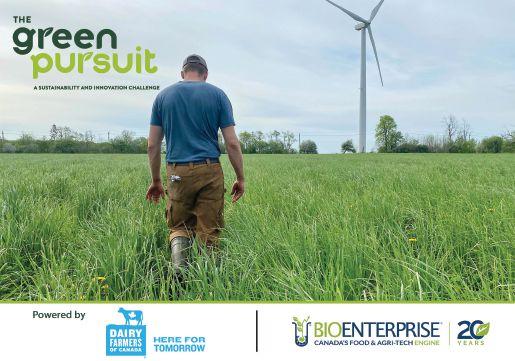
by-products that are often left on fields and women access to environmentally friendly, sustainable period products.
Kensington laments the loss of a $150 million woodchips-to-renewable diesel plant project by SustainAgro. The company intended to process 40,000 tonnes of wood chips annually, creating renewable diesel fuel and marketable byproducts. Despite initial plans to employ 30 people, the project faced environmental approval delays, leading SustainAgro to shift focus to Thunder Bay, Ont.
Kensington council is frustrated by unspecified warnings from provincial officials against dealing with SustainAgro, with reasons yet to be disclosed. SustainAgro CEO Joey O’Brian highlights swift progress in Northern Ontario compared to a year-long struggle in P.E.I.
The Forest Enhancement Society of BC (FESBC) Accomplishments Update provides an insightful overview of the forest enhancement work accomplished in the past year. At the Truck Logger’s Association convention in January of 2023, premier David Eby announced that FESBC would be entrusted with administering $50 million for forest enhancement projects, focusing on waste wood utilization and wildfire risk reduction.
In response to the premier’s announcement, FESBC quickly rolled out a funding intake for First Nations, community forests, companies, and communities throughout the province. Project approvals commenced soon after that. Now, just one year after the initial announcement, FESBC is excited to report the cumulative approvals of 66 projects valued at $47.9 million, with work on those projects actively underway. FESBC is particularly proud that
39 of these projects are led by or involve First Nations, reflecting the collaboration and the importance of First Nations involvement at the core of FESBC’s initiatives.
“The Forest Enhancement Society of BC (FESBC) supports First Nations, community forests, rural communities, and many others who take on projects to help strengthen forest health and ecosystems while creating good jobs in communities across the province,” said Minister of Forests, Bruce Ralston. “As we look ahead to a new year, it’s vital we build on the lessons learned in 2023, specifically following the worst wildfire season in our province’s history. With the help of the 66 projects funded in 2023, B.C. is taking necessary steps in battling climate change and becoming more resilient in the face of worsening wildfire seasons. Thank you to the entire team at FESBC for a job well done.”




CAs the world looks to renewable bioenergy, isn’t it time Canada did the same?
By Gordon Murray
anada’s pellet sector is a global powerhouse not just in producing pellets but in the global fight against climate change. In a large part, this is the result of the hard work of our members.
As a sector, it’s our responsibility to keep pushing, delivering, and innovating. The Wood Pellet Association of Canada and its members take this responsibility seriously. We’ve been busy working on every front, both globally and domestically, from supplying global markets with renewable energy to alleviating energy poverty right here in Canada and to making our people and communities safer.
Globally, we have participated in ground breaking discussions from India to Japan and across Europe and we’ve made tremendous progress on meeting the burgeoning demand for wood pellets and on logistics and policy fronts. Today, countries like India are recognizing the potential for biomass to reduce greenhouse gas emissions and transition to clean energy. Across the world in Japan, Canadian pellets surpassed exports to Europe. In December, WPAC joined B.C. Minister of Forests Bruce Ralston as part of the Japan Trade Mission delegation at a gathering of key customers, trading partners, governments, First Nations, and industry leaders at the Canadian Embassy in Tokyo to reinforce the importance of B.C.’s historic trading relationship.
What also stood out for me this year was the uptick in residential and commercial demand for biomass in Europe which now makes up 48 per cent of consumption and is supported by incentives through
grants, policies, regulations, and education. I recently joined EU decision-makers and bioeconomy stakeholders and authorities in Brussels, Belgium, to discuss the broad implications of the European Deforestation Regulation and possible outcomes at a seminar hosted by the Northern Sparsely Populated Areas (NSPA). Canada was the only non-Nordic nation invited to sit on the expert panel, with participation of more than 40 delegates from across Europe, the UK, and the U.S.
Global focus for 2024:
• EU deforestation regulation
• In-person missions to Japan and Taiwan
• Translated marketing materials
• Geolocation pilots
DOMESTIC DEMAND ON THE RISE
Interest in the role of wood pellets is growing in both providing renewable energy and in making communities safer. We are supporting NB Power’s initiatives to increase awareness of the benefits of local wood pellets at both the residential and commercial/industrial levels. Today the five pellet plants in New Brunswick have capacity to produce 465,000 tonnes annually, that’s enough to heat 100,000 homes. A big shout out to our members in the Maritimes who hosted NB Power staff on a tour of a pellet operation as well as a stop at the Grand Falls Hospital, which has installed bioheat as a primary energy source.
Levelling the playing field for wood pellets in Canada has been a major strategic
objective for our members this year. Rebates and incentives are readily available in Canadians in both the North as well as in New Brunswick and this fall Ottawa announced plans to expand its clean technology and electricity tax credits to include forest biomass conversion technologies for heat and electricity generation.
Our nation’s capital was the chosen location for WPAC’s annual conference in September. It was another success celebrating the strides we’ve made as well as to look at the next steps we need to take to advance the bioeconomy with innovative solutions that will support the transition to a greener, more sustainable world.
We are immensely proud to support the important work of the Forest Enhancement Society of B.C., which aims to enhance forest resilience to wildfire and climate change for the lasting benefit of British Columbia’s environment, wildlife, forest health, and communities. Much of this work focusses on better utilization of forest residuals. Given the catastrophic fires of 2023, this is an important effort we can all get behind.
Domestic focus for 2024:
• Maritimes expansion
• Domestic marketing initiatives
• Arctic Energy Alliance Biomass Week
• WPAC annual conference in Victoria
• Boiler standards
• Regional Risk Assessments
• Sustainable Biomass Program
• R&D: agricultural biomass and forest residuals
Every day WPAC members and their employees work tirelessly to ensure leading safety practices are implemented and embraced. We know we will be measured by our collective efforts as an industry. Our reputation and the trust of regulators, the general public and the families of our employees depend on this. In 2023, we focused on safety both at home and in Japan.
Operator safety training for pellet manufacturers has officially risen to the next level. Working together with the BC Forest Safety Council, we have launched an industry-wide initiative to deliver a free, comprehensive, digital e-learning safety training program for plant operators and supervisors. Around the world, process safety man-
agement (PSM) is becoming central to worker safety and managing risk. PSM implementation protects personnel, equipment and production uptime, and is associated with lower maintenance cost, insurance and capital. The industry will implement PSM through a strategic long-term plan, using the CSA Z767 Process Safety Management standard as the framework. It is anticipated the initiative will be a core focus of the WPAC Safety Committee Workplan for the next five-to-seven years.
Our safety committee continues to provide guidance and direction to our safety initiatives. We meet monthly virtually and in 2023 we held a number of workshops and meetings to explore the latest and to reinforce our commitment to the promises we make to our workforce, their families and the communities in which we operate.
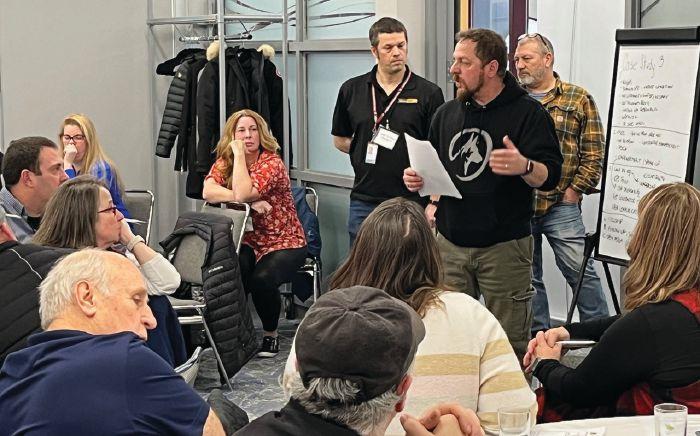
We held a safety workshop in Ottawa that provided greater clarity on those initiatives, and in November 2023, more than 50 participants from across Canada met in Prince George, B.C., to discuss evolving trends and regulatory topics. Live polling was used to capture participants’ observations, recommendations, and experiences. We also made safety a key part of our outreach in Japan this year. In partnership with FutureMetrics, we hosted a workshop to address the risks of silo fires. The workshop was held in Tokyo and was sold out.
Safety Initiatives for 2024:
• Process safety management
• Annual safety summit
• Safety hero program
We’re a small team at WPAC so none of our initiatives and achievements would be possible without the support of our members and government agencies that support us on the safety, R&D and marketing fronts.
Despite what sometimes seems like a mountain of work ahead, we remain focused on the two key areas: to grow a resilient pellet sector that creates green, renewable products at the forefront of the global transition to a low-carbon economy, and to maximize the sector’s innovation in the bioeconomy. Let’s get to it! •
Gordon Murray is the executive director of the Wood Pellet Association of Canada.
By Mark Heyck
When you think of the Northwest Territories, an almost unfathomable expanse of forest might not be the first thing that comes to mind. But with a sparse population and a gigantic landmass, the majority of which is below the tree line, most of the territory is uninhabited woodland.
Thanks in part to this enormous natural resource, the NWT has quietly become a national leader in biomass heating. And with the effects of climate change bearing down on the North, biomass energy is becoming more essential than ever.
Biomass has a long history in the NWT. Wood is a traditional source of heat and is often less costly than other fuels, which can be prohibitively expensive. Wood stoves are a common sight in homes, and pellet boilers are becoming increasingly common for larger buildings.
Since 1997, the Arctic Energy Alliance (AEA) has been pushing the adoption of biomass heat in the territory. The AEA is a government-funded non-profit that helps Northerners find ways to save energy, lower their bills and reduce their greenhouse gas emissions. In 2007, the AEA launched a program to provide rebates on energy-efficient products that people use every day, including wood stoves. And in 2014, it took over administration of a program started by the territorial government to provide rebates for renewable energy systems, including biomass boilers and furnaces.
The organization also has a program to
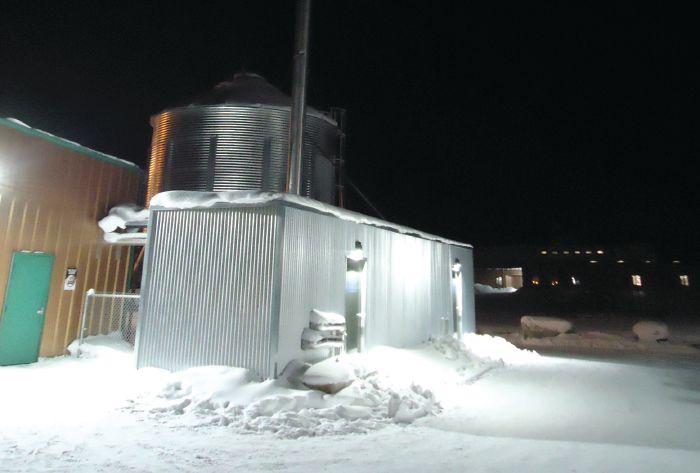
provide technical advice and studies for people and organizations who are interested in using biomass heating, such as a group installing district heating systems.
One of the AEA’s most notable initiatives has been its community wood stove projects, which first launched in 2011. Under these projects, a partner – such as a community government – will team up with the AEA to help homeowners get new, efficient stoves at little to no cost. The community partners are responsible for choosing the recipients, who may be people in need. The stoves are installed according to safety codes, and in some cases, replace units that are no longer safe. These replacement stoves reduce local particulate emis-
sions and allow people to continue to safely keep heating costs down by using wood heat. In other cases, homeowners can get a wood stove for the first time, which can greatly reduce their energy bills and lower their greenhouse gas emissions.
Of course, the AEA is not the only organization in the NWT leading the shift to more biomass heating. In 2006, for example, the City of Yellowknife adopted its first community energy plan. It included several studies on energy-saving measures and various technologies and led to the widespread adoption of biomass heating for city facilities. I was a city councillor at the time, and fully supported the transition to fewer fossil fuels.
This past summer, Canada saw its worst wildfire season on record. Proportionally, the NWT may have been hit harder than any other province or territory. Approximately 4.1 million hectares were affected, which is 23 per cent of the total area that burned across the country and equivalent to more than half of New Brunswick. Almost 70 per cent of the territory’s residents were forced to evacuate their homes and communities. And the fires released more than 110 megatonnes of carbon – more than a quarter of the emissions from all the wildfires across Canada combined.
The fires were an obvious challenge for everyone in the NWT, and the AEA was no exception. The evacuations put some of the organization’s work on hold and meant it had to change the schedule for its community wood stove projects for the year.
The disaster brought to the fore the fact that both adaptation and mitigation are necessary when dealing with climate change. We need to prepare for extreme weather events and climate-related natural
disasters. At the same time, it’s important to do all that we can to keep them from getting worse. When it comes to climate change, the AEA’s work is focused on mitigation, and that’s where biomass comes in.
The NWT’s population may be small, but with the North so affected by climate change, the territory can be a model for elsewhere. Ironically, the devastating wildfires highlight the case for biomass as one way to reduce our dependence on fossil fuels: when used sustainably, biofuels can be considered carbon neutral.
The Government of the Northwest Territories, in its 2030 Energy Strategy, laid out a goal of reducing greenhouse gas emissions in the territory by 517 kilotonnes over 2016 levels. One of the major objectives to meet this goal is to increase the share of renewable energy used for space heating to 40 per cent.
Biomass is one of the main ways to achieve this objective, and the AEA is helping to lead the charge. In addition to regular programs and projects, it has re-
cently been promoting biomass heating through an annual Northwest Territories Biomass Week conference (the week of Jan. 29, 2024), held in conjunction with the Wood Pellet Association of Canada. It has also started what it calls biomass “fast-track” projects, where the AEA gives out rebates for installing biomass boilers. Other organizations are also working to encourage the adoption of biomass heating, and the effort is paying off: the territory is seeing new biomass heating systems installed every year.
Of course, it’s not all roses. There are still gaps in the labour force and supply chains can be an issue in communities without year-round road access. More work needs to be done, and collaboration and co-operation are necessary for successful projects. But with forests aplenty and climate change looming large, the NWT is on track to continue being at the forefront of biomass heating in Canada. •
Mark Heyck is the executive director of the Arctic Energy Alliance in Yellowknife, and previously served two terms as mayor.
By Maria Church
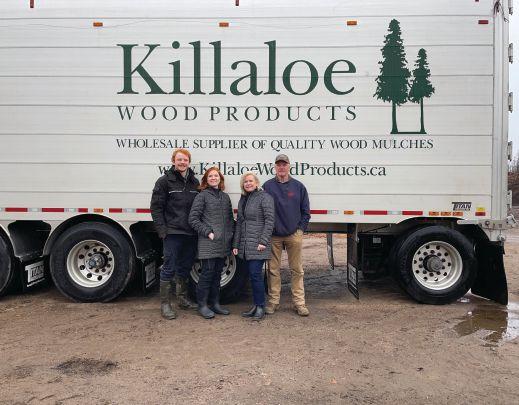
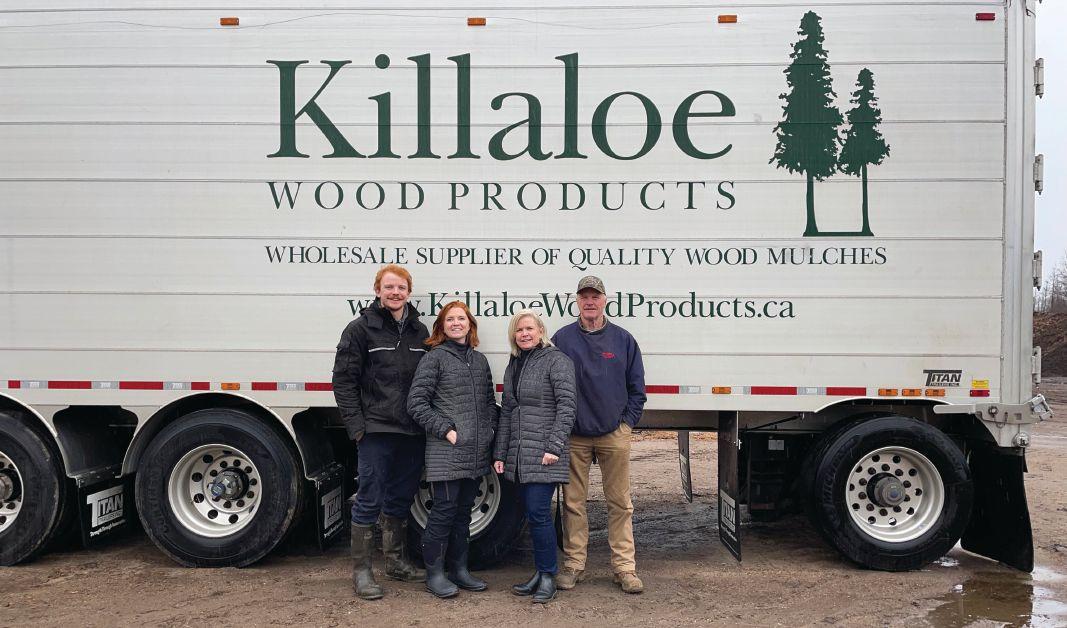
Family-owned and operated Killaloe Wood Products has carved out a niche for itself at the intersection of forestry and landscaping, producing high quality, locally sourced mulch and custom woodbased soil amendments for clients across Ontario and Quebec.
Siblings Megan Hundt and Kelly Summers are the second generation behind the Renfrew County, Ont., family business that parents Jerry and Cathy Summers started in 1986. Today, four of the family of five are regulars on site, each focused on an aspect of the business while seamlessly filling whatever jobs need tackling that day.
“It’s very rewarding getting to work with your family,” Hundt says. “People laugh and ask, ‘It is?’ But, yes, it is!”
Killaloe Wood Products started out as a logging and tree service company. Jerry attended the Algonquin College forestry program, but left when the opportunity for a job with the Algonquin Forestry Authority came up. “He always wanted to run his own business,” Hundt says, “So from there he jumped into running his own business taking contracts with Algonquin Park and Hydro one.”
Following a major ice storm in Eastern Ontario and Western Quebec in 1998, Killaloe grew exponentially to manage the tree damage, at one point having close to 30 employees. Once those contracts were fulfilled, the company downsized and looked for new opportunities.
In the early 2000s, Renfrew County prioritized red pine plantation thinnings – a legacy of forest management practices from the previous century. Killaloe took on another niche with selective harvesting and soon after opened a roundwood fence post mill.
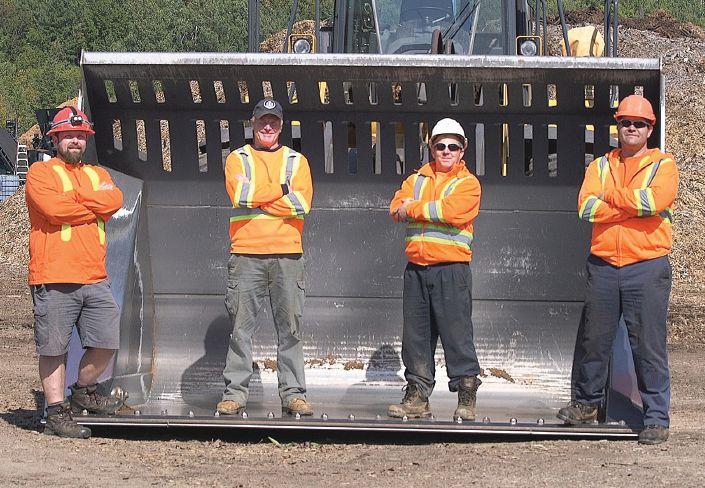
“The smaller roundwood didn’t have a home at the larger mills,” Hundt says.
The company quickly encountered challenges with the mill’s by-products – the peelings encroached on operating space, and they built up quicker than any existing market could use them. In 2008, they purchased a Morbark 1000 tub grinder and began producing mulch.
Summers remembers the early days of manually powder mixing the mulch colouring. “You go over and shake it all over the material, spray it down with water, and mix it. You’d walk out of there and you’d be covered in it. When customers ask about the safety of the dyes we can personally attest to it,” Summers says. “Now it’s streamlined and I’m sitting in the comfort of a loader.”
Committing to mulch production, in 2008, Killaloe brought in a Marion Mixer and, in 2013, sold the fence post business. Business hummed along until 2019, when the local township informed Killaloe that they would not be given a half load permit to use the local road during the next spring rush, Hundt says. “We had made requests to meet with the mayor and roads committee to provide more information on the requested permits, but were denied repeatedly. Instead the request was discussed at the next council meeting, covered by the local paper, and it became apparent the decision was made with inaccurate information,” she says. “It resulted in us having to find new land and move our whole operation. We were forced into it, but ultimately it was a good business decision for us.”
While Jerry remains the official patriarch of the business, he’s transitioning out of the day-to-day, Summers says. “He’ll always still be involved in the business, he’ll never fully step back, I think he just doesn’t want to put out fires day to day,” he says.
“We were laughing because he’s out making composted pine mulch right now,” Hundt says, motioning out their office window.
Matriarch Cathy continues on as an essential cog of the business wheel. “She’s the glue that keeps everything running smoothly, and we don’t have much overlap with her,” Hundt says.
Hundt, the eldest sibling of three, joined the company in a sales role in 2013 and has steadily taken on more as her dad steps back. Although the family hesitates to commit to job titles, Hundt fulfills a general manager role. “Things are pretty fluid with what we cover. Everyone here has a sense of responsibility for making things run smoothly, so we trade hats often,” she says.
Summers, the youngest sibling, who played professional hockey in Europe up until last year, is now onsite daily fulfilling a sales and dispatch role as well as learning yard operations and maintenance. “This is my first time being home for the off-season, to see everything that goes in for the prep for the spring. It’s been exciting being back, learning the ropes,” he says. “I didn’t think they did anything in winter, but apparently there’s a lot!”
Middle sibling Jeff is a Hydro One forestry instructor and certified arborist, keeping forestry firmly in the family.
Killaloe employs four other full-time staff and a couple seasonal workers, all of whom are like family, Summers and Hundt attest.
“Our employees have been key to our success,” Hundt says. “Jason Felhaber, Jason Petroskie, John Limlaw are experts at keeping the machines running smoothly, and they’ve perfected making a consistent, dependable product that we’re really proud of. Richard Cybulskie, our lead driver, makes sure our material gets to market in the most efficient way, while limiting downtime on the trucks, with the help of our new recruit, Phil Coulas. We have many other drivers that we work closely with who are real pros at what they do.”
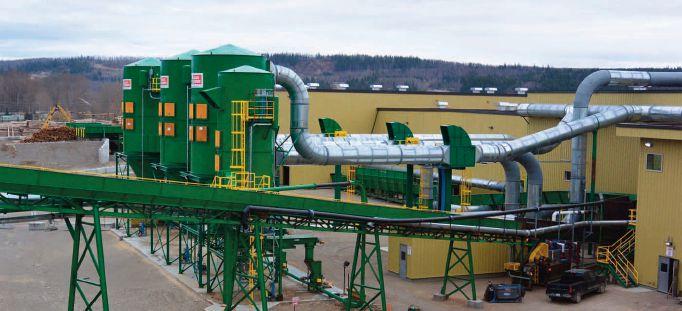
Killaloe will process around 1,000 tractor trailer loads, or 400,000 tonnes, of material each year. Incoming fibre is sourced from local mills and loggers, often hog fuel, slabs, and low-value or culled logs.
Caterpillar and John Deere loaders move material around the site, which first heads to either the Vermeer HG6000tx horizonal grinder to get larger material down to a manageable size, or the Morbark 1100 tub grinder that creates a consistent end product.
A McCloskey trommel screener sizes the material, removing large rocks or woody branches, and McCloskey stackers – an 80-foot and a 100-foot stacker – allow for easy stockpiling of the mulch. The piles get up to 40 feet high with a 60-foot base diameter, Summers says.
Colour is added – black, red or brown –using a Colorbiotics Sahara Mixer.
“We were very fortunate that we had made the move to the bigger site before the pandemic because we were very well set up when everyone was stuck at home and starting landscaping projects,” Hundt says.
The company lists 16 products – various coloured mulches in a cedar or pine hardwood blends, some natural products, and some soil amendments. In the last few years, Killaloe has added custom, specialty blends for commercial growers who need a soilless growing medium.
“We’re working with Vineland Research and Innovation Centre to fine tune our soil blends,” Hundt says. “Because wood is so renewable, whereas some other components in these mixes aren’t, there is more and more interest in using this renewable resource for that use.”
Hundt says working with growers is a partnership. With growing medium being a crucial and costly component of their business operation, growers need to trust that Killaloe will produce a consistent, predictable product. “They need to know that what they’re getting in their delivery is consistent through the truckload, and across the different truckloads they’ve gotten that year.” she says. “When they’re growing plants with so many natural variables like sunlight, watering, seed, fertilizer, they need to be able to trust that the

growing medium is consistent.”
Some of Killaloe’s mixes require composting for up to two years on site. Other product can be processed and sent out within six months. The six-month minimum allows organic breakdown to occur so that the mulch doesn’t pull nitrogen out of the soil. A specific product designed to supress growth can be processed and shipped green.
Trucking for deliveries is a huge segment of their logistics. The company owns two trucks to run their four 53-foot walking floor trailers. Two other trucks are subcontracted to pull the trailers March to October. Around 80 per cent of their product is delivered to customers, landscape depots and growers in Ontario and Quebec. The remaining 20 per cent is sold to customers on site.
Killaloe’s busy season runs from April to June. In the lead up, staff are in “set up” mode, getting the product on site and pre-
paring logistics for the spring rush.
“I kind of think of our business like that gameshow where you’re running through a grocery store and you have three minutes to get everything into the cart,” Hundt says. “Our busy season is like that where you’re scrambling. The rest of the year is getting everything set up so you can do that rundown efficiently.”
When asked what drew them as young professionals to the family forestry business, Summers and Hundt don’t hesitate with a handful of reasons.
“It could be just looking up to my dad,” Summers says. “He’s been a chameleon of the industry. It’s been ever changing for him. From my point of view, he’s seemed to adapt well. I’m sure there were lots of processes that stressed him out then, but it worked very well for him. It’s good to see how well he enjoyed doing it. And to be a
“Everyone here has a sense of responsibility for making things run smoothly, so we trade hats often. ” – Megan Hundt
part of working with the family, working with my sister, my mom and my dad has been important. We’re a really close family.”
For Hundt, who started with the company shortly after she graduated from the University of Waterloo in biochemistry and business, choosing the family business was the right lifestyle for her.
“I thought I was destined for pharmaceutical marketing,” she says. “I realized you kind of need to live in Mississauga. I kept running up against: ‘I don’t want to live here.’ For me, joining was really the idea of living in this area that I love. No day is ever the same and we get to be outside. I have a pretty office-y job, but I spend less than half a day behind a desk.
“We work with great people, our customers, our partners, everyone is often small owner/operators. I really enjoy working with people who like to get their hands dirty. It’s a very different culture from the corporate culture that I thought I wanted,” Hundt says.
And when it comes down to it, mulch is neat.
“People must dread me at parties – ‘I sell mulch and let me tell you about it’ –but when you get down to the nitty gritty of it, it is so interesting!” Hundt says. •
By Maria Church
Two Calgary companies have teamed up to introduce bio-synthetic diesel and jet fuel from forestry residuals and other non-food feedstocks to the Canadian and international markets.
Technology provider Expander Energy and Cielo Waste Solutions, a public wasteto-fuel environmental tech company, are ramping up on multiple projects that Expander president and COO Gord Crawford says are filling a growing need for drop-in biofuels made from low-cost, cellulosic feedstock.
Nearly all renewable fuels in Canada are imported and made from food waste and oilseeds, mainly canola. Large, under construction renewable diesel refineries in Canada will also use oilseed as their main feedstock.
“The issue is the bust between the volume of seed oils that can be produced without impacting the food supply and the volume of diesel and jet fuel that are consumed every year,” Crawford says. “We will be producing both paraffinic renewable diesel and Sustainable Aviation Fuel (SAF). We have developed a number of processes to do that from non food competitive waste products.”
In 2022, Expander announced it has third-party verified the Net-Zero or better carbon intensity of its trademarked Bio-SynDiesel®, produced through its enhanced biomass-to-liquids (EBTL™) process.
“Essentially the way we get to a low-carbon intensity fuel is by ensuring that every molecule of carbon in the fuel is short-cycle biocarbon from the atmosphere. We let the plants do all the hard work. We then gasify that biomass and efficiently convert it into a liquid fuel product,” Crawford says.
Cielo CEO Ryan Jackson says the partnership with Expander, anchored by a transaction finalized in November, will allow both companies to accelerate the time
to revenue on major projects in the works.
Cielo is now “powered by Expander,” Jackson said. “It’s really a good way to describe what it is we are doing … Expander has market ready technology that we can deploy.”
Expander Energy as a company is going on 14 years in the cleantech industry as a biomass to liquid-fuels producer. The company has developed a number of patented processes including a tar-free biomass gasifier which is based on a proven Biomass to Power gasifier that successfully operated in the Czech Republic. Combined with a proven small scale Fisher Tropsch conversion
technology which is in operation at Rocky Mountain Clean Fuels Inc. in Carsleand, Alta., Expander can produce a drop-in bio-synthetic diesel and jet fuel from lowcost cellulosic feedstock.
“History is littered with gasifiers that don’t work,” Crawford says. “Expanders patented 3-stage vertical design operated under EU-certification conditions, over a five-year period, and reliably produced virtually zero-tar syngas. There are a number of technical reasons why it’s significantly different than anything in the market.”
In May, the company partnered with IMG Industries to form Expander Technologies Inc., which will manufacture their patented biomass gasifier. The new
company, based in Penticton, B.C., will provide the gasifiers for Expander’s renewable fuels projects. Crawford says the ability to do all of their own engineering inhouse allows them to move the project forward efficiently. Expander did the engineering, procurement, and construction management for Rocky Mountain Clean Fuels’ over $100-million natural gas-to-liquids plant in Carseland, which went into operation in 2022.
The Expander management team brings decades of experience in the development, engineering, construction and operation of energy industry facilities.“To say there are 50 plants that have been built by members of the leadership group is no exaggeration – it’s probably an understatement,” Crawford says.
Expander is in the process of introducing its Biomass to Liquids technology to the Rocky Mountain Clean Fuels’ Carseland location, with the goal of creating a fully integrated commercial biomass to Bio-SynDiesel® facility.
As of the November transaction, Cielo Waste Solutions now has exclusive license in Canada to use Expander’s Enhanced Biomass to Liquids (EBTL™) and Biomass Gas to Liquids (BGTL™) technologies, as well as license in the U.S. specific to creosote and treated wood waste. Under the agreement, Expander will handle engineering, procurement, and construction, as well as operation and project management for these Bio-SynDiesel® projects, now owned by Cielo.

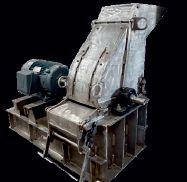
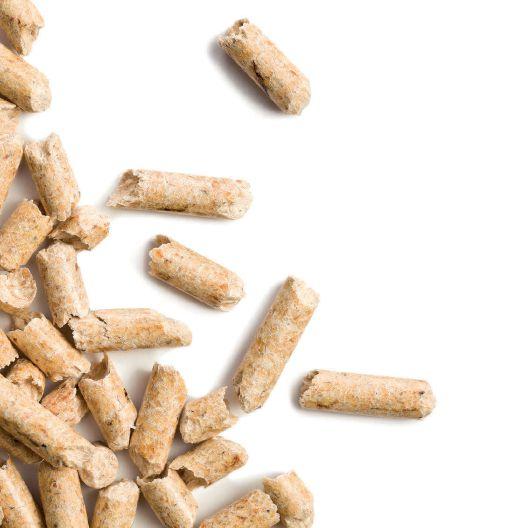
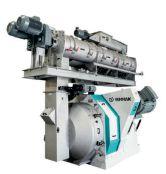
From size reduction to the perfect finished pellet, Schutte Hammermill has the system to meet your needs. From single units to complete turnkey systems, our custom configured hammer mills and pelleting equipment provide precision, energy efficiency and a superior finished product. Contact us today to find out how we can help you improve your process!

“The gasifier will take 78 tonnes per day of biomass and turn it into hydrogen and carbon monoxide, which will then be converted into 150 barrels per day of Bio-SynDiesel.”
“It really did make sense,” Jackson said of the transaction. “We have access to capital markets and there is a need for us to take advantage of the feedstock opportunities that we currently have and are sourcing as a result of this transaction with Expander.”
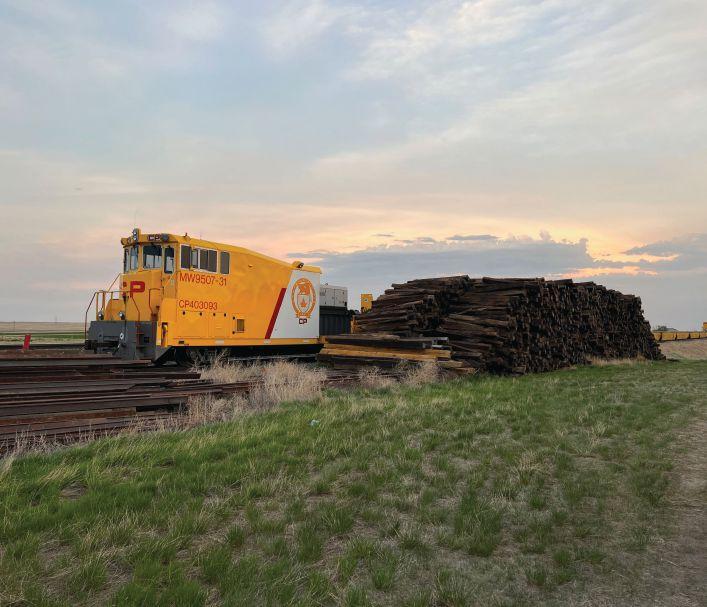
Cielo’s most notable feedstock opportunity is an existing agreement between them and North American rail company CPKC to turn between 500,000 and one million end-of-life railroad ties into Bio-Synthetic each year. The project, slated for Dunmore in southern Alberta, will now include Expander technology and Expander will design, build and operate the facility.
“You can produce an awful lot of fuel from the fibre that is created from railway ties, and Expander’s technology addresses that in spades. It’s really quite an elegant solution to a very complex problem. Dealing with railway tie disposal is not an easy thing to do,” Jackson said.
Cielo has been a public company for just over a decade. Its own proprietary thermal catalytic depolymerization (TCD) technology is still under development, which Jackson said Expander’s expertise will help accelerate.
Expander’s Biomass to Liquids processes combine a biomass gasifier with a steam methane reformer, both producing syngas that is upgraded through the Fischer-Tropsch process. Bio-syngas is recirculated in the process, and biogenic CO2 can be captured for utilization or sequestration. Under ideal conditions, which includes carbon sequestration, the resulting Bio-SynDiesel® has a potential life cycle analysis carbon intensity of -44 gCO2e/MJ.
The Carseland project will see a biomass gasifier installed adjacent to the existing Rocky Mountain Clean Fuels facility in Carsleand. The gasifier will take 78 tonnes per day of biomass –landfill debris, forestry and agricultural residue, sewage sludge, and so on – and turn it into hydrogen and carbon monoxide which will then be converted at the existing Carseland Fisher Tropsch facility into 150 barrels per day of Bio-SynDiesel®
“It’s largely agnostic to the type of feedstock,” Crawford says. “One of the things we will be doing in the first 18 months of operation is running a few selective alternative feedstock campaigns.”
Pending a final investment decision expected soon, Crawford anticipates the Carseland Gasifier Project start-up in early 2026 with market rollout of the technology that same year.
Expander’s next generation biomass electrolysis to liquids (BETL™) technology is in development with Canadian Nuclear



Laboratories in Chalk River, Ont. The technology uses electrolysis of water in place of the steam methane reformer, producing both green hydrogen as a fuel and using hydrogen in the Fischer-Tropsch process along with bio-syngas to produce Bio-Synthetic fuel.
“There’s a lot of interest from the nuclear industry,” Crawford says. “Nuclear can produce grid-level, proven, baseload electricity. But how does that support the heavy transport liquid fuels market? Battery power for small vehicles will continue to roll out, but the concept of batteries for jet aircraft, heavy industrial equipment and things along those lines are far more challenging and further out.”
In 2023, the Canadian Council for Sustainable Aviation Fuels (C-SAF) put out a strategy and roadmap for building a feedstocks-to-fuels SAF supply chain in Canada. The council has set an ambitious target of one billion litres of SAF production in Canada by 2030 in order to achieve a 10 per cent share of the projected Canadian jet fuel use.
The roadmap further identifies that, long term, up to 90 per cent of feedstocks should be cellulosic biomass from forestry and agricultural residues, municipal solid waste, and ethanol.
Expander, Crawford says, is among the Canadian firms offering a practical production pathway from those feedstocks. “We have a number of process configurations that allows us to get to 30 gCO2e/


MJ or lower, which is equivalent or better than the HDRD [hydrogenation-derived renewable diesel] fuels on the market, using our technology,” he says.
Once Carseland and Dunmore – Projects 1 and 2 – are up and running over the next couple years, Cielo and Expander can build duplicate facilities anywhere the market brings them, Crawford says.
Slave Lake, Alta., is a strong contender for Project 3. The companies are working with Slave Lake-based Vanderwell Contractors to create a large scale EBTL facility alongside their sawmill. The plant will consume 300 tonnes per day of mill residual fibre to produce 600 barrels per day of Bio-SynDiesel®, Bio-SynJet®, renewable naptha and renewable Bio-Wax.
Crawford says Canada’s Clean Fuels Standard, once in place and enforced, will be a boon –
but, despite the Canadian regulations, he says, market forces will dictate demand, which is currently dominated by California in the U.S., and countries in Europe. Canada currently has almost no SAF production, and minimal advanced biofuel production, but plenty of potential.
“Canada can lead in this area,” Crawford says. “Alberta has traditionally had pipelines going south, east and west, producing liquid fossil fuels. What is going to fill those pipelines and supply clean energy as the world becomes decarbonized? There is an opportunity for Alberta and Canada to continue to provide the world with clean, responsible energy.” •

By Priyanka Ketkar, Ben Klassen, Gord Pratt and Lindsay Tighe
In a long-standing alliance, a First Nations-owned and operated fibre management company, Stuwix Resources Joint Venture (SRJV), and Valley Carriers, a visionary multi-generational trucking and specialty transportation company, are working together to make better use of leftover forest materials, i.e., forest residuals. With support from the Forest Enhancement Society of BC (FESBC) funding for a bush grind project, the partners aim to turn these residual materials into valuable biomass products, and they’re pushing the boundaries even further with a BioHub Pilot Project, dedicated to sustainable forest resource management.
The BioHub Pilot Project is centred around the transition that the SRJV is now pursuing –from the traditional cut-to-length forestry practice to now full-length tree harvesting – moving toward a full tree utilization and zero-waste approach. A part of this project is bush grinding of the residuals for which FESBC has provided funding. Through the bush grinding project, forest residuals will be ground instead of being left behind and burned in slash piles. This ground fibre will be transported to a green energy facility in Merritt. By extending the use of forest residuals, the two companies look to improve forestry practice sustainability through better land stewardship.
“Projects like this are a significant step towards a stronger and more sustainable B.C. forestry sector, transforming harvest residue that was once considered waste into value,” says Bruce Ralston, B.C.’s Minister of Forests. “This collaboration between Stuwix Resources Joint Venture and Valley Carriers, with support from FESBC, will
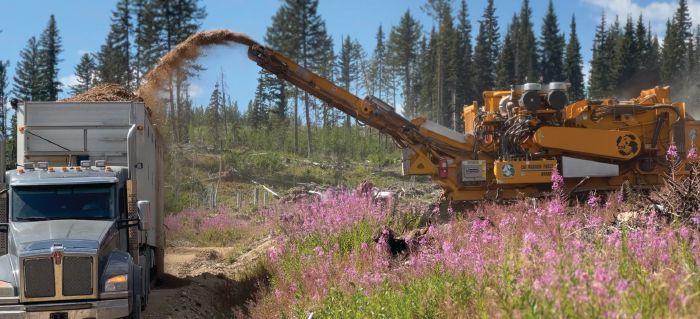
also help protect communities from wildfire risks by removing residue from the forest floor, thereby removing wildfire fuel.”
SRJV currently manages the forest tenure opportunity agreement and the non-replaceable forest licenses on behalf of eight First Nations communities in the Nicola Valley. SRJV’s approach to forest management reflects the cultural, environmental and social values of these First Nations with a vision to promote healthy ecosystems and communities while integrating traditional uses and practices.
Valley Carriers is part of the family-owned and operated Klassen Business Group, which was founded in 1963. They’ve been working with forest residuals for 60 years, and the family of companies produces and distributes both wholesale and retail wood residual-derived products such as mulch and wood shavings.
Together, the organizations exemplify positive collaboration for the common goal of reducing waste and enhancing the
utilization of fibre. However, the project was not envisioned in silos, but came about as a result of the community’s desire to see better-managed forests, according to Lindsay Tighe, general manager of SRJV.
“It’s all community driven. Our community strongly believes we need to better utilize the resources that the forest provides. Without the partnership with FESBC, we wouldn’t be able to pursue the transition to full fibre utilization. Their support is critical to enable our operations to adapt to this more sustainable approach,” says Tighe.
The bush grind project is part of a Biohub Pilot Project, with an overarching vision to eradicate the age-old practice of underutilizing, piling and burning forestry residuals but instead offer a sustainable alternative, converting these residuals into valuable resources, such as clean energy sources including biogases, advanced biofuels and various end-use products. The two partners are both respecting the resource and the land it comes from.
Ben Klassen, CEO of Valley Carriers, says, “the funding from FESBC is integral for the pilot project, as it helps minimize the risks to private businesses and enables creativity in creating a more sustainable industry.”
The BioHub Pilot Project is a partnership between SRJV, Valley Carriers, FPInnovations, and with support from FESBC funding, it serves as a symbol of improved forestry management practices, emphasizing complete stem utilization.
FESBC senior manager, Gord Pratt, says, “FESBC is proud to support the initiatives led by Stuwix and Valley Carriers. Exploring new ways to optimize the delivery and use of forest fibre is long overdue and will only help the economy of the Merritt area. Lessons learned here will help other regions of the province and assist in building a more stable and diverse forest industry which is critical for the future of rural B.C.”
A centralized, sustainable BioHub, capable of handling a broader spectrum of forestry residuals, will help meet the surging demand for wood residuals and biomass. The goal is to create a variety of value-added
products for diverse sectors from what was traditionally thought of as wood waste.
“Our BioHub will increase the stream of residuals and help stabilize the supply of wood fibre to support the needs of the agricultural and clean energy sectors. This project is about using every metre of the forest in the most sustainable way,” says Klassen.
The benefits of the work are far-reaching and move beyond the environmental benefits. By transitioning to full-stem utilization and establishing the BioHub, SRJV will create eight jobs, and Valley Carriers will create eight positions in Merritt, B.C. Klassen and Tighe agree these jobs mean a lot to people in the region.
“This funding allows us to grow our operations and create more employment. The business of recovering under-utilized residuals has allowed our company to maintain steady employment for 25 to 30 people in Merritt for the last six years, and we are looking to grow with further resource utilization,” says Klassen.
For companies and communities wanting to move toward full fibre utilization, Klassen recommends maintaining their
focus. “Even after many years doing this work, we are still trying to find a longterm solution that isn’t just made up of stop-gap funding. We’ve been able to do this for the last half-decade by not relenting on the conversation,” he says.
From the creation of new jobs to local access to renewable energy, decreasing the waste of natural resources and increasing the supply of wood fibre, the project has a vision to move beyond traditional forestry.
“We know we have less wood available; now we need to focus on how to use it properly. It’s like water restrictions; when they are in place, sustainable practices and real change starts to happen. We need to be the ‘Arizona’ of forestry,” says Klassen. “The forestry industry is not going away. It is our time to pivot, focus on efficiencies and fully utilize resources.” •
Priyanka Ketkar, communications specialist, Amplify Consulting; Ben Klassen, COO, Valley Carriers, Klassen Business Group; Gord Pratt, RPF, senior manager, Forest Enhancement Society of BC; Lindsay Tighe, Stuwix Resources Joint Venture.


By John Pauley and Mathew Porter
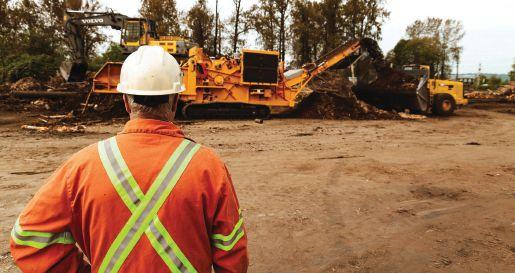
Chippers and grinders are essential assets in industries focused on wood processing and waste management. Achieving optimal operation and extending the lifespan of these hefty machines requires a multifaceted approach encompassing operational insights, technological advancements, meticulous maintenance protocols and real-world applications.
Common mistakes and solutions: Operators often face challenges stemming from improper machine parameter settings. Experts in the field emphasize the importance of recognizing and steering clear of manual adjustments. Instead, fine-tuning parameters or tip configurations is crucial for achieving peak efficiency.
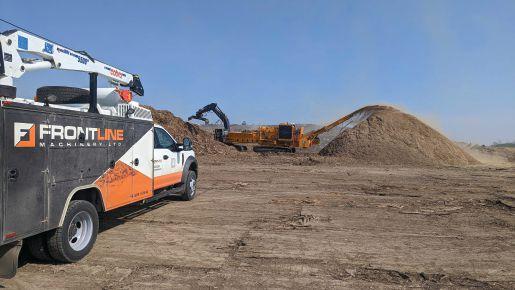
Contrary to intuition, operators’ tendencies to cram excessive material into the feeder does not translate to heightened processing capacity. Instead, it often reduces productivity and accelerates wear on the machine’s components. “It’s not just about tossing in the material; it’s about understanding the machine’s limits and working with them,” says Mathew Porter, service technician of Frontline Machinery. “A well-trained operator knows the importance of a steady and controlled feed and pre-processing material into manageable chunks. Too much, too fast and too big, you risk throwing the whole performance off balance, causing unnecessary strain on the grinder.”
The role of operator training: Comprehensive training for operators is crucial. When operators fully understand the fundamentals of the controls and feeding parameters, they can make the machine work its best without causing damage.
Strategic operational insights: Besides avoiding common oversights, strategic operational insights can significantly impact efficiency. Understanding the ideal material feed rates, material sizing, adjusting cutter settings for different materials and optimizing blade angles are additional tactics that operators can employ.
Continuous learning and improvement culture: Encouraging a learning and improvement culture among operators through training sessions and workshops can improve skill sets and keep them informed on advancements. “Partnering with a dealer who can support in providing operator training will help producers unlock the potential of their machine,” says Porter. “As someone who provides training on CBI equipment, I believe the secret to mastering these beasts is making sure our operators really get the hang of things.”
Advancements and their impact: Recent technological innovations in chipper/grinder design have revolutionized maintenance practices. Integrating remote grease lines in the discharge section streamlines access to critical greasing points. Furthermore, introducing Continental Biomass Industries’ (CBI’s) intelligent infeed systems and single bolt tips without nuts enhances efficiency and expedites tip replacements.
The CBI Intelligrind system represents a variable speed infeed system designed to optimize the material throughput in grinders. Its primary function revolves around minimizing the interruptions in the infeed system. By reducing or eliminating the frequent stops and starts in the infeed process, Intelligrind aims to streamline the material processing workflow.
It’s advisable to keep Intelligrind disabled until operators comprehensively understand its functionalities. This cautious approach allows operators to familiarize themselves with the system’s intricacies, ensuring that once enabled, Intelligrind is used optimally to achieve maximum material throughput without compromising the machine’s operational efficiency.
Some modern chipper/grinder models are equipped with remote monitoring and diagnostic tools. These features enable real-time monitoring of machine performance, predictive maintenance scheduling, and troubleshooting.
“With CBI’s T-link remote monitoring tool, we can help troubleshoot issues even when we aren’t on site,” says Porter. “Codes and diagnostic reports on the machine showing operating temperatures, pressures, machine, engine loads and more are available at our fingertips.”
Sustaining peak performance: A robust maintenance regimen is the cornerstone of machine longevity. Adhering diligently to greasing schedules and comprehensive daily checklists ensures fluid levels, filters, belt tracking and debris clearance are consistently managed. Proactively identifying and swiftly resolving issues during routine inspections helps to mitigate downtime and prevent potential breakdowns. Removing debris, grease and other flammable material ultimately extends the machine’s lifespan.
Predictive maintenance practices: maintenance practices, such as vibration analysis, thermal imaging, and oil analysis, can forecast potential issues before they escalate.
5. WEATHER CONDITIONS AND MACHINE RESILIENCE
Adapting to varied environments: adaptability, extreme weather can challenge any machine. Proper preparation and adherence to maintenance schedules are critical to fortify machines against harsh conditions. Thoroughly pre paring machines to withstand specific environmental challenges they may encounter ensures sustained productivity.
Weather-proofing measures: measures, such as enclosures or shelters for machines operating in extreme weather conditions, can shield them from adverse effects and help maintain operational efficiency.
In extremely cold temperatures, preheating the grinder’s en gine and hydraulics is crucial to prevent fluid thickening and ensure smooth functionality. Cold-weather lubricants should be used, and fuel additives can help prevent gelling. Operators should be attentive to the potential freezing of water lines and take measures to insulate or heat them.
Preserving efficiency: Regular visual inspections for tip wear and damage are essential. Timely replacement of worn tips mitigates holder wear.
Tip selection and configuration:
figuration of tips based on the material being processed, rotor speed, and cutting depth can impact the machine’s capacity and efficiency.
Attaining peak performance for a horizontal grinder relies heavily on the feed control parameters configured correctly to the material being processed. A poor understanding of the feeder control parameters and incorrect settings can leave the machine unusable.
Choosing high-quality tips made from durable materials – such as carbide – and ones tailored to the specific material being processed is important. Proper rotation direction, balanced installation, and recommended spacing between tips contribute to even wear distribution and reduced stress. It is recommended that operators and producers adhere to manufacturer guidelines for tightening and tool rotation to maintain peak efficiency.
The Power of best practices: Examining a real-life case study highlights the impact of meticulous maintenance and operational practices. A committed operator’s rigorous adherence to maintenance schedules resulted in a machine maintaining impeccable condition, “as if it had just come off the shop floor.”
John Pauley is an NPPD engineer for CBI, whose achievements include work on the 5800BT’s. Mathew Porter is a mechnical engineer and Frontline Machinery heavy equipment technician with expertise in diagnostics, repairs and maintenance.
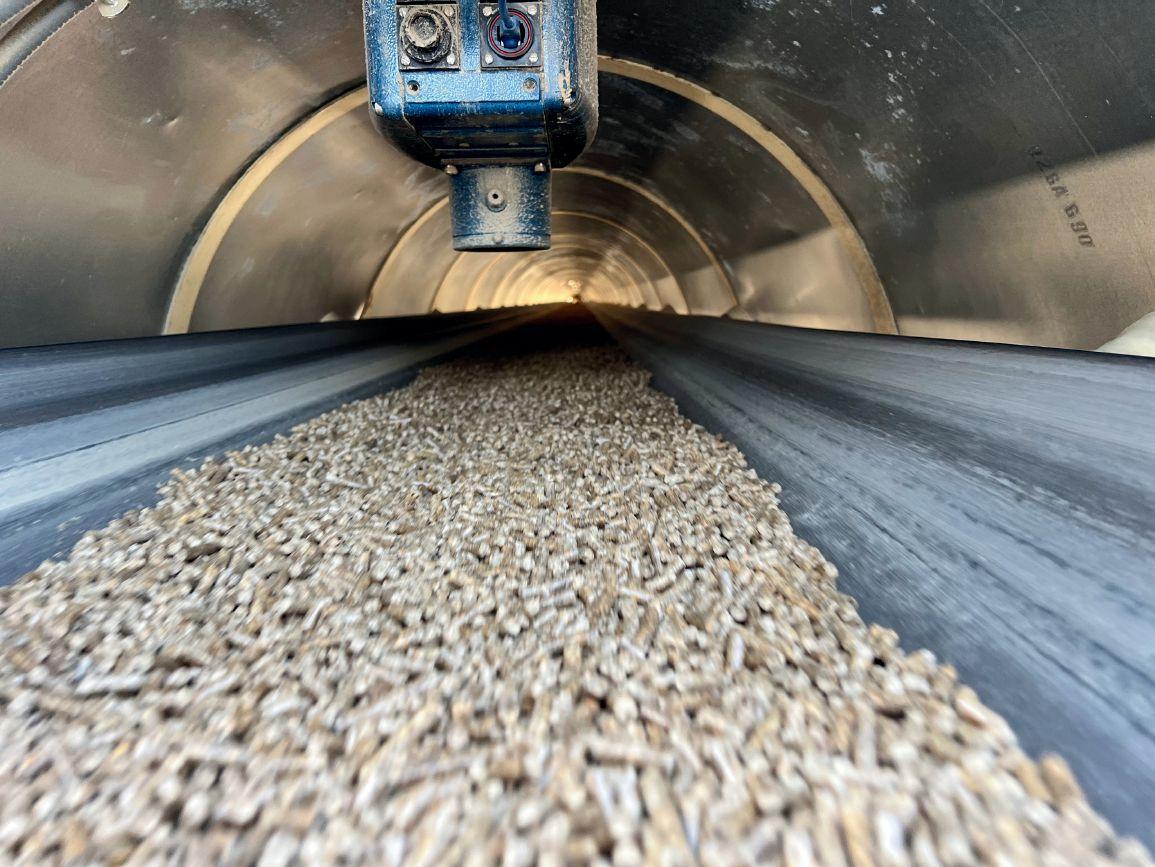

MoistTech’s near-infrared moisture sensor allows manufacturers the ability to adjust moisture levels based on real-time information lowering raw material and fuel costs, prolonging equipment lifecycle and increasing product quality & production efficiency.


By Meaghan Seagrave
n a world where the intersection of food and energy security has become a global imperative, Biofuels Week has set the stage to underscore the urgent need for Canada to invest in and foster the burgeoning energy opportunities concealed within its agricultural sector.
Canada’s agriculture sector not only fuels its economy but possesses the untapped potential to drive a transformative shift in our nation’s energy landscape. As the world’s fifth-largest agricultural exporter, Canada is uniquely poised to lead the charge in harnessing energy from agricultural feedstocks and residues.
Embracing biofuels, such as ethanol, biodiesel, and biogas, can not only bolster Canada’s efforts to combat climate change but also fortify our nation’s energy security.
These biofuels, long familiar in the realm of innovation, are now thrust into the limelight as agricultural producers strive to maximize value from their byproducts, curtail on-farm climate impacts, and enhance overall farm revenues. The unforeseen trajectory of the past decade has unveiled the potential of agriculture to address not just global food crises but also the looming energy crisis.
Reflecting on the Barton Report of 2017 – a series of recommendations from the federal government’s Advisory Council on Economic Growth – we discerned the agricultural sector’s potential for significant growth and economic contribution. What remained undisclosed at the time was the
pivotal role agriculture would play in shaping Canada’s clean/green energy future. It has become increasingly evident that the agricultural sector can significantly contribute to Canada’s climate goals for 2030 and beyond, while simultaneously bolstering its energy security through biofuel production.
The tangible proof of this alignment emerges in the nearly 300 existing biogas and renewable natural gas (RNG) projects across Canada, with a mere 16 per cent stemming from agricultural systems, tapping into just 1.3 per cent of available agriculture biogas and RNG feedstocks, according to the Canadian Biogas Association’s March 22 report, Hitting Canada’s Climate Targets with Biogas & RNG. Biogas-to-electricity applications are already mitigating the environmental impact of conventional power sources, but a promising new trend is emerging – biogas to RNG, and subsequently, conversion to compressed natural gas (CNG). This CNG is rapidly gaining favour as a transition fuel for long-haul commercial transportation. Its flexibility in conversion, combined with its ability to leverage rural resource supply, particularly from agriculture feedstocks, addresses the energy demands of commercial and industrial players in areas lacking pipeline access – most of our country. And this is merely a glimpse of the numerous bioenergy and biofuel opportunities nestled within Canada’s agricultural sector.
The renewable fuel standards, carbon
“Embracing biofuels, such as ethanol, biodiesel, and biogas, can not only bolster Canada’s efforts to combat climate change but also fortify the nation’s energy security.”
pricing strategies and more recent updates to the investment tax credits (ITCs), aimed at achieving Canada’s climate targets for 2030, have not only catalyzed the biofuel sector but also illuminated the concurrent potential for expanding our agricultural industry while satisfying the nation’s clean energy requirements. With abundant water and arable land, high crop productivity, and thriving agri-food research clusters, Canada stands poised to meet the escalating global demand for biofuels by leveraging its abundant renewable resource sectors.
A comprehensive understanding of the cross-sectoral opportunities Canada can seize, serves as the key to further unlock a future where agriculture, along with our other resource sectors, play pivotal roles in not only securing our nation’s energy future, but also addressing pressing food and environmental security concerns. Like the corner pieces to a puzzle, we need to focus on aligning the value chains associated with our resource endowments and build road maps to support industry specific decarbonization. This will only occur through targeted and intentional research, development and innovation in our foundational sectors.
Our significant and diverse resource endowments are what set us apart from other nations globally and will be imperative to increasing the competitiveness of many of our industries as the world is compelled to decarbonize its processes.
Let’s take agriculture and our other resource sectors seriously and give them the attention and support required. After all, they are the future of our economic prosperity in Canada. •
Meaghan Seagrave is the executive director of Bioindustrial Innovation Canada.

With an ANDRITZ Consignment agreement, you can rest easy knowing the inventory and logistics of your spare and wear parts, including repair and rebuild services, are under control. And with predictable pricing and parts you only pay for once you use them, “unscheduled” is no longer something that keeps you up at night.
Contact your ANDRITZ Territory Manager or scan the QR Code for additional details.
Phone +1 (570) 546-1253
Email: andritz-fb.us@andritz.com andritz.com/feed-and-biofuel-en