Register today for this unique live event coming to Hamilton.
Join us to hear from today’s most influential female leaders in Canadian agriculture.
This year, six IWCA honourees were chosen by our team. On November 7, 2023 at 1:00pm ET, they come together with other prominent trailblazers in agriculture to share their experiences, life lessons and more for the live 2023 IWCA Summit.
Join us for an afternoon of interactive discussions as they share their experience, offer guidance and discuss their journey in agriculture.
FEATURES
12
Innovation
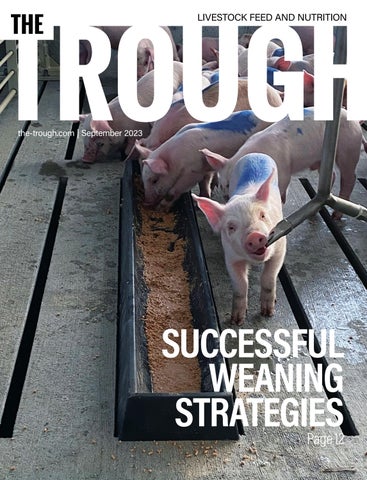
For piglets, if nutrient uptake is insufficient during weaning, things can look grim. Now, new research shows key weaning strategies for healthier pigs.
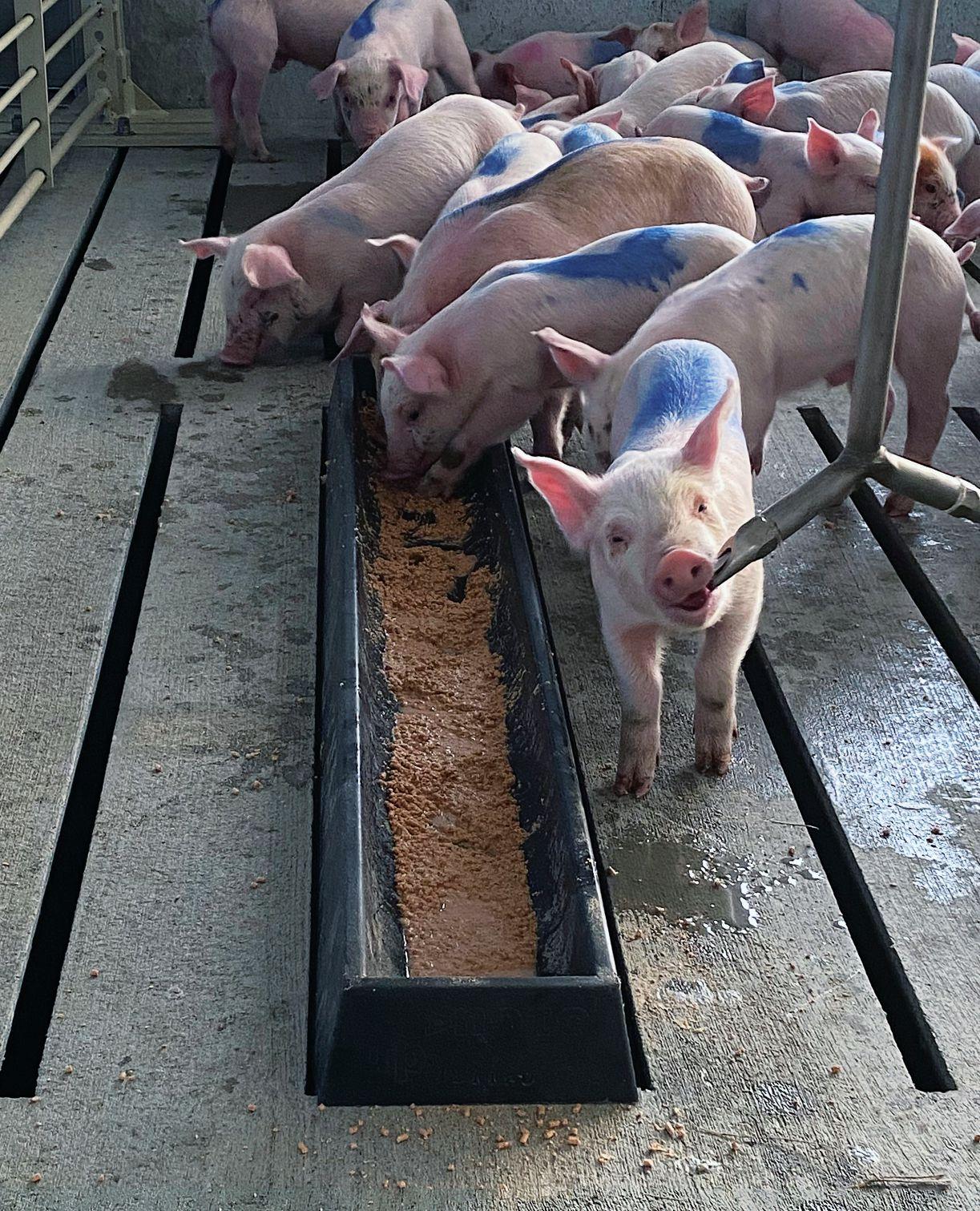
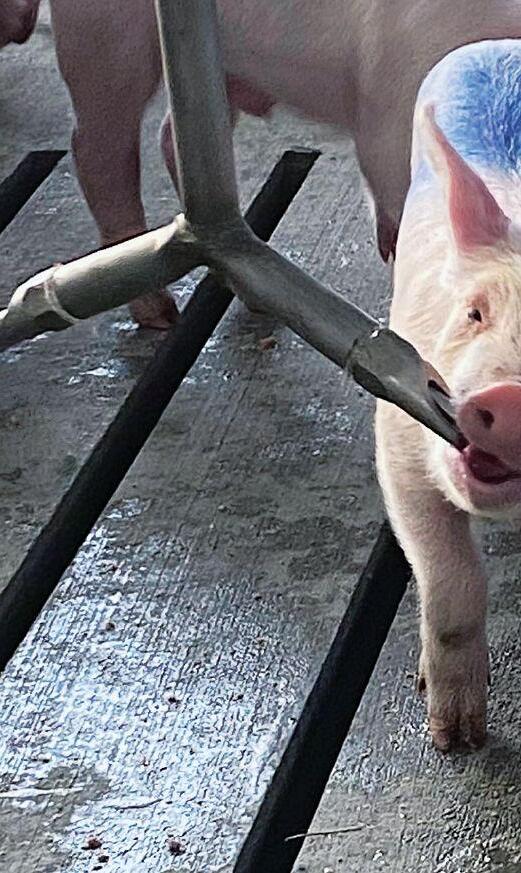
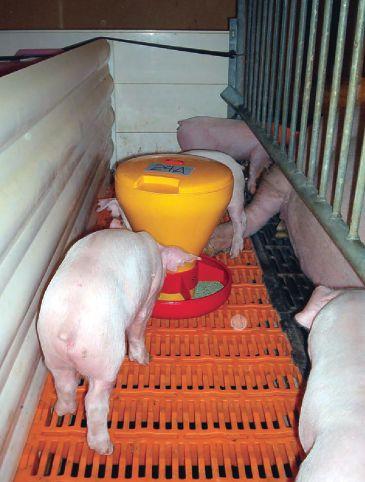
Dr. Madie R. Wensley highlights an example of gruel (mixed feed and water) feeding with weaning pigs.
DEPARTMENTS
04
Editorial
What makes the livestock feed and nutrition industry similar to other industries – and what makes it entirely unique?
06
Industry news
Good news on the HPAI front, changes to Canada’s ag portfolio and more.
8 Animal health
How do you feed an animal that grows like a weed? Exploring the needs of growing foal.
10 Business
Canada’s beef industry has seen better days. How are producers coping?
14
Farm focus
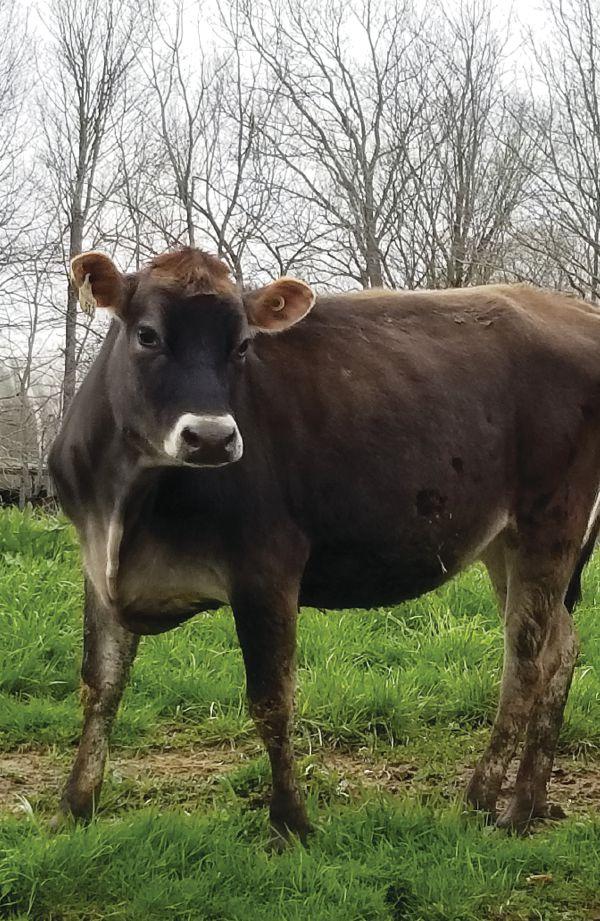
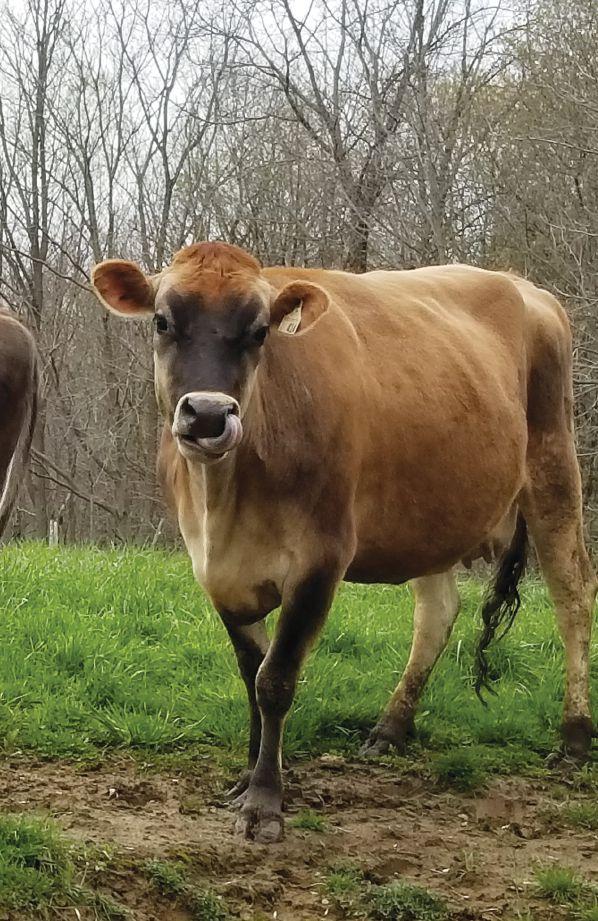
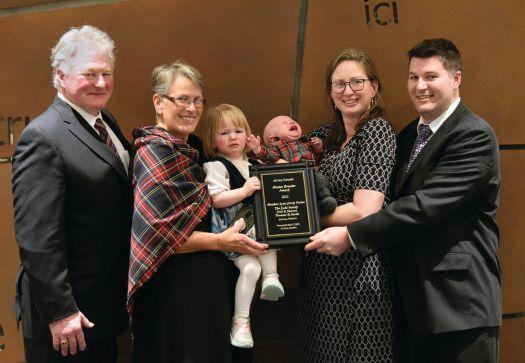
An Ontario family farm takes pride in their healthy, happy and now award-winning herd of Jerseys.
17
Guest column
Concluding our series on swine health by covering the last three stages of gestational development.
18
New products
Brands debut new supplements and additives. Plus, for grain farmers, a new swather hits the market.
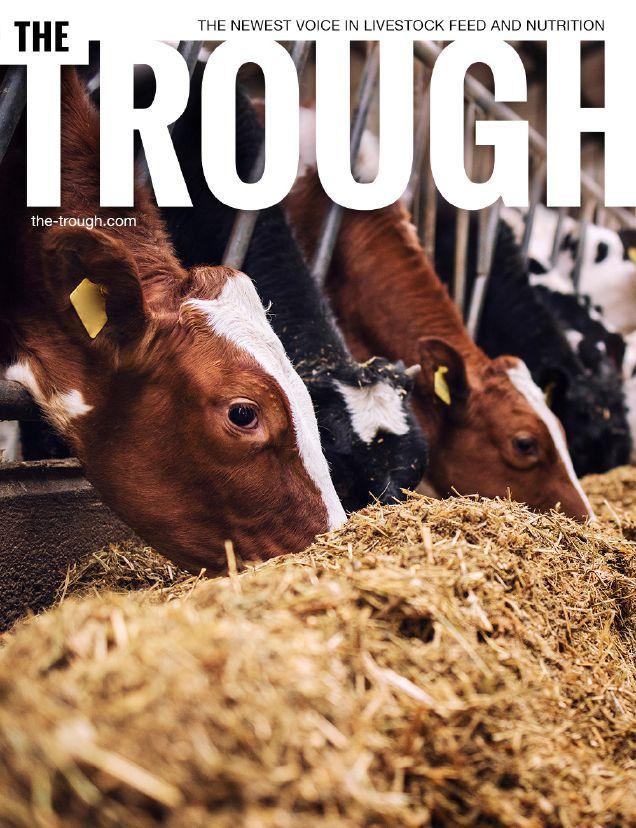
Read about the latest research from Canada and abroad including proper diets for pig gut health, supplements for reducing cow belches, salvaging crops for livestock feed and more. Plus, we cover business matters such as the outlook for livestock feed inputs, new partnerships and the ongoing efforts to educate producers on African Swine Fever Virus. the-trough.com/
REACHING LIVESTOCK PRODUCERS, ANIMAL NUTRITIONISTS AND FEED INDUSTRY STAKEHOLDERS VIA:
• Print advertising
• Brand-safe web display advertising
• eNewsletter & email marketing
• Webinars and podcasts
• Branded content journeys
• Automated omnichannel marketing
Surviving, thriving and everything between
November will mark three years for me as an editor in Annex Business Media’s agriculture group. I’ve been in B2B journalism for the better part of a decade, but prior to this, my areas of focus were in entertainment and media. I tried, at first, to find parallels between the two industries – but few came to mind. Those who write professionally always try to find metaphors and similes everywhere.
But now that agriculture is no longer “new” to me, I have found myself picking up on patterns that seem to inevitably surface in almost every industry, which speaks to the universality of our current economic climate.
Consumers tend to only see the ending successes and failures.
For example, there’s that of adaptation. In media, Canadian news providers are having to adapt to Meta and Google’s new rules that see their content effectively blocked across their platforms. Their adaptations – which include creative workarounds, capitalizing on and creating other revenue sources – can look like innovation to a consumer, but they often don’t see the scrambling and the sacrifices. Similarly, in Canada’s livestock industries, many beef farmer are having to find creative ways to adapt to the much tougher beef market. There’s cost-cutting measures, alternative revenue streams and – unbeknownst to many consumers – a lot of pain.
As consumers, we tend to only see the ending successes and failures. Even when we see “how the sausage is made” (in this case, literally!) we are still viewing it through a consumer lens. It’s easy to mix up surviving with thriving; it’s even easier to think that a successful business has no reason to be on the lookout for change. In my conversation with Meadowlynn Farms’ Thomas Judd, however, Judd emphasized repeatedly that despite all the recent success of his family farm, the urban expansion of the town in which the farm resides means that things may not always stay the same.
Ultimately, the lesson learned is that no one – even your most loyal consumer – understands the work you do until they do it themselves. Whether it’s the cost of feeding a weanling pig or the complexities of feeding growing foal, there’s always much more that goes on behind the scenes that the public does not understand. Take a moment to appreciate the work that you and your colleagues do – because no one is doing it quite like you.
BREE RODY, Editor
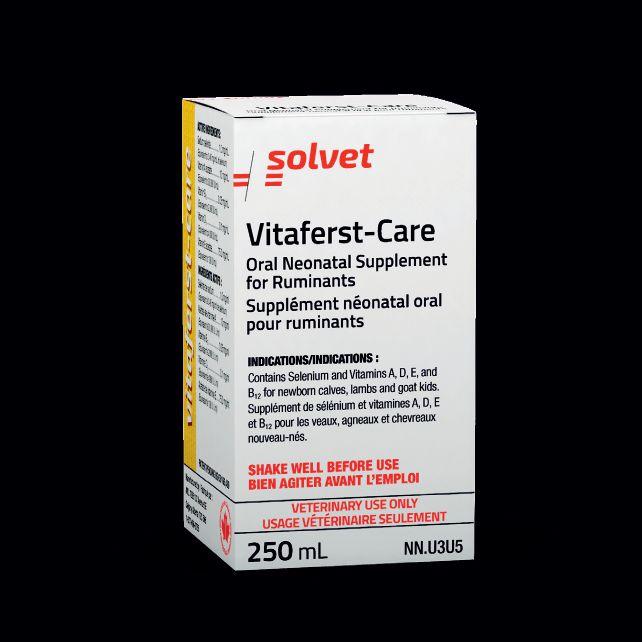
SELENIUM & VITAMINS A, B12, D3 & E DOSING HAS NEVER BEEN EASIER
is a convenient oral supplement designed to address the neonatal nutritional needs of calves, lambs and goat kids.
One Oral Dose instead of multiple needles
Draw off cap and oral syringe included with every bottle
To be administered after colostrum to avoid passive immunity impairment.
Vitaferst-Care’s Oral Formulation
Includes:
Selenium to promote growth New, fortified level of selenium
Vitamin A to promote neonatal immunity
Vitamin D3 to support growth and metabolism
Vitamin E to stimulate the immune system
Vitamin B12 for cell growth and support of the immune system
For more information on Vitaferst-Care TM contact your veterinarian.
B.C. aims to address hay, feed shortage
B.C.’s Ministry of Agriculture and Food is funding a new Access to Feed program in partnership with the BC Cattlemen’s Association (BCCA).
The program was created in response to the current shortage of hay and feed across Western Canada due to factors including drought and wildfires.
BCCA will match sellers of hay and feed domestically across Canada and internationally with farmers and producers.
“The agriculture sector is being challenged by this year’s severe drought, which is causing producers to make very difficult decisions,” said Kevin Boon, rancher and general manager, BCCA, in a statement.
“Our biggest concerns are the lack of
feed and the welfare of our animals. This is why we’re working together with government on programs that make sense for farmers and ranchers so they can get access to what meets their individual needs and then be able to make the right decisions for the management of their operations. These programs have the opportunity to make a difference for B.C.’s agricultural producers now and in the future.”
BCCA will collaborate with partners and producers to procure and deliver the specific feed required by those in need. Immediate supports are also available through the federal-provincial AgriStability program to help producers with drought or wildfire-related income declines.
Swine figures in Canada
30 million 4 million
1.3 million
Approximate number of pigs processed in Canada in 2020.
Number of feeder hogs exported to the U.S. from Canada in 2021
Number of market pigs, sows and boars exported to the U.S. in 2021
30 Percentage of Canada’s swine population that lies within Manitoba.
Ontario, Canada invest in meat processing sector
The Ontario and Canadian governments are investing up to $10 million under the Sustainable Canadian Agricultural Partnership (Sustainable CAP) to enhance processing capabilities in the province’s meat processing plants and abattoirs through the Meat Processors Capacity Improvement Initiative.
“Ontario’s meat processing industry meets the highest standards for producing highquality food and is constantly striving to innovate,” said the Marie-Claude Bibeau, who served as federal minister of agriculture and agri-food at the time of the announcement.
“This investment will help the industry continue to grow through new productivityimproving technologies.”
The initiative will provide funding to eligible meat plants and abattoirs to make short-term investments in meat handling and processing equipment, technologies and practices that improve efficiency, productivity and food safety. The initiative will provide up to $150,000 per eligible applicant.
“This program is a prime example of how our government is making the right investments in the right places that have helped Ontario’s meat processing businesses,” said Lisa Thompson, Ontario minister of agriculture, food and rural affairs.
“Not only will this initiative have a positive impact for Ontario meat processors, but we’re also increasing competitiveness in a global market.”
11.7
Percentage reduction of pig farms in Canada between 2016 and 2021.
7,423
Number of pig farms in Canada, 2021
14
Minimum number of days for which new pigs and returning animals should be isolated to minimize the risk of spreading animal diseases.
“resolved” in Canadian poultry flocks
The World Organization for Animal Health (WOAH) has stated that Canada’s poultry flocks are now resolved from the highly pathogenic avian influenza (HPAI) outbreak that began in late 2021.
The outbreak has spread across both commercial poultry and wild birds across North America, with the first case being recorded in December 2021 in Newfoundland and Labrador. Since then, it has spread across flocks in Canada and the U.S. At no point did any of Canada’s territories, or Atlantic Canadian provinces record cases in commercial poultry flocks.
“Surveillance is ongoing in the affected areas. HPAI outbreaks in poultry are now considered resolved and all zoning restrictions have been lifted in the following provinces: New Brunswick, Nova Scotia, Manitoba, Saskatchewan, Ontario, Quebec and British Columbia. Wildlife surveillance as well as the Canadian Notifiable Avian Influenza Surveillance System (CanNAISS) activities for poultry are ongoing in Canada,” the WOAH wrote in the statement.
Quebec has been widely considered the epicentre of Canada’s outbreak. The last detection was recorded on May 6 and was since revoked.
Olds College, Hebert Grain Ventures make partnership official
Olds College of Agriculture & Technology and Hebert Grain Ventures (HGV) have signed an official Memorandum of Understanding (MOU), formalizing a collaboration on strategic initiatives aimed at driving innovation and growth in the agriculture industry in Alberta and Saskatchewan.
The partnership will encompass joint efforts in farming, precision agriculture, student development, research, and economic growth.
A primary area of collaboration will involve sponsoring grants for applied research projects. Through these grants, Olds College and HGV will support research initiatives focused on emerging technologies and practices in agriculture. This dedication to research and development will facilitate the testing and validation of new technologies, with an emphasis on data management, environmental sustainability, and variable rate technologies.
HGV has also established a scholarship program for agriculture students at Olds College. This initiative aims to provide financial support to outstanding students, recognizing their potential as future leaders in the field. The comany will also offer select students summer internships.
Bibeau out, MacAulay in as ag minister
A summertime federal cabinet shuffle has seen longtime minister Marie-Claude Bibeau leave her post as minister of agriculture and agrifood, a file she has presided over since 2019.
Bibeau, the MP for Compton-Stansead, is now Canada’s minister of national revenue. Assuming the ag portfolio is Cardigan MP Laurence MacAulay – no stranger to the file. MacAulay, who has
served as an MP since 1988 and counts himself among some of the country’s longest-serving MPs (as well as the longest-serving MP from Prince Edward Island) held the role of minister of agriculture from 2015 to 2019. Since then, he has also served as associate minister of national defence and minister of veteran’s affairs.
MacAulay assumes the position at a time of significant
Alberta Barley, Alberta Wheat officially merge
The Alberta Barley and Alberta Wheat Commission have officially merged. As of Aug. 1, the organization is known as Alberta Grains.
The commission represents a combined 18,000 wheat and barley farmers. It will leverage its combined resources, knowledge and expertise to deliver on its goals of economic sustainability, innovation and growth
Greg Sears, chair of the Alberta Wheat Commission, says the organization “will be focused on delivering value to our farmers and other stakeholders while contributing to the growth and sustainability of the grain industry in Alberta.”
The two commissions have been working under a shared management structure since 2017. The organization has
challenge for the country’s agriculture industry – particularly in his home province of P.E.I. The province spent the better part of last year engaged in a trade dispute with the U.S. following the discovery of potato wart in two P.E.I. fields – a dispute which still affects seed potato exports.
MacAulay and Bibeau were two of the many ministers to change positions on the July 26 shuffle.
also unveiled a new logo and online information hub, AlbertaGrains.com. Draft bylaws for are also available on the hub. The organization has accepted consultation and feedback from members on their draft bylaws. Feedback is officially closed on these bylaws following the consultation period.
From well-fed foals sturdy horses grow
Helping foals transition to solid food requires a plan to sustain healthy development.
BY ROSALIE TENISON
No matter what use you intend for your horses, whether riding, driving, racing or any other purpose, achieving the sturdiest, healthiest animal for their intended role starts when they are babies. In fact, one equine specialist suggests raising healthy horses starts before they are born by caring for the pregnant mare.
“We need to think about the mare and make sure she has a solid plane of nutrition,” says Amanda Van De Kerckhove, a nutritionist with Federated Co-operatives Limited in Saskatoon, Sask. “You want the pregnant mare to be getting adequate micronutrients – amino acids, vitamins and minerals – in addition to her macro nutrition like energy and fibre.”
Keeping the mare at a healthy weight by giving her balanced nutrition will guarantee healthy fetal growth, she adds. When the time comes, a sound mare will deliver a sturdy, lively foal.
Until weaning, ensuring the mare continues on a healthy diet, will give the foal much of what it needs through mom’s milk. But, eventually, the baby will begin copying the mare and start tasting grass or hay or whatever its mother is enjoying. At this point, paying attention to the foal’s nutrition will guarantee it becomes the horse you want it to be.
FEEDING AN ANIMAL THAT GROWS LIKE A WEED
According to University of Nebraska–Lincoln
extension horse specialist, Dr. Kathleen Anderson, foals reach a high percentage of their height and weight between weaning and one year, so ensuring they have the nutrition to support and encourage that growth is important.
“Foals can reach 67 per cent of their height in 12 months,” explains Anderson. “There is a lot of skeletal development and, if they don’t get good nutrition early on, they won’t reach their potential or have the strongest feet and legs.”
Understanding a foal’s growth, particularly if you are new to equine care, is critical. Anderson advises caring for your foal from the ground up. Encouraging strong legs is tantamount so the adult horse can withstand whatever workload you give it.
“We use them to carry weight, so they need strong legs,” points out Anderson.
While nibbling grass like the mare or tasting her food will not hurt the foal, those food choices may not be enough to develop their bodies. Equine nutritionists recommend planning a diet for the growing foal that will set them on the track to maturity.
“By two to three months of age, foals may need more energy and protein in their diet,” advises Dr. Priska Darani, the director of research at Mad Barn, a company that focusses on equine nutrition in Kitchener, Ont.
When planning a nutrition program for your new foal, she says, it is important to take note of the time of year that the foal
will be needing good food. A foal born early in the year might not have good pasture available, so hay and other feed may be needed. Foals born in late spring should have access to rich pasture and won’t require supplemental hay. Eventually most foals will need some form of feed to promote healthy, steady growth.
“Consider soybean meal, which is a good source of protein, or soft alfalfa hay or alfalfa pellets,” advises Darani. “After weaning, you need to monitor the foal’s growth and adjust its feed accordingly. Get your hay analysed and work with an equine nutritionist to adjust what you are feeding the foal to ensure a balanced diet.”
CONSISTENCY IS KEY
If foals grow too fast, they can develop joint issues. Watch for the development of physitis, an inflammation of the growth
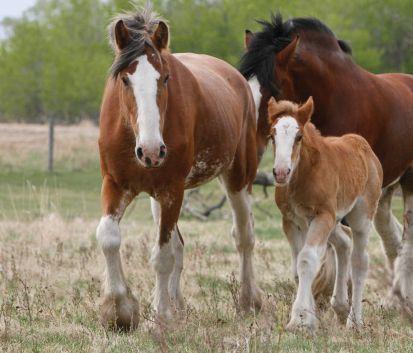
ABOVE Clydesdale foal at various stages of growth in Alberta.
plates that is fairly common in foals. Physitis has been linked to rapid growth rates potentially from too much energy derived from feed. This condition is less of a problem than believed and, often, self-resolves, according to Van De Kerckhove.
In the past, treatment for physitis was often to remove concentrate feed, but that could ultimately result in reduced micronutrient supply, potentially stunting development of the foal. She says maintaining consistency in the foal’s diet and monitoring of growth is all that is needed. Hopefully, the foal will thrive on mother’s milk and the occasional nibble of pasture, but Van De Kerckhove says regular monitoring of horses is necessary in case the foal is not getting enough nutrition from milk. She says keeping the mare healthy through the foal’s development should keep the family nutritionally sound. In some cases, however, if the foal is struggling in its first three months, a supplement of foal milk replacer or milk pellets will keep the youngster on track. Be
sure to use a horse-specific product to ensure the right kind of nutrition, she adds.
“Once the foal is past three months, they are capable of eating a half to one per cent of their body weight in feed pellets,” adds Van De Kerckhove. “At this point you can introduce 16 to 18 per cent crude protein pellet into their diet. Always be sure the feed you are supplying is meant for foals.”
Anderson suggests “creep feeding” if you want to ensure the foal is getting all the feed it requires. In order to facilitate this method, the foal needs access to its own feed in a way not available to the mare.
She suggests using the formula of one pound of grain for each month in age. So, at three months, the foal could be given three pounds of food. She recommends 60 to 70 per cent of the foal’s diet should be grain with the remaining percentage in forage. “This will change as they get older because their growth rate slows as they age,” she explains. “Close observation of your foal will give you an idea of what they
are needing and when. Watch them and gauge their health by running your hands over them.”
WEANING STRATEGIES
Weaning is a shock to foals and the change in diet can cause their growth to stall. Starting them on a diet of their own prior to weaning may help with the separation anxiety they might experience when mom’s milk is no longer available.
“Start foals on the food they will get post-weaning and this may help them adjust,” advises Dr. Darani. “Slow- to medium-paced growth is often considered ideal and working with a nutritionist can assist you in monitoring your foal’s progress and minimize any issues that could affect them the rest of their lives.” Creep feeding before weaning could also help with the adjustment to eating on their own.
“You need to give foals a good supply of protein for muscle development,” adds Darani. “In addition, they need minerals for bone health and overall development. Avoid feeding lots of starch and sugars from grains, like wheat, barley and corn.”
Van De Kerckhove recommends regular monitoring as well, but she doesn’t believe creep feeding is necessary all the time. She says good nutrition is a controllable tool and offering a nutrient dense feed to foals and mares at the same time in separate feeding stations is a good alternative to creep feeding. She is more concerned in maintaining balance of nutrition because there truly is “too much of a good thing.” It’s important, she stresses, to target consistent growth with feed containing the necessary vitamins, amino acids and minerals.
“Be committed to the first 18 months of your foal’s life feeding a good balance of nutrition and ensuring regular exercise for developing healthy bones and you will end up with a sturdy, healthy animal that will do the work you ask it to do,” concludes Van De Kerckhove.
In her final thoughts on foal nutrition, Anderson says her “bottom line” is to “leave them turned out as much as you can because exercise is good as it develops their bones, and creep feed or ensure a balance of nutrition. Just make sure your young horses are getting what they need.”
All the nutrition experts agree that raising a healthy foal comes down to diet and exercise, but consistent monitoring and managing the dietary needs of the foal will ensure success.
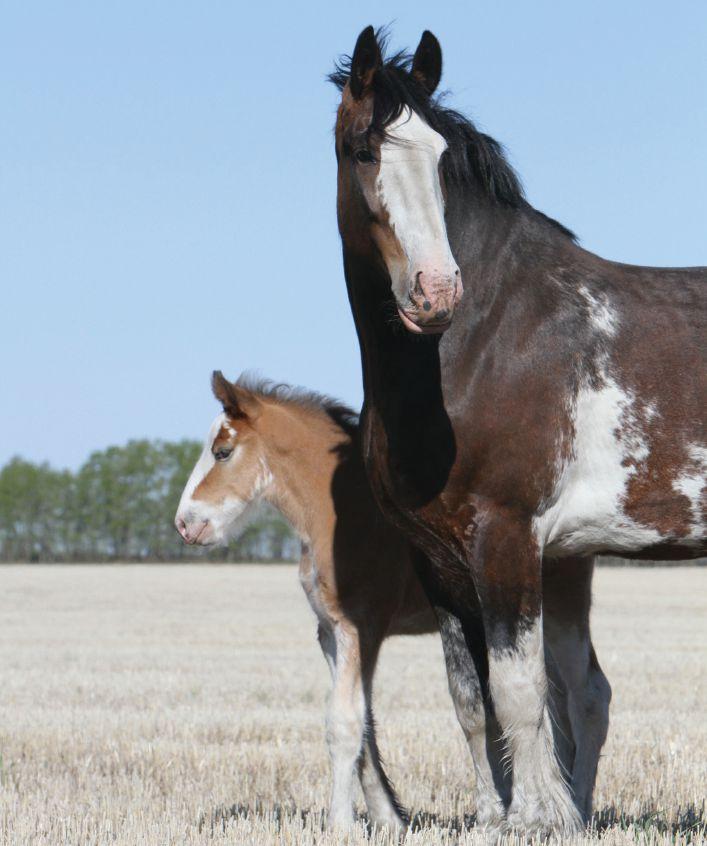
ABOVE A foal alongside its mother in Alberta.
WHERE’S THE BEEF?
Canada’s beef operations are on the decline. How are farmers coping?
BY RICHARD KAMCHEN
Canada’s beef cattle sector badly needs an injection of multiple profitable years to put the brakes on its downward spiral.
The number of cows on cow-calf operations are in decline, and so too are the amount of beef farms.
For July 1, 2023, Statistics Canada reported the number of head on beef operations fell to 10.302 million, down 1.6 per cent from the same time last year. The number of beef cows on cow-calf operations declined 1.8 per cent year-on-year to 3.112 million head.
Meanwhile, the most recent Ag Census revealed the number of farms reporting beef cattle in 2021 at 54,517, a marginal 1.3 per cent increase from 2016, and a rare uptick during a decades’ long nosedive. In 2011, over 61,000 farms reported beef cattle. A decade before that? Nearly
91,000, which was a significant drop from the 103,675 farms reported in the previous census of 1996.
Beef sector declines are also evident south of the border. USDA’s July estimates pegged the number of U.S. beef cows at 29.4 million head, down three per cent from last year. The January 2023 figure of 28.9 million was the lowest level since 1962. USDA also estimated the country’s calf crop at 33.8 million head, down two per cent from 2022.
“The U.S. cattle cycle is going through a liquidation phase that has been amplified by the drought conditions,” explains Brenna Grant, executive director of Canfax and Canfax Research Services.
POOR PROFITS
Dry weather, aging farm operators, and supply chain disruptions are obvious culprits behind Canada’s beef cattle woes,
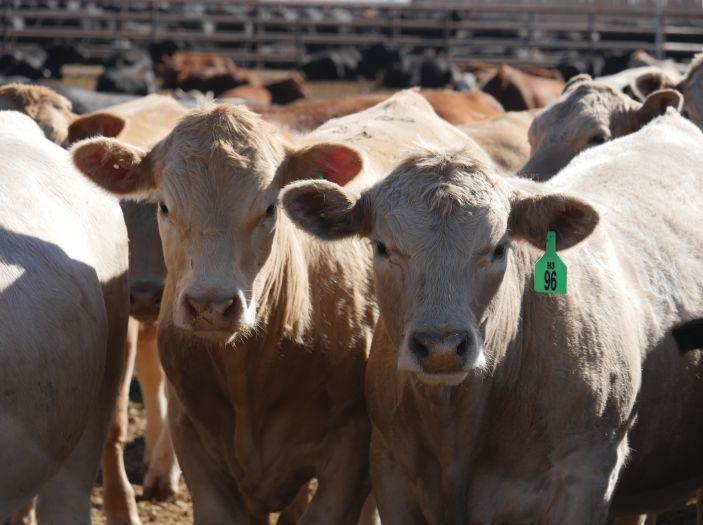
LEFT A group of cows in Alberta. Known by most as the cattle capital of Canada, Alberta led all provinces in terms of cow-calf declines last year.
but huge costs and poor prices are undeniably hurting producers.
Alberta led all provinces with a 155,200 head decline as cow-calf numbers there fell to 2.671 million as of Jan. 1, 2023.
Ryan Copithorne, a fourth-generation rancher from Jumping Pound, Alberta, says it comes down to profits, or lack thereof.
“For the past seven years, the average producer’s fully loaded cost of producing a calf was around $900 to $1100. Calf prices of $2.00 per head provided only $100 per calf margins, meaning a 250cow operator would only generate $25,000 profit,” he says.
Taking into account the costs of raising an animal just worsens the business case.
“Consider 10 acres per cow for that 250cow operator at $3,500 per acre, or $8.75 million worth of land to carry a commodity that yields a mere $25,000 per year in profits,” Copithorne says. “Add in cost of equipment, infrastructure, labour and the total investment is easily over $10 million for the ranch, and another $500,000 to buy the cows for a measly $25,000 per year return.”
Copithorne says commodity prices and weather make the industry extremely risky, and that the rewards seldom cover the risks.
“We need more affordable risk management programs tailored to ranchers specifically. The AgriStability program is not a hit in the ranching community. Livestock Price Insurance is a good program; we just need to have the premium costs incentivized like they do in the U.S.,” he says.
GRAIN DRAIN
The difficulty in turning a profit has farmers looking at other commodities to produce.
Thanks to inflation increasing input costs drastically, even with calves at $3 per pound, or about $1,650 per calf, profit margins pale, especially next to crops like canola, Copithorne says.
“Compare revenues: 40 bushels canola at $17 per bushel equals $680 per acre gross revenue, versus 10 acres per cow year-round, $1,650 per calf times a 90 per cent wean rate for $150 per acre gross
cattle revenue. It’s not even comparable.”
The gap between crop production and beef farming has widened for over a decade, and the latest ag census reported that in 2021, grain and oilseed farms accounted for 34.3 per cent of total farms, but beef and feedlots only 21 per cent.
“The ease of grain farmers to expand and gain economies of size versus cattle operations has also made it tough for cow-calf producers,” says Brian Perillat, agribusiness specialist with More Than Just Feed.
Specialization in primary agriculture — either larger grain farms or large cattle operations — is another issue.
“This has resulted in less mixed farms, and many farms decide to sell the cows and turn the land to grain production,” says Perillat.
As well, the profitability in the grain industry and technology to grow crops on more marginal land has caused loss of forage land from the cattle industry.
While there are some programs to promote grassland management, their funding are relatively small, and limited advancements in forage production and grass land productivity are just additional factors negative to the cattle sector, Perillat says.
Grant believes that in order to level the playing field, government should come up with a mechanism that puts money in farmers’ jeans for protecting things like
wildlife habitat, native grasslands, and grasslands in general.
Copithorne agrees: “Allowing ranchers to be compensated for the carbon they sequester, the wildlife they maintain, and the biodiversity they protect with grasslands could bring that needed prosperity to keep them in business. We as a society need to prioritize the significance of grasslands as a vital ecosystem and reward or compensate those that preserve it.”
SUCCESSION
Better succession planning could also benefit the industry, but it’s a tough sell.
“Succession can be tough for ranches as the next generation doesn’t want the work and be tied down year-round relative to what they are paid to do that,” says Perillat.
Beef cattle’s biggest problem is a lack of succession planning, Copithorne says. StatsCan’s last ag census revealed the proportion of farms in Canada reporting a succession plan stood at a mere 12 per cent, and that the largest share of those – 44.5 per cent – were grain and oilseed farms. StatsCan also reported 22 per cent of farmers only had a verbal succession plan, and 66 per cent none at all.
Low margins and a seven-day-a-week work schedule has the next generation saying “no thanks” and moving away for better opportunities, says Copithorne. Beef cattle’s image problem is also hurting
succession as cows get blamed for contributing significantly to climate change, he adds.
COW-CALF TURNAROUND
Turning the sector’s declines around won’t happen overnight, and will require a string of very profitable years at the cow-calf operation level, says Perillat.
“It takes really good profits and big shifts in grain profitability and land use to see growth in cow numbers,” he says.
At best, the number of cows can only maintain over the short-to-medium term, according to Perillat, who has a hard time seeing much growth happening during that period.
Grant indicates it could take years before the number of cows on cow-calf operations are likely to rise. “From the time the price signal is received to expand, it takes two to three years before female retention results in more beef available to the consumer,” she says.
Copithorne estimates itll take two to three years of strong calf prices before ranchers can get excited about expansion. “The last big cattle rally in 2014 only lasted just over a year and then prices collapsed again. People don’t believe the prices can stay high for long. They need to be convinced that high prices are here to stay before they will really dig in again and expand.”
BEEF FARMS’ DOWNWARD TREND
Although beef farm numbers have been in decline, Grant says a downward trend goes back over the last several decades for many agricultural commodities.
But for beef farmers specifically, she points out inflation is eating away at the purchasing power of producers. “With small margins per head, more head are needed to support a family. Hence, the drive to consolidation,” says Grant.
“I would guess the number of cattle operations would trend lower, similar to almost all large-scale primary agriculture sectors,” adds Perillat.
Copithorne says that barring a two-tothree-year profitability momentum shift, beef farms’ downward trend will continue.
Succession issues also must be resolved, he says: “Don’t forget the age of the farmer. Most of these farms are going to turn over in the next few decades. We need some solutions, or the auction catalogs could get pretty thick.”
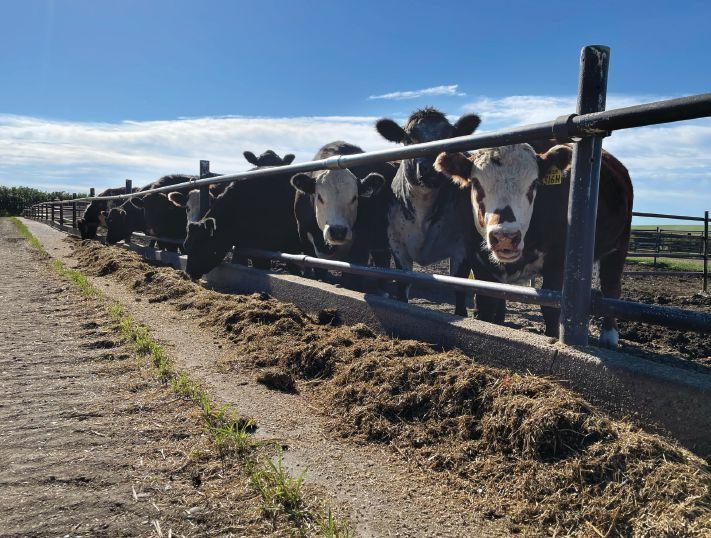
BELOW Another group of cattle in Alberta, where some farmers are opting to either sell off cows and convert entirely to grain production, or opt for mixed farming.
THE MOST CRUCIAL WEEK
Maintaining nutrient uptake for weaning pigs
BY JEFF TRIBE
Imagine if you will, a small child, lunchbox in hand heading nervously off to their first day of school.
And now, think of a weaning piglet, also leaving the warm, familiar embrace of its mother and littermates for a strange new environment, unfamiliar food and a dynamic hierarchal group setting populated by aggressive strangers.
“There’s a lot of similarities to kindergarten,” says Dr. Mike Tokach, Professor/Swine Extension Specialist at Kansas State University.
Both are embarking on intimidating and life-changing journeys. While the child will return home at school’s end, the piglet has begun a crucial and challenging transition whose short-term success or failure can dictate profitability or loss to a farm’s bottom line.
Feed intake during the seven to 14-day post-weaning timeframe is vital to pigs’ long-term health and viability, says Tokach, most particularly perhaps through the first three days.
“That early period after weaning has caused a lot of difficulty.”
Major stressors on piglets at weaning include maternal separation, littermate and established hierarchy separation, establishing a new hierarchy in a larger group of strange piglets, adapting to a larger communal space, feed neophobia (reluctance to adapt to strange new food) and arriving at an appropriate feedto-water ratio.
“Those are all things they have to adjust to,” says Tokach.
There are multiple strategies to help piglets acclimatize, addressing feed and potential stressors including
ABOVE An example of gruel (mixed feed and water) feeding with weaning pigs.
environment and socialization.
“Anything we can do to lower that stress is important,” says Dr. Madie R. Wensley, who as a graduate student headed a 2021 Kansas State University review of pre-weaning strategies to maintain nutrient intake.
Successful weaning relies on getting piglets to that crucial point in good shape, arguably beginning with sow health and nutrition, pre-natal development and post-natal milk production. Deficiencies in feed, vitamins or trace minerals can hamper milk and colostrum quantity and quality.
“And reduce the ability of the sow to pass immunity to her piglets,” adds Tokach.
Crucial weaning time
When to wean is a crucial question for producers. New research shows that pigs weaned at 24 to 26 days respond to stress better than those weaned earlier.
Colostrum intake’s importance during the hours following birth cannot be overstated he continued, particularly for smaller pigs. Larger piglets generally do well enough, but techniques such as split suckling ensuring smaller pigs get a minimum of two hours of colostrum access in the first 24, ‘or ideally 12 hours’ can reduce morbidity from 30 per cent to between eight and 10 per cent.
“That’s a big difference,” said Tokach.
Creep feeding is accepted practice for introducing and helping piglets adjust to solid feed. High quality is a must says Tokach, noting pigs aren’t as attracted to lower quality feed.
“You don’t get enough of the pigs to become eaters.”
Ease of access and ample supply are important, while attractants including ‘play feeders’, tying ropes or pieces of cloth to feeders which pigs come to chew on, have proven successful.
“And they find the feed is there and start chewing on the pellets.”
Research is underway on ‘open housing’ common creep areas allowing shared feed access to
Photo courtesy of Dr. Madie R. Wensley.
“ If you expose these pigs to stressors, you do have problems... that’s a lifelong effect.”
multiple litters, as at Mark Schwartz’s large Minnesota operation. This practice offers potential to combine feed intake with socialization, “while they are still nursing the sows.”
Under the ‘kindergarten’ analogy, this could equate to ‘pre-school’ or ‘play dates,’ ultimately lowering aggression and fighting resulting in enhanced post-weaning growth.
It may also put smaller, less competitive pigs at a disadvantage.
“They have to compete with more pigs now,” says Tokach, seeking additional research. “How do we apply this concept of open housing for the piglets in a way we don’t disadvantage the smaller pigs?”
Feed cubes thrown onto the floor, combining toy and nutritional source, are another option.
“Pigs like toys [and] destructible things, and will pick them up and run with them.”
Supplementing both pre- and post-weaning with milk or milk replacer is another approach Tokach sees gaining traction in Europe with increased litter sizes. Research indicates benefits at weaning, particularly for lighter pigs, but not ‘multiplier’ effects later in life, meaning ‘it has to pay for itself at weaning.’
Cost/benefit calculations result, along with required procedure and sanitation against disease.
“You have to be dedicated to it to go that route,” says Tokach.
“It’s going to be an approach we’re going to have to learn more about to apply correctly.”
Work under professor Charlie Maxwell and others at the University of Arkansas has identified positive results through exposing piglets to topsoil, says Tokach. It’s not practical to run piglets outdoors or shovel dirt into their pens, but related feed or inoculant-based probiotic enhancement is a possibility.
“There are some components in the soil pigs really respond to,” Tokach said, alluding to microbial and bacterial advantages in the gastro-intestinal tract.
“Very, very exciting and a lot of potential.”
Weaning timing is a critical choice. To reduce bacteria-based disease, earlier weaning ages were encouraged, at one point between 18 and 21 days.
“Now, we’ve learned if you do expose these pigs to stressors, you do have problems,” says Tokach, including ongoing immunity and gastro-intestinal issues. “That’s a lifelong effect.”
Tokach says producers with very healthy barns and no exposure to disease or stress can wean very young and do well. However, in conjunction with concern around increased susceptibility to ongoing gastro-intestinal issues among pigs weaned younger, improved procedures around controlling bacteria-based diseases which lowers their comparative impact to viral-based problems, suggested weaning age has risen to between 24 and 26 days. At that point, gut response benefits appear to plateau.
“They will respond to stress much, much better than pigs weaned between 18 and 21 days.”
Ready access to fresh, clean water is crucial, including details like blowing bowls out with a leaf-blower following disinfecting from the previous group.
“You don’t want their first drink of water to be of disinfectant,” adds Tokach.
Adding low-level nutrients or vitamins to water is also possible.
“But you don’t want to overdo it,” he stressed, CONTINUED ON PAGE 16
JERSEY GIRLS
How an Ontario farmer keeps his Jersey herd healthy
BY BREE RODY
For any livestock producer, the herd is their pride and joy.
For Thomas Judd, his parents and his wife Sarah, that pride and joy comes in the form of about 40 milking Jersey cows and a handful of other young stock, heifers and more. Thomas is a fourth-generation farmer, part of the day-to-day operations Meadow Lynn Farms, the farm on which he grew up in Simcoe, Ontario.
“Everybody has their own expertise,” Judd tells The Trough, speaking in terms of his family’s roles on the farm. For his father, K. Fred Judd, that’s largely the crop and commodity side. For his mother, Sharon, that’s mainly the operation of the farm’s strawberries. For Thomas’s wife, Sarah, that’s the community supported agriculture (CSA) program, which has grown modestly every year since its inception. And for Thomas himself, that’s the dairy herd.
Scratch that. The award-winning dairy herd.
Meadow Lynn is most commonly associated with its dairy and with its strawberry farms. Like most farms, it has multiple streams of revenue, and its geographic centrality also provides it with a unique opportunity for engagement. While not exactly an “urban” farm, the property is located well within the boundaries of Simcoe, Ont., only a 10-minute walk from high-traffic areas such as a grocery store, a Tim Hortons and an elementary school. This has allowed Meadow Lynn to engage the public through a number of different avenues, from farm tours and beef sales to pick-your-own strawberries and a yearly “Who Let The Cows Out?” festival in the springtime in which the Jerseys are released onto the pasture for the first time in the year and proceed to frolic and play.
But these playful cows also have some serious bovine bona-fides. The cheerful jerseys are the reason Meadow Lynn and the Judd family were recognized earlier this year by Jersey Canada, the national organization for owners and breeders of Jersey cattle. In April, the Judd family accepted Jersey Canada’s Master Breeder Award. The award is given annually to a farm that displays long-term excellence in breeding Jersey
cows – and requires at least 20 years of data.
Jerseys have several advantages for the Judds; Thomas explains: “They have hardened, black hooves, which is a smaller and more densely packed protein so that essentially their hooves hold up better in whatever environment they’re in. You have less hoof injury or infection. That’s a big deal when we’re asking then to travel for water, travel to food, or to get milk.”
Their high energy also means they have monster metabolisms. “Energy-wise, they are more efficient at turning feed into milk,” says Judd, although they don’t make as much milk per cow. While this was seen as a drawback several decades ago, more recent changes in the milk board’s demand requirements for purchasers in the province became more favourable the Jerseys. It enables producers like the Judds to sell by kilogram of fat.
FEEDING A HEALTHY JERSEY
Jerseys are known for their fat and protein. A body condition score of 2.5 to three is most appropriate for a milking herd –what is referred to as the “Goldilocks” zone.
ABOVE The cows at Meadow Lynn frolic during the annual “Who Let The Cows Out” event, which attracts locals and ag enthusiasts.
“We don’t want our cows to be too thin; we don’t want them to be too fat.”
Too fat runs the risk of fatty liver disease with dairy cows, which can make the transition to milking difficult. While transition problems exist on all dairy farms, Jerseys “tend to do quite well,” says Judd, if they’re supported properly.
They sometimes have the challenge of requiring more calcium than a Holstein; they tend to pump more calcium,
freeing up calcium within their own systems. Judd says supporting this becomes a challenge for most transition cows.
“We try to mitigate that with feeding a close-up dry cow ration, but it’s always on our radar.”
For feeding the herd, the Judds try to grow as much as they can on the farm in order to maximize its utility. “We try to have the forage be in really good shape, and that helps. That’s the first step in making really good milk.”
Alfalfa haylage is used a base. An on-farm vertical mixer chops the haylage daily. Corn silage is also incorporated. To ensure the top quality of corn silage, Judd says moisture level monitoring is key. Tower silos and a bag system are also used.
“That can provide a bit of a headache,” admits Judd. “It works well until we [can] get bunker silos, which is the fiveyear project that is always five years away.”
Along with high-moisture corn, starch that is milled on sight adds some balance to the ration. The farm also occasionally uses straw as a rumen agent to promote rumination. The ration is all balanced by a nutrition, and the cows’ diets is supplemented with a small amount of mineral and protein –Judd estimates about four to five tonnes per month.
“ The forage [being] in really good shape is the first step in making really good milk.”
With their eyes on the future, the Judds also use robotically generated pellets – the pellets have a small protein base and a more significant amount of starch in them that promote travel through the robot. “The robot itself knows how much each cow gives in terms of milk, and thereby doses a comparable feeding of robot pellet.” Every cow that passes through the barn’s robotic milker has a chance for some pellets.
THE ‘CENTRAL’ CONCERN
The location of Meadow Lynn is also unique. The centrality is a double-edged sword, says Judd. On one hand, the farm’s location has enabled the family to be heavily engaged in the local food scene and capitalize on the town’s fervent “local love.”
ABOVE Three generations of Judds stand together after being recognized by Jersey Canada for their breeding excellence.
“We have many, many more neighbours than your average dairy farm within a small radius,” says Judd.
That proximity to neighbours and the public has informed plenty of decisions with regards to the operation of the farm. “Not only was compost a really good idea for bedding for the cows’ comfort side because there are so many advantages, but there’s also an amazing amount of smell reduction when spreading. There were many challenges that were addressed by going to a compost pack barn.”
More recently, he says, the choice to pivot to an automated milking system was made even easier because of the farm’s highly visible profile. “The perception is reality for some of our [consumer] demographic,” says Judd, who says it’s increasingly common knowledge among consumers that automated milking tech allows cows to be milked voluntarily, and have a thoroughly enjoyable experience being milked. With more consumers pointing a keen eye toward animal welfare – even if some of their views might be biased – Judd says perception is everything. “At any rate, it was the right move for our labour situation, as well as our young family situation, but also for the cows.”
The setting of the farm can also make things tricky for the very nature of playful, energetic Jersey cows.
“During the summer months, we have available
CONTINUED FROM PAGE 13
noting pigs which can’t find feed may fill up on water instead. “You don’t want to have too much in the water to discourage them from going to the feed.”
Mat feeding, placing small amounts of feed onto floor mats up to four times daily in the first seven to ten days post-weaning is another feed consumption encouragement strategy, says Wensley.
Beyond crucial feed and water availability, air temperature and quality are also vitally important, moving enough air so there isn’t an ammonia problem inside a pig-friendly climate which isn’t too hot or too cold.
“Have all the things with the environment in place so you aren’t adding additional stress to the stressors already in place,” explains Tokach.
Pigs are social creatures he says, preferring to touch at rest. Being too far apart may be an indication of heat stress, lying on top of each other, cold stress.
“Meet the temperature needs of the pig.”
Increased monitoring to identify pigs who are struggling in the first days of weaning is of the utmost importance. Issues may be hard to identify immediately, says Tokach, but emerge between 36 and 48 hours.
“You really want to look at finding pigs who haven’t started on feed.”
“Catch fall-behinds early so they can get additional care,” concurs Wensley. “That is an important one.”
Well beyond every anticipatory or preventative measure, boots on the ground and eyes on the pigs
2.5
What makes a gem of a Jersey?
A body conditioning score of 2.5 to three is most appropriate for a milking herd of Jersey cows.
pasture for dry cows and heifers. And, of course, because they’re Jerseys, they tend to not like being inside a fence, so that has the additional challenges of seeing your neighbours more often than you’d like to see them while chasing after some Jersey cows.”
Judd acknowledges that for the general public, the image of a frolicking Jersey cow that’s gotten out might bring them some momentary delight, but cautions: “It’s all fantastic until, heaven forbid, one of them gets hit.”
With the town of Simcoe growing and developing – the town’s population grew by 10 per cent to just over 16,000 in 2021, and the broader county grew by 5.4 per cent – Judd also acknowledges that this could impact the future of the farm in some way. But in the meantime, the family is taking advantage of the growing population combined with an increased curiosity about where food comes from.
“That can be a challenge, but it can also be an opportunity,” says Judd. “We see the value, and certainly my wife and I started it with local food. There’s a few on-farm processing opportunities that we’ve talked about that is in the five-year plan. For now, price still rules, but there’s still a pattern toward people understanding the benefit and being prepared to spend a bit more to support local farmers that are offering a local story and local products.”
during weaning’s earliest stages may be the most important factor.
“The more times we observe those pigs and walk through the pens the first two weeks after weaning, the more beneficial it is to get those pigs started,” says Wensley.
She recommends monitoring weaning pigs four times a day.
“Two being the very minimum.”
Targetted mat or gruel (mixed feed and water) feeding is advised for fall-behinds, easily accessible in either situation.
“So they don’t have to fight to find it,” says Tokach.
In conclusion, there are many dietary, environmental and stress-related factors involved in helping pigs maximize nutrient intake after weaning. However, the most important of all may be the farmer.
“What it boils down to is really good management in the first two weeks,” Wensley summed up.
“The success and failure in a group of pigs almost always lies in the hands of the person taking care of them in the barn,” Tokach concluded. “Nutritionists, veterinarians, geneticists, we all have our role. But the person in the barn is the most important.”
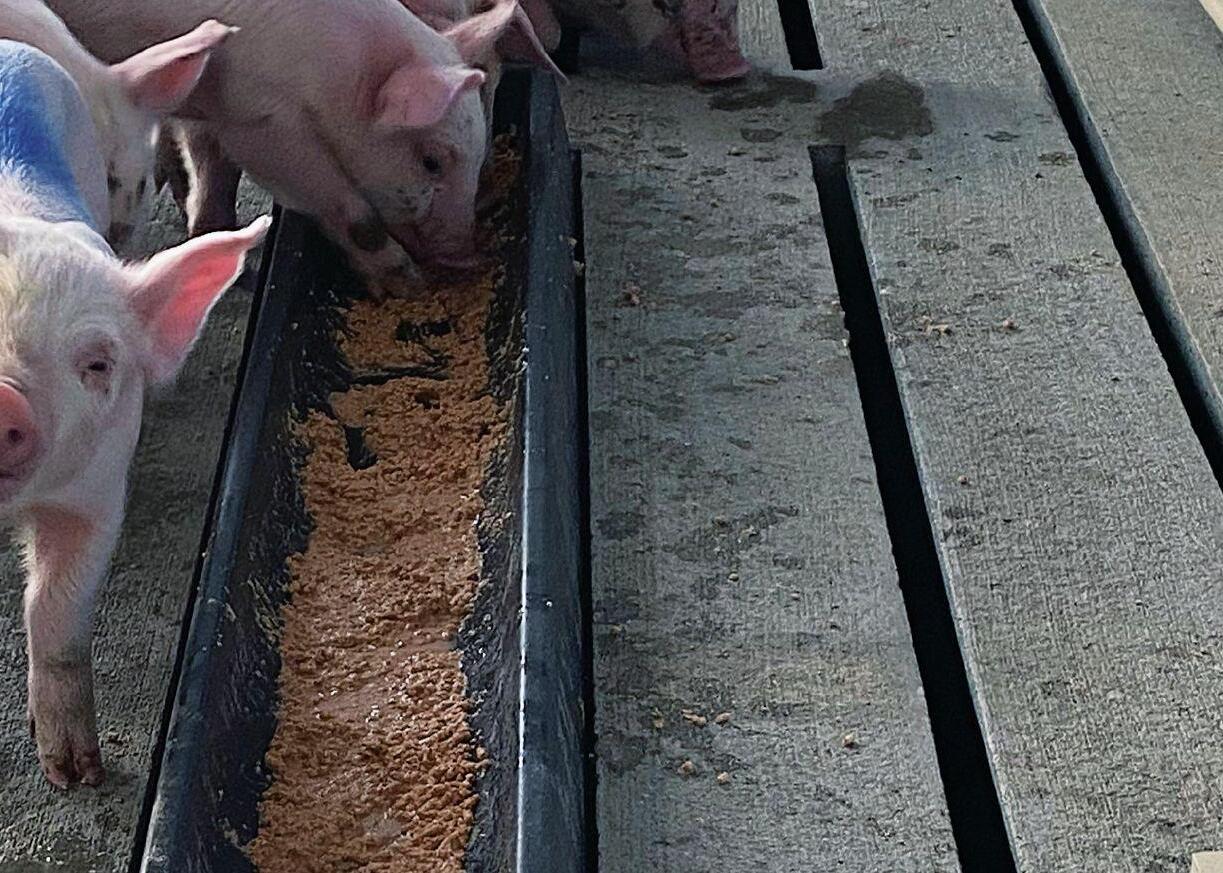
An example of creep feeding pigs, pre-weaning.
Photo courtesy of Dr. Madie R. Wensley.
ABOVE
Icon: Freepik
Pigs born after a gestation period of about 115 days.
More milestones during pig gestation
The next key developmental phases, and the influences of feed and housing on healthy pigs
by ELIZABETH HINES, JAYDA CHANDOOL, PENN STATE UNIVERSITY
In our final swine column of the year, we conclude our exploration of pig fetal development –everything between the attachment of fertilized embryos to the uterus, to the days right before parturition (birth). Generally, the length of time a sow is pregnant, or gestating, is about 115 days, or three months, three weeks and three days. Development is generally separated into five major phases; in the last issue, we concluded the first three phases. In this article, we touch on the final two, with some parting knowledge.
DAY 77-90
DAY 90-114
Bump feeding basics
At around 77 days, “bump feeding,” the practice of increasing the sow’s feed allowance by 1kg/ day, may be necessary.
Final placental expansion begins at Day 77. This is the in-utero hallmark of late gestation, however late gestation is observed on the outside of the sow by visible mammary tissue expansion. At this time, colostrum and milk production is beginning in addition to continued fetal growth. At this time, “bump feeding” may be beneficial. Bump feeding is the practice of increasing the sow’s feed allowance by approximately 1kg/day. This is to help increase the amount of nutrients for sows for the final growth periods of both fetal and mammary tissues. Bump feeding has been shown to increase birth weights; however, it can be expensive and has not been seen to have any effect on final market weight of the piglets. Some believe the small advantage you get is not worth the cost of bump feeding. The benefits of bump feeding is somewhat controversial among swine nutritionists and economists, so producers should consider the economic and production benefits before applying this feed change in their own herd. The benefits of bump feeding might be stronger in sows that are not of ideal body condition going into lactation. So be sure to monitor the body condition of sows throughout gestation.
These are the last few days prior to farrowing, as piglets are fully developed by Day 90 of gestation, though may not be viable outside of the uterus at this stage. Days 110-115 of fetal development are focused on storing energy for the piglets during farrowing and when lactation begins. In the final stages of gestation, mammary tissue development is being prioritized; milk secretion will indicate farrowing is very close. At this late stage of gestation, loss of piglets is fairly uncommon. Late term pregnancy loss (abortion) can be a result of a physical trauma to the sow prior to farrowing; whereas individual piglets born still (dead) can be a result of trauma to the fetus during the farrowing process. These are different events and are typically unrelated in pig production, as still birth piglets can occur in perfectly healthy sows. Be sure to closely monitor the care of both sows and piglets during the late stages of gestation and farrowing process to minimize losses.
CAREFULLY MONITOR SOWS DURING GESTATION TO BE SUCCESSFUL
Although reproduction appears simple between breeding and farrowing, there are many times where hormone signaling, tissue development, or survival of piglets can go wrong. The communication that occurs between each gestating sow and developing fetal litter is a complex, yet carefully synchronized event that eventually leads to successful farrowing. Pig caretakers who work to improve their understanding of the developmental stages discussed in this article will better understand what is happening in their herd when reproductive problems arise, and ultimately improve their ability to communicate issues to their veterinarian or other experts in reproduction.
RIGHT
New Holland, Honey Bee partner on new swather
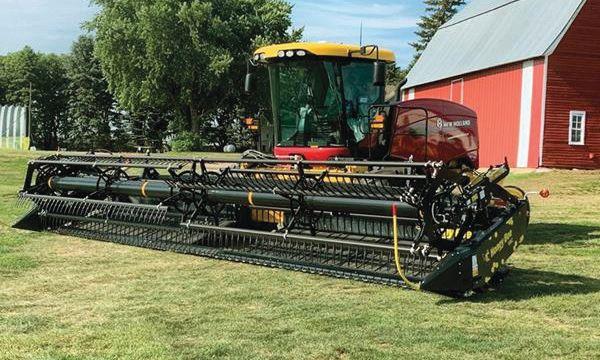
New Holland Agriculture North America and Honey Bee Manufacturing have partnered on a new draper header series for the Speedrower Plus Series of self-propelled windrowers. The new Honey Bee WSC Swather Series is targeted at operations that swath small grain crops. Two models are available: the 30-foot WSC30 and the 36-foot WSC36. Cut crop is gently delivered onto two swath decks where it then can be shifted left, right or center with in-cab controls. For more information, contact your local New Holland rep.
Farmatan – Natural scour prevention
Feed the mama, protect her babe!
• Add Farmatan granules to Cattle, Sheep or Goat minerals to support healthy immune function
• Helps reduce severity of common young animal scours
• Tannic acid supplement to support gut health and improve performance throughout all production stages
• Improves protein conversion and reduces ammonia
• Suitable for conventional or organic livestock
• Can be added to loose mineral, via TMR or mixed into tubs or mineral blocks
• Calf paste and boluses now available
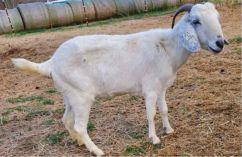
“We think Farmatan is an awesome product! We use it to fight a lot of coccidiosis and other scours. Now, our kids are practically market ready at weaning.”
AgTonik debuts new supplement for poultry, livestock
Michigan-based AgTonik has unveiled AGT-L50, a new fulvic acid humate mineral supplement for the poultry and livestock markets. The natural liquid organic acid complex and trace mineral supplement is based on longstanding animal husbandry practices. Advantages include improvements in feed conversion and efficiency, potential for antibiotic reduction, significant ammonia reduction for poultry, better fat marbling for beef and swine, natural growth-enhancing nutrients, immune and digestive support and more.
CBS Bio Platform puts new additive to the test
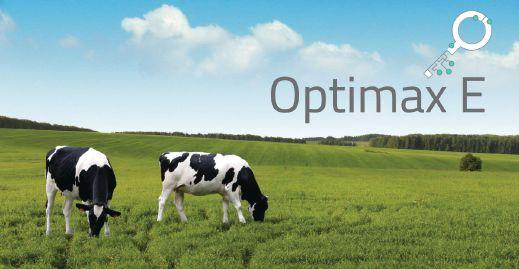
Calgary-based CBS Bio Platforms has recently completed a dairy lactation study on its new feed additive Optimax E, indicating that it will help dairy farmers meet new net-zero targets while increasing milk yields. The study, which utilized a commercial herd of 380 Holstein cows in Mexico, shows significant gains in feed efficiency linked with higher productivity. Other results attributed to Optimax E included dry matter intake, milk production and efficiency on a fat-corrected milk basis.
AgrifoodJobsite.ca is Canada’s premier online job portal for the growing agrifood sector. A laser focus on the right people across the country’s largest agrifood media audience means you get the right applicants the first time. No more massive piles of unqualified applicants, just professional employers reaching qualified professionals.
Powered by the top agrifood media brands in Canada, the reach to over 500,000 industry professionals on AgrifoodJobsite.ca is amplified by:
Website advertising to 185,000 qualified monthly site visitors
A comprehensive and magnifying reach across multiple associated job boards
Email promotion and job alerts to 131,000 industry emails using Canada’s largest CASL-compliant direct access to agrifood professionals
Social media promotion to all brand networks on Facebook, Instagram, Twitter and LinkedIn