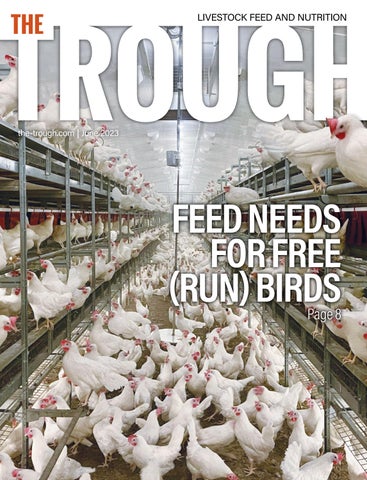
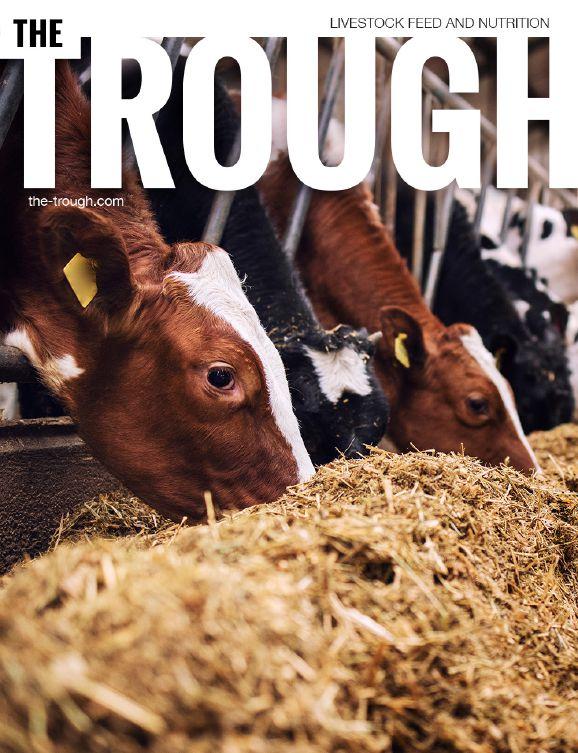
When a Manitoba farming family reinvented their operation to let their birds run free, that meant feed needed to change.
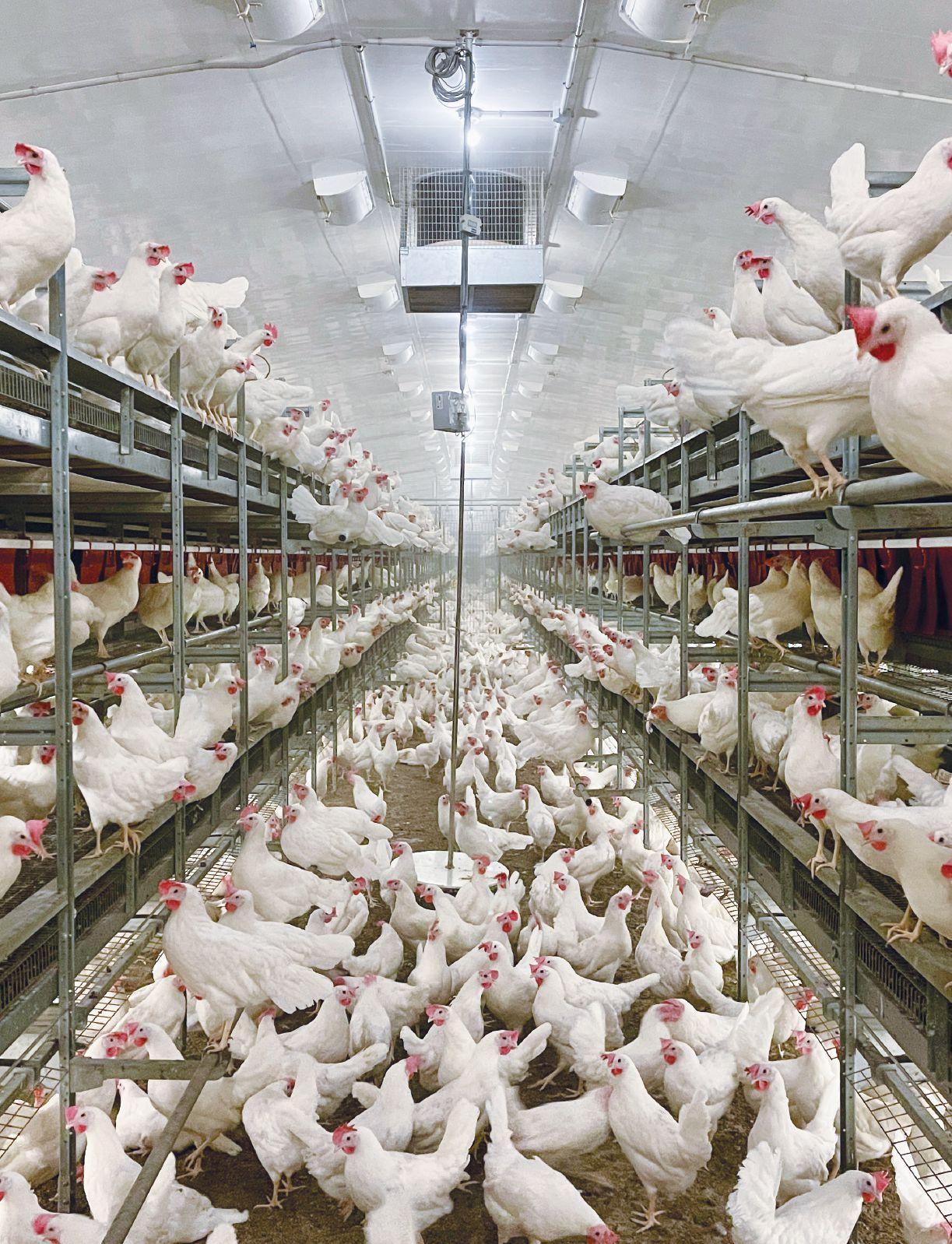
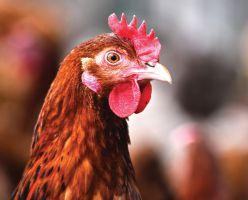
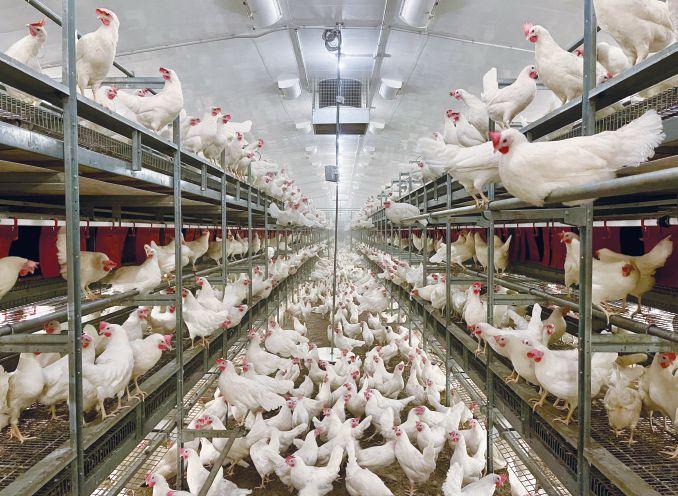
Harley and Brooklyn Siemens’ 32,000-bird, free-run layer barn is part of a bigger operation that produces more than 90,000 eggs per day.
DEPARTMENTS
04 Industry news Updates to trade disputes, new funding and research centres, HPAI update and more.
16 New products Company rebrands, new releases, World Pork Expo highlights and more
10 Business
A ban on a popular insecticide ingredient for feed crops has some growers looking for alternatives.
12 Innovation
A new supplement could reduce greenhouse gas emissions from dairy – but is there more to consider?
14 Animal health
Finding safe alternatives to zinc-oxide from just-weaned pigs.
17
Event feature
The big issues discussed at the Animal Nutrition Conference of Canada’s 2023 event in Montreal.
18
Guest column
Understanding the various gestational phases for pigs and how feed, environment and other factors contribute to health.
Great news! We’ve responded to the rapid pace of the industry by upping our eNews frequency. You can now subscribe to The Trough’s eNewsletter and receive news and features to your inbox every two weeks. You can view previous eNewsletters and sign up for your copy today at the-trough.com/enews-archives
The messy middle
If you grew up with siblings, you have probably had the experience of each of you trying to blame one another for some sort of unfortunate incident – a shattered window, a melted G.I. Joe, maybe even a goose egg on someone’s head. In this circus of back-and-forth blame, the diametrically opposed perspectives take on lives of their own. Suddenly, not only is one party entirely to blame, but the other party is also completely innocent – a voice for unambiguous good.
As an adult, you learn that the truth often lies somewhere in the messy middle. Yet, the same dynamic plays out in animal agriculture. On one hand, you have activists who view the industry as one of the most (if not the most) significant contributors to greenhouse gas emissions and climate change. As such, they unfairly characterize livestock producers as callous, uncaring and ambivalent about the climate and animals. This obviously untrue generalization can lead to a feeling of defensiveness from producers.
The truth often lies somewhere in the messy middle... A world without animal agriculture is all but a fantasy.
Again, we must look to the messy middle. That was one of the conclusions with my talk with Virginia Tech’s Robin White following her presentation at the Animal Nutrition Conference of Canada (ANCC) this past May in Montreal. Dr. White’s session was, on the surface, about strategies for reducing emissions at a farm level through feed strategies. While it did touch on solutions, such as using AI and mixed modelling to create more precision feeding, it was also an in-depth exploration about the complicated distinctions between “right,” “wrong,” “good” and “bad.”
Consumer demands for meat alternatives generally don’t result in a direct decrease in production, because producers then turn to export markets. A world without animal agriculture is all but a fantasy. But White adds that the industry also needs to continue to accept that there are proactive measures it can take to reduce its climate impact – and the good news is, those measures often increase animal health and welfare.
You can read more about my chat with White and other speakers at ANCC on page 17. Other potential feed-level solutions are covered in our innovation feature (page 12) and our animal health feature (page 14). Our business feature (page 10) shows the real-world consequences of divisiveness in agriculture, while our farm focus (page 8) highlights promising young farmers with new ways of thinking.
It’s doubtful we will ever agree on everything – and some debate is healthy. But the more we all come to the table in good faith with knowledge and openness, the better a world (and industry) we create.
BREE RODY, Editor
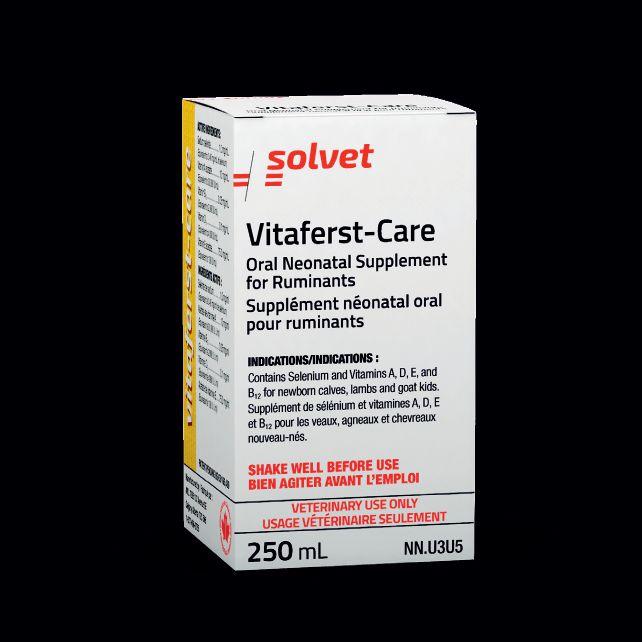
SELENIUM & VITAMINS A, B12, D3 & E DOSING HAS NEVER BEEN EASIER
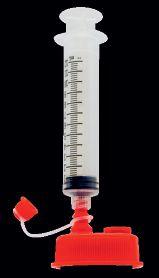
is a convenient oral supplement designed to address the neonatal nutritional needs of calves, lambs and goat kids.
One Oral Dose instead of multiple needles
Draw off cap and oral syringe included with every bottle
To be administered after colostrum to avoid passive immunity impairment.
Vitaferst-Care’s Oral Formulation
Includes:
Selenium to promote growth New, fortified level of selenium
Vitamin A to promote neonatal immunity
Vitamin D3 to support growth and metabolism
Vitamin E to stimulate the immune system
Vitamin B12 for cell growth and support of the immune system
For more information on Vitaferst-Care TM contact your veterinarian.
Get ready for the World Forage Analysis Superbowl
Entries are being accepted for the 2023 World Forage Analysis Superbowl, which is open to all forage producers in North America. The annual contest, held in conjunction with the World Dairy Expo in Tulare, CA is set to award more than $26,000 in cash prizes.
The deadline to submit corn silage samples is July 12, and all other entries must be submitted by Aug. 24. Entry forms are available at www.forwagesuperbowl.org.
The winning entry in each of the eight divisions is awarded a cash prize of $2,500, with additional
cash prizes presented to second through fifth place. A Grand Champion Forage Producer is also named and awarded with a cheque for Divisions are dairy hay (sponsored by QLF Agronomy), commercial hay, grass hay (sponsored by Barenbrug USA), alfalfa haylage (sponsored by Ag-Bag by RCI), mixed/grass haylage (sponsored by Lallemand Animal Nutrition), balayage (sponsored by Agri-King), standard corn silage (sponsored by Scherer) and brown midrib corn silage (sponsored by Brevant Seeds).
Canada, Ontario invest in 4-H
The governments of Canada and Ontario are investing more than $2.3M over three years through the Sustainable Canadian Agricultural Partnership to support 4-H Ontario programming. The funding will allow 4-H Ontario to continue to engage youth interested in a career in agriculture and agri-food.
The funding will continue the delivery of 4-H programming, create further learning opportunities for youth and seek to expand the program’s engagement with Indigenous and marginalized communities.
Lisa Thompson, MPP and Ontario minster of agriculture, food and
rural affairs, said in a statement that 4-H focuses on “leadership and life skills that young people will benefit from their entire careers… this investment will ensure 4-H Ontario can continue building future community and business owners, foster greater appreciation and pride of our rural communities and agricultural food sectors, while creating a learning environment outside the classroom where 4-H members can learn by doing.”
Approximately 6,000 youth currently enrolled in 4-H will benefit from the programming.
Forage facts in Canada
100, 000 30 37.5
Number of acres devoted to forage seed in Manitoba, the leading province for forage production.
Percentage of Canada’s forage acreage that lies within Manitoba.
3.1 MILLION
Total kilograms of alfalfa (commercial and pedigreed varieties) produced in Canada in 2022.
Canada joins U.S. in trade dispute hearings over GM corn imports
Canada is making its position official in a long, ongoing trade dispute between the U.S. and Mexico.
Canada stated on June 9 that it will join a trade dispute panel requested by the U.S. over Mexico’s proposed limits on imports of genetically modified (GM) corn. The dispute has been simmering since Mexico first made its position known in 2020, but officially escalated to a formal dispute process on June 2 after direct talks brought no results.
The panel is expected to take about half a year to compile and release findings. If Mexico is found to have violated USMCA, trade sanctions could be imposed on Mexico.
Mexico first published a presidential decree on GM corn in late 2020, saying it would ban GM corn in the diets of Mexicans and end the use of the herbicide glyphosate by early 2024. This past February, Mexico issued new rules that dropped the date for substituting imports of GM animal feed corn.
“Canada shares the concerns of the U.S. that Mexico’s measures are not scientifically supported and have the potential to unnecessarily disrupt trade in the North American market,” Canada’s Ministry of Agriculture and Agri-Food said in a statement.
Percentage increase of forage production in Alberta between 2021 and 2022.
33
Percentage increase of commercial Timothy grass production in Canada between 2021 and 2022.
128.47
Millions of dollars in farm cash receipts for forage and grass seed in Canada, 2022.
164.94
Millions of dollars in farm cash receipts for forage and grass seed in Canada in its peak year, 2016.
Avivagen announces review of strategic alternatives
Avivagen has appointed a special committee of the board to review and assess strategic alternatives for the company to maximize stakeholder value going forward. The committee will consider all potential alternatives including the sale, in whole or in part, of the company.
As part of the process to support the review, Avivagen has already implemented certain cost cutting measures including reducing staff and suspending or terminating certain aspects of its consulting arrangements in Asia and Mexico.
Avivagen’s principle feed product, OxC-beta, is approved for use in animal feeds in 10 countries in Asia, Australia and South America, and is self-affirmed as Generally Regarded as Safe (GRAS) in the U.S.
In its most recent financial earnings, announced earlier this month, the company reported net revenues of $77,683 and a comprehensive loss of $(1,244,829) for the quarter ended April 30. In May, the company announced a significant increase in sales to an existing customer, which upped its recurring monthly order fourfold.
New poultry research centre coming to Ontario
The Ontario government is investing $13.5 million in a new poultry research centre in Elora.
“As part of the Grow Ontario Strategy, our government is focused on enhancing our research and innovation capabilities across the agri-food sector,” said Lisa Thompson, minister of agriculture, food and rural affairs in a statement. “This research centre will, once completed, equip our poultry industry with the tools, and the knowledge to stay competitive, while creating jobs, growing the economy and ensuring supply chain security.”
reproduction and nutrition, as well as meat quality and safety. Results will be shared with poultry farmers and the broader poultry business sector to encourage the adoption of innovative, safer, healthier and more efficient animal and on-farm production practices.
Ontario-led agri-food research conducted at this facility will support animal welfare,
Ontario’s poultry industry includes more than 1,200 chicken and turkey producers and 432 egg farmers across the province who will benefit from the cutting-edge research and innovative technologies that will be housed onsite. The new centre is expected to begin construction in 2024 and be completed by 2026.
May numbers show Canadian HPAI cases
slowing
After months of worry, poultry producers and public health watchers alike may be breathing a tentative sigh of relief.
Statistics from the Canadian Food Inspection Agency shows that only one new case of highly pathogenic avian influenza (HPAI) was confirmed in Canada in the month of May.
This represents a drastic decline both from May 2022 and even from earlier this year. In the April issue of The Trough, the outbreak was still a looming concern, with provinces such as Quebec, British Columbia and Ontario reporting cases in recent months in both wild and farmed birds.
Here is an update from our last summary in March. All data is as of June 19:
British Columbia has recorded one additional detection since March (April 29) in a commercial poultry setting. It currently has seven infected premises (IPs), down significantly from 34 in March.
Alberta has recorded one detection since March (April 21) in a non-commercial, non-poultry setting. It currently has 10 IPs, down from 11 in March.
Saskatchwan has not recorded any detections since November 2022. It currently has three IPs, down from four in March.
Manitoba has also not recorded any detectoin since November 2022 and has zero IPs.
Ontario has recorded two detections since March (April 5 and 19), both in commercial poultry settings. There are five IPs, down from seven.
Quebec remains the most active province, with 14 instances recorded since March, mostly in commercial poultry. However, its last recording was May 6. There are currently 10 IPs, down from 11.
Atlantic Canada remains relatively inactive, with no cases recorded in the region since the winter. There are currently three IPs (one in New Brunswick, two in Nova Scotia), a figure unchanged since March.
Feeding for comfort and welfare
How a Manitoba chicken and egg farm changed things up.
BY JULIENNE ISAACS
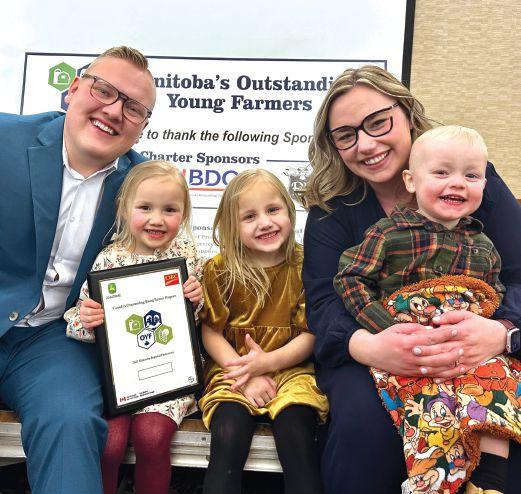
Harley and Brooklyn Siemens have plenty of reasons to celebrate: the Rosenort, Man.
egg farmers were recently named Manitoba’s Outstanding Young Farmers of the Year. But they simply haven’t had time.
“I have had the busiest six to seven weeks of my life, so we haven’t celebrated yet,” says Siemens. “We’ve been going pretty fast the last couple of years –building barns, buying farms, having a family of three [children] under five – it’s been a whirlwind.”
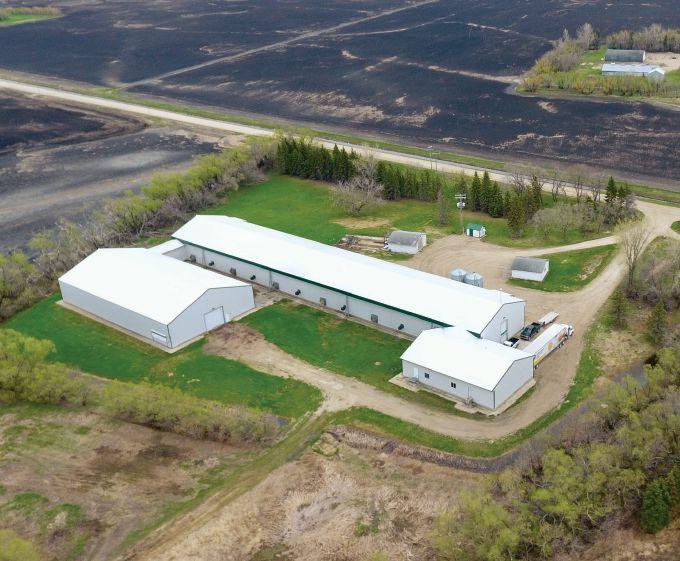
In 2017, the Siemens reinvented their operation, starting with a brand-new free-run facility, which can hold 32,000 birds, at their family farm in Rosenort. They also built a pullet training facility with a capacity of 27,000. In 2020, they bought into a company called Manova, which owns a 50,000-bird enriched housing layer barn in Blumenort, Man. and a 18,000-bird conventional housing layer barn in Niverville, Man. Siemens serves as the president of the Manova corporation, and within a few months of buying in, he’d renovated the Niverville barn into a brand-new free-run aviary-style barn.Between all sites, Siemens Farms produces about 90,000 eggs per day (about 7,500 dozen), which are shipped across Canada, from B.C. to Ontario.
“Our business is all about making sure those hens are in a good environment. If they are not comfortable, they don’t produce high-quality eggs. I want to make sure they’re given all the necessary tools, space and enhancements so they are happy,” says Siemens. “When we were looking at rebuilding our facilities, free-run [housing] was a new technology that wasn’t very well known here in Manitoba. We toured a couple of facilities and we really liked the work that was being done, and the benefits for the hen, to be able to express her natural abilities,” he adds.
Manitoba’s commercial egg farmers are regulated: each egg producer must obtain quota to produce eggs and cannot own more than 125,000 birds. Egg prices
are set by Manitoba Egg Farmers. All Canadian egg farmers must participate in the national Animal Care Program, which is managed by Egg Farmers of Canada; the latter conducts bi-annual on-farm audits under a program called Start Clean, Stay Clean to make sure farmers are meeting industry standards for animal care as well as storage, cleanliness, air quality, feed and record keeping. Third-party audits are also conducted to ensure farmers abide by the Animal Care Program, and Siemens and his staff are constantly researching and testing new methods to boost efficiency and improve the quality of life for pullets and hens.
FEEDING STRATEGIES
Feed is one very important element of chicken welfare. This is another area where regulations come into play, notes Siemens: each farm pays a dietician and the
ABOVE The free-run layer barn can host 32,000 birds.
provincial feed representative to help set suitable diets based on animals’ housing and many other factors.
“Here in Manitoba, nobody knows what the feed ration is. The ration is a trade secret,” says Siemens. “I’ll know the main ingredients they’re given, [especially] the protein levels, because we adjust this constantly – the older they get, the less protein they need.”
In the laying hen barn, they use their trademarked “tandem ration” or AM/PM diet: an automated system that pulls from two bins using slides to pull different types of feed depending on the time of day. In the morning, the system provides two feedings of a high-protein, high-vitamin feed to help hens develop yolks; in the afternoon, three separate high-calcium feedings are provided, to help hens build shells.
“Then we continue that rotation,” he explains. “There’s a bit of a cost savings to do this, because calcium
is cheaper than buying protein for feed. But it’s a very technical ration: a 60/40 split, with 60 per cent of their feed in the afternoon and 40 per cent in the morning.”
In the pullet barn, pullets are raised in cages for the first three to four weeks, after which the barn is converted to a free-run barn; the doors of the cages open to create “balconies” for the birds, with ladders down to the barn floor. Feed is provided in the cages; during the day, the birds play on the floor, and in the evening the animals have to climb back into their cages for food and water. After the four-week stage, rations increase to provide the birds enough energy to build bone structure and learn to fly.
Teaching pullets to climb the ladders to their cages is a major point of concern. Over the last five years, he says, they’ve trained 16,000 birds. Initially, it took six weeks to train flocks to climb ladders to their cages; now they’re down to two weeks.
ABOVE Between all of their sites, Siemens Farms produces about 7500 dozen eggs per day (about 90,000 eggs).
LEFT The Siemens family at Manitoba’s Outstanding Young Farmers of the Year award ceremony, 2023. L-R: Harley, Sawyer, TaNeille, Brooklyn and Beckett Siemens.
“The most important thing is lighting – we have a special lighting program with different lights underneath and in the ceiling, [and] we have a special sundown program. We turn different things off and attract them to come up,” says Siemens. “Every barn is different and every flock is different. It’s a lot of watching the birds and how they’re using the ladders. The sooner you can get them trained, you save a lot of work.”
Siemens says free-run eat more than chickens in closed housing due to their higher activity levels, and this can get expensive. They’re constantly trying to reach an ideal conversion rate, where the birds are getting enough – but not too much – feed.
“From a broader point of view, we’re always looking at different gut health and probiotics that are in the feed that can promote the health of the hen,” he says.
One practical way this can improve hen health is in extending its laying period. In the past, most hens in Siemens Farms barns could lay for about 12 months before the shell quality started to deteriorate. With improved rations, they make it to 13 to 14 months. “It’s important for the hen to be well, [and] we need a good feed pattern to have good longevity,” he says.
ADVOCACY
The Siemens family is excited to start slowing down after a busy few years of expansion. But they’re by no means resting on their laurels. Siemens is a district representative on the board of Manitoba Egg Farmers, and he serves on a few of its committees.
He’s also an enthusiastic public speaker and works closely with Manitoba Egg Farmers on events, tours and speaking engagements. He’s done similar advocacy work with Egg Farmers of Canada, talking to chefs, distributors and members of the public about egg production. Siemens and his father, Kurt, were present at the recent grand opening of the Manitoba Egg Farmers’ new free-run research facility at Glenlea Research Station.
“Can’t wait for the public to experience where they get their eggs from,” Siemens Tweeted afterward. “We love what we do.”
A controversial ban
How a federal insecticide decision could affect livestock producers in Canada.
BY JACK KAZMIERSKI
Long used by Canadian farmers to control a variety of insects and commonly sold on the shelves of farm supply stores, lambda-cyhalothrin (known colloqueally as lambda-cy) is a broad-spectrum insecticide that is effective on corn, pulse, small grain and oilseed crops.
However, due to restrictions put in place by Health Canada’s Pest Management Regulatory Agency (PMRA), insecticides that contain lambda-cyhalothrin can no longer be used by Canadian farmers on any feed crops. In other words, as of May 1, 2023 any crops or crop components (fractions, meal, screenings) that have been treated with lambda-cy cannot be fed to any livestock in Canada.
The PMRA’s controversial decision has raised concerns with both growers and livestock producers. Last year, the majority of Canadian grain and livestock producers signed a letter addressed to Canada’s minister of health, Jean-Yves Duclos, urging the government to review this ban.
“Our organizations represent Canada’s grain, feed and livestock value chains, including tens of thousands of farmers, ranchers, industries and employees working to provide safe, abundant, healthy food to Canadians and our customers around the world while contributing billions to Canada’s economy,” the letter read in part. “We are fully aware of the intense global food security challenges we continue to face due to Russia’s invasion of Ukraine, supply chain disruptions, input prices, inflation, and the health, security, and the commercial impacts of
climate change. This decision as it currently stands could unnecessarily exacerbate these challenges.”
Focusing on the feed issue, the letter explained how this pesticide ban could lead to limited feed availability, which in turn would impact livestock producers: “The Canadian livestock sector consumes just under 30 million tonnes of feed annually (2020 data). Feed access has been difficult in the last few years due to drought and competition with export markets for domestic grains, all of which have increased feed prices and feed demands. Because of this, Canada’s corn imports from the U.S. have grown substantially to just under 5 million tonnes in 2022. This supply is critical to Canada’s livestock industry. If livestock cannot be fed with Canadian grain treated with lambda-cyhalothrin, and if access to U.S. corn is likewise limited, this has the very real potential to negatively impact the availability of feed for Canadian livestock.”
At this point, however, it’s not clear what kind of impact the ban will have on the availability and price of feed in the future. “It really depends on the year, and how the year’s harvest turns out,” says Janice Tranberg, president and CEO of the National Cattle Feeders Association.
A DOMESTIC ISSUE
Technically, lambda-cyhalothrin can be used on crops intended for human consumption, “but since any crop entering the grain handling system is eligible for livestock feed, this poses a risk of becoming an off-label use,” explained Ian Epp, agronomy specialist with the Canola
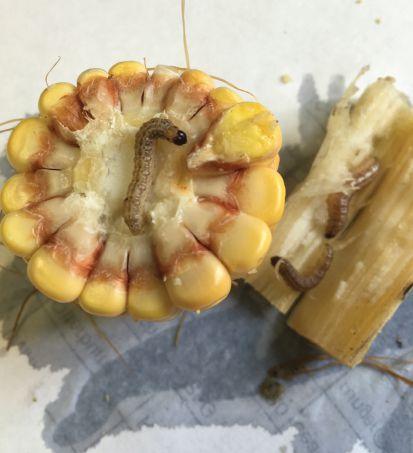
ABOVE European corn borer is among pests that have historically been controlled with lambda-cy products, although alternatives are available.
Council of Canada during his presentation at the “Keep it Clean Product Advisory Webinar,” which took place in April, 2023.
“However, if the grain is being exported, that’s fine,” added Epp. “And if it’s being exported for feed, that’s fine too. Or if it’s going to be used for food, that’s acceptable.”
Greg Bartley, director of crop protection and crop quality for Pulse Canada, spoke at the same webinar and added: “Lambda is not an issue with export markets. This is a domestic issue. So if you’re exporting, we haven’t seen other markets take a restrictive approach to lambda. This
is really a domestic feed issue.”
DIFFERING VIEWS
Both the U.S. and Canada looked at the lambda-cyhalothrin question, but only Canada decided that the pesticide needed to be banned. When asked why, Mark Johnson, spokesperson for Health Canada and the Public Health Agency of Canada said, “Canada’s decision on certain pesticides may be different than those of other international pesticide regulators due to differences in policies and legislation, differences in how the pesticides are used [crops, rates] and differences in the data available at the time of review.”
In a written statement, Johnson also explained why lambda-cy is only banned for use on crops meant for feed, and not for human consumption: “The risk of concern is not for the health of the animals, but for the vulnerable human populations who consume foods of animal origin, such as milk, cheese and meat. The grain fed to livestock may result in concentrations of lambda-cyhalothrin being found in foods of animal origin.”
DISSENTING VOICES
PMRA’s ban has not been welcomed warmly by many industry stakeholders. The Government of Saskatchwan issued a statement stating: “While we support the PMRA decision to maintain registration of products with this active ingredient for food crop use, the decision included cancelling registration on crops used for feed... It is also unclear how this provision would apply to imported grain entering Canada for use as feed.” The Government of Saskatchewan, among others, has requested that Health Canada rethink its decision.
FINDING ALTERNATIVES
While Health Canada reviews its decision, farmers across Canada have been forced to find alternatives to lambda-cyhalothrin. Fortunately, according to experts, there are a number of insecticides on the market that can be used as substitutes. “For pretty much all the pests that lambda is registered, we have alternatives,” says Epp. “There are some nuances in how we apply them, and in general they work equally well. You just have to be careful how you apply them.”
Morgan Cott, agronomy extension specialist – special crops with the Manitoba Crop Alliance agrees.
“There is a long list of insecticides and potential insecticides to use for each crop and insect,” she explains. “It’s just that these lambda products were very trusted and people knew how they work because they’ve been using them for many years. So taking something out of the market that’s been there for so long, and is well understood, is making lives a little bit more difficult.” Cott explains that although most crops can be protected by pesticides without lambda-cy, a few growers might be left without an alternative.
“Some crops, and some insects in those crops, will not be controlled at all,” she explains. “I deal with specialty crops, including corn, sunflower and flax for our commodity association, and I can tell you that sunflowers now have no insecticide to control lygus bugs.”
Growers associations across Canada have published guides that list alternatives to lambda-cyhalothrin, detailing which crops will benefit from which lambda-cyhalothrin alternatives, based on the particular pest that needs to be controlled.
Moreover, since pesticide manufacturers have known for years that the lambda-cyhalothrin restrictions would come into effect in 2023, Cott says that there should be no shortage of product on the shelves. Examples provided by the Manitoba Crop Alliance include: chlorantraniliprole, spinetoram or malathion for armyworm in barley, wheat and oats; chlorantraniliprole, deltamethrin or permethrin for cutworm in canola; chlorantraniliprole, deltamethrin or malathion for diamondback moth in canola, and more. A full list is available online at: https://mbcropalliance.ca/assets/uploads/images/ MCA_Lambda-Cy-and-Alternative-Chemistries-factsheet-v3.pdf, and growers are reminded to always refer to product labels for efficacy and application details. Canola producers can also refer to the Canola Council of Canada’s FAQ page, which includes links to alternatives both for specific pests and for the three Prairie provinces. She adds that this ruling by the PMRA is more of an annoyance than a problem, simply because most growers (except sunflower crops) will be able to find a pesticide they can use in place of lambda-cy. “Aside from sunflowers, our crops generally have a pretty good list of options,” she adds.
WORKING WITH OPTIONS
Many growers must now learn how to use a range of options available on the market. In a recent letter, addressed to Peter Brander, executive director of the PMRA, a group comprised of the National Cattle Feeders Association, the Canadian Pork Council, the Canadian Meat Council and the Canadian Cattle Association joined forces to send a strong message of concern: “Livestock producers are often challenged to secure feed sources for their animals due to events such as drought, flooding and supply chain disruptions... Regulations such as the one in question present a very significant challenge that can negatively impact the ability to secure feed sources for Canadian livestock. While the lambda-cyhalothrin decision has created challenges for Canada’s grain and livestock producers, it’s unclear at this point just how damaging it will turn out to be for all stakeholders. While alternatives are available, some question how effective they will be, and whether the switch will create shortages of feed in the months and years to come, spiking prices for all. At this point, only time will tell.
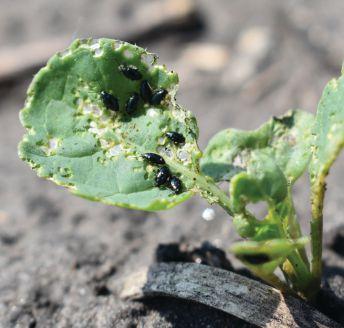
ABOVE Flea beetles on a seeding canola plant. The Canola Council of Canada have listed alternatives to Lamba-Cy for such control.
ABOVE Lygus bug on sunflower head. Sunflower growers may find themselves with fewer alternatives than other growers.
DEEP IN THE (SEA)WEEDS
Could seaweed in dairy cattle feed be a game-changer for GHG emissions?
BY ROBYN ROSTE
In 2022, headlines around the world declared that the methane emitted into the atmosphere from cow burps had been measured from space by Montreal-based greenhouse gas (GHG) emissions monitoring company GHGSat Inc.
Globally, there are approximately 9.4 million heads of dairy cattle and the average dairy cow belches approximately 350 pounds of methane each year. According to GHGSat Inc., this would provide enough emissions to power more than 15,000 homes.
An attention-grabbing concept, to be sure. GHG emissions from animal agriculture are of particular interest to many countries, since about 15 per cent of the world’s total GHG emissions come from livestock production.
And although “cow burps” grabbed a lot of mainstream attention from that headline, researchers in the agriculture community have understood the link between ruminant digestion and climate change for decades, and have been working to discover methods to either harness or reduce methane emissions.
Methane (CH4) is odourless and colourless and, up until 2022, escaped unmeasured into the atmosphere. It’s a natural byproduct of a ruminant’s digestive process, and is released either through belching or manure.
Harnessing methane emissions has typically been achieved through measures such as covering manure pools with straw, transforming the gas into renewable power through manure storage systems or altering the acidity of the manure, which deactivates the microorganisms that produce methane.
One of the most promising solutions for reducing methane emissions is through food additives.
In an article on Canada.ca on reducing methane emissions from livestock, Karen Beauchemin from Agriculture and Agri-Food Canada said, “since approximately 40 per cent of agricultural emissions in Canada
Asparagopsis taxiformis:
A species of red algae has been shown to reduce methane emissions when included as an additive to ruminant diets. But is there more than meets the eye?
come directly from methane, with 90 per cent from cattle and sheep methane emissions as a result of feed digestion, agricultural methane emissions can be reduced through livestock feeding and management systems.” For example, adding sunflower oil to a typical North American cow diet of corn, distillers’ grain, silage, vitamins and minerals can reduce emissions by about 15 per cent.
Another additive, 3-nitrooxypropanol (3-NOP) has been shown to reduce methane emissions in cattle by an average of 30 per cent. These findings were published in the research article titled, An inhibitor persistently decreased enteric methane emission from dairy cows with no negative effect on milk production by Alexander Hristov, Joonpyo Oh, Fabio Giallongo and Stephane Duval. Although not yet approved in Canada or the United States, Bovaer (a feed additive based on the 3-NOP compound) is approved for use on dairy cows in Brazil, Chile and the EU.
Most recently, a food additive derived from tropical red seaweed has captured researchers’ interest for its ability to act as a methane inhibitor. Called Asparagopsis taxiformis, this species of red algae has been shown to reduce methane emissions when ruminants are fed a diet containing a small percentage of the seaweed additive.
“It does work,” says Alexander Hristov, distinguished professor of dairy nutrition at Penn State University. “Our research shows Asparagopsis reduces methane by between 25 and 30 per cent and doesn’t seem to have side effects [on] feed intake or milk production. We did see an improvement in milk fat per cent, which is good news.”
For almost 20 years, Hristov has researched ways to reduce the amount of methane created by dairy cows. His current work includes feeding
cows different amounts of additives and monitoring their methane production in order to determine both the optimal amount and long-term impacts.
In 2014, Australian researchers discovered the methane-reducing properties contained in Asparagopsis taxiformis and in subsequent years, interest in its potential for inhibiting methane production in cattle has grown. The seaweed species produces bromoform, a bioactive compound, which prevents methane formation through inhibiting the enzyme methyl coenzyme M reductase (MCR).
Initial results are overwhelmingly positive, but there is still much to learn about its long-term effectiveness, safety, feasibility and sustainability, should the demand for the additive become a mainstream solution to mitigate climate change on a global scale.
Recently, The Trough reported online that Hristov received a $2 million grant from the USDA’s Natural Resource Conservation Service (NRCS). This grant allows him to conduct a three-year study to determine whether the long-term impact of using 3-NOP or Asparagopsis taxiformis additives in lactating dairy cows feed will continue reducing methane emissions.
“The only concern we have with it are the long-term effects,” says Hristov. “That’s why we have this project with the NRCS, it’s designed exactly to look at
long-term effects.” He adds that they’re also looking at how the ecosystem will adapt to increasing production of Asparagopsis taxiformis over time, since the current supply would not be adequate if it becomes a worldwide additive in ruminant feed.
“It’s approved for use in Europe and in some Latin American countries. In the U.S. it’s still waiting for approval from the FDA before it can be used. I don’t think there will be any issues, it’s just a matter of time,” he says.
In nature, Asparagopsis taxiformis is found in coastal areas in temperate and subtropical waters. It is cultivated commercially through aquaculture, which ensures it is grown and harvested sustainably in a controlled aquatic environment.
Increasing production could present a number of environmental challenges, which are yet undetermined. Creating the specific conditions Asparagopsis taxiformis requires to cultivate it on a large scale while maintaining quality would require infrastructure and systems, which don’t yet exist, in addition to increased water and land use, costs and energy consumption.
“We can see there are quite a few questions about the practicality and long-term effects. I think there are at least several outfits that claim they can cultivate Asparagopsis – that’s a major factor, it cannot be harvested wild. It has to be cultivated in agricultural conditions,” says Hristov.
ABOVE One consideration researchers are pointing to for the future is the potential impact if production of the seaweed reaches a global scale.
Other considerations include the ecological impact on the marine environment and native species as well as developing nutrient runoff best management practices. Right now, companies in Australia and Hawaii are developing small-scale cultivation operations in the hopes it can grow and scale sustainably as the additive is approved in additional countries. Another concern researchers have is the amount of bromoform that is created during the cultivation of Asparagopsis taxiformis. Although it acts as a methane-inhibitor, it also contributes to ozone depletion once released into the atmosphere. Researchers are working to assess the potential impact if production of the seaweed reaches a global scale. “This may be an issue in the future,” says Hristov. “We’re attacking one environmental problem and there may be another one down the road.”
In addition to studying 3-NOP and Asparagopsis taxiformis additives, Hristov is running other projects to develop new methane inhibitors including other seaweed species, which do not produce bromoform. The initial results are positive.
“We’re finishing one trial now with a brown seaweed that seems promising.” Hristov adds that although they’re not in the initial stages of studying the methane-reducing potential of seaweed, there’s still a lot of work to be done in order to determine if the effect will continue to be the same strength over time.
THIS LITTLE PIGGY NEEDS LESS ZINC
Finding safe alternative options to zinc oxide for feeding just-weaned
piglets.
BY JAMES CARELESS
The swine industry practice of weaning piglets at two to three weeks in age (rather than at 10 to 12 weeks as occurs in nature) and moving them from sow’s milk to a dry cereal-based diet can come with consequences.
Due to their young ages, these pigs – ‘weanling pigs,’ as they are called – do not have fully developed gastrointestinal tracts and their stomachs’ hydrochloric acid production is limited. As a result, moving them abruptly to a solid diet that typically has high acid-binding characteristics can increase the weanling pigs’ gastric pH. This can decrease their ability to digest protein, allowing opportunistic pathogens to compromise their digestive tracts.
To head off these consequences, many swine farmers add Zinc Oxide (ZnO) to their weanling pigs’ dry feed.
“Research has shown pharmacological levels of Zinc (Zn) typically provided from ZnO improves nursery pig performance and reduced the occurrence of post-weaning diarrhea,” says Ethan Stas, a graduate research assistant in swine nutrition at Kansas State University’s department of animal sciences and industry in Manhattan, Kansas. “However, feeding high levels of Zn leads to more excretion in the feces which ultimately gets spread on crop land contributing to heavy metal accumulation in the environment.”
Such is the level of concern about the accumulation of zinc in the soil from pig manure, that the European Union has restricted the use of pharmacological levels of Zn in weanling pig diets, and many countries are beginning to follow a similar path. “In addition, the use of ZnO in livestock diets is often discussed as a risk factor for the selection of methicillin-resistant Staphylococcus aureus (MRSA) which can be a health concern for humans,” says Stas. “Therefore, the swine industry has focused much attention on alternative strategies to provide some of the same benefits as feeding pharmacological levels of Zn to weanling pigs.”
At KSU’s Swine Day 2022 on November 17, 2022, Stas discussed these strategies while presenting the research paper, ‘Effects of Varying the
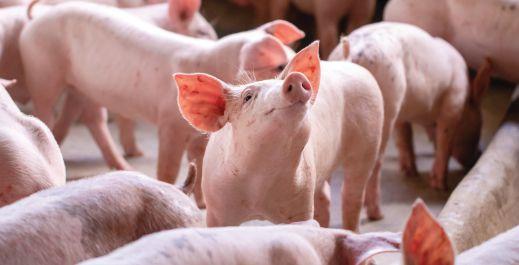
ABOVE So-called ‘weanling pigs’ who are moved too abruptly to a solid diet with high acid-binding characteristics can experience increases in gastric pH.
Acid-Binding Capacity-4 in Diets Utilizing Specialty Soy Products with or without Pharmacological Levels of Zinc on Nursery Pig Performance’. Co-authored with Alan J. Warner, Chad W. Hastad, Mike D. Tokach, Jason C. Woodworth, Joel M. DeRouchey, Robert D. Goodband, and Jordan T. Gebhardt, this paper examines the results of a pig research trial to evaluate the effects of acid-binding capacity-4 (ABC-4) feeds with and without pharmacological levels of Zinc included on nursery pig performance.
“Several studies have been conducted evaluating the acid-binding capacity of ingredients and diets intended for weanling pigs,” says Stas. “Results have shown diets formulated to low acid-binding capacity values can improve nursery pig performance compared to high acid-binding capacity diets. Additionally, low acid-binding capacity diets have shown similar performance to diets utilizing pharmacological levels of Zn.”
THE STUDY
To take a quantitative look at options to Zn-enhanced
Photo:
Images courtesy of Kansas State University
intake, gain, feed efficiency and more.
weanling pig feed, Stas and his research team members created a trial using 1,057 weanling pigs. They were assigned to one of four dietary treatment groups based on their initial weights. Each treatment group had 12 pens of pigs assigned to it, with an initial average of 22 pigs per pen.
The four treatment groups were as follows: the first group had a low ABC-4 diet without Zn added; the second had a high ABC-4 diet without Zn added; the third group had a low ABC-4 diet with Zn added; and the fourth had a high ABC-4 diet with Zn added.
The feeding trials were done in two phases. Phase One ran for a week, followed by Phase Two for two weeks. After that, all 1,057 weanling pigs were fed the same diet for three weeks.
That’s the basics. To get into the nitty-gritty, the low ABC-4 diets contained 13.0 and 10.75 per cent novel soy protein concentrate (AX3 Digest; Protekta; Plainfield, IN). Meanwhile, the high ABC-4 diets contained 15.85 and 13.15 per cent enzymatically treated soybean meal (HP 300; Hamlet Protein; Findlay, OH),
which replaced the soy protein concentrate on an SID Lys (standardized ileal digestible lysine) basis.
According to Stas and his co-authors’ research paper, the novel soy protein concentrate and enzymatically treated soybean meal were measured to have ABC-4 values of -13 and 753 meq/kg, respectively. “The low ABC-4 diets without ZnO were formulated to 150 and 200 meq/kg in Phase One and Two, respectively,” it said. “Replacing novel soy protein concentrate with enzymatically treated soybean meal increased the ABC-4 of the diet by approximately 104 to 127 meq/kg.”
The weanling pigs’ diets that included Zinc were mixed to deliver approximately 2,000 PPM of Zn from ZnO in Phases 1 and 2. “The ZnO increased the ABC-4 of the diet by approximately 60 to 65 meq/kg,” the KSU research paper said. “Diets were formulated to contain 1.36 per cent (Phase One) and 1.42 per cent (Phase Two) SID Lys and met or exceeded other nutrient requirement estimates established by the NRC.
Unfortunately, an outbreak of Porcine Reproductive and Respiratory Syndrome (PRRS) among the four test groups ran the risk of distorting the weight gain measurements due to effects from this viral illness. To compensate for this distortion, the researchers weighted each pen of pigs. They then calculated feed disappearance on a weekly basis to determine Average Daily Gain (ADG), Average Daily Feed Intake (ADFI), and Feed Efficiency (F/G).
THE RESULTS
According to the KSU research group’s results, the pigs who were fed a low ABC-4 without Zn diet showed improved ADG and F/G during the trial, compared to those eating high ABC-4 feed without Zn. However, no differences in ADG and F/G were observed between the groups receiving Zn in their feed, whether they were eating a low or high ABC-4 diet. Meanwhile, pigs fed a high ABC-4 diet without Zn had a higher removal/ mortality rate than the other three groups.
“Overall, there was an ABC-4 × ZnO interaction (P = 0.002) observed where pigs fed a high ABC-4 had increased (P < 0.05) removals and mortalities when ZnO was not present, and no differences (P > 0.10) due to ABC-4 level were observed when ZnO was added,” said the KSU research paper. “For economics, there was an ABC-4 × ZnO interaction (P ≤ 0.039) where pigs fed low ABC-4 diets had increased (P < 0.05) gain value, feed cost, and IOFC when ZnO was not present, and no differences (P > 0.10) due to ABC-4 level were observed when Kansas State University Agricultural Experiment Station and Cooperative Extension Service ZnO was added.”
THE TAKEAWAY
For those who find the last paragraph above challenging, here’s the plain language summary that swine farmers will want to hear. “The incorporation of low acid-binding ingredients (avoiding high acid binding ingredients) in the diets of weanling pigs can help to maintain an acidic stomach pH and improve gut health and nutrient utilization,” says Stas – without adding Zinc to their diets. “However, further research is warranted to determine the optimal acid-binding capacity value for a specific age or weight range of a weanling pig, as well as at what point as acid-binding capacity of the diet increases does performance start to diminish. Additionally, do various formulation strategies to achieve a low acid-binding capacity diet yield the same or different results.”
The bottom line: Transitioning weanling pigs from sow’s milk to low ABC-4 dry feed can help them avoid the digestive and illness-related issues associated with their underdeveloped gastrointestinal tracts at this time. In turn, this allows swine farmers to stop adding this heavy metal to the soil through this feeding process, which is a win-win for everyone.
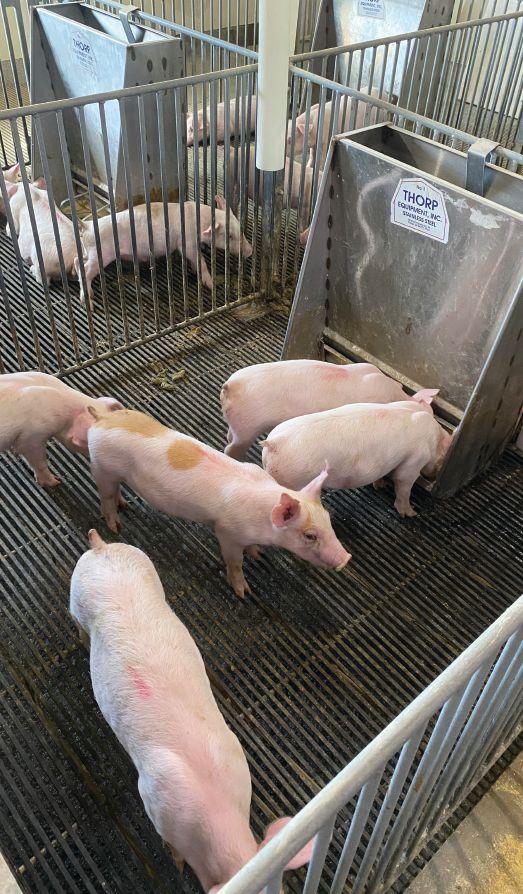
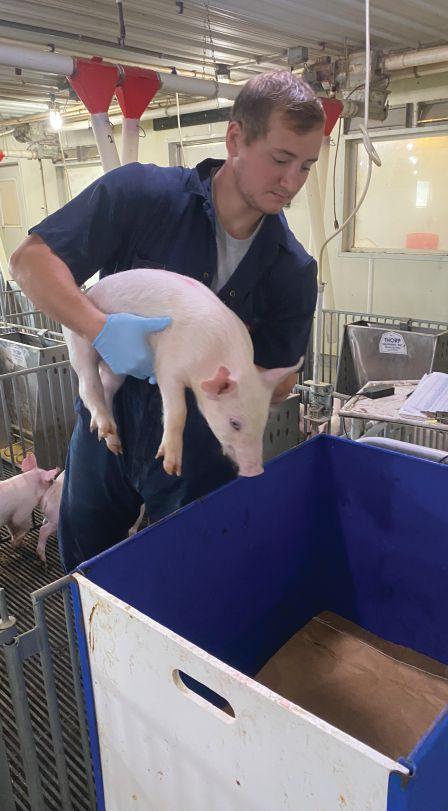
ABOVE Research team members studied more than 1,000 weanling pigs and looked at weight, feed
Alltech unveils Triad for pigs
Alltech has introduced Triad, its new solution that promotes successful farrowing and pig livability through a proprietary blend of ingredients.
Sow throughput can be compromised by a higher incidence of stillborn pigs and pre-wean death losses, decreasing overall performance for swine producers. Triad supports sows during parturition and lessened pre-wean mortality, according to Alltech. “Minimizing stillborns and low-viability pigs at a rate in which we can with Triad is a direct improvement in profit, as more pigs qual more profit,” said Andy Rash, GM of Alltech’s U.S. swine business, in a statement.
Triad was recently unveiled at the World Pork Expo.
Farmatan – Natural scour prevention
Feed the mama, protect her babe!
• Add Farmatan granules to Cattle, Sheep or Goat minerals to support healthy immune function
• Helps reduce severity of common young animal scours
• Tannic acid supplement to support gut health and improve performance throughout all production stages
• Improves protein conversion and reduces ammonia
• Suitable for conventional or organic livestock
• Can be added to loose mineral, via TMR or mixed into tubs or mineral blocks
• Calf paste and boluses now available
“We think Farmatan is an awesome product! We use it to fight a lot of coccidiosis and other scours. Now, our kids are practically market ready at weaning.”
The company formerly known as Pestell Nutrition has rebranded as Barentz. The name follows the acquisition of the Ontario-based Pestell by Barentz International in August 2021.
John DeVos, president, animal nutrition of Barentz North America, said in a statement that the acquisition represents “a significant milestone for our company as we accelerate our growth.”
“This rebranding aligns our global organization and allows us to deliver the best solutions for our customers and principal partners, locally and around the world,” added Mike McKenna, CEO of Barentz North America. “We will leverage the global scale of Barentz while continuing to invest in our core markets as we execute on our strategy to become a global leader in the life science and broader specialty chemical industries.”
Purina highlights EnduraPig
Also highlighted at the World Pork Expo in Des Moines was Purina’s newest pig product, EnduraPig. Announced earlier this year, the product is now available through local distributors in the U.S.
The new feed additive for pork producers aims to manage disease in barns. EnduraPig supports respiratory and immune systems through the limitation of viral loads of viruses, such as PRRS.
In Purina’s 2022 trials, ailing piglets fed EnduraPig had an almost four-pound improvement in their body weight, and a 14 per cent increase in overall average daily gain at 21 days post-recovery.
New perspectives, new opportunities
The Trough visits ANCC 2023.
This May, the Animal Nutrition Association of Canada (ANAC) held its second in-person Animal Nutrition Conference of Canada (ANCC) since the beginning of COVID-19. Held in Montreal, the conference brought together a delegation of just over 300 attendees including students, researchers and industry
The conference provided a balance of education and networking, with presentations from two dozen speakers. Although Canadian in focus, speakers came from across North America, including opening speaker Patrick Hoffman (University of Wisconsin-Madison), who spoke on the role of dietary phosphorus in hypocalcemia and milk fever prevention, and Dr. Robin White (Virginia Tech), who spoke on nutritional opportunities to evaluate the socioeconomic values of livestock through decoupling greenhouse gas emissions.
University of Saskatchewan’s Miranda Buchinski, ANAC’s graduate scholarship recipient, presented her research and findings on the impact of dietary nitrogen content and source on essential amino acid utilization and growth performance in growing pigs. “[Low-protein diets] have essentially become the standard in order to reduce diet cost,” Buchinski explains to The Trough. “When you over-feed protein, it tends to waste intro excess nitrogen standpoint, which from an environmental standpoint [is concerning].” Her research looked at the back fat and lean depth and the ideal carcass composition. “If the pigs are way too fat, then [the producer] is going to get docked on that in the abattoir.”
Some speakers brought nuance to social
BY BREE RODY
trends – like White, who delivered her talk on decoupling greenhouse gas emissions from livestock operatoins. While the animal agriculture industry is often pointed to as an objective, significant and (in the eyes of activists) unnecessary source of greenhouse gas emissions, White offered a different perspective.
“Shifts in demand for meat in particular don’t always convey the expected outcomes in our food production systems,” White told
the crowd. “For example, a 10 per cent increase in demand of plant-based meat alternatives results in only a 0.15 per cent reduction in cattle supplies, but a substantial reduction in producer welfare… Producers end up going to international trade as an outlet for the products they’re producing. We don’t get the environmental benefit unless we see changes in production.”
Speaking with The Trough,White elaborated: “Quality management can have a lot of benefits, but if we manage in a way that is not efficiently utilizing resources, there can be a lot of challenges. Even our dieticians get confused on how to get information from different life-cycle assessments, different meta-analyses, so we need to provide more support in our scientific literature on how to contextualize information.”
Welfare goes hand-in-hand with nutrition. Iowa State University’s Dr. Stephanie Hanson discussed resiliency in feedlot cattle who endure stress during travel. With cattle often sitting on trucks anywhere from six to 24 hours at a time, injectable vitamin C, as well as zinc, which carry price tags of only about $1 per cow, could make a significant difference. “A lot of our cattle in the U.S. would be on a truck for [16 to 24 hours]... If some only came from two hours away, they might not require that investment.” An injectable supplement allows a more strategic approach. Additionally, both vitamin C and zinc added quality benefits to the beef.
The goal, says Hanson, is quicker recovery. “Every [cow] is likely to be trucked at some point.The less stress, the fewer days they have to be in the feedlot, the fewer resources they require.”
ANCC 2024 will take place in Winnipeg.
ABOVE Wisconsin’s Patrick Hoffman speaks on the role of dietary phosphorus in milk fever prevention.
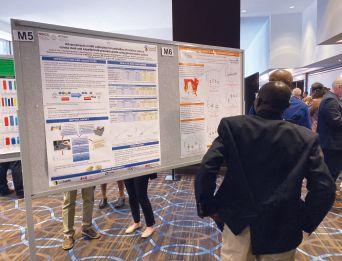
ABOVE Attendees view and assess graduate student research at ANCC’s poster session.
35
Keep an eye out for stressers around 35 days During this stage, individual pigs can stop developing due to trauma such as rough handling, poor nutrition or disease stress.
Developmental milestones during pig gestation
Understanding developmental phases and the influence of feed and housing is key in developing healthy pigs.
BY ELIZABETH HINES, JAYDA CHANDOOL , PENN STATE UNIVERSITY
Fetal development occurs between attachment of fertilized embryos to the uterus, to the days right before parturition (birth). It is at this time, gestation, that piglets form and grow inside of the sow. Generally, the length of time a sow is pregnant, or gestating, is about 115 days. During this time the piglets go through different phases of development, which we will separate into five major phases. This article will cover the first three phases; next issue will cover the final three.
DAY 0-15
The first sign of heat is considered Day 0 of the estrous cycle. Ovulation occurs within the first 24 to 48 hours after the start of heat. Fertilized embryos will elongate and migrate to find space in the uterus. During this time, sow fighting and trauma typically have little impact on embryo survival, because the embryos have yet to form attachments to the uterine wall. Any loss in embryos at this time is typically influenced by quality of the oocyte before ovulation, quality of the sperm, and/or disruptions in hormonal signalling before fertilization. Embryo attachment to the uterus occurs around Day 12-15. In swine, four or more viable embryos must establish an attachment to the uterine wall in order for the pregnancy to be viable and continue past this point. During the attachment phase, embryos begin aligning along the uterine horn.
If enough viable embryos attach, recognition of the pregnancy will occur by Day 11-12. Embryos that fail to attach to the uterine wall will not survive the pregnancy. If an insufficient number of embryos (less than four) attach, the pregnancy won’t be recognized, and the sow will return to heat by Day 21. If the embryos successfully attach to the uterine wall, they will begin to form in their own placenta, as each piglet has their own placenta. Pigs have an epitheliochorial placenta, which means that the placenta does not invade the uterine tissue like other types of placenta. This type of placenta sits
against uterine wall, and forms a grooved attachment, often compared to velcro. Each piglet having its own placenta isolates each fetus from the rest of the litter and prevents the loss of one fetus from affecting the survival of the other fetal pigs. However, this also means each placenta needs adequate attachment to the uterus, and a lack of space can impact placental development for any pig. This means that the larger the litter, the less space for placental attachment, which can lead to smaller piglets.
DAY 13-30
In this time range, the initial placental expansion begins. Around day 30, sows can be checked for pregnancy via ultrasound. When using an ultrasound machine, fluid filled sacs indicate that a litter is developing properly. In group gestation housing systems, if sows were not housed together immediately after breeding, it is best to wait until after confirmed pregnancy to group sows together. By this time, placental attachment is considered sufficient to survive fighting that might occur between sows.
DAY 30-77
During this time noticeable organ development begins. Bones begin calcifying at Day 35-45. Sometimes, for a variety of reasons, individual fetal pigs will stop developing and die in the uterus. Fetal pigs that die during this time of gestation can lead to the presence of mummies at farrowing. A mummy is a fetus that died after calcification of bone has occurred, and therefore, cannot be reabsorbed. Rather, it decomposes and mummifies in its placenta. For a pig producer, a litter that has many mummified fetuses found at farrowing can be a sign of trauma to the sow or developing offspring during the earlier stages of gestation. Trauma can include rough handling, poor nutrition, environmental stressors, or disease stress.
AgrifoodJobsite.ca is Canada’s premier online job portal for the growing agrifood sector. A laser focus on the right people across the country’s largest agrifood media audience means you get the right applicants the first time. No more massive piles of unqualified applicants, just professional employers reaching qualified professionals.
Powered by the top agrifood media brands in Canada, the reach to over 500,000 industry professionals on AgrifoodJobsite.ca is amplified by:
Website advertising to 185,000 qualified monthly site visitors
A comprehensive and magnifying reach across multiple associated job boards
Email promotion and job alerts to 131,000 industry emails using Canada’s largest CASL-compliant direct access to agrifood professionals
Social media promotion to all brand networks on Facebook, Instagram, Twitter and LinkedIn