



by Brett Ruffell
by Brett Ruffell
In March, Canadian Poultry, along with our sister publications from the agriculture group of magazines at Annex Business Media, launched Influential Women in Canadian Agriculture (IWCA). It’s a program intended to highlight the work that women do across Canada’s diverse agricultural landscape.
We asked our collective subscribers to nominate an influential woman by providing examples of their impressive leadership, innovation and advocacy work.
We were confident that we’d receive lots of great nominations, but our team of judges was truly blown away by the impressive things we read in the nomination forms.
From animal welfare to technology to advocacy, the six professionals we chose as the inaugural Influential Women in Canadian Agriculture (IWCA) are all trailblazers in their respective fields.
One such standout I spoke to for this program from the poultry side is Karen Schwean-Lardner. An associate professor with the University of Saskatchewan’s Department of Animal and Poultry Science, her important work focuses on how management systems affect the welfare and productivity of commercial chickens and turkeys.
In our interview,
Schwean-Lardner reveals how her high school principal once tried to discourage her from pursuing a career in science because “that’s not what girls do”. Bothered but not dispirited, she’s long used that encounter as motivation.
Years later, she’s now one of the most highly regarded poultry scientists in the world. And she’s watched with pride as females have gone from the small minority in poultry sciences classes when she first started out at her school to now a strong majority.
”It’s amazing what people can do when they’re motivated.”
The scientist also notes more women are working in important poultry industry roles now as well.
Schwean-Lardner says her keys to success are her relentless work ethic and ability to embrace risk. As examples, she shares how she was at one stage of her career working full-time while raising two children and still managed to take on a master’s degree on top of that. Each night after she’d tuck her kids in she’d then start working on her graduate studies. “It’s amazing what people can do when they’re motivated,” she says.
Schwean-Lardner then gives two pieces of advice for other women starting out in
agriculture: Be confident in yourself and keep an open mind. “When you are confident in yourself, you can do anything,” she says.
A podcast of my full conversation with Schwean-Lardner is now available along with our entire IWCA series of interviews. Visit agwomen.ca to access them.
In addition, we’re also holding a special event as an extension of the IWCA program on October 20. Called the IWCA Summit, this half-day online gathering will showcase select honourees and nominees of the IWCA program in a virtual mentorship format.
Through roundtable-style sessions, panelists will share advice and real-life experiences on leadership, communication and balance working in agriculture. Register at agwomen.ca/summit.
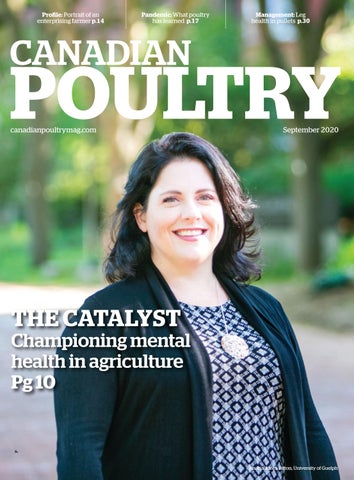
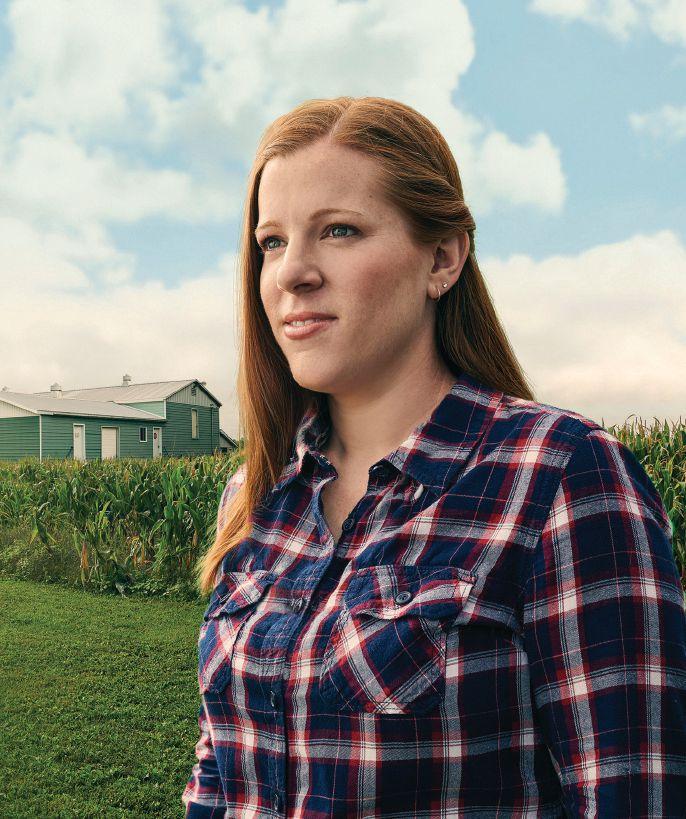
We’ve featured another woman doing impactful work on this issue’s cover. A few years ago, University of Guelph’s Andria Jones-Bitton launched ground-breaking research around mental health in agriculture.
Her studies shed light on the fact that many producers are struggling with above average levels of stress, anxiety and depression and are at a higher risk of burnout.
Her work has inspired others to conduct their own research and develop support tools to help farmers cope with these challenges. You can read all about her important research and other efforts she’s inspired on page 10.
canadianpoultrymag.com
Editor Brett Ruffell bruffell@annexbusinessmedia.com 226-971-2133
Associate Publisher Catherine McDonald cmcdonald@annexbusinessmedia.com Cell: 289-921-6520
Account Coordinator
Alice Chen achen@annexbusinessmedia.com 416-510-5217
Media Designer Brooke Shaw
Circulation Manager
Anita Madden amadden@annexbusinessmedia.com 416-510-5183
VP Production/Group Publisher Diane Kleer dkleer@annexbusinessmedia.com
COO
Scott Jamieson sjamieson@annexbusinessmedia.com
PUBLICATION MAIL AGREEMENT #40065710
Printed in Canada ISSN 1703-2911
Circulation email: rthava@annexbusinessmedia.com Tel: 416-442-5600 ext 3555 Fax: 416-510-6875 or 416-442-2191


Mail: 111 Gordon Baker Rd., Suite 400, Toronto, ON M2H 3R1
Subscription Rates Canada – 1 Year $32.50 (plus applicable taxes)
USA – 1 Year $91.50 CDN Foreign – 1 Year $103.50 CDN GST - #867172652RT0001
Occasionally, Canadian Poultry Magazine will mail information on behalf of industry-related groups whose products and services we believe may be of interest to you. If you prefer not to receive this information, please contact our circulation department in any of the four ways listed above.
Annex Privacy Officer privacy@annexbusinessmedia.com Tel: 800-668-2374
No part of the editorial content of this publication may be reprinted without the publisher’s written permission. ©2020 Annex Publishing & Printing Inc. All rights reserved. Opinions expressed in this magazine are not necessarily those of the editor or the publisher. No liability is assumed for errors or omissions. All advertising is subject to the publisher’s approval. Such approval does not imply any endorsement of the products or services advertised. Publisher reserves the right to refuse advertising that does not meet the standards of the publication.




































Glass-Pac Canada
St. Jacobs, Ontario
Tel: (519) 664.3811
Fax: (519) 664.3003
Carstairs, Alberta
Tel: (403) 337-3767
Fax: (403) 337-3590











Lubing Conveyors are the safest ride for your eggs from nest to packer
The Lubing name has become one of the most trusted names in the industry because of our exceptional quality, reliability, performance and trouble-free operation.
Custom Configurations - Lubing Breeder Conveyors can be configured to work with any imaginable requirements; any necessary curves, heights and distances.
System Specifications - Available in 14-in and 20-in widths.
System Benefits - Eliminates manual labor of egg collection and reduces egg damage.
Fast Installation - Components ship completely preassembled for easy, quick installation.
Superior Service Life - With more than 40 years developing conveyor products, Lubing conveyors have an established reputation for longest lasting product life in the market
Les Equipments Avipor
Cowansville, Quebec
Tel: (450) 263.6222
Fax: (450) 263.9021

Specht-Canada Inc.
Stony Plain, Alberta
Tel: (780) 963.4795
Fax: (780) 963.5034


KFC recently introduced new global chicken welfare guidelines. They will operate as guidance, and in the instance that a country or territory has existing animal welfare regulations and expected industry practices, they will continue to be upheld. The brand intends on working with with its chicken farmers, suppliers and partners in communities around the world to improve the overall health and well-being of chickens raised for food.
The launch of a new poultry farming exhibition that was expected to bring about 5,000 visitors to Stratford, Ont., this November has been cancelled. Jordon Underhill, founder and general manager of the Canadian Poultry XPO, made the decision after consulting with staff at the Stratford Rotary Complex, as well as government and public health officials. The event is now scheduled to launch in November 2021.
Elanco Animal Health has agreed to make changes to a US$7.6-billion deal to buy several health care products for animals from Bayer AG in order to get approval from a Canadian regulator. The Competition Bureau says it has concluded that Bayer and Elanco are each other’s biggest competitors in several Canadian markets. As part of the changes to preserve competition, Bayer will keep the Canadian distribution rights to several poultry insecticides that Elanco was going to acquire.
Pictured from left to right: Julie Marchand, general manager, Food Banks of Quebec; Marie-Claude Bibeau, Minister of Agriculture and Agri-Food; Claude Dulude, CEO, Nutri Group; Marie-José Mastromonaco, head of operations (Québec), Second Harvest; Tania Little, chief development and partnership officer, Food Banks Canada; and Serge Lefebvre, president, Nutri Group.
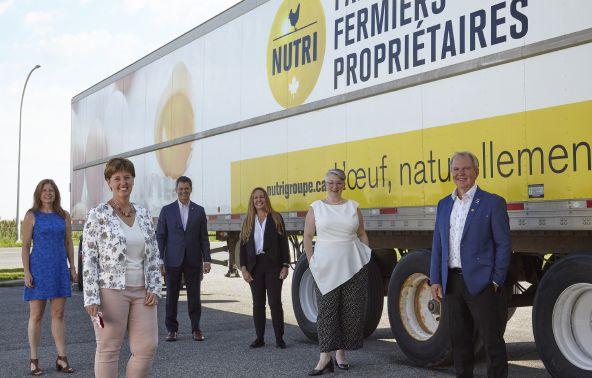
More than 12 million eggs will be redistributed via an emergency federal program designed to help farmers faced with too much food and nowhere to sell it due to the COVID-19 pandemic.
Agriculture Minister MarieClaude Bibeau announced in August that the government has signed eight agreements worth nearly $50 million to help align the needs of food banks and other community groups with what farmers and producers can supply.
will be redistributed as part of the federal government’s food surplus program.
Bibeau calls the program a win-win-win. “It’s reaching three objectives. The first one is to feed the people in need. Second is to support our farmers by buying some of their surplus at the cost of production. And the third one was avoiding food waste.”
The organizations receiving the money include Food Banks Canada, Second Harvest and the Quebec group La Tablee des Chefs.
Altogether, approximately 12
million kilograms of everything from fish to fowl will be purchased from food producers and then redistributed under the $50-million food surplus program announced by the Liberals earlier this year.
The near shutdown of the hospitality industry has meant a sharp decline in the number of places to sell perishable foods.
That has led to litres of milk being dumped down drains, potatoes going bad in storage and farmers facing higher costs to hold on to animals they had nowhere to sell if slaughtered.
At the same time, food banks have reported sharp increases in the number of people seeking assistance, having lost their jobs due to the pandemic, and there were calls for the federal government to find a way to match up the two.
Lori Nikkel, CEO at Second Harvest, says COVID-19 has increased the already high amount of food going to waste.
In May, Georgia Mason began a five-year term as director of the Campbell Centre for the Study of Animal Welfare at the University of Guelph (U of G). A professor with the school’s College of Biological Science’s Department of Integrative Biology, Mason is an award-winning behavioural biologist. Her work has largely focused on how animals adapt to captivity. We asked her five questions.
Tell us a bit about your background.
I’m British. I moved to Canada in 2004 to take up a Canada research chair here at U of G. Before that I was at Oxford University and before that I was at Cambridge University, where I trained in zoology. The farm animal I’ve worked most consistently with is mink because they’re just a great model carnivore that you can work on in large numbers. That brought me in contact with the fur industry and I’ve carried on that work since moving to Canada. I had my first foray into chicken work a few years ago because I had a PhD student who was really interested in poultry.
What does your role as director of the centre entail?
It primarily involves looking after the really good team of people we’ve got here. They’re all researching different species and asking different questions. My main job is basically to help them succeed and thrive.
What are some of the most interesting poultry-related studies that have come out of your centre recently?
My former student, Misha Ross, and I have been looking at the effects of housing animals in large, enriched enclosures full of stimuli. We found that hens raised in large, enriched
enclosures are calmer and less stress reactive. This is interesting because it mirrors some work that’s been done on laboratory rodents and even people in the past.
What are your proudest career achievements?
One is that I’ve successfully trained some research leaders of the future. And then in terms of my research, I’m very proud of the way my mink work has fed into the National Farm Animal Care Council (NFACC) codes for mink. It did this in a couple of ways. One is we showed that adding very simple clay objects and structural enrichments enhances welfare and productivity. This work has been adopted and implemented across Canada and in other countries as well. I’m also proud of work we’ve done that shows that a recommendation in the last code actually was unwarranted. The last NFACC codes for mink require that all cages be made with a higher ceiling. We did some experiments to show this doesn’t benefit the animals’ welfare at all. Higher ceiling cages basically look better to humans, but they don’t make any difference at all to the mink.
What is it about animal welfare research that inspires you?
I like the fact that it’s just really interestingly difficult. Assessing how animals feel without being fluffy or anthropomorphic is challenging in a way that I find really intellectually appealing. And I like the fact that it’s objective and evidence based. It’s all about asking what really matters for animals without being sidetracked by what we think we would or wouldn’t like if we were a chicken or mink. Because our own personal feelings are irrelevant.

SEPTEMBER
SEPT. 20
PIC’s Science in the Pub, Webinar poultryindustrycouncil.ca
OCTOBER
OCT. 7
PISW, Virtual Event poultryworkshop.com
OCT. 15
PIC’s Poultry Health Day, Webinar poultryindustrycouncil.ca
OCT. 22
PIC’s AGM, Webinar poultryindustrycouncil.ca
OCT. 20
IWCA Summit, Virtual Event agwomen.ca/summit
OCT. 20-22
Virtual Poultry Tech Summit, Online wattglobalmedia.com/ poultrytechsummit
NOVEMBER NOV. 12
Eastern Ontario Poultry Conference, Webinar poultryindustrycouncil.ca
NOV. 30
PIC’s Science in the Pub, Webinar poultryindustrycouncil.ca
JANUARY
JAN. 25
PIC’s Science in the Pub, Webinar poultryindustrycouncil.ca
As part of its goal to create the restaurant of the future, KFC announced it’s experimenting with 3D bioprinting technology to create chicken meat in cooperation with the 3D Bioprinting Solutions research laboratory. The project aims to create the world’s first laboratory-produced chicken nuggets. The goal is for them to be as close as possible in both taste and appearance to the original KFC product, while being more environmentally friendly to produce than ordinary meat.
Three experienced livestock industry professionals have joined the board of the Livestock Research Innovation Corporation (LRIC) as directors. Jean Szkotnicki, recently retired as long-time president of the Canadian Animal Health Institute, animal health industry consultant Jim White, and Meat and Poultry Ontario executive director Franco Naccarato assumed their new roles at LRIC’s recently held annual general meeting. The new directors fill positions vacated by Cornelia Kreplin and Paul Uys, who both retired, and Mike McMorris, who became LRIC’s CEO in September of last year.
Maple Leaf Foods recently announced the sale of its poultry plant in Drummondville, Que., and associated supply, to Giannone Poultry of St. Cuthbert, Que. As part of the sale, Maple Leaf Foods and Giannone have reached a three-year supply agreement that will allow Maple Leaf Foods to maintain its supply of fresh chicken. Maple Leaf Foods acquired the plant and supply in 2018 with the purchase of select Cericola Farms assets.

Margaret Hudson, president of Burnbrae Farms, has been chosen as one of this year’s recipients of The Golden Pencil Award. She will be recognized this year along with the Co-CEO’s of Farm Boy, Jean Louis Bellemare and Jeff York.
2001 is the year Hudson’s father Joe
The Golden Pencil Award is the Canadian grocery industry’s highest honour for lifetime achievement.
It has been given annually since 1957, usually to one deserving leader from the grocery retailer community and one from the grocery supplier community.
Past winners include some of the most well-known and influential leaders in the history of the Canadian grocery industry.
In fact, Hudson’s father, Joe Hudson, was selected for this honour in 2001.
They are the only father-daughter combination to have won this award in it 63-year history.
Hudson grew up on the original family farm in Lyn, Ont., just outside Brockville, and was exposed to the family business from a very young age.
She has worked for the com-
pany full-time since 1990 and has been president since 2008.
Since joining the company, she has championed a string of successful product launches that transformed the egg category, including such favourites as Naturegg Omega 3, Free Run and Organic shell eggs, as well as Simply Egg Whites liquid products, EGGS2go! hardboiled eggs, and EGG Bakes! frozen products. She has won 13 Grand Prix New Product Awards along the way, the most of any Canadian manufacturing company.
One of her passions has been to educate non-farming Canadians about farming. She served on the Royal Winter Fair Board for six years and has been a leader in promoting transparency as a means of building trust.
In 2017, along with her sibling shareholders, Hudson established the Burnbrae Farms Foundation, which has supported many causes including school breakfast programs, disaster relief and community-based initiatives like the renovation of Brockville Railway Tunnel.
When it comes to production equipment, reliability is what matters most. At Hog Slat, we understand that better than anyone else. We’ve built our business on supplying you with the best products, backed by the best warranties, and serviced by local stores. Give us a call for a quote on your next project.
Andria Jones-Bitton’s research paved the way for a growing focus on mental health in Canadian agriculture.
By Lilian Schaer
Canadian producers and their families have long known how stressful farming can be. There are weather challenges, market fluctuations, trade pressures and activist threats. They also contend with long hours, remote living and unpredictability. These factors combine to create a perfect environment for stress and anxiety to flourish.
And that was before the COVID-19 pandemic turned the world upside-down and added new levels of uncertainty and worry about health, jobs and finances.
Until recently, people in the agricultural sector seldomly spoke about mental health. To be fair, it hadn’t been discussed much in general society either. But, the perception of the silent, stoic farmer is one that runs deep in Canada’s farm community.
That all began to change about five years ago when a groundbreaking multi-phase University of Guelph study by Andria Jones-Bitton, director of wellness program-
ming and associate professor at the Ontario Veterinary College and PhD student Briana Hagen threw open the barn door, so to speak, on the mental health of Canadian farmers.
It found that producers face higher levels of stress, anxiety and depression and a higher risk of burnout than the general Canadian population. They also have lower than average resilience levels. Approximately 45 per cent of farmer respondents had high stress, with almost 60 per cent and 35 per cent reporting some level of anxiety and depression, respectively.
Barriers preventing people from seeking help include: The need to keep up that traditional view of the “tough” and self-reliant farmer; perceived stigma; geographical, financial and time barriers to care; and not knowing what supports are available.
A second Canadian study released earlier this year has reinforced the findings of high levels of stress in Canada’s agricultural sector.
Unpredictable interference, workload pressures, lack of time and financial challenges are the source of moderate to high stress for three out of four Canadian farmers, according to the Healthy Minds, Healthy Farms report conducted for Farm Management Canada (FMC).
The study also found that women are more likely than men to report high stress, and that farmers under 40 show signs of higher stress and are generally less effective at coping
with stress.
Approximately 1,700 farmers across Canada were surveyed, interviewed and focus-grouped between October 2019 and March 2020, wrapping up just before COVID-19 disrupted Canadian life.
“Mental health is definitely an issue in agriculture and producers are really struggling – we know that already,” FMC project manager Denise Rollin says. “So, we wanted to know what are the things that can help them.”
The study shows a positive link between mental health and farm business management, with 88 per cent of respondents with written business plans reporting this has contributed to their peace of mind.
“We know the importance of business management practices,” Rollin adds. “There are things here that can help people with decision-making through crazy unknowns, which has the added value of helping with mental health.”
According to Hagen, the study also showed that farmers need mental health services and providers who understand agriculture in

“Farmers are stressed, trying to deal with all these issues that they have never thought of before.”

order to best serve farming communities.
It has also led to the development of the “In the Know” mental health literacy training program that Jones-Bitton anticipates will begin rolling out across Canada later this year.
“The program is four-hours of in-person training that increases participants’ knowledge of common mental health conditions, increases confidence in recognizing signs of mental health struggle and increases confidence in speaking with some about their mental health,” she notes, adding partnerships and program delivery plans are currently being finalized.
The Do More Agriculture Foun-
dation has also developed a halfday workshop for mental health in agriculture. It began as a pilot program last fall and is now more widely available, albeit now in an online format due to COVID-19.
The pandemic has brought new types of stressors and higher stress levels for all Canadians. The farming community is feeling the impacts too, even as food production was deemed an essential service while many other sectors of the economy were forced to shut down to contain the spread of the virus.
Meat processing plants were rocked by outbreaks early on in the pandemic, causing shutdowns and capacity reductions.
More recently, horticulture farms, especially in Ontario and B.C., are struggling with infections in their seasonal workers.
The pandemic’s impacts are far from universal, though, notes Do More Ag’s executive director Adelle Stewart, with experiences varying across farms, sectors and geographic regions.
“Across the board, when we talk to people about what producers are experiencing in terms of stress, it varies, and we’re seeing the same thing happening with the pandemic,” Stewart says. “Agriculture is unpredictable at the best of times, and we see that continuing with COVID.”
Farmer mental health in Canada by the numbers
The following are some key facts and figures from Farm Management
Canada’s Healthy Minds, Healthy Farms report.
62 per cent of Canadian farmers are categorized with mid-stress scores and 14 per cent with high stress
48 per cent feel public trust in Canadian agriculture was a moderate to large source of stress
72 per cent of farmers under 40 report moderate to high stress
21 per cent of Canadian farmers follow a written business plan – of those, 88 per cent say it contributes to their peace of mind
Top sources of stress:
1. Unpredictability
2. Financial pressures
3. Workload pressures
For some farmers, this year has been great, as family members were home from school or off-farm jobs to help with spring planting. Whereas livestock farmers, for example, are facing extra hardships due to loss of markets and processing bottlenecks.
The poultry sector has had to deal with a particular type of stress – having to depopulate birds because of processing capacity limitations due to the pandemic. According to Al Dam, poultry specialist with the Ontario Ministry of Agriculture, Food and Rural Affairs, about one million birds – end-of-lay hens and broiler breeders – have had to be depopulated on-farm in Ontario since the end of March.
He’s often the go-to for producers and industry during crisis situations, putting him on the frontlines of this spring’s can’tship scenarios, the 2015 avian influenza
that resulted in a widespread cull of pigeons in Ontario.
“Farmers are stressed, trying to deal with all these issues that they have never thought of before,” he says. “Stress takes a toll on everybody and if you’re trying to provide support, it takes a huge toll on you also.”
He is currently spearheading development of an emergency response manual for poultry producers to help better prepare the industry for the unexpected. He’s also been advising Jones-Bitton and Hagen on poultry-related aspects of their mental health work.
The Do More Ag Foundation has compiled a list of videos, resources and support services by province on its website, and is focused on increasing its capacity to help producers in need.
“Prevention is always number one re -
that is easier said than done,” Stewart says. “Prevention and awareness are key. Have a conversation about the stress, the isolation or the troubles, whether they’re financial or workers.”
The pandemic has increased demands on time or resources for many on top of regular stressors, which Jones-Bitton says makes it easy for people to feel like they “aren’t enough”. It’s important for those who are struggling to reach out for help and to go back to basics like fresh air and exercise, nutritious food, adequate sleep, and connecting with others in physically distant ways, she says.
“Our pressures will feel even heavier if we don’t attend to these core basics and it is important that we remember that by trying the best we can do on any particular day – and this will vary! – we are enough,”


Outlet
Tavistock, Ontario
1-888-218-7829 sales@ruby360.ca ruby360.ca
Quebec, New Brunswick & Eastern Ontario
Jacques Plante
Saint-Hyacinthe, Quebec 514-232-2539
jacques@ruby360.ca
Manitoba Al Sawatzky
Penner Farm Services (Salmet) Blumenort, Manitoba 204-372-5291
asawatzky@pennerfarmservice.com
British Columbia, Alberta & Saskatchewan
Lance Fluckiger
Leduc, Alberta 587-926-0090
lancen@fluckigercarpentry.com

Enterprising farmer and grader is the guy behind the egg.
By Mark Cardwell
Ontario egg farmer and grader Marcel Laviolette says he’s never pushed any of his kids to follow in his footsteps. But the producer’s happy that all four of them have learned to share his passion and respect for the farming life and an appreciation for the trappings of his family’s unique and flourishing egg business.
“It’s nice because they’ve grown up to love it as much I do,” Laviolette says. “We’ve always tried to maintain a nice balance between life and work and to enjoy both.”
It’s a lesson Laviolette began learning – sometimes the hard way – as a kid in 1977 when his parents bought a poultry house with 6,200 hens in St. Isidore, a mostly French-speaking village in Eastern Ontario halfway between Ottawa and Montreal. The farm also had a grading station and sold its eggs and those of a few other local producers to wholesalers in Montreal.
Over time, however, the business came to rely on a single major customer that it suddenly lost in the late 1980s. “That really hurt the business,” Laviolette recalls. “Unfortunately, my parents had all their eggs in the same basket.”
Their family farm suffered another setback in 1993 when a fire destroyed much of their operations. By then, however, Laviolette, a high school graduate who briefly managed a local agricultural cooperative, had returned to the farm to work full-time alongside his mom Yol-

lande and younger brother Pascal. Together, they built and opened a new grading station in 1997 and developed a new business plan that focused on regional retail egg distribution.
“The problem was that we were only selling 10 to 20 per cent of our eggs locally and most of our eggs were going to other graders,” says Laviolette, who gradually took over the business following his mother’s death in 2003. “And because
there were only 6,000 hens and a grading station it wasn’t big enough to live on and support a family. So, the goal was to expand the business.”
Buoyed by a catchy motto, “The Freshest Eggs for the Freshest Customers,” the Laviolette farm focused on selling to independent and chain restaurants and retail stores across eastern Ontario and western Quebec.
Working with his wife Carolle, who for
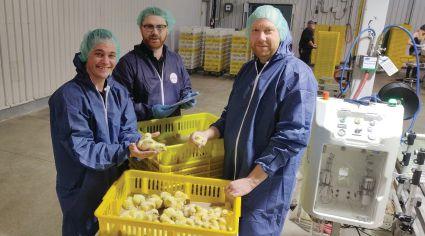
The C.H.I.C.K Program® (Ceva Hatchery Immunisation Control Keys), is a global service program implemented in more than 40 different countries which involves Ceva’s specialist teams visiting the customer’s hatcheries to run a number of tests to check the quality of the administration of vaccines. We check whether the vaccines are properly stored, prepared and administered to the birds. This program received global Quality Recognition by the certification and control body Bureau Veritas Group in 2016. On January 24th, Ceva Canada passed their initial Bureau Veritas audit in Stratford Chicks Hatchery, part of the Maple Lodge Group.
We check on the equipment in place and on its proper operation and cleaning and also deliver continuous training for hatchery operators. Our joint objective is to ensure the highest hatchery vaccination quality for all birds before being sent to the farms.
With a global team of over 175 hatchery specialists who work with hatchery managers to continuously track performance of the vaccination process, specific key indicators are monitored during every visit to ensure continuous improvement
of results. Since its launch in 2009, the C.H.I.C.K Program® hatchery vaccination service has been implemented in hundreds of hatcheries around the world guided by a dedicated team of specialized professionals. They are centrally
supported and work in network to ensure the same level of services from one country to another thanks to the application of a set of standard procedures (SOP’s) and innovative tools for hatchery audit and monitoring.


Mastering the good hatchery vaccination practices is now quality approved
A step forward in our objective to ensure that all your birds are well vaccinated:
For the first time, a services program for hatcheries has received internationally recognized, quality approval ensuring that the quality services we provide are of the highest possible international standard.
years doubled as the farm’s production and office manager, Laviolette built a network of between 300 and 400 customers that take anywhere from one to several cases of eggs each week from one of the farm’s fleet of five refrigerated trucks.
“Over time, you get your brand known,” the egg producer says. “We’re door-todoor, from the barn to the restaurant or retail location.”
To supply that demand, Laviolette has increased the farm’s number of laying hens tenfold over the past 25 years. “We’re up to 50,000 birds now,” he says. He also raises his own pullets in partnership with three other producers. “We have two facilities and my family lives a half-kilometer from one of them,” he says.
Laviolette also supplies his commercial and retail customers with a few food staples like margarine from Richardson Oilseed and fruit juices from Lassonde.
“We buy them directly from the manufacturers,” he says. “It’s a very small part of our business. But our customers really like it and it helps to maximize the stop.”
In addition to direct egg sales, Laviolette also buys and sells the eggs of nearly a dozen local producers. “We grade the eggs of about 150,000 birds in eastern Ontario, which accounts for between 15 and 18 per cent of total egg production in Ontario,” Laviolette says. “We’re a big fish in a small pond.”
In 2014, Laviolette won an Ontario Premier’s Award for Agri-Food Innovation Excellence for having been the first egg
producer in the province to introduce an alphanumeric code in 2012 that signifies the date of packaging, batch date and producer.
“All of us farmers work hard to earn a living and we don’t do this for a prize,” Laviolette said when he received the award, which came at a time of heightened public interest and concern over issues of food safety and traceability.
“But when you do it makes you proud of the work you put into your operation every day.”
He continues to work between 60 and 80 hours a week to run a family business that now employs 18 full-time workers, including egg graders, truck drivers and warehouse, office and sales personnel.
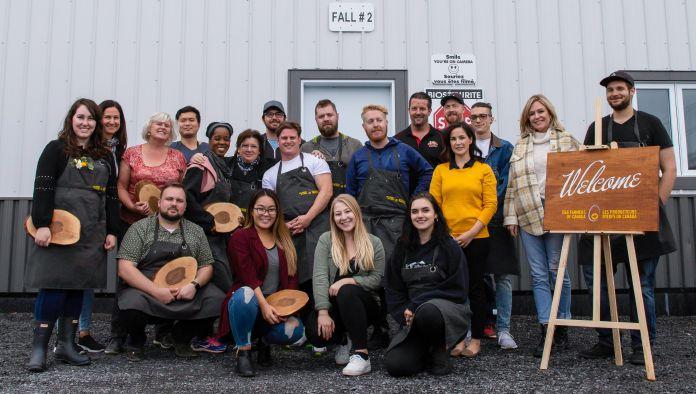
Still, he says he always tries to make himself available to meet or speak with journalists or politicians. He also participates in industry events and activities. In September 2019, for example, Laviolette hosted a national chef-to-farm visit organized by Eggs Farmers of Canada.
“It was something to remember,” La-

violette says about the day-long farm tour, which culminated in a filmed, fun-filled cooking competition to promote the versatility and goodness of eggs. “It was like being on a TV show – the set up was very high quality,” says Laviolette, who was one of the judges. “I just had to be there, eating great food and drinking wine in my barnyard. It was a great way to have some fun while helping to showcase our industry.”
Laviolette is also quick to donate eggs for charitable causes or fundraising activities like community breakfasts. “I like to meet people and tell them that there’s a farmer behind every egg – and I’m that guy,” Laviolette quips. “For me, it’s important that people know and understand our passion and desire to deliver the highest-quality products possible to grocery store shelves and to their family’s dinner table. This business is all about quality and trust.”
Outside of work, Laviolette says he and his wife have always prioritized spending quality family time with their four kids: Kevin; Justin; Hugo; and Laurie. Kevin, 21, works on the farm full-time; Justin is in agricultural college in Quebec; the two youngest are still in high school and help out on the farm part time.
“When they were younger we used to go camping in a trailer in the summer together or go skiing on winter weekends,” Laviolette says. “But now we now have a cottage with all the toys where we spend a two-week annual summer vacation (and) go on weekends when we can.
“For me, you’ve only got one life to live. Whether it’s work or play, you have to have joy and have fun doing what it is you do with the people you love. That’s what it’s all about.”
This story is part of our 2020 Who’s Who series. Visit canadianpoultrymag.com for the full group of profiles.
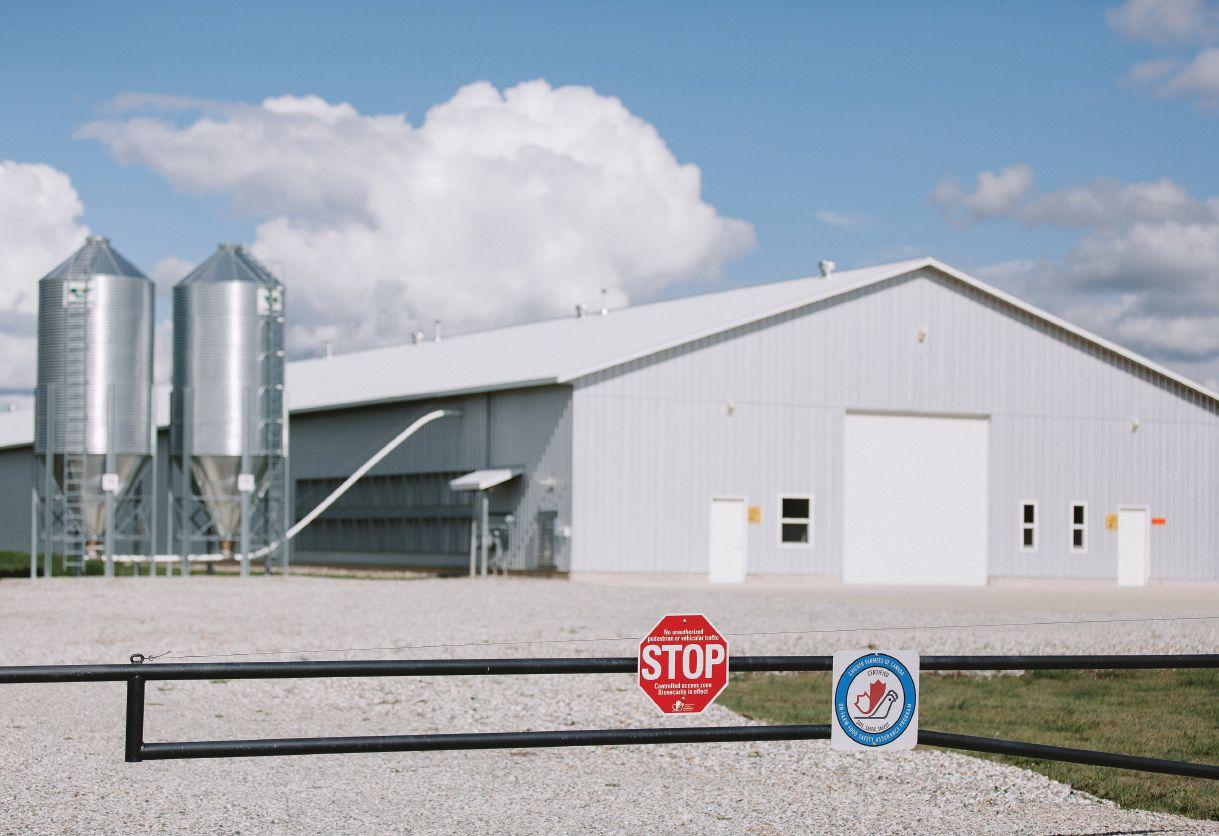
When it comes to momentous times that are etched into our memories, late 2014 to mid-2015 was a notable period for those in the Canadian and U.S. poultry world (although probably not as memorable as 2020 is becoming for the world at large). That was when highly pathogenic H5N2 avian influenza ripped through the U.S. after popping up in B.C. It eventually made its way to three barns in Ontario, affecting hundreds of millions of chickens in total.
If there’s anything that event taught us, it’s that communication is key. Supply managed and non-supply managed groups, provincial and federal governments, input suppliers and service providers, to pigeon fanciers and parrot owners to those that work with wild birds – no stone can be left unturned when it comes to a disease outbreak in an industry where everything and everyone is connected.
Five years later, these connections are what continuously helped the Ontario poultry industry run like a well-oiled machine (up until a few months ago, at least). Production was in sync with consumer needs. Deliveries were on time and efficient from farm to fork. The workforce was stable and demand was predictable, with about 60 per cent of poultry product going to grocery retail and 40 per cent in food service.
In short, the economy and the poultry industry were doing pretty well.
Then, everything changed in March when the World Health Organization officially declared COVID-19 as a pandemic. Restaurants and schools were closed, meaning people were preparing more meals at home, and large family gatherings were banned. This forced food industries to make the shift from food service to retail – colossally easier said than done.
This massive shift led to food service product showing up in grocery shelves out of spec and with less cut up. (Remember whole roaster birds in a bag?) On top of that, rising numbers of positive COVID-19 cases led to labour struggles. Processors and further processors were unprepared for the immediate needs for physical distancing requirements and employee screening, which led to processing shutdowns and rising freezer stock.
This uncertainty about food security also resulted in another unexpected ripple effect aside from toilet paper hoarding: An increase in the number of “pandemic pets”, or birds kept in backyards in the hopes that they would provide a stable and personal supply of eggs or meat. This has led to concerns about biosecurity for the commercial industry, food safety and potential animal housing and welfare issues down the line as we get to the colder months and begin facing the challenges of overwintering birds.
On the upside, while the current pandemic has brought into light supply chain management issues no one had ever even thought of, it has demonstrated that the system works – supply management was able to manage supply. This was done by diverting some product to alternative markets. For example, 30-egg flats of medium eggs were showing up in retail shelves, when historically they went to food service.
In response to the changing demand, the poultry meat and egg sectors have also looked at production cuts to prevent the market from being flooded with product as we work our way to a new normal.
What’s more, the industry isn’t doing it all alone. Federal and provincial governments continue to invest in our food systems to make them more robust during difficult times.
Times have been, and continue to be, difficult. That said, we are all coming out of this better prepared for emergencies than ever before, with information and services readily available to assist farmers and industry with solid options for things like emergency depopulations and their following mass disposals.
These don’t just apply to pandemic situations. Extreme weather events and natural disasters can collapse entire barns and cause power outages that shut everything down for days or even weeks. The threat of trespassers forces producers to think about whether they know their rights, how secure their barns and equipment are, and the underlying motives of new hires. Not to mention manure combustion and barn fires, feed and water contamination, food safety concerns, death or injury of family or staff – and in COVID-19 times, other fun surprises such as market closures and quota reductions.
With so many things that could go wrong (most often on a late Friday afternoon), it would be convenient to have to have some sort of handbook on how to deal with it all; perhaps a binder filled with emergency standard operating procedures?
And that’s exactly what Ontario’s pork industry has done with the “On-Farm Emergency Response Plan-

ning Guide” that can be mailed or downloaded and printed right off their website (see page 20 for more).
A similar guide for the poultry industry is in the works at the Ontario Ministry of Agriculture, Food and Rural Affairs (OMAFRA), in the hopes that it will provide producers with a guide to dealing with whatever may come up, and some “due diligence”.
As the provincial poultry specialist for OMAFRA, I am not the first call that someone makes when they have a disaster – that honour often goes to their industry representative. However, I am usually the last call when everyone is trying to figure out what they need to do and someone finally says, “Call Al!” Now, with an emergency response binder, you don’t have to call Al.
In the meantime, those in the poultry industry need to know what their emergency response plans are and regularly review them.
Not in our heads, but out on paper and ink in a clearly labelled binder, as well as – in this day and age – electronically on phones and computers.
“No stone can be left unturned when it comes to a disease outbreak in an industry where everything and everyone is connected.”
Disasters can happen anywhere, and as this year has shown us, they can hit entire industries, countries and continents all at once. At the end of the day, producers are responsible for the safety and security of their employees and livestock. A little time spent adopting some proactive measures now will likely save a lot of time and money when (not if) our farms experience an emergency in the future. History may repeat itself, but the lessons learned from each event don’t have to.
Al Dam is provincial poultry specialist with the Ontario Ministry of Agriculture, Food and Rural Affairs (OMAFRA) and Isabelle Kwon is a poultry research assistant with OMAFRA.
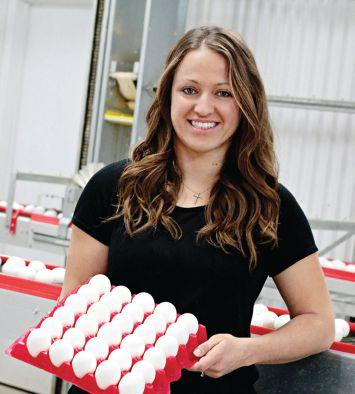
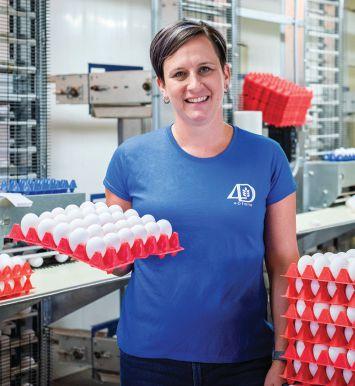
Egg Farmers of Canada is proud to inspire the next generation of agricultural leaders through our longstanding national young farmer program, and our women in the egg industry program.
Launched in 2019, our women in the egg industry program provides continuing education opportunities and fosters leadership through our mentorship program.
Contact your egg board if you or someone you know is interested in participating.
Learn more at eggfarmers.ca
Pork industry shares valuable toolkit with poultry producers to help them prepare for the unexpected.
By Stacey Ash
When a crisis occurs on-farm, the last thing you need to worry about is remembering your 911 address or the phone numbers of important contacts.
It was a situation like that – when an injured farm worker ended up driving himself to hospital after struggling to communicate his location to a 911 operator – that helped spur the creation of Ontario Pork’s On-Farm Emergency Planning Guide five years ago.
Emergency planning resources from the poultry sector inspired the guide, which was developed in consultation with farmers, government and industry. The original project and the 2020 updated version were funded in part through Growing Forward 2 (GF2), which is a federal-provincial-territorial initiative, delivered in Ontario through the Agriculture Adaptation Council.
The original version of the guide focused on common concerns at the time, including fires, flowing grain entrapment, hazardous material and manure spills, gas leaks, transport emergencies, storms, injuries and structure collapse.
The guide is designed to be a hands-on resource for high-stress situations. Farmers are encouraged to keep a copy near each barn’s exit door and in their main office.
The guide includes risk checklists, contact records, mapping tools, regulatory guidelines and biosecurity templates, available in either a bright-red binder or on a USB key. Completing the guide is a shared responsibility, with Ontario Pork staff support available to help each farm customize the supplied templates to their operation.
A total of 500 copies were printed in 2015, with most of those distributed to farms within the first year.
The guide was met with a positive response by both farmers and the agriculture industry as a proactive and practical way to support farm safety.
There are always opportunities to learn and grow, and this process was no different. The most important lesson was that the guide is a living document that must be reviewed, assessed and updated on an ongoing basis. When developing this kind of resource, it’s essential to plan for updates and change.
In 2019 and 2020, Ontario Pork’s Program Advisory committee undertook a review of the guide to ensure it met farmers’ current

needs. Three areas of emerging concern were identified: Foreign animal disease; on-farm protests by animal rights extremists; and mental health.
In June 2020, again following extensive industry consultation and feedback, three new chapters were shared with producers.
The foreign animal disease chapter is designed to be applicable in multiple situations, from an outbreak of foot-and-mouth disease, to the appearance of African Swine Fever in North America.
The chapter helps farmers plan for identification and reporting of disease, business continuity, euthanasia protocols and policies and disposal considerations.
The activism and protests chapter offers guidelines and templates to reduce the risk of activists entering farm properties illegally or under false pretenses, property security guidelines, and recommended response in the event of a protest or incursion.
The mental health chapter is not meant to replace professional help but provides some straight-forward information on self-care and self-assessment, as well as steps to take to support others who may be struggling. Most importantly, it includes an updated list of mental health resources in Ontario.
So far, the response from members has been strong, with many requests for new chapters and updated binders. A survey to assess the value of the tool is planned for the fall.
Stacey Ash is manager of communications and consumer marketing with Ontario Pork.

OCT. 20, 2020
12:00PM EDT
Register for a virtual mentorship event with some of the most influential leaders in Canadian agriculture.
This half-day virtual event will showcase select honourees and nominees of the IWCA program in a virtual mentorship format. Through roundtable-style sessions, panelists will share advice and real-life experiences on leadership, communication and balance working in agriculture.


By Mark Beaven
While poultry producers have improved biosecurity practices to protect their flocks, the COVID-19 outbreak has demonstrated that farms and agri-business need to put in place protocols to protect their employees as well.
Disruptions in the food value chain have occurred due to farm or food processing employees testing positive for the virus. These occurrences have had a significant impact to both product price and supply.
The good news is that with the agricultural sector’s vast experience in pathogen spread prevention and biosecurity, it should be an easy task for producers to implement protocols designed specifically for employee health.
Poultry farmers are well versed in the need to prevent transmission in their birds, so now it is a simple case of taking that knowledge and using it to protect their work force and the public at large. Protecting the food supply chain for the population at large needs to be a priority, and farmers need to play their part in that.
So, what specifically can farm operations do when it comes to the prevention of the spread of COVID-19 in their staff?
For one, limit the entrance to farm operations to essential staff and service personnel only. Reducing the intake of people to a farm reduces the chances of intoducing the COVID-19 virus. Farmers will continue to need outside contractors occasionally, but they need to make sure that the visit is essential to the continued operation of the
production facility.
For employees and essential visitors, ensure they take steps to prevent the virus from entering the facility.
Insist that employees and visitors stay home if they are sick or have signs of illness (e.g., coughing, sneezing, fever) and that they seek medical attention if COVID-19 is suspected. Employees or outside visitors that suspect they either have or have been exposed to the virus must report this to the farm management. Make sure that all employees and










• Exacon’s brand name since 1987
• Available in sizes 12” to 60”
• White or Black polyethylene flush mount housings
• Designed to meet the rigorous demands of farm/agricultural ventilation
• Energy efficient Multifan, MFlex or North American motors
• Fiberglass housings available in 50” and 60” diameter
• TPI is a well known manufacturer of high quality polyurethane inlets
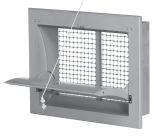
• High quality and high insulation value results in precise manufacturing delivering high tolerance for better ventilation control
• Wall inlets, ceiling inlets and tunnel inlets
• TPI wind hoods and wind hoods with built-in light trap also available

• High quality L7 Pathogen barrier filter with prefilter significantly reduces the chance of air transmitted diseases. (ie bird flu and other influenza viruses)
• Clarcor provides a complete system such as filter housing frame designed for eaves and side air inlets
• This system makes installation of filters easy and practical plus reduces the risk of non-filtered air from entering the building
• Designed for more air flow and consistent pattern
• Precise guard spacing reduces air restriction
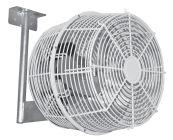
• Easy to open front guard allows easy cleaning
• Includes hanging bracket to allow direction adjustment
• Variable speed, efficient motor 115/230v
The well known and proven Genius control line is now available as a Touchscreen interface
• Navigates like an I-Pad by simply touching, swiping or dragging on a 7” or 10” touch screen

• Available with up to 8 variable stages and between 15 to 30 on/off relays A slave is available to expand to 50 on/off relays
• Many options including light control, bird scales, perch scales and bin scales Built-in wifi allows easy access to the internet for managing, viewing and recording history on FarmQuest website
• High light reduction
• Low resistance to air flow
• Simple Installation
• Easy to clean
• Uses P.v.c. snap release spacers


visitors wash their hands immediately upon entering for a minimum of 20 seconds. If hand washing is not available, use hand sanitizer. Facilities that have the capability should implement a shower in/ shower out protocol. Employees should be advised to wash their hands frequently throughout the work day.
All incoming equipment and materials need to be disinfected. This would include personal items such as cellphones. Individuals touching the items during the disinfection process should wear gloves.
Practice social distancing of two metres whenever possible. Avoid shaking of hands and hugging of employees.
Increase ventilation in rooms where staff are frequently present such as lunch rooms or offices. Utilize air cleaning technology that have the ability to kill viruses in the air. Consider researching innovative new air purifying technologies that provide the benefits of ozone without the health risk normally associated with typical ozone generators If possible, consider alternating work day or shift schedules for staff. This would allow the segregation of staff, in an attempt to limit transmission.
Stagger start times of staff arrival, limiting the possibility of congregation of staff and entry points. Staggering of break and lunch periods should also be implemented in an attempt to limit the number of staff being in close proximity.
Clean and disinfect all common touch areas and surfaces thoroughly and frequently. Ensure that cleaners and disinfectants being used are safe for human contact. Utilize cleaning and disinfecting equipment that increases the ease of application and improves effectiveness such as portable foamers or sprayers.
In the end, farmers and their employees are on the frontline of this pandemic. The industry needs to do what it can to protect the food supply chain. By implementing protocols such as listed above, producers are taking the necessary steps to put an end to COVID-19.
Mark Beaven is vice president at Ogena Solutions, a provider of biosecurity solutions and equipment.

By Sean Rollo
For poultry farms, the COVID-19 pandemic has created a rapidly changing industry landscape. From delays in shipping and payments to limited orders from processors due to lowered production capacity, there have been a myriad of challenges to confront and address. Not least of these is the spread of the disease itself.
While research has shown that chickens are not likely to contract the disease, the risk of spreading it amongst farm employees and customers remains an issue. COVID-19 is spread primarily by respiratory droplets, but may also live on shared surfaces and objects like door handles and mechanical equipment. This means in a high-contact, indoor environment like a
barn, the possibility of spreading COVID-19 is ever-present. Lowering the risk of transmission in these areas is crucial to safe and effective poultry farming operations.
Some farms even sell products directly to consumers, making the need for proper disinfection practices even greater. Although food products and packaging aren’t likely to spread COVID-19, in-person interactions with customers still carry that risk and should be treated with caution while observing stringent guidelines. More traffic on a farm’s grounds creates a greater chance of disease transmission, which means farms interacting directly with customers need to carefully consider how they’re mitigating that risk.
No matter how they’re con-
ducting operations, every poultry farm should have procedures and plans in place to ensure a healthy, clean environment. Producers should prioritize thinking through what needs to be done, communicating with staff and implementing new practices in the wake of the current public health crisis.
Just one sickened employee or customer could have significant ramifications for a farm’s operations, not to mention its reputation and bottom line.
Here are a few basic tips for lowering the risk of disease transmission during poultry farming operations:
• Regularly clean and disinfect any items or surfaces frequently touched by staff or customers. There are likely more of these than expected, so be sure to think about every possible affected touch point.
• Be sure the one you are using is on Health Canada’s List of disinfectants with evidence for use against COVID-19.
• Disinfectants all have different contact time requirements to effectively kill viruses; read the virus table on the label to ensure you leave the disinfectant on the surface long enough to kill the virus.
• Ensure staff are given permission to stay home if they feel sick or know they are sick. If any poultry handler is sick or unwell, or has tested positive for COVID-19, they should not be at work.
• Create floor markings to indicate proper social distancing guidance of two metres and keep staff and customers appropriately distanced. In situations where physical distancing is difficult to maintain, the Canadian government recommends wearing a non-medical mask or face
covering made with at least two layers of tightly woven fabric, constructed to completely cover the nose and mouth without gaping, and secured to the head by ties or ear loops. However, it is best for masks or face coverings to be worn at all times outside of your home when not eating or drinking.
• Offer added handwashing stations or facilities if possible. These should include soap, water and hand sanitizer. In addition, advise all employees not to touch their faces.
• Accept contactless payments from customers if applicable.
• Shift in-person transactions to delivery services, and take all orders online or by phone.
• Conduct virtual meetings with all business contacts if the option is available.
Following these guidelines is a great start to maintaining a safe poultry farming environment for staff, customers and ani-
mals alike. However, farm owners and managers may be concerned about the ongoing risk of COVID-19 transmission or have worries that their existing operations have already been exposed. In this case, there is another option that involves more extensive cleaning, helping to deliver greater peace of mind and reassurance that the farm’s operations are safe: A professional disinfection service.
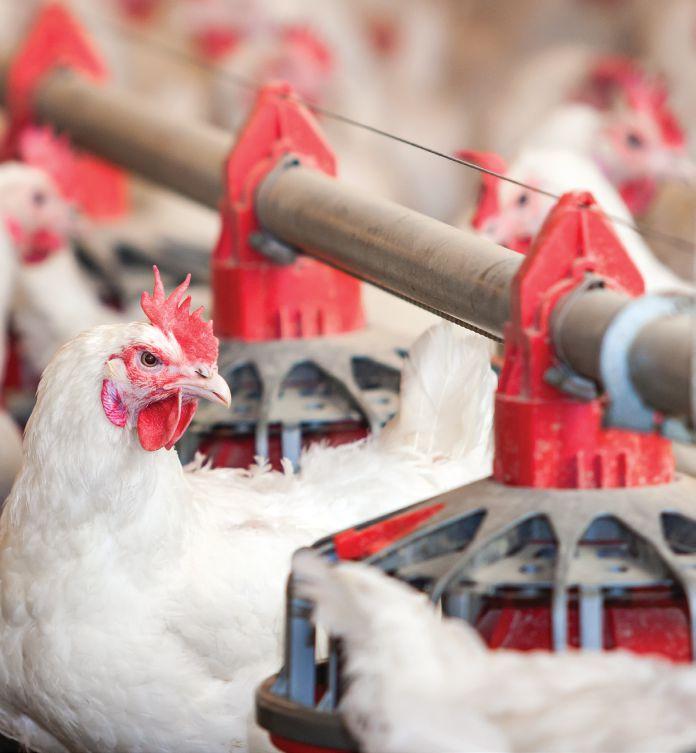
Working with a professional is one of the best ways to bolster one’s safety procedures. This means a licensed provider will visit the farm and carefully treat the facilities, including all high-touch areas, to eliminate harmful pathogens.
When evaluating products and services that are right for your business, look for the following features:
• It is Health Canada-registered and labeled for use against a wide variety of pathogens; included on Health Canada’s
list of products that meet their criteria for use against SARS-CoV-2, the coronavirus that causes COVID-19.
• The label assures 99.999 per cent disinfection of hard, non-porous surfaces.
• It can be applied to soft surfaces as well (many disinfectants do not allow this).
• It’s eco-friendly with low toxicity.
• It’s afe for food contact surfaces.
• It allows spaces to dry and become usable again quickly.
One benefit of a professional service is that it follows a standard process. For example, trained technicians will arrive at the farm, carefully wiping down all high-touch surfaces in a given location, apply a misting application using specialized equipment and let it dry undisturbed for 10 to 15 minutes. Once it’s dried, the label assures complete disinfection of all bacteria and viruses on hard, non-porous surfaces.
Of course, there’s no silver bullet for stopping the spread of COVID-19 at this point, but a powerful disinfection service – coupled with social distancing, proper hygiene and the appropriate use of face coverings – can help reduce the risks and restore a safer and healthier environment to keep poultry farms in business.
These are quite obviously unprecedented times. Farms continue to adapt and makes the changes necessary to keep up with shifting demand amidst the backdrop of a global pandemic. That’s why it’s especially crucial to take care of staff, customers and animals — to preserve everyone’s well-being while maintaining a functioning and reputable business. Farm owners and managers should consider utilizing the tips outlined above to promote peace of mind and keep operations running smoothly.
Sean Rollo is the director of both technical services and business development for Orkin Canada focusing on new innovations to the pest control industry. For more information, visit orkincanada.com.
Follow
By David Van Walleghem
Biosecurity is a living science and a big buzzword involving many aspects of animal production. This article takes on one of the most important parts of biosecurity – cleaning and disinfecting.
Pathogens are everywhere and can develop quickly to become overwhelming, especially to new stock in an environment. The more producers can reduce these pathogens the more energy they can redirect towards the growth and production of their animals.
Cleaning and disinfecting sounds like a simple process that producers do every day. But sometimes, they miss parts of steps or improperly perform them and the effectiveness of the process is compromised. Let’s break it down and explain each step and its importance so producers can get the most efficient and effective cleaning and disinfecting possible.
Removing most of the bulk organics – litter, manure, spent feed, etc. – is an important first step. That’s
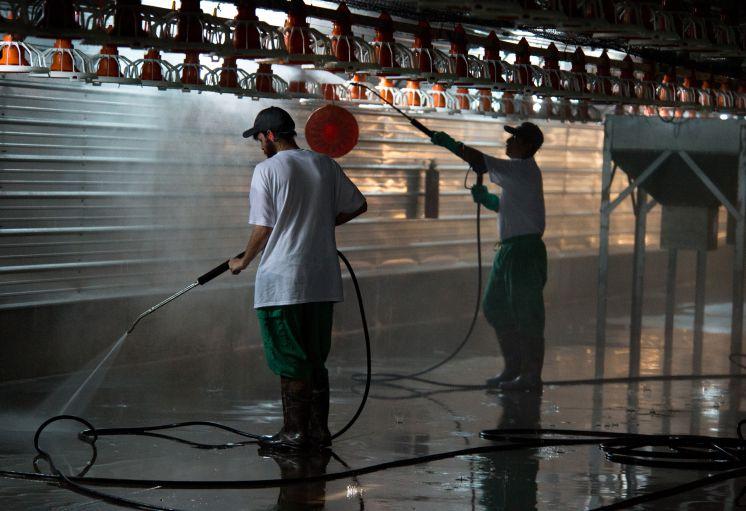
Some producers skip or improperly perform important steps with cleaning and disinfecting, compromising the process.
because a bulk of the pathogens survive and thrive off of the organics. Scrape, shovel or even bulk wash it away. If you are using water, make sure you remove puddles and wait until the surface dries to allow the pores to drain out. After this the surface may look clean. However, the pathogens left have made a biofilm to protect them from any possible invasion. This biofilm is a very sticky matrix, which detergent was purposely made to remove.
COVID-19 has highlighted how important the detergent application step is in controlling pathogens. Livestock operations use two
main types of detergent products: Degreaser, a product with high in pH used to help break up and remove the organic biofilms that protect the pathogens; and descaler, a product low in pH use to help dissolve the minerals deposited on surfaces that can hide and protect pathogens also.
Poultry producers are mostly challenged with the organics. Thus, they more commonly use degreaser while occasionally rotating to descaler when the mineral is evident. Producers should only use one of these products at a time with a power wash between them. Once they’ve chosen the right product, farmers should refer to the following rules to get the most out of the detergent:
Rule 1: Apply on all surfaces to be washed. Use the right amount according to the label. If producers are using an applicator that draws from a stock solution, they should make sure the stock is concentrated properly so that the product produced to apply on the surface is what is on the label. If farmers are unsure how to perform this, they can watch a video of an expert performing the test at biosecurity.vetoquinol.ca under the Videos & Training tab.
Rule 2: Use low pressure spray or foam. This ensures that the product sticks to the surface. The air bubbles in the foam help the product stick to smooth surfaces and the spray is great for penetrating porous surfaces.
Rule 3: Give detergent time to work. Its job is to break the biofilms into smaller parts and then surround them in the product in what is called a micelle. If producers are pressed for time or there is a stubborn stain, manual scrubbing will help with the formation
Rule 4: Remove solution before it drie. This step is the most forgotten one and is very important for success. Micelles only stay in that form if floating in water. If they’re dehydrated they cannot hold on to the biofilm and redeposit back on the surface. For this reason, if producers have a large facility, it is best to soap and wash in sections small enough so it does not dry to get the best clean.
Even though producers will have taken a huge load of microbes away by this point, there still could be enough to hinder their next flocks’ development or even make them sick. Thus, it is important to apply disinfectant. When doing so, follow these simple rules:
Rule 1: Choose the right disinfectant. Producers should pick the right product according to their challenge. If they are unsure about which one to use for their particular challenges and environment, farmers can contact their veterinarian or biosecurity specialist for help.
Rule 2: Prepare the environment. To give it the best chance for success, make sure the environment is right. At this point,
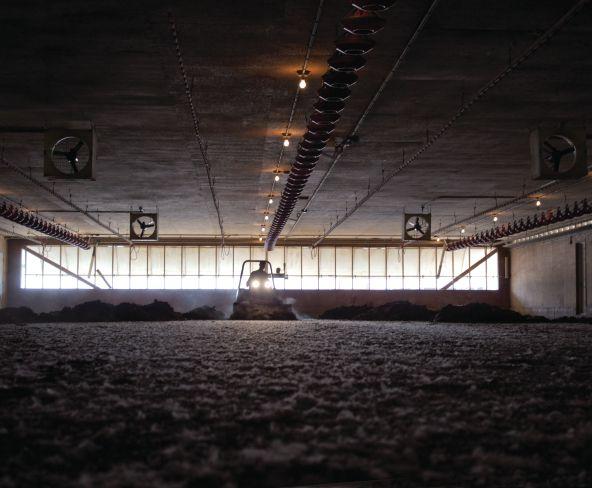
producers have given themselves a huge start by cleaning with a detergent. Now, ensure the surfaces do not have puddles of water and the surfaces pores are open so that the disinfectant can penetrate them.
Rule 3: Ensure proper concentration. If producers are using an applicator with a stock tank, they should make sure the concentration is correct to allow the contact product be what is indicated by the label.
Rule 4: Use low pressure or foam. This ensures that the disinfectant will stick to the surfaces long enough to do the killing (also indicated on the label).
Rule 5: Let it dry after application. The drying effect will help with further control of microbes.
Cleaning and disinfecting is an everyday task that producers regularly perform. Hopefully, breaking it down in to the primary blocks of actions with the reasoning for them makes farmers focus on better cleaning and disinfecting to allow their animals to use their energies to express their full genetic potential.
Again, this is only one of the many steps producers must take in biosecurity control. That said, if they follow the proper steps, cleaning and disinfecting is a great investment for their birds.
David Van Walleghem is biosecurity specialist, production animals with Vetoquinol.
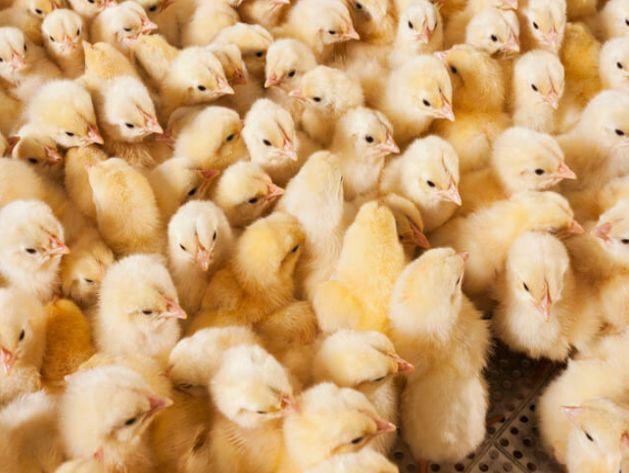





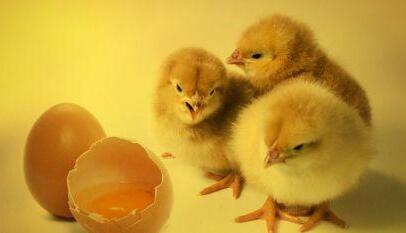

Leg health, a hot topic in the poultry industry, can affect birds at various stages in their development and cause significant welfare and economic impacts. The best approach to leg health is to have a solid prevention program, since antibiotic interventions generally give poor results. The most common causes of leg issues are management-related. Basic management strategies can go a long way in preventing leg problems from developing in a pullet flock.
One of the main issues affecting pullets’ leg health is bacterial arthritis. It is caused by a bacterium, typically Staphylococcus aureus (Staph). Most commonly, Staph is an infection of the hock and other joints that causes inflammation, heat production and caseous exudate.
It’s worth noting, Staph is always present, even in healthy birds. However, stressing the birds will give the bacteria an opportunity to infect the articulations
and may subsequently cause synovitis. Bacterial chondronecrosis with osteomyelitis (BCO) and femoral head necrosis (FHN) can also develop and the causes are similar to bacterial arthritis. The main focus should be on management to prevent bacterial-related leg issues.
As synovitis usually develops during the maintenance period, it is important to make sure each pullet gets the needed feed allocation and nutrients each feeding day. To accomplish this, feed must be distributed in less than three minutes.
In addition, proper feed increases need to be given weekly to support growth. If the increases are insufficient, some pullets will not receive all the nutrients they need and the impact will be similar to poor feed distribution. When pullets are not getting their share of feed, they are more at risk to develop bacterial arthritis because they tend to eat litter which is the
main source of the bacteria.
Enough feeder space is essential for each pullet to get their allotment of feed. Gradual increases in feeder space is ideal. At 12 weeks of age and after, we recommend six inches (15 cm) per pullet for chain feeders. For pan feeders, calculate the number of entrance points and subtract two to know how many pullets each pan feeder can accommodate.
As an example, an oval pan feeder with 16 holes can accommodate a maximum of 14 pullets.
Water is the most important nutrient. Therefore, it is important that the flock receives the best quality water possible. The quality of the water can change over time. We recommend chemical and bacteriological analysis of the water on a regular basis. Take water samples from the source (tank, well, etc.) and at the end of the water line farthest from the source.
The warm temperature of the barn provides the perfect environment for biofilm (bacteria) to proliferate in the water lines. Even if the water source is clean, it could be full of bacteria by the time it gets to the birds. Therefore, always sample the water at the end of the water line to determine the water quality that the flock is drinking.
High bacterial loads in the water can be an important factor for the development of bacterial arthritis. To keep the water clean, acidify and chlorinate water continuously. The pH should range from six to 6.5 and free chlorine levels at the end of the water line range from three to five ppm. Remove chlorine (or any type of disinfectant or medication) 48 hours before administering vaccines through the water lines.
Enough water must be available based on the age of the birds. Never exceed eight to 10 birds per nipple and make sure the following flow rates are achieved:
handling, swelling of the joints can occur and have a major impact on pullet development.
Some infectious diseases can predispose birds to developing septic arthritis. Immunosuppressive viruses such as IBD, CAV and Marek’s are good examples. A comprehensive vaccine program, proper biosecurity and solid management practices are essential to keep immunosuppressive diseases under control.
Some infectious diseases can also cause leg conditions. These include Mycoplasma synoviae (Ms) and chronic fowl cholera ( Pasteurella multocida ), which can cause septic arthritis. A complete biosecurity program can be very effective in preventing these diseases.
Tenosynovitis caused by reovirus can occasionally be an issue for pullets. However, reovirus is commonly found in healthy chickens. A diagnosis can only be made when lesions are identified by histology in the tendons and the virus is identified with lab diagnostics.
Prevention is accomplished mainly through a comprehensive vaccination program done at the grandparent level.
Good gut health will also help prevent bacterial joint infec -
Managing the environment can have a big impact on reducing the bacterial pressure on pullets. Wet litter is a significant source of bacteria and can lead to the development of bacterial arthritis. Work with your litter provider to make sure you always receive high quality dry litter material.
Also, make sure stocking density isn’t higher than recommended because it will be difficult to keep litter dry. High stocking density also leads to insufficient feeder space or water availability. Ensure that the water equipment is functioning adequately and that there aren’t any leaks.
Ventilation is the only way to remove moisture accumulation in a barn. Hens excrete, through feces and respiration, about 75 per cent of the water they consume. A flock of 10,000 pullets at 18 weeks will drink approximately 1,500 L (400 gallons) of water a day, and, in turn, 1,150 L (300 gallons) of moisture must be removed each day through ventilation. If ventilation is not optimal, that water will accumulate in the litter and cause a rise in ammonia concentrations and bacteria. With poor ventilation, the litter can become moist in a few days and, in less than two weeks, the litter can become wet.
When vaccinating, moving or manipulating the pullets, always handle them with care. Handle the birds by both legs or by the wings. Handling the pullets by only one leg stresses the legs and joints and predisposes birds to bacterial synovitis. After rough
tion. This can be achieved, in part, by controlling coccidiosis. When using a coccidiosis vaccine, always follow the guidelines from the manufacturer. For vaccination, keep the flock in a small enclosure to increase moisture in the litter, which is necessary for the life cycle of the vaccine’s oocysts. This increased density will make it easier for birds to be re-infected by the vaccine strains, a necessary step for the development of immunity.
When giving more space to the chicks, it is advisable to take litter from the brooding area and mix it with the new litter so birds can keep finding the oocysts and proper immunity is developed. Be cautious when using amprolium or any coccidia medications as they can greatly affect the development of coccidia immunity. In this case, birds may become susceptible to recurrent coccidia infection and necrotic enteritis.
Incubation and brooding conditions
Good egg incubation conditions are important to reduce the incidence of leg conditions. Conditions such as angular deformities and increased infections with Staph can occur, especially if there is overheating during the egg incubation process.
Optimal brooding conditions are also a factor in controlling leg conditions. Follow the recommendations from our brooding guide (available at cobb-vantress.com). Chicks that are too hot or too cold may develop a range of conditions that will negatively impact performance and welfare.
Prevention
Prevention is the best solution to reduce leg problems. The following points must be considered when experiencing leg conditions:
1. Brooding conditions
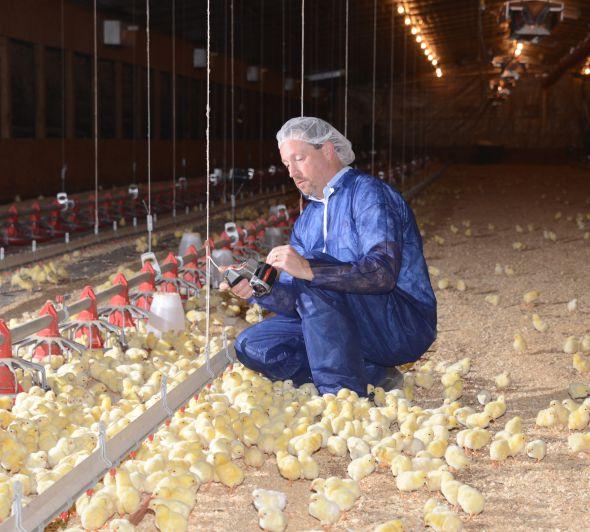
2. Biosecurity and control of infectious diseases
3. Coccidiosis control program
4. Feed distribution
5. Feeder space
6. Water quality
7. Moisture control and water quality
8. Proper handling of pullets
Conclusions
There is no efficacious treatment for most leg conditions. Treatment with antibiotics may provide temporary relief but the condition tends to resurface some days or weeks after the treatment has ended. Prevention through good management practices is key to ensuring good leg health.
Benoit Lanthier is a technical services representative with Cobb-Vantress.





Barn Spotlight highlights new and renovated barns and hatcheries. Do you know of a good candidate to be featured? Let us know at poultry@annexweb.com.
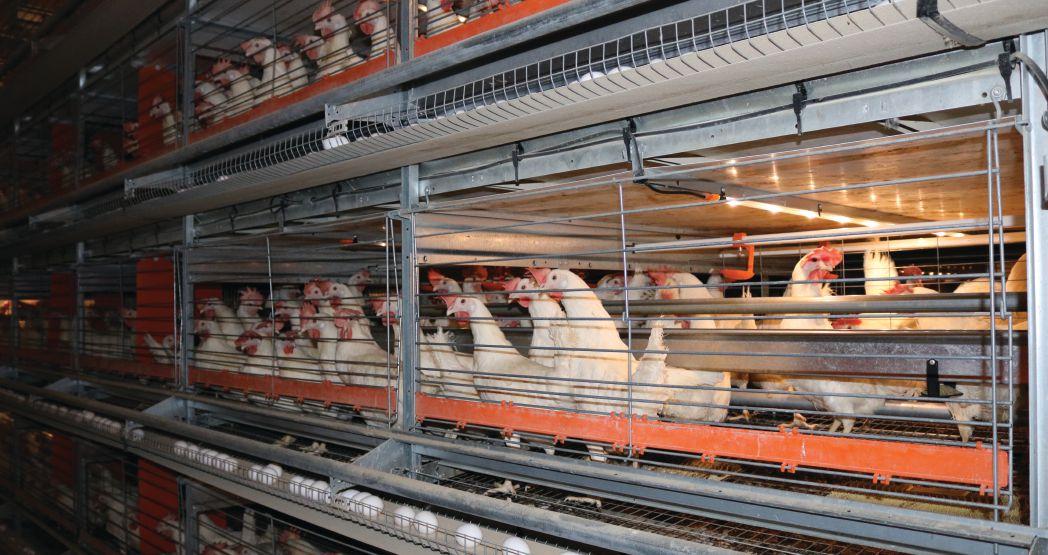
The Fehrs have been producing eggs since the early 1970s. That’s when Stan and wife Marie forged a partnership with Stan’s parents. Fast-forward nearly five decades and the couple now has a succession plan in place, with the next generation playing a more active role on the farm.
SECTOR
LOCATION Hague, Sask.
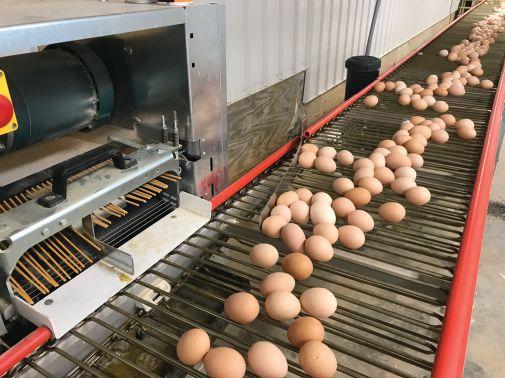
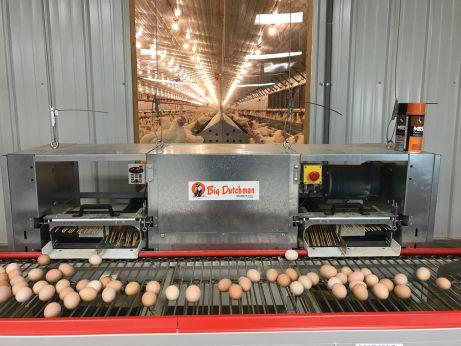
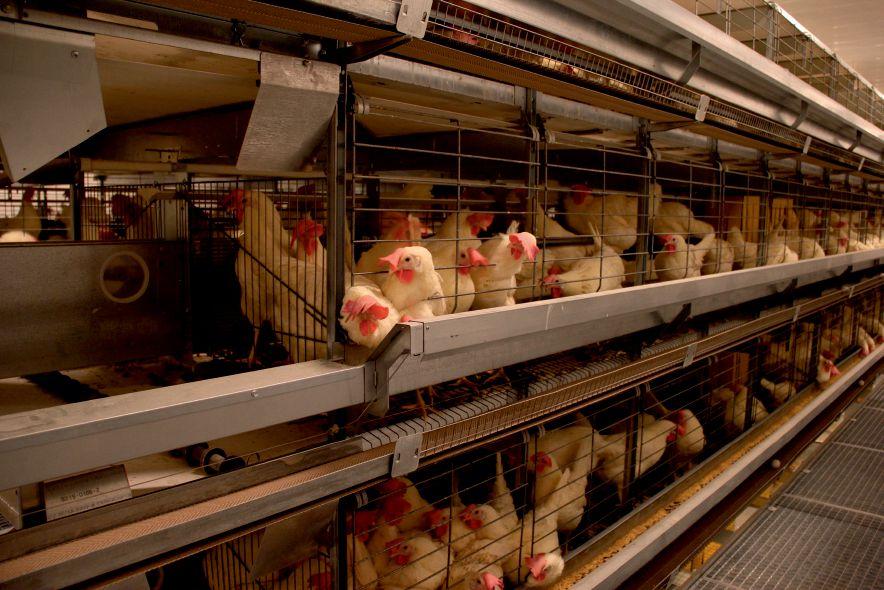
The family decided to build a new layer barn for two reasons. For one, they were running out of room to fit their growing flock. Secondly, they needed to transition away from conventional housing to comply with the latest code for layers.
They chose to install an enriched system from Big Dutchman. For Stan, the decision of whether to go with enriched or cage-free was an obvious one. “I grew up with floor birds and don’t really see the benefit of it compared to something in a cage system, be it for animal welfare or other poultry husbandry aspects,” he says. And they went with the Big Dutchman system because while it had similar square footage to others they looked at, they felt the layout would feel more spacious for their birds. They also liked the in-cage lighting. “You can control the lighting where it matters most, in my opinion, which is in the system,” says Tyler Wiens, Stan’s son-in-law who played a leading role in the new barn build.
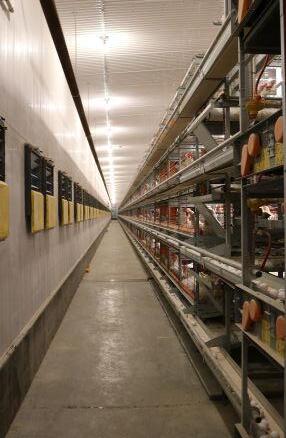
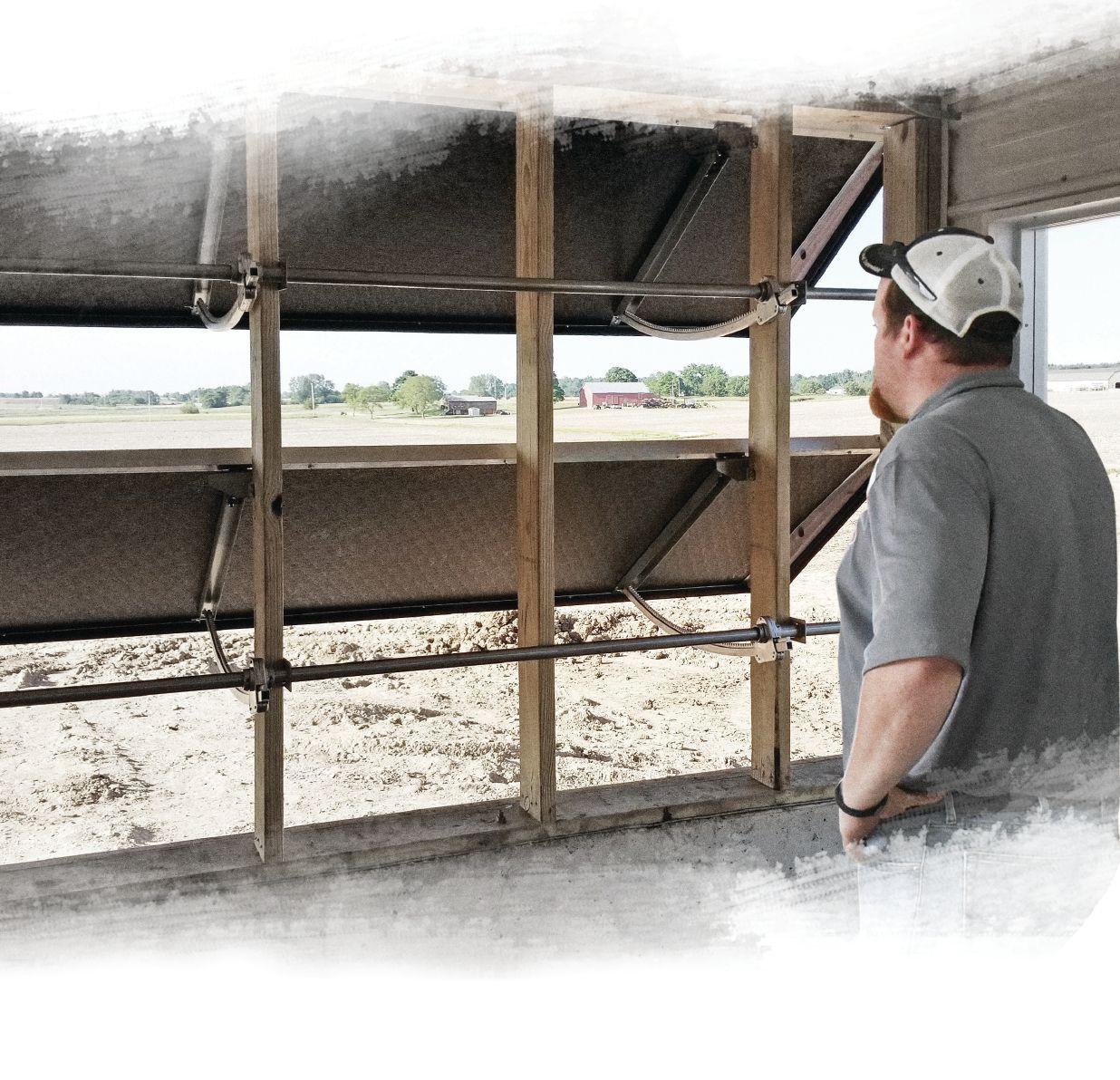
For more photos, visit: canadianpoultrymag.ca

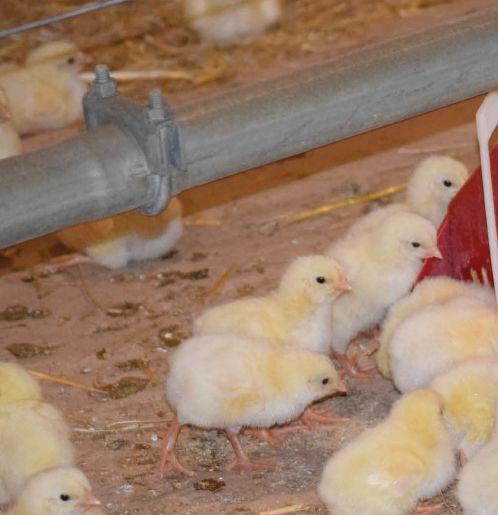


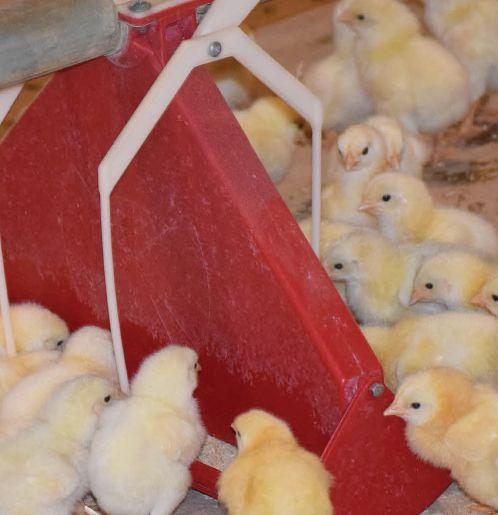



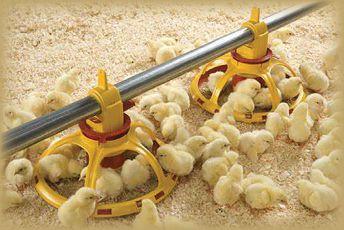
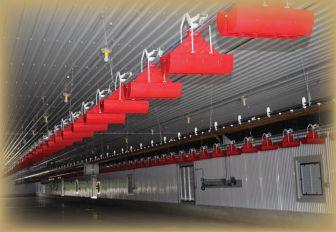
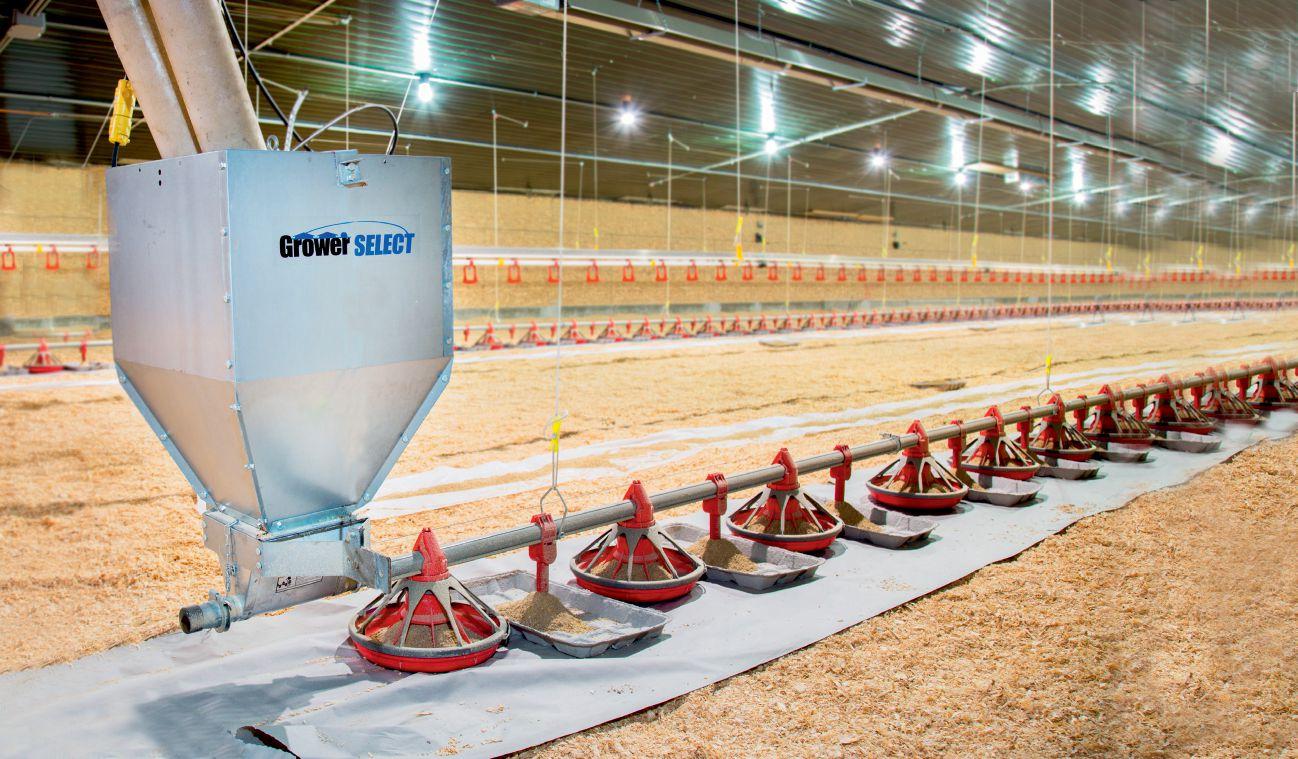
TRADITIONAL PAN
• Birds inside the pan
• Birds defecate in their feed
• Birds eat and sleep in pan
• Soiled & Spoiled

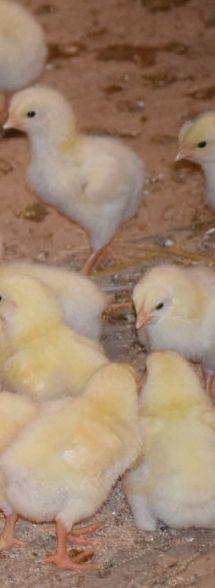


• Birds eat outside of unit



• No defecation contamination


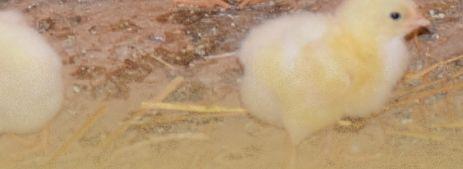

• Tray “grows” with the birds



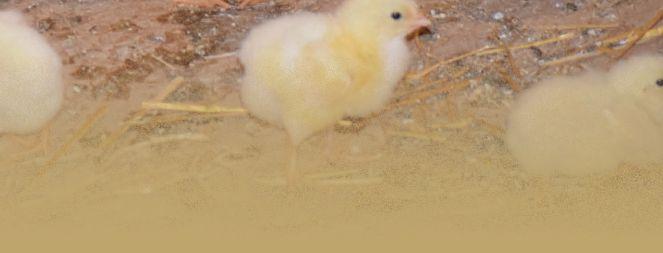



• Easy clean-up & wash down


• Designed by a Broiler Farmer