If you could protect your farm this way, you wouldn’t need any cleaners or disinfectants.
These are some of the products eligible for the Vetoquinol Club points program. Sign up today at vetoquinolclub.ca and reap the benefits. club
Vetoquinol would like to remind you of the importance of a good biosecurity protocol and its implementation on a daily basis.
NEED MORE INFORMATION? CONSULT YOUR BIOSECURITY SPECIALIST.
HOUSING: A Case in Point
How the cage-free situation in Canada and the U.S. illustrates the grave importance of re-gaining public trust in agriculture
Treena Hein
Value of Commercial Broiler Trials By Leasea Butler, Technical Services Representative, CobbVantress, Inc.
NUTRITION: Answering Industry Challenges
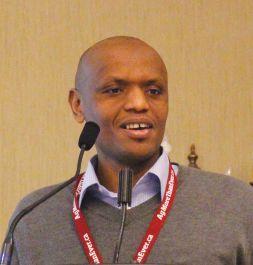
UofG’s new poultry nutrition professor, Dr. Elijah Kiarie, seeks solutions
Karen Dallimore
From Field to Flock
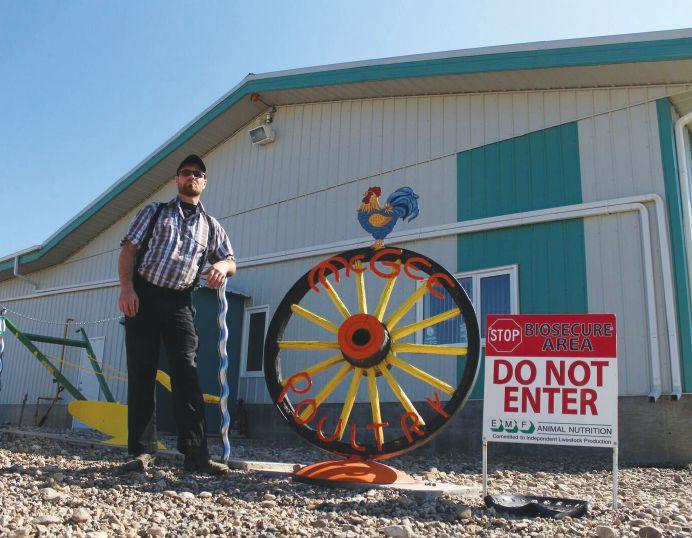
poultry and crop units yields success for McGee Colony
Nerine T. Joseph Ph.D., Livestock
FROM THE EDITOR
BY KRISTY NUDDS
The Subject of Trust
It should be evident after reading our cover feature this month (see page 10) that agriculture has a lot of work to do to regain the trust of Canadian consumers with respect to methods of production and the food products produced.
While it shouldn’t be a surprise to anyone in the agriculture business that consumers are confused about food, just how confused they really are is perhaps worse than originally thought.
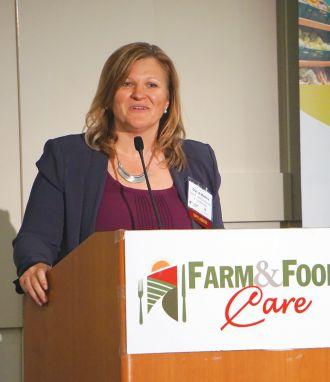
In early June, Farm & Food Care Canada held a “Public Trust Summit” in Ottawa, Ont., with the intention of “encouraging continuous collaborative discussions amongst farm and food system leaders, while developing concrete actions for earning public trust.” Participants included representatives covered the gamut of food production, including all livestock sectors, crop and seed production, to government and academia.
Farm & Food Care Canada launched a new division at the event known as the Canadian Centre for Food Integrity (CCFI). It’s an international affiliate of the U.S. Center for Food Integrity, which has been assisting the food system “meaningfully engage with their most important audiences on issues that matter” for nearly 10 years, and was the first organization to introduce the concept of building public trust.
Before its launch the CCFI conducted a web-based survey earlier in 2016 of approximately 2500 Canadians to get a benchmark on the trust the average Canadian has in Canadian food and food production. The respondents were then segmented into three groups - “Moms”, “Foodies”, and “Millenials” – to gain additional insight, as these groups are considered the most influential, and interested, in information about food.
93 per cent of consumers in the survey
indicated they knew little, or nothing, about farming. However, compared to a similar survey conducted by Farm & Food Care in 2006, Canadians’ positive impressions of agriculture have increased by 20 per cent. This, combined with the fact that 60 per cent of respondents indicated they would like to know more about farming, is an opportunity for Canadian agriculture to make a connection with consumers, Farm & Food Care Canada CEO Crystal Mackay said at the event.
What will be the challenge moving forward is how to make this connection. The CCFI and Farm & Food Care are working on five action points, but made it clear that “re-gaining public trust must be everyone’s responsibility.”
Opportunity exists for farmers and farm organizations to help regain trust as the CCFI survey results showed that 69 per cent of respondents favourably viewed farmers as credible sources of information, and 52 per cent of respondents felt farmer associations were credible sources.
Unfortunately, results indicated that animal rights organizations are also viewed with some credibility, so it will be paramount moving forward that farmers and farm groups try to engage with consumers in more effective ways. It’s the clear the old methods of reaching consumers aren’t hitting the mark, but Mackay says the entire industry needs to share successes and failures in engagement with each other and “commit to making mistakes”, reminding attendees that the whole concept of public trust is new territory.
But she stressed that fear of failure can’t hold an organization back. As she said at the Summit, “if you’re not making mistakes, you’re probably not doing enough.” n
U.S.A. - 1 Year $ 66.95 USD Foreign - 1 Year $ 70.95 USD
GST - #867172652RT0001
Occasionally, Canadian Poultry Magazine will mail information on behalf of industry-related groups whose products and services we believe may be of interest to you. If you prefer not to receive this information, please contact our circulation department in any of the four ways listed above.
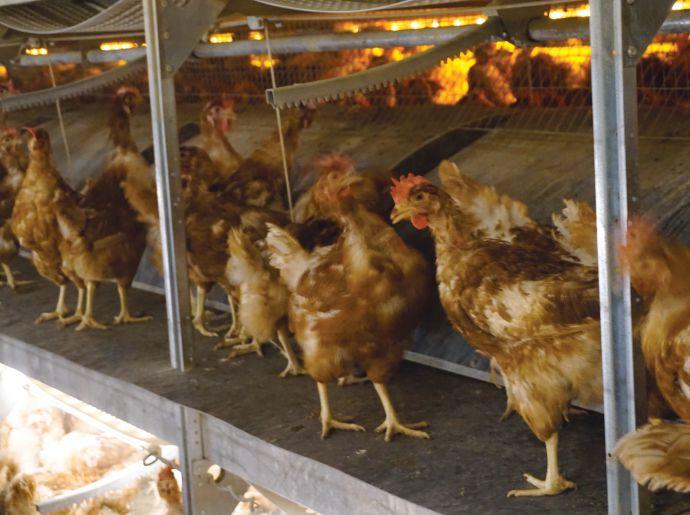
As the egg laying industry continues to evolve, equipment manufacturing companies must do the same. At LUBING we are fully aware of our need to progress with the changing industry and that is why our culture of innovation is the reason for our success. LUBING is leading the way by offering a wide variety of products for today’s Cage-Free housing demands as well as bio-security concerns.
Glass-Pac Canada
St. Jacobs, Ontario
Tel: (519) 664.3811
Fax: (519) 664.3003
Carstairs, Alberta
Tel: (403) 337-3767
Fax: (403) 337-3590
Nipple Drinking Systems
Pullets / Layers with and without LitterGuard Cups
Egg Conveying Systems
Curve conveyors customizable to nearly any application Belt Conveyors ranging from 18, 24, 36, and 48 inches (capable of delivering up 600 cases/hr)
Accumulator Tables
Custom-made, all-stainless tables for all situations
Perch Systems
Ergonomic design allows birds to perch comfortably Reduces stress and helps create a calm environment
J. Dean Williamson Ltd.
London, Ontario
Tel: (519) 657.5231
Fax: (519) 657.4092
Les Equipments Avipor Cowansville, Quebec
Tel: (450) 263.6222
Fax: (450) 263.9021
Specht-Canada Inc.
Stony Plain, Alberta
Tel: (780) 963.4795
Fax: (780) 963.5034
Migratory Birds May Not Be AI Reservoir WHAT’S HATCHING HATCHING
The H5 avian influenza A virus that devastated North American poultry farms in 2014-15 was initially spread by migratory waterfowl, but evidence from research conducted by St. Jude Children’s Research Hospital and scientists with the Centers of Excellence for Influenza Research and Surveillance suggests such HPAI viruses do not persist in wild birds.
While wild ducks and other aquatic birds are known to be natural hosts for LPAI viruses associated with milder symptoms, the results of this study indicate that is not the case with the HPAI viruses that are associated with more severe illness. The research suggests that wild ducks and other aquatic birds are not an ongoing source of HPAI infection in domestic poultry.
“The findings provide a scientific basis for the decision by officials to use culling and quarantines to stop the 2014-15 outbreak in domestic poultry,” said corresponding author Robert Webster, Ph.D., an emeritus member of the St. Jude Department of Infectious Diseases. “Now, research is needed to identify the mechanism that has evolved in these wild birds to disrupt the perpetuation of highly pathogenic influenza.”
In the study, researchers analyzed throat swabs and other biological samples taken from 22,892 wild ducks and other aquatic birds collected before, during and after a 2014-15 H5 flu outbreak in poultry. The outbreak has been linked to a highly pathogenic H5N8 influenza A virus spread from Asia to North America by migratory waterfowl. The H5N8 virus reasserted, or mixed genes, with other influenza viruses in North American waterfowl and went
on to trigger 248 flu outbreaks in commercial and backyard turkey and chicken farms in the U.S. and Canada at a cost of nearly $5 billion.
Officials worried that the virus would be re-introduced into poultry farms by migratory aquatic birds carrying the virus. But none of the migratory birds included in this analysis were infected with a HPAI virus. Such viruses have not been identified in any of the more than 100,000 wild birds tested since the flu surveillance sampling began 43 years ago, Webster said. “Existing immunity in wild birds is one of the possible explanations that may explain why highly pathogenic influenza A viruses do not become established in wild bird populations. But a more complete understanding of the mechanisms at work would aid efforts to prevent, control and eradicate these dangerous viruses in poultry in other areas of the world.”
On June 8th, 2016
COMING EVENTS
SEPTEMBER
September 5-9, 2016
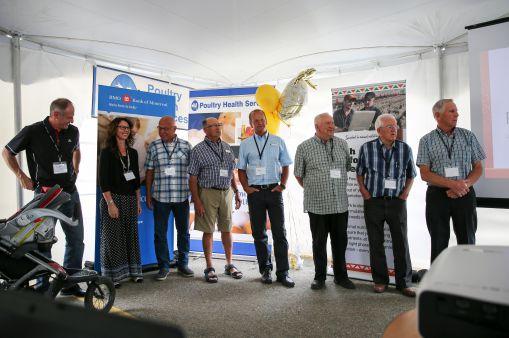
the Alberta Chicken Producers (ACP) celebrated its 50th anniversary. The ACP hosted a celebration event at the Crossfield Community Hall in Crossfield, Alta. Approximately 300+ producers and industry partners were in attendance. Attendees had the opportunity to reminisce and enjoy a program hosted by Chair, Erna Ference. Past Chairs told stories of their time serving with the Board of Directors. Other highlights were presentations by local MLA’s, a chicken cake from the Egg Producers of Alberta and a photo presented to ACP from Alberta Milk.
ACP Turns 50 New Antimicrobials in the Works
Mississauga, Ontariobased biotechnology company AbCelex has received an investment of $3.4 million from the federal government to develop a new line of antimicrobial feed
additives to help control disease outbreaks in poultry flocks.
The company is developing a line of innovative non-antibiotic, non-hormonal additives that are specifically targeted at Campylobacter and Salmonella, two of the most common food-borne bacteria that infect poultry. The new antimicrobials – called “nanobodies” – will result in healthier poultry and
Insect Protein Gains Approval
Enterra Feed
Incorporation has received regulatory approval from the Canadian Food Inspection Agency (CFIA) for use of its Whole Dried Black Soldier Fly Larvae as a feed ingredient for poultry broilers.
Enterra’s manufacturing process at its facility in Langley, B.C involves breeding
and raising black soldier fly (BSF) larvae, and feeding them pre-consumer food waste that would otherwise go to landfill, composting or waste-to-energy operations where the food nutrient value would be lost. BSF larvae are an ideal candidate for rearing as a feed ingredient as they consume a wide range of pre-consumer waste food (e.g. waste fruits, vegetables,
For those who were unable to attend please visit http:// www.chicken.ab.ca/50years to view the 50th Anniversary video and event photos.
improve food safety. This project will be conducted in collaboration with the International Vaccine Centre at the University of Saskatchewan, the University of Toronto and the Colorado Quality Research Inc. Funding for this project comes from the AgriInnovation Program (Research and Development Stream) as part of the Growing Forward 2 agricultural policy framework.
stale bread, grains, grocery store waste), are native to North America, do not bite or sting, are high in protein and fat, and grow rapidly under controlled conditions. There are several benefits to insect protein, and Enterra expects feed manufacturers to be eager to consider this ecological protein alternative, according to Andrew Vickerson, Chief Technology Officer with Enterra.
XXV World’s Poultry Congress, China National Convention Center, Beijing, China. For more information, visit: www.wpc2016.cn
September 13-15, 2016
Canada’s Outdoor Farm Show, Canada’s Outdoor Park, Woodstock, Ont. For more information, visit: www.outdoorfarmshow.com
OCTOBER
October 4-6, 2016
Poultry Service Industry Workshop, Banff Centre, Banff, Alta. For more information, visit: www.poultryworkshop.com
October 4-6, 2016
International Egg Symposium, Rimrock Resort Hotel, Banff, Alta. For more information, visit: www.eggforum.ualberta.ca
October 25, 2016
Canadian Poultry Sustainability Symposium, Westerner Park, Harvest Centre, Red Deer, Alta. For more information, visit: www.cpsustainability.com
DECEMBER 2017
December 1, 2016
Eastern Ontario Poultry Conference, St. Isidore, Ont. For more information, visit:www.poultryindustrycouncil.ca
JANUARY 2017
January 30-31, 2017
International Poultry Scientific Forum, Georgia World Congress Center, Atlanta, Ga. For more information, visit: www.ippexpo.org
WHAT’S
HATCHING HATCHING
Canada Needs to Share Ag Research
The Agricultural Institute of Canada (AIC) has released its 2016 Conference Report that summarizes the need for the agricultural sector to better disseminate research results to producers, farmers, industry, academia, consumers and among the research community. A number of findings and recommendations are included in the Report.
One key finding is that
research dissemination has often been neglected in past policy development or is left until the end of the project cycle, which needs to change in order to increase stakeholder engagement and allow for greater impact of results. Another is that the sector needs to find new ways to incent and support knowledge transfer activities. The report is available at: www.aic.ca
McKillop to Chair F&FC
The need to build public trust in food and farming continues to grow, and with it is the need for strategic and dedicated leadership. Farm & Food Care Canada, a national charity with the mandate to build public trust, elected a new executive in early July.
Ian McKillop, a fifth-generation egg, beef and grain farmer from Ontario, was chosen to be the new Chair. McKillop has a proven track record for leadership, having been a Farm & Food Care board member since inception in 2010, and balancing his time with his busy farm and young family. McKillop served as a board member for the Canadian Cattlemen’s
Association for five years, and chaired the National Farm Animal Care Council’s Beef Cattle Codes of Practice committee. He also served as president of the Ontario Cattlemen’s Association between 2005 and 2008.
“We need to continue to take a collaborative approach in reaching Canadians with credible information about their food and how it’s grown here at home,” says McKillop. “As interest in food and the need for transparency and trust grows, we will work to develop more partnerships and support from across the food system to best meet our shared goals.”
COMING EVENTS
January 31-February 2, 2017
International Production and Processing Expo, Georgia World Congress Center, Atlanta, Ga. For more information, visit: www.ippexpo.org
FEBRUARY 2017
February 14-16, 2017
Atlantic Poultry Conference, Old Orchard Inn, Wolfille, N.S. For more information, visit: www. atlanticpoultryconference. com
APRIL 2017
April 5-6, 2017 London Poultry Show, Metroland Media Complex, Western Fairgrounds, London, Ont. For more information, visit: http:// www.westernfairdistrict. com/london-poultry-show
We welcome additions to our Coming Events section. To ensure publication at least one month prior to the event, please send your event information at least eight to 12 weeks in advance to: Canadian Poultry, Annex Business Media, P.O. Box 530, 105 Donly Dr. S., Simcoe, ON N3Y 4N5; email knudds@ annexweb.com; or fax 519429-3094. Please write ‘Event Submission’ in the subject line.
Cover Story Building Trust Consumers are confused
by Treena Hein
It was during one particular panel discussion that the need for the “Public Trust in Agriculture Summit” became crystal clear. The Summit was held in early June in Ottawa, with speakers and participants in attendance from all aspects of food production, from seed companies, chefs and farmers, to academics, farming associations and large companies like Maple Leaf Foods. This ground-breaking inaugural event was intended to “encourage continuous collaborative discussions amongst farm and food system leaders, while developing concrete actions for earning public trust.”
UPHILL BATTLE
And this is exactly what the panel discussion involving five typical urban Canadians exposed – a distinct sense of mistrust towards the Canadian agri-food system. The level of knowledge about farming among the panelists was – for many of the audience members who live and breathe food production on a daily basis – shocking. But to be fair, many attendees also recognized how difficult it is for anyone outside of agriculture, the health care system, forestry or any other complex sector of our economy to make time to learn the basics, let along keep up with the many changes in practices and policy that are standard today.
Farm and Food Care CEO Crystal Mackay says that while consumer research by the new Canadian Centre for Food Integrity on Public Trust points to a huge opportunity to make a better connection between Canadians and their food, it will be an uphill battle.
“Their level of knowledge…on some questions, it was pretty good, [but] on others it was not good at all – industry’s fault, not theirs,” notes attendee Robin Horel, president and CEO Canadian Poultry and Egg Processors Council (CPEPC). “It certainly emphasized some of the information that was shared from the public survey [presented at the Summit; more on that later] – that consumers get much of their information from friends and family and do not trust industry or government.”
Horel highlights a point during the panel which occurred after the participants had been asked quite a few quiz questions on various aspects of food and farming, with the moderator let-
ting them know in each case if they were correct or incorrect. “[The moderator’s feedback] seemed to be accepted every time by the panelists until the question of hormones in poultry came up,” he notes. “All panelists believed that poultry contained hormones, and when the moderator corrected their belief, they did not believe her, even though on all the previous misconceptions, they did believe her. Then when she asked what it would take to convince them – examples like government, scientists, etc. – they still stuck to their belief and said that they would not be convinced!”
Egg Farmers of Ontario (EFO) director Dianne McComb also attended the Summit, and says that because she’s on the EFO Public Affairs Committee and has therefore had a lot of exposure to the general public’s level of agri-food knowledge, she “wasn’t too shocked” at the panel responses. “A few others at my table were shocked, or absolutely blown away,” she says, “seeing the panelists’ understanding and that they were in some cases so far away in their opinions from the facts and reality.” (See sidebar for some quotes from panelists.)
If the reason for the Summit hasn’t been made clear yet, let’s dig into brand new survey research presented at the event, conducted by Canadian Centre for Food Integrity (CCFI), which had its launch at the Summit. (The CCFI is a division of Farm & Food Care Canada, a charity with a vision to earn public trust in food and farming. It’s also an affiliate of the well-established U.S.-based Center for Food Integrity. Both organizations are made up of members representing the diversity of the entire food system. In Canada, that includes Dow AgroSciences and Tim Hortons.
The survey results may shock you. The CCFI’s brand new poll of over 2,500 Canadians found that a whopping 93 per cent know little or nothing about farming. Exactly 50 per cent are unsure about whether our food system is going in the right
Photo courtesy Farm & Food Care Canada
direction, and 21 per cent believe it’s on the wrong track. Yes, that’s less than a third of Canadians who believe our food system is going in the right direction.
So, it’s clear that the trust of many Canadians in farming and food production has been lost to some extent. This isn’t hard to understand. There was an extremely serious listeria outbreak involving lunchmeats in 2008 resulting in 22 deaths (with new recalls in May 2016), and major outbreaks of swine flu and BSE before that. In recent years, several serious instances of animal cruelty were caught on tape and created national headlines, shaking many Canadians to the core. Then there are all the countless media stories and weighty books – sometimes published within the same year – containing conflicting claims about the health benefits, non-benefits and even detriments of food items like eggs, coffee, whole grains, various types of fat and even certain vegetables and fruits. Indeed, it’s hard not to understand where consumers are coming from and how hard it is for them to keep trusting the food system at this point.
But what’s more serious – and especially relevant to farmers – is that because trust in the food system has been lost, consumers (as well as retailers and restaurant chains such as McDonald’s responding to consumers) are now in a position where they are all but dictating on-farm practices. One stunning example is the demands for Canadian egg farmers to convert to cage-free hen housing (see story this issue). Another example is the strong consumer pressure to abolish sow gestation crates, and the current growing pressure to raise poultry without antibiotics. Demand for no added hormones in beef and for more GMO-free product availability and labelling is also increasing. Outside of farming, strong demands also exist in some instances for restaurants (for example, Earl’s in Western Canada) or grocery stores to carry local – or at least Canadian – products.
TAKING STOCK
Once trust has been lost in any arena, it’s hard to build it back up again. But the Summit highlighted the fact that for farmers, it’s no longer only a quest to regain public trust in agriculture, but to keep their ‘social licence’ – their very ability to dictate their own farming practices and have the general public believe them competent to look after animals, crops, the land – a ‘freedom to operate’ if you will. On that note, here are some more CCFI survey results to ponder. Less than a third (only 29 per cent) of Canadians believe Canadian farmers are good stewards of the environment. Almost three-quarters believe videos of farm animals being treated poorly are “representative of normal livestock farming.”
“Control has already been lost,” noted Summit presenter Charlie Arnot, CEO of the Center for Food Integrity in the U.S. He and other presenters suggested that perhaps building public trust in the food system starts with accepting that the social licence of farmers may henceforth always be shared to some extent with the consumer. Several speakers pointed out that this reality – that consumers these days have a great deal of influence over farmers and the food system – is not yet accepted or believed by many in agriculture. Nor is the fact that most Canadians know little or nothing about the day-to-day reality of farming understood by many of us who produce this country’s food. So, on the whole, the Summit presented a new ‘normal’ that farmers should strive to get used to as quickly as they can.
A CCFI statement published in a Summit booklet summarizes the situation well. “We see consumer alienation from agriculture and the food system expressed through concerns about nutrition, food safety, affordability, environmental sustainability, animal well-being and other issues. Some argue that maintaining public trust is a worthy goal, but not relevant to success in business.
Five consumers were part of a panel discussion at the recent Public Trust in Agriculture Summit, exposing the need for better communication and the mistrust felt towards the Canadian agri-food system
This outdated notion fails to recognize the financial benefit of maintaining trust of stakeholders who can determine the level of social license or social control an organization enjoys…Once lost, either through a single event or a series of events that reduce or eliminate stakeholder trust, social license is replaced with social con-
Cover Story
trol. Social control is regulation, legislation, litigation or market demands designed to compel the organization to perform to the expectations of its stakeholders. Operating with a social license means more flexibility and lower cost. Operating with a high degree of social control increases costs, reduces operational flexibility and
Watering Wisdom
Key Principle:
Water meters measure water usage, not water consumption. Water usage (WU) has two components: Water consumption (WC), water that is ingested by the birds, and Water spillage (WS), water that is spilled, not ingested.
This is a very important distinction because you cannot assume increased water usage will translate into increased consumption. Increasing water usage may simply create more spillage that can cause wet litter conditions. This in turn negatively affects bird health, reduces growth rate and increases pododermatitis.
Key Directive: Manage your watering system in a manner that promotes water consumption and minimizes water spillage. Learn about best watering management practices and much more at Ziggity’s Poultry Watering U website.
increases bureaucratic compliance.”
TAKING ACTION
It was stressed over and over again at the Summit, that re-gaining public trust must be everyone’s responsibility. The CCFI, Farm & Food Care, private companies, food and farming associations and individuals were all encouraged to bridge the gap that currently exists between consumers and farms. For its part, the CCFI will continue to research consumer opinions, questions and concerns. Its ‘Public Trust Research’ will benchmark consumer attitudes about food and agriculture against U.S. and Canadian data gathered since 2001. In addition, the CCFI will develop and highlight best practices, models and messages that build trust, and hold future Summits.
Horel thinks the CCFI is “likely a good thing.” The CPEPC Board has asked CCFI to make a presentation and will then decide if CPEPC should become a member.
McComb also thinks the CCFI is a positive step because it’s connected to its well-established U.S. counterpart and can draw on its experience. “We’re being forced by special interest groups and a lack of understanding and pseudo science,” she notes. “Consumers need to make choices and their choices are being taken away by these groups, so we need to reach around these groups and help consumers make their own choices. People want to know food is affordable and safe. And we do have affordable and safe food. The answers that we have in agriculture, the good answers, we haven’t informed consumers about them. With eggs, it’s things like the fact that the carbon footprint of farms is much lower than it was years ago, and at the same time, crop productivity is up, hen productivity is up, the soil is still vibrant and so on. Those are tremendous positives.”
McComb says the Summit was valuable “because the whole focus of it was the commonality of our problems and the things we need to face.” She believes “Consumers are confused. They have lost touch with agriculture today and we as a whole agriculture sector need to reconnect
RODENT CONTROL trapped like rats » They’ll be
These are some of the products eligible for the Vetoquinol Club points program. Sign up today at vetoquinolclub.ca and reap the benefits. club
GREAT PALATABILITY BAITS
• Low or no wax formulations
• Grains and food grade oils ingredients
• Greater acceptance for better results
• Different actives for rotation
GIVE THEM BAITS THAT THEY WILL LIKE!
From the summit panel featuring five Canadians
Quotes about cage-free eggs
“I buy cage-free [eggs] once in a while, to make a difference. But it’s not enough.”
“Like being ‘cooped up’ on a rainy day. That’s how I explain caged chickens to my kids. Cage-free is better for us and them, and better in the long run.”
“Cage-free means free to roam, the same for animals or humans. There’s less stress and better taste.”
“[Cage-free] is the least restrictions on animals. They can decide on their movement as they see fit. They are free to run around.”
Quiz question responses
Panelists were correct in thinking chicken bone quality is poorer for eggs from hens housed in conventional cages, and that air quality is poorer and the cost is higher for cage-free eggs. They were incorrect about mortality being higher in conventional cages.
Most panelists believed that eggs in big grocery stores in Ontario came from Ontario, but one panelist believed they might come from across the country.
When asked how old eggs are in the store, panelists said one week, two weeks, one to two weeks, one to four weeks, and 30 days.
In terms of their prime motivators for buying eggs, the panelists named quality, localness, taste, and hen welfare. None mentioned price.
Cover Story
with the people who buy our products. I think it was a great start. I sat at tables, and I know others did too, with a great variety of people around me. We all thought we are islands, maybe, but we are not. We have lots of commonalities. The Summit helped us make connections, understand the problem, and come up with plans and solutions.”
EFO is working with Farm & Food Care and CCFI on concrete plans on topics like better understanding food-related trends, best public communication practices and more. “When we say agriculture, they [consumers] think food,” McComb notes. “We say food safety and they want safe food. We talk about biotechnology and they wonder about GMOs and steroids and hormones. We talk efficiency and they talk affordability. We have to modify our language and need to speak factually and passionately.”
Alison Evans, communications manager at Egg Farmers of Canada, found the Summit to be “an interesting event,” and notes that “the concepts of social license and public trust are very important to our farmers…We are active participants in a range of initiatives that promote dialogue and action on these matters, and value collaboration that benefits the entire sector. We will look forward to hearing more about the planned initiatives of the CCFI with interest.”
Turkey Farmers of Canada (TFC) Chair Mark Davies attended part of the Summit and TFC Manager of Corporate Communications Robin Redstone attended the entire event. “We felt it was a useful event and we certainly welcome the dialogue on what we agree is an important issue for the Canadian food and agriculture sector,” Redstone notes. “Going forward, TFC will continue in our efforts to address the public’s demand for information and transparency, and our organization will be assessing the proposal for involvement put forth by the CCFI.”
For its part, Farm & Food Care is working on five action points. CEO Crystal Mackay pointed out at the Summit that results for Google searches must be improved, in terms of offering Canadians more
balanced and accurate information about food and farming. (The top 10 ranked results for a Google search for the words ‘cage free,’ for example, turned up only animal rights websites and a Wikipedia entry.) Secondly, Farm & Food Care is going to invest in new online content, for example expanding its Virtual Farm tours to Virtual Farm and Food Tours. In addition, it will continue working to reach ‘thought influencers’ in Canadian society, such as Foodies, bloggers and Moms, to support the development of new resources and research, and to continue to build networks and momentum.
Let’s finish with some pertinent quotes from some of the Summit presenters, starting with UK-based food industry researcher and commentator Dr. David Hughes: “There are no passengers here. We all need to take action individually and collectively.”
Arnot stressed that information on farming and food must be more readily available, “We have to get past ‘There is nothing to hide, but it’s none of your business,’” he said. Arnot also put emphasis on a long-term view: “Success will not be defined by where you’ll be in 12 months from now. Three, five, ten years is what matters.”
“This is a moving target,” Mackay stated. “This is new territory…We need to commit to making mistakes.” She advised everyone to go back and look at their website and other materials and commit to helping each other and providing feedback across sectors. “If you’re not making mistakes, you’ve probably not doing enough,” she said. “It’s a movement – you have to move.”
Mackay believes the CCFI findings point to a huge opportunity to make a better connection between Canadians and their food. With the survey showing that 60 percent of Canadians would like to know more about farming practices, she’s very right. The overall survey results, however, suggest an uphill battle ahead.
The Public Trust Research Report is available at: http://www.farmfoodcare.org/canada/wp-content/uploads/2016/05/2016Public-Trust-Research-Report.pdf n
We’re here to help your business thrive.
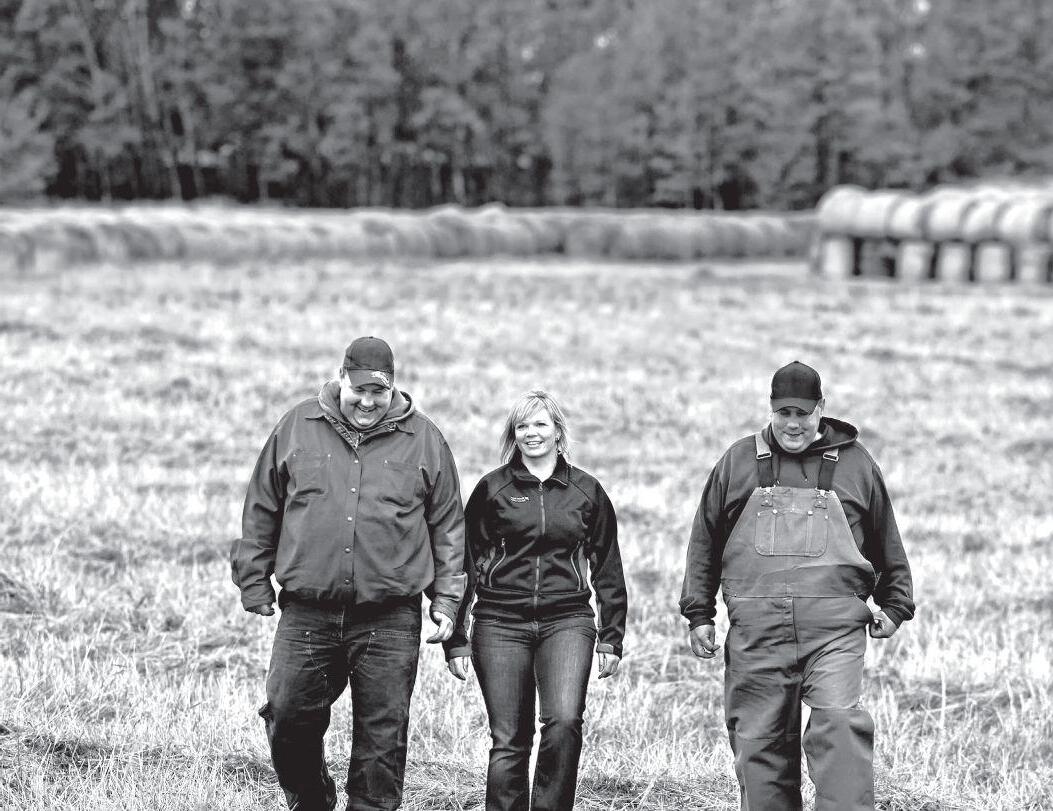
Agriculture is a business like no other. That’s why you need a financial advisor with a background in the business. With TD Agriculture Specialists like Jolene, you have one. So when the Franke twins needed financial advice to help grow their grandparents’ farm, Jolene was ready to help. Today, the Frankes have a thriving operation with over 250 head of cattle. Share the benefit of our experience. Talk to a TD Agriculture Specialist today.
Housing A Case in Point
How the cage-free situation in Canada and the U.S. illustrates the grave importance of re-gaining public trust in agriculture
BY TREENA HEIN
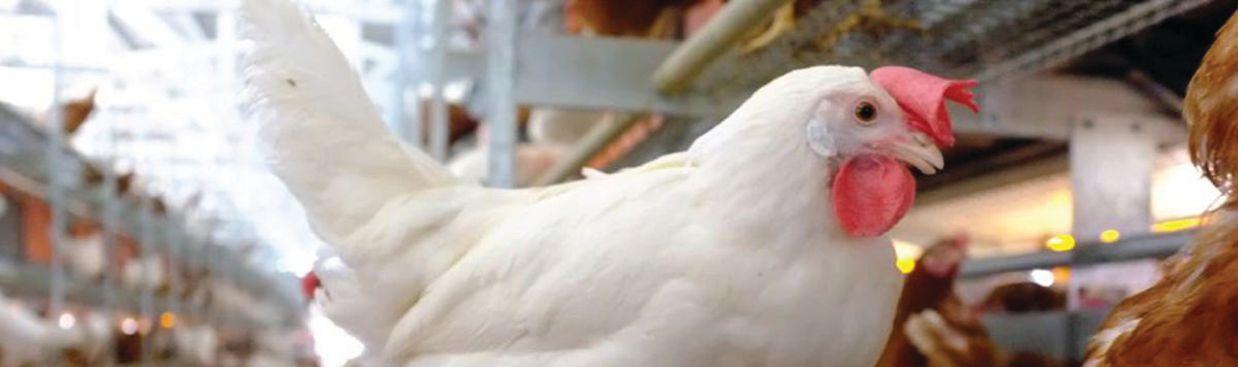
The swell of demand from North America’s largest food companies for cagefree eggs is a stunning example of why public trust in our country’s food system matters.
The huge number of cage-free commitments from food makers, retailers and restaurants in Canada and the U.S. stems from how these companies perceive overall consumer opinions on hen housing – the fact that consumers do not trust that farmers know best with regard to housing systems that provides the best life for hens.
While these North American food companies (see sidebar) are no doubt being influenced by cage-free commitments already made by their subsidiaries or peers in Australia, the UK and the EU, their promises to only source cage-free eggs in these other parts of the world are again based on consumer perception, largely influenced by animal activist groups.
The united cage-free front of North American food makers, restaurants and retailers suggests that cage-free housing is inevitable in both Canada and the U.S. There are simply no major egg buyers who want anything else. “This is a done issue in the U.S.,” says Josh Balk, senior director for food policy at the Humane Society of the United States. “I can’t see the Canadian scenario being any different.”
However, whether egg farmers in either country will be able to meet the deadlines is far from certain.
Eggs Farmers of Canada (EFC) has currently committed to reaching 50 per cent
The swell of demand from North America’s largest food companies for cage-free eggs is a stunning example of why public trust in our country’s food system matters
cage-free production within eight years (2024), 85 per cent within 15 years and to have all hens “in enriched housing, freerun, aviary or free-range by 2036, assuming the current market conditions prevail.” This does not line up with North American food industry timelines of sourcing only cage-free eggs by 2025 or sooner. For example, Retail Council of Canada members such as Loblaw and Wal-Mart have committed to 2025, and David Wilkes, Retail Council senior vice-president of government relations and grocery division, says they “will continue to work with producers and processors to transition to this housing environment.”
Burnbrae, sole egg supplier of McDonald’s Canada, is switching all its production for that customer to cagefree to meet the restaurant chain’s 2025 deadline. In the U.S., Rose Acre Farms and
Rembrandt Farms, the country’s second and third largest egg producers, are already converting to cage-free barns.
A&W Canada currently stands alone among North American food industry companies in its support of enriched housing. The fast food company says it “has worked very hard to have our eggs come from hens that live in enriched cages,” and that it “will continue to serve eggs from enriched housing while we work towards better cage-free housing.” The chain recognizes that Canadians want their eggs to come from hens housed outside of cages, but adds that “there are currently no viable commercial cage-free housing options that meet our strict standards.” To that end, in March 2016 A&W announced it wants to work with Canadian charity Farm & Food Care to bring egg industry partners, retail and food service from across Canada
CAGE-FREE MOVEMENT
Combi Barn, All in One, and HR3 cage free laying systems
Pedigrow 2 cage free chick school LED lighting systems Ventilation systems
AGK 3600 enriched colony system available with Salmet’s patented WHISK manure drying system
MDT manure drying tunnel PS 2800 parent stock housing system
together with the U.S. Center for Food Integrity’s Coalition for a Sustainable Egg Supply to discuss all issues impacting sustainable eggs (including food safety, environment, hen health, worker health and safety and food affordability), and determine areas that the Canadian egg sector feels funding would be best spent. A&W has offered a grant of $100,000 to further this research. For it’s part, EFC recognizes research that shows each production system comes with trade-offs. We asked EFC about the fact that for any Canadian egg farm to convert to enriched cages and keep the same production level, new barn(s) will
Housing
likely have to be constructed because the same number of birds cannot be housed in enriched cages in a given barn as were housed in battery cages. Does EFC see this as a particular challenge for Canadian egg farmers in terms of costs and the land required? “There are many factors a farmer needs to consider when evaluating the realities of transitioning an operation,” EFC states. “What’s important to keep in mind is that every farm is different (e.g. size, location, etc.) and until farmers start working through the implications of their transition—carefully considering his/her requirements—any estimation of cost is
Food makers, retailers and restaurants in North America committing to cage-free eggs
In 2015, many companies began making commitments to source only cagefree eggs, including Kraft Foods, Costco and Starbucks. McDonald’s committed to fully transitioning to cage-free eggs for its nearly 16,000 restaurants in the U.S. and Canada by 2025. The year finished with Subway joining in, and 2016 began with Wendy’s added to the list. In February 2016, the company that owns well-known Canadian restaurant chains Harvey’s, Swiss Chalet, Kelsey’s and East Side Mario’s committed to cage-free eggs by 2020. Around that point, the parent company of two other large chains, Tim Hortons and Burger King, pledged to serve only cage-free eggs by 2025 at all locations in Canada, the U.S. and Mexico.
Kroger, the largest traditional American supermarket chain, is set to go cage-free by 2025. Others include Albertson’s (the USA’s secondlargest grocery chain), Wolfgang Puck, Unilever (maker of Hellmann’s Mayonnaise and many other products), and major American food service companies Aramark, Compass Group and Sodexo. Others include Dunkin’ Donuts, Sonic, Taco Bell, Wendy’s, Trader Joe’s, Target, Sonic, Carl’s Jr., Hardee’s,
Campbell’s, Mondelz International, Quiznos, Walt Disney Parks and Cruise Lines and more.
In March, PepsiCo committed to 2020 for sourcing only cage-free eggs in North America and 2025 for all its egg purchases globally. That month, A&W announced that it would become the first Canadian national fast food restaurant to serve eggs from hens raised in “better” cage-free housing within the next two years. Also in March, the Retail Council of Canada (which represents 90 per cent of Canada’s grocery companies, including Loblaw, Metro, Sobeys and Wal-Mart Canada) committed to 2025. Complete lists of companies that have committed to sourcing eggs from hens housed in cage-free facilities can be found here:
• Animals Australia cage-free commercial directed at McDonald’s Australia, from 2014 www.youtube.com/watch?v=tuKtBaGqzk
speculative.”
While EFC is currently looking into the financial implications of various alternative housing systems, we asked also if cage-free barns are less expensive than enriched cages, taking into account the possible requirement for new barn(s). “The decision to retool an existing barn or build a new barn is an important component of each farm’s individual transition plan,” EFC states. “Shifting to a new production system with different space requirements can impact the overall size of the flock. Typically, alternative housing systems have a larger building footprint and do not contain as many birds and conventional housing systems.”
Cost is a concern for the United Egg Producers, which represents those producing almost 90 per cent of American eggs, and for the National Association of Egg Farmers (NAEF), which represents about one per cent of U.S. production. NAEF is against mandated cage-free production for other reasons as well, including increased egg prices, increased mortality due to cannibalism and other factors, increased pecking injuries, higher risk of contamination due to prolonged exposure of eggs to litter and manure in nest boxes or on the barn floor, high dust levels and ergonomic challenges in egg collection.
Canada’s National Farm Animal Care Council (NFACC) released the draft version of the Code of Practice for the Care and Handling of Layers for public comment in June. The draft does not promote any type of housing over any other, but does include new recommendations for roomier cages.
In the end however, any attempt to convince the North American foodservice industry of the merits of any other type of housing except free-run/cage-free may be a lost cause. Marion Gross, senior supply chain management vice president at McDonald’s USA, may have summed it up best in her statement in January 2016 in the Chicago Tribune: “Enriched [housing] doesn’t mean anything to our customers, but they know what cage-free means.” n
The chicken business is growing, and so is Chicken Farmers of Ontario
Looking to move your career in the right direction? Let us invest in you!
Chicken Farmers of Ontario (CFO) is committed to providing a collaborative workplace underpinned by performance, accountability, transparency and professionalism. CFO staff-associates enjoy an employer of choice environment with competitive wages and benefits, cross-functional and continuous learning advancement opportunities, major investments in technology and a sustainable culture that stimulates excellence, innovation and team spirit.
NOw HiriNg: Veterinary Specialist—Quality, Safety and
This position fulfills the role as a veterinary advocate with a focus on risk management, and as a farmer-member advocate, supply management steward and regulator. The role involves influencing change both provincially and nationally while working with all industry stakeholders and government, and to advance CFO’s response programs and policies to maintain confidence in the safety and quality of our product.
You will be responsible for providing excellent customer service by helping and influencing farmers and industry stakeholders to continually improve sustainable farm operations, ensuring confidence in the safety and quality of our product and managing our environmental footprint.
As our business evolves you will act as an advocate of change. You will communicate and sensitize farmer-members and industry value chain partners to advances in technology and processes, and gain acceptance and support.
risk Management
As a representative of CFO, you will be trained to an auditor’s standard and provide the background to enable continual improvement of CFO’s on-farm programs. These mandatory programs address risks including biosecurity, food safety, animal health and welfare. You will focus on continually improving regulated programs coupled with farmer education in Best Management Practices, new initiatives/programs and assisting farmers in managing their farms while adhering to CFO policies and regulations. You will also interface with our poultry processing, transport, catching and loading, and hatchery community around managing risks.
An Ontario license to practice Veterinary Medicine is required. Experience working with various provincial and federal statutes, by-laws, policies and regulations within the agriculture and/or food sector, or experience in the poultry industry or other foodproducing commodities is beneficial.
If you are interested in this exciting job opportunity and for more information on other CFO career opportunities, please visit ontariochicken.ca/careers or contact recruiting@ontariochicken.ca today!
Research Value of Commercial Broiler Trials
Properly evaluating any input at the broiler level can only be done with a properly designed commercial broiler trial within your complex
BY LEASEA BUTLER, TECHNICAL SERVICES REPRESENTATIVE, COBB-VANTRESS,
INC.
In the poultry industry we discuss cost/profit/loss in terms of hundredths of pennies. Those same pennies in a year equate to millions of dollars.
Properly evaluating any input — such as breed choice, equipment or feed additives -- at the broiler level can only be done with a properly designed commercial broiler trial within your complex.
Basing decisions on data collected from another complex or research is only a part of the story. In many cases it’s the beginning of the story, but can lead you down the wrong path for too long if not tested within your complex using your own system.
It might be tempting to follow the path of another complex, but more often than not there are nuances within your complex that will impact the end result. Most of the time you only have part of the other complex’s success story. You don’t have the same inputs or outputs.
A difference in live operations (inputs) and product mix (outputs) can greatly influence the profit/loss that might be generated by following the same path within your own complex. You need to write your own story to make the best decisions for your complex. That story is best told through a commercial trial.
Cobb-Vantress Inc. Technical Services Representative Leasea Butler says you need to write your own story to make the best decisions for your complex, and that story is best told through a commercial trial.
The value attached to the decisions made based on the commercial trial results warrant a properly designed, communicated and executed trial.
A properly designed trial takes as many variables out of the equation as possible, except those you are comparing. For instance if you are testing different breeds, you want to have a farm with:
• Identical houses in equipment and
design
• Two houses per treatment
• Same breeder flock ages
• Same hatchery and set date
• Same light, ventilation, feed and water programs
If there is a variable that could have influenced your data there will always be questions and concerns regarding the validity of the trial. The reason for at
WRITE YOUR STORY
least two houses per treatment is that it allows you to choose one house from each treatment that closely mimics the other treatment in regards to mortality, morbidity and growing conditions. This takes out more of the variables that may have occurred during the growing cycle. Some of those variables that have been witnessed during the growing cycle are: running out of feed in one or more houses; environmental conditions; and chick quality
It is also recommended to repeat the trial or multiple trials for the same reason, but this is not always practical. Multiple trials help make the end picture clearer.
A properly communicated trial involves including many departments within your complex in a planning discussion weeks in advance. Having every department on board before the birds are set in the machines will result in the best outcome. Departments that need to be involved include: breeder department; hatchery; feed mill and delivery; broiler department; live haul; processing plant; and government institutions.
Communication about the trial will help minimize one of the biggest variables to a trial -- human error. Assign a trial point person or persons to follow the trial through the process. All departments need to take ownership and understand the importance of the trial results.
A properly executed trial generates the quality data needed to make the right decision. Typically the data needed is from live as well as plant performance. To obtain accurate live data you should select a random sample of birds from one house for each treatment, as discussed previously, the day before processing.
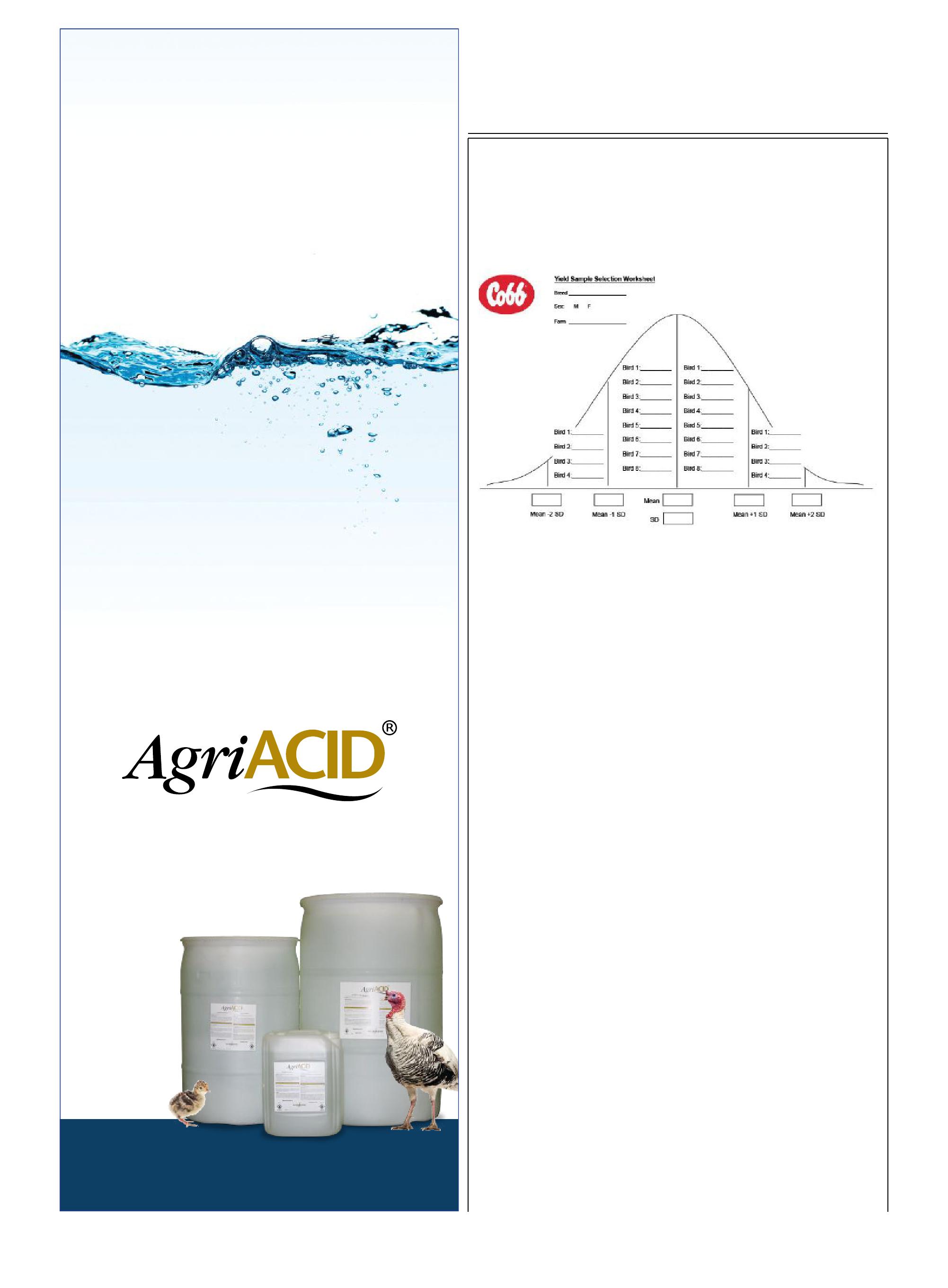
The weight samples should be kept separate by sex, and collected from three areas of the house: Back, Middle and Front. Either record individual weights, or use scales with the capability to calculate the standard deviation. Once you have your mean (average) and standard deviation for body weight (by sex), you can fill in the boxes that define the weight category cutoffs on either side of the mean (middle) weight (See image page 22). You will need to find the appropriate number of males and females for each weight range seen in
Better acidification.
the histogram below. In the end, you will have four males and four females that are between 1 and 2 standard deviations below the average weight, eight males and eight females that are between the average weight and 1 standard deviation below the average, etc..
These birds should be tagged and followed the following day to the plant. At the plant the birds should be reweighed and this individual plant weight will be your live weight. The birds should then be sent through your processing plant. This allows for you to see what the treatments will achieve in your operation. Typically, the carcasses would be removed from the line just before the chiller to take the variable of water uptake out of the equation.
The next step is to have a person that is well trained to debone the carcass and to collect the individual parts with the correct bird tag. Another person will need to record the weight for each individual deboned or whole part for each tag/band number. The data generated by your complex can then be analyzed.
Once you have the results from the well-executed trial, you can start working on the economics to help in your decision. The economic model should help you answer questions on how the inputs you are testing influenced your bottom line. These are some of the factors your economic model needs to consider:
• Will the change result in more/less housing needs?
• How did the change influence live performance? (FCR, mortality, growth rates
• How did the change influence processing performance? (Meat quality, yield, condemdation)
• Will the change result in updating your system? (Hatchery, feed mill, processing plant)
Take into account all the departments involved in the trial itself. Sometimes decisions may result in a positive for one department and a negative for another department. If you answer how each of those departments will be affected, your goal will have been met - the scenario that results in the most hundredths of pennies for your complex. A link is provided below on how Cobb recommends performing a commercial yield trial: http://www.cobb-vantress.com/academy/videos/video/cobbcommercial-yield-testing-2012 n
Nutrition
Answering Industry Challenges
UofG’s new poultry nutrition professor, Dr. Elijah Kiarie, seeks solutions
BY KAREN DALLIMORE
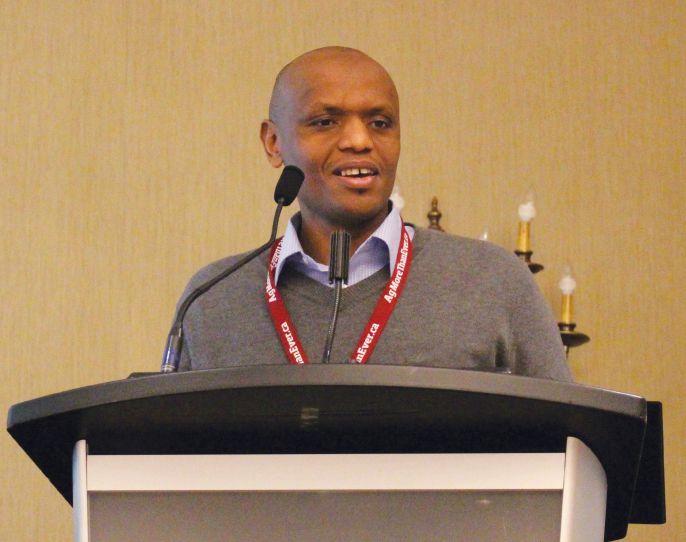
Elijah Kiarie hasn’t lost sight of the fact that the poultry industry is a business. He knows farmers want to maximize their income and they want their farms to be sustainable. As the newly appointed assistant professor in poultry nutrition in the department of animal biosciences at the University of Guelph, he intends to lead the establishment of a world-class program in poultry nutrition with a focus on improving feed efficiency to help that important bottom line.
As farmers know, feed is more than 60 per cent of the cost of production. In Ontario alone, Kiarie estimated that with 200 million 2.4 kg broiler birds, improving feed efficiency by just one per cent would save the farmers in Ontario about $3 million. Across the country that would translate to $10 million in savings over half a billion birds per year.
But when Kiarie uses the term “feed efficiency,” it’s not just your typical feed to gain ratio. Feed efficiency can mean so much more than that.
What if birds could get more from their feed? The typical excretion rate on a corn/soy diet is up to 15 per cent. What if that could be reduced to 10 per cent? That would be more efficient. As hens are housed in larger spaces, will more nutrients be directed to activity rather than productivity, reducing feed efficiency?
Bone health is also a huge issue: the
DR. ELIJAH KIARIE
In his new role at the University of Guelph, Kiarie will pull together students, researchers, and funding from industry and government for projects and ultimately develop industry workers, bringing all these minds together to work as a team to help to place Ontario as a leader in collaborative, world-class poultry research.
early nutrition received by the chick plays an important part in the strength of the skeletal system. That is part of a field called epigenetics – a field of research investigating how genes are expressed, right from pre-hatch. Can the chick get a better start?
What about antimicrobial use? Both governments and consumers are looking for alternatives. Can probiotics provide a solution? While Kiarie acknowledges manipulating the gut microflora involves more than just nutrition, with management factors also coming into play, what if slight changes in feed can reduce the need
for antimicrobials in the first place?
These are just some of the questions to which Kiarie will be seeking answers. So far he has defined several issues that may be implicated in sub-optimal production, from variability in feed ingredients and the ability of the bird to digest their food, to water quality issues, high gut microbial loads, subclinical and clinical disease, leg problems, and environmental stress from ammonia. For both eggs and meat, these issues may represent areas where commercial production can be brought closer to genetic potential through nutrition.
Laying Hens: a Practica L g uide for Layer f ocused Manage M ent
Not all poultry farmers maximise the full potential of their birds. Both kept in cage or floor systems, for a good performance during the production period, the management should be correct and efficient. But how do you know that what you are doing is right? Your chickens continuously send out signals: about their health, how well they know their way around their surroundings and whether they feel happy and comfortable.
Do you recognise the signals your chickens are giving? Do you know the difference between abnormal, runny droppings and healthy caecal droppings? Are you able to identify abnormalities of the egg and trace this back to the cause? And do something about it?
If you recognise the signs that point to potential problems, then make sure you are armed with information to take the appropriate steps to get your flock back on track. But to do so, you must know all the ins and outs of your own farm and be able to assess the impact these changes will have on your animals.
All of these issues can be traced back to gut microbes. There are more than 400 species of bacteria in the gut – how can we make them happy? When you feed the bird you feed the chicken but you’re also feeding the gut microbes: improving efficiency means you want to only feed the bacteria the chicken needs. As Kiarie says, “If you’re feeding the wrong microbes, you’re wasting feed.“
The chicken is affected in a 360-degree cycle, he explains, starting with the fundamentals: a strong gut and skeletal system to perform. If you don’t have a good gut and skeleton you’ve missed an opportunity to deal with what he calls an “addressable gap.” In this cyclic pattern a chick grows on maternal nutrition, so the mother needs to be healthy; we can’t just look at the chick in isolation. With this cycle in mind, Kiarie is looking at the broiler breeders to address egg size and body weight management.
Kiarie earned his PhD at the University of Manitoba and his undergraduate and masters degrees at the University of Nairobi. He has been a research scientist at DuPont Industrial Biosciences since 2011. In his new role at the University of Guelph he will pull together students, researchers, and funding from industry and government for projects and ultimately develop industry workers, bringing all these minds together to work as a team to help to place Ontario as a leader in collaborative, worldclass poultry research.
The current specific areas of focus for the poultry nutrition plan include neonatal nutrition, immunity and epigenetic responses; dietary factors that affect gut function and health, performance, and product quality; feed additives to improve gut health and feed utilization; researching alternatives to anti-coccidials and antibiotics; and looking at feedstuffs and processing methods.
Kiarie continues to work closely with monogastric and gut microbiology colleagues from the University of Manitoba where he researched different feeding strategies to improve gastrointestinal health and nutrient use in pigs and poultry.
During the first several months of his new job, Kiarie has met with producers at regional meetings, with industry groups and has spoken with feed company representatives and nutritionists to establish what issues are relevant to the Ontario and Canadian poultry industry. From here he will begin to generate letters of intent for research projects while continuing to publish his own research. While his task is complex, he says his greatest joy still involves answering questions from producers and training students.
His professorship position was made possible thanks to a donation by Ontario poultry farmers James and Brenda McIntosh to the university in 2013.n
Production From Field to Flock
Integrating poultry and crop units yields success for McGee Colony
BY TED SEFTON AND KAYLA PRICE, ALLTECH CANADA
In 2014, Canadian farmers produced more than 595 million dozen eggs per year and had eight straight years of sales growth. According to a recent study by Egg Farmers of Canada, it takes 69 per cent less water and half the amount of feed today to produce a dozen eggs, while hens are producing nearly 50 per cent more and are living longer than they did 50 years ago.
Layer operations across the U.S. and Canada are progressing, and this fact is evident when visiting the layer operation at McGee Colony, recognized by Star Egg Company in 2015 with a first place finish in Saskatchewan for reaching the dozen eggs per bird and cost per dozen eggs quota.
As of 2014, Agriculture and AgriFood Canada (AAFC) listed the average Canadian flock size at 20,192 hens; however, Canadian egg farms can range from a few hundred to more than 400,000 hens. The average laying hen produces approximately 305 eggs per year (25.4 dozen). The Bovan standard is 353 eggs per hen housed at 78 weeks.
The flock of 16,200 Bovan White managed by Jerry Mandel and his father John Mandel boasted a production of 370 eggs per hen housed, with 106 grams of feed intake per hen per day at 78 weeks, in 2015. The number of eggs produced was above the Bovan standard, while the feed intake per hen per day was below the Bovan standard. Jerry and John emphasize that they had great help in earning the plaque from Star Egg Company that was presented to them at
Jerry Mandel (above) and his father John have been successful with integrating crop and poultry units
the Saskatchewan Egg Producers annual meeting.
“Part of making this program work is good teamwork, with everyone making sure the hens get the best nutrition, health and management care,” said Jerry.
McGee Colony, located near Rosetown, Saskatchewan, is named after the site of the old village of McGee. The poultry barn and associated equipment are fairly new and well-maintained. Even so, there are challenges that need to be met.
The well water’s pH level measures around 9. This is closely monitored and adjusted to 6.5 via acidification of the water on a continual basis. As a result, chlorination of the water is achieved
with a more acidic pH, as chlorination works at its optimum for water sanitation with a pH around 5–6.5.
The flock is an integral part of the colony. The feed is produced on-farm in a computerized mill, and the grains are grown specifically for use by the flock. Being located in the Rosetown area means wheat is the cereal of choice, not corn. By milling their wheat, McGee Colony was able to change to a larger screen (a 1-inch screen) with several advantages:
• There are less broken kernels. This reduces feed separation as it goes through the travelling hopper feed delivery system.
• Whole wheat causes more feed grinding in the gizzard, so more
endogenous enzymes are mixed with the feed. Feed passage is then slowed, allowing for better digestion and thus gut health.
• Less electricity is required.
• Faster feed throughput is achieved at the mill.
The integration of the poultry unit on the farm means the field crop operation is influenced by the poultry operation and the poultry operation is in turn influenced by the field crop operation. Manure is handled so that it is dried as rapidly as possible and initial moisture content is observed constantly. Incoming water, as mentioned above, is treated to optimize pH as well as with chlorine. This combination helps to avoid excessively wet droppings.
McGee’s rations do not contain meat meal, so their nutritionist at EMF Nutrition pays close attention to the osmotic balance of the ration, which
Production
also helps to reduce the fecal moisture. The inclusion of a yucca plant extract technology helps to reduce ammonia in the barn while also lowering the amount of ventilation required in the winter to remove ammonia, thus allowing for ease of maintaining daytime temperatures at 20 degrees Celsius and nighttime temperatures at 22 degrees Celsius in the winter.
The manure, which is removed to the storage room at the end of the barn, has heated air from the barn drawn over it as it is exhausted from the barn. This also helps to further dry the manure. The dry manure is then removed from the storage area and allowed to cure before it is applied as fertilizer on the fields. From this process, less nitrogen escapes from dry manure. The less the nitrogen escapes from the manure and the better bound the nitrogen is, the higher the nitrogen content is in the
manure that is applied to the fields.
McGee Colony also includes an enzyme technology in their rations to increase the digestibility of plantbased ingredients, thus reducing the need for supplemental phosphorus and decreasing the phosphorus levels in the manure. By lowering manure phosphorus and increasing nitrogen, McGee Colony can minimize the land required to accept the phosphorus while maximizing the amount of nitrogen applied from the manure. This nutrient management plan helps to reduce the nitrogen fertilizer required to meet the needs for next year’s crop.
Next year, the colony will be using a foliar-applied source of micronutrients on the land growing wheat for the poultry unit. This micronutrient application helps to optimize plant growth and harvest yield. Higher yield means less land required to grow crops for the poultry unit and more land for cash crops. Higher yield also means more nutrients removed, and the poultry manure can be spread over the land with less time and less fuel. McGee Colony has also implemented some of the programs other successful layer operations have shared within the industry. Dave Coburn of Coburn Farms spoke about its “Best Flock Ever” (Canadian Poultry, April 2012), and mentioned including the Alltech Poultry Pak® program in addition to the use of large particle sizes to stimulate the gizzard. Both of these methods were implemented in the Coburn Farms program to improve gut health and ultimately egg production. McGee Colony has also incorporated both of these programs to maximize their eggs per quota and feed efficiency. With these programs in place, in addition to improving soil management and yield with effective soil nutrient management, McGee Colony is successfully building a sustainable agricultural program.
“The eggshells are better, even with the older 70 week birds, and we have less eggshell cracks than before,” said Jerry. “The birds are keeping their feathers longer and they always appear to be active.” n
Research Vaccine strategies for Campylobacter
UofG researchers aim to develop useful vaccine for control of Campylobacter jejuni in poultry.
BY NERINE T. JOSEPH PH.D., LIVESTOCK RESEARCH INNOVATION CORPORATION, ON BEHALF OF THE POULTRY INDUSTRY COUNCIL
The objective in vaccinating chickens against Campylobacter is to reduce intestinal colonization and contamination of chicken meat products. Existing experimental vaccines are not able to induce a sufficiently strong immune response, and provide no or little of protection against Campylobacter colonization. There is no commercially available vaccine against Campylobacter for chickens despite many attempts to develop one.
A collaborative project between the laboratories of Prof. Shayan Sharif and Prof. Mario Monterio from the University of Guelph was initiated to try to develop an effective vaccine against Campylobacter in chickens. A prototype vaccine consisting of capsular carbohydrates of C. jejuni conjugated with a carrier (CPSconj) developed by Prof. Monterio, formed the basis of the vaccine development in the current study. Prof. Mopnterios’ CPSconj carrier has previously shown efficacy in a primate model. The efficacy of vaccination for reducing C. jejuni colonization of chicken intestinal tissues was assessed. Three administered doses of the prepared CPSconj vaccine resulted in a detectable antibody response in 75 per cent of specific pathogen free birds. Whereas vaccination of commercial broiler
Dr. Sharif and his research team have demonstrated that it is possible to employ a subunit vaccine for reducing Campylobacter jejuni in chickens.
chicks resulted in a detectable antibody response in 33 per cent of orally challenged birds. Overall, the in vivo findings show CPSconj vaccinated birds had significantly lower numbers of C. jejuni in intestinal tissue when compared to non-vaccinated birds.
The study went on to identify an immune response enhancer which is termed an “adjuvant”, with the specific capacity to induce immune responses in cells of the chicken intestine for inclusion in the prototype vaccine or as a standalone prophylactic compound. In vitro studies demonstrated that adjuvant CpGODN elicited the highest activation of cell signaling molecules prevalent in immune responses and was therefore selected as the optimum mucosal vaccine adjuvant. To target the selected adjuvant to the intes-
tine of chickens and ensure slow release of the adjuvant at the site of infection, a delivery system based on encapsulating the adjuvant into specific nanoparticles was employed. Results demonstrated that CpGODN administration reduced bacterial burden in the intestine and encapsulation of the CpG-ODN resulted in a greater decrease of bacterial burden in the chicken intestine.
Overall, Dr. Sharif and his research team have demonstrated that it is possible to employ a subunit vaccine for reducing Campylobacter jejuni in chickens. Additionally, the research team has provided evidence for CpG-ODN as a standalone anti-bacterial prophylactic strategy. Dr. Sharif and his research team will continue to explore better ways for control of Campylobacter jejuni through the use of vaccines, immune stimulants and probiotics.n
VACCINE DEVELOPMENT
Fostering fresh ideas for our industry
Egg Farmers of Canada supports research in areas that will shape the future of egg farming in Canada, particularly with a focus on environment and sustainability. Our research chair program is led by thought leaders in their fields who are committed to research and innovation.
Visit eggfarmers.ca to find out more.
Encourager les idées nouvelles dans notre industrie
Les Producteurs d’œufs du Canada appuient la recherche dans des secteurs qui contribueront à façonner l’avenir de la production d’œufs au Canada, en misant spécialement sur l’environnement et la durabilité. Notre programme de chaires de recherche est dirigé par des chefs de file qui se consacrent à la recherche et à l’innovation.
Pour en savoir plus, visitez producteursdoeufs.ca
Meet our new Egg Industry Research Chair in Sustainability: Dr. Nathan Pelletier
Egg Farmers of Canada has recently expanded our research network and program to include a new Egg Industry Research Chair in Sustainability, Dr. Nathan Pelletier at the University of British Columbia (Okanagan Campus). Dr. Pelletier’s research focuses on the environment and sustainability in relation to the Canadian egg industry.
Faites la rencontre du nouveau titulaire de la chaire de recherche en durabilité : le Dr Nathan Pelletier
Les Producteurs d’œufs du Canada ont récemment élargi leur réseau et programme de recherche en nommant le Dr Nathan Pelletier comme titulaire de la chaire de recherche en durabilité (Campus Okanagan). Les recherches du Dr Pelletier mettent l’accent sur l’industrie canadienne des œufs en rapport avec l’environnement et la durabilité.
Marketing EggCentric TV
How Canadian egg farmers tell their own story
BY MELANIE EPP
Producers face a great many challenges, from increasing red tape to unaffordable land prices from market instability to climate change. But there’s one challenge that Egg Farmers of Canada (EFC) CEO Tim Lambert thinks will trump the others: social license. Addressing the challenge head on, EFC created EggCentric TV, an online television network where eggs – and those who produce them –come first.
WHAT IS SOCIAL LICENSE?
Generally speaking, social license refers to a community’s acceptance or approval of the businesses that operate within it. Social license sits outside of the regulatory system. It is not something that can be purchased; it is earned through transparency, solid communication, meaningful dialogue, and ethical and responsible behavior. The concept of social license isn’t new. In recent years, though, it has become increasingly important for businesses, like those operated by Canada’s farming community, to connect with the general public to establish open, genuine dialogue.
“I believe that the whole concept of social license and public trust is the next big challenge in not just agriculture, but the whole of society in business, faces,” said Lambert. Transparency is key, he continued. “More and more, we need to communicate who we are, what we do and how we’re doing it.
CONTROL THE MEDIA, CONTROL THE MESSAGE
For too long, mainstream media has had
EFC has created EggCentric TV, an online televsion network that bypasses traditional media to tell the good news stories of eggs and egg production
the cornerstone on story telling. And while farmers were in the fields or in the barns, mainstream media was working on its next big exposé.
“The problem we have is who tells our story,” said Lambert. “On the cage side of the debate, the story is told by animal welfare or animal rights activists.”
Ordinary journalists, said Lambert, have tried to put “feel good” stories out and failed. “The major newspapers choose not to cover it from our side because there’s no excitement in telling a good
news story,” he said.
Lambert knew, though, that Canada’s egg farmers had plenty of good stories to tell, so instead of seeking traditional coverage he decided to sidestep it altogether. The result: EggCentric TV.
“It’s a way of bypassing traditional media who will frame the story the way they want to tell it, not the way it is,” said Lambert. “We will be able to use this platform in so many ways, across the world, to tell the story of the egg industry and what a brilliant story it is.”
ONLINE NETWORK
TELLING THE GOOD NEWS STORIES
When Lambert first starting exploring the idea of EggCentric TV he worried that there wouldn’t be enough content to justify the project. In order for the project to be a success, he knew that content would have to be regularly updated. Once they got going, though, he and his team quickly realized that content is virtually endless. “We started by thinking in terms of all of the cooking programs, so celebrity chefs and recipes,” he said. “But there’s a much bigger opportunity. A much broader opportunity.”
Today, EggCentric TV features healthy recipes created by Canada’s top celebrity chefs. Individual programs highlight the nutritional value of eggs, and show viewers how eggs are produced. They focus on animal care, different housing systems and how eggs are produced sustainably.
“EggCentric TV is the absolute ideal platform for us to build our public trust and social license,” said Lambert. “Why? Because it’s our platform.”
Sarah Caron is the lead on the EggCentric TV project. She says that the platform allows them to reach an evergrowing population of Internet users and digital video viewers. “Households around the world with connected TVs are expected to double in the next five years,” she said. “That is a growth of 835 percent in just 10 years.
“Streaming media gives consumers more convenience, more options and better programming than traditional TV can offer,” she continued. “This gives consumers control over what they watch – whenever and wherever they want.”
EggCentric TV is available through Apple TV, as well as Roku, a streaming media player that connect your TV to your home Internet connection. Roku is available in the US, the UK, Ireland, France and Mexico. Each month, new countries are added to that list.
“Eggcentric TV has been successful on Roku from the beginning, averaging over 1,000 visits per week from global users,” said Caron. “Worldwide interest in eggs
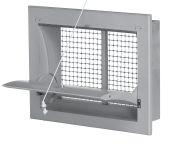
• Exacon’s brand name since 1987
• Available in sizes 12” to 60”
• White or Black polyethylene flush mount housings
• Designed to meet the rigorous demands of farm/agricultural ventilation
• Energy efficient Multifan, MFlex or North American motors
• Fiberglass housings available in 50” and 60” diameter
TPI WALL AND CEILING INLETS
• TPI is a well known manufacturer of high quality polyurethane inlets
• High quality and high insulation value results in precise manufacturing delivering high tolerance for better ventilation control
• Wall inlets, ceiling inlets and tunnel inlets
• TPI wind hoods and wind hoods with built-in light trap also available
PUR AG AIR FILTRATION SYSTEM
• High quality L7 Pathogen barrier filter with pre-filter significantly reduces the chance of air transmitted diseases. (ie bird flu and other influenza viruses)
• Clarcor provides a complete system such as filter housing frame designed for eaves and side air inlets
• This system makes installation of filters easy and practical plus reduces the risk of nonfiltered air from entering the building
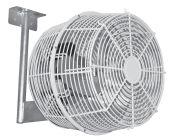
GREENBREEZE BASKET FAN
• Designed for more air flow and consistent pattern
• Precise guard spacing reduces air restriction
• Easy to open front guard allows easy cleaning
• Includes hanging bracket to allow direction adjustment
• Variable speed, efficient motor
GENIUS I-TOUCH VENTILATION CONTROL
• The well known and proven Genius control line is now available as a Touchscreen interface
• Navigates like an I-Pad by simply touching, swiping or dragging on a 7” or 10” touch screen
• Available with up to 8 variable stages and between 15 to 30 on/off relays
• A slave is available to expand to 50 on/off relays
• Many options including light control, bird scales, perch scales and bin scales
• Built-in wifi allows easy access to the internet for managing, viewing and recording history on FarmQuest website
LIGHT TRAP/DARK OUT
• High light reduction
• Low resistance to air flow
• Simple Installation
• Easy to clean
• Uses P.V.C. snap release spacers
is amazing. Eggcentric TV features engaging video content from social influencers and celebrity chefs. It aims to share simple and delicious recipes, [and offers] tricks and tips that inspire consumers to create and enjoy egg dishes at home.”
To build excitement, Roku and her team load content and share it on social media, including Facebook, Twitter, Pinterest and YouTube. At last count, total social engagements, likes and retweets, reached over 300,000. Total impressions, the number of times an ad has been seen, reached 25.5 million.
“And we just have our own Canadian content up,” said Lambert.
While EFC is committed to new content every week, the organization hopes that egg producers from other nations will join them in sharing the message. They too, he said, should view social license as the next big thing. n
RONNIE P. CONS, EVP C&C PACKING INC.
The Negative Effects of Noise on Chickens PERSPECTIVES
Chickens, like all vertebrates, are governed by a circadian rhythm that is governed by the natural light/dark cycle of day and night. As such, chickens mostly rest and are inactive at night, especially when it is dark. Although they do rest during the daylight hours, most of their feeding and activity is performed during this time.
Studies show that just as in humans, major abrupt changes to the day/night cycle of the chickens, such as waking up the chickens at night with loud noises, will lead to stressed and anxious chickens.
In addition, studies have shown that loud noises such as found near airports, rail road tracks or loud hydraulic or pneumatic equipment and machinery close to the chickens leads to lower egg production, stunted growth, higher blood pressure, stress and fatigue in the birds. A study has shown that loud noise simulating noisy ventilation fans and operational machines found at slaughterhouses led to increased plasma corticosteroids, cholesterol and total protein.1 This study recommended the control of noise pollution near the chickens and chicks.
Other studies show that noise levels past the 85 dB level can lead to a decreased feed intake of between 15 to 25 per cent. Lower feed intake stunts chicken growth — something the poultry farmer or processor does not want.
5. Avoid repairs and renovations with noisy equipment, especially during the rest and sleep hours of the chickens
6. Muffle noisy equipment.
7. Make sure that family members do not honk the car horn too often during chicken sleep hours.
8. Investigate “active noise control” - a noise cancelation anti-noise system that produces sound waves of the same amplitude as the noise pollution, but in opposite polarity causing a cancelling of the noise pollution.
9. Train employees and family members to respect the sleep hours of the chickens - they should not be screaming out to each other, joking etc. around sleeping chickens.
Everybody gains by respecting the chickens need not to be exposed to high levels of noise pollution
We simply see that it’s about common sense and respect. We need to respect the fact that chickens are living beings that need many of the same things that we need, including a good night’s sleep and some peace and quiet during the day. We just have to sensitize ourselves by imaging how we feel when we are woken up while we are asleep. We feel grouchy the next day and are less productive in the office. If we internalize this reality, we will treat the chickens with more respect, which not only is the proper thing to do, but it is actual good business sense.
But all is not lost. Below are some tips and advice to reduce the noise level to an acceptable and healthier level leading to happier and healthier chickens – both psychologically and physically.
First identify the sources of noise pollution equipment. Use a sound measuring tool if necessary.
1. Erect sound barrier secondary glazing in windows.
2. Establish your chicken farm in a quiet area away from airports and industrial areas and rail yards.
3. Maintain your ventilation fans and feeding machines making sure they are not producing excess noise.
4. Try to buy machines that produce the least noise possible.
The results will be healthier, bigger chickens. Thus, everybody gains by respecting the chickens needs not to be exposed to high levels of noise pollution: the commercial poultry farmer, the backyard chicken farmer enthusiast, the processor and the chickens. n
Ronnie P. Cons is EVP of C&C Packing Inc., a leading Canadian distributor of meat and poultry. He can be contacted at Rcons@ CCpacking.com. Visit at www.CCpacking.com
1Stress in Broiler Chickens Due to Acute Noise Exposure (2009) Chloupek et. Al Acta Veterinaria Brno, 78:93-98.
• Designed to grow healthier birds and produce superior results
• Birds stay out and feed stays in
• Pans open simultaneously for easy clean out
• Pans easily adjusts with a turn of a crank as birds grow
• The rectangular shape of Butterfly feeder eliminates the barriers created by round pans
• Keep your existing system, simply upgrade to Butterfly feeders
• Specially designed Ziggity watering systems provide birds with the right amount of fresh water without spillage at every stage of growth with easy to activate side-to-side drinkers
• Results prove that Max3 Drinkers consistently produce exceptional bird performance: including weight, feed conversion, livability and undergrades
• Made of higher grade materials, Max3 drinkers are more resistant to wear and chemical attack for long-term performance
• Easy to install, Easily upgrade to Ziggity drinkers