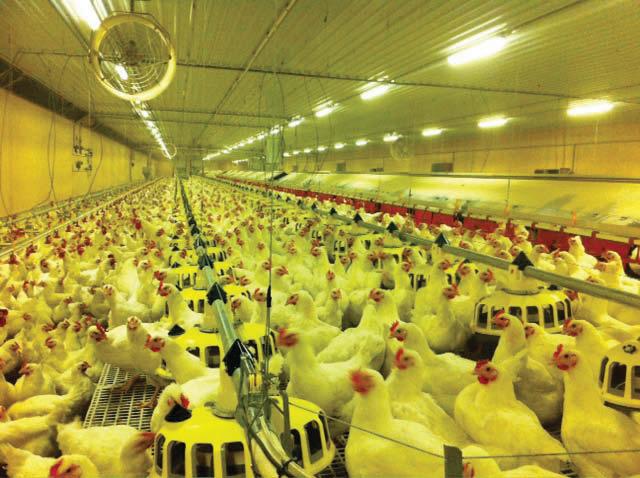
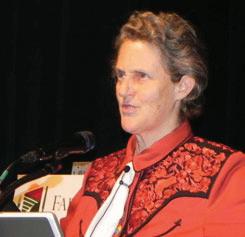
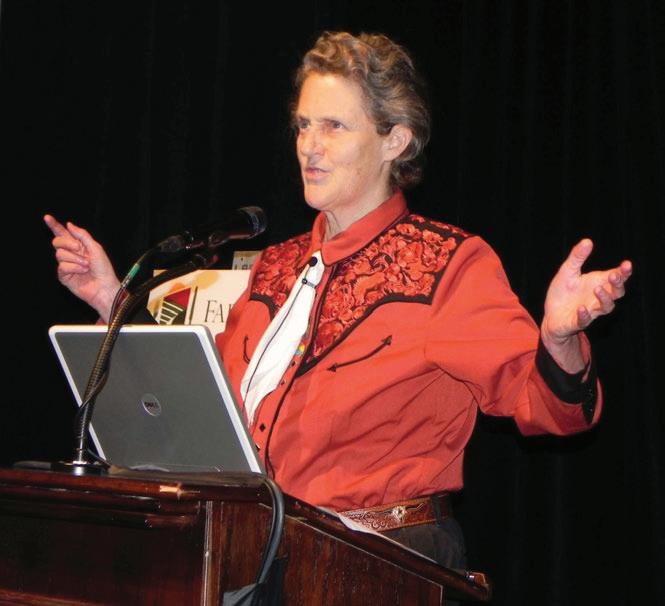
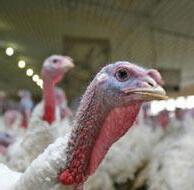
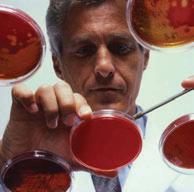
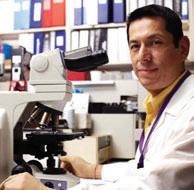
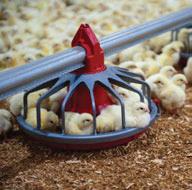
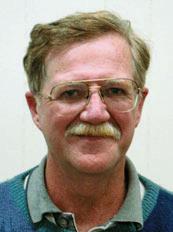
Dr. Temple Grandin discussed the importance of animal behaviour and public education
By Melanie Epp
16
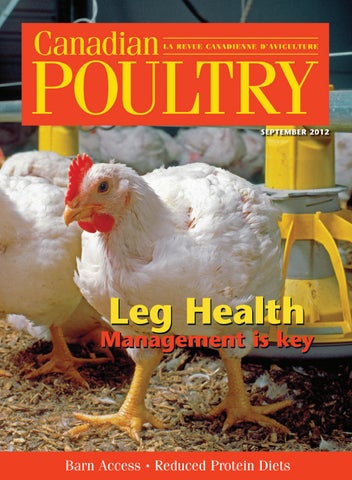
MANAGEMENT: Leg Health
Good management is key for maintaining leg health
By Kristy Nudds
20
RESEARCH: Less Does Not Mean More
The protein concentration and the total amount of energy available in broiler feed can greatly affect production, according to new research
By Fernando I.L. Hernandez and Martin J. Zuidhof
26
PIC UPDATE: Who’s Getting Into Your Barn?
Biosecurity is key to keeping the health and welfare of the animals inside in check. By Chanelle Taylor, Dr. Michele Guerin, Dr. Gregory Bedecarrats, Sarah Thomson and Dayna Sills
30
RESEARCH: Metagenomics Offer Insight
A new molecular technique, the ability to analyze mixed communities of microbes, is helping poultry scientists identify new viruses and bacteria
By Sandra Avant, United States Department of Agriculture
COVER PHOTO BY DAVID BARR
FROM THE EDITOR
BY KRISTY NUDDS
Drought Disaster
The old saying that corn should be “knee-high by the Fourth of July” certainly did not hold true for much of the North American corn crop this year. As of early August, corn in some areas of Ontario and the United States is barely knee-high, and is withering away, unlikely to recover even after a few days of steady rain.
The 2012 corn crop was predicted by the United States Department of Agriculture to be a bumper one when seeding rates were tallied. Just days ahead of its Aug. 10 report, analysts are predicting a yield nearly 20 per cent lower than last year’s.
The scarcity of rain and scorching temperatures across the U.S. corn belt have been called “unprecedented” and many farmers have said they’ve never seen drought conditions like these. Ontario, too, is feeling the heat – some areas in the southwestern and eastern parts of the province are experiencing the worst drought in a generation, and crops are suffering.
Reduced yields and increased prices have led economists in the United States and Canada to estimate that food prices will increase by approximately three to four per cent in the coming year, putting pressure on households already cashstrapped from a slow-growing economy.
The drought has also reignited the foodversus-fuel debate. In 2005, the United States Environmental Protection Agency developed the Renewable Fuels Standard (RFS) program, which requires that 7.5 billion gallons of renewable fuel (the majority of this being ethanol from corn) be blended into gasoline by 2012. In 2007 this was increased to 13.2 billion gallons of corn-based ethanol, which is equivalent to roughly 4.7 billion bushels. Depending on what is harvested, this means that as much as four to six bushels out of 10 will be used for ethanol production.
Given that startling statistic, it is not surprising that a coalition of poultry and livestock groups have asked the EPA to waive the federal RFS mandate for 2012 and for the first half of 2013. They were joined by a bipartisan group of 156 members of Congress, who, when the RFS was created, pointed out in a letter to the EPA that unforeseen circumstances would require the EPA to “exercise flexibility” and urged the EPA to consider a “fair and meaningful nationwide adjustment to the Renewable Fuels Standard.”
At press time, the EPA has not made such an adjustment. The U.S. farm bill has also been stalled, although Republican leaders in the U.S. House of Representatives have proposed a $383 million disaster relief package that is aimed primarily at cattle and sheep producers. Crop growers will benefit from crop insurance; however, U.S. poultry producers are left without a significant safety net. President Barack Obama has urged Congress to pass the farm bill, saying, “Congress needs to pass a farm bill that will not only provide important disaster relief tools but also make necessary reforms and give farmers the certainty they deserve.”
Neither the relief package nor the farm bill were approved before the House took a five-week break in August; however, Obama has said he hopes lawmakers get an “earful” from constituents and return on Sept. 10 ready to work.
It will be interesting to see how the United States reacts to this disaster, and to what extent trickle-down effects will be felt globally, as so many countries are reliant directly or indirectly on the U.S. corn crop. If hot, dry summers are to be the “new normal” – as weather analysts predict – governments need to put serious thought, and funding, into future agriculture and energy policies.
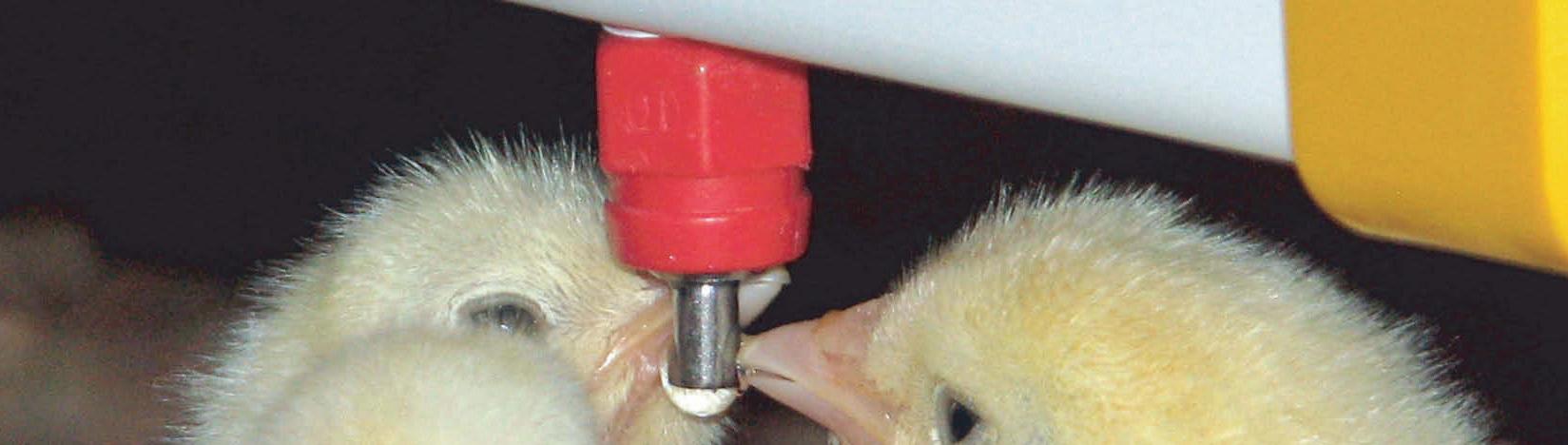
ing'sLub all-new OptiGROW Nipple is designed e work in today's challenging broiler environment. to w ause the nipple has been Beca optimized for growth, will be amazed by the first-week performance you explosive bird growth. and OptiGROW offers: W
Glass-Pac Canada
St. Jacobs, Ontario
Tel: (519) 664.3811
Fax: (519) 664.3003
Carstairs, Alberta
Tel: (403) 337-3767
Fax: (403) 337-3590 Scan code for details
J. Dean Williamson Ltd.
London, Ontario
Tel: (519) 657.5231
Fax: (519) 657.4092
Large body and pin
Acid resistant design
Easy triggering for day-old birds
Low mortality
Increased side-action flow
Larger flow range for jumbo birds
Increased weight gains
Improved feed conversions
Les Equipments Avipor
Cowansville, Quebec
Tel: (450) 263.6222
Fax: (450) 263.9021
Specht-Canada Inc . Stony Plain, Alberta
Tel: (780) 963.4795
Fax: (780) 963.5034
Canadians Commit to Animal Care WHAT’S HATCHING HATCHING
The Chicken Farmers of Canada (CFC) and all 10 provincial chicken marketing boards celebrated the implementation of the CFC Animal Care Program at the CFC Summer Meeting in Winnipeg by signing a memorandum of understanding for the implementation and certification of services.
The Animal Care Program is a comprehensive program that stipulates animal care production requirements to ensure animal care standards. This signing reflects the commitment of all 10 provincial chicken boards and Chicken Farmers of Canada to implement and maintain a comprehensive national animal care program and demonstrates the level of animal care on Canadian chicken farms.
The Canadian Federation of Humane Societies, the
Canadian Veterinary Medical Association, the Canadian Poultry and Egg Processors Council, the Further Poultry Processors Council, the Canadian Restaurant and Foodservices Association, and the Canadian Federation of Independent Grocers have supported the program’s implementation.
“The commitment demonstrated in signing this memorandum of understanding is confirmed by the accomplishment of so many Canadian chicken farmers to achieve certification, which enhances the many reasons that we are proud to grow the chicken Canadians trust,” indicated Dave Janzen, chairman of CFC.
The majority of chicken farmers have achieved certification on the program; this number is expected to continue to rise as farms undergo the animal care audit, which is being conducted in conjunc-
tion with their annual on-farm food safety assurance program audit. Two provinces, Alberta and Prince Edward Island, have already achieved 100 per cent certification and several other provinces will be in the same position within months.
The CFC received an investment of up to $72,500 from the federal government and will use this investment to undergo an audit of its on-farm food safety system, helping to ensure that the chicken industry follows topnotch safety procedures and practices. The CFC will then proceed to the final stage of the Canadian Food Inspection Agency’s On-Farm Food Safety Recognition Program. This national program follows the Hazard Analysis of Critical Control Points (HACCP) principles to make sure that potential food safety problems are caught before products leave the farm gate.
Weeden Environments Receives Key Patent
The Canadian Intellectual Property Office (CIPO) has issued a key patent covering
the concept of using sprinkler systems for cooling poultry and promoting physical activity to Weeden Environments. Patent App Serial No. 2,692,900 entitled “System and Method for Cooling and Promoting Physical Activity of Poultry” was issued on July 3, 2012.
In times of extreme heat, chickens and turkeys will sit down, pant and are in danger of heat prostration mortality. When the Weeden
Sprinkler is activated, water droplets fall onto the birds, causing them to stand up and release the captured heat underneath. This heat rises and is removed by the fans. Customers have found this drastically reduces heatrelated mortality.
While promoting activity, the Weeden Sprinkler System also reduces particulate matter (dust) levels, creating an improved environment for both the birds and the workers.
Alberta Veterinarian Wins Prestigious Award
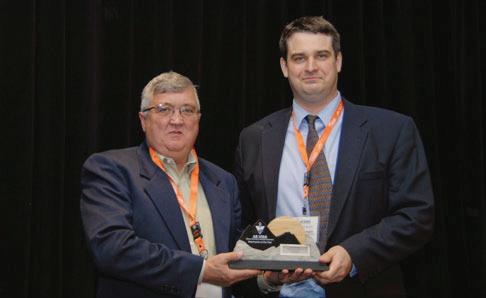
Dr. Thomas Inglis (right) was given the Veterinarian of the Year Award by Dr. Merle Olson of the Alberta Veterinary Medical Association in Edmonton on Feb. 11, 2012, and is the first poultry veterinarian to receive this prestigious award. The award is presented to a member of the association who has made an outstanding contribution to veterinary medicine or science as a registered veterinarian.
Inglis formed the Poultry Health Services as a private practice to serve the poultry industry in Alberta, as well as provides consultations to poultry processors such as Lilydale and helped
SEPTEMBER
September 25-27, 2012
Poultry Service Industry Workshop (PSIW) The Banff Centre, Banff, Alta. visit: www.poultryworkshop.com
OCTOBER
October 2, 2012
Western Meeting of Poultry Clinicians and Pathologists (WestVet 23) Ramada Inn and Conference Centre, Abbotsford, B.C. (**please note the location change from previous years). e-mail:stewart.ritchie@ canadianpoultry.ca or visit: www.westvet.com
October 2-4, 2012
Setting the Stage for Success: Managing Breeders in the 21st century Airdrie Agricultural Centre, Airdrie, Alta. To register, please visit: www.regonline.ca/managingbreeders
NOVEMBER
advance and create new industry tests to improve biosecurity and increase production.
He has also developed and implemented autogenous vaccines to address failures within
the industry, which has led to antibiotic-free production of boilers and done copious amounts of research on bird welfare and establishing adequate stunning procedures.
Government Invests in Feeding Management
The Alberta Hatching Egg Producers recently received a $240,000 investment from the federal government to help develop a precision broiler breeder feeding
system that provides the right amount of feed to the right bird at the right time, with the goal of keeping birds fit and reducing waste.
The new system is expected to improve production by taking the guesswork out of
feed allocation. This integrated feeding management solution is expected to achieve improved flock uniformity and increased chick production for the Canadian hatching egg industry.
November 2-3, 2012 Organic Connections Conference and Tradeshow Conexus Art Centre, Regina, Sask. visit: www.organicconnections.ca or e-mail: info@ organicconnections.ca
November 21, 2012
Le Rendez-vous avicole AQINAC 2012 Best Western Hôtel Universel, Drummondville, Que. For more information, tel: (450)799-2440, or visit: www.aqinac.com
The Alberta Veterinary Medical Association has named Dr. Tom Inglis as Veterinarian of the Year
Photo courtesy AVMA
WHAT’S
HATCHING HATCHING
U.S. Groups Defend Production Methods
John Glisson, director of research programs at the U.S. Poultry & Egg Association, and Ashley Peterson, vice-president of science and technology at the National Chicken Council, offered a scientific perspective on the claims that certain chemical and antimicrobial residues were found in chicken “feather meal,” and thus are fed to chickens.
For instance, the study in question used a small sample size from 4 lb. and 22 lb. bags
of feather meal. “The U.S. poultry industry does not use 4 lb. and 22 lb. bags of feather meal in its commercial feed formulations, and industry experts speculate that the material in these bags were intended to be used as organic fertilizer and not as a source of feed,” Glisson and Peterson wrote.
The letter responding to the article in Men’s Journal can be viewed here: http:// www.uspoultry.org/pwire/files/ MensJournal_USPOULTRY_ NCC_LettertoEditor.pdf
Merial Holds Forum in Rome
More than 250 veterinarians and poultry production specialists from 36 countries in Europe, the Middle East, North and South America and Africa participated in the Merial Avian Forum in Italy’s capital city in early July.
The Forum provided an opportunity to share updates on avian immunosuppressive diseases and novel vector vaccine technology. Over the course of the three-day Forum, participants heard presentations on the latest science relating to poultry immunity from a dozen world-recognized experts in their respective fields. The wide range of
JANUARY 2013
January 28-31, 2013
International Poultry Exposition (IPE), International Feed Exposition (IFE) and American Meat Institute (AMI) tradeshow Georgia World Congress Center, Atlanta, Ga. visit: www.ipe11.org
FEBRUARY
February 5-7, 2013 Canadian International Farm Show International Centre, Mississauga, Ont. visit: www.masterpromotions.ca
MARCH
March 6-8, 2013 London Farm Show Western Fair District, London, Ont.
For more information, visit: http://www.westernfairdistrict.com
APRIL
subjects included the basics of the avian immune system, Infectious Bursal Disease (IBD) and Marek’s Disease (MD) on chickens, and control of the diseases, as well as an overview of the history of vaccine development and a preview of future developments.
Research and testimonials from Europe and Asia were also presented validating that, beyond IBD and MD protection, Merial’s VAXXITEK HVT+IBD vaccine provides full protection of the immune system in broilers and layers, enabling even better production performances of birds.
April 10-11, 2013 London Poultry Show Progress Building, Western Fair District, London, Ont. For more information, visit: www.westernfairdistrict.com
We welcome additions to our Coming Events section. To ensure publication at least one month prior to the event, please send your event information at least eight to 12 weeks in advance to: Canadian Poultry, Annex Business Media, P.O. Box 530, 105 Donly Dr. S., Simcoe, Ont. N3Y 4N5; e-mail knudds@annexweb.com; or fax 519-429-3094.
Welfare Understanding the Animals in Your Life
Improving facilities are key, says Temple Grandin
BY MELANIE EPP
If you work with people who actually work with animals, you can, in turn, really improve animal welfare. The second part of that is if you improve the facilities that the animals are moved through and handled in, you’ll again improve those animals’ lives. And if you take those two as a powerful combination – working with the people and the facilities –and add that up, it leads to exponential improvements in animal welfare.”
That was how Crystal MacKay, executive director of Farm & Food Care, introduced Dr. Temple Grandin – the woman who needs no introduction –when Grandin presented Understanding the Animals in Your Life at the Living Arts Centre in Mississauga in June. Grandin is renowned throughout the world for her development of humane livestockhandling systems and had two important take-home messages for attendees: be more observant and, whenever possible, teach the general public about what you do.
ON BEING MORE OBSERVANT
Animals notice little things that we tend not to such as a beam of light, a coat on a fence or a shiny reflection,” said Grandin. “And sometimes you just need to make a little change in lighting and the problem is solved because animal thinking is sensory-based and very specific.”
Although animals are not the same as humans, they do have emotions and do get stressed, she said. The core systems
Dr. Temple Grandin said that farmers should be more observant of the animals in their farms.
that drive their behaviours are fear, rage, panic and seeking.
“They’re not afraid of getting slaughtered,” said Grandin. “They’re afraid of things like sudden movement, darkness or loud sounds.”
“And then you have another emotion, which is separation distress,” she said. “The neuroscientists call it ‘panic,’ but I really don’t like this term because it gets confused with fear – they’re two separate brain systems.”
Dr. Grandin is autistic and, therefore,
a visual thinker, like animals, which gives her a unique perspective and insight when it comes to understanding animal behaviour. “Animal thinking is very specific,” she said, “because it’s sensory-based, not word-based. I want to try and get you away from thinking through language.”
When animals are forced to do things, they experience “fear stress.” However, if you do not force them and allow them to go voluntarily, that emotion is never experienced. In essence, you want to make sure that their first experience
BEHAVIOUR MATTERS
Welfare
is a good one, she said, because if it isn’t, then they will always associate that action or thing with fear. Because animals are thinking-specific, they get fear memories and the problem with those memories is that you can never totally erase them, said Grandin.
For example, there was a horse that had a frightening experience at a vet clinic. At the time of the incident, the man who had caused the fear was wearing a black hat. After that incident, the horse was afraid of all black hats because it associated the hat with the memory of the fear experience.
With this understanding, Grandin recommends that farmers properly prepare their animals before they go to slaughter by getting them accustomed to people walking through the barn.
“I think it’s extremely important for people to walk through their finishing barn, and get the animals accustomed to people walking through them, because pigs differentiate between a man in the pen and a man in the alley,” she said. “You see; if the first time the pig’s experiencing a man in the pen is the day it’s shipped out to the slaughter plant, they’re
going to go berserk. You need to get pigs used to having people walk through.”
The same concept, she said, applies to poultry. “Where you’re going to have trouble, and where it doesn’t work great, is if that farmer hasn’t walked that barn,” she warns. “…Turkeys go berserk. And I’ve seen that with chickens too. Before you get there, as a custom crew catching those turkeys, that farmer needs to have walked through that barn – not the day before – so they don’t freak out.”
ON EDUCATING THE PUBLIC
Educating the public could solve a lot of the problems in agriculture, Grandin said. “People don’t know the most basic things,” she said. “There are school kids that think that eggs grow in the ground like potatoes.”
Grandin suggests that growers and producers share knowledge through YouTube videos. “When you type ‘cattle rancher’ or ‘feedlot’ in YouTube, you get a lot of pictures of people doing just normal stuff like feed trucks dishing up some grain, or loaders scooping up some feed,” she said. “That may be chores
to you, but to a lot of people in nonagricultural fields, a loader scooping up feed is interesting.”
For those who raise poultry, and as a good example of what can be done with cameras, Grandin suggests looking at J.S. West’s chicken cam – a live chicken camera in an enriched cage system.
ON CHICKENS
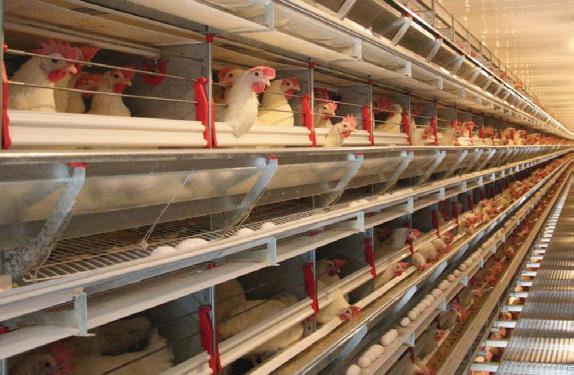
“I’ve seen some furnished caged systems – or enriched cage systems – that give a hen some of the things that she actually wants, like a private nest box,” said Grandin.
“There are certain things that a hen wants,” she explains. “She wants a private place to lay her eggs, because when chickens lived out in the wild if she laid her eggs in the clearing, then a fox ate them. If she hid in the bushes, then the fox didn’t eat them. So you have an instinctual behaviour motivated by fear to hide. That’s why they need a private nest box.
“They also want perches and a place to scratch and then full height, so they can walk their little walk,” she continues. “And express their chicken-ness.”
GRANDIN SAYS THAT BEFORE SLAUGHTER, FARMERS SHOULD PREPARE THE ANIMALS BY WALKING THROUGH THE BARNS.
CPRC Update
Research Sponsorship Program
The CPRC is an industry-led organization with a mandate to support poultry research in Canada through funding, communication of research results and research-related activities, such as co-ordinating conferences and meetings on industry research priorities. CPRC has a number of projects underway in addition to our regular activities and two of these are now complete.
CPRC takes great pleasure in announcing our new Research Sponsorship Program that has been initiated with the support of Aviagen Inc., our inaugural sponsor. Sponsor contributions will be used to enhance member organization annual funding to support the increasing demand for industry research funds. For example, this year’s CPRC call for Letters of Intent generated 34 submissions compared to 29 in 2011 and 18 five years ago. Requests for CPRC project funding this year totalled more than $1.75 million, supporting $7.75 million in total research, while this year’s core funding budget is $300,000. Government funding organizations are increasingly looking to industry funding to show a commitment to research and ensure that funds are allocated to address industry priorities.
A recent review of CPRC-funded research projects showed that all parts of the poultry value chain benefit from the discoveries, including producers, feed suppliers, animal health care companies and professionals, processors, distributors, and consumers. The Research Sponsorship Program provides a simple method for all industry stakeholders to support ongoing poultry research that benefits us all.
CPRC’s Research Sponsorship Program offers a range of support levels to allow industry stakeholders to choose a spon-
sorship option that fits their budget. Details of the Research Sponsorship Program, sponsor benefits and an application can be found on our website at www.cp-rc.ca/sponsorship.php. CPRC’s board and member organizations thank Aviagen Inc. for its leadership in supporting Canadian poultry research.
Development of the National Research Strategy for Canada’s Poultry Sector is another major endeavour that CPRC has co-ordinated over the past few years. The strategy was developed with input from industry, the research community and other stakeholders. CPRC and its member organizations held several meetings seeking input to the strategy, including a conference in May 2010 that brought together industry representatives, researchers and government to discuss research issues, opportunities and challenges. Follow-up workshops and discussions were held with national and provincial industry organizations through CPRC’s member organizations and their board representatives.
A draft strategy was circulated among industry this spring for review, with comments to be incorporated in the final document. The National Research Strategy for Canada’s Poultry Sector was approved by the CPRC board in July and is available at www.cp-rc.ca/news.php under the “Strategic Planning” heading. The strategy is a “living document” that will be reviewed regularly and updated as required. The updated report will also be available on CPRC’s website.
The strategy is designed as a general roadmap to help guide Canadian poultry research efforts over the next several years. Its focus is based on co-operation, co-ordination and communication, so that all those involved in Canadian
poultry research are working together to develop the most effective and efficient research system possible.
The strategy identifies research goals that the industry has identified as important under themes including economic viability, genetics, food safety, antimicrobials, poultry health and welfare, environment, functional and innovative products, and poultry feedstuffs. The goals will help funding organizations identify projects that will move us closer to achieving industry objectives.
While the document includes a discussion of the approach that will be followed to implement the strategy, it is not a detailed action plan. Part of the implementation is to develop one that is acceptable to industry and is realistic. This will include a governance structure, methods for updating the strategy to respond to changes and opportunities, and identifying the stakeholder responsibilities in the strategy implementation and administration.
For more details on any CPRC activities, please contact the Canadian Poultry Research Council, 350 Sparks Street, Suite 1007, Ottawa, Ontario K1R 7S8, phone: 613-566-5916, fax: 613-241-5999, e-mail: info@cp-rc.ca, or visit us at www.cp-rc.ca.
The membership of the CPRC consists of the Chicken Farmers of Canada, the Canadian Hatching Egg Producers, the Turkey Farmers of Canada, the Egg Farmers of Canada and the Canadian Poultry and Egg Processors’ Council. CPRC’s mission is to address its members’ needs through dynamic leadership in the creation and implementation of programs for poultry research in Canada, which may also include societal concerns. CPRC’s new contact information is available at www.cp-rc.ca.
Management Leg Health
Good management is key for preventing problems
by Kristy Nudds
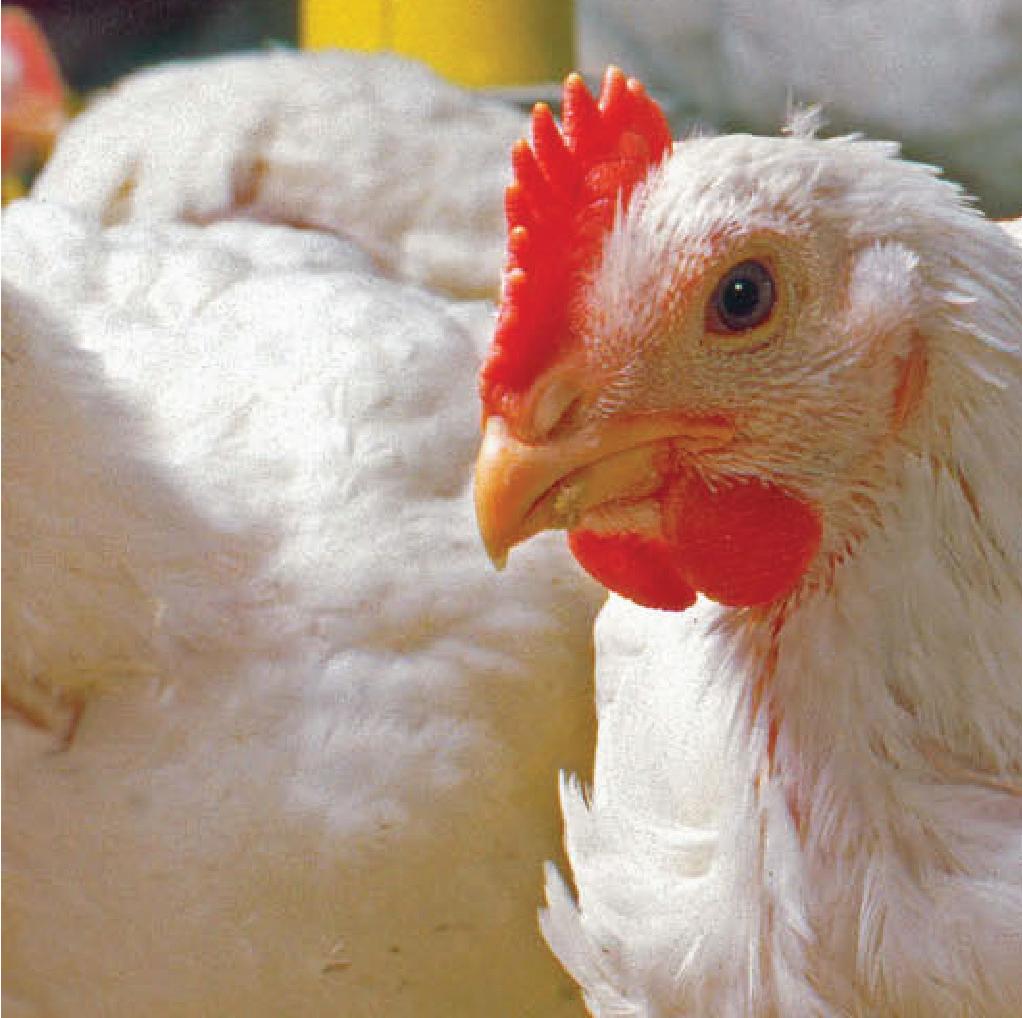
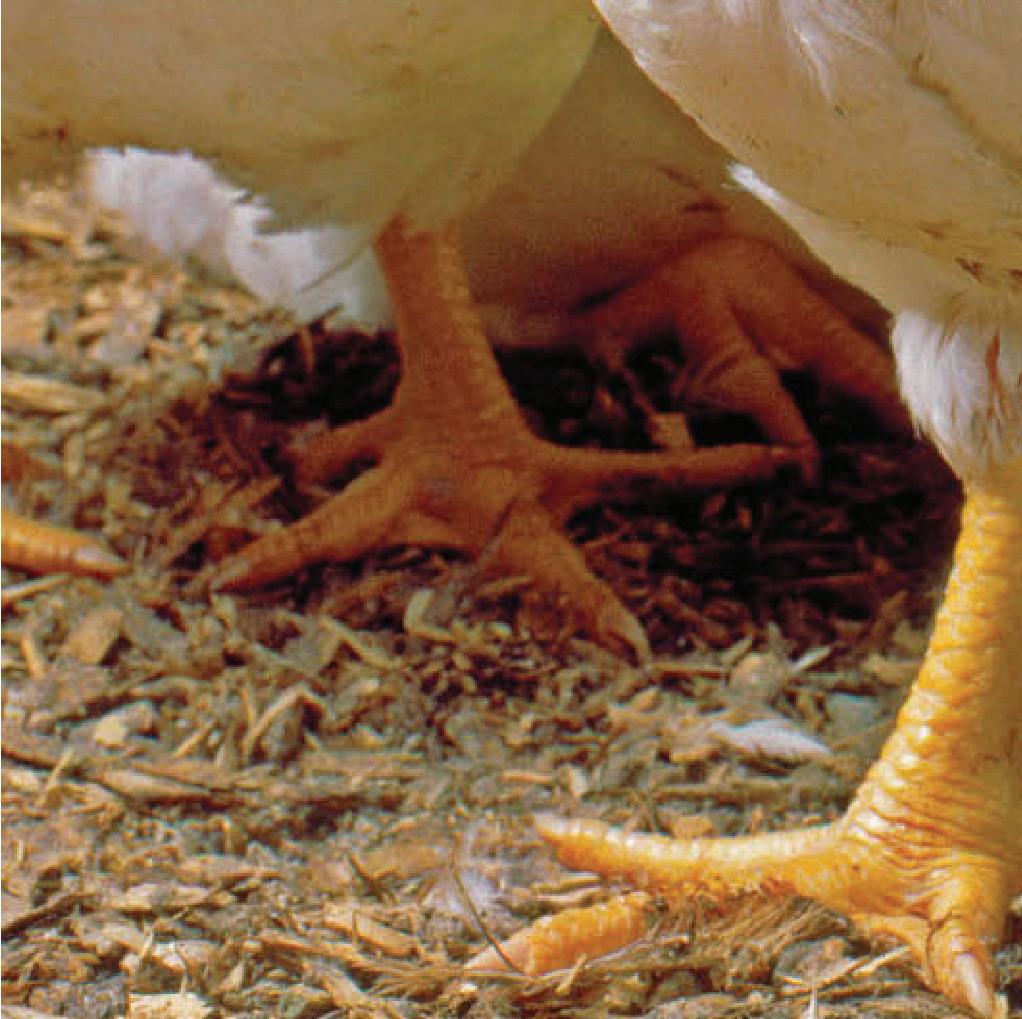
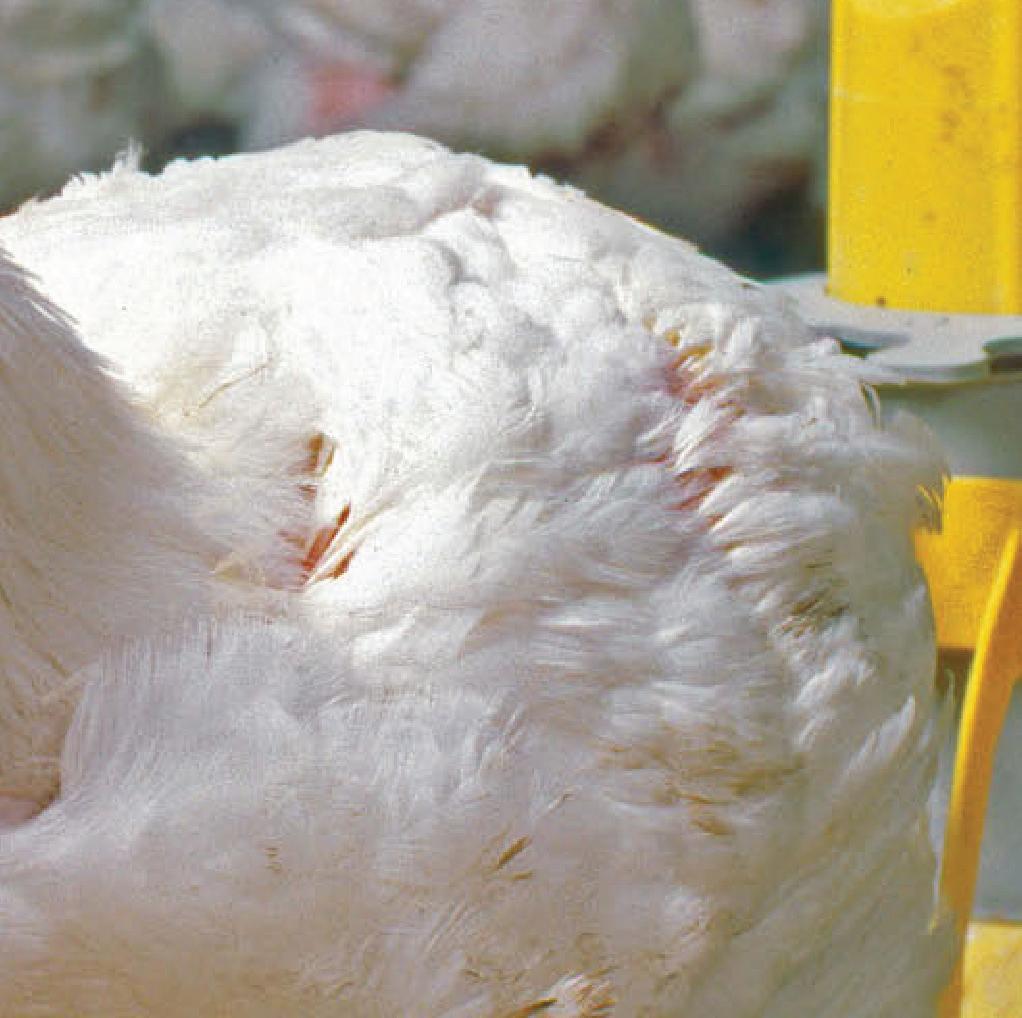
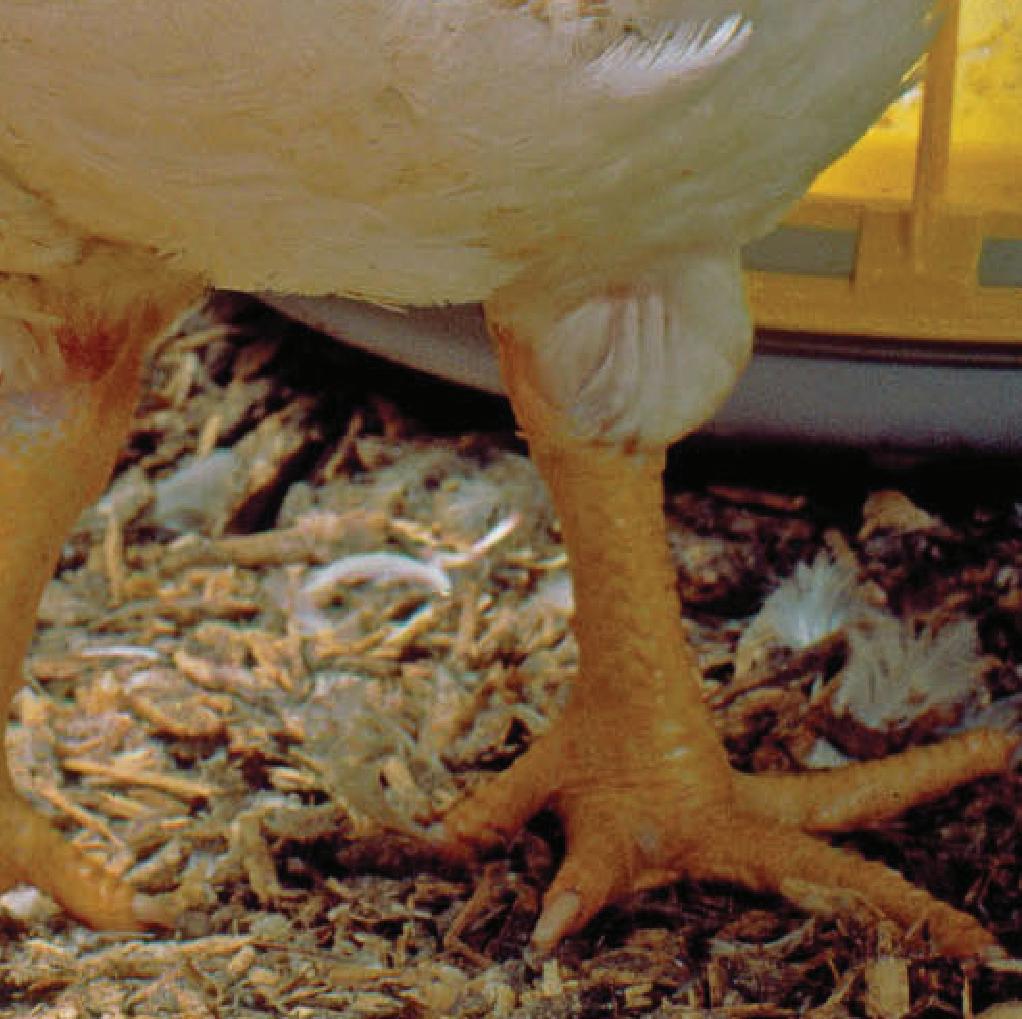
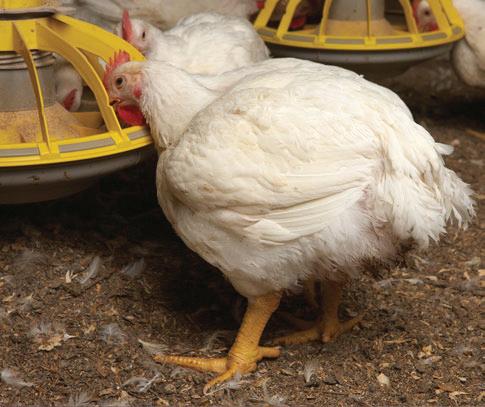
Lameness and poor locomotion in broiler chickens can not only affect production performance, but has welfare implications as well. Poor gait scores can negatively affect welfare audits and results in sub-optimal performance. Flocks with good leg health grow to their genetic potential, have better feed conversion rates and result in fewer processing downgrades.
Lameness and poor locomotion in broilers is caused by either non-infectious conditions (ie. bone deformities) and infectious causes (ie. bacteria and viruses) and inadequate nutrition, or a combination of each. Genetic selection has, for the most part, greatly reduced the incidence of non-infectious causes of leg problems. But good barn and bird management can play a large role in the prevention of infectious causes.
MANAGEMENT MATTERS
Aviagen’s Dr. Nick Dorko says that in addition to good barn management and decreasing environmental stress on the birds, preventing disease is essential for preventing leg problems.
Aviagen Group Inc. held a “Science to the Field” seminar on the topic of leg health in mid-April preceding the London Poultry Show in London, Ont. Several renowned speakers were featured and gave their insights from the field and research on leg health, what common problems are seen in the field and how improvements have been made through genetics and how management is key for preventing leg problems caused by infectious agents.
GENETIC IMPROVEMENT
There is growing societal concern that rapid growth rate results in poor leg health, and thus affects the welfare of broilers. In the past 50 years, the growth rate of broilers has increased 300
per cent due to intense genetic selection.
Dr. Derek Emmerson, vice-president of research and innovation with Aviagen, says that in the past, the focus on genetic improvement was solely on growth, however, leg strength and skeletal structure and integrity became a focus for the company starting in the 1970s. Since the company has such large pedigree population, it allows geneticists to have a large genetic pool to work with and allows for a high selection intensity.
Intense selection led to a great reduction in metabolic diseases such as ascites, and Tibial Dyschondroplasia, a leg deformity. The breeding company employs various systems to identify birds with poor leg health, including the use of x-rays and ultrasounds and assessing gait scores to remove birds with potential problems from the breeding stock.
Anne Marie Neeteson, vice president of welfare and compliance at Aviagen, says that in Canada, the company is fortunate to have access to processing data collected by the Canadian Food Inspection Agency (CFIA), which helps it to determine the incidence of leg problems occurring in the field, which in turn helps it develop selection programs.
Both Emmerson and Neeteson noted that genetic progress does not happen overnight — it takes four years to see improvement and select traits from grandparent stock to see the results at the processor level. “It’s a challenging task, but not impossible,” says Neeteson. A large part of the challenge, says Emmerson, is that selecting traits to improve leg health, metabolic health, liveability, etc. is that the selection does not account for environmental influences.
“Genetics is not everything,” says Neeteson. “A large influencer is being a good farmer.”
COMMON LEG PROBLEMS
Dr. Nick Dorko, Global Head of Veterinary Technical Services for Aviagen, reviewed the common leg problems in broilers.
Rickets, TD – Both Rickets and Tibial Dychondroplasia (TD) result from an abnormality in the formation of bone and the growth plate. Rickets is a disease of young, growing animals while TD is most often seen in broilers greater than 20 days of age. The abnormalities are often associated with dietary insufficiencies of calcium (Ca), phosphorus (P), or vitamin D3, or an imbalance in the Ca:P ratio.
As noted by Emmerson, Aviagen has been selecting against TD and Dorko agrees, saying that he doesn’t see this as having a genetic component anymore, but rather the cause is usually related to feed and/or a gut issue.
Problems due to infectious agents – Bacterial and viral challenges in the flock due to poor barn hygiene, stress, density, poor feeder and water spacing, poor litter quality, improper ventilation and poor water quality can result in leg problems such as Bacterial Chondronecrosis with Osteomyelitis (BCO), Synovitis, “Kinky Back” (Vertebral Osteoarthritis), and “Green Leg”.
Bacteria, particularly Staphylococcus aureus, can travel to bone
and cause infection if given the opportunity (via scratches, the feet, vaccination). This bacteria is ubiquitous in environments where poultry are hatched, reared, and processed, says Dorko. Reoviruses can cause arthritis and have been implicated as a cause of malabsorption syndrome, which can be an indirect cause of leg problems.
Resolving the cause of leg problems is often difficult because the causes are often multifactorial, he says. He feels that in addition to good barn management and decreasing environmental stress on the birds, the prevention of respiratory, enteric (gut) and immunosuppressive diseases is essential for preventing leg problems.
PREVENTION AND CONTROL
Nutrition – Dr. Mark DeBeer, global head of nutrition for Aviagen, noted that feed formulation problems, although uncommon, can contribute to leg problems. However, factors that can affect malabsorption of nutrients (such as disease and infectious agents) are the primary issue.
He says “some of the things we do that we think increase bone strength really don’t.” It was previously believed that Ca and P were key for promoting bone development and growth rate, however it is now becoming clear that Vitamin D3 is the main driver. “Getting all three of these nutrients at the right
FLOCKS WITH GOOD LEG HEALTH GROW TO THEIR GENETIC POTENTIAL, HAVE BETTER FEED CONVERSION RATES AND RESULT IN FEWER PROCESSING DOWNGRADES.
Photo by David Barr
Management
ratios and levels in the feed is key for success,” he says.
It’s known that Vitamin3 can increase muscle growth by increasing breast yield, although how this occurs is not yet known, and it is currently being researched, he says.
Dr. Nick Dorko says that dietary insufficiencies of Vitamin D, Ca and P is usually caused by improper levels in the feed, or a problem with feed handling — feed that is old or has been stored during hot weather can result in the destruction of vitamin D or other fat soluble vitamins. Moulds and fungus can also destroy nutrients, he says. One thing all farms should do, says Darko, is to retain a feed sample from each delivery until the end of the flock so that it can be tested if problems should arise. “It sounds simple, but many people don’t do this.”
Malabsorption of Ca, P or Vitamin D can be caused by a damaged intestine or decreased liver function, and from a depressed feed intake (either not enough feed is available, or weak birds have resulted from poor brooding management). Indirect causes include diarrhea and digestive issues (resulting from enteric viruses, coccidiosis, poor quality feed), mycotoxins (these can cause liver damage), the wrong form of Vitamin D in the feed (ie. D2 instead of D3).
Both DeBeer and Dorko noted that the improper use of phytase can also be a contributing factor. The function of phytase can be affected by improper application and mixing, matrix values
DR. DEREK EMMERSON SAYS INTENSE SELECTION HAS RESULTED IN A REDUCTION IN SOME METABOLIC AND LEG PROBLEMS.
and degradation.
Lighting – It was once believed that near-continuous light (23 hours per day) was necessary to achieve the growth potential in broilers. However, recent research by Karen Schwean-Lardner and Hank Classen, both with the Department of Animal and Poultry Science at the University of Saskatchewan, has dispelled this myth and has shown that a reduction in the hours of light per day will still promote growth while keeping the health and welfare of the birds in mind.
Schwean-Lardner and Classen examined the growth and welfare performance of broilers raised under four different lighting programs: 14L:10D, 17L:7D, 20L:4D, and 23L:1D, beginning at seven days of
age. All of the birds were raised using 23 hours of light for the first seven days.
Performance data showed that providing more hours of darkness compared to near-continuous light slowed early growth, but resulted in market growth rates as good or better than near-continuous lighting. Of the four lighting regimes, birds raised using the 20L:4D had the best growth performance at market age and similar to the other programs using longer dark periods, resulted in improved health and welfare.
Compared to near-continuous light, providing a longer dark period resulted in improvements in economically important traits, such as: improved feed conversion, improved growth rates, and a reduction in mortality, particularly mortality resulting from metabolic and skeletal issues.
This research is now part of an Aviagen technical document for producers “Lighting for Broilers”, which is available on Aviagen’s website.
BROODING MANAGEMENT
Dr. Stew Ritchie of Canadian Poultry Consultants Ltd. in Abbotsford, B.C., concluded the day with a discussion of the Platinum Brooding® program, which he developed with his business partner Dr. Bill Cox to help poultry producers give their flocks the best early start, thereby preventing issues that can affect performance, including leg problems.
As noted by other presenters, failures during the brooding period can have significant consequences on bird health and performance. The program provides hands-on training for producers on brooding practices and disease prevention, and has been so successful that Aviagen has now partnered with it to provide the program across Canada in the coming year, as well as offering the course for U.S. producers with the University of Georgia.
Ritchie says that optimal brooding establishes steady state eating patterns early, which improves performance parameters, which significantly benefits animal welfare and food safety as well.
The effectiveness of a single dose of VAXXITEK HVT + IBD against Marek’s and Gumboro Diseases has been proven in over 66 countries.
Our team appreciates your confidence which has helped us build the path of success for VAXXITEK HVT + IBD.
Research Less Does Not Mean More
Using less protein in broiler feed affects production
BY FERNANDO I.L. HERNANDEZ AND MARTIN J. ZUIDHOF
One of the most important aspects of raising broilers is keeping track of the protein content within your feed. Lowering the crude protein (CP) content of broiler diets may reduce feed cost and allow for the use of alternative feedstuffs (such as wheat and wheat by-products), but reducing dietary CP has been shown to reduce growth performance.1,2 In addition to reduced efficiency in growth, carcass composition becomes inferior in broilers fed diets in which CP has been lowered by more than three per cent, even when all known nutrient requirements are met.3-7 Nutritionists and producers should be aware of the implications of reducing the protein level below recommended levels. Reductions of broiler performance could have serious effects on the whole industry. For example, high fat levels in broiler chickens can be a problem for rotisseries as cooking trays overflow with fat, and poor flock uniformity is possible if an increasing proportion of the flock fails to achieve its growth potential, and this will affect efficiency in the processing plant.8,9 Because protein accounts for such a significant part of the total cost of feed and overall health of the animal, it affects many aspects of broiler performance and profitability. Therefore, our approach was to feed different energy and protein levels to broilers and evaluate their growth and processing characteristics as part of a large nutritional optimization study.10
NUTRITION MATTERS
Reducing the protein below the recommended level could make feed less expensive, but also reduce profitability, performance and feed conversion.
THE EXPERIMENT
After 11 days, birds were fed metabolizable energy (ME) levels at 94, 97, or 100 per cent, as well as five levels of dietary balanced protein ranging from 85 to 115 per cent in 7.5 per cent increments of recommended protein levels based on the Cobb-Vantress recommendations for maximum growth rate and feed conversion ratio (FCR). Body weights and feed intakes were obtained weekly for 56 days, and carcass yield was measured biweekly from 28 to 56 days. The research evaluated the effects of three levels of energy and five levels of energy; however, the focus here is on the effects of reducing protein level in the diets of broilers.
RESULTS
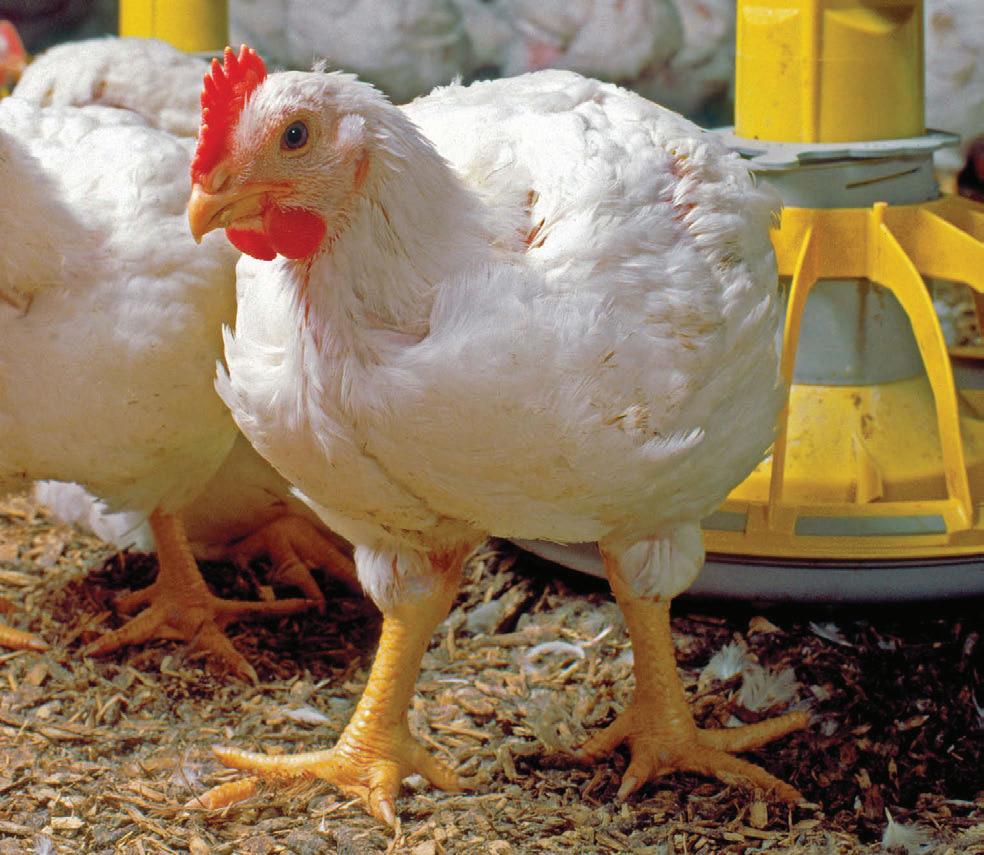
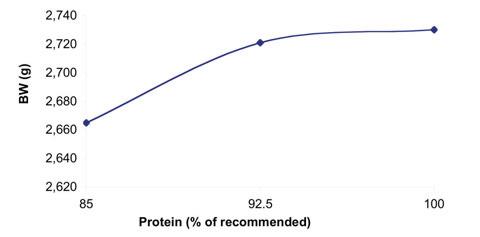
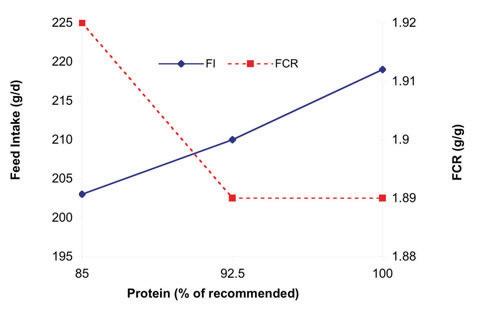
Our results show that reducing protein levels below the recommended levels could have deleterious effects on birds. At 42 days, reduction in protein levels significantly reduced body weight, as seen in Figure 1. At the same time, as the protein level in the feed increased, feed intake increased and FCR was reduced (Figure 2).
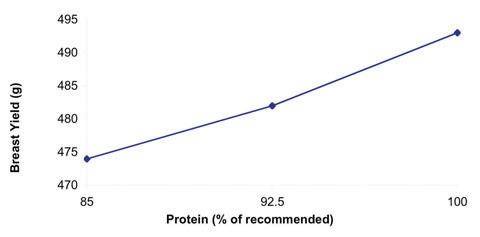
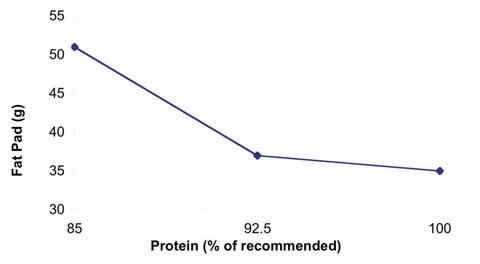
Of all the portions of the broiler carcass, the most highly valued is the breast muscle, which we found was highly influenced by the amount of protein present. By reducing protein levels, we observed up to four per cent reduction in breast yield (Figure 3). On the other hand, the abdominal fat pad increased up
Photo by David Barr
There are plenty of phytase choices in the market, each trying to break through the clutter by introducing a unique “benefit” that may not be any benefit to you at all.
At DSM we’ve decided to level the playing field. The bottom line: when comparing phytase sources, all that matters is the cost of grams of product form to release equivalent amounts of phosporus.
You can learn more about how to evaluate phytase by going to www.phytasefacts.com.
Research
to 31 per cent when protein levels were reduced below recommended levels, as seen in Figure 4.
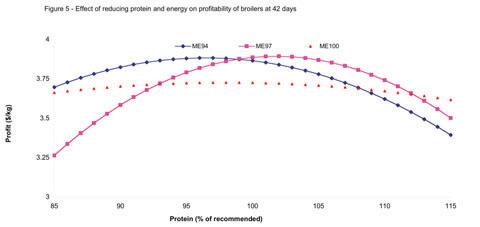
Farms are a business, and profitability depends on the cost of feed and the income generated from the sale of broilers, carcasses and/or portions. In this case, the cut-up scenario at 42 days is provided in Figure 5 (on page 24). Reducing protein at different levels of energy generally reduced profit, as shown by the curve patterns shows by 94 and 97 ME. The highest reduction in profit was found at 97 per cent level of recommended energy with 85 per cent of the recommended amount of protein.
However, the optimum protein:energy level found in this study was 102 per cent of recommended protein and 97 per cent of recommended energy. Therefore, to increase profit, the total energy should be decreased by three per cent, but the total protein should be increased by two per cent above the recommended value.
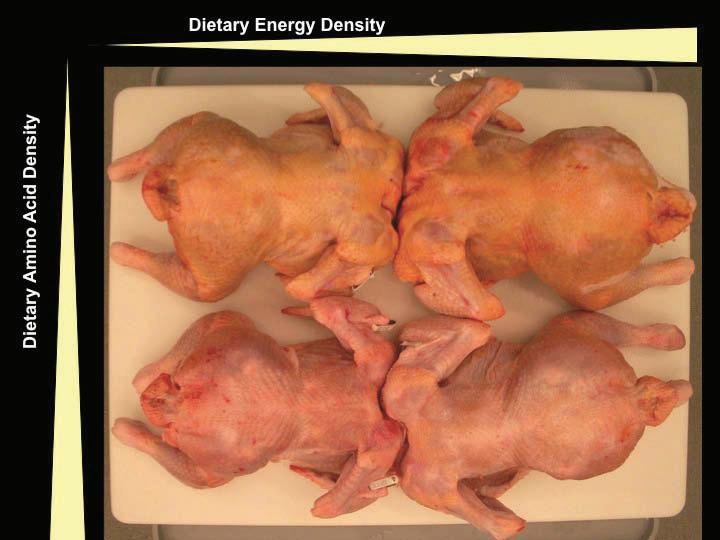
The profitability of the 100 per cent ME, as seen in Figure 5, is much lower than both 94 and 97 ME until the protein value surpasses 105 per cent. This is due to the fact that the highest amount of ME results in a large increase of fat in the broilers, which can be seen in Figure 6, as seen on page 24.
PRICE VERSUS PROFIT
Reducing the protein level as much as 15 per cent below the recommended level could make feed less expensive but also reduces profitability, broiler performance, feed intake and feed conversion.
Acknowledgments: The Alberta Livestock Industry Development Fund, Agriculture and Food Council, Alberta Chicken Producers, Poultry Industry Council, Cobb-Vantress Inc., Alberta Agriculture and Rural Development New Initiatives Fund, Maple Leaf Poultry, Lilydale, and Archer Daniels Midland provided funding for this work. Full references and citations are available upon request.
REFERENCES
1. Parr, J.F., and J.D. Summers. 1991. The effects of minimizing amino acid excesses in broiler diets. Poult. Sci. 70:1540-1549.
2. Moran, E.T., Jr., and B. Stilborn. 1996. Effect of glutamic acid on broiler given sub-marginal crude protein with adequate essential amino acids using feeds high and low in potassium. Poult. Sci. 75:120-129.
3. Fancher, B.I., and L.S. Jensen. 1989. Dietary protein level and essential amino acid content: Influence upon female broiler performance during the grower period. Poult. Sci. 68:897–908.
4. Aletor, V.A., I.I. Hamid, E. Niess, and E. Pfeffer. 2000. Low protein amino acids supplemented diets in broiler chickens: Effects on performance, carcass characteristics, whole body composition and efficiencies of nutrient utilization. J. Sci. Food Agric. 80:547–554.
5. Bregendahl, K., J.L. Sell, and D.R. Zimmerman. 2002. Effect of low-protein diets on growth performance and body composition of broiler chickens. Poult. Sci. 81:1156–1167.
6. Sterling, K.G., D.V. Vedenov, G.M. Pesti, and R.I. Bakalli. 2005. Economically optimal crude protein and lysine levels for starting broiler chicks. Poult. Sci. 84:29–36.
7. Waldroup, P.W., Q. Jiang, and C.A. Fritts. 2005. Effects of
FIGURE 1 – THE EFFECTS OF REDUCING PROTEIN LEVELS ON BROILER PERFORMANCES
FIGURE 2 – THE EFFECT OF REDUCING PROTEIN LEVELS ON FEED INTAKE AND FEED CONVERSION RATIO (FCR)
FIGURE 3 – THE EFFECT OF REDUCING PROTEIN LEVELS ON BREAST YIELD
FIGURE 4 – THE EFFECT OF REDUCING PROTEIN LEVELS ON THE ABDOMINAL FAT PAD
Research
supplementing broiler diets low in crude protein with essential and nonessential amino acids. Int. J. Poult. Sci. 4:425–431.
8. Eits, R.M., R.P. Kwakkel, M.W.A. Verstegen, and G.G. Emmans. 2003. Responses of broiler chickens to dietary protein: effects of early life protein nutrition on later responses. BBr. Poult. Sci. 44:398-409.
9. Kamran, Z., M. Sarwar, M. Nisa, M.A. Nadeem, S. Mahmood, M.E. Babar and S. Ahmed. 2008. Effect of low-protein diets having constant energy-to-protein ratio on performance and carcass characteristics of broiler chickens from one to thirtyfive days of age.
Zuidhof, M.J., F.I.L. Hernandez, M.R.A. Renema, B.L. Schneider, and D.R. Korver. 2008. Formulation of broiler diets to maximize carcass yield and quality. Invited presentation. Proceedings of the 29th Western Nutrition Conference. Edmonton, AB. September 23-24, 2008.
10.
FIGURE 5 – THE EFFECTS OF REDUCING PROTEIN AND ENERGY ON PROFITABILITY OF BROILERS AT 42 DAYS
FIGURE 6 – THE EFFECTS OF VARYING AMINO ACID AND ENERGY DENSITIES ON FAT CONCENTRATION IN BROILERS
PIC Update
Who’s Getting into Your Barn?
Tips for controlling barn access
BY CHANELLE TAYLOR1, DR. MICHELE GUERIN1, DR. GREGORY BEDECARRATS1, SARAH THOMSON2 AND DAYNA SILLS2
1 UNIVERSITY OF GUELPH
2 POULTRY INDUSTRY COUNCIL
Keeping barns safe and secure is one of the best things you can do to keep the health and welfare of your birds in check. Once poultry facilities are contaminated by pathogens, such as bacteria and viruses, it can be extremely difficult and costly to correct. Therefore, it is imperative to stop microorganisms from entering the barn in the first place.
“We want to make sure to keep whatever bacteria and viruses that are inside the barn area inside and anything that is outside, keep it outside,” says Dr. Mike Petrik.
According to experts, the most effective ways to control access to your barn are to: set up protective zones around the barn clearly identify where those zones are by using signs and/or barriers set up an enclosed area (or anteroom) that:
-can be kept clean -serves as a buffer zone between the exterior and interior of the barn -prevents the entry of unauthorized people and animals
BIOSECURITY MATTERS
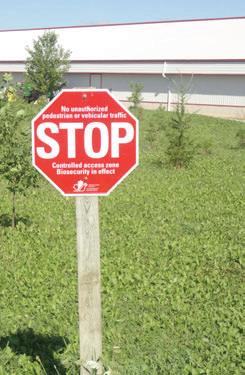
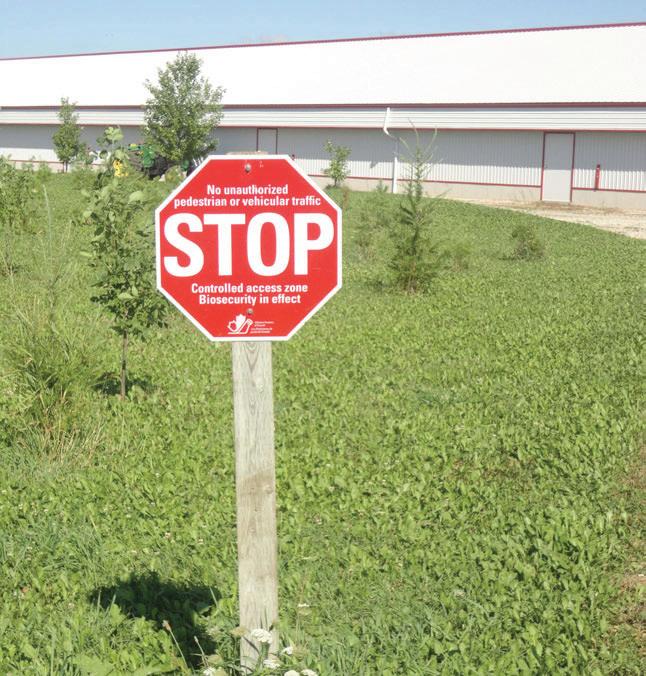
Farmers should also set up a protective zone around the barn with clearly identified access points.1 This “Restricted Access
Farmers should set up a protective zone around the barn with clearly identified access points.
Zone” (RAZ), should be a highly restricted area that is tightly controlled. The RAZ should be within a “Controlled Access Zone” (CAZ), which encompasses the entire property where poultry are housed.1
Give employees, service personnel, and visitors clear directions about where to go and what to do to when entering the CAZ and RAZ.1
The RAZ should also have visual and
physical barriers (e.g., signs, doors, locks, etc.) to prevent easy entrance. It should be obvious to anyone entering the RAZ that these barriers surround areas where tightly controlled biosecurity protocols are in place and that they need to proceed with caution and look for instructions on how to enter appropriately.
“The farmer is the most common person to cross this barrier,” says Dr. Mike
PIC Update
Petrik, so it is critical that the farmer follows – and enforces –these protocols.
Instructions can be posted in the anteroom with readily available booth and clothing, as well as hand washing stations to maintain proper biosecurity. This anteroom will also prevent wild and domestic animals from entering the barn.1
KEEPING IT CONSISTENT
Everyone who enters the barn (including family members, permanent or temporary employees, service personnel and visitors) must understand the importance of these barriers. Helping them understand why these are important, will help increase compliance and reduce the “overlooking” of procedures.1
Farmers should also strive to maintain a logbook inside the anteroom to monitor who is entering the barn, when they enter, and where they came from. This is crucial for tracking disease in case of an outbreak.1
“Many pathogens are brought into the barn on clothing, footwear, dirty equipment, and hands,” says Dr. Lloyd Weber. “Stations that contain barn-specific clothing where anyone entering the barn can change out of their street clothes into clothing that is only worn in the barn – to prevent the introduc-
tion of outside pathogens – should be set up and maintained.” Lastly, separate barn-specific footwear and clothing (including a hat) and effective hand sanitation reduce the possibility of carrying bacteria that can be harmful to humans, such as Salmonella, into the farmhouse. Barn-specific clothing and equipment (e.g., shovels, tools, writing materials, buckets) will also prevent pathogens from spreading from your barn to neighbouring poultry farms2, which will thereby reduce the risk of disease transmission and outbreaks on other farms.3
If you keep your procedures and instructions quick and easy, employees and visitors will do it, says Sandy Brock, a broiler hatching egg producer.
REFERENCES
1. National Avian On-Farm Biosecurity Standard, Canadian Food Inspection Agency Office of Animal Biosecurity, http:// www.inspection.gc.ca/english/anima/biosec/aviafrme.shtml
2. Ontario Veterinary Biosecurity Initiative Protocol On-Farm Veterinary Biosecurity, Ontario Veterinary Medical Association (OVMA), http://www.ovma.org/files/biosecurity_protocol_on_farm_biosecurity_apr09.pdf
3. Practical Biosecurity Video, Poultry industry Council, http://www.youtube.com/watch?v=E6nKrr949CY.
PIC’s Picks
BY TIM NELSON, EXECUTIVE DIRECTOR
Planning and more planning - We’re at the end of two planning cycles at PIC. Both our business plan (three-year cycle) and the Industry Research and Education strategy (a five-year cycle) are due this year. The board of directors has reworked the PIC business plan and has concluded that a better understanding of “who does what” in Canadian poultry research will enable the PIC to work collaboratively with some “new” partners. Together, these groups can address problems and develop solutions that are then translated into education packages for possible direct application at the farm.
Our hope is that more farmers will want to hear about new technologies and attend industry events in order to do so. When more farmers are taking advantage of new knowledge, and there is a robust system of creating knowledge to address specific issues, industry will be in a better position to respond to and prepare for emerging issues or crises.
This will also create a climate of confidence in the future of the Ontario poultry industry, among both producers and the industry at large and lead to a more positive employment environment for qualified personnel throughout our industry, including those in the R&D sector.
If an industry employs a range of highly qualified personnel across a variety of sectors and disciplines and has a broad stakeholder base, there is the potential to gain access to increased and more sustainable funding from a wider variety of sources
than it could before. Industry investment will lead to government being prepared to invest in poultry, and as a result of the wider research discipline and stakeholder base, could increase overall investment by government in industry both directly and indirectly (via the university sector).
Consequently, the PIC has developed five major strategic objectives that it will pursue in the coming three years:
Increase our sustainable funding base by pursuing more diversification in our funding base
Ensure producers understand and appreciate the benefits of research
Be leaders in the development of a more efficient and robust Canadian poultry research and development system
Create avenues through which appropriately qualified personnel are recruited and retained by our industry
Continue to invest industry funds in research and education programs for the benefit of the poultry industry in Ontario.
STRATEGIC PLANNING
Urgently seeking your opinions! - After our golf tournament in early September, the PIC will be seeking your input into what issues we should be concentrating our research and education investment efforts on through until 2017. This is not a task to take lightly. Research takes a long time to get started, to perform and to deliver results. It’s a long-term investment that needs careful planning.
Your input is essential because only you, the people working in the industry, can in any way predict what the future may hold and what we need to be planning and preparing to address through our research and education investment.
This is an initial notice for any of you who would like to submit your thoughts on what issues you believe deserve the investment of your valuable contribution. Please e-mail tnelson@poultryindustrycouncil.ca or call at 519-837-0284 with your suggestions.
It takes a lot of time to milk over 400 cows.
So the Schoutens started to ‘think outside the barn’.
Arnold and Elaine Schouten run one of Ontario’s top producing dairy herds, milking over 400 Holstein cows daily. That’s a lot of energy spent on a repetitive, time-consuming task. With the next generation now becoming involved, the Schoutens have invested in their future by purchasing 10 robotic milking systems, leaving their hands free to run the rest of their operation.
That’s the kind of ‘doing things a bit differently’ that farming demands in order to stay competitive. And it’s where Scotiabank can help, with innovative products and lending that can give you access to the funds you need, when you need them.
To learn more, contact your branch today or visit scotiabank.com/agriculturalservices
Agricultural Banking
® Registered trademark of The Bank of Nova Scotia.
Research Metagenomics Offer Insight
New technology is allowing researchers to isolate disease microbes
BY SANDRA AVANT, UNITED STATES DEPARTMENT OF AGRICULTURE
Less than 10 years ago, the world marvelled at the completion of the human genome project, which involved using traditional technology to identify all the genes in a single organism – the human. Today, a more powerful technology is being used to detect thousands of organisms in an entire community.
Unlike traditional gene sequencing, the new molecular technique – metagenomics – eliminates the need to cultivate and isolate individual microbial species. Scientists can apply genomic analysis to mixed communities of microbes instead of to just one organism.
For example, researchers examining viral enteric (intestinal) diseases in poultry can take intestinal samples from different poultry flocks. The material can be processed to sequence all the viral nucleic acid – RNA and DNA – in the sample and then analyzed as a single genome.
Learning more about how genes interact is extremely important in the battle against enteric diseases for scientists at the Agricultural Research Service Southeast Poultry Research Laboratory (SEPRL) in Athens, Georgia. Disorders such as poult enteritis mortality syndrome, poult enteritis complex and runting-stunting syndrome cause diarrhea in birds, resulting in decreased weight, mortality and increased production costs.
In studies of intestinal samples from turkeys with enteric diseases, ARS scien-
VIRUS DETECTION
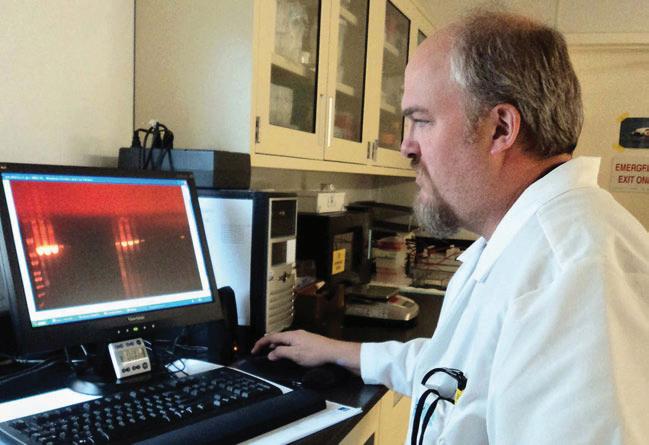
Microbiologist Michael Day used a metagenomic approach to detect the novel picobirnavirus RNA in turkeys experiencing enteric (intestinal) disease.
tists have discovered a new virus that may have future antimicrobial applications.
Research has revealed that several viruses may be responsible for enteric diseases, yet a single causative agent has not been identified. Metagenomics research may help solve that mystery.
Scientists at SEPRL are using metagenomics to uncover vast numbers of known and previously unknown viruses in poultry. They have discovered and sequenced the complete genome of a new bacteriophage (phage) that might have future antimicrobial applications, described for the first time the complete genome of new chicken and turkey parvoviruses, and developed a PCR (polymerase chain reaction) test to detect these novel parvoviruses in commercial poultry flocks.
UNLOCKING A TREASURE
With help from industry producers and veterinarians, microbiologist Michael Day and research leader Laszlo Zsak, in SEPRL’s Endemic Poultry Viral Diseases Research Unit, collected intestinal samples from five different turkey flocks affected by enteric disease. To identify and characterize viruses using metagenomics, they prepared intestinal homogenates from the samples. The homogenates were filtered to remove larger constituents, such as bacteria, and leave the smaller particles, such as viruses. Metagenomics techniques were then used to sequence nucleic acid of all the RNA viruses present in the samples.
“I was expecting to find RNA sequences from viruses that had not been described
before in the poultry gut,” Day says. “It turned out that there were quite a number of viruses in that particular sample.”
A comparison to similar viruses in computer databases showed that the intestinal virus metagenome contained thousands of pieces of nucleic acid representing many groups of known and unknown turkey viruses. Common avian viruses such as astrovirus, reovirus and rotavirus were confirmed. Many RNA viruses, for example, members of the Picornaviridae family, were also detected.
Day examined the validation results of a new molecular diagnostic assay for a turkey picobirnavirus. He used a metagenomic approach to detect the novel picobirnavirus RNA in turkeys experiencing enteric (intestinal) disease.
An unexpected discovery was an abundance of previously unknown turkey viruses, such as picobirnavirus, a small, double-stranded RNA virus implicated in enteric disease in other agricultural animals, Day says. A calicivirus – the kind associated with human enteric diseases – was also identified in poultry.
“Because metagenomics is so powerful, we generated and continued to analyze additional data from these samples and discovered a new bacteriophage,” Zsak says. “Until now, no one had described this kind of phage in turkey enteric samples.”
The virus, called “phiCA82,” belongs to a group known as “microphages” and is the type of virus that naturally kills bacteria, Zsak says. Phages are important because they can potentially be used as alternatives to antibiotics and as weapons against multi-drug-resistant pathogens.
Zsak and Day found a short sequence of the phage DNA and designed a technique to sequence its entire genome. Colleagues
Brian Oakley and Bruce Seal, both microbiologists in the Poultry Microbiological Safety Research Unit of the ARS Richard B. Russell Agricultural Research Center, also in Athens, helped analyze the data. One task was to find out whether the new phage was related to similar viruses.
Oakley downloaded all publicly available viral genome sequences and used bioinformatics – the application of computer science and information technology
“AIRCOOL” Centrifugal Cooling System
to the field of biology – to compare the newly discovered genome to previously discovered ones. The comparisons revealed that the new genome was unique.
“Future studies need to be completed to find out if phages like this actually kill the bacteria they infect,” Zsak says.
Phages infect bacteria and then replicate, Seal explains. They do this by digesting the cell walls of bacteria.
“We are interested in being able to clone the gene that expresses enzymes that digest the cell wall,” Seal says. “If we can express those enzymes in an organism generally recognized as safe, like yeast for example, we can put them in feed to help reduce certain types of bacteria that cause disease.”
In earlier studies, Zsak and Day used metagenomics to identify and analyze the genome of a novel chicken parvovirus, ChPV ABU-P1. “This was the first in-depth characterization and analysis of the fulllength genome sequence of the chicken
Research
parvovirus,” Day says. “Comparisons were made to other members of the Parvovirinae subfamily that infect mammals and birds.”
Scientists also developed a PCR assay to detect the virus in turkeys and chickens and used the test to examine enteric samples collected from U.S. commercial turkey and chicken flocks across different regions.
“PCR proved to be highly sensitive and specific in detecting parvoviruses in both clinical samples from infected birds and field samples from turkeys and chickens with enteric diseases,” Zsak says.
The overall goal is to use metagenomics technology to develop and update diagnostic tools, identify effective new treatments, and improve management practices to help control costly animal and plant diseases, Day says.
The beauty of metagenomics is that viruses do not have to be isolated or identified. Small pieces of nucleic acid can be sequenced from samples taken
from mixed communities – a process that allows scientists to discover new enzymes and proteins and look for genetic markers for disease-resistant traits or genes with possible antimicrobial applications.
“We need some way to understand a community and interrogate the nucleic acids in that community to see who’s there and what they’re doing,” Oakley says. “Are there pathogenic bugs in there? Are there genes associated with pathogenesis? Metagenomics does that.”
This research is part of Animal Health (#103) and Food Safety (#108), two ARS national programs described at www.nps.ars.usda.gov.
“Metagenomics Offers Insight Into Poultry Diseases” was published in the April 2012 issue of Agricultural Research magazine. To reach scientists mentioned in this article, contact Sandra Avant, USDA-ARS Information Staff, 5601 Sunnyside Ave., Beltsville, MD 20705-5129; (301) 504-1627.
Valley Poultry –Napanee
BY JIM KNISLEY
ALL THINGS CONSIDERED Time to Rebuild
The old line says that it is better to beg forgiveness than ask permission. But when you’re dealing with trillions of dollars in capital, hundreds of billions in potential profits and tens of millions in personal bonuses, that seems particularly true. International bankers certainly understood it. Knowing they were too big to fail and that governments had their backs no matter what happened, they played fast and loose with other people’s money.
There were the mortgage schemes, the bundling of financial assets that individually have the attractiveness of week-old garbage but were peddled as golden, as well as bets on derivatives, interest rates, stocks, bonds and commodities. One writer for The Guardian compared it to an unlicensed casino where every game is rigged and there are no effective rules or laws. And the worst that could happen if they were caught would be millions in fines that would take just a tiny bite from the billions in profits.
All of this is well known. The great international recession that began in 2008 and still continues to this day was financial in its origins. In the U.S., Ireland, Iceland, Britain, Spain and elsewhere, it began with the banks and other financial institutions. When loans that never should have been made went bad and bets went against them, they turned to governments that touted deregulation and the sanctity of free enterprise for billions in bailouts.
What the public didn’t know until this summer was that the schemes didn’t end with playing fast and loose and not acknowledging or recognizing the risks of the bets.
The latest and likely not the last scheme to be revealed reached all the way down to a financial fundamental. Major international banks played with what is known as the LIBOR rate for their own benefit.
red tape in the name of profits and free enterprise was the rule. And the world has seen the consequences. Governments put the fox in charge of the henhouse and seem surprised at the result.
The Economist magazine – hardly a bastion of the left –weighed in with an editorial early this summer simply headlined “Banksters.”
“Yet despite the risks of banker-bashing, a clean-up is in order, for the banking industry’s credibility is shot,” they wrote.
The New York Times quoted George E. Barnett, professor of law and finance at the University of San Diego School of Law: “I wish I could say I’m shocked, because it is shocking. But regulators have not been particularly effective or aggressive in the past two decades of finance.”
And it is not as if regulators didn’t know the game was rigged.
In 2008, officials at the New York Federal Reserve wrote in an internal memo that banks appeared to be understating the interest rates they would pay. “Our contacts at LIBOR contributing banks have indicated a tendency to underreport actual borrowing costs,” they wrote. But, they were a little late to the game.
Traders with London-based Barclays Bank were trying to manipulate LIBOR and another benchmark rates to enhance their trading profits at least as early as 2005.
Governments put the fox in charge of the henhouse and seem surprised at the result.
The LIBOR rate is the rate at which international banks make unsecured loans to one another. It is, in effect, the base rate. Other loans – mortgages, car loans and lines of credit – are based to one degree or another on LIBOR. It is estimated that LIBOR affects $500 trillion, give or take a few trillion, in transactions.
By gaming that system they could affect everything. If derivatives, unsound mortgages and other strange financial instruments were a financial system on steroids, it goes even further. It is as if a high jumper had the ability to adjust gravity for his benefit and to the detriment of competitors.
What makes the whole thing particularly smelly is that it occurred in London and is in part the result of persistent lobbying by the banks to be freed from the shackles of regulation. They succeeded: self-regulation was designed to free the banks from
But even after regulators became aware of the schemes, they worried that dragging a major bank (or banks) into court would shake confidence in the international financial system and result in chaos. But by not acting they got much more. The biggest banks were saved, but the U.S. mortgage crisis still drags on and a growing number of municipalities are declaring bankruptcy. In much of Europe, unemployment is chronic and nations are at the brink. Canada, thankfully, is in better shape but not immune.
Millionaire bankers – or banksters – are not popular. Confidence in international finance has been shattered. But the buck, while it may go into their pockets, doesn’t stop with the bankers.
Deborah Orr, writing in the Guardian, put responsibility at the feet of politicians.
“The crisis, however, has not been in finance…. Global Governmental Crisis would be a more apposite title for this ongoing chaos. And the political chaos is simply a consequence of political failure to fully acknowledge what went wrong with banking, and determinedly set about fixing it.”
She is right. Politicians must stop fearing the possible consequences of tough banking regulation and look at what weak regulation has wrought. The system is broken; it’s time to rebuild it.
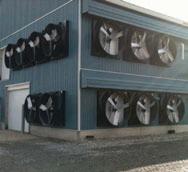
A poorly ventilated barn is a main contributor to high bird stress and low bird weight. Our ventilation fans, controls, tunnel inlets, RollSeal and evaporative cooling systems provide the perfect total system solution for hot climates.
RollSeal® solutions to a heat t stressed environment
Evaporative Cooling
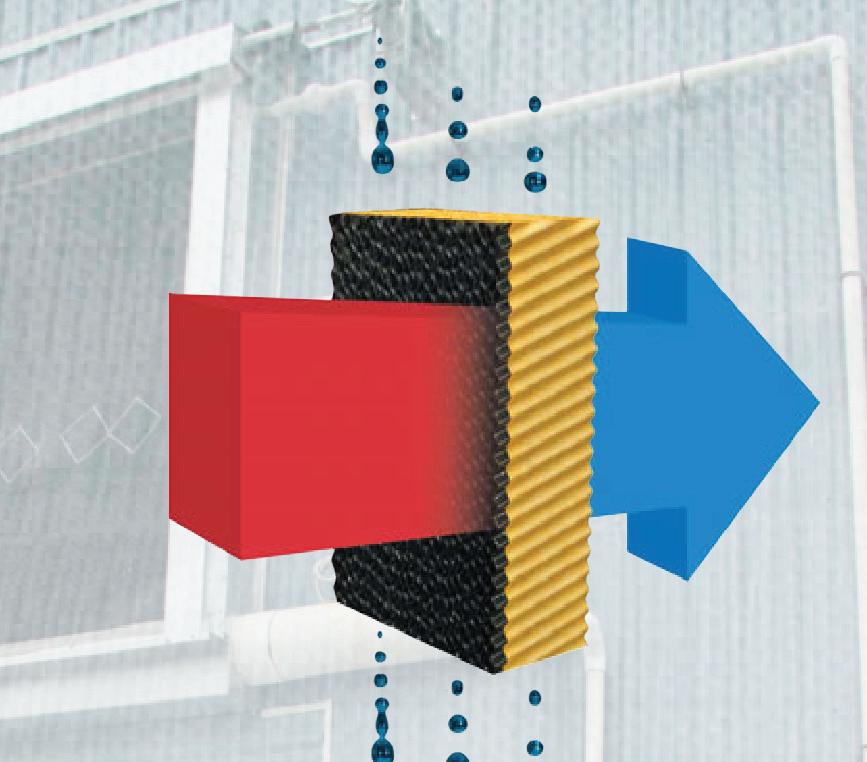
An evaporative cooling system is an efficient means of reducing barn temperature e due to its unique water recycling process and natural cooling effecct.
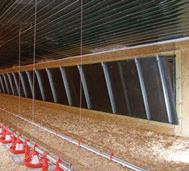
RollSeal provides an excellent seal for evaporative cooling applicaations when not in use. In addition, RollSeal shutters are a greaat alterr native to fan shutterss...no airflow restrrictions when open and no a air leakage when closed.
Fans and Controls
Ever y strategy to control a hot climate begins w with the proper ventilation fans and control system. We o offer several fan models and controls to meet your individdual facility requirementss.
Tunnel Ventilation
Tunnel inlets help to eliminate dead zone areas by creating the per fect air pattern. Our tunnel inlets are low maintenance and come fully assembled for easy installation.
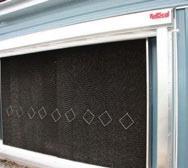
Water is cycled through the evaporative cooling system media. Ventilation fans draw hot air through the media providing cool air to your birds.