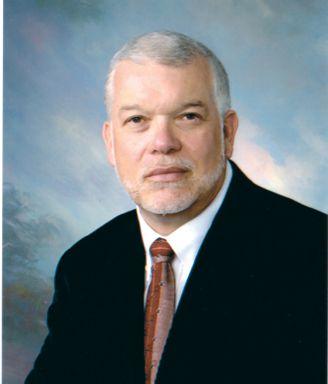
Cost of Growth serious challenges face the u s By Jim
Knisley
Feed: evaluating Feed Quality
Alberta researchers are working on a fast and accurate tool for the evaluation of nutritional quality of feed ingredients in poultry By Mojtaba Yegani, Mary Lou Swift and Doug Korver
PIC uPdAte: Predicting Chicken egg Hatchability By Kimberly Sheppard, Research Co-ordinator, and Tim Nelson, Executive Director
reseArCH: Fighting Bird Flu By Carol Moore and Natalie Osborne
Geothermal
MAnAGeMent: Hands-on Brooding Gets results time in the barn and attention to detail are essential By Dan Woolley
yorkshire Valley Farms ontario’s new organic poultry business has grown into the largest in the country in less than a year By Treena Hein
FROM THE EDITOR
by KrISty nuDDS
if You can’t Beat them…
Two opposing parties recently reached an agreement that can be summed up in one word: historic.
on July 7, the united egg Producers (ueP) and the Humane society of the united states (Hsus) released a statement saying that the two parties have agreed to work together towards the enactment of new, comprehensive federal legislation for the care and housing of laying hens in the u s the proposed standards advocated by ueP and Hsus, if enacted, would be the first federal law addressing the treatment of animals on farms.
these standards will mandate labelling on all egg cartons nationwide to inform consumers of the method used to produce the eggs; prohibit feed- or water-withholding molting to extend the laying cycle; prohibit excessive ammonia levels in henhouses; and prohibit the sale of eggs and egg products nationwide that don’t meet these requirements. they will also include the replacement of conventional cages with enriched housing systems (that will include nest boxes, scratching areas and perches) that provide each hen nearly double the amount of space they are currently allotted (a minimum of 124-144 square inches per bird versus the current 48 and 67 inches).
the two groups plan to jointly ask the u.s. Congress for federal legislation which would require egg producers to increase space per bird in a tiered phase-in process, with the amount of space birds are given increasing, in intervals, over the next 15 to 18 years.
on the surface, it appears as though the ueP succumbed to the old adage, “if you can’t beat them, join them.” However, given the intense pressure that the Hsus has placed on egg production practices by appealing to voters to enact housing legislation in various states (the most devastating being California with Proposition
2), the ueP was pushed into a corner. As Bob Krouse, chairman of the ueP and an Indiana egg farmer, stated in a ueP release, the ueP is “committed to working together for the good of the hens in our care and believes a national standard is far superior to a patchwork of state laws and regulations that would be cumbersome for our customers and confusing to consumers.”
the benefit to the ueP is that the agreement, if passed by Congress, will supersede state laws including those that have been passed in Arizona, California, Michigan and ohio. Both the Hsus and the ueP will ask Congress to require California egg producers to eliminate conventional cages by 2015 – the year Proposition 2 is to go into effect – and provide all hens with the space and enrichments that the rest of the u.s. egg industry will be phasing in over the next 15 to 18 years.
Also, planned ballots in oregon and Washington by the Hsus will now be on hold. Washington’s ballot would have dealt a more devastating blow to the u s. egg industry than California’s Proposition 2, as it would have made both the rearing and sale of eggs in conventional systems illegal if passed.
While the agreement should prevent further ballot initiatives, the pork and cattle organizations in the u.s. feel that the agreement has set a “dangerous precedent” of government intervention for on-farm standards, which they feel should be based on the latest scientific-based evidence on what is best for both animal and human health. the trouble is that livestock organizations, while having increased welfare research in recent years, have largely ignored educating both government and consumers about rearing practices out of the fear that some of these practices will be scrutinized.
It is this neglect, in part, that has set the stage for such an agreement to occur. n
September 2011 Vol. 98, No. 9
Editor Kristy Nudds – knudds@annexweb.com
888-599-2228 ext. 266
Associate Editor
Jim Knisley – jknisley@kwic.com
Publisher/Sales Manager
Marilyn White – mwhite@annexweb.com
519-429-5193
888-599-2228 ext 237 • fax: 888-404-1129
Sales Assistant
Mary Burnie – mburnie@annexweb.com 519-429-5175 • 888-599-2228 ext 234
Production Artist
Gerry Wiebe
Group Publisher
Diane Kleer – dkleer@annexweb.com
President Mike Fredericks – mfredericks@annexweb.com
Mailing Address
P.O. Box 530, 105 Donly Dr. S., Simcoe, ON N3Y 4N5
Publication Mail Agreement #40065710
REtuRN uNDEliVERABlE CANADiAN ADDRESSES tO CiRCulAtiON DEPt., P.O. BOx 530, SiMCOE, ON N3Y 4N5.
e-mail: jmatheusik@annexweb.com.
Printed in Canada iSSN 1703-2911
Circulation
e-mail: jmatheusik@annexweb.com
Tel: 866-790-6070 ext 201 Fax: 877-624-1940
Mail: P.O. Box 530, Simcoe, ON N3Y 4N5
Subscription Rates
Canada – 1 Year $ 24.00 (with GSt $25.20, with HSt/QSt $27.12)
GSt – #867172652Rt0001
uSA – 1 Year $ 60.00 uSD
Occasionally, Canadian Poultry Magazine will mail information on behalf of industry-related groups whose products and services we believe may be of interest to you. If you prefer not to receive this information, please contact our circulation department in any of the four ways listed above.
Considered likely or probable to happen or arrive.
To consider likely or certain to happen, as:
a. A cutting-edge innovation by Lubing Systems. b. Lubing's new OptiGROW nipple.
Expect the expecktable from Lubing!
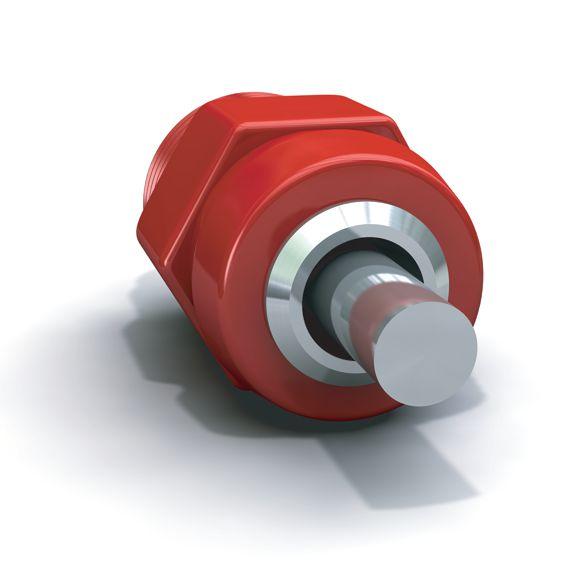
Lubing’s all-new Opti GROW Nipple is designed to work in today’s challenging broiler environment. Because the nipple has been optimized for growth , you can expect an amazing first-week performance and explosive bird growth. OptiGROW offers:
Large body and pin
Acid resistant design
Easy triggering for day-old birds
Low mortality
Increased side-action flow
Larger flow range for jumbo birds
Increased weight gains
Improved feed conversions
To find out more about OptiGROW and it’s outstanding performance, please contact your local Lubing Representative.
TMcDonald’s is the largest purchaser of shell eggs.
a commitment to use one million cage-free eggs would “set an example for humane eating.”
he World society for the Protection of Animals (WsPA) is asking Mcdonald’s Canada to utilize its significant buying power and commit to using at least one million cage-free eggs this year in its McMuffin sandwiches and other breakfast options.
Mcdonald’s is the largest purchaser of shell eggs in the Canadian food service industry, and WsPA Campaigns Manager, Melissa Matlow said in a release that making
the WsPA encourages Canadians to tell Mcdonald’s they want a kinder breakfast, by visiting www.millioneggchallenge.ca and sending a letter to Mcdonald’s Canada President, Mr. John Betts.
“More and more Canadians are supporting humane eating choices and once they know what a difference it makes in the lives of these hens, we know they will support a switch to cagefree eggs” says Matlow.
the WsPA’s confidence that consumers will support the switch is based on a telephone poll it commissioned Harris/decima to conduct from oct. 26 to nov. 7, 2010.
A total of 1,007 Canadians were surveyed. According to results of the WsPA poll, 93 per cent of Canadians said they would support laws
aimed at ensuring that farm animals are able to stand-up and stretch their limbs.
Currently, eggs served at Mcdonald’s restaurants in Canada come from hens in conventional housing. In the u.K. and europe, Mcdonald’s restaurants already serve cage-free eggs, and the u.s. arm of Mcdonald’s has stated that it will aim to use 12 million cage-free eggs in 2011, which is the equivalent of 50,000 hens, according to the WsPA. the WsPA believes it is time for Canada to follow these examples.
The World Society for the Protection of Animals (WSPA) has a presence in more than 160 countries is a testament and brings about change at both grassroots and governmental levels and it supports and develops high-profile campaigns, scientifically-backed projects and innovative education initiatives.
source: The Canadian Press
PRAIRIES
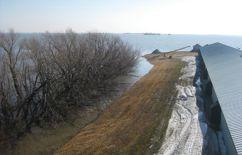
Water-logged Prairie farmers are to receive $448 million in federal funding to help cope with disastrous flood damage.
Farmers in Alberta, saskatchewan and Manitoba will get $30 an acre for land that couldn’t be seeded by June 20, or which was seeded but then flooded by the end of July. the funding is provided through Agriculture
Flood Funding Conference to Tackle
Antimicrobial Stewardship
ONTARIO
aone-day session focusing on the stewardship of antibiotics in poultry in Canada will be held on nov. 1 in toronto, ont. It is part of a larger threeday national conference, Antimicrobial Stewardship in Canadian Agriculture and Veterinary Medicine Conference: How is Canada doing and what still needs to be done?
In this session, some of the most current research in antimicrobial resistance and antimicrobial stewardship will be presented by leading experts in the field in north America. topics include: levels of antimicrobial resistance in retail poultry meat and at the abattoir level in Canada; national Antimicrobial resistance surveillance Monitoring system (nArMs) in the u s., Salmonella as drivers of resistance in poultry, antibiotic
and Agri-Food Canada’s Agrirecovery Initiative.
Federal Agriculture Minister Gerry ritz said that a total of 5.6 million hectares may have been affected.
the saskatchewan government estimates that about 3.2 million hectares of unseeded or seeded land was flooded.
Manitoba’s Keystone Agricultural Producers said 1.2 million hectares have been destroyed by flooding and excessive moisture. It said the cost to the economy is about $3 billion.
use decision making on the farm and the use-resistance challenges, and examples of successful antimicrobial stewardship in poultry production.
the day will conclude with a group discussion on impediments to reducing antibiotic use and effective next steps for improving antibiotic stewardship in poultry, as well as how to communicate the message of antibiotic stewardship in poultry.
everyone using antibiotics in poultry will find this an informative, understandable, dynamic and interactive national conference.
the Antimicrobial stewardship conference is
Livestock producers who are coping with the effects of excess moisture this spring and summer can also apply for financial assistance to help cover additional costs, such as renting pasture and transporting feed or livestock. specific program details will be provided by each province.
designed for farmers and veterinarians, the animal health industry, the medical community, policy makers and regulators, agricultural extension staff, researchers, educators, consultants and others with an interest in the sustainability of antimicrobial drugs.
the conference will be at the toronto Marriott Airport Hotel, oct. 30 – nov 2, 2011. one-day registration for the poultry session (nov. 1) is available. For more information and to register please visit www.antimicrobialcanada.com or contact the Conference secretariat (519) 263 5050; Bobbi Hoffman, the Bayley Group.
Traceability Funding
the ontario Ministry of Agriculture, Food and rural Affairs (oMAFrA) recently announced it’s new traceability Foundation Initiative, which will support projects led by the agri-food industry to share information, enhance
industry competitiveness and improve the speed in which ontario responds in the event of a food product recall. the federal and provincial government have put a $21.5 million funding program in place for the next three years, providing up to 75 per cent cost share funding.
COMING EvENTS
OCtOber
oct. 3, 2011
Western Meeting of Poultry Clinicians and Pathologists (WestVet), Post Hotel, Lake Louise, Alb. For details, visit: www.westvet.com
oct. 4-6, 2011
Poultry Service Industry Workshop (PSIW), Banff Centre, Banff, Alta. For more information, visit: www.poultryworkshop. com, or e-mail: info @poultryworkshop.com
oct. 5-6, 2011
National Farm Animal Care Conference, Hilton Garden Inn, ottawa, ont.
For more information, visit: www.nfacc.ca/ conferences
oct. 17-18, 2011
Feeding a Hungry World: A Summit for Animal Agriculture, delta ottawa City Centre, ottawa, ont. For more information, visit: www.farmcarefoundation.ca
oct. 30 – nov. 2, 2011
Antimicrobial Stewardship in Canadian Agriculture and Veterinary Medicine Conference: How is Canada doing and what still needs to be done?, toronto Marriott Airport Hotel, toronto, ont. A one-day session focusing on poultry will take place on nov. 1. registration is available for the poultryonly session or the entire conference. For more information, visit: www. antimicrobialcanada.com
Photo courtesy Kurt siemens, mEf
HATCHING HATCHING
legacy Project
novus International is providing support to the Poultry science Association Foundation Legacy Project, which will provide an easily accessible digital record of the thousands of Poultry science Association journals published from 1908 to 1996.
the information and articles published in the pages of Poultry Science since 1996 are available online at the click of a mouse. But the massive archive of information pub-
lished prior to 1996 – currently exists only in hard-copy form.
the price tag of the project is estimated at $60,000. novus International has committed to underwriting half this cost through dollar-for-dollar matching pledges in its challenge grant.
novus urges those interested in supporting the Legacy Project to visit http://www. poultryscience.org/legacygift. asp to learn more about the program.
Brazil hosting World Poultry Congress
The XXIV World Poultry Congress (WPC 2012) registration is now open to delegates, students and visitors who wish to take a close view of the world’s most important poultry event. Interested participants can register and obtain more information on the congress official website (www.wpc2012.com) and guarantee their presence in the event to be held from Aug. 5-9, 2012, at salvador Convention Center in Brazil.
the WPC 2012 celebrates the World’s Poultry science Association’s 100th year of foundation, and will host an expo, a large-scale exhibi-
nOVember
nov. 10-11, 2011 Poultry Innovations Conference, Lamplighter Inn, London, ont. (*please note new location for this event). Hosted by the Poultry Industry Council (PIC). For more information, visit: www.poultryindustrycouncil.ca or tel: (519) 837-0284, or e-mail: pic@poultryindustrycouncil.ca
January
Jan. 24-26, 2012
International Poultry Exposition, Georgia World Congress Center, Atlanta, Ga. For more information, visit: www.ipeweek12.org
marCH
March 13-15, 2012
Midwest Poultry Federation Convention, saint Paul river Centre, saint Paul, Minn. For more information, visit: www. midwestpoultry.com
tion of products and services of the poultry industry in all continents. the event is expected to attract nine thousand people. the scientific program will feature four days of discussions and symposiums with an allinclusive program related to egg, broiler chicks and chickens production.
to the exposition visitors, registration gives entry to four days in WPC expo. the delegate registration guarantees free access to the congress fair and lectures. Values, necessary documents and other information to register are available on the event website.
We welcome additions to our Coming Events section. To ensure publication at least one month prior to the event, please send your event information at least eight to 12 weeks in advance to: Canadian Poultry, Annex Publishing, P.O. Box 530, 105 Donly Dr. S., Simcoe, Ont. N3Y 4N5; e-mail knudds@annexweb.com; or fax 519-429-3094.
PRODUCTS PRODUCTS
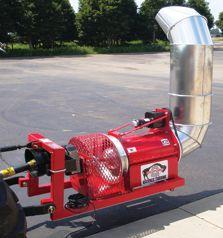
Debris Blower
The Buffalo turbine Cyclone Pto Brood House debris
Blower is perfect for compact tractors, only requiring 20 horsepower at the Pto
Other features:
A cutting edge direct drive gearbox provides ultra low maintenance. the special brood house remote nozzle produces a powerful hurricane-force wind, and it’s lightweight (238 pounds).
For more information on
this new product contact randy Haudricourt, Buffalo turbine. e-mail: randyh@buffaloturbine.com, or tel: (716) 592-2700
Sullair Air Treatment Products
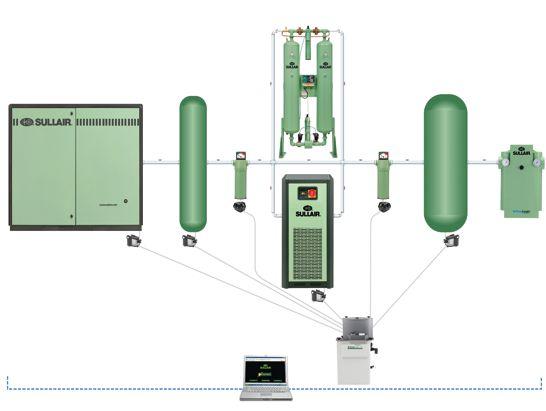
Sullair Corporation is pleased to introduce a new line of air treatment products, integral to the sullair compressed air system. designed to meet the demand for oil-free or instrument quality compressed air, the typical sullair stationary Air Power system consists of a sullair rotary screw air compressor, a wet storage tank, a refrigerated or regenerative dryer, customized filters, dry storage and a flow controller. Completing the system are oil/water separator and drains, and ethernet-
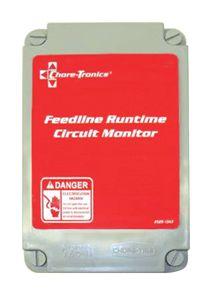
Feeder Line Run-Time Monitor
Chore-time’s CHoretronICs® Feeder Line run-time Monitor provides a diagnostic look at what is going on in the poultry house by monitoring feeder line and/or fill system function.
the run-time Monitor helps producers discover potential performance problems by providing the answers to questions such as:
• Are all the feeder lines in the house running?
• Are all lines running for the same length of time?
based eConnect™ to monitor and control the entire system. each component of the sullair system is carefully matched for capacity and pressure to provide superior performance and optimum energy efficiency. depending on the application and dew point requirements, sullair offers both refrigerated and desiccant regenerative types. refrigerated dryers are available in four different configurations, including non-cycling models, digital cycling models, cycling models, and high temperature models. sullair desiccant regenerative dryers, ideally suited for outdoor compressed air piping or operations that require dew points as low as -40 F (optional -100 F), are available in four different configurations: modular, heatless, externally heated, and blower purge.
• In split houses, how does the run time in each end of the house compare?
• on the farm, how does one house compare to another?
the monitor can be connected to every feeder line in a poultry house to track the daily run time per line. each monitor sends a signal to the CHoretronICs 2 Control whenever its feeder line runs, building a database of up to 14 days of run-time history. Producers can use their control with up to 12 run-time monitors per control to track feeder line operation directly on the CHore-tronICs Control or remotely using Chore-time’s C-CentrAL™ software.
For more information, visit: www.sullair.com
For more information, visit your local Chore-time dealer, or visit: www.ctbinc.com
There are plenty of phytase choices in the market, each trying to break through the clutter by introducing a unique “benefit” that may not be any benefit to you at all. At DSM we’ve decided to level the playing field. The bottom line: when comparing phytase sources, all that matters is the cost of product form to release equivalent amounts of phosphorus. To learn more about how to evaluate phytase, go to www.phytasefacts.com, or call 1 800 526 0189.
Cost of Growth Serious challenges face u.S. industry
by Jim Knisley
u.s. chicken producers and processors face “increasingly difficult issues and challenges,” Michael Welch, president and chief executive officer of Harrison Poultry in Bethlehem, Ga., recently told the u s senate Committee on Agriculture, nutrition and Forestry.
IncreasIng Feed costs
over the past five decades broiler production has decreased on an annual basis only three times: two years in the mid’70s and again in 2009. “that strong track record of growth is in very serious jeopardy because an overabundance of corn is being diverted to fuel production and thus squeezing out corn that should be available for feed,” he told the committee.
michael Welch, president and chief executive officer of harrison Poultry in Bethlehem, ga., recently told the u s senate committee on agriculture, nutrition and forestry of the unprecedented challenges facing u s. poultry producers.
In 2010 over 36 million tons or about 1.3 billion bushels of corn or corn products were mixed into the finished feed. the average cost of chicken feed before the corn price began to rapidly escalate in mid-october 2006 was $139.20 per ton. In May 2011 the same ton of feed cost over $300 per ton, more than doubling the cost since the second renewable Fuels standard became mandatory. Last year the chicken industry’s feed bill was almost $13 billion compared with total feed costs in 2006 of less than $7 billion. on a cumulative basis with the higher feed costs, the chicken industry has had to pay over $23 billion more for feed since october 2006. If the ballooning feed costs for turkey production and table egg production are added, the increased cumulative feed bill for poultry and eggs is now approaching $30 billion.
Although no farm-raised animal is a better converter of feed to food than chicken, even very efficient feed conversion cannot mitigate the high corn prices and the significant impact on the
cost of producing chicken, he told the committee.
It also appears there will be further escalation in the corn price to allocate the tightening supply of corn. “the market fundamentals imply even higher feed costs for the rest of this year and beyond,” he said.
“Broiler companies until recently have tried to weather the storm of very high, very volatile corn prices. But, now, companies can no longer withstand the storm,” he said.
Companies are trimming their production plans, which means growers will receive fewer chicks to grow and processing plant work shifts are being reduced or even eliminated. A broiler company in Georgia announced 300 workers will no longer be needed and a fourth-generation family broiler company in delaware has filed for bankruptcy protection.
“A number of companies are trying to continue to operate on very thin financial ice,” he said.
Future dIFFerent From the Past
Although there have been high feed costs before, things are much different this time around. “the situation is not only supply driven but also demand driven. u s. animal agriculture has not been here before,” he said.
Government ethanol policy has significantly changed market forces by increasing and subsidizing demand, and is a new dynamic. Corn used for ethanol for the 2005/06-crop year was 1.6 billion bushels, or 14 per cent of total usage. For 2011/12 the united states department of Agriculture (usdA) is estimating over five billion bushels or more than 38 per cent of this fall’s u s. estimated corn harvest, will go to ethanol. the usdA also recently released a projection that corn for ethanol will exceed
SpeaKIng Out
corn fed to livestock for the first time ever in the 12 months ending Aug. 31.
It is also expected that international demand for u s. corn will increasingly be driven by China, which is poised to become a large net importer of corn on a consistent going-forward basis. “If and when this development occurs, there will not be enough corn at reasonable prices to supply both domestic and foreign demand,” he said.
International demand for u s. corn also is being abetted by the drop in the value of the u s. dollar versus other currencies. this makes u.s. corn comparatively less expensive for overseas buyers than for u.s. companies.
While anticipated increased foreign demand is not yet fully realized and government-mandated ethanol demand is continuing to rise, u.s. corn supplies are already strained. “there is no cushion, no extra bushels in inventory to carry the needs of the users of corn through the next crop year in the event of a shortfall in this fall’s corn harvest,” he said.
ethanol debacle
“It has become more and more clear that the national policy regarding corn-based ethanol has been heavily tilted toward using corn for fuel rather than for food/feed. the need to rebalance the policy is long overdue. Picking one market for corn to be the winner at the expense of the loser should not be the function of government. Mandating the use of ethanol, subsidizing its cost, and protecting ethanol from competition is triple overkill,” he said. the consequences of moving too far too fast with corn-based ethanol have become evident. the chicken industry and other animal agriculture producers have curtailed production and will
continue to scale back in the foreseeable future. As a result, those consumers, who can afford it, will pay higher food prices. And consumers who do not have an adequate income and cannot continue to afford animal protein in their diets will have to shift to other foods, and in some cases, no food, he said.
It is also highly unlikely the current shortfall will be a one-year problem. Corn supplies are tight even with large crops and any weather-related reduction in production will have major consequences.
the u s. government must develop a plan that restrains the ethanol industry’s demand for corn when supplies are limited. the ethanol industry has been subsidized for more than 30 years and has a large guaranteed market through the biofuel mandate set by the energy Independence and security Act (eIsA) of 2007. Fuel blenders are required to use 12.6 billion gallons of cornderived ethanol in motor fuel this year and 15 billion gallons by the year 2015. yet, all this ethanol is doing little to improve u s energy security, which is what Congress intended to do with the 2007 energy Act, he said.
ethanol made from corn is the only product that receives government subsidies, has a mandate for usage, and is protected from foreign competition. “enough is enough,” he said. n
Harrison Poultry, the Georgia-based company headed by Welch, has about 1,000 employees and contracts with over 125 family farmers who grow broilers for the company. An additional 40 farmers produce hatching eggs for the company-owned hatchery. Each week Harrison Poultry processes more than six million pounds of broilers on a live-weight basis. The National Chicken Council, of which Welch is a past chairman, represents companies that produce and process more than 95 per cent of the broilers produced and processed in the United States.
although there have been hIgh Feed costs beFore, thIngs are much dIFFerent thIs tIme around. government ethanol PolIcy has sIgnIFIcantly changed market Forces by IncreasIng and subsIdIzIng demand.
Photo courtesy
hicken
Feed Evaluating Feed Quality
alberta researchers
are working on a fast and accurate tool for the evaluation of nutritional quality of feed ingredients in poultry
BY MOjTABA YEGANI1, MARY LOU SwIFT2 AND DOUG K ORv ER 1
Feed is considered as the most expensive component (it can be up to 75 per cent depending on the animal species) of the total production cost in the animal industries. Volatility in feed ingredient prices, particularly over the past few years, has been very challenging for the livestock industry. expansion of the biofuel industry and increasing demand for human food are among the important contributing factors to the current upward trend in feed costs. It is becoming much more important to develop pragmatic approaches in order to alleviate some of the negative impact of these challenges on the industry.
Considering the limitations associated with the supply of feedstuffs on a global basis, it is very important for the industry to be able to obtain the most nutrients possible out of a feedstuff. A critical step in this process is to know the actual digestible nutrients available to the animal from feed ingredients such as wheat, corn, bar-
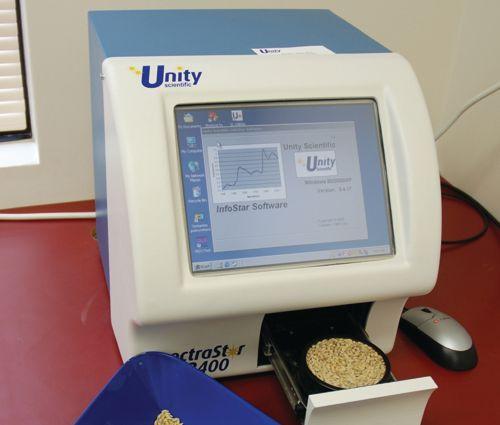
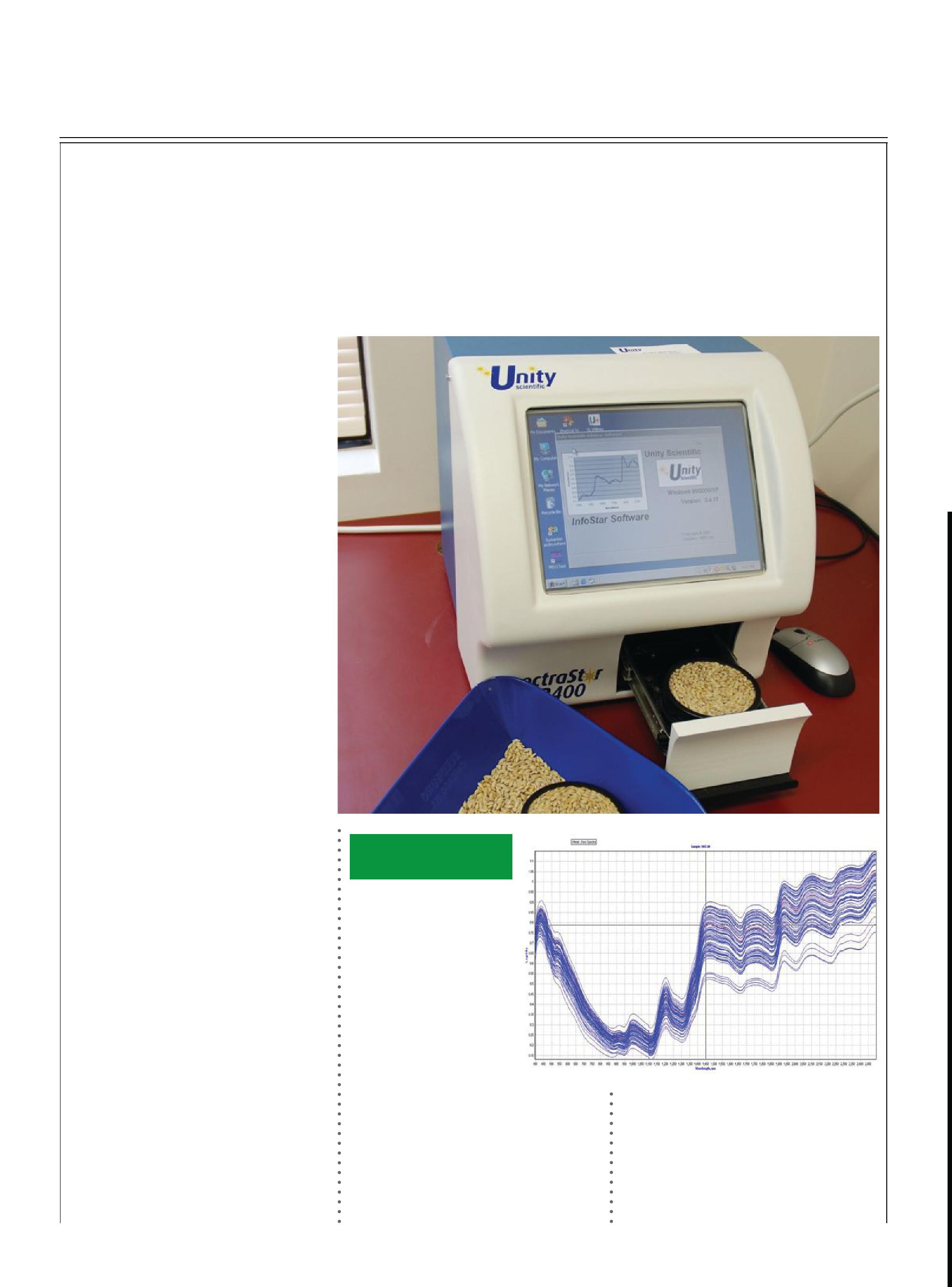
the above machine uses nirs technology to scan whole grain, and relates the amount of light energy absorbed or transmitted by hydrogen-containing molecules in the feedstuff to its chemical composition or digestibility
ley, soybean, peas, and dried distillers Grain with solubles (ddGs), so that the diet formulation can meet the animal’s requirements more closely. the nutrient content of feedstuffs is normally governed by genetics and environment. Feedstuffs are usually
obtained from different geographical locations and, as a result, their nutrient content can vary substantially. We not only need to have a good understanding of these variations, but we also need to use practical approaches to predict these variations for diet formulation.
FASTER ANAlySIS
Increasing the accuracy of diet formulation should improve animal production performance and reduce nutrient excretion due to over-formulation.
What can We do?
there are a few approaches that can be taken when it comes to the prediction of nutritive value of feed ingredients. However, it must be noted the accuracy of findings resulting from these approaches can be quite different.
Physical measurements
Physical measurements such as bushel weight have been used to assess feed quality. However, it has been shown that, in general, these measurements are not good indicators of digestible nutrient content.
Chemical analyses
Analyzing samples in the laboratory can certainly provide good information on the nutrient or proximate content (e.g., protein, fat, fibre) of a feedstuff or ration, but these analyses are time consuming and expensive and, as a result, cannot be of direct help when an immediate answer is required. In addition, these analyses do not provide information as to the digestibility of the nutrients.
In vivo digestibility technique
the digestibility of nutrients and energy in a feedstuff can be determined by feeding animals (e.g., broiler chickens, laying hens, broiler breeders, turkeys) in an in vivo study. Basically, we measure the difference in nutrient content fed to the animal with that excreted by the animal. the difference is assumed to have been digested. An in vivo experiment is the most accurate approach, but it is a long (e.g., two-week), labourintensive and expensive procedure and, therefore, has very limited applications for routine feed quality evaluation. In vitro digestibility technique
A faster and less expensive approach is to simulate the digestive system of the animal using specialized solutions of the feedstuff with specific enzymes. this technique is called an in vitro assay. In vitro techniques need to be validated
Feed
using the in vivo assay to ensure that there is a solid relationship between the two methods. As soon as the in vitro method is validated, it provides the opportunity to analyze large quantities of samples relatively inexpensively.
near InFrared reFlectance sPectroscoPy (nIrs) technology
nIrs technology is currently available to the animal feed industry as it is used in many commercial laboratories around the world. By using this technology, the nutrient content of different feedstuffs can be predicted quickly (within a few minutes). “realtime” analysis supports real-time decision making for both the sellers and the buyers of the feedstuffs. In other words, payment for a load of feedstuff arriving at the feed mill could be based on the actual feeding value of that specific load.
n I rs technology is a secondary method in that the sample is not altered nor destroyed and no chemicals are required for analysis. the technology relates the amount of light energy absorbed or transmitted by hydrogencontaining molecules in the feedstuff to its chemical composition or digestibility. nIrs needs to be specifically calibrated to estimate nutrient content or digestibility of different feedstuffs such as wheat, corn, barley, soybean meal, peas, and dd G s for each of poultry, pigs and cattle. developing the calibration models relies on a reference method such as the in vivo or in vitro techniques discussed previously. Creation, maintenance, and updating of the calibration databases are very important and these are done using the data provided through laboratory analyses of unknown samples.
Another interesting avenue that nIrs may move toward in the near future is prediction of animal performance, which can be of significant benefit to the animal industries. this gives the industry an opportunity to relate performance of the animals to nIrspredicted feeding value of feedstuffs.
Where do We go From here?
researchers at the university of Alberta, Agriculture and Agri-Food Canada (Lethbridge) and Alberta Agriculture and r ural d evelopment (Lacombe) with support of industry and funding agencies such as the Alberta Crop Industry development Fund (ACIdF) have been working on linking the above-mentioned approaches (i.e., testing in animals or in vivo technique, in vitro digestibility techniques, and nIIrs technology) to help the crop and livestock producers to have access to a fast and accurate tool for the evaluation of nutritional quality of feed ingredients in poultry, pigs and cattle. Wheat is one of the main cereal grains included in poultry rations, especially in Western Canada. Accurate and fast prediction of energy content of different batches of wheat for poultry diet formulation is of critical importance to the industry. It is hoped that current efforts will lead to the creation of robust nIrs calibration databases for the prediction of nutritive value of wheat in poultry. n
1 University of Alberta 2Alberta Agriculture and Rural Development, Alberta, Canada
the authors would like to thank all project supporters, including ACIdF, Alberta Agriculture and r ural d evelopment, and university of Alberta, for their continuous support.
Foodsafetyisamongthetop concernsforCanadians,and webelievethatfoodsafety beginsonthefarm. Learn more at: chicken.ca/on-the-farm
PIC Update
Predicting Chicken Egg hatchability
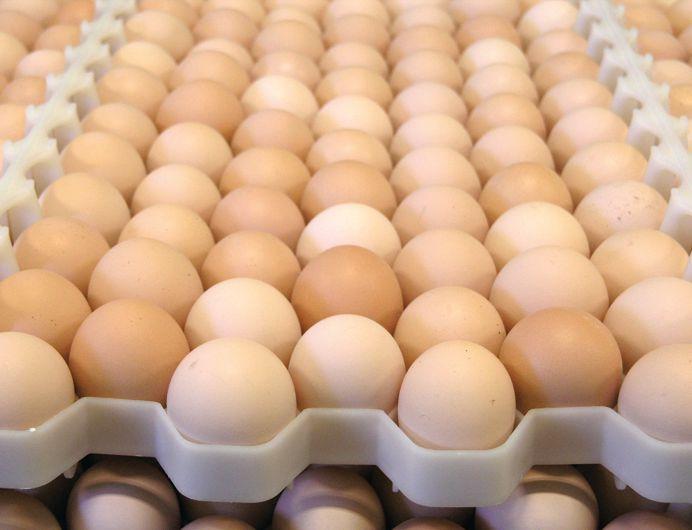
mcgill university researchers have been evaluating the feasibility of monitoring early embryo development and egg fertility using hyperspectral imaging
B Y K IMBERLY S HEPPARD , R ESEARCH C O - ORDINATOR
In the hatching egg industry, up to 15 per cent of eggs are rejected due to various defects. Furthermore, hatchability is typically around eight per cent lower than fertility due to chick embryo loss during incubation. Infertile eggs can pose disposal as well as safety problems for hatcheries as they may explode in the incubator, potentially spreading mould or bacteria to all other eggs in the hatching cabinet.
Weekly egg candling is a practice used in the hatching industry to help detect dead or infertile eggs. this method easily identifies clear eggs containing no living embryo, but may not be able to differentiate living from dead embryo, or bacteriacontaminated eggs.
the poultry industry would greatly benefit by having an efficient, nondestructive and accurate method for detecting the fertility and hatchability of eggs, especially at the transfer stage. Having such a tool could potentially save the industry millions of dollars each year by eliminating the need for labourintensive candling, and preventing the unnecessary loss of eggs in the incubator.
Hyperspectral imaging is a technique that can be used to acquire special as
mcgill researchers are examining a non-destructive and accurate method for detecting the fertility and hatchability of eggs
well as spectral information from samples simultaneously, which is related to physio-chemical condition of samples. such a technique can allow for monitoring of not only chemical changes associated with incubation inaccuracies, and discrimination between living and dead embryos, but also monitoring and classification of designer eggs with proteins of specific health benefits, and, potentially, determination of sex characteristics. this latter benefit would prevent the hatching and disposal of unwanted male chicks in the laying industry.
dr. Michael ngadi and his research team at McGill university have been evaluating the feasibility of monitoring early embryo development, discriminating between a living and a dead embryo, and detecting the chemical pro-
file of chicken eggs using a rapid, noninvasive hyperspectral imaging system in the wavelength region between 400 and 1,700 nanometres. they examined fertile and non-fertile white leghorn eggs from the first day of lay until just before hatching.
Their findings?
the accuracy of discriminating between fertile and non-fertile eggs was 89 per cent at day 0 (before incubation), and shot up to 96 per cent within 48 hours of incubation. the detection accuracy of dead embryos was up to 100 per cent within 48 hours of mortality. Further, an optimized wavelength for detecting fertile eggs was identified. this is the first time a high accuracy for predicting egg fertility was obtained. n
Value-added antimicrobial agents
FEATuRED RESEARChER: dr. max hincKE, univErsitY of ottaWa
B Y K IMBERLY S HEPPARD , R ESEARCH C O - ORDINATOR
In 2009, Canada produced 1.01 billion kilograms of chicken, 60 per cent of which was produced in Quebec and ontario. one of the byproducts of the chicken industry is blood, which can be readily harvested at slaughter at a volume of up to 3.5 per cent of broiler live weight. during poultry slaughter, blood must be collected to keep it out of the waste stream, as it greatly increases the biochemical oxygen demand with severe environmental impact. Because
blood must be collected regardless, it is preferable to utilize blood from slaughter operations for value-added uses.
Currently, poultry blood byproduct can be dried, ground and added to animal feed to increase protein content. It has also been assessed for manufacture of biological adhesive, but its properties are inferior to that of bovine blood product, for which there is a medicinal market. It would therefore be beneficial for the poultry industry to have a high-
PIC’s Picks
because of the way we “non-farmers” talk about biosecurity, we tend to think about it as an isolated element within the farm. We bandy the term around as if biosecurity is something that we can see or touch and perhaps even buy. But, of course, it’s not that simple. Biosecurity is the product of all actions undertaken to prevent import or export of disease agents into a specific area – in this case, the farm. Biosecurity is just one of many complex and interrelated systems that constitute a 21st century farm.
PIC recently completed a series of interviews with poultry producers who were the recipients of Growing Forward Biosecurity Cost share funds, granted to them to help improve biosecurity on their farms.
How the producers have used the money and the way in which they interpret what biosecurity means for their farm was different at each interview. However, the attitude towards the program and the improvements it has enabled or helped producers to make
was consistently positive throughout. each farmer talked about increased operating efficiencies; for example, by having their own manure spreader, one farm no longer had to rely on contractors, neighbours or shared family equipment when spreading manure. the efficiency gain is the ability to spread manure when they’re ready to do it, when the time is right for them. the biosecurity benefit is not exposing their farm to the potential of disease coming into the farm on the shared spreader from another property. some farms have built anterooms. When preparing to enter a barn, an anteroom provides farm workers and catchers with a place to change into barn-specific clothes, and when they come back out, to get cleaned up. In a dedicated space with protection from the weather, this can be done more efficiently and effectively. efficiencies are gained and biosecurity is maintained. But it’s not only in the large-scale projects that the program has assisted farmers. on large and small farms
value product that can be produced from poultry blood.
Poultry blood is different – it contains red blood cells that have a nucleus and contain dnA in addition to the hemoglobin; this is a significant difference from mammalian blood, in which red blood cells are not nucleated. this difference means that chicken blood can be a source of histones, which, once purified and separated from dnA, can bind bacterial membranes and kill bacteria. >
across all sectors, the program has supported smaller projects: new entrance gates, gravel perimeters, bait stations, cement manure pads, in/out showers, vessel composters, parking barriers, enclosures for composting sites, combination locks, moveable gates, covers for deteriorating wall-blocks, medicators, water sanitation equipment, small on-farm accessories and more.
If you want to know what farmers think of the Growing Forward program, this quote sums it up, “ o MAF r A’s contribution to this is huge for the future… building up a good future for all of us.” (Adrian rehorst).
In summary, this is a very good program and one you, as a producer, really should take advantage of if you can get to any of the remaining 10 or so workshops between now and March 2012. For details of upcoming Growing Forward Biosecurity Cost s hare workshops, contact oMAFrA at 1-888-479-3931 or e-mail growingforward@ontario.ca.
PIC Update
recognizing that poultry blood has some characteristics that could be very valuable, dr. Max Hincke and his research team at the university of ottawa
have been working toward producing a value-added use for it. In previous studies conducted by Hincke’s collaborators, histones purified from chicken liver and
ovaries were found to be antimicrobial, suggesting that chicken erythrocyte histones might have the same property. For the current research project they endeavoured to determine the different types of bacteria that are killed by chicken red blood cell histones, isolate and purify the active histone, and ultimately test whether the antimicrobial activity is stable to digestion by stomach enzymes. their findings? Histones purified from chicken red blood cells are highly active as antimicrobials, particularly against Gram-negative bacteria such as E. coli and Salmonella these promising results suggest that histones purified from chicken blood could potentially form the basis for a new antimicrobial additive to replace antibiotics, for example, those in animal feed. to read more about this project, please visit www.poultryindustrycouncil.ca. n
Economic, Agricultural and Commodities Outlook and Update with Derek Burleton, Vice President and Deputy Chief Economist, TD Bank Group, Canada Economic, Agricultural and Commodities Outlook and Update
Please join us on November 2, 2011 for an exclusive investment presentation.
Rob Knipf of TD Waterhouse Private Investment Advice invites you to attend an exclusive investment presentation with special guest speakers:
Markets, Livestock and Crop Update with Derek Burleton, Vice President and Deputy Chief Economist
The Power of Dividends: Investing During Turbulent Times with Andrew Buntain, Director of Separately Managed Accounts at Franklin Templeton Investments
Unique Farm Succession Planning Solutions with Ed Jacob, RegionalMarketingDirectoratManulifeFinancial
Time: Wednesday November 2, 2011. Doors open at 9:30 a.m. Presentation begins at 10:00 a.m. Ends at 12:15 p.m. Lunch will be served at 12:30 p.m.
Location: Delhi German Home, 443 James Street, Delhi, Ontario, N4B 2B9
Seating
Poultry blood conta I ns red blood cells that can be a source o F h I stones that once P ur IFI ed a W ay F rom dna , can b I nd bacter I al membranes and k I ll bacter I a.
Research
Fighting Bird Flu
researchers from the university of guelph and elsewhere are working towards vaccines for chickens, to stop flu transmission between animals before it gets to humans.
B Y C AROL M OORE AND N ATALIE O SBORNE
Avian influenza – popularly known as bird flu – had the entire world on edge in 2003. there was a surge in the number of people contracting the virus and the hunt for the disease’s origins was global.
It ultimately fell off the radar screen as the number of reported cases dropped. But the reappearance of avian flu in Hong Kong in november 2010 proves that the threat remains. even with current surveillance methods, the risk of a pandemic still exists.
Avian flu H5n1 virus does not spread among humans like other similar influenza infections, such as H1n, but it is extremely lethal. up to half of those infected with the H5n1 strain of avian influenza virus will die.
the search For a vaccIne
A research team from the university of Guelph and elsewhere is trying to develop vaccines for chickens, to stop disease transmission between animals before it gets to humans.
First, team members need to determine the vaccine’s optimum ingredients. team leader Prof. shayan sharif, department of Pathobiology, says the
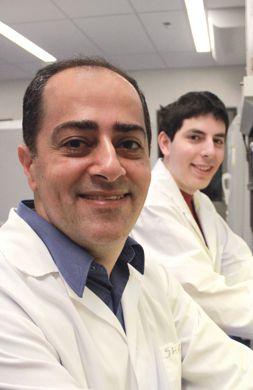
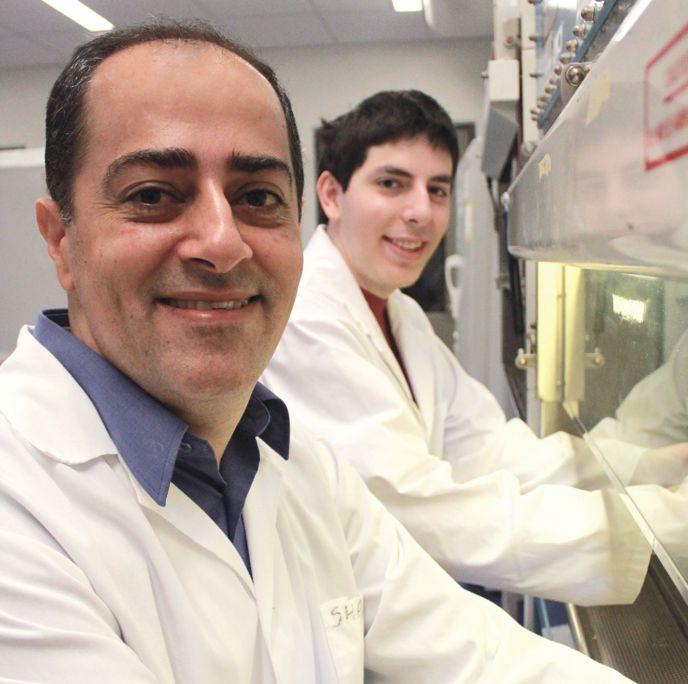
university of guelph animal and Poultry science professor shayan sharif (left) – pictured here with masters student, michael st. Paul – is leading a team of scientists developing a chicken vaccine that they hope will curb disease transmission between animals before it gets to humans.
group is looking for avian influenza antigens (viral molecules or molecular fragments) that trigger an immune response. they are using an assortment of laboratory techniques to determine which antigens should be incorporated into the vaccines to generate the most protection against the influenza.
“We want to see if we can contain the viral infection in chickens,” says sharif. “once it readily spreads among humans it’s likely that we could see a severe
pandemic, because of the high mortality rate.”
sharif and his team are deciding which antigens to incorporate into the vaccine, based on the level of immune response observed. By looking at the response to specific antigens, the researchers will better understand which parts of the avian influenza virus are involved in generating immunity against the virus. this will enable them to construct the most effective vaccines.
Flu FIGhTERS
Photo by Bruce s argent, s P ar K, u niversity of g uelph
PrototyPe vaccIne
At this point, the researchers have successfully created a prototype vaccine that is immunogenic – meaning it induces an immune response. However, the presence of immune response does not guarantee protection.
“We are taking this project one step at a time,” says sharif. “the first step was to see if the vaccine was immunogenic or, in other words, if it could generate immune responses. the second step is to do animal challenge trials to determine efficacy of the vaccine.”
When an animal is infected, it can shed the virus even after the clinical signs of illness have disappeared. Most influenza vaccines are unable to fully prevent this shedding, which can transmit the virus to other animals or even humans. What’s more, birds can shed through both their respiratory and gastrointestinal tracts, increasing the chance of disease transmission.
the prototype vaccine is able to reduce the amount of virus in tissue, decreasing virus shedding in infected chickens. now researchers are working on different formulations that will enhance the ability to limit propagation and shedding of the virus as well as increasing immunogenicity.
“In the case of our prototype vaccine, it looks like we have both immune response and protection,” says sharif. “the ultimate goal is to reduce clinical signs in birds and transmission of the virus, and we’re hoping to do both.”
other researchers involved in this project include dr. shahriar Behboudi, university College, London, u.K.; dr. Mansour Haeryfar, university of Western ontario; Prof. Éva nagy, and laboratory staff members dr. Amirul I. Mallick, Hamid Haghighi and Leah read, university of Guelph. n
This research receives support from the Natural Sciences and Engineering Research Council, the Poultry Industry Council, the Canadian Poultry Research Council, the Saskatchewan Chicken Industry Fund and the Ontario Ministry of Agriculture, Food and Rural Affairs.
•
•
•
•
SELECT DOSER
• Select Doser dispenses products accurately into low and high pressure watering systems through it’s tubing via compression and peristalic action.
• Aggressive products and powders never pass through the pumps mechanism that can cause premature wear and maintenance.
• New improved Model 640 is now simple to use with one tube size
• New Select Doser Max can now operate in high pressure and volumes
Centrifugal Cooling System
•
•
•
•
RECIRCULATION FANS
circular Recirculation Unit
• 16” and 20” diameters
• 3600 coverage using directional wind vanes
• Superb alternative to race tracking
• With Multifan or Performa+ Leeson motors circulating fan
• 12” – 24” diameters • Polyethelyne housing
• with Multifan or Performa+ Leeson motors
Genius picture Ge-430
• Genius 430LS Livestock climate control
• User friendly Interface (hot Keys)
• Large Display Screen for easy viewing
• Up to four variable stages and 30 off/on relays
• Expandable to 50 relays with relay module
• Up to 12 temperature sensors , one Humidity sensor
• Up to 12 heat zones, 12 cool stages, 2 light programs
• Up to 5 water metering, 2- 0-10volt outputs for dampers
• can operate Dual, natural and tunnel ventilation
• Multiple applications Genius controls from 3 – 10 stages
• Genius 420 Series control , up to 4 variable, 20 off/on
• New Genius Dimmable Light control
• New feed Bin monitoring control
• New Genius 420LS control system – larger screen and capacity
72” fan
• Heavy Duty fiberglass housing
• Heavy Duty 6 blade alum. Propeller
• Twin gates Size A belts with Auto tensioner
• 3 hp , single or 3 phase motor
• Optional cone for max air flow
LIGHt
traP/ Dark OUt
• High light reduction
• Low resistance to air flow
• Simple Installation
• Easy to clean
• Uses P.V.c. snap release spacers
CPRC Update Research: an Important Tool to Meet Industry Issues
Gord speksnijder has written the updates since they began and has now handed it off to me, Bruce roberts, the new CPrC executive director. Gord continues his involvement with the CPrC and has been a lifeline for me as I learn about the objectives and activities of an organization delivering a very complex service to the Canadian poultry sector. I am also fortunate to report to a knowledgeable and experienced board of directors made up of representatives of the CPrC membership, who are in turn supported by capable and professional staff from the partner organizations. the Canadian Poultry research Council is definitely a co-operative group effort.
As part of the orientation to my new position, I have been reviewing information about the Canadian poultry sector and have found some interesting data on the sector’s size and importance to both Canadian agriculture and the economy. For example, statistics Canada’s Farm Financial survey reported that poultry farmers controlled almost $15 billion of farm assets in 2009. Almost all of those assets are located in rural Canada and make up an important part of the rural economic base. statistics Canada also reported that poultry farmers generated over $3 billion of farm cash receipts from the sale of poultry products in 2010 – more than seven per cent of total cash receipts from the sale of farm products. these farm cash receipts support employees, input suppliers and many other businesses and families in rural Canada.
Another feature of the Canadian poultry sector is that most of the product produced is processed, sold and consumed within Canada. Processing adds a sig-
nificant amount of economic value to our country – jobs, purchase of supplies, transportation and so on. Again, much of this activity helps support our rural economy.
Like many industries, poultry production and processing must continually improve productivity and efficiency in an ongoing search for cost control measures. As with other sectors that deal with animal husbandry, poultry farmers and processors are challenged to continually seek to improve animals’ welfare and their relationship with the environment. these challenges continue at a time of increasing consumer awareness of, and interest in, the food they consume and how it is produced and processed.
research is one of the most important tools in our industry’s efforts to meet these ongoing issues. research is also important as a risk management tool to address present concerns and those that we will face in the future. Agriculture and the food system have changed rapidly over the past 10 to 15 years and it is unlikely that the pressures that increased the pace of change will let up. research on poultry issues conducted by all parts and levels of the Canadian poultry sector will help all those involved in the industry adapt to changes and embrace the challenges and opportunities they bring.
the CPrC has a lot of work planned – all of it directed at supporting poultry research that will benefit the Canadian poultry sector. our watchwords in all of our activities will be “co-operation” and “communication” to ensure that the CPrC and other poultry research stakeholders are going in the same direction. some of our plans include:
• Completion of the Poultry research
strategic Plan that was started in 2010. A lot of very good input was received in a workshop in May of that year and our main priority is to complete the process over the next year.
• Work with the CPrC member organizations, research-related organizations, universities and government at all levels to develop a co-ordinated system that will maximize research funding and have an impact on the industry.
• development of the CPrC’s own strategic Plan in conjunction with the two prior steps.
• development, in co-operation with our research partners, of a comprehensive poultry research proposal to be ready for the start of Growing Forward 2.
• Creation of a poultry research database that will offer a single source of information for researchers and industry stakeholders.
the CPrC has taken a major step in creating a full-time executive director position and relocating its operations to ottawa. these actions reaffirm the commitment to the Canadian poultry sector and poultry research of the CPrC board and its membership.
The membership of the CPRC consists of the Chicken Farmers of Canada, the Canadian Hatching Egg Producers, the Turkey Farmers of Canada, the Egg Farmers of Canada and the Canadian Poultry and Egg Processors’ Council. The CPRC’s mission is to address its members’ needs through dynamic leadership in the creation and implementation of programs for poultry research in Canada, which may also include societal concerns. the CPrC’s new contact information is available at www.cp-rc.ca. n
The Next GENeration
Sommers has been a trusted name for standby and PTO power systems in rural Canada for 75 years. Over the generations, we’ve been there to keep your lights on and your equipment running with reliable generator systems personally tailored to your family and business needs.
Times have changed, but Sommers is still leading the next generation of power solutions with advanced features like Sentinel remote monitoring and our new easy-to-buy series of packaged systems.
For now and for your future, count on Sommers for “the power to live better.”
Energy Geothermal Advantages
the technology works well for B.c. grower richard Yntema
B Y D Av ID S CHMIDT
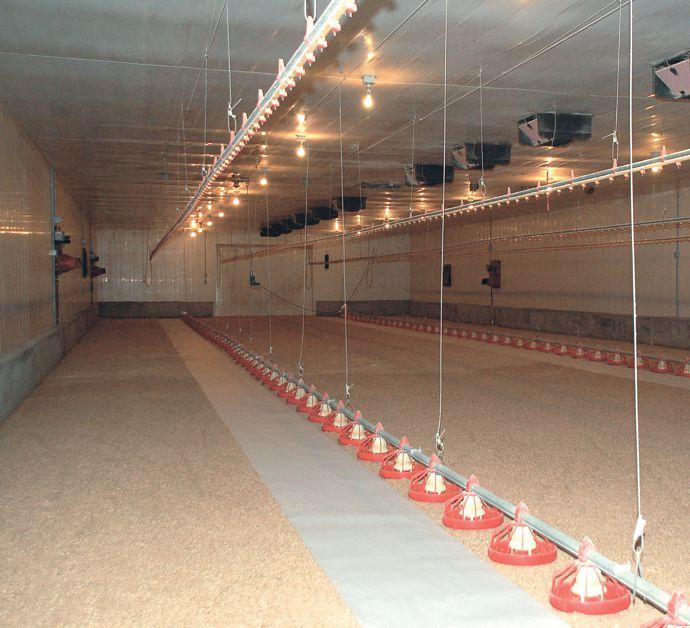
The first thing you notice when you step into richard yntema’s chicken barn in e nderby, B.C., is the complete absence of brooders. that’s because it relies on geothermal heating and cooling.
“ t he concept of extracting heat from the earth and putting it back into the earth for storage always fascinated me,” yntema explains.
It’s a fascination he shares with few other chicken growers, as y ntema’s barn is one of only a handful in Canada to utilize the concept. yntema says one of the other growers, located in Alberta, does not like his own system, but both he and Jim Croken of okanagan Geothermal, who designed and built yntema’s system, blame that on poor design and installation.
“It all comes down to design,” Croken says. “the biggest problem is that there are no standards for the industry. A lot of people doing geothermal either don’t have the expertise or try to cut corners and that gives us all a bad name.”
It is no surprise some people try to cut corners as geothermal systems have a high capital cost. yntema readily admits his facility cost “seven times” that of a conventional barn. that is not just because of the geothermal system but also because he splurged on every other aspect of the barn, which in itself
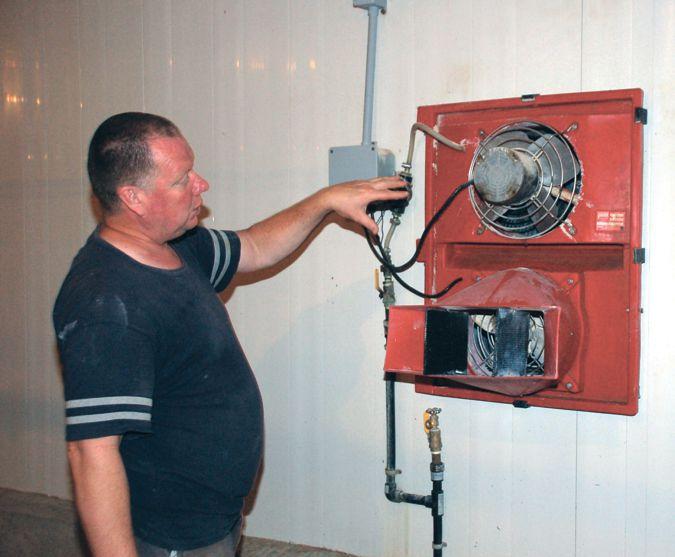
the complete absence of brooders is the first thing noticed in richard Yntema’s chicken barn. the barn is heated and cooled using geothermal energy. along the walls are the (red) heat exchange units and side vents. there is also a row of vents along the ceiling.
cost “three times” as much as a woodframe barn to build.
“you get what you pay for,” he says simply.
Instead of wood frame walls, yntema’s barn has eight-inch walls, composed of two inches of styrofoam and 5.5 inches of concrete in a plastic liner.
“the walls and floors are mouseproof and have a 25-year warranty as
long as you don’t back into them,” he notes.
the piping for the geothermal system is embedded in both the floor and the walls. each can be run independently and used to either add heat or extract it from the barn. that ability to both add and remove heat is what separates geothermal from conventional in-floor heating systems.
y ntema heats the barn to 38 C
lOOk MA, NO BROODERS!
Hawaiian Farm Tour
2 Weeks – 4 Islands from $2068*US
Travel with other farmers departing Mondays, January, 2012 on this famous Hawaiian Farm Tour offered by YMT every year since 1974. You’ll visit all four main islands with sightseeing on every island including Honolulu & Pearl Harbor, Punchbowl Crater, The Iao Valley, Lahaina; a Maui Tropical Plantation; the Wailua Riverboat Cruise & Fern Grotto; Kauai Sheep and Cattle Ranch; Steel Grass Farm growing bamboo, vanilla and cacao; and on the “big island” a Hilo Orchid Nursery; Black Sand Beaches; a Giant Fern Tree Forest; Volcanoes National Park; a Kona Coffee Plantation; Macadamia Nut Factory tour; Parker Cattle Ranch Museum; Aquatic Fish Farm & more! Includes a flower lei aloha greeting, 14 nights in hotels, baggage handling, inter-island flights & transfers, plus escorted sightseeing on every island. *Price per person, based on double occupancy. Airfare is extra.
for the day-old chicks, then gradually reduces the temperature over the five weeks the chicken are in the barn. that means switching to a cooling mode for at least the last quarter of the cycle, as by then the birds are generating more heat than they require. At the end of the cycle, the floor temperature is down to 18 and the barn temperature is at 21.
“ t he temperature is uniform throughout. even on day 1, the chicks are spread throughout the barn, as there’s no cold spot anywhere,” yntema notes.
He still has a few vents but their only purpose is to “bring in enough fresh air for life support. We don’t ventilate at all for the first two weeks.”
“there is a huge difference in geothermal cooling. o ther farmers are pushing cool air into the barn; we are sucking heat out,” Croken explains. the system does require different
Energy
management than a conventional heating/cooling system. there is no instant heat or instant cooling as conventional farmers can achieve these effects by either turning on the gas or turning on the tunnel ventilation. Instead, yntema starts the system 10 days in advance of receiving chicks so it is up to the required temperature when they arrive, then keeps his eye on weather forecasts and adjusts the system to ensure the barn will maintain the required temperature even with dramatic increases or decreases in the outside temperature. this is helped by the fact the heavily insulated, white-sided barn takes much longer to lose its heat or its coolness, as the case may be, than a typical barn –one reason yntema experiences few, if any, losses during a heat wave. the geothermal system, which is also used to run the coolers in yntema’s
on-farm game meat processing plant, includes four heat exchangers that extract or dispel heat through piping buried in 26 250-foot trenches spread around the 50-acre property. the heat recovery units have an automatic wash cycle that sprays water onto the unit for 1.5 minutes every hour they are in use to ensure the intakes do not clog. Although the initial costs were high, yntema is convinced of the system’s value.
“you get happier chickens, you use less energy, less bedding and less feed, you do less maintenance and cleanout is much quicker.
My heating costs are the same in summer and winter. My costs are actually higher in the summer when I have to pull more heat out,” he states.
Because the in-floor heating keeps the litter dry, there is no ammonia in
the barn and the chicken develop no breast blisters. Although dry litter may result in slightly more dust, yntema insists, “I would pick dust over ammonia any day.”
yntema’s barn is only 125 by 40 feet and houses only 6-7,000 birds, which his wife received on the new entrant program. However, he sees no reason the system would not work equally well in a barn “five times as big.”
nor does he regret his decision.
“I have run 16 batches of chickens through the barn and maintenance is practically non-existent. It still takes me just three hours to clean out the barn and the floor still has no stains on it. If I would get more quota, I would build another barn just like this because I know it works. I’ll still have something in 15 years when other farmers will be looking at rebuilding.” n
Finish BIG Start Fast.
The patented FLUXX broiler feeding pan system continues to set the standard in broiler feeding. The FLUXX system has been farm tested and farmer approved, proving it to be the best at faster starts and bigger birds
TRUflood™ 360° high feed level flooding allows feed accessibility, from day one.
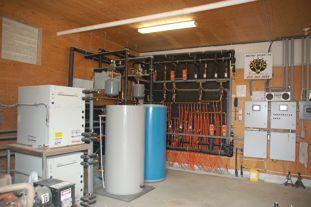
ThE CONTROl PANElS FOR ThE GEOThERMAl hEATING AND COOlING SySTEM
Management hands-on Brooding Gets Results
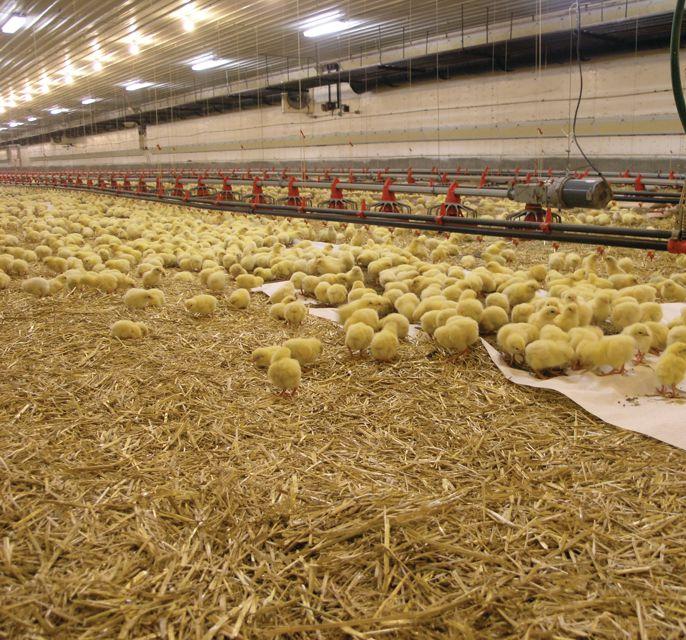
time in the barn and attention to detail are
BY D AN wOOLLEY
Close attention to brooding management is essential
according to dr. scott Gillingham, d VM, Canadian r egional Business Manager for Aviagen, Inc.
He told registrants at the Atlantic Poultry Conference in Wolfville, n s., the first 10 days in the broiler barn are crucial to bird health and ultimate profitability.
today’s broilers grow bigger, faster, observed Gillingham. “they are putting down a lot more protein. they are more aggressive to feed.”
rapid weight gain in young broilers presents management challenges to the poultry farmer. “there is no room for error. they grow right before your eyes,” he said.
Farmers must look to their stockmanship and the young broilers’ genetics, nutrition and health.
He insisted: “you have to be in the barn to observe the birds when they are eating, sleeping or drinking in order to achieve a steady state in brood management.”
Feed
With today’s broilers, good management is critical, stressed Gillingham. “We need to measure the birds’ production performance. Feed them as soon as they arrive in the barn...stimulate their
close attention to brooding management is key to achieving production performance.
guts. Get them on feed, not on litter.”
If the chicks’ development is delayed they will not catch up, he said. “Any delay means a big loss at the back end.”
“Watch your birds’ behaviours. Put their feeders close to their comfort zone under their heaters.”
Production, he continued, is derived from their daily nutrient intake.
“Where is the feed? Can they get to it? supplemental feeders must be accessible.”
Birds also have a preference for a certain pellet size, observed Gillingham, not powder or big chunks of corn. “Look at getting birds off crumbs and onto pellets.”
With “fine feed they will spend more time at the feeder. that is why you want to get to pellets sooner.”
the poultry producer should establish the chicks’ comfort zone within their first 10 days in the barn, he said, observing that too much heat
EARly START
will destroy their guts. Moreover, their state of hydration should also be checked. But, with a comfortable brooding temperature, the chicks will grow.
A lot of feed conversion can be lost in the first 10 days and variations in humidity will influence the effective temperature for the birds, said Gillingham.
c ro P F I ll
Gillingham added: “Crop filling is the best thing you can do in the barn. Check it along with bird temperature. It is critical.” the crops should be at least 85-per cent filled within their first 12 hours in the barn, he stated, adding barn temperature will affect crop filling.
Light intensity in the barn, at 50 to 70 lux, is also critical in the birds’ first seven days in the barn. Gillingham said some poultry barns are only 20 lux.
“Paint the barn interior white,” he suggested. “We need the birds to see their environment to feed and drink.” the lighting program for brooder management must be tailored to the birds’ sex, targeted weight and feeding programs, he said.
d r I nkers
As for the birds’ water requirements, there are peak demand periods in the barn, so there must also be a source of immediate, clean water, Gillingham said. In addition, the producer must check the flow rates of his water system’s nipples, which in the first week in the barn should be at least 25 millilitres. of water per nipple. “ you have to have consistency. A reduced flow rate reduces growth,” he said. n
To view videos on crop fill, barn temperature and how to weigh chicks, go to www.aviagen.com or go to www.canadianpoultrymag.com for a set of links to the videos under “Current Issue.”
Improve Performance
at 1-877-625-4400 and
Production yorkshire Valley Farms
ontario’s new organic poultry business has grown into the largest in the country in less than a year
B Y T REENA H EIN
The story of yorkshire Valley Farms – the largest and fastest-growing organic poultry business in Canada – is a tale of true synergies. the parties involved all brought unique strengths to the table that are needed for business success, making the sum much greater than its already impressive parts. tony Ambler, a cash crop, beef and conventional chicken farmer near Peterborough, ont., with long-term experience in a large manufacturing company and a keen interest in sustainability, was looking for new challenges after the Bse crisis. down the road from his farm was tom Ahrens, a master organic crop and beef farmer with many years of experience, and an interest in expanding his acreage. His son nick, also an experienced organic farmer, was keen to continue some sort of organic farming that would support his new family. Also just down the road was a neighbour, Ian Anderson, sporting many varied skills he’d gathered over a career in marketing and public relations – and attracted to being part of a cutting-edge venture.
a comPany Is born
In 2009, discussions began among tony, tom and Ian, and serious plans to produce organic chicken – and eventually
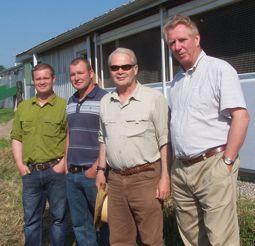
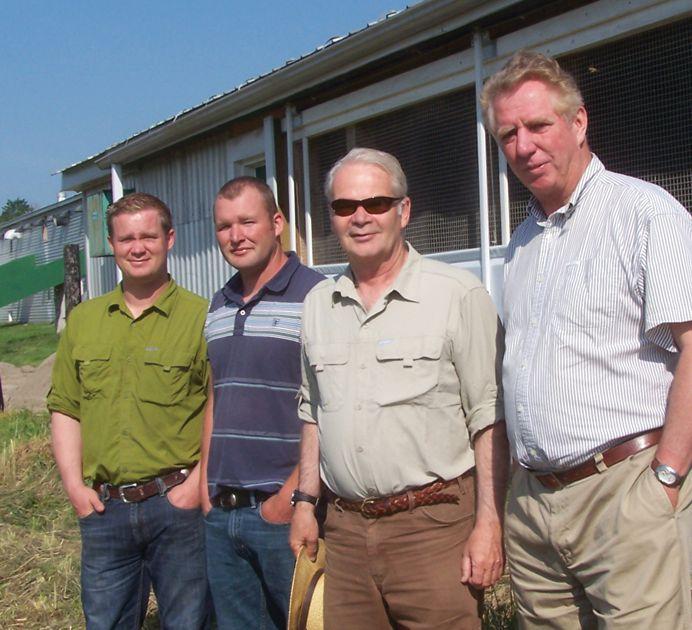
tony ambler (far right) sought help from experienced organic grower tony ahrens (second from right) to start Yorkshire valley farms, canada’s fastest growing and largest organic chicken company. Pictured on the left are nick ahrens and barn manager Brad Kloosterman.
turkey as well – quickly took root. there were tours of organic poultry farms south of the border to learn about natural light and ventilation solutions, in addition to other aspects of organic poultry farming. A company, yorkshire Valley Farms, was formed, with themselves as the three co-owners. In 2010, tom had his organic chicken barn built (two cycles, 15,000 quota), and tony renovated his broiler hatchery barns to accommodate four
cycles of organic birds (30,000 quota), while also keeping his nearby conventional operation. Another producer has 15,000 quota. In december 2010, the first yorkshire Valley chicken hit Loblaw store shelves.
gettIng a market
But the road that got them to that point involved a few more steps than
yORkShIRE VAllEy GROWERS
barn renovations and raising new chicks under organic guidelines.
“From the start, we had a very different focus than what is found in traditional organic marketing,” notes Anderson. “We are aiming to provide organic poultry to as large a market as possible, rather than doing on-farm sales or selling at specialty shops or farmers’ markets, which is how most organic farmers sell their products.”
yorkshire Valley approached Loblaw (Canada’s largest food distributor) in late spring 2010 and found the company’s poultry buyer, Glen Halfyard, tremendously supportive. “I can’t say enough about the support he’s given us,” Ambler says. “He did everything he could to help us, including liaising with the processor and coming to meetings with the Chicken Farmers of ontario (CFo). In doing this, Loblaw became the first grocery chain to get into organic protein in a big way.” (Loblaw has also taken other actions related to sustainability, such as a 2009 commitment to purchase all seafood, wild and farmed, from certified sustainable sources by the end of 2013.) the aim from the start was to have yorkshire Valley products available in Loblaw and speciality stores provincewide and beyond, but “right now we can’t fill the demand,” Anderson says.
ProcessIng
yorkshire Valley also found a strong friend at Maple Lodge, a processor that supplies Loblaw and has federally inspected plants – a must in order to ship products across provincial borders. “Jack May, who has operated Maple Lodge for decades, is a visionary,” says Ambler. “He threw his support behind us and that allowed us to proceed.” For a task like organic processing – which involves cleaning the equipment beforehand with approved cleaners – a processing plant needs a sufficient weekly volume to make it worth their while. yorkshire Valley ships a minimum of 7,500 chickens
per week to Maple Lodge’s 24/7 plant in Brampton, and that processing takes 40 minutes.
“We were able to show Loblaw and Maple Lodge that we had the agricultural acumen and business acumen, all the skills it would take to make this work,” Anderson says. (there are
Production Follow the wave!
more than 10 other companies that yorkshire Valley Farms either already supplies or is in discussions with, including an organic baby food manufacturer.) Ambler adds, “We convinced them that this is a new product with a new market. We believe that new customers who wouldn’t have eaten
chicken at all will eat it now that there is a product that is raised organically, with more room and more natural conditions, in addition to the organic feed and health-care standards.” Customers are welcome to visit, notes Ambler, and quite a few have done so.
e xpansion is ongoing. A third grower in the Kitchener area is on board, as well as a turkey grower. “We plan to have 4,500 turkeys available for thanksgiving and 4,500 for Christmas at Loblaw,” says nick.
For these men, having created a successful organic poultry business was worth the risks and the headaches, and they’re extremely proud of what they’ve accomplished. “We’re producing the healthiest and highest quality product on the market, and we offer the consumer full transparency with no middlemen involvement,” says nick. “Farmers are important, which is an idea that more and more consumers take to heart.” Ambler adds, “yorkshire Valley is a farm-level brand owned by farmers, and not a multinational, so that also builds trust and integrity. “We are also local, and we always want to be local,” says Anderson. “that’s important to consumers and important to us.” n
Check out next month’s magazine for more on Yorkshire Valley Farms, and learn about the challenges faced when growing chicken organically.
34 ACRE HILLTOP POULTRY FARM
5448 FiFTeeNTH SiDe rD, HALTON HiLLS
Only minutes to 401/ Milton City, 250x60 feet Poultry Steel Barn built in 2002 with Top of the Line Poultry Automated Equipment, Second Steel Poultry Barn 140 x 40 feet, Renovated 3 bedrm home with double garage, updated windows, hardwood, newer roof. 23 acres workable, 2000 sq ft garage/workshop, propane heat in all buildings, property generator, $1,490,000.
Go to www.chrisdosne.com and click MY LiSTiNGS and look at 21 photos of farm. Contact: Chris Dosne, chris.dosne@century21.ca Century 21 Millennium Inc. Cell: 416-578-2343 Office: 1 (888) 450 8301
K. MILLER REALTY, BROKERAGE
Each office is Independently Owned And Operated 220 BROAD ST EAST, DUNNVILLE, ONTARIO N1A 1G2 Phone 905-774-7624 or Toll Free 1-888-718-8445 Fax 905-774-5960
LArGe POuLTrY OPerATiON: Presently set up for Turkey. 3 barn operation. 88,000 sq ft of growing area. Suitable for other poultry. Standby generator and all farm & barn equipment. Modern 3+1 bdrm home. All on 50 acres of land located near Acton, ON.
WiNDHAM CeNTre – brOiLer FArM: One barn operation. 40 x 352 x 2. Ziggity nipple drinkers. Chore-Time equipment. Sprinkler mist system. 55 kw generator and alarm system. Natural gas heaters. 12 acres on paved road.
LiTTLe briTAiN - brOiLer breeDer FArM WiTH 14256 H.e.M.S. Split flock. 2 barn operation. Barn 1- 275 x 40 x 1, Barn 2- 305 x 40 x 1. Solar wall Vencomatic Nests, Roxell Feeders, Fancom Computer, Bird weighting. Box heaters. Lubing drinkers. Automatic generator, 105 kw. New well. Pullet quota of 8257 produced off site. Year round production. 50 Acres, 45 workable tiled loam soil. New 3+1 Bdrm brick home.
Jack Huitema, broker of record (res.) 905-774-8291 jack-huitema@coldwellbanker.ca www.coldwellbanker.com
Feed Manufacturers, Feed Additives, Distributors and their Salespeople
Other (please specify)
- Payable to Annex Publishing & Printing Inc.
ALL THINGS CONSIDERED
by JIm KnISley
greed is not good
Canada seems to have become the darling of big-time, big-money u.s. fixed income investment managers looking for a safer place for their cash. I drew this conclusion while watching a panel that was mostly focused on the current financial woes of southern europe and the u.s. At one point the moderator asked one of the panel participants, a senior executive and adviser to a company that is one of the biggest bond and treasury bill buyers on the planet (China is bigger), where safer bonds can be found. the list he offered was short – Canada, Germany and Brazil.
A couple of weeks earlier I had watched a similar panel discuss the state of equity investments and where the best –in this case, companies that offered the lowest risk with the best potential returns – could be found. Without hesitation one of the panelists said Canada. He didn’t recommend any individual companies but instead suggested index funds or broadly based mutual funds. the reasoning was straightforward. Canada’s banks and financial institutions are sound, Canada has vast amounts of natural resources (gold, oil, other minerals and produces a lot of grains and oilseeds) and it avoided the worst of the recent worldwide recession.
the bond guy also said the Canadian economy, while not without potential perils because of close ties to the u s., was sound and the country has a plan to deal with deficits and debt. that last point puts Canada in a different league than the u.s. where it’s all politics all the time. In the pursuit of a point or two in the opinion polls or ideological purity the u.s. seems incapable of dealing with debt, deficits, desperately high unemployment, slumping consumer demand, an unrelenting mortgage crisis, soaring corporate profits, stagnant average family incomes or a high-cost, underperforming health-care and health insurance system
and Italy from the headlines. not long ago Ireland was proclaimed the Celtic tiger. It had lowered tax rates, adopted an unrestrained free enterprise ethos, loaded up on risk and debt and ridden high on a real estate boom. It all came to a bad end and the Celtic tiger is now mounted on somebody’s wall.
Iceland went a similar way, freeing its banks from constraints, making regulation a bad word and, in effect, throwing a party. unfortunately the party was paid for with other people’s money and a credit card. When it all came due the banks were bust, the government was bust and the people were left to clean up the mess and take a pledge not to throw any more parties.
the countries that are now on the better guy list for the fixed income investor are quite different but have a few things in common. Brazil, like Canada, has natural resources and agriculture. Like China, it is developing, has strong internal demand and is raising average incomes. It also has a focused government and regulations.
Germany doesn’t have much in the way of natural resources. But it does have a well-educated, highly innovative workforce that it combines with sound business leadership. It has regulations that many in the u s. and some in Canada would brand as red tape but that serve to keep much of the folly, stupidity and unfettered greed out of its policies and practices.
A constant question throughout has been: “Is this the result of global warming?”
Back in the 1970s greed was proclaimed as good. Maybe it is, in small doses. But unrestrained, uncontrolled, unaccountable greed is what has put Greece on the brink. It is what brought the Irish tiger to a bad end and it is what sent Icelanders back to their fishing boats.
Meanwhile parts of europe are making the u.s. look like a bastion of fiscal sanity. Greece has become the poster boy. It has an inefficient, ineffectual tax system. It is loaded with debts that it may not be able to or want to repay. It has a generational divide between the baby boomers who ran up the debts and are unwilling to pay them and their children who are being stuck with the bills and a lower standard of living than their parents enjoyed.
the Greek calamity has at least provided one service – it has bumped Ireland, Iceland, Portugal and potentially spain
the u s. is obviously much bigger than Greece and the others. It has a better opportunity to turn itself around. And for Canada’s sake one hopes it will. But no deeply indebted country can withstand the willful blindness of politicians and the unrestrained greed of multimillionaires for long.
At some point one can only hope that some adults will take control of the u s. debate and point to Canada, Brazil and Germany. the lessons are straightforward. rational regulation is good. education is good. An innovative workforce is good. sound responsible business leadership is good. And, on important matters, political compromise is good.