
Kemira TCM (Total Chemistry Management) is a system that enables pulp and paper makers to improve operational efficiency and save costs through the optimized use of chemicals. With this strong partnership you get a full range of chemicals from a single supplier and benefit from the bestin-class application know-how and technical service.
In addition, we provide you with direct access to our smart process management technologies and the latest innovations from Kemira R&D.
Let’s work together to build value into paper.
tcm.kemira.com


Fortress
Global Enterprises Inc. is just one Canadian forestry firm that is forging ahead in the biomass sector. The company recently acquired S2G Biochemicals, a British Columbia-based company that produces xylitol, a food industry sweetener best known as the artificial sweetener in chewing gum.
Fortress Global plans to test the technology with a demonstration-scale plant at the Fortress Specialty Cellulose (FSC) Mill in Thurso, Que., using C5 sugars extracted from hemicellulose, a residue from the facility, to make xylitol. Scheduled to begin operations in 2020, the site is expected to have a production capacity of up to 2,000 tonnes per year of xylitol.

If successful, Fortress Global says it will build a $150-million full-scale plant capable of manufacturing 20,000 tones per year.
Undergoing its own transition, the forestry company recently changed its name from Fortress Paper Ltd. in a move to better reflect its existing business and future strategies, it says.
“We believe that the production of xylitol will further optimize the utilization of our wood fibre and also provide us with the added benefit of offloading the recovery boiler which will provide a separate measurable economic benefit,” Chadwick Wasilenkoff, Fortress Global CEO, said.
Earlier this year, Resolute Forest Products and FPInnovations announced additional investments in a pilot project to produce and commercialize biochemicals derived from wood. Hosted at Resolute’s Thunder Bay, Ont., pulp and paper mill, the $21-million project will establish a biorefinery for TMP-Bio, a patented technology developed by FPInnovations to produce biochemicals, including cellulosic sugars and high-quality H-lignin, from wood chips.
Derek Nighbor, CEO of Forest Products Association of Canada, describes the news as an “economic opportunity.”
“Our ability to continue to transform Canada’s forest products sector by making new products that displace fossil fuel-intensive ones is not only going to help us fight climate change, but is also key to the future success of our mill communities,” he said.
“With the burgeoning global bioeconomy, bioproducts such as 2G sugars and H-lignin are rapidly growing in importance as the market seeks non-fossil and non-food alternatives,” writes Zhirun Yuan, FPInnovations research leader, in an article published in 2016-2017 IMPACT magazine. “Canada’s forests are an abundant source of biomass — biomass that presents many opportunities for applications of bioproducts, biochemicals and biomaterials. The substantial growth potential and projected market size of these bioproducts make it a very exciting time for the Canadian forest sector and for the key players involved.”
As the forest products sector continues in its age of transformation, now is the time for the Canadian industry to embrace transformative and competitive technologies. PPC
Editor ALYSSA DALTON
416-510-5225 adalton@annexbusinessmedia.com
National Accounts Manager
LAURA GOODWIN 289-928-8543 lgoodwin@annexbusinessmedia.com
Group Publisher/Director of Content and Engagement
SCOTT JAMIESON 519-429-5180 sjamieson@annexbusinessmedia.com
COO TED MARKLE tmarkle@annexbusinessmedia.com
President & CEO MIKE FREDERICKS
EDITORIAL/SALES OFFICES
111 Gordon Baker Rd., Suite 400, Toronto, ON M2H 3R1
Phone: 416-442-5600
Media Designer
BROOKE SHAW
Circulation Manager
BEATA OLECHNOWICZ bolechnowicz@annexbusinessmedia.com
Print in Canada
ISSN 0316-4004 (Print) ISSN 1923-3515 (Digital)
Account Coordinator
STEPHANIE DEFIELDS sdefields@annexweb.com
PUBLICATION MAIL AGREEMENT #40065710
CIRCULATION
email: mchana@annexbusinessmedia.com
Tel: 416-510-5109
Fax: 416-510-6875 (main) 416-442-2191
Mail: 111 Gordon Baker Rd., Suite 400, Toronto, ON M2H 3R1
SUBSCRIPTION RATES
Canada $56.50 - 1 year; $90.50 - 2 year
Outside of Canada - $113.00 per year
Occasionally, Pulp and Paper Canada will mail information on behalf of industry related groups whose products and services we believe may be of interest to you. If you prefer not to receive this information, please contact our circulation department in any of the four ways listed above.
Annex Privacy Office privacy@annexbusinessmedia.com Tel: 800-668-2374
The editors have made every reasonable effort to provide accurate and authoritative information but they assume no liability for the accuracy or completeness of the text or its fitness for any particular purpose. All rights reserved. The contents of this publication may not be reproduced in part or in full without the publisher’s written permission © Annex Publishing & Printing Inc.
Sustaining member, Pulp and Paper Technical Association of Canada; Member, Alliance for Audited Media.




MAY 30 - JUNE 2, 2018
“ADAPTING FOR THE FUTURE”

2018 EXECUTIVE PROGRAM Committee:
Steven Bull – Domtar
Surendra Singh – Alberta Newsprint
Kerry Morton – Zellstoff Celgar
Jennifer Boese -West Fraser-Hinton Pulp
IBMP ORGANIZING Executive:
Tim Jarvis – ERCO Worldwide
Drew Lyon - OVAL International
Mike Trivett – Valmet
Jason McCulloch – Kemira
Terry Good – Allnorth Consultants
* H.R. MacMillan Trophy for BEST MILL PRESENTATION
* RUNNER-UP Presentation (open to consultants and researchers)
* BEST SUPPLIER Presentation
* BEST NOVICE PRESENTATION for first presentation by author (excluding presentation at Branch Meetings)
* BEST STUDENT Presentation
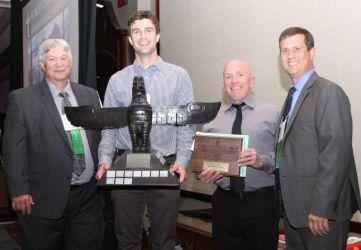
2017 HR MacMillan Trophy for BEST PAPER awarded to MATTHEW PORS & REECE MITCHELSON, West Fraser-Hinton Pulp with PACWEST Chair & Program Chair, GORD START and STEVEN BULL.
Join us again at: The Fairmont Jasper Park Lodge JASPER, AB

To network with peers, industry leaders and technical experts. Enhance professional development learning about new technologies, process improvements and what’s being showcased for the latest industry challenges.
We are also pleased to present a full Spousal Program
2018 CALL FOR PRESENTATIONS
For inclusion in the Program, abstracts must be received by MARCH 31, 2018 with presentation completion by MAY 11th
Selection of presentations is based on several criteria, including originality, technical merit and mill relevance
Time limit for presentations is 20 minutes with 5 minutes for Questions & Answers
should be submitted to PACWEST 2018 Program Chair:
Surendra Singh - Alberta Newsprint at surendras@albertanewsprint.com
For Registration and more information visit: www.pacwestcon.net
PROGRAM OUTLINE
WEDNESDAY, MAY 30
INDUSTRY MEETINGS:
* Mill Managers & Sr. Executives
* Maintenance Managers RT
* Alkaline Pulping Committee
* Papermaking Technology Committee
* SHORT COURSES –
#1 Process Measurement and Control Valves
#2 Effective Organizations .. Improving Machinery Installation, Performance & Reliability
#3 Process Safety (TBC)
* Trade Fair
THURSDAY, MAY 31
* FORUM featuring leading Industry Managers & Analysts including:
Mark Wunderlich, Catalyst Paper
Martin Pudlas, Canfor Pulp
Eric Oliver, FPInnovations
Gordon Floe, NLK Consulting
Harshad Pande, Domtar
* Technical Sessions/Panels
* Trade Fair
* Pulp Machine Superintendents RT
* Maintenance Managers RT
FRIDAY, JUNE 1
* 5K Fun Run
* Trade Fair
* Technical Sessions/Panels
* Pulp Machine Superintendents RT
* Maintenance Managers RT
* Keynote Feature Luncheon Speaker
* Awards Dinner & Dance
SATURDAY, JUNE 2
Annual Golf Tournament
SESSIONS/PANELS (outline)
• Safety
• Environment
• Pulp & Paper Processes
• Sustainability / Energy
• Maintenance / Reliability
• New Technologies / Products
• Process Control
• Student Session
Canfor reorganizes pulp leadership
Canfor Pulp Products Inc. has announced that due to an organizational change, Canfor Pulp president Brett Robinson will be leaving the company effective March 5. The president responsibilities for Canfor Pulp will be consolidated under Don Kayne, CEO of Canfor Pulp and Canfor Corporation.
Robinson became president of Canfor Pulp in 2012, previously serving as executive vice president of Pulp Operations.
“Over his more than 25 years with Canfor, Brett has been an excellent contributor and leader in our organization. He leaves a strong legacy and team, and we thank him for his many contributions,” Kayne said.
A global supplier of pulp and paper products, Canfor Pulp owns and operates three mills in Prince George, B.C., with
a total capacity of 1.1 million tonnes of reinforcing Northern Bleached Softwood Kraft (NBSK) pulp and 140,000 tonnes of kraft paper, as well as one mill in Taylor, B.C., with an annual production capacity of 220,000 tonnes of Bleached ChemiThermo Mechanical Pulp (BCTMP).
Kimberly-Clark to cut up to 13% of workforce, close 10 factories
Kimberly-Clark Corp. says it will cut as many as 5,500 jobs, or 13 per cent of its workforce, in a new global restructuring initiative.
The company expects to close or sell approximately 10 manufacturing facilities and expand production capacity at several others to improve overall scale and cost.
As part of the program, Kimberly-Clark expects to exit or divest some low-margin
International Paper, Weyerhaeuser honoured as
Two forestry, paper and packaging companies are being recognized for their commitment to integrity and prioritizing ethical business practices.
The Ethisphere Institute announced International Paper and Weyerhaeuser as two of this year’s Most Ethical Companies. In total, 135 honourees were recognized this year, spanning 23 countries and 57 industries.
“As a company, we value character as much as capability. We look for all our 52,000 employees across the globe who not only have talent, skills and work ethic, but who also are dedicated to the principle of doing the right things, in the right ways, for the right reasons, all of the time. This is the IPWay,” said Mark Sutton, chairman and CEO of International Paper.
International Paper has been recognized for 12 consecutive years, while this is Weyerhaeuser’s ninth time making the honouree list.
Five pulp and paper companies are being recognized on Forbes’ Canada’s Best Employers 2018 list.
The ranking, which was compiled in collaboration with online research firm Statista, highlights 300 companies operating in Canada that have won the endorsement of their workers. Statista surveyed 8,000 Canadians working for large firms and institutions – those with 500 or more employees – asking them whether they would recommend their employers on a scale of 0 through 10, with 10 being
businesses that generate approximately 1 per cent of company net sales. The sales are concentrated in the consumer tissue business segment.
Headquartered in Dallas, Texas, Kimberly-Clark Corp. anticipates pre-tax savings of US$500 million to $550 million by the end of 2021 from the cost-cutting moves. It foresees total pre-tax restructuring charges in a range of $1.7 billion to $1.9 billion.
Kimberly-Clark’s annual sales declined for the three-year period between 2013 and 2016, according to FactSet, but annual sales rose slightly in 2017 from the prioryear period.
The company says it is looking to save more than $1.5 billion between 2018 and 2021 as part of its ongoing cost-savings program.
“It is an honour to once again be included on this list and to be among companies whose principles and practices uphold the highest standards of ethics and corporate social responsibility,” said Sutton.
The World’s Most Ethical Companies assessment is based on the Ethisphere Institute’s Ethics Quotient (EQ) framework, which offers a quantitative way to assess a company’s performance in an objective, consistent and standardized manner. The information collected provides a comprehensive sampling of definitive criteria of core competencies rather than all aspects of corporate governance, risk, sustainability, compliance and ethics.
Scores are generated in five key categories: ethics and compliance program (35 per cent), corporate citizenship and responsibility (20 per cent), culture of ethics (20 per cent), governance (15 per cent), and leadership, innovation and reputation (10 per cent).
the most positive. Respondents were surveyed through online access panels –not through their employers – and their gender, age, region, education level and ethnicity was representative of Canadian employees in general.
Congratulations to the pulp and paper companies who made the list:
• #2 – Kruger Products
• #186 – Domtar
• #199 – Cascades
• #222 – J.D. Irving
• #228 – Canfor
The 2018 ranking includes 300 companies from 25 industry sectors with operations in Canada.
“At the core of our success is the skill and dedication of our people,” said Francois Paroyan, Corporate VP Human Resources, Kruger Products. “Ranking #2 on the Forbes list is a testament to our engagement strategies, and we are committed to continuing to provide our employees with a great place to work and with opportunities to learn and grow.”
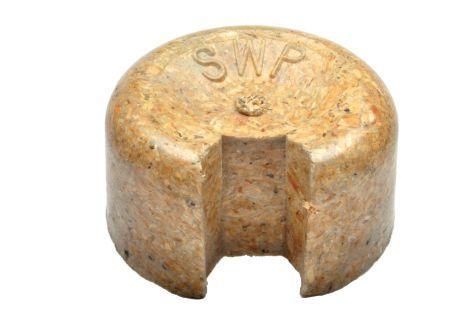
A crushed roll of paper can cost manufacturers and their customers countless hours, dollars, and headaches. But by simply inserting core plugs into each roll, paper makers can reduce damage and loss claims for just pennies per roll. As a family-owned New England company that has been producing core plugs for over 50 years, Souhegan guarantees a high-quality, steady inventory of the products you need, whenever you need them.
We offer two different types of high-density, molded wood core plugs engineered specifically for the paper industry:
CENTER HOLE PLUG
With an easy-out design preferred by many end-use customers, an impressive crush strength, and a competitive price, our re-engineered Center Hole plugs are an industry favorite for all grades of paper.
• 3" Center Hole plugs have a crush strength of 2,300 lbs in a .668" walled paper tube.
• 4" Center Hole plugs have a crush strength of 5,000 lbs in a .25" walled paper tube.
CORSAVER™ PLUG
Designed for fine coated papers, the name says it all – this little gem can withstand three times more pressure than most other center hole plugs on the market. In independent testing, our CorSaver plugs withstood a 10,000 lb crush in a .668” walled paper tube.
For more information on standard plug sizes and custom options call us at (603) 654-2311 or visit us online at www.souheganwood.com


Canadian industry veteran to receive award at PaperCon 2018 TAPPI is presenting the 2018 Gunnar Nicholson Gold Medal Award to David McDonald, president of JDMcD Consulting Inc. and adjunct professor in the Department of Chemical Engineering at McMaster University.
McDonald began his career in the industry with Abitibi Paper Company in 1978. In 1984, he joined Paprican as a research scientist. During his research career, he produced “outstanding advances” in the science and technology of wet pressing, web handling, winding and several other fields, says TAPPI, adding that these are described in 70 peer reviewed publications and conference presentations, about a quarter of which are in TAPPI publications. McDonald rose to the position of vicepresident Research and Education in Paprican responsible for the research and university programs of the organization with line responsibility for about 310 people.

TAPPI explains that among McDonald’s accomplishments was his vision to create a “world-class program” in nanotechnology and forest biorefinery. Upon the creation of FPInnovations, he was appointed vice-president of University Programs and Strategic Partnerships. In this capacity, he was the architect of eight university networks supported by the industry and the Government of Canada to create the forest industry of the future. He later served as the senior advisor to the umbrella organization of the networks, FIBRE, which was comprised of 27 universities with more than 100 professors and 400 students.
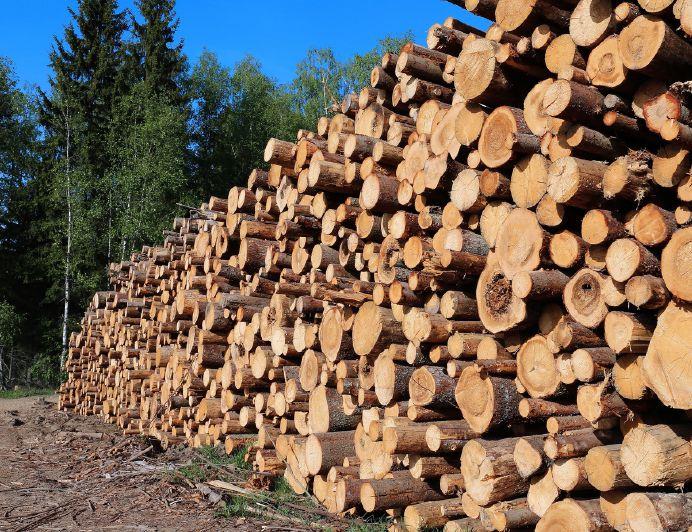
The New Brunswick government has announced measures to combat what it considers to be unfair trade actions undertaken by the United States government against New Brunswick’s softwood lumber industry.
“These duties against New Brunswick and Canada’s softwood lumber producers are unfair, unwarranted and disappointing,” said Treasury Board President Roger Melanson, who is also minister responsible for trade policy. “In the past four softwood lumber decisions, Canada fought the decision through litigation and was successful. Our government will support the federal government in the pursuit of legal action, and we are confident that we will prevail.”
Premier Brian Gallant and other government representatives have been meeting with the federal and American governments and advocating in support of New Brunswick’s softwood lumber industry since 2014. The provincial government has made submissions to the United States Department of Commerce to demonstrate that New Brunswick has an open, fair and undistorted market for timber.
The provincial government says it intends to:
• Improve and develop strategic corridors to improve transportation efficiency for industries, including the forest industry.
• Enhance innovation in the forestry industry through increased research, expanding opportunities like biomass and biofuels, and by promoting the markets that exist for value-added wood products from New Brunswick, consistent with the provincial government’s obligations under international trade agreements.
• Work to protect the forest sector by increasing its efforts to monitor and combat the threat of spruce budworm through continued partnerships with industry and the federal government.
• Work with industry to find new export markets and reduce reliance upon trade with the United States.
• Engage an expert firm to conduct a review of the New Brunswick forestry market and, if warranted, make appropriate recommendations to address matters relative to New Brunswick that are currently the subject of the softwood lumber trade dispute.
Capture CO2 emissions, purify and re-use them, and even convert them into revenues, all while improving the industry environmental scorecard! This is the spirit of Valorisation Carbone Québec.

Based on the principle of a human lung, and after fifteen years of research, our unique, patented and revolutionary carbon-capture solution gives you the self-su ciency to fulfil all the CO2 requirements your operation needs, including regulating and stabilizing pH, reducing CaCO3 dissolution, pulp-washing, lignin recovery or soap acidulation, among others.
All carried out more e ciently and economically than any other technology on the market. Generate your carbon credits!
Get a jump on the future and contact us to find out more about our solution and how you can profit from the new carbon economy!
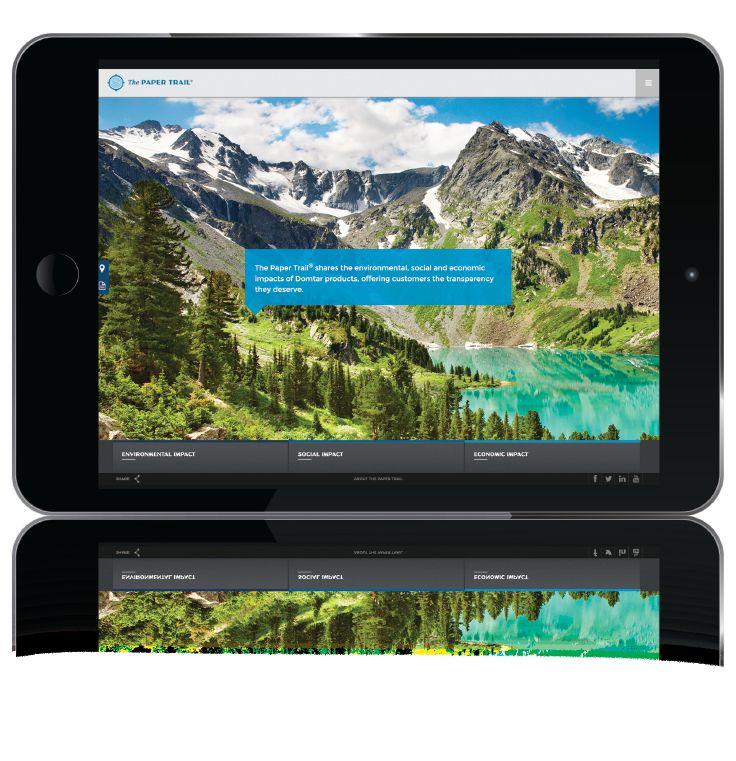
Domtar announced improvements to its supply chain transparency tool, The Paper Trail, offering customers a deeper look into the company’s products and the people and places behind their manufacture.
The fibre-based products manufacturer said the latest enhancements build on its “commitment to openness and honesty, showcasing corporate efforts focused on caring for people and communities, efficient manufacturing and responsible sourcing and logistics.”
The Paper Trail provides gate-to-gate impact estimates for Domtar products across five environmental categories: wood fibre, greenhouse gas (GHG) emissions, water, renewable energy and waste, as well as compares Domtar’s performance to the wider industry, highlighting both what the company is doing well and the areas it is working to improve upon.
Updates to the website include the addition of the environmental, social and economic impacts of Domtar’s pulp products, including Northern Bleached Softwood Kraft (NBSK), Southern Bleached Softwood Kraft (SBSK) and Fluff pulp.
Enhancements to the tool include:
• The latest available environmental impact data from Domtar’s manufacturing sites;

Fortress Paper Ltd. says it has changed its name to Fortress Global Enterprises Inc. to better reflect its existing business and future prospects.
“We are pleased to change the name of the company to Fortress Global Enterprises Inc. to align our focus on global investment opportunities. With the recent sale of our Swiss security paper products business, we will now adopt a name that better reflects our company’s global perspective while we continue to seek new opportunities to create shareholder value,” said Chadwick Wasilenkoff, CEO.
Headquartered in North Vancouver, B.C., the company operates its dissolving pulp business at the Fortress Specialty
• Over 15 new paper products to choose from, including the Husky Digital, Husky Opaque Offset and Xerox paper brands;
• Updated stories, videos, photos and fact sheets about the company’s 13 pulp and paper mills;
• Location, sourcing and economic
Cellulose Mill in Thurso, Que.
The company’s common shares commenced trading on the Toronto Stock Exchange under the new symbol FGE in February. Fortress says it expects its 7.0 per cent convertible unsecured subordinated debentures, due on Dec. 31, 2019, will commence trading on the TSX under the new symbol FGE.DB.A. The company’s common shares quoted on the OTCQX Best Market will continue under the symbol FTPLF.
role from management team
BillerudKorsnäs is modifying its senior management team whereby the role of executive vice president will be removed and Christer Simrén will leave the company.
“The decision has been made based on the fact that the company is in a phase where short and clear decision chains are
information about Domtar’s nine external paper converting facilities;
• Information on the 6,000+ hours employees volunteered via the EarthChoice Ambassadors in 2017; and
• Product-specific country of origin, tree species and timber legality details.
required to deliver on set targets,” said BillerudKorsnäs.
“Christer Simrén has made significant contributions as executive vice president of BillerudKorsnäs since the merger of Billerud and Korsnäs in 2012. He has been crucial in our work for laying the foundation for the major investments in the future that are currently under way. We thank Christer for his efforts and wish him good luck for the future,” said Petra Einarsson, president and CEO.
Tolko and Splatsin further partnership with letter of intent
Tolko Industries and Splatsin, the southern-most community of the 17 that make up the Secwepemc Nation, have further strengthened their long-standing relationship with the signing of a letter of intent (LOI). The two have been working together since 2008 to manage issues and develop opportunities.
The LOI outlines the establishment of a joint administration area; the development of strategies and plans to manage Splatsin’s and Tolko’s relationship; the establishment of business, employment and joint venture opportunities; and building capacity for long-term sustainable employment.
“Working with Splatsin has been a very positive experience,” said Brad Thorlakson, Tolko president and CEO. “Over the past eight years, through open dialogue, we have worked together on land management issues, forest administration areas, and procurement opportunities. This LOI further strengthens our relationship. As a company, we believe partnerships such as this are the way of the future and we look forward to working with Splatsin and with other Indigenous communities in the areas where we operate.”
“The LOI with Tolko and Splatsin moves us towards a model of joint planning and management of a portion of our territory,” said Chief Kukpi7 Wayne Christian. “Our ancestral leaders in 1910 said ‘These people wish to be partners with us in our country. We must, therefore, be the same as brothers to them, and live as one family. We will share equally in everything – half and half – in land, water, and timber, etc. What is ours will be theirs, and what is theirs will be ours. We will help each other to be great and good.’”
International Paper offer
Smurfit Kappa, headquartered in Dublin, Ireland, says it is rejecting an unsolicited acquisition proposal from International Paper Company of Memphis, Tenn.
A statement issued by Smurfit Kappa says the board carefully considered the proposal and “believes it is in the best interests of the group’s shareholders and other stakeholders to pursue its future as an independent company.”
record EBITDA for 2017 of €1,240 million and a full year ROCE of 15 per cent and said the underlying positive trading conditions have continued into 2018. As part of its year-end results, Smurfit Kappa announced an acceleration of its investment program based on plans to improve its market position and strengthen its integrated model between 2018 and 2021. Smurfit Kappa describes itself as Europe’s largest producer of paper-based packaging, with 75 per cent of its annual earnings attributed to the European market.
Smurfit Kappa says factors contributing to strong, sustained European demand growth and the emergence of corrugated as a highly sustainable transport and merchandising medium include: the substitution of plastic with paper-based packaging; significant growth in e-commerce; and growing demand from discount retailers for shelf-ready packaging.
“The proposal fails entirely to reflect the group’s strong growth prospects and attractive industry outlook,” according to the press statement from Smurfit Kappa. International Paper says that under
the terms of the proposal, Smurfit Kappa shareholders would be entitled to receive €22.00 in cash and 0.3028 new International Paper shares of common stock for each Smurfit Kappa ordinary share held by them.
“International Paper believes that the transaction, if consummated, would be an excellent strategic fit that creates longterm value for both Smurfit Kappa and International Paper. The enlarged group would constitute a premier global packaging company that would be able to serve both local and global customers more effectively. The transaction would also create an opportunity to realize meaningful synergies through enhanced efficiencies,” said International Paper.
A producer of renewable fibre-based packaging, pulp and paper products, International Paper operates plants in North America, Latin America, Europe, North Africa, India and Russia, producing corrugated packaging products, pulp for diapers, tissue and other personal hygiene products, and paper for communication and education. PPC
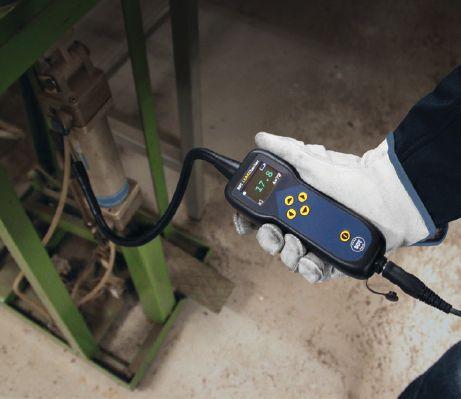
According to International Paper, on Feb. 14, it approached Smurfit Kappa and requested a meeting so it could put forward a specific proposal. Following further communication initiated by International Paper, a meeting was arranged on Feb. 23, and at that meeting, International Paper delivered the proposal and provided a written letter to be delivered to the Smurfit Kappa board of directors. The proposal was reportedly rejected by the Smurfit Kappa board on March 5.
Smurfit Kappa recently announced

Submitted by FPInnovations
Upuntil now, the only International Standard that specified the requirements for paper permanence was ISO 9706, developed by the Technical Committee ISO/TC 46 on Information and documentation. Although this standard is primarily intended for archival and library documents stored in protected environments, it is also applicable to all types of unprinted papers.
According to ISO 9706, in order for paper to be classified as permanent, it shall have a lignin content of less than 1 per cent. The limitation on lignin content in ISO 9706 has until now excluded the presence of modern pulps such as high-yield chemical pulps, Bleached Chemi-Thermo Mechanical Pulp (BCTMP), alkaline peroxide mechanical pulp (APMP) and most recycled pulps from paper products classified as “permanent” according to the requirement of ISO 9706. However, based on research findings on paper permanence over the past 20 years, we know that such pulps can be used in a wide range of paper products for general graphic applications with no significant loss of mechanical properties over long storage periods.
In order to respond to market demands for an International Standard applicable to mechanical and high-yield pulp products, Canada, through FPInnovations, has taken the initiative to develop a new ISO Standard that specifies the requirements for the stability of paper for general, graphic applications. The project was launched in October 2012 through ISO/TC6, the technical committee on paper and board. However, the draft went through several stages of review to ensure the standard was not in conflict with ISO 9706 and that there was no ambiguity to potential users when deciding which Standard is appropriate for their particular applications.

As an important part of the development of this new Standard, an international round robin study, involving accelerated aging of paper, was conducted in eight laboratories from seven different countries: Belgium, Brazil, Canada, France, Japan, Italy and the U.S. The results were consistent with previous research results, indicating that neither the mechanical nor optical properties of paper, over a 0-79 per cent range of mechanical pulp content, were significantly impaired during long-term storage, providing further evidence that papers complying with the requirements of ISO 20494 are well-suited for use in products not intended for archival storage, including magazines, books and copy paper.
The new Standard was published in December 2017 as ISO 20494: Paper – Requirements for stability for general graphic applications. One of the main aspects of this standard is that it has no restrictions with regard to wood fibre type or lignin content, as long as the pH and alkali reserve of the paper, among other specifications, are met. This new Standard
will open up opportunities for mechanical and high-yield pulp producers and paper manufacturers worldwide, and particularly in Canada – a large producer of high-yield pulp – to develop and market a wide range of paper products containing mechanical fibre as well as recycled fibre. In particular, coated and uncoated printing and writing papers containing highyield pulps, such as BCTMP or recycled fibre, will be classified as stable paper, as long as they meet the specifications described in this Standard, and the enduse performance targets are achieved.
The benefits of using mechanical fibre and/or recycled fibre in paper products range from improved paper performance – particularly paper opacity – and lower production costs, to higher sustainability and greatly reduced environmental footprint. In particular, the amount of virgin fibre, energy consumption, use of water resources, levels of GHG and other emissions, and solid discharge are significantly lower with the addition of high-yield pulp and/or recycled pulp in paper production.
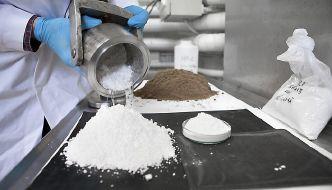
Andritz partners with Aalto University for AaltoCell biotechnology
Aalto University in Espoo, Finland, and Andritz are bringing to the global market new AaltoCell technology for the production of microcrystalline cellulose (MCC).
Developed under the lead of professor Olli Dahl, AaltoCell allows high capacity production of MCC in pulp mills instead of small production units, while using “significantly” smaller quantities of chemicals than before, he describes.
In addition to commercialization, the agreement includes multi-annual research cooperation that aims to develop new bioproducts with high processing value using MCC produced with the AaltoCell technology. In addition, the sugars generated in the manufacturing process can be used to produce bio-based chemicals, such as ethanol.
“We want to be involved in developing new wood-based, environmentally friendly bioproducts – to complement traditional bioproducts – which help our customers boost their business and gain commercial benefit,” said Kari Tuominen, president and CEO of Andritz Oy.
Lignin is one of the main building blocks of a tree and makes up 20 to 30 per cent of the composition of wood. Recent research reports find the versatile raw material, once traditionally discarded by the pulp and paper industry, can be used in a range of applications where fossilbased materials are currently used.
Stora Enso says its launch of Lineo is an “important step” on the way to replacing fossil-based materials with renewable solutions. It describes lignin as a renewable replacement for oil-based phenolic materials which are used in resins for plywood, oriented strand board (OSB), laminated veneer lumber (LVL), paper lamination and insulation material.
“Lignin is a non-toxic raw material with traceable origin and stable cost structure, and bio-based Lineo is ideal for companies looking for alternatives to oil-based products. We believe that everything made from fossil-based materials today, can be made from a tree tomorrow,” said Markus Mannström, executive vice president of the Stora Enso Biomaterials division.
Stora Enso produces lignin on the
at its Sunila pulp mill in Finland. The mill’s capacity is 50,000 tonnes of lignin per year, which it says makes Stora Enso the world’s largest kraft lignin producer. The company is already selling Lineo to replace phenol, and is currently looking at other applications for the material.
Described as a free-flowing brown powder, Stora Enso’s lignin is separated during the kraft pulping process of Nordic softwood. PPC

By Alyssa Dalton
Anew fluidized bed combustion system is offsetting tipping fees at an Ontario recycled paper mill.
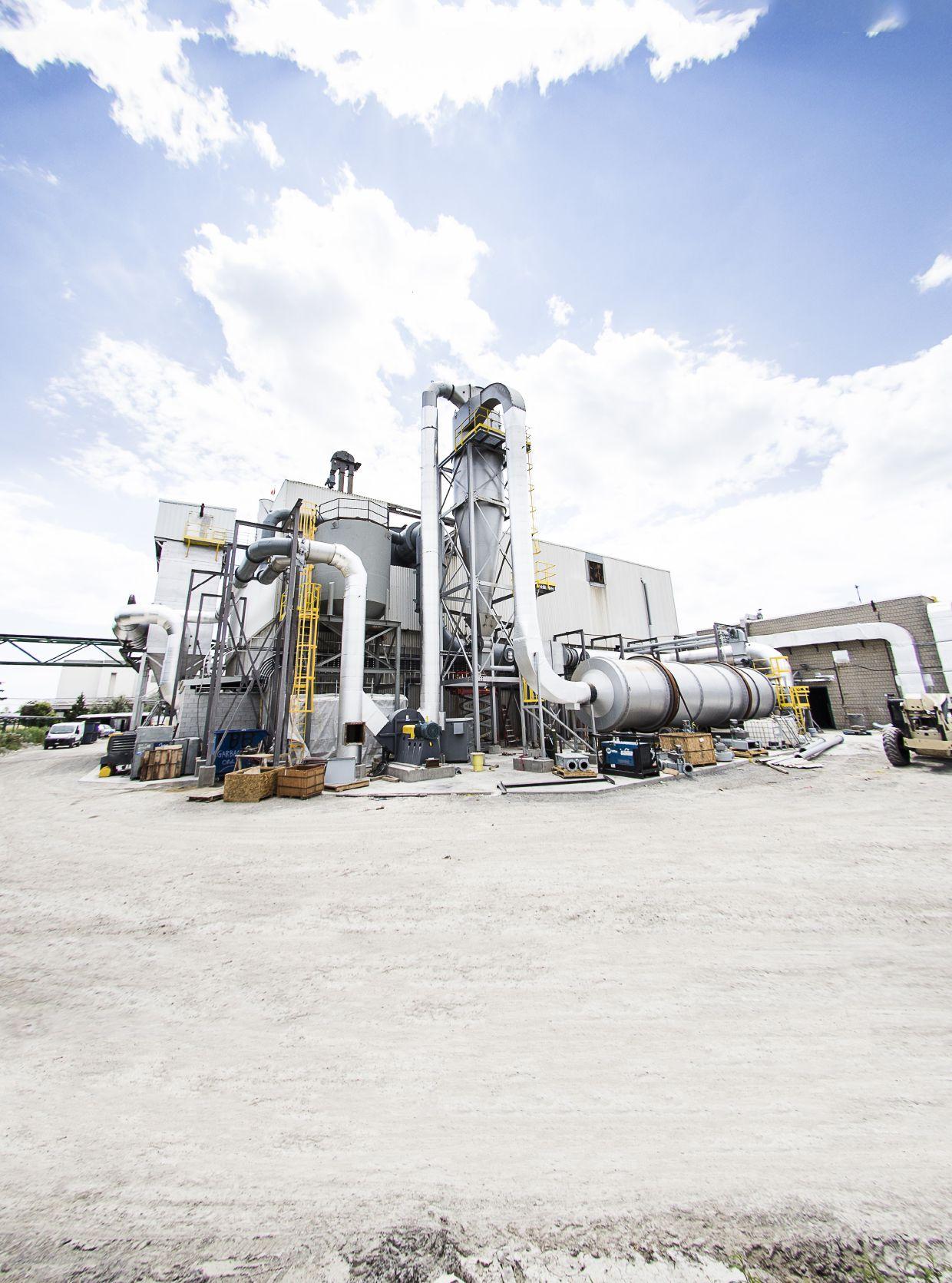
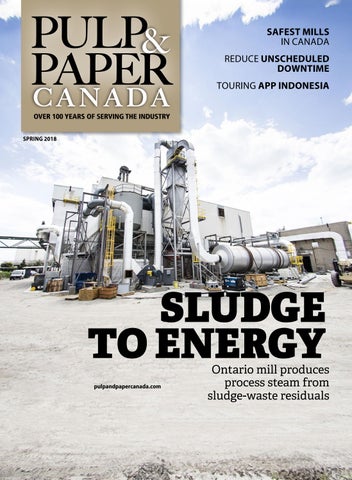
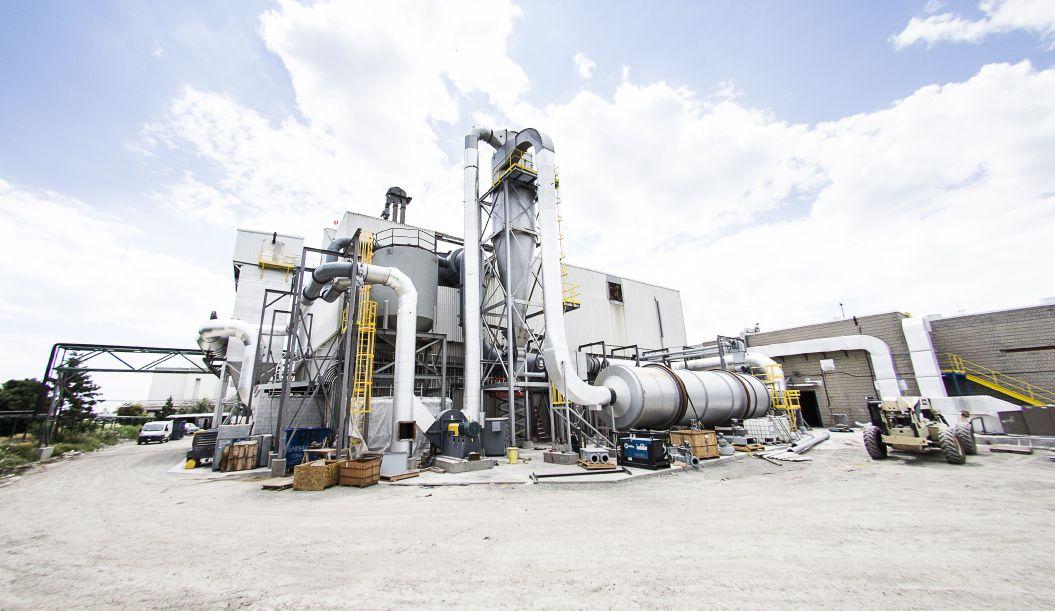
In operation for more than a year, a Precision Energy Services (PES) sludgeto-energy system at Atlantic Packaging’s Whitby mill processes 100,000 tonnes per year of paper mill sludge that was previously being sent to local area landfills, eliminating the cost of sludge disposal and reducing the cost of fossil fuels by the offset generation of plant steam.
The mill, formerly a producer of newsprint, reopened in 2013 after the company undertook a conversion project allowing it to produce 100 per cent recycled lightweight paper for the manufacture of
high performance corrugated packaging products.
In addition to the Whitby location, Atlantic Packaging owns and operates two other recycled paper mills – the New Forest Paper mill and the Scarborough Liner mill – located in Scarborough, the home of Atlantic Packaging’s corporate office.
The Whitby mill project is the integrated corrugated packaging company’s second PES sludge-to-energy system implementation. In 2011, PES supplied a similar system to Atlantic Packaging’s Scarborough Liner facility – 111 Progress Avenue – replacing combustion technology that was unable to reliably burn the wet paper mill sludge.
“We are excited to announce that our client’s second sludge-to-energy plant was
completed in early 2017. Our client will see a sufficient reduction in the plant’s overall waste disposal cost as well as a major reduction of their energy costs by the savings obtained in burning the biomass fuel to produce steam, offsetting the use of natural gas,” Mike Oswald, president of Hayden, Idaho-based PES, says.
In 2016, PES received a design, supply, supervise and startup contract at the Whitby facility for a complete biomass energy system incorporating its Fluid Bed Combustion System. It designed the system to supply the necessary energy in the form of hot gas to dry the 60 per cent + MC wet basis sludge to 40 per cent MC wet basis with the majority of the
energy produced from the sludge used to generate process steam. As a result, the combined energy is produced from a single system without the use of natural gas, says PES, explaining that natural gas is only used for startup of the system to obtain the required temperature for sludge feeding.
Producing process steam from the sludge-waste residuals – or biomass – promotes the plant’s green energy independence and the company’s green recycling plan by reducing the volume of waste sent to landfills.
“I think [an increasing number of] pulp and paper companies are being more green-oriented and [concerned] with the recycling and reutilization of waste fibre,” says Oswald.
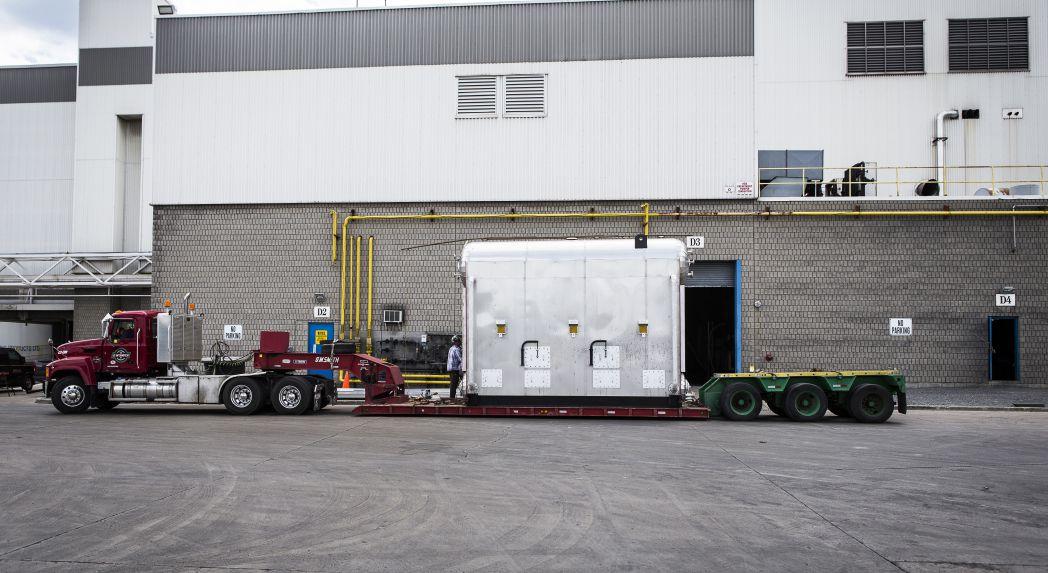
PES designed the complete system and supplied all system equipment, including: the wet and dry sludge storage bins, the wet sludge feed system to the dryer, a single pass rotary drum dryer, the dry sludge collection and storage bin, the dry sludge fuel metering and conveyance system, the PES Fluidized Bed Combustion System with automatic ash cleaning system, a 35,000 PPH, 250 psig waste heat boiler specially designed by PES to allow removal of the high ash quantities generated from the fuel, the boiler economizer and air heater, gas cleaning system, and ash collection and storage silo.
“Many recycled pulp and paper plants
have this problem. When you [operate] recycled paper plants, you have to take what is available as far as raw material and all that material does not necessarily repulp for you and you get a degree of material that is fibre but is not usable for paper. It is an industry-wide problem,” Oswald say.
PES explains that the majority of the sludge-to-energy system was designed to fit into the Whitby plant’s existing infrastructure, allowing most of the equipment – including the boiler system – to be inside the existing building with only the dryer, baghouse and ash silo outside of the building. A small portion of the building roof was removed to install the boiler system, although the height of equipment required a penthouse to be installed over the boiler.
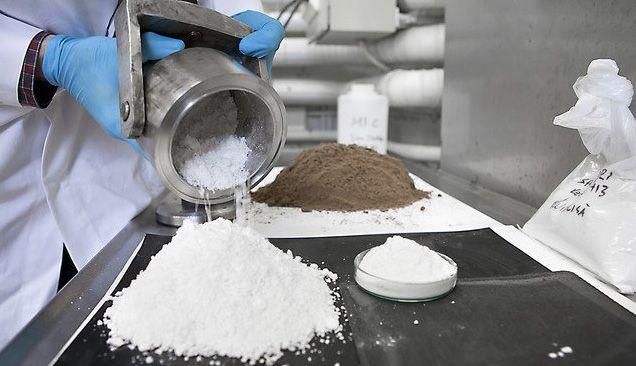
The sludge-to-energy system receives and processes the incoming sludge, and combusts the sludge leaving only an ash that is white in colour with no carbon residual. This ash, according to PES, is collected from nine points throughout the boiler, economizer, air heater, multiclones and baghouse and is conveyed pneumatically to an ash silo. The ash system was designed and supplied by PES to have no rotary valves, which it describes as a constant maintenance issue on biomass boilers. The sealed ash system conveys all of the fly ash to a sealed ash silo for unloading into sealed trailers, which PES says will help ensure the complete boiler
The ash is held in the ash silo for pick up by a nearby cement plant where it is utilized as an admixture to the manufactured concrete. As a result, the ash from the sludge presents the mill with major environmental and sustainability advantages, as it does not require landfilling, Oswald explains.
PES says the ash produced by the boiler system has very similar properties to Kaolin clay, a feedstock which accounts for approximately 40 per cent of cement’s composition. The sludge ash can be added (substituted) at approximately 5 per cent by weight, and actually, improves the final concrete performance. If the ash were to be used in a ready-mix plant, it could be used to directly substitute cement, but the sludge ash would require grinding to a consistent, fine particle size. PES has successfully designed and implemented ash-grinding equipment in other energy systems to increase the marketability of the ash.
In business since 1945, Atlantic Packaging is a vertically integrated packaging products company with key business divisions including Corrugated and Color Packaging, Recycled Paper Mills, Retail Packaging & Displays, Paper Bag Products, Supply & Inventory Management, and Recycling. PPC
“If we do safety well, we do everything well.” — Canfor Pulp
“At Domtar Windsor, safety is not a priority but a value.” — Domtar Windsor
Kruger
“Safety is one of many integral components that contribute to a company’s success. It’s a commitment that must be supported by all to ensure everyone has the knowledge required to work in a safe manner.”
— Dale Bencharsky EVP, COO, CFO
Alberta-Pacific Forest Industries Inc.
By Alyssa Dalton
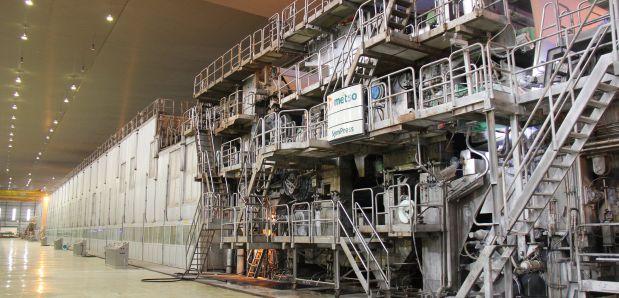
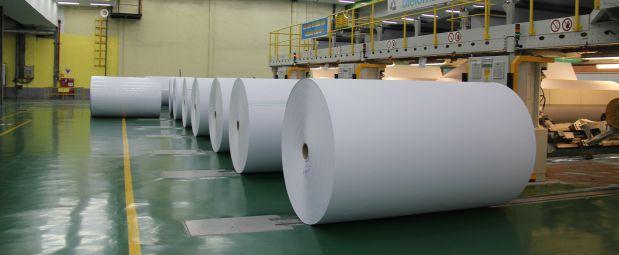
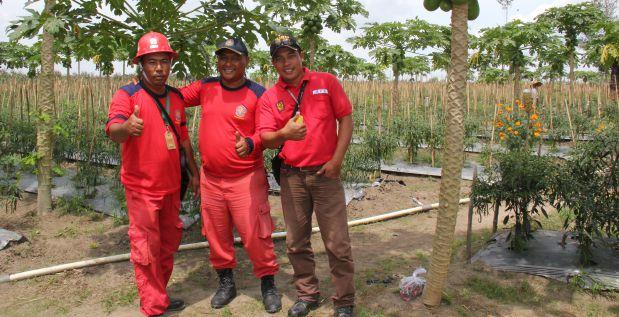
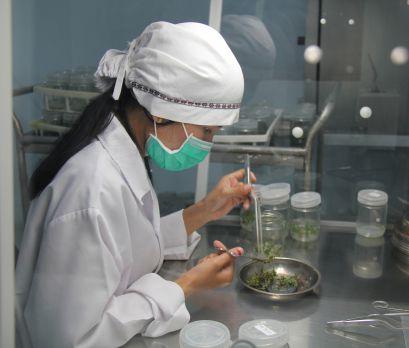
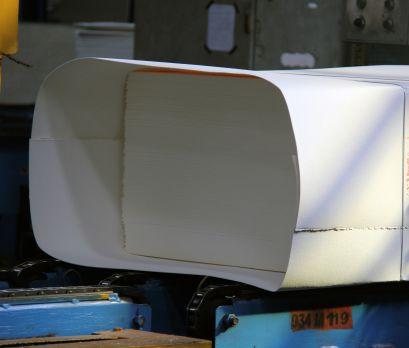
This January, a group of journalists visited an Indonesian-based operation of Asia Pulp & Paper, one of the world’s largest, fully integrated pulp and paper manufacturers. The tour included a look at the Indah Kiat Perawang pulp and paper mill, APP’s plantation system, efforts to protect the country’s rainforest, and the results of a $10-million program to help local villages. For more photos, visit www.pulpandpapercanada.com.

By Martin Fairbank, Ph.D.
At PaperWeek Canada 2018 in Montreal, Que., I attended a reliability session on February 7; two of the presentations were given by J.D. Irving employees on how they improved reliability in their paper mill in Saint John, N.B. There has been a focus on fostering a sustainable reliability process over the last several years, which has had an impressive payback. The first of these presentations was given by Tony Bass and Sean McKinley, both lubrication technicians at the mill.
Before the improvement process began, the four-year average for unscheduled downtime for bearing failures at this mill, which manufactures supercalendered paper on two paper machines, was 174 hours per year from 2007 to 2011, or 2 per cent of the time. The most-often cited cause of bearing failures is improper lubrication. One of the first steps the mill took was investing in training on proper lubrication theory and procedures, provided by the International Council for Machinery Lubrication (ICML). Today, every lubrication technician at the mill is required to be certified as a Level II Machine Lubrication Technician in accordance with ISO 18436. This allows them to have better understanding of the importance of lubrication, and how to detect potential problems before they result in equipment breakdown.
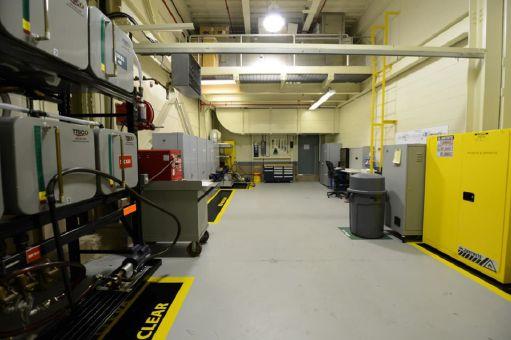
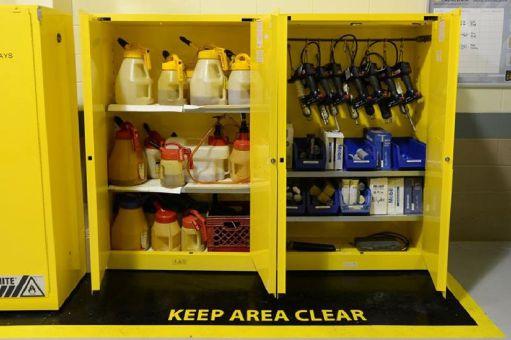
in developing a proactive approach to help prevent bearing failures, getting maintenance staff more engaged in the overall journey to better reliability. They implemented a 5S project to better organize their lube room, reducing clutter and making equipment and supplies easier to locate, see Image 1 and 2.
Better communication between departments and the use of vibration and ultrasound tools for feedback and monitoring is part of the proactive approach. Using the mill’s process historian to monitor filters and tank levels also helps keep the lubrication department on top of the condition of their equipment.
The results show the approach is working well. The current four-year average annual downtime for bearing failure is only 44 hours. Bass and McKinley’s enthusiastic presentation showed their sense of pride in having accomplished this 75 per cent improvement since 2011.
The second presentation from Irving employees was given by four members of the mill’s reliability team led by Nancy Vautour, a 16-year veteran at the mill who is currently reliability superintendent. The focus of this presentation was how they ingrain reliability in the mill culture and incorporate it in their day-to-day activities, using a standardized process that defines roles and responsibilities across the mill’s two paper machines and thermomechanical pulping (TMP) plant.
Following their training, Bass and McKinley became involved
Two types of management tools that make this possible are analytical tools and communication tools. For every downtime
event greater than two hours, a Downtime Incident Report is written and is due by 7:45 am the next day for review at the daily managers’ meeting. If the downtime lasts more than four hours, a root cause analysis is carried out, with a report deadline of one week. All reports are stored in the mill’s computerized maintenance management system (CMMS) and links are accessible on the mill’s intranet. Follow-up activities developed from these reports are also tracked on the system. Keeping detailed equipment and event history in a standardized format that is easy to access is important for root cause analysis and job continuity for new employees, they explained.
The next speaker was François Tremblay, paper machine maintenance superintendent at Domtar’s Windsor, Que., mill, who discussed the mill’s maintenance strategy. He gave some historical perspective to the development of maintenance philosophy. From the 1930s to the 1970s, maintenance was in reactive mode, fixing things only when they broke down. From the 1970s to the 1990s, preventive maintenance was introduced (think regular oil changes and tune-ups to your car), followed by predictive maintenance until about 2010, where condition monitoring is used to determine when maintenance should be performed. Since 2010, the trend is to aim for precision maintenance, where everything is tuned to run perfectly, using tools such as laser alignment, vibration monitoring and high-quality balancing of rotating parts, along with a system to apply standards and requirements successfully.
Precision maintenance was also the subject of a morning session at PaperWeek, presented by Ian McKinnon of Reliability Solutions.
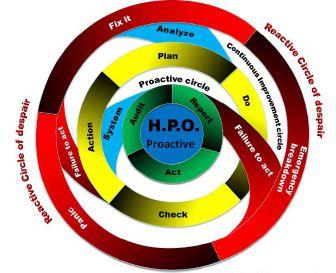
Tremblay used the High Performance Organization Wheel to illustrate where he sees the mill’s current maintenance philosophy, see Image 3. Reactive maintenance is

the outside circle, labelled Reactive Circle of Despair: breakdown, panic and fix. The middle circle is Continuous Improvement: plan, do, check and act. Finally, the inner circle is the Proactive Circle – report, act and audit – which is the goal of the Windsor mill.
Tremblay stated that improving reliability through better maintenance is largely based on people — about 80 per cent of your success comes from the people and processes and only 20 per cent is about the technology, such as techniques and gadgets. When the Windsor mill’s planning and scheduling processes were assessed by IDCON reliability consultants, some of the key opportunities identified included reviewing the workflow, better defining roles and responsibilities, and improving the effectiveness of their meetings. A cross-functional work group of 11 people from operations and maintenance was formed to deploy the action plan, and the end result was a better defined agenda for daily meetings, as well as a more detailed workflow for weekly work planning, shutdown work planning and common planning activities. The key
Better communication between departments and the use of vibration and ultrasound tools for feedback and monitoring is part of the proactive approach.
benefits include improved communication and teamwork between operations and maintenance, less emergency work and more proactive work, and less rework following shutdowns, he said.
A key step in moving toward precision maintenance was a five-day handson training workshop given to tradesmen on precision maintenance. Managers at the mill were also given a shortened version to explain the concepts and to gain their buy-in to the precision maintenance philosophy.
One of the subjects Tremblay also touched on was the ongoing loss of expertise due to retirement. The Windsor mill turned 30 years old in 2017, and since 2009 there have been 257 retirements — a 48 per cent turnover. Another speaker, Steve Crotty of Andritz Pulp & Paper, spoke about how Industry 4.0 may have some tools to help with this.
Industry 4.0 is a common term used to describe the Fourth Industrial Revolution. The first three being steam-driven production, electrically-driven assemblyline production, and electronic and ITbased automated production. Industry 4.0 involves multiple tools such as robotics, smart sensors, Cloud computing and artificial intelligence.
Ever since the industry started using
Keeping detailed equipment and event history in a standardized format that is easy to access is important for root cause analysis and job continuity for new employees.
data historians about 20 years ago, various applications have been developed to help use this repository of Big Data for analysis, troubleshooting and advanced control. Fairly new are applications that help target and address reliability such as augmented reality.
An example of augmented reality is the heads-up display – dashboard data projected on the windscreen – now available in several car models. This concept has been developed further for applications in industrial plants. By using GPS data or a QR code along with Wi-Fi access, plant personnel can access information on industrial equipment, projected just above their line of vision when wearing a device like smartglasses
or through a smartphone or tablet. The data can range from live or historical operating data, to maintenance records, engineering drawings, lockout procedures and even holographic models used for equipment and machine training. Users can interact with the image using their fingers, just as they would on a touchscreen tablet. Development of this technology has been driven by the concept of delivering information directly where it’s needed to provide a highly efficient workplace.
Andritz has sold this concept to several mills to date and believes it will become standard in new mills, but they say it is easy to build for current mills as well. The advantages of having immediate access
to equipment information are obvious, primarily saving huge amounts of time compared to going back to an office to look up the same information. In a survey of 12 mills that have installed the Andritz Augmented Reality application in their mills, annual savings ranging from 650,000 to 3.6 million euros per mill have been quoted. The company recently added remote conferencing capability to the Augmented Reality application so users can connect to an Andritz expert in Austria, Finland, Brazil or the United States while they are in their own mill next to the machine. Both the expert and mill personnel can view the data together, speeding up the troubleshooting, training and optimization processes.
As Andritz puts it: “Digital disruptions play a major role in the industrial landscape nowadays. Thanks to the Industrial Internet of Things, a highly expansive field of innovation has evolved and will change the industrial world significantly.” PPC


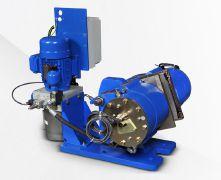
Twiflex now has compact hydraulic brake packages that aim to provide single-source convenience for a range of industrial applications. Standard packages are available with three different spring applied, hydraulically released brake models with braking force ratings ranging from 6.8 kN to 119 kN. Providing “superior performance,” Twiflex says these brake packages meet the static holding and stopping duty requirements of various applications. Combining Twiflex spring applied, hydraulically released caliper brakes with the LCS hydraulic power unit mounted on a custom fabricated base/ pedestal, these units can fit into applications where space is limited, explains Twiflex. Standard brakes are available in MXSH (max. braking force: 14.3 kN), VCS (max. braking force: 62 kN) and VKSD (max braking force: 119 kN) Disc Brake Caliper Packages, while all three packages are shipped complete with a hand pump, terminal box and pressure gauge. www.twiflex.com

Flow switch monitors flow, temperature of liquids, gases and slurries
The FLT93 flow switch, according to Fluid Components International (FCI), provides an early warning alert to the potential of dry running conditions, cavitation and other pump issues that can lead to emergency shutdowns, service interruptions and unplanned maintenance. The flow switch monitors the flow and temperature of liquids, gases, slurries and more. It is suitable for pump wet/ dry detection where sudden, unexpected reductions in media flow rates can leave pumps vulnerable to overheating conditions that shut down process lines and require troubleshooting, fixes and more, explains FCI.
With its no-moving-parts design and dual-alarm capability, FCI describes the flow switch as delivering robust pump protection. With Alarm 1, the switch will detect a low flow situation anywhere
between 0.003 to 0.9 MPS, which can be regarded as a pre-warning signal for the control system or operator who can then decide to keep the pump running or to shut it down.
If an Alarm 2 occurs because the feed line to the pump is running dry, this condition would be an emergency signal to shut down the pump immediately because the bearings now see gas instead of a liquid as a heat transfer media. In such situations, the temperature of the bearings may rise very fast. Using a flow switch prevents permanent damage to the pump’s bearings that will require an overhaul of the pump before more damage occurs, says the company. The dualfunction instrument indicates both flow and temperature and/or level sensing in a single device. Dual 6 A relay outputs are assignable to flow, level or temperature. The switch can be specified in either insertion or inline styles for pipe or tube installation.
www.fluidcomponents.com
York Fluid Controls has recently began distributing Sandpiper’s Signature Series line of air-operated double-diaphragm (AODD) pumps, which includes a variety of Heavy Duty Flap (HDF) pumps
designed to handle solid materials and abrasive slurries with better suction. Each Sandpiper HDF pump includes a bottom discharge that allows solids to pass through and prevents them from settling inside. Flap check valves also assist in handling large solids. These HDF pumps are capable of handling up to 76 millimetres of solids, with a maximum suction lift of seven metres. Available in six designs, the HDF pumps have walls constructed of sand-casted aluminum, cast iron and stainless steel, with elastomer diaphragms and check valves. Other features include: diaphragm connecting rods for diaphragm control; externally serviceable air distribution systems with air valves; and dry primes for up to seven metres of water. Sandpiper describes the HDF pumps as lightweight and portable, with some weighing as little as 21 kilograms. Flow rates range from 159 to 988 litres per minute, depending on the design.
www.yorkfluid.com
Fox Thermal Instruments has launched its Fox Model FT4X Thermal Mass Flow Meter designed to serve various industrial process applications. A feature of the unit is the new data logger which records flow rate, totals and other events and alarms. Suitable for harsh and hazardous environments, the FT4X features: 40 24-hour daily totals; date/time stamped event and alarm logs; 2nd Gen DDC-Sensor Design; CAL-V Calibration Validation; Two 4-20mA outputs; and RS485 Modbus RTU or HART options.
Also included is the FT4X View software which allows adjustments to the meter configuration, evaluation of alarm conditions, collection of process data, and measurement viewing from the user’s PC or control station. According to the company, the software can be used to initiate CAL-V and it automatically logs the results of each CAL-V test. If any regulatory submission is required, the software will generate a certificate for recordkeeping.
www.foxthermalinstruments.com
Valmet describes the Valmet IQ Converting Scanner for corrugated board as a “long-awaited addition” to its quality management control concept for corrugators and other board converting machines. “IQ Converting Scanner offers corrugated board manufacturers a more economical way to measure liner moisture levels. It enables the use of Valmet IQ CD/MD controls in corrugators, resulting in higher quality as well as improved productivity,” says Mikko Talonen, business manager, Automation, Valmet.
The scanner can be installed in different process locations as a result of its sensor support technology, and enables direct moisture measurements to be positioned in an “optimum process location from a quality and performance point of view.” According to the company, these control solutions improve and stabilize the end-product quality, decrease the amount of broke and allow operators to concentrate on quality management and production optimization.
www.valmet.com
Transmitter aims to deliver measurement confidence

Emerson has introduced the Rosemount 8712EM wall-mount magnetic flow meter transmitter offering diagnostic capabilities and usability features for users in various process industries. The meter’s local operator interface was designed using human-centred design concepts, “making it easier and faster for technicians to navigate in the field,” says the company. Emerson explains that universal transmitter capability allows the 8712EM to operate with any existing magnetic flow meter sensor and allows backwards compatibility with all Rosemount magnetic sensors. The Rosemount 8712EM’s diagnostic suite includes high process noise detection and ground fault detection, says the company, and the electrode coating diagnostic offers two set points to alert when coating is present and when it is affecting flow measurement for improved preventative maintenance. Meanwhile,
Smart Meter Verification continuously monitors the health and performance of the meter. The Rosemount 8712EM supports HART 7 for 32-character-long tag capability for reduced start-up time, as well as options for HART outputs and Modbus RS-485, notes Emerson. www.emerson.com
Tester enables simultaneous voltage and current measurements
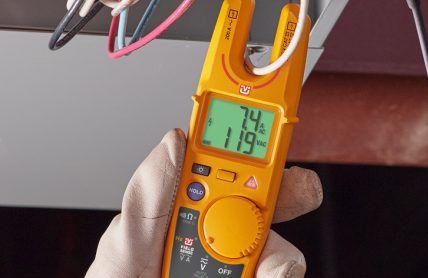
Fluke says it has developed FieldSense technology that takes the open-fork, current-measuring functionality of its existing T5 electrical tester and added AC voltage measurements, so users can use the tools to take simultaneous voltage and current measurements without test leads. The new T6 true-rms electrical testers, the first tools to use FieldSense technology, are now available at local distributors and retailers. Contacting electrical conductors with test leads requires metal-to-metal contact, which carries the potential for arc flash or electrical shock, but according to the company, FieldSense technology eliminates
that step. While the technology in the T5 detects an AC magnetic field to derive an AC current measurement, FieldSense Technology detects the AC electric field. The T6 electrical tester creates a reference signal, which is carried to earth ground through capacitive coupling. When the open fork of the tester is placed over a live conductor, the AC electric field interacts with the reference signal. The resulting composite waveform is detected by an electronic sensor built into the tester. After amplification, digital signal processing, and calculations, voltage and frequency measurements are derived.
www.fluke.com

SKF’s latest rolling bearings catalogue offers new features to help customers choose the optimum bearing arrangement for their project. The latest edition of the catalogue is now available online. The authors say they aimed to make the new publication an essential engineering reference for users of rolling bearings, covering their appropriate selection, configurations and applications, and providing detailed guidance on correct installation procedures. The Engineering Section has been rewritten and now includes a step-by-step bearing selection guide – the Bearings Selection Process – which strives to help customers select the right bearing arrangement for their particular machine or project. The new tool is also available as an online engineering resource for OEMs, SKF-approved distributors and other end-users. The catalogue will be available in print in English during spring 2018.
www.skf.com
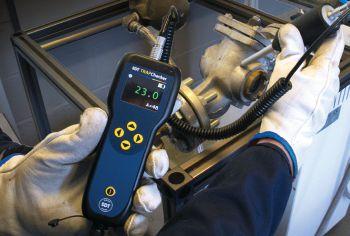
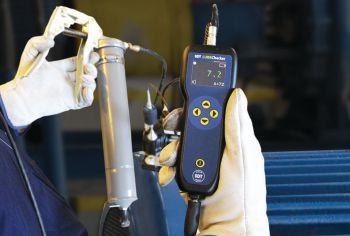
Identifying defects “quick and early,” the SDT Checkers, SDT’s new family of ultrasound detectors, strive to make ultrasound available to everyone. The range, comprised of four solutions, is designed for reliability departments adopting operator driven reliability (ODR), says SDT, adding that Checkers engage all stakeholders responsible for ensuring reliable operation of their assets prior to, during and after their shift. The LEAKChecker is designed to pinpoint pressure and vacuum leaks, while the LUBEChecker aims to optimize bearing lubrication, and the TRAPChecker assesses the condition of steam traps and valves. Rounding out the family is the TIGHTChecker, an ultrasound solution designed to verify the tightness of closed volumes. Each Checker features an on/off button and four function keys to control the intuitive graphical user interface. “Part of our corporate vision is to help our customers create sustainable, world-class ultrasound programs,” says Andre Degraeve, managing director of SDT. www.sdtultrasound.com
Mobile app helps warehouses identify hidden causes of waste
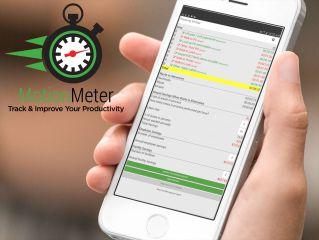
Newcastle Systems’ new app, MotionMeter, is a real-time activity tracker designed to “quickly and accurately” perform time studies within the warehouse and identify waste. The application is designed for warehouse managers, department leads and supervisors who are looking to improve processes and cut costs in their departments, says the company. The app generates a Savings Report which can be exported as a PDF and emailed directly to the app user or supervisors within the organization. Once waste is identified, warehouse managers can implement specific plans and technology solutions to reduce
waste and improve productivity setting them on a path to a “Best in Class” operation. To accommodate a variety of uses, MotionMeter includes several personalization features including names of processes and tasks, labour rate and number of employees.
www.newcastlesys.com

Honeywell has announced a new solution for real-time safety monitoring of workers in plant and remote operations. Honeywell Connected Plant Skills Insight Personal Gas Safety aims to help protect lives and works to enable faster response in case of hazardous leaks or worker injury. Integrated with Honeywell’s distributed control system, Experion Process Knowledge System (PKS), Personal Gas Safety provides critical alarm reporting, sensor and calibration status, worker identification and location data from the wearable gas detectors. The detectors are equipped with a panic button for emergencies as well as a sensor for automatic man-down alerts. Critical alarms from detectors are displayed on control room monitors, showing the location and exposure status of personnel to enable “faster and better coordinated response” by operators.
Personal Gas Safety can be tailored to specific work environments and risks through customized alerts and notifications by email or text message. The solution also helps users identify hazardous areas and isolated gas leaks, enhance industrial hygiene analysis and predictions, and improve post-incident evaluation.
www.honeywellprocess.com
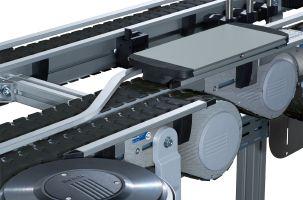
With the upgraded modular system of the VarioFlow plus chain conveyor system, Rexroth says it is now offering users a series of standardized solutions for specific conveyor functions.
The application spectrum now includes everything from machine interlinking to special ESD solutions, as well as secure transportation tasks in abrasive environments and stainless steel designs. The new drive concept contains a centre drive and a transmission kit, with which a direct drive can be upgraded to a transmission drive. According to Rexroth, the VarioFlow plus chain conveyor system enables flexible, customized solutions while saving space and offering low noise. In addition, the MTpro planning software supports project planning and with it comes the ability to make short-term adjustments to changing market requirements, says the company. For use in abrasive environments, the system now includes new compact clean-rated conveyor section profiles in stainless steel and stainless steel slide rails. Moreover, users can transport sharp-edged products directly on a steel-plated conveyor chain.
With the latest upgrades to the offering of this modular system, Rexroth says users can now benefit from VarioFlow plus in the area of sensitive electronics production as well, adding that the ESD system helps deliver the safe avoidance of electrostatic build-up, offers a high chain tensile strength of up to 600 newtons and can also be used in various applications requiring work-piece pallet systems. www.boschrexroth.ca

Xplore describes its two new 2-in-1 rugged tablets as purpose-built for mobile workers in manufacturing and other extreme environments that often work on-the-go. The Windowsbased XBOOK B10 model features a detachable, spill-resistant keyboard, a sunlight viewable 10-inch touchscreen and pen input display. Meanwhile, the Android-based XBOOK D10 combines rugged 2-in-1 tablet design featuring a detachable, spill-resistant keyboard with a mobile Android OS, providing users with the “perfect mobile office device to get work done in any environment.” Both tablets are MILSTD-810G certified and IP65 rated to survive harsh drops, extreme temperatures and constant vibration while exposed to intense environmental elements. For tasks that require manual data entry such as writing up reports, workers can attach the spill-resistant keyboard to the tablet and gain a fully featured laptop/desktop computer for a “work anywhere” experience, says the company. www.xploretech.com

Yokogawa Electric has released Centum VP R6.05, an enhanced version of its flagship integrated production control system. The Centum VP control system provides an operation, monitoring, and engineering environment for every phase of the plant lifecycle, from engineering, installation and start-up to maintenance, renovation, upgrade and end of service. The latest release features a new processor module with a Yokogawa designed microprocessor that employs large-scale integration (LSI). By using this system LSI, Yokogawa says it eliminates the disruptions that can occur when a product is modified or discontinued. This release also features an improved engineering function that speeds up project execution by achieving savings in configuration and installation time, notes the company. These enhancements cover the entire control system lifecycle, from installation and start-up to end of service. www.yokogawa.com
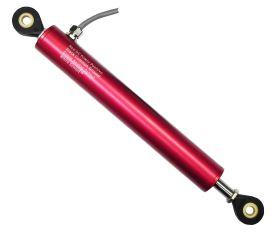
Kadant Solutions, a division of Kadant Inc., has released an updated control package to complement what it describes as its most trusted actuator. The new control system, according to Kadant, builds on the success of the previous version by adding new control features, better diagnostics, and easier safety compliance. Marcelo DeBoni, product manager for cleaning, says: “The new EMO III electro-mechanical oscillator has enhanced diagnostics, now with the ability to tell you which component or circuit has failed or has been wired incorrectly. The controller protects personnel, external equipment, the showered surface, and even the oscillator itself. Also, the new controller fits on the same mounting standoffs and has the same connector pattern as all of the previous EMO III electro-mechanical oscillators except for the SP panel.” www.kadant.com
The Sensor Connection (TSC) has expanded its sensor product offering by adding a line of ILPS-27 inductive linear position sensors using LVIT technology, describing them as contactless devices designed for a variety of industrial and commercial applications. With an IP rating of IP67, the series is also suitable for pulp and paper mill operations. Operating from a range of DC voltages, the ILPS-27 series offers a choice of four analogue outputs and includes TSC’s SenSet field recalibration feature. The series also includes the ILPS-19 series for applications where a shorter length and smaller diameter body is required and the spring loaded ILPS-18S for applications where the probe cannot be hard fixed to the measurand. www.thesensorconnection.com

The Canadian forest products sector is one that is passionate and devoted — not just to the industry itself, but also to its local communities. In this new department, we will share the initiatives of pulp and paper companies working to make positive social, environmental and economic impacts across the country.
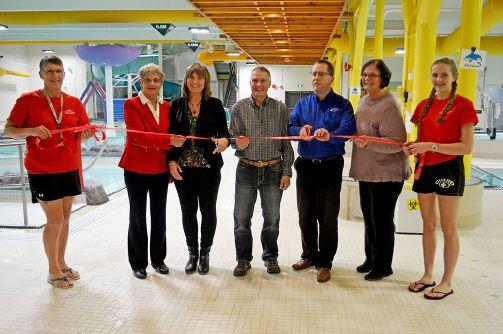
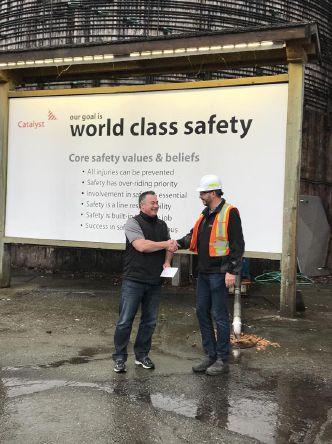
West Fraser donates $50,000 to help support the renovation of the West Fraser Aquatic Centre in Williams Lake, B.C., which features a new fitness centre, swirl pool and leisure pool.
corporate sponsor for many

Let us help you share your successes. Tag @PulpPaperCanada on Facebook and Twitter or send an email to the editor at adalton@annexbusinessmedia.com. We’d love to hear from you! #PPCGivingBack







As the premier event in North America dedicated to the specialty papers industry, Specialty Papers is the conference where organizations from across the supply chain turn for the most topical content, presented by industry experts.
Specialty Papers 2018 will bring together more than 130 key decision makers, industry experts and end users, all in one room.


Radisson Paper Valley Hotel, Appleton, WI


“The Specialty Papers conference is unique in having a cross-section of participants from suppliers, to mills, to end users of paper. Yet, its format allows for a great deal of both learning and networking.”
Crable Engineering LLC
“The Specialty Papers conference always provides excellent insight into the near and future paper market. We find it especially helpful when considering the medium to long term direction for our development program.”
Aquasol
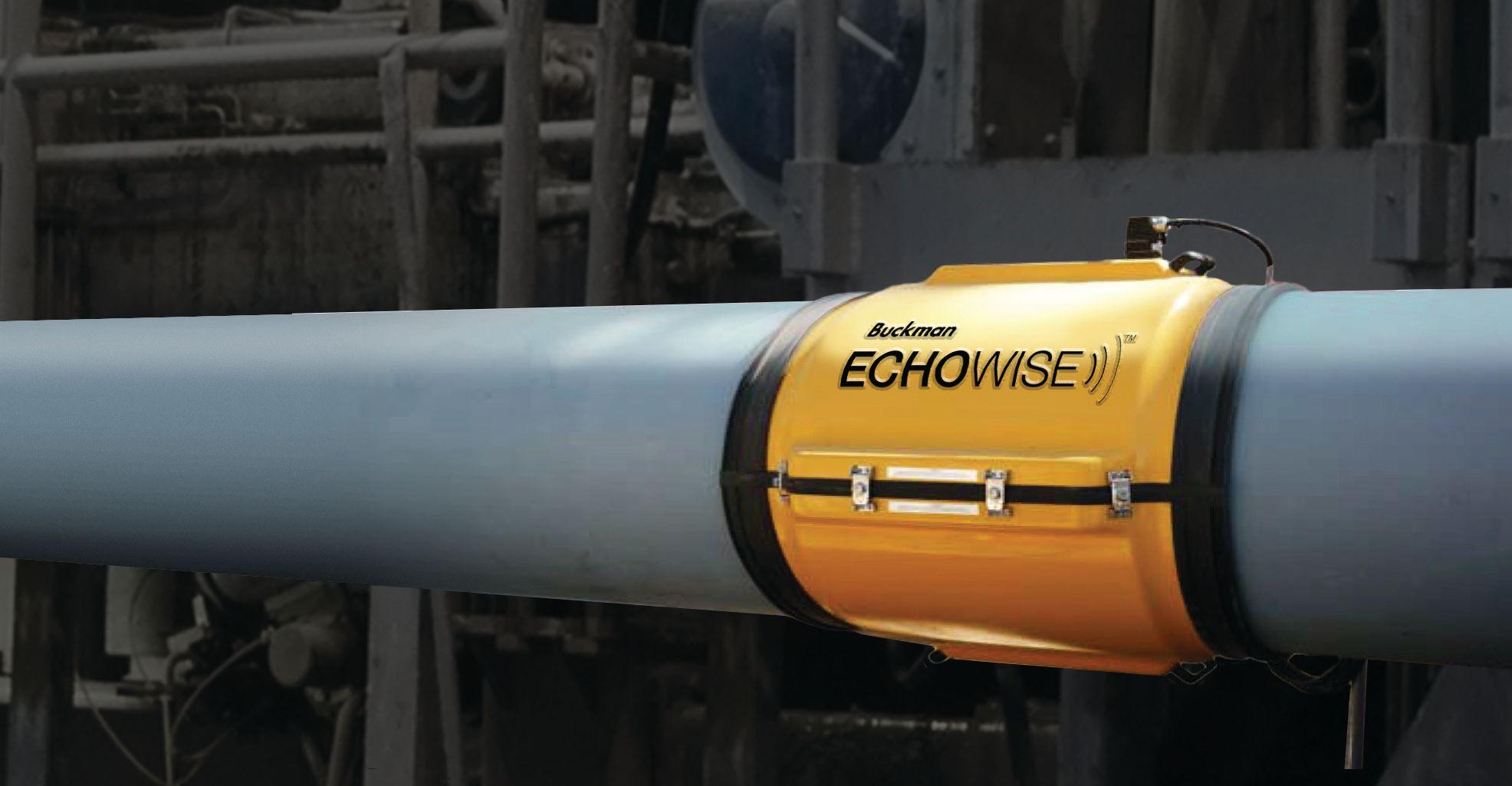
Get superior process control with ECHOWISE , ™ the revolutionary, non-invasive technology from Buckman.
An exclusive from Buckman and a first for pulp and paper, ECHOWISE 360 uses sound waves to precisely measure entrained air in your process—from outside the system! Advanced process control with ECHOWISE allows Buckman to partner with you to shift your process to new levels of performance.
Let’s make waves. Sound waves, sound data, and sound decision-making! That’s ECHOWISE 360, specially designed to work in concert with Buckman’s comprehensive pulp and paper technologies and mill-specific solutions to help you improve productivity and profitability. Contact your Buckman representative or visit buckman.com for more information about this and other new ECHOWISE monitoring solutions.