Making the most out of recycled fiber
Strength is a combination of fiber quality, fiber treatment, machine parameters, and chemicals. Kemira provides a broad portfolio of dry strength additives that give you the flexibility to optimize your production and cost. Turn improved strength into value through fiber and chemical savings, product quality upgrades, increased productivity, and basis weight reduction.
K EMIR A. CO M

PULP PAPER &
of our latest human resources survey show the impact of COVID-19 and a general transformation in the pulp and paper workspace.
kid on
Canada’s pulp mix – and circular economy – is about to grow, thanks to Red Leaf Pulp. It is adding wheat straw into the mix.



Hi there!
It is my pleasure to introduce myself as the new editor of Pulp & Paper Canada. I come from Annex Business Media’s Light Construction Group, where I had the opportunity to work on four different media brands. I have also covered the automotive industry in a previous role.
As I step into this new role, I believe this is an interesting time to cover the pulp and paper sector in Canada. The global pandemic has forced people to innovate, evolve and pivot on a regular basis. This industry has seen plenty of disruptions and faced several challenges over the past year.
This year, Pulp & Paper Canada conducted its second recruitment and retention survey. It is the cover story of this issue. The results of the survey point towards a significant impact that the pandemic has had on the workforce. Respondents said that their workplaces saw temporary layoffs and temporary wage or salary cuts.

Sukanya Ray Ghosh Editor
There were some COVID-19 outbreaks as well.
One respondent from upper-level management noted that several workers voluntarily resigned or retired during this period. Some mills indicated that they would hire back laid-off workers over the next year. With the sense of isolation brought in by COVID-19, mental health has been an important topic of discussion. Fortyone percent of survey respondents indicated that mental health would be one of the biggest concerns of the workforce as the industry emerges out of the pandemic. Another 40 percent said that maintaining COVID-19 safety protocols would be at the top of everyone’s minds. The key takeaway from the survey is that the industry as a whole needs a lot of support from within to recover.
This year, we have also introduced our Hall of Fame contest. The pulp and paper sector is able to flourish under the leadership and guidance of hardworking legends who have contributed to its growth, development and prosperity. This contest honours those legends. If you know someone who has been a part of this industry for 25 years and whose contributions need to be celebrated, visit our website and nominate them.
Before signing off, I would like to add that in my role as editor of Pulp & Paper Canada, it is my job to ensure all of you have this platform at your disposal. I am not the expert here – you are. You know more about operating mills, the actual challenges the pulp and paper industry in Canada is facing and what are the best solutions to these challenges. My focus will always be on ensuring that you are heard and information is shared.
I would love to hear about all the exciting things that are happening in your mill/company lately. What are the topics that have caught your interest the most lately? Share your stories and ideas with me at srayghosh@annexbusinessmedia. com. I look forward to meeting all of you soon sometime in the near future. PPC
READER SERVICE
Print and digital subscription inquires or changes, please contact Barb Adelt, Audience Development Manager
Editor SUKANYA RAY GHOSH
416-510-5225
srayghosh@annexbusinessmedia.com
National Accounts Manager LAURA GOODWIN 289-928-8543 lgoodwin@annexbusinessmedia.com
EDITORIAL/SALES OFFICES
Tel: (416) 510-5184
Fax: (416) 510-6875
Email: badelt@annexbusinessmedia.com
Mail: 111 Gordon Baker Rd., Suite 400, Toronto, ON M2H 3R1
COO SCOTT JAMIESON 519-429-5180
sjamieson@annexbusinessmedia.com
Group Publisher TODD HUMBER 416-510-5248 thumber@annexbusinessmedia.com
111 Gordon Baker Rd., Suite 400, Toronto, ON M2H 3R1
Phone: 416-442-5600
PRODUCTION
Media Designer EMILY SUN
Account Coordinator
KRISTINE DEOKARAN kdeokaran@annexbusinessmedia.com
Print in Canada ISSN 0316-4004 (Print) ISSN 1923-3515 (Digital)
PUBLICATION MAIL AGREEMENT #40065710
SUBSCRIPTION RATES
Canada $57.50 - 1 year; $92.50 - 2 year USA $139.00 CDN per year Overseas - $150.00 CDN per year
Occasionally, Pulp and Paper Canada will mail information on behalf of industry related groups whose products and services we believe may be of interest to you. If you prefer not to receive this information, please contact our circulation department in any of the four ways listed above.
Annex Privacy Office privacy@annexbusinessmedia.com Tel: 800-668-2374
The editors have made every reasonable effort to provide accurate and authoritative information but they assume no liability for the accuracy or completeness of the text or its fitness for any particular purpose. All rights reserved. The contents of this publication may not be reproduced in part or in full without the publisher’s written permission © Annex Publishing & Printing Inc.
Sustaining member, Pulp and Paper Technical Association of Canada; Member, Alliance for Audited Media.



ManufacturingJobsite.ca is Canada’s premier online job portal for the growing manufacturing sector. A laser focus on the right people across the country’s largest manufacturing media audience means you get the right applicants the first time. No more massive piles of unqualified applicants, just professional employers reaching qualified professionals.
Powered by the top manufacturing media brands in Canada, the reach to over 500,000 industry professionals on ManufacturingJobsite.ca is amplified by:
Website advertising to 185,000 qualified monthly site visitors
A comprehensive and magnifying reach across multiple associated job boards
Email promotion and job alerts to 131,000 industry emails using Canada’s largest CASL-compliant direct access to manufacturing professionals
Social media promotion to all brand networks on Facebook, Instagram, Twitter and LinkedIn
FPAC announces awards of excellence recipients Forest Products Association of Canada (FPAC) has announced the names of the winners of its annual Awards of Excellence program. The program recognizes outstanding Canadians who have made exceptional contributions to the forest sector and to forestry communities.
“The FPAC Awards of Excellence program is the moment where we pay tribute to the remarkable people who help make our sector a world leader in sustainable forest management, and who advance the many environmental, social and economic benefits of Canadian forestry,” said FPAC president and CEO Derek Nighbor. “As we push through the pandemic and continue our transition to a low-carbon economy, Canada’s forest products sector is proud to honour the dedicated professionals who strengthen the benefits that sustainable forest management, forest products and family-supporting forestry jobs provide to Canadians from coast-tocoast.”
Here are the recipients of FPAC’s Awards of Excellence 2021.
Forest Community Champion Award: Mark Joron – Woodlands supervisor, EACOM Timber Corporation, Timmins, Ont.; and Senator Diane Griffin –chair of the standing senate committee on agriculture and forestry.
FPAC Partnership Award: Outland Youth Employment Program (OYEP); and Earth Rangers.
FPAC Member of the Year Award: Amber Armstrong – manager of communications and stakeholder relations at Mercer International, Peace River, Alta.; and Andrew de Vries – manager of Indigenous opportunities and government relations at Tolko Industries, Vernon, B.C.
FPAC—Canadian Council for Aboriginal Business (CCAB) Indigenous Business Leadership Award: Agoke Development Corporation, Thunder Bay, Ont.
FPAC—Canadian Council of Forest Ministers (CCFM) Skills Awards for Indigenous Youth: Kianna BearHetherington – stewardship technician intern, Nature Trust of N.B.; Tristian Flood – Woodlands summer student, EACOM Timber Corporation; and Krystle Leigh-Ann Hill – greenhouse assistant at Kayanase Ecological Restoration Centre.
FPAC Innovation Award: Fabian Glowalla – manager of energy and innovation at Mercer Celgar Pulp, Castlegar, B.C.
FPAC Lifetime Achievement Award: Janet Lane – sustainable forestry team leader, Domtar Corporation, Dryden, Ont.; and Marc Bedard – vice-president of forestry, Resolute Forest Products, Montreal, Que.
FPAC Women in Forestry Award of Excellence: Kristin Dangelmaier – manager, technical, quality and environment at Domtar Corporation, Kamloops, B.C.
FPAC Rising Star Award: Aaron DesLauriers – land management supervisor at Mercer Peace River, Alta.; and Nikki Stein – newsmill shift superintendent at Resolute Forest Products, Thunder Bay, Ont.
Former CEO of Canfor, Peter Bentley, passes away

Peter Bently, former CEO and chairman of Canfor, passed away on Sept. 6.
“To say Peter has left an indelible mark on Canfor is an understatement. Peter was Canfor. His family’s values were what made Canfor’s values. His vision for our industry made us who we are today,” said Don Kayne, president and CEO.
Bentley was on the company’s board of directors for 53 years and chaired the board for 24 years. He was the CEO of Canfor for 10 years. After serving 10 years as chair emeritus, he retired from Canfor and Canfor Pulp boards of directors in 2019.
“Peter’s deep understanding of the forestry industry and his passion for the sector was evident in every conversation with him. As a board, we greatly appreciated his wisdom and insights and he will be greatly missed,” said John Baird, chair, Canfor and Canfor Pulp boards of directors.
Bentley continuously contributed to building better communities through volunteer work. He founded the Vancouver General Hospital Foundation, served as chancellor of the University of Northern British Columbia (UNBC) and was the chairman of the board of trustees for the BC Sports Hall of Fame.
Cascades
launches
100 percent recycled packaging for a product line
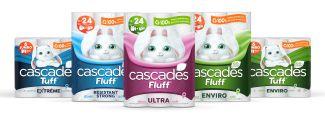
Cascades has announced the launch of 100 percent recycled plastic packaging for its entire Fluff & Tuff product line. The packaging is also recyclable. This step is aligned with the company’s efforts to reduce its environmental footprint. The company invested several months in research and testing to create this resistant, environmentally friendly packaging made from recycled materials. Complete deployment of this new packaging will take place by the end of 2021.
“We had to find a packaging solution that would meet the environmental standards of Cascades products. In addition to being 100 percent or partially made of recycled fibres, with 4.5 times less water and 2.4 times less energy than the average in the North American paper industry, our products hold the industry’s most stringent recognized environmental certifications (UL-Ecologo, FSC). It was only natural that this packaging should be eco-responsible as well. At Cascades, we are committed to minimizing the impact of our products on the environment,” said Francois David, vicepresident of sales, marketing and innovation at Cascades Tissue Group.
An independent firm conducted a life cycle analysis of Cascades’ polyfilm. The firm concluded that the option containing 100 percent recycled resin reduces the impact on climate change by 76 percent compared with its virgin resin equivalent.
The research and development process for this packaging was not only inspired by Cascades’ values but was also created to meet consumer expectations. Cascades Fluff & Tuff products will remain the same, but now they will be offered in more ecofriendly packaging.

Prince Albert Pulp receives fibre supply; reaches understanding with Cumberland Wood Products
Paper Excellence’s Prince Albert facility has been allocated 1,033,564 cubic metres of softwood fibre per year by the provincial government.
“This fibre is critical to the restart of the Prince Albert pulp mill which is currently planned for the fall of 2023,” said Carlo Dal Monte, vice-president of energy and business development. “This decision reflects the Saskatchewan government’s forward-thinking and robust job creation ambitions. They have been terrific to work with – taking a real interest in our project and the Prince Albert community.”
Additionally, Prince Albert Pulp and Cumberland Wood Products signed a Letter of Understanding. The document touches on the approaches all parties will take to achieve a collaborative relationship with each other in Saskatchewan.
“Cumberland House Cree Nation is pleased to acknowledge the working relationship with Prince Albert Pulp and Cumberland Wood Products and their efforts supporting the reopening of the mill in Prince Albert,” said Chief Rene Chaboyer of the Cumberland House Cree Nation, “We welcome our partnership in the support of fibre supply and operations that lead to our mutual benefit; guided by an ecosystem management plan for the Saskatchewan River Delta and the sustainable use of its resources.”
Dal Monte noted that reaching this understanding is a key step in building a relationship with the Cumberland House Cree Nation and embarking on this path together.
The signing of the Letter is aligned with one of the 20 actions for 2030 in Saskatchewan’s growth plan: “Growing Indigenous participation in the economy through the growth of Saskatchewan’s natural resource industries and labour market development.”
Resolute Forest Products appoints new board chair
Resolute Forest Products has appointed Duncan Davies as an additional member of its board of directors and the company’s non-executive chairman. Davies succeeds Bradley Martin, who will serve as the vice-chairman of Resolute’s current eight-member board.
“Duncan has outstanding credentials and a proven track record of success in the North American forest products industry,” said Remi G. Lalonde, president and CEO. “We have identified wood products as a key pillar of our transformation strategy, and bringing Duncan’s deep knowledge of the industry on board is an excellent step in that direction to complement our existing board and strategy. I want to also express our gratitude to Brad for his leadership and guidance as chairman for the last nine years. I’m delighted that Brad will continue to contribute to our success in his new role as vice-chairman.”
Most recently, Davies served as the CEO of Pinnacle Renewable Energy. He was the president and CEO of Interfor Corporation for around 20 years until he stepped down in 2019. He is currently vice-chair of the Binational Softwood Lumber Council and has served on the Softwood Lumber Board, BC Lumber Trade Council and Canadian Lumber Trade Alliance, where he was involved in the industry-wide promotion and trade-related matters involving softwood lumber.
“I’m excited to join the board at this important time for Resolute,” said Davies. “I look forward to working with my board colleagues and with Remi and his team to generate value for the company and its stakeholders.”
Kruger Products to invest $660K in ISO 50001 certification at Que. Plant
Kruger Products is investing a total of $660,000 in a project to improve energy efficiency at its Crabtree pulp and paper plant in Quebec.
As part of that investment, the company is receiving $40,000 in funding from Natural Resources Canada to enable the tissue maker to take the necessary steps to certify the plant to the ISO 50001 Energy Management Standard.
Through this certification, the plant commits to reducing its impact on the environment, conserving energy resources and improving its performance through the efficient management of all forms of energy.
The average IS0 50001-certified facility will experience a cumulative energy performance improvement of almost three years in the first two years alone.
Acquired in 1997, the Crabtree facility has been in operation since 1905 and houses various operations, including de-inking, pulping, manufacturing tissue products and converting them into finished packaged products.
“We are grateful for Natural Resources Canada’s support of this initiative that fits perfectly into our overall sustainability strategy, which is a priority not only for Kruger Products but for all Kruger operations in North America,” said Michel Manseau, senior vice-president and general manager of consumer products at Kruger Products, in a statement. “By continually improving our energy efficiency, we will make our production process even more responsible and respectful of the environment, consumers and our communities.”
Federal funding for this project is provided by the Industrial Energy Management Program, which offers financial assistance to help fund Canadian industrial facilities’ energy management projects.
Kemira increases prices of process and functional chemistries globally for paper industry
Kemira has increased prices in the process and functional chemistry portfolio globally. Effective for deliveries from Oct. 1 onwards or as contracts allow, the prices will increase up to 30 percent.
The company’s process and functional portfolio includes all specialty chemical products used in pulp, paper and board production. Applications include pulping, wet-end chemistry, surface chemistry and water treatment.
The company states that the industry is seeing significant increases in costs of raw materials, transportation, packaging and labour. Regulatory demands have also been tightened. There are also constraints in raw material and logistics availability.
Voith announces necessary price adjustments for the paper industry
Voith announced that it has to make price adjustments in the paper industry. One of the many impacts of the global pandemic is the enormous cost increases in many industrial sectors, such as raw materials, packaging and transport.
The company stated in a release that it was able to offset this development through various measures, thus managing to avoid significant price increases for its customers. However, given the current market situation, Voith is unable to compensate for the increased costs any longer. It is therefore forced to make price adjustments for some products and services in the paper industry.
Prices will increase between 2.8 percent and 4.2 percent in the product areas of paper machine clothing, shoe press sleeves, roll covers, mechanical roll service and doctoring solutions. Voith will announce further details in autumn. The new prices will then be applied to newly placed orders.
20 First Nations denounce flawed engagement process on modernization of forest policy in B.C.
The BC First Nations Forestry Council (the ‘Forestry Council’) signed and submitted an open letter noting serious concerns about the engagement process the Ministry of Forest Lands, Natural Resources Operations & Rural Development (MFLNRORD) is using to involve First Nations in significant changes to forest policy.
20 B.C. First Nations and Indigenous Forestry Organizations signed the letter demanding a meaningful consultation to ensure that First Nations’ rights, priorities and values are incorporated into the modernization of forest policy in B.C.
In July 2021, FLNRORD sent a letter to some Nations seeking their input on proposed policy amendments. The final deadline was set as Sept. 3, 2021.
“The timeline for consultation is disrespectful, compressed and expedited, and does not allow for meaningful and informed consultation,” said Chief Bill Williams, president of the First Nations Forestry Council. “Under the Declaration Act, changes being proposed to for-
FESBC supports NorthPac Forestry Group’s fibre recovery efforts
Forest Enhancement Society of BC (FESBC) provided a $484,164 grant to support NorthPac Forestry Group’s fibre recovery project in the forested areas near Hazelton in northwest British Columbia. Coastal pulp mills in the area are using residual wood fibre, reducing pile burning and greenhouse gas emissions.
This effort is boosting local and provincial economies while also contributing to B.C.’s and Canada’s climate change targets.
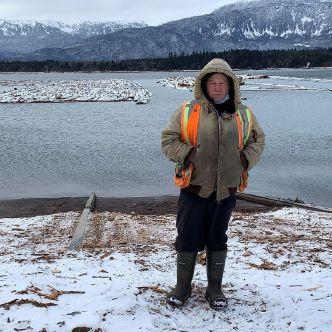
“Our FESBC-funded project allowed us to increase the overall recovery of fibre from our area forests, resulting in a greater availability of logs for domestic pulp producers and a reduction of the amount of biomass that is burned each year,” said Cathy Craig, CEO, NorthPac Forestry Group.
Legally, residual waste wood fibre needs to be burned to reduce wildfire hazards. Since this fibre has low economic value, it is piled and burned. The operational costs of skidding, processing, loading, hauling and increased road maintenance when handling pulp logs are greater than the value of the fibre. Additionally, the Kispiox area has minimal wood processing facilities and a forest dominated by low-value hemlock.
FESBC’s financial support made it economically possible for Craig and her team to use the fibre, instead of burning it.
“The dollars allocated to us as a grant from FESBC provided us with operational certainty,” said Craig. “These dollars allowed us to commit to contracts with loggers and truck drivers, which further stimulated our local economy. Our crew at NorthPac is grateful for the grant and considers the project a great success.”
The FESBC-funded NorthPac project will save approximately 42,000 cubic metres of pulp logs from being burned in the forest. This means, approximately 1,050 truckloads of fibre will be delivered to the point of sale in Kitimat, instead of being burned. All West Trading Limited purchased the pulp logs and sent them to coastal pulp mills. The pulp mills are using this fibre to make pulp, paper products and green energy.
Gord Pratt, RPF, FESBC operations manager is pleased with the outcomes of the project. He sees it as a team effort of many forest sector professionals.
“The project was delivered by a team of local logging and trucking contractors, and it contributed to the regional economy of northwest British Columbia,” said Pratt. “This is a win-win because it not only creates economic benefits for local communities but global environmental ones as well.”
est legislation, policies and regulations require the prior and informed consent of Nations; at the outset, not after the fact,” he adds.
Charlene Higgins, CEO of the Forestry Council added: “How are Nations supposed to participate in an informed and meaningful manner if they don’t have the resources or technical capacity required to understand the implications of the proposed changes and submit answers to 90+ questions into a “consultation portal”? A number of Nations have informed us they have not received
a letter from the ministry regarding these proposed changes.”
“The solution is easy,” said Higgins. “The Forestry Council is calling on the Province for an extension until the end of the year, to allow the time needed to codraft a revised version of the Intentions Paper that reflects First Nations rights and priorities in the modernization of forest policy in BC, and for us to do the technical work with the Nations to assist them in better understanding impacts and implications of the proposed policy changes.”
Photo:Photo: FESBC
Deirdre Mahlan and Jaime Ramirez join Kimberly-Clark’s board
Kimberly-Clark has elected Deirdre Mahlan and Jaime Ramirez to its board of directors, effective immediately. Both board members will serve on the company’s audit committee.
“Adding Deirdre and Jaime to our board will bring valuable perspective as we execute our long-term growth strategy,” said Mike Hsu, chairman and CEO of Kimberly-Clark. “Deirdre has deep finance and CPG experience, having led the North American unit for one of the world’s largest beverage companies, and Jaime brings valuable international perspective from his leadership roles overseeing growth in emerging markets. Both leaders will provide unique contributions to our board conversations.”
Mahlan has worked in several senior finance and general management positions in her previous organizations. Most recently, she completed a nearly 20-year stint at Diageo North America where she served as president since 2015 and was the chief financial officer before that since 2010. Before joining Diego, Mahlan held senior finance positions in Joseph Seagram and Sons and PwC. She is currently on the board of directors of Experian plc and The Duckhorn Portfolio.
Ramirez is currently the executive vice-president and president of global
tools and storage for Stanley Black & Decker. He brings with him over 30 years of experience to his new role. He has held several leadership roles during this time, including senior vice-president and chief operating officer of the company’s tools and storage business; president for the exponential learning unit; and senior vice-president and president of global emerging markets.
Feds invest $550K to support jobs for underrepresented groups
The government of Canada is investing $550,383 in the Canadian Institute of Forestry (CIF-IFC) for a 33-month long project that will help women and other underrepresented groups recover from the impact of COVID-19 by addressing systemic change issues.
Mark Pearson, executive director of CIF-IFC, says in a statement: “The Canadian Institute of Forestry in partnership with the Centre for Social Intelligence are energized to learn of this funding. These resources will support the advancement and employment of women and other underrepresented groups through the acceleration of the Free to Grow in Forestry initiative – leading transformational change in the forest sector and providing employment opportunities for Canada’s increasingly diverse population.”
Canfor donates $100,000 to Canadian Red Cross to support British Columbia fire relief
Canfor Corporation donated $100,000 to the Canadian Red Cross’s British Columbia Fires Appeal to support their response efforts.
“As a forestry company headquartered in B.C., we are committed to supporting our communities, our workers, their families and their neighbours. With so many people facing a difficult time, we are pleased to be able to make this donation to support the tremendous work of the Canadian Red Cross,” said Don Kayne, president and CEO. “On behalf of Canfor, I want to say thank you to the firefighters, first responders, volunteers and individuals who are working tirelessly to keep people safe.”
The 2021 forest fire season impacted several thousand British Columbians throughout the province. Canadian Red Cross is using the donation to provide relief to families, facilitate long-term recovery and prepare for future events.
The contribution is part of Canfor’s “Good things come from trees” program. This program offers support to organizations that provide benefits to the communities where the company operates and its employees live.
The company stated in a release that British Columbians whose primary residence has been severely affected by wildfires or who have been displaced under an evacuation order for 10 consecutive days or more were eligible for direct financial assistance.
GreenFirst completes acquisition of Rayonier Forest and Paper Product assets
On August 28, 2021, GreenFirst Forest Products completed the purchase of a portfolio of forest and paper product assets from Rayonier A.M. Canada G.P., Rayonier A.M. Canada Industries and Rayonier A.M. Canada Enterprises, all subsidiaries of Rayonier Advanced Materials.
GreenFirst purchased the assets for an aggregate purchase price of approximately US$235 million.
The assets purchased include a newsprint mill located in Kapuskasing, Ontario, as well as six limber mills located in Chapleau, Cochrane, Hearst and Kapuskasing in Ontario and in Béarn and La Sarre in Quebec. The newsprint mill has an annual production capacity of 205,000 metric tonnes per year.
To increase operational efficiencies in the mills, GreenFirst plans on optimizing operations and making capital investments in the future. With the purchase, the company now has the rights to approximately 3.29 million cubic metres of guaranteed fibre supply in Ontario and Quebec.
“We are excited to announce the closing of this transaction and to begin working to invest in and optimize the lumber mills,” said Rick Doman, CEO of GreenFirst.
Sonoco raises prices on paperboard tubes and cores
Sonoco raised its prices for all paperboard tubes and cores by a minimum of eight percent as of Sept. 10. The price increase is effective for shipments in Canada and the U.S. The company also recently raised prices on its uncoated recycled paperboard.
“Significant market tightness and additional inflationary cost pressures to our primary raw materials (uncoated recycled paperboard and adhesives) make this increase necessary,” said Doug Schwartz, division vice-president and general manager for North America Tubes and Cores, in a statement.
“Despite these market and supply chain challenges, we remain committed to maintaining the quality and service that our customers have become accustomed to when working with Sonoco.”
Paper Excellence lauds UNESCO’s decision to establish biosphere region in B.C.
The United Nations Educational, Scientific and Cultural Organization’s (UNESCO) Man and the Biosphere has included the Howe Sound Biosphere Region in B.C. into its Biosphere Reserves family. Paper Excellence lauds this step taken by the organization. The Howe Sound Biosphere Region Initiative Society submitted the application to be included. The Biosphere Reserves network currently consists of 701 sites in 124 countries around the world.
UNESCO Biosphere Regions offer opportunities to learn about sustainable development. These regions serve as testing grounds for interdisciplinary approaches to gain a comprehensive understanding of changes and interactions between social and ecological systems.
Each region has three complementary and balanced functions. These are: conservation of biodiversity and cultural diversity; economic development that is socio-culturally and environmentally sustainable; and logistic support, underpinning development through research, monitoring, education and training.
“This is an important project that recognizes the ecological uniqueness of Howe Sound. We have been operating in and working hard to protect this area for many decades now and we’re proud of our state-of-the-art emissions controls equipment and our facility’s salmon hatchery which hosted salmon fry from the Sunshine Coast Salmonid Enhancement Society again this summer. We look forward to building new partnerships as Howe Sound becomes a learning place for sustainable development,” said Graham Kissack, vice-president of environment, health, safety and communications at Paper Excellence.
Paper Excellence’s Howe Sound Pulp and Paper facility used 91 percent renewable energy in 2020. Since 1990, the facility has cut down its greenhouse emissions by 49 percent. It also generates biomass-derived electricity onto B.C.’s grid. The facility is certified to the independent ISO 14001 environmental management standard.
Federal government invests $3.5M in UBC’s BioProducts Institute
The government of Canada today announced more than $3.5 million in funding for the University of British Columbia (UBC)’s BioProducts Institute.
The money is meant to help support the development, scaleup and production of sustainable bioproducts, including filters, adhesives, lightweight materials and personal protective equipment, by helping to de-risk technologies and support the commercialization of the bioproducts.
UBC’s BioProducts Institute will be working to help pulp mills in B.C. become bioproduct or biorefinery mills that produce sustainable materials to be used in the medical field, personal care, filtration, crop protection and other industries.
“Scaling up development of high-value, bio-based materials from cellulose and lignin will generate economic and social benefits for B.C. and increase the long-term competitiveness of its forest sector,” said Professor Orlando Rojas, Canada Excellence research chair in forest bioproducts and scientific director, UBC BioProducts Institute, in a statement.
Kimberly-Clark partners with RWDC Industries on bioproducts to replace single-use plastics
Kimberly-Clark is partnering with biotech company RWDC Industries to develop sustainable technology for consumer products that help eliminate single-use plastics. The partnership draws on Kimberly-Clark’s nonwoven technologies and resin development with RDWC’s biopolymer solutions. Kimberly-Clark will receive RWDC’s polyhydroxyalkanoates (PHA) source material, Solon, to develop additional products that are marine degradable.
This new source material for Kimberly-Clark’s personal care products is one of the strategies the company is developing as part of its recently announced sustainability ambitions for 2030, which include a transition away from traditional fossil fuel-based plastics toward more renewable and regenerative materials. The company is working to launch products featuring this innovation over the next five years, focusing first on product categories that address global demand for more sustainable products.
RWDC is based in Athens, Ga. and Singapore and combines expertise in PHA properties and applications with engineering to reach industrial scale. RWDC uses plantbased oils to produce its proprietary PHA, which can be composted in home and industrial composting facilities.
Should products or packaging made with PHA find their way into the environment, they biodegrade in soil, fresh water and marine settings, preventing persistent plastics from accumulating in the environment.
BOSK Bioproducts kicks off production on bioplastics line
BOSK Bioproducts is now producing a new compostable bioplastic made entirely from bio-based and non-toxic ingredients.
The REGEN bioplastic made by Quebec-based BOSK is offered in pellets form to manufacturers of plastic products and can be used to make almost any item such as caps, jars for cosmetic products, 3D printing filaments or children’s tableware. REGEN is based on the model for the circular economy and aims to reduce petrochemical plastic waste along with recycling.
“With REGEN, BOSK brings a simple solution to the manufacturing industry, which is at a crossroads following the recent addition of manufactured plastic products to the list of toxic substances of the Canadian Environmental Protection Act,” said Laurence Boudreault, general manager of BOSK Bioproducts, in a statement.
BOSK has also developed a unique technology that transforms untapped byproducts of the paper industry into PHA (polyhydroxyalkanoates), the key ingredient in REGEN. The next step for the company will be to gradually increase the production capacity of REGEN as well as PHA to meet demand in a market that expects a strong growth of eight percent per year, according to Nova Institute.
The project is backed by Natural Resources Canada, the ministère des Forêts, de la Faune et des Parcs, and Canada Economic Development for Quebec Regions (CED).
















AN INDUSTRY TRANSFORMED
Our human resources survey establishes the position of Canadian pulp and paper mills on workforce recruitment and retention.
By Sukanya Ray Ghosh
Two years ago, Pulp & Paper Canada conducted its first-ever survey on retention, reskilling and recruitment for the Canadian pulp and paper industry. The world has gone through a tremendous upheaval since then, with the global COVID-19 pandemic. It was time to take a look at what has changed during this period.
Hunt for new talent
For mill management, a major barrier to the growth of their companies today is the retiring workforce and the consequent loss of knowledge. Fifty-six percent of the respondents said that they were highly concerned about this, while 30 percent felt at least somewhat concerned.
As the senior workforce retires, mills need to fill the gaps with new hires. However, finding new workers comes with its own set of challenges. A major challenge is location of the mill and the need for workers to relocate, according to 53 percent of the respondents. Fifty percent of the respondents also felt that other industries offering more attractive compensation packages made it difficult to attract new talent. Thirty-three percent of respondents said that applicants often do not have enough practical experience, while 30 percent respondents said thatgeneral perceptions about the industry also acts as a barrier.
What are mills looking for in their potential employees? “Human” skills, such as critical thinking and communication skills, are very important, according to 60 percent of the respondents. Another 61 percent of the respondents said that
WHERE RESPONDENTS’ MILLS ARE LOCATED
problem solving skills of the candidates are highly important as well.
The other side
For workers seeking jobs in the industry, online job boards, such as Indeed and Workopolis, are most popular means of finding new opportunities. Seventy-two percent of the respondents said that they use these platforms. LinkedIn ranks second in popularity, with 55 percent of the respondents using this platform. Thirty percent of the respondents said that they go to social media sites, while 13 percent prefer local newspapers. Twenty-two percent respondents said that they reach out to professional associations and 19 percent of the respondents work with
recruiters. Word of mouth is preferred by 34 percent of the respondents.
Training can be imparted in many ways. Not every method is suitable for everyone. Sixty-one percent of respondents said that they preferred coaching and shadowing on the job. Fortyeight percent of the respondents prefer peer-to-peer training, while 31 percent of respondents find attending courses with third-party training companies the most helpful method. Forty-eight percent of the respondents said that they prefer continuous learning. Online modules are favoured by 30 percent of the respondents.
Here’s what else respondents shared with us.
“We
WHAT YOU SAID
HOW HAVE AUTOMATION AND DIGITIZATION IMPACTED ROLES IN YOUR ORGANIZATION?
WHAT IS YOUR PLANNED TECHNOLOGY ADOPTION FOR THE NEXT FIVE YEARS?
PREDICTIVE ANALYTICS/ARTIFICIAL INTELLIGENCE
IOT SOLUTIONS
BIG DATA
CYBERSECURITY INFRASTRUCTURE
AUTOMATION/ROBOTICS
NEW EQUIPMENT
SOFTWARE (ERP, PLM, ASSET MANAGEMENT, ETC.)
SIMULATORS/VIRTUAL REALITY/AUGMENTED REALITY
CHANGED JOB DESCRIPTIONS, BUT HEADCOUNT REMAINED ROUGHLY THE SAME
ELIMINATED JOBS CREATED MORE JOBS
WHAT YOU SAID
“Childcare
DIGITAL TWINS/MODELLING
COMPUTERIZED MAINTENANCE MANAGEMENT SYSTEM (CMMS)
NO PLAN/ NOT SURE
responses allowed
WHAT METHODOLOGIES DO YOU CURRENTLY USE FOR TRAINING?
THIRD-PARTY TRAINING COMPANIES
CONTINUOUS LEARNING
ONLINE MODULES
VENDOR-SPECIFIC TRAINING
PEER-TO-PEER TRAINING
APPRENTICESHIPS/INTERNSHIPS
UNIVERSITIES OR RESEARCH PARTNERS
COACHING/SHADOWING ON THE JOB
MOBILE APPS OTHER
responses allowed
WHAT IS THE LIKELIHOOD OF YOUR MILL ADOPTING TRAINING VIA VIRTUAL
(VR) OR
WE DO NOT PLAN TO USE VR/AR TO TRAIN IN THE NEAR FUTURE
WE HAVE A PLAN TO IMPLEMENT
TO TRAIN IN THE NEXT ONE TO FIVE YEARS WE ARE CONSIDERING USING
WE ALREADY USE
WHAT YOU SAID
“At present, employees attach great importance to work safety. In addition, the arrangement and development of work in the pandemic situation requires frequent internal communication and counselling to facilitate the stability of employees’ working state.”
WHAT DO YOU THINK ARE YOUR WORKFORCE’S BIGGEST CONCERNS AS WE EMERGE FROM THE PANDEMIC?
MAINTAINING
HOW HAS
COVID-19
AFFECTED YOU AT WORK?
MY JOB ROLE CHANGED
I TEMPORARILY LOST MY JOB
I FEEL SAFER BECAUSE OF INCREASED SAFETY PROTOCOLS
I FEEL LESS SAFE BECAUSE OF THE RISK OF ILLNESS
I GOT COVID-19 AT WORK
MY PHYSICAL HEALTH HAS BEEN IMPACTED
MY MENTAL HEALTH HAS BEEN IMPACTED
I WANT TO LEAVE THE INDUSTRY
PERSONAL CHALLENGES MADE WORK MORE CHALLENGING (CHILD CARE, ELDER CARE, ETC.)
NO MEASURABLE IMPACT
OTHER
OVER THE NEXT FIVE YEARS, WHAT WILL CONSTITUTE THE MAJORITY OF JOB OPENINGS AT YOUR MILL?
*Multiple responses allowed
EXPANSION UNRELATED TO COVID (HIRING OF NEW WORKERS) NO CHANGE
RELATED TO COVID (HIRING BACK OF LAID-OFF WORKERS)
DO YOU ANTICIPATE HIRING FOR NEW ROLES WITHIN YOUR ORGANIZATION TO HELP FULFILL THE EVENTUAL REQUIREMENTS OF CANADA’S NETZERO EMISSIONS ACCOUNTABILITY ACT?
WHAT YOU SAID
“Canada should open up more apprenticeship programs for young students to compensate for the trades demand in future.”
Have something to add to the conversation? Share your thoughts with our editor at srayghosh@ annexbusinessmedia.com. See more results from our survey at pulpandpapercanada.com.


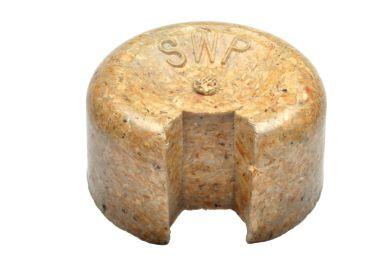
4" CENTER HOLE PLUG
A crushed roll of paper can cost manufacturers and their customers countless hours, dollars, and headaches. But by simply inserting core plugs into each roll, paper makers can reduce damage and loss claims for just pennies per roll. As a family-owned New England company that has been producing core plugs for over 50 years, Souhegan guarantees a high-quality, steady inventory of the products you need, whenever you need them.
We offer two different types of high-density, molded wood core plugs engineered specifically for the paper industry:
CENTER HOLE PLUG
With an easy-out design preferred by many end-use customers, an impressive crush strength, and a competitive price, our re-engineered Center Hole plugs are an industry favorite for all grades of paper.
• 3" Center Hole plugs have a crush strength of 2,300 lbs in a .668" walled paper tube.
• 4" Center Hole plugs have a crush strength of 5,000 lbs in a .25" walled paper tube.
CORSAVER™ PLUG
Designed for fine coated papers, the name says it all –this little gem can withstand three times more pressure than most other center hole plugs on the market. In independent testing, our CorSaver plugs withstood a 10,000 lb crush in a .668” walled paper tube.

For more information on standard plug sizes and custom options call us at (603) 654-2311 or visit us online at www.souheganwood.com
CORSAVER PLUG
3" CENTER HOLE PLUG
NEW KID ON THE BLOCK
Canada’s pulp mix – and circular economy – is about to grow, thanks to Red Leaf Pulp.

By Treena Hein
Canada’s pulp and paper sector is about to add another type of renewable raw material into the mix: wheat straw.
B.C.-based Red Leaf Pulp, established in 2019, is set next year to break ground in Regina, Sask., with Canada’s first nonwood pulp mill, “producing a unique natural-coloured product demanded by the global US$350 billion pulp and paper market.”
Red Leaf’s initial plant in Regina will begin production in 2023. The plant will have the capacity to produce 182,000 tonnes of market pulp annually from wheat straw collected from local producers. This represents a $350-million direct investment in the local community, with 110 permanent full-time jobs and 250 jobs during construction.
Red Leaf was established by Darby Kreitz, the founder of Allnorth Consultants, a large privately-held engineering firm with offices across Canada and in Atlanta, Georgia. Allnorth has long-term experience in the design and commission-
Life Cycle Assessment (LCA)
Red Leaf Pulp commissioned a Life Cycle Assessment which concluded in March 2021 and was prepared by NatureBank Asset Management. Red Leaf’s pulp was found to have a significantly lower embodied carbon value than conventional wood-based, ag-based, virgin and recycled pulps, including Chemi-Thermo Mechanical, Sulphate, Sulphite, Eucalyptus and Recycled Corrugated Cardboard. Red Leaf’s pulp process measures 280 kg CO2e/tonne of GHG Emissions (per tonne of Air Dried Pulp or AD) on a cradle-to-gate basis compared to competing market pulps, which have embodied carbon emissions ranging up to 1,650 kg CO2e/tonne AD pulp. When the additional downstream environmental benefits associated with Red Leaf’s co-products are included, the ‘net GHG emissions impact’ is 42 kg CO2e/tonne of pulp.
ing of both non-wood and wood-based pulp mills in North America and Europe.
Red Leaf CEO Martin Pudlas notes that Allnorth and other key partners Valmet, IEM and CNG have been exceptional in assisting in the development of its process and markets. “We are all very excited about the progress to date,” he says. “There is tremendous interest in ag pulp from converters, many of whom have sustainability targets in place that include non-wood furnishes.”
The launch of Red Leaf in 2019 was followed by a major announcement about
ag-pulp in April 2020 by Mohawk Fine Papers, North America’s largest manufacturer of fine papers and envelopes. That month, the firm unveiled ‘Mohawk Renewal,’ a portfolio of papers made from wood pulp and agricultural fibres.
This year, in April 2021, the complete ranges of Mohawk Renewal Hemp, Mohawk Renewal Straw and Mohawk Renewal Recycled Cotton papers achieved compliance recognition from the U.S. Food & Drug Administration for use in packaging with direct food contact. The hemp, straw and wood pulps for these
Red Leaf’s pulp will be a viable short fibre substitute for eucalyptus pulp.
papers are derived from fields and forests, and the cotton pulps are produced from cotton clippings from the garment industry.
Feedstock source
Presently, there is very little ag pulp available in North America. Pudlas says that out of the 200 million tonnes of pulp that’s produced per year worldwide, roughly six percent of it is non-wood pulp, but the majority is integrated.
The wheat straw that will be gathered and fed into Red Leaf’s process will come from Prairie wheat fields after the grain is harvested. Producers will gain extra income from their straw providing an alternative to various existing limited markets like animal bedding. Red Leaf estimates that the change to laying down the straw and baling it, rather than chopping it in a combine followed by the required harrowing process, will result in a fossil fuel reduction of roughly 50 percent.
“We will take care of all the aggregation logistics and have had a great response from local growers,” says Pudlas. “According to Natural Resources Canada’s statistics, the amount of cereal grain straw produced in the lower half of the three Canadian Prairie provinces represents about two-thirds of the volume of feedstock used by the entire Canadian wood pulp sector every year.” There is therefore tremendous potential for Red Leaf to scale up.
Besides using crop residuals, Red Leaf is also highly environmentally sustainable in its process. “We are solving the ‘black liquor’ problem,” Pudlas explains. “The co-product that’s created in our process is higher in silica than wood pulp black liquor, making it difficult to fire in a conventional recovery cycle. So, we needed to develop a pathway that would extract value while meeting effluent regulations.”
Red Leaf has also chosen to make a natural-coloured product. Pudlas explains that in a typical kraft mill, the bleaching process consumes the equivalent of one out of every 10 trees harvested to meet market expectations for products such as bathroom tissue and kitchen towel. There is no reason these products have to be white, says Pudlas, other than the historical consumer perception of quality. “In the end, our unique natural colour will be a differentiator for us.”
Imports into Canada
But wait, there’s more to Red Leaf’s environmental story. To understand this, let’s look at its competition.
Over the past few years, significant investment has been made in building pulp capacity in South America and South-East Asia. These low-cost pulps are made from feedstocks generated from tree species such as fast-growing cloned eucalyptus, imported into North America and blended with other wood pulps to make tissue and paper towels. As you may have
guessed, the plantations for these trees sometimes stand on land that used to be a tropical forest.
According to Tony Champion, commercial director of international pulp at CNG, most of the pulp demand in the U.S. over the next few years will be for imported BEK (bleached eucalyptus kraft pulp). He believes Red Leaf can definitely capture some of that market. “We fully expect to make inroads as the consumer shifts in North America should follow that of China,” he says, “where the ag
SERVICE 360
Proper installation and repair of your dryer equipment will maximize drying capacity by keeping all the dryers in service. Kadant has the specialized knowledge and experience for safe, reliable, and expert installation of your rotary steam joints, syphons, dryer bars, and related equipment.



pulp-based market exceeds 1,000,000 tons per year in demand and production.”
Fibre length
Of course, Red Leaf’s pulp must also compete very effectively with these imports from more than an environmental angle.
In terms of fibre length, Red Leaf’s pulp has been tested in the 0.95 to onemillimetre range, which means it will be a viable short fibre substitute for eucalyptus pulp, which has a length of about 0.75 millimetres. This means Red Leaf pulp will not compete with Canadian softwood pulps, with their much longer fibre length.
Overall, Pudlas says “we are making a sustainable industry here in Canada better, complimenting and working in concert with the Canadian softwood pulp industry and not in competition. We’re diversifying Canada’s pulp and paper industry and enhancing its continued improvement in reducing environmental impact.” Canada is unique in its concentration of cereal grain straw, he adds, “and it’s time that we create more value from this abundant resource.”
Pudlas also reports that Red Leaf has done a lot of work to optimally develop fibre characteristics to ensure its pulp runs on customers’ machines. “We’ve optimized the process so that the performance of our pulp is the same or better
“We are making a sustainable industry here in Canada better, complimenting and working in concert with the Canadian softwood pulp industry and not in competition. We’re diversifying Canada’s pulp and paper industry and enhancing its continued improvement in reducing environmental impact.”
– Red Leaf Pulp CEO Martin Pudlas
than their current wood-based short fibre furnish,” he says. “The strength and freeness characteristics overall are very good.”
Low-cost process
Environmental impact and performance aside, Red Leaf’s pulp – in order to compete – must also be similar to imports in cost. And it is, thanks to the very characteristics of the raw material. Overall, the Red Leaf process is simpler and cheaper because wheat straw (as an annual plantbased fibre) has lower lignin content than wood fibre, so less energy, chemicals and water are required to process it.
However, ag feedstocks aren’t without processing challenges. Wheat straw generates more fines than wood. So, Red Leaf has had to develop a novel approach to feedstock preparation and fines handling. Wheat straw also, in comparison to wood, is very dry, containing only 10 to 15 per-
cent moisture, so the Red Leaf process is also different in terms of its sequence.
Exciting times to come
Having worked for over three decades in the wood pulp industry, Pudlas is very excited about commercializing wheat straw pulp in Canada.
“The pulp industry has allowed me to work with great people over the years, and it has taken me to many places and given me experiences I never expected,” he says. “It has been an amazing industry to be involved with and it has been great to see how it continues to improve. Within Red Leaf and with our key partners we have a fantastic team, and I really appreciate how everyone has continued to innovate and work hard through a very difficult period with COVID. I am very proud of the team and we can’t wait to break ground.” PPC
Red Leaf Pulp will use wheat straw to produce a more natural coloured product.
Photo:agnormark/Getty
Sustainable bioproducts in concrete
By FPInnovations
The role of sustainable bio-sourced materials in creating a circular bioeconomy is increasingly recognized globally. Integrating local bio-sourced products in concrete applications has specifically been a growing interest for the Canadian government and industry.
In its efforts to introduce forest-based biomaterials to new markets, FPInnovations developed expertise in concrete over the past few years and has been working with the pulp and paper and the concrete industries towards the use of innovative bioproducts in concrete applications.
Global market trend
The use of cellulosic bioproducts in concrete has specifically been gaining momentum in recent years. This has led to the emergence of new products across global markets such as cellulose filaments (CF).
“Cellulosic bioproducts hold unique characteristics and properties that make it stand out as a major player in the bioproducts market and that make it a great addition to concrete applications”, says Frederic Lory, project leader at FPInnovations. When derived from sustainably managed forests such as Canada’s, cellulosic bioproducts can be renewable and can reduce carbon emissions of the concrete industry through carbon storage and through reduced greenhouse gas emissions. They are also readily available in volume since they are a byproduct of other forest operations processes, and are easy to handle and transport in large quantities.
Research conducted by FPInnovations and other research groups has found that adding cellulosic bioproducts such as CF as an additive in concrete can be beneficial in many ways:
• Improves the service life of concrete structures (stability at fresh state and freezing and thawing durability)
• Reduces maintenance costs (better durability and longevity of structures)
• Reduces transportation costs since CF can be procured locally
• Economically competitive, compared to other types of concrete additives

FPInnovations’ in-house concrete lab
To develop and enhance its expertise in concrete, FPInnovations built a remarkable in-house concrete laboratory that has received widespread recognition and praise from concrete industry players. Here’s why:
• The lab has testing stations for the entire life cycle of concrete: from the first few minutes of its fabrication when mixed, all the way to its end of life.
• The lab is equipped with specialized advanced research and testing tools and machinery (including calorimeter, dynamic mechanical analyzer (DMA), and cement paste rheometer), that are not readily available at standard laboratories.
The lab offers an agile environment for the development of bio-sourced products within the context of concrete production. The synergy between the concrete and the bioproducts laboratories and expertise at FPInnovations opens the door for future collaborations and allows for exciting new ventures.
“Unique within North America, the concrete lab has been a major stepping stone towards the development of new and innovative bioproducts for concrete applications that are market-ready”, adds Lory.
In fact, new scientific breakthroughs in CF in concrete research are leading to major and exciting advancements in the field.
FPInnovations has been at the forefront of CF research with scientists in laboratories in Montreal, Quebec and Vancouver, British Columbia. Researchers continue working towards improving the functionality of CF, and have taken it out of the lab and into production. In fact, FPInnovations’ CF production technology has been commercialized twice: in 2014 in collaboration with Kruger Biomaterials, and again in 2020 in collaboration with Resolute Forest Products.
A bridge between industries
FPInnovations holds a unique position as the bridge between the forestry and concrete industries. It has expertise in bioproducts, newly-acquired expertise in concrete, as well as a complete understanding of supply and production chains.
FPInnovations’ position also allows it to offer a complete and dynamic solution. Its research professionals are able to not just test cellulosic bioproducts in concrete applications, but also modify, improve and adapt the integration approach based on the specific needs. The constant communication and collaboration between FPInnovations and its various partners also ensure faster product innovation and market readiness.
What’s next?
Well, it’s a beehive.
Scientific research is advancing fast, and FPInnovations is actively pursuing industrial solutions in response to new global economic, environmental, and societal needs. FPInnovations is focusing its efforts on creating a comprehensive strategy for the development of sustainable bio-sourced products in concrete applications.
FPInnovations latest research findings are opening the doors to new and exciting opportunities, so stay tuned. PPC
For more information, please contact Frederic Lory, project leader at FPInnovations, at frederic.lory@fpinnovations.ca.
Cement paste prism for shrinkage measurement containing cellulose fibre.
Photo: FPInnovations
CREATING VALUE WITH LIGNIN
Ongoing research and development in Canada is enabling the creation of higher value products with lignin.
By J. David McDonald
The Canadian forest industry could be more profitable and resilient to market swings by making a wider variety of products of higher value. Products from lignin offer that possibility. Lignin is the second most abundant biopolymer next to cellulose and represents 30 percent of all the non-fossil organic carbon on Earth. It is concentrated in the cell walls of wood and acts as a stiffening agent and a hydrophobic lining to permit water transport in trees. The largest commercial source of lignin is a by-product of the sulphite process. However, applications of lignosulphonates are limited to lower-value products. Additionally, sulphite pulp production has been diminishing over time because of reduced pulp strength properties and environmental concerns.
Alternative processes and applications
Over the past 15 years, FPInnovations has made significant progress in developing alternative commercial processes that can extract lignin from wood. It helped develop LignoForce, a process to separate lignin from kraft black liquor. This process was implemented in a 30t/day plant that was installed in West Fraser’s Hinton pulp mill in 2016. FPInnovations’s patented TMP-Bio technology utilizes wood chip refining and enzymes to produce separate lignin and sugar streams. A 100 t/year demonstration plant was installed in Resolute’s Thunder Bay mill in 2019.
These developments have been coupled with an extensive research program at FPInnovations to identify novel product applications for these unique lignins.
Another effort in this direction is the LignoWorks Canada-wide university research network (2009-2016). This network was initiated by John Kadla of the University of British Columbia to better understand the fundamental nature of lignin and to discover future high-value applications such as carbon fibres, composites and pharmaceuticals. This network was unique in that it attracted researchers with experience in other industries such as petrochemicals, food processing, advanced materials and pharmaceuticals to apply their expertise with other chemicals and polymers to processing lignin.
Roughly, a tree is composed of 50 percent cellulose, 25 percent lignin and 25 percent hemicellulose. Chemical pulping is designed to separate valuable cellulose fibres from lignin and hemicellulose which are contained in the black liquor. Since the early 1930s, with the inven -
tion of the recovery furnace in Canada by Tomlinson, the black liquor has been burned to recover pulping chemicals and generate energy in the form of steam for internal mill use or for powering turbines for electricity generation. However, for over a century, chemists have recognized that the complex, aromatic structure of the lignin molecule contains the building blocks of many valuable chemicals. Early product inventions using lignin by Tomlinson include the decorative laminate Arborite (Howard Smith Paper Company later acquired by Domtar) and vanillin, implemented at the Howard Smith mill in Cornwall and the Ontario Paper Company mill in Thorold.
Lignin is composed of many different phenols (hydroxyl -OH group attached to an aromatic ring) which makes it like a giant Lego set where only the imagination limits what can be constructed. So, chemists have dreamed about how they might cleave, depolymerize or fractionate lignin to make a variety of high-value products. But the range of products that can be made from lignin, and their value,
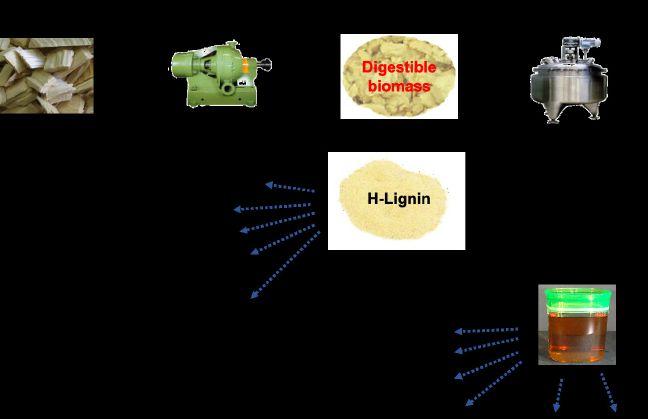
The figure shows the TMP-Bio process flowsheet.
depend on the process used to extract and purify the lignin.
LignoForce
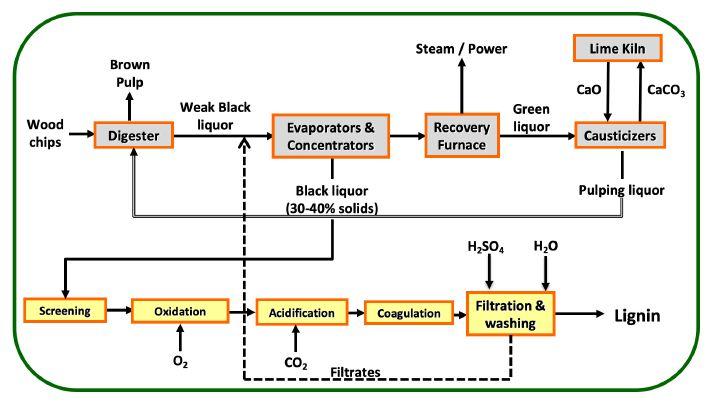
The LignoForce process was developed by FPInnovations and is marketed by NORAM Engineering & Constructors. This system was first demonstrated at the Resolute mill in Thunder Bay, Ont., at the 50 ODkg/d scale and subsequently adopted by West Fraser at their mill in Hinton, Alta. Integration of LignoForce into a mill involves re-balancing energy, water, steam, chemicals and Na/S ratio in the mill. Black liquor is sparged with oxygen then acidified with CO2, causing the lignin to come out of the solution in colloidal form. The coagulated lignin is dewatered in a filter press. The filter cake, in the sodium form, can be used as an ingredient in phenolic resins. Or lignin can be converted to the acid form, by washing with dilute sulphuric acid and water.
The LignoForce process has several advantages. Only one filtration stage is needed to produce high-quality lignin which reduces the capital cost. In addition, odorous total reduced sulphur (TRS) compounds are eliminated by converting them into more oxidized and non-volatile species such as thiosulphate, sulphate, methane sulphonic acid or dimethyl sulphone. This also reduces the need for CO2 to adjust pH in the lignin precipitation stage which significantly reduces the operating cost. Lignoforce produces highquality lignin with low ash, carbohydrate and sulphur content and will work for black liquor from softwoods and hard-
“The range of products that can be made from lignin, and their value, depend on the process used to extract and purify the lignin.”
woods, including eucalyptus.
Lignin is being commercialized to partially replace fillers and phenol formaldehyde resin in plywood glue for board products, as well as in several other applications. The process allows for the production of TRS-free lignins in both basic and acid forms – each having unique applications. The basic lignin, which has high residual sodium content, is especially suited as a partial substitute for resins and fillers used in the manufacture of plywood. The acid form, with low residual sodium content, can be used for other applications such as partial replacement of isocyanate resins in the manufacture of fibreboard or phenol in the manufacture of phenolic resins.
TMP-Bio
In May 2019, FPInnovations and Resolute Forest Products announced the commissioning of a new thermomechanical pulp biorefinery, TMP-Bio, in Thunder Bay, Ontario, Canada. The plant, which has the capacity to treat 100 tonnes of biomass annually uses refining to open the fibres making them more accessible to enzymatic hydrolysis.
Whereas in chemical pulping, lignin
and hemicelluloses are dissolved leaving cellulose fibres intact, TMP-Bio does the opposite, converting cellulose into sugars to preserve the lignin. The resulting lignin is less condensed than that from the kraft process and more closely resembles the original lignin in the tree. The sugars are then separated from the lignin, providing two streams of bio-sourced chemicals. Possible applications include adhesives; composites; animal feed; chemicals (e.g., monomeric and oligomeric phenol derivatives) from the near-native lignin; and chemicals (e.g., lactic acid, n-butanol) and bio-plastics for the C5 and C6 sugars.
FPInnovations tested the TMP-Bio process in a small-scale pilot plant in their facilities, using separate units to test different phases of the process. They used the results of these tests to design a larger-scale plant as the process needs to be tested on an industrial scale and a continuous basis. In an interview with Canadian Biomass (a sister publication of Pulp & Paper Canada) last year, Jean Hammel, vice-president of industry at FPInnovations, shared that the organization was able to identify 15 potential applications of this process. FPInnovations then decided to focus on testing four or five of those applications.
In 2020, Resolute was recognized with a silver Edison Award for this innovative plant.
In summary, research and development are enabling higher value products from lignin. The future looks promising with Canada playing a leading role.
Interested in learning more? FPInnovations’ Thunder Bay demonstration plant is sized to produce up to 50 ODkg/ day of kraft lignin and has the capacity to treat 100 metric tons of biomass annually, to produce sugars and near-native lignin from the TMP-Bio process. Both operate on a semi-continuous basis. The kraft lignin pilot plant offers the flexibility to test black liquors from external mills to produce kraft lignin in the base form as well as lignin in the acid form. Through extensive knowledge in ligninbased product development, FPInnovations can help companies develop greener solutions by incorporating lignin into their products. PPC
For business development information on lignin, please contact Natacha.Mongeau@ fpinnovations.ca.
Shown here is the LignoForce System flowsheet.
INCENTIVES TO INNOVATE
Tax incentives remain crucial to driving innovation in pulp and paper.
By Richard Hoy
Public attitudes towards the environment have shifted dramatically since the start of the millennium, and the pulp and paper industry has had to adapt to these trends while ensuring it is financially viable to do so. In order to make the production of paper goods more sustainable and reduce the carbon footprint of the industry, organizations have to think outside the cardboard box and prioritize innovation. This isn’t just being spearheaded by manufacturers of paper and cardboard products – forestry professionals are also working hard to develop ways to get more from trees.
This research and development (R&D) is made easier with the help of tax incentives. However, many paper and pulp firms either underestimate the amount of R&D they do or don’t realize that these incentives are available. The reality is that, even in this industry, Scientific Research & Experimental Development tax credits (SR&ED) are there for the taking. Recent pushes for innovation range from the upcoming development of the Centre of Forest Innovation at the Nova Scotia Community College to the recycled and recyclable thermoformed cardboard tray from Cascades.
In this article, we’ll take a closer look at SR&ED, from the benefits to the claims process, as well as more examples of innovation in the pulp and paper industry.
What is SR&ED?
SR&ED is administered by the Canada Revenue Agency and, depending on the amount of eligible work being done, the benefits can be worth hundreds of thousands of dollars.
The type of work done by professionals in the industry varies from the design and development of tools, equipment and the structures themselves to environmentally-friendly energy sources and even advancements in building materials. Essentially, there is a checklist that pulp, paper and paperboard manufactur-
ers should use to identify projects that might qualify for SR&ED. But remember that routine manufacturing and engineering do not qualify for the credit. Some considerations for claimants include:
• Consider whether or not the work you are doing will develop technical knowledge in the industry or work towards a common goal, such as reducing waste.
• Are there scientific or technological uncertainties in the manufacturing of your products?
• While working with pulp and paper can be inherently complex, is the work you are doing something, by design, that other people would find hard or not obvious?
Not all R&D qualifies for SR&ED tax incentives. It may be worth speaking to a specialist tax advisor before making a claim. The good news is that SR&ED can be claimed for up to 18 months after the tax year in which the work took place.
How innovative is our industry?
Pulp & Paper Canada frequently carries stories of innovations in this sector. Recent examples include the development of hybrid diesel-electric forestry trucks by FPInnovations to drive green innovation in the forestry sector. How to retrofit conventional forestry tractors with more energy-efficient power sources has long been a source of uncertainty. In the area of pulp production, Red
Leaf Pulp has recently been looking into new ways to create pulp from agricultural waste, such as wheat straw. The pulp created from the wheat byproduct can be used to manufacture paper and packaging products. The company is also building a $350 million plant in Regina to facilitate the production of pulp.
How much can these tax credits be worth?
Depending on your business structure and the province in which your company is based, you can claim up to 41.5 percent of expenses directly attributed to innovation. This figure is made up of a combination of federal and provincial innovation credits, the latter varying by province.
Most expenses linked to the R&D itself will attract tax incentives. This extends to materials, salaries and other staff expenses, as well as third-party contractor services. The incentive for a private business is received as a cash payment and, for publicly traded companies, it is a credit to be offset against outstanding taxes.

Ultimately, SR&ED is one of the most generous tax incentives for innovation in the world, but ‘lab coat syndrome’ – a misconception that it’s just for scientists –means many businesses continue to miss out.
PPC
Richard Hoy is president of specialist tax consultancy Catax Canada, based in Vancouver. You can reach him at richard.hoy@catax.com.
Photo:PhonlamaiPhoto/Getty Images
HALL
Nominations are now open.

FAME
PACWEST: VIRTUALLY SUCCESSFUL
Measurement and control throughout the process ruled PacWest 2021 virtual conference.
By Martin Fairbank, Ph.D.
PacWest, the annual Canadian pulp and paper conference of the western and Pacific Coast branches of PAPTAC, went virtual this year because of the COVID-19 pandemic. The sessions were split into five technical sessions containing 27 presentations spread out over three days (May 27, June 3 and June 8). PacWest, organized annually by professionals within the western Canadian industry, is known for its presentations on subjects of practical interest for pulp and paper mills, and this year was no exception. Many of this year’s presentations focused on ways to monitor and control mill processes, all the way from the chip pile to the effluent treatment plant.
An article in Pulp & Paper Canada’s winter 2021 issue featured the applications of online near-infrared (NIR) sensors, including chip moisture measurement. Guillaume Hans, a senior scientist at FPInnovations, where these sensors were originally developed in the 1980s, gave a presentation on recent work using the online chip measurement module to measure properties such as chip brightness and the content of extractives, lignin and total carbohydrates. He found that the sensor could readily distinguish between five different species based on the concentration of these components, and robust models could be built. This opens up the possibility of using the sensors to not only control feed rate based on dry weight, which has already been implemented in some mills, but to give further insight on chip management when managing a species mix.
Kraft pulp
Moving forward into the kraft pulping process, Ralph Lunn at Mercer Celgar gave a very interesting presentation on
the use of equations developed many decades ago by John Tasman and coworkers at FPInnovations for Kappa factor (lignin content) and pulp yield. Both these parameters can be predicted from the H factor (dependent on temperature and time), liquor charge (effective alkali concentration EA) and liquor sulfidity S. The equations are quite complex, involving three wood-species-dependent constants for Kappa and four for yield. Furthermore, Tasman worked out the values of these constants for many species. Of the seven species used at the Celgar mill, only the yield constants were missing for hemlock. FPInnovations helped Celgar to establish these missing parameters. Lunn used the equations to determine how to maximize the yield at a target Kappa value. He worked out that by optimizing the EA and S levels, the pulp yield for his species mix could be increased by almost half a percentage point, which is worth a lot of money on an annual basis. PacWest presented Lunn with the H.R. McMillan
trophy for the best presentation of the conference.
Many kraft pulp mills are now using online sensors in various parts of the mill, and several presentations were given on the use of these sensors for process control. Danny Zuver of Valmet presented the case for using the Valmet Recovery Analyzer (Alkali-R), which is a robotic analyzer that can perform up to 265 full ABC titrations per day, duplicating the lab method to determine total alkali, carbonate, hydroxide and sulfide. Used in combination with advanced process control, one mill was able to reduce the slaker TTA (total titratable alkalinity) variability by 72 percent and achieved a causticization efficiency of 82 percent.
Green liquor
While online titration duplicates the exact lab procedure for determining chemical strength, this can also be done using spectroscopic techniques. Jonathon Speed of Keit Spectrometers presented
Photo: Domtar
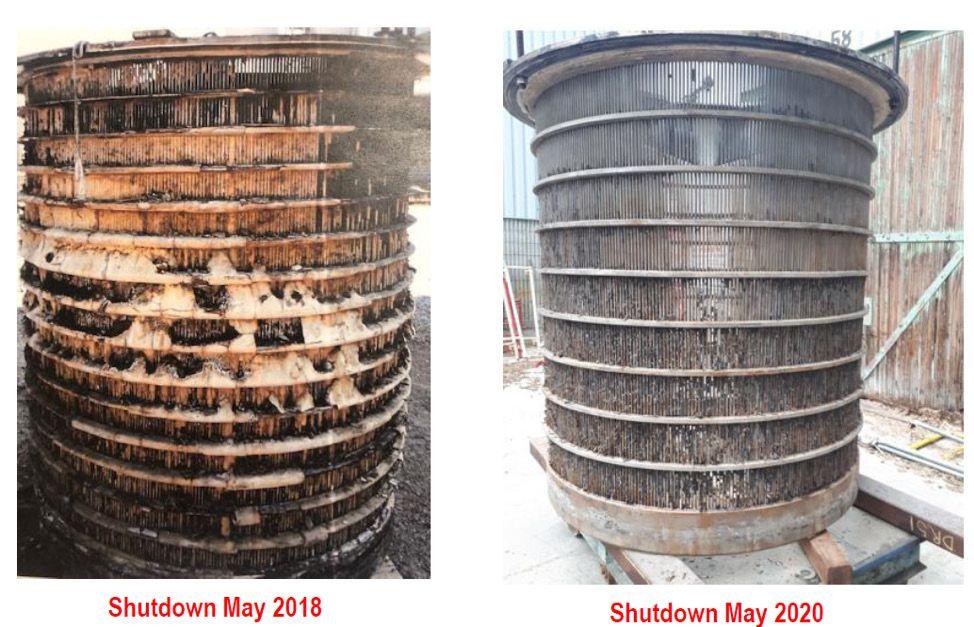
Scale on top separator before and after implementation of recausticization control, Domtar Dryden mill.
their FTIR device with no moving parts, suitable for harsh industrial environments, which has been purchased by a Swedish pulp and paper mill for online green liquor analysis. Alex Moline, area supervisor at the Domtar Dryden mill, talked about their use of FITNIR online near-infrared sensors for control of their recausticizing area using a combination of a soft sensor for TTA based on density, feed forward and feedback controls. Besides a reduction in variability and an improvement of two percent in causticizing efficiency, there was much less buildup of calcium carbonate scale on their top separator, as shown in the picture on the previous page.
“UBC student Lee Rippon’s paper on detection and diagnosis of ring formation in lime kilns, won the best student paper award.”
Controlling the process
Devin Marchman from Spartan Controls gave a presentation on control of the Canfor A and B mill bleach plants in Prince George. The plants had many online measurements that generally worked well, but it was unclear how to use these measurements to help optimize their bleach usage. Marchman helped them develop a bleach plant control strategy that leveraged all the available measurements, provided better feedback to the operators, and was easy to maintain. It was a flexible design and resulted in bleach savings of $2.5 million per year from the two mills combined. Half of these savings were achieved by rebalancing and controlling the ClO2 dosage in the D0 and D1 stages, and one-third of them came from peroxide and caustic savings in the E stages.
An often-neglected area of the mill for process control is the evaporators, which concentrate the weak black liquor (~15 percent solids) to heavy black liquor (60 to 70 percent solids). Process control is difficult because of the long lag times when a process change is made. Val Parisien of Enero Solutions made a presentation on implementing evaporator control at the Mercer Celgar mill. The solution used model-based control that combined feed-forward, feedback and cascade control models, resulting in an overall 6.3 percent improvement in steam use in the evaporator plant.
Best student paper
The best student paper award went to Lee Rippon, a graduate student at UBC, for his paper on developing a machine learning model for detection and diagnosis of ring formation in lime kilns. This buildup of lime mud in the lime kiln is poorly understood and results in unscheduled downtime at many pulp mills to remove the buildup. Rippon’s approach was to try and correlate ringing events with temperature on the outside of the kiln (measured with thermal cameras), because the deposit acts as an insulating layer, resulting in a lower temperature at the location of the ring. In this first part of his research, he talked about how he developed a visual approach to data analysis and dealt with outliers in the data. He hopes to develop a supervised machine-learning approach and hopes to be able to present the final results at next year’s conference.
A maturity index
The final stage in any mill is effluent treatment. Although it is not as high-tech as other parts of the mill, it is important because it can shut down the whole mill if the process gets out of control. Understanding what to measure in order to keep things running smoothly is, therefore, an important topic. Kari Plamondon, lab supervisor at West Fraser’s Hinton mill, gave an informative talk on how she monitors the health of that mill’s aerated stabilization basin (ASB). The mill has developed a numerical “maturity index” by counting the types and frequency of different micro-organisms under a microscope; when the number gets higher, indicating older, less efficient organisms, corrective action is required.
Worth the risk
The PacWest organizing committee had to cancel the 2020 event. When they realized that an in-person event would still not be possible in 2021, they created PacWest 2021 in a virtual format to keep the interest in PacWest alive. There was a certain risk to this new format because it wasn’t certain how many would attend. In the end, some submissions had to be turned down due to a full schedule. Conference chair Kerry Morton was very pleased with the turnout and the quality of the presentations. The maximum number of people attending reached a maximum of 123 and was rarely below 80. PacWest 2022 will be held live in Jasper, Alta., from May 25 to 29. PPC
Martin Fairbank has worked in the pulp and paper industry for over 35 years and is currently a consultant and technical writer.

FOCUS ON MOTORS & DRIVES
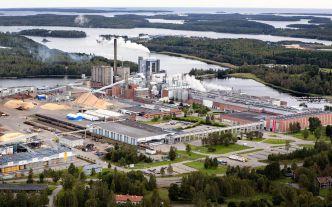
ABB to modernize machinery at Swedish paperboard mill
ABB is conducting a major installation of new drives, control systems and quality control solutions (QCS) for a paperboard mill in Sweden. ABB will deliver a comprehensive maintenance and upgrade project in several stages during 2021 to Iggesund Paperboard. The mill’s two board machines produce premium-quality board for consumer and customized luxury packaging, as well as safe, durable medical packaging.
The strategy minimizes the impact on daily operations to the lowest possible downtime on each machine. ABB will replace the older Smart Platform system architecture with the latest Network Platform technology.
A step-by-step electronics upgrade is underway on measuring frames as part of QCS on the two machines. Each frame will be equipped with the latest generation of ABB’s moisture sensors, the High-Performance Infrared Transmission (HPIR-T). Moisture is an important quality parameter if the board is to retain its properties in subsequent product conversion steps.
Functions to enable a safer working environment for operators and other personnel, including double-channel emergency stops, a modern start warning system and safe speed monitoring of the machines, are integrated within the drive and automation solution.
To secure the future of production, ABB is supporting the modernization of 150 drive systems with the ABB Ability System 800xA automation and control system and frequency converters from the new ACS880 multidrive system family.
Festo debuts configurable linear actuator for process applications
Festo has introduced the DFPC double-acting linear actuator optimized for various process applications in pulp and paper, wastewater treatment, mining and steel industries.
It’s available in either standard, pre-configured versions, or individually configurable versions. The latter can be ordered with different stroke lengths of the space bolts, piston rods of differing lengths, and different thread types and diameters, even adapted for ATEX II 2GD certification.

DFPC has been specially designed for actuating process valves types such as gate, knife-gate and pinch valves, or valve bodies without housing.
The piston rods, screws, nuts and tie rods are made of stainless steel, while the cylinder barrels and end caps are made of aluminum. This ensures that the actuators have a long service life. The end-position cushioning on both sides enables high travel speeds.
There are interfaces for process valve to ISO 5210 and ISO 15552 with extended tie rods. Proximity switches, mountings for position sensing and Namur adapter plate are available as accessories.
The DFPC is available currently with strokes of up to 1600 mm and in the sizes 80 to 200. festo.com

Siemens adds to motor portfolio for the process industry
Siemens’ motor series Simotics XP is now available across the power spectrum from 0.25 to 460 kW in gas groups IIB and IIC. Siemens is also offering motors with Chemstar technology with pre-configured, chemical-specific options, suitable for the chemical industry. As per explosion protection in zone 1 gas, the use of Simotics XP motors in the IIB version is possible. If hydrogen or acetylene are present, the IIC version is required.
The motors’ insulation enables speedcontrolled operation with any converter with output voltages up to 690 V without any filter.
All common types of protection are covered by the consistent and integrated Simotics XP platform for explosion-proof motors and can be configured and adapted using the Drive Technology Configurator provided by Siemens. The Simotics XP portfolio is available in energy efficiency class IE3 and in major parts also in energy efficiency class IE4.
For the chemical and oil and gas industries, Siemens offers the explosionproof motors of the Simotics XP series, as well as motors of the Simotics SD series for environments without explosion hazard in the Chemstar version. They are equipped with pre-configured chemical-specific options, for example, fan shroud in steel plate, reinforced bearing, external grounding, IP66 protection, premium insulation system, VIK design and painting up to class CX according to ISO12977-2:2018 for the complete colour spectrum including non-standard shades. siemens.com
AMETEK Surface Vision appoints a new regional sales manager
AMETEK Surface Vision has appointed Vincent Roy as regional sales manager for Canada. In this role, Roy will be responsible for developing relationships with customers and achieving strong revenue growth for both the SmartView and SmartAdvisor brands.

ABB upgrades QCS colour control system to stabilize sheet colour
ABB has added new features to its automated Color Control tool for QCS800xA for paper mills that make coloured board, paper and tissue products – from whites and pastels to dark shades.
The tool helps to reduce colour variability, dye usage and rejects associated with off-shade production.
Roy will work closely with existing and new customers, adding value across all markets, including paper. He comes into this position with extensive sales and industry experience to develop relationships and increase product support.
“The markets in which AMETEK Surface Vision is active are changing and developing fast. AMETEK Surface Vision has the technology and products to meet these challenges, and I’m proud to be joining the team, helping customers by offering effective and well-adapted solutions,” said Roy.
Roy will report to Francois Levac, Americas business director for the company. ameteksurfacevision.com
Feds invest $2.1M in FPInnovations for new equipment to advance bioproducts
FPInnovations is receiving over $2.1 million from the federal government to acquire state-of-the-art equipment for construction materials and bioproducts.
The new equipment will allow FPInnovations to increase its research and development and technology transfer activities with Quebec SMEs operating in the panel industry.
“FPInnovations was able to acquire advanced analytical equipment including the optical surface profilometer or the high-performance liquid chromatograph (HPLC) that will allow improved characterization of lignocellulosic materials to support FPInnovations’ members in the development of new materials in fields such as packaging, textiles or construction,” says Stéphane Renou, president and CEO of FPInnovations, in a statement to Pulp & Paper Canada
“In addition, FPInnovations’ press has been equipped with a new system for testing resins with a lower environmental impact for composite panels. We have
The system taps into ABB’s High-Performance Color Measurement LED-based continuous colour measurement device and combines it with Multivariable Color Control to establish full shade property insight and traceability. The tool stabilizes sheet colour faster by using control algorithms, based on advanced models rooted in the Kubelka-Munk theory of paper colouring.
The new functionalities build on the control package, particularly when it comes to more powerful shade change capabilities, including improved dye state visualization, shade change selection and boost control. It features an enhanced operator user interface for faster responsiveness, with less system lag, improved data graphic interactions and faceplate control-state and interlock-condition awareness.
Designed for customers already using ABB’s High Performance Color Sensor and those considering a new/replacement colour sensor for smart colour, this is an important tool for mills facing colour management challenges such as reaching shade targets, and facing excessive recalls or reject levels. new.abb.com
also integrated a dynamic image analyzer that allows to determine the geometry of the fibres and their distribution in order to optimize the insulation properties of bio-sourced insulation materials.”
The funds were provided under Canada Economic Development for Quebec Regions (CED)’s Regional Economic Growth through Innovation program. This program is geared towards entrepreneurs leveraging innovation to grow their businesses and make them more competitive, as well as regional economic stakeholders.
“We are delighted to receive this financial support, which will allow FPInnovations to acquire new equipment that is invaluable to SMEs operating in the forestry sector, allowing them to innovate and set themselves apart in increasingly competitive markets,” says Renou. fpinnovations.ca
Voith testing the future of paper production with new design concept
Voith is creating the paper production line of the future through a new systems design study. The design focuses on improved efficiency and ease of maintenance. The company says it has considered all aspects of the paper production process
for an integrated concept. Maintenance and operation of the facility are simplified, a higher degree of interconnectedness reduces interfaces, and an appealing design ensures a consistent overall look, while at the same time improving efficiency, safety and sustainability.
Special attention was paid to the implementation of ‘clean design’ principles, for example by increasing cleanliness in the wet end. Less contamination reduces the risk of unscheduled downtimes due to web breaks. Consequently, operational reliability and machine efficiency are improved and the production process runs smoothly. Also, scheduled shutdowns are completed more efficiently thanks to more accessible work areas and simpler maintenance procedures. The design concept is a long-term project and will be implemented step by step over the coming months and years.
In the near future, new apps on the Voith OnCumulus IIoT platform will create complete transparency about all conditions in a paper mill and give paper producers optimization potential.
In the future, the OnCumulus cloud platform will also provide a networked interface to all service functions, enabling more efficient and sustainable production. voith.com
GIVING BACK
The latest community outreach initiatives from the pulp and paper industry
The Canadian forest products sector is passionate and devoted – not just to the industry itself, but also to its local communities. Here we share the initiatives of pulp and paper companies working to make positive social, environmental and economic impacts across the country.
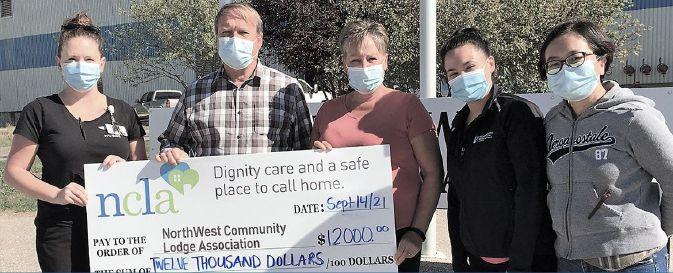
Paper Excellence’s Meadow Lake Mechanical Pulp facility in Saskatchewan donated $12,000 in response to NorthWest Community Lodge Association’s fundraising challenge. The 72 Resident Suite Challenge had asked donors to “Make the Lodge a Home” by fully furnishing a suite in Meadow Lake’s new continuing care home.

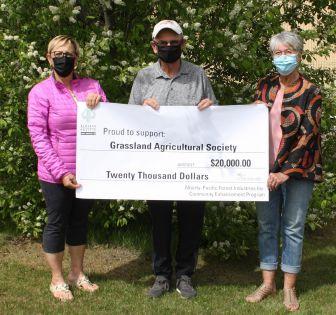
J.D. Irving hosted a book drive in Saint John, NB., on July 24, in support of Big Brothers Big Sisters of Saint John.
J.D. Irving, Limited Facebook
Alberta-Pacific Forest Industries offered its 2021 spring Community Enhancement Program (CEP) grant to Grassland Agricultural Society and Whispering Hill Primary School Fundraising Committee.

Mercer Peace River Pulp supported the Tim Hortons Smile Cookie campaign by purchasing 200 cookies for its team and making a cash donation of $800 (bringing the total donation to $1000). All campaign proceeds go to Always Find A Reason to Smile and their mission of spreading Suicide Awareness and Prevention in the Peace Region.
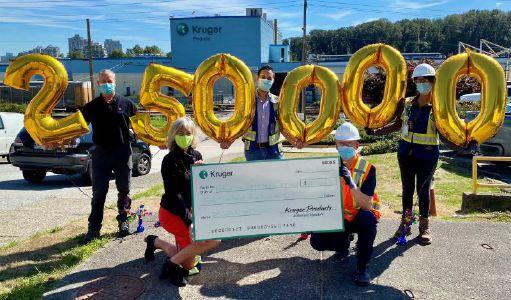
Kruger Products’ New Westminster, B.C. plant went 250,000 hours without a lost-time incident. The Unifor Local 456 members of their Central Safety Steering Committee offered a corporate donation to Fraserside Community Services Society to celebrate this health and safety milestone.
Let us help you share your successes. Tag @PulpPaperCanada or use #PPCGivingBack on Facebook or Twitter, or send an email to the editor at srayghosh@annexbusinessmedia.com. We’d love to hear from you!
Photo:
Paper Excellence Facebook
Photo: Kruger Products
L.P.
Photo: Mercer Peace River Pulp
Photo:
Photo:
Having problems with stickies?
Sheet defects, holes, web breaks and reduced speed in your recycled board production?
Improve machine cleanliness and runnability with Kemira’s new Quick Inversion Polymers.
• Pump-and-Go
• Excellent Fixative
• Drainage and Retention booster
• FDA Food Contact compliant
“SCA Pure –a pure homerun”
SCA Pure or Black Spruce
We’re happy to boast that our first year in North America has been a “Pure” homerun! This is the result of the combination of our very northern fiber and our brand new state of art pulp mill. In fact, we’re told by our customers that SCA Pure is a pulp that performs equally as well as the finest of Canadian softwoods.
Pure properties
SCA Pure is our premium quality NBSK pulp, offering worldclass strength properties and outstanding environmental performance, naturally complying with FSC® (FSC C013162).
That’s why we have named our new product SCA Pure. Pure, as in pure performance, pure profitability, and pure sustainability.
A Pure commitment
Chasing currency fluctuations and spot markets is a very poor long-term strategy. We, SCA, will build our pulp business on the shoulders off long-term relationship with customers in North America and Europe.
Yes, we are an ocean away and that’s why we have inventory in the Northeast, Southeast and Midwest.
When you think SCA think Softwood commitment to North America, Let’s talk!
For more information please contact Magnus Person, magnus.t.persson@sca.com, phone +46 72 556 43 99.
Magnus Persson. Sales director North America.