
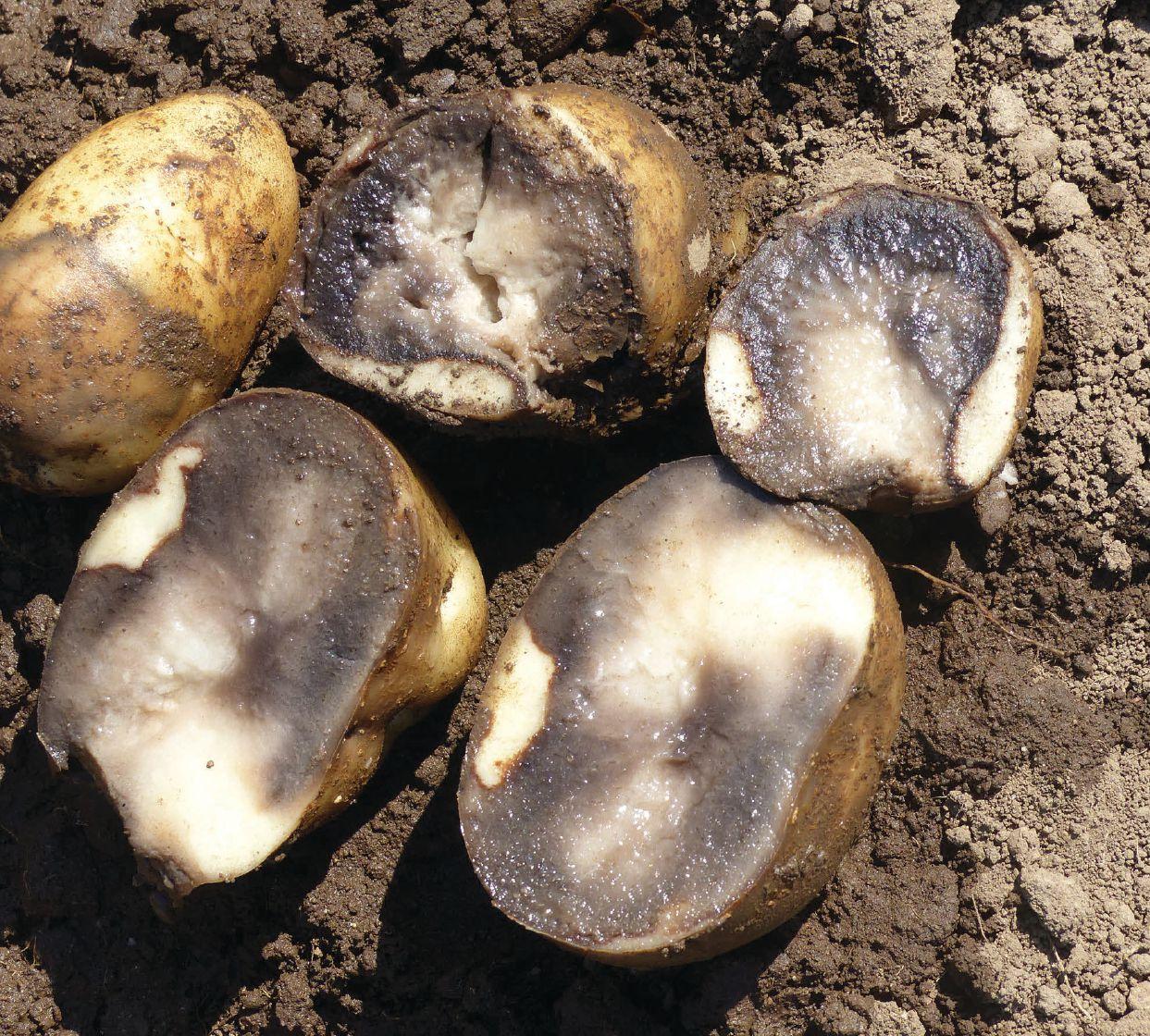
Pythium leak was a problem in Ontario in 2018, but it can manifest itself in any growing area if the conditions are right.
BY ROSALIE I. TENNISON
A number of Ontario potato growers began noticing moist grey and brown lesions around wounds and the stem ends in their harvested potatoes in the fall – the first signs of Pythium leak. Measures to minimize the potential problem were initiated because, if the crop isn’t managed carefully as it is placed into storage, a season of hard work can be lost.
“When I think of Pythium leak, I think of how the disease affects the potatoes,” says Tracy Shinners-Carnelley,
vice-president of research and quality at Peak of the Market in Winnipeg. “Storage infected with it will leak right out the doors.”
According to Ontario potato specialist Eugenia Banks, the Pythium fungus needs wounds or bruises in order to penetrate the tubers and, once infected, the crop will rot in transit or in storage. But the problem begins in the field.
Pythium leak is a fungal pathogen that can live in the soil on decaying organic matter for an indefinite period of time.
In the field, it is unlikely to affect the tubers but, once harvest begins and damage from machinery occurs, the tubers will be under threat as small nicks and bruising from the harvesting process will leave them vulnerable to the pathogen. According to Banks, immature tubers harvested under warm, moist conditions and harvesting during hot weather or exposure of the tubers to heat after harvest favour disease development.
“Try to allow the crop to mature fully in the field prior
If there’s a high risk of Pythium leak in storage, experts recommend shipping the affected bin first to halt the damage and salvage any healthy tubers.
to harvest so that skin set is achieved when the tubers are dug,” Banks advises. “Minimizing mechanical injury during harvest and post harvest, harvesting during cool conditions and keeping tubers out of the sun after harvest will all help reduce the risk of Pythium attacking the harvested crop.”
Banks adds there is little that can be done to control Pythium leak during the growing season.
Applications of a mefanoxam product can help but it can be overcome if the damage becomes significant.
“Unfortunately, the phosphorus acid products, which seem to work so well for pink rot and late blight, are not nearly as effective on Pythium,” Banks says. Minimizing the infection comes down to management of harvest and storage, but perfect harvest and storage conditions don’t happen often. Banks adds if potatoes must be harvested during warm conditions, try to cool them immediately and increase air circulation in storage to avoid high humidity.
Neil Gudmestad, a plant pathologist at North Dakota State University, concurs with Banks. He adds Pythium leak is a serious risk any time tuber pulp temperatures exceed
16 C, as the increase in respiration rate will further increase those temperatures to approximately 18 C – above which disease incidence and severity increases significantly.
Gudmestad also recommends maintaining and calibrating equipment to reduce the risk of damage during harvest.
“The harvester needs to be well-timed to minimize wounds,” he urges. “Make sure the primary carries enough soil to cushion the tubers and avoid right angles on the conveyors going into storage to further minimize the chance of wounds.”
Grading helps reduce some risk of storing infected tubers, adds Shinners-Carnelley. “It’s never a good idea to put visibly damaged or decaying tubers in the bin, so grading can help. But some wounds may be small and the disease may not be visible yet.”
Once in storage, careful management is needed if Pythium leak was present in the field. Gudmestad recommends maintaining a relative humidity of less than 95 per cent, “preferably between 90 and 92 per cent,” in order to wick away the moisture that will leak from the tubers as they decay.
“The moisture released
“It’s never a good idea to put visibly damaged or decaying tubers in the bin, so grading can help. But some wounds may be small and the disease may not be visible yet.”
from leak infected tubers is substantial and can induce anaerobiosis in the tubers underneath the leak infected tubers thereby encouraging bacterial soft rots,” Gudmestad warns.
Shinners-Carnelley says growers walk a fine line when the crop is in storage to maintain quality while minimizing the increase of Pythium leak. “Reducing humidity can slow down disease development, but it can also increase the risk of shrink.”
“Growers pay the price for harvesting potatoes with pulp temperature above 18 C when the air temperature is above 27 C and humidity is high,” Banks notes. “Almost all the tuber diseases you find in storage are made worse by warmer temperatures. Adding to the problem is the fact that many of these diseases enter the tuber and actually start their infection cycle during activities associated with harvest that tend to cause tuber wounding.”
Finally, if there is a high risk of Pythium leak in storage, these experts recommend trying to ship that bin first to curtail the potential damage and salvage the healthy tubers in the pile.
Pythium leak is a messy, insidious disease that can go unnoticed if careful attention is not paid to the crop during harvest. If time is of the essence to get the crop harvested, but the best window of opportunity is still poor, take time to randomly check the tubers for Pythium as the crop goes into storage. Steps to reduce the potential for an entire bin to collapse in a runny mess can then be initiated if Pythium leak is identified.

the publisher’s approval. Such approval does not imply any endorsement of the products or services advertised. Publisher reserves the right to refuse advertising that does not meet the standards of the publication.
PotatoesInCanada.com

Predicting and minimizing post-harvest diseases in storage.
BY DONNA FLEURY
Scouting and monitoring help reduce yield and quality losses and can save time and money. Diseases can manifest during the growing season, or at and after harvest, therefore scouting and monitoring can help identify diseases early in the cropping or storage cycle when it may still be possible to slow down or stop their spread. Regular scouting and monitoring of potato crops throughout the growing season and during storage are essential to good integrated pest management (IPM) programs.
“For predicting potential post-harvest issues, there are two main strategies,” explains Ron Howard, plant pathologist with RJH Ag Research Solutions Ltd. in Brooks, Alta. “The first strategy is to determine what diseases were present in the crop during the growing season.
Some post-harvest diseases often get their beginnings during the growing season, such as blackleg and various soft rots or dry rot. Other diseases such as late blight can infect both foliage and the tubers, increasing the risk of problems in storage. It is important to become familiar with the common potato diseases in an area, both in the field and storage. The second strategy is scouting the crop at harvest particularly when the potatoes are being dug, hauled in from the field and graded as they are loaded into storage.”
Grading out infected and mechanically damaged tubers and assessing the culls removed prior to storage can provide a good indication of potential disease risks and problems. If disease risk is high, such as with Fusarium dry rot on bruised tubers, then growers will want to
take preventative steps such as applying post-harvest fungicides as potatoes are going into storage. Avoiding unnecessary mechanical injury during handling operations is a priority. Once the potatoes are in storage, monitoring and controlling any disease issues quickly is important, as is keeping storage temperatures as low as possible for the type of potato being stored.
“For some diseases, such as bacterial soft rot, increasing the air flow through the pile can help,” Howard says. “Applying registered products such as hydrogen peroxide (StorOx), which is usually fogged into potato piles in storage, can also help arrest some bacterial and fungal diseases at early stages. Increasing ventilation to cool down tubers and slow down diseases can also be helpful. However, if larger pockets of rot begin to develop in a pile, then heavy culling may be the best strategy, with the good healthy potatoes delivered to a processor and the culls either delivered to a feedlot for example or spread on a field and worked in the following spring. As winter proceeds, continue monitoring the bins and piles in storage and any potatoes that are suspect should be moved out as quickly as possible.”
Monitoring potatoes in storage is done in two main ways, both which should be done regularly. There are various electronic monitoring control systems that have sensors in various locations in
the storage facility. This information helps keep temperature and humidity and other conditions optimal in the facility. “Monitoring storage in person is probably the most important, and just like crop scouting and monitoring during the growing season, storage facilities should be scouted at least once a week or monitored more frequently if there is a localized outbreak of a disease,” Howard adds. “Check existing problems for increased incidence or severity, and assess the effectiveness of any control measures implemented. Check instrumentation and computer monitoring systems regularly, along with visual inspection and ‘smelling the air’ for odors of rotting potatoes.”
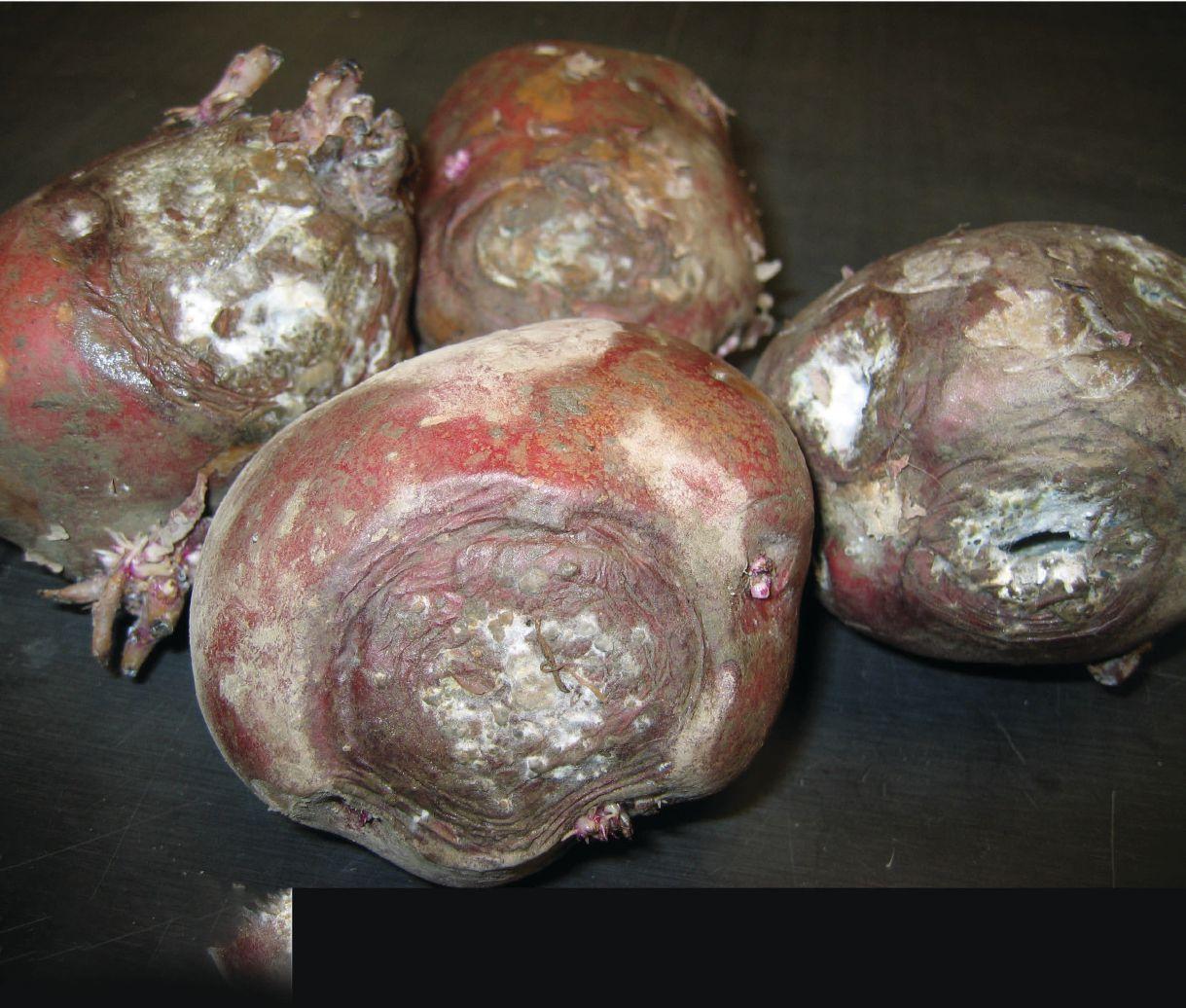
Some storage rots are very pungent, for example bacterial soft rot can usually be identified by smell, and there may be seepage from rotting potatoes into corridors and plenums. Walking through the storage facility, checking high-risk areas and monitoring storage walkways and catwalks to look for indications of hotspots or signs of potatoes starting to decay. For example, potatoes infected with Fusarium will have a whitish tinge on the surface of the potatoes (“bloaters”); hotspots will usually form condensation on the roof of the storage facility or have water coming off the pile. If a pile has settled or specific areas in a bin have sunk substantially, then that usually indicates a problem underneath.
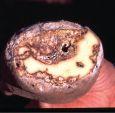
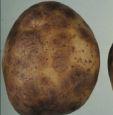
Howard emphasizes that record keeping is very important and keeping careful records of each inspection is recommended. Inspection records should include location, symptoms and signs of diseases, date and make sure to take photos and collect samples if needed. Enter observations on record forms (written), spreadsheets or electronic data forms (tablet, laptop, iPhone), or a portable voice recorder. Custom software is available to keep written and photographic records throughout a crop cycle, to generate reports and to send information to others such as crop consultants or diagnosticians. Self-use diagnostic kits are available for many bacterial, fungal and viral diseases. However, diagnosis can be challenging, so don’t be afraid to seek professional help from plant health labs, specialists and crop consultants. There can often be many factors at play, so be sure to take a ‘big picture’ view of the situations.
Grading out infected and mechanically damaged tubers and assessing the culls removed prior to storage can provide a good indication of potential disease risks and problems.
“Predicting and minimizing post-harvest diseases in storage requires scouting and monitoring the health of the crop from the time the seed arrives on the farm, through the growing season to harvest and throughout post-harvest storage,” Howard explains. “Developing a scouting plan that matches the type of potatoes you’re growing, potential diseases that may be present, and the production system in use before the season begins, is critical. Implementing best practices from the selection of high quality disease-free seed potatoes to cultural practices and pest management programs followed throughout the growing season can help minimize the risk of postharvest diseases during storage until delivery to processors and other buyers.”
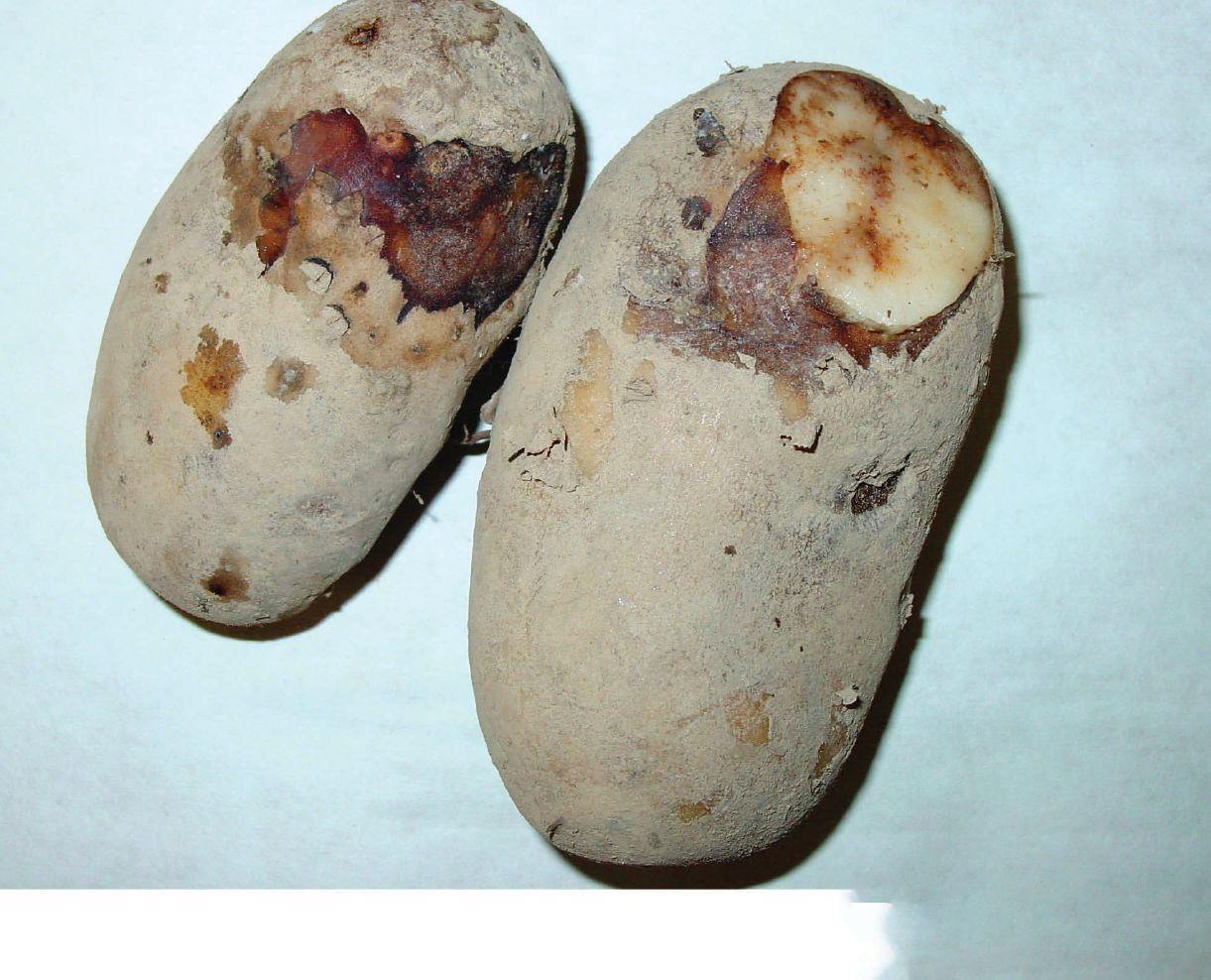
Management of late blight requires a multi-faceted approach by all stakeholders.
BY DONNA FLEURY
For potato growers, one of the most concerning and costly diseases is late blight, caused by the pathogen Phytophthora infestans. Estimated to cost almost $10 billion per year worldwide, late blight spreads by spores and can spread quickly in a field. Post-harvest losses can be substantial if infected tubers are harvested and stockpiled. Like other disease pathogens, new strains and novel genotypes of P. infestans have emerged over the past few years, creating new challenges for commercial potato growers.
“For several years and up to about 2011, the pathogen strain US-8 dominated much of the potato production across Canada,” explains Lawrence Kawchuk, research scientist with Agriculture and Agri-Food Canada in Lethbridge, Alta., who also leads a pathology and
Tomato Mountain
Merit is one of the late blight resistant varieties of tomato available for gardeners.
disease molecular testing program for Western Canada and other regions. “However, as a result of recent management practices and other factors, a new strain US-23 is now the most prevalent across 90 per cent of Canada and the U.S., although each year pockets of other genotypes occur, including recombinants. We have focused our efforts on characterizing this new strain to determine why US-23 is so prevalent.”
Researchers discovered that one of the biggest reasons US-23 is now dominant is its preference for tomatoes in backyard gardens. US-23 produces much more sporangia on tomato than any other strain, and the spores are easily spread by wind, travelling 50 km or more at a time. For example, the disease will start in the west and with prevailing winds, will proceed over several
months to eastern jurisdictions. “This pathogen can also tolerate dryer conditions and higher temperatures than previous strains,” Kawchuk adds. “We have seen situations where under relatively hot and dry conditions, the pathogen appears to dry out and stop spreading. However, when conditions are conducive, such as under cooler Alberta nights at temperatures of 15 or 18 C and water is applied to irrigated fields, we have seen the pathogen move about 10 metres overnight even though it looked dead. The conditions that would have stopped a US-8 strain, are the same conditions that the US-23 strain seems to tolerate very well. Fortunately, we didn’t see any incidences of late blight in 2018 Alberta potato crops, however growers and industry must be vigilant in scouting and monitoring for this disease.”
There are several strategies underway to try to address the challenges of US-23 and to identify best management practices (BMPs) that will assist growers in managing and minimizing this disease. Industry and government are working together to provide education for backyard gardeners and the practices they should use to help reduce the impact of this disease. Garden centers are providing tomato seeds and plugs of varieties with very good late blight resistance to gardeners, along with a late blight brochure. Information includes steps to take if gardeners see late blight in their tomatoes or potatoes in their backyard, which includes removing the diseased plants, putting them in a black garbage bag for five days and then disposing with the regular trash.
“For potato growers, one of the more important strategies has been the establishment of a network of spore trapping sites, which adds key data for predicting late blight risks through models and forecasts based on temperature and moisture,” Kawchuk explains. “This is really an advanced warning system of a week or two weeks of pathogen levels and helps guide growers to more proactive and precise fungicide application strategies. For example, in areas where no pathogens are found in traps, then growers could drop back to a fungicide spray every two or three weeks compared to areas where spikes in pathogen levels are high, then they would tighten up spray applications to every seven or 10 days. However, this pathogen also has the ability to develop insensitivity to some of the existing chemistries, so careful management is important.”
Controlling the initial inoculum at the beginning of the season is critical. Although some sensitivity has been found in US-23, using a systemic product such as metalaxyl (Ridomil) can be a beneficial first application of the season for commercial potato growers. Because the first wave of pathogens come out of backyard gardens where metalaxyl is not used, it is a good first season systemic application, unless the pathogen is already resistant, followed by other
chemistries in the rest of the growing season. For commercial growers, other late blight fungicide tools are effective against the new strains, as well as other classic control measures, including disposal of culls, destruction of volunteer potatoes and the use of clean/treated potato seed.
Late blight can also cause problems in storage a month or two after harvest, even if symptoms weren’t visible at the time they were placed in storage. Kawchuk emphasizes that Phytophthora is one of few pathogens that can infect a healthy potato skin, it doesn’t need a bruise or wound to penetrate into the tuber. This often opens the door to other pathogens, such as Fusarium dry rot or soft rot that can’t get into healthy potato, but once Phytophthora causes infection, then other pathogens follow. “If growers find late blight in storage, they may want to consider moving them to processors early if they are able to take them,” Kawchuk says. “However, growers also typically receive premium prices the longer they can keep potatoes in storage. Some options for changing temperature and humidity conditions in storage may be recommended, or there are some available chemistries that may be used to reduce the impact of late blight in storage. However, the best strategy is to stop late blight early and prevent it from becoming a problem in storage.”
Researchers and plant breeders are also focused on developing varieties resistant to late blight through traditional breeding and new technologies. Several promising varieties with good resistance to late blight in both foliage and tubers are being developed through traditional breeding programs. Every year, three to five new registered varieties are put forward in Canada with new attributes including disease resistance. “We are also using new breeding technologies such as the development of transgenic varieties, which make existing varieties very resistant to late blight and other diseases. However, there are still some challenges with commercial and consumer acceptance at this time. Another new technology is CRISPR,
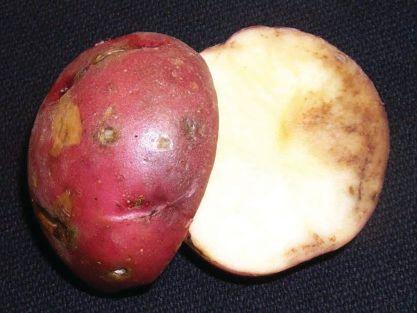
which allows breeders to edit existing DNA sequences by just changing a single or few nucleotides to create durable protection against emerging races of P. infestans in existing varieties. This technology is accepted by regulatory bodies as not GMO status, allowing the uptake and acceptance of those varieties much easier.”
Next steps for Kawchuk and his team are keeping a watch out for the evolution of P. infestans strains. Although US-23 displaced US-8 as the dominant strain over the past few years, researchers predict at some point the pathogen will continue to evolve and produce a potentially new super strain. Being vigilant with monitoring pathogen evolution and continued characterization of new aggressive strains and host responses helps keep the industry prepared.
“Management of late blight requires a multi-faceted approach by all stakeholders across industry, research and government,” Kawchuk says. “Effective management strategies for preventing late blight remain a priority, including early detection tools, effective fungicide spray programs and removal of possible primary inoculum sources. The continued development of late blight resistant potato varieties through plant breeding remains a priority, which will help growers improve management in the field at the same time as reducing their reliance on fungicides for controlling the disease. Development of BMPs and sustainable management practices for growers continues to help meet yield, quality and market requirements.”
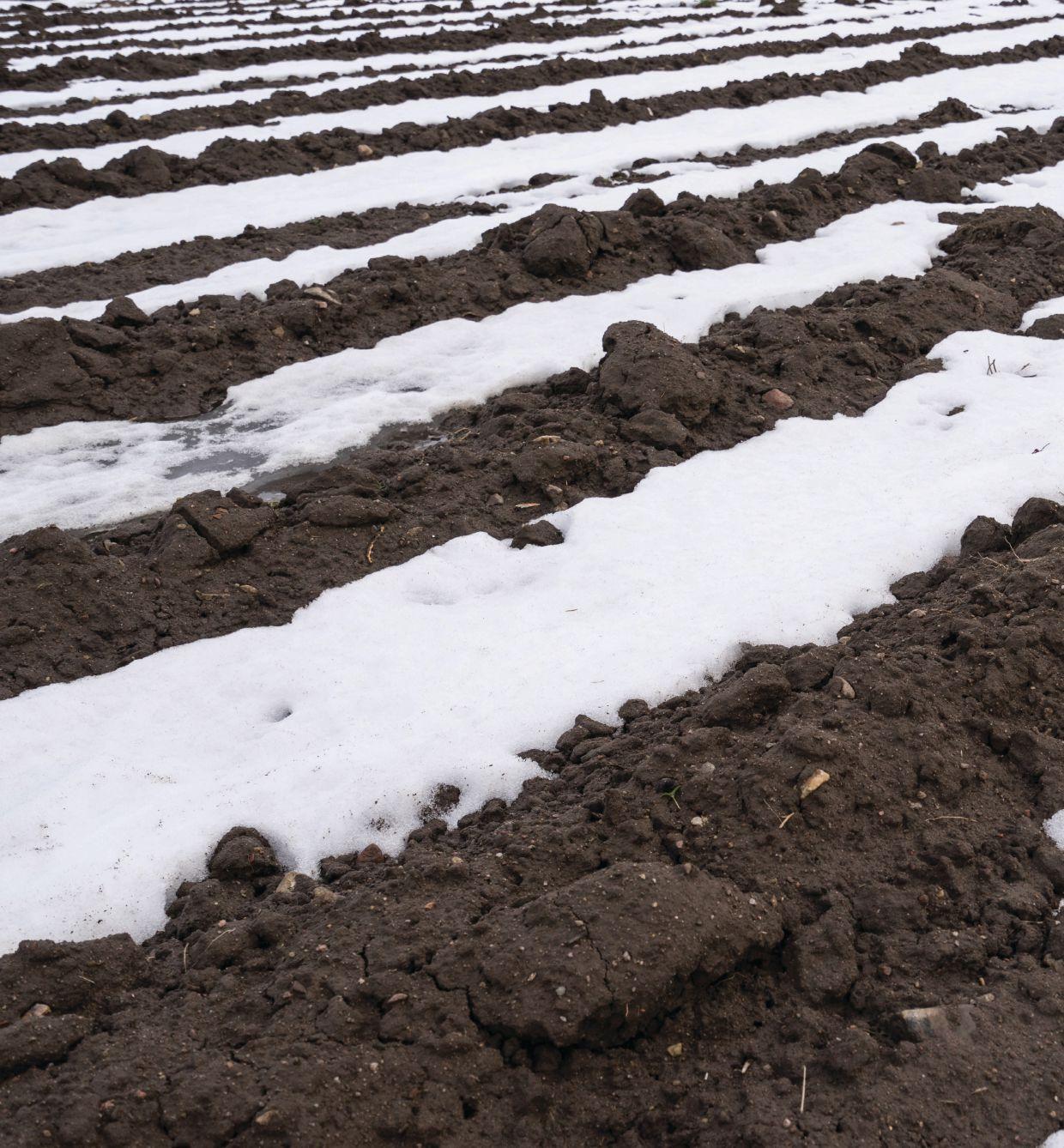
It’s not about how you start, it’s how you finish – and this potato season is not over yet. Canadian potato producers endured a tough harvest season, especially Prairie and east coast producers who were faced with abnormally cold wet weather that delayed harvest until early November.
“I don’t even know what normal is anymore,” starts Greg Donald, general manager of the P.E.I. Potato Board. “Because we often say ‘it wasn’t a normal season’ . . . but some of the most senior in our business say they’ve never seen a fall on P.E.I. like this before.”
The cold weather crept up quick on potatoes that were still trying to grow from an unusually dry summer. In addition to the cold weather, excessive rains limited the amount of consecutive days producers had for harvest. By the end of the season across Canada, approximately 15,000 acres of potatoes had to be abandoned and left in frozen ground.
Donald says it’s difficult for producers to have prepared for these harvest conditions because the biggest factor was the weather. “Unless you can figure out how to control the
Is there condensation on the walls, ceiling or on the top of the pile? Are there depressions in the pile? Are there fruit flies? If the answer is yes to any of those questions, immediate action must be taken.
weather, it’s difficult.” Not having ideal harvest conditions complicate the storage season, but for most producers it wasn’t a choice. “Early in the harvest, you watch the weather, you want to make sure it’s not too wet, the temperature is right, all that, and then as it got later into the season and it became obvious everyone was behind, you have no choice but when you can go,” Donald says.
Lorraine MacKinnon, P.E.I. potato industry co-ordinator with the Department of Agriculture and Fisheries, acknowledges the difficult harvest season and how it’s not a nice position to be in now to start contemplating potential issues going forward with storage. However, MacKinnon says certain storage “red flags” have been raised during harvest that producers can directly mitigate.
Harvesting in cold, wet weather isn’t ideal, but it’s better than the alternative. MacKinnon predicts growers will deal with more physiological disorders in storage as well as diseases. Physiological disorders include chilled or frozen potatoes, water-soaked
potatoes and rough handling at harvest. Some producers have also reported jelly end rot, which isn’t related to a disease, but rather is a potato’s natural response to the different weather patterns during the season. These physiological disorders can break down into disease, especially since bacteria will thrive on damaged tissue, and bruised potatoes serve as entry points for disease in storage. MacKinnon lists several diseases to watch out for as potential storage issues: pink rot, bacterial soft rot/blackleg, pink eye and Pythium leak. Khalil Al-Mughrabi is a pathologist at the Potato Development Centre in New Brunswick and emphasizes that water rots, such as pink rot and Pythium leak, flourish during conditions of frequent and excessive rain, especially in low spots or poorly drained areas. “It is essential to know you cannot cure tubers of diseases, but you can minimize storage losses from tuber infections,” Al-Mughrabi says. “Storage rot is difficult to manage, but there are many strategic measures that help limit the spread of pathogens from diseased to healthy tubers.”
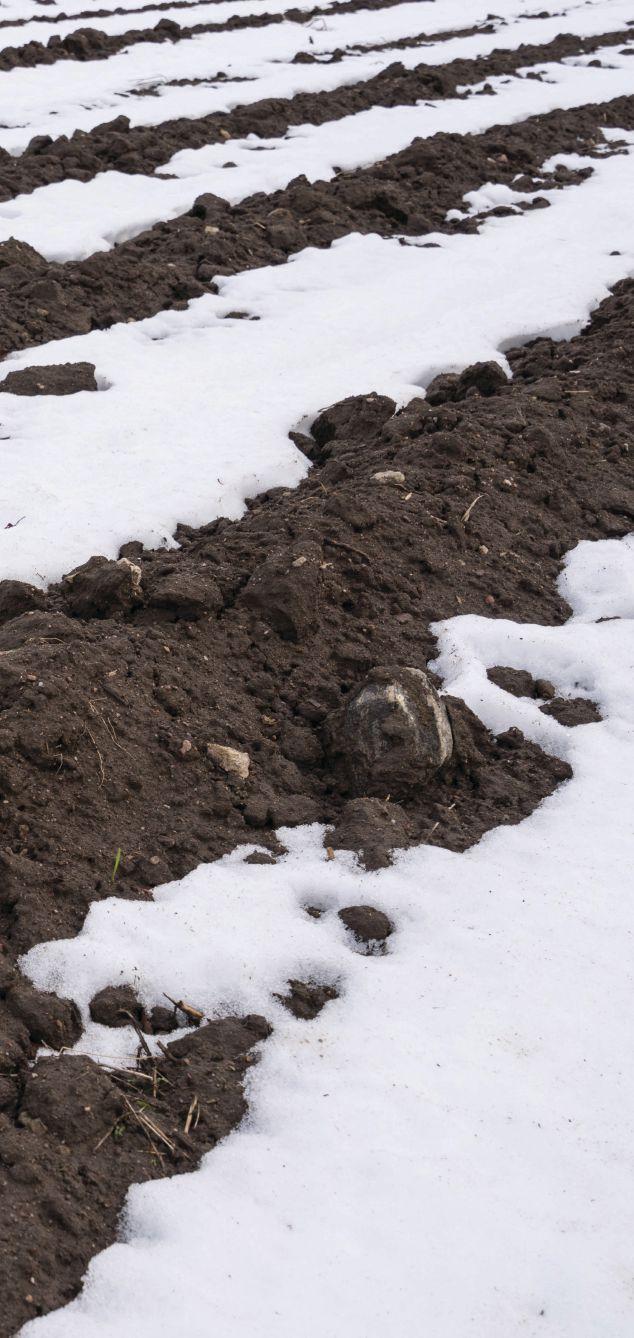
MacKinnon notices producers have come a long way. “They’re more diligent and better managers of potato storage than they would’ve been a decade ago. I’m just giving them gentle reminders that they want to keep in mind.” Less than a decade ago, Island producers faced tough storage conditions that resulted in the discarding of potatoes or the losses of entire warehouses. Since then, many have taken it upon themselves to learn the ins and outs of storage management best practices. One bin can hold several million pounds of potatoes, and some or all of that could all be at stake if it’s not monitored properly. “The problems that exist can compound if they’re not addressed . . . The financial loss could be tens of thousands; or even hundreds of thousands of dollars depending on the extent of the problem,” MacKinnon says.
To avoid the spread of diseases, Al-Mughrabi lays out four post-harvest steps for growers. The first is to g rade out infected tubers as much as possible before placing tubers in storage. Secondly, keep tubers cool and as dry as possible during harvest, loading and transit. In storage, the crop should be ventilated with high volumes of air at low humidity until it’s dry. Thirdly, store infected tubers separately from healthy lots and place them in the front of the storage. Finally, lots of potatoes with significant amounts of disease should be marketed as soon as possible because they do not store well.
As for general storage, Al-Mughrabi boils it down to one key point: “Temperature is the single most important factor in the keeping quality of stored potatoes.” The majority of storage diseases are partially or completely inhibited by storage temperatures below 7.2 C, but this varies depending on the variety, so growers are advised to consult their local potato specialist. At temperatures above 10 C, the growth and development of disease organisms increases dramatically,
increasing the risk of total breakdown. Al-Mughrabi generally advises growers should avoid temperatures above 10 C for long-term storage. He also notes the hatching of flies is inhibited below 10 C. As a result, the presence of flies during warehouse checks indicates that the temperature is too high somewhere in storage, and breakdown may become a problem.
MacKinnon says in addition to daily monitoring, the priority for growers right now who find problems should be to dry the potatoes in storage to prevent the spreading of problems. Drying can be done through dehumidifiers and heaters, and by bringing in fresher and drier air from outside. Using a heater can help, according to MacKinnon. “It seems sort of counter-intuitive, to add heat if you’ve got rotting plant tissue, but when you add heat in a warehouse it triggers their automatic system to bring in fresh air from the outside and that air is drier and that will help you dry the pile much quicker.” However, be mindful that kerosene heaters can have a negative impact on potato colour.
Temperature is the single most important factor in the keeping quality of stored potatoes.
When it comes to monitoring, there are four handheld tools that help during warehouse checks: a psychrometer to check relative humidity, a simple thermometer for inside and outside of storage, a carbon dioxide sensor and an air flow meter. Ventilation is very important: “Make sure that the ventilation controls and dampers are functioning correctly, especially during very cold weather when the danger of ice buildup is greatest,” Al-Mughrabi says.
He also adds early detection of soft rot is now possible with the use of infra-red thermometers. These devices, which look like radar guns, can be used to measure temperatures at the top of the pile. Areas of potential breakdown will show up as “hot spots,” and will often appear as much as three weeks before other symptoms are noticeable.
Another not commonly used gadget is a thermal imaging camera. “I think this year is when it’s going to come in handy,” MacKinnon says. By scanning a pile of potatoes, the camera – which can be found in hardware stores – will detect the temperature of the pile and where there are differences. “You can tell where there’s warmer potatoes sitting next to colder potatoes, which leads to condensation, and that leads to problems over time.”
“The number one piece of advice to give to growers is to be very diligent in monitoring the warehouses, checking them daily, and use your checklist to make sure things are going okay,” MacKinnon says. “There have been recent power outages which can also disrupt the system in the warehouse, so keep that in mind as well.” She also advises growers keep a log of data by taking weekly pictures of the pile so they can compare progress.
Despite the difficult harvest, there is room to bounce back. Greg Donald, with the P.E.I. Potato Board recalls countless of stories of P.E.I. growers helping other growers. “They’re the best at what they do and in tough conditions they shine,” he says.
MacKinnon adds it travels beyond just growers. “You could tell that members of the general public were really feeling their pain; they knew they were having a difficult year, and I really feel like there was a lot of sympathy out there amongst neighbours within the community, even people who may not even be associated with the potato industry.”
To finish strong from a harvest season that won’t be forgotten, check up on stored potatoes and check in with fellow growers.