

Navigating the world of respiratory protection
10 | Legal View
Keith breaks down a recent case involving a supervisor convicted of criminal negligence
TODD HUMBER
BY GAIL COHEN

Navigating the world of respiratory protection
10 | Legal View
Keith breaks down a recent case involving a supervisor convicted of criminal negligence
TODD HUMBER
BY GAIL COHEN
By Todd Humber, Senior Editor
When I first saw the issue of workplace violence
on the agenda at a major OHS conference, I viewed it as a curiosity more than anything else. It was a U.S.-based event, after all, and my smug Canadian self wandered in, found my seat, and marvelled at the red, white, and blue experiences of mass shooter drills and the installation of metal detectors at entrances.
But some of the stories and examples were universal and gave me pause. For example, Lev Pobirsky, the Philadelphia-based senior director of safety and security at Pepsi, talked about how — because of the labour shortage — companies were lowering standards and "begging" people to join their ranks who, in the past, they wouldn't have hired.
Canada, of course, does not exist in a bubble. While workplace-related shootings and violent assaults are less common here, they happen — and we have to prepare for them. As we were going to press, a man walked into Edmonton's City Hall on Jan. 23, lobbed a Molotov cocktail bomb and opened fire with a long gun.
Glass was shattered in the building but there were, astonishingly, no injuries.
Police Chief Dan McFee told reporters that the man was heavily armed and he credited the actions of an unarmed security guard for preventing a worse tragedy.
I marvelled at the red, white, and blue experiences of mass shooter drills and the installation of metal detectors.
"His actions were above and beyond and for that we are grateful," he said. "Active shooter events like this have lasting effects on our community."
On the other end of the country, we recently reported the story of Kelly Gomes. The 60-year-old works as a constituency assistant for an MLA in Nova Scotia. On Dec. 14, 2023, she was attacked by a man in the constituency office. If not for the help of a teenager, on a work term, things "could have ended very badly."
The attacker held her by the throat and threw an air purifier, knocked over a Christmas tree, smashed pictures, and upended a desk before finally leaving. She's calling on the province to ensure at least two
Paula Campkin: chief safety officer, Energy Safety Canada
Marty Dol: president and founder, HASCO Health & Safety Canada
Cindy Moser: director of communications, Institute of Work & Health
Natalie Oree: prevention consultant, SAFE Work Manitoba
David Powers: EHS director (Atlantic), Sysco Canada
people are in constituency offices at all times as a result.
Of course, there have been far worse incidents that resulted in serious injury and death, including the 1999 shooting at an OC Transpo garage in Ottawa. Former worker Pierre Lebrun shot six workers, killing four, before turning the gun on himself.
In 2022, a man shot and killed Toronto cop Andrew Hong in an ambush attack before driving to his workplace — an auto body shop in Milton, Ont., where he shot three more people, killing the owner.
I've folded up and packed my Canadian smugness when it comes to the risks posed by workplace violence. It is most definitely not a uniquely American phenomenon.
It's a problem for us all to tackle — and not just on the shoulders of OHS professionals. Background screening helps, but so too does fostering supportive environments where people feel safe to report threats and cultures that stamp out bullying and harassment.
We can't be complacent. The reality is that workplace violence requires immediate and sustained attention to prevent tragedies and build safer working environments.
Richard Quenneville: senior director of corporate services, T. Harris Environmental Management
Maureen Shaw: lecturer and presenter
Dylan Short: managing director, The Redlands Group
READER SERVICE
Print and digital subscription inquiries or changes, please contact
Angelita Potal
Tel: 416-510-5113
Fax: 416-510-6875
email: apotal@annexbusinessmedia.com
Mail: 111 Gordon Baker Rd., Suite 400, Toronto, ON M2H 3R1
SENIOR EDITOR Todd Humber 289-264-4883 thumber@annexbusinessmedia.com
MEDIA DESIGNER Graham Jeffrey
ACCOUNT CO-ORDINATOR
Cheryl Fisher 416-510-5194 cfisher@annexbusinessmedia.com
AUDIENCE DEVELOPMENT MANAGER Serina Dingeldein 416-510-5124 sdingeldein@annexbusinessmedia.com
BRAND SALES MANAGER Silvana Maiolo smaiolo@annexbusinessmedia.com
SENIOR PUBLISHER Paul Burton pburton@annexbusinessmedia.com
GROUP PUBLISHER Anne Beswick abeswick@annexbusinessmedia.com
PRESIDENT/COO Scott Jamieson sjamieson@annexbusinessmedia.com
Printed in Canada
ISSN 0827-4576 (Print) ISSN 1923-4279 (Digital)
PUBLICATION MAIL AGREEMENT #40065710
SUBSCRIPTION RATES
Published four times per year –Winter, Spring. Summer, Fall Canada $70/yr plus tax USA $98/yr Foreign $162/yr CDN —$120 USD Single copy $19 CDN
Occasionally, OHS Canada will mail information on behalf of industry related groups whose products and services we believe may be of interest to you. If you prefer not to receive this information, please contact our circulation department in any of the four ways listed above.
Annex Business Media Privacy Office privacy@annexbusinessmedia.com Tel: 800-668-2374
No part of the editorial content of this publication may be reprinted without the publisher’s written permission © 2024 Annex Business Media All rights reserved. Opinions expressed in this magazine are not necessarily those of the editor or the publisher. No liability is assumed for errors or omissions.
All advertising is subject to the publisher’s approval. Such approval does not imply any endorsement of the products or services advertised. Publisher reserves the right to refuse advertising that does not meet the standards of the publication.

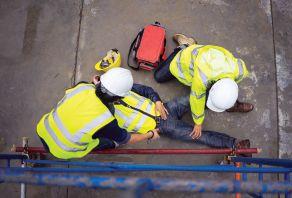
Jeff Gooch, a construction site foreman, has been acquitted of criminal negligence causing the death of one of his workers by the Supreme Court of Nova Scotia.
Brandon Alcorn was killed on the job on March 13, 2018, while installing “blueskin” on the walls of the entrance tower of a new Kent Building Supply store that was under construction in Dartmouth, N.S. He was part of a three-person crew working that day.
As the three were working on the right-hand side of the tower, Alcorn fell off of the far right edge of the canopy plunging 18 feet to the ground below. This occurred about 10 minutes after Alcorn arrived for work at around 10 a.m. Alcorn was late to start his shift that morning, with Gooch stating he told him he had “slept in.”
Gooch was charged with a single count under the Criminal Code for criminal negligence in causing the death of Alcorn.
The court thoroughly reviewed the evidence and testimony from a number of witnesses and experts. It noted the statements indicated that Alcorn was not in the “proper work area” when he fell.
A toxicologist also testified that Alcorn had both Delta-Carboxy THC and Delta-9 THC in blood samples taken about five-and-a-half hours after his fall. The court said Gooch’s guilt was not proven beyond a reasonable doubt.
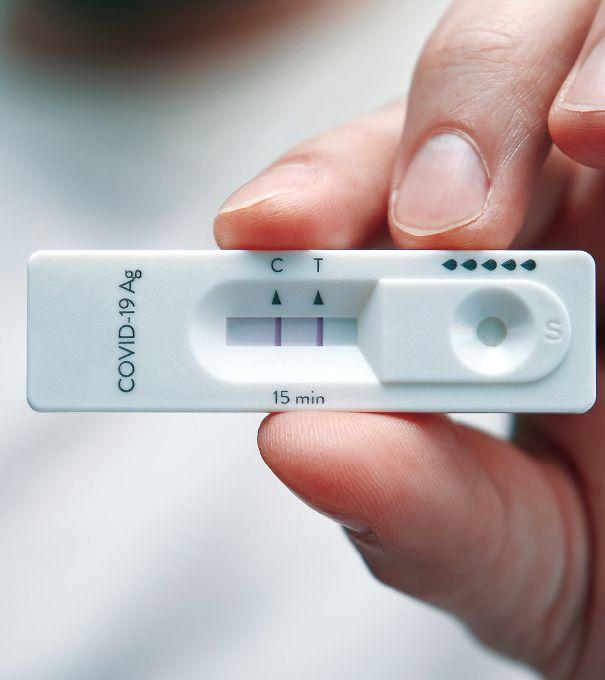
Number of camps operated by Horizon North Camp & Catering. Only one, Sanataa Lodge, experienced a COVID-19 outbreak during the pandemic, a fact that was attributed to its communal living arrangements.
A camp operator that provides lodging and meals for industrial staff has been fined more than $200,000 by WorkSafeBC after one of its workers contracted COVID-19 and was later found dead in 2021.
The COVID-19 outbreak at Sanataa Lodge in Dawson Creek, operated by Horizon North Camp & Catering and Dexterra Group, not only resulted in a worker’s death but also exposed serious deficiencies in the implementation of health and safety protocols, according to redacted reports prepared by WorkSafeBC and obtained by OHS Canada.
The victim, known as Worker 1, displayed symptoms of COVID-19 shortly after his arrival at the camp on Nov. 30, 2021 — but he was not isolated promptly. On Dec. 7, 2021, he was overheard telling a supervisor he was unwell and was told to
lie down. On Dec. 8 and Dec. 9, Worker 1 signed into daily health and safety meetings, suggesting he was present and not isolating in his room.
On Dec. 11, Worker 1 was moved into a bedroom with its own washroom in the isolation wing of the main camp. An appointment was made for him to undergo COVID testing at a clinic on Dec. 12 in Fort St. John, B.C. Worker 1 was taken to the appointment by a Horizon North Shuttle and returned back to the camp at 4 p.m. on Dec. 12.
That was the last time he was seen alive. “Living conditions at the camp, including shared washrooms and communal spaces, were a likely factor in the spread of the illness,” the report said. “Additionally, lack of spacing during staff meals was likely a factor.”

The requirements, as of Jan. 1, 2024, will support a “more effective and fair workers’ compensation system in the province and help restore workers to their previous employment status after suffering an injury on the job,” the province said in a press release.
All employers and injured workers in B.C. will have a new legal duty to co-operate with each other and with WorkSafeBC to ensure workers can return to their previous jobs or other suitable work, it said. The duty to co-operate requires employers and workers maintain communication, identify suitable work for the worker and provide WorkSafeBC with required information to support return-to-work efforts.
Any employer with 20 or more workers who has employed someone for at least one year before an injury will have an obligation to maintain that worker’s employment. They must make any necessary changes to the work or workplace to accommodate the injured person, unless the changes create an undue hardship.
The requirements will help WorkSafeBC oversee the return-to-work process by laying out clear expectations. WorkSafeBC has the authority to reduce or suspend benefits of workers and apply penalties to employers who fail to comply, it said.

A Nova Scotia constituency assistant who faced a violent attack at work is calling on the government to approve funding for a second employee at legislators’ offices as a safety measure.
Number of infrastructure strikes involving Chohan Freight Forwarders in B.C. in the last two years. The company was suspended by the province's Commercial Vehicle Safety and Enforcement.
Kelly Gomes said a man whom she had assisted over the past four years entered her constituency office and held her by the throat against a hallway wall. She says things “could have ended very badly” if it hadn’t been for the presence of a teenage student who
was doing a work term at the office of Brendan Maguire, the Liberal member of the legislature for Halifax Atlantic. Gomes says the man released his grip after the student threatened to call police, but he then threw an air purifier, knocked over a Christmas tree, smashed pictures and upended a desk before departing.
The 60-year-old says neither door locks nor panic buttons can protect constituency assistants in many situations.
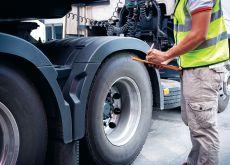
British Columbia’s transport minister has written to his federal counterpart asking for the closure of road safety gaps he says allow some trucking companies to avoid consequences while operating unsafely across Canada.
Rob Fleming’s letter on Monday to Pablo Rodriguez comes after a series of incidents involving commercial trucks or their cargo slamming into highway overpasses.
A company involved in an overpass crash on Highway 99 last month had its B.C. fleet taken off the road, but because it’s part of a group that also has a fleet in Alberta, those trucks are still allowed to work in B.C.
Fleming says in the letter that suspension or cancellation of a carrier’s safety certificate in one jurisdiction doesn’t affect their operations based in another.
He says safety certificates are issued by the jurisdiction where a vehicle is plated, and no single authority is responsible for oversight of a carrier’s entire operations if they have certificates in multiple jurisdictions.

The Transportation Safety Board of Canada says a distracted maintenance worker who drove onto an active runway required an Air Canada plane to scrap an initial landing attempt to avoid a collision at Toronto’s Pearson airport last year.
A new report from the board says the driver of the maintenance vehicle was distracted by “the planning of the upcoming tasks that he would be supervising” at the time of the incident, which took place shortly after midnight on Oct. 15, 2022.
The TSB says that as a result, the driver was paying less attention to hazards on his route and drove onto the runway even though he had received and read back instructions not to do so.
According to the report, the air traffic controller saw what happened and told the plane to stop its approach and go back around before trying again.
The report says the plane was able to land “uneventfully” on its second try.
The board says the incident shows “how a lapse in attention by even an experienced airport maintenance vehicle driver can result in a runway incursion.”
Purolator’s
Purolator’s decision to extend its COVID vaccine mandate beyond June 2022 has been roundly criticized by an arbitrator who deemed it to be a “poor decision.”
“Some of the considerations listed as favourable to the continuance of the mandate had nothing to do with enhanced workplace safety but addressed concerns such as possible employee resentment and possibly being seen to acknowledge they were wrong to impose a mandate in the first place,” said arbitrator Nicholas Glass in the ruling after reviewing a draft memo from management and following a 24-day hearing.
It stemmed from a series of grievances filed by Teamsters Local Union No. 31 on behalf of some unvaccinated workers in British Columbia.
Hourly employees and group grievance members were awarded compensation for lost wages and benefits from July 1, 2022, until their return to work post-May 1, 2023.
Owner operators are eligible for compensation due to revenue losses from the inability to use vaccinated relief drivers, with specific details pending.
23_011328_OHS_CN_WNTR_CN Mod: January 4, 2024 2:35 PM Print: 01/10/24 page 1 v2.5 ORDER BY 6 PM FOR SAME DAY SHIPPING
Pedigree Poultry has been fined a total of $46,000 after it pleaded guilty to violating Saskatchewan’s Occupational Health and Safety Regulations.
On July 10, 2021, a worker suffered serious injury after their foot became entangled within a horizontal auger system at a worksite near Regina Beach.
As a result of these charges, the court imposed a fine of $32,857.14, with a surcharge of $13,142.86.
Pedigree was fined for contravening clause 3-1 (a) of the regulations (being an employer, fail to provide and maintain plant, systems of work and working environments that ensure, as far as is reasonably practicable, the health, safety and welfare at work of the employer's workers, resulting in a serious injury to a worker).
Agrow Canada has been fined a total of $46,000 after one of its workers was injured on the job near Waldron, Sask.
The charges stemmed from an incident that occurred on Sept. 30, 2021, when the worker suffered a serious injury after stepping onto an energized auger.
The company pleaded guilty in Melville Provincial Court to one violation of The Occupational Health and Safety Regulations, 2020.
The company was fined for contravening subsection 10-4 (2) of the regulations (being an employer, fail to ensure that a safeguard required by section 10-4 (1) remains in place at all times, resulting in a serious injury to a worker.)
As a result of these charges, the company was fined $32,857.14 along with a $13,142.86 surcharge.
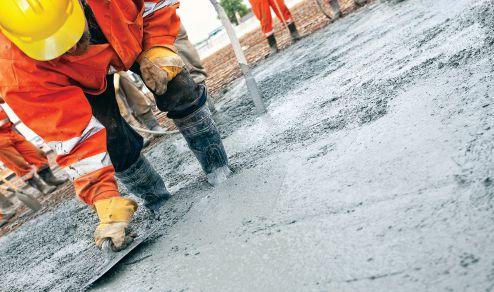
Two companies have been fined a total of $400,000 after two workers were killed and four others critically injured when a section of a building under construction in London, Ont., collapsed.
Number of companies fined in the London, Ont., construction collapse that killed 2 workers. iSpan Systems was fined $260,000 and East Elgin Concrete Forming was fined $140,000.
The incident happened on Dec. 11, 2020, when it collapsed to the ground floor during a fourth-floor roof level concrete pour.
iSpan Systems LP fabricated the building’s structural steel frame, including the frames necessary to support the concrete forms. East Elgin Concrete Forming Ltd. was responsible for the concrete pour, retaining supervisory duties while subcontracting the roof pour to another company.
A Ministry of Labour, Immigration, Training and Skills Development (MLITSD) investigation identified deficiencies in iSpan’s fabrication and methodological
errors in East Elgin’s procedures that contributed to the collapse. East Elgin employed a laser level and directed the subcontractor to pour to the height of the laser level. The laser level on its own failed to account for the deflection of the steel frame that occurred from the weight of the concrete. The use of a dipstick would have remedied this problem by providing a true reading. As a result, workers were left with the incorrect assumption that the concrete depth was insufficient at certain locations in the pour. Consequently, more concrete was applied than had been specified.
An engineering analysis carried out by MLITSD engineers determined that the concrete placed exceeded the design values by considerable amounts. The weight of the applied concrete contributed to the collapse and/or its severity.
A Saskatchewan man has been fined $2,800 after a worker suffered serious injuries after being pinched between a water truck and a payloader on Jan. 21, 2022, near Griffin, Sask. Robert W. Jones pleaded guilty to one violation of the Occupational Health and Safety Regulations, 2020, specifically under subsection 11-13 (3) around the movement of equipment. As a result, the court imposed a fine of $2,000 with a surcharge of $800, for a total amount of $2,800. One other charge was withdrawn.
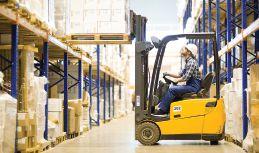
A cold storage company in Brampton, Ont., has been fined $65,000 after a worker was injured by an automatic rolldown door while driving a forklift.
The incident happened on Nov. 24, 2022, at Nova Cold Logistics, operating as Americold. On that day, a worker at the facility was instructed to move pallets of product from a loading dock to a freezer room with an electric lift truck.
After the pallets were moved into the room the worker drove toward the exit. A co-worker was standing in front of the exit door, known as the H-Door.
The H-Door is a large (8-foot wide, 12-foot high), high-speed, roll-down door operated by pull cords. Once a cord is pulled the door ascends quickly and remains open for seven seconds, after which it descends quickly unless the cord is pulled again.
As the co-worker saw the worker on the lift truck approach, the co-worker pulled the cord to open the H-Door.
The worker standing on the lift truck throttled it forward towards the door while looking backward and speaking to the co-worker. By this time, the door had started to descend and came in contact with the worker causing a critical injury. The door did not reverse when it struck the worker.
The H-Door was equipped with a sensor in its bottom leading edge. When it functions properly, the sensor causes the door to reverse if it meets resistance. The sensor was not functioning at the time. There is no other means of closing or stopping the descending door in the event something is under it. There was no means of warning or alerting a worker that the door was descending and that it would not reverse.
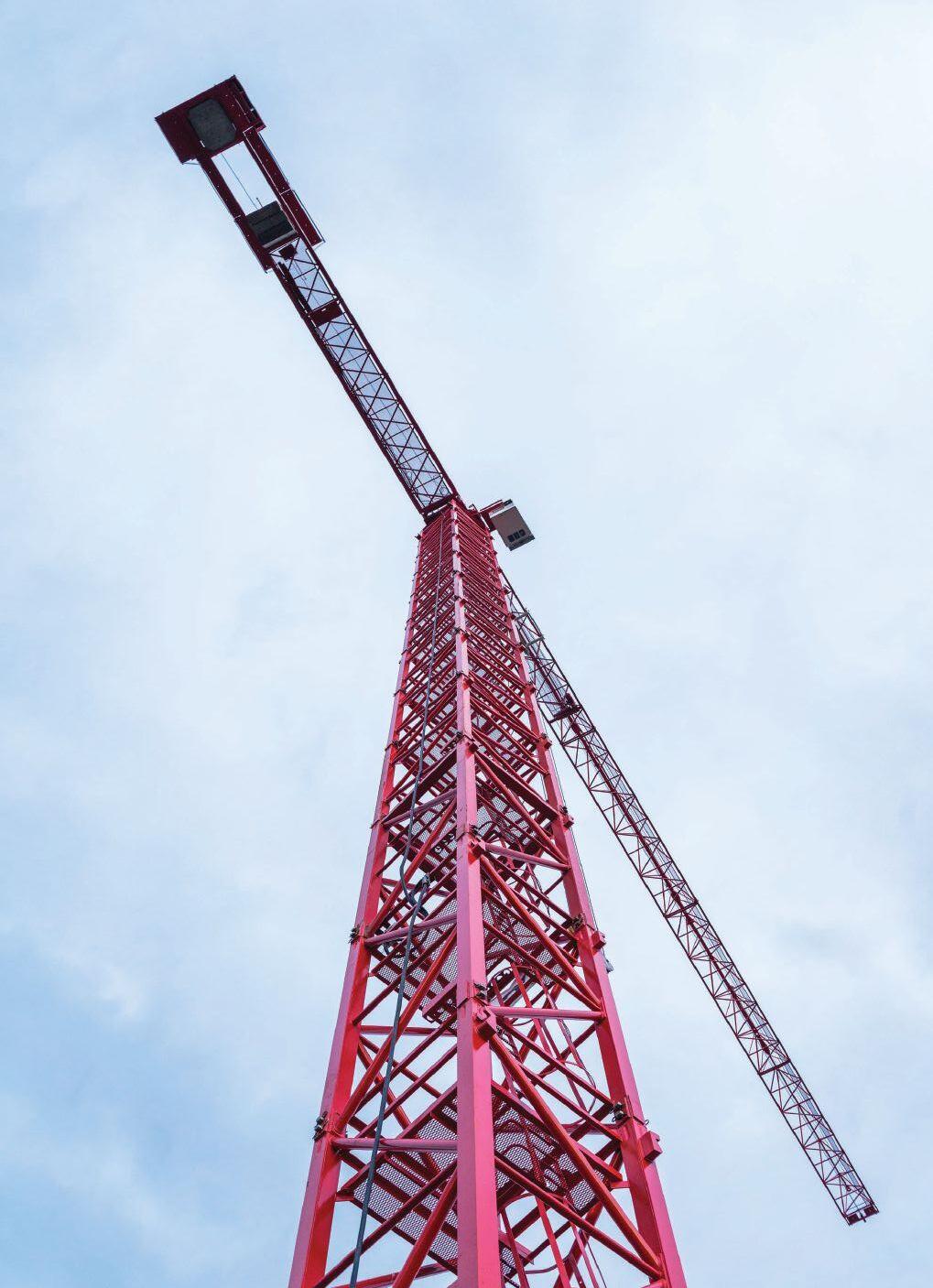
Manitoba has fined an employer just over $7,000 after a worker sustained “significant” injuries in an explosion. On June 23, 2020, a worker employed by Prairieview Custom Basements Inc. was working in an excavated area at a residential property, applying Rub-R-Wall foundation coating to a foundation that had been recently torch-treated to remove moisture.
After spraying the coating for several minutes, the vapour ignited and caused an explosion, injuring the worker. Workplace Safety and Health officials conducted an investigation and laid charges under the Workplace Safety and Health Act.
Prairieview Custom Basements Inc. pleaded guilty to section 4(1)(a) of the act for failing to ensure, so far as practicable, the safety, health and/or welfare of workers at work. Specifically, the employer had not ensured the work area had been adequately ventilated during the application of the Rub-R-Wall foundation coating so as to prevent fire or explosions. A fine and court cost fee of $7,070 was imposed upon Prairieview Custom Basements Inc. by the court.









By Norm Keith
Arecent trial decision of the New Brunswick Court of King’s Bench resulted in another prosecution of a supervisor under the Westray Bill amendments to the Criminal Code, effectively establishing a new crime of occupational health and safety criminal negligence.
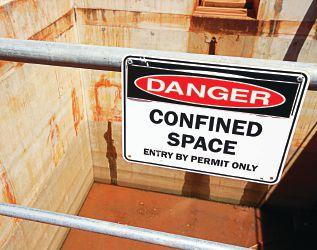
T he case arose from confined space work that went wrong at a municipal wastewater treatment and pumping plant. The supervisor was charged when a worker under his direction was subject to an inrush of water into the confined space that trapped the worker. He could not be rescued in time to save his life.
This important case addressed a number of legal issues and at least three critical questions that apply to all Canadian employers. These questions are also important for the information and guidance to OHS professionals.
First, can OHS regulatory standards be used to form the basis of an OHS criminal negligence charge? Second, is there a legal obligation to conduct a formal “hazard assessment” when conducting potentially dangerous work? Third, what is the personal responsibility of a supervisor to understand and follow OHS regulatory standards not provided formal training by his employer?
On Aug. 16, 2018, Michael Henderson died at a construction site in Fredericton. He was employed on the site by Springhill Construction Ltd. and worked under the supervision of the accused, Mr. King. The
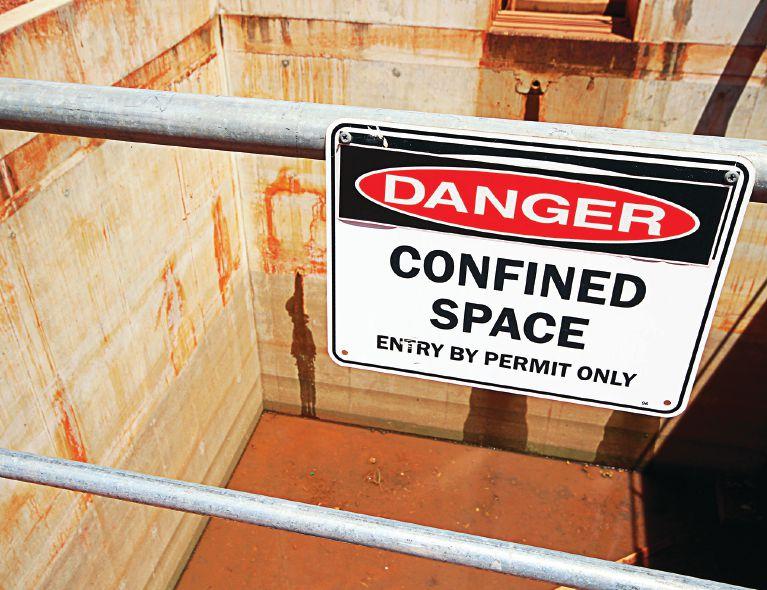
The plug released into the hole with an onrsuh of water, pinning the worker in his confined space work area.
charge on the Indictment reads as follows: “On or about August 16, 2018 at Fredericton, New Brunswick did, by criminal negligence cause the death of Michael Henderson, contrary to s. 220(b) of the Criminal Code of Canada and amendments thereto”.
The facts leading up to the incident were as interesting as they were tragic. The owner of the municipal wastewater treatment and pumping contracted out the construction of a secondary clarifier.
The project would enhance the plant 's treatment of liquid waste before it went into the Saint John River. The deceased was working in an eight feet deep hole in the middle of the new clarifier. He was protected from the surrounding water by a large pneumatic rubber plug.
The plug unexpectedly released into the hole with an onrush of
water, pinning the worker in his confined space work area that quickly filled with water. The worker drowned before the emergency response effort could rescue and recover him.
The evidence at trial was that the supervisor of the worker was not specifically trained in the provincial confined spaced safety regulations and he had not read the instructional manual relating to the use of the industrial plug. The trial judge summarized the failures of the accused as follows:
159 Mr. King had no viable safety plan in place. He knew Michael Henderson was in the hole, after lunch finishing the clean-up, yet he kept putting water into the manhole increasing the pressure on the plug. Mr. King did not do a hazard assessment before directing that anyone work
within a clearly identifiable confined space. He did not place any barrier around the hole during the test to ensure no one went near it. He put water into the system knowing a person was working on the other side of a plug installed in a manner inconsistent with the manufacturer's clear direction. He ignored the Springhill site specific directions for work in a confined space. He did not comply with the legislative provisions that he was required to uphold.
160 At 12:51, under the pressure of the water that Mr. King had begun to introduce into the manhole approximately an hour earlier, the plug let go. It trapped Mr. Henderson and, despite the best efforts of those on scene, including his brother Eric, Michael could not be removed from the hole. Approximately one minute after the plug released and trapped Mr. Henderson, Mr. King turned off the hydrant stopping the flow of water into the hole. But the force of the plug on Mr. Henderson's chest, and the water that was rushing into the hole, could not be overcome. By the time Michael Henderson was removed from the hole, efforts to revive him were futile.”
The central legal development of the Westray Bill is the new legal duty under section 217.1 of the Criminal Code , which if contravened may lead to a charge of OHS criminal negligence. It reads as follows: That legal duty reads as follows: “Everyone who undertakes, or has the authority, to direct how another person does work or performs a task is under a legal duty to take reasonable steps to prevent bodily harm to that person, or any other person, arising from the work or task.” [emphasis added]
This raises the first question mentioned above — can OHS regulatory standards be used to form the basis of an OHS criminal negligence charge? This has critical implications for all workplace stakeholders, not just supervisors. The trial judge conducts the following analysis and provides the answer to that question in the affirmative:
167 As noted above, I am satisfied that the duties set out in the Act and Regulations impose legal duties on Mr. King and fall within the intent and meaning of s. 219 of the Code when it speaks of duties that arise by the imposition of law. I will not therefore,
opine on the application of the Crown's alternative argument as it relates to s. 217 [sic] of the Code.
The second question of the courts review was the accused supervisor’s failure to conduct a hazard assessment of the construction work. The supervisor had neither been asked by his contractor employer, nor the owner the facility to conduct a hazard assessment. The accused argued that this duty did not apply to the supervisor and, alternatively, the workplace was not a "confined space."
Both arguments were rejected and the failure of the accused supervisor to conduct a hazard assessment of the work at the construction project was a critical failure of a legal duty of the accused supervisor. The second question was also answered in the affirmative.
Third, since the supervisor did not have confined space training from his employer, the trial judge had to determine what degree of responsibility did the supervisor have to conduct hazard assessment, understand the precautions to be taken when using the plug, and how to be prepared to rescue the worker if something went wrong.
The standard of proof of all elements of an OHS criminal negligence charge, and any criminal offence, is proof beyond a reasonable doubt. However, the rank tragedy of the worker’s preventable death appears to have moved the court towards strict application of the OHS regulatory standards to the accused under the Westray Bill. The court says,
172 In my view, the standard expected of a reasonable site supervisor on a construction site of this type must include, at a minimum, that the supervisor had familiarized themselves with the legislated duties that were binding upon them as set out in the Act and the Regulations. Construction sites, by their nature, contain hazards and can be dangerous (as this incident so tragically proves) and the legislative scheme is meant to reduce and, if followed, hopefully eliminate, that risk. In addition, one should expect that the reason-
able supervisor would have familiarized themselves with any site-specific safety plan. Furthermore, the reasonable site supervisor would have familiarized themselves with the basic manufacturer's instructions regarding the safe use of equipment used on the site. These are the basic, fundamental elements of what I find to be the minimally acceptable standard of conduct for a supervisor in the circumstances of Mr. King. I use the phrase 'basic fundamental elements' because, in my view, any failure to meet those basic fundamental elements would, by its very nature, represent a marked and substantial departure from this acceptable minimum standard.
The net result of this assessment of the accused to take “basic fundamental elements” of workplace safety, even though that is not part of the criminal law, was a criminal conviction. There appeared to be little sympathy towards the accused supervisor’s plea that he was not given proper safety training by his employer.
The judge says the following: “I accept Mr. King's evidence that he was not given any training by Springhill. There was no evidence to the contrary. But whatever the reason, Mr. King did not take the steps one would expect of a "reasonably prudent person" to protect Mr. Henderson, having directed him to work in a confined space in the circumstances existing. With that said, it must be established that his acts or omissions give rise to criminal liability as set out on the Indictment.” (para. 174)
On balance, the accused supervisor was convicted in a trial where he was remarkably the only accused. This case and the reasons for judgement reinforce the importance for supervisor, and their employers of hazard assessment, OHS law compliance, and informed decision making before hazard work is performed. It is also stark reminder that the consequences of failing to take those steps may result in criminal charges under the Westray Bill that retrospectively place blame on all those who may have been able to prevent a workplace tragedy.
The views and opinions expressed herein are those of the author and do not necessarily represent the views and opinions of KPMG LLP.

By Lisa McGuire
“ The future of safety training is changing fast, and leaders will need to keep up, especially if they want to connect with a younger workforce on a deeper level. Gamification, virtual reality, augmented reality, the metaverse, and artificial intelligence are fuelling a training revolution."
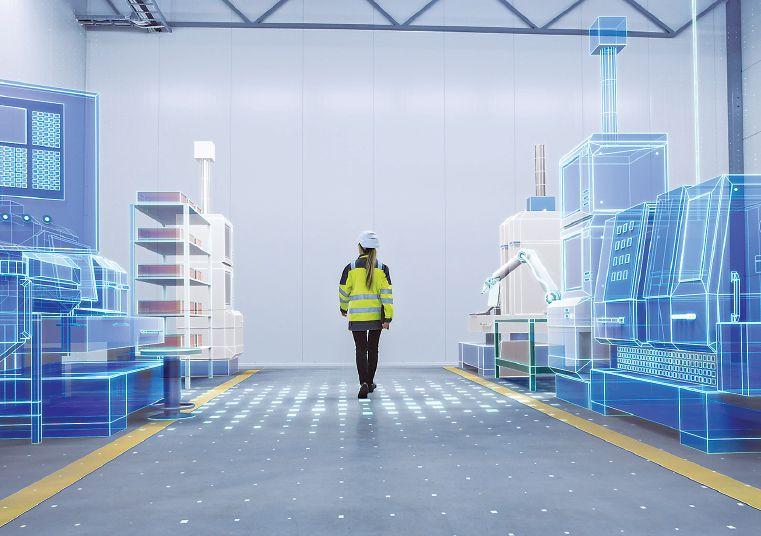
Propelled by innovative technologies that promise to enhance efficiency and knowledge transfer, workplace health and safety training is undergoing a transformation. Manufacturers are looking to immersive technologies such as virtual reality (VR) and augmented reality (AR) tools to equip their teams with consistent and effective health and safety training.
Hands-on safety training significantly improves understanding and retention of training information. In the past, this was only achievable through costly on-site training. Today, AR and VR training immerses workers in simulations of real-world situations where they can practice and apply the most complex safety procedures from anywhere. This results in efficiencies and cost reductions for some employers—with stunning improvements in results compared to traditional methods.
Immersive training can also engage learners through gamification elements such as points, rewards, and competition. For leaders, this new technology creates opportunities to make training more enjoyable and interactive. Engaged employees support a strong and healthy safety culture. And workers are more likely to stay focused, complete training modules, and retain
crucial safety knowledge through short, directed, and hands-on virtual learning.
and convenient way to ensure that all their technicians receive the same standardized training.
“Immersive training can also engage learners through gamification elements such as points.”
S ince October 2023, two independent systemic literature reviews have been published through Safety Science on the use of immersive technologies for occupational health and safety training and education. These reviews concluded that indicators strongly suggest immersive solutions are more effective than traditional training methods.
Anecdotally, workers young and old at Husky Technologies, an Ontario-based global injection molding packaging systems manufacturer, have come to perceive the use of immersive technologies as the future of training. Trainees shared that their immersive learning platform has added value to their learning experience of how to work safely on client sites. And for the company, it provides a streamlined
A s businesses adopt immersive technology, there are broader implications for workplace culture and risk management as well. Business leaders are beginning to recognize that investments in advanced training technology can take them beyond regulatory compliance in a strategic move toward creating a safer, healthier, and more productive work environment.
As leaders consider the benefits of a shift from a compliance-driven approach to training to a proactive, data-driven, and employee-centric model, they are seeing long-term benefits to their training technology investment. Sustainable gains in efficiency and performance support the collective skills and competency of learners and underscore the value of their people.
By Todd Humber
The former health, safety and training manager for a building supply company in Ontario has lost a wrongful dismissal lawsuit she filed after being fired for cause in the wake of a workplace injury she allegedly suffered.
Shari Lagala had been in her role at Patene Building Supplies for more than 13 years. She was let go in the wake of her management and non-reporting of a workers’ compensation claim she made on her own behalf to the Workplace Safety and Insurance Board (WSIB). Lagala allegedly fell in the parking lot of the company’s Brantford, Ont., location on March 28, 2019 because of ice — though the employer presented evidence about the weather on that date which showed ice was unlikely.
Despite her role and expertise in health and safety, Lagala failed to report the incident to her supervisors until months later, a delay that went against the grain of standard workplace safety protocols — and those of her employer. In the interim, she initiated and managed her own WSIB claim and received benefits for physiotherapy.
In October 2019, the WSIB asked Lagala to have her supervisor sign off on the employer’s claim form. She sought that signoff at the end of October, about one month after she included the accident on a monthly report of health and safety incidents she provided to management. That led to an internal investigation that involved Patene’s president, Patrick George.
T he investigation raised significant concerns regarding Lagala’s management of the incident, particularly her delayed reporting and the potential manipulation

of evidence related to the accident. These actions were found to be in direct violation of Patene’s established safety policies and procedures, which Lagala herself was responsible for enforcing.
G eorge, having lost trust in Lagala, made the decision to terminate her employment for cause on Dec. 18, 2019. She was 53 at the time with an annual salary of $72,500 along with benefits including health and dental benefits, a company cellphone, a company car and an annual bonus. Subsequently, Lagala sued for wrongful dismissal.
Justice Lemay of the Ontario Superior Court of Justice emphasized the discrepancies in Lagala’s accounts and her failure to adhere to the very policies she was entrusted to uphold. He highlighted the integral role of health and safety managers in setting an example and maintaining the integrity of safety protocols.
The court noted that Lagala said she was too embarrassed to report the injury to her supervisors. She testified that, at the time the incident happened, that she contacted Dale Cormier, the traffic manager at the Brantford branch, to complain about the incident and express “my frustration that the potholes are not getting filled.”
But Cormier testified he never had any such discussion with Lagala, and the first time he heard about any accident was in October 2019 when she called him and asked him to write an email about it. “The plaintiff dictated what she wanted the email to say,” the court said.
Counsel for the plaintiff suggested that Cormier was lying about the incident to protect his job, but the court rejected that suggestion. It found Lagala to be untruthful with both George and the court about reporting the incident to Cormier in March 2019 and that she attempted to use her relationship with Cormier — they were childhood friends — to conceal this lie.
“ This is very significant misconduct that might, on its own, be sufficient to support (Patene’s) decision to terminate (her) employment for cause,” the court said.
It also pointed out that her decision not to report that accident, in any way, until after the WSIB had allowed her claim was a “breach of the employer’s policies on accident reporting.”
The court also noted Lagala went to the emergency department in August 2019 to seek medical treatment that was, at least arguably, related to the accident.
Continued on page 19
By Todd Humber
You betcha. What’s going on down in Ontario?"
S heldon Kennedy’s voice crackles through his Bluetooth connection as he pilots his truck down the highway on the onehour drive from Saskatoon to his farm. It’s his answer to the standard opening salvo in an interview: “Is now still a good time to chat?”
His early morning drive across the Canadian prairie is a million miles from Detroit’s old Joe Louis Arena, where he laced up his skates for the Red Wings for five years, including the 1992-93 season that saw him rack up 19 goals and 11 assists — his best offensive performance in the NHL.
But he’s not interested in reliving
the glory days of donning the jerseys of the Red Wings, Calgary Flames or Boston Bruins. He has a new passion that can be summed up with one word: Respect. And he’s taking that message beyond the locker room and deep into corporate board rooms.
“Our workplace program really came from an extension of our sport program,” he said. In 2004, he teamed up with Wayne McNeil to create the Respect Group. One of its offerings is Respect in the Workplace, which is a 90-minute online interactive training program to prevent BAHD (bullying, abuse, harassment, and discrimination) behaviours.
“ We started in sport to try and educate all coaches across this country on the issues of bullying, abuse, harassment, discrimination and neglect in all forms,” he said.
"We started in sport to try and educate all coaches across this country on the issues of bullying, abuse, harassment, discrimination and neglect."

The message resonated with the volunteer coaches, who saw the value and started asking about bringing it to their workplaces, said Kennedy.
Kennedy sees a lot of parallels between locker rooms and workplaces, and he’s hard pressed to think of anything more important than mental health.
“Both of them need to be a psychologically safe space, or we’re never
“When people don't feel safe... they will never perform at their best.”
Sheldon Kennedy

going to get the best out of the team,” he said. “When people don’t feel safe, whether they’re on a team or as an employee, they will never perform at their best. They need to feel welcomed and respected.”
There has been a lot of lip service paid to the fact that performance is 75 per cent mental, he said, but many organizations are failing to build supportive cultures — or not even trying.
“Right now, we build culture on a hope and a prayer,” said Kennedy. “We don’t have a strategic approach.”
To stamp out the BAHD cancers, organizations need to empower their workers — the 98 per cent of them that are good people — with the tools to build the confidence to step up and step in when issues arise, he said.
“ When we have a strong, healthy and respectful culture, these issues don’t happen. And if they do happen, they’re dealt with right away,” he said, adding that in those scenarios the perpetrators won’t feel welcome. Organizations need to move be -
yond having “posters, buttons, and policies,” he said.
“ This is about leadership. Our role as leaders is to create a strong team,” said Kennedy. “What we know today is that psychological safety is the main factor behind why many young people choose which team they’re going to play on.”
Kennedy has seen some common traits among people who have successfully built psychologically safe environments. It starts with leaders
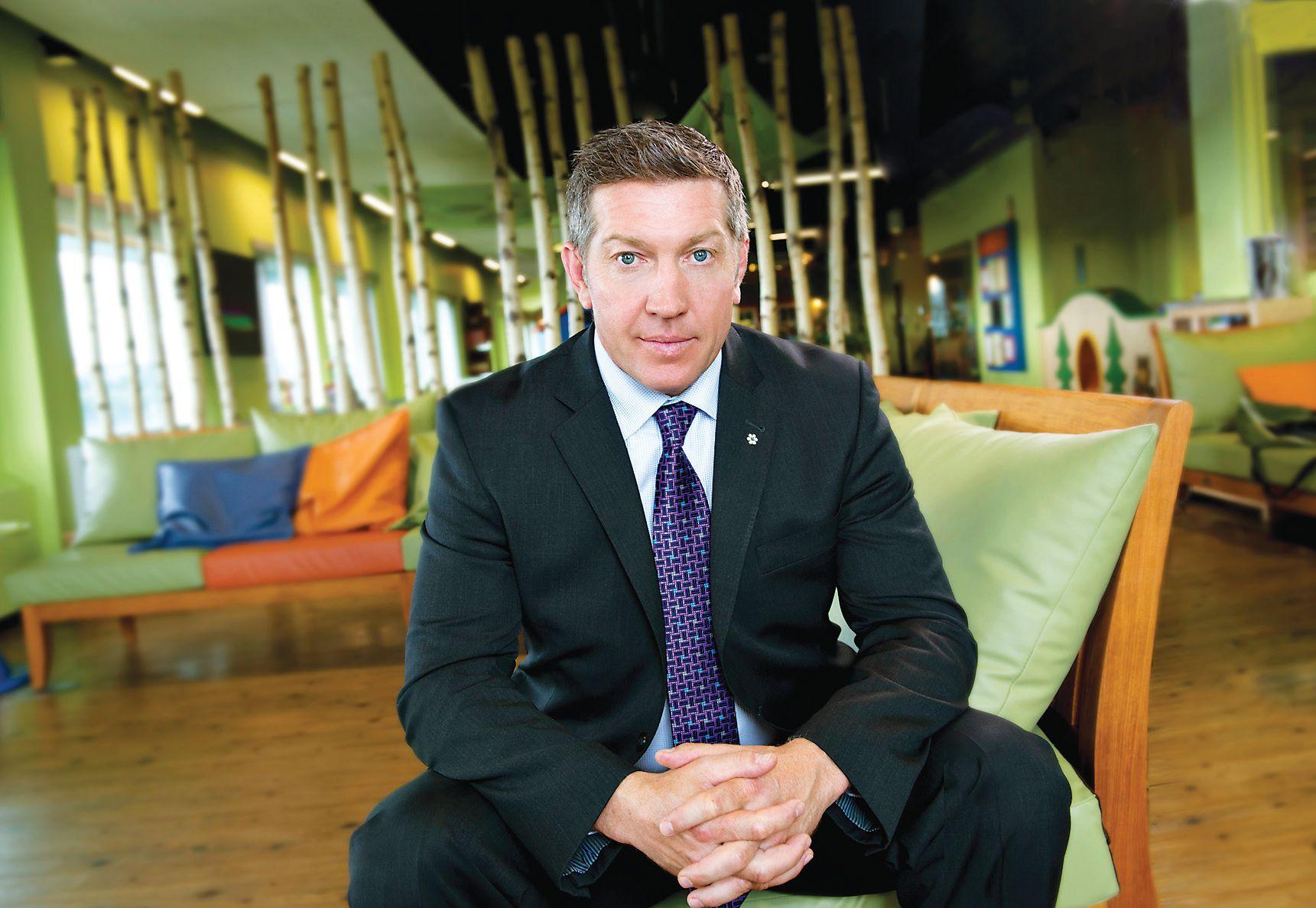
Leadership is not about sitting in the corner office. It's connecting with teammates – often and genuinely.
who can truly communicate with their teams on their level.
“You need to be able to walk the hallways, communicate and walk the walk,” he said. Too often, policies are pushed out without the true support of leaders and managers, and that is very transparent to employees.
“ If the executives are not fully bought in, the team will never buy
in,” said Kennedy.
H is advice is to keep it simple, and break change down into achievable chunks. “What’s one thing we can do for the first half of this year? Walk that walk as a leader and talk to people and ask them how it’s going.”
Leadership is not about sitting in the corner office, he said. It’s connecting with teammates — often
and genuinely.
“ That’s huge. When they see it, and you start speaking about it, it resonates through the group,” he said. Coaches that have had the most success and have gained the most respect from players, from parents and those people around them, it’s those that communicate well, engage the team, ask questions, and learn from them.”
In the C-suite, there’s so much focus on revenue and profitability, he said, but not a lot of awareness around the massive impact culture can have on flow of red versus black ink.
“ The ultimate goal of the com-
"If numbers is our goal, we have to prioritize our culture."
pany is to get better results on the numbers side, right? For the investors, or whoever that is, our best way to achieve that is to prioritize people’s well-being,” he said. “If numbers is our goal, we have to prioritize our culture.”
Chaos and trauma: 'A very different hockey career'
Kennedy’s path on his ascent from minor hockey to the NHL isn’t the most pleasant to discuss. Fans of the game likely know his story. When asked who the best coach or leader he ever had as a player, he paused.
“ Well, I had a very different hockey career than probably 90 per cent of people,” he said. "It’s a very difficult question for me to answer. I’ve had some very strong managers in business, and I’ve had some very strong leaders in my world that have helped me find a way out of my own personal chaos and trauma from the abuse I suffered.”
He learned a lot from coaches about who he doesn’t want to be and had his eyes opened about just how much of an impact a bad leader can have on individuals, teams and organizations.
He was abused by his coach in junior hockey, a man who was honoured as Man of the Year by Hockey News magazine in 1989. That title was later revoked by the publication when the story came to light.
The ripple effect
Kennedy talked about the ripple effect of that behaviour which he discovered goes far beyond the ac-
tual victim.
“It’s not just the one being bullied that will leave or suffer,” he said. “It’s people that have witnessed that bullying happen in a workplace what are more apt to leave that company or that workplace.”
He made his own wellness and health his number one priority, and that has made a huge difference in his life.
“I learned how to become a good human being and how to treat myself well,” said Kennedy. “I think this is important. I can’t go out and tell people how to do it and how to be it if I can’t do it myself. If I’m not in a good position emotionally, physically, and spiritually, I can’t be leader I want to be.”
T he numbers are massive: The Respect Group has trained nearly 2.4 million Canadians to date, and that number is still growing.
One of the biggest learnings for participants is where the line is drawn when it comes to bullying and harassment. They’re asked, before the program, if they ever engaged in poor behaviour — and posed that question again at the end.
“ The number who said they have doubles, coming out of self-admittance that people didn’t know where the line was drawn,” said Kennedy.
“I've had some very strong leaders in my world that have helped me find a way out of my own personal chaos and trauma."
A leader who does that, and shows up every day for their teams, and makes 99.9 per cent of their decisions with culture in mind is going to be successful, he said.
Kennedy said there’s “no doubt” leadership styles have improved from the 1980s and 1990s.
“I told my story in 1996 and there was nothing in this space,” he said, adding he spent a lot of time just trying to convince people that these issues are real.
“Now, when you look at the leading companies in our country and around the world, the majority have already prioritized wellness and mental health and psychological safety in their workplaces,” he said. “That is one of their pillars of success. That’s huge.”
Over the last few decades, workplace culture has gone from being an esoteric concept to one that is embraced and understood.
“Culture, really, is about prioritizing and practicing and communication,” he said. “If we can have those things — and practice good, healthy communication to connect with someone else — that’s going to go a long way.”
“ We get people over the hump of being overridden with fear and anxiety when it comes to this type of training and this type of knowledge,” he said. “They’re engaging and embracing and, to me, when we get to that point is when we’re going to see change.”
Kennedy wants to ensure that what happened to him never happens to anyone else.
“I set out on a journey, and I didn’t realize how many people it has impacted. I thought I was the only one that his had ever happened to,” he said. “Most of the time, when people are in a horrible situation — whether it’s in the workplace or as a kid — they feel they’re alone. I realized quickly when I told my story that I wasn’t alone.”
It’s an unfortunate reality that people coming into the workforce likely have experienced some level of trauma in their lives.
“ If we are not paying attention to that, that’s going to eliminate a lot of people from our work and our ability to find workers — because most people have had some kind of impact in their lives,” said Kennedy. “We shouldn’t have to try to convince people, at some point, that this is important. That’s my goal.”
The biggest compliance issue in workplaces involves hard hats –which are often worn incorrectly
By Gail J. Cohen
Driving along Richmond Street in downtown Toronto the other day, two men were out on the street acting as flag people to allow a concrete mixer to safely exit a highrise construction site.
It was a cold day and both men had their hard hats precariously balanced atop toques and the pulled-up hoods of their sweatshirts.
Those hard hats were unlikely to provide much protection if something were to fall on their heads. Hats that don’t fit tightly enough — so they’re harder to put on and off than a baseball cap — won’t provide protection if they just come off on impact or if a worker falls, said Remi Badra, product manager of head protection at manufacturer PIP Canada.
Anything worn under a hard hat should also be approved by the manufacturer, said Badra, and needs to be relatively thin and tight.
“If the manufacturer approves them, it is because they have tested the fit and have ensured that the hat will continue to pass the CSA requirements,” he said.
No matter what the safety rules or requirements are, if a hard hat doesn’t fit well or isn’t comfortable for the worker, they’re less likely to wear one, says Mike Russo, owner of health and safety consultancy WorkBright. To spur on compliance, some

companies now have workers test out different hard hat options to get feedback before making a purchasing decision on what works best for them in their particular circumstance.
“The supervisor is an extremely important pivotal role, but they also need support from the owner.”
Mike Russo
Hard hats today are being designed for a secure and comfortable fit, with multiple adjustment points including ratchet suspensions and straps, said Leslie Molin, personal safety market segment manager at equipment distributor Levitt Safety.
Russo said he analyzed 80,000 client orders from Ontario government health inspectors in 2022 and the No. 1 compliance issue in workplaces involved hard hats.
Of course, the biggest problem, he said, was workers not wearing hard hats at all. Workers, first of all, have to be advised that wearing head protection is a company policy but it’s almost more important for the company to monitor the use of that protection. Supervisors are pivotal to observate, remind, and enforce those policies.
“ The supervisor is an extremely important pivotal role, but they also need support from the owner of the company, [especially] if it is a small company, to ensure that the expectations are set for the types of PPE that are required,” said Russo. Workers also need to know what to watch out for. Orientation in their workplaces is key to understanding the hazards their heads may face, such as protruding objects, electrical, or materials falling from above, said Russo.
Wearing too much under a hard hat in winter is a common mistake workers make, but there are many user errors that detract from the effectiveness of wearing a hard hat. One of the biggest: not storing a hard hat properly. They’re often left in cars or on dashboards, which results in damaging UV exposure, said Badra. They should be stored in a clean location away from extreme temperatures and direct sunlight, said Molin.
While it may be fun and look cool, covering a hard hat in stickers can be problematic. Chemicals in the adhesive can degrade the hat’s plastic but they will also cover up any cracks or damage to the hat, said Russo. Many workplaces don’t permit stickers on their hard hats for this reason.
Molin noted that daily inspections for wear and tear often aren’t done. Every day workers should check their hard hats for brittleness, cracks, dents, frayed straps, or damage to the wheel or slip ratchet mechanism, she said.
In addition to the issues with winter gear, Russo said, baseball hats should never be worn under a hard hat because they’ll also affect the suspension.
Mix-and-match add-on accessories like visors or hearing protection that aren’t approved for that manufacturer’s gear can also compromise safety, said Molin.
Some workers even try to store safety glasses or other small items inside their hard hats between the suspension and the shell, said Russo.
Continued from page 13
Under the Workplace Safety and Insurance Act (WSIA) that triggered the notification requirement and the accident had to be reported by the employer within three days. By not reporting it until weeks later, she “put her employer at risk of being found in violation of section 21 of the WSIA,” the court said. The sanctions that could have flowed from her failure to report the alleged accident in a timely way are “significant,” it said.
It was also part of her job to protect her employer from these penalties by ensuring accidents were reported promptly, it noted.
“These concerns also illustrate the fact that (Lagala’s) decision to report her own accident on behalf of the employer put her in a conflict of interest,” it said.
“She would be interested in obtaining benefits from the claim, while the Defendant would want a full investigation into the claim, particularly given the inconsistencies in the Plaintiff’s reporting. This is a classic conflict of interest that any manager
“If there is impact, the gap between the suspension and the hardhat is so important because that'll slow down the impact and if there are materials in that gap, it kind of defeats the purpose,” he said.
A mistake that companies often make, that can lead to individuals compounding safety challenges, is not assessing use requirements before providing hard hats. Welders are a perfect example, said Russo. They often wear their hard hat backwards, which is fine if the manufacturer has tested and approved it for that purpose, but is a problem if it hasn’t.
Molin noted that hats approved to be worn backwards will have a “reverse donning arrow” symbol inside.
When it comes to choosing hard hats, workers and companies must conform to the classes approved by the CSA and in each jurisdiction. Ontario, for instance, requires Class E hard hats that provide head protection against high-voltage conductors. But there’s also the option for Type 1 (crown only) or Type 2 (crown,
sides, and back).
Everyone’s familiar with the standard hard hat style, with the small visor in the front, but there are a few new developments in technology and design.
MSA Safety, for example, has developed the V-Gard C1, said Molin. It features a full brim and uses thermal barrier technology to keep the inside of the hard hat 11°C cooler in sunny weather, making it the coolest hard hat on the market.
So-called “safety helmets” are also becoming more widespread, said Russo. They look more like climbing helmets and are made of lightweight materials and have a chin strap, which helps keep the helmets in place in case of trips and falls, especially from heights.
These newer styles though are costlier than traditional hard hats.
“Some workplaces have said, ‘Before we make a decision, we want to see objective data to substantiate the need for a safety helmet over a traditional hardhat,’” said Russo.
who works in the human resources field should have been able to see,” it said.
The fact she was prepared to put herself into this conflict, while denying it was a conflict, is a “significant” reason why Patene Building Supplies was “correct” to have lost confidence in her, the court said.
But perhaps the most damning words from the court came in relation to a meeting between Lagala and management once her WSIB claim came to his attention.
During an interview conducted on Nov. 1, 2019, where George was also present, Lagala failed to provide the complete WSIB file, notably omitting a decision letter from the WSIB which she had received. This omission was perceived by the court as an attempt by Lagala to conceal information from her employer.
Justice Lemay highlighted that Lagala’s
conduct during this incident was part of a pattern rather than a singular lapse in judgment.
“All of this misconduct must be considered in light of the fact that (she) was directly responsible for the administration of the Defendant’s Health and Safety policies,” it said. “Put simply, an employer cannot be expected to employ a Health and Safety manager who does not comply with health and safety policies when those policies affect her, and then is dishonest with her employer about what happened after the fact.”
The court dismissed her claim and asked the parties to agree on legal costs, but said it was available to review submissions if they could not come to agreement. Typically, winning parties in court cases are entitled to recover at least costs from the losing parties.
For more information, see Lagala v. Patene Building Supplies Ltd, 2024 ONSC 253 (CanLII).

99 Crompton Dr. Barrie ON L4M 6P1
Tel: 647-699-7702
Web: www.aed.ca
AED.ca is Canada’s AED Company. We are automated external defibrillator (AED) specialists. We sell and service AEDs and offer AED inspections and training. Do you have questions on which AED is best for your location? We offer expert advise and can help create an AED program for your location(s). We truly care and are here to help you protect the people at your location. AED.ca

528 5e rue de la Pointe Shawinigan QC G9N 1E8
Tel: 877-746-5653
Web: safecontractor.com
Alcumus SafeContractor takes the pain out of compliance for organizations, helping them protect their people, their operations, and the planet. We support our network of hiring clients, suppliers, and contractors by keeping them compliant with the standards that matter most, from health and safety and sustainability to ethical behaviour. We deliver an end-to-end contractor management solution that will streamline your internal processes, save you time and resources, and provide your business with unrivalled expert guidance and support.
Key features:
• An easy-to-use digital tool to gain visibility and control of your contractor and worker management
• Access to real-time data about the risk status of your entire business, across sites and departments
• Guidance and support from a team of trained safety assessors
• Collaborate exclusively with reliable and safe contractors who have been approved to a standard of excellence. safecontractor.com

2637 S 158th Plz Suite 110 Omaha NE 68130
Tel: 402-562-7878
Web: www.appruv.com
Appruv is a powerful global prequalification platform that helps clients streamline the process of screening and hiring contractors. By using our platform, you can easily ensure that your contractors meet your specific safety, insurance, financial, and performance standards before they start working, thus reducing the risk of safety hazards, legal liabilities, and other issues that can arise. Our platform is designed to streamline the prequalification process and make it more efficient and cost-effective compared to manual screening. With Appruv, you’ll be able to prequalify contractors quickly and easily, while also improving contractor performance and accountability. Additionally, our platform offers online orientation training for contractors, which helps ensure that they are prepared and informed before they start working on a job site.
Calgary Place II, 355 4 Ave SW
Calgary AB T2P 0J1
Tel: 587-287-1125
Web: avetta.com
Avetta leads the world in connecting leading global organizations across several industries including oil/gas, telecom, construction materials, facilities management and many others, with qualified and audited suppliers, contractors and vendors. The company brings unmatched access and visibility to its client’s supply chain risk management process through its innovative and configurable technology, coupled with highly experienced human knowledge and insight. We contribute to the advancement of our clients’ sustainable growth by protecting supply chains from a wide range of potential risks through trusted contractor prequalification, safety training and monitoring, regulatory compliance, insurance/financial stability, and other
areas of risk. Avetta currently serves more than 450 enterprise companies and 125,000+ suppliers across 120+ countries. Visit www.avetta.com for more information.
6700 Century Ave Suite 100 Mississauga ON L5N 6A4
Tel: 905-567-7198
Web: www.bcrsp.ca
The mission of the Board of Canadian Registered Safety Professionals (BCRSP) is to act in the public interest in granting certification and upholding it as a recognized standard of excellence for competent and ethical safety practitioners. A federally incorporated not-for-profit organization, BCRSP establishes and enforces education, examination, experience, and ethics requirements for CRSP and CRST certified professionals.

710 COCHRANE DRIVE MARKHAM ON L3R 5N7
Tel: 416-433-9786
Web: www.BradyCanada.ca
Brady is a manufacturer of complete solutions that identify and protect people, products and places. Brady’s products help customers increase safety, security, productivity and performance and include highperformance labels, signs, safety devices, printing systems and software!

604 Industrial Road 3 Cranbrook BC V1C 4V2
Tel: 250-426-3400
Web: brandt.ca/Material-Handling Brandt training programs provide students with the basic principles of material handling and construction equipment operation, load handling, maintenance, and safety, and is the
only training that provides students with a practical operator assessment required by Occupational Health & Safety (OH&S) and Canadian Standards Association (CSA). After successful completion of the theory test and a final practical assessment, an Operator Equipment Safety Certification is provided to students. Enhance your safety, productivity, efficiency and confidence on the job with Brandt Equipment Safety Training. Our certification meets and exceeds safety standards across Canada with OH&S and CSA compliance.
10121 Barlow Trail NE Calgary AB T0M 0E0
Tel: 403-248-0018
Web: brandt.ca/Material-Handling Brandt training programs provide students with the basic principles of material handling and construction equipment operation, load handling, maintenance, and safety, and is the only training that provides students with a practical operator assessment required by Occupational Health & Safety (OH&S) and Canadian Standards Association (CSA). After successful completion of the theory test and a final practical assessment, an Operator Equipment Safety Certification is provided to students. Enhance your safety, productivity, efficiency and confidence on the job with Brandt Equipment Safety Training. Our certification meets and exceeds safety standards across Canada with OH&S and CSA compliance.
BRANDT
10630 176 St NW Edmonton AB T5S 1M2
Tel: 780-484-6613
Web: brandt.ca/Material-Handling Brandt training programs provide students with the basic principles of material handling and construction equipment operation, load handling, maintenance, and safety, and is the only training that provides students with a practical operator assessment required by Occupational Health & Safety (OH&S) and Canadian Standards Association (CSA). After successful completion of the theory test and a final practical assessment, an Operator Equipment Safety Certification is provided to students. Enhance your safety, productivity, efficiency and confidence on the job with Brandt
Equipment Safety Training. Our certification meets and exceeds safety standards across Canada with OH&S and CSA compliance.
360 MacKenzie Blvd #5 Fort McMurray AB T9H 4C4
Tel: 780-791-6635
Web: brandt.ca/Material-Handling Brandt training programs provide students with the basic principles of material handling and construction equipment operation, load handling, maintenance, and safety, and is the only training that provides students with a practical operator assessment required by Occupational Health & Safety (OH&S) and Canadian Standards Association (CSA). After successful completion of the theory test and a final practical assessment, an Operator Equipment Safety Certification is provided to students. Enhance your safety, productivity, efficiency and confidence on the job with Brandt Equipment Safety Training. Our certification meets and exceeds safety standards across Canada with OH&S and CSA compliance.
1521 33 St N Lethbridge AB S7L 0X2
Tel: 403-330-8859
Web: brandt.ca/Material-Handling Brandt training programs provide students with the basic principles of material handling and construction equipment operation, load handling, maintenance, and safety, and is the only training that provides students with a practical operator assessment required by Occupational Health & Safety (OH&S) and Canadian Standards Association (CSA). After successful completion of the theory test and a final practical assessment, an Operator Equipment Safety Certification is provided to students. Enhance your safety, productivity, efficiency and confidence on the job with Brandt Equipment Safety Training. Our certification meets and exceeds safety standards across Canada with OH&S and CSA compliance.
101 Burnt Park Dr Red Deer AB T0M 0E0
Tel: 403-343-7557
Web: brandt.ca/Material-Handling Brandt training programs provide students with the basic principles of
material handling and construction equipment operation, load handling, maintenance, and safety, and is the only training that provides students with a practical operator assessment required by Occupational Health & Safety (OH&S) and Canadian Standards Association (CSA). After successful completion of the theory test and a final practical assessment, an Operator Equipment Safety Certification is provided to students. Enhance your safety, productivity, efficiency and confidence on the job with Brandt Equipment Safety Training. Our certification meets and exceeds safety standards across Canada with OH&S and CSA compliance.
Highway #1 East Regina SK S4P 3R8
Tel: 306-791-7777
Brandt training programs provide students with the basic principles of material handling and construction equipment operation, load handling, maintenance, and safety, and is the only training that provides students with a practical operator assessment required by Occupational Health & Safety (OH&S) and Canadian Standards Association (CSA). After successful completion of the theory test and a final practical assessment, an Operator Equipment Safety Certification is provided to students. Enhance your safety, productivity, efficiency and confidence on the job with Brandt Equipment Safety Training. Our certification meets and exceeds safety standards across Canada with OH&S and CSA compliance.
BRANDT TRACTORSASKATOON
800 60 St W Saskatoon SK S7K 3N2
Tel: 306-664-4141
Web: brandt.ca/Material-Handling
Brandt training programs provide students with the basic principles of material handling and construction equipment operation, load handling, maintenance, and safety, and is the only training that provides students with a practical operator assessment required by Occupational Health & Safety (OH&S) and Canadian Standards Association (CSA). After successful completion of the theory test and a final practical assessment, an Operator Equipment Safety Certification is provided to students. Enhance your safety, productivity, efficiency and confidence on the job with Brandt Equipment Safety Training. Our
certification meets and exceeds safety standards across Canada with OH&S and CSA compliance.
3700 McGillivray Blvd Winnipeg MB R3Y 1X2
Tel: 204-231-2333
Web: brandt.ca/Material-Handling Brandt training programs provide students with the basic principles of material handling and construction equipment operation, load handling, maintenance, and safety, and is the only training that provides students with a practical operator assessment required by Occupational Health & Safety (OH&S) and Canadian Standards Association (CSA). After successful completion of the theory test and a final practical assessment, an Operator Equipment Safety Certification is provided to students. Enhance your safety, productivity, efficiency and confidence on the job with Brandt Equipment Safety Training. Our certification meets and exceeds safety standards across Canada with OH&S and CSA compliance.

2425 Skymark Ave., Unit 1 Mississauga ON L4W 4Y6
Tel: 905-212-6600
Fax: 905-212-6602
Web: www.draeger.com
Draeger was established in 1889 as a manufacturer of gas detection and respiratory protection and serves customers worldwide. The current portfolio includes stationary and personal gas detection systems, respiratory protection equipment, fire training systems, thermal imaging cameras and alcohol and drug detection units. “Technology for Life” is the guiding philosophy. Whether in clinical applications, industrial safety applications, oil & gas, mining or fire and emergency services, Dräger products protect, support and save lives. www.draeger.com

10700 Secant St. Montreal
QC H1J 1S5
Tel: 514-354-2511
Fax: 514-354-6948
Web: www.geneq.com
GENEQ inc. is a Canadian Supplier of Scientific Instruments for the Environment and Occupational Health and Safety since 1972.

1831 North Park Avenue Burlington NC 27217
Tel: 336-227-6211
Web: glenguard.com
GlenGuard is the ultimate inherent fabric for arc-rated, flame-resistant workwear – delivering the perfect blend of comfort, durability, and versatility. GlenGuard is lightweight and breathable to keep workers comfortable, and its protective properties are engineered to overcome even the harshest conditions. With the industry’s best weight-to-protection ratio, GlenGuard helps workers reach their peak performance and stay in compliance. Specify GlenGuard and enable your workers to be more compliant with their AR/FR work wear. For more information, visit www.glenguard.com.
305 Bend Hill Rd Fredonia PA 16124
Tel: 724-962-9231
Fax: 724-962-3611
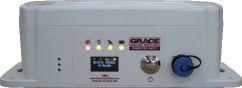
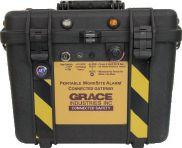
Web: www.graceloneworker.com
Do You Have People Working Alone?
Use an employee check-in system and a lot can happen between employee “check-in’s”. You need an Immediate Notification System
Grace Lone Worker Systems:
• DO NOT - use cellular networks
• DO NOT - Require internet connections
• INTEGRATE with SCADA/Fire/ Weather Alarms
• BEST OF ALL - NO Subscription Fees
Do You Have People Working at Heights?
Fall Detection and Suspension Trauma Prevention that exceeds traditional standards for Fall Safety Self-Rescue. When a worker is unable to self-rescue, you need a WorkForce® Immediate Notification System
Grace WorkForce® Systems:
• PREVENTs SUSPENSION TRAUMA with an Immediate Notification of a worker in distress – when selfrescue is not possible WorkForce® is there to automatically make a distress call
• USED ALSO IN LONE WORKER APPLICATIONS

10665 Jasper Avenue NW 14th Floor Edmonton AB T5J 3S9
Tel: 866-337-4734
Web: www.hseigroup.com
HSE International can provide a diverse range of practical, custom-tailored services and solutions to help you address your most pressing health and safety risks and challenges, and help meet your due diligence and compliance needs and goals. We provide a diverse range of complementary services including audit and assurance, management consulting, risk advisory and training to our clients throughout Canada and abroad. Our consultants and advisors are recognised as leading practitioners in occupational health, safety, environmental, contractor management, and personnel learning and development strategies. Our approach is geared for sustainability – both financial and cultural. We are passionate about keeping people safe at work and we help organizations to improve and change the way safety is perceived and handled across their business. We are a certified educational institution, a certified diverse supplier, and have a better business bureau (BBB) A+ rating.
70 Floral Parkway Toronto ON M6L 2B9
Tel: 416-248-5625
Fax: 416-248-9945
Web: idn-inc.ca
IDN Canada has 10 locations across Canada:
• 1228 Old Innes Road Unit
317 Ottawa, ON K1B 3V3 phone: 613.749.2172
• 2010 30th Avenue NE Unit 15 Calgary, AB T2E 7K9 phone: 403.291.4844
• 9681 45th Avenue Edmonton, AB T6E 5Z8 phone: 780.944.0014
• 8052 Winston Street Burnaby, BC V5A 2H5
phone: 604.253.0017
• 39 Mosher Drive Dartmouth, NS B3B 1E5
phone: 902.468.1373
• 1600 rue Beaulac Saint-Laurent, QC H4R 1W8
phone: 514.956.0248
• 1800 Appleby Line Unit 5 Burlington, ON L7L 6A1 phone: 905.319.7400
• 37 Mosher Drive Dartmouth, NS B3B 1E5 – phone: 902.468.0772
• 445 Milner Avenue Unit 5 Scarborough, ON M1B 2K4 phone: 416.295.5625
40 Dussek Street PO Box 524
Belleville ON K8N 5B2
Tel: 613-966-0062
Web: impacto.ca
With over 35 years in the industry, IMPACTO® is a leader in personal protective equipment manufacturing. We provide our customers with innovative ergonomic solutions and safety products that enhance safety and productivity in the workplace without compromising comfort. IMPACTO® products are distributed around the world and are used in many applications including manufacturing, warehousing, assembly lines, industrial applications, construction, mining, forestry, office settings and many more.
We pride ourselves on our attention to detail, superior product quality and customer service. We are committed to customer satisfaction, the continual improvement of our products and expanding our markets by developing personal protective equipment in compliance with the latest safety standards. Let us help you navigate the many ergonomic and safety products we offer and ensure that you are comfortably working safe.
1661 Finfar Court Mississauga ON L5J 4K1
Tel: 905-823-6150
Fax: 905-823-7608
Web: www.latoplast.com
Discover the Forcefield Women’s High Visibility Safety Apparel Collection, designed to keep you safe on the job. Our Essentials line offers all the core items you will need through the year, combining functionality with high-quality materials and a “madefor-women” fit. Be seen, be protected, and take charge of your workplace safety. Explore our collection in the OHS Buyers Guide now!
2872 Bristol Circle Oakville ON L6H 5T5
Tel: 905-829-3299
Web: levitt-safety.com
We are a 100% safety-focused company. We don’t just sell safety supplies or service equipment. We find the best solutions from manufacturers who’ve been in the business for decades. We train our technicians to service the equipment to keep your business running. We can also train your team on equipment or concepts like confined space or working at heights, so they are confident in every job they do. So what does all of this mean? It doesn’t matter what you do or where you work, your job puts you at risk. We have the equipment, technical skills and know-how to keep you safe so you can live life to the fullest. Take a look through our website, it’s divided
into shoppable products, specialty products, services and training, and if you have a question contact us – we’re here to help. We partner with our customers to solve their fire, safety and environmental challenges. Our motivated, knowledgeable people deliver value through high-quality solutions, products and services.

2115 South Service Road West Box #3 Oakville ON L6L-5W2
Tel: 289-351-2920
Fax: 833-905-6532
Web: www.OLFA.com
Sharp since 1956. Yoshio Okada, the founder of OLFA, developed the first snap-off blade knife in 1956. He envisioned an economical tool that remains sharp. By snapping used segments, this knife revolutionized cutting. The durable and reliable design improved efficiency. The angle and length of OLFA snap blades set the industry standard, now used around the world. Using high-quality steel, OLFA forges blades with technologies that stem from traditional swordmaking. Expert honing sharpens each blade for extended life. Precision craftsmanship in every blade delivers superior performance. OLFA durable handles house these ultra-sharp blades for unmatched performance. Vigorous manufacturing standards ensure every OLFA handle provides user reliability. OLFA remains committed to making tools that improve how people cut by creating professional-grade tools for construction, warehouse operations, and office work. OLFA also specializes in tools used in papercrafts, quilting, and more.

2477 Michelin St. Laval QC H7L 5B9
Tel: 514-409-2859
Web: www.pipcanada.ca
Our relentless focus on customer satisfaction is at the center of everything we do. We seek to develop, train, and provide all customers
with innovative safety products that help keep all workers safer, more comfortable, and more productive. And with approximately 7 million women employed in the Canadian workforce, we recognize women as being important contributors on job sites all across Canada. It is essential that women have access to PPE that is designed specifically to fit and protect them properly, providing peace of mind as they work. Oversized PPE in traditionally male-dominated industries can get in the way, reducing productivity and potentially leading to injury. Learn more about how PIP Canada is fast becoming a leader in providing women’s PPE options that have been researched and designed to be comfortable, flattering for diverse body shapes, and most importantly to provide optimal protection.
View our Women’s PPE guide here: https://tinyurl.com/vtn982jf
70 Planchet Rd. Concord ON L4L 6E1
Tel: 905-660-6700
Fax: 905-660-6903
Web: www.roncosafety.com
RONCO Safety is a world-class manufacturer of Personal Protective Equipment (PPE) for head, hand, and body. Our trusted distribution network delivers products to endusers striving to comply with safety standards for both their employees and work processes. RONCO PPE are designed to minimize risk for workers and maintain a safe and healthy occupational environment in a variety of industries. Commitment to social and environmental sustainability has always been a top priority at RONCO, and this can be seen through the RONCO Earth product line of environmentally friendly products. Headquartered in the Toronto area, RONCO is supported by sales operations across Canada as well as international offices in Romania, China, Bangladesh and Malaysia. RONCO’s first domestic PPE manufacturing plant in Ontario went operational in 2021. RONCO is dedicated to a culture of growth and innovation to meet the needs of customers and their target industries.
Box 22, Site 1, RR4 Olds AB T4H 1T8
Tel: 403-350-4007
Web: safetycheckconsulting.com
Safety Check Consulting provides on-site health and safety management along with program development and monitoring. We are able to manage health and safety using your established programs, or, in the case of new / startup projects, we can provide full safety management using Our JobSight SMS system.
JobSight SMS, is a full Occupational Health and Safety management program that offers:
Incident/investigation reporting, full statistical tracking, field Level Hazard Assessments in the format you are used to, contractor management, eLearning and more.
“Visit us at safetycheckconsulting.com and click JobSight.
Email info@safetycheckconsulting.com for a temporary login and feel free to try it out.”

1 Webster Street Brantford ON N3T 5R1
Tel: 519-756-7900
Web: www.scjp.com
SC Johnson Professional™ is part of SC Johnson, a family company and one of the world’s leading manufacturers of household cleaning products and products for home storage, air care, pest control and shoe care, as well as professional products. The company has a long history in the professional market, in which it started operating in the 1930s.
SC Johnson Professional™ provides expert skin care, cleaning & hygiene solutions for industrial, institutional and healthcare users. This incorporates our range of specialist occupational skin care products along with well-known
SC Johnson brands and innovative professional cleaning & hygiene products.
Our purpose is to bring innovative, quality products and services to professional markets that rethink how people and organizations experience skin care, cleaning and hygiene. We enable customers to gain real benefits in terms of cleaner, healthier and safer workplaces and public environments.
2507 Macpherson Magog QC J1X E06
Tel: 819-843-2121
Web: www.showagroup.com
SHOWA stands for the highest degree of hand protection and innovation. Our technology has forever changed our industry, the safety of manual labour and the impact we make on the environment. We pioneer the quality, performance and protection to give ordinary hands extraordinary abilities. As a fully owned, 100% integrated manufacturer, we create all our own machinery, yarns, coatings, polymers, designs and hand formers. We control every step of our process, each step of the way for 100% quality control at every level. With 9 production facilities across the globe, 5,500 employees worldwide and over 100+ researchers, we innovate globally and locally. We are SHOWA.

WeWork Office Space 1 University
Ave Toronto ON ON M5J 2P1
Tel: 647-572-7182
Web: www.siteapppro.com/ca
Site App Pro offers comprehensive Safety Management Solutions, for every worksite. Elevate your operational capabilities to new heights with Site App Pro’s comprehensive suite of management solutions. Streamline your workflows with our seamless contractor and equipment management tools, fortify your safety programs, and uphold the highest standards of quality assurance.

19896 Hwy 7, Perth, ON K7H 3C9
Perth ON K7H 3C9
Tel: 613-267-4493
Web: skylinegroupintl.com
Our tagline, Elevated Work. Elevated Safety.™, is more than just checking a box for compliance; it’s a commitment to elevating how we approach safety while working at heights. At Skyline Group, our safety specialists firmly believe everyone deserves an environment where safety is paramount, productivity flourishes, and risk is minimized. Our array of fall protection and height safety solutions enables you to access new heights while ensuring a safe working environment. We utilize a mix of systems, such as guardrails, walkways, access ladders, and more, to achieve a height safety solution that meets the needs of your employees, contractors and business. Protecting you from tomorrow’s hazards.
36 Vimy Street Acton ON L7J 1S1
Tel: 519-853-1920
Fax: 519-853-4469
Web: www.superiorglove.com
Superior Glove is a leading innovator in the design and manufacture of safety gloves, sleeves, and complementary PPE. Since 1910, Superior Glove has been protecting workers across the globe with specialized hand and arm protection for every major industry. Superior Glove’s products are engineered at their headquarters in Ontario, Canada, with teams and production facilities across Canada, the United States, Mexico, and Central America.
WAYNE SAFETY INC.
1250 Sheppard Ave West Toronto ON M3K 2A6
Tel: 416-661-1100
Web: www.waynesafety.com
SUPPLY WITH CONFIDENCE. ESTABLISHED IN 1947. Expertly curated PPE SKUs available when you need them. We supply products for all industries including medical, construction, janitorial, and food processing applications. We invite you to visit our new website www.waynesafety.com to see what we carry.

675 Cochrane Dr. Suite 710, East Tower Markham ON L3R 0B8
Tel: 416-441-1939
Web: whsc.on.ca
Workers Health & Safety Centre (WHSC) is Ontario’s
only government-designated occupational health and safety training centre. With more than 35 years’ experience, WHSC provides the highest quality training for workers, their representatives, supervisors, and employers in every workplace, regardless of sector, size, location or union status. WHSC’s highly engaging, participant-centred, hazardbased training provides the knowledge and skills to proactively identify, assess, control, and wherever possible eliminate hazardous working conditions. Our comprehensive program catalogue helps meet and exceed legal requirements and includes training for joint health and safety committee Certification, health and safety reps in smaller workplaces, Federal committees and reps, WHMIS, working at heights, workplace violence, workplace mental health, and indoor air quality. Delivery options include publicly scheduled, in-house and custom sessions, in instructor-led, virtual, or in-person classrooms.
1306 Algoma Road Ottawa ON K1B3W8
Tel: 613-688-2845
Web: www.yowcanada.com
An award winning safety training provider, YOW Canada develops courses and materials to help Canadians with occupational health and safety compliance. With over 20 years of industry experience, we proudly offer fully trackable, user-friendly training courses and outstanding customer support. Our team of dedicated professionals ensures the most accurate information is available to our clients. Each one of our courses and training products is reviewed by industry professionals to ensure accuracy, relevancy and compliance to applicable laws and regulations. Customer input is valued and has helped us streamline our training and administration tools. A great deal of time and effort goes into the products we develop and we’re proud of what we offer. Our courses are easy to use, dynamic and effective. YOW Canada Inc. - Safety Compliance Made Easy!
t-Safety
Air Quality
Levitt-Safety
Associations
Board of Canadian Registered Safety
Professionals
Levitt-Safety
Confined Space
Grace Industries, Inc.
Latoplast
Levitt-Safety
Safety Check Consulting
Emergency Equipment
AED.ca
Latoplast
Levitt-Safety
Emergency Management
AED.ca
HSE International
Levitt-Safety
Environmental Services
Levitt-Safety
Ergonomics
Impacto Protective Products Inc.
Latoplast
Levitt-Safety
Eye Protection
Latoplast
Levitt-Safety
RONCO Safety
Wayne Safety Inc.
Face Protection
Latoplast
Levitt-Safety
RONCO Safety
Wayne Safety Inc.
Fall Protection
Brandt Tractor - BC Interior
Brandt Tractor - Calgary
Brandt Tractor - Edmonton
Brandt Tractor - Fort McMurray
Brandt Tractor - Lethbridge
Brandt Tractor - Red Deer
Brandt Tractor - Regina
Brandt Tractor - Saskatoon
Brandt Tractor - Winnipeg
Grace Industries, Inc.
Latoplast
Levitt-Safety
Skyline Group
Wayne Safety Inc.
Fire Protection
Draeger Safety Canada Ltd.
Latoplast
Levitt-Safety
First Aid
AED.ca
Latoplast
Levitt-Safety
Wayne Safety Inc.
Flame Resistant Clothing
GlenGuard
Latoplast
Levitt-Safety
Foot Protection
Impacto Protective Products Inc.
Latoplast
Levitt-Safety
RONCO Safety
Gas Detection
Draeger Safety Canada Ltd.
GENEQ inc.
Latoplast
Levitt-Safety
Hand Protection
Impacto Protective Products Inc.
Latoplast
Levitt-Safety
OLFA North America Inc.
RONCO Safety
Showa
Superior Glove
Wayne Safety Inc.
Head Protection
Draeger Safety Canada Ltd.
Latoplast
Levitt-Safety
RONCO Safety
Wayne Safety Inc.
Health & Safety Software
Appruv
Avetta
HSE International
Levitt-Safety
Safety Check Consulting
Site App Pro
Hearing Protection
Latoplast
Levitt-Safety
RONCO Safety
Wayne Safety Inc.
Identification Products
BRADY CANADA
Latoplast
Levitt-Safety
Industrial Hygiene
Latoplast
Levitt-Safety
SC Johnson Professional CA Inc.
Instrumentation
GENEQ inc.
Levitt-Safety
Lone / Remote Worker
Grace Industries, Inc.
Latoplast
Levitt-Safety
Machine & Tool Safety
Latoplast
Levitt-Safety
Material Handling
Brandt Tractor - BC Interior
Brandt Tractor - Calgary
Brandt Tractor - Edmonton
Brandt Tractor - Fort McMurray
Brandt Tractor - Lethbridge
Brandt Tractor - Red Deer
Brandt Tractor - Regina
Brandt Tractor - Saskatoon
Brandt Tractor - Winnipeg
Impacto Protective Products Inc.
Latoplast
Levitt-Safety
OLFA North America Inc.
Noise Control & Monitoring
GENEQ inc.
Levitt-Safety
Pandemic Planning
HSE International
Latoplast
Levitt-Safety
Personal Protective Equipment
Draeger Safety Canada Ltd.
Grace Industries, Inc.
Impacto Protective Products Inc.
Latoplast
Levitt-Safety
RONCO Safety
Skyline Group
Wayne Safety Inc.
PPE for Women
Impacto Protective Products Inc.
Latoplast
Levitt-Safety
PIP Canada Ltd.
Superior Glove
Respiratory Protection
Draeger Safety Canada Ltd.
Latoplast
Levitt-Safety
RONCO Safety
Safety Manuals & Posters
Brandt Tractor - BC Interior
Brandt Tractor - Calgary
Brandt Tractor - Edmonton
Brandt Tractor - Fort McMurray
Brandt Tractor - Lethbridge
Brandt Tractor - Red Deer
Brandt Tractor - Regina
Brandt Tractor - Saskatoon
Brandt Tractor - Winnipeg
HSE International
Latoplast
Levitt-Safety
Safety Check Consulting
Safety Products, Agriculture
AED.ca
Alcumus SafeContractor
Impacto Protective Products Inc.
Latoplast
Levitt-Safety
OLFA North America Inc.
RONCO Safety
Safety Products, Manufacturing
AED.ca
Alcumus SafeContractor
BRADY CANADA
Brandt Tractor - BC Interior
Brandt Tractor - Calgary
Brandt Tractor - Edmonton
Brandt Tractor - Fort McMurray
Brandt Tractor - Lethbridge
Brandt Tractor - Red Deer
Brandt Tractor - Regina
Brandt Tractor - Saskatoon
Brandt Tractor - Winnipeg
Grace Industries, Inc.
IDN Canada
Impacto Protective Products Inc.
Latoplast
Levitt-Safety
OLFA North America Inc.
RONCO Safety
Superior Glove
Safety Products, Traffic
AED.ca
Alcumus SafeContractor
Latoplast
Levitt-Safety
OLFA North America Inc.
RONCO Safety
Safety Products, Utility
AED.ca
Alcumus SafeContractor
Grace Industries, Inc.
IDN Canada
Impacto Protective Products Inc.
Latoplast
Levitt-Safety
OLFA North America Inc.
Superior Glove
Safety Supplies & Equipment
AED.ca
IDN Canada
Impacto Protective Products Inc.
Latoplast
Levitt-Safety
OLFA North America Inc.
RONCO Safety
Skyline Group
Superior Glove
Showers
Latoplast
Levitt-Safety
Signs and Labels
BRADY CANADA
Latoplast
Levitt-Safety
Slips & Falls
BRADY CANADA
Impacto Protective Products Inc.
Latoplast
Levitt-Safety
Skyline Group
Thermal Detection
Levitt-Safety
Training & Education
Alcumus SafeContractor
Brandt Tractor - BC Interior
Brandt Tractor - Calgary
Brandt Tractor - Edmonton
Brandt Tractor - Fort McMurray
Brandt Tractor - Lethbridge
Brandt Tractor - Red Deer
Brandt Tractor - Regina
Brandt Tractor - Saskatoon
Brandt Tractor - Winnipeg
HSE International
Latoplast
Levitt-Safety
Safety Check Consulting
Skyline Group
Workers Health & Safety Centre
YOW Canada Inc.

The Canadian Centre for
Small businesses (those with one to 99 paid employees) are big players in Canada’s economy. According to the most recent report by the Government of Canada (2022), there were 1.21 million employer businesses in Canada, of which 1.19 million (97.9 percent) were small businesses.
But don’t let the word “small” fool you – in Canada, 8.2 million people were employed by small businesses as of 2021. Between 2020 and 2021, these businesses were also responsible for 69 percent of the net employment change in the private sector, adding approximately 494,300 new jobs in the country.
New jobs mean new responsibilities for these small businesses, some of which can differ in scope depending on where in Canada the business operates. However, when it comes to health and safety, the employer is always responsible for creating a healthy and safe working environment – no matter where the business is located or its size.
Small business owners have a lot on their to-do list. Responsibilities like hiring and onboarding, marketing, compliance, and financial requirements all top that list, but even with all those to-do’s, health and safety needs to be a priority.
Although health and safety requirements vary in each jurisdiction, there are some common rules and rights that apply to all workplaces across the country. By knowing what they are, businesses of all sizes can apply them to their workplace to create a healthy and safe

work environment and ensure compliance with health and safety legislation.
Let’s start with step one: having a health and safety policy in place.
According to Canadian health and safety legislation, a written health and safety policy is a must for all employers. It defines your organization’s commitment and approach to maintaining a safe and healthy workplace, and it supports the promotion of your health and safety program — which leads us to the next part: who’s responsible for implementing the policy?
Answer: ultimately the employer, but all workplace parties play a role.
Let’s start with your health and
safety committee. This committee helps to promote a culture of safety within a workplace. Made up of workers from both non-management and management roles, they put policy into action.
This means your committee is involved with identifying workplace hazards and making recommendations to control the risks of those hazards. Are employees working in ergonomically correct positions? Do staff know the safety protocols for operating or working near machinery? Do workers know how civility and respect is defined and practiced at work? To assess the safety of a workplace, committees should meet on a regular basis.
This gives the committee the opportunity to be proactive, allowing them to respond to health and safety issues, conduct workplace inspections, and develop health and safety programs all in a timely and efficient manner.
Not every business is required to have a health and safety committee. If that’s the case for your business, you might need a health and safety representative instead. This depends on how many employees you have and where your business operates.
For example, Ontario laws mandate businesses with 6 to 19 employees to have a health and safety representative, but in British Columbia, that number is between 10 to 19.
Committees may also be required when other conditions apply to a workplace even without the specified number of employees. To find out what’s right for your business, always check with the health and safety legislation within your jurisdiction.
Even though a business may be small in numbers, its safe work procedures don’t have to be diminished in size or quality.
Keep workers safe from day one by providing the appropriate training, like safe working procedures, WHMIS or new worker training and orientations, practicing good housekeeping (like tidying up used materials), and ensuring that workers understand the workplace harassment and violence policy, including who to turn to if they need a safe person to speak to.
It’s also important to create and communicate an emergency response plan. Put one in place so workers know how to respond to the unexpected: fires, spills, structural failures, severe changes in weather, and events like pandemics.
Ensure that workers know the first aid measures that are in place, the procedures for when an incident or injury occurs, and where to go for support. Everyone needs to be aware of who the first aid attendant is as well as other important contacts. Always have a minimum of the following on any
Ontario laws mandate businesses with 6 to 19 employees to have a health and safety representative, but in B.C. that number is between 10 to 19.
worksite: an appropriately stocked first aid kit, information for employees about what to do in case of an injury or incident, and someone who knows how to administer first aid. These requirements will vary depending on the type of workplace and number of employees, so always check
By implementing procedures and other preventative measures, and reporting and investigating incidents, near misses, or hazards, you can prevent hazardous occurrences.
Health and safety are the responsibility of both the employer and workers. Employers must provide a safe and healthy workplace, and workers must follow the practices and procedures that have been established. Part of this responsibility means that both parties understand the three rights of workers: the right to know, the right to participate, and the right to refuse.
The right to know outlines that workers have the right to be informed of potential or known hazards and are provided with the appropriate information before the work begins. This is where training comes in.
Central to any health and safety program is educating employees on workplace hazards and providing the appropriate training on a regular basis to perform their tasks safely.
Tip: Has your small business grown, resulting in the hiring of new employees? Make sure new hires receive orientation training to establish a strong health and safety foundation right from the start.
The next two rights are about worker participation and involvement and the right to refuse work they perceive is unsafe.
Workers have the right to provide input
on the steps their employer takes to ensure a healthy and safe workplace, and they also have the right to refuse work if they have reason to believe it’s unsafe or dangerous to themselves or others.
Each jurisdiction will have a slightly different definition, and criteria and procedures for refusing unsafe work. Although the intent is the same, understanding and implementing these rights is one of the reasons why health and safety committees or representatives are critical for businesses, no matter the size.
Under Canadian occupational health and safety legislation, it’s the employer’s duty to take all reasonable and practicable measures necessary to protect the health and safety of their workers.
This means employers must prepare, review, and maintain health and safety policies, plans, procedures, and practices, establish a committee or representative, respond to their recommendations, and provide information, instruction, and supervision to ensure employee health and safety.
While this might seem like a lot of work for a small business owner, it doesn’t have to be onerous.
For example, you can include safety updates on your staff meeting agendas. Displaying health and safety memos and infographics are another great way to visually communicate health and safety information, and for written communication, like a newsletter or email to staff, add a health and safety section. These actions demonstrate your efforts and commitment to creating a safer environment for your employees.
Prioritizing safety comes with business benefits, too: improved productivity, a boost to employee morale, protection against business interruptions, improved reliability, and greater public perception, just to name a few.
The bottom line is that it makes good sense to prioritize workplace health and safety, no matter the size of your business. By educating yourself and your workers, you can create an environment that your workers deserve - a safe one.
CSA Group
CSA Group is a global organization dedicated to safety, social good and sustainability. It is a leader in standards development and in testing, inspection and certification around the world, including Canada, the U.S.A., Europe and Asia. CSA Group’s mandate is to hold the future to a higher standard.
By Candace Sellar, Program Manager, Worker and Public Safety, Standards, CSA Group
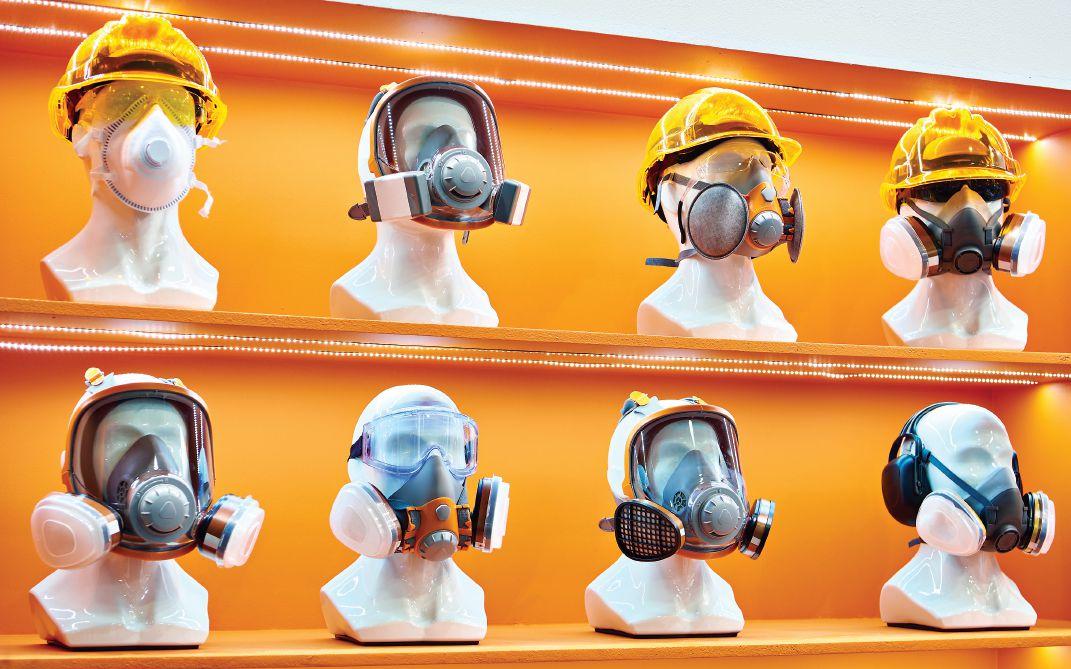
There are several different types of respiratory hazards that might be encountered in the workplace—and for many, they are a part of everyday job function. While COVID-19 and the 2003 SARS outbreak both highlighted the need for proper respiratory protection, there are always concerns about occupational diseases—many of which can be linked to improper respiratory protection. As the field of respiratory protection continues to evolve, it is crucial for employers to identify potential respiratory hazards and establish the necessary safeguards for employee safety.
CSA Group’s Candace Sellar offers insights into the actions employers can take
to help improve respiratory safety, and shares details on CSA Group’s relevant Occupational Health and Safety standards, including an opportunity for readers to contribute to an upcoming update to a respiratory protection standard.
What are the different types of respiratory hazards that workers may encounter, and how does proper protection vary based on these hazards?
Respiratory hazards are as varied as the workplaces that they can be found in, and more than one hazard can be present at a time. However, in general, respiratory hazards include oxygen deficient atmospheres; particulate rich environments
(e.g. silica, asbestos, fumes); workplaces where gases and vapours can be encountered; and biological contaminants (e.g. viruses, bacteria).
The different types and combinations of respiratory hazards will ultimately inform what protection is required. CSA Group has three standards that can assist in respiratory protection:
C SA Z94.4.1:21, Performance of filtering respirators is a National Standard of Canada that specifies performance and testing requirements for filtering type respirators, including fit, air flow resistance and breathability, fluid and flammability resistance, and shelf life.
CAN/CSA-Z94.4-18, Selection, use, and care of respirators sets out requirements for
the selection, use, and care of respirators and for the administration of an effective respiratory protection program in the workplace. A new edition of this standard has been drafted and is currently available for public review until mid-March. Any member of the public can provide input on this standard by visiting the CSA Group Public Review website and reviewing the draft standard under the OHS page. All comments submitted through public review will be considered by the CSA Group Technical Committee. The new edition of the standard will be available in late summer 2024.
CAN/CGSB/CSA-Z1610-11 (R2021), Protection of first responders from chemical, biological, radiological, and nuclear (CBRN) events provides riskbased guidance to first responders on how to operate in a CBRN event.
How has the landscape of respiratory protection evolved since the start of the COVID-19 pandemic?
There has been increased focus on the health care sector, and specifically the use of filtering respirators to protect workers from bioaerosols.
There has also been discussion on designing more equitable PPE to better fit faces of different shapes and sizes, including those of women and bearded workers.
A significant amount of research has also been conducted on the material science side of things–exploring new materials that are more eco-friendly and considering circular economy principles (e.g., eliminating waste) in the design, while maintaining technical performance standards.
What goes into updating and enhancing respiratory protection standards?
C SA Group standards are evidence-informed and are created and updated through our Standards Council of Canada accredited stan-
In the pandemic's wake, there has been discussion on designing more equitable PPE to better fit faces of different shapes and sizes, including those of women and bearded workers.
dards development process. All updates involve a significant amount of research, consultation, and discussion by top experts in Canada. Where questions arise, new research opportunities are identified.
assessment, respirator selection, training, and health surveillance. There are some useful tools online to help you navigate the different types of respirators. For example, CSA Group offers a free online tool for the selection of respirators for the protection from bioaerosols. This tool is to be used in conjunction with CSA Z94.4.
Tailoring respiratory protection measures to specific workforce needs requires a comprehensive understanding of the workplace environment and potential hazards.
A new edition of CSA Z94.4, Selection, use, and care of respirators is currently under development and available for public review. Some of the significant enhancements to the new edition include updated control banding methodology to select respirators for bioaerosols; updated fit testing protocols and exercises; and guidance on how employers can remove barriers for respirator users and accommodate workers for a variety of reasons, including gender, religion/ culture, and comfort.
How can organizations assess the specific respiratory protection needs of their workforce and tailor programs accordingly?
Tailoring respiratory protection measures to specific workforce needs requires a comprehensive understanding of the workplace environment and potential hazards. With the goal of continuous improvement, regular reviews and adjustments should be made by all organizations to improve the ongoing effectiveness of their programs.
CSA Z94.4 provides requirements, recommendations, and guidance on the preparation and implementation of a respiratory protection program, including essential program components such as defining roles and responsibilities, conducting a hazard
Readers are also encouraged to explore the Canadian Centre for Occupational Health and Safety’s webpage on respirator selection. It provides answers to key questions, such as when a respirator should be used, what are the different classes of respirators, and how to select the right one.
What benefits and impact on safety can organizations expect to see when they adopt standards for respiratory protection?
Adopting and implementing respiratory protection standards is a proactive approach that can contribute to ensuring worker safety, and worker confidence and buy-in to organizational respiratory protection programs, thereby contributing to the long-term success and sustainability of an organization. However, it is important to note that PPE, such as respiratory protection, is considered the last line of defense in the hierarchy of controls. Other avenues such as elimination, substitution, administrative and/or engineering controls should be considered and implemented first. When all else fails, then respiratory protection should be considered. Standards such as CSA Z94.4 provide organizations with equal access to knowledge from many of the top experts in this field on best requirements, recommendations, and guidance that is evidence-informed and reflective of leading practices–not just in Canada, but throughout the world.
The United States government isn’t laughing at funny and clever highway signs that are being used to get out road safety messages. The Federal Highway Administration has given states two years to implement changes outlined in a new 1,100 page manual. Slogans that use obscure meanings, references to pop culture or those intended to be funny won’t be allowed by 2026 over concerns they’re distracting and can be misunderstood. Among the slogans to be banned are “Use Yah Blinkah” in Massachusetts; “Visiting in-laws? Slow down, get there late” in Ohio; and “Don’t drive Star Spangled Hammered,” in Pennsylvania.
– with files from AP
A Kentucky city is beaming a message toward planets in a solar system 40 light years away urging any aliens who might be listening to visit as tourists. The Lexington Convention and Visitors Bureau used an infrared laser to beam a message into space to invite extra-terrestrial travellers.
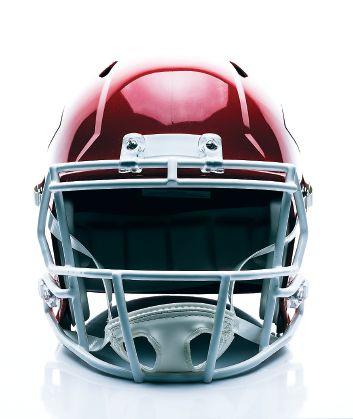
If you’re an NFL football fan, you may have watched the helmet for Kansas City Chiefs quarterback Patrick Mahomes shatter on impact during a playoff game on Jan. 14 against the Miami Dolphins. Certor Sports, which makes the VICIS ZERO2 helmet, said the safety gear “did its job” in protecting the QB during the intense cold which saw wind chills dip to nearly -35C. Mahomes was scrambling towards the end zone when he was hit by Dolphins safety DeShon Elliott — their helmets clashed and a fist-sized chunk went flying from his helmet just above the facemask covering his left eye. Mahomes said he was excited to keep the helmet as a souvenir. “Like they said, it did its job. I was perfectly fine after.” The helmet uses a multilayer technology that creates a “deformable outer shell” wrapped around a stiffer inner shell. It’s a design similar to car bumpers, the company said. – with files from AP

Cue up the toilet jokes. A customer at Dunkin’ doughnuts location in you guessed it Florida is suing the coffee chain after he claims to have been injured by an exploding toilet. Paul Kerouac is seeking more than $100,000 US claiming he suffered “severe and long-term injuries” in the blast. He allegedly emerged from the washroom covered in filth… and sought help from workers and the store manager. An employee told him they were aware of the “problem with the toilet” since there had been previous incidents, he claims.
– with files from AP
“The first thing you’ll notice as you descend through Earth’s atmosphere above Central Kentucky is the lush green countryside that surround Lexington’s vibrant city centre,” it begins. It goes on to describe the rolling hills, horse farms, and bourbon. It chose the TRAPPIST-1 solar system after consulting with scientists and scholars about potentially habitable planets.
– with files from AP
Online retailer eBay has agreed to pay a $3 million US fine to resolve criminal charges over a harassment campaign by employees who sent live spiders, cockroaches, and a bloody pig mask, among other items, to the home of a Massachusetts couple. The couple produced an online newsletter that upset eBay executives with its coverage. The strange behaviour by the company also included posting their address online with announcements inviting strangers to their yard sale and parties. The harassment started in 2019 following an article in the newsletter about a lawsuit brought by eBay that accused Amazon of poaching its sellers, according to court documents. Right after the article was published, the then-CEO sent another top executive a message saying, “If you are ever going to take her down… now is the time.” That message was forwarded to the company’s senior director of safety and security, calling the woman a “biased troll who needs to get BURNED DOWN.” – with files from AP


The following individuals have been granted certification as a Canadian Registered Safety Technician (CRST®)/Technicien en sécurité agréé du Canada (TSAC®)
Natasha M Abraham CRST
Adam Addison CRST
Kehinde Oluwaseun Akande CRST
Jeremy Armstrong-Waugh CRST
Jason Micheal Beddows CRST
Michelle Blanchet CRST
William Patrick Bookbinder CRST
Faridah Bravo CRST
Klaudia Bukowska CRST
Scott Crinson CRST
Hailey Danicek CRST
Mark James Dunne CRST
Kevin Mathew Elsey CRST
Derek Flinn CRST
Derek Donald James Gibbs CRST
Beckeisha Tevonne Gordon CRST
Delaney Audrey Joan Gorr CRST
Shane Gowing CRST
Joseph Mark Ryan Harper CRST
Susan J Hawke CRST
Drew Hebblethwaite CRST
Kristen Hough CRST
Matthew Hoyer CRST
Jayne Elise Jacobs CRST
Akash Jassi CRST
Swarnjeet Kaur CRST
Paul Andrew Kehoe CRST
Nigel Phillip Kent CRST
Hans Kreitner CRST
Walter David Lavallee CRST
David RJ Law CRST
Tammy Le Blanc CRST
Suzanne Kathleen Macdonald CRST
Sarah Jane MacNeil CRST
Miles Martyniuk CRST
Dustin McGillivary CRST
Rosalynn Meyer CRST
Kristian Miliucci CRST
Mark J Nault CRST
Angela Nicholls CRST
Paul Michael Oliver CRST
Juan Mauricio Pugliese CRST
Ritika Rattan CRST
Christopher Reid CRST
Samantha-Lynn Maria Reindl CRST
Leslie Troy Retieffe CRST
Kyle Roger CRST
Stephen Douglas Rogers CRST
Doryen Marie Senkevics CRST
Chris Smith CRST
Nathan Wallace Stadnick CRST
Nkeiruka Edwina Udube CRST
Kristie Michelle Van Humbeck CRST
William Vien CRST
Cory W Vincent CRST
Vlad Visan CRST
Jaron Willems CRST
Shawna Williams CRST
Krista Michelle Wilson CRST
Melanie Zukowski CRST
The following individuals have been granted certification as a Canadian Registered Safety Professional (CRSP®)/Professionnel en sécurité agréé du Canada (PSAC®)
Ahmed Yahya A Abualkhair CRSP
Bernard Addai CRSP
Gregory Chimezem Afube CRSP
Samuel Olusegun Agbi CRSP
Shamim Ahmad CRSP
Benson Odilile Akwue CRSP
Jason Antonishyn CRSP
Cody Lee Arnold CRSP
Muhammad Ayaz Ashraf CRSP
Jesse M Aubertin CRSP
Sunkanmi Peter Ayenimo CRSP
Adele Boaduwaa Badu CRSP
Ankana Banerjee CRSP
Christie Best CRSP
Carrie Bjola CRSP
Megan Rose Cantlon CRSP
Crista Carter CRSP
Saminda Chandraratne CRSP
Dipakkumar Raychandbhai Chaudhari CRSP
Anthony Chevrier CRSP
Sibin Bhaskaran Chirakkal CRSP
Brent Clark CRSP
Anna Cotic CRSP
Rodjel Ryan Espenilla Cuebillas CRSP
Marta Da Silva Vieira De Araujo CRSP
Matthew P Dafoe CRSP
Kareen C.H. Dahlin CRSP
Marissa Dawn DesRoches CRSP
Gary Douglas Dewhirst CRSP
Robbie James Dombowsky CRSP
Adam Clarence Donnelly CRSP
Caitlin Doucette CRSP
Mariya Dremdzhieva CRSP
Alexandra Nicole Entz CRSP
Crepin Tawelessi Abizou Esse CRSP
Ahmed Yahya Fadol CRSP
Aderike Wakilat Fatuga CRSP
Lisa Diane Fernandes CRSP
Mark Shane Fillmore CRSP
John Gordon Florence CRSP
Vincent Benedict Fortuna CRSP
Monte Francois CRSP
Edelnario JR. Aguila Garcia CRSP
Yashwanth Garlapati CRSP
Nicolas Gauthier CRSP
Mareyam Ghatreh-Samani CRSP
Christy Giberson CRSP
Sarah Elizabeth Lefroy Goodwin CRSP
Roy Haddad CRSP
Emily Hagan CRSP
Abdul Hai CRSP
Adam Tyler Harris CRSP
Delia Claudia Harsan CRSP
Christopher Harvey CRSP
Belal Hashmi CRSP
Azeez Taiwo Hassan CRSP
Skyler Graeme Hill CRSP
Jason Hooper CRSP
Coralie Horton CRSP
Bobby Hryniw CRSP
Mirza Sheraz Altaf Hussain CRSP
Chigozie Samuel Ileka CRSP
Sanjay Adesh Jagrup CRSP
Alyssa Marie Janousek CRSP
Damir Jasarevic CRSP
Stacey Jyrkkanen CRSP
Sarah Klippenstein CRSP
Jeffrey Bernard Krewenki CRSP
Raghavan Krishnamurthy CRSP
Santhosh Kumaran CRSP
Richard La CRSP
Nicholas Lubinsky-Mast CRSP
Arif Mahmood CRSP
Elaine Mailman CRSP
Charanjeev Singh Mann CRSP
Jacques Mans CRSP
Amine Manssour Dahbi CRSP
Michael Mason CRSP
Paul Maudsley CRSP
Sterling Christopher McCleary CRSP
Courtney Lillian McDougall CRSP
Randell McRae CRSP
Abdullah Aijaz Memon CRSP
Sajid Ali Mirza CRSP
Bryan Troy Miske CRSP
Claire Moimaux CRSP
Chung Yin Mok CRSP
Kristin Elizabeth Dawn Mullins CRSP
Dale Nagy CRSP
Vrinda Naik CRSP
Sunday Julius Ngimo CRSP
Hugues Ntoumaleu Tchamabe CRSP
Eric Obeng CRSP
Olufolake Abosede Odegbami CRSP
Scholaristica Onome-Oderhohwo CRSP
Keith Michael Orlaw CRSP
Rasheed Babatunde Oseni CRSP
Nicola Jane Oxley CRSP
Young-In Park CRSP
Cathy Peardon Edwards CRSP
Michael Pogorzelec CRSP
Olawunmi Popoola CRSP
Vic John Marasigan Potot CRSP
Mohammed Munawwar Raza Qadri CRSP
Junaid Rauf CRSP
Jason Carl Riggs CRSP
Wade Roberts CRSP
Jeff Robinson CRSP
Adam Paul Rothwell CRSP
Michelle Ruest CRSP
Sadaf Sanaat-Pisheh CRSP
Alexander Satenstein CRSP
Vital Scapa CRSP
Mauricio Gomes Severino CRSP
Aanchal Shahinian CRSP
Simi Shaji CRSP
Laure Sheel CRSP
Yuen Ting Shum CRSP
Fakhte Siavashi CRSP
Uzma Siddique CRSP
Harminder Singh CRSP
Jenesse Mary Smart CRSP
Kelly Ann Smith CRSP
Daniel Jay Snyder CRSP
John Scott Stamcos CRSP
Aaron David Stuart CRSP
Justin Suen CRSP
Martin Tanwi CRSP
Lisa Nicole Thember CRSP
Kayla Emily Jessie Thompson CRSP
Krista Lynn Thompson CRSP
Chowdhury Mohammad Touhid Amin CRSP
Andre Toukam Kouam CRSP
Vincent Tran CRSP
Kei Tsao CRSP
Sadaf Umer CRSP
Muhammad Usman CRSP
Chukwudi John Uzoewulu CRSP
Douglas Jonathan Van Moorsel CRSP
Nicole Vanhouwe CRSP
Vishal Varadarajan CRSP
Ryan Verhelst CRSP
Frederic Villemure CRSP
Claudia Michelle Vodola CRSP
Alexander Frank Walster CRSP
Diahanna Weaver CRSP
Tammy Marie White CRSP
Adam Tyler Wilcox CRSP
Andrew Yeo CRSP
Natasha Yong CRSP
Dean Zapishny CRSP
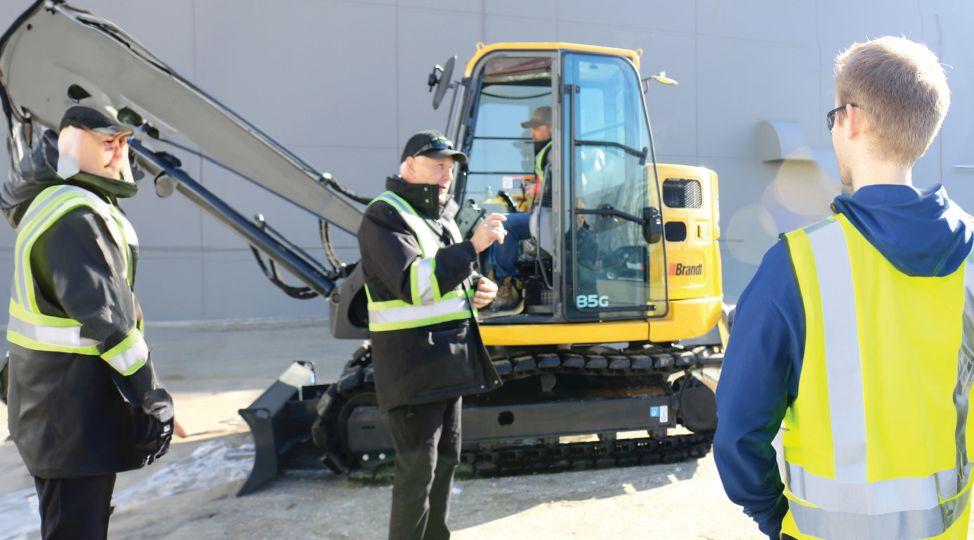
Enhance your safety, productivity, efficiency, and confidence on the job with Brandt Operator Safety Training.
Learn how to load handle, drive & maintain a range of forklift types.
Get certified in a day with our all-inclusive skid steer course.
Understand all aspects of telehandler operation, from startup to shutdown procedures.
Industry-leading training on motor grader handling, safety & operations.
Visit us online at: more.brandt.ca/forklifts
Gain skills in maneuvering and operating an Mobile Elevated Work Platform safely onsite.
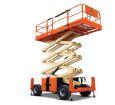
Take our full-day excavator course & get certified.
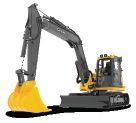
Master fall protection systems and skills that meet regulation requirements

Industry-leading training on wheel loader handling, safety & operations.
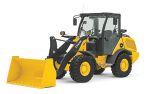
Gain an understanding of how to inspect & safely operate overhead & truck-mounted cranes.
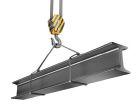
This course provides students a basic understanding of backhoe operation, maintenance, and load handling.