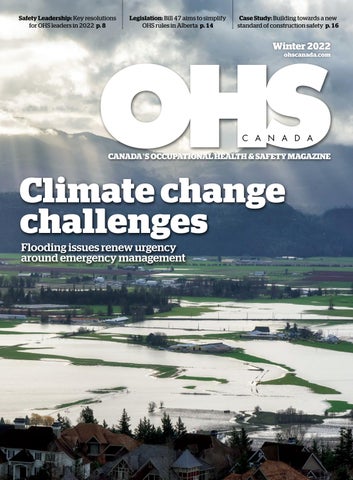

Climate change challenges
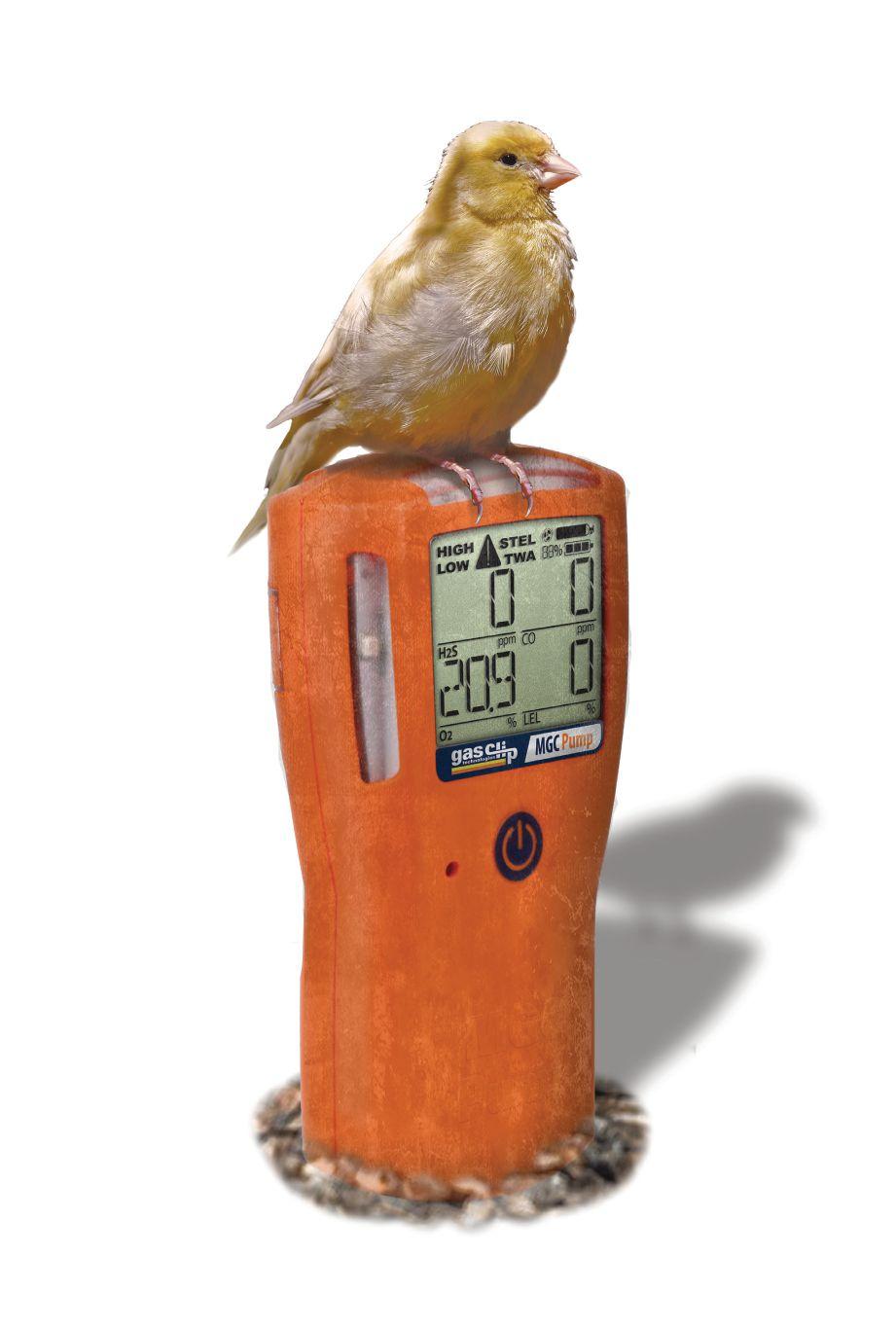
• 52-Hour Continuous Run-Time
• 1-Year Calibration Cycle
• Detects Combustible Gases (LEL), Hydrogen Sulfide (H2S), Carbon Monoxide (CO) & Oxygen (O2)
• Functions In Inert Atmospheres
• Draws Up To 75 Feet
The manufacturer recommends bump testing before each day’s use.

08 | Safety Leadership Key resolutions for OHS leaders in 2022 09 | Legal View
What lies ahead for OHS law in 2022?
ON THE COVER Flooding in Abbotsford, B.C., was a major cause for concern in the fall of 2021, prompting a slew of evacuation orders. The coastal province was also affected by extreme heat and forest fires earlier in the year.
MEAGAN GILLMORE
Alberta bill aims to bring structure, simplicity to workplace safety Amendments to the province’s OHS Act mark attempt to offer clarity, accessibility, adaptability to employers.
BY JACK BURTON
DEPARTMENTS
04 | From the Editor
05 | In the News
18 | Quarterly Check-in
Q&A: What trends are shaping standards development?
20 | CCOHS Corner
Planning for a safe return to work during the pandemic
22 | Time Out
Building towards a new standard of construction safety
The high-risk nature of this work is pushing the industry’s OHS standards to rise to the demands of the pandemic, create robust nationwide safety programs, and tackle mental health.
BY JACK BURTON

By Marcel Vander Wier
Reimagining workplace health and safety
Change is hard. It can often be scary. But in many instances, it can also serve as an opportunity to make things right.
The last two years have resulted in major changes in all facets of our lives — with upheaval coming at a speed and scale the vast majority of us have never before endured.
Whether the dust has yet settled is up for debate — the lingering pandemic continues to confound leaders and frustrate citizens the world over.
But in conversations around employment, it is clear that lasting change is afoot. The future of work is being adopted in various formats within organizations across the world.
After many years of crystal ball predictions, the future is unfolding as hybrid, flexible, and personalized to employees.
Talent Canada (a sister publication of OHS Canada ) has been facilitating conversations on the makeup of the future workplace since 2019.
As the calendar turns to 2022, the conversation has turned to the reimagination of work itself.
All elements of work are up for a reimagination — benefits, culture, compensation, office usage, recruitment, retention... even workplace health and safety?
As columnist Lisa McGuire so eloquently puts it in her first commentary of the new year (see page 8), yes, even the world of occupational health and safety requires a time of reflection and potential reboot.
As the future of work is ushered in, leaders need to ensure the opportunity for lasting change doesn’t slip by.
As a leader, she writes, it is essential to look to the future and decide how to integrate health and safety into the DNA of your business.
Focusing on emergency response planning, visible leadership, and mental health are all on the agenda for OHS leaders in the coming year.
Taking the time to reflect and reimagine is an important process in terms of “getting it right.” As the future of work is ushered in, leaders need to ensure the opportunity for lasting change doesn’t slip by.
And to those seeking answers to what lies ahead, you’ve found the right place.
As the road begins winding into 2022, our team has every intention to continue bringing you up-to-date industry news, information on the latest and greatest products, and thought leadership on all of the changes occurring in the world of occupational health and safety.
We are thrilled to welcome our new brand sales manager Silvana Maiolo to the team (see page 7). Her energy and friendly nature is sure to be a breath of fresh air.
Not immune to the reimagination discussion, the OHS Canada team continues to fine-tune our digital coverage with more webinars, podcasts and virtual events planned for this year, alongside a shift towards a seasonal magazine distribution schedule.
The past two years have ensured workplace health and safety is top of mind — an achievement many in the industry have been striving towards for years.
Ensuring a healthy and safe workforce is a noble cause. Now is the time to ensure that messaging sticks for good.
Winter 2022 Vol. 38, No.1 ohscanada.com
READER SERVICE
Print and digital subscription inquiries or changes, please contact Serina Dingeldein, Audience Development Manager Tel: 416-510-5124
Fax: 416-510-6875
Email: sdingeldein@annexbusinessmedia.com
Mail: 111 Gordon Baker Rd., Suite 400, Toronto, ON M2H 3R1
EDITOR
Marcel Vander Wier
416-510-5115
mvanderwier@ohscanada.com
MEDIA DESIGNER
Graham Jeffrey
ACCOUNT CO-ORDINATOR
Cheryl Fisher 416-510-5194 cfisher@annexbusinessmedia.com
BRAND SALES MANAGER Silvana Maiolo smaiolo@annexbusinessmedia.com
GROUP PUBLISHER
Todd Humber thumber@annexbusinessmedia.com
COO Scott Jamieson sjamieson@annexbusinessmedia.com
Printed in Canada ISSN 0827-4576 (Print) ISSN 1923-4279 (Digital)
PUBLICATION MAIL AGREEMENT #40065710
SUBSCRIPTION RATES
Published five times per year – Winter, Spring, Summer, Fall, Buyer’s Guide Canada $100/yr plus tax USA $130/yr (100 USD) Foreign $214/yr ($164.50 USD)
Occasionally, OHS Canada will mail information on behalf of industry related groups whose products and services we believe may be of interest to you. If you prefer not to receive this information, please contact our circulation department in any of the four ways listed above.
Annex Business Media Privacy Office privacy@annexbusinessmedia.com Tel: 800-668-2374
No part of the editorial content of this publication may be reprinted without the publisher’s written permission © 2022 Annex Business Media All rights reserved. Opinions expressed in this magazine are not necessarily those of the editor or the publisher. No liability is assumed for errors or omissions.
EDITORIAL ADVISORY BOARD
Paula Campkin: chief safety officer at Energy Safety Canada in Calgary, Alta.
Marty Dol: health and safety leader with Sleegers Engineered Products in London, Ont.
Cindy Moser: director of communications for the Institute of Work & Health in Toronto
Natalie Oree: prevention consultant with SAFE Work Manitoba in Winnipeg
David Powers: director of HSE with Oxford Frozen Foods in Oxford, N.S.
Richard Quenneville: senior director of corporate services with T. Harris Environmental Management in Toronto
Maureen Shaw: lecturer and presenter in Victoria
Dylan Short: managing director of The Redlands Group in Oakville, Ont.
All advertising is subject to the publisher’s approval. Such approval does not imply any endorsement of the products or services advertised. Publisher reserves the right to refuse advertising that does not meet the standards of the publication.
In the News
Quebec lifts COVID-19 curfew, expands vaccine passport
MONTREAL (CP) — Quebec Premier Francois Legault says the number of daily COVID-19 cases in Quebec appears to have peaked, allowing him to lift the curfew on Jan. 17 that he imposed to protect hospitals from a record surge in infections.
Health experts project that COVID-19-related hospitalizations, which were at an unprecedented 2,994 on Jan. 13, should peak in the days to come, Legault told reporters.
Legault introduced the 10 p.m. to 5 a.m. curfew on Dec. 31 — in time to ban people from the streets on New Year’s Eve. He had imposed a curfew earlier in 2021 for almost five months, between January and May.
Quebec is the only province to prohibit its citizens from leaving their homes at night as a way to control COVID-19 transmission.
“We saw at the end of December that the increase of new infections was very, very fast,” Legault said. “So, even if it wasn’t popular, we decided to put in place tough measures.”
But he also added new ones, targeting mainly the unvaccinated, whom Legault has threatened to tax with an unspecified financial penalty. The premier said legislation to put the tax into effect would be introduced in February.
Starting Jan. 24, Quebecers will need to show proof of vaccination to enter big box stores with surface areas of 1,500 square metres or more, other than pharmacies or grocery stores. Legault announced that the vaccine passport would also apply to cannabis and liquor stores starting Jan. 18.
Health Minister Christian Dube said the rule will be based strictly on the floor size of the retailer.
“So, the best example is a Costco will have to ask for the vaccine passport; a Walmart will have to require the vaccine passport,” he said.

Ontario allowing shorter isolation
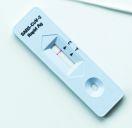
Ontarians with COVID-19 symptoms can leave isolation sooner than the required five days if two rapid antigen tests come back negative.
WorkSafeBC supporting employers as they update, reactivate COVID-19 safety
WorkSafeBC announced Jan. 10 that it will be supporting B.C. employers as they reactivate their COVID-19 safety plans. These efforts follow the provincial health officer’s (PHO) order that COVID-19 safety plans will be required by all employers currently operating in B.C.
A COVID-19 safety plan involves a multi-step process to assess the risks of transmission in the workplace and to introduce measures to reduce those risks.
“Fortunately, employers in B.C. are experienced with COVID-19 safety plans and they now need to reactivate their plan by reviewing and updating it for the current environment,” said Al Johnson, head of prevention services at WorkSafeBC.
WorkSafeBC is posting resources online, including sector-specific protocols, checklists, planning templates, education and training materials, and signage. Resources are available at worksafebc.com.
WorkSafeBC’s COVID-19 safety plan template has been updated to allow for the consideration of elements such as symptom management, rapid testing and vaccinations.
plans
Evidence shows that vaccination is the best control measure available to prevent the spread of COVID-19 in the workplace. WorkSafeBC advises B.C. employers to consider staff-vaccination policies based on their own due diligence.
COVID-19 safety plans also benefit when employers involve workers in development and implementation.
Should workers and employers have questions or require additional assistance in reducing the risk of COVID-19 transmission at their workplace, they can call WorkSafeBC’s Prevention Information Line at 1-888-621-7233.
Earlier in the pandemic, employers were asked to create and implement detailed COVID-19 safety plans. Those plans were replaced by a more general focus on communicable disease prevention on July 1, 2021, as the province began to reopen.
On Jan. 7, the PHO stated that workplaces were required to reinstate those site-specific, prescriptive COVID-19 safety plans to address the elevated risk currently facing B.C. from the Omicron variant.
4 found dead at site of Ottawa truck plant explosion
OTTAWA (CP) — Investigators said they have located four sets of human remains in the site of a tanker-truck manufacturer that exploded in Ottawa on Jan. 13, but have not yet been able to recover the bodies.
Ontario east Regional supervising coroner Louise McNaughton-Filion said it’s still unsafe to access the remains.
Investigators will recover the remains and analyze them to identify the victims and determine the cause of death as soon as it’s safe to do so.
Ottawa Police Insp. Frank D’Aoust said the explosion at Eastway Tank Pump and Meter Ltd. and the fire that followed it caused the roof of the factory to collapse and completely destroy part of the building.
The explosion happened around 1:30 p.m. at the business, which is located in an industrial area in Ottawa’s south end.
After stating it would be scrapped, Ottawa moves forward with trucker vaccine mandate
MONTREAL (CP) — The federal government says the vaccine mandate for truckers crossing into Canada from the United States will come into effect Jan. 15 as planned, despite a previous statement from the Canada Border Services Agency that said Canadian truck drivers would be exempt.
Unvaccinated American big-riggers will be turned back at the border beginning Jan. 15, with the U.S. preparing to impose similar restrictions on Canadian truckers on Jan. 22.
Government representatives offered no explanation for the incorrect information previously sent to media regarding the potential exemptions.
Western employers reminded to take precautions for workers toiling outside in cold weather
$678K
WorkSafeBC recently issued an administrative penalty of $678,889.56 to Rio Tinto Alcan in Kitimat, after the firm failed to implement an exposure control plan to maintain workers’ exposure to process dust that contained toxic substances (including beryllium) as low as reasonably achievable. This was a repeated and high-risk violation.
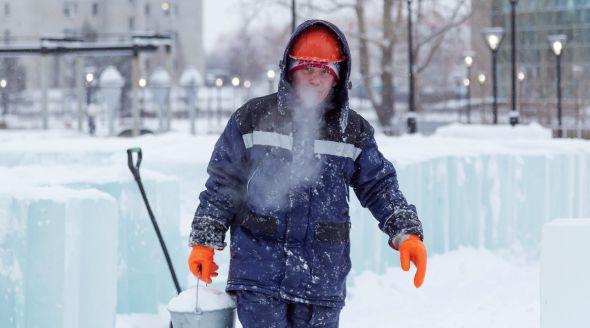
With a frigid cold snap occurring in B.C. and Alberta earlier this winter, WorkSafeBC reminded employers and workers to take precautions and stay safe when working outdoors.
A number of industries and occupations can involve substantial outdoor cold-weather exposure, including construction workers, utility and maintenance workers, transport truck drivers, recreational instructors, operators and attendants.
The most common cold-weather injury is frostbite, which can occur quickly in extreme temperatures, especially when wind or wet clothing are factors.
Cold stress can also lead to hypothermia, where a worker becomes so cold they lose more heat than their body produces. Hypothermia has the potential to be fatal.
WorkSafeBC provided the following safety tips for reducing the risks to workers from cold weather: Elimination or substitution Eliminating the hazard is the most effective control. Consider if the work can be done in a different environment.
Engineering
controls
Making physical modifications to facilities, equipment and processes can reduce exposure to cold weather. Consider if heated warming shelters can be placed on site, or if machines and tools can be designed so they can be operated without having to remove mittens or gloves.
Administrative controls
Consider if work practices and work policies can be changed to reduce risk, such as work rotation to decrease cold exposure, and pacing the work differently so workers don’t have to exert themselves in cold weather.
Personal protective equipment PPE should be the final consideration when doing a risk assessment. Consider whether personal battery-operated heaters or chemical heating pads under clothing can be used. Workers need layered clothing, a head covering, and must keep hands and feet warm and dry.
WorkSafeBC adds that it’s important that workers stay hydrated when working in cold weather by drinking plenty of fluids, but to avoid drinking coffee, tea or alcohol.
Remote communities locking down, banning outsiders as COVID-19 spreads
OTTAWA (CP) — The latest wave of COVID-19 is bringing health-care resources in some remote communities in Canada to the breaking point as case numbers explode.
While many hospitals are reporting smaller numbers of critically ill patients than in previous waves, they are struggling with a higher absentee rate because health workers are getting sick in much higher numbers.
Those strains are exacerbated in remote communities where access to health care is already quite limited.
Bearskin Lake First Nation, a fly-in community in northern Ontario, declared a state of emergency on Dec. 30 when 43 residents tested positive. Three days later, 169 people had confirmed or suspected cases, more than 40 per cent of the total population.
OHS Canada announces new brand sales manager
Silvana Maiolo is the new brand sales manager at OHS Canada.
Maiolo, a resident of Stoney Creek, Ont., assumed the role in January, taking over from Ross Anderson.
A former account executive with Star Metroland Media, Maiolo joins Annex Business Media (parent company of OHS Canada) with an extensive background in customer service, marketing and sales.

“I am thrilled to join Annex Business Media as a brand sales manager, as advertising is my passion,” she said. “I am ready to leverage my 23 years of media sales experience in digital and print advertising products, in ways that will benefit a wide range of clients from all industries.”
Maiolo will also be serving as brand sales manager for Canadian Firefighter, a sister publication of OHS Canada
Maiolo can be reached at SMaiolo@ annexbusinessmedia.com.
“That’s a crisis,” Nishnawbe Aski Nation Grand Chief Derek Fox said in an interview.
Bearskin Lake has no hospital and is usually served by a nursing station with two nurses.
An emergency evacuation would take more than three hours for a plane to get in and out from Sioux Lookout or Thunder Bay, and that’s only if weather permits it to land.

High Impact Resistance
Reflex Polymer Safety Barriers
Protect people and equipment from accidental impact of moving vehicles.
Industry leading polymer safety barriers flex upon impact and return to their original state. This energy absorbing ability significantly reduces maintenance costs and help prevent expensive floor repairs.
Our patented, proprietary, REFLEX polymer is scratch resistant, safe in food processing environments and is fire resistant.
The modular design can accommodate virtually any application.
Used in over 85 countries REFLEX polymer safety barriers are the most cost effective logical choice for modern day facility and asset protection.
Ontario Bollards, 1- 53 Armstrong Ave., Georgetown ON L7G 4S1 844-891-8559 info@ontariobollards.com www.ontariobollards.com

Safety Leadership
By Lisa McGuire
Key resolutions for OHS leaders in 2022
The past year was challenging for businesses across Canada and around the world. The pandemic, supply chain issues, labour shortages, and extreme weather events challenged our ability to keep workers healthy and safe on the job.
As a leader, it is essential to look to the future and decide how to integrate health and safety into the DNA of your business.
Consider adopting the following resolutions in 2022 to shape a path forward to achieve this goal.
Reflect and plan adjustments to improve
With 2021 behind you, it’s time to review your health and safety performance from the past year to help you plan. To target areas to improve, consider past performance (lagging indicators such as injury rate metrics) and predictive measures (leading indicators such as training or supporting a health and safety system certification).
Establish a clear plan in consultation with your safety committee or representative — an important annual activity that should be a standing action item in your business plan every year.
Health and safety performance can directly impact organizational results, so consider that as you set goals for the year. Ensure that a health and safety plan is developed, maintained, and executed every year.
Practise your emergency response and business continuity plan
If 2021 taught us anything, it’s that emergencies will happen — it’s only a matter of when.
In B.C., we faced record-setting heat and cold temperatures in addition to an extreme forest fire season and catastrophic flooding. And this was on top of the ongoing and ever-changing pandemic.
Every business requires a comprehensive emergency response and business
continuity plan to help you manage through the dynamic conditions of a crisis.
Be prepared before an emergency happens, ensuring that workers and employers have the right equipment and processes in place — with training and regular practice sessions to test the plan’s effectiveness.
Not having a plan can have catastrophic consequences for your business — including injuries or fatalities, financial losses, and damage to property and reputation.
In addition to enabling business continuity, rehearsing your plan can uncover previously unrecognized hazards.
As we continue to deal with the impact of climate change, a well-designed emergency response plan is a critical priority for every business owner and leader.
Practise visible leadership
Make preventing accidents and injuries a top priority for 2022, and practise visible leadership that reinforces positive health and safety actions.
Be a role model. Set a tone that reflects the commitment to safety that you want everyone in the company to adopt.
Look for opportunities to connect with workers through walkabouts and appreciative inquiry. Talk to front-line workers about their tasks and ask them what they need to be safe at work.
Asking meaningful questions opens up two-way dialogue across all levels of the organization.
Improving company communication helps create an environment where every employee feels comfortable bringing safety concerns to the table.
Take a new focus on mental health
Research suggests that the mental health impacts of the pandemic and other disasters in 2021 will last well after the end of the events.
It’s time to stop thinking of mental health as something that only affects people outside of work and eliminate the stigma of shame and fear around mental illness.
One in five Canadian employees will experience a mental health issue at some point in their working lives.
Mental health issues can increase absenteeism, reduce productivity, increase turnover and accidents, and cause burnout. Stress (work-related and other) can contribute to other illnesses such as heart disease, high blood pressure, gastrointestinal disturbances, headaches and diabetes.
The demand for employer-provided mental health support and programs will continue to rise to meet the increasing need.
Consider new solutions to address mental wellness in the workplace, including flexible work policies that support mental health. Look for opportunities to increase the mental health literacy of your supervisors and team. Consider options such as mental health first aid.
Make training a priority
With the potential for more in-person activities and a breadth of training offered in virtual spaces, now is the time to get ahead of your health and safety training in 2022.
Review your 2021 training and skills matrix to look for gaps, opportunities for cross-training, and adequate funding to invest in your people.
In today’s volatile environment, new and emerging risks require training to help employees achieve performance objectives.
Consider whether employees may need refresher training since they started in their current role.
What has changed in their jobs and your workplace since they started? How equipped are workers to complete their daily tasks safely without putting themselves or their co-workers at risk?
Investing in a comprehensive health and safety training program reduces injuries and illness, saves costs in absenteeism and decreased productivity, and contributes to positive workplace culture.
A safer and healthier workplace is always a worthwhile resolution. Make it a priority for 2022.
Lisa McGuire is the CEO of the Manufacturing Safety Alliance in Chilliwack, B.C.

Legal View
By David Reiter
What lies ahead for OHS law in 2022?
From an occupational health and safety perspective, it seems that all anyone and everyone was talking about during 2021 was COVID-19. But that wasn’t entirely true.
W hile 2021 was filled with waves of COVID-19 — with the closing or reduction of capacity in stores and restaurants, and with vaccines — there were also several important broad-based changes to workplace safety legislation. And it seems that more may be on the way.
A few of these changes seem to have been focused (at least in part) on reporting and notice requirements that were designed to make the delivery of information to and from health and safety representatives or committee members easier; and others looked to streamline and facilitate the delivery of information to the Ministry of Labour (MOL) in Ontario.
All look to have been made with the aim of making workplaces safer.
A s noted above, two rather significant legislative developments in 2021 in the world of OHS in Ontario focused (at least in part) on the sharing of information about workplace safety incidents. Each of these is discussed below.
Changes to post-incident notice requirements
Historically, when there was an accident, a lost time injury, or a critical injury or fatality at a worksite — the Occupational Health and Safety Act, R.S.O. 1990, c.O.1 (OHSA) required that the MOL and, in some circumstances, others be notified.
The specific requirements were traditionally found in the various industry sectors’ governing regulations, such as the Construction or Industrial Regulations.
However, that has now changed. Instead, Ontario Regulation 420/21 now has
all of the requirements in one place, includes the critical injury definition (which had been the subject of a separate regulation), and it imposes a three-year retention requirement for reports that are submitted.
Making investigation reports more readily available
In a similar vein, the legislation now empowers those health and safety representatives and committee members that investigate workplace fatalities and critical injuries to share the findings they make on their investigations with MOL inspectors.
S imilarly, employers now must also share the reports that are to be submitted to the MOL in critical injury and fatality cases with the committee or health and safety representative.
These changes appear to have been aimed at integrating committee and representatives more fully into post-incident workplace safety reviews or investigations with the aim of making the internal responsibility system work better.
All of this was set out in the province’s Supporting People and Businesses Act, 2021, Ch. 34, S.O., 2021.
Helping the MOL to oversee and inspect (proactively)
S ticking with the idea of notice, and looking forward to what may be coming
in 2022 — the MOL has proposed an amendment to the Construction Regulation under the OHSA, specifically with respect to when notice of a construction project must be provided.
By way of brief background, before a constructor starts work on a project whose value is expected to exceed $50,000 (or in certain other enumerated situations), they must file a Notice of Project. This alerts the MOL so it can organize inspections of the worksite.
H owever, the $50,000 limit hasn’t been revisited in decades, and the other enumerated instances in which notice is required do not capture all situations in which there is risk.
As a result, the MOL called for consultations on proposed amendments. That consultation closed on Sept. 10, 2021 and it proposed 13 new situations in which notices would be required.
These include, but are not limited to, where work is being done on sloped roofs less than two metres from the roof’s perimeter edge, where trenches are excavated more than 1.2 metres deep, and where scaffolding is erected more than 10 metres above base using a tube and clamp system.
The intent behind the proposal seems to be to alert inspectors to projects in which there is risk, presumably so that oversight and inspection can more easily be undertaken.
Closing thought
All said, even though much of 2021 was focused on COVID-19, the MOL did move forward with several legislative amendments that will facilitate oversight and enforcement at Ontario’s workplaces. And it seems like 2022 holds similar promise.
This article offers general comments on legal developments of concern to business organizations and individuals, and is not intended to provide legal advice. Readers should seek professional legal advice on the particular issues that concern them.
David Reiter is a partner with Aird & Berlis in Toronto.
The next major hazard
It’s high time to prepare for current and future environmental concerns at the workplace
By Meagan Gillmore
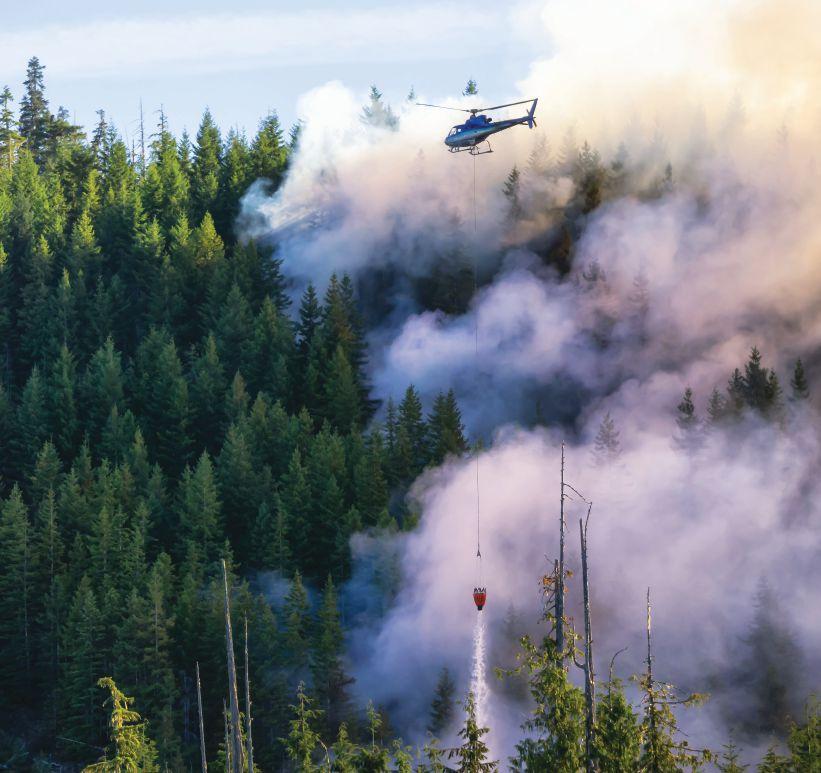
From heat waves to forest fires and floods, climate change and related disasters pose pressing concerns for workplace health and safety.
T hese concerns have been raised internationally.
Climate emergencies dominated British Columbia throughout 2021, prompting dozens of evacuation orders. Federal meteorologists attributed the series of events to climate change, while WorkSafeBC issued reminders for employers to comply with provincial occupational health and safety regulations and prepare for evacuations and rescues.
“ The more you are prepared, the better you will be able to act and help ensure the safety of workers during an extreme weather event,” Al Johnson, head of prevention services at WorkSafeBC said in a
mid-November press release.
A few weeks later, the agency issued a similar reminder about what risks and hazards employers need to be aware of during rebuilding and re-entry.
E mployers need to remember that climate disasters can happen at any time of the year, and to be aware of climate patterns around the world.
“We really need to pay a little more attention to what’s going on globally and to anticipate what could potentially happen in our own backyard,” said Barry Nakahara, senior manager of prevention field services with WorkSafeBC.
Some places are more prone to certain emergencies, such as forest fires. But employers should consider the chance of a climate disaster, like a flood or fire, even if there hasn’t recently been one in their area.
“The more you are prepared, the better you will be able to act.”
– Al Johnson, WorkSafeBC

What to put in an emergency plan
Some provinces and territories explicitly mandate workplaces have written emergency response plans, particularly if rescues or evacuations may be required. Yet regardless of how explicit the laws are, employers need to be prepared.
“ Where legislation is vague or it doesn’t address emergency preparedness, the general duty clause would apply,” said Mathew MacLeod, an occupational health and safety specialist at the Canadian Centre for Occupational Health and Safety in Hamilton, Ont.
British Columbia endured a challenging fire season in 2021, including a razing of the village of Lytton.
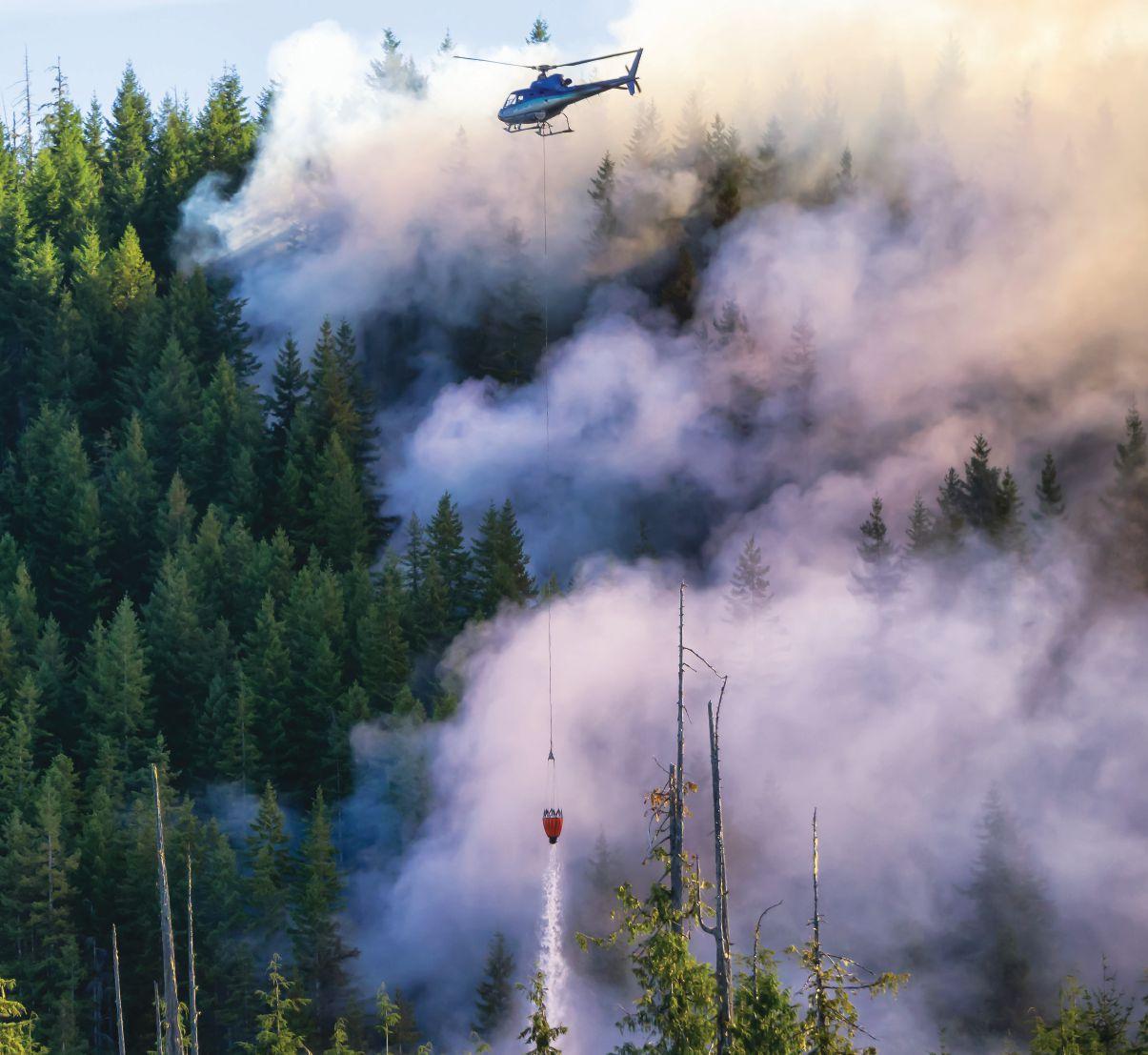
“ Employers need to take all reasonable precautions under the circumstances to prevent injuries or incidents in the workplaces.”
Relevant fire codes and hazardous material legislation should also be consulted.
D ifferent emergencies require separate plans, said MacLeod. Have one plan for fires, and another for floods.
A n effective plan lists all the potential risks and hazards during and after an emergency, how to respond, and how to protect workers. Plans need to outline what equipment is needed and how to
train workers on safe equipment operation.
Large-scale maps need to show escape routes and the location of utilities, like gas lines, that may create additional hazards if affected, said MacLeod.
Each individual’s responsibilities need to be explained in the plan. Employees should be given information that specifically outlines their roles and responsibilities, since plans are often large, he advised.
Plans need current and alternative contact information for all involved. Communication plans
should also specify how emergency services will be contacted, and consider transient and remote workers, noted Nakahara.
“Plans should also factor in how long it will take for emergency services to respond,” said MacLeod, adding that emergency responders should be contacted during a plan’s development to discuss and clarify their roles.
Need for practice
“In the event of climate disasters, there could be a delay in response due to an increase in demand for these services,” said MacLeod.
Different emergencies – such as fires or floods –require separate emergency response plans.
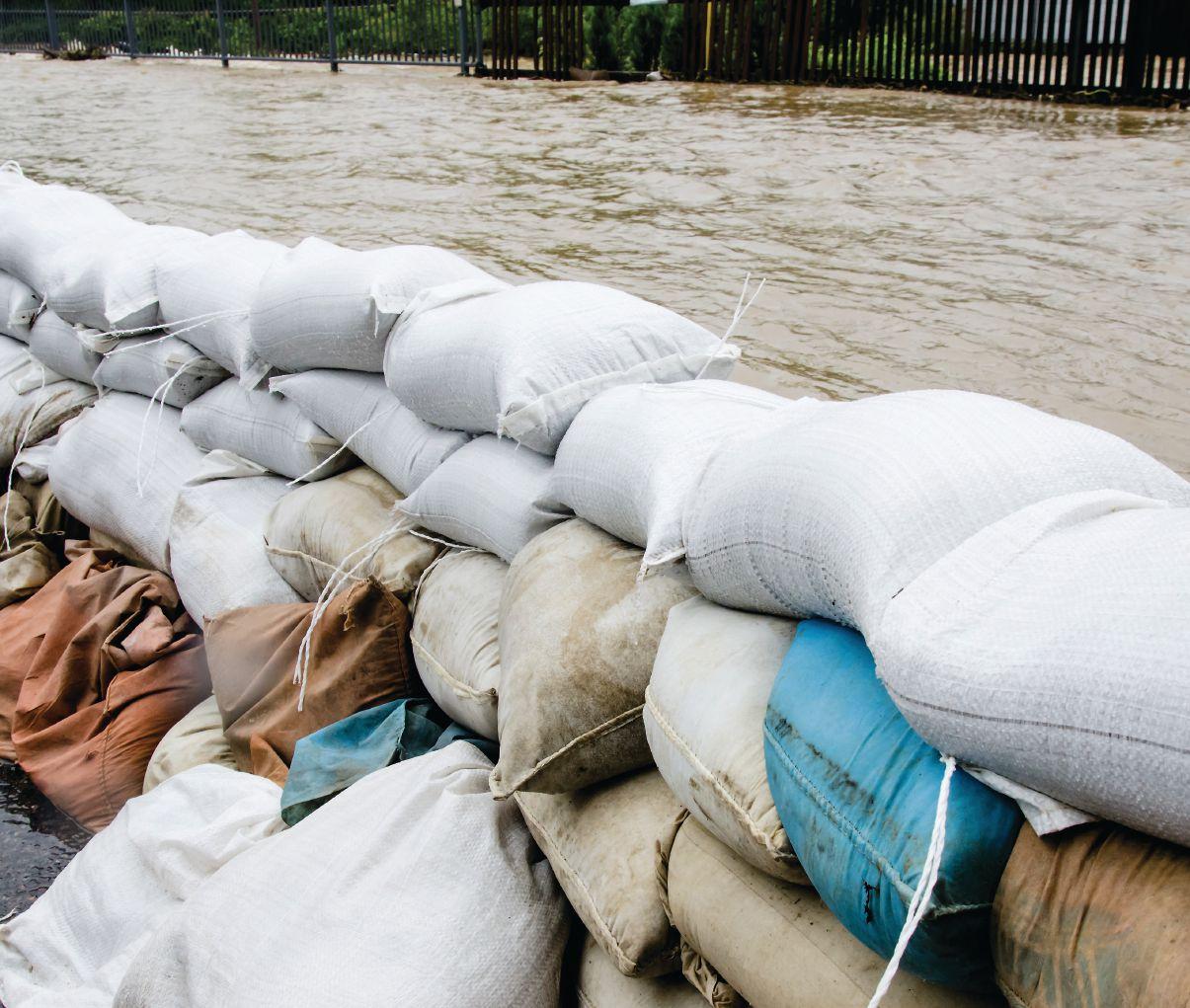
“This further emphasizes the importance of emergency preparedness planning to enhance internal capacity to respond.”
That’s why regular drills are so important. At a minimum, emergency preparedness plans should be reviewed once a year, he said.
Plans need to be discussed — and, if necessary, changed — after each drill and emergency.
“It’s really important that plans are fluid documents and are reviewed and revised regularly,” said MacLeod, adding that additional workplace hazards may be identified while creating an emergency response plan. “It can bring to light any unrecognized hazardous condition that could aggravate an emergency situation and measures could be taken to alleviate them.”
After an emergency
Yet hazards don’t end when the emergency subsides. Recovery and rebuilding also pose risks, and may introduce new workplace hazards. There’s a “wide variety” of occupational and health safety concerns with recovering after a climate -related emergency, said Nakahara, ranging from structural and electrical damage, to hazard-
ous materials, like asbestos, being disturbed.
Often, outside experts, such as engineers, will be required to assess how to safely repair damage, and when workers should return to a site.
“ With natural disasters, the damage is not just limited to the workplace,” he said. “It’s much broader than that.”
A long with considering occupational health and safety legislation requirements, employers need to know their other obligations, depending what needs to be repaired.
For example, responding to electrical damage requires compliance with the Electrical Code and Technical Safety BC, explained Nakahara.
A private homeowner’s property could become a worksite if they hire a contractor. Workplace safety concerns can be a factor if a hazardous material, like asbestos, has been disturbed before the contractor arrives.
“ There can be overlapping jurisdictions” during the recovery, he said. “It’s important for everyone to understand who has a stake in this and who has obligations to ensure safe workplaces and to ensure public safety. This is where it gets complex. It goes beyond workplace issues.”
Various stakeholders need to be consulted throughout developing emergency response plans, said Nakahara.
Involving and empowering workers
While workplaces can be negatively impacted by climate emergencies, they can also contribute to the emission of greenhouse gases and other materials that contribute to these disasters.
This places joint health and safety committees in a unique position; not only should they be involved in the creation of emergency response plans, they can also suggest how their workplaces can implement more sustainable practices.
Many workplaces are adding environmental concerns to health and safety committees’ duties.
According to the Canadian Labour Congress (CLC), several collective bargaining agreements now stipulate workplaces have environmental representatives who can identify how the workplace can become more environmentally sustainable.
“ The rise in climate events will continue to affect workers and impact workplace health and safety. Workers who are already vulnerable — like migrant farm workers and those who are precariously employed — will continue to be disproportionately impacted as the number of climate events increases,” Bea Bruske, CLC president, said in an emailed statement.
“But we already have many proven health and safety tools, so we don’t have to reinvent the wheel. And with additional climate literacy training, these will allow health and safety committees to identify hazards created by climate change, do workplace assessments, and implement hazard control strategies, both as part of our day-to-day joint labour-management health and safety work, and in our emergency planning.”
But joint health and safety committees’ effectiveness is often limited by a lack of information about how workplace practices
are impacting the environment and contributing to climate change, said Kerrie Blaise, northern services legal counsel with the Canadian Environmental Law Association in Toronto.
While existing occupational health and safety laws provide a good basis for protecting workers’ environmental rights, “the link between environmental justice within the workplace hasn’t been made yet,” Blaise said in an interview.
Existing standards need to be “reimagined or broadened to include the environment and climate change so that we can actually facilitate this just transition that is often spoken about but not implemented.”
Workers should suggest environmental improvements to their workplaces, she said, but that information is often proprietary and not available to them. Workers can only make meaningful suggestions if they know how workplace practices may contribute to climate change or environmental hazards, and if whistleblowers are protected.
“ We need to recognize environmental rights in the workplace, but also empower them,” said Blaise.
Meagan Gillmore is a freelance writer in Ottawa.

Alberta bill aims to bring structure, simplicity to workplace safety
Amendments to the province’s OHS Act mark attempt to offer clarity, accessibility, adaptability to employers
By Jack Burton
OHS professionals have endured their share of significant change over the last two years, with more shifts arriving in Alberta at the end of last year through Bill 47 — the Ensuring Safety and Cutting Red Tape Act, 2020.
The act, which went into effect on Dec. 1, 2021, presents a series of amendments to pre-existing health and safety legislation, with the goal of offering workplaces and OHS professionals across the province’s varied industries more clarity and structure in managing workplace safety, especially during a time when those qualities are more valued than ever.
Making safety simple
Joseph Dow, press secretary for the Alberta government’s labour and immigration department in Edmonton, described the major overall change to OHS legislation as “streamlining and simplifying technical rules and requirements, and moving them from the OHS Act and OHS Regulation into the OHS Code.”
The impact of these refinements,
said Dow, is a provincial OHS Act that’s “shorter, less prescriptive and easier to understand. Plus, most of the technical rules and requirements are in one place, which makes them easier to find and apply for job creators and workers.”
This update and consolidation of many overlooked or outdated safety guidelines benefits numerous industries, he said, including mining sites, where rules were previously spread across Alberta’s OHS Act, OHS Regulation and OHS Code, along with radiation safety laws, which were not only unclear, but more than three decades out of date.
“Radiation equipment safety laws had not been significantly revised for 35 years, and often duplicated or did not align with other workplace health and safety legislation,” Dow explained. “Along with this update, radiation rules required a similar refinement to mining standards and now exists in a single, consistent piece of legislation.”
Prioritizing the changing needs of safety
The on-site implications of these new amendments are the emergence of a province-wide safety standard that is more dynamic and industry-specific, said Dow, giving employers more control in defining safety according to, not only the needs of their individual work environments, but also the quickly evolving standards of occupational safety.
By giving employers “rules that are more flexible and easier to
understand, job creators and workers now have more ability to adapt to changing health and safety trends and issues particular to their industries,” he said.
The adaptability that the bill adds to OHS also extends beyond the workplace, with the consolidation brought on by these amendments allowing for further updates and refinements to be made with ease on a legislative level.
“From a policy perspective, consolidating requirements into the OHS Code makes them easier to change and update because the code is a regulation,” said Dow. “This ensures that rules can stay current with best practices and changing trends, such as advances in technology and new protective equipment.”
In allowing for more efficient and needs-based applications of safety standards across Alberta’s varied industries, Dow believes that the dynamic nature of these new amendments lets employers achieve a new level of prioritizing the safety of their work environments and those within them.
“Workplace health and safety is in everyone’s interest,” he said. “By making OHS laws easier to understand and follow, we can improve workplace health and safety and ensure every person returns home safely and healthy at the end of each workday.”
“For too long, these laws were often viewed as to-do lists. Alberta’s government changed that by listening to job creators and workers.”
Now in effect
Bill 47 went into effect in Alberta on Dec. 1, 2021.
Out with the old... The demands of job creators and workers that Bill 47 sought to address were largely in reaction to previous OHS legislation implemented several years ago by Alberta’s former NDP government, explained Loretta Bouwmeester, partner at Mathews Dinsdale & Clark, an occupational health and safety-focused law firm based in Calgary.
“Candidly, there was so much feedback received by the government in response to the NDP changes,” she said. “It was such a hot topic that it needed to be addressed from a constituency perspective, and a number of industry associations had proactively provided feedback and submissions on needed changes.”
The majority of this feedback concerned what was perceived as sudden and sometimes unclear changes introduced by the prior government, Bouwmeester said.
“The concern was that the pendulum had swung abruptly, and in a way that made things difficult.”
Previous legislation was focused on achieving safe processes over safe outcomes, which caused confusion and frustration due to what some believed was limiting and unclear definitions regarding an organization’s roles and responsibilities in managing the safety of their workplace.
With Bill 47, Bouwmeester said, “this government wanted to see safe outcomes, and didn’t want to bind the hands of an employer so that they were more process focused than outcome focused. It’s the outcome that matters, though, and that outcome is safe workplaces.”
Evolving toward clearer responsibilities
By introducing more clearly defined roles and adaptability into Alberta’s workplace safety policies, the Ensuring Safety and Cutting Red Tape Act serves what Bouwmeester described as a “continued, balanced evolution” from prior legislation.
One manner in which the legislation has evolved is by offering a new clarity when defining internal responsibility systems and the organizational roles played in efficiently achieving workplace safety.
“Enabling innovation has been a big focus of this government, and they saw changing this legislation as a means of both achieving health and safety outcomes through performance-based approaches, but also providing better clarity on each of the party’s responsibilities while still being economically viable,” she said.
The new model of occupational safety expectations and organizational roles presented by Bill 47 removes some of the responsibilities held by employees in supervisor roles when it comes to maintaining health and safety, and places more onus on the employer to see that conditions are met.
“What the new legislation makes clear is that the employer is responsible for work-related safety issues. The old legislation, with that really broad definition, blurred the boundaries,” said Bouwmeester. “This is an important (change), because this created so much angst for supervisors.”
A return to employer accountability
Frustration arose from the prior legislation’s creation of “an
independent obligation on supervisors to ensure their own competency,” Bouwmeester said.
“If their employer wasn’t providing the tools, arguably they had to do it themselves, where now, the responsibility is more squarely with their employer.”
Returning to a system where supervisor competency is once again an employer responsibility means that it is on organizations to ensure “that their supervisors are competent to carry out their duties, and if the supervisor is not competent, that can have a blowback effect on the employer,” rather than solely the
employee, according to Bouwmeester.
The increased safety responsibility of employers does not mean employees have any less of a say regarding the safety of their workplace, however.
Bouwmeester remarked that “a main, big change is that OHS officers can issue orders, and if they have to get a court order to enforce it because an employer is not complying, the court can now order costs against that employer, so the employer has to pay for OHS to make them comply.”
“Essentially, if you’re offside, the consequence is now bigger.”
21_2804_CN_OHnS_JAN_FEB_CN Mod: December 30, 2021 2:29 PM Print: 01/20/22 9:08:51 AM page 1 v7
Jack Burton is a freelance writer in Toronto.
Building towards a new standard of construction safety
The high-risk nature of this work is pushing the industry’s OHS standards to rise to the demands of the pandemic, create robust nationwide safety programs, and tackle mental health
By Jack Burton
It almost feels like déjà vu, said MJ MacDonald, CEO of Construction Safety Nova Scotia in Halifax. Despite the arrival of the Omicron variant, Canada’s construction sector is meeting the latest wave of COVID-19 by applying numerous workplace safety lessons learned, not just over the course of the pandemic, but from working in an environment where occupational safety is critical.
“Our industry was uniquely prepared to address COVID-19 compared to others,” she said, noting that safety professionals across the construction industry have been applying their own familiarity with risk assessment, “viewing COVID-19 through the lens of: ‘What is the hazard? What is the risk? And how can we eliminate or mitigate that risk?’”
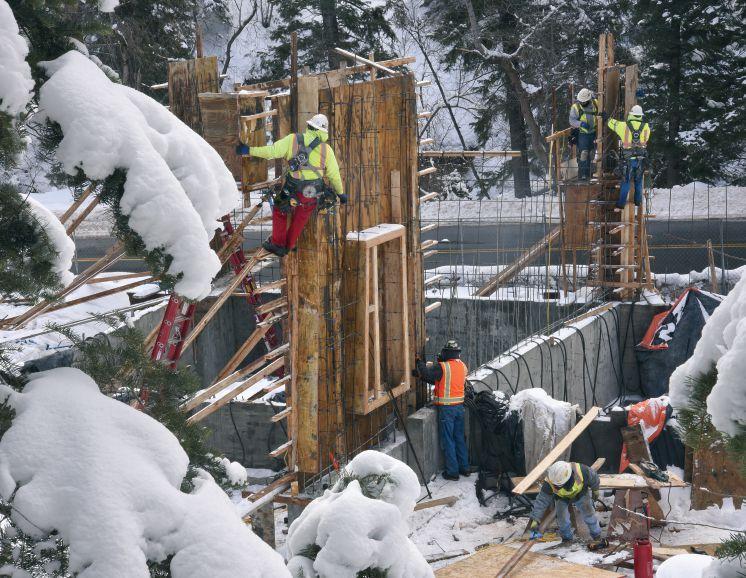
MacDonald said that the industry is responding to the surge in COVID-19 cases, and the resulting disruptions and hazards it presents to workplace safety, with a return to basics, focusing on the strategies that helped organizations navigate the initial issues introduced by the pandemic in March of 2020.
“Certainly what we acknowledge, and what we’ve been focused on, is a return to the fundamentals: ensuring good masking protocols, good sanitation, and social distancing,” she said.
Risk of unpredictability
Despite this preparedness, the Omicron variant’s notably high transmission rate has created unpredictability in on-site safety, especially due to the role that fully staffed operations play in the construction industry, regarding both safety and productivity.
“We’re really quite struggling with the impact and being able to continue on with all work. It’s just simply not possible,” said MacDonald. “It’s having quite an impact on scheduling right now, so we’ve been
struggling. It has been very, very difficult, especially because of the randomness.”
Adding to the stress caused by the unpredictability of COVID-19 absences across the industry is the high volume of workers affected by the current wave: “There are large numbers of people, either off sick or isolating. In some cases we’re hearing that numbers as high as 30 per cent of the workforce are impacted,” she said.
Vaccine hesitancy as an industry obstacle
Beyond returning to initial pandemic management protocols on construction sites, another emerging strategy to curb the workplace risks of COVID-19, regardless of industry, is the safety of having a vaccinated workforce.
Despite the protection offered by the vaccines in managing these risks, however, MacDonald said there has been some relative hesitancy amongst the construction industry.
“This isn’t a sector that’s had the same uptick in vaccinations, and so when we talk about fundamentals, we’re also talking about the need for everyone to be vaccinated — not just once, not just twice, but three times.”
Speaking to her province specifically, she cited a workforce shortage in Nova Scotia’s construction sector as one of the factors contributing to employers’ lack of stricter vaccination protocols.
“Before COVID-19 even started, there was a workforce shortage in Nova Scotia,” MacDonald explained, “and the feeling was that there is enough people who were reluctant or hesitant to become vaccinated who had the freedom to go elsewhere, meaning that companies risked losing resources at a time when they were already short-staffed.”
In light of this, MacDonald said that Construction Safety Nova Scotia has “lobbied and recommended that employers create policies for mandatory vaccination or proof of vaccination,” and fortunately, “many employers have adopted that.”
Despite admitting to some initial controversy, she is optimistic that their
messaging is resonating, especially in light of current surges.
Meeting risks with resources
Pandemic or not, common threats to workplace safety in the construction industry — such as fall hazards, machine operation accidents, and environmental risks — have made effective OHS a necessary constant for ensuring both protection and productivity on site.
Helping this heightened need for safety support is a rich array of resources to help workers and employers build a safer workplace.
These include nationwide programs such as the Canadian Federation of Construction Safety Associations-endorsed Certificate of Recognition (COR), which incentivizes employers to build a robust health and safety program by rewarding them for having on-site safety measures that are up to standard.
“The reward for having a good safety management system is the Certificate of Recognition, and that allows employers to get a 10 per cent rebate off of their accessible earnings, which is a lot of money, especially for large companies,” said Erin Linde, director of health and safety services for the British Columbia Construction Safety Alliance (BCCSA) in Vancouver.
Though it provides employers with a reason to strive toward a safer workplace, COR has also evolved into an industry standard in some parts of the country, holding value that goes beyond just compensation.
“In many provinces — like Alberta — COR is mandatory for many employers to have for bidding on work,” Linde explained.
Numerous resources addressing the specific safety needs of construction workers across the country are also available, including online “Toolbox Talks” hosted by various provincial construction safety organizations which discuss specific workplace safety issues, along with return-to-work programs to help rehabilitate workers from on-site injuries.
Tearing down the stigmas of mental health
While construction work demands a focus on physical safety, equally important, yet often overlooked, are discussions surrounding the mental well-being and psychological safety of workers, said Linde.
“Initially we didn’t talk about mental health, and while I think that now people are starting to talk about it, firstly we need to start breaking the stigma.”
This begins through starting conversations on the topic, with a focus on “letting people know that if they’re hurting that it’s okay to ask for help,” she said.
“People may be embarrassed to get help, but it’s really about just understanding the statistics and demonstrating that there are so many people affected by this, and that it is OK to talk about.”
Linde cited anxiety, depression and burnout as obstacles to psychological safety, but also noted that high levels of substance abuse and opioid dependence exist within the construction industry, especially in cases of injury recovery or management.
A number of industry resources have been created in recent years to address growing needs for psychological safety in construction workplaces.
Linde pointed towards the BCCSA’s online mental health toolkit, RE-MIND, which helps workers struggling with addiction and psychological wellness by familiarizing them with common mental health challenges and connecting them with resources local to their area.
Prioritizing mental health in the workplace benefits individuals who may be struggling, Linde said, but also creates an overall culture that’s more engaged, efficient and — most importantly — safe.
“When you have a mentally healthy workplace, you also have reduced absenteeism and employees that are more engaged, which then leads to improved productivity and a more robust health and safety culture with less incidents,” she said.
“It really does all tie together.”
Jack Burton is a freelance writer in Toronto.
Quarterly Check-In
CSA Group
CSA Group is a global organization dedicated to safety, social good and sustainability. It is a leader in standards development and in testing, inspection and certification around the world, including Canada, the U.S.A., Europe and Asia. CSA Group’s mandate is to hold the future to a higher standard.
Q&A: What trends are shaping standards development?
CSA Group president and CEO opens up about organization’s mission, vision
Although the CSA mark is familiar to many Canadians, less is known about the organization behind it.
C SA Group is a global organization, headquartered in Toronto, with offices and labs around the world.
It is comprised of two separate organizations: the Canadian Standards Association, which develops standards across a wide range of sectors; and a global commercial subsidiary organization which engages in testing, inspection and certification to ensure that products are safe and efficient.
These organizations work together to realize the CSA Group’s mission of improving health, safety and the environment.
David Weinstein, president and CEO, joined CSA Group in 2015.
Under his leadership, the organization has undertaken many transformative projects, including establishing a worldclass, global health, safety, security and environment (HSSE) program.

Below, Weinstein shares more about his role, CSA Group’s response to COVID-19, and what’s next for the 102-year-old organization.
Can you tell us more about your role at CSA Group?
As president and CEO, I am responsible

for the leadership and strategic direction of CSA Group. This includes many of the responsibilities that you might expect, like working with our executive leadership team to prioritize programs and initiatives, optimizing use of our resources, and ensuring that we’re attracting and retaining strong global talent.
The most fulfilling role that I play is upholding the organization’s mission.
We are a purpose-driven organization, committed to social good, safety and sustainability. This mission is at the core of everything that we do, and is a point of pride and motivation for our employees and stakeholders.
How did CSA Group’s approach to health and safety change with the pandemic?
CSA Group had a safety-first culture even before the pandemic, so we were well prepared to face the many challenges that have come our way.
We responded to COVID-19 just as we would have responded to any other safety hazard, quickly mobilizing our well-established global HSSE policies and processes.
One of the first decisions we made was to allow most employees to work from home, while creating safe working conditions for the essential employees in our labs.
Although we had HSSE policies and processes in place, remaining nimble and listening to employees to understand their needs has been crucial.
As the pandemic endured, we realized the need to expand our view of safety to include mental wellness. We quickly introduced new support programs to help employees navigate through their new reality, and we continue to strengthen these offerings.
Mobilizing our safety-first philosophy extended beyond CSA Group employees to our over 10,000 volunteer members
CSA Group’s safety certification marks appear on more than a billion products worldwide.
who develop standards with us.
Early in the pandemic, we pivoted to virtual committee meetings only, allowing us to continue our important standards development work while keeping our members safe.
To eliminate barriers to access and encourage the use of relevant standards, we also made health-care standards available for no-fee view access.
What are the health and safety trends that are impacting your organization?
With locations around the world, determining how to best tackle COVID-19 on a global scale will continue to be a focus.
Although many of our employees can work remotely, we also have essential, on-site employees who work in our labs.
Managing the health and safety of these employees and ensuring consistency, while also being mindful of the local public health policies in the many local jurisdictions that we operate, has and will continue to be a priority.
CSA Group continues to attract and retain talented employees. Over the last two years, most of our new hires were onboarded virtually. Given that health and safety is intrinsic to everything that we do, offering exceptional training remotely to new employees — and existing ones — will be a goal and area that we continue to invest in.
As the pandemic lingers, we will continue to put emphasis on the mental health of our employees by offering a range of mental health support programs.
How closely do you work with the safety professionals in your organization?
Creating a safety-first culture at CSA Group was a personal and professional goal when I joined in 2015, but implementing this program has truly been a collaborative effort.
First and foremost, I dedicate a portion of my weekly meetings with our leadership team to HSSE, and have mandated that the executive leadership team does the same.
Personally, I connect with our HSSE team weekly, and receive updates from them every day. We’ve also leveraged technology to be sure that our entire leadership team receives alerts when an injury occurs and have protocols in place to ensure a swift and appropriate response.
I think it’s important that we not only say that we’re committed to creating a strong safety culture, but that we share measurable goals.
A few years ago, we set a goal to achieve global, multi-site registration to ISO 45001 and ISO 14001 in three years, which we did successfully. Although this timeline was ambitious, having a goal kept us motivated, focused and accountable.
How has CSA Group contributed to Canada’s COVID-19 response efforts?
The combination of a lack of Canadian standards and domestic testing capability created a health and safety risk for Canadians. CSA Group was well positioned to help Canada address this risk.
In the early stages of the pandemic, we established an accredited, special-purpose laboratory to test and certify medical-grade PPE , which was a first in Canada at that time.
The establishment of this lab helped provide Canadians with greater peace of mind by providing access to fully tested PPE, made in Canada.
C SA Group also published timely research on Canada’s pandemic response products ecosystem and led the development of a new, made-in-Canada standard for the performance of filtering respirators, released in late 2021.
The standard, which will soon replace Health Canada’s interim guidance implemented at the beginning of the pandemic, builds on the strength of NIOSH requirements while addressing the specific needs of front-line workers brought to light during the pandemic.
I am so proud of the work we did to quickly mobilize to protect Canadians, while also supporting the growing population of domestic PPE manufacturers
Moving into 2022, we’ll continue to strengthen our PPE testing and certification offerings, lead the development of much-needed standards and inves t in research to inform future standards.
What can Canada’s OHS community expect from CSA Group in 2022?
Not surprisingly, 2022 is shaping up to be a busy one for CSA Group.
Our OHS standards team is updating existing standards, while also forging ahead on the development of new ones, including standards focused on hearing loss prevention, high visibility apparel, fall protection and working at heights.
We also continue to invest in research to investigate and identify new and emerging issues that will help to inform the development of future standards.
S ome of the research underway and expected to be published in 2022 includes: an investigation of the challenges Canadian women face regarding work-mandated PPE; an investigation of leading practices from COVID-19 on safeguarding psychological health and safety in the workplace; and examination of first-aid skills retention.
How can OHS professionals stay informed and become involved in CSA Group’s activities?
I invite OHS professionals to join CSA Group’s collaborative space on our Communities platform (community. csagroup.org) to learn about our standards, pose questions and engage in standards-related discussions.
We intend to continue to strengthen and grow our suite of resources in 2022.
C SA Group standards referenced in OHS legislation, health-care related standards, and our research reports are available for no fee.
For those looking to become more actively involved, we always welcome new members and encourage all Canadians to consider applying to join a CSA Group standards development committee or participate in the public review and comment period of draft standards.
CCOHS Corner
Canadian Centre for Occupational Health and Safety
The Canadian Centre for Occupational Health and Safety (CCOHS) promotes the total well-being — physical, psychosocial, and mental health — of workers in Canada by providing information, advice, education, and management systems and solutions that support the prevention of injury and illness.
Planning for a safe return to work during the COVID-19 pandemic
As people in Canada contend with COVID-19 and its variants, plans for returning to work are evolving along with public health measures.
As much as we’d like to imagine a near-future without COVID-19, experts suggest it is something we’ll be dealing with — and adapting to — for some time.
When planning for a return to work during the pandemic, employers must consider not only workers’ physical safety from COVID-19, but their psychological safety as well.
Since each workplace is unique, employers should consider the personal risk factors and the needs of their workers when thinking about how to prepare them for a safe return to the workplace.
Anticipating concerns
People in Canada are experiencing increased stress, fear, anxiety, isolation, and other challenges during the COVID-19 pandemic, which may increase as people return to the workplace.
Work factors that might impact mental health include concerns about the risk of being exposed to the virus at work, taking care of personal and family needs while working, managing a changed workload, or adapting to a different workspace or schedule.
Understanding the true concerns about returning to the workplace can help you set up appropriate controls. Creating a psychologically safe workplace can help your staff work through these concerns.
Surveys can be helpful in identifying concerns that can be addressed before workers return to the workplace.
Educate and train managers, supervisors, and workers to recognize when someone needs additional support. Ensure managers and supervisors are well-informed on how to support workers.
Regular check-ins can make a world of difference.
Consider the risks
One way to increase workers’ comfort level with returning to work is to conduct a risk assessment and communicate a detailed COVID-19 safety plan that considers and addresses the identified hazards.
Employers should work with their health and safety committee or representative to identify activities where workers are in close contact with others (less than two metres apart), in crowded places, in indoor closed spaces with poor ventilation, and in activities requiring forceful exhalation (like heavy labour or speaking loudly) and with objects touched by others.
Don’t forget to include services provided by third parties and interaction with external customers or the public.
Consider the personal risk factors of your workers and how they might impact the risk and potential control measures when returning to the workplace.
• Do any have known pre-existing medical conditions that put them at higher risk for severe disease or outcomes?
• Are there workers who live together, carpool or take public transit to work?
• Are there language, socio-economic, or other accessibility barriers to assess?
These personal risk factors may increase the likelihood of a severe outcome or increase the risk of transmission outside of work; therefore, additional precautions may be required.
Follow the guidance provided by your local public health authorities, the Public Health Agency of Canada (PHAC), and your jurisdictional occupational health and safety regulator.
A layered approach
Once the hazards and risks of COVID-19 have been identified and evaluated, imple-
ment appropriate preventative measures using the hierarchy of controls: elimination, substitution, engineering controls, administrative controls, and personal protective equipment.
Use a layered approach that includes multiple individual public health measures in your safety plan, adjusting the plan as local public health measures change.
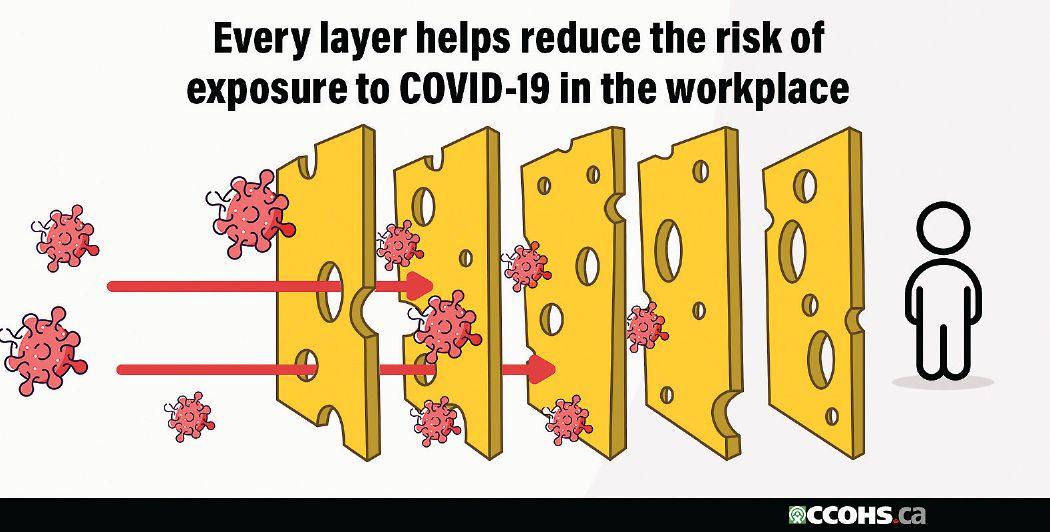
A layered approach is sometimes referred to as a “Swiss cheese model” — although a single measure may have holes in it, the barrier becomes stronger with each slice (layer) of protection added.
No single control measure is 100 per cent effective on its own, but with each added layer of control, the risk of exposure gets lower.
Monitor the public health measures required in your setting and discuss the benefits of the COVID-19 vaccination with your workers.
Make sure that no new hazards will be created as a result of any new control measures. Continue to evaluate how effective your workplace COVID-19 safety plan and controls are, and make changes as needed.
Communicate clearly and regularly
Some workers may have concerns about returning to the workplace.
Develop a communication strategy using multiple methods to provide information, receive feedback, and to encourage discussion with everyone. State your commitment to health and safety and contact workers frequently to provide updates.
Let them know as far in advance as possible before the date of their expected return to the workplace so they have a chance to mentally prepare.
Review the COVID-19 safety plan before workers arrive on site and discuss how they will be expected to follow it.
Include information on any reduced or suspended services and discuss any
anticipated changes in how work activities will be performed. Identify how workers will be trained before performing new or modified work tasks. Refresher training should be provided for all updated policies and work procedures.
When communicating information, make sure it is readily accessible and in languages to best support your workforce.
Use information from credible and trusted sources, including the PHAC and your local public health authority.
Consider a hybrid workplace model
According to Statistics Canada, approximately four in 10 workers in Canada are in jobs that can likely be done remotely under normal circumstances. Does this include your workplace?
Many workers want the flexibility of continuing to work remotely. In a survey conducted by PwC Canada in July 2020, just one in five Canadian workers indicated they want to return to their workplace full time once COVID-19 restrictions are lifted.
Employers may want to consider a hybrid workplace model, which combines the flexibility of working from
home with the advantages provided by having workers together in a workplace.
A hybrid workplace model can result in higher job satisfaction due to the flexibility it offers. It helps employees reclaim some of the time they would otherwise spend commuting, and work with less distractions from co-workers.
Being in a physical workplace part of the time can provide more opportunities for collaboration, innovation, brainstorming and sharing ideas and information with co-workers. It can encourage team-building through face-to-face meetings and fostering personal connections, which builds trust.
If the hybrid model is an option for your workplace, you’ll want to consider scheduling, locations for specific tasks, workplace configuration, ergonomics, technology to keep workers connected while working remotely, and how to encourage disconnecting from work at the end of the day.
How many days per week do workers need to report to the workplace? Once a week? Three or four days? You may prefer a monthly schedule where the entire team is on site on certain days to collaborate.
In addition to configuring the work-
place for hybrid workers, you’ll need to provide ergonomic education and resources for workers who are using a home office or unassigned workstations. All these factors should be included in a remote work policy.
The remote work policy should also include guidelines for working on sensitive, protected, or classified information when working remotely, following all relevant legislative requirements.
Lead with empathy
When developing your return-to-work plan, thoroughness is key to ensuring workers’ physical and psychological safety.
Take the time to consider all the risks, adjust the workplace, and organize training on new procedures.
Communicate clearly and consistently, understanding that some employees are likely to need more time and support to transition back to the workplace.
Leaders have the opportunity to foster a psychologically safe and healthy workplace. Be vigilant in looking for signs of worker burnout and fatigue.
COVID-19 has changed the way we work and live. Workers require empathy and compassion as they return to the workplace.
A collection of weird and wild workplace health and safety headlines from Canada and across the world.
Italy dentist with fake silicone arm gets vaccine for real
CROME (AP) — An Italian dentist who presented a fake arm for a COVID-19 vaccine says he has since gotten a shot and that the vaccine “is the best weapon we have against this terrible disease.’’
Dr. Guido Russo faces possible criminal fraud charges for having worn an arm made out of silicone when he first showed up at a vaccine hub in the northern city of Biella.
Italy has required doctors and nurses to be vaccinated.
Russo insisted during a Dec. 8 appearance on Italian talk show La7 that he wasn’t trying to defraud the government or to dupe anyone because the arm was obviously not real. He said he wanted to make a personal protest against vaccine mandates.
A nurse who spotted the silicone arm reported Russo to her managers. The dentist acknowledged his protest failed and said he received a vaccine dose in one of his actual arms the next day “because the system obliged me to.’’
He added: “I think at this point the vaccine is the only weapon we have against this terrible disease, but there should be a freedom of choice.’’
Pizza delivery man dies in eastern Indiana porch collapse
CONNERSVILLE, Ind. (AP) — A pizza delivery driver died after a porch collapsed while he was making a delivery in eastern Indiana, police said.
Officers found that William Fields, 45, had fallen through what appeared to be a collapsed porch, Nov. 27. Fields had been pinned by heavy debris and was motionless when officers found him, police said. He was pronounced dead at a local hospital a short time later.
Fields was working as a delivery driver for Pizza King and was delivering to the address. The death was ruled an accident, police said.

Government asks for investigation into Sunwing party flight to Mexico
MONTREAL (CP) — Federal Transport Minister Omar Alghabra has asked Transport Canada to investigate reports of “unacceptable’’ behaviour on a recent Sunwing Airlines flight from Montreal to Cancun, Mexico.
Uganda’s schools reopen, ending world’s longest lockdown
KAMPALA (AP)
— Uganda’s schools reopened to students on Jan. 10, ending the world’s longest school disruption due to the COVID-19 pandemic. Schools had been fully or partially shut for more than 83 weeks.
Videos of the Dec. 30 flight shared on social media appear to show passengers not wearing masks as they gather in close proximity, singing and dancing in the aisle and on seats.
In one video, a large bottle of vodka appears to be passed among passengers, and later a woman appears to be smoking an electronic cigarette on the plane.
According to reports, the plane had been chartered and some of the passengers were cast members from Quebec reality television shows.
“I have asked Transport Canada to investigate the matter,’’ Alghabra wrote in a post on Twitter. “We must take the risks of COVID seriously!’’

Rat who detected land mines in Cambodia dies in retirement
PHNOM PENH (AP) — A land mine-detecting rat in Cambodia who received a prestigious award for his life-saving duty has died in retirement, the charity for which he had worked announced.
Magawa, an African giant pouched rat, passed away in early January, said an announcement on the website of APOPO, a Belgium-headquartered non-profit group. The organization trains rats and dogs to sniff out landmines and tuberculosis.
Almost three decades of civil war that ended in 1998 left Cambodia littered with landmines and other unexploded ordnance that continue to kill and maim.








Presented